Visual abstracts
New randomized trials and meta-analyses from leading journals at a glance: who was studied, what was compared, and what was found. Every paper is free to read in full.
All specialtiesCardiology 4765Oncology 4048Gastroenterology & Hepatology 1906Infectious Disease 3759Neurology 1874Psychiatry & Mental Health 2217Pulmonology 2046Critical Care 1323Endocrinology & Diabetes 2545Pediatrics 2891Surgery 2482Orthopedics & Sports Medicine 917Neurosurgery 526Cardiothoracic & Vascular Surgery 657Plastic & Reconstructive Surgery 574Nephrology 1108Rheumatology 810Hematology 1090Dermatology 611Ophthalmology 532Obstetrics & Gynecology 1646Public & Global Health 1037Radiology & Imaging 620Anesthesiology 958Urology 745ENT (Otolaryngology) 494Emergency Medicine 481Allergy & Immunology 309Geriatrics 973Family Medicine & Primary Care 534Medical Genetics & Genomics 659Pathology & Laboratory Medicine 156Physical Medicine & Rehabilitation 736Palliative Care 421Nutrition 1561Digital Health & AI 2136General Medicine 316
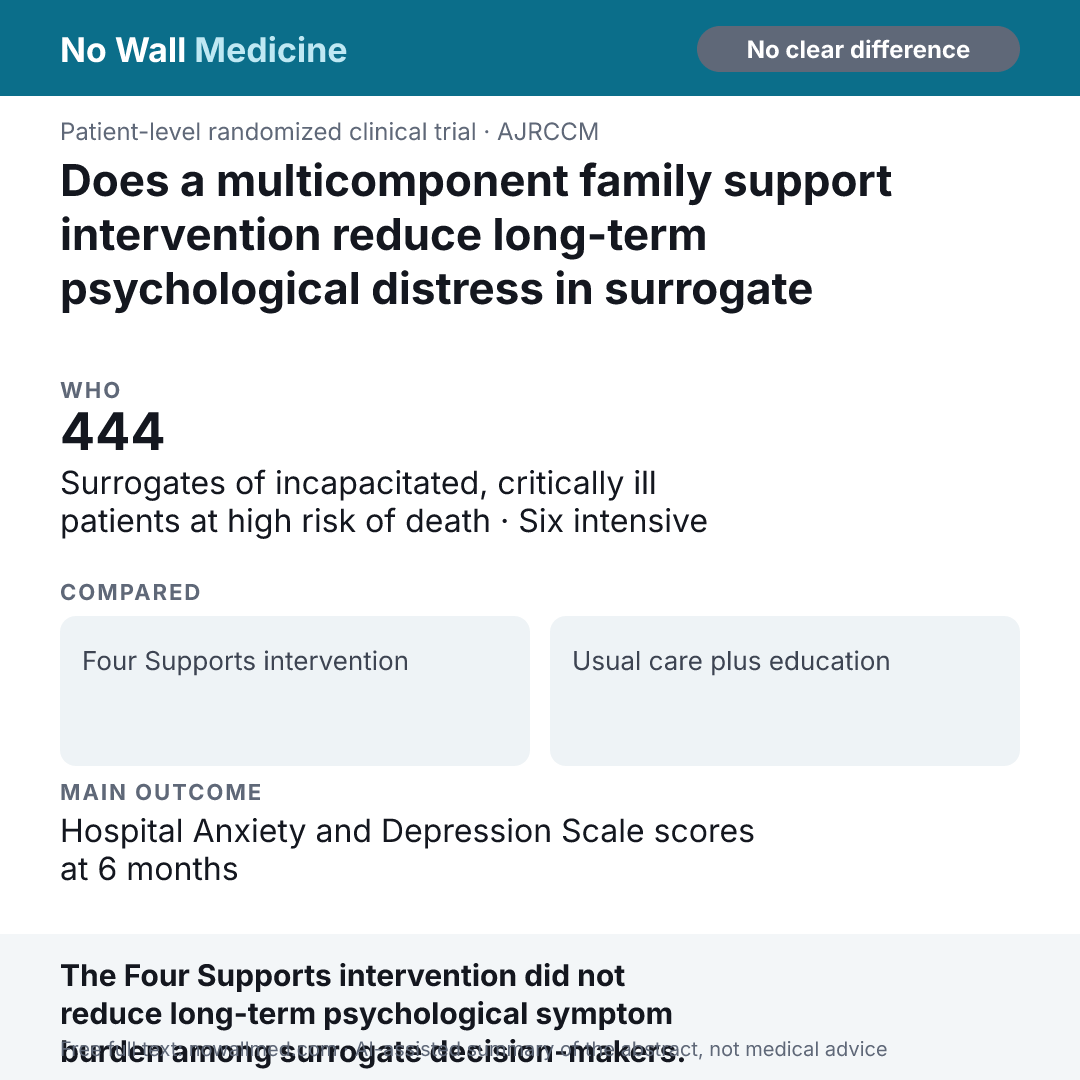
Randomized Clinical Trial of the Four Supports Intervention for Surrogate Decision-Makers in Intensive Care Units
Patient-level randomized clinical trialNo clear difference
Does a multicomponent family support intervention reduce long-term psychological distress in surrogate decision-makers?
Who
444
Surrogates of incapacitated, critically ill patients at high risk of death · Six intensive care units in Pennsylvania
Compared
Four Supports intervention
Usual care plus education
Main outcome
Hospital Anxiety and Depression Scale scores at 6 months
Result: β = 0.06 (95% confidence interval, -0.07 to 0.19)
Bottom line: The Four Supports intervention did not reduce long-term psychological symptom burden among surrogate decision-makers.
AJRCCM · 2024-11-25 · Save PNG
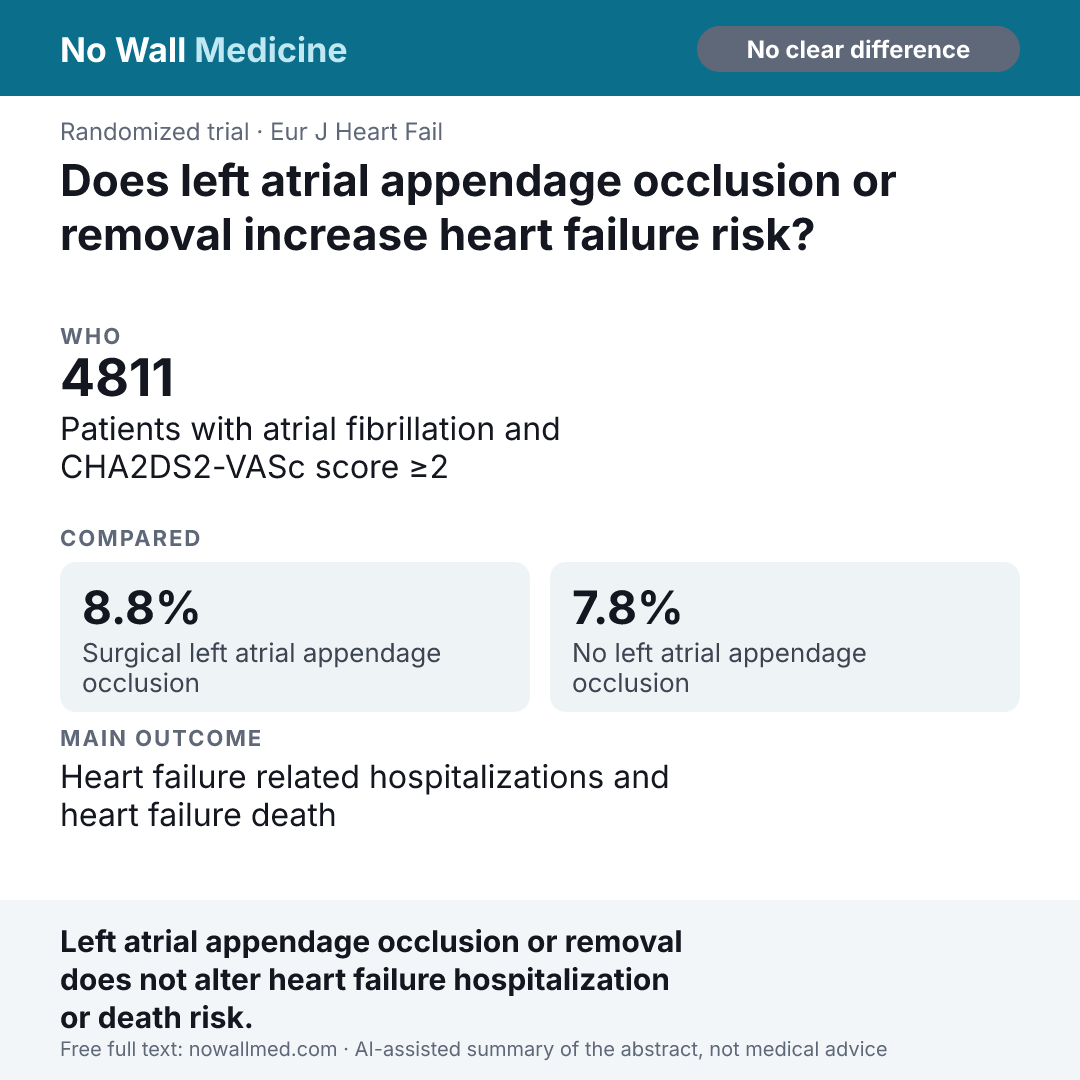
Heart failure after left atrial appendage occlusion: Insights from the LAAOS III randomized trial
Randomized trialNo clear difference
Does left atrial appendage occlusion or removal increase heart failure risk?
Who
4811
Patients with atrial fibrillation and CHA2DS2-VASc score ≥2
Compared
8.8%Surgical left atrial appendage occlusion
7.8%No left atrial appendage occlusion
Main outcome
Heart failure related hospitalizations and heart failure death
Result: hazard ratio 1.12 (95% CI 0.92-1.37)
Bottom line: Left atrial appendage occlusion or removal does not alter heart failure hospitalization or death risk.
Eur J Heart Fail · 2024-11-25 · Save PNG
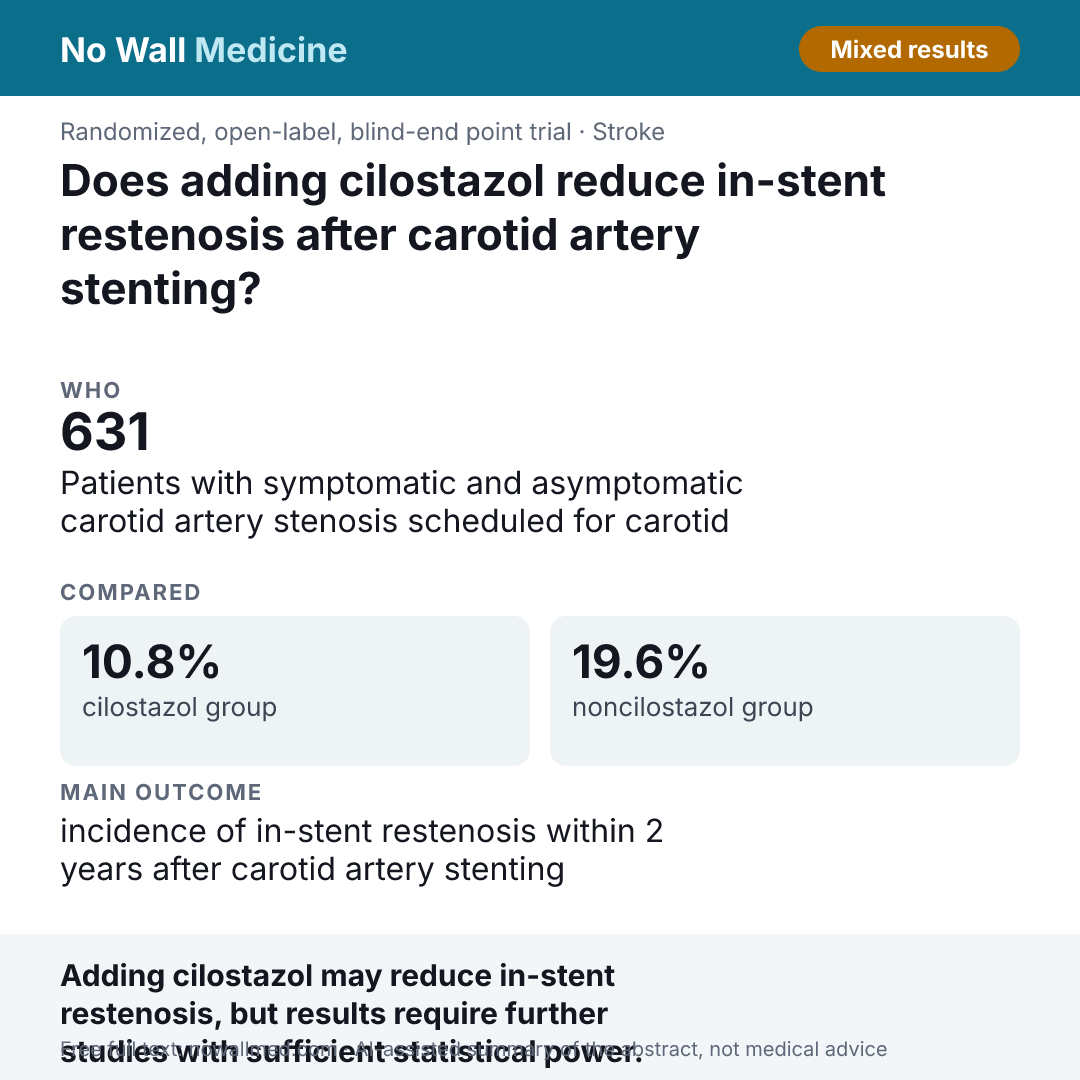
Randomized Controlled Trial of Cilostazol Addition for In-Stent Restenosis After Carotid Artery Stenting
Randomized, open-label, blind-end point trialMixed results
Does adding cilostazol reduce in-stent restenosis after carotid artery stenting?
Who
631
Patients with symptomatic and asymptomatic carotid artery stenosis scheduled for carotid artery stenting
Compared
10.8%cilostazol group
19.6%noncilostazol group
Main outcome
incidence of in-stent restenosis within 2 years after carotid artery stenting
Result: hazard ratio 0.64 (95% CI 0.41-1.0)
Bottom line: Adding cilostazol may reduce in-stent restenosis, but results require further studies with sufficient statistical power.
Stroke · 2024-11-25 · Save PNG
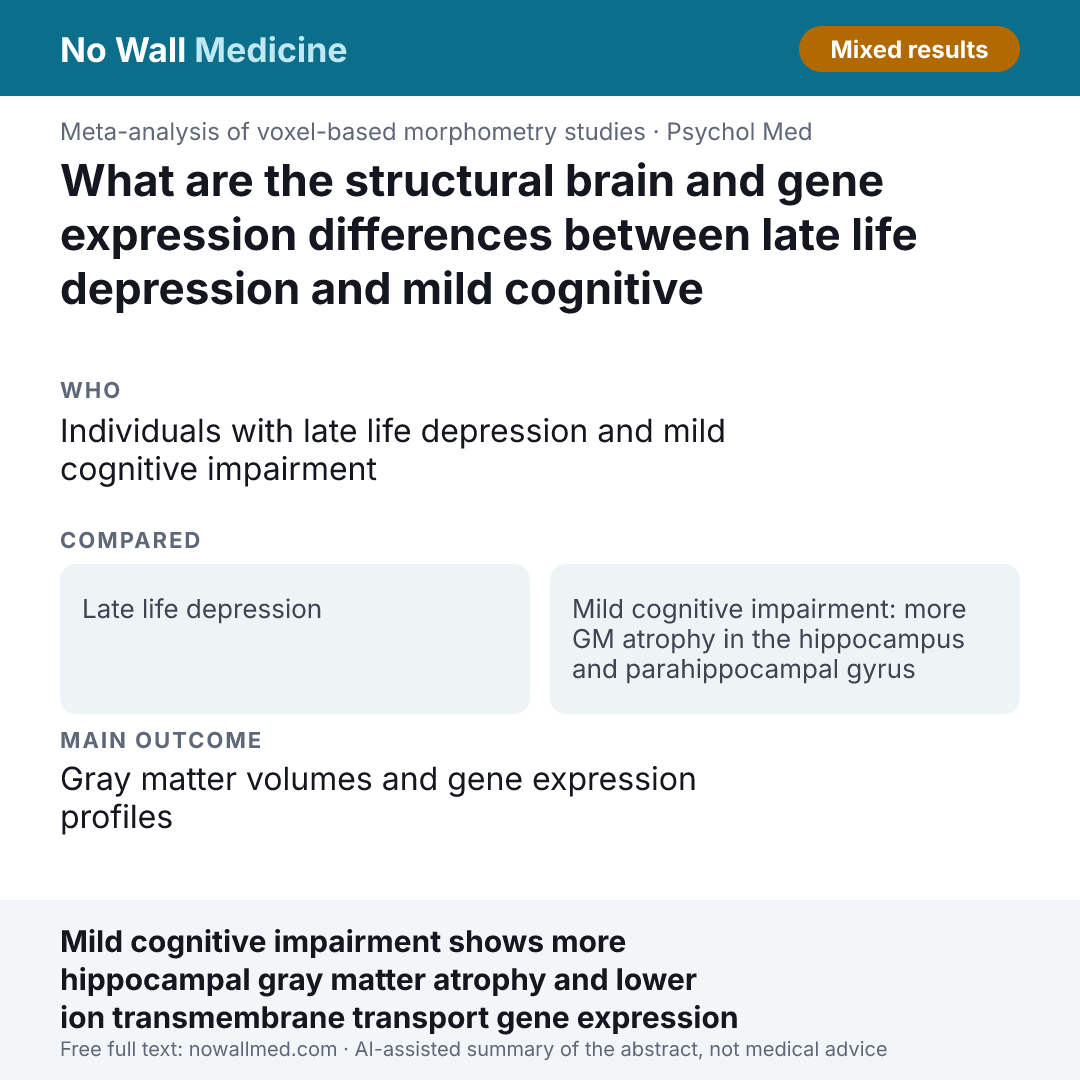
A comparative meta-analysis of structural magnetic resonance imaging studies and gene expression profiles revealing the similarities and differences between late life depression and mild cognitive impairment
Meta-analysis of voxel-based morphometry studiesMixed results
What are the structural brain and gene expression differences between late life depression and mild cognitive impairment?
Who
Individuals with late life depression and mild cognitive impairment
Compared
Late life depression
Mild cognitive impairment: more GM atrophy in the hippocampus and parahippocampal gyrus
Main outcome
Gray matter volumes and gene expression profiles
Bottom line: Mild cognitive impairment shows more hippocampal gray matter atrophy and lower ion transmembrane transport gene expression than late life depression.
Psychol Med · 2024-11-25 · Save PNG
Disease Activity and Maternal-fetal Outcomes in Pregnant Women With Prolactinoma: A Systematic Review and Meta-analysis
Systematic review and meta-analysisKey finding
What are the maternal and fetal outcomes in pregnancies with prolactinoma?
Who
2544
Pregnant women with prolactinoma
Compared
Overall outcomes: 10% miscarriage
Overall outcomes: 3% prematurity
Overall outcomes: 4% symptomatic tumor growth
Overall outcomes: 4% visual impairment
Main outcome
maternal-fetal outcomes
Bottom line: Pregnancy in women with prolactinoma is safe with low frequencies of adverse maternal and fetal outcomes.
J Clin Endocrinol Metab · 2024-11-25 · Save PNG

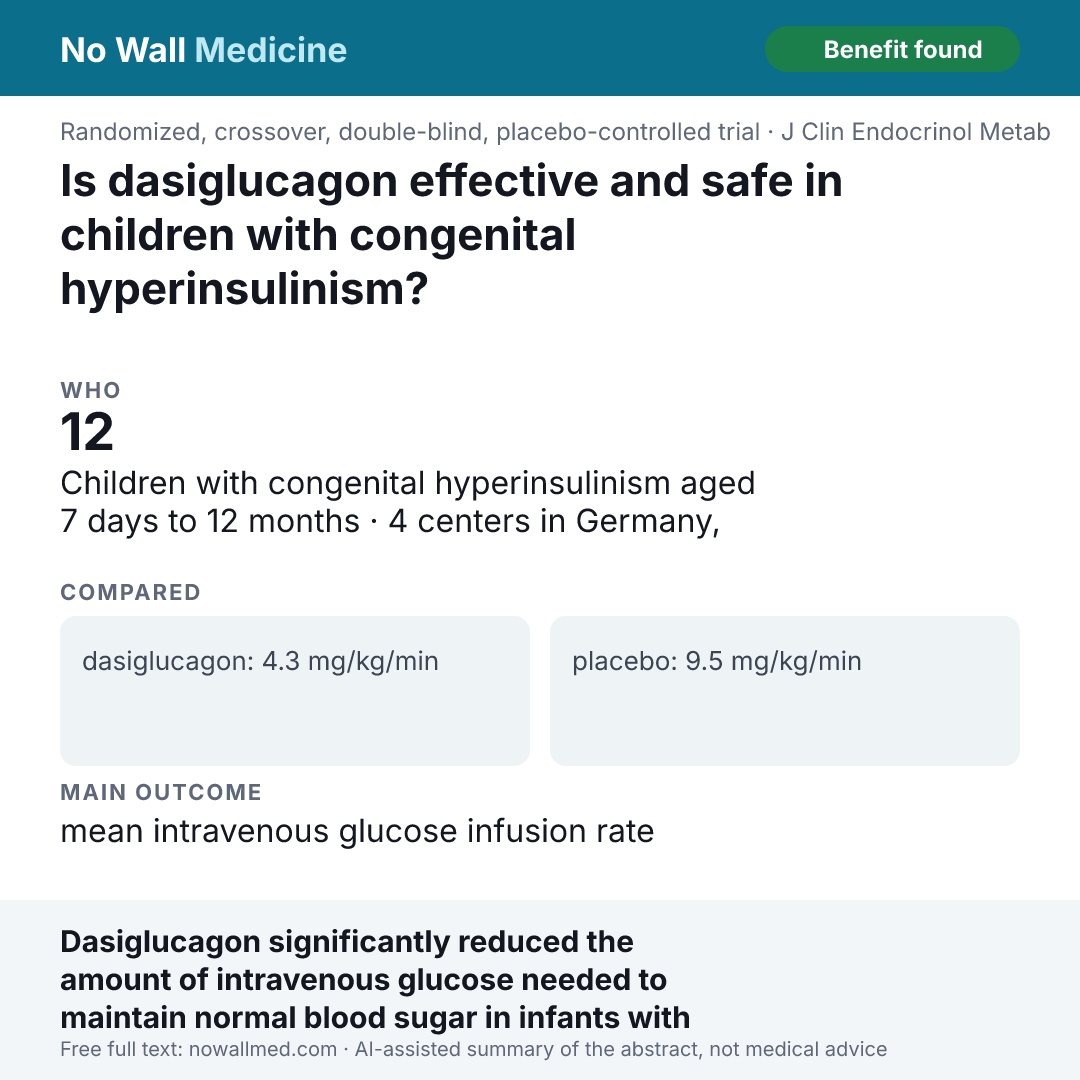
Dasiglucagon in Children With Congenital Hyperinsulinism Up to 1 Year of Age: Results From a Randomized Clinical Trial
Randomized, crossover, double-blind, placebo-controlled trialBenefit found
Is dasiglucagon effective and safe in children with congenital hyperinsulinism?
Who
12
Children with congenital hyperinsulinism aged 7 days to 12 months · 4 centers in Germany, United Kingdom, and United States
Compared
dasiglucagon: 4.3 mg/kg/min
placebo: 9.5 mg/kg/min
Main outcome
mean intravenous glucose infusion rate
Result: least-squares mean 4.3 mg/kg/min [95% CI, 1.04 to 7.60 mg/kg/min] vs 9.5 mg/kg/min [95% CI, 6.24 to 12.81 mg/kg/min]
Bottom line: Dasiglucagon significantly reduced the amount of intravenous glucose needed to maintain normal blood sugar in infants with congenital hyperinsulinism.
J Clin Endocrinol Metab · 2024-11-25 · Save PNG
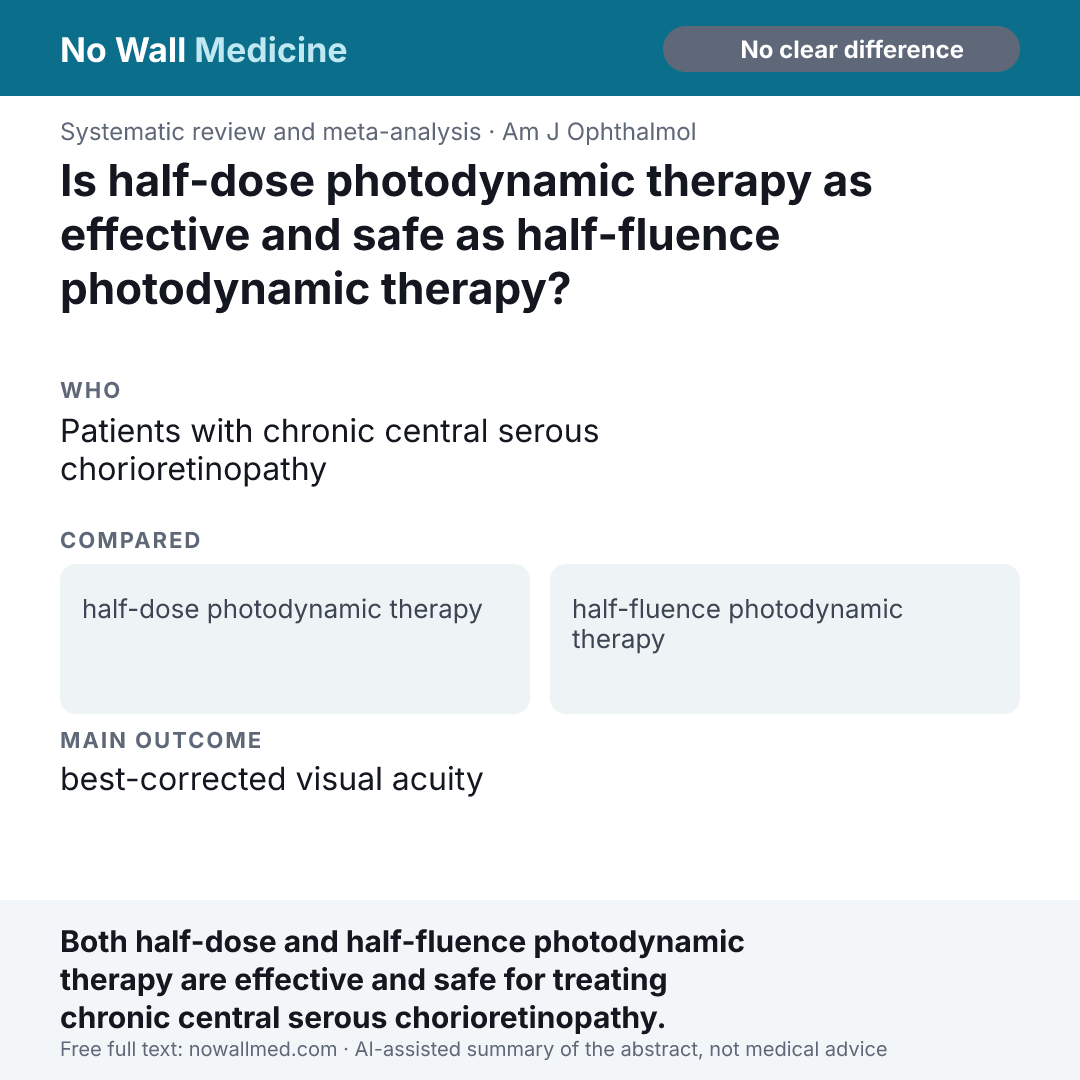
Safety and Efficacy of Half-dose and Half-fluence Photodynamic Therapy in Chronic Central Serous Chorioretinopathy: A Systematic Review and Meta-analysis
Systematic review and meta-analysisNo clear difference
Is half-dose photodynamic therapy as effective and safe as half-fluence photodynamic therapy?
Who
Patients with chronic central serous chorioretinopathy
Compared
half-dose photodynamic therapy
half-fluence photodynamic therapy
Main outcome
best-corrected visual acuity
Bottom line: Both half-dose and half-fluence photodynamic therapy are effective and safe for treating chronic central serous chorioretinopathy.
Am J Ophthalmol · 2024-11-25 · Save PNG
Perinatal outcomes after selective third-trimester ultrasound screening for small-for-gestational age: prospective cohort study nested within DESiGN randomized controlled trial
Prospective cohort study nested within a randomized controlled trialKey finding
What are the perinatal outcomes of false-negative and false-positive small-for-gestational age ultrasound screening?
Who
165321
Singleton pregnancies without antenatally detected fetal anomalies · United Kingdom, multicenter
Compared
False-negative SGA: aOR 1.18 (95% CI, 1.07-1.31) for stillbirth
True-positive SGA
False-positive SGA: aOR 2.24 (95% CI, 1.88-2.68) for stillbirth
True-negative SGA
Main outcome
Stillbirth and major and minor neonatal morbidity
Result: aOR 1.18 (95% CI, 1.07-1.31) for false-negative stillbirth; aOR 2.24 (95% CI, 1.88-2.68) for false-positive stillbirth
Bottom line: Both false-negative and false-positive ultrasound screening results were associated with a significantly higher risk of stillbirth.
Ultrasound Obstet Gynecol · 2024-11-25 · Save PNG

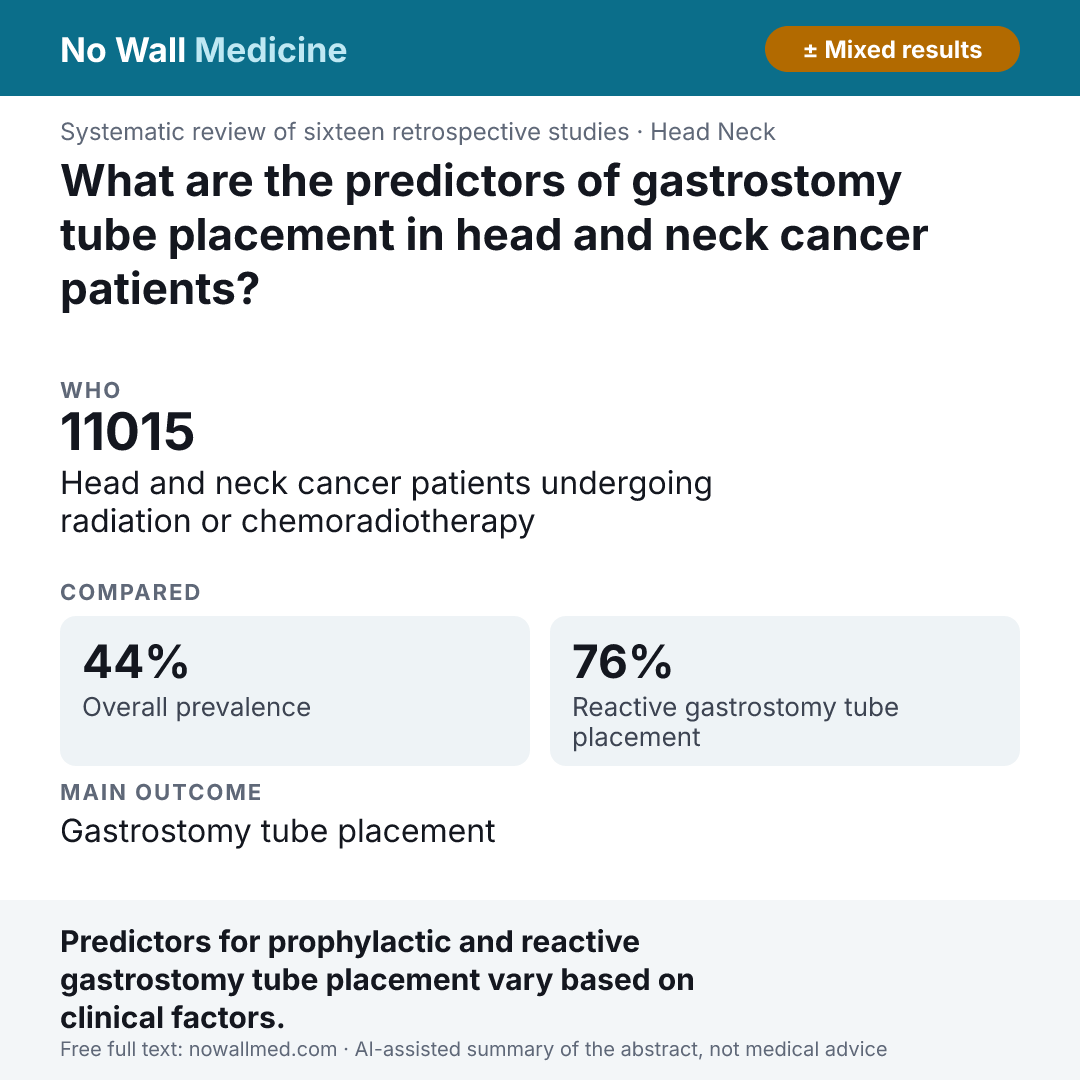
Predictors of Gastrostomy Tube Placement in Head and Neck Cancer Patients Undergoing Radiation or Chemoradiotherapy: A Systematic Review
Systematic review of sixteen retrospective studiesMixed results
What are the predictors of gastrostomy tube placement in head and neck cancer patients?
Who
11015
Head and neck cancer patients undergoing radiation or chemoradiotherapy
Compared
44%Overall prevalence
76%Reactive gastrostomy tube placement
Main outcome
Gastrostomy tube placement
Bottom line: Predictors for prophylactic and reactive gastrostomy tube placement vary based on clinical factors.
Head Neck · 2024-11-25 · Save PNG
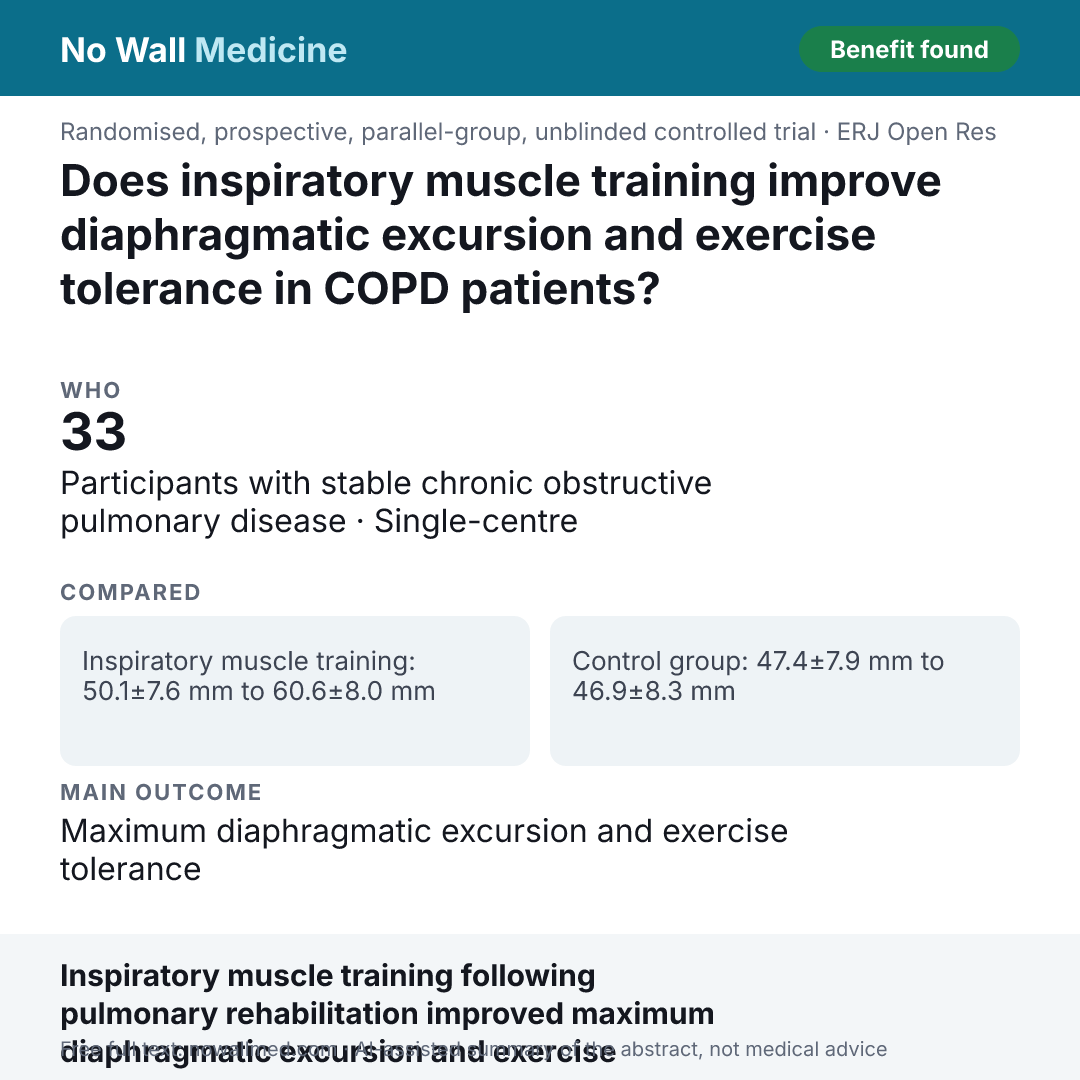
Enhanced diaphragm excursion and exercise tolerance in COPD patients through inspiratory muscle training after standardised pulmonary rehabilitation: randomised controlled trial
Randomised, prospective, parallel-group, unblinded controlled trialBenefit found
Does inspiratory muscle training improve diaphragmatic excursion and exercise tolerance in COPD patients?
Who
33
Participants with stable chronic obstructive pulmonary disease · Single-centre
Compared
Inspiratory muscle training: 50.1±7.6 mm to 60.6±8.0 mm
Control group: 47.4±7.9 mm to 46.9±8.3 mm
Main outcome
Maximum diaphragmatic excursion and exercise tolerance
Bottom line: Inspiratory muscle training following pulmonary rehabilitation improved maximum diaphragmatic excursion and exercise tolerance in patients with COPD.
ERJ Open Res · 2024-11-25 · Save PNG
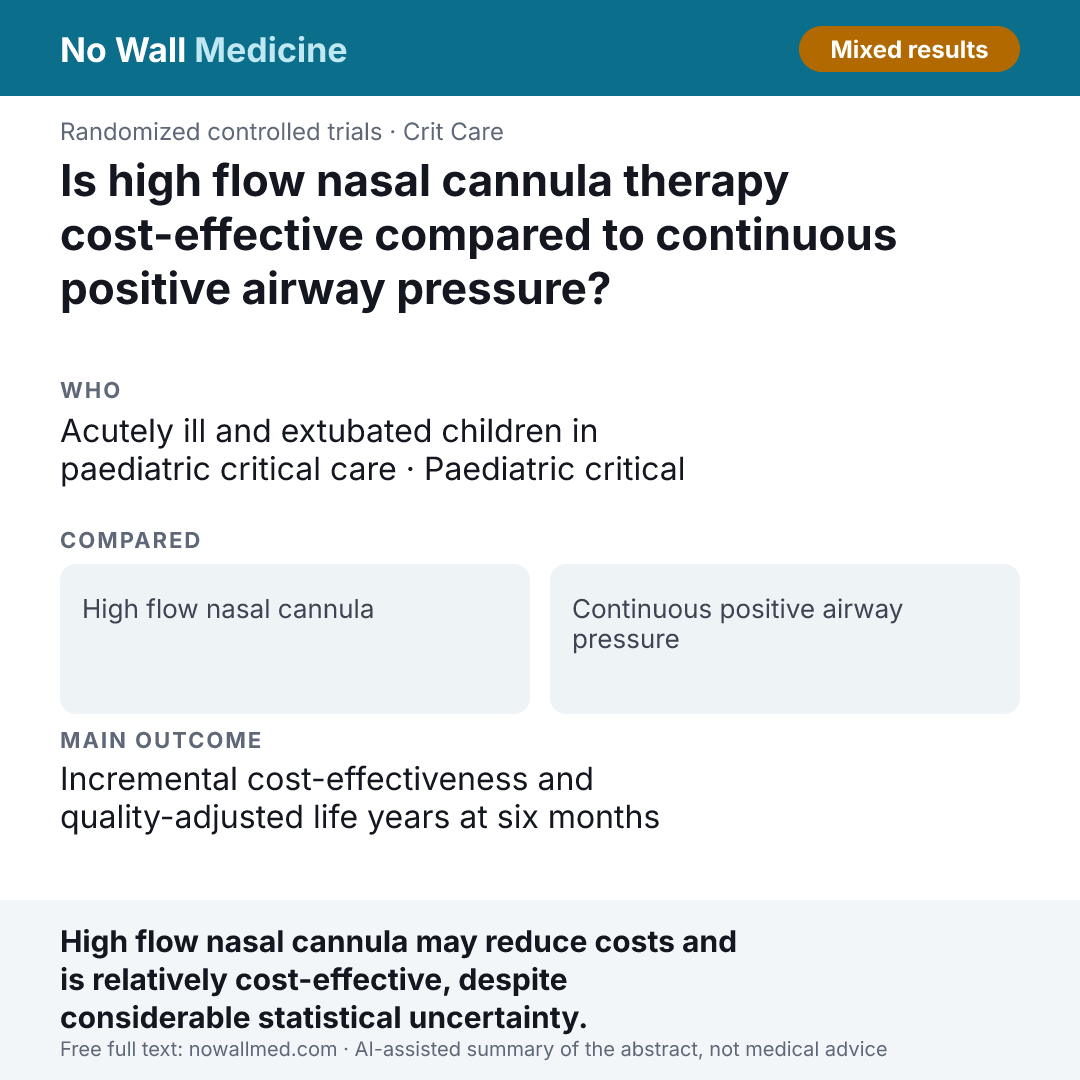
Cost-effectiveness of high flow nasal cannula therapy versus continuous positive airway pressure for non-invasive respiratory support in paediatric critical care
Randomized controlled trialsMixed results
Is high flow nasal cannula therapy cost-effective compared to continuous positive airway pressure?
Who
Acutely ill and extubated children in paediatric critical care · Paediatric critical care units
Compared
High flow nasal cannula
Continuous positive airway pressure
Main outcome
Incremental cost-effectiveness and quality-adjusted life years at six months
Result: incremental cost -£4565 (95% CI -£11,499 to £2368) and -£5702 (95% CI -£11,328 to -£75)
Bottom line: High flow nasal cannula may reduce costs and is relatively cost-effective, despite considerable statistical uncertainty.
Crit Care · 2024-11-25 · Save PNG
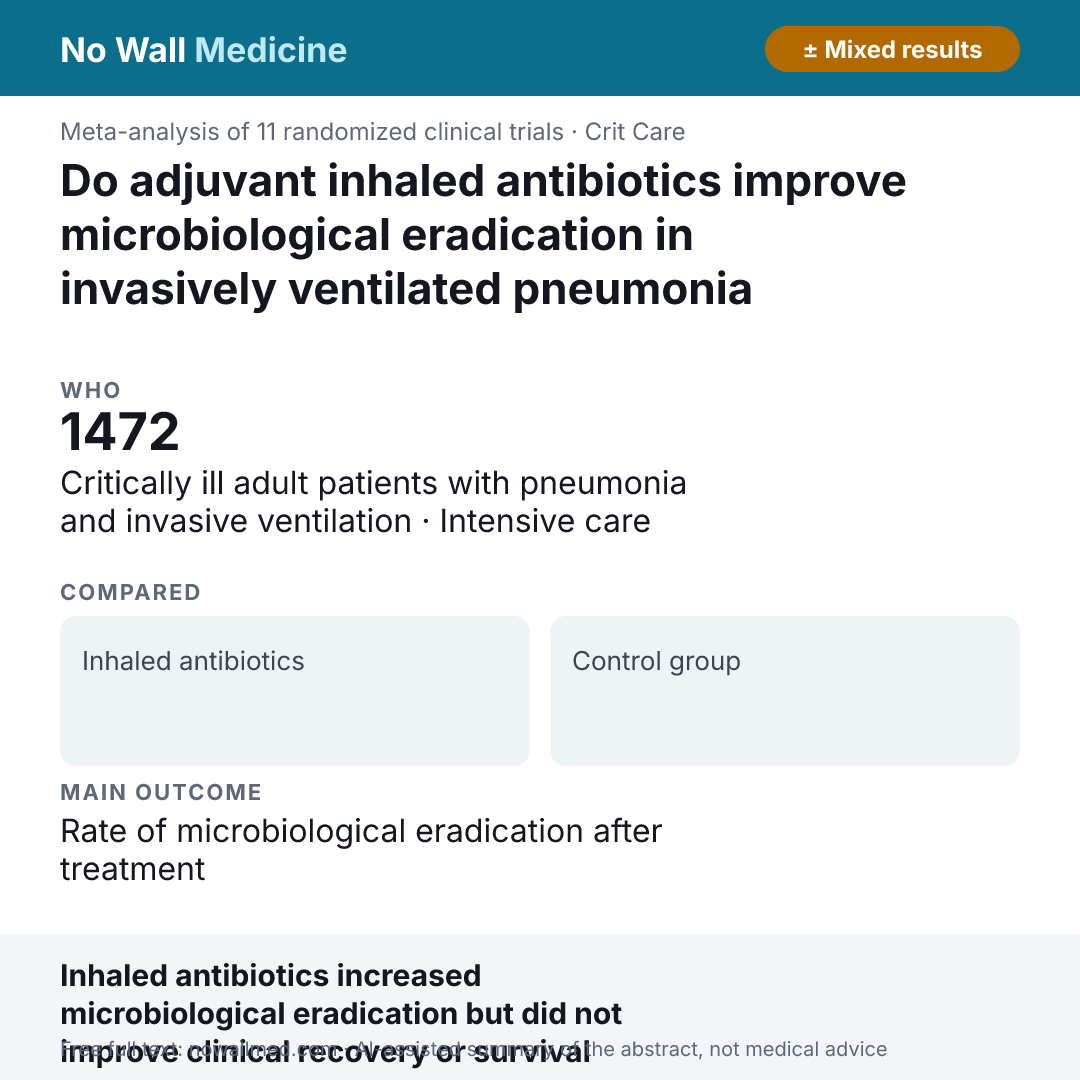
Inhaled antibiotics for treating pneumonia in invasively ventilated patients in intensive care unit: a meta-analysis of randomized clinical trials with trial sequential analysis
Meta-analysis of 11 randomized clinical trialsMixed results
Do adjuvant inhaled antibiotics improve microbiological eradication in invasively ventilated pneumonia patients?
Who
1472
Critically ill adult patients with pneumonia and invasive ventilation · Intensive care units
Compared
Inhaled antibiotics
Control group
Main outcome
Rate of microbiological eradication after treatment
Result: odds ratio 2.63 (95% CI 1.36-5.09)
Bottom line: Inhaled antibiotics increased microbiological eradication but did not improve clinical recovery or survival compared to intravenous therapy alone.
Limitation: Low certainty of evidence and high risk of publication bias
Crit Care · 2024-11-25 · Save PNG
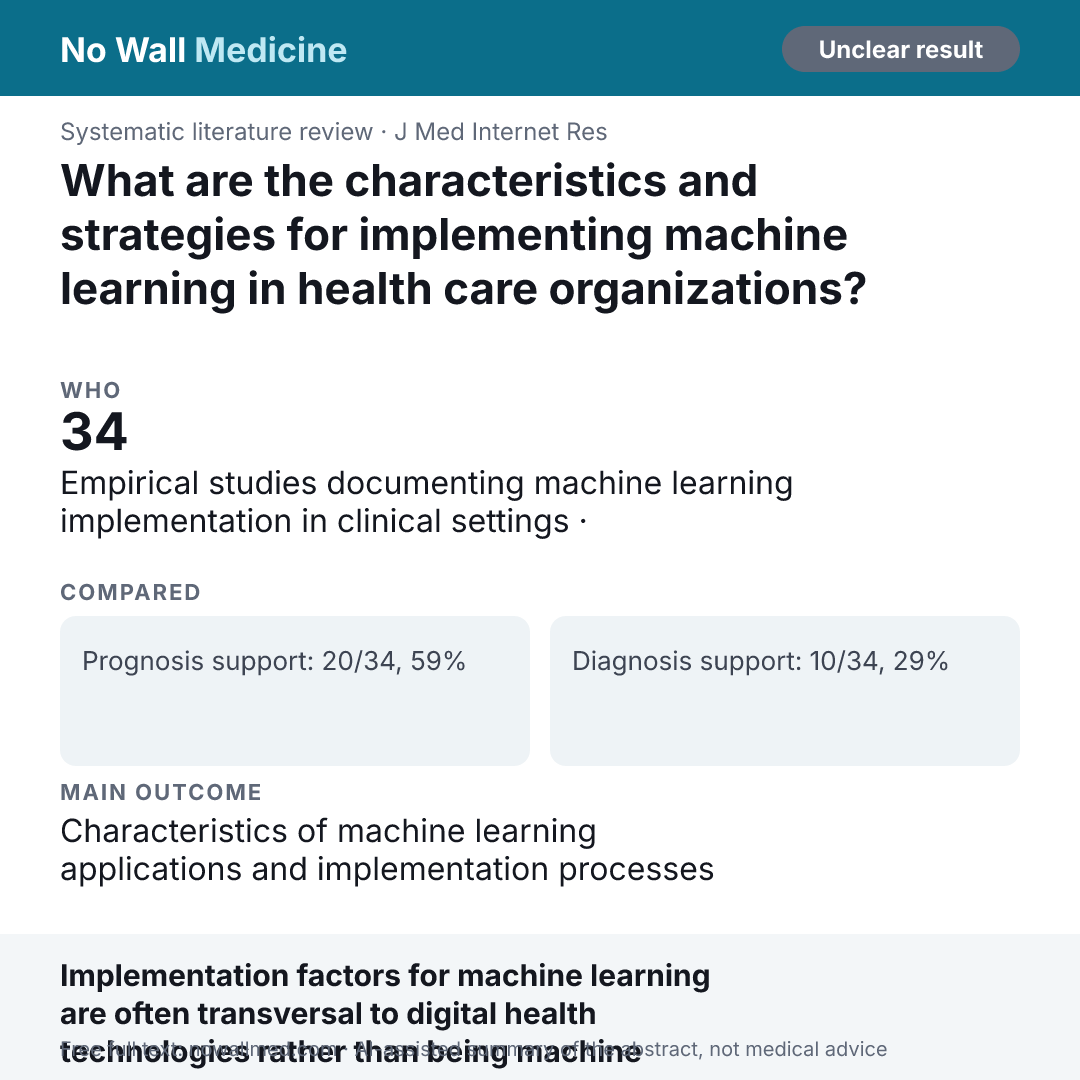
Implementation of Machine Learning Applications in Health Care Organizations: Systematic Review of Empirical Studies
Systematic literature reviewUnclear result
What are the characteristics and strategies for implementing machine learning in health care organizations?
Who
34
Empirical studies documenting machine learning implementation in clinical settings · Hospitals (29/34, 85%)
Compared
Prognosis support: 20/34, 59%
Diagnosis support: 10/34, 29%
Main outcome
Characteristics of machine learning applications and implementation processes
Bottom line: Implementation factors for machine learning are often transversal to digital health technologies rather than being machine learning specific.
Limitation: More research is needed to clarify factors relevant to implementing machine learning at the organizational level.
J Med Internet Res · 2024-11-25 · Save PNG
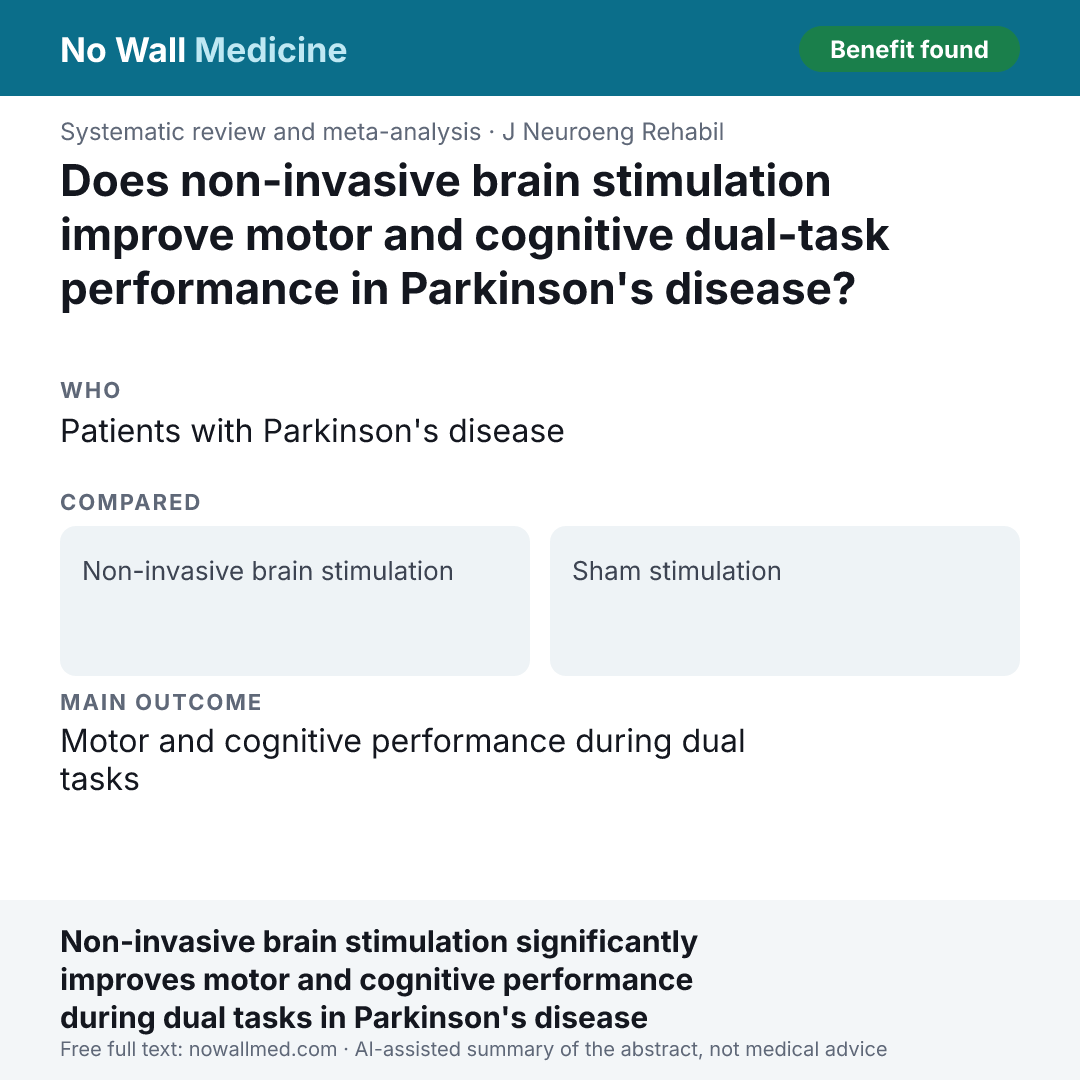
Non-invasive brain stimulation enhances motor and cognitive performances during dual tasks in patients with Parkinson's disease: a systematic review and meta-analysis
Systematic review and meta-analysisBenefit found
Does non-invasive brain stimulation improve motor and cognitive dual-task performance in Parkinson's disease?
Who
Patients with Parkinson's disease
Compared
Non-invasive brain stimulation
Sham stimulation
Main outcome
Motor and cognitive performance during dual tasks
Bottom line: Non-invasive brain stimulation significantly improves motor and cognitive performance during dual tasks in Parkinson's disease patients.
J Neuroeng Rehabil · 2024-11-25 · Save PNG
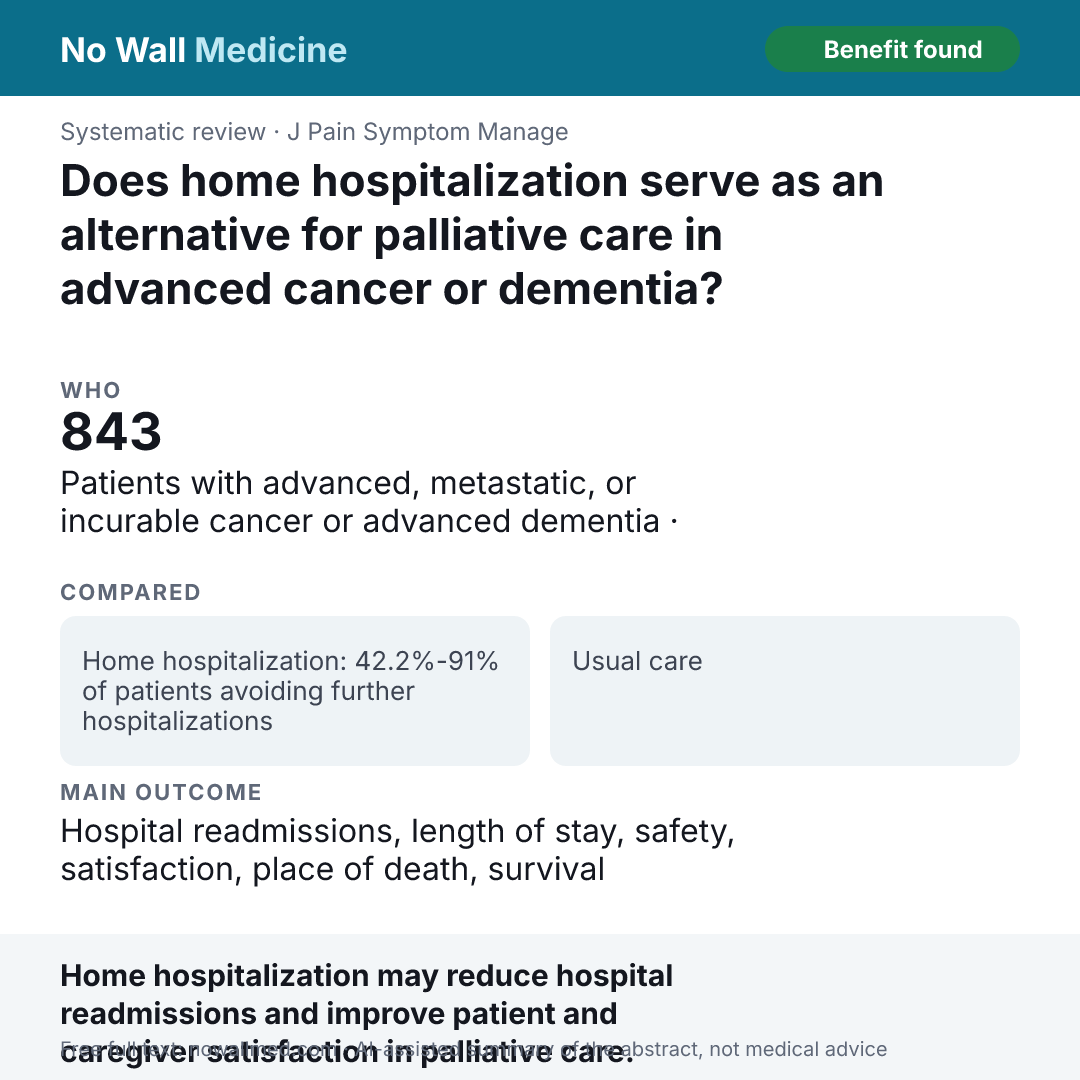
Home Hospitalization in Palliative Care for Advanced Cancer and Dementia: A Systematic Review
Systematic reviewBenefit found
Does home hospitalization serve as an alternative for palliative care in advanced cancer or dementia?
Who
843
Patients with advanced, metastatic, or incurable cancer or advanced dementia · Denmark, France, Spain, and Israel
Compared
Home hospitalization: 42.2%-91% of patients avoiding further hospitalizations
Usual care
Main outcome
Hospital readmissions, length of stay, safety, satisfaction, place of death, survival
Bottom line: Home hospitalization may reduce hospital readmissions and improve patient and caregiver satisfaction in palliative care.
Limitation: Heterogeneity in study designs and outcomes and moderate to high risk of bias.
J Pain Symptom Manage · 2024-11-24 · Save PNG
Visual Loss in Geographic Atrophy: Learnings from the Lampalizumab Trials
Retrospective analysis and prospective observational trialsMixed results
How do lesion growth rate and baseline factors correlate with visual loss in geographic atrophy?
Who
Patients with bilateral geographic atrophy secondary to age-related macular degeneration
Compared
High geographic atrophy growth rate quartiles: accelerated best-corrected visual acuity loss in subfoveal, unifocal lesions
Low geographic atrophy growth rate quartiles
Main outcome
change in best-corrected visual acuity
Bottom line: Faster geographic atrophy growth rates and subfoveal unifocal lesions are associated with accelerated visual acuity loss.
Ophthalmology · 2024-11-23 · Save PNG

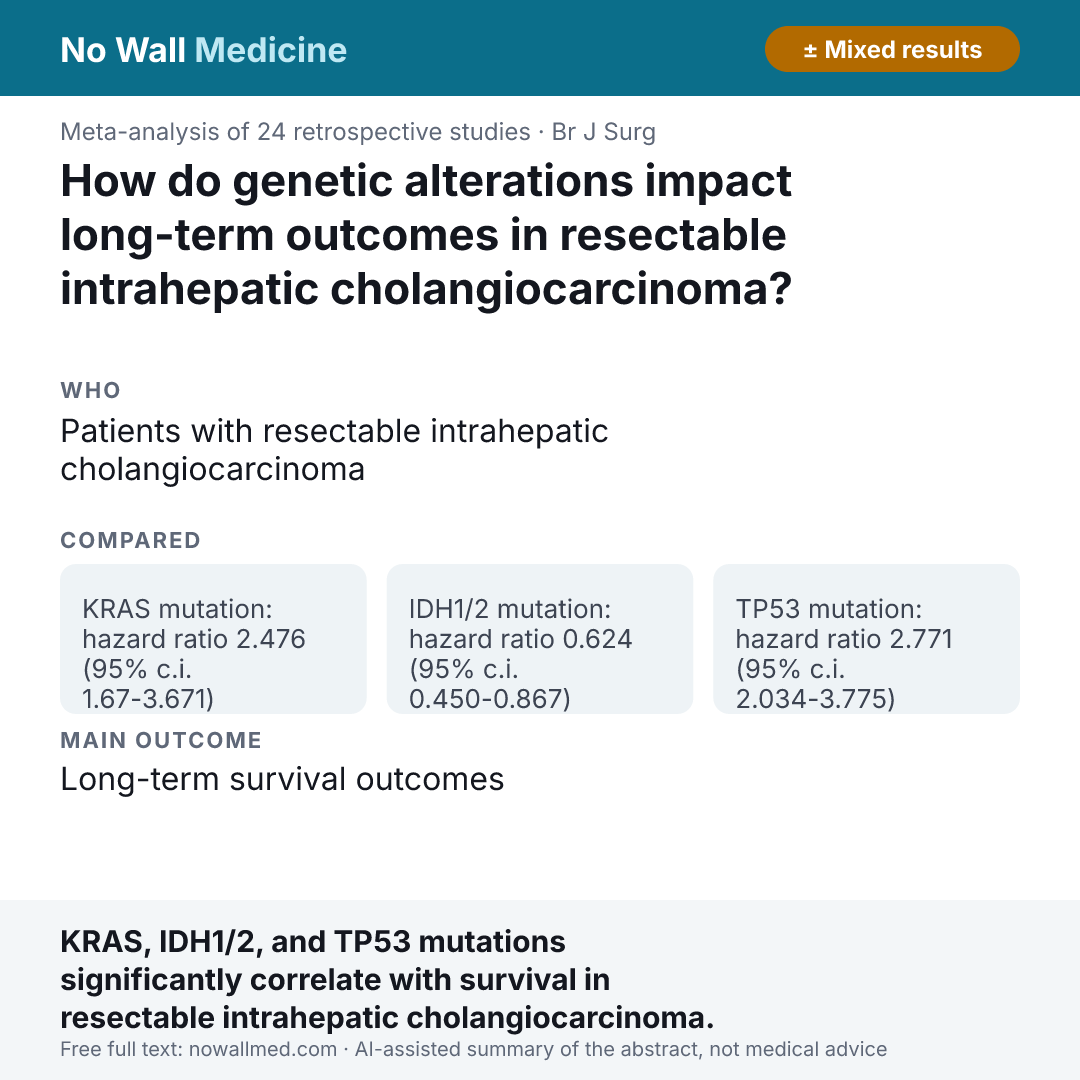
Impact of genetic alterations on long-term outcomes in resectable intrahepatic cholangiocarcinoma: meta-analysis
Meta-analysis of 24 retrospective studiesMixed results
How do genetic alterations impact long-term outcomes in resectable intrahepatic cholangiocarcinoma?
Who
Patients with resectable intrahepatic cholangiocarcinoma
Compared
KRAS mutation: hazard ratio 2.476 (95% c.i. 1.67-3.671)
IDH1/2 mutation: hazard ratio 0.624 (95% c.i. 0.450-0.867)
TP53 mutation: hazard ratio 2.771 (95% c.i. 2.034-3.775)
Main outcome
Long-term survival outcomes
Bottom line: KRAS, IDH1/2, and TP53 mutations significantly correlate with survival in resectable intrahepatic cholangiocarcinoma.
Limitation: Inconsistent results for infrequent gene alterations could potentially bias their prognostic meaning.
Br J Surg · 2024-11-23 · Save PNG
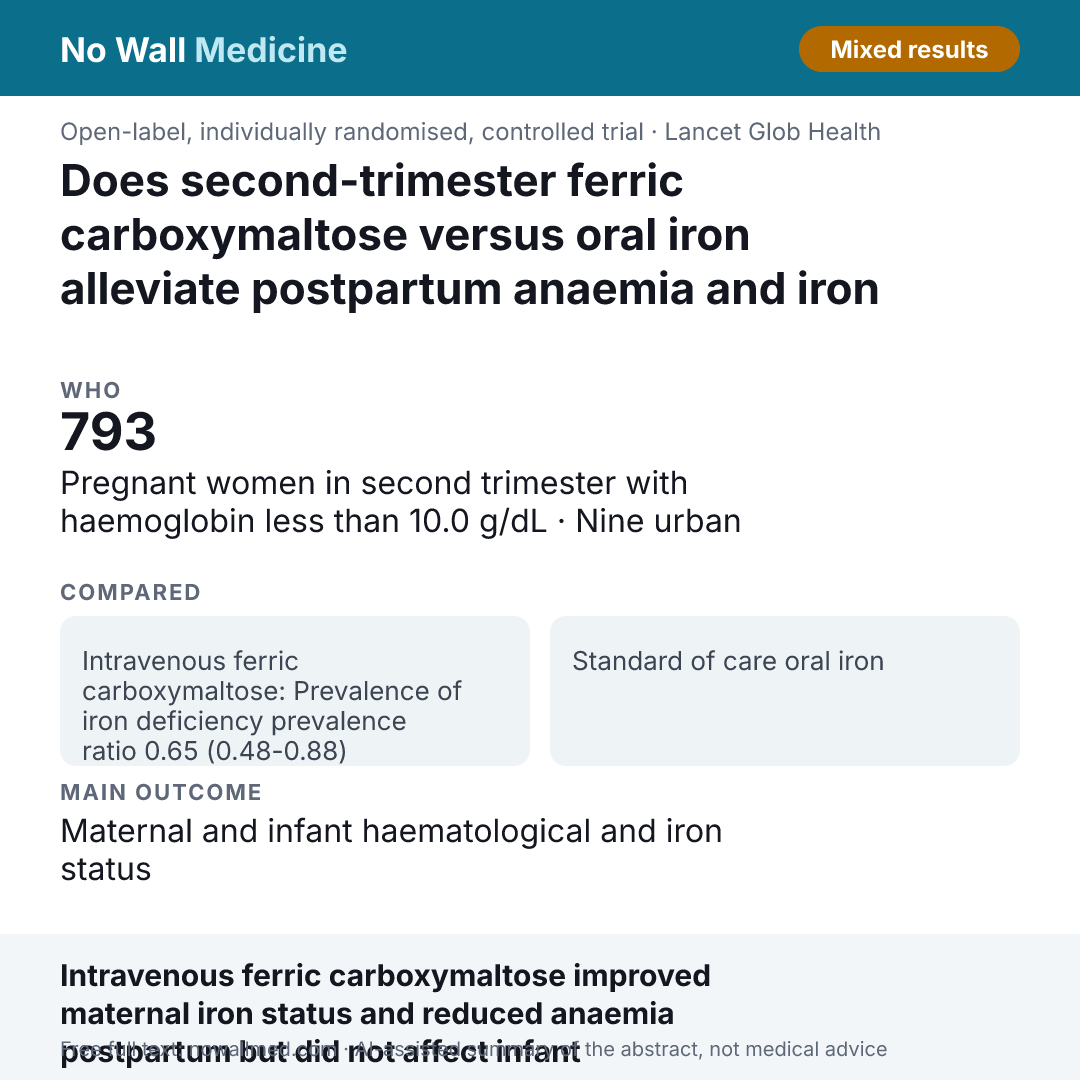
Postpartum maternal and infant haematological effects of second-trimester ferric carboxymaltose versus standard-of-care oral iron in Malawi: longitudinal follow-up of a randomised controlled trial
Open-label, individually randomised, controlled trialMixed results
Does second-trimester ferric carboxymaltose versus oral iron alleviate postpartum anaemia and iron deficiency in mothers and infants?
Who
793
Pregnant women in second trimester with haemoglobin less than 10.0 g/dL · Nine urban and five rural health centres in Malawi
Compared
Intravenous ferric carboxymaltose: Prevalence of iron deficiency prevalence ratio 0.65 (0.48-0.88)
Standard of care oral iron
Main outcome
Maternal and infant haematological and iron status
Result: prevalence ratio 0.65 (95% CI 0.48 to 0.88)
Bottom line: Intravenous ferric carboxymaltose improved maternal iron status and reduced anaemia postpartum but did not affect infant haematological outcomes.
Funded by: Bill & Melinda Gates Foundation
Lancet Glob Health · 2024-11-23 · Save PNG
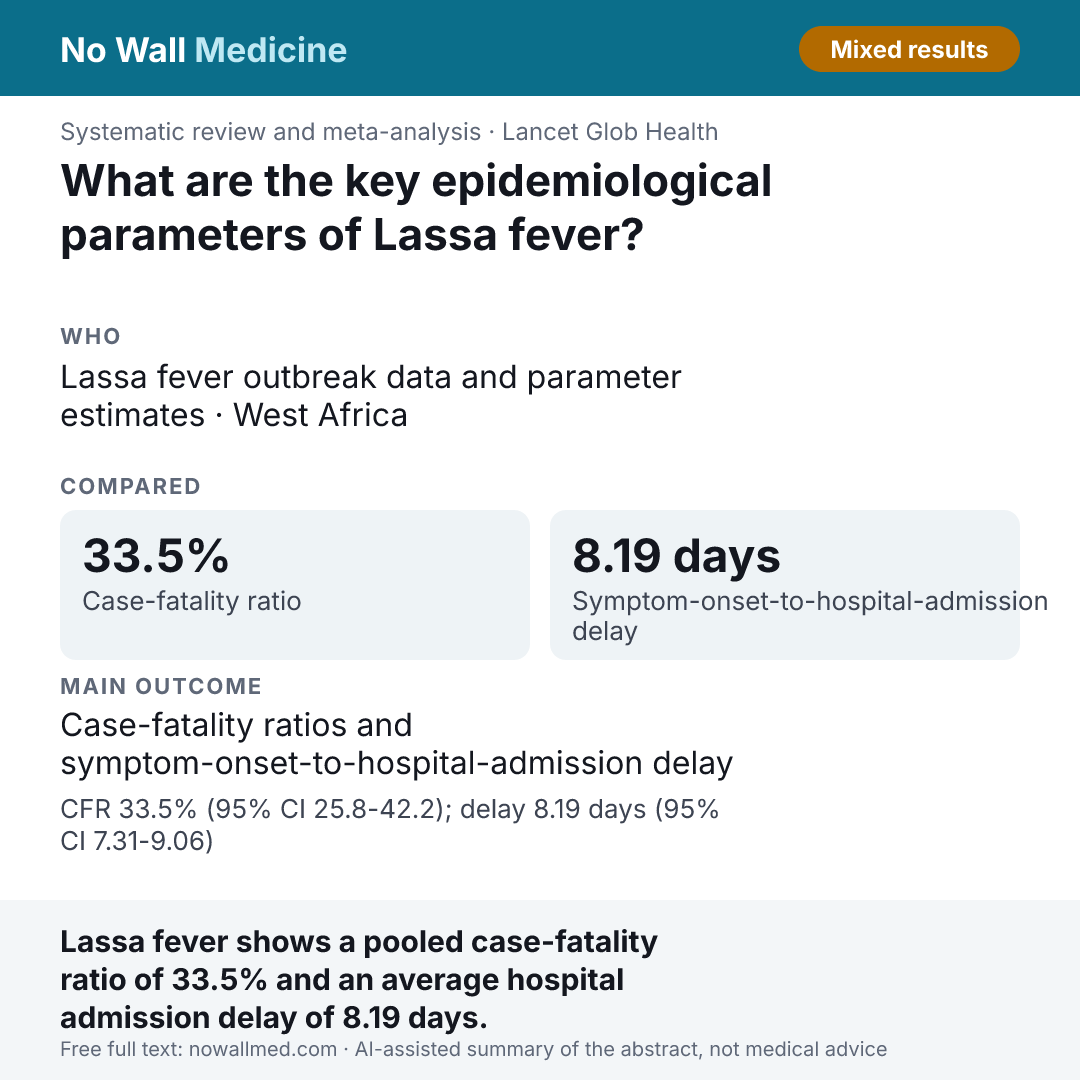
Lassa fever outbreaks, mathematical models, and disease parameters: a systematic review and meta-analysis
Systematic review and meta-analysisMixed results
What are the key epidemiological parameters of Lassa fever?
Who
Lassa fever outbreak data and parameter estimates · West Africa
Compared
33.5%Case-fatality ratio
8.19 daysSymptom-onset-to-hospital-admission delay
Main outcome
Case-fatality ratios and symptom-onset-to-hospital-admission delay
Result: CFR 33.5% (95% CI 25.8-42.2); delay 8.19 days (95% CI 7.31-9.06)
Bottom line: Lassa fever shows a pooled case-fatality ratio of 33.5% and an average hospital admission delay of 8.19 days.
Funded by: UK Medical Research Council, NIHR, Academy of Medical Sciences, and others
Lancet Glob Health · 2024-11-23 · Save PNG
The effect of multidomain lifestyle intervention on health care service use and costs - secondary analyses from the Finnish Geriatric Intervention Study to Prevent Cognitive Impairment and Disability (FINGER): a randomised controlled trial
Randomized controlled trialBenefit found
Does a multidomain lifestyle intervention affect health care service use and costs?
Who
1259
Community-dwelling people aged 60-77 years at risk for cognitive impairment · Finland
Compared
Multidomain intervention
Control group
Main outcome
Health care service use and costs
Result: RR 0.81 (95% CI 0.68 to 0.99) for costs without long-term care
Bottom line: The intervention potentially reduces inpatient hospital care, emergency visits, and associated costs.
Age Ageing · 2024-11-23 · Save PNG