Visual abstracts
New randomized trials and meta-analyses from leading journals at a glance: who was studied, what was compared, and what was found. Every paper is free to read in full.
All specialtiesCardiology 842Oncology 763Gastroenterology & Hepatology 307Infectious Disease 626Neurology 350Psychiatry & Mental Health 430Pulmonology 366Critical Care 245Endocrinology & Diabetes 480Pediatrics 536Surgery 324Orthopedics & Sports Medicine 162Neurosurgery 93Cardiothoracic & Vascular Surgery 87Plastic & Reconstructive Surgery 124Nephrology 197Rheumatology 108Hematology 182Dermatology 80Ophthalmology 97Obstetrics & Gynecology 261Public & Global Health 167Radiology & Imaging 98Anesthesiology 114Urology 162ENT (Otolaryngology) 91Emergency Medicine 73Allergy & Immunology 58Geriatrics 160Family Medicine & Primary Care 111Medical Genetics & Genomics 91Pathology & Laboratory Medicine 24Physical Medicine & Rehabilitation 148Palliative Care 81Nutrition 223Digital Health & AI 460General Medicine 101
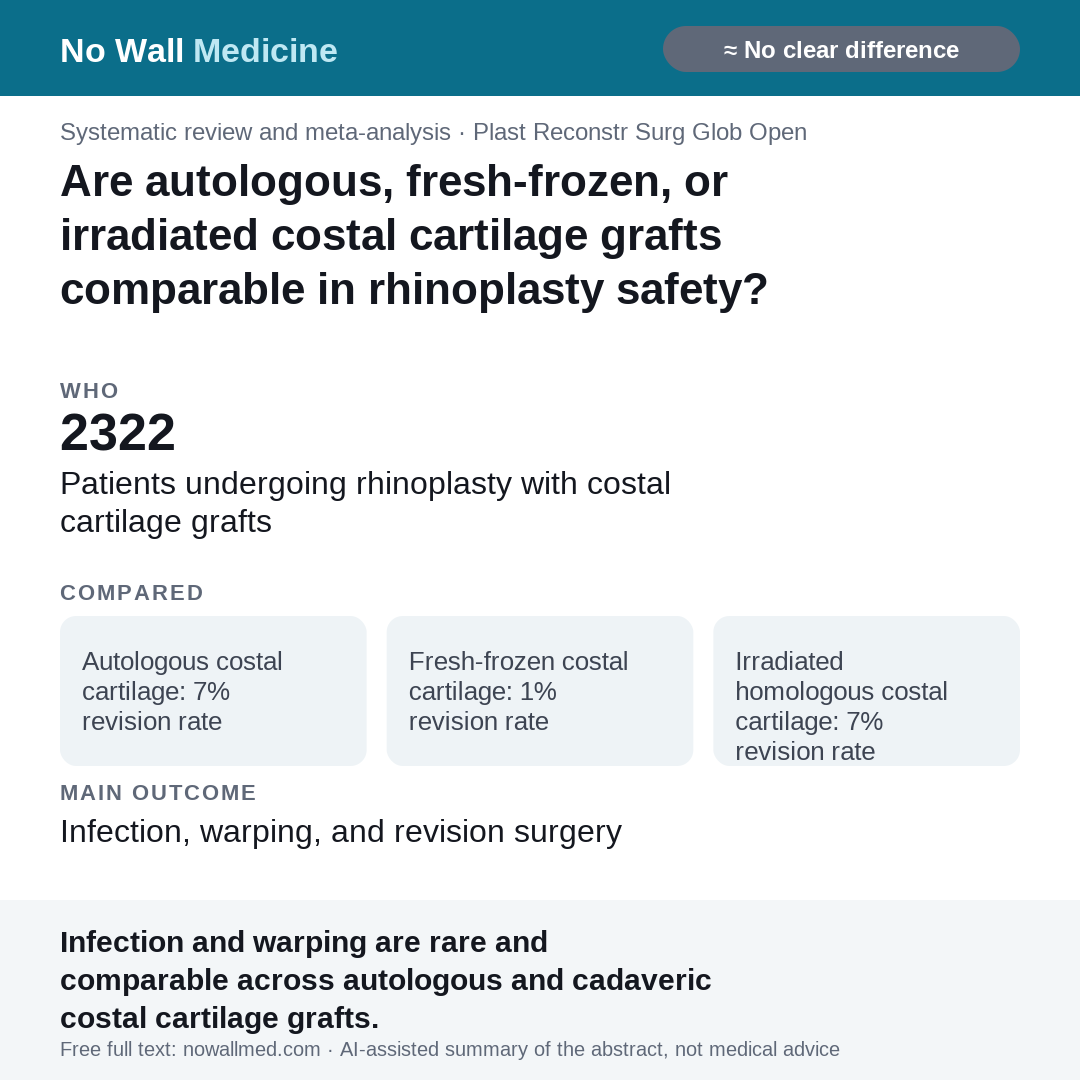
Rib Grafts in Rhinoplasty: A Systematic Review and Meta-analysis of Autologous, Fresh-frozen, and Irradiated Cartilage
Systematic review and meta-analysisNo clear difference
Are autologous, fresh-frozen, or irradiated costal cartilage grafts comparable in rhinoplasty safety?
Who
2322
Patients undergoing rhinoplasty with costal cartilage grafts
Compared
Autologous costal cartilage: 7% revision rate
Fresh-frozen costal cartilage: 1% revision rate
Irradiated homologous costal cartilage: 7% revision rate
Main outcome
Infection, warping, and revision surgery
Bottom line: Infection and warping are rare and comparable across autologous and cadaveric costal cartilage grafts.
Limitation: High heterogeneity and funnel plot asymmetry in revision outcomes and limited study design quality.
Plast Reconstr Surg Glob Open · 2026-06-29Download image
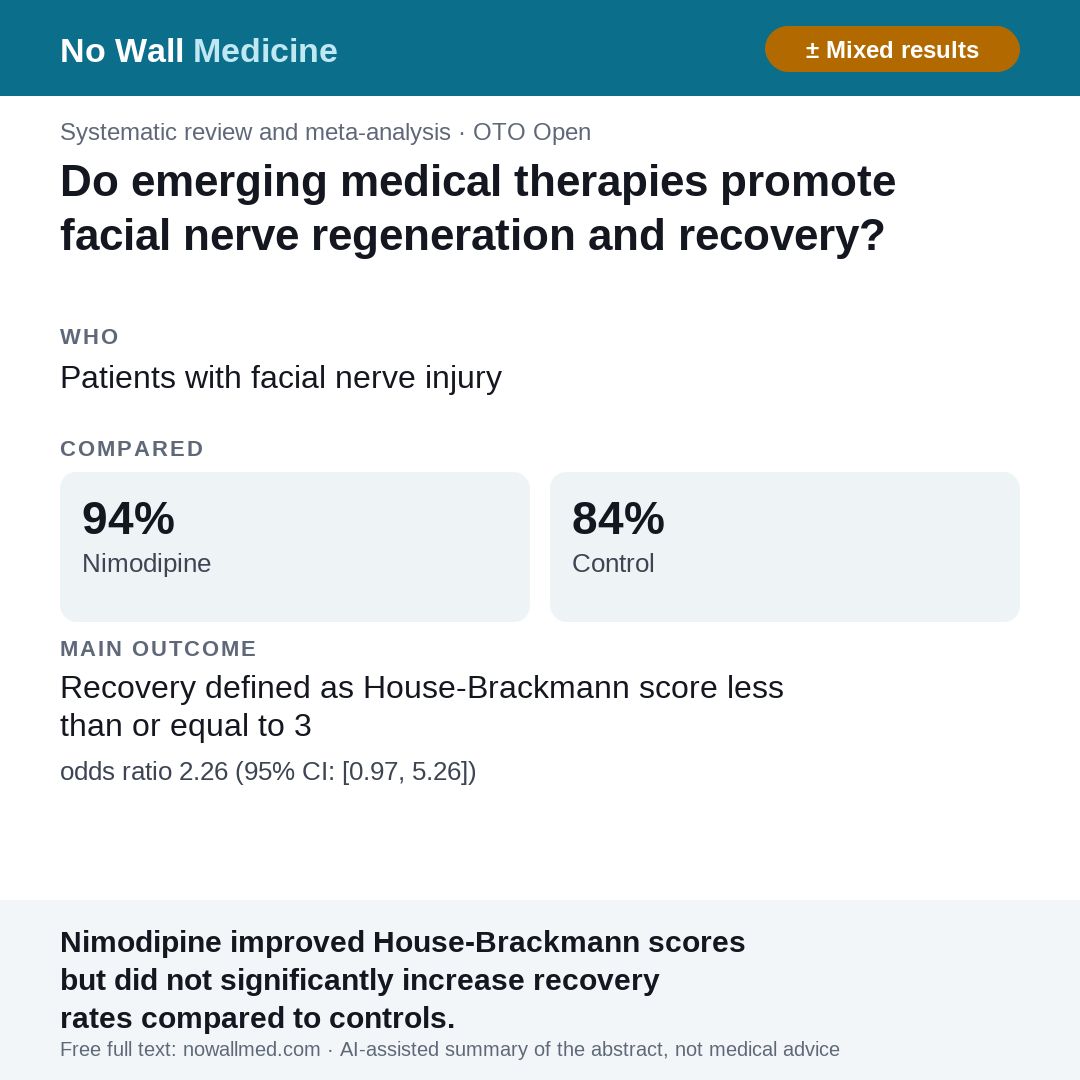
Emerging Medications in Facial Nerve Recovery: A Systematic Review and Meta-Analysis
Systematic review and meta-analysisMixed results
Do emerging medical therapies promote facial nerve regeneration and recovery?
Who
Patients with facial nerve injury
Compared
94%Nimodipine (95% CI:[90%, 97%])
84%Control (95% CI: [70%, 97%])
Main outcome
Recovery defined as House-Brackmann score less than or equal to 3
Result: odds ratio 2.26 (95% CI: [0.97, 5.26])
Bottom line: Nimodipine improved House-Brackmann scores but did not significantly increase recovery rates compared to controls.
OTO Open · 2026-06-29Download image
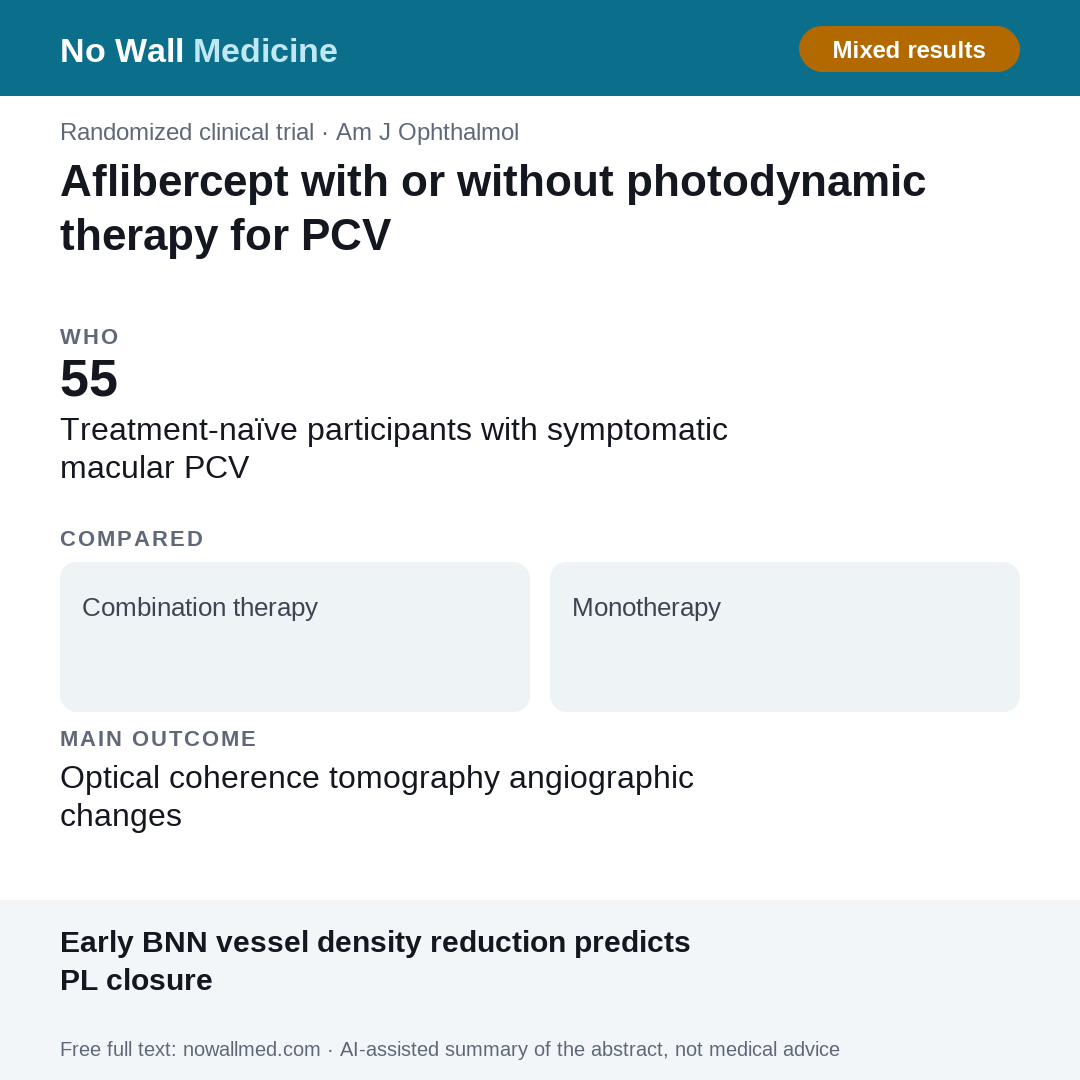
Aflibercept With Versus Without Reduced-Fluence Photodynamic Therapy for Polypoidal Choroidal Vasculopathy: Optical Coherence Tomography Angiographic Changes From a Randomized Clinical Trial
Randomized clinical trialMixed results
Aflibercept with or without photodynamic therapy for PCV
Who
55
Treatment-naïve participants with symptomatic macular PCV
Compared
Combination therapy
Monotherapy
Main outcome
Optical coherence tomography angiographic changes
Bottom line: Early BNN vessel density reduction predicts PL closure
Am J Ophthalmol · 2026-06-28Download image
Pulmonary artery catheters or central venous catheters for cardiac surgery: the PUMA Pilot randomised clinical trial
Multicentre, randomised, parallel assignment, open-label, pilot trialBenefit found
Are pulmonary artery catheters or central venous catheters feasible in low-risk cardiac surgery?
Who
149
Adults undergoing coronary artery bypass grafting or aortic valve replacement · Three tertiary cardiac surgery centres
Compared
Pulmonary artery catheter: 99% protocol compliance
Central venous catheter: 99% protocol compliance
Main outcome
Protocol compliance
Bottom line: A randomised trial comparing pulmonary artery catheters and central venous catheters is feasible in low-risk cardiac surgery.
Anaesthesia · 2026-06-28Download image
Efficacy and safety of RApid PrednIsolone Dose reduction for acute exacerbation of Idiopathic Pulmonary Fibrosis (RAPID-IPF Trial): a study protocol for a randomised controlled trial
Randomised, open-label, non-inferiority trialUnclear result
Is early corticosteroid tapering non-inferior to conventional tapering for 90-day mortality?
Who
70
Patients hospitalised for acute exacerbation of idiopathic pulmonary fibrosis · Multicentre, Japan
Compared
accelerated 6-week prednisolone tapering regimen
conventional 12-week tapering regimen
Main outcome
all-cause mortality at 90 days
Bottom line: This study protocol aims to test if early tapering is non-inferior to standard tapering for mortality.
BMJ Open Respir Res · 2026-06-28Download image

Real-Time Continuous Glucose Monitoring Among People With Type 2 Diabetes and End-Stage Kidney Failure Undergoing Maintenance Hemodialysis: A Randomized Clinical Trial
Prospective, randomized, crossover trialMixed results
Does real-time continuous glucose monitoring improve glycemia in adults with type 2 diabetes and end-stage kidney failure?
Who
Adults with type 2 diabetes and end-stage kidney failure undergoing maintenance hemodialysis
Compared
real-time continuous glucose monitoring: mean 1.17% ± 1.8
capillary blood glucose testing: 1.29% ± 2.7
Main outcome
percentage of time below range less than 70 milligrams per deciliter
Bottom line: Real-time continuous glucose monitoring improved time in range but did not significantly change time below range.
Diabetes Care · 2026-06-27Download image
AI-Based Pathology Classifier Predicts Sensitivity to Enzalutamide in Metastatic Hormone-Sensitive Prostate Cancer: A Biomarker Analysis of the ENZAMET Trial
Biomarker analysis of a randomized trialBenefit found
Does the artificial intelligence pathology image classifier predict enzalutamide survival benefit?
Who
492
Participants with metastatic hormone-sensitive prostate cancer · Australia and New Zealand
Compared
APIC-negative enzalutamide: 60-month overall survival 76.5%
APIC-negative nonsteroidal antiandrogen: 60-month overall survival 58.3%
APIC-positive enzalutamide: 60-month overall survival 55.6%
APIC-positive nonsteroidal antiandrogen: 60-month overall survival 58.8%
Main outcome
overall survival
Result: hazard ratio 0.50 (95% CI 0.35-0.73) for APIC-negative
Bottom line: APIC-negative disease identifies patients with major overall survival improvement using enzalutamide plus androgen deprivation therapy.
Clin Cancer Res · 2026-06-27Download image
Early Detriment Analysis of First-Line Nivolumab plus Ipilimumab-Based Therapy in Patients with Metastatic Non-Small Cell Lung Cancer
Analysis of CheckMate 227 and CheckMate 9LA studiesMixed results
What factors are associated with rapid progression on first-line nivolumab plus ipilimumab?
Who
Adults with stage IV or recurrent non-small cell lung cancer
Compared
40%nivolumab plus ipilimumab
26%chemotherapy
Main outcome
rapid progression defined as progression or death within 3 months
Bottom line: Nivolumab plus ipilimumab showed higher rapid progression than chemotherapy, but adding chemotherapy prevented early detriment.
Clin Cancer Res · 2026-06-27Download image
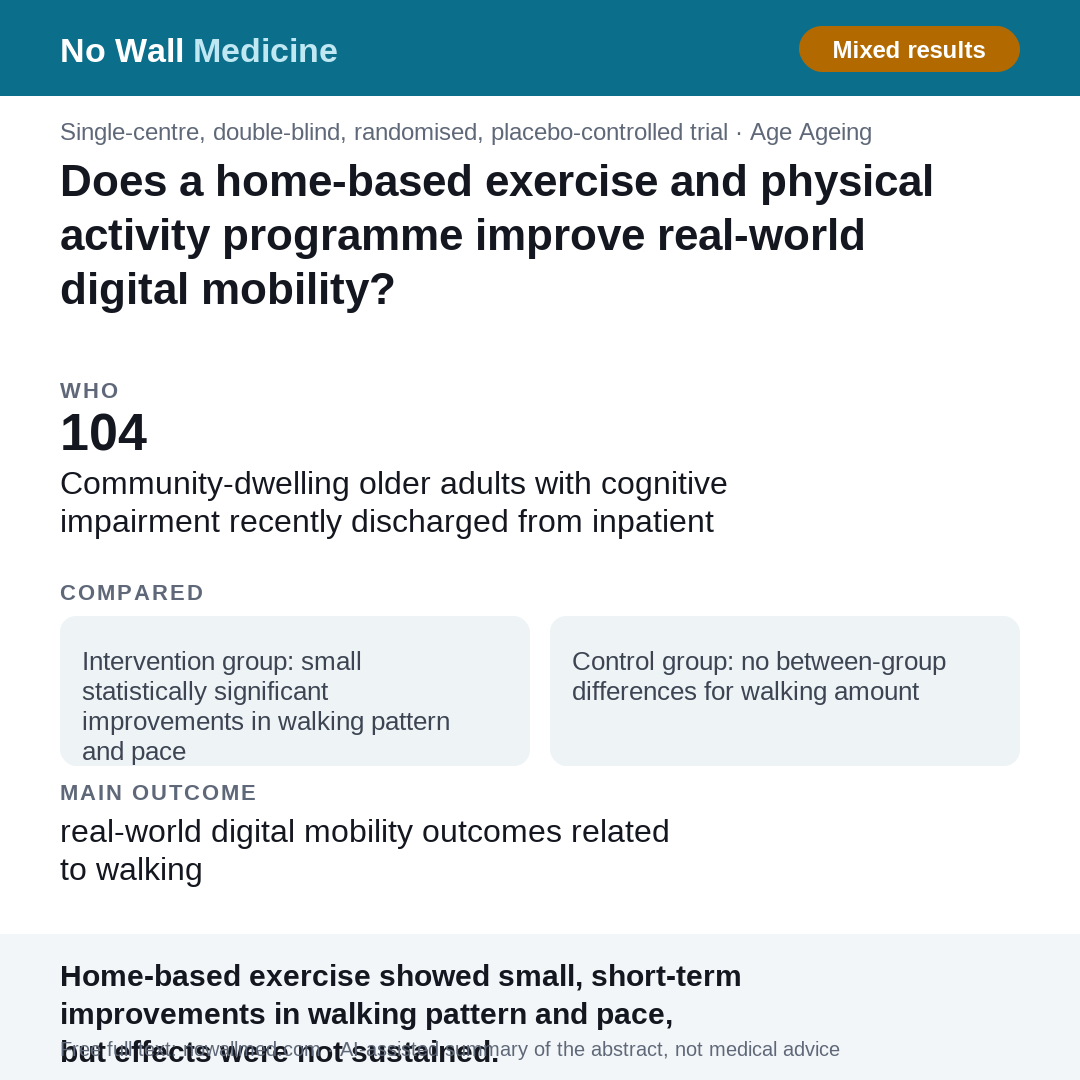
Effects of a home-based exercise and physical activity intervention after inpatient rehabilitation on real-world mobility in older adults with cognitive impairment: a secondary analysis of a randomised controlled trial
Single-centre, double-blind, randomised, placebo-controlled trialMixed results
Does a home-based exercise and physical activity programme improve real-world digital mobility?
Who
104
Community-dwelling older adults with cognitive impairment recently discharged from inpatient rehabilitation · Community
Compared
Intervention group: small statistically significant improvements in walking pattern and pace
Control group: no between-group differences for walking amount
Main outcome
real-world digital mobility outcomes related to walking
Bottom line: Home-based exercise showed small, short-term improvements in walking pattern and pace, but effects were not sustained.
Age Ageing · 2026-06-27Download image
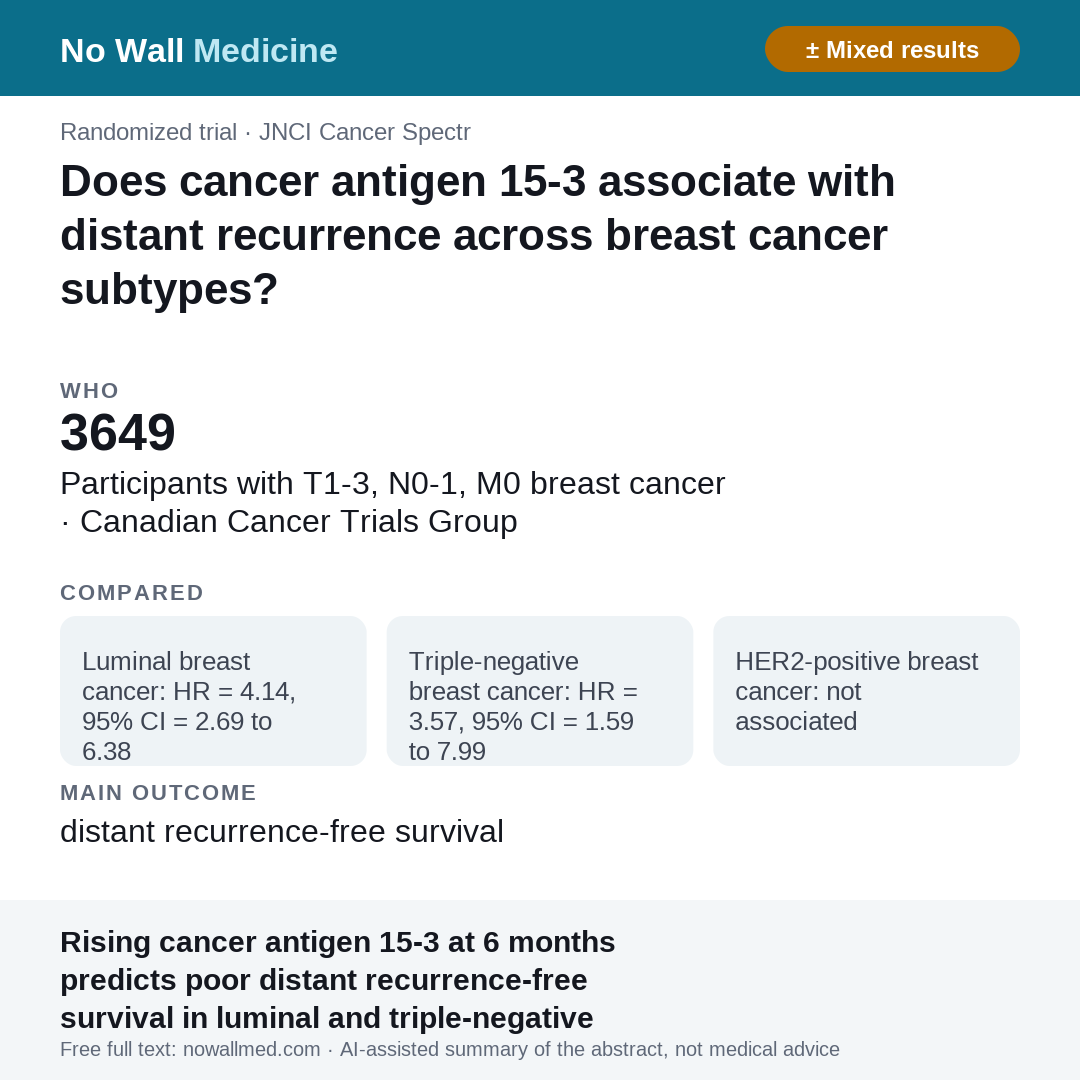
Association of cancer antigen 15-3 with distant recurrence in immunohistochemically defined breast cancer subtypes in Canadian Cancer Trials Group MA.32
Randomized trialMixed results
Does cancer antigen 15-3 associate with distant recurrence across breast cancer subtypes?
Who
3649
Participants with T1-3, N0-1, M0 breast cancer · Canadian Cancer Trials Group
Compared
Luminal breast cancer: HR = 4.14, 95% CI = 2.69 to 6.38
Triple-negative breast cancer: HR = 3.57, 95% CI = 1.59 to 7.99
HER2-positive breast cancer: not associated
Main outcome
distant recurrence-free survival
Result: HR = 4.14 (95% CI 2.69 to 6.38) for luminal; HR = 3.57 (95% CI 1.59 to 7.99) for triple-negative
Bottom line: Rising cancer antigen 15-3 at 6 months predicts poor distant recurrence-free survival in luminal and triple-negative breast cancer.
JNCI Cancer Spectr · 2026-06-27Download image
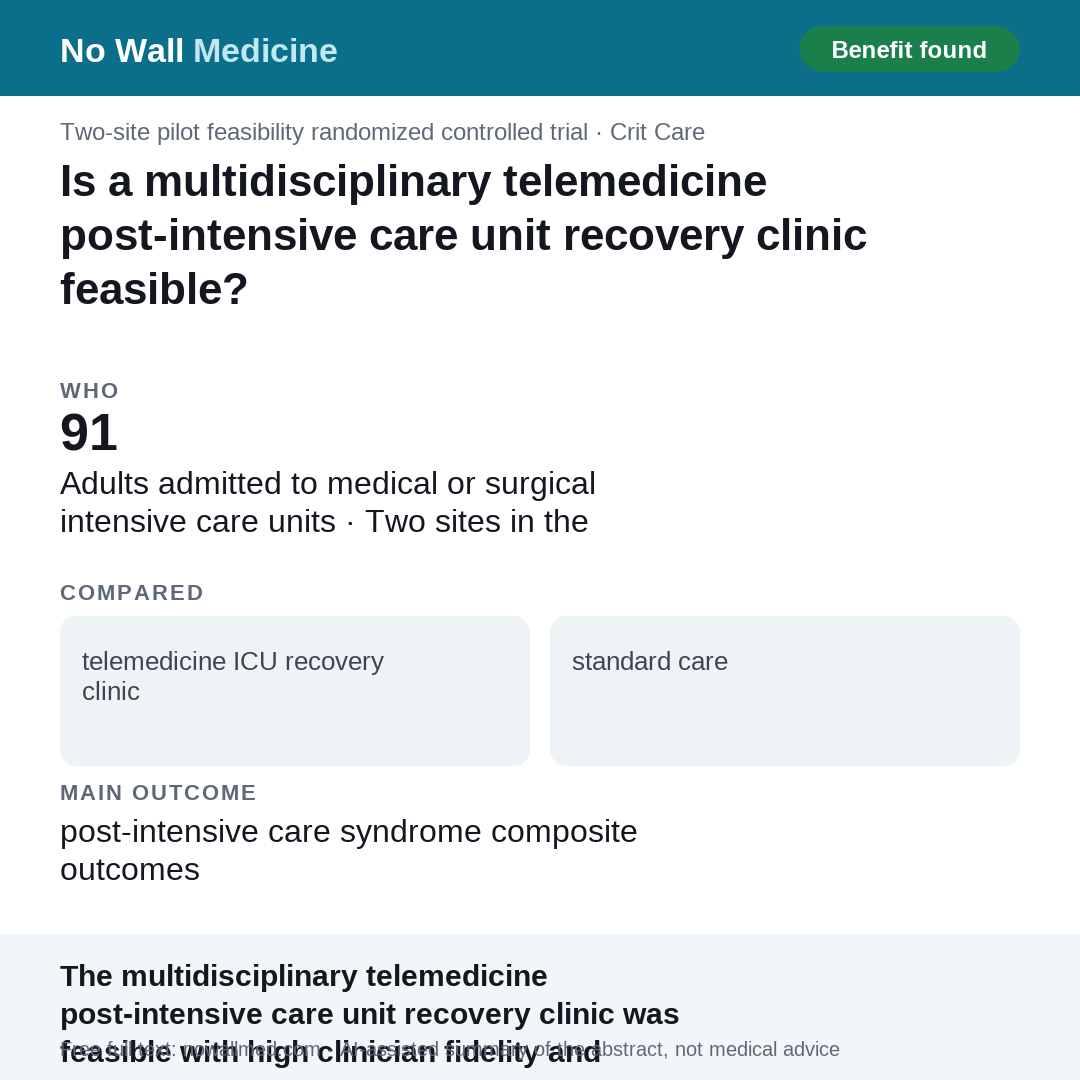
Multidisciplinary telemedicine intervention for ICU recovery: the TelePORT feasibility randomized trial
Two-site pilot feasibility randomized controlled trialBenefit found
Is a multidisciplinary telemedicine post-intensive care unit recovery clinic feasible?
Who
91
Adults admitted to medical or surgical intensive care units · Two sites in the southeastern United States
Compared
telemedicine ICU recovery clinic
standard care
Main outcome
post-intensive care syndrome composite outcomes
Bottom line: The multidisciplinary telemedicine post-intensive care unit recovery clinic was feasible with high clinician fidelity and favorable participant ratings.
Crit Care · 2026-06-27Download image
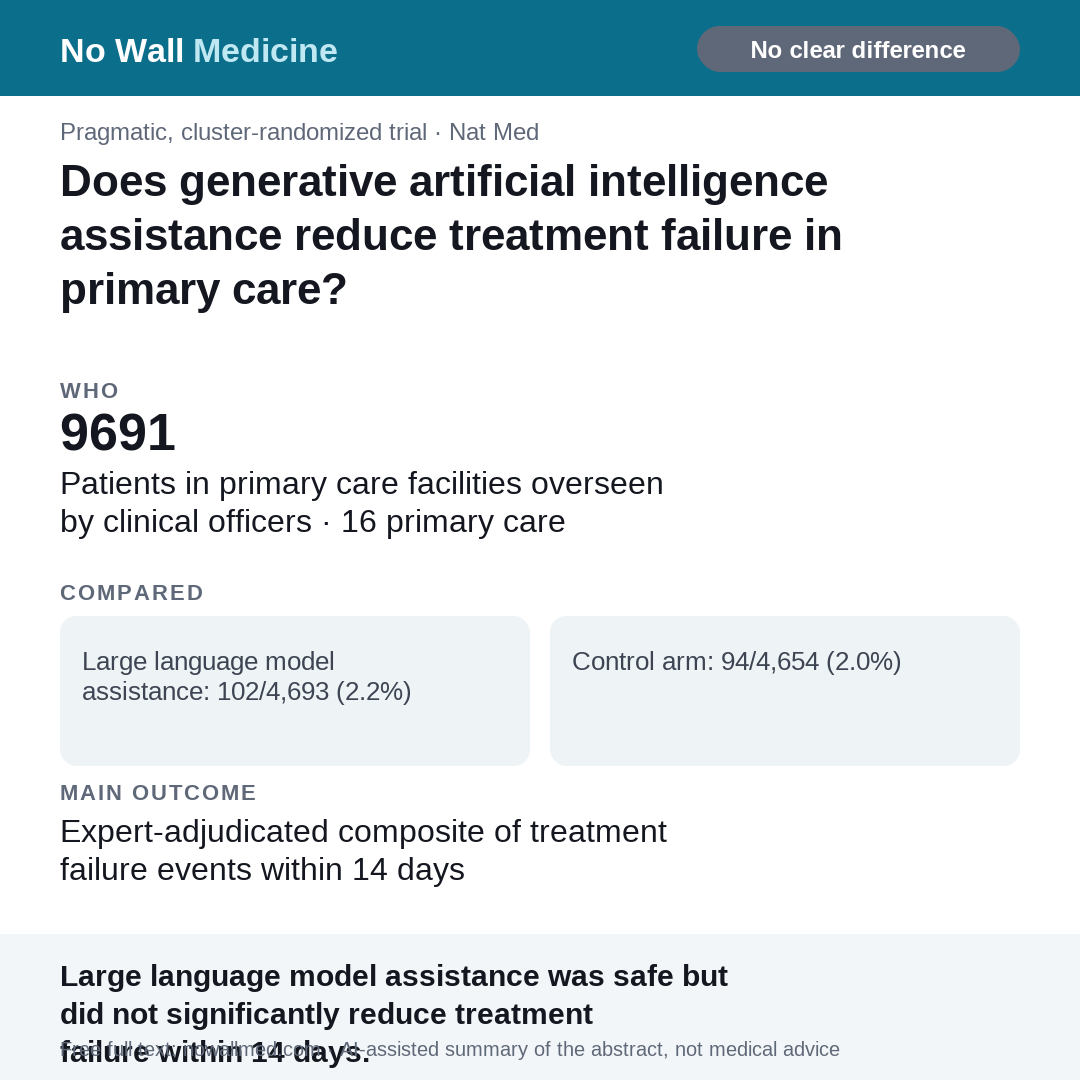
Generative AI-enabled clinical decision support system in primary care: a pragmatic, cluster-randomized trial
Pragmatic, cluster-randomized trialNo clear difference
Does generative artificial intelligence assistance reduce treatment failure in primary care?
Who
9691
Patients in primary care facilities overseen by clinical officers · 16 primary care facilities in Kenya
Compared
Large language model assistance: 102/4,693 (2.2%)
Control arm: 94/4,654 (2.0%)
Main outcome
Expert-adjudicated composite of treatment failure events within 14 days
Result: adjusted odds ratio 0.77 (95% confidence interval 0.55 to 1.08)
Bottom line: Large language model assistance was safe but did not significantly reduce treatment failure within 14 days.
Nat Med · 2026-06-26Download image
Immersive virtual reality with synchronous neurostimulation for upper-limb recovery after stroke: a randomized feasibility trial
Randomized feasibility trialBenefit found
Is immersive virtual reality with synchronous neurostimulation feasible and effective for stroke recovery?
Who
25
Patients with chronic stroke
Compared
MultiSensy intervention: FMA-UE 13.17 ± 1.30
Conventional rehabilitation: FMA-UE 7.54 ± 1.48
Main outcome
Motor function assessed by Fugl-Meyer Assessment Upper Extremity and Action Research Arm Test
Bottom line: MultiSensy intervention resulted in greater motor improvement compared to conventional rehabilitation in patients with chronic stroke.
Limitation: The study was a small feasibility trial with a limited sample size.
Nat Med · 2026-06-26Download image

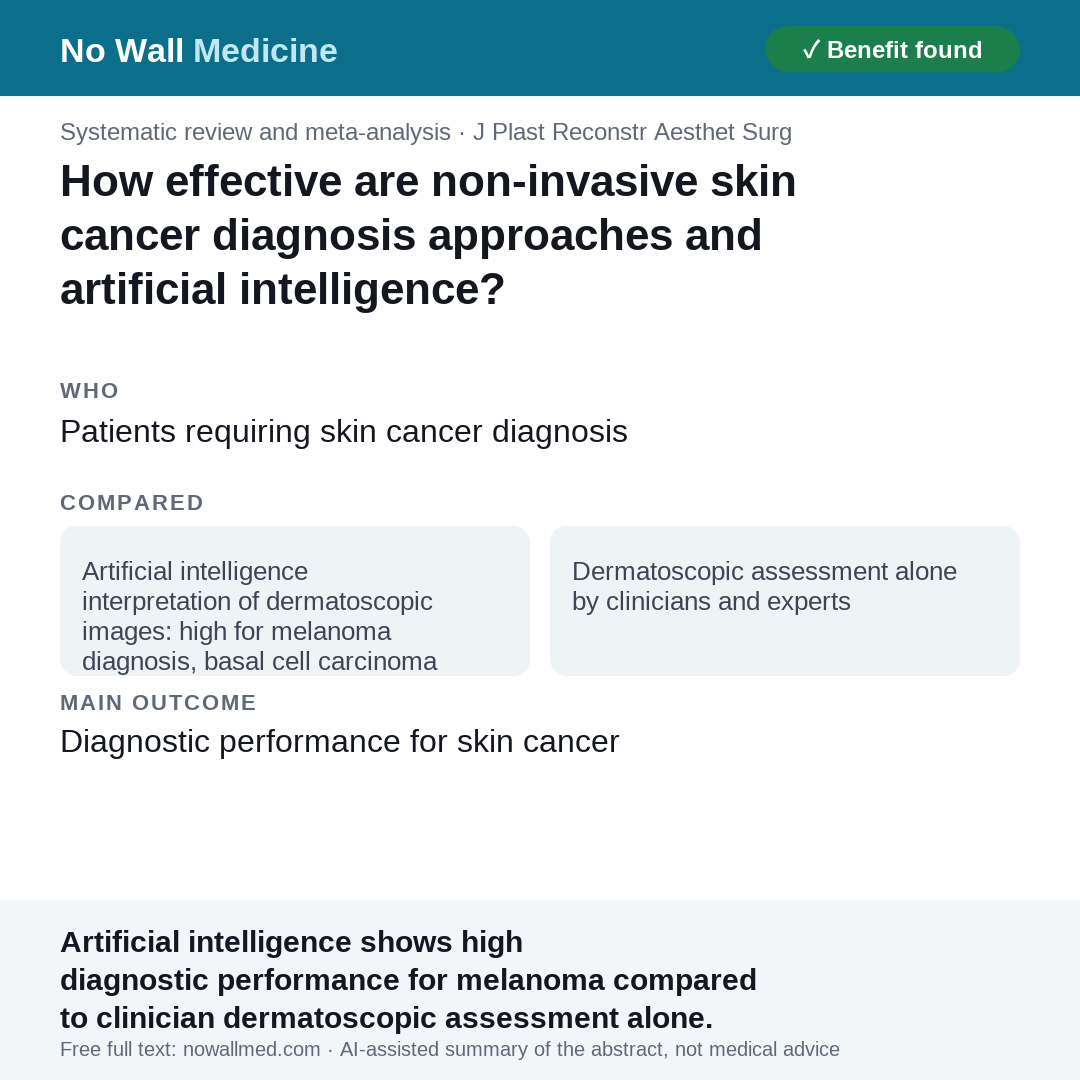
Efficacy of current approaches to non-invasive diagnosis of skin cancer and the potential impact of artificial intelligence: A systematic review and meta-analysis
Systematic review and meta-analysisBenefit found
How effective are non-invasive skin cancer diagnosis approaches and artificial intelligence?
Who
Patients requiring skin cancer diagnosis
Compared
Artificial intelligence interpretation of dermatoscopic images: high for melanoma diagnosis, basal cell carcinoma or malignancy
Dermatoscopic assessment alone by clinicians and experts
Main outcome
Diagnostic performance for skin cancer
Bottom line: Artificial intelligence shows high diagnostic performance for melanoma compared to clinician dermatoscopic assessment alone.
J Plast Reconstr Aesthet Surg · 2026-06-26Download image
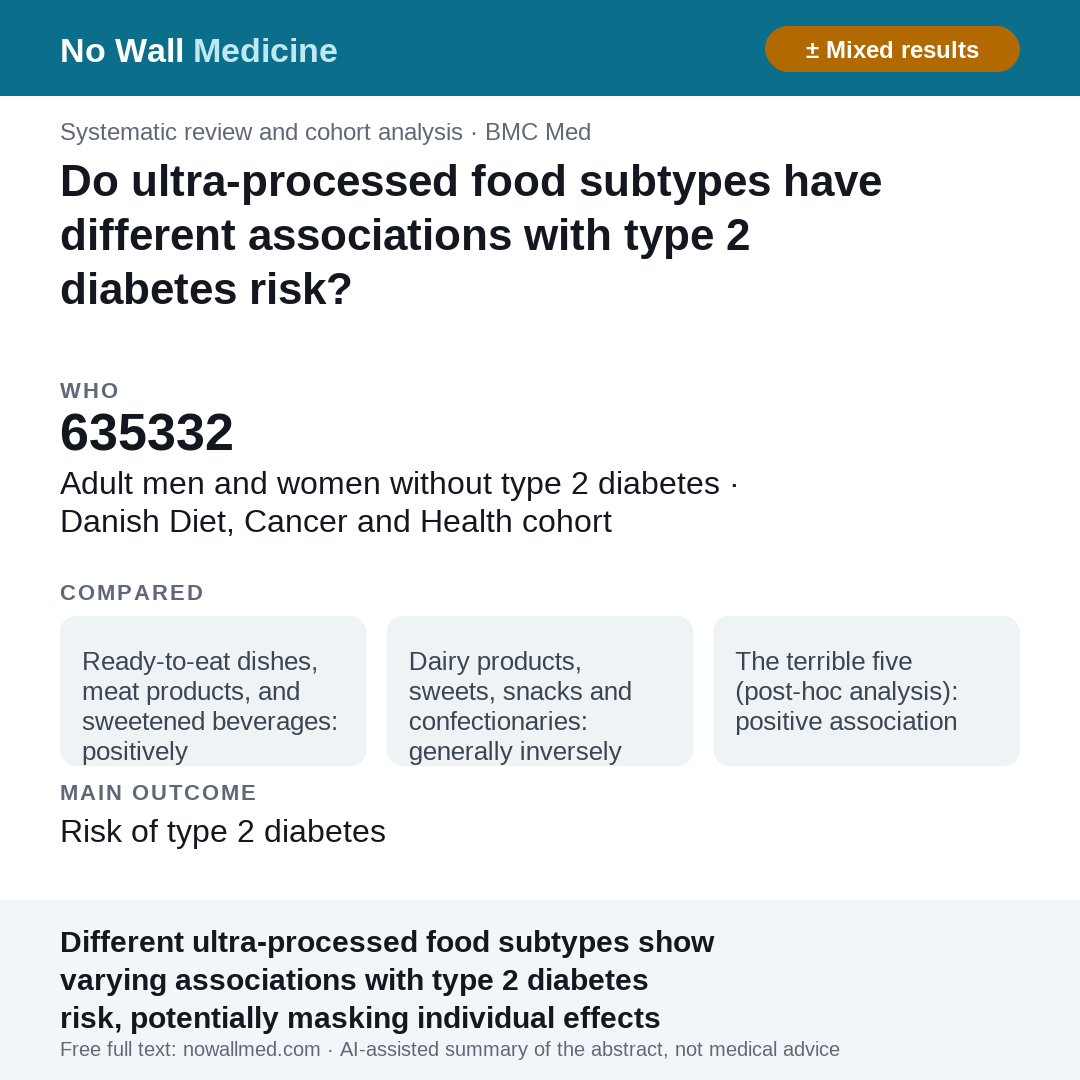
A systematic review of ultra-processed food subtypes and risk of type 2 diabetes, combined with a cohort analysis, question the utility of broad food classifications for public health policy
Systematic review and cohort analysisMixed results
Do ultra-processed food subtypes have different associations with type 2 diabetes risk?
Who
635332
Adult men and women without type 2 diabetes · Danish Diet, Cancer and Health cohort
Compared
Ready-to-eat dishes, meat products, and sweetened beverages: positively associated
Dairy products, sweets, snacks and confectionaries: generally inversely associated
The terrible five (post-hoc analysis): positive association
Main outcome
Risk of type 2 diabetes
Bottom line: Different ultra-processed food subtypes show varying associations with type 2 diabetes risk, potentially masking individual effects in broad categories.
Limitation: Overall risk of bias was considered moderate to high in all included studies.
BMC Med · 2026-06-26Download image
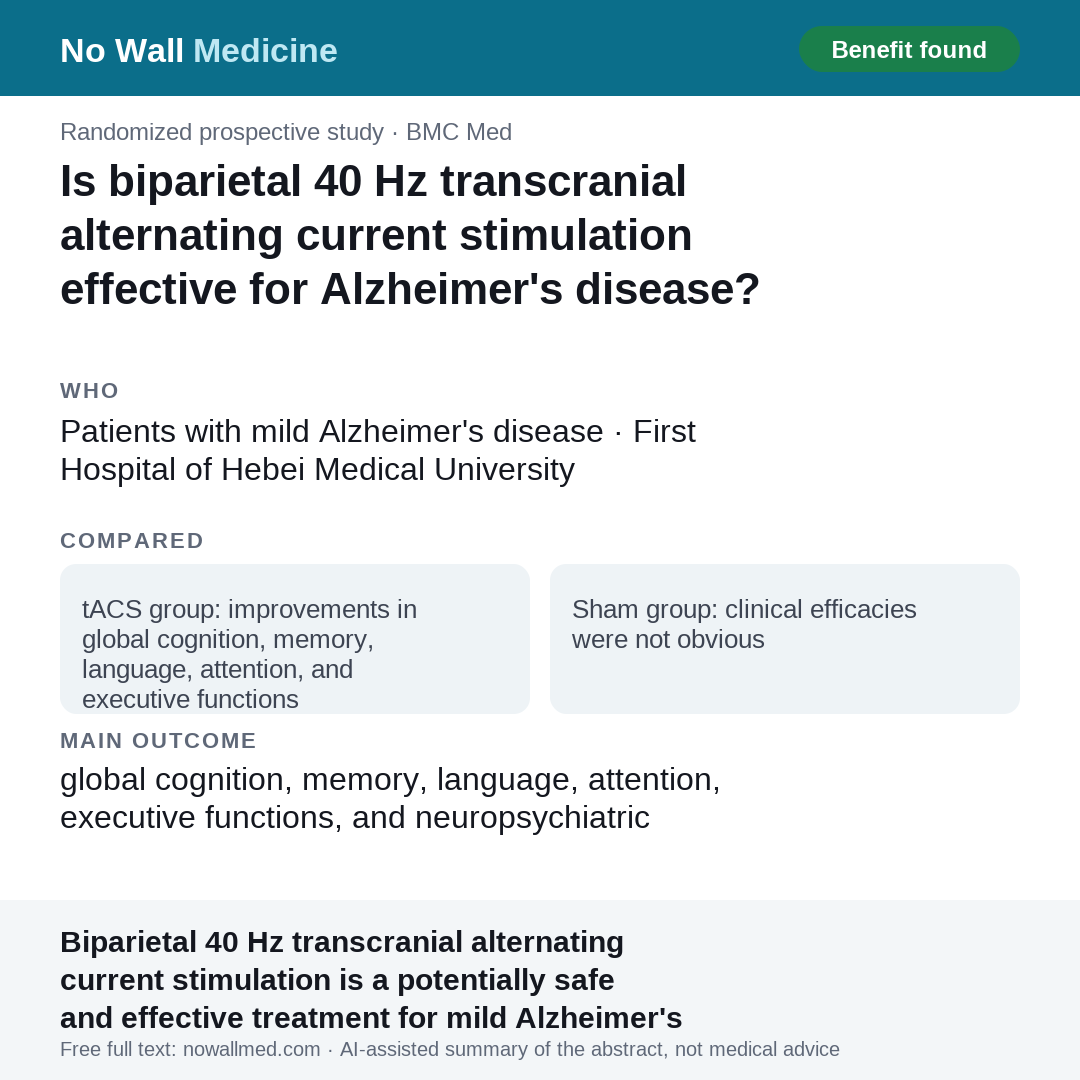
40 Hz biparietal transcranial alternating current stimulation for Alzheimer's disease: a prospective study
Randomized prospective studyBenefit found
Is biparietal 40 Hz transcranial alternating current stimulation effective for Alzheimer's disease?
Who
Patients with mild Alzheimer's disease · First Hospital of Hebei Medical University
Compared
tACS group: improvements in global cognition, memory, language, attention, and executive functions
Sham group: clinical efficacies were not obvious
Main outcome
global cognition, memory, language, attention, executive functions, and neuropsychiatric inventory scores
Bottom line: Biparietal 40 Hz transcranial alternating current stimulation is a potentially safe and effective treatment for mild Alzheimer's disease.
BMC Med · 2026-06-26Download image
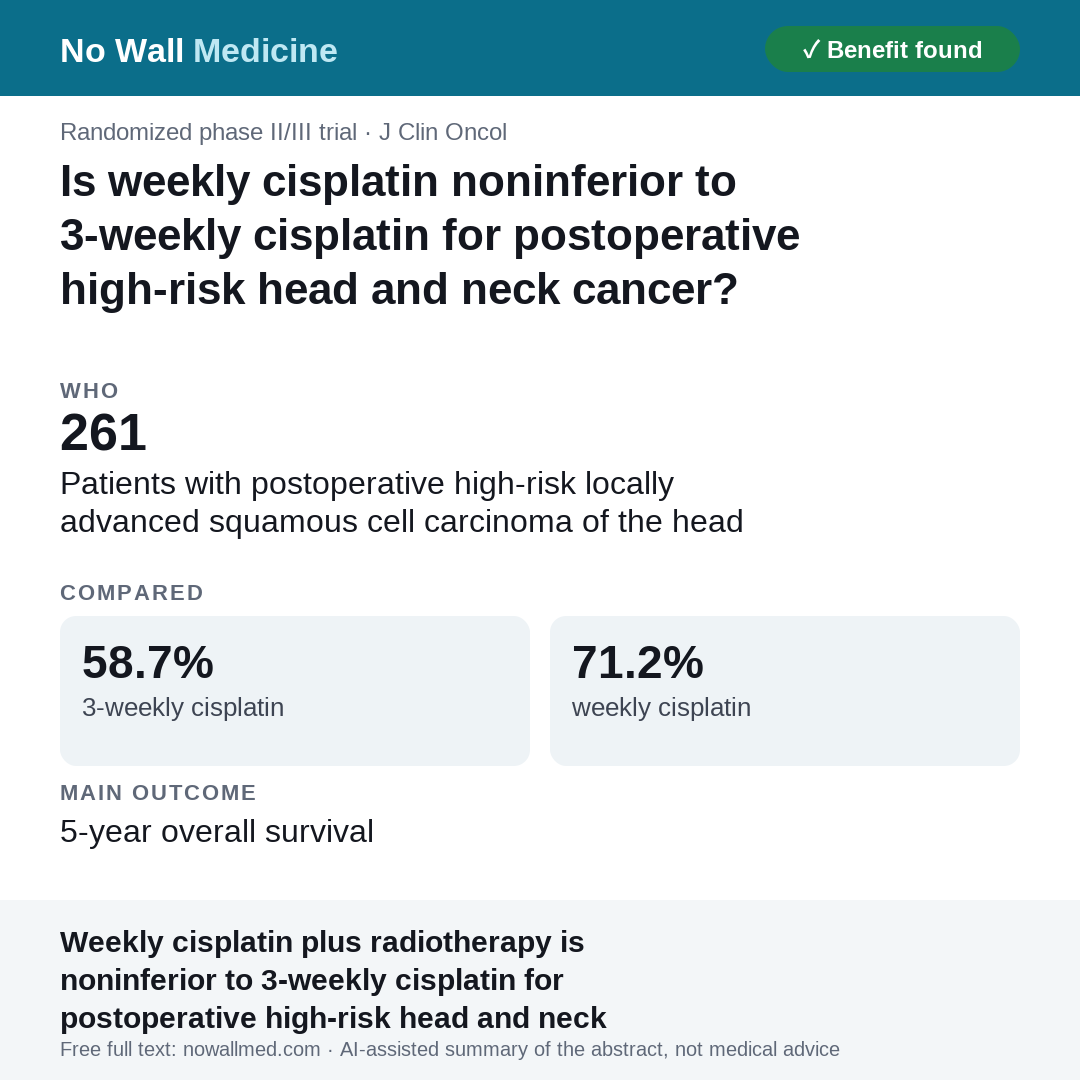
Long-Term Follow-Up of JCOG1008, a Randomized Phase II/III Trial of Chemoradiotherapy Comparing 3-Weekly Cisplatin With Weekly Cisplatin in Postoperative Head and Neck Cancer
Randomized phase II/III trialBenefit found
Is weekly cisplatin noninferior to 3-weekly cisplatin for postoperative high-risk head and neck cancer?
Who
261
Patients with postoperative high-risk locally advanced squamous cell carcinoma of the head and neck
Compared
58.7%3-weekly cisplatin
71.2%weekly cisplatin
Main outcome
5-year overall survival
Result: hazard ratio 0.76 (95% CI 0.52 to 1.12 [<1.32])
Bottom line: Weekly cisplatin plus radiotherapy is noninferior to 3-weekly cisplatin for postoperative high-risk head and neck cancer.
J Clin Oncol · 2026-06-26Download image
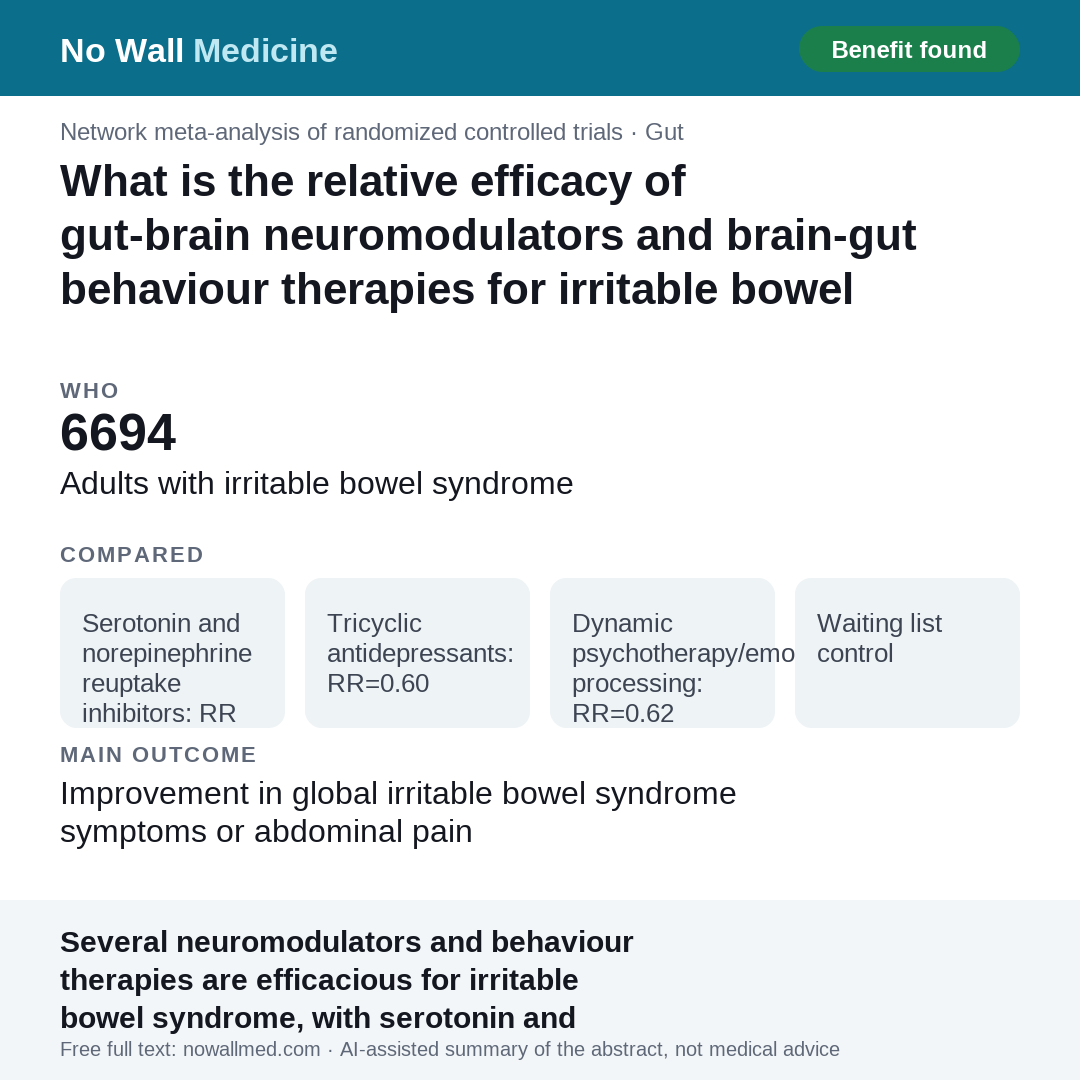
Efficacy of gut-brain neuromodulators and brain-gut behaviour therapies for irritable bowel syndrome: systematic review and network meta-analysis
Network meta-analysis of randomized controlled trialsBenefit found
What is the relative efficacy of gut-brain neuromodulators and brain-gut behaviour therapies for irritable bowel syndrome?
Who
6694
Adults with irritable bowel syndrome
Compared
Serotonin and norepinephrine reuptake inhibitors: RR of global IBS symptoms or abdominal pain not improving=0.49
Tricyclic antidepressants: RR=0.60
Dynamic psychotherapy/emotional processing: RR=0.62
Waiting list control
Main outcome
Improvement in global irritable bowel syndrome symptoms or abdominal pain
Result: RR of global IBS symptoms or abdominal pain not improving=0.49 (95% CI 0.32 to 0.75)
Bottom line: Several neuromodulators and behaviour therapies are efficacious for irritable bowel syndrome, with serotonin and norepinephrine reuptake inhibitors ranking first.
Limitation: No trials were at low risk of bias and overall certainty was low or very low.
Gut · 2026-06-26Download image
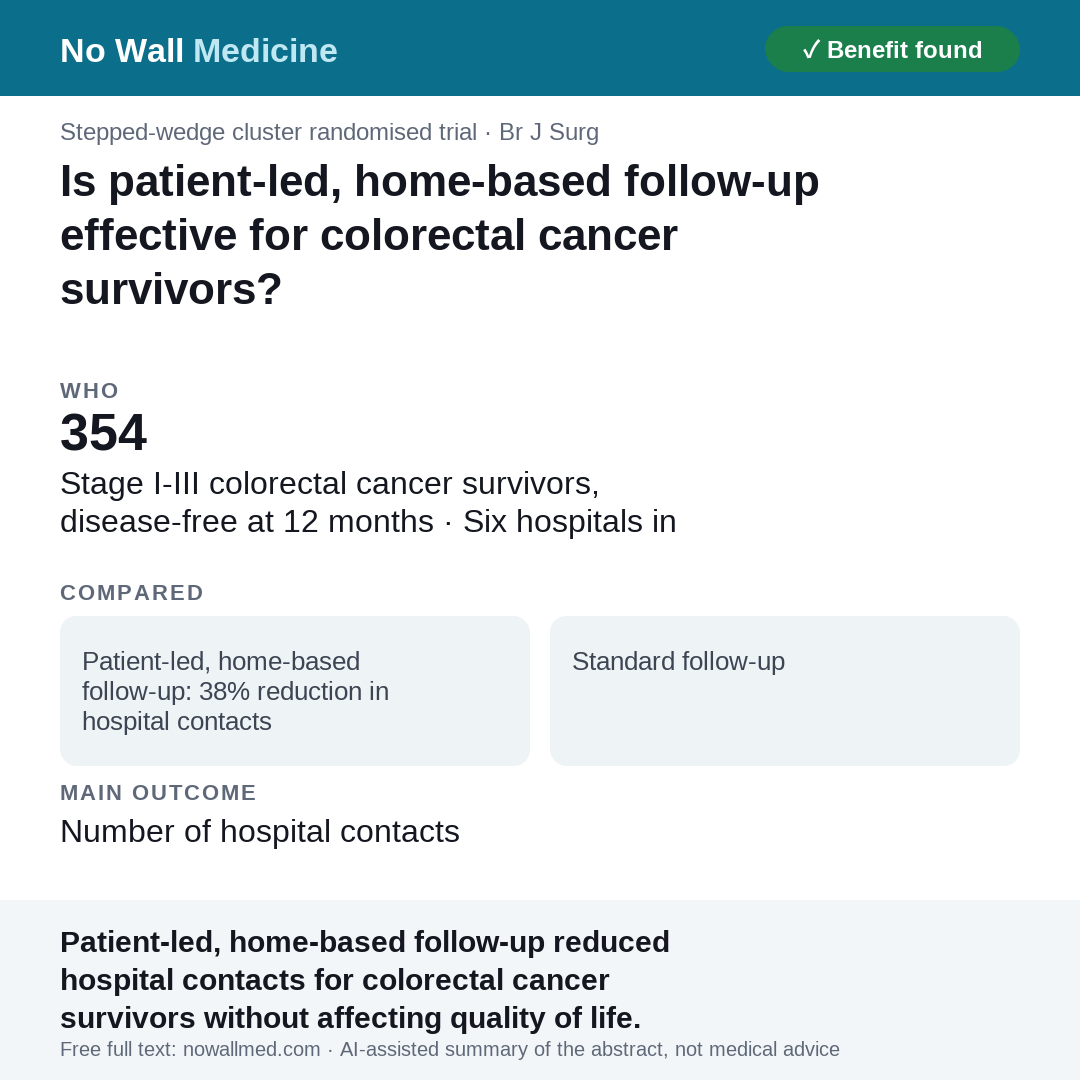
Patient-led, home-based follow-up for colorectal cancer: DISTANCE multicentre stepped-wedge cluster randomised trial
Stepped-wedge cluster randomised trialBenefit found
Is patient-led, home-based follow-up effective for colorectal cancer survivors?
Who
354
Stage I-III colorectal cancer survivors, disease-free at 12 months · Six hospitals in the Netherlands
Compared
Patient-led, home-based follow-up: 38% reduction in hospital contacts
Standard follow-up
Main outcome
Number of hospital contacts
Result: rate ratio 0.62 (95% c.i. 0.51 to 0.75)
Bottom line: Patient-led, home-based follow-up reduced hospital contacts for colorectal cancer survivors without affecting quality of life.
Br J Surg · 2026-06-26Download image
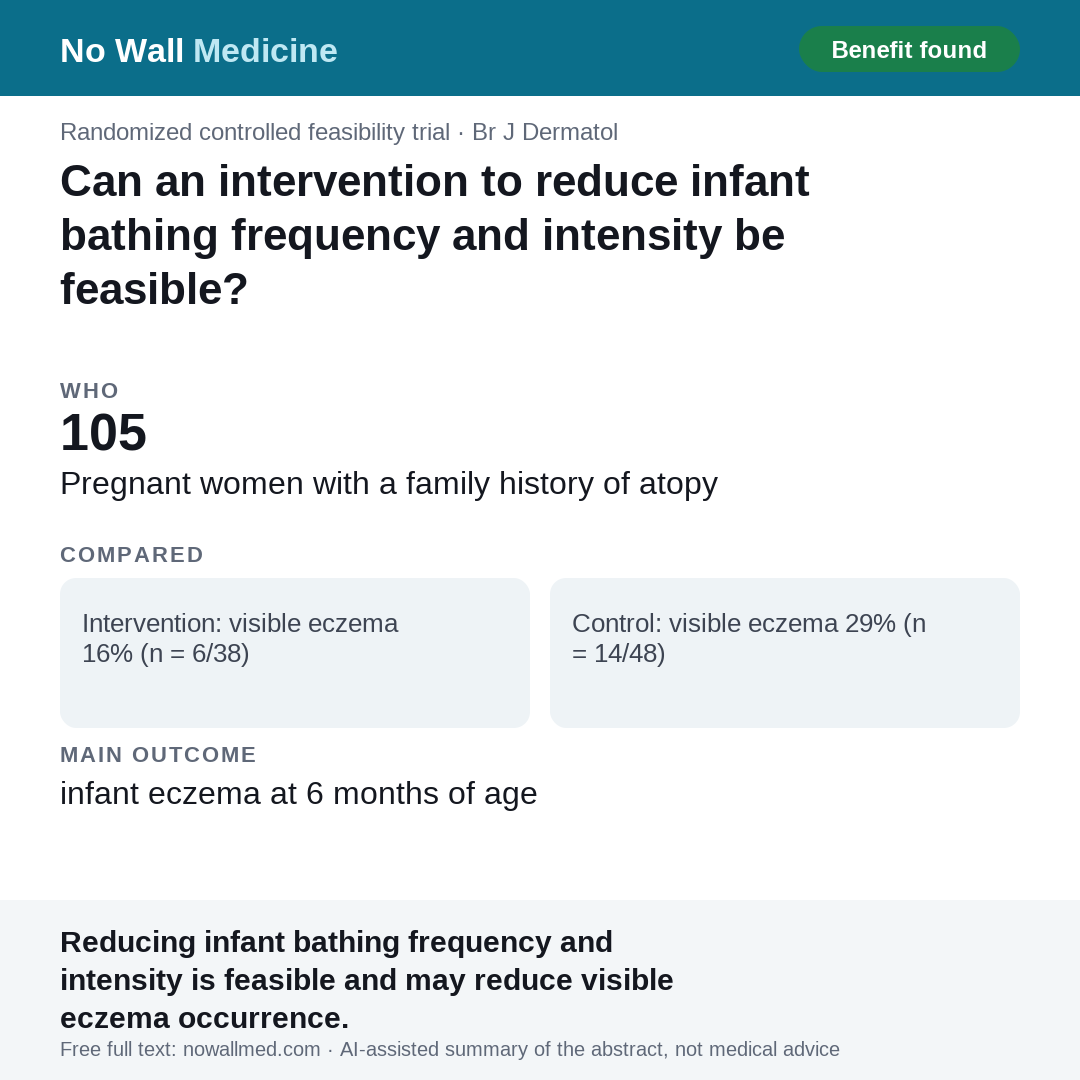
Randomized controlled feasibility trial of an intervention to reduce infant bathing
Randomized controlled feasibility trialBenefit found
Can an intervention to reduce infant bathing frequency and intensity be feasible?
Who
105
Pregnant women with a family history of atopy
Compared
Intervention: visible eczema 16% (n = 6/38)
Control: visible eczema 29% (n = 14/48)
Main outcome
infant eczema at 6 months of age
Bottom line: Reducing infant bathing frequency and intensity is feasible and may reduce visible eczema occurrence.
Br J Dermatol · 2026-06-26Download image