Visual abstracts
New randomized trials and meta-analyses from leading journals at a glance: who was studied, what was compared, and what was found. Every paper is free to read in full.
All specialtiesCardiology 4877Oncology 4138Gastroenterology & Hepatology 1942Infectious Disease 3837Neurology 1905Psychiatry & Mental Health 2273Pulmonology 2143Critical Care 1365Endocrinology & Diabetes 2580Pediatrics 2980Surgery 2559Orthopedics & Sports Medicine 931Neurosurgery 537Cardiothoracic & Vascular Surgery 674Plastic & Reconstructive Surgery 591Nephrology 1133Rheumatology 823Hematology 1109Dermatology 621Ophthalmology 543Obstetrics & Gynecology 1686Public & Global Health 1058Radiology & Imaging 648Anesthesiology 986Urology 764ENT (Otolaryngology) 503Emergency Medicine 511Allergy & Immunology 313Geriatrics 981Family Medicine & Primary Care 562Medical Genetics & Genomics 676Pathology & Laboratory Medicine 159Physical Medicine & Rehabilitation 757Palliative Care 444Nutrition 1588Digital Health & AI 2201General Medicine 321
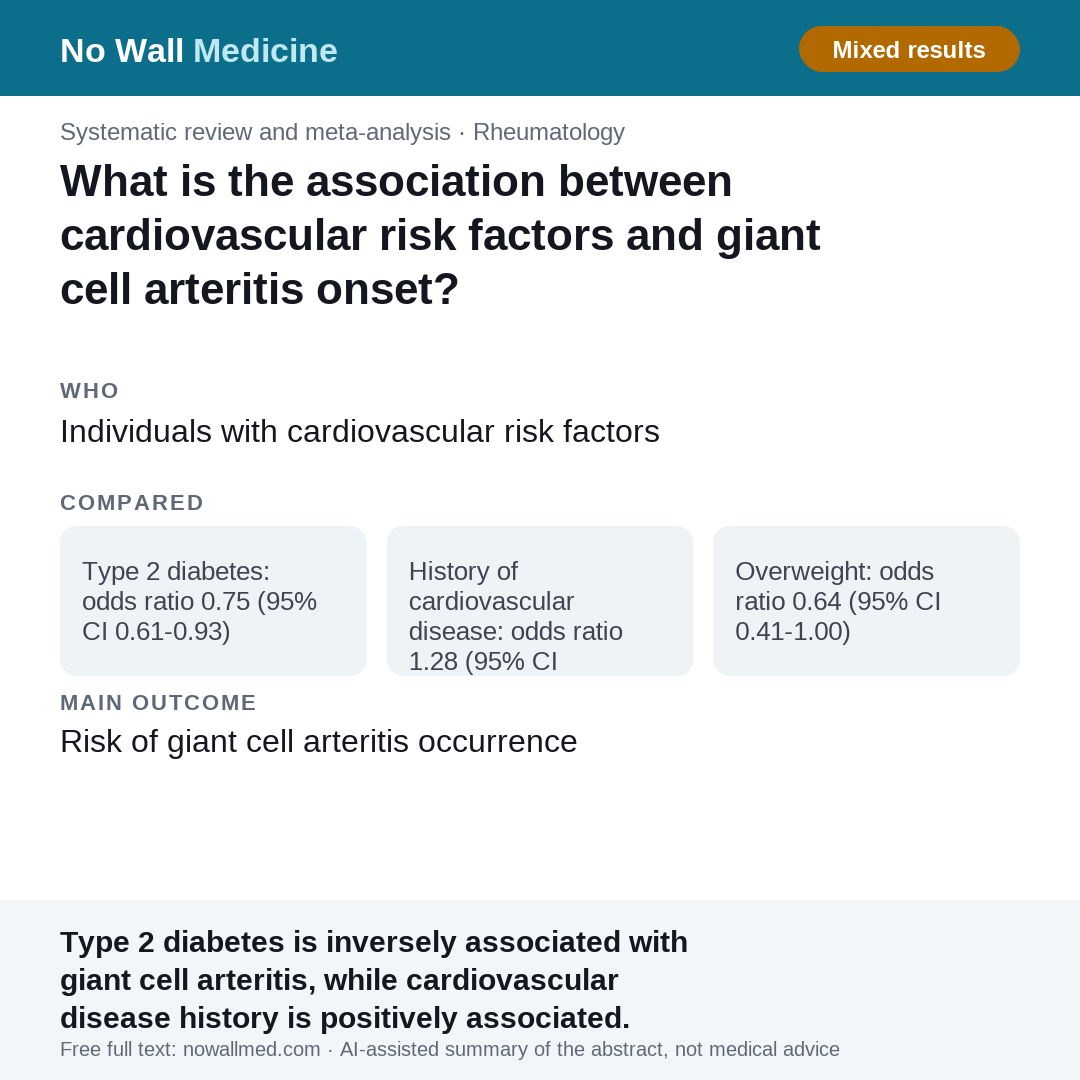
Association between cardiovascular risk factors and the occurrence of giant cell arteritis: a systematic review and meta-analysis
Systematic review and meta-analysisMixed results
What is the association between cardiovascular risk factors and giant cell arteritis onset?
Who
Individuals with cardiovascular risk factors
Compared
Type 2 diabetes: odds ratio 0.75 (95% CI 0.61-0.93)
History of cardiovascular disease: odds ratio 1.28 (95% CI 1.18-1.38)
Overweight: odds ratio 0.64 (95% CI 0.41-1.00)
Main outcome
Risk of giant cell arteritis occurrence
Bottom line: Type 2 diabetes is inversely associated with giant cell arteritis, while cardiovascular disease history is positively associated.
Rheumatology · 2025-03-24Download image
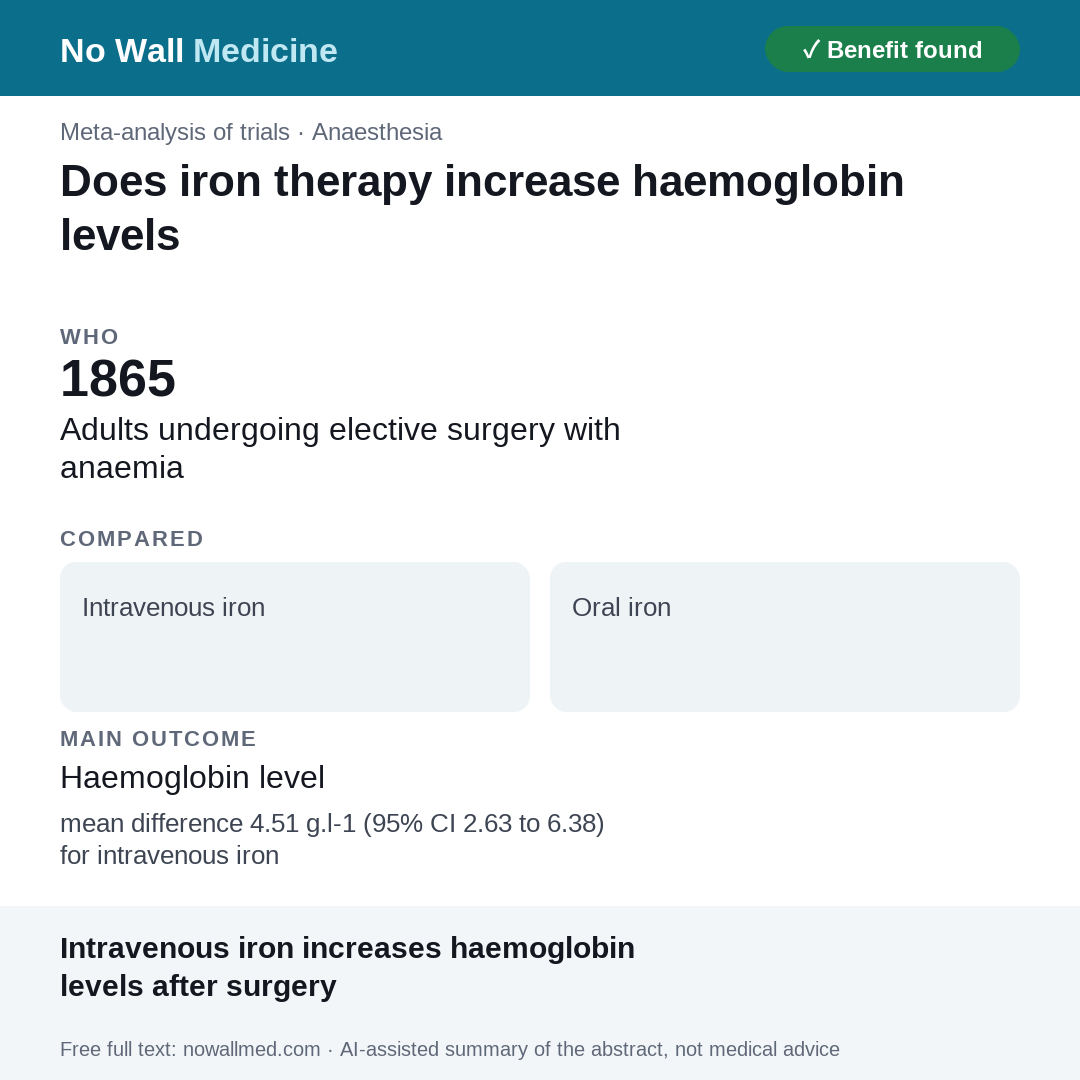
The use of iron after surgery: a systematic review and meta-analysis
Meta-analysis of trialsBenefit found
Does iron therapy increase haemoglobin levels
Who
1865
Adults undergoing elective surgery with anaemia
Compared
Intravenous iron
Oral iron
Main outcome
Haemoglobin level
Result: mean difference 4.51 g.l-1 (95% CI 2.63 to 6.38) for intravenous iron
Bottom line: Intravenous iron increases haemoglobin levels after surgery
Anaesthesia · 2025-03-24Download image
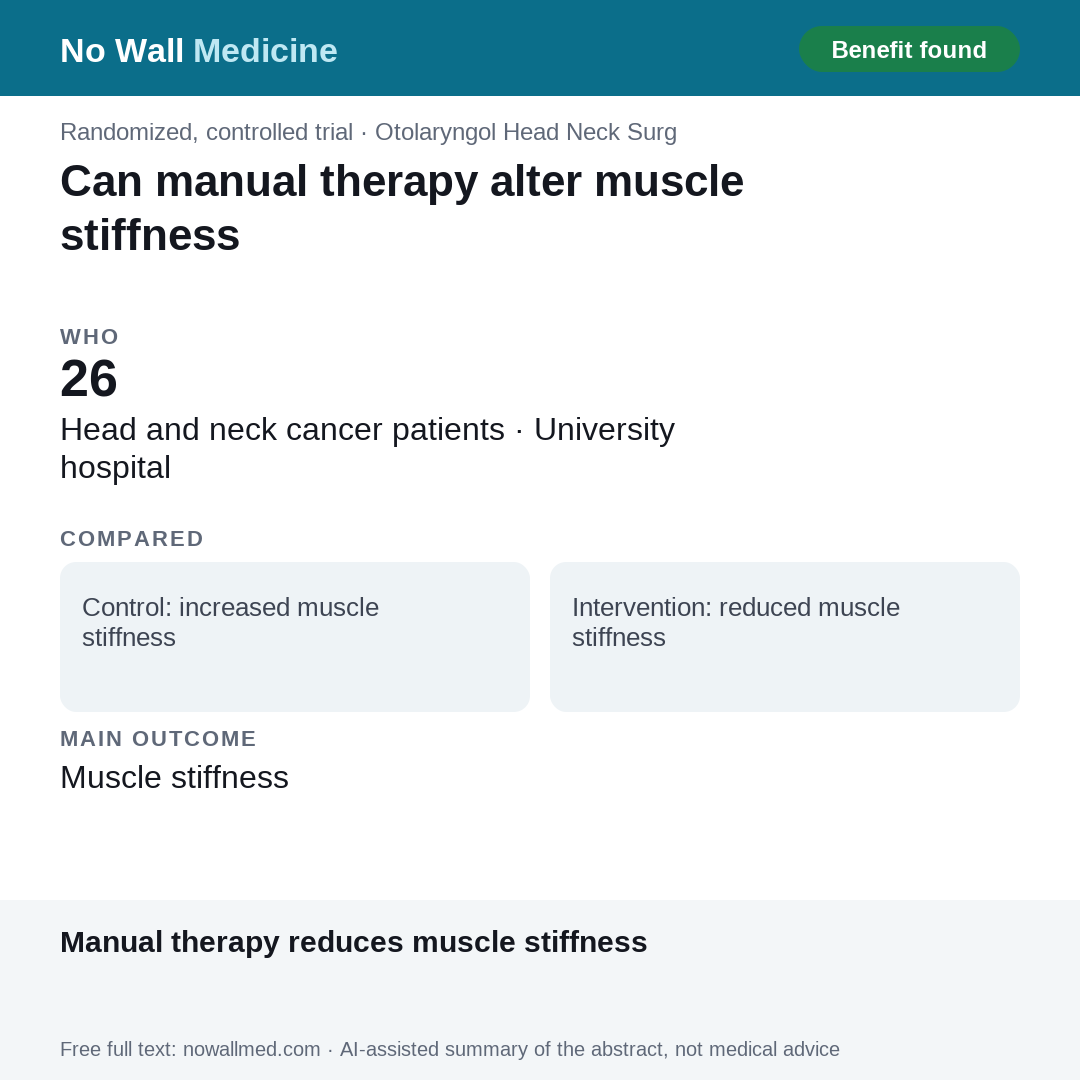
Can Manual Therapy Alter Muscle Stiffness in Patients With Spinal Accessory Nerve Injury?
Randomized, controlled trialBenefit found
Can manual therapy alter muscle stiffness
Who
26
Head and neck cancer patients · University hospital
Compared
Control: increased muscle stiffness
Intervention: reduced muscle stiffness
Main outcome
Muscle stiffness
Bottom line: Manual therapy reduces muscle stiffness
Otolaryngol Head Neck Surg · 2025-03-24Download image
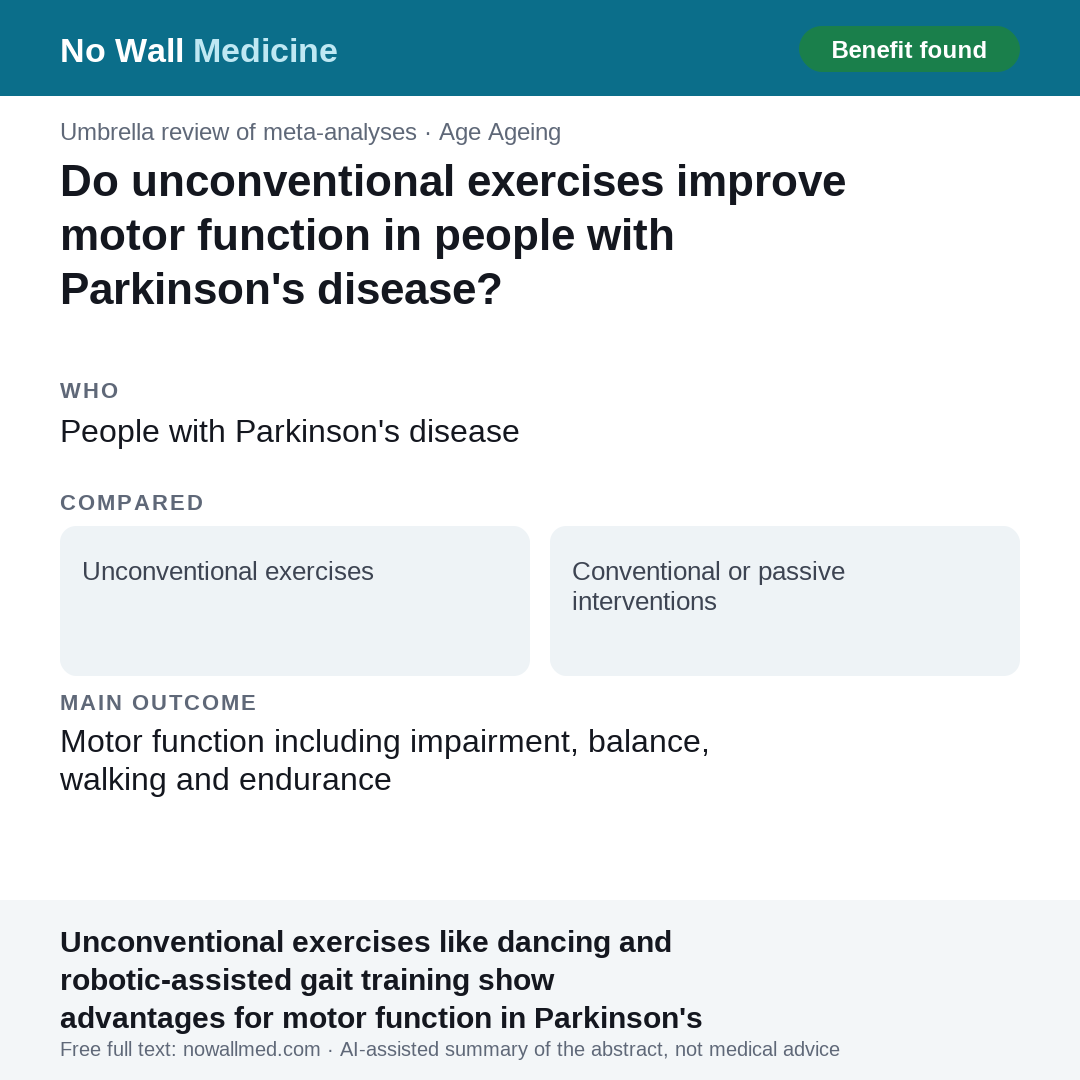
Unconventional exercises for motor function in Parkinson's disease: an umbrella review of meta-analyses
Umbrella review of meta-analysesBenefit found
Do unconventional exercises improve motor function in people with Parkinson's disease?
Who
People with Parkinson's disease
Compared
Unconventional exercises
Conventional or passive interventions
Main outcome
Motor function including impairment, balance, walking and endurance
Bottom line: Unconventional exercises like dancing and robotic-assisted gait training show advantages for motor function in Parkinson's disease.
Limitation: Variations across studies and differing certainty levels require cautious interpretation.
Age Ageing · 2025-03-24Download image
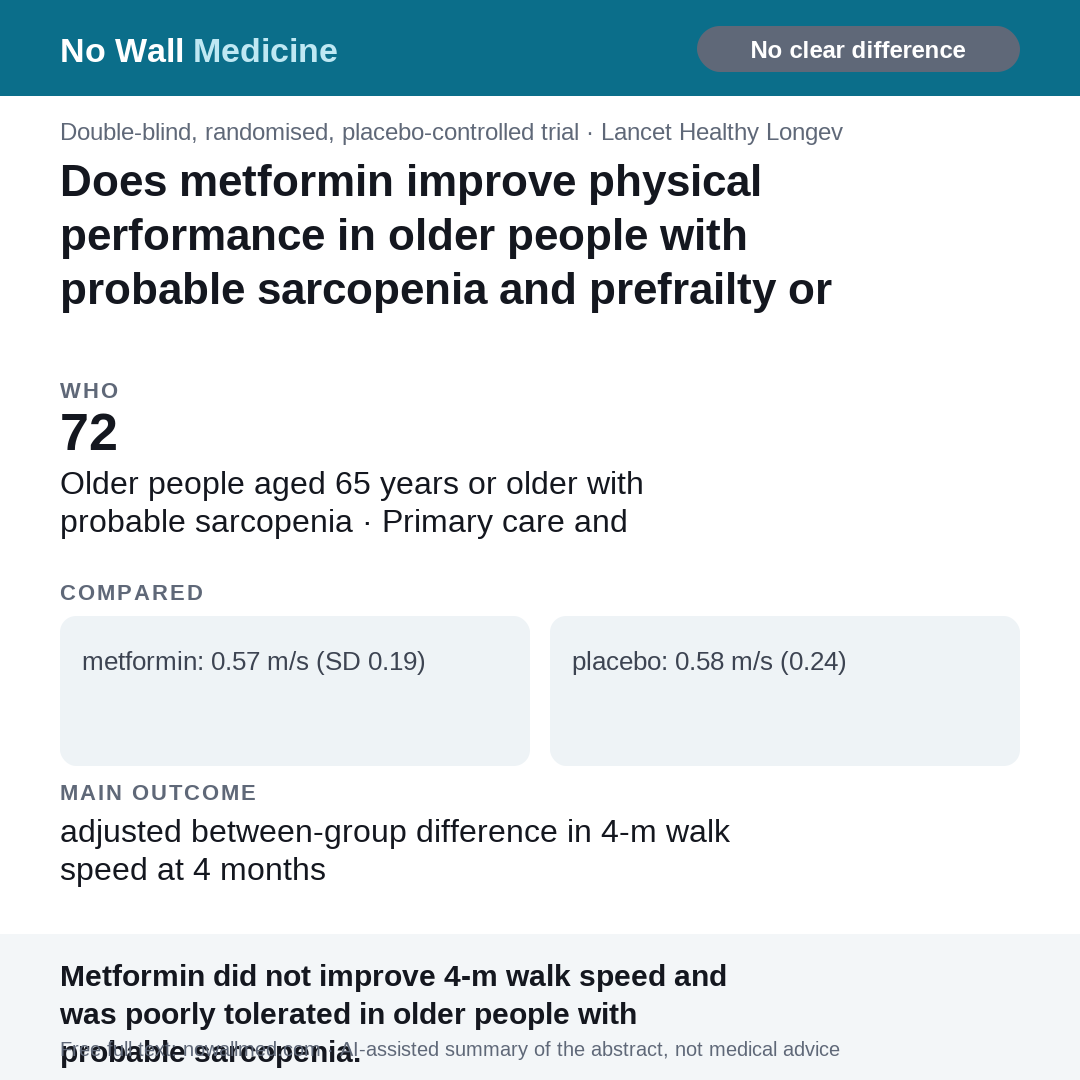
Metformin and physical performance in older people with probable sarcopenia and physical prefrailty or frailty in England (MET-PREVENT): a double-blind, randomised, placebo-controlled trial
Double-blind, randomised, placebo-controlled trialNo clear difference
Does metformin improve physical performance in older people with probable sarcopenia and prefrailty or frailty?
Who
72
Older people aged 65 years or older with probable sarcopenia · Primary care and hospital clinics in Gateshead and Newcastle, UK
Compared
metformin: 0.57 m/s (SD 0.19)
placebo: 0.58 m/s (0.24)
Main outcome
adjusted between-group difference in 4-m walk speed at 4 months
Result: adjusted treatment effect 0.001 m/s (95% CI -0.06 to 0.06)
Bottom line: Metformin did not improve 4-m walk speed and was poorly tolerated in older people with probable sarcopenia.
Funded by: National Institute for Health and Care Research Newcastle Biomedical Research Centre
Lancet Healthy Longev · 2025-03-24Download image
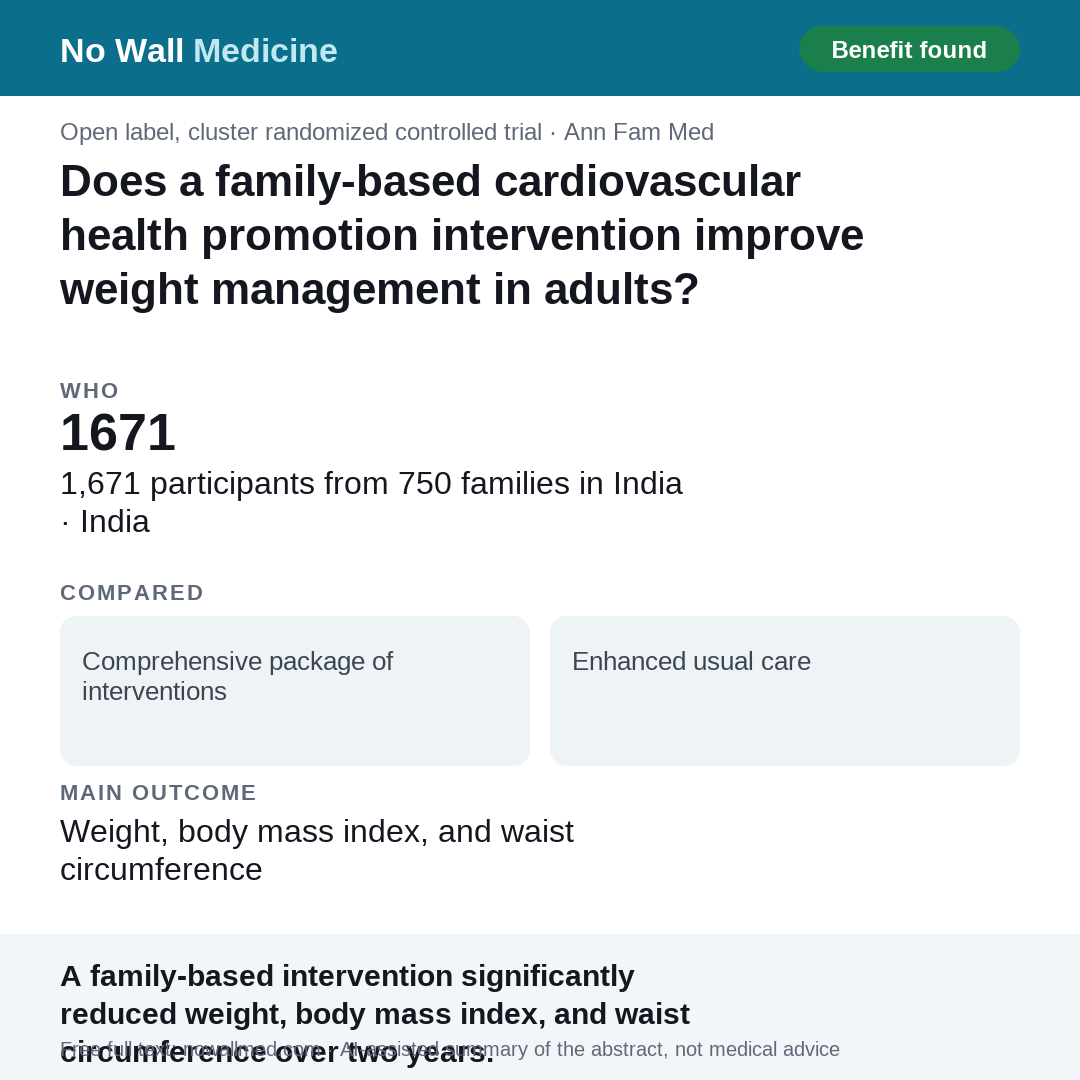
Family-Based Interventions to Promote Weight Management in Adults: Results From a Cluster Randomized Controlled Trial in India
Open label, cluster randomized controlled trialBenefit found
Does a family-based cardiovascular health promotion intervention improve weight management in adults?
Who
1671
1,671 participants from 750 families in India · India
Compared
Comprehensive package of interventions
Enhanced usual care
Main outcome
Weight, body mass index, and waist circumference
Result: weight change -2.61 kg (95% CI, -3.95 to -1.26)
Bottom line: A family-based intervention significantly reduced weight, body mass index, and waist circumference over two years.
Ann Fam Med · 2025-03-24Download image
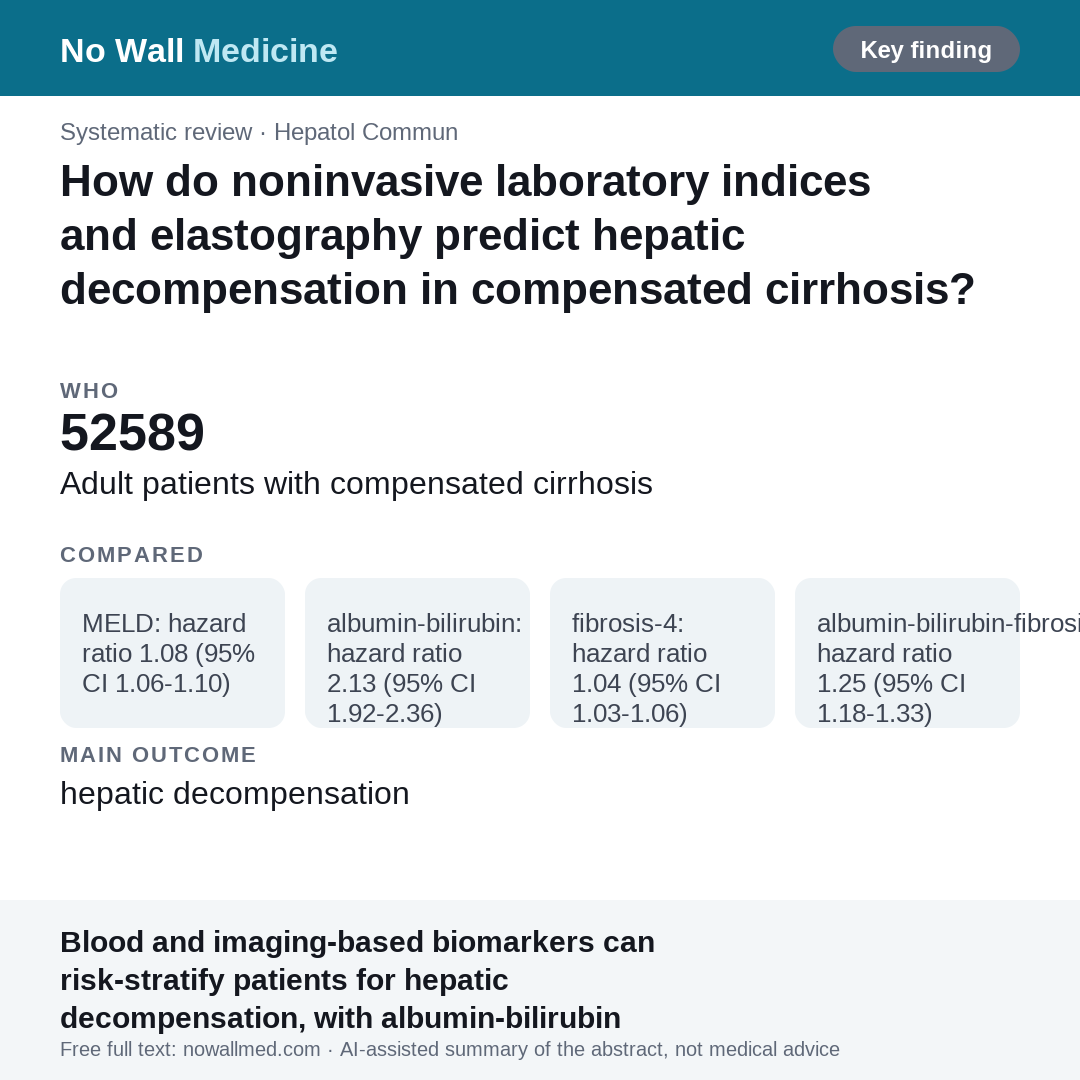
A systematic review of noninvasive laboratory indices and elastography to predict hepatic decompensation
Systematic reviewBenefit found
How do noninvasive laboratory indices and elastography predict hepatic decompensation in compensated cirrhosis?
Who
52589
Adult patients with compensated cirrhosis
Compared
MELD: hazard ratio 1.08 (95% CI 1.06-1.10)
albumin-bilirubin: hazard ratio 2.13 (95% CI 1.92-2.36)
fibrosis-4: hazard ratio 1.04 (95% CI 1.03-1.06)
albumin-bilirubin-fibrosis-4: hazard ratio 1.25 (95% CI 1.18-1.33)
Main outcome
hepatic decompensation
Bottom line: Blood and imaging-based biomarkers can risk-stratify patients for hepatic decompensation, with albumin-bilirubin showing the highest discrimination.
Hepatol Commun · 2025-03-24Download image
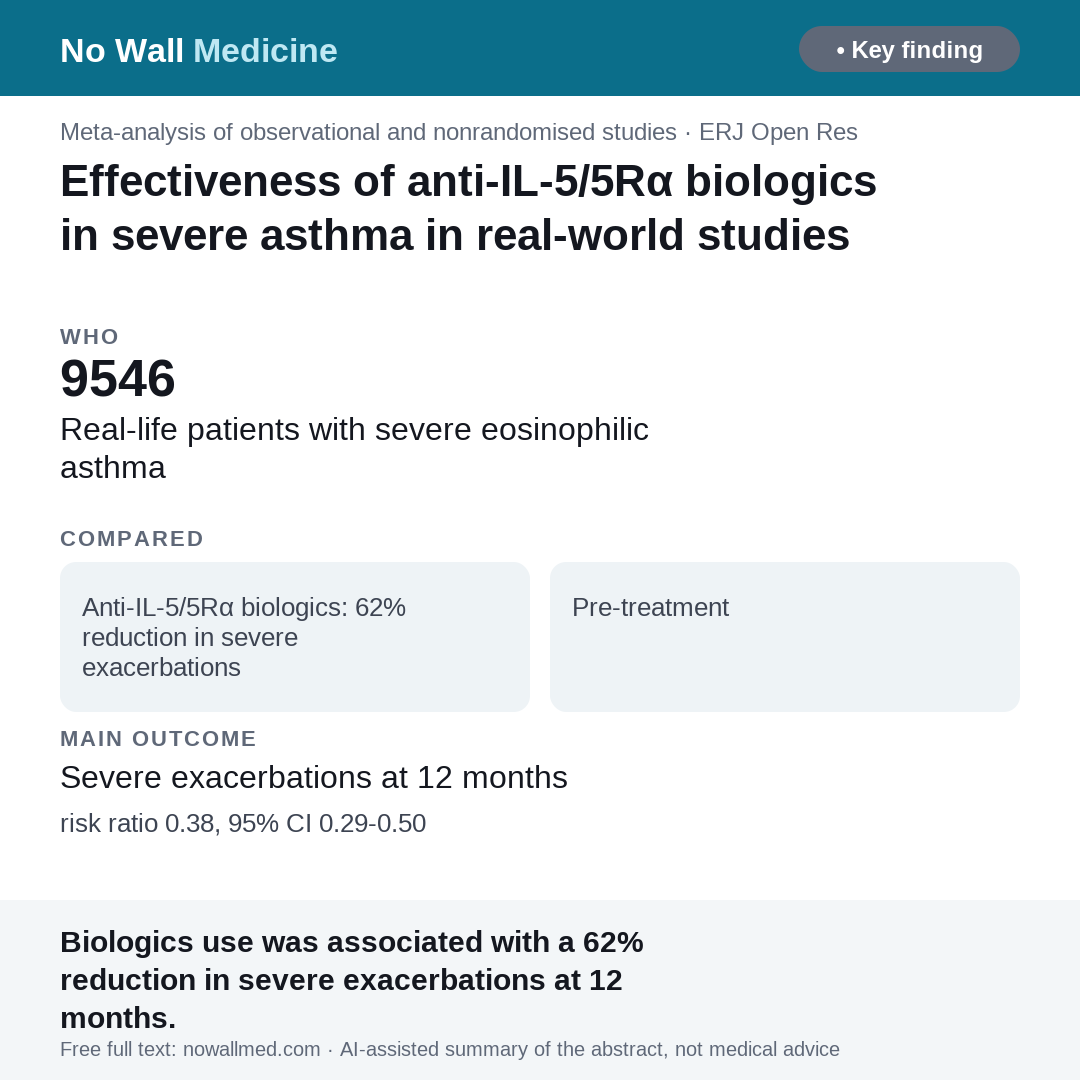
Effectiveness of anti-IL-5/5Rα biologics in severe asthma in real-world studies: a systematic review and meta-analysis
Systematic review and random-effects meta-analysisBenefit found
Are anti-interleukin 5 or receptor-alpha biologics effective in real-world severe eosinophilic asthma?
Who
9546
Real-life patients with severe eosinophilic asthma
Compared
Biologics use: 62% reduction in severe exacerbations
Pre-treatment
Main outcome
Severe exacerbations, hospitalisations, asthma control, and quality of life
Result: risk ratio 0.38 (95% CI 0.29-0.50)
Bottom line: Anti-interleukin 5 or receptor-alpha biologics significantly reduce exacerbations, hospitalisations, and oral corticosteroid use in real-world severe asthma.
ERJ Open Res · 2025-03-24Download image
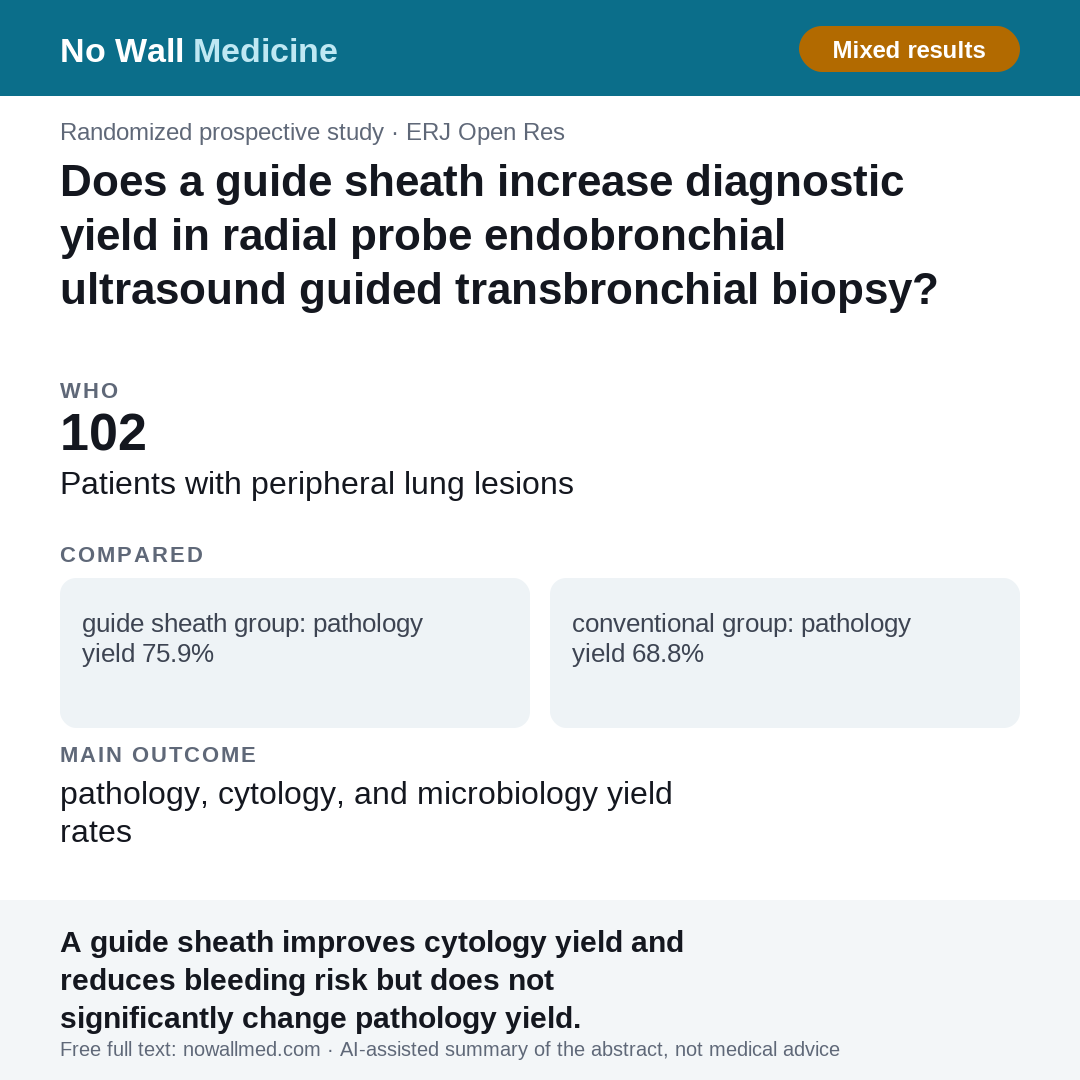
Randomised trial of assessing diagnostic yield in transbronchial biopsy with a guide sheath
Randomized prospective studyMixed results
Does a guide sheath increase diagnostic yield in radial probe endobronchial ultrasound guided transbronchial biopsy?
Who
102
Patients with peripheral lung lesions
Compared
guide sheath group: pathology yield 75.9%
conventional group: pathology yield 68.8%
Main outcome
pathology, cytology, and microbiology yield rates
Bottom line: A guide sheath improves cytology yield and reduces bleeding risk but does not significantly change pathology yield.
ERJ Open Res · 2025-03-24Download image
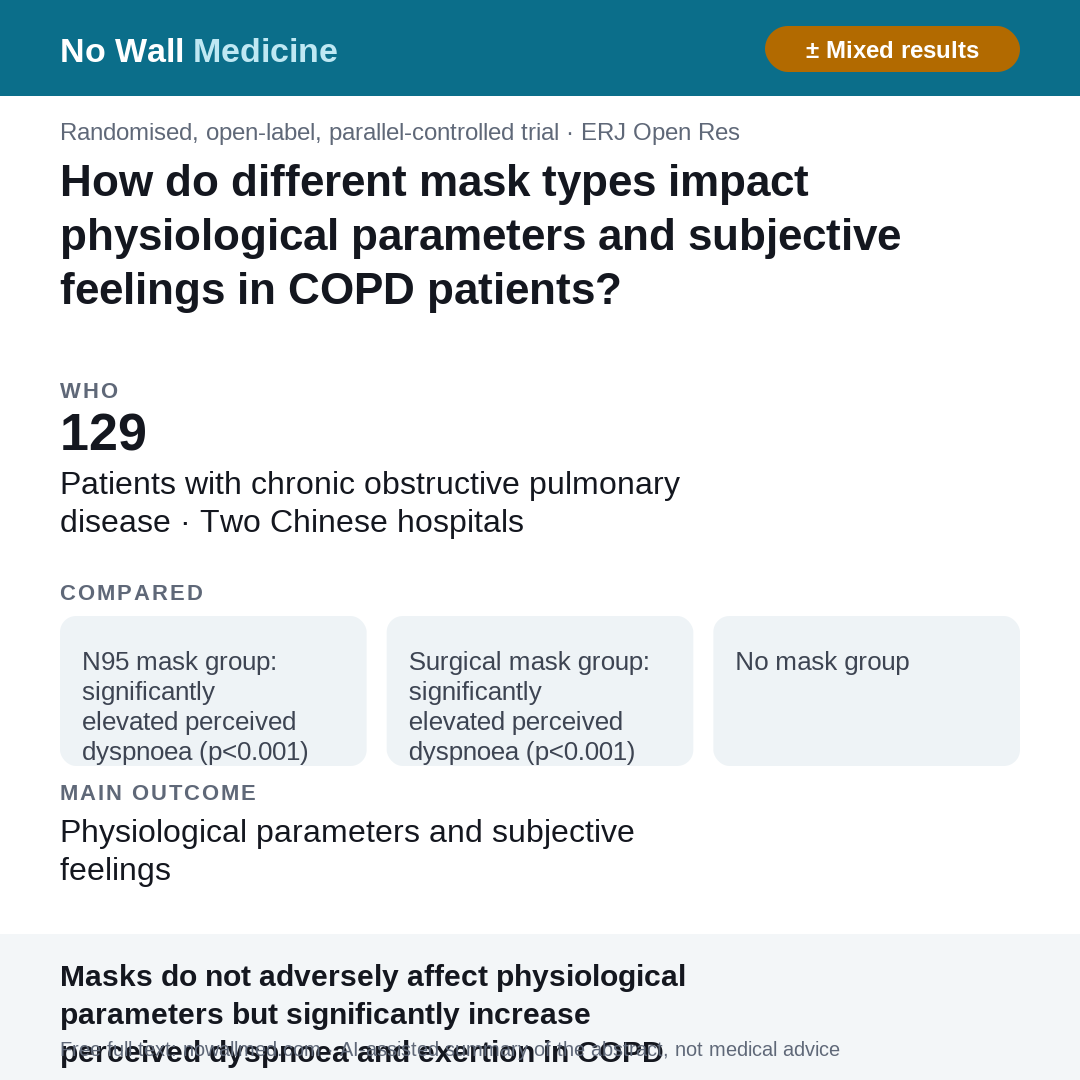
Assessing the impact of different types of masks on COPD patients: a randomised controlled trial
Randomised, open-label, parallel-controlled trialMixed results
How do different mask types impact physiological parameters and subjective feelings in COPD patients?
Who
129
Patients with chronic obstructive pulmonary disease · Two Chinese hospitals
Compared
N95 mask group: significantly elevated perceived dyspnoea (p<0.001) and exertion scores (p<0.001)
Surgical mask group: significantly elevated perceived dyspnoea (p<0.001) and exertion scores (p<0.001)
No mask group
Main outcome
Physiological parameters and subjective feelings
Bottom line: Masks do not adversely affect physiological parameters but significantly increase perceived dyspnoea and exertion in COPD patients.
ERJ Open Res · 2025-03-24Download image
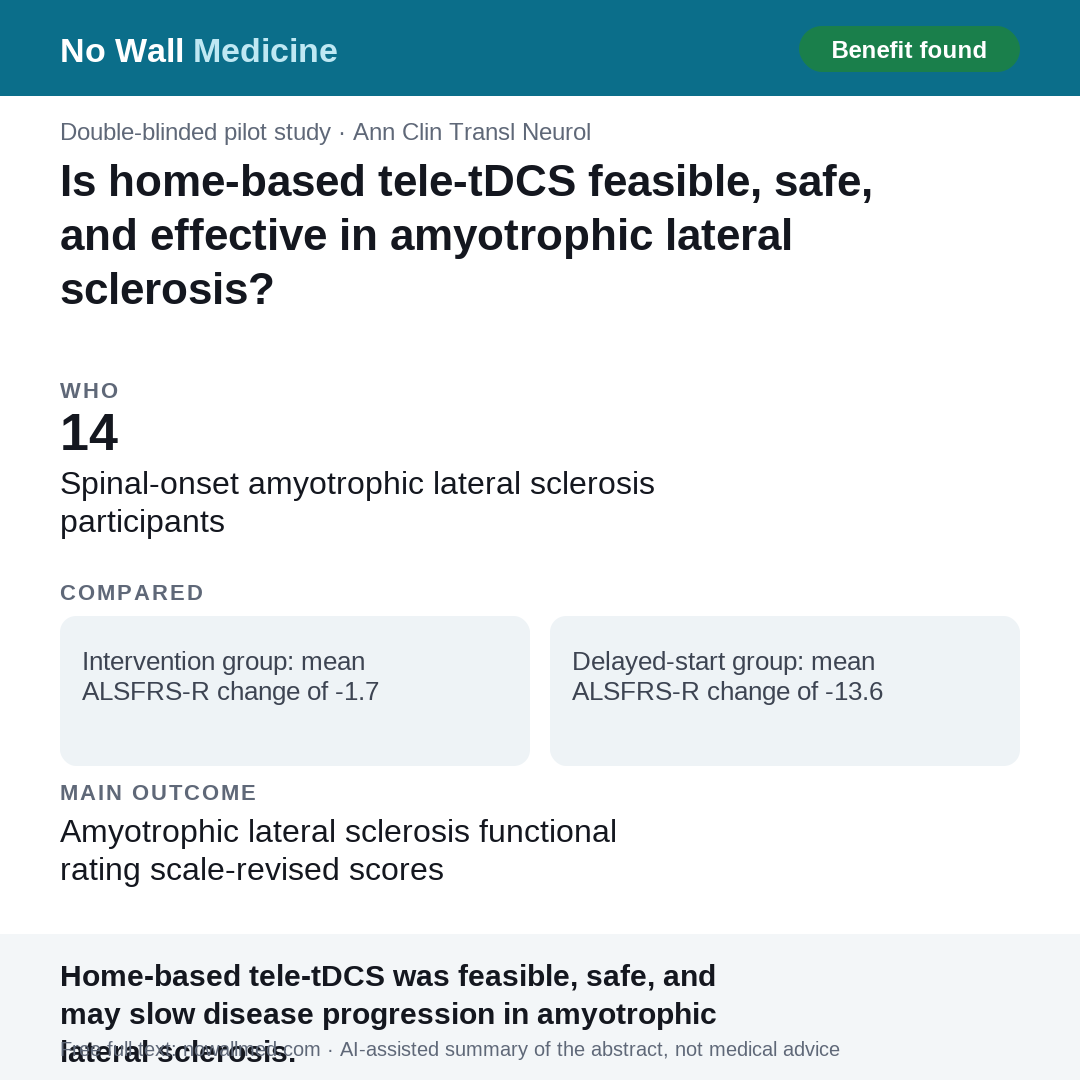
Home-Based Tele-tDCS in Amyotrophic Lateral Sclerosis: Feasibility, Safety, and Preliminary Efficacy
Double-blinded pilot studyBenefit found
Is home-based tele-tDCS feasible, safe, and effective in amyotrophic lateral sclerosis?
Who
14
Spinal-onset amyotrophic lateral sclerosis participants
Compared
Intervention group: mean ALSFRS-R change of -1.7
Delayed-start group: mean ALSFRS-R change of -13.6
Main outcome
Amyotrophic lateral sclerosis functional rating scale-revised scores
Bottom line: Home-based tele-tDCS was feasible, safe, and may slow disease progression in amyotrophic lateral sclerosis.
Limitation: This was a pilot study with ten participants completing the study.
Ann Clin Transl Neurol · 2025-03-24Download image
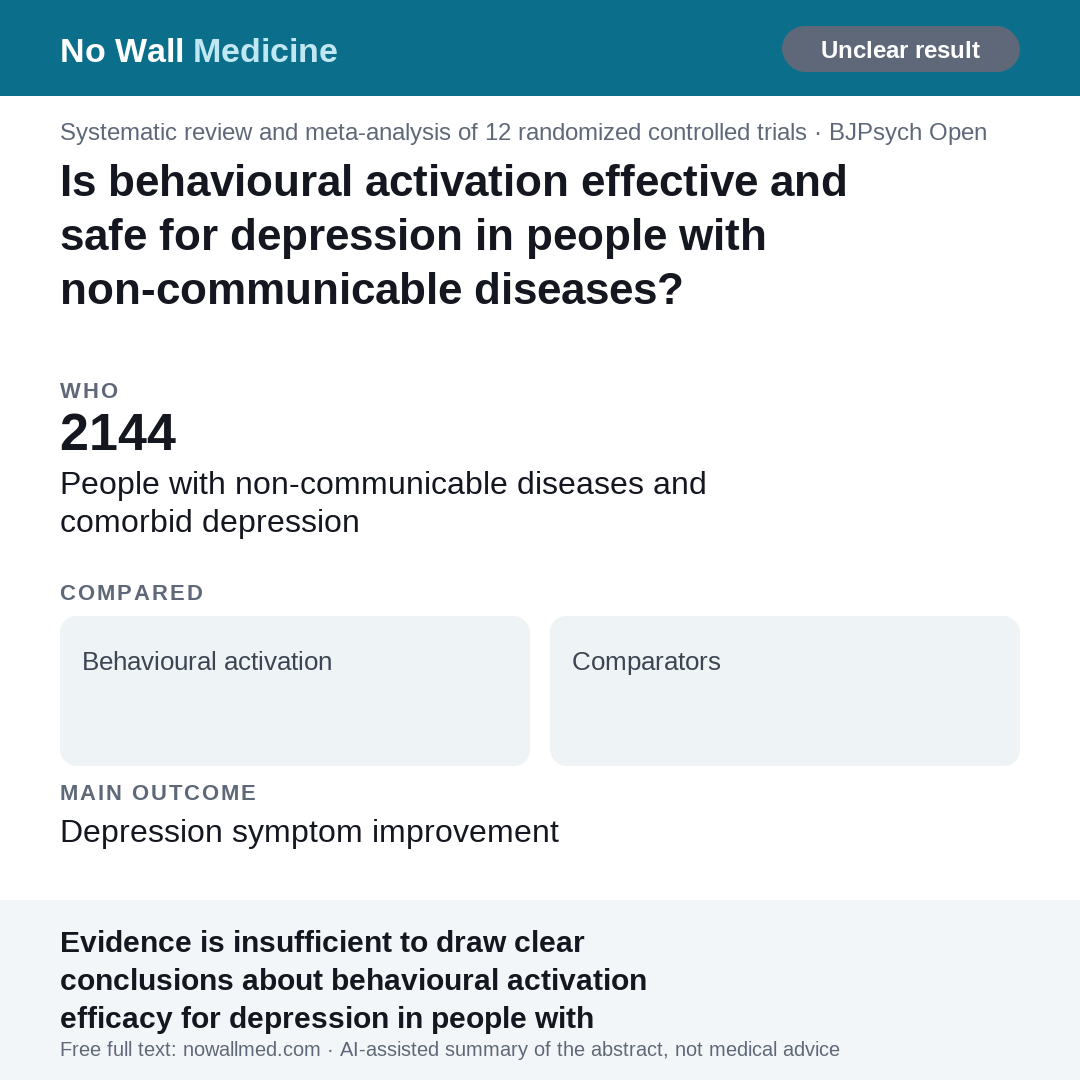
Efficacy and safety of behavioural activation on depression in people with co-occurring non-communicable diseases: systematic review and meta-analysis
Systematic review and meta-analysis of 12 randomized controlled trialsUnclear result
Is behavioural activation effective and safe for depression in people with non-communicable diseases?
Who
2144
People with non-communicable diseases and comorbid depression
Compared
Behavioural activation
Comparators
Main outcome
Depression symptom improvement
Result: Hedges' g = -0.24 (95% CI, -0.62 to 0.15)
Bottom line: Evidence is insufficient to draw clear conclusions about behavioural activation efficacy for depression in people with non-communicable diseases.
Limitation: High heterogeneity (I2 = 91.91%) and insufficient high-quality, well-designed randomized controlled trials.
BJPsych Open · 2025-03-24Download image
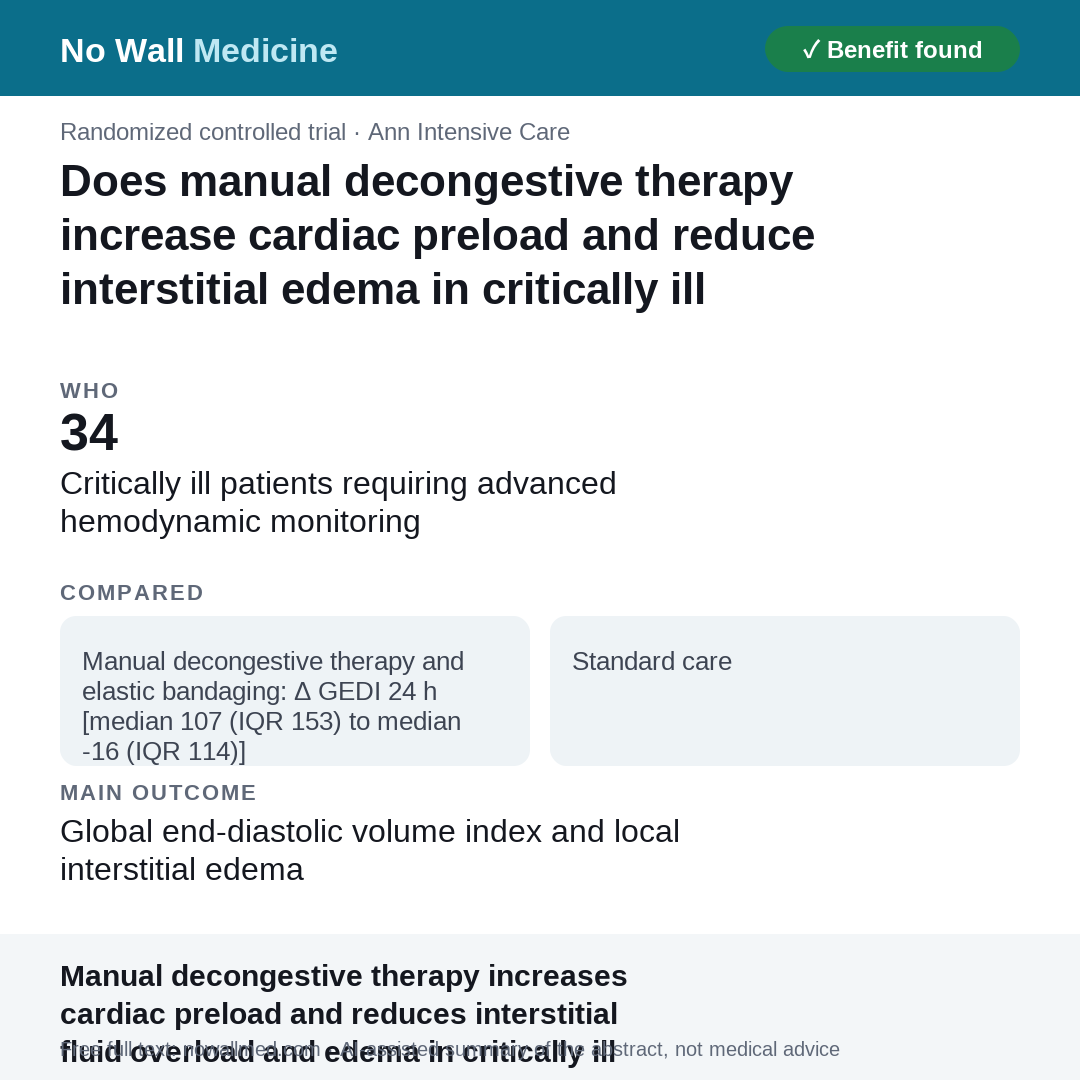
Effect of manual decongestive therapy on cardiac preload in critically ill patients: a randomized controlled trial
Randomized controlled trialBenefit found
Does manual decongestive therapy increase cardiac preload and reduce interstitial edema in critically ill patients?
Who
34
Critically ill patients requiring advanced hemodynamic monitoring
Compared
Manual decongestive therapy and elastic bandaging: Δ GEDI 24 h [median 107 (IQR 153) to median -16 (IQR 114)]
Standard care
Main outcome
Global end-diastolic volume index and local interstitial edema
Bottom line: Manual decongestive therapy increases cardiac preload and reduces interstitial fluid overload and edema in critically ill patients.
Ann Intensive Care · 2025-03-24Download image
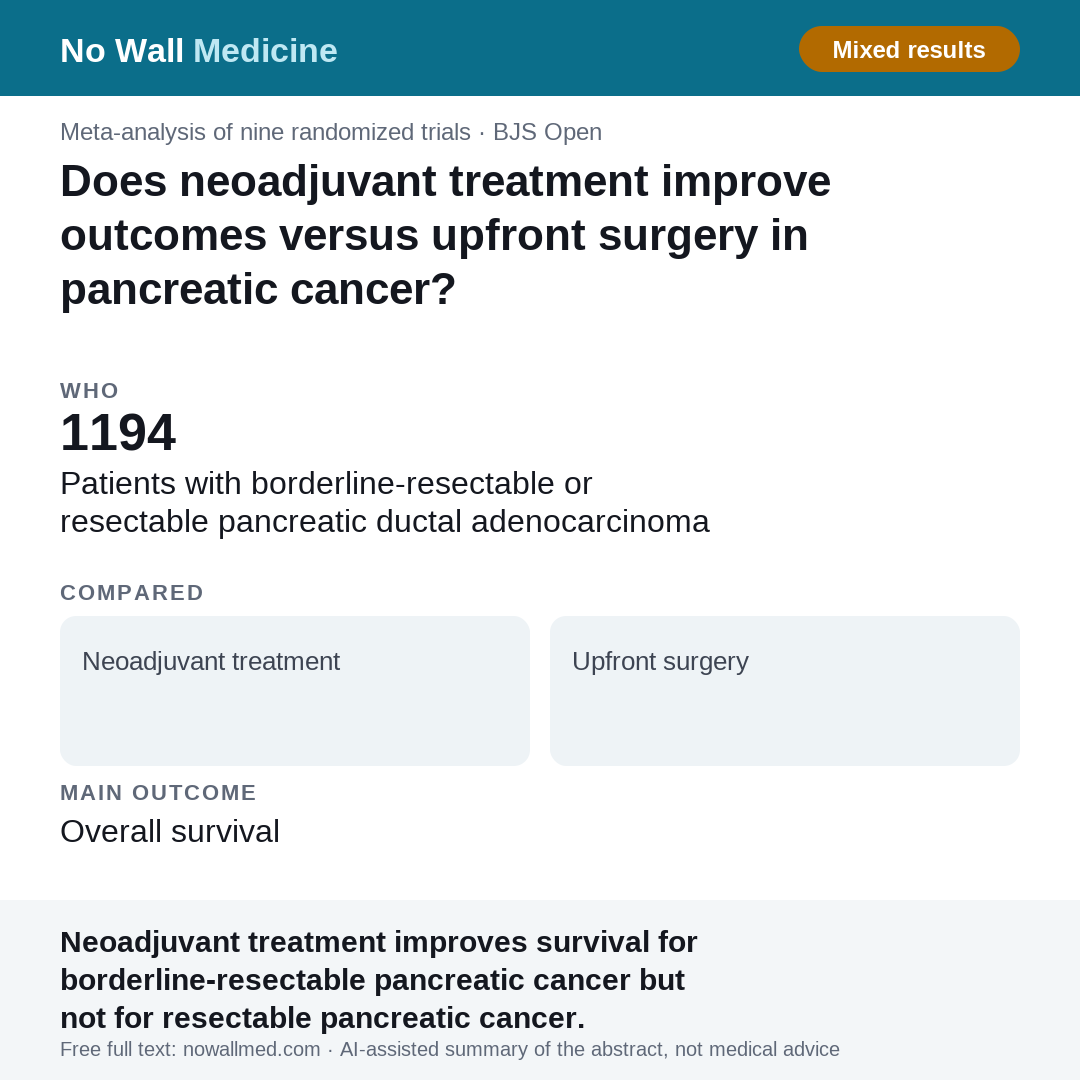
Neoadjuvant treatment versus upfront surgery in borderline resectable and resectable pancreatic ductal adenocarcinoma: meta-analysis
Meta-analysis of nine randomized trialsMixed results
Does neoadjuvant treatment improve outcomes versus upfront surgery in pancreatic cancer?
Who
1194
Patients with borderline-resectable or resectable pancreatic ductal adenocarcinoma
Compared
Neoadjuvant treatment
Upfront surgery
Main outcome
Overall survival
Result: hazard ratio 0.73 (95% c.i. 0.55 to 0.98)
Bottom line: Neoadjuvant treatment improves survival for borderline-resectable pancreatic cancer but not for resectable pancreatic cancer.
BJS Open · 2025-03-24Download image
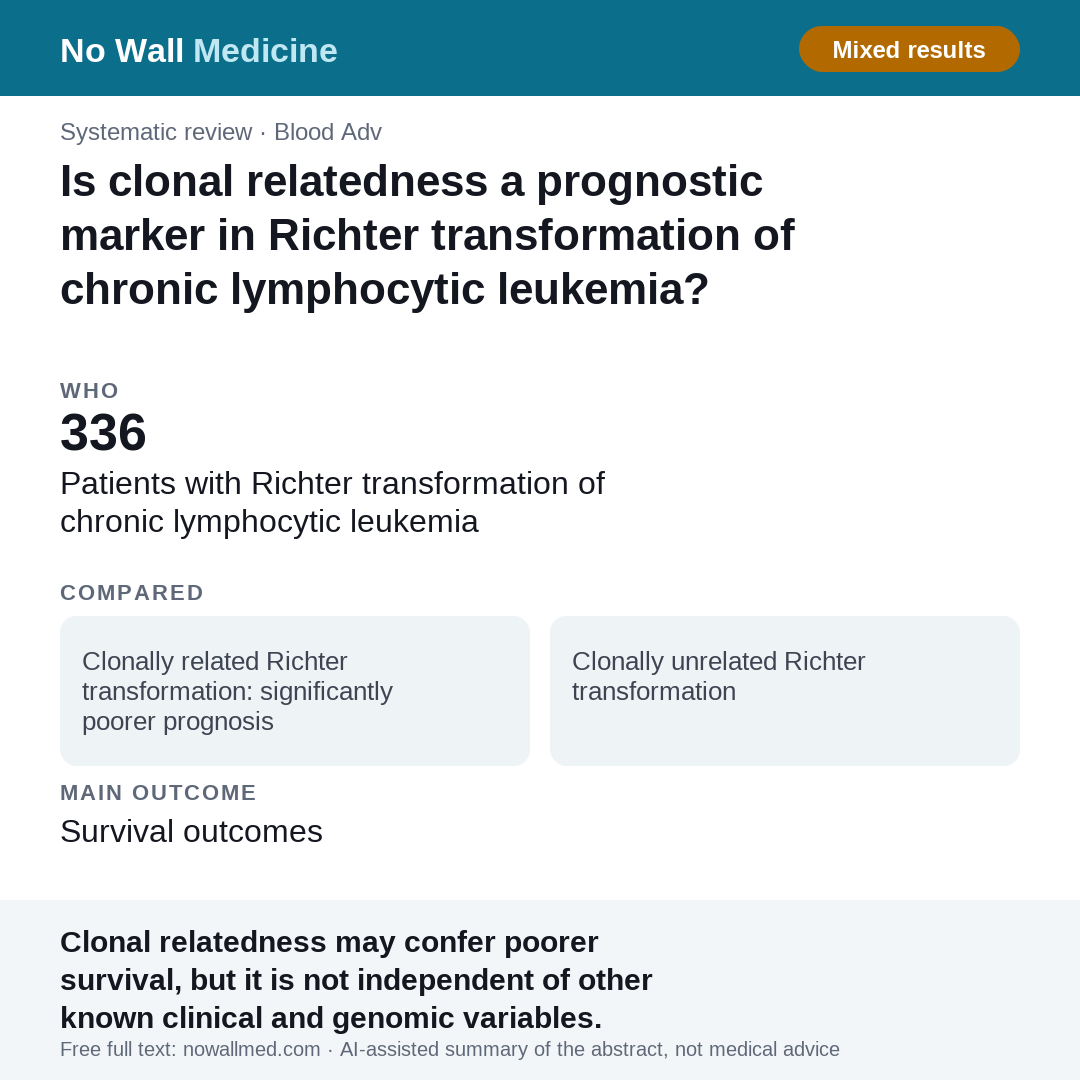
Clonal relatedness as a prognostic marker in Richter transformation of chronic lymphocytic leukemia: a systematic review
Systematic reviewMixed results
Is clonal relatedness a prognostic marker in Richter transformation of chronic lymphocytic leukemia?
Who
336
Patients with Richter transformation of chronic lymphocytic leukemia
Compared
Clonally related Richter transformation: significantly poorer prognosis
Clonally unrelated Richter transformation
Main outcome
Survival outcomes
Bottom line: Clonal relatedness may confer poorer survival, but it is not independent of other known clinical and genomic variables.
Blood Adv · 2025-03-24Download image
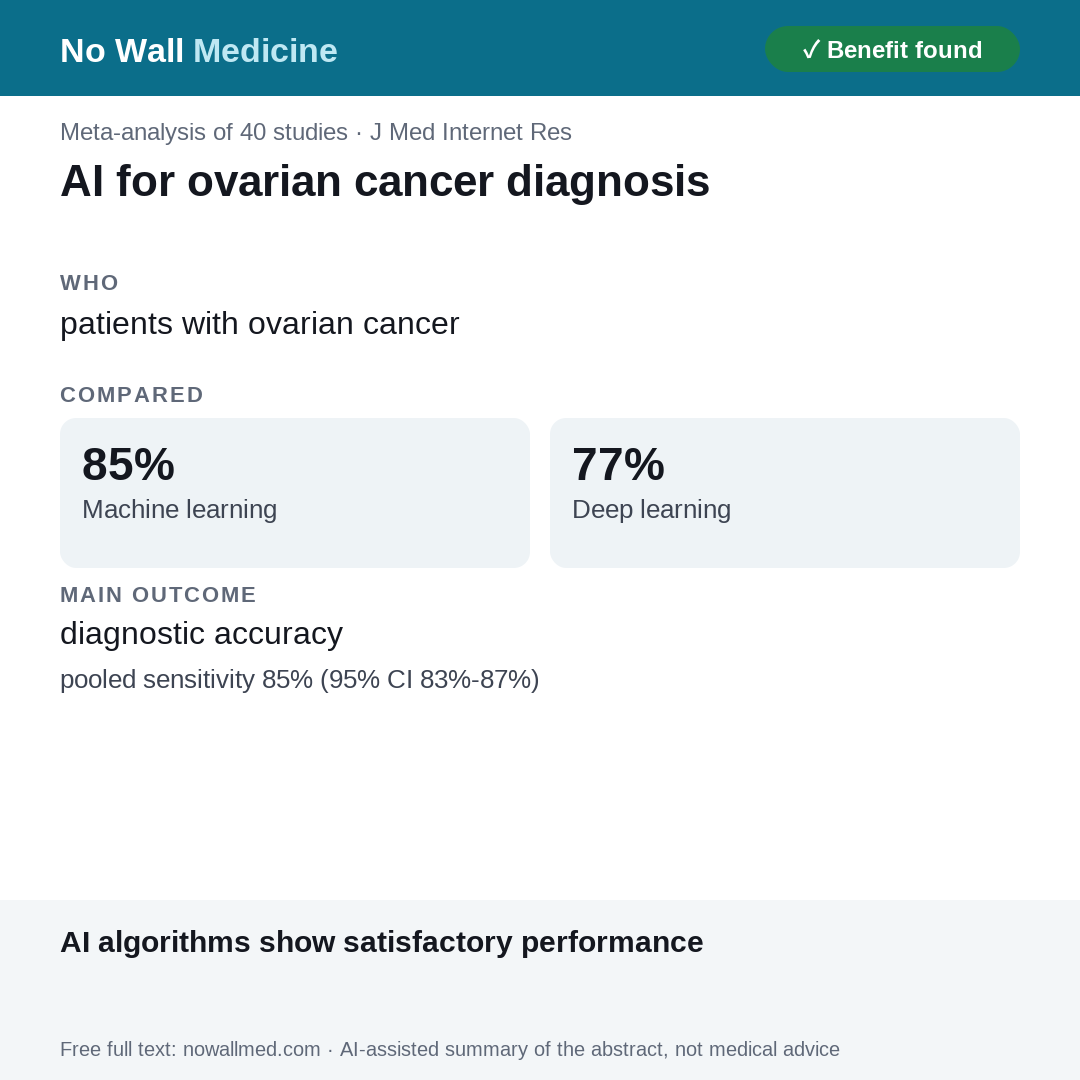
AI-Derived Blood Biomarkers for Ovarian Cancer Diagnosis: Systematic Review and Meta-Analysis
Meta-analysis of 40 studiesBenefit found
AI for ovarian cancer diagnosis
Who
40
patients with ovarian cancer
Compared
85%Machine learning (sensitivity)
77%Deep learning (sensitivity)
Main outcome
diagnostic accuracy
Result: pooled sensitivity 85% (95% CI 83%-87%)
Bottom line: AI algorithms show satisfactory performance
Limitation: need for external validation
J Med Internet Res · 2025-03-24Download image
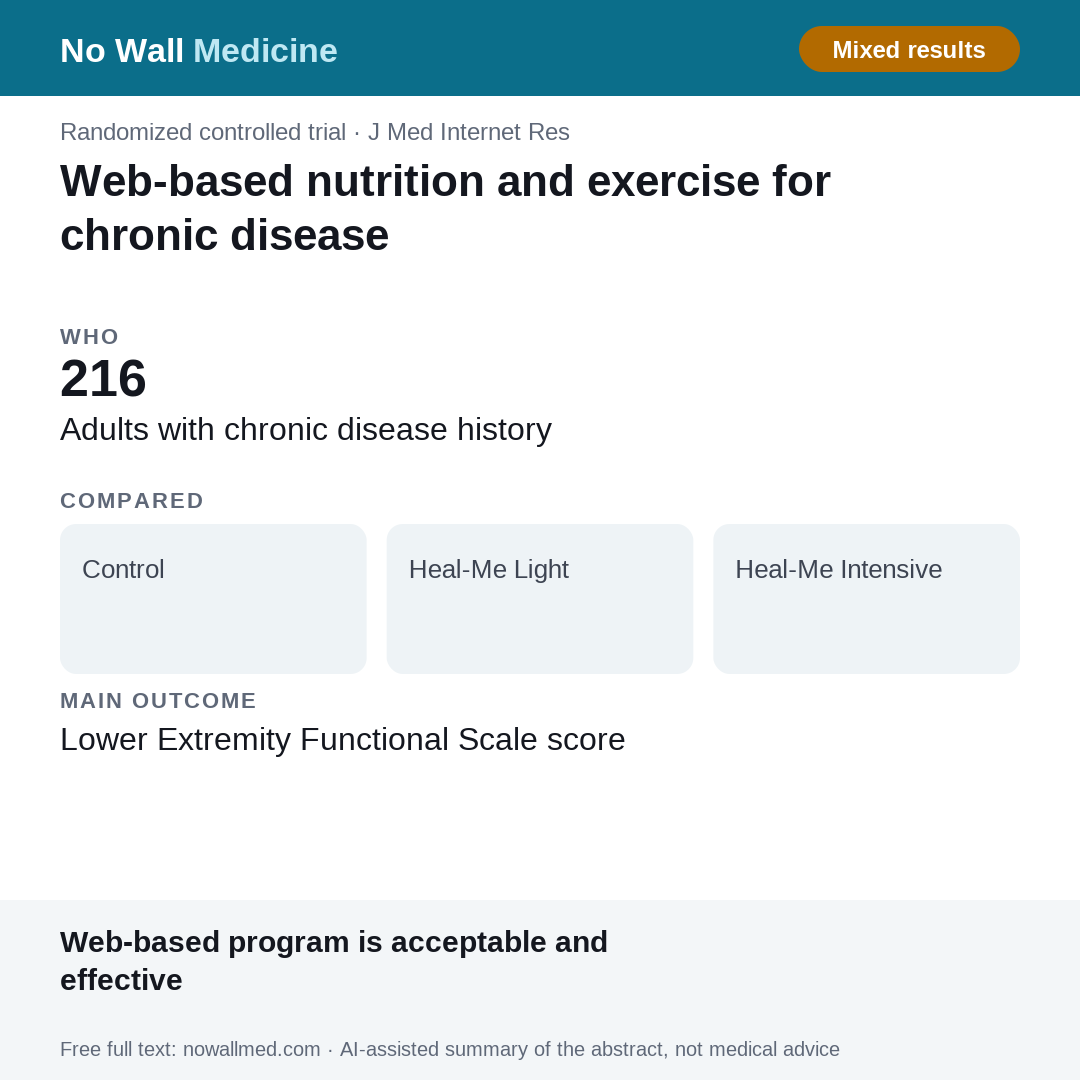
Acceptability and Effectiveness of a Fully Web-Based Nutrition and Exercise Program for Individuals With Chronic Disease During COVID-19: Randomized Controlled Trial
Randomized controlled trialMixed results
Web-based nutrition and exercise for chronic disease
Who
216
Adults with chronic disease history
Compared
Control
Heal-Me Light
Heal-Me Intensive
Main outcome
Lower Extremity Functional Scale score
Bottom line: Web-based program is acceptable and effective
J Med Internet Res · 2025-03-24Download image
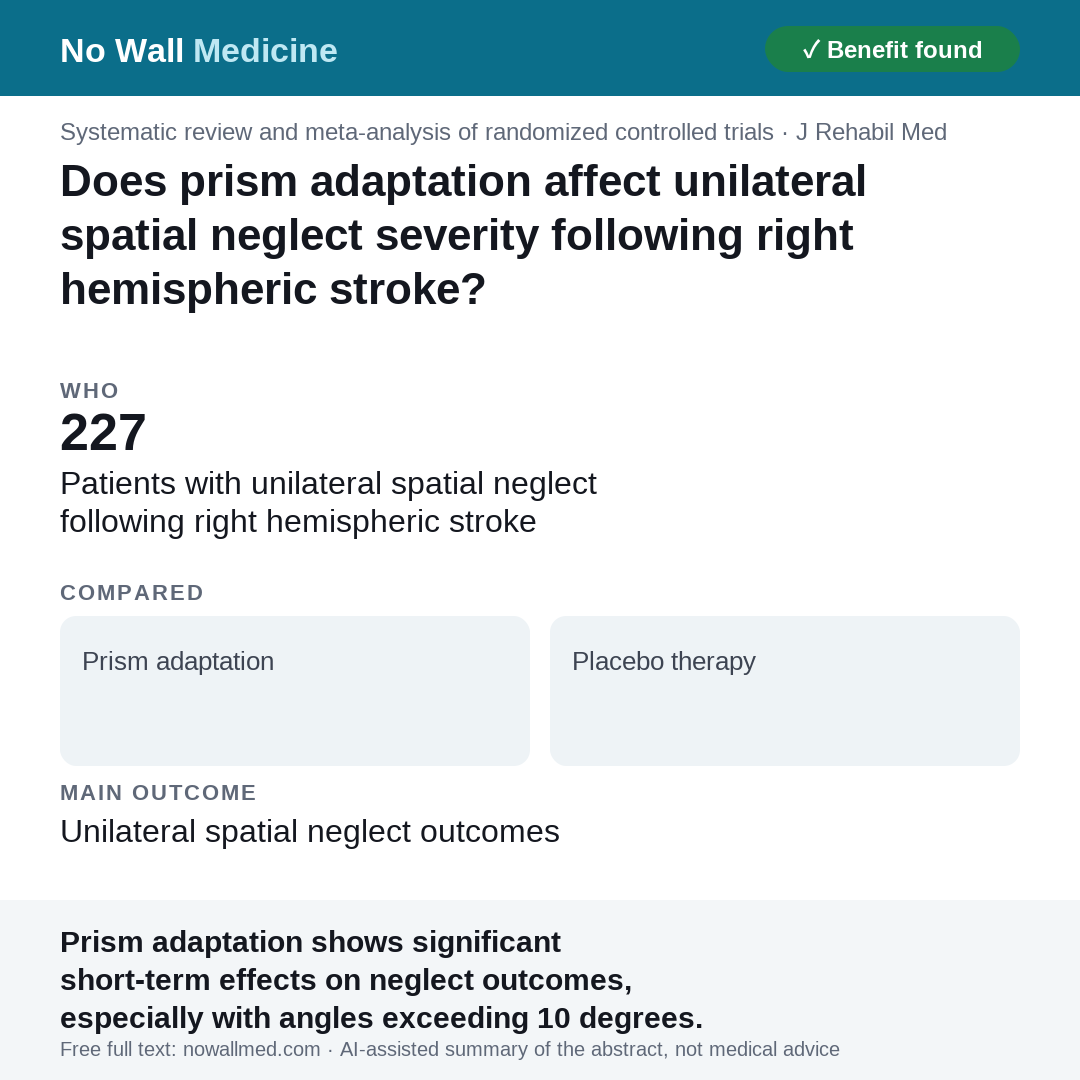
Short-term effect of prism adaptation treatment on severity of unilateral spatial neglect following right hemispheric stroke: a systematic review and meta-analysis
Systematic review and meta-analysis of randomized controlled trialsBenefit found
Does prism adaptation affect unilateral spatial neglect severity following right hemispheric stroke?
Who
227
Patients with unilateral spatial neglect following right hemispheric stroke
Compared
Prism adaptation
Placebo therapy
Main outcome
Unilateral spatial neglect outcomes
Result: standardized mean difference 0.49 (95% CI 0.07 to 0.92)
Bottom line: Prism adaptation shows significant short-term effects on neglect outcomes, especially with angles exceeding 10 degrees.
J Rehabil Med · 2025-03-24Download image
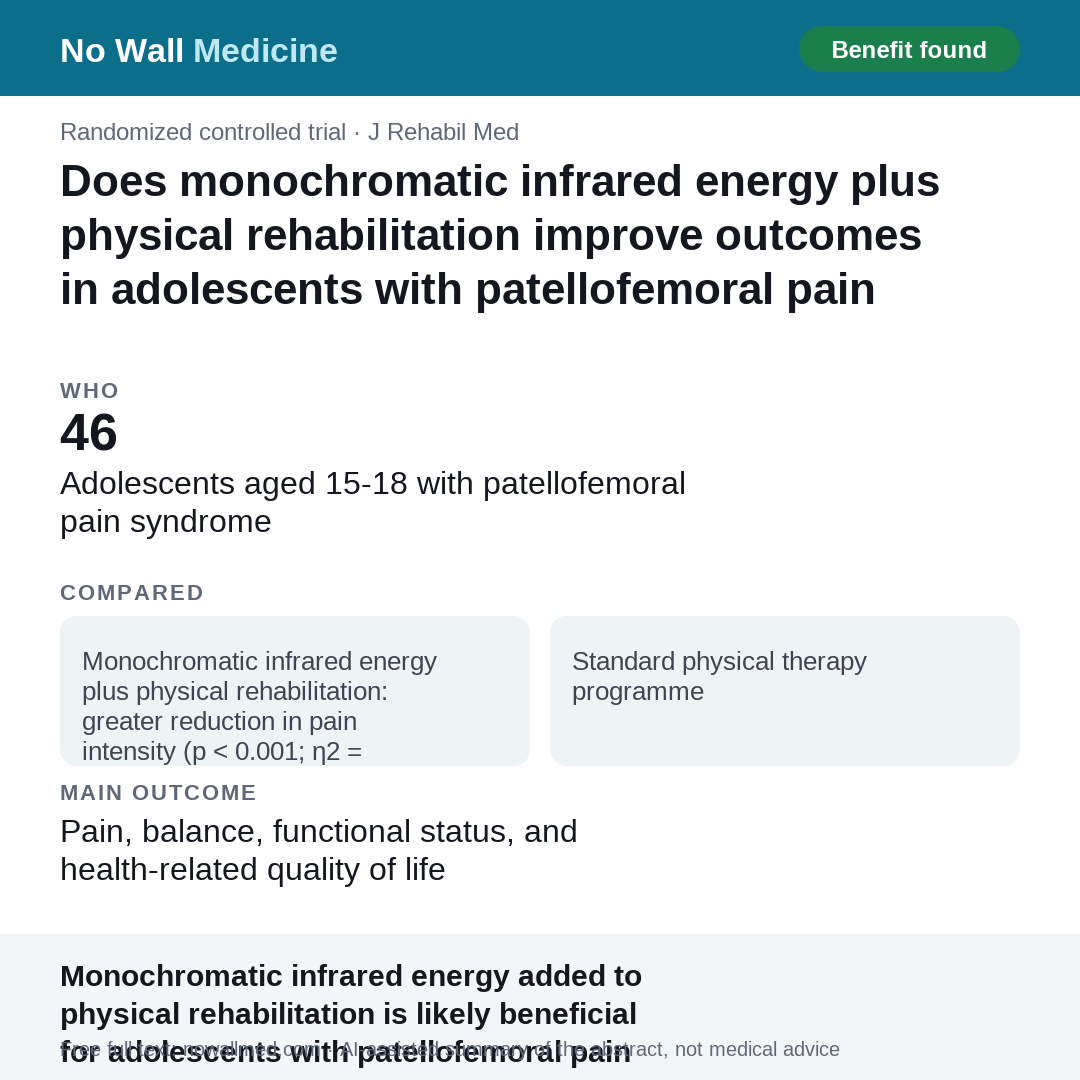
Would integrating monochromatic infrared energy into the physical rehabilitation of adolescents with patellofemoral pain syndrome have any advantageous effects? A randomized controlled trial
Randomized controlled trialBenefit found
Does monochromatic infrared energy plus physical rehabilitation improve outcomes in adolescents with patellofemoral pain syndrome?
Who
46
Adolescents aged 15-18 with patellofemoral pain syndrome
Compared
Monochromatic infrared energy plus physical rehabilitation: greater reduction in pain intensity (p < 0.001; η2 = 0.36)
Standard physical therapy programme
Main outcome
Pain, balance, functional status, and health-related quality of life
Bottom line: Monochromatic infrared energy added to physical rehabilitation is likely beneficial for adolescents with patellofemoral pain syndrome.
J Rehabil Med · 2025-03-24Download image
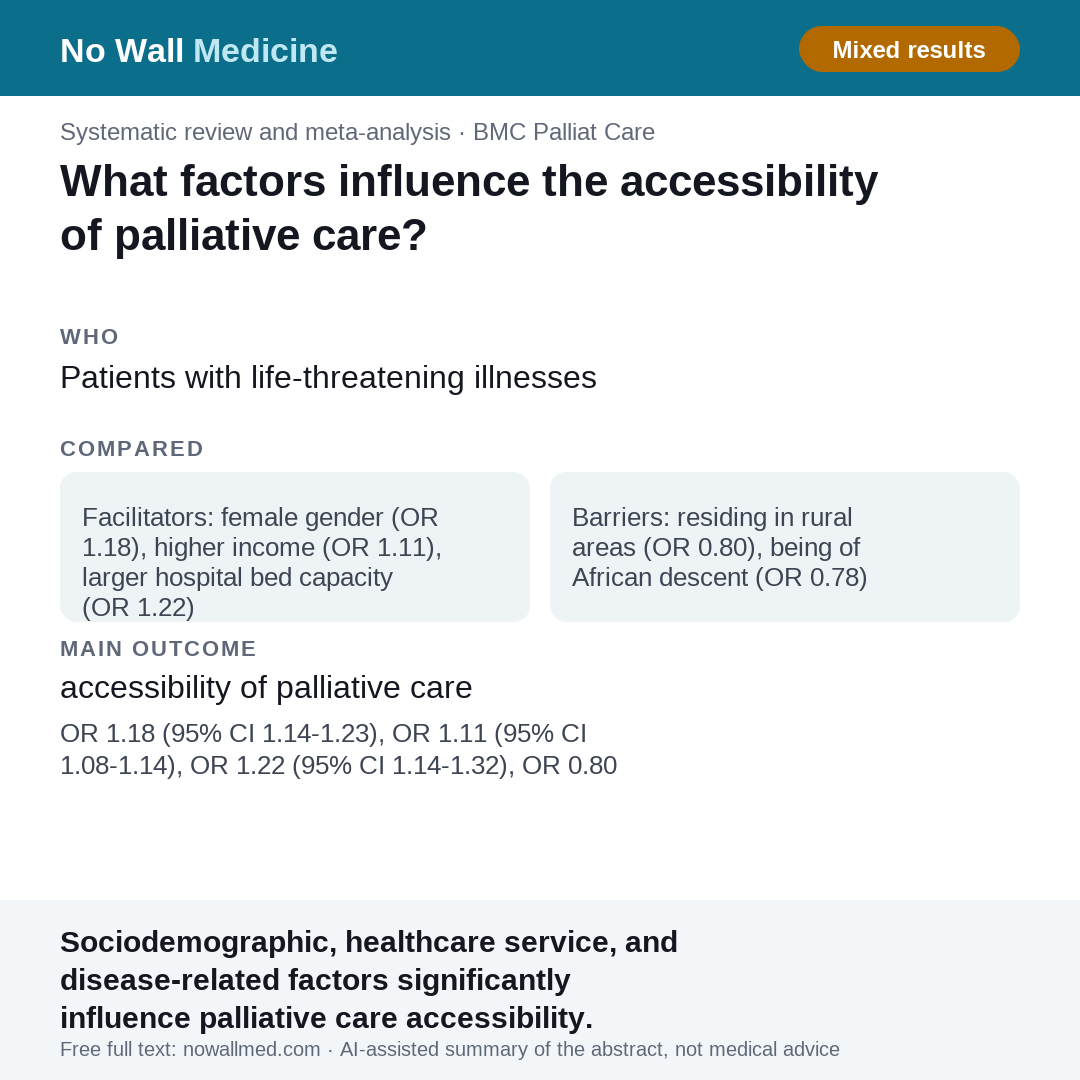
Factors influencing accessibility of palliative care: a systematic review and meta-analysis
Systematic review and meta-analysisMixed results
What factors influence the accessibility of palliative care?
Who
20
Patients with life-threatening illnesses
Compared
Facilitators: female gender (OR 1.18), higher income (OR 1.11), larger hospital bed capacity (OR 1.22)
Barriers: residing in rural areas (OR 0.80), being of African descent (OR 0.78)
Main outcome
accessibility of palliative care
Result: OR 1.18 (95% CI 1.14-1.23), OR 1.11 (95% CI 1.08-1.14), OR 1.22 (95% CI 1.14-1.32), OR 0.80 (95% CI 0.67-0.95), OR 0.78 (95% CI 0.68-0.90)
Bottom line: Sociodemographic, healthcare service, and disease-related factors significantly influence palliative care accessibility.
Limitation: Limited number of studies focusing on specific dimensions like availability, affordability, accessibility, and accommodation.
BMC Palliat Care · 2025-03-24Download image