Visual abstracts
New randomized trials and meta-analyses from leading journals at a glance: who was studied, what was compared, and what was found. Every paper is free to read in full.
All specialtiesCardiology 4877Oncology 4138Gastroenterology & Hepatology 1942Infectious Disease 3837Neurology 1905Psychiatry & Mental Health 2273Pulmonology 2143Critical Care 1365Endocrinology & Diabetes 2580Pediatrics 2980Surgery 2559Orthopedics & Sports Medicine 931Neurosurgery 537Cardiothoracic & Vascular Surgery 674Plastic & Reconstructive Surgery 591Nephrology 1133Rheumatology 823Hematology 1109Dermatology 621Ophthalmology 543Obstetrics & Gynecology 1686Public & Global Health 1058Radiology & Imaging 648Anesthesiology 986Urology 764ENT (Otolaryngology) 503Emergency Medicine 511Allergy & Immunology 313Geriatrics 981Family Medicine & Primary Care 562Medical Genetics & Genomics 676Pathology & Laboratory Medicine 159Physical Medicine & Rehabilitation 757Palliative Care 444Nutrition 1588Digital Health & AI 2201General Medicine 321
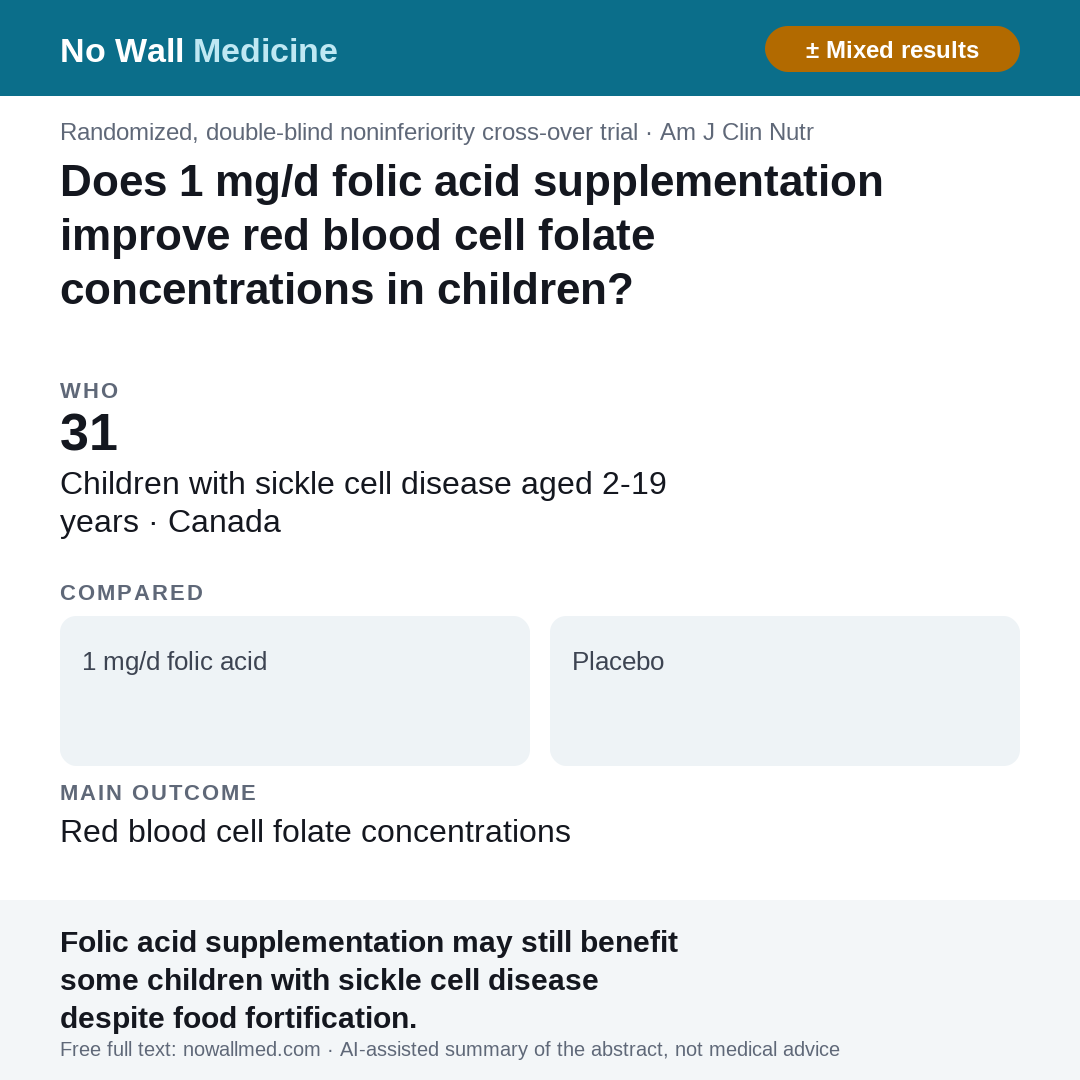
Folic acid supplementation in children with sickle cell disease: a randomized double-blind noninferiority cross-over trial
Randomized, double-blind noninferiority cross-over trialMixed results
Does 1 mg/d folic acid supplementation improve red blood cell folate concentrations in children?
Who
31
Children with sickle cell disease aged 2-19 years · Canada
Compared
1 mg/d folic acid
Placebo
Main outcome
Red blood cell folate concentrations
Result: -179 (-260, -99) nmol/L
Bottom line: Folic acid supplementation may still benefit some children with sickle cell disease despite food fortification.
Limitation: Whether improved folate levels translate to improved clinical outcomes remains uncertain.
Am J Clin Nutr · 2025-02-05Download image
Impact of formula protein quantity and source on infant metabolism: serum, urine, and fecal metabolomes of a randomized controlled study
Randomized, double-blind controlled trialMixed results
How do formula protein quantity and source impact infant serum, urine, and fecal metabolomes?
Who
200
Well-characterized per-protocol infants
Compared
Standard formula
Protein-reduced formula with alpha-lactalbumin-enriched whey
Protein-reduced formula with casein glycomacropeptide-reduced whey
Exclusively breastfed infants
Main outcome
Serum, urine, and fecal metabolomes
Bottom line: Reduced protein formulas yield metabolic profiles closer to breastfed infants, but cannot fully mimic human milk metabolism.
Limitation: This was a secondary analysis performed on a random subset of infants.
Am J Clin Nutr · 2025-02-05Download image

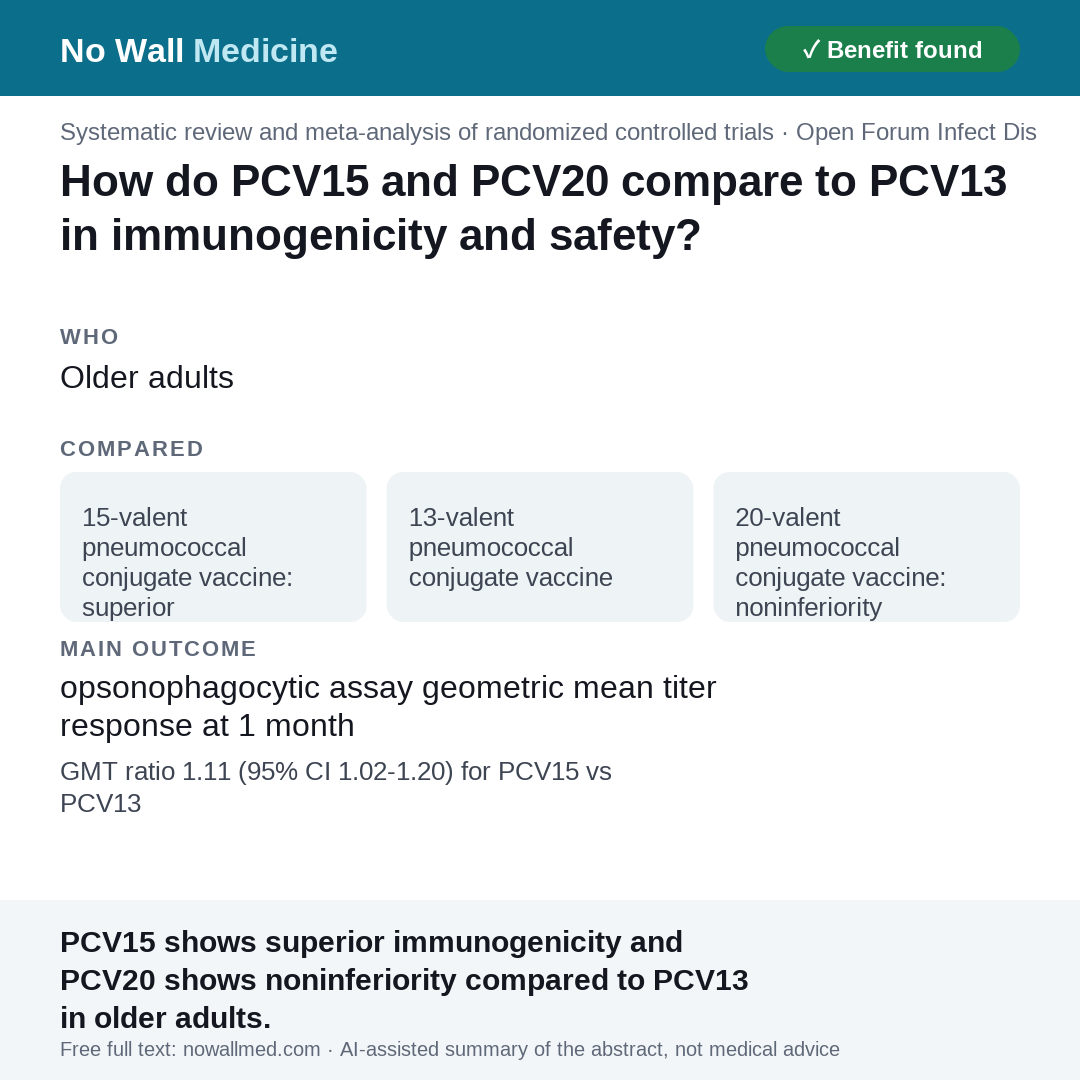
Immunogenicity and Safety of the Higher-Valent Pneumococcal Conjugate Vaccine vs the 13-Valent Pneumococcal Conjugate Vaccine in Older Adults: A Systematic Review and Meta-analysis of Randomized Controlled Trials
Systematic review and meta-analysis of randomized controlled trialsBenefit found
How do PCV15 and PCV20 compare to PCV13 in immunogenicity and safety?
Who
Older adults
Compared
15-valent pneumococcal conjugate vaccine: superior immunogenicity
13-valent pneumococcal conjugate vaccine
20-valent pneumococcal conjugate vaccine: noninferiority
Main outcome
opsonophagocytic assay geometric mean titer response at 1 month
Result: GMT ratio 1.11 (95% CI 1.02-1.20) for PCV15 vs PCV13
Bottom line: PCV15 shows superior immunogenicity and PCV20 shows noninferiority compared to PCV13 in older adults.
Open Forum Infect Dis · 2025-02-05Download image
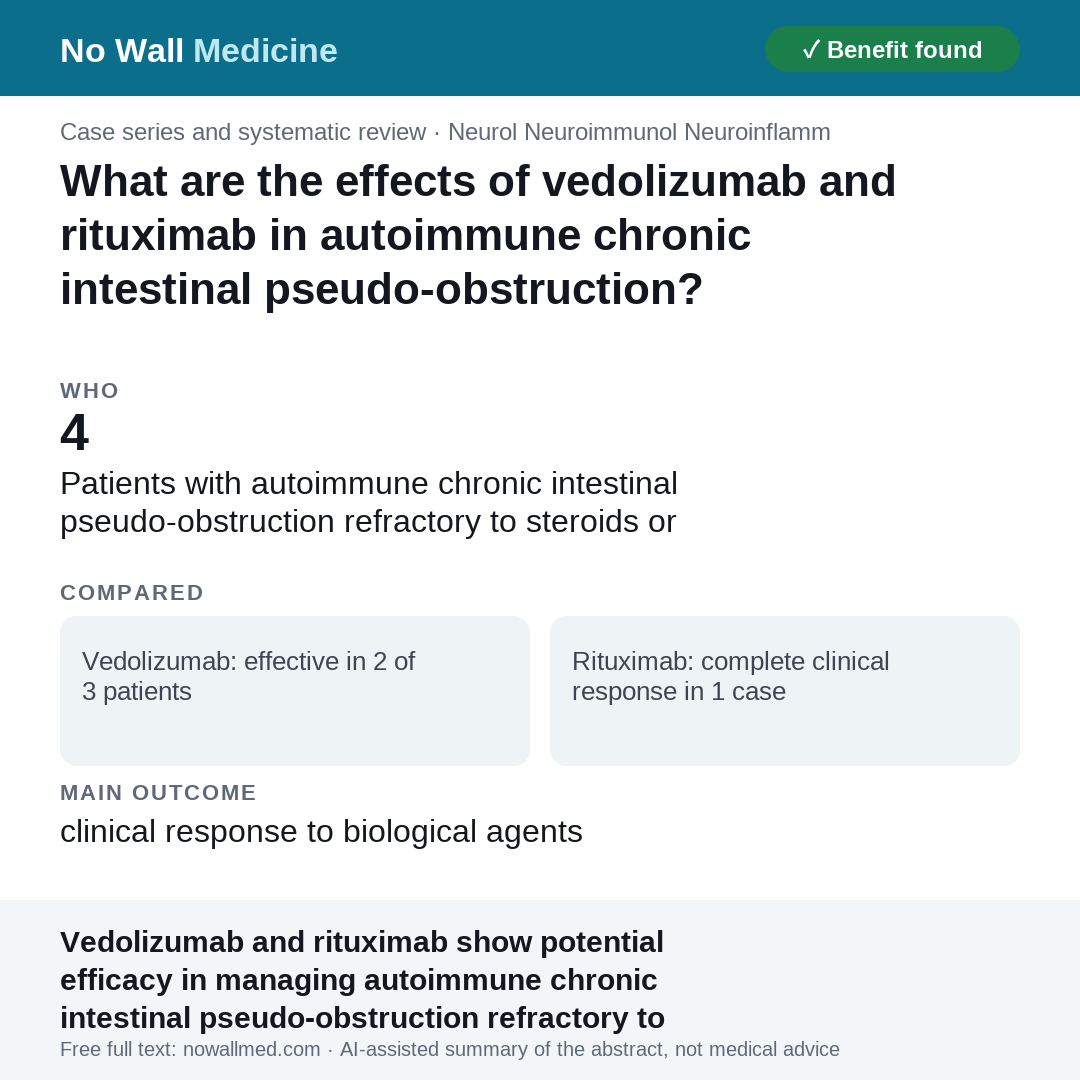
Novel Approaches to Treatment of Immune-Mediated Chronic Intestinal Pseudo-Obstruction
Case series and systematic reviewBenefit found
What are the effects of vedolizumab and rituximab in autoimmune chronic intestinal pseudo-obstruction?
Who
4
Patients with autoimmune chronic intestinal pseudo-obstruction refractory to steroids or intravenous immunoglobulins
Compared
Vedolizumab: effective in 2 of 3 patients
Rituximab: complete clinical response in 1 case
Main outcome
clinical response to biological agents
Bottom line: Vedolizumab and rituximab show potential efficacy in managing autoimmune chronic intestinal pseudo-obstruction refractory to first-line treatments.
Limitation: lack of clinical trials and small number of patients
Neurol Neuroimmunol Neuroinflamm · 2025-02-05Download image
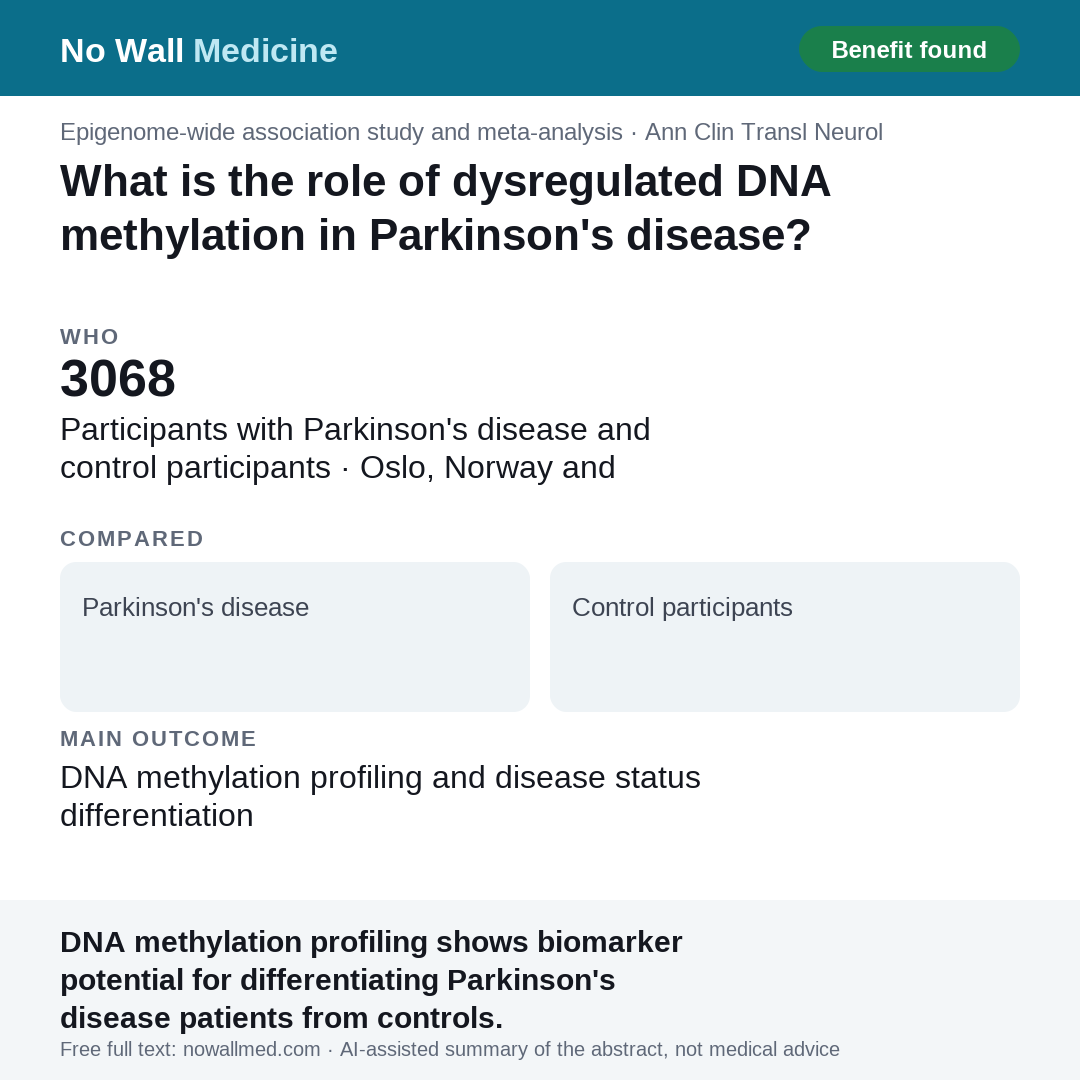
Epigenome-wide association study, meta-analysis, and multiscore profiling of whole blood in Parkinson's disease
Epigenome-wide association study and meta-analysisBenefit found
What is the role of dysregulated DNA methylation in Parkinson's disease?
Who
3068
Participants with Parkinson's disease and control participants · Oslo, Norway and Parkinson's Progression Markers Initiative
Compared
Parkinson's disease
Control participants
Main outcome
DNA methylation profiling and disease status differentiation
Result: area under the receiver-operator curve of 0.82 in Oslo and 0.65 in PPMI
Bottom line: DNA methylation profiling shows biomarker potential for differentiating Parkinson's disease patients from controls.
Limitation: Reproducibility of specific differentially methylated CpG across data sets was limited.
Ann Clin Transl Neurol · 2025-02-05Download image
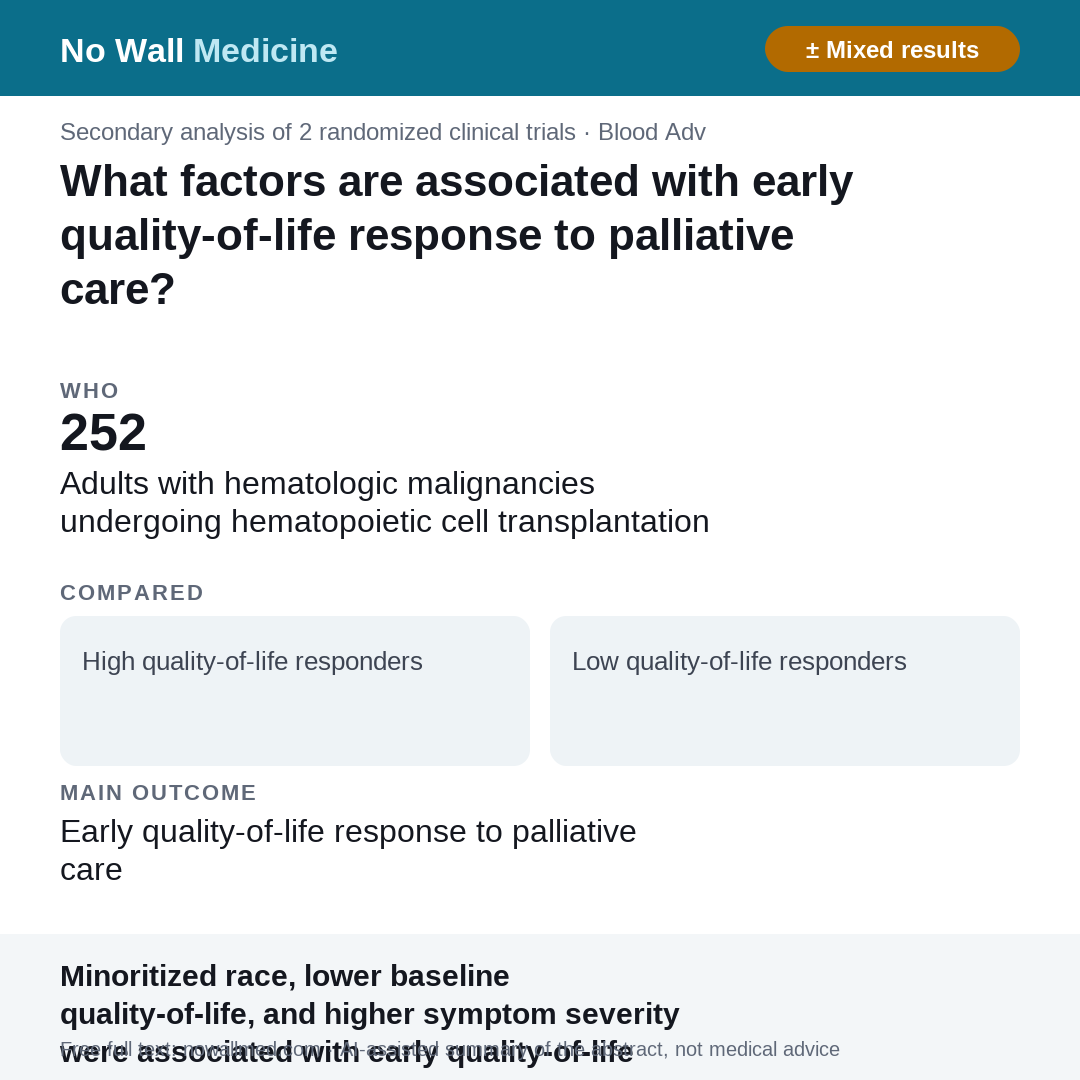
Factors associated with early quality-of-life response to palliative care during hematopoietic cell transplantation
Secondary analysis of 2 randomized clinical trialsMixed results
What factors are associated with early quality-of-life response to palliative care?
Who
252
Adults with hematologic malignancies undergoing hematopoietic cell transplantation
Compared
High quality-of-life responders
Low quality-of-life responders
Main outcome
Early quality-of-life response to palliative care
Bottom line: Minoritized race, lower baseline quality-of-life, and higher symptom severity were associated with early quality-of-life response.
Blood Adv · 2025-02-05Download image
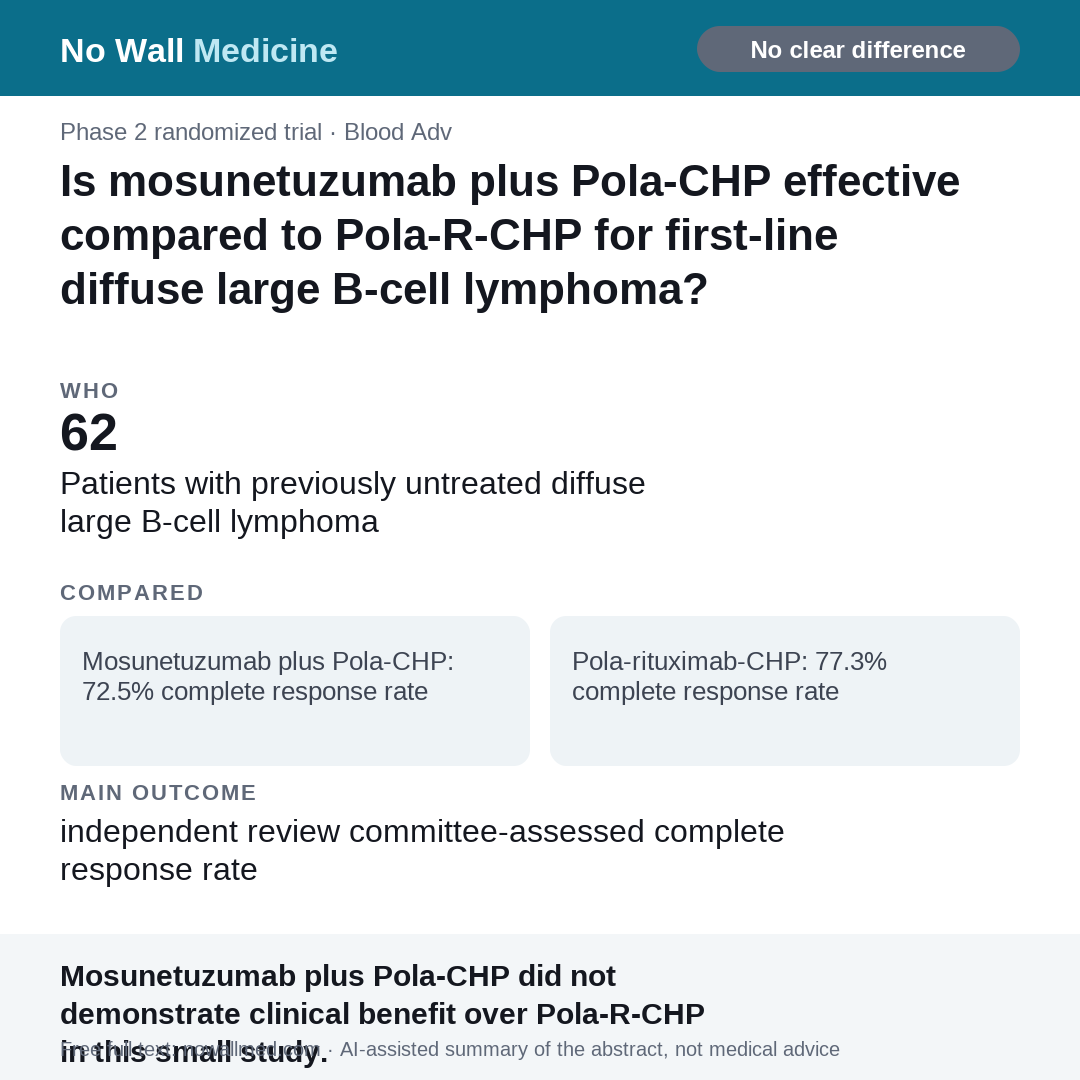
Mosunetuzumab plus Pola-CHP compared with Pola-R-CHP in previously untreated DLBCL: final results from a phase 2 study
Phase 2 randomized trialNo clear difference
Is mosunetuzumab plus Pola-CHP effective compared to Pola-R-CHP for first-line diffuse large B-cell lymphoma?
Who
62
Patients with previously untreated diffuse large B-cell lymphoma
Compared
Mosunetuzumab plus Pola-CHP: 72.5% complete response rate
Pola-rituximab-CHP: 77.3% complete response rate
Main outcome
independent review committee-assessed complete response rate
Result: 24-month progression-free survival rate 70.8% (95% CI, 55.6-86.1) vs 81.8% (95% CI, 65.7-97.9)
Bottom line: Mosunetuzumab plus Pola-CHP did not demonstrate clinical benefit over Pola-R-CHP in this small study.
Blood Adv · 2025-02-05Download image
AI for IMPACTS Framework for Evaluating the Long-Term Real-World Impacts of AI-Powered Clinician Tools: Systematic Review and Narrative Synthesis
Systematic review and narrative synthesisBenefit found
How can the long-term real-world impacts of artificial intelligence tools be evaluated?
Who
44
Studies evaluating artificial intelligence in health care · PubMed, Cochrane, Scopus, and IEEE Xplore databases
Compared
Traditional technical metrics
AI for IMPACTS framework
Main outcome
A framework for assessing long-term real-world impact
Bottom line: The AI for IMPACTS framework provides a holistic approach to evaluate artificial intelligence tools beyond technical metrics.
Limitation: Many assessors lack the necessary multidisciplinary training for assessment.
J Med Internet Res · 2025-02-05Download image

Digital Health Technology Interventions for Improving Medication Safety: Systematic Review of Economic Evaluations
Systematic reviewBenefit found
What is the economic impact of digital health technology interventions on medication safety?
Who
Studies evaluating digital health technology for medication safety
Compared
Digital health technology: 37.12% reduction in adverse drug events
Standard care
Main outcome
Cost-effectiveness, cost-benefit, and cost-utility of interventions
Bottom line: Digital health technology interventions are economically viable, reducing adverse drug events and medication errors with a return on investment.
J Med Internet Res · 2025-02-05Download image

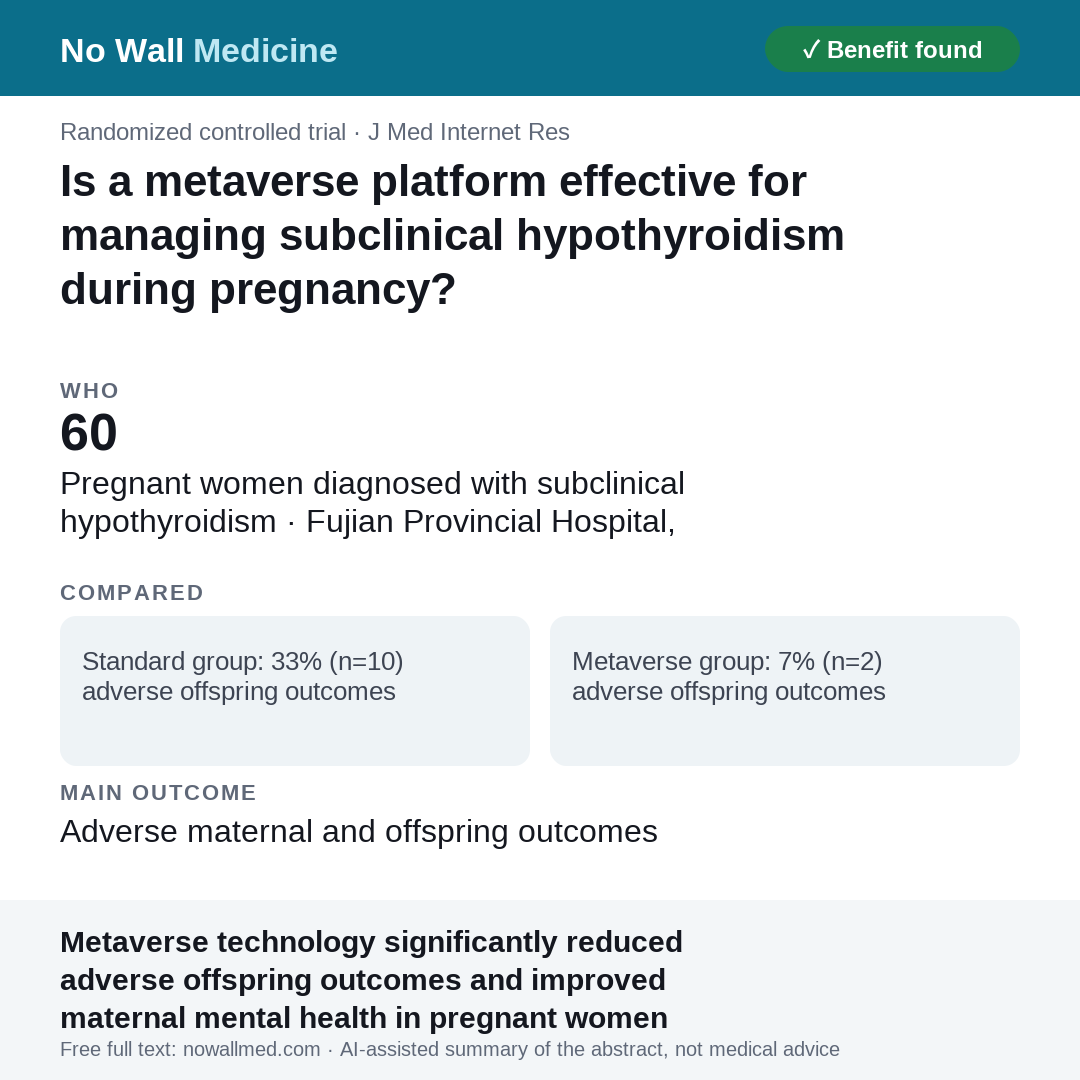
Metaverse Clinic for Pregnant Women With Subclinical Hypothyroidism: Prospective Randomized Study
Randomized controlled trialBenefit found
Is a metaverse platform effective for managing subclinical hypothyroidism during pregnancy?
Who
60
Pregnant women diagnosed with subclinical hypothyroidism · Fujian Provincial Hospital, China
Compared
Standard group: 33% (n=10) adverse offspring outcomes
Metaverse group: 7% (n=2) adverse offspring outcomes
Main outcome
Adverse maternal and offspring outcomes
Bottom line: Metaverse technology significantly reduced adverse offspring outcomes and improved maternal mental health in pregnant women with subclinical hypothyroidism.
J Med Internet Res · 2025-02-05Download image
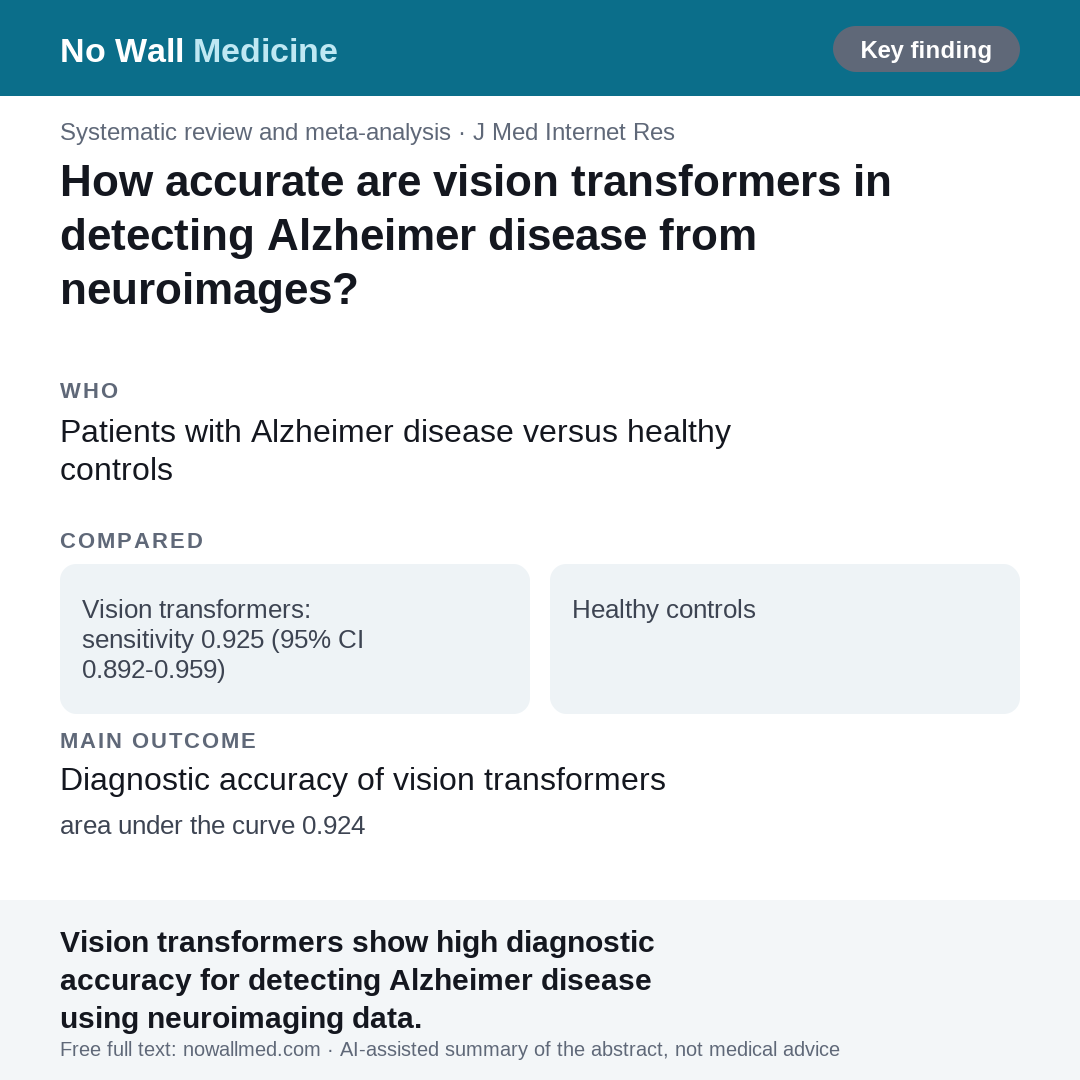
Detection of Alzheimer Disease in Neuroimages Using Vision Transformers: Systematic Review and Meta-Analysis
Systematic review and meta-analysisBenefit found
How accurate are vision transformers in detecting Alzheimer disease from neuroimages?
Who
Patients with Alzheimer disease versus healthy controls
Compared
Vision transformers: sensitivity 0.925 (95% CI 0.892-0.959)
Healthy controls
Main outcome
Diagnostic accuracy of vision transformers
Result: area under the curve 0.924
Bottom line: Vision transformers show high diagnostic accuracy for detecting Alzheimer disease using neuroimaging data.
J Med Internet Res · 2025-02-05Download image
Effectiveness of Virtual Reality Technology Interventions in Improving the Social Skills of Children and Adolescents With Autism: Systematic Review
Systematic reviewBenefit found
Are virtual reality technology interventions effective in improving social skills in autism?
Who
14
Children and adolescents with autism spectrum disorder
Compared
Virtual reality interventions
Control
Main outcome
Social skills improvement
Bottom line: Virtual reality interventions positively impact social skills in children and adolescents with autism spectrum disorder.
Limitation: Potential adverse side effects include dizziness, eye fatigue, and sensory overload.
J Med Internet Res · 2025-02-05Download image

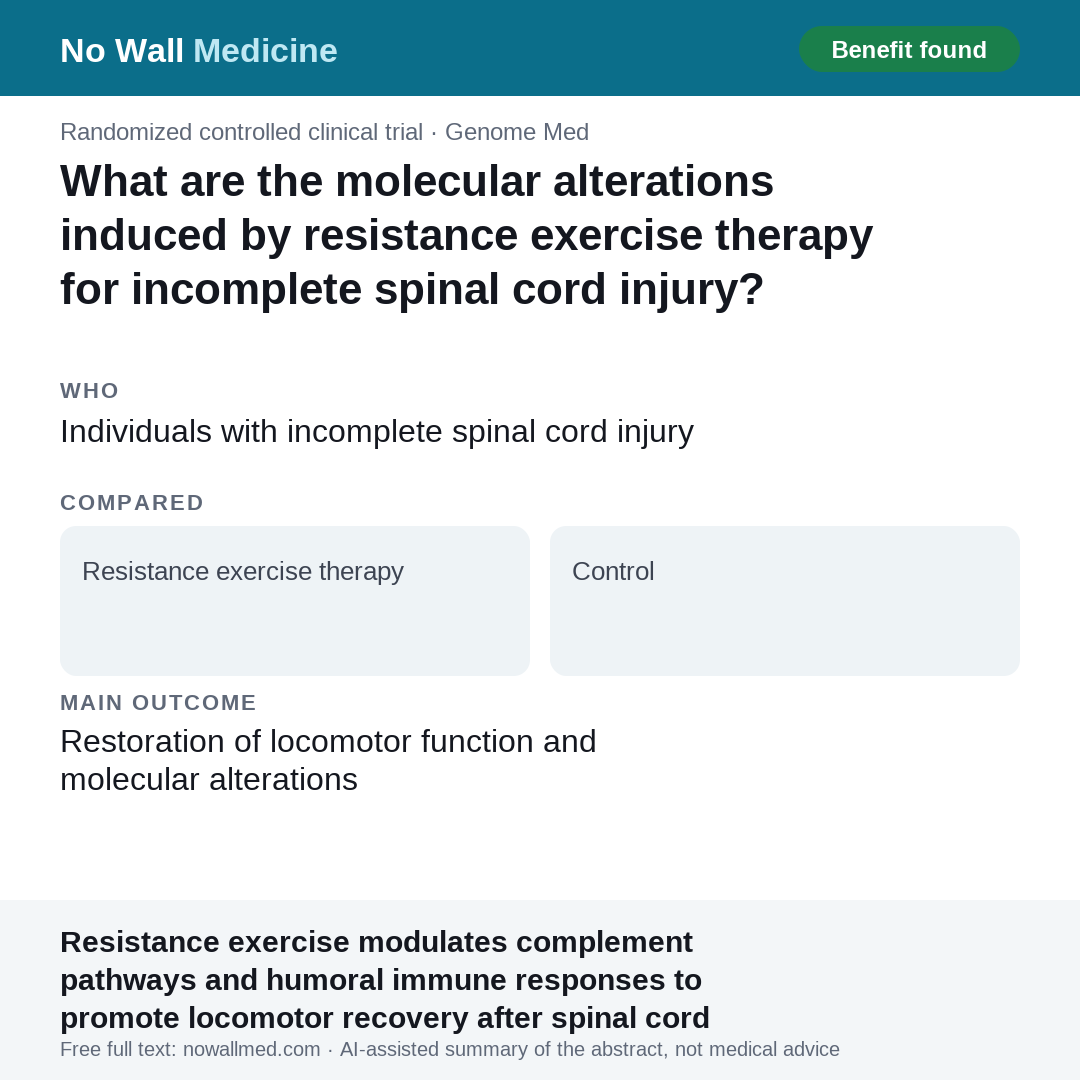
Multi-omics uncovers immune-modulatory molecules in plasma contributing to resistance exercise-ameliorated locomotor disability after incomplete spinal cord injury
Randomized controlled clinical trialBenefit found
What are the molecular alterations induced by resistance exercise therapy for incomplete spinal cord injury?
Who
Individuals with incomplete spinal cord injury
Compared
Resistance exercise therapy
Control
Main outcome
Restoration of locomotor function and molecular alterations
Bottom line: Resistance exercise modulates complement pathways and humoral immune responses to promote locomotor recovery after spinal cord injury.
Genome Med · 2025-02-05Download image
Efficacy of non-invasive brain stimulation interventions on cognitive impairment: an umbrella review of meta-analyses of randomized controlled trials
Umbrella review of meta-analysesBenefit found
Do noninvasive brain stimulation interventions improve cognitive and mental outcomes in Alzheimer's and mild cognitive impairment?
Who
Patients with Alzheimer's disease and mild cognitive impairment
Compared
Repetitive transcranial magnetic stimulation: short-term global cognition SMD 0.44 (95% CI 0.02-0.86)
Transcranial direct current stimulation: memory SMD 0.60 (95% CI 0.32-0.89)
Main outcome
Cognitive and mental outcomes
Bottom line: Noninvasive brain stimulation can significantly improve global cognition, language, executive function, and memory in these patients.
Limitation: Results should be interpreted cautiously due to study heterogeneity and methodological limitations.
J Neuroeng Rehabil · 2025-02-05Download image

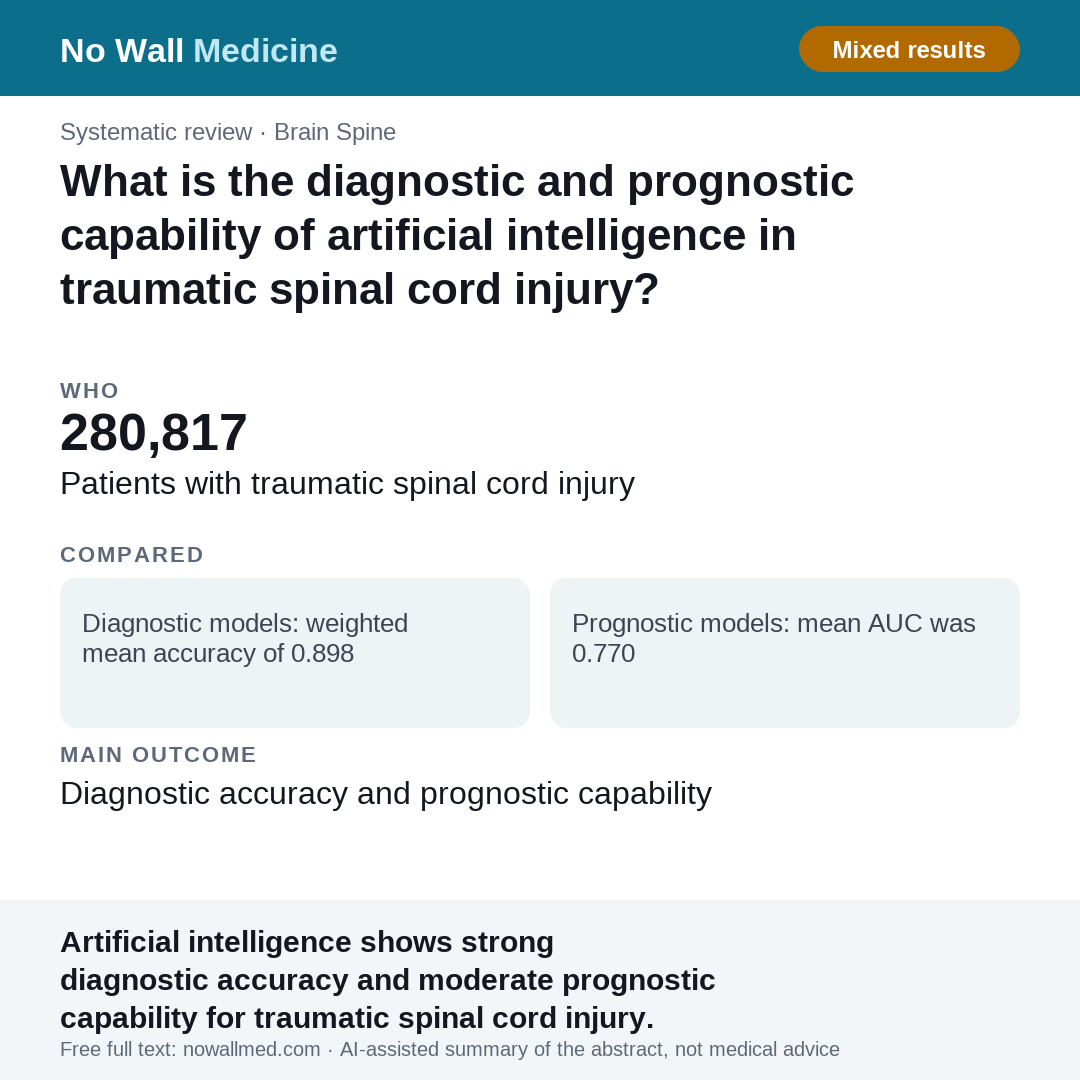
The diagnostic and prognostic capability of artificial intelligence in spinal cord injury: A systematic review
Systematic reviewMixed results
What is the diagnostic and prognostic capability of artificial intelligence in traumatic spinal cord injury?
Who
280,817
Patients with traumatic spinal cord injury
Compared
Diagnostic models: weighted mean accuracy of 0.898
Prognostic models: mean AUC was 0.770
Main outcome
Diagnostic accuracy and prognostic capability
Bottom line: Artificial intelligence shows strong diagnostic accuracy and moderate prognostic capability for traumatic spinal cord injury.
Limitation: Lack of standardised frameworks and external validation limits clinical applicability.
Brain Spine · 2025-02-05Download image
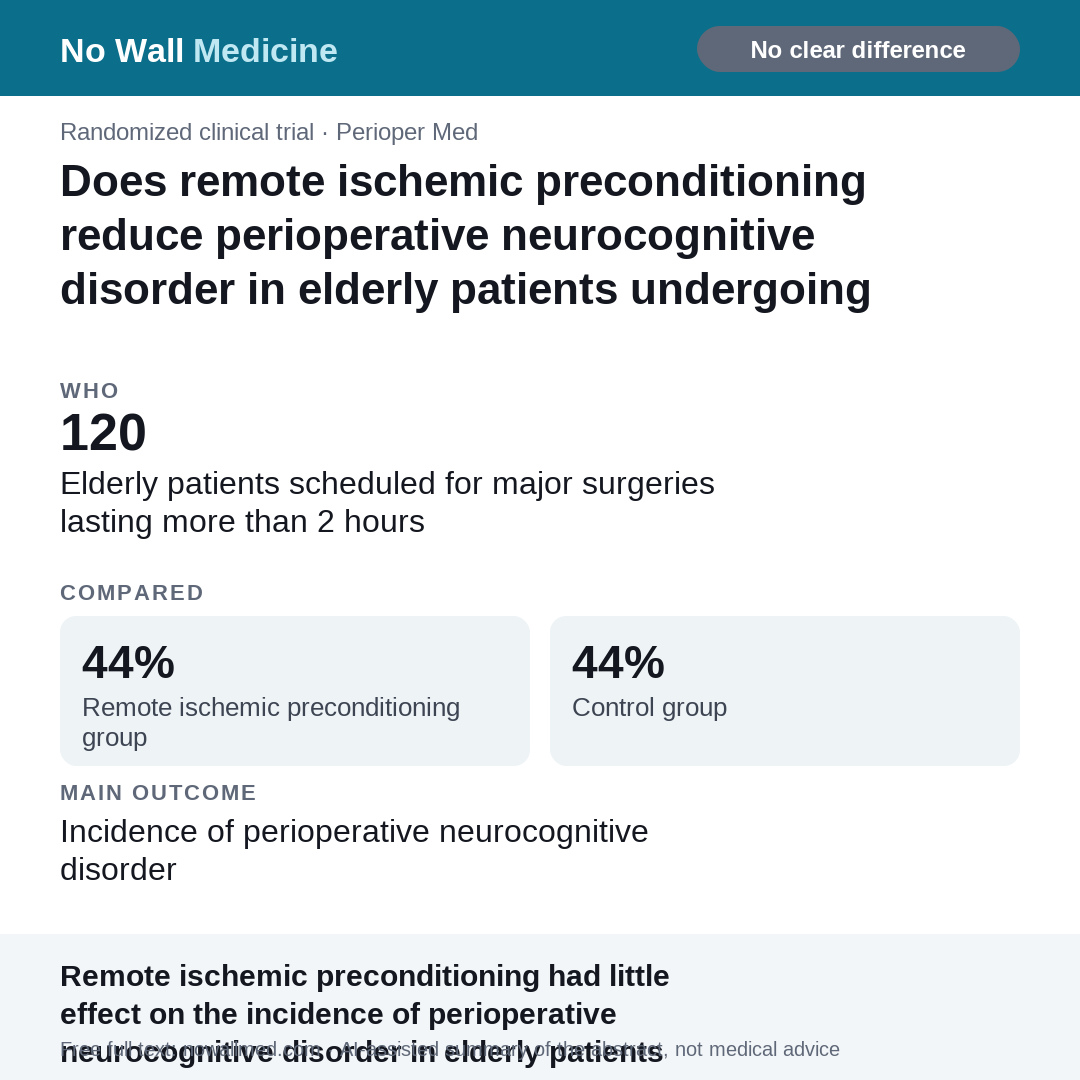
Effect of remote ischemic preconditioning on perioperative neurocognitive disorder in elderly patients undergoing major surgery and associated genetic variant analysis: a randomized clinical trial
Randomized clinical trialNo clear difference
Does remote ischemic preconditioning reduce perioperative neurocognitive disorder in elderly patients undergoing major surgery?
Who
120
Elderly patients scheduled for major surgeries lasting more than 2 hours
Compared
44%Remote ischemic preconditioning group
44%Control group
Main outcome
Incidence of perioperative neurocognitive disorder
Bottom line: Remote ischemic preconditioning had little effect on the incidence of perioperative neurocognitive disorder in elderly patients undergoing major surgery.
Perioper Med · 2025-02-05Download image
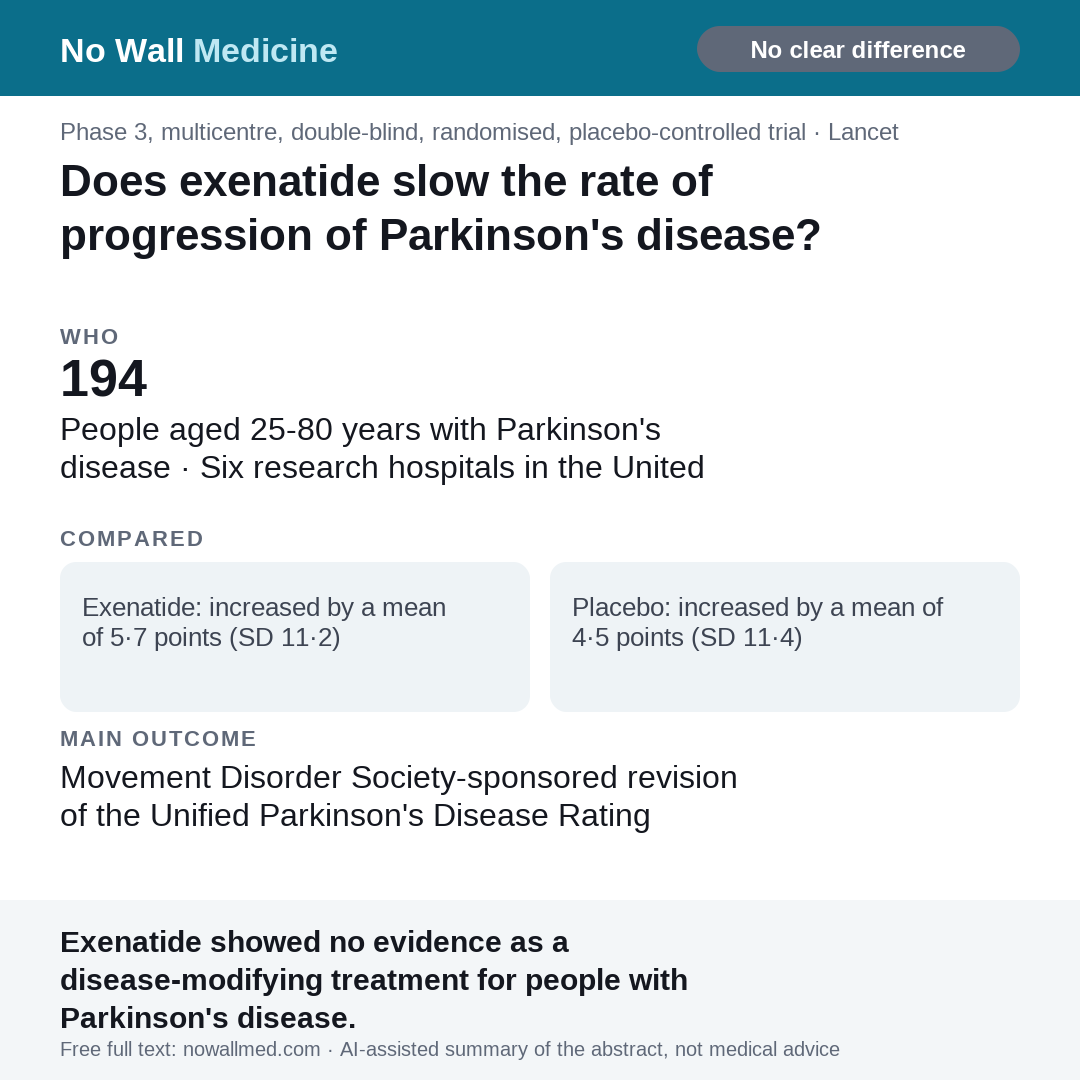
Exenatide once a week versus placebo as a potential disease-modifying treatment for people with Parkinson's disease in the UK: a phase 3, multicentre, double-blind, parallel-group, randomised, placebo-controlled trial
Phase 3, multicentre, double-blind, randomised, placebo-controlled trialNo clear difference
Does exenatide slow the rate of progression of Parkinson's disease?
Who
194
People aged 25-80 years with Parkinson's disease · Six research hospitals in the United Kingdom
Compared
Exenatide: increased by a mean of 5·7 points (SD 11·2)
Placebo: increased by a mean of 4·5 points (SD 11·4)
Main outcome
Movement Disorder Society-sponsored revision of the Unified Parkinson's Disease Rating Scale part III score
Result: adjusted coefficient 0·92 (95% CI -1·56 to 3·39)
Bottom line: Exenatide showed no evidence as a disease-modifying treatment for people with Parkinson's disease.
Funded by: National Institute for Health and Care Research and Cure Parkinson's
Lancet · 2025-02-04Download image
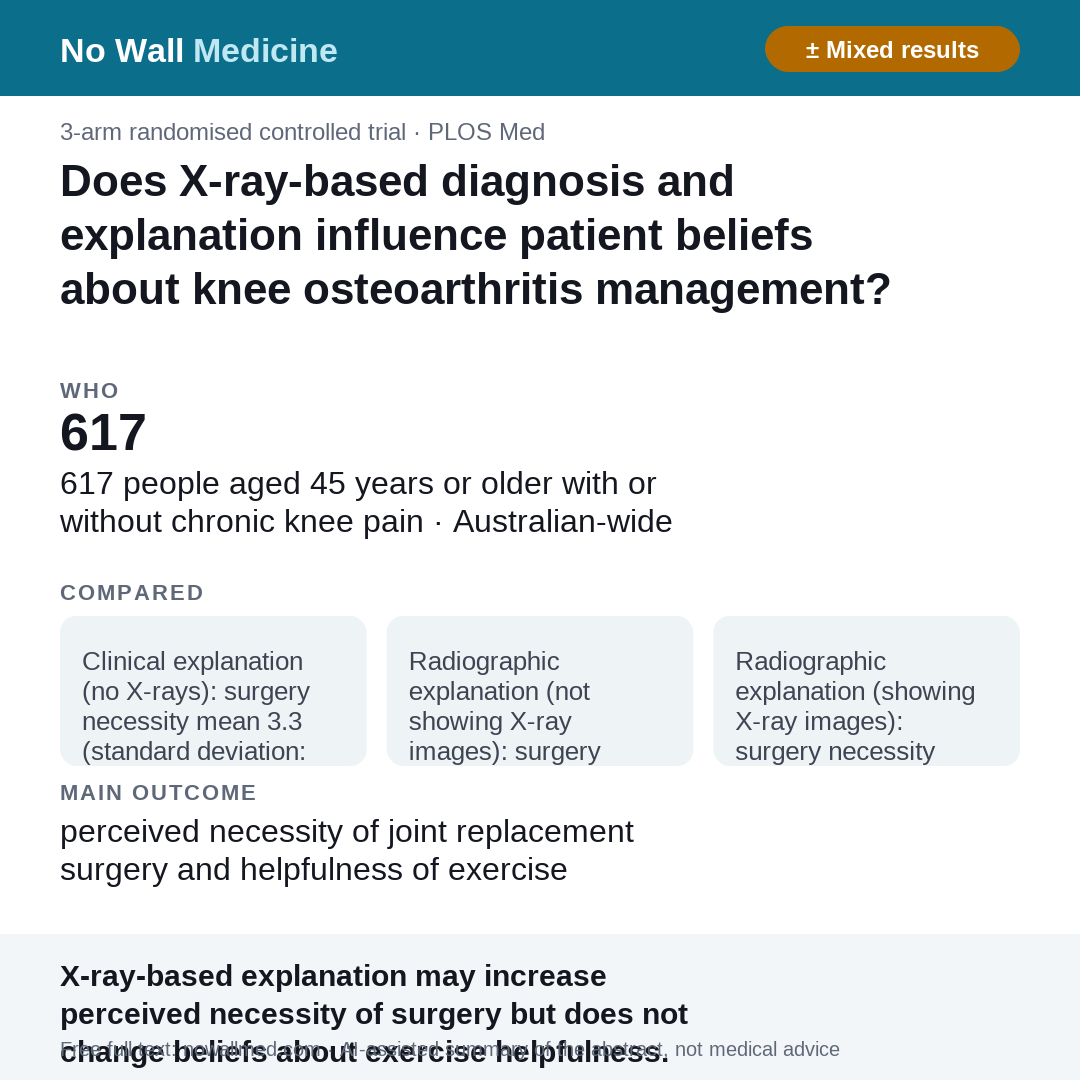
Effects of X-ray-based diagnosis and explanation of knee osteoarthritis on patient beliefs about osteoarthritis management: A randomised clinical trial
3-arm randomised controlled trialMixed results
Does X-ray-based diagnosis and explanation influence patient beliefs about knee osteoarthritis management?
Who
617
617 people aged 45 years or older with or without chronic knee pain · Australian-wide community
Compared
Clinical explanation (no X-rays): surgery necessity mean 3.3 (standard deviation: 2.7)
Radiographic explanation (not showing X-ray images): surgery necessity mean 4.5 (standard deviation: 2.7)
Radiographic explanation (showing X-ray images): surgery necessity mean 4.5 (standard deviation: 2.7)
Main outcome
perceived necessity of joint replacement surgery and helpfulness of exercise
Result: mean difference 1.1 (Bonferroni-adjusted 95% confidence interval: 0.5, 1.8)
Bottom line: X-ray-based explanation may increase perceived necessity of surgery but does not change beliefs about exercise helpfulness.
Limitation: participants responded to a hypothetical scenario, which may not translate to real-world clinical situations
PLOS Med · 2025-02-04Download image
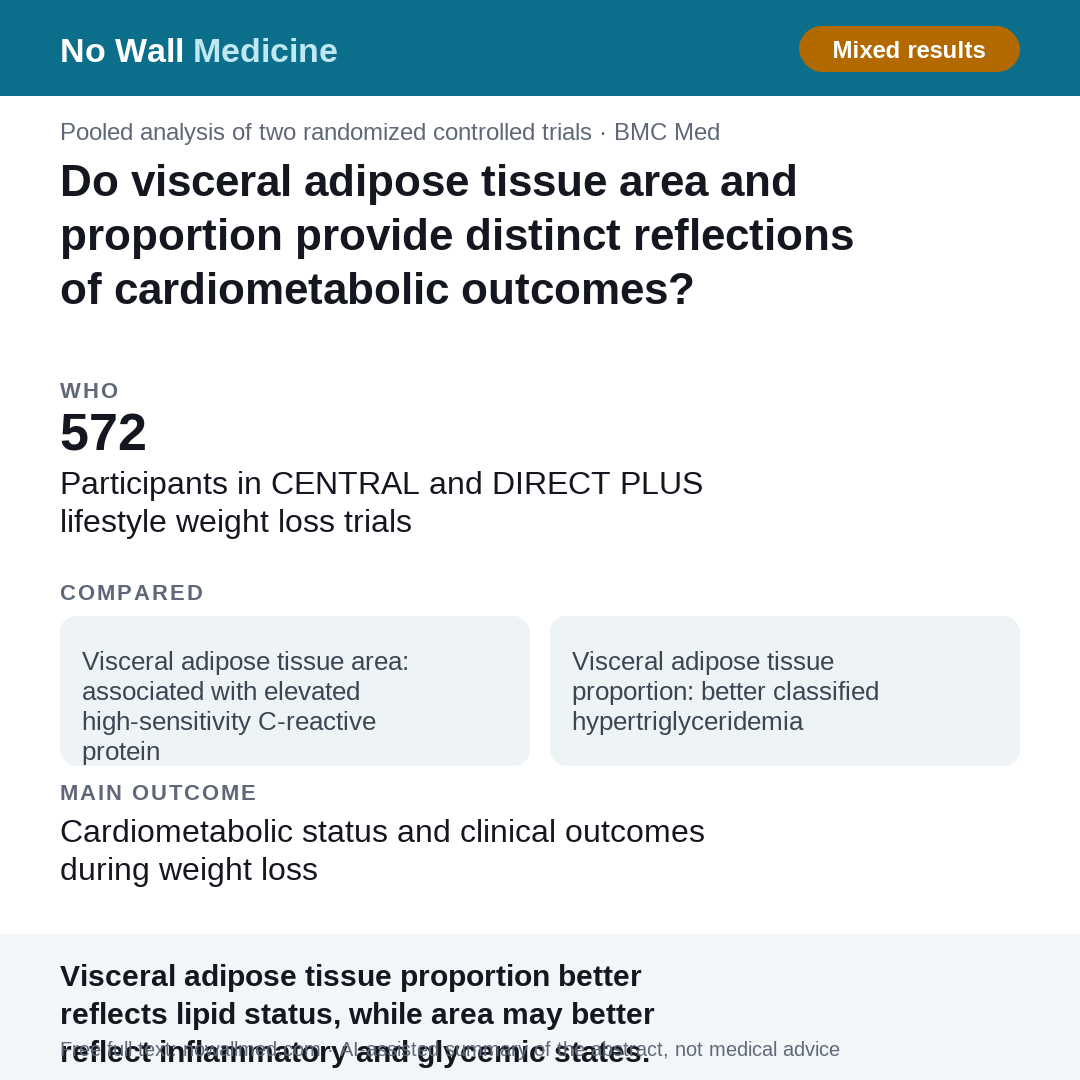
Visceral adipose tissue area and proportion provide distinct reflections of cardiometabolic outcomes in weight loss; pooled analysis of MRI-assessed CENTRAL and DIRECT PLUS dietary randomized controlled trials
Pooled analysis of two randomized controlled trialsMixed results
Do visceral adipose tissue area and proportion provide distinct reflections of cardiometabolic outcomes?
Who
572
Participants in CENTRAL and DIRECT PLUS lifestyle weight loss trials
Compared
Visceral adipose tissue area: associated with elevated high-sensitivity C-reactive protein
Visceral adipose tissue proportion: better classified hypertriglyceridemia
Main outcome
Cardiometabolic status and clinical outcomes during weight loss
Bottom line: Visceral adipose tissue proportion better reflects lipid status, while area may better reflect inflammatory and glycemic states.
BMC Med · 2025-02-04Download image
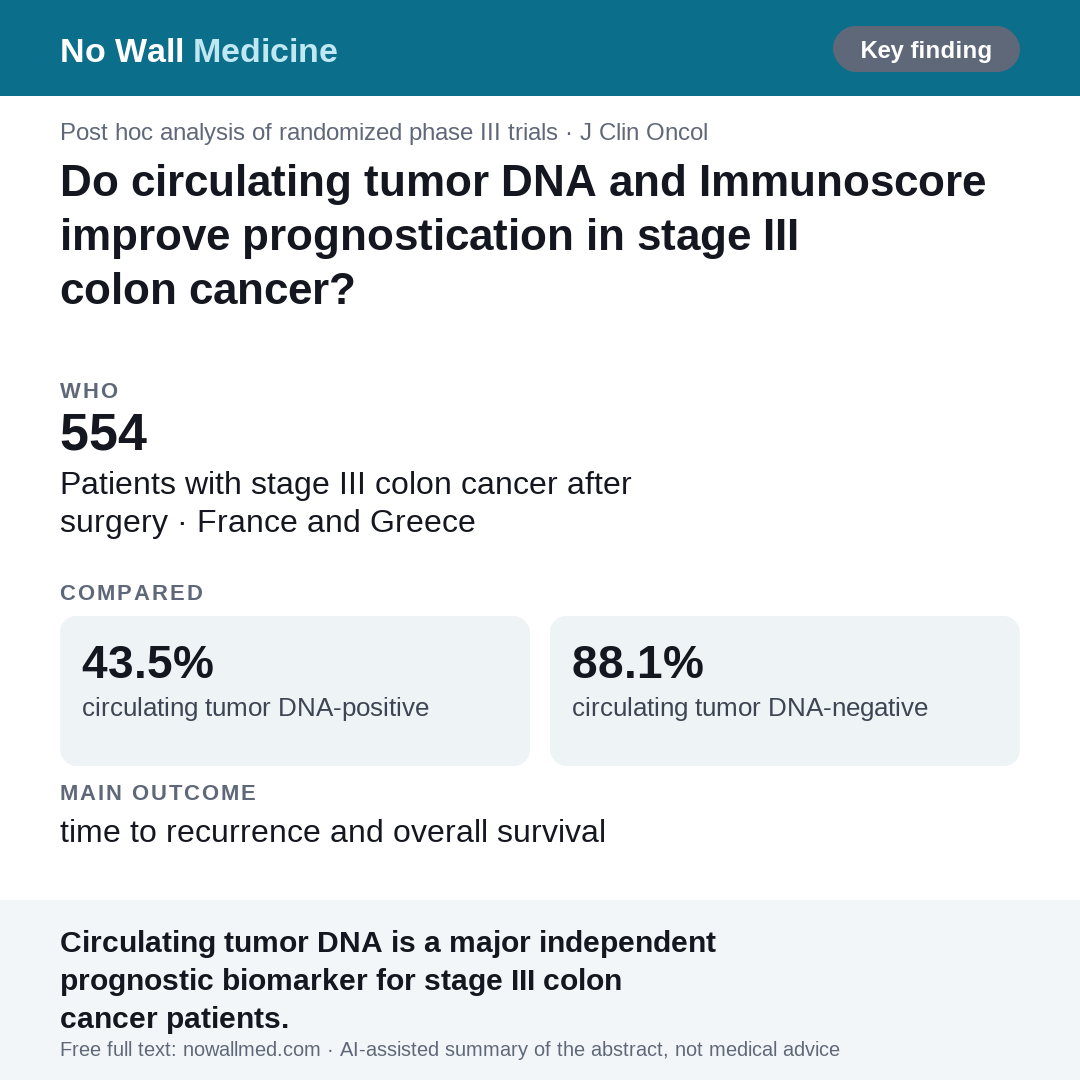
Combined Analyses of Circulating Tumor DNA and Immunoscore in Patients With Stage III Colon Cancer: A Post Hoc Analysis of the PRODIGE-GERCOR IDEA-France/HORG-IDEA-Greece Trials
Post hoc analysis of randomized phase III trialsBenefit found
Do circulating tumor DNA and Immunoscore improve prognostication in stage III colon cancer?
Who
554
Patients with stage III colon cancer after surgery · France and Greece
Compared
43.5%circulating tumor DNA-positive (95% CI, 34.1 to 52.6)
88.1%circulating tumor DNA-negative (95% CI, 84.7 to 90.8)
Main outcome
time to recurrence and overall survival
Result: adjusted hazard ratio 5.21 (95% CI, 3.59 to 7.58)
Bottom line: Circulating tumor DNA is a major independent prognostic biomarker for stage III colon cancer patients.
J Clin Oncol · 2025-02-04Download image