Visual abstracts
New randomized trials and meta-analyses from leading journals at a glance: who was studied, what was compared, and what was found. Every paper is free to read in full.
All specialtiesCardiology 2738Oncology 2318Gastroenterology & Hepatology 1055Infectious Disease 1739Neurology 1103Psychiatry & Mental Health 1265Pulmonology 1152Critical Care 757Endocrinology & Diabetes 1408Pediatrics 1613Surgery 1412Orthopedics & Sports Medicine 505Neurosurgery 335Cardiothoracic & Vascular Surgery 302Plastic & Reconstructive Surgery 404Nephrology 570Rheumatology 418Hematology 596Dermatology 321Ophthalmology 315Obstetrics & Gynecology 903Public & Global Health 502Radiology & Imaging 381Anesthesiology 551Urology 453ENT (Otolaryngology) 322Emergency Medicine 304Allergy & Immunology 175Geriatrics 583Family Medicine & Primary Care 315Medical Genetics & Genomics 311Pathology & Laboratory Medicine 88Physical Medicine & Rehabilitation 442Palliative Care 239Nutrition 739Digital Health & AI 1309General Medicine 198
Outpatient or Inpatient Setting for Cervical Ripening Before Induction of Labour: An Individual Participant Data Meta-Analysis
Individual participant data meta-analysisNo clear difference
Is outpatient or inpatient cervical ripening setting better for induction of labour?
Who
2593
Pregnant individuals undergoing induction of labour
Compared
Outpatient setting: 67.8% vaginal birth
Inpatient setting: 70.2% vaginal birth
Main outcome
Vaginal birth, composite perinatal outcome, and composite maternal outcome
Result: aOR 0.95 (95% CI 0.70; 1.30) for vaginal birth
Bottom line: Outpatient cervical ripening with mechanical methods is comparable to inpatient settings for effectiveness and safety.
BJOG · 2025-06-11Download image

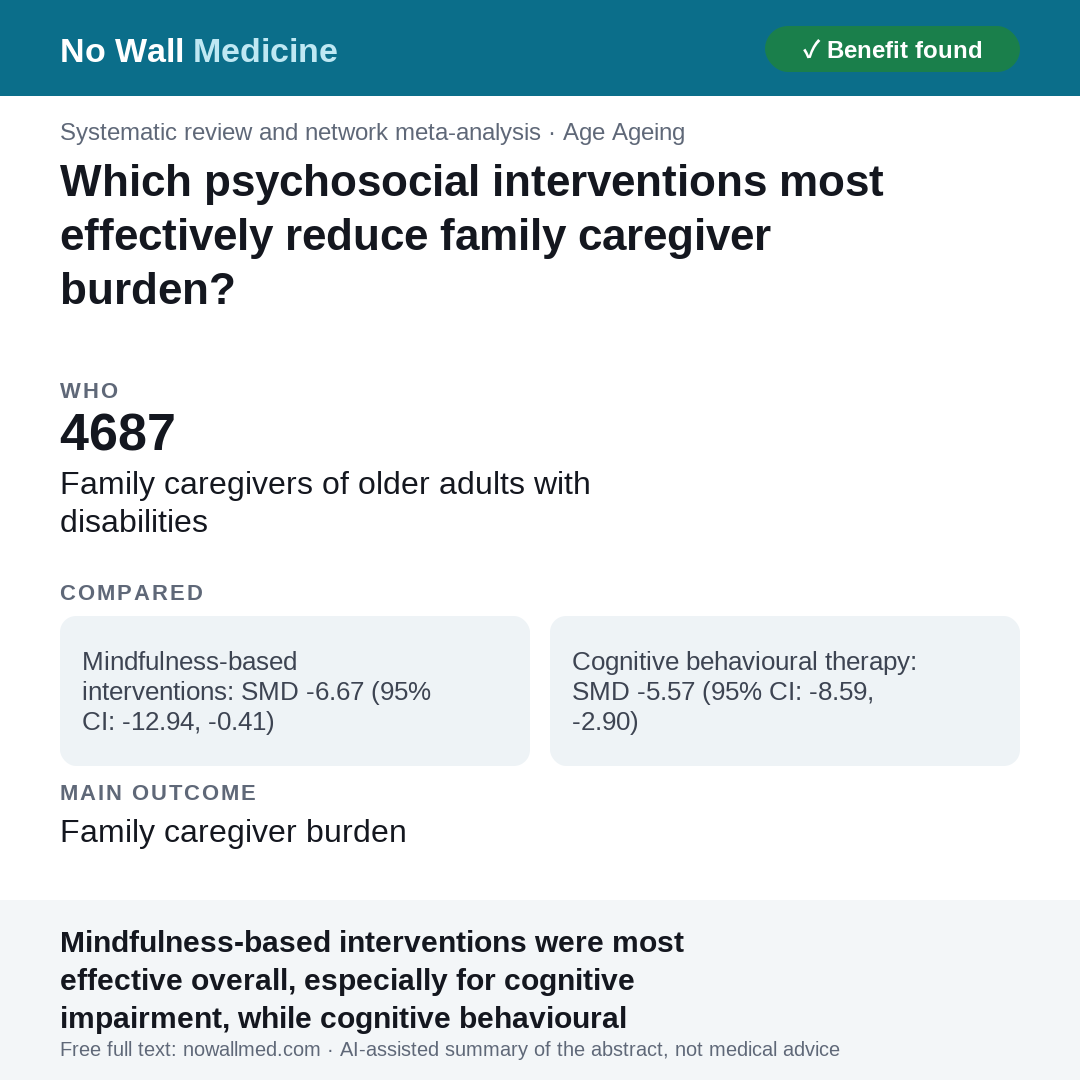
The efficacy of psychosocial interventions in relieving family caregiver burden in older adults with disabilities: a systematic review and network meta-analysis
Systematic review and network meta-analysisBenefit found
Which psychosocial interventions most effectively reduce family caregiver burden?
Who
4687
Family caregivers of older adults with disabilities
Compared
Mindfulness-based interventions: SMD -6.67 (95% CI: -12.94, -0.41)
Cognitive behavioural therapy: SMD -5.57 (95% CI: -8.59, -2.90)
Main outcome
Family caregiver burden
Bottom line: Mindfulness-based interventions were most effective overall, especially for cognitive impairment, while cognitive behavioural therapy excelled in home-based settings.
Age Ageing · 2025-06-11Download image
Timing of oral feeding following head and neck mucosal free flap reconstruction - A systematic review and meta-analysis
Meta-analysis of 13 trialsBenefit found
When to start oral feeding after surgery
Who
1657
patients with head and neck mucosal free-flap reconstruction
Compared
3.66%Early feeding
11.35%Late feeding
Main outcome
risk of fistulas
Result: risk ratio 0.37 (95% CI 0.22 to 0.64)
Bottom line: Early feeding reduces complications and hospital stay
J Plast Reconstr Aesthet Surg · 2025-06-11Download image

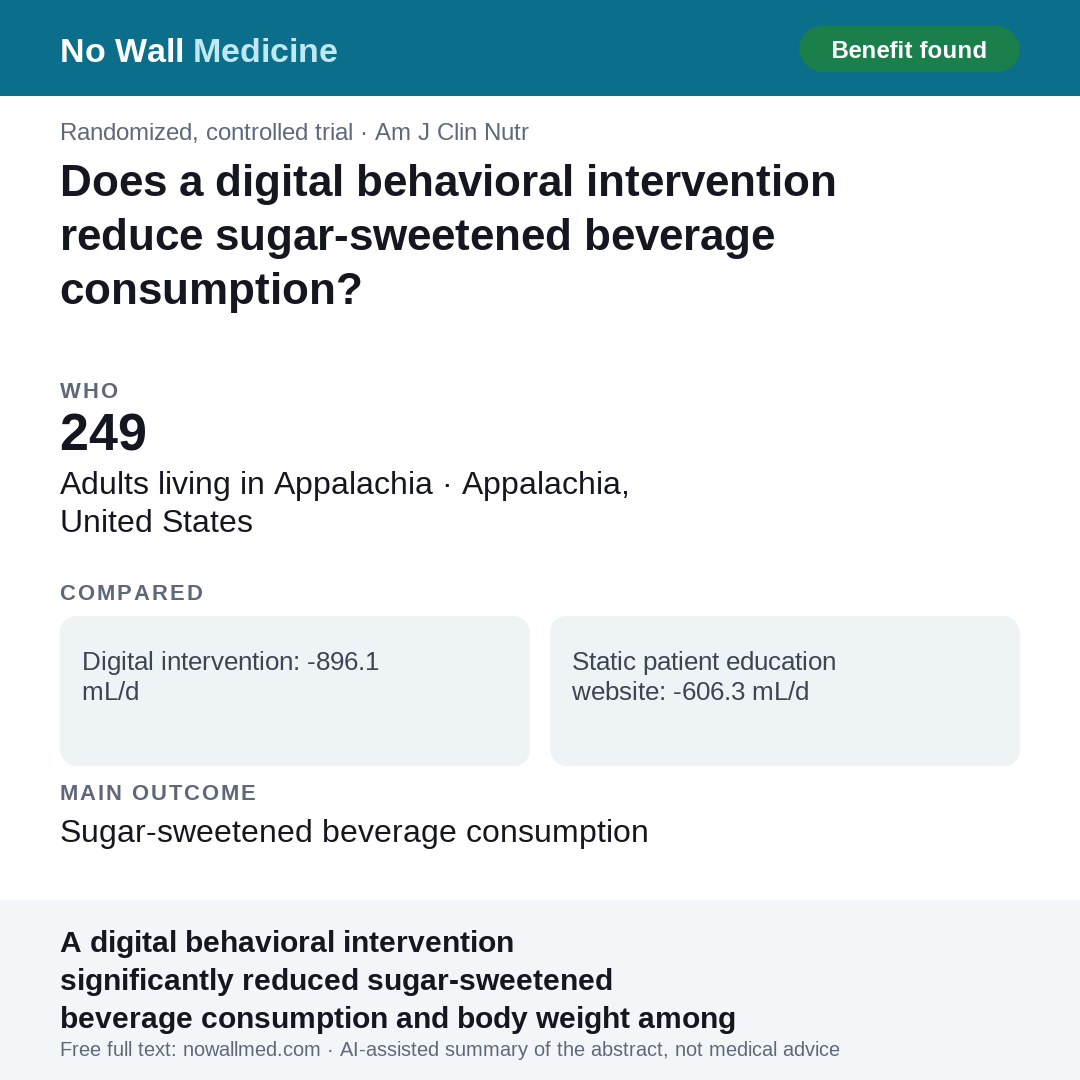
A digital behavioral intervention to reduce sugar-sweetened beverage consumption: a randomized, controlled trial
Randomized, controlled trialBenefit found
Does a digital behavioral intervention reduce sugar-sweetened beverage consumption?
Who
249
Adults living in Appalachia · Appalachia, United States
Compared
Digital intervention: -896.1 mL/d
Static patient education website: -606.3 mL/d
Main outcome
Sugar-sweetened beverage consumption
Result: -289.8 (95% CI: -493.9, -88.7) mL/d
Bottom line: A digital behavioral intervention significantly reduced sugar-sweetened beverage consumption and body weight among Appalachian adults.
Am J Clin Nutr · 2025-06-11Download image
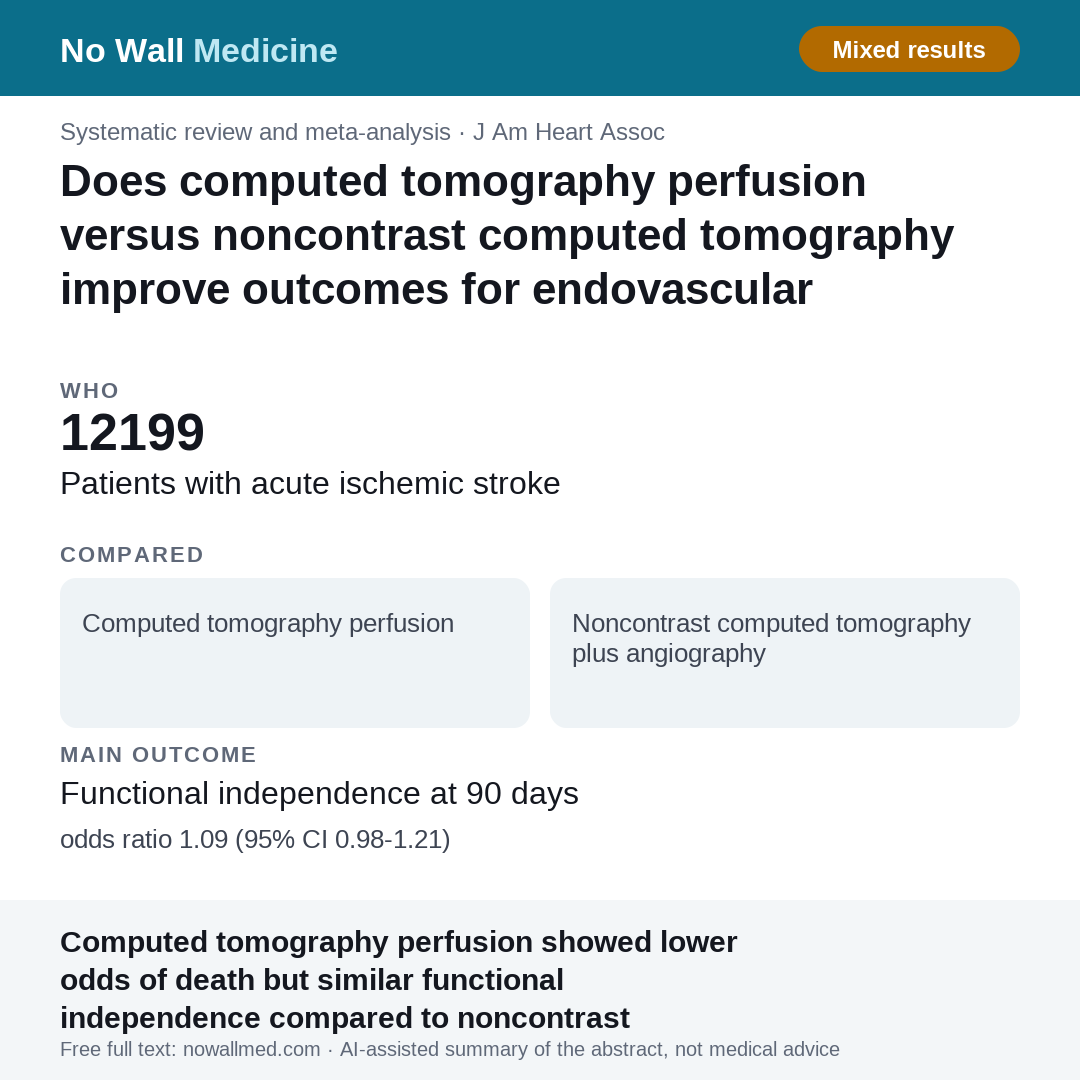
Selection by Noncontrast Computed Tomography With or Without Computed Tomography Angiography Versus Computed Tomography Perfusion for Endovascular Therapy in Patients With Acute Ischemic Stroke: A Systematic Review and Meta-Analysis
Systematic review and meta-analysisMixed results
Does computed tomography perfusion versus noncontrast computed tomography improve outcomes for endovascular therapy?
Who
12199
Patients with acute ischemic stroke
Compared
Computed tomography perfusion
Noncontrast computed tomography plus angiography
Main outcome
Functional independence at 90 days
Result: odds ratio 1.09 (95% CI 0.98-1.21)
Bottom line: Computed tomography perfusion showed lower odds of death but similar functional independence compared to noncontrast computed tomography selection.
Limitation: Observational and post hoc studies showed moderate, serious, and critical risk of bias.
J Am Heart Assoc · 2025-06-11Download image
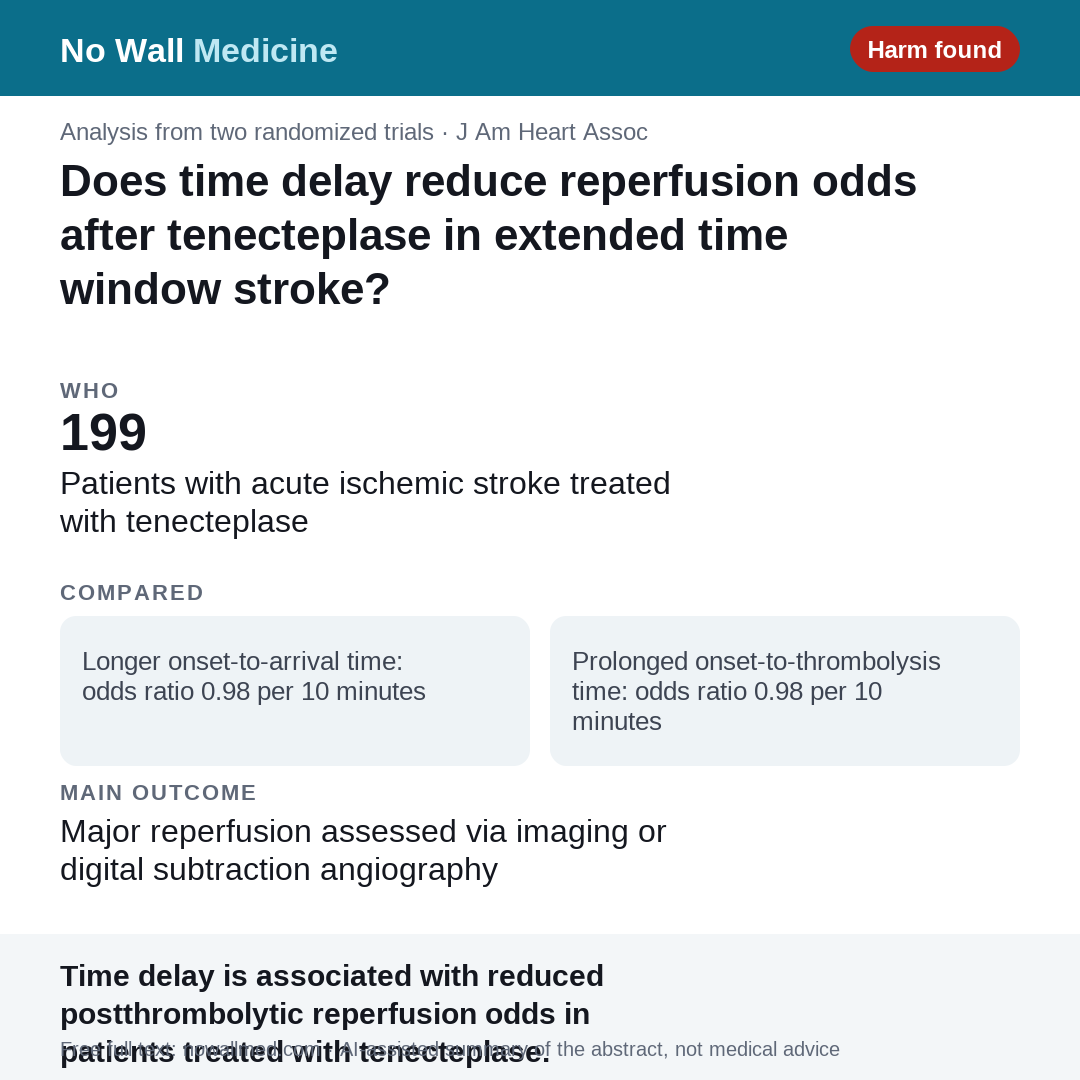
Effect of Time Delay on Reperfusion After Tenecteplase in an Extended Time Window: Analysis From the CHABLIS-T Trials
Analysis from two randomized trialsHarm found
Does time delay reduce reperfusion odds after tenecteplase in extended time window stroke?
Who
199
Patients with acute ischemic stroke treated with tenecteplase
Compared
Longer onset-to-arrival time: odds ratio 0.98 per 10 minutes
Prolonged onset-to-thrombolysis time: odds ratio 0.98 per 10 minutes
Main outcome
Major reperfusion assessed via imaging or digital subtraction angiography
Result: odds ratio 0.98 per 10 minutes (P=0.004)
Bottom line: Time delay is associated with reduced postthrombolytic reperfusion odds in patients treated with tenecteplase.
J Am Heart Assoc · 2025-06-11Download image
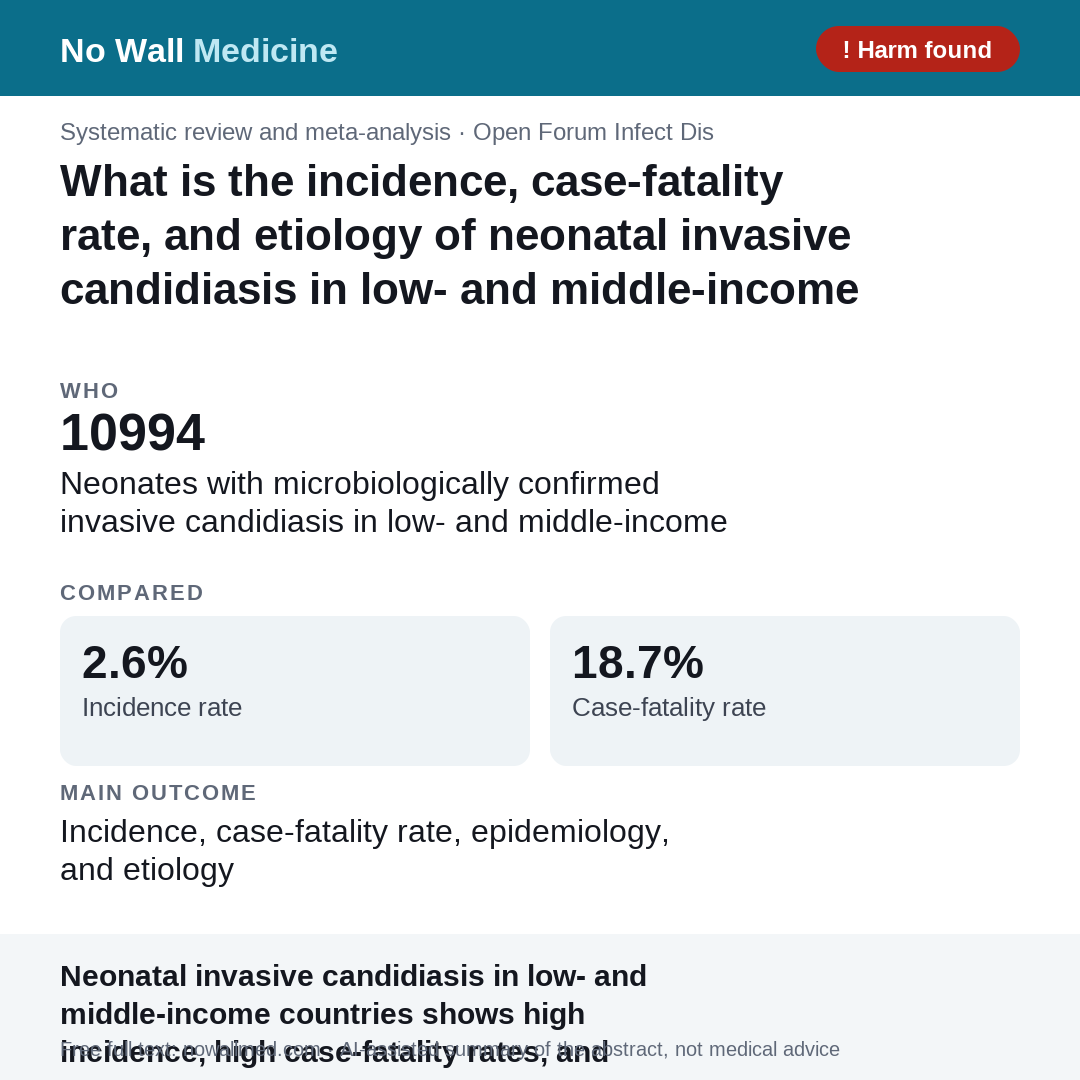
The Burden of Neonatal Invasive Candidiasis in Low- and Middle-income Countries: A Systematic Review and Meta-analysis
Systematic review and meta-analysisHarm found
What is the incidence, case-fatality rate, and etiology of neonatal invasive candidiasis in low- and middle-income countries?
Who
10994
Neonates with microbiologically confirmed invasive candidiasis in low- and middle-income countries · 27 low- and middle-income countries
Compared
2.6%Incidence rate (95% CI, 2.2-3.0)
18.7%Case-fatality rate (95% CI, 15.5-22.1)
Main outcome
Incidence, case-fatality rate, epidemiology, and etiology
Bottom line: Neonatal invasive candidiasis in low- and middle-income countries shows high incidence, high case-fatality rates, and significant fluconazole resistance.
Open Forum Infect Dis · 2025-06-11Download image
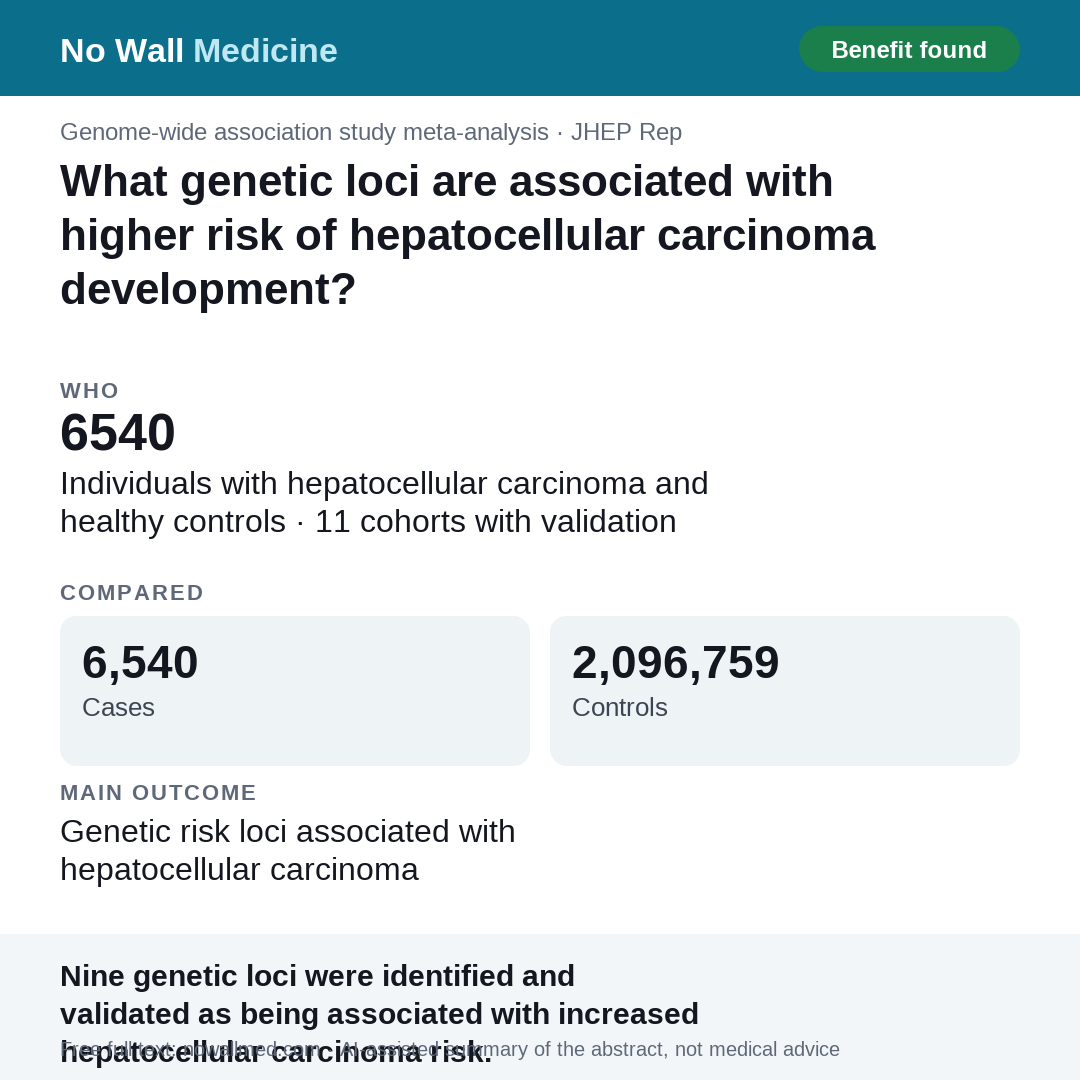
Genome-wide meta-analysis identifies nine loci associated with higher risk of hepatocellular carcinoma development
Genome-wide association study meta-analysisBenefit found
What genetic loci are associated with higher risk of hepatocellular carcinoma development?
Who
6540
Individuals with hepatocellular carcinoma and healthy controls · 11 cohorts with validation in two independent cohorts
Compared
6,540Cases
2,096,759Controls
Main outcome
Genetic risk loci associated with hepatocellular carcinoma
Bottom line: Nine genetic loci were identified and validated as being associated with increased hepatocellular carcinoma risk.
JHEP Rep · 2025-06-11Download image
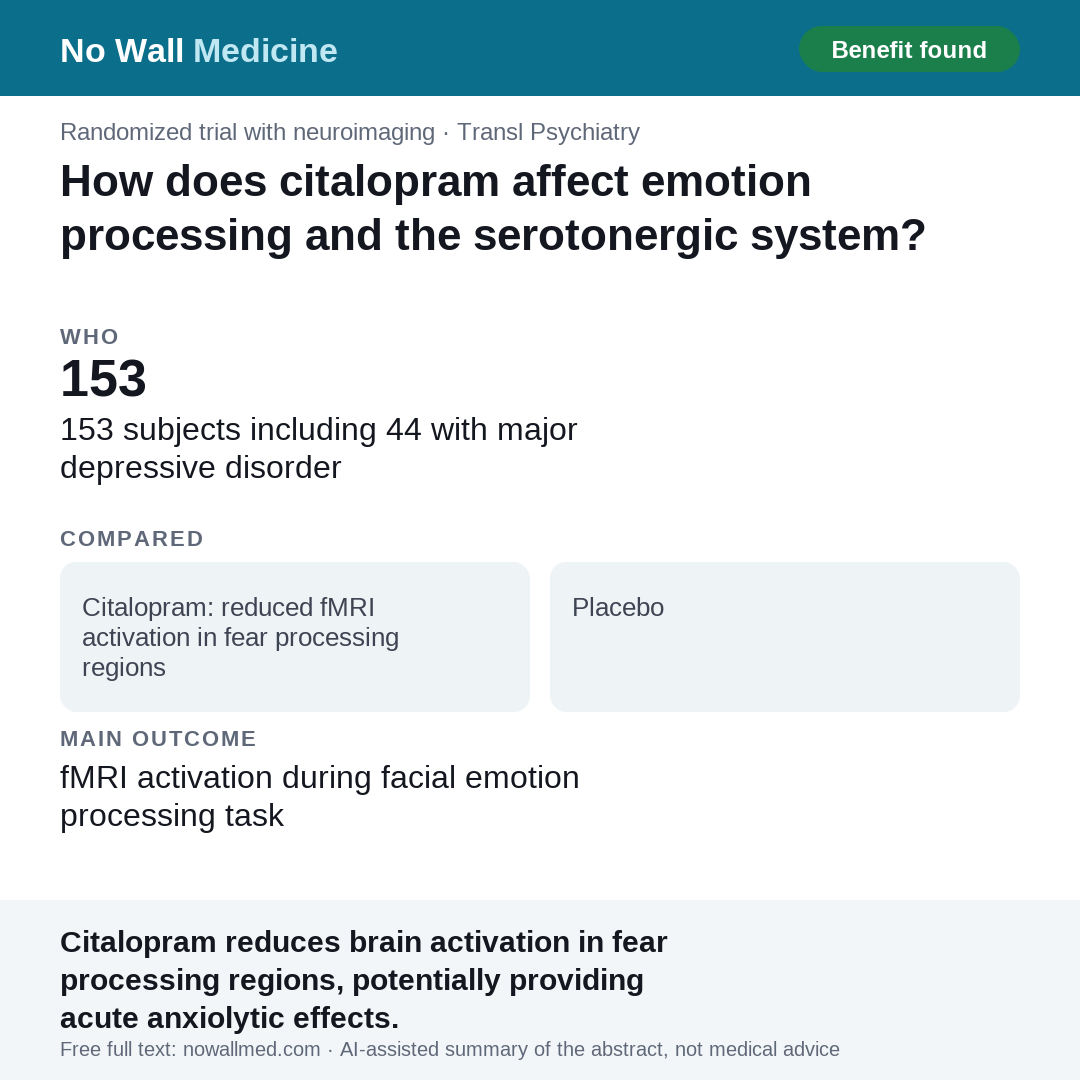
A large-scale multimodal investigation of the interplay between the serotonergic system and emotion processing
Randomized trial with neuroimagingBenefit found
How does citalopram affect emotion processing and the serotonergic system?
Who
153
153 subjects including 44 with major depressive disorder
Compared
Citalopram: reduced fMRI activation in fear processing regions
Placebo
Main outcome
fMRI activation during facial emotion processing task
Bottom line: Citalopram reduces brain activation in fear processing regions, potentially providing acute anxiolytic effects.
Transl Psychiatry · 2025-06-11Download image
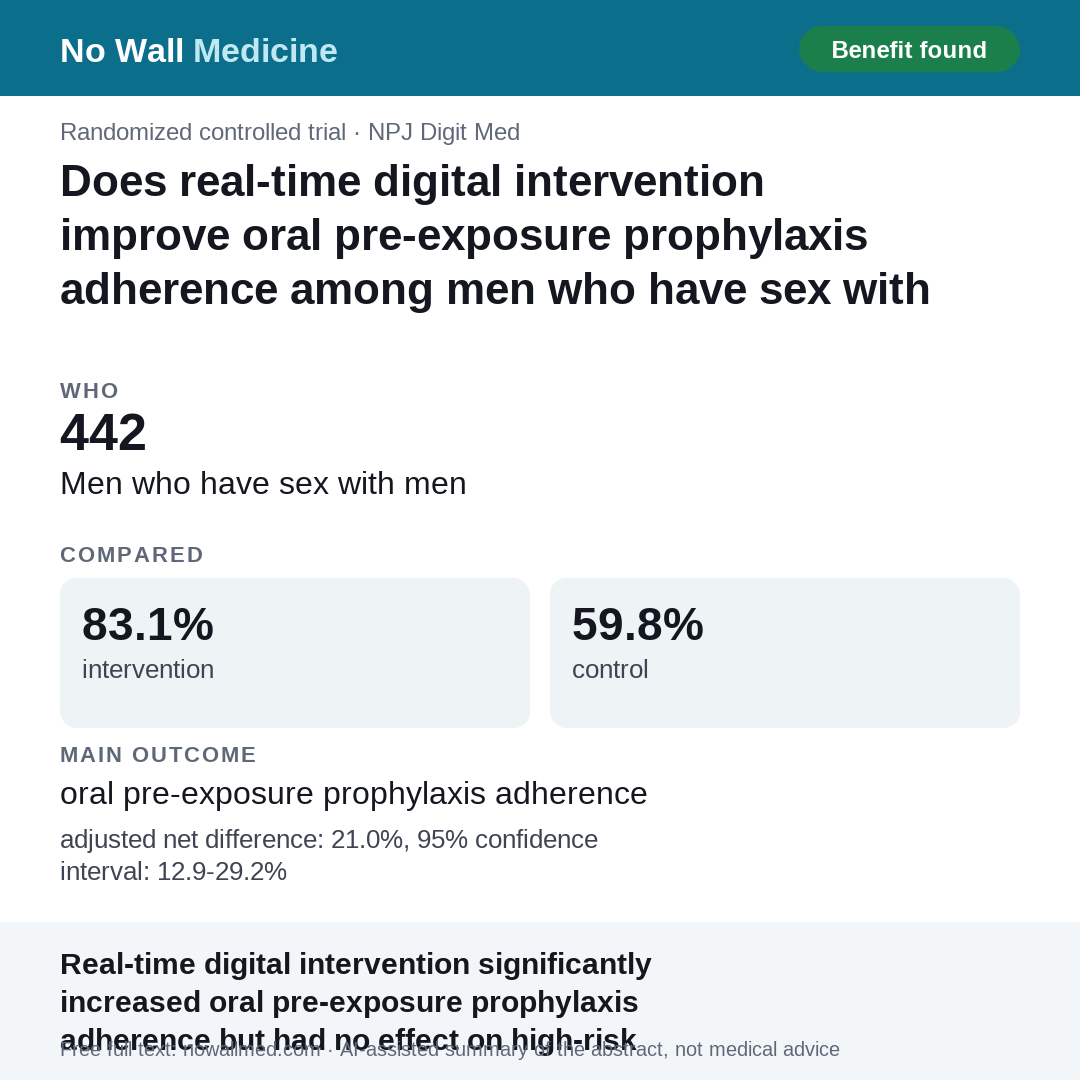
Real-time digital intervention on oral pre-exposure prophylaxis adherence among MSM: randomized controlled trial
Randomized controlled trialBenefit found
Does real-time digital intervention improve oral pre-exposure prophylaxis adherence among men who have sex with men?
Who
442
Men who have sex with men
Compared
83.1%intervention
59.8%control
Main outcome
oral pre-exposure prophylaxis adherence
Result: adjusted net difference: 21.0%, 95% confidence interval: 12.9-29.2%
Bottom line: Real-time digital intervention significantly increased oral pre-exposure prophylaxis adherence but had no effect on high-risk behaviors.
NPJ Digit Med · 2025-06-11Download image
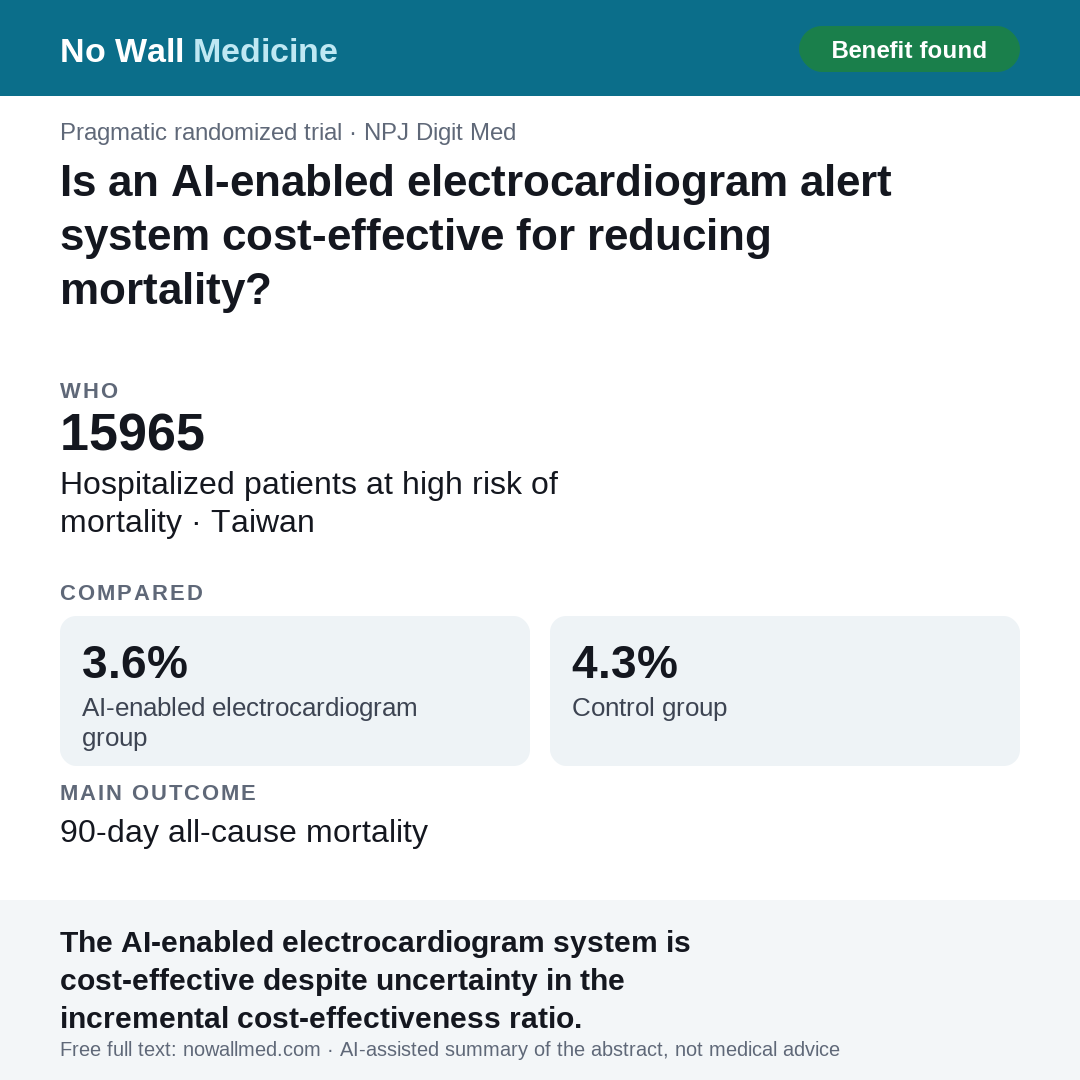
Economic analysis of an AI-enabled ECG alert system: impact on mortality outcomes from a pragmatic randomized trial
Pragmatic randomized trialBenefit found
Is an AI-enabled electrocardiogram alert system cost-effective for reducing mortality?
Who
15965
Hospitalized patients at high risk of mortality · Taiwan
Compared
3.6%AI-enabled electrocardiogram group
4.3%Control group
Main outcome
90-day all-cause mortality
Result: $59,500 (95% CI: $-4657 to $385,950) per death averted
Bottom line: The AI-enabled electrocardiogram system is cost-effective despite uncertainty in the incremental cost-effectiveness ratio.
NPJ Digit Med · 2025-06-11Download image
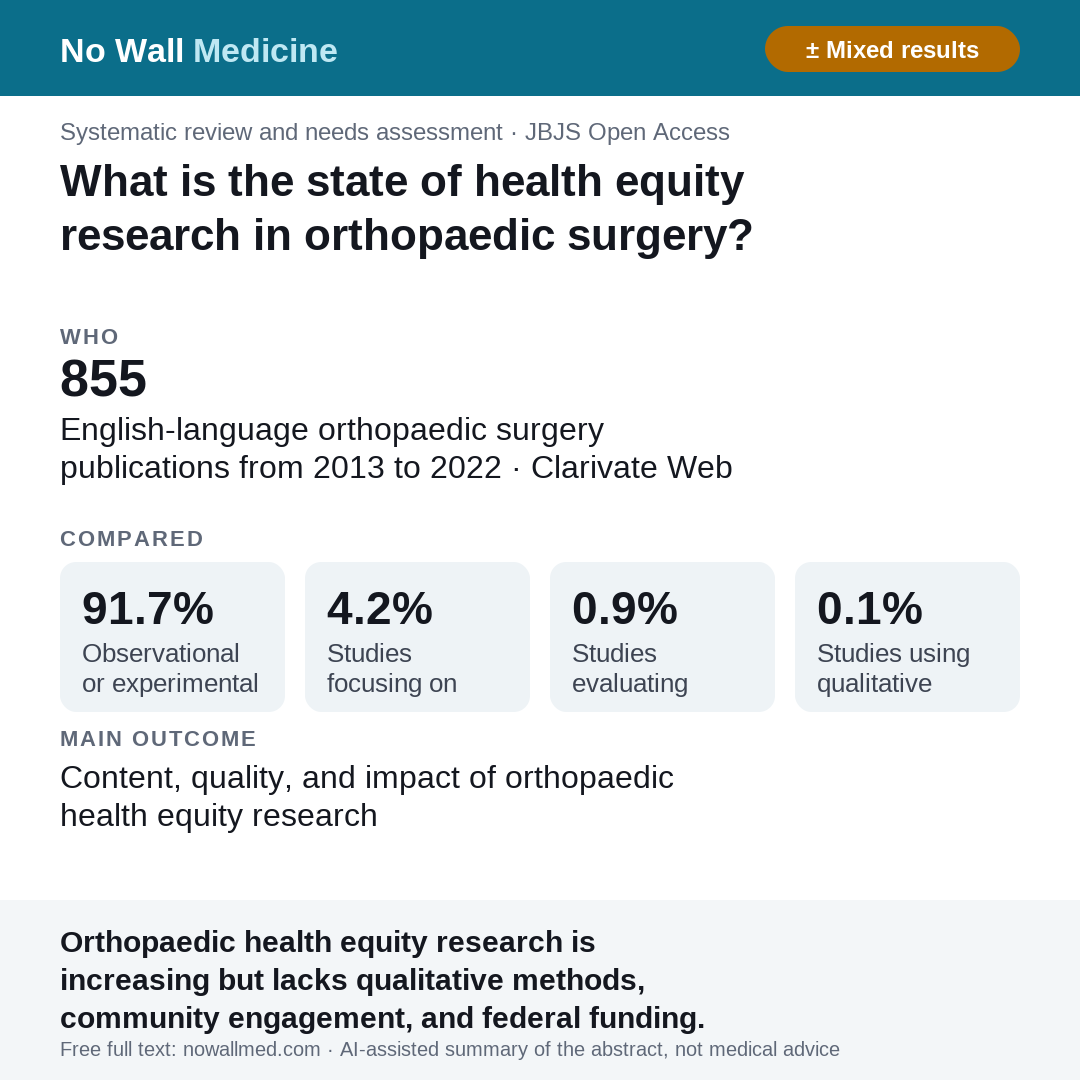
Health Equity Research in Orthopaedic Surgery: A Systematic Review and Needs Assessment
Systematic review and needs assessmentMixed results
What is the state of health equity research in orthopaedic surgery?
Who
855
English-language orthopaedic surgery publications from 2013 to 2022 · Clarivate Web of Science platform
Compared
91.7%Observational or experimental research studies
4.2%Studies focusing on interventions
0.9%Studies evaluating original interventions
0.1%Studies using qualitative methods
Main outcome
Content, quality, and impact of orthopaedic health equity research
Bottom line: Orthopaedic health equity research is increasing but lacks qualitative methods, community engagement, and federal funding.
JBJS Open Access · 2025-06-11Download image
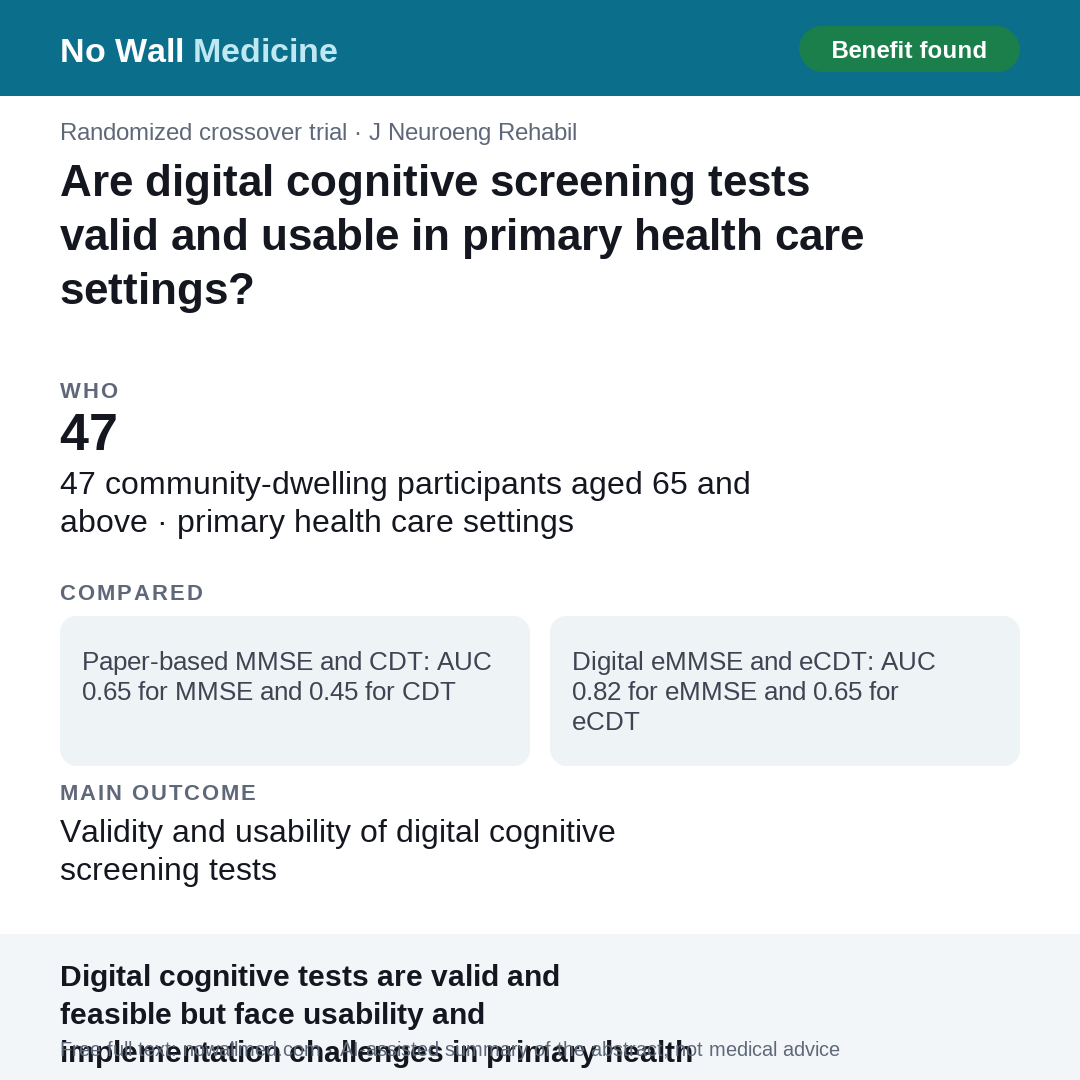
Validity and usability for digital cognitive assessment tools to screen for mild cognitive impairment: a randomized crossover trial
Randomized crossover trialBenefit found
Are digital cognitive screening tests valid and usable in primary health care settings?
Who
47
47 community-dwelling participants aged 65 and above · primary health care settings
Compared
Paper-based MMSE and CDT: AUC 0.65 for MMSE and 0.45 for CDT
Digital eMMSE and eCDT: AUC 0.82 for eMMSE and 0.65 for eCDT
Main outcome
Validity and usability of digital cognitive screening tests
Bottom line: Digital cognitive tests are valid and feasible but face usability and implementation challenges in primary health care.
J Neuroeng Rehabil · 2025-06-11Download image
AGREE: an upper limb motorized exoskeleton for restoring arm functions: a single-blinded randomized controlled trial
Single-blinded randomized controlled trialNo clear difference
Does the AGREE motorized exoskeleton restore arm functions better than standard care?
Who
32
Neurological patients with upper limb motor deficits · Casa di Cura del Policlinico, Italy
Compared
AGREE exoskeleton group: Δ Fugl-Meyer Assessment = 2, IQR = 4.5
Standard care group: comparable significant clinical improvements
Main outcome
Clinical changes in arm function and system usability
Bottom line: The AGREE exoskeleton provides clinical improvements comparable to standard care but with significantly less actual treatment time.
J Neuroeng Rehabil · 2025-06-11Download image

Association between antibiotic exposure and childhood atopic dermatitis: a systematic review and meta-analysis
Systematic review and meta-analysisHarm found
Is antibiotic exposure associated with the risk of childhood atopic dermatitis?
Who
7,487,925
Children
Compared
Antibiotic exposure
No antibiotic exposure
Main outcome
Risk of childhood atopic dermatitis
Result: odds ratio 1.22 (95% CI 1.17-1.28)
Bottom line: Antibiotic exposure during pregnancy and childhood is associated with an increased risk of childhood atopic dermatitis.
Funded by: Natural Science Foundation of Zhejiang and others
eClinicalMedicine · 2025-06-10Download image

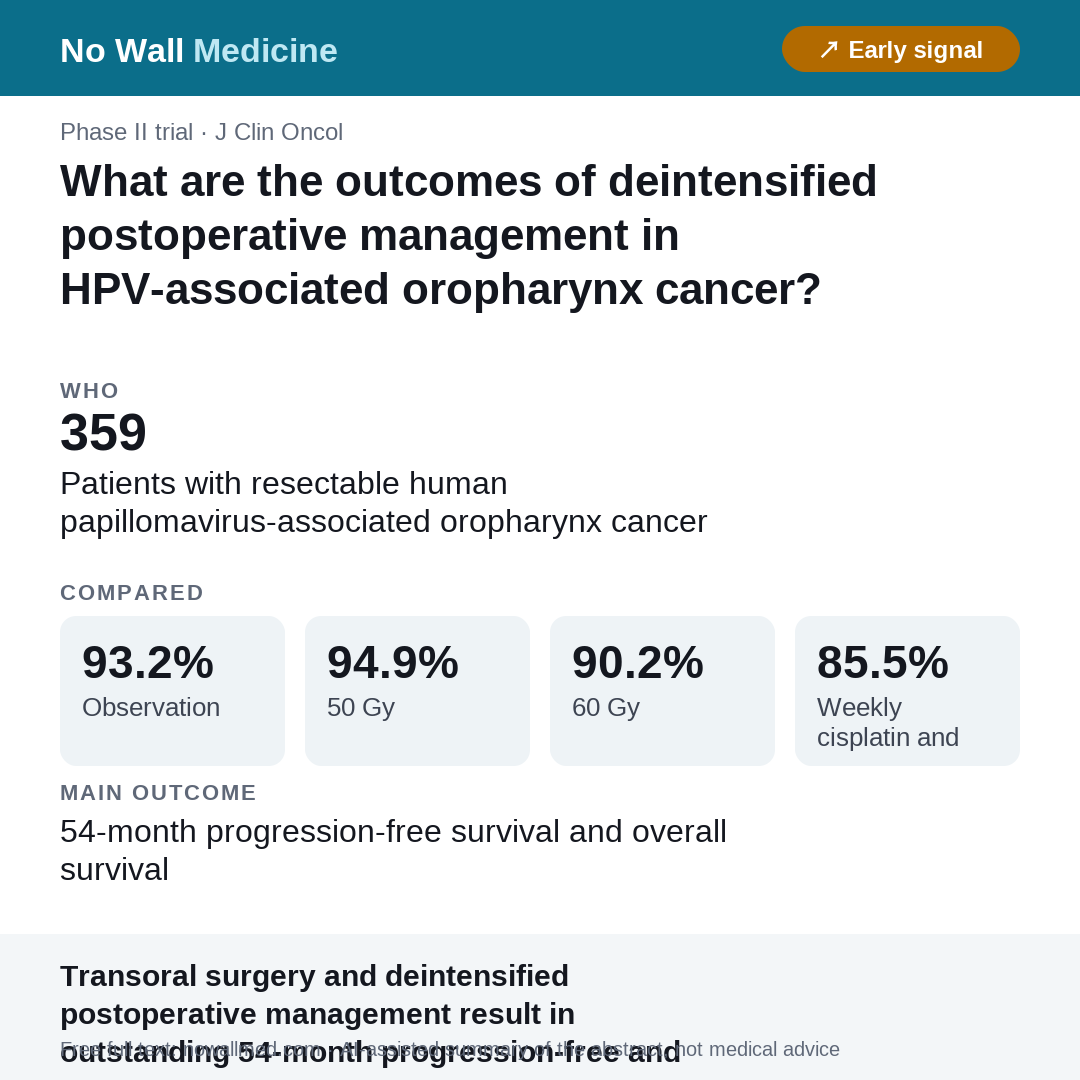
Long-Term Follow-Up of E3311, an ECOG-ACRIN Cancer Research Group Phase II Trial of Transoral Surgery and Risk-Based Adjuvant Treatment in Human Papillomavirus-Initiated Oropharynx Cancer
Phase II trialBenefit found
What are the outcomes of deintensified postoperative management in HPV-associated oropharynx cancer?
Who
359
Patients with resectable human papillomavirus-associated oropharynx cancer
Compared
93.2%Observation (79.6% to 97.8%)
94.9%50 Gy (89.7% to 97.5%)
90.2%60 Gy (82.7% to 94.6%)
85.5%Weekly cisplatin and 60-66 Gy (77.5% to 90.8%)
Main outcome
54-month progression-free survival and overall survival
Bottom line: Transoral surgery and deintensified postoperative management result in outstanding 54-month progression-free and overall survival.
J Clin Oncol · 2025-06-10Download image
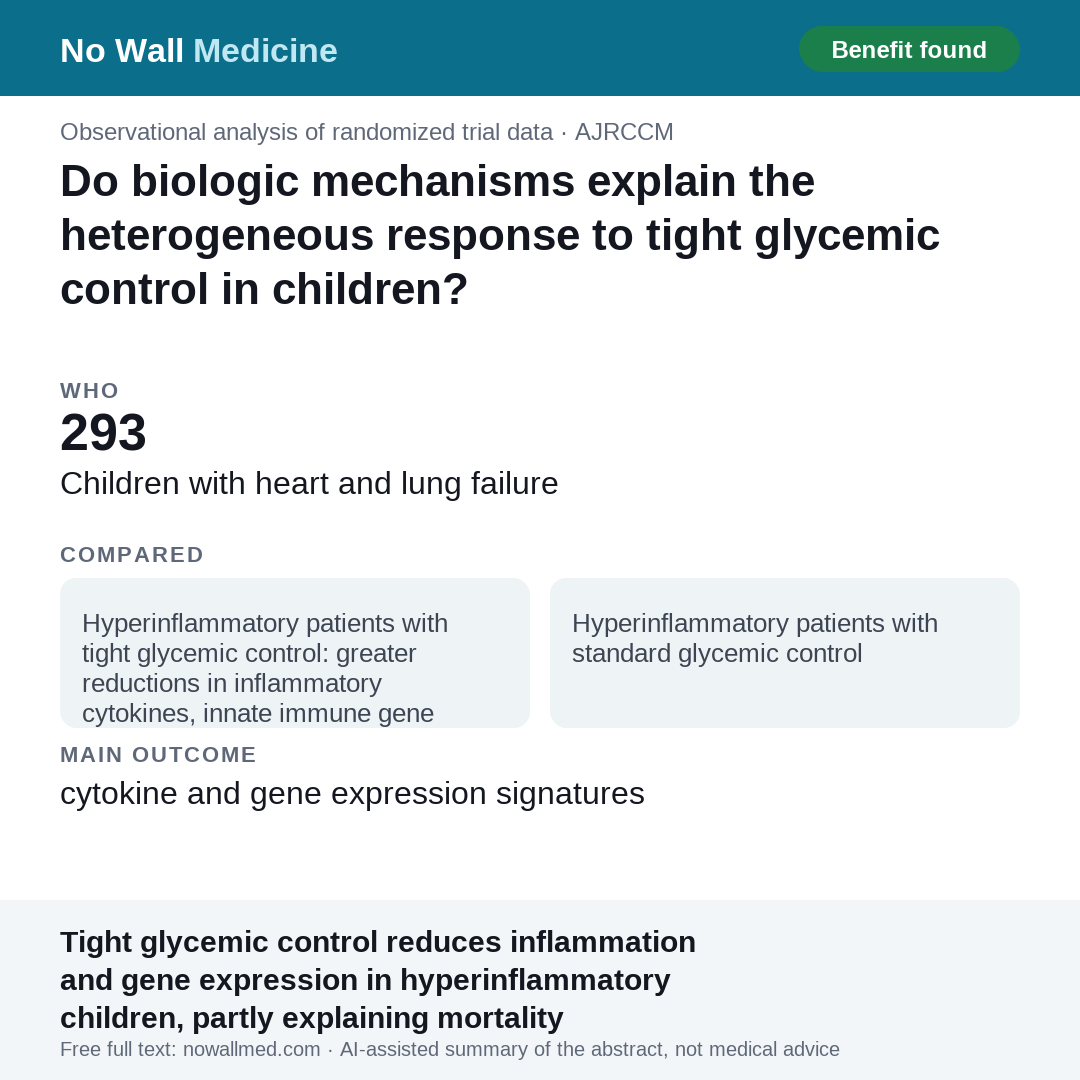
Biologic Mechanisms Underlying the Heterogeneous Response to Tight Glycemic Control among Differentially Inflamed Patients in the HALF-PINT Trial
Observational analysis of randomized trial dataBenefit found
Do biologic mechanisms explain the heterogeneous response to tight glycemic control in children?
Who
293
Children with heart and lung failure
Compared
Hyperinflammatory patients with tight glycemic control: greater reductions in inflammatory cytokines, innate immune gene expression, and heme metabolism gene expression
Hyperinflammatory patients with standard glycemic control
Main outcome
cytokine and gene expression signatures
Bottom line: Tight glycemic control reduces inflammation and gene expression in hyperinflammatory children, partly explaining mortality benefits.
AJRCCM · 2025-06-10Download image
Altered muscle transcriptome as molecular basis of long-term muscle weakness in survivors from critical illness
Randomized trial analysisHarm found
Cause of long-term muscle weakness
Who
115
Former intensive care unit patients
Compared
Former patients
Controls
Main outcome
Long-term muscle strength
Bottom line: Muscle weakness linked to abnormal RNA-expression
Intensive Care Med · 2025-06-10Download image
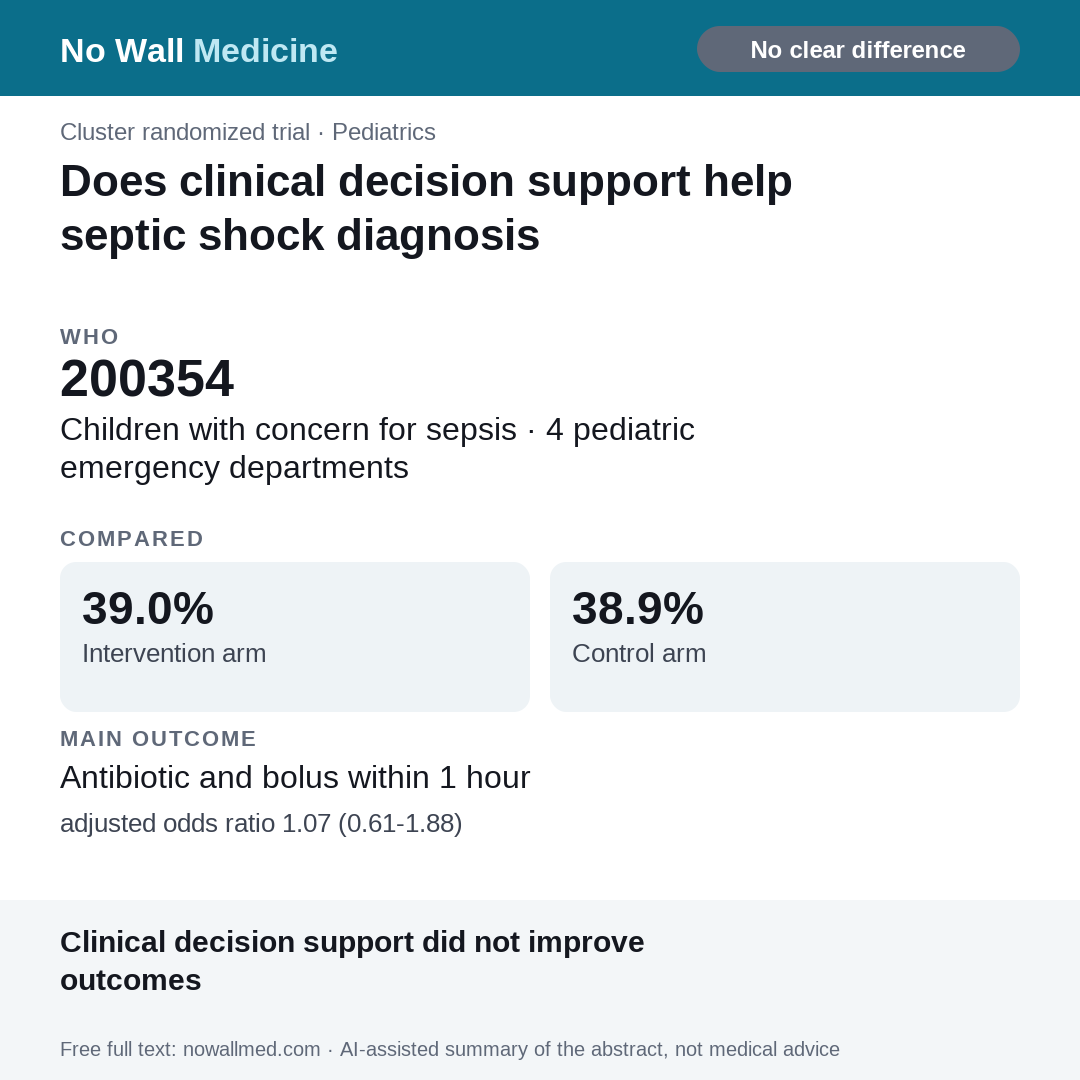
Clinical Decision Support for Septic Shock in the Emergency Department: A Cluster Randomized Trial
Cluster randomized trialNo clear difference
Does clinical decision support help septic shock diagnosis
Who
200354
Children with concern for sepsis · 4 pediatric emergency departments
Compared
39.0%Intervention arm
38.9%Control arm
Main outcome
Antibiotic and bolus within 1 hour
Result: adjusted odds ratio 1.07 (0.61-1.88)
Bottom line: Clinical decision support did not improve outcomes
Pediatrics · 2025-06-10Download image
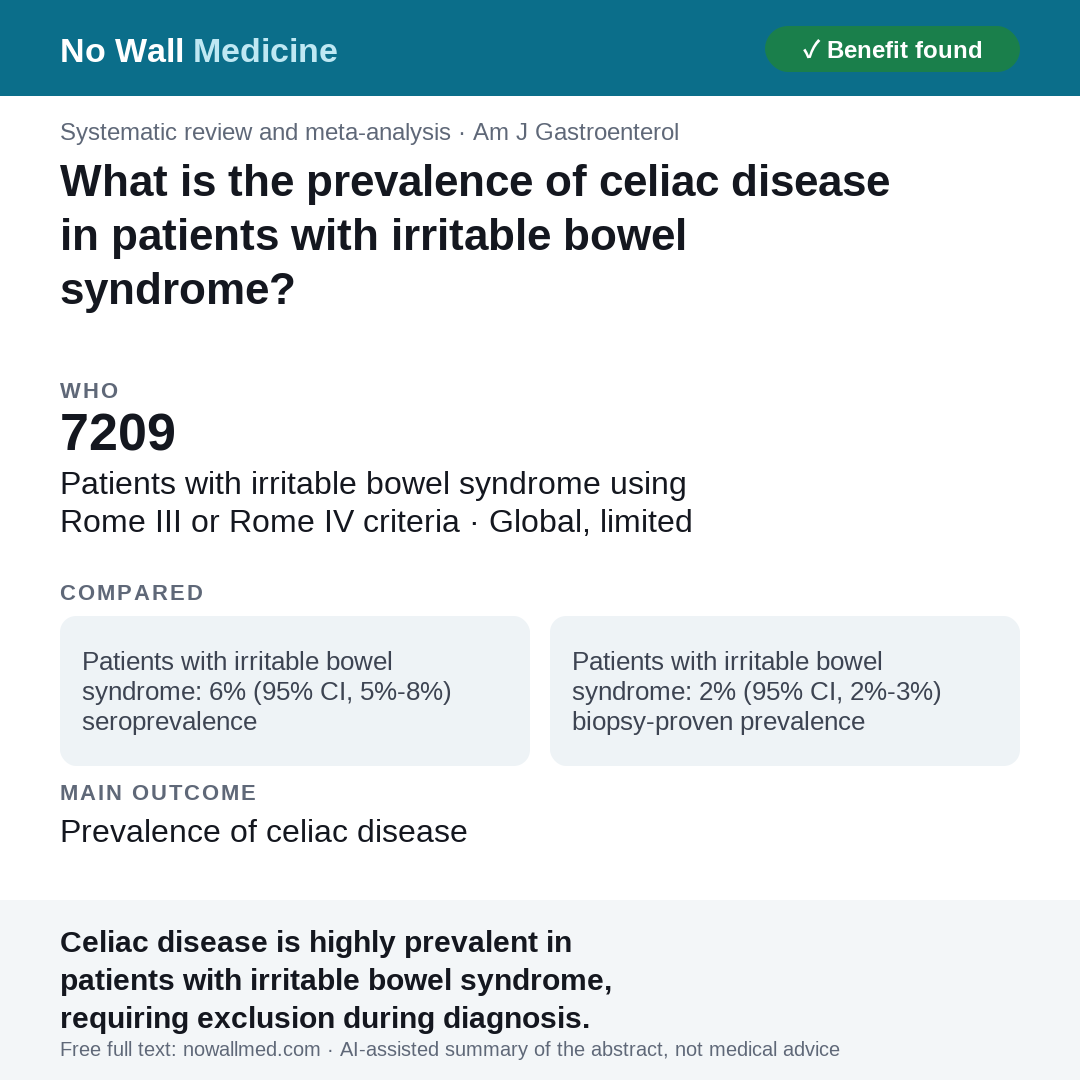
Global Prevalence of Celiac Disease in Patients With Rome III and Rome IV Irritable Bowel Syndrome: A Systematic Review and Meta-Analysis
Systematic review and meta-analysisBenefit found
What is the prevalence of celiac disease in patients with irritable bowel syndrome?
Who
7209
Patients with irritable bowel syndrome using Rome III or Rome IV criteria · Global, limited studies from Europe and no studies from United States
Compared
Patients with irritable bowel syndrome: 6% (95% CI, 5%-8%) seroprevalence
Patients with irritable bowel syndrome: 2% (95% CI, 2%-3%) biopsy-proven prevalence
Main outcome
Prevalence of celiac disease
Result: odds ratio 4.42 (95% CI, 2.82-6.92)
Bottom line: Celiac disease is highly prevalent in patients with irritable bowel syndrome, requiring exclusion during diagnosis.
Limitation: Limited number of studies from Europe and no studies from the United States.
Am J Gastroenterol · 2025-06-10Download image