Visual abstracts
New randomized trials and meta-analyses from leading journals at a glance: who was studied, what was compared, and what was found. Every paper is free to read in full.
All specialtiesCardiology 1687Oncology 1464Gastroenterology & Hepatology 628Infectious Disease 1075Neurology 699Psychiatry & Mental Health 845Pulmonology 731Critical Care 494Endocrinology & Diabetes 918Pediatrics 1000Surgery 835Orthopedics & Sports Medicine 316Neurosurgery 213Cardiothoracic & Vascular Surgery 192Plastic & Reconstructive Surgery 266Nephrology 345Rheumatology 231Hematology 373Dermatology 184Ophthalmology 200Obstetrics & Gynecology 553Public & Global Health 327Radiology & Imaging 230Anesthesiology 338Urology 302ENT (Otolaryngology) 226Emergency Medicine 193Allergy & Immunology 110Geriatrics 365Family Medicine & Primary Care 209Medical Genetics & Genomics 182Pathology & Laboratory Medicine 53Physical Medicine & Rehabilitation 300Palliative Care 152Nutrition 450Digital Health & AI 898General Medicine 135
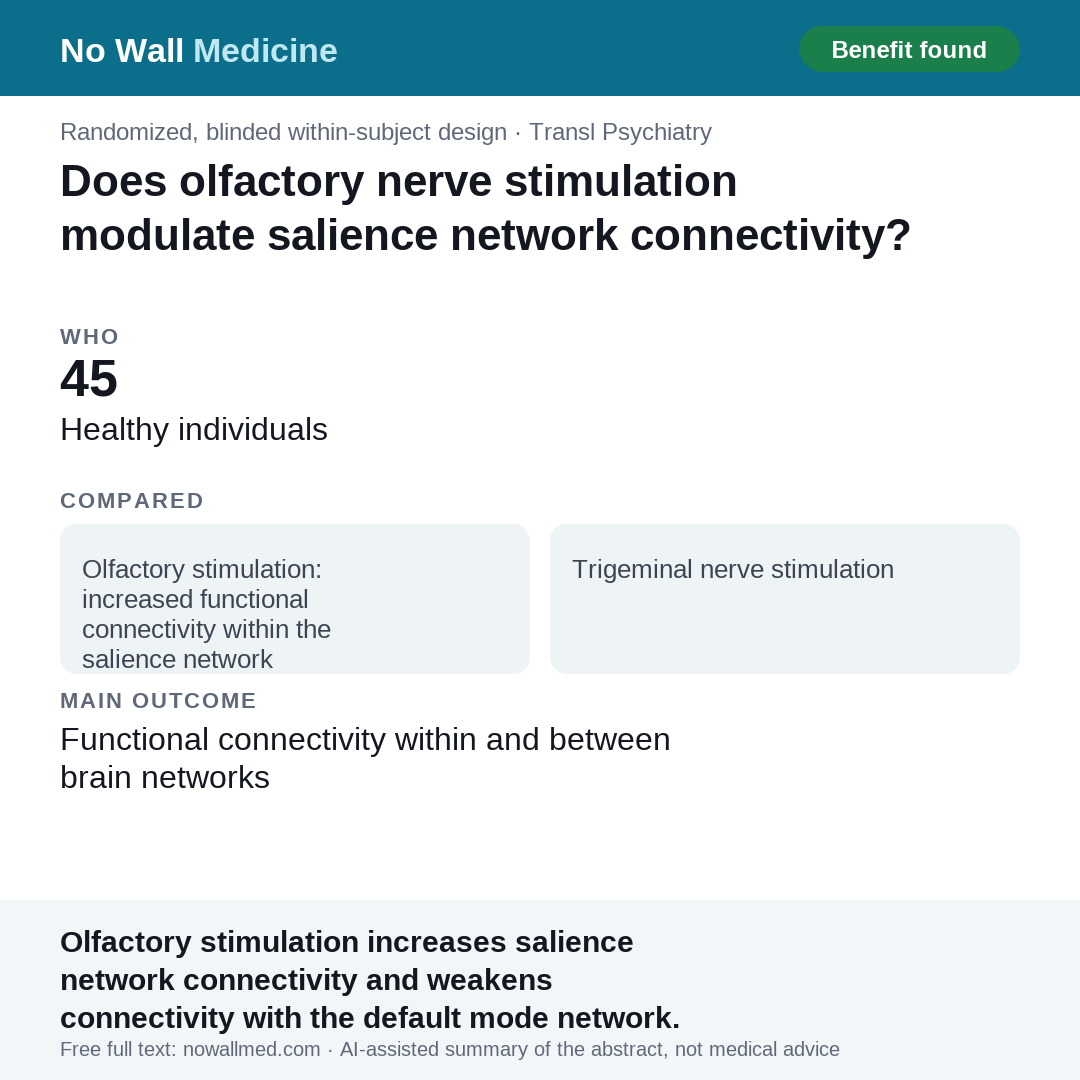
Modulating salience network connectivity through olfactory nerve stimulation
Randomized, blinded within-subject designBenefit found
Does olfactory nerve stimulation modulate salience network connectivity?
Who
45
Healthy individuals
Compared
Olfactory stimulation: increased functional connectivity within the salience network
Trigeminal nerve stimulation
Main outcome
Functional connectivity within and between brain networks
Bottom line: Olfactory stimulation increases salience network connectivity and weakens connectivity with the default mode network.
Limitation: Results were obtained from a healthy cohort, requiring further studies in individuals with depression.
Transl Psychiatry · 2025-08-21Download image
Wearable Technology, Smart Home Systems, and Mobile Apps for the Self‑Management of Patient Outcomes in Dementia Care: Systematic Review
Systematic review of 24 studiesBenefit found
Do digital technologies improve dementia care?
Who
Adults with dementia and carers
Compared
Digital technologies
Control
Main outcome
Quality of life and behavior
Bottom line: Digital technologies show benefits for dementia care
Limitation: Inadequate participant diversity and insufficient research
J Med Internet Res · 2025-08-21Download image

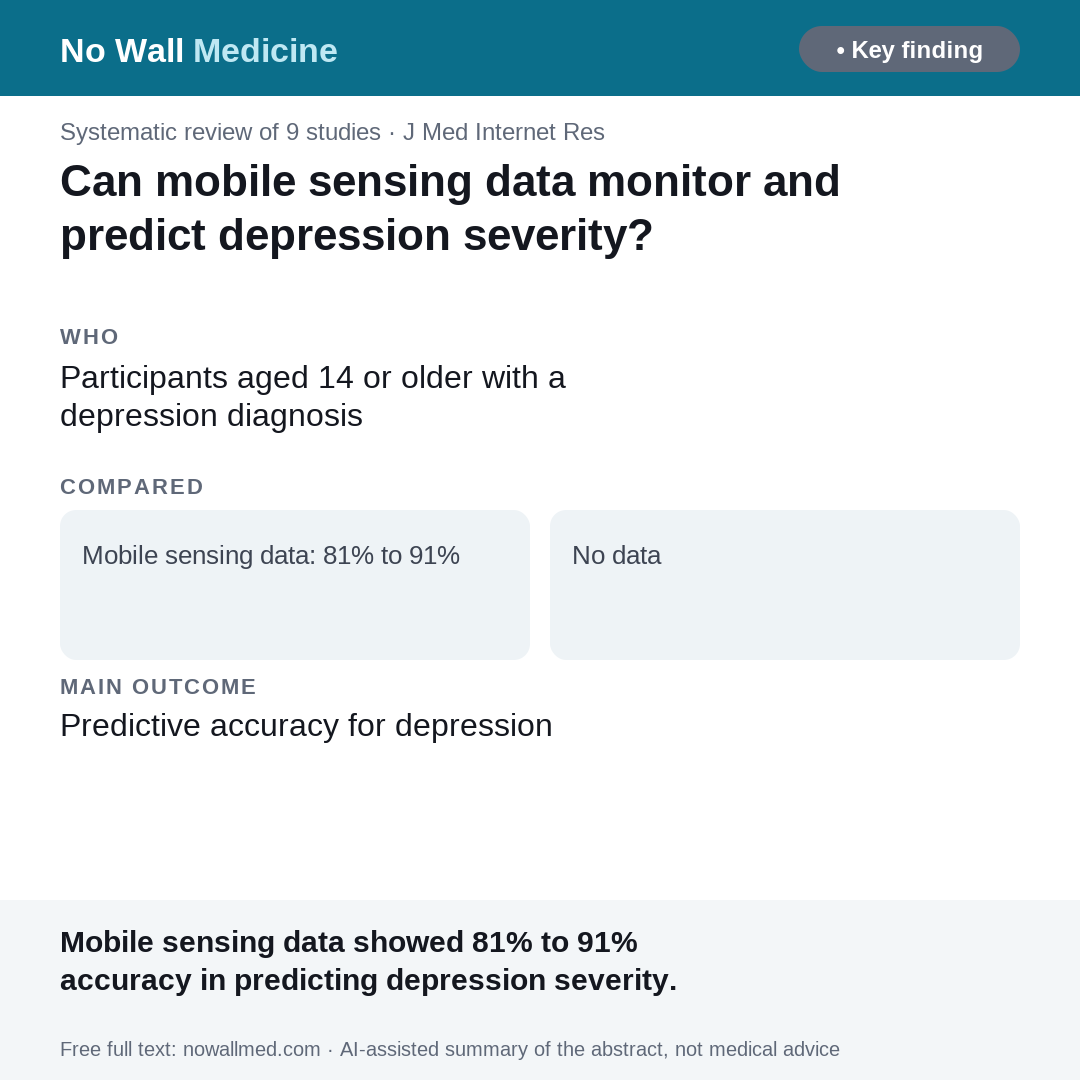
Use of Mobile Sensing Data for Longitudinal Monitoring and Prediction of Depression Severity: Systematic Review
Systematic reviewBenefit found
Can mobile sensing data monitor and predict depression severity?
Who
Diagnosed individuals aged 14 years or older
Compared
67%Studies predicting episodes or severity
11%Studies differentiating depressive states
Main outcome
Monitoring and predicting depression severity and states
Result: predictive accuracy ranging from 81% to 91%
Bottom line: Mobile sensing data shows promise for predicting depression, though long-term studies and better reporting standards are needed.
Limitation: Lack of longitudinal studies lasting 1 year or longer and need for individual-level confirmatory parameters.
J Med Internet Res · 2025-08-21Download image
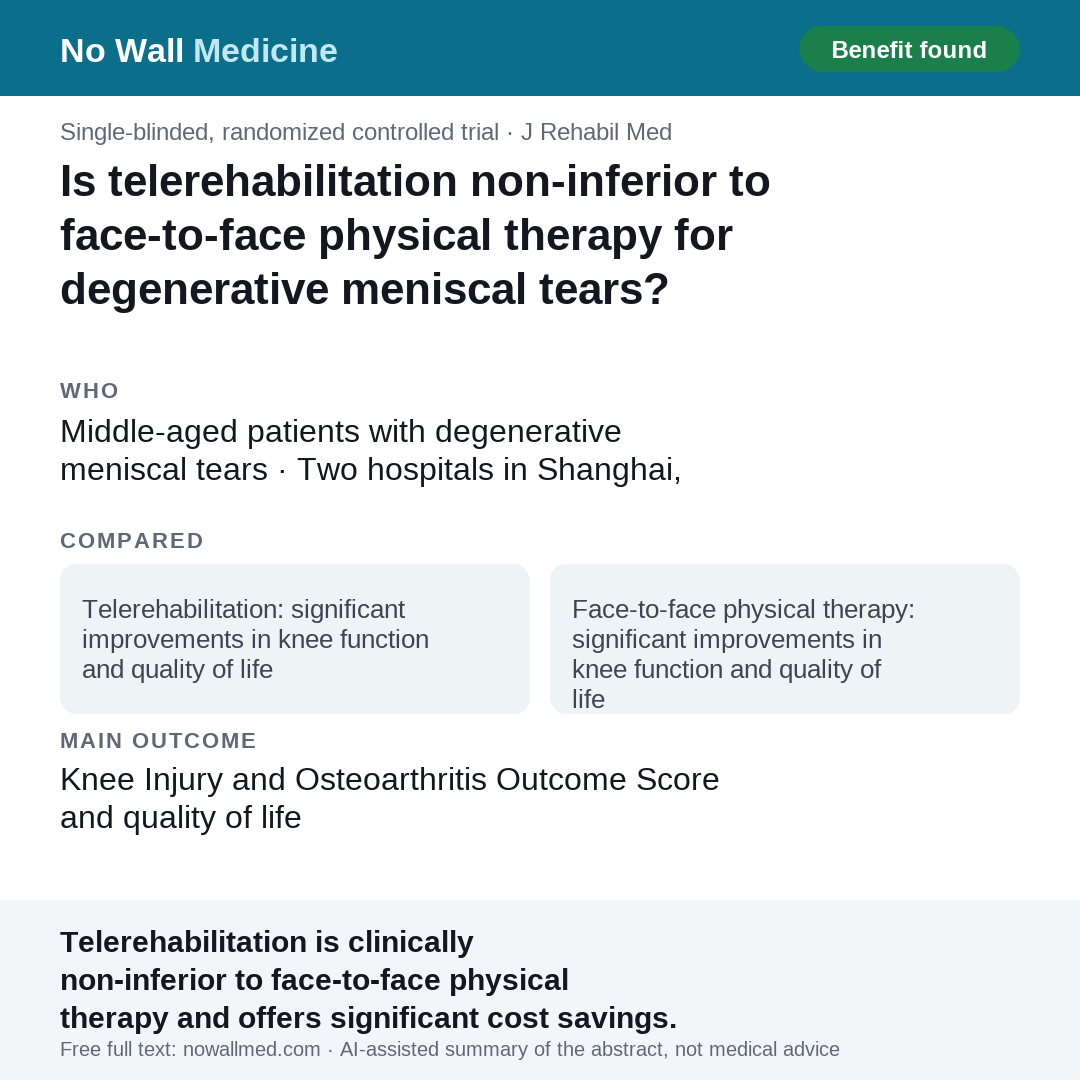
Telerehabilitation versus face-to-face physical therapy for middle-aged patients with degenerative meniscal tear in China: a non-inferiority randomized controlled trial
Single-blinded, randomized controlled trialBenefit found
Is telerehabilitation non-inferior to face-to-face physical therapy for degenerative meniscal tears?
Who
Middle-aged patients with degenerative meniscal tears · Two hospitals in Shanghai, China
Compared
Telerehabilitation: significant improvements in knee function and quality of life
Face-to-face physical therapy: significant improvements in knee function and quality of life
Main outcome
Knee Injury and Osteoarthritis Outcome Score and quality of life
Bottom line: Telerehabilitation is clinically non-inferior to face-to-face physical therapy and offers significant cost savings.
J Rehabil Med · 2025-08-21Download image
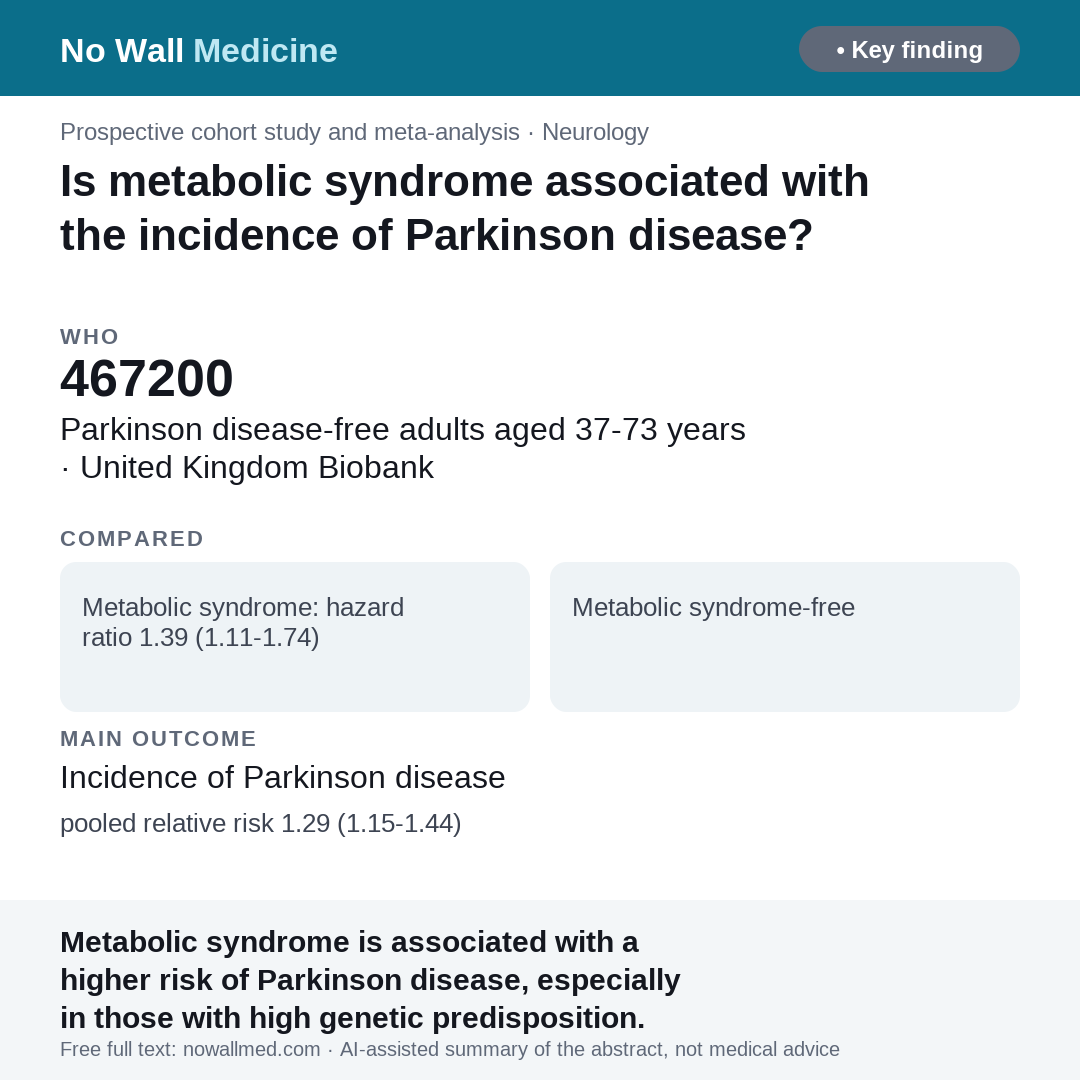
Dose-response effectiveness of focused shockwave therapy on ultrasonographic muscular properties in patients with stroke exhibiting ankle spasticity
Double-blind, randomized controlled trialMixed results
Does focused shockwave therapy dose affect ultrasonographic muscle properties and clinical outcomes in stroke patients?
Who
39
Patients with post-stroke spasticity of the ankle plantar flexors
Compared
double-dose focused shockwave therapy
control focused shockwave therapy
Main outcome
ultrasonographic muscle properties and clinical outcomes
Bottom line: Increased shockwave dosage may enhance muscle architecture and function, though no significant differences between groups were found.
Limitation: This was a post hoc analysis, so results should be interpreted conservatively.
J Neuroeng Rehabil · 2025-08-21Download image
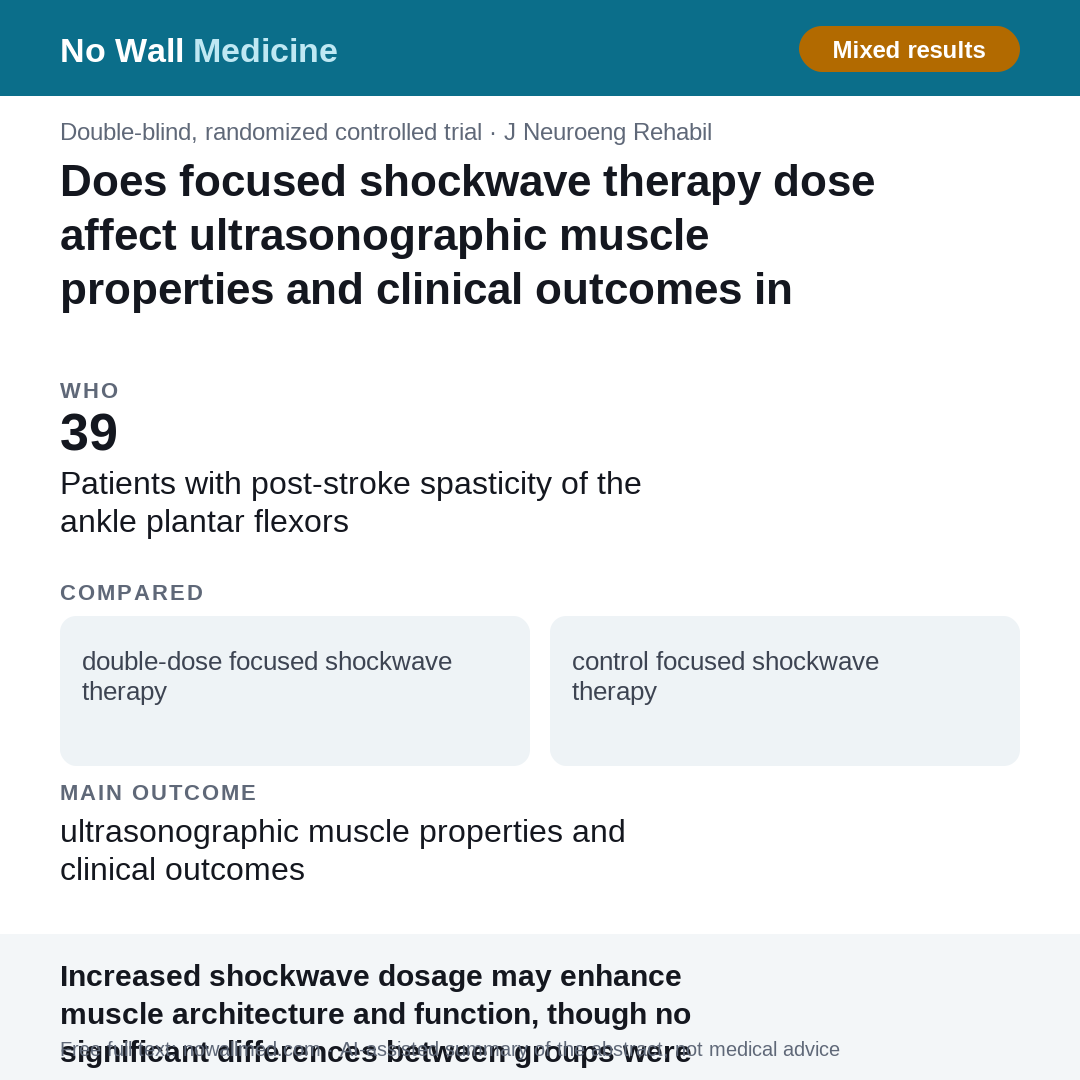
Impact of pulmonary rehabilitation programme design on effectiveness in COPD: a systematic review and component network meta-analysis
Systematic review and component network meta-analysisBenefit found
What is the optimal combination of pulmonary rehabilitation components for people with COPD?
Who
18911
People with chronic obstructive pulmonary disease
Compared
In-person supervision: SMD 0.41 (95% CrI 0.20; 0.63) for exercise capacity
Remote supervision: 0.40 (95% CrI 0.08; 0.73) for exercise capacity
Psychological interventions: 0.54 (95% CrI 0.18; 0.91) for health related quality of life
Main outcome
exercise capacity, breathlessness and health related quality of life
Bottom line: In-person supervised and prescribed aerobic exercise training provided the strongest benefits for people with chronic obstructive pulmonary disease.
Limitation: High risk of bias in 59% to 63% of studies for the main outcomes.
Funded by: National Institute for Health and Care Research
eClinicalMedicine · 2025-08-20Download image
Two-year outcomes after selective early treatment of patent ductus arteriosus with ibuprofen in preterm babies: follow-up of Baby-OSCAR-a randomised controlled trial
Placebo-controlled masked randomized clinical trialNo clear difference
Does early ibuprofen treatment for patent ductus arteriosus improve 24-month neurodevelopmental and respiratory outcomes?
Who
653
Infants born 23+0 to 28+6 weeks' gestation · United Kingdom multi-center
Compared
ibuprofen group: 131/248 (53.0%)
placebo group: 134/259 (51.9%)
Main outcome
Survival without moderate or severe neurodevelopmental impairment
Result: adjusted risk ratio 1.01 (95% confidence interval 0.86-1.18)
Bottom line: Selective early ibuprofen treatment for patent ductus arteriosus showed no improvement in neurodevelopmental or respiratory outcomes at 24 months.
Funded by: National Institute for Health Research Health Technology Assessment Programme
eClinicalMedicine · 2025-08-20Download image

Bridges to treatment satisfaction: the roles of trauma, social support, race and ethnicity among perinatal women receiving behavioural activation therapy
Mixed-methods study of a randomized non-inferiority trialNo clear difference
What predicts treatment satisfaction among perinatal women receiving behavioural activation therapy?
Who
1230
Perinatal women with depressive and anxiety symptoms · Multi-site
Compared
White women
Racial and ethnic minority women
Main outcome
Treatment satisfaction
Bottom line: Lower post-traumatic stress symptom severity and higher social support predict higher treatment satisfaction among diverse perinatal women.
BMC Med · 2025-08-20Download image

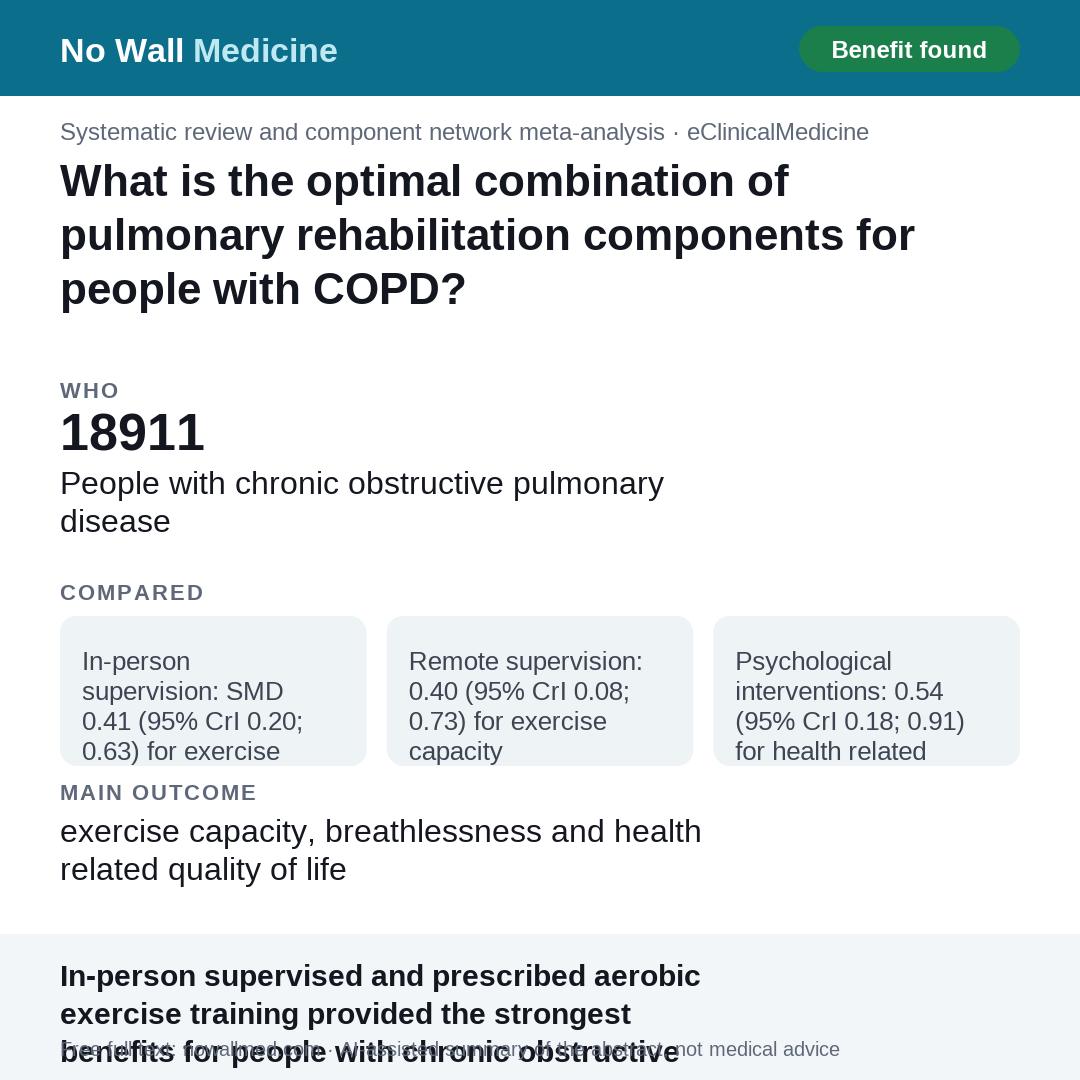
Withdrawal of heart failure therapy after atrial fibrillation rhythm control with ejection fraction normalization: the WITHDRAW-AF trial
Multi-centre, randomized crossover trialNo clear difference
Does withdrawing heart failure therapy after rhythm control and ejection fraction normalization affect LVEF maintenance?
Who
60
Patients with atrial fibrillation-mediated cardiomyopathy and normalized ejection fraction · Multi-centre
Compared
90%Early withdrawal
100%Continued therapy
Main outcome
Cardiac magnetic resonance left ventricular ejection fraction maintenance ≥50% at 6 months
Result: odds ratio 1.18 (95% CI 0.27-2.82)
Bottom line: Withdrawing heart failure therapy after rhythm control and ejection fraction normalization was not associated with LVEF decline.
Eur Heart J · 2025-08-20Download image
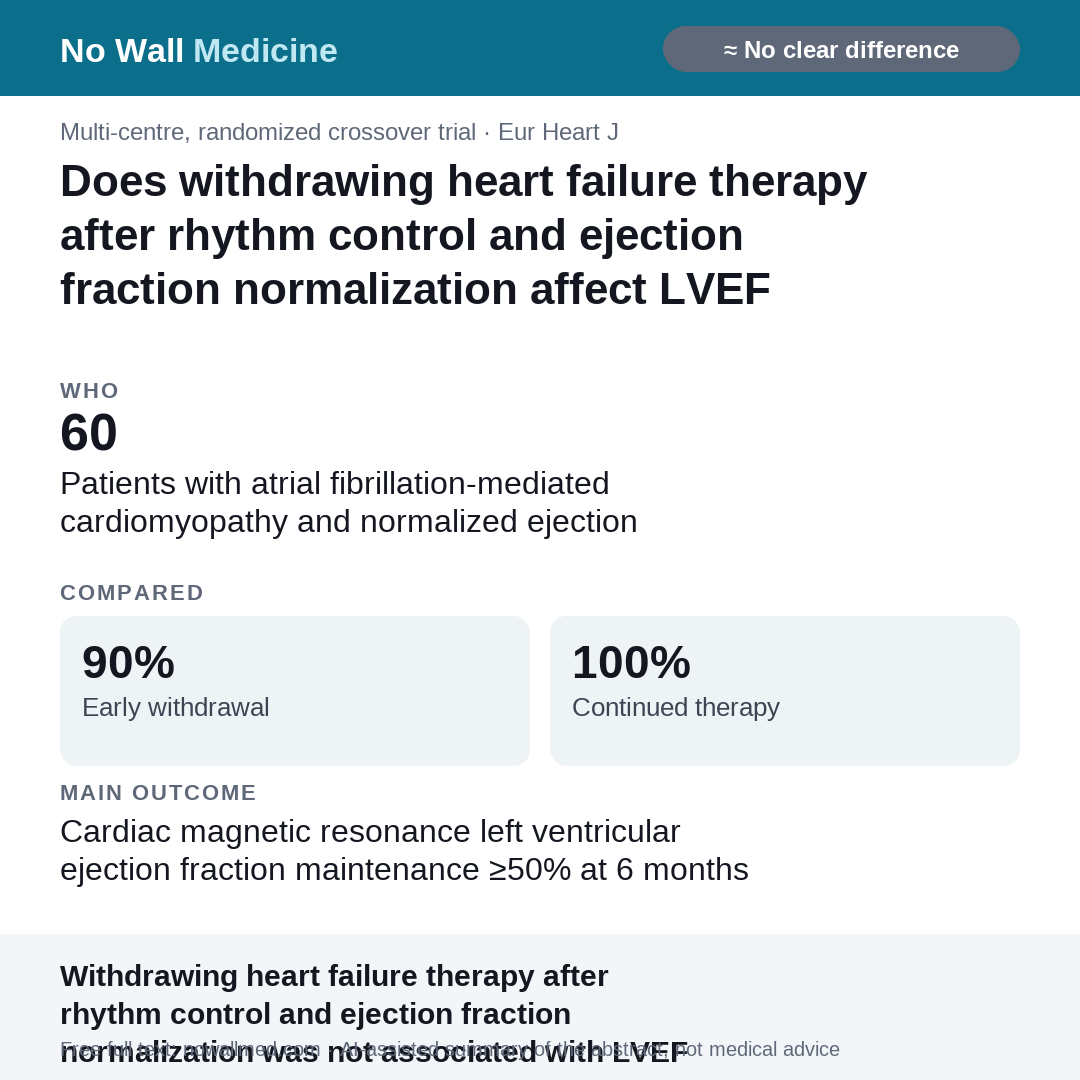
Metabolic Syndrome and Incidence of Parkinson Disease: A Community-Based Longitudinal Study and Meta-Analysis
Prospective cohort study and meta-analysisBenefit found
Is metabolic syndrome associated with the incidence of Parkinson disease?
Who
467200
Parkinson disease-free adults aged 37-73 years · United Kingdom Biobank
Compared
Metabolic syndrome: hazard ratio 1.39 (1.11-1.74)
Metabolic syndrome-free
Main outcome
Incidence of Parkinson disease
Result: pooled relative risk 1.29 (1.15-1.44)
Bottom line: Metabolic syndrome is associated with a higher risk of Parkinson disease, especially in those with high genetic predisposition.
Neurology · 2025-08-20Download image
Collaborative Care for Opioid Use Disorder in Primary Care: A Hybrid Type 2 Cluster Randomized Clinical Trial
Randomized cluster trialBenefit found
Collaborative care for opioid use disorder effective
Who
254
Patients with opioid use disorder and mental health symptoms · 24 US primary care clinics
Compared
Control: decrease in opioid use
Intervention: greater decrease in opioid use
Main outcome
Opioid use and mental health
Result: adjusted ratio of odds ratio, 0.10 (95% CI 0.03 to 0.38)
Bottom line: Collaborative care reduces opioid use
JAMA Psychiatry · 2025-08-20Download image

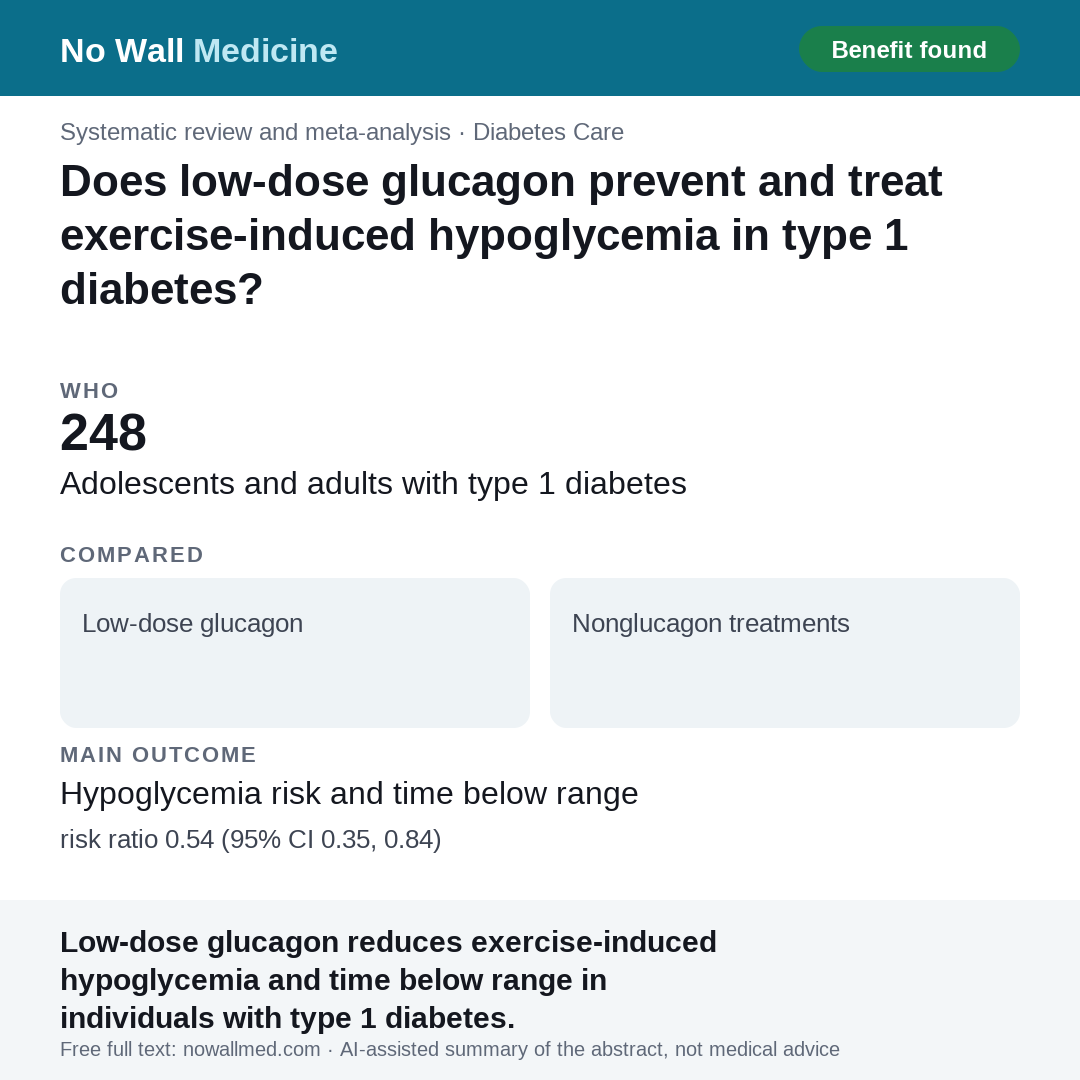
Low-Dose Glucagon to Prevent and Treat Exercise-Associated Hypoglycemia in Individuals With Type 1 Diabetes: A Systematic Review and Meta-analysis
Systematic review and meta-analysisBenefit found
Does low-dose glucagon prevent and treat exercise-induced hypoglycemia in type 1 diabetes?
Who
248
Adolescents and adults with type 1 diabetes
Compared
Low-dose glucagon
Nonglucagon treatments
Main outcome
Hypoglycemia risk and time below range
Result: risk ratio 0.54 (95% CI 0.35, 0.84)
Bottom line: Low-dose glucagon reduces exercise-induced hypoglycemia and time below range in individuals with type 1 diabetes.
Limitation: The included studies were few and heterogeneous.
Diabetes Care · 2025-08-20Download image
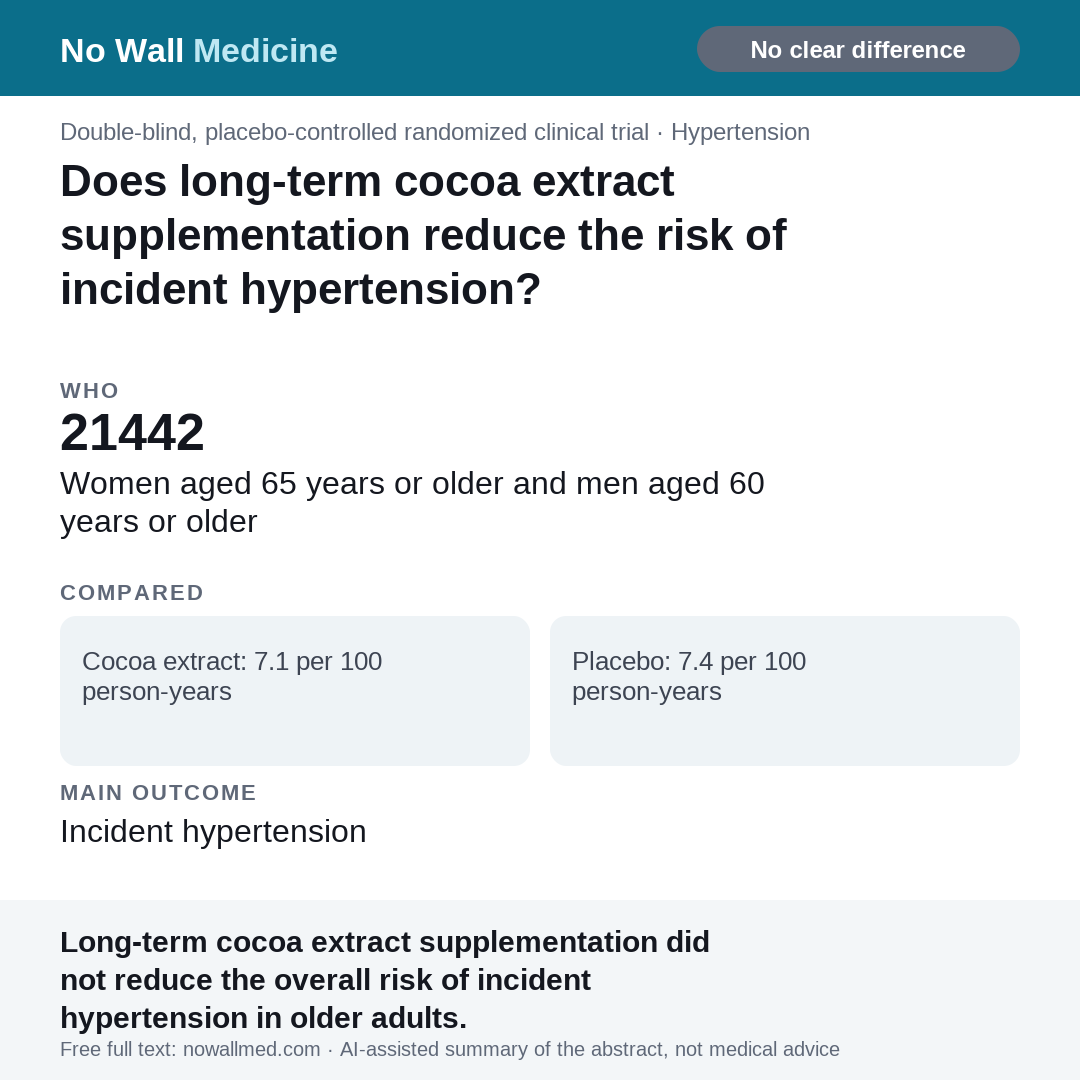
Long-Term Effect of Cocoa Extract Supplementation on Incident Hypertension
Double-blind, placebo-controlled randomized clinical trialNo clear difference
Does long-term cocoa extract supplementation reduce the risk of incident hypertension?
Who
21442
Women aged 65 years or older and men aged 60 years or older
Compared
Cocoa extract: 7.1 per 100 person-years
Placebo: 7.4 per 100 person-years
Main outcome
Incident hypertension
Result: hazard ratio 0.96 (95% CI 0.88-1.05)
Bottom line: Long-term cocoa extract supplementation did not reduce the overall risk of incident hypertension in older adults.
Hypertension · 2025-08-20Download image
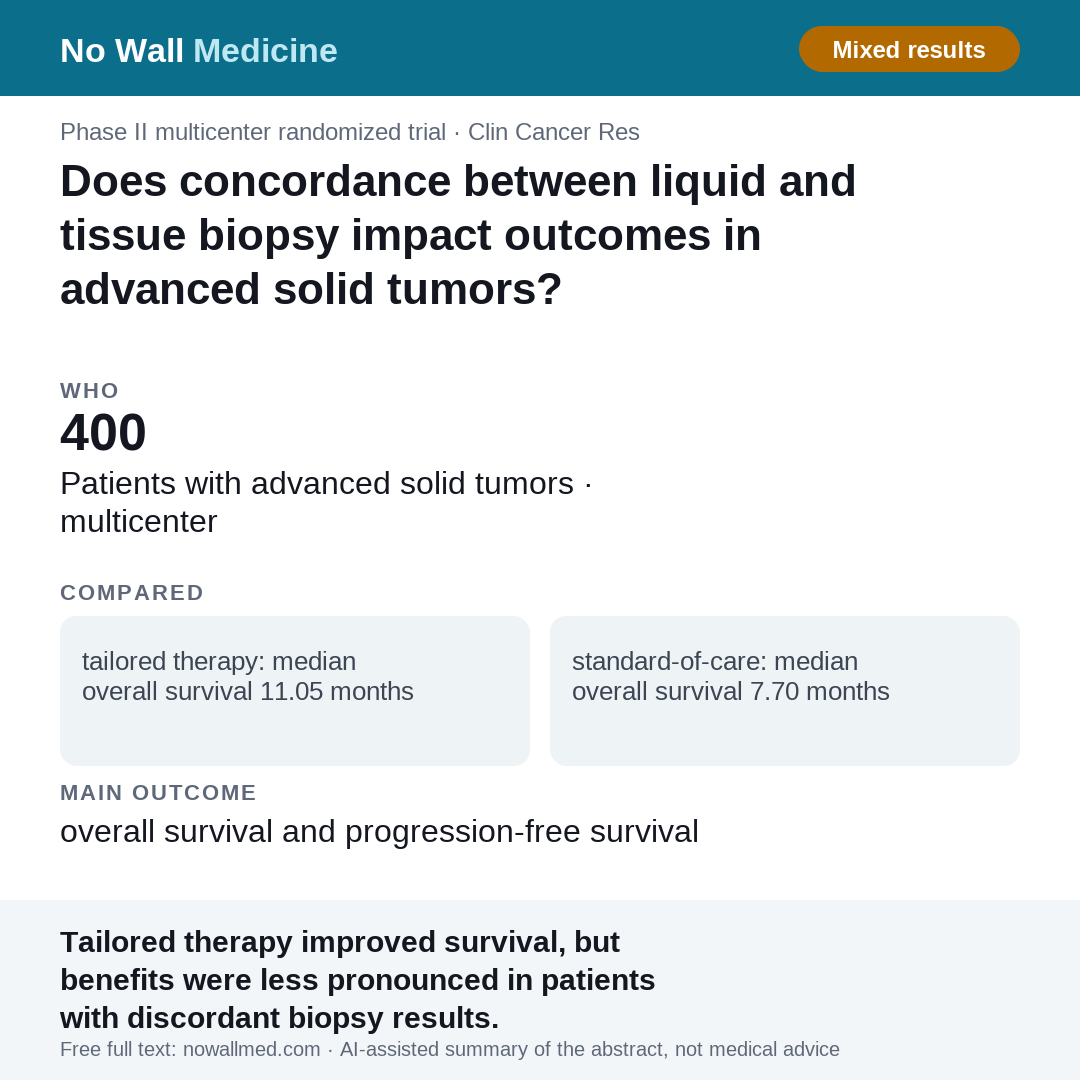
The Impact of Concordance between Liquid and Tissue Biopsy for Actionable Mutations: Insights from the ROME Trial
Phase II multicenter randomized trialMixed results
Does concordance between liquid and tissue biopsy impact outcomes in advanced solid tumors?
Who
400
Patients with advanced solid tumors · multicenter
Compared
tailored therapy: median overall survival 11.05 months
standard-of-care: median overall survival 7.70 months
Main outcome
overall survival and progression-free survival
Result: hazard ratio 0.74 (95% confidence interval, 0.51-1.07)
Bottom line: Tailored therapy improved survival, but benefits were less pronounced in patients with discordant biopsy results.
Clin Cancer Res · 2025-08-20Download image
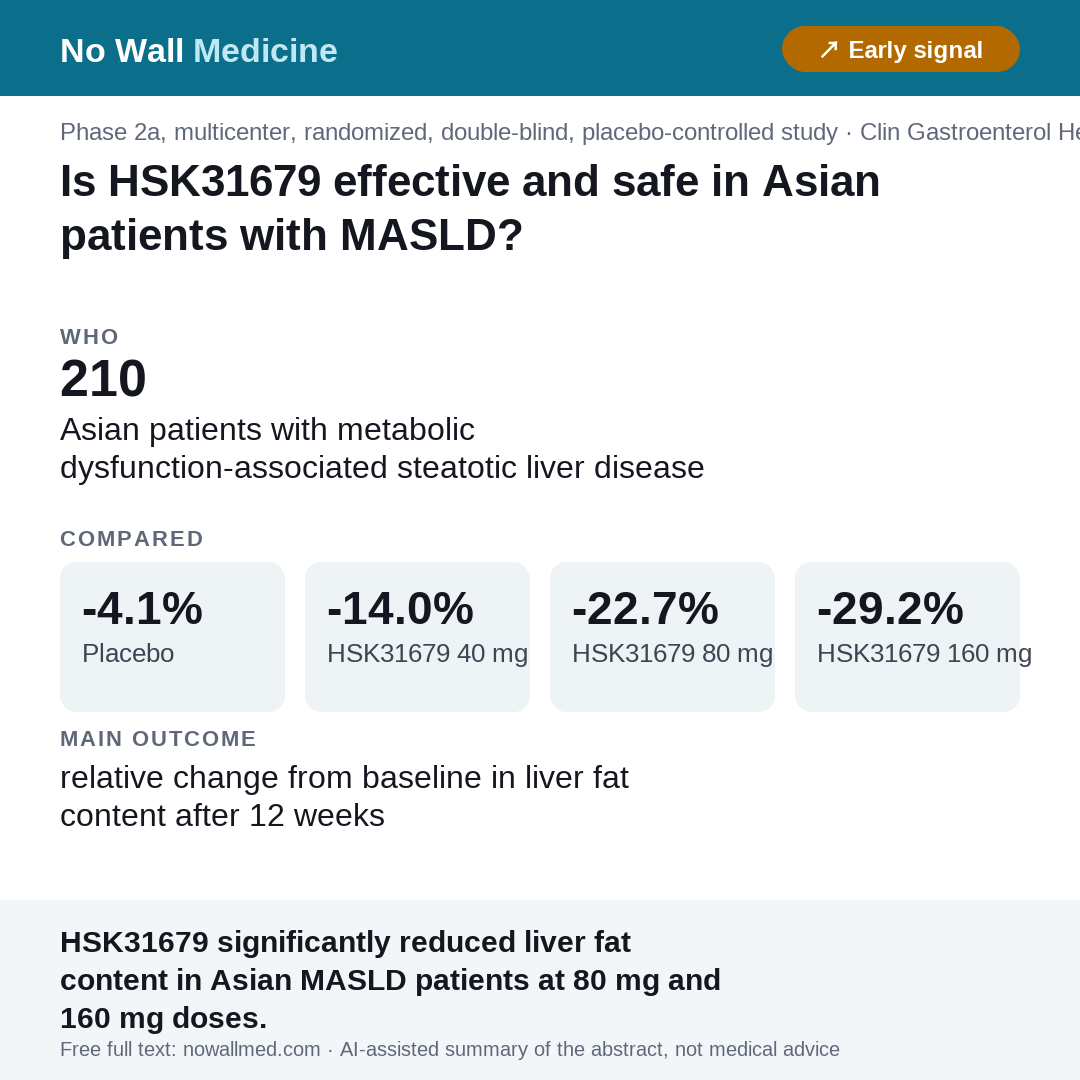
Efficacy and Safety of HSK31679 in Asian Patients With MASLD: A Randomized Controlled Trial
Phase 2a, multicenter, randomized, double-blind, placebo-controlled studyBenefit found
Is HSK31679 effective and safe in Asian patients with MASLD?
Who
210
Asian patients with metabolic dysfunction-associated steatotic liver disease · 26 centers in China
Compared
-4.1%Placebo
-14.0%HSK31679 40 mg
-22.7%HSK31679 80 mg
-29.2%HSK31679 160 mg
Main outcome
relative change from baseline in liver fat content after 12 weeks
Bottom line: HSK31679 significantly reduced liver fat content in Asian MASLD patients at 80 mg and 160 mg doses.
Clin Gastroenterol Hepatol · 2025-08-20Download image
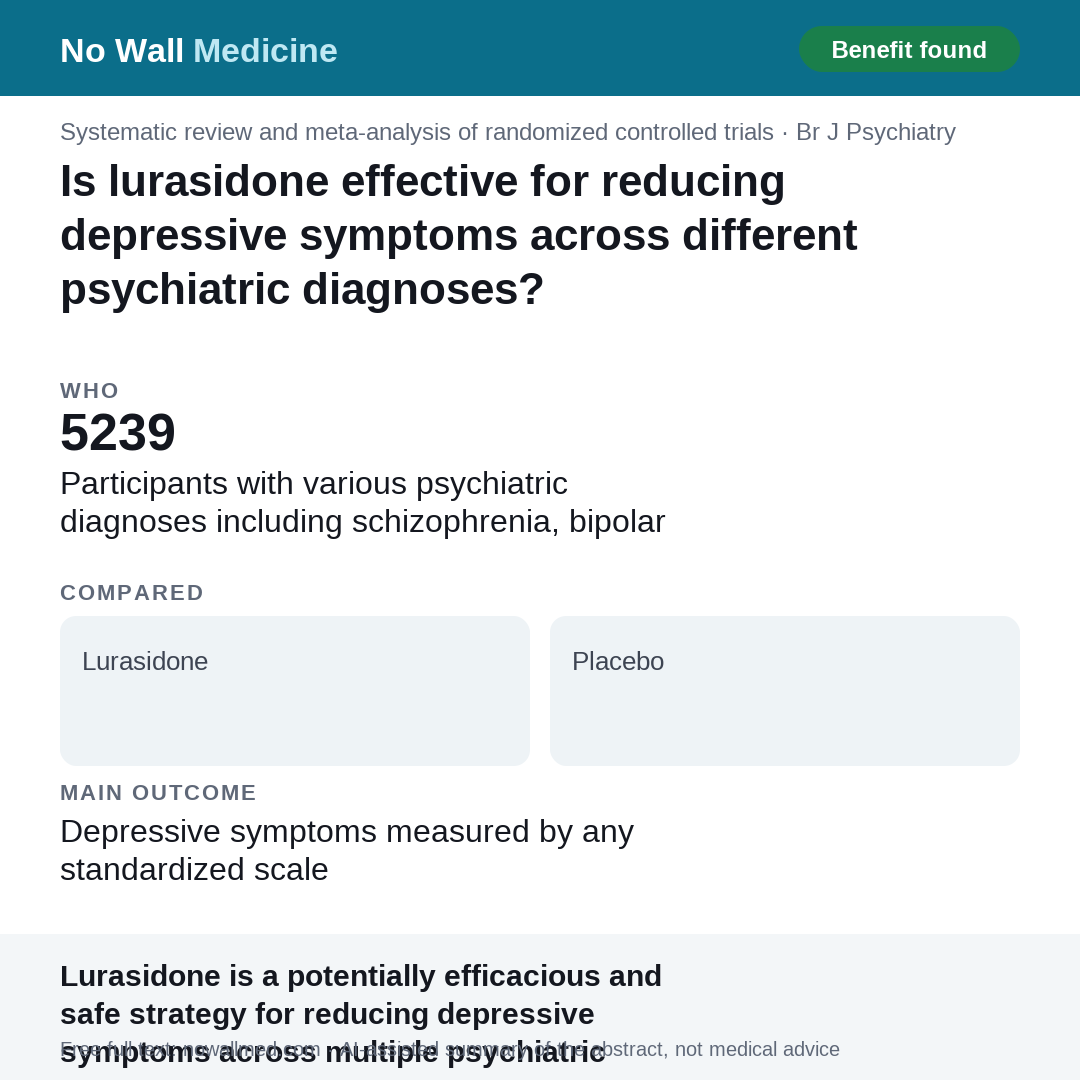
Transdiagnostic efficacy of lurasidone on depressive symptoms: systematic review and meta-analysis of randomised controlled trials
Systematic review and meta-analysis of randomized controlled trialsBenefit found
Is lurasidone effective for reducing depressive symptoms across different psychiatric diagnoses?
Who
5239
Participants with various psychiatric diagnoses including schizophrenia, bipolar disorder, and major depressive disorder
Compared
Lurasidone
Placebo
Main outcome
Depressive symptoms measured by any standardized scale
Result: standardized mean difference -0.26 (95% CI -0.37 to -0.15)
Bottom line: Lurasidone is a potentially efficacious and safe strategy for reducing depressive symptoms across multiple psychiatric diagnoses.
Limitation: High risk of bias in several studies and high heterogeneity in findings.
Br J Psychiatry · 2025-08-20Download image
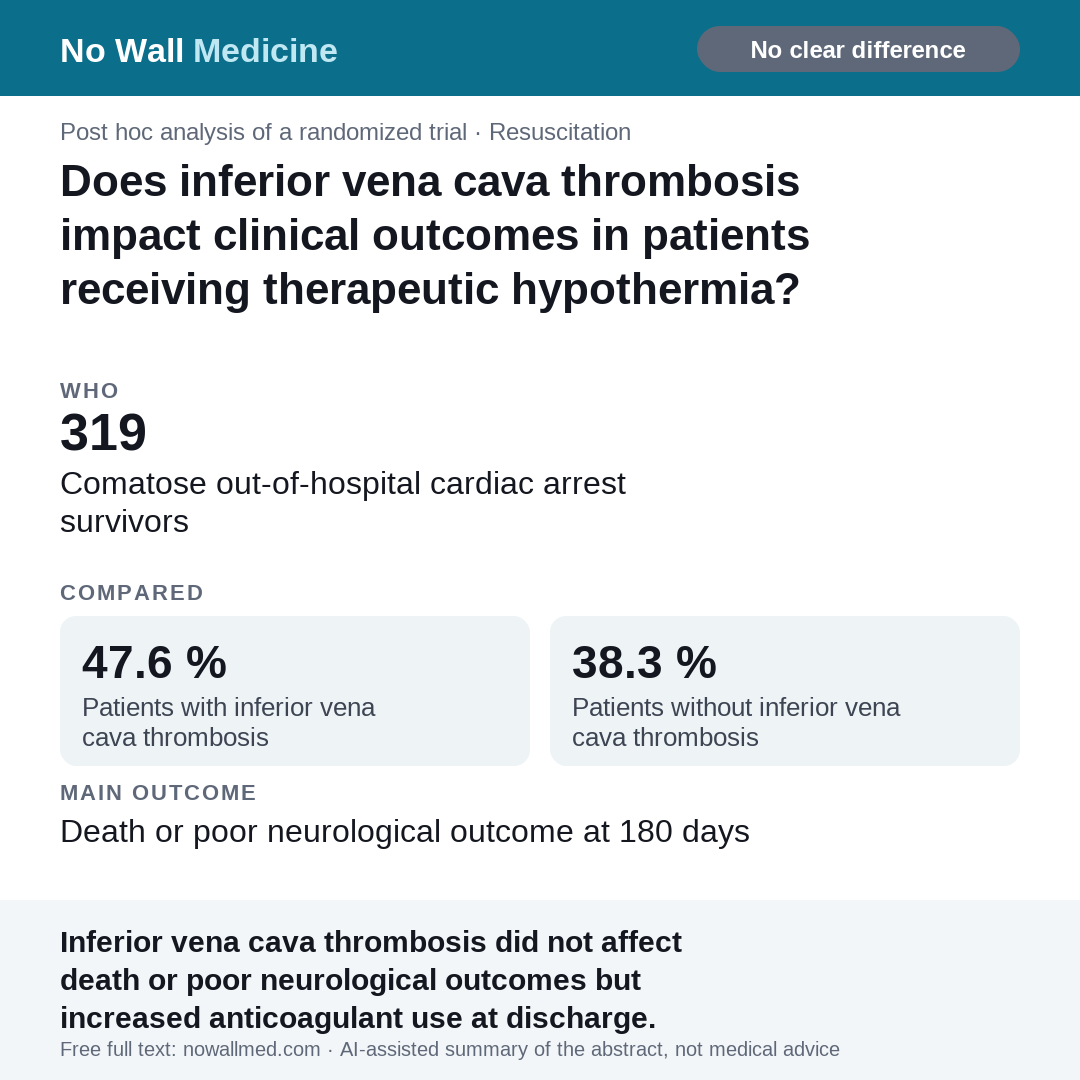
Inferior vena cava thrombosis associated with endovascular cooling catheters: impact on clinical outcomes
Post hoc analysis of a randomized trialNo clear difference
Does inferior vena cava thrombosis impact clinical outcomes in patients receiving therapeutic hypothermia?
Who
319
Comatose out-of-hospital cardiac arrest survivors
Compared
47.6 %Patients with inferior vena cava thrombosis
38.3 %Patients without inferior vena cava thrombosis
Main outcome
Death or poor neurological outcome at 180 days
Bottom line: Inferior vena cava thrombosis did not affect death or poor neurological outcomes but increased anticoagulant use at discharge.
Resuscitation · 2025-08-20Download image
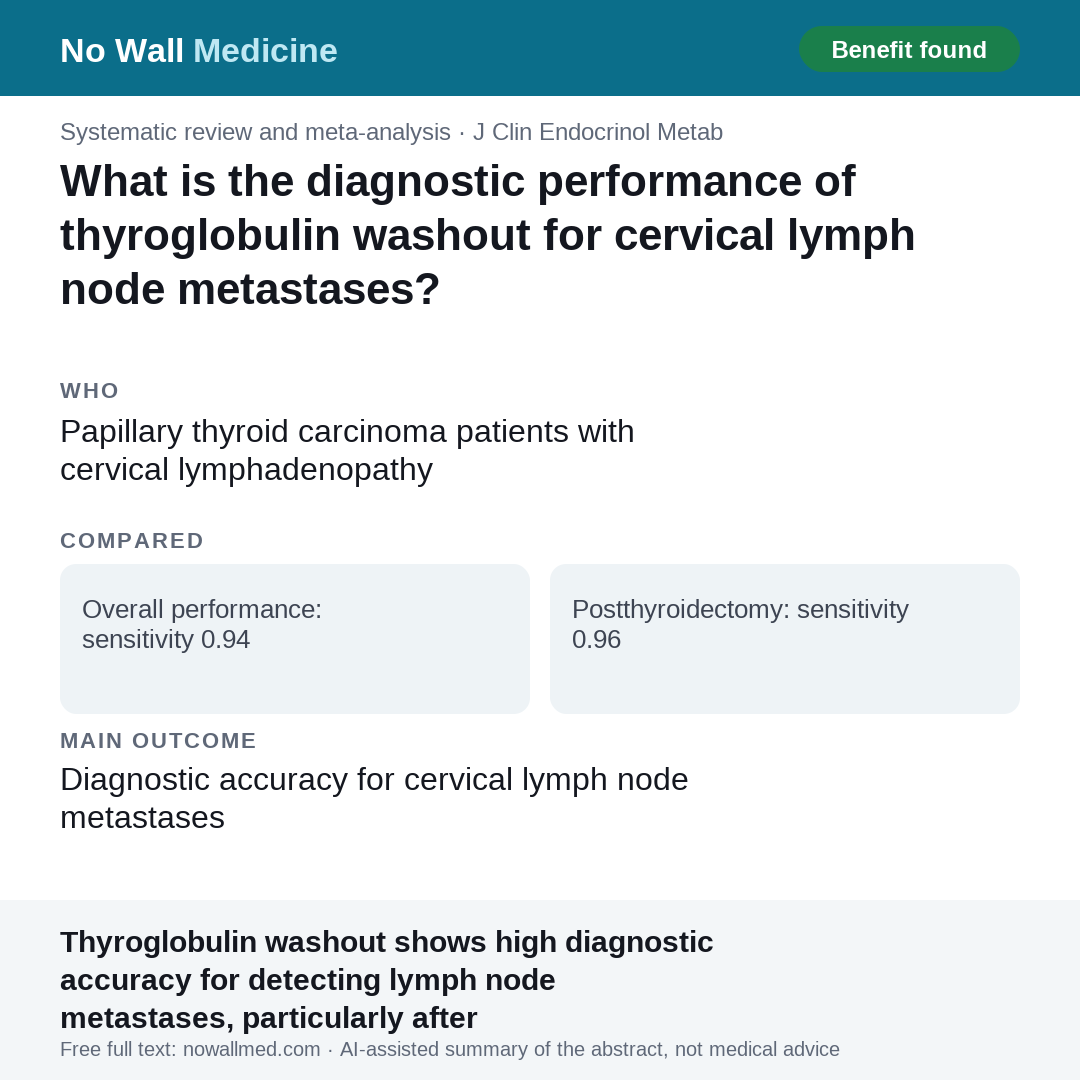
Diagnostic Efficiency of Thyroglobulin in Lymph Node Fine-needle Aspiration Washout: A Systematic Review and Meta-analysis
Systematic review and meta-analysisBenefit found
What is the diagnostic performance of thyroglobulin washout for cervical lymph node metastases?
Who
Papillary thyroid carcinoma patients with cervical lymphadenopathy
Compared
Overall performance: sensitivity 0.94
Postthyroidectomy: sensitivity 0.96
Main outcome
Diagnostic accuracy for cervical lymph node metastases
Result: area under curve 0.98 (95% CI 0.96-0.99)
Bottom line: Thyroglobulin washout shows high diagnostic accuracy for detecting lymph node metastases, particularly after thyroidectomy.
J Clin Endocrinol Metab · 2025-08-20Download image
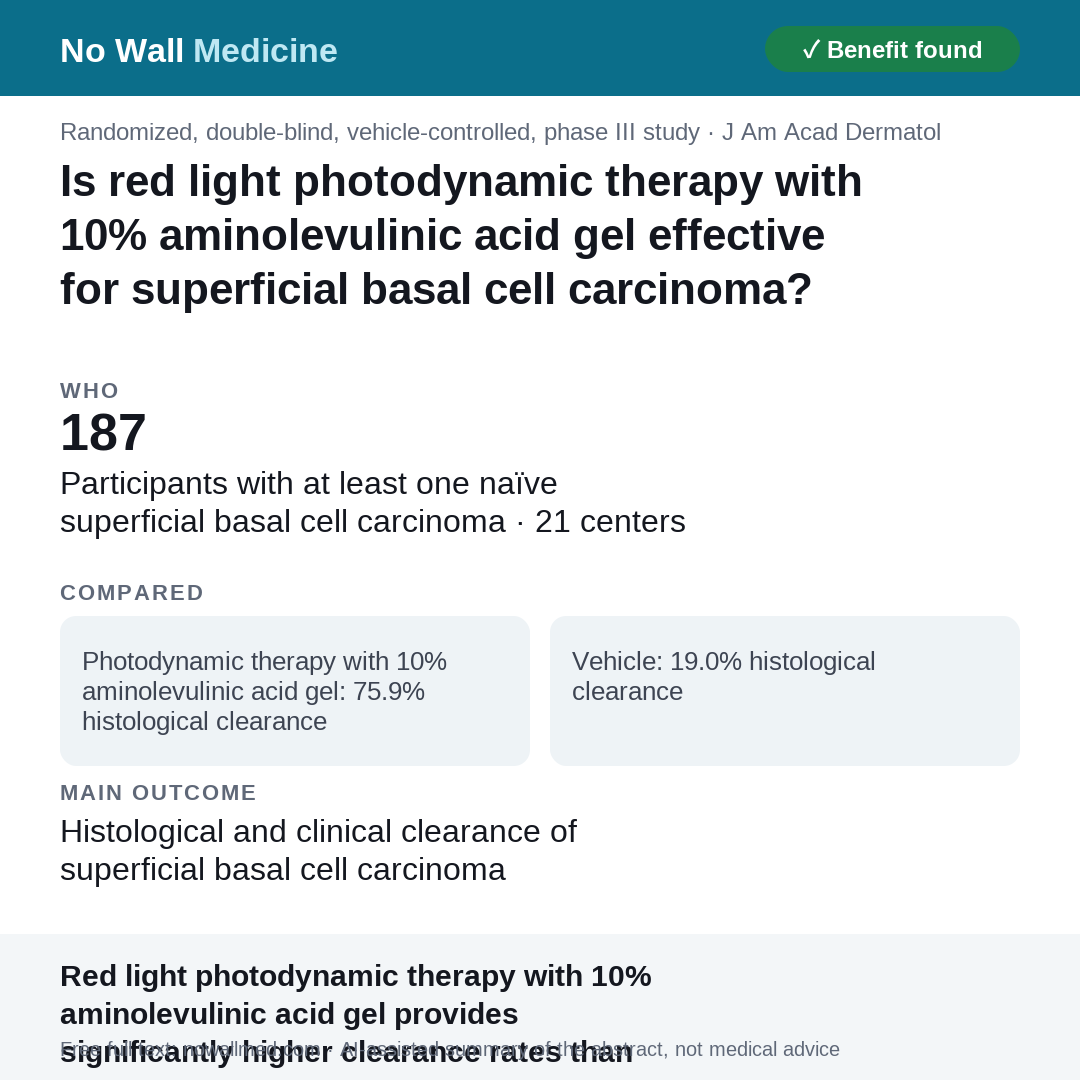
Red light photodynamic therapy with 10% aminolevulinic acid gel showed efficacy for treatment of superficial basal cell carcinoma in a randomized, vehicle controlled, double-blind, multicenter phase III study
Randomized, double-blind, vehicle-controlled, phase III studyBenefit found
Is red light photodynamic therapy with 10% aminolevulinic acid gel effective for superficial basal cell carcinoma?
Who
187
Participants with at least one naïve superficial basal cell carcinoma · 21 centers in the United States
Compared
Photodynamic therapy with 10% aminolevulinic acid gel: 75.9% histological clearance
Vehicle: 19.0% histological clearance
Main outcome
Histological and clinical clearance of superficial basal cell carcinoma
Bottom line: Red light photodynamic therapy with 10% aminolevulinic acid gel provides significantly higher clearance rates than vehicle.
Limitation: Few participants with lesions on face or scalp; 60-month follow-up is ongoing.
J Am Acad Dermatol · 2025-08-20Download image
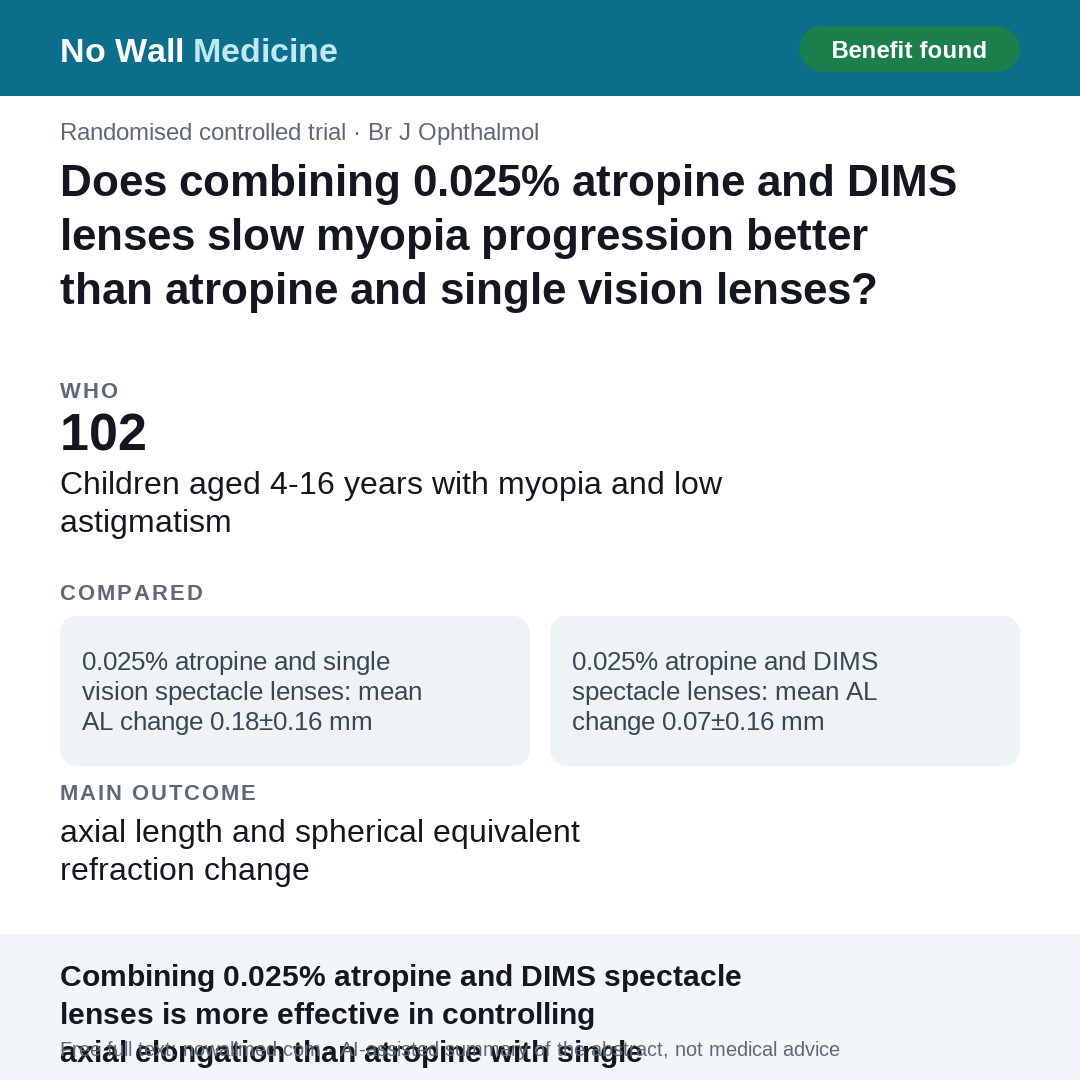
Atropine and Spectacle lens Combination Treatment (ASPECT): 12-month results of a randomised controlled trial for myopia control using a combination of Defocus Incorporated Multiple Segments (DIMS) lenses and 0.025% atropine
Randomised controlled trialBenefit found
Does combining 0.025% atropine and DIMS lenses slow myopia progression better than atropine and single vision lenses?
Who
102
Children aged 4-16 years with myopia and low astigmatism
Compared
0.025% atropine and single vision spectacle lenses: mean AL change 0.18±0.16 mm
0.025% atropine and DIMS spectacle lenses: mean AL change 0.07±0.16 mm
Main outcome
axial length and spherical equivalent refraction change
Result: mean difference 0.11, 95% CI 0.05 to 0.17
Bottom line: Combining 0.025% atropine and DIMS spectacle lenses is more effective in controlling axial elongation than atropine with single vision lenses.
Br J Ophthalmol · 2025-08-20Download image