Visual abstracts
New randomized trials and meta-analyses from leading journals at a glance: who was studied, what was compared, and what was found. Every paper is free to read in full.
All specialtiesCardiology 4877Oncology 4138Gastroenterology & Hepatology 1942Infectious Disease 3837Neurology 1905Psychiatry & Mental Health 2273Pulmonology 2143Critical Care 1365Endocrinology & Diabetes 2580Pediatrics 2980Surgery 2559Orthopedics & Sports Medicine 931Neurosurgery 537Cardiothoracic & Vascular Surgery 674Plastic & Reconstructive Surgery 591Nephrology 1133Rheumatology 823Hematology 1109Dermatology 621Ophthalmology 543Obstetrics & Gynecology 1686Public & Global Health 1058Radiology & Imaging 648Anesthesiology 986Urology 764ENT (Otolaryngology) 503Emergency Medicine 511Allergy & Immunology 313Geriatrics 981Family Medicine & Primary Care 562Medical Genetics & Genomics 676Pathology & Laboratory Medicine 159Physical Medicine & Rehabilitation 757Palliative Care 444Nutrition 1588Digital Health & AI 2201General Medicine 321
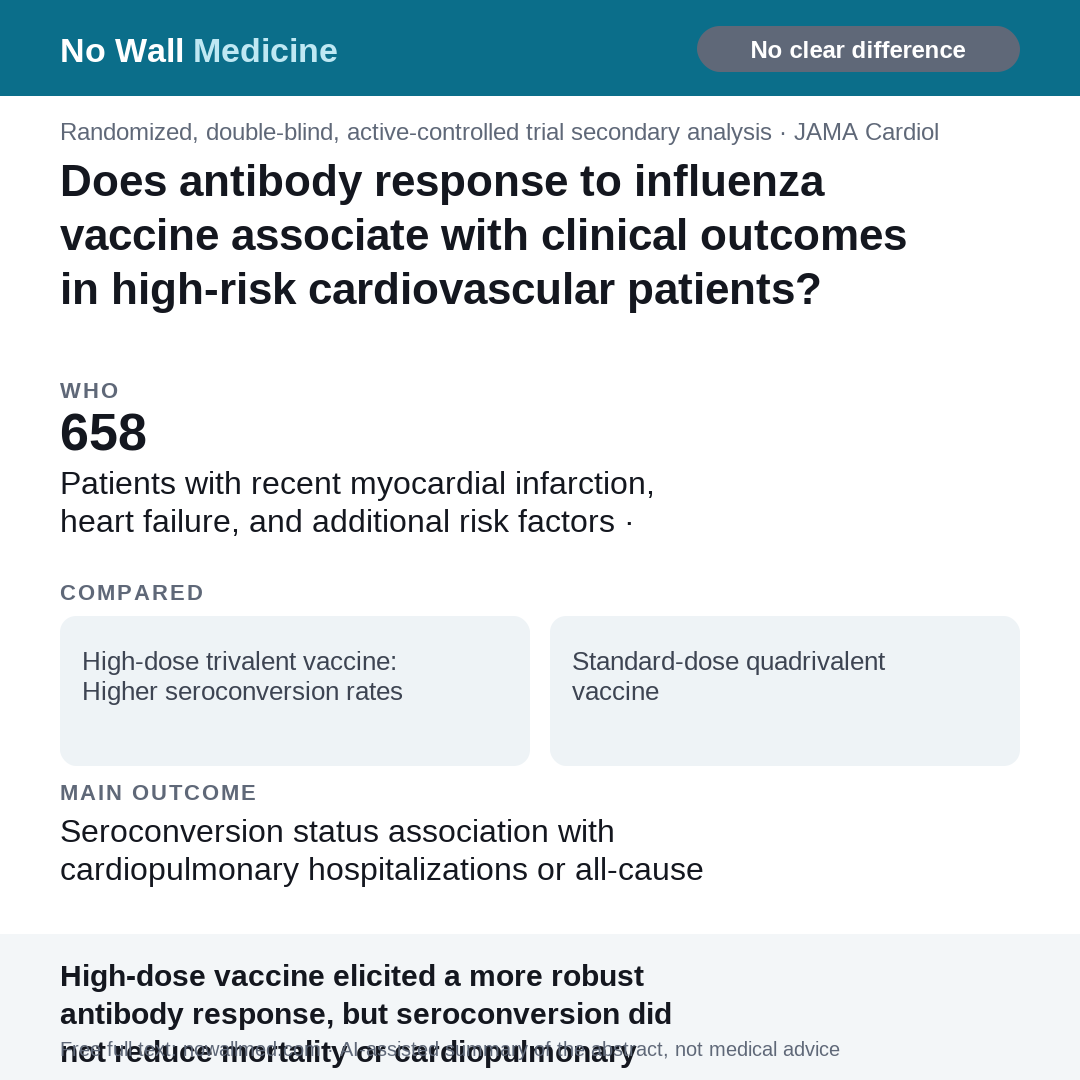
Influenza Vaccine Immune Response in Patients With High-Risk Cardiovascular Disease: A Secondary Analysis of the INVESTED Randomized Clinical Trial
Randomized, double-blind, active-controlled trial secondary analysisNo clear difference
Does antibody response to influenza vaccine associate with clinical outcomes in high-risk cardiovascular patients?
Who
658
Patients with recent myocardial infarction, heart failure, and additional risk factors · 157 sites in the United States and Canada
Compared
High-dose trivalent vaccine: Higher seroconversion rates
Standard-dose quadrivalent vaccine
Main outcome
Seroconversion status association with cardiopulmonary hospitalizations or all-cause mortality
Result: hazard ratio 1.09 (95% CI 0.79-1.53)
Bottom line: High-dose vaccine elicited a more robust antibody response, but seroconversion did not reduce mortality or cardiopulmonary hospitalizations.
JAMA Cardiol · 2024-04-07Download image
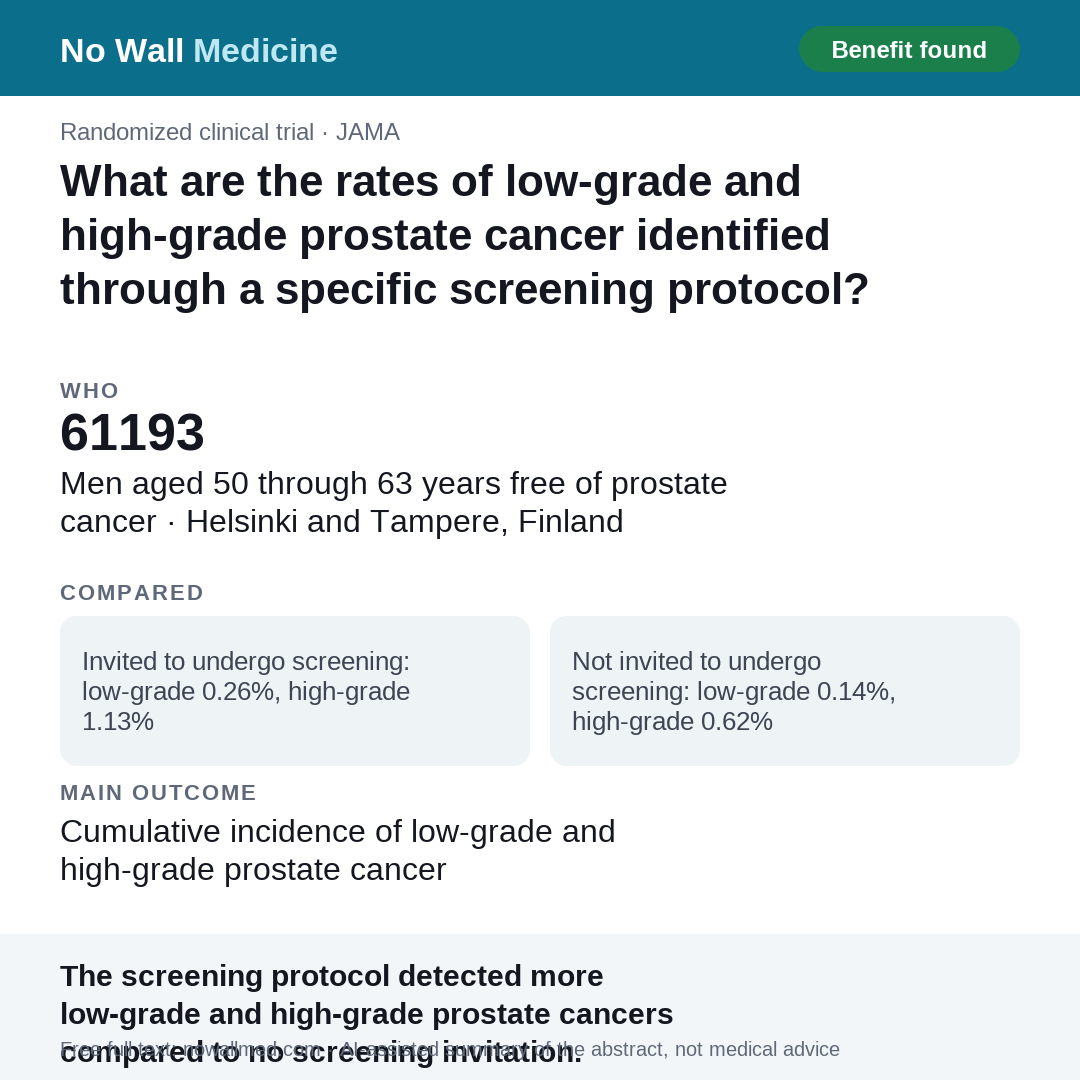
Prostate Cancer Screening With PSA, Kallikrein Panel, and MRI: The ProScreen Randomized Trial
Randomized clinical trialBenefit found
What are the rates of low-grade and high-grade prostate cancer identified through a specific screening protocol?
Who
61193
Men aged 50 through 63 years free of prostate cancer · Helsinki and Tampere, Finland
Compared
Invited to undergo screening: low-grade 0.26%, high-grade 1.13%
Not invited to undergo screening: low-grade 0.14%, high-grade 0.62%
Main outcome
Cumulative incidence of low-grade and high-grade prostate cancer
Result: risk difference 0.11% (95% CI, 0.03%-0.20%) for low-grade and 0.51% (95% CI, 0.33%-0.70%) for high-grade cancer
Bottom line: The screening protocol detected more low-grade and high-grade prostate cancers compared to no screening invitation.
JAMA · 2024-04-06Download image
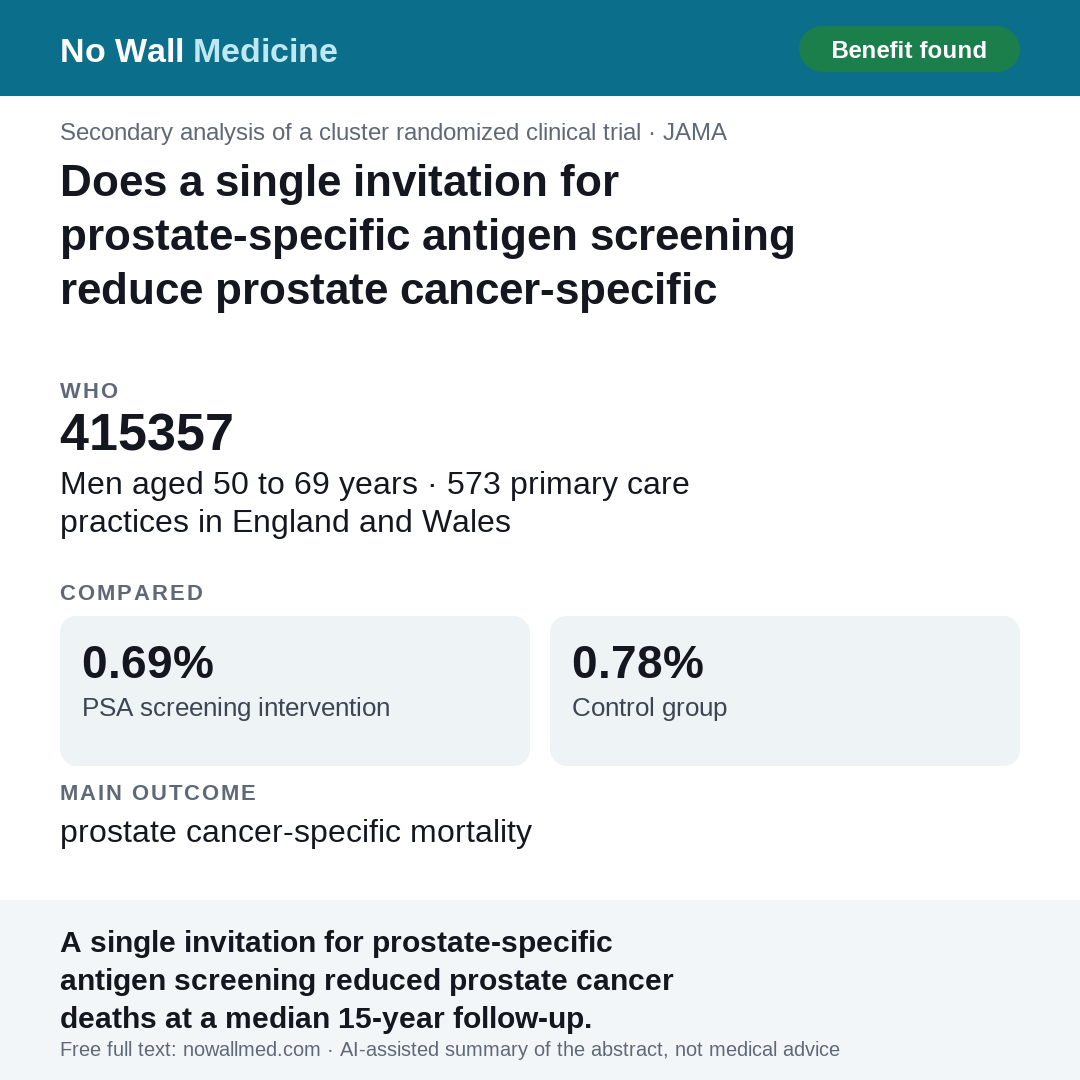
Prostate-Specific Antigen Screening and 15-Year Prostate Cancer Mortality: A Secondary Analysis of the CAP Randomized Clinical Trial
Secondary analysis of a cluster randomized clinical trialBenefit found
Does a single invitation for prostate-specific antigen screening reduce prostate cancer-specific mortality?
Who
415357
Men aged 50 to 69 years · 573 primary care practices in England and Wales
Compared
0.69%PSA screening intervention (95% CI, 0.65%-0.73%)
0.78%Control group (95% CI, 0.73%-0.82%)
Main outcome
prostate cancer-specific mortality
Result: rate ratio 0.92 (95% CI, 0.85-0.99)
Bottom line: A single invitation for prostate-specific antigen screening reduced prostate cancer deaths at a median 15-year follow-up.
Limitation: the absolute reduction in deaths was small
JAMA · 2024-04-06Download image
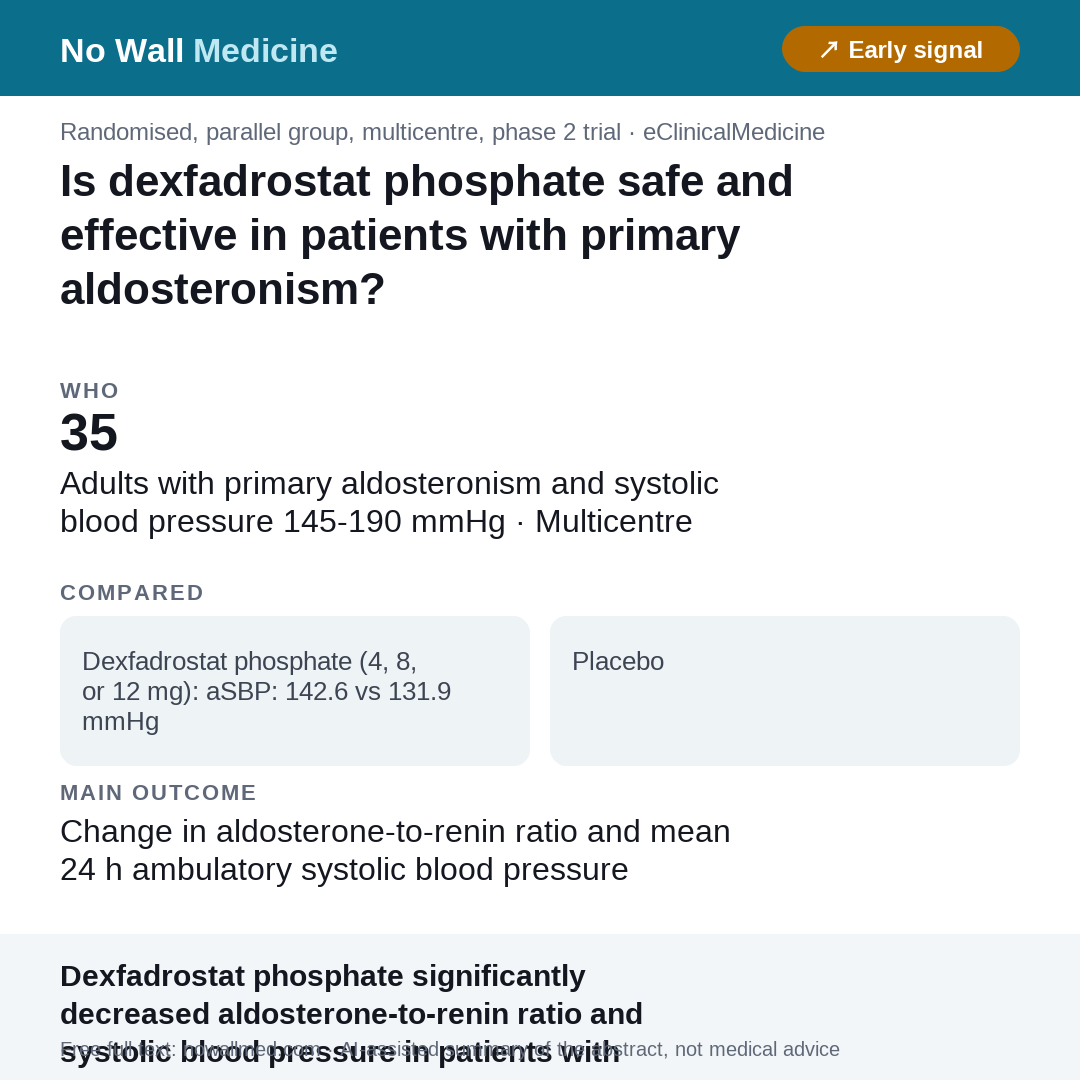
Safety and efficacy of once-daily dexfadrostat phosphate in patients with primary aldosteronism: a randomised, parallel group, multicentre, phase 2 trial
Randomised, parallel group, multicentre, phase 2 trialBenefit found
Is dexfadrostat phosphate safe and effective in patients with primary aldosteronism?
Who
35
Adults with primary aldosteronism and systolic blood pressure 145-190 mmHg · Multicentre
Compared
Dexfadrostat phosphate (4, 8, or 12 mg): aSBP: 142.6 vs 131.9 mmHg
Placebo
Main outcome
Change in aldosterone-to-renin ratio and mean 24 h ambulatory systolic blood pressure
Result: LSM change in log-normal ARR -2.5, p < 0.0001; aSBP LSM change -10.7 mmHg, p < 0.0001
Bottom line: Dexfadrostat phosphate significantly decreased aldosterone-to-renin ratio and systolic blood pressure in patients with primary aldosteronism.
Funded by: DAMIAN Pharma AG
eClinicalMedicine · 2024-04-06Download image
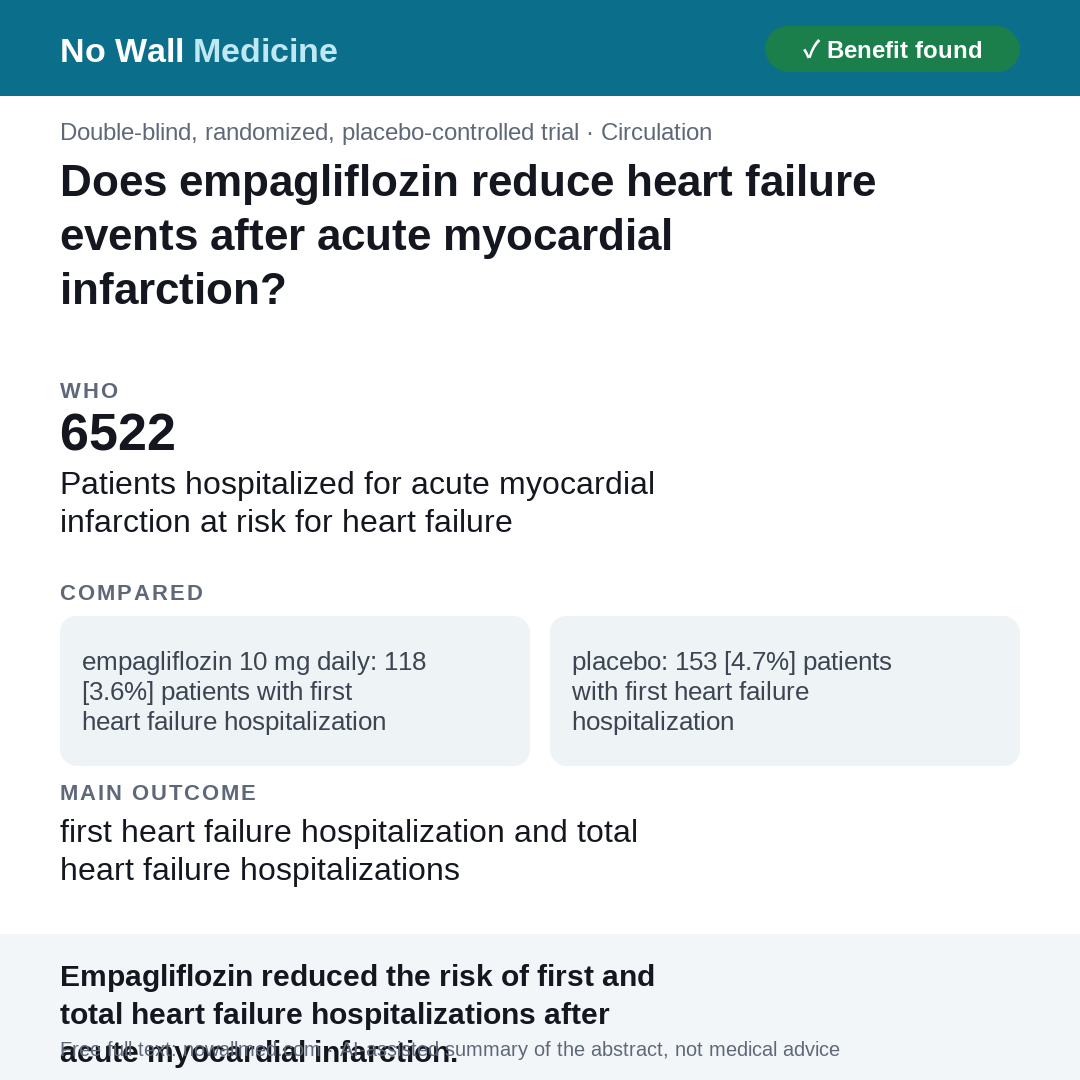
Effect of Empagliflozin on Heart Failure Outcomes After Acute Myocardial Infarction: Insights From the EMPACT-MI Trial
Double-blind, randomized, placebo-controlled trialBenefit found
Does empagliflozin reduce heart failure events after acute myocardial infarction?
Who
6522
Patients hospitalized for acute myocardial infarction at risk for heart failure
Compared
empagliflozin 10 mg daily: 118 [3.6%] patients with first heart failure hospitalization
placebo: 153 [4.7%] patients with first heart failure hospitalization
Main outcome
first heart failure hospitalization and total heart failure hospitalizations
Result: hazard ratio 0.77 (95% CI 0.60 to 0.98)
Bottom line: Empagliflozin reduced the risk of first and total heart failure hospitalizations after acute myocardial infarction.
Circulation · 2024-04-06Download image
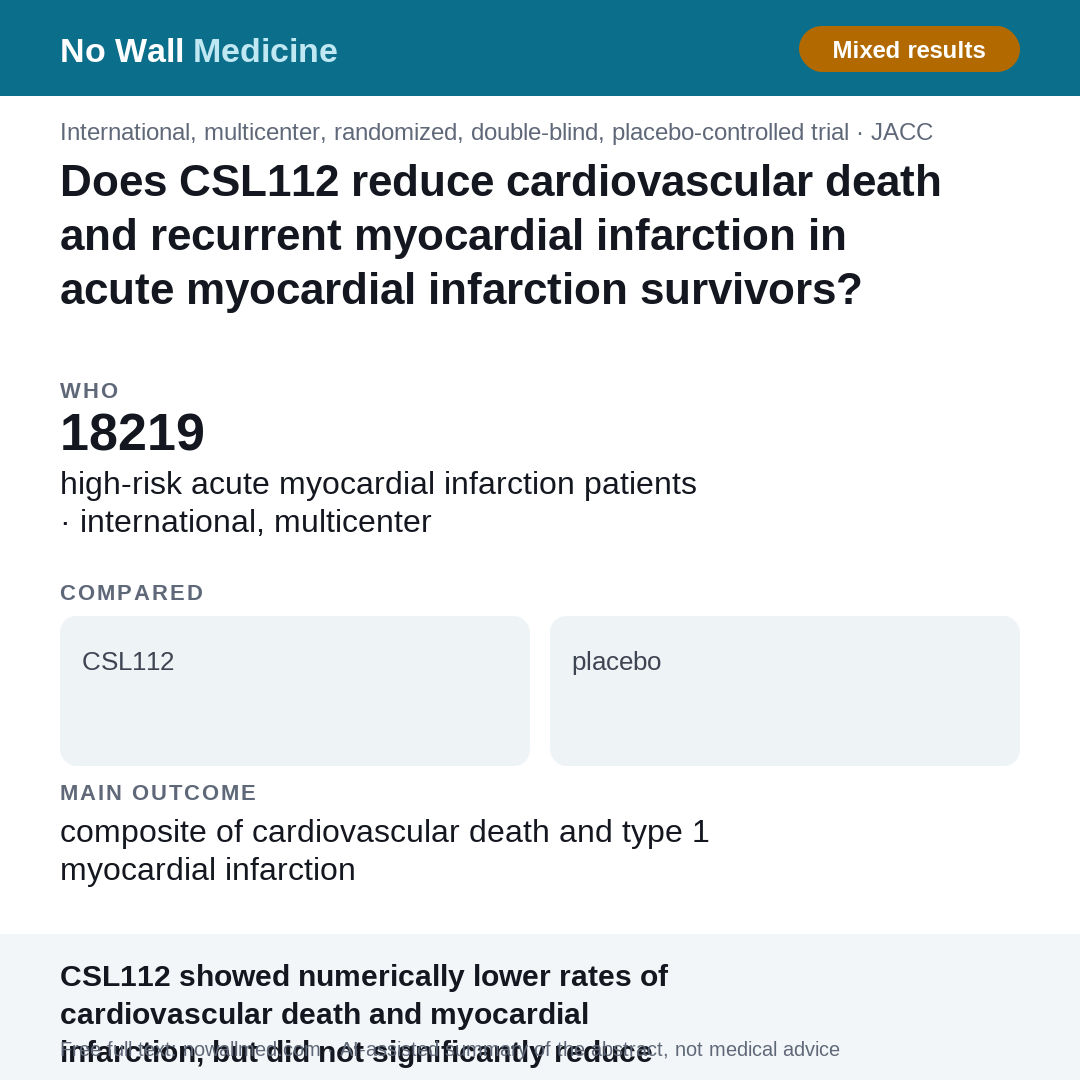
Effect of Reconstituted Human Apolipoprotein A-I on Recurrent Ischemic Events in Survivors of Acute MI
International, multicenter, randomized, double-blind, placebo-controlled trialMixed results
Does CSL112 reduce cardiovascular death and recurrent myocardial infarction in acute myocardial infarction survivors?
Who
18219
high-risk acute myocardial infarction patients · international, multicenter
Compared
CSL112
placebo
Main outcome
composite of cardiovascular death and type 1 myocardial infarction
Result: hazard ratio 0.86 (95% CI 0.74-0.99) at day 180
Bottom line: CSL112 showed numerically lower rates of cardiovascular death and myocardial infarction, but did not significantly reduce primary endpoints.
JACC · 2024-04-06Download image
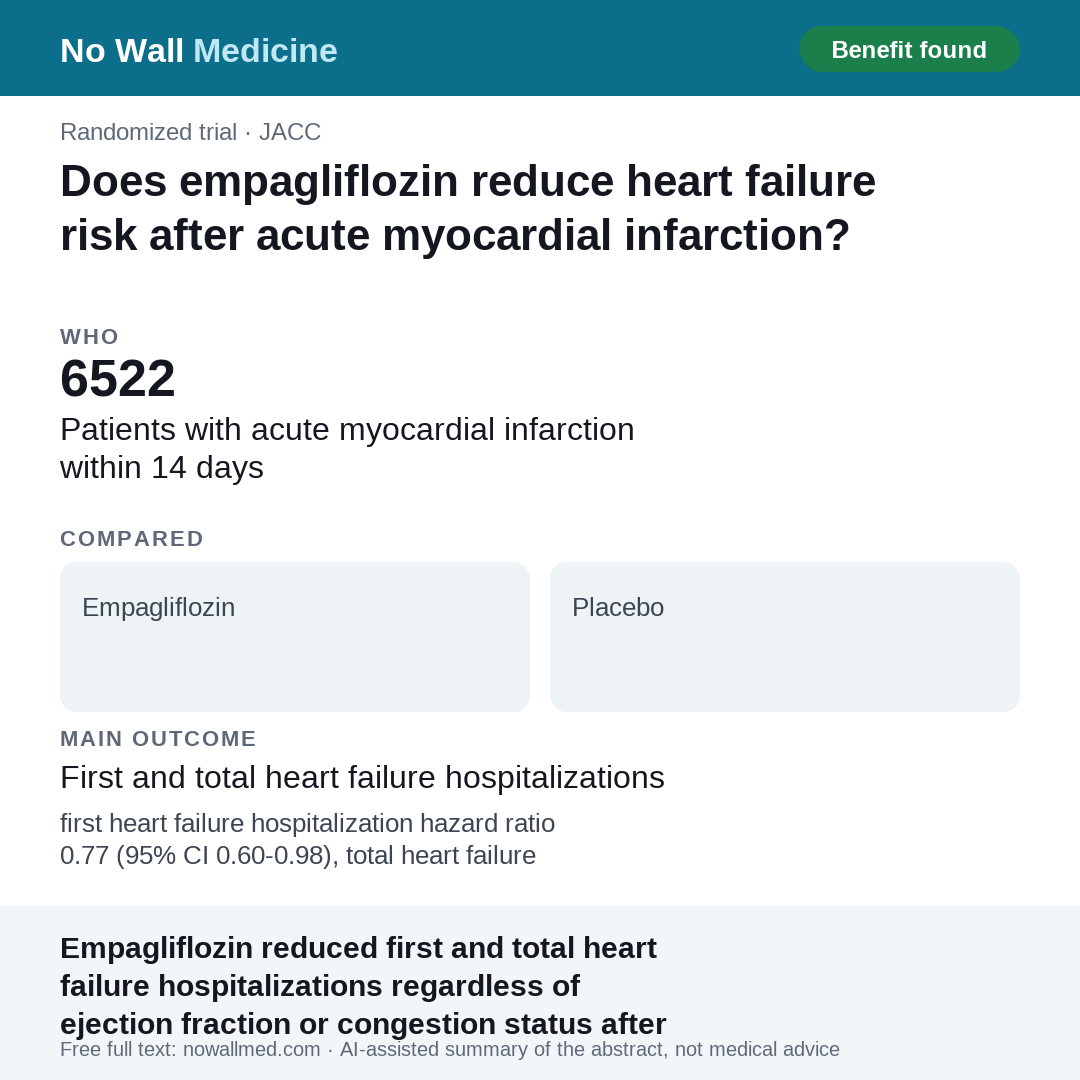
Left Ventricular Function, Congestion, and Effect of Empagliflozin on Heart Failure Risk After Myocardial Infarction
Randomized trialBenefit found
Does empagliflozin reduce heart failure risk after acute myocardial infarction?
Who
6522
Patients with acute myocardial infarction within 14 days
Compared
Empagliflozin
Placebo
Main outcome
First and total heart failure hospitalizations
Result: first heart failure hospitalization hazard ratio 0.77 (95% CI 0.60-0.98), total heart failure hospitalization rate ratio 0.67 (95% CI 0.50-0.89)
Bottom line: Empagliflozin reduced first and total heart failure hospitalizations regardless of ejection fraction or congestion status after myocardial infarction.
JACC · 2024-04-06Download image
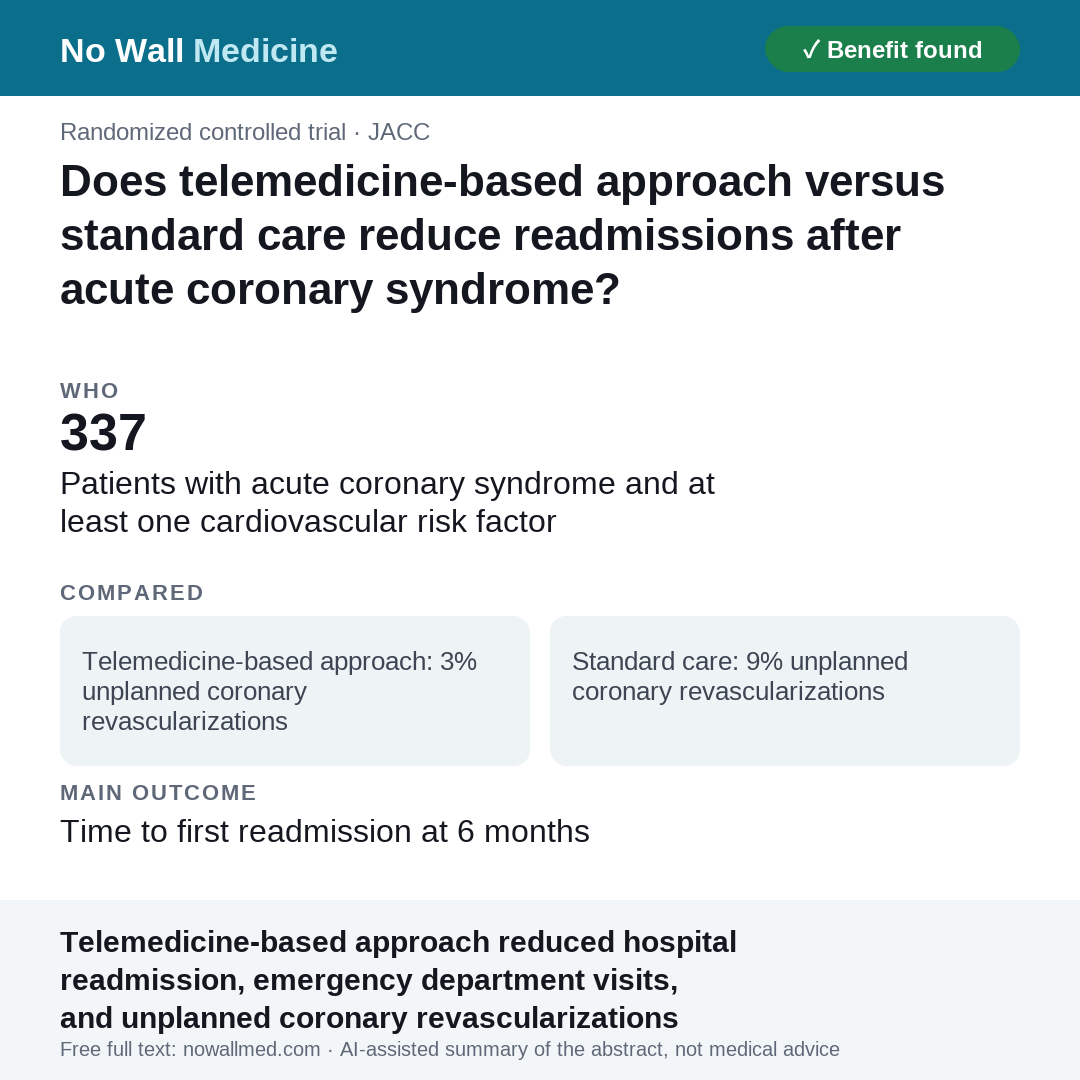
Randomized Trial of Remote Assessment of Patients After an Acute Coronary Syndrome
Randomized controlled trialBenefit found
Does telemedicine-based approach versus standard care reduce readmissions after acute coronary syndrome?
Who
337
Patients with acute coronary syndrome and at least one cardiovascular risk factor
Compared
Telemedicine-based approach: 3% unplanned coronary revascularizations
Standard care: 9% unplanned coronary revascularizations
Main outcome
Time to first readmission at 6 months
Result: hazard ratio 0.24 (95% CI 0.13-0.44)
Bottom line: Telemedicine-based approach reduced hospital readmission, emergency department visits, and unplanned coronary revascularizations after acute coronary syndrome.
JACC · 2024-04-06Download image
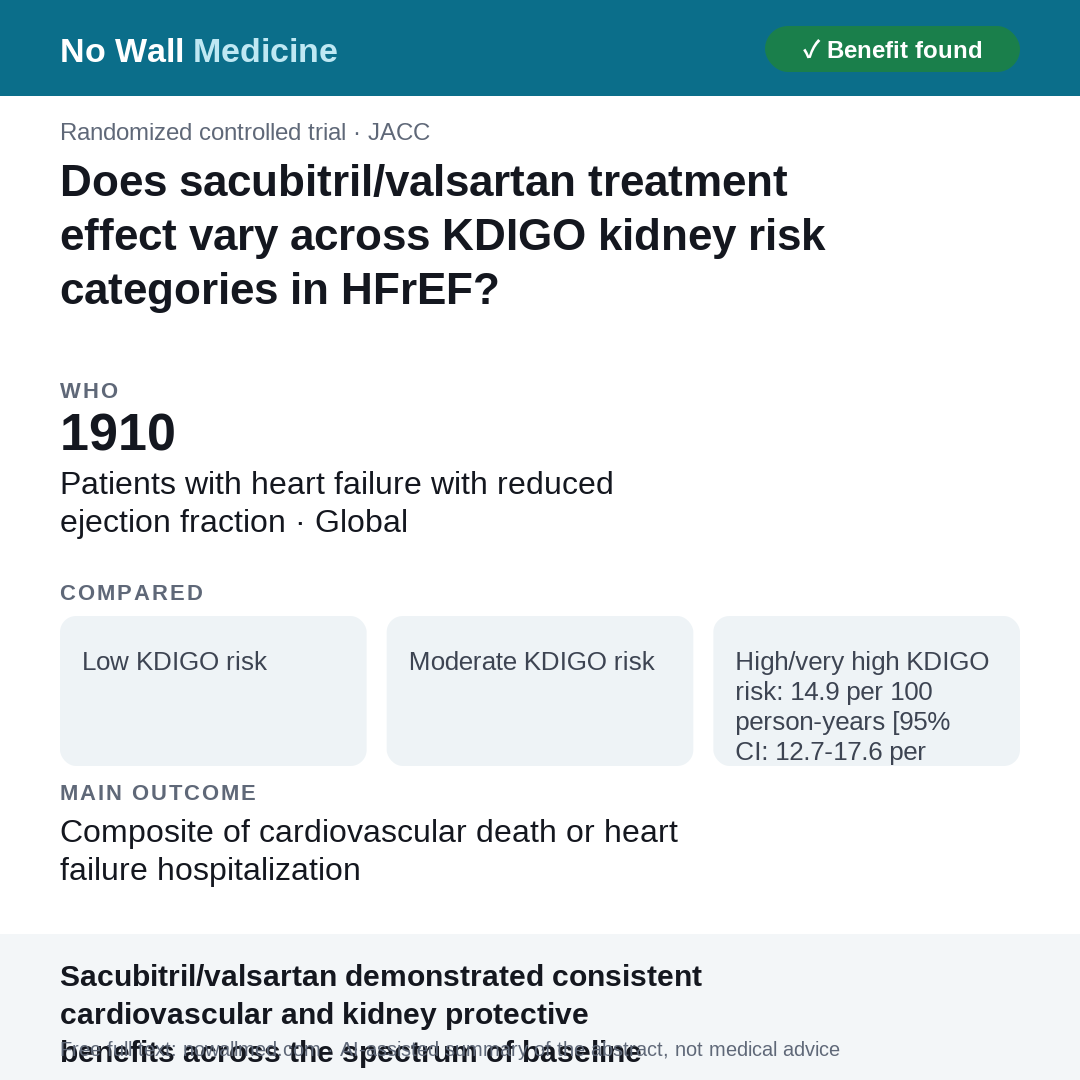
Effects of Sacubitril/Valsartan Across the Spectrum of Renal Impairment in Patients With Heart Failure
Randomized controlled trialBenefit found
Does sacubitril/valsartan treatment effect vary across KDIGO kidney risk categories in HFrEF?
Who
1910
Patients with heart failure with reduced ejection fraction · Global
Compared
Low KDIGO risk
Moderate KDIGO risk
High/very high KDIGO risk: 14.9 per 100 person-years [95% CI: 12.7-17.6 per 100 person-years]
Main outcome
Composite of cardiovascular death or heart failure hospitalization
Bottom line: Sacubitril/valsartan demonstrated consistent cardiovascular and kidney protective benefits across the spectrum of baseline kidney risk.
JACC · 2024-04-06Download image
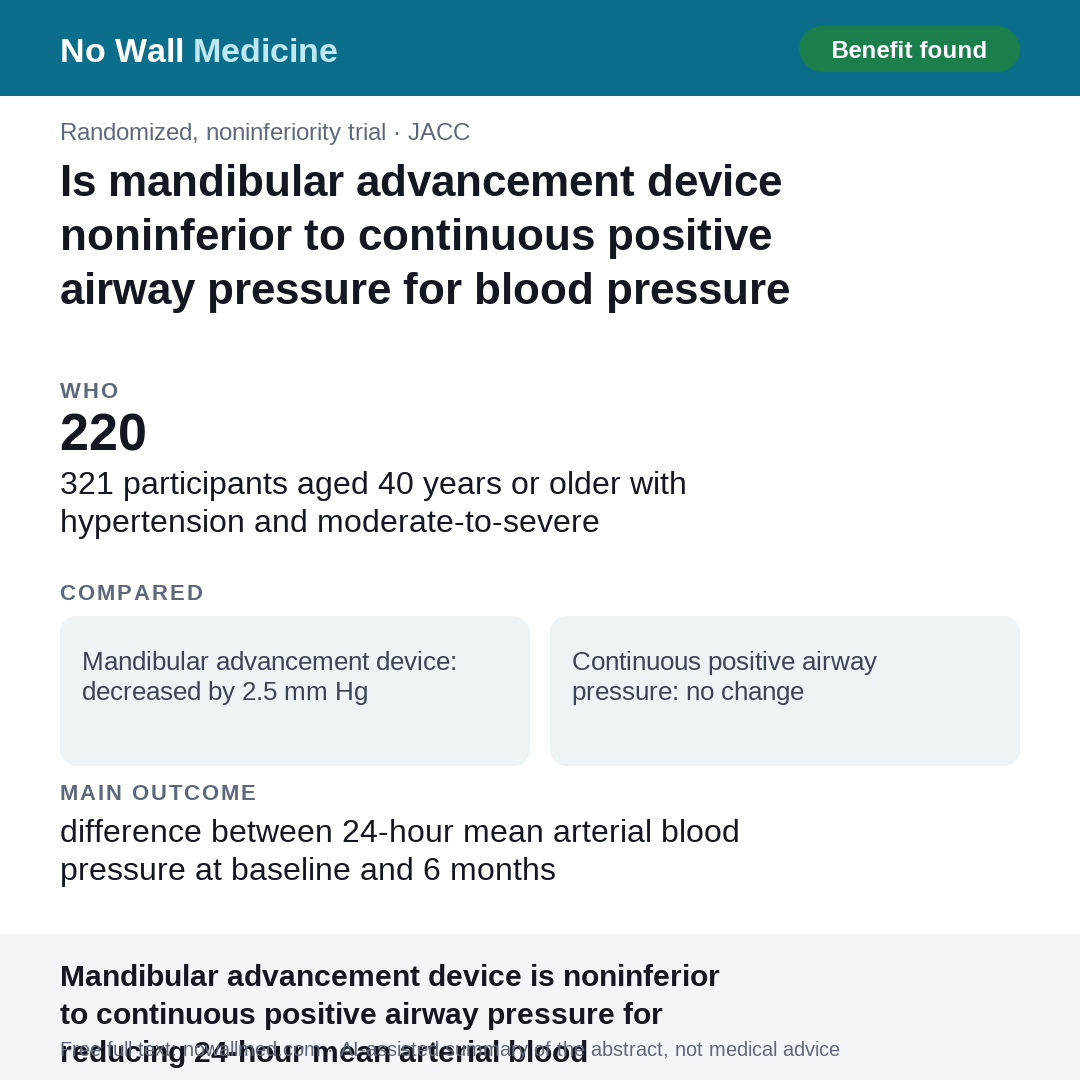
Mandibular Advancement vs CPAP for Blood Pressure Reduction in Patients With Obstructive Sleep Apnea
Randomized, noninferiority trialBenefit found
Is mandibular advancement device noninferior to continuous positive airway pressure for blood pressure reduction?
Who
220
321 participants aged 40 years or older with hypertension and moderate-to-severe obstructive sleep apnea · 3 public hospitals
Compared
Mandibular advancement device: decreased by 2.5 mm Hg
Continuous positive airway pressure: no change
Main outcome
difference between 24-hour mean arterial blood pressure at baseline and 6 months
Result: -1.6 mm Hg (95% CI: -3.51 to 0.24)
Bottom line: Mandibular advancement device is noninferior to continuous positive airway pressure for reducing 24-hour mean arterial blood pressure.
JACC · 2024-04-06Download image
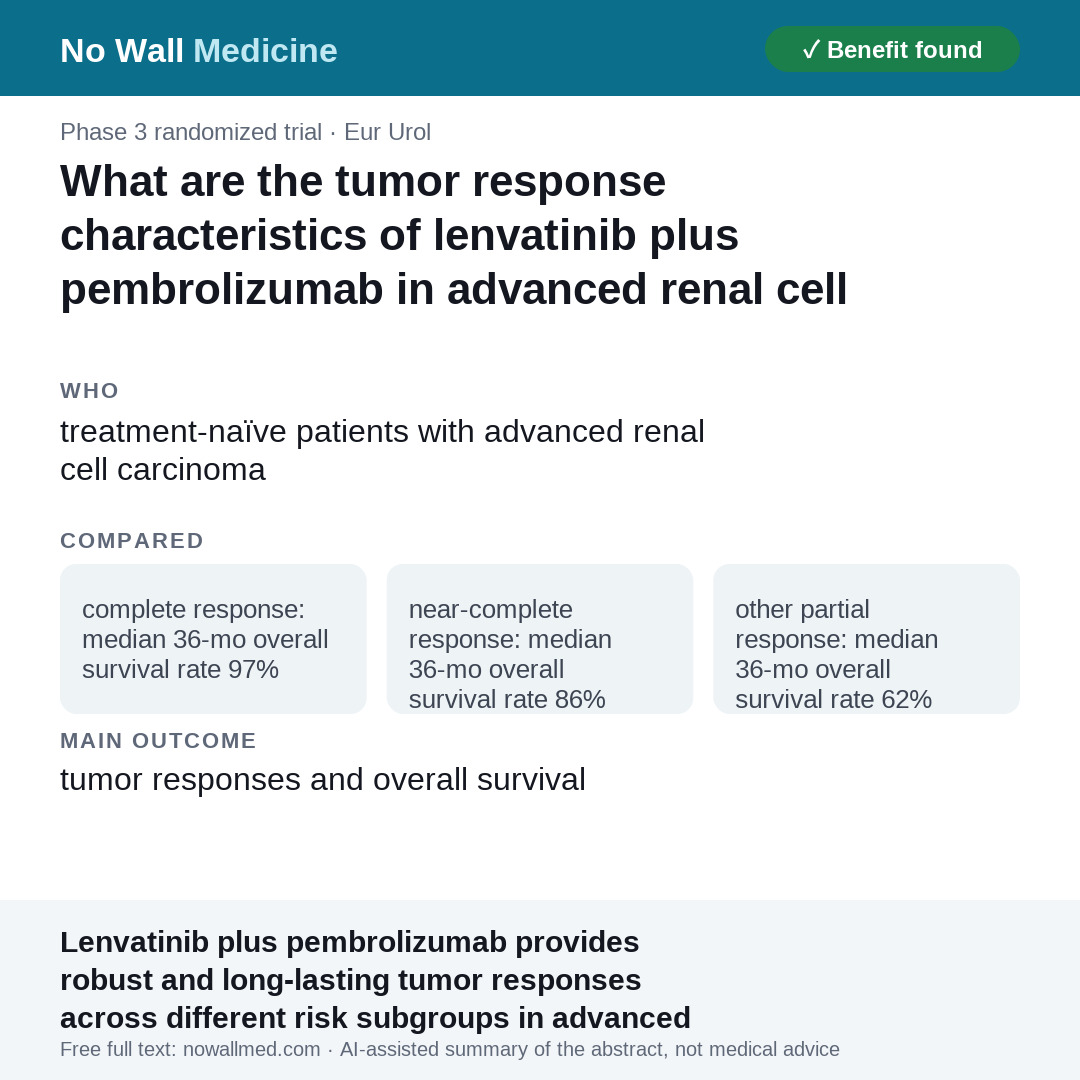
Characterization of Responses to Lenvatinib plus Pembrolizumab in Patients with Advanced Renal Cell Carcinoma at the Final Prespecified Survival Analysis of the Phase 3 CLEAR Study
Phase 3 randomized trialBenefit found
What are the tumor response characteristics of lenvatinib plus pembrolizumab in advanced renal cell carcinoma?
Who
treatment-naïve patients with advanced renal cell carcinoma
Compared
complete response: median 36-mo overall survival rate 97%
near-complete response: median 36-mo overall survival rate 86%
other partial response: median 36-mo overall survival rate 62%
Main outcome
tumor responses and overall survival
Bottom line: Lenvatinib plus pembrolizumab provides robust and long-lasting tumor responses across different risk subgroups in advanced renal cell carcinoma.
Eur Urol · 2024-04-06Download image
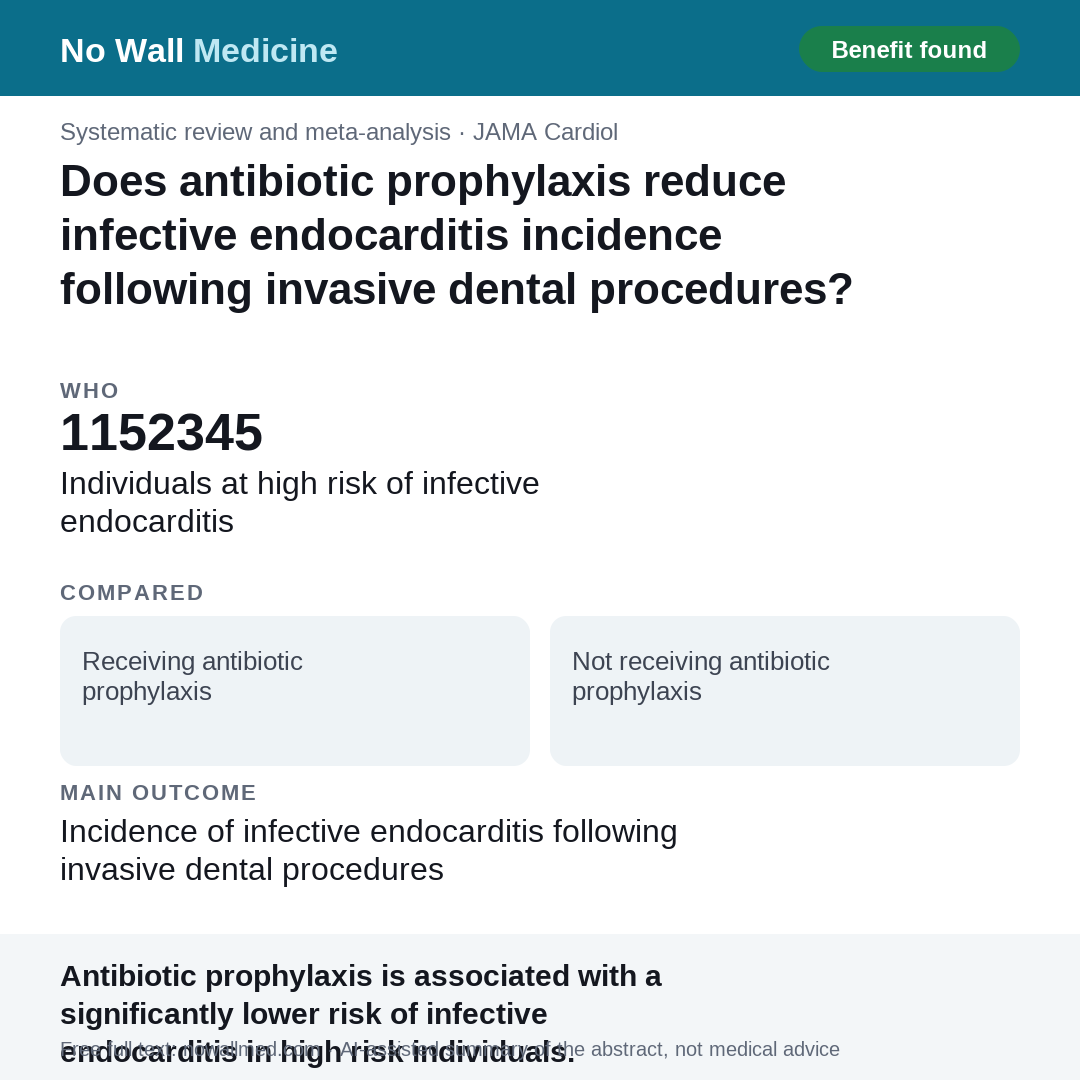
Antibiotic Prophylaxis and Infective Endocarditis Incidence Following Invasive Dental Procedures: A Systematic Review and Meta-Analysis
Systematic review and meta-analysisBenefit found
Does antibiotic prophylaxis reduce infective endocarditis incidence following invasive dental procedures?
Who
1152345
Individuals at high risk of infective endocarditis
Compared
Receiving antibiotic prophylaxis
Not receiving antibiotic prophylaxis
Main outcome
Incidence of infective endocarditis following invasive dental procedures
Result: relative risk 0.41 (95% CI 0.29-0.57)
Bottom line: Antibiotic prophylaxis is associated with a significantly lower risk of infective endocarditis in high risk individuals.
JAMA Cardiol · 2024-04-06Download image
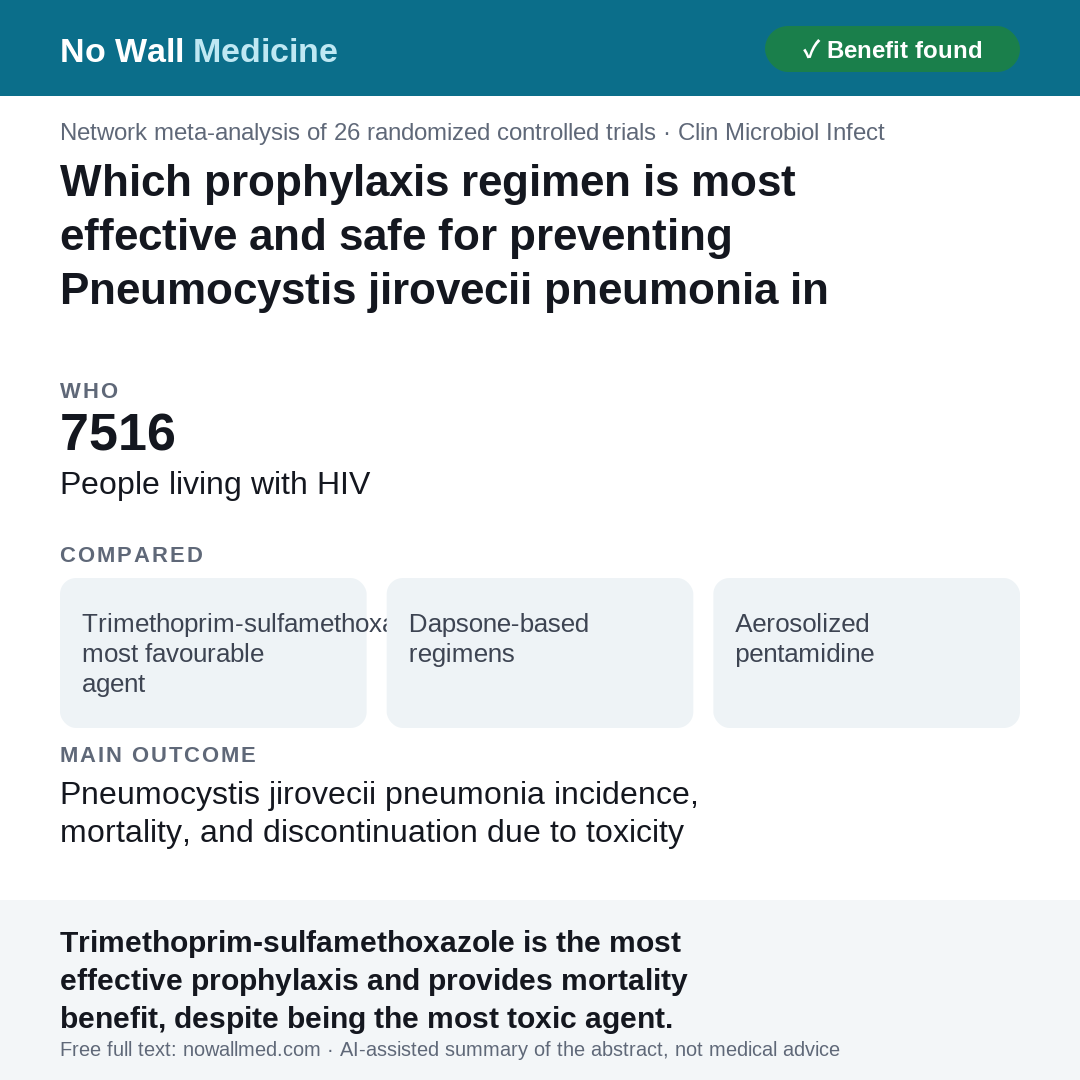
Comparative efficacy and safety of Pneumocystis jirovecii pneumonia prophylaxis regimens for people living with HIV: a systematic review and network meta-analysis of randomized controlled trials
Network meta-analysis of 26 randomized controlled trialsBenefit found
Which prophylaxis regimen is most effective and safe for preventing Pneumocystis jirovecii pneumonia in people living with HIV?
Who
7516
People living with HIV
Compared
Trimethoprim-sulfamethoxazole: most favourable agent
Dapsone-based regimens
Aerosolized pentamidine
Main outcome
Pneumocystis jirovecii pneumonia incidence, mortality, and discontinuation due to toxicity
Result: risk ratio 0.54 (95% CI, 0.36-0.83) for TMP-SMX vs DBRs
Bottom line: Trimethoprim-sulfamethoxazole is the most effective prophylaxis and provides mortality benefit, despite being the most toxic agent.
Limitation: Further studies are necessary to determine optimal dosing to maximize efficacy and minimize toxicity.
Clin Microbiol Infect · 2024-04-06Download image
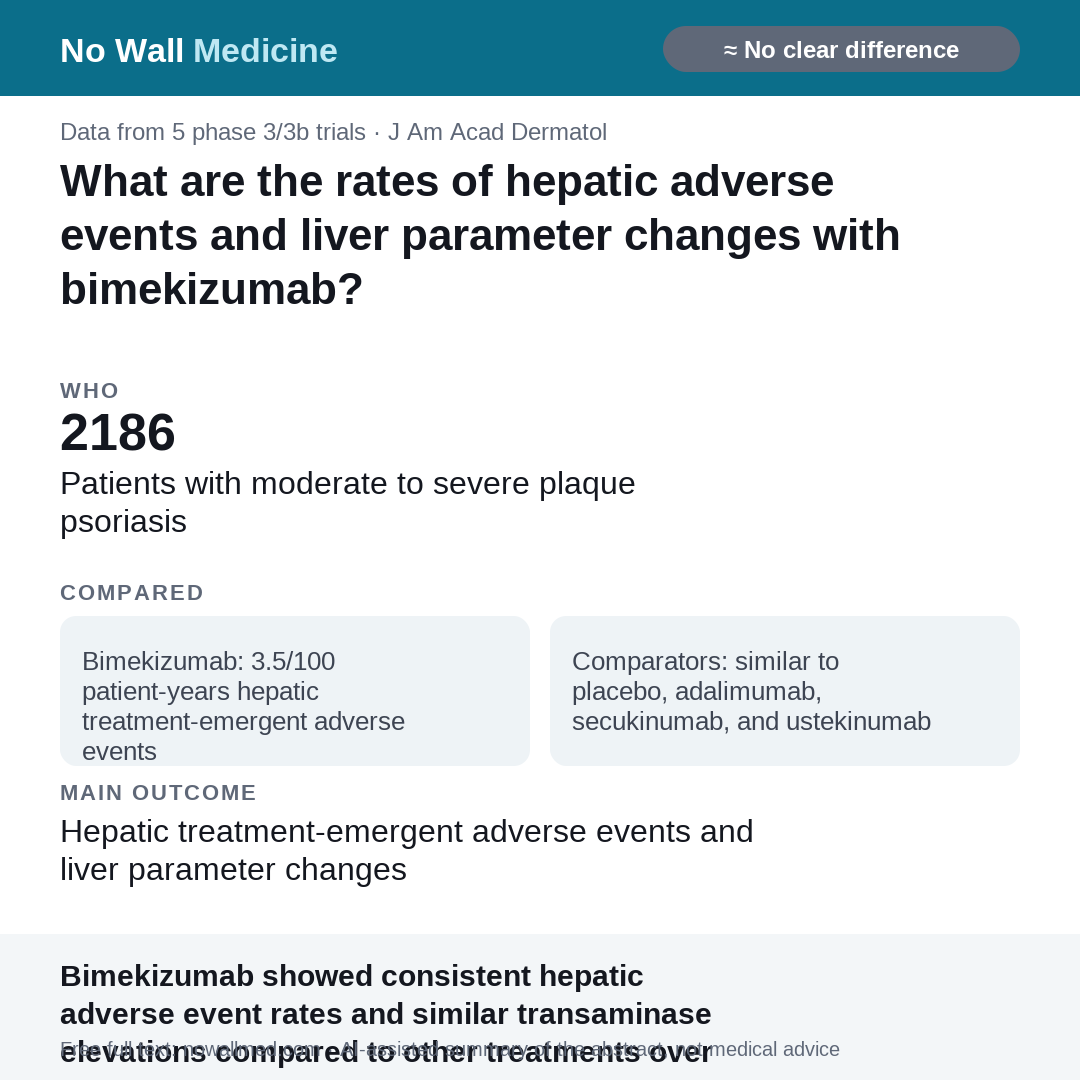
Bimekizumab safety in moderate to severe plaque psoriasis: Rates of hepatic events and changes in liver parameters over 2 years in randomized phase 3/3b trials
Data from 5 phase 3/3b trialsNo clear difference
What are the rates of hepatic adverse events and liver parameter changes with bimekizumab?
Who
2186
Patients with moderate to severe plaque psoriasis
Compared
Bimekizumab: 3.5/100 patient-years hepatic treatment-emergent adverse events
Comparators: similar to placebo, adalimumab, secukinumab, and ustekinumab
Main outcome
Hepatic treatment-emergent adverse events and liver parameter changes
Bottom line: Bimekizumab showed consistent hepatic adverse event rates and similar transaminase elevations compared to other treatments over 2 years.
Limitation: Obesity, diabetes, dyslipidemia, chronic alcohol consumption, and medication changes are confounding factors.
J Am Acad Dermatol · 2024-04-06Download image
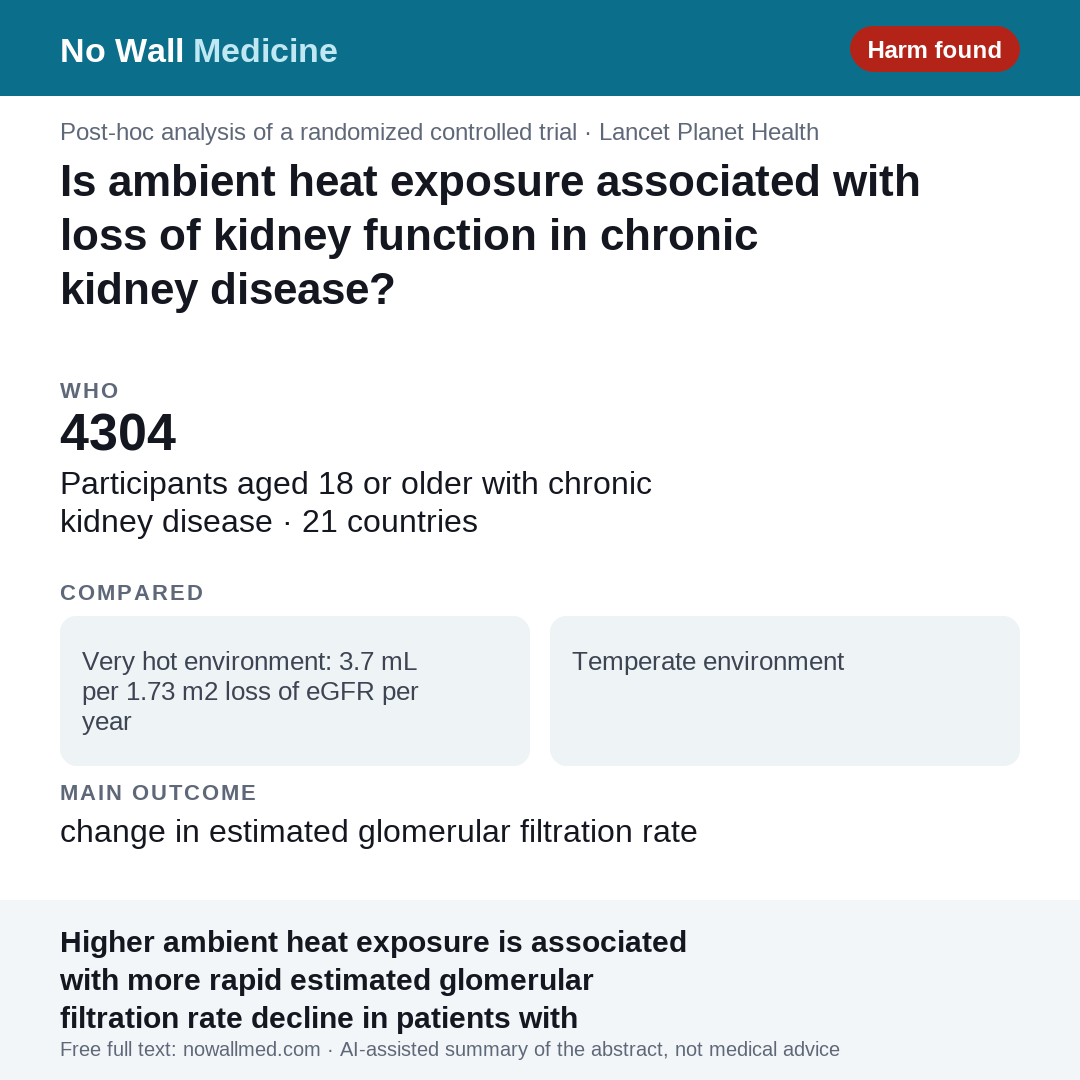
Ambient heat exposure and kidney function in patients with chronic kidney disease: a post-hoc analysis of the DAPA-CKD trial
Post-hoc analysis of a randomized controlled trialHarm found
Is ambient heat exposure associated with loss of kidney function in chronic kidney disease?
Who
4304
Participants aged 18 or older with chronic kidney disease · 21 countries
Compared
Very hot environment: 3.7 mL per 1.73 m2 loss of eGFR per year
Temperate environment
Main outcome
change in estimated glomerular filtration rate
Result: 3.7 mL per 1.73 m2 (95% CI 0.1 to 7.0) loss of eGFR per year
Bottom line: Higher ambient heat exposure is associated with more rapid estimated glomerular filtration rate decline in patients with chronic kidney disease.
Lancet Planet Health · 2024-04-06Download image
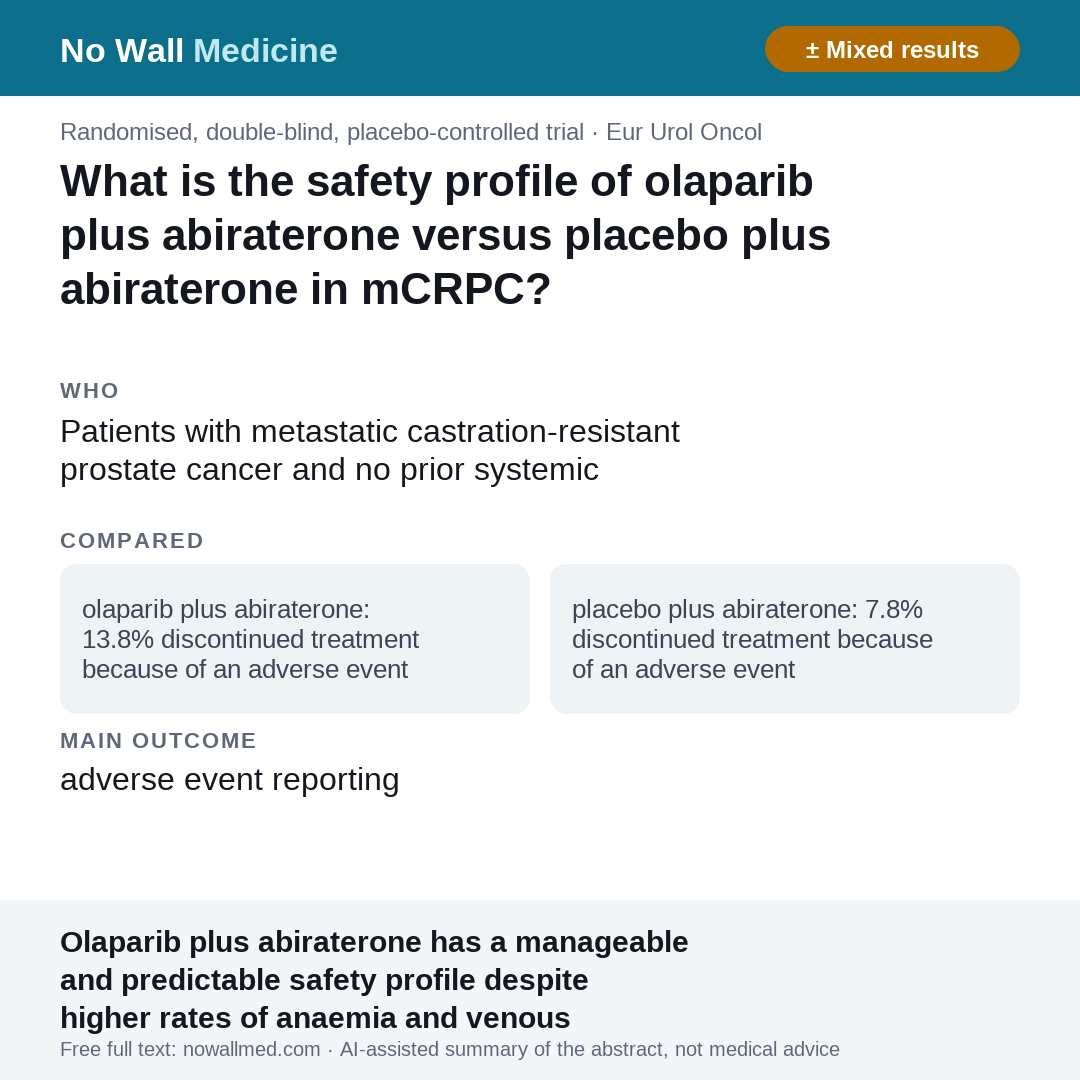
Tolerability of Olaparib Combined with Abiraterone in Patients with Metastatic Castration-resistant Prostate Cancer: Further Results from the Phase 3 PROpel Trial
Randomised, double-blind, placebo-controlled trialMixed results
What is the safety profile of olaparib plus abiraterone versus placebo plus abiraterone in mCRPC?
Who
Patients with metastatic castration-resistant prostate cancer and no prior systemic treatment · 126 centres in 17 countries
Compared
olaparib plus abiraterone: 13.8% discontinued treatment because of an adverse event
placebo plus abiraterone: 7.8% discontinued treatment because of an adverse event
Main outcome
adverse event reporting
Bottom line: Olaparib plus abiraterone has a manageable and predictable safety profile despite higher rates of anaemia and venous thromboembolism.
Eur Urol Oncol · 2024-04-06Download image
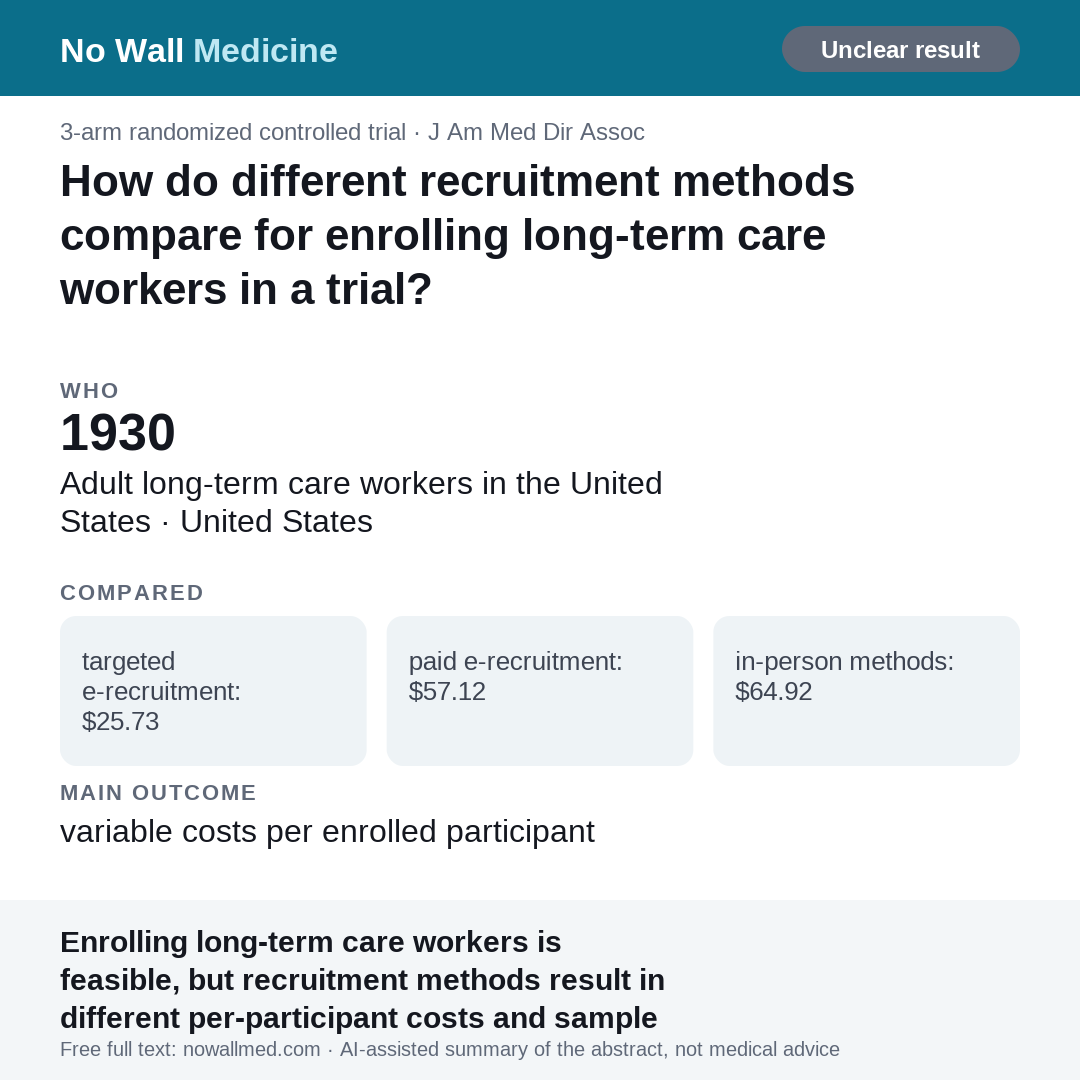
Engaging Long-Term Care Workers in Research: Recruitment Approaches and Participant Characteristics From a Randomized Controlled Trial to Improve COVID-19 Vaccine Confidence
3-arm randomized controlled trialUnclear result
How do different recruitment methods compare for enrolling long-term care workers in a trial?
Who
1930
Adult long-term care workers in the United States · United States
Compared
targeted e-recruitment: $25.73
paid e-recruitment: $57.12
in-person methods: $64.92
Main outcome
variable costs per enrolled participant
Bottom line: Enrolling long-term care workers is feasible, but recruitment methods result in different per-participant costs and sample characteristics.
Limitation: The sample differed from the national population in age, gender, race, ethnicity, education, and role.
J Am Med Dir Assoc · 2024-04-06Download image
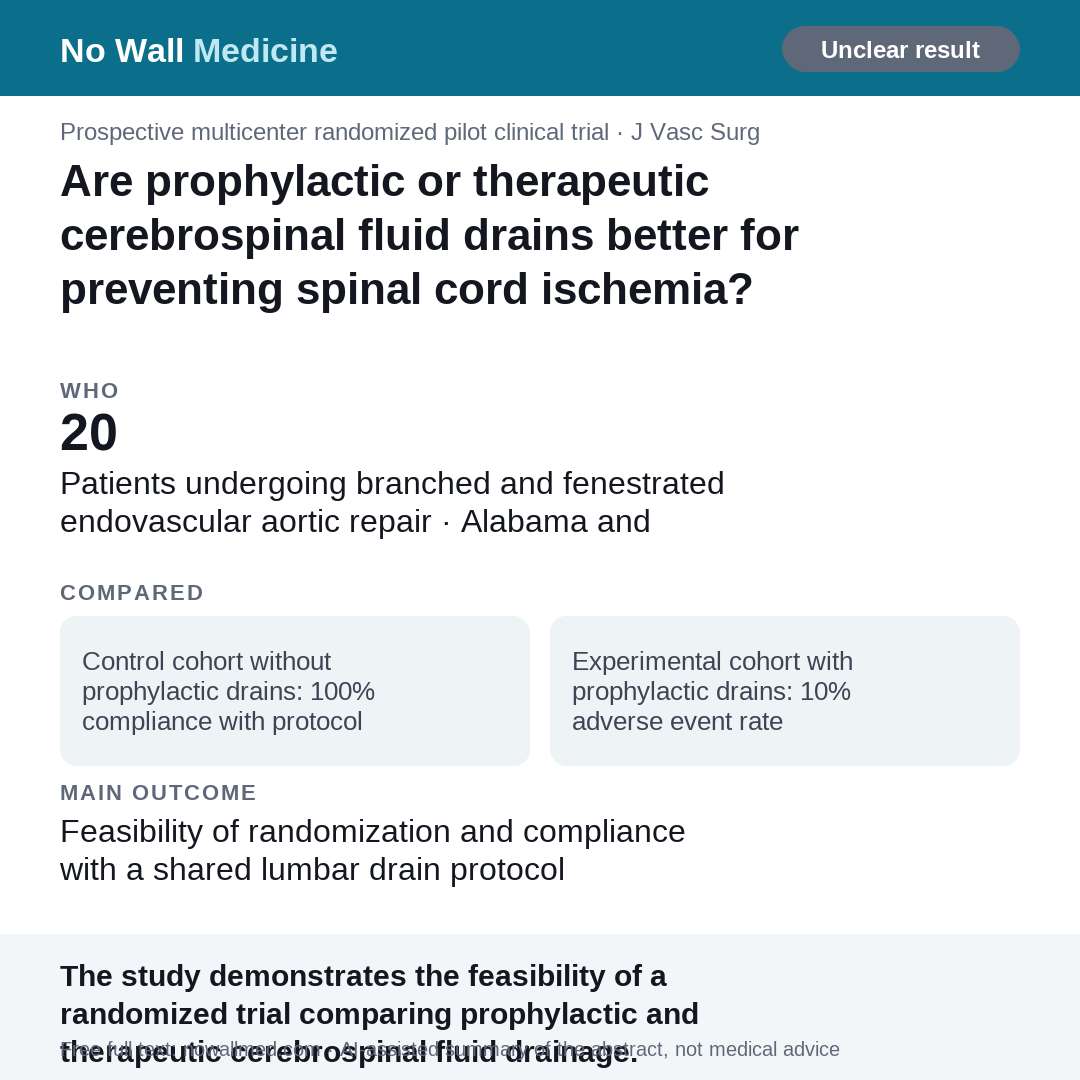
Prospective randomized pilot trial comparing prophylactic and therapeutic cerebrospinal fluid drainage during complex endovascular thoracoabdominal aortic aneurysm repair
Prospective multicenter randomized pilot clinical trialUnclear result
Are prophylactic or therapeutic cerebrospinal fluid drains better for preventing spinal cord ischemia?
Who
20
Patients undergoing branched and fenestrated endovascular aortic repair · Alabama and Massachusetts
Compared
Control cohort without prophylactic drains: 100% compliance with protocol
Experimental cohort with prophylactic drains: 10% adverse event rate
Main outcome
Feasibility of randomization and compliance with a shared lumbar drain protocol
Bottom line: The study demonstrates the feasibility of a randomized trial comparing prophylactic and therapeutic cerebrospinal fluid drainage.
Limitation: This pilot feasibility study was not powered to detect statistical differences in clinical outcomes.
J Vasc Surg · 2024-04-06Download image
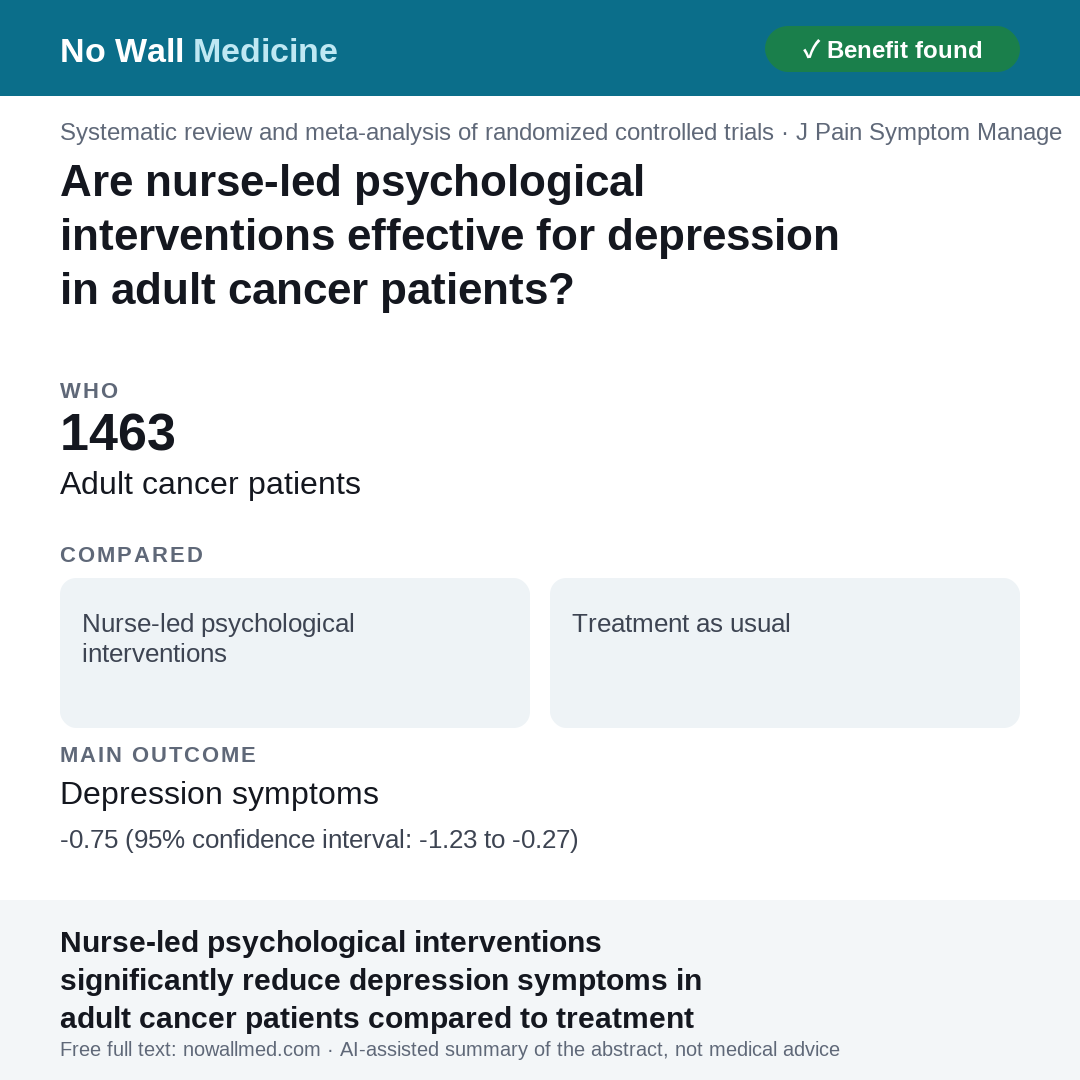
Nurse-Led Psychological Interventions For Depression In Adult Cancer Patients: A Systematic Review And Meta-Analysis of Randomized Controlled Trials
Systematic review and meta-analysis of randomized controlled trialsBenefit found
Are nurse-led psychological interventions effective for depression in adult cancer patients?
Who
1463
Adult cancer patients
Compared
Nurse-led psychological interventions
Treatment as usual
Main outcome
Depression symptoms
Result: -0.75 (95% confidence interval: -1.23 to -0.27)
Bottom line: Nurse-led psychological interventions significantly reduce depression symptoms in adult cancer patients compared to treatment as usual.
Limitation: Variability in effectiveness across different settings suggests contextual factors play a crucial role.
J Pain Symptom Manage · 2024-04-06Download image
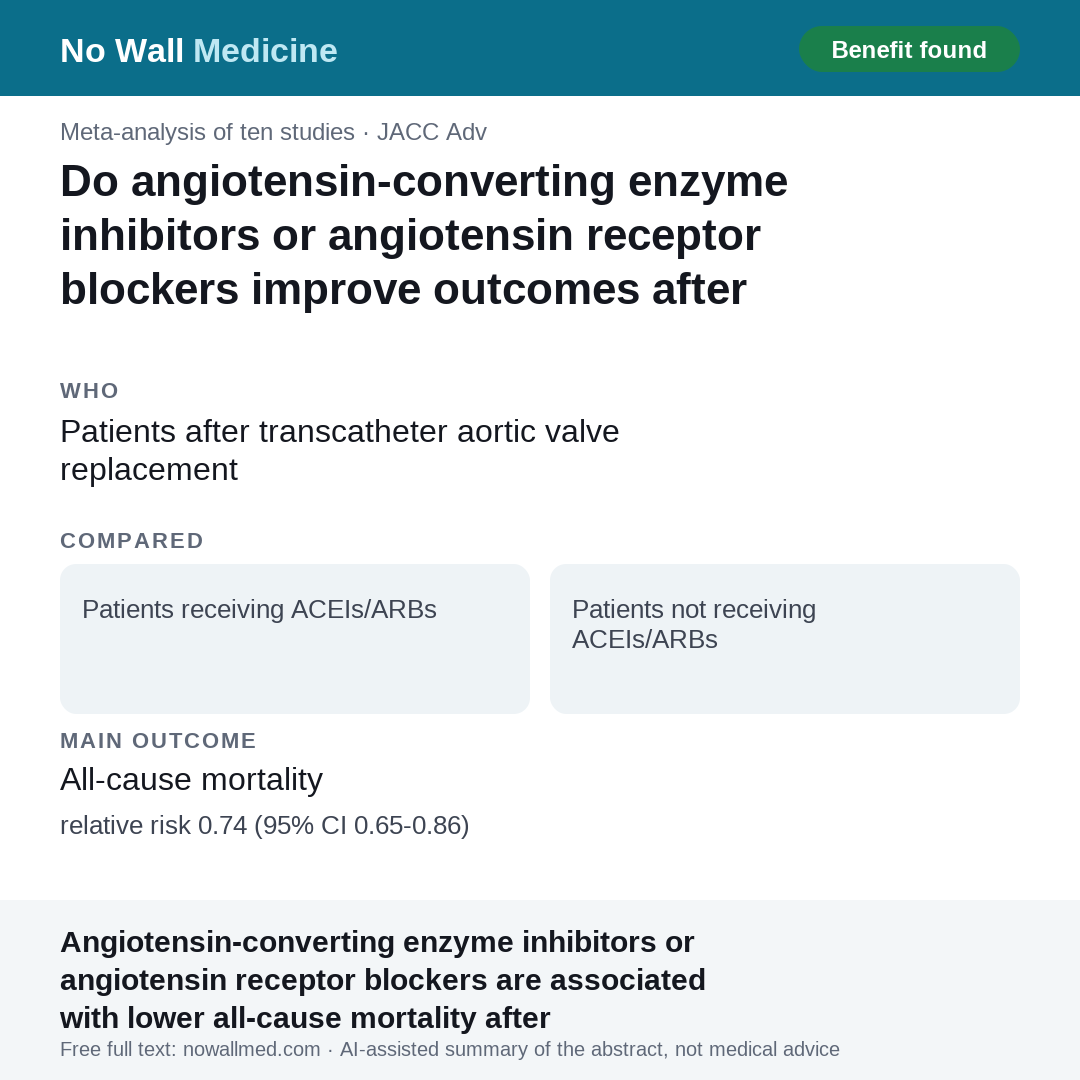
Angiotensin-Converting Enzyme Inhibitors or Angiotensin Receptor Blockers After Transcatheter Aortic Valve Replacement: A Meta-Analysis
Meta-analysis of ten studiesBenefit found
Do angiotensin-converting enzyme inhibitors or angiotensin receptor blockers improve outcomes after transcatheter aortic valve replacement?
Who
Patients after transcatheter aortic valve replacement
Compared
Patients receiving ACEIs/ARBs
Patients not receiving ACEIs/ARBs
Main outcome
All-cause mortality
Result: relative risk 0.74 (95% CI 0.65-0.86)
Bottom line: Angiotensin-converting enzyme inhibitors or angiotensin receptor blockers are associated with lower all-cause mortality after transcatheter aortic valve replacement.
JACC Adv · 2024-04-06Download image