Visual abstracts
New randomized trials and meta-analyses from leading journals at a glance: who was studied, what was compared, and what was found. Every paper is free to read in full.
All specialtiesCardiology 4877Oncology 4138Gastroenterology & Hepatology 1942Infectious Disease 3837Neurology 1905Psychiatry & Mental Health 2273Pulmonology 2143Critical Care 1365Endocrinology & Diabetes 2580Pediatrics 2980Surgery 2559Orthopedics & Sports Medicine 931Neurosurgery 537Cardiothoracic & Vascular Surgery 674Plastic & Reconstructive Surgery 591Nephrology 1133Rheumatology 823Hematology 1109Dermatology 621Ophthalmology 543Obstetrics & Gynecology 1686Public & Global Health 1058Radiology & Imaging 648Anesthesiology 986Urology 764ENT (Otolaryngology) 503Emergency Medicine 511Allergy & Immunology 313Geriatrics 981Family Medicine & Primary Care 562Medical Genetics & Genomics 676Pathology & Laboratory Medicine 159Physical Medicine & Rehabilitation 757Palliative Care 444Nutrition 1588Digital Health & AI 2201General Medicine 321
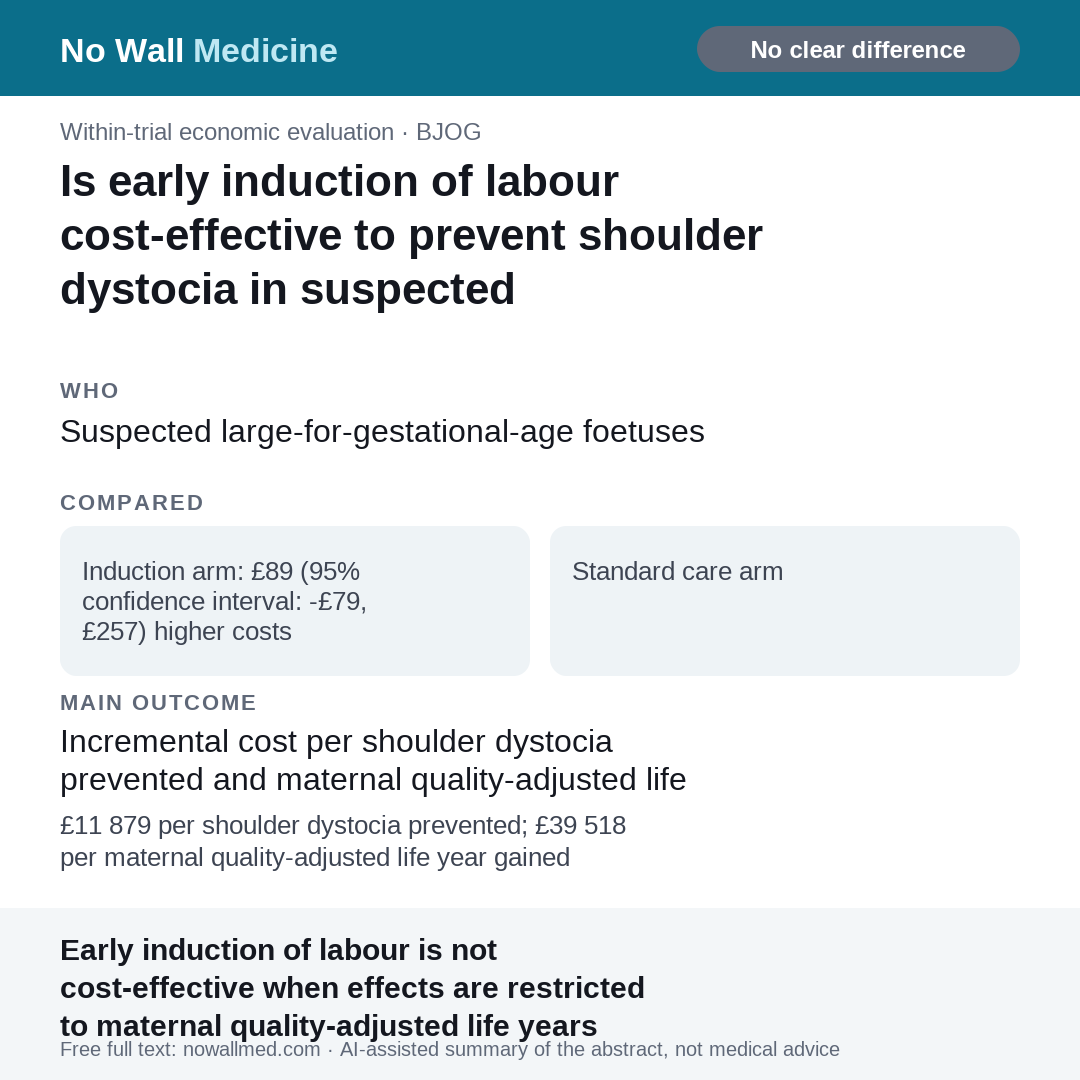
Is It Cost-Effective to Induce Labour Early to Prevent Shoulder Dystocia? Evidence From the Big Baby Trial
Within-trial economic evaluationNo clear difference
Is early induction of labour cost-effective to prevent shoulder dystocia in suspected large-for-gestational-age foetuses?
Who
Suspected large-for-gestational-age foetuses
Compared
Induction arm: £89 (95% confidence interval: -£79, £257) higher costs
Standard care arm
Main outcome
Incremental cost per shoulder dystocia prevented and maternal quality-adjusted life year gained
Result: £11 879 per shoulder dystocia prevented; £39 518 per maternal quality-adjusted life year gained
Bottom line: Early induction of labour is not cost-effective when effects are restricted to maternal quality-adjusted life years gained.
BJOG · 2025-05-01Download image
Prevalence and Medium-Term Outcomes of Patients with Biopsy-Proven Intermediate- to High-Risk Prostate Adenocarcinoma with Low Intraprostatic Uptake on [68Ga]Ga-PSMA-11 PET/CT in the proPSMA Study
Prospective studyBenefit found
What is the prevalence and medium-term outcomes of patients with low intraprostatic uptake on PSMA PET/CT?
Who
302
Patients with biopsy-proven intermediate- to high-risk prostate adenocarcinoma
Compared
3.3%Low intraprostatic uptake (10/302)
Definitive therapy group: 44% (4/9) remained on trial
Main outcome
Prevalence and treatment failure
Bottom line: Low intraprostatic uptake on PSMA PET/CT is rare and treatment failure is infrequent in these patients.
J Nucl Med · 2025-05-01Download image

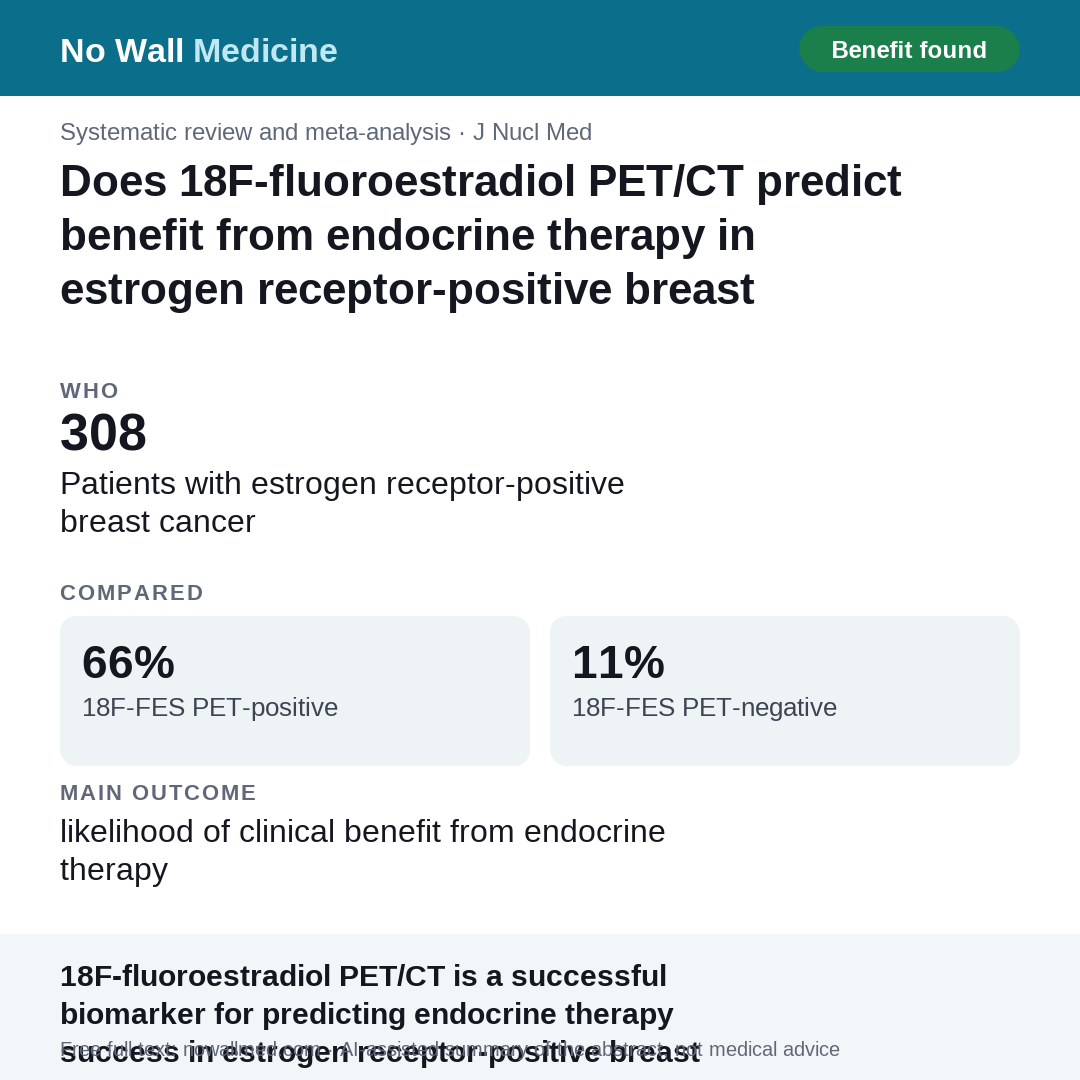
18F-Fluoroestradiol PET/CT for Predicting Benefit from Endocrine Therapy in Patients with Estrogen Receptor-Positive Breast Cancer: A Systematic Review and Metaanalysis
Systematic review and meta-analysisBenefit found
Does 18F-fluoroestradiol PET/CT predict benefit from endocrine therapy in estrogen receptor-positive breast cancer?
Who
308
Patients with estrogen receptor-positive breast cancer
Compared
66%18F-FES PET-positive (95% CI, 51%-79%)
11%18F-FES PET-negative (95% CI, 3.5%-22%)
Main outcome
likelihood of clinical benefit from endocrine therapy
Result: risk ratio 3.21 (95% CI, 1.96-5.25)
Bottom line: 18F-fluoroestradiol PET/CT is a successful biomarker for predicting endocrine therapy success in estrogen receptor-positive breast cancer.
J Nucl Med · 2025-05-01Download image
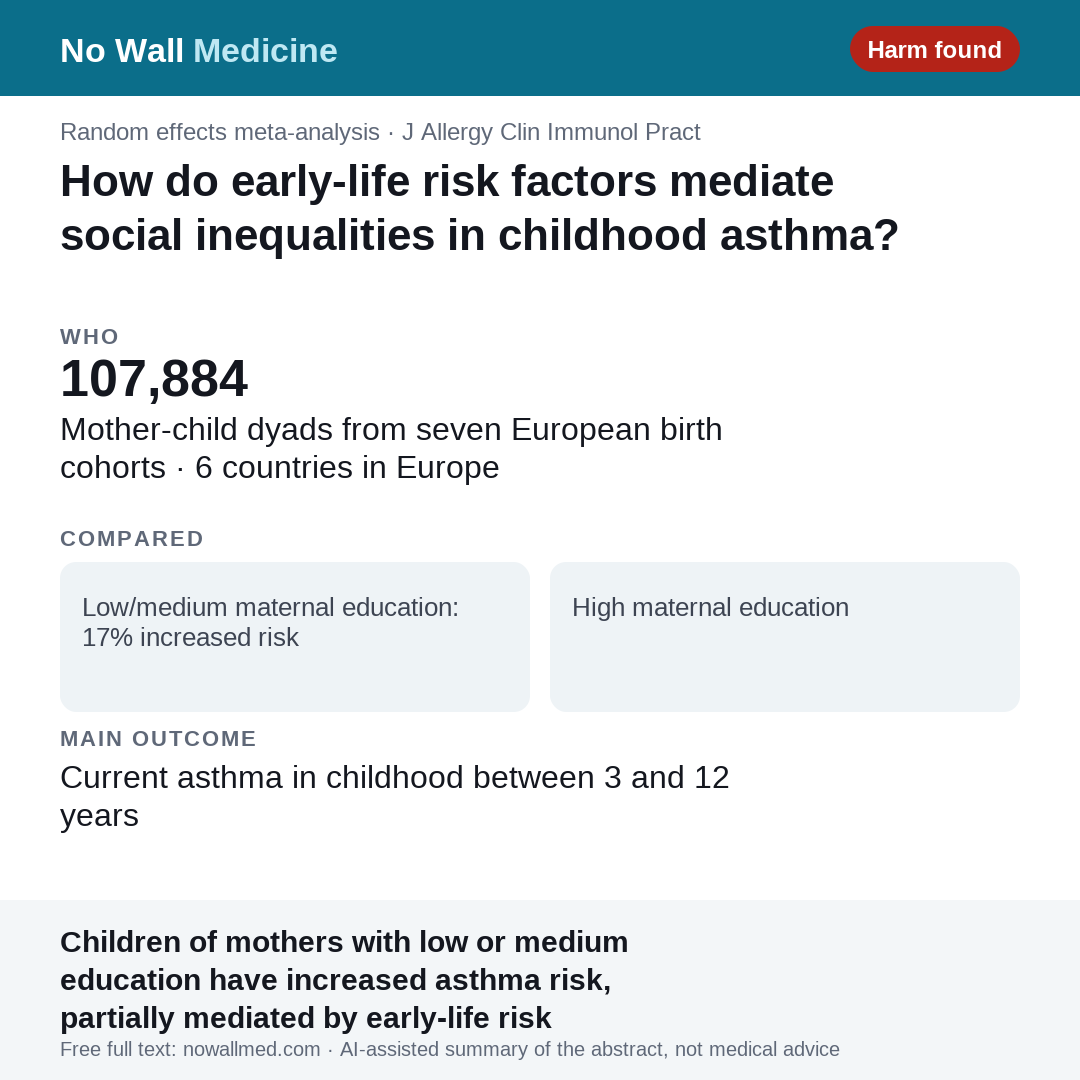
Understanding Social Inequalities in Childhood Asthma: Quantifying the Mediating Role of Modifiable Early-Life Risk Factors in Seven European Birth Cohorts
Random effects meta-analysisHarm found
How do early-life risk factors mediate social inequalities in childhood asthma?
Who
107,884
Mother-child dyads from seven European birth cohorts · 6 countries in Europe
Compared
Low/medium maternal education: 17% increased risk
High maternal education
Main outcome
Current asthma in childhood between 3 and 12 years
Result: 17% (95% confidence interval: 8%-27%)
Bottom line: Children of mothers with low or medium education have increased asthma risk, partially mediated by early-life risk factors.
J Allergy Clin Immunol Pract · 2025-05-01Download image
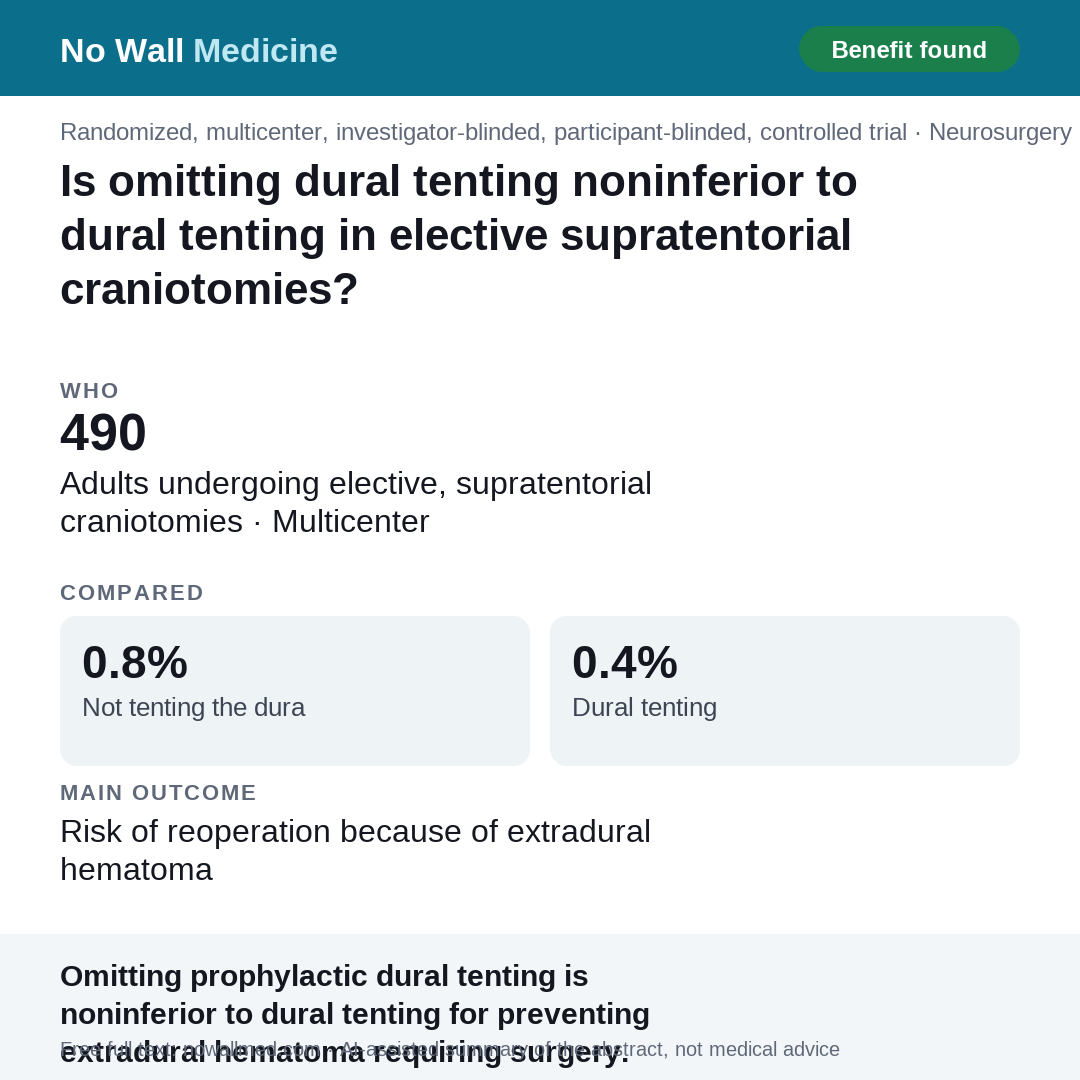
Dural Tenting in Elective Craniotomies: A Randomized Clinical Trial
Randomized, multicenter, investigator-blinded, participant-blinded, controlled trialBenefit found
Is omitting dural tenting noninferior to dural tenting in elective supratentorial craniotomies?
Who
490
Adults undergoing elective, supratentorial craniotomies · Multicenter
Compared
0.8%Not tenting the dura
0.4%Dural tenting
Main outcome
Risk of reoperation because of extradural hematoma
Bottom line: Omitting prophylactic dural tenting is noninferior to dural tenting for preventing extradural hematoma requiring surgery.
Neurosurgery · 2025-05-01Download image
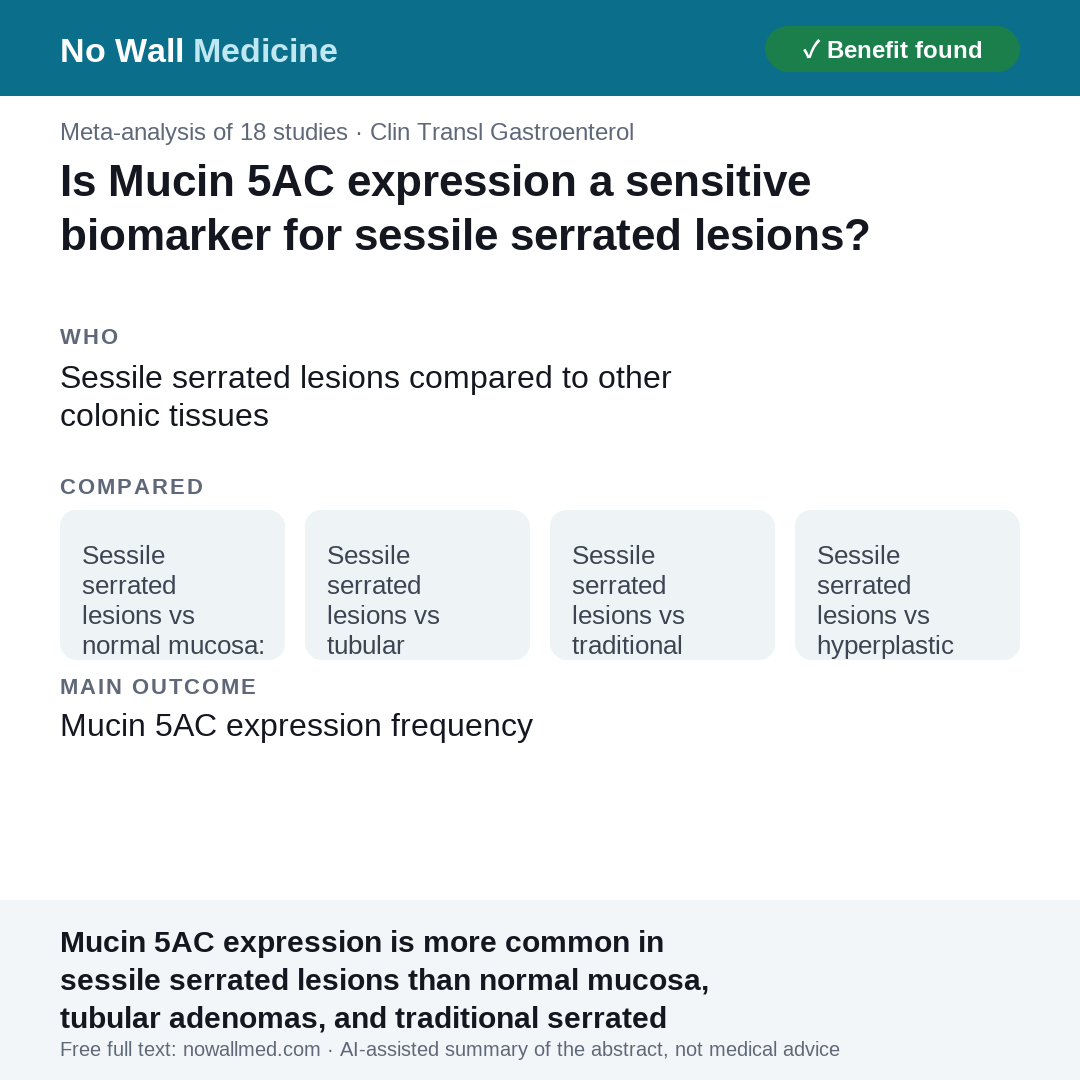
Mucin 5AC as a Biomarker for Sessile Serrated Lesions: Results From a Systematic Review and Meta-Analysis
Meta-analysis of 18 studiesBenefit found
Is Mucin 5AC expression a sensitive biomarker for sessile serrated lesions?
Who
Sessile serrated lesions compared to other colonic tissues
Compared
Sessile serrated lesions vs normal mucosa: OR = 82.9
Sessile serrated lesions vs tubular adenoma: OR = 11
Sessile serrated lesions vs traditional serrated adenomas: OR = 3.6
Sessile serrated lesions vs hyperplastic polyps: OR = 2.1
Main outcome
Mucin 5AC expression frequency
Bottom line: Mucin 5AC expression is more common in sessile serrated lesions than normal mucosa, tubular adenomas, and traditional serrated adenomas.
Clin Transl Gastroenterol · 2025-05-01Download image
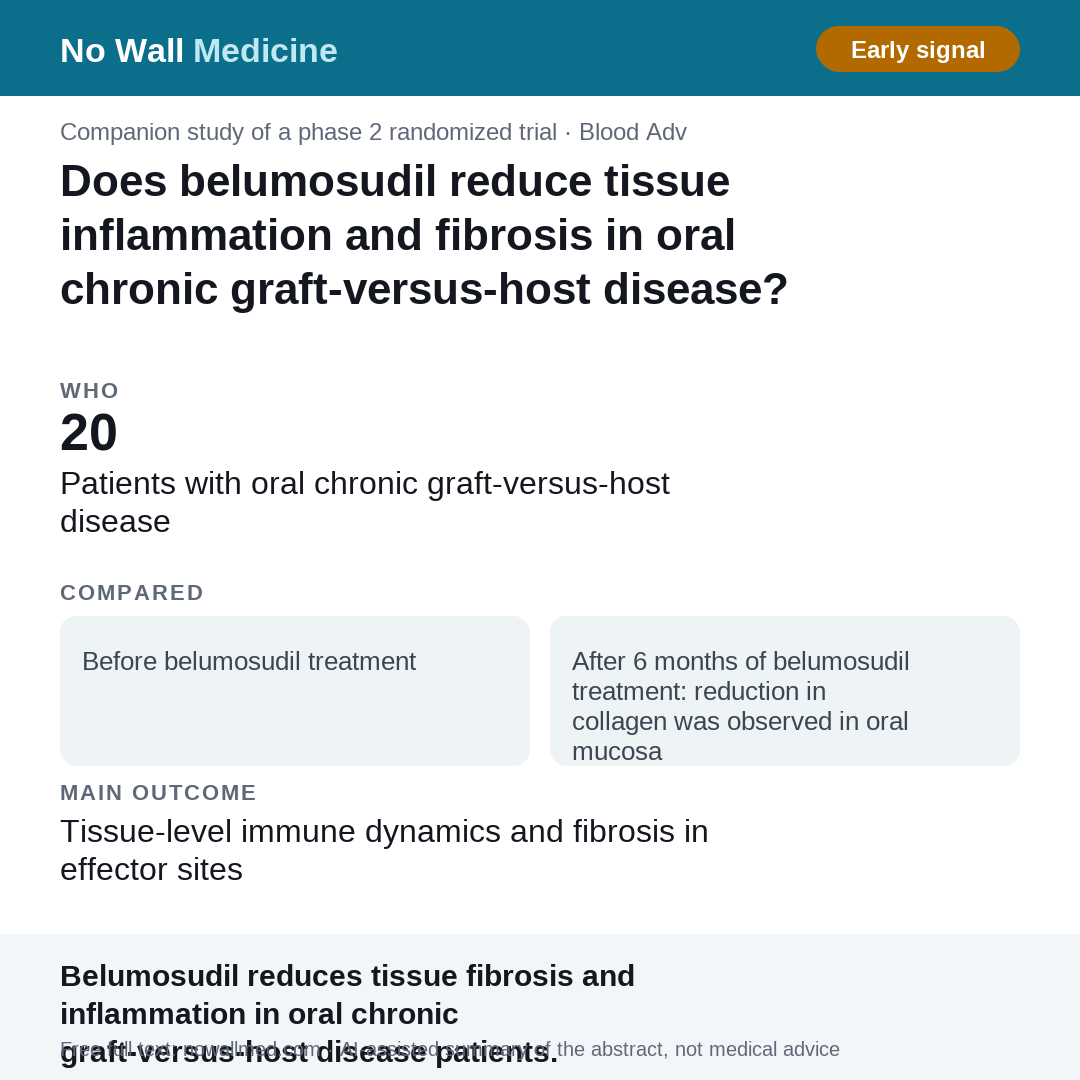
Belumosudil reduces oral chronic graft-versus-host disease tissue inflammation and fibrosis: a ROCKstar companion study
Companion study of a phase 2 randomized trialBenefit found
Does belumosudil reduce tissue inflammation and fibrosis in oral chronic graft-versus-host disease?
Who
20
Patients with oral chronic graft-versus-host disease
Compared
Before belumosudil treatment
After 6 months of belumosudil treatment: reduction in collagen was observed in oral mucosa
Main outcome
Tissue-level immune dynamics and fibrosis in effector sites
Bottom line: Belumosudil reduces tissue fibrosis and inflammation in oral chronic graft-versus-host disease patients.
Blood Adv · 2025-05-01Download image
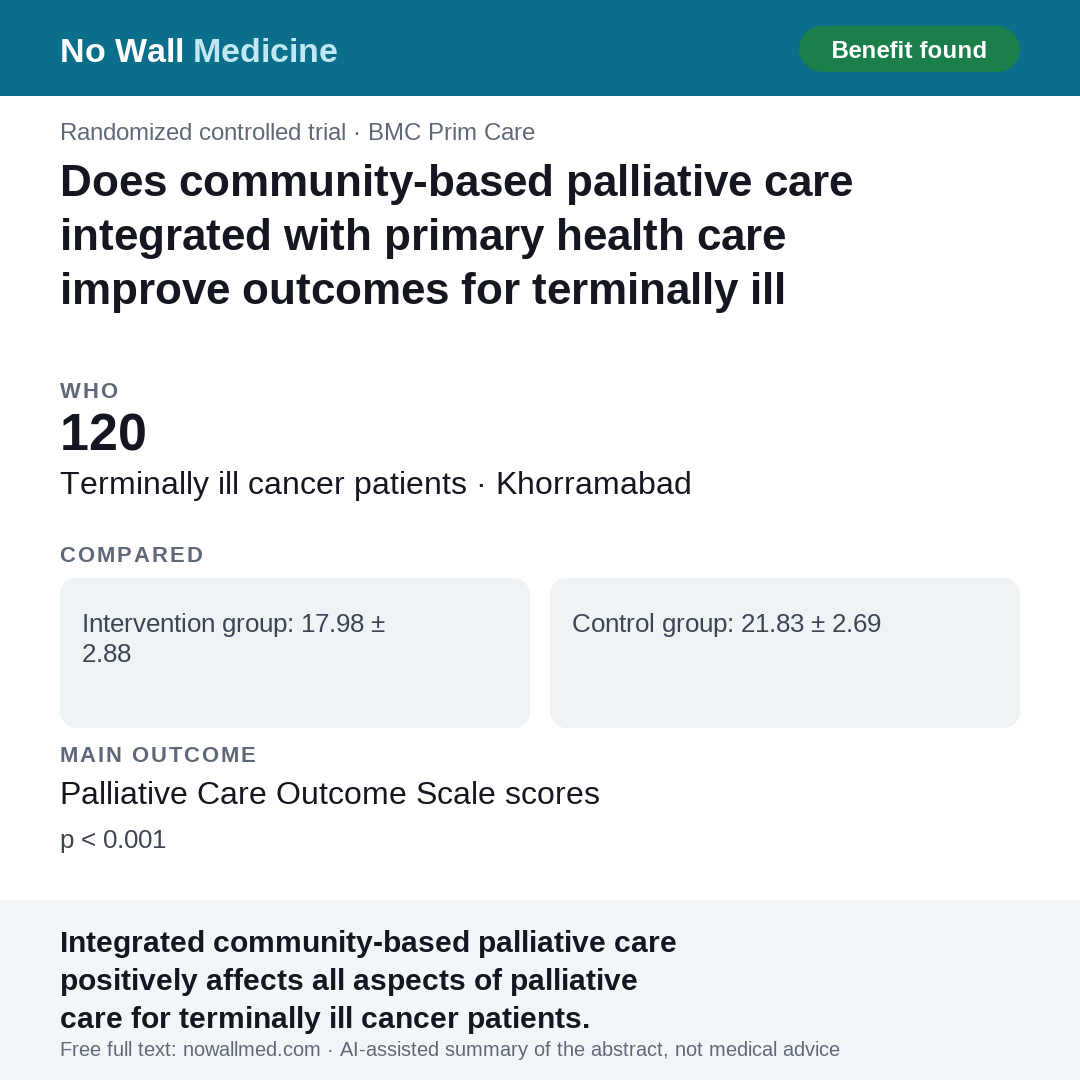
The effect of community-based palliative supportive care integrated with primary health care (PHC) on the outcomes of terminally ill cancer patients
Randomized controlled trialBenefit found
Does community-based palliative care integrated with primary health care improve outcomes for terminally ill cancer patients?
Who
120
Terminally ill cancer patients · Khorramabad
Compared
Intervention group: 17.98 ± 2.88
Control group: 21.83 ± 2.69
Main outcome
Palliative Care Outcome Scale scores
Result: p < 0.001
Bottom line: Integrated community-based palliative care positively affects all aspects of palliative care for terminally ill cancer patients.
BMC Prim Care · 2025-05-01Download image
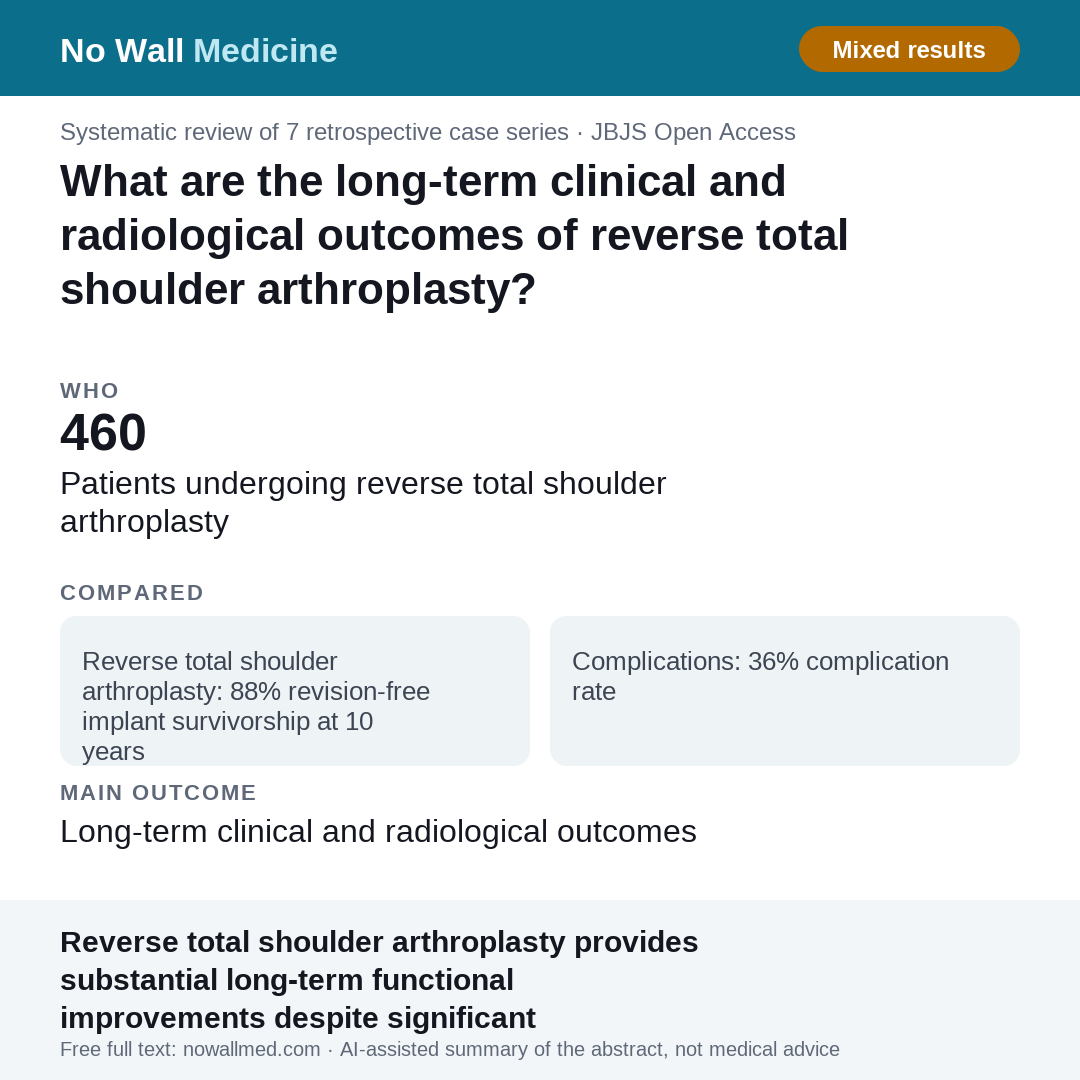
Long-Term Outcomes Following Reverse Total Shoulder Arthroplasty: A Systematic Review with a Minimum Follow-Up of 10 Years
Systematic review of 7 retrospective case seriesMixed results
What are the long-term clinical and radiological outcomes of reverse total shoulder arthroplasty?
Who
460
Patients undergoing reverse total shoulder arthroplasty
Compared
Reverse total shoulder arthroplasty: 88% revision-free implant survivorship at 10 years
Complications: 36% complication rate
Main outcome
Long-term clinical and radiological outcomes
Bottom line: Reverse total shoulder arthroplasty provides substantial long-term functional improvements despite significant complication and revision rates.
Limitation: High lost-to-follow-up rates and limited data quality in contemporary literature.
JBJS Open Access · 2025-05-01Download image
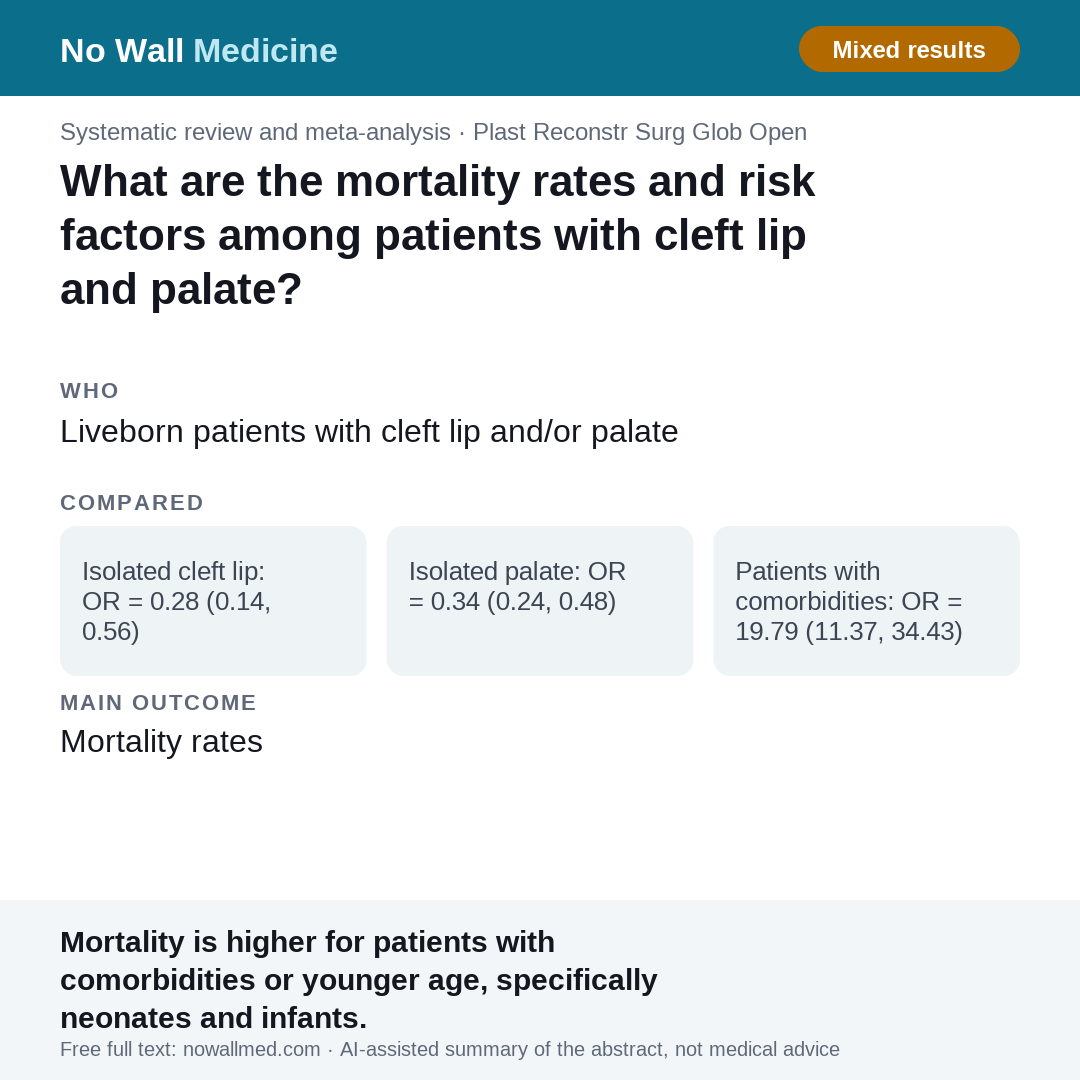
Mortality in Cleft Lip and Palate Patients: A Systematic Review and Meta-analysis
Systematic review and meta-analysisMixed results
What are the mortality rates and risk factors among patients with cleft lip and palate?
Who
Liveborn patients with cleft lip and/or palate
Compared
Isolated cleft lip: OR = 0.28 (0.14, 0.56)
Isolated palate: OR = 0.34 (0.24, 0.48)
Patients with comorbidities: OR = 19.79 (11.37, 34.43)
Main outcome
Mortality rates
Bottom line: Mortality is higher for patients with comorbidities or younger age, specifically neonates and infants.
Limitation: Further studies stratifying data by cleft phenotype and age are required.
Plast Reconstr Surg Glob Open · 2025-05-01Download image
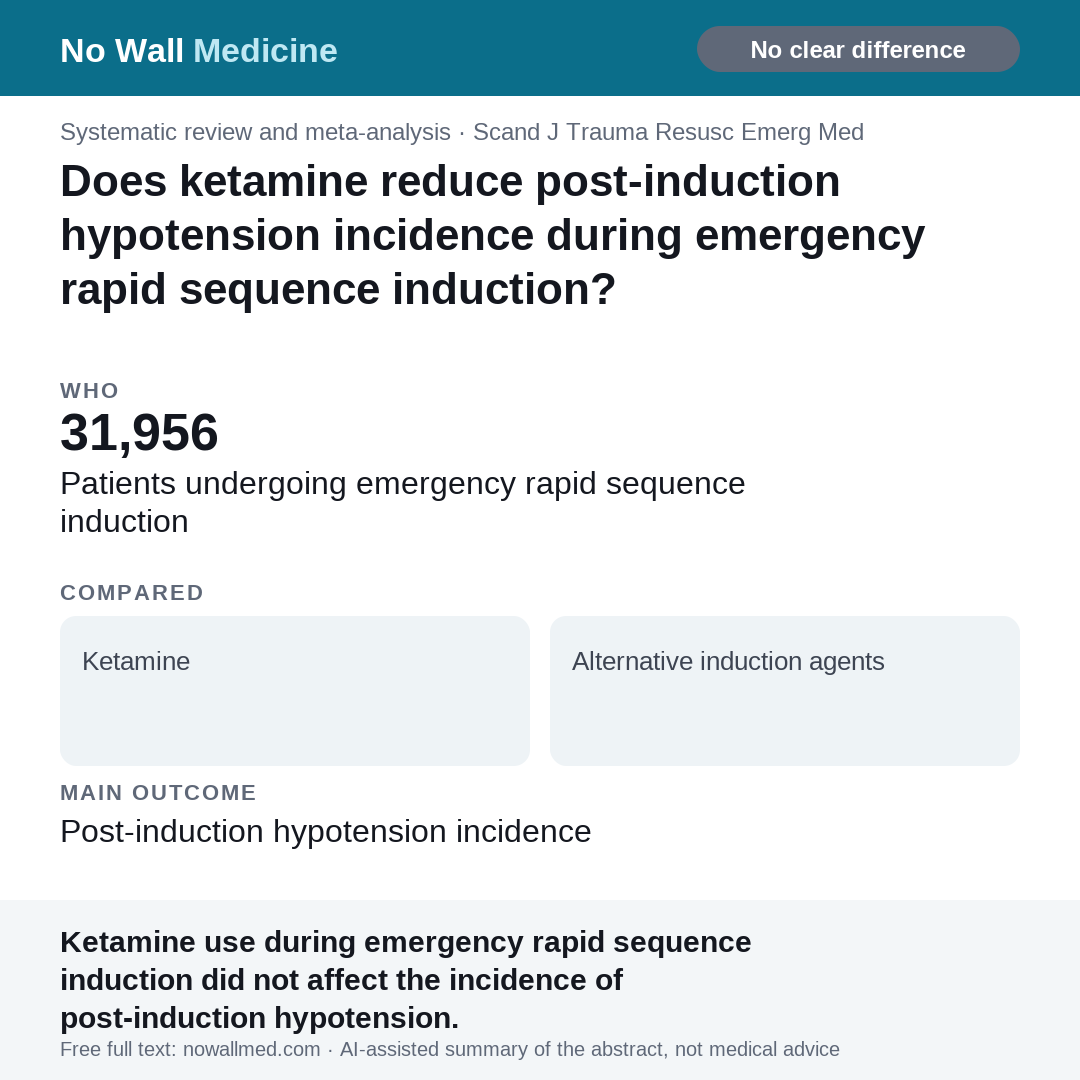
Incidence of post-induction hypotension following emergency rapid sequence induction with ketamine: a systematic review and meta-analysis
Systematic review and meta-analysisNo clear difference
Does ketamine reduce post-induction hypotension incidence during emergency rapid sequence induction?
Who
31,956
Patients undergoing emergency rapid sequence induction
Compared
Ketamine
Alternative induction agents
Main outcome
Post-induction hypotension incidence
Result: odds ratio 1.10 (95% CI 0.78-1.56)
Bottom line: Ketamine use during emergency rapid sequence induction did not affect the incidence of post-induction hypotension.
Limitation: Considerable methodological heterogeneity and breadth of inclusion criteria may limit universal applicability.
Scand J Trauma Resusc Emerg Med · 2025-05-01Download image
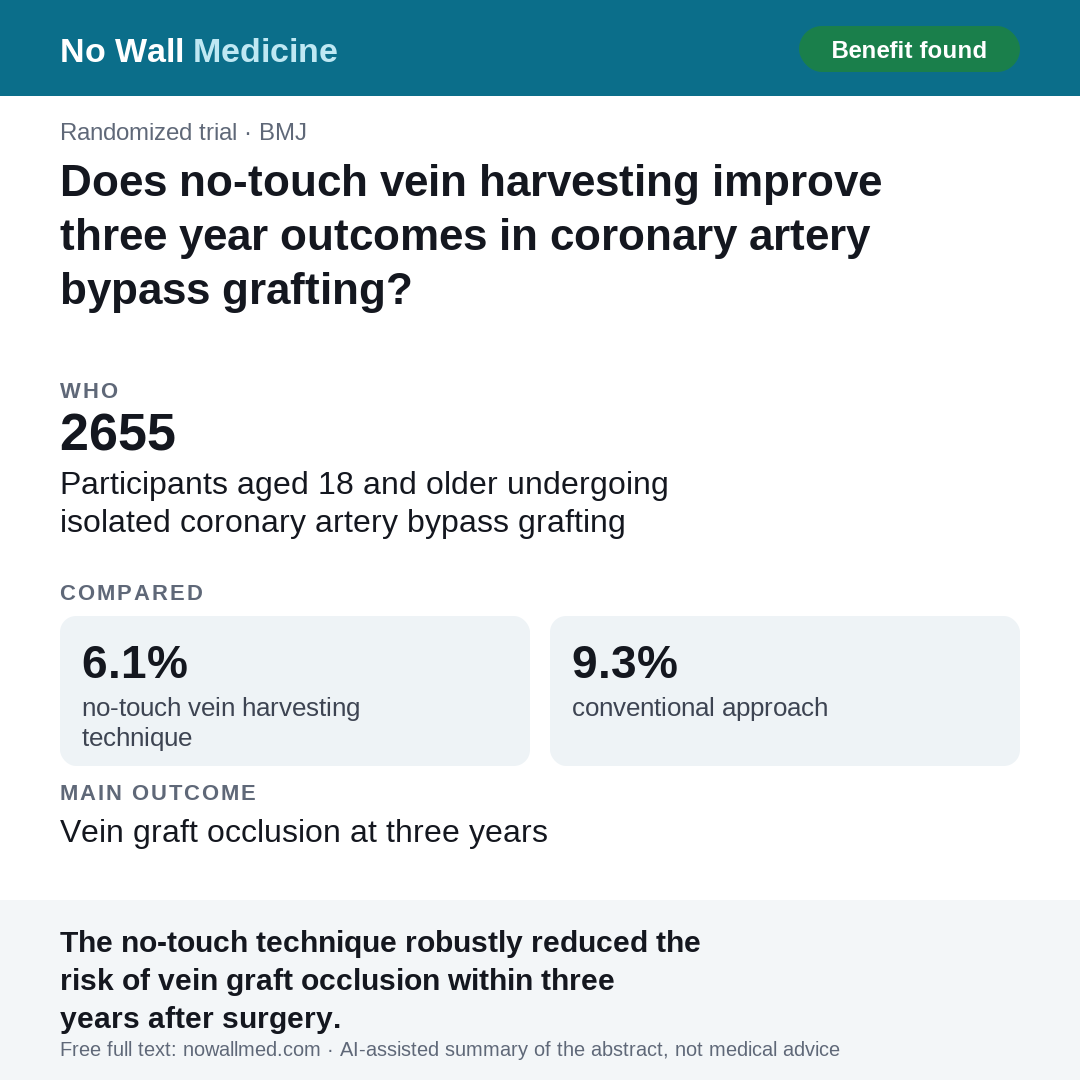
No-touch versus conventional vein in coronary artery bypass grafting: three year follow-up of multicentre randomised PATENCY trial
Randomized trialBenefit found
Does no-touch vein harvesting improve three year outcomes in coronary artery bypass grafting?
Who
2655
Participants aged 18 and older undergoing isolated coronary artery bypass grafting surgery · Seven cardiac surgery centres in China
Compared
6.1%no-touch vein harvesting technique
9.3%conventional approach
Main outcome
Vein graft occlusion at three years
Result: odds ratio 0.63 (95% confidence interval 0.51 to 0.81)
Bottom line: The no-touch technique robustly reduced the risk of vein graft occlusion within three years after surgery.
BMJ · 2025-04-30Download image
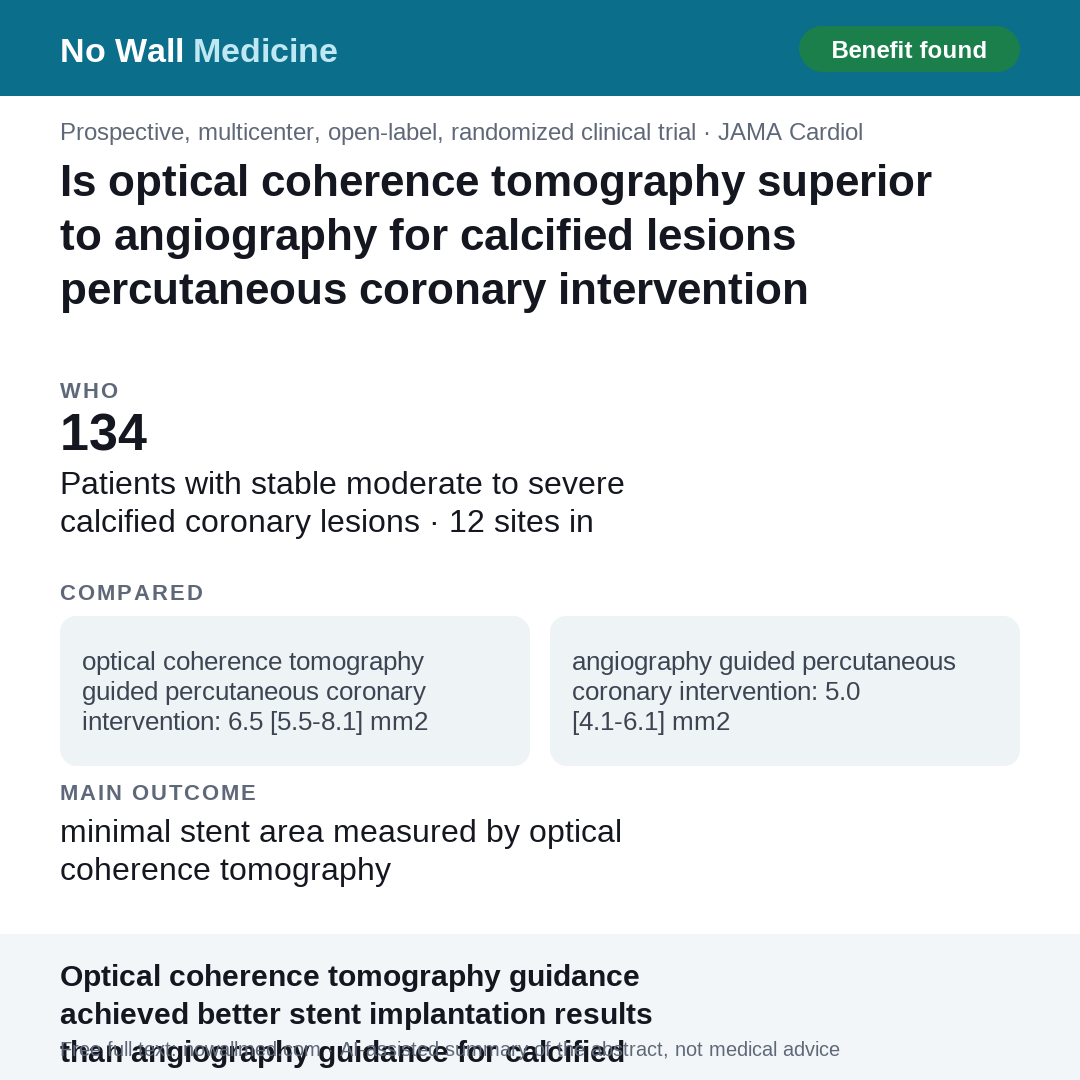
Positive Emotion Dysregulation in Opioid Use Disorder and Normalization by Mindfulness-Oriented Recovery Enhancement: A Secondary Analysis of a Randomized Clinical Trial
Randomized clinical trial substudyBenefit found
Does mindfulness-oriented recovery enhancement normalize positive emotion dysregulation in opioid use disorder?
Who
62
Patients with chronic pain at risk for opioid misuse · Primary care and pain clinics in Utah
Compared
Mindfulness-Oriented Recovery Enhancement: B = 1.53 (95% CI, 0.33-2.73)
Supportive group therapy
Main outcome
Parietal late positive potential and P300 amplitude during positive emotion regulation
Result: B = 1.53 (95% CI, 0.33-2.73)
Bottom line: Mindfulness-oriented recovery enhancement improved positive emotion regulation and reduced opioid craving compared to supportive group therapy.
JAMA Psychiatry · 2025-04-30Download image
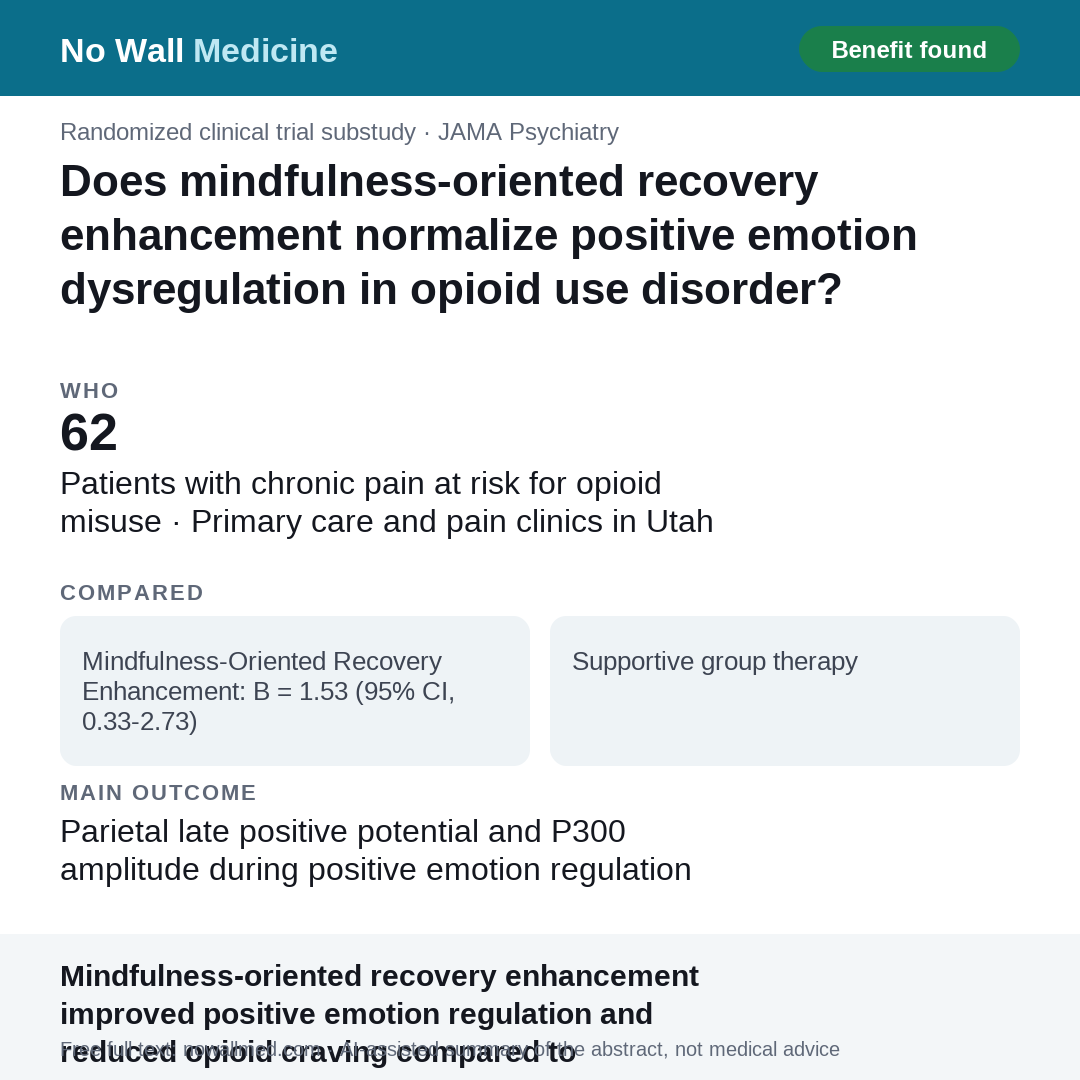
Tirzepatide and muscle composition changes in people with type 2 diabetes (SURPASS-3 MRI): a post-hoc analysis of a randomised, open-label, parallel-group, phase 3 trial
Randomised, open-label, parallel-group, phase 3 trialMixed results
How does tirzepatide affect muscle composition compared to insulin degludec in type 2 diabetes?
Who
246
Insulin-naive adults with type 2 diabetes · Multicentre, eight countries
Compared
Pooled tirzepatide: muscle fat infiltration change -0.36 percentage points
Insulin degludec: no significant change in the other variables
Main outcome
Thigh muscle fat infiltration, muscle volume, and muscle volume Z score
Bottom line: Tirzepatide significantly reduced muscle fat infiltration, muscle volume, and muscle volume Z score compared to insulin degludec.
Lancet Diabetes Endocrinol · 2025-04-30Download image
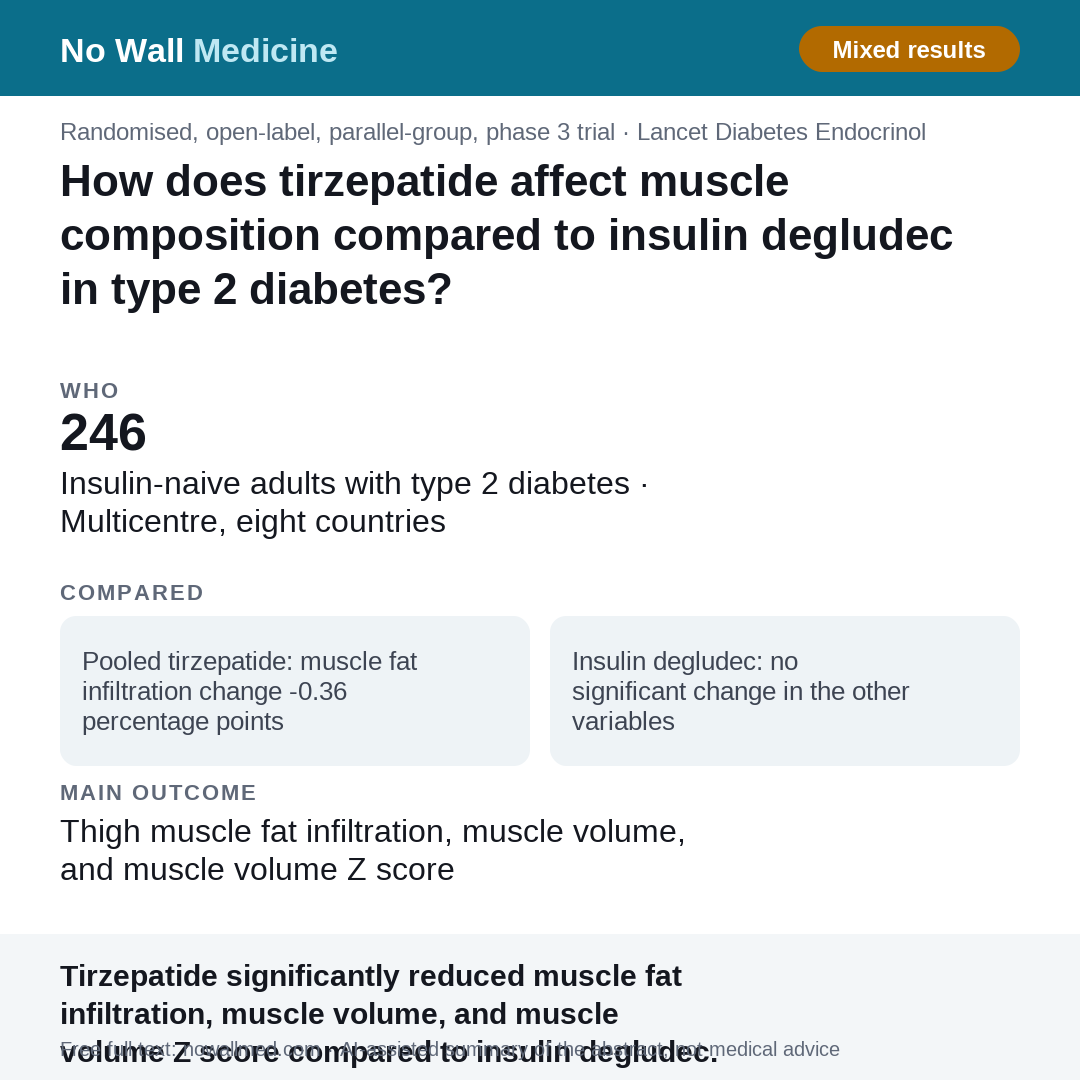
Ivarmacitinib for Moderate to Severe Atopic Dermatitis in Adults and Adolescents: A Phase 3 Randomized Clinical Trial
Multicenter, double-blind, placebo-controlled phase 3 randomized clinical trialBenefit found
Is ivarmacitinib effective for moderate to severe atopic dermatitis in adolescents and adults?
Who
336
Adolescents and adults aged 12 to 75 years with moderate to severe atopic dermatitis · 53 sites in Canada and China
Compared
4-mg ivarmacitinib: 36.3% (41/113) achieved IGA 0 or 1
8-mg ivarmacitinib: 42.0% (47/112) achieved IGA 0 or 1
Placebo: 9.0% (10/111) achieved IGA 0 or 1
Main outcome
Proportion of patients achieving IGA 0 or 1 and EASI-75 at week 16
Bottom line: Once-daily ivarmacitinib at 4-mg or 8-mg doses significantly improved skin clearance in patients with moderate to severe atopic dermatitis.
JAMA Dermatol · 2025-04-30Download image
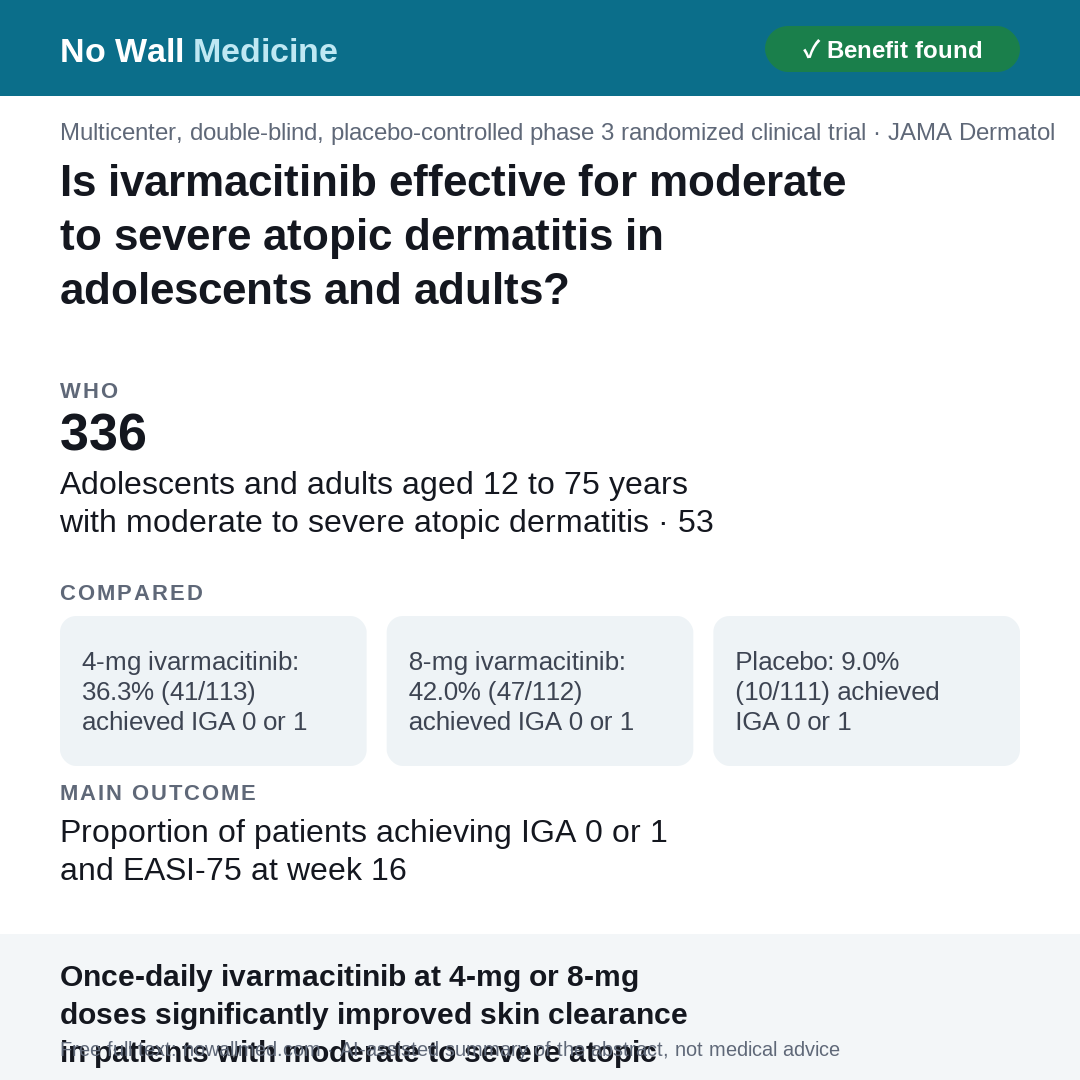
OCT vs Angiography for Guidance of Percutaneous Coronary Intervention of Calcified Lesions: The CALIPSO Randomized Clinical Trial
Prospective, multicenter, open-label, randomized clinical trialBenefit found
Is optical coherence tomography superior to angiography for calcified lesions percutaneous coronary intervention guidance?
Who
134
Patients with stable moderate to severe calcified coronary lesions · 12 sites in France
Compared
optical coherence tomography guided percutaneous coronary intervention: 6.5 [5.5-8.1] mm2
angiography guided percutaneous coronary intervention: 5.0 [4.1-6.1] mm2
Main outcome
minimal stent area measured by optical coherence tomography
Bottom line: Optical coherence tomography guidance achieved better stent implantation results than angiography guidance for calcified lesions without additional safety concerns.
JAMA Cardiol · 2025-04-30Download image
Japanese participant data from three gantenerumab trials in early Alzheimer's disease
Randomized trialsMixed results
Does gantenerumab affect cognitive and functional decline in Japanese Alzheimer's disease participants?
Who
Japanese participants with mild cognitive impairment or mild Alzheimer's disease · Japan
Compared
Japanese-GRADUATE gantenerumab: 42% relative reduction in Clinical Dementia Rating Sum of Boxes deterioration
global-GRADUATE gantenerumab: 9% relative reduction in Clinical Dementia Rating Sum of Boxes deterioration
JP40959 gantenerumab: -24% relative reduction in Clinical Dementia Rating Sum of Boxes deterioration
Main outcome
Clinical Dementia Rating Sum of Boxes deterioration and amyloid reduction
Bottom line: Gantenerumab showed varying levels of cognitive and functional benefit across different Japanese and global Alzheimer's disease trials.
Alzheimers Dement · 2025-04-30Download image

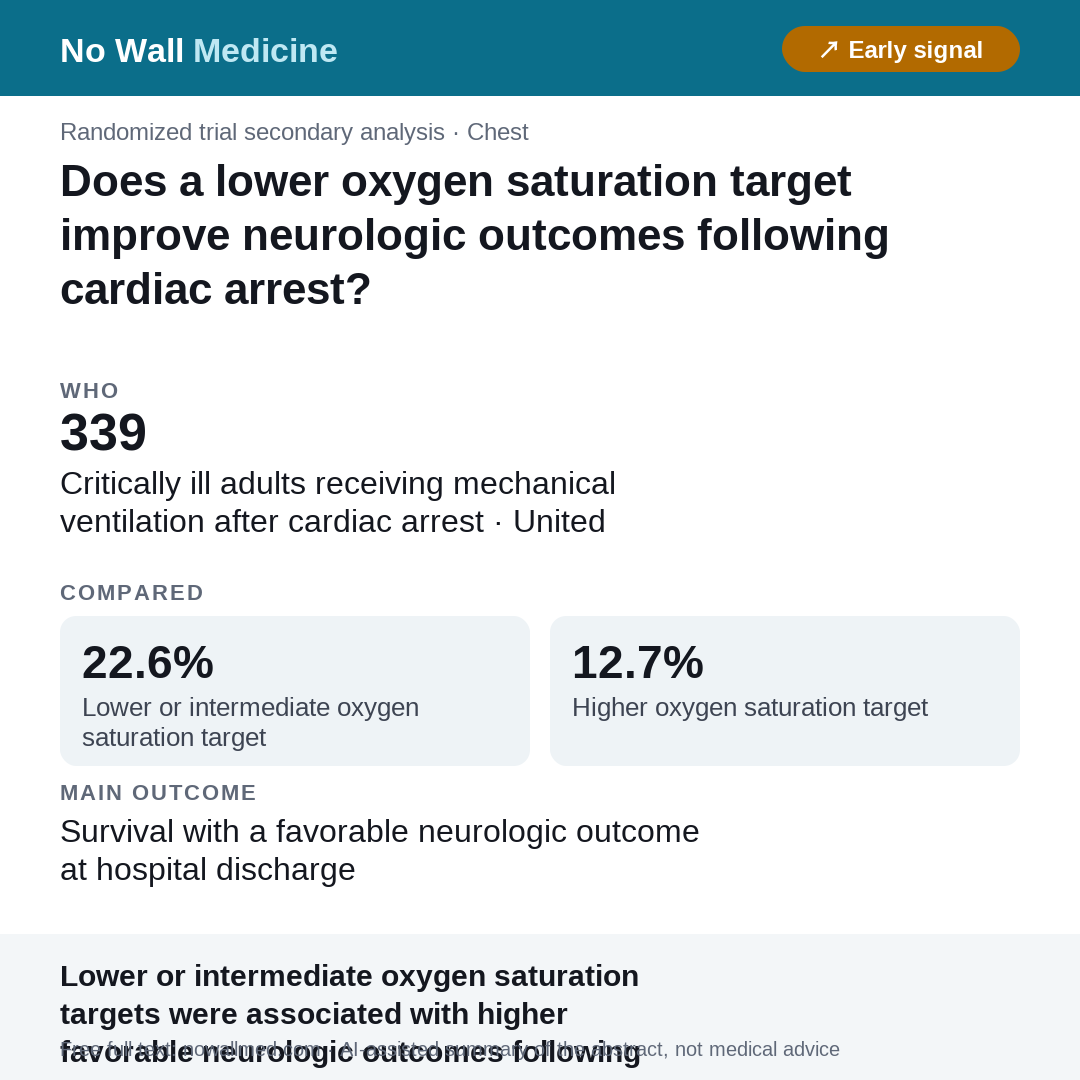
Oxygen Saturation Targets and Neurologic Outcomes Following Cardiac Arrest: A Secondary Analysis of the Pragmatic Investigation of Optimal Oxygen Targets Trial
Randomized trial secondary analysisBenefit found
Does a lower oxygen saturation target improve neurologic outcomes following cardiac arrest?
Who
339
Critically ill adults receiving mechanical ventilation after cardiac arrest · United States
Compared
22.6%Lower or intermediate oxygen saturation target
12.7%Higher oxygen saturation target
Main outcome
Survival with a favorable neurologic outcome at hospital discharge
Result: absolute risk difference, 9.9 percentage points; 95% CI, 1.8-18.1
Bottom line: Lower or intermediate oxygen saturation targets were associated with higher favorable neurologic outcomes following cardiac arrest.
Chest · 2025-04-30Download image
Fotagliptin add-on therapy to metformin in patients with uncontrolled type 2 diabetes: A randomised, multicentre, double-blind, placebo-controlled, phase 3 trial
Randomised, double-blind, placebo-controlled, phase 3 trialBenefit found
Does fotagliptin add-on therapy to metformin improve glycaemic control in type 2 diabetes?
Who
Patients with type 2 diabetes with inadequate glycaemic control using metformin alone · multicentre
Compared
-0.81%fotagliptin plus metformin
-0.28%placebo plus metformin
Main outcome
change in haemoglobin A1c level from baseline to week 24
Result: -0.53% (95% CI -0.68% to -0.39%)
Bottom line: Fotagliptin added to metformin achieved superior and clinically meaningful improvement in glycaemic control compared with placebo.
Diabetes Obes Metab · 2025-04-30Download image

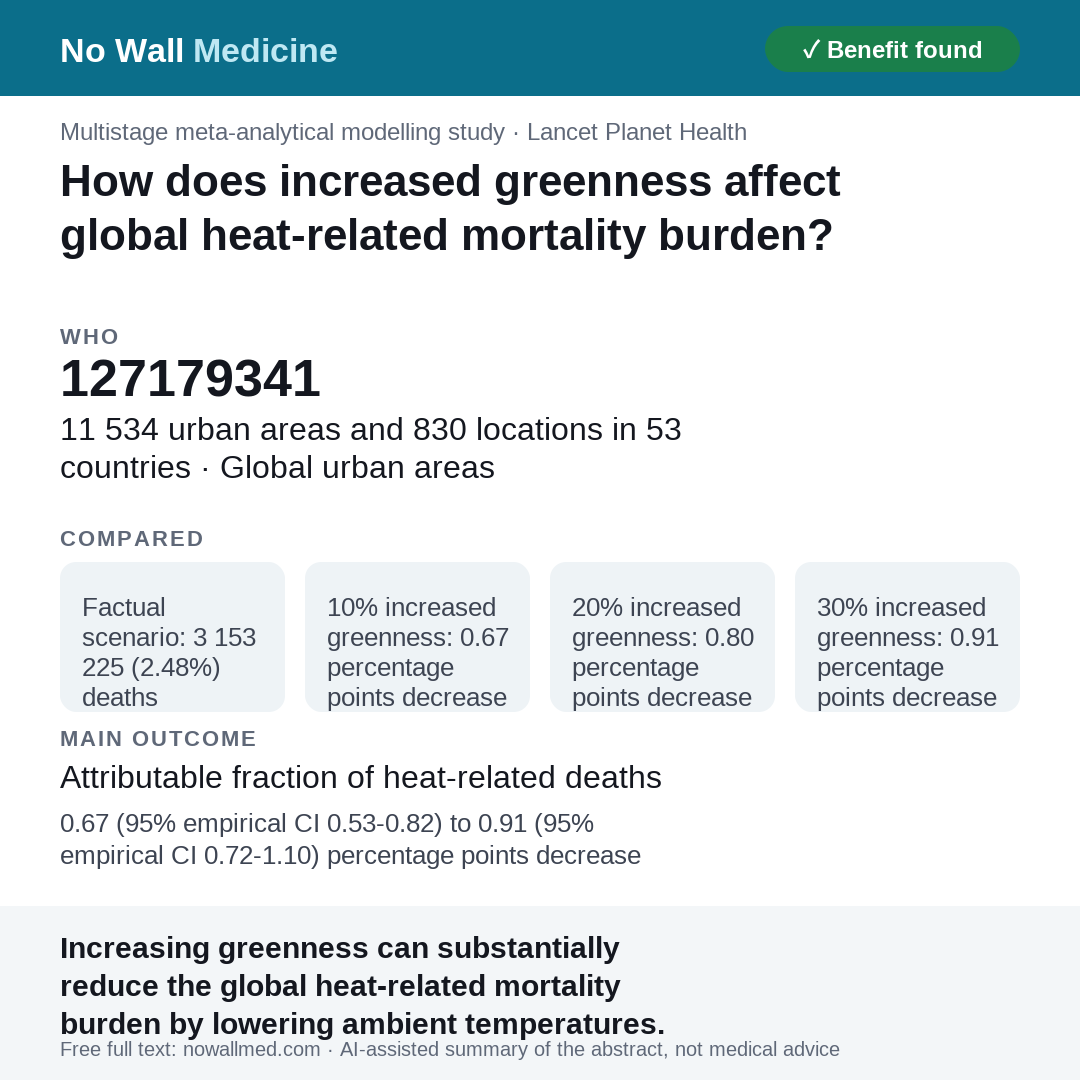
Estimating the urban heat-related mortality burden due to greenness: a global modelling study
Multistage meta-analytical modelling studyBenefit found
How does increased greenness affect global heat-related mortality burden?
Who
127179341
11 534 urban areas and 830 locations in 53 countries · Global urban areas
Compared
Factual scenario: 3 153 225 (2.48%) deaths attributed to heat
10% increased greenness: 0.67 percentage points decrease
20% increased greenness: 0.80 percentage points decrease
30% increased greenness: 0.91 percentage points decrease
Main outcome
Attributable fraction of heat-related deaths
Result: 0.67 (95% empirical CI 0.53-0.82) to 0.91 (95% empirical CI 0.72-1.10) percentage points decrease
Bottom line: Increasing greenness can substantially reduce the global heat-related mortality burden by lowering ambient temperatures.
Funded by: Australian Research Council and Australian National Health and Medical Research Council
Lancet Planet Health · 2025-04-30Download image