Visual abstracts
New randomized trials and meta-analyses from leading journals at a glance: who was studied, what was compared, and what was found. Every paper is free to read in full.
All specialtiesCardiology 4877Oncology 4138Gastroenterology & Hepatology 1942Infectious Disease 3837Neurology 1905Psychiatry & Mental Health 2273Pulmonology 2143Critical Care 1365Endocrinology & Diabetes 2580Pediatrics 2980Surgery 2559Orthopedics & Sports Medicine 931Neurosurgery 537Cardiothoracic & Vascular Surgery 674Plastic & Reconstructive Surgery 591Nephrology 1133Rheumatology 823Hematology 1109Dermatology 621Ophthalmology 543Obstetrics & Gynecology 1686Public & Global Health 1058Radiology & Imaging 648Anesthesiology 986Urology 764ENT (Otolaryngology) 503Emergency Medicine 511Allergy & Immunology 313Geriatrics 981Family Medicine & Primary Care 562Medical Genetics & Genomics 676Pathology & Laboratory Medicine 159Physical Medicine & Rehabilitation 757Palliative Care 444Nutrition 1588Digital Health & AI 2201General Medicine 321
Anatomic Subtype Differences in Extramammary Paget Disease: A Meta-Analysis
Meta-analysisMixed results
How do demographic, tumor characteristics, and treatment approaches differ by extramammary Paget disease subtype?
Who
Patients with extramammary Paget disease · MEDLINE, Embase, Web of Science, and Cochrane Reviews
Compared
Vulvar: 34% recurred
Penoscrotal: 14% recurred
Perianal: 33.9% recurred
Main outcome
Recurrence rates and disease characteristics by anatomic subtype
Bottom line: Diagnosis and treatment should differ by subtype, with vulvar cases being primarily epidermal and perianal cases having higher invasive rates.
Limitation: Lack of replication cohorts and exclusion of studies not stratifying outcomes by anatomic subtype.
JAMA Dermatol · 2024-03-06Download image

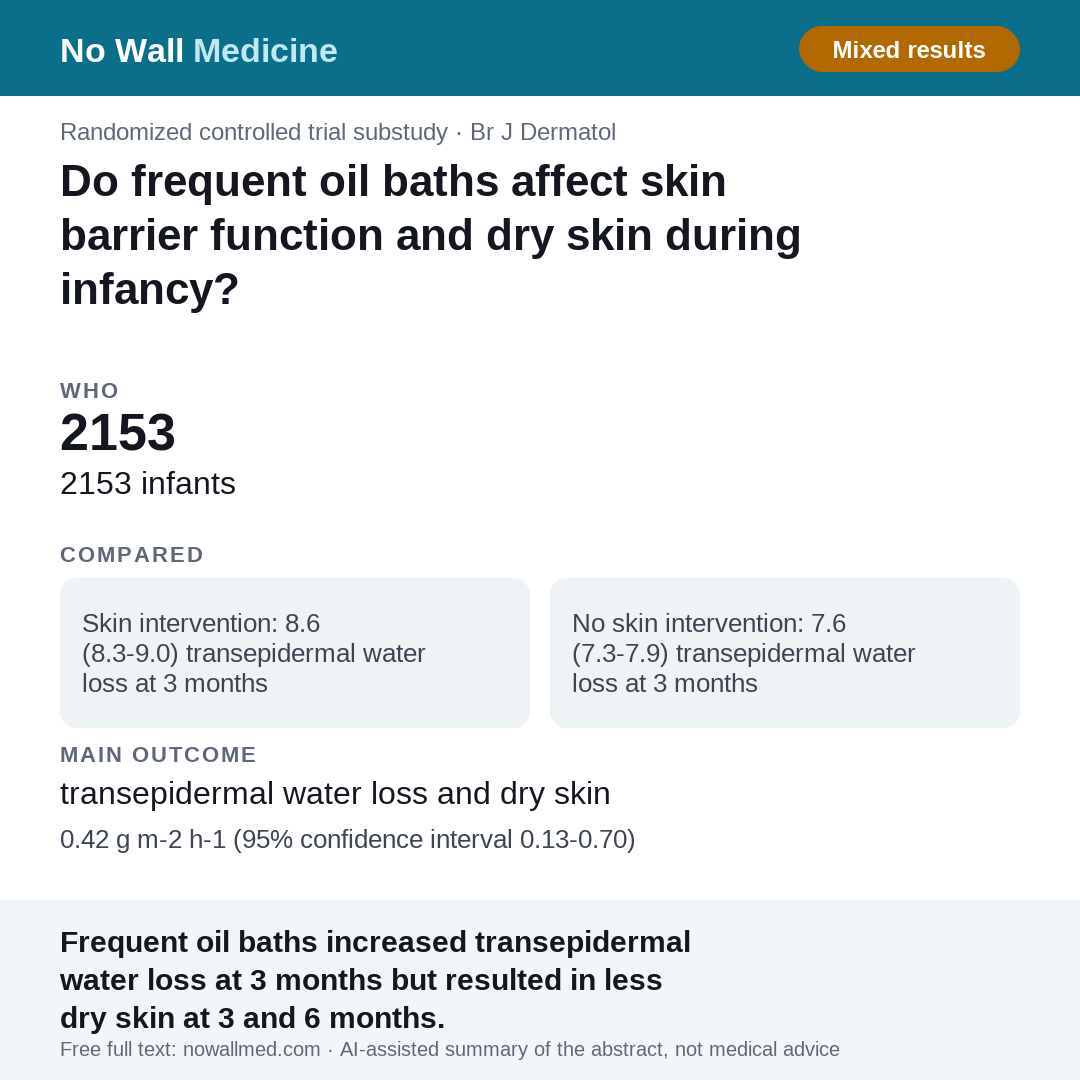
Frequent oil baths and skin barrier during infancy in the PreventADALL study
Randomized controlled trial substudyMixed results
Do frequent oil baths affect skin barrier function and dry skin during infancy?
Who
2153
2153 infants
Compared
Skin intervention: 8.6 (8.3-9.0) transepidermal water loss at 3 months
No skin intervention: 7.6 (7.3-7.9) transepidermal water loss at 3 months
Main outcome
transepidermal water loss and dry skin
Result: 0.42 g m-2 h-1 (95% confidence interval 0.13-0.70)
Bottom line: Frequent oil baths increased transepidermal water loss at 3 months but resulted in less dry skin at 3 and 6 months.
Br J Dermatol · 2024-03-06Download image
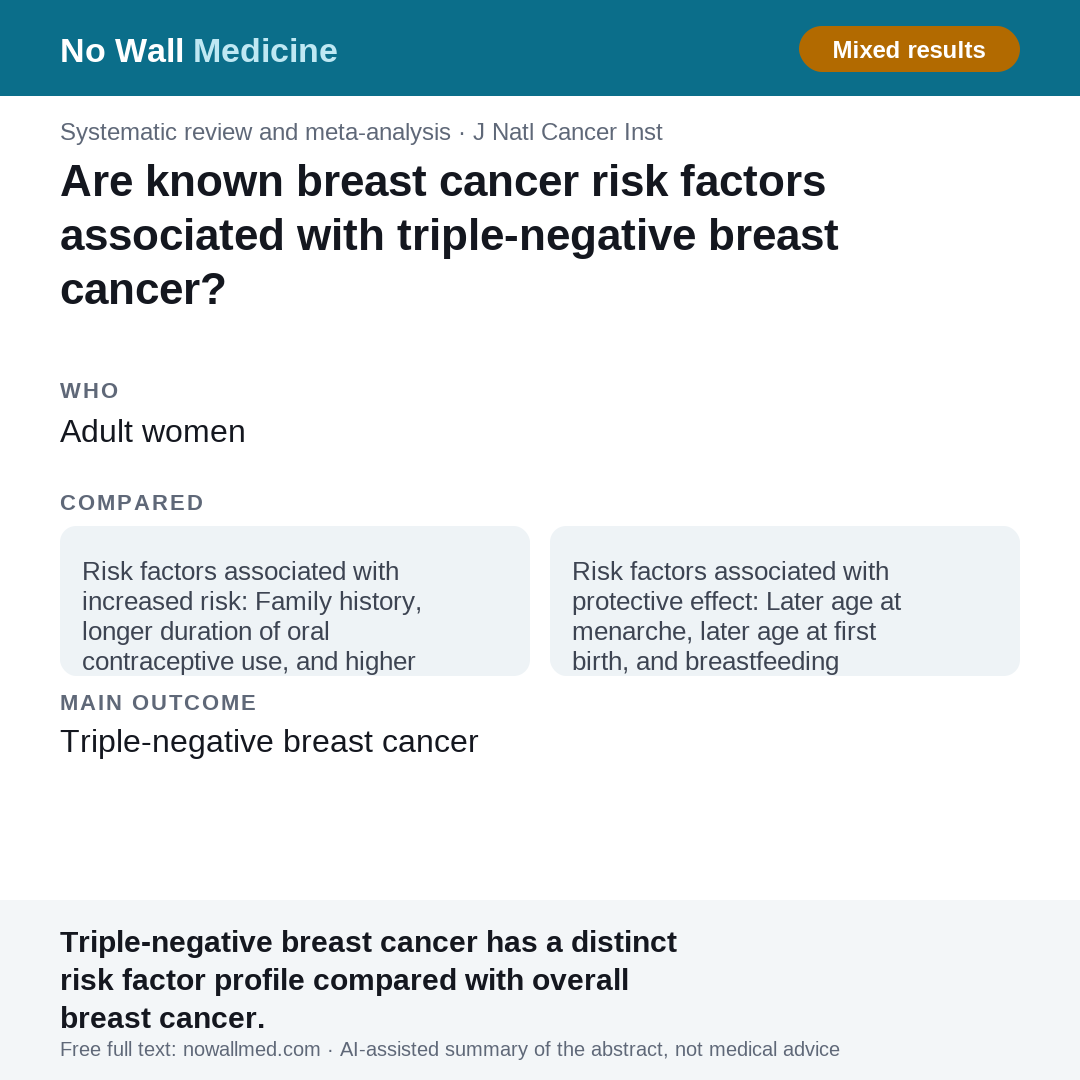
The unique risk factor profile of triple-negative breast cancer: a comprehensive meta-analysis
Systematic review and meta-analysisMixed results
Are known breast cancer risk factors associated with triple-negative breast cancer?
Who
Adult women
Compared
Risk factors associated with increased risk: Family history, longer duration of oral contraceptive use, and higher breast density
Risk factors associated with protective effect: Later age at menarche, later age at first birth, and breastfeeding
Main outcome
Triple-negative breast cancer
Bottom line: Triple-negative breast cancer has a distinct risk factor profile compared with overall breast cancer.
J Natl Cancer Inst · 2024-03-06Download image
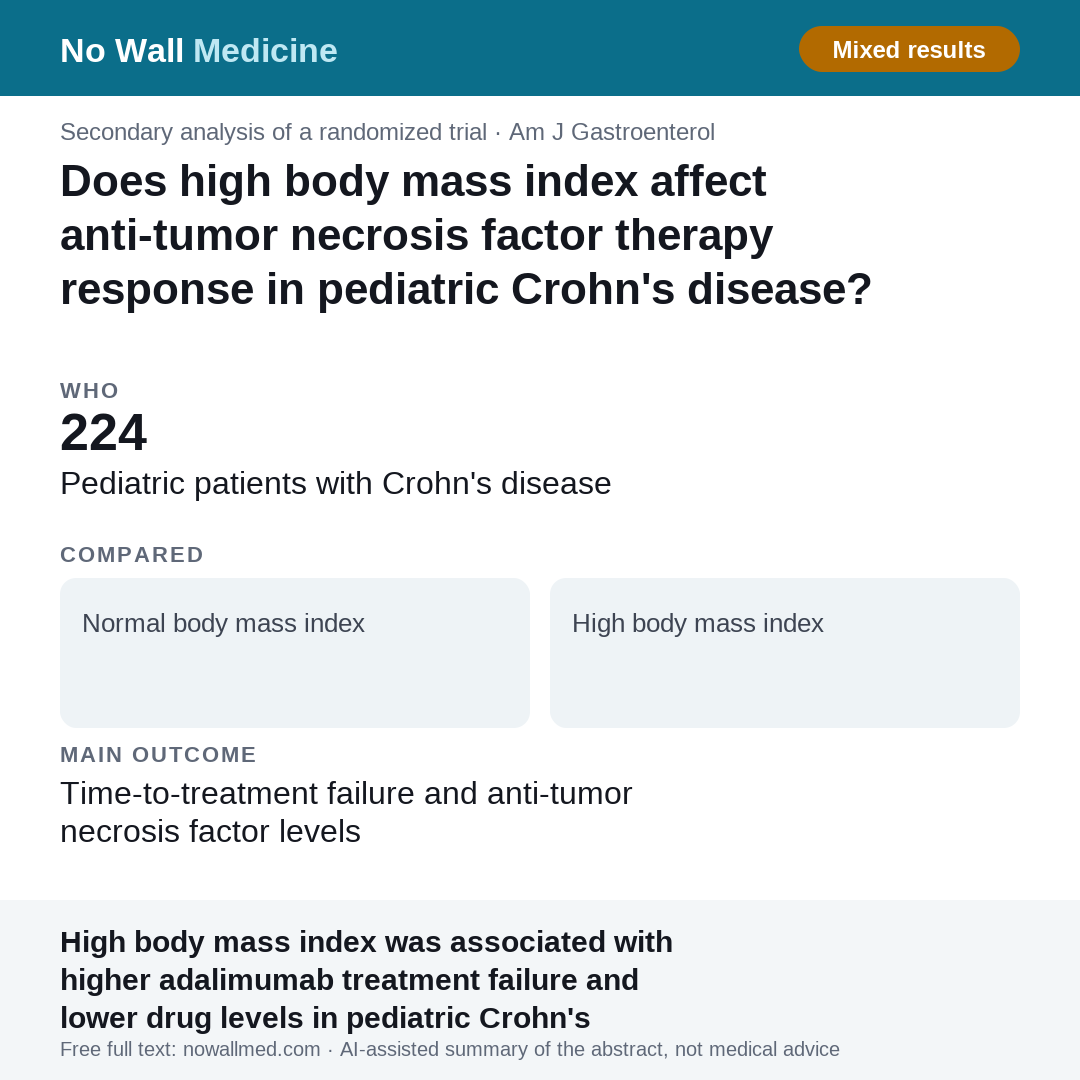
High Body Mass Index and Response to Anti-Tumor Necrosis Factor Therapy in Pediatric Crohn's Disease
Secondary analysis of a randomized trialMixed results
Does high body mass index affect anti-tumor necrosis factor therapy response in pediatric Crohn's disease?
Who
224
Pediatric patients with Crohn's disease
Compared
Normal body mass index
High body mass index
Main outcome
Time-to-treatment failure and anti-tumor necrosis factor levels
Result: hazard ratio 0.29, P = 0.007
Bottom line: High body mass index was associated with higher adalimumab treatment failure and lower drug levels in pediatric Crohn's disease.
Am J Gastroenterol · 2024-03-06Download image
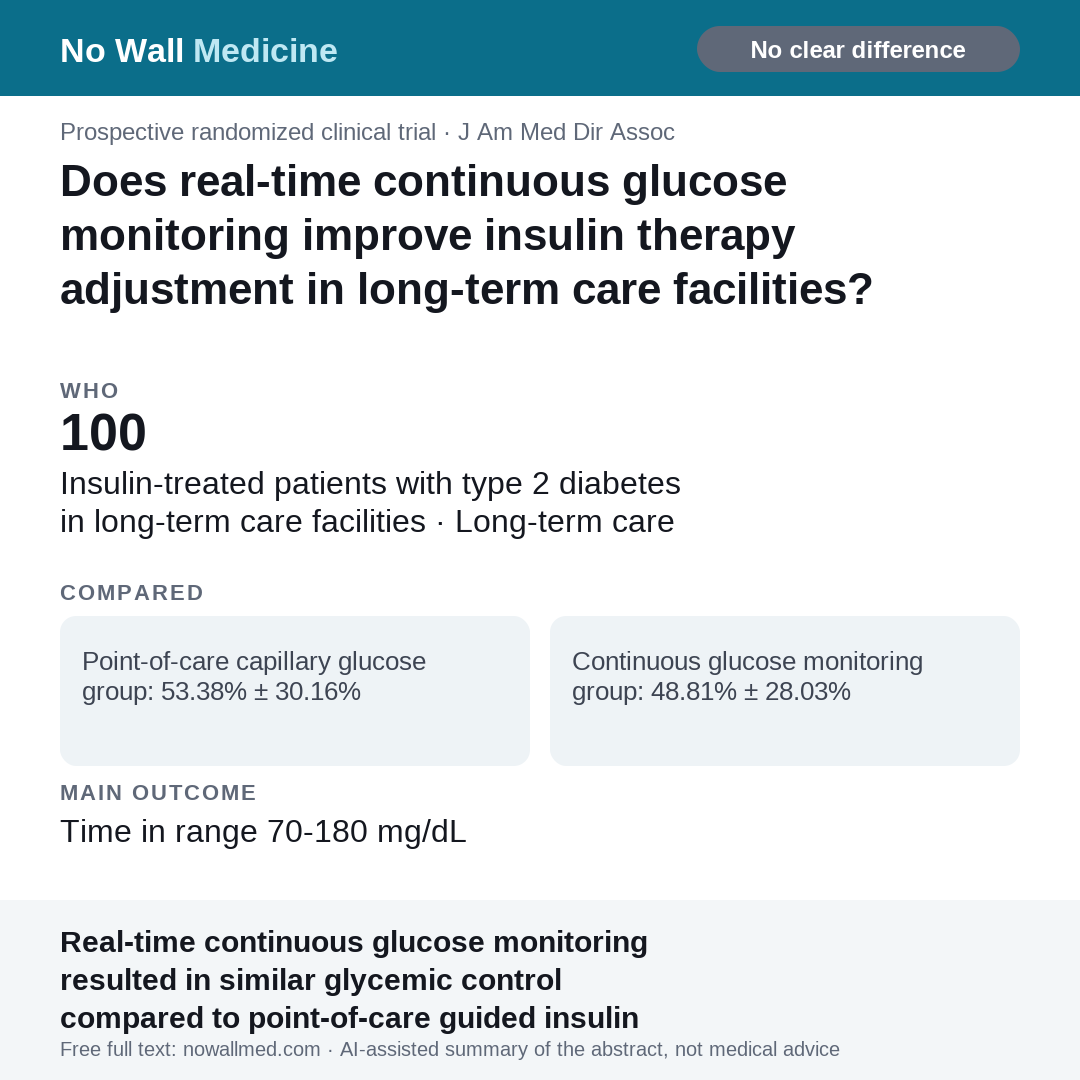
Continuous Glucose Monitoring-Guided Insulin Administration in Long-Term Care Facilities: A Randomized Clinical Trial
Prospective randomized clinical trialNo clear difference
Does real-time continuous glucose monitoring improve insulin therapy adjustment in long-term care facilities?
Who
100
Insulin-treated patients with type 2 diabetes in long-term care facilities · Long-term care facilities
Compared
Point-of-care capillary glucose group: 53.38% ± 30.16%
Continuous glucose monitoring group: 48.81% ± 28.03%
Main outcome
Time in range 70-180 mg/dL
Bottom line: Real-time continuous glucose monitoring resulted in similar glycemic control compared to point-of-care guided insulin adjustment.
J Am Med Dir Assoc · 2024-03-06Download image
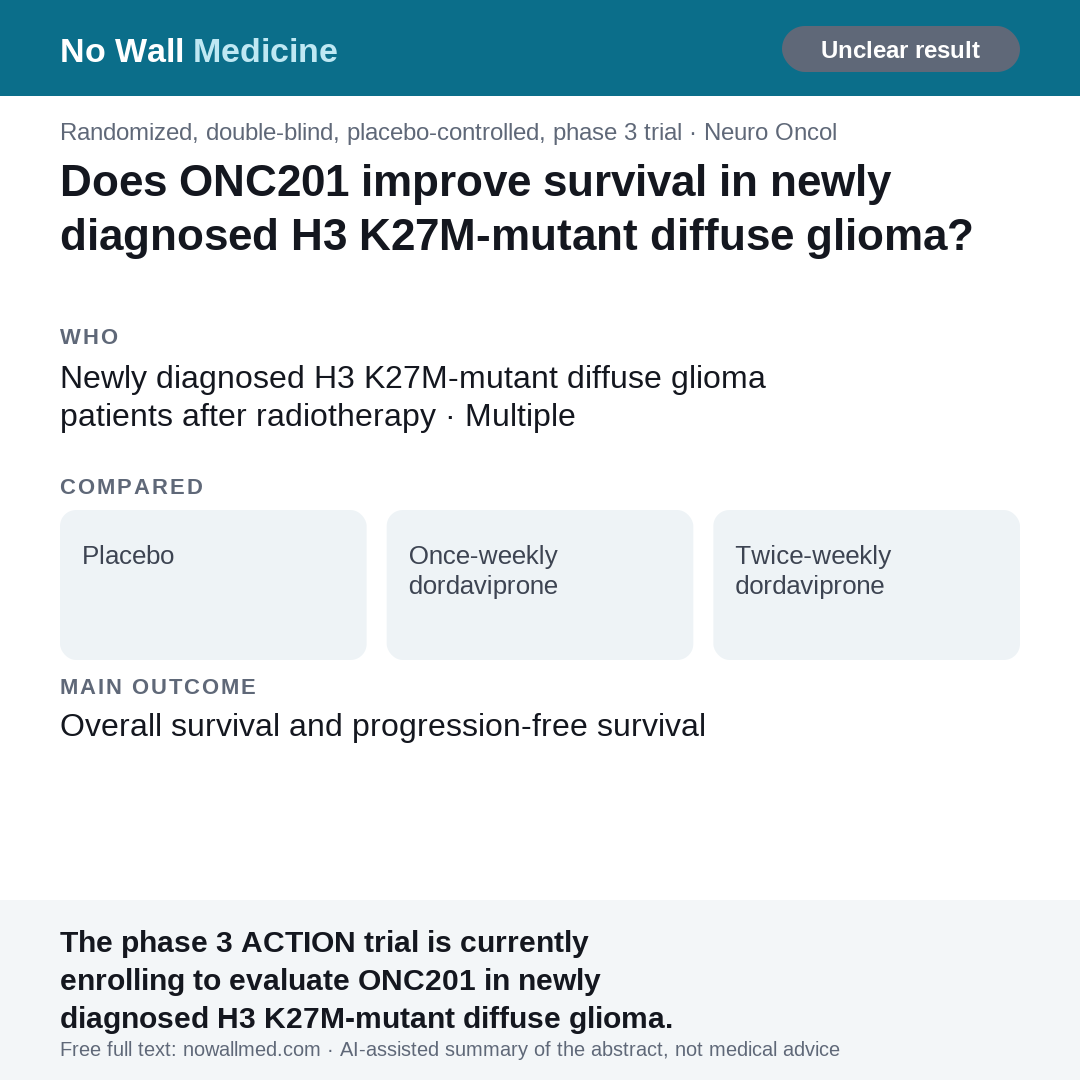
ACTION: a randomized phase 3 study of ONC201 (dordaviprone) in patients with newly diagnosed H3 K27M-mutant diffuse glioma
Randomized, double-blind, placebo-controlled, phase 3 trialUnclear result
Does ONC201 improve survival in newly diagnosed H3 K27M-mutant diffuse glioma?
Who
Newly diagnosed H3 K27M-mutant diffuse glioma patients after radiotherapy · Multiple international sites
Compared
Placebo
Once-weekly dordaviprone
Twice-weekly dordaviprone
Main outcome
Overall survival and progression-free survival
Bottom line: The phase 3 ACTION trial is currently enrolling to evaluate ONC201 in newly diagnosed H3 K27M-mutant diffuse glioma.
Limitation: The study is currently enrolling and results are not yet reported.
Neuro Oncol · 2024-03-06Download image
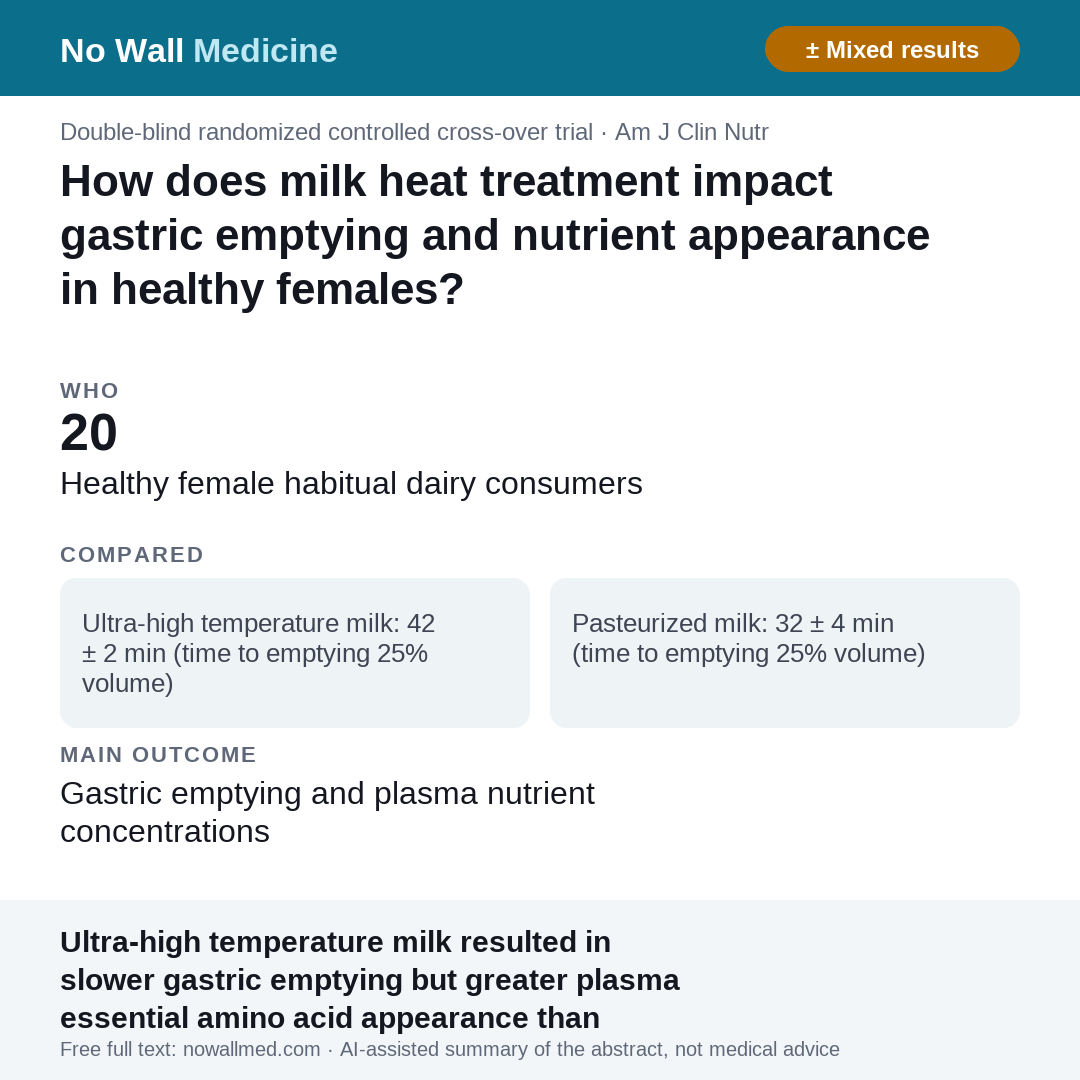
The impact of heat treatment of bovine milk on gastric emptying and nutrient appearance in peripheral circulation in healthy females: a randomized controlled trial comparing pasteurized and ultra-high temperature milk
Double-blind randomized controlled cross-over trialMixed results
How does milk heat treatment impact gastric emptying and nutrient appearance in healthy females?
Who
20
Healthy female habitual dairy consumers
Compared
Ultra-high temperature milk: 42 ± 2 min (time to emptying 25% volume)
Pasteurized milk: 32 ± 4 min (time to emptying 25% volume)
Main outcome
Gastric emptying and plasma nutrient concentrations
Bottom line: Ultra-high temperature milk resulted in slower gastric emptying but greater plasma essential amino acid appearance than pasteurized milk.
Am J Clin Nutr · 2024-03-06Download image
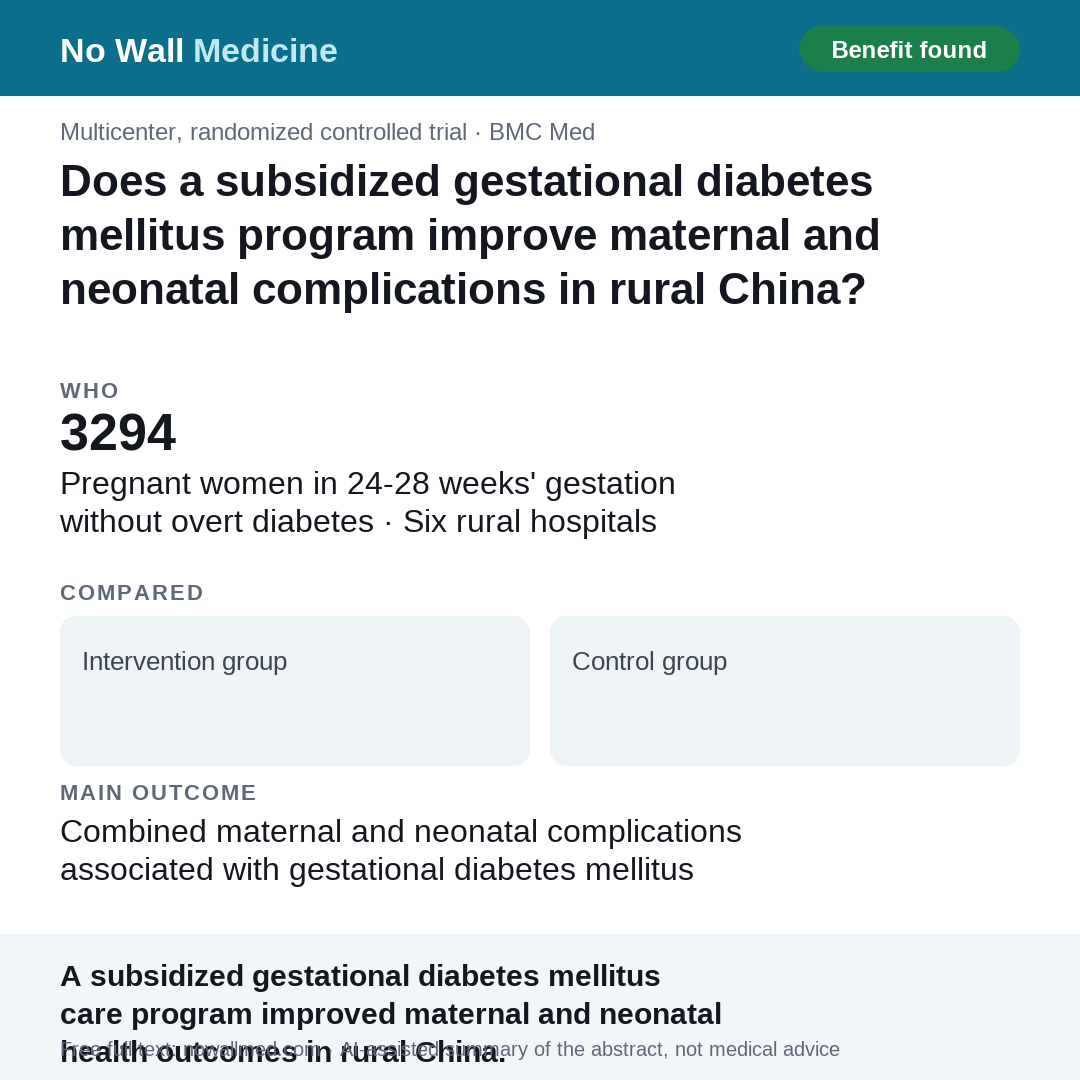
Subsidized gestational diabetes mellitus screening and management program in rural China: a pragmatic multicenter, randomized controlled trial
Multicenter, randomized controlled trialBenefit found
Does a subsidized gestational diabetes mellitus program improve maternal and neonatal complications in rural China?
Who
3294
Pregnant women in 24-28 weeks' gestation without overt diabetes · Six rural hospitals in three provinces in China
Compared
Intervention group
Control group
Main outcome
Combined maternal and neonatal complications associated with gestational diabetes mellitus
Result: adjusted OR 0.86 (95% CI 0.80 to 0.94)
Bottom line: A subsidized gestational diabetes mellitus care program improved maternal and neonatal health outcomes in rural China.
BMC Med · 2024-03-05Download image
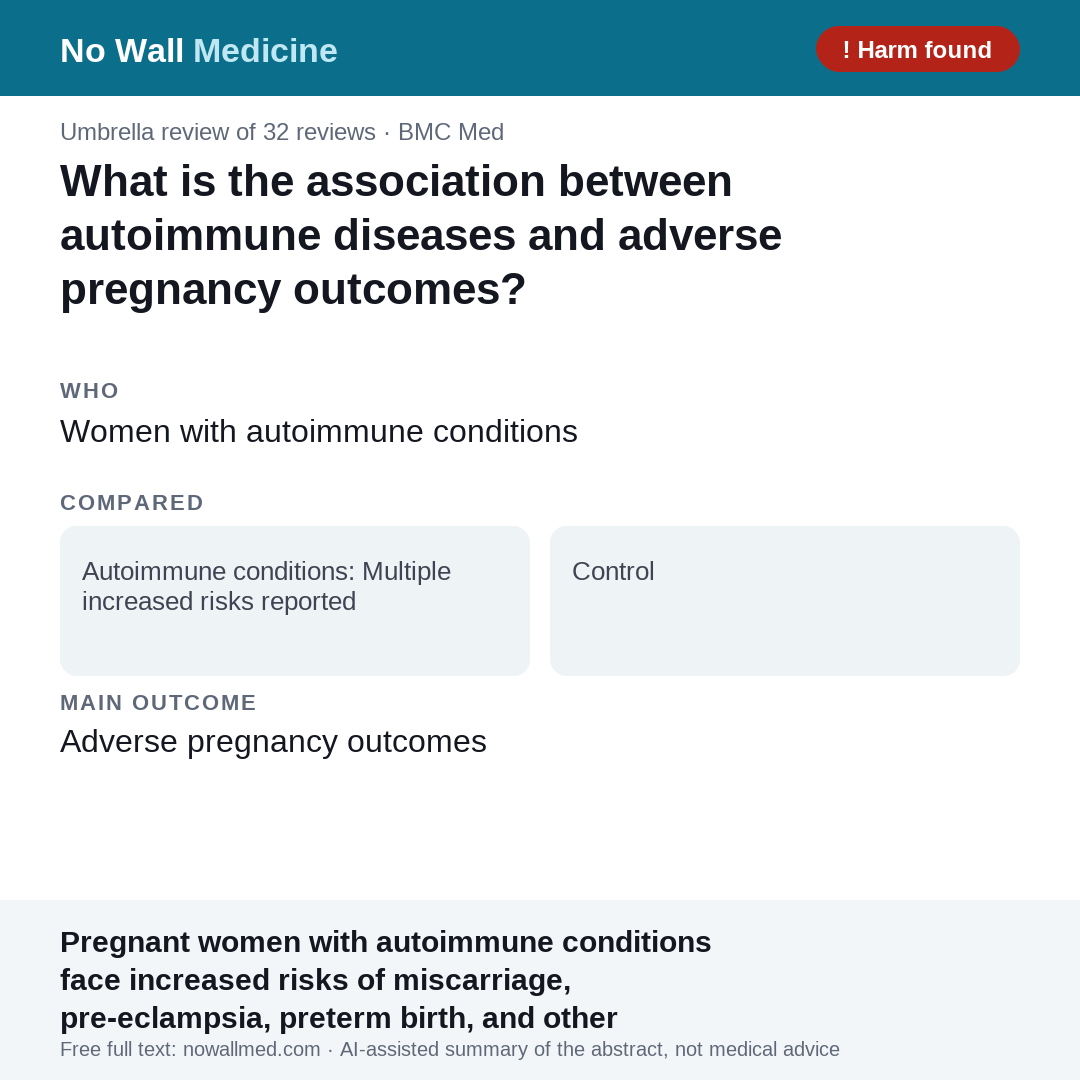
Autoimmune diseases and adverse pregnancy outcomes: an umbrella review
Umbrella review of 32 reviewsHarm found
What is the association between autoimmune diseases and adverse pregnancy outcomes?
Who
709
Women with autoimmune conditions
Compared
Autoimmune conditions: Multiple increased risks reported
Control
Main outcome
Adverse pregnancy outcomes
Bottom line: Pregnant women with autoimmune conditions face increased risks of miscarriage, pre-eclampsia, preterm birth, and other adverse outcomes.
BMC Med · 2024-03-05Download image
Socioemotional and Psychological Outcomes of Hypoxic-Ischemic Encephalopathy: A Systematic Review
Systematic review of observational studiesHarm found
What are the socioemotional and psychological outcomes of perinatal hypoxic-ischemic encephalopathy?
Who
3244
Term infants with hypoxic-ischemic encephalopathy
Compared
Hypoxic-ischemic encephalopathy
Comparison participants
Main outcome
Socioemotional and psychological outcomes
Bottom line: Perinatal hypoxic-ischemic encephalopathy is associated with social, emotional, behavioral, and psychiatric deficits.
Pediatrics · 2024-03-05Download image

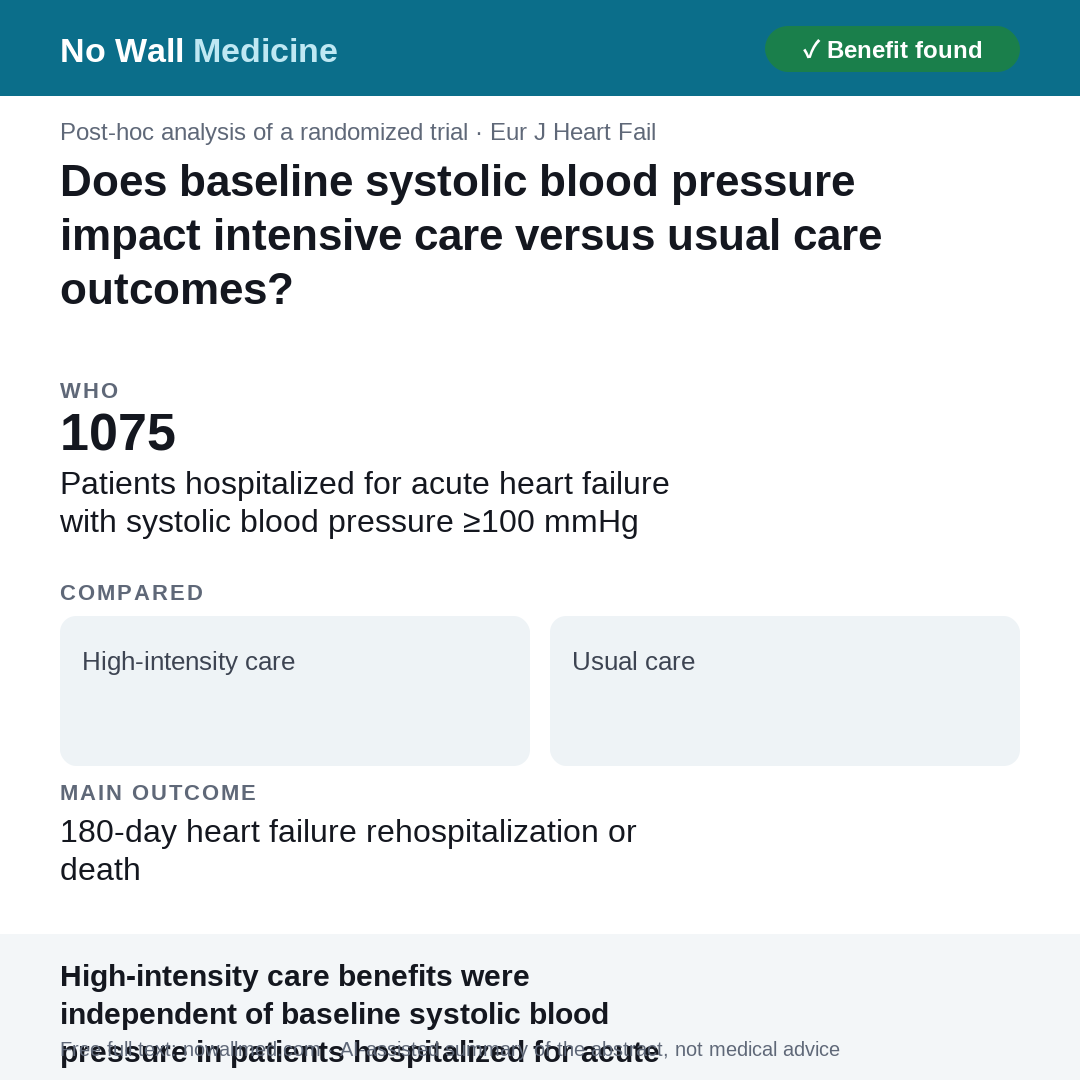
Blood pressure and intensive treatment up-titration after acute heart failure hospitalization: Insights from the STRONG-HF trial
Post-hoc analysis of a randomized trialBenefit found
Does baseline systolic blood pressure impact intensive care versus usual care outcomes?
Who
1075
Patients hospitalized for acute heart failure with systolic blood pressure ≥100 mmHg
Compared
High-intensity care
Usual care
Main outcome
180-day heart failure rehospitalization or death
Bottom line: High-intensity care benefits were independent of baseline systolic blood pressure in patients hospitalized for acute heart failure.
Limitation: This was a post-hoc analysis
Eur J Heart Fail · 2024-03-05Download image
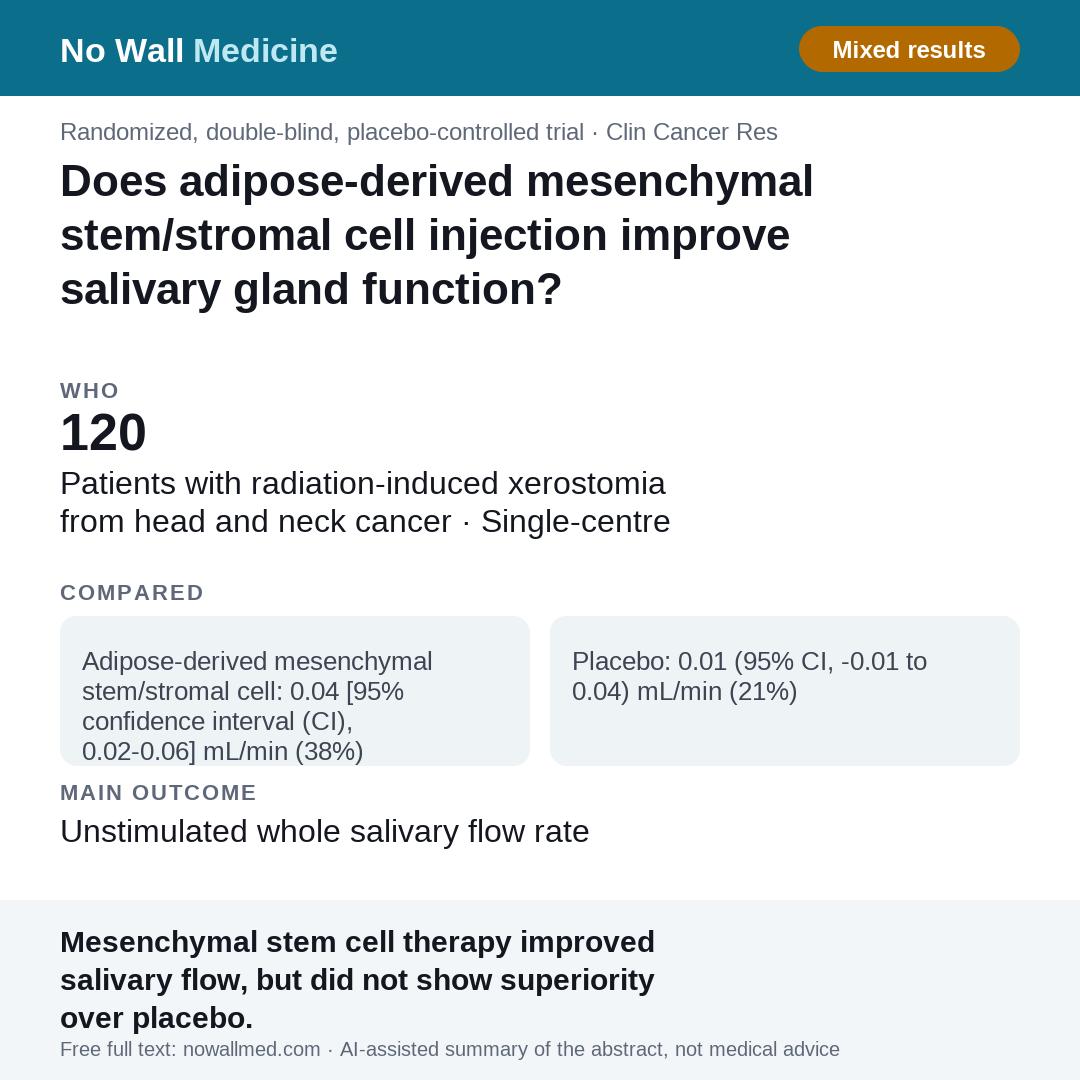
Mesenchymal Stem/Stromal Cell Therapy for Radiation-Induced Xerostomia in Previous Head and Neck Cancer Patients: A Phase II Randomized, Placebo-Controlled Trial
Randomized, double-blind, placebo-controlled trialMixed results
Does adipose-derived mesenchymal stem/stromal cell injection improve salivary gland function?
Who
120
Patients with radiation-induced xerostomia from head and neck cancer · Single-centre
Compared
Adipose-derived mesenchymal stem/stromal cell: 0.04 [95% confidence interval (CI), 0.02-0.06] mL/min (38%)
Placebo: 0.01 (95% CI, -0.01 to 0.04) mL/min (21%)
Main outcome
Unstimulated whole salivary flow rate
Bottom line: Mesenchymal stem cell therapy improved salivary flow, but did not show superiority over placebo.
Clin Cancer Res · 2024-03-05Download image
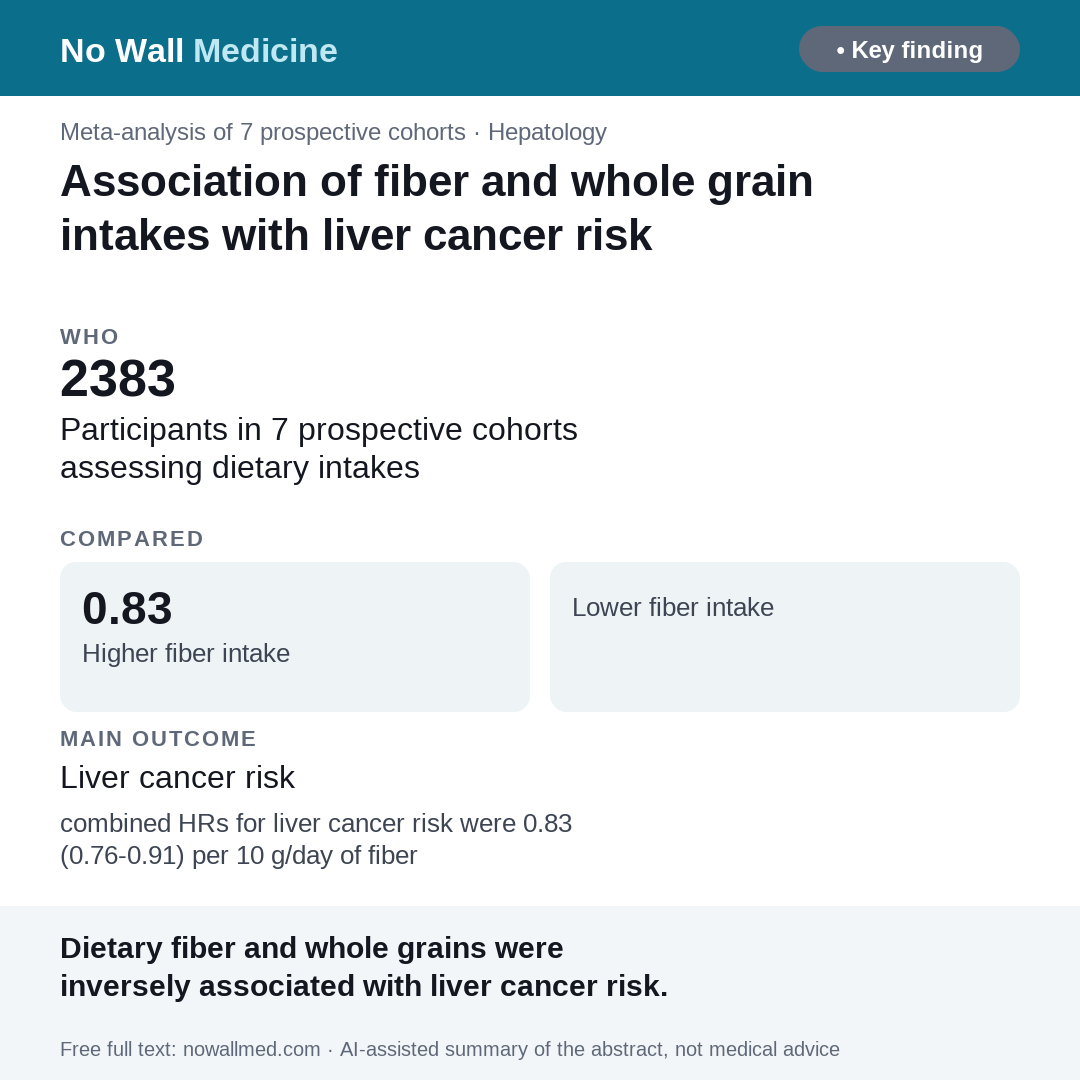
Fiber and whole grain intakes in relation to liver cancer risk: An analysis in 2 prospective cohorts and systematic review and meta-analysis of prospective studies
Meta-analysis of 7 cohortsBenefit found
Fiber and whole grain intake impact on liver cancer
Who
111396
adults in prospective studies
Compared
0.69high fiber intake (0.55-0.86)
0.92high whole grain intake (0.85-0.99)
Main outcome
liver cancer risk
Result: hazard ratio 0.83 (95% CI 0.76 to 0.91) per 10g/day of fiber
Bottom line: Fiber and whole grains reduce liver cancer risk
Hepatology · 2024-03-05Download image
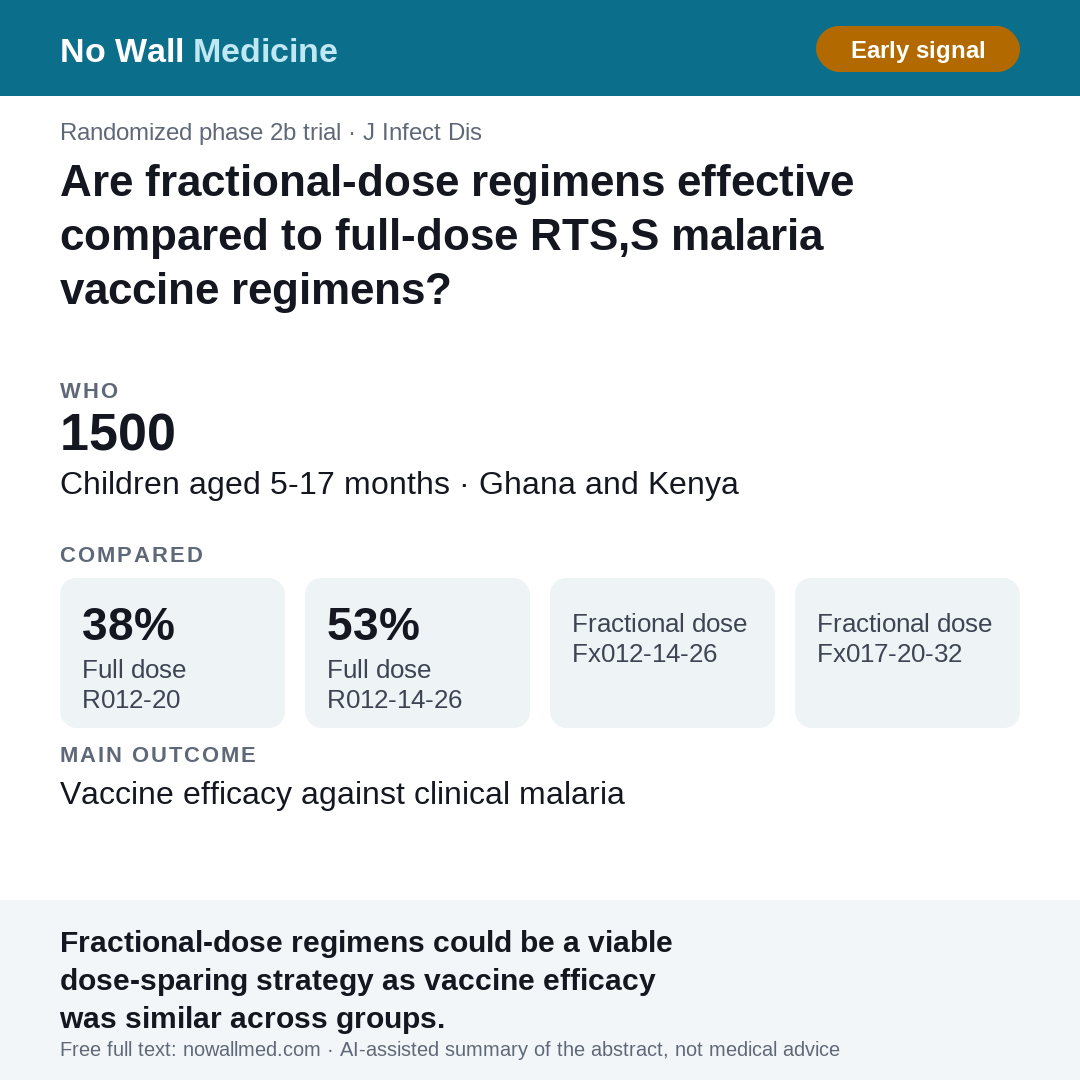
Could Less Be More? Accounting for Fractional-Dose Regimens and Different Number of Vaccine Doses When Measuring the Impact of the RTS,S/AS01E Malaria Vaccine
Randomized phase 2b trialBenefit found
Are fractional-dose regimens effective compared to full-dose RTS,S malaria vaccine regimens?
Who
1500
Children aged 5-17 months · Ghana and Kenya
Compared
38%Full dose R012-20 (95% CI: 24%-49%)
53%Full dose R012-14-26 (95% CI: 42%-62%)
Fractional dose Fx012-14-26
Fractional dose Fx017-20-32
Main outcome
Vaccine efficacy against clinical malaria
Bottom line: Fractional-dose regimens could be a viable dose-sparing strategy as vaccine efficacy was similar across groups.
J Infect Dis · 2024-03-05Download image
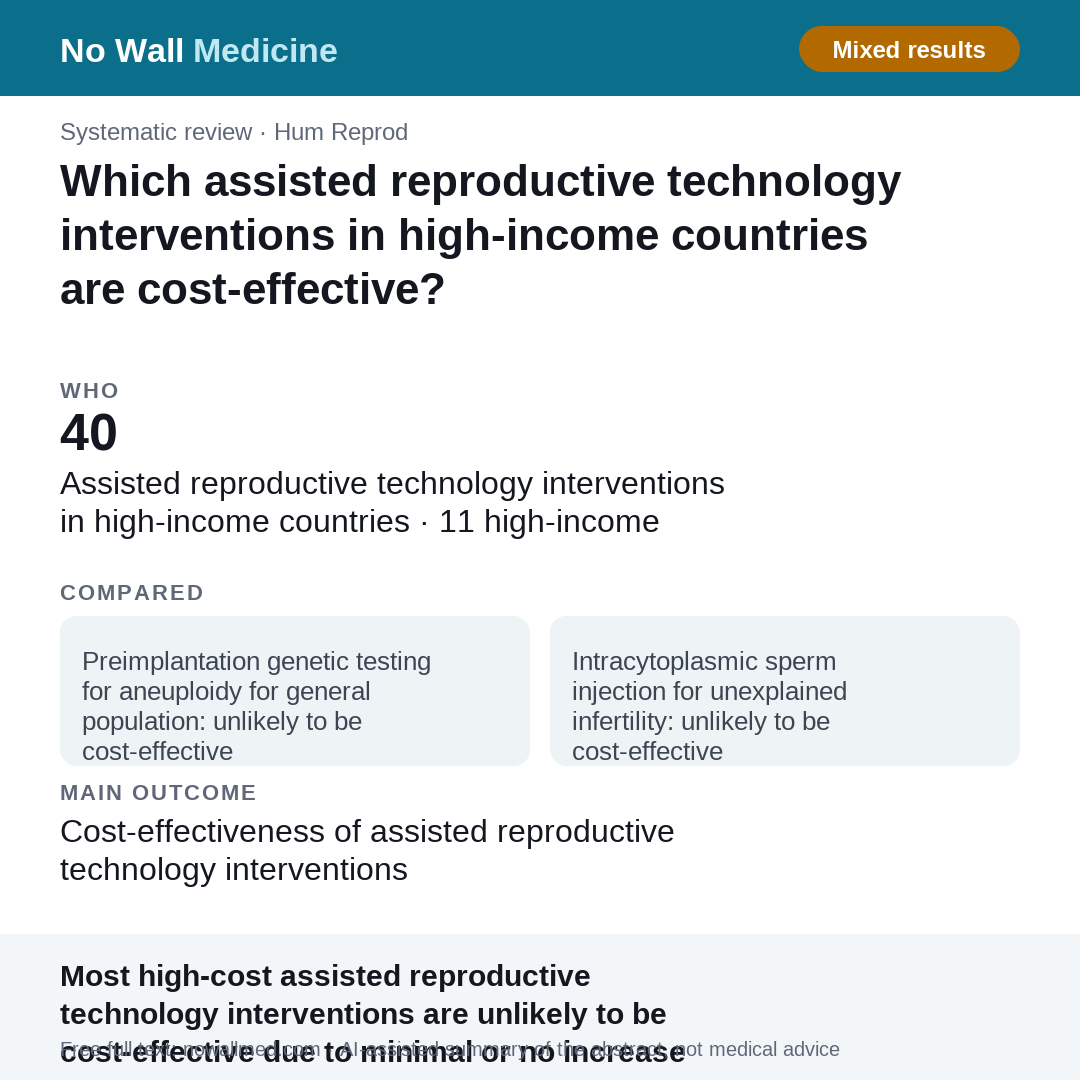
Economic evaluations of assisted reproductive technologies in high-income countries: a systematic review
Systematic reviewMixed results
Which assisted reproductive technology interventions in high-income countries are cost-effective?
Who
40
Assisted reproductive technology interventions in high-income countries · 11 high-income countries
Compared
Preimplantation genetic testing for aneuploidy for general population: unlikely to be cost-effective
Intracytoplasmic sperm injection for unexplained infertility: unlikely to be cost-effective
Main outcome
Cost-effectiveness of assisted reproductive technology interventions
Bottom line: Most high-cost assisted reproductive technology interventions are unlikely to be cost-effective due to minimal or no increase in effectiveness.
Limitation: Lack of preference-based and standardized outcomes limits comparability across studies.
Hum Reprod · 2024-03-05Download image
Patient-centered mild traumatic brain injury interventions in the emergency department
Systematic reviewMixed results
What are the effective patient-centered emergency department interventions for adults with mild traumatic brain injury?
Who
Adults with mild traumatic brain injury in the emergency department · PubMed and Cochrane databases
Compared
Discharge interventions (video, exercise, or text): did not significantly reduce mild traumatic brain injury symptoms
Electronic clinical practice guidelines and longer work leave: reduced symptoms
Ondansetron: reduce nausea
Emergency department observation units: significant declines in inpatient admissions and length of hospital stay
Main outcome
mild traumatic brain injury symptoms and clinical outcomes
Bottom line: Electronic clinical practice guidelines, longer work leave, and observation units show promise for improving mild traumatic brain injury outcomes.
Am J Emerg Med · 2024-03-05Download image

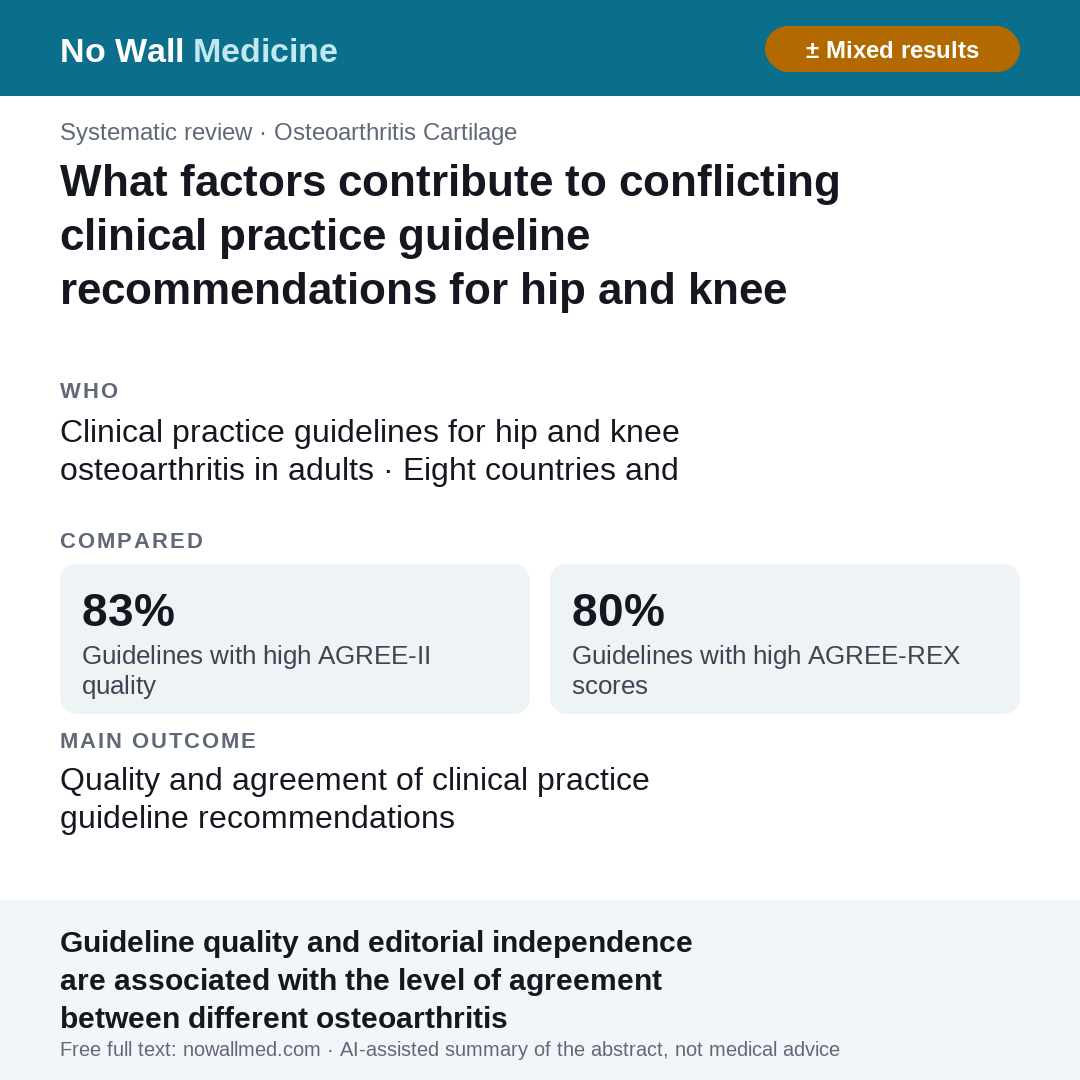
Appraisal of quality and analysis of the similarities and differences between osteoarthritis Clinical Practice Guideline recommendations: A systematic review
Systematic reviewMixed results
What factors contribute to conflicting clinical practice guideline recommendations for hip and knee osteoarthritis?
Who
Clinical practice guidelines for hip and knee osteoarthritis in adults · Eight countries and four international organisations
Compared
83%Guidelines with high AGREE-II quality
80%Guidelines with high AGREE-REX scores
Main outcome
Quality and agreement of clinical practice guideline recommendations
Bottom line: Guideline quality and editorial independence are associated with the level of agreement between different osteoarthritis recommendations.
Osteoarthritis Cartilage · 2024-03-05Download image
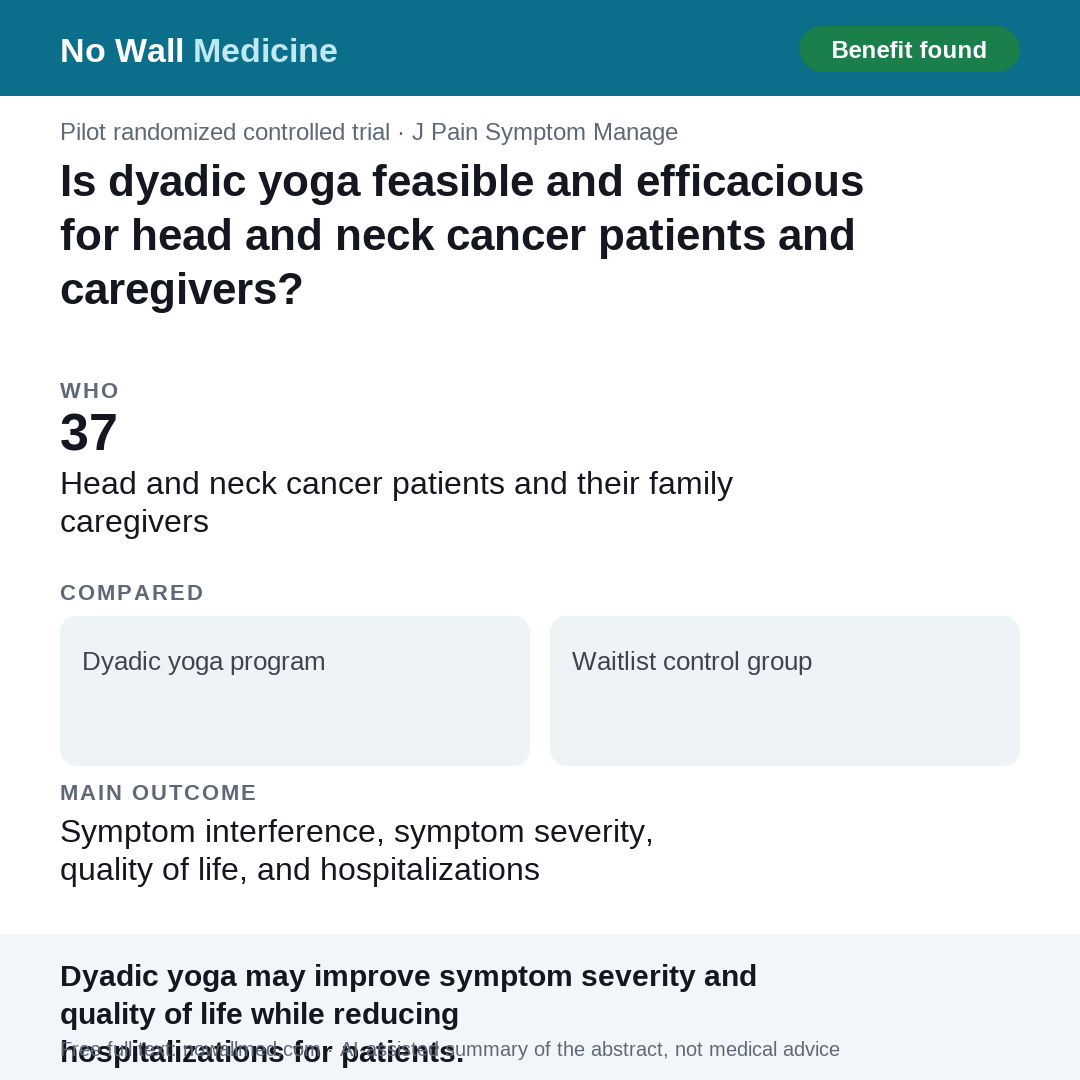
Dyadic Yoga for Head and Neck Cancer Patients Undergoing Chemoradiation and their Family Caregivers
Pilot randomized controlled trialBenefit found
Is dyadic yoga feasible and efficacious for head and neck cancer patients and caregivers?
Who
37
Head and neck cancer patients and their family caregivers
Compared
Dyadic yoga program
Waitlist control group
Main outcome
Symptom interference, symptom severity, quality of life, and hospitalizations
Bottom line: Dyadic yoga may improve symptom severity and quality of life while reducing hospitalizations for patients.
J Pain Symptom Manage · 2024-03-05Download image
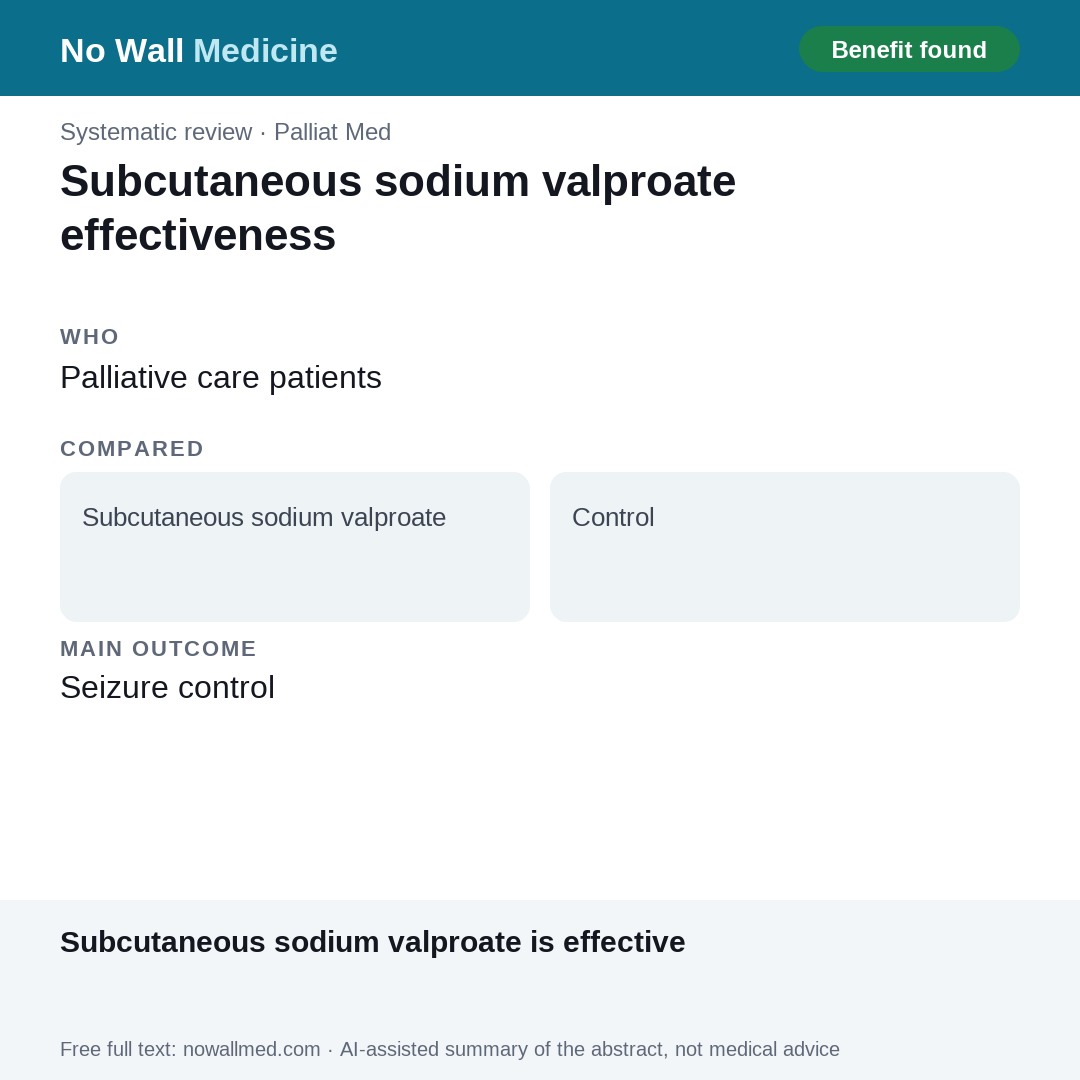
Subcutaneous sodium valproate in palliative care: A systematic review
Systematic reviewBenefit found
Subcutaneous sodium valproate effectiveness
Who
Palliative care patients
Compared
Subcutaneous sodium valproate
Control
Main outcome
Seizure control
Bottom line: Subcutaneous sodium valproate is effective
Limitation: Limited data available
Palliat Med · 2024-03-05Download image
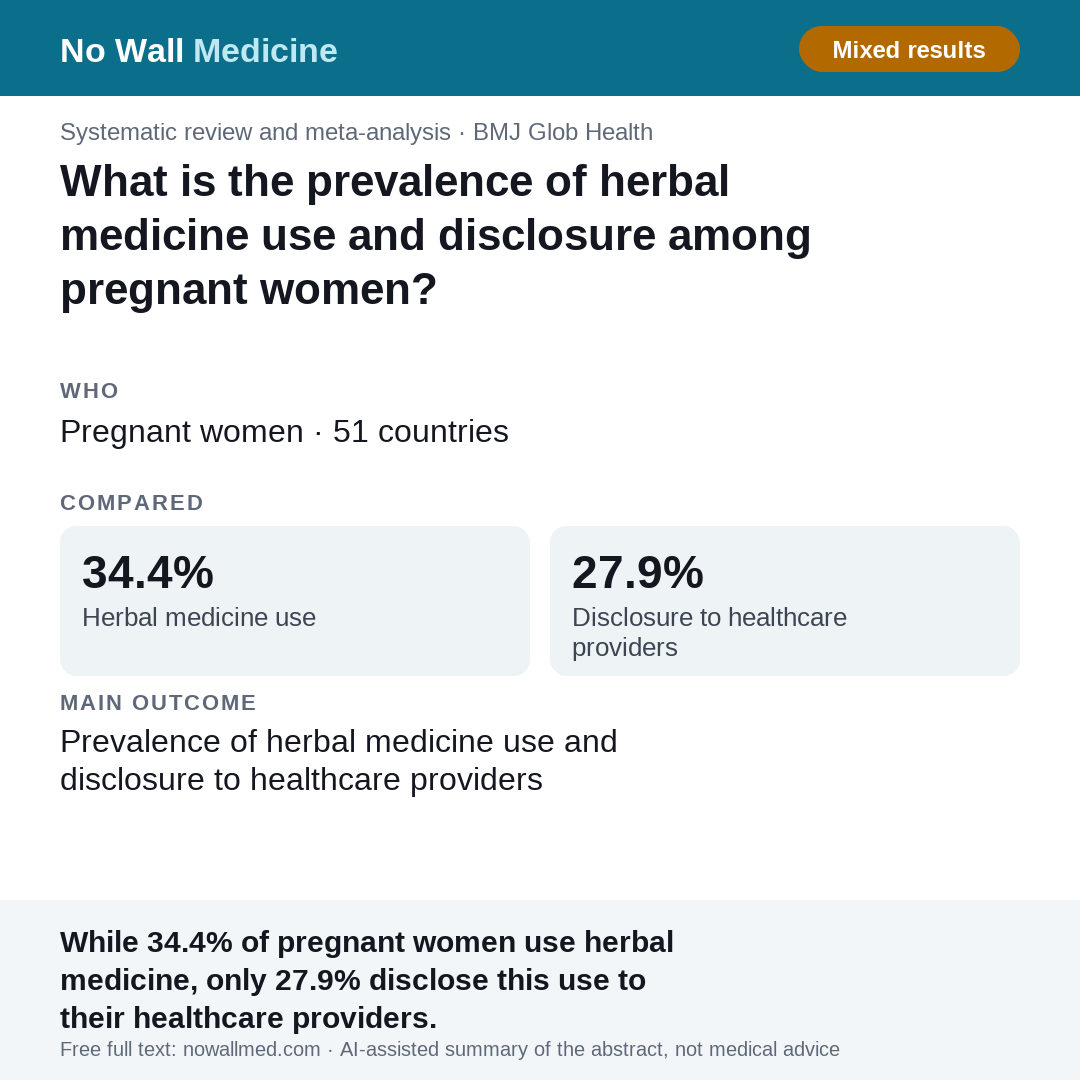
Patient-physician communication on herbal medicine use during pregnancy: a systematic review and meta-analysis
Systematic review and meta-analysisMixed results
What is the prevalence of herbal medicine use and disclosure among pregnant women?
Who
Pregnant women · 51 countries
Compared
34.4%Herbal medicine use
27.9%Disclosure to healthcare providers
Main outcome
Prevalence of herbal medicine use and disclosure to healthcare providers
Bottom line: While 34.4% of pregnant women use herbal medicine, only 27.9% disclose this use to their healthcare providers.
BMJ Glob Health · 2024-03-05Download image