Visual abstracts
New randomized trials and meta-analyses from leading journals at a glance: who was studied, what was compared, and what was found. Every paper is free to read in full.
All specialtiesCardiology 4877Oncology 4138Gastroenterology & Hepatology 1942Infectious Disease 3837Neurology 1905Psychiatry & Mental Health 2273Pulmonology 2143Critical Care 1365Endocrinology & Diabetes 2580Pediatrics 2980Surgery 2559Orthopedics & Sports Medicine 931Neurosurgery 537Cardiothoracic & Vascular Surgery 674Plastic & Reconstructive Surgery 591Nephrology 1133Rheumatology 823Hematology 1109Dermatology 621Ophthalmology 543Obstetrics & Gynecology 1686Public & Global Health 1058Radiology & Imaging 648Anesthesiology 986Urology 764ENT (Otolaryngology) 503Emergency Medicine 511Allergy & Immunology 313Geriatrics 981Family Medicine & Primary Care 562Medical Genetics & Genomics 676Pathology & Laboratory Medicine 159Physical Medicine & Rehabilitation 757Palliative Care 444Nutrition 1588Digital Health & AI 2201General Medicine 321
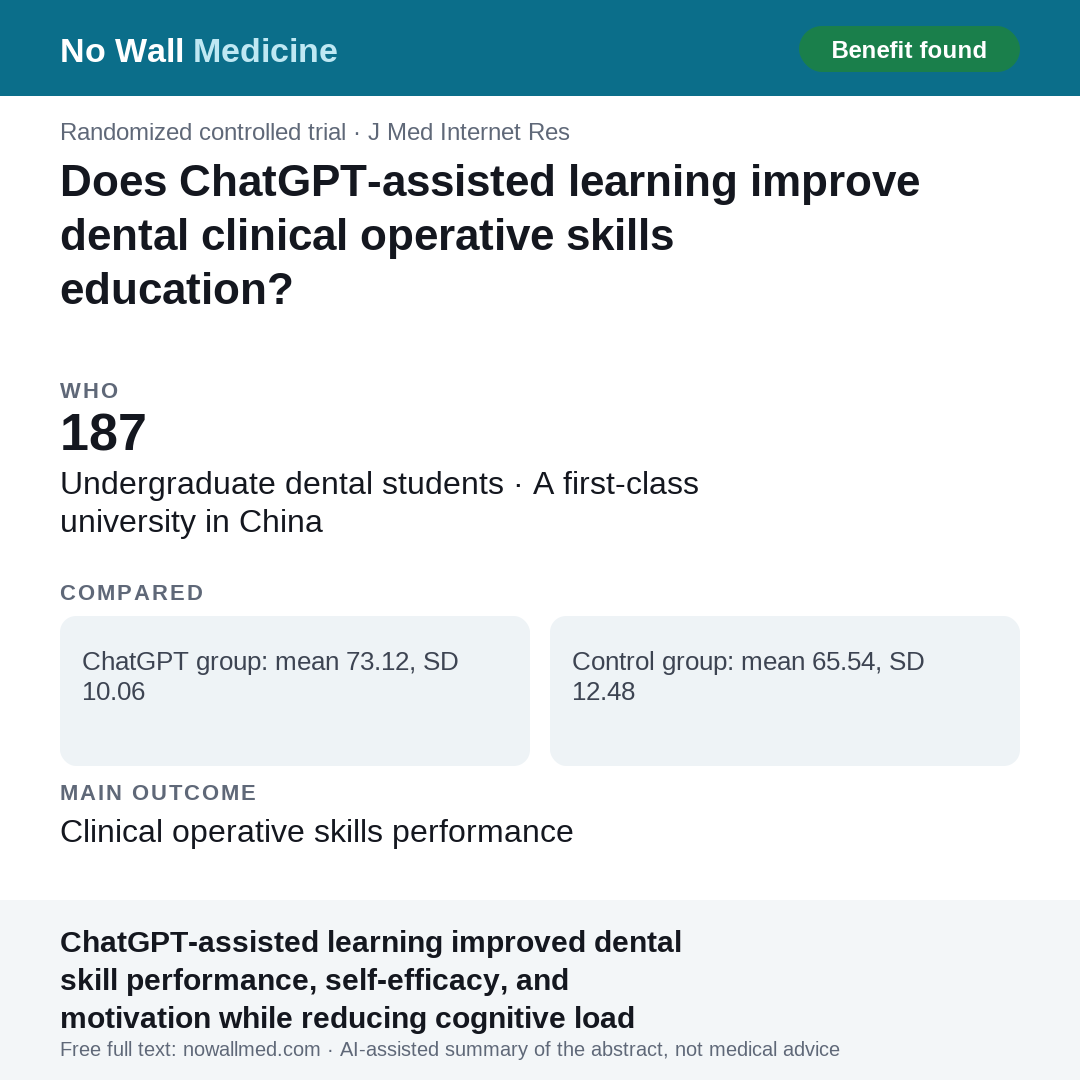
Exploring the Application Capability of ChatGPT as an Instructor in Skills Education for Dental Medical Students: Randomized Controlled Trial
Randomized controlled trialBenefit found
Does ChatGPT-assisted learning improve dental clinical operative skills education?
Who
187
Undergraduate dental students · A first-class university in China
Compared
ChatGPT group: mean 73.12, SD 10.06
Control group: mean 65.54, SD 12.48
Main outcome
Clinical operative skills performance
Bottom line: ChatGPT-assisted learning improved dental skill performance, self-efficacy, and motivation while reducing cognitive load compared to video-only instruction.
J Med Internet Res · 2025-05-27Download image
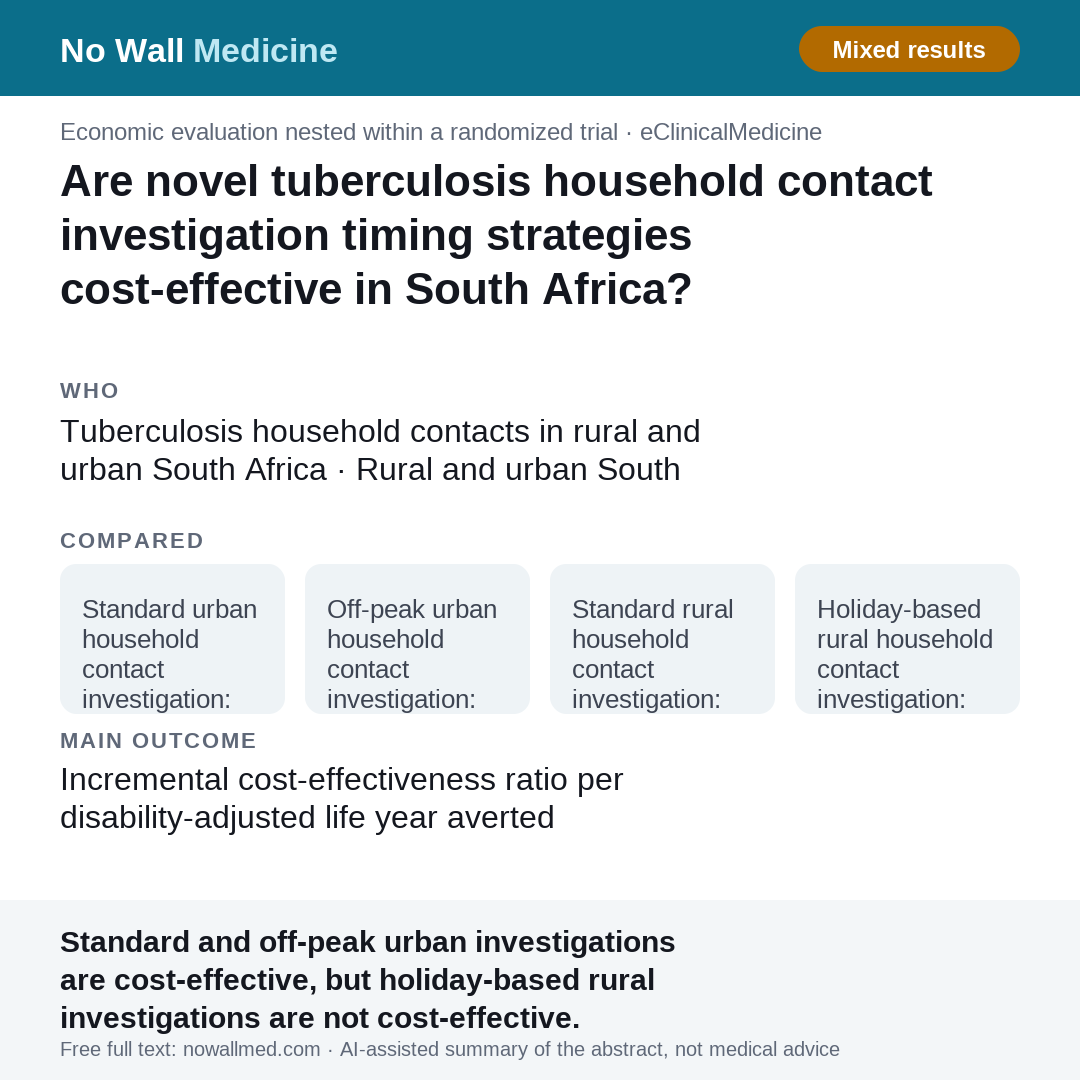
Innovative timing strategies for tuberculosis household contact investigation: cost-effectiveness analysis from a randomized trial in rural and urban South Africa (Kharituwe Study)
Economic evaluation nested within a randomized trialMixed results
Are novel tuberculosis household contact investigation timing strategies cost-effective in South Africa?
Who
Tuberculosis household contacts in rural and urban South Africa · Rural and urban South Africa
Compared
Standard urban household contact investigation: US$1400 [95% uncertainty interval (UI): $1000-$2100] per DALY averted
Off-peak urban household contact investigation: US$1900 [95% UI: $1300-$2800] per DALY averted
Standard rural household contact investigation: US$3600 [95% UI: $2500-$5400] per DALY averted
Holiday-based rural household contact investigation: US$6400 [$3900-$10,000] per DALY averted
Main outcome
Incremental cost-effectiveness ratio per disability-adjusted life year averted
Bottom line: Standard and off-peak urban investigations are cost-effective, but holiday-based rural investigations are not cost-effective.
Limitation: Cost-effectiveness is driven by personnel costs, travel costs, and tuberculosis prevalence.
Funded by: United States National Institute of Allergy and Infectious Diseases
eClinicalMedicine · 2025-05-26Download image
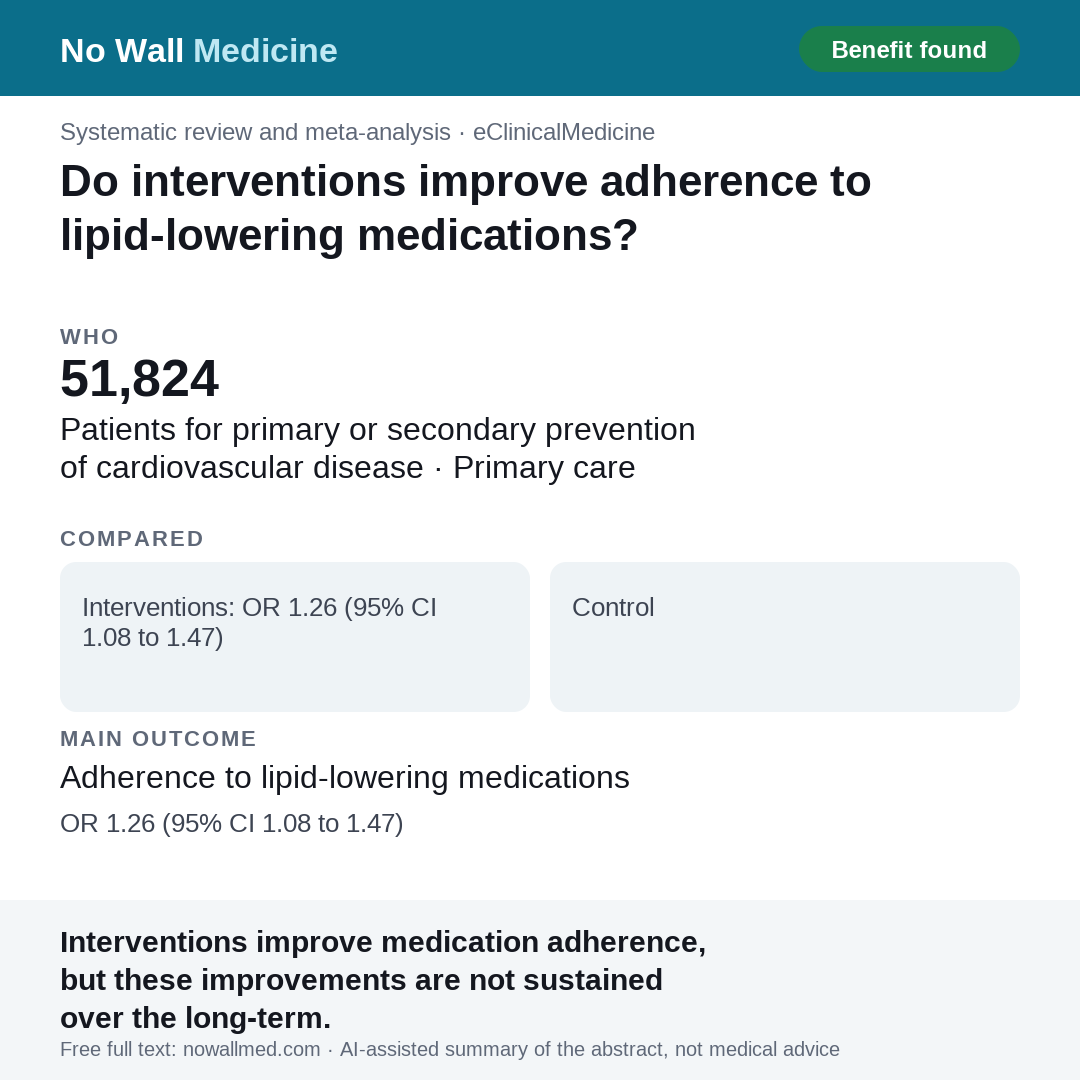
Interventions to improve adherence to lipid-lowering drugs: a systematic review and meta-analysis
Systematic review and meta-analysisBenefit found
Do interventions improve adherence to lipid-lowering medications?
Who
51,824
Patients for primary or secondary prevention of cardiovascular disease · Primary care settings
Compared
Interventions: OR 1.26 (95% CI 1.08 to 1.47)
Control
Main outcome
Adherence to lipid-lowering medications
Result: OR 1.26 (95% CI 1.08 to 1.47)
Bottom line: Interventions improve medication adherence, but these improvements are not sustained over the long-term.
Limitation: Improvements are not sustained over the long-term; more long-term randomized controlled trials are required.
eClinicalMedicine · 2025-05-26Download image
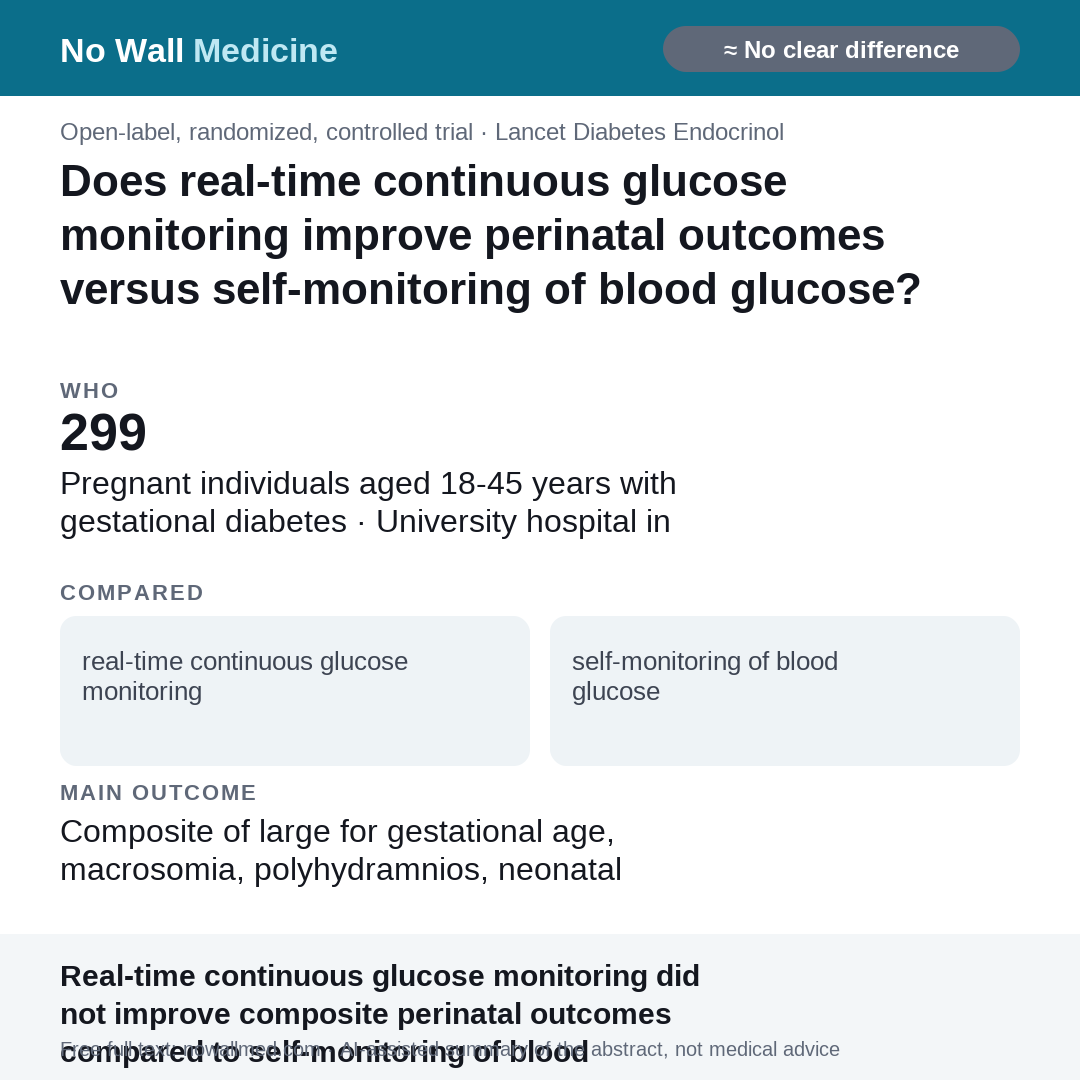
Continuous glucose monitoring in the management of gestational diabetes in Switzerland (DipGluMo): an open-label, single-centre, randomised, controlled trial
Open-label, randomized, controlled trialNo clear difference
Does real-time continuous glucose monitoring improve perinatal outcomes versus self-monitoring of blood glucose?
Who
299
Pregnant individuals aged 18-45 years with gestational diabetes · University hospital in Bern, Switzerland
Compared
real-time continuous glucose monitoring
self-monitoring of blood glucose
Main outcome
Composite of large for gestational age, macrosomia, polyhydramnios, neonatal hypoglycaemia, and stillbirth
Result: odds ratio 1·02 (95% CI 0·63-1·66)
Bottom line: Real-time continuous glucose monitoring did not improve composite perinatal outcomes compared to self-monitoring of blood glucose.
Funded by: University of Bern and the Swiss Diabetes Foundation
Lancet Diabetes Endocrinol · 2025-05-26Download image
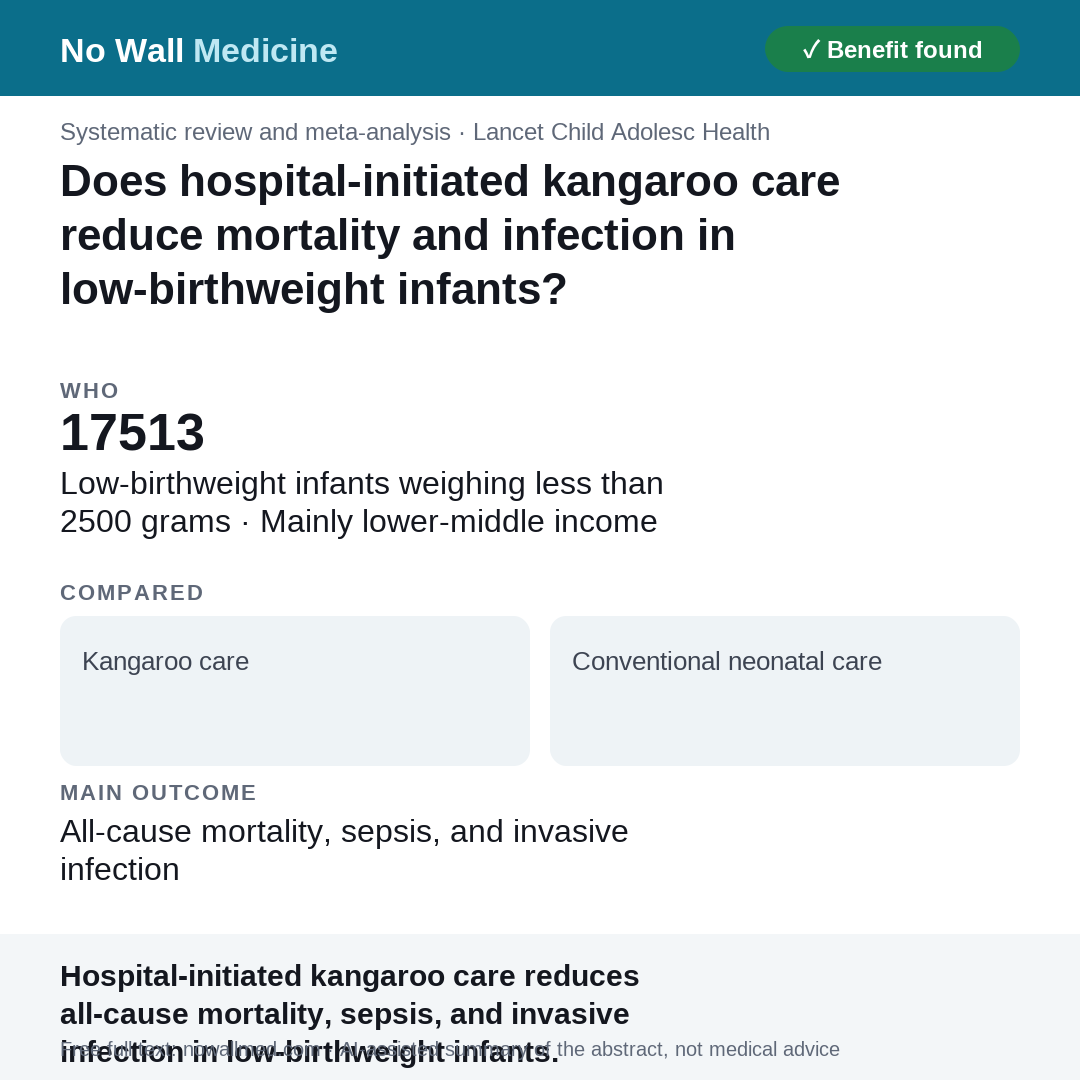
All-cause mortality and infection-related outcomes of hospital-initiated kangaroo care versus conventional neonatal care for low-birthweight infants: a systematic review and meta-analysis
Systematic review and meta-analysisBenefit found
Does hospital-initiated kangaroo care reduce mortality and infection in low-birthweight infants?
Who
17513
Low-birthweight infants weighing less than 2500 grams · Mainly lower-middle income countries
Compared
Kangaroo care
Conventional neonatal care
Main outcome
All-cause mortality, sepsis, and invasive infection
Result: pooled OR 0.77 (95% CI 0.67-0.89) for all-cause mortality
Bottom line: Hospital-initiated kangaroo care reduces all-cause mortality, sepsis, and invasive infection in low-birthweight infants.
Funded by: European Society for Paediatric Infectious Diseases, EU, Machaon Foundation
Lancet Child Adolesc Health · 2025-05-26Download image
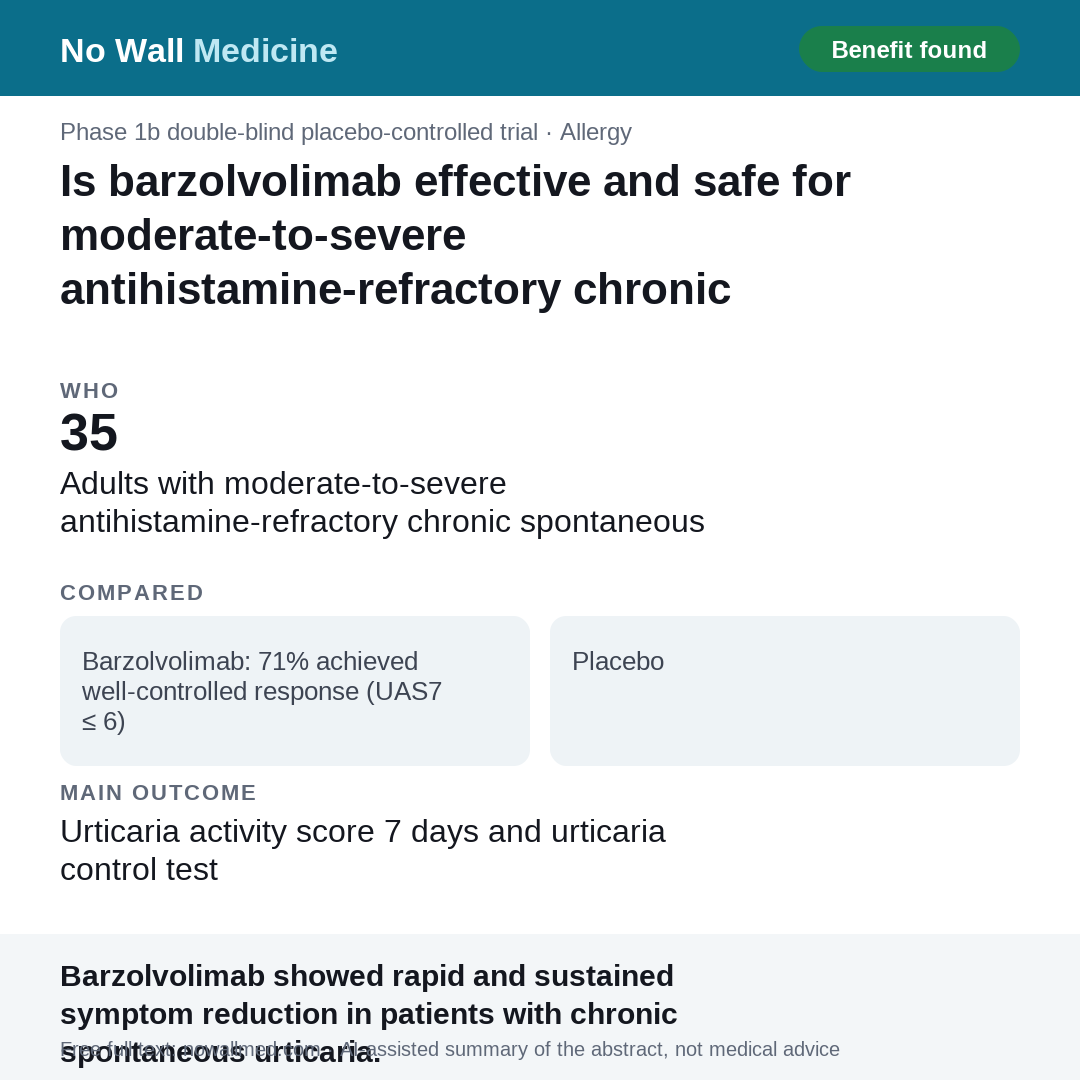
Anti-KIT Barzolvolimab for Chronic Spontaneous Urticaria
Phase 1b double-blind placebo-controlled trialBenefit found
Is barzolvolimab effective and safe for moderate-to-severe antihistamine-refractory chronic spontaneous urticaria?
Who
35
Adults with moderate-to-severe antihistamine-refractory chronic spontaneous urticaria
Compared
Barzolvolimab: 71% achieved well-controlled response (UAS7 ≤ 6)
Placebo
Main outcome
Urticaria activity score 7 days and urticaria control test
Bottom line: Barzolvolimab showed rapid and sustained symptom reduction in patients with chronic spontaneous urticaria.
Allergy · 2025-05-26Download image
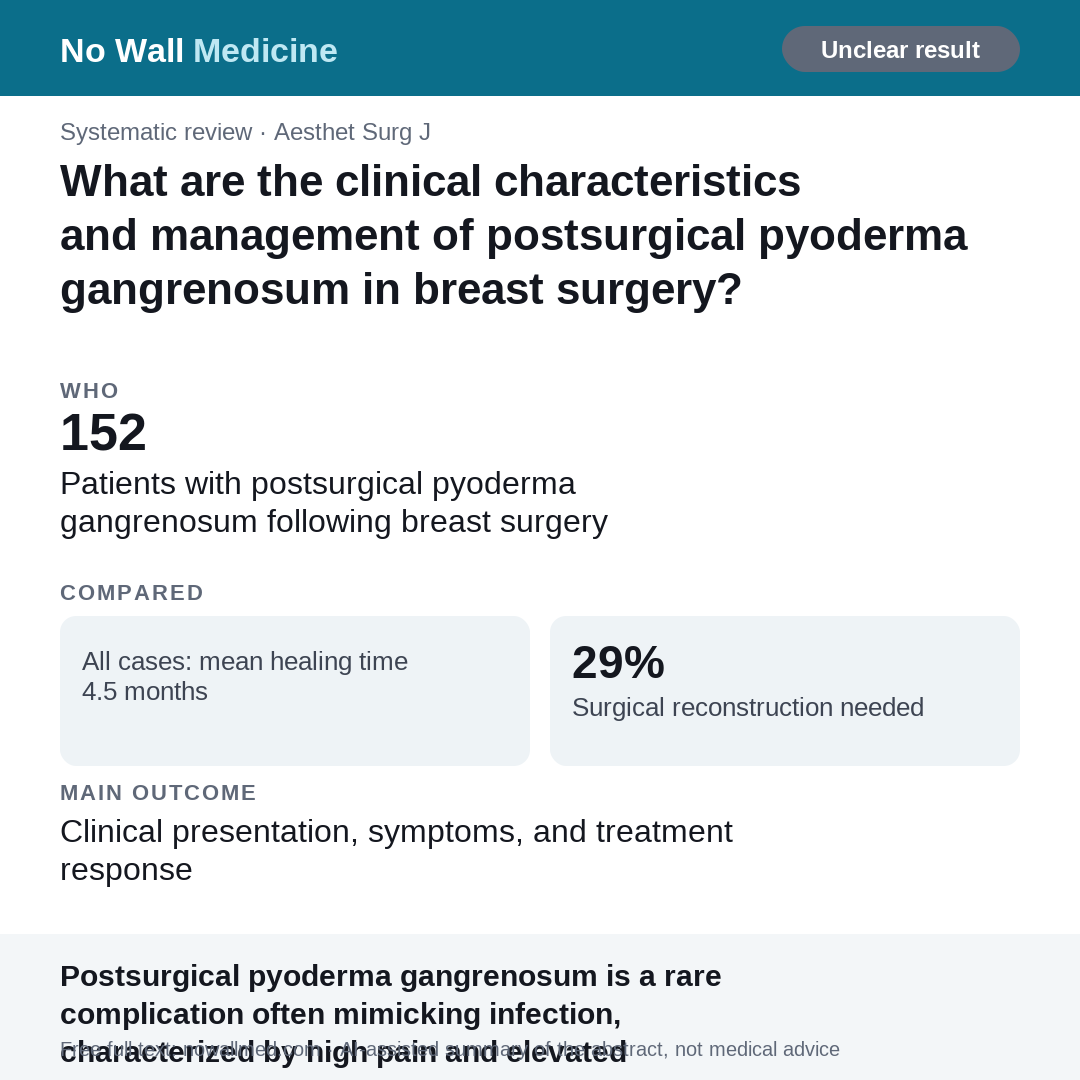
Postsurgical Pyoderma Gangrenosum in Breast Surgery: An Updated Systematic Review, Takeaways, and the 6 Commandments
Systematic reviewUnclear result
What are the clinical characteristics and management of postsurgical pyoderma gangrenosum in breast surgery?
Who
152
Patients with postsurgical pyoderma gangrenosum following breast surgery
Compared
All cases: mean healing time 4.5 months
29%Surgical reconstruction needed
Main outcome
Clinical presentation, symptoms, and treatment response
Bottom line: Postsurgical pyoderma gangrenosum is a rare complication often mimicking infection, characterized by high pain and elevated C-reactive protein.
Aesthet Surg J · 2025-05-26Download image
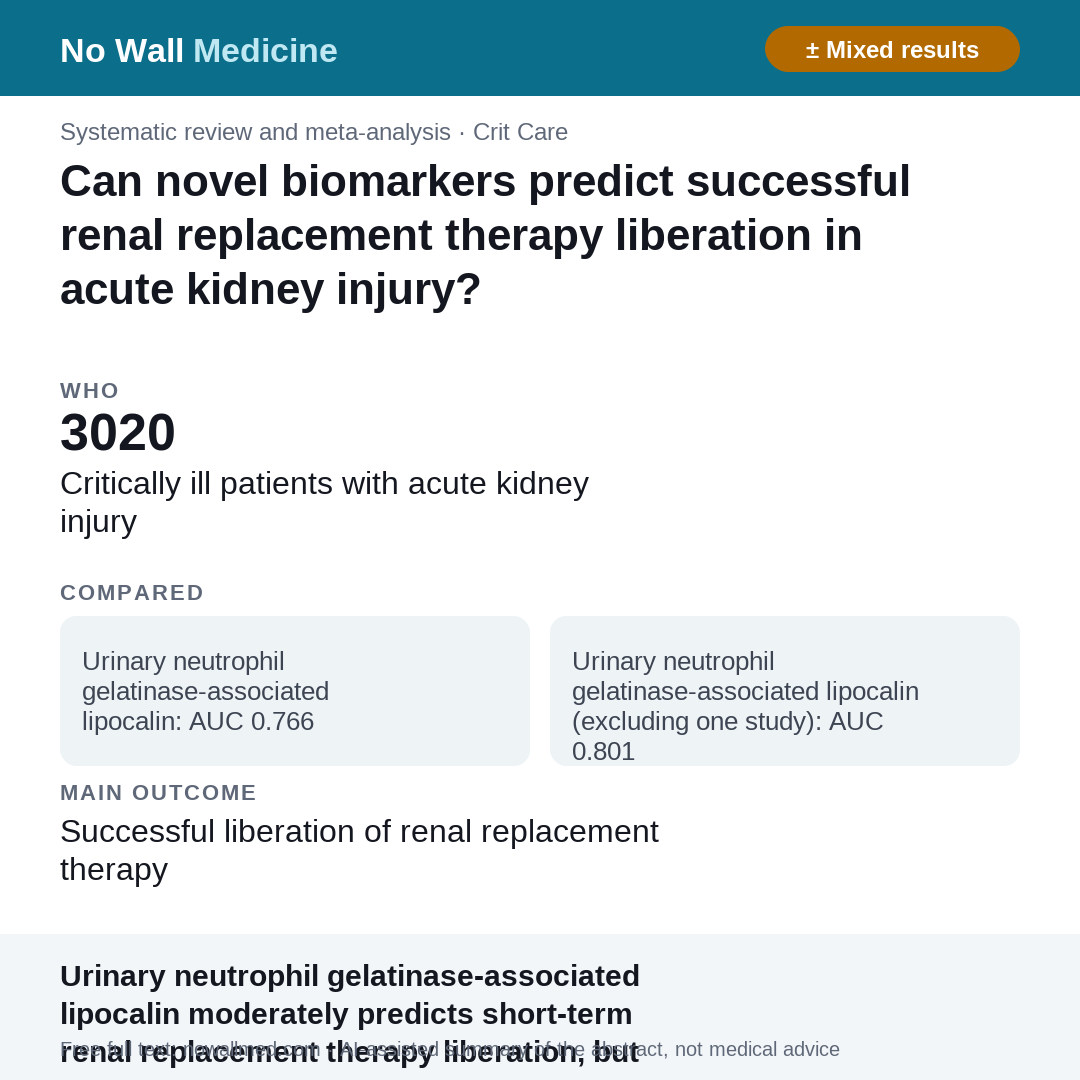
Novel biomarkers for predicting successful liberation of renal replacement therapy for acute kidney injury: a systematic review
Systematic review and meta-analysisMixed results
Can novel biomarkers predict successful renal replacement therapy liberation in acute kidney injury?
Who
3020
Critically ill patients with acute kidney injury
Compared
Urinary neutrophil gelatinase-associated lipocalin: AUC 0.766
Urinary neutrophil gelatinase-associated lipocalin (excluding one study): AUC 0.801
Main outcome
Successful liberation of renal replacement therapy
Result: AUC 0.766 (95% CI not reported)
Bottom line: Urinary neutrophil gelatinase-associated lipocalin moderately predicts short-term renal replacement therapy liberation, but other biomarkers require further validation.
Limitation: Limited number of studies, inconsistent conclusions, and widely varying cut-off values.
Crit Care · 2025-05-26Download image
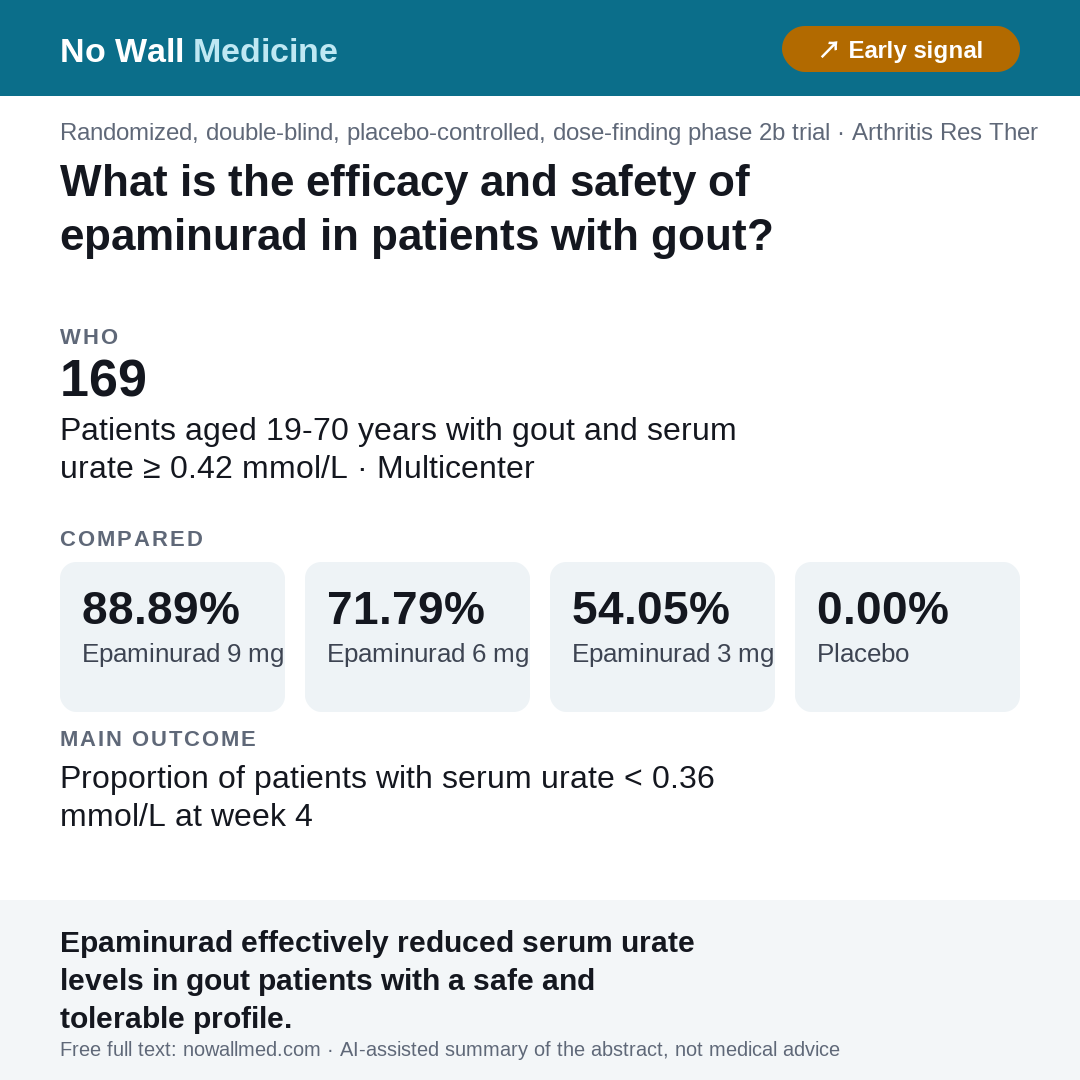
Efficacy and safety of epaminurad, a potent hURAT1 inhibitor, in patients with gout: a randomized, placebo-controlled, dose-finding study
Randomized, double-blind, placebo-controlled, dose-finding phase 2b trialBenefit found
What is the efficacy and safety of epaminurad in patients with gout?
Who
169
Patients aged 19-70 years with gout and serum urate ≥ 0.42 mmol/L · Multicenter
Compared
88.89%Epaminurad 9 mg
71.79%Epaminurad 6 mg
54.05%Epaminurad 3 mg
0.00%Placebo
Main outcome
Proportion of patients with serum urate < 0.36 mmol/L at week 4
Bottom line: Epaminurad effectively reduced serum urate levels in gout patients with a safe and tolerable profile.
Arthritis Res Ther · 2025-05-26Download image
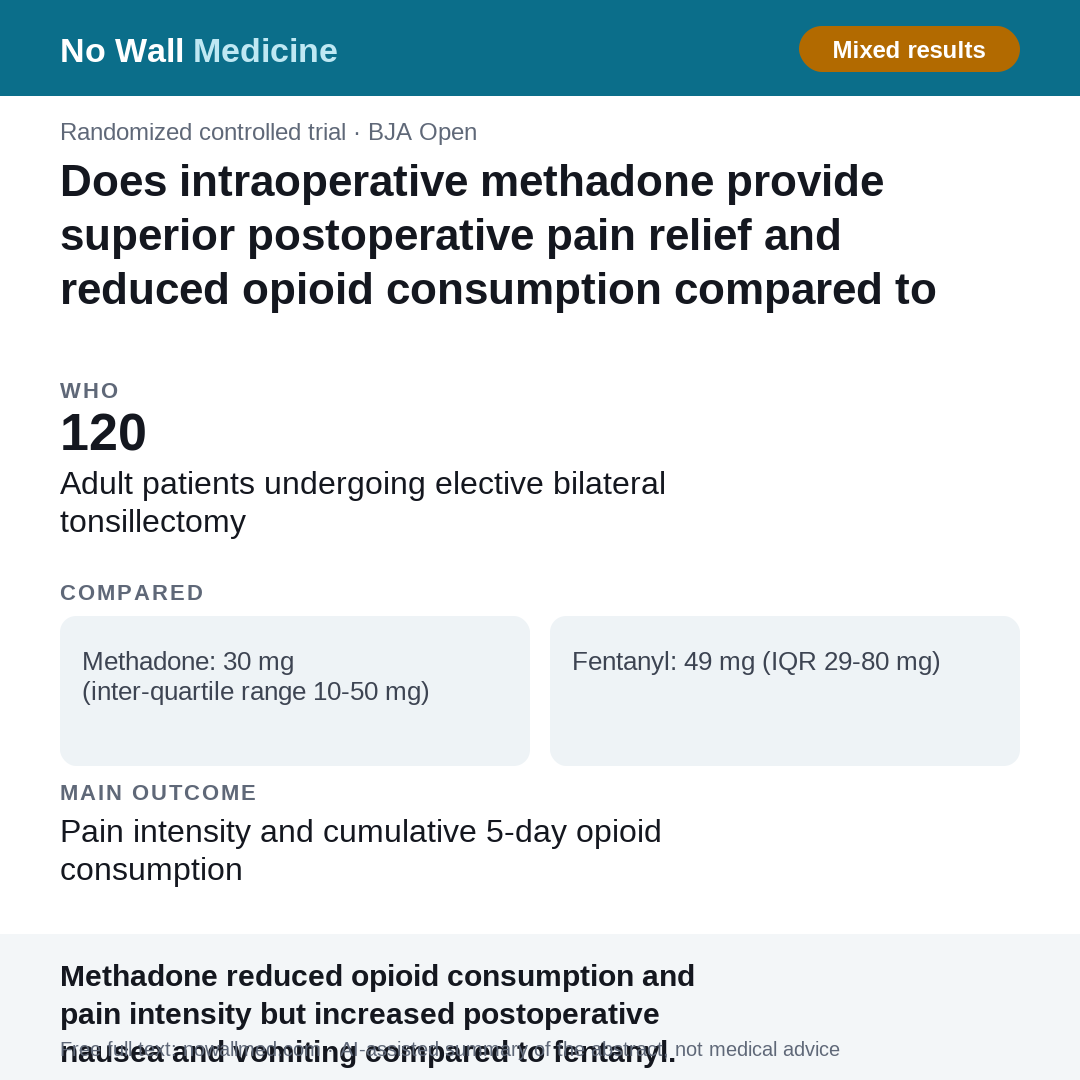
Intraoperative methadone for postoperative pain in adult patients undergoing tonsillectomy-a randomised controlled trial
Randomized controlled trialMixed results
Does intraoperative methadone provide superior postoperative pain relief and reduced opioid consumption compared to fentanyl?
Who
120
Adult patients undergoing elective bilateral tonsillectomy
Compared
Methadone: 30 mg (inter-quartile range 10-50 mg)
Fentanyl: 49 mg (IQR 29-80 mg)
Main outcome
Pain intensity and cumulative 5-day opioid consumption
Bottom line: Methadone reduced opioid consumption and pain intensity but increased postoperative nausea and vomiting compared to fentanyl.
BJA Open · 2025-05-26Download image
A systematic review of clinicians' acceptance and use of clinical decision support systems over time
Systematic reviewUnclear result
factors influencing CDS acceptance
Who
67
clinicians in hospital settings · hospitals
Compared
early use
mid-term use
sustained use
Main outcome
CDS acceptance and use
Bottom line: factors influence CDS acceptance over time
NPJ Digit Med · 2025-05-26Download image
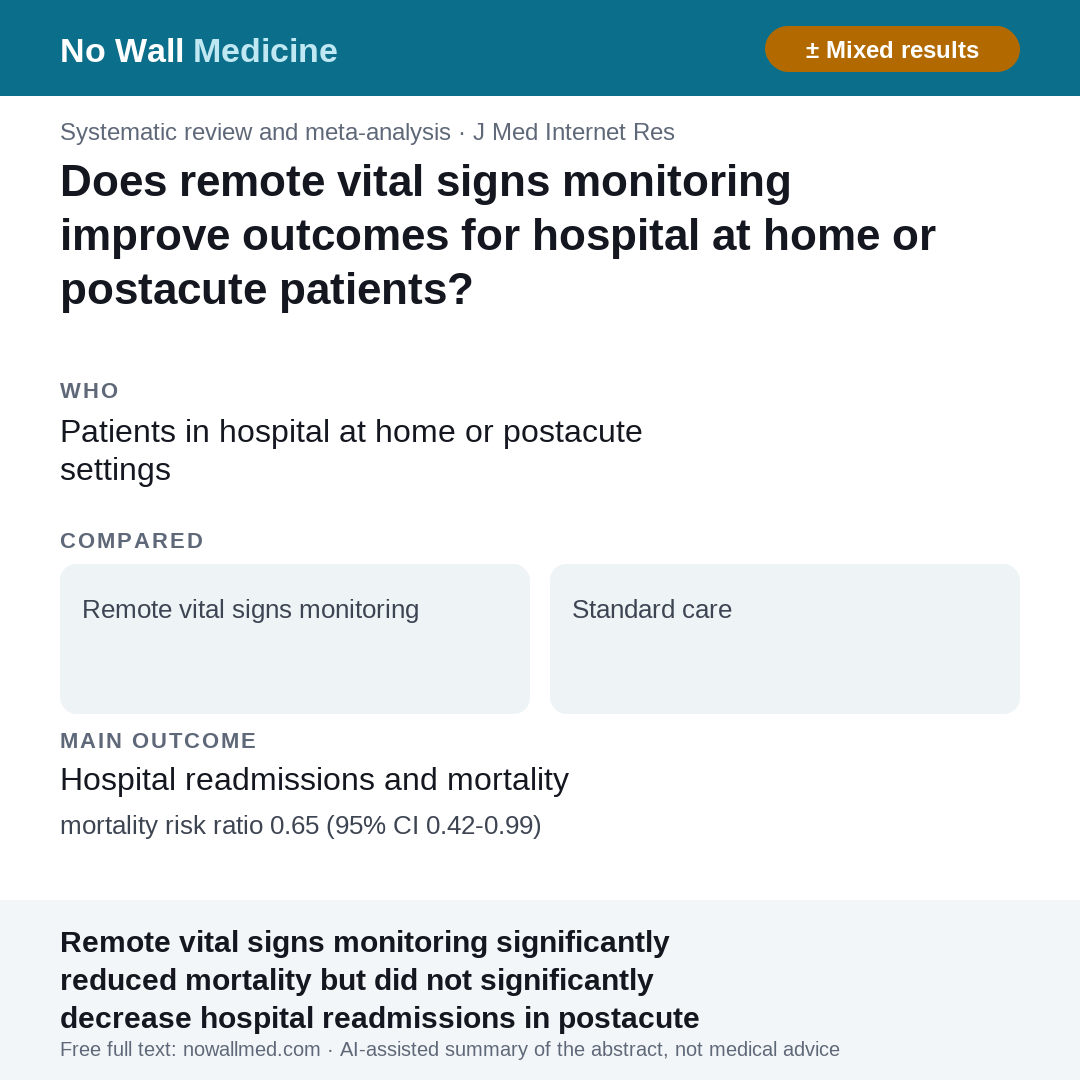
The Value of Remote Vital Signs Monitoring in Detecting Clinical Deterioration in Patients in Hospital at Home Programs or Postacute Medical Patients in the Community: Systematic Review
Systematic review and meta-analysisMixed results
Does remote vital signs monitoring improve outcomes for hospital at home or postacute patients?
Who
Patients in hospital at home or postacute settings
Compared
Remote vital signs monitoring
Standard care
Main outcome
Hospital readmissions and mortality
Result: mortality risk ratio 0.65 (95% CI 0.42-0.99)
Bottom line: Remote vital signs monitoring significantly reduced mortality but did not significantly decrease hospital readmissions in postacute patients.
Limitation: Many studies were of poor quality and certainty of evidence was very low.
J Med Internet Res · 2025-05-26Download image
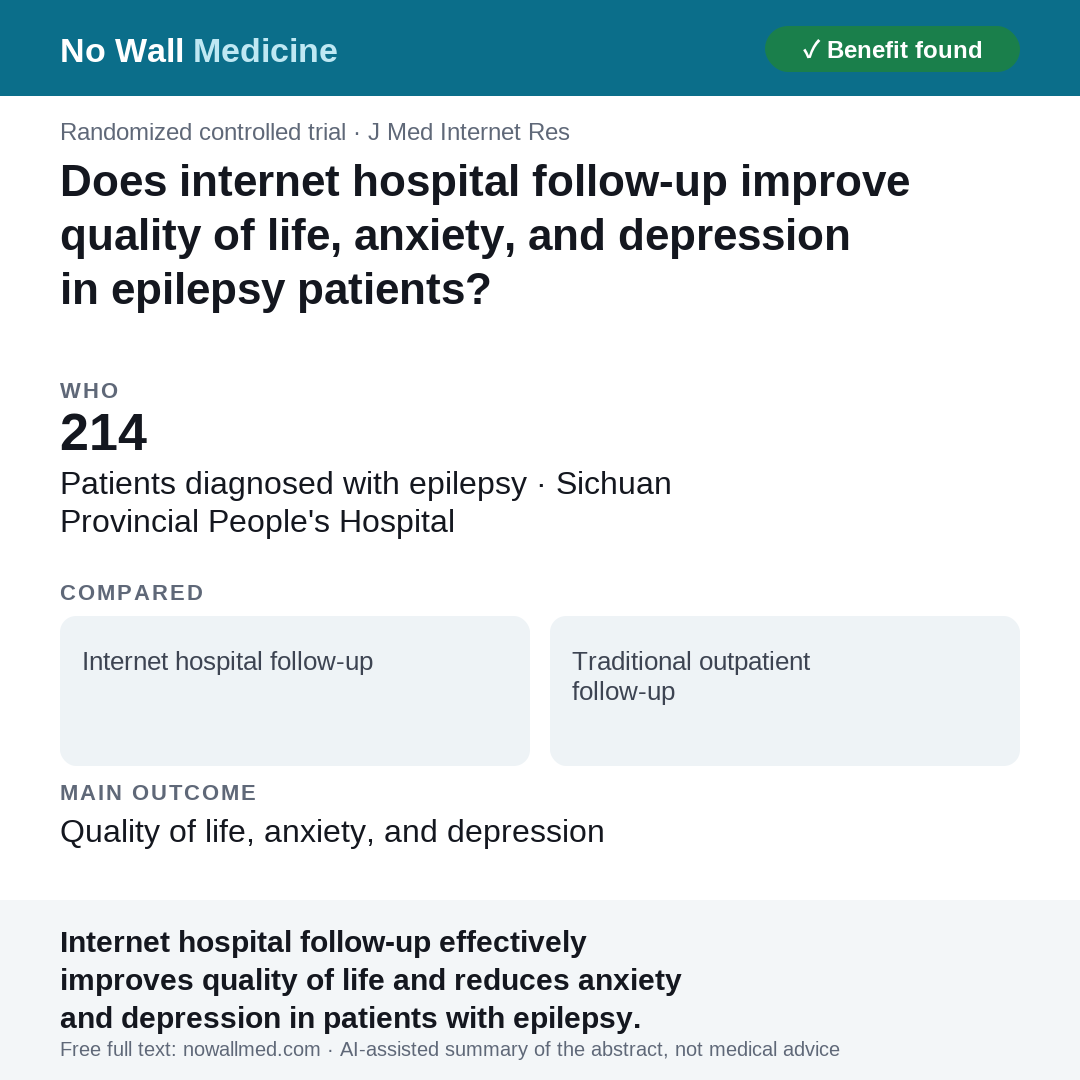
The Impact of Internet Hospital Follow-Up on the Quality of Life of Patients With Epilepsy: Randomized Controlled Trial
Randomized controlled trialBenefit found
Does internet hospital follow-up improve quality of life, anxiety, and depression in epilepsy patients?
Who
214
Patients diagnosed with epilepsy · Sichuan Provincial People's Hospital
Compared
Internet hospital follow-up
Traditional outpatient follow-up
Main outcome
Quality of life, anxiety, and depression
Result: Hedges g=0.49 (95% CI 0.22-0.76)
Bottom line: Internet hospital follow-up effectively improves quality of life and reduces anxiety and depression in patients with epilepsy.
J Med Internet Res · 2025-05-26Download image
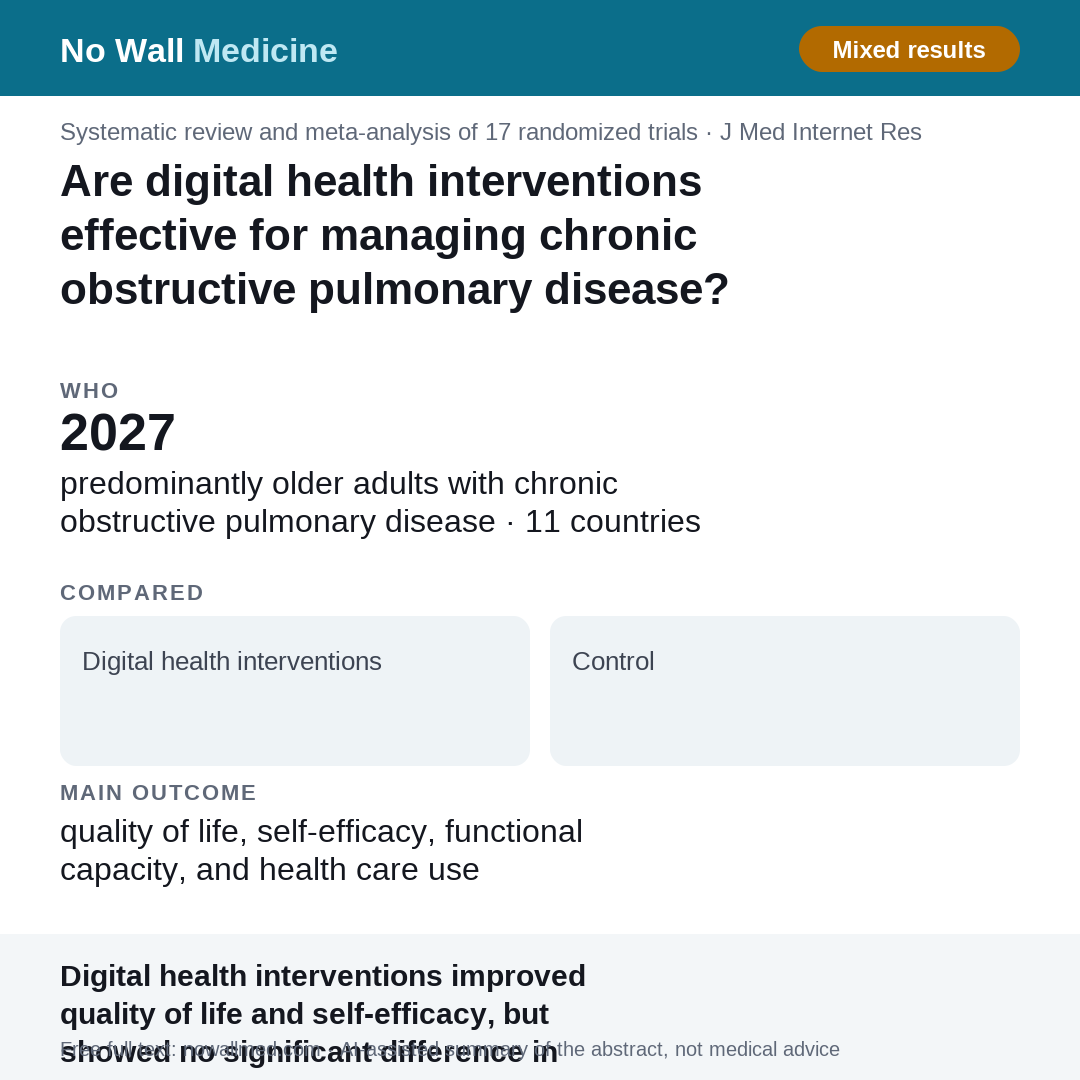
Effectiveness of Digital Health Interventions for Chronic Obstructive Pulmonary Disease: Systematic Review and Meta-Analysis
Systematic review and meta-analysis of 17 randomized trialsMixed results
Are digital health interventions effective for managing chronic obstructive pulmonary disease?
Who
2027
predominantly older adults with chronic obstructive pulmonary disease · 11 countries
Compared
Digital health interventions
Control
Main outcome
quality of life, self-efficacy, functional capacity, and health care use
Result: not reported as a single pooled effect
Bottom line: Digital health interventions improved quality of life and self-efficacy, but showed no significant difference in functional capacity or health care use.
Limitation: Further robust studies are needed, particularly involving larger numbers of older adults with chronic obstructive pulmonary disease.
J Med Internet Res · 2025-05-26Download image
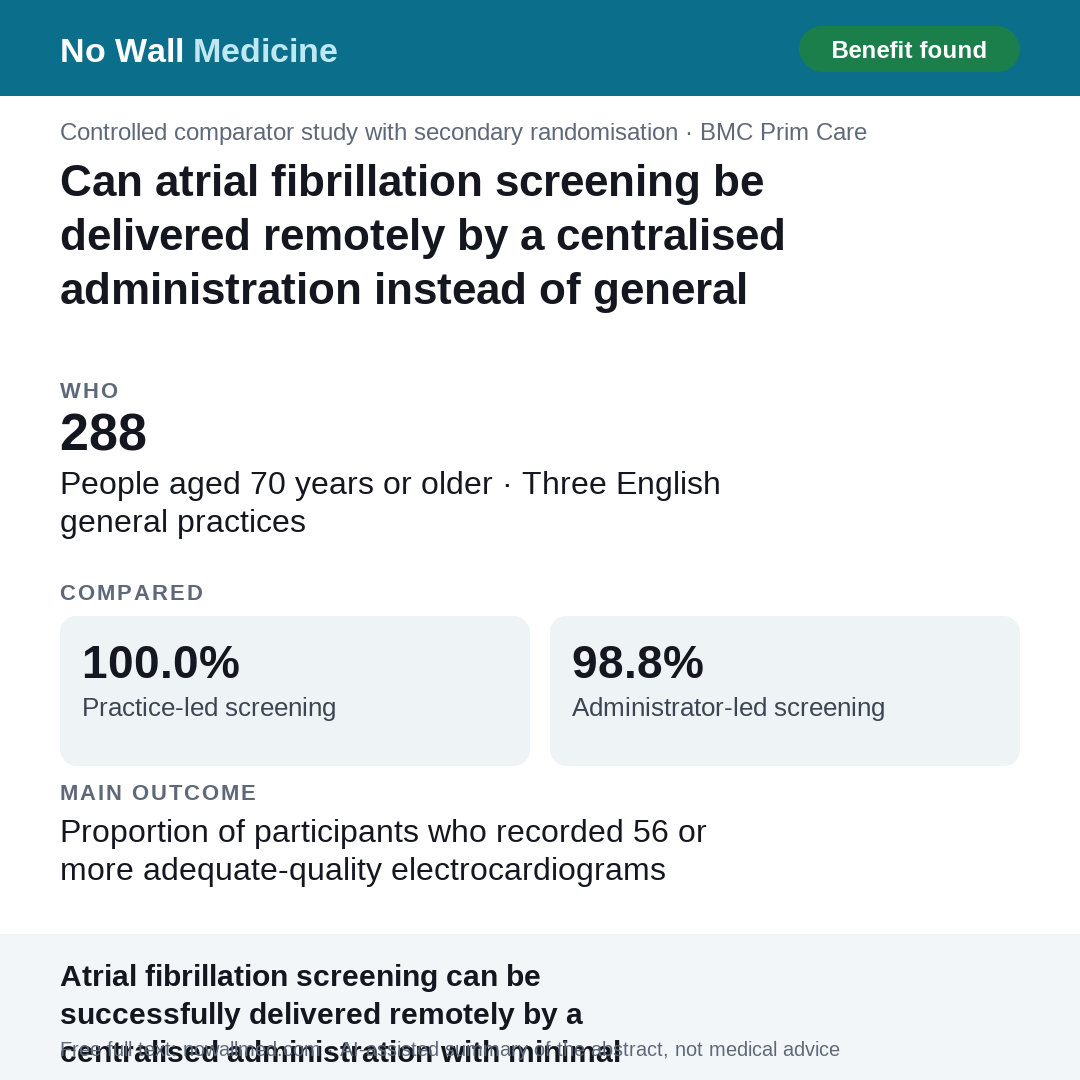
Screening for atrial fibrillation with or without general practice involvement: a controlled study
Controlled comparator study with secondary randomisationBenefit found
Can atrial fibrillation screening be delivered remotely by a centralised administration instead of general practice?
Who
288
People aged 70 years or older · Three English general practices
Compared
100.0%Practice-led screening
98.8%Administrator-led screening
Main outcome
Proportion of participants who recorded 56 or more adequate-quality electrocardiograms
Bottom line: Atrial fibrillation screening can be successfully delivered remotely by a centralised administration with minimal support.
BMC Prim Care · 2025-05-26Download image
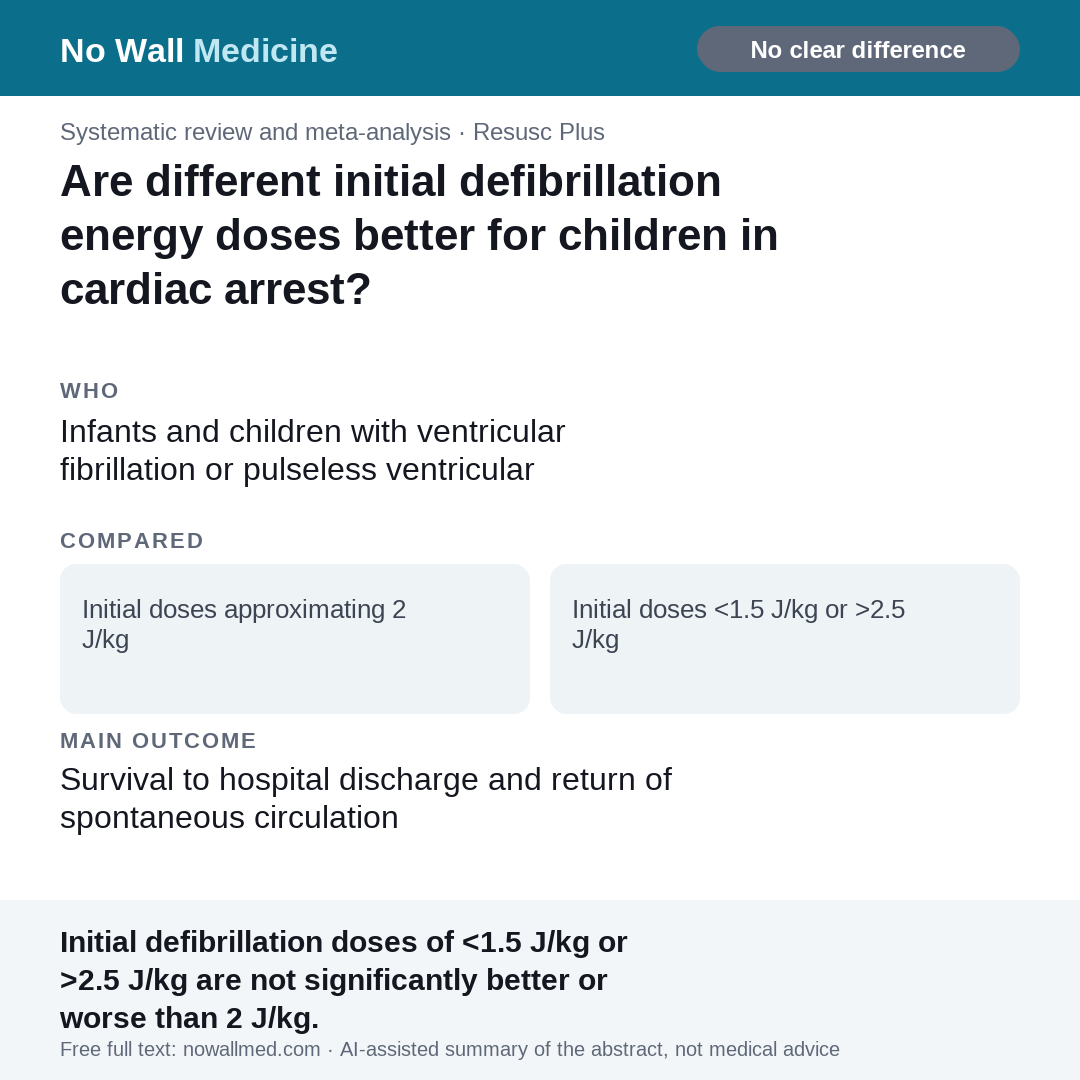
Energy doses for paediatric defibrillation in cardiac arrest: systematic review and meta-analysis
Systematic review and meta-analysisNo clear difference
Are different initial defibrillation energy doses better for children in cardiac arrest?
Who
Infants and children with ventricular fibrillation or pulseless ventricular tachycardia · In-hospital cardiac arrest
Compared
Initial doses approximating 2 J/kg
Initial doses <1.5 J/kg or >2.5 J/kg
Main outcome
Survival to hospital discharge and return of spontaneous circulation
Bottom line: Initial defibrillation doses of <1.5 J/kg or >2.5 J/kg are not significantly better or worse than 2 J/kg.
Limitation: The overall certainty of evidence was very low.
Resusc Plus · 2025-05-26Download image
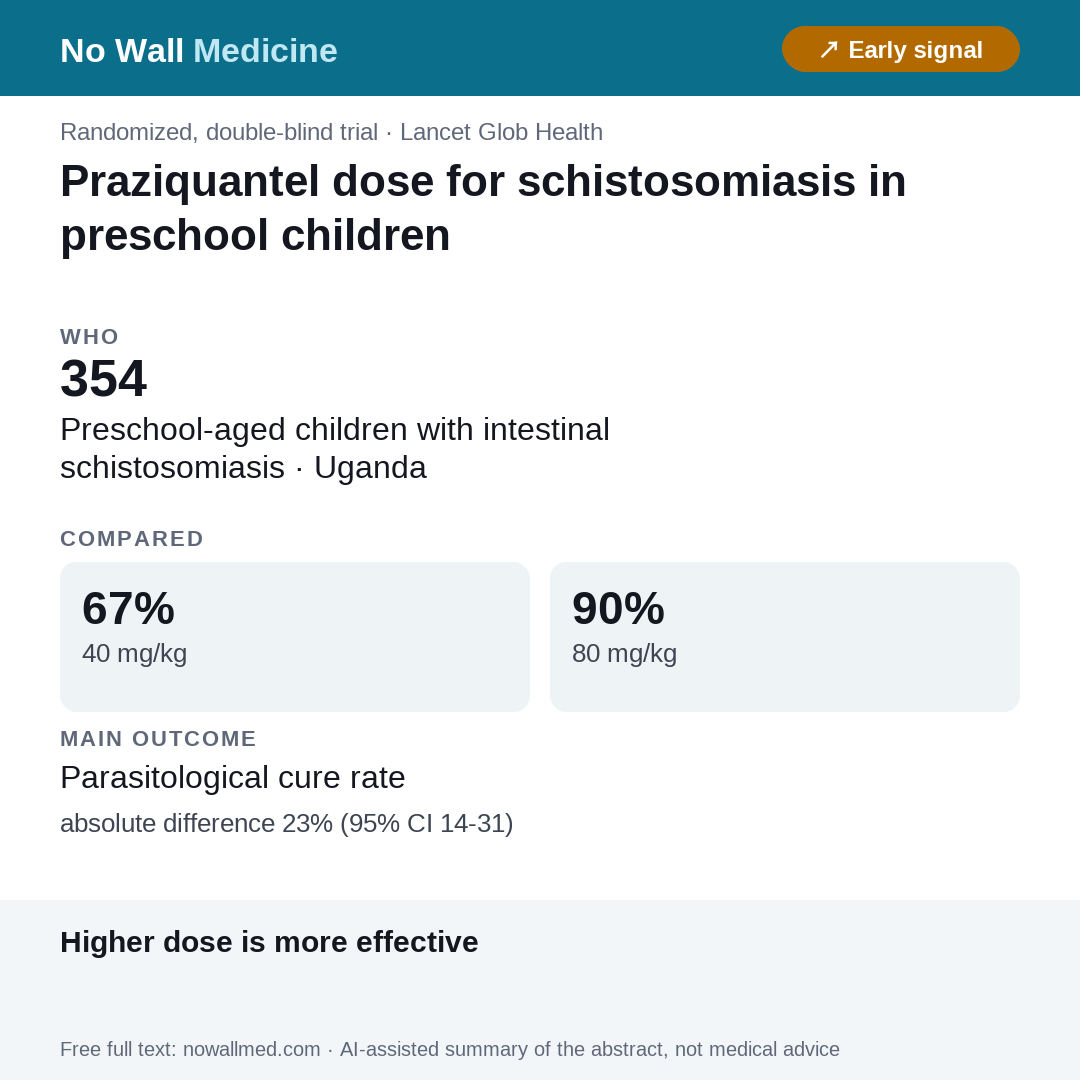
Safety and efficacy of praziquantel 40 mg/kg versus 80 mg/kg in preschool-aged children with intestinal schistosomiasis in Uganda: a 2 × 2 factorial, double-blind, placebo-controlled, phase 2 randomised trial
Randomized, double-blind trialBenefit found
Praziquantel dose for schistosomiasis in preschool children
Who
354
Preschool-aged children with intestinal schistosomiasis · Uganda
Compared
67%40 mg/kg
90%80 mg/kg
Main outcome
Parasitological cure rate
Result: absolute difference 23% (95% CI 14-31)
Bottom line: Higher dose is more effective
Funded by: US National Institutes of Health
Lancet Glob Health · 2025-05-25Download image
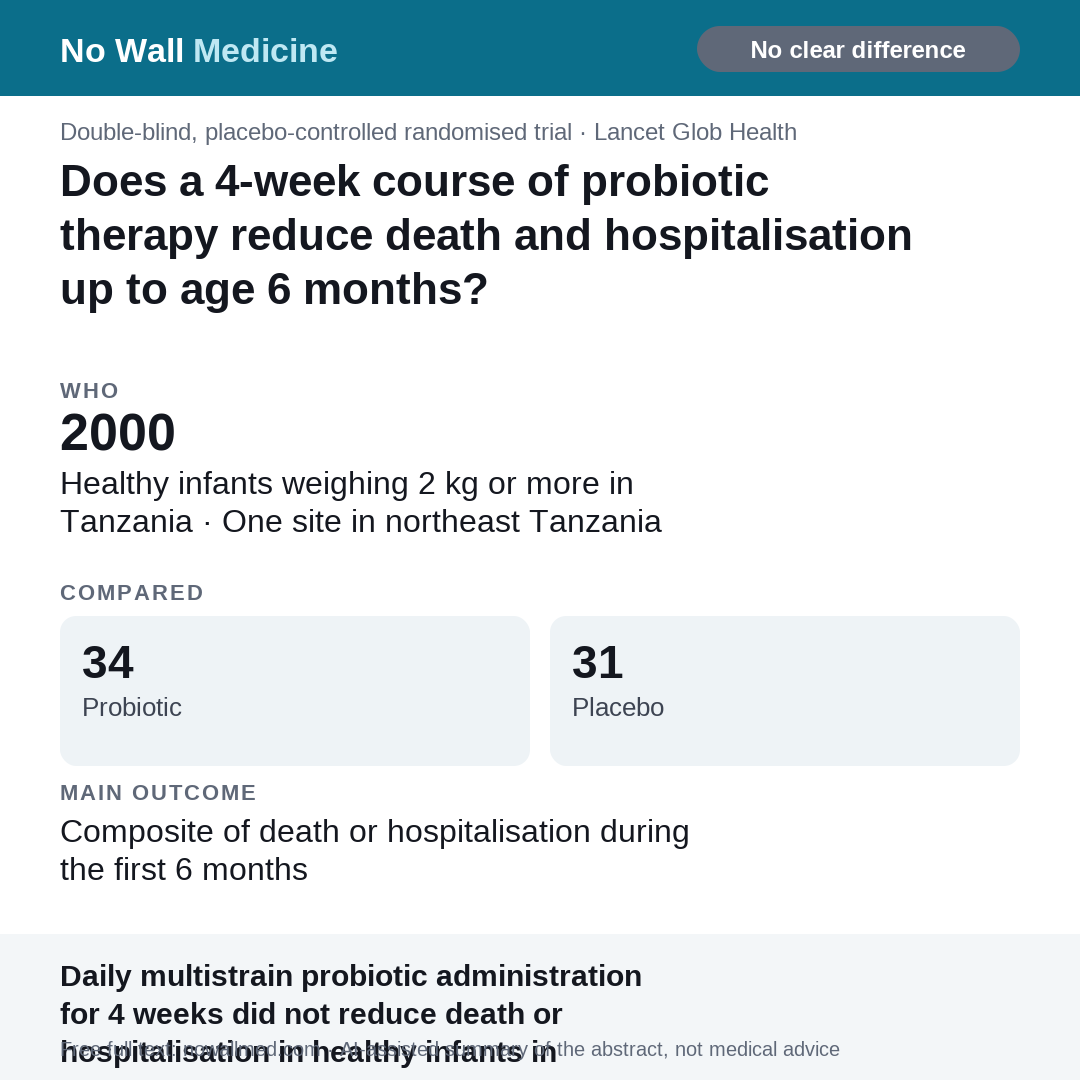
Home administration of a multistrain probiotic once per day for 4 weeks to newborn infants in Tanzania (ProRIDE): a double-blind, placebo-controlled randomised trial
Double-blind, placebo-controlled randomised trialNo clear difference
Does a 4-week course of probiotic therapy reduce death and hospitalisation up to age 6 months?
Who
2000
Healthy infants weighing 2 kg or more in Tanzania · One site in northeast Tanzania
Compared
34Probiotic (3%)
31Placebo (3%)
Main outcome
Composite of death or hospitalisation during the first 6 months
Result: crude relative risk 1.10 (95% CI 0.68-1.78)
Bottom line: Daily multistrain probiotic administration for 4 weeks did not reduce death or hospitalisation in healthy infants in Tanzania.
Lancet Glob Health · 2025-05-25Download image
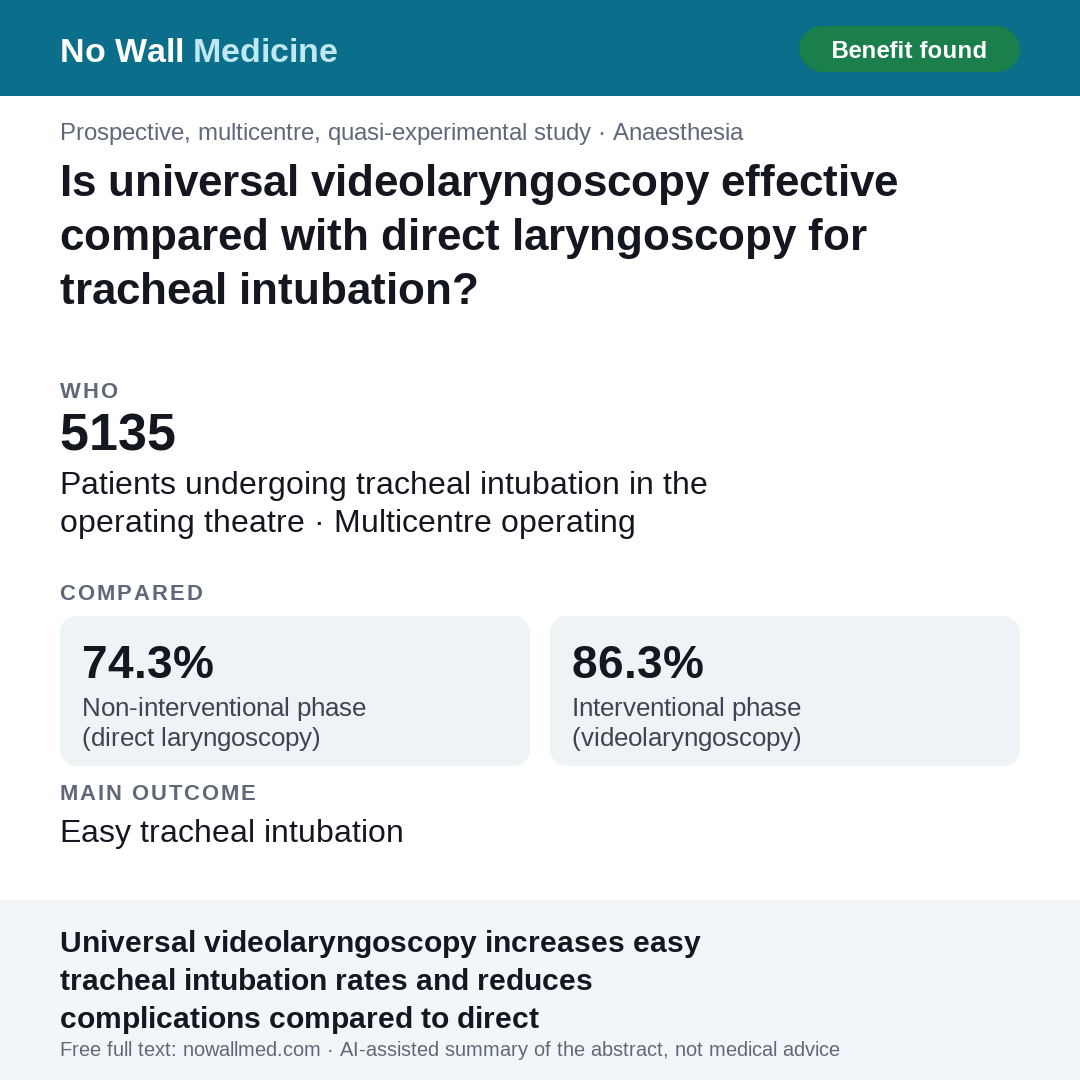
Universal videolaryngoscopy for tracheal intubation in the operating theatre: A prospective non-randomised clinical trial
Prospective, multicentre, quasi-experimental studyBenefit found
Is universal videolaryngoscopy effective compared with direct laryngoscopy for tracheal intubation?
Who
5135
Patients undergoing tracheal intubation in the operating theatre · Multicentre operating theatre settings
Compared
74.3%Non-interventional phase (direct laryngoscopy)
86.3%Interventional phase (videolaryngoscopy)
Main outcome
Easy tracheal intubation
Result: absolute difference 12%, 95%CI 9.8-14.1
Bottom line: Universal videolaryngoscopy increases easy tracheal intubation rates and reduces complications compared to direct laryngoscopy in operating theatres.
Limitation: Prospective non-randomised clinical trial
Anaesthesia · 2025-05-25Download image
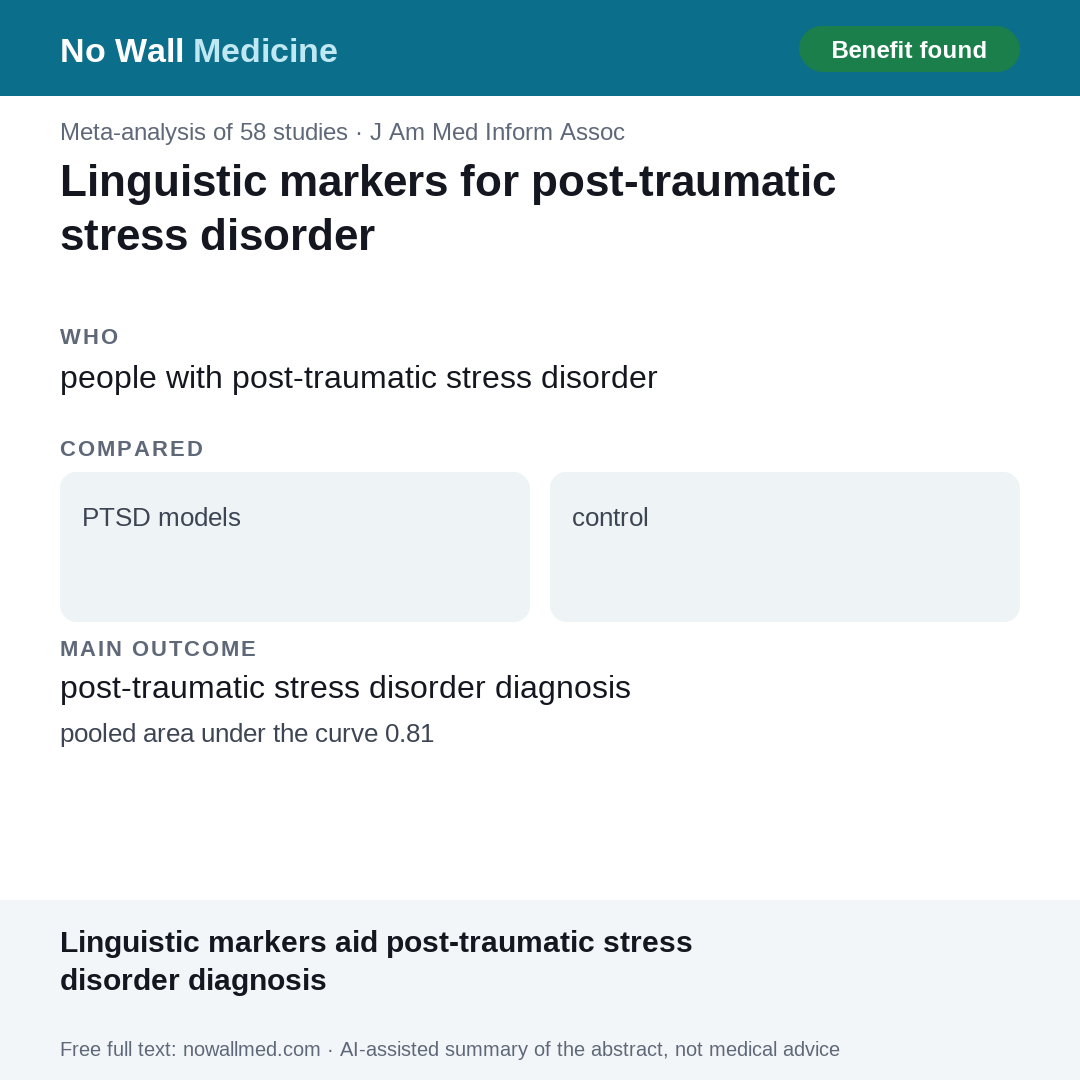
Linguistic markers for identifying post-traumatic stress disorder and associated symptoms: a systematic literature review
Meta-analysis of 58 studiesBenefit found
Linguistic markers for post-traumatic stress disorder
Who
people with post-traumatic stress disorder
Compared
PTSD models
control
Main outcome
post-traumatic stress disorder diagnosis
Result: pooled area under the curve 0.81
Bottom line: Linguistic markers aid post-traumatic stress disorder diagnosis
Limitation: methodological inconsistencies and biases
J Am Med Inform Assoc · 2025-05-25Download image