Visual abstracts
New randomized trials and meta-analyses from leading journals at a glance: who was studied, what was compared, and what was found. Every paper is free to read in full.
All specialtiesCardiology 840Oncology 760Gastroenterology & Hepatology 306Infectious Disease 626Neurology 350Psychiatry & Mental Health 430Pulmonology 365Critical Care 243Endocrinology & Diabetes 480Pediatrics 534Surgery 319Orthopedics & Sports Medicine 161Neurosurgery 89Cardiothoracic & Vascular Surgery 87Plastic & Reconstructive Surgery 118Nephrology 197Rheumatology 108Hematology 181Dermatology 78Ophthalmology 97Obstetrics & Gynecology 261Public & Global Health 167Radiology & Imaging 96Anesthesiology 107Urology 162ENT (Otolaryngology) 86Emergency Medicine 68Allergy & Immunology 58Geriatrics 160Family Medicine & Primary Care 111Medical Genetics & Genomics 91Pathology & Laboratory Medicine 24Physical Medicine & Rehabilitation 148Palliative Care 81Nutrition 223Digital Health & AI 460General Medicine 101
Does involving volunteers in the provision of palliative care make a difference to patient, family, and unpaid carer wellbeing and service use? A systematic review
Mixed studies systematic reviewBenefit found
Does involving volunteers in palliative care impact wellbeing and service use?
Who
Adults with terminal illness, family members, or unpaid carers
Compared
Volunteering interventions: positively impacted patients' hedonic wellbeing, quality of life, and mental health
Unpaid carers: limited quantitative evidence of impact on wellbeing
Main outcome
wellbeing, mental health, physical health, satisfaction, and service use
Bottom line: Volunteering interventions positively impacted patient wellbeing and quality of life, though evidence for unpaid carers remains limited.
Limitation: Quantitative studies were limited by small sample sizes
Palliat Med · 2026-08-31Download image

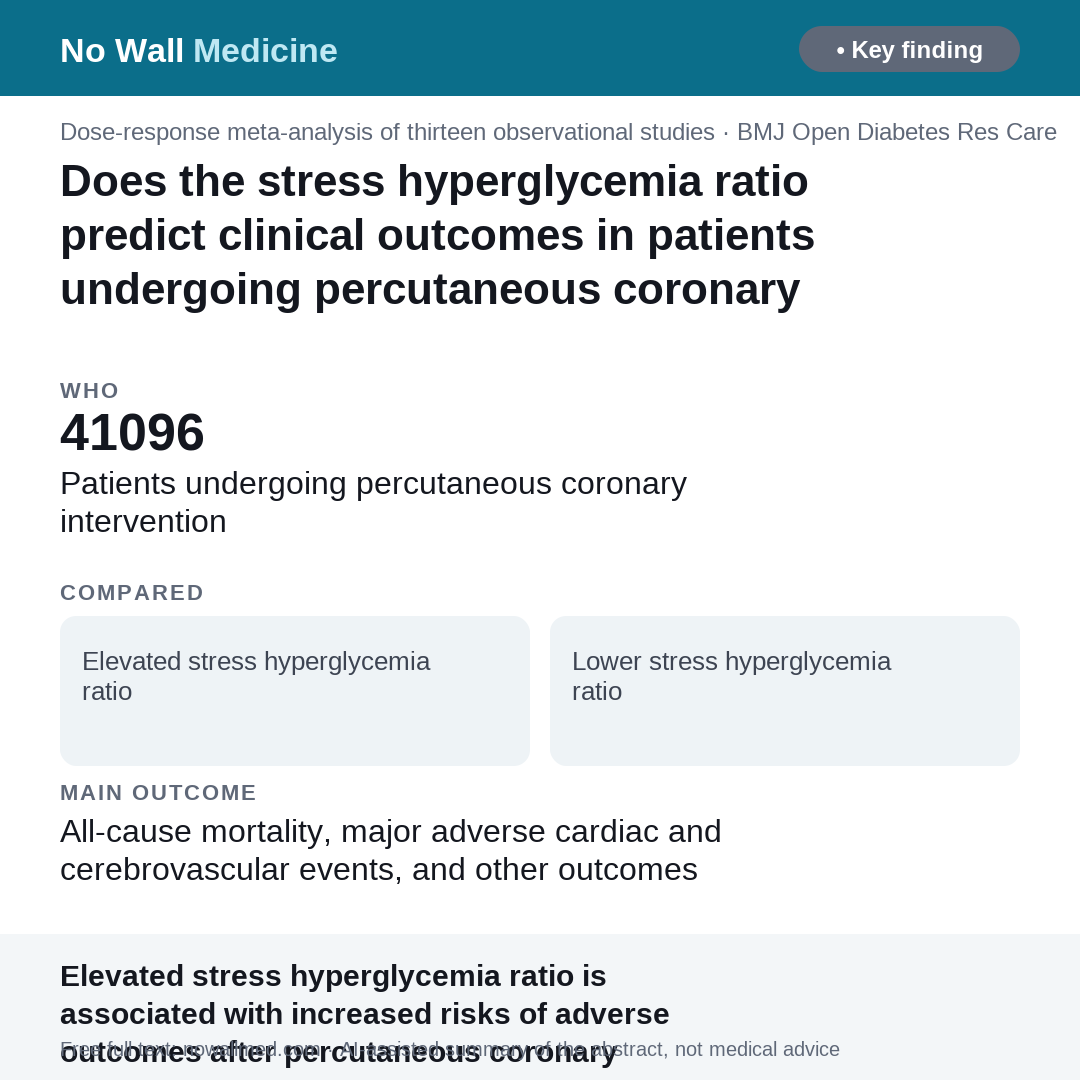
Prognostic significance of stress hyperglycemia ratio in patients undergoing percutaneous coronary intervention: a dose-response meta-analysis
Dose-response meta-analysis of thirteen observational studiesHarm found
Does the stress hyperglycemia ratio predict clinical outcomes in patients undergoing percutaneous coronary intervention?
Who
41096
Patients undergoing percutaneous coronary intervention
Compared
Elevated stress hyperglycemia ratio
Lower stress hyperglycemia ratio
Main outcome
All-cause mortality, major adverse cardiac and cerebrovascular events, and other outcomes
Bottom line: Elevated stress hyperglycemia ratio is associated with increased risks of adverse outcomes after percutaneous coronary intervention.
Limitation: Most studies were observational, definitions varied, and residual confounding cannot be excluded.
BMJ Open Diabetes Res Care · 2026-08-31Download image
Antithrombotic therapy after percutaneous coronary intervention in patients with atrial fibrillation: an individual patient data network meta-analysis
Individual patient data network meta-analysisMixed results
What antithrombotic strategies are best for atrial fibrillation patients after percutaneous coronary intervention?
Who
10634
Patients with atrial fibrillation undergoing percutaneous coronary intervention
Compared
Direct oral anticoagulant plus P2Y12 inhibitor: HR 1.16 (95%CI 0.97-1.41)
Vitamin K antagonist plus dual antiplatelet therapy: Reference
Vitamin K antagonist plus single antiplatelet therapy: HR 1.14 (95%CI 0.85-1.54)
Direct oral anticoagulant plus dual antiplatelet therapy: HR 0.99 (95%CI 0.75-1.30)
Main outcome
Cardiovascular death, myocardial infarction, or stroke
Result: HR 1.16 (95%CI 0.97-1.41)
Bottom line: Antithrombotic strategies showed similar efficacy, but direct oral anticoagulants reduced bleeding risk compared to vitamin K antagonists.
Limitation: A modest increase in risk with single compared with dual antiplatelet therapy cannot be excluded.
Eur Heart J · 2026-08-30Download image

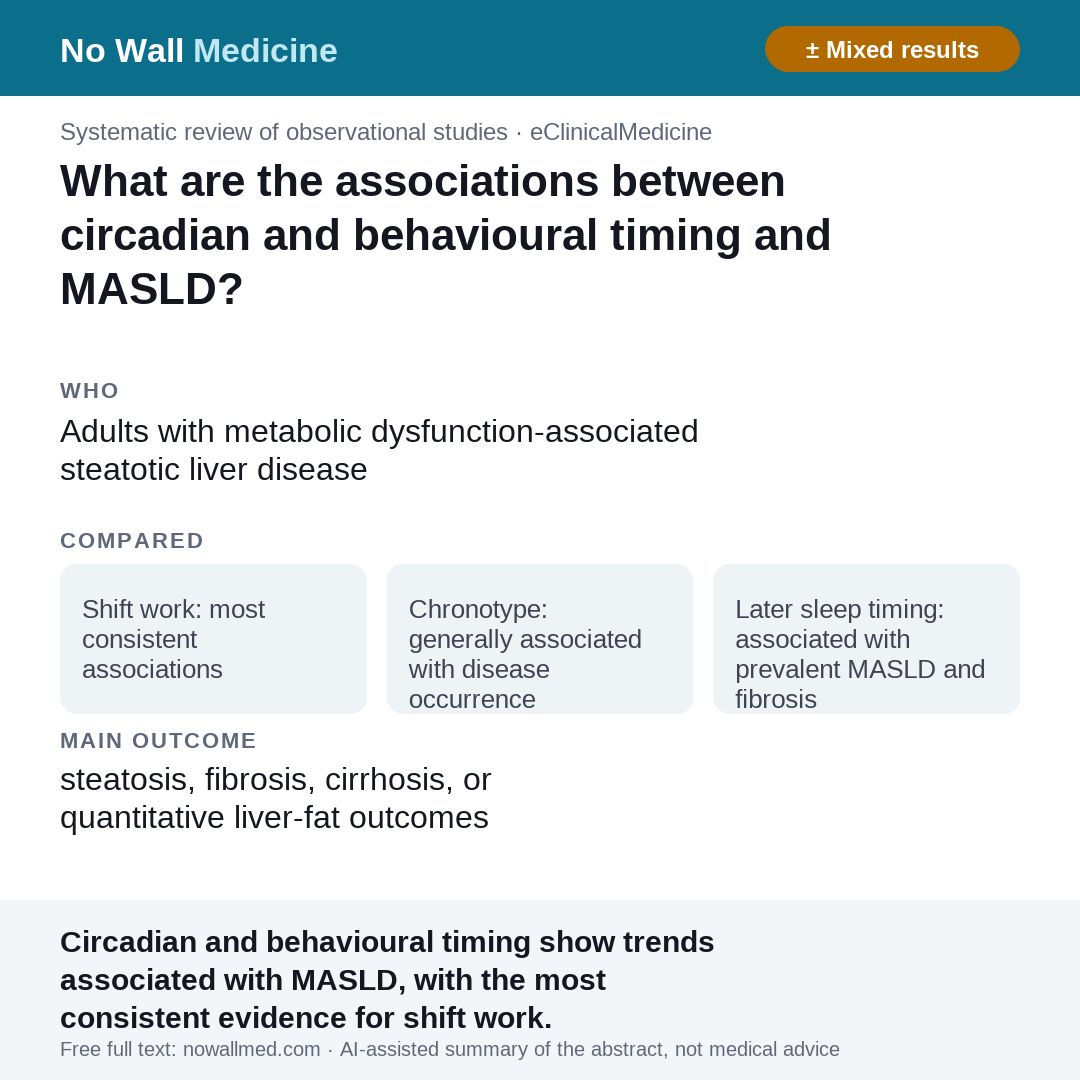
Circadian and behavioral timing in MASLD: a systematic review of human observational studies
Systematic review of observational studiesMixed results
What are the associations between circadian and behavioural timing and MASLD?
Who
Adults with metabolic dysfunction-associated steatotic liver disease
Compared
Shift work: most consistent associations
Chronotype: generally associated with disease occurrence
Later sleep timing: associated with prevalent MASLD and fibrosis
Main outcome
steatosis, fibrosis, cirrhosis, or quantitative liver-fat outcomes
Bottom line: Circadian and behavioural timing show trends associated with MASLD, with the most consistent evidence for shift work.
Limitation: Residual confounding, cross-sectional designs, self-reported exposures, heterogeneous outcomes, and reverse causality.
eClinicalMedicine · 2026-08-29Download image
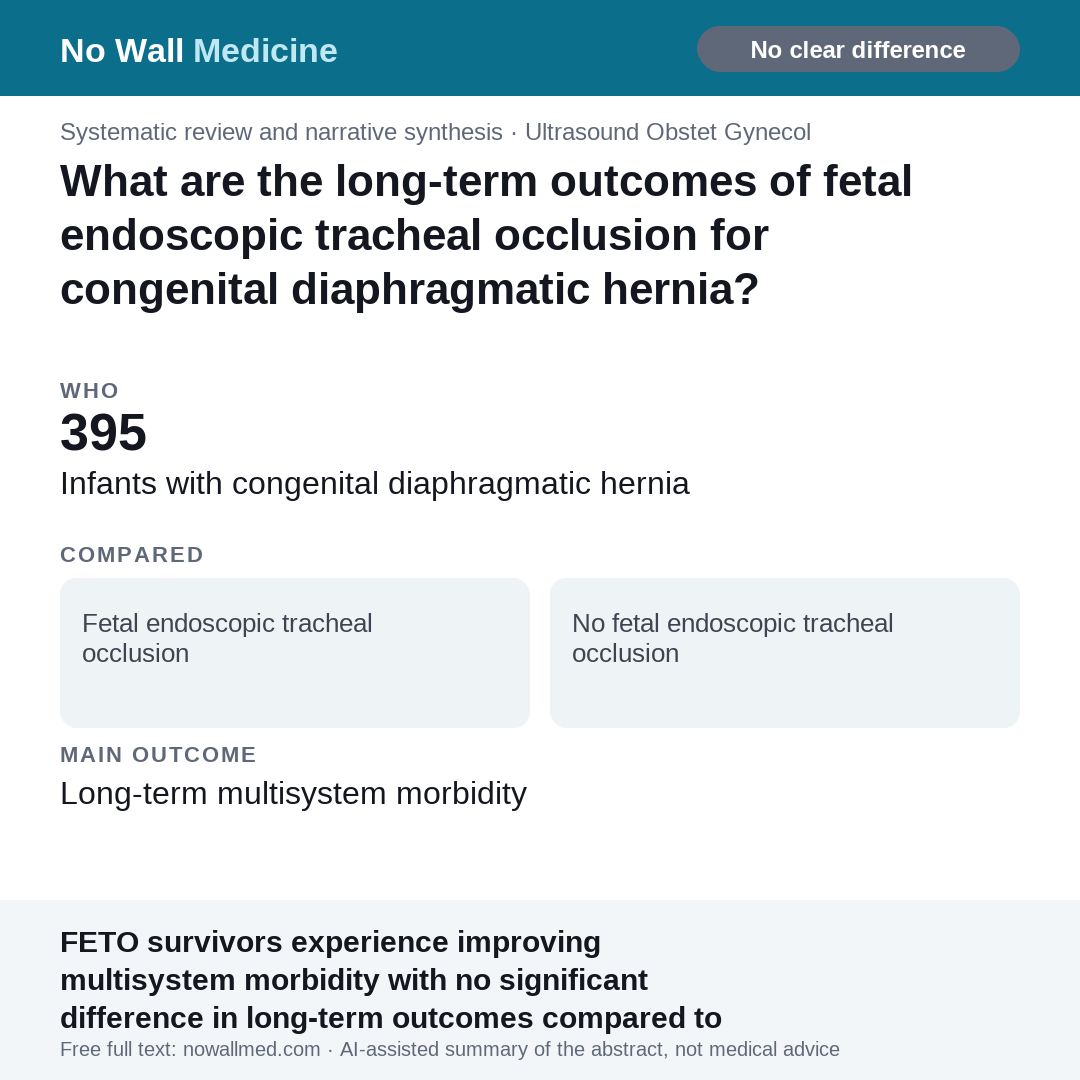
Long-term outcome after fetal endoscopic tracheal occlusion for congenital diaphragmatic hernia: systematic review
Systematic review and narrative synthesisNo clear difference
What are the long-term outcomes of fetal endoscopic tracheal occlusion for congenital diaphragmatic hernia?
Who
395
Infants with congenital diaphragmatic hernia
Compared
Fetal endoscopic tracheal occlusion
No fetal endoscopic tracheal occlusion
Main outcome
Long-term multisystem morbidity
Bottom line: FETO survivors experience improving multisystem morbidity with no significant difference in long-term outcomes compared to non-FETO infants.
Limitation: Meta-analysis was not performed due to outcome heterogeneity.
Ultrasound Obstet Gynecol · 2026-08-29Download image
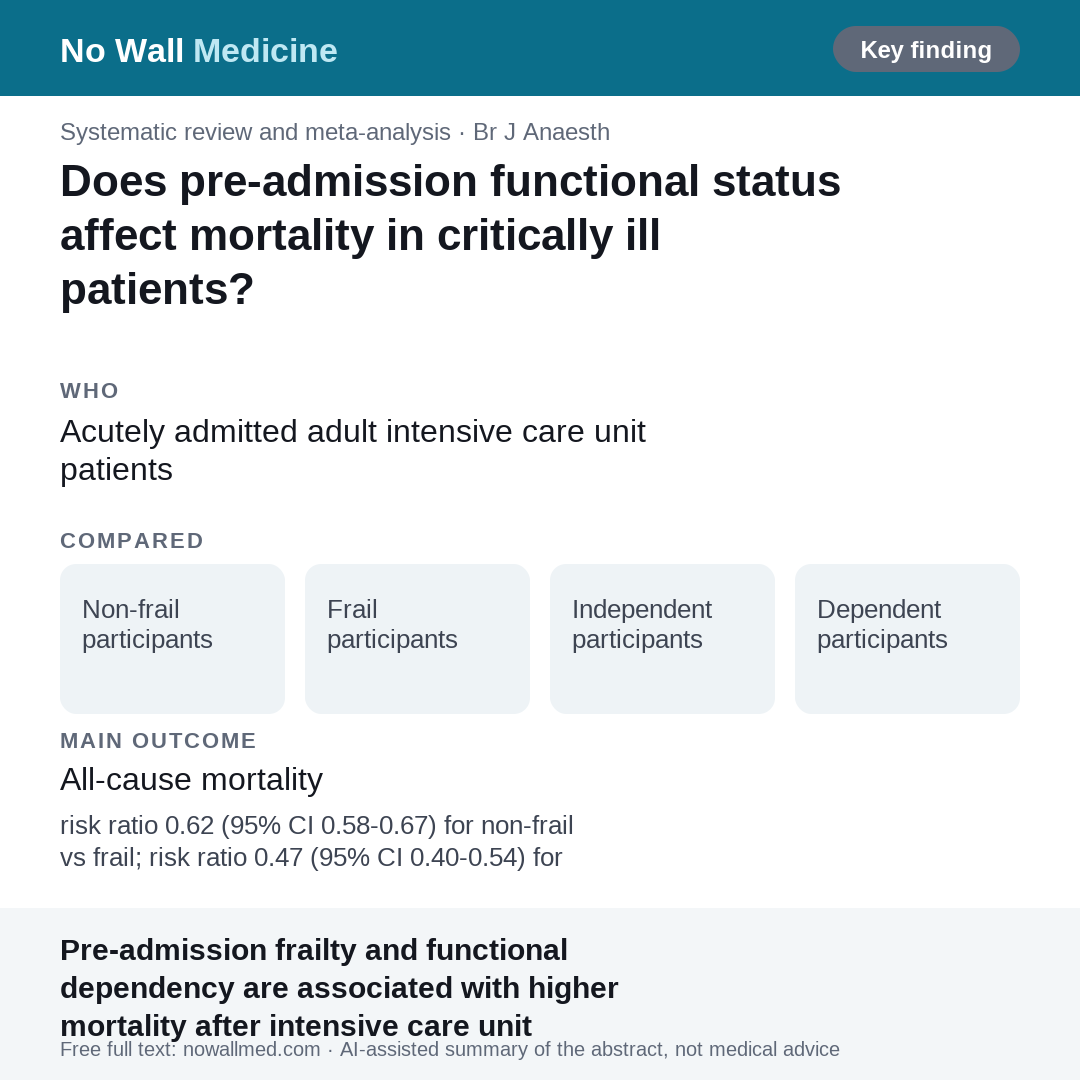
Impact of pre-admission functional status on intensive care patient outcomes: a systematic review and meta-analysis
Systematic review and meta-analysisHarm found
Does pre-admission functional status affect mortality in critically ill patients?
Who
Acutely admitted adult intensive care unit patients
Compared
Non-frail participants
Frail participants
Independent participants
Dependent participants
Main outcome
All-cause mortality
Result: risk ratio 0.62 (95% CI 0.58-0.67) for non-frail vs frail; risk ratio 0.47 (95% CI 0.40-0.54) for independent vs dependent
Bottom line: Pre-admission frailty and functional dependency are associated with higher mortality after intensive care unit admission.
Limitation: Substantial statistical and clinical heterogeneity and very low certainty of evidence.
Br J Anaesth · 2026-08-29Download image
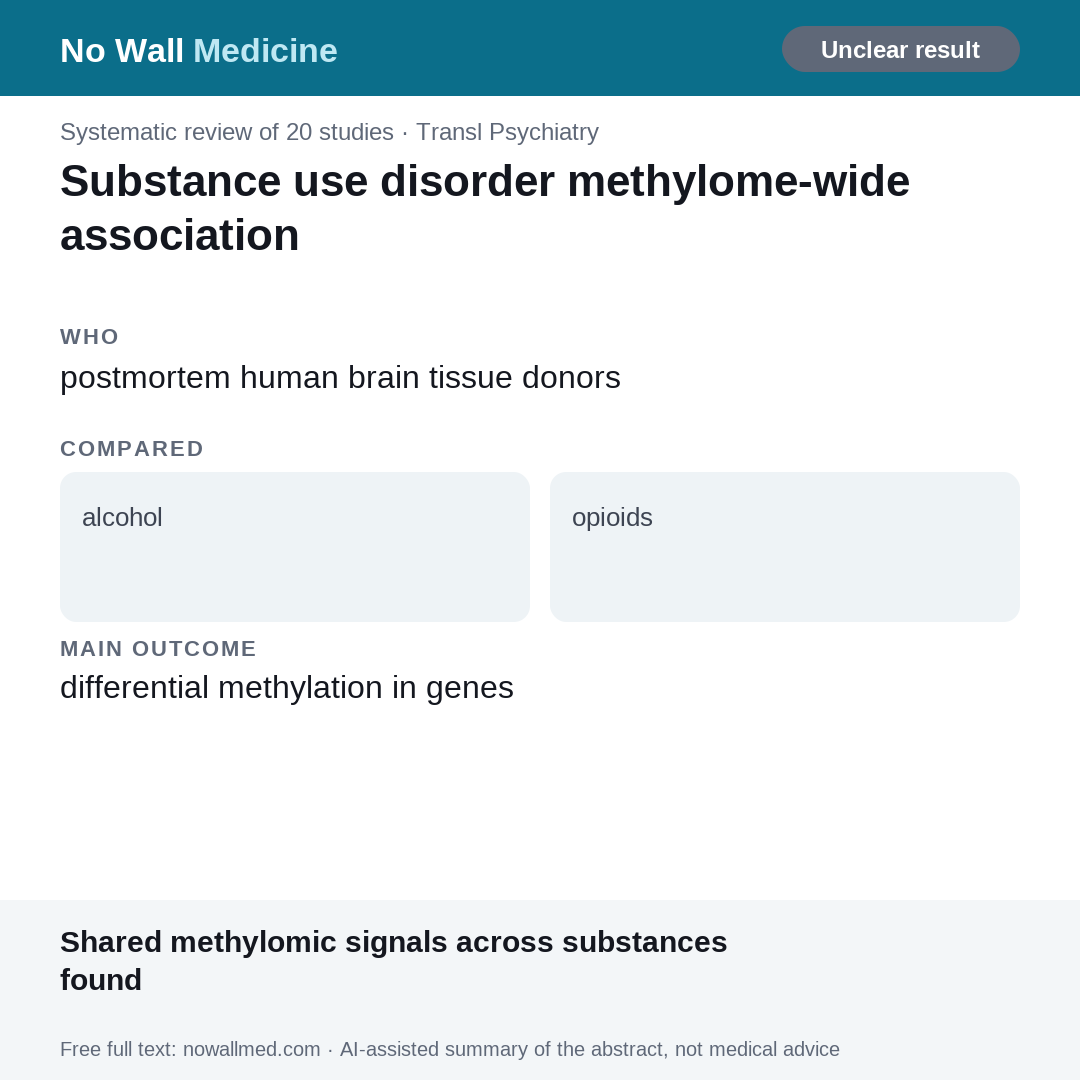
A systematic review of substance use disorder methylome-wide association studies in postmortem human brain
Systematic review of 20 studiesUnclear result
Substance use disorder methylome-wide association
Who
postmortem human brain tissue donors
Compared
alcohol
opioids
Main outcome
differential methylation in genes
Bottom line: Shared methylomic signals across substances found
Limitation: limited sample size and generalizability
Transl Psychiatry · 2026-08-29Download image
Prevalence and Clinical Relevance of Antiphospholipid Antibodies in Ischemic Stroke: A Systematic Review and Meta-Analysis
Systematic review and meta-analysisBenefit found
What is the prevalence and association of antiphospholipid antibodies in ischemic stroke?
Who
9438
Patients with ischemic stroke
Compared
19.1%Patients with any antiphospholipid antibodies (95% CI, 15.4%-23.0%)
First ischemic stroke risk: OR, 2.93 [95% CI, 2.31-3.73]
Main outcome
Prevalence and risk of ischemic stroke
Result: OR, 2.93 [95% CI, 2.31-3.73]
Bottom line: Antiphospholipid antibody seropositivity is present in 19.1% of ischemic stroke patients and increases risk of first stroke.
Stroke · 2026-08-28Download image

Translational simulation in anaesthesia: a systematic review of applications, processes, outcomes, and implementation factors
Systematic reviewBenefit found
Translational simulation in anaesthesia effectiveness
Who
3300
Anaesthesia staff across thirty seven countries · Thirty seven countries
Compared
Translational simulation
Comparison
Main outcome
Patient outcomes
Result: Signals of improved patient outcomes
Bottom line: Translational simulation improves patient outcomes
Limitation: Quasi-experimental designs
Br J Anaesth · 2026-08-28Download image

Palliative care needs and experiences of patients with advanced heart failure and family caregivers in Asia: A mixed methods systematic review
Mixed methods systematic reviewUnclear result
Palliative care needs in Asia for heart failure
Who
patients with advanced heart failure and family caregivers · Asia
Compared
patients
family caregivers
Main outcome
palliative care needs and experiences
Bottom line: Palliative care needs are similar among Asian countries
Palliat Med · 2026-08-28Download image

What is the evidence for physical interventions for people living with advanced dementia in the community? A meta-review
Umbrella review of systematic reviewsUnclear result
What is the effectiveness of physical interventions for people with advanced dementia?
Who
People with dementia nearing end of life, carers, or staff · Health and social care settings
Compared
Nutrition and hydration
Physical activities
Main outcome
Effectiveness of physical interventions
Bottom line: Evidence quality was generally low with no conclusive findings on the effectiveness of physical interventions.
Limitation: Evidence quality was generally low, with no conclusive findings on effectiveness.
BMJ Support Palliat Care · 2026-08-28Download image

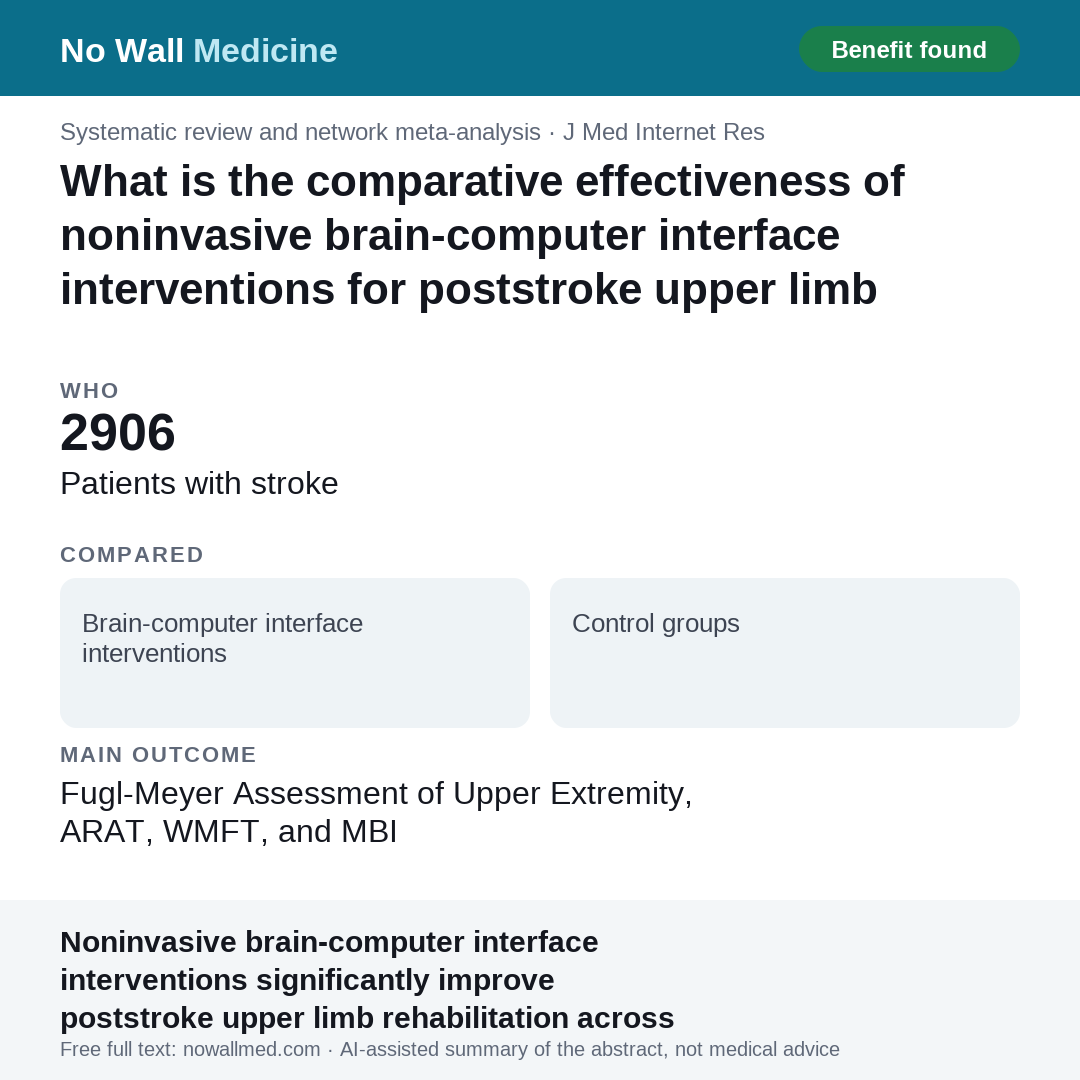
Comparative Effectiveness of Noninvasive Brain-Computer Interface-Based Interventions for Upper Limb Rehabilitation in Poststroke Hemiplegia: Systematic Review and Network Meta-Analysis of Randomized Controlled Trials
Systematic review and network meta-analysisBenefit found
What is the comparative effectiveness of noninvasive brain-computer interface interventions for poststroke upper limb rehabilitation?
Who
2906
Patients with stroke
Compared
Brain-computer interface interventions
Control groups
Main outcome
Fugl-Meyer Assessment of Upper Extremity, ARAT, WMFT, and MBI
Result: mean difference 5.33 (95% CI 4.28 to 6.38) for FMA-UE
Bottom line: Noninvasive brain-computer interface interventions significantly improve poststroke upper limb rehabilitation across body functions and activities.
Limitation: Low to moderate evidence certainty and substantial heterogeneity make findings exploratory.
J Med Internet Res · 2026-08-28Download image
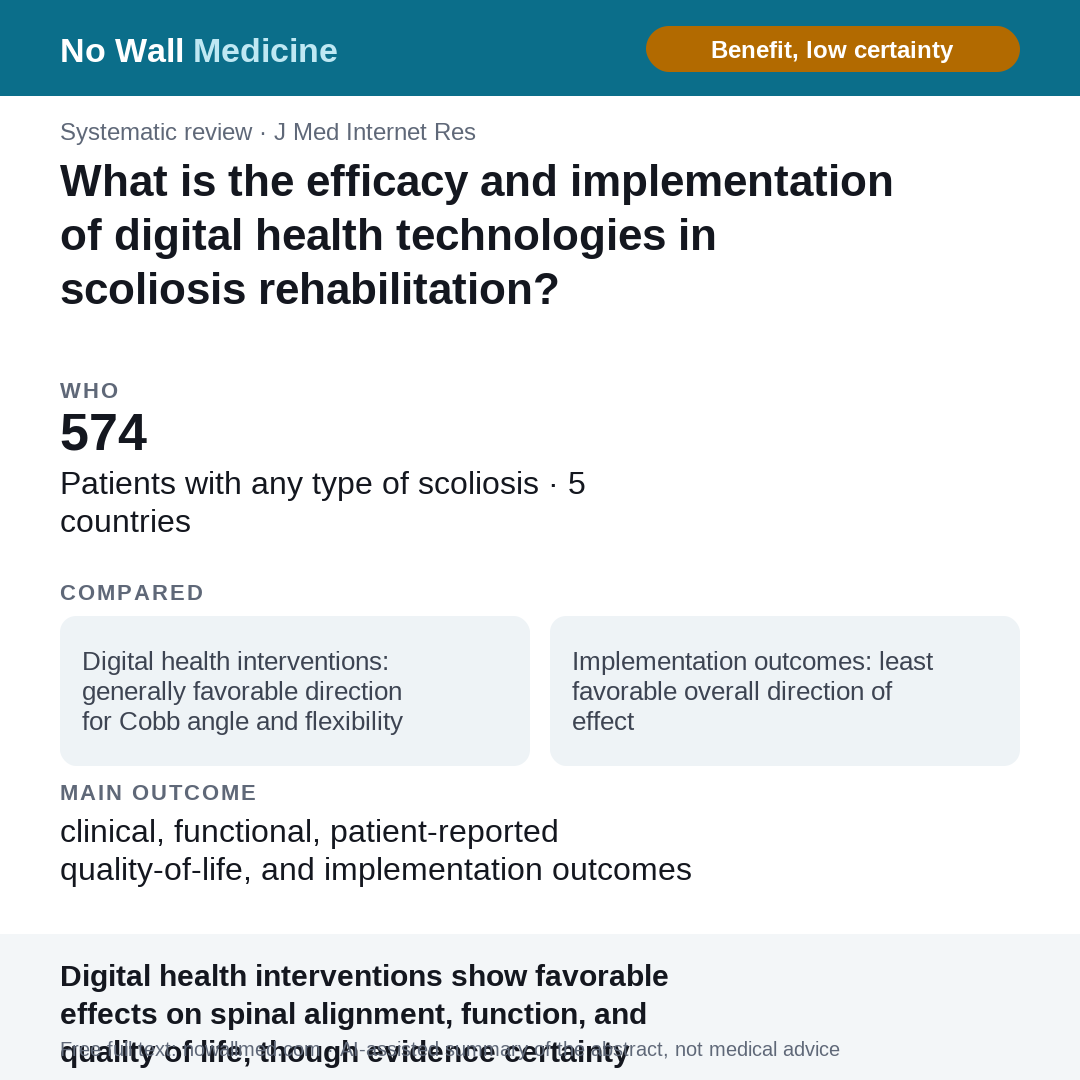
Application of Digital Health Technologies in Scoliosis Rehabilitation: Systematic Review Based on the Technology Classification Framework
Systematic reviewBenefit found
What is the efficacy and implementation of digital health technologies in scoliosis rehabilitation?
Who
574
Patients with any type of scoliosis · 5 countries
Compared
Digital health interventions: generally favorable direction for Cobb angle and flexibility
Implementation outcomes: least favorable overall direction of effect
Main outcome
clinical, functional, patient-reported quality-of-life, and implementation outcomes
Bottom line: Digital health interventions show favorable effects on spinal alignment, function, and quality of life, though evidence certainty is low.
Limitation: The overall certainty of evidence was low.
J Med Internet Res · 2026-08-28Download image
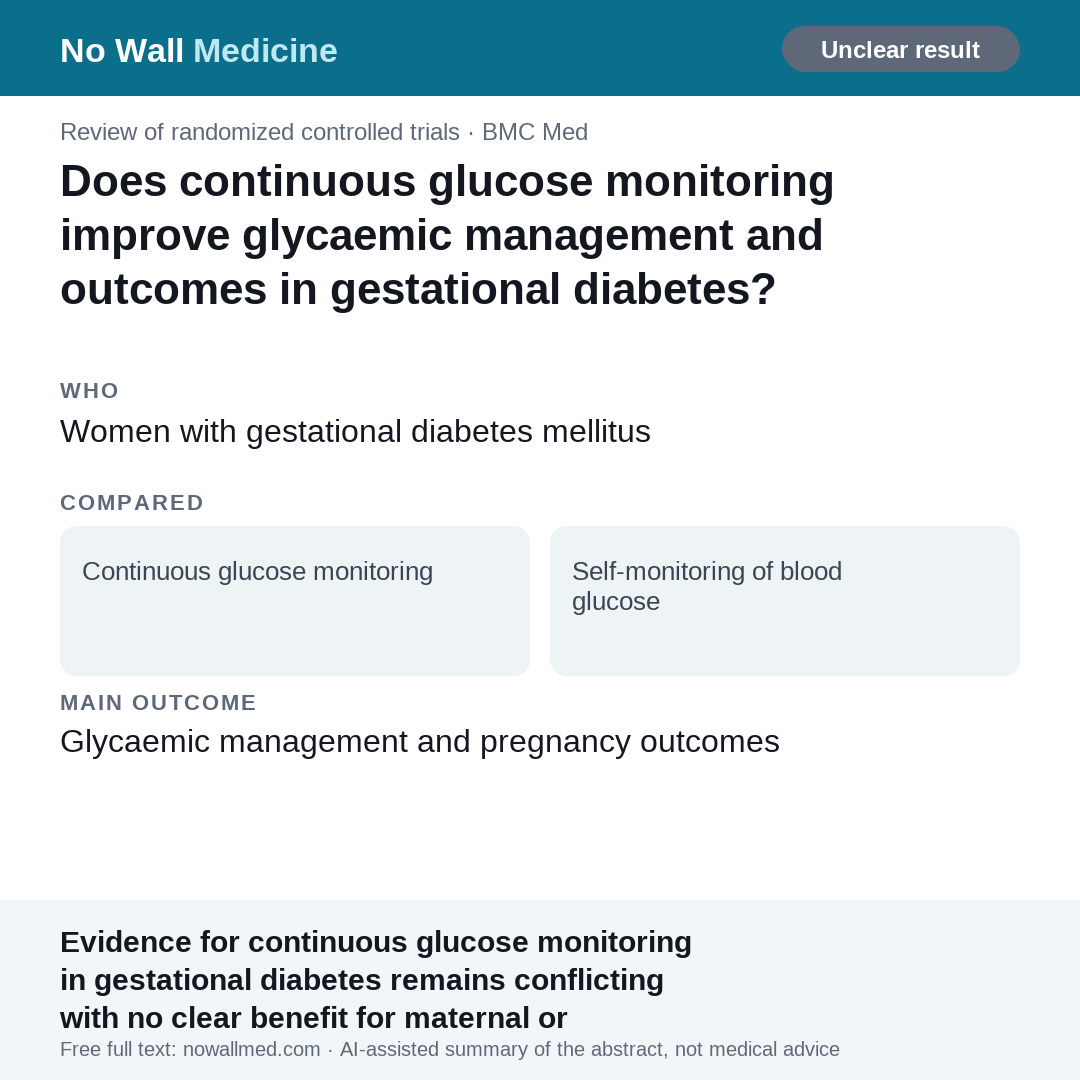
Conflicting evidence for continuous glucose monitoring in gestational diabetes: current challenges and the imperative for individual participant data meta-analysis
Review of randomized controlled trialsUnclear result
Does continuous glucose monitoring improve glycaemic management and outcomes in gestational diabetes?
Who
Women with gestational diabetes mellitus
Compared
Continuous glucose monitoring
Self-monitoring of blood glucose
Main outcome
Glycaemic management and pregnancy outcomes
Bottom line: Evidence for continuous glucose monitoring in gestational diabetes remains conflicting with no clear benefit for maternal or neonatal outcomes.
Limitation: Absence of validated continuous glucose monitoring-based glycaemic targets specific to gestational diabetes.
BMC Med · 2026-08-27Download image
Does acute pyelonephritis skew outcomes in registrational trials of novel antibiotics for complicated urinary tract infections? A systematic review and meta-analysis
Systematic review and meta-analysisBenefit found
Do outcomes differ between acute pyelonephritis and other complicated urinary tract infections?
Who
5,971
Patients with acute pyelonephritis or other complicated urinary tract infections
Compared
Acute pyelonephritis
Other complicated urinary tract infections
Main outcome
Clinical cure plus microbiologic eradication at test-of-cure
Result: risk ratio 1.12 (95% CI 1.03-1.23)
Bottom line: Acute pyelonephritis achieved higher cure rates at test-of-cure than other complicated urinary tract infections.
Limitation: Heterogeneity in definitions and limited stratified reporting reduce interstudy comparability.
Clin Infect Dis · 2026-08-27Download image

The efficacy of ketogenic interventions on neuropsychological & metabolic outcomes in serious mental illness & neurocognitive disorders: a systematic review & meta-analysis
Systematic review and meta-analysisBenefit found
Do ketogenic interventions improve neuropsychological and metabolic outcomes in serious mental illness and neurocognitive disorders?
Who
Individuals with serious mental illness and neurocognitive disorders
Compared
Neurocognitive disorders: cognitive performance: SMD 0.24
Neurocognitive disorders: body weight: MD -3.13 kg
Main outcome
Psychopathology, cognitive performance, body composition, metabolic parameters, and safety
Result: SMD 0.24 (95% CI 0.06 to 0.43) for cognitive performance
Bottom line: Ketogenic interventions provide modest cognitive and metabolic benefits in neurocognitive disorders, though evidence for serious mental illness is preliminary.
Limitation: Evidence in serious mental illness was largely limited to case reports and single-arm trials.
Transl Psychiatry · 2026-08-27Download image

Comparative efficacy and safety of glucagon-like peptide 1 based drugs for weight loss in adults with overweight or obesity without diabetes: network meta-analysis of randomised controlled trials
Network meta-analysis of randomised controlled trialsBenefit found
Which glucagon-like peptide 1 based drugs are most effective for weight loss?
Who
24214
Adults with overweight or obesity without diabetes
Compared
-22.10%retatrutide (95% confidence interval -25.60% to -18.60%)
-19.28%tirzepatide (-20.39% to -18.16%)
-17.32%CagriSema (-19.32% to -15.32%)
placebo
Main outcome
weight loss
Bottom line: Next generation incretin based treatments achieved greater weight loss than conventional glucagon-like peptide 1 receptor agonists.
Limitation: Differences in tolerability, limited head-to-head evidence, and residual uncertainty.
BMJ Med · 2026-08-27Download image

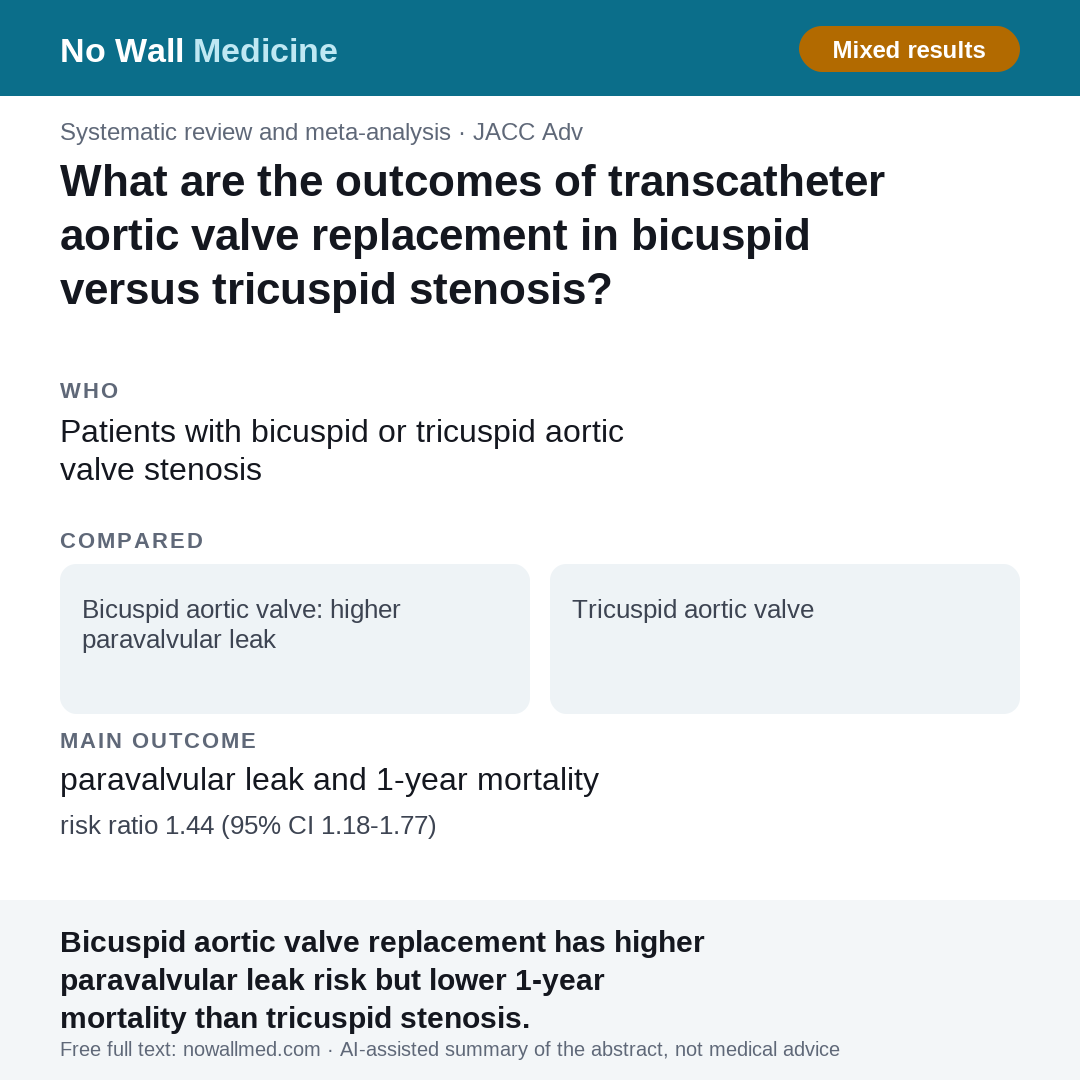
Transcatheter Aortic Valve Replacement for Severe Bicuspid Aortic Valve Stenosis: A Systematic Review and Meta-Analysis
Systematic review and meta-analysisMixed results
What are the outcomes of transcatheter aortic valve replacement in bicuspid versus tricuspid aortic valve stenosis?
Who
Patients with bicuspid or tricuspid aortic valve stenosis
Compared
Bicuspid aortic valve: higher paravalvular leak (RR: 1.44; 95% CI: 1.18-1.77)
Tricuspid aortic valve
Main outcome
paravalvular leak, aortic root injury, stroke, and mortality
Result: RR: 1.44 (95% CI: 1.18-1.77) for paravalvular leak
Bottom line: Bicuspid aortic valve replacement has higher procedural risks but lower 1-year mortality compared to tricuspid aortic valve replacement.
JACC Adv · 2026-08-27Download image
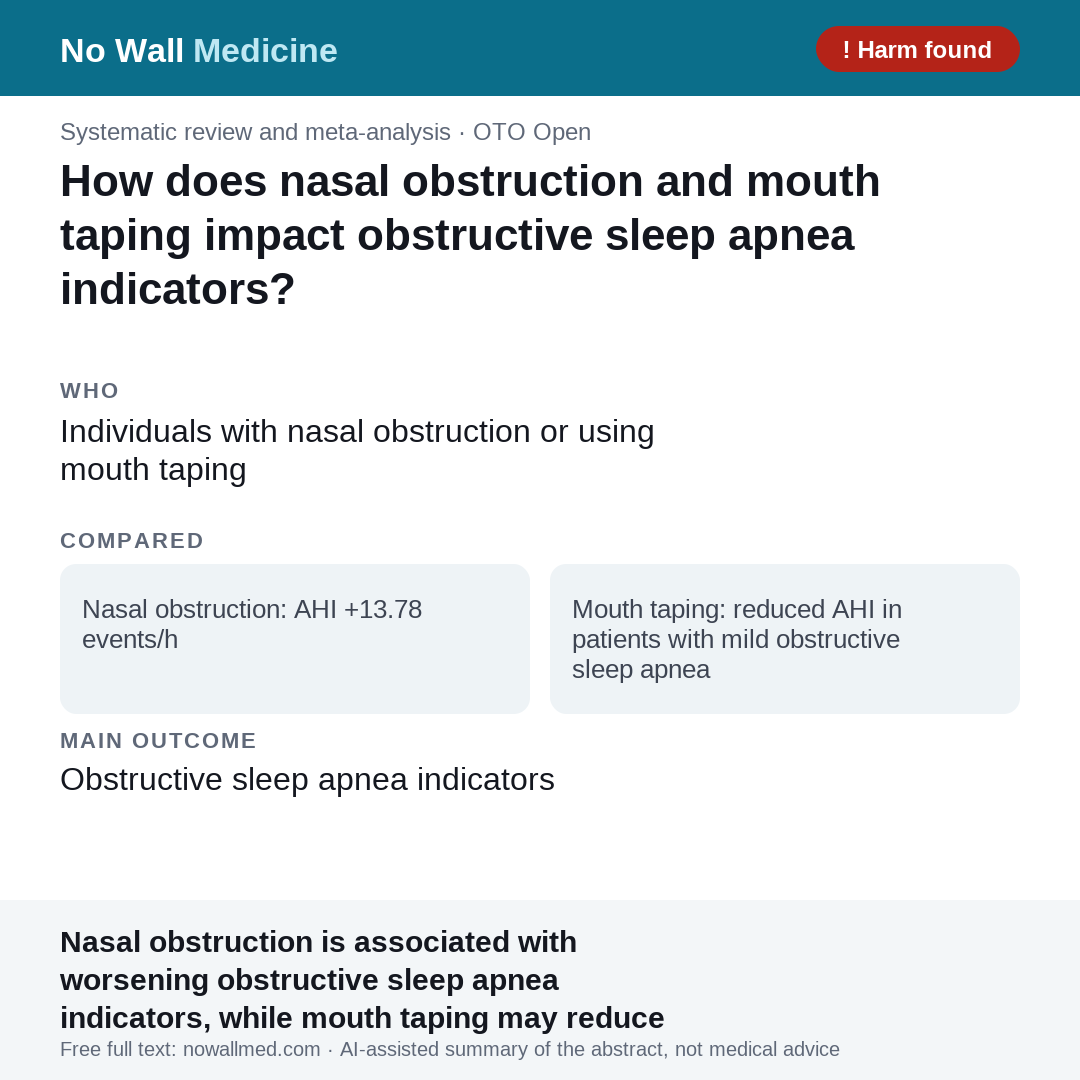
Impact of Nasal Obstruction and Mouth Taping on Sleep Apnea Indicators: Systematic Review and Meta-Analysis
Systematic review and meta-analysisHarm found
How does nasal obstruction and mouth taping impact obstructive sleep apnea indicators?
Who
Individuals with nasal obstruction or using mouth taping
Compared
Nasal obstruction: AHI +13.78 events/h
Mouth taping: reduced AHI in patients with mild obstructive sleep apnea
Main outcome
Obstructive sleep apnea indicators
Bottom line: Nasal obstruction is associated with worsening obstructive sleep apnea indicators, while mouth taping may reduce apnea in mild cases.
Limitation: The heterogeneity among studies limits the generalizability of these data.
OTO Open · 2026-08-27Download image
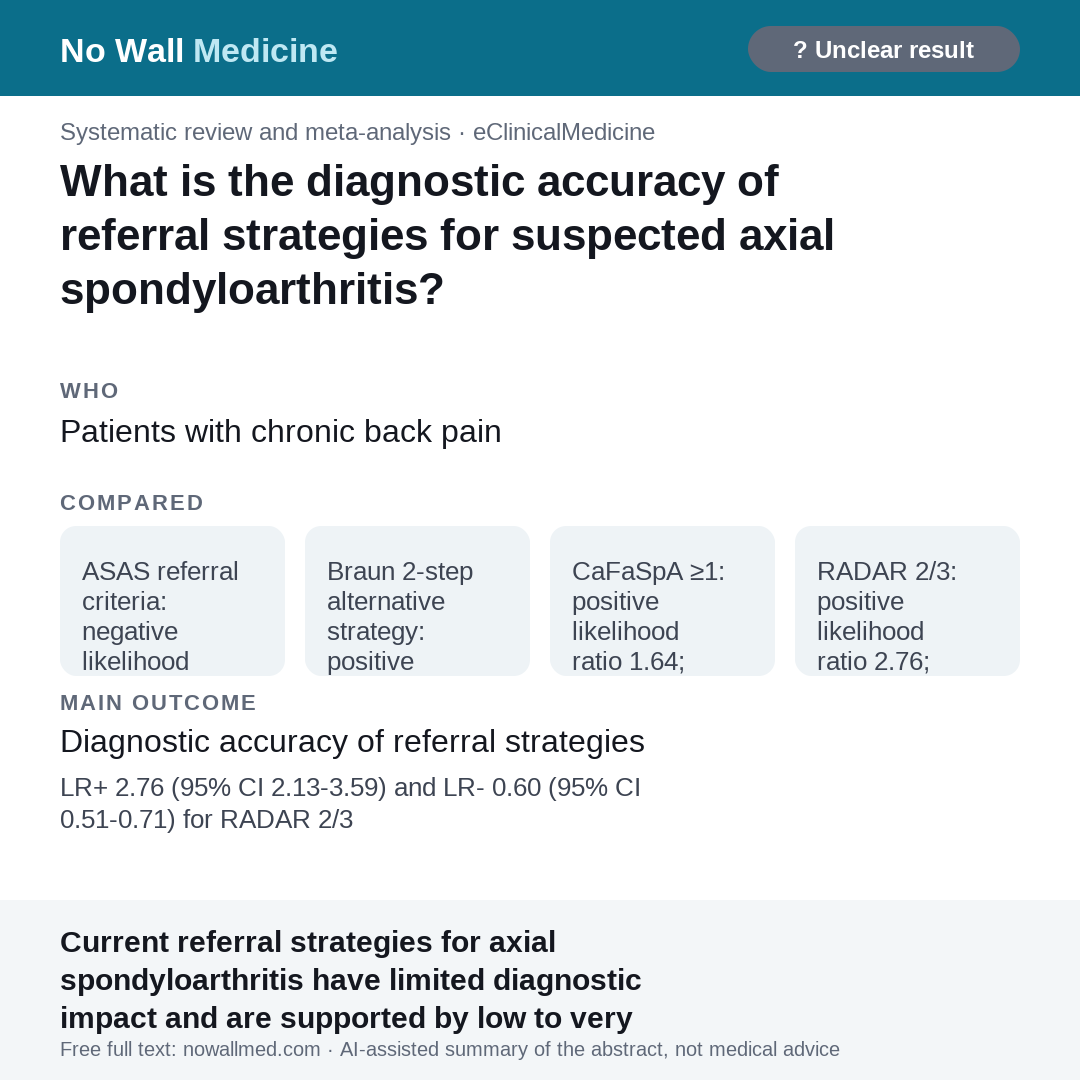
Performance of referral strategies for patients with suspected axial spondyloarthritis: a systematic review with meta-analysis
Systematic review and meta-analysisUnclear result
What is the diagnostic accuracy of referral strategies for suspected axial spondyloarthritis?
Who
Patients with chronic back pain
Compared
ASAS referral criteria: negative likelihood ratio 0.18
Braun 2-step alternative strategy: positive likelihood ratio 2.02; negative likelihood ratio 0.38
CaFaSpA ≥1: positive likelihood ratio 1.64; negative likelihood ratio 0.43
RADAR 2/3: positive likelihood ratio 2.76; negative likelihood ratio 0.60
Main outcome
Diagnostic accuracy of referral strategies
Result: LR+ 2.76 (95% CI 2.13-3.59) and LR- 0.60 (95% CI 0.51-0.71) for RADAR 2/3
Bottom line: Current referral strategies for axial spondyloarthritis have limited diagnostic impact and are supported by low to very low-certainty evidence.
Limitation: Risk of bias was high across all strategies, resulting in low to very low certainty of evidence.
eClinicalMedicine · 2026-08-26Download image