Visual abstracts
New randomized trials and meta-analyses from leading journals at a glance: who was studied, what was compared, and what was found. Every paper is free to read in full.
All specialtiesCardiology 4877Oncology 4138Gastroenterology & Hepatology 1942Infectious Disease 3837Neurology 1905Psychiatry & Mental Health 2273Pulmonology 2143Critical Care 1365Endocrinology & Diabetes 2580Pediatrics 2980Surgery 2559Orthopedics & Sports Medicine 931Neurosurgery 537Cardiothoracic & Vascular Surgery 674Plastic & Reconstructive Surgery 591Nephrology 1133Rheumatology 823Hematology 1109Dermatology 621Ophthalmology 543Obstetrics & Gynecology 1686Public & Global Health 1058Radiology & Imaging 648Anesthesiology 986Urology 764ENT (Otolaryngology) 503Emergency Medicine 511Allergy & Immunology 313Geriatrics 981Family Medicine & Primary Care 562Medical Genetics & Genomics 676Pathology & Laboratory Medicine 159Physical Medicine & Rehabilitation 757Palliative Care 444Nutrition 1588Digital Health & AI 2201General Medicine 321
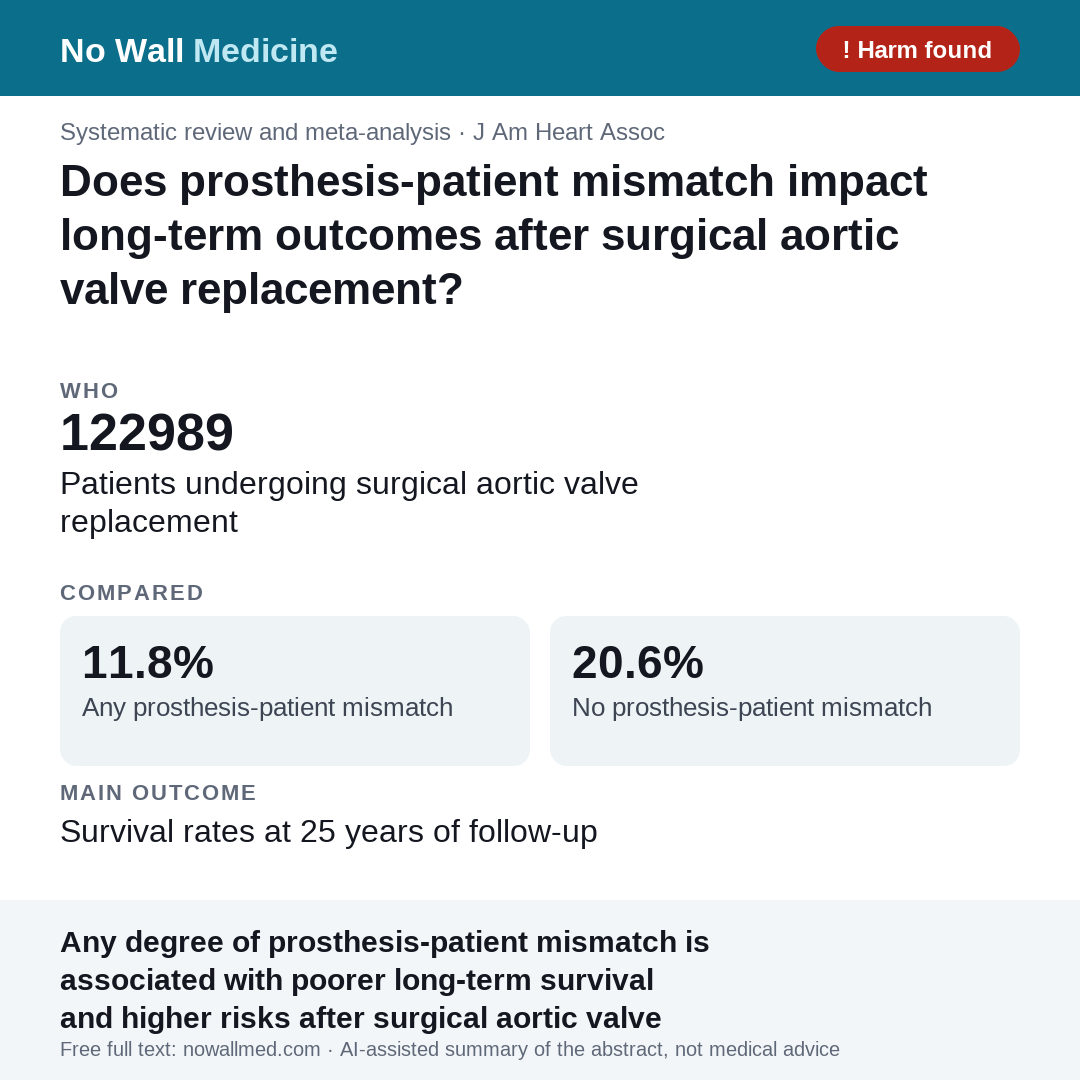
Impact of Prosthesis-Patient Mismatch After Surgical Aortic Valve Replacement: Systematic Review and Meta-Analysis of Reconstructed Time-to-Event Data of 122 989 Patients With 592 952 Patient-Years
Systematic review and meta-analysisHarm found
Does prosthesis-patient mismatch impact long-term outcomes after surgical aortic valve replacement?
Who
122989
Patients undergoing surgical aortic valve replacement
Compared
11.8%Any prosthesis-patient mismatch
20.6%No prosthesis-patient mismatch
Main outcome
Survival rates at 25 years of follow-up
Result: hazard ratio 1.16 (95% CI 1.13-1.18)
Bottom line: Any degree of prosthesis-patient mismatch is associated with poorer long-term survival and higher risks after surgical aortic valve replacement.
J Am Heart Assoc · 2024-03-27Download image
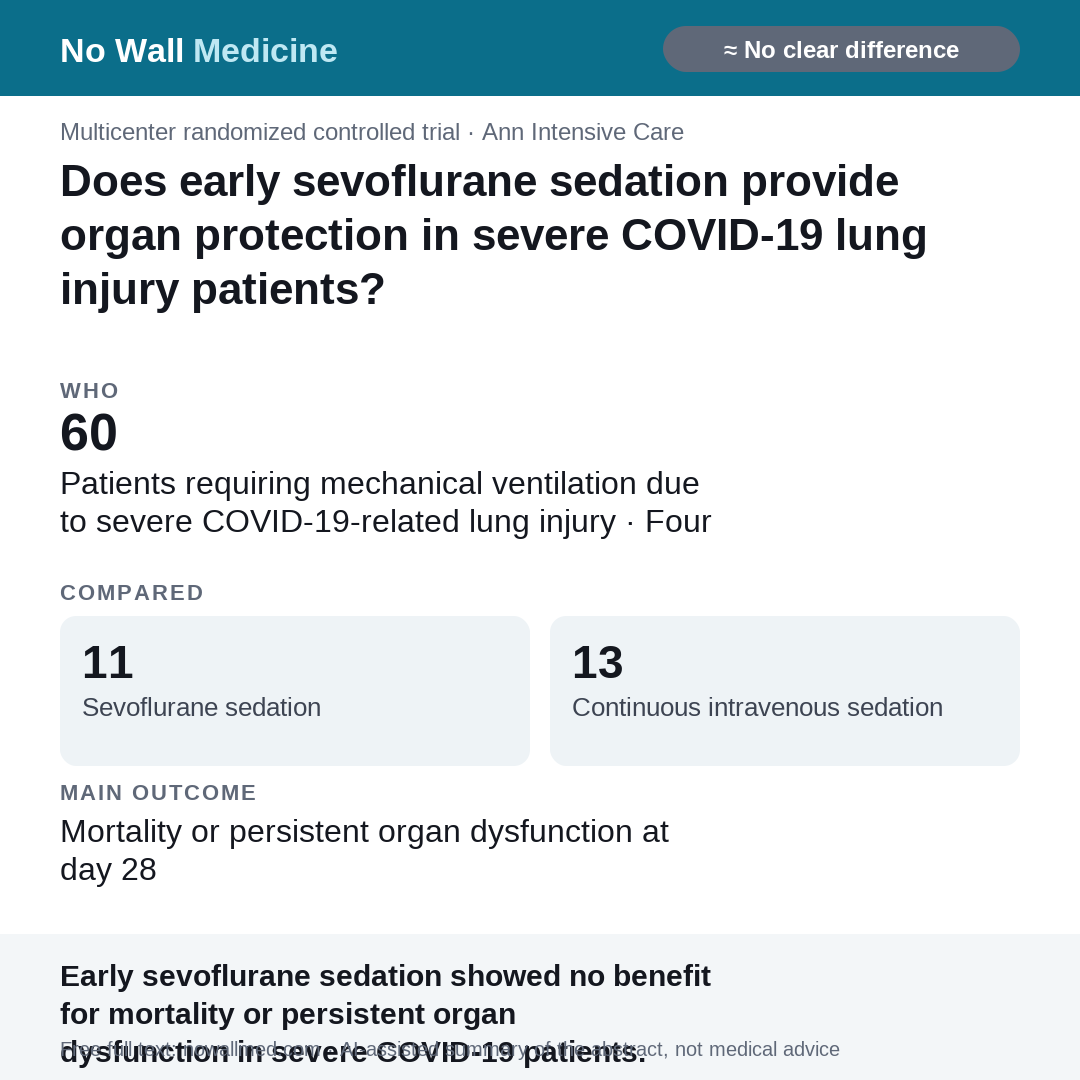
Early sevoflurane sedation in severe COVID-19-related lung injury patients. A pilot randomized controlled trial
Multicenter randomized controlled trialNo clear difference
Does early sevoflurane sedation provide organ protection in severe COVID-19 lung injury patients?
Who
60
Patients requiring mechanical ventilation due to severe COVID-19-related lung injury · Four tertiary hospitals in Switzerland
Compared
11Sevoflurane sedation (39%)
13Continuous intravenous sedation (41%)
Main outcome
Mortality or persistent organ dysfunction at day 28
Bottom line: Early sevoflurane sedation showed no benefit for mortality or persistent organ dysfunction in severe COVID-19 patients.
Limitation: Small-scale pilot study with unexpectedly low blood levels of interleukin-6.
Ann Intensive Care · 2024-03-27Download image
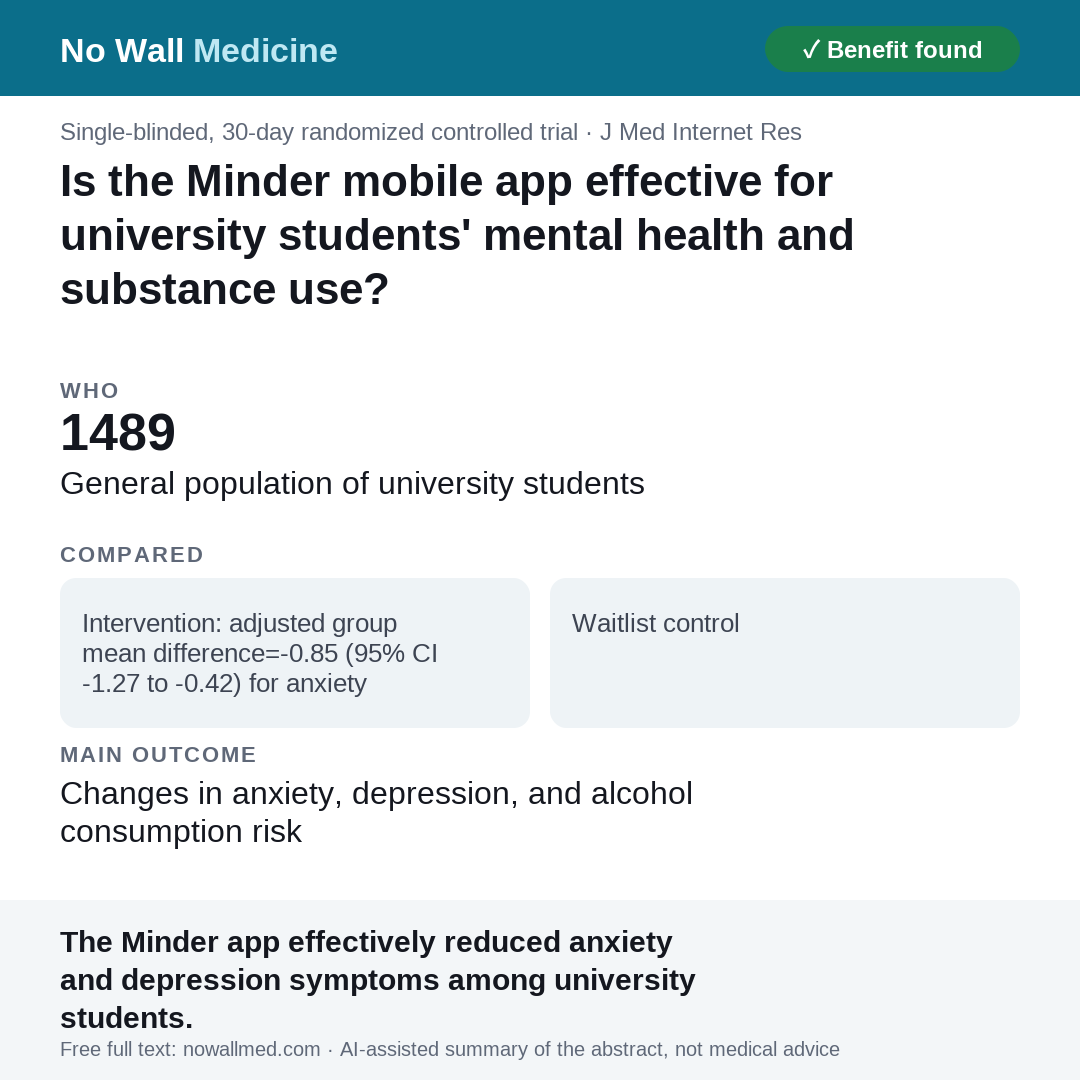
Effectiveness of the Minder Mobile Mental Health and Substance Use Intervention for University Students: Randomized Controlled Trial
Single-blinded, 30-day randomized controlled trialBenefit found
Is the Minder mobile app effective for university students' mental health and substance use?
Who
1489
General population of university students
Compared
Intervention: adjusted group mean difference=-0.85 (95% CI -1.27 to -0.42) for anxiety
Waitlist control
Main outcome
Changes in anxiety, depression, and alcohol consumption risk
Result: adjusted group mean difference=-0.85 (95% CI -1.27 to -0.42) for anxiety
Bottom line: The Minder app effectively reduced anxiety and depression symptoms among university students.
J Med Internet Res · 2024-03-27Download image
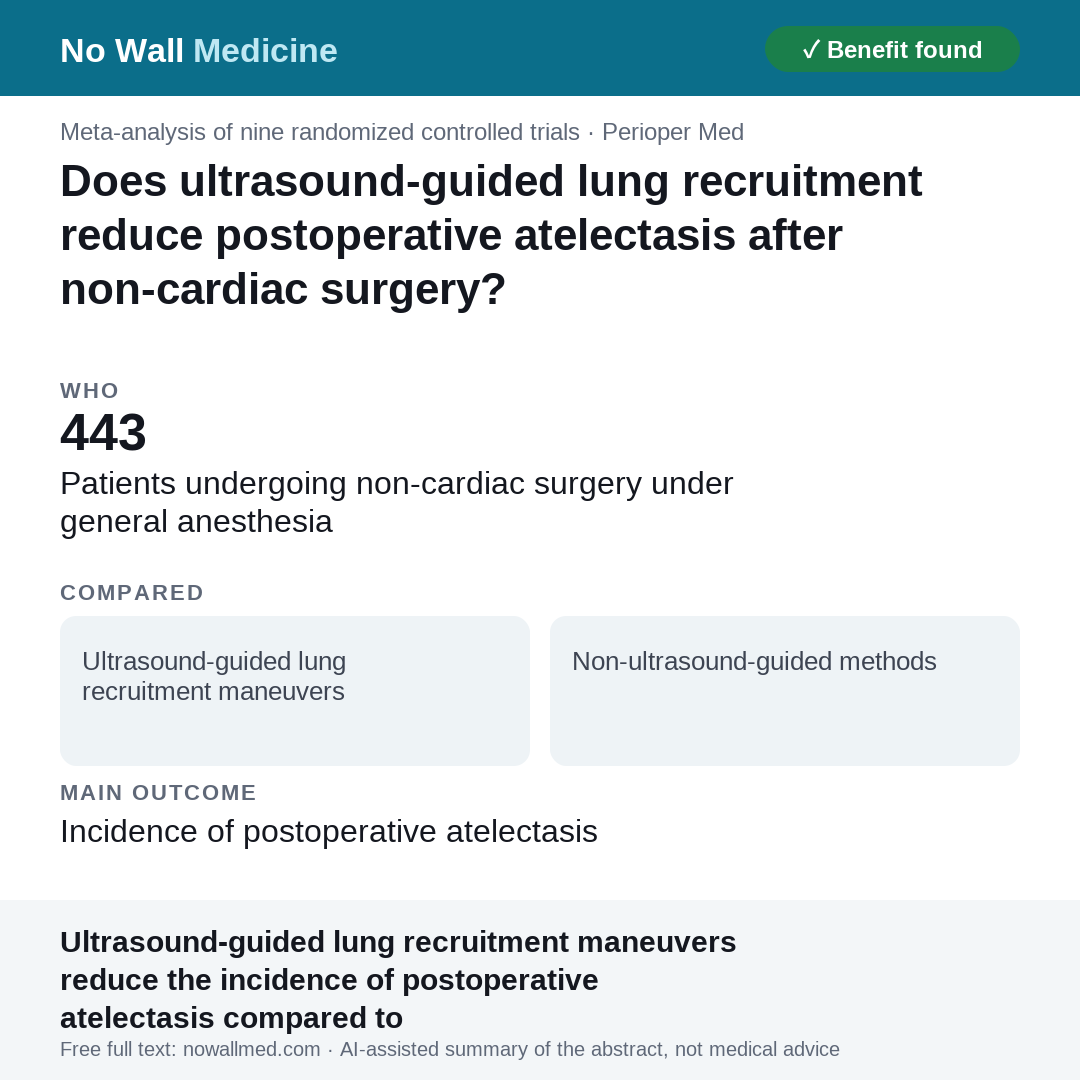
Effect of ultrasound-guided lung recruitment to reduce pulmonary atelectasis after non-cardiac surgery under general anesthesia: a systematic review and meta-analysis of randomized controlled trials
Meta-analysis of nine randomized controlled trialsBenefit found
Does ultrasound-guided lung recruitment reduce postoperative atelectasis after non-cardiac surgery?
Who
443
Patients undergoing non-cardiac surgery under general anesthesia
Compared
Ultrasound-guided lung recruitment maneuvers
Non-ultrasound-guided methods
Main outcome
Incidence of postoperative atelectasis
Result: relative risk 0.31 (95% CI 0.25-0.40)
Bottom line: Ultrasound-guided lung recruitment maneuvers reduce the incidence of postoperative atelectasis compared to non-ultrasound-guided methods.
Perioper Med · 2024-03-27Download image
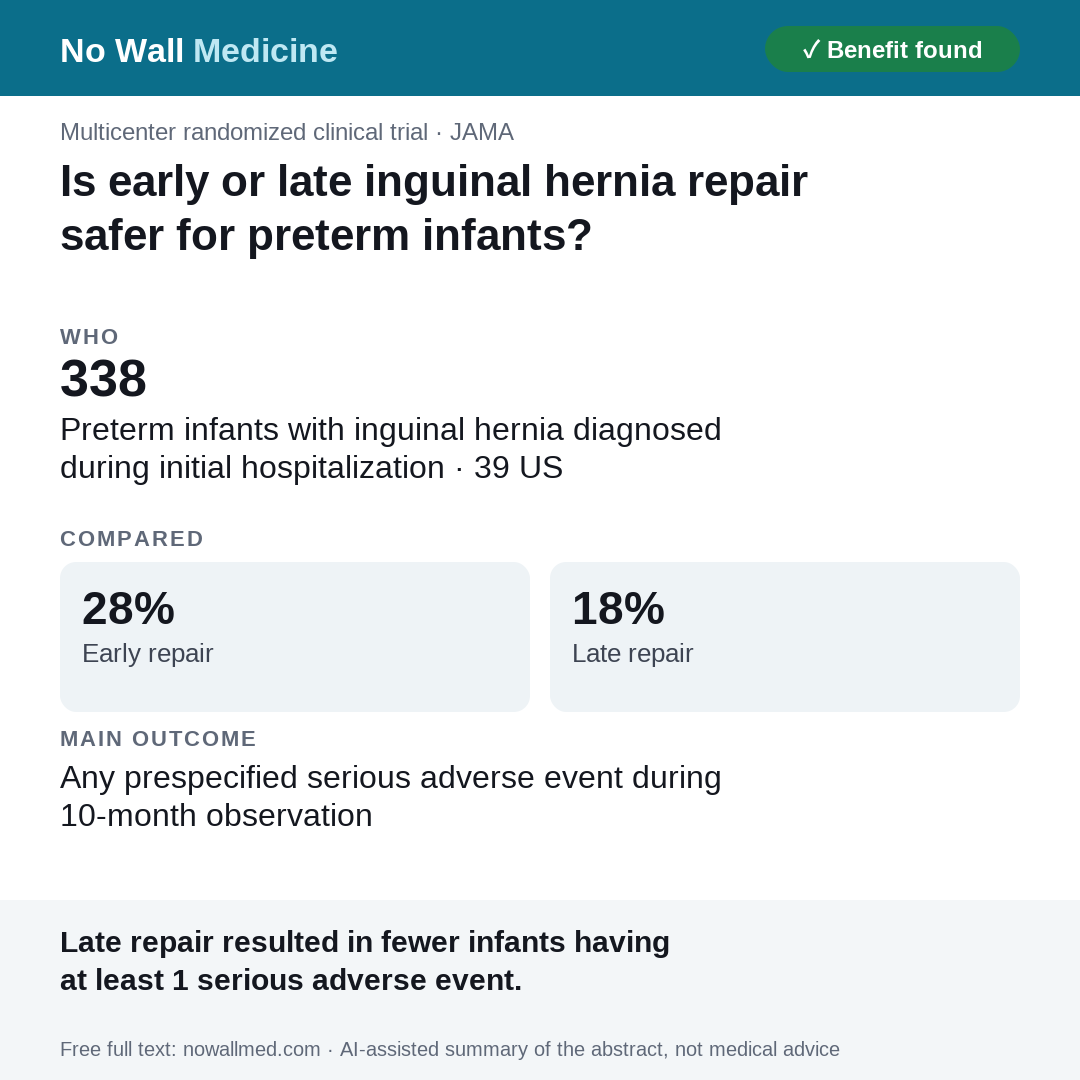
Effect of Early vs Late Inguinal Hernia Repair on Serious Adverse Event Rates in Preterm Infants: A Randomized Clinical Trial
Multicenter randomized clinical trialBenefit found
Is early or late inguinal hernia repair safer for preterm infants?
Who
338
Preterm infants with inguinal hernia diagnosed during initial hospitalization · 39 US hospitals
Compared
28%Early repair (159/149)
18%Late repair (149/149)
Main outcome
Occurrence of any prespecified serious adverse event
Result: risk difference, -7.9% (95% credible interval, -16.9% to 0%)
Bottom line: Late inguinal hernia repair resulted in fewer serious adverse events among preterm infants compared to early repair.
JAMA · 2024-03-26Download image
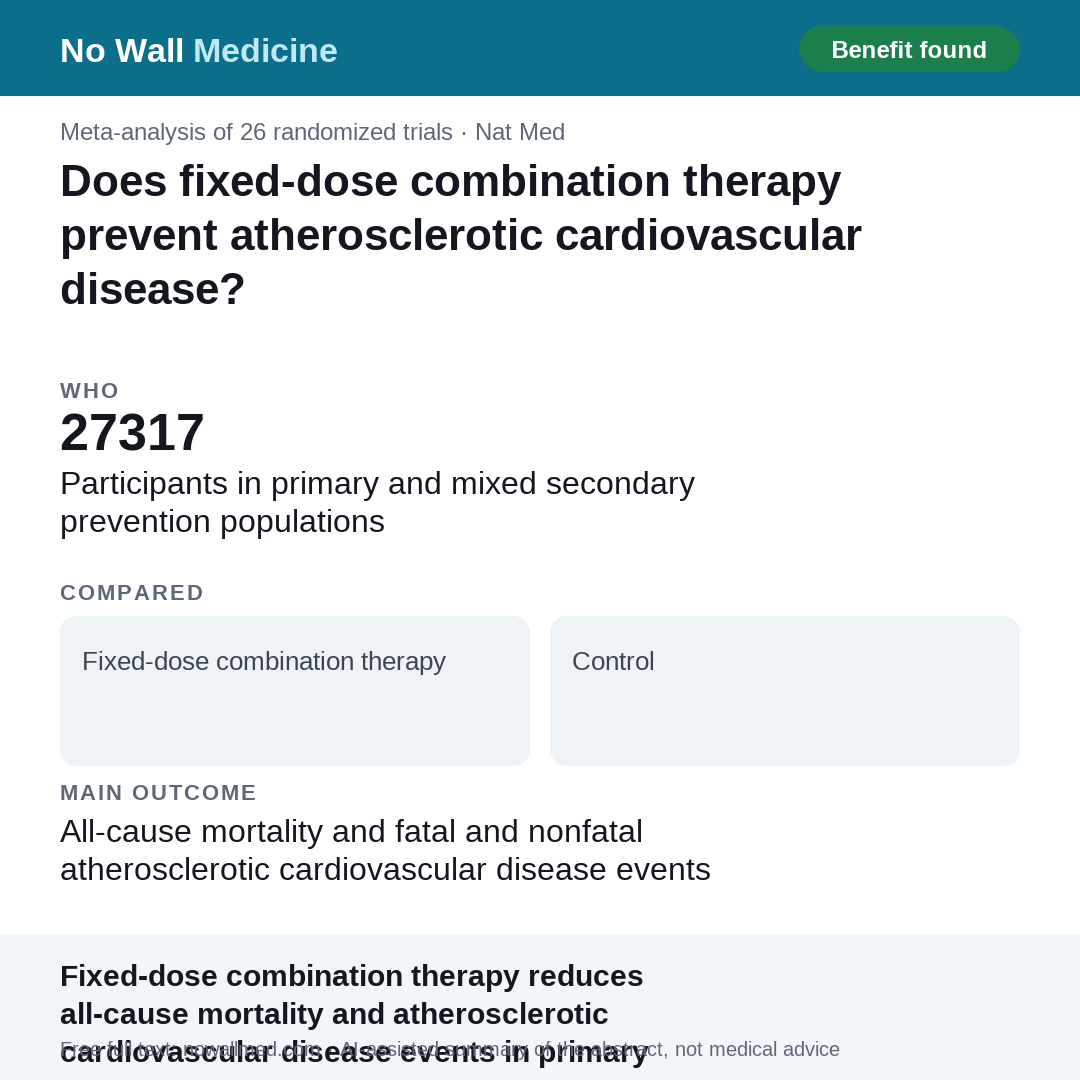
Fixed-dose combination therapy for the prevention of atherosclerotic cardiovascular disease
Meta-analysis of 26 randomized trialsBenefit found
Does fixed-dose combination therapy prevent atherosclerotic cardiovascular disease?
Who
27317
Participants in primary and mixed secondary prevention populations
Compared
Fixed-dose combination therapy
Control
Main outcome
All-cause mortality and fatal and nonfatal atherosclerotic cardiovascular disease events
Result: relative risk 0.89 (95% confidence interval 0.78 to 1.00) for mortality; relative risk 0.71 (95% confidence interval 0.63 to 0.79) for events
Bottom line: Fixed-dose combination therapy reduces all-cause mortality and atherosclerotic cardiovascular disease events in primary prevention populations.
Nat Med · 2024-03-26Download image
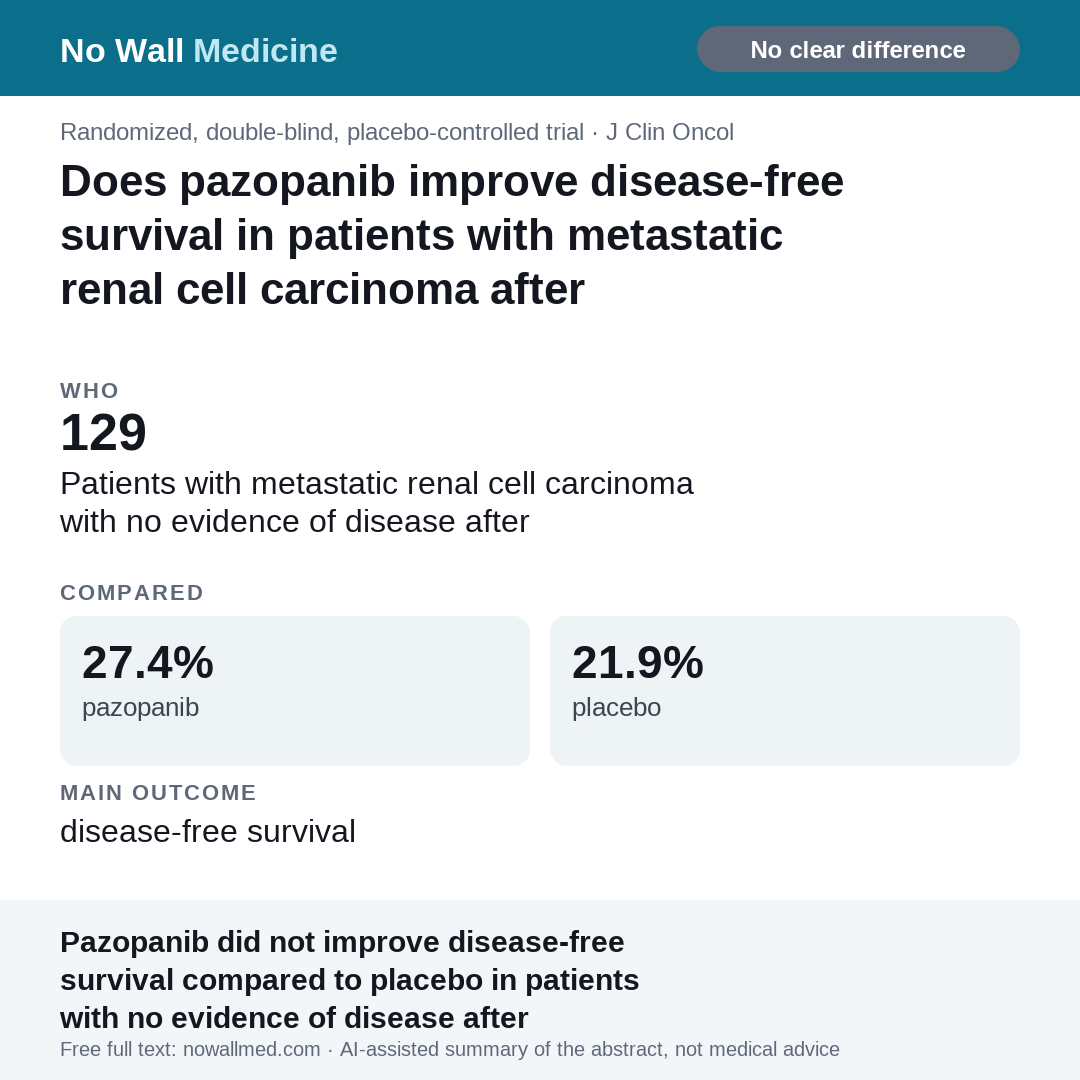
Randomized, Double-Blind Phase III Study of Pazopanib Versus Placebo in Patients With Metastatic Renal Cell Carcinoma Who Have No Evidence of Disease After Metastasectomy: ECOG-ACRIN E2810
Randomized, double-blind, placebo-controlled trialNo clear difference
Does pazopanib improve disease-free survival in patients with metastatic renal cell carcinoma after metastasectomy?
Who
129
Patients with metastatic renal cell carcinoma with no evidence of disease after metastasectomy · multicenter
Compared
27.4%pazopanib (95% CI, 17.9 to 41.7)
21.9%placebo (95% CI, 13.3 to 36.2)
Main outcome
disease-free survival
Result: hazard ratio 0.90 (95% CI, 0.60 to 1.34)
Bottom line: Pazopanib did not improve disease-free survival compared to placebo in patients with no evidence of disease after metastasectomy.
J Clin Oncol · 2024-03-26Download image
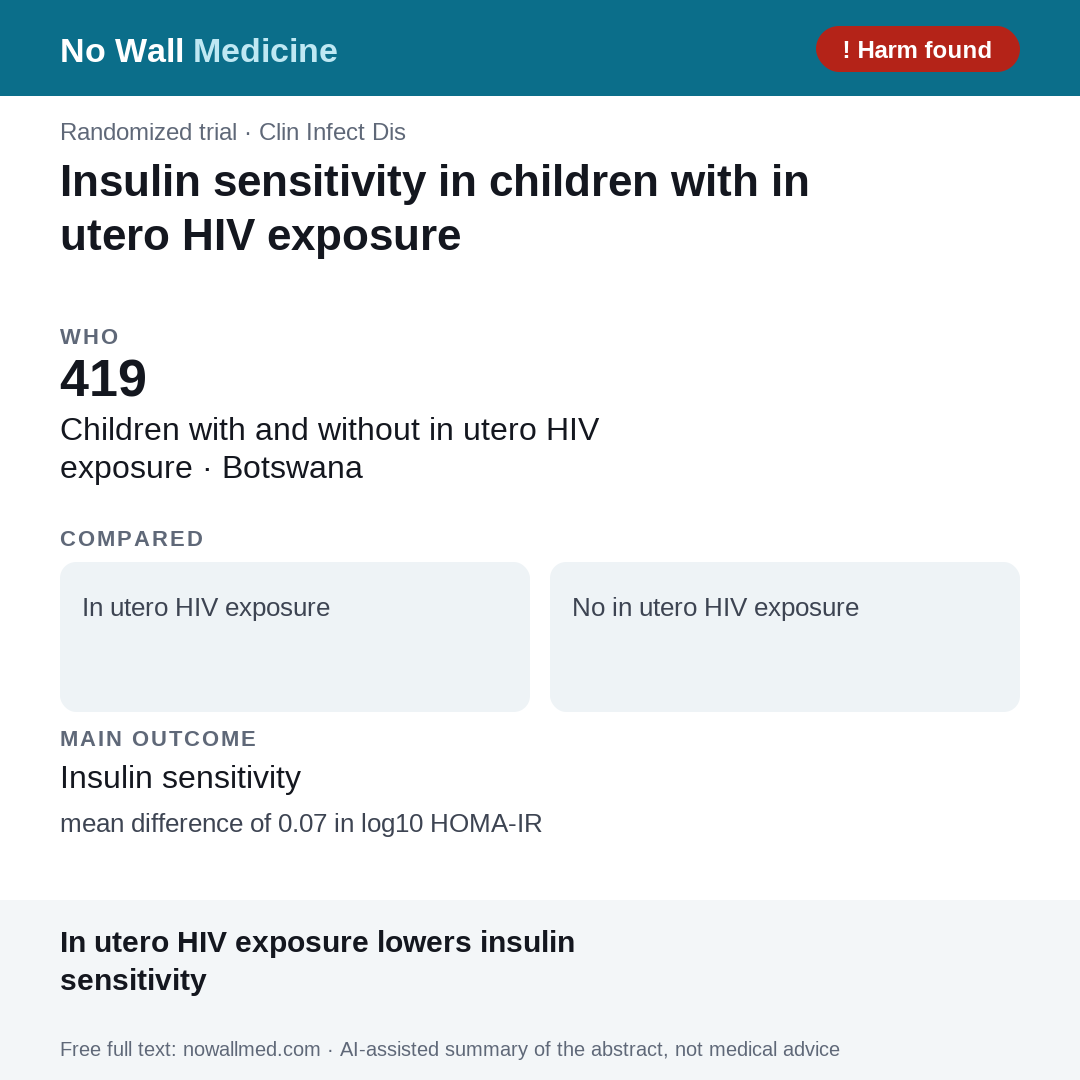
Lower Insulin Sensitivity Through 36 Months of Life With in Utero HIV and Antiretroviral Exposure in Botswana: Results From the Tshilo Dikotla Study
Randomized trialHarm found
Insulin sensitivity in children with in utero HIV exposure
Who
419
Children with and without in utero HIV exposure · Botswana
Compared
In utero HIV exposure
No in utero HIV exposure
Main outcome
Insulin sensitivity
Result: mean difference of 0.07 in log10 HOMA-IR
Bottom line: In utero HIV exposure lowers insulin sensitivity
Clin Infect Dis · 2024-03-26Download image
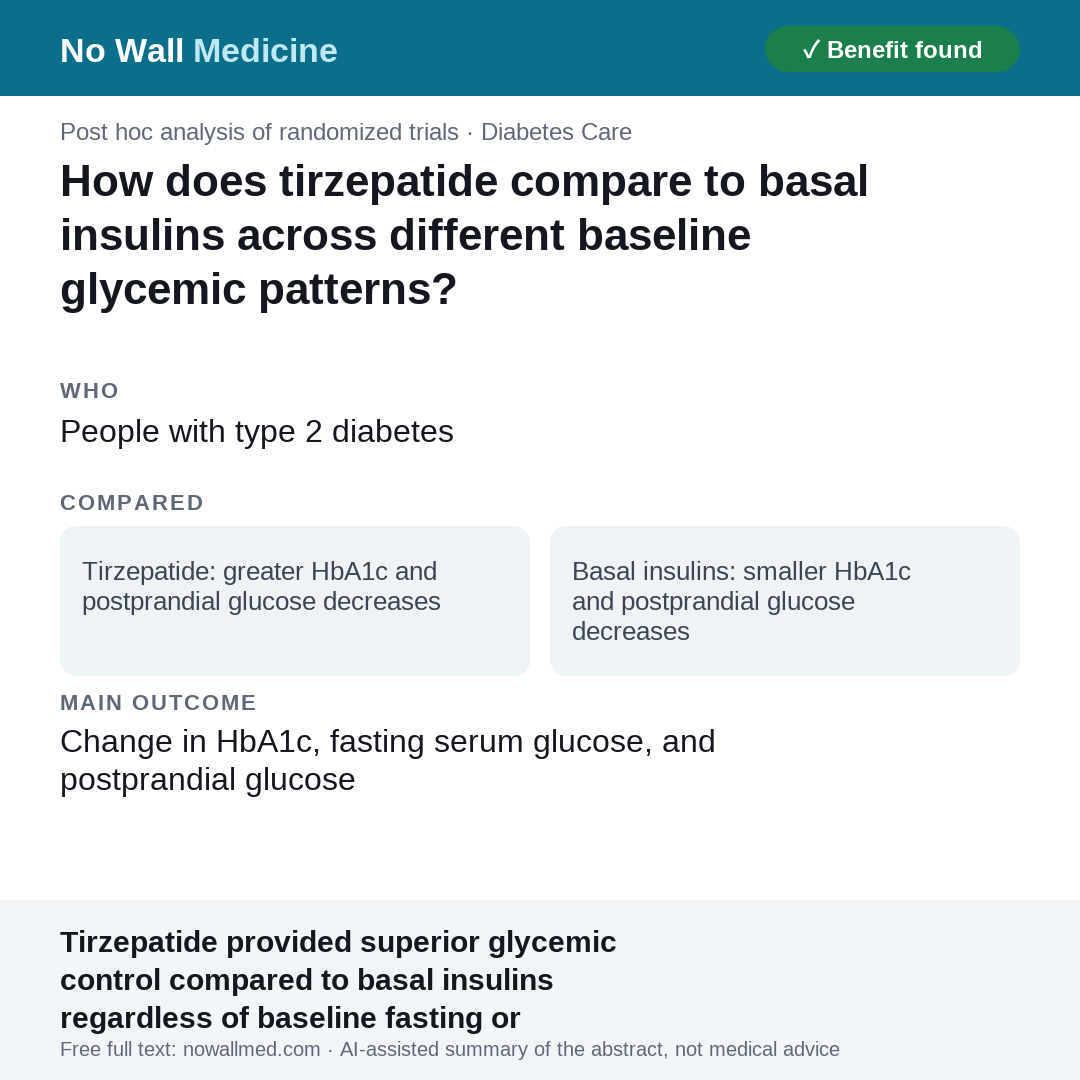
Effects of Tirzepatide Versus Basal Insulins in People With Type 2 Diabetes and Different Baseline Glycemic Patterns: Post Hoc Analyses of the SURPASS-3 and SURPASS-4 Trials
Post hoc analysis of randomized trialsBenefit found
How does tirzepatide compare to basal insulins across different baseline glycemic patterns?
Who
People with type 2 diabetes
Compared
Tirzepatide: greater HbA1c and postprandial glucose decreases
Basal insulins: smaller HbA1c and postprandial glucose decreases
Main outcome
Change in HbA1c, fasting serum glucose, and postprandial glucose
Bottom line: Tirzepatide provided superior glycemic control compared to basal insulins regardless of baseline fasting or postprandial glucose patterns.
Diabetes Care · 2024-03-26Download image
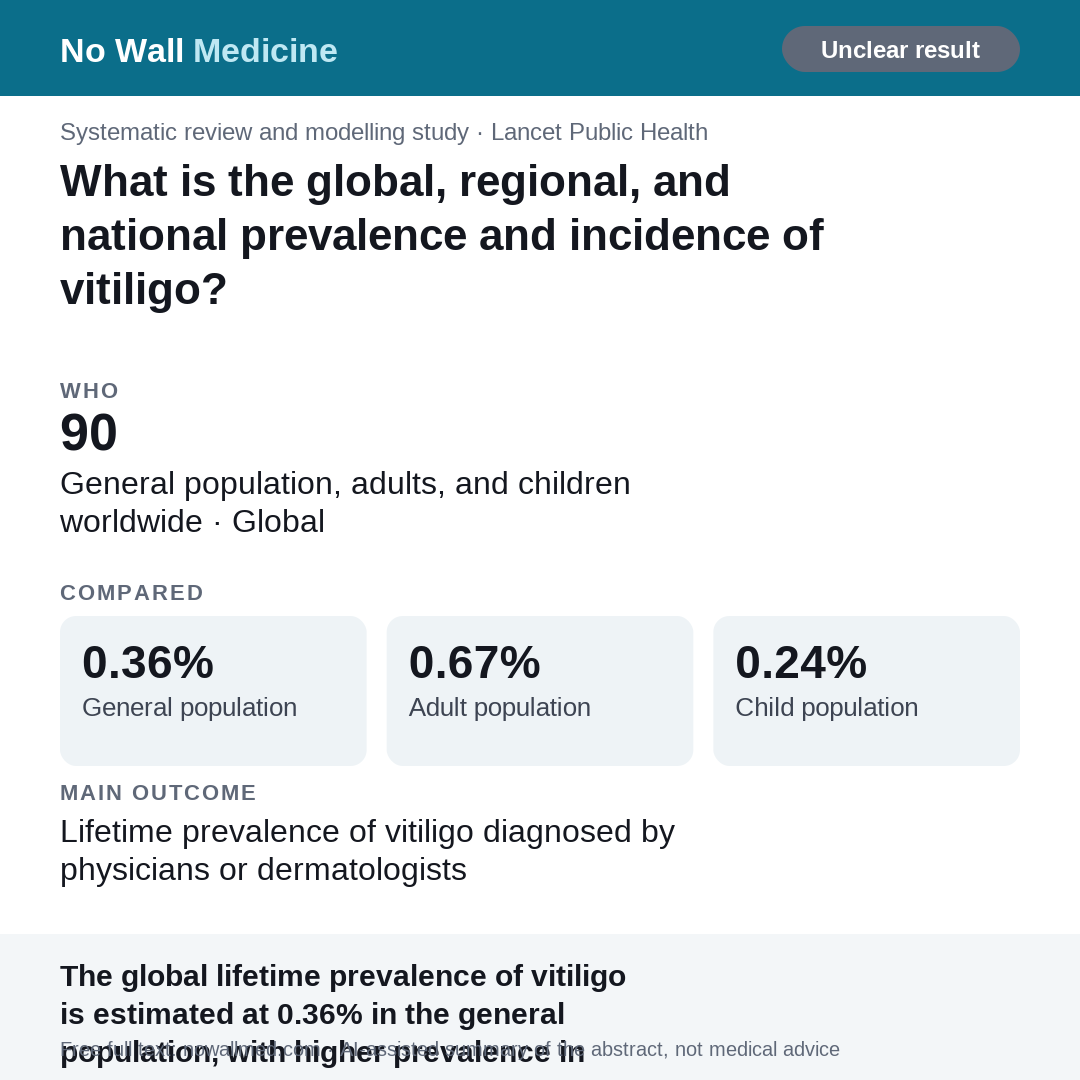
Estimating the burden of vitiligo: a systematic review and modelling study
Systematic review and modelling studyUnclear result
What is the global, regional, and national prevalence and incidence of vitiligo?
Who
90
General population, adults, and children worldwide · Global
Compared
0.36%General population (95% credible interval 0.24-0.54)
0.67%Adult population (0.43-1.07)
0.24%Child population (0.16-0.37)
Main outcome
Lifetime prevalence of vitiligo diagnosed by physicians or dermatologists
Result: 0.36% (95% credible interval 0.24-0.54) in the general population
Bottom line: The global lifetime prevalence of vitiligo is estimated at 0.36% in the general population, with higher prevalence in adults.
Lancet Public Health · 2024-03-26Download image
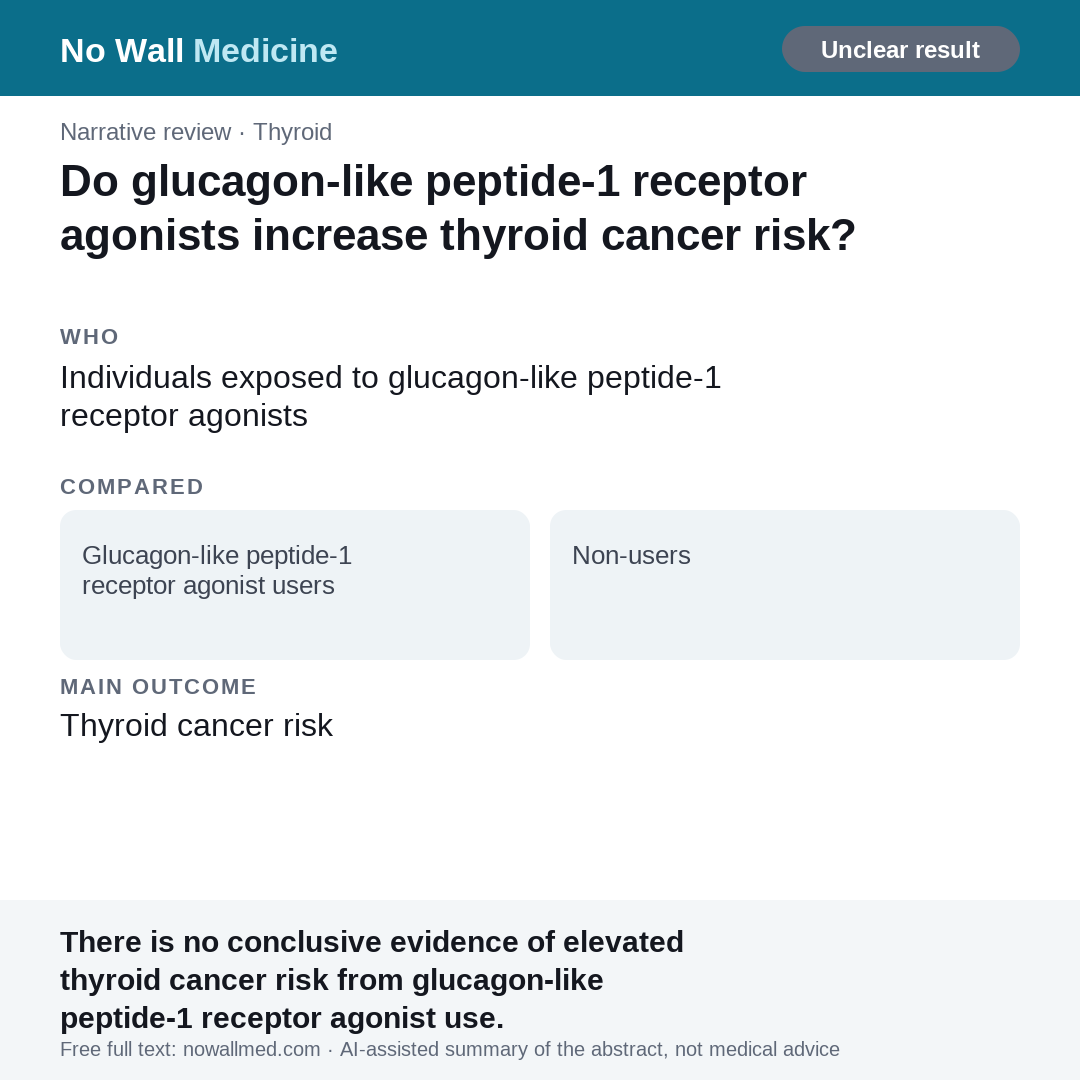
Glucagon-Like Peptide-1 Receptor Agonists and Thyroid Cancer: A Narrative Review
Narrative reviewUnclear result
Do glucagon-like peptide-1 receptor agonists increase thyroid cancer risk?
Who
Individuals exposed to glucagon-like peptide-1 receptor agonists
Compared
Glucagon-like peptide-1 receptor agonist users
Non-users
Main outcome
Thyroid cancer risk
Bottom line: There is no conclusive evidence of elevated thyroid cancer risk from glucagon-like peptide-1 receptor agonist use.
Limitation: Evidence spans various methodologies with inconsistent results from observational studies and imprecise effect estimates.
Thyroid · 2024-03-26Download image
Nonlupus Full House Nephropathy: A Systematic Review
Systematic review and meta-analysisNo clear difference
What are the clinical findings and outcomes of nonlupus full house nephropathy?
Who
148
Patients with nonlupus full house nephropathy
Compared
Idiopathic nonlupus full house nephropathy: About half of patients achieved complete response
Secondary nonlupus full house nephropathy: mostly nonrelapsing
Main outcome
clinical findings and outcomes
Bottom line: Nonlupus full house nephropathy and systemic lupus erythematosus are distinct entities with comparable outcomes.
Limitation: low-quality evidence and lack of consensus on nomenclature
CJASN · 2024-03-26Download image
The worldwide prevalence of psoriatic arthritis-a systematic review and meta-analysis
Systematic review and meta-analysisNo clear difference
What is the worldwide prevalence of psoriatic arthritis in the adult general population?
Who
Adult general population worldwide · Worldwide
Compared
Population-based studies: 113 per 100 000
Health administrative studies: 109 per 100 000
Main outcome
Worldwide prevalence of psoriatic arthritis
Bottom line: The estimated worldwide prevalence of psoriatic arthritis is 112 per 100 000 adults.
Limitation: Data in some geographical areas are sparse.
Rheumatology · 2024-03-26Download image
Characterizing the opioidergic mechanisms of repetitive transcranial magnetic stimulation-induced analgesia: a randomized controlled trial
Double-blind, placebo-controlled randomized trialBenefit found
Are opioidergic mechanisms involved in repetitive transcranial magnetic stimulation-induced analgesia?
Who
45
Healthy participants
Compared
Primary motor cortex stimulation: analgesia was abolished by naloxone
Dorsolateral prefrontal cortex stimulation: double but not the first session induced significant pain reduction
Sham group
Main outcome
Analgesia and endogenous opioid concentrations
Bottom line: Opioidergic mechanisms are involved in both primary motor cortex and dorsolateral prefrontal cortex stimulation-induced analgesia.
Pain · 2024-03-26Download image
Repeated Measurement of the Novel Atrial Biomarker BMP10 (Bone Morphogenetic Protein 10) Refines Risk Stratification in Anticoagulated Patients With Atrial Fibrillation: Insights From the ARISTOTLE Trial
Randomized trial analysisBenefit found
Do repeated BMP10 measurements improve risk stratification in anticoagulated patients with atrial fibrillation?
Who
2878
Patients with atrial fibrillation randomized to apixaban or warfarin
Compared
Higher BMP10 levels at 2 months: hazard ratio 1.33 (95% CI 0.67-2.63) for ischemic stroke
Lower BMP10 levels at 2 months
Main outcome
ischemic stroke, heart failure, and all-cause mortality
Result: hazard ratio 1.33 (95% CI 0.67-2.63) for ischemic stroke
Bottom line: Two-month BMP10 levels improve risk stratification for stroke, heart failure, and death in atrial fibrillation patients.
J Am Heart Assoc · 2024-03-26Download image
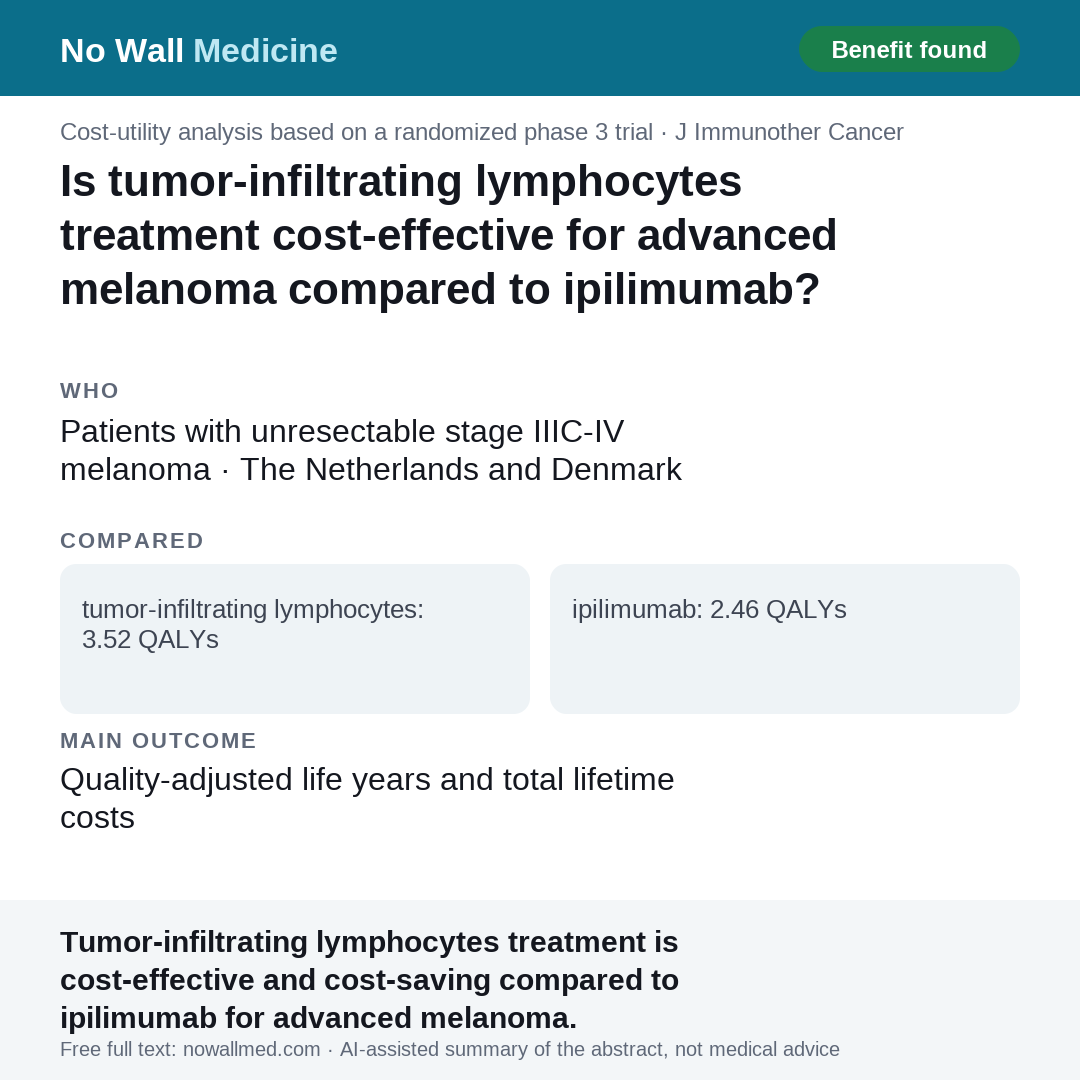
Cost-effectiveness of treating advanced melanoma with tumor-infiltrating lymphocytes based on an international randomized phase 3 clinical trial
Cost-utility analysis based on a randomized phase 3 trialBenefit found
Is tumor-infiltrating lymphocytes treatment cost-effective for advanced melanoma compared to ipilimumab?
Who
Patients with unresectable stage IIIC-IV melanoma · The Netherlands and Denmark
Compared
tumor-infiltrating lymphocytes: 3.52 QALYs
ipilimumab: 2.46 QALYs
Main outcome
Quality-adjusted life years and total lifetime costs
Bottom line: Tumor-infiltrating lymphocytes treatment is cost-effective and cost-saving compared to ipilimumab for advanced melanoma.
J Immunother Cancer · 2024-03-26Download image
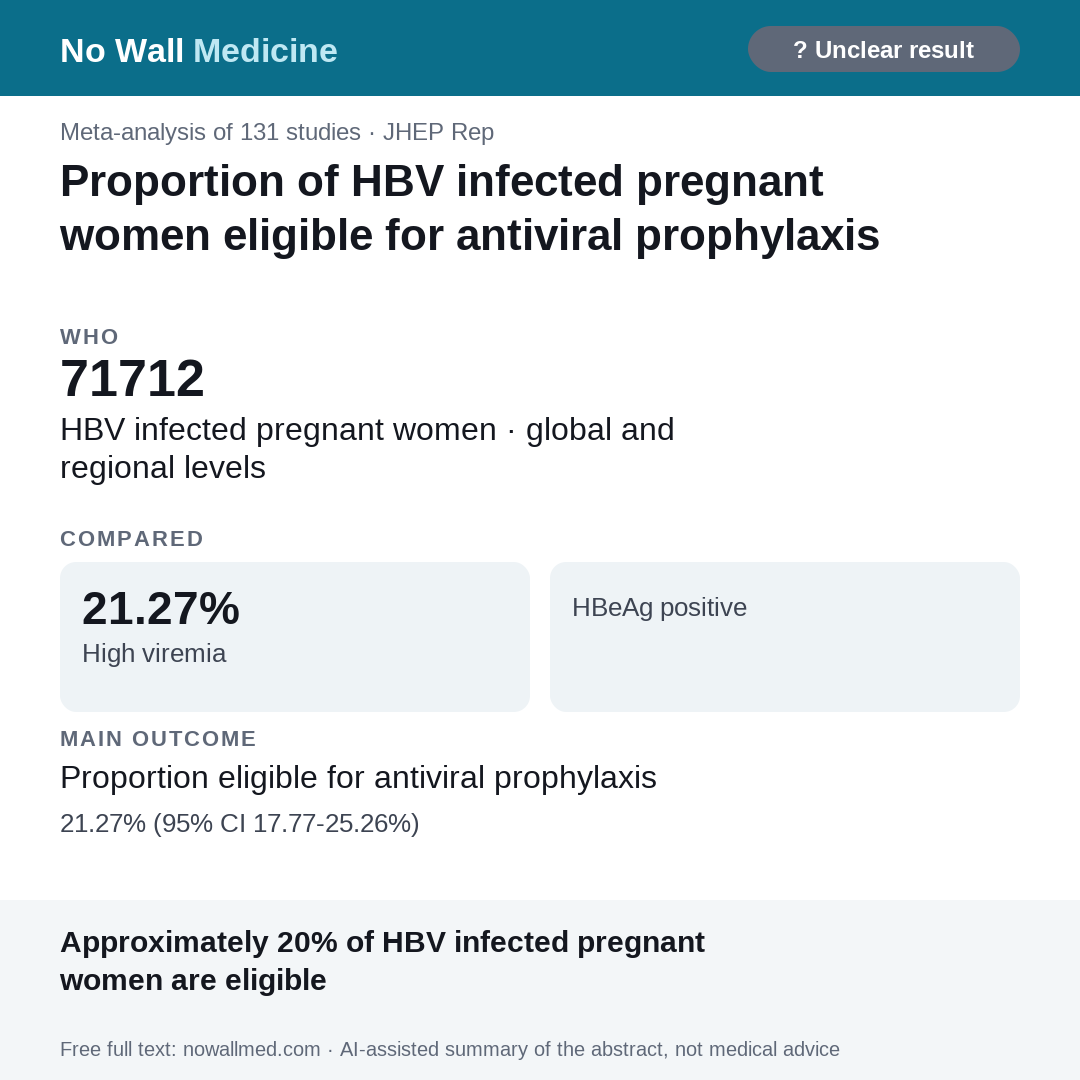
Proportion of pregnant women with HBV infection eligible for antiviral prophylaxis to prevent vertical transmission: A systematic review and meta-analysis
Meta-analysis of 131 studiesUnclear result
Proportion of HBV infected pregnant women eligible for antiviral prophylaxis
Who
71712
HBV infected pregnant women · global and regional levels
Compared
21.27%High viremia (95% CI 17.77-25.26%)
HBeAg positive
Main outcome
Proportion eligible for antiviral prophylaxis
Result: 21.27% (95% CI 17.77-25.26%)
Bottom line: Approximately 20% of HBV infected pregnant women are eligible
JHEP Rep · 2024-03-26Download image
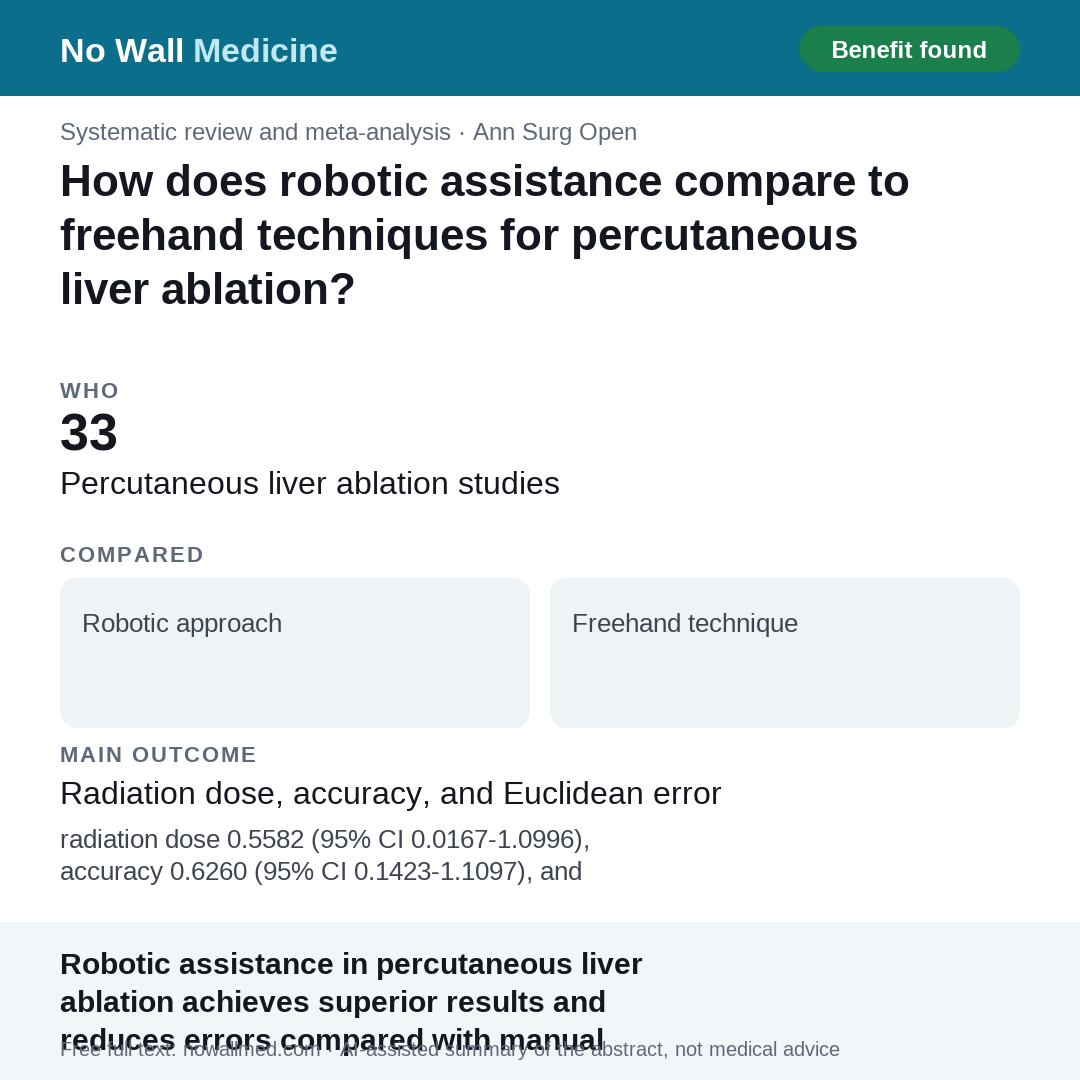
Robotic Assistance in Percutaneous Liver Ablation Therapies: A Systematic Review and Meta-Analysis
Systematic review and meta-analysisBenefit found
How does robotic assistance compare to freehand techniques for percutaneous liver ablation?
Who
33
Percutaneous liver ablation studies
Compared
Robotic approach
Freehand technique
Main outcome
Radiation dose, accuracy, and Euclidean error
Result: radiation dose 0.5582 (95% CI 0.0167-1.0996), accuracy 0.6260 (95% CI 0.1423-1.1097), and Euclidean error 0.8189 (95% CI -0.1020 to 1.7399)
Bottom line: Robotic assistance in percutaneous liver ablation achieves superior results and reduces errors compared with manual applicator insertion.
Ann Surg Open · 2024-03-26Download image
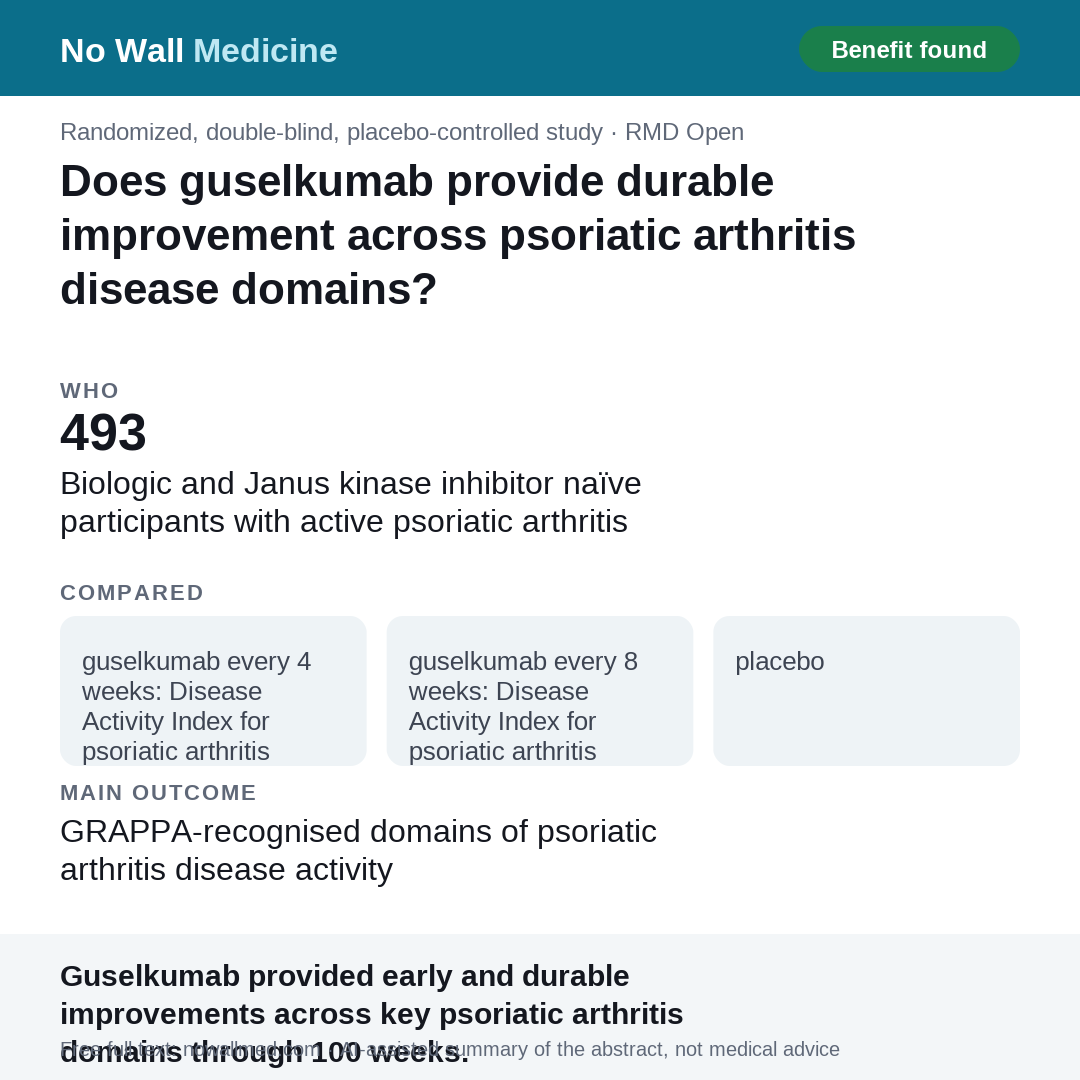
Guselkumab provides durable improvement across psoriatic arthritis disease domains: post hoc analysis of a phase 3, randomised, double-blind, placebo-controlled study
Randomized, double-blind, placebo-controlled studyBenefit found
Does guselkumab provide durable improvement across psoriatic arthritis disease domains?
Who
493
Biologic and Janus kinase inhibitor naïve participants with active psoriatic arthritis
Compared
guselkumab every 4 weeks: Disease Activity Index for psoriatic arthritis low disease activity 62%
guselkumab every 8 weeks: Disease Activity Index for psoriatic arthritis low disease activity 59%
placebo
Main outcome
GRAPPA-recognised domains of psoriatic arthritis disease activity
Bottom line: Guselkumab provided early and durable improvements across key psoriatic arthritis domains through 100 weeks.
RMD Open · 2024-03-26Download image
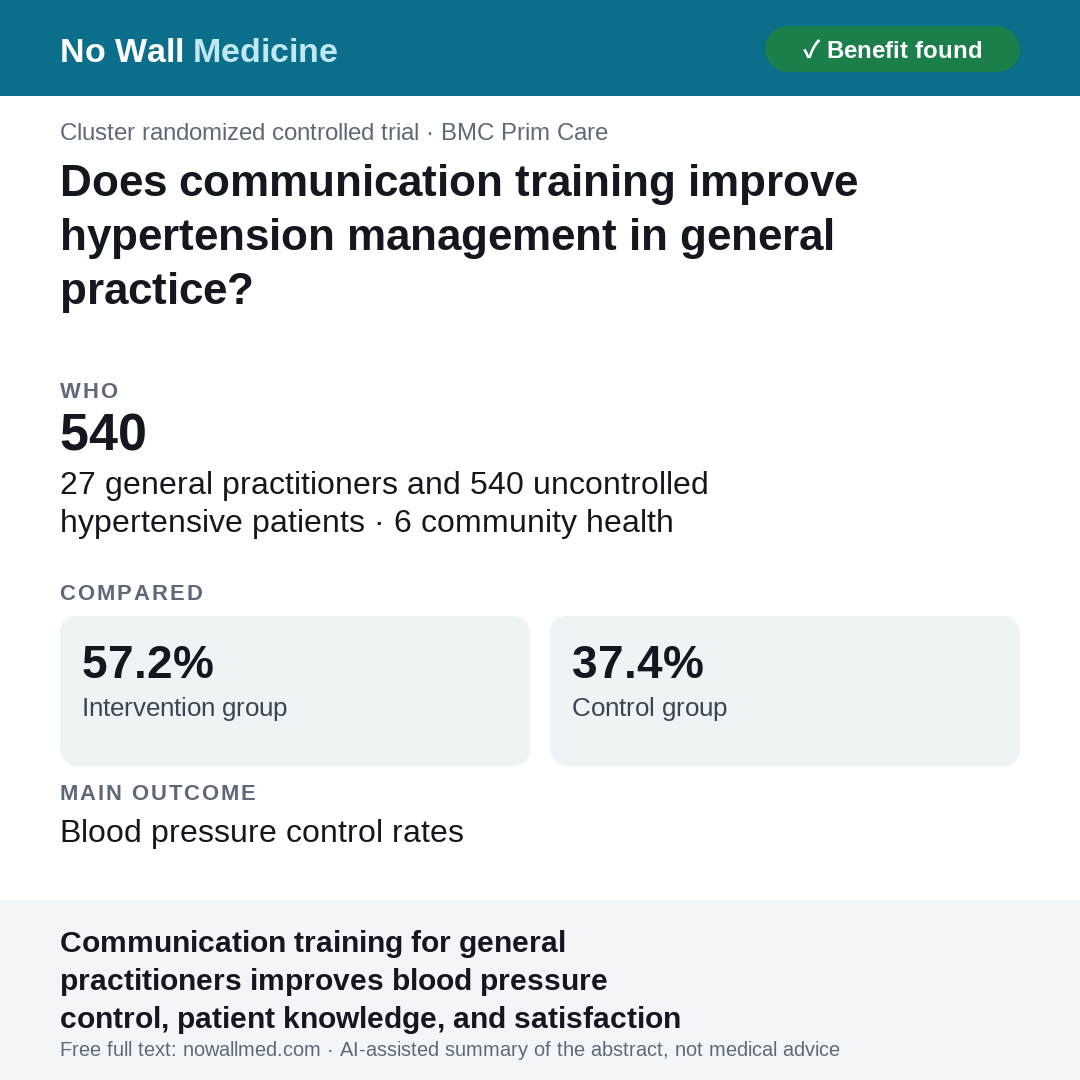
The impact of communication training on the clinical care of hypertension in general practice: a cluster randomized controlled trial in China
Cluster randomized controlled trialBenefit found
Does communication training improve hypertension management in general practice?
Who
540
27 general practitioners and 540 uncontrolled hypertensive patients · 6 community health centers in Chengdu, China
Compared
57.2%Intervention group
37.4%Control group
Main outcome
Blood pressure control rates
Bottom line: Communication training for general practitioners improves blood pressure control, patient knowledge, and satisfaction in the short term.
BMC Prim Care · 2024-03-26Download image