Visual abstracts
New randomized trials and meta-analyses from leading journals at a glance: who was studied, what was compared, and what was found. Every paper is free to read in full.
All specialtiesCardiology 1892Oncology 1633Gastroenterology & Hepatology 724Infectious Disease 1201Neurology 787Psychiatry & Mental Health 928Pulmonology 811Critical Care 552Endocrinology & Diabetes 1022Pediatrics 1124Surgery 954Orthopedics & Sports Medicine 352Neurosurgery 236Cardiothoracic & Vascular Surgery 208Plastic & Reconstructive Surgery 296Nephrology 389Rheumatology 267Hematology 408Dermatology 208Ophthalmology 225Obstetrics & Gynecology 622Public & Global Health 367Radiology & Imaging 260Anesthesiology 380Urology 326ENT (Otolaryngology) 254Emergency Medicine 212Allergy & Immunology 124Geriatrics 407Family Medicine & Primary Care 224Medical Genetics & Genomics 205Pathology & Laboratory Medicine 59Physical Medicine & Rehabilitation 334Palliative Care 168Nutrition 511Digital Health & AI 1003General Medicine 148
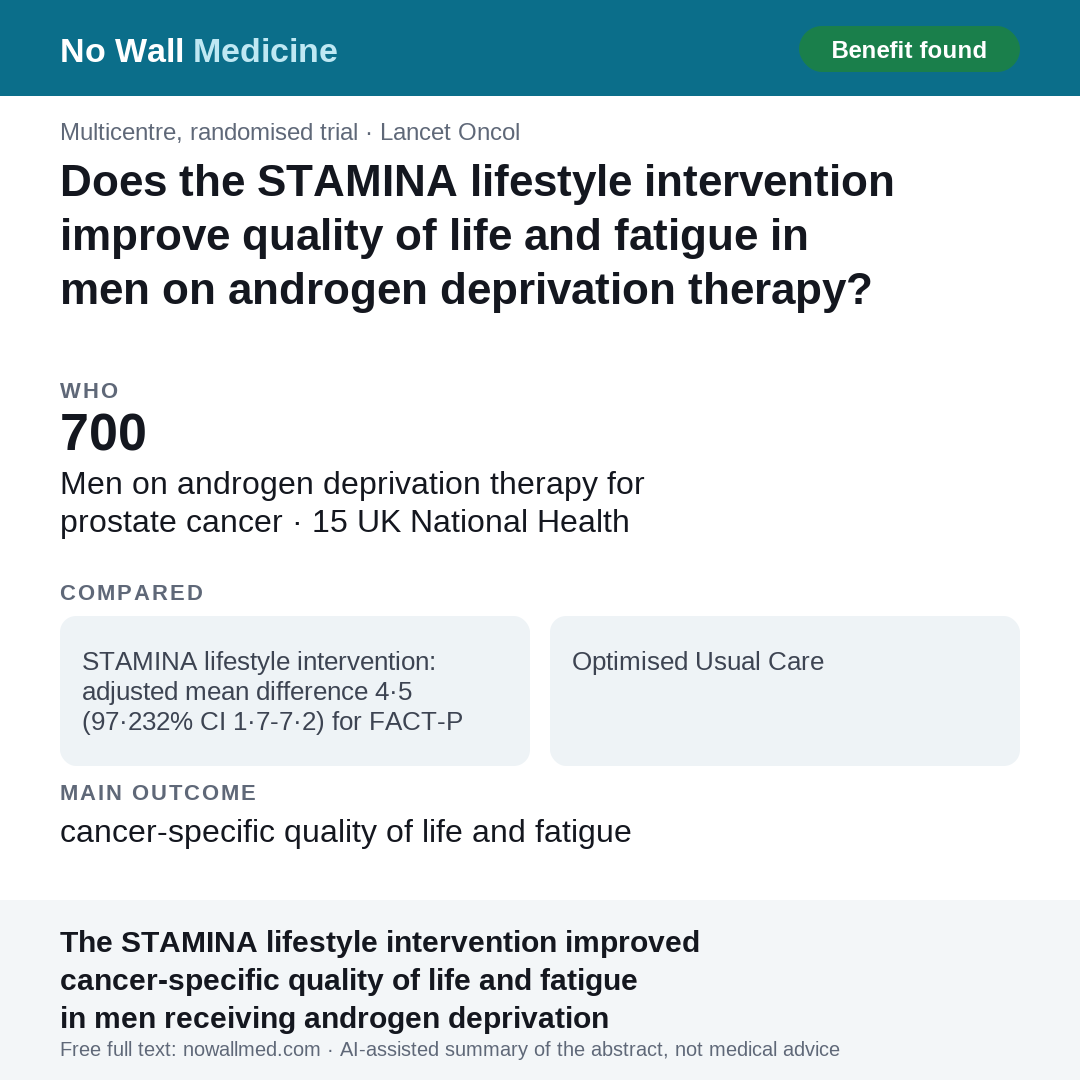
An integrated lifestyle intervention for mitigation of adverse effects associated with androgen deprivation therapy for prostate cancer (STAMINA): a multicentre, randomised trial
Multicentre, randomised trialBenefit found
Does the STAMINA lifestyle intervention improve quality of life and fatigue in men on androgen deprivation therapy?
Who
700
Men on androgen deprivation therapy for prostate cancer · 15 UK National Health Service trusts in England
Compared
STAMINA lifestyle intervention: adjusted mean difference 4·5 (97·232% CI 1·7-7·2) for FACT-P
Optimised Usual Care
Main outcome
cancer-specific quality of life and fatigue
Result: adjusted mean difference 4·5 (97·232% CI 1·7-7·2) for FACT-P; 1·9 (0·4-3·4) for FACIT-F
Bottom line: The STAMINA lifestyle intervention improved cancer-specific quality of life and fatigue in men receiving androgen deprivation therapy.
Funded by: National Institute for Health Research
Lancet Oncol · 2026-09-04Download image
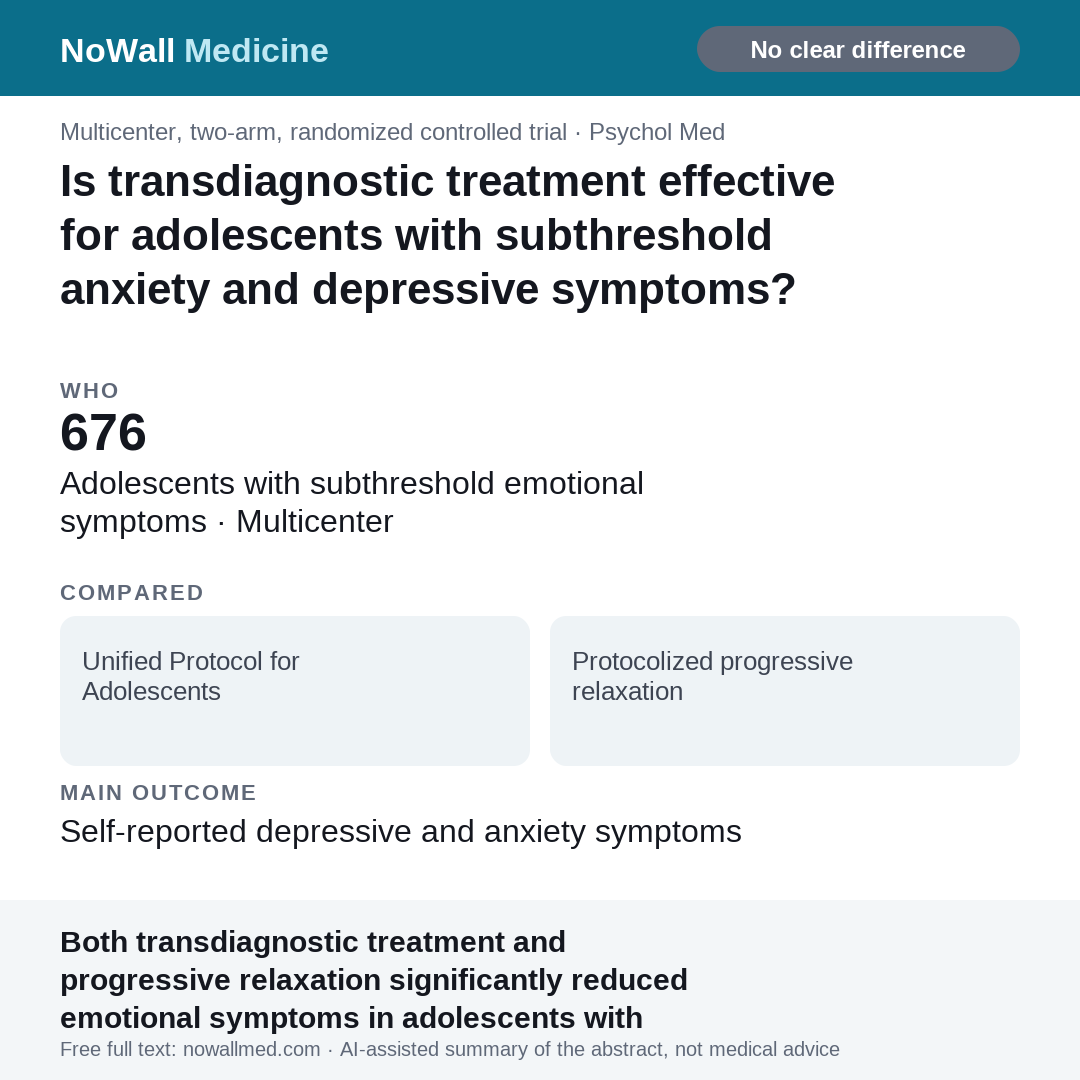
A multicenter randomized controlled effectiveness trial of transdiagnostic treatment for adolescents with subthreshold anxiety and depressive symptoms
Multicenter, two-arm, randomized controlled trialNo clear difference
Is transdiagnostic treatment effective for adolescents with subthreshold anxiety and depressive symptoms?
Who
676
Adolescents with subthreshold emotional symptoms · Multicenter
Compared
Unified Protocol for Adolescents
Protocolized progressive relaxation
Main outcome
Self-reported depressive and anxiety symptoms
Bottom line: Both transdiagnostic treatment and progressive relaxation significantly reduced emotional symptoms in adolescents with subthreshold presentations.
Psychol Med · 2026-09-04Download image
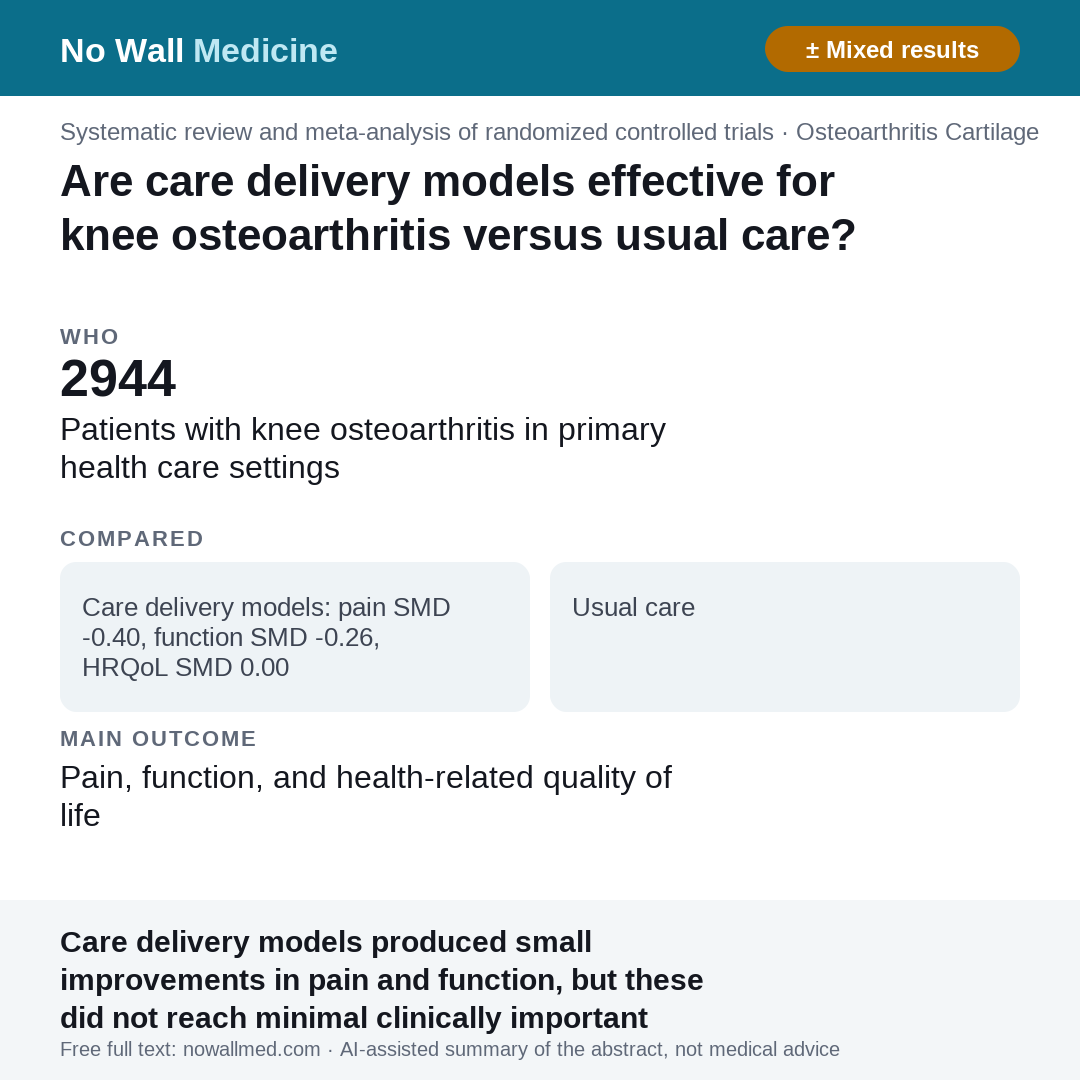
Effectiveness of care delivery models for knee osteoarthritis in primary healthcare settings: A systematic review and meta-analysis of randomized controlled trials
Systematic review and meta-analysis of randomized controlled trialsMixed results
Are care delivery models effective for knee osteoarthritis versus usual care?
Who
2944
Patients with knee osteoarthritis in primary health care settings
Compared
Care delivery models: pain SMD -0.40, function SMD -0.26, HRQoL SMD 0.00
Usual care
Main outcome
Pain, function, and health-related quality of life
Result: pain SMD -0.40 (95% CI -0.63 to -0.16), function SMD -0.26 (95% CI -0.39 to -0.14), HRQoL SMD 0.00 (-0.10 to 0.09)
Bottom line: Care delivery models produced small improvements in pain and function, but these did not reach minimal clinically important differences.
Limitation: Only 15 trials were included and subgroup findings should be interpreted cautiously.
Osteoarthritis Cartilage · 2026-09-04Download image
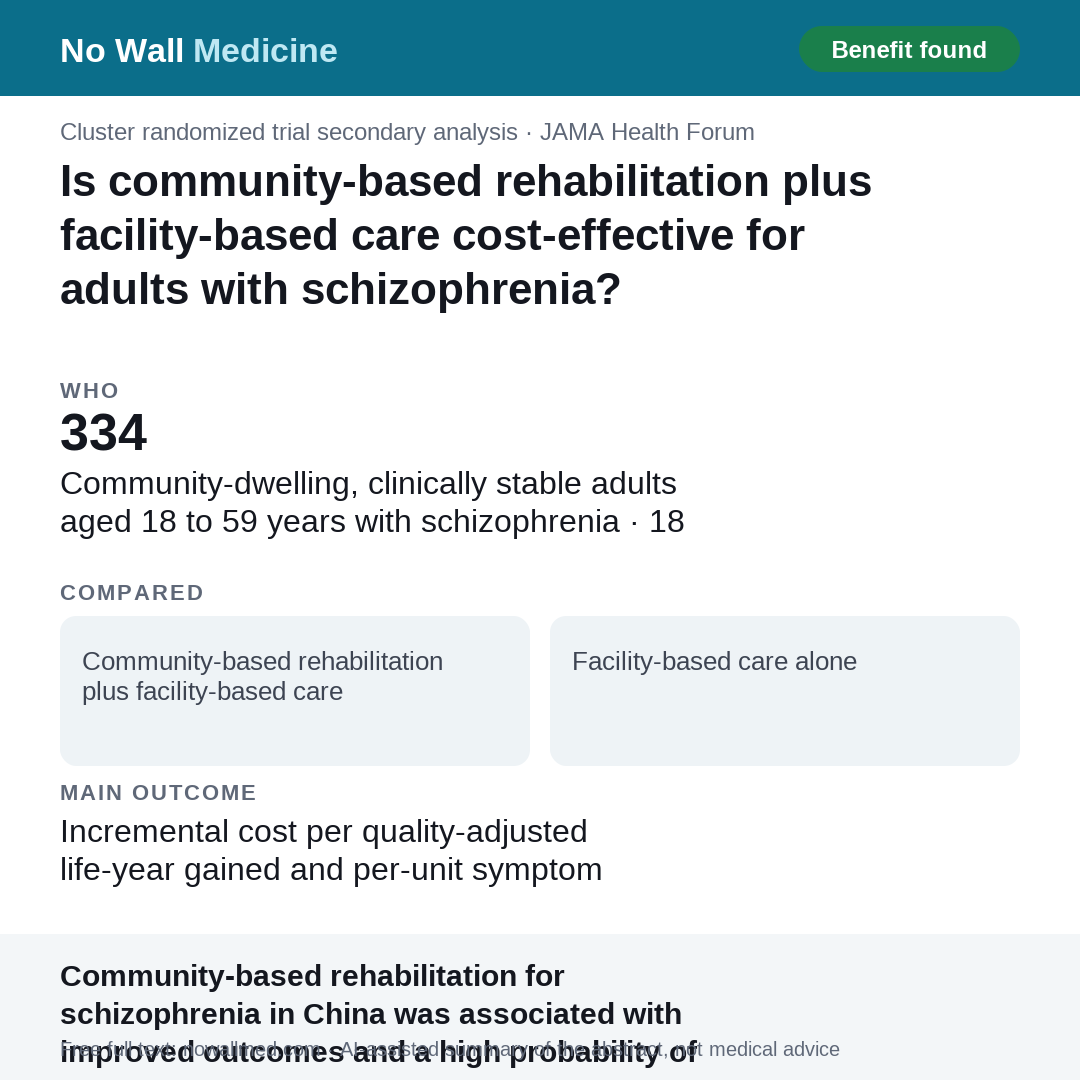
Cost-Effectiveness of Community-Based Rehabilitation for People With Schizophrenia: A Secondary Analysis of a Cluster Randomized Trial
Cluster randomized trial secondary analysisBenefit found
Is community-based rehabilitation plus facility-based care cost-effective for adults with schizophrenia?
Who
334
Community-dwelling, clinically stable adults aged 18 to 59 years with schizophrenia · 18 urban and rural subdistricts in China
Compared
Community-based rehabilitation plus facility-based care
Facility-based care alone
Main outcome
Incremental cost per quality-adjusted life-year gained and per-unit symptom improvement
Result: savings of $24 636 to $27 847 per QALY gained
Bottom line: Community-based rehabilitation for schizophrenia in China was associated with improved outcomes and a high probability of cost savings.
JAMA Health Forum · 2026-09-04Download image
Designing Social Media Health Warnings for Teenagers and Young Adults: A Randomized Clinical Trial
Within-participants randomized clinical trialBenefit found
Do social media warnings discourage use and increase awareness of harms in young people?
Who
1012
United States teenagers and young adults aged 13 to 29 years · Online
Compared
Health warnings: 0.32 [95% CI, 0.24 to 0.41] to 0.62 [95% CI, 0.53 to 0.71]
Screen time break warning
Neutral control message
Main outcome
Perceived message effectiveness for discouraging social media use
Result: average differential effects 0.32 [95% CI, 0.24 to 0.41] to 0.62 [95% CI, 0.53 to 0.71]
Bottom line: Health warnings on social media may increase awareness of harms and discourage use among teenagers and young adults.
JAMA Health Forum · 2026-09-04Download image

Costs of surgeries in low- and middle-income countries: a systematic literature review
Systematic literature reviewMixed results
What are the costs of surgical procedures in low- and middle-income countries?
Who
Surgical procedures in low- and middle-income countries · 29 countries
Compared
Caesarean section in Tanzania: I$1.54
Paediatric cataract surgery in Zambia: I$618 098
Main outcome
Costs of minor and major therapeutic surgical procedures
Bottom line: Surgical costs vary widely by procedure, specialty, and country across low- and middle-income countries.
Limitation: Limited data (10%) from low-income settings and most studies originated from upper-middle-income countries.
BMJ Glob Health · 2026-09-04Download image

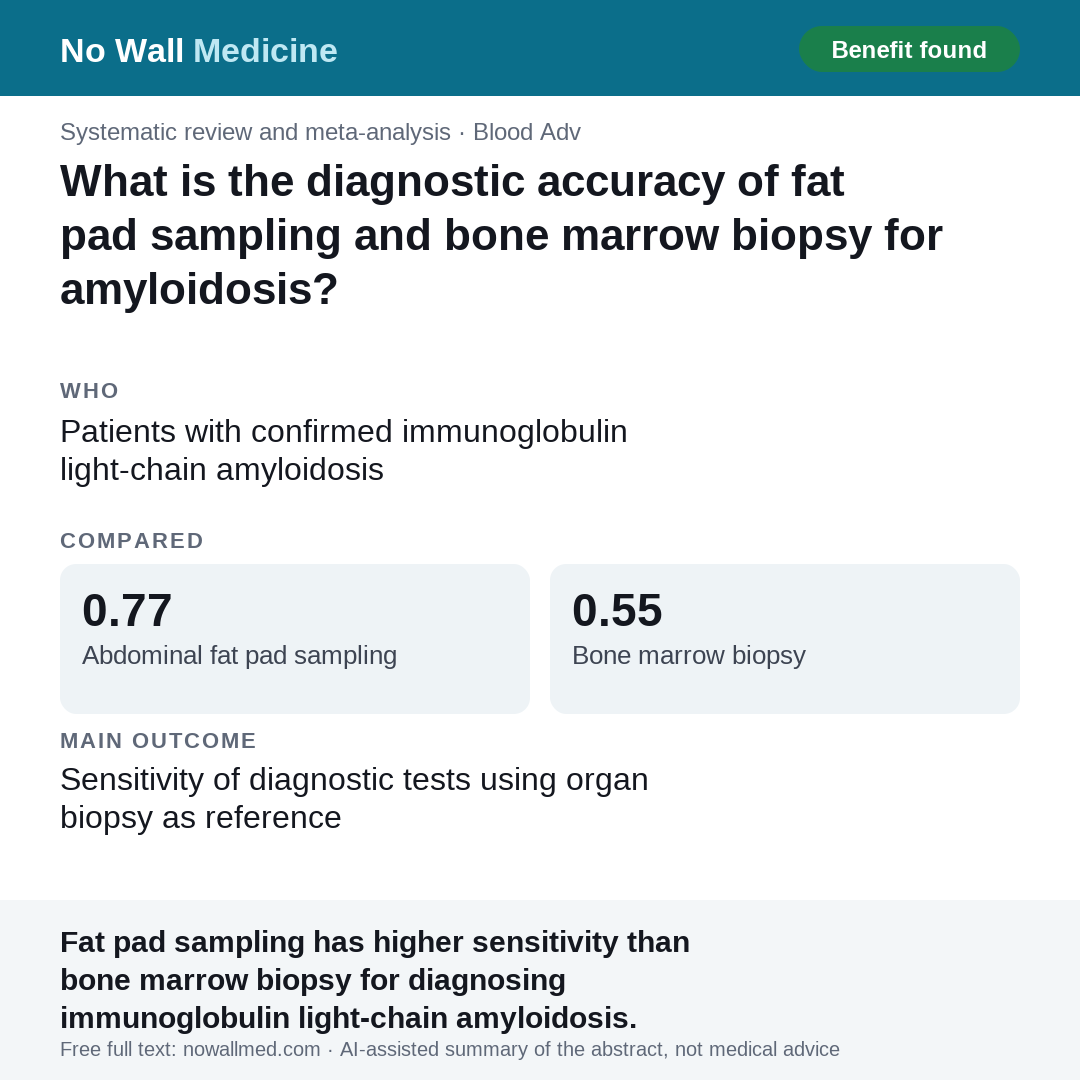
Diagnostic accuracy of fat pad sampling and bone marrow biopsy for AL amyloidosis: a systematic review and meta-analysis
Systematic review and meta-analysisBenefit found
What is the diagnostic accuracy of fat pad sampling and bone marrow biopsy for amyloidosis?
Who
Patients with confirmed immunoglobulin light-chain amyloidosis
Compared
0.77Abdominal fat pad sampling (95% confidence interval, 0.72-0.81)
0.55Bone marrow biopsy (0.46-0.63)
Main outcome
Sensitivity of diagnostic tests using organ biopsy as reference
Bottom line: Fat pad sampling has higher sensitivity than bone marrow biopsy for diagnosing immunoglobulin light-chain amyloidosis.
Limitation: Specificity was not reported in the included studies.
Blood Adv · 2026-09-04Download image
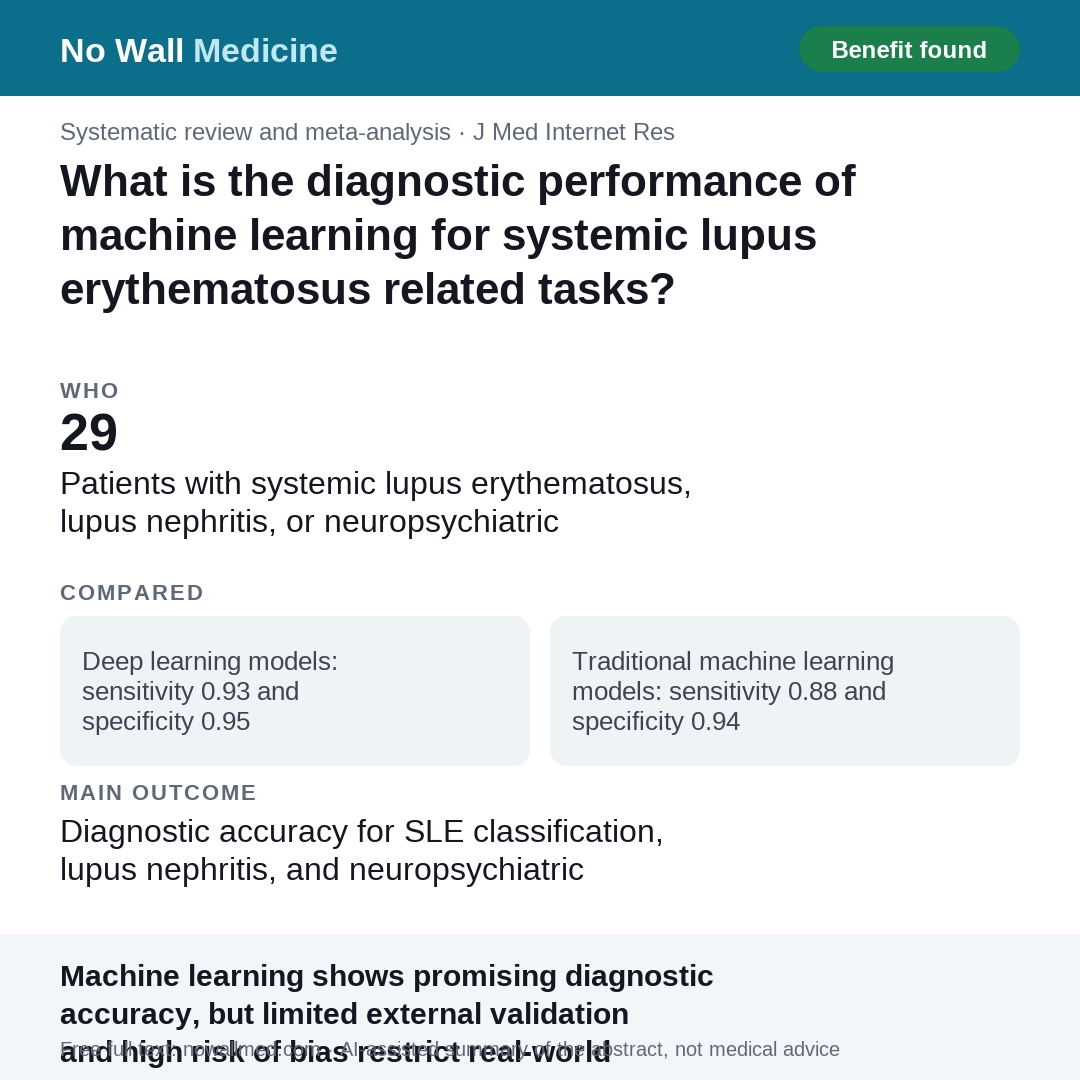
Diagnostic Performance of Machine Learning for Systemic Lupus Erythematosus: Systematic Review and Meta-Analysis
Systematic review and meta-analysisBenefit found
What is the diagnostic performance of machine learning for systemic lupus erythematosus related tasks?
Who
29
Patients with systemic lupus erythematosus, lupus nephritis, or neuropsychiatric involvement
Compared
Deep learning models: sensitivity 0.93 and specificity 0.95
Traditional machine learning models: sensitivity 0.88 and specificity 0.94
Main outcome
Diagnostic accuracy for SLE classification, lupus nephritis, and neuropsychiatric discrimination
Result: pooled sensitivity 0.91 (95% CI 0.86-0.94) and pooled specificity 0.94 (95% CI 0.91-0.96)
Bottom line: Machine learning shows promising diagnostic accuracy, but limited external validation and high risk of bias restrict real-world generalizability.
Limitation: All studies were retrospective, limited external validation, and high or unclear risk of bias in most studies.
J Med Internet Res · 2026-09-04Download image
Neurocognitive outcomes following glioma diagnosis and treatment: A systematic review
Systematic reviewMixed results
Neurocognitive outcomes in glioma patients
Who
Adult glioma patients
Compared
Surgical treatment: short-term cognitive decline
Chemotherapy and radiotherapy: inconsistent effects
Main outcome
Neurocognitive dysfunction
Bottom line: Cognitive impairment is common in glioma patients
Brain Spine · 2026-09-04Download image

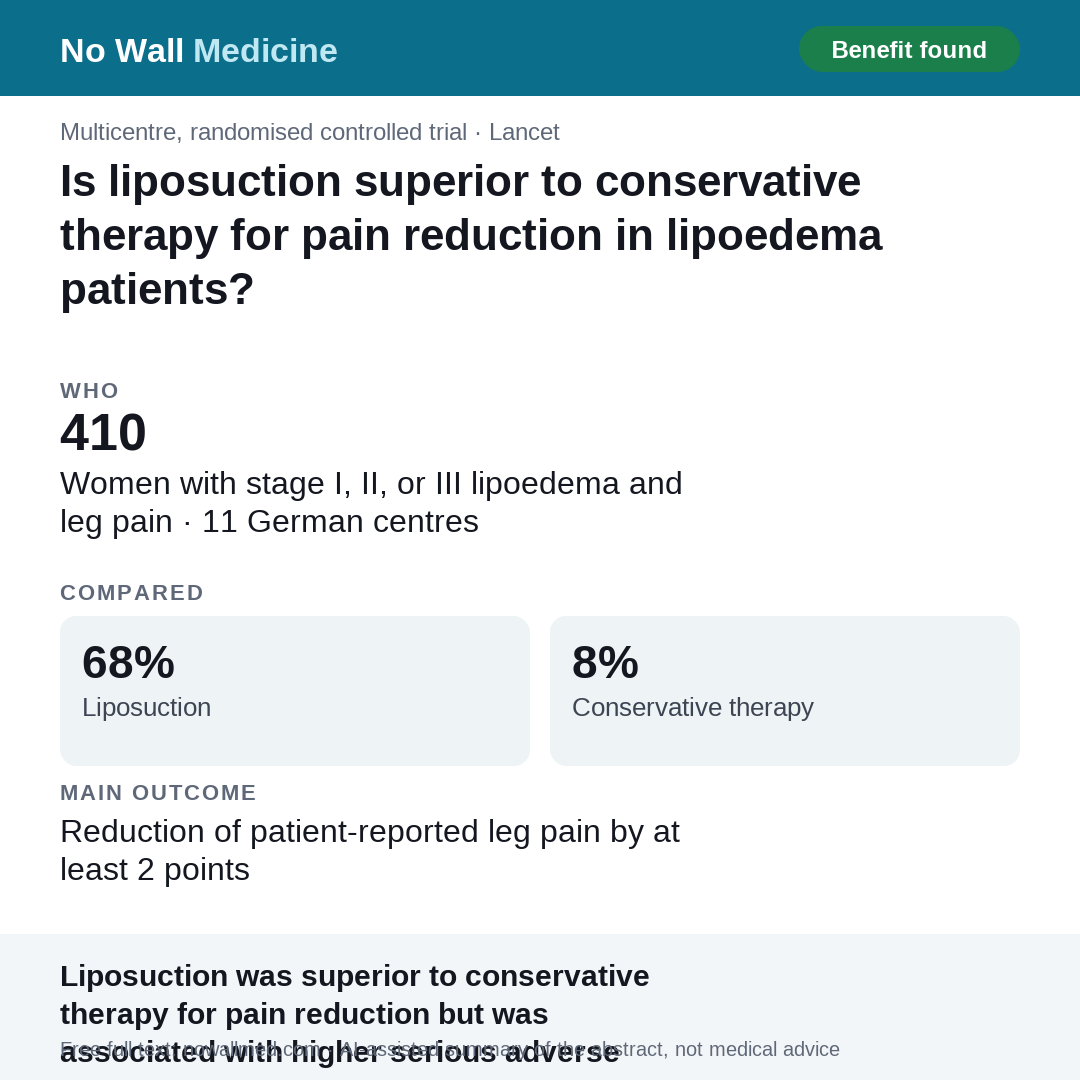
Liposuction versus conservative therapy for patients with lipoedema in Germany: a multicentre, randomised controlled clinical trial
Multicentre, randomised controlled trialBenefit found
Is liposuction superior to conservative therapy for pain reduction in lipoedema patients?
Who
410
Women with stage I, II, or III lipoedema and leg pain · 11 German centres
Compared
68%liposuction (190/278)
8%conservative therapy (10/132)
Main outcome
reduction of patient-reported leg pain by at least 2 points
Result: odds ratio 26·2 (95% CI 13·1-52·5)
Bottom line: Liposuction was superior to conservative therapy for pain reduction but was associated with a higher rate of serious adverse events.
Funded by: The Federal Joint Committee, Germany
Lancet · 2026-09-03Download image
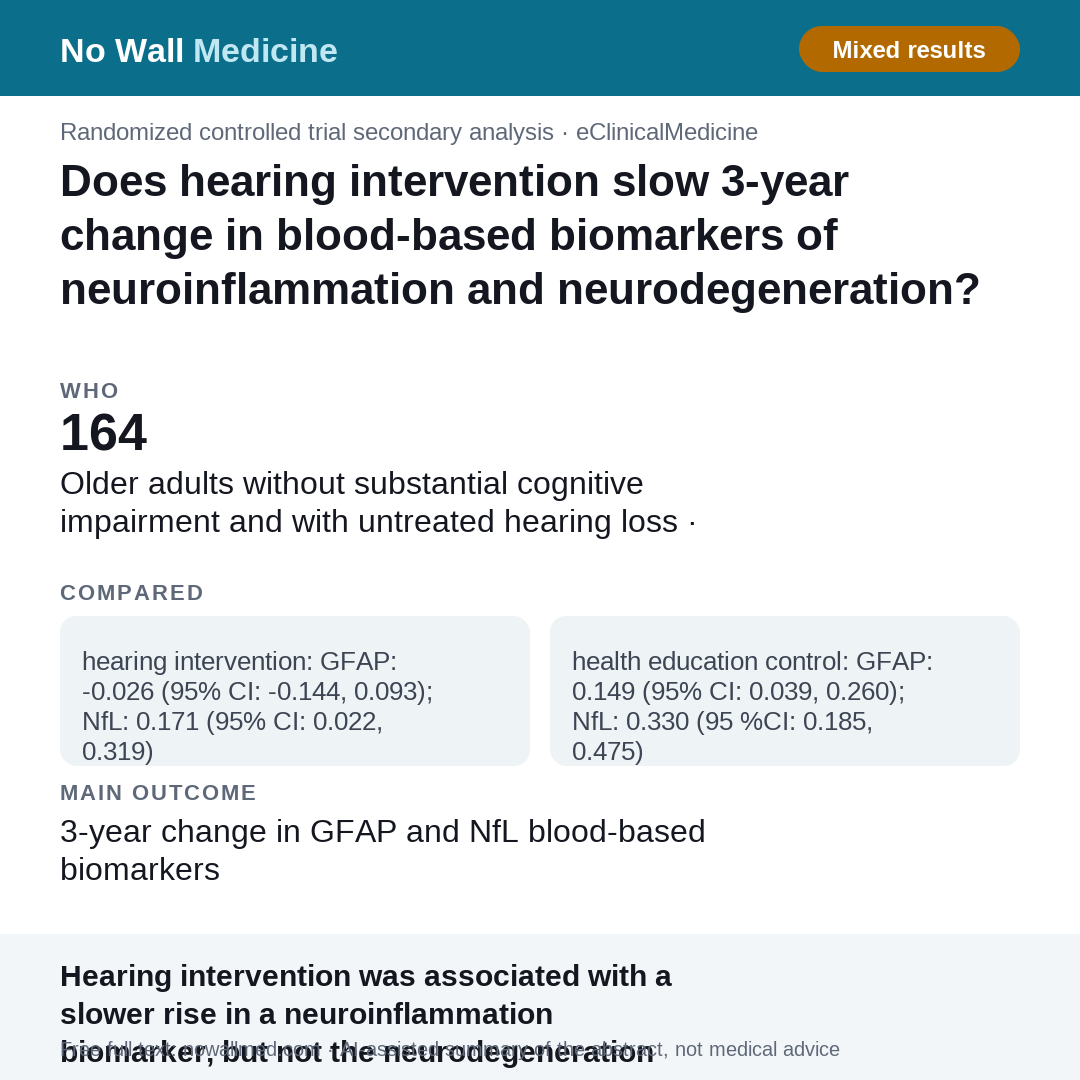
Effects of hearing intervention on blood-based biomarkers of neuroinflammation and neurodegeneration: a secondary analysis of the ACHIEVE randomised controlled trial
Randomized controlled trial secondary analysisMixed results
Does hearing intervention slow 3-year change in blood-based biomarkers of neuroinflammation and neurodegeneration?
Who
164
Older adults without substantial cognitive impairment and with untreated hearing loss · United States
Compared
hearing intervention: GFAP: -0.026 (95% CI: -0.144, 0.093); NfL: 0.171 (95% CI: 0.022, 0.319)
health education control: GFAP: 0.149 (95% CI: 0.039, 0.260); NfL: 0.330 (95 %CI: 0.185, 0.475)
Main outcome
3-year change in GFAP and NfL blood-based biomarkers
Result: GFAP difference: -0.175 (95% CI: -0.322, -0.028); NfL difference: -0.159 (95 %CI: -0.348, 0.029)
Bottom line: Hearing intervention was associated with a slower rise in a neuroinflammation biomarker, but not the neurodegeneration biomarker.
Funded by: US National Institutes of Health
eClinicalMedicine · 2026-09-03Download image
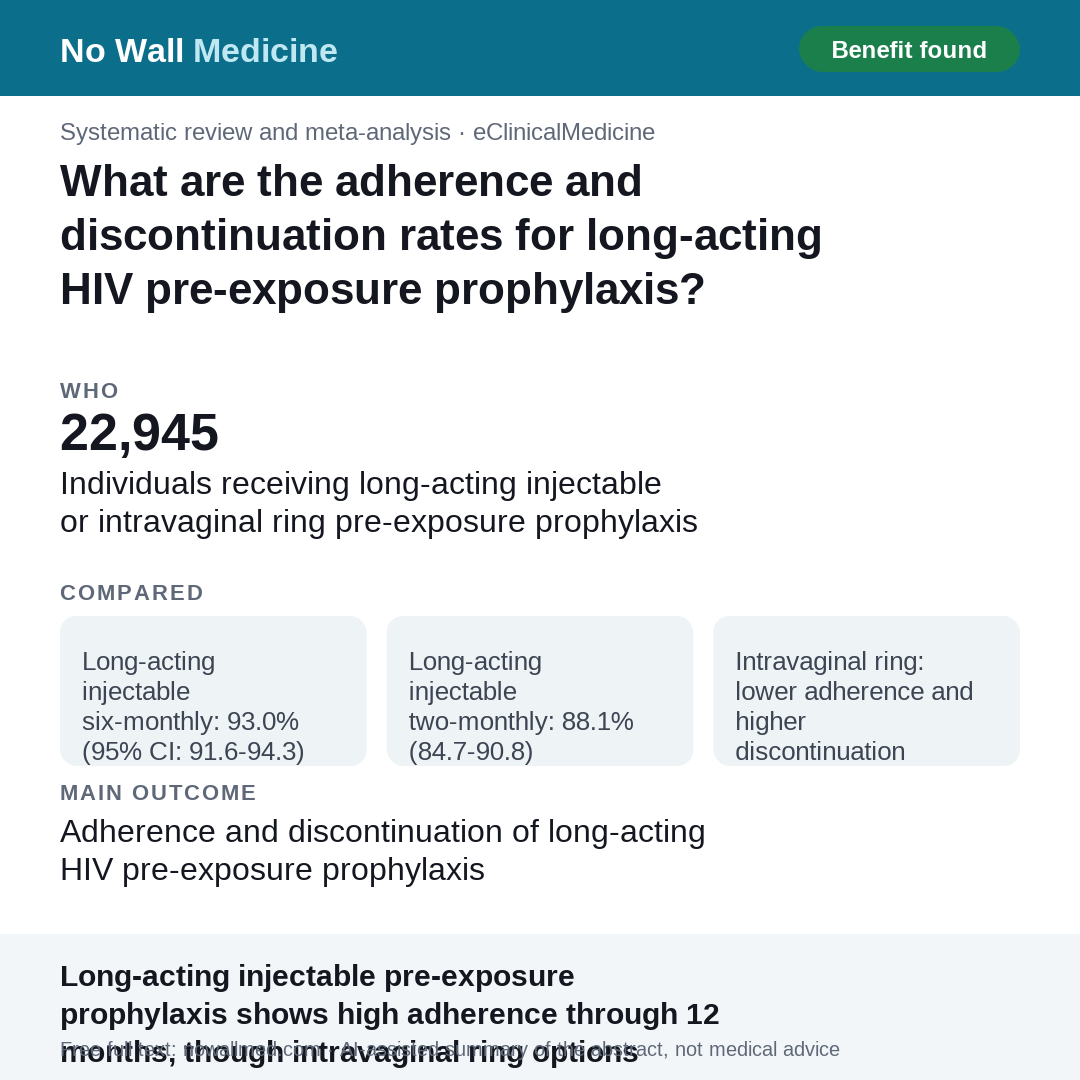
Long-acting HIV pre-exposure prophylaxis adherence and discontinuation: a global systematic review and meta-analysis
Systematic review and meta-analysisMixed results
What are the adherence and discontinuation rates for long-acting HIV pre-exposure prophylaxis?
Who
22945
Individuals receiving long-acting injectable or intravaginal ring pre-exposure prophylaxis
Compared
Six-monthly long-acting injectable: 93.0% (95% CI: 91.6-94.3) adherence at 12 months
Two-monthly long-acting injectable: 88.1% (84.7-90.8%) adherence at 12 months
Intravaginal ring: 66.1% (42.2-83.9%) adherence at 6 months
Main outcome
Adherence and discontinuation of long-acting HIV pre-exposure prophylaxis
Bottom line: Long-acting injectable adherence remained high, but intravaginal ring showed lower adherence and higher discontinuation rates.
Funded by: National Key R&D Program of China
eClinicalMedicine · 2026-09-03Download image
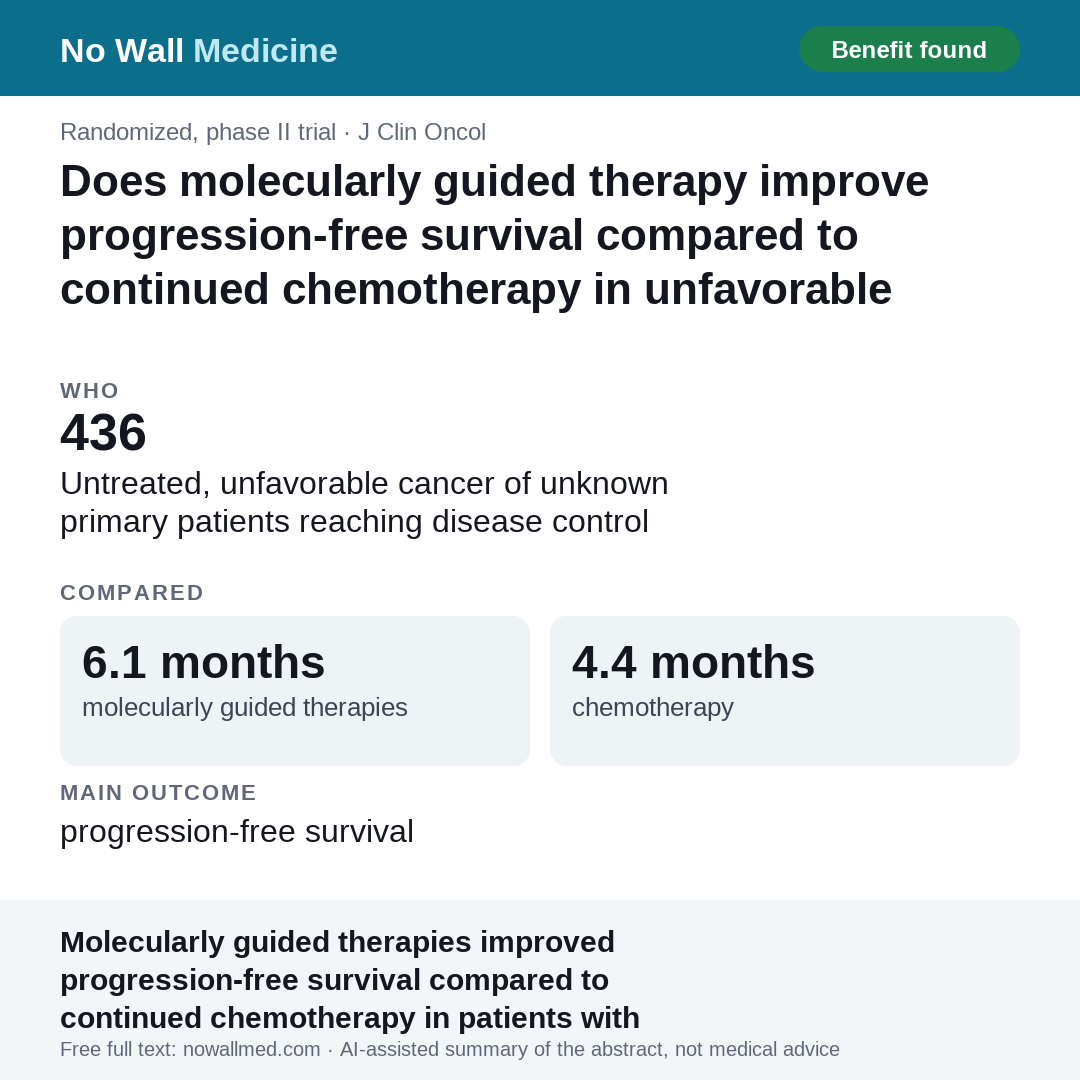
Molecularly Guided Therapy Versus Continued Chemotherapy in Unfavorable Cancer of Unknown Primary: Updated Efficacy and Safety From the Randomized, Phase II CUPISCO Study
Randomized, phase II trialBenefit found
Does molecularly guided therapy improve progression-free survival compared to continued chemotherapy in unfavorable cancer of unknown primary?
Who
436
Untreated, unfavorable cancer of unknown primary patients reaching disease control after induction chemotherapy
Compared
6.1 monthsmolecularly guided therapies (95% CI, 4.7 to 6.5)
4.4 monthschemotherapy (95% CI, 4.2 to 6.4)
Main outcome
progression-free survival
Result: hazard ratio 0.75 (95% CI 0.59 to 0.95)
Bottom line: Molecularly guided therapies improved progression-free survival compared to continued chemotherapy in patients with unfavorable cancer of unknown primary.
J Clin Oncol · 2026-09-03Download image
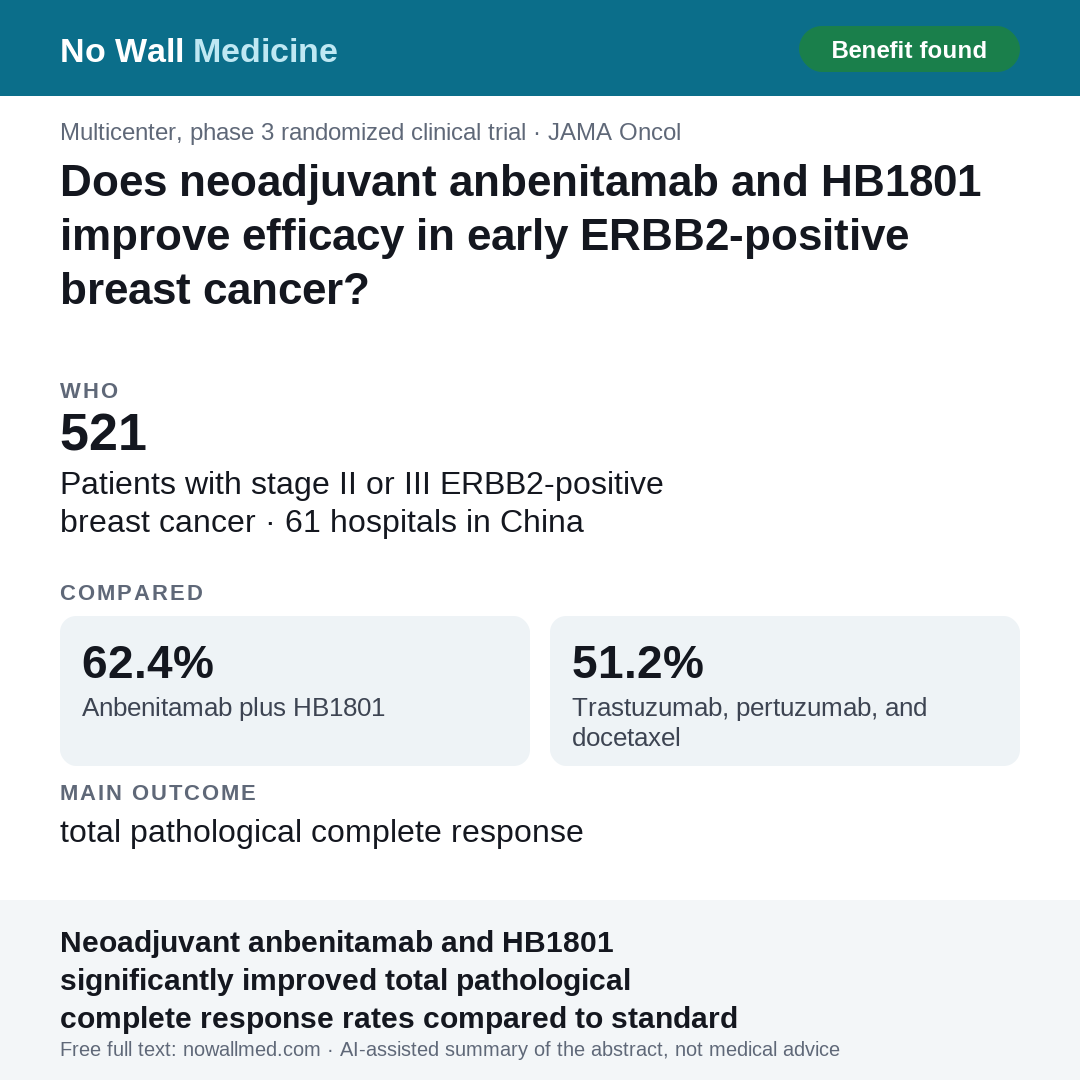
Neoadjuvant Anbenitamab and HB1801 in ERBB2-Positive Breast Cancer: A Phase 3 Randomized Clinical Trial
Multicenter, phase 3 randomized clinical trialBenefit found
Does neoadjuvant anbenitamab and HB1801 improve efficacy in early ERBB2-positive breast cancer?
Who
521
Patients with stage II or III ERBB2-positive breast cancer · 61 hospitals in China
Compared
62.4%Anbenitamab plus HB1801
51.2%Trastuzumab, pertuzumab, and docetaxel
Main outcome
total pathological complete response
Result: absolute difference, 11.4 (95% CI, 3.2 to 19.6) percentage points
Bottom line: Neoadjuvant anbenitamab and HB1801 significantly improved total pathological complete response rates compared to standard therapy.
JAMA Oncol · 2026-09-03Download image
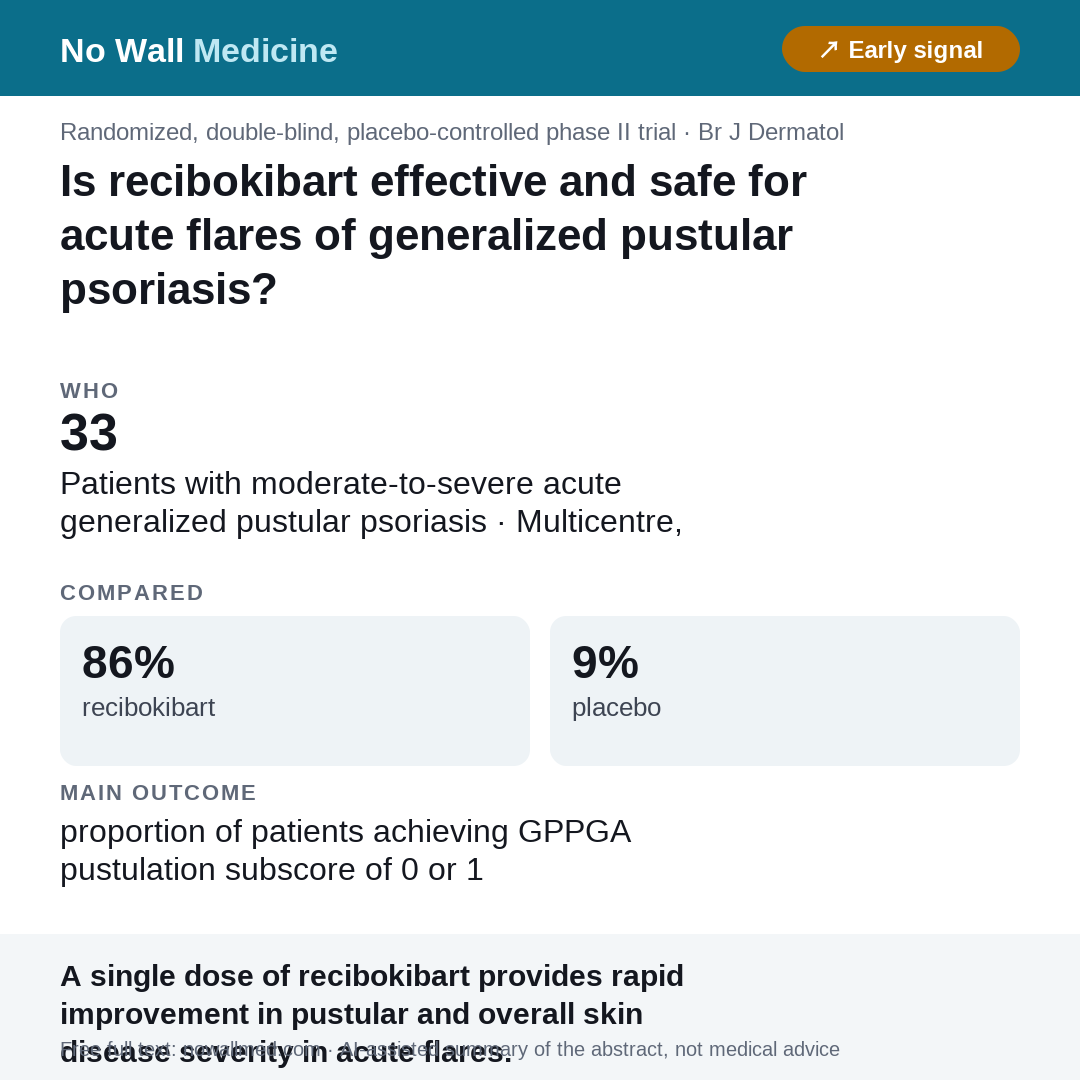
Efficacy and safety of recibokibart, an interleukin-36 receptor antibody, in generalized pustular psoriasis: a phase II randomized controlled trial
Randomized, double-blind, placebo-controlled phase II trialBenefit found
Is recibokibart effective and safe for acute flares of generalized pustular psoriasis?
Who
33
Patients with moderate-to-severe acute generalized pustular psoriasis · Multicentre, China
Compared
86%recibokibart
9%placebo
Main outcome
proportion of patients achieving GPPGA pustulation subscore of 0 or 1
Result: between-group difference 77.3%, 95% confidence interval 42.5-88.9
Bottom line: A single dose of recibokibart provides rapid improvement in pustular and overall skin disease severity in acute flares.
Limitation: assessments after day 8 included patients who received open-label treatment
Br J Dermatol · 2026-09-03Download image
Safety and Effects of Gildeuretinol Acetate on Retinal Atrophic Lesions in Stargardt Disease: The TEASE-1 Randomized Clinical Trial
Double-masked, placebo-controlled randomized clinical trialBenefit found
Does oral gildeuretinol acetate affect retinal atrophic lesion growth in Stargardt disease?
Who
50
Individuals aged 12 years or older with Stargardt disease · 7 outpatient clinics in the US
Compared
Gildeuretinol acetate: 0.182 mm/y
Untreated group: 0.232 mm/y
Main outcome
Growth rate of retinal atrophic lesions over 24 months
Result: mean difference -0.050 mm/y (95% CI, -0.072 to -0.027)
Bottom line: Gildeuretinol acetate reduced the growth rate of retinal atrophic lesions in Stargardt disease patients.
JAMA Ophthalmol · 2026-09-03Download image

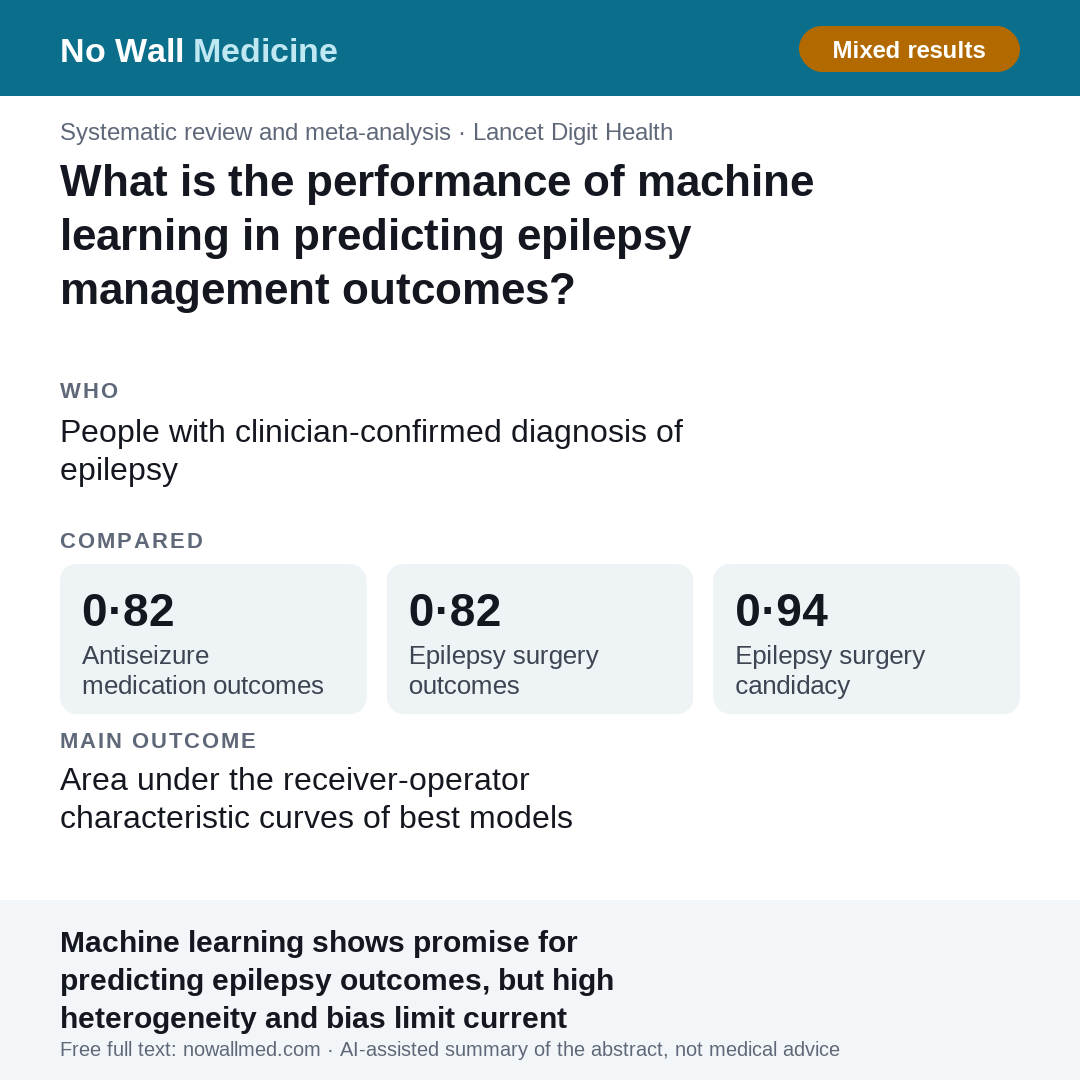
Status, challenges, and future directions of machine learning in the management of epilepsy: a systematic review and meta-analysis
Systematic review and meta-analysisMixed results
What is the performance of machine learning in epilepsy management?
Who
People with clinician-confirmed diagnosis of epilepsy
Compared
0·82Antiseizure medication outcomes (95% CI 0·77-0·88)
0·82Epilepsy surgery outcomes (0·76-0·88)
0·94Epilepsy surgery candidacy (0·92-0·96)
Main outcome
Area under the receiver-operator characteristic curves
Bottom line: Machine learning shows promise in predicting epilepsy treatment outcomes, but high heterogeneity and bias limit clinical applicability.
Limitation: High heterogeneity, high risk of bias, small sample sizes, and scarcity of external validation.
Funded by: Australian Government National Health and Medical Research Council
Lancet Digit Health · 2026-09-03Download image
Applications and outcomes of virtual reality in inpatient psychiatry: A systematic review
Systematic reviewUnclear result
What are the applications and outcomes of virtual reality in inpatient psychiatry?
Who
1,004
Psychiatric inpatients · Not specified
Compared
Virtual reality applications
Control
Main outcome
Types of applications, implementation barriers, facilitators, and clinical outcomes
Bottom line: Virtual reality is feasible and safe in inpatient psychiatry, showing consistent improvements in clinical symptoms like anxiety.
Limitation: Findings remain preliminary and high-quality trials are needed.
Psychol Med · 2026-09-03Download image

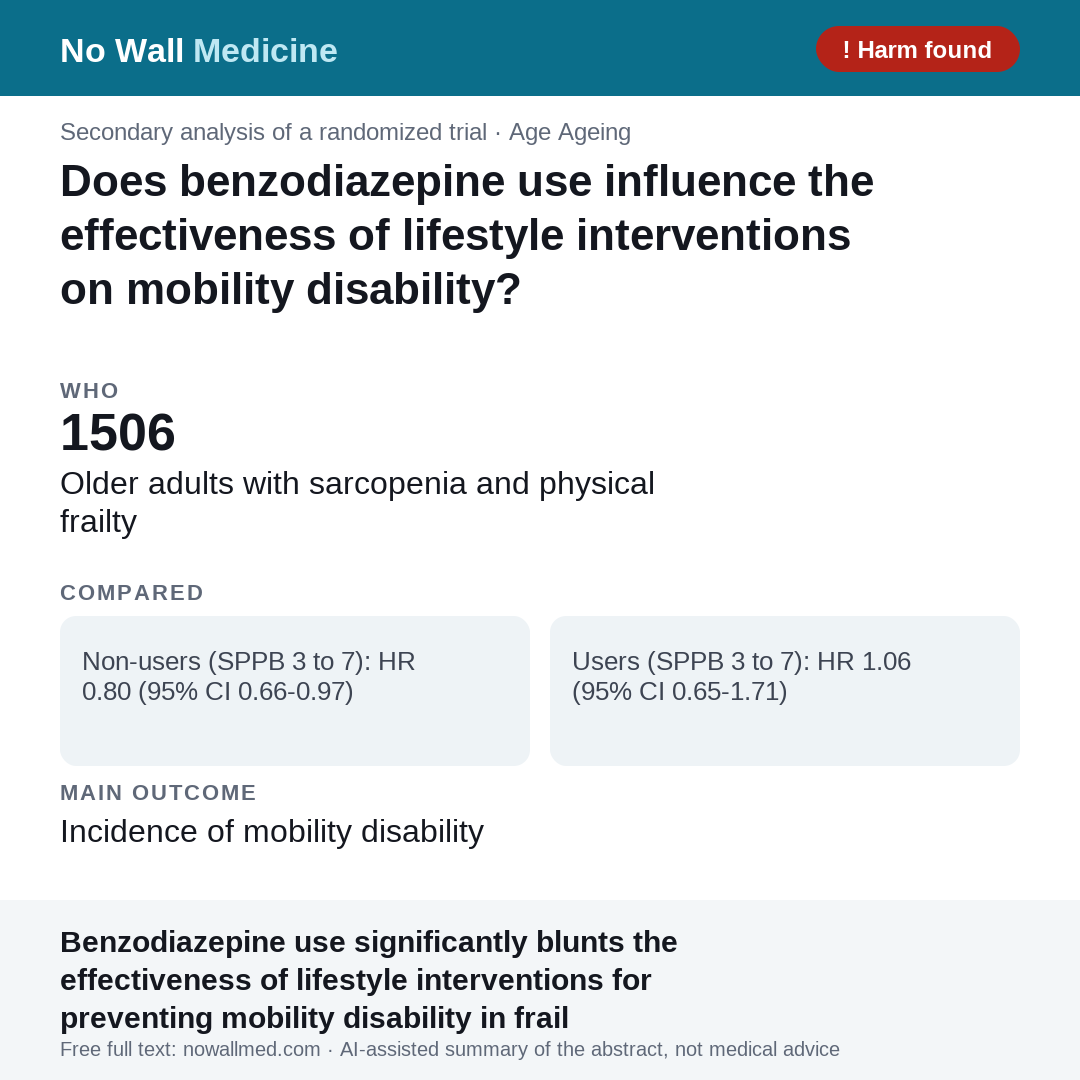
Does the use of benzodiazepine influence the effectiveness of lifestyle intervention? Secondary analysis from the Sarcopenia and Physical fRailty iN older people strategies (SPRINTT) trial
Secondary analysis of a randomized trialHarm found
Does benzodiazepine use influence the effectiveness of lifestyle interventions on mobility disability?
Who
1506
Older adults with sarcopenia and physical frailty
Compared
Non-users (SPPB 3 to 7): HR 0.80 (95% CI 0.66-0.97)
Users (SPPB 3 to 7): HR 1.06 (95% CI 0.65-1.71)
Main outcome
Incidence of mobility disability
Result: HR 0.80 (95% CI 0.66-0.97) for non-users vs HR 1.06 (95% CI 0.65-1.71) for users
Bottom line: Benzodiazepine use significantly blunts the effectiveness of lifestyle interventions for preventing mobility disability in frail older adults.
Age Ageing · 2026-09-03Download image
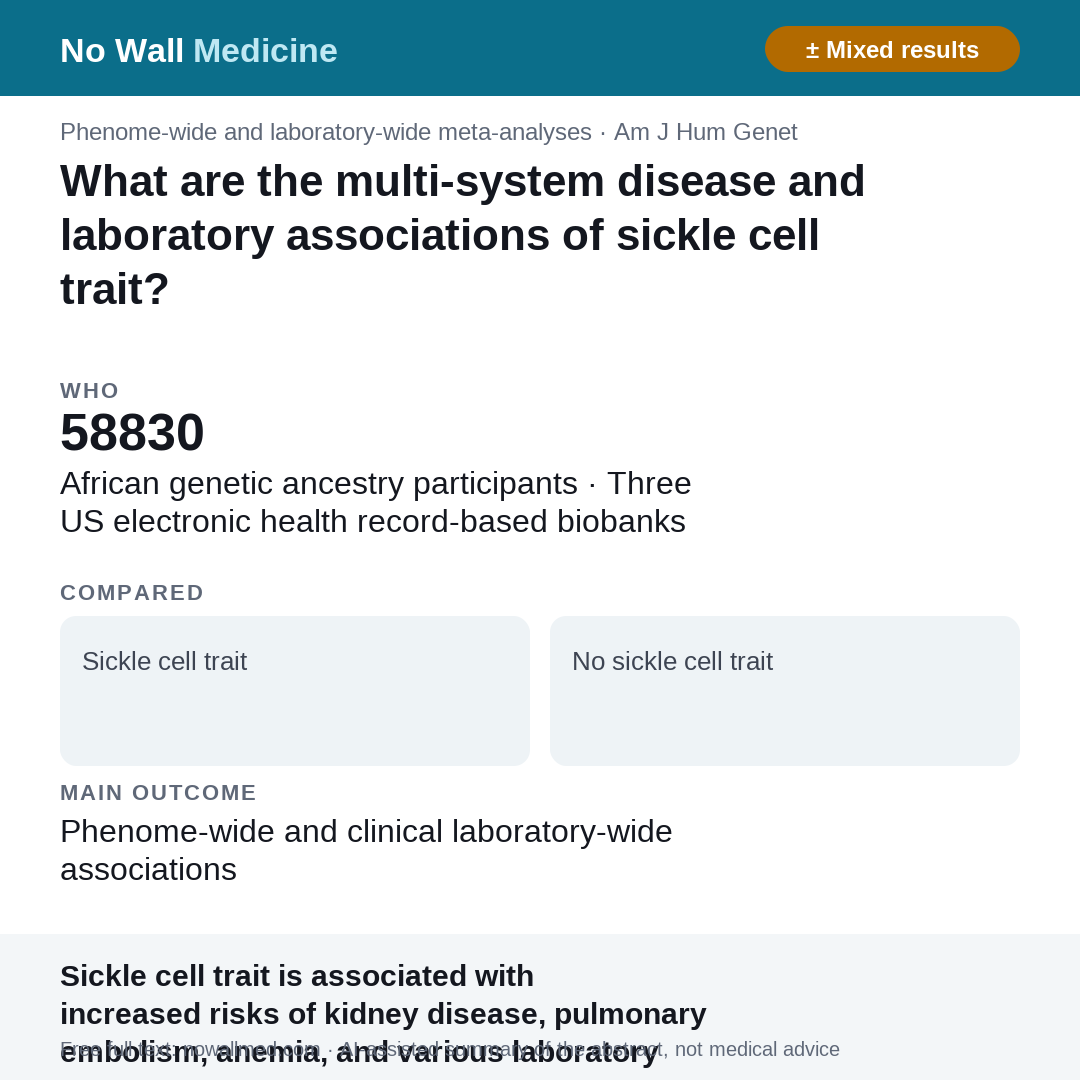
Phenome- and laboratory-wide meta-analyses of sickle cell trait reveal multi-system disease associations
Phenome-wide and laboratory-wide meta-analysesMixed results
What are the multi-system disease and laboratory associations of sickle cell trait?
Who
58830
African genetic ancestry participants · Three US electronic health record-based biobanks
Compared
Sickle cell trait
No sickle cell trait
Main outcome
Phenome-wide and clinical laboratory-wide associations
Bottom line: Sickle cell trait is associated with increased risks of kidney disease, pulmonary embolism, anemia, and various laboratory parameter changes.
Am J Hum Genet · 2026-09-03Download image