Visual abstracts
New randomized trials and meta-analyses from leading journals at a glance: who was studied, what was compared, and what was found. Every paper is free to read in full.
All specialtiesCardiology 4877Oncology 4138Gastroenterology & Hepatology 1942Infectious Disease 3837Neurology 1905Psychiatry & Mental Health 2273Pulmonology 2143Critical Care 1365Endocrinology & Diabetes 2580Pediatrics 2980Surgery 2559Orthopedics & Sports Medicine 931Neurosurgery 537Cardiothoracic & Vascular Surgery 674Plastic & Reconstructive Surgery 591Nephrology 1133Rheumatology 823Hematology 1109Dermatology 621Ophthalmology 543Obstetrics & Gynecology 1686Public & Global Health 1058Radiology & Imaging 648Anesthesiology 986Urology 764ENT (Otolaryngology) 503Emergency Medicine 511Allergy & Immunology 313Geriatrics 981Family Medicine & Primary Care 562Medical Genetics & Genomics 676Pathology & Laboratory Medicine 159Physical Medicine & Rehabilitation 757Palliative Care 444Nutrition 1588Digital Health & AI 2201General Medicine 321
Mouth-to-mouth, pocket mask, or i-gel® resuscitation on a moving rescue boat: How do different ventilation methods affect CPR? A pilot study
Randomized crossover pilot studyBenefit found
How do different ventilation methods affect CPR on a moving rescue boat?
Who
16
Trained lifeguards · Inflatable Rescue Boat cruising at 20 knots
Compared
Mouth-to-Mouth: median 4 s
Pocket Mask: median 8 s
i-gel supraglottic airway device: median 14 s
Main outcome
Time to initiate CPR and resuscitation skills
Bottom line: Mouth-to-mouth or pocket mask allow for faster initiation of CPR compared to i-gel on moving boats.
Limitation: Pilot study
Am J Emerg Med · 2025-07-17Download image

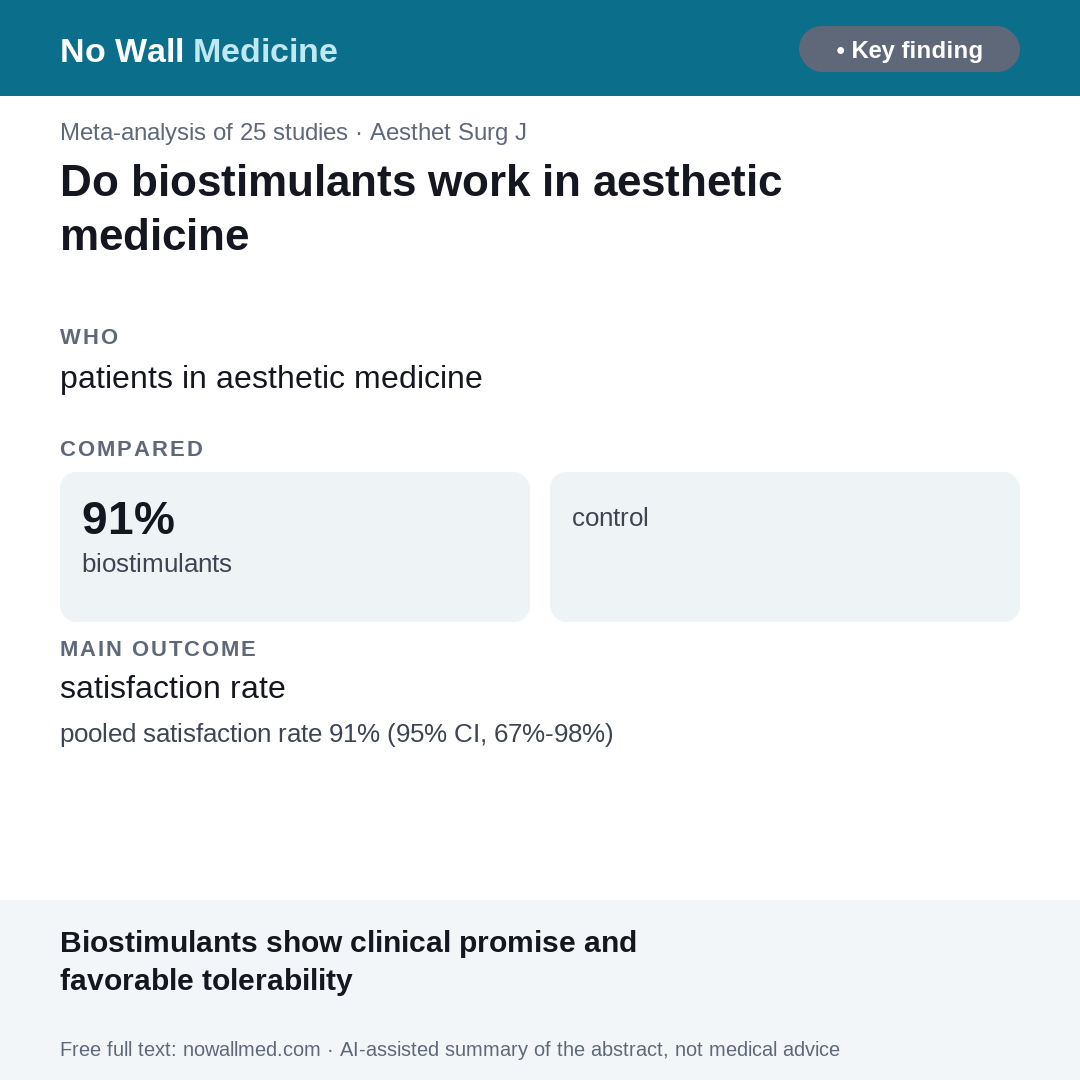
Biostimulants in Aesthetic Medicine: A Systematic Review and Meta-analysis of Efficacy, Safety, and Patient Satisfaction
Meta-analysis of 25 studiesBenefit found
Do biostimulants work in aesthetic medicine
Who
patients in aesthetic medicine
Compared
91%biostimulants (95% CI, 67%-98%)
control
Main outcome
satisfaction rate
Result: pooled satisfaction rate 91% (95% CI, 67%-98%)
Bottom line: Biostimulants show clinical promise and favorable tolerability
Limitation: common occurrence of minor adverse events
Aesthet Surg J · 2025-07-17Download image
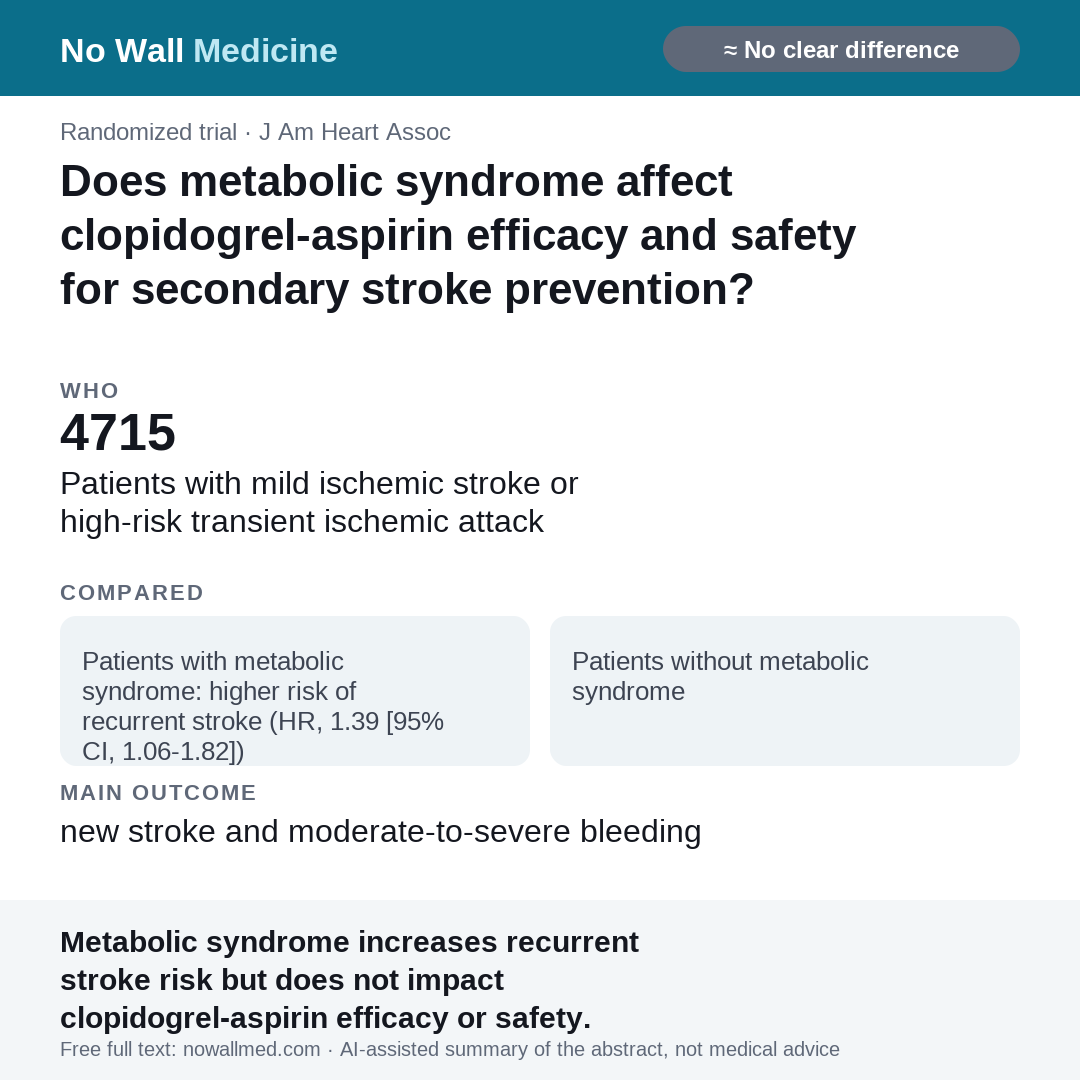
Dual Antiplatelet Therapy in Patients With Metabolic Syndrome After Mild Ischemic Stroke or Transient Ischemic Attack
Randomized trialNo clear difference
Does metabolic syndrome affect clopidogrel-aspirin efficacy and safety for secondary stroke prevention?
Who
4715
Patients with mild ischemic stroke or high-risk transient ischemic attack
Compared
Patients with metabolic syndrome: higher risk of recurrent stroke (HR, 1.39 [95% CI, 1.06-1.82])
Patients without metabolic syndrome
Main outcome
new stroke and moderate-to-severe bleeding
Result: hazard ratio 1.39 (95% CI 1.06-1.82)
Bottom line: Metabolic syndrome increases recurrent stroke risk but does not impact clopidogrel-aspirin efficacy or safety.
J Am Heart Assoc · 2025-07-17Download image
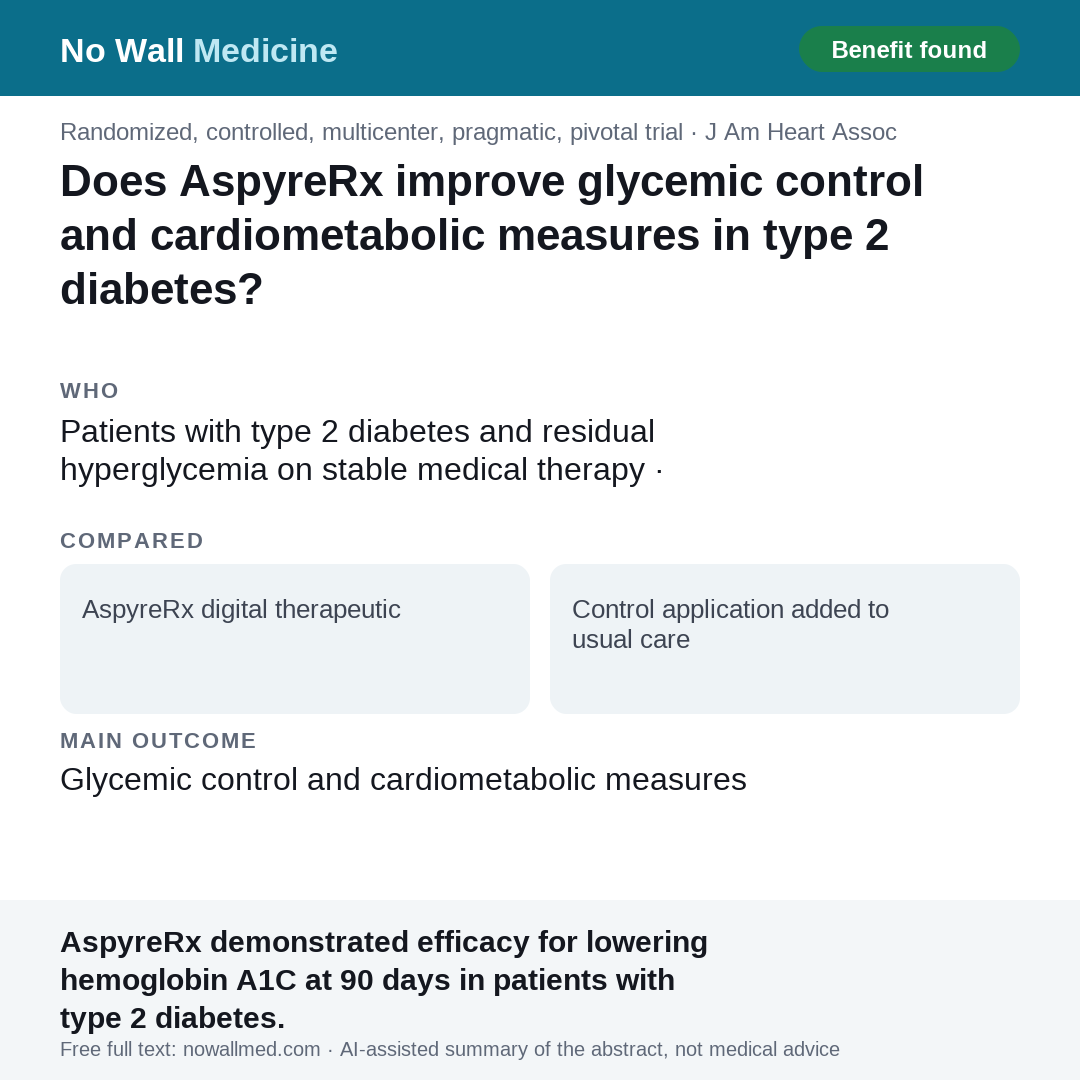
Digital Therapeutic Based Randomized Investigation to Improve Glycemic Control in Patients With Type 2 Diabetes and Residual Hyperglycemia on Stable Medical Therapy: Rationale, Design, and Baseline Characteristics of the BRIGHT Trial
Randomized, controlled, multicenter, pragmatic, pivotal trialBenefit found
Does AspyreRx improve glycemic control and cardiometabolic measures in type 2 diabetes?
Who
Patients with type 2 diabetes and residual hyperglycemia on stable medical therapy · Virtual, decentralized model with a diverse site mix
Compared
AspyreRx digital therapeutic
Control application added to usual care
Main outcome
Glycemic control and cardiometabolic measures
Bottom line: AspyreRx demonstrated efficacy for lowering hemoglobin A1C at 90 days in patients with type 2 diabetes.
Limitation: Long-term effects and effectiveness in a broader, more diverse real-world environment require further understanding.
J Am Heart Assoc · 2025-07-17Download image
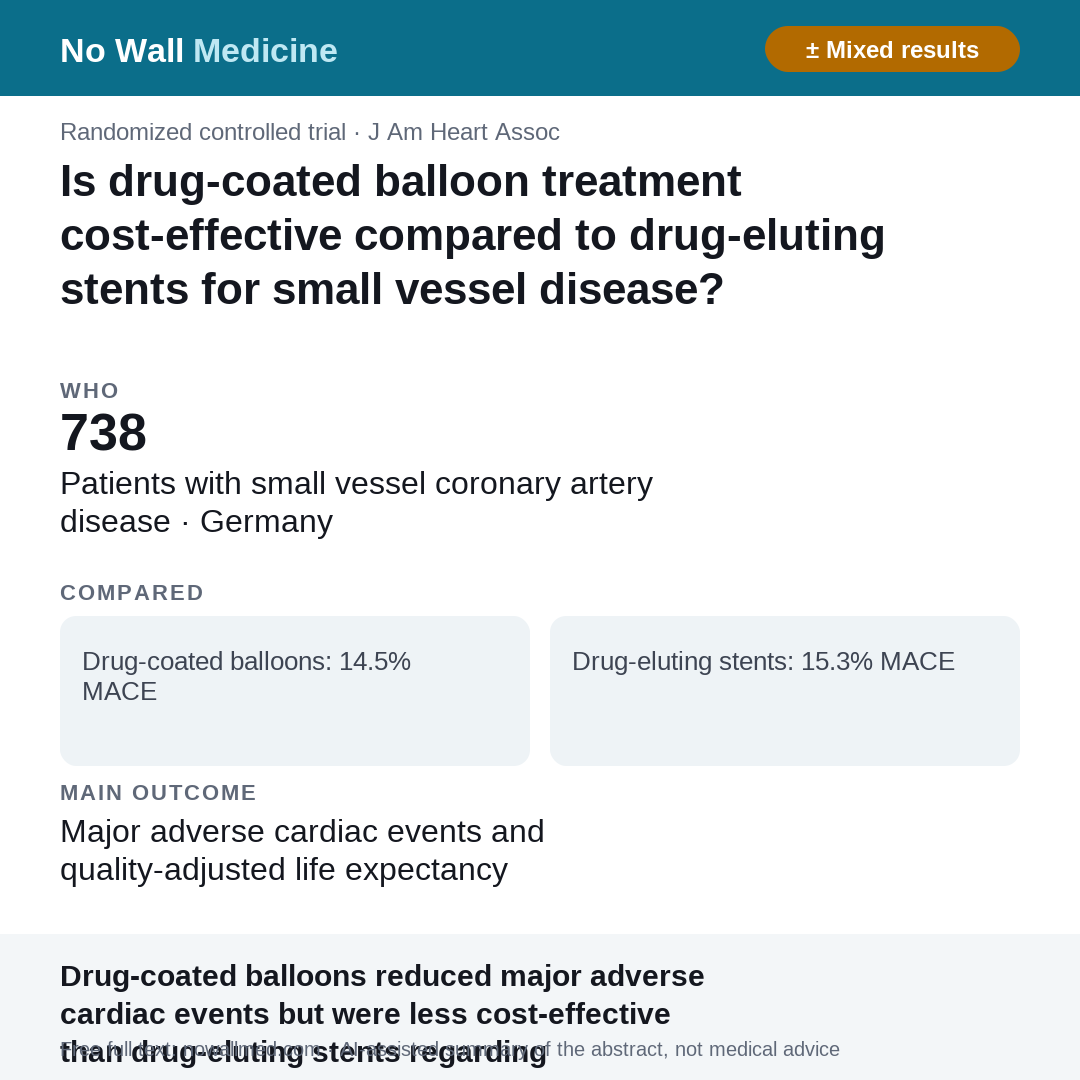
Cost-Effectiveness of Drug-Coated Balloons in the Treatment of Coronary Small Vessel Disease: A Report From the BASKET-SMALL 2 Randomized Controlled Trial
Randomized controlled trialMixed results
Is drug-coated balloon treatment cost-effective compared to drug-eluting stents for small vessel disease?
Who
738
Patients with small vessel coronary artery disease · Germany
Compared
Drug-coated balloons: 14.5% MACE
Drug-eluting stents: 15.3% MACE
Main outcome
Major adverse cardiac events and quality-adjusted life expectancy
Result: 6863 EUR per quality-adjusted life-year gained
Bottom line: Drug-coated balloons reduced major adverse cardiac events but were less cost-effective than drug-eluting stents regarding quality-adjusted life expectancy.
Limitation: Sensitivity analyses emphasized the uncertainty in the results.
J Am Heart Assoc · 2025-07-17Download image
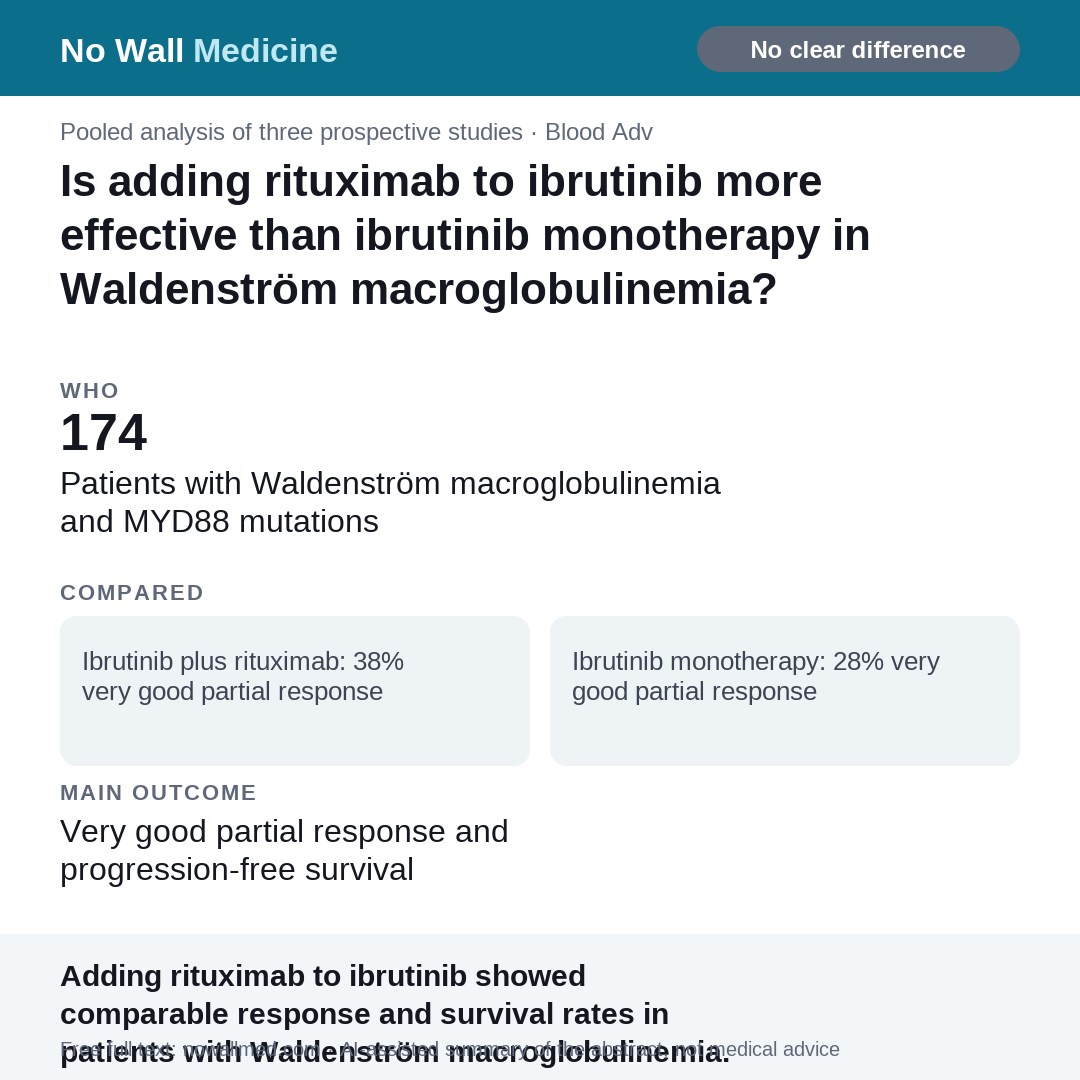
Ibrutinib plus rituximab vs ibrutinib monotherapy in patients with Waldenström macroglobulinemia: a pooled analysis
Pooled analysis of three prospective studiesNo clear difference
Is adding rituximab to ibrutinib more effective than ibrutinib monotherapy in Waldenström macroglobulinemia?
Who
174
Patients with Waldenström macroglobulinemia and MYD88 mutations
Compared
Ibrutinib plus rituximab: 38% very good partial response
Ibrutinib monotherapy: 28% very good partial response
Main outcome
Very good partial response and progression-free survival
Bottom line: Adding rituximab to ibrutinib showed comparable response and survival rates in patients with Waldenström macroglobulinemia.
Limitation: The benefit of adding rituximab remains unclear as no prospective trial has compared these two regimens.
Blood Adv · 2025-07-17Download image
Large language model integrations in cancer decision-making: a systematic review and meta-analysis
Systematic review and meta-analysisMixed results
How are large language models integrated and evaluated in cancer decision-making?
Who
56
Studies covering 15 cancer types
Compared
76.2%Overall accuracy
67.4%Diagnostic accuracy
Main outcome
Accuracy and appropriateness of large language models
Bottom line: Large language models show varying accuracy in oncology, but gaps in diagnostic performance and safety evaluations remain.
Limitation: Evaluations relied on quantitative datasets and automated methods without human graders.
NPJ Digit Med · 2025-07-17Download image

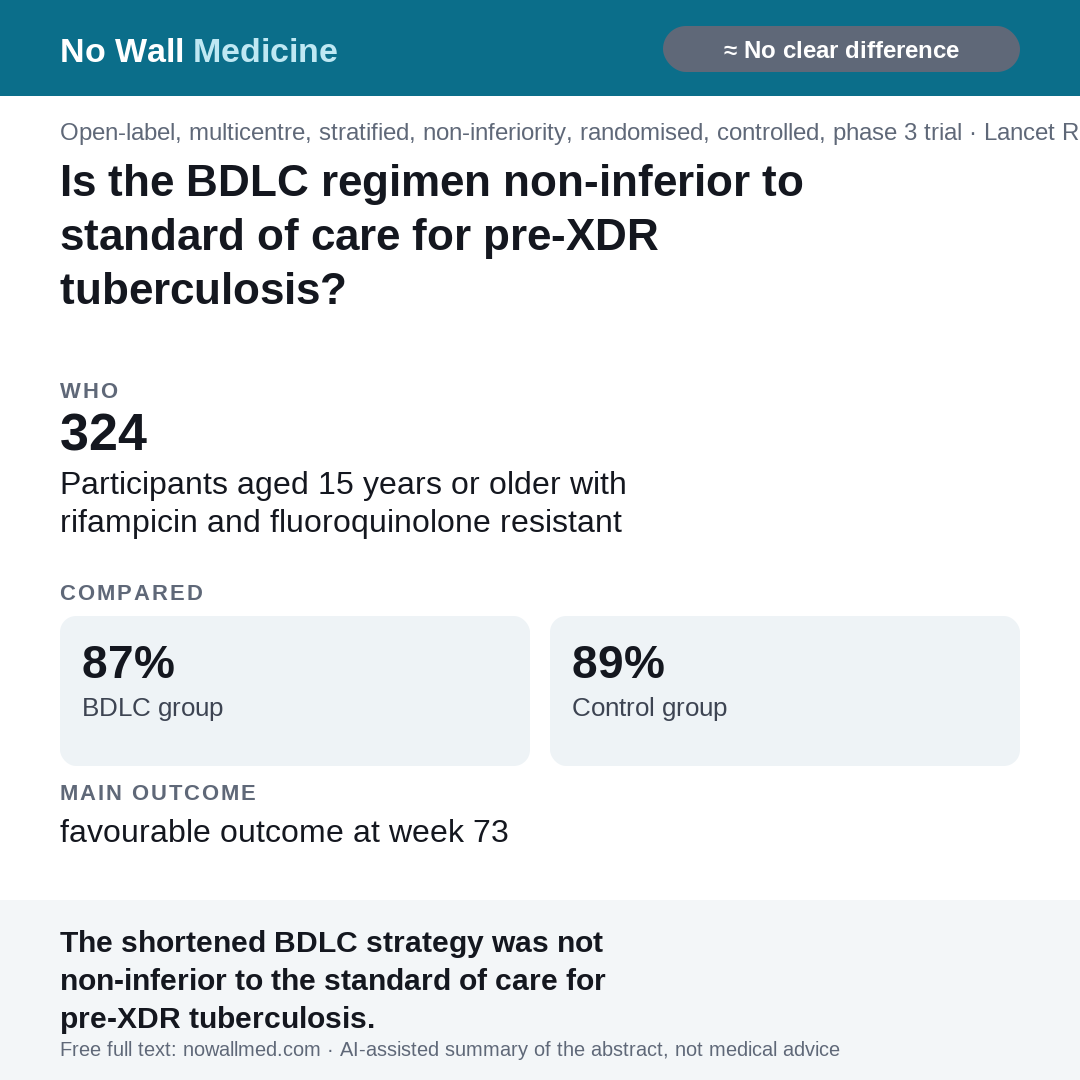
Bedaquiline, delamanid, linezolid, and clofazimine for rifampicin-resistant and fluoroquinolone-resistant tuberculosis (endTB-Q): an open-label, multicentre, stratified, non-inferiority, randomised, controlled, phase 3 trial
Open-label, multicentre, stratified, non-inferiority, randomised, controlled, phase 3 trialNo clear difference
Is the BDLC regimen non-inferior to standard of care for pre-XDR tuberculosis?
Who
324
Participants aged 15 years or older with rifampicin and fluoroquinolone resistant pulmonary tuberculosis · Ten hospitals in India, Kazakhstan, Lesotho, Pakistan, Peru, and Viet Nam
Compared
87%BDLC group (141/163)
89%Control group (75/84)
Main outcome
favourable outcome at week 73
Result: adjusted risk difference 0.2% (95% CI -9.1 to 9.5)
Bottom line: The shortened BDLC strategy was not non-inferior to the standard of care for pre-XDR tuberculosis.
Limitation: Overall non-inferiority was not shown.
Funded by: Unitaid, Médecins Sans Frontières, Partners In Health, and others
Lancet Respir Med · 2025-07-16Download image
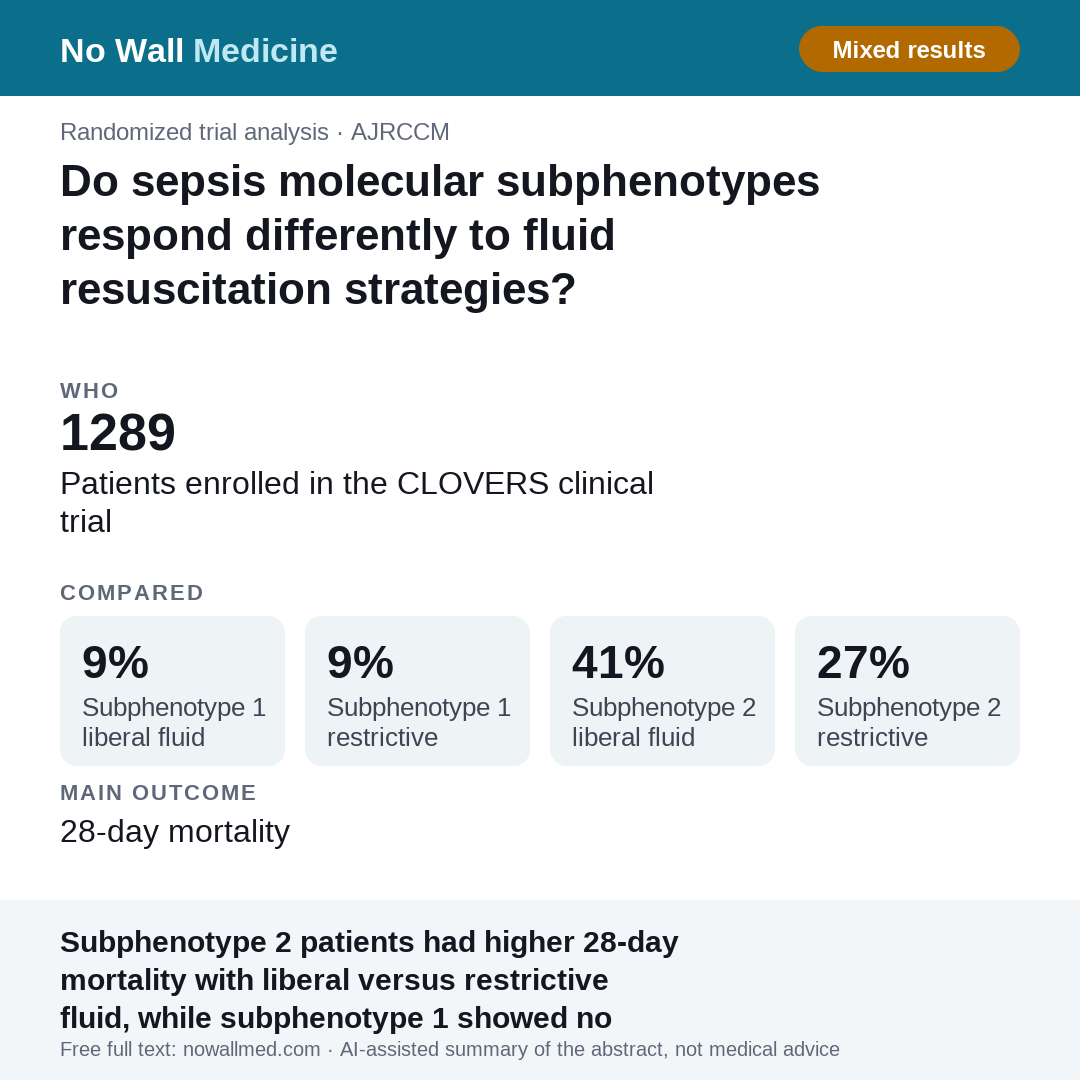
Molecular Phenotyping of Sepsis and Differential Response to Fluid Resuscitation
Randomized trial analysisMixed results
Do sepsis molecular subphenotypes respond differently to fluid resuscitation strategies?
Who
1289
Patients enrolled in the CLOVERS clinical trial
Compared
9%Subphenotype 1 liberal fluid
9%Subphenotype 1 restrictive fluid
41%Subphenotype 2 liberal fluid
27%Subphenotype 2 restrictive fluid
Main outcome
28-day mortality
Result: P value for interaction = 0.02
Bottom line: Subphenotype 2 patients had higher 28-day mortality with liberal versus restrictive fluid, while subphenotype 1 showed no difference.
AJRCCM · 2025-07-16Download image
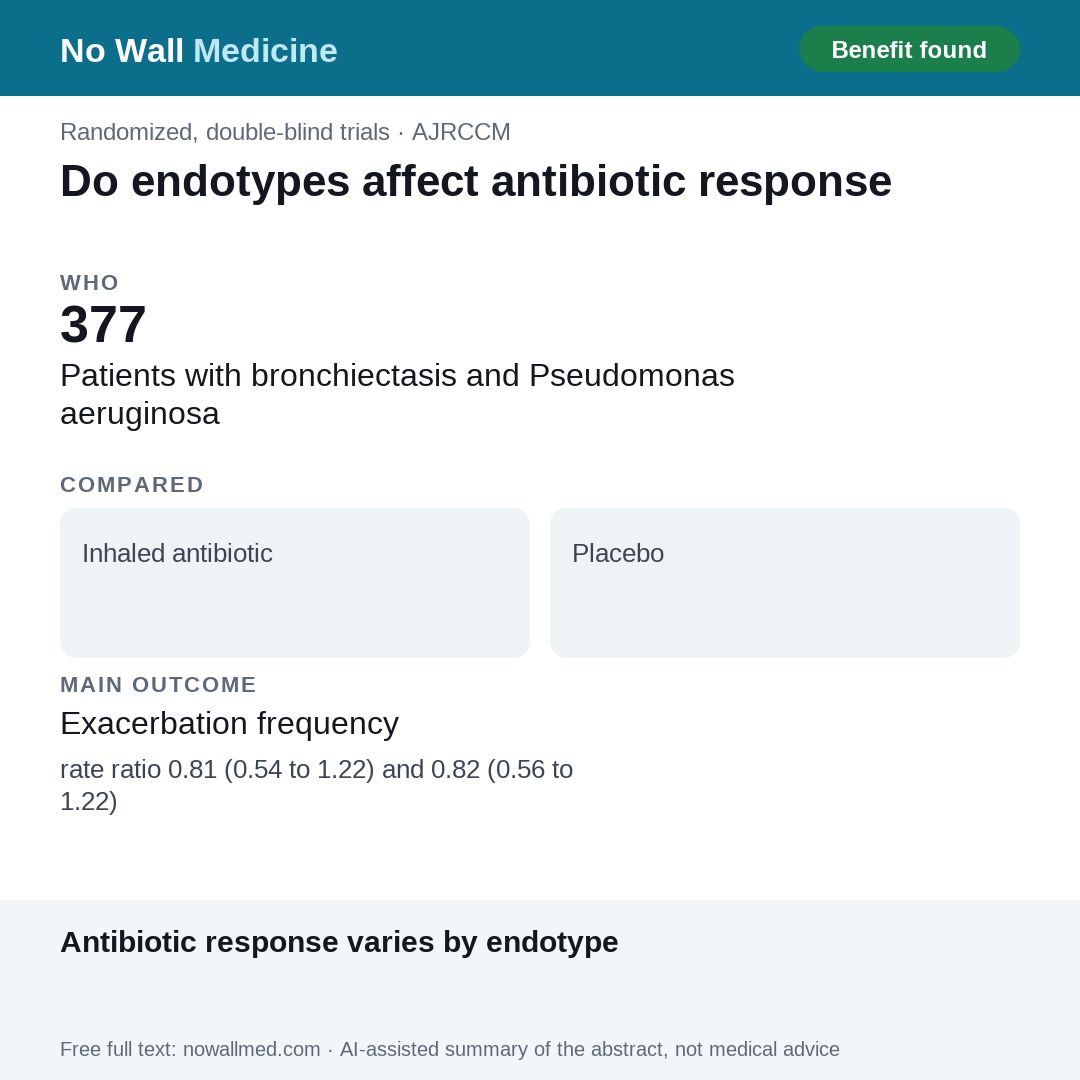
Endotypes of Pseudomonas aeruginosa Infection in Bronchiectasis Are Associated with Inhaled Antibiotic Response: Results from Two Randomized, Double-Blind, Placebo-controlled Phase III Trials (ORBIT 3 and ORBIT 4)
Randomized, double-blind trialsBenefit found
Do endotypes affect antibiotic response
Who
377
Patients with bronchiectasis and Pseudomonas aeruginosa
Compared
Inhaled antibiotic
Placebo
Main outcome
Exacerbation frequency
Result: rate ratio 0.81 (0.54 to 1.22) and 0.82 (0.56 to 1.22)
Bottom line: Antibiotic response varies by endotype
AJRCCM · 2025-07-16Download image
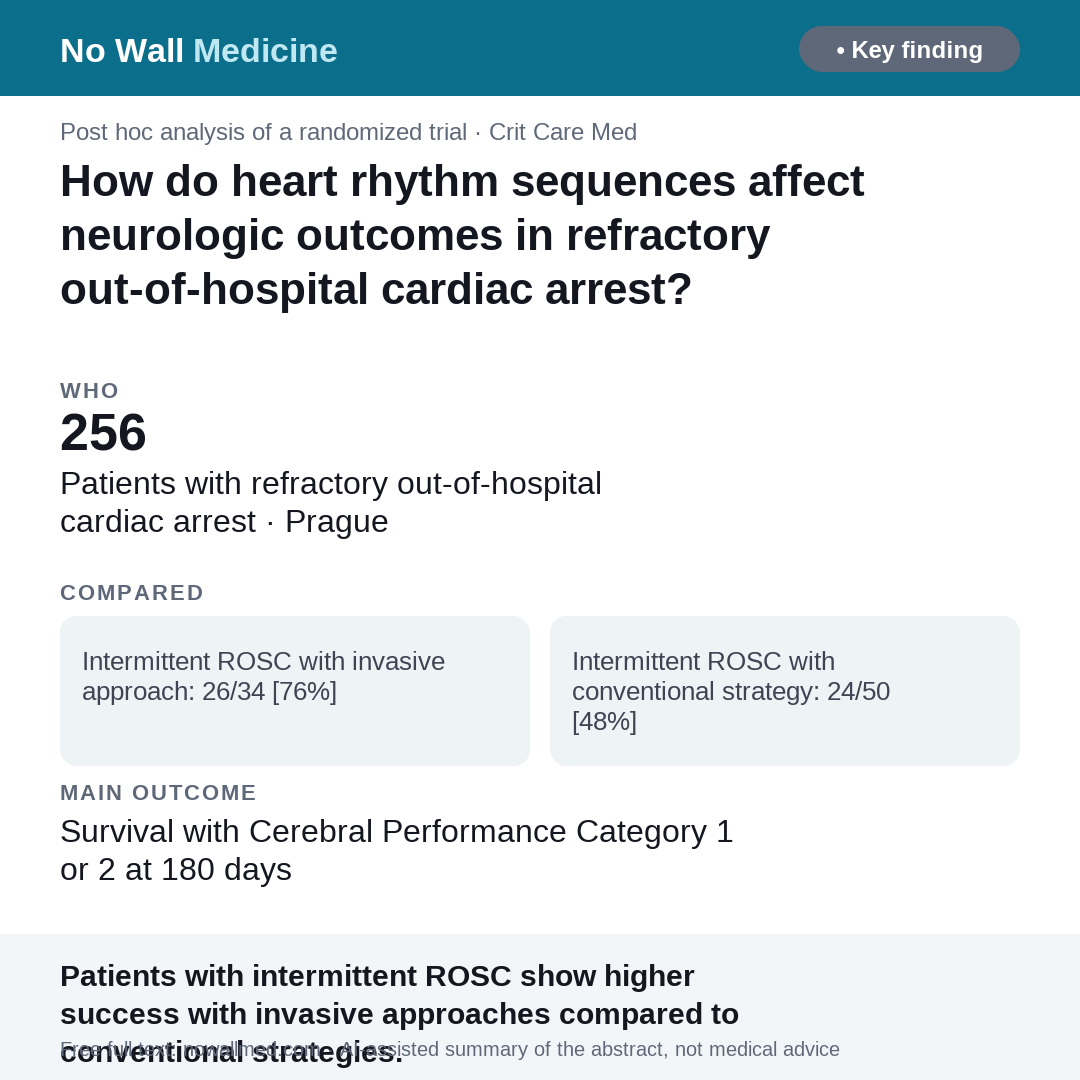
Cardiac Rhythm Conversions and the Outcome in Refractory Out-of-Hospital Cardiac Arrest: Extracorporeal Versus Conventional Resuscitation
Post hoc analysis of a randomized trialBenefit found
How do heart rhythm sequences affect neurologic outcomes in refractory out-of-hospital cardiac arrest?
Who
256
Patients with refractory out-of-hospital cardiac arrest · Prague
Compared
Intermittent ROSC with invasive approach: 26/34 [76%]
Intermittent ROSC with conventional strategy: 24/50 [48%]
Main outcome
Survival with Cerebral Performance Category 1 or 2 at 180 days
Bottom line: Patients with intermittent ROSC show higher success with invasive approaches compared to conventional strategies.
Crit Care Med · 2025-07-16Download image
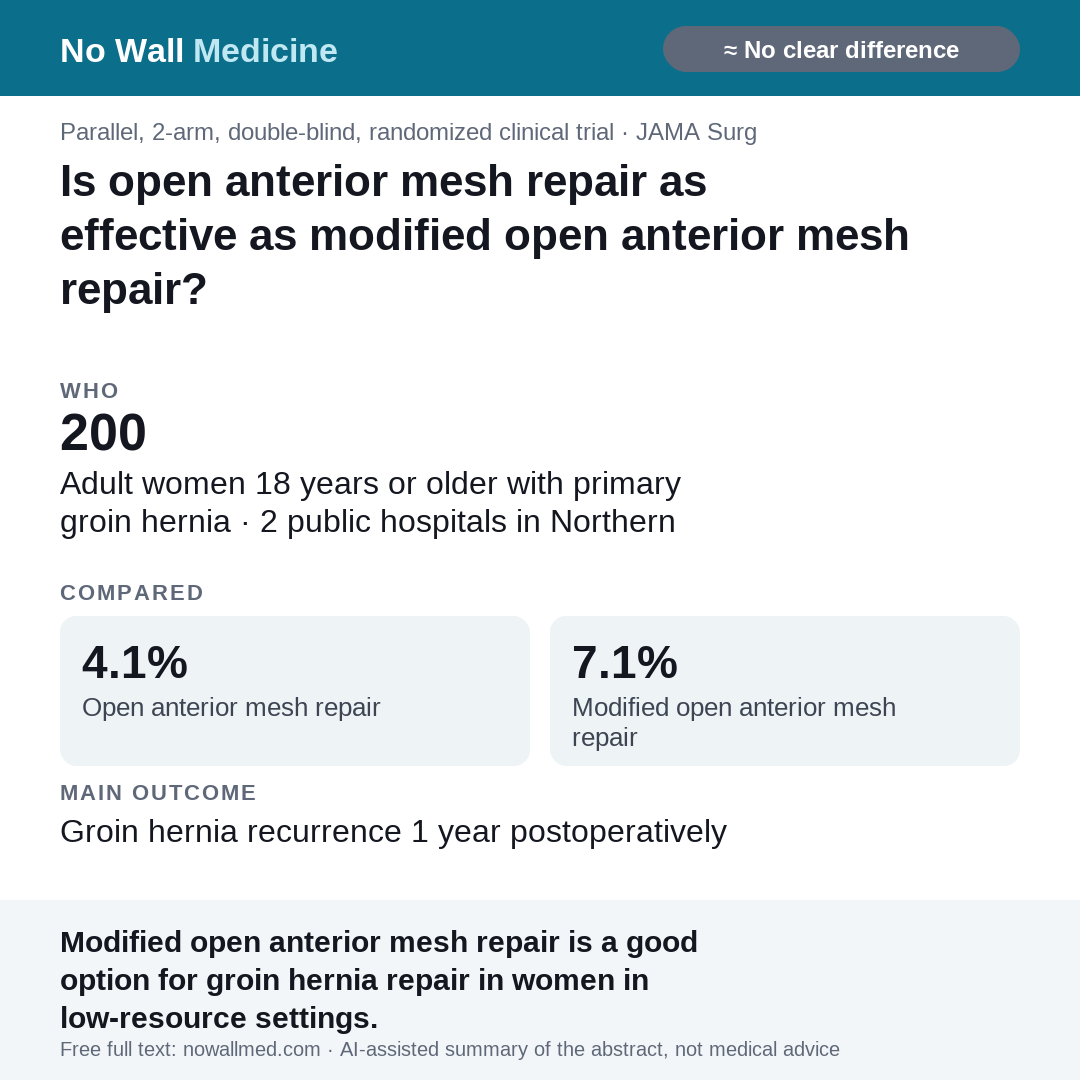
Open Anterior Mesh Repair vs Modified Open Anterior Mesh Repair for Groin Hernia in Women: A Randomized Clinical Trial
Parallel, 2-arm, double-blind, randomized clinical trialNo clear difference
Is open anterior mesh repair as effective as modified open anterior mesh repair?
Who
200
Adult women 18 years or older with primary groin hernia · 2 public hospitals in Northern Uganda, East Africa
Compared
4.1%Open anterior mesh repair (4/97)
7.1%Modified open anterior mesh repair (7/98)
Main outcome
Groin hernia recurrence 1 year postoperatively
Result: absolute difference -3.0 percentage points (95% CI, -9.5 to 3.4)
Bottom line: Modified open anterior mesh repair is a good option for groin hernia repair in women in low-resource settings.
JAMA Surg · 2025-07-16Download image
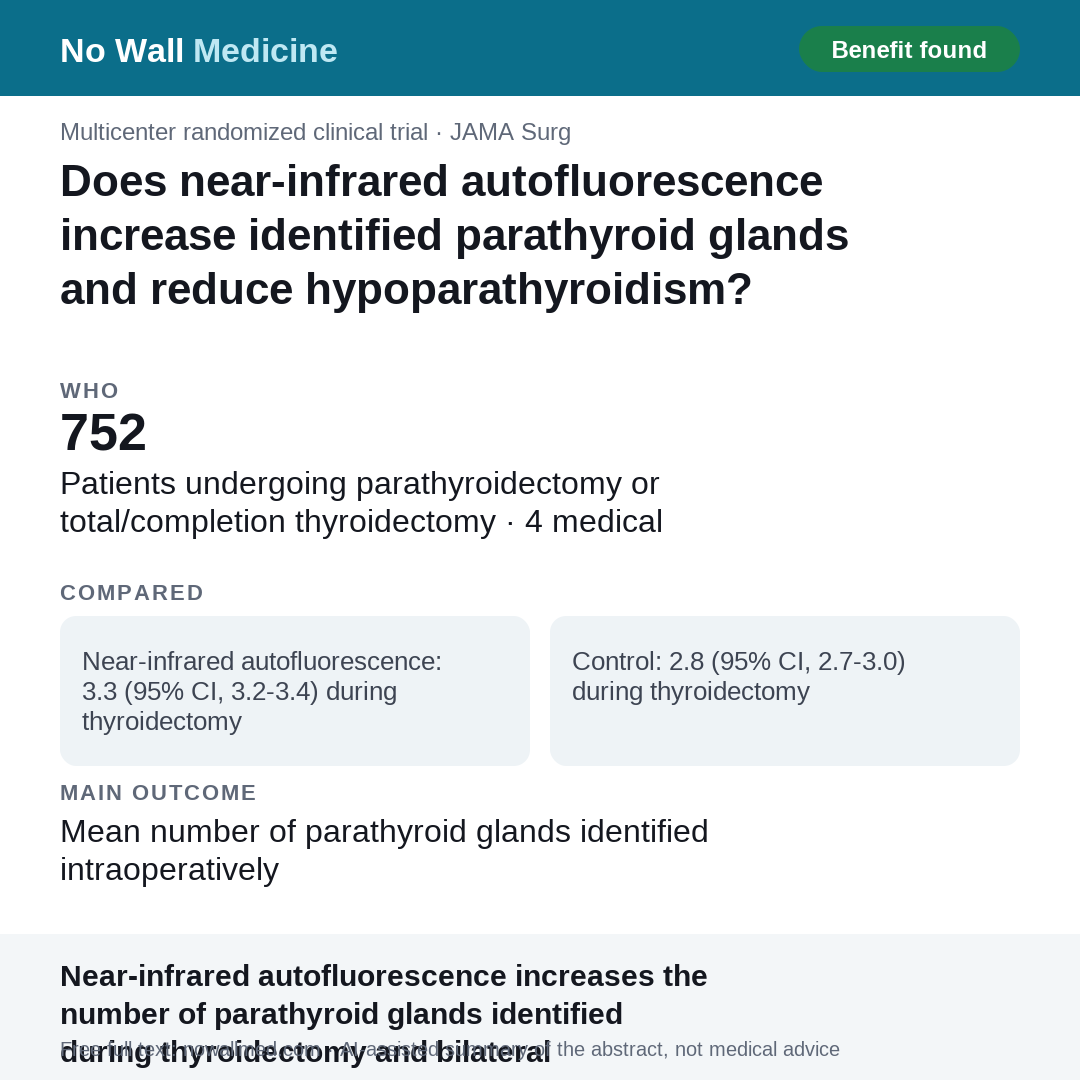
Near-Infrared Autofluorescence for Parathyroid Detection During Endocrine Neck Surgery: A Randomized Clinical Trial
Multicenter randomized clinical trialBenefit found
Does near-infrared autofluorescence increase identified parathyroid glands and reduce hypoparathyroidism?
Who
752
Patients undergoing parathyroidectomy or total/completion thyroidectomy · 4 medical centers in the United States
Compared
Near-infrared autofluorescence: 3.3 (95% CI, 3.2-3.4) during thyroidectomy
Control: 2.8 (95% CI, 2.7-3.0) during thyroidectomy
Main outcome
Mean number of parathyroid glands identified intraoperatively
Result: not specified for all subgroups
Bottom line: Near-infrared autofluorescence increases the number of parathyroid glands identified during thyroidectomy and bilateral exploration parathyroidectomy.
JAMA Surg · 2025-07-16Download image
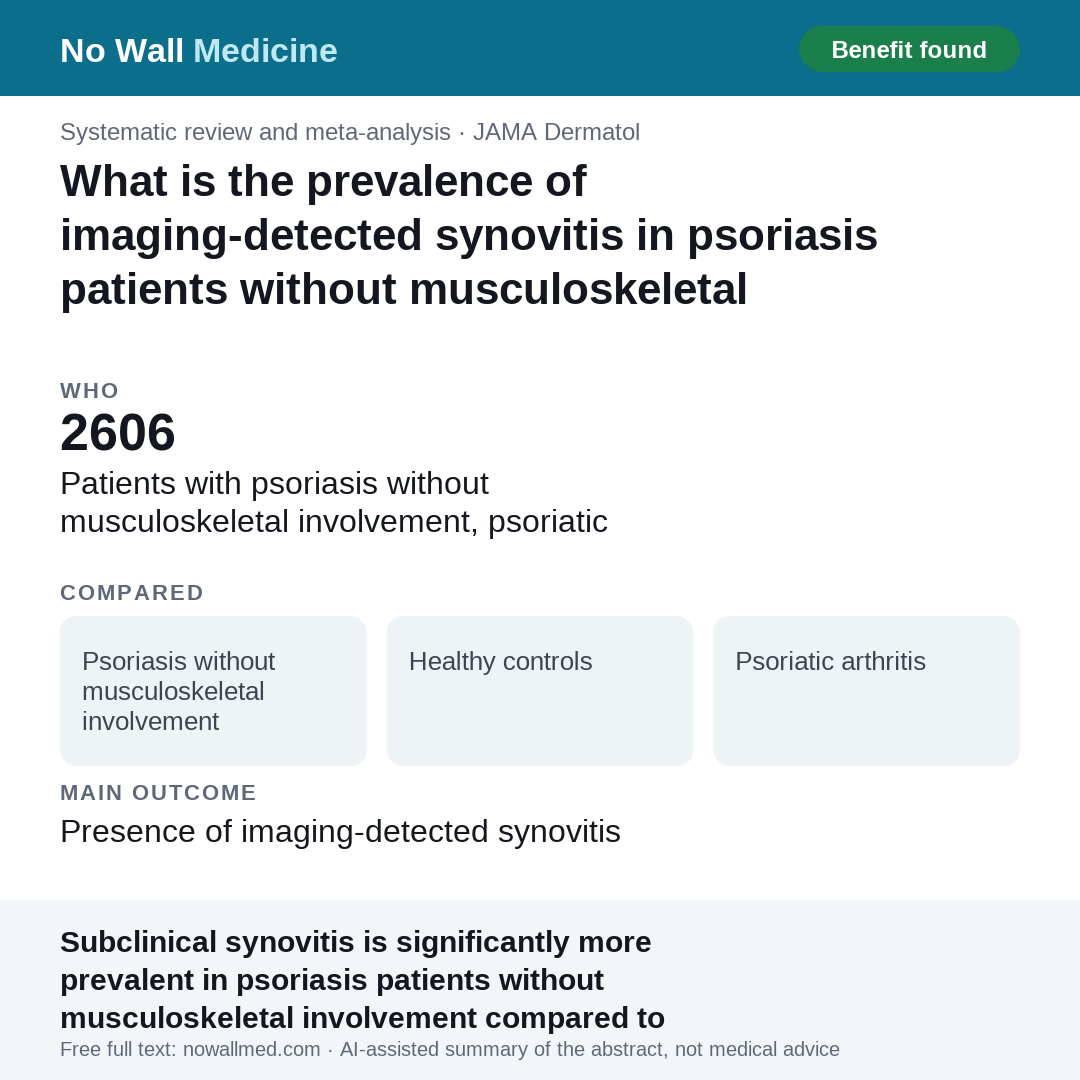
Subclinical Synovitis Among Patients With Psoriasis Without Musculoskeletal Involvement: A Systematic Review and Meta-Analysis
Systematic review and meta-analysisBenefit found
What is the prevalence of imaging-detected synovitis in psoriasis patients without musculoskeletal involvement?
Who
2606
Patients with psoriasis without musculoskeletal involvement, psoriatic arthritis, and healthy controls
Compared
Psoriasis without musculoskeletal involvement
Healthy controls
Psoriatic arthritis
Main outcome
Presence of imaging-detected synovitis
Result: risk ratio 2.55 (95% CI 1.18-5.52) for psoriasis versus controls
Bottom line: Subclinical synovitis is significantly more prevalent in psoriasis patients without musculoskeletal involvement compared to healthy controls.
JAMA Dermatol · 2025-07-16Download image
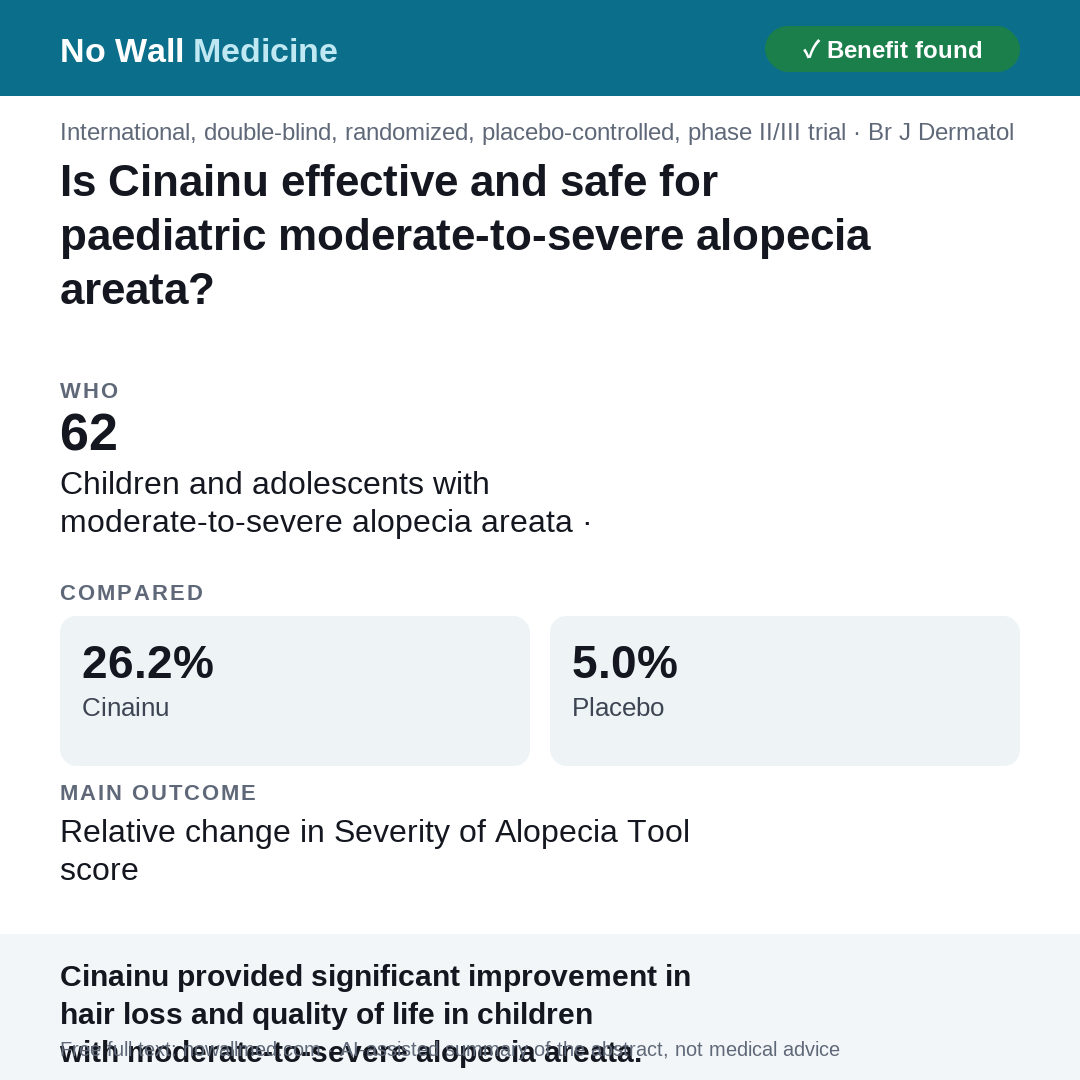
Efficacy and safety of Cinainu in paediatric alopecia areata: an international, double-blind, randomized, placebo-controlled, phase II/III trial
International, double-blind, randomized, placebo-controlled, phase II/III trialBenefit found
Is Cinainu effective and safe for paediatric moderate-to-severe alopecia areata?
Who
62
Children and adolescents with moderate-to-severe alopecia areata · International
Compared
26.2%Cinainu
5.0%Placebo
Main outcome
Relative change in Severity of Alopecia Tool score
Result: adjusted mean difference +26.3% (95% CI 0.1-52.5)
Bottom line: Cinainu provided significant improvement in hair loss and quality of life in children with moderate-to-severe alopecia areata.
Br J Dermatol · 2025-07-16Download image
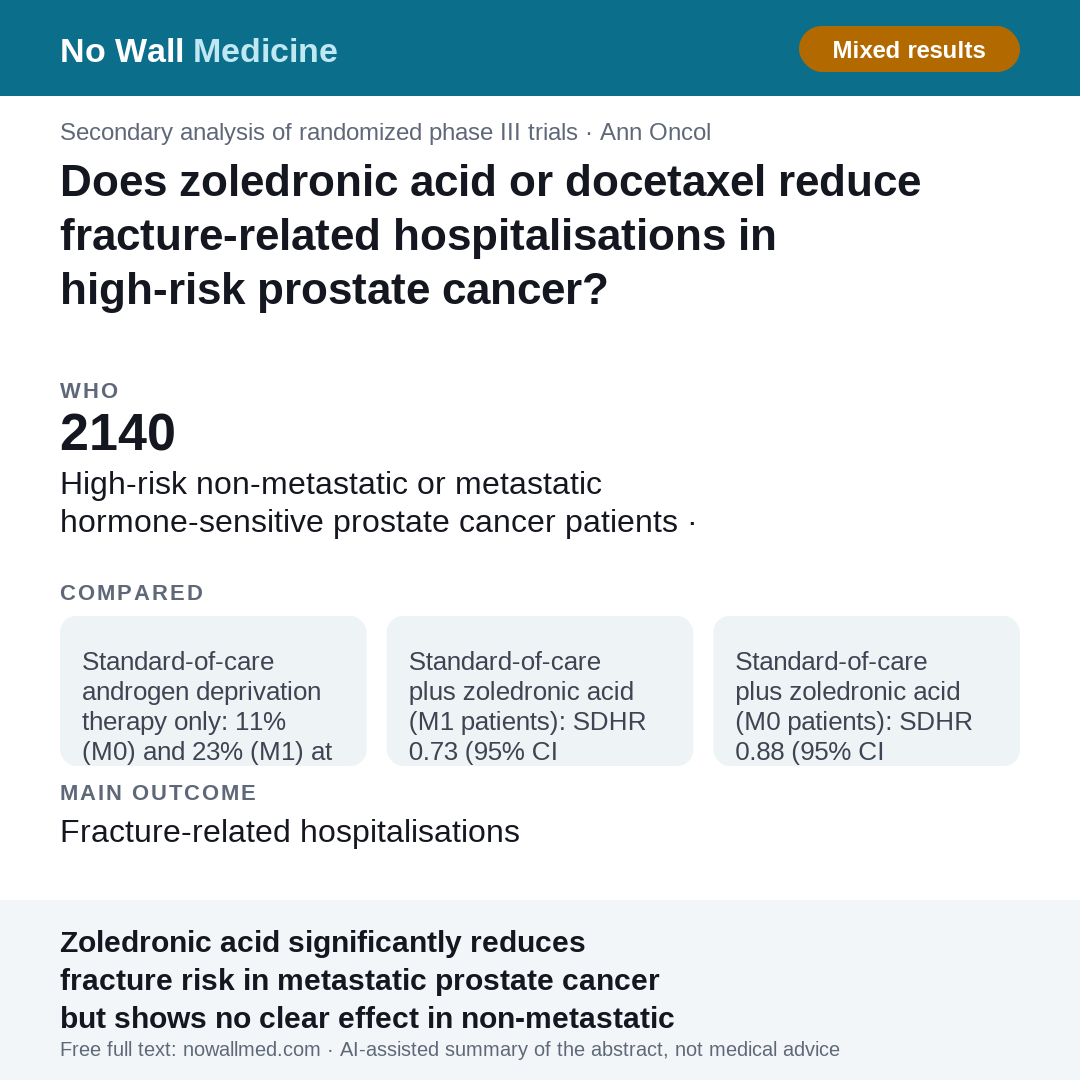
Fracture-related hospitalisations in newly diagnosed high-risk localised or metastatic hormone-sensitive prostate cancer: secondary analysis of the STAMPEDE phase III trials of docetaxel and zoledronic acid using healthcare systems data
Secondary analysis of randomized phase III trialsMixed results
Does zoledronic acid or docetaxel reduce fracture-related hospitalisations in high-risk prostate cancer?
Who
2140
High-risk non-metastatic or metastatic hormone-sensitive prostate cancer patients · England
Compared
Standard-of-care androgen deprivation therapy only: 11% (M0) and 23% (M1) at 5 years
Standard-of-care plus zoledronic acid (M1 patients): SDHR 0.73 (95% CI 0.55-0.97)
Standard-of-care plus zoledronic acid (M0 patients): SDHR 0.88 (95% CI 0.59-1.32)
Main outcome
Fracture-related hospitalisations
Result: SDHR 0.73 (95% CI 0.55-0.97) for zoledronic acid in M1 patients
Bottom line: Zoledronic acid significantly reduces fracture risk in metastatic prostate cancer but shows no clear effect in non-metastatic disease.
Limitation: Linked data were available for 96% of eligible patients
Ann Oncol · 2025-07-16Download image
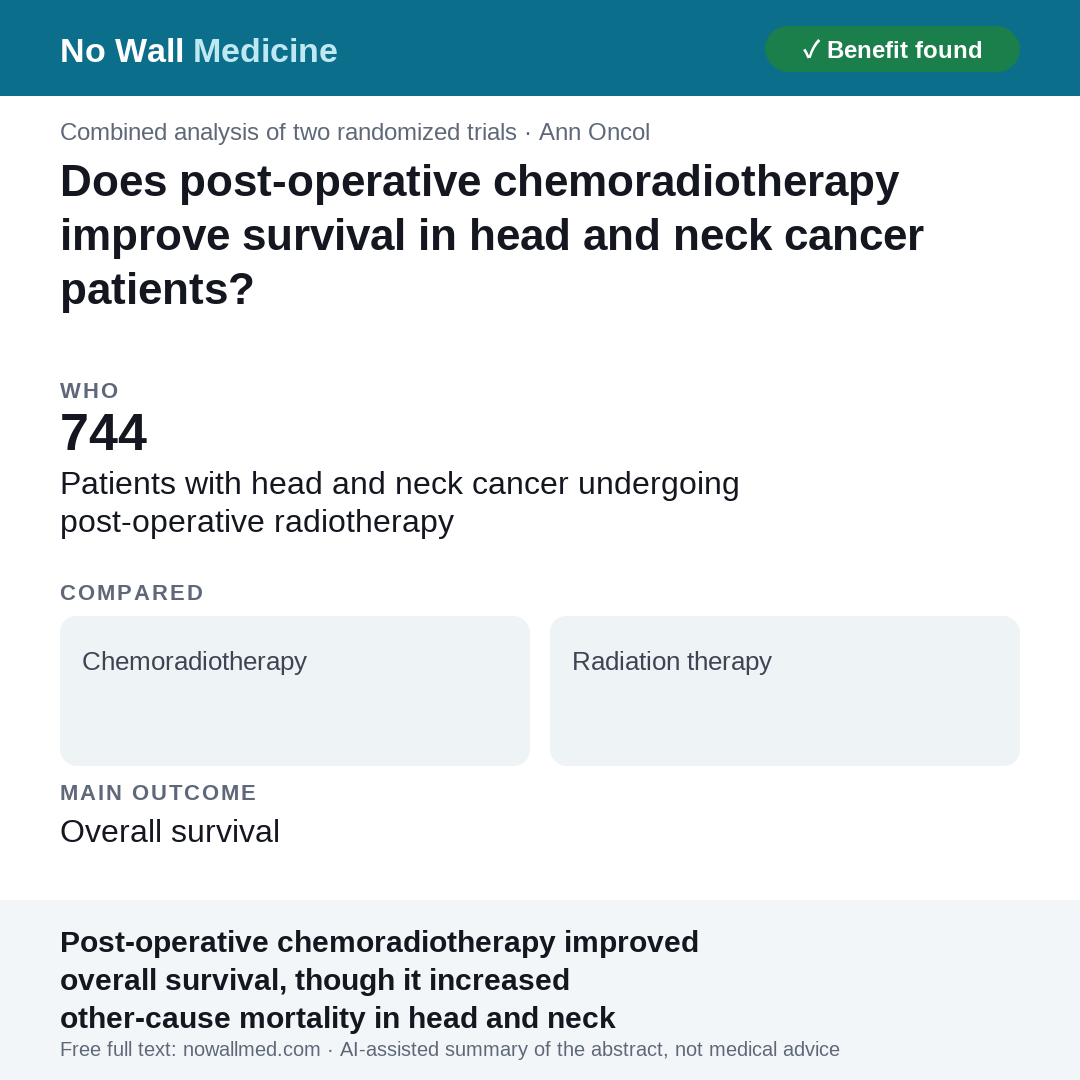
Re-examining post-operative chemoradiotherapy in head and neck cancer: an updated long-term combined analysis of RTOG 9501/EORTC 22931
Combined analysis of two randomized trialsBenefit found
Does post-operative chemoradiotherapy improve survival in head and neck cancer patients?
Who
744
Patients with head and neck cancer undergoing post-operative radiotherapy
Compared
Chemoradiotherapy
Radiation therapy
Main outcome
Overall survival
Result: hazard ratio 0.81 (95% CI 0.68-0.97)
Bottom line: Post-operative chemoradiotherapy improved overall survival, though it increased other-cause mortality in head and neck cancer patients.
Limitation: Tests of interaction showed no evidence of differential effect in subgroups with extranodal extension or positive margins.
Ann Oncol · 2025-07-16Download image
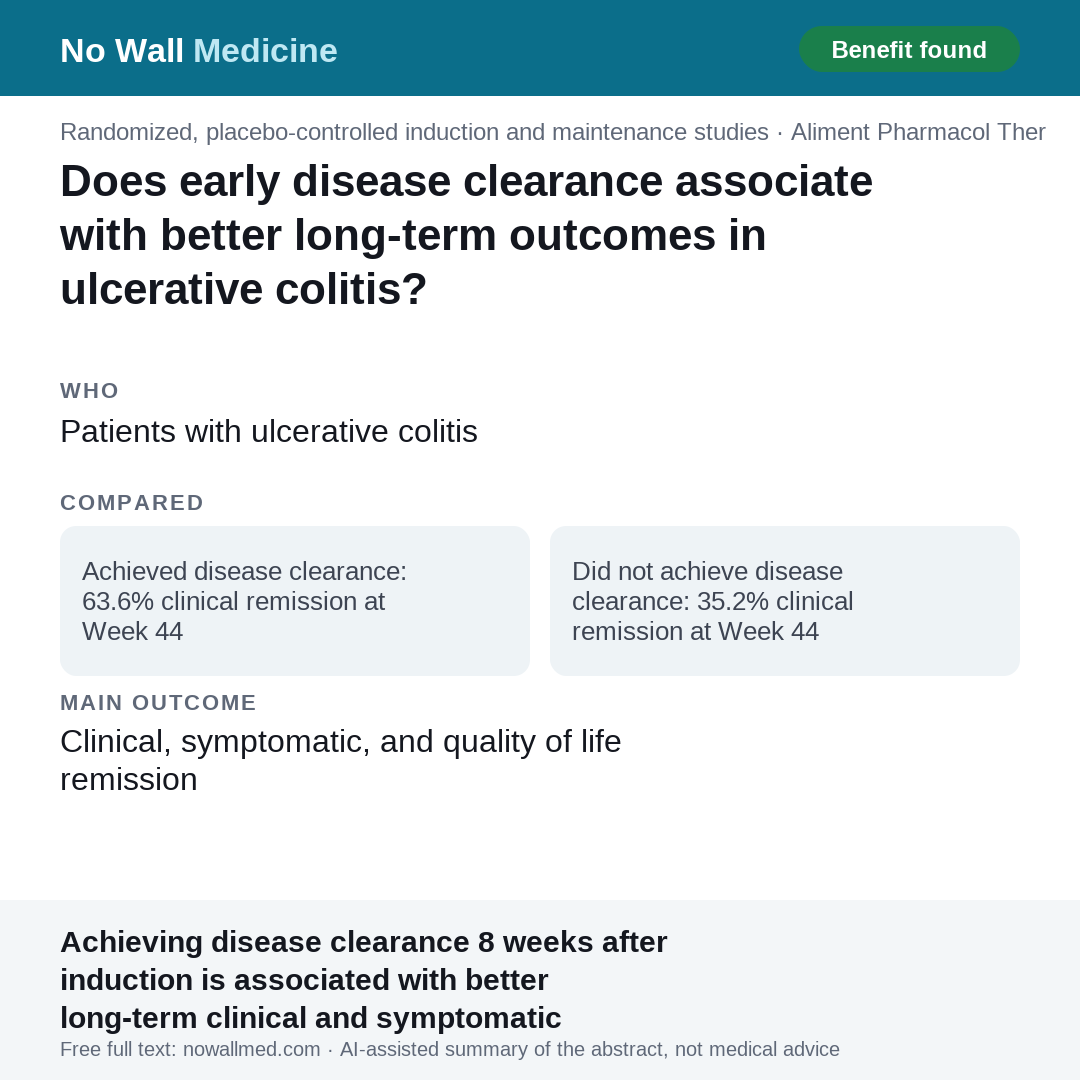
Clinical Trial: Association Between Early Disease Clearance and Long-Term Outcomes-4-Year Results From the Phase 3 UNIFI Study of Ustekinumab in Ulcerative Colitis
Randomized, placebo-controlled induction and maintenance studiesBenefit found
Does early disease clearance associate with better long-term outcomes in ulcerative colitis?
Who
Patients with ulcerative colitis
Compared
Achieved disease clearance: 63.6% clinical remission at Week 44
Did not achieve disease clearance: 35.2% clinical remission at Week 44
Main outcome
Clinical, symptomatic, and quality of life remission
Bottom line: Achieving disease clearance 8 weeks after induction is associated with better long-term clinical and symptomatic remission.
Aliment Pharmacol Ther · 2025-07-16Download image
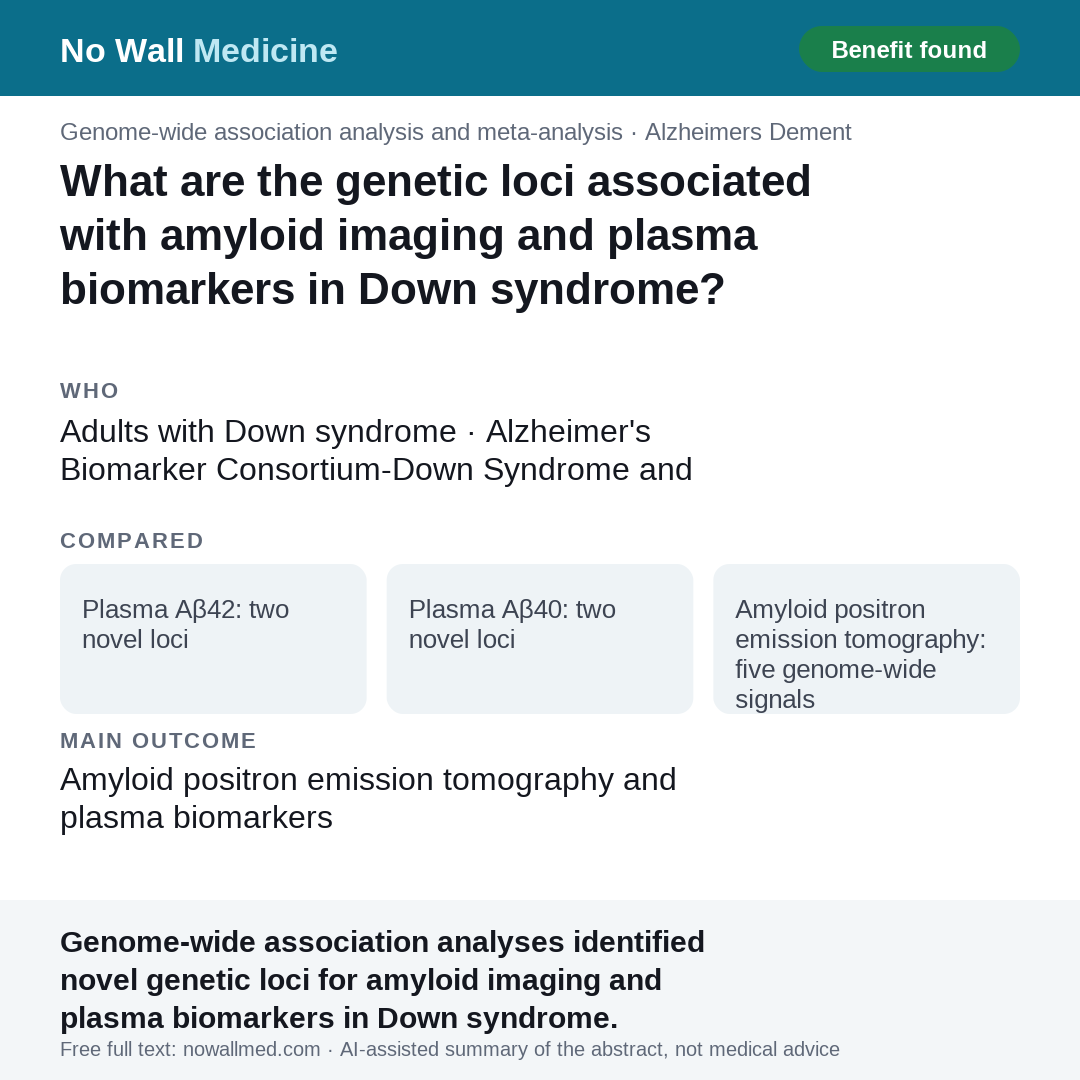
Genome-wide association analyses identify candidate loci for amyloid imaging and plasma biomarkers in adults with Down syndrome
Genome-wide association analysis and meta-analysisBenefit found
What are the genetic loci associated with amyloid imaging and plasma biomarkers in Down syndrome?
Who
Adults with Down syndrome · Alzheimer's Biomarker Consortium-Down Syndrome and independent cohort
Compared
Plasma Aβ42: two novel loci
Plasma Aβ40: two novel loci
Amyloid positron emission tomography: five genome-wide signals
Main outcome
Amyloid positron emission tomography and plasma biomarkers
Bottom line: Genome-wide association analyses identified novel genetic loci for amyloid imaging and plasma biomarkers in Down syndrome.
Limitation: Small sample size
Alzheimers Dement · 2025-07-16Download image
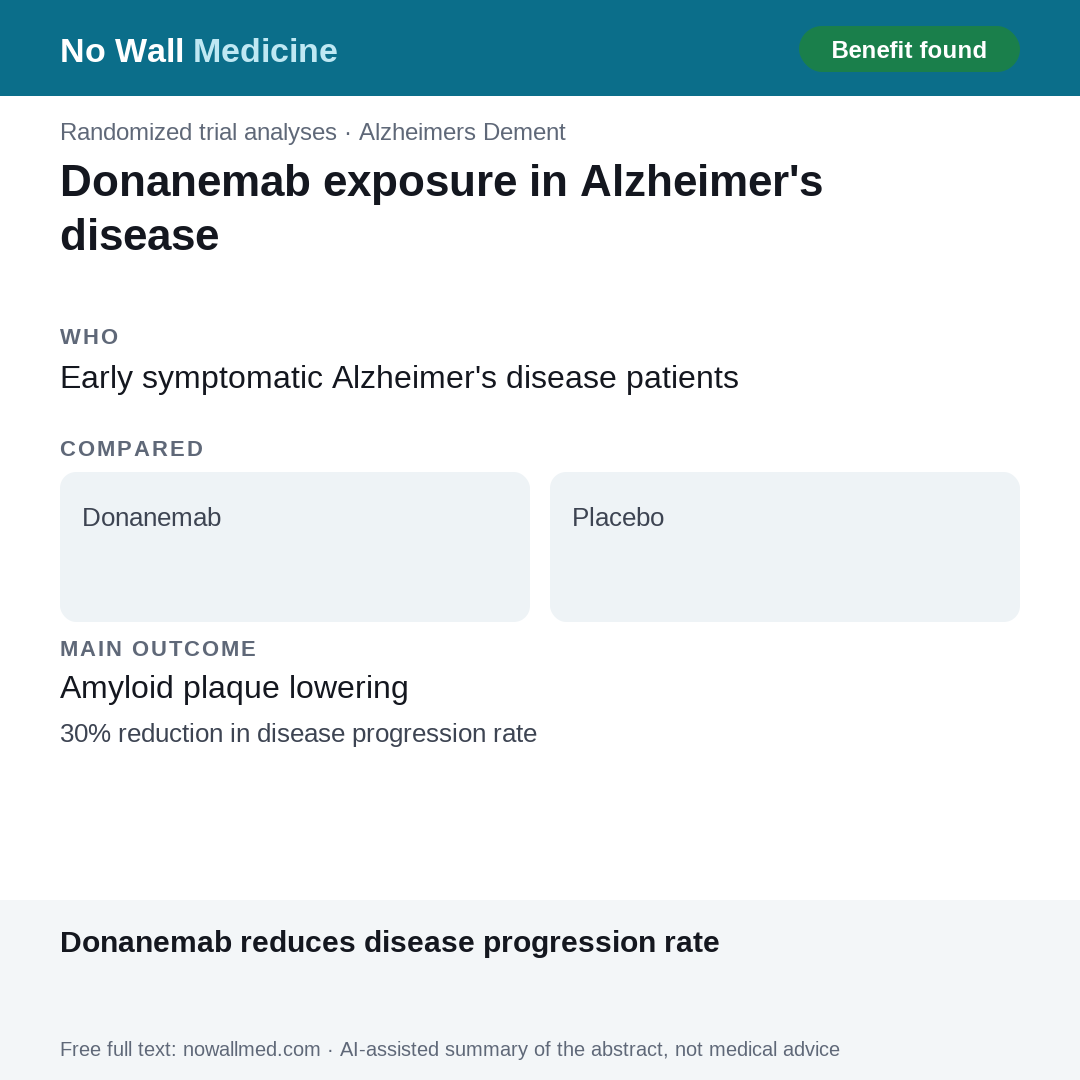
Donanemab exposure-response in early symptomatic Alzheimer's disease
Randomized trial analysesBenefit found
Donanemab exposure in Alzheimer's disease
Who
Early symptomatic Alzheimer's disease patients
Compared
Donanemab
Placebo
Main outcome
Amyloid plaque lowering
Result: 30% reduction in disease progression rate
Bottom line: Donanemab reduces disease progression rate
Alzheimers Dement · 2025-07-16Download image