Visual abstracts
New randomized trials and meta-analyses from leading journals at a glance: who was studied, what was compared, and what was found. Every paper is free to read in full.
All specialtiesCardiology 4877Oncology 4138Gastroenterology & Hepatology 1942Infectious Disease 3837Neurology 1905Psychiatry & Mental Health 2273Pulmonology 2143Critical Care 1365Endocrinology & Diabetes 2580Pediatrics 2980Surgery 2559Orthopedics & Sports Medicine 931Neurosurgery 537Cardiothoracic & Vascular Surgery 674Plastic & Reconstructive Surgery 591Nephrology 1133Rheumatology 823Hematology 1109Dermatology 621Ophthalmology 543Obstetrics & Gynecology 1686Public & Global Health 1058Radiology & Imaging 648Anesthesiology 986Urology 764ENT (Otolaryngology) 503Emergency Medicine 511Allergy & Immunology 313Geriatrics 981Family Medicine & Primary Care 562Medical Genetics & Genomics 676Pathology & Laboratory Medicine 159Physical Medicine & Rehabilitation 757Palliative Care 444Nutrition 1588Digital Health & AI 2201General Medicine 321
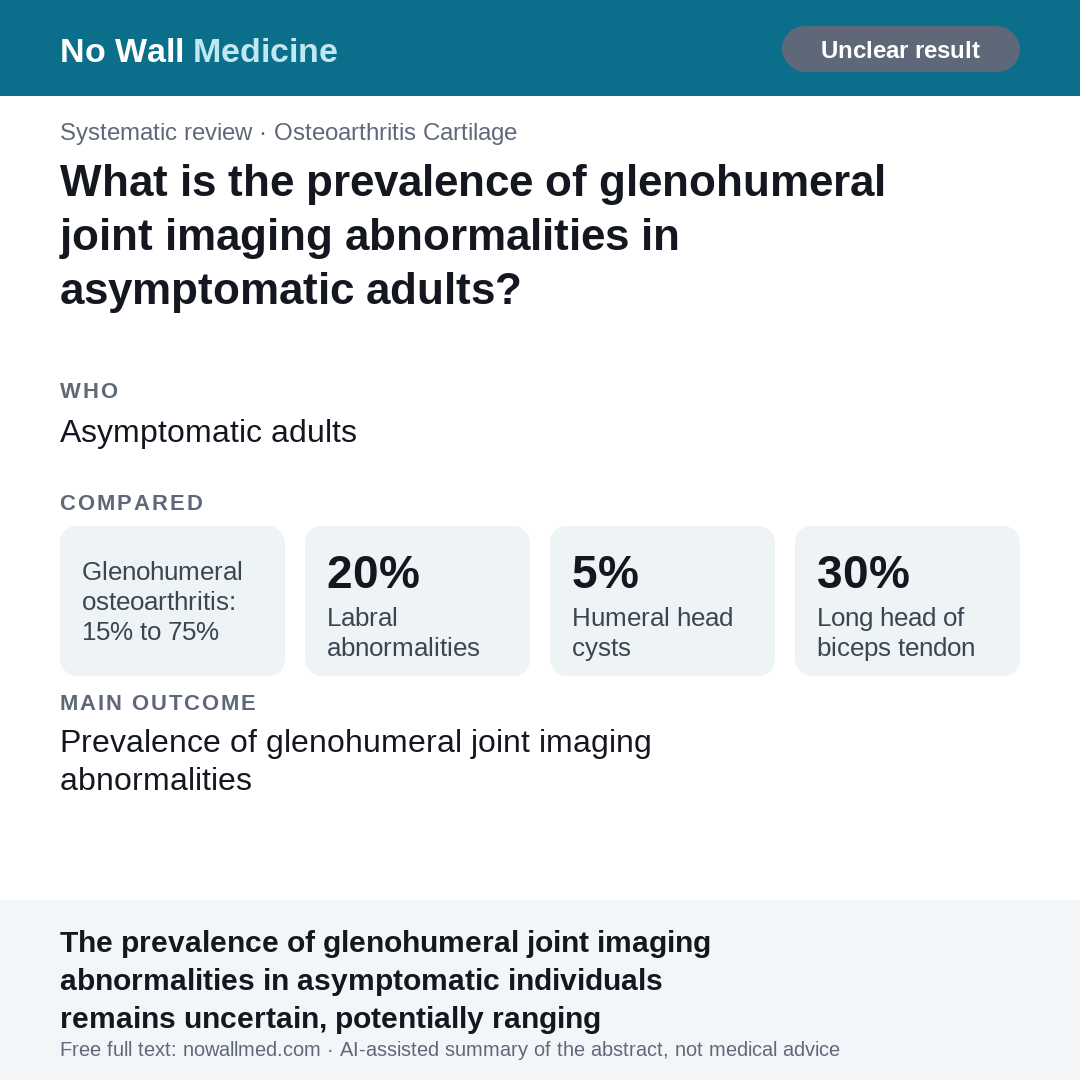
Systematic Review of Shoulder Imaging Abnormalities in Asymptomatic Adult Shoulders (SCRUTINY): Abnormalities of the glenohumeral joint
Systematic reviewUnclear result
What is the prevalence of glenohumeral joint imaging abnormalities in asymptomatic adults?
Who
Asymptomatic adults
Compared
Glenohumeral osteoarthritis: 15% to 75%
20%Labral abnormalities
5%Humeral head cysts
30%Long head of biceps tendon abnormalities
Main outcome
Prevalence of glenohumeral joint imaging abnormalities
Bottom line: The prevalence of glenohumeral joint imaging abnormalities in asymptomatic individuals remains uncertain, potentially ranging between 30% and 75%.
Limitation: All included studies were judged to be at high risk of bias.
Osteoarthritis Cartilage · 2024-06-12Download image
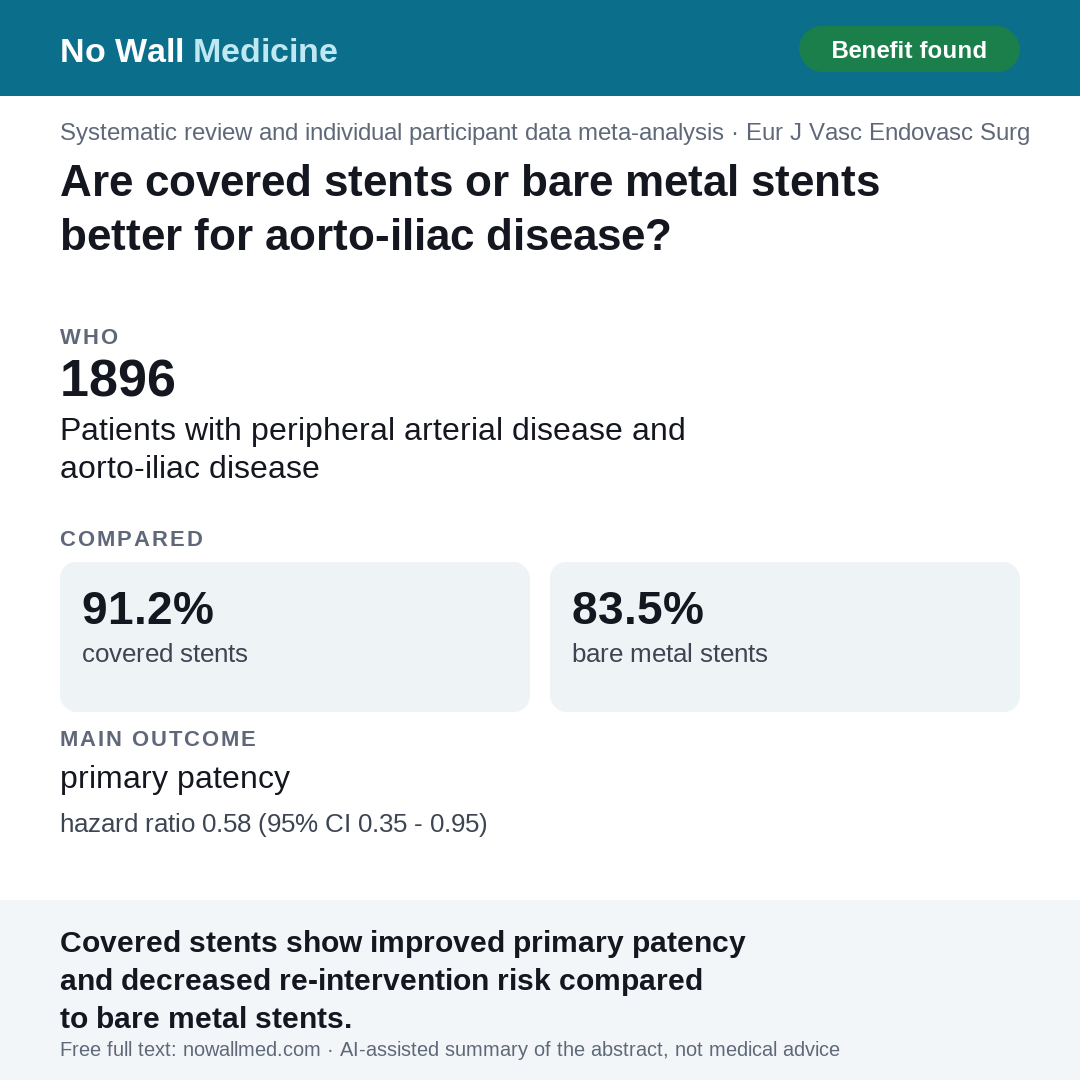
Editor's Choice - Covered Stents Versus Bare Metal Stents in the Treatment of Aorto-iliac Disease: A Systematic Review and Individual Participant Data Meta-analysis
Systematic review and individual participant data meta-analysisBenefit found
Are covered stents or bare metal stents better for aorto-iliac disease?
Who
1896
Patients with peripheral arterial disease and aorto-iliac disease
Compared
91.2%covered stents (95% CI 84.1 - 99.0%)
83.5%bare metal stents (95% CI 70.9 - 98.3%)
Main outcome
primary patency
Result: hazard ratio 0.58 (95% CI 0.35 - 0.95)
Bottom line: Covered stents show improved primary patency and decreased re-intervention risk compared to bare metal stents.
Limitation: Caution is advised due to substantial inclusion of TASC C and D lesions in the analysis.
Eur J Vasc Endovasc Surg · 2024-06-12Download image
The Quality of Lunches Brought from Home to School: A Systematic Review and Meta-Analysis
Systematic review and meta-analysisHarm found
What is the nutritional quality and cost of lunches brought from home to school?
Who
Children bringing lunches from home to school · United States
Compared
Lunches brought from home: lower levels of calcium, protein, iron, fiber, and vitamin A
National School Lunch Program lunches: higher levels of calcium, protein, iron, fiber, and vitamin A
Main outcome
Nutritional quality and cost of school lunches
Bottom line: Lunches brought from home are generally less nutritious than National School Lunch Program meals.
Adv Nutr · 2024-06-12Download image

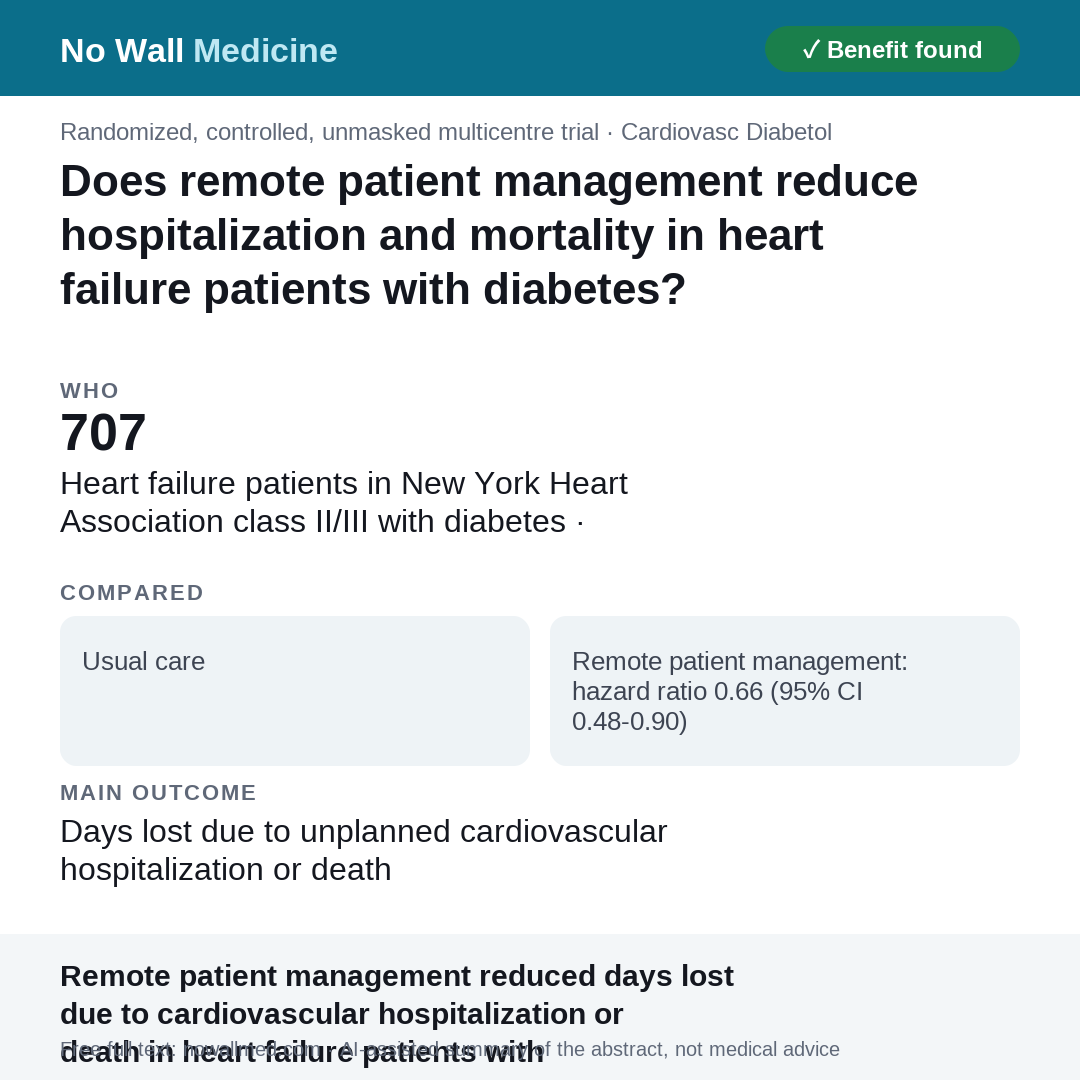
Impact of telemedical management on hospitalization and mortality in heart failure patients with diabetes: a post-hoc subgroup analysis of the TIM-HF2 trial
Randomized, controlled, unmasked multicentre trialBenefit found
Does remote patient management reduce hospitalization and mortality in heart failure patients with diabetes?
Who
707
Heart failure patients in New York Heart Association class II/III with diabetes · Germany
Compared
Usual care
Remote patient management: hazard ratio 0.66 (95% CI 0.48-0.90)
Main outcome
Days lost due to unplanned cardiovascular hospitalization or death
Result: hazard ratio 0.66 (95% CI 0.48-0.90)
Bottom line: Remote patient management reduced days lost due to cardiovascular hospitalization or death in heart failure patients with diabetes.
Cardiovasc Diabetol · 2024-06-12Download image
Link between gut microbiota dysbiosis and childhood asthma: Insights from a systematic review
Systematic reviewMixed results
Is there an association between gut microbiota composition and childhood asthma development?
Who
Infants and children
Compared
Higher alpha diversity (Bifidobacterium, Faecalibacterium, Roseburia): protective effects
Lower relative abundances (Bacteroides and Malassezia): associated with asthma
Main outcome
Development of atopic wheeze and asthma
Bottom line: Gut microbiota composition during infancy and childhood is associated with the subsequent development of asthma.
JACI Glob · 2024-06-12Download image

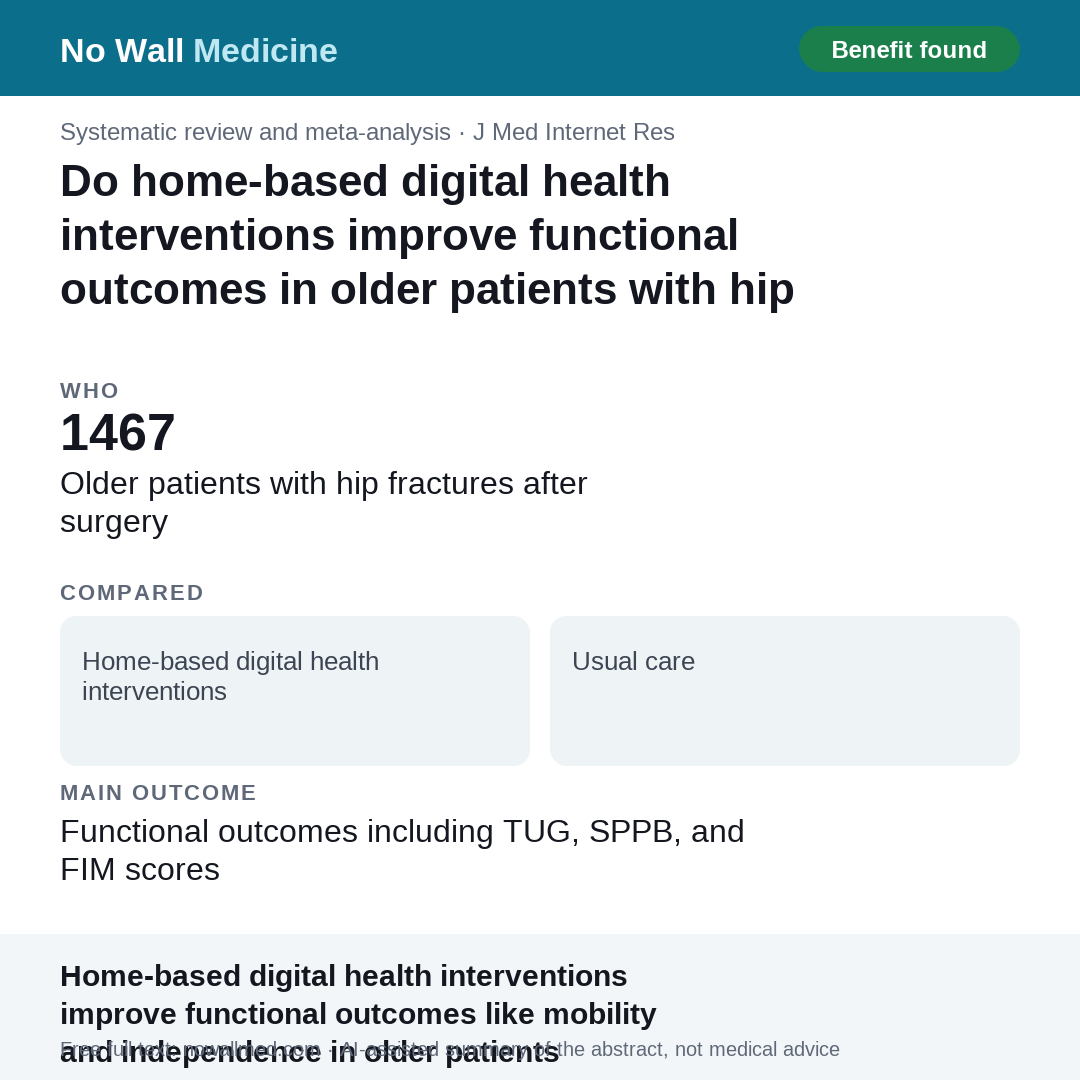
Characteristics and Effects of Home-Based Digital Health Interventions on Functional Outcomes in Older Patients With Hip Fractures After Surgery: Systematic Review and Meta-Analysis
Systematic review and meta-analysisBenefit found
Do home-based digital health interventions improve functional outcomes in older patients with hip fractures after surgery?
Who
1467
Older patients with hip fractures after surgery
Compared
Home-based digital health interventions
Usual care
Main outcome
Functional outcomes including TUG, SPPB, and FIM scores
Result: mean difference=-7.89 (95% CI -10.34 to -5.45) for TUG; 1.11 (95% CI 0.51-1.72) for SPPB; 7.98 (95% CI 5.73-10.24) for FIM
Bottom line: Home-based digital health interventions improve functional outcomes like mobility and independence in older patients recovering from hip fractures.
Limitation: Further research is needed to enhance understanding and optimize implementation of home-based digital health interventions.
J Med Internet Res · 2024-06-12Download image
Newborn heart rate monitoring methods at birth and clinical outcomes: A systematic review
Systematic reviewUnclear result
Do different heart rate assessment methods at birth affect newborn clinical outcomes?
Who
Newborns in the delivery room
Compared
Electrocardiogram
Auscultation plus pulse oximetry
Main outcome
Newborn clinical outcomes
Bottom line: There is insufficient evidence to determine if electrocardiogram versus pulse oximetry plus auscultation benefits newborns.
Limitation: Only two randomized controlled trials and one nonrandomized study were included.
Resusc Plus · 2024-06-12Download image

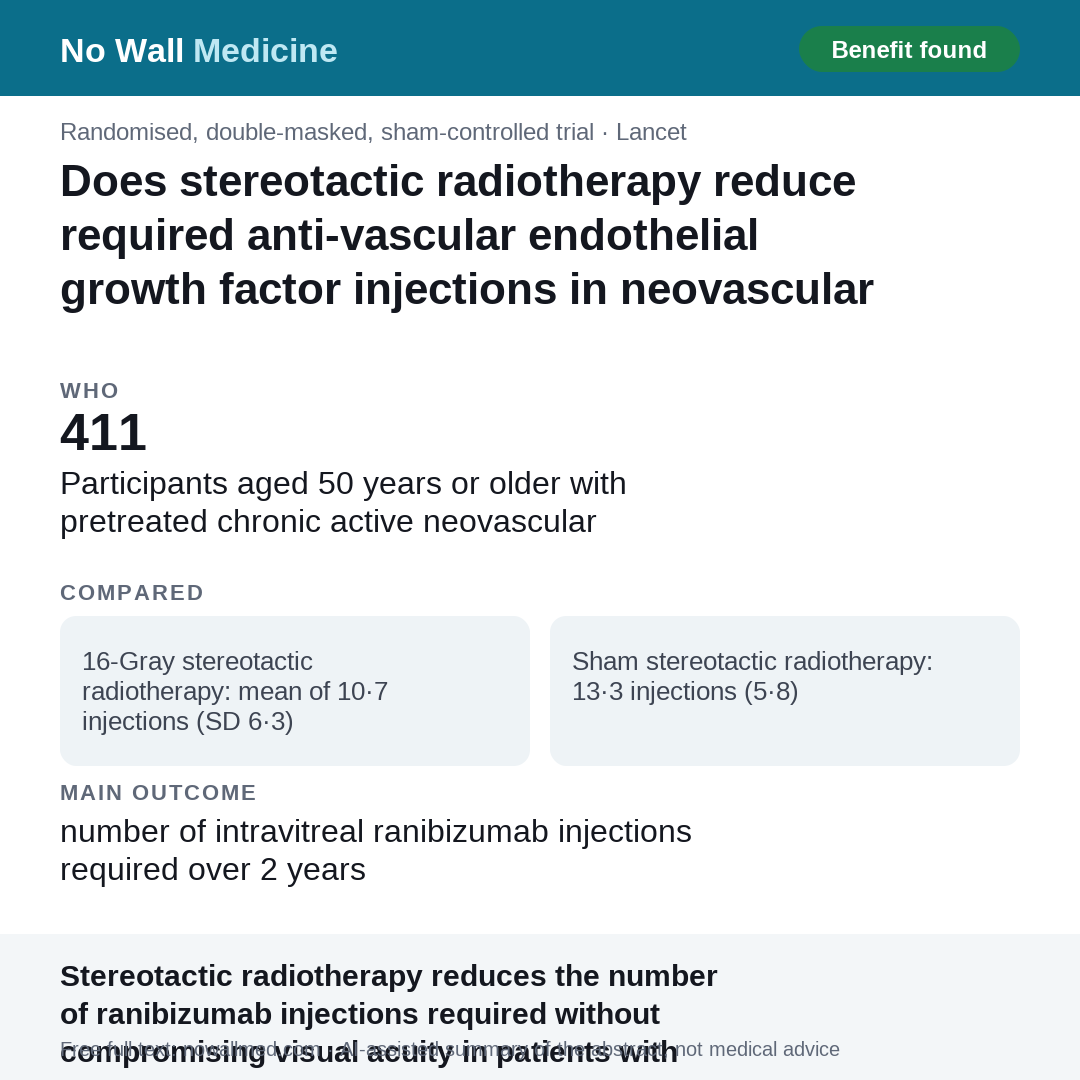
Stereotactic radiotherapy for neovascular age-related macular degeneration (STAR): a pivotal, randomised, double-masked, sham-controlled device trial
Randomised, double-masked, sham-controlled trialBenefit found
Does stereotactic radiotherapy reduce required anti-vascular endothelial growth factor injections in neovascular age-related macular degeneration?
Who
411
Participants aged 50 years or older with pretreated chronic active neovascular age-related macular degeneration · 30 UK hospitals
Compared
16-Gray stereotactic radiotherapy: mean of 10·7 injections (SD 6·3)
Sham stereotactic radiotherapy: 13·3 injections (5·8)
Main outcome
number of intravitreal ranibizumab injections required over 2 years
Result: reduction of 2·9 injections (95% CI -4·2 to -1·6)
Bottom line: Stereotactic radiotherapy reduces the number of ranibizumab injections required without compromising visual acuity in patients with neovascular age-related macular degeneration.
Funded by: Medical Research Council and National Institute for Health and Care Research
Lancet · 2024-06-11Download image
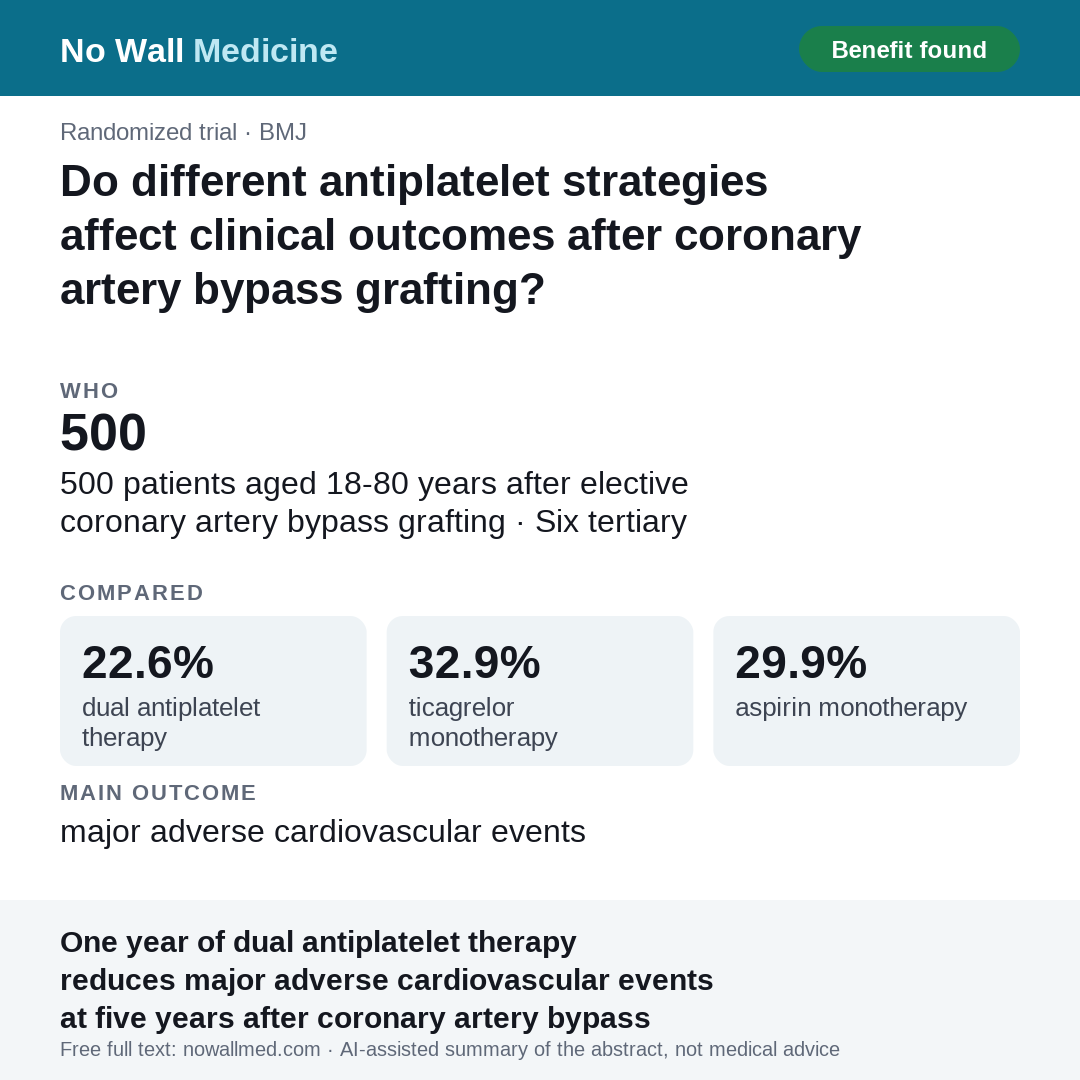
Antiplatelet therapy after coronary artery bypass surgery: five year follow-up of randomised DACAB trial
Randomized trialBenefit found
Do different antiplatelet strategies affect clinical outcomes after coronary artery bypass grafting?
Who
500
500 patients aged 18-80 years after elective coronary artery bypass grafting · Six tertiary hospitals in China
Compared
22.6%dual antiplatelet therapy
32.9%ticagrelor monotherapy
29.9%aspirin monotherapy
Main outcome
major adverse cardiovascular events
Result: hazard ratio 0.65 (95% confidence interval 0.43 to 0.99)
Bottom line: One year of dual antiplatelet therapy reduces major adverse cardiovascular events at five years after coronary artery bypass grafting.
BMJ · 2024-06-11Download image
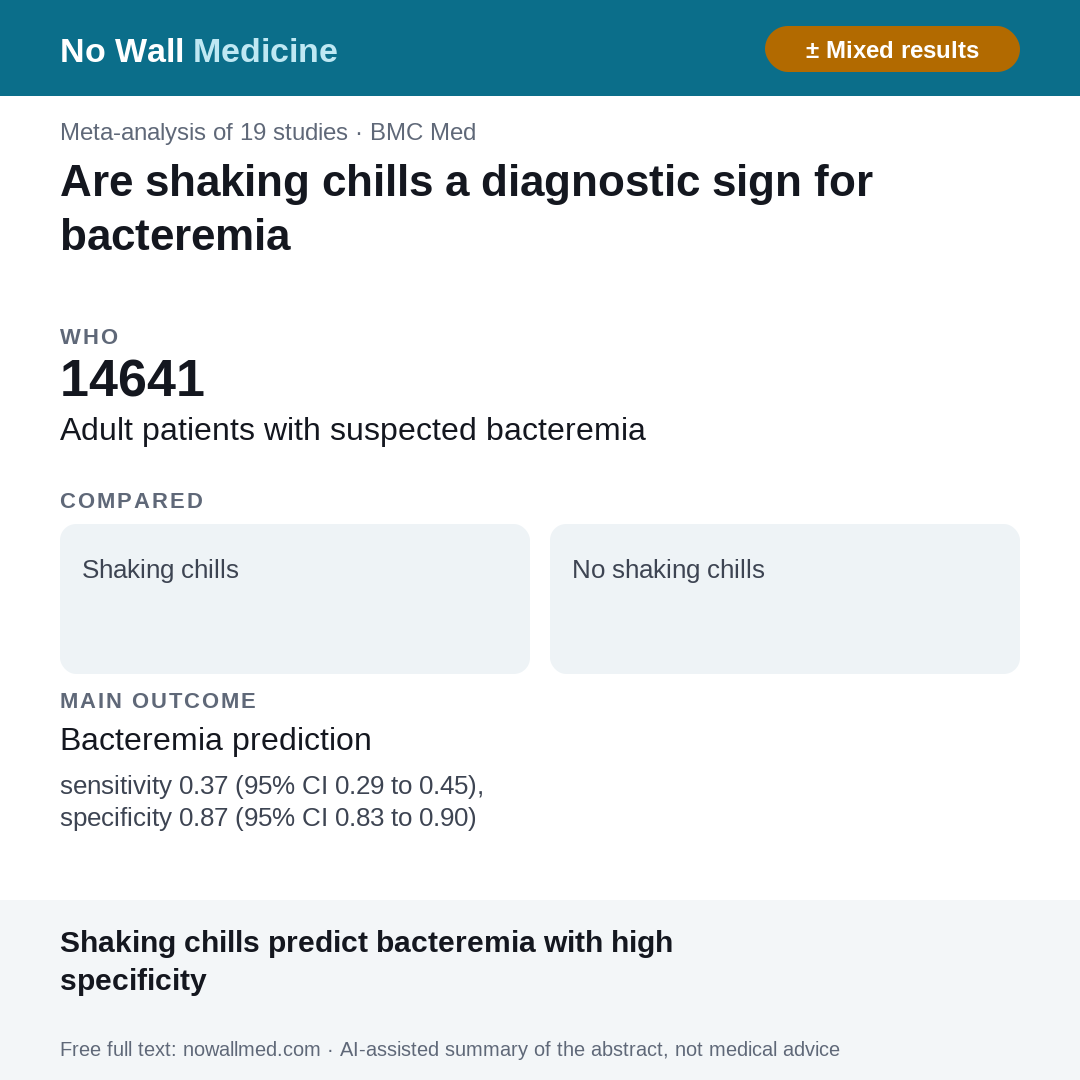
Utility of shaking chills as a diagnostic sign for bacteremia in adults: a systematic review and meta-analysis
Meta-analysis of 19 studiesMixed results
Are shaking chills a diagnostic sign for bacteremia
Who
14641
Adult patients with suspected bacteremia
Compared
Shaking chills
No shaking chills
Main outcome
Bacteremia prediction
Result: sensitivity 0.37 (95% CI 0.29 to 0.45), specificity 0.87 (95% CI 0.83 to 0.90)
Bottom line: Shaking chills predict bacteremia with high specificity
Limitation: high risk of bias and applicability concern
BMC Med · 2024-06-11Download image
Polymerase Chain Reaction on Respiratory Tract Specimens of Immunocompromised Patients to Diagnose Pneumocystis Pneumonia: A Systematic Review and Meta-analysis
Meta-analysis of 55 articlesBenefit found
PCR diagnosis of Pneumocystis pneumonia
Who
7835
immunocompromised patients at risk of PCP
Compared
98.7%bronchoalveolar lavage (95% CI, 96.8%-99.5%)
99.0%induced sputum (95% CI, 94.4%-99.3%)
89.2%upper respiratory tract (95% CI, 71.0%-96.5%)
Main outcome
diagnosis of Pneumocystis pneumonia
Bottom line: PCR helps diagnose Pneumocystis pneumonia
Clin Infect Dis · 2024-06-11Download image

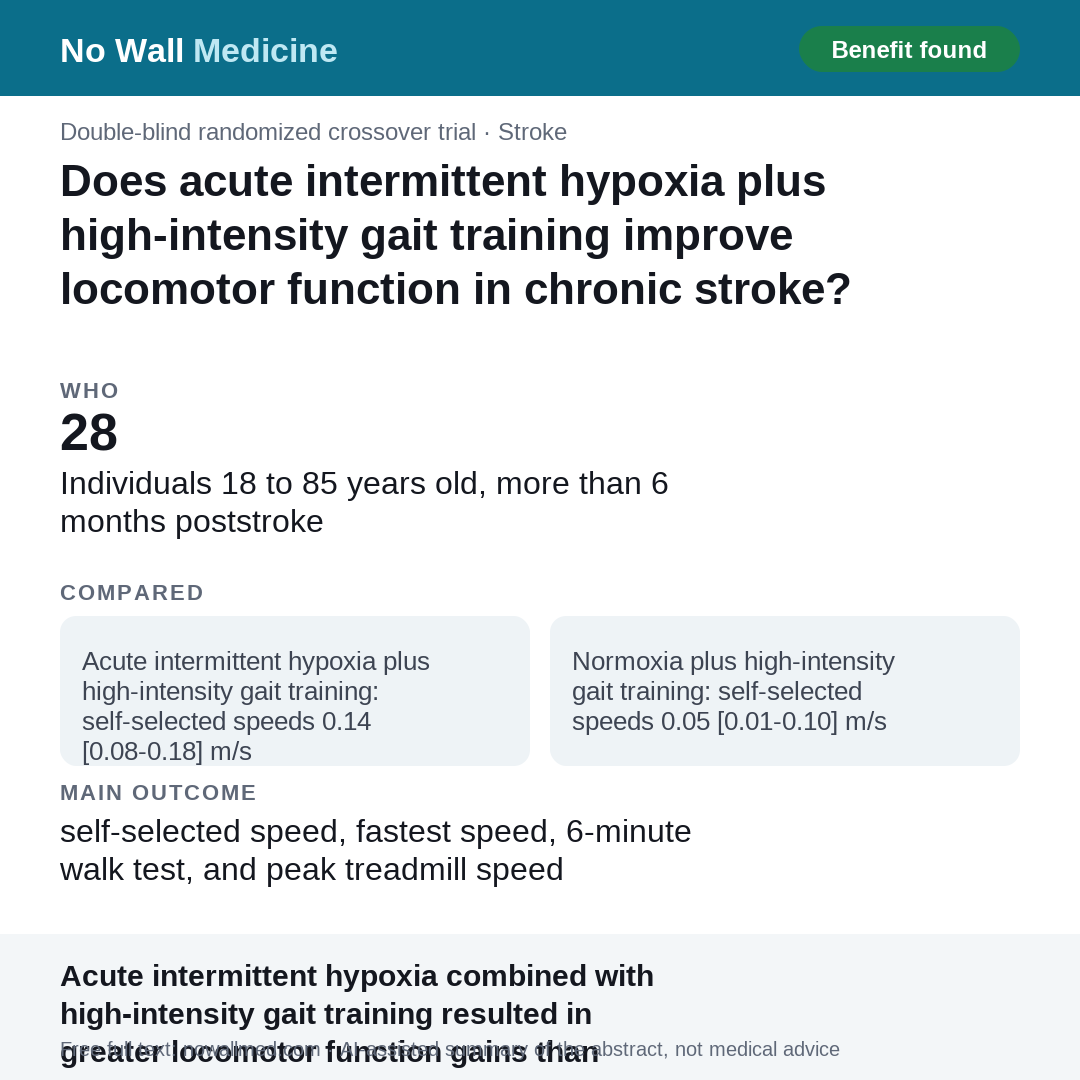
Acute Intermittent Hypoxia With High-Intensity Gait Training in Chronic Stroke: A Phase II Randomized Crossover Trial
Double-blind randomized crossover trialBenefit found
Does acute intermittent hypoxia plus high-intensity gait training improve locomotor function in chronic stroke?
Who
28
Individuals 18 to 85 years old, more than 6 months poststroke
Compared
Acute intermittent hypoxia plus high-intensity gait training: self-selected speeds 0.14 [0.08-0.18] m/s
Normoxia plus high-intensity gait training: self-selected speeds 0.05 [0.01-0.10] m/s
Main outcome
self-selected speed, fastest speed, 6-minute walk test, and peak treadmill speed
Bottom line: Acute intermittent hypoxia combined with high-intensity gait training resulted in greater locomotor function gains than high-intensity training alone.
Stroke · 2024-06-11Download image
Neural mechanisms of psychedelic visual imagery
Double-blind, randomised, placebo-controlled, cross-over studyBenefit found
What are the neural mechanisms of psychedelic visual imagery in humans?
Who
24
Healthy adults
Compared
psilocybin: increased self-inhibition of early and higher visual-association regions
placebo
Main outcome
directed connectivity changes to visual connectivity
Bottom line: Psilocybin increases top-down feedback connectivity and self-inhibition in visual regions, potentially driving eyes-closed visual imagery.
Mol Psychiatry · 2024-06-11Download image

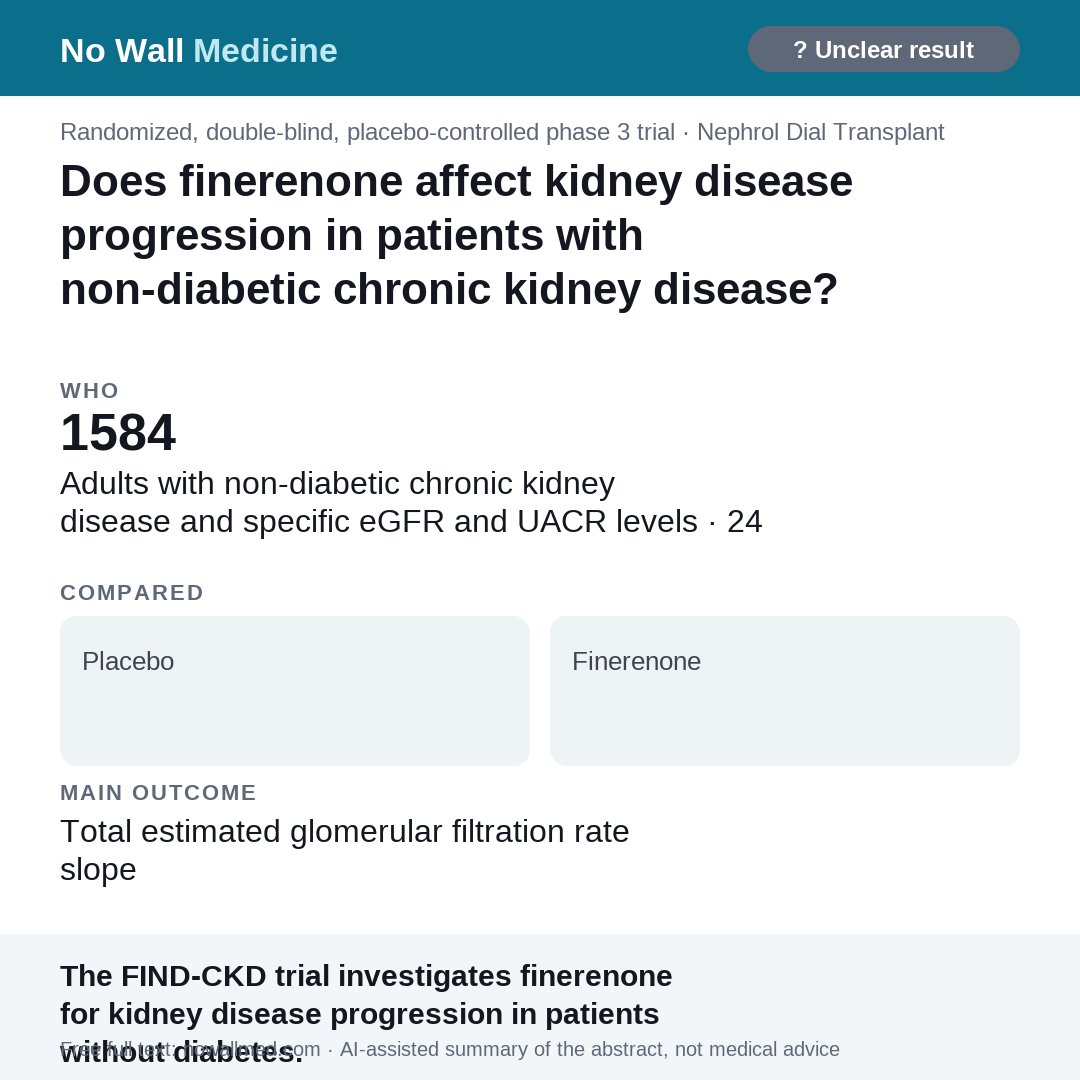
Design and baseline characteristics of the Finerenone, in addition to standard of care, on the progression of kidney disease in patients with Non-Diabetic Chronic Kidney Disease (FIND-CKD) randomized trial
Randomized, double-blind, placebo-controlled phase 3 trialUnclear result
Does finerenone affect kidney disease progression in patients with non-diabetic chronic kidney disease?
Who
1584
Adults with non-diabetic chronic kidney disease and specific eGFR and UACR levels · 24 countries
Compared
Placebo
Finerenone
Main outcome
Total estimated glomerular filtration rate slope
Bottom line: The FIND-CKD trial investigates finerenone for kidney disease progression in patients without diabetes.
Nephrol Dial Transplant · 2024-06-11Download image
Genetics of child aggression, a systematic review
Systematic reviewUnclear result
Genetics of child aggression
Who
children with aggression
Compared
candidate genes
genome-wide association
Main outcome
aggression
Bottom line: Genetic underpinnings of aggression unclear
Transl Psychiatry · 2024-06-11Download image

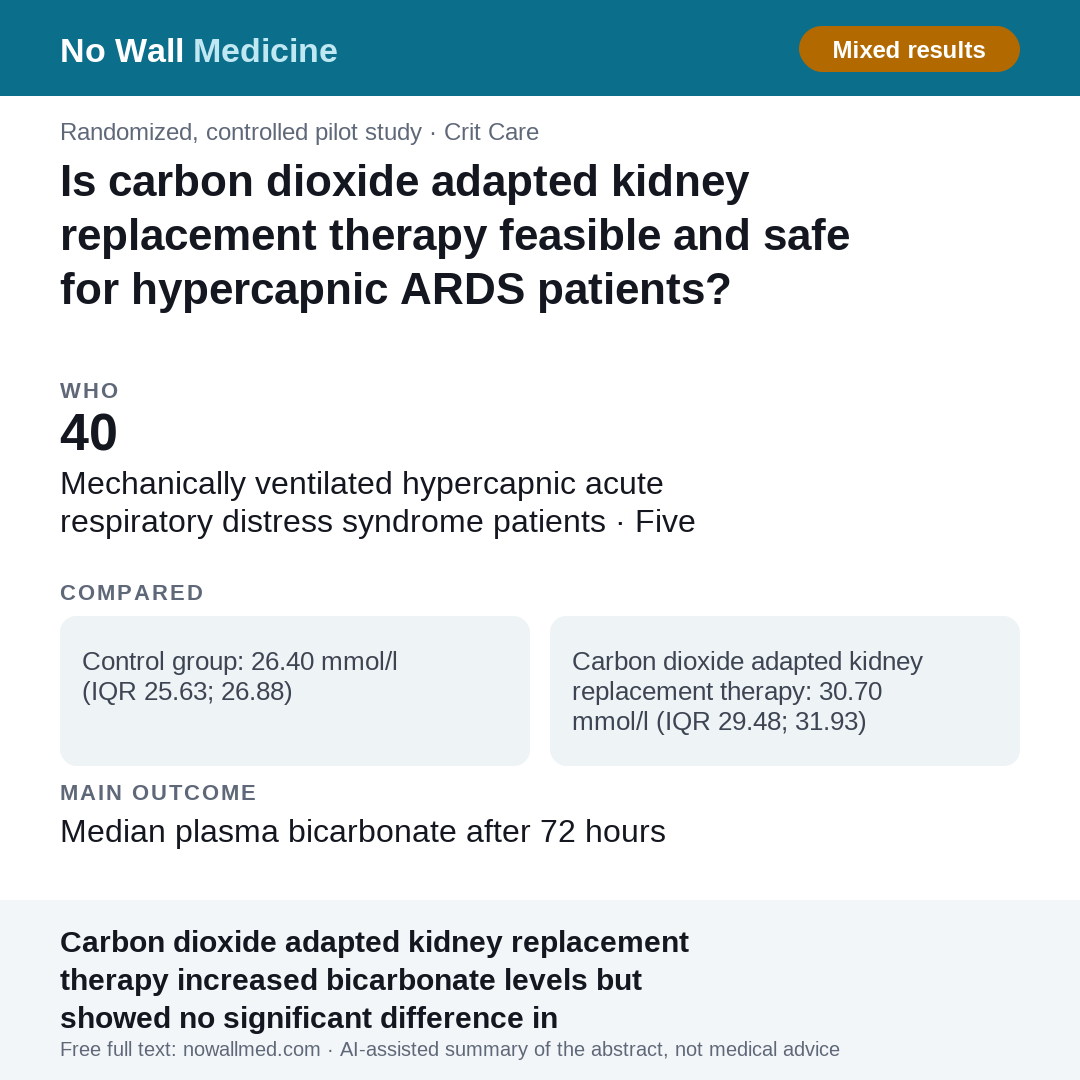
Standard vs. carbone dioxide adapted kidney replacement therapy in hypercapnic ARDS patients: a randomized controlled pilot trial (BigBIC)
Randomized, controlled pilot studyMixed results
Is carbon dioxide adapted kidney replacement therapy feasible and safe for hypercapnic ARDS patients?
Who
40
Mechanically ventilated hypercapnic acute respiratory distress syndrome patients · Five intensive care units in Berlin, Germany
Compared
Control group: 26.40 mmol/l (IQR 25.63; 26.88)
Carbon dioxide adapted kidney replacement therapy: 30.70 mmol/l (IQR 29.48; 31.93)
Main outcome
Median plasma bicarbonate after 72 hours
Bottom line: Carbon dioxide adapted kidney replacement therapy increased bicarbonate levels but showed no significant difference in thirty-day mortality.
Crit Care · 2024-06-11Download image
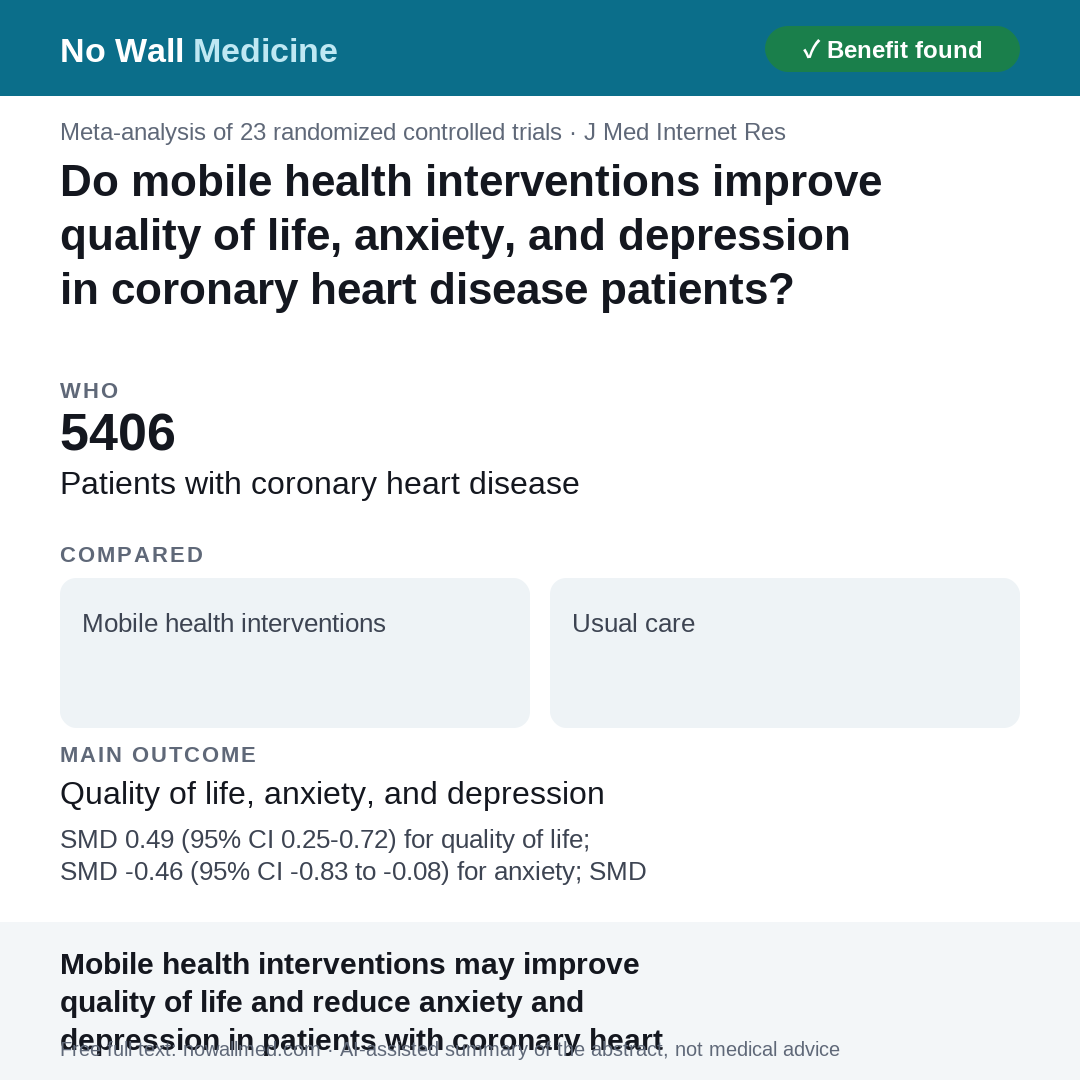
The Effects of mHealth Interventions on Quality of Life, Anxiety, and Depression in Patients With Coronary Heart Disease: Meta-Analysis of Randomized Controlled Trials
Meta-analysis of 23 randomized controlled trialsBenefit found
Do mobile health interventions improve quality of life, anxiety, and depression in coronary heart disease patients?
Who
5406
Patients with coronary heart disease
Compared
Mobile health interventions
Usual care
Main outcome
Quality of life, anxiety, and depression
Result: SMD 0.49 (95% CI 0.25-0.72) for quality of life; SMD -0.46 (95% CI -0.83 to -0.08) for anxiety; SMD -0.34 (95% CI -0.56 to -0.12) for depression
Bottom line: Mobile health interventions may improve quality of life and reduce anxiety and depression in patients with coronary heart disease.
Limitation: Large sample, high-quality, and rigorously designed randomized controlled trials are needed.
J Med Internet Res · 2024-06-11Download image
Just-in-Time Adaptive Intervention for Stabilizing Sleep Hours of Japanese Workers: Microrandomized Trial
Microrandomized trialBenefit found
Does a just-in-time adaptive intervention improve sleep hours and stability in Japanese workers?
Who
81
Japanese workers with unstable habitual sleep behaviors · Real-world setting
Compared
Sleep feedback intervention: increasing up to 40 min
Control
Main outcome
Sleep hours and stability of sleep hours
Bottom line: Providing sleep feedback can prolong sleep hours and improve sleep stability in workers.
J Med Internet Res · 2024-06-11Download image

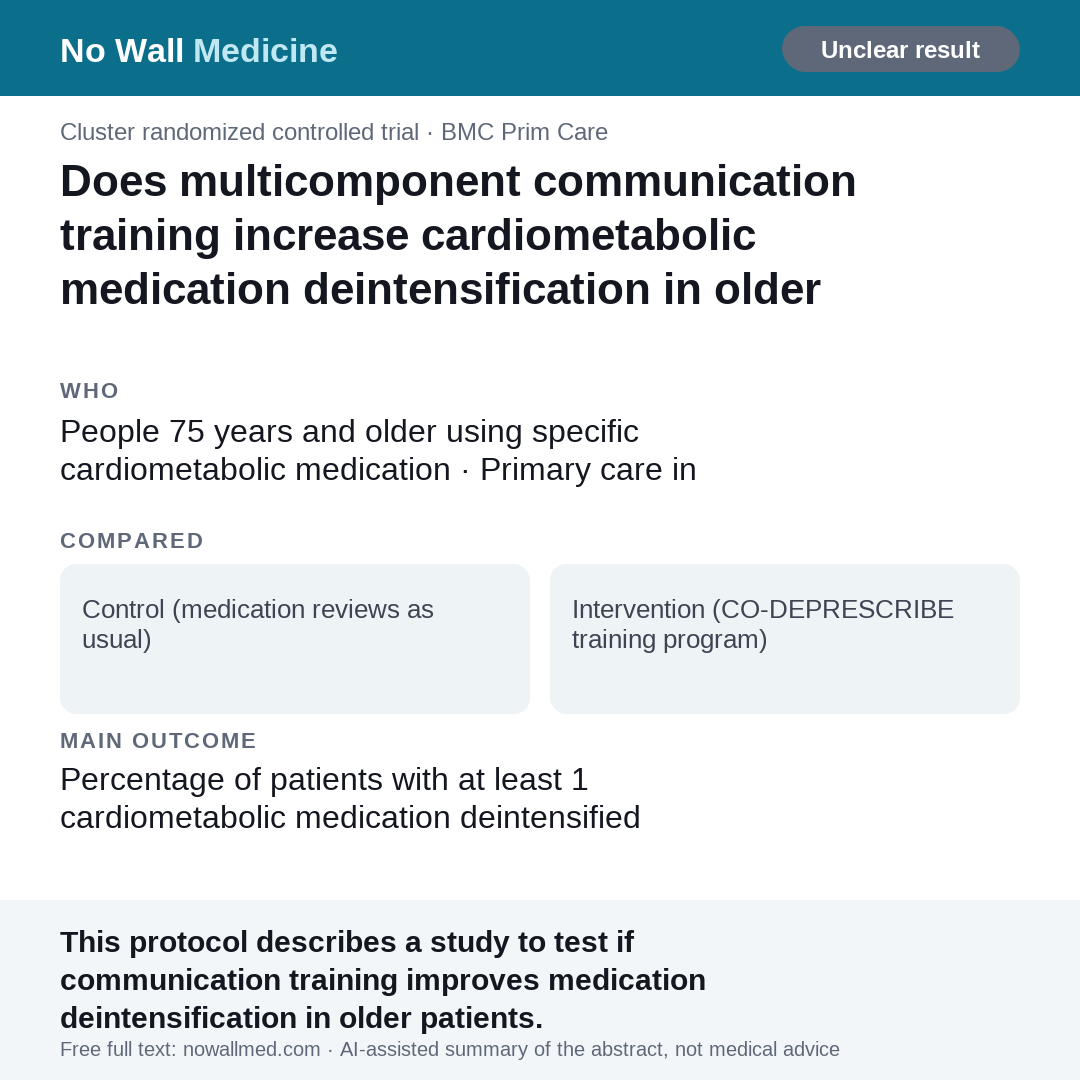
Effects of a multicomponent communication training to involve older people in decisions to DEPRESCRIBE cardiometabolic medication in primary care (CO-DEPRESCRIBE): protocol for a cluster randomized controlled trial with embedded process and economic evaluation
Cluster randomized controlled trialUnclear result
Does multicomponent communication training increase cardiometabolic medication deintensification in older people?
Who
People 75 years and older using specific cardiometabolic medication · Primary care in the Netherlands
Compared
Control (medication reviews as usual)
Intervention (CO-DEPRESCRIBE training program)
Main outcome
Percentage of patients with at least 1 cardiometabolic medication deintensified
Bottom line: This protocol describes a study to test if communication training improves medication deintensification in older patients.
BMC Prim Care · 2024-06-11Download image
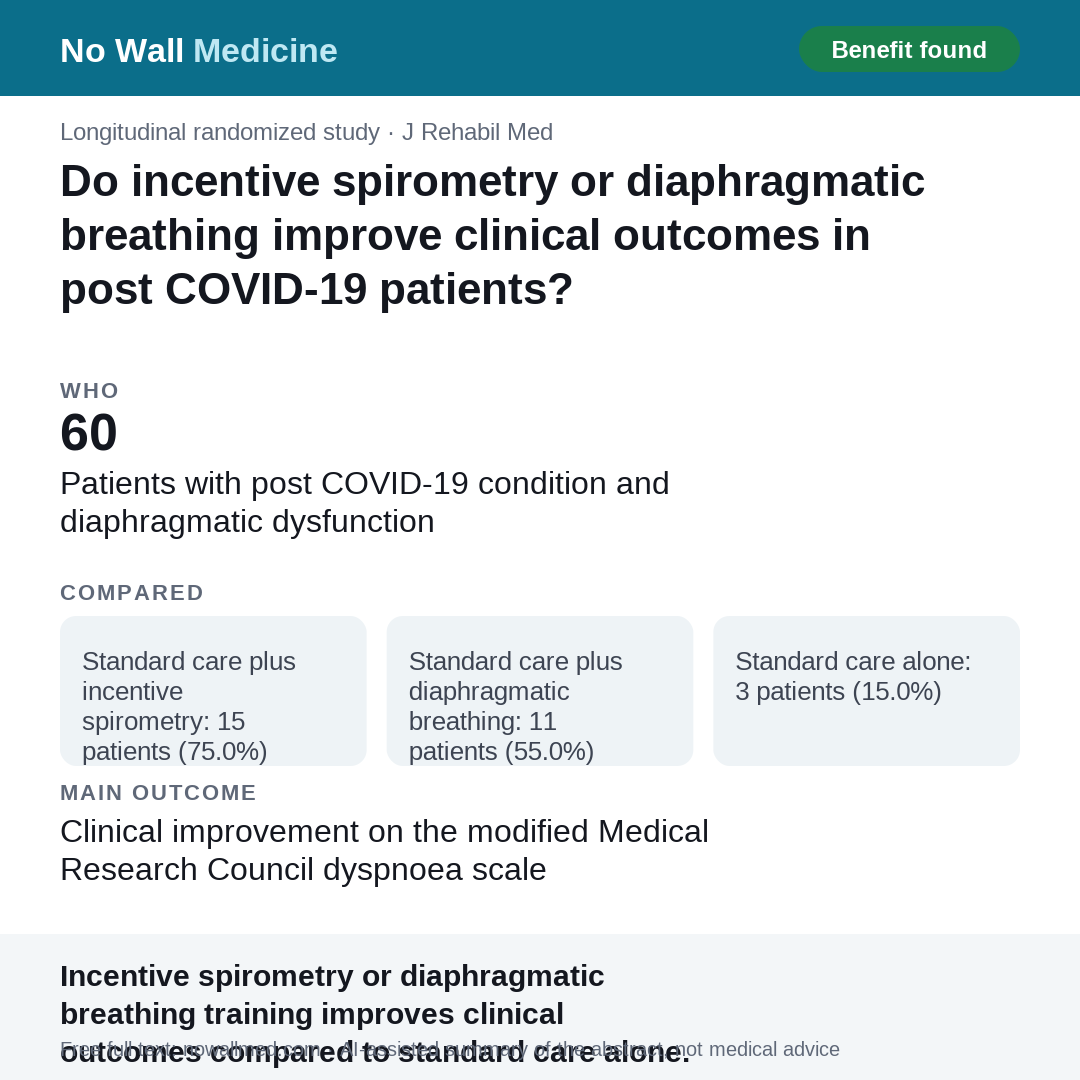
Diaphragmatic strengthening exercises for patients with post COVID-19 condition after mild-to-moderate acute COVID-19 infection: a randomized controlled study
Longitudinal randomized studyBenefit found
Do incentive spirometry or diaphragmatic breathing improve clinical outcomes in post COVID-19 patients?
Who
60
Patients with post COVID-19 condition and diaphragmatic dysfunction
Compared
Standard care plus incentive spirometry: 15 patients (75.0%)
Standard care plus diaphragmatic breathing: 11 patients (55.0%)
Standard care alone: 3 patients (15.0%)
Main outcome
Clinical improvement on the modified Medical Research Council dyspnoea scale
Bottom line: Incentive spirometry or diaphragmatic breathing training improves clinical outcomes compared to standard care alone.
J Rehabil Med · 2024-06-11Download image