Visual abstracts
New randomized trials and meta-analyses from leading journals at a glance: who was studied, what was compared, and what was found. Every paper is free to read in full.
All specialtiesCardiology 4877Oncology 4138Gastroenterology & Hepatology 1942Infectious Disease 3837Neurology 1905Psychiatry & Mental Health 2273Pulmonology 2143Critical Care 1365Endocrinology & Diabetes 2580Pediatrics 2980Surgery 2559Orthopedics & Sports Medicine 931Neurosurgery 537Cardiothoracic & Vascular Surgery 674Plastic & Reconstructive Surgery 591Nephrology 1133Rheumatology 823Hematology 1109Dermatology 621Ophthalmology 543Obstetrics & Gynecology 1686Public & Global Health 1058Radiology & Imaging 648Anesthesiology 986Urology 764ENT (Otolaryngology) 503Emergency Medicine 511Allergy & Immunology 313Geriatrics 981Family Medicine & Primary Care 562Medical Genetics & Genomics 676Pathology & Laboratory Medicine 159Physical Medicine & Rehabilitation 757Palliative Care 444Nutrition 1588Digital Health & AI 2201General Medicine 321
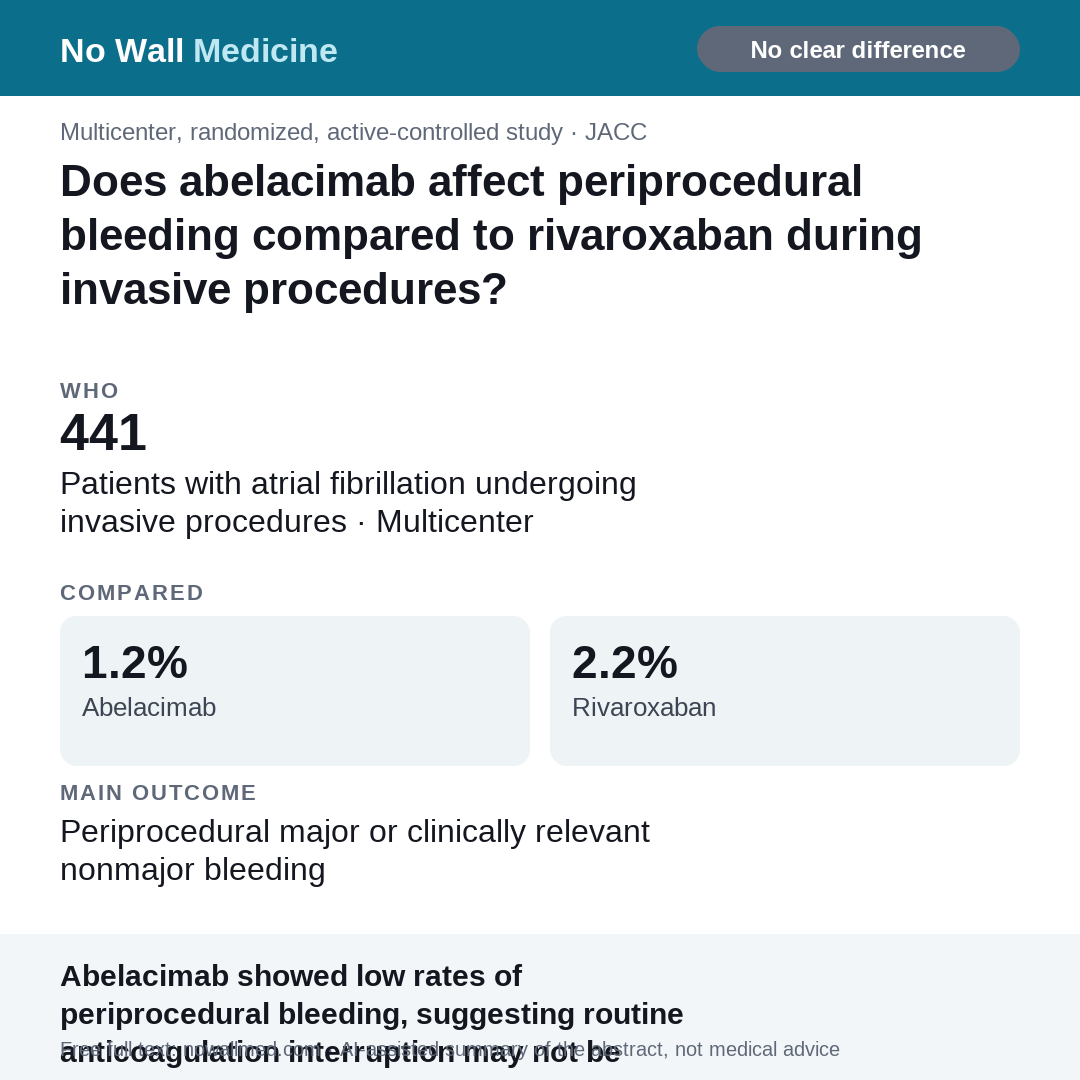
Long-Acting Factor XI Inhibition and Periprocedural Bleeding: An Analysis From AZALEA-TIMI 71
Multicenter, randomized, active-controlled studyNo clear difference
Does abelacimab affect periprocedural bleeding compared to rivaroxaban during invasive procedures?
Who
441
Patients with atrial fibrillation undergoing invasive procedures · Multicenter
Compared
1.2%Abelacimab
2.2%Rivaroxaban
Main outcome
Periprocedural major or clinically relevant nonmajor bleeding
Result: risk ratio 0.54 (95% CI 0.19-1.58)
Bottom line: Abelacimab showed low rates of periprocedural bleeding, suggesting routine anticoagulation interruption may not be necessary for all procedures.
JACC · 2025-06-12Download image
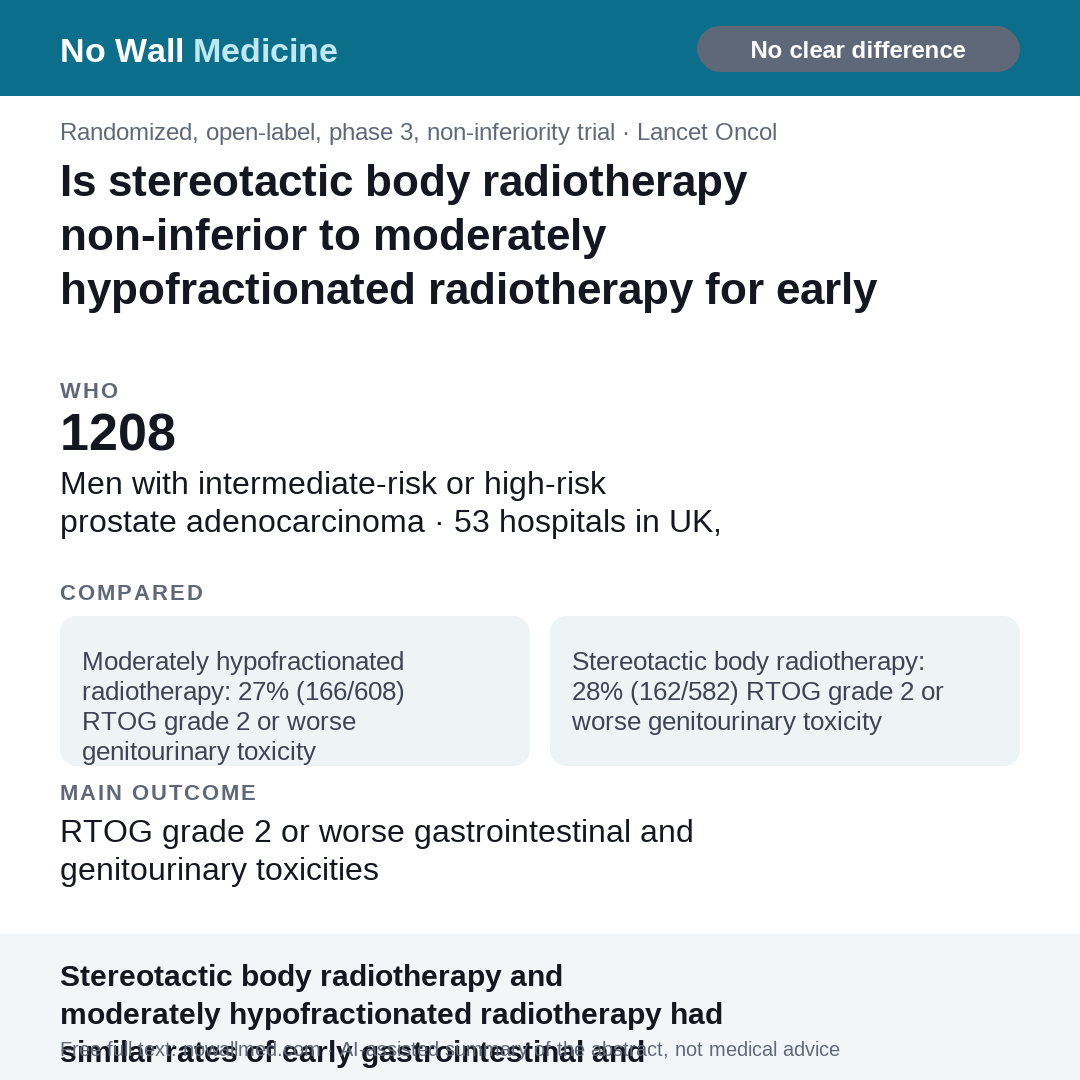
Intensity-modulated moderately hypofractionated radiotherapy versus stereotactic body radiotherapy for prostate cancer (PACE-C): early toxicity results from a randomised, open-label, phase 3, non-inferiority trial
Randomized, open-label, phase 3, non-inferiority trialNo clear difference
Is stereotactic body radiotherapy non-inferior to moderately hypofractionated radiotherapy for early toxicity?
Who
1208
Men with intermediate-risk or high-risk prostate adenocarcinoma · 53 hospitals in UK, Ireland, and New Zealand
Compared
Moderately hypofractionated radiotherapy: 27% (166/608) RTOG grade 2 or worse genitourinary toxicity
Stereotactic body radiotherapy: 28% (162/582) RTOG grade 2 or worse genitourinary toxicity
Main outcome
RTOG grade 2 or worse gastrointestinal and genitourinary toxicities
Result: absolute difference 0.5%, 95% CI -4.7 to 5.7
Bottom line: Stereotactic body radiotherapy and moderately hypofractionated radiotherapy had similar rates of early gastrointestinal and genitourinary toxicity.
Funded by: The Royal Marsden Cancer Charity
Lancet Oncol · 2025-06-12Download image
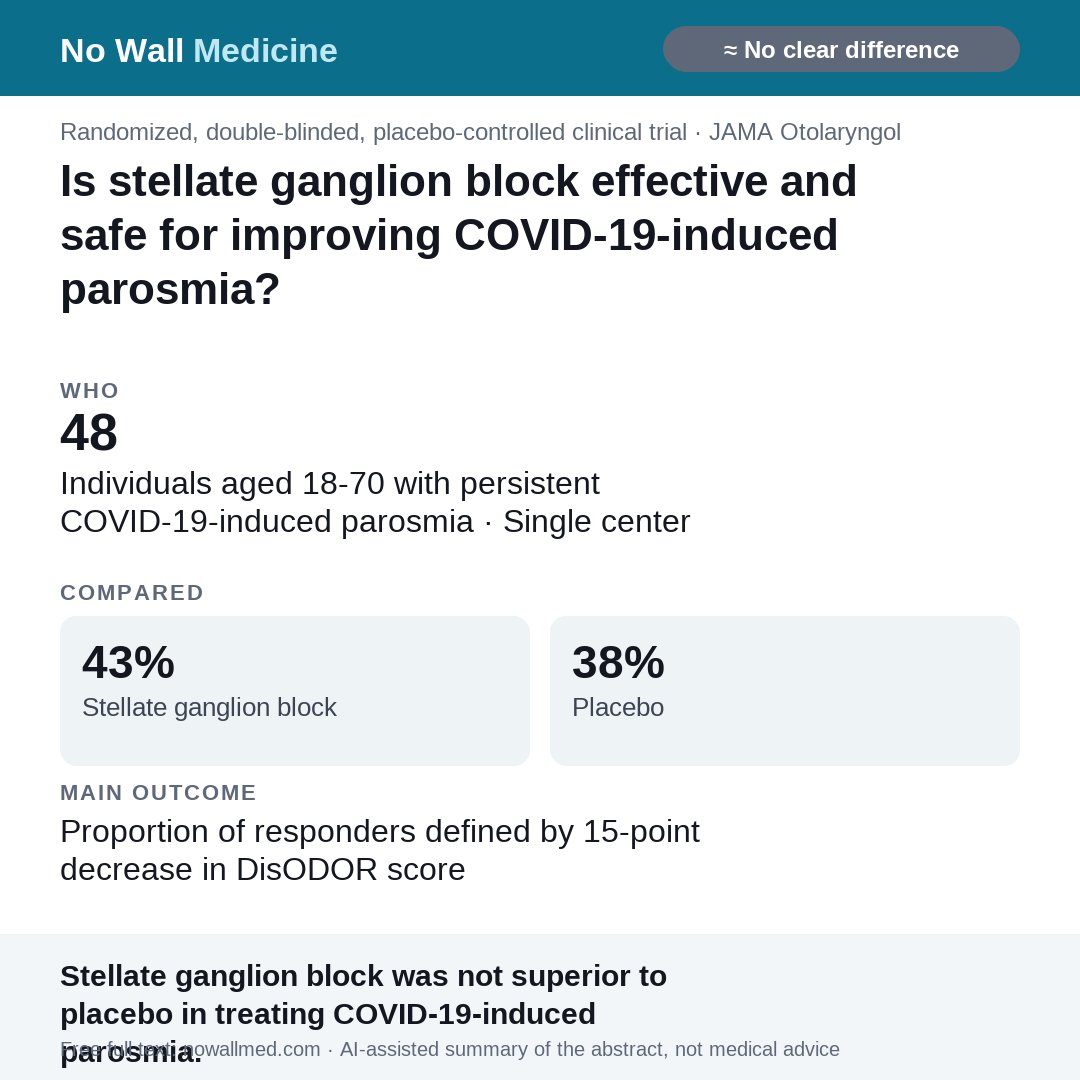
Stellate Ganglion Block for the Treatment of COVID-19-Induced Parosmia: A Randomized Clinical Trial
Randomized, double-blinded, placebo-controlled clinical trialNo clear difference
Is stellate ganglion block effective and safe for improving COVID-19-induced parosmia?
Who
48
Individuals aged 18-70 with persistent COVID-19-induced parosmia · Single center study in St Louis
Compared
43%Stellate ganglion block (n=13)
38%Placebo (n=6)
Main outcome
Proportion of responders defined by 15-point decrease in DisODOR score
Result: difference, -5%; 95% CI, -32% to 33%
Bottom line: Stellate ganglion block was not superior to placebo in treating COVID-19-induced parosmia.
JAMA Otolaryngol · 2025-06-12Download image
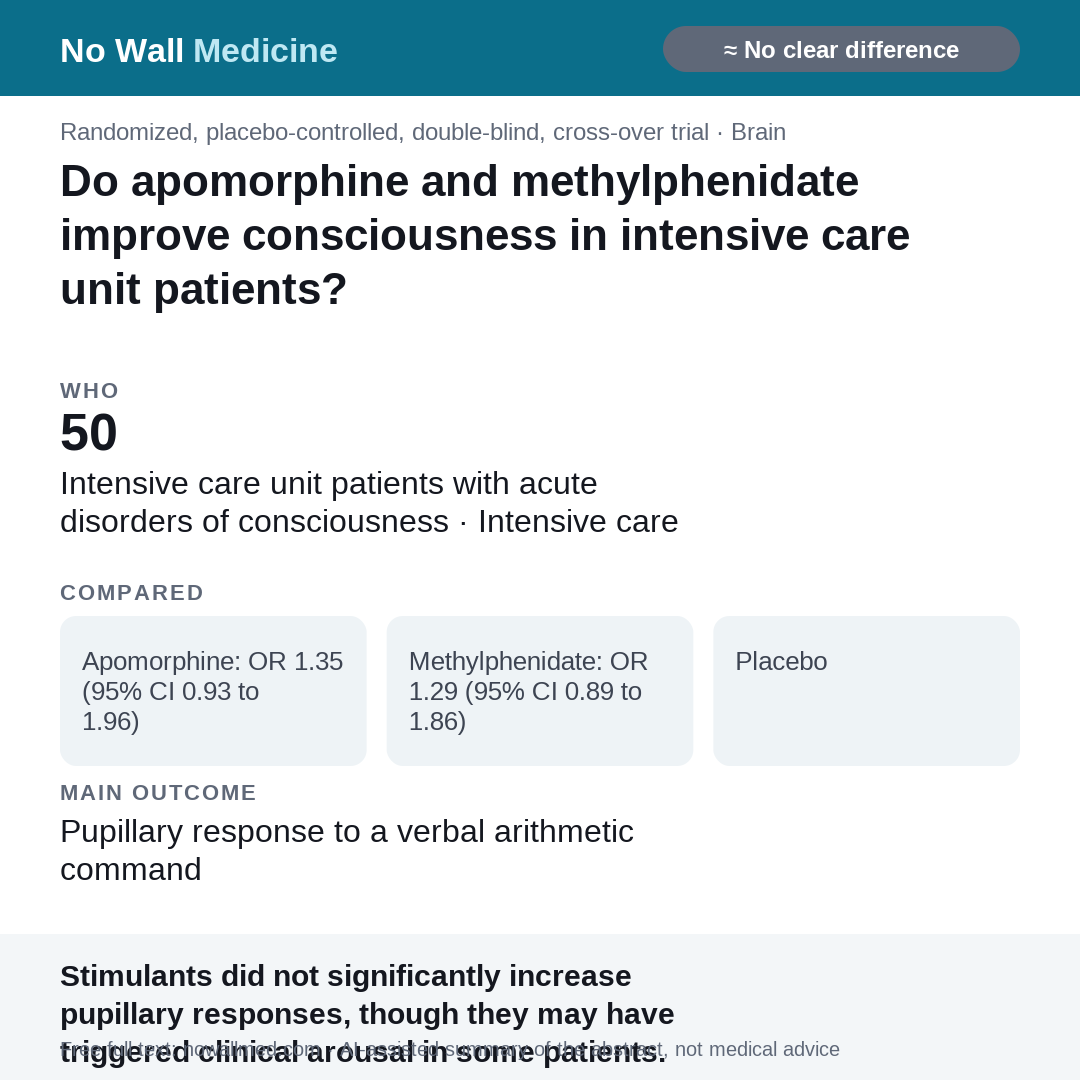
Stimulants for disorders of consciousness in the intensive care unit: a randomized, placebo-controlled trial
Randomized, placebo-controlled, double-blind, cross-over trialNo clear difference
Do apomorphine and methylphenidate improve consciousness in intensive care unit patients?
Who
50
Intensive care unit patients with acute disorders of consciousness · Intensive care unit
Compared
Apomorphine: OR 1.35 (95% CI 0.93 to 1.96)
Methylphenidate: OR 1.29 (95% CI 0.89 to 1.86)
Placebo
Main outcome
Pupillary response to a verbal arithmetic command
Result: OR 1.35 (95% CI 0.93 to 1.96) for apomorphine
Bottom line: Stimulants did not significantly increase pupillary responses, though they may have triggered clinical arousal in some patients.
Limitation: Findings require replication.
Brain · 2025-06-12Download image
Effectiveness of the Interdisciplinary Home-bAsed Reablement Programme (I-HARP) on improving functional independence of people living with dementia: a multicentre, pragmatic, randomised, open-label, controlled trial
Multicentre, pragmatic, randomised, open-label, controlled trialMixed results
Does the Interdisciplinary Home-bAsed Reablement Programme improve functional independence in people with dementia?
Who
116
Community-dwelling people with mild to moderate dementia and their family carers · Sydney, Australia
Compared
Interdisciplinary Home-bAsed Reablement Programme
Usual care
Main outcome
Functional independence using the Disability Assessment for Dementia scale
Bottom line: The programme did not meet primary outcomes for all participants but improved functional independence in those with mild dementia.
J Neurol Neurosurg Psychiatry · 2025-06-12Download image

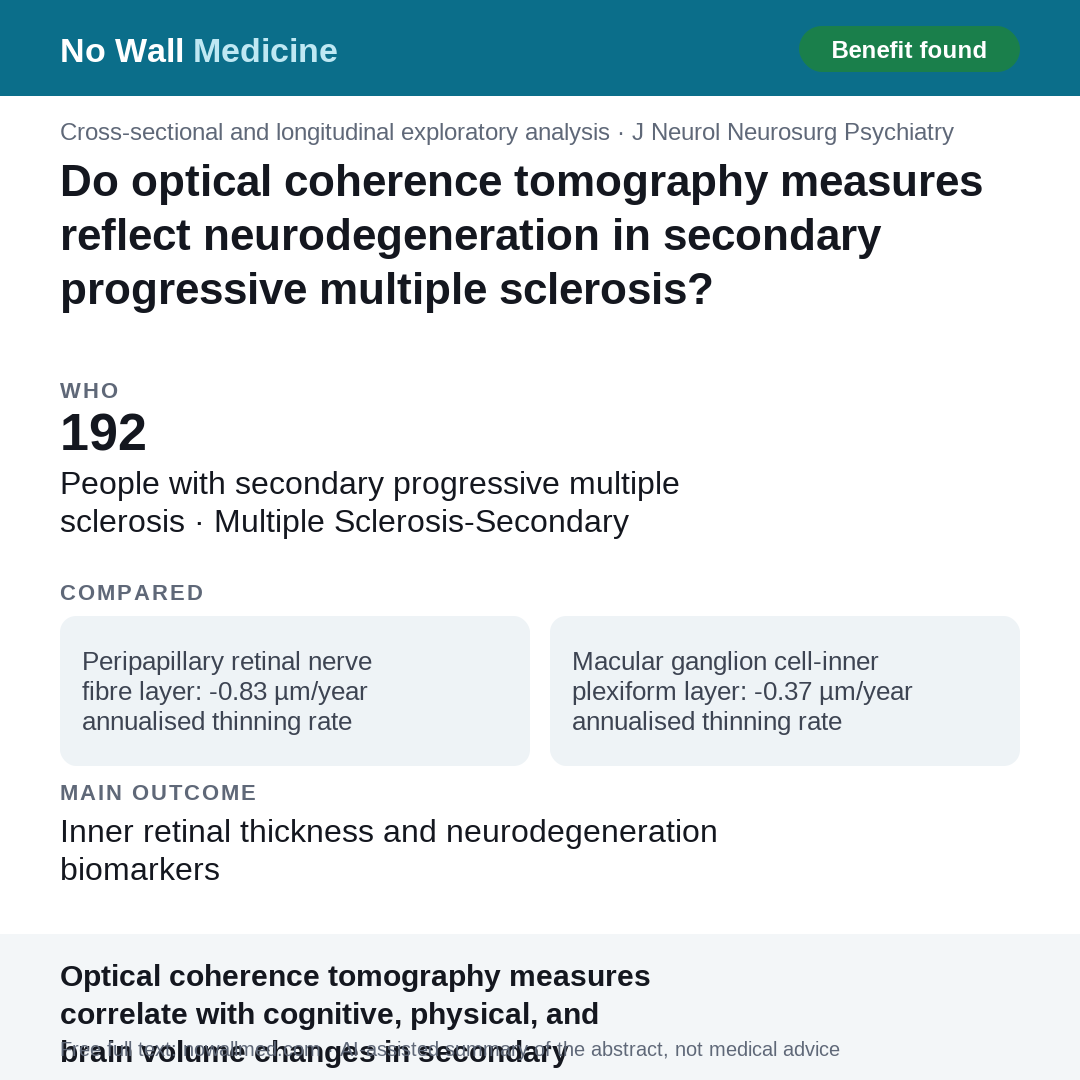
Optical coherence tomography in secondary progressive multiple sclerosis: cross-sectional and longitudinal exploratory analysis from the MS-SMART randomised controlled trial
Cross-sectional and longitudinal exploratory analysisBenefit found
Do optical coherence tomography measures reflect neurodegeneration in secondary progressive multiple sclerosis?
Who
192
People with secondary progressive multiple sclerosis · Multiple Sclerosis-Secondary Progressive Multi-Arm Randomisation Trial
Compared
Peripapillary retinal nerve fibre layer: -0.83 µm/year annualised thinning rate
Macular ganglion cell-inner plexiform layer: -0.37 µm/year annualised thinning rate
Main outcome
Inner retinal thickness and neurodegeneration biomarkers
Bottom line: Optical coherence tomography measures correlate with cognitive, physical, and brain volume changes in secondary progressive multiple sclerosis.
J Neurol Neurosurg Psychiatry · 2025-06-12Download image
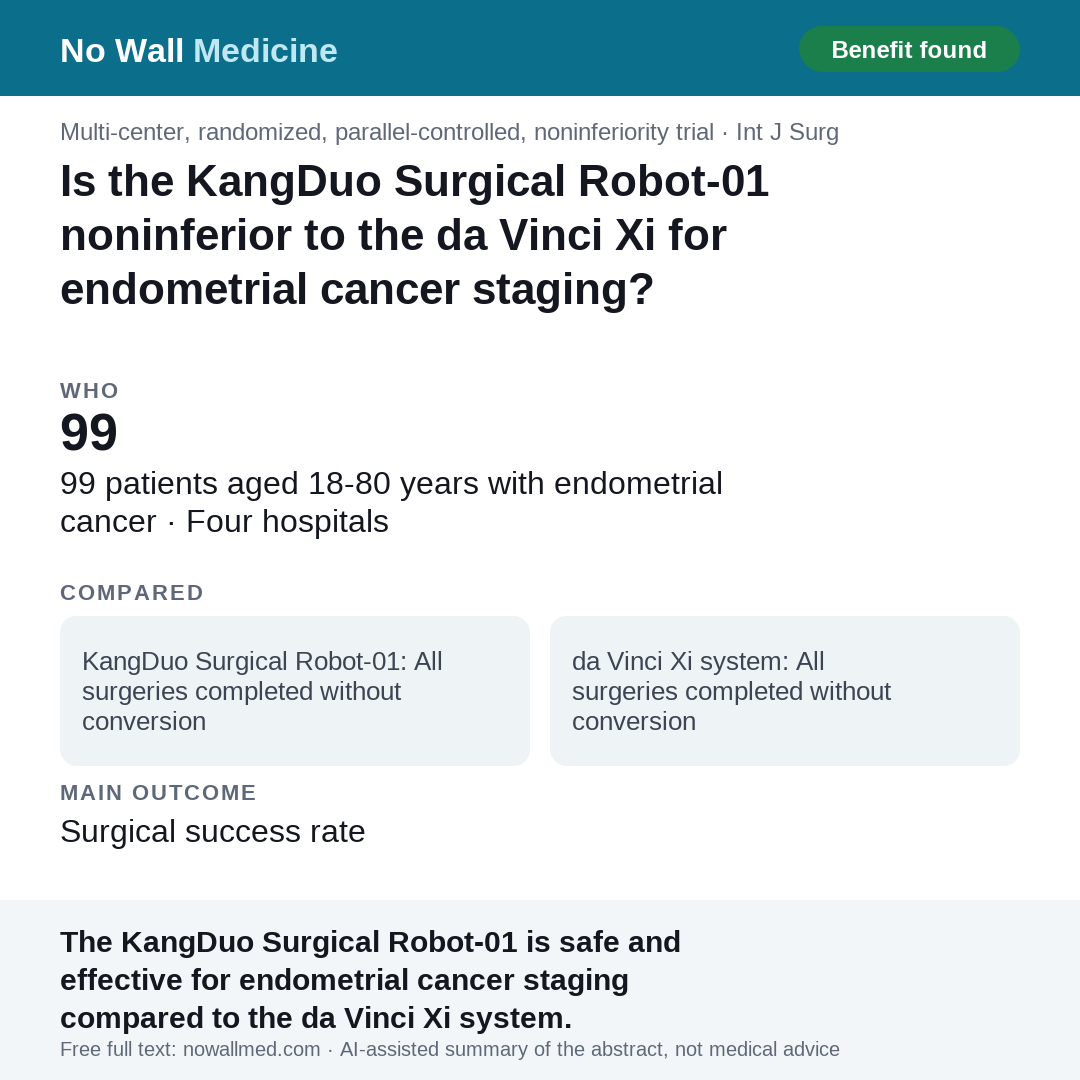
Comparing the KangDuo Surgical Robot-01 and da Vinci Xi system for endometrial cancer surgery: a multi-center, randomized, parallel-controlled, noninferiority trial
Multi-center, randomized, parallel-controlled, noninferiority trialBenefit found
Is the KangDuo Surgical Robot-01 noninferior to the da Vinci Xi for endometrial cancer staging?
Who
99
99 patients aged 18-80 years with endometrial cancer · Four hospitals
Compared
KangDuo Surgical Robot-01: All surgeries completed without conversion
da Vinci Xi system: All surgeries completed without conversion
Main outcome
Surgical success rate
Bottom line: The KangDuo Surgical Robot-01 is safe and effective for endometrial cancer staging compared to the da Vinci Xi system.
Int J Surg · 2025-06-12Download image
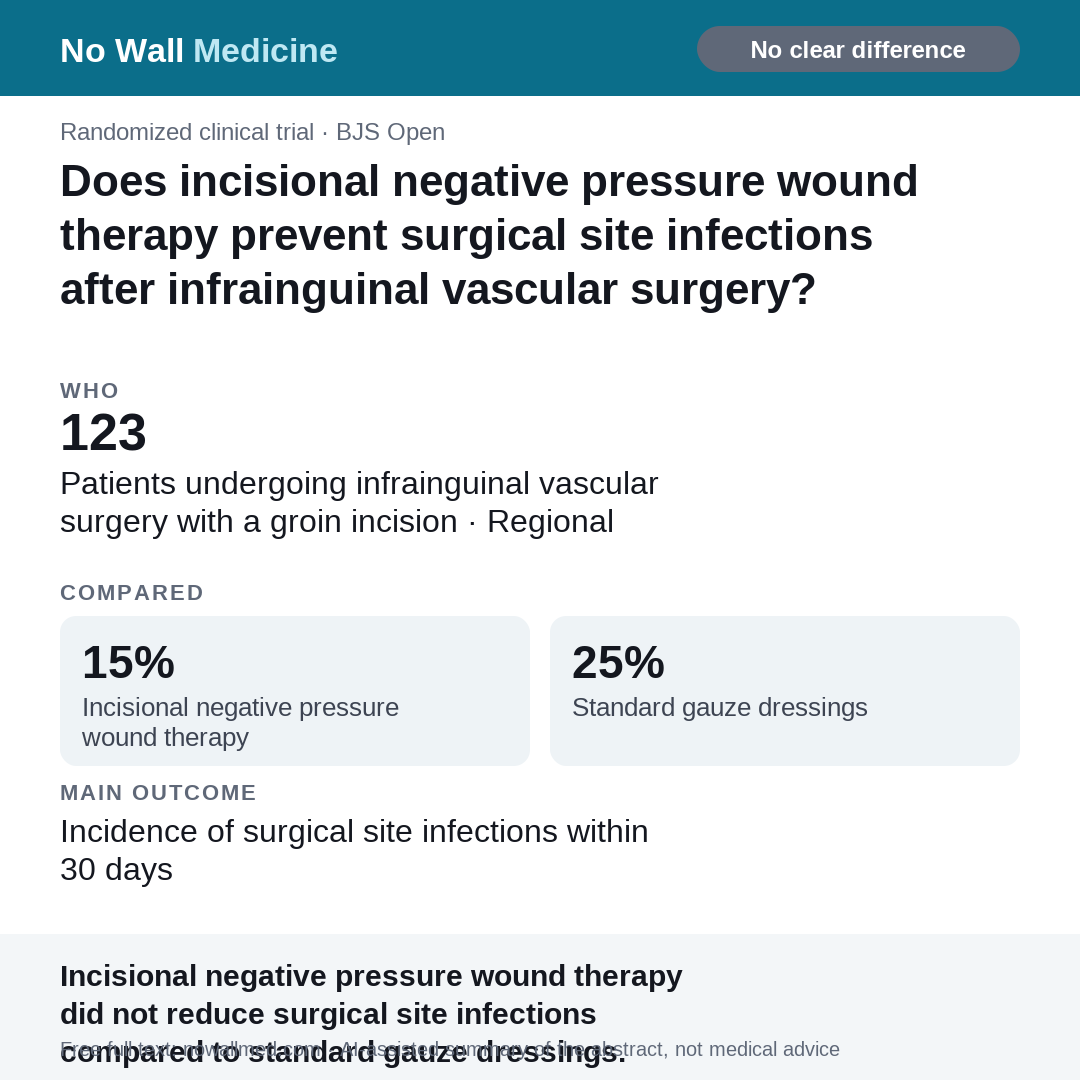
Prophylactic use of incisional negative pressure wound therapy for groin incisions in vascular surgery: randomized clinical trial
Randomized clinical trialNo clear difference
Does incisional negative pressure wound therapy prevent surgical site infections after infrainguinal vascular surgery?
Who
123
Patients undergoing infrainguinal vascular surgery with a groin incision · Regional
Compared
15%Incisional negative pressure wound therapy
25%Standard gauze dressings
Main outcome
Incidence of surgical site infections within 30 days
Bottom line: Incisional negative pressure wound therapy did not reduce surgical site infections compared to standard gauze dressings.
BJS Open · 2025-06-12Download image
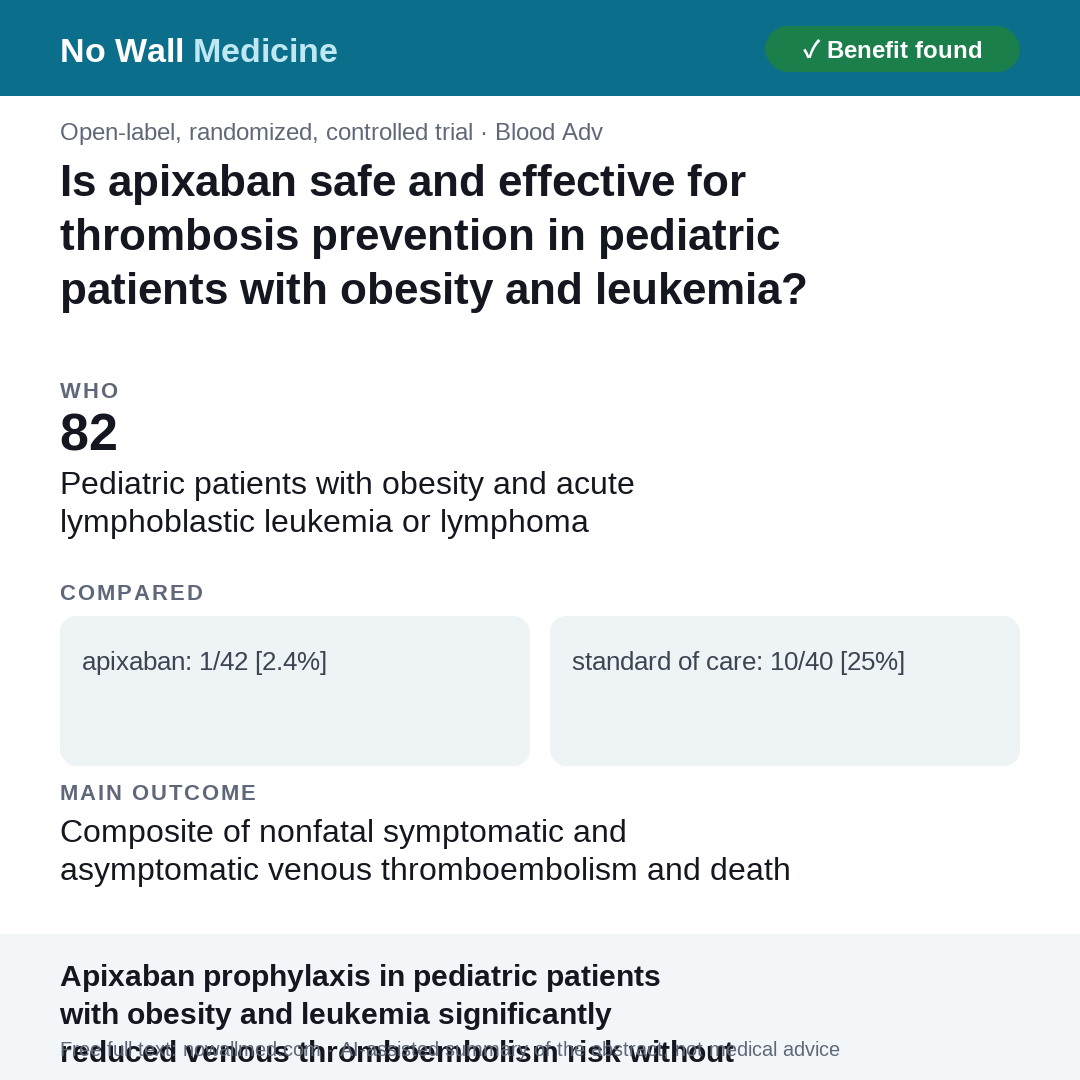
Safety and efficacy of apixaban thrombosis prevention in pediatric patients with obesity and acute lymphoblastic leukemia
Open-label, randomized, controlled trialBenefit found
Is apixaban safe and effective for thrombosis prevention in pediatric patients with obesity and leukemia?
Who
82
Pediatric patients with obesity and acute lymphoblastic leukemia or lymphoma
Compared
apixaban: 1/42 [2.4%]
standard of care: 10/40 [25%]
Main outcome
Composite of nonfatal symptomatic and asymptomatic venous thromboembolism and death
Result: relative risk 0.09 (95% CI 0.01-0.97)
Bottom line: Apixaban prophylaxis in pediatric patients with obesity and leukemia significantly reduced venous thromboembolism risk without increasing bleeding.
Blood Adv · 2025-06-12Download image
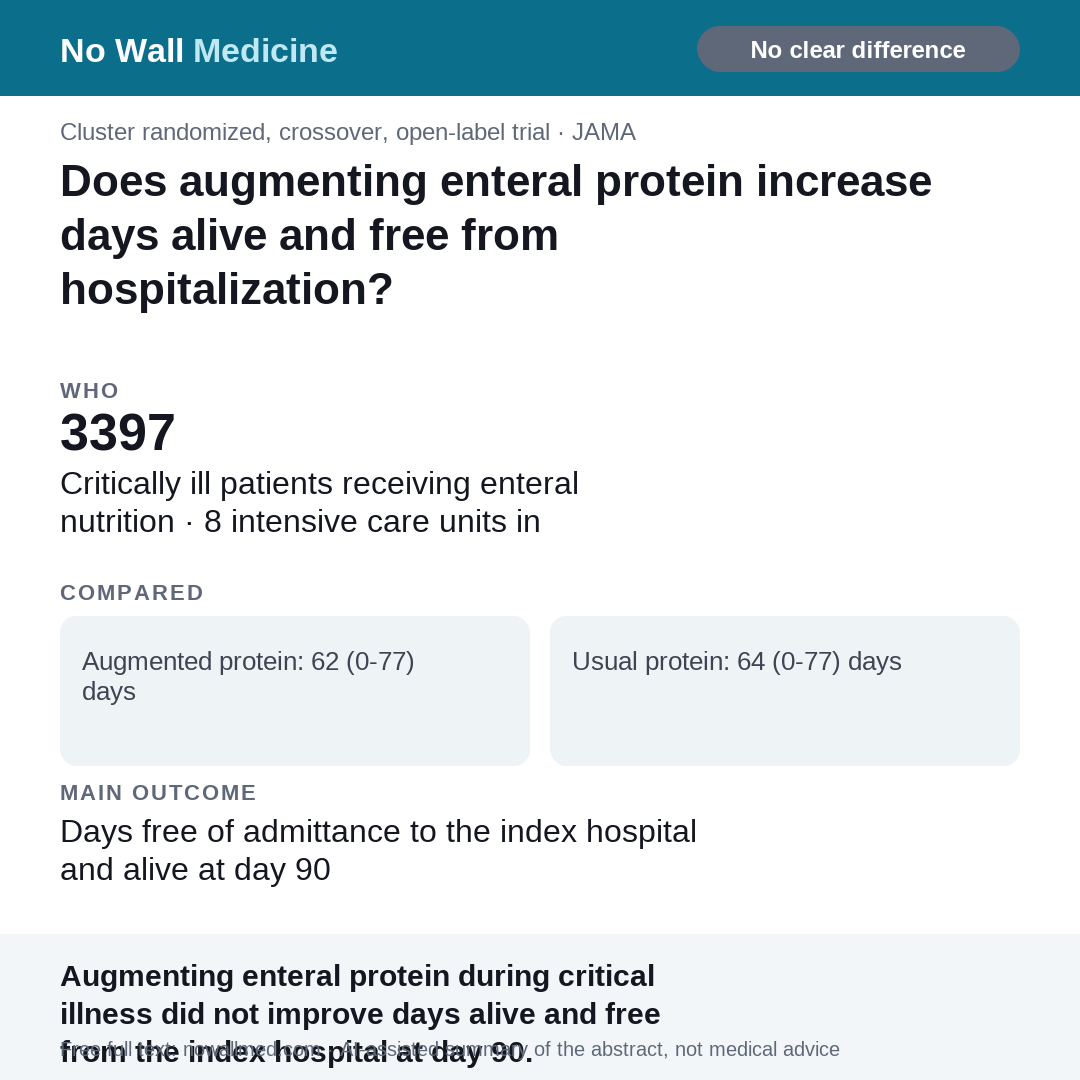
Augmented Enteral Protein During Critical Illness: The TARGET Protein Randomized Clinical Trial
Cluster randomized, crossover, open-label trialNo clear difference
Does augmenting enteral protein increase days alive and free from hospitalization?
Who
3397
Critically ill patients receiving enteral nutrition · 8 intensive care units in Australia and New Zealand
Compared
Augmented protein: 62 (0-77) days
Usual protein: 64 (0-77) days
Main outcome
Days free of admittance to the index hospital and alive at day 90
Result: -1.97 (95% CI, -7.24 to 3.30) days
Bottom line: Augmenting enteral protein during critical illness did not improve days alive and free from the index hospital at day 90.
JAMA · 2025-06-11Download image
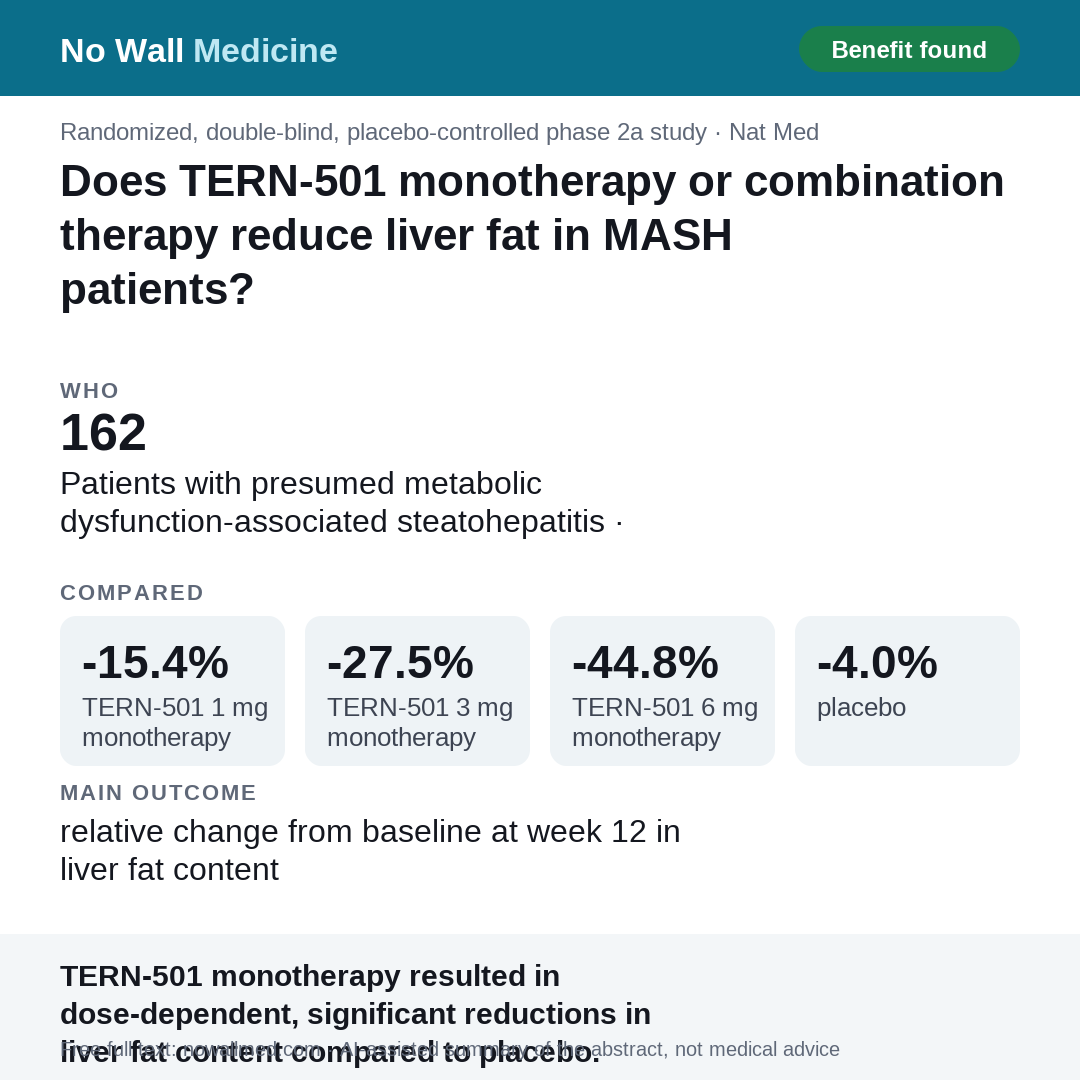
TERN-501 monotherapy and combination therapy with TERN-101 in metabolic dysfunction-associated steatohepatitis: the randomized phase 2a DUET trial
Randomized, double-blind, placebo-controlled phase 2a studyBenefit found
Does TERN-501 monotherapy or combination therapy reduce liver fat in MASH patients?
Who
162
Patients with presumed metabolic dysfunction-associated steatohepatitis · multicenter
Compared
-15.4%TERN-501 1 mg monotherapy (5.2%)
-27.5%TERN-501 3 mg monotherapy (5.7%)
-44.8%TERN-501 6 mg monotherapy (5.9%)
-4.0%placebo (5.4%)
Main outcome
relative change from baseline at week 12 in liver fat content
Bottom line: TERN-501 monotherapy resulted in dose-dependent, significant reductions in liver fat content compared to placebo.
Nat Med · 2025-06-11Download image
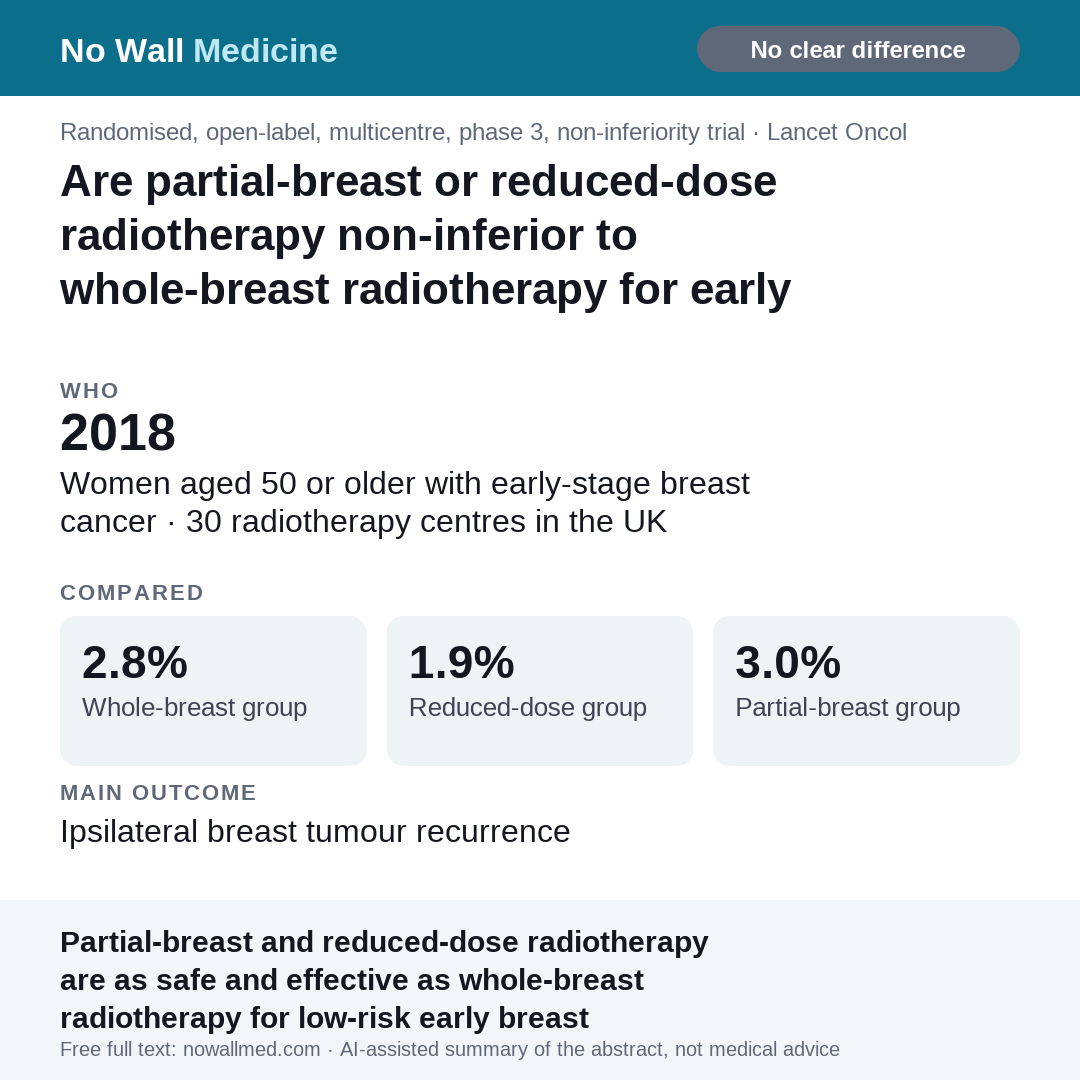
Partial-breast radiotherapy after breast conservation surgery for women with early breast cancer (UK IMPORT LOW): 10-year outcomes from a multicentre, open-label, randomised, controlled, phase 3, non-inferiority trial
Randomised, open-label, multicentre, phase 3, non-inferiority trialNo clear difference
Are partial-breast or reduced-dose radiotherapy non-inferior to whole-breast radiotherapy for early breast cancer?
Who
2018
Women aged 50 or older with early-stage breast cancer · 30 radiotherapy centres in the UK
Compared
2.8%Whole-breast group (17/674)
1.9%Reduced-dose group (11/673)
3.0%Partial-breast group (17/669)
Main outcome
Ipsilateral breast tumour recurrence
Result: absolute difference -1.02% (95% CI -1.98 to 0.99) and 0.16% (-1.28 to 2.89)
Bottom line: Partial-breast and reduced-dose radiotherapy are as safe and effective as whole-breast radiotherapy for low-risk early breast cancer.
Funded by: Cancer Research UK
Lancet Oncol · 2025-06-11Download image
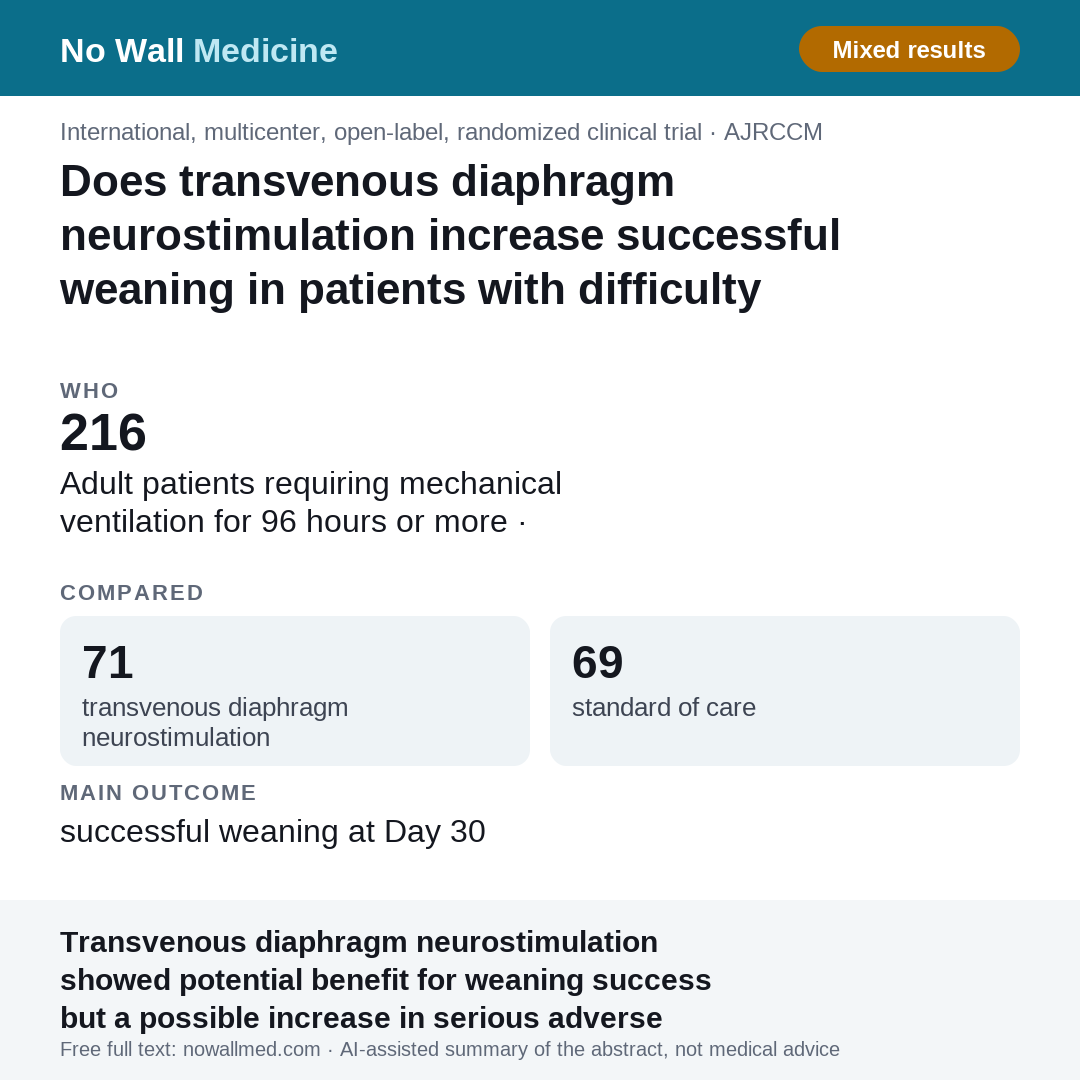
Temporary Transvenous Diaphragm Neurostimulation for Weaning from Mechanical Ventilation (RESCUE-3): A Randomized Clinical Trial
International, multicenter, open-label, randomized clinical trialMixed results
Does transvenous diaphragm neurostimulation increase successful weaning in patients with difficulty weaning?
Who
216
Adult patients requiring mechanical ventilation for 96 hours or more · International, multicenter
Compared
71transvenous diaphragm neurostimulation (70%)
69standard of care (61%)
Main outcome
successful weaning at Day 30
Result: adjusted hazard ratio 1.34 (95% credible interval 1.01-1.78)
Bottom line: Transvenous diaphragm neurostimulation showed potential benefit for weaning success but a possible increase in serious adverse events.
AJRCCM · 2025-06-11Download image
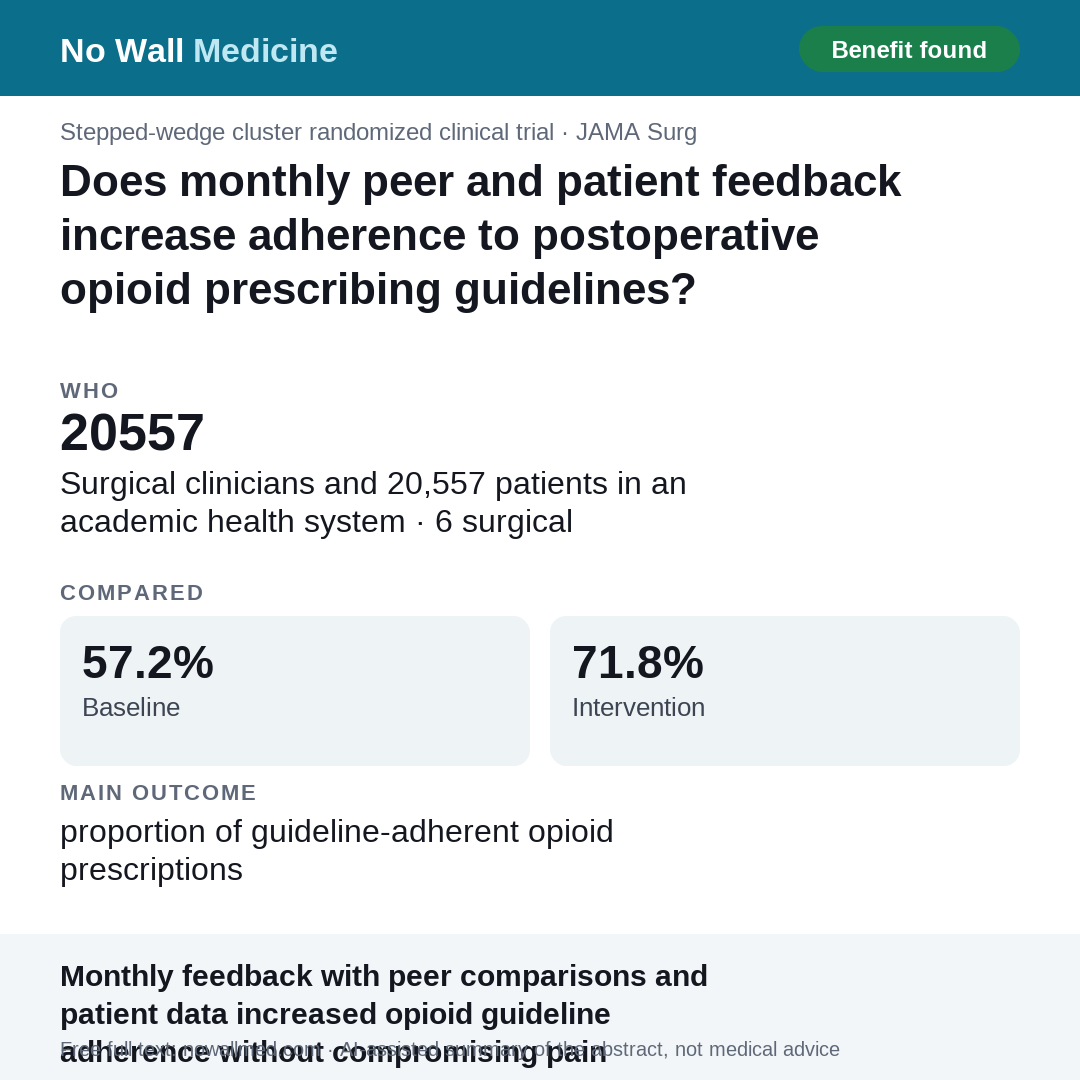
Peer and Patient Feedback to Increase Adherence to Postoperative Opioid Prescribing Guidelines: A Stepped-Wedge Cluster Randomized Clinical Trial
Stepped-wedge cluster randomized clinical trialBenefit found
Does monthly peer and patient feedback increase adherence to postoperative opioid prescribing guidelines?
Who
20557
Surgical clinicians and 20,557 patients in an academic health system · 6 surgical departments in Pennsylvania and New Jersey
Compared
57.2%Baseline
71.8%Intervention
Main outcome
proportion of guideline-adherent opioid prescriptions
Result: adjusted intervention effect of 5.3% (95% CI, 2.0%-8.7%)
Bottom line: Monthly feedback with peer comparisons and patient data increased opioid guideline adherence without compromising pain management.
JAMA Surg · 2025-06-11Download image
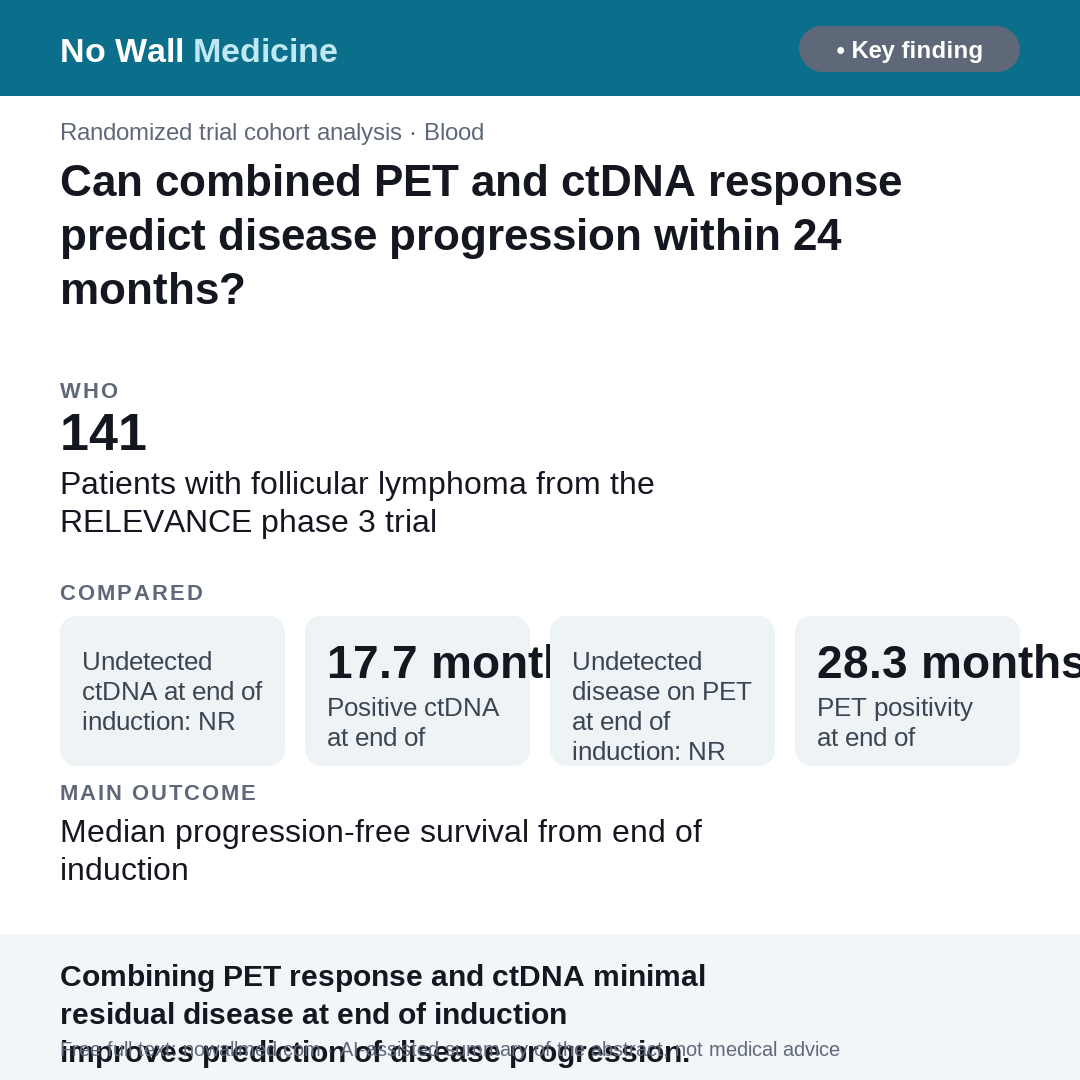
Combined PET and ctDNA response as a predictor of POD24 for follicular lymphoma after first-line induction treatment
Randomized trial cohort analysisBenefit found
Can combined PET and ctDNA response predict disease progression within 24 months?
Who
141
Patients with follicular lymphoma from the RELEVANCE phase 3 trial
Compared
Undetected ctDNA at end of induction: NR
17.7 monthsPositive ctDNA at end of induction (95% CI, 1.4 to NR)
Undetected disease on PET at end of induction: NR
28.3 monthsPET positivity at end of induction (95% CI, 2.9 to NR)
Main outcome
Median progression-free survival from end of induction
Bottom line: Combining PET response and ctDNA minimal residual disease at end of induction improves prediction of disease progression.
Blood · 2025-06-11Download image
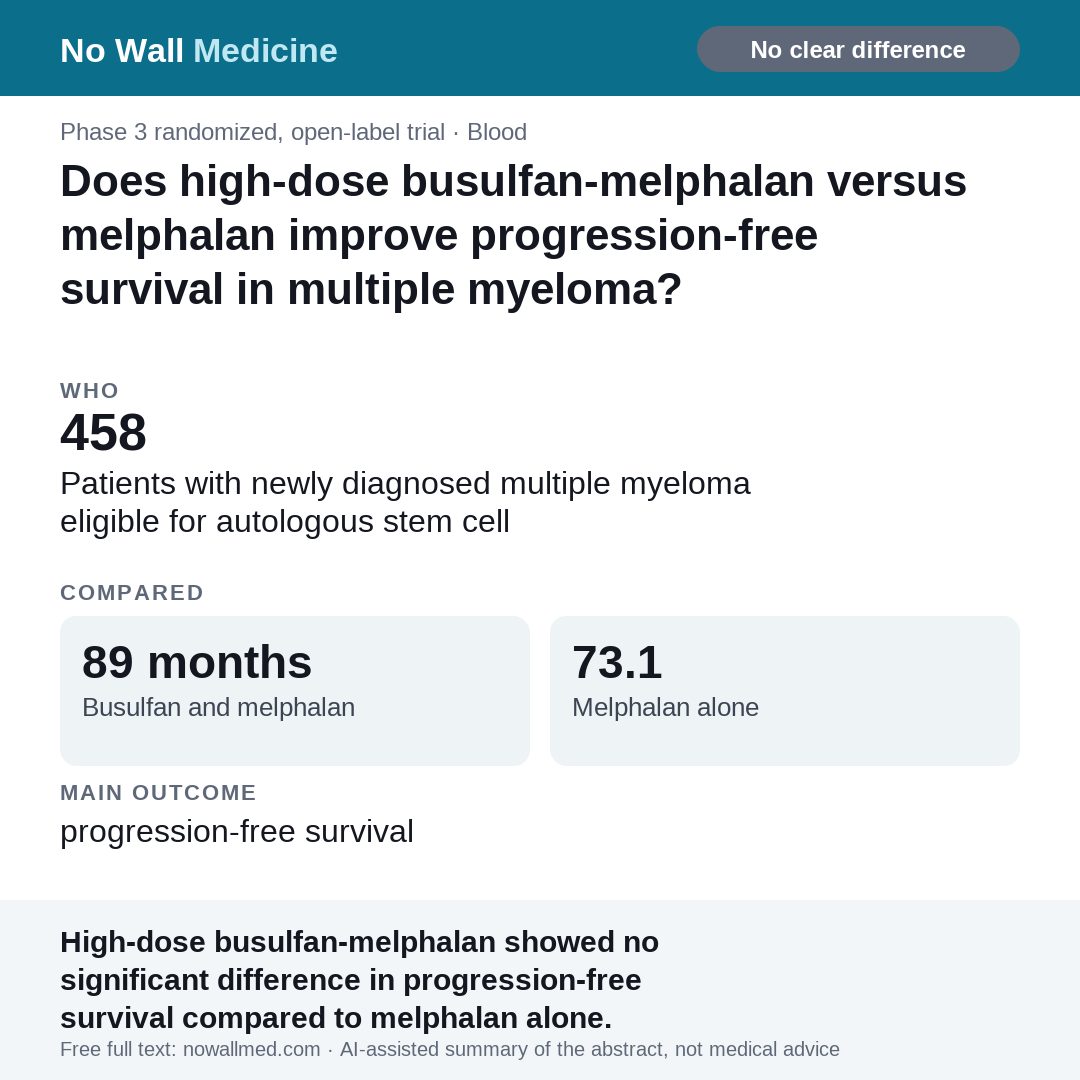
High-dose busulfan-melphalan vs melphalan and reinforced VRD for newly diagnosed multiple myeloma: a phase 3 GEM trial
Phase 3 randomized, open-label trialNo clear difference
Does high-dose busulfan-melphalan versus melphalan improve progression-free survival in multiple myeloma?
Who
458
Patients with newly diagnosed multiple myeloma eligible for autologous stem cell transplantation
Compared
89 monthsBusulfan and melphalan
73.1Melphalan alone
Main outcome
progression-free survival
Result: hazard ratio 0.89 (95% confidence interval, 0.70-1.14)
Bottom line: High-dose busulfan-melphalan showed no significant difference in progression-free survival compared to melphalan alone.
Blood · 2025-06-11Download image
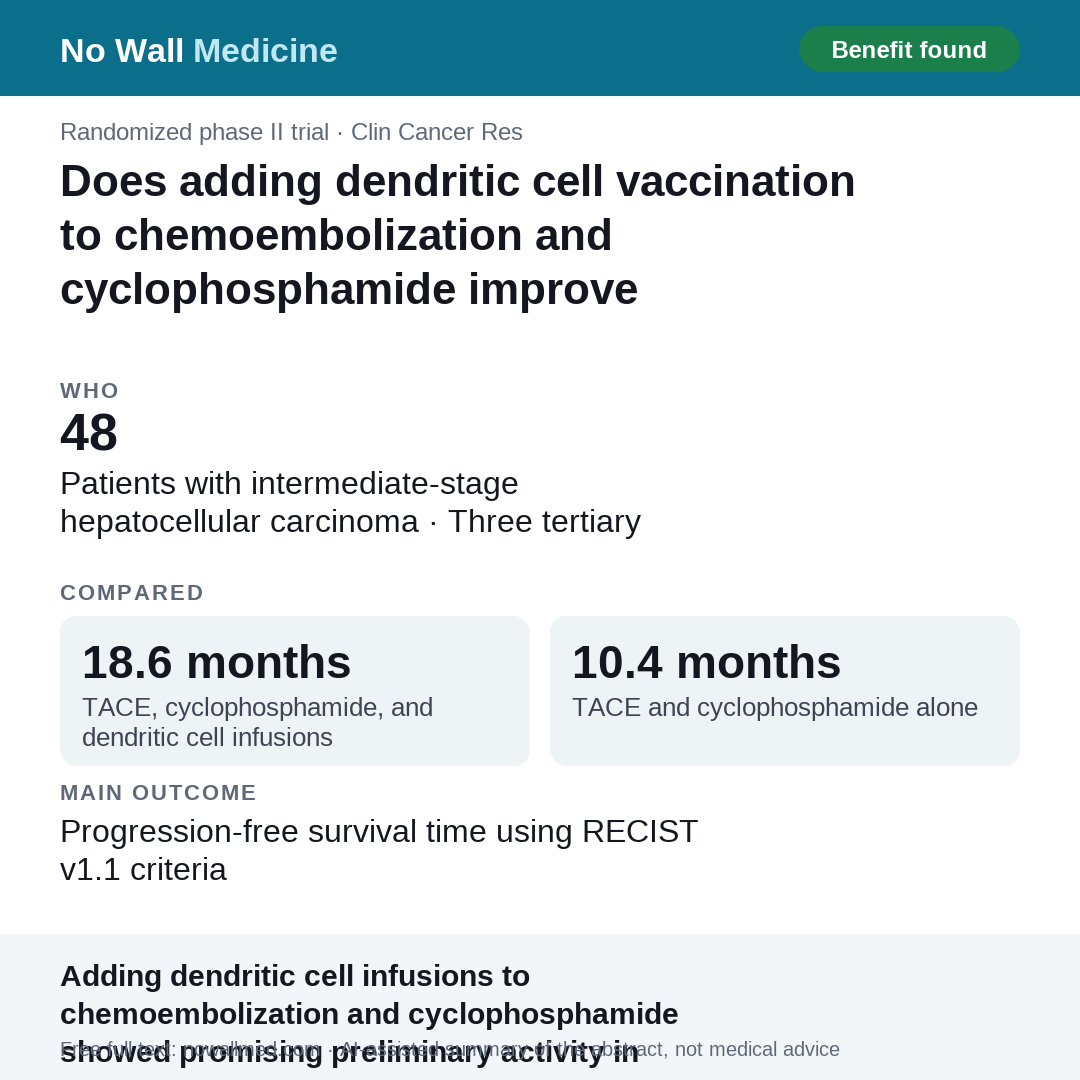
Addition of Dendritic Cell Vaccination to Conditioning Cyclophosphamide and Chemoembolization in Patients with Hepatocellular Carcinoma: The ImmunoTACE Trial
Randomized phase II trialBenefit found
Does adding dendritic cell vaccination to chemoembolization and cyclophosphamide improve progression-free survival?
Who
48
Patients with intermediate-stage hepatocellular carcinoma · Three tertiary referral centers in the United Kingdom
Compared
18.6 monthsTACE, cyclophosphamide, and dendritic cell infusions
10.4 monthsTACE and cyclophosphamide alone
Main outcome
Progression-free survival time using RECIST v1.1 criteria
Result: hazard ratio 0.43; upper value of one-sided 80% confidence interval, 0.57
Bottom line: Adding dendritic cell infusions to chemoembolization and cyclophosphamide showed promising preliminary activity in intermediate-stage hepatocellular carcinoma.
Clin Cancer Res · 2025-06-11Download image
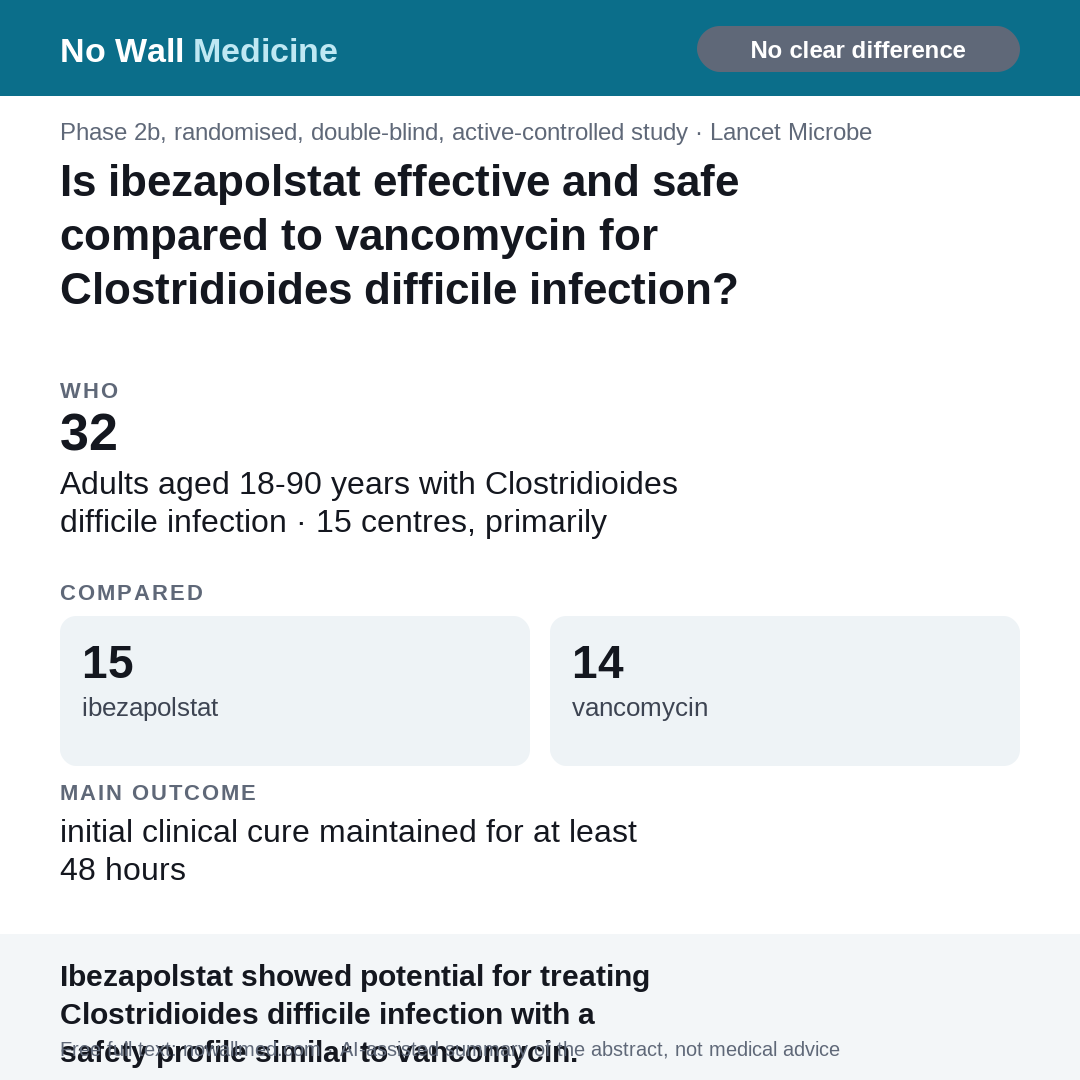
Efficacy, safety, pharmacokinetics, and associated microbiome changes of ibezapolstat compared with vancomycin in adults with Clostridioides difficile infection: a phase 2b, randomised, double-blind, active-controlled, multicentre study
Phase 2b, randomised, double-blind, active-controlled studyNo clear difference
Is ibezapolstat effective and safe compared to vancomycin for Clostridioides difficile infection?
Who
32
Adults aged 18-90 years with Clostridioides difficile infection · 15 centres, primarily outpatient clinics and hospitals, USA
Compared
15ibezapolstat (94%)
14vancomycin (100%)
Main outcome
initial clinical cure maintained for at least 48 hours
Result: treatment difference -6·3% (95% CI -30·7 to 19·4)
Bottom line: Ibezapolstat showed potential for treating Clostridioides difficile infection with a safety profile similar to vancomycin.
Funded by: Acurx Pharmaceuticals
Lancet Microbe · 2025-06-11Download image
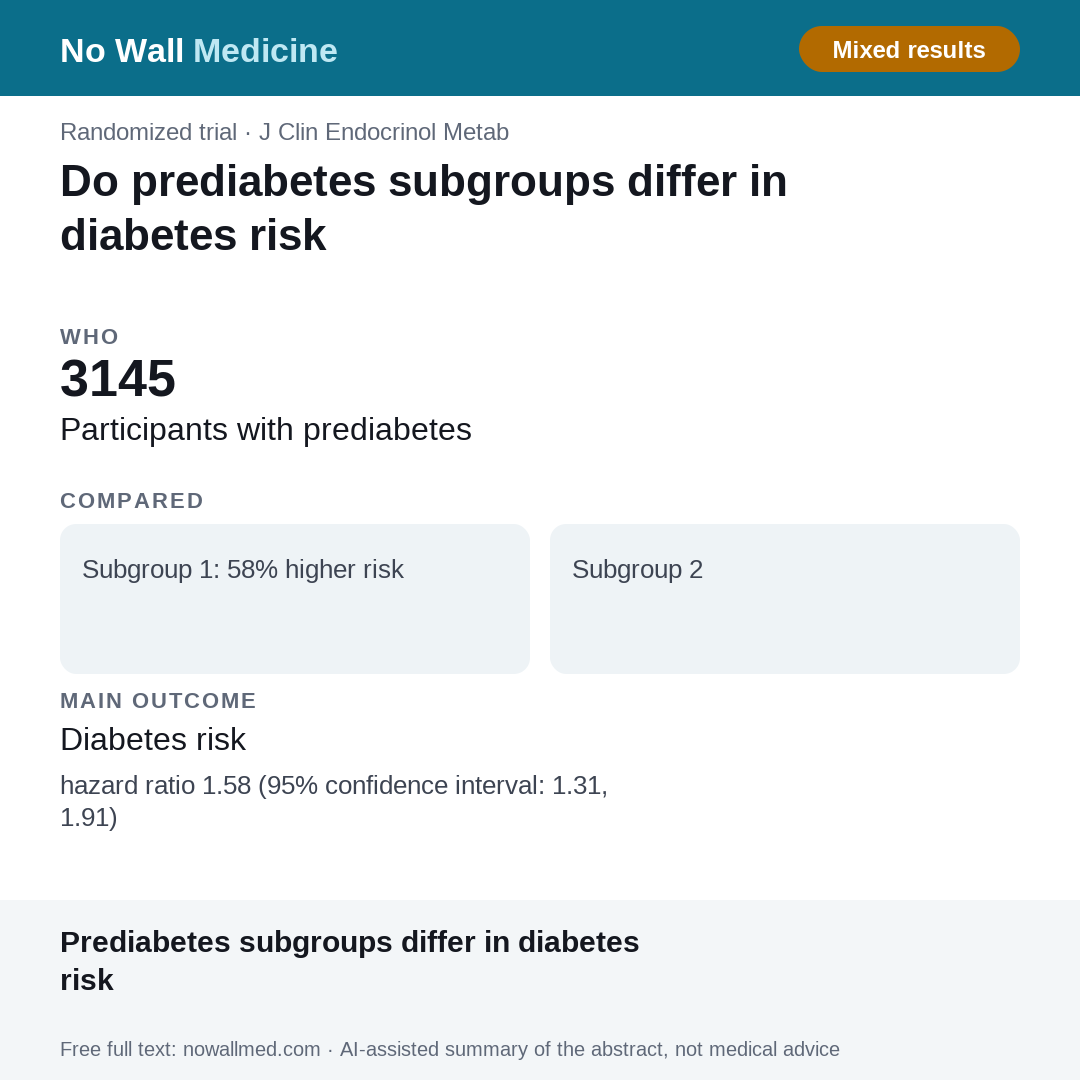
Prediabetes Subgroups, Type 2 Diabetes Risk, and Differential Effects of Preventive Interventions
Randomized trialMixed results
Do prediabetes subgroups differ in diabetes risk
Who
3145
Participants with prediabetes
Compared
Subgroup 1: 58% higher risk
Subgroup 2
Main outcome
Diabetes risk
Result: hazard ratio 1.58 (95% confidence interval: 1.31, 1.91)
Bottom line: Prediabetes subgroups differ in diabetes risk
J Clin Endocrinol Metab · 2025-06-11Download image
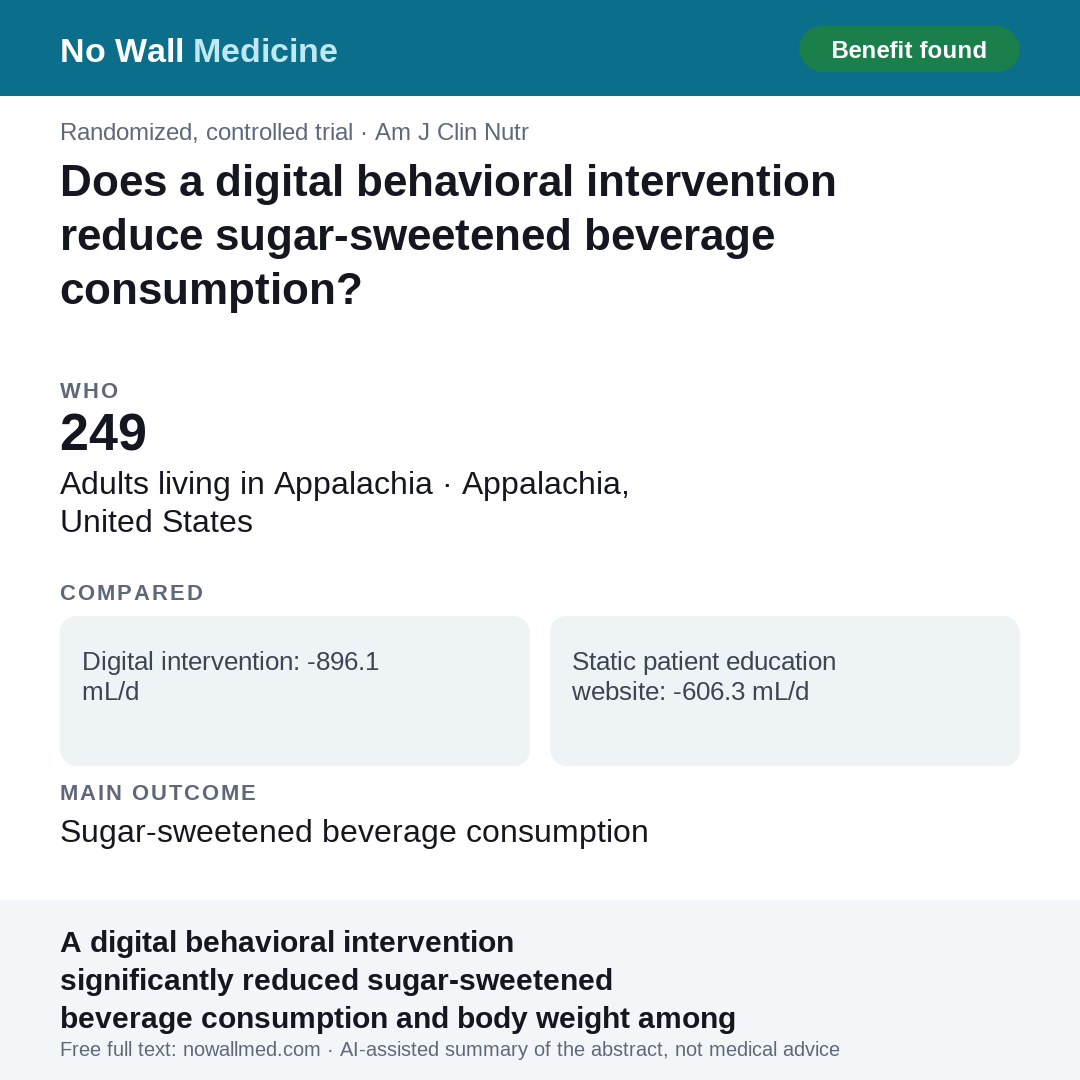
A digital behavioral intervention to reduce sugar-sweetened beverage consumption: a randomized, controlled trial
Randomized, controlled trialBenefit found
Does a digital behavioral intervention reduce sugar-sweetened beverage consumption?
Who
249
Adults living in Appalachia · Appalachia, United States
Compared
Digital intervention: -896.1 mL/d
Static patient education website: -606.3 mL/d
Main outcome
Sugar-sweetened beverage consumption
Result: -289.8 (95% CI: -493.9, -88.7) mL/d
Bottom line: A digital behavioral intervention significantly reduced sugar-sweetened beverage consumption and body weight among Appalachian adults.
Am J Clin Nutr · 2025-06-11Download image