Visual abstracts
New randomized trials and meta-analyses from leading journals at a glance: who was studied, what was compared, and what was found. Every paper is free to read in full.
All specialtiesCardiology 816Oncology 733Gastroenterology & Hepatology 302Infectious Disease 594Neurology 342Psychiatry & Mental Health 423Pulmonology 358Critical Care 230Endocrinology & Diabetes 467Pediatrics 519Surgery 325Orthopedics & Sports Medicine 155Neurosurgery 73Cardiothoracic & Vascular Surgery 85Plastic & Reconstructive Surgery 100Nephrology 189Rheumatology 106Hematology 167Dermatology 69Ophthalmology 95Obstetrics & Gynecology 251Public & Global Health 164Radiology & Imaging 91Anesthesiology 104Urology 160ENT (Otolaryngology) 71Emergency Medicine 88Allergy & Immunology 58Geriatrics 157Family Medicine & Primary Care 109Medical Genetics & Genomics 92Pathology & Laboratory Medicine 22Physical Medicine & Rehabilitation 146Palliative Care 80Nutrition 221Digital Health & AI 456General Medicine 95
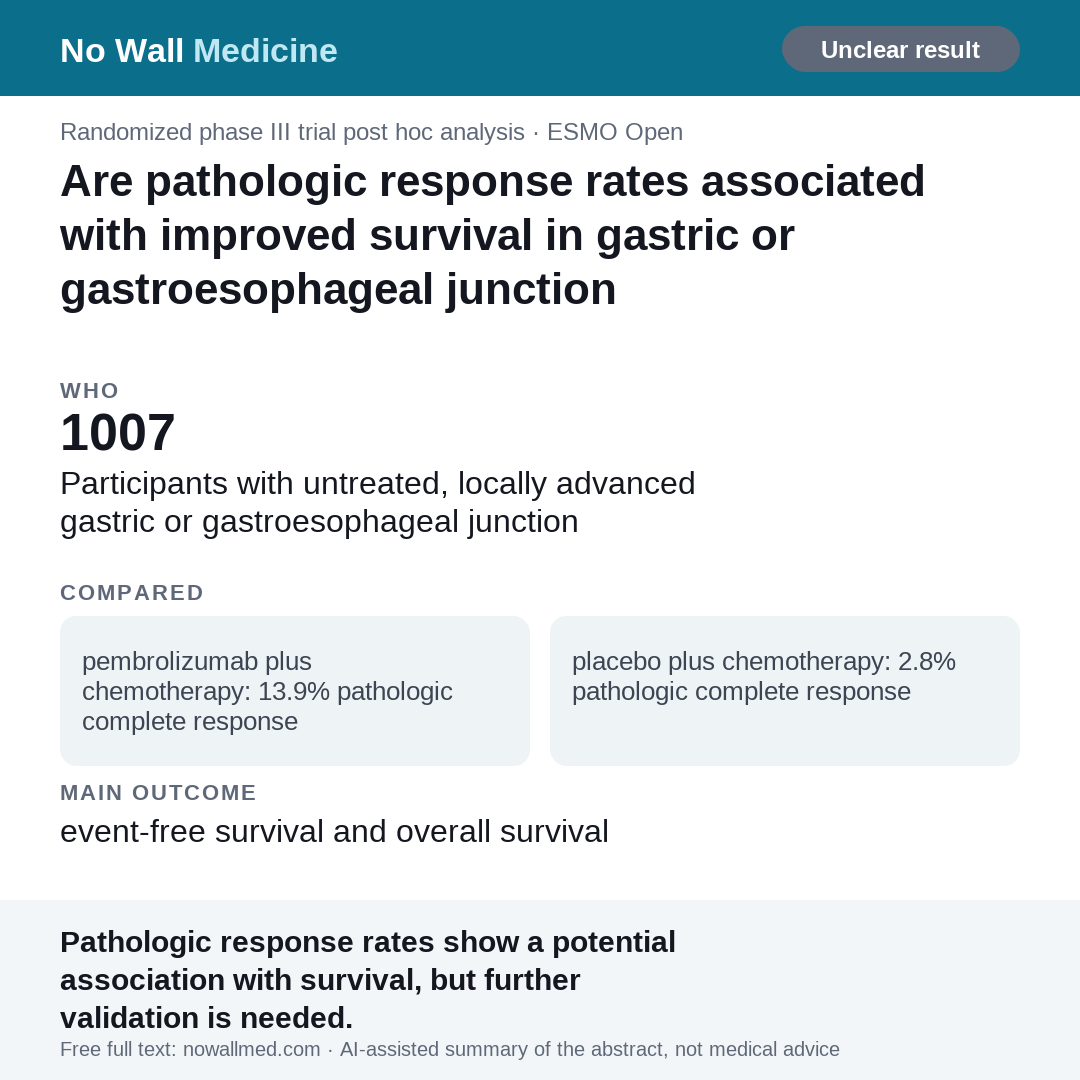
Surrogate endpoints for survival in KEYNOTE-585: neoadjuvant/adjuvant pembrolizumab plus chemotherapy versus placebo plus chemotherapy for gastric or gastroesophageal junction adenocarcinoma
Randomized phase III trial post hoc analysisUnclear result
Are pathologic response rates associated with improved survival in gastric or gastroesophageal junction adenocarcinoma?
Who
1007
Participants with untreated, locally advanced gastric or gastroesophageal junction adenocarcinoma
Compared
pembrolizumab plus chemotherapy: 13.9% pathologic complete response
placebo plus chemotherapy: 2.8% pathologic complete response
Main outcome
event-free survival and overall survival
Result: hazard ratio 0.6 (95% CI 0.4-1.0) for event-free survival
Bottom line: Pathologic response rates show a potential association with survival, but further validation is needed.
Limitation: This was a post hoc analysis and further validation is needed.
ESMO Open · 2026-02-26Download image
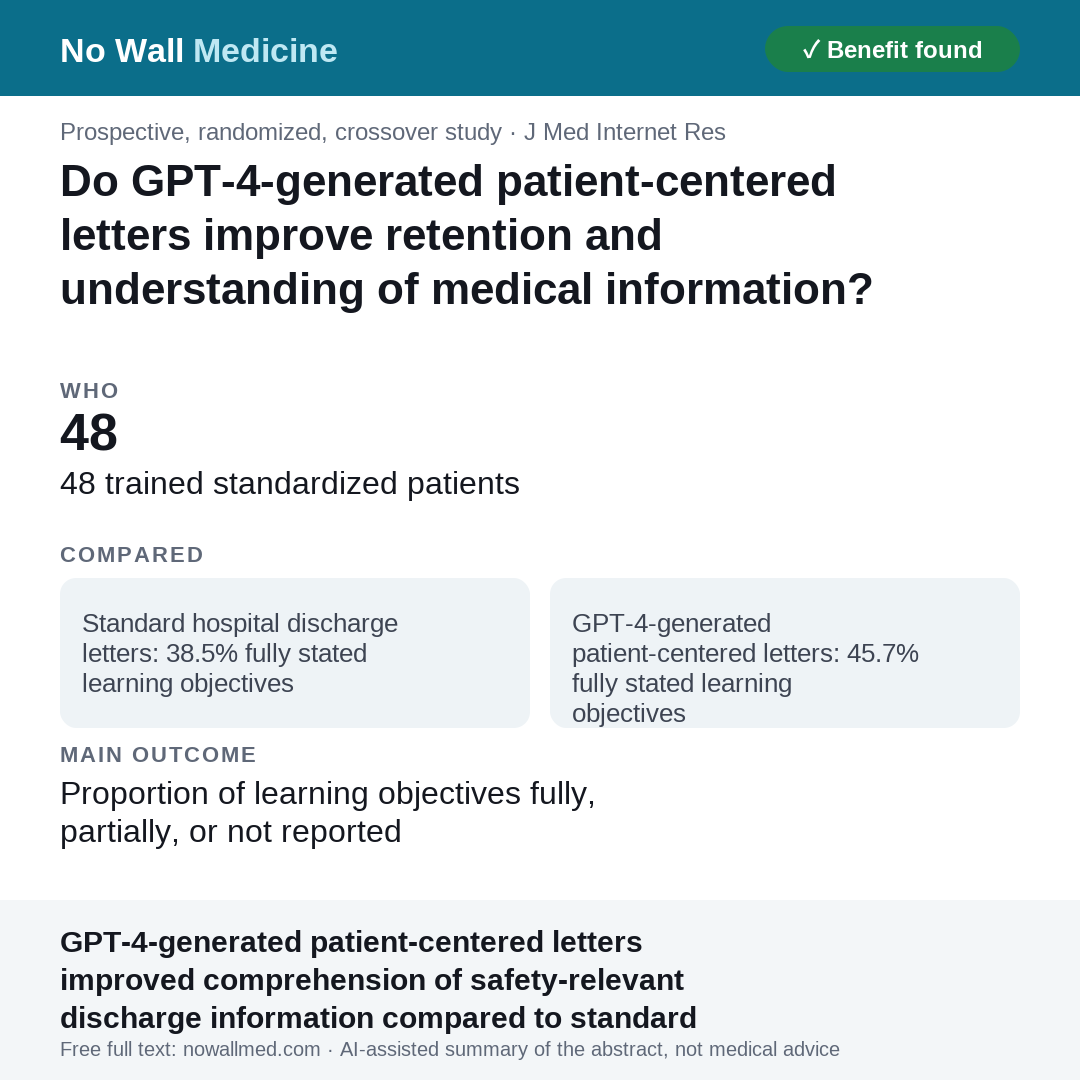
Impact of GPT-4-Generated Discharge Letters on Patients' Medical Comprehension: Prospective Crossover Study
Prospective, randomized, crossover studyBenefit found
Do GPT-4-generated patient-centered letters improve retention and understanding of medical information?
Who
48
48 trained standardized patients
Compared
Standard hospital discharge letters: 38.5% fully stated learning objectives
GPT-4-generated patient-centered letters: 45.7% fully stated learning objectives
Main outcome
Proportion of learning objectives fully, partially, or not reported
Result: odds ratio 1.74 (95% CI 1.45-2.08)
Bottom line: GPT-4-generated patient-centered letters improved comprehension of safety-relevant discharge information compared to standard hospital discharge letters.
Limitation: The study was an explanatory study and less effective for higher-order understanding.
J Med Internet Res · 2026-02-26Download image
Effects of collaborative care on recognition and management of common mental disorders by general practitioners: a cluster-randomised trial in Norway
Cluster-randomised controlled trialMixed results
Does collaborative care affect recognition and management of common mental disorders by general practitioners?
Who
General practitioner patients aged 16 to 65 years old · Six general practitioner practices in Oslo, Norway
Compared
Collaborative care model
Usual health care
Main outcome
Number of referrals to mental health services
Bottom line: Collaborative care increased recognition of common mental disorders but did not significantly change mental health service referrals.
Limitation: Lack of structured clinical measurements in electronic patient records meant clinical outcomes were unknown.
BMC Prim Care · 2026-02-26Download image

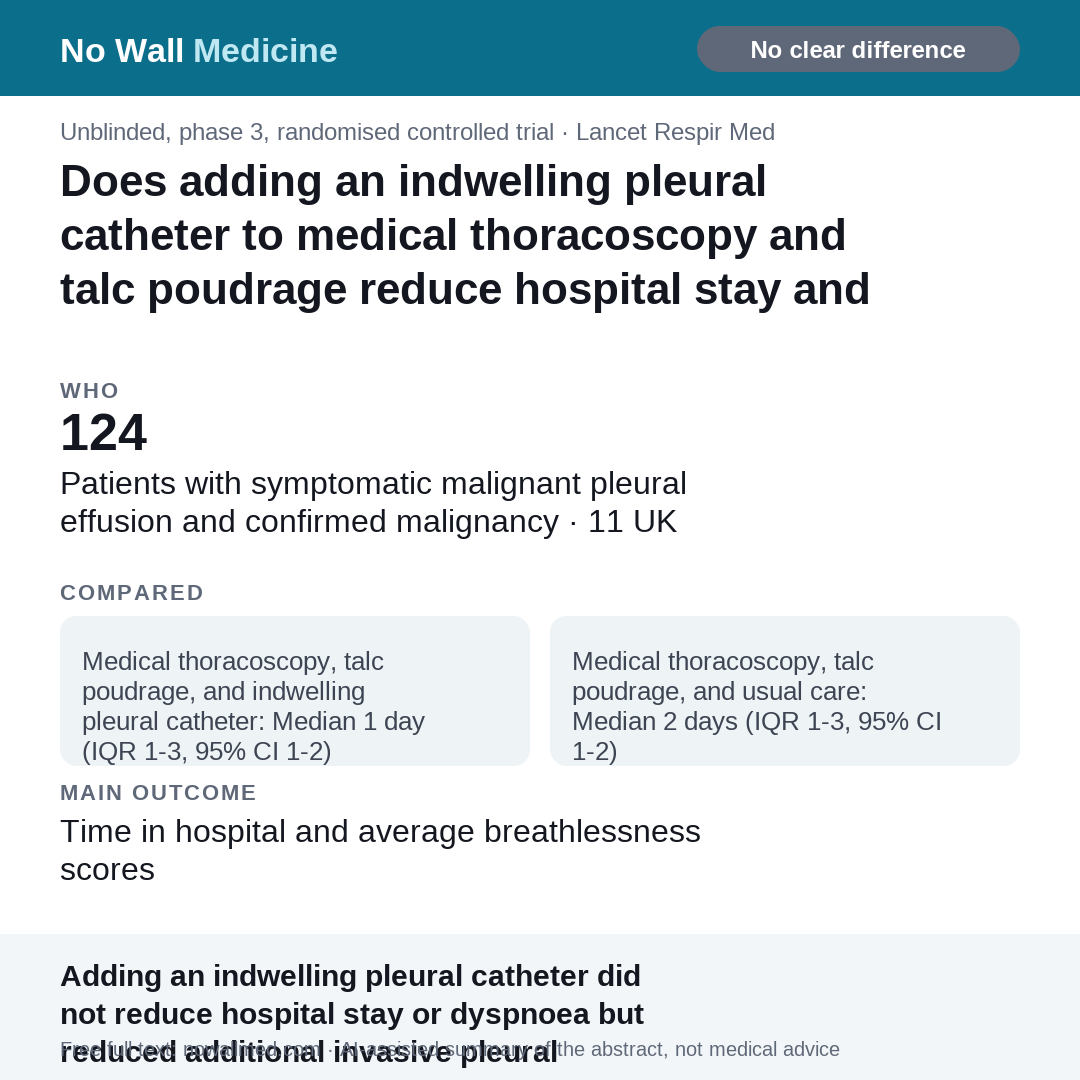
Medical thoracoscopy with talc poudrage and indwelling pleural catheter insertion versus medical thoracoscopy with talc poudrage alone for patients with symptomatic malignant pleural effusion (TACTIC): a randomised, controlled phase 3 trial
Unblinded, phase 3, randomised controlled trialNo clear difference
Does adding an indwelling pleural catheter to medical thoracoscopy and talc poudrage reduce hospital stay and dyspnoea?
Who
124
Patients with symptomatic malignant pleural effusion and confirmed malignancy · 11 UK hospitals
Compared
Medical thoracoscopy, talc poudrage, and indwelling pleural catheter: Median 1 day (IQR 1-3, 95% CI 1-2)
Medical thoracoscopy, talc poudrage, and usual care: Median 2 days (IQR 1-3, 95% CI 1-2)
Main outcome
Time in hospital and average breathlessness scores
Result: p=0·26 for hospital stay; p=0·26 for dyspnoea scores
Bottom line: Adding an indwelling pleural catheter did not reduce hospital stay or dyspnoea but reduced additional invasive pleural procedures.
Funded by: National Institute of Health Research, Research for Patient Benefit
Lancet Respir Med · 2026-02-25Download image
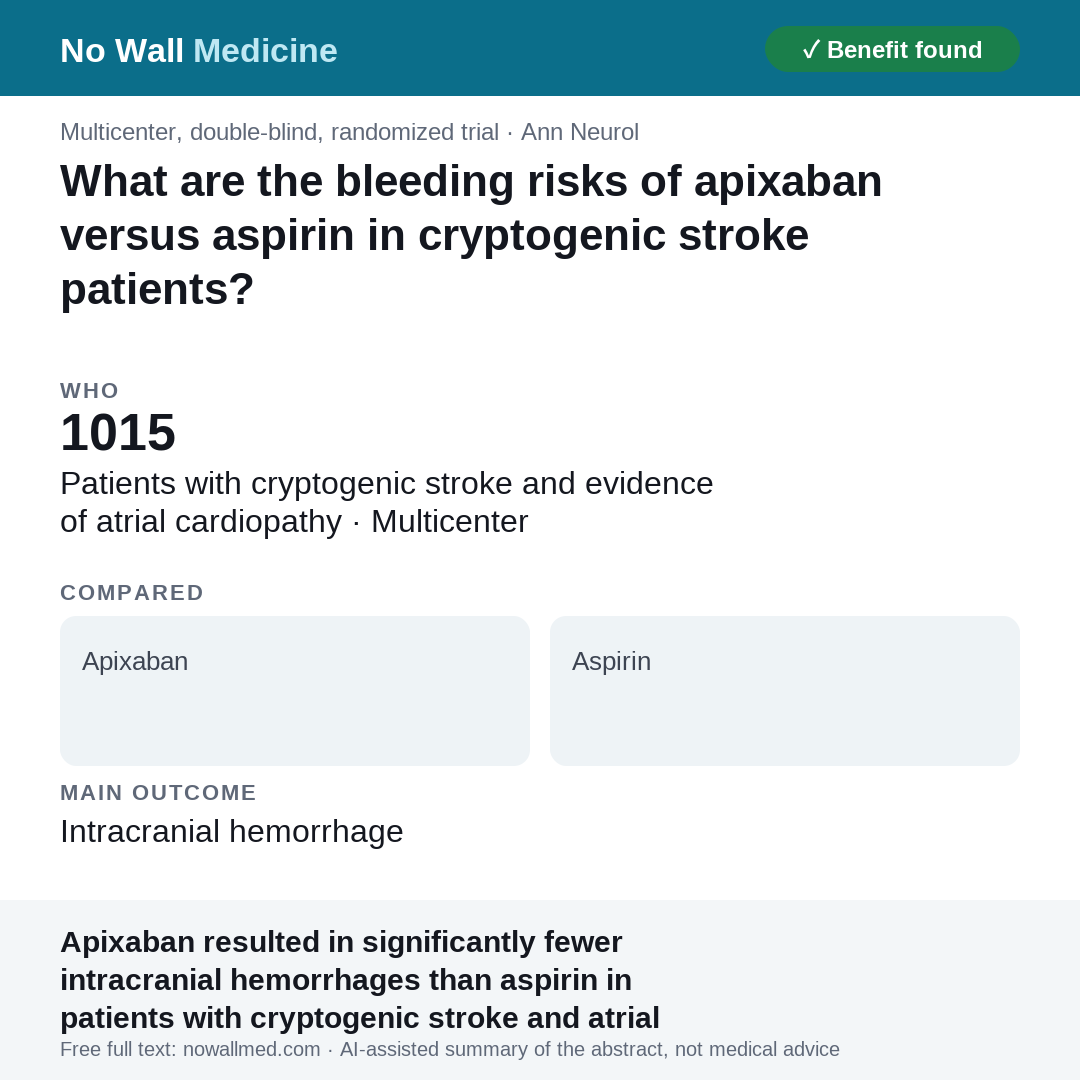
Apixaban Versus Aspirin and Risk of Hemorrhage in the ARCADIA Trial
Multicenter, double-blind, randomized trialBenefit found
What are the bleeding risks of apixaban versus aspirin in cryptogenic stroke patients?
Who
1015
Patients with cryptogenic stroke and evidence of atrial cardiopathy · Multicenter
Compared
Apixaban
Aspirin
Main outcome
Intracranial hemorrhage
Result: incidence rate difference -1.4% (95% confidence interval -2.3% to -0.5%)
Bottom line: Apixaban resulted in significantly fewer intracranial hemorrhages than aspirin in patients with cryptogenic stroke and atrial cardiopathy.
Ann Neurol · 2026-02-25Download image
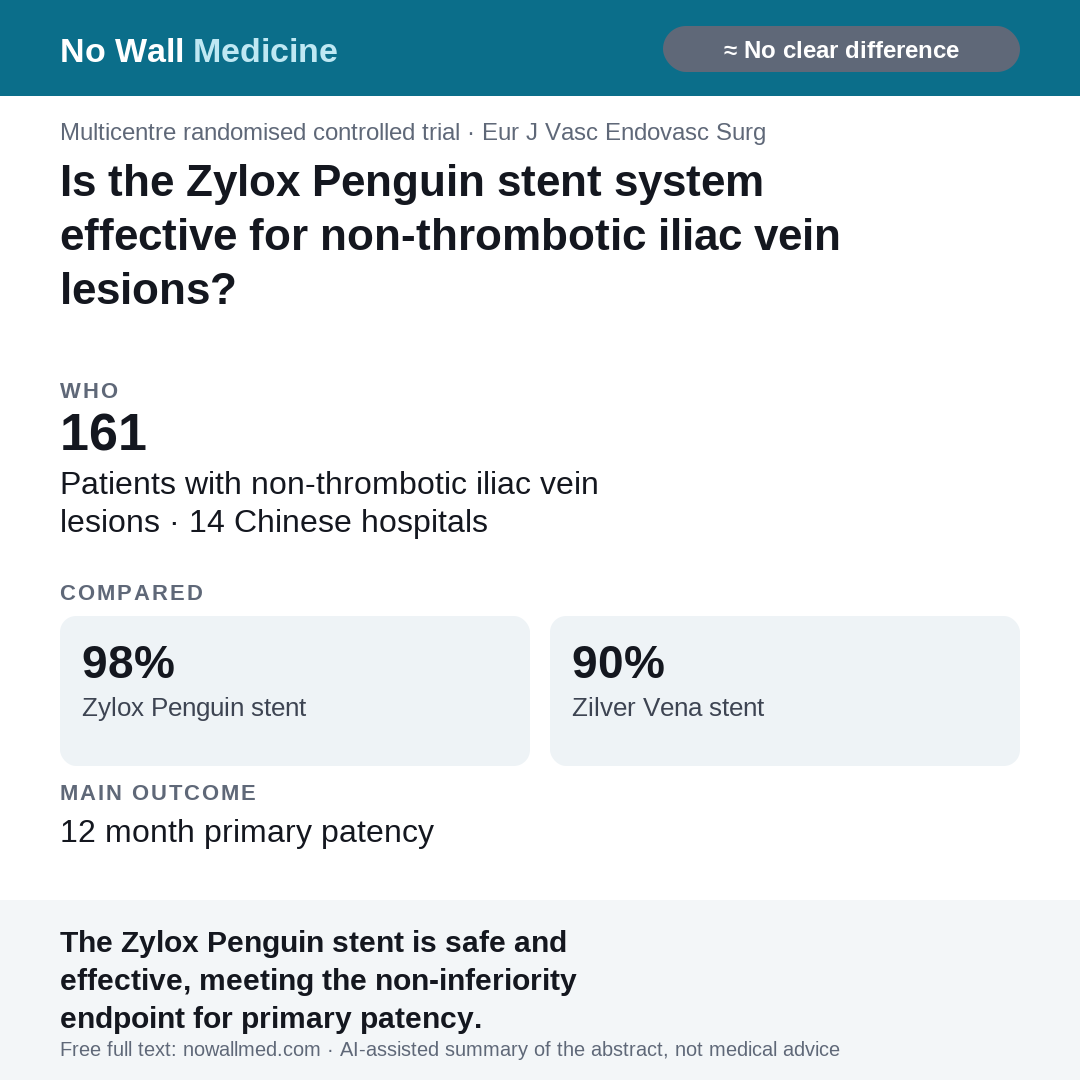
Comparison of the Zylox Penguin Venous Stent System and Zilver Vena Stent for Non-thrombotic Iliac Vein Lesions: A Multicentre Randomised Controlled Trial
Multicentre randomised controlled trialNo clear difference
Is the Zylox Penguin stent system effective for non-thrombotic iliac vein lesions?
Who
161
Patients with non-thrombotic iliac vein lesions · 14 Chinese hospitals
Compared
98%Zylox Penguin stent
90%Zilver Vena stent
Main outcome
12 month primary patency
Result: absolute risk difference 7.5% (95% confidence interval -0.1 to 16.6%)
Bottom line: The Zylox Penguin stent is safe and effective, meeting the non-inferiority endpoint for primary patency.
Eur J Vasc Endovasc Surg · 2026-02-25Download image
Nerandomilast in idiopathic pulmonary fibrosis: data from the whole follow-up period of the FIBRONEER-IPF trial
Randomized, placebo-controlled trialNo clear difference
What are the effects of nerandomilast on key secondary endpoints in idiopathic pulmonary fibrosis?
Who
1177
Patients with idiopathic pulmonary fibrosis
Compared
Placebo
Nerandomilast 9 mg twice daily: hazard ratio 0.92 (95% CI 0.69, 1.22)
Nerandomilast 18 mg twice daily: hazard ratio 0.99 (95% CI 0.75, 1.31)
Main outcome
Time to first acute exacerbation, respiratory hospitalization, or death
Result: hazard ratio 0.92 (95% CI 0.69, 1.22) for 9 mg; 0.99 (95% CI 0.75, 1.31) for 18 mg
Bottom line: Nerandomilast had no effect on the composite endpoint of acute exacerbation, respiratory hospitalization, or death.
AJRCCM · 2026-02-25Download image

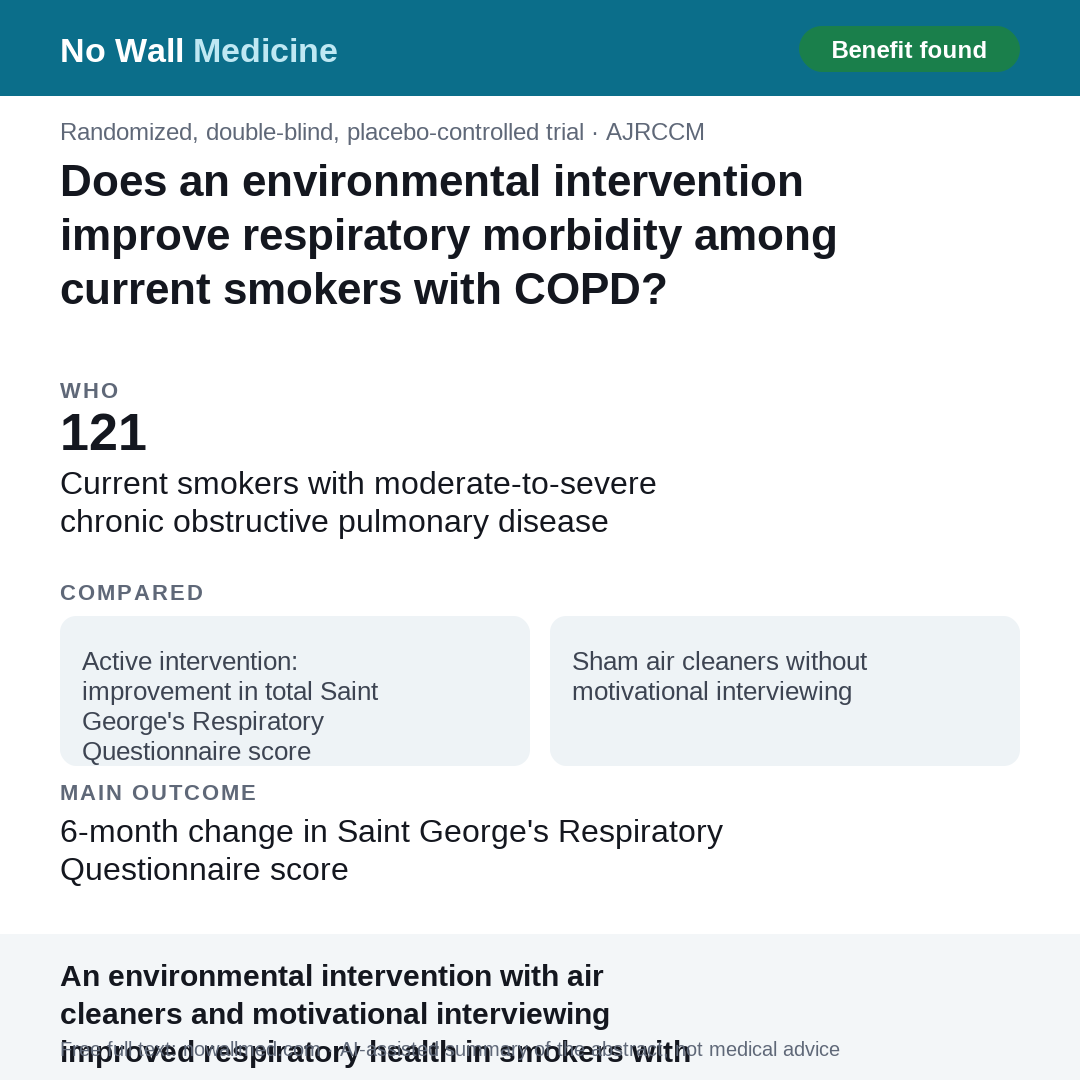
Motivational interviewing and air cleaners for smokers with COPD (MOVE): a randomized, double-blind, placebo-controlled trial
Randomized, double-blind, placebo-controlled trialBenefit found
Does an environmental intervention improve respiratory morbidity among current smokers with COPD?
Who
121
Current smokers with moderate-to-severe chronic obstructive pulmonary disease
Compared
Active intervention: improvement in total Saint George's Respiratory Questionnaire score
Sham air cleaners without motivational interviewing
Main outcome
6-month change in Saint George's Respiratory Questionnaire score
Result: ß -4.4 (95% confidence interval, -8.2 to -0.5)
Bottom line: An environmental intervention with air cleaners and motivational interviewing improved respiratory health in smokers with COPD.
AJRCCM · 2026-02-25Download image
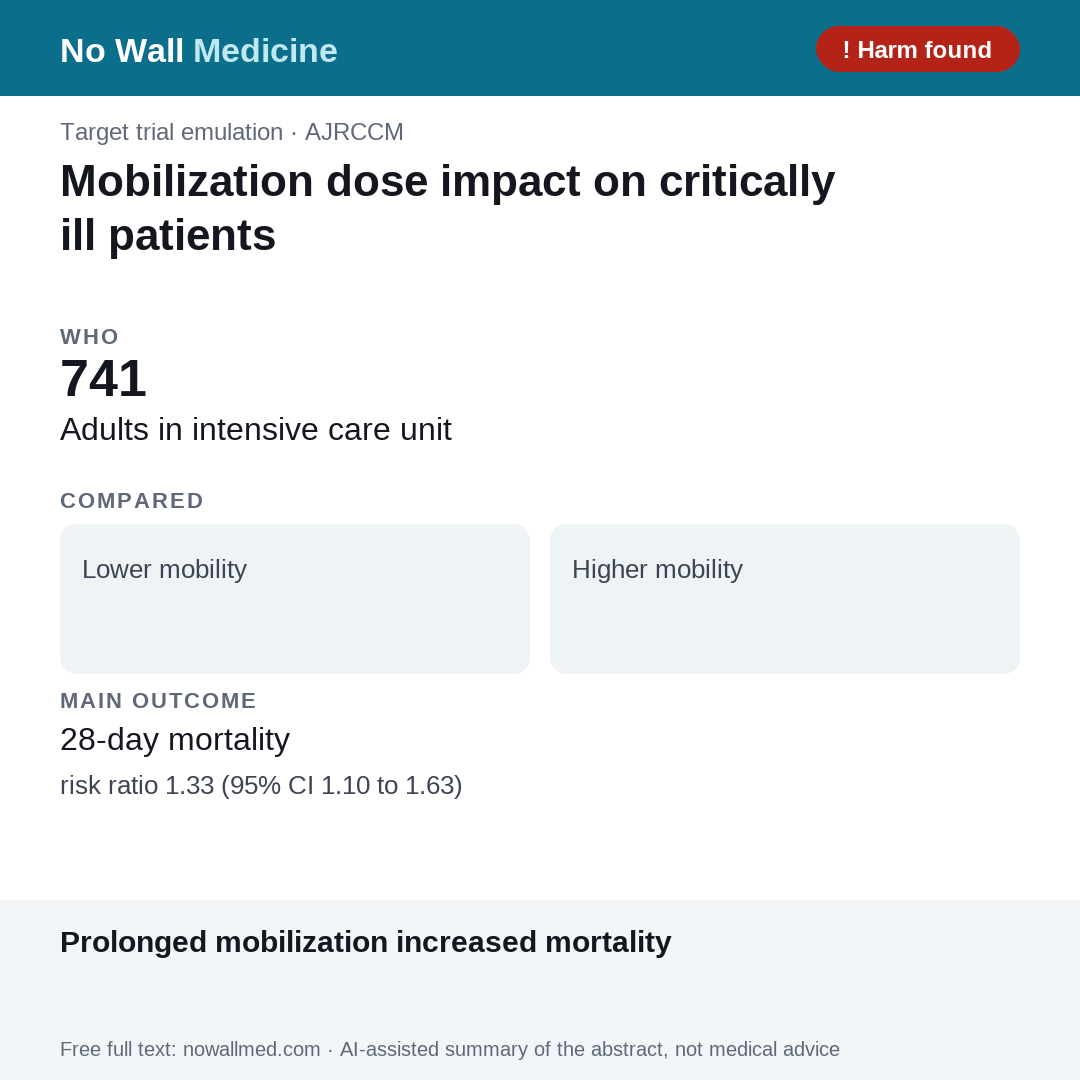
Impact of mobilization dose on outcome of critically ill patients receiving mechanical ventilation-a target trial emulation using data from the TEAM trial
Target trial emulationHarm found
Mobilization dose impact on critically ill patients
Who
741
Adults in intensive care unit
Compared
Lower mobility
Higher mobility
Main outcome
28-day mortality
Result: risk ratio 1.33 (95% CI 1.10 to 1.63)
Bottom line: Prolonged mobilization increased mortality
AJRCCM · 2026-02-25Download image
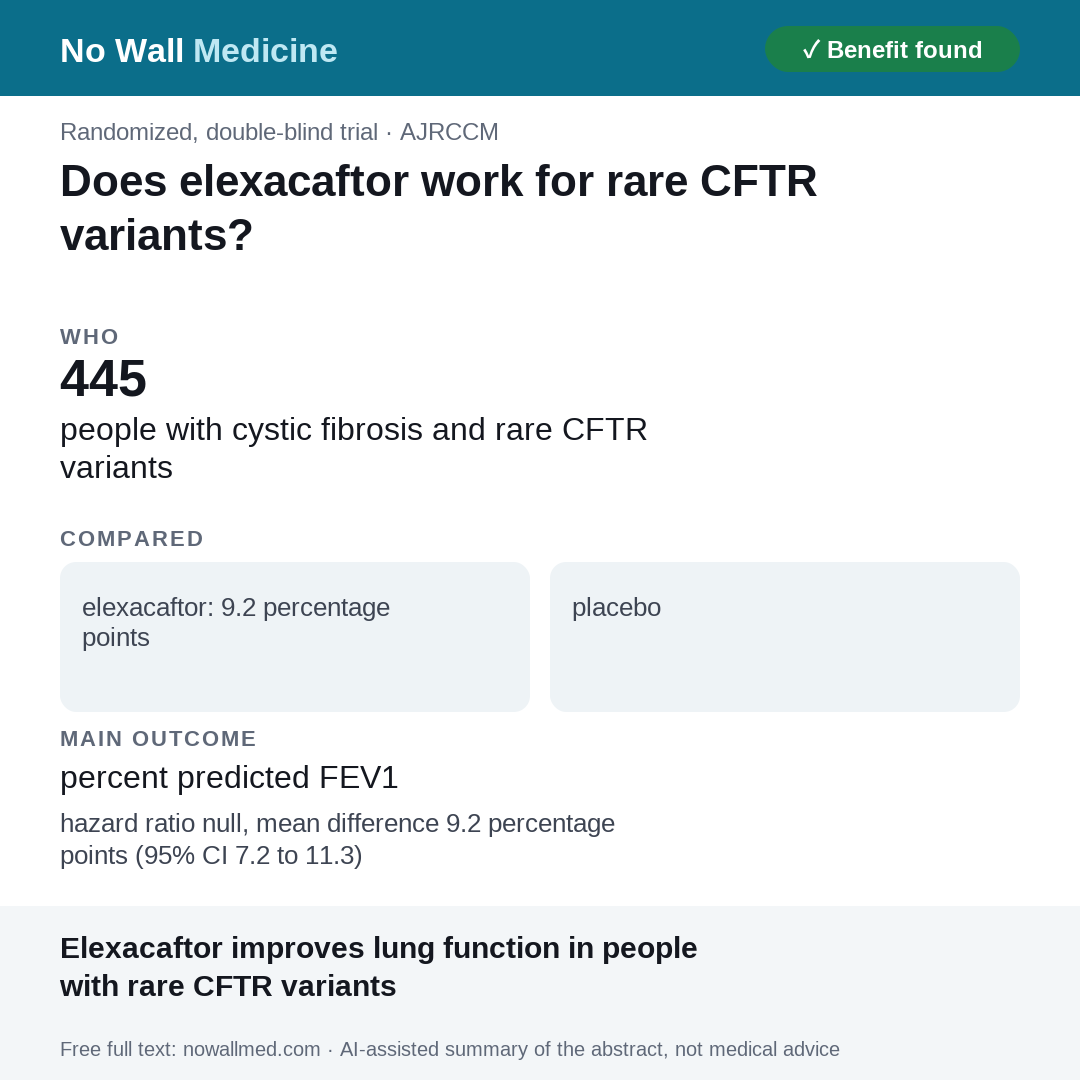
Elexacaftor/tezacaftor/ivacaftor for cystic fibrosis and rare CFTR variants: in vitro translation to a phase 3, double-blind, randomized, placebo-controlled trial, and real-world study
Randomized, double-blind trialBenefit found
Does elexacaftor work for rare CFTR variants?
Who
445
people with cystic fibrosis and rare CFTR variants
Compared
elexacaftor: 9.2 percentage points
placebo
Main outcome
percent predicted FEV1
Result: hazard ratio null, mean difference 9.2 percentage points (95% CI 7.2 to 11.3)
Bottom line: Elexacaftor improves lung function in people with rare CFTR variants
AJRCCM · 2026-02-25Download image
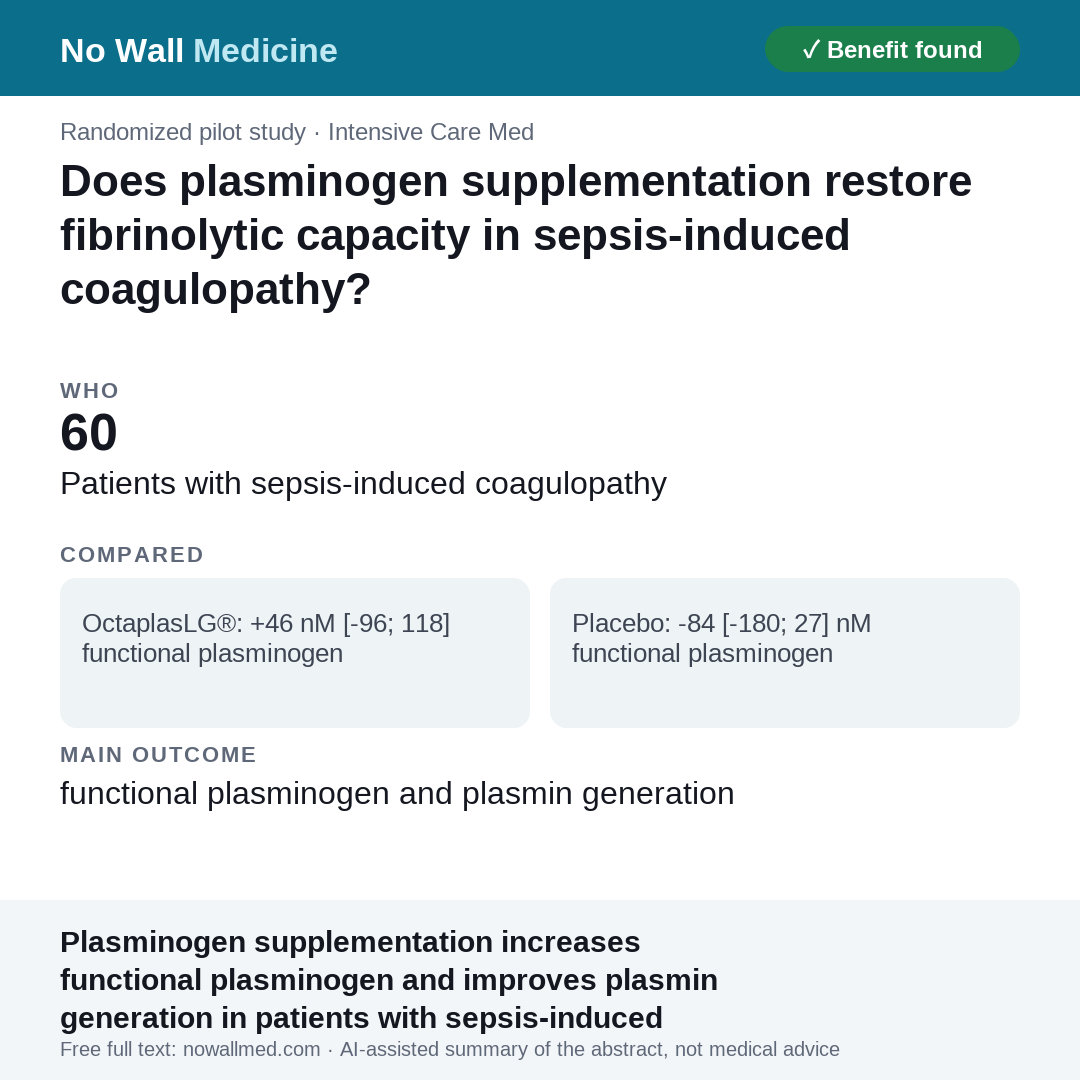
Plasminogen supplementation reverses fibrinolytic insufficiency in sepsis-induced disseminated intravascular coagulation: a pilot study
Randomized pilot studyBenefit found
Does plasminogen supplementation restore fibrinolytic capacity in sepsis-induced coagulopathy?
Who
60
Patients with sepsis-induced coagulopathy
Compared
OctaplasLG®: +46 nM [-96; 118] functional plasminogen
Placebo: -84 [-180; 27] nM functional plasminogen
Main outcome
functional plasminogen and plasmin generation
Bottom line: Plasminogen supplementation increases functional plasminogen and improves plasmin generation in patients with sepsis-induced coagulopathy.
Intensive Care Med · 2026-02-25Download image
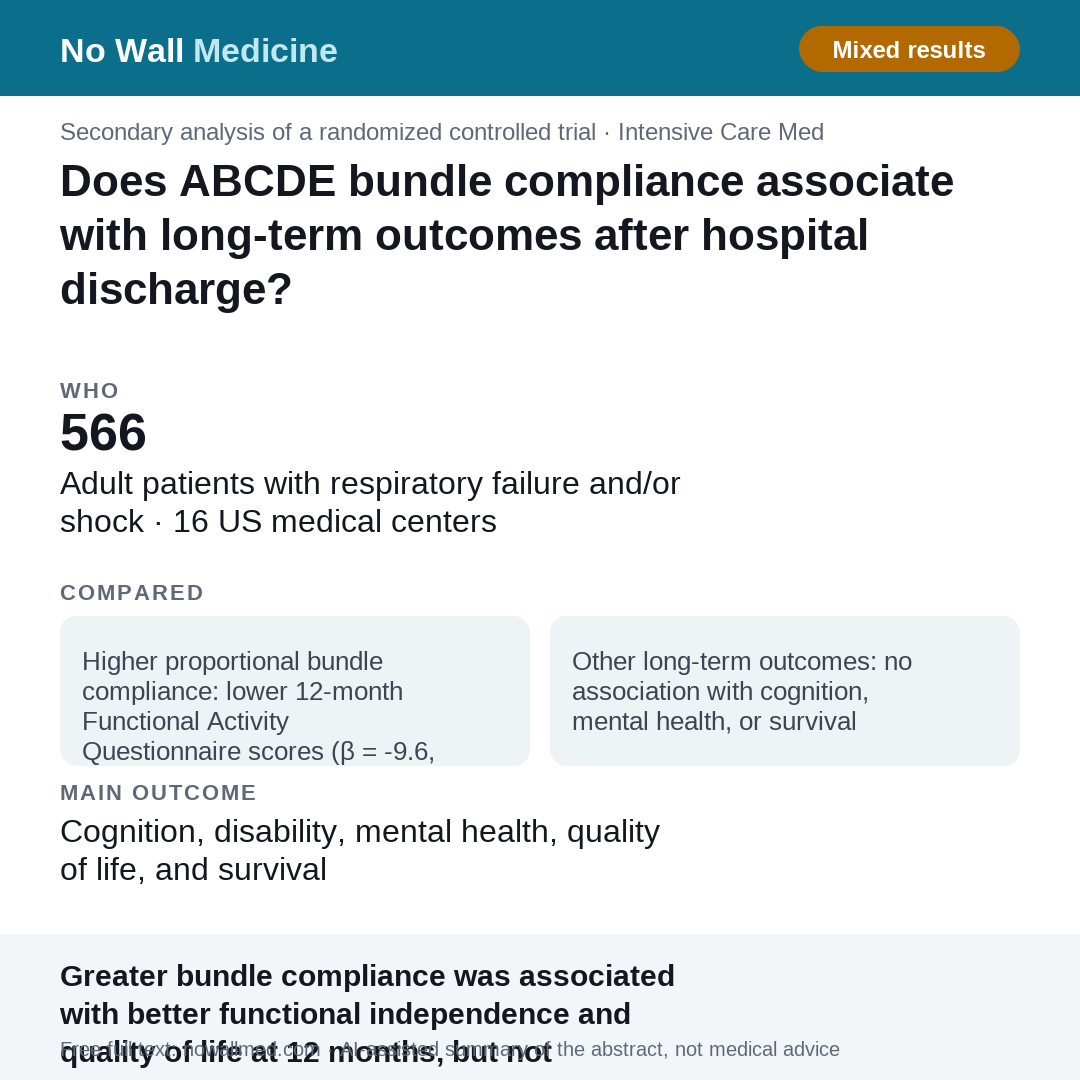
Association between ABCDE bundle compliance and long-term outcomes: a secondary longitudinal analysis
Secondary analysis of a randomized controlled trialMixed results
Does ABCDE bundle compliance associate with long-term outcomes after hospital discharge?
Who
566
Adult patients with respiratory failure and/or shock · 16 US medical centers
Compared
Higher proportional bundle compliance: lower 12-month Functional Activity Questionnaire scores (β = -9.6, CI = -19.6, -1.7, p = 0.04) and higher 12-month EuroQol-5D scores (β = 0.5, CI = 0.1, 0.9, p = 0.01)
Other long-term outcomes: no association with cognition, mental health, or survival
Main outcome
Cognition, disability, mental health, quality of life, and survival
Bottom line: Greater bundle compliance was associated with better functional independence and quality of life at 12 months, but not survival.
Intensive Care Med · 2026-02-25Download image
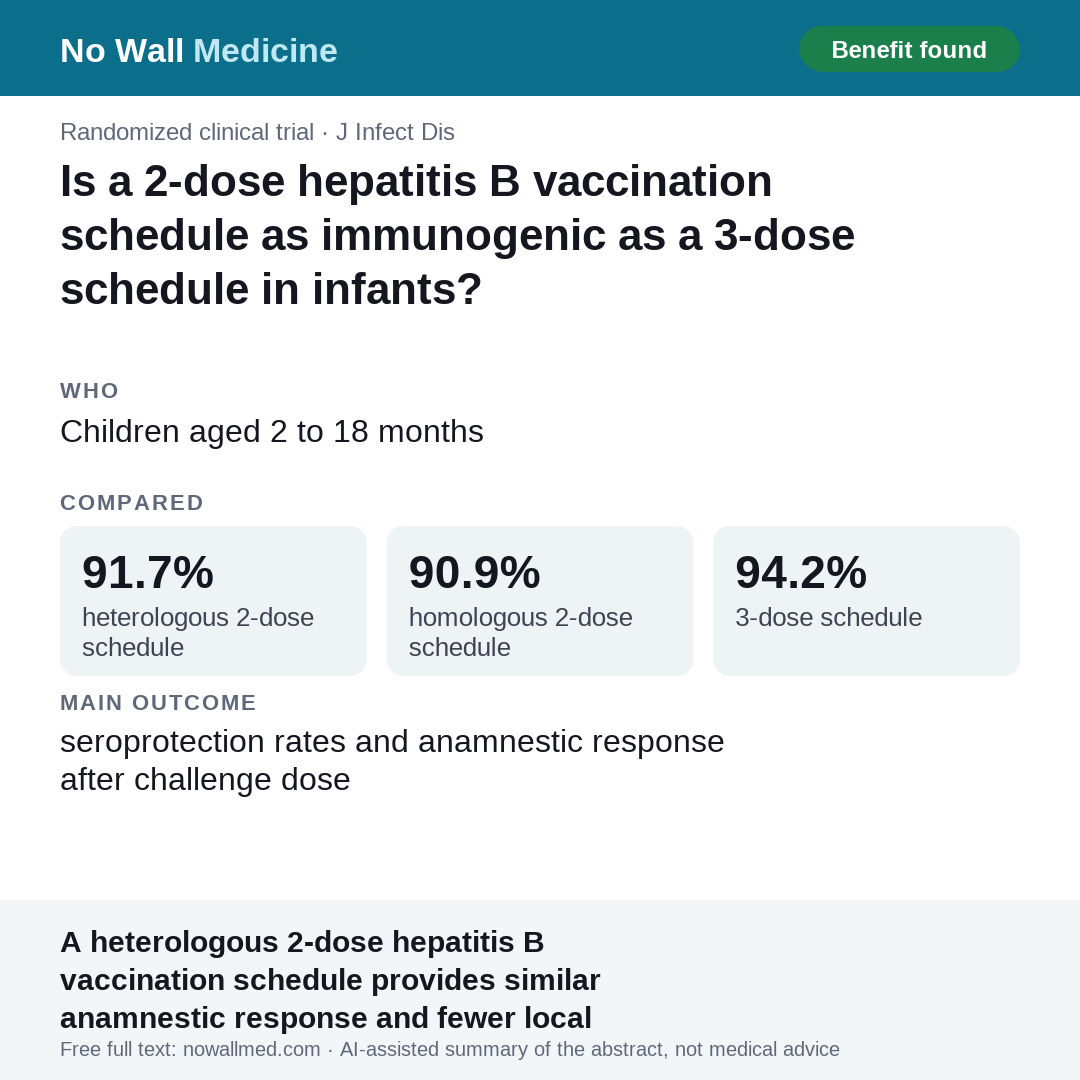
Immunogenicity of Two Versus Three Doses of Hepatitis B Vaccine When Administered to Children Aged 2-18 Months: A Randomized Clinical Trial
Randomized clinical trialBenefit found
Is a 2-dose hepatitis B vaccination schedule as immunogenic as a 3-dose schedule in infants?
Who
Children aged 2 to 18 months
Compared
91.7%heterologous 2-dose schedule
90.9%homologous 2-dose schedule
94.2%3-dose schedule
Main outcome
seroprotection rates and anamnestic response after challenge dose
Bottom line: A heterologous 2-dose hepatitis B vaccination schedule provides similar anamnestic response and fewer local reactions than other schedules.
J Infect Dis · 2026-02-25Download image
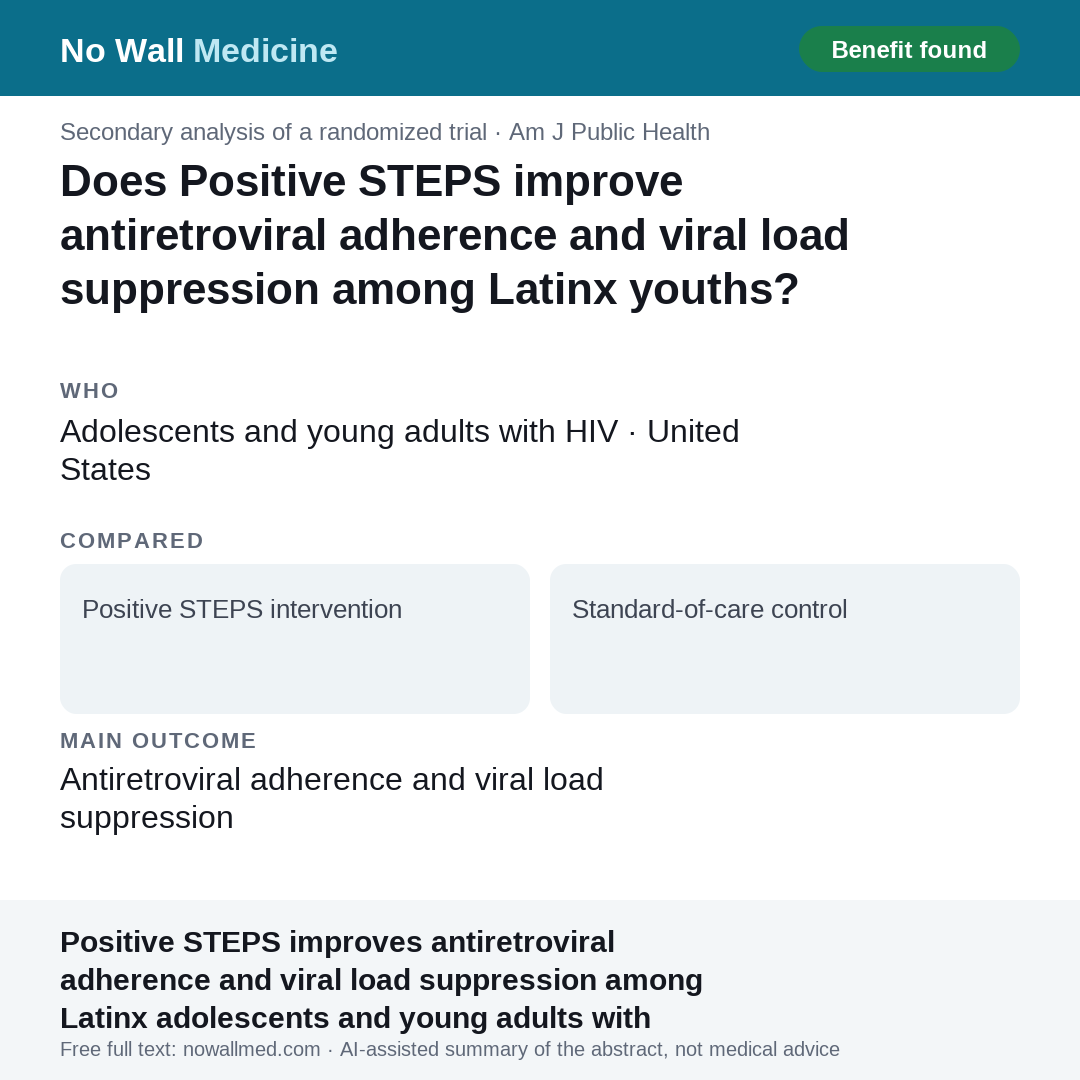
Moderated Effects of Latinx Ethnicity for a Stepped-Care, Technology and Counseling-Based Intervention (Positive STEPS) on Antiretroviral Adherence and Viral Load Suppression Among Youths With HIV, United States, 2018‒2023
Secondary analysis of a randomized trialBenefit found
Does Positive STEPS improve antiretroviral adherence and viral load suppression among Latinx youths?
Who
Adolescents and young adults with HIV · United States
Compared
Positive STEPS intervention
Standard-of-care control
Main outcome
Antiretroviral adherence and viral load suppression
Bottom line: Positive STEPS improves antiretroviral adherence and viral load suppression among Latinx adolescents and young adults with HIV.
Am J Public Health · 2026-02-25Download image
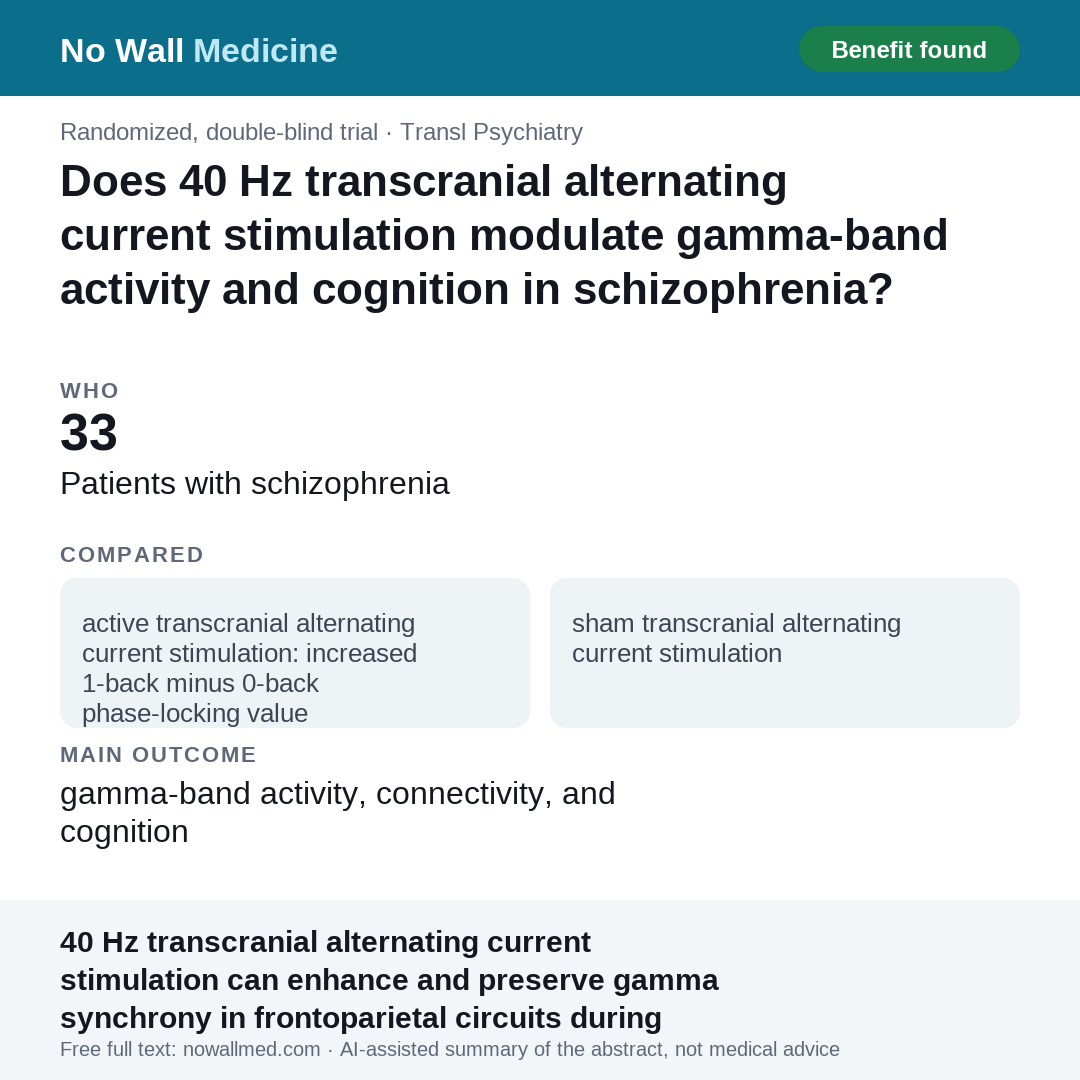
Effects of 40 Hz transcranial alternating current stimulation on neural synchronization and cognitive correlates in schizophrenia: An EEG study
Randomized, double-blind trialBenefit found
Does 40 Hz transcranial alternating current stimulation modulate gamma-band activity and cognition in schizophrenia?
Who
33
Patients with schizophrenia
Compared
active transcranial alternating current stimulation: increased 1-back minus 0-back phase-locking value
sham transcranial alternating current stimulation
Main outcome
gamma-band activity, connectivity, and cognition
Bottom line: 40 Hz transcranial alternating current stimulation can enhance and preserve gamma synchrony in frontoparietal circuits during working memory.
Limitation: No significant correlation with n-back measures of working memory was found.
Transl Psychiatry · 2026-02-25Download image
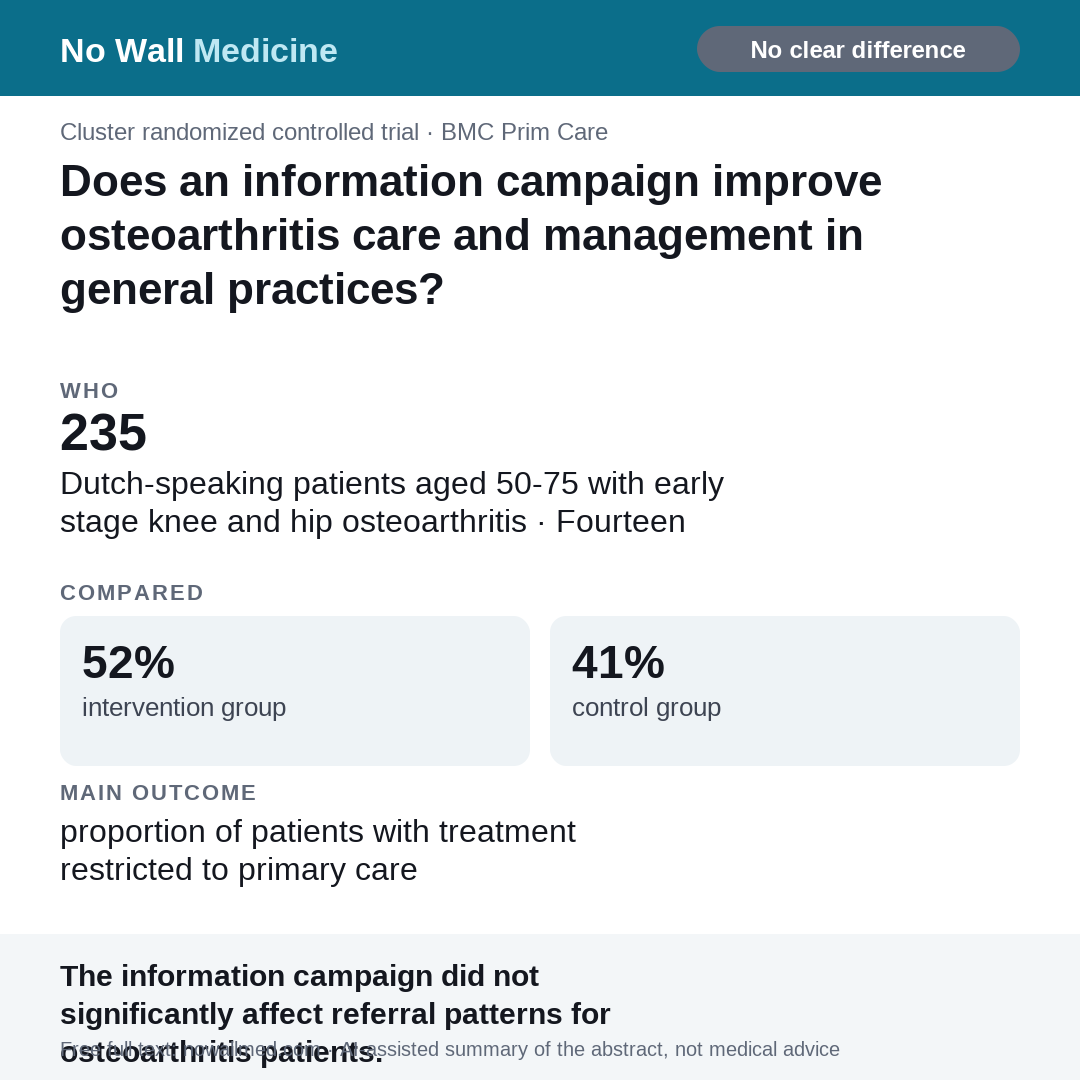
BABS (Becoming Active in Beating osteoarthritiS): a cluster randomized controlled trial evaluating an information campaign to improve osteoarthritis care and management in Dutch general practices
Cluster randomized controlled trialNo clear difference
Does an information campaign improve osteoarthritis care and management in general practices?
Who
235
Dutch-speaking patients aged 50-75 with early stage knee and hip osteoarthritis · Fourteen Dutch general practices
Compared
52%intervention group
41%control group
Main outcome
proportion of patients with treatment restricted to primary care
Result: odds ratio 1.60 (95% CI 0.88;2.84, NS)
Bottom line: The information campaign did not significantly affect referral patterns for osteoarthritis patients.
BMC Prim Care · 2026-02-25Download image
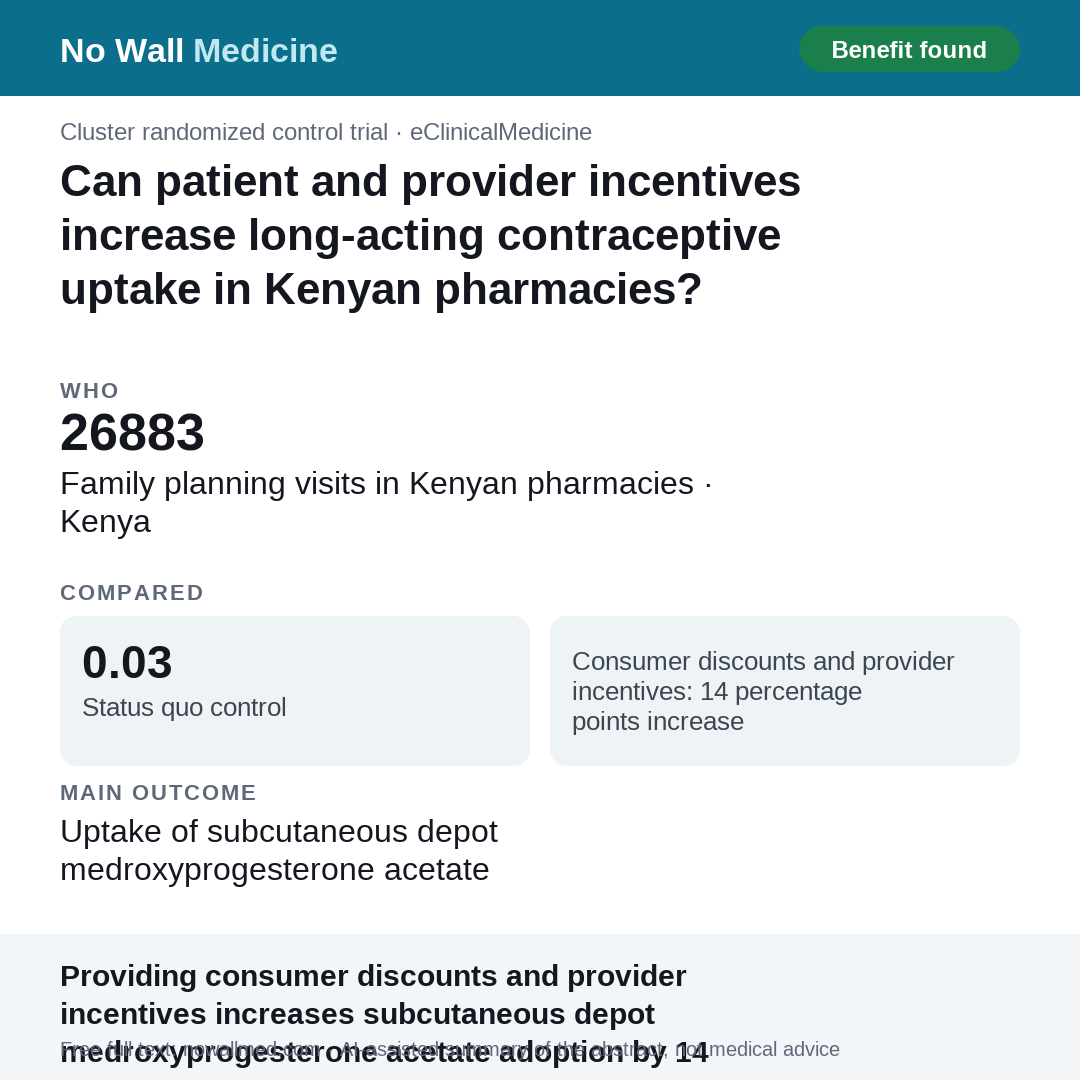
Alleviating price and information barriers to long-acting contraception uptake in Kenyan pharmacies using patient and provider incentives: a cluster randomized control trial
Cluster randomized control trialBenefit found
Can patient and provider incentives increase long-acting contraceptive uptake in Kenyan pharmacies?
Who
26883
Family planning visits in Kenyan pharmacies · Kenya
Compared
0.03Status quo control
Consumer discounts and provider incentives: 14 percentage points increase
Main outcome
Uptake of subcutaneous depot medroxyprogesterone acetate
Bottom line: Providing consumer discounts and provider incentives increases subcutaneous depot medroxyprogesterone acetate adoption by 14 percentage points.
Funded by: Children's Investment Fund Foundation and The Weiss Fund
eClinicalMedicine · 2026-02-24Download image
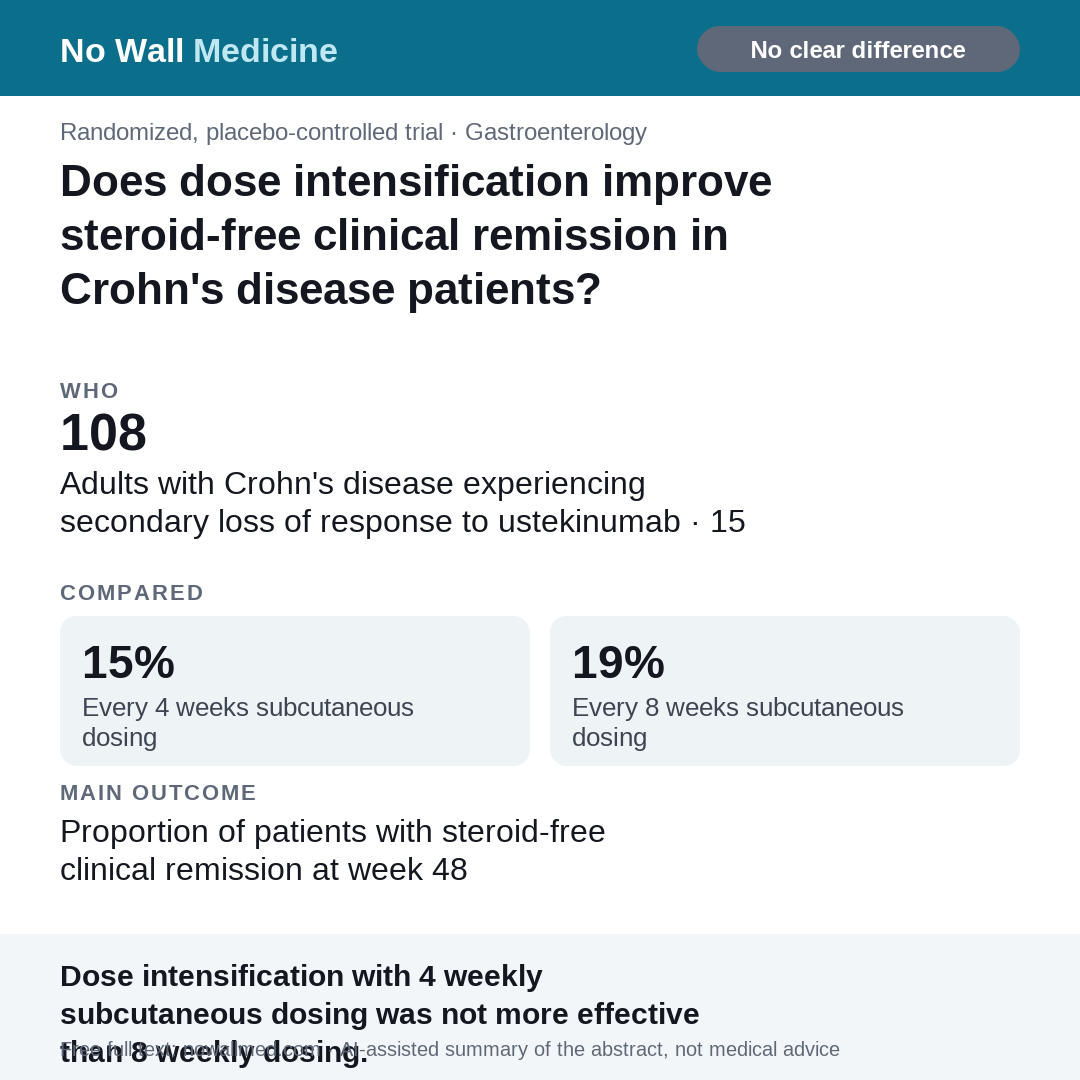
The Effect of Dose Intensification After Secondary Loss of Response to Ustekinumab in Crohn's Disease: Results of the REScUE Study
Randomized, placebo-controlled trialNo clear difference
Does dose intensification improve steroid-free clinical remission in Crohn's disease patients?
Who
108
Adults with Crohn's disease experiencing secondary loss of response to ustekinumab · 15 hospitals in Belgium
Compared
15%Every 4 weeks subcutaneous dosing
19%Every 8 weeks subcutaneous dosing
Main outcome
Proportion of patients with steroid-free clinical remission at week 48
Result: difference 4%; P = 0.5
Bottom line: Dose intensification with 4 weekly subcutaneous dosing was not more effective than 8 weekly dosing.
Gastroenterology · 2026-02-24Download image
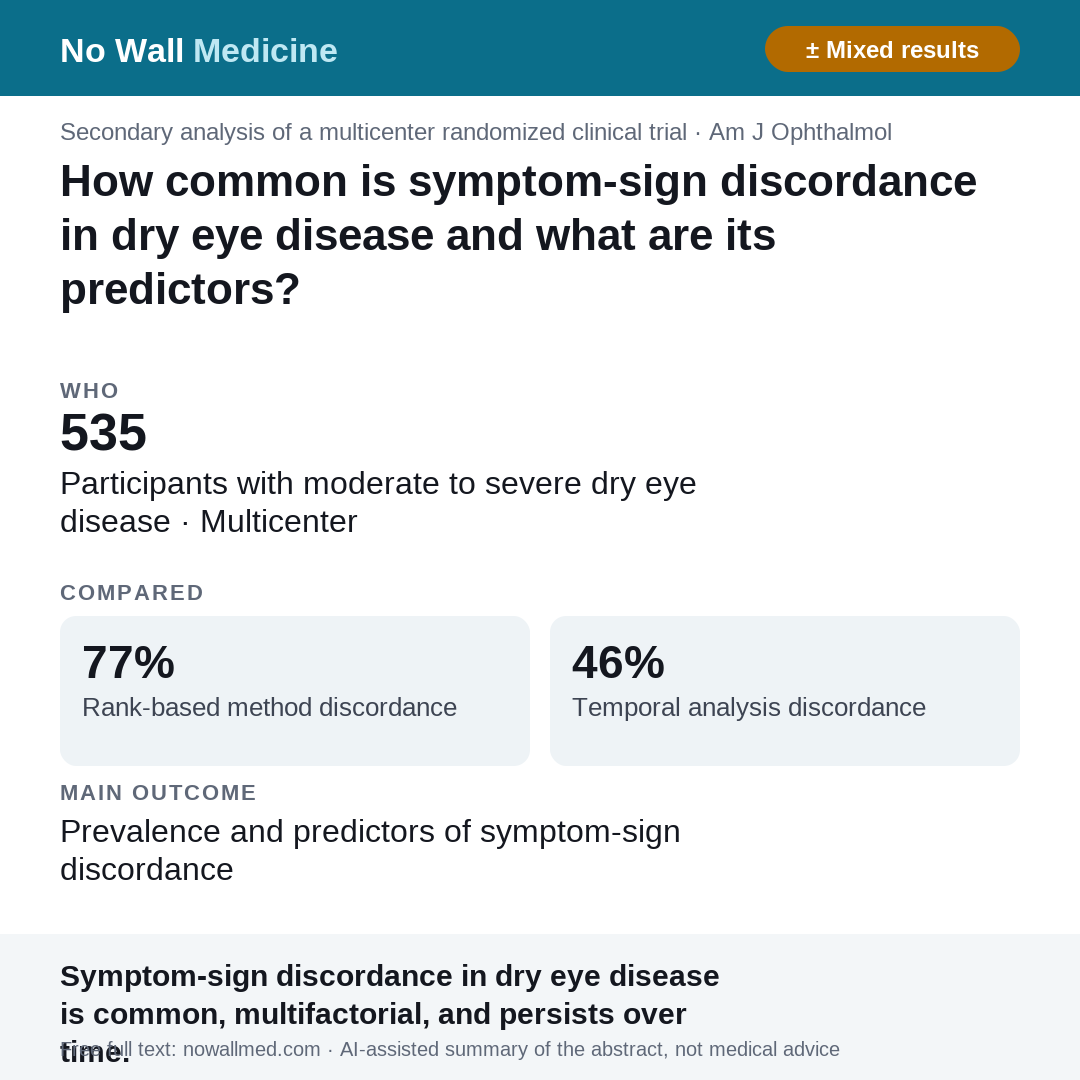
Defining Discordance Between Signs and Symptoms in Dry Eye Disease: Insights From the DRy Eye Assessment and Management (DREAM) Study
Secondary analysis of a multicenter randomized clinical trialMixed results
How common is symptom-sign discordance in dry eye disease and what are its predictors?
Who
535
Participants with moderate to severe dry eye disease · Multicenter
Compared
77%Rank-based method discordance
46%Temporal analysis discordance
Main outcome
Prevalence and predictors of symptom-sign discordance
Bottom line: Symptom-sign discordance in dry eye disease is common, multifactorial, and persists over time.
Am J Ophthalmol · 2026-02-24Download image
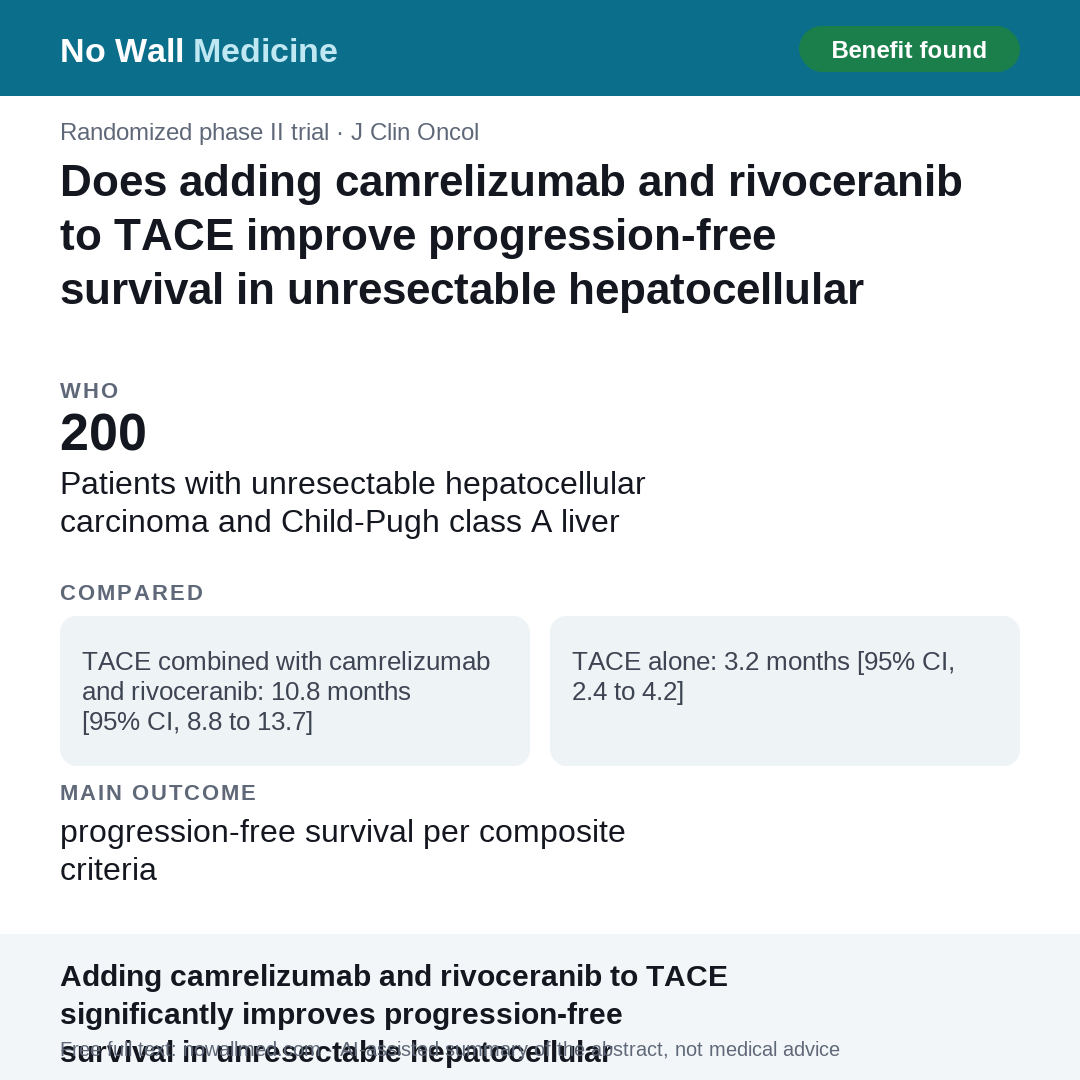
Transarterial Chemoembolization Combined With Camrelizumab and Rivoceranib for Unresectable Hepatocellular Carcinoma (CHANCE2005/CARES-005): A Randomized Phase II Trial
Randomized phase II trialBenefit found
Does adding camrelizumab and rivoceranib to TACE improve progression-free survival in unresectable hepatocellular carcinoma?
Who
200
Patients with unresectable hepatocellular carcinoma and Child-Pugh class A liver function
Compared
TACE combined with camrelizumab and rivoceranib: 10.8 months [95% CI, 8.8 to 13.7]
TACE alone: 3.2 months [95% CI, 2.4 to 4.2]
Main outcome
progression-free survival per composite criteria
Result: hazard ratio 0.34 [95% CI, 0.24 to 0.50]
Bottom line: Adding camrelizumab and rivoceranib to TACE significantly improves progression-free survival in unresectable hepatocellular carcinoma patients.
Limitation: Follow-up for further overall survival analysis is ongoing.
J Clin Oncol · 2026-02-24Download image