Visual abstracts
New randomized trials and meta-analyses from leading journals at a glance: who was studied, what was compared, and what was found. Every paper is free to read in full.
All specialtiesCardiology 4763Oncology 4043Gastroenterology & Hepatology 1903Infectious Disease 3756Neurology 1872Psychiatry & Mental Health 2216Pulmonology 2044Critical Care 1319Endocrinology & Diabetes 2544Pediatrics 2889Surgery 2480Orthopedics & Sports Medicine 917Neurosurgery 525Cardiothoracic & Vascular Surgery 656Plastic & Reconstructive Surgery 574Nephrology 1107Rheumatology 810Hematology 1090Dermatology 611Ophthalmology 532Obstetrics & Gynecology 1645Public & Global Health 1037Radiology & Imaging 619Anesthesiology 958Urology 745ENT (Otolaryngology) 494Emergency Medicine 481Allergy & Immunology 309Geriatrics 972Family Medicine & Primary Care 534Medical Genetics & Genomics 659Pathology & Laboratory Medicine 156Physical Medicine & Rehabilitation 734Palliative Care 421Nutrition 1560Digital Health & AI 2137General Medicine 318
Effects of the Implementation of Intelligent Technology for Hand Hygiene in Hospitals: Systematic Review and Meta-analysis
Systematic review and meta-analysisBenefit, low certainty
Do intelligent technologies for hand hygiene improve compliance and infection rates in hospitals?
Who
Health care workers in hospitals
Compared
Intelligent technology intervention
Usual care
Main outcome
Hand hygiene compliance and health care-associated infection rates
Result: risk ratio 1.56 (95% CI 1.47-1.66) for compliance; risk ratio 0.25 (95% CI 0.19-0.33) for infection rates
Bottom line: Intelligent technology improves hand hygiene compliance and reduces health care-associated infection rates compared to usual care.
Limitation: Low quality of evidence, important heterogeneity, and a dearth of high-caliber research.
J Med Internet Res · 2023-05-29 · Save PNG

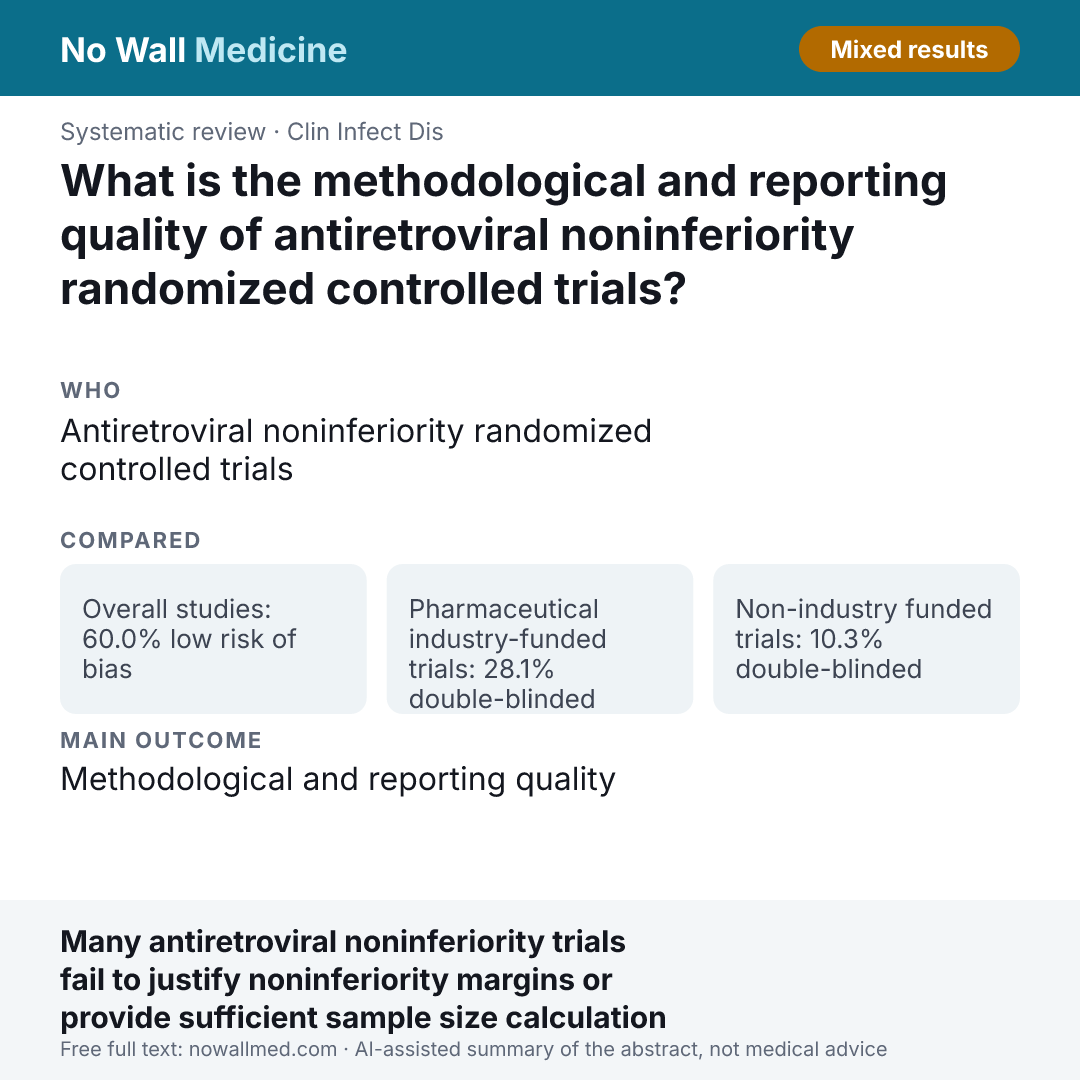
Methodological and Reporting Quality of Noninferiority Randomized Controlled Trials Comparing Antiretroviral Therapies: A Systematic Review
Systematic reviewMixed results
What is the methodological and reporting quality of antiretroviral noninferiority randomized controlled trials?
Who
Antiretroviral noninferiority randomized controlled trials
Compared
Overall studies: 60.0% low risk of bias
Pharmaceutical industry-funded trials: 28.1% double-blinded
Non-industry funded trials: 10.3% double-blinded
Main outcome
Methodological and reporting quality
Bottom line: Many antiretroviral noninferiority trials fail to justify noninferiority margins or provide sufficient sample size calculation information.
Clin Infect Dis · 2023-05-27 · Save PNG
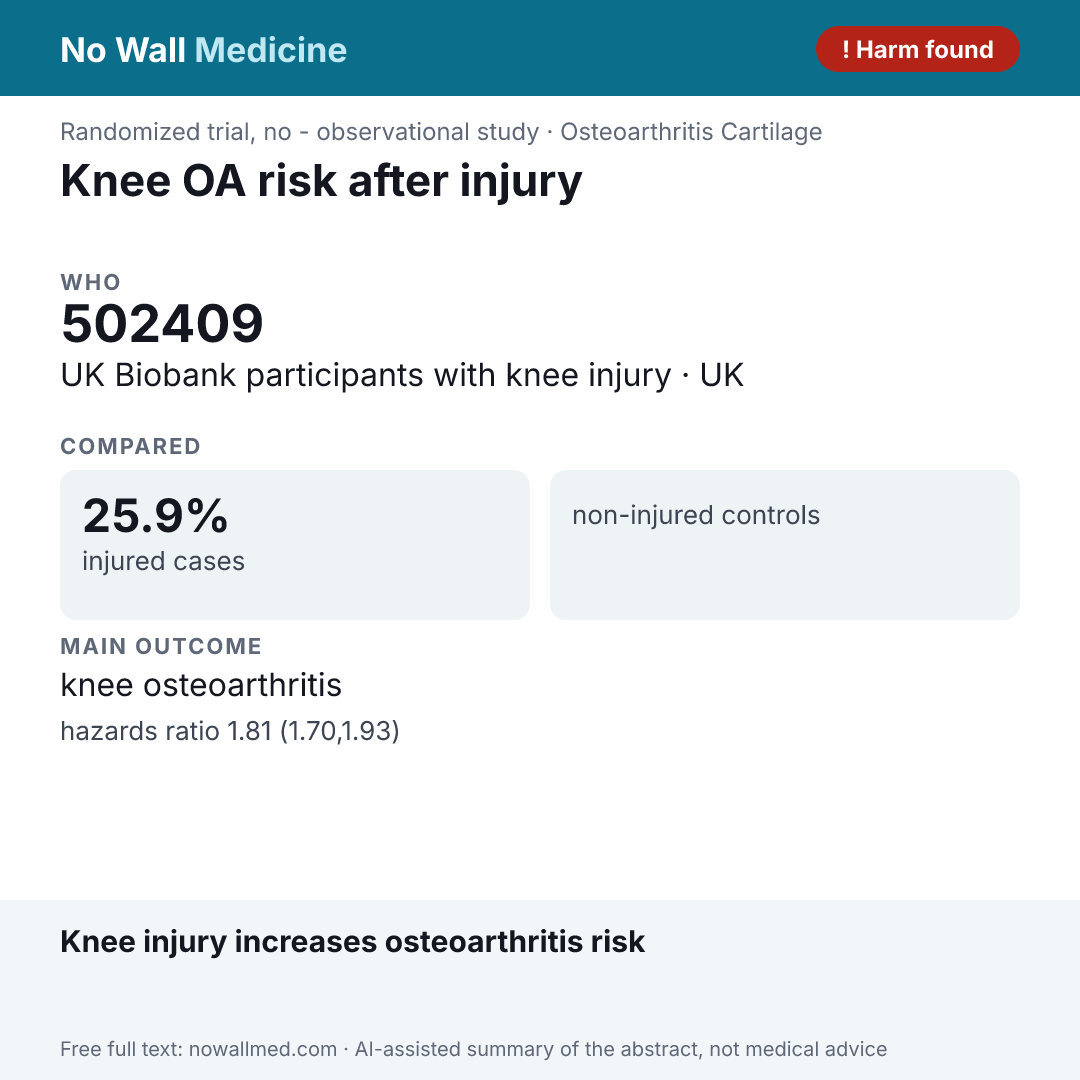
Lifetime risk and genetic predisposition to post-traumatic OA of the knee in the UK Biobank
Randomized trial, no - observational studyHarm found
Knee OA risk after injury
Who
502409
UK Biobank participants with knee injury · UK
Compared
25.9%injured cases (1096/4233)
non-injured controls
Main outcome
knee osteoarthritis
Result: hazards ratio 1.81 (1.70,1.93)
Bottom line: Knee injury increases osteoarthritis risk
Osteoarthritis Cartilage · 2023-05-27 · Save PNG
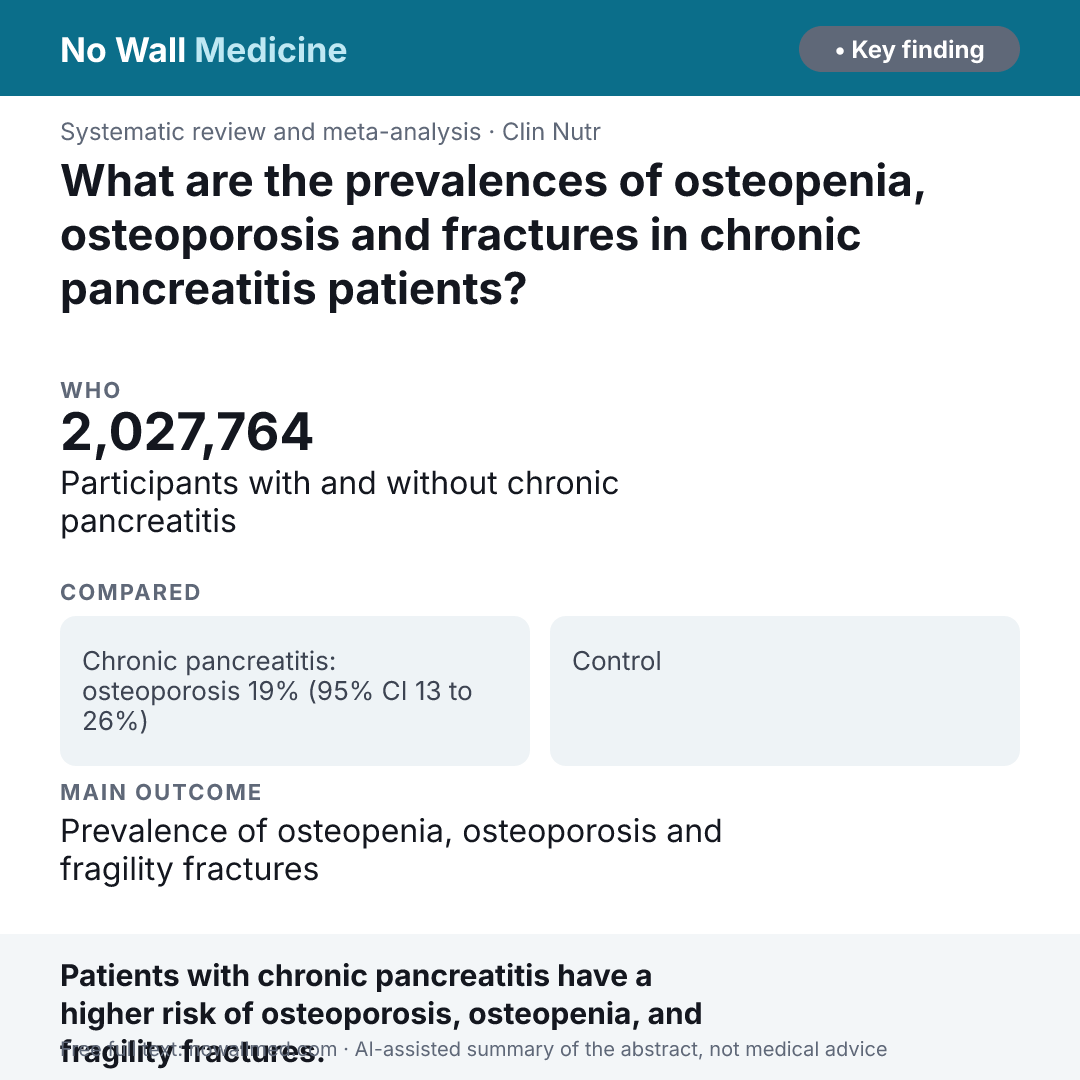
Risk of osteopaenia, osteoporosis and osteoporotic fractures in patients with chronic pancreatitis: A systematic review and meta-analysis
Systematic review and meta-analysisKey finding
What are the prevalences of osteopenia, osteoporosis and fractures in chronic pancreatitis patients?
Who
2,027,764
Participants with and without chronic pancreatitis
Compared
Chronic pancreatitis: osteoporosis 19% (95% CI 13 to 26%)
Control
Main outcome
Prevalence of osteopenia, osteoporosis and fragility fractures
Result: odds ratio 2.80 (95% CI 1.86 to 4.21)
Bottom line: Patients with chronic pancreatitis have a higher risk of osteoporosis, osteopenia, and fragility fractures.
Clin Nutr · 2023-05-27 · Save PNG
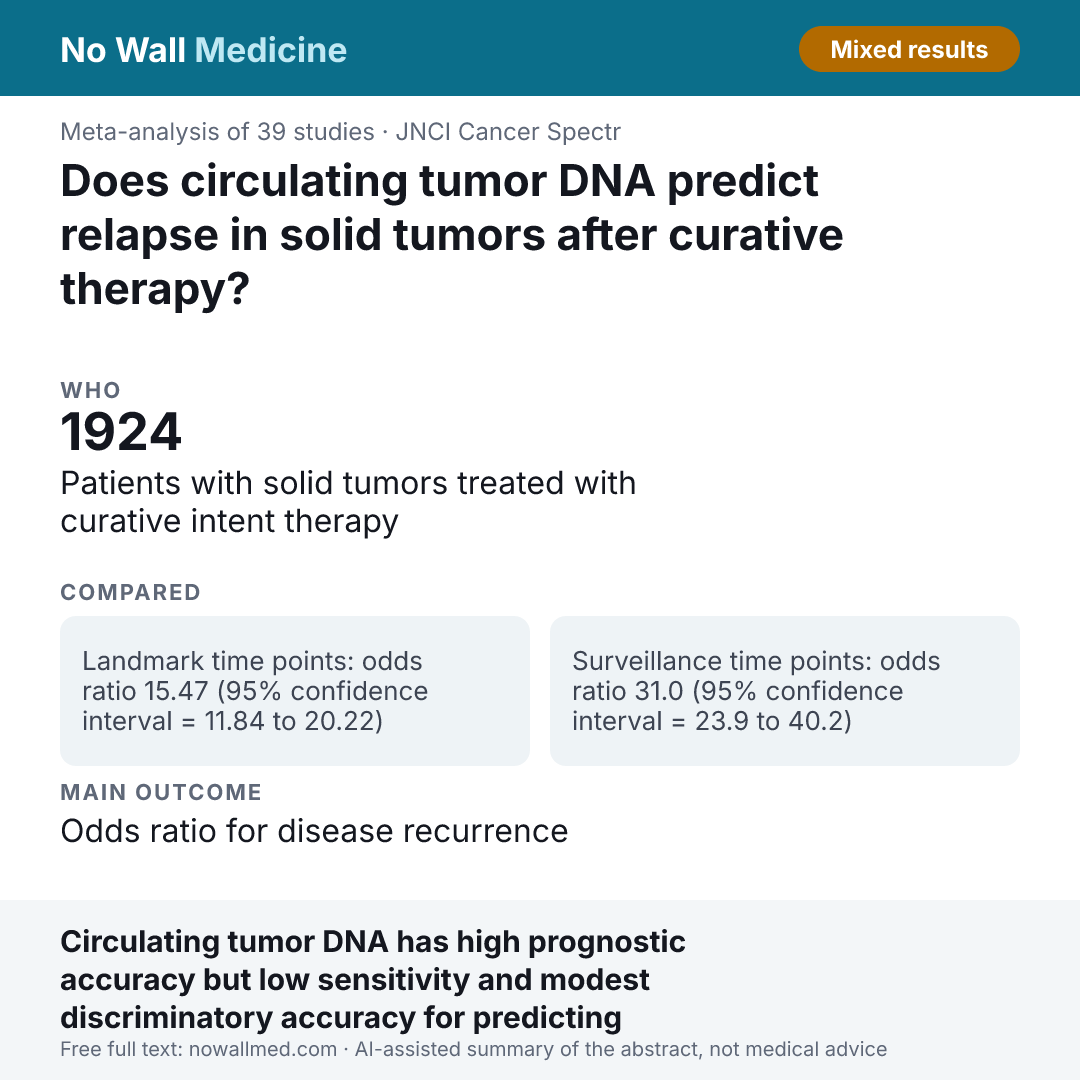
Utility of ctDNA in predicting relapse in solid tumors after curative therapy: a meta-analysis
Meta-analysis of 39 studiesMixed results
Does circulating tumor DNA predict relapse in solid tumors after curative therapy?
Who
1924
Patients with solid tumors treated with curative intent therapy
Compared
Landmark time points: odds ratio 15.47 (95% confidence interval = 11.84 to 20.22)
Surveillance time points: odds ratio 31.0 (95% confidence interval = 23.9 to 40.2)
Main outcome
Odds ratio for disease recurrence
Result: odds ratio 15.47 (95% CI 11.84 to 20.22) at landmark
Bottom line: Circulating tumor DNA has high prognostic accuracy but low sensitivity and modest discriminatory accuracy for predicting relapse.
Limitation: Adequately designed clinical trials are required to demonstrate clinical utility.
JNCI Cancer Spectr · 2023-05-27 · Save PNG
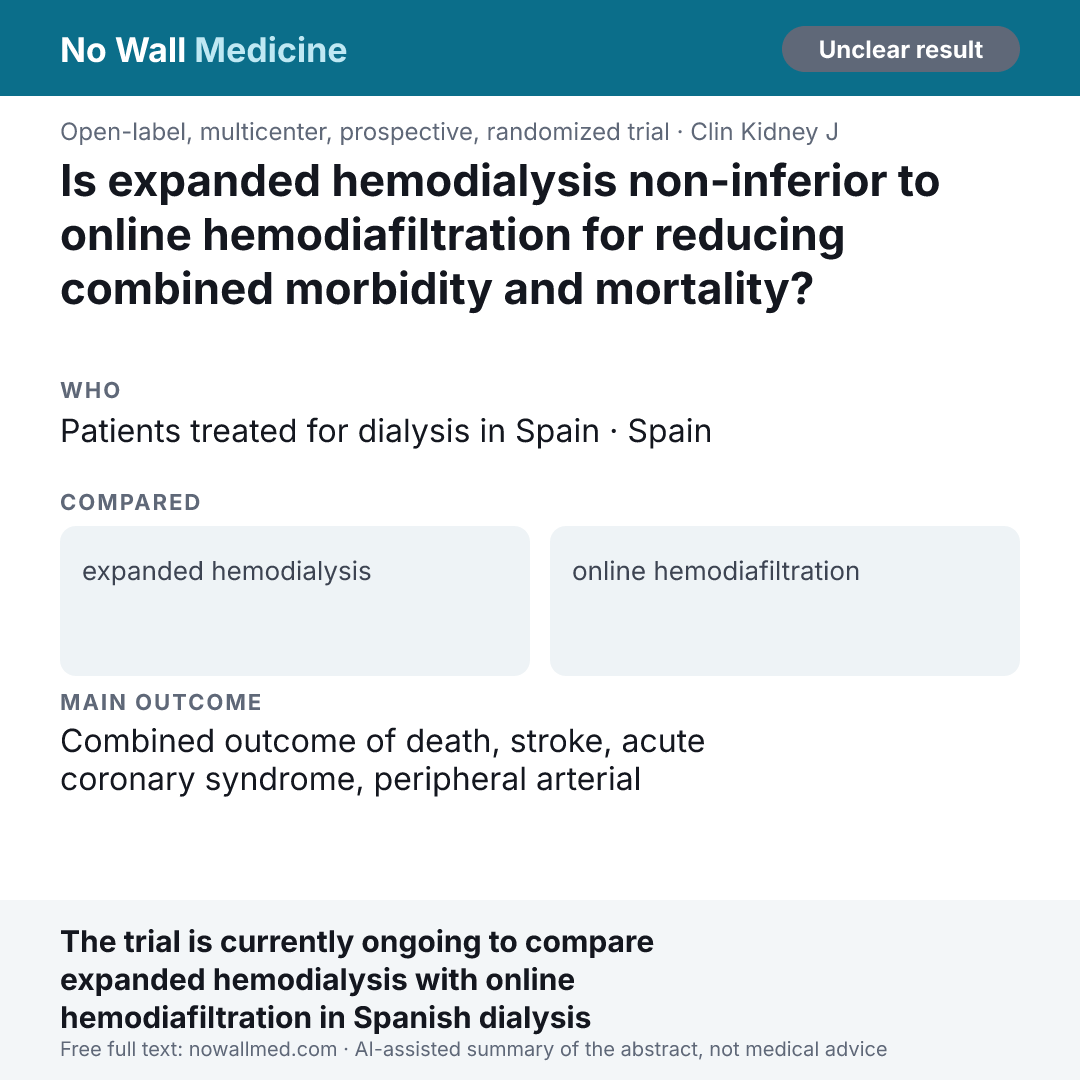
Trial design of the MOTheR HDx study: a multicenter, open-label, prospective, randomized study to explore the morbidity and mortality in patients dialyzed with the Theranova HDx in comparison with online hemodiafiltration
Open-label, multicenter, prospective, randomized trialUnclear result
Is expanded hemodialysis non-inferior to online hemodiafiltration for reducing combined morbidity and mortality?
Who
Patients treated for dialysis in Spain · Spain
Compared
expanded hemodialysis
online hemodiafiltration
Main outcome
Combined outcome of death, stroke, acute coronary syndrome, peripheral arterial disease, and ischemic colitis
Bottom line: The trial is currently ongoing to compare expanded hemodialysis with online hemodiafiltration in Spanish dialysis patients.
Limitation: The trial has already started and results are not yet available.
Clin Kidney J · 2023-05-27 · Save PNG
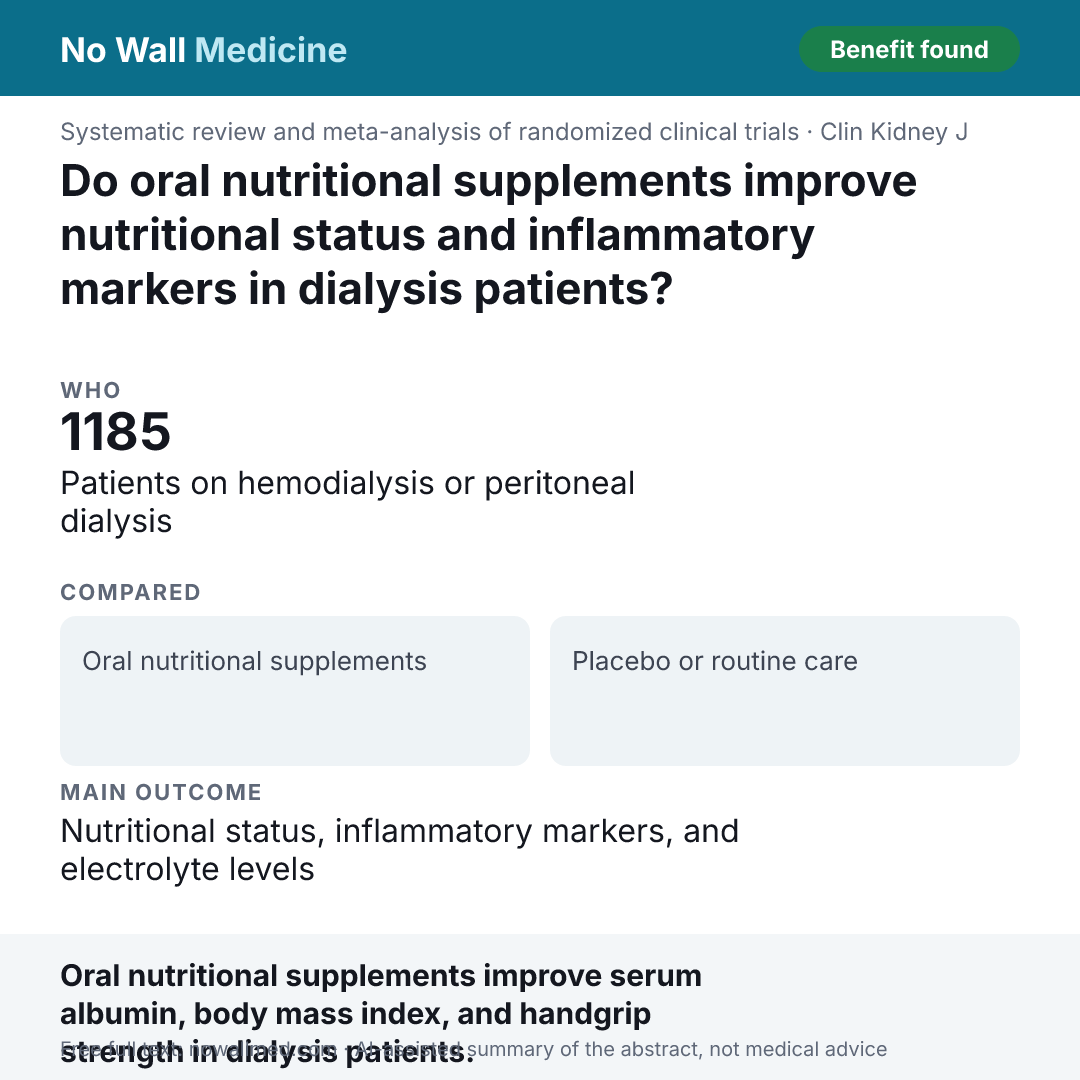
Effects of oral nutritional supplements on the nutritional status and inflammatory markers in patients on maintenance dialysis: a systematic review and meta-analysis of randomized clinical trials
Systematic review and meta-analysis of randomized clinical trialsBenefit found
Do oral nutritional supplements improve nutritional status and inflammatory markers in dialysis patients?
Who
1185
Patients on hemodialysis or peritoneal dialysis
Compared
Oral nutritional supplements
Placebo or routine care
Main outcome
Nutritional status, inflammatory markers, and electrolyte levels
Result: serum albumin 1.26 g/l (95%CI, 0.50-2.02)
Bottom line: Oral nutritional supplements improve serum albumin, body mass index, and handgrip strength in dialysis patients.
Limitation: It remains uncertain whether these results translate to improvement in clinically relevant outcomes.
Clin Kidney J · 2023-05-27 · Save PNG
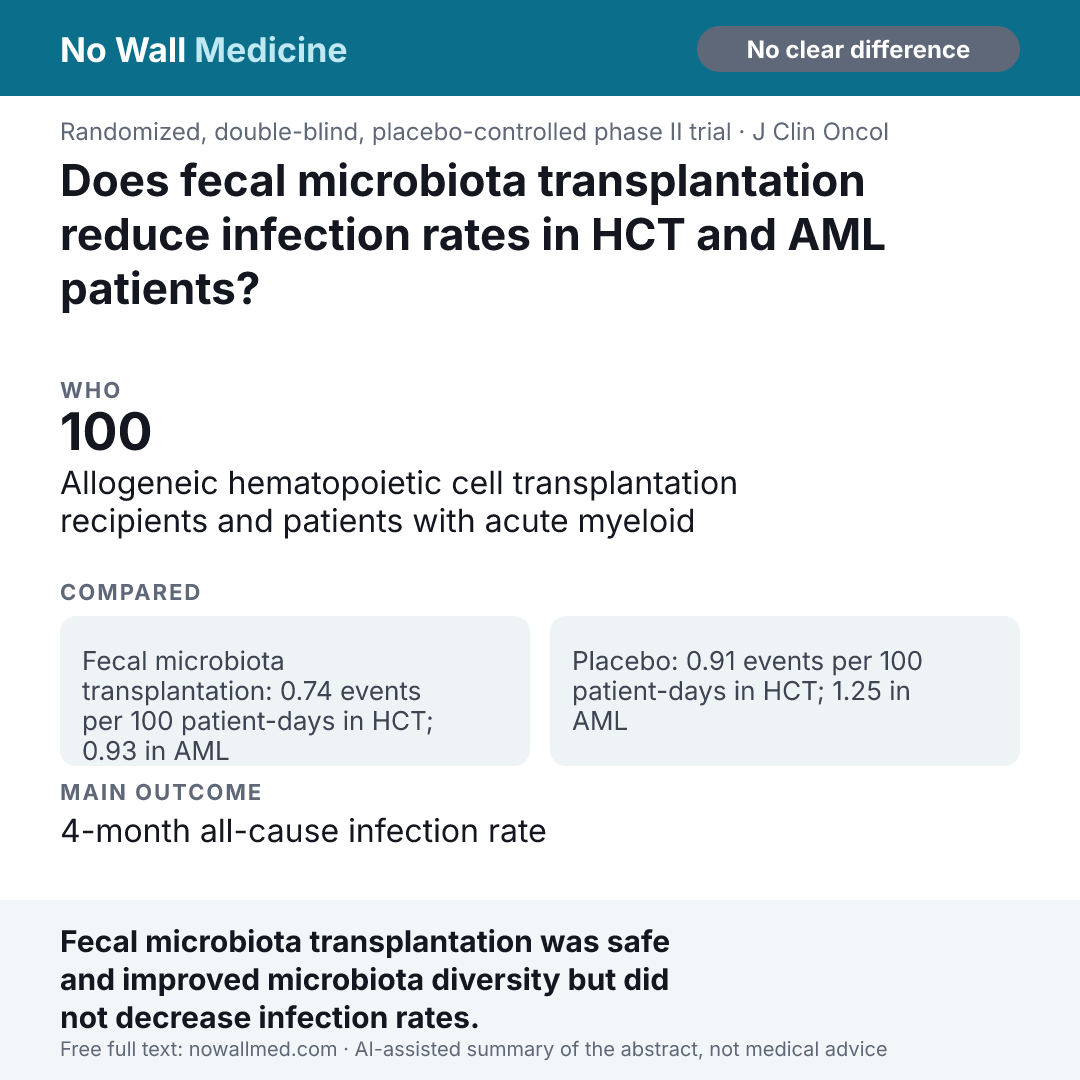
Randomized Double-Blind Phase II Trial of Fecal Microbiota Transplantation Versus Placebo in Allogeneic Hematopoietic Cell Transplantation and AML
Randomized, double-blind, placebo-controlled phase II trialNo clear difference
Does fecal microbiota transplantation reduce infection rates in HCT and AML patients?
Who
100
Allogeneic hematopoietic cell transplantation recipients and patients with acute myeloid leukemia
Compared
Fecal microbiota transplantation: 0.74 events per 100 patient-days in HCT; 0.93 in AML
Placebo: 0.91 events per 100 patient-days in HCT; 1.25 in AML
Main outcome
4-month all-cause infection rate
Result: infection rate ratio 0.83 (95% CI 0.48 to 1.42) in HCT; 0.74 (95% CI 0.32 to 1.71) in AML
Bottom line: Fecal microbiota transplantation was safe and improved microbiota diversity but did not decrease infection rates.
J Clin Oncol · 2023-05-26 · Save PNG
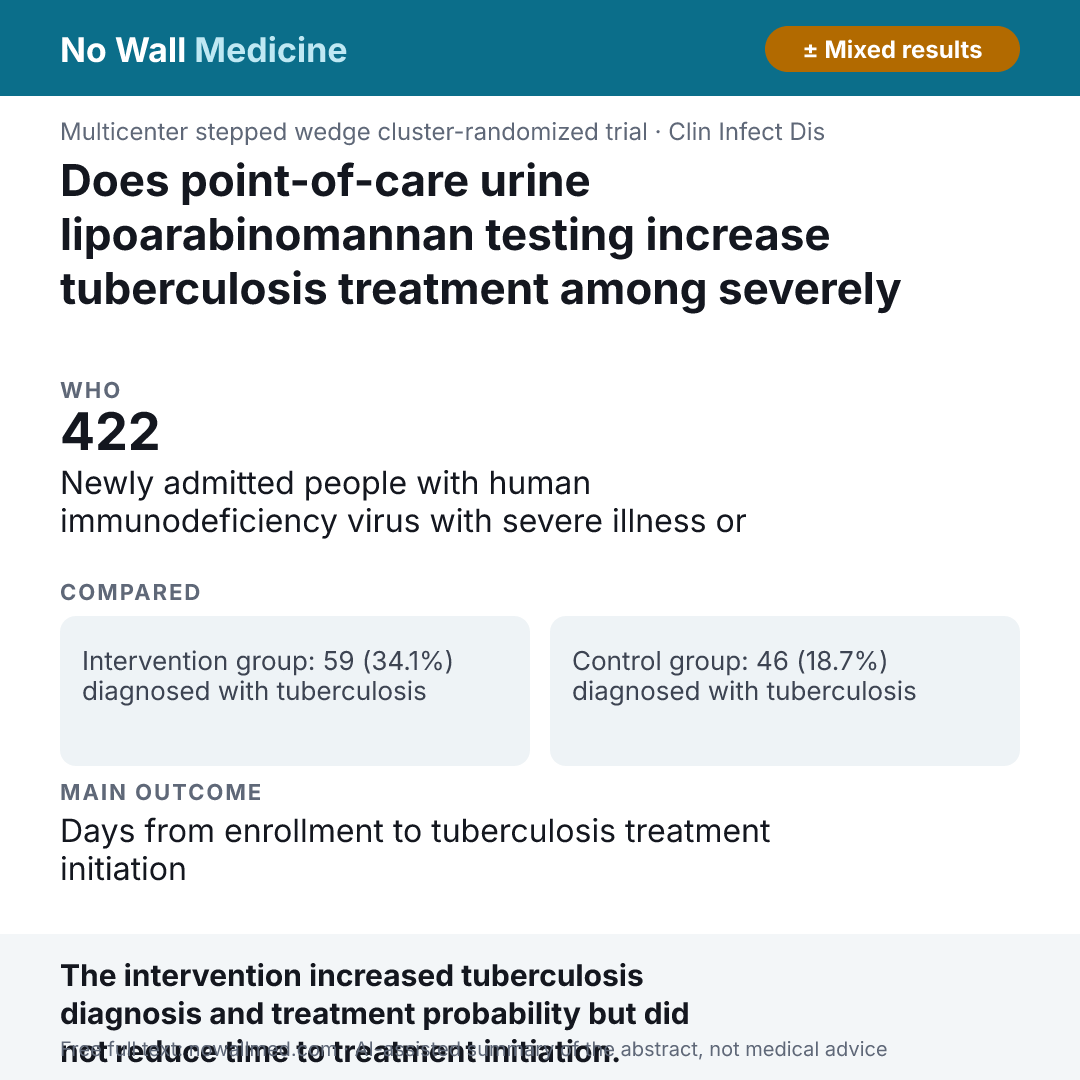
Point-of-Care Urine Lipoarabinomannan Testing to Guide Tuberculosis Treatment Among Severely Ill Inpatients With Human Immunodeficiency Virus in Real-World Practice: A Multicenter Stepped Wedge Cluster-Randomized Trial From Ghana
Multicenter stepped wedge cluster-randomized trialMixed results
Does point-of-care urine lipoarabinomannan testing increase tuberculosis treatment among severely ill patients with HIV?
Who
422
Newly admitted people with human immunodeficiency virus with severe illness or advanced HIV · 3 hospitals in Ghana
Compared
Intervention group: 59 (34.1%) diagnosed with tuberculosis
Control group: 46 (18.7%) diagnosed with tuberculosis
Main outcome
Days from enrollment to tuberculosis treatment initiation
Result: adjusted hazard ratio 2.19 (95% CI 1.60-3.00)
Bottom line: The intervention increased tuberculosis diagnosis and treatment probability but did not reduce time to treatment initiation.
Clin Infect Dis · 2023-05-26 · Save PNG
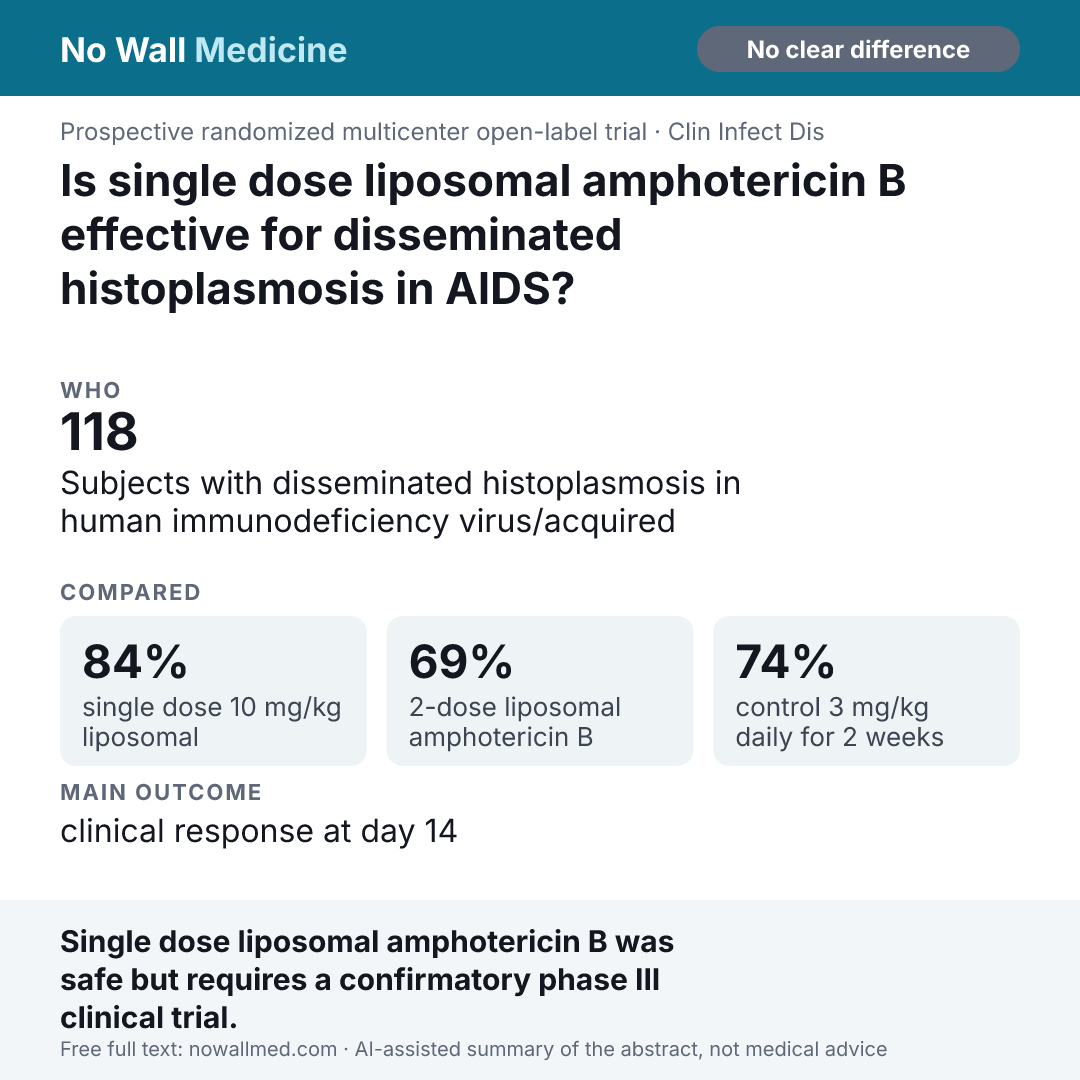
Single High Dose of Liposomal Amphotericin B in Human Immunodeficiency Virus/AIDS-Related Disseminated Histoplasmosis: A Randomized Trial
Prospective randomized multicenter open-label trialNo clear difference
Is single dose liposomal amphotericin B effective for disseminated histoplasmosis in AIDS?
Who
118
Subjects with disseminated histoplasmosis in human immunodeficiency virus/acquired immunodeficiency syndrome · multicenter
Compared
84%single dose 10 mg/kg liposomal amphotericin B
69%2-dose liposomal amphotericin B
74%control 3 mg/kg daily for 2 weeks
Main outcome
clinical response at day 14
Bottom line: Single dose liposomal amphotericin B was safe but requires a confirmatory phase III clinical trial.
Clin Infect Dis · 2023-05-26 · Save PNG
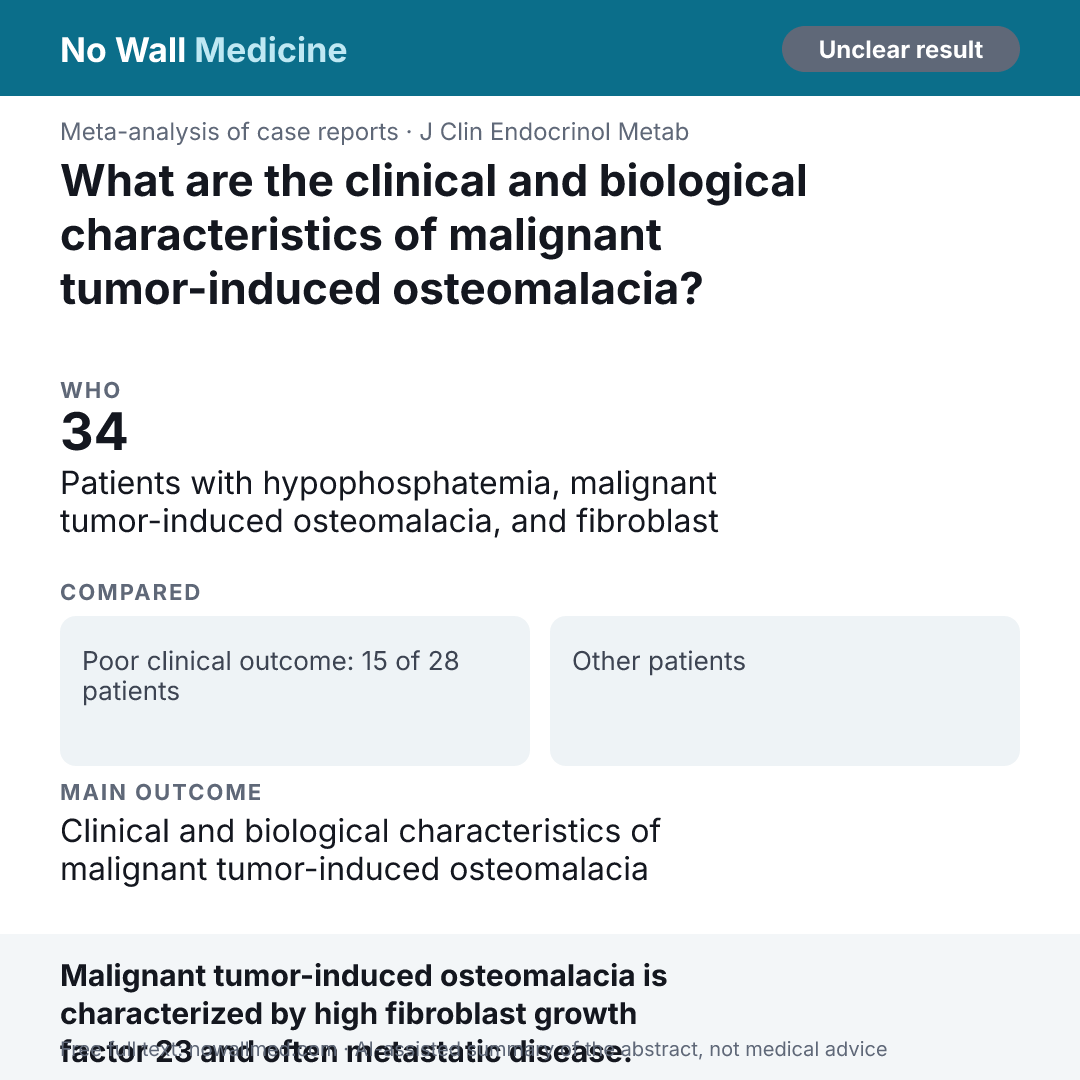
Tumor-Induced Osteomalacia in Patients With Malignancy: A Meta-analysis and Systematic Review of Case Reports
Meta-analysis of case reportsUnclear result
What are the clinical and biological characteristics of malignant tumor-induced osteomalacia?
Who
34
Patients with hypophosphatemia, malignant tumor-induced osteomalacia, and fibroblast growth factor 23 levels
Compared
Poor clinical outcome: 15 of 28 patients
Other patients
Main outcome
Clinical and biological characteristics of malignant tumor-induced osteomalacia
Bottom line: Malignant tumor-induced osteomalacia is characterized by high fibroblast growth factor 23 and often metastatic disease.
J Clin Endocrinol Metab · 2023-05-26 · Save PNG
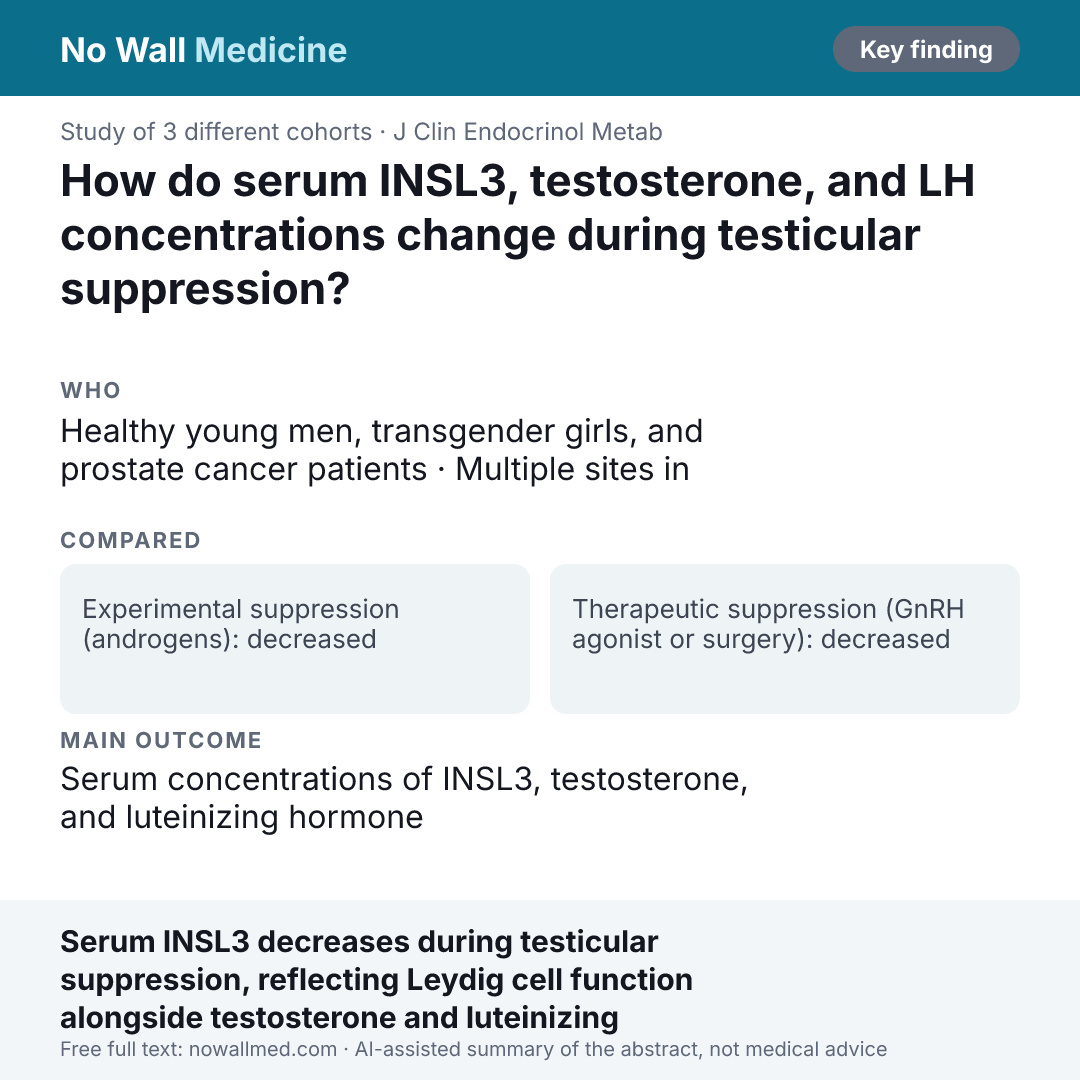
Serum Insulin-like Factor 3, Testosterone, and LH in Experimental and Therapeutic Testicular Suppression
Study of 3 different cohortsKey finding
How do serum INSL3, testosterone, and LH concentrations change during testicular suppression?
Who
Healthy young men, transgender girls, and prostate cancer patients · Multiple sites in Ireland, Denmark, and Sweden
Compared
Experimental suppression (androgens): decreased
Therapeutic suppression (GnRH agonist or surgery): decreased
Main outcome
Serum concentrations of INSL3, testosterone, and luteinizing hormone
Bottom line: Serum INSL3 decreases during testicular suppression, reflecting Leydig cell function alongside testosterone and luteinizing hormone.
J Clin Endocrinol Metab · 2023-05-26 · Save PNG
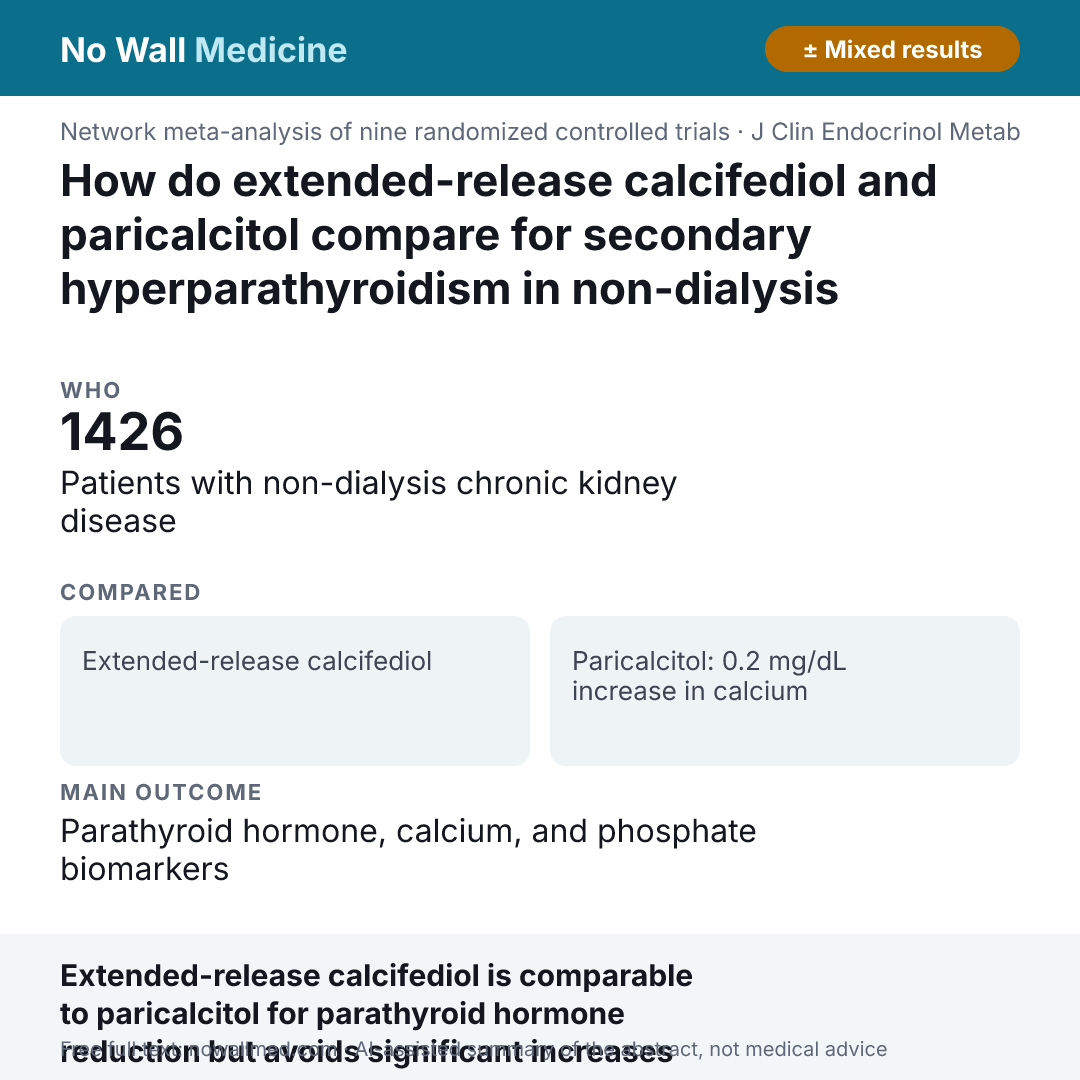
Paricalcitol and Extended-Release Calcifediol for Treatment of Secondary Hyperparathyroidism in Non-Dialysis Chronic Kidney Disease: Results From a Network Meta-Analysis
Network meta-analysis of nine randomized controlled trialsMixed results
How do extended-release calcifediol and paricalcitol compare for secondary hyperparathyroidism in non-dialysis chronic kidney disease?
Who
1426
Patients with non-dialysis chronic kidney disease
Compared
Extended-release calcifediol
Paricalcitol: 0.2 mg/dL increase in calcium
Main outcome
Parathyroid hormone, calcium, and phosphate biomarkers
Result: 0.2 mg/dL increase (95% CI, -0.37 to -0.05 mg/dL) in calcium
Bottom line: Extended-release calcifediol is comparable to paricalcitol for parathyroid hormone reduction but avoids significant increases in serum calcium.
J Clin Endocrinol Metab · 2023-05-26 · Save PNG
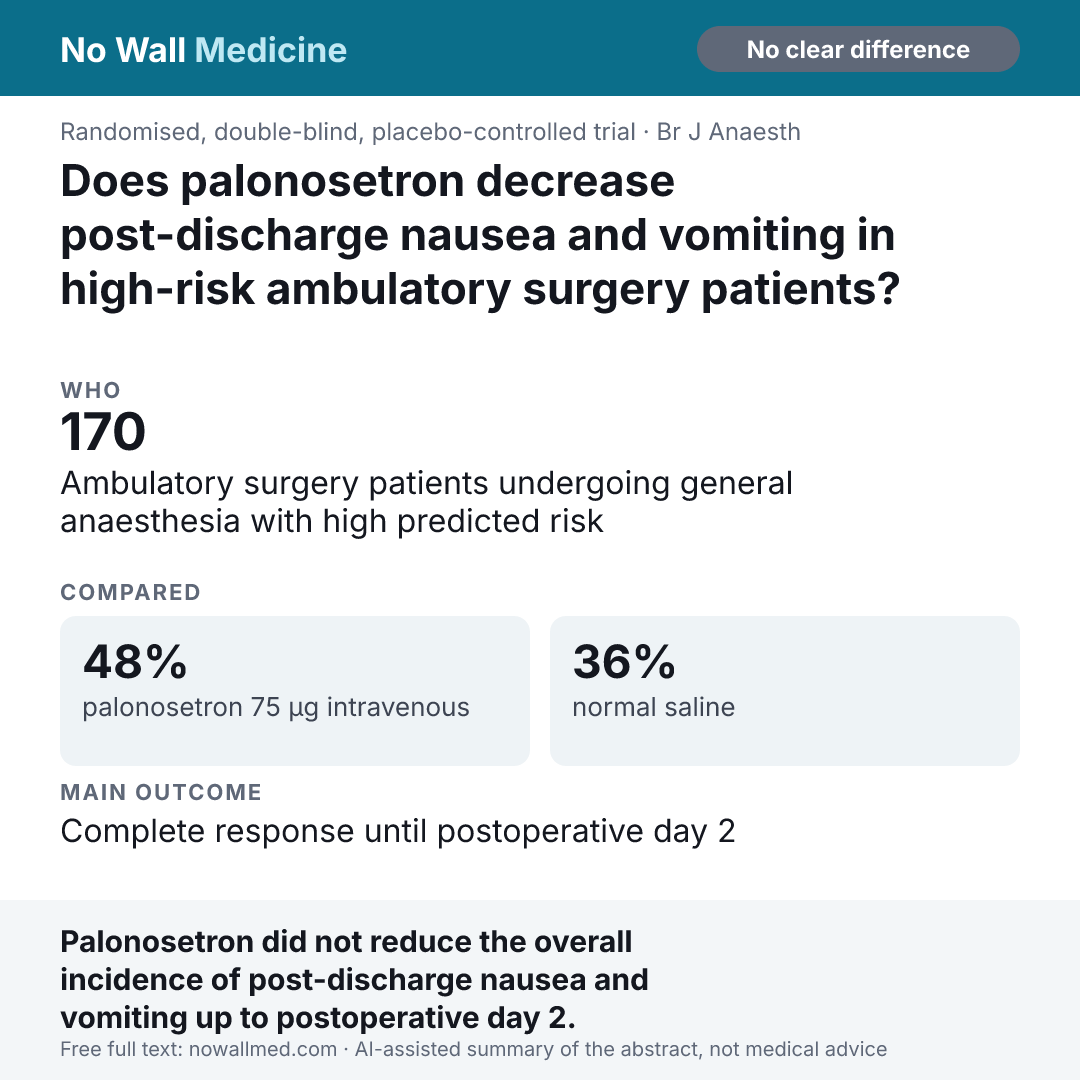
Palonosetron as prophylaxis for post-discharge nausea and vomiting: a prospective, randomised, double-blind, placebo-controlled trial in ambulatory surgery
Randomised, double-blind, placebo-controlled trialNo clear difference
Does palonosetron decrease post-discharge nausea and vomiting in high-risk ambulatory surgery patients?
Who
170
Ambulatory surgery patients undergoing general anaesthesia with high predicted risk
Compared
48%palonosetron 75 μg intravenous (n=32)
36%normal saline (n=25)
Main outcome
Complete response until postoperative day 2
Result: odds ratio 1.69 (95% confidence interval: 0.85-3.37)
Bottom line: Palonosetron did not reduce the overall incidence of post-discharge nausea and vomiting up to postoperative day 2.
Br J Anaesth · 2023-05-26 · Save PNG
Hypothermia may reduce mortality and improve neurologic outcomes in adult patients treated with VA-ECMO: A systematic review and meta-analysis
Systematic review and meta-analysisBenefit found
Does hypothermia reduce mortality and improve neurologic outcomes in VA-ECMO patients?
Who
3782
Adult patients treated with venoarterial extracorporeal membrane oxygenation
Compared
Hypothermia
Control
Main outcome
Discharge or 28-day mortality and favorable neurological outcomes
Result: OR 0.45 (95% CI 0.33-0.63) for mortality; OR 2.08 (95% CI 1.66-2.61) for neurological outcomes
Bottom line: Mild hypothermia lasting at least 24 hours reduces mortality and improves neurological outcomes in VA-ECMO patients.
Limitation: The certainty of the evidence was relatively low.
Am J Emerg Med · 2023-05-26 · Save PNG

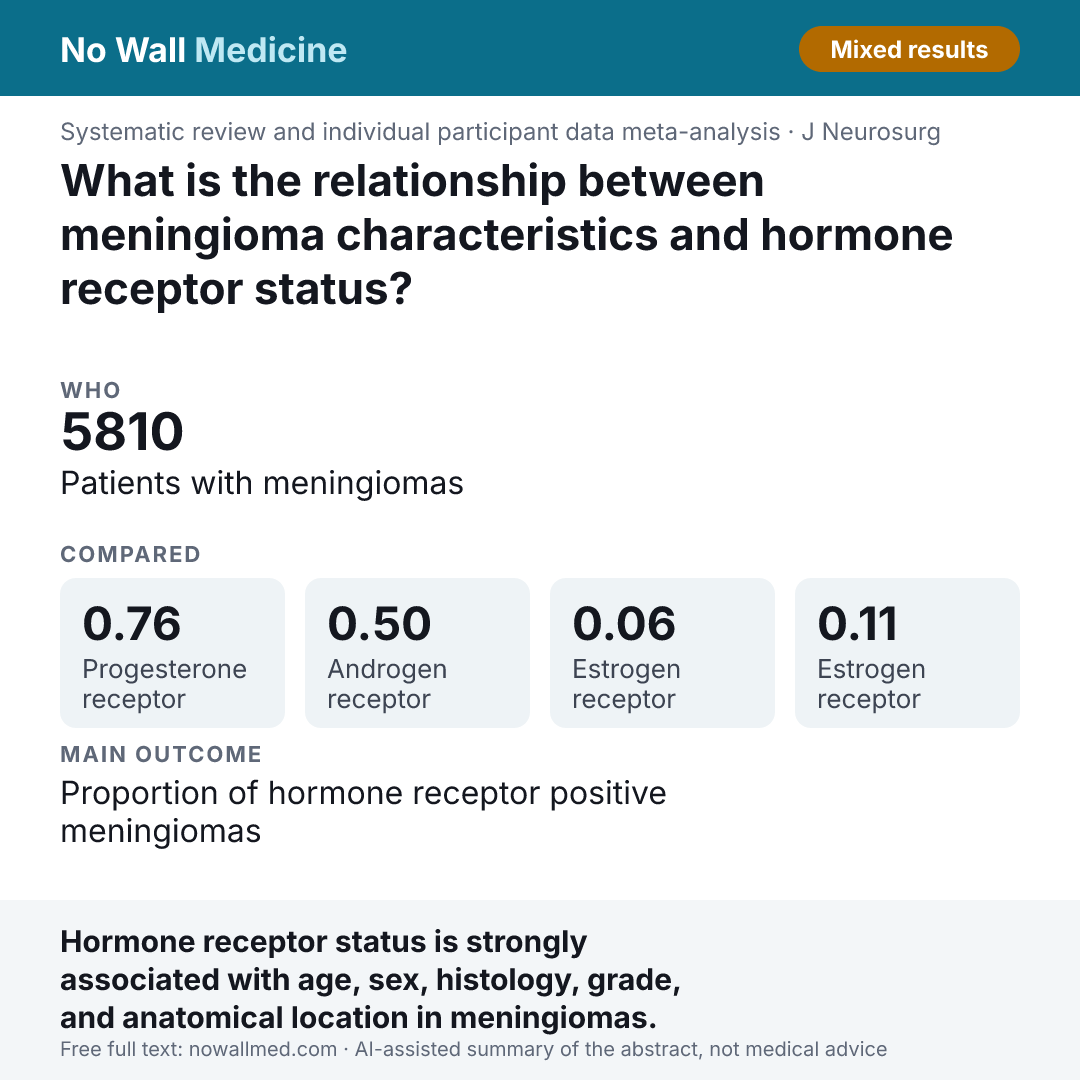
A systematic review and individual participant data meta-analysis of gonadal steroid hormone receptors in meningioma
Systematic review and individual participant data meta-analysisMixed results
What is the relationship between meningioma characteristics and hormone receptor status?
Who
5810
Patients with meningiomas
Compared
0.76Progesterone receptor positive (95% CI 0.72-0.80)
0.50Androgen receptor positive (95% CI 0.33-0.66)
0.06Estrogen receptor positive (immunohistochemistry) (95% CI 0.03-0.10)
0.11Estrogen receptor positive (ligand-binding assays) (95% CI 0.06-0.20)
Main outcome
Proportion of hormone receptor positive meningiomas
Bottom line: Hormone receptor status is strongly associated with age, sex, histology, grade, and anatomical location in meningiomas.
J Neurosurg · 2023-05-26 · Save PNG
Perioperative neuromonitoring during thoracoabdominal aortic aneurysm open repair: a systematic review
Systematic reviewBenefit found
What are the effects and practices of neuromonitoring during open thoracoabdominal aortic aneurysm repair?
Who
3130
Patients undergoing open thoracoabdominal aortic aneurysm repair
Compared
Motor-evoked potentials
Somatosensory-evoked potentials
Main outcome
Postoperative spinal cord ischaemia
Bottom line: Simultaneous motor-evoked potentials and somatosensory-evoked potentials monitoring is a reliable method to detect findings and direct protective manoeuvres.
Eur J Cardiothorac Surg · 2023-05-26 · Save PNG

The Impact of Providing Material Benefits to Improve Access to Food on Clinical Parameters, Dietary Intake, and Household Food Insecurity in People with Diabetes: A Systematic Review with Narrative Synthesis
Systematic review with narrative synthesisMixed results
Do material benefits to improve food access impact clinical parameters and food insecurity in diabetes?
Who
People with diabetes
Compared
Material benefits
Control
Main outcome
Clinical parameters, dietary intake, and household food insecurity
Bottom line: Material benefits may improve food insecurity and diet quality, but effects on clinical parameters remain unclear.
Limitation: Risk of bias was high in 20 studies and certainty of evidence was very low to low.
Adv Nutr · 2023-05-26 · Save PNG

Is There a Sex Difference in the Prognosis of Hypertrophic Cardiomyopathy? A Systematic Review and Meta-Analysis
Meta-analysis of 27 cohortsKey finding
Is there a sex difference in the prognosis of hypertrophic cardiomyopathy?
Who
42365
Patients with hypertrophic cardiomyopathy
Compared
Female subjects: higher risks of HCM-related events
Male subjects
Main outcome
Adverse outcomes in patients with hypertrophic cardiomyopathy
Result: risk ratio 1.61 (95% CI 1.33-1.94)
Bottom line: Female patients with hypertrophic cardiomyopathy have higher risks of adverse cardiovascular and mortality outcomes compared to males.
J Am Heart Assoc · 2023-05-26 · Save PNG

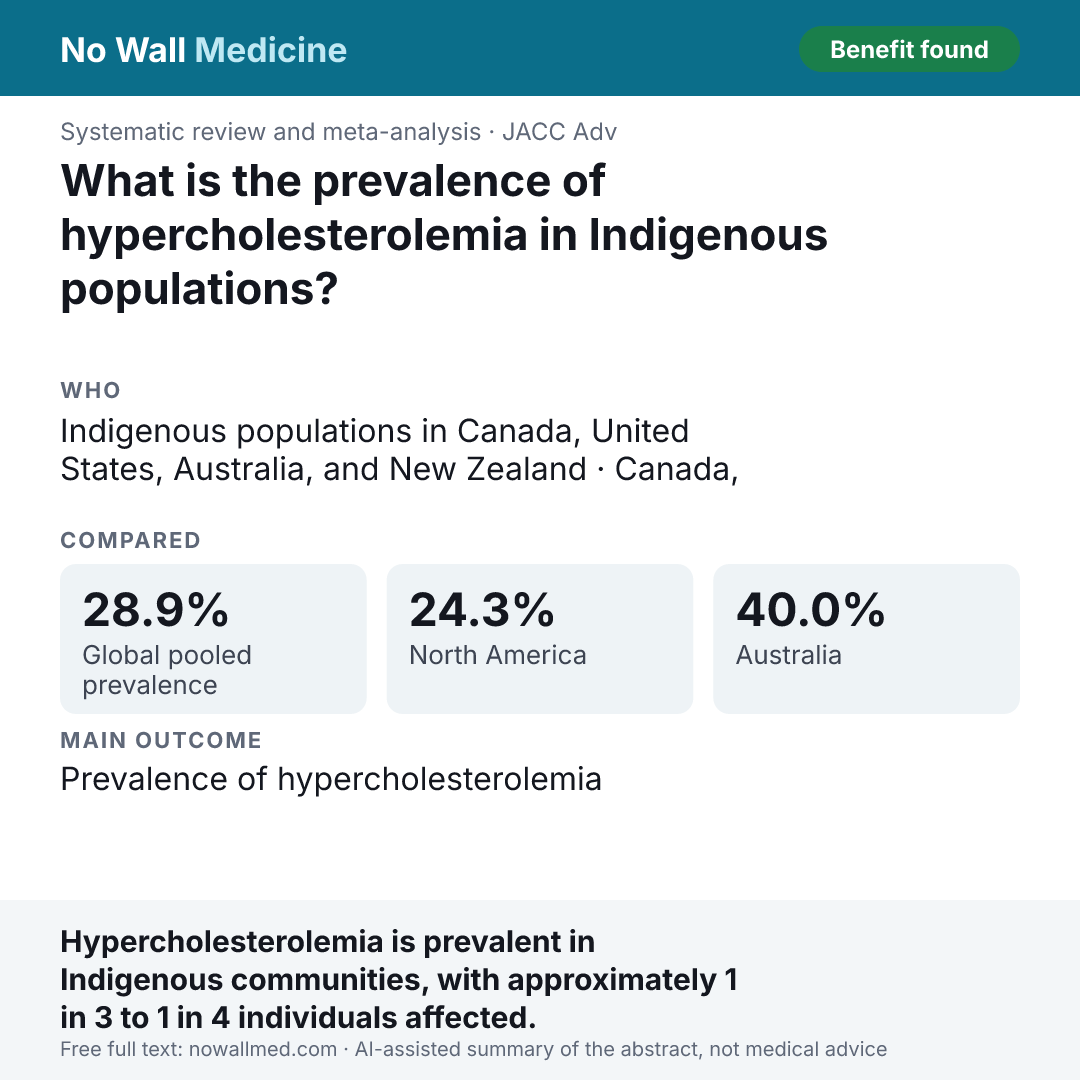
Estimating the Prevalence of Hypercholesterolemia in Indigenous Populations: A Systematic Review and Meta-Analysis
Systematic review and meta-analysisBenefit found
What is the prevalence of hypercholesterolemia in Indigenous populations?
Who
Indigenous populations in Canada, United States, Australia, and New Zealand · Canada, United States, Australia, and New Zealand
Compared
28.9%Global pooled prevalence (95% CI: 22.4%-36.4%)
24.3%North America (95% CI: 17.1%-33.3%)
40.0%Australia (95% CI: 31.3%-49.3%)
Main outcome
Prevalence of hypercholesterolemia
Bottom line: Hypercholesterolemia is prevalent in Indigenous communities, with approximately 1 in 3 to 1 in 4 individuals affected.
Limitation: There were no studies reporting the prevalence of familial hypercholesterolemia.
JACC Adv · 2023-05-26 · Save PNG