Visual abstracts
New randomized trials and meta-analyses from leading journals at a glance: who was studied, what was compared, and what was found. Every paper is free to read in full.
All specialtiesCardiology 4754Oncology 4057Gastroenterology & Hepatology 1904Infectious Disease 3749Neurology 1877Psychiatry & Mental Health 2226Pulmonology 2043Critical Care 1325Endocrinology & Diabetes 2531Pediatrics 2891Surgery 2484Orthopedics & Sports Medicine 915Neurosurgery 526Cardiothoracic & Vascular Surgery 658Plastic & Reconstructive Surgery 581Nephrology 1103Rheumatology 810Hematology 1089Dermatology 615Ophthalmology 534Obstetrics & Gynecology 1638Public & Global Health 1033Radiology & Imaging 634Anesthesiology 956Urology 745ENT (Otolaryngology) 491Emergency Medicine 478Allergy & Immunology 309Geriatrics 969Family Medicine & Primary Care 537Medical Genetics & Genomics 651Pathology & Laboratory Medicine 156Physical Medicine & Rehabilitation 740Palliative Care 422Nutrition 1547Digital Health & AI 2178General Medicine 316
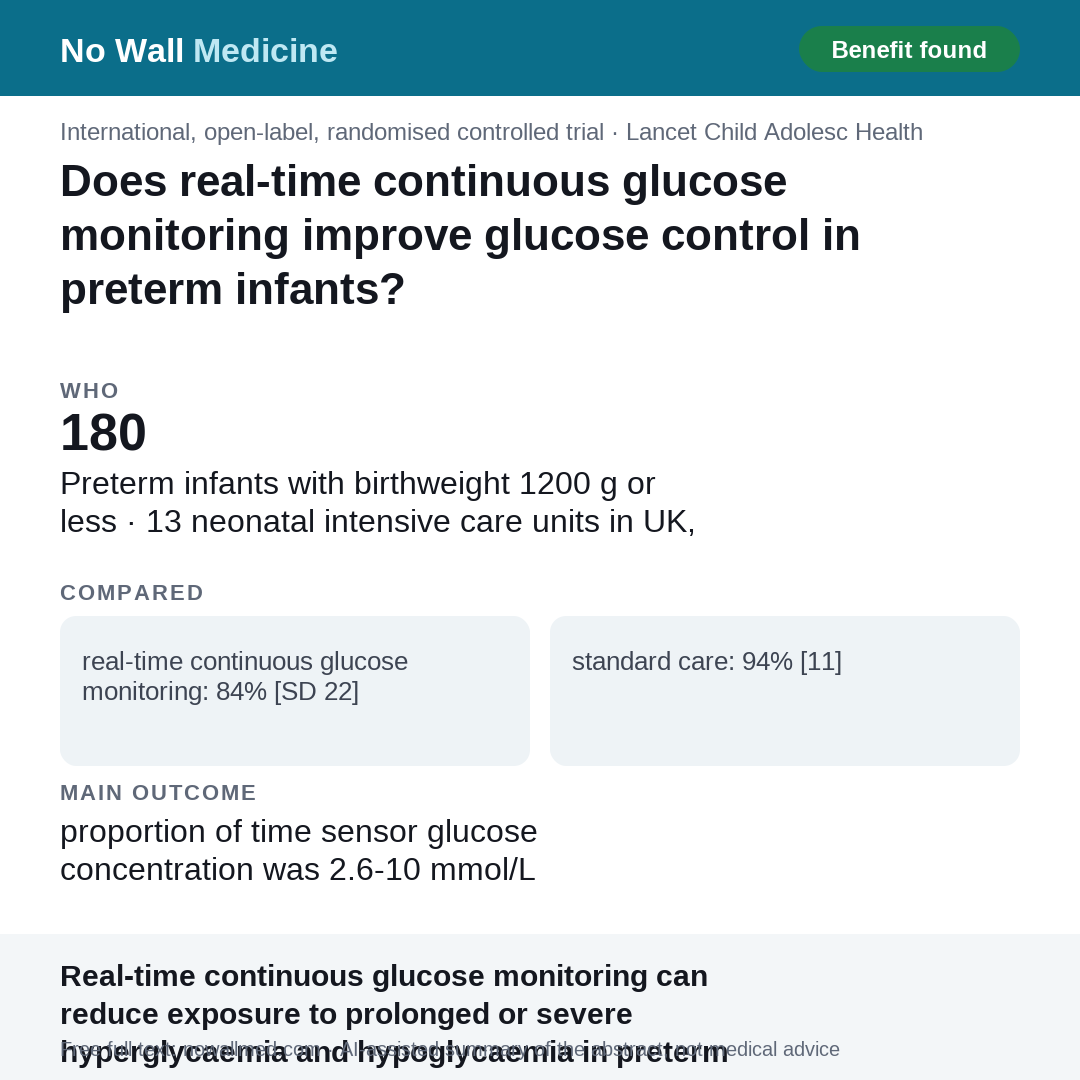
Real-time continuous glucose monitoring in preterm infants (REACT): an international, open-label, randomised controlled trial
International, open-label, randomised controlled trialBenefit found
Does real-time continuous glucose monitoring improve glucose control in preterm infants?
Who
180
Preterm infants with birthweight 1200 g or less · 13 neonatal intensive care units in UK, Spain, and Netherlands
Compared
real-time continuous glucose monitoring: 84% [SD 22]
standard care: 94% [11]
Main outcome
proportion of time sensor glucose concentration was 2.6-10 mmol/L
Result: adjusted mean difference 8.9% (95% CI 3.4-14.4)
Bottom line: Real-time continuous glucose monitoring can reduce exposure to prolonged or severe hyperglycaemia and hypoglycaemia in preterm infants.
Funded by: National Institute for Health Research Efficacy and Mechanisms Evaluation Programme
Lancet Child Adolesc Health · 2021-02-10Download image
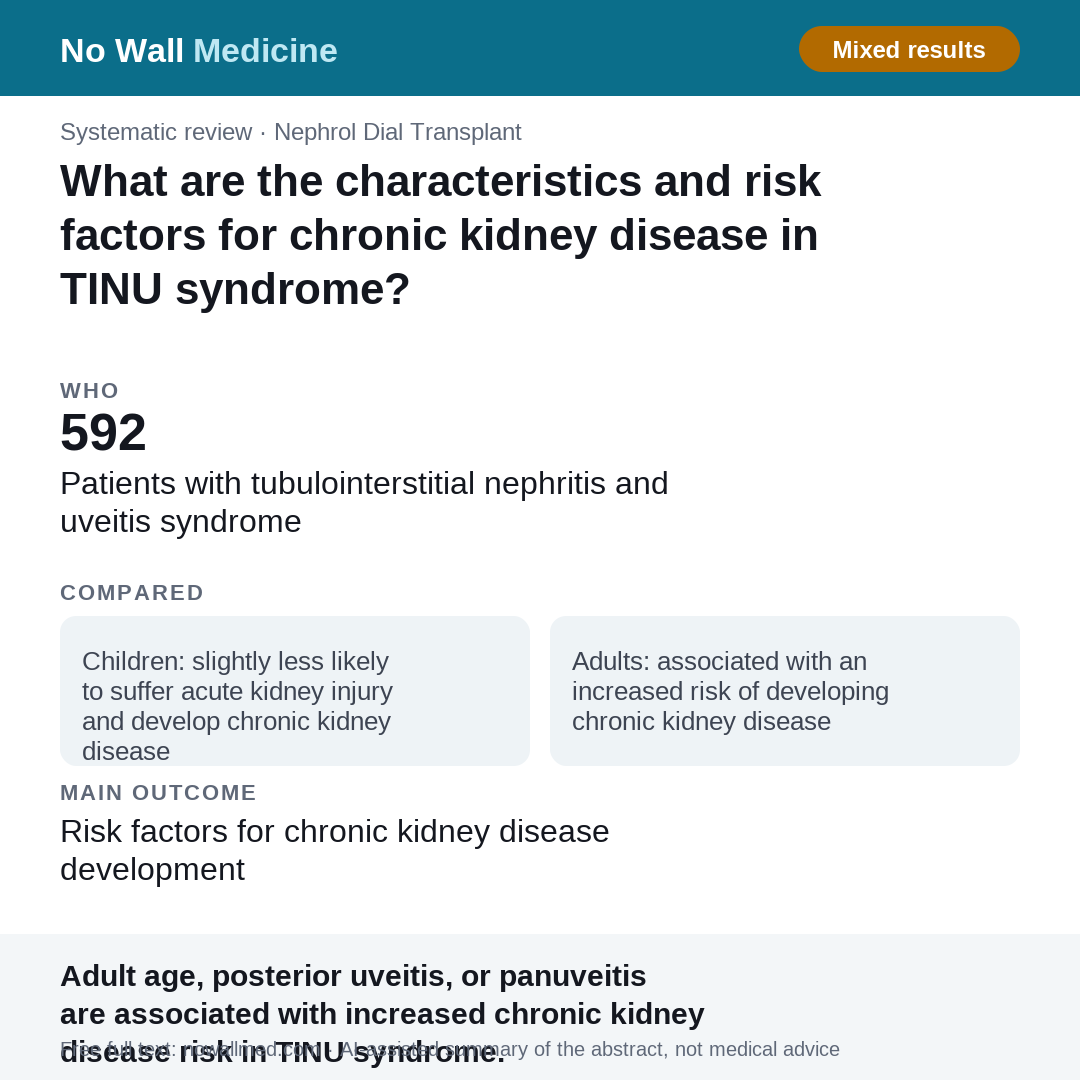
Tubulointerstitial nephritis and uveitis syndrome: a systematic review
Systematic reviewMixed results
What are the characteristics and risk factors for chronic kidney disease in TINU syndrome?
Who
592
Patients with tubulointerstitial nephritis and uveitis syndrome
Compared
Children: slightly less likely to suffer acute kidney injury and develop chronic kidney disease
Adults: associated with an increased risk of developing chronic kidney disease
Main outcome
Risk factors for chronic kidney disease development
Bottom line: Adult age, posterior uveitis, or panuveitis are associated with increased chronic kidney disease risk in TINU syndrome.
Nephrol Dial Transplant · 2021-02-10Download image
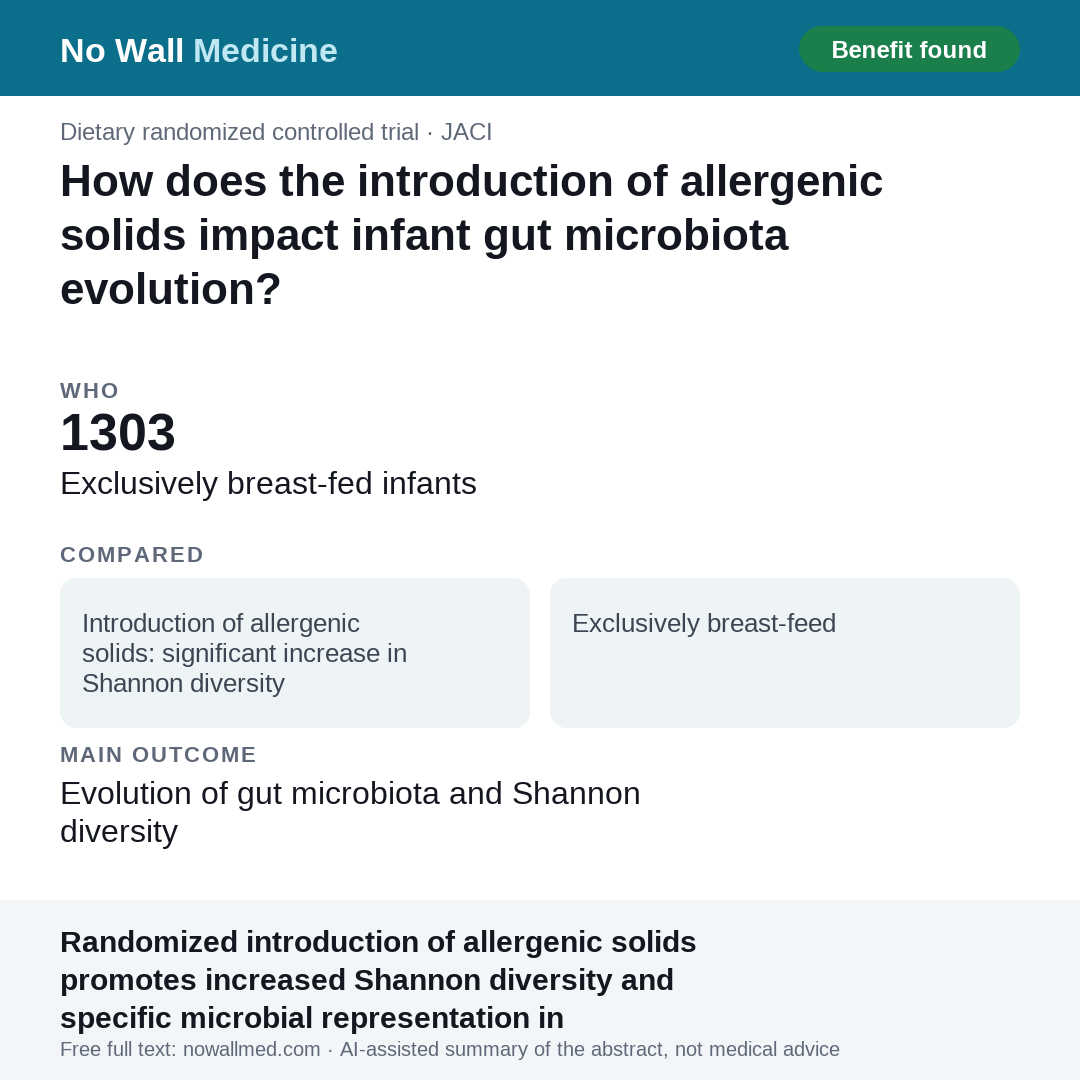
Gut microbiota development during infancy: Impact of introducing allergenic foods
Dietary randomized controlled trialBenefit found
How does the introduction of allergenic solids impact infant gut microbiota evolution?
Who
1303
Exclusively breast-fed infants
Compared
Introduction of allergenic solids: significant increase in Shannon diversity
Exclusively breast-feed
Main outcome
Evolution of gut microbiota and Shannon diversity
Bottom line: Randomized introduction of allergenic solids promotes increased Shannon diversity and specific microbial representation in breast-fed infants.
JACI · 2021-02-08Download image
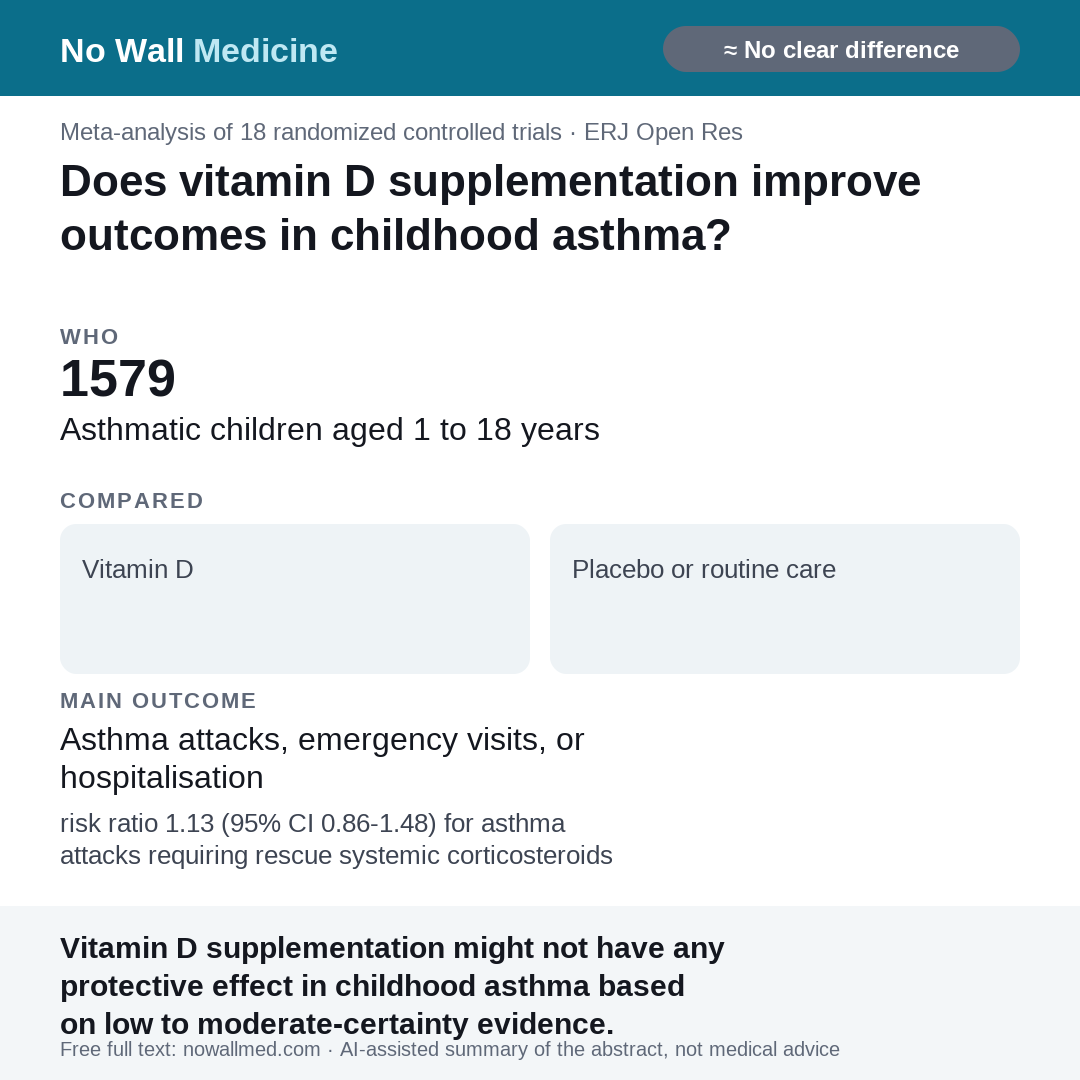
Vitamin D supplementation in childhood asthma: a systematic review and meta-analysis of randomised controlled trials
Meta-analysis of 18 randomized controlled trialsNo clear difference
Does vitamin D supplementation improve outcomes in childhood asthma?
Who
1579
Asthmatic children aged 1 to 18 years
Compared
Vitamin D
Placebo or routine care
Main outcome
Asthma attacks, emergency visits, or hospitalisation
Result: risk ratio 1.13 (95% CI 0.86-1.48) for asthma attacks requiring rescue systemic corticosteroids
Bottom line: Vitamin D supplementation might not have any protective effect in childhood asthma based on low to moderate-certainty evidence.
Limitation: The certainty of evidence ranged from very low to moderate.
ERJ Open Res · 2021-02-07Download image
Cardiopulmonary resuscitation skill training and retention in teens (CPR START): A randomized control trial in high school students
Randomized controlled trialBenefit found
Does adding real-time visual feedback to CPR training improve skill acquisition and retention?
Who
220
High school students · United States
Compared
Feedback Group: 20% (95% CI: 11%-29%; p < 0.001) higher compression score at week-0
Standard Group
Main outcome
Compression score derived from depth, rate, hand position, and recoil
Result: adjusted difference: 20% (95% CI: 11%-29%; p < 0.001)
Bottom line: Real-time visual feedback improves CPR skill acquisition and retention in high school students through 28 weeks.
Resusc Plus · 2021-02-06Download image

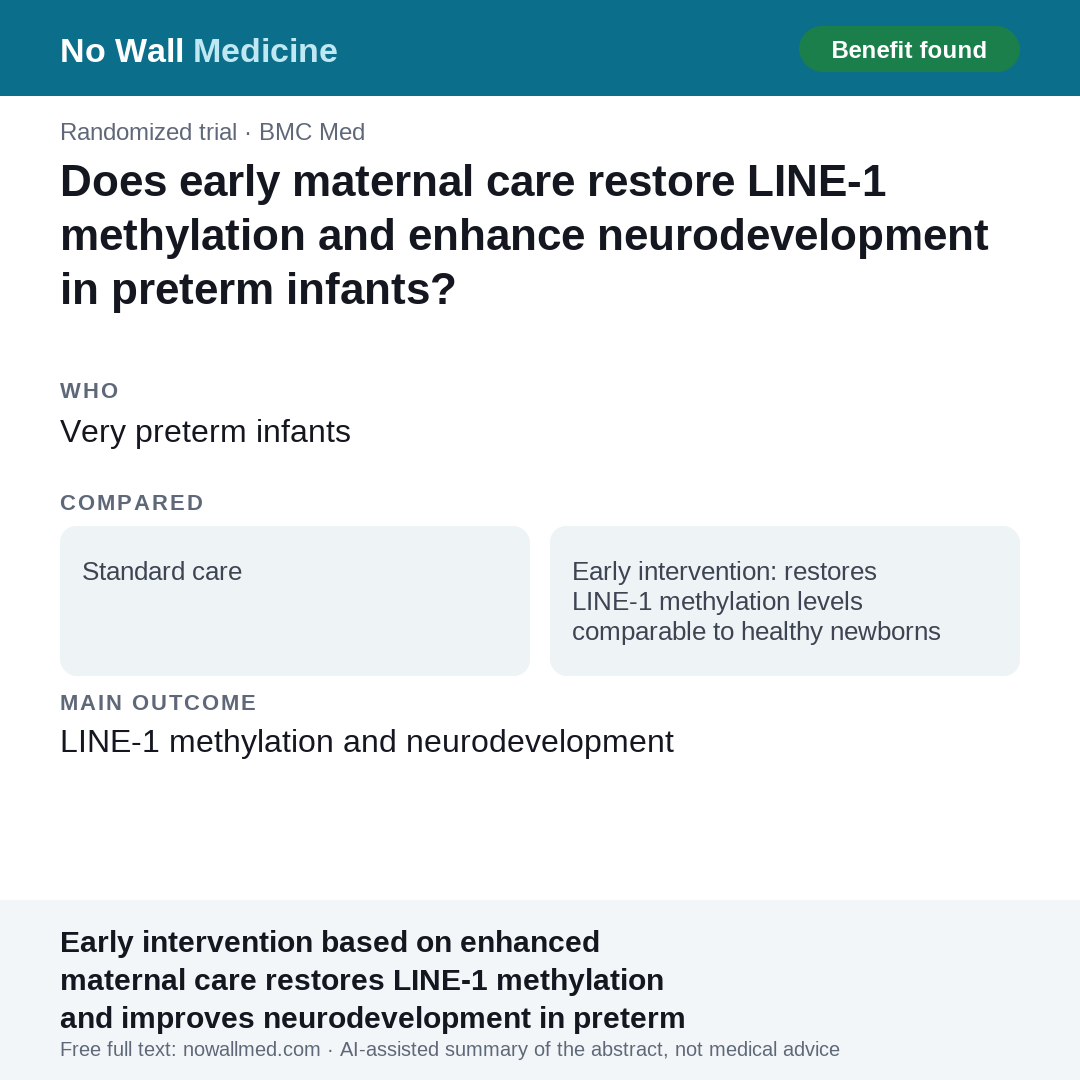
Early maternal care restores LINE-1 methylation and enhances neurodevelopment in preterm infants
Randomized trialBenefit found
Does early maternal care restore LINE-1 methylation and enhance neurodevelopment in preterm infants?
Who
Very preterm infants
Compared
Standard care
Early intervention: restores LINE-1 methylation levels comparable to healthy newborns
Main outcome
LINE-1 methylation and neurodevelopment
Bottom line: Early intervention based on enhanced maternal care restores LINE-1 methylation and improves neurodevelopment in preterm infants.
BMC Med · 2021-02-05Download image
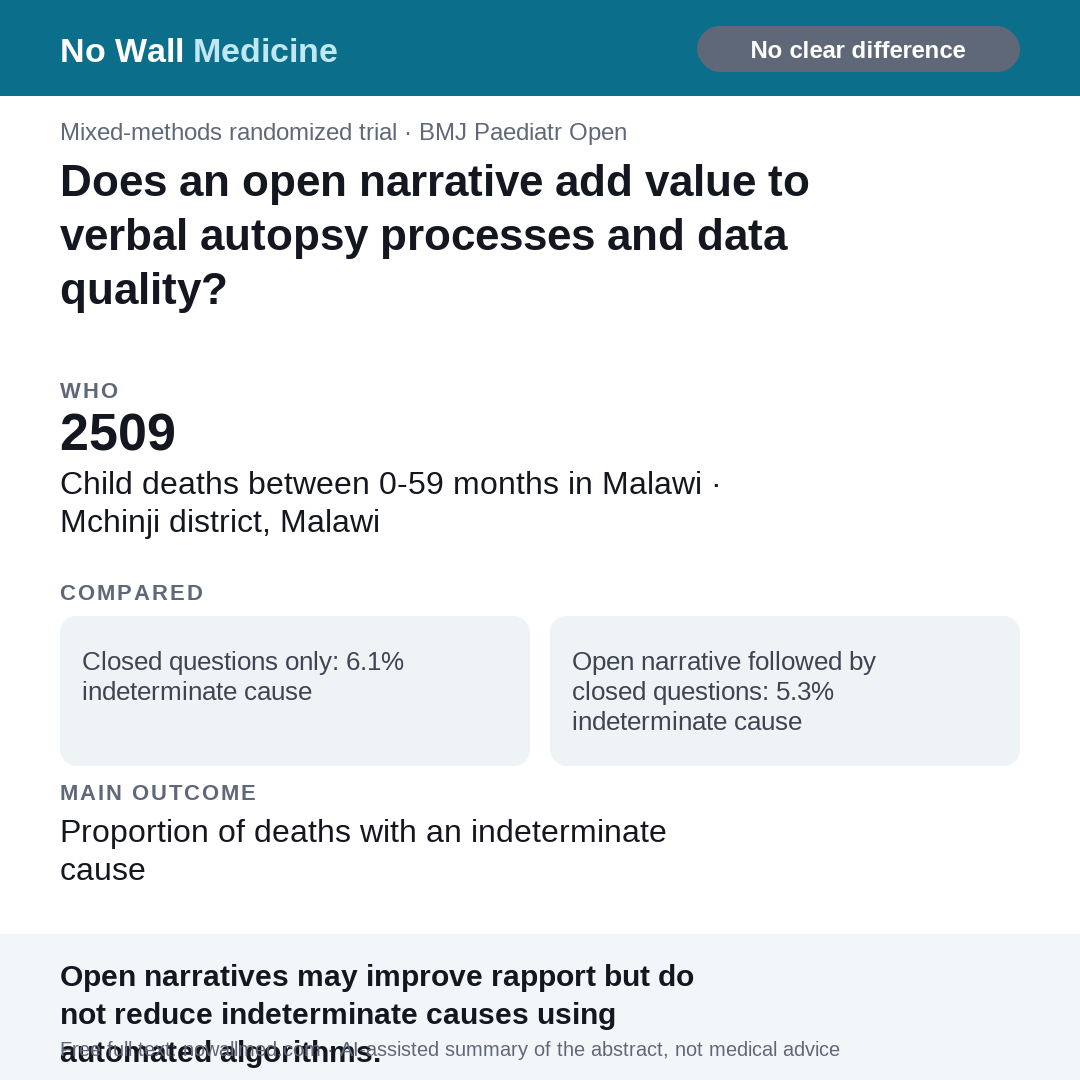
Added value of an open narrative in verbal autopsies: a mixed-methods evaluation from Malawi
Mixed-methods randomized trialNo clear difference
Does an open narrative add value to verbal autopsy processes and data quality?
Who
2509
Child deaths between 0-59 months in Malawi · Mchinji district, Malawi
Compared
Closed questions only: 6.1% indeterminate cause
Open narrative followed by closed questions: 5.3% indeterminate cause
Main outcome
Proportion of deaths with an indeterminate cause
Result: adjusted OR: 1.20 (95% CI: 0.98 to 1.47) for emotional distress
Bottom line: Open narratives may improve rapport but do not reduce indeterminate causes using automated algorithms.
BMJ Paediatr Open · 2021-02-05Download image
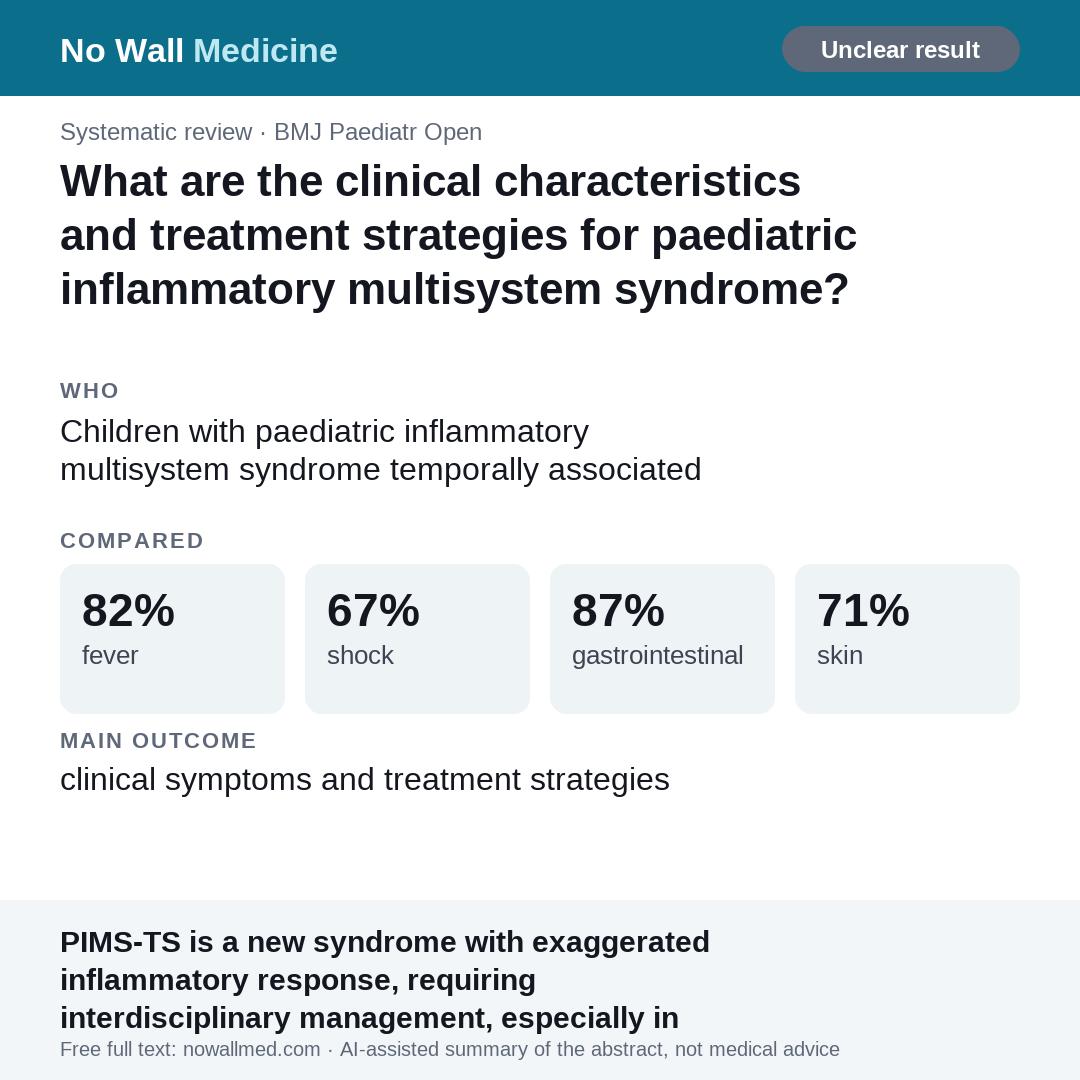
Paediatric inflammatory multisystem syndrome temporally associated with COVID-19 (PIMS-TS): a narrative review and the viewpoint of the Latin American Society of Pediatric Intensive Care (SLACIP) Sepsis Committee
Systematic reviewUnclear result
What are the clinical characteristics and treatment strategies for paediatric inflammatory multisystem syndrome?
Who
Children with paediatric inflammatory multisystem syndrome temporally associated with COVID-19 · not specified
Compared
82%fever
67%shock
87%gastrointestinal
71%skin
Main outcome
clinical symptoms and treatment strategies
Bottom line: PIMS-TS is a new syndrome with exaggerated inflammatory response, requiring interdisciplinary management, especially in limited resource settings.
Limitation: The study is a narrative review and systematic review of existing literature.
BMJ Paediatr Open · 2021-02-04Download image
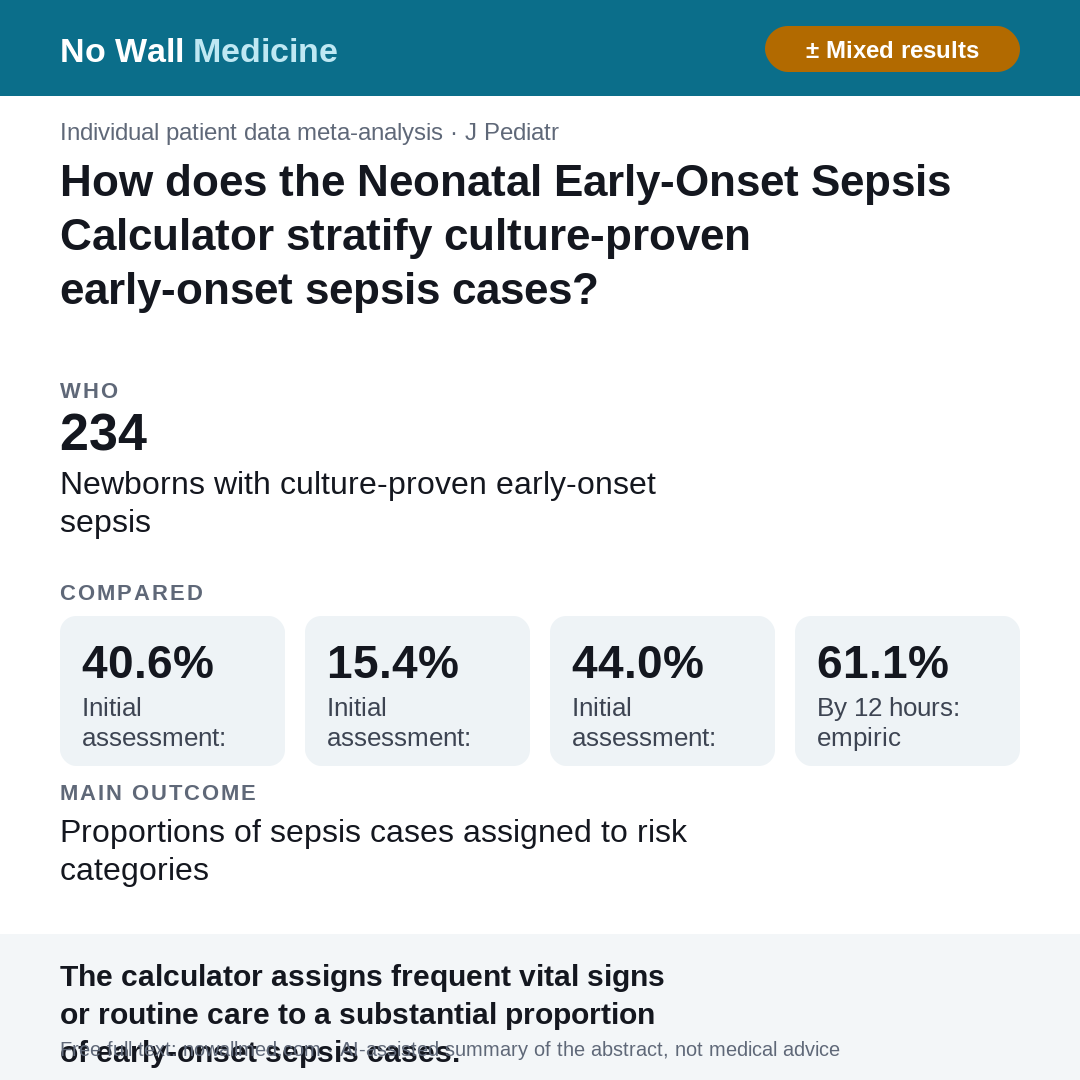
Stratification of Culture-Proven Early-Onset Sepsis Cases by the Neonatal Early-Onset Sepsis Calculator: An Individual Patient Data Meta-Analysis
Individual patient data meta-analysisMixed results
How does the Neonatal Early-Onset Sepsis Calculator stratify culture-proven early-onset sepsis cases?
Who
234
Newborns with culture-proven early-onset sepsis
Compared
40.6%Initial assessment: empiric antibiotic administration (95% CI, 34.2%-47.2%)
15.4%Initial assessment: more frequent vital signs (95% CI, 11.0%-20.7%)
44.0%Initial assessment: routine care (95% CI, 37.6%-50.6%)
61.1%By 12 hours: empiric antibiotic administration (95% CI, 54.5%-67.4%)
Main outcome
Proportions of sepsis cases assigned to risk categories
Bottom line: The calculator assigns frequent vital signs or routine care to a substantial proportion of early-onset sepsis cases.
J Pediatr · 2021-02-03Download image
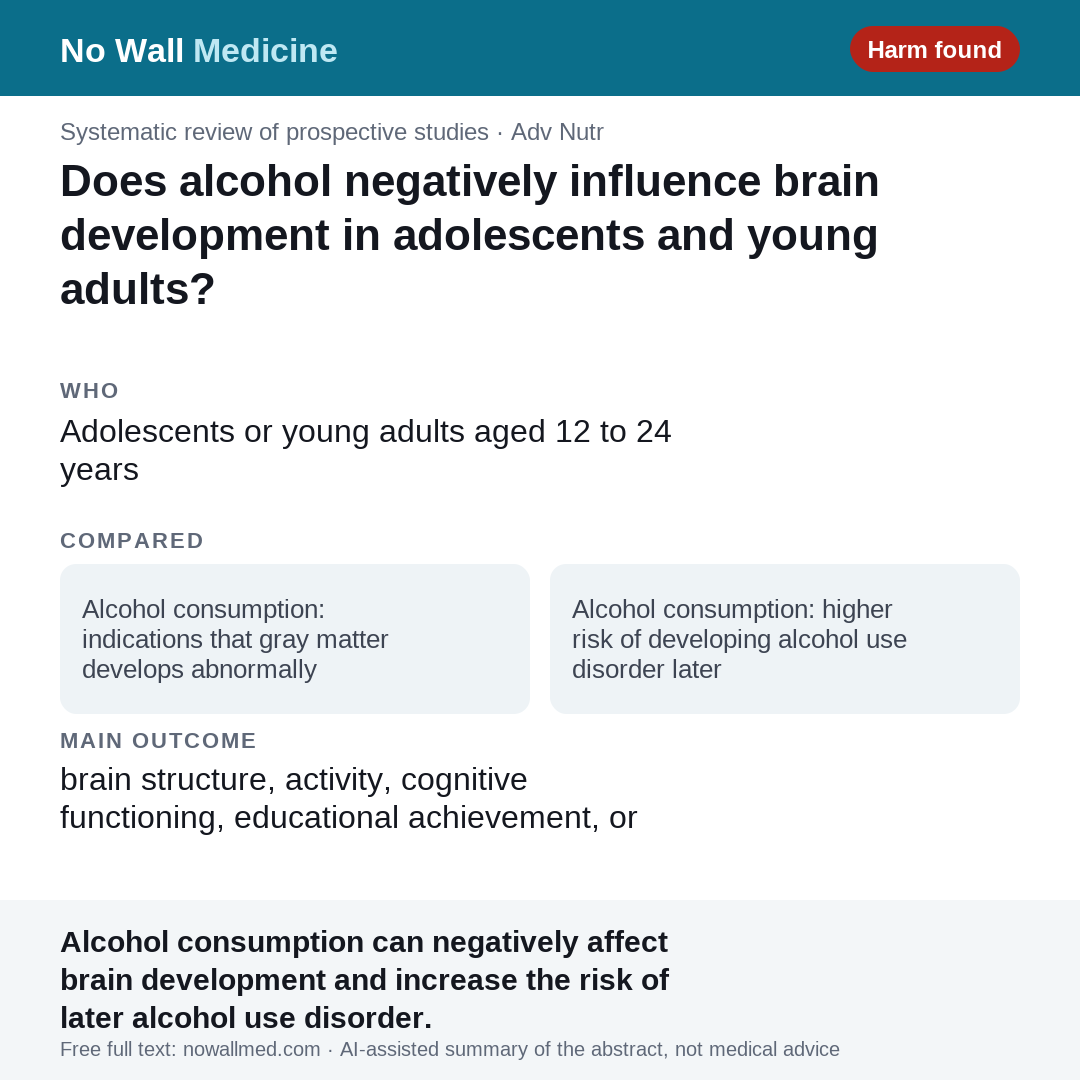
Alcohol and Brain Development in Adolescents and Young Adults: A Systematic Review of the Literature and Advisory Report of the Health Council of the Netherlands
Systematic review of prospective studiesHarm found
Does alcohol negatively influence brain development in adolescents and young adults?
Who
77
Adolescents or young adults aged 12 to 24 years
Compared
Alcohol consumption: indications that gray matter develops abnormally
Alcohol consumption: higher risk of developing alcohol use disorder later
Main outcome
brain structure, activity, cognitive functioning, educational achievement, or alcohol use disorder
Bottom line: Alcohol consumption can negatively affect brain development and increase the risk of later alcohol use disorder.
Limitation: Evidence on white matter, brain activity, cognitive function, and educational achievement is limited or unclear.
Adv Nutr · 2021-02-03Download image
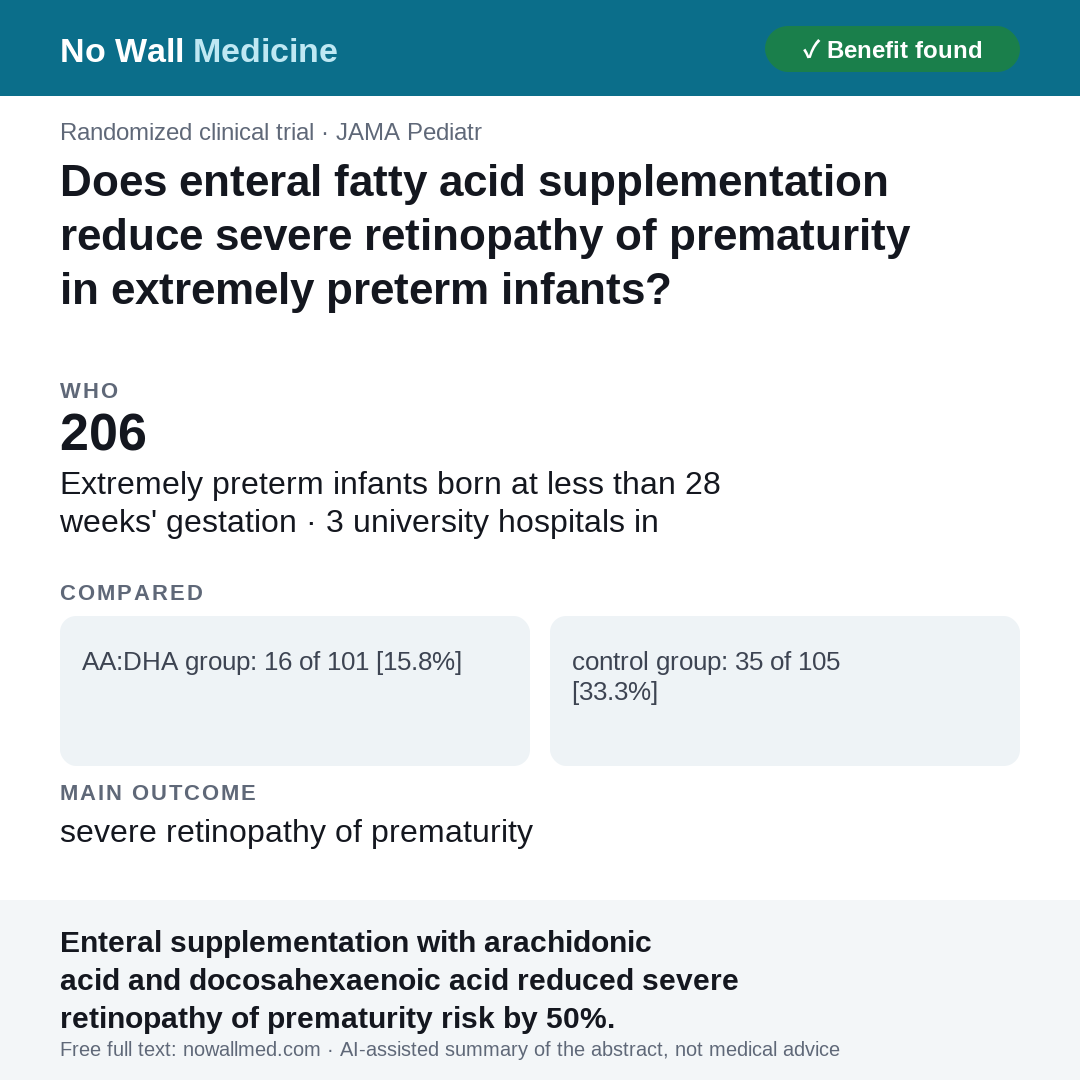
Effect of Enteral Lipid Supplement on Severe Retinopathy of Prematurity: A Randomized Clinical Trial
Randomized clinical trialBenefit found
Does enteral fatty acid supplementation reduce severe retinopathy of prematurity in extremely preterm infants?
Who
206
Extremely preterm infants born at less than 28 weeks' gestation · 3 university hospitals in Sweden
Compared
AA:DHA group: 16 of 101 [15.8%]
control group: 35 of 105 [33.3%]
Main outcome
severe retinopathy of prematurity
Result: adjusted relative risk, 0.50 (95% CI, 0.28-0.91)
Bottom line: Enteral supplementation with arachidonic acid and docosahexaenoic acid reduced severe retinopathy of prematurity risk by 50%.
JAMA Pediatr · 2021-02-02Download image
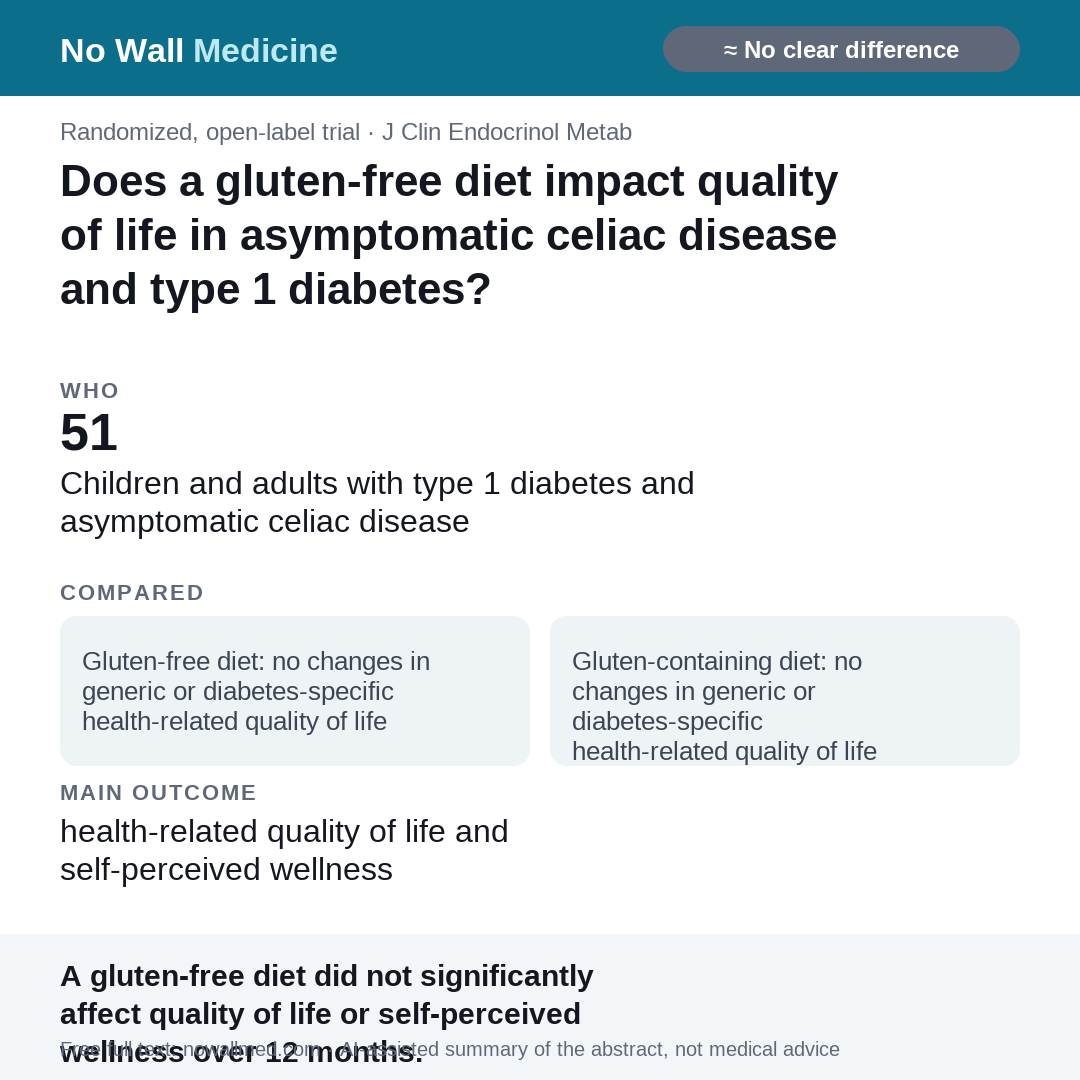
Impact of a Gluten-Free Diet on Quality of Life and Health Perception in Patients With Type 1 Diabetes and Asymptomatic Celiac Disease
Randomized, open-label trialNo clear difference
Does a gluten-free diet impact quality of life in asymptomatic celiac disease and type 1 diabetes?
Who
51
Children and adults with type 1 diabetes and asymptomatic celiac disease
Compared
Gluten-free diet: no changes in generic or diabetes-specific health-related quality of life
Gluten-containing diet: no changes in generic or diabetes-specific health-related quality of life
Main outcome
health-related quality of life and self-perceived wellness
Bottom line: A gluten-free diet did not significantly affect quality of life or self-perceived wellness over 12 months.
J Clin Endocrinol Metab · 2021-02-02Download image
Genome-wide association study of pediatric obsessive-compulsive traits: shared genetic risk between traits and disorder
Genome-wide association study and meta-analysisBenefit found
Do obsessive-compulsive traits and obsessive-compulsive disorder share genetic risk?
Who
Caucasian children and adolescents and obsessive-compulsive disorder cases · Community sample
Compared
Obsessive-compulsive traits: p = 2.48 × 10⁻⁸
Obsessive-compulsive disorder: p = 0.0069
Main outcome
Genetic association and shared genetic risk
Result: rg = 0.71, p = 0.062
Bottom line: Obsessive-compulsive traits in the community share genetic risk with obsessive-compulsive disorder.
Transl Psychiatry · 2021-02-02Download image
Effect of Collaborative Care on Persistent Postconcussive Symptoms in Adolescents: A Randomized Clinical Trial
Randomized clinical trialBenefit found
Does collaborative care improve postconcussive, quality of life, anxiety, and depressive symptoms in adolescents?
Who
200
Adolescents aged 11 to 18 years with persistent postconcussive symptoms · Clinics in western Washington
Compared
Collaborative care: 4.1 point decrease in Health Behavior Inventory scores at 12 months
Usual care
Main outcome
Postconcussive, quality of life, anxiety, and depressive symptoms
Result: 4.1 point decrease (95% CI, -7.7 to -0.4 point decrease)
Bottom line: Collaborative care improved health behavior scores and quality of life in adolescents with persistent postconcussive symptoms over 12 months.
JAMA Netw Open · 2021-02-01Download image
Paternal body mass index and offspring DNA methylation: findings from the PACE consortium
Meta-analysis of coordinated epigenome-wide association studiesNo clear difference
Is paternal prenatal body mass index associated with offspring DNA methylation?
Who
4894
Offspring blood at birth and in childhood · Pregnancy And Childhood Epigenetics consortium
Compared
Offspring blood at birth: false-discovery-rate-adjusted P-values were >0.05
Offspring in childhood: false-discovery-rate-adjusted P-values were >0.05
Main outcome
DNA methylation in offspring blood
Bottom line: Paternal prenatal body mass index is not associated with offspring blood DNA methylation.
Int J Epidemiol · 2021-02-01Download image
Postdischarge interventions for children hospitalized with severe acute malnutrition: a systematic review and meta-analysis
Systematic review and meta-analysisBenefit found
Do postdischarge interventions improve outcomes in children recovering from complicated severe acute malnutrition?
Who
Children aged 6-59 months with complicated severe acute malnutrition · 7 countries
Compared
Interventions
Standard care
Main outcome
Mortality
Result: RR: 0.72; 95% CI: 0.51, 1.00; RR: 0.36; 95% CI: 0.15, 0.87
Bottom line: Prebiotics, synbiotics, and psychosocial stimulation show promise in reducing mortality for children with severe acute malnutrition.
Limitation: Six studies had unclear or high risk of bias in at least two domains.
Am J Clin Nutr · 2021-02-01Download image
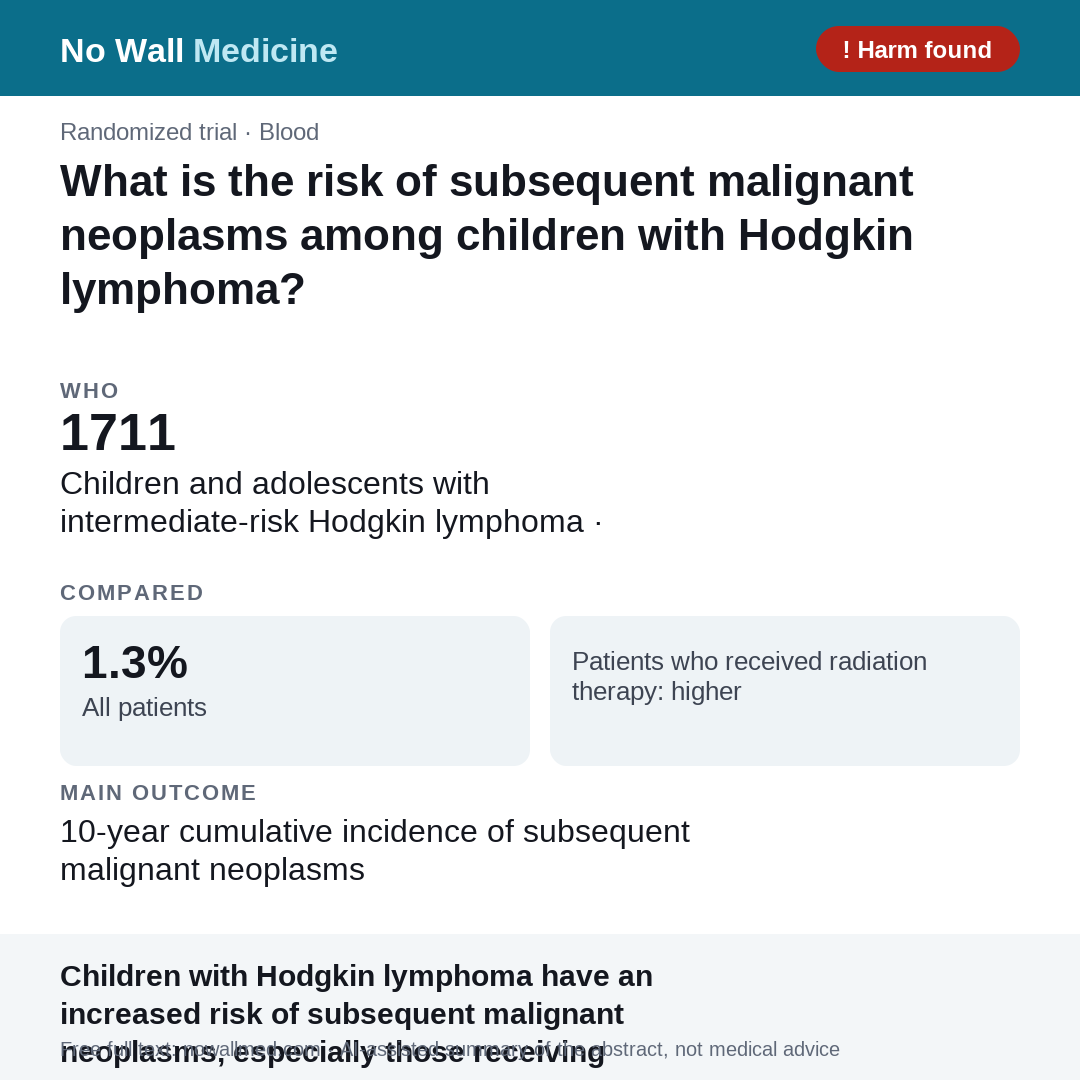
Subsequent malignant neoplasms among children with Hodgkin lymphoma: a report from the Children's Oncology Group
Randomized trialHarm found
What is the risk of subsequent malignant neoplasms among children with Hodgkin lymphoma?
Who
1711
Children and adolescents with intermediate-risk Hodgkin lymphoma · Children's Oncology Group
Compared
1.3%All patients (95% confidence interval 0.6-2.0)
Patients who received radiation therapy: higher
Main outcome
10-year cumulative incidence of subsequent malignant neoplasms
Result: standardized incidence ratio 9.5 (95% CI 4.5-15.2)
Bottom line: Children with Hodgkin lymphoma have an increased risk of subsequent malignant neoplasms, especially those receiving radiation therapy.
Blood · 2021-01-30Download image
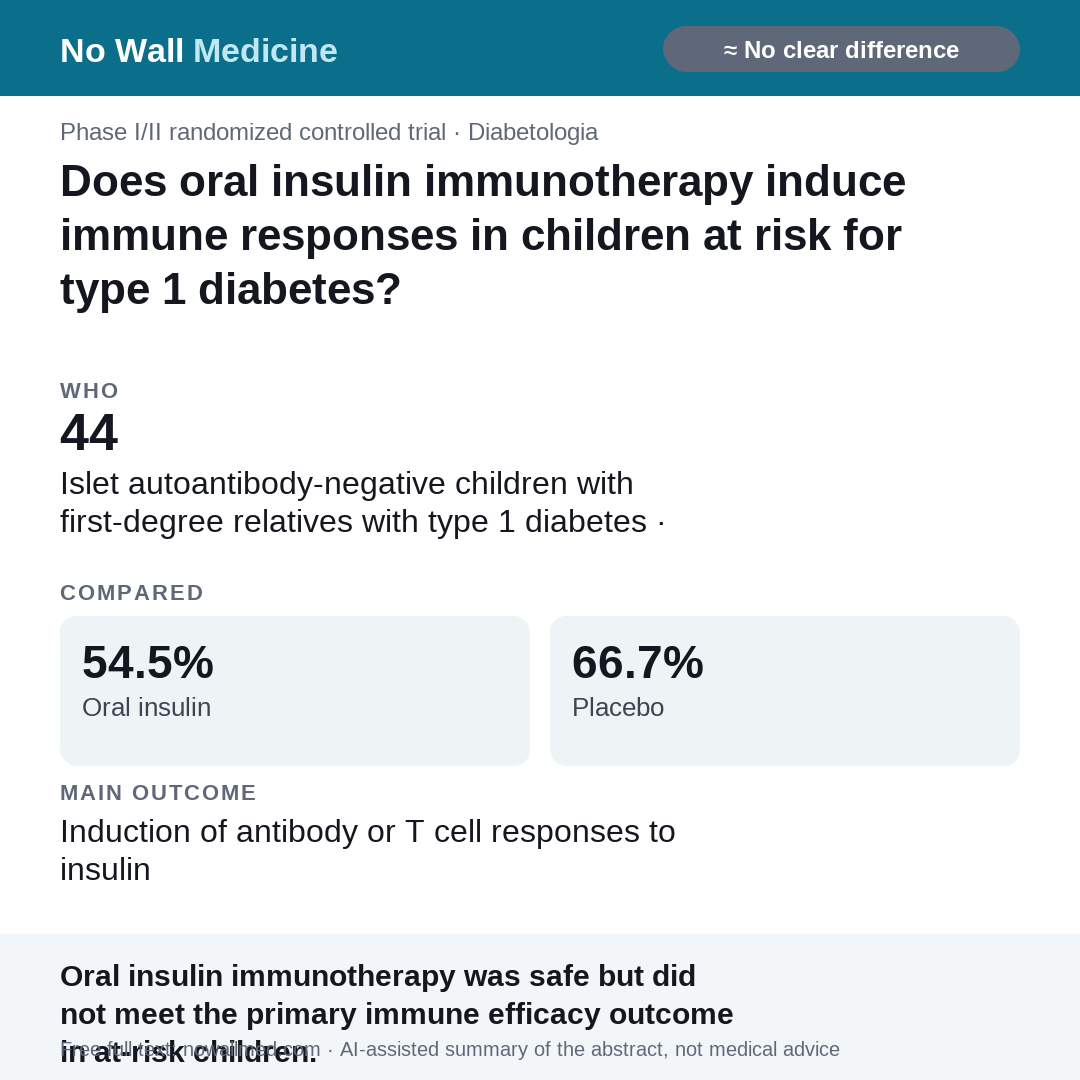
Oral insulin immunotherapy in children at risk for type 1 diabetes in a randomised controlled trial
Phase I/II randomized controlled trialNo clear difference
Does oral insulin immunotherapy induce immune responses in children at risk for type 1 diabetes?
Who
44
Islet autoantibody-negative children with first-degree relatives with type 1 diabetes · Single clinical study centre in Germany
Compared
54.5%Oral insulin
66.7%Placebo
Main outcome
Induction of antibody or T cell responses to insulin
Bottom line: Oral insulin immunotherapy was safe but did not meet the primary immune efficacy outcome in at-risk children.
Funded by: German Center for Diabetes Research
Diabetologia · 2021-01-30Download image
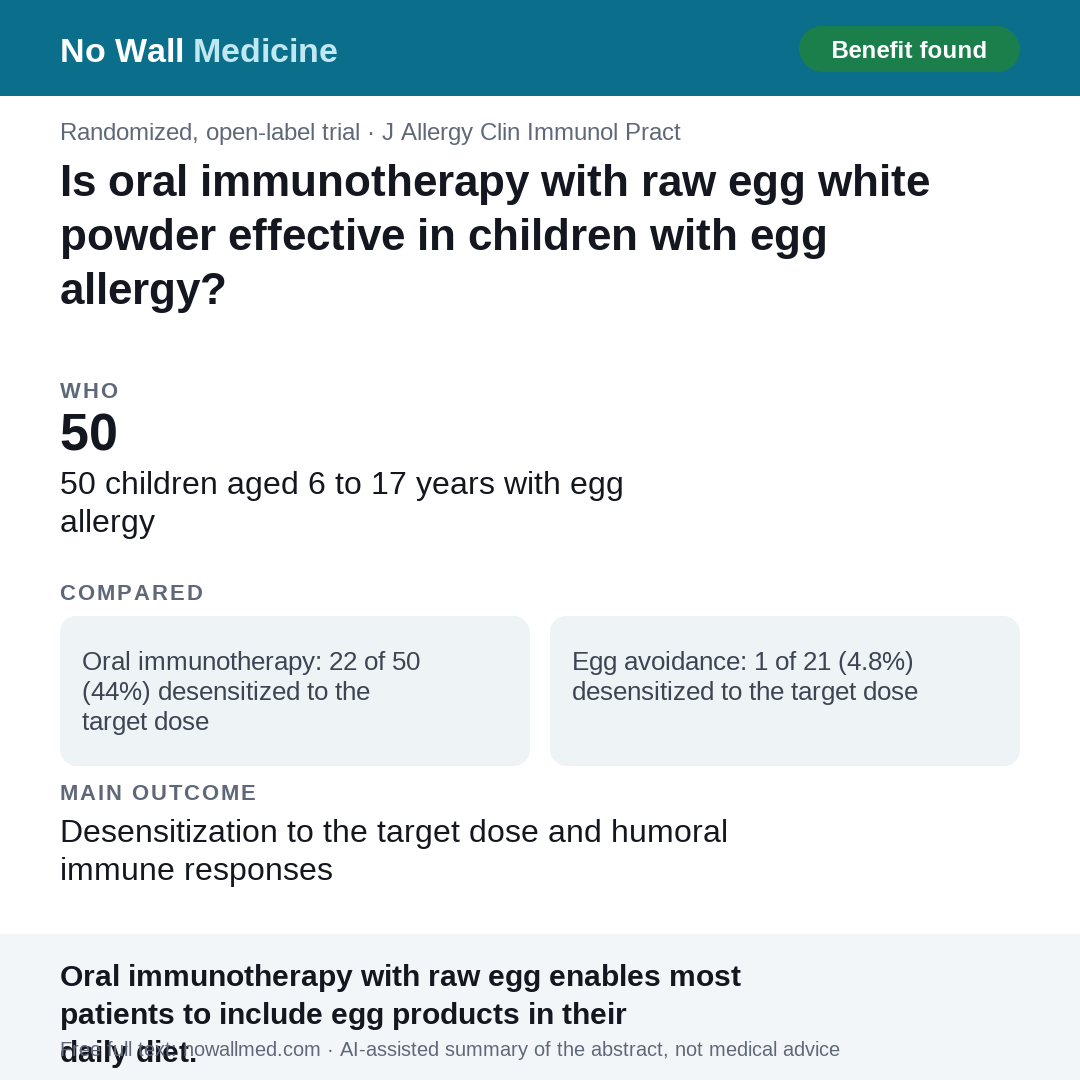
A Randomized, Open-Label Trial of Hen's Egg Oral Immunotherapy: Efficacy and Humoral Immune Responses in 50 Children
Randomized, open-label trialBenefit found
Is oral immunotherapy with raw egg white powder effective in children with egg allergy?
Who
50
50 children aged 6 to 17 years with egg allergy
Compared
Oral immunotherapy: 22 of 50 (44%) desensitized to the target dose
Egg avoidance: 1 of 21 (4.8%) desensitized to the target dose
Main outcome
Desensitization to the target dose and humoral immune responses
Bottom line: Oral immunotherapy with raw egg enables most patients to include egg products in their daily diet.
J Allergy Clin Immunol Pract · 2021-01-30Download image
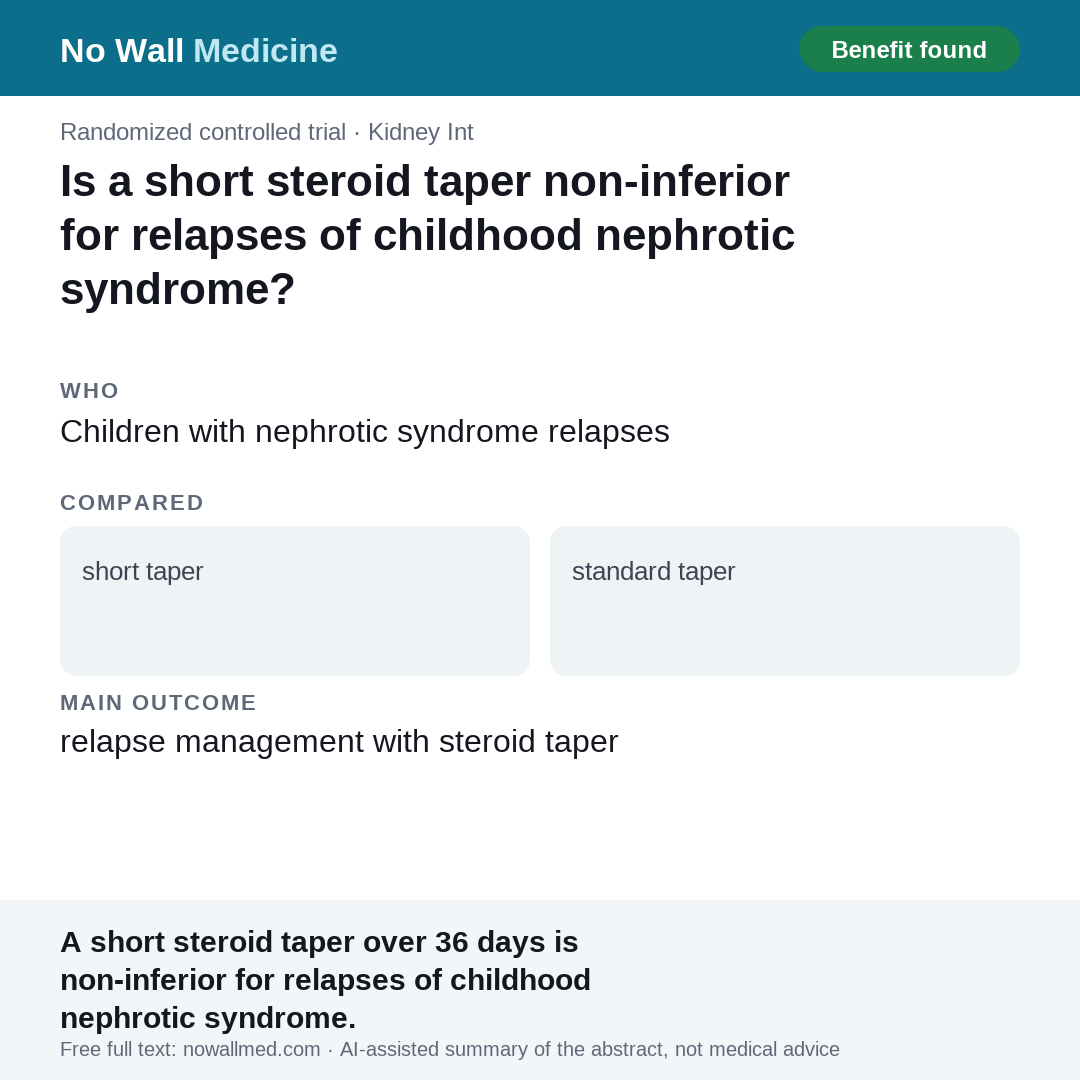
Results of the PROPINE randomized controlled trial: determining the ever-elusive target, the optimal plan for relapses of nephrotic syndrome in children
Randomized controlled trialBenefit found
Is a short steroid taper non-inferior for relapses of childhood nephrotic syndrome?
Who
Children with nephrotic syndrome relapses
Compared
short taper
standard taper
Main outcome
relapse management with steroid taper
Bottom line: A short steroid taper over 36 days is non-inferior for relapses of childhood nephrotic syndrome.
Kidney Int · 2021-01-29Download image