Visual abstracts
New randomized trials and meta-analyses from leading journals at a glance: who was studied, what was compared, and what was found. Every paper is free to read in full.
All specialtiesCardiology 400Oncology 322Gastroenterology & Hepatology 162Infectious Disease 320Neurology 183Psychiatry & Mental Health 269Pulmonology 183Critical Care 125Endocrinology & Diabetes 242Pediatrics 193Surgery 134Orthopedics & Sports Medicine 81Neurosurgery 24Cardiothoracic & Vascular Surgery 47Plastic & Reconstructive Surgery 81Nephrology 78Rheumatology 82Hematology 96Dermatology 42Ophthalmology 71Obstetrics & Gynecology 125Public & Global Health 124Radiology & Imaging 37Anesthesiology 72Urology 91ENT (Otolaryngology) 48Emergency Medicine 41Allergy & Immunology 49Geriatrics 118Family Medicine & Primary Care 68Medical Genetics & Genomics 37Pathology & Laboratory Medicine 6Physical Medicine & Rehabilitation 98Palliative Care 61Nutrition 136Digital Health & AI 348General Medicine 49
Women's leadership development programmes and gender equality: a systematic review in healthcare, academia and beyond
Systematic review without meta-analysisUnclear result
Do women's leadership development programmes lead to measurable organisational change?
Who
57
Adult professionals in formal organisational roles · 23 countries
Compared
Women's leadership development programmes: self-reported improvements in confidence, knowledge, leadership capability, and behaviour
Organisational outcomes: promotion or retention indicators
Main outcome
Individual and organisational outcomes
Bottom line: Programmes support individual development, but evidence cannot establish whether they lead to organisational transformation.
Limitation: None of the included studies used randomisation and subjective measures predominated.
Funded by: Australian National Health and Medical Research Council
eClinicalMedicine · 2026-09-01Download image

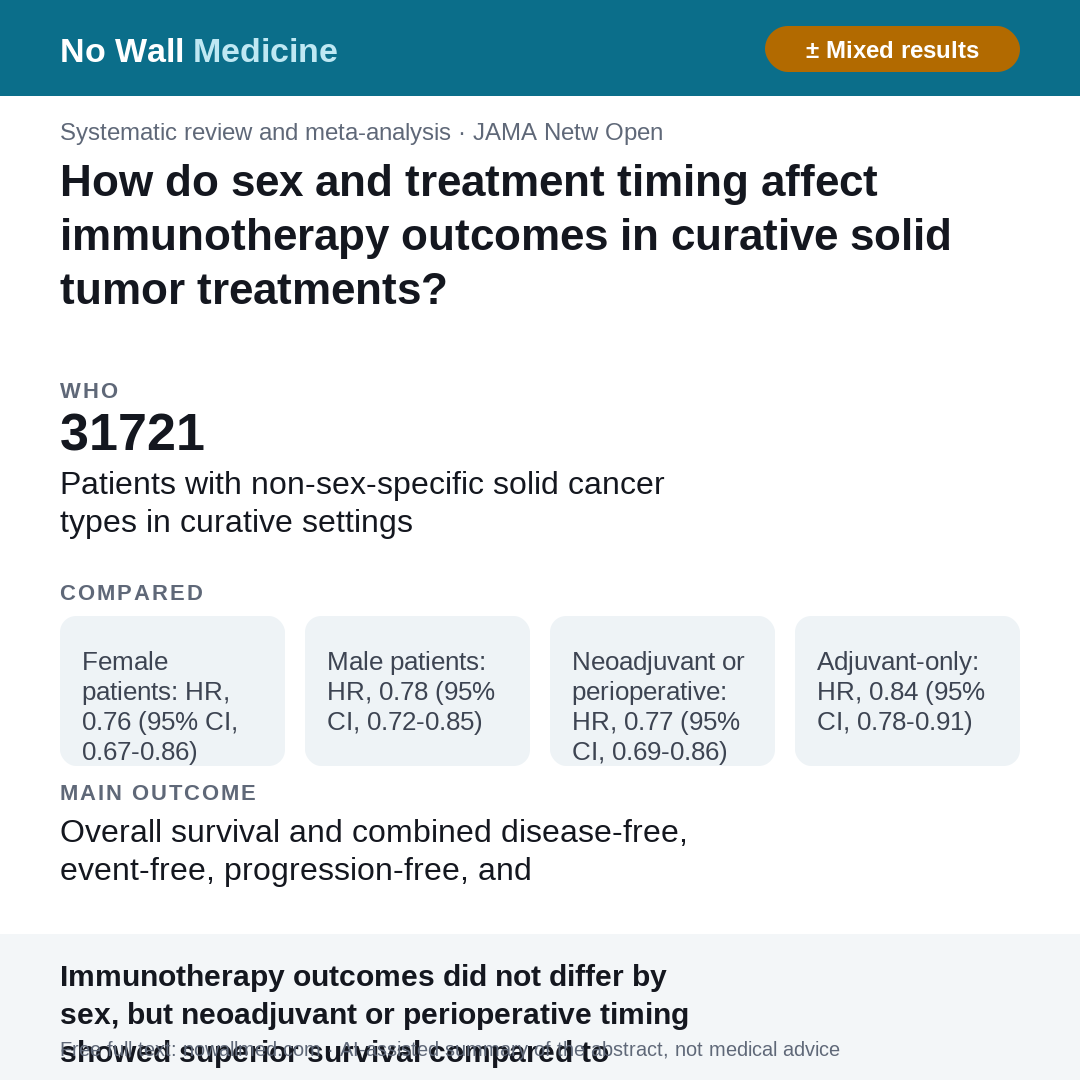
Sex, Timing, and Outcomes of Curative-Intent Immunotherapy: A Systematic Review and Meta-Analysis
Systematic review and meta-analysisMixed results
How do sex and treatment timing affect immunotherapy outcomes in curative solid tumor treatments?
Who
31721
Patients with non-sex-specific solid cancer types in curative settings
Compared
Female patients: HR, 0.76 (95% CI, 0.67-0.86)
Male patients: HR, 0.78 (95% CI, 0.72-0.85)
Neoadjuvant or perioperative: HR, 0.77 (95% CI, 0.69-0.86)
Adjuvant-only: HR, 0.84 (95% CI, 0.78-0.91)
Main outcome
Overall survival and combined disease-free, event-free, progression-free, and recurrence-free survival
Result: hazard ratio 0.83 (95% CI, 0.79-0.89) for overall survival
Bottom line: Immunotherapy outcomes did not differ by sex, but neoadjuvant or perioperative timing showed superior survival compared to adjuvant-only use.
JAMA Netw Open · 2026-09-01Download image
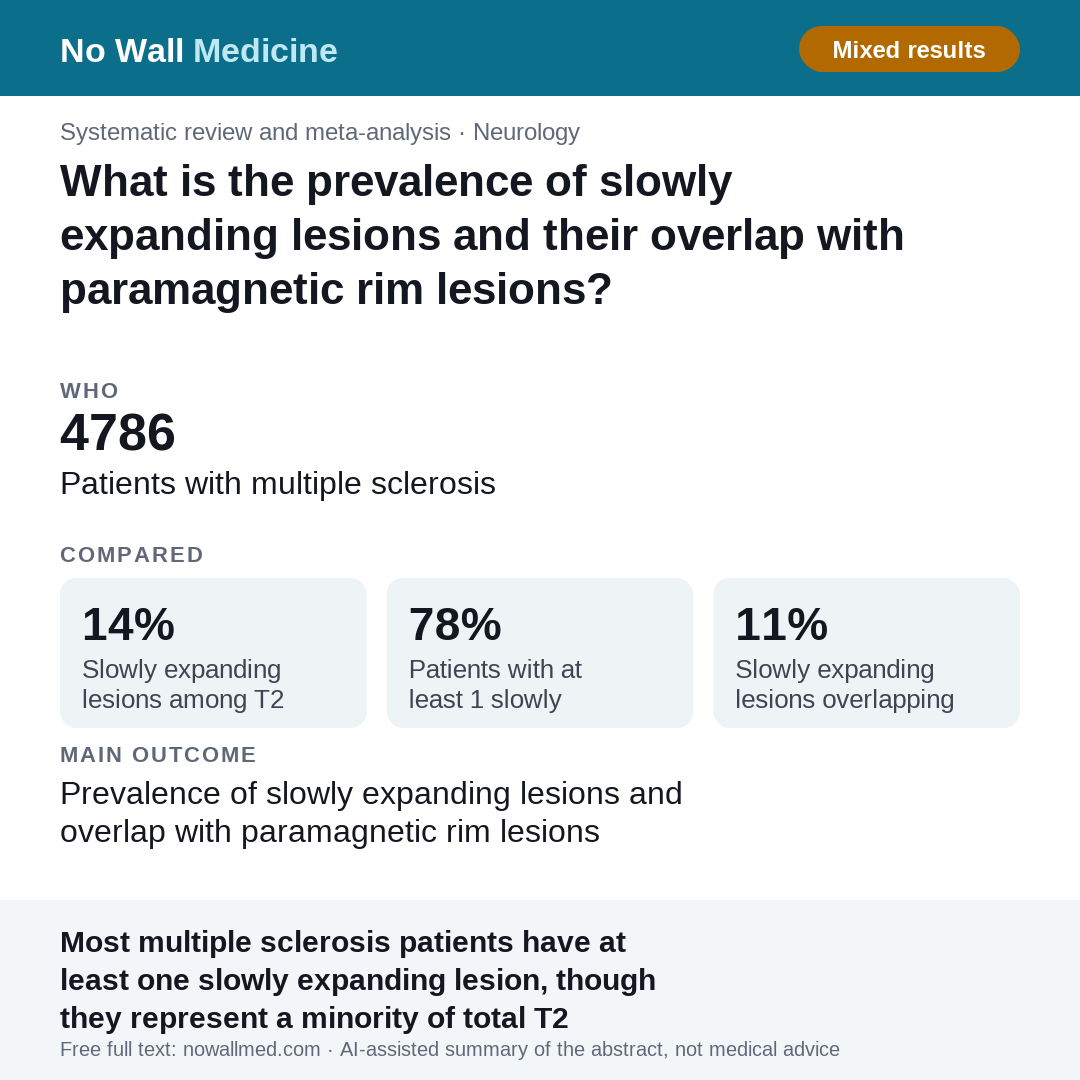
Prevalence of Slowly Expanding Lesions in Patients With Multiple Sclerosis: A Systematic Review and Meta-Analysis
Systematic review and meta-analysisMixed results
What is the prevalence of slowly expanding lesions and their overlap with paramagnetic rim lesions?
Who
4786
Patients with multiple sclerosis
Compared
14%Slowly expanding lesions among T2 lesions (95% CI 10-21)
78%Patients with at least 1 slowly expanding lesion (67-85)
11%Slowly expanding lesions overlapping with paramagnetic rim lesions (6-20)
Main outcome
Prevalence of slowly expanding lesions and overlap with paramagnetic rim lesions
Bottom line: Most multiple sclerosis patients have at least one slowly expanding lesion, though they represent a minority of total T2 lesions.
Limitation: Possible publication bias, high unexplained heterogeneity, and differences in identification methods or MRI timing.
Neurology · 2026-09-01Download image
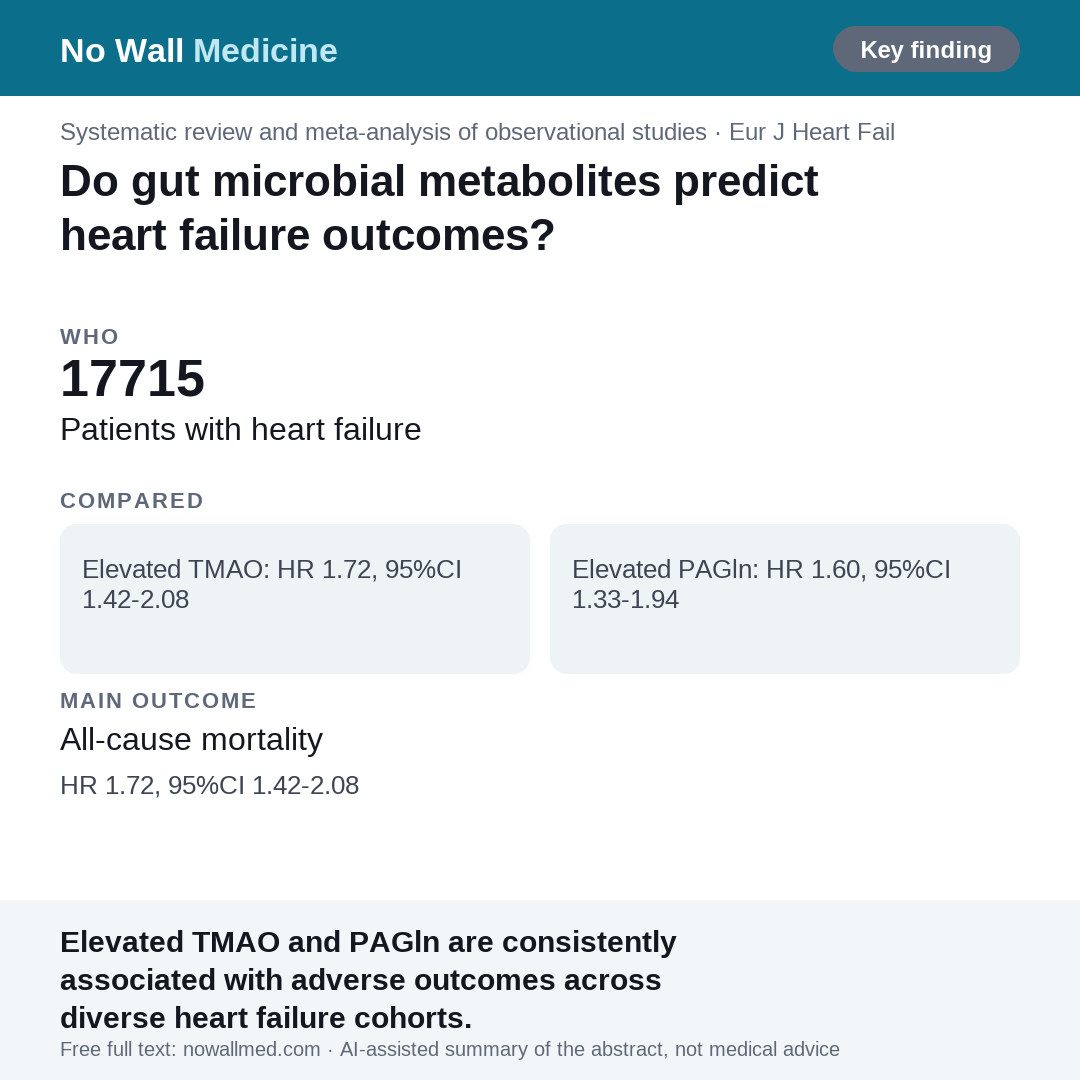
Gut microbiome-derived metabolites as prognostic biomarkers in heart failure: a systematic review and meta-analysis
Systematic review and meta-analysisBenefit found
Are gut microbiome-derived metabolites prognostic biomarkers in heart failure?
Who
17,715
Patients with heart failure
Compared
Elevated trimethylamine-N-oxide: hazard ratio 1.72 (95%CI 1.42-2.08)
Elevated phenylacetylglutamine: hazard ratio 1.60 (95%CI 1.33-1.94)
Main outcome
all-cause mortality and major adverse cardiac events
Result: hazard ratio 1.72 (95%CI 1.42-2.08)
Bottom line: Elevated trimethylamine-N-oxide and phenylacetylglutamine are consistently associated with increased mortality and major adverse cardiac events in heart failure.
Eur J Heart Fail · 2026-09-01Download image
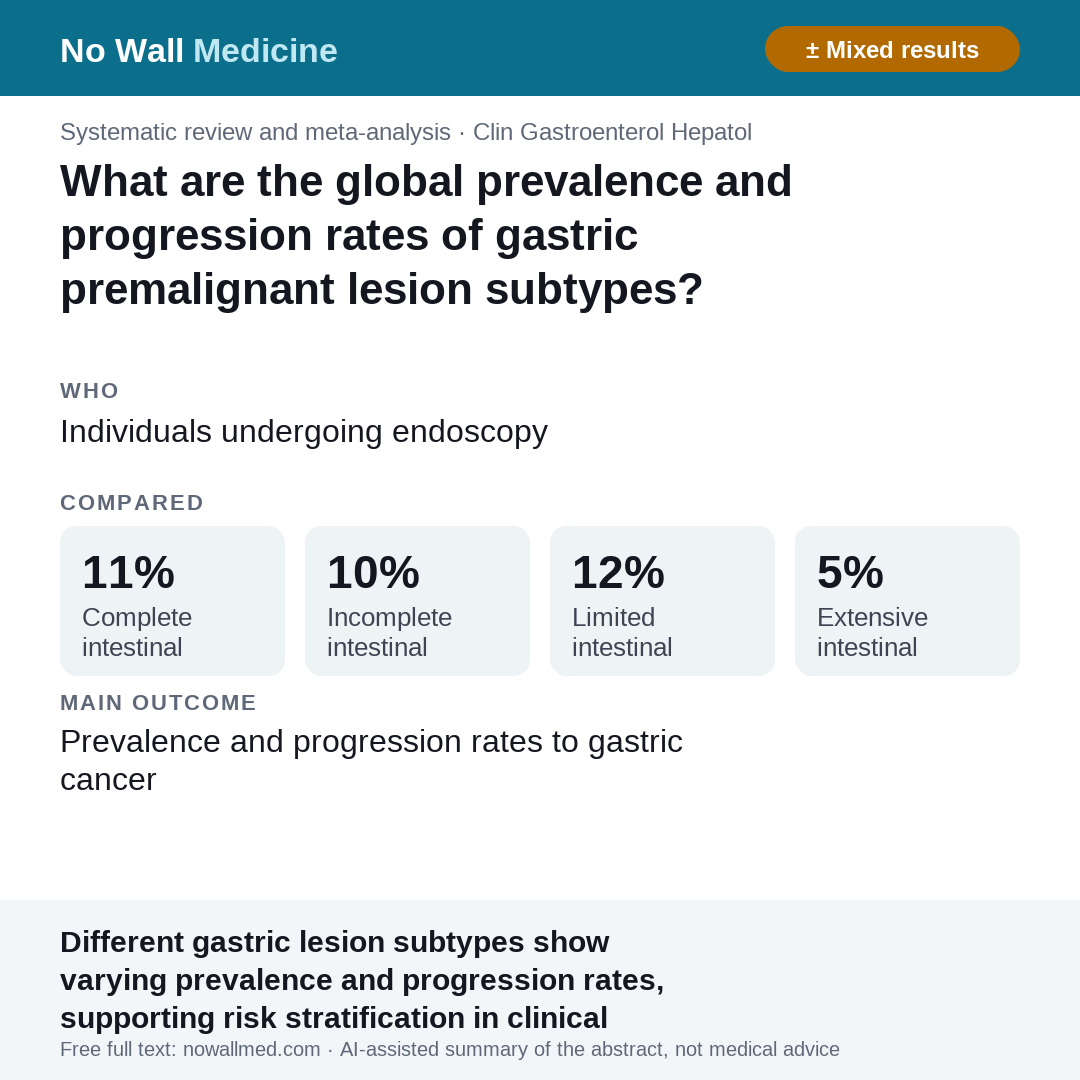
Prevalence and Progression of Subtypes of Gastric Premalignant Lesions: A Systematic Review and Meta-Analysis
Systematic review and meta-analysisMixed results
What are the global prevalence and progression rates of gastric premalignant lesion subtypes?
Who
Individuals undergoing endoscopy
Compared
11%Complete intestinal metaplasia (95% CI, 8%-15%)
10%Incomplete intestinal metaplasia (95% CI, 6%-14%)
12%Limited intestinal metaplasia (95% CI, 8%-17%)
5%Extensive intestinal metaplasia (95% CI, 4%-8%)
Main outcome
Prevalence and progression rates to gastric cancer
Bottom line: Different gastric lesion subtypes show varying prevalence and progression rates, supporting risk stratification in clinical management.
Limitation: Substantial heterogeneity was observed for all estimates.
Clin Gastroenterol Hepatol · 2026-09-01Download image
Implementation, adoption and impact of clinical decision support system for antibiotic prescribing in primary care: a systematic review
Systematic review of 40 studiesMixed results
Does clinical decision support system implementation impact antibiotic prescribing in primary care?
Who
Primary care clinicians and patients · High-income countries, multicentric
Compared
Clinical decision support system
Standard care
Main outcome
Antibiotic prescribing and guideline-concordant prescribing
Bottom line: Clinical decision support systems may improve antibiotic prescribing, but implementation and adoption variability limits scalability.
Limitation: Wide variability in implementation and real-world adoption limits generalizability and scalability.
J Antimicrob Chemother · 2026-09-01Download image
Nutraceuticals and phytoceuticals for the treatment of major depressive disorder: a systematic review and network meta-analysis
Systematic review and network meta-analysisMixed results
Do nutraceuticals and phytoceuticals treat major depressive disorder?
Who
15757
Patients with major depressive disorder
Compared
Nutraceuticals/phytoceuticals
Placebo
Main outcome
Change in depressive symptomatology
Bottom line: Some compounds showed potential for depressive symptoms, but evidence quality was low to very low.
Limitation: Larger effect sizes were associated with lower study quality and substantial heterogeneity emerged.
Mol Psychiatry · 2026-09-01Download image
From polycystic ovary syndrome to polyendocrine metabolic ovarian syndrome: a systematic search and historical account of the renaming of polycystic ovary syndrome
Systematic search and historical accountBenefit found
Why was polycystic ovary syndrome renamed to polyendocrine metabolic ovarian syndrome?
Who
Women with polycystic ovary syndrome · Global
Compared
Polycystic ovary syndrome
Polyendocrine metabolic ovarian syndrome: 97% consensus
Main outcome
Nomenclature change and consensus on new name
Bottom line: A global, patient-co-led process achieved 97% consensus to rename polycystic ovary syndrome to polyendocrine metabolic ovarian syndrome.
Fertil Steril · 2026-09-01Download image

Effectiveness of digital health technologies for post-discharge follow-up and management in older adults: a systematic review
Systematic reviewMixed results
Are digital health technologies effective for post-discharge follow-up and management in older adults?
Who
Older adults aged 65 years or older · Not specified
Compared
Digital health technologies
Traditional care
Main outcome
Rehospitalisation, quality of life, mental health, adherence, and patient satisfaction
Bottom line: Digital interventions are feasible and well-received, but show mixed findings for rehospitalisation and mental health outcomes.
Lancet Healthy Longev · 2026-09-01Download image

A systematic review of the impact of Mental Health First Aid on medical, nursing and allied healthcare professional students
Systematic review and narrative synthesisMixed results
What is the impact of Mental Health First Aid on healthcare professional students?
Who
Medical, nursing and allied healthcare professional students
Compared
Mental Health First Aid training
No training
Main outcome
Mental health literacy, confidence, intentions, stigma, peer support and self-care
Bottom line: Mental Health First Aid shows promise in enhancing mental health literacy and confidence, though evidence for stigma reduction was mixed.
Limitation: Peer support, self-care and student well-being were infrequently examined.
BJPsych Open · 2026-09-01Download image

Does involving volunteers in the provision of palliative care make a difference to patient, family, and unpaid carer wellbeing and service use? A systematic review
Mixed studies systematic reviewBenefit found
Does involving volunteers in palliative care impact wellbeing and service use?
Who
Adults with terminal illness, family members, or unpaid carers
Compared
Volunteering interventions: positively impacted patients' hedonic wellbeing, quality of life, and mental health
Unpaid carers: limited quantitative evidence of impact on wellbeing
Main outcome
wellbeing, mental health, physical health, satisfaction, and service use
Bottom line: Volunteering interventions positively impacted patient wellbeing and quality of life, though evidence for unpaid carers remains limited.
Limitation: Quantitative studies were limited by small sample sizes
Palliat Med · 2026-08-31Download image

Prognostic significance of stress hyperglycemia ratio in patients undergoing percutaneous coronary intervention: a dose-response meta-analysis
Dose-response meta-analysis of thirteen observational studiesHarm found
Does the stress hyperglycemia ratio predict clinical outcomes in patients undergoing percutaneous coronary intervention?
Who
41096
Patients undergoing percutaneous coronary intervention
Compared
Elevated stress hyperglycemia ratio
Lower stress hyperglycemia ratio
Main outcome
All-cause mortality, major adverse cardiac and cerebrovascular events, and other outcomes
Bottom line: Elevated stress hyperglycemia ratio is associated with increased risks of adverse outcomes after percutaneous coronary intervention.
Limitation: Most studies were observational, definitions varied, and residual confounding cannot be excluded.
BMJ Open Diabetes Res Care · 2026-08-31Download image
Antithrombotic therapy after percutaneous coronary intervention in patients with atrial fibrillation: an individual patient data network meta-analysis
Individual patient data network meta-analysisMixed results
What antithrombotic strategies are best for atrial fibrillation patients after percutaneous coronary intervention?
Who
10634
Patients with atrial fibrillation undergoing percutaneous coronary intervention
Compared
Direct oral anticoagulant plus P2Y12 inhibitor: HR 1.16 (95%CI 0.97-1.41)
Vitamin K antagonist plus dual antiplatelet therapy: Reference
Vitamin K antagonist plus single antiplatelet therapy: HR 1.14 (95%CI 0.85-1.54)
Direct oral anticoagulant plus dual antiplatelet therapy: HR 0.99 (95%CI 0.75-1.30)
Main outcome
Cardiovascular death, myocardial infarction, or stroke
Result: HR 1.16 (95%CI 0.97-1.41)
Bottom line: Antithrombotic strategies showed similar efficacy, but direct oral anticoagulants reduced bleeding risk compared to vitamin K antagonists.
Limitation: A modest increase in risk with single compared with dual antiplatelet therapy cannot be excluded.
Eur Heart J · 2026-08-30Download image

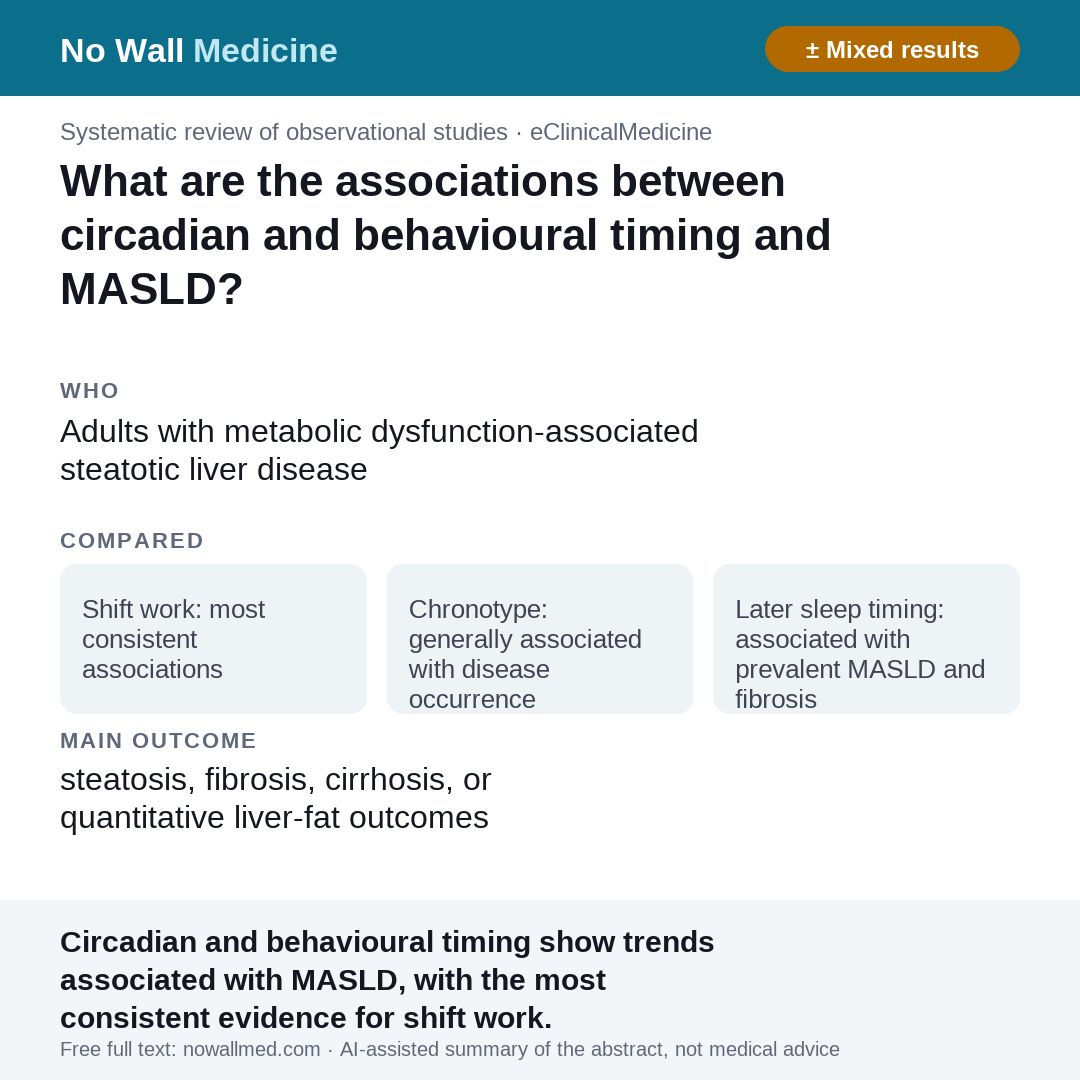
Circadian and behavioral timing in MASLD: a systematic review of human observational studies
Systematic review of observational studiesMixed results
What are the associations between circadian and behavioural timing and MASLD?
Who
Adults with metabolic dysfunction-associated steatotic liver disease
Compared
Shift work: most consistent associations
Chronotype: generally associated with disease occurrence
Later sleep timing: associated with prevalent MASLD and fibrosis
Main outcome
steatosis, fibrosis, cirrhosis, or quantitative liver-fat outcomes
Bottom line: Circadian and behavioural timing show trends associated with MASLD, with the most consistent evidence for shift work.
Limitation: Residual confounding, cross-sectional designs, self-reported exposures, heterogeneous outcomes, and reverse causality.
eClinicalMedicine · 2026-08-29Download image
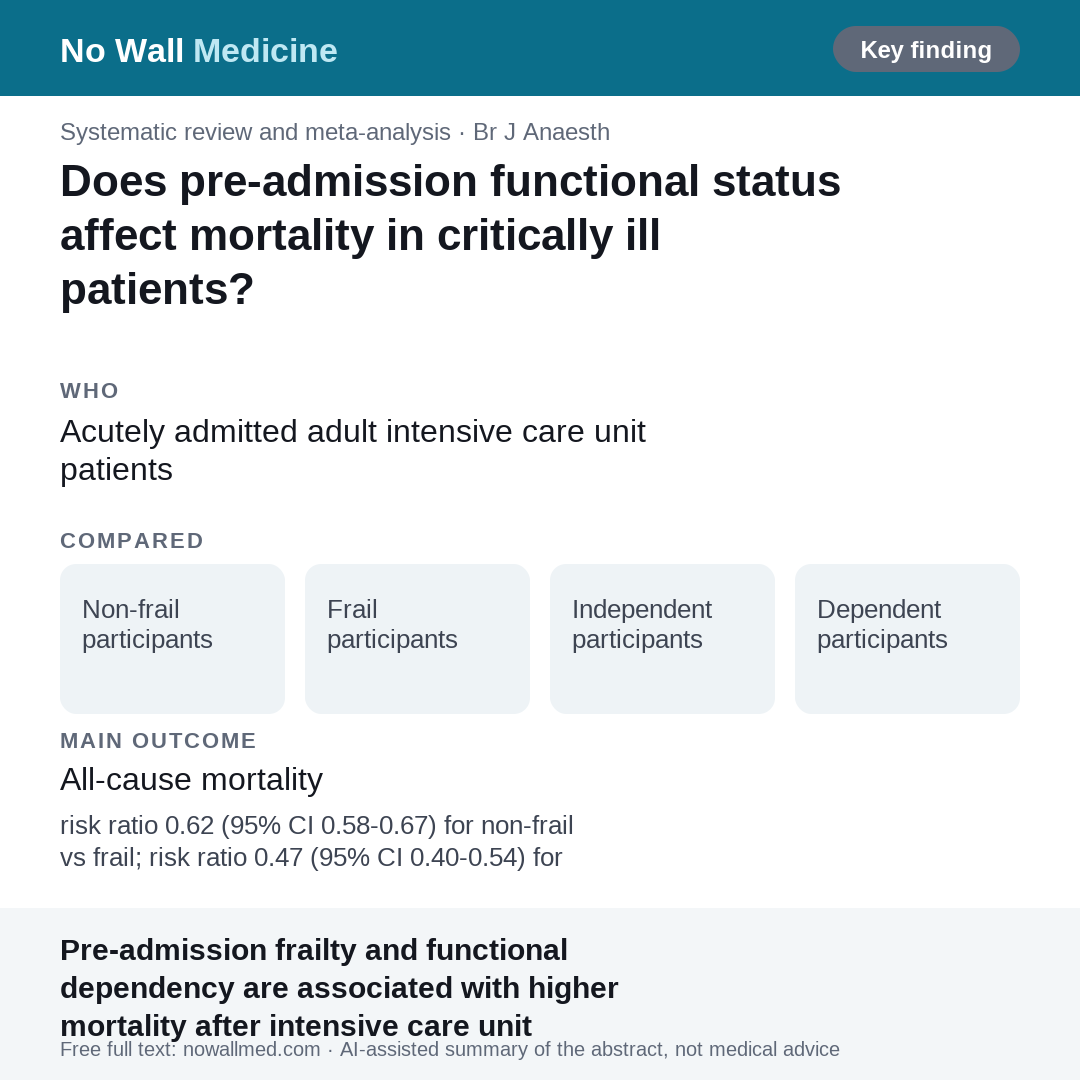
Impact of pre-admission functional status on intensive care patient outcomes: a systematic review and meta-analysis
Systematic review and meta-analysisHarm found
Does pre-admission functional status affect mortality in critically ill patients?
Who
Acutely admitted adult intensive care unit patients
Compared
Non-frail participants
Frail participants
Independent participants
Dependent participants
Main outcome
All-cause mortality
Result: risk ratio 0.62 (95% CI 0.58-0.67) for non-frail vs frail; risk ratio 0.47 (95% CI 0.40-0.54) for independent vs dependent
Bottom line: Pre-admission frailty and functional dependency are associated with higher mortality after intensive care unit admission.
Limitation: Substantial statistical and clinical heterogeneity and very low certainty of evidence.
Br J Anaesth · 2026-08-29Download image
Prevalence and Clinical Relevance of Antiphospholipid Antibodies in Ischemic Stroke: A Systematic Review and Meta-Analysis
Systematic review and meta-analysisBenefit found
What is the prevalence and association of antiphospholipid antibodies in ischemic stroke?
Who
9438
Patients with ischemic stroke
Compared
19.1%Patients with any antiphospholipid antibodies (95% CI, 15.4%-23.0%)
First ischemic stroke risk: OR, 2.93 [95% CI, 2.31-3.73]
Main outcome
Prevalence and risk of ischemic stroke
Result: OR, 2.93 [95% CI, 2.31-3.73]
Bottom line: Antiphospholipid antibody seropositivity is present in 19.1% of ischemic stroke patients and increases risk of first stroke.
Stroke · 2026-08-28Download image

Translational simulation in anaesthesia: a systematic review of applications, processes, outcomes, and implementation factors
Systematic reviewBenefit found
Translational simulation in anaesthesia effectiveness
Who
3300
Anaesthesia staff across thirty seven countries · Thirty seven countries
Compared
Translational simulation
Comparison
Main outcome
Patient outcomes
Result: Signals of improved patient outcomes
Bottom line: Translational simulation improves patient outcomes
Limitation: Quasi-experimental designs
Br J Anaesth · 2026-08-28Download image

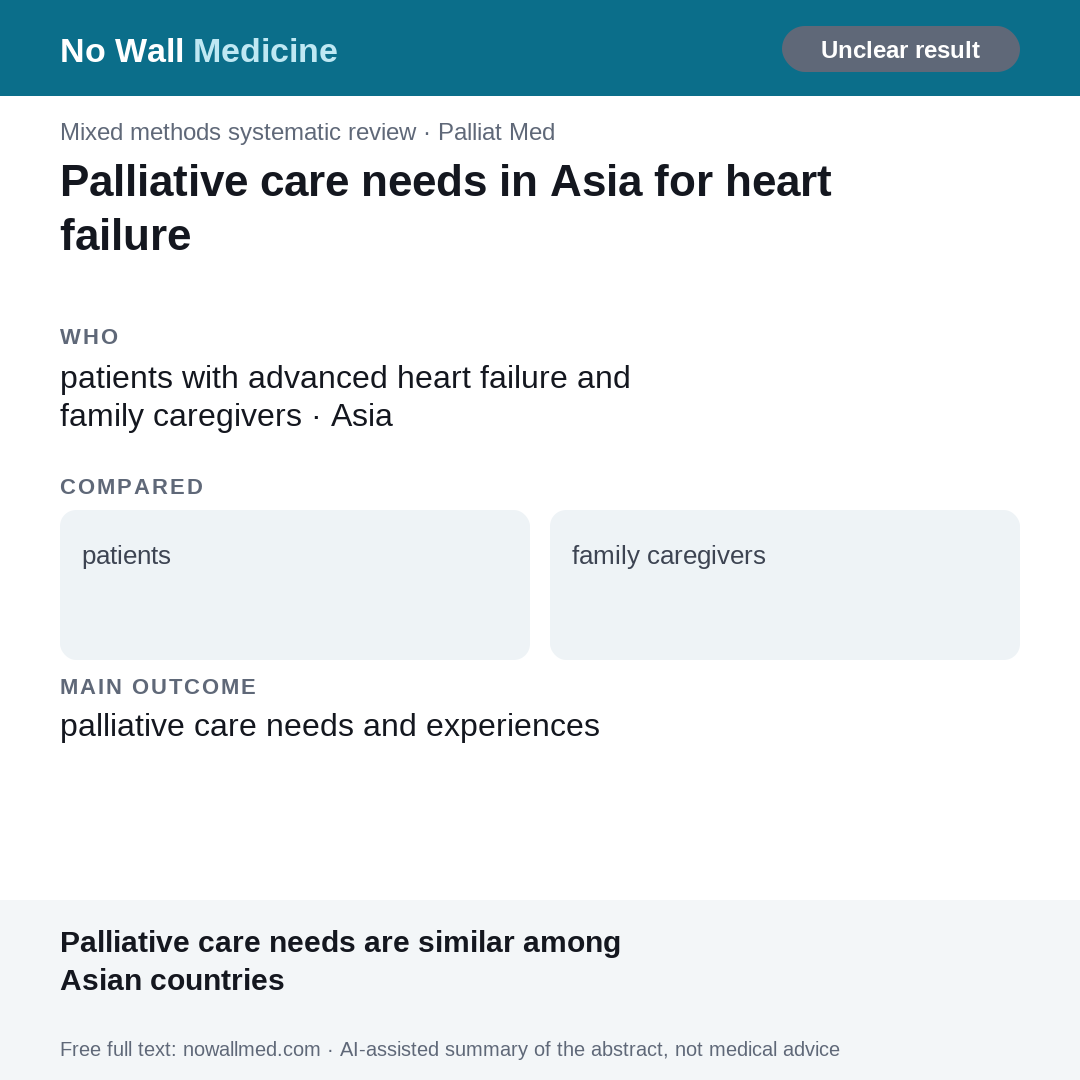
Palliative care needs and experiences of patients with advanced heart failure and family caregivers in Asia: A mixed methods systematic review
Mixed methods systematic reviewUnclear result
Palliative care needs in Asia for heart failure
Who
patients with advanced heart failure and family caregivers · Asia
Compared
patients
family caregivers
Main outcome
palliative care needs and experiences
Bottom line: Palliative care needs are similar among Asian countries
Palliat Med · 2026-08-28Download image
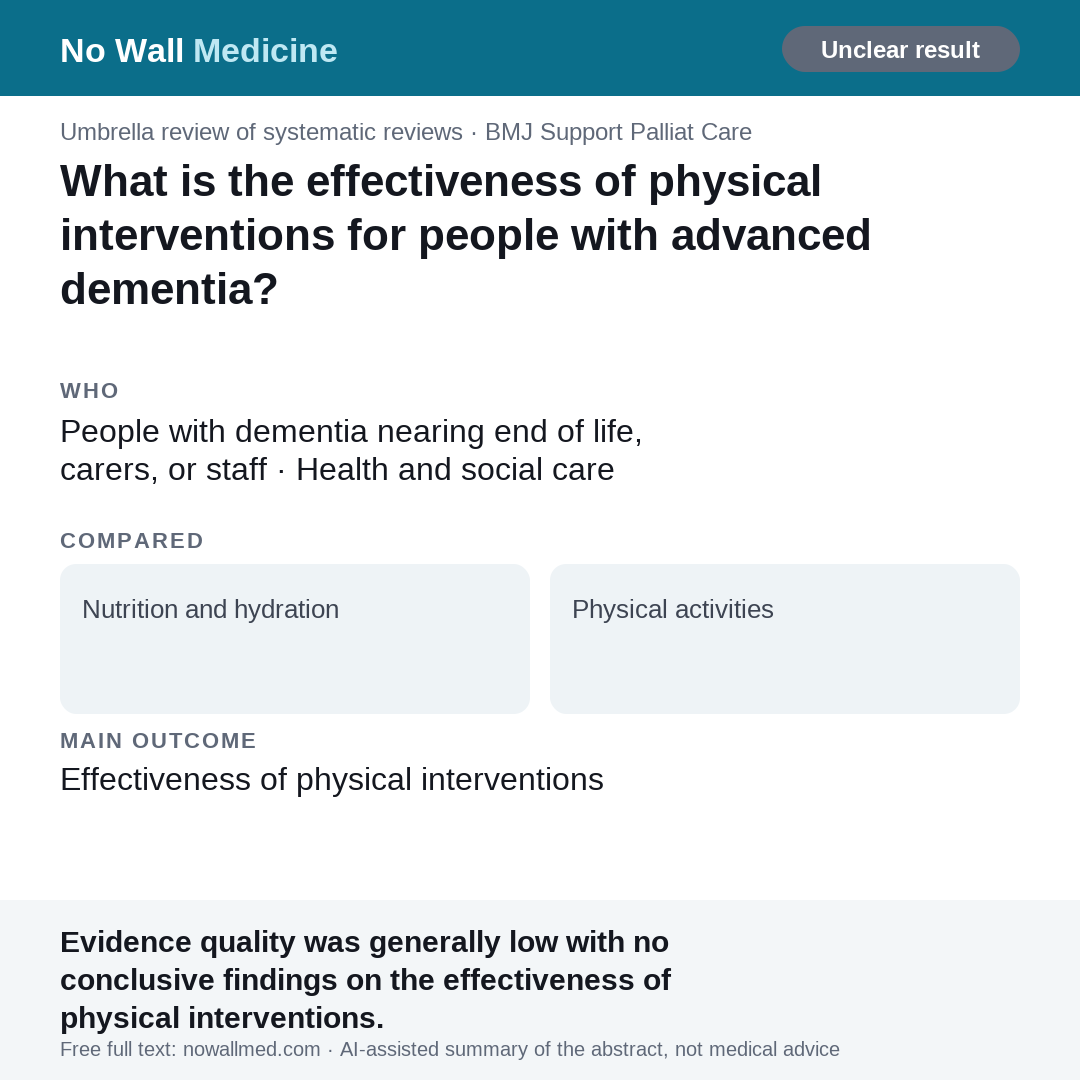
What is the evidence for physical interventions for people living with advanced dementia in the community? A meta-review
Umbrella review of systematic reviewsUnclear result
What is the effectiveness of physical interventions for people with advanced dementia?
Who
People with dementia nearing end of life, carers, or staff · Health and social care settings
Compared
Nutrition and hydration
Physical activities
Main outcome
Effectiveness of physical interventions
Bottom line: Evidence quality was generally low with no conclusive findings on the effectiveness of physical interventions.
Limitation: Evidence quality was generally low, with no conclusive findings on effectiveness.
BMJ Support Palliat Care · 2026-08-28Download image
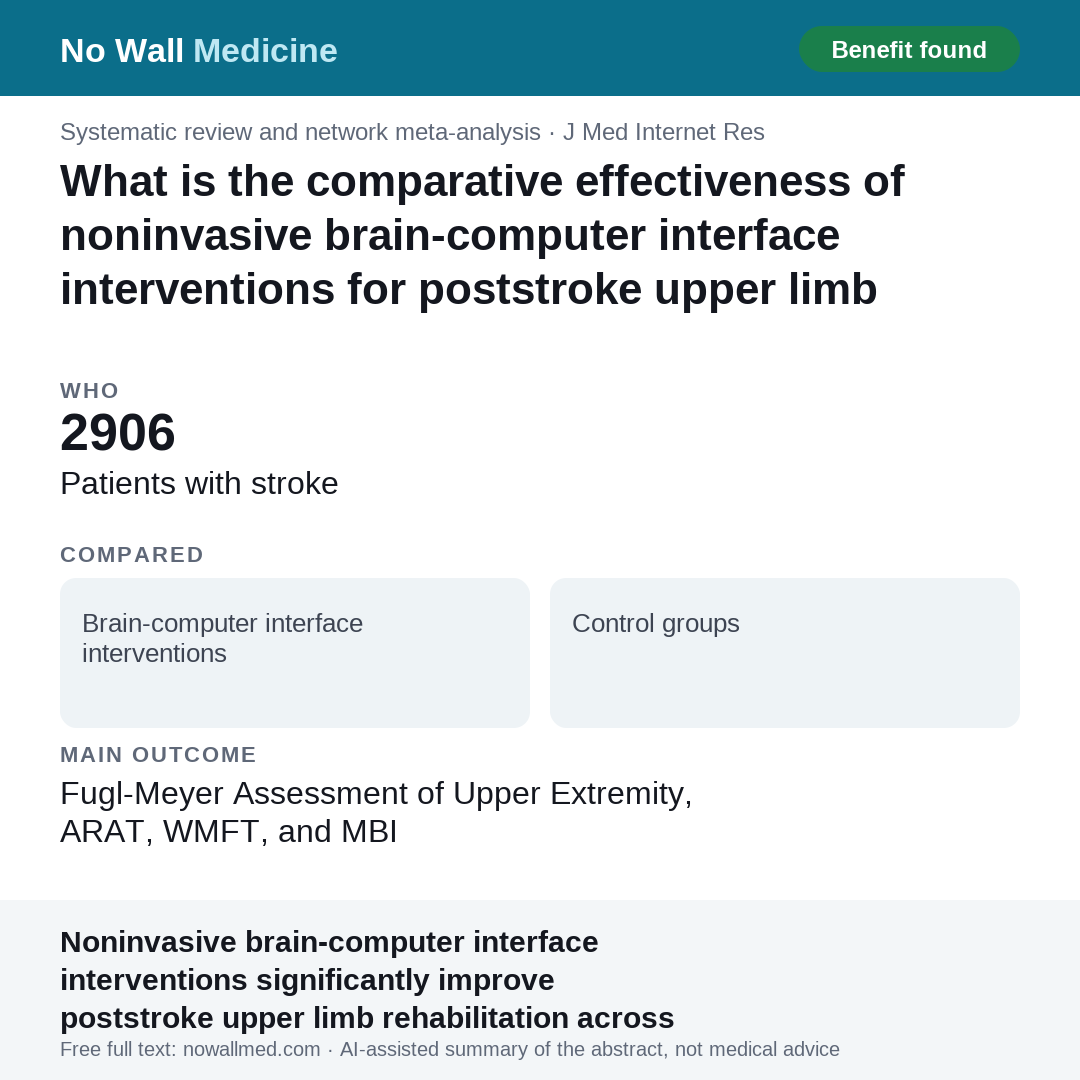
Comparative Effectiveness of Noninvasive Brain-Computer Interface-Based Interventions for Upper Limb Rehabilitation in Poststroke Hemiplegia: Systematic Review and Network Meta-Analysis of Randomized Controlled Trials
Systematic review and network meta-analysisBenefit found
What is the comparative effectiveness of noninvasive brain-computer interface interventions for poststroke upper limb rehabilitation?
Who
2906
Patients with stroke
Compared
Brain-computer interface interventions
Control groups
Main outcome
Fugl-Meyer Assessment of Upper Extremity, ARAT, WMFT, and MBI
Result: mean difference 5.33 (95% CI 4.28 to 6.38) for FMA-UE
Bottom line: Noninvasive brain-computer interface interventions significantly improve poststroke upper limb rehabilitation across body functions and activities.
Limitation: Low to moderate evidence certainty and substantial heterogeneity make findings exploratory.
J Med Internet Res · 2026-08-28Download image