Visual abstracts
New randomized trials and meta-analyses from leading journals at a glance: who was studied, what was compared, and what was found. Every paper is free to read in full.
All specialtiesCardiology 4877Oncology 4138Gastroenterology & Hepatology 1942Infectious Disease 3837Neurology 1905Psychiatry & Mental Health 2273Pulmonology 2143Critical Care 1365Endocrinology & Diabetes 2580Pediatrics 2980Surgery 2559Orthopedics & Sports Medicine 931Neurosurgery 537Cardiothoracic & Vascular Surgery 674Plastic & Reconstructive Surgery 591Nephrology 1133Rheumatology 823Hematology 1109Dermatology 621Ophthalmology 543Obstetrics & Gynecology 1686Public & Global Health 1058Radiology & Imaging 648Anesthesiology 986Urology 764ENT (Otolaryngology) 503Emergency Medicine 511Allergy & Immunology 313Geriatrics 981Family Medicine & Primary Care 562Medical Genetics & Genomics 676Pathology & Laboratory Medicine 159Physical Medicine & Rehabilitation 757Palliative Care 444Nutrition 1588Digital Health & AI 2201General Medicine 321
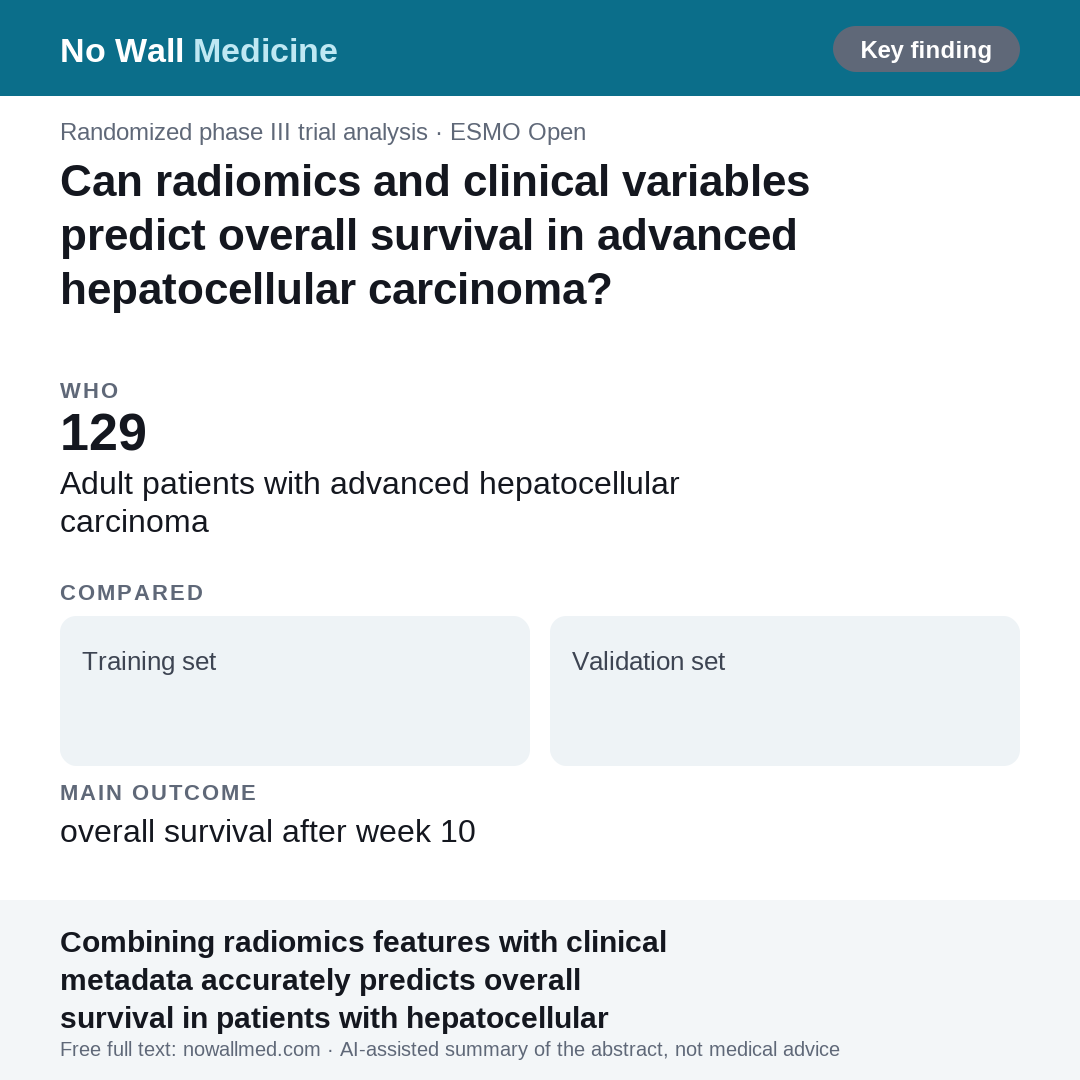
Radiomic signatures to estimate survival in patients with advanced hepatocellular carcinoma treated with sorafenib: Cancer and Leukemia Group B 80802 (Alliance)
Randomized phase III trial analysisBenefit found
Can radiomics and clinical variables predict overall survival in advanced hepatocellular carcinoma?
Who
129
Adult patients with advanced hepatocellular carcinoma
Compared
Training set
Validation set
Main outcome
overall survival after week 10
Result: hazard ratio 2398 (95% confidence interval 121-47 371)
Bottom line: Combining radiomics features with clinical metadata accurately predicts overall survival in patients with hepatocellular carcinoma receiving sorafenib.
ESMO Open · 2025-12-02Download image
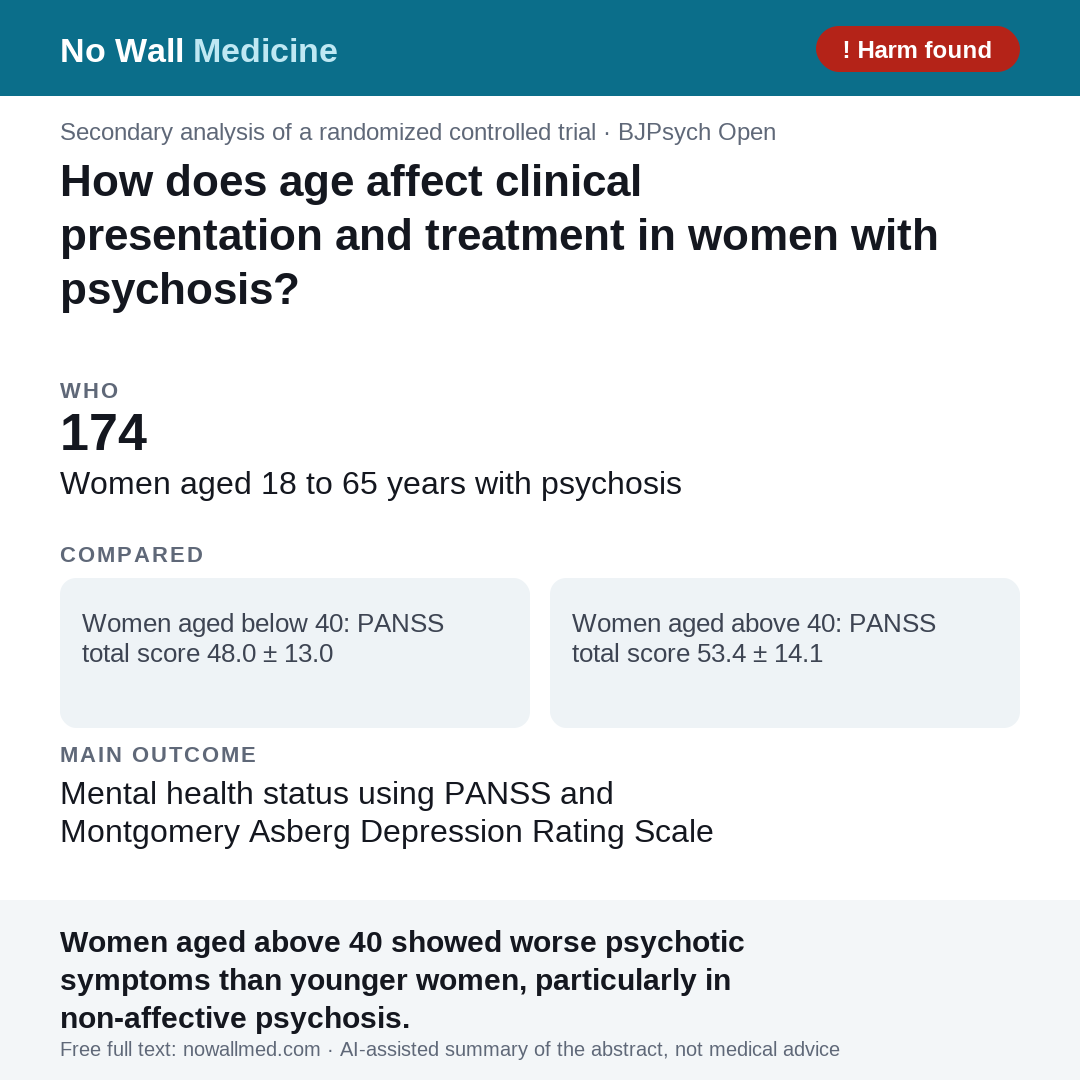
The effect of age on the clinical presentation and treatment of women with psychosis: secondary analysis of the IMPaCT Randomised Clinical Trial
Secondary analysis of a randomized controlled trialHarm found
How does age affect clinical presentation and treatment in women with psychosis?
Who
174
Women aged 18 to 65 years with psychosis
Compared
Women aged below 40: PANSS total score 48.0 ± 13.0
Women aged above 40: PANSS total score 53.4 ± 14.1
Main outcome
Mental health status using PANSS and Montgomery Asberg Depression Rating Scale
Bottom line: Women aged above 40 showed worse psychotic symptoms than younger women, particularly in non-affective psychosis.
BJPsych Open · 2025-12-02Download image
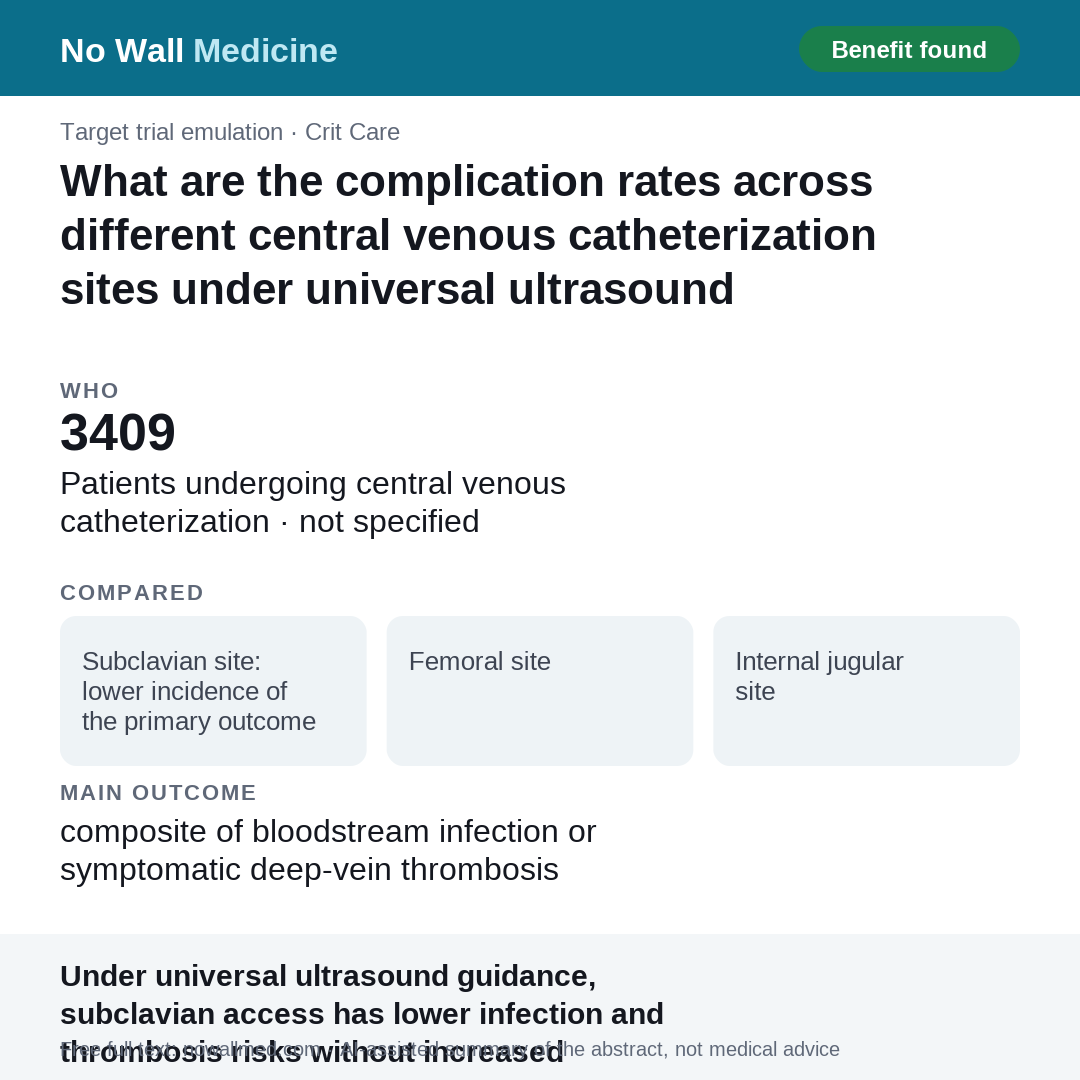
Site-specific complications of central venous catheterization under systematic ultrasound guidance: a target trial emulation revisiting the 3SITES study
Target trial emulationBenefit found
What are the complication rates across different central venous catheterization sites under universal ultrasound guidance?
Who
3409
Patients undergoing central venous catheterization · not specified
Compared
Subclavian site: lower incidence of the primary outcome
Femoral site
Internal jugular site
Main outcome
composite of bloodstream infection or symptomatic deep-vein thrombosis
Bottom line: Under universal ultrasound guidance, subclavian access has lower infection and thrombosis risks without increased mechanical complications.
Limitation: The study is a target trial emulation of the 3SITES dataset.
Crit Care · 2025-12-02Download image
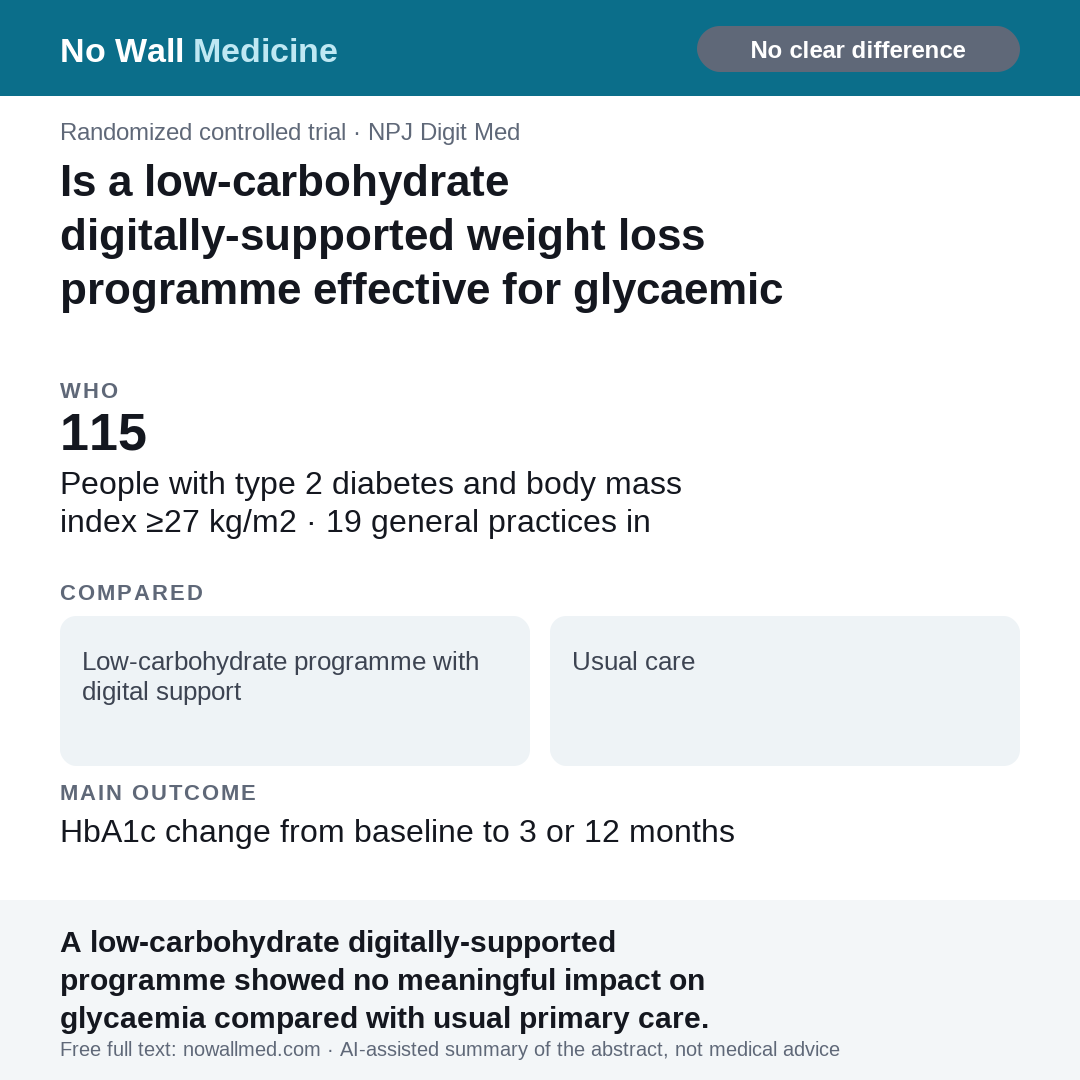
A randomised controlled trial of a low-carbohydrate digitally-supported weight loss programme for type 2 diabetes
Randomized controlled trialNo clear difference
Is a low-carbohydrate digitally-supported weight loss programme effective for glycaemic control?
Who
115
People with type 2 diabetes and body mass index ≥27 kg/m2 · 19 general practices in England
Compared
Low-carbohydrate programme with digital support
Usual care
Main outcome
HbA1c change from baseline to 3 or 12 months
Result: estimated mean difference (95% CI) -0.7 mmol/mol (-5.0 to 3.6), and -1.5 (-5.7 to 2.8)
Bottom line: A low-carbohydrate digitally-supported programme showed no meaningful impact on glycaemia compared with usual primary care.
NPJ Digit Med · 2025-12-02Download image
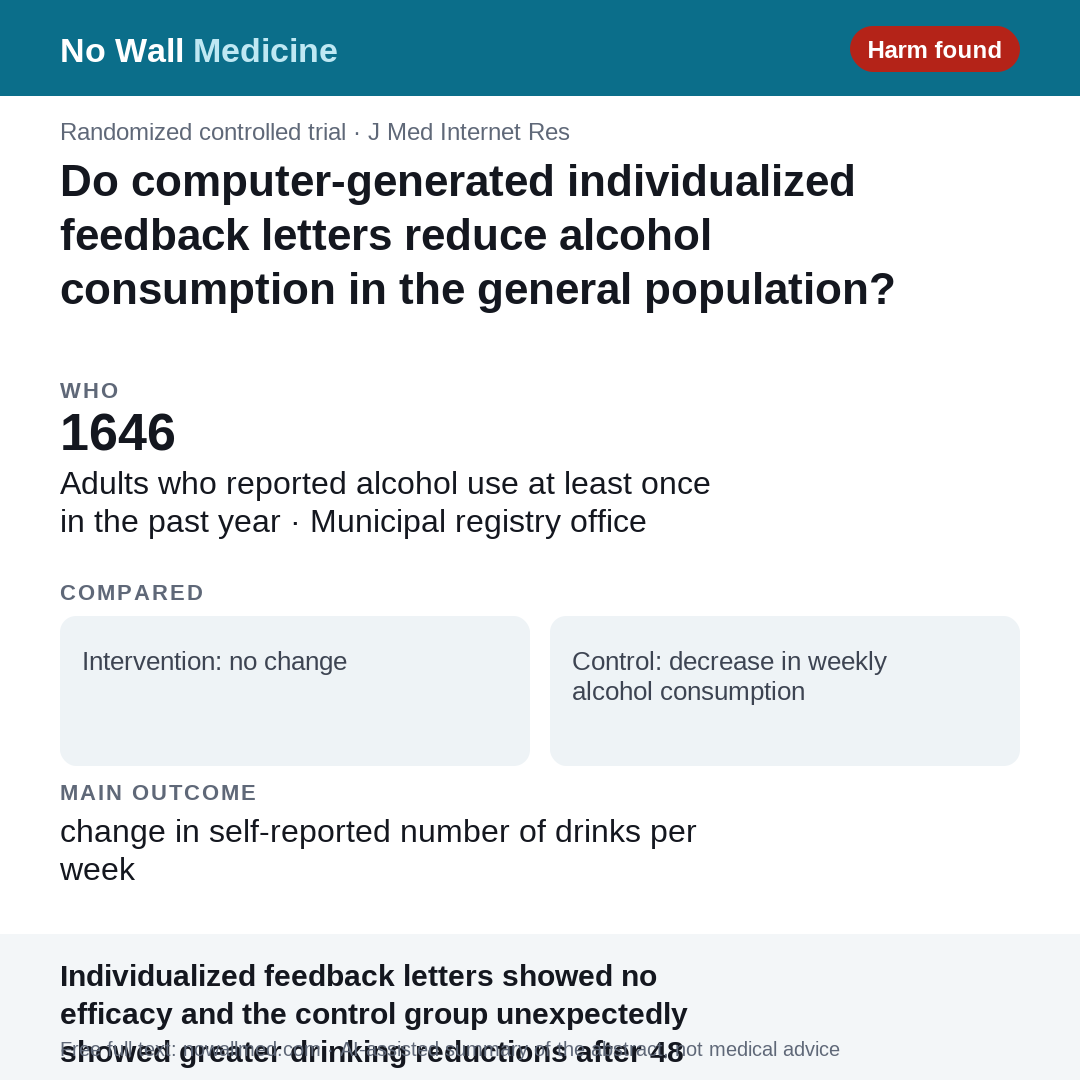
Four-Year Effects of a Computer-Based Brief Alcohol Intervention Targeting Alcohol Users in the General Population: Randomized Controlled Trial
Randomized controlled trialHarm found
Do computer-generated individualized feedback letters reduce alcohol consumption in the general population?
Who
1646
Adults who reported alcohol use at least once in the past year · Municipal registry office in Germany
Compared
Intervention: no change
Control: decrease in weekly alcohol consumption
Main outcome
change in self-reported number of drinks per week
Result: incidence rate ratio 1.29 (95% CI 1.05-1.57)
Bottom line: Individualized feedback letters showed no efficacy and the control group unexpectedly showed greater drinking reductions after 48 months.
J Med Internet Res · 2025-12-02Download image
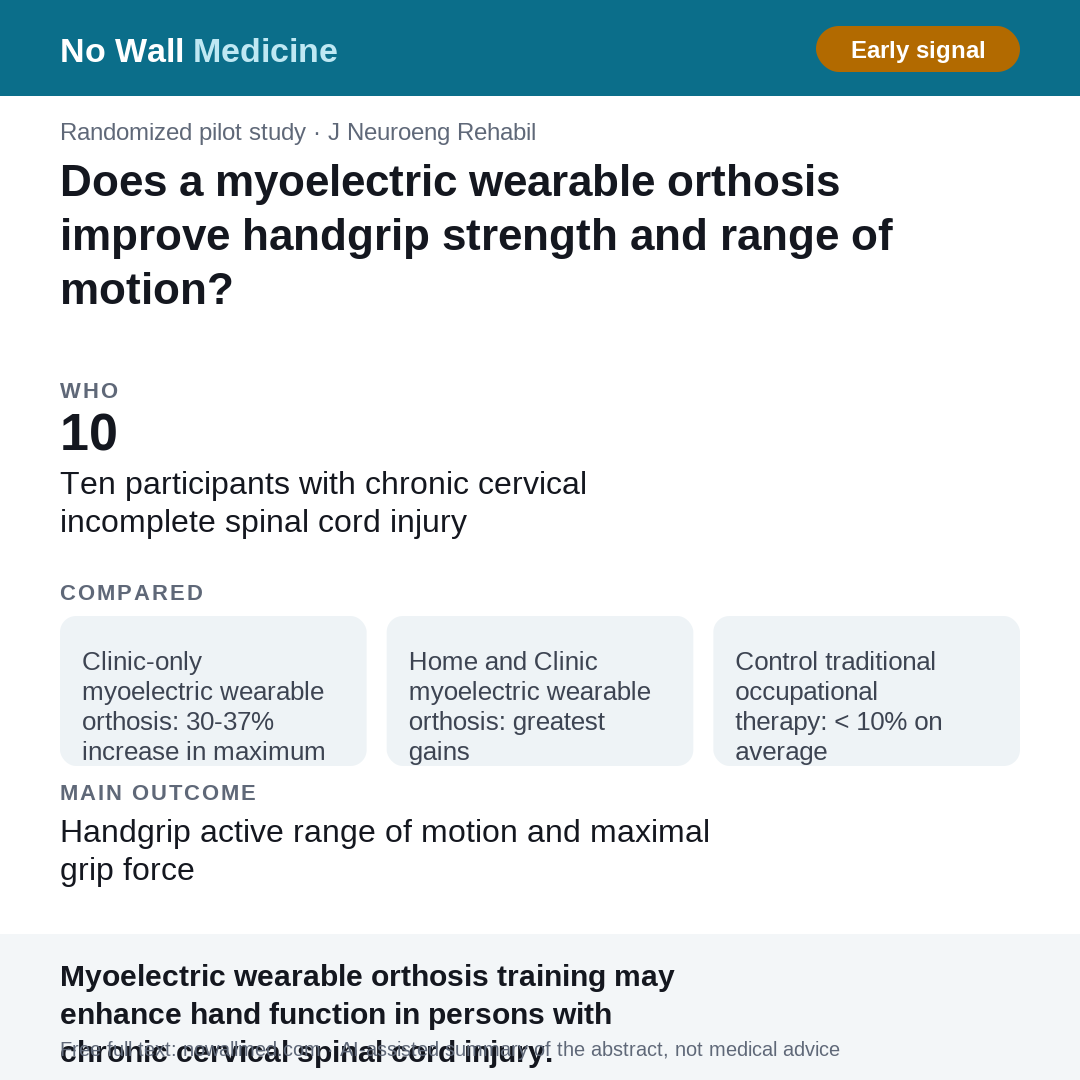
Effectiveness of myoelectric wearable orthoses for upper extremity functional recovery in spinal cord injury- a pilot study
Randomized pilot studyBenefit found
Does a myoelectric wearable orthosis improve handgrip strength and range of motion?
Who
10
Ten participants with chronic cervical incomplete spinal cord injury
Compared
Clinic-only myoelectric wearable orthosis: 30-37% increase in maximum handgrip active range of motion
Home and Clinic myoelectric wearable orthosis: greatest gains
Control traditional occupational therapy: < 10% on average
Main outcome
Handgrip active range of motion and maximal grip force
Bottom line: Myoelectric wearable orthosis training may enhance hand function in persons with chronic cervical spinal cord injury.
J Neuroeng Rehabil · 2025-12-02Download image
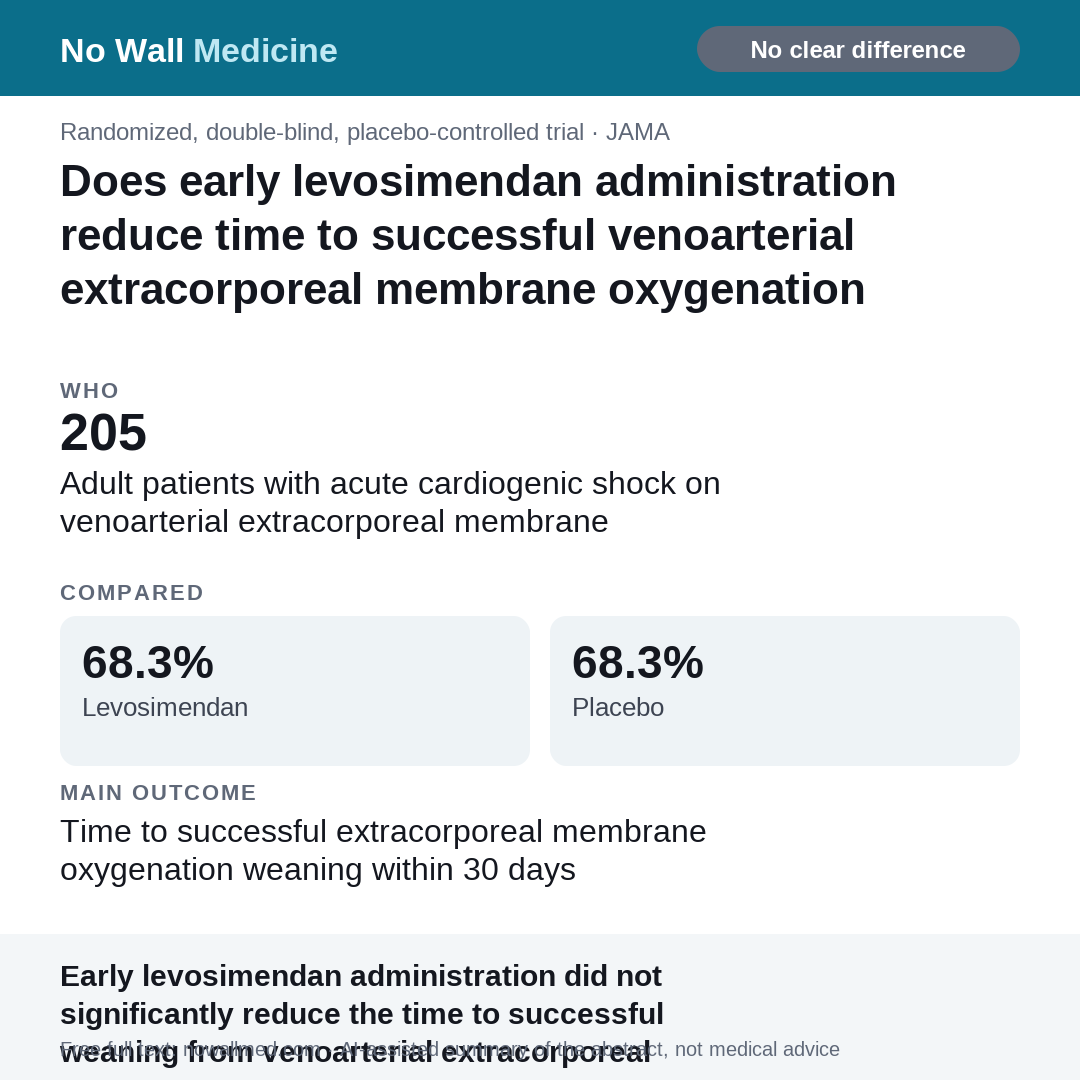
Levosimendan to Facilitate Weaning From ECMO in Patients With Severe Cardiogenic Shock: The LEVOECMO Randomized Clinical Trial
Randomized, double-blind, placebo-controlled trialNo clear difference
Does early levosimendan administration reduce time to successful venoarterial extracorporeal membrane oxygenation weaning?
Who
205
Adult patients with acute cardiogenic shock on venoarterial extracorporeal membrane oxygenation · 11 intensive care units in France
Compared
68.3%Levosimendan (69/101)
68.3%Placebo (71/104)
Main outcome
Time to successful extracorporeal membrane oxygenation weaning within 30 days
Result: subdistribution hazard ratio 1.02 (95% CI 0.74-1.39)
Bottom line: Early levosimendan administration did not significantly reduce the time to successful weaning from venoarterial extracorporeal membrane oxygenation.
JAMA · 2025-12-01Download image
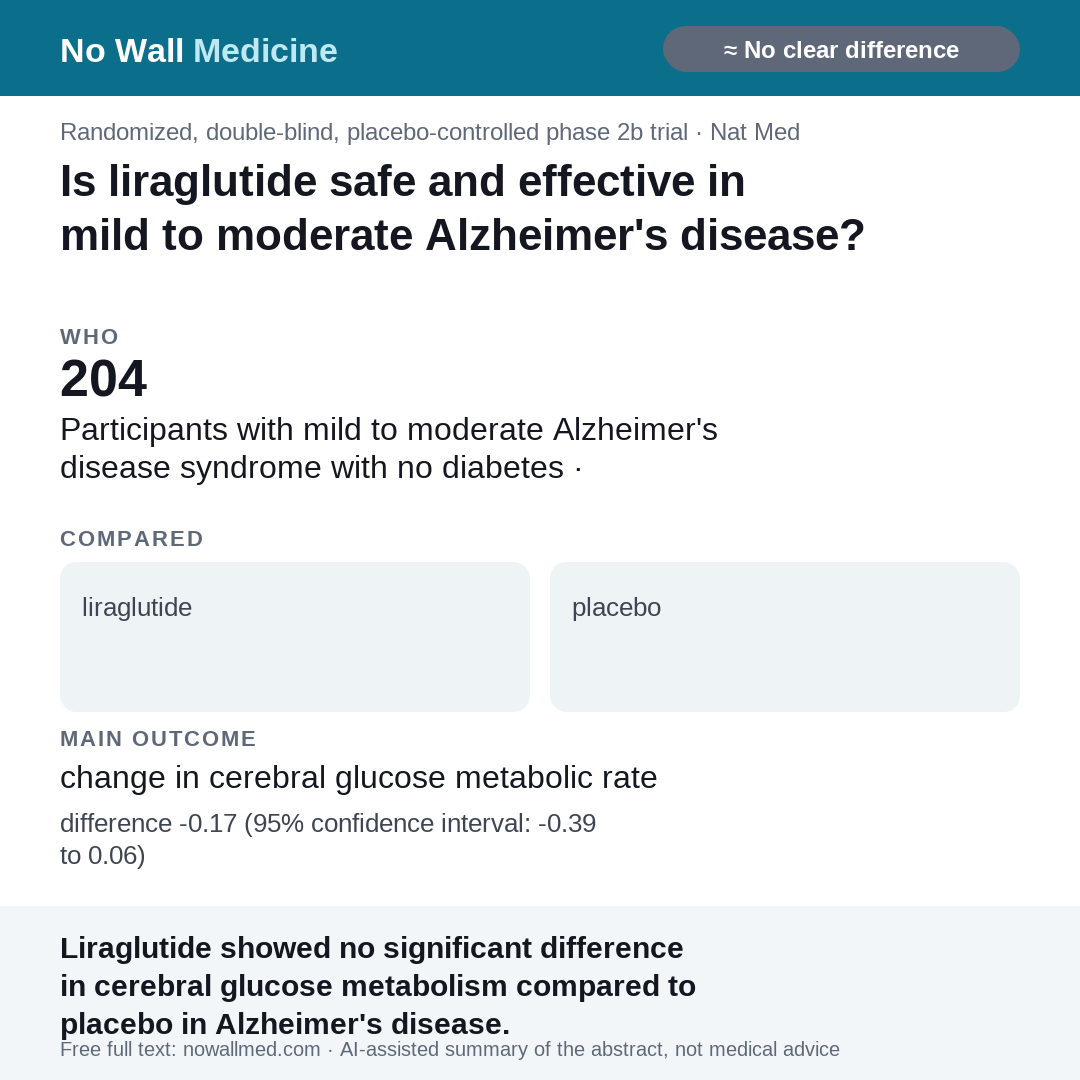
Liraglutide in mild to moderate Alzheimer's disease: a phase 2b clinical trial
Randomized, double-blind, placebo-controlled phase 2b trialNo clear difference
Is liraglutide safe and effective in mild to moderate Alzheimer's disease?
Who
204
Participants with mild to moderate Alzheimer's disease syndrome with no diabetes · multicenter
Compared
liraglutide
placebo
Main outcome
change in cerebral glucose metabolic rate
Result: difference -0.17 (95% confidence interval: -0.39 to 0.06)
Bottom line: Liraglutide showed no significant difference in cerebral glucose metabolism compared to placebo in Alzheimer's disease.
Nat Med · 2025-12-01Download image
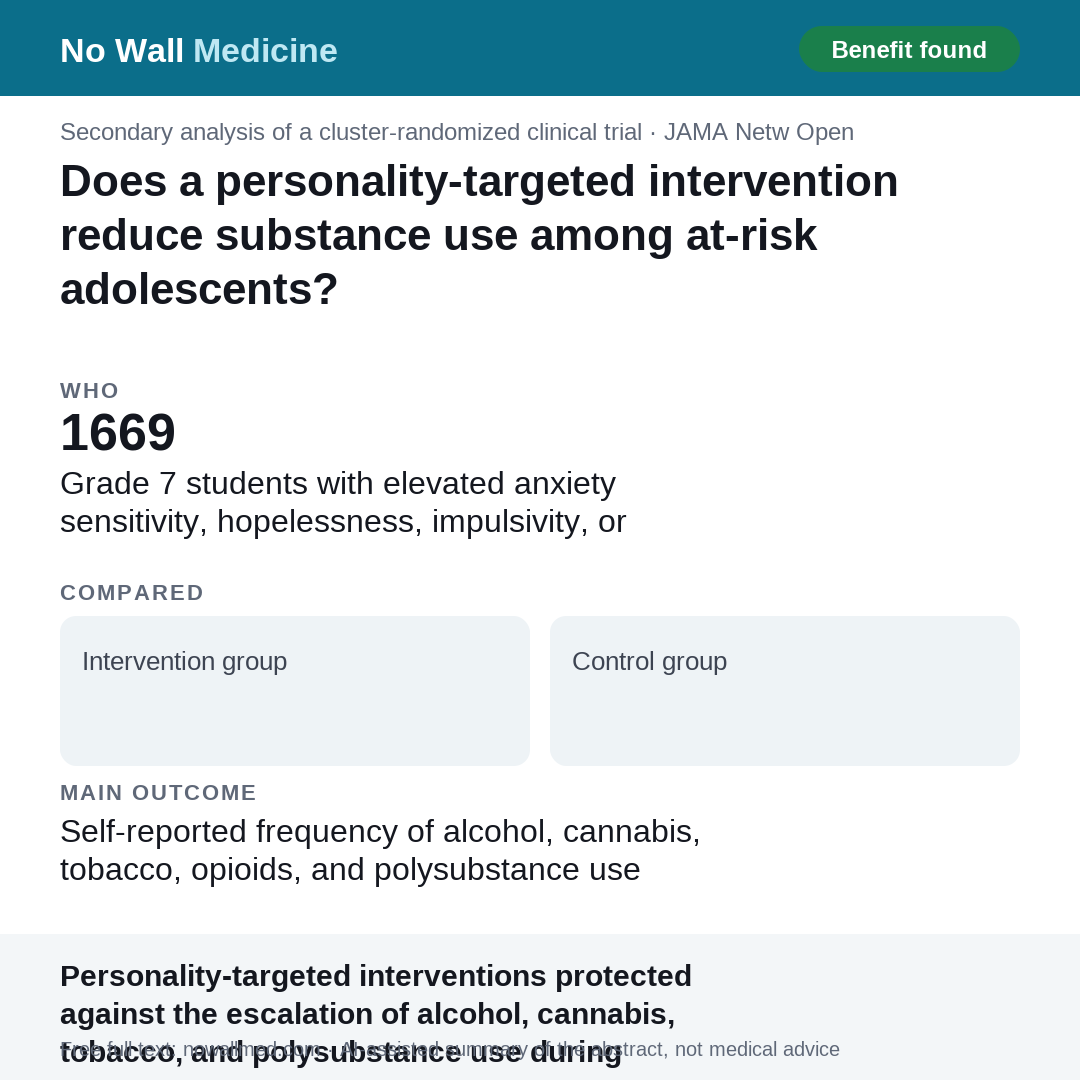
Selective Personality-Targeted Intervention and the Escalation of Substance Use During Adolescence: A Secondary Analysis of A Cluster-Randomized Clinical Trial
Secondary analysis of a cluster-randomized clinical trialBenefit found
Does a personality-targeted intervention reduce substance use among at-risk adolescents?
Who
1669
Grade 7 students with elevated anxiety sensitivity, hopelessness, impulsivity, or sensation seeking · 31 secondary schools in Greater Montreal Area, Canada
Compared
Intervention group
Control group
Main outcome
Self-reported frequency of alcohol, cannabis, tobacco, opioids, and polysubstance use
Result: alcohol OR 0.92 (95% CrI 0.85-1.00), cannabis OR 0.75 (95% CrI 0.66-0.86), tobacco OR 0.79 (95% CrI 0.70-0.96), polysubstance OR 0.56 (95% CrI 0.35-0.89)
Bottom line: Personality-targeted interventions protected against the escalation of alcohol, cannabis, tobacco, and polysubstance use during adolescence.
JAMA Netw Open · 2025-12-01Download image
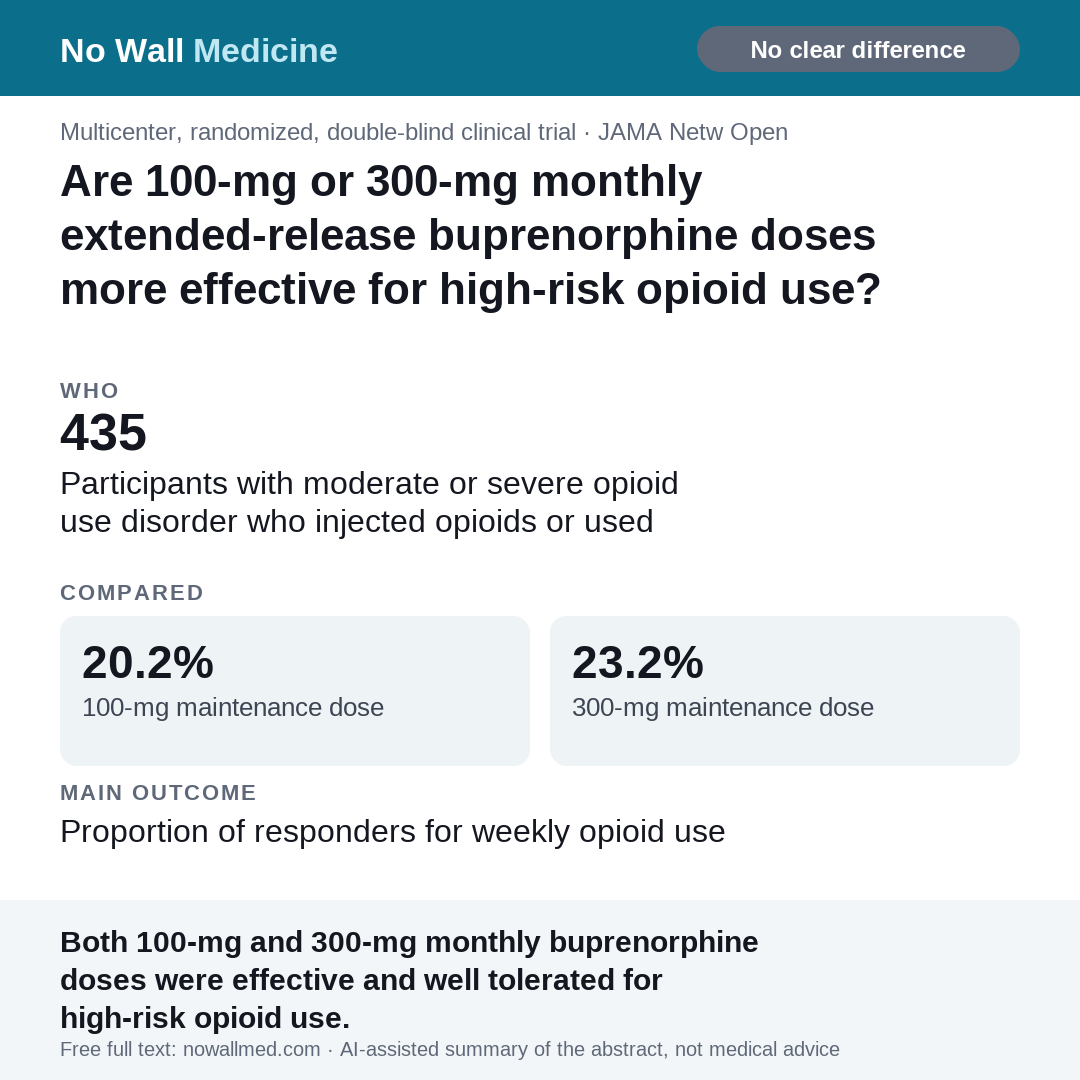
Comparison of Extended-Release Buprenorphine Doses for Treating High-Risk Opioid Use: A Randomized Clinical Trial
Multicenter, randomized, double-blind clinical trialNo clear difference
Are 100-mg or 300-mg monthly extended-release buprenorphine doses more effective for high-risk opioid use?
Who
435
Participants with moderate or severe opioid use disorder who injected opioids or used fentanyl · 28 outpatient treatment centers in the US and Canada
Compared
20.2%100-mg maintenance dose (44/218)
23.2%300-mg maintenance dose (50/216)
Main outcome
Proportion of responders for weekly opioid use
Result: Cochran-Mantel-Haenszel difference, 2.6%; 95% CI, -4.7% to 9.9%
Bottom line: Both 100-mg and 300-mg monthly buprenorphine doses were effective and well tolerated for high-risk opioid use.
JAMA Netw Open · 2025-12-01Download image
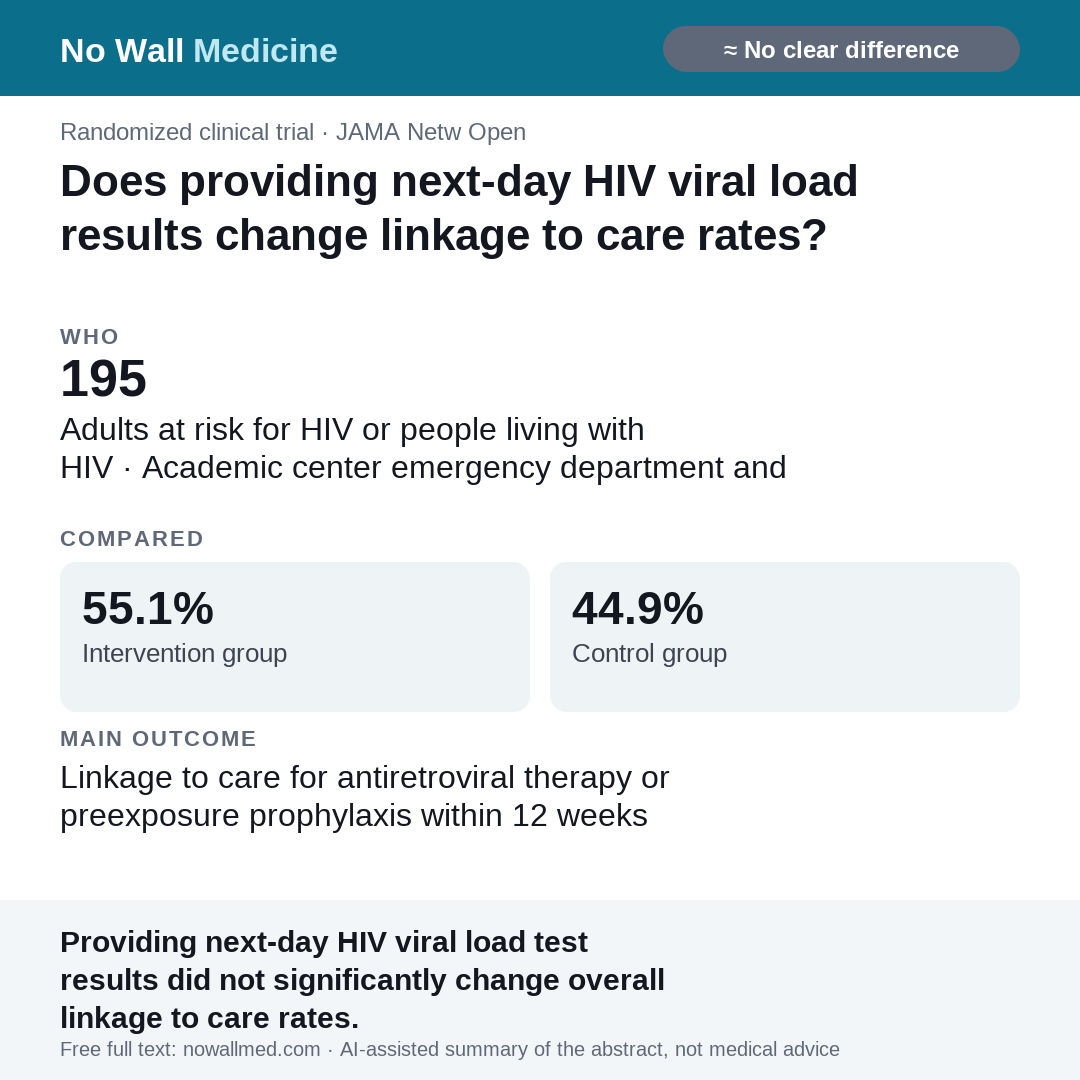
Next-Day HIV Viral Load Test Result and Linkage to Care Among Persons Living With or at Risk of HIV: A Randomized Clinical Trial
Randomized clinical trialNo clear difference
Does providing next-day HIV viral load results change linkage to care rates?
Who
195
Adults at risk for HIV or people living with HIV · Academic center emergency department and social media, Baltimore, Maryland
Compared
55.1%Intervention group (38/69)
44.9%Control group (31/69)
Main outcome
Linkage to care for antiretroviral therapy or preexposure prophylaxis within 12 weeks
Result: hazard ratio 1.28 (95% CI 0.80-2.05)
Bottom line: Providing next-day HIV viral load test results did not significantly change overall linkage to care rates.
JAMA Netw Open · 2025-12-01Download image
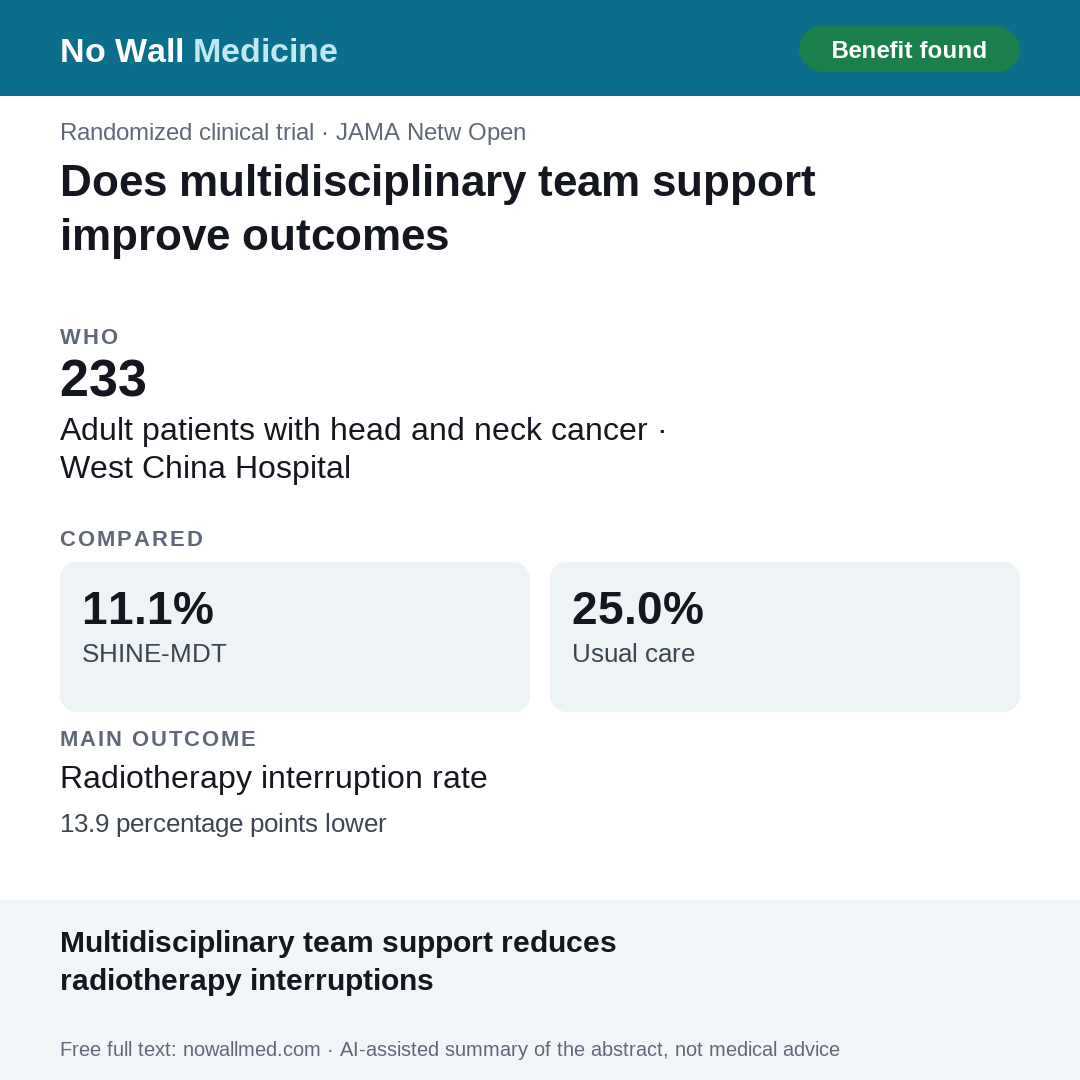
Multidisciplinary Team Support for Patients With Head and Neck Cancer Receiving Radiotherapy: A Randomized Clinical Trial
Randomized clinical trialBenefit found
Does multidisciplinary team support improve outcomes
Who
233
Adult patients with head and neck cancer · West China Hospital
Compared
11.1%SHINE-MDT
25.0%Usual care
Main outcome
Radiotherapy interruption rate
Result: 13.9 percentage points lower
Bottom line: Multidisciplinary team support reduces radiotherapy interruptions
JAMA Netw Open · 2025-12-01Download image
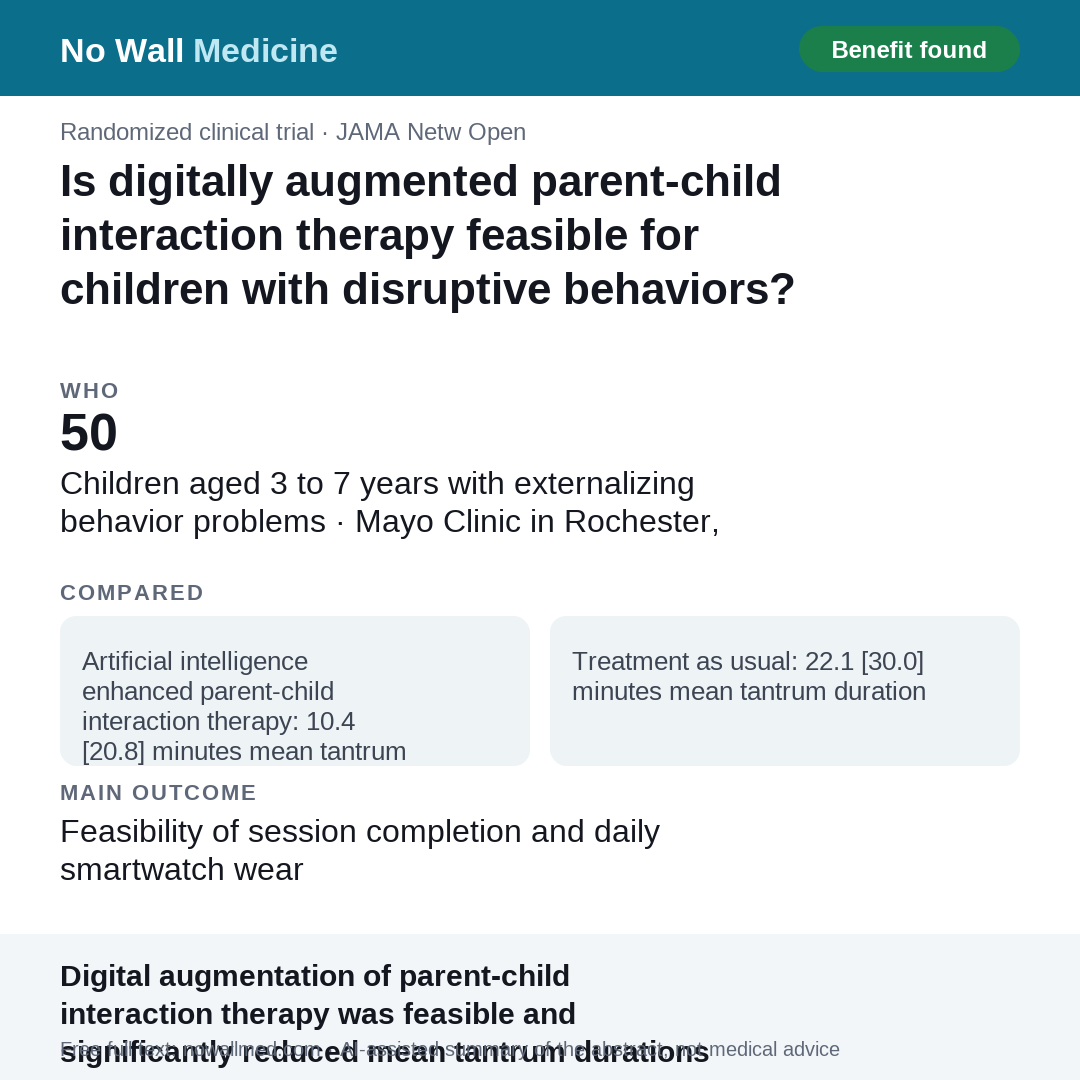
Feasibility of Digital Augmentation of Parent-Child Interaction Therapy: A Randomized Clinical Trial
Randomized clinical trialBenefit found
Is digitally augmented parent-child interaction therapy feasible for children with disruptive behaviors?
Who
50
Children aged 3 to 7 years with externalizing behavior problems · Mayo Clinic in Rochester, Minnesota
Compared
Artificial intelligence enhanced parent-child interaction therapy: 10.4 [20.8] minutes mean tantrum duration
Treatment as usual: 22.1 [30.0] minutes mean tantrum duration
Main outcome
Feasibility of session completion and daily smartwatch wear
Result: odds ratio 3.66 (95% CI 2.72-4.95) for tantrums lasting 15 minutes or more
Bottom line: Digital augmentation of parent-child interaction therapy was feasible and significantly reduced mean tantrum durations in children.
JAMA Netw Open · 2025-12-01Download image
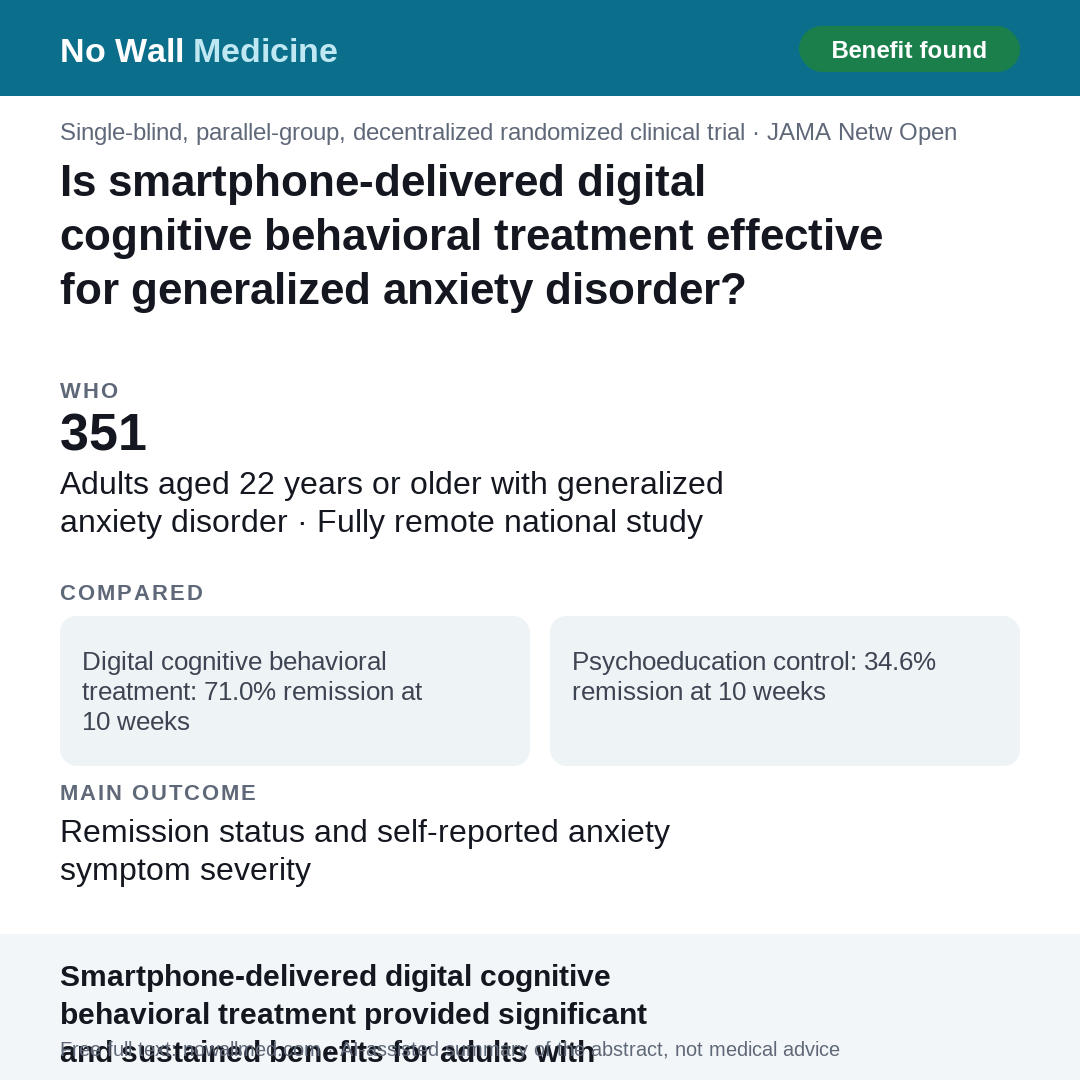
Digital Cognitive Behavioral Treatment for Generalized Anxiety Disorder: A Randomized Clinical Trial
Single-blind, parallel-group, decentralized randomized clinical trialBenefit found
Is smartphone-delivered digital cognitive behavioral treatment effective for generalized anxiety disorder?
Who
351
Adults aged 22 years or older with generalized anxiety disorder · Fully remote national study through Boston University
Compared
Digital cognitive behavioral treatment: 71.0% remission at 10 weeks
Psychoeducation control: 34.6% remission at 10 weeks
Main outcome
Remission status and self-reported anxiety symptom severity
Result: odds ratio 4.63 (95% CI, 2.85-7.54)
Bottom line: Smartphone-delivered digital cognitive behavioral treatment provided significant and sustained benefits for adults with generalized anxiety disorder.
JAMA Netw Open · 2025-12-01Download image
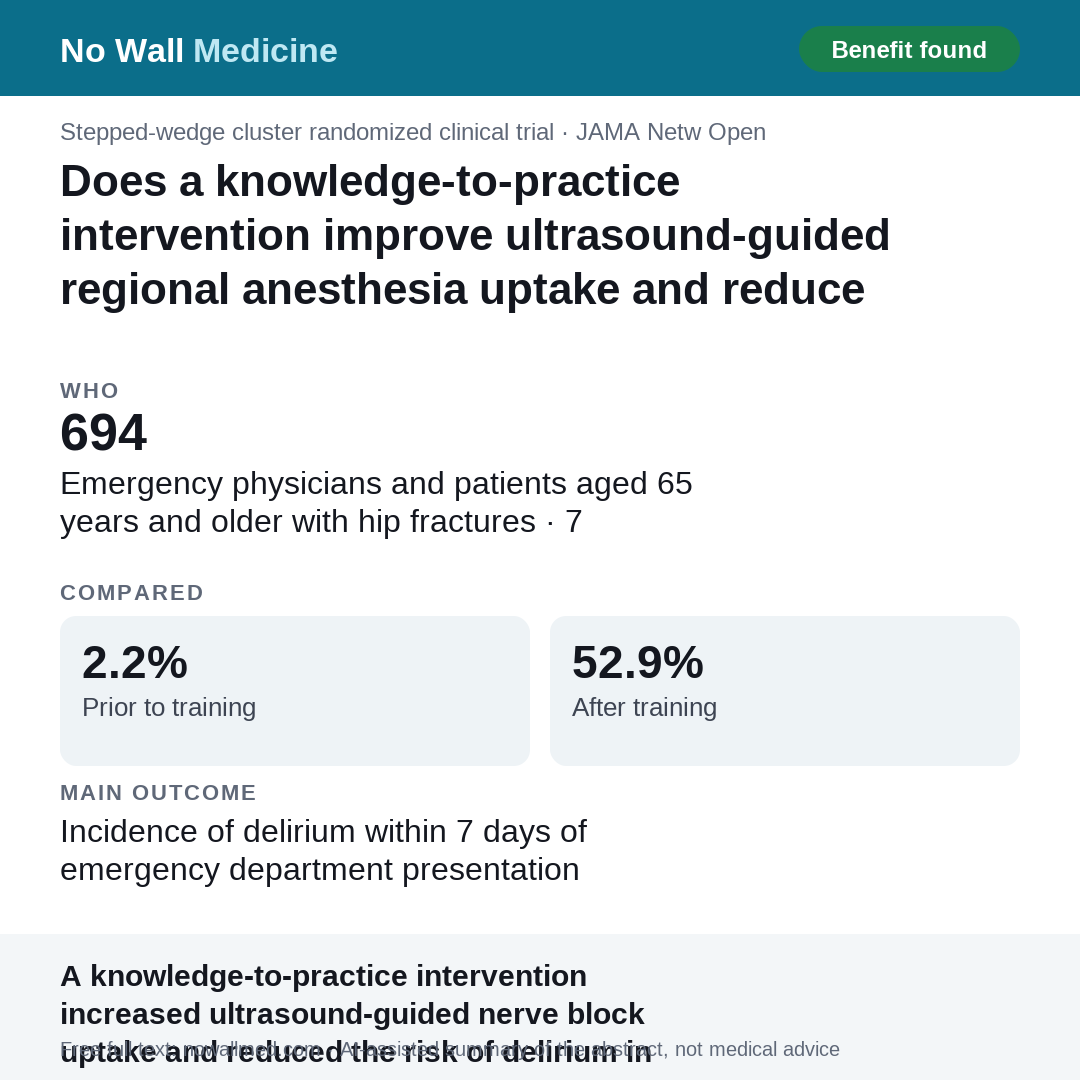
Ultrasound-Guided Regional Anesthesia by Emergency Physicians for Hip Fractures and Delirium: A Randomized Clinical Trial
Stepped-wedge cluster randomized clinical trialBenefit found
Does a knowledge-to-practice intervention improve ultrasound-guided regional anesthesia uptake and reduce delirium?
Who
694
Emergency physicians and patients aged 65 years and older with hip fractures · 7 academic emergency departments in 4 Canadian provinces
Compared
2.2%Prior to training
52.9%After training
Main outcome
Incidence of delirium within 7 days of emergency department presentation
Result: odds ratio 0.72 (95% CI 0.57-0.93)
Bottom line: A knowledge-to-practice intervention increased ultrasound-guided nerve block uptake and reduced the risk of delirium in hip fracture patients.
Limitation: Despite the intervention, uptake was suboptimal.
JAMA Netw Open · 2025-12-01Download image
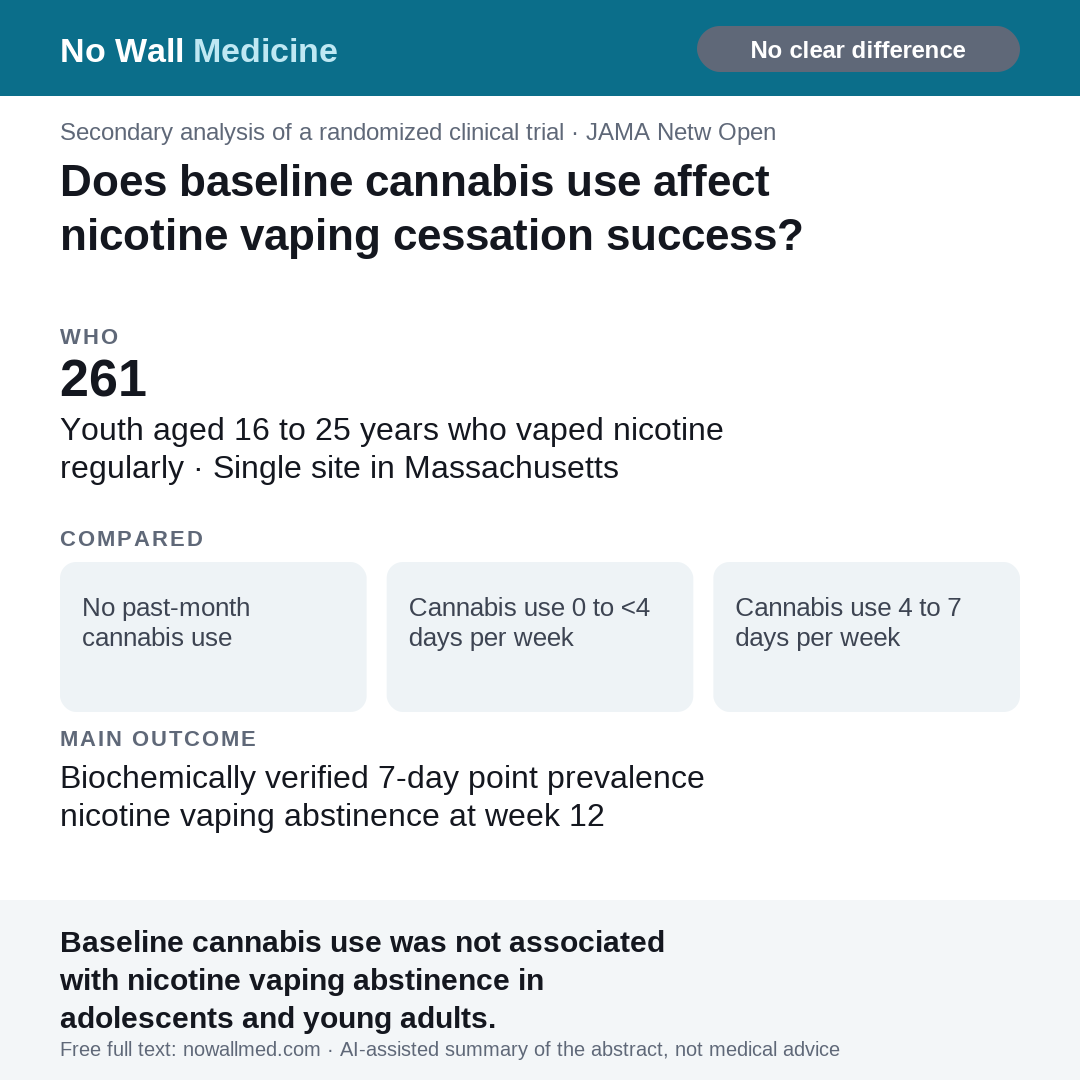
Cannabis Use and Nicotine Vaping Cessation Outcomes: A Secondary Analysis of a Randomized Clinical Trial
Secondary analysis of a randomized clinical trialNo clear difference
Does baseline cannabis use affect nicotine vaping cessation success?
Who
261
Youth aged 16 to 25 years who vaped nicotine regularly · Single site in Massachusetts
Compared
No past-month cannabis use
Cannabis use 0 to <4 days per week
Cannabis use 4 to 7 days per week
Main outcome
Biochemically verified 7-day point prevalence nicotine vaping abstinence at week 12
Result: adjusted odds ratio 1.14 (95% CI, 0.51-2.57)
Bottom line: Baseline cannabis use was not associated with nicotine vaping abstinence in adolescents and young adults.
JAMA Netw Open · 2025-12-01Download image
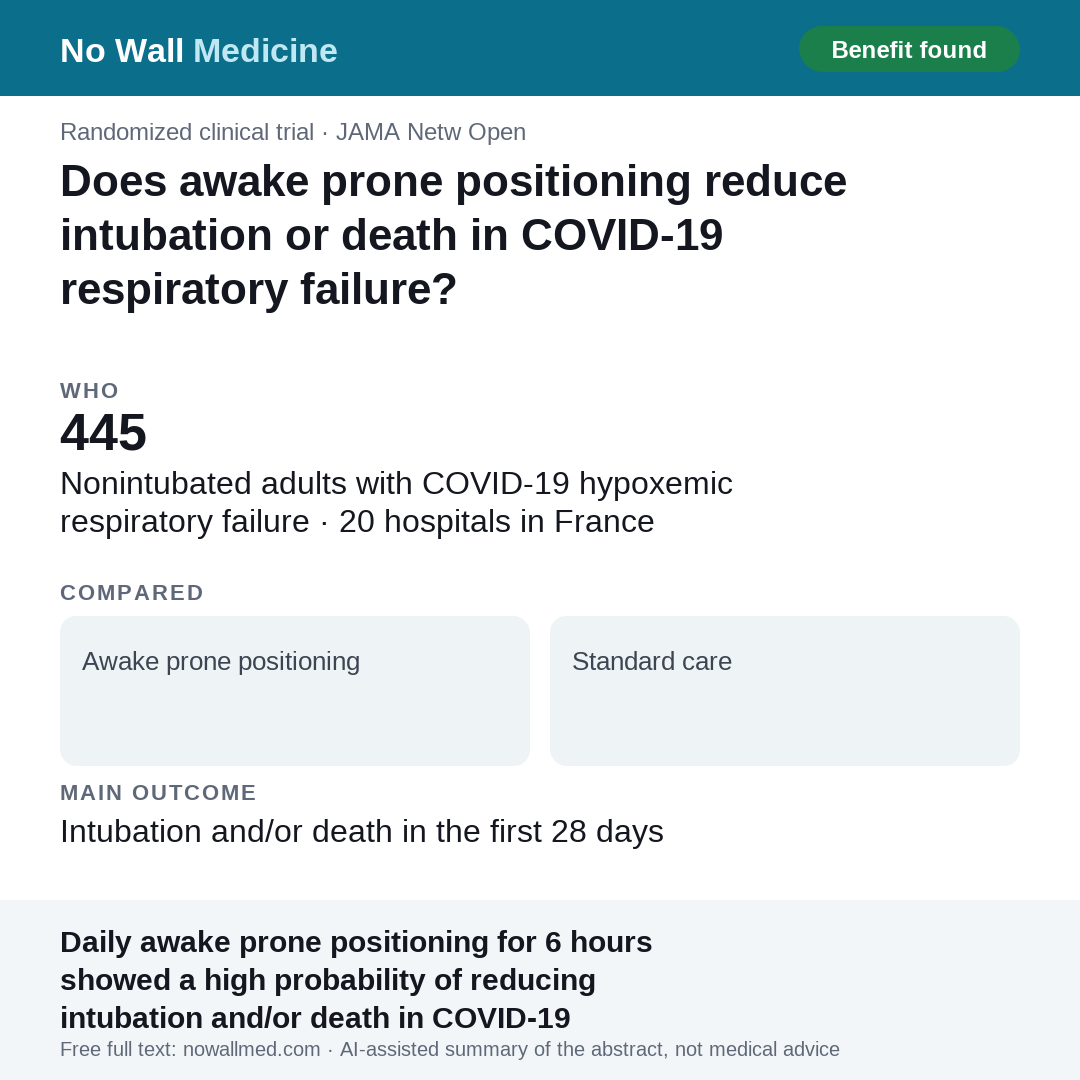
Awake Prone Positioning in Patients With COVID-19 Respiratory Failure: A Randomized Clinical Trial
Randomized clinical trialBenefit found
Does awake prone positioning reduce intubation or death in COVID-19 respiratory failure?
Who
445
Nonintubated adults with COVID-19 hypoxemic respiratory failure · 20 hospitals in France and 1 hospital in Mexico
Compared
Awake prone positioning
Standard care
Main outcome
Intubation and/or death in the first 28 days
Result: mean odds ratio 0.74 (95% credible interval 0.48-1.09)
Bottom line: Daily awake prone positioning for 6 hours showed a high probability of reducing intubation and/or death in COVID-19 patients.
JAMA Netw Open · 2025-12-01Download image
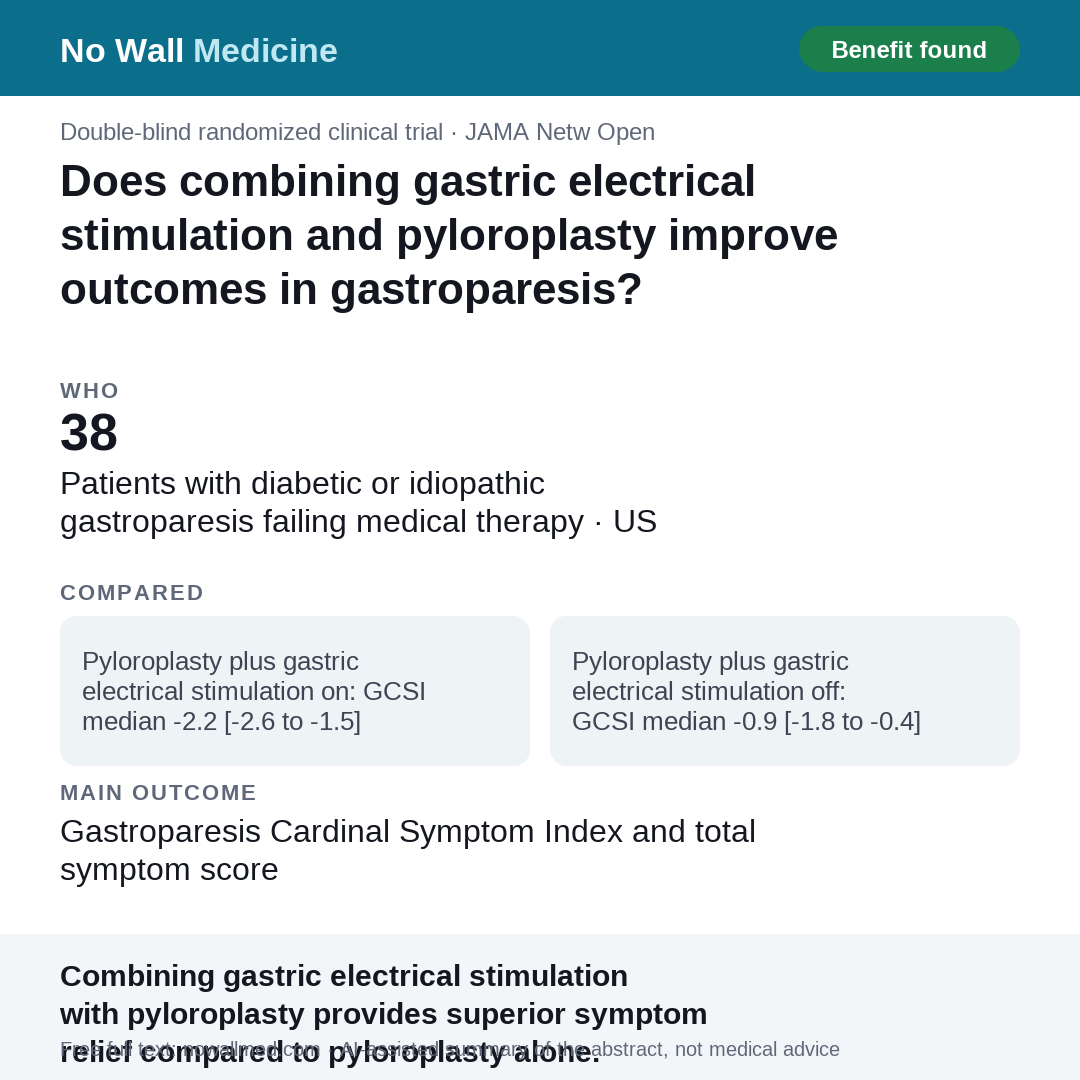
Combined Gastric Electrical Stimulation and Pyloroplasty in Gastroparesis: A Randomized Clinical Trial
Double-blind randomized clinical trialBenefit found
Does combining gastric electrical stimulation and pyloroplasty improve outcomes in gastroparesis?
Who
38
Patients with diabetic or idiopathic gastroparesis failing medical therapy · US academic gastrointestinal motility clinic
Compared
Pyloroplasty plus gastric electrical stimulation on: GCSI median -2.2 [-2.6 to -1.5]
Pyloroplasty plus gastric electrical stimulation off: GCSI median -0.9 [-1.8 to -0.4]
Main outcome
Gastroparesis Cardinal Symptom Index and total symptom score
Result: median difference GCSI -1.33 (95% CI -2.34 to -0.33)
Bottom line: Combining gastric electrical stimulation with pyloroplasty provides superior symptom relief compared to pyloroplasty alone.
JAMA Netw Open · 2025-12-01Download image
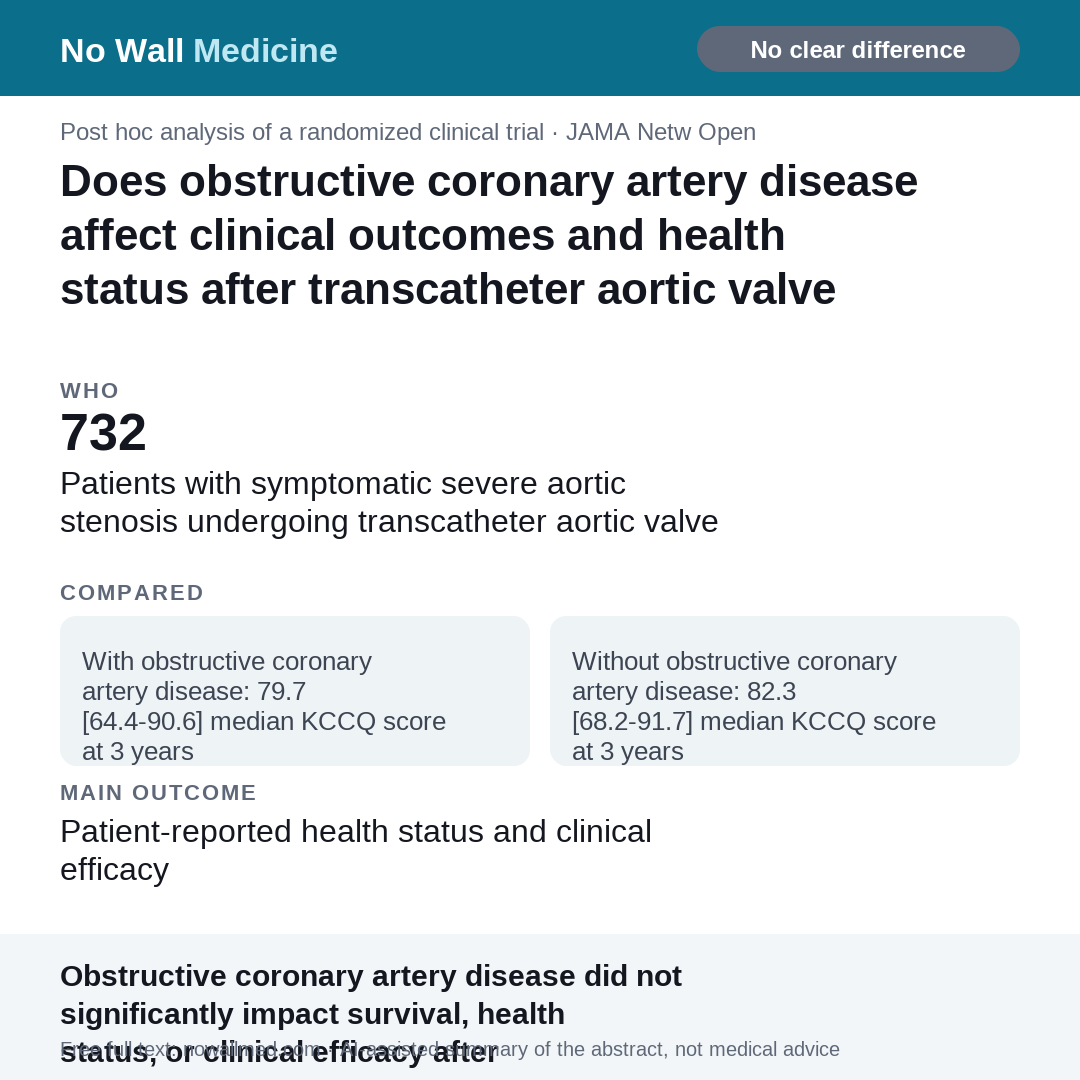
Obstructive Coronary Artery Disease and Health Status in Transcatheter Aortic Valve Replacement: A Post Hoc Analysis of the SCOPE I Randomized Clinical Trial
Post hoc analysis of a randomized clinical trialNo clear difference
Does obstructive coronary artery disease affect clinical outcomes and health status after transcatheter aortic valve replacement?
Who
732
Patients with symptomatic severe aortic stenosis undergoing transcatheter aortic valve replacement · 20 tertiary heart centers in Europe
Compared
With obstructive coronary artery disease: 79.7 [64.4-90.6] median KCCQ score at 3 years
Without obstructive coronary artery disease: 82.3 [68.2-91.7] median KCCQ score at 3 years
Main outcome
Patient-reported health status and clinical efficacy
Result: adjusted hazard ratio 0.97 (95% CI 0.66 to 1.43) for all-cause death
Bottom line: Obstructive coronary artery disease did not significantly impact survival, health status, or clinical efficacy after transcatheter aortic valve replacement.
JAMA Netw Open · 2025-12-01Download image
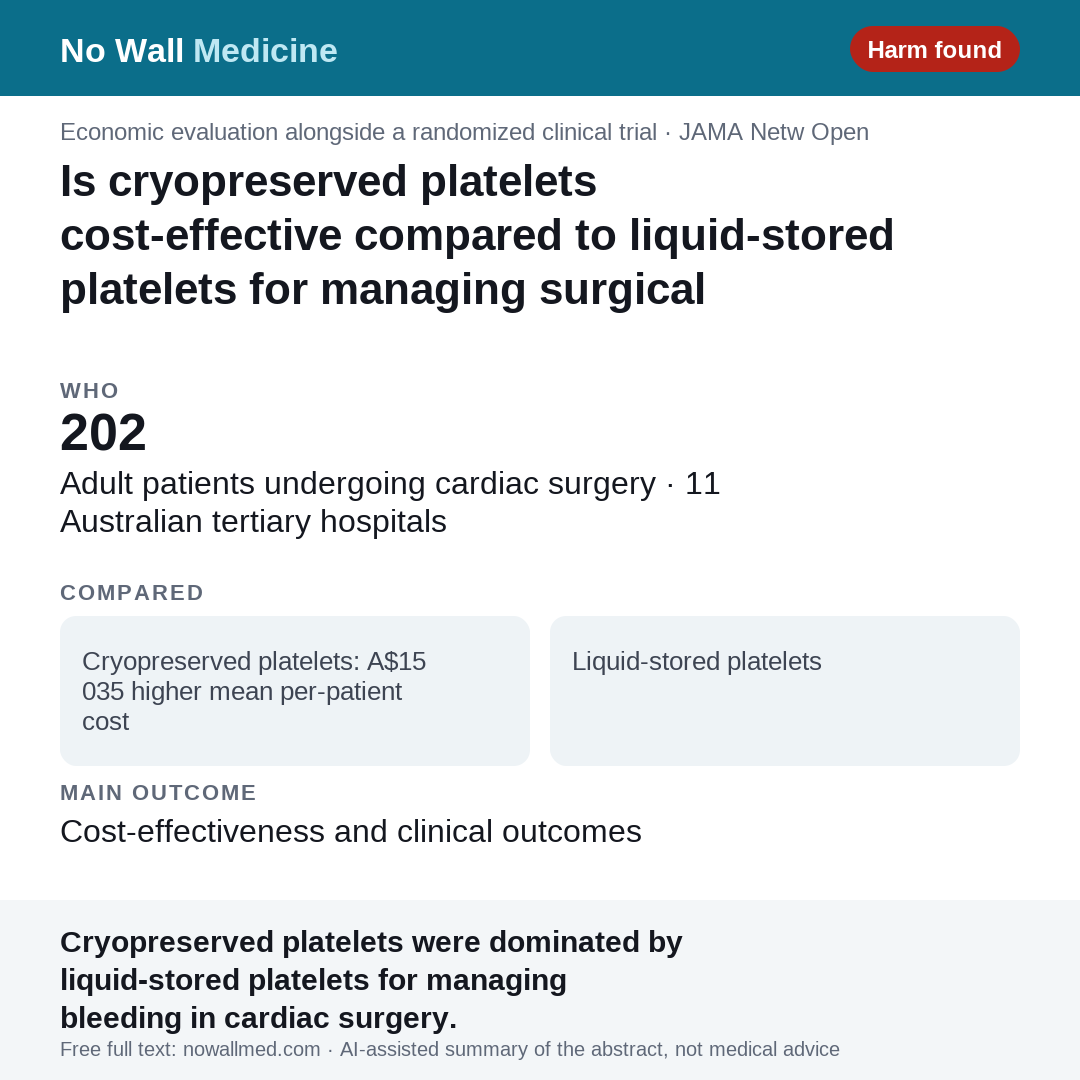
Cost-Effectiveness of Cryopreserved vs Liquid-Stored Platelets for Managing Surgical Bleeding
Economic evaluation alongside a randomized clinical trialHarm found
Is cryopreserved platelets cost-effective compared to liquid-stored platelets for managing surgical bleeding?
Who
202
Adult patients undergoing cardiac surgery · 11 Australian tertiary hospitals
Compared
Cryopreserved platelets: A$15 035 higher mean per-patient cost
Liquid-stored platelets
Main outcome
Cost-effectiveness and clinical outcomes
Result: mean difference in per-patient cost A$15 035 (95% CI, -A$1878 to A$31 949)
Bottom line: Cryopreserved platelets were dominated by liquid-stored platelets for managing bleeding in cardiac surgery.
Limitation: Further research is needed in broader populations like regional and remote hospitals.
Funded by: Australian government funder
JAMA Netw Open · 2025-12-01Download image