Visual abstracts
New randomized trials and meta-analyses from leading journals at a glance: who was studied, what was compared, and what was found. Every paper is free to read in full.
All specialtiesCardiology 4780Oncology 4080Gastroenterology & Hepatology 1914Infectious Disease 3775Neurology 1883Psychiatry & Mental Health 2238Pulmonology 2058Critical Care 1331Endocrinology & Diabetes 2550Pediatrics 2908Surgery 2496Orthopedics & Sports Medicine 922Neurosurgery 532Cardiothoracic & Vascular Surgery 662Plastic & Reconstructive Surgery 584Nephrology 1111Rheumatology 812Hematology 1095Dermatology 617Ophthalmology 537Obstetrics & Gynecology 1656Public & Global Health 1041Radiology & Imaging 637Anesthesiology 958Urology 751ENT (Otolaryngology) 497Emergency Medicine 484Allergy & Immunology 310Geriatrics 973Family Medicine & Primary Care 538Medical Genetics & Genomics 662Pathology & Laboratory Medicine 156Physical Medicine & Rehabilitation 744Palliative Care 422Nutrition 1564Digital Health & AI 2188General Medicine 318
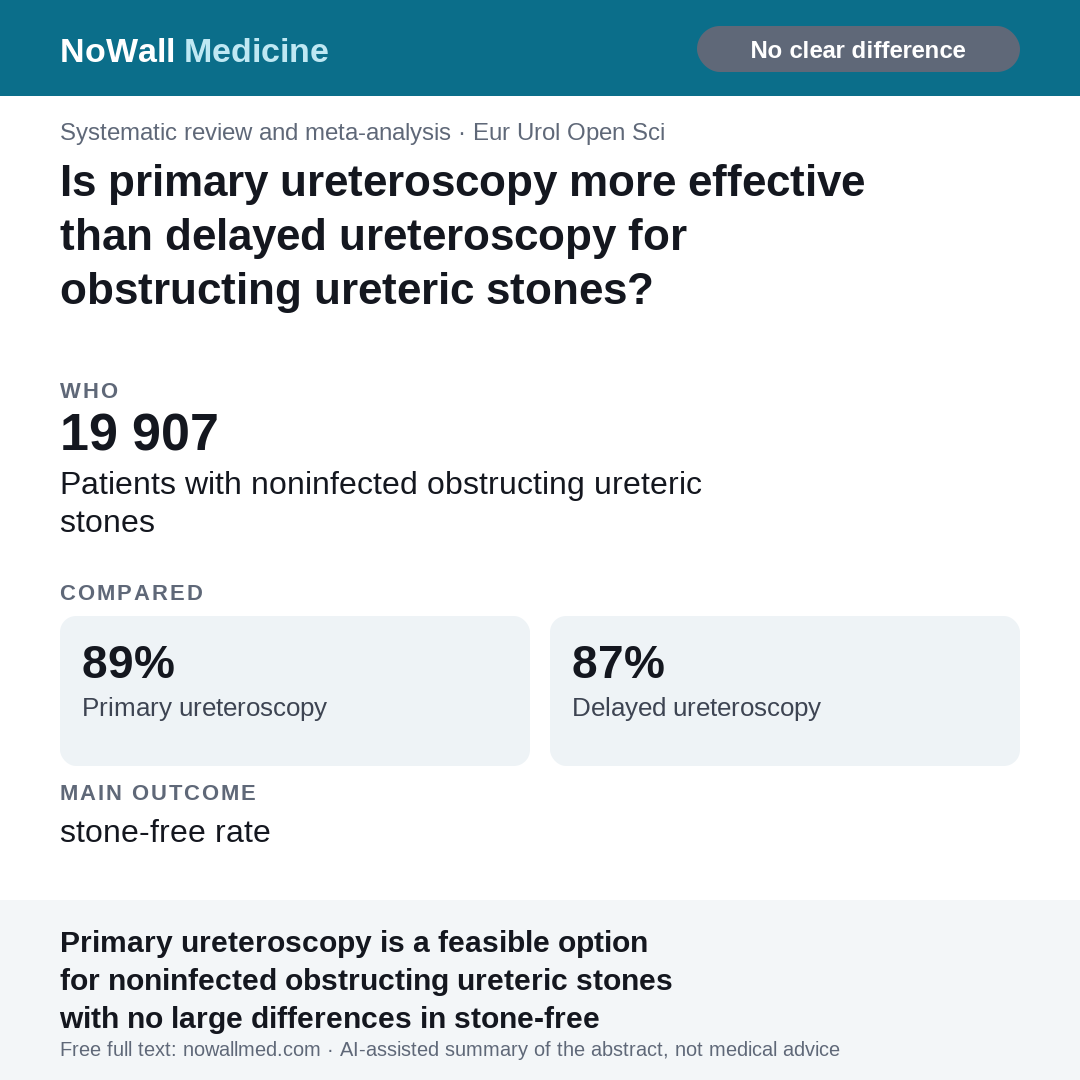
Primary Versus Delayed Ureteroscopy for Obstructing Ureteric Calculi: A Systematic Review and Meta-analysis from the European Association of Urology Endourology
Systematic review and meta-analysisNo clear difference
Is primary ureteroscopy more effective than delayed ureteroscopy for obstructing ureteric stones?
Who
19 907
Patients with noninfected obstructing ureteric stones
Compared
89%Primary ureteroscopy (95% CI 80-95)
87%Delayed ureteroscopy (95% CI 77-94)
Main outcome
stone-free rate
Result: odds ratio 1.20 (95% CI 0.75-1.92)
Bottom line: Primary ureteroscopy is a feasible option for noninfected obstructing ureteric stones with no large differences in stone-free rates.
Limitation: Methodological heterogeneity, predominantly retrospective designs, and sparse data using strict stone-free definitions.
Eur Urol Open Sci · 2026-10-09Download image
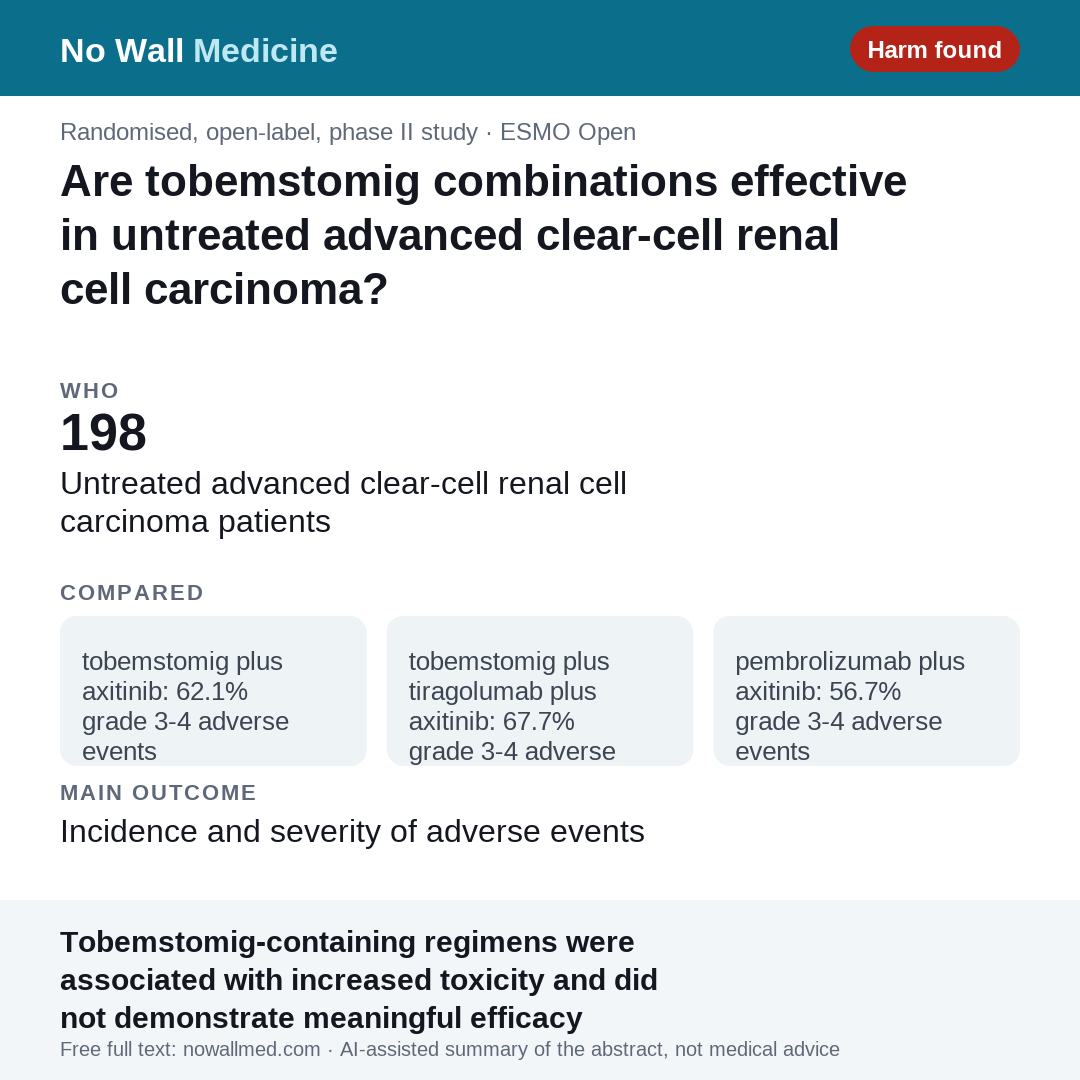
A randomised, open-label, phase II study of tobemstomig combinations in patients with previously untreated advanced clear-cell renal cell carcinoma
Randomised, open-label, phase II studyHarm found
Are tobemstomig combinations effective in untreated advanced clear-cell renal cell carcinoma?
Who
198
Untreated advanced clear-cell renal cell carcinoma patients
Compared
tobemstomig plus axitinib: 62.1% grade 3-4 adverse events
tobemstomig plus tiragolumab plus axitinib: 67.7% grade 3-4 adverse events
pembrolizumab plus axitinib: 56.7% grade 3-4 adverse events
Main outcome
Incidence and severity of adverse events
Bottom line: Tobemstomig-containing regimens were associated with increased toxicity and did not demonstrate meaningful efficacy improvement relative to control.
ESMO Open · 2026-10-09Download image
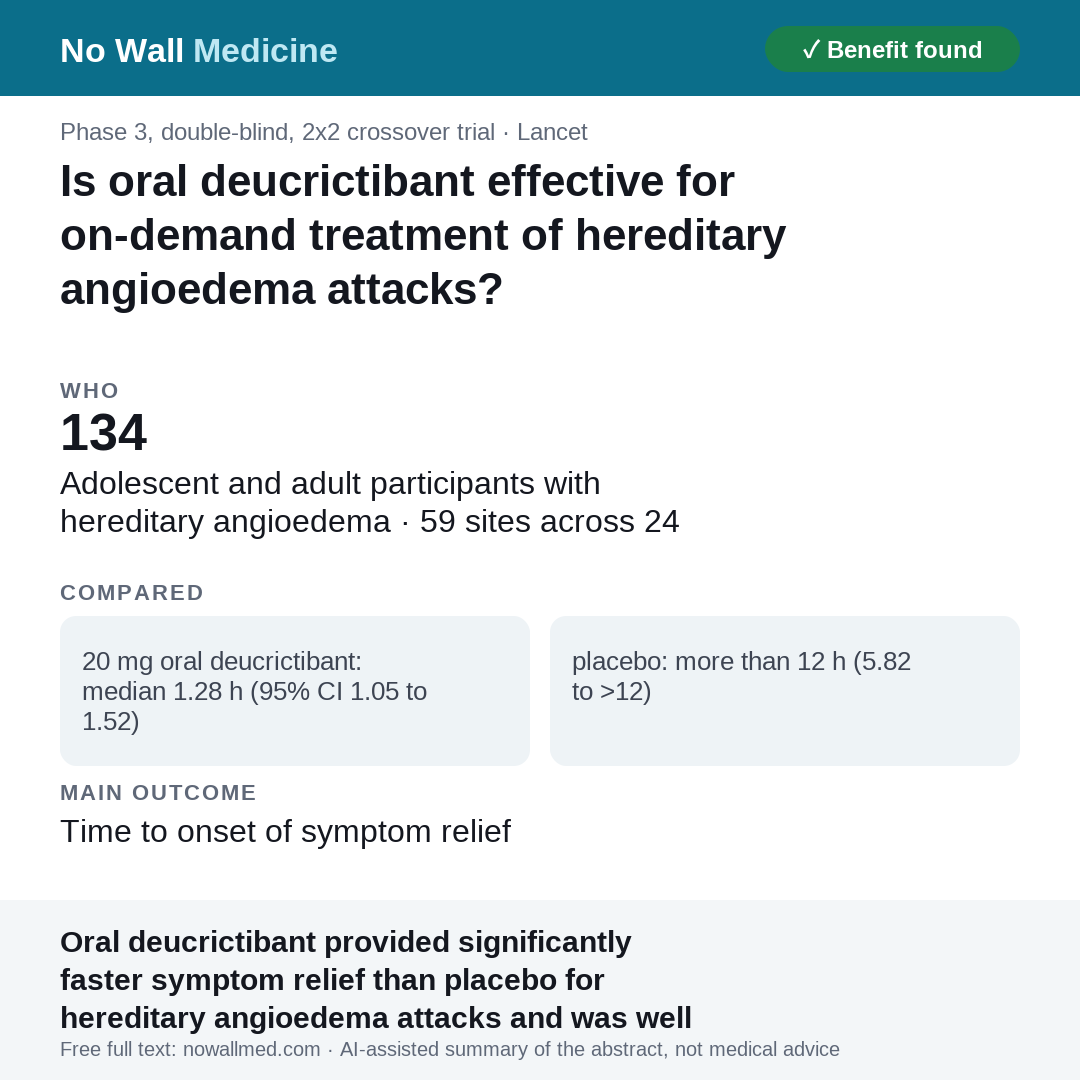
Oral deucrictibant for on-demand treatment of hereditary angioedema attacks: a phase 3, multicentre, randomised, double-blind, placebo-controlled crossover trial
Phase 3, double-blind, 2x2 crossover trialBenefit found
Is oral deucrictibant effective for on-demand treatment of hereditary angioedema attacks?
Who
134
Adolescent and adult participants with hereditary angioedema · 59 sites across 24 countries
Compared
20 mg oral deucrictibant: median 1.28 h (95% CI 1.05 to 1.52)
placebo: more than 12 h (5.82 to >12)
Main outcome
Time to onset of symptom relief
Result: p<0.0001
Bottom line: Oral deucrictibant provided significantly faster symptom relief than placebo for hereditary angioedema attacks and was well tolerated.
Funded by: Pharvaris
Lancet · 2026-10-08Download image
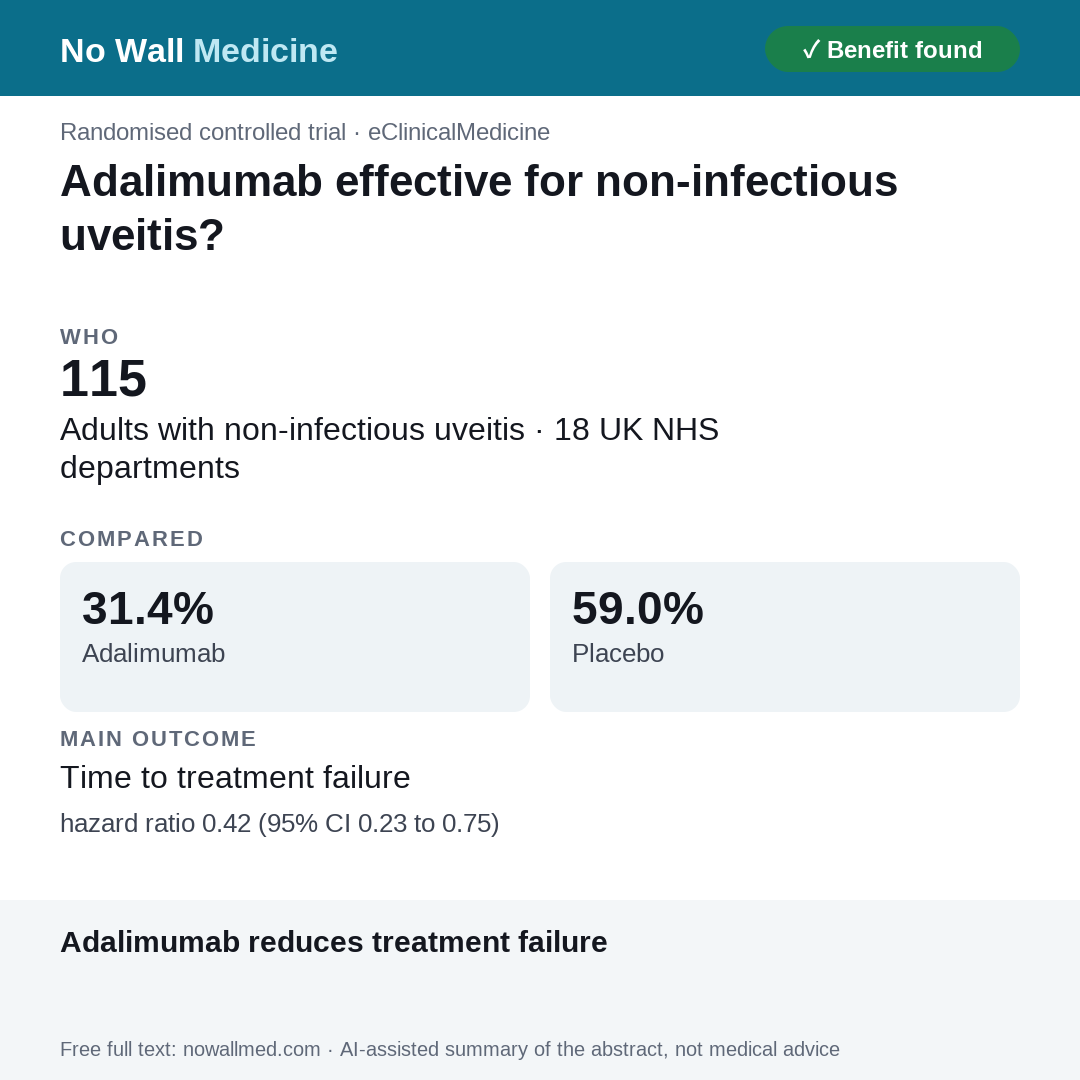
Adalimumab versus placebo as add-on to standard therapy for non-infectious uveitis in the United Kingdom: the ASTUTE randomised controlled trial with treatment run-in
Randomised controlled trialBenefit found
Adalimumab effective for non-infectious uveitis?
Who
115
Adults with non-infectious uveitis · 18 UK NHS departments
Compared
31.4%Adalimumab
59.0%Placebo
Main outcome
Time to treatment failure
Result: hazard ratio 0.42 (95% CI 0.23 to 0.75)
Bottom line: Adalimumab reduces treatment failure
Funded by: National Institute for Health and Care Research
eClinicalMedicine · 2026-10-08Download image
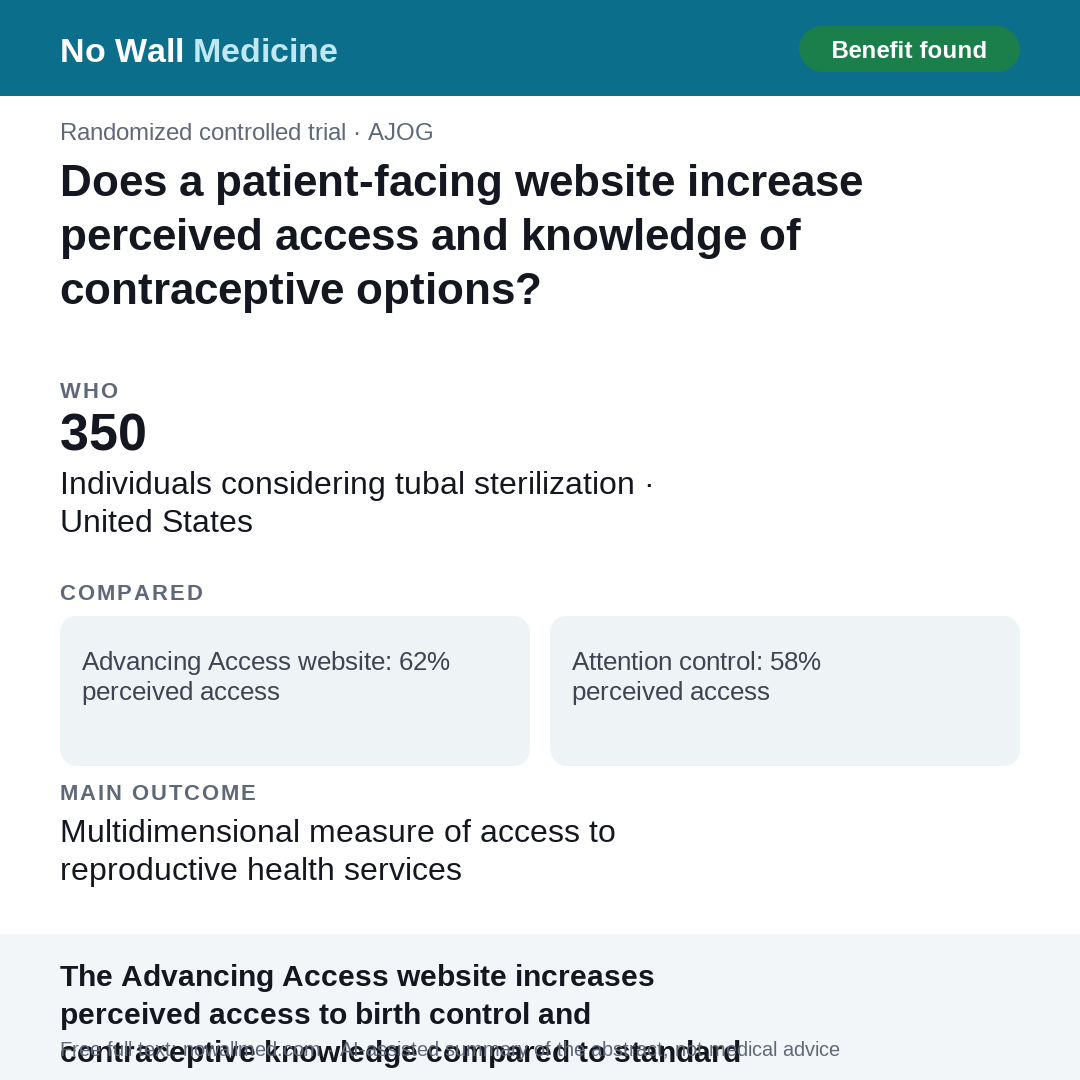
Supporting informed decisions about tubal sterilization with a patient-facing website: a randomized trial
Randomized controlled trialBenefit found
Does a patient-facing website increase perceived access and knowledge of contraceptive options?
Who
350
Individuals considering tubal sterilization · United States
Compared
Advancing Access website: 62% perceived access
Attention control: 58% perceived access
Main outcome
Multidimensional measure of access to reproductive health services
Result: adjusted mean difference 3.24 (95% confidence interval, 1.81-4.67)
Bottom line: The Advancing Access website increases perceived access to birth control and contraceptive knowledge compared to standard materials.
AJOG · 2026-10-08Download image
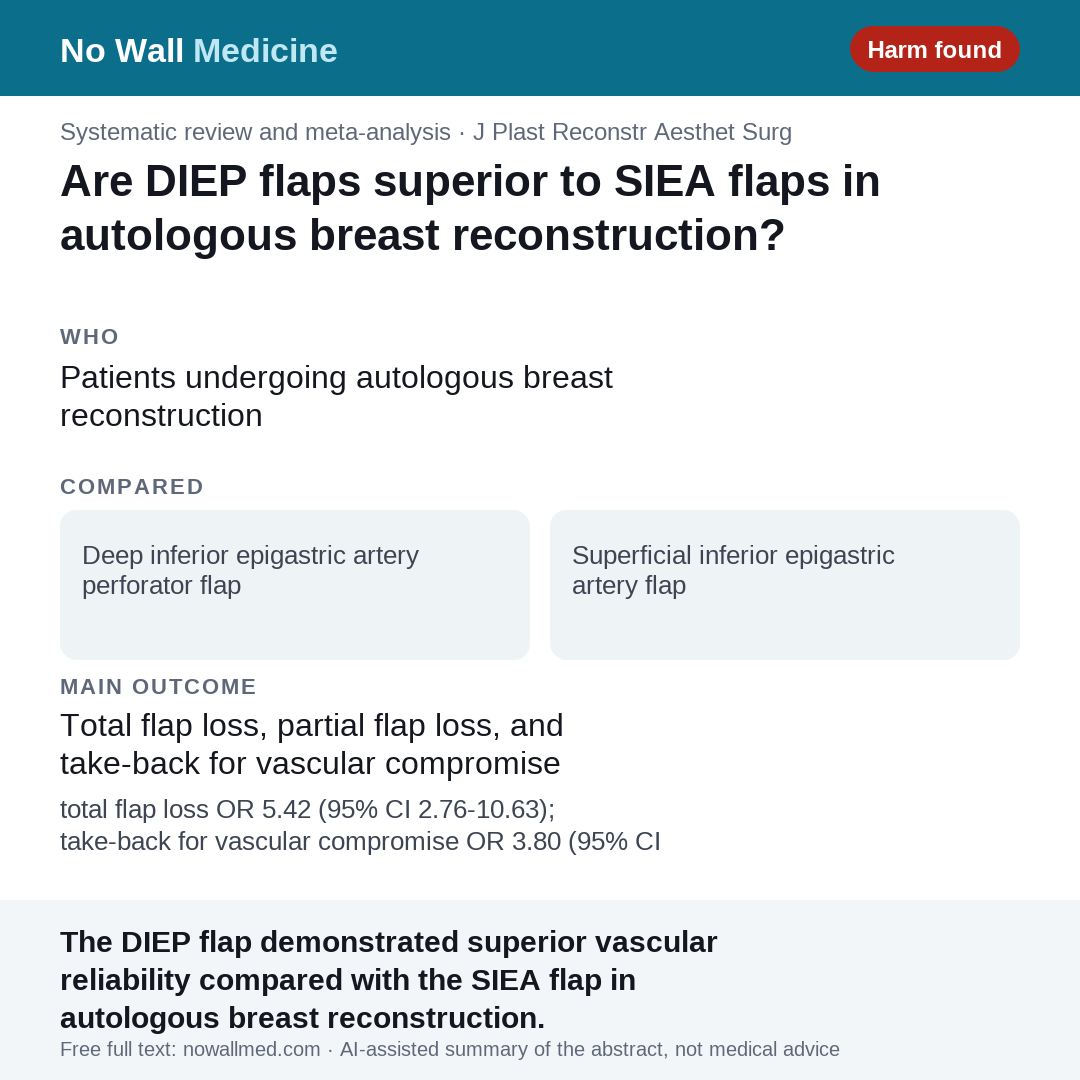
DIEP versus SIEA flap in autologous breast reconstruction: A systematic review and meta-analysis
Systematic review and meta-analysisHarm found
Are DIEP flaps superior to SIEA flaps in autologous breast reconstruction?
Who
Patients undergoing autologous breast reconstruction
Compared
Deep inferior epigastric artery perforator flap
Superficial inferior epigastric artery flap
Main outcome
Total flap loss, partial flap loss, and take-back for vascular compromise
Result: total flap loss OR 5.42 (95% CI 2.76-10.63); take-back for vascular compromise OR 3.80 (95% CI 2.50-5.76)
Bottom line: The DIEP flap demonstrated superior vascular reliability compared with the SIEA flap in autologous breast reconstruction.
Limitation: Evidence comparing outcomes between these techniques continues to be heterogeneous and controversial.
J Plast Reconstr Aesthet Surg · 2026-10-08Download image
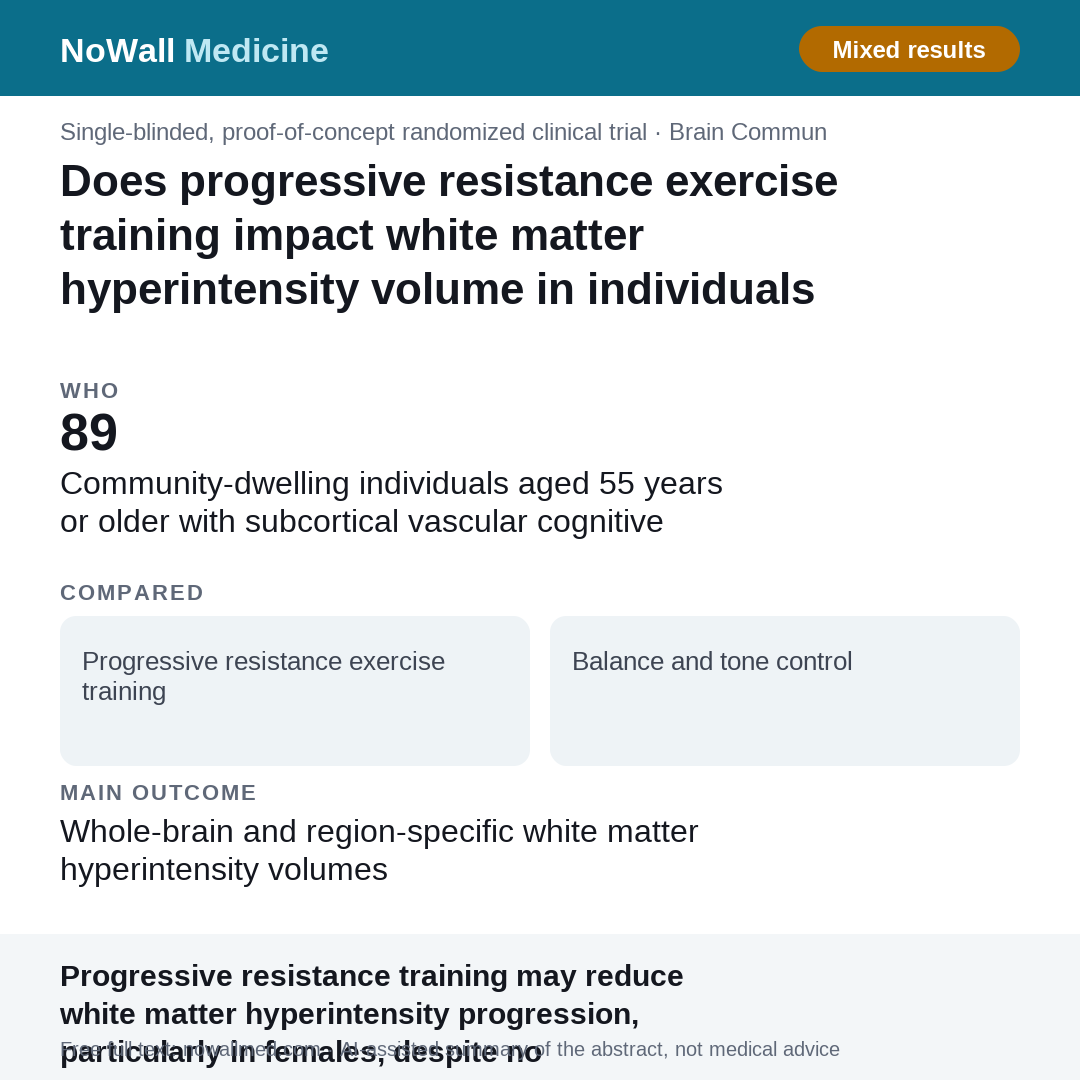
Exercise and white matter hyperintensities: a randomized clinical trial
Single-blinded, proof-of-concept randomized clinical trialMixed results
Does progressive resistance exercise training impact white matter hyperintensity volume in individuals with subcortical vascular cognitive impairment?
Who
89
Community-dwelling individuals aged 55 years or older with subcortical vascular cognitive impairment
Compared
Progressive resistance exercise training
Balance and tone control
Main outcome
Whole-brain and region-specific white matter hyperintensity volumes
Result: -0.016 (-0.052 to 0.019) log-transformed cm3
Bottom line: Progressive resistance training may reduce white matter hyperintensity progression, particularly in females, despite no significant whole-brain difference.
Brain Commun · 2026-10-08Download image
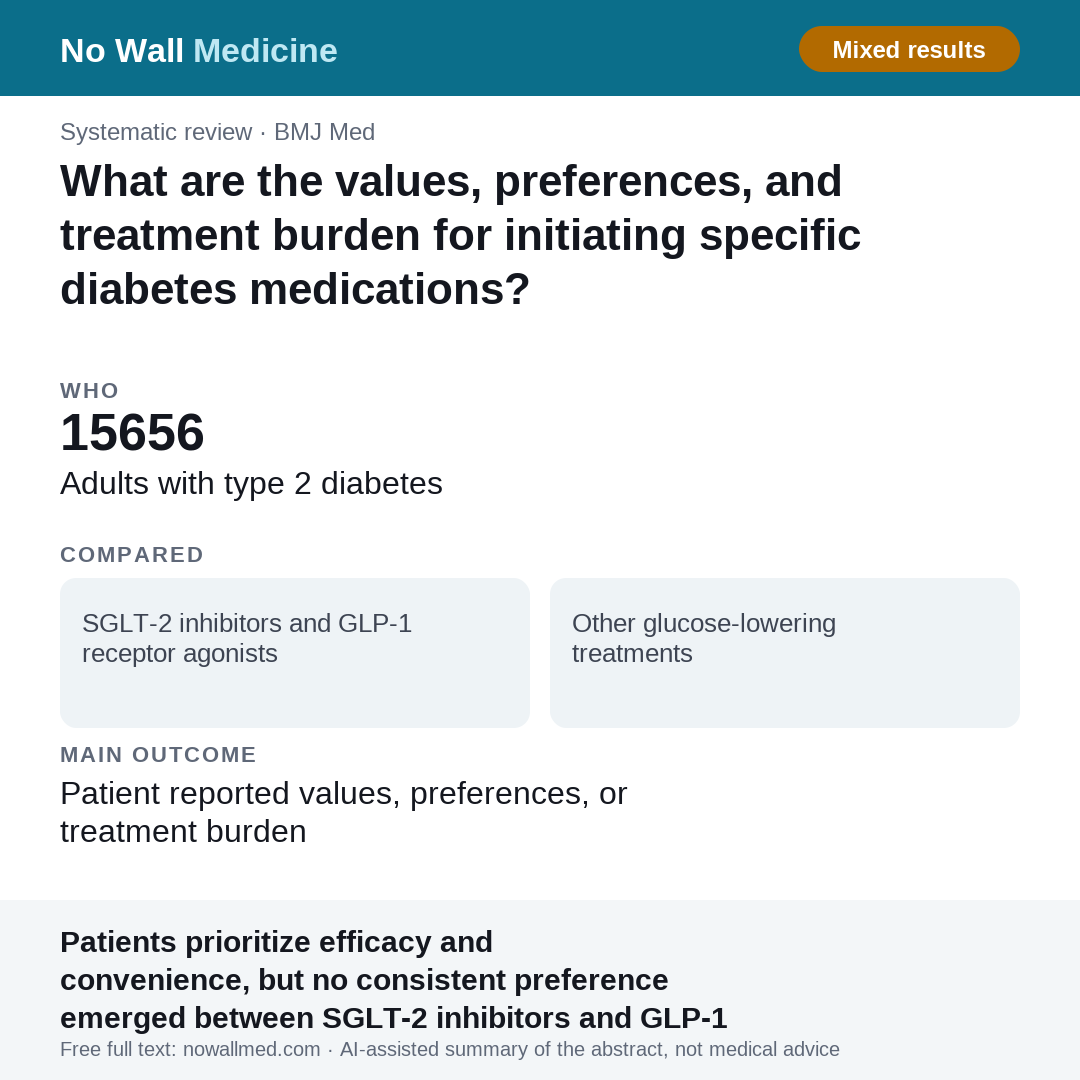
Values, preferences, and treatment burden for initiation of GLP-1 receptor agonists, SGLT-2 inhibitors, tirzepatide, and finerenone in adults with type 2 diabetes: systematic review
Systematic reviewMixed results
What are the values, preferences, and treatment burden for initiating specific diabetes medications?
Who
15656
Adults with type 2 diabetes
Compared
SGLT-2 inhibitors and GLP-1 receptor agonists
Other glucose-lowering treatments
Main outcome
Patient reported values, preferences, or treatment burden
Bottom line: Patients prioritize efficacy and convenience, but no consistent preference emerged between SGLT-2 inhibitors and GLP-1 receptor agonists.
Limitation: Certainty of evidence for all comparisons was low or very low certainty.
BMJ Med · 2026-10-08Download image
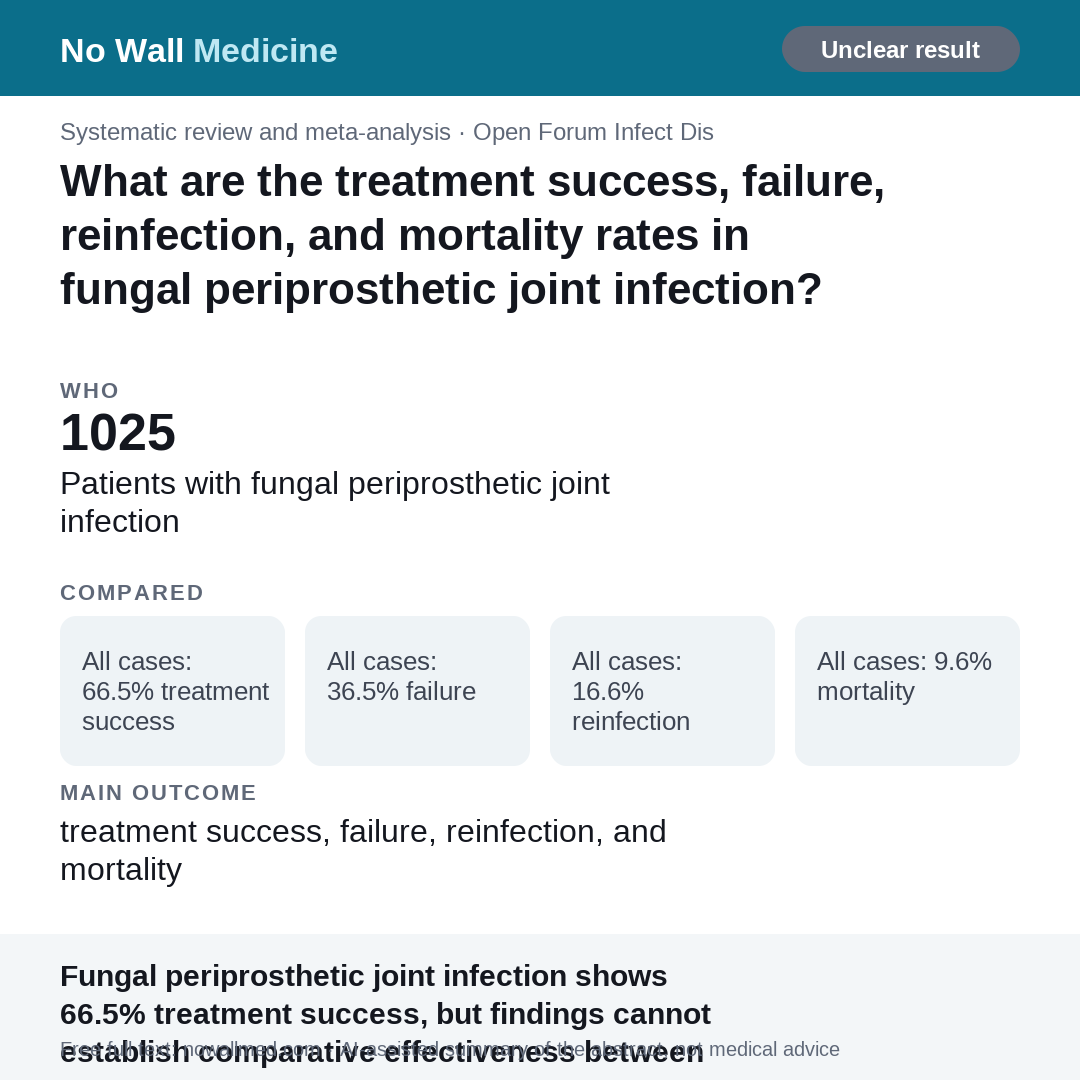
Fungal Periprosthetic Joint Infection: A Systematic Review and Meta-analysis of Treatment Approaches and Clinical Outcomes
Systematic review and meta-analysisUnclear result
What are the treatment success, failure, reinfection, and mortality rates in fungal periprosthetic joint infection?
Who
1025
Patients with fungal periprosthetic joint infection
Compared
All cases: 66.5% treatment success
All cases: 36.5% failure
All cases: 16.6% reinfection
All cases: 9.6% mortality
Main outcome
treatment success, failure, reinfection, and mortality
Bottom line: Fungal periprosthetic joint infection shows 66.5% treatment success, but findings cannot establish comparative effectiveness between treatment strategies.
Open Forum Infect Dis · 2026-10-08Download image
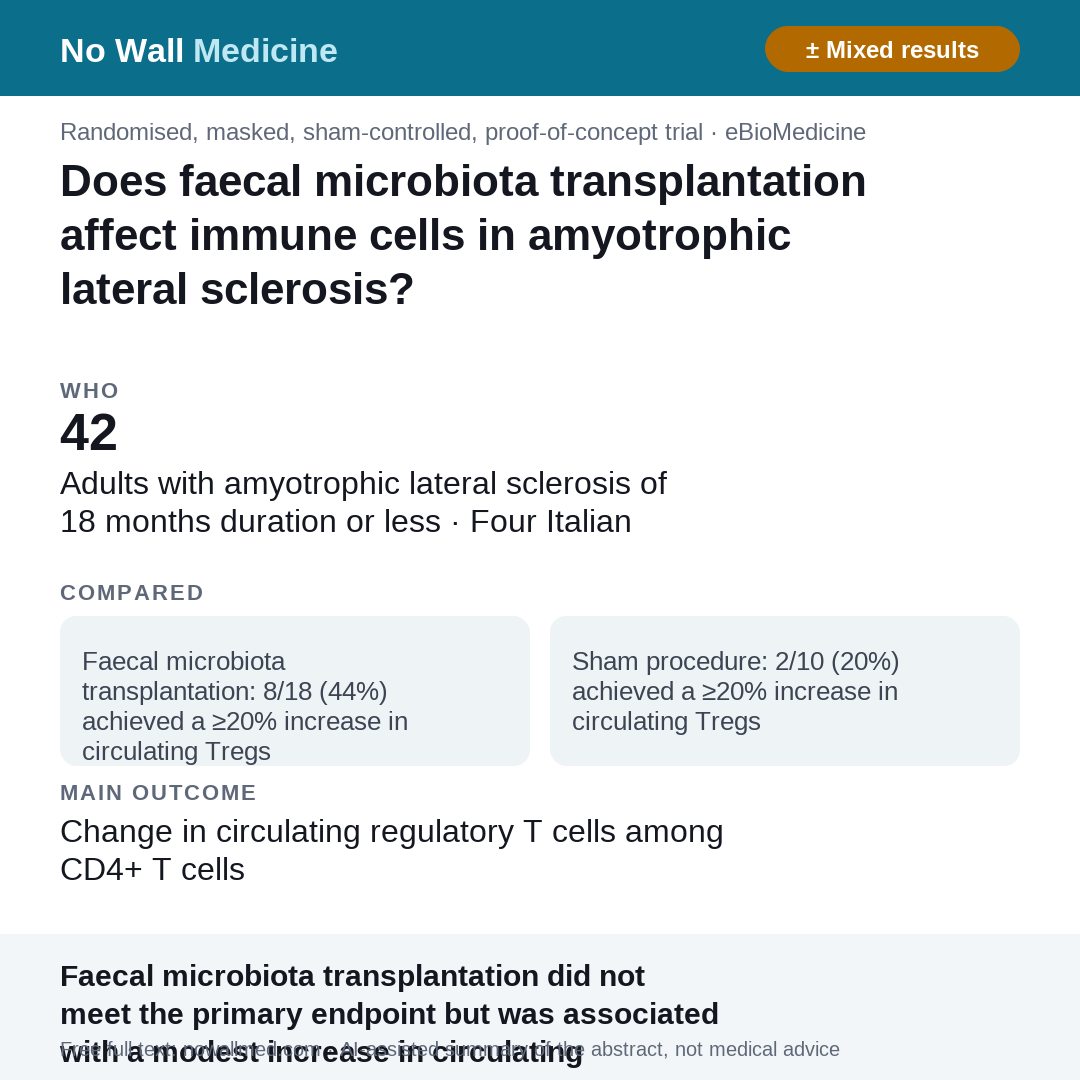
Immune effects of faecal microbiota transplantation in amyotrophic lateral sclerosis: a pilot multicentre, randomised, masked, sham-controlled, proof-of concept trial
Randomised, masked, sham-controlled, proof-of-concept trialMixed results
Does faecal microbiota transplantation affect immune cells in amyotrophic lateral sclerosis?
Who
42
Adults with amyotrophic lateral sclerosis of 18 months duration or less · Four Italian centres
Compared
Faecal microbiota transplantation: 8/18 (44%) achieved a ≥20% increase in circulating Tregs
Sham procedure: 2/10 (20%) achieved a ≥20% increase in circulating Tregs
Main outcome
Change in circulating regulatory T cells among CD4+ T cells
Result: odds ratio 3.20 (95% CI 0.59-25.36)
Bottom line: Faecal microbiota transplantation did not meet the primary endpoint but was associated with a modest increase in circulating regulatory T cells.
Funded by: Italian Ministry of Health
eBioMedicine · 2026-10-08Download image
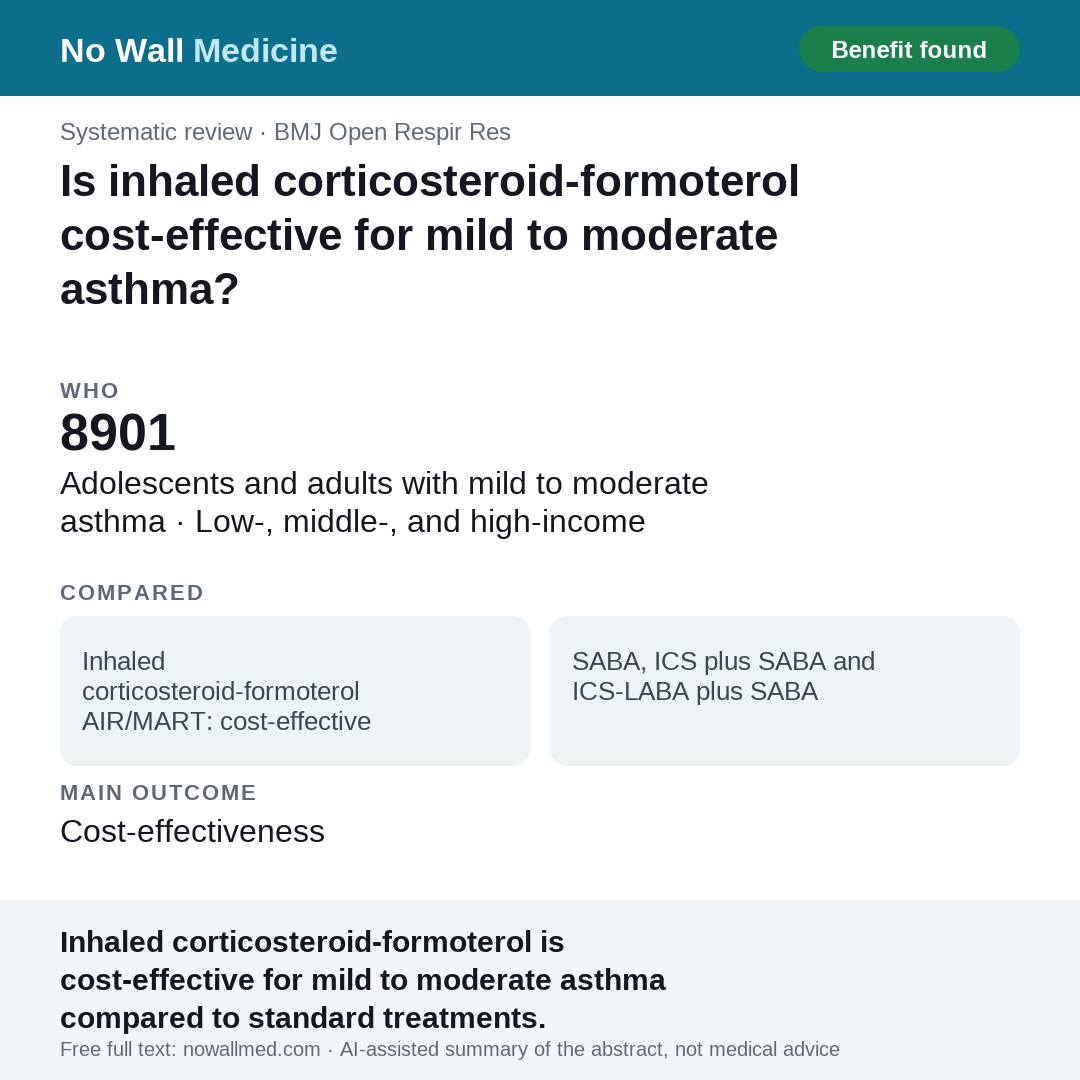
Cost-effectiveness of anti-inflammatory reliever (AIR) or maintenance and reliever therapy (MART) for mild to moderate asthma: a systematic review
Systematic reviewBenefit found
Is inhaled corticosteroid-formoterol cost-effective for mild to moderate asthma?
Who
8901
Adolescents and adults with mild to moderate asthma · Low-, middle-, and high-income countries
Compared
Inhaled corticosteroid-formoterol AIR/MART: cost-effective
SABA, ICS plus SABA and ICS-LABA plus SABA
Main outcome
Cost-effectiveness
Bottom line: Inhaled corticosteroid-formoterol is cost-effective for mild to moderate asthma compared to standard treatments.
BMJ Open Respir Res · 2026-10-08Download image
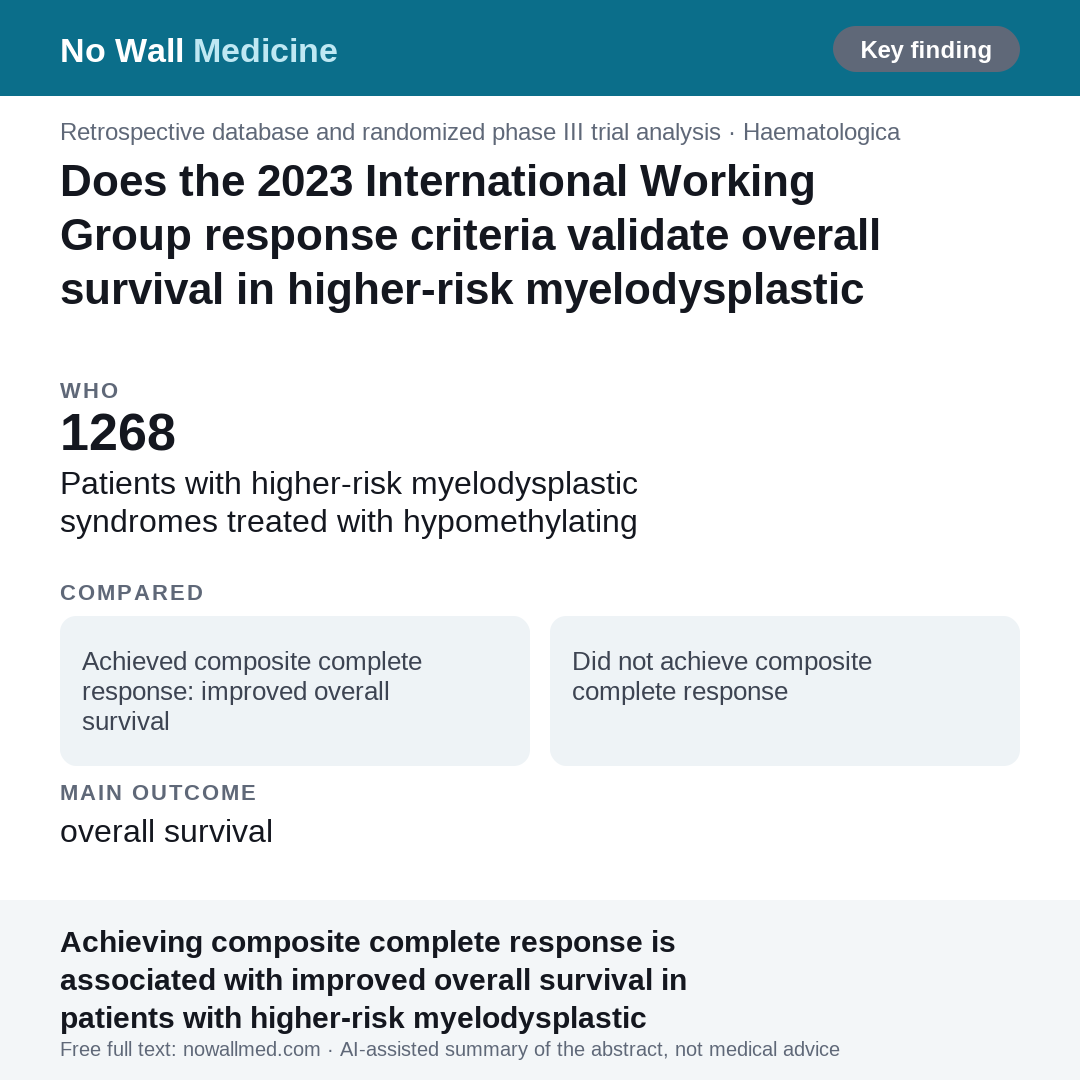
Validation of the International Working Group 2023 response criteria for higher risk myelodysplastic syndromes/neoplasms using the International Consortium for Myelodysplastic Syndromes VALIDATE database and a randomized phase III trial
Retrospective database and randomized phase III trial analysisBenefit found
Does the 2023 International Working Group response criteria validate overall survival in higher-risk myelodysplastic syndromes?
Who
1268
Patients with higher-risk myelodysplastic syndromes treated with hypomethylating agent-based therapies · International Consortium for Myelodysplastic Syndromes VALIDATE database and PANTHER trial
Compared
Achieved composite complete response: improved overall survival
Did not achieve composite complete response
Main outcome
overall survival
Result: hazard ratio 0.65 (95% CI 0.55-0.76)
Bottom line: Achieving composite complete response is associated with improved overall survival in patients with higher-risk myelodysplastic syndromes.
Haematologica · 2026-10-08Download image
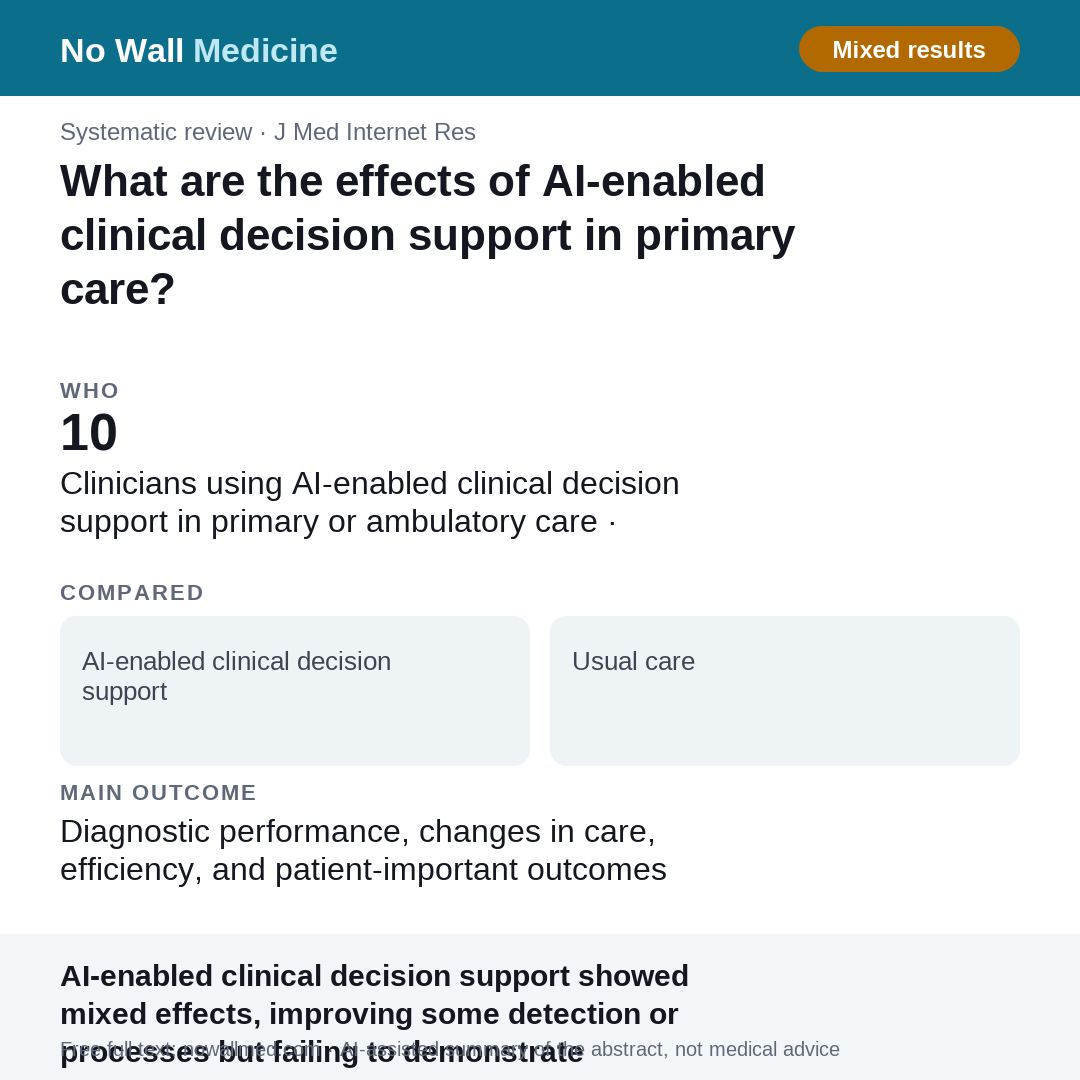
Real-World Effectiveness of AI-Enabled Clinical Decision Support in Primary Care: Systematic Review
Systematic review of 24 studiesMixed results
What is the real-world effectiveness of AI-enabled clinical decision support in primary care?
Who
Clinicians and patients in routine primary or ambulatory care settings · Primary care settings across multiple countries
Compared
AI-enabled CDSS: Mixed effects on detection and care processes
Usual care or control: No demonstrated patient-important benefit
Main outcome
Diagnostic performance, care changes, efficiency, and patient outcomes
Result: Odds ratio 1.32 (95% CI 1.01-1.61) for low ejection fraction diagnosis
Bottom line: Evidence showed mixed effects; some detection improvements occurred, but patient-important benefit was not demonstrated.
Limitation: Heterogeneity and limited outcome measurement prevented causal explanations for these differences.
J Med Internet Res · 2026-10-08Download image
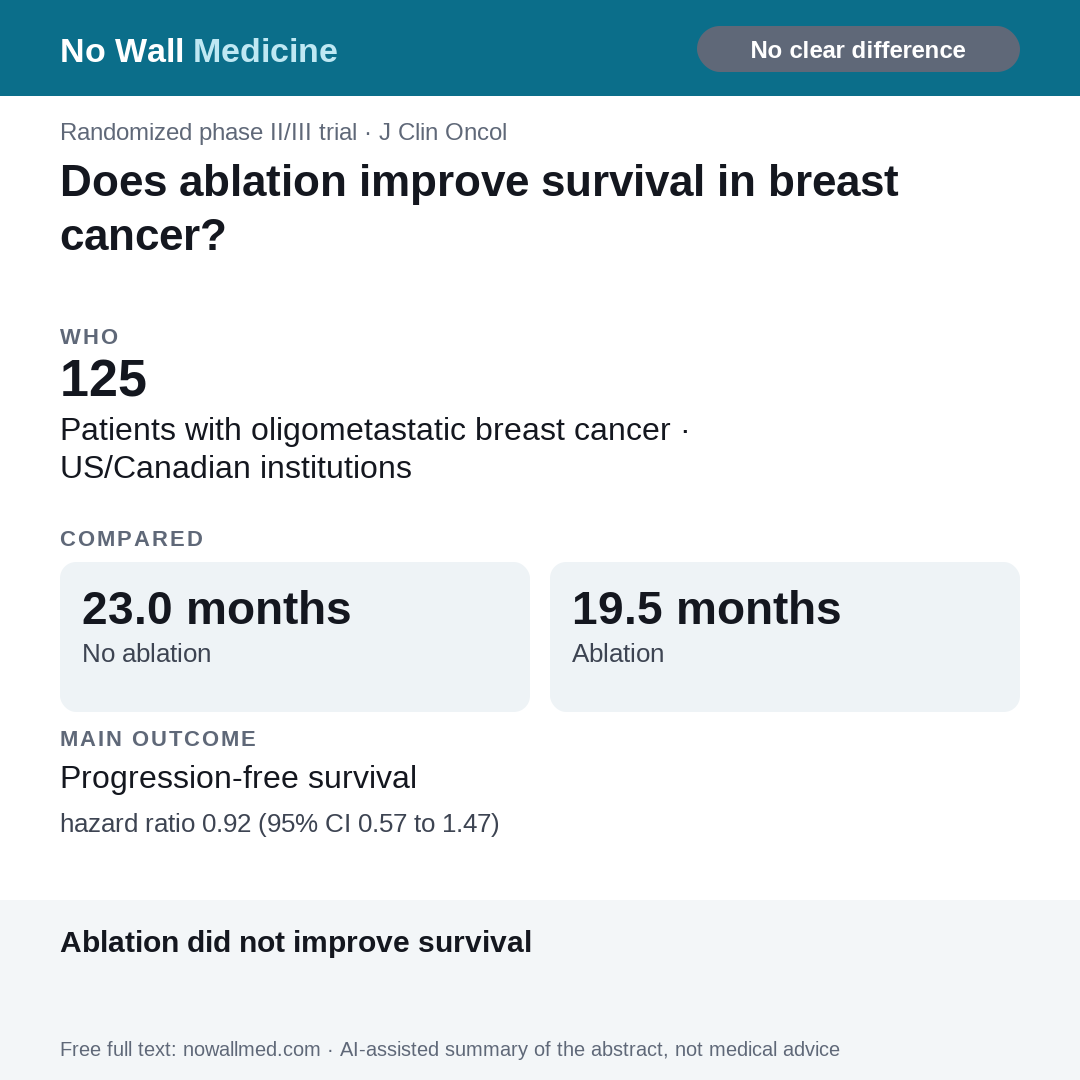
NRG-BR002: A Randomized Phase II/III Trial of Metastasis-Directed Ablation With First-Line Systemic Therapy for Oligometastatic Breast Cancer
Randomized phase II/III trialNo clear difference
Does ablation improve survival in breast cancer?
Who
125
Patients with oligometastatic breast cancer · US/Canadian institutions
Compared
23.0 monthsNo ablation
19.5 monthsAblation
Main outcome
Progression-free survival
Result: hazard ratio 0.92 (95% CI 0.57 to 1.47)
Bottom line: Ablation did not improve survival
J Clin Oncol · 2026-10-07Download image
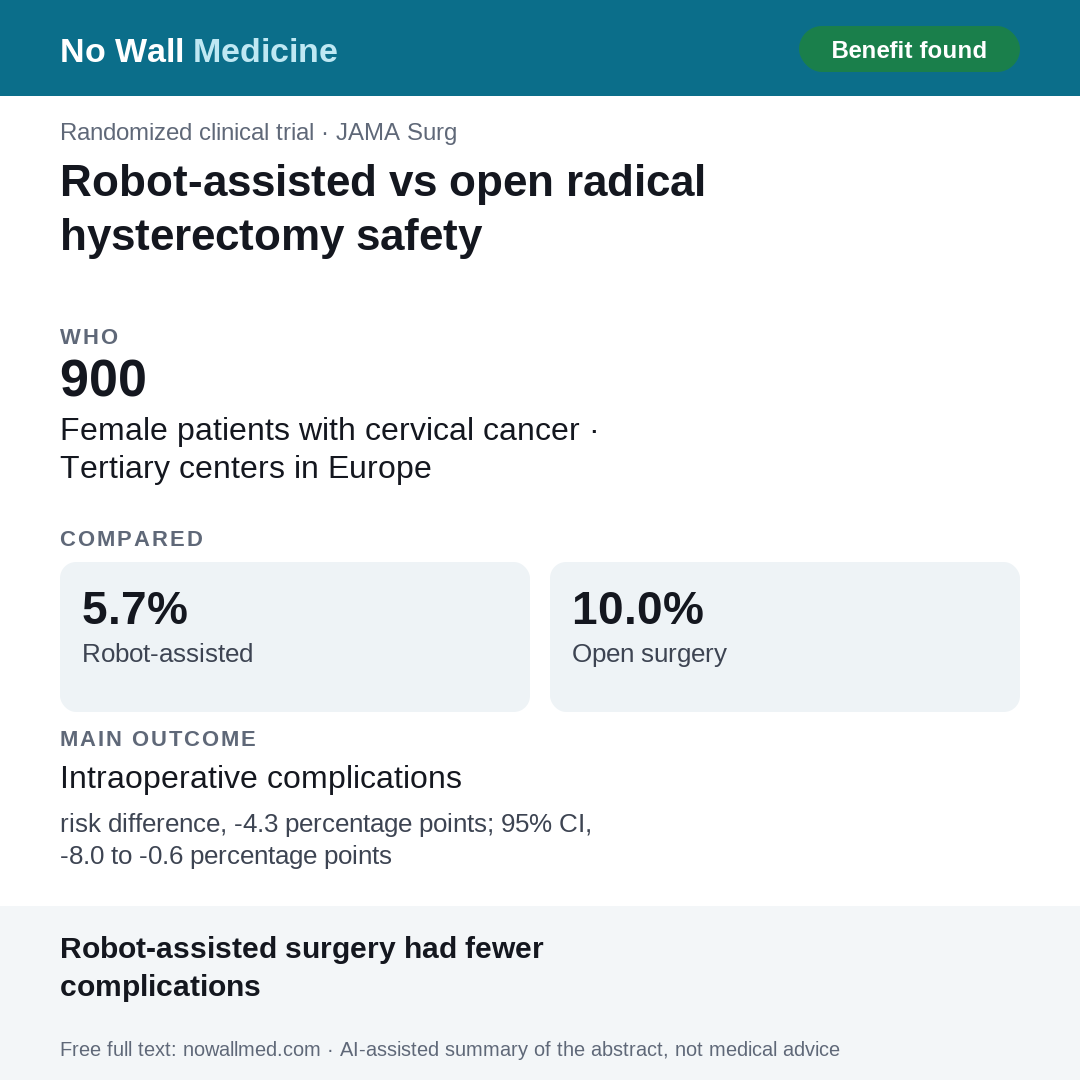
Perioperative Outcomes and Recovery After Robot-Assisted vs Open Radical Hysterectomy: A Secondary Analysis of the RACC Randomized Clinical Trial
Randomized clinical trialBenefit found
Robot-assisted vs open radical hysterectomy safety
Who
900
Female patients with cervical cancer · Tertiary centers in Europe
Compared
5.7%Robot-assisted (24/419)
10.0%Open surgery (39/390)
Main outcome
Intraoperative complications
Result: risk difference, -4.3 percentage points; 95% CI, -8.0 to -0.6 percentage points
Bottom line: Robot-assisted surgery had fewer complications
Limitation: not powered for confirmatory inference
JAMA Surg · 2026-10-07Download image
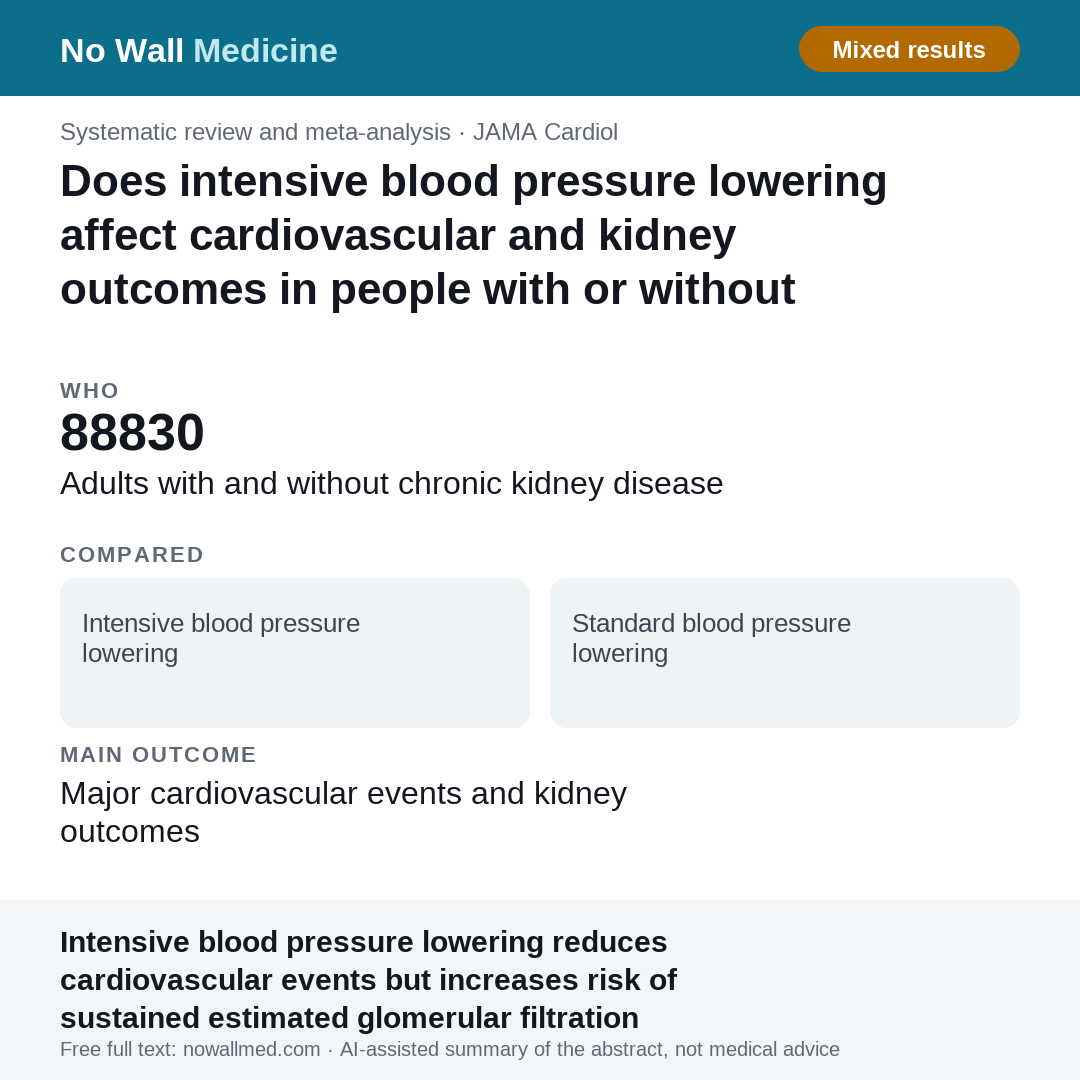
Intensive vs Standard Blood Pressure Lowering in People With and Without Chronic Kidney Disease: A Systematic Review and Meta-Analysis
Systematic review and meta-analysisMixed results
Does intensive blood pressure lowering affect cardiovascular and kidney outcomes in people with or without chronic kidney disease?
Who
88830
Adults with and without chronic kidney disease
Compared
Intensive blood pressure lowering
Standard blood pressure lowering
Main outcome
Major cardiovascular events and kidney outcomes
Result: relative risk 0.85 (95% CI, 0.81-0.89) for cardiovascular events
Bottom line: Intensive blood pressure lowering reduces cardiovascular events but increases risk of sustained estimated glomerular filtration rate declines in adults.
JAMA Cardiol · 2026-10-07Download image
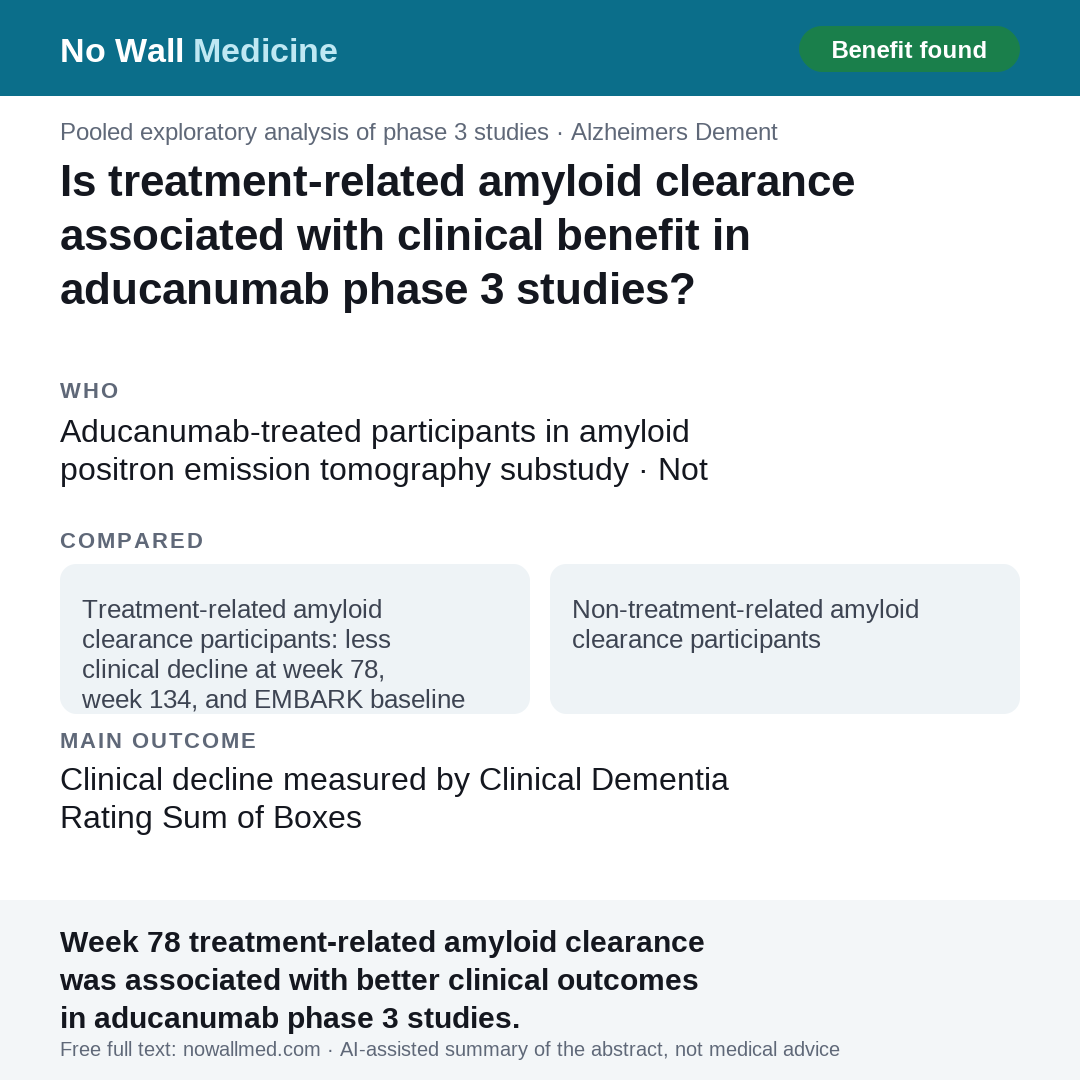
Longitudinal clinical outcomes after amyloid clearance in aducanumab phase 3 studies
Pooled exploratory analysis of phase 3 studiesBenefit found
Is treatment-related amyloid clearance associated with clinical benefit in aducanumab phase 3 studies?
Who
Aducanumab-treated participants in amyloid positron emission tomography substudy · Not specified
Compared
Treatment-related amyloid clearance participants: less clinical decline at week 78, week 134, and EMBARK baseline
Non-treatment-related amyloid clearance participants
Main outcome
Clinical decline measured by Clinical Dementia Rating Sum of Boxes
Bottom line: Week 78 treatment-related amyloid clearance was associated with better clinical outcomes in aducanumab phase 3 studies.
Alzheimers Dement · 2026-10-07Download image
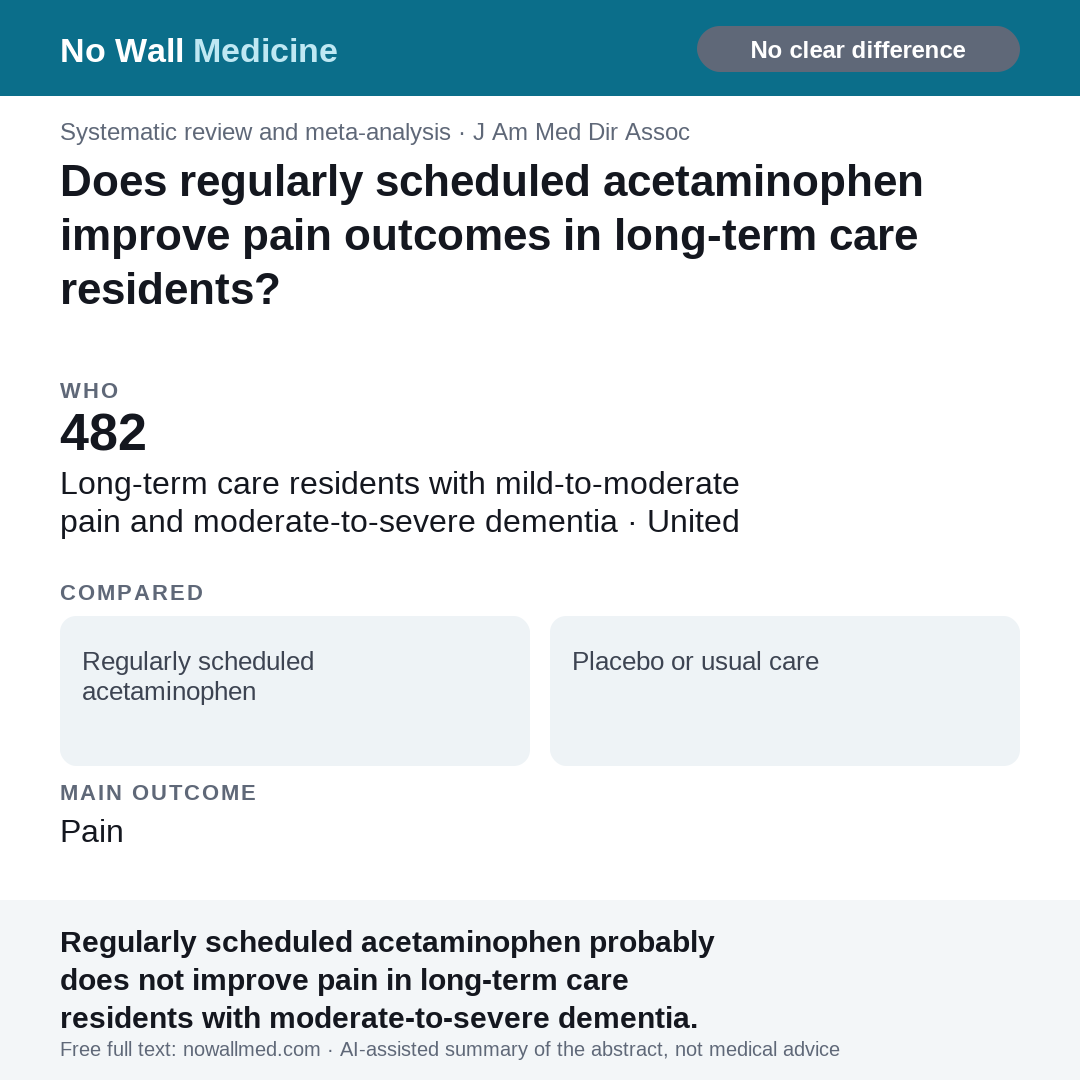
Regularly Scheduled Acetaminophen for Pain in Long-Term Care: Systematic Review and Meta-Analysis
Systematic review and meta-analysisNo clear difference
Does regularly scheduled acetaminophen improve pain outcomes in long-term care residents?
Who
482
Long-term care residents with mild-to-moderate pain and moderate-to-severe dementia · United States and Europe
Compared
Regularly scheduled acetaminophen
Placebo or usual care
Main outcome
Pain
Result: standardized mean difference -0.14 (95% CI -0.39 to 0.11)
Bottom line: Regularly scheduled acetaminophen probably does not improve pain in long-term care residents with moderate-to-severe dementia.
Limitation: Incomplete reporting of study methods and outcomes
J Am Med Dir Assoc · 2026-10-07Download image
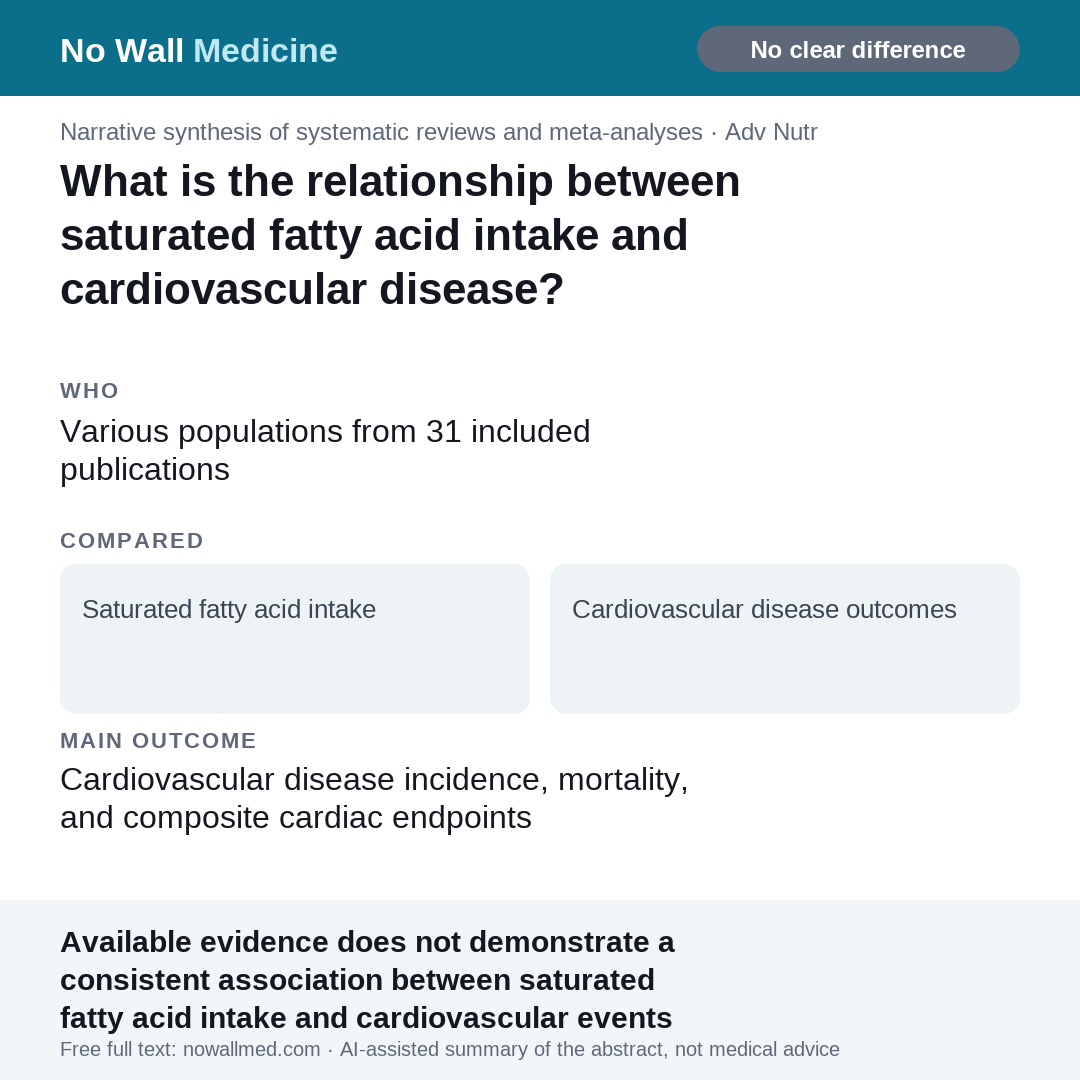
Revisiting the Evidence Underlying Dietary Recommendations on Saturated Fats and Cardiovascular Disease: A Narrative Synthesis of Systematic Reviews and Meta-Analyses
Narrative synthesis of systematic reviews and meta-analysesNo clear difference
What is the relationship between saturated fatty acid intake and cardiovascular disease?
Who
Various populations from 31 included publications
Compared
Saturated fatty acid intake
Cardiovascular disease outcomes
Main outcome
Cardiovascular disease incidence, mortality, and composite cardiac endpoints
Bottom line: Available evidence does not demonstrate a consistent association between saturated fatty acid intake and cardiovascular events or mortality.
Adv Nutr · 2026-10-07Download image
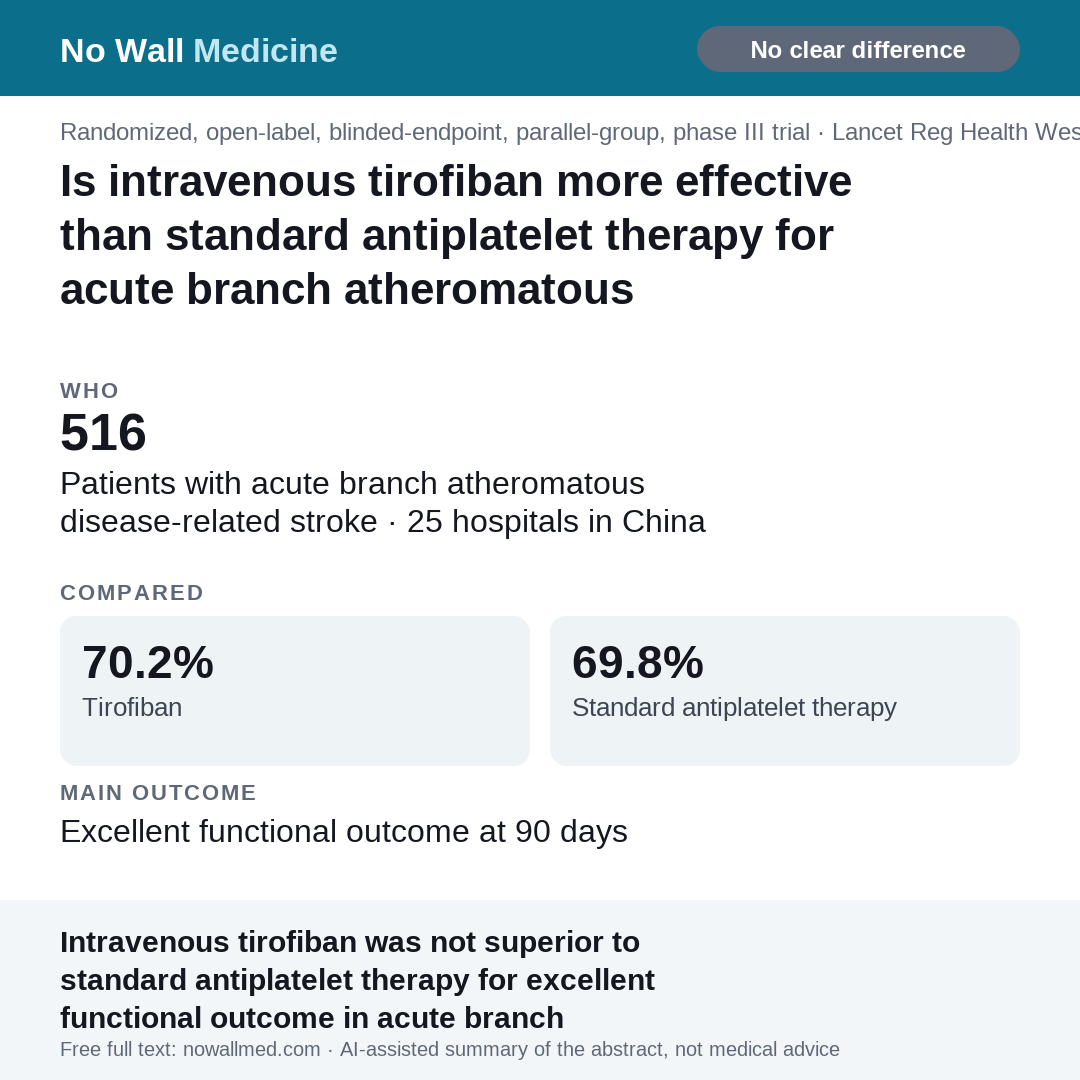
Tirofiban vs standard antiplatelet therapy in acute branch atheromatous disease-related stroke: a multicenter, randomized, open-label, blinded-endpoint, parallel-group, phase III clinical trial
Randomized, open-label, blinded-endpoint, parallel-group, phase III trialNo clear difference
Is intravenous tirofiban more effective than standard antiplatelet therapy for acute branch atheromatous disease-related stroke?
Who
516
Patients with acute branch atheromatous disease-related stroke · 25 hospitals in China
Compared
70.2%Tirofiban
69.8%Standard antiplatelet therapy
Main outcome
Excellent functional outcome at 90 days
Result: risk ratio 1.01 (95% CI 0.90-1.13)
Bottom line: Intravenous tirofiban was not superior to standard antiplatelet therapy for excellent functional outcome in acute branch atheromatous disease-related stroke.
Funded by: National High Level Hospital Clinical Research Funding and others
Lancet Reg Health West Pac · 2026-10-07Download image