Visual abstracts
New randomized trials and meta-analyses from leading journals at a glance: who was studied, what was compared, and what was found. Every paper is free to read in full.
All specialtiesCardiology 947Oncology 845Gastroenterology & Hepatology 348Infectious Disease 661Neurology 388Psychiatry & Mental Health 475Pulmonology 415Critical Care 283Endocrinology & Diabetes 527Pediatrics 594Surgery 388Orthopedics & Sports Medicine 170Neurosurgery 120Cardiothoracic & Vascular Surgery 90Plastic & Reconstructive Surgery 145Nephrology 211Rheumatology 119Hematology 203Dermatology 89Ophthalmology 113Obstetrics & Gynecology 288Public & Global Health 185Radiology & Imaging 118Anesthesiology 150Urology 182ENT (Otolaryngology) 121Emergency Medicine 105Allergy & Immunology 65Geriatrics 175Family Medicine & Primary Care 116Medical Genetics & Genomics 94Pathology & Laboratory Medicine 30Physical Medicine & Rehabilitation 151Palliative Care 83Nutrition 231Digital Health & AI 489General Medicine 105
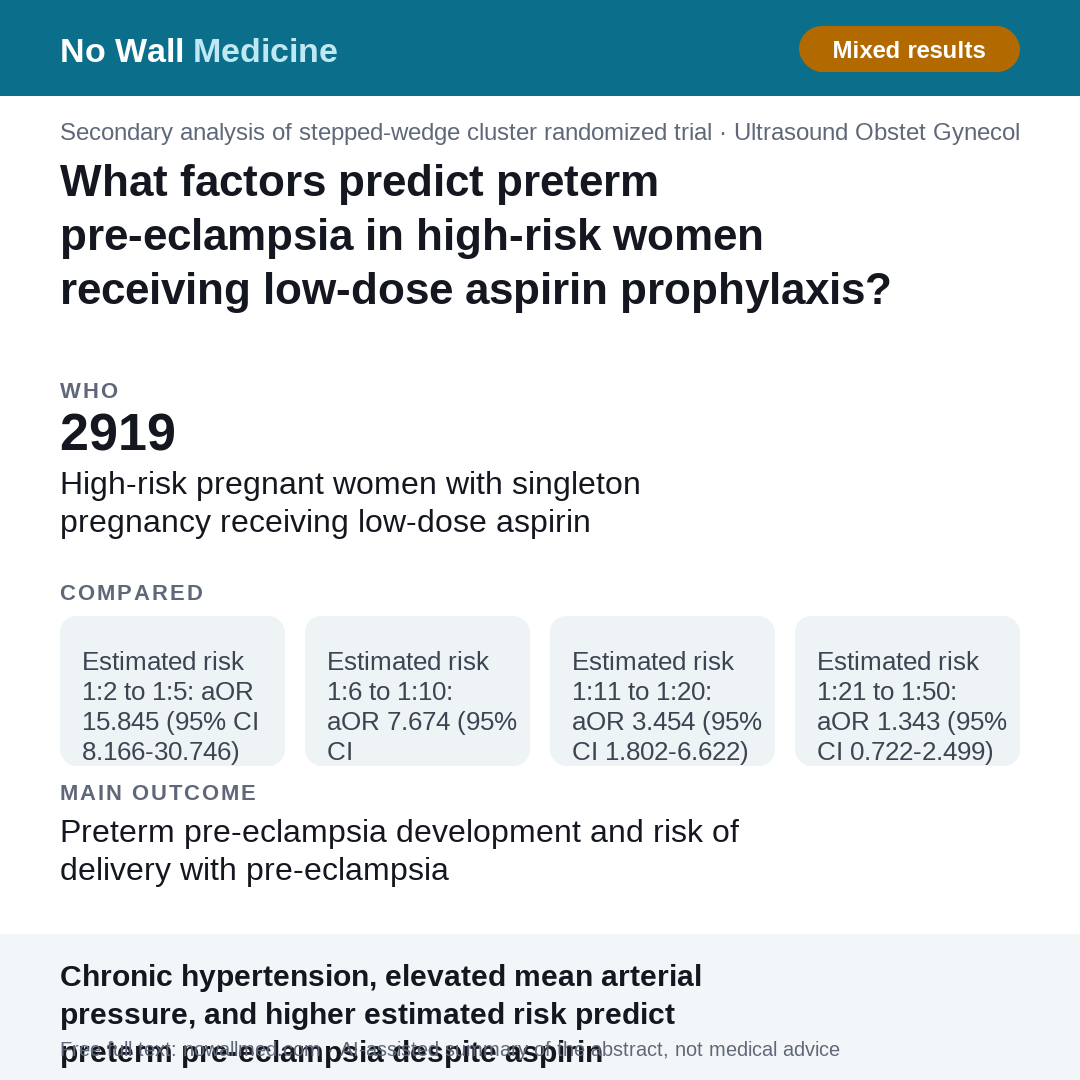
Determinants of preterm pre-eclampsia following low-dose aspirin prophylaxis: evidence from stepped-wedge cluster randomized trial in Asia
Secondary analysis of stepped-wedge cluster randomized trialMixed results
What factors predict preterm pre-eclampsia in high-risk women receiving low-dose aspirin prophylaxis?
Who
2919
High-risk pregnant women with singleton pregnancy receiving low-dose aspirin prophylaxis · 18 maternity/diagnostic units in 10 regions in Asia
Compared
Estimated risk 1:2 to 1:5: aOR 15.845 (95% CI 8.166-30.746)
Estimated risk 1:6 to 1:10: aOR 7.674 (95% CI 3.925-15.004)
Estimated risk 1:11 to 1:20: aOR 3.454 (95% CI 1.802-6.622)
Estimated risk 1:21 to 1:50: aOR 1.343 (95% CI 0.722-2.499)
Main outcome
Preterm pre-eclampsia development and risk of delivery with pre-eclampsia
Result: aOR 15.845 (95% CI 8.166-30.746) for highest risk group
Bottom line: Chronic hypertension, elevated mean arterial pressure, and higher estimated risk predict preterm pre-eclampsia despite aspirin prophylaxis.
Ultrasound Obstet Gynecol · 2026-09-27Download image
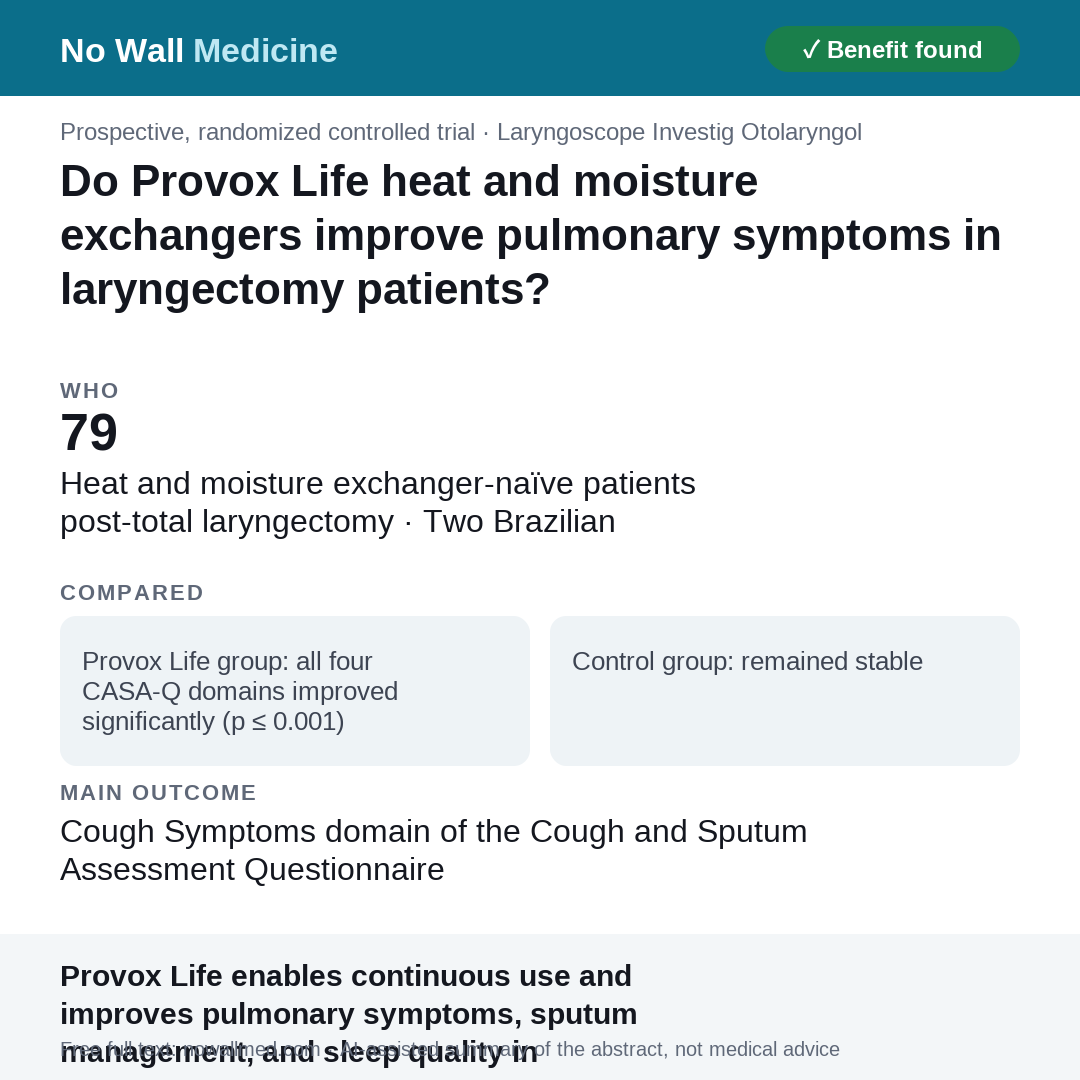
Provox Life HMEs for Pulmonary Rehabilitation in HME-Naïve Laryngectomy Patients: A Randomized Controlled Trial
Prospective, randomized controlled trialBenefit found
Do Provox Life heat and moisture exchangers improve pulmonary symptoms in laryngectomy patients?
Who
79
Heat and moisture exchanger-naïve patients post-total laryngectomy · Two Brazilian centers
Compared
Provox Life group: all four CASA-Q domains improved significantly (p ≤ 0.001)
Control group: remained stable
Main outcome
Cough Symptoms domain of the Cough and Sputum Assessment Questionnaire
Bottom line: Provox Life enables continuous use and improves pulmonary symptoms, sputum management, and sleep quality in laryngectomy patients.
Laryngoscope Investig Otolaryngol · 2026-09-27Download image
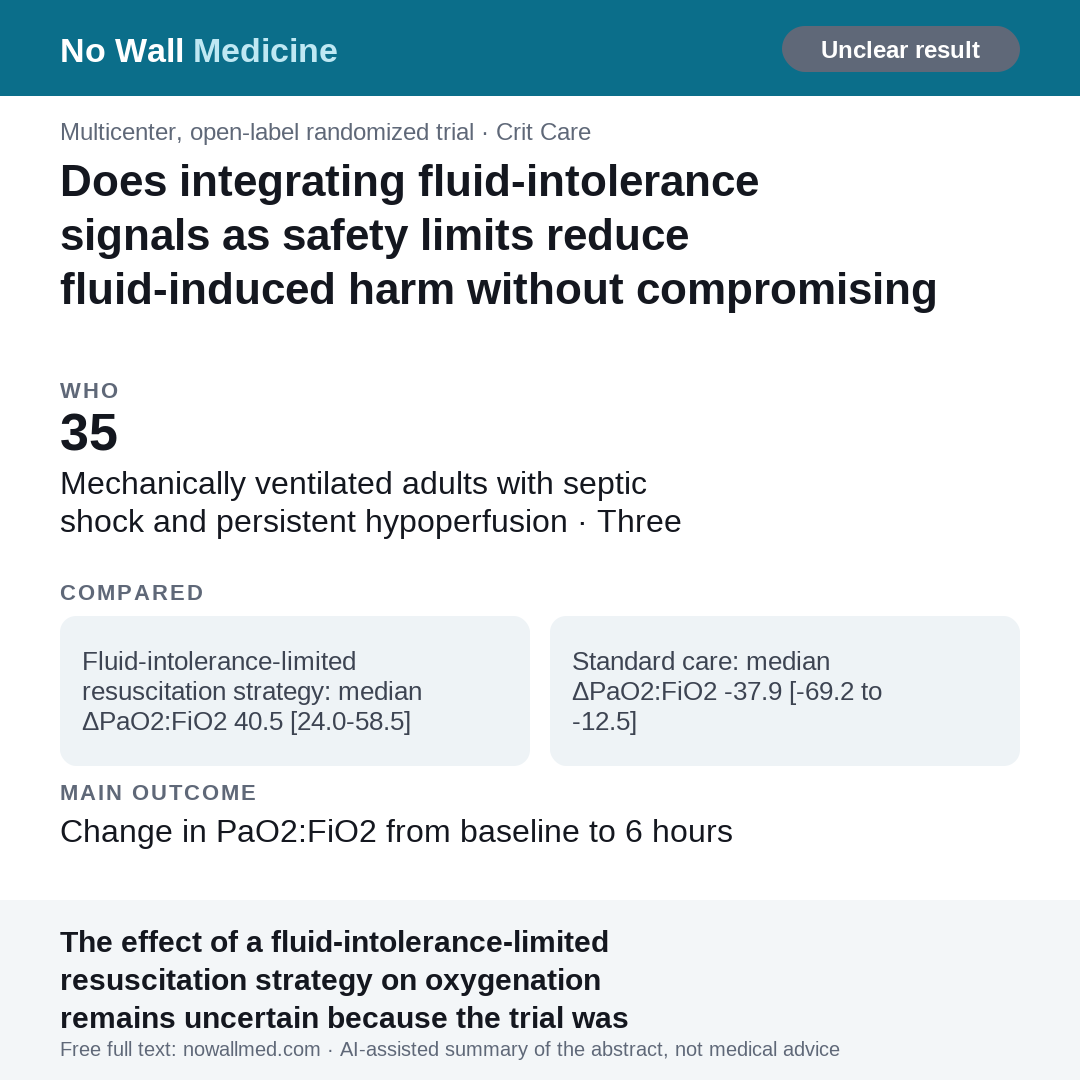
Fluid-intolerance signals as bedside safety limits during early septic shock resuscitation: a multicenter randomized trial
Multicenter, open-label randomized trialBenefit found
Does integrating fluid-intolerance signals as safety limits reduce fluid-induced harm in septic shock?
Who
35
Mechanically ventilated adults with septic shock and persistent hypoperfusion · Three Chilean intensive care units
Compared
Fluid-intolerance-limited resuscitation strategy: 40.5 [24.0-58.5]
Standard care: -37.9 [-69.2 to -12.5]
Main outcome
Change in PaO2:FiO2 from baseline to 6 hours
Result: between-group median difference +78.3 points; 95% CI 50.5 to 110.0
Bottom line: A fluid-intolerance-limited resuscitation strategy improved oxygenation compared to standard care in septic shock patients.
Limitation: Recruitment was discontinued before the planned sample size was reached.
Crit Care · 2026-09-26Download image
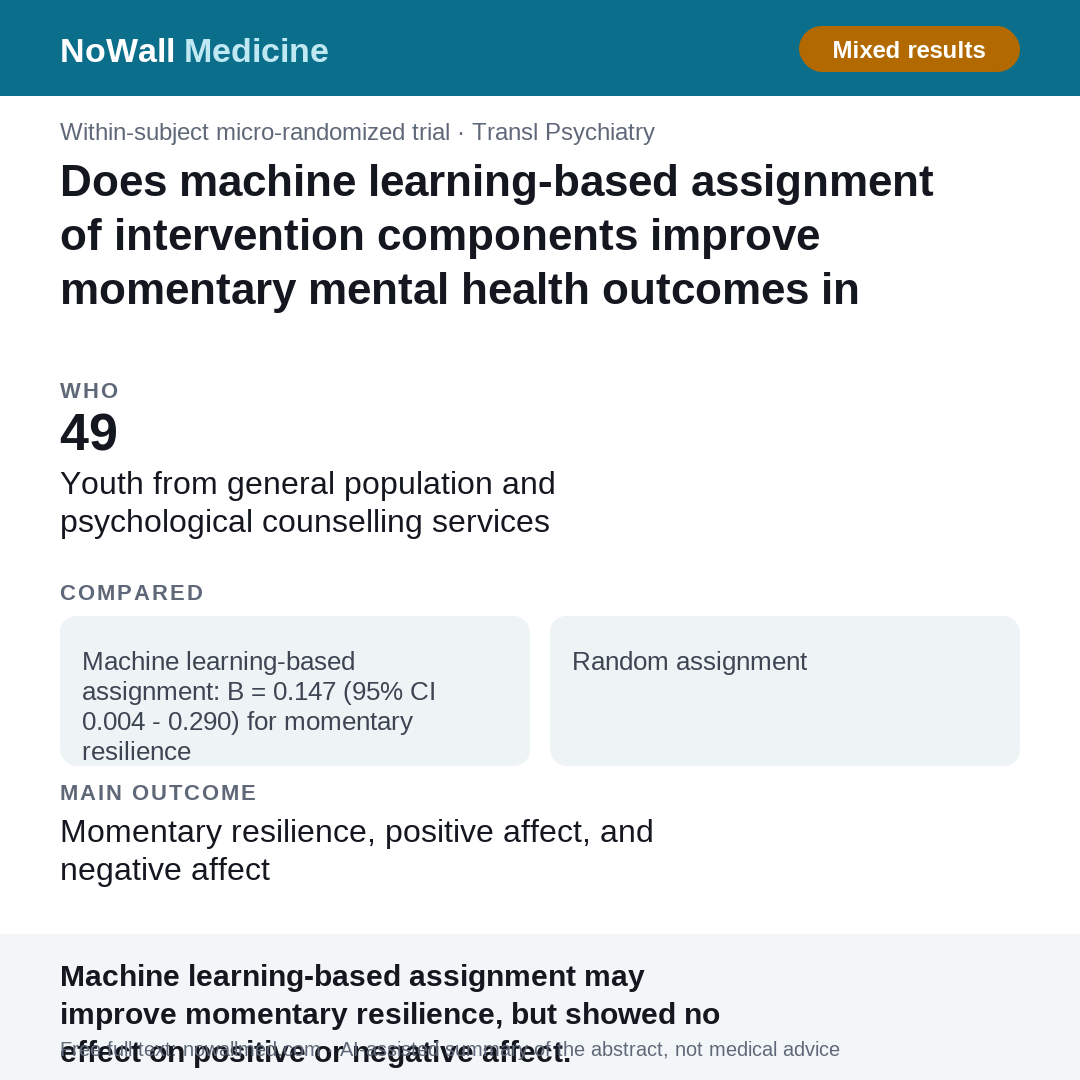
A machine learning-based ecological momentary intervention for mental health promotion in youth: a micro-randomized trial
Within-subject micro-randomized trialMixed results
Does machine learning-based assignment of intervention components improve momentary mental health outcomes in youth?
Who
49
Youth from general population and psychological counselling services
Compared
Machine learning-based assignment: B = 0.147 (95% CI 0.004 - 0.290) for momentary resilience
Random assignment
Main outcome
Momentary resilience, positive affect, and negative affect
Result: B = 0.147 (95% CI 0.004 - 0.290)
Bottom line: Machine learning-based assignment may improve momentary resilience, but showed no effect on positive or negative affect.
Transl Psychiatry · 2026-09-26Download image
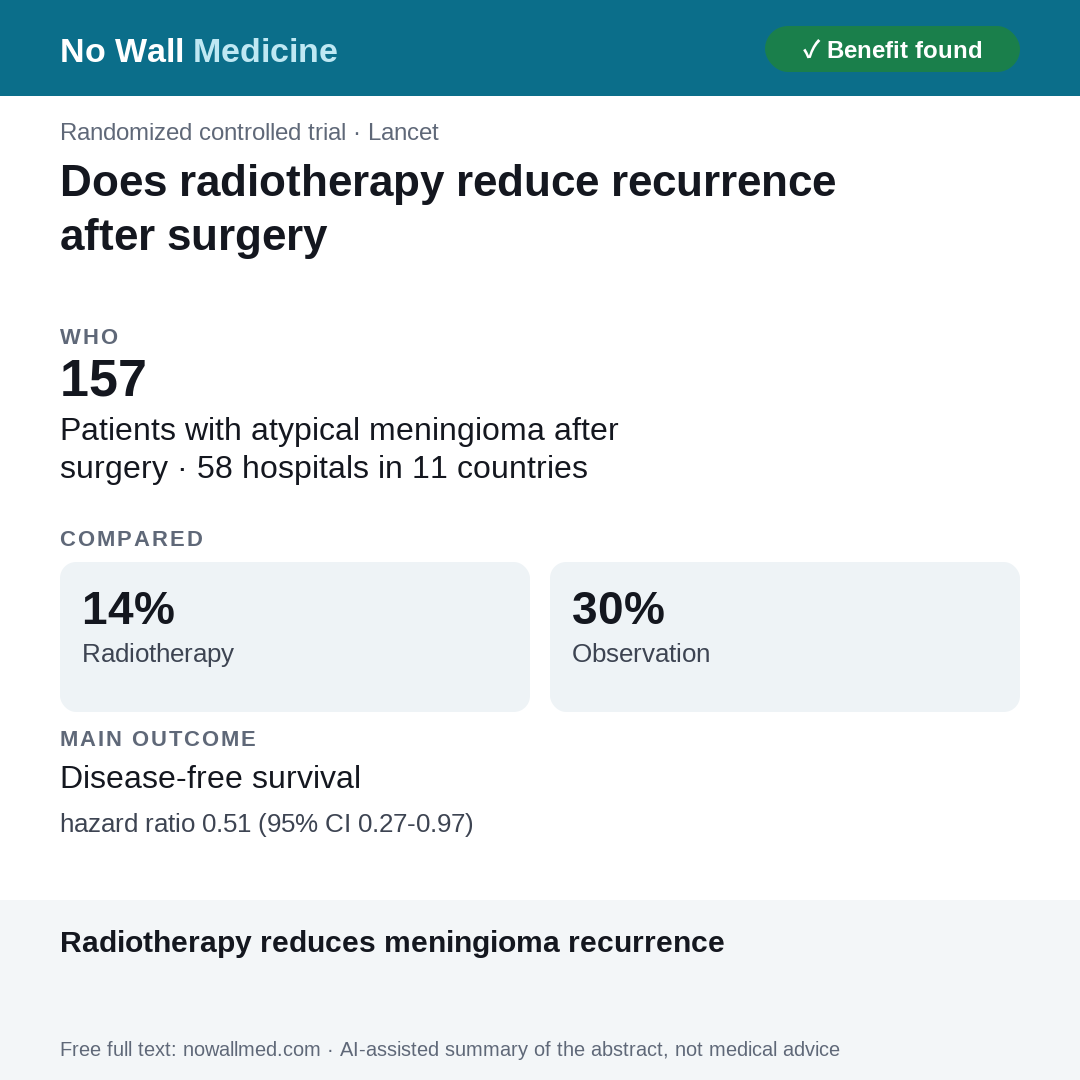
Radiotherapy versus observation following surgical resection of WHO grade 2 atypical meningioma (ROAM/EORTC-1308): an international, multicentre, open-label, phase 3, randomised controlled trial
Randomized controlled trialBenefit found
Does radiotherapy reduce recurrence after surgery
Who
157
Patients with atypical meningioma after surgery · 58 hospitals in 11 countries
Compared
14%Radiotherapy (11/78)
30%Observation (24/79)
Main outcome
Disease-free survival
Result: hazard ratio 0.51 (95% CI 0.27-0.97)
Bottom line: Radiotherapy reduces meningioma recurrence
Funded by: National Institute for Health and Care Research
Lancet · 2026-09-25Download image
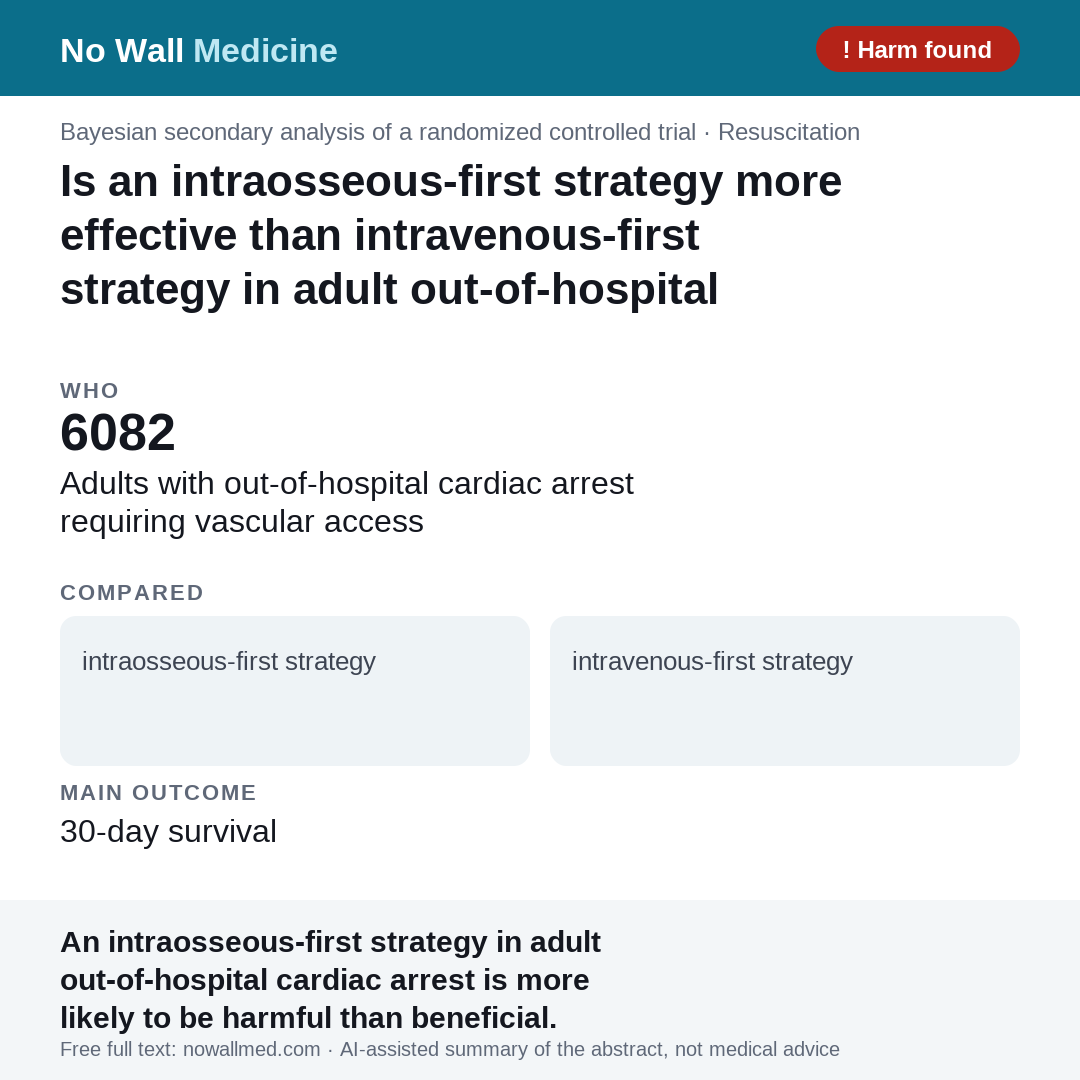
Intraosseous versus intravenous access in adult out-of-hospital cardiac arrest: a Bayesian secondary analysis of the PARAMEDIC-3 randomised controlled trial
Bayesian secondary analysis of a randomized controlled trialHarm found
Is an intraosseous-first strategy more effective than intravenous-first strategy in adult out-of-hospital cardiac arrest?
Who
6082
Adults with out-of-hospital cardiac arrest requiring vascular access
Compared
intraosseous-first strategy
intravenous-first strategy
Main outcome
30-day survival
Result: 81.6% probability that intraosseous-first was inferior (odds ratio < 1.0)
Bottom line: An intraosseous-first strategy in adult out-of-hospital cardiac arrest is more likely to be harmful than beneficial.
Limitation: The overall treatment effect is likely to be modest.
Resuscitation · 2026-09-25Download image
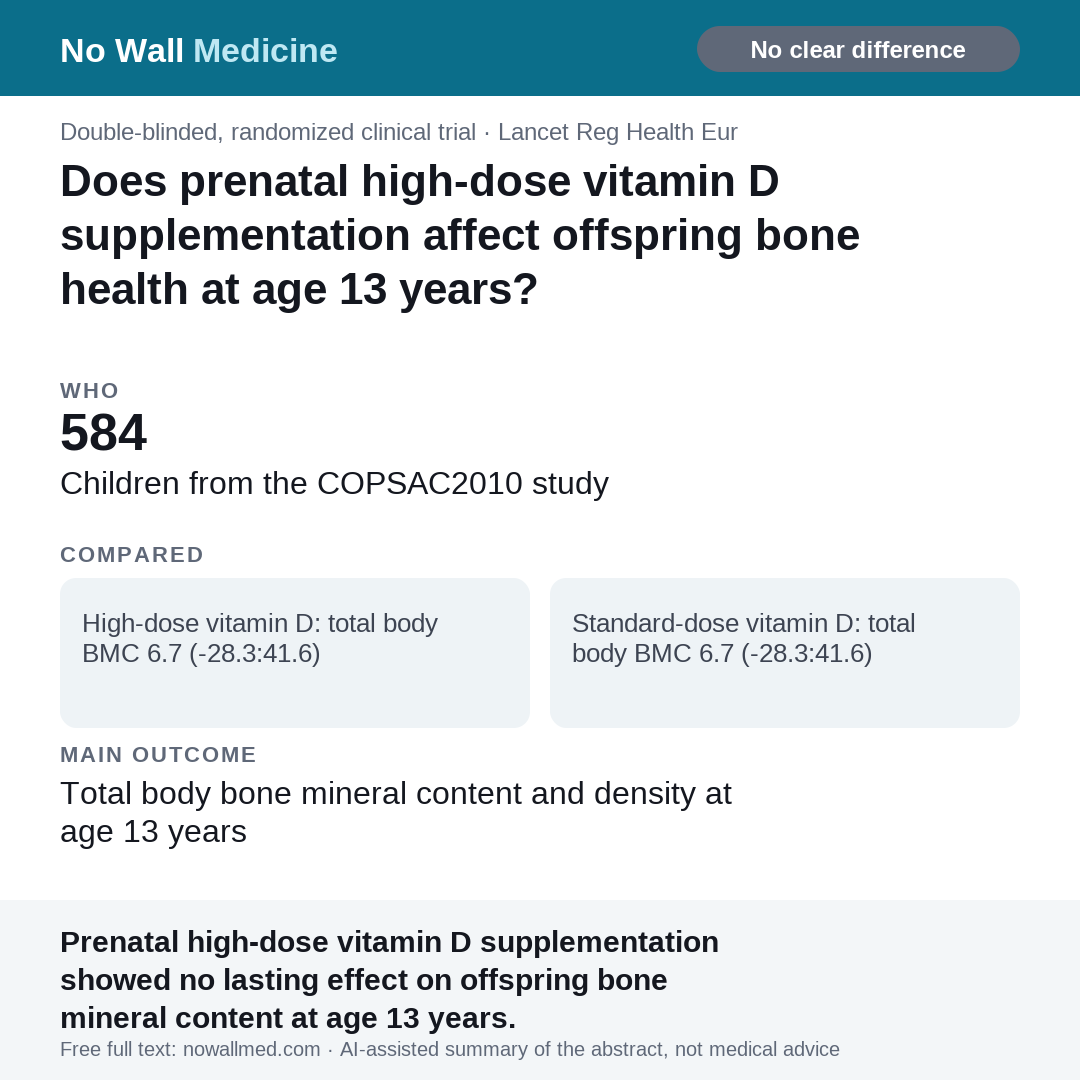
Prenatal high-dose vitamin D supplementation and offspring bone mineral content and density at age 13 years: a secondary analysis of a randomised clinical trial
Double-blinded, randomized clinical trialNo clear difference
Does prenatal high-dose vitamin D supplementation affect offspring bone health at age 13 years?
Who
584
Children from the COPSAC2010 study
Compared
High-dose vitamin D: total body BMC 6.7 (-28.3:41.6)
Standard-dose vitamin D: total body BMC 6.7 (-28.3:41.6)
Main outcome
Total body bone mineral content and density at age 13 years
Bottom line: Prenatal high-dose vitamin D supplementation showed no lasting effect on offspring bone mineral content at age 13 years.
Funded by: Thrasher Research Fund Award and Kong Christian IX and Dronning Louises Jubilæumslegat
Lancet Reg Health Eur · 2026-09-25Download image
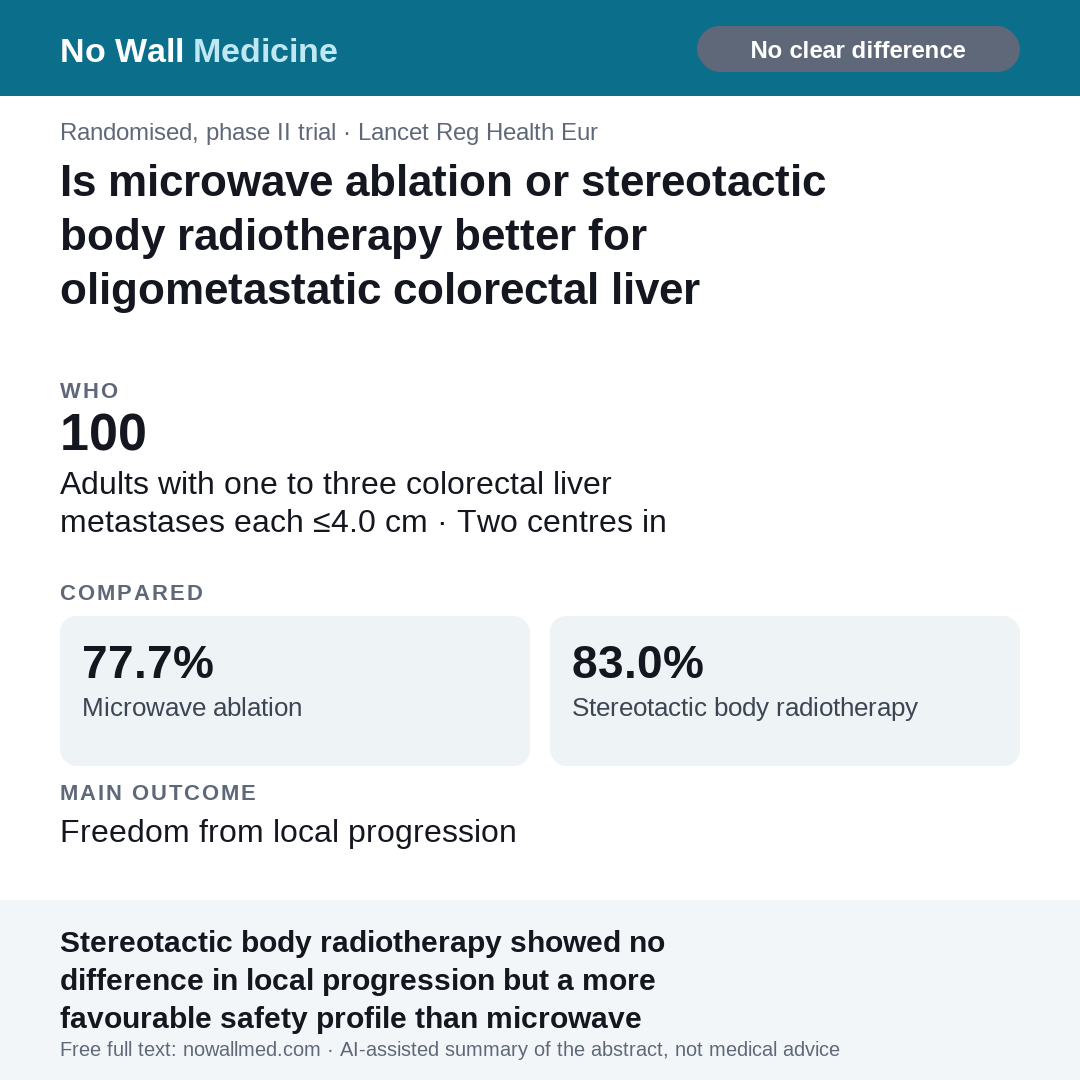
Microwave ablation versus stereotactic body radiotherapy for oligometastatic colorectal liver metastases (LAVA-CRLM): a prospective, randomised, phase II trial
Randomised, phase II trialNo clear difference
Is microwave ablation or stereotactic body radiotherapy better for oligometastatic colorectal liver metastases?
Who
100
Adults with one to three colorectal liver metastases each ≤4.0 cm · Two centres in Copenhagen, Denmark
Compared
77.7%Microwave ablation (95% CI 66.5-90.9)
83.0%Stereotactic body radiotherapy (72.3-95.4)
Main outcome
Freedom from local progression
Result: hazard ratio 0.87, 95% CI 0.43-1.74
Bottom line: Stereotactic body radiotherapy showed no difference in local progression but a more favourable safety profile than microwave ablation.
Funded by: Danish Cancer Society
Lancet Reg Health Eur · 2026-09-25Download image
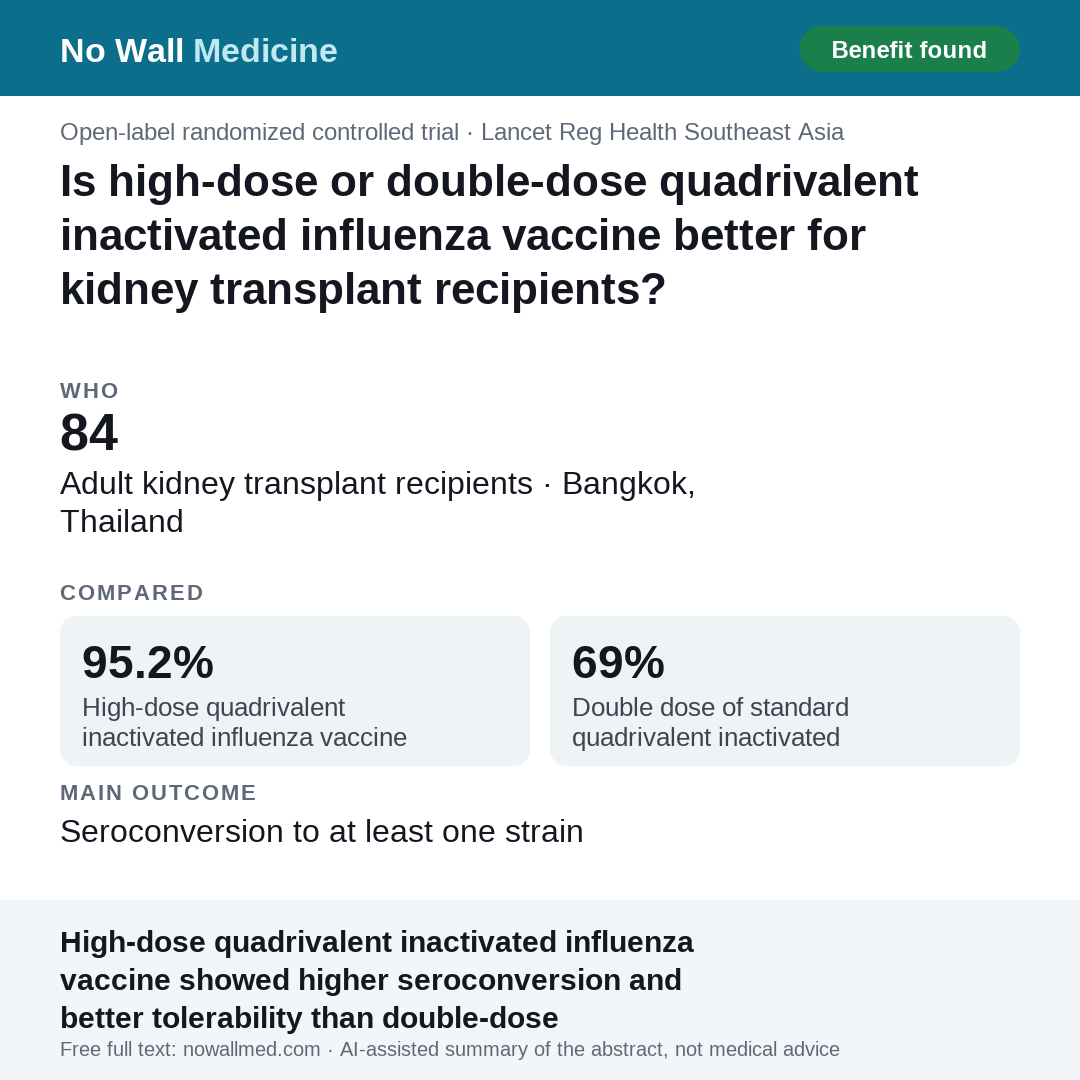
Immunogenicity and safety of high-dose versus double-dose quadrivalent inactivated influenza vaccine in adult kidney transplant recipients: a randomized controlled trial (2023)
Open-label randomized controlled trialBenefit found
Is high-dose or double-dose quadrivalent inactivated influenza vaccine better for kidney transplant recipients?
Who
84
Adult kidney transplant recipients · Bangkok, Thailand
Compared
95.2%High-dose quadrivalent inactivated influenza vaccine
69%Double dose of standard quadrivalent inactivated influenza vaccine
Main outcome
Seroconversion to at least one strain
Result: absolute difference in response rate 0.26 (95% CI, 0.12-0.40)
Bottom line: High-dose quadrivalent inactivated influenza vaccine showed higher seroconversion and better tolerability than double-dose standard vaccine.
Funded by: Faculty of Medicine Ramathibodi Hospital, Mahidol University
Lancet Reg Health Southeast Asia · 2026-09-25Download image
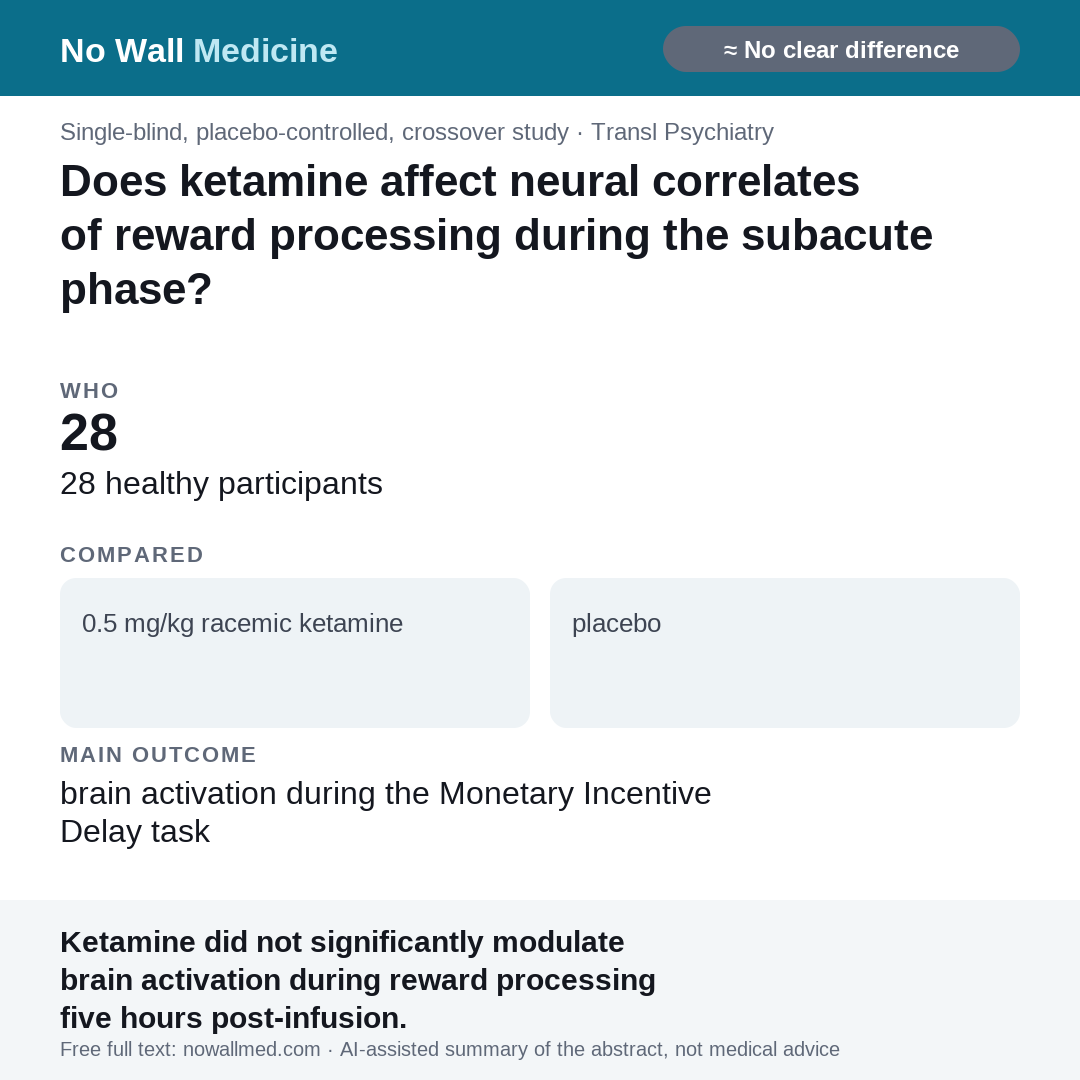
Subacute effects of ketamine on neural correlates of reward processing
Single-blind, placebo-controlled, crossover studyNo clear difference
Does ketamine affect neural correlates of reward processing during the subacute phase?
Who
28
28 healthy participants
Compared
0.5 mg/kg racemic ketamine
placebo
Main outcome
brain activation during the Monetary Incentive Delay task
Bottom line: Ketamine did not significantly modulate brain activation during reward processing five hours post-infusion.
Limitation: Absence of detectable task-evoked effects under the present methodological conditions.
Transl Psychiatry · 2026-09-25Download image
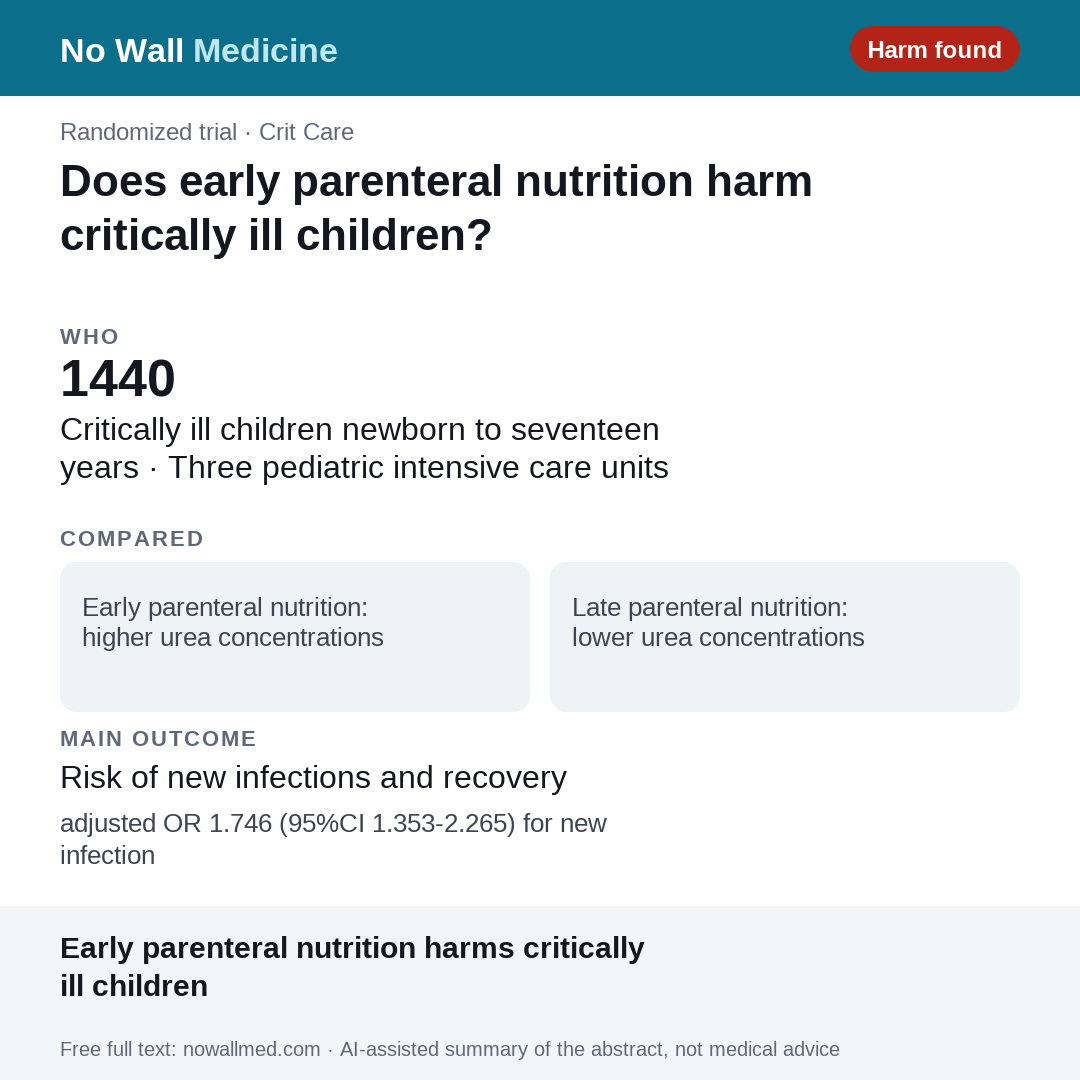
Increased ureagenesis revealing metabolic intolerance to enhanced nutrition in the PICU: a secondary analysis of the PEPaNIC RCT
Randomized trialHarm found
Does early parenteral nutrition harm critically ill children?
Who
1440
Critically ill children newborn to seventeen years · Three pediatric intensive care units
Compared
Early parenteral nutrition: higher urea concentrations
Late parenteral nutrition: lower urea concentrations
Main outcome
Risk of new infections and recovery
Result: adjusted OR 1.746 (95%CI 1.353-2.265) for new infection
Bottom line: Early parenteral nutrition harms critically ill children
Crit Care · 2026-09-25Download image
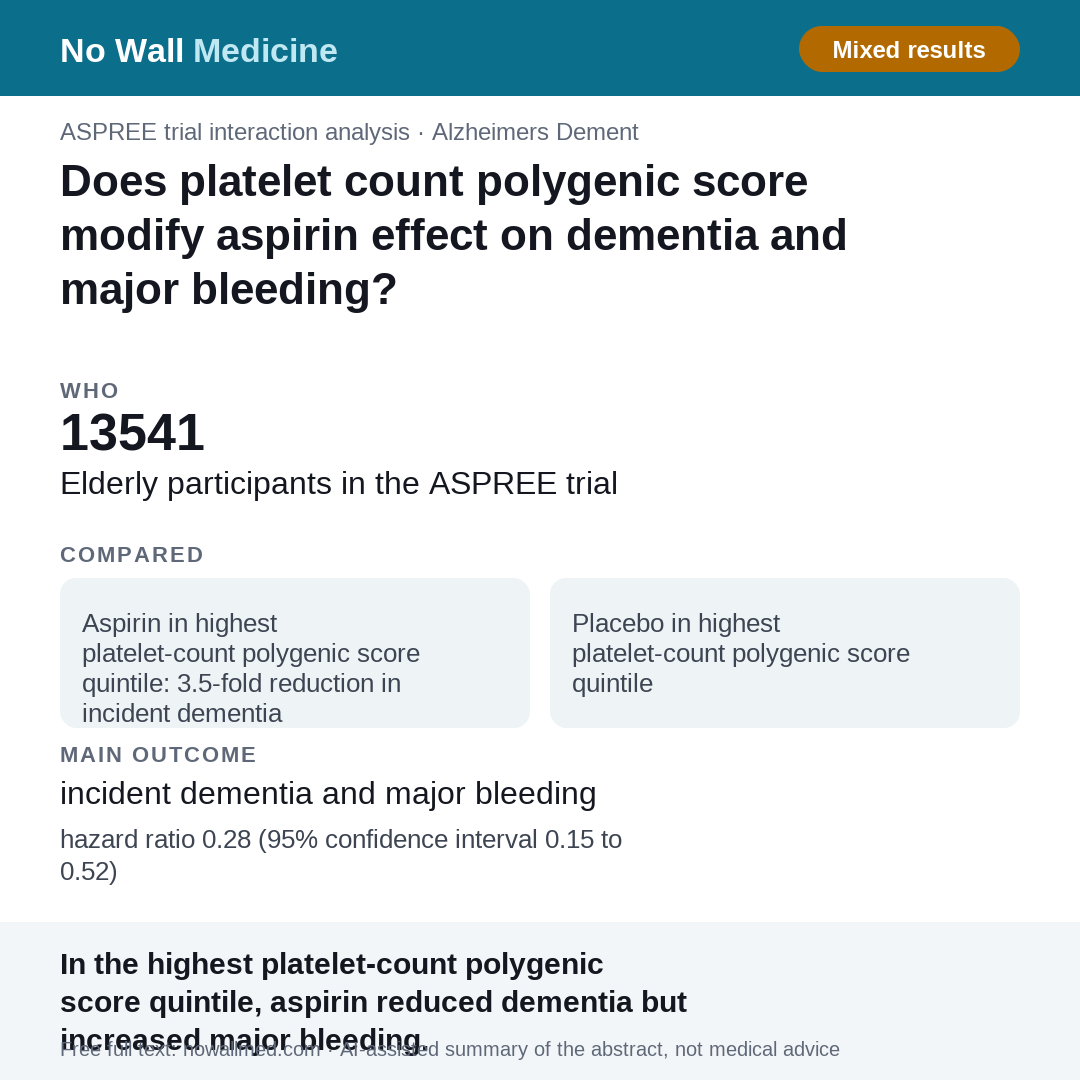
Platelet count polygenic scores may modify the effect of aspirin in primary prevention of dementia
ASPREE trial interaction analysisMixed results
Does platelet count polygenic score modify aspirin effect on dementia and major bleeding?
Who
13541
Elderly participants in the ASPREE trial
Compared
Aspirin in highest platelet-count polygenic score quintile: 3.5-fold reduction in incident dementia
Placebo in highest platelet-count polygenic score quintile
Main outcome
incident dementia and major bleeding
Result: hazard ratio 0.28 (95% confidence interval 0.15 to 0.52)
Bottom line: In the highest platelet-count polygenic score quintile, aspirin reduced dementia but increased major bleeding.
Limitation: These hypothesis-generating findings require validation.
Alzheimers Dement · 2026-09-24Download image
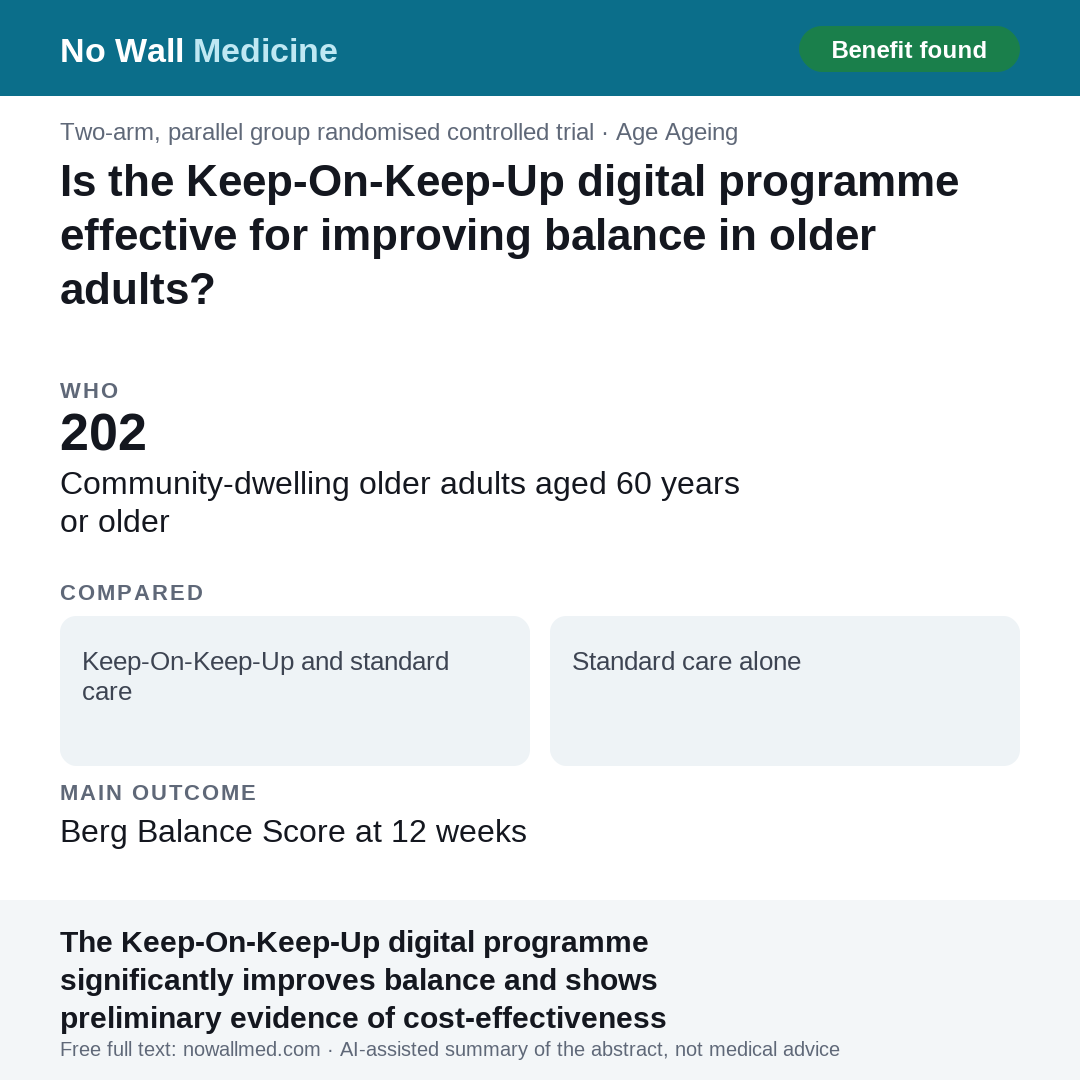
Effectiveness and cost-effectiveness of the Keep-On-Keep-Up digital falls prevention programme in community-dwelling older adults: results of a randomised controlled trial
Two-arm, parallel group randomised controlled trialBenefit found
Is the Keep-On-Keep-Up digital programme effective for improving balance in older adults?
Who
202
Community-dwelling older adults aged 60 years or older
Compared
Keep-On-Keep-Up and standard care
Standard care alone
Main outcome
Berg Balance Score at 12 weeks
Result: mean difference: 6.35 (95% CI 4.48 to 8.22)
Bottom line: The Keep-On-Keep-Up digital programme significantly improves balance and shows preliminary evidence of cost-effectiveness in older adults.
Age Ageing · 2026-09-24Download image
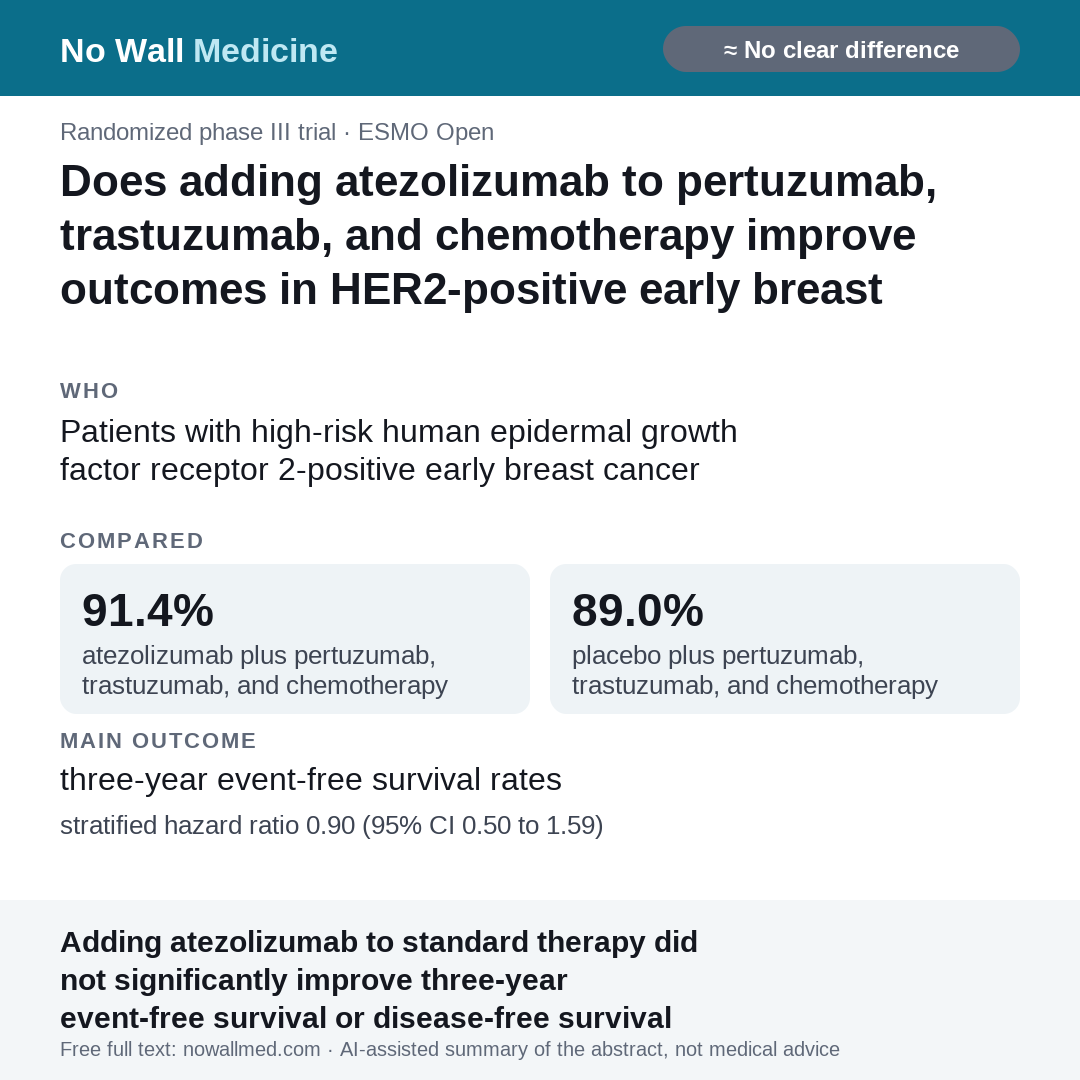
Atezolizumab plus pertuzumab, trastuzumab, and chemotherapy in HER2-positive early breast cancer: final results of the phase III IMpassion050 trial
Randomized phase III trialNo clear difference
Does adding atezolizumab to pertuzumab, trastuzumab, and chemotherapy improve outcomes in HER2-positive early breast cancer?
Who
Patients with high-risk human epidermal growth factor receptor 2-positive early breast cancer
Compared
91.4%atezolizumab plus pertuzumab, trastuzumab, and chemotherapy
89.0%placebo plus pertuzumab, trastuzumab, and chemotherapy
Main outcome
three-year event-free survival rates
Result: stratified hazard ratio 0.90 (95% CI 0.50 to 1.59)
Bottom line: Adding atezolizumab to standard therapy did not significantly improve three-year event-free survival or disease-free survival rates.
ESMO Open · 2026-09-24Download image
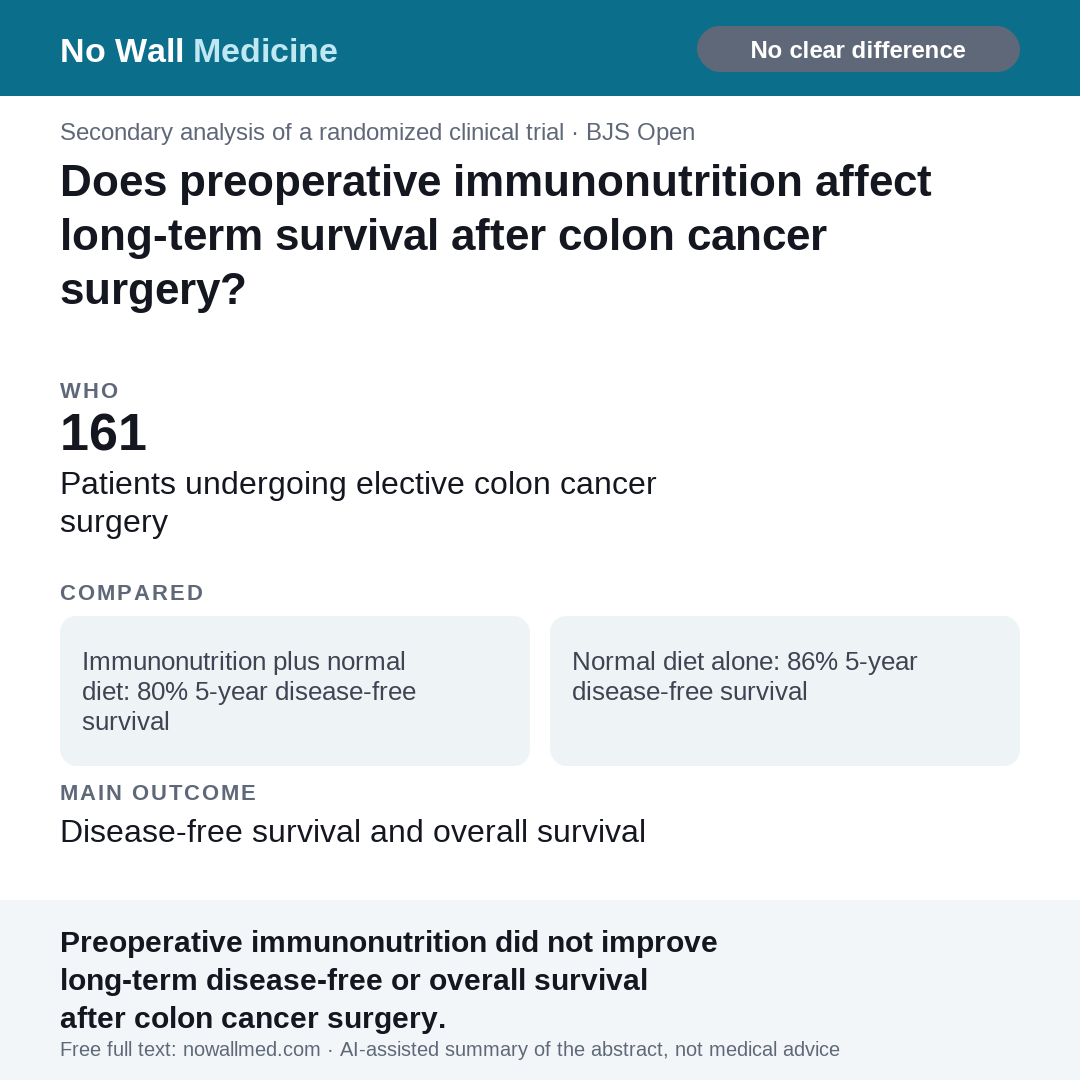
Effect of immunonutrition on postoperative infectious complications and survival after colon cancer surgery: long-term follow up of randomized clinical trial
Secondary analysis of a randomized clinical trialNo clear difference
Does preoperative immunonutrition affect long-term survival after colon cancer surgery?
Who
161
Patients undergoing elective colon cancer surgery
Compared
Immunonutrition plus normal diet: 80% 5-year disease-free survival
Normal diet alone: 86% 5-year disease-free survival
Main outcome
Disease-free survival and overall survival
Bottom line: Preoperative immunonutrition did not improve long-term disease-free or overall survival after colon cancer surgery.
BJS Open · 2026-09-24Download image
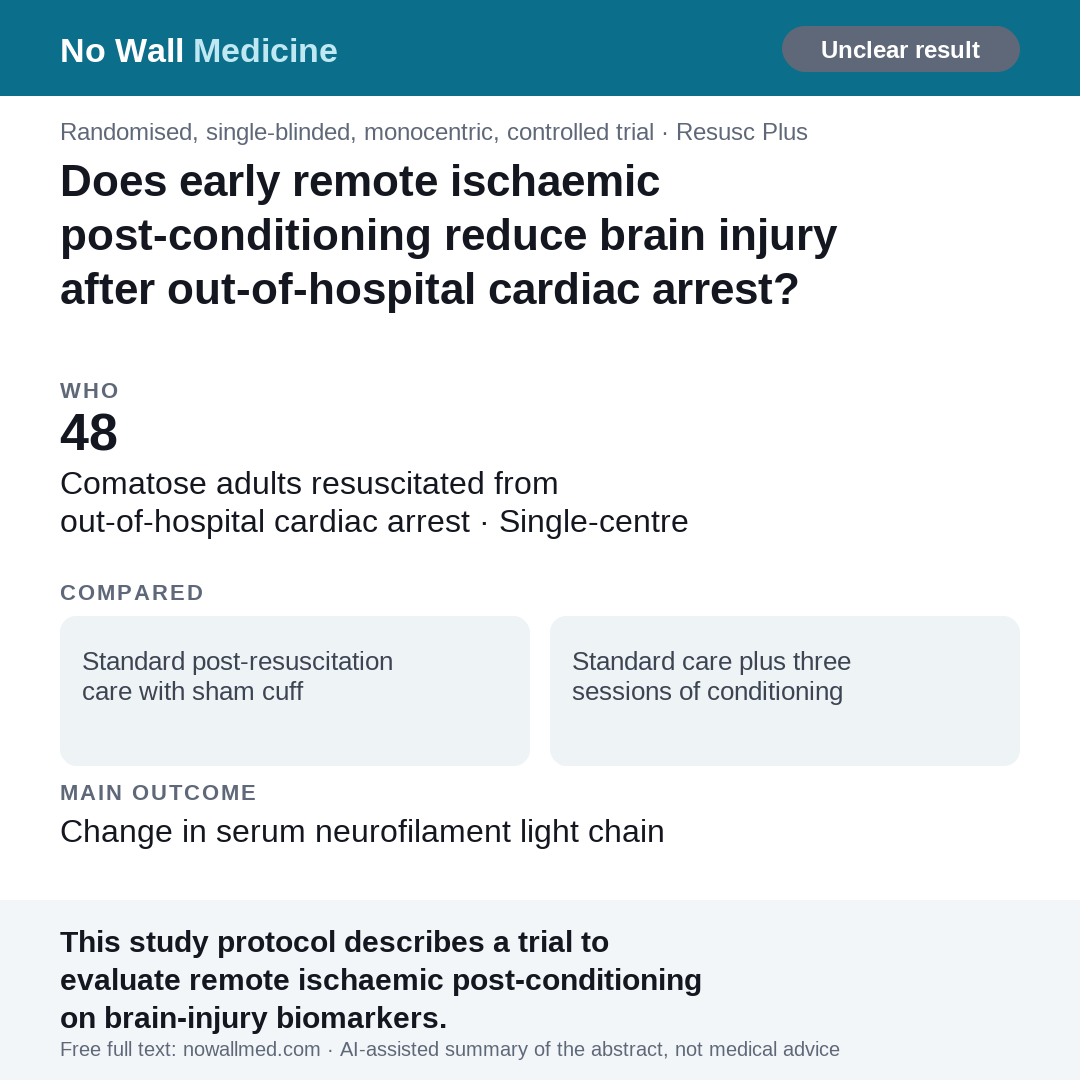
Neuroprotective effect of early remote ischaemic post-conditioning after out-of-hospital cardiac arrest (RIPOST-CA): study protocol for a randomised, single-blinded, monocentric, controlled trial
Randomised, single-blinded, monocentric, controlled trialUnclear result
Does early remote ischaemic post-conditioning reduce brain injury after out-of-hospital cardiac arrest?
Who
48
Comatose adults resuscitated from out-of-hospital cardiac arrest · Single-centre
Compared
Standard post-resuscitation care with sham cuff
Standard care plus three sessions of conditioning
Main outcome
Change in serum neurofilament light chain
Bottom line: This study protocol describes a trial to evaluate remote ischaemic post-conditioning on brain-injury biomarkers.
Resusc Plus · 2026-09-24Download image
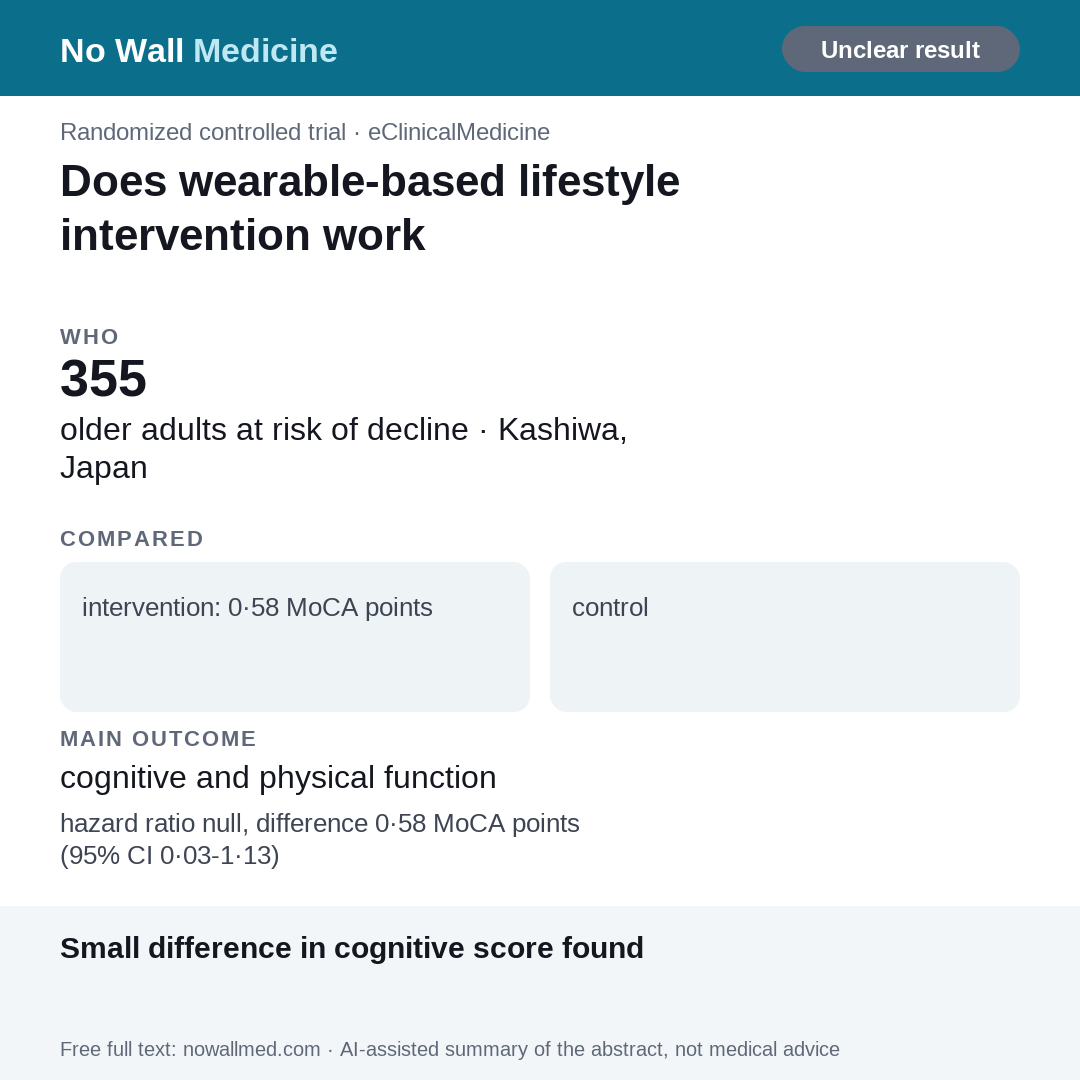
Effect of a wearable-based individualised multidomain lifestyle intervention on cognitive and physical function in older adults at risk of decline (INSPIOR): a single-centre, open-label, randomised controlled trial
Randomized controlled trialUnclear result
Does wearable-based lifestyle intervention work
Who
355
older adults at risk of decline · Kashiwa, Japan
Compared
intervention: 0·58 MoCA points
control
Main outcome
cognitive and physical function
Result: hazard ratio null, difference 0·58 MoCA points (95% CI 0·03-1·13)
Bottom line: Small difference in cognitive score found
Funded by: University of Tokyo, Google, Mitsui Fudosan
eClinicalMedicine · 2026-09-23Download image
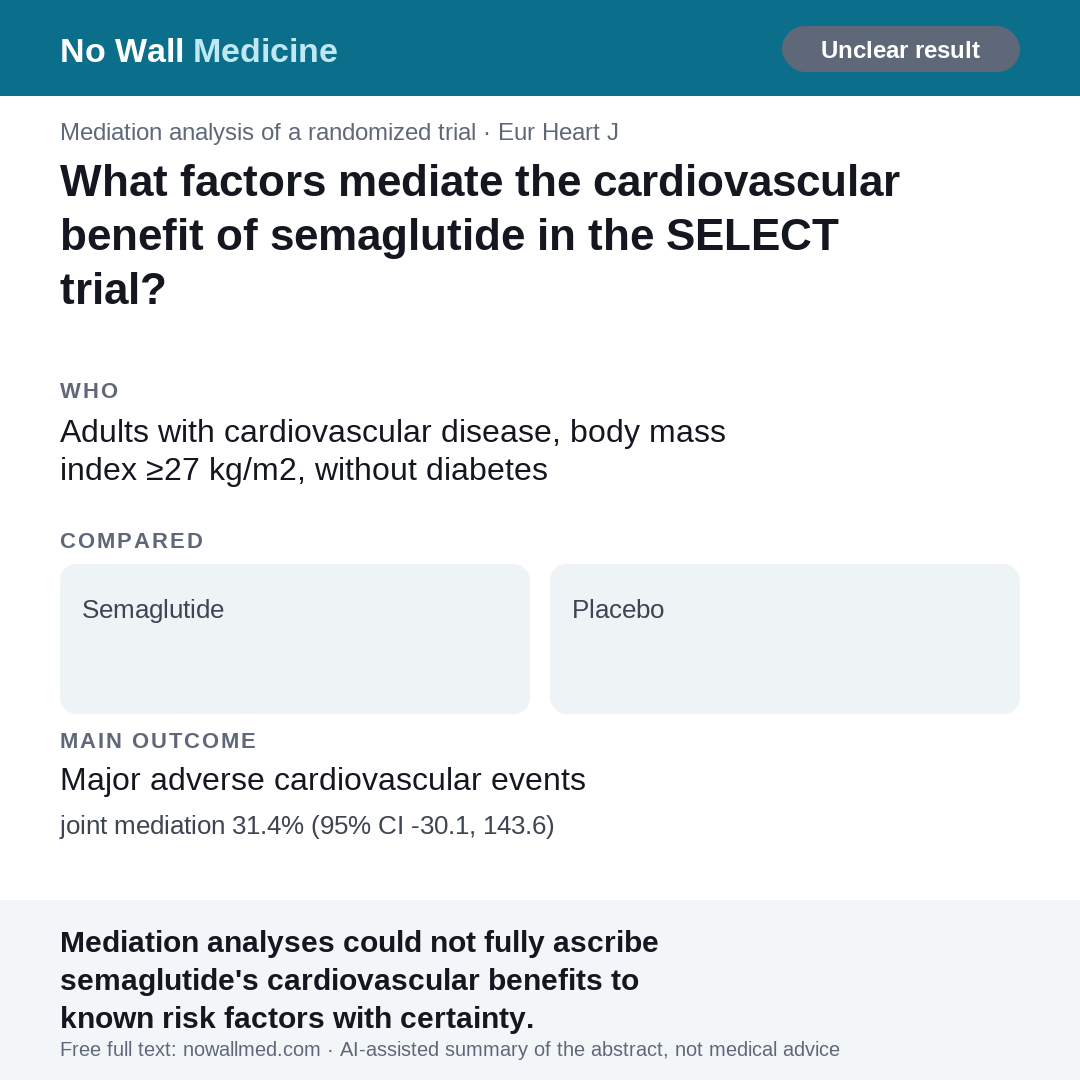
Semaglutide and cardiovascular risk reduction: a mediation analysis of the SELECT trial
Mediation analysis of a randomized trialUnclear result
What factors mediate the cardiovascular benefit of semaglutide in the SELECT trial?
Who
Adults with cardiovascular disease, body mass index ≥27 kg/m2, without diabetes
Compared
Semaglutide
Placebo
Main outcome
Major adverse cardiovascular events
Result: joint mediation 31.4% (95% CI -30.1, 143.6)
Bottom line: Mediation analyses could not fully ascribe semaglutide's cardiovascular benefits to known risk factors with certainty.
Eur Heart J · 2026-09-23Download image
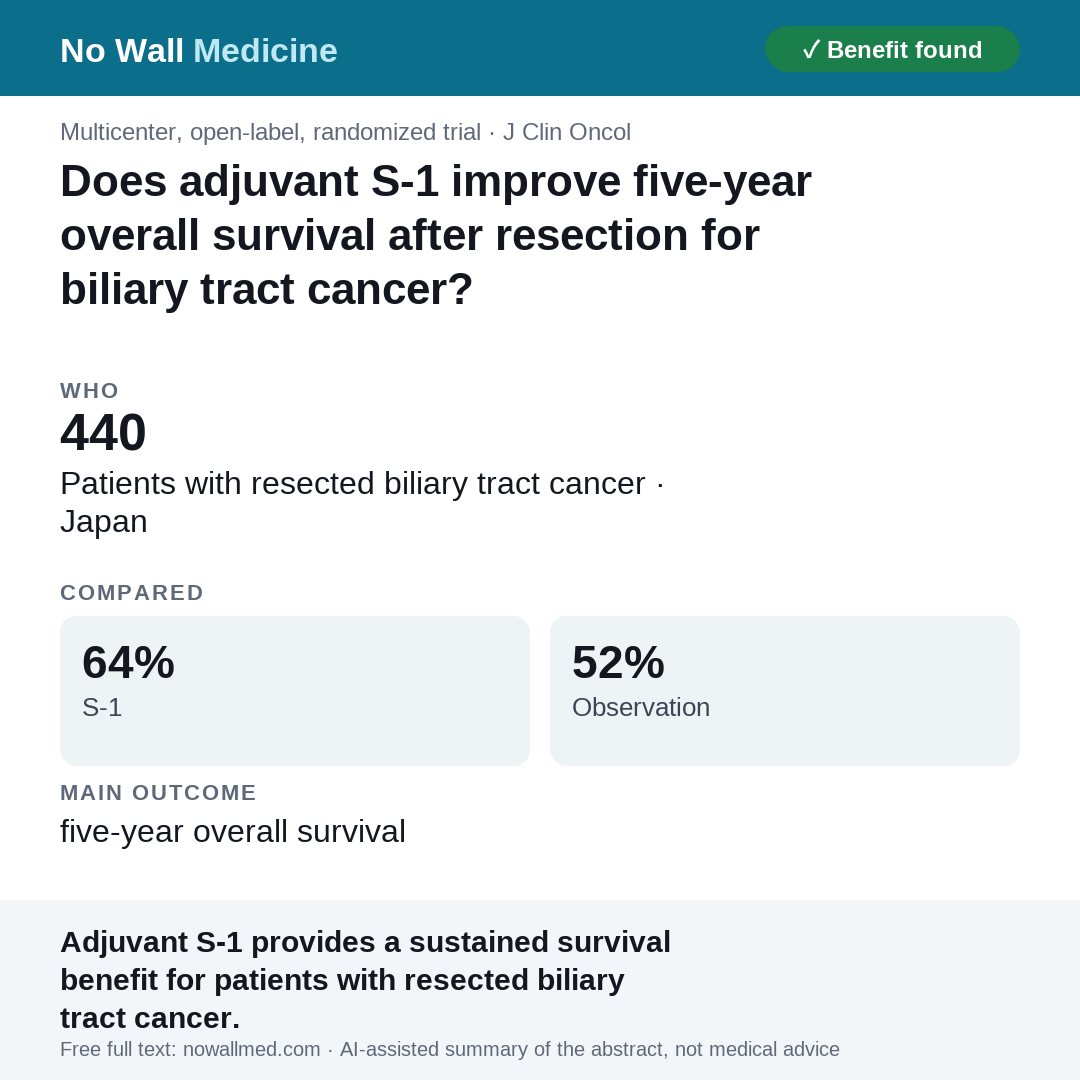
Five-Year Follow-Up of the Phase III ASCOT Trial of Adjuvant S-1 After Resection for Biliary Tract Cancer
Multicenter, open-label, randomized trialBenefit found
Does adjuvant S-1 improve five-year overall survival after resection for biliary tract cancer?
Who
440
Patients with resected biliary tract cancer · Japan
Compared
64%S-1
52%Observation
Main outcome
five-year overall survival
Result: hazard ratio 0.72 (95% CI 0.55 to 0.95)
Bottom line: Adjuvant S-1 provides a sustained survival benefit for patients with resected biliary tract cancer.
J Clin Oncol · 2026-09-23Download image
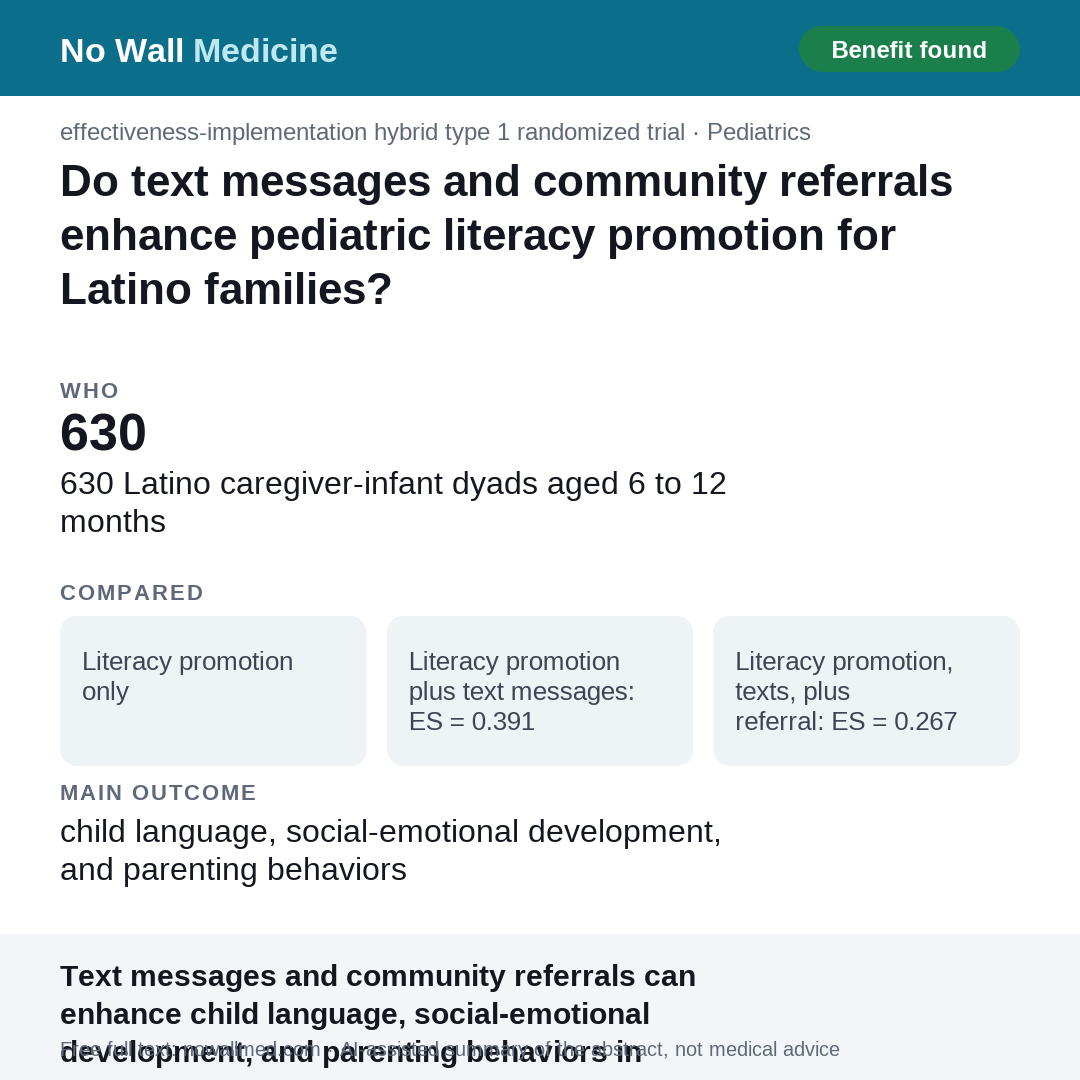
Pediatric Literacy Promotion for Latino Families by Texts and Referrals: A 3-Arm RCT
effectiveness-implementation hybrid type 1 randomized trialBenefit found
Do text messages and community referrals enhance pediatric literacy promotion for Latino families?
Who
630
630 Latino caregiver-infant dyads aged 6 to 12 months
Compared
Literacy promotion only
Literacy promotion plus text messages: ES = 0.391
Literacy promotion, texts, plus referral: ES = 0.267
Main outcome
child language, social-emotional development, and parenting behaviors
Bottom line: Text messages and community referrals can enhance child language, social-emotional development, and parenting behaviors in Latino families.
Pediatrics · 2026-09-23Download image