Visual abstracts
New randomized trials and meta-analyses from leading journals at a glance: who was studied, what was compared, and what was found. Every paper is free to read in full.
All specialtiesCardiology 1552Oncology 1369Gastroenterology & Hepatology 566Infectious Disease 989Neurology 647Psychiatry & Mental Health 770Pulmonology 672Critical Care 458Endocrinology & Diabetes 843Pediatrics 914Surgery 764Orthopedics & Sports Medicine 295Neurosurgery 199Cardiothoracic & Vascular Surgery 179Plastic & Reconstructive Surgery 247Nephrology 325Rheumatology 206Hematology 332Dermatology 167Ophthalmology 177Obstetrics & Gynecology 498Public & Global Health 298Radiology & Imaging 207Anesthesiology 307Urology 286ENT (Otolaryngology) 209Emergency Medicine 174Allergy & Immunology 100Geriatrics 336Family Medicine & Primary Care 189Medical Genetics & Genomics 167Pathology & Laboratory Medicine 52Physical Medicine & Rehabilitation 272Palliative Care 140Nutrition 407Digital Health & AI 818General Medicine 129
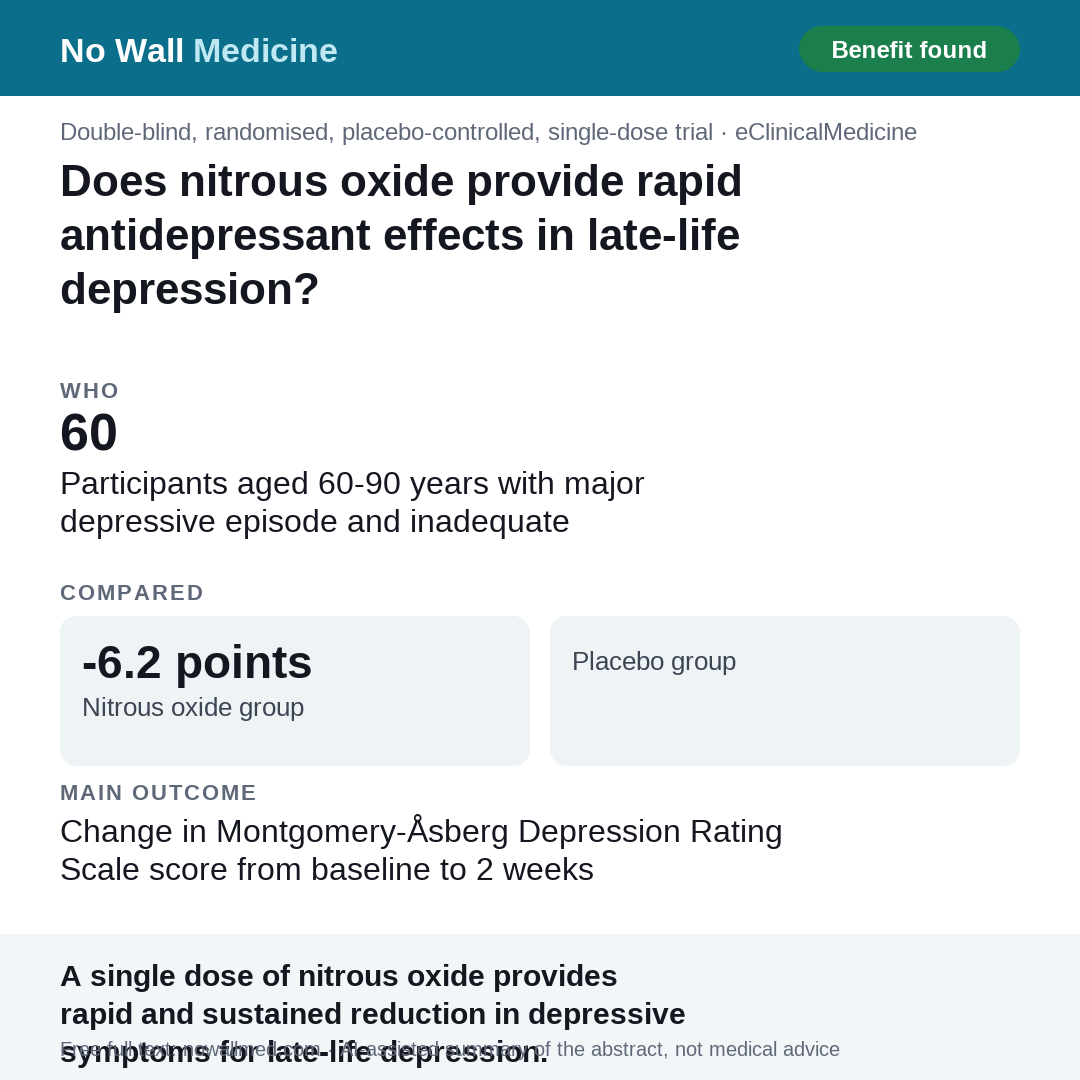
Nitrous oxide for late-life depression with inadequate antidepressant response: a randomised controlled trial
Double-blind, randomised, placebo-controlled, single-dose trialBenefit found
Does nitrous oxide provide rapid antidepressant effects in late-life depression?
Who
60
Participants aged 60-90 years with major depressive episode and inadequate antidepressant response · Three old-age psychiatry departments at French university hospitals
Compared
-6.2 pointsNitrous oxide group
Placebo group
Main outcome
Change in Montgomery-Åsberg Depression Rating Scale score from baseline to 2 weeks
Result: -6.2 points; 95% CI: -9.1 to -3.4
Bottom line: A single dose of nitrous oxide provides rapid and sustained reduction in depressive symptoms for late-life depression.
Limitation: Further studies are needed to confirm long-term efficacy and safety.
Funded by: French Ministry of Health and Prevention
eClinicalMedicine · 2026-04-02Download image
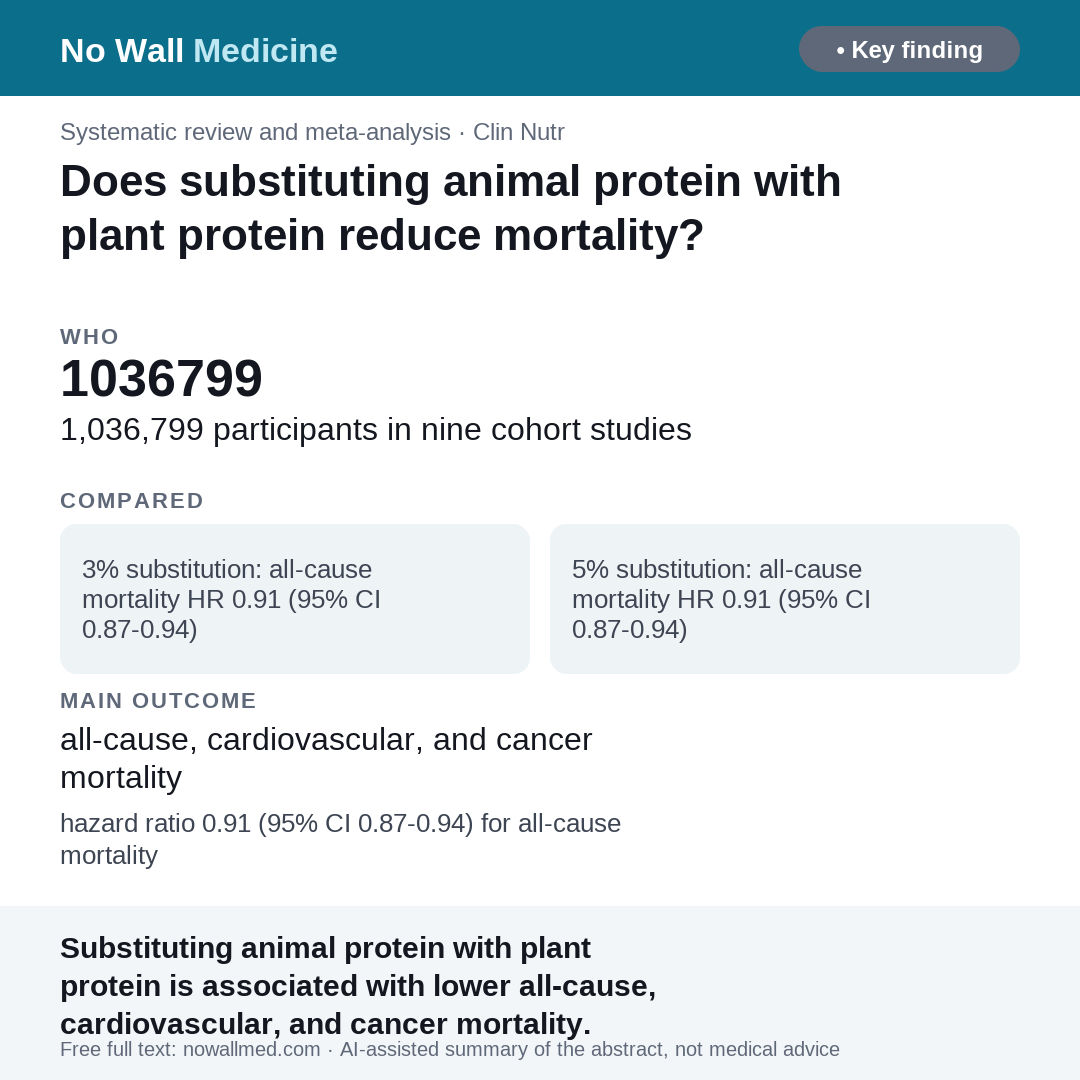
Isocaloric substitution of animal protein with plant protein and its impact on all-cause, cardiovascular, and cancer mortality: A systematic review and meta-analysis
Systematic review and meta-analysisBenefit found
Does substituting animal protein with plant protein reduce mortality?
Who
1036799
1,036,799 participants in nine cohort studies
Compared
3% substitution: all-cause mortality HR 0.91 (95% CI 0.87-0.94)
5% substitution: all-cause mortality HR 0.91 (95% CI 0.87-0.94)
Main outcome
all-cause, cardiovascular, and cancer mortality
Result: hazard ratio 0.91 (95% CI 0.87-0.94) for all-cause mortality
Bottom line: Substituting animal protein with plant protein is associated with lower all-cause, cardiovascular, and cancer mortality.
Clin Nutr · 2026-04-02Download image
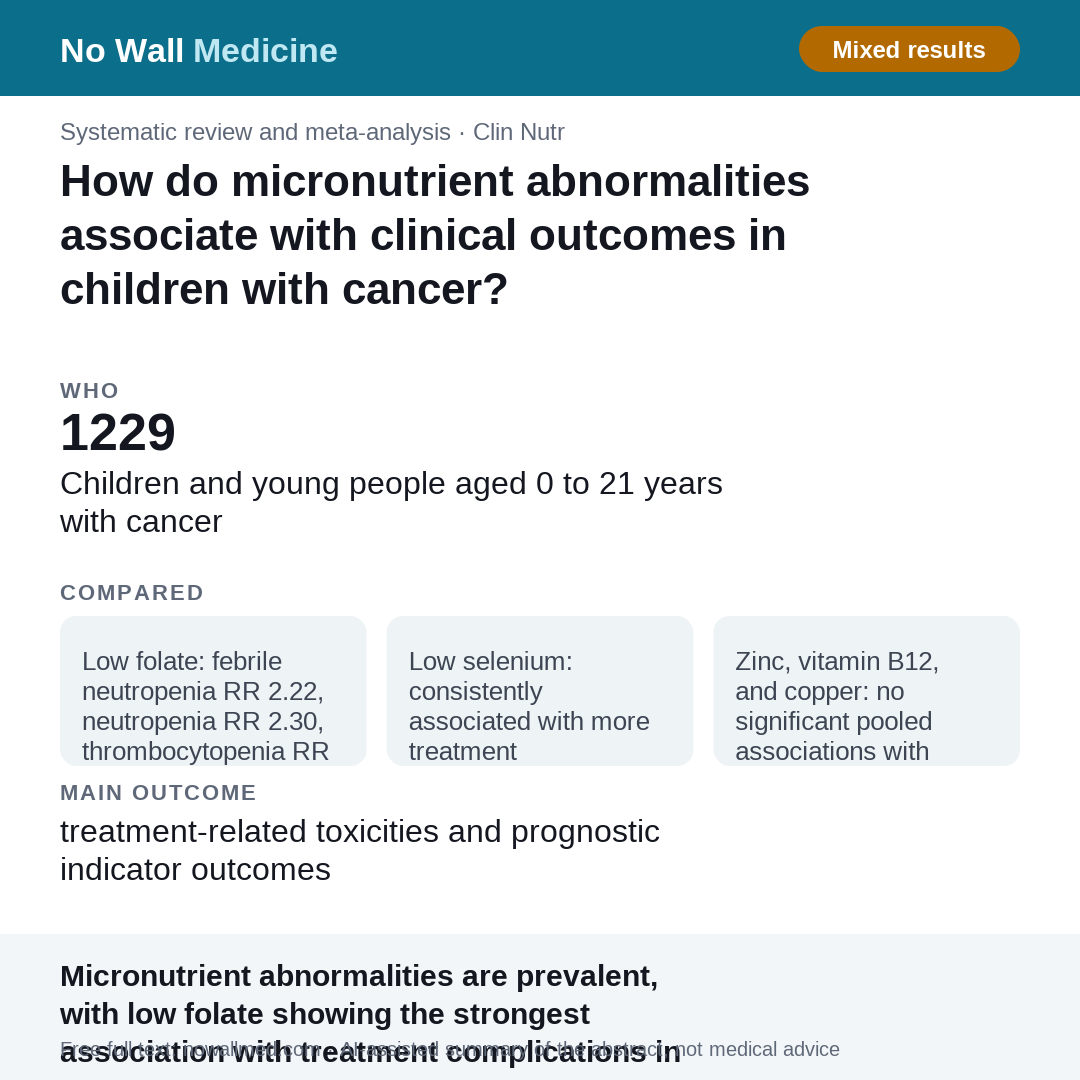
The association between micronutrient status and clinical outcomes in children with cancer undergoing treatment: A systematic review and meta-analysis
Systematic review and meta-analysisMixed results
How do micronutrient abnormalities associate with clinical outcomes in children with cancer?
Who
1229
Children and young people aged 0 to 21 years with cancer
Compared
Low folate: febrile neutropenia RR 2.22, neutropenia RR 2.30, thrombocytopenia RR 2.80
Low selenium: consistently associated with more treatment complications
Zinc, vitamin B12, and copper: no significant pooled associations with event free survival
Main outcome
treatment-related toxicities and prognostic indicator outcomes
Bottom line: Micronutrient abnormalities are prevalent, with low folate showing the strongest association with treatment complications in children with cancer.
Limitation: Large international multicentre population-based and international mechanistic studies are warranted.
Clin Nutr · 2026-04-02Download image
Immunogenicity of high-dose recombinant influenza vaccine versus standard-dose egg-grown and cell-grown vaccines among frequently and infrequently vaccinated young adults in Singapore: a randomised, controlled, double-blind, single-centre, phase 4 clinical trial
Randomised, controlled, double-blind, phase 4 clinical trialBenefit found
Are high-dose recombinant influenza vaccines more immunogenic than standard-dose egg-grown or cell-grown vaccines?
Who
366
Adults aged 21-49 years in Singapore · National Centre for Infectious Diseases, Singapore
Compared
high-dose recombinant quadrivalent influenza vaccine: GMT 100, 95% CI 84-120
standard-dose cell-grown vaccine: 35, 29-43
standard-dose egg-grown vaccine: 36, 29-43
Main outcome
geometric mean titre against cell-grown A(H3N2) vaccine viruses
Result: 2·9-fold higher (95% CI 2·2-3·8)
Bottom line: High-dose recombinant influenza vaccine induced greater A(H3N2)-reactive antibody titres than egg-grown or cell-grown vaccines.
Funded by: Sanofi
Lancet Infect Dis · 2026-04-02Download image

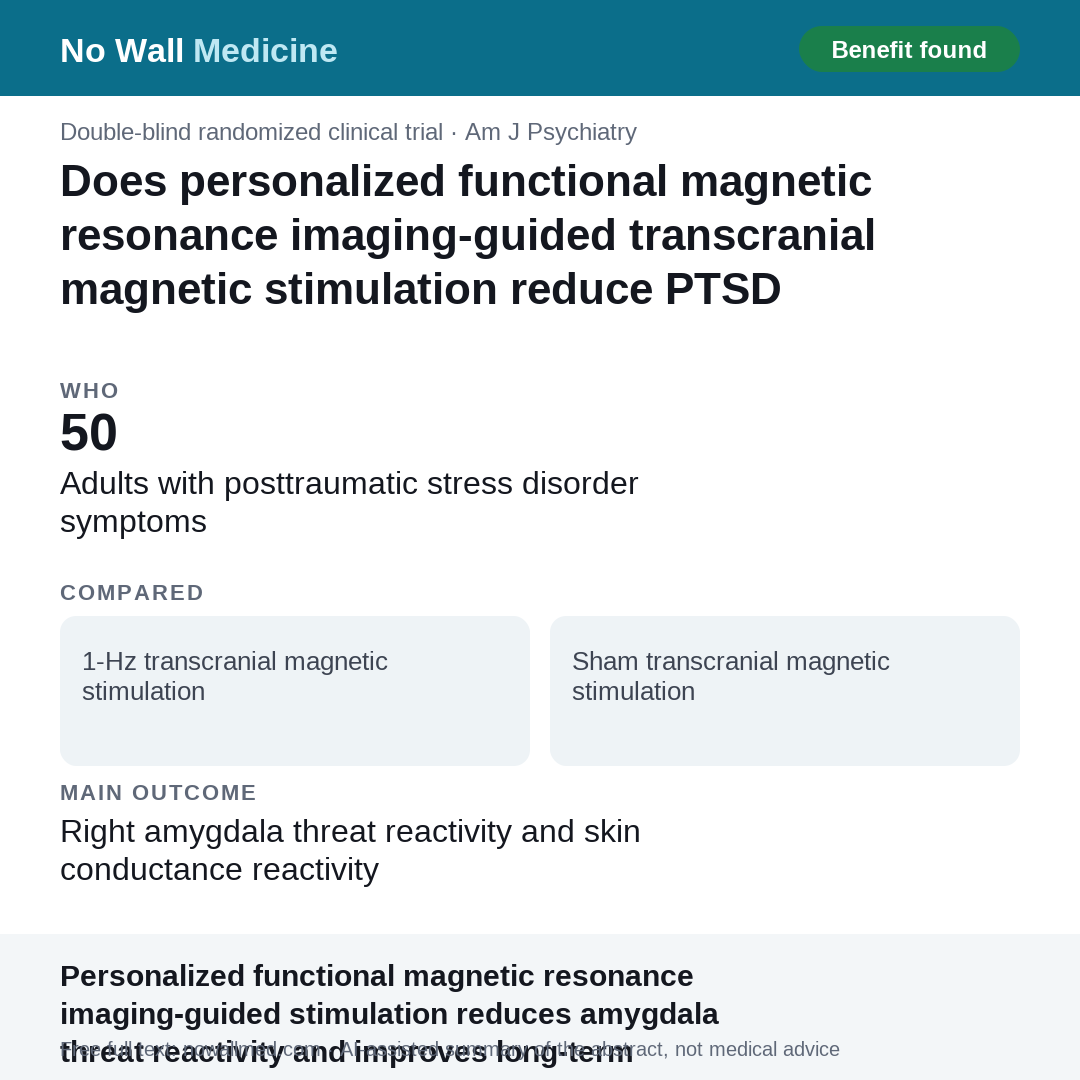
Personalized fMRI-Guided TMS Targeting the Threat Neurocircuitry in PTSD: A Randomized Clinical Trial
Double-blind randomized clinical trialBenefit found
Does personalized functional magnetic resonance imaging-guided transcranial magnetic stimulation reduce PTSD symptoms?
Who
50
Adults with posttraumatic stress disorder symptoms
Compared
1-Hz transcranial magnetic stimulation
Sham transcranial magnetic stimulation
Main outcome
Right amygdala threat reactivity and skin conductance reactivity
Bottom line: Personalized functional magnetic resonance imaging-guided stimulation reduces amygdala threat reactivity and improves long-term symptoms.
Am J Psychiatry · 2026-04-02Download image
Comparison of the Continuous Glucose Monitoring Profiles of Four Glucose-Lowering Medications in the GRADE Randomized Trial
Randomized trialMixed results
How do four glucose-lowering medications compare regarding continuous glucose monitoring profiles?
Who
1,080
Participants with type 2 diabetes taking metformin
Compared
Insulin glargine
Glimepiride: lowest TIR70-180, highest %CV, TBR<70, and hypoglycemic events
Liraglutide: highest time in range 70-180 mg/dL and lowest TBR<70
Sitagliptin: highest time in range 70-180 mg/dL and lowest TBR<70
Main outcome
Continuous glucose monitoring metrics and achievement of consensus goals
Bottom line: Incretin class drugs had the lowest coefficient of variation, least hypoglycemia, and best achievement of glycemic targets.
Diabetes Care · 2026-04-02Download image

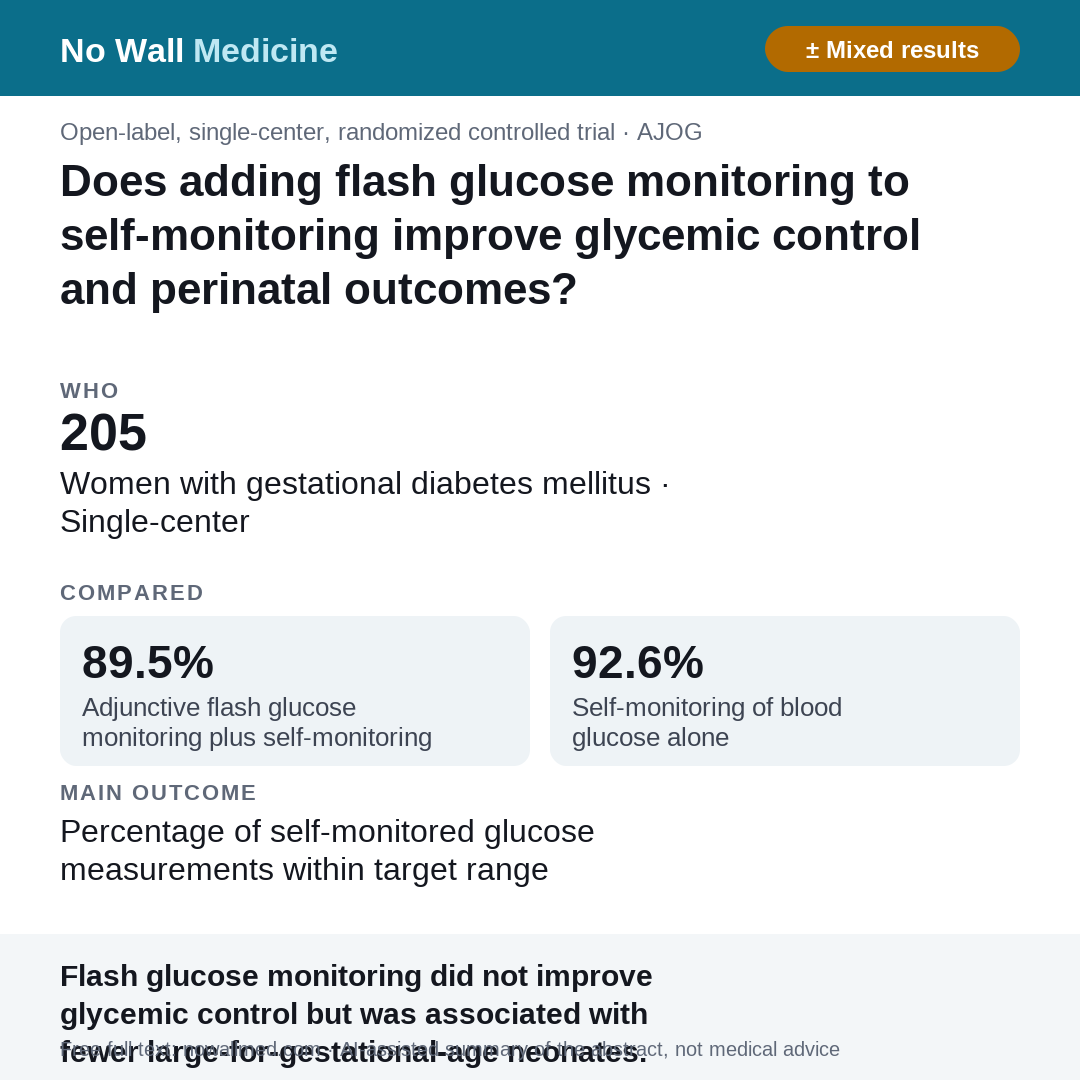
Flash glucose monitoring addition to self-monitoring of blood glucose and perinatal outcomes in gestational diabetes: a randomized controlled trial
Open-label, single-center, randomized controlled trialMixed results
Does adding flash glucose monitoring to self-monitoring improve glycemic control and perinatal outcomes?
Who
205
Women with gestational diabetes mellitus · Single-center
Compared
89.5%Adjunctive flash glucose monitoring plus self-monitoring
92.6%Self-monitoring of blood glucose alone
Main outcome
Percentage of self-monitored glucose measurements within target range
Result: odds ratio 0.27 (95% confidence interval 0.07-0.99)
Bottom line: Flash glucose monitoring did not improve glycemic control but was associated with fewer large-for-gestational-age neonates.
Limitation: Small sample size and number of events for secondary outcomes.
AJOG · 2026-04-02Download image
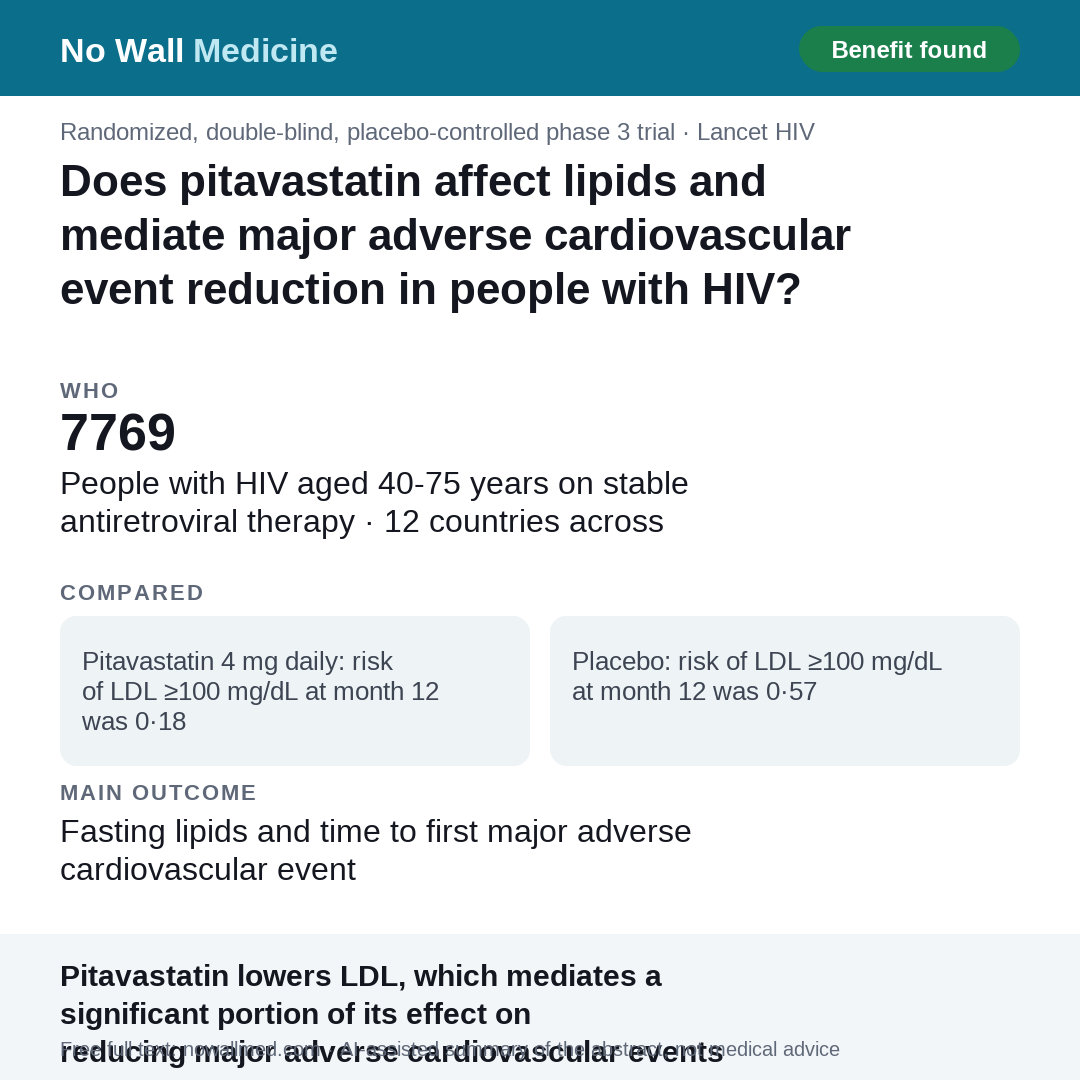
Pitavastatin effects on lipids in relation to major adverse cardiovascular events: a REPRIEVE secondary analysis
Randomized, double-blind, placebo-controlled phase 3 trialBenefit found
Does pitavastatin affect lipids and mediate major adverse cardiovascular event reduction in people with HIV?
Who
7769
People with HIV aged 40-75 years on stable antiretroviral therapy · 12 countries across five Global Burden of Diseases super-regions
Compared
Pitavastatin 4 mg daily: risk of LDL ≥100 mg/dL at month 12 was 0·18
Placebo: risk of LDL ≥100 mg/dL at month 12 was 0·57
Main outcome
Fasting lipids and time to first major adverse cardiovascular event
Result: hazard ratio 0·80 (95% CI 0·68-0·94) for 30% lower average LDL
Bottom line: Pitavastatin lowers LDL, which mediates a significant portion of its effect on reducing major adverse cardiovascular events in people with HIV.
Funded by: US National Institutes of Health, Kowa Pharmaceuticals America, Gilead Sciences, and ViiV Healthcare
Lancet HIV · 2026-04-02Download image
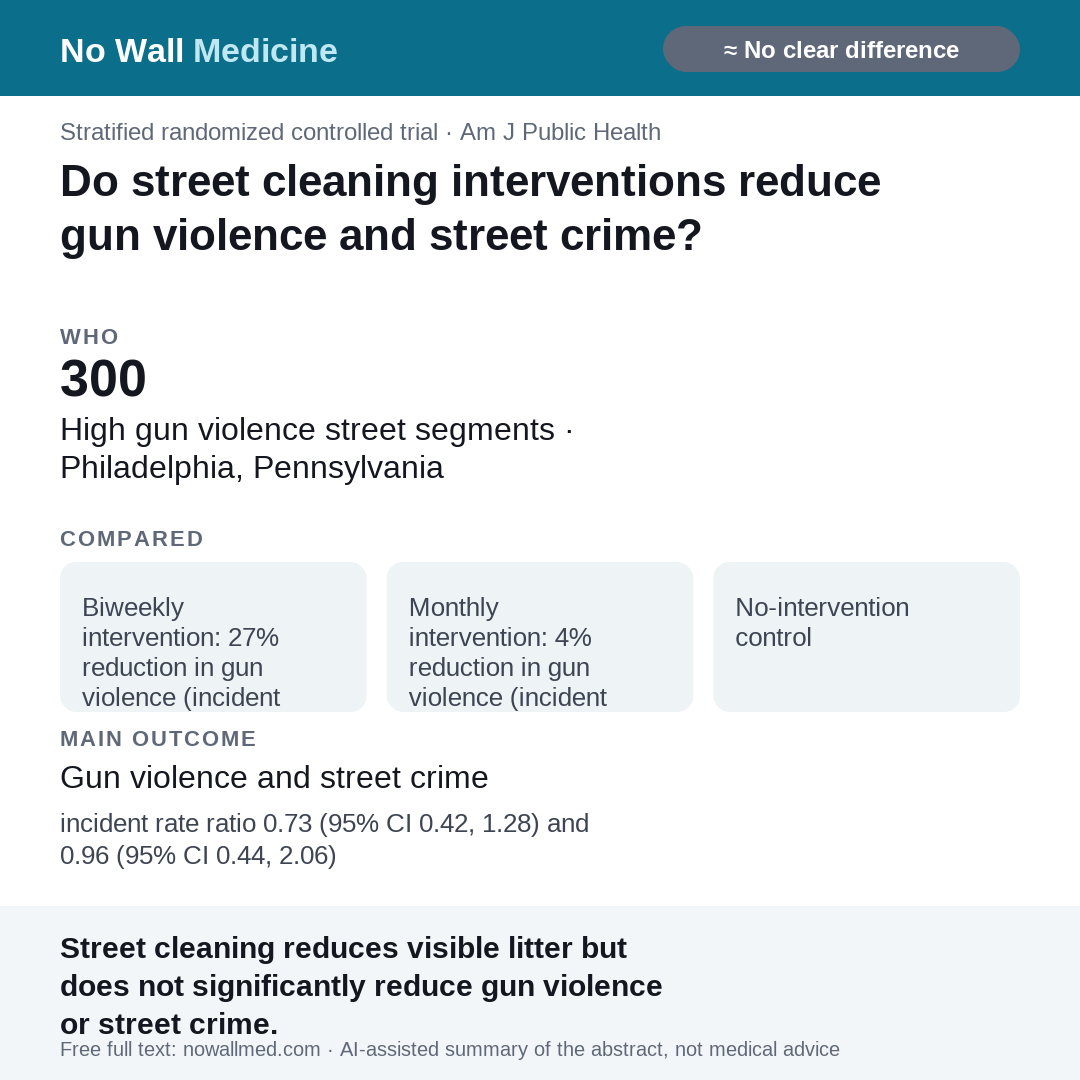
The Effects of Street Cleaning on Serious Crime and Gun Violence in Philadelphia, 2023-2024: A Stratified Randomized Controlled Trial
Stratified randomized controlled trialNo clear difference
Do street cleaning interventions reduce gun violence and street crime?
Who
300
High gun violence street segments · Philadelphia, Pennsylvania
Compared
Biweekly intervention: 27% reduction in gun violence (incident rate ratio 0.73)
Monthly intervention: 4% reduction in gun violence (incident rate ratio 0.96)
No-intervention control
Main outcome
Gun violence and street crime
Result: incident rate ratio 0.73 (95% CI 0.42, 1.28) and 0.96 (95% CI 0.44, 2.06)
Bottom line: Street cleaning reduces visible litter but does not significantly reduce gun violence or street crime.
Am J Public Health · 2026-04-02Download image
Unveiling the Clinical Potential of Prostate Cancer Three-dimensional Models: A Systematic Review
Systematic literature reviewBenefit found
What are the feasibility, molecular fidelity, and translational applications of prostate cancer 3D models?
Who
Human-derived prostate cancer three-dimensional models · PubMed, EMBASE, and Web of Science
Compared
Patient-derived organoids: high genomic, transcriptomic, and epigenetic concordance
Organotypic slice tissues
Main outcome
feasibility, molecular fidelity, and translational applications
Bottom line: Prostate cancer 3D models effectively recapitulate tumor biology, predict drug responses, and identify novel biomarkers for precision oncology.
Limitation: Lack of microenvironment components and time-intensive nature of organoid establishment.
Eur Urol Oncol · 2026-04-02Download image

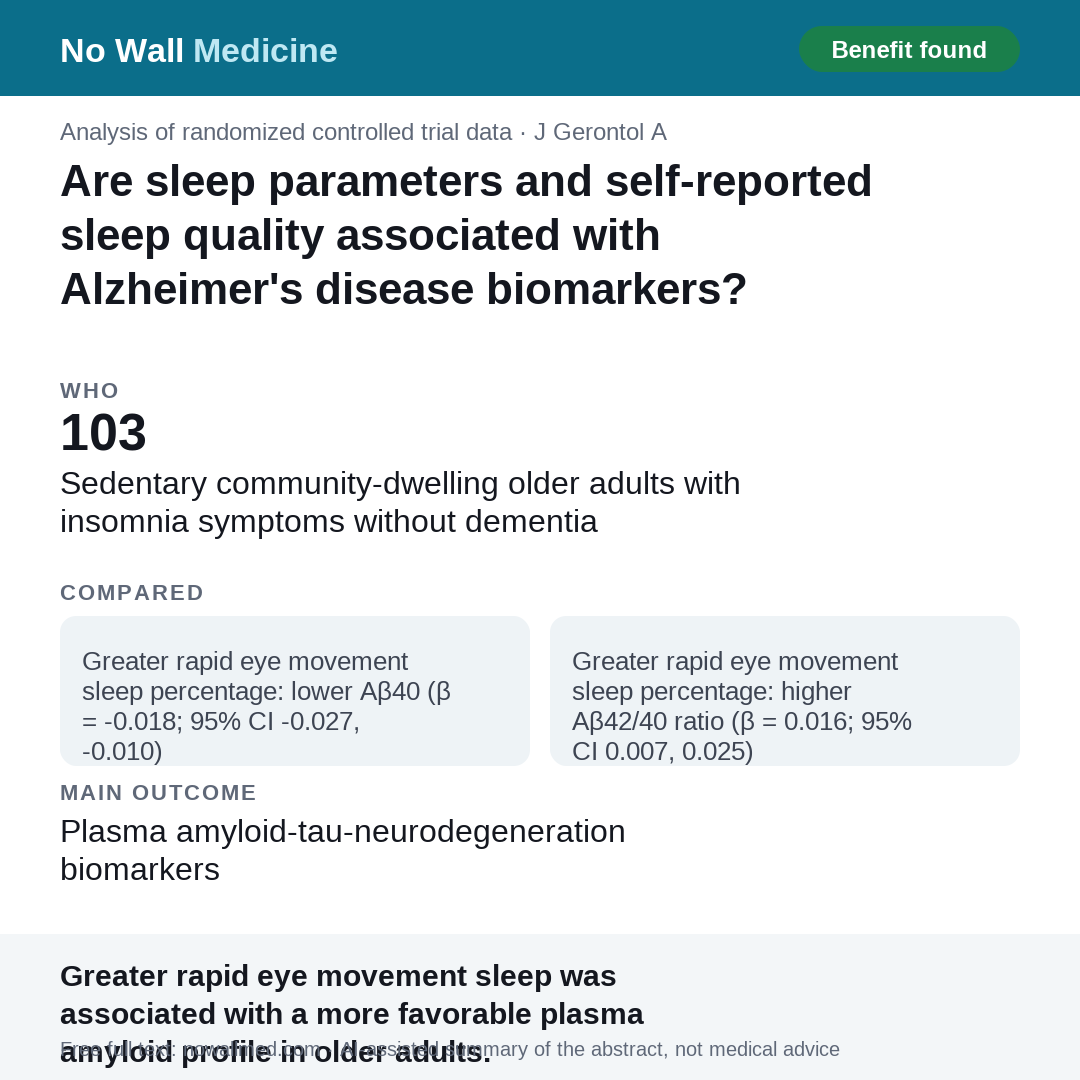
Sleep architecture and self-reported sleep quality are associated with Alzheimer's disease biomarkers in older adults without dementia
Analysis of randomized controlled trial dataBenefit found
Are sleep parameters and self-reported sleep quality associated with Alzheimer's disease biomarkers?
Who
103
Sedentary community-dwelling older adults with insomnia symptoms without dementia
Compared
Greater rapid eye movement sleep percentage: lower Aβ40 (β = -0.018; 95% CI -0.027, -0.010)
Greater rapid eye movement sleep percentage: higher Aβ42/40 ratio (β = 0.016; 95% CI 0.007, 0.025)
Main outcome
Plasma amyloid-tau-neurodegeneration biomarkers
Bottom line: Greater rapid eye movement sleep was associated with a more favorable plasma amyloid profile in older adults.
J Gerontol A · 2026-04-02Download image
Risk Factors for Infection After Ankle, Knee, Hip, Shoulder, or Elbow Arthroscopy: A Systematic Review and Meta-analysis
Systematic review and meta-analysisMixed results
What are the predictive risk factors for infection after arthroscopy?
Who
Patients undergoing ankle, knee, hip, shoulder, or elbow arthroscopy
Compared
Intraoperative corticosteroid injection: OR 5.97 (95% CI 2.66-13.39)
Steroid use within 2 weeks: OR 3.36 (95% CI 2.43-4.65)
Steroid use 2 to 4 weeks before: OR 1.89 (95% CI 1.48-2.42)
Diabetes mellitus: OR 1.49 (95% CI 1.24-1.79)
Main outcome
Postarthroscopic infection risk
Bottom line: Infection risk increases with steroid use, diabetes, high body mass index, and tobacco smoking after arthroscopy.
Am J Sports Med · 2026-04-02Download image

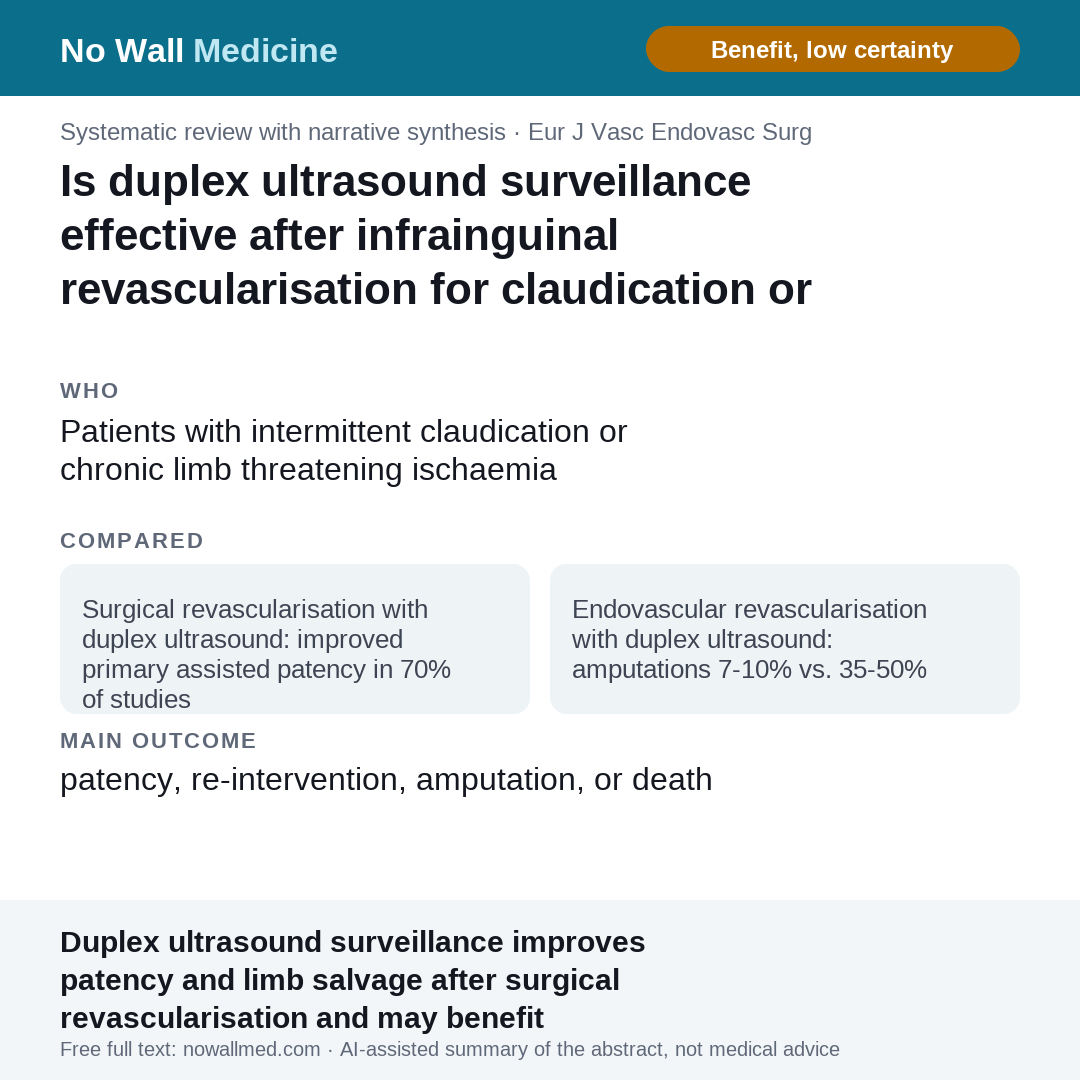
Editor's Choice - Duplex Ultrasound Surveillance after Infrainguinal Peripheral Artery Revascularisation: A Systematic Review with Narrative Synthesis
Systematic review with narrative synthesisBenefit found
Is duplex ultrasound surveillance effective after infrainguinal revascularisation for claudication or limb threatening ischaemia?
Who
Patients with intermittent claudication or chronic limb threatening ischaemia
Compared
Surgical revascularisation with duplex ultrasound: improved primary assisted patency in 70% of studies
Endovascular revascularisation with duplex ultrasound: amputations 7-10% vs. 35-50%
Main outcome
patency, re-intervention, amputation, or death
Bottom line: Duplex ultrasound surveillance improves patency and limb salvage after surgical revascularisation and may benefit endovascular cases.
Limitation: Most studies were observational with moderate to high risk of bias and varied protocols.
Eur J Vasc Endovasc Surg · 2026-04-02Download image
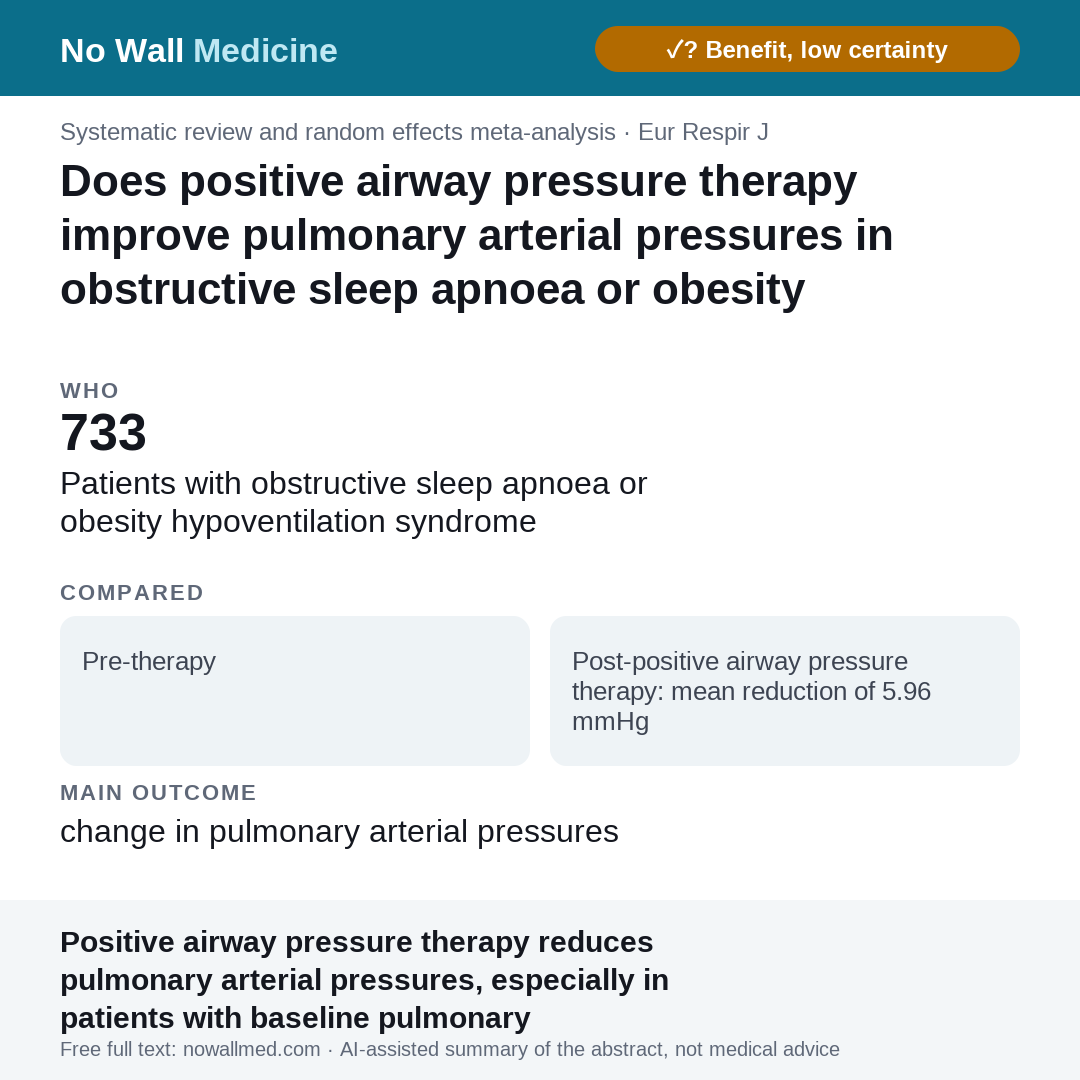
Impact of positive airway pressure therapy on pulmonary arterial pressures in obstructive sleep apnoea or obesity hypoventilation syndrome: a systematic review and meta-analysis
Systematic review and random effects meta-analysisBenefit found
Does positive airway pressure therapy improve pulmonary arterial pressures in obstructive sleep apnoea or obesity hypoventilation syndrome?
Who
733
Patients with obstructive sleep apnoea or obesity hypoventilation syndrome
Compared
Pre-therapy
Post-positive airway pressure therapy: mean reduction of 5.96 mmHg
Main outcome
change in pulmonary arterial pressures
Result: mean reduction of 5.96 (95% CI 3.20-8.73) mmHg
Bottom line: Positive airway pressure therapy reduces pulmonary arterial pressures, especially in patients with baseline pulmonary hypertension.
Limitation: High heterogeneity across studies and low certainty of findings.
Eur Respir J · 2026-04-02Download image
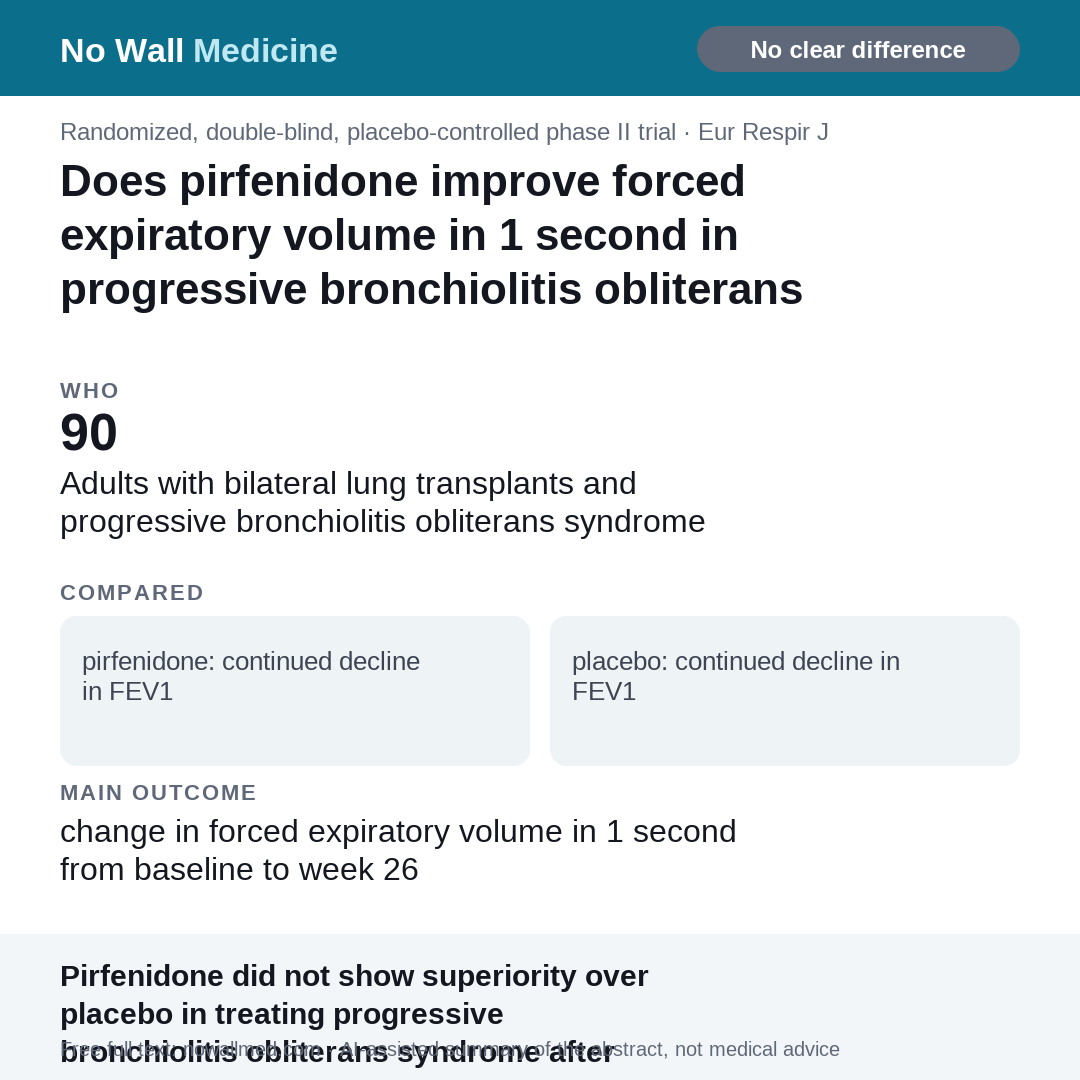
A European multicentre, randomised controlled trial of pirfenidone in bronchiolitis obliterans syndrome after bilateral lung transplantation
Randomized, double-blind, placebo-controlled phase II trialNo clear difference
Does pirfenidone improve forced expiratory volume in 1 second in progressive bronchiolitis obliterans syndrome?
Who
90
Adults with bilateral lung transplants and progressive bronchiolitis obliterans syndrome · Nine European lung transplant centres
Compared
pirfenidone: continued decline in FEV1
placebo: continued decline in FEV1
Main outcome
change in forced expiratory volume in 1 second from baseline to week 26
Bottom line: Pirfenidone did not show superiority over placebo in treating progressive bronchiolitis obliterans syndrome after bilateral lung transplantation.
Eur Respir J · 2026-04-02Download image
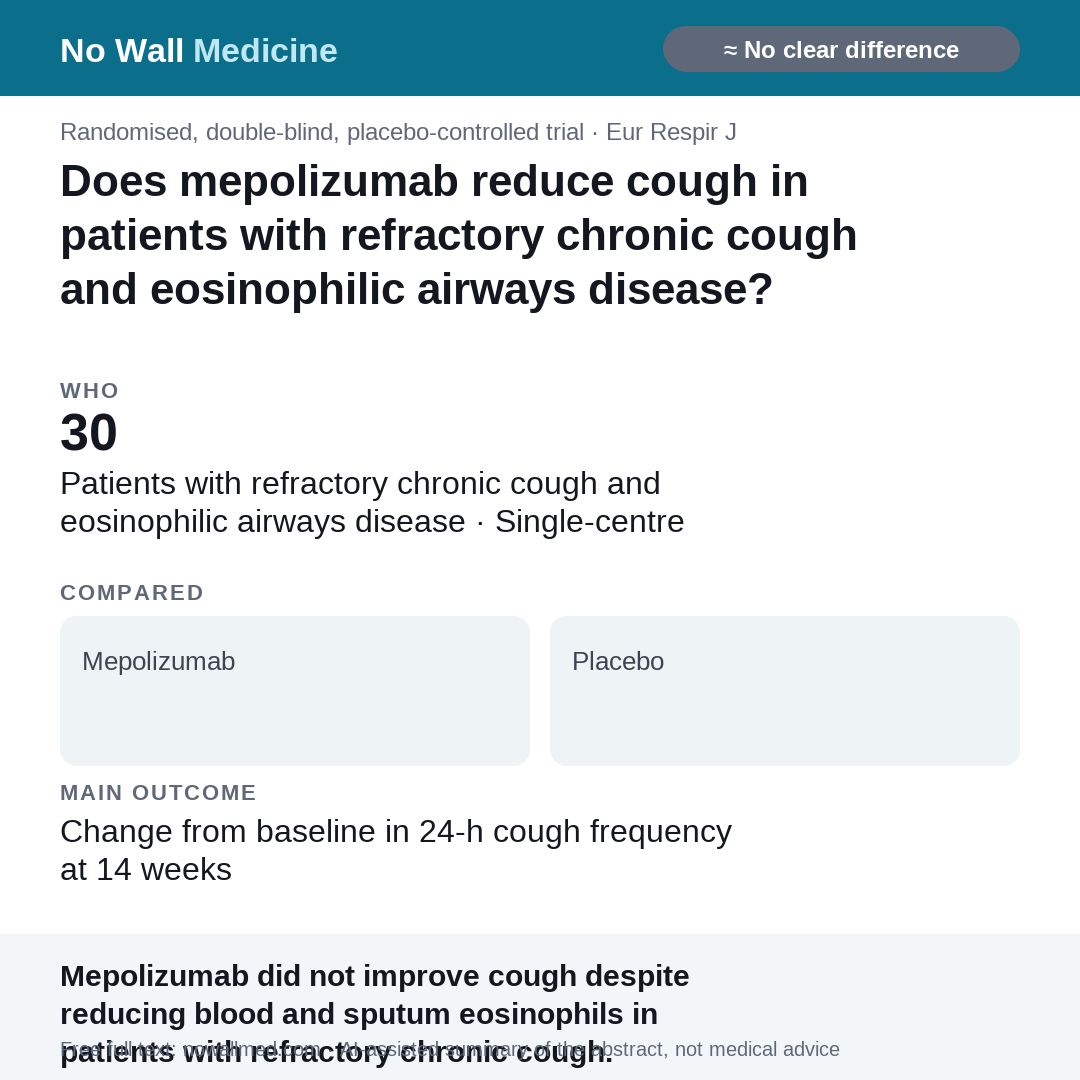
Mepolizumab for the treatment of refractory chronic cough in patients with eosinophilic airways disease (MUCOSA): a randomised, double-blind, parallel-group, placebo-controlled trial
Randomised, double-blind, placebo-controlled trialNo clear difference
Does mepolizumab reduce cough in patients with refractory chronic cough and eosinophilic airways disease?
Who
30
Patients with refractory chronic cough and eosinophilic airways disease · Single-centre
Compared
Mepolizumab
Placebo
Main outcome
Change from baseline in 24-h cough frequency at 14 weeks
Result: percentage change relative to placebo +18.0%, 95% CI -46.4-160.1%
Bottom line: Mepolizumab did not improve cough despite reducing blood and sputum eosinophils in patients with refractory chronic cough.
Eur Respir J · 2026-04-02Download image
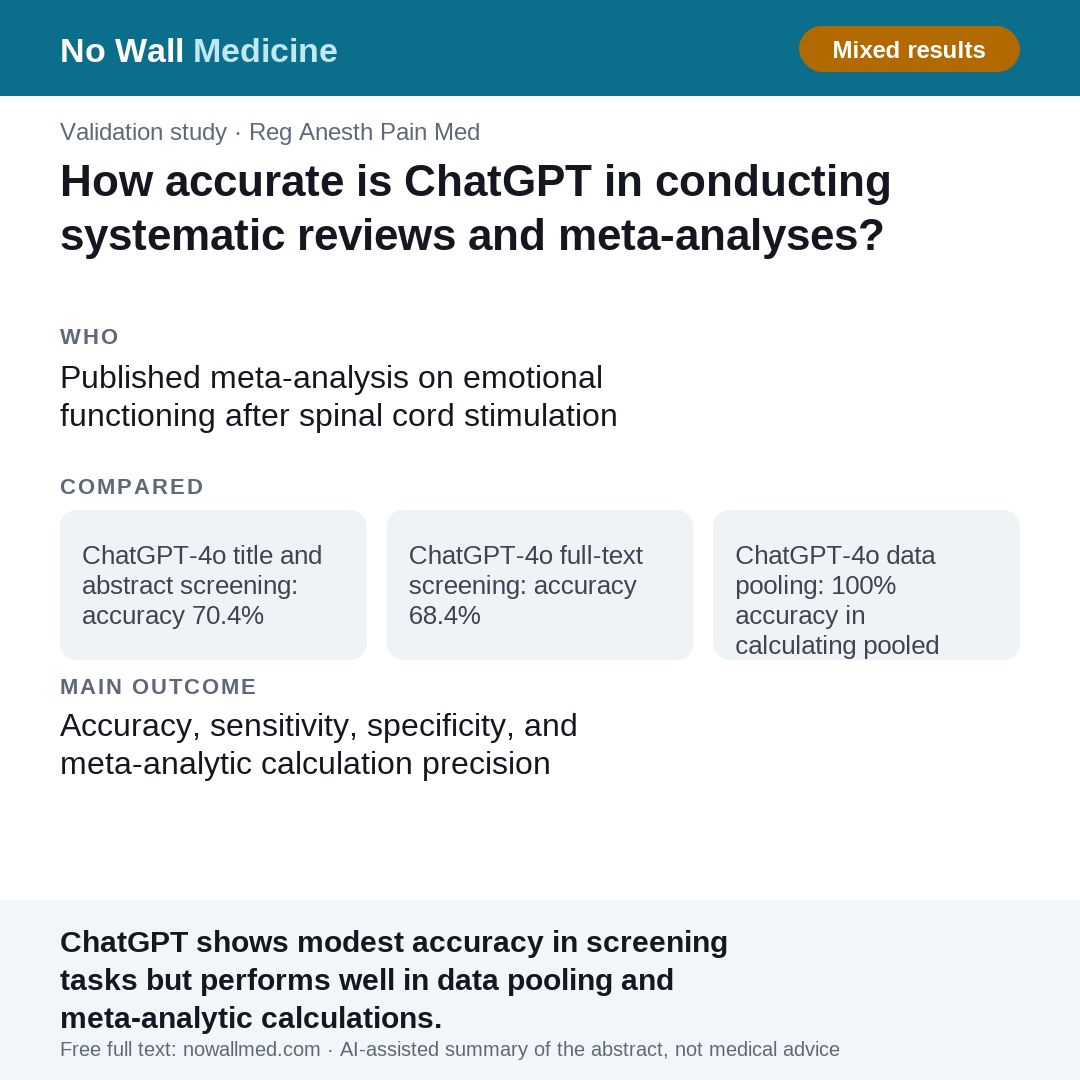
Human versus artificial intelligence: evaluating ChatGPT's performance in conducting published systematic reviews with meta-analysis in chronic pain research
Validation studyMixed results
How accurate is ChatGPT in conducting systematic reviews and meta-analyses?
Who
Published meta-analysis on emotional functioning after spinal cord stimulation
Compared
ChatGPT-4o title and abstract screening: accuracy 70.4%
ChatGPT-4o full-text screening: accuracy 68.4%
ChatGPT-4o data pooling: 100% accuracy in calculating pooled mean differences
Main outcome
Accuracy, sensitivity, specificity, and meta-analytic calculation precision
Bottom line: ChatGPT shows modest accuracy in screening tasks but performs well in data pooling and meta-analytic calculations.
Reg Anesth Pain Med · 2026-04-02Download image
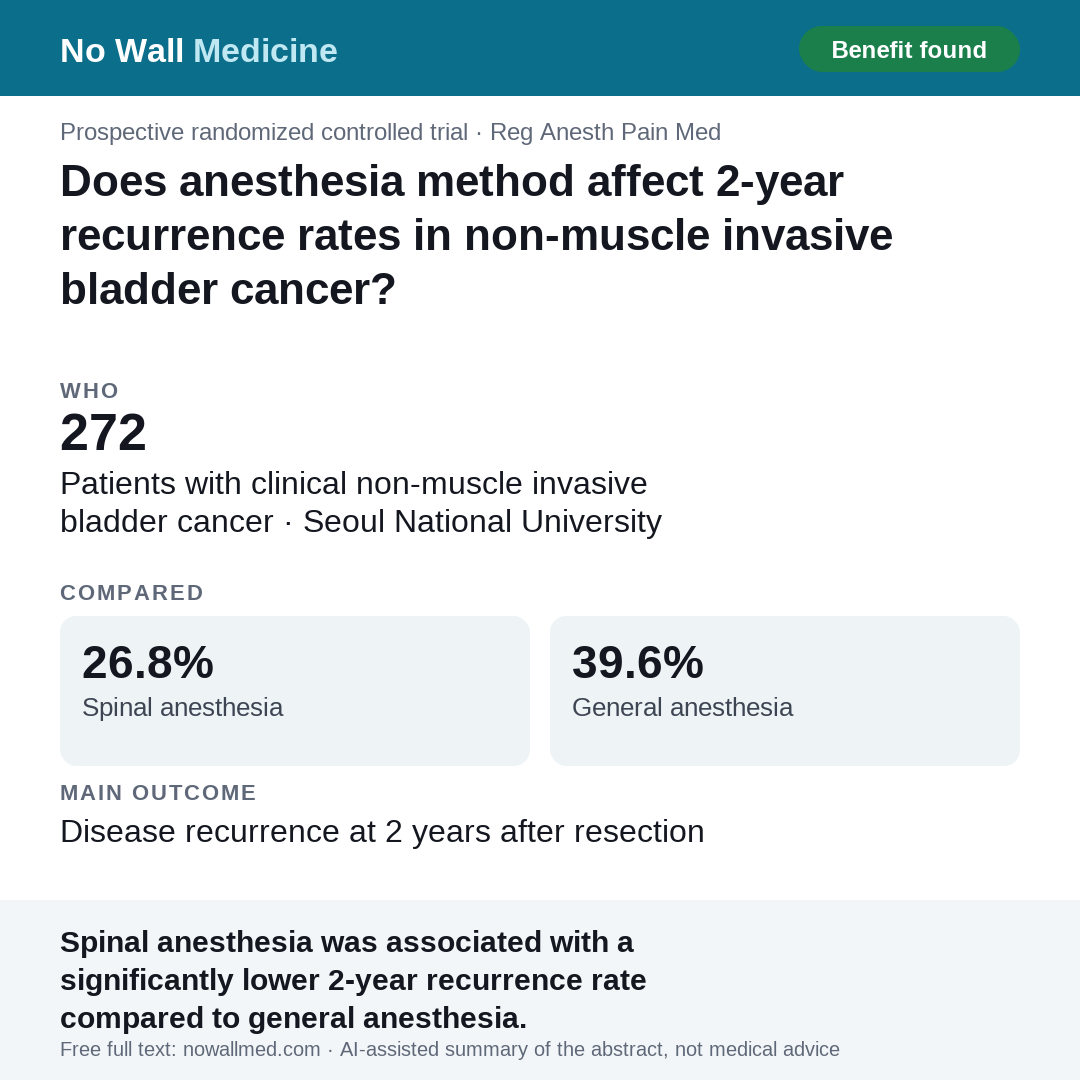
Anesthetic approaches and 2-year recurrence rates in non-muscle invasive bladder cancer: a randomized clinical trial
Prospective randomized controlled trialBenefit found
Does anesthesia method affect 2-year recurrence rates in non-muscle invasive bladder cancer?
Who
272
Patients with clinical non-muscle invasive bladder cancer · Seoul National University Hospital
Compared
26.8%Spinal anesthesia
39.6%General anesthesia
Main outcome
Disease recurrence at 2 years after resection
Bottom line: Spinal anesthesia was associated with a significantly lower 2-year recurrence rate compared to general anesthesia.
Reg Anesth Pain Med · 2026-04-02Download image
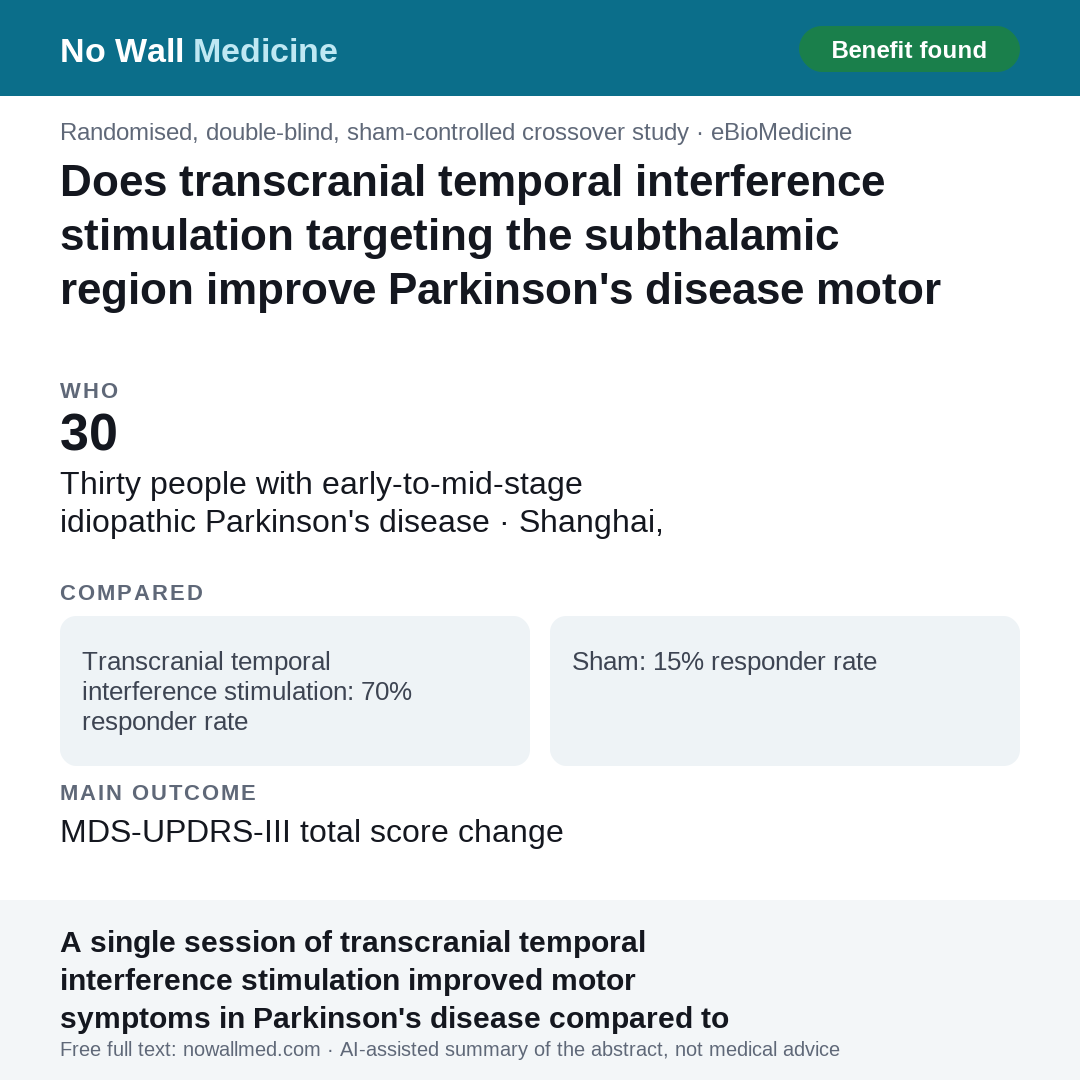
Transcranial temporal interference stimulation targeting the subthalamic region for motor symptoms in Parkinson's disease: a pilot, randomised, double-blind, sham-controlled crossover study
Randomised, double-blind, sham-controlled crossover studyBenefit found
Does transcranial temporal interference stimulation targeting the subthalamic region improve Parkinson's disease motor symptoms?
Who
30
Thirty people with early-to-mid-stage idiopathic Parkinson's disease · Shanghai, China
Compared
Transcranial temporal interference stimulation: 70% responder rate
Sham: 15% responder rate
Main outcome
MDS-UPDRS-III total score change
Result: risk difference 56.3%, 95% CI 38.3-74.4
Bottom line: A single session of transcranial temporal interference stimulation improved motor symptoms in Parkinson's disease compared to sham.
Funded by: National Natural Science Foundation of China
eBioMedicine · 2026-04-02Download image
The effects of antenatal interventions on gestational weight gain in low and middle-income countries: a systematic review
Systematic review of randomized controlled trialsBenefit found
Do antenatal interventions affect gestational weight gain in low and middle-income countries?
Who
Pregnant women in low and middle-income countries · Low and middle-income countries
Compared
Nutritional interventions
Behavioural interventions
Main outcome
Gestational weight gain
Bottom line: Antenatal interventions like nutritional, behavioural, and physical activity can help pregnant women achieve optimal gestational weight gain.
BMJ Glob Health · 2026-04-02Download image