Visual abstracts
New randomized trials and meta-analyses from leading journals at a glance: who was studied, what was compared, and what was found. Every paper is free to read in full.
All specialtiesCardiology 4877Oncology 4138Gastroenterology & Hepatology 1942Infectious Disease 3837Neurology 1905Psychiatry & Mental Health 2273Pulmonology 2143Critical Care 1365Endocrinology & Diabetes 2580Pediatrics 2980Surgery 2559Orthopedics & Sports Medicine 931Neurosurgery 537Cardiothoracic & Vascular Surgery 674Plastic & Reconstructive Surgery 591Nephrology 1133Rheumatology 823Hematology 1109Dermatology 621Ophthalmology 543Obstetrics & Gynecology 1686Public & Global Health 1058Radiology & Imaging 648Anesthesiology 986Urology 764ENT (Otolaryngology) 503Emergency Medicine 511Allergy & Immunology 313Geriatrics 981Family Medicine & Primary Care 562Medical Genetics & Genomics 676Pathology & Laboratory Medicine 159Physical Medicine & Rehabilitation 757Palliative Care 444Nutrition 1588Digital Health & AI 2201General Medicine 321
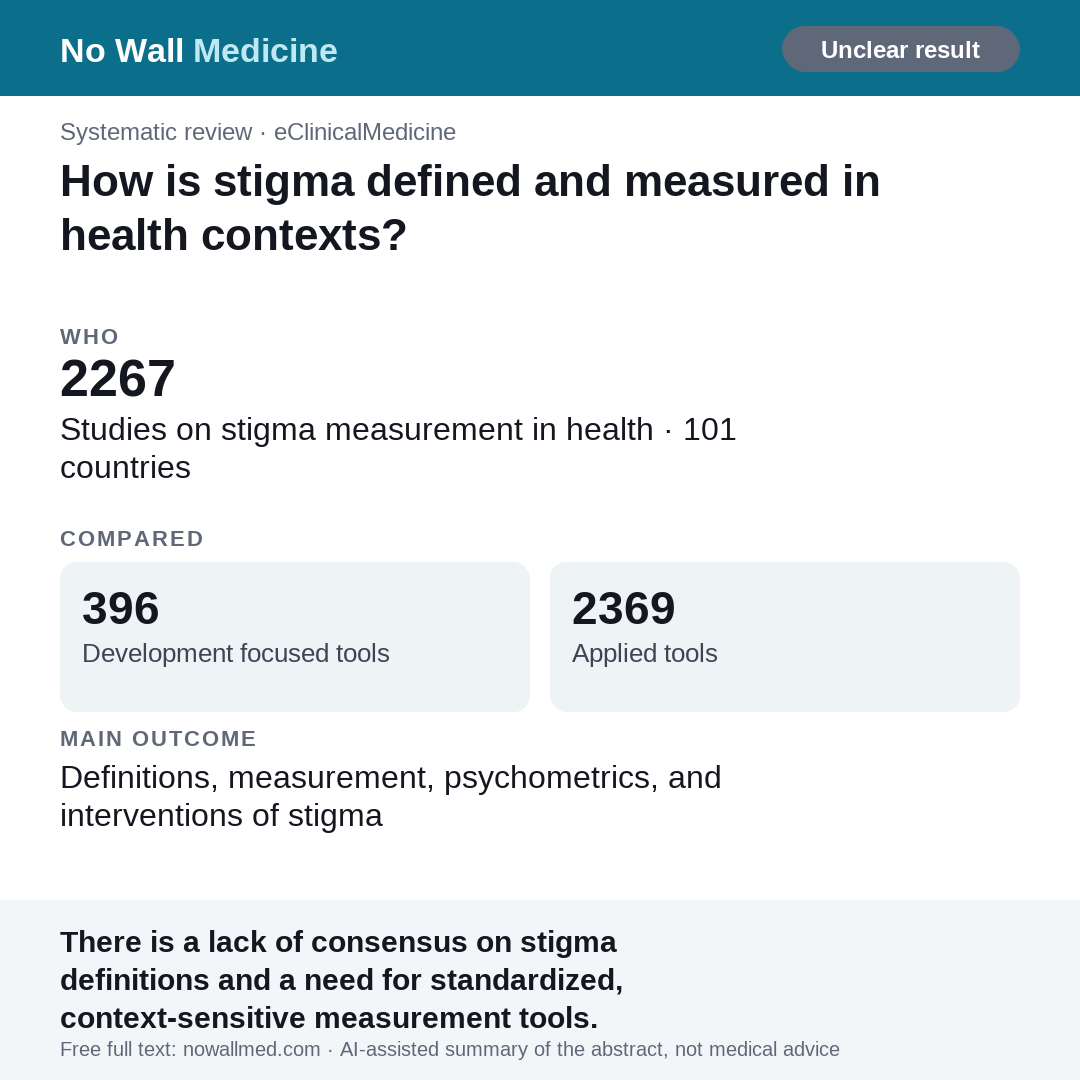
Stigma measurement in health: a systematic review
Systematic reviewUnclear result
How is stigma defined and measured in health contexts?
Who
2267
Studies on stigma measurement in health · 101 countries
Compared
396Development focused tools (15.2%)
2369Applied tools (91.0%)
Main outcome
Definitions, measurement, psychometrics, and interventions of stigma
Bottom line: There is a lack of consensus on stigma definitions and a need for standardized, context-sensitive measurement tools.
Limitation: Lack of consensus on definitions, limited pediatric research, and insufficient attention to structural drivers.
Funded by: St. Jude Children's Research Hospital, National Cancer Institute, ALSA, Siteman Cancer Center
eClinicalMedicine · 2025-07-24Download image
Immune checkpoint inhibitors as neoadjuvant therapy for resectable non-small cell lung cancer: a systematic review and network meta-analysis
Systematic review and network meta-analysisNo clear difference
Is adding adjuvant immune checkpoint inhibitor therapy to neoadjuvant chemoimmunotherapy beneficial?
Who
4532
Patients with resectable non-small cell lung cancer
Compared
Neoadjuvant chemoimmunotherapy plus adjuvant immune checkpoint inhibitor
Neoadjuvant chemoimmunotherapy alone
Main outcome
event-free survival and overall survival
Result: hazard ratio 0.97 (95% CI 0.67 to 1.41)
Bottom line: Adding adjuvant immune checkpoint inhibitor to neoadjuvant chemoimmunotherapy showed no clear benefit for survival.
Limitation: Further research is needed to directly compare neoadjuvant-only versus perioperative chemoimmunotherapy.
J Natl Cancer Inst · 2025-07-24Download image

Identifying genomic surveillance gaps in Africa for the global public health response to West Nile virus: a systematic review
Systematic reviewUnclear result
What is the status of West Nile virus molecular testing and genomic sequencing in Africa?
Who
West Nile virus in Africa · Africa, Canary Islands, and Réunion Island
Compared
24Countries with publications
16Countries with genomic sequences
Main outcome
Status of molecular testing and genomic sequencing
Bottom line: Substantial knowledge gaps exist regarding West Nile virus disease burden and molecular epidemiology in Africa.
Lancet Microbe · 2025-07-24Download image

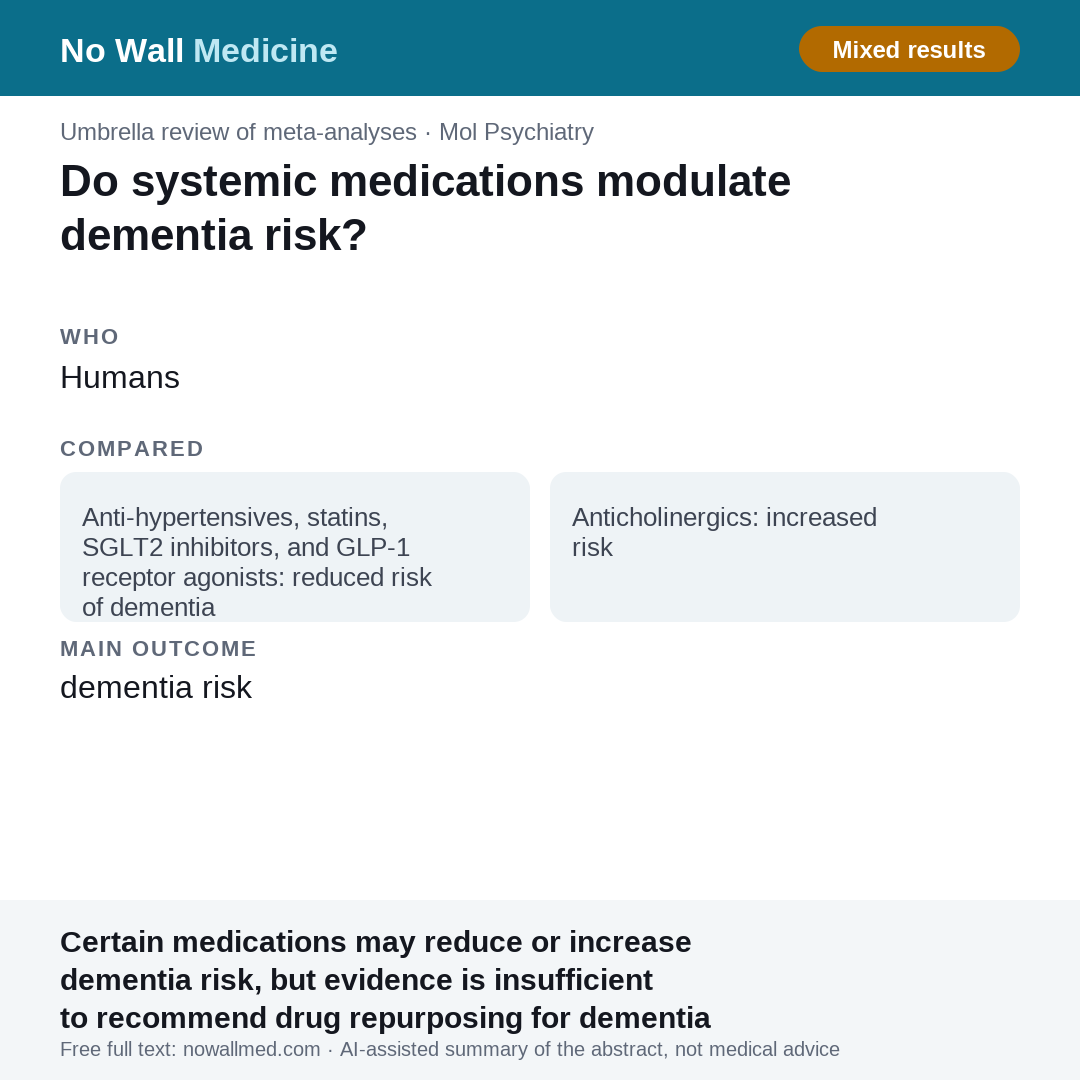
Systemic medications and dementia risk: a systematic umbrella review
Umbrella review of meta-analysesMixed results
Do systemic medications modulate dementia risk?
Who
Humans
Compared
Anti-hypertensives, statins, SGLT2 inhibitors, and GLP-1 receptor agonists: reduced risk of dementia
Anticholinergics: increased risk
Main outcome
dementia risk
Bottom line: Certain medications may reduce or increase dementia risk, but evidence is insufficient to recommend drug repurposing for dementia prevention.
Limitation: Confounding by indication and potential reverse causality were important limitations.
Mol Psychiatry · 2025-07-24Download image
How to diagnose TB in migrants? A systematic review of reviews and decision tree analytical modelling exercise to evaluate properties for single and combined tuberculosis screening tests
Systematic review of reviews and decision tree modellingBenefit found
Do interferon-gamma release assays add value to tuberculosis screening algorithms for migrants?
Who
Migrants being screened for active tuberculosis
Compared
QuantiFERON/chest X-ray/Xpert algorithm: diagnostic odds ratio 24 670
Cough/chest X-ray followed by Xpert: sensitivity 0.88
Cough/chest X-ray followed by Ultra: sensitivity 0.92
Main outcome
Diagnostic test properties and accuracy of tuberculosis screening algorithms
Result: diagnostic odds ratio 24 670 (95% CI 11 630-52 328)
Bottom line: Adding interferon-gamma release assays to active tuberculosis screening pathways significantly improves diagnostic accuracy for migrants.
Eur Respir J · 2025-07-24Download image

Inadvertent placement of thoracic stent grafts in false lumen during aortic dissection surgery - unicentric analysis and systematic review
Retrospective study and systematic reviewHarm found
What are the causes, management, and outcomes of thoracic endovascular aortic repair stent graft misplacement?
Who
35
Patients with aortic dissection undergoing thoracic endovascular aortic repair · China Medical University Hospital and published studies
Compared
Endovascular retrograde stent extension: improved survival
Overall cases: 28.6% mortality
Main outcome
Clinical outcomes and mortality
Bottom line: Accidental stent graft placement in the false lumen markedly increases mortality, primarily due to multiorgan failure.
Limitation: Potential for publication bias may lead to misleading conclusions.
Int J Surg · 2025-07-24Download image

SGLT2 Inhibitors and GLP-1 Receptor Agonists in Kidney Transplantation: A Systematic Review and Meta-Analysis
Systematic review and meta-analysisBenefit found
What are the efficacy and safety of SGLT2 inhibitors and GLP-1 receptor agonists in kidney transplant recipients?
Who
7834
Kidney transplant recipients
Compared
Sodium-glucose cotransporter 2 inhibitors
Glucagon-like peptide-1 receptor agonists
Main outcome
Mortality, cardiovascular, kidney outcomes, weight, and hemoglobin A1c
Bottom line: SGLT2 inhibitors and GLP-1 receptor agonists are associated with improved survival, cardiovascular, and kidney outcomes in kidney transplant recipients.
Limitation: Future randomized controlled trials are necessary to confirm the efficacy and safety.
Transplantation · 2025-07-24Download image

Safety and Efficacy of Omidenepag Isopropyl for Elevated Intraocular Pressure: A Systematic Review and Meta-Analysis
Systematic review and meta-analysisNo clear difference
Is omidenepag isopropyl safe and effective compared to prostaglandin F agonist?
Who
3294
Patients with elevated intraocular pressure
Compared
Omidenepag isopropyl: WMD = -3.78 mmHg (95% CI [-4.74 to -2.82])
Prostaglandin F agonist
Main outcome
change in intraocular pressure from baseline
Result: WMD = 0.28 mmHg, 95% CI [-0.09 to 0.65]
Bottom line: Omidenepag isopropyl offers comparable intraocular pressure reduction to prostaglandin F agonists with different ocular adverse event profiles.
Limitation: Short follow-up periods constrained the assessment of long-term efficacy and rare adverse events.
Am J Ophthalmol · 2025-07-24Download image

Long-term air pollution exposure and incident dementia: a systematic review and meta-analysis
Systematic review and meta-analysisBenefit found
Is long-term outdoor air pollution exposure associated with incident dementia?
Who
Adults aged 18 years or older
Compared
Particulate matter 2.5: hazard ratio 1.08 (95% CI 1.02-1.14)
Nitrogen dioxide: hazard ratio 1.03 (95% CI 1.01-1.05)
Black carbon/PM2.5 absorbance: hazard ratio 1.13 (95% CI 1.01-1.27)
Main outcome
Physician diagnosis of dementia
Result: hazard ratio 1.08 (95% CI 1.02-1.14) for PM2.5
Bottom line: Long-term exposure to particulate matter 2.5, nitrogen dioxide, and black carbon is significantly associated with increased dementia risk.
Limitation: Moderate to considerable heterogeneity between studies in these pooled analyses.
Funded by: European Research Council
Lancet Planet Health · 2025-07-24Download image

Systematic review of commercial artificial intelligence tools for the detection and volume quantification in intracerebral hemorrhage
Systematic reviewMixed results
How do commercial artificial intelligence tools perform for intracerebral hemorrhage detection and volume quantification?
Who
32
Commercial artificial intelligence software for intracerebral hemorrhage
Compared
Detection performance: sensitivities of 68.2-99.7%, specificities of 83-97.7%, and accuracies of 85.3-99.16%
Volume quantification: high correlations despite inconsistent metrics
Main outcome
detection performance and volume quantification metrics
Bottom line: Commercial artificial intelligence tools are effective for detection, but volume quantification tools are limited and lack standardized validation.
Limitation: None of the identified tools disclosed internal validation studies.
Eur Radiol · 2025-07-24Download image

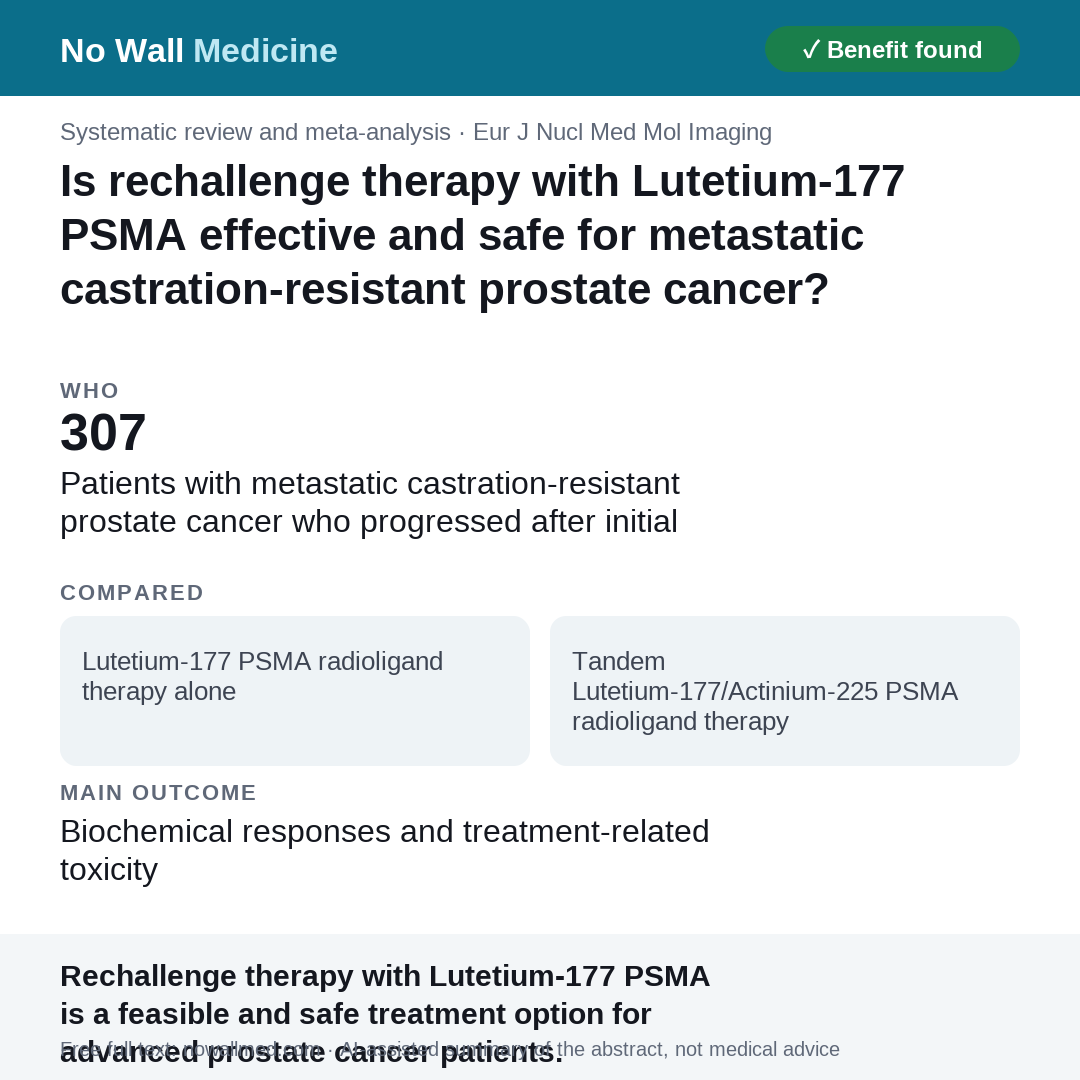
Efficacy and safety of rechallenge therapy with [177Lu]Lu-PSMA in metastatic castration-resistant prostate cancer: a systematic review and meta-analysis
Systematic review and meta-analysisBenefit found
Is rechallenge therapy with Lutetium-177 PSMA effective and safe for metastatic castration-resistant prostate cancer?
Who
307
Patients with metastatic castration-resistant prostate cancer who progressed after initial Lutetium-177 PSMA therapy
Compared
Lutetium-177 PSMA radioligand therapy alone
Tandem Lutetium-177/Actinium-225 PSMA radioligand therapy
Main outcome
Biochemical responses and treatment-related toxicity
Result: PSA decline more than 50% 0.45 (95% CI: 0.36–0.54)
Bottom line: Rechallenge therapy with Lutetium-177 PSMA is a feasible and safe treatment option for advanced prostate cancer patients.
Limitation: Findings require confirmation in prospective, randomized studies comparing different rechallenge strategies.
Eur J Nucl Med Mol Imaging · 2025-07-24Download image
Enhancing clinical translation of analgesics for neuropathic pain: a systematic review and meta-analysis on the role of non-evoked pain assessment in preclinical trials
Systematic review and meta-analysisBenefit found
Do standard analgesics relieve non-evoked pain in preclinical neuropathic pain models?
Who
196
Animals with traumatic nerve injury, nontraumatic neuropathies, or spinal cord injuries · Preclinical studies
Compared
Tricyclic antidepressants and selective serotonin reuptake inhibitors: highest efficacy
Gabapentinoids and strong opioids: followed
Nonsteroidal anti-inflammatory drugs and mild opioids: no significant effect
Main outcome
Relief of non-evoked pain associated with neuropathic pain
Bottom line: Standard analgesics demonstrate robust preclinical efficacy in alleviating non-evoked pain, mirroring their clinical performance.
Pain · 2025-07-24Download image

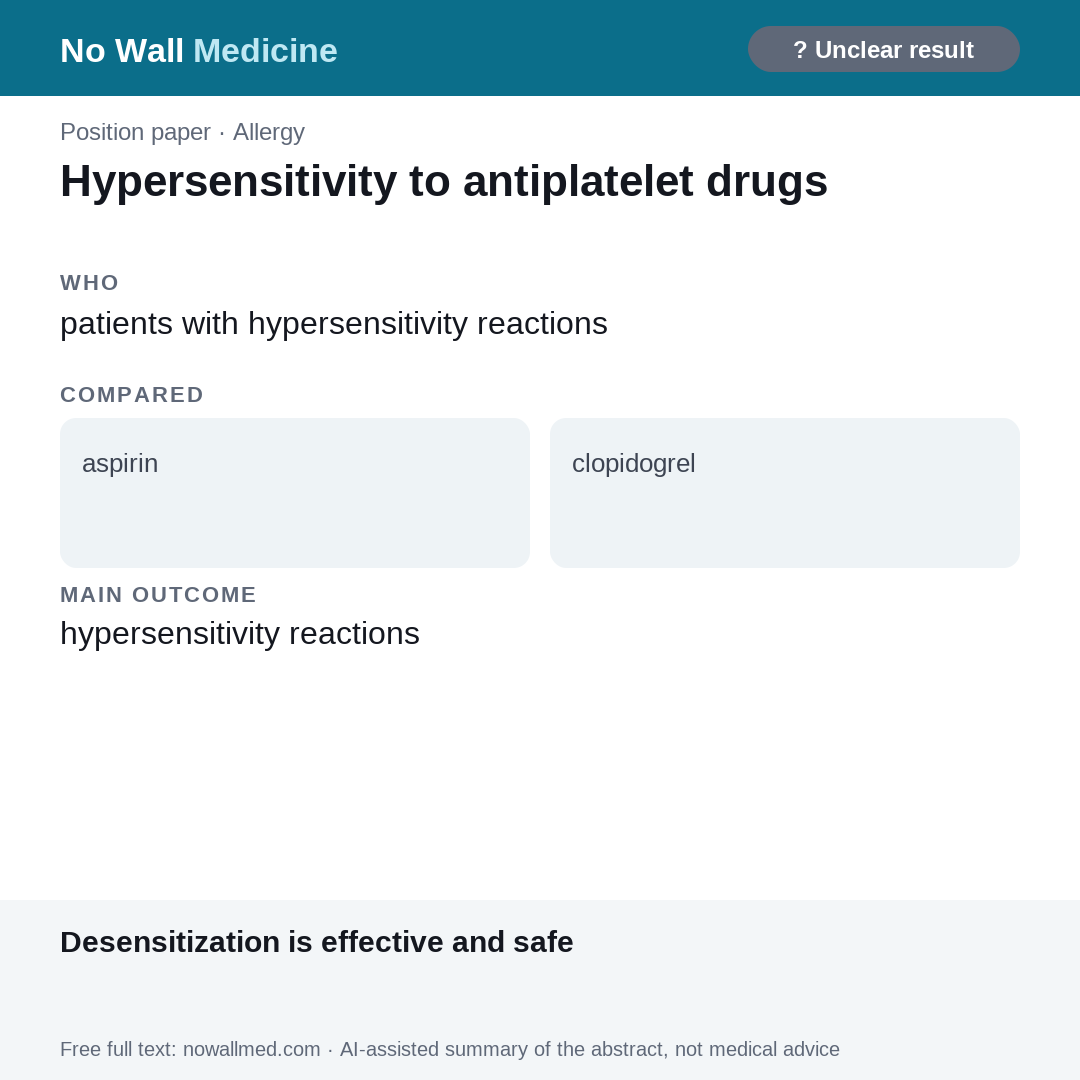
Diagnosis and Management of Hypersensitivity to Antiplatelet Drugs: EAACI Position Paper
Position paperUnclear result
Hypersensitivity to antiplatelet drugs
Who
patients with hypersensitivity reactions
Compared
aspirin
clopidogrel
Main outcome
hypersensitivity reactions
Bottom line: Desensitization is effective and safe
Allergy · 2025-07-24Download image
Research without prior consent procedure and intervention effect on mortality in critical care: a meta-epidemiological study of randomized controlled trials
Meta-epidemiological study of meta-analysesNo clear difference
Do research without prior consent procedures affect intervention effects on mortality in critical care?
Who
103,011
Critically ill adults in randomized controlled trials
Compared
Research without prior consent
Standard consent
Main outcome
Intervention effect on mortality
Result: ratio of odds ratios 1.05 (95% CI 0.83-1.34)
Bottom line: Research without prior consent does not change intervention effects on mortality but improves recruitment and randomization speed.
Crit Care · 2025-07-24Download image

Extracellular vesicles as a biomarkers in traumatic brain injury: a systematic review of animal and clinical studies
Systematic reviewUnclear result
Can extracellular vesicles serve as biomarkers in traumatic brain injury?
Who
Animal models and human traumatic brain injury patients
Compared
Animal studies: miRNAs were the most frequently identified biomarker
Human studies: proteins were most common
Main outcome
Extracellular vesicle-based biomarker identification and diagnostic accuracy
Bottom line: Extracellular vesicles show potential as biomarkers, but standardized protocols and more prognostic research are required.
Limitation: Significant heterogeneity in experimental design, isolation methods, and study populations.
Crit Care · 2025-07-24Download image

Equity of participants in clinical trials in critical care and perioperative medicine research: a systematic review
Systematic reviewHarm found
How are equity data reported and participants represented in critical care and perioperative trials?
Who
155 036
Adults receiving critical care or perioperative interventions · MEDLINE, Embase, and Clinicaltrials.gov
Compared
Female participants: underrepresented
Non-White participants: underrepresented
Main outcome
Representation and reporting trends of equity data
Bottom line: Critical care and perioperative trials inconsistently report equity data and underrepresent female and non-White participants.
BJA Open · 2025-07-24Download image

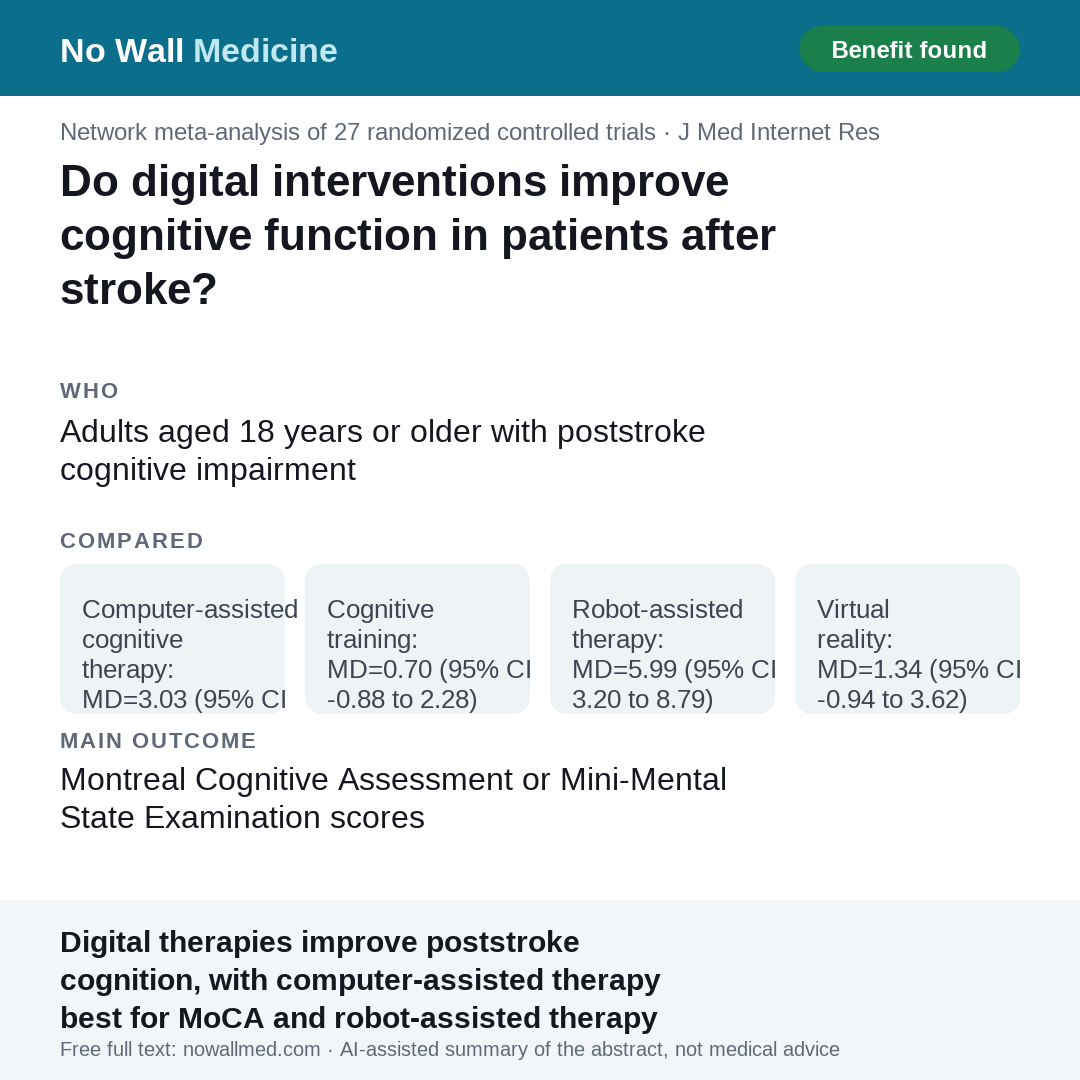
Digital Interventions for Cognitive Dysfunction in Patients With Stroke: Systematic Review and Meta-Analysis
Network meta-analysis of 27 randomized controlled trialsBenefit found
Do digital interventions improve cognitive function in patients after stroke?
Who
Adults aged 18 years or older with poststroke cognitive impairment
Compared
Computer-assisted cognitive therapy: MD=3.03 (95% CI 1.69 to 4.38) for MoCA
Cognitive training: MD=0.70 (95% CI -0.88 to 2.28) for MoCA
Robot-assisted therapy: MD=5.99 (95% CI 3.20 to 8.79) for MMSE
Virtual reality: MD=1.34 (95% CI -0.94 to 3.62) for MMSE
Main outcome
Montreal Cognitive Assessment or Mini-Mental State Examination scores
Bottom line: Digital therapies improve poststroke cognition, with computer-assisted therapy best for MoCA and robot-assisted therapy best for MMSE.
Limitation: Heterogeneity of included studies, risk of bias, and limited sample sizes in some studies.
J Med Internet Res · 2025-07-24Download image
The Oral Health Disparity Among Refugee Children: A Systematic Review
Systematic reviewHarm found
What are the oral health problems among refugee children in developed nations?
Who
30
Refugee children resettled in developed nations · Developed nations
Compared
Refugee children: 78% with dental caries
Age-and sex-matched children
Main outcome
Oral health status and dental caries prevalence
Bottom line: Refugee children face higher risks of oral disease than nonrefugee immigrant and native-born populations.
Limitation: Lack of standardized or comprehensive measures of oral health.
Laryngoscope Investig Otolaryngol · 2025-07-24Download image

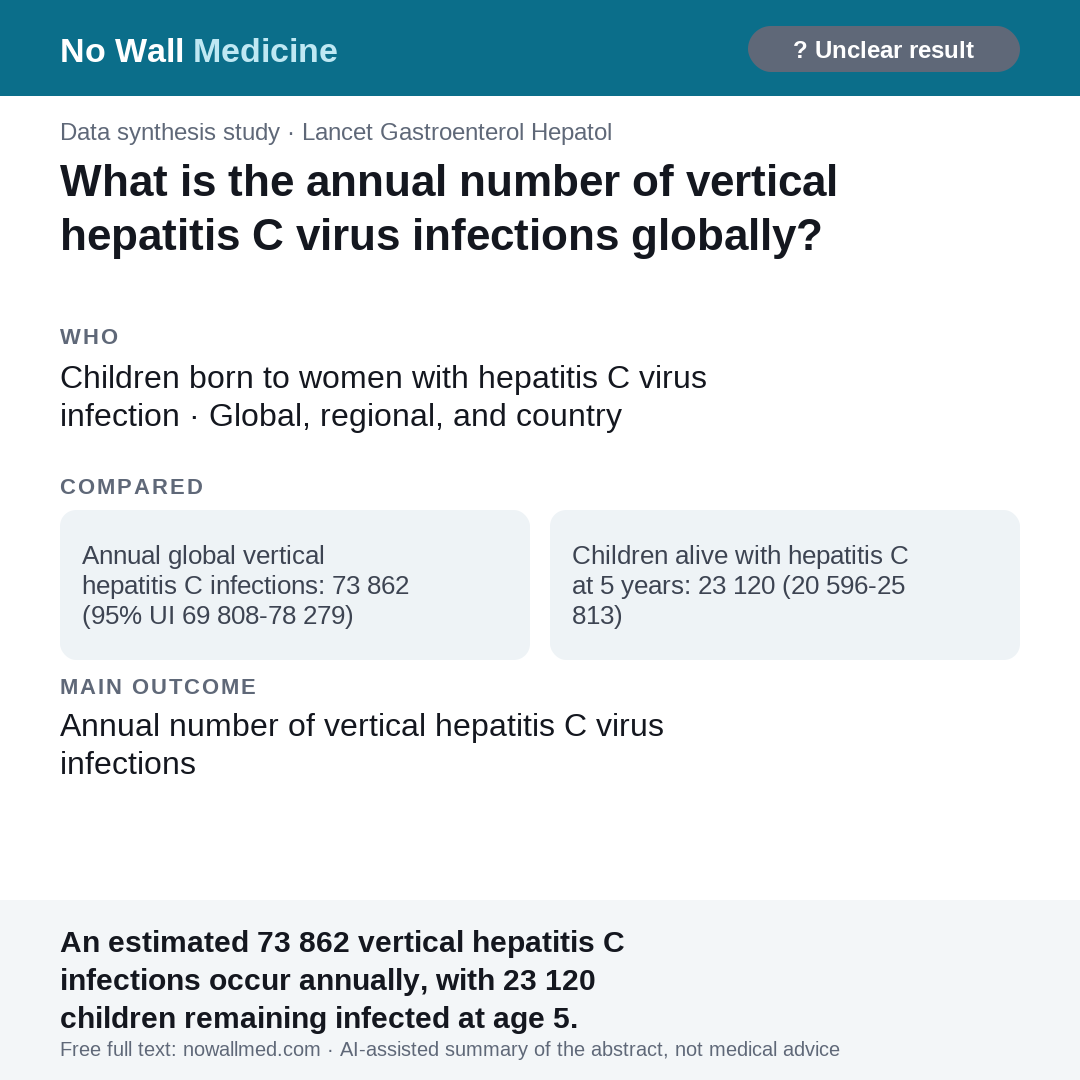
Estimating the annual number of hepatitis C virus infections through vertical transmission at country, regional, and global levels: a data synthesis study
Data synthesis studyUnclear result
What is the annual number of vertical hepatitis C virus infections globally?
Who
Children born to women with hepatitis C virus infection · Global, regional, and country levels
Compared
Annual global vertical hepatitis C infections: 73 862 (95% UI 69 808-78 279)
Children alive with hepatitis C at 5 years: 23 120 (20 596-25 813)
Main outcome
Annual number of vertical hepatitis C virus infections
Bottom line: An estimated 73 862 vertical hepatitis C infections occur annually, with 23 120 children remaining infected at age 5.
Limitation: Data on the safety of hepatitis C treatments in pregnant women are required.
Lancet Gastroenterol Hepatol · 2025-07-23Download image
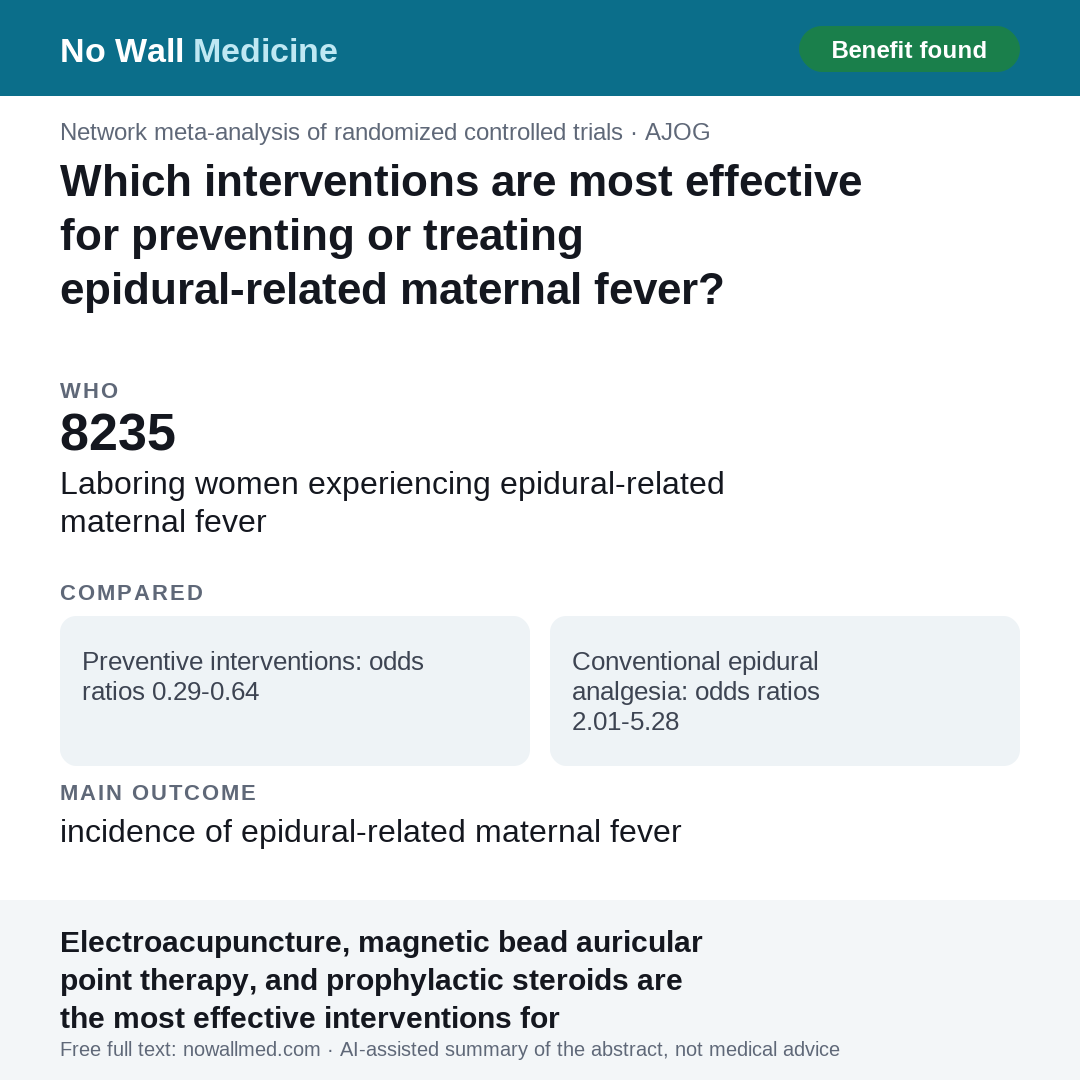
Comparative effectiveness of diverse strategies for the prevention or treatment of epidural-related maternal fever: a systematic review and network meta-analysis of randomized controlled trials
Network meta-analysis of randomized controlled trialsBenefit found
Which interventions are most effective for preventing or treating epidural-related maternal fever?
Who
8235
Laboring women experiencing epidural-related maternal fever
Compared
Preventive interventions: odds ratios 0.29-0.64
Conventional epidural analgesia: odds ratios 2.01-5.28
Main outcome
incidence of epidural-related maternal fever
Bottom line: Electroacupuncture, magnetic bead auricular point therapy, and prophylactic steroids are the most effective interventions for preventing epidural-related maternal fever.
AJOG · 2025-07-23Download image