Visual abstracts
New randomized trials and meta-analyses from leading journals at a glance: who was studied, what was compared, and what was found. Every paper is free to read in full.
All specialtiesCardiology 4763Oncology 4042Gastroenterology & Hepatology 1902Infectious Disease 3756Neurology 1872Psychiatry & Mental Health 2214Pulmonology 2042Critical Care 1319Endocrinology & Diabetes 2544Pediatrics 2889Surgery 2479Orthopedics & Sports Medicine 917Neurosurgery 525Cardiothoracic & Vascular Surgery 656Plastic & Reconstructive Surgery 574Nephrology 1107Rheumatology 810Hematology 1090Dermatology 611Ophthalmology 532Obstetrics & Gynecology 1645Public & Global Health 1037Radiology & Imaging 617Anesthesiology 957Urology 745ENT (Otolaryngology) 494Emergency Medicine 481Allergy & Immunology 309Geriatrics 972Family Medicine & Primary Care 533Medical Genetics & Genomics 659Pathology & Laboratory Medicine 156Physical Medicine & Rehabilitation 734Palliative Care 421Nutrition 1560Digital Health & AI 2133General Medicine 318
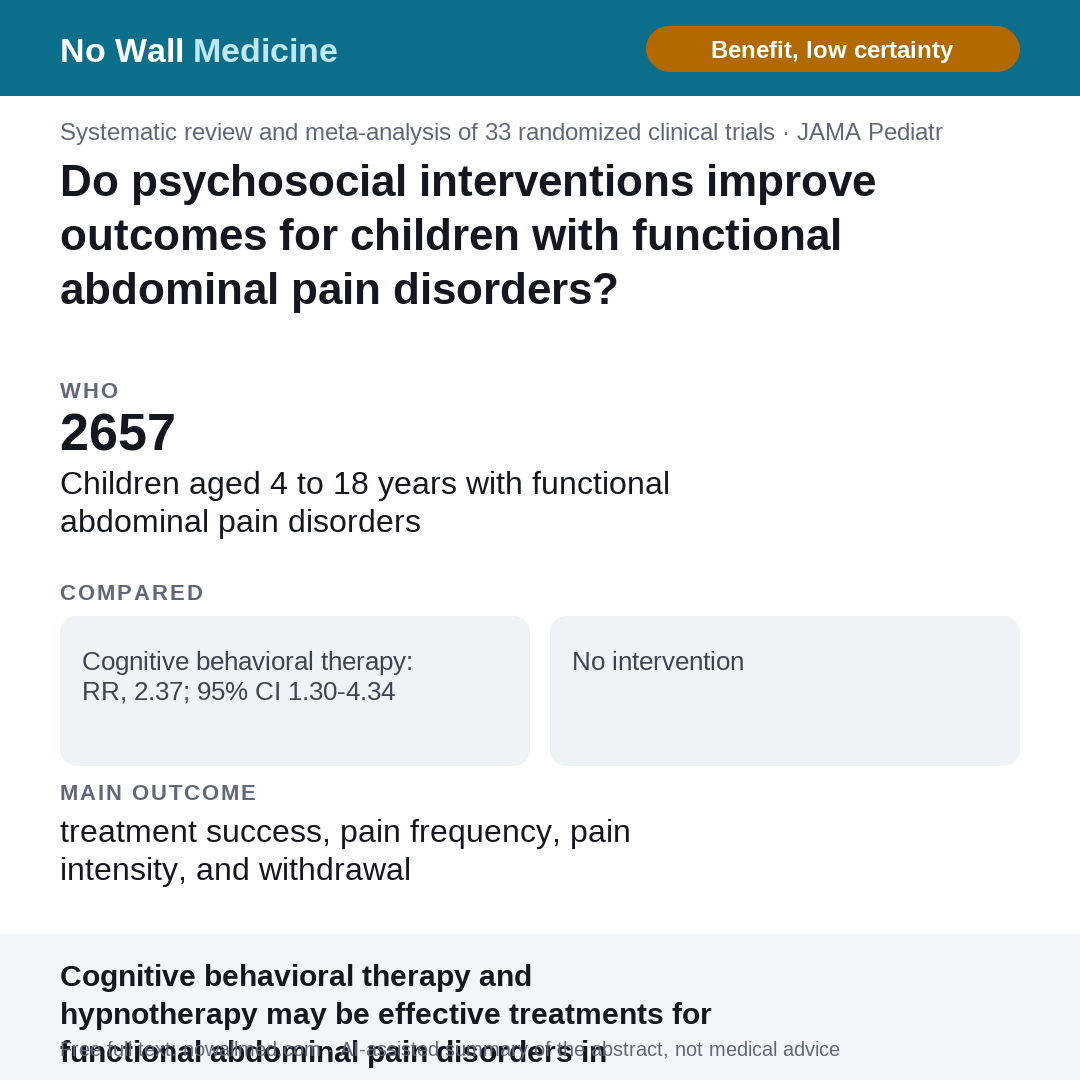
Psychosocial Interventions for the Treatment of Functional Abdominal Pain Disorders in Children: A Systematic Review and Meta-analysis
Systematic review and meta-analysis of 33 randomized clinical trialsBenefit, low certainty
Do psychosocial interventions improve outcomes for children with functional abdominal pain disorders?
Who
2657
Children aged 4 to 18 years with functional abdominal pain disorders
Compared
Cognitive behavioral therapy: RR, 2.37; 95% CI 1.30-4.34
No intervention
Main outcome
treatment success, pain frequency, pain intensity, and withdrawal
Result: RR, 2.37 (95% CI 1.30-4.34)
Bottom line: Cognitive behavioral therapy and hypnotherapy may be effective treatments for functional abdominal pain disorders in children.
Limitation: Risk of bias and imprecision in several included studies.
JAMA Pediatr · 2022-04-12Download image
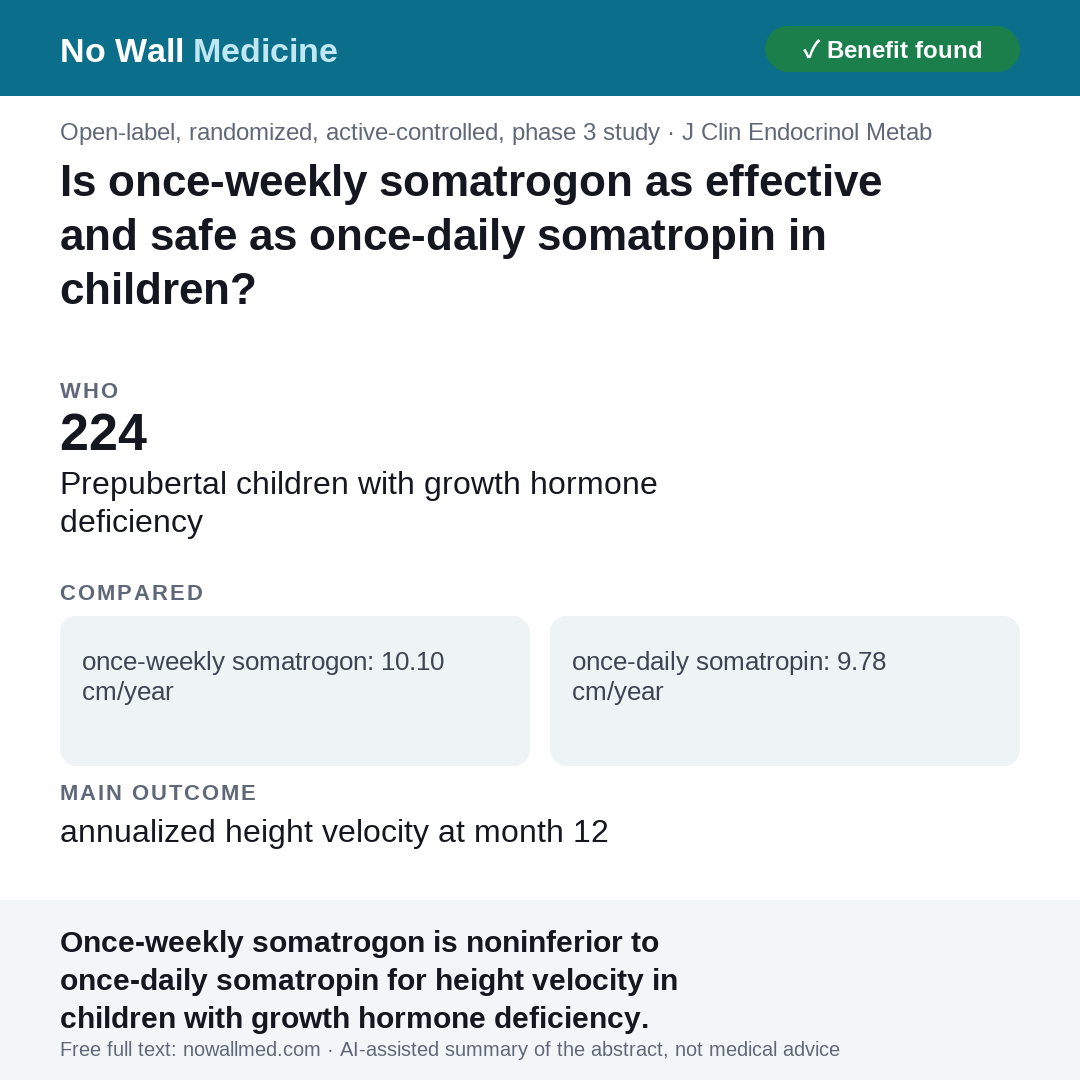
Efficacy and Safety of Weekly Somatrogon vs Daily Somatropin in Children With Growth Hormone Deficiency: A Phase 3 Study
Open-label, randomized, active-controlled, phase 3 studyBenefit found
Is once-weekly somatrogon as effective and safe as once-daily somatropin in children?
Who
224
Prepubertal children with growth hormone deficiency
Compared
once-weekly somatrogon: 10.10 cm/year
once-daily somatropin: 9.78 cm/year
Main outcome
annualized height velocity at month 12
Result: treatment difference 0.33 (95% CI: -0.24, 0.89)
Bottom line: Once-weekly somatrogon is noninferior to once-daily somatropin for height velocity in children with growth hormone deficiency.
J Clin Endocrinol Metab · 2022-04-12Download image
Efficacy of melatonin in term neonatal models of perinatal hypoxia-ischaemia
Meta-analysis of 14 studiesBenefit found
Is melatonin effective in term neonatal models of perinatal hypoxia-ischaemia?
Who
Term animal models of neonatal encephalopathy
Compared
Melatonin treatment
Control
Main outcome
Cerebral infarct size, neurobehavioural tests, and cell death
Result: SMD -2.05 (95% CI -2.93 to -1.16) for brain infarct size
Bottom line: Melatonin shows significant neuroprotective efficacy in term neonatal models of hypoxia-ischaemia regarding infarct size, behaviour, and cell death.
Ann Clin Transl Neurol · 2022-04-12Download image

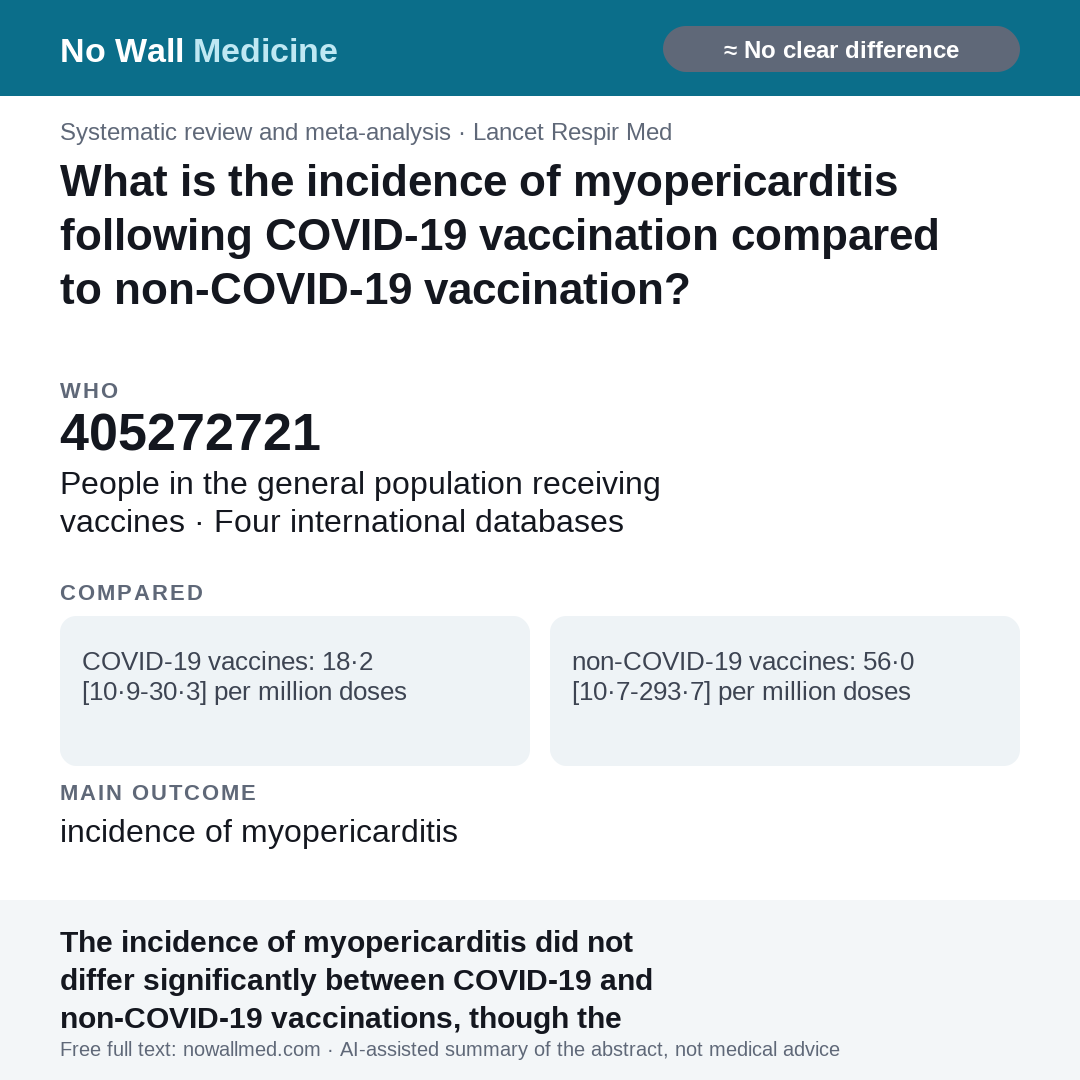
Myopericarditis following COVID-19 vaccination and non-COVID-19 vaccination: a systematic review and meta-analysis
Systematic review and meta-analysisNo clear difference
What is the incidence of myopericarditis following COVID-19 vaccination compared to non-COVID-19 vaccination?
Who
405272721
People in the general population receiving vaccines · Four international databases
Compared
COVID-19 vaccines: 18·2 [10·9-30·3] per million doses
non-COVID-19 vaccines: 56·0 [10·7-293·7] per million doses
Main outcome
incidence of myopericarditis
Result: p=0·20
Bottom line: The incidence of myopericarditis did not differ significantly between COVID-19 and non-COVID-19 vaccinations, though the overall risk is low.
Lancet Respir Med · 2022-04-11Download image
Postnatal circulation in patients with aortic stenosis undergoing fetal aortic valvuloplasty: systematic review and meta-analysis
Systematic review and meta-analysisNo clear difference
What is the type of postnatal circulation achieved following fetal aortic valvuloplasty?
Who
266
Fetuses with critical aortic stenosis undergoing fetal aortic valvuloplasty
Compared
Liveborn patients: 45.8% (95% CI, 39.2-52.4%) BVC
Liveborn patients with technically successful FAV: 51.9% (95% CI, 44.7-59.1%) BVC
Main outcome
Type of postnatal circulation
Result: 45.8% (95% CI, 39.2-52.4%) BVC prevalence
Bottom line: Fetal aortic valvuloplasty resulted in biventricular circulation in 46% of liveborn patients, suggesting no true benefit for achieving it.
Limitation: Lack of randomized clinical trials
Ultrasound Obstet Gynecol · 2022-04-11Download image

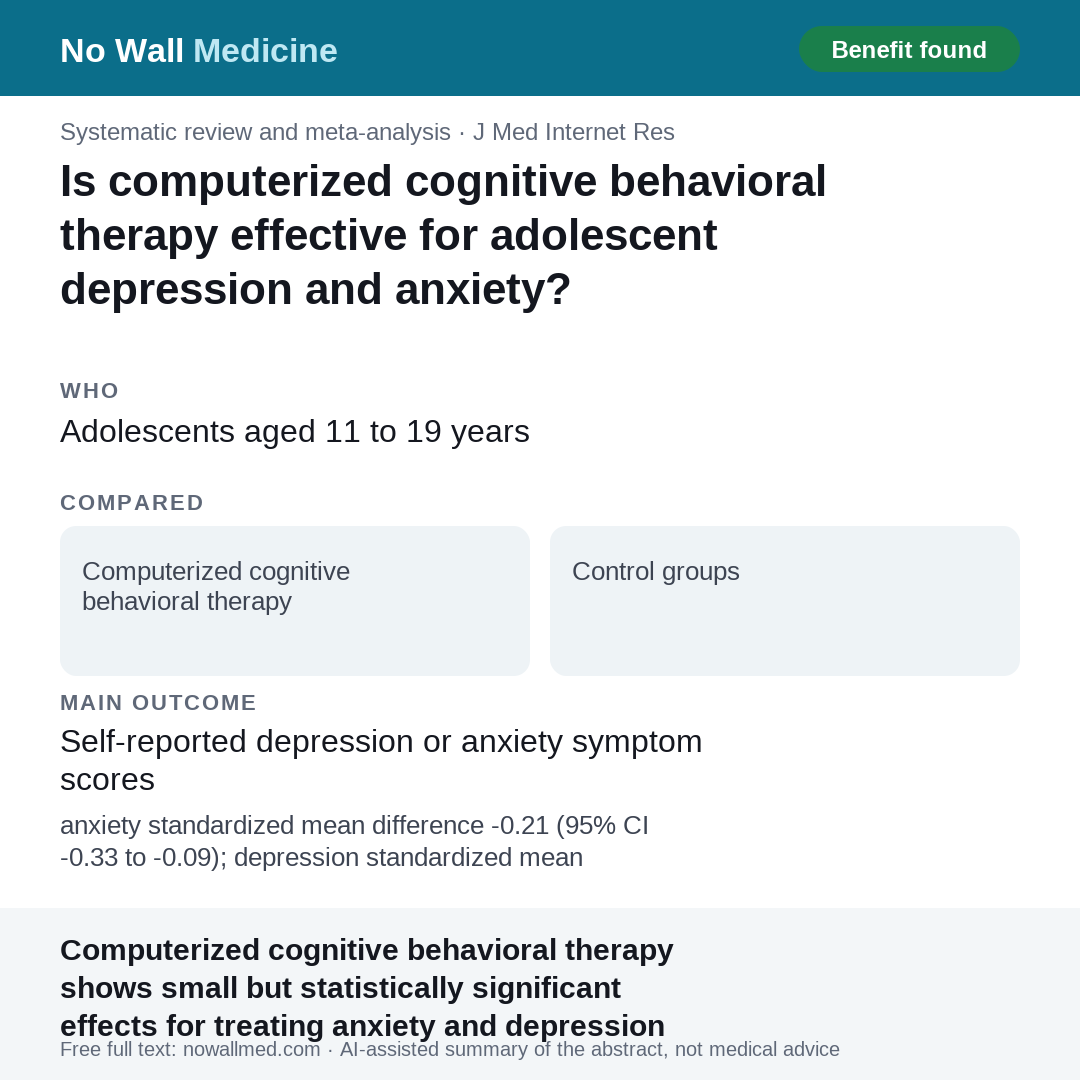
Computerized Cognitive Behavioral Therapy for Treatment of Depression and Anxiety in Adolescents: Systematic Review and Meta-analysis
Systematic review and meta-analysisBenefit found
Is computerized cognitive behavioral therapy effective for adolescent depression and anxiety?
Who
Adolescents aged 11 to 19 years
Compared
Computerized cognitive behavioral therapy
Control groups
Main outcome
Self-reported depression or anxiety symptom scores
Result: anxiety standardized mean difference -0.21 (95% CI -0.33 to -0.09); depression standardized mean difference -0.23 (95% CI -0.39 to -0.07)
Bottom line: Computerized cognitive behavioral therapy shows small but statistically significant effects for treating anxiety and depression in adolescents.
Limitation: The quality of the included studies was mixed, with 56% rated as poor.
J Med Internet Res · 2022-04-11Download image
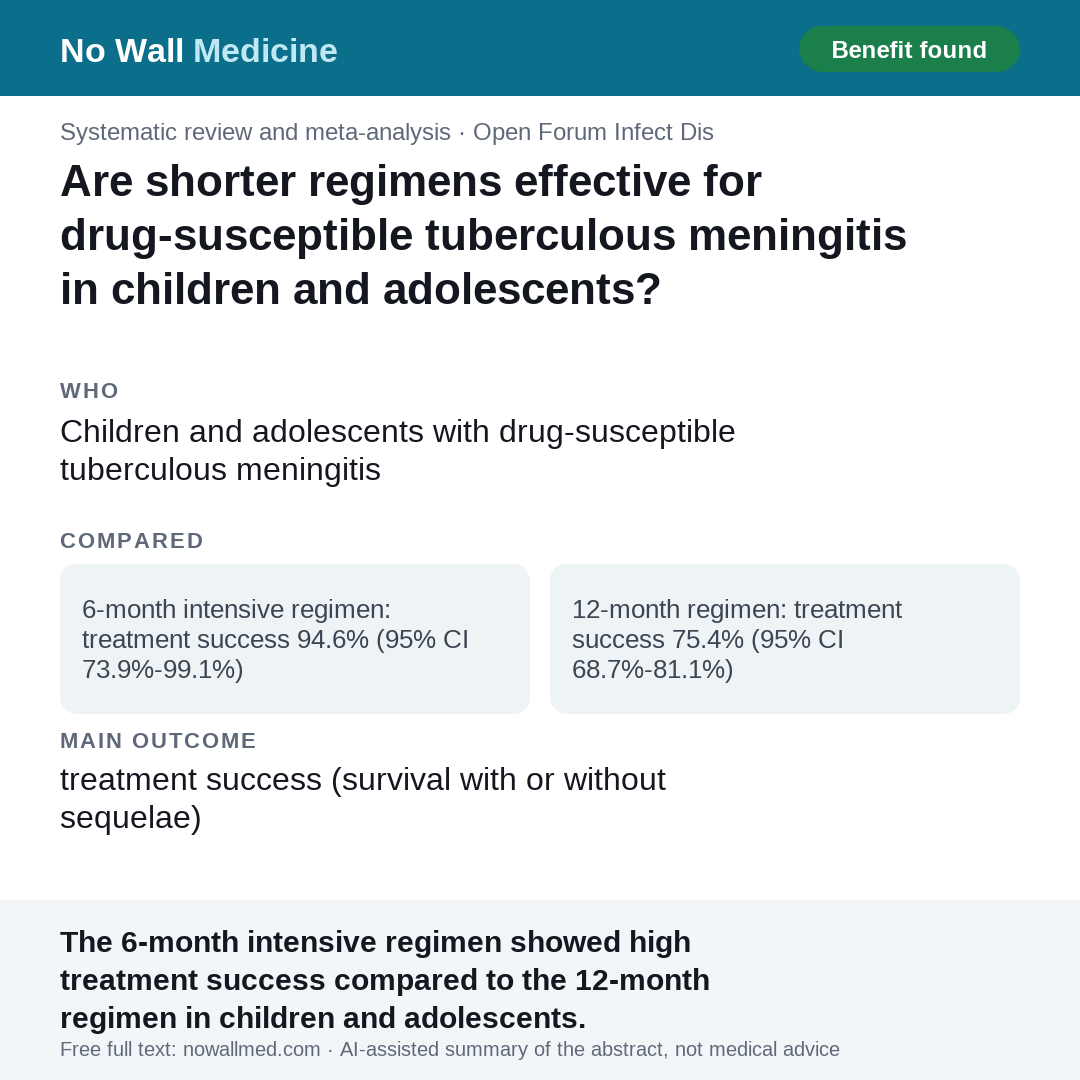
Comparative Effectiveness of Regimens for Drug-Susceptible Tuberculous Meningitis in Children and Adolescents: A Systematic Review and Aggregate-Level Data Meta-Analysis
Systematic review and meta-analysisBenefit found
Are shorter regimens effective for drug-susceptible tuberculous meningitis in children and adolescents?
Who
Children and adolescents with drug-susceptible tuberculous meningitis
Compared
6-month intensive regimen: treatment success 94.6% (95% CI 73.9%-99.1%)
12-month regimen: treatment success 75.4% (95% CI 68.7%-81.1%)
Main outcome
treatment success (survival with or without sequelae)
Bottom line: The 6-month intensive regimen showed high treatment success compared to the 12-month regimen in children and adolescents.
Limitation: small number of studies and substantial potential for confounding
Open Forum Infect Dis · 2022-04-09Download image
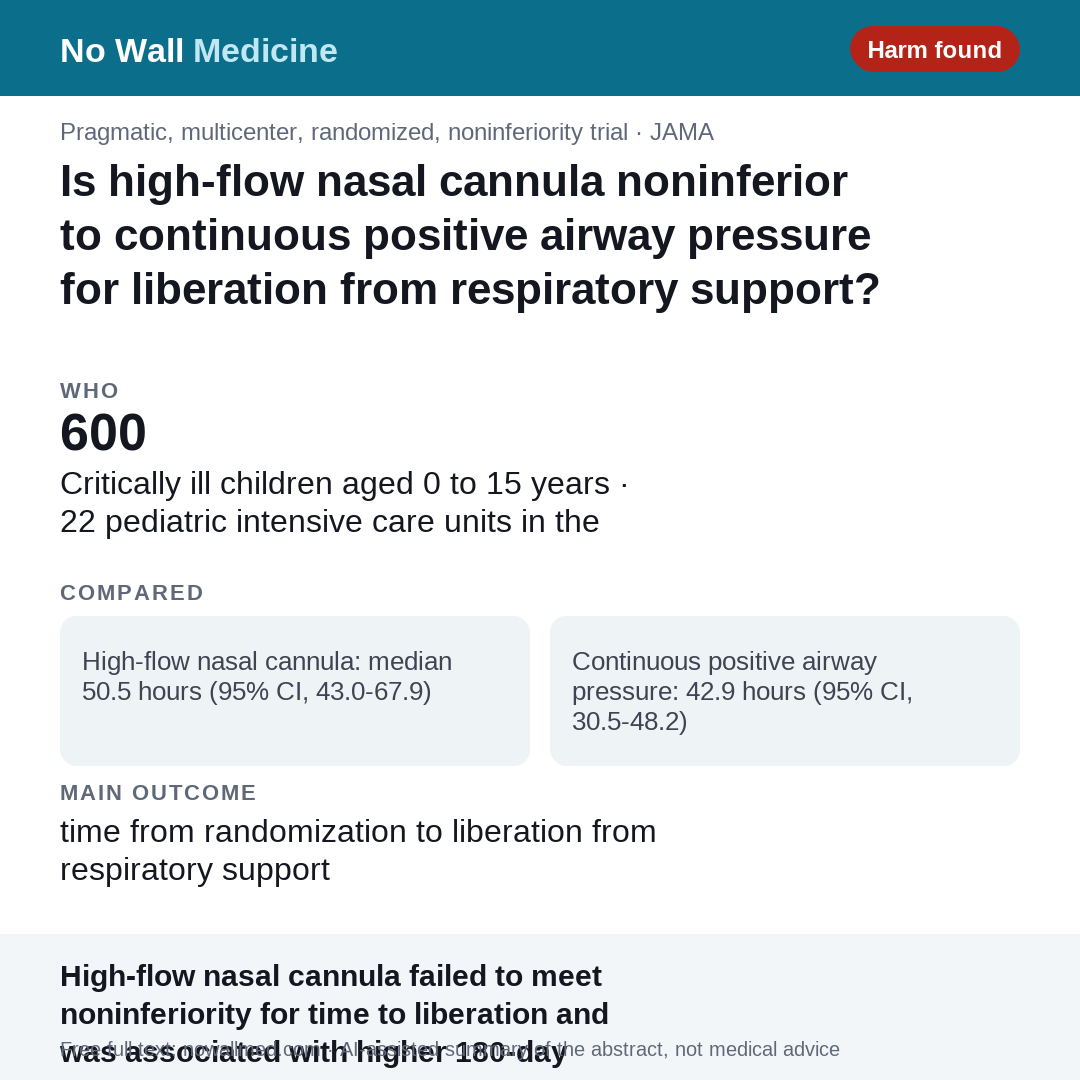
Effect of High-Flow Nasal Cannula Therapy vs Continuous Positive Airway Pressure Following Extubation on Liberation From Respiratory Support in Critically Ill Children: A Randomized Clinical Trial
Pragmatic, multicenter, randomized, noninferiority trialHarm found
Is high-flow nasal cannula noninferior to continuous positive airway pressure for liberation from respiratory support?
Who
600
Critically ill children aged 0 to 15 years · 22 pediatric intensive care units in the United Kingdom
Compared
High-flow nasal cannula: median 50.5 hours (95% CI, 43.0-67.9)
Continuous positive airway pressure: 42.9 hours (95% CI, 30.5-48.2)
Main outcome
time from randomization to liberation from respiratory support
Result: adjusted hazard ratio 0.83; 1-sided 95% CI, 0.70-∞
Bottom line: High-flow nasal cannula failed to meet noninferiority for time to liberation and was associated with higher 180-day mortality.
JAMA · 2022-04-08Download image
Brain morphometric features predict medication response in youth with bipolar disorder: a prospective randomized clinical trial
Prospective randomized clinical trialKey finding
Can brain morphometric features predict medication response in youth with bipolar disorder?
Who
121
Youth with early course bipolar disorder
Compared
quetiapine: 83.2% balanced accuracy
lithium: 83.5% balanced accuracy
Main outcome
Positive antimanic treatment response at week 6
Bottom line: Pre-treatment and early brain morphometric changes can predict medication response in pediatric bipolar disorder.
Psychol Med · 2022-04-08Download image

Traumatic injury clinical trial evaluating tranexamic acid in children (TIC-TOC): A pilot randomized trial
Double-blind randomized pilot trialNo clear difference
Is a large-scale trial of tranexamic acid in injured children feasible?
Who
31
Severely injured children up to 18th birthday · Four pediatric Level I trauma centers in the United States
Compared
Tranexamic acid 15 mg/kg bolus
Tranexamic acid 30 mg/kg bolus
Normal saline placebo
Main outcome
Global functioning
Bottom line: The pilot trial confirmed the feasibility of conducting a large-scale trial evaluating tranexamic acid in severely injured children.
Limitation: This was a pilot trial with a small sample size.
Acad Emerg Med · 2022-04-08Download image

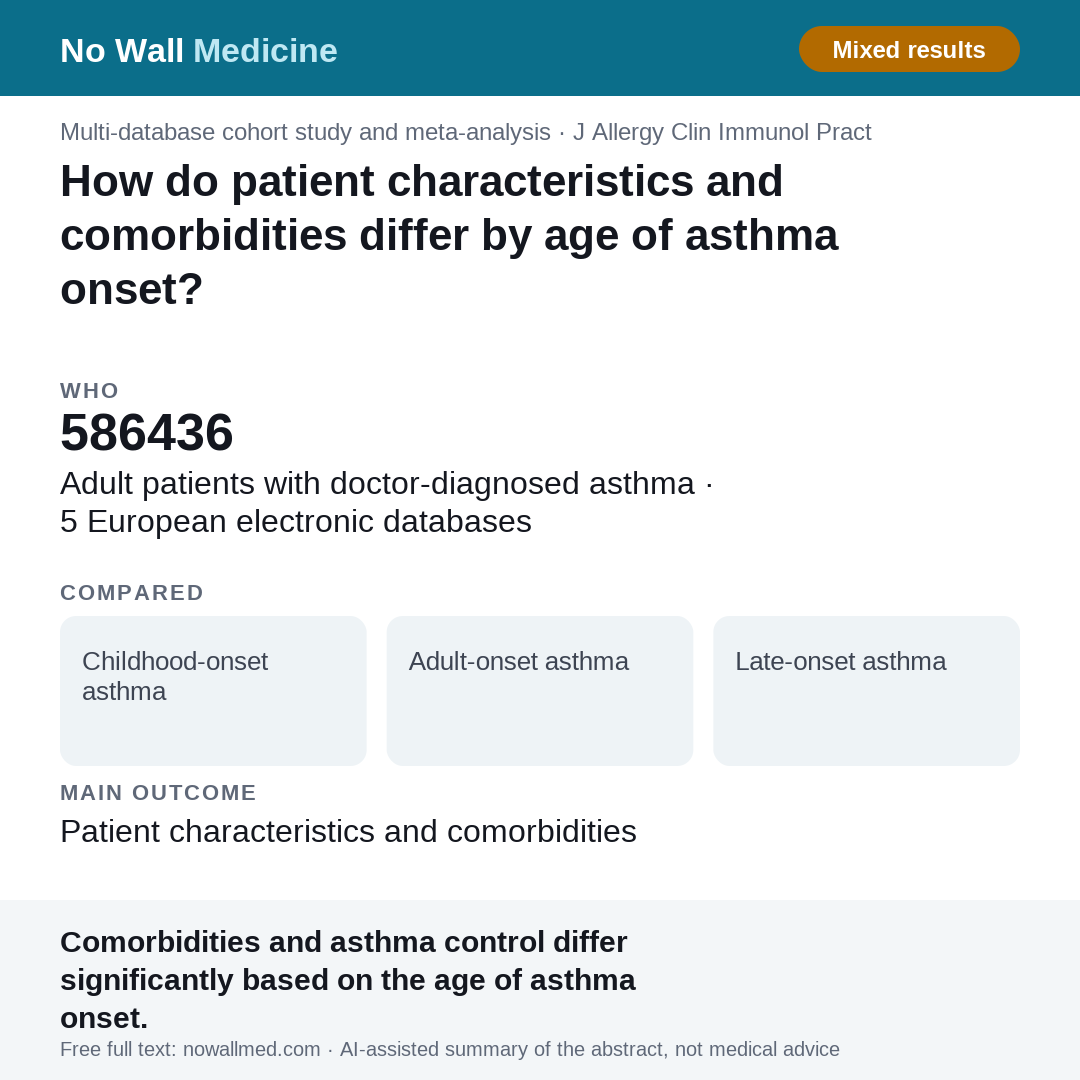
Characterization of Asthma by Age of Onset: A Multi-Database Cohort Study
Multi-database cohort study and meta-analysisMixed results
How do patient characteristics and comorbidities differ by age of asthma onset?
Who
586436
Adult patients with doctor-diagnosed asthma · 5 European electronic databases
Compared
Childhood-onset asthma
Adult-onset asthma
Late-onset asthma
Main outcome
Patient characteristics and comorbidities
Bottom line: Comorbidities and asthma control differ significantly based on the age of asthma onset.
J Allergy Clin Immunol Pract · 2022-04-08Download image
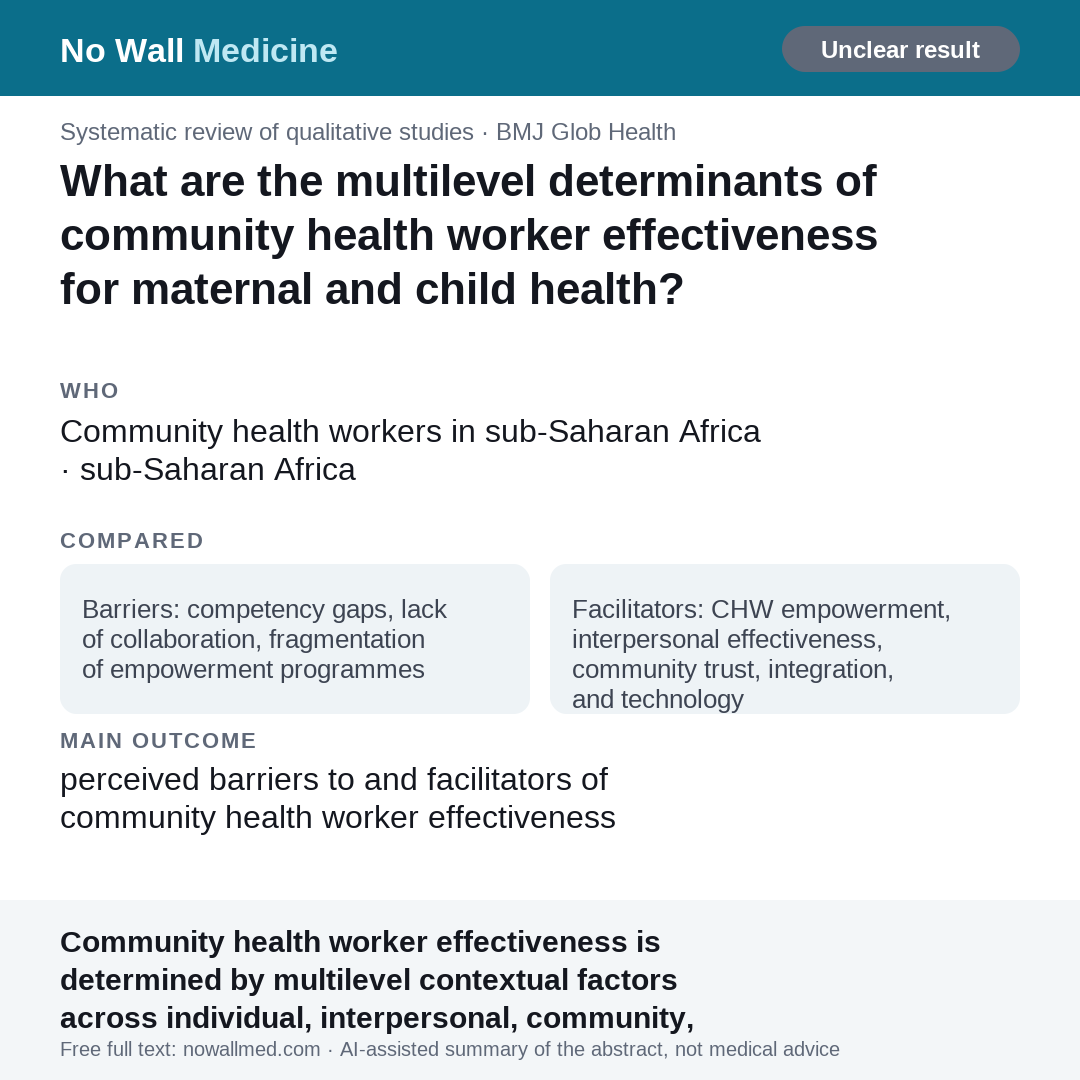
Multilevel determinants of community health workers for an effective maternal and child health programme in sub-Saharan Africa: a systematic review
Systematic review of qualitative studiesUnclear result
What are the multilevel determinants of community health worker effectiveness for maternal and child health?
Who
Community health workers in sub-Saharan Africa · sub-Saharan Africa
Compared
Barriers: competency gaps, lack of collaboration, fragmentation of empowerment programmes
Facilitators: CHW empowerment, interpersonal effectiveness, community trust, integration, and technology
Main outcome
perceived barriers to and facilitators of community health worker effectiveness
Bottom line: Community health worker effectiveness is determined by multilevel contextual factors across individual, interpersonal, community, and health system levels.
BMJ Glob Health · 2022-04-08Download image
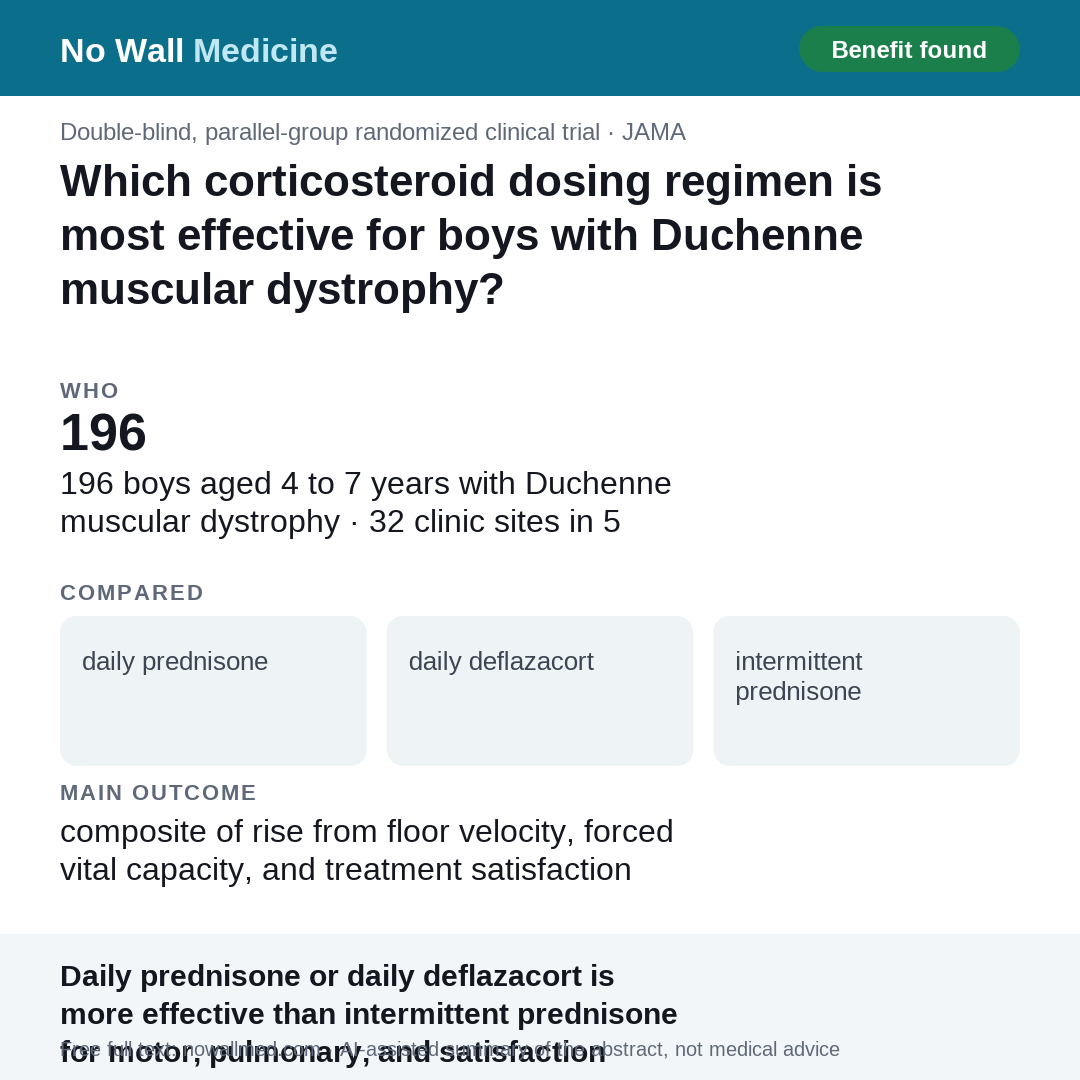
Effect of Different Corticosteroid Dosing Regimens on Clinical Outcomes in Boys With Duchenne Muscular Dystrophy: A Randomized Clinical Trial
Double-blind, parallel-group randomized clinical trialBenefit found
Which corticosteroid dosing regimen is most effective for boys with Duchenne muscular dystrophy?
Who
196
196 boys aged 4 to 7 years with Duchenne muscular dystrophy · 32 clinic sites in 5 countries
Compared
daily prednisone
daily deflazacort
intermittent prednisone
Main outcome
composite of rise from floor velocity, forced vital capacity, and treatment satisfaction
Bottom line: Daily prednisone or daily deflazacort is more effective than intermittent prednisone for motor, pulmonary, and satisfaction outcomes.
JAMA · 2022-04-06Download image
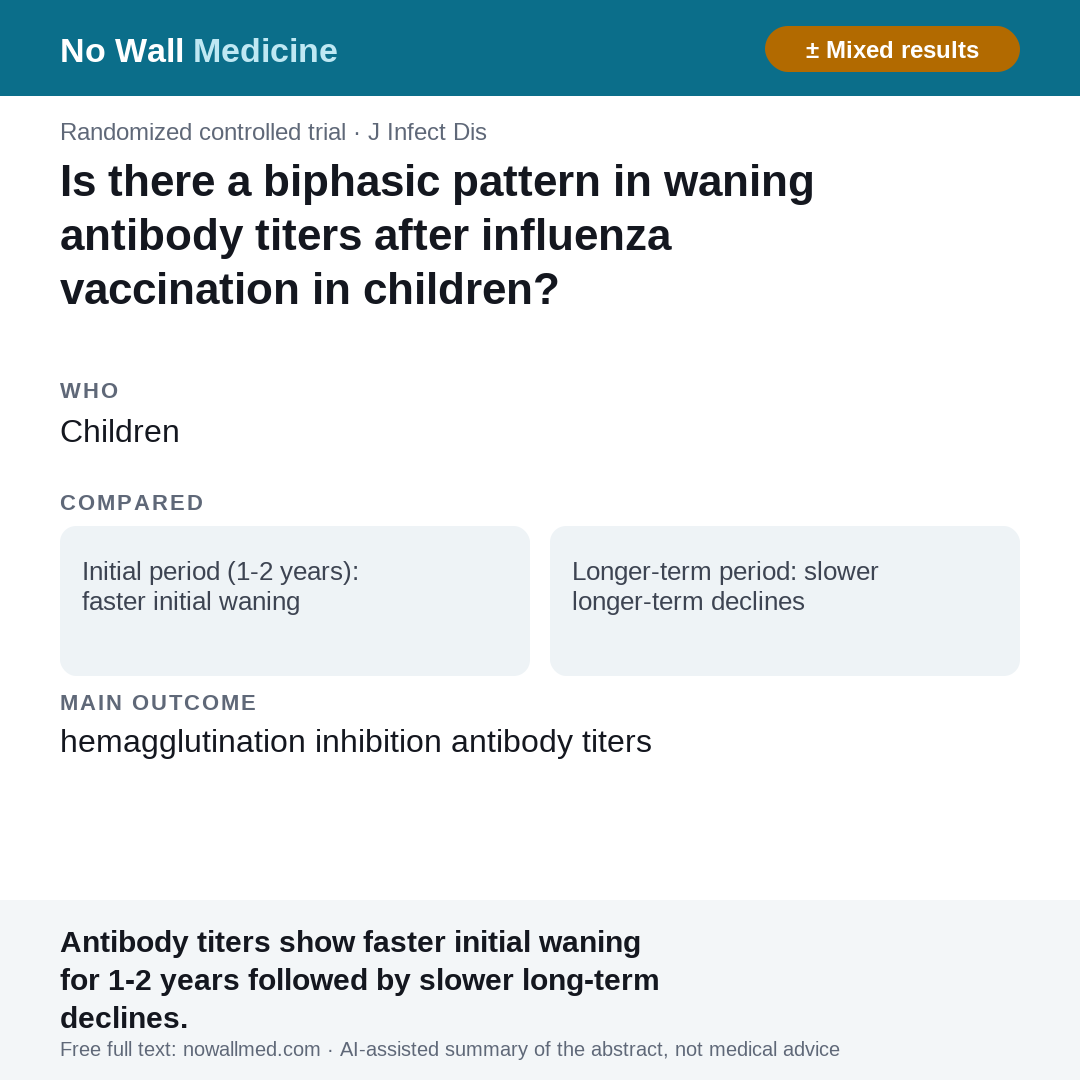
Biphasic Waning of Hemagglutination Inhibition Antibody Titers After Influenza Vaccination in Children
Randomized controlled trialMixed results
Is there a biphasic pattern in waning antibody titers after influenza vaccination in children?
Who
Children
Compared
Initial period (1-2 years): faster initial waning
Longer-term period: slower longer-term declines
Main outcome
hemagglutination inhibition antibody titers
Bottom line: Antibody titers show faster initial waning for 1-2 years followed by slower long-term declines.
J Infect Dis · 2022-04-06Download image
Invasive group A streptococcal disease in pregnant women and young children: a systematic review and meta-analysis
Systematic review and meta-analysisMixed results
What is the incidence and case fatality risk of invasive group A streptococcus?
Who
3829
Pregnant women, neonates, infants, and children worldwide · 12 countries
Compared
Pregnant women (high-income countries): 0·12 per 1000 livebirths (95% CI 0·11 to 0·14)
Neonates (worldwide): 0·04 per 1000 livebirths (0·03 to 0·05)
Infants (worldwide): 0·13 per 1000 livebirths (0·10 to 0·16)
Children (worldwide): 0·09 per 1000 person-years (95% CI 0·07 to 0·10)
Main outcome
Incidence, case fatality risks, and neurodevelopmental impairment risk
Bottom line: Invasive group A streptococcus causes a substantial burden among young children, with high case fatality risks in neonates in low-income countries.
Limitation: Incidences are likely underestimates in low-income and middle-income countries due to low surveillance.
Funded by: Wellcome Trust
Lancet Infect Dis · 2022-04-04Download image

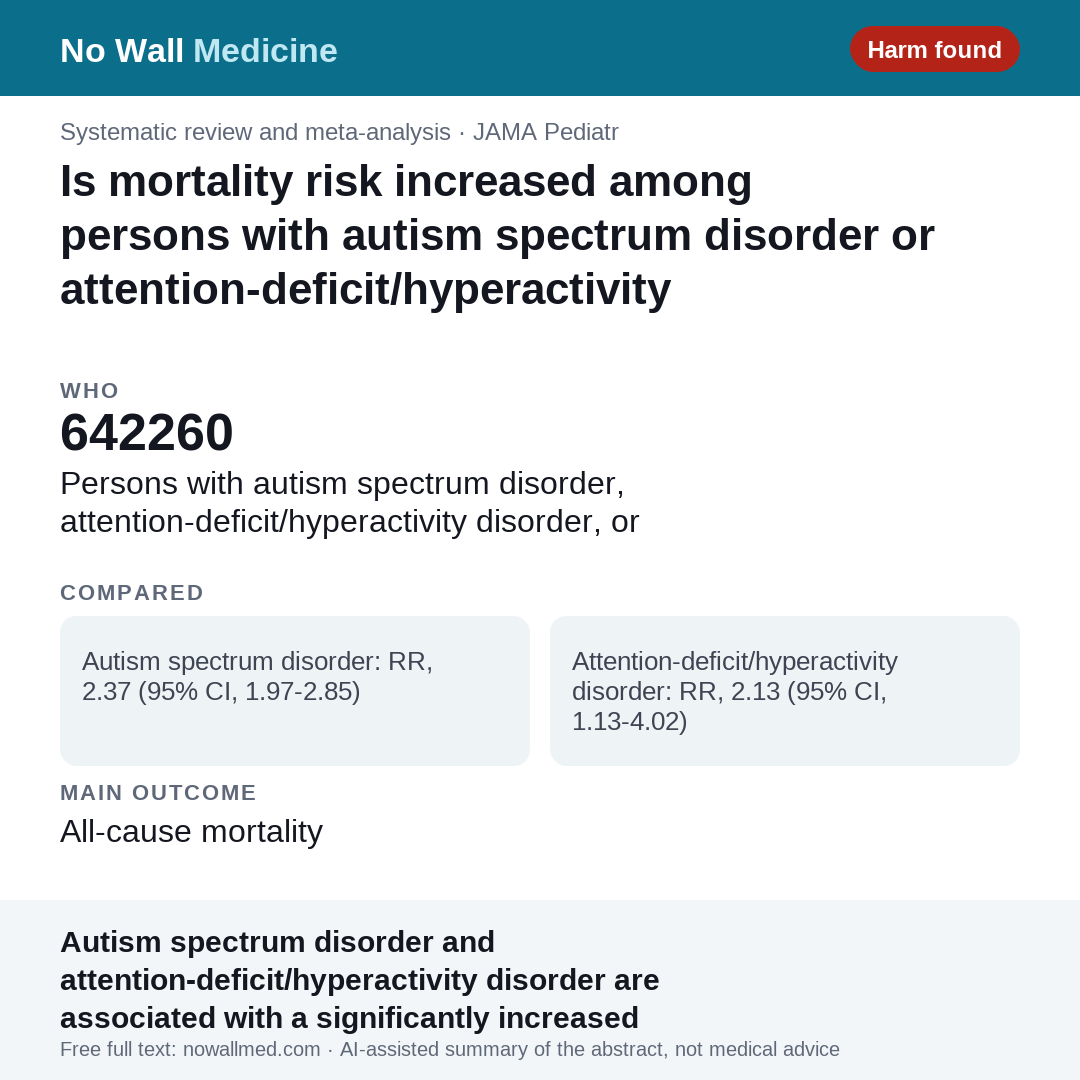
Mortality in Persons With Autism Spectrum Disorder or Attention-Deficit/Hyperactivity Disorder: A Systematic Review and Meta-analysis
Systematic review and meta-analysisKey finding
Is mortality risk increased among persons with autism spectrum disorder or attention-deficit/hyperactivity disorder?
Who
642260
Persons with autism spectrum disorder, attention-deficit/hyperactivity disorder, or first-degree relatives
Compared
Autism spectrum disorder: RR, 2.37 (95% CI, 1.97-2.85)
Attention-deficit/hyperactivity disorder: RR, 2.13 (95% CI, 1.13-4.02)
Main outcome
All-cause mortality
Result: RR, 2.37 (95% CI, 1.97-2.85) for autism; RR, 2.13 (95% CI, 1.13-4.02) for attention-deficit/hyperactivity disorder
Bottom line: Autism spectrum disorder and attention-deficit/hyperactivity disorder are associated with a significantly increased risk of all-cause mortality.
Limitation: The substantial heterogeneity between studies should be explored further.
JAMA Pediatr · 2022-04-04Download image
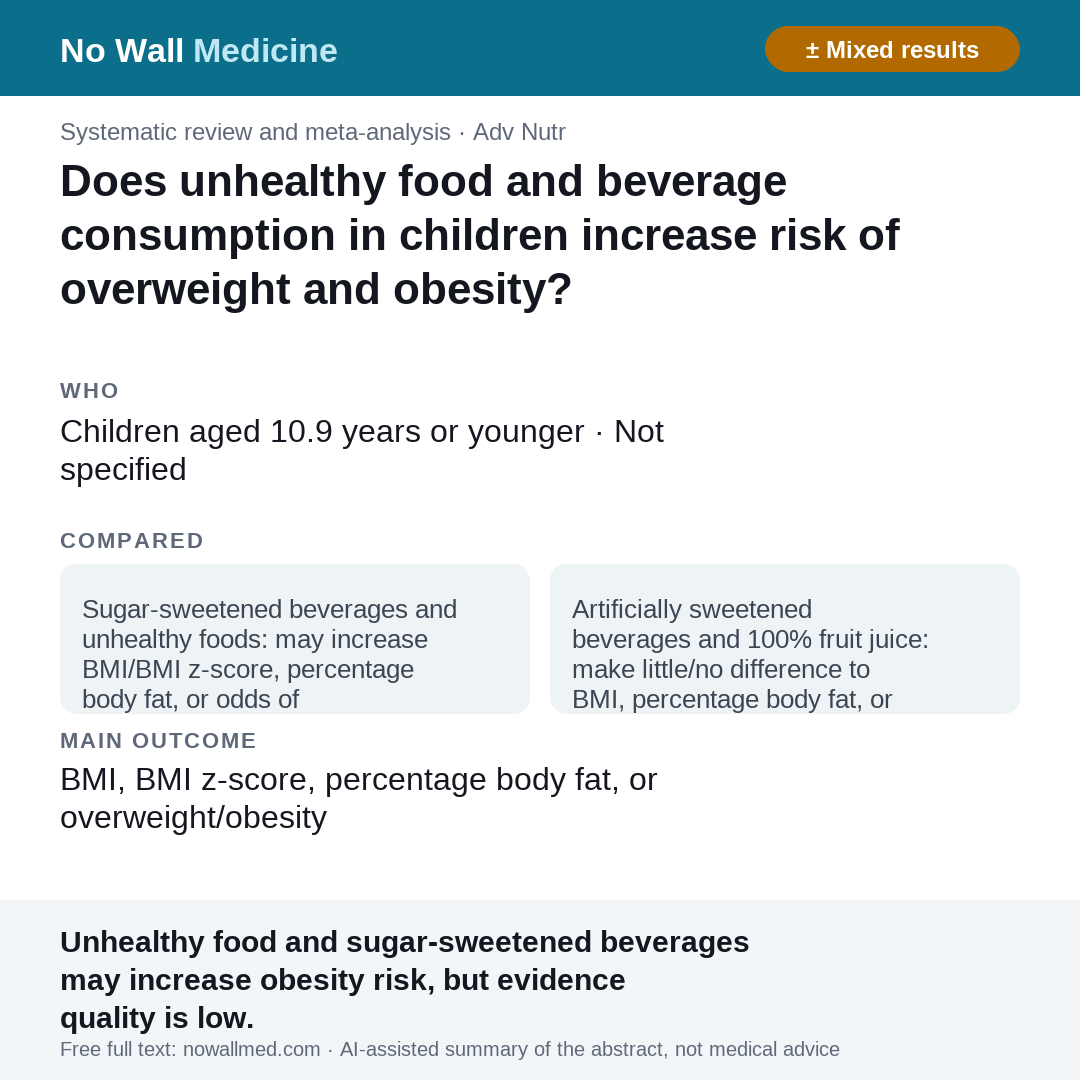
Unhealthy Food and Beverage Consumption in Children and Risk of Overweight and Obesity: A Systematic Review and Meta-Analysis
Systematic review and meta-analysisMixed results
Does unhealthy food and beverage consumption in children increase risk of overweight and obesity?
Who
Children aged 10.9 years or younger · Not specified
Compared
Sugar-sweetened beverages and unhealthy foods: may increase BMI/BMI z-score, percentage body fat, or odds of overweight/obesity
Artificially sweetened beverages and 100% fruit juice: make little/no difference to BMI, percentage body fat, or overweight/obesity
Main outcome
BMI, BMI z-score, percentage body fat, or overweight/obesity
Bottom line: Unhealthy food and sugar-sweetened beverages may increase obesity risk, but evidence quality is low.
Limitation: Evidence base was low quality and limited by different interventions and comparators across studies.
Adv Nutr · 2022-04-02Download image
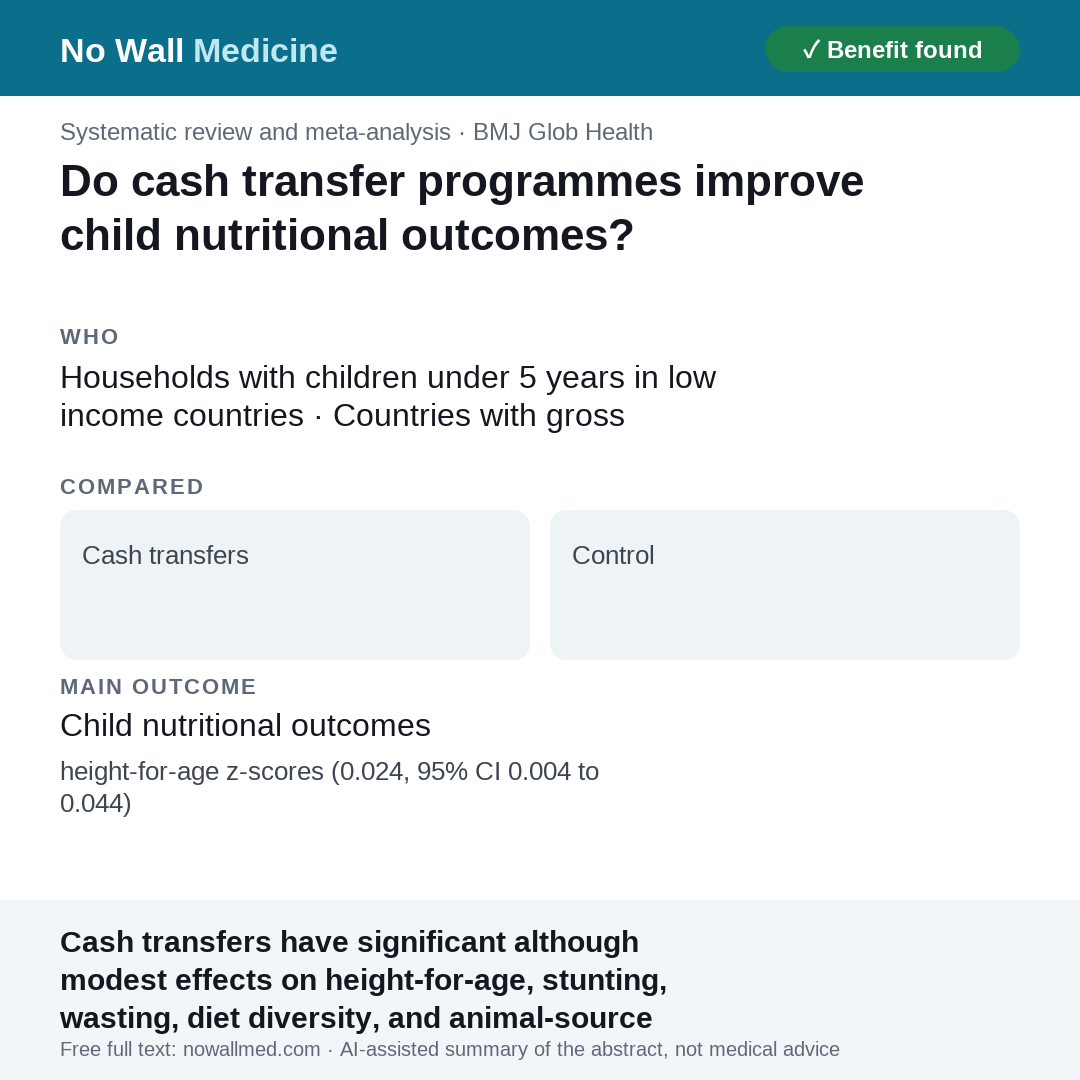
More evidence on cash transfers and child nutritional outcomes: a systematic review and meta-analysis
Systematic review and meta-analysisBenefit found
Do cash transfer programmes improve child nutritional outcomes?
Who
Households with children under 5 years in low income countries · Countries with gross domestic product below US$10 000
Compared
Cash transfers
Control
Main outcome
Child nutritional outcomes
Result: height-for-age z-scores (0.024, 95% CI 0.004 to 0.044)
Bottom line: Cash transfers have significant although modest effects on height-for-age, stunting, wasting, diet diversity, and animal-source food consumption.
BMJ Glob Health · 2022-04-02Download image
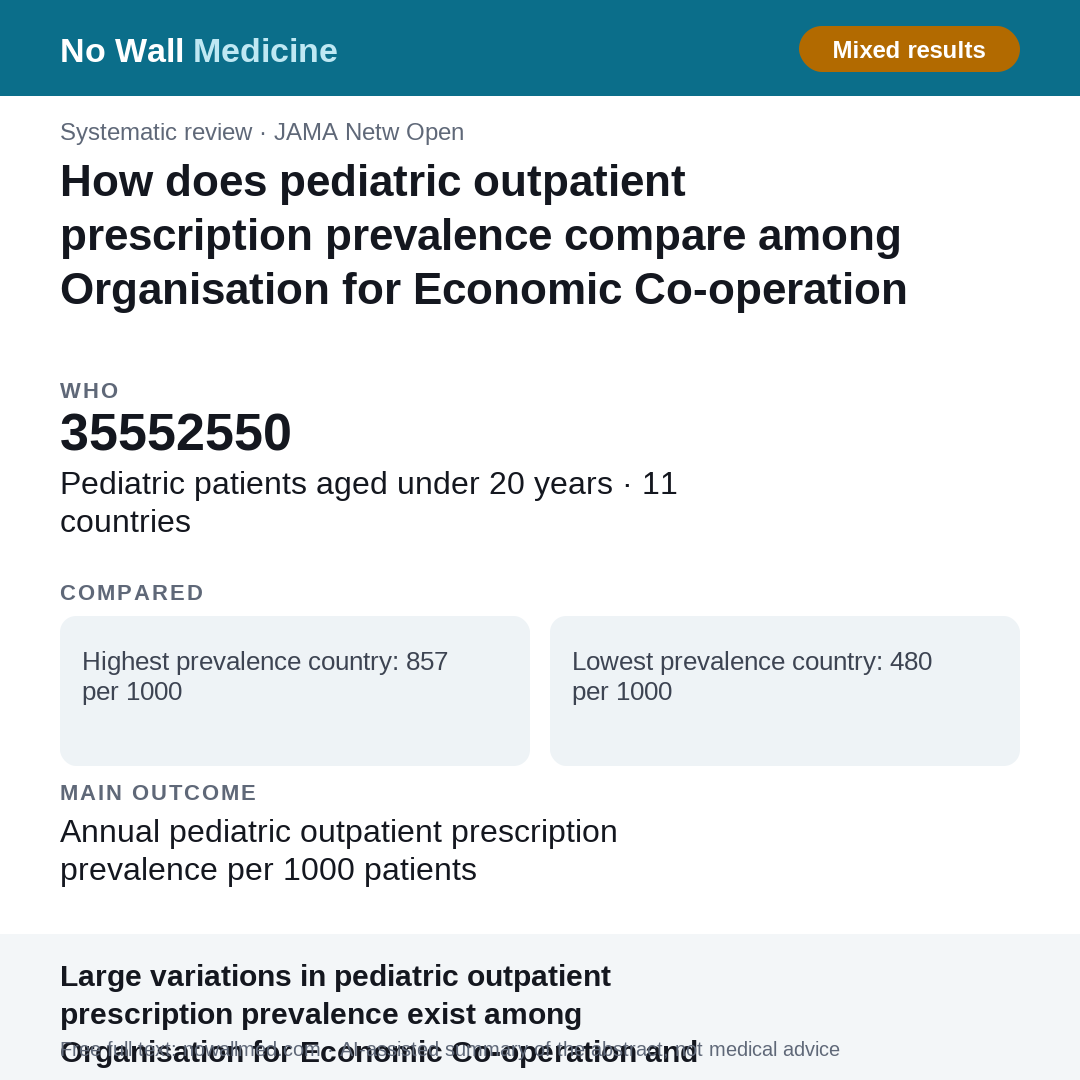
Pediatric Outpatient Prescriptions in Countries With Advanced Economies in the 21st Century: A Systematic Review
Systematic reviewMixed results
How does pediatric outpatient prescription prevalence compare among Organisation for Economic Co-operation and Development member countries?
Who
35552550
Pediatric patients aged under 20 years · 11 countries
Compared
Highest prevalence country: 857 per 1000
Lowest prevalence country: 480 per 1000
Main outcome
Annual pediatric outpatient prescription prevalence per 1000 patients
Result: prevalence ratio 1.8 (95% CI 1.8-1.8)
Bottom line: Large variations in pediatric outpatient prescription prevalence exist among Organisation for Economic Co-operation and Development member countries.
Limitation: The prevalence denominator included nonusers of health care for 81.8% of studies.
JAMA Netw Open · 2022-04-01Download image
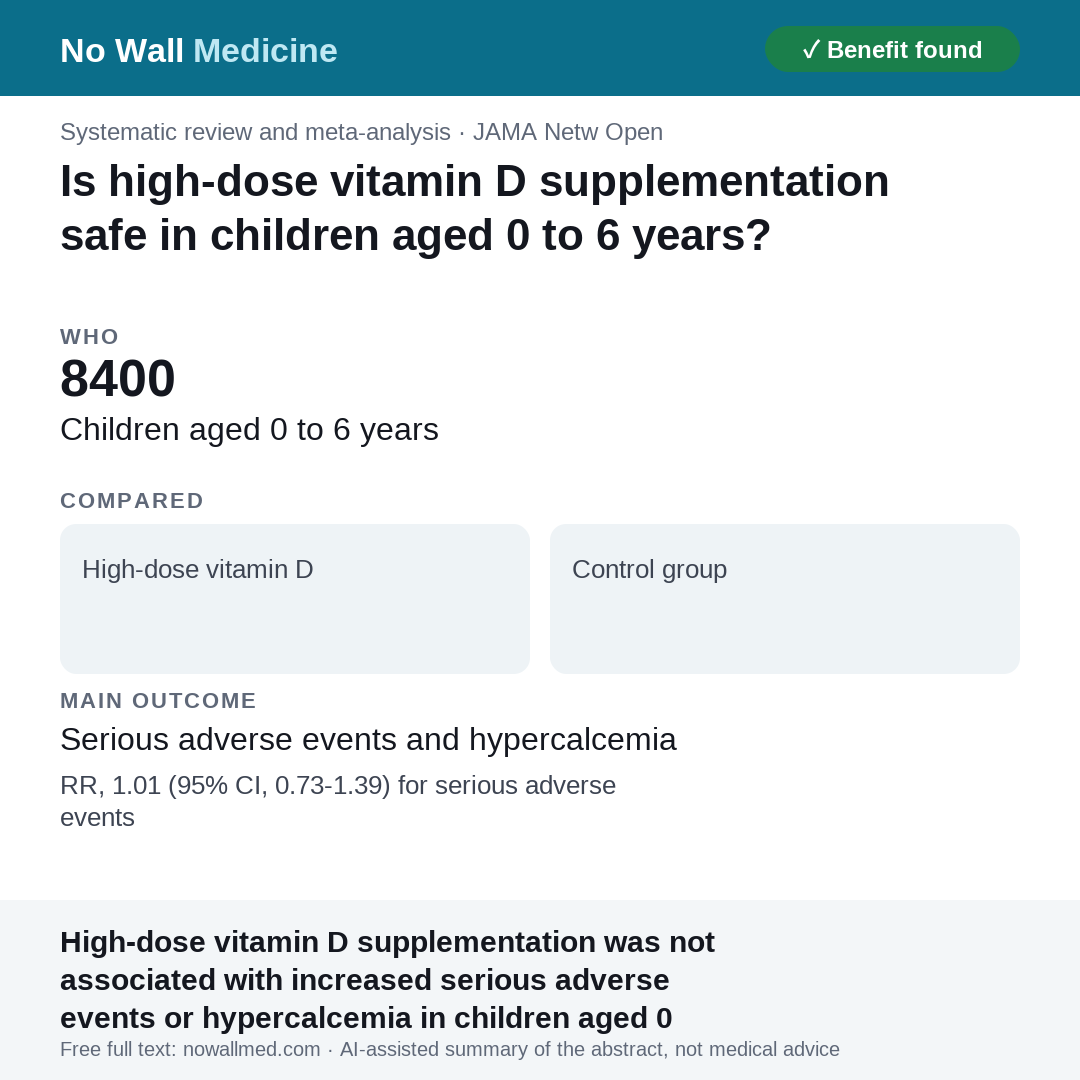
Safety of High-Dose Vitamin D Supplementation Among Children Aged 0 to 6 Years: A Systematic Review and Meta-analysis
Systematic review and meta-analysisBenefit found
Is high-dose vitamin D supplementation safe in children aged 0 to 6 years?
Who
8400
Children aged 0 to 6 years
Compared
High-dose vitamin D
Control group
Main outcome
Serious adverse events and hypercalcemia
Result: RR, 1.01 (95% CI, 0.73-1.39) for serious adverse events
Bottom line: High-dose vitamin D supplementation was not associated with increased serious adverse events or hypercalcemia in children aged 0 to 6 years.
JAMA Netw Open · 2022-04-01Download image