Visual abstracts
New randomized trials and meta-analyses from leading journals at a glance: who was studied, what was compared, and what was found. Every paper is free to read in full.
All specialtiesCardiology 4877Oncology 4138Gastroenterology & Hepatology 1942Infectious Disease 3837Neurology 1905Psychiatry & Mental Health 2273Pulmonology 2143Critical Care 1365Endocrinology & Diabetes 2580Pediatrics 2980Surgery 2559Orthopedics & Sports Medicine 931Neurosurgery 537Cardiothoracic & Vascular Surgery 674Plastic & Reconstructive Surgery 591Nephrology 1133Rheumatology 823Hematology 1109Dermatology 621Ophthalmology 543Obstetrics & Gynecology 1686Public & Global Health 1058Radiology & Imaging 648Anesthesiology 986Urology 764ENT (Otolaryngology) 503Emergency Medicine 511Allergy & Immunology 313Geriatrics 981Family Medicine & Primary Care 562Medical Genetics & Genomics 676Pathology & Laboratory Medicine 159Physical Medicine & Rehabilitation 757Palliative Care 444Nutrition 1588Digital Health & AI 2201General Medicine 321
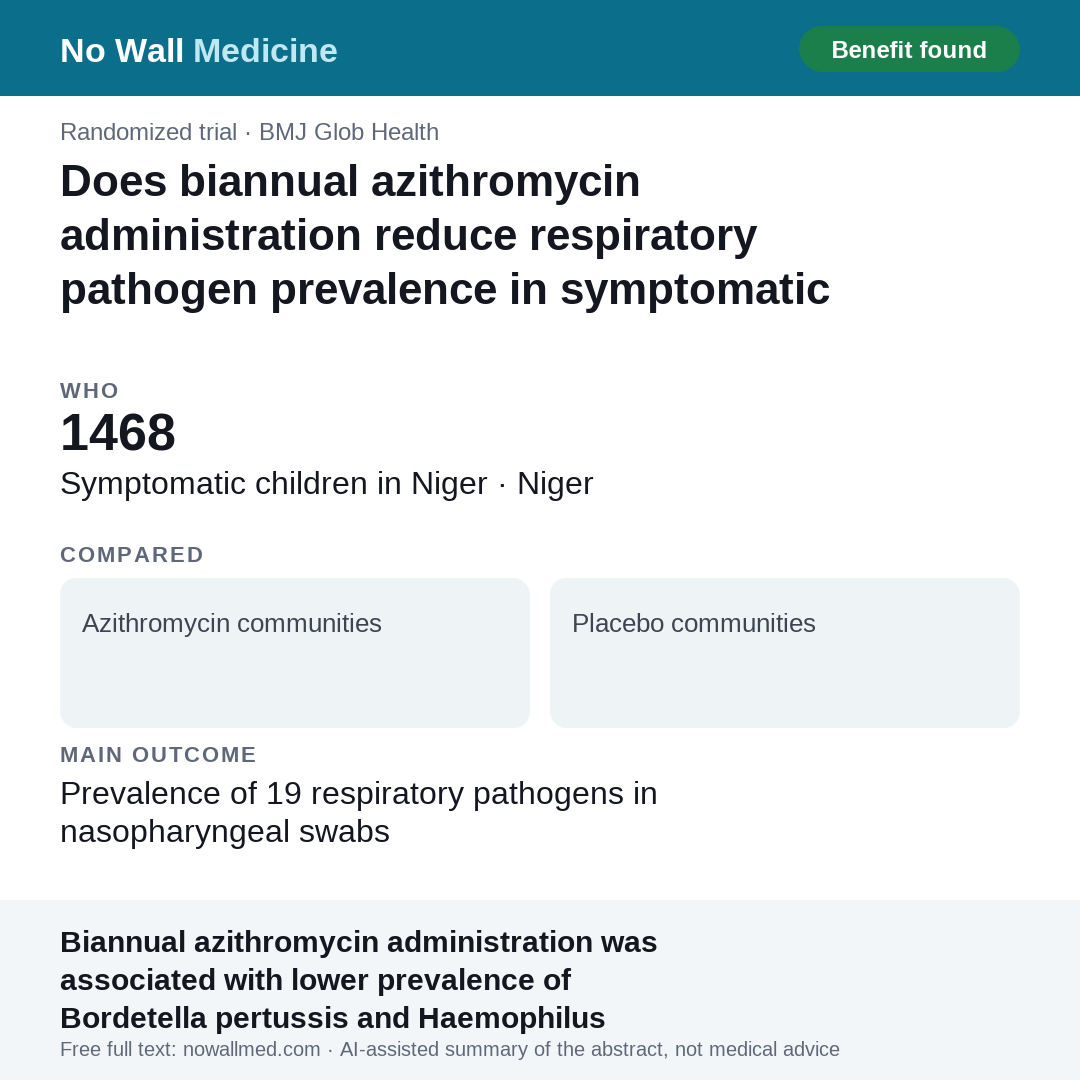
Effect of biannual azithromycin on respiratory pathogens among symptomatic children: results from the randomised Macrolides Oraux pour Réduire les Décès avec un Oeil sur la Résistance (MORDOR) I trial
Randomized trialBenefit found
Does biannual azithromycin administration reduce respiratory pathogen prevalence in symptomatic children?
Who
1468
Symptomatic children in Niger · Niger
Compared
Azithromycin communities
Placebo communities
Main outcome
Prevalence of 19 respiratory pathogens in nasopharyngeal swabs
Result: prevalence ratios 0.51 (95% CI 0.35, 0.75) and 0.35 (95% CI 0.17, 0.71)
Bottom line: Biannual azithromycin administration was associated with lower prevalence of Bordetella pertussis and Haemophilus influenzae type b.
BMJ Glob Health · 2025-02-10Download image
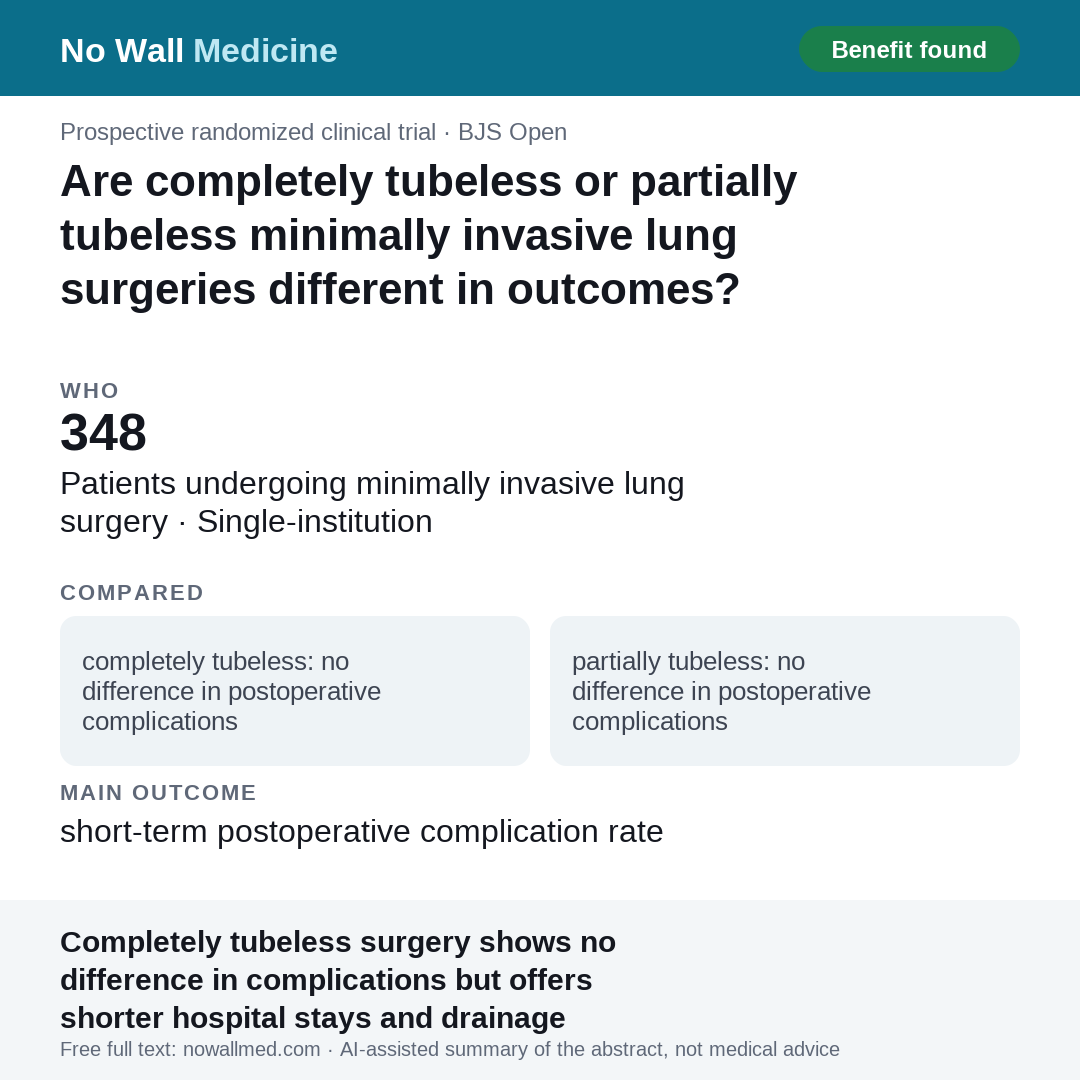
Minimally invasive lung surgery with an intraoperative completely or partially tubeless protocol: randomized clinical trial
Prospective randomized clinical trialBenefit found
Are completely tubeless or partially tubeless minimally invasive lung surgeries different in outcomes?
Who
348
Patients undergoing minimally invasive lung surgery · Single-institution
Compared
completely tubeless: no difference in postoperative complications
partially tubeless: no difference in postoperative complications
Main outcome
short-term postoperative complication rate
Bottom line: Completely tubeless surgery shows no difference in complications but offers shorter hospital stays and drainage durations.
BJS Open · 2025-02-10Download image
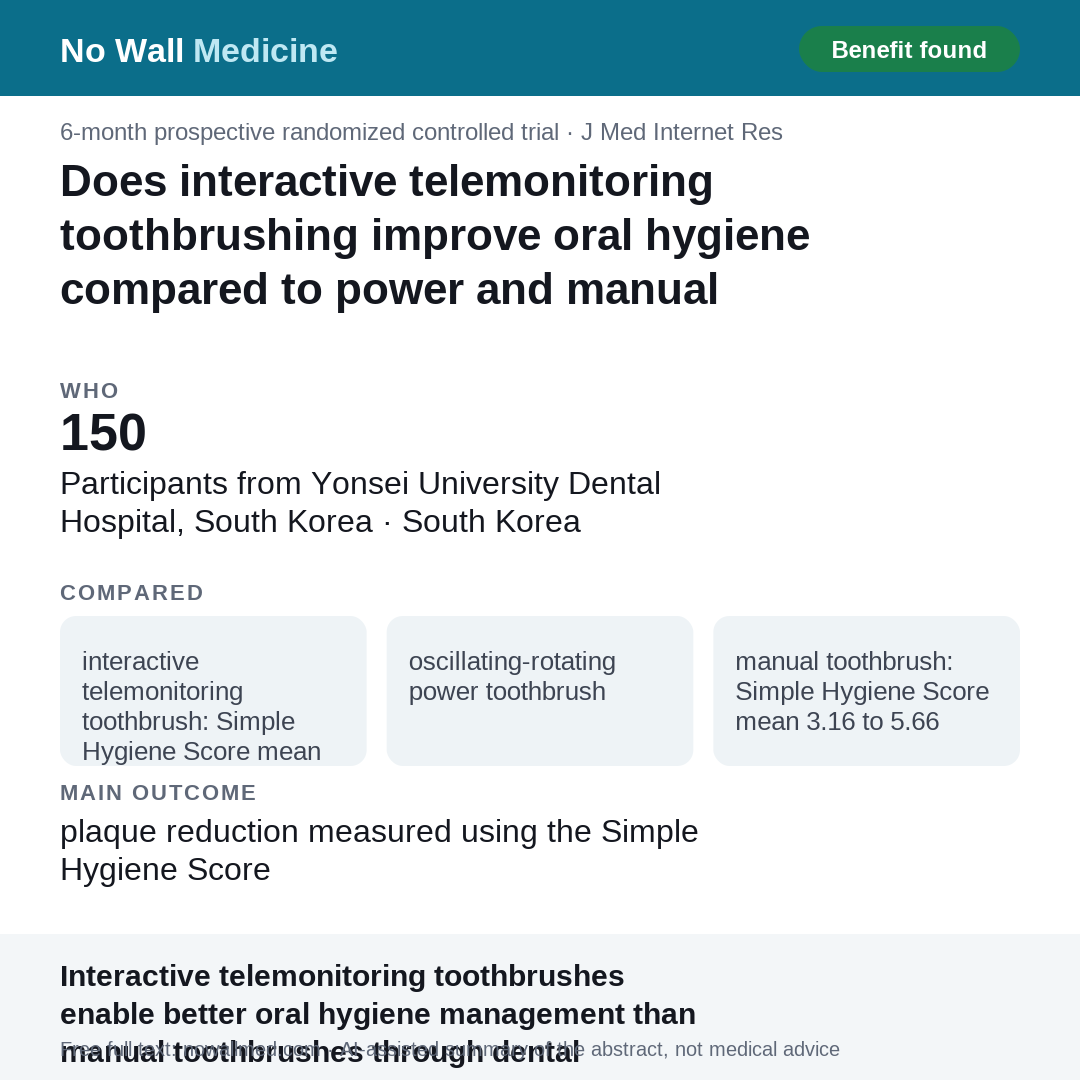
Smartphone-Based Telemonitoring for Better Oral Health With Toothbrushes: 6-Month Randomized Controlled Trial
6-month prospective randomized controlled trialBenefit found
Does interactive telemonitoring toothbrushing improve oral hygiene compared to power and manual toothbrushes?
Who
150
Participants from Yonsei University Dental Hospital, South Korea · South Korea
Compared
interactive telemonitoring toothbrush: Simple Hygiene Score mean 3.47 to 2.27
oscillating-rotating power toothbrush
manual toothbrush: Simple Hygiene Score mean 3.16 to 5.66
Main outcome
plaque reduction measured using the Simple Hygiene Score
Bottom line: Interactive telemonitoring toothbrushes enable better oral hygiene management than manual toothbrushes through dental professional feedback.
Limitation: further studies are needed to optimize feedback intervals and improve long-term adherence
J Med Internet Res · 2025-02-10Download image
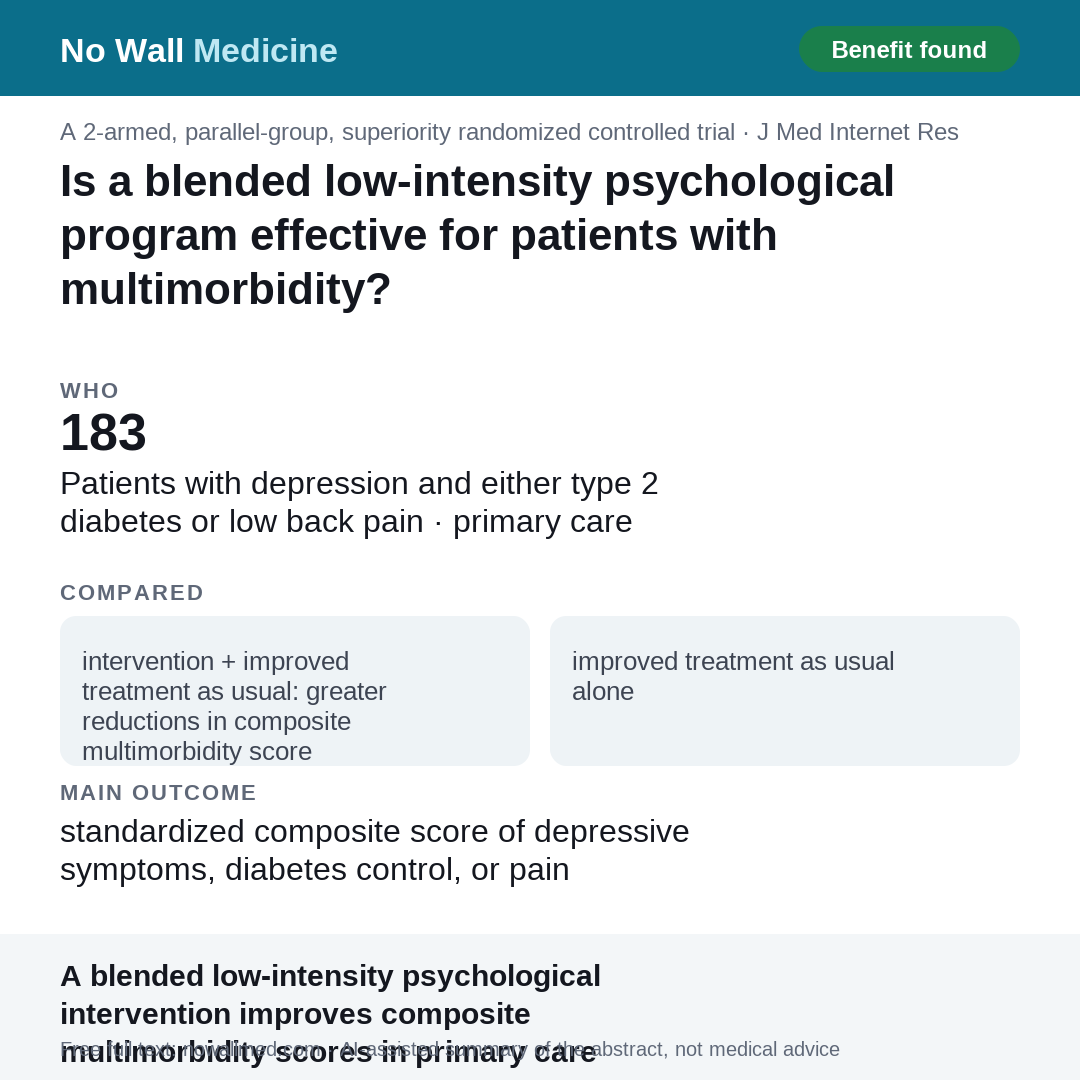
Efficacy of a Blended Low-Intensity Internet-Delivered Psychological Program in Patients With Multimorbidity in Primary Care: Randomized Controlled Trial
A 2-armed, parallel-group, superiority randomized controlled trialBenefit found
Is a blended low-intensity psychological program effective for patients with multimorbidity?
Who
183
Patients with depression and either type 2 diabetes or low back pain · primary care settings
Compared
intervention + improved treatment as usual: greater reductions in composite multimorbidity score
improved treatment as usual alone
Main outcome
standardized composite score of depressive symptoms, diabetes control, or pain
Result: B=-0.34, 95% CI -0.64 to -0.04; Hedges g=0.39
Bottom line: A blended low-intensity psychological intervention improves composite multimorbidity scores in primary care patients with depression and diabetes or back pain.
J Med Internet Res · 2025-02-10Download image
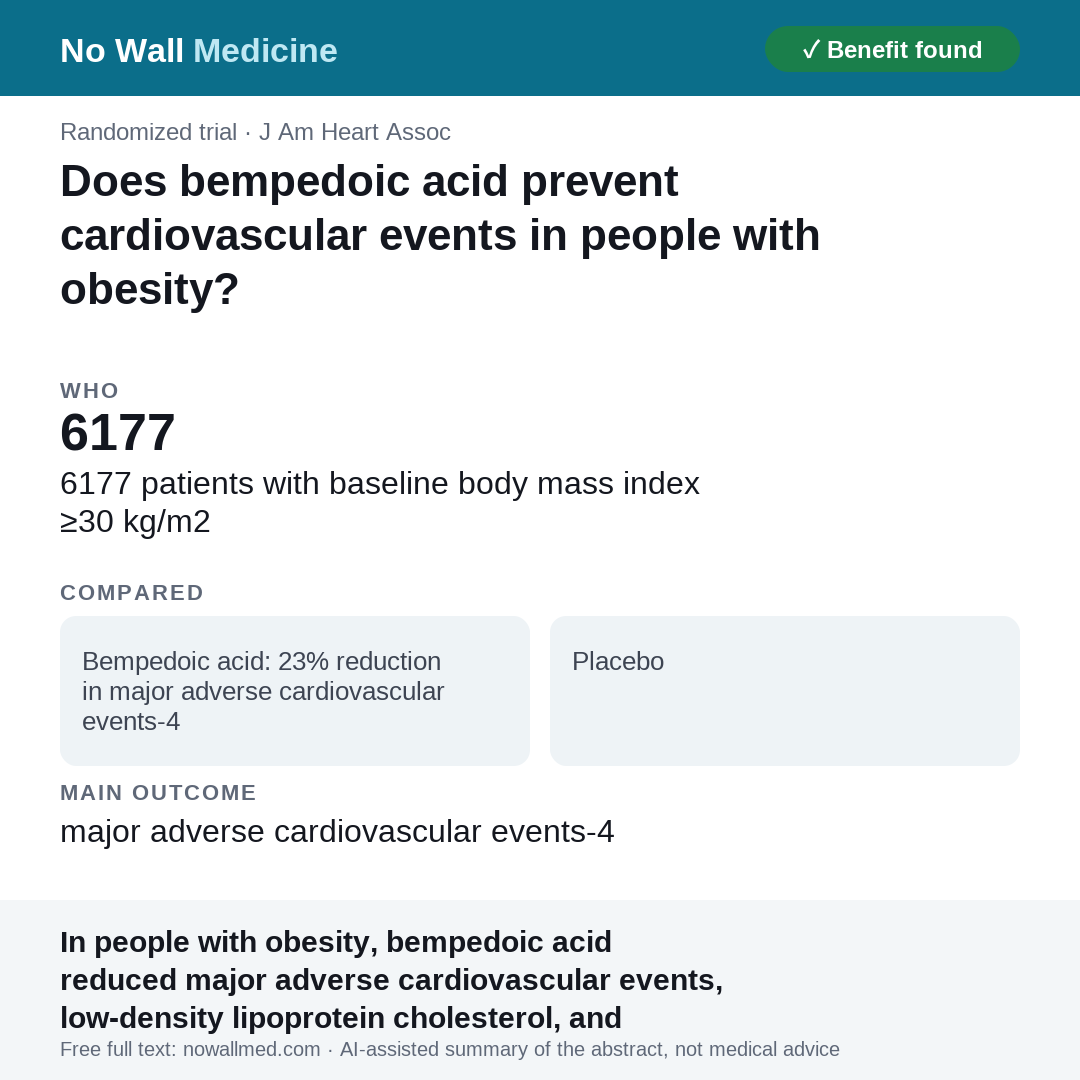
Bempedoic Acid for Prevention of Cardiovascular Events in People With Obesity: A CLEAR Outcomes Subset Analysis
Randomized trialBenefit found
Does bempedoic acid prevent cardiovascular events in people with obesity?
Who
6177
6177 patients with baseline body mass index ≥30 kg/m2
Compared
Bempedoic acid: 23% reduction in major adverse cardiovascular events-4
Placebo
Main outcome
major adverse cardiovascular events-4
Result: hazard ratio 0.77 (95% CI 0.67-0.89)
Bottom line: In people with obesity, bempedoic acid reduced major adverse cardiovascular events, low-density lipoprotein cholesterol, and high-sensitivity C-reactive protein.
J Am Heart Assoc · 2025-02-08Download image
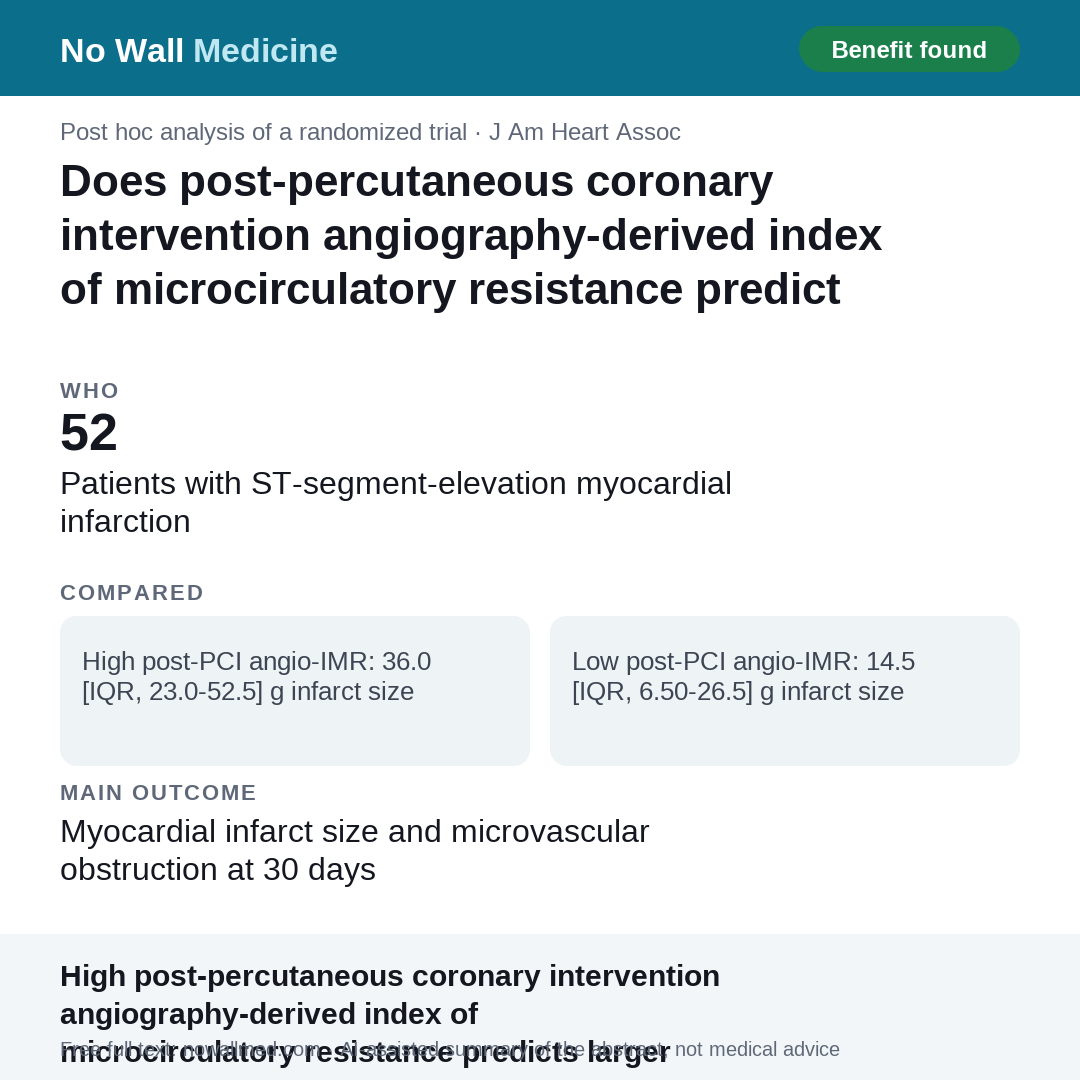
Microcirculatory Resistance After Primary Percutaneous Coronary Intervention Predicts Residual Myocardial Damage and Scar Formation
Post hoc analysis of a randomized trialBenefit found
Does post-percutaneous coronary intervention angiography-derived index of microcirculatory resistance predict myocardial damage?
Who
52
Patients with ST-segment-elevation myocardial infarction
Compared
High post-PCI angio-IMR: 36.0 [IQR, 23.0-52.5] g infarct size
Low post-PCI angio-IMR: 14.5 [IQR, 6.50-26.5] g infarct size
Main outcome
Myocardial infarct size and microvascular obstruction at 30 days
Bottom line: High post-percutaneous coronary intervention angiography-derived index of microcirculatory resistance predicts larger myocardial infarct size and microvascular obstruction.
J Am Heart Assoc · 2025-02-08Download image
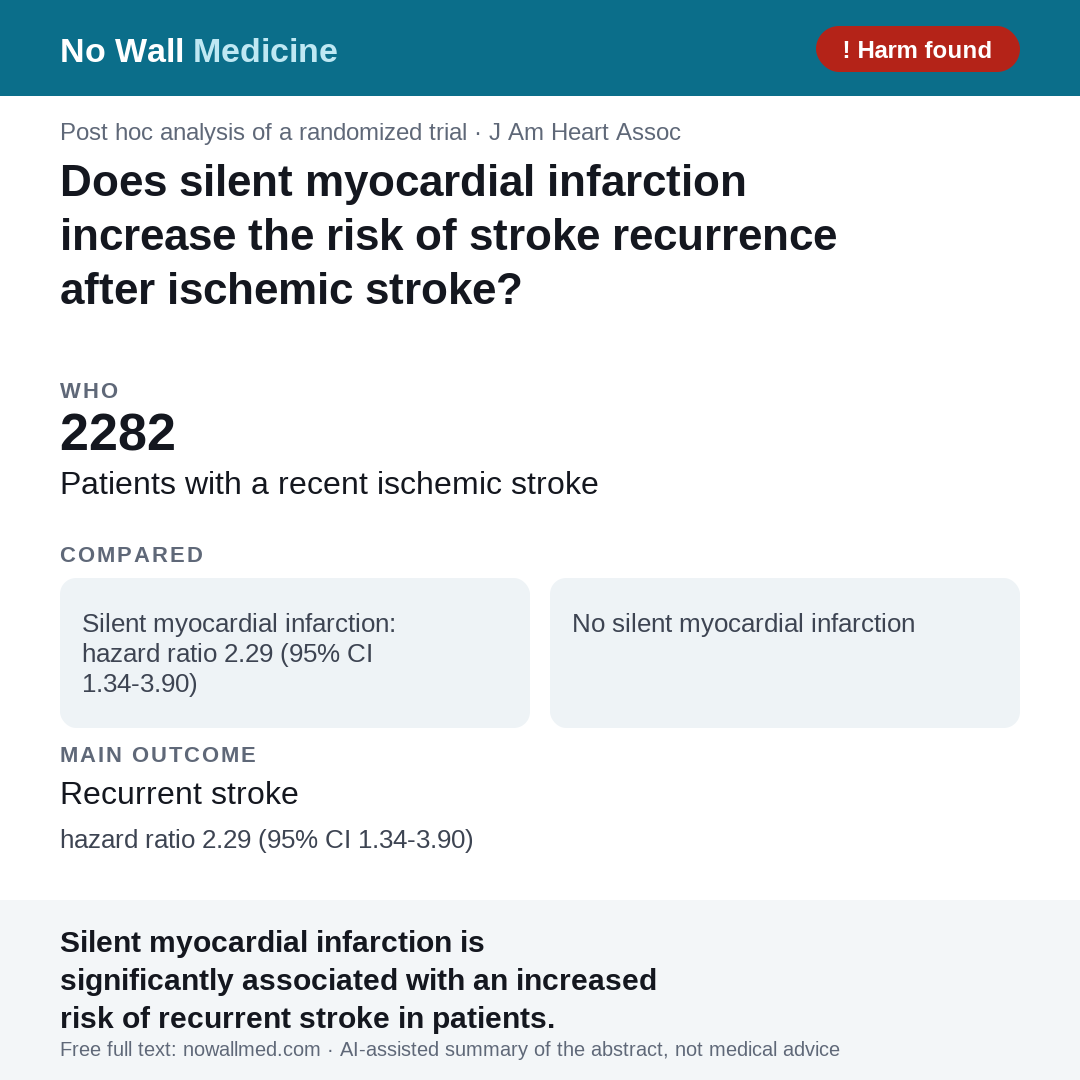
Silent Myocardial Infarction and Risk of Stroke Recurrence: A Post Hoc Analysis of the IRIS Trial
Post hoc analysis of a randomized trialHarm found
Does silent myocardial infarction increase the risk of stroke recurrence after ischemic stroke?
Who
2282
Patients with a recent ischemic stroke
Compared
Silent myocardial infarction: hazard ratio 2.29 (95% CI 1.34-3.90)
No silent myocardial infarction
Main outcome
Recurrent stroke
Result: hazard ratio 2.29 (95% CI 1.34-3.90)
Bottom line: Silent myocardial infarction is significantly associated with an increased risk of recurrent stroke in patients.
J Am Heart Assoc · 2025-02-08Download image
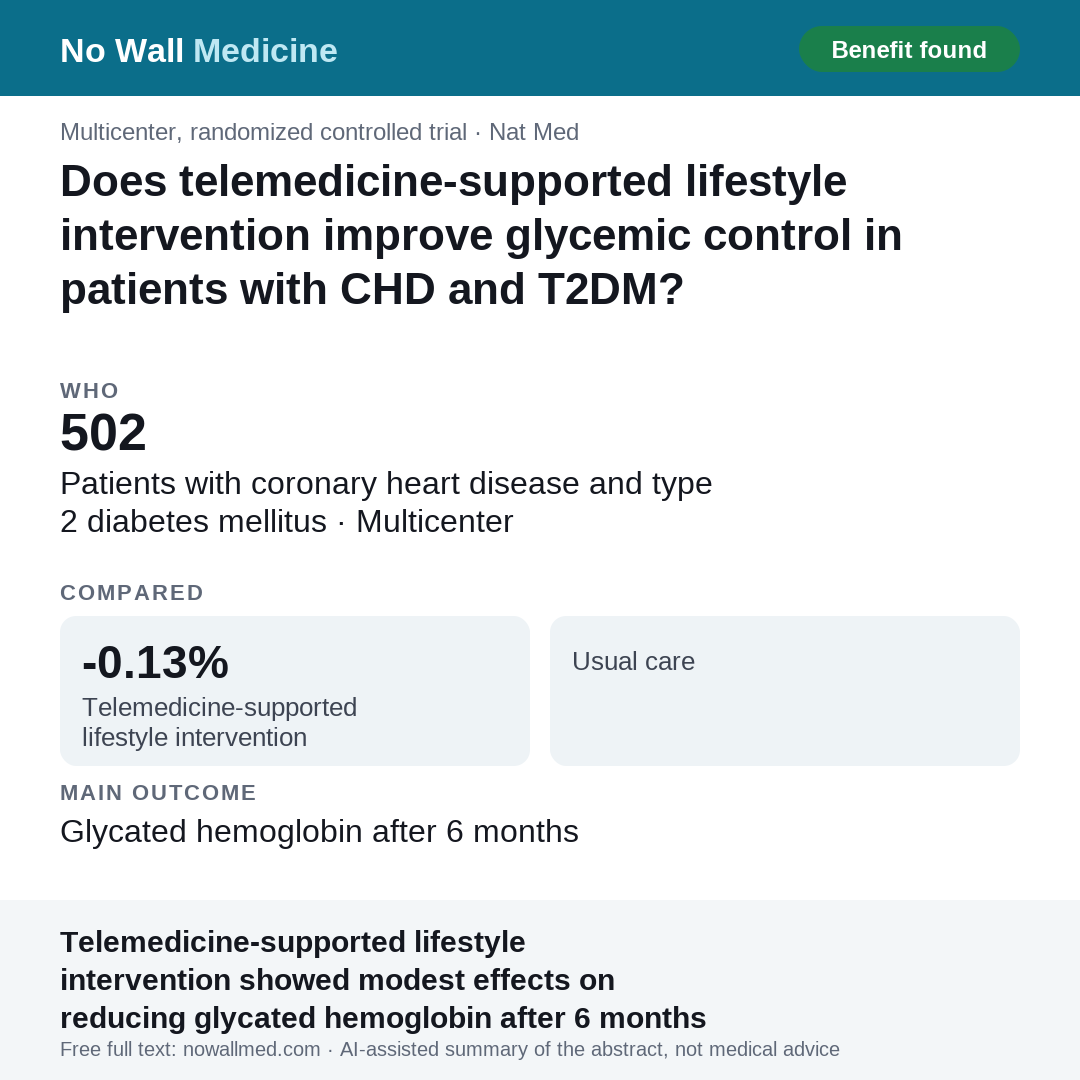
Telemedicine-supported lifestyle intervention for glycemic control in patients with CHD and T2DM: multicenter, randomized controlled trial
Multicenter, randomized controlled trialBenefit found
Does telemedicine-supported lifestyle intervention improve glycemic control in patients with CHD and T2DM?
Who
502
Patients with coronary heart disease and type 2 diabetes mellitus · Multicenter
Compared
-0.13%Telemedicine-supported lifestyle intervention (95% confidence interval, -0.25 to -0.01)
Usual care
Main outcome
Glycated hemoglobin after 6 months
Result: -0.13% (95% confidence interval, -0.25 to -0.01)
Bottom line: Telemedicine-supported lifestyle intervention showed modest effects on reducing glycated hemoglobin after 6 months in patients.
Limitation: No statistically significant between-group differences were observed at 12 months.
Nat Med · 2025-02-07Download image
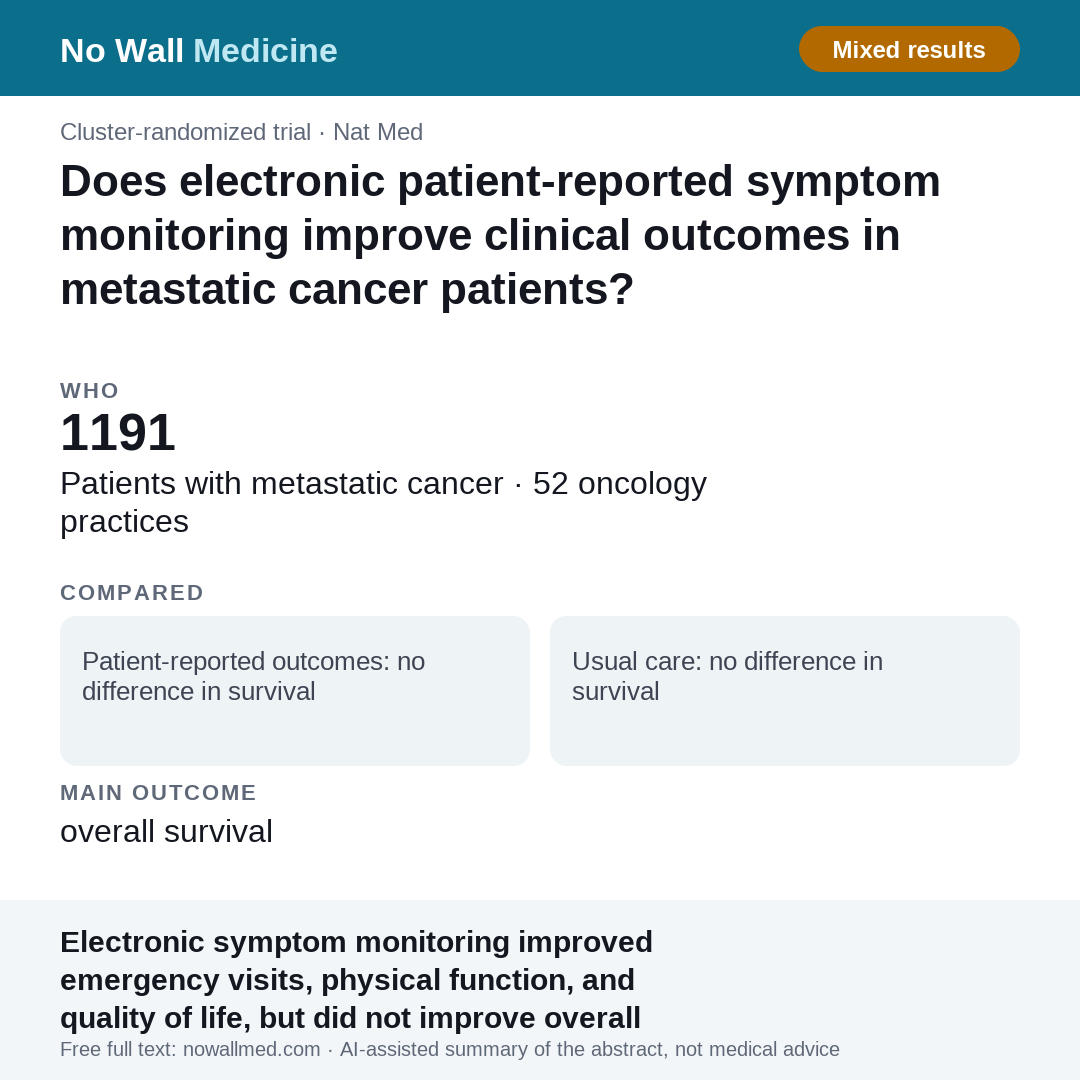
Symptom monitoring with electronic patient-reported outcomes during cancer treatment: final results of the PRO-TECT cluster-randomized trial
Cluster-randomized trialMixed results
Does electronic patient-reported symptom monitoring improve clinical outcomes in metastatic cancer patients?
Who
1191
Patients with metastatic cancer · 52 oncology practices
Compared
Patient-reported outcomes: no difference in survival
Usual care: no difference in survival
Main outcome
overall survival
Result: hazard ratio 0.99 (95% confidence interval 0.83-1.17)
Bottom line: Electronic symptom monitoring improved emergency visits, physical function, and quality of life, but did not improve overall survival.
Nat Med · 2025-02-07Download image
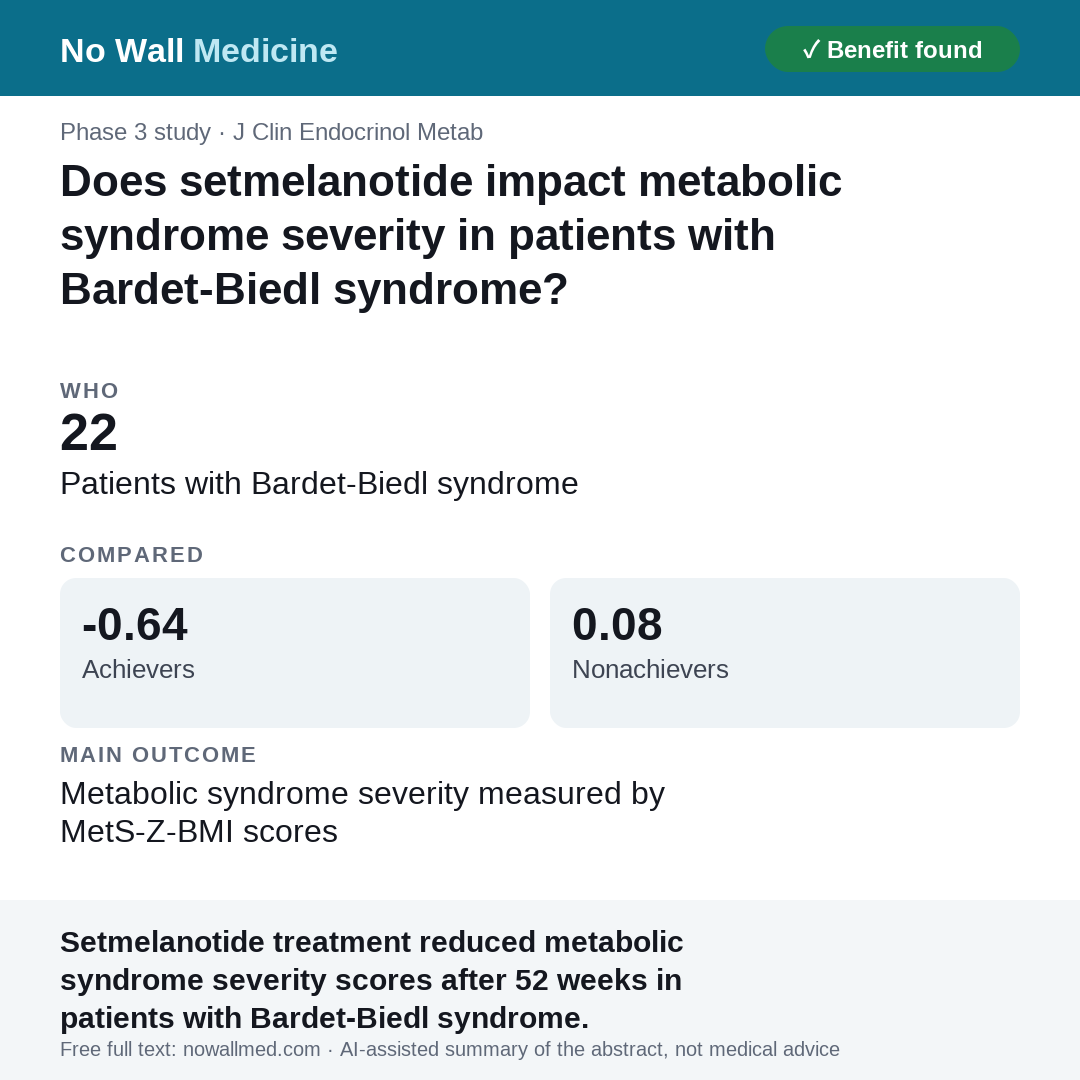
Impact of Setmelanotide on Metabolic Syndrome Risk in Patients With Bardet-Biedl Syndrome
Phase 3 studyBenefit found
Does setmelanotide impact metabolic syndrome severity in patients with Bardet-Biedl syndrome?
Who
22
Patients with Bardet-Biedl syndrome
Compared
-0.64Achievers (0.54)
0.08Nonachievers (0.47)
Main outcome
Metabolic syndrome severity measured by MetS-Z-BMI scores
Bottom line: Setmelanotide treatment reduced metabolic syndrome severity scores after 52 weeks in patients with Bardet-Biedl syndrome.
J Clin Endocrinol Metab · 2025-02-07Download image
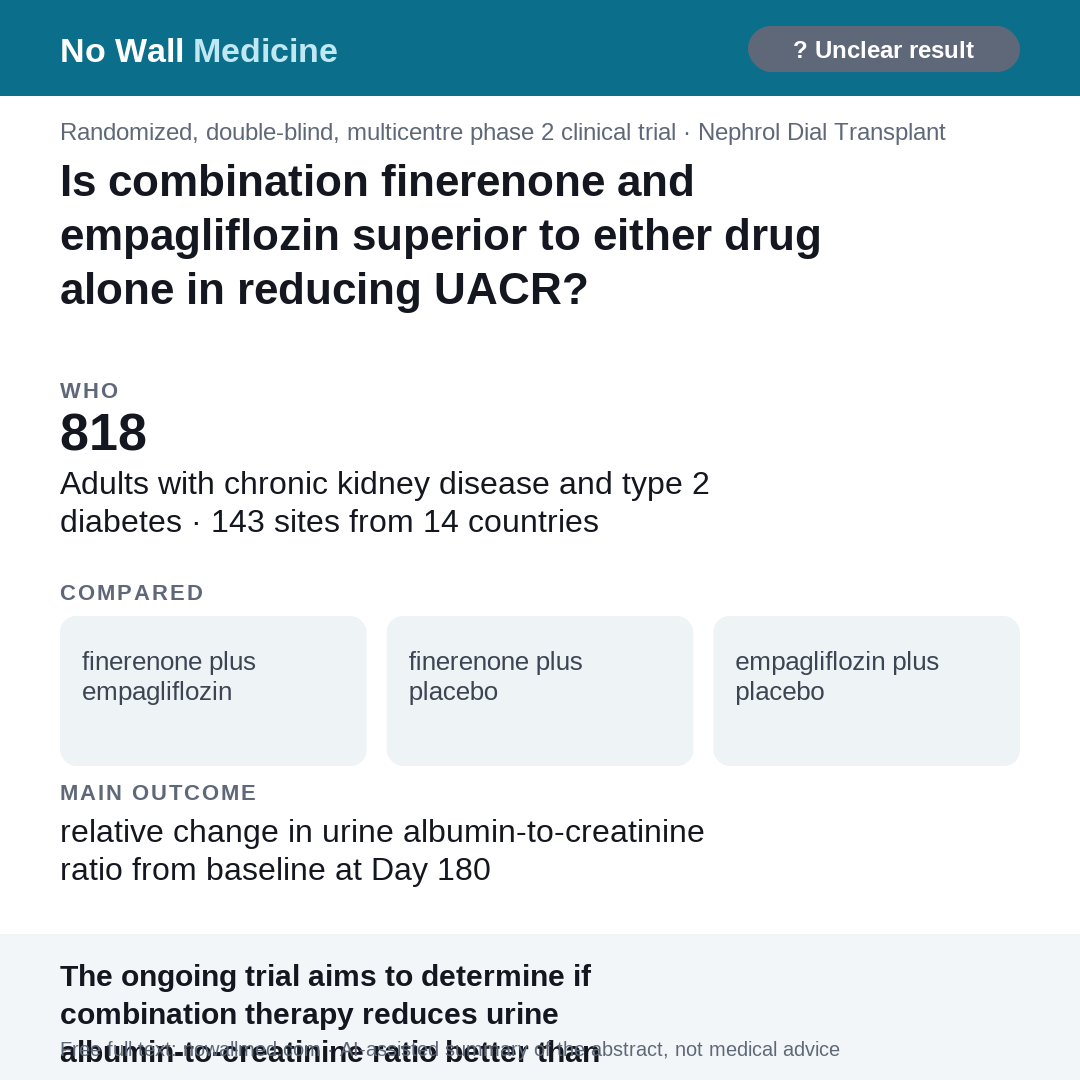
COmbinatioN effect of FInerenone anD EmpaglifloziN in participants with chronic kidney disease and type 2 diabetes using a UACR Endpoint (CONFIDENCE) trial: baseline clinical characteristics
Randomized, double-blind, multicentre phase 2 clinical trialUnclear result
Is combination finerenone and empagliflozin superior to either drug alone in reducing UACR?
Who
818
Adults with chronic kidney disease and type 2 diabetes · 143 sites from 14 countries
Compared
finerenone plus empagliflozin
finerenone plus placebo
empagliflozin plus placebo
Main outcome
relative change in urine albumin-to-creatinine ratio from baseline at Day 180
Bottom line: The ongoing trial aims to determine if combination therapy reduces urine albumin-to-creatinine ratio better than individual therapy.
Nephrol Dial Transplant · 2025-02-07Download image
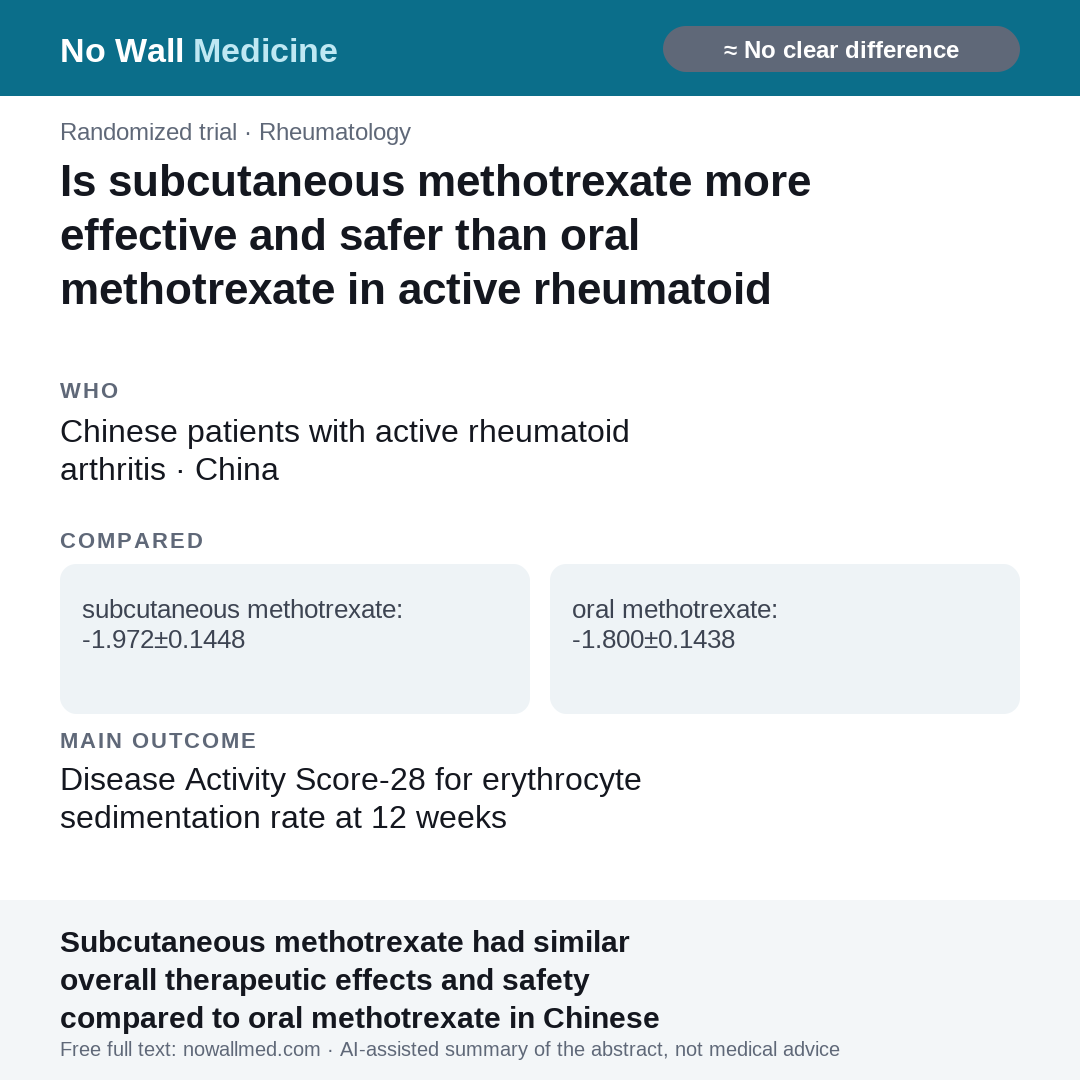
Comparison of the efficacy and safety of methotrexate injection and methotrexate tablets in active RA
Randomized trialNo clear difference
Is subcutaneous methotrexate more effective and safer than oral methotrexate in active rheumatoid arthritis?
Who
Chinese patients with active rheumatoid arthritis · China
Compared
subcutaneous methotrexate: -1.972±0.1448
oral methotrexate: -1.800±0.1438
Main outcome
Disease Activity Score-28 for erythrocyte sedimentation rate at 12 weeks
Result: -0.173±0.2041
Bottom line: Subcutaneous methotrexate had similar overall therapeutic effects and safety compared to oral methotrexate in Chinese patients.
Rheumatology · 2025-02-07Download image
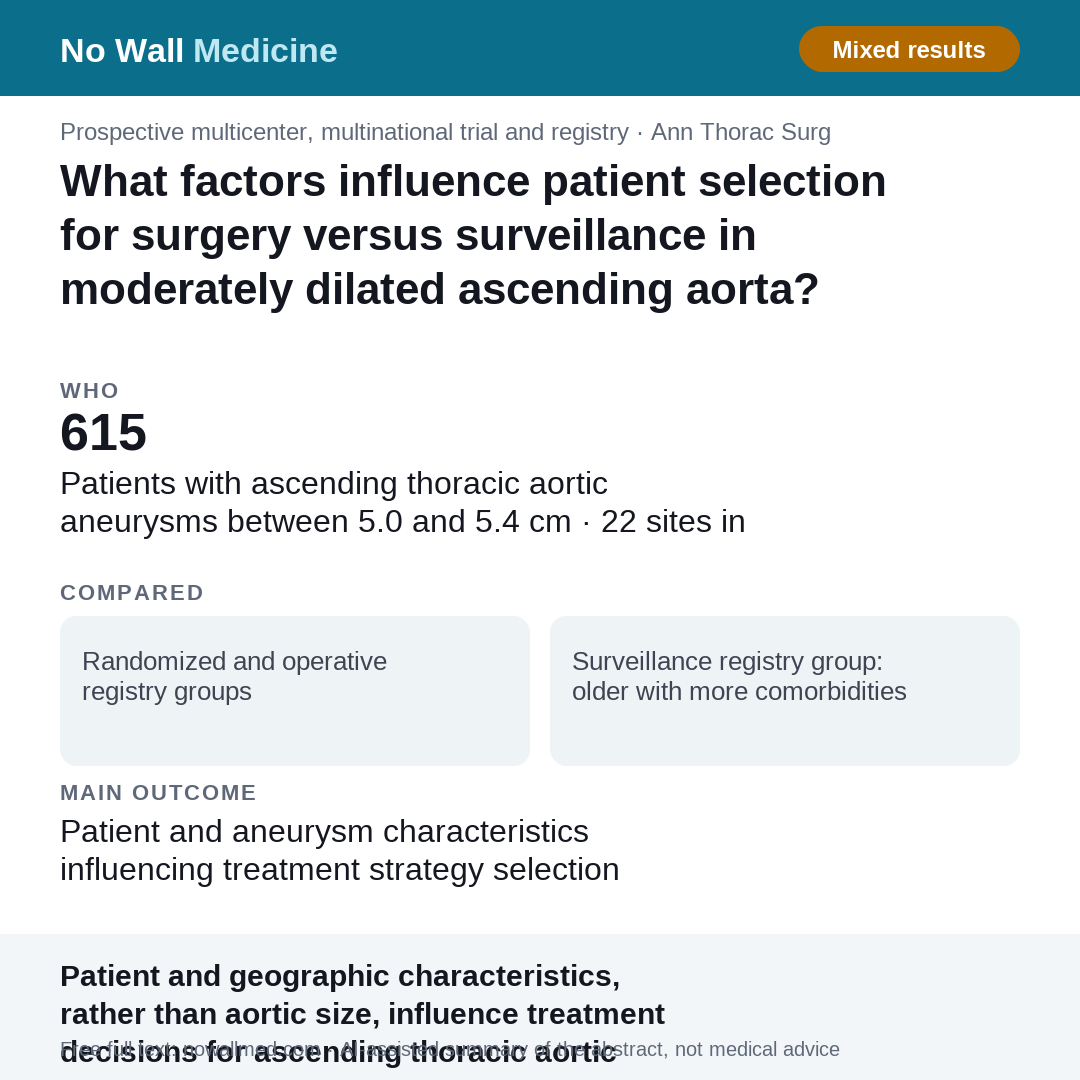
Patient Selection for Surgery vs Surveillance in Moderately Dilated Ascending Aorta: Insights From Treatment in Thoracic Aortic Aneurysm: Surgery versus Surveillance (TITAN:SvS), an International Prospective Trial
Prospective multicenter, multinational trial and registryMixed results
What factors influence patient selection for surgery versus surveillance in moderately dilated ascending aorta?
Who
615
Patients with ascending thoracic aortic aneurysms between 5.0 and 5.4 cm · 22 sites in the United States and Canada
Compared
Randomized and operative registry groups
Surveillance registry group: older with more comorbidities
Main outcome
Patient and aneurysm characteristics influencing treatment strategy selection
Bottom line: Patient and geographic characteristics, rather than aortic size, influence treatment decisions for ascending thoracic aortic aneurysms.
Limitation: Sicker patients may be excluded from operative registries, affecting generalizability.
Ann Thorac Surg · 2025-02-07Download image
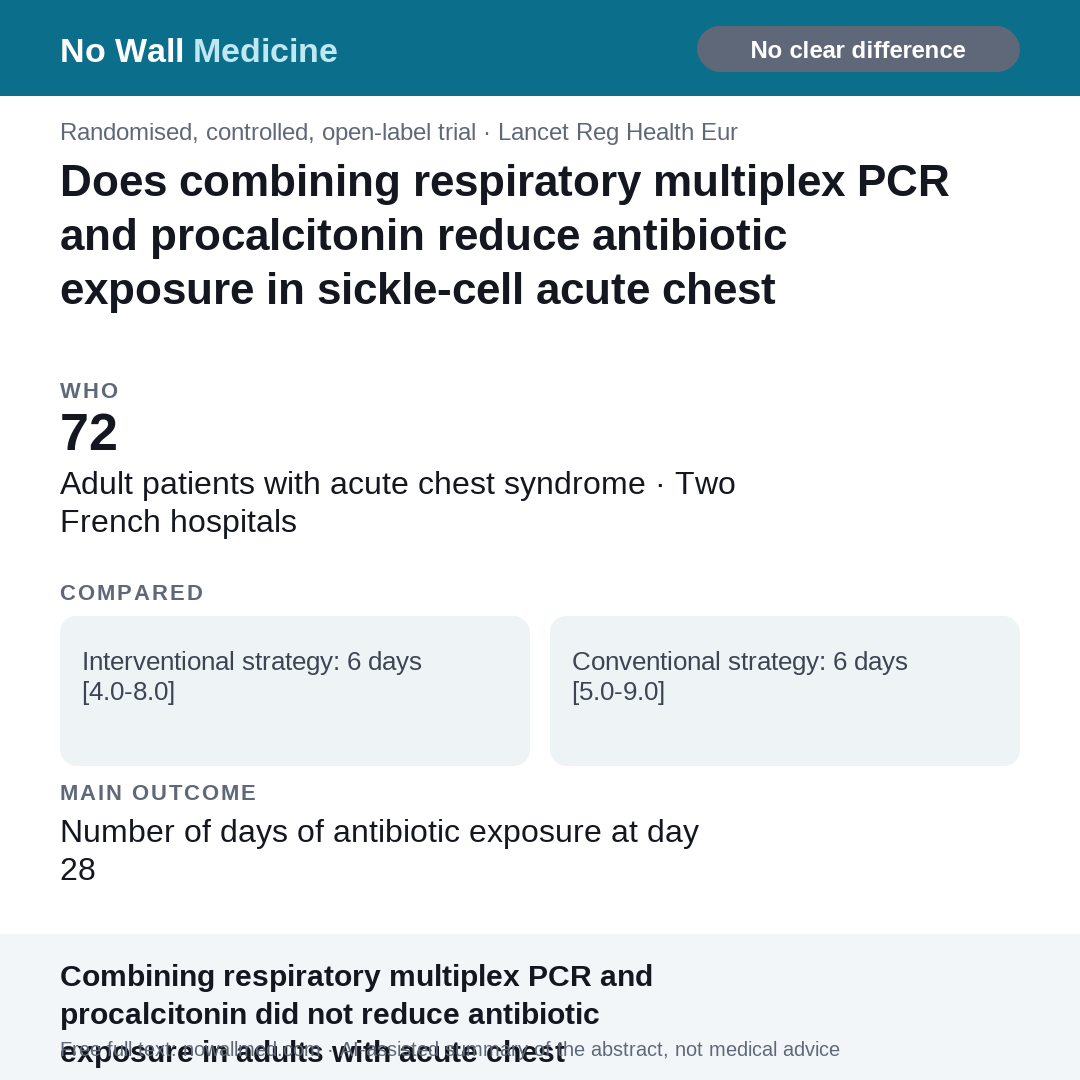
Combined use of respiratory multiplex PCR and procalcitonin to reduce antibiotic exposure in sickle-cell adult patients with acute chest syndrome (The ANTIBIO-STA study): a randomised, controlled, open-label trial
Randomised, controlled, open-label trialNo clear difference
Does combining respiratory multiplex PCR and procalcitonin reduce antibiotic exposure in sickle-cell acute chest syndrome?
Who
72
Adult patients with acute chest syndrome · Two French hospitals
Compared
Interventional strategy: 6 days [4.0-8.0]
Conventional strategy: 6 days [5.0-9.0]
Main outcome
Number of days of antibiotic exposure at day 28
Result: difference, 0.0 day; 95% CI, -2.1 to 2.1
Bottom line: Combining respiratory multiplex PCR and procalcitonin did not reduce antibiotic exposure in adults with acute chest syndrome.
Funded by: Assistance Publique-Hôpitaux de Paris and bioMérieux
Lancet Reg Health Eur · 2025-02-07Download image
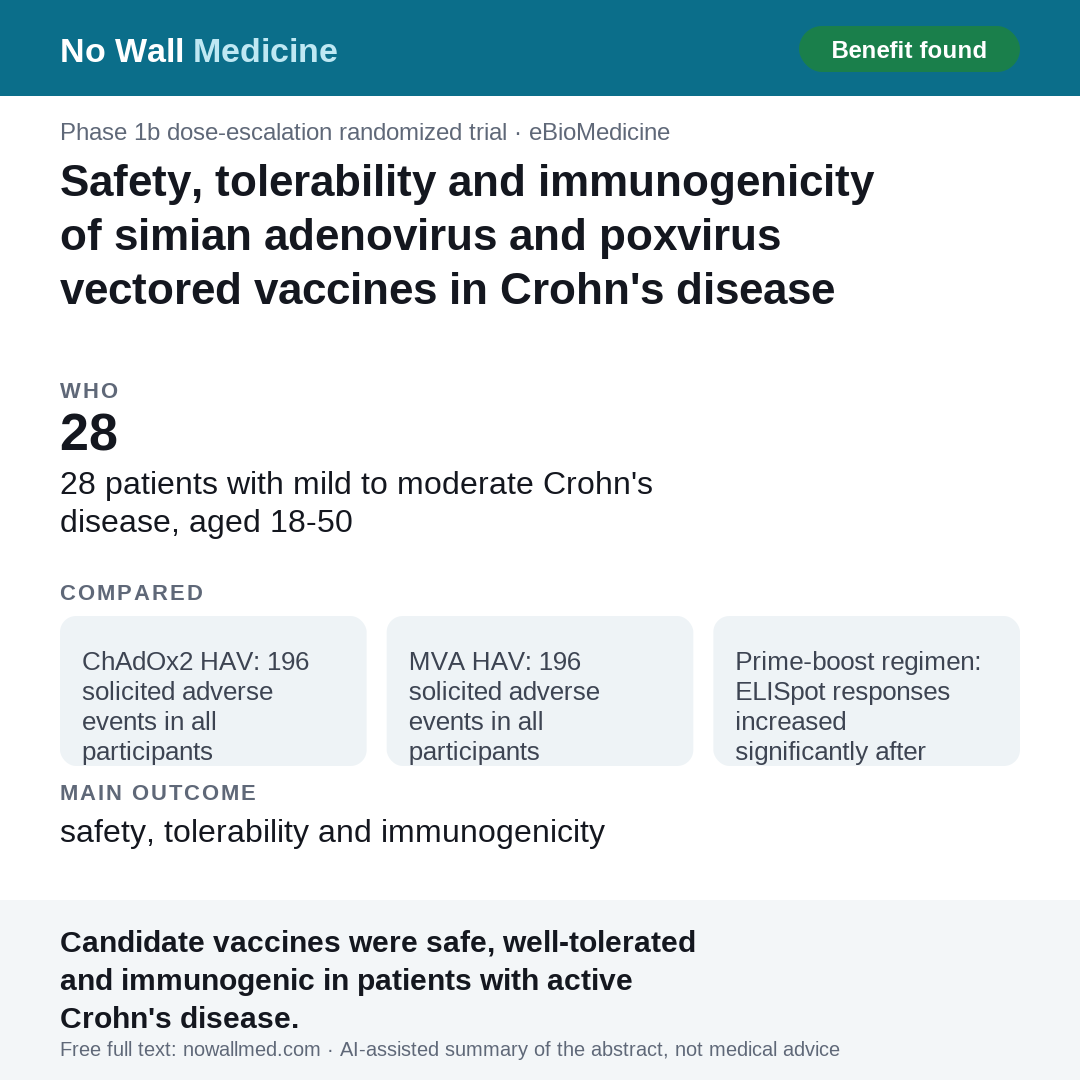
A phase 1b clinical trial to determine the safety, tolerability and immunogenicity of simian adenovirus and poxvirus vectored vaccines against a Mycobacterium avium complex subspecies in patients with active Crohn's disease
Phase 1b dose-escalation randomized trialBenefit found
Safety, tolerability and immunogenicity of simian adenovirus and poxvirus vectored vaccines in Crohn's disease
Who
28
28 patients with mild to moderate Crohn's disease, aged 18-50
Compared
ChAdOx2 HAV: 196 solicited adverse events in all participants
MVA HAV: 196 solicited adverse events in all participants
Prime-boost regimen: ELISpot responses increased significantly after boosting
Main outcome
safety, tolerability and immunogenicity
Bottom line: Candidate vaccines were safe, well-tolerated and immunogenic in patients with active Crohn's disease.
Limitation: Further studies are required to determine the efficacy and optimal regime of the vaccines.
Funded by: HAV Vaccines Limited
eBioMedicine · 2025-02-07Download image
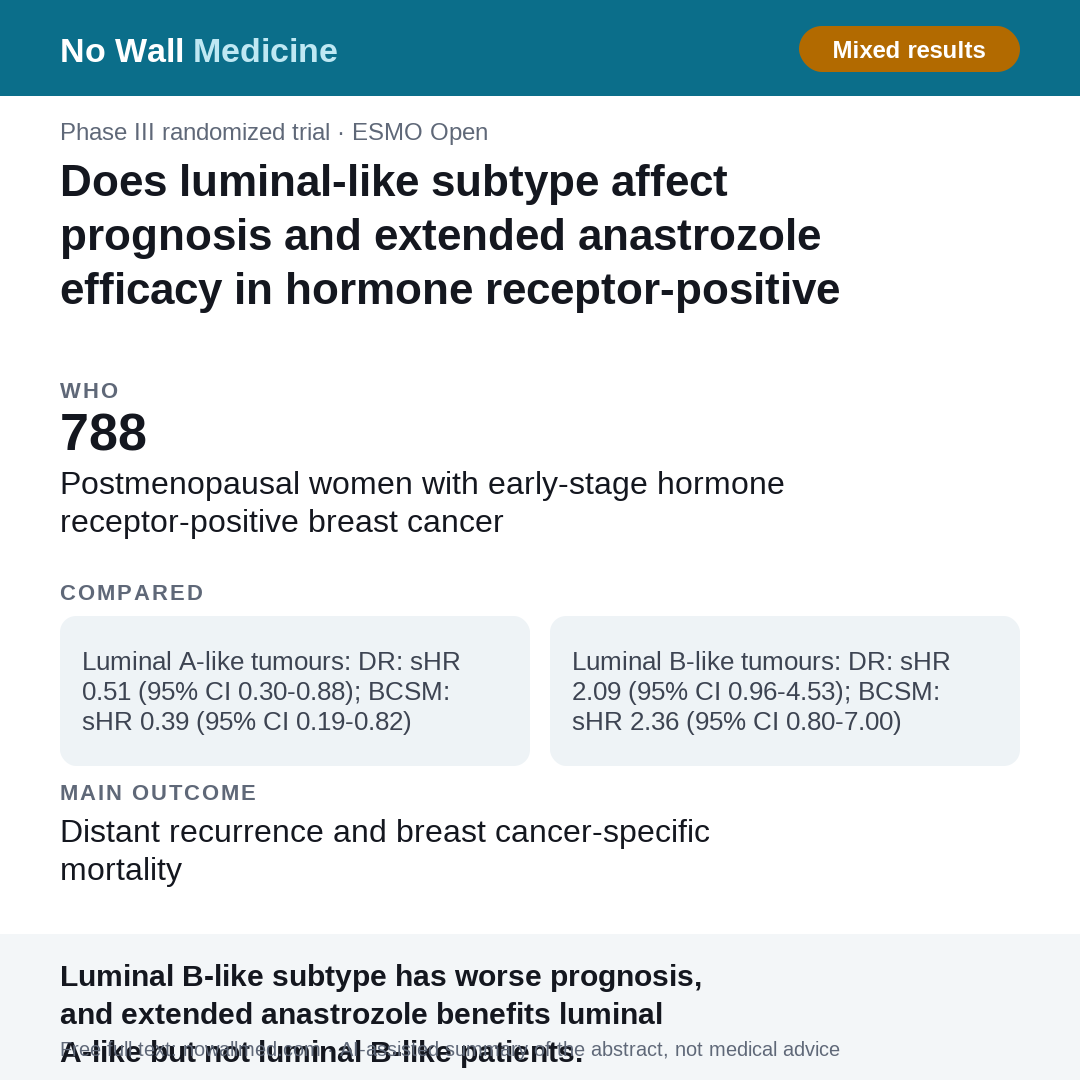
The prognostic and predictive value of the luminal-like subtype in hormone receptor-positive breast cancer: an analysis of the DATA trial
Phase III randomized trialMixed results
Does luminal-like subtype affect prognosis and extended anastrozole efficacy in hormone receptor-positive breast cancer?
Who
788
Postmenopausal women with early-stage hormone receptor-positive breast cancer
Compared
Luminal A-like tumours: DR: sHR 0.51 (95% CI 0.30-0.88); BCSM: sHR 0.39 (95% CI 0.19-0.82)
Luminal B-like tumours: DR: sHR 2.09 (95% CI 0.96-4.53); BCSM: sHR 2.36 (95% CI 0.80-7.00)
Main outcome
Distant recurrence and breast cancer-specific mortality
Result: DR sHR 1.44 (95% CI 1.03-2.01); BCSM sHR 1.68 (95% CI 1.15-2.45)
Bottom line: Luminal B-like subtype has worse prognosis, and extended anastrozole benefits luminal A-like but not luminal B-like patients.
ESMO Open · 2025-02-07Download image
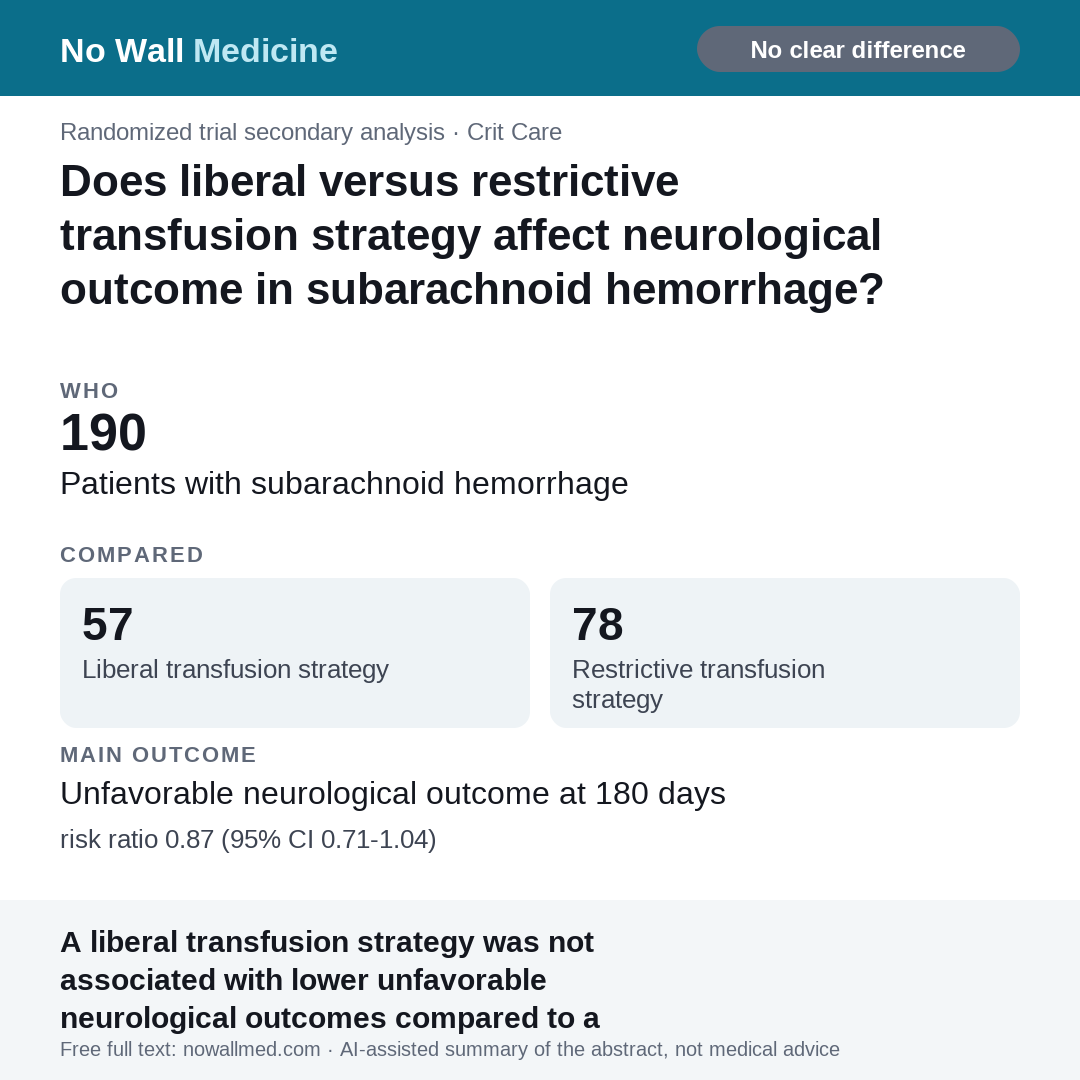
Liberal versus restrictive transfusion strategies in subarachnoid hemorrhage: a secondary analysis of the TRAIN study
Randomized trial secondary analysisNo clear difference
Does liberal versus restrictive transfusion strategy affect neurological outcome in subarachnoid hemorrhage?
Who
190
Patients with subarachnoid hemorrhage
Compared
57Liberal transfusion strategy (66.3%)
78Restrictive transfusion strategy (76.4%)
Main outcome
Unfavorable neurological outcome at 180 days
Result: risk ratio 0.87 (95% CI 0.71-1.04)
Bottom line: A liberal transfusion strategy was not associated with lower unfavorable neurological outcomes compared to a restrictive strategy.
Crit Care · 2025-02-07Download image
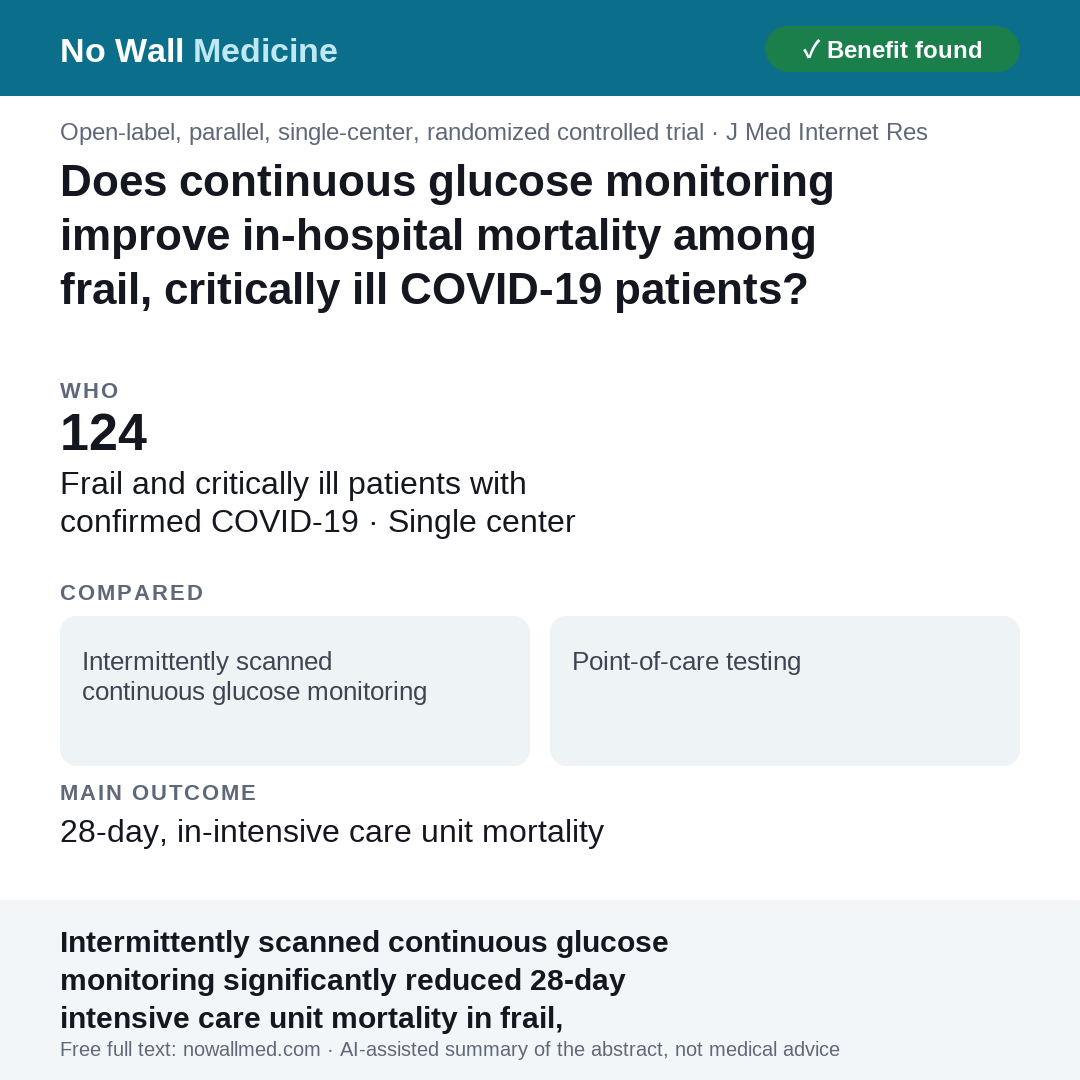
Effectiveness of Continuous Glucose Monitoring on Short-Term, In-Hospital Mortality Among Frail and Critically Ill Patients With COVID-19: Randomized Controlled Trial
Open-label, parallel, single-center, randomized controlled trialBenefit found
Does continuous glucose monitoring improve in-hospital mortality among frail, critically ill COVID-19 patients?
Who
124
Frail and critically ill patients with confirmed COVID-19 · Single center
Compared
Intermittently scanned continuous glucose monitoring
Point-of-care testing
Main outcome
28-day, in-intensive care unit mortality
Result: hazard ratio 0.18 (95% CI 0.04-0.79)
Bottom line: Intermittently scanned continuous glucose monitoring significantly reduced 28-day intensive care unit mortality in frail, critically ill COVID-19 patients.
Limitation: This was an exploratory, prospective, open-label, single-center trial.
J Med Internet Res · 2025-02-07Download image
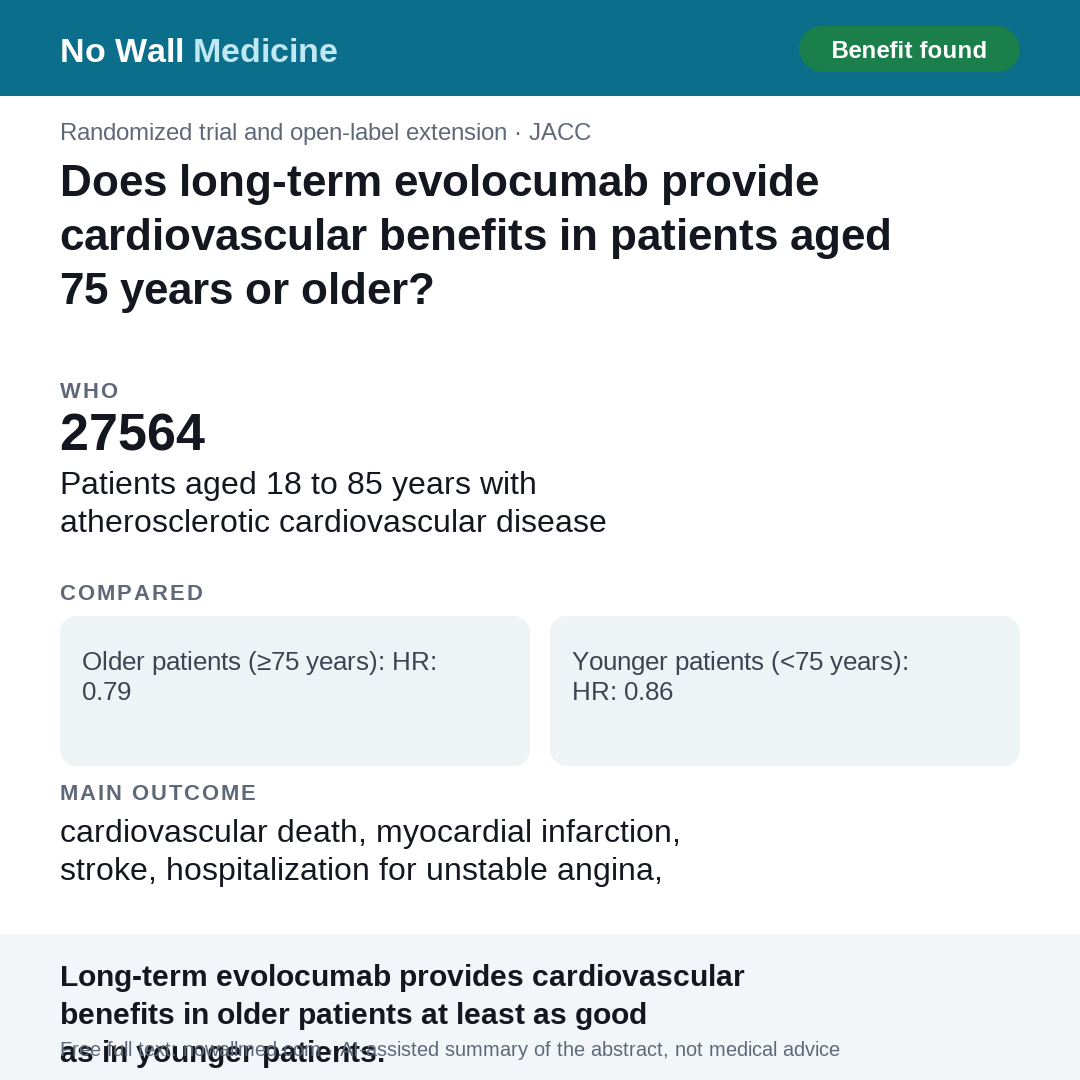
Long-Term Lipid Lowering With Evolocumab in Older Individuals
Randomized trial and open-label extensionBenefit found
Does long-term evolocumab provide cardiovascular benefits in patients aged 75 years or older?
Who
27564
Patients aged 18 to 85 years with atherosclerotic cardiovascular disease
Compared
Older patients (≥75 years): HR: 0.79
Younger patients (<75 years): HR: 0.86
Main outcome
cardiovascular death, myocardial infarction, stroke, hospitalization for unstable angina, or coronary revascularization
Result: hazard ratio 0.79 (95% CI: 0.64-0.97) in older patients
Bottom line: Long-term evolocumab provides cardiovascular benefits in older patients at least as good as in younger patients.
JACC · 2025-02-06Download image
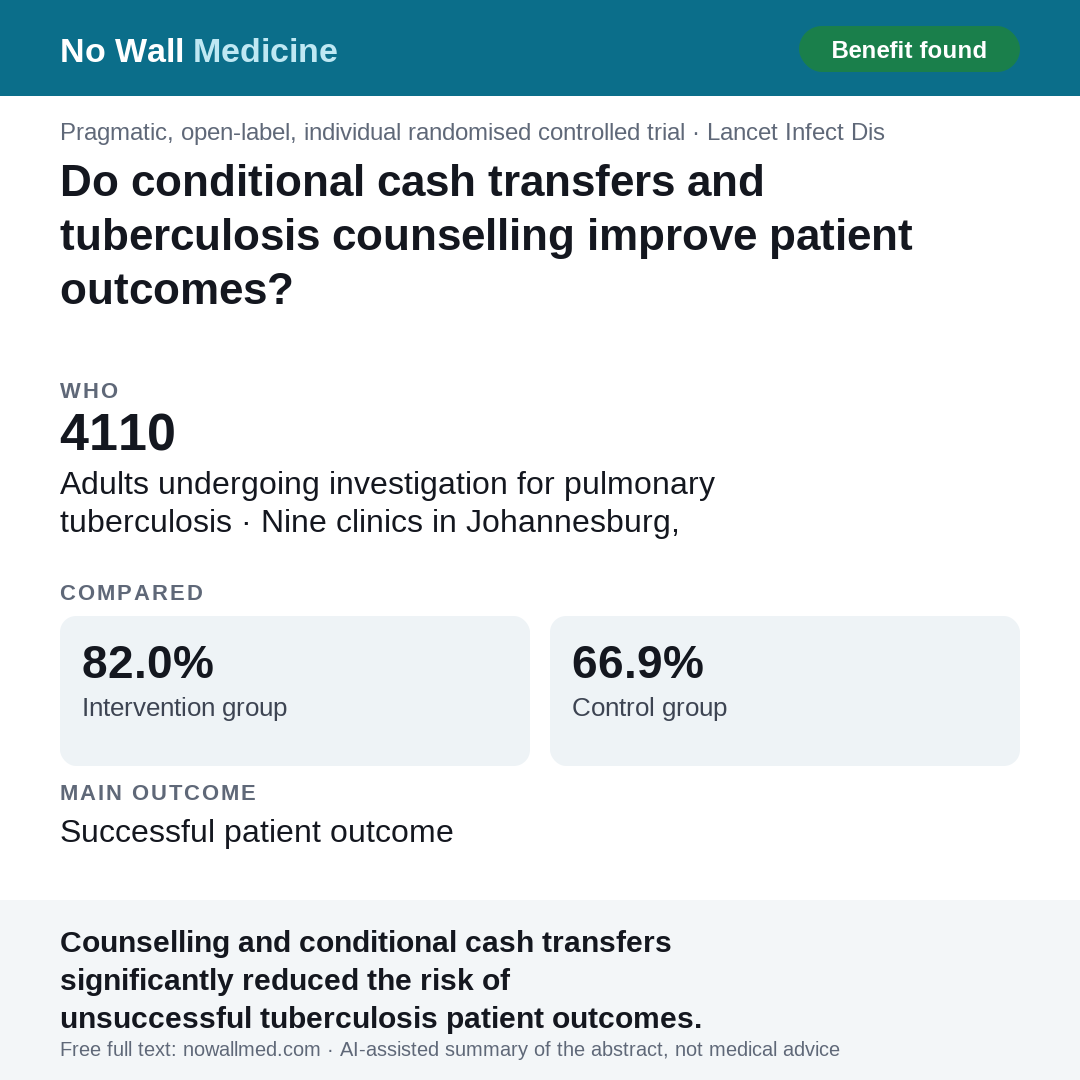
Effects of conditional cash transfers and pre-test and post-test tuberculosis counselling on patient outcomes and loss to follow-up across the continuum of care in South Africa: a randomised controlled trial
Pragmatic, open-label, individual randomised controlled trialBenefit found
Do conditional cash transfers and tuberculosis counselling improve patient outcomes?
Who
4110
Adults undergoing investigation for pulmonary tuberculosis · Nine clinics in Johannesburg, South Africa
Compared
82.0%Intervention group
66.9%Control group
Main outcome
Successful patient outcome
Result: RR in weighted population 0.52, 95% CI 0.33 to 0.82
Bottom line: Counselling and conditional cash transfers significantly reduced the risk of unsuccessful tuberculosis patient outcomes.
Lancet Infect Dis · 2025-02-06Download image