Visual abstracts
New randomized trials and meta-analyses from leading journals at a glance: who was studied, what was compared, and what was found. Every paper is free to read in full.
All specialtiesCardiology 4877Oncology 4136Gastroenterology & Hepatology 1942Infectious Disease 3836Neurology 1904Psychiatry & Mental Health 2273Pulmonology 2143Critical Care 1364Endocrinology & Diabetes 2580Pediatrics 2980Surgery 2556Orthopedics & Sports Medicine 931Neurosurgery 537Cardiothoracic & Vascular Surgery 674Plastic & Reconstructive Surgery 591Nephrology 1133Rheumatology 823Hematology 1109Dermatology 621Ophthalmology 543Obstetrics & Gynecology 1686Public & Global Health 1058Radiology & Imaging 648Anesthesiology 986Urology 764ENT (Otolaryngology) 503Emergency Medicine 511Allergy & Immunology 313Geriatrics 979Family Medicine & Primary Care 562Medical Genetics & Genomics 676Pathology & Laboratory Medicine 159Physical Medicine & Rehabilitation 757Palliative Care 444Nutrition 1588Digital Health & AI 2197General Medicine 320
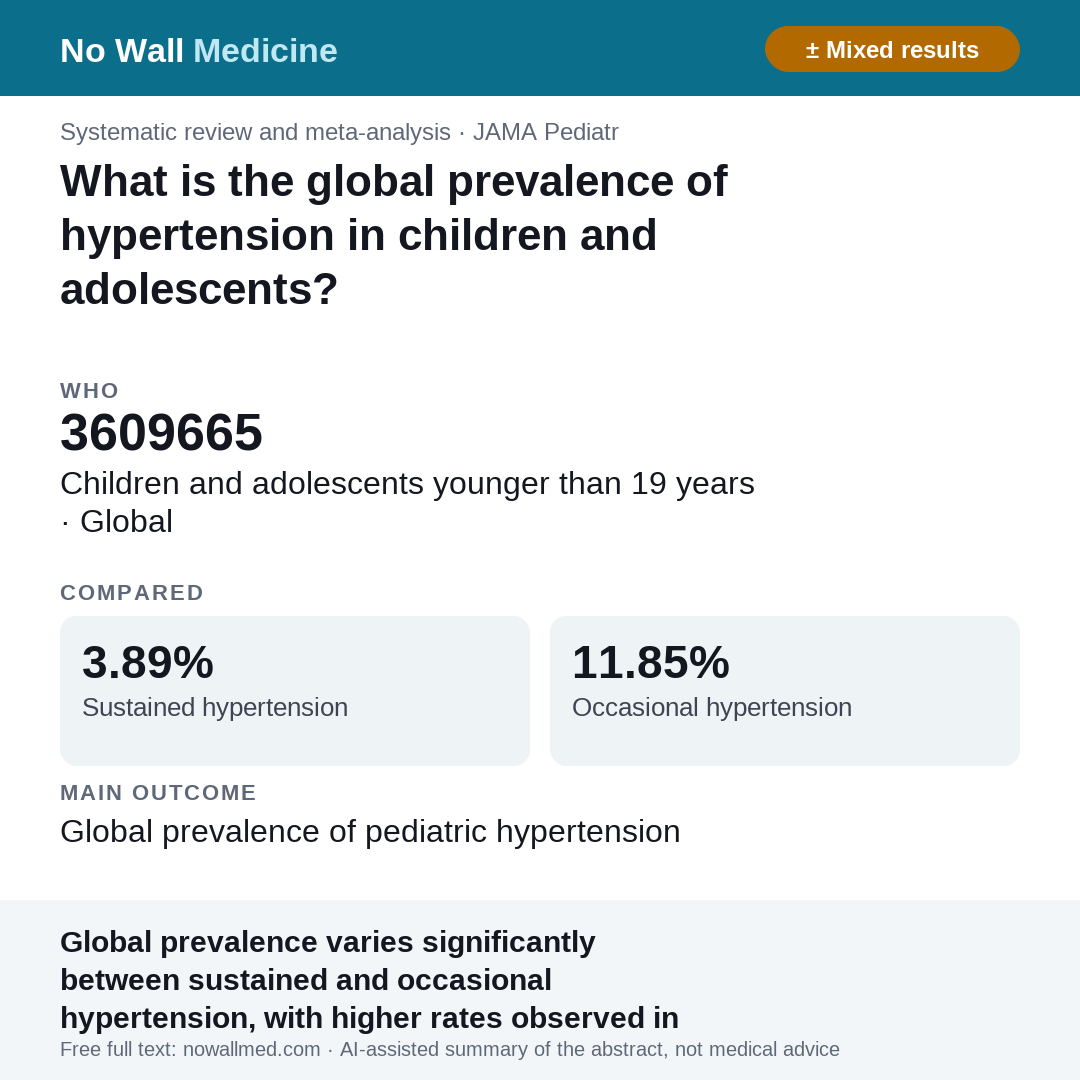
Global Prevalence of Hypertension in Children and Adolescents Younger Than 19 Years: A Systematic Review and Meta-Analysis
Systematic review and meta-analysisMixed results
What is the global prevalence of hypertension in children and adolescents?
Who
3609665
Children and adolescents younger than 19 years · Global
Compared
3.89%Sustained hypertension (95% CI, 3.27%-4.62%)
11.85%Occasional hypertension (95% CI, 10.98%-12.75%)
Main outcome
Global prevalence of pediatric hypertension
Bottom line: Global prevalence varies significantly between sustained and occasional hypertension, with higher rates observed in children with obesity or overweight.
JAMA Pediatr · 2025-07-28Download image
Trends Over Time in Cognitive Outcomes of Children Born Very Preterm: A Systematic Review and Meta-Analysis
Systematic review and meta-analysisHarm found
Are there trends over time in cognitive outcomes of children born very preterm?
Who
25746
Children born very preterm or at term
Compared
Very preterm born: SMD -0.88 (95% CI, -0.97 to -0.79)
Term born
Main outcome
Intelligence quotient scores
Result: standardized mean difference -0.88 (95% CI, -0.97 to -0.79)
Bottom line: Children born very preterm had significantly lower intelligence quotient scores than term-born children, with no improvement observed over four decades.
JAMA Pediatr · 2025-07-28Download image

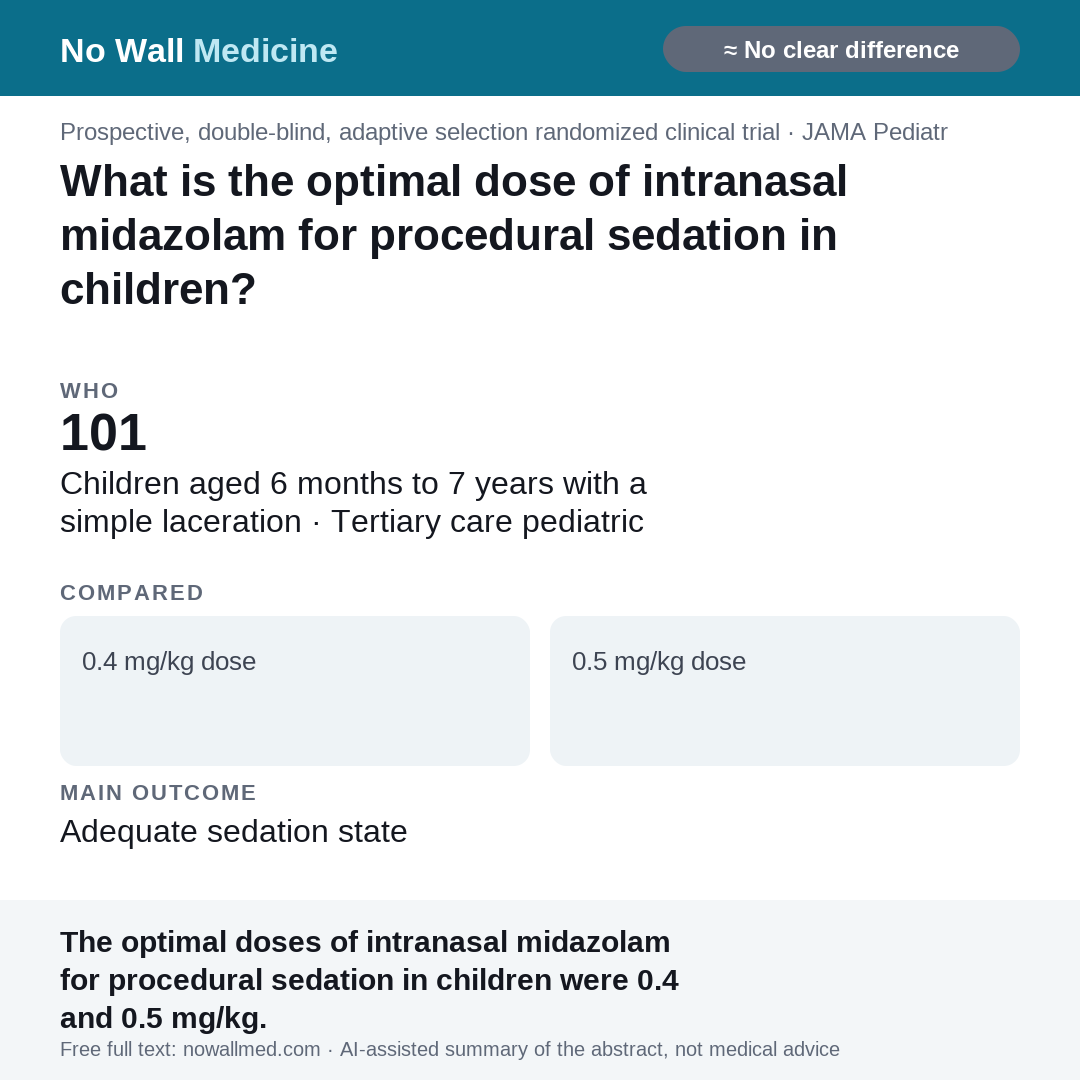
Optimal Dose of Intranasal Midazolam for Procedural Sedation in Children: A Randomized Clinical Trial
Prospective, double-blind, adaptive selection randomized clinical trialNo clear difference
What is the optimal dose of intranasal midazolam for procedural sedation in children?
Who
101
Children aged 6 months to 7 years with a simple laceration · Tertiary care pediatric emergency department
Compared
0.4 mg/kg dose
0.5 mg/kg dose
Main outcome
Adequate sedation state
Bottom line: The optimal doses of intranasal midazolam for procedural sedation in children were 0.4 and 0.5 mg/kg.
JAMA Pediatr · 2025-07-28Download image
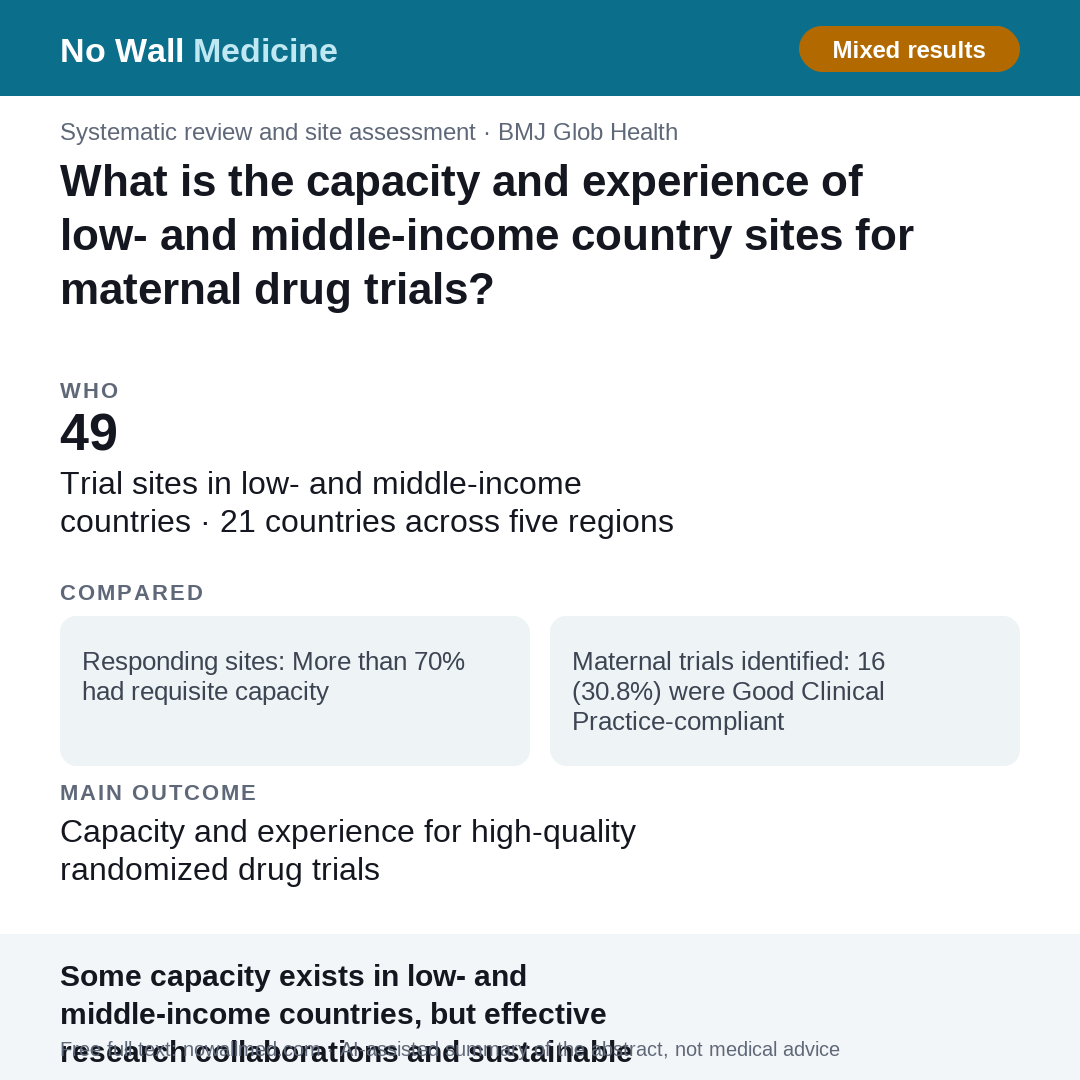
Identifying and assessing the capacity and experience of trial sites in low- and middle-income countries for high-quality randomised drug trials in maternal and perinatal health
Systematic review and site assessmentMixed results
What is the capacity and experience of low- and middle-income country sites for maternal drug trials?
Who
49
Trial sites in low- and middle-income countries · 21 countries across five regions
Compared
Responding sites: More than 70% had requisite capacity
Maternal trials identified: 16 (30.8%) were Good Clinical Practice-compliant
Main outcome
Capacity and experience for high-quality randomized drug trials
Bottom line: Some capacity exists in low- and middle-income countries, but effective research collaborations and sustainable networks are needed.
BMJ Glob Health · 2025-07-27Download image
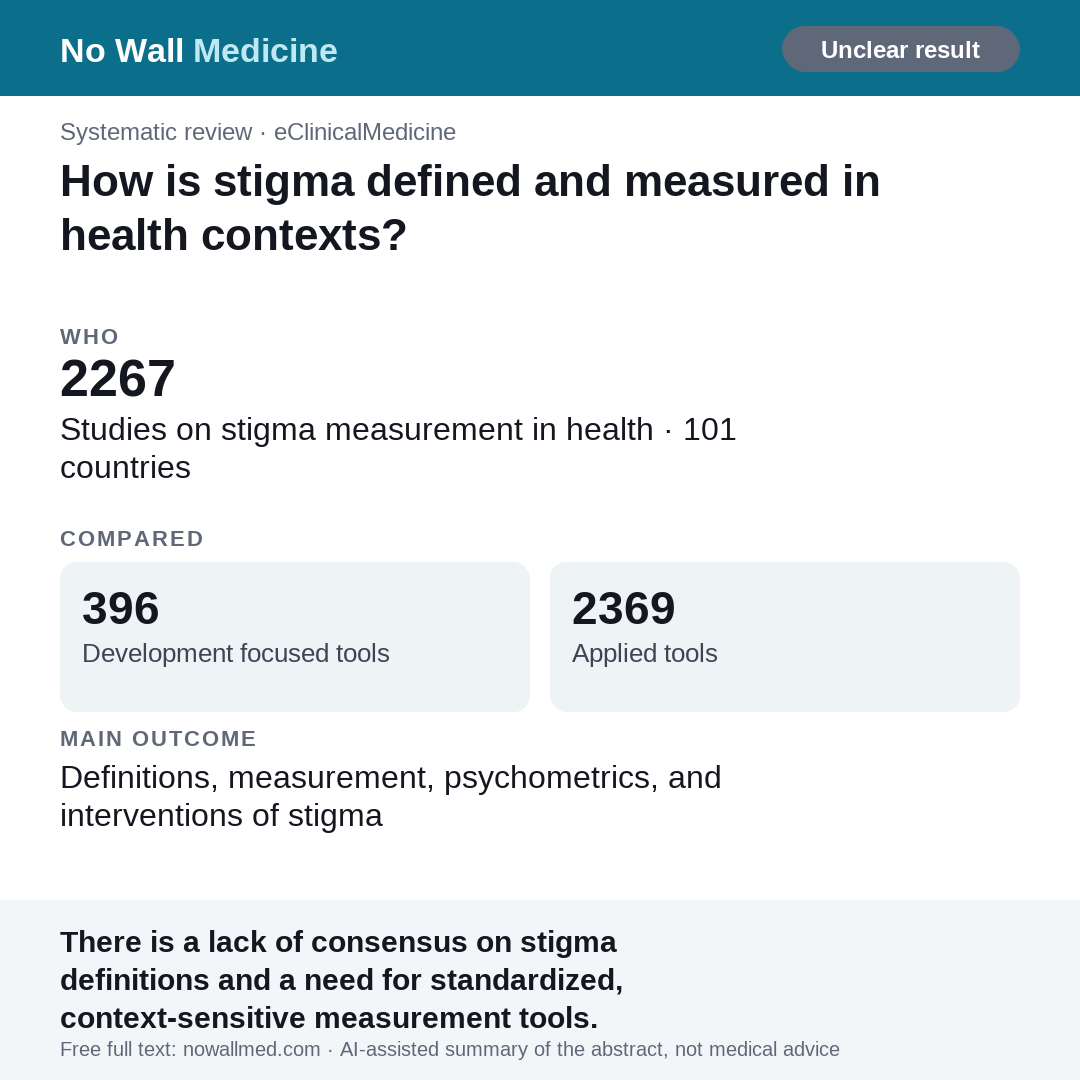
Stigma measurement in health: a systematic review
Systematic reviewUnclear result
How is stigma defined and measured in health contexts?
Who
2267
Studies on stigma measurement in health · 101 countries
Compared
396Development focused tools (15.2%)
2369Applied tools (91.0%)
Main outcome
Definitions, measurement, psychometrics, and interventions of stigma
Bottom line: There is a lack of consensus on stigma definitions and a need for standardized, context-sensitive measurement tools.
Limitation: Lack of consensus on definitions, limited pediatric research, and insufficient attention to structural drivers.
Funded by: St. Jude Children's Research Hospital, National Cancer Institute, ALSA, Siteman Cancer Center
eClinicalMedicine · 2025-07-24Download image
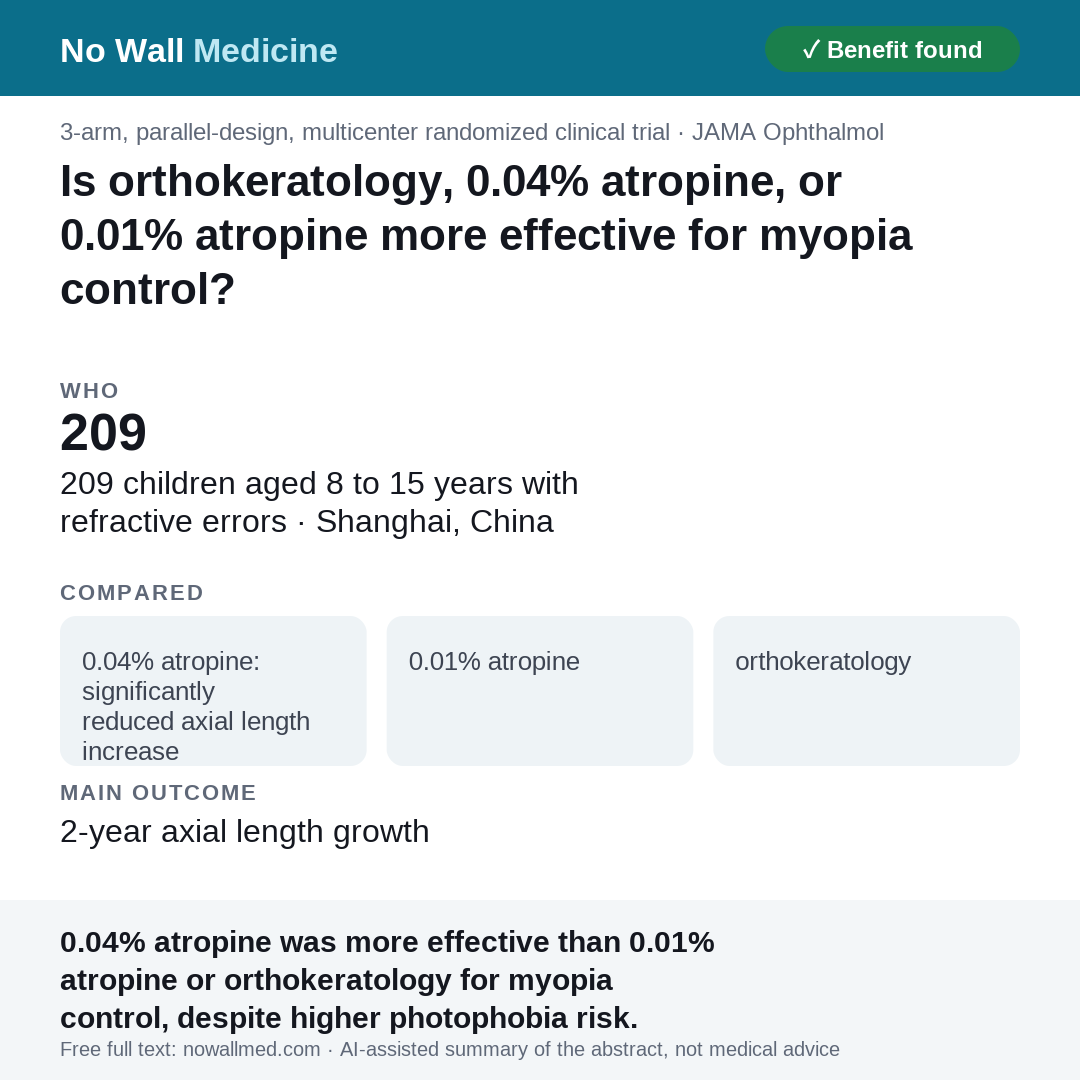
Orthokeratology, 0.04% Atropine, and 0.01% Atropine for Myopia Control: A Randomized Clinical Trial
3-arm, parallel-design, multicenter randomized clinical trialBenefit found
Is orthokeratology, 0.04% atropine, or 0.01% atropine more effective for myopia control?
Who
209
209 children aged 8 to 15 years with refractive errors · Shanghai, China
Compared
0.04% atropine: significantly reduced axial length increase
0.01% atropine
orthokeratology
Main outcome
2-year axial length growth
Result: difference 0.18 mm (95% CI, 0.11-0.26) between 0.04% and 0.01% atropine
Bottom line: 0.04% atropine was more effective than 0.01% atropine or orthokeratology for myopia control, despite higher photophobia risk.
JAMA Ophthalmol · 2025-07-24Download image
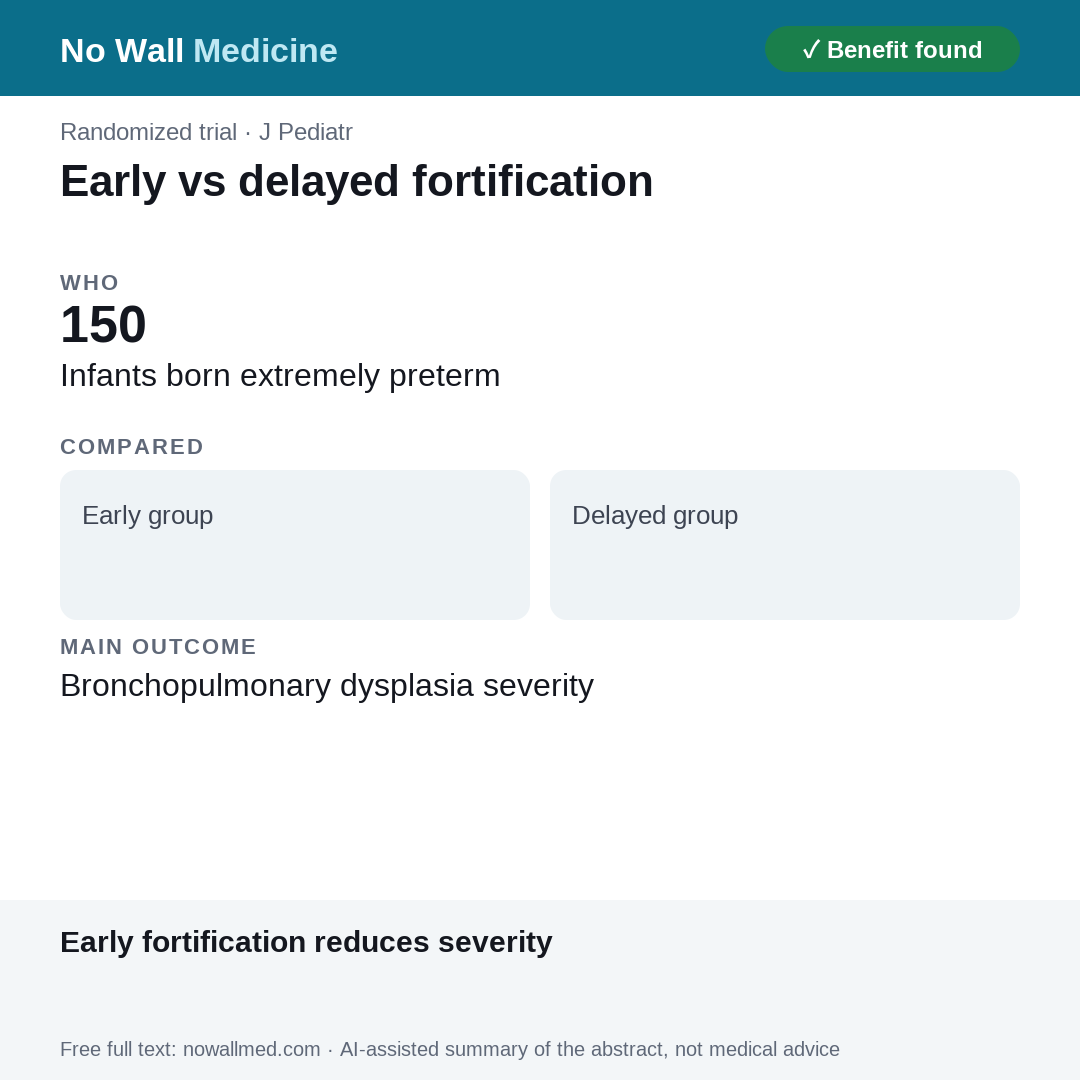
Severity of Bronchopulmonary Dysplasia in Infants Born Extremely Preterm and Randomized to Early Human Milk Fortification with a Donor Milk-Derived Fortifier for 2 Weeks
Randomized trialBenefit found
Early vs delayed fortification
Who
150
Infants born extremely preterm
Compared
Early group
Delayed group
Main outcome
Bronchopulmonary dysplasia severity
Bottom line: Early fortification reduces severity
J Pediatr · 2025-07-24Download image
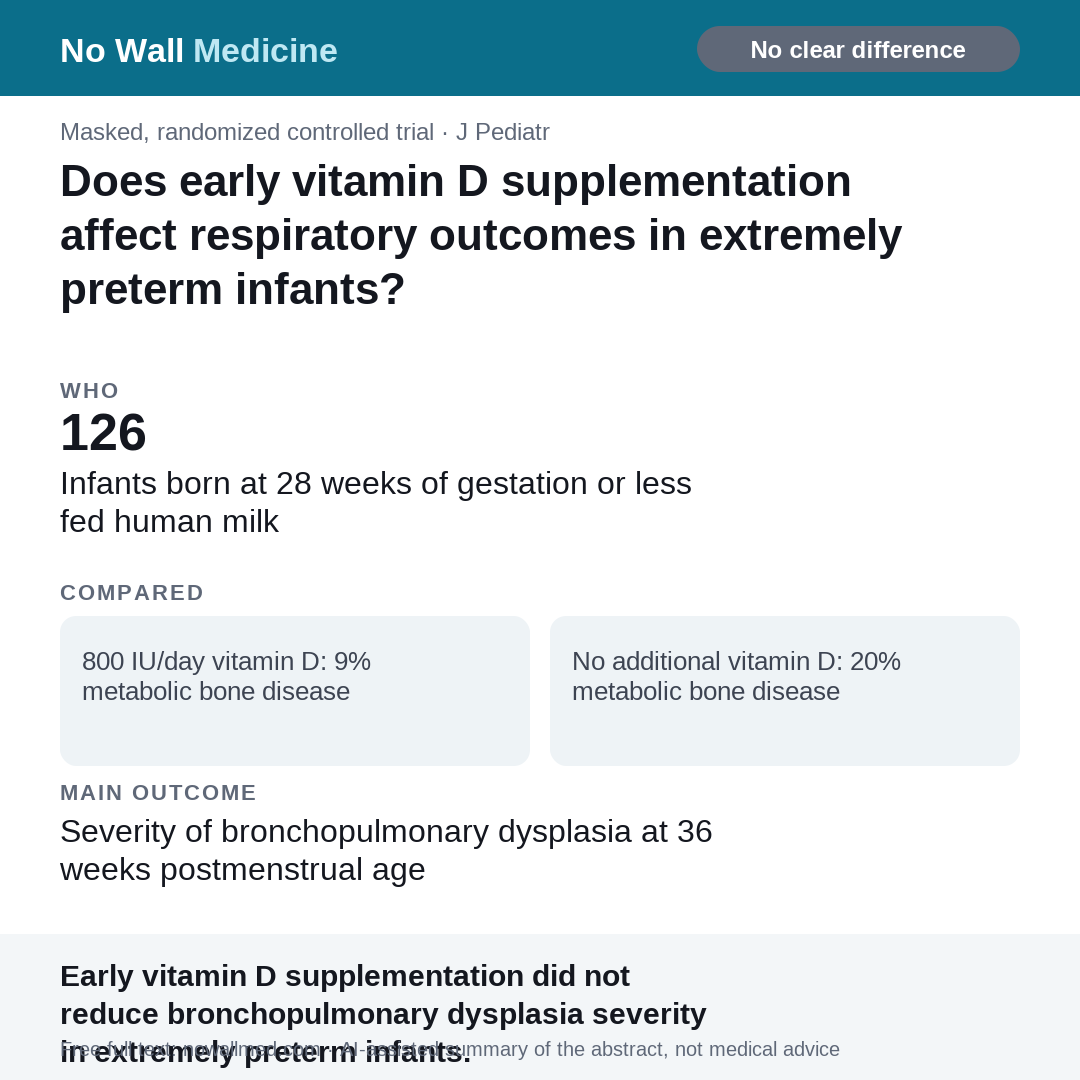
Early Vitamin D Supplementation in Infants Born Extremely Preterm and Fed Human Milk: A Randomized Controlled Trial
Masked, randomized controlled trialNo clear difference
Does early vitamin D supplementation affect respiratory outcomes in extremely preterm infants?
Who
126
Infants born at 28 weeks of gestation or less fed human milk
Compared
800 IU/day vitamin D: 9% metabolic bone disease
No additional vitamin D: 20% metabolic bone disease
Main outcome
Severity of bronchopulmonary dysplasia at 36 weeks postmenstrual age
Result: relative risk 0.43 (95% CI 0.16, 1.15)
Bottom line: Early vitamin D supplementation did not reduce bronchopulmonary dysplasia severity in extremely preterm infants.
J Pediatr · 2025-07-24Download image
The Oral Health Disparity Among Refugee Children: A Systematic Review
Systematic reviewHarm found
What are the oral health problems among refugee children in developed nations?
Who
30
Refugee children resettled in developed nations · Developed nations
Compared
Refugee children: 78% with dental caries
Age-and sex-matched children
Main outcome
Oral health status and dental caries prevalence
Bottom line: Refugee children face higher risks of oral disease than nonrefugee immigrant and native-born populations.
Limitation: Lack of standardized or comprehensive measures of oral health.
Laryngoscope Investig Otolaryngol · 2025-07-24Download image

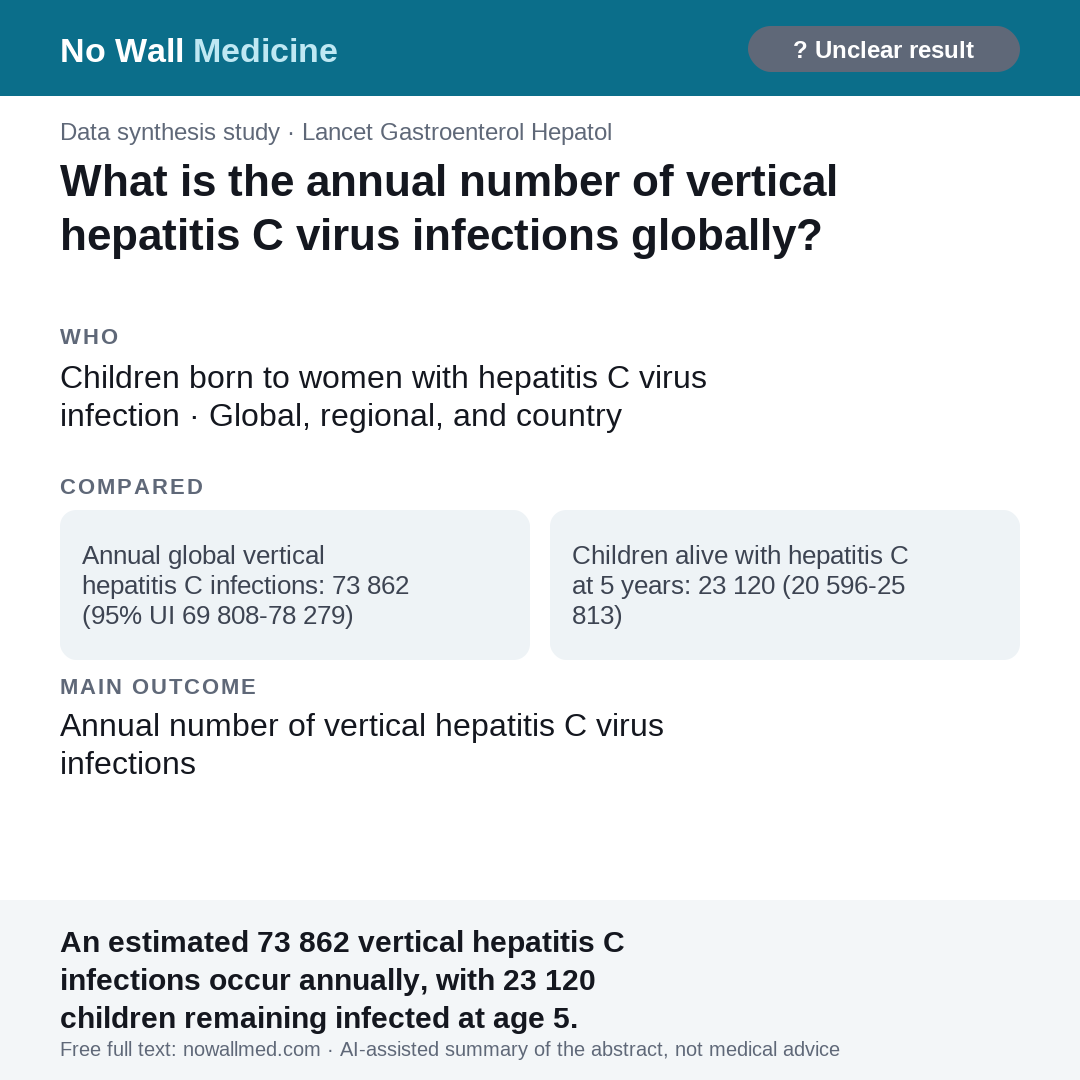
Estimating the annual number of hepatitis C virus infections through vertical transmission at country, regional, and global levels: a data synthesis study
Data synthesis studyUnclear result
What is the annual number of vertical hepatitis C virus infections globally?
Who
Children born to women with hepatitis C virus infection · Global, regional, and country levels
Compared
Annual global vertical hepatitis C infections: 73 862 (95% UI 69 808-78 279)
Children alive with hepatitis C at 5 years: 23 120 (20 596-25 813)
Main outcome
Annual number of vertical hepatitis C virus infections
Bottom line: An estimated 73 862 vertical hepatitis C infections occur annually, with 23 120 children remaining infected at age 5.
Limitation: Data on the safety of hepatitis C treatments in pregnant women are required.
Lancet Gastroenterol Hepatol · 2025-07-23Download image
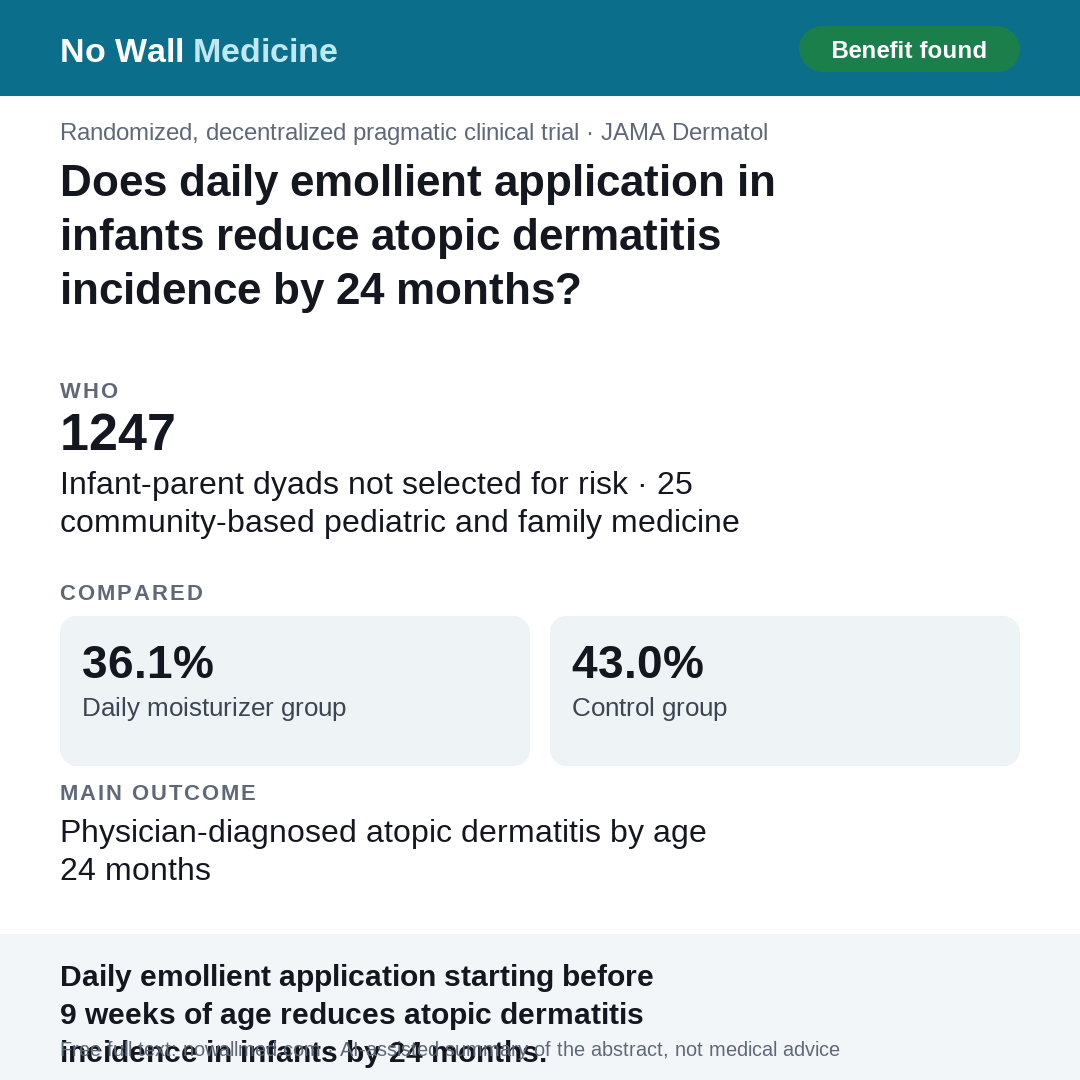
Emollients to Prevent Pediatric Eczema: A Randomized Clinical Trial
Randomized, decentralized pragmatic clinical trialBenefit found
Does daily emollient application in infants reduce atopic dermatitis incidence by 24 months?
Who
1247
Infant-parent dyads not selected for risk · 25 community-based pediatric and family medicine clinics
Compared
36.1%Daily moisturizer group
43.0%Control group
Main outcome
Physician-diagnosed atopic dermatitis by age 24 months
Result: relative risk 0.84 (95% CI, 0.73-0.97)
Bottom line: Daily emollient application starting before 9 weeks of age reduces atopic dermatitis incidence in infants by 24 months.
JAMA Dermatol · 2025-07-23Download image
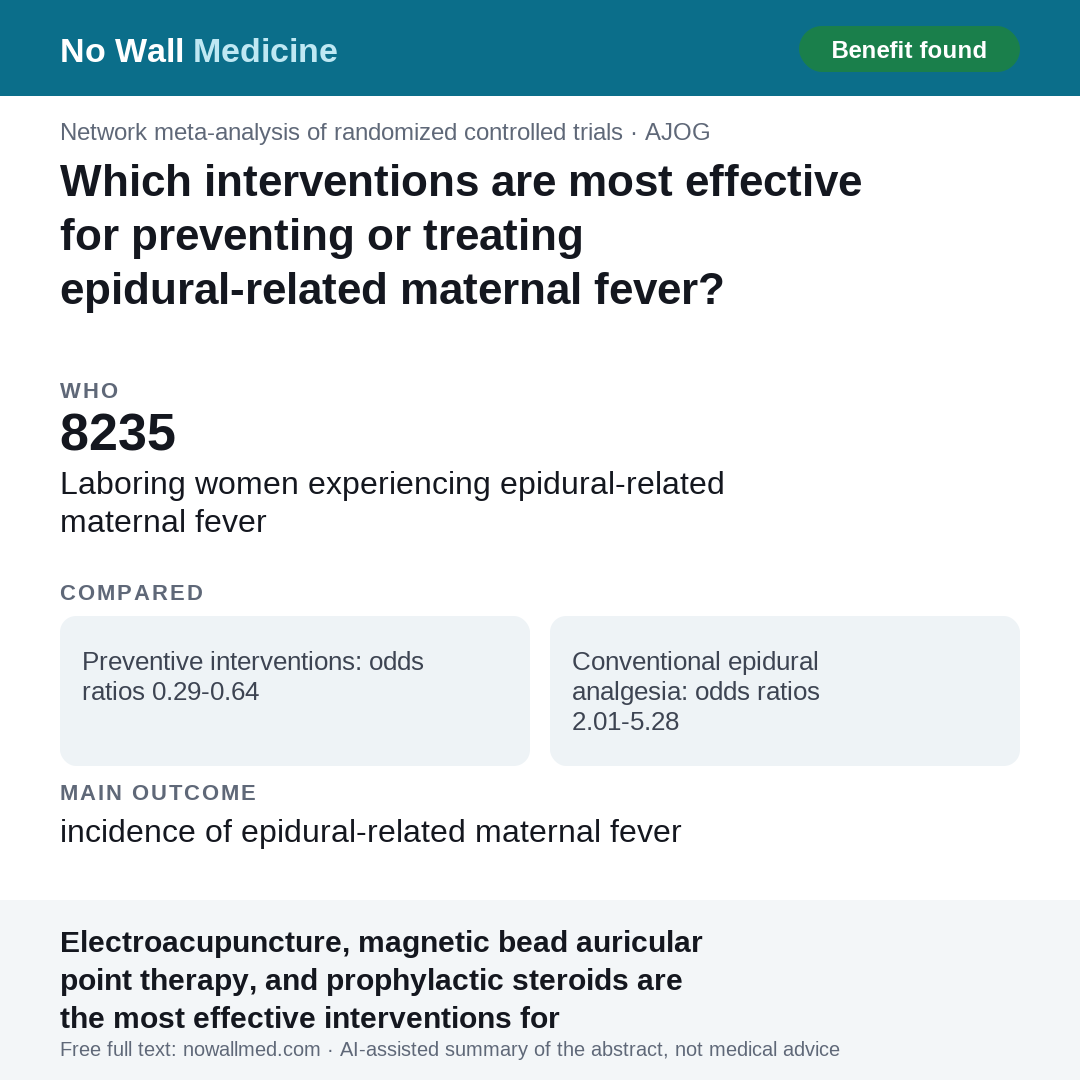
Comparative effectiveness of diverse strategies for the prevention or treatment of epidural-related maternal fever: a systematic review and network meta-analysis of randomized controlled trials
Network meta-analysis of randomized controlled trialsBenefit found
Which interventions are most effective for preventing or treating epidural-related maternal fever?
Who
8235
Laboring women experiencing epidural-related maternal fever
Compared
Preventive interventions: odds ratios 0.29-0.64
Conventional epidural analgesia: odds ratios 2.01-5.28
Main outcome
incidence of epidural-related maternal fever
Bottom line: Electroacupuncture, magnetic bead auricular point therapy, and prophylactic steroids are the most effective interventions for preventing epidural-related maternal fever.
AJOG · 2025-07-23Download image
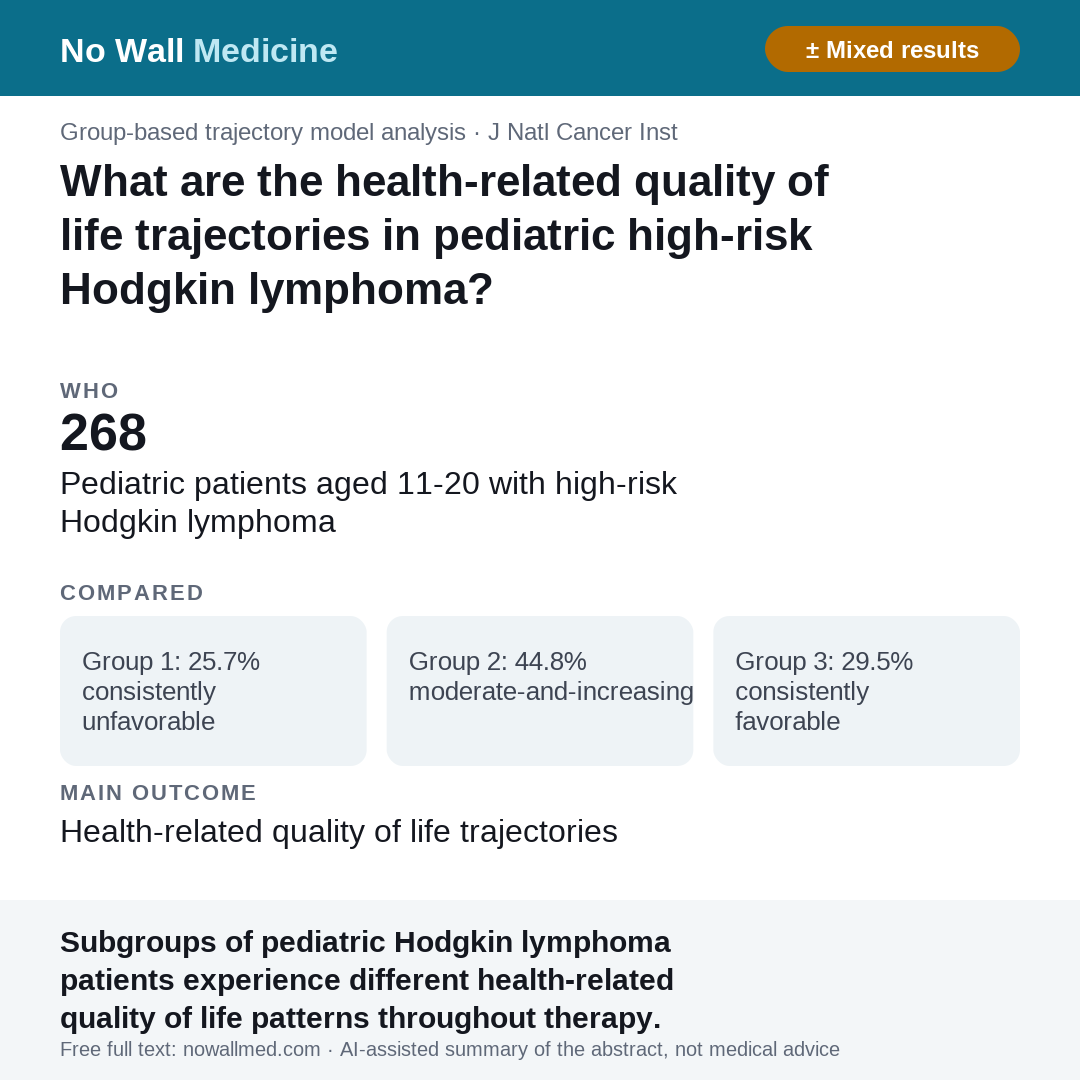
Group-based trajectories of health-related quality of life among pediatric patients with high-risk Hodgkin lymphoma
Group-based trajectory model analysisMixed results
What are the health-related quality of life trajectories in pediatric high-risk Hodgkin lymphoma?
Who
268
Pediatric patients aged 11-20 with high-risk Hodgkin lymphoma
Compared
Group 1: 25.7% consistently unfavorable
Group 2: 44.8% moderate-and-increasing
Group 3: 29.5% consistently favorable
Main outcome
Health-related quality of life trajectories
Bottom line: Subgroups of pediatric Hodgkin lymphoma patients experience different health-related quality of life patterns throughout therapy.
J Natl Cancer Inst · 2025-07-23Download image
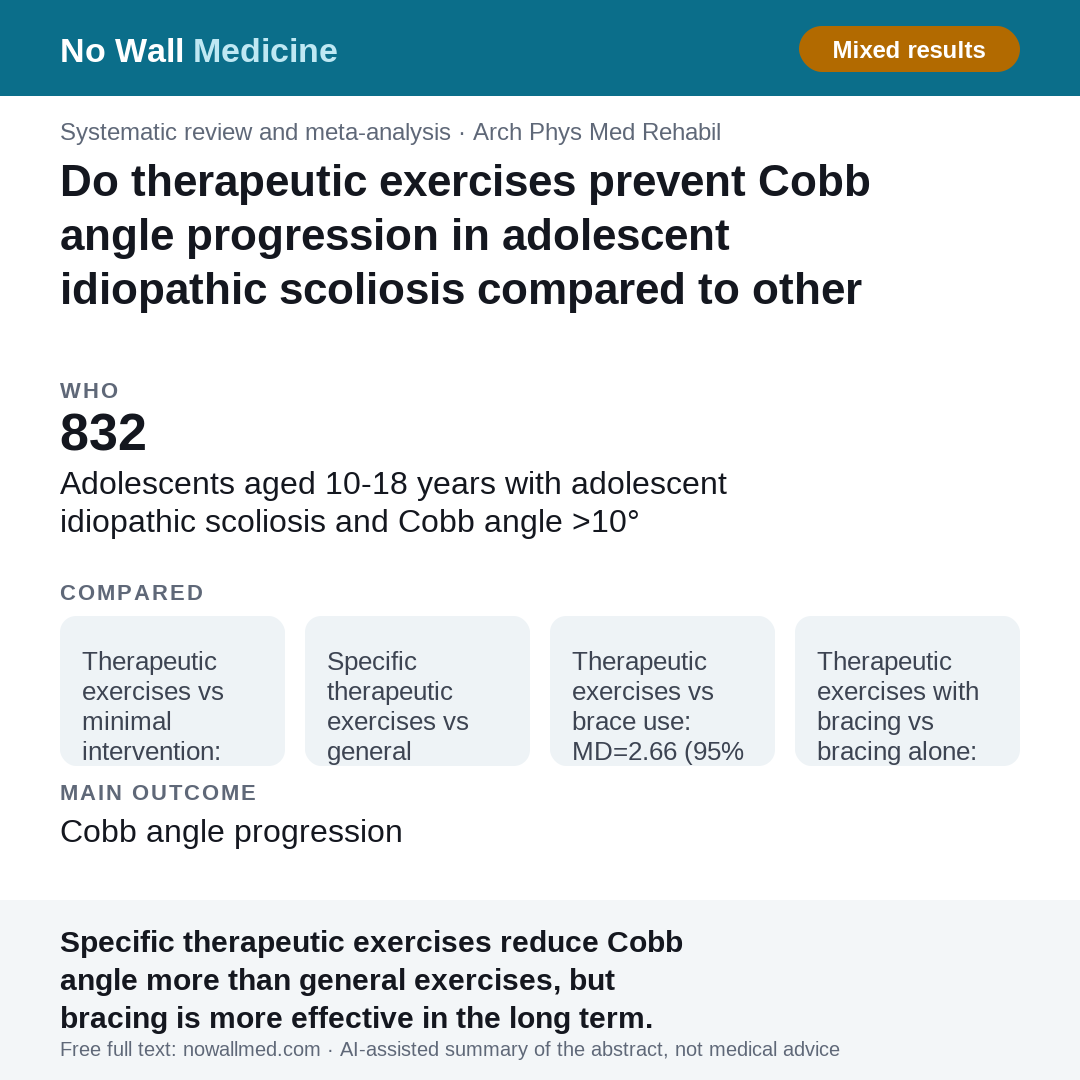
Impact of Therapeutic Exercises Versus General Conservative Modalities and Brace on the Progression of Adolescent Idiopathic Scoliosis: Systematic Review and Meta-analysis
Systematic review and meta-analysisMixed results
Do therapeutic exercises prevent Cobb angle progression in adolescent idiopathic scoliosis compared to other treatments?
Who
832
Adolescents aged 10-18 years with adolescent idiopathic scoliosis and Cobb angle >10°
Compared
Therapeutic exercises vs minimal intervention: mean difference -1.33 (95% CI -4.87 to 2.22)
Specific therapeutic exercises vs general exercises: MD=-6.00 (95% CI, -6.88 to -5.12) long term
Therapeutic exercises vs brace use: MD=2.66 (95% CI, 0.18-5.14) long term
Therapeutic exercises with bracing vs bracing alone: MD=2.25 (95% CI, -3.86 to -0.63) short term
Main outcome
Cobb angle progression
Bottom line: Specific therapeutic exercises reduce Cobb angle more than general exercises, but bracing is more effective in the long term.
Limitation: Further high-quality trials are needed to establish optimal treatment protocols.
Arch Phys Med Rehabil · 2025-07-23Download image
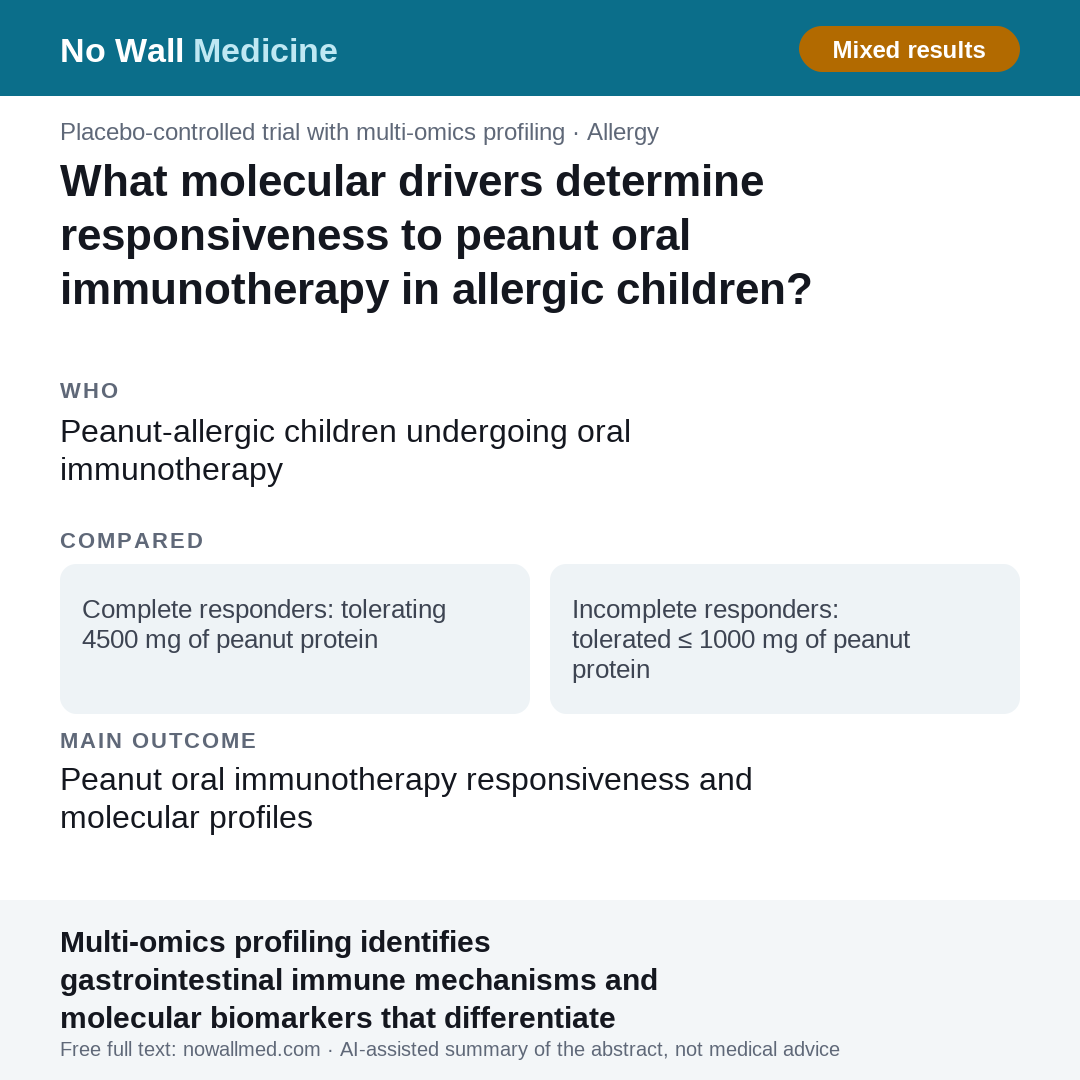
Understanding the Variability of Peanut-Oral Immunotherapy Responses by Multi-Omics Profiling of Immune Cells
Placebo-controlled trial with multi-omics profilingMixed results
What molecular drivers determine responsiveness to peanut oral immunotherapy in allergic children?
Who
Peanut-allergic children undergoing oral immunotherapy
Compared
Complete responders: tolerating 4500 mg of peanut protein
Incomplete responders: tolerated ≤ 1000 mg of peanut protein
Main outcome
Peanut oral immunotherapy responsiveness and molecular profiles
Bottom line: Multi-omics profiling identifies gastrointestinal immune mechanisms and molecular biomarkers that differentiate peanut oral immunotherapy responders from non-responders.
Allergy · 2025-07-22Download image
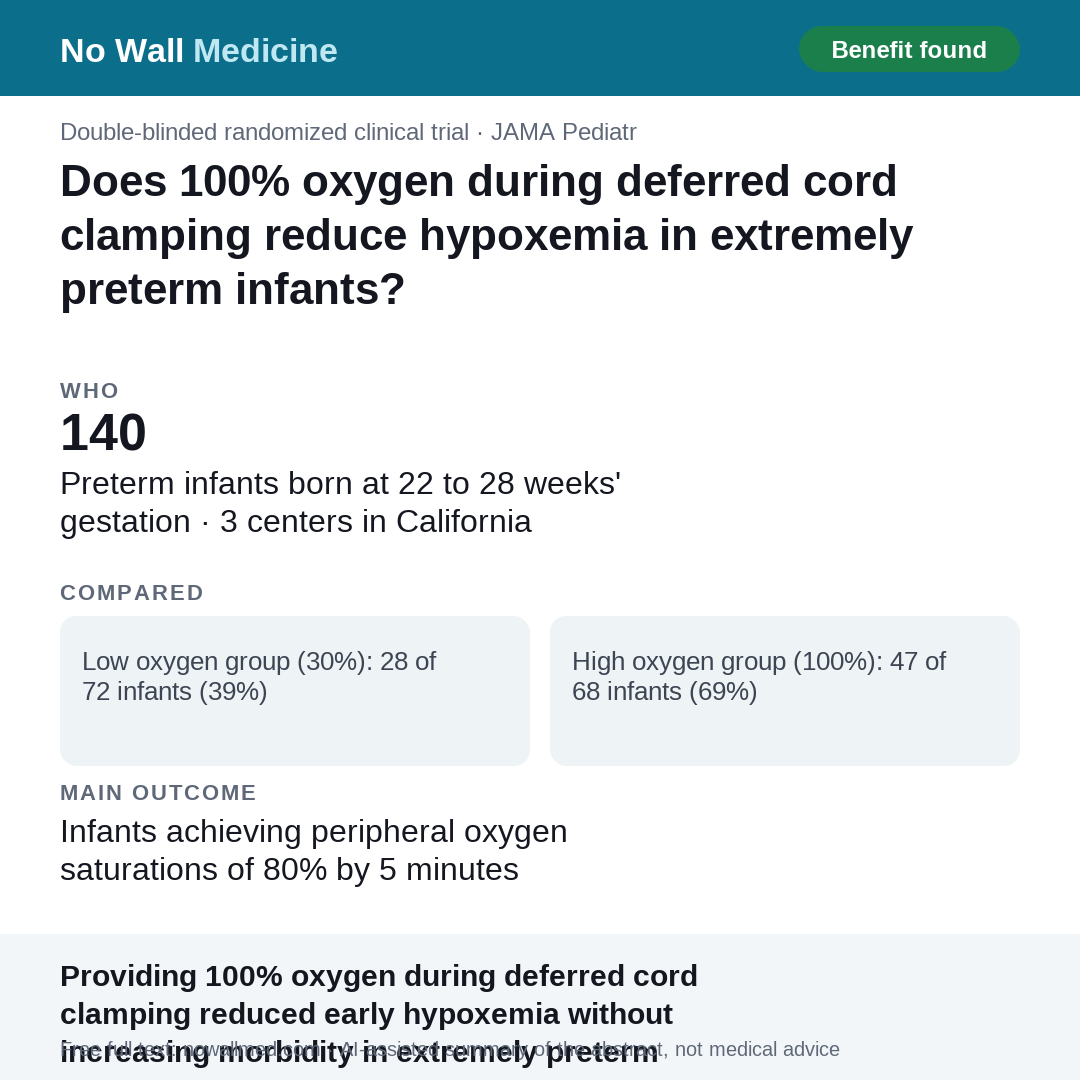
Deferred Cord Clamping With High Oxygen in Extremely Preterm Infants: A Randomized Clinical Trial
Double-blinded randomized clinical trialBenefit found
Does 100% oxygen during deferred cord clamping reduce hypoxemia in extremely preterm infants?
Who
140
Preterm infants born at 22 to 28 weeks' gestation · 3 centers in California
Compared
Low oxygen group (30%): 28 of 72 infants (39%)
High oxygen group (100%): 47 of 68 infants (69%)
Main outcome
Infants achieving peripheral oxygen saturations of 80% by 5 minutes
Result: adjusted odds ratio 3.74 (95% CI 1.80-7.79)
Bottom line: Providing 100% oxygen during deferred cord clamping reduced early hypoxemia without increasing morbidity in extremely preterm infants.
Limitation: A large randomized clinical trial is needed to determine long-term survival and morbidities.
JAMA Pediatr · 2025-07-21Download image
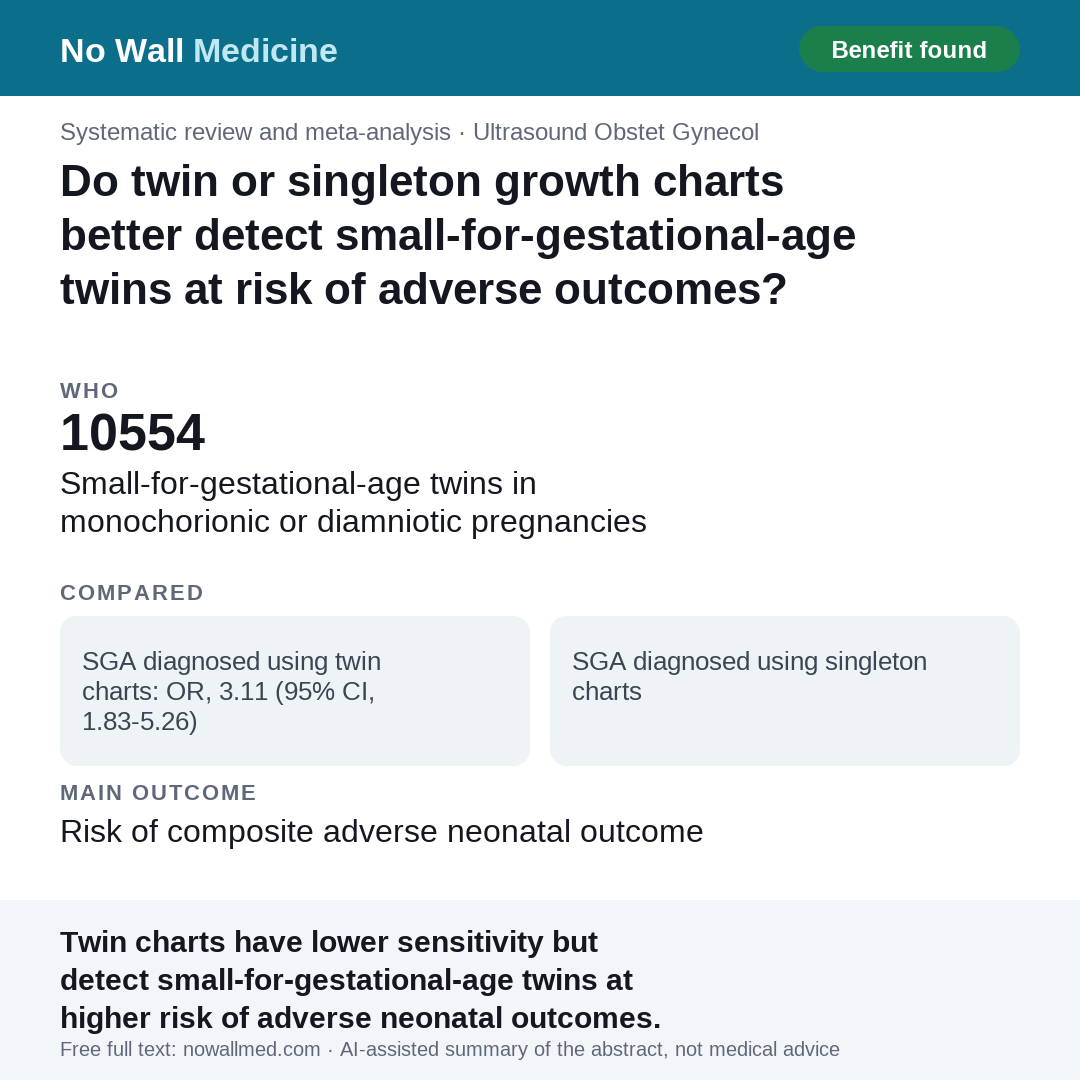
Adverse neonatal outcomes in small-for-gestational age twins identified using twin vs singleton growth charts: systematic review and meta-analysis
Systematic review and meta-analysisBenefit found
Do twin or singleton growth charts better detect small-for-gestational-age twins at risk of adverse outcomes?
Who
10554
Small-for-gestational-age twins in monochorionic or diamniotic pregnancies
Compared
SGA diagnosed using twin charts: OR, 3.11 (95% CI, 1.83-5.26)
SGA diagnosed using singleton charts
Main outcome
Risk of composite adverse neonatal outcome
Result: OR, 3.11 (95% CI, 1.83-5.26)
Bottom line: Twin charts have lower sensitivity but detect small-for-gestational-age twins at higher risk of adverse neonatal outcomes.
Ultrasound Obstet Gynecol · 2025-07-21Download image
Topical analgesia during needle-related procedures in children: a clinical practice guideline
Clinical practice guidelineBenefit found
Which topical analgesia should be used for needle-related procedures in children?
Who
1808
Children undergoing minor needle-related procedures · Netherlands
Compared
EMLA
tetracaine-containing creams
Main outcome
needle-related pain during minor procedures
Bottom line: Use EMLA for at least 60 minutes or tetracaine-containing creams if rapid cannulation is required.
Limitation: very low-quality evidence
Arch Dis Child · 2025-07-18Download image
Clinical presentation of bone tumours in children and young people: a systematic review and meta-analysis
Systematic review and meta-analysisMixed results
What are the signs and symptoms at diagnosis for children and young people with bone tumours?
Who
1452
Children and young people with bone tumours
Compared
Osteosarcoma: 492 patients
Ewing's sarcoma: 932 patients
Main outcome
Prevalence of symptoms and signs at diagnosis
Bottom line: Pain and swelling are common, with distinct symptom clusters differentiating osteosarcoma from Ewing's sarcoma.
Arch Dis Child · 2025-07-18Download image
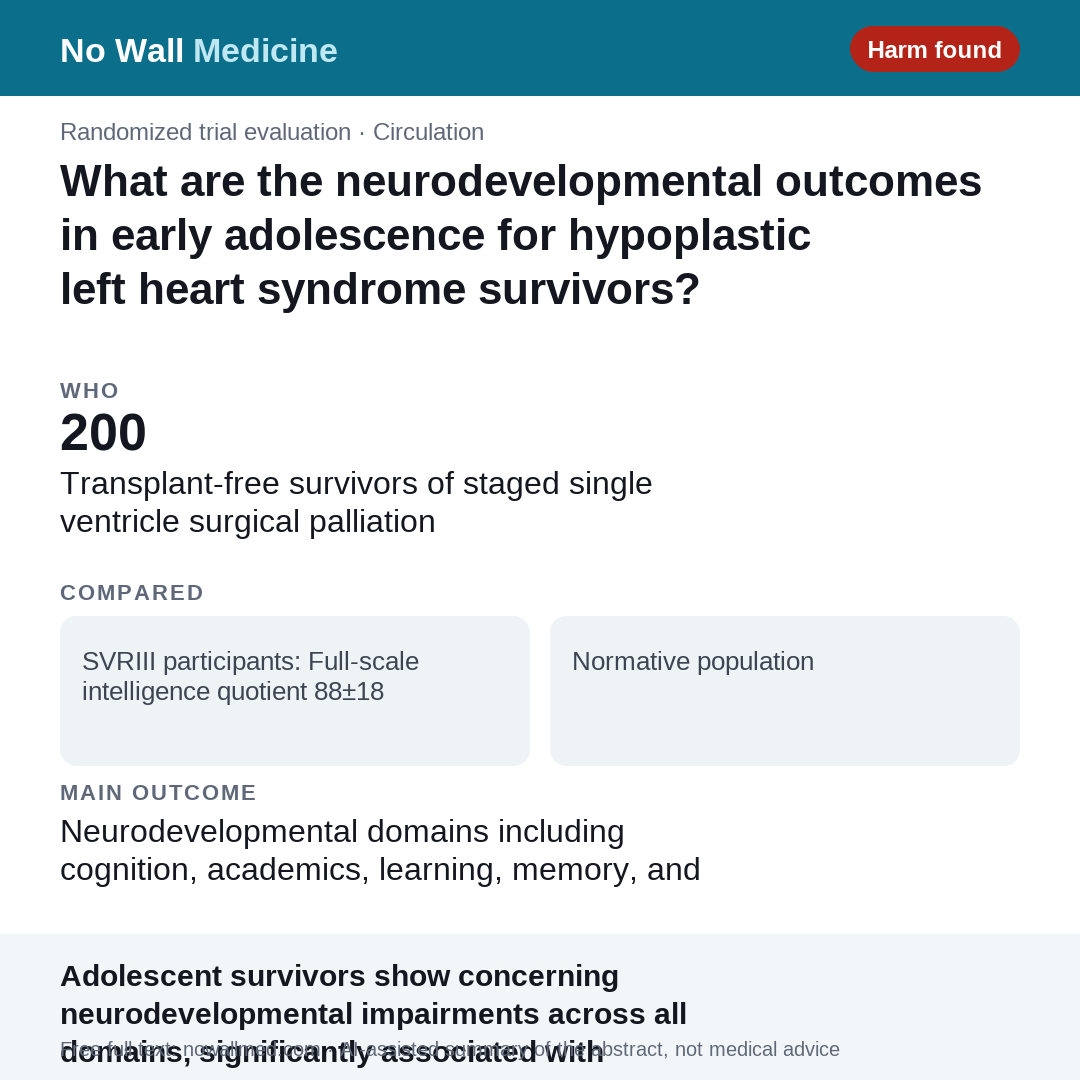
Neurodevelopmental Outcomes in Early Adolescence: The Pediatric Heart Network's Single Ventricle Reconstruction Trial
Randomized trial evaluationHarm found
What are the neurodevelopmental outcomes in early adolescence for hypoplastic left heart syndrome survivors?
Who
200
Transplant-free survivors of staged single ventricle surgical palliation
Compared
SVRIII participants: Full-scale intelligence quotient 88±18
Normative population
Main outcome
Neurodevelopmental domains including cognition, academics, learning, memory, and attention
Bottom line: Adolescent survivors show concerning neurodevelopmental impairments across all domains, significantly associated with socioeconomic factors.
Circulation · 2025-07-17Download image