Visual abstracts
New randomized trials and meta-analyses from leading journals at a glance: who was studied, what was compared, and what was found. Every paper is free to read in full.
All specialtiesCardiology 4763Oncology 4042Gastroenterology & Hepatology 1902Infectious Disease 3756Neurology 1872Psychiatry & Mental Health 2214Pulmonology 2042Critical Care 1319Endocrinology & Diabetes 2544Pediatrics 2889Surgery 2479Orthopedics & Sports Medicine 917Neurosurgery 525Cardiothoracic & Vascular Surgery 656Plastic & Reconstructive Surgery 574Nephrology 1107Rheumatology 810Hematology 1090Dermatology 611Ophthalmology 532Obstetrics & Gynecology 1645Public & Global Health 1037Radiology & Imaging 617Anesthesiology 957Urology 745ENT (Otolaryngology) 494Emergency Medicine 481Allergy & Immunology 309Geriatrics 972Family Medicine & Primary Care 533Medical Genetics & Genomics 659Pathology & Laboratory Medicine 156Physical Medicine & Rehabilitation 734Palliative Care 421Nutrition 1560Digital Health & AI 2133General Medicine 318
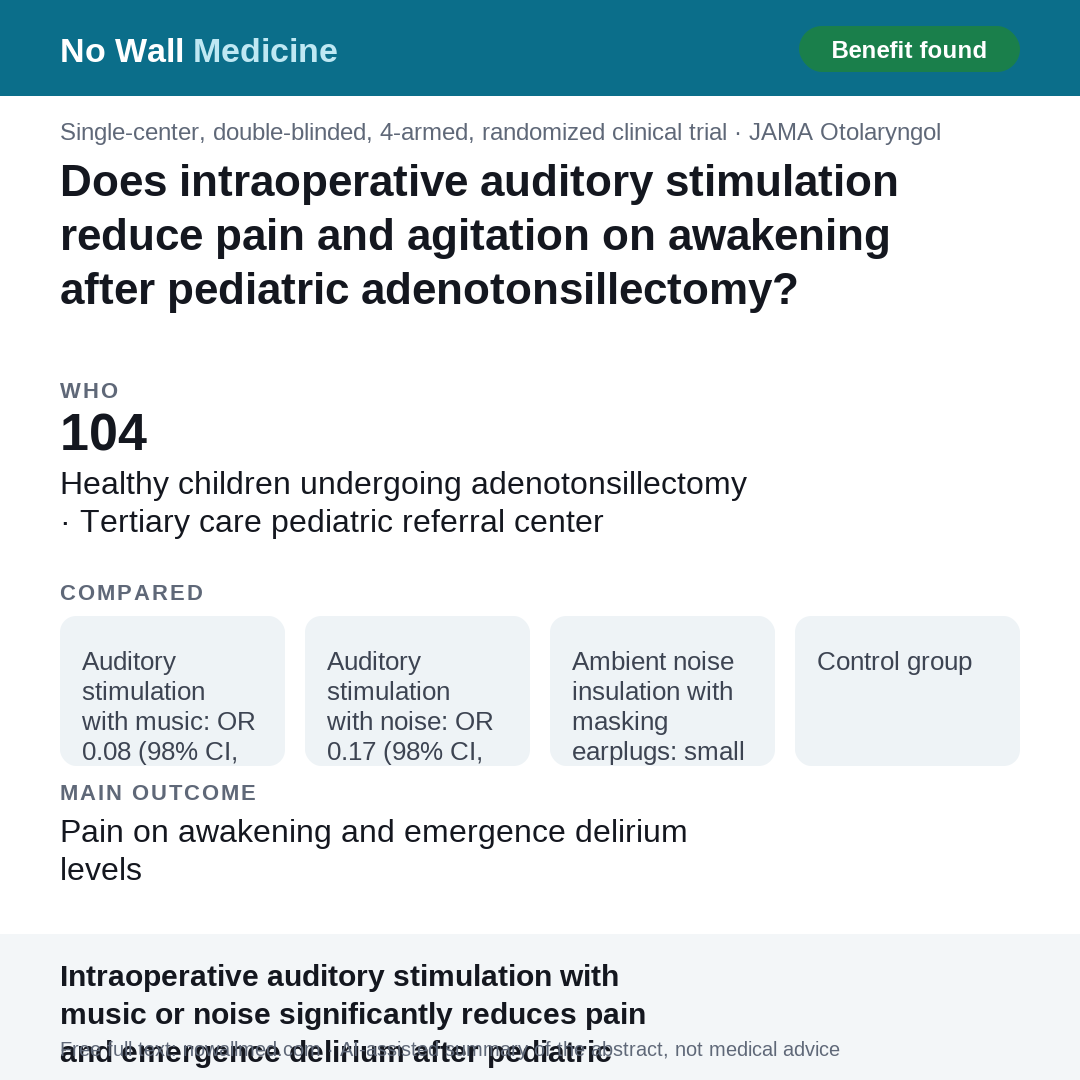
Effects of Intraoperative Auditory Stimulation on Pain and Agitation on Awakening After Pediatric Adenotonsillectomy: A Randomized Clinical Trial
Single-center, double-blinded, 4-armed, randomized clinical trialBenefit found
Does intraoperative auditory stimulation reduce pain and agitation on awakening after pediatric adenotonsillectomy?
Who
104
Healthy children undergoing adenotonsillectomy · Tertiary care pediatric referral center
Compared
Auditory stimulation with music: OR 0.08 (98% CI, 0.02-0.29) for POA
Auditory stimulation with noise: OR 0.17 (98% CI, 0.05-0.6) for POA
Ambient noise insulation with masking earplugs: small effect size
Control group
Main outcome
Pain on awakening and emergence delirium levels
Bottom line: Intraoperative auditory stimulation with music or noise significantly reduces pain and emergence delirium after pediatric adenotonsillectomy.
JAMA Otolaryngol · 2021-05-21Download image
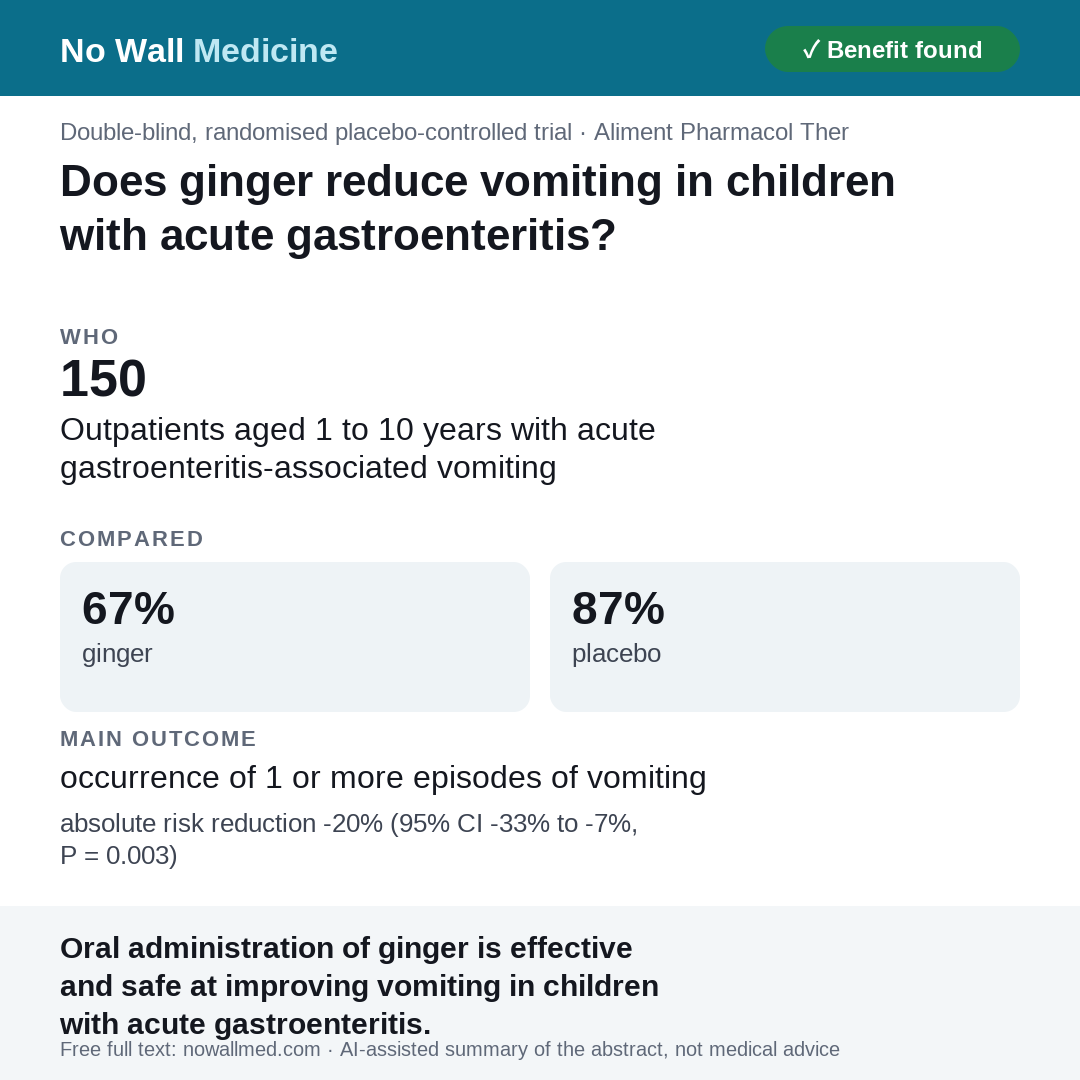
Efficacy of ginger as antiemetic in children with acute gastroenteritis: a randomised controlled trial
Double-blind, randomised placebo-controlled trialBenefit found
Does ginger reduce vomiting in children with acute gastroenteritis?
Who
150
Outpatients aged 1 to 10 years with acute gastroenteritis-associated vomiting
Compared
67%ginger (95% CI 56 to 77)
87%placebo (95% CI 79 to 94)
Main outcome
occurrence of 1 or more episodes of vomiting
Result: absolute risk reduction -20% (95% CI -33% to -7%, P = 0.003)
Bottom line: Oral administration of ginger is effective and safe at improving vomiting in children with acute gastroenteritis.
Aliment Pharmacol Ther · 2021-05-21Download image
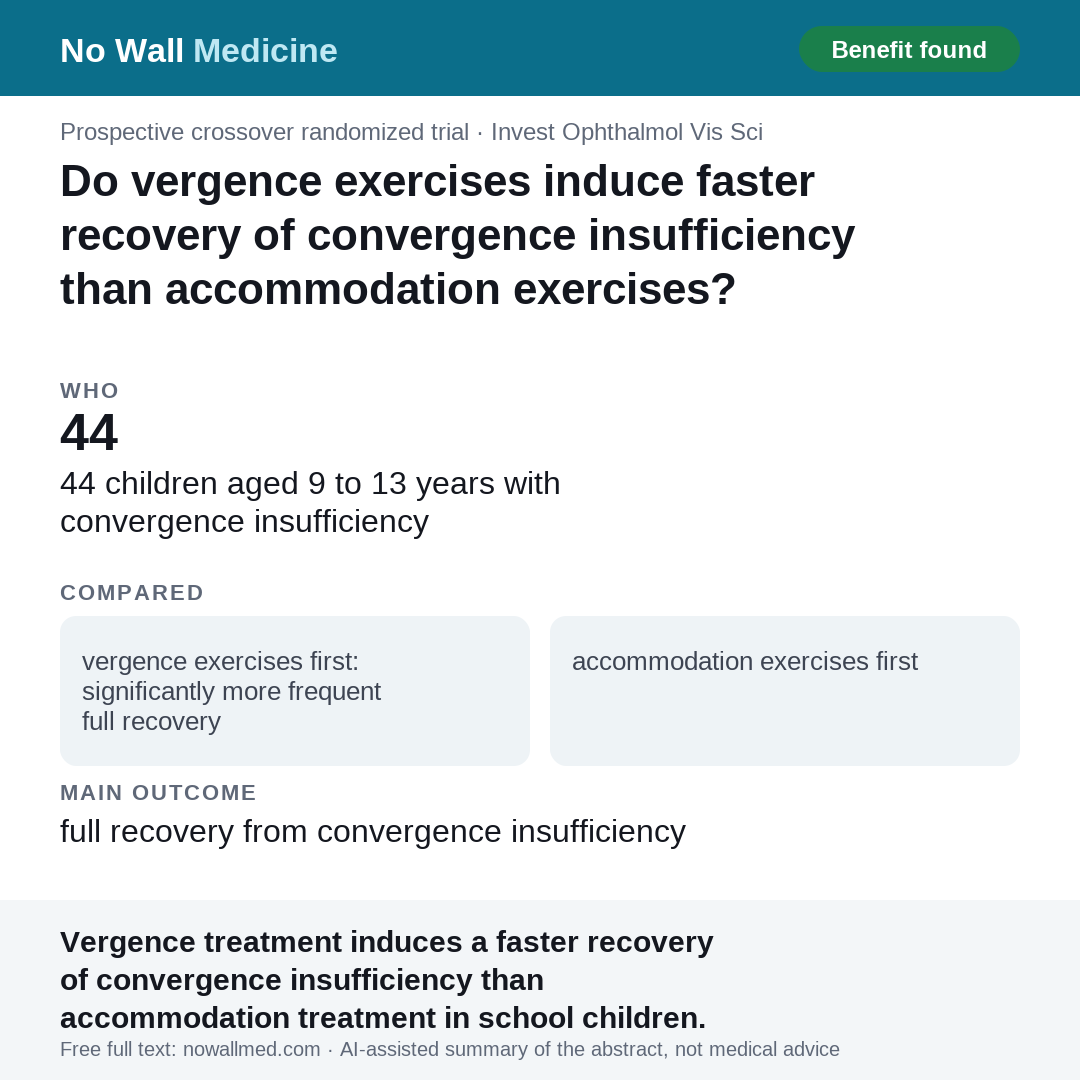
Vergence Exercises for Six Weeks Induce Faster Recovery of Convergence Insufficiency Than Accommodation Exercises in School Children
Prospective crossover randomized trialBenefit found
Do vergence exercises induce faster recovery of convergence insufficiency than accommodation exercises?
Who
44
44 children aged 9 to 13 years with convergence insufficiency
Compared
vergence exercises first: significantly more frequent full recovery
accommodation exercises first
Main outcome
full recovery from convergence insufficiency
Bottom line: Vergence treatment induces a faster recovery of convergence insufficiency than accommodation treatment in school children.
Invest Ophthalmol Vis Sci · 2021-05-21Download image
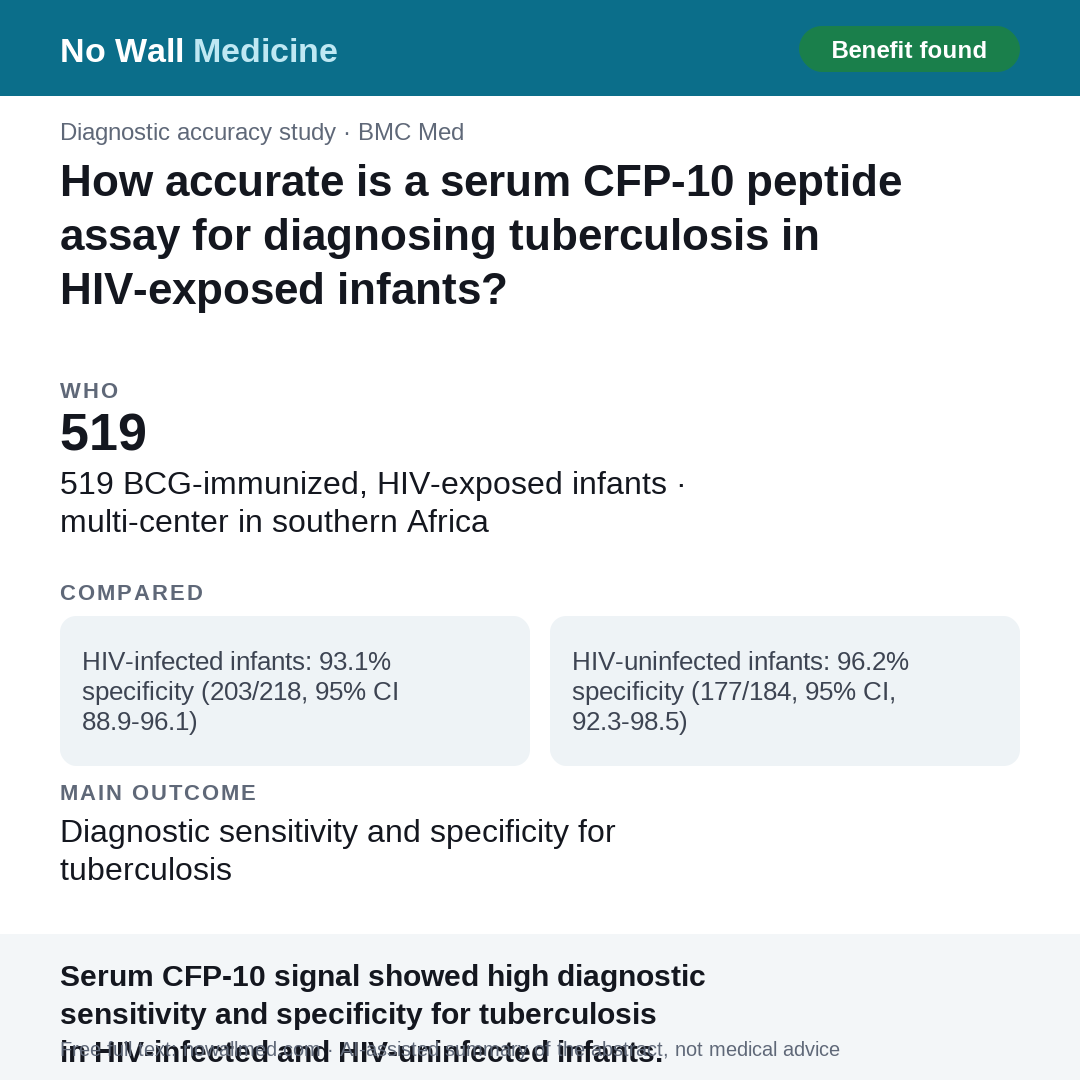
Evaluation of a serum-based antigen test for tuberculosis in HIV-exposed infants: a diagnostic accuracy study
Diagnostic accuracy studyBenefit found
How accurate is a serum CFP-10 peptide assay for diagnosing tuberculosis in HIV-exposed infants?
Who
519
519 BCG-immunized, HIV-exposed infants · multi-center in southern Africa
Compared
HIV-infected infants: 93.1% specificity (203/218, 95% CI 88.9-96.1)
HIV-uninfected infants: 96.2% specificity (177/184, 95% CI, 92.3-98.5)
Main outcome
Diagnostic sensitivity and specificity for tuberculosis
Bottom line: Serum CFP-10 signal showed high diagnostic sensitivity and specificity for tuberculosis in HIV-infected and HIV-uninfected infants.
BMC Med · 2021-05-18Download image
Early Intervention for Children Aged 0 to 2 Years With or at High Risk of Cerebral Palsy: International Clinical Practice Guideline Based on Systematic Reviews
GuidelineBenefit found
Early intervention for cerebral palsy
Who
children at high risk of cerebral palsy
Compared
Early intervention
No early intervention
Main outcome
motor function and participation
Bottom line: Early intervention improves function
JAMA Pediatr · 2021-05-18Download image
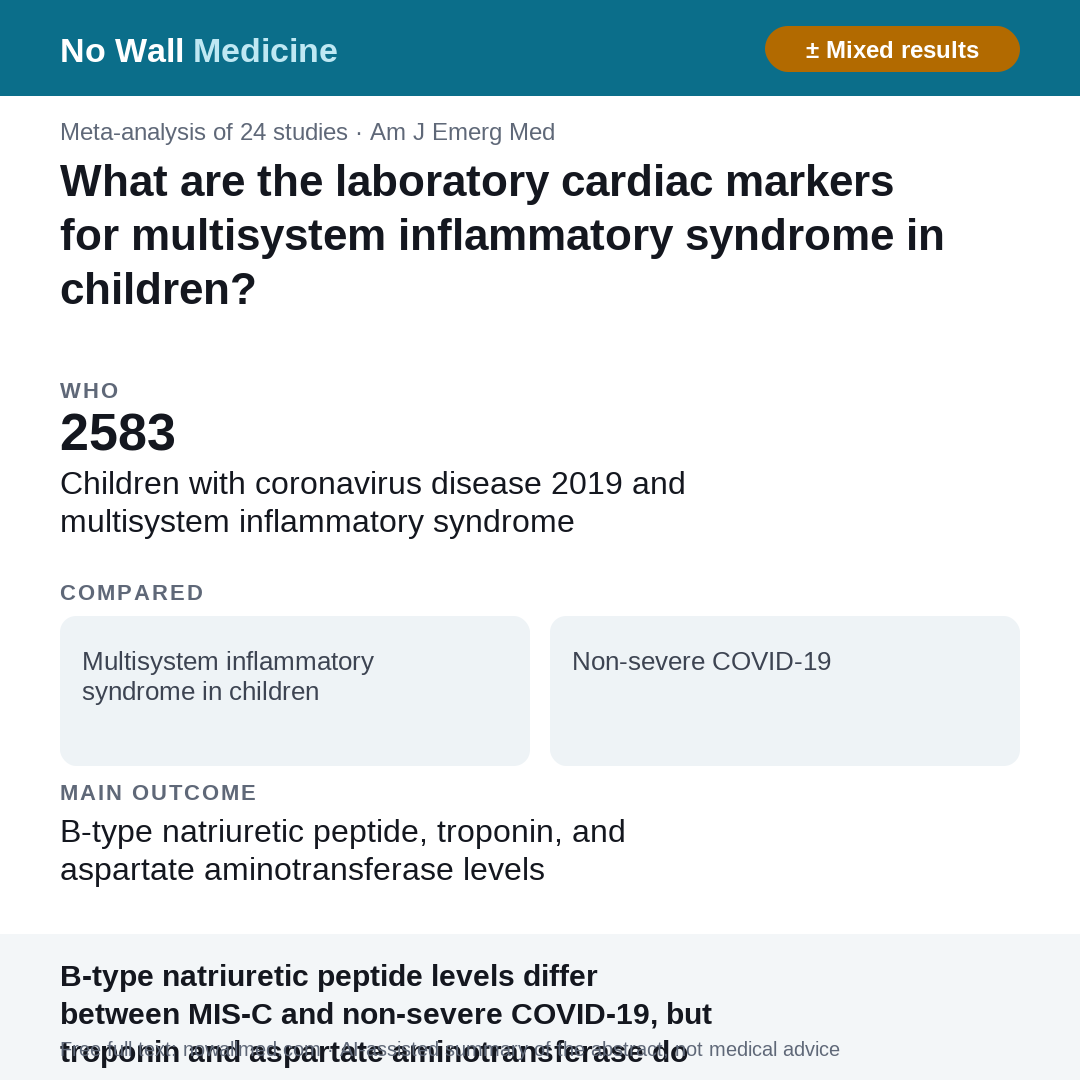
Cardiac markers of multisystem inflammatory syndrome in children (MIS-C) in COVID-19 patients: A meta-analysis
Meta-analysis of 24 studiesMixed results
What are the laboratory cardiac markers for multisystem inflammatory syndrome in children?
Who
2583
Children with coronavirus disease 2019 and multisystem inflammatory syndrome
Compared
Multisystem inflammatory syndrome in children
Non-severe COVID-19
Main outcome
B-type natriuretic peptide, troponin, and aspartate aminotransferase levels
Result: SMD (95% CI): 1.13 (0.48, 1.77) for BNP in MIS-C vs non-severe COVID-19
Bottom line: B-type natriuretic peptide levels differ between MIS-C and non-severe COVID-19, but troponin and aspartate aminotransferase do not.
Am J Emerg Med · 2021-05-18Download image
Effects of a community-driven water, sanitation and hygiene intervention on water and sanitation infrastructure, access, behaviour, and governance: a cluster-randomised controlled trial in rural Democratic Republic of Congo
Cluster-randomised controlled trialBenefit found
Does the Healthy Villages and Schools intervention improve water, sanitation, and hygiene outcomes?
Who
332 rural villages in Democratic Republic of Congo · 332 rural villages, Democratic Republic of Congo
Compared
Healthy Villages and Schools intervention
Control clusters
Main outcome
Access to water and sanitation, behaviour, and governance
Result: increased access to improved water sources by 33 percentage points (95% CI 22 to 45)
Bottom line: The intervention increased access to water and sanitation, improved hygiene behaviour, and enhanced water governance in rural villages.
BMJ Glob Health · 2021-05-18Download image

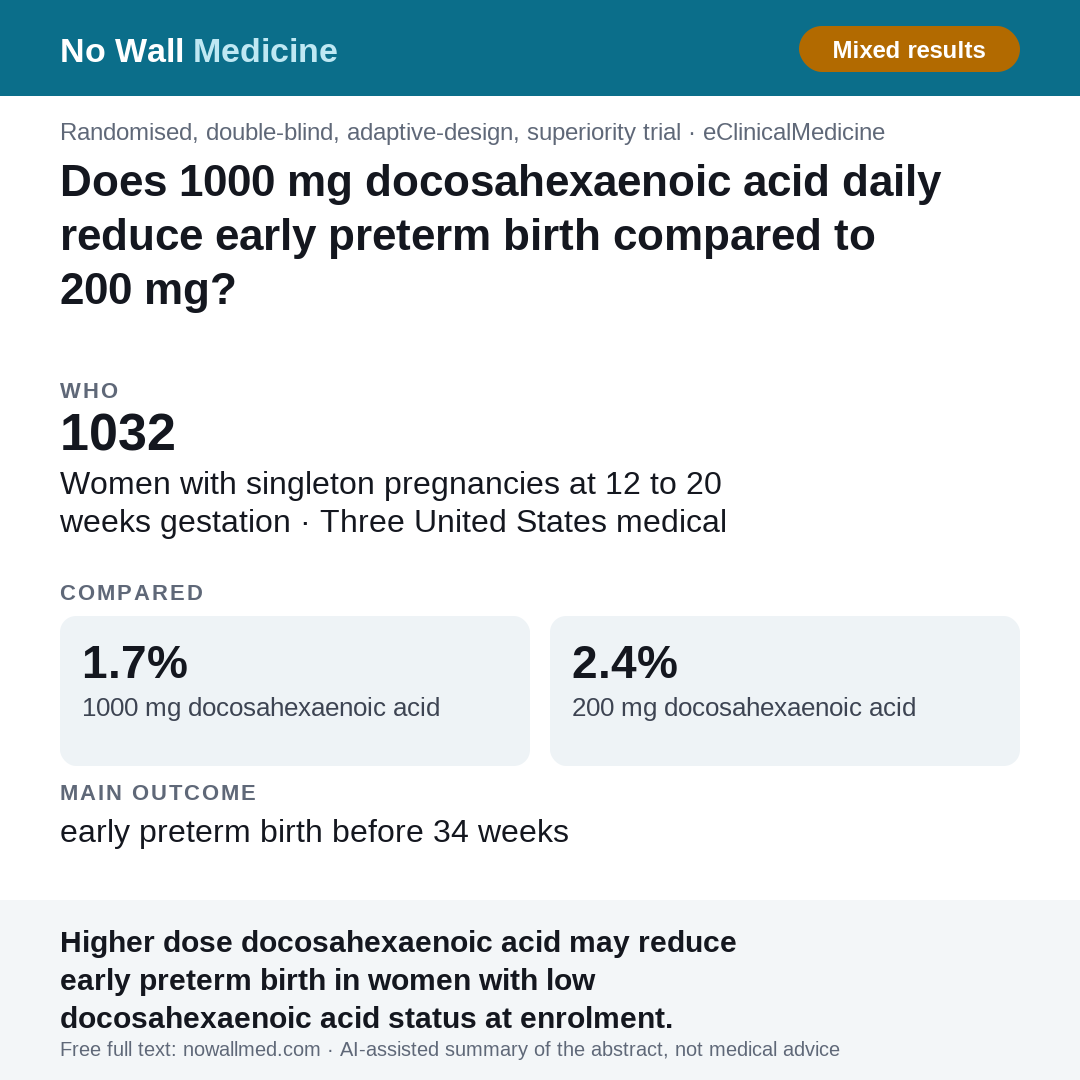
Higher dose docosahexaenoic acid supplementation during pregnancy and early preterm birth: A randomised, double-blind, adaptive-design superiority trial
Randomised, double-blind, adaptive-design, superiority trialMixed results
Does 1000 mg docosahexaenoic acid daily reduce early preterm birth compared to 200 mg?
Who
1032
Women with singleton pregnancies at 12 to 20 weeks gestation · Three United States medical centres
Compared
1.7%1000 mg docosahexaenoic acid (9/540)
2.4%200 mg docosahexaenoic acid (12/492)
Main outcome
early preterm birth before 34 weeks
Bottom line: Higher dose docosahexaenoic acid may reduce early preterm birth in women with low docosahexaenoic acid status at enrolment.
Funded by: National Institutes of Health Child Health and Human Development
eClinicalMedicine · 2021-05-17Download image
Early life exposures and the risk of inflammatory bowel disease: Systematic review and meta-analyses
Systematic review and meta-analysesMixed results
Do early life exposures impact the risk of inflammatory bowel disease?
Who
Case-control and cohort studies on early life environmental factors
Compared
Prenatal antibiotic exposure: OR 1.8 (95% CI 1.2-2.5)
Prenatal tobacco smoke exposure: OR 1.5 (95% CI 1.2-1.9)
Early life otitis media: OR 2.1 (95% CI 1.2-3.6)
Main outcome
Risk of inflammatory bowel disease diagnosis
Bottom line: Prenatal antibiotics, tobacco smoke, and early life otitis media increase inflammatory bowel disease risk, while breastfeeding is protective.
Limitation: Other early life risk factors had no association due to limited and heterogenous data.
eClinicalMedicine · 2021-05-15Download image
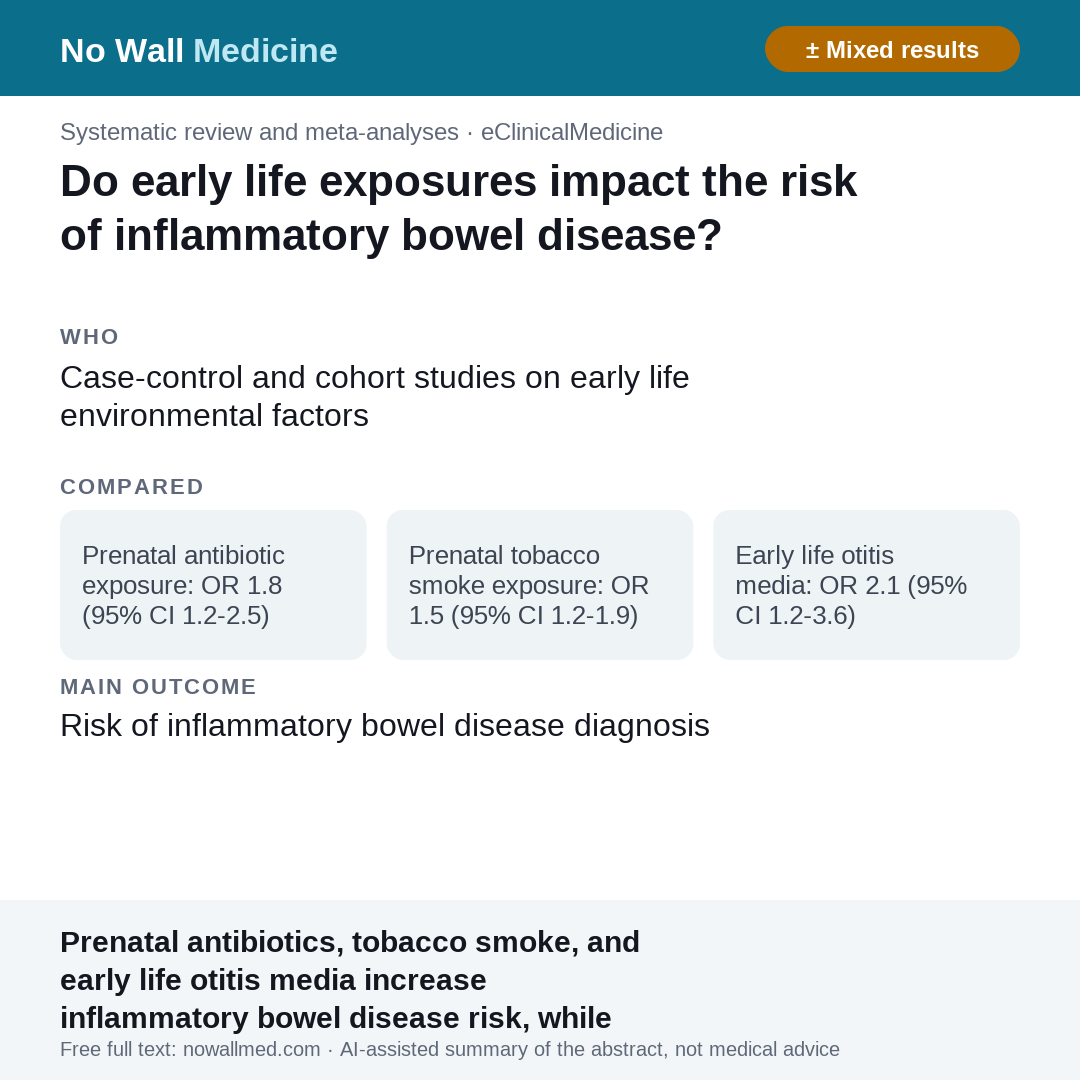
Prevalence of Visual Acuity Loss or Blindness in the US: A Bayesian Meta-analysis
Bayesian meta-analysisUnclear result
What is the prevalence of visual acuity loss or blindness in the United States?
Who
People living in the United States · United States
Compared
Visual acuity loss: 7.08 (95% uncertainty interval, 6.32-7.89) million
Blindness: 1.08 (95% uncertainty interval, 0.82-1.30) million
Main outcome
Prevalence of visual acuity loss and blindness
Bottom line: The estimated prevalence of visual acuity loss and blindness in the United States is higher than previously published estimates.
JAMA Ophthalmol · 2021-05-14Download image
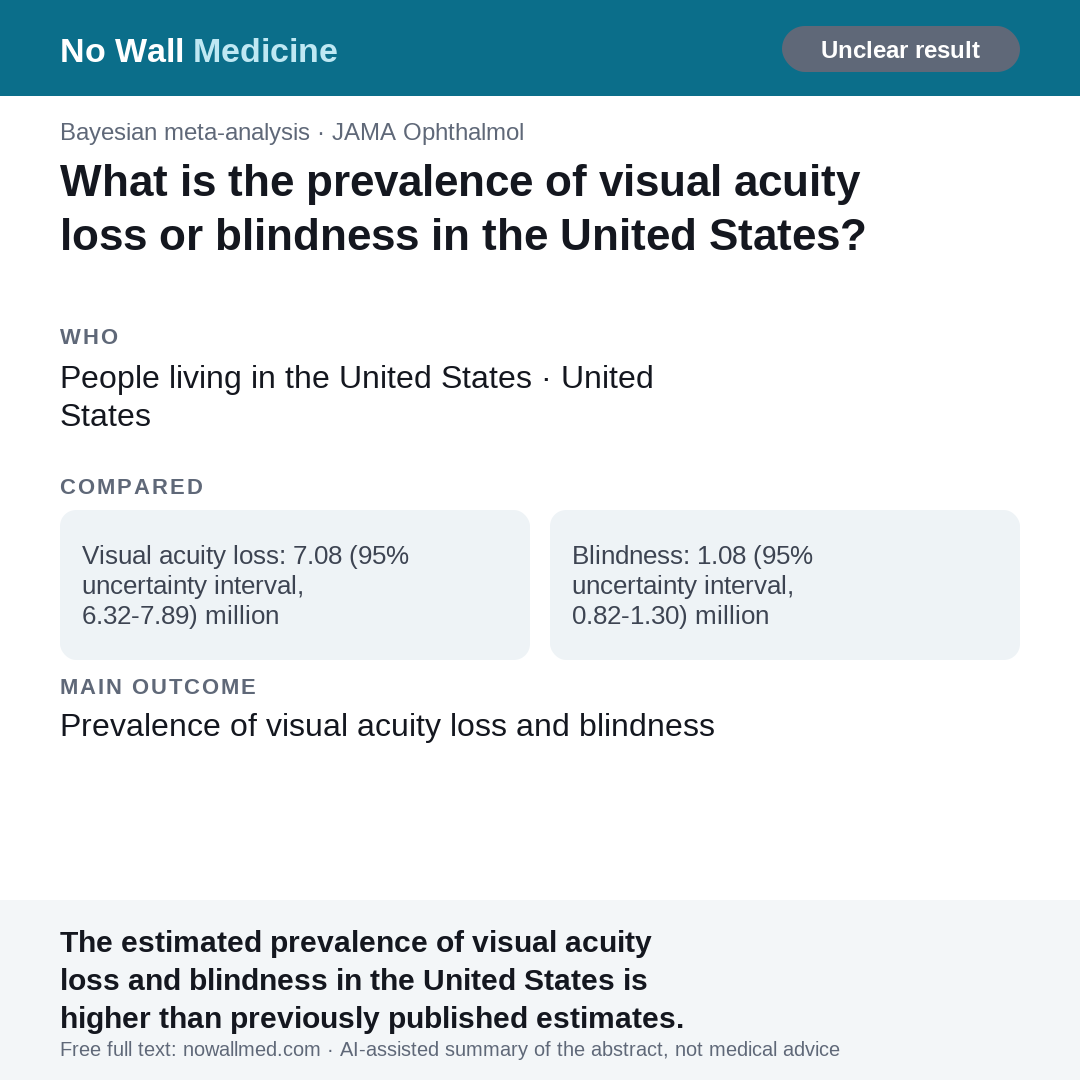
Therapist-Guided Internet-Delivered Cognitive Behavioral Therapy vs Internet-Delivered Supportive Therapy for Children and Adolescents With Social Anxiety Disorder: A Randomized Clinical Trial
Single-masked, superiority randomized clinical trialBenefit found
Is therapist-guided internet-delivered cognitive behavioral therapy more effective than internet-delivered supportive therapy for youths with social anxiety disorder?
Who
103
Children and adolescents 10 to 17 years of age with social anxiety disorder · Clinical research unit in Stockholm, Sweden
Compared
3.96Internet-delivered cognitive behavioral therapy (1.46)
4.48Internet-delivered supportive therapy (1.30)
Main outcome
Clinician Severity Rating scores at 3-month follow-up
Result: d = 0.67 (95% CI, 0.21-1.12)
Bottom line: Therapist-guided internet-delivered cognitive behavioral therapy is an efficacious and cost-effective intervention for children and adolescents with social anxiety disorder.
JAMA Psychiatry · 2021-05-13Download image
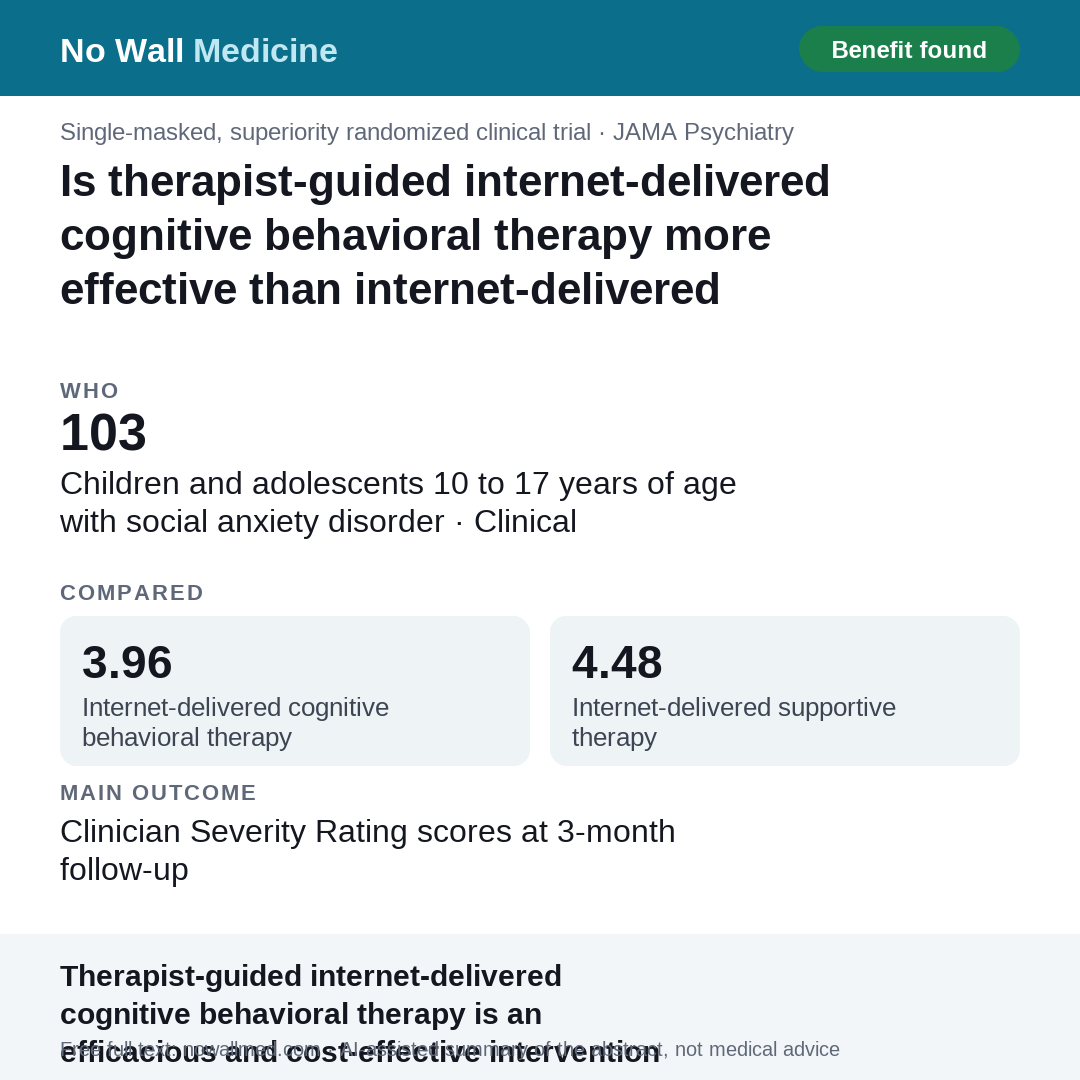
Early Determination of Prognosis in Neonatal Moderate or Severe Hypoxic-Ischemic Encephalopathy
Secondary analysis of a multicenter randomized controlled trialNo clear difference
How well do scoring systems and clinical examination predict prognosis in neonatal hypoxic-ischemic encephalopathy?
Who
364
Neonates diagnosed with moderate or severe hypoxic-ischemic encephalopathy · Multicenter
Compared
75%Original scoring system (95% confidence interval: 69%-81%)
78%New scoring system (73%-82%)
76%Classification and regression tree model (72%-81%)
76%Early neurologic clinical examination (71%-80%)
Main outcome
Death or moderate or severe disability at 18 to 22 months
Bottom line: Three models were comparable in predicting death or disability, but classification and regression tree models were superior for in-hospital death.
Pediatrics · 2021-05-13Download image
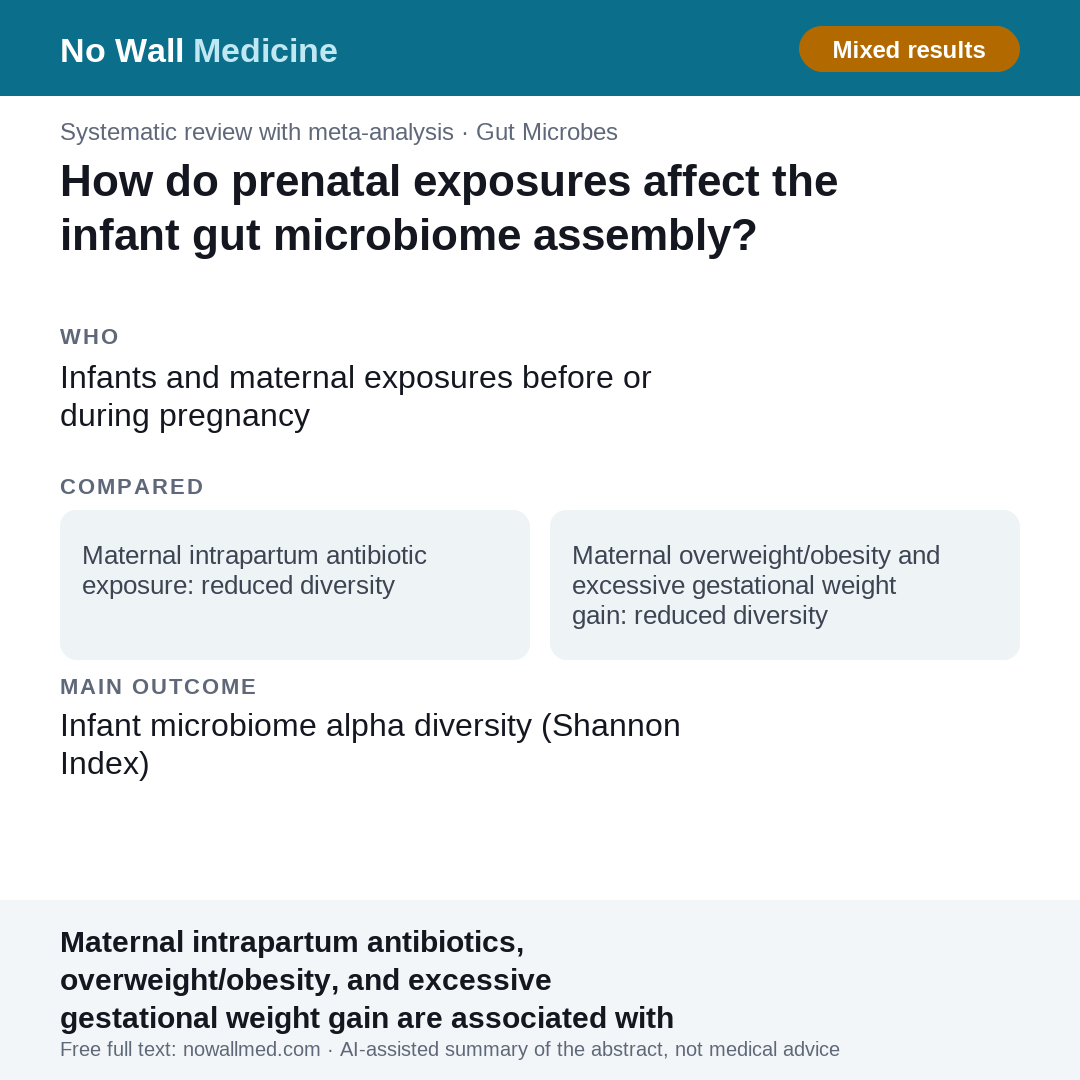
Maternal exposures and the infant gut microbiome: a systematic review with meta-analysis
Systematic review with meta-analysisMixed results
How do prenatal exposures affect the infant gut microbiome assembly?
Who
Infants and maternal exposures before or during pregnancy
Compared
Maternal intrapartum antibiotic exposure: reduced diversity
Maternal overweight/obesity and excessive gestational weight gain: reduced diversity
Main outcome
Infant microbiome alpha diversity (Shannon Index)
Bottom line: Maternal intrapartum antibiotics, overweight/obesity, and excessive gestational weight gain are associated with reduced infant microbiome diversity.
Gut Microbes · 2021-05-12Download image
Success rates in restoring hearing loss in patients with chronic otitis media: A systematic review
Systematic reviewBenefit found
How effective is tympanoplasty in restoring hearing in chronic otitis media patients?
Who
3162
Adult and pediatric patients with chronic otitis media
Compared
All patients: 70.7% had postoperative air-bone gap < 20 dB HL
14.0%Complications
Main outcome
Air-bone gap closure at minimum 12-month follow-up
Bottom line: Tympanoplasty successfully closed the air-bone gap to within 20 dB HL in 70.7% of patients.
Laryngoscope Investig Otolaryngol · 2021-05-12Download image

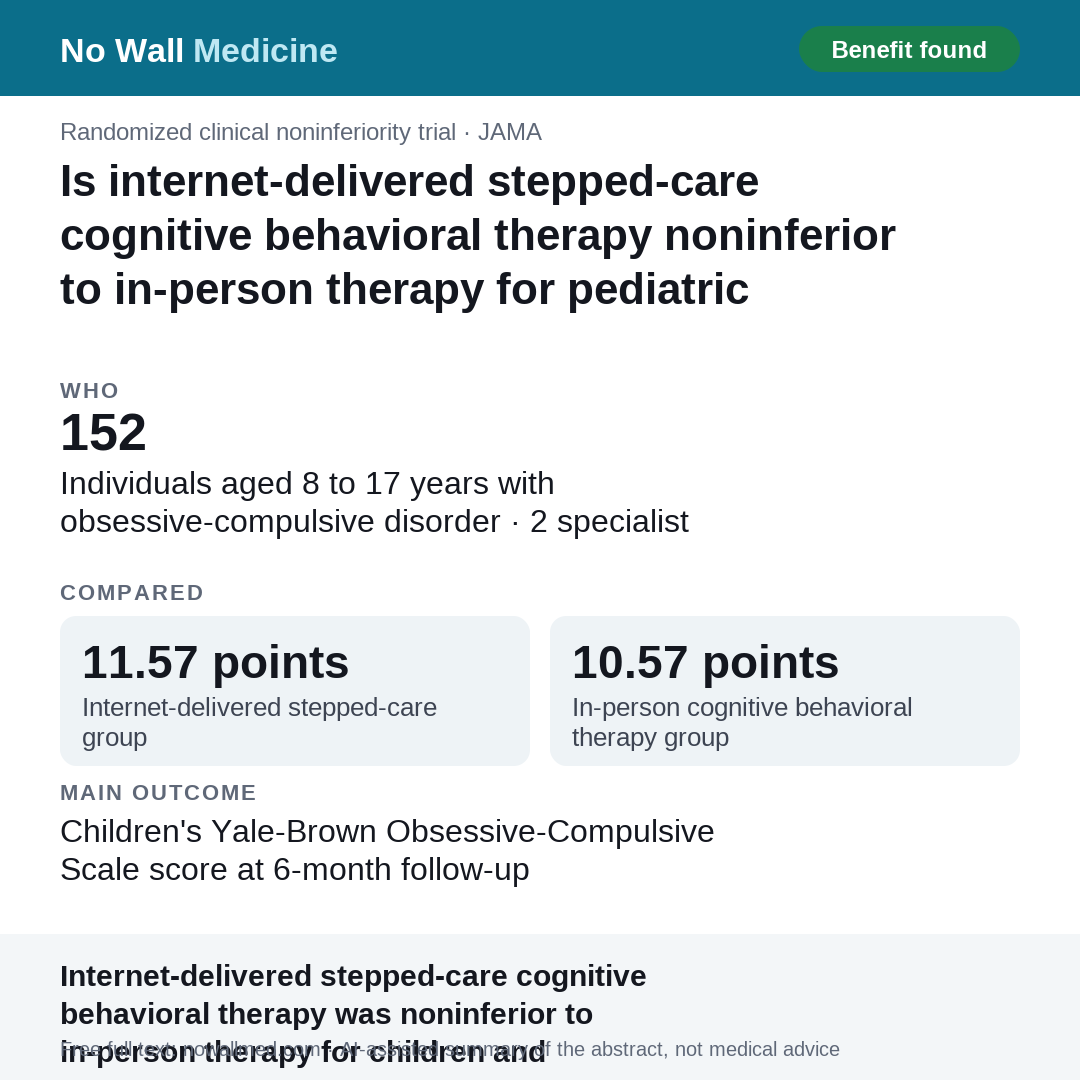
Effect of an Internet-Delivered Stepped-Care Program vs In-Person Cognitive Behavioral Therapy on Obsessive-Compulsive Disorder Symptoms in Children and Adolescents: A Randomized Clinical Trial
Randomized clinical noninferiority trialBenefit found
Is internet-delivered stepped-care cognitive behavioral therapy noninferior to in-person therapy for pediatric obsessive-compulsive disorder?
Who
152
Individuals aged 8 to 17 years with obsessive-compulsive disorder · 2 specialist child and adolescent mental health clinics in Sweden
Compared
11.57 pointsInternet-delivered stepped-care group
10.57 pointsIn-person cognitive behavioral therapy group
Main outcome
Children's Yale-Brown Obsessive-Compulsive Scale score at 6-month follow-up
Result: estimated mean difference 0.91 points ([1-sided 97.5% CI, -∞ to 3.28])
Bottom line: Internet-delivered stepped-care cognitive behavioral therapy was noninferior to in-person therapy for children and adolescents with obsessive-compulsive disorder.
Limitation: Further research is needed to understand the durability and generalizability of these findings.
JAMA · 2021-05-11Download image
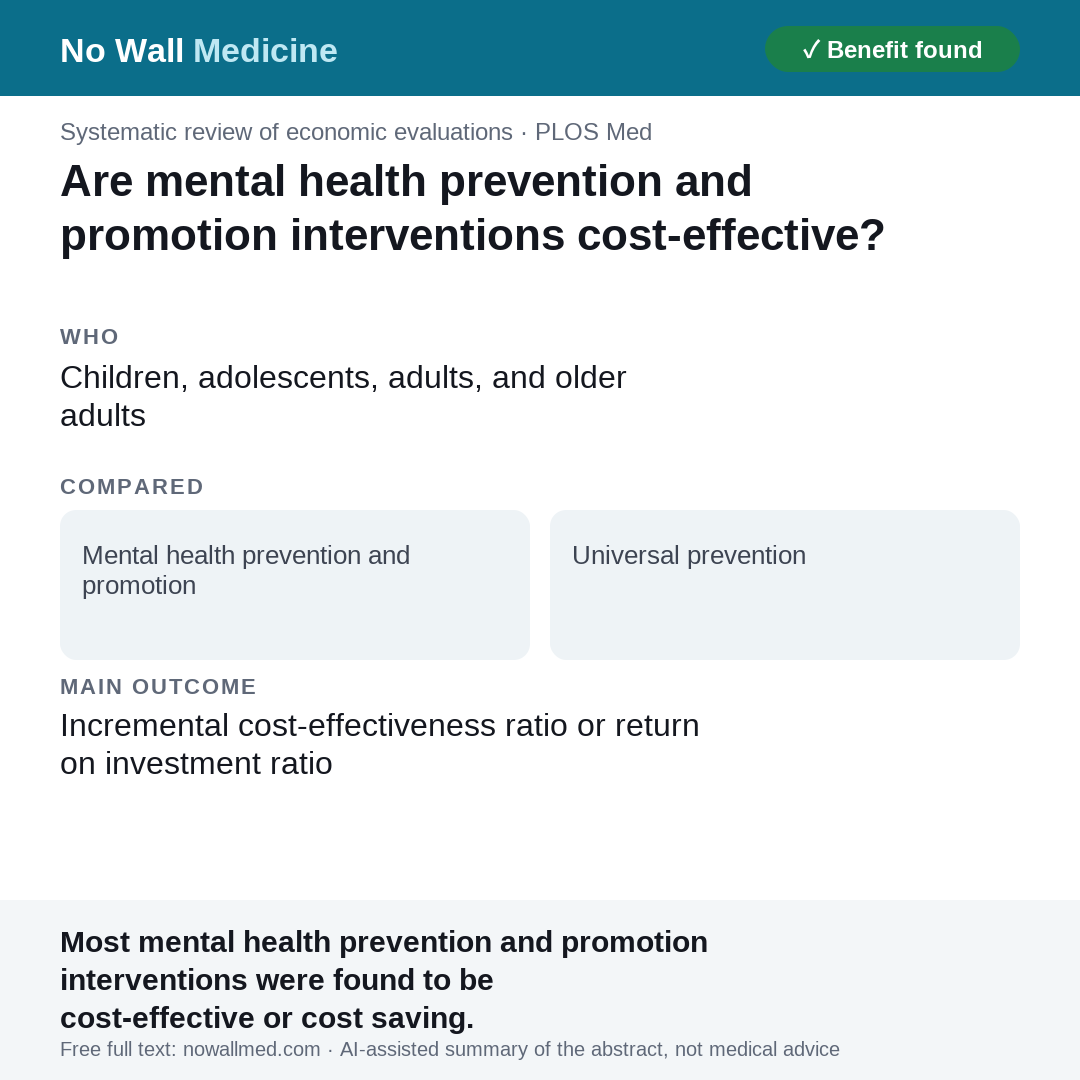
Cost-effectiveness evidence of mental health prevention and promotion interventions: A systematic review of economic evaluations
Systematic review of economic evaluationsBenefit found
Are mental health prevention and promotion interventions cost-effective?
Who
Children, adolescents, adults, and older adults
Compared
Mental health prevention and promotion
Universal prevention
Main outcome
Incremental cost-effectiveness ratio or return on investment ratio
Bottom line: Most mental health prevention and promotion interventions were found to be cost-effective or cost saving.
Limitation: Varied quality and methodologies used in economic evaluations limit generalisability of conclusions.
PLOS Med · 2021-05-11Download image
Fortification of Breast Milk With Preterm Formula Powder vs Human Milk Fortifier in Preterm Neonates: A Randomized Noninferiority Trial
Open-label, noninferiority, randomized trialBenefit found
Is preterm formula powder fortification noninferior to human milk fortifier for weight gain?
Who
123
Preterm very low-birth-weight neonates receiving expressed breast milk · Level 3 neonatal unit in India
Compared
Preterm formula powder: 15.7 [3.9] g/kg/d
Human milk fortifier: 16.3 [4.0] g/kg/d
Main outcome
Weight gain until discharge or 40 weeks postmenstrual age
Result: mean difference, -0.5 g/kg/d; 95% CI, -1.9 to 0.7
Bottom line: Preterm formula powder fortification is noninferior to human milk fortifier for weight gain in preterm neonates.
JAMA Pediatr · 2021-05-11Download image

Randomized prospective evaluation of genome sequencing versus standard-of-care as a first molecular diagnostic test
Prospective randomized studyNo clear difference
Is clinical genome sequencing effective as a first genetic test for suspected monogenic disorders?
Who
202
Pediatric and adult patients with suspected monogenic disorders · Massachusetts General Hospital
Compared
18.2%Standard-of-care genetic testing only (95% CI 10.6-25.8%)
16.2%Standard-of-care and clinical genome sequencing (95% CI 8.9-23.4%)
Main outcome
Diagnostic yield
Bottom line: Clinical genome sequencing as a first test showed no significant difference in diagnostic yield compared to standard-of-care.
Genet Med · 2021-05-11Download image

How does the cam morphology develop in athletes? A systematic review and meta-analysis
Systematic review and random effects meta-analysisBenefit, low certainty
How does cam morphology develop in athletes?
Who
2,028
Athletes
Compared
Males with closed physes: higher alpha angle
Males with open physes
Main outcome
Development of cam morphology
Result: SMD 0.71 (95% CI 0.23, 1.19)
Bottom line: In adolescent male athletes, cam morphology develops during skeletal immaturity and prevalence increases with age.
Osteoarthritis Cartilage · 2021-05-11Download image

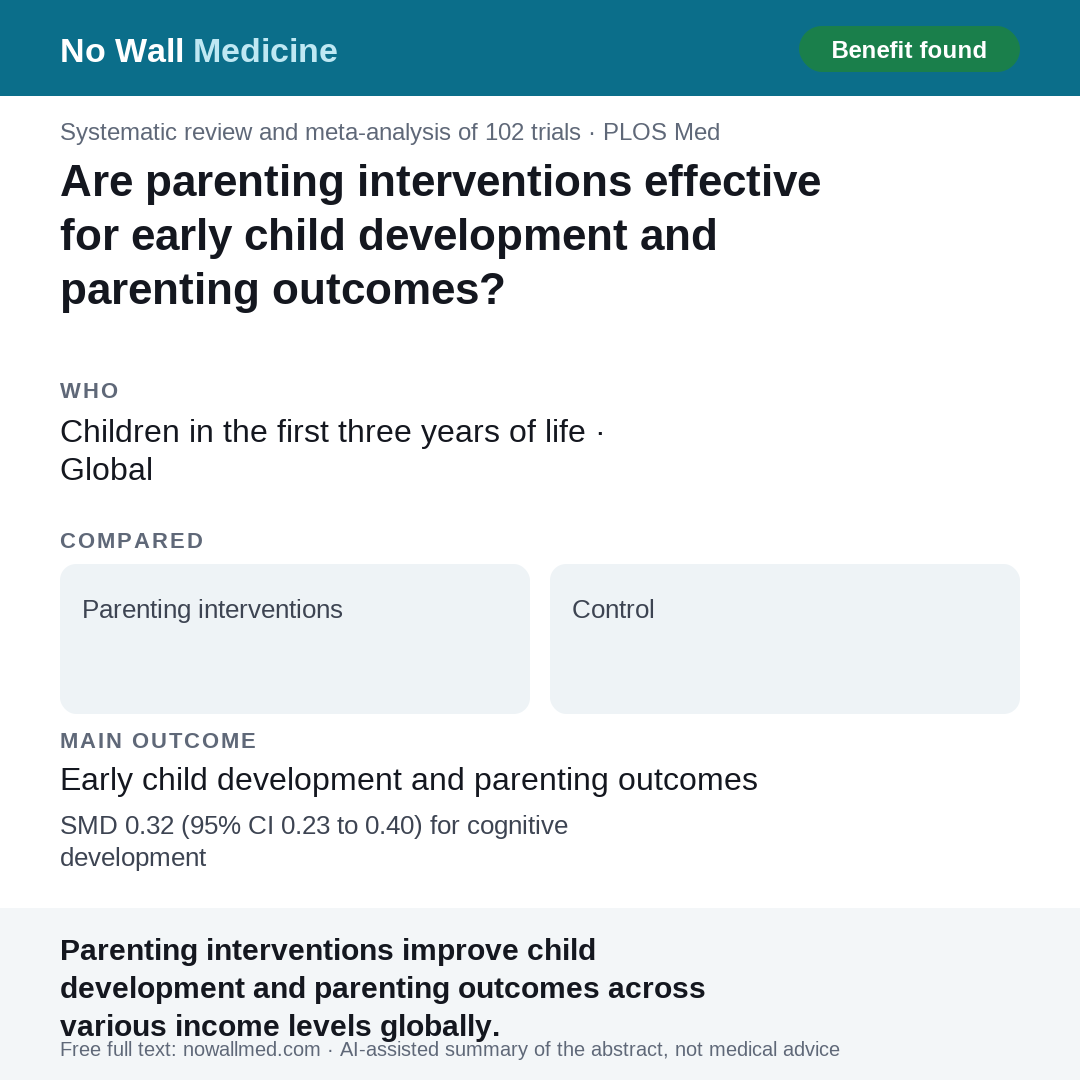
Parenting interventions to promote early child development in the first three years of life: A global systematic review and meta-analysis
Systematic review and meta-analysis of 102 trialsBenefit found
Are parenting interventions effective for early child development and parenting outcomes?
Who
Children in the first three years of life · Global
Compared
Parenting interventions
Control
Main outcome
Early child development and parenting outcomes
Result: SMD 0.32 (95% CI 0.23 to 0.40) for cognitive development
Bottom line: Parenting interventions improve child development and parenting outcomes across various income levels globally.
Limitation: Unexplained heterogeneity, inadequate reporting of intervention content, and varying quality of evidence.
PLOS Med · 2021-05-10Download image