Visual abstracts
New randomized trials and meta-analyses from leading journals at a glance: who was studied, what was compared, and what was found. Every paper is free to read in full.
All specialtiesCardiology 4763Oncology 4042Gastroenterology & Hepatology 1902Infectious Disease 3756Neurology 1872Psychiatry & Mental Health 2214Pulmonology 2042Critical Care 1319Endocrinology & Diabetes 2544Pediatrics 2889Surgery 2479Orthopedics & Sports Medicine 917Neurosurgery 525Cardiothoracic & Vascular Surgery 656Plastic & Reconstructive Surgery 574Nephrology 1107Rheumatology 810Hematology 1090Dermatology 611Ophthalmology 532Obstetrics & Gynecology 1645Public & Global Health 1037Radiology & Imaging 617Anesthesiology 957Urology 745ENT (Otolaryngology) 494Emergency Medicine 481Allergy & Immunology 309Geriatrics 972Family Medicine & Primary Care 533Medical Genetics & Genomics 659Pathology & Laboratory Medicine 156Physical Medicine & Rehabilitation 734Palliative Care 421Nutrition 1560Digital Health & AI 2133General Medicine 318
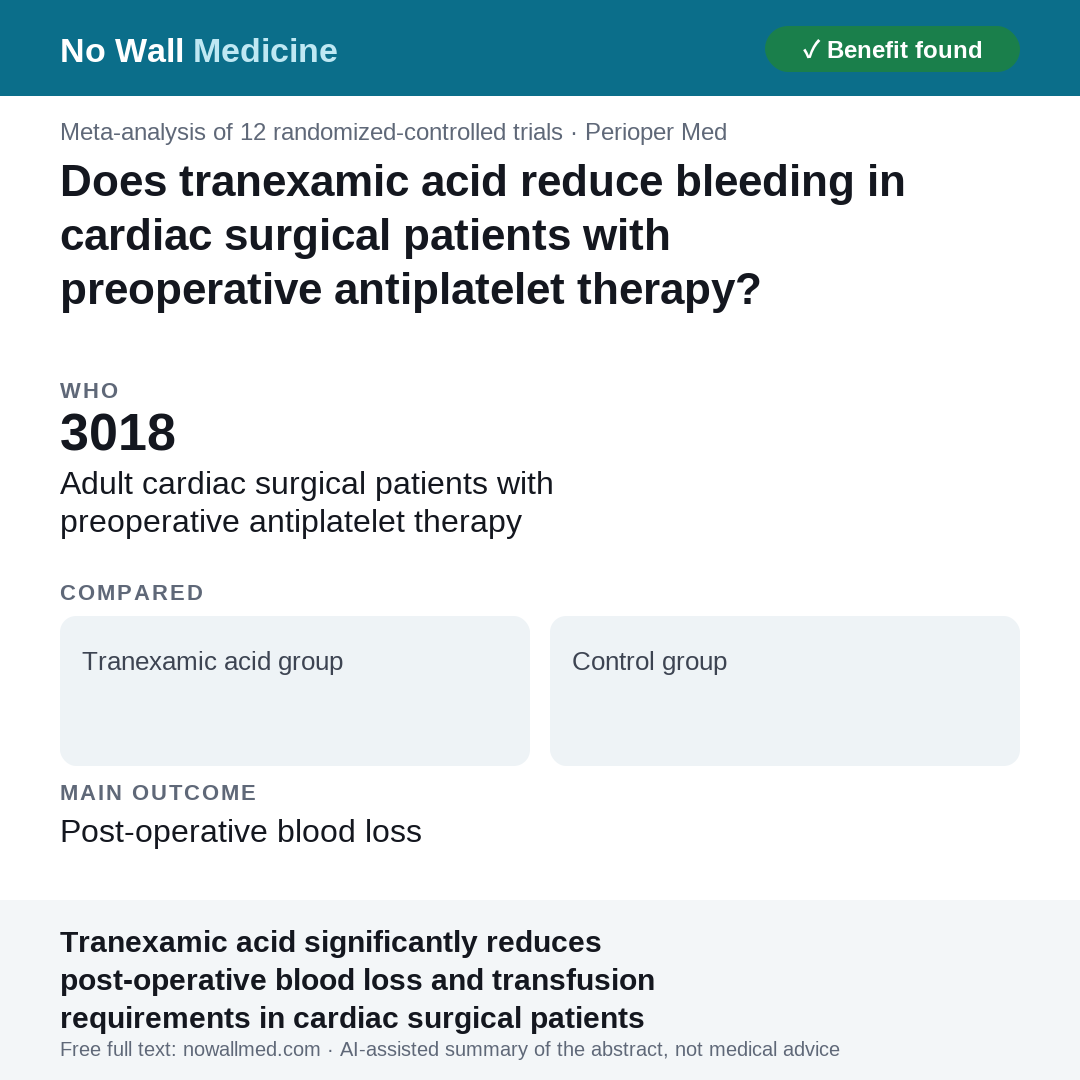
Hemostatic effects of tranexamic acid in cardiac surgical patients with antiplatelet therapy: a systematic review and meta-analysis
Meta-analysis of 12 randomized-controlled trialsBenefit found
Does tranexamic acid reduce bleeding in cardiac surgical patients with preoperative antiplatelet therapy?
Who
3018
Adult cardiac surgical patients with preoperative antiplatelet therapy
Compared
Tranexamic acid group
Control group
Main outcome
Post-operative blood loss
Result: MD = -0.38 L, 95% CI: -0.73 to -0.03
Bottom line: Tranexamic acid significantly reduces post-operative blood loss and transfusion requirements in cardiac surgical patients receiving antiplatelet therapy.
Perioper Med · 2024-06-17Download image
Psychological and psychosocial interventions for treatment-resistant schizophrenia: a systematic review and network meta-analysis
Systematic review and network meta-analysisBenefit found
Are psychological and psychosocial interventions effective for treatment-resistant schizophrenia?
Who
5034
Patients with treatment-resistant schizophrenia
Compared
Cognitive behavioural therapy for psychosis: SMD -0·22 (95% CI -0·35 to -0·09)
Virtual reality intervention: SMD -0·41 (-0·79 to -0·02)
Integrated intervention: SMD -0·70 (-1·18 to -0·22)
Music therapy: SMD -1·27 (-1·83 to -0·70)
Main outcome
overall symptoms
Bottom line: Cognitive behavioural therapy for psychosis and other interventions can reduce overall symptoms in treatment-resistant schizophrenia.
Limitation: Ethnicity data were scarcely reported.
Funded by: DAAD-ASFE
Lancet Psychiatry · 2024-06-16Download image

Cognitive performance in functional seizures compared with epilepsy and healthy controls: a systematic review and meta analysis
Systematic review and meta-analysisMixed results
How does cognitive performance in functional seizures compare to epilepsy and healthy controls?
Who
8654
Adults with functional seizures, epilepsy, or healthy non-seizure cohorts
Compared
Functional seizures
Epilepsy
Healthy comparisons
Main outcome
Cognitive performance
Result: Hedges' g=0·17 [95% CI 0·10-0·25] vs epilepsy; g=-0·61 [-0·78 to -0·44] vs healthy
Bottom line: Functional seizures show widespread cognitive impairments compared to healthy controls, though performance is slightly better than in epilepsy.
Limitation: Risk of bias was moderate and data on race or ethnicity were rarely reported.
Funded by: Department of Veterans Affairs, Veterans Health Administration
Lancet Psychiatry · 2024-06-16Download image

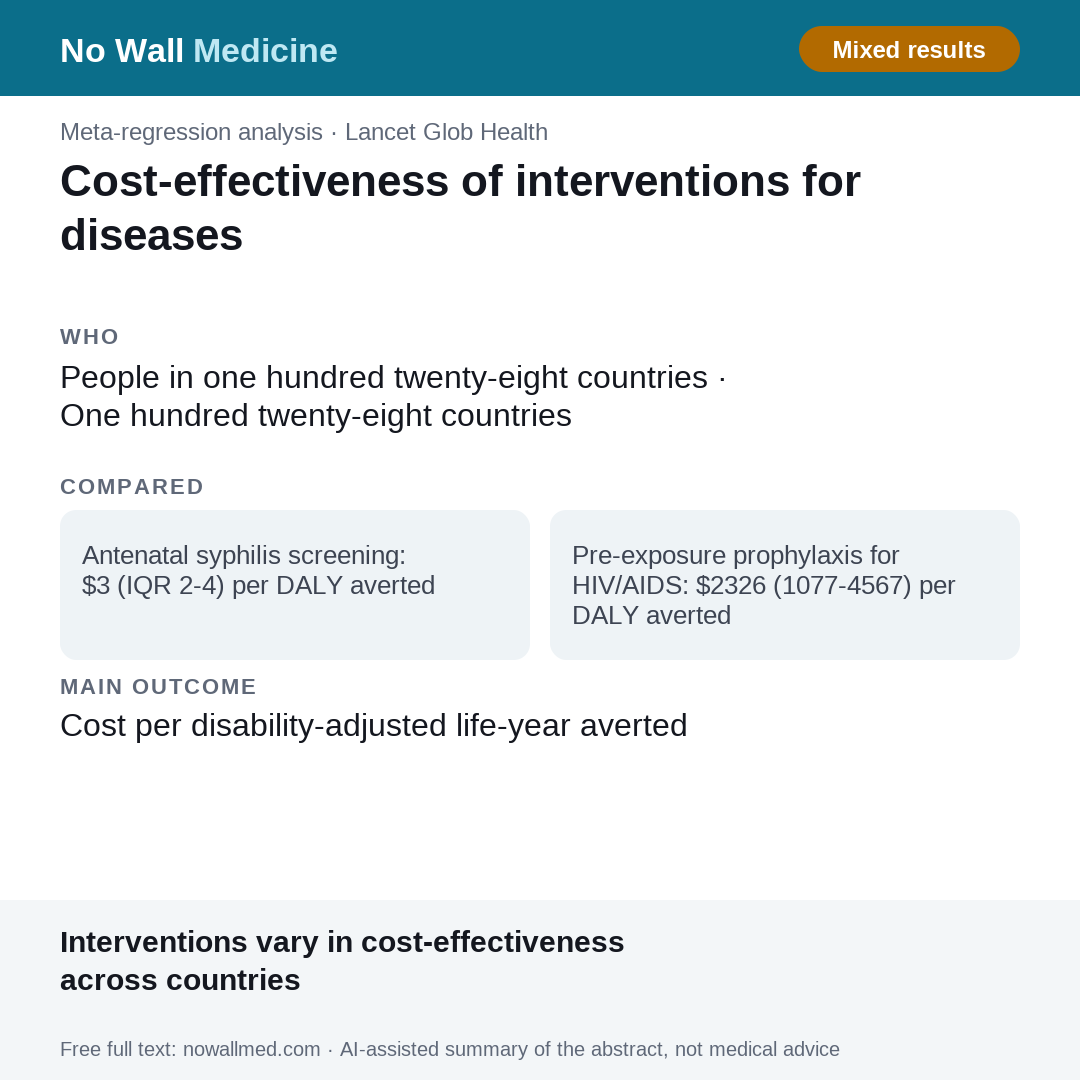
Cost-effectiveness of interventions for HIV/AIDS, malaria, syphilis, and tuberculosis in 128 countries: a meta-regression analysis
Meta-regression analysisMixed results
Cost-effectiveness of interventions for diseases
Who
People in one hundred twenty-eight countries · One hundred twenty-eight countries
Compared
Antenatal syphilis screening: $3 (IQR 2-4) per DALY averted
Pre-exposure prophylaxis for HIV/AIDS: $2326 (1077-4567) per DALY averted
Main outcome
Cost per disability-adjusted life-year averted
Bottom line: Interventions vary in cost-effectiveness across countries
Funded by: Bill & Melinda Gates Foundation
Lancet Glob Health · 2024-06-15Download image
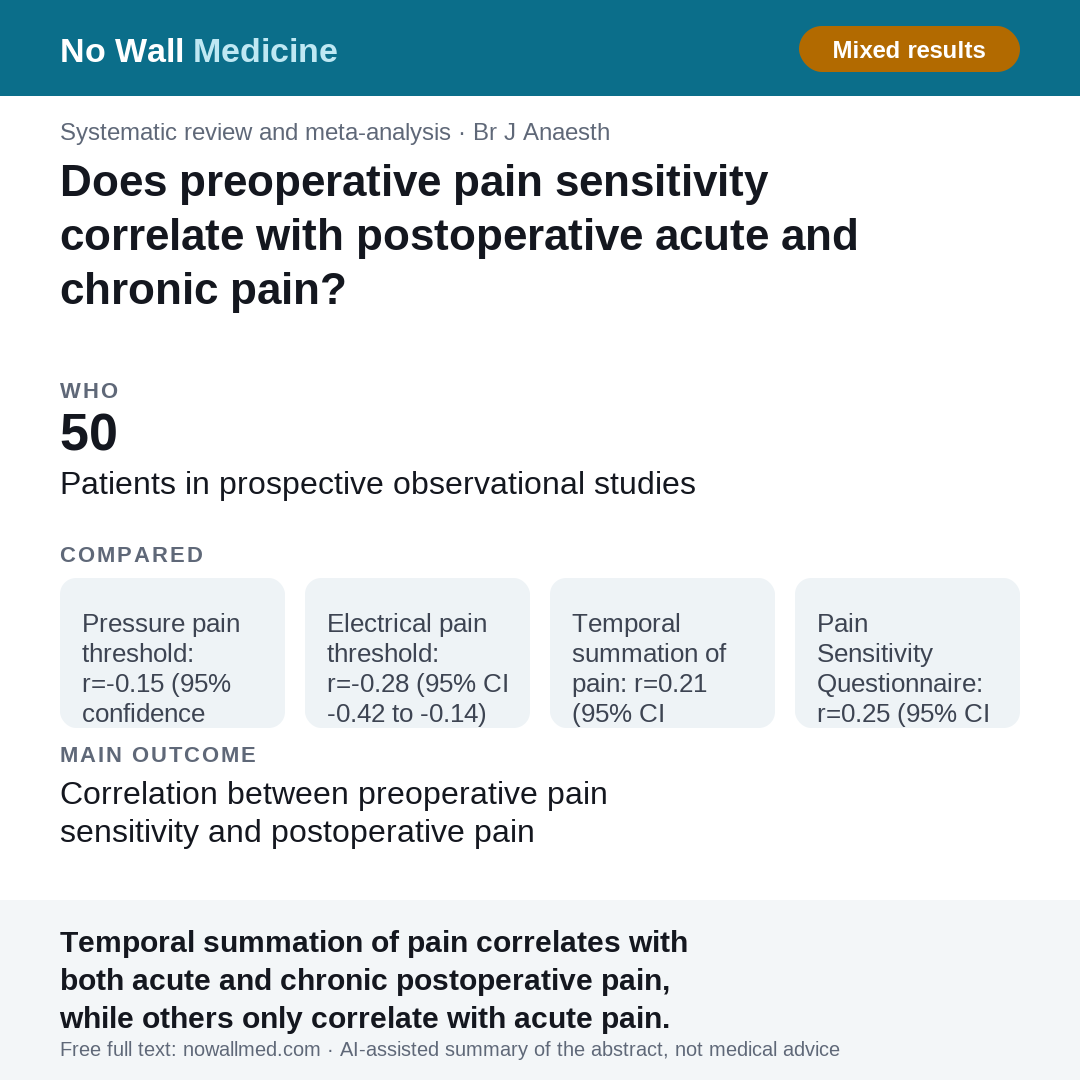
Preoperative pain sensitivity and its correlation with postoperative acute and chronic pain: a systematic review and meta-analysis
Systematic review and meta-analysisMixed results
Does preoperative pain sensitivity correlate with postoperative acute and chronic pain?
Who
Patients in prospective observational studies
Compared
Pressure pain threshold: r=-0.15 (95% confidence interval -0.23 to -0.07)
Electrical pain threshold: r=-0.28 (95% CI -0.42 to -0.14)
Temporal summation of pain: r=0.21 (95% CI 0.12-0.30)
Pain Sensitivity Questionnaire: r=0.25 (95% CI 0.13-0.37)
Main outcome
Correlation between preoperative pain sensitivity and postoperative pain
Bottom line: Temporal summation of pain correlates with both acute and chronic postoperative pain, while others only correlate with acute pain.
Br J Anaesth · 2024-06-15Download image
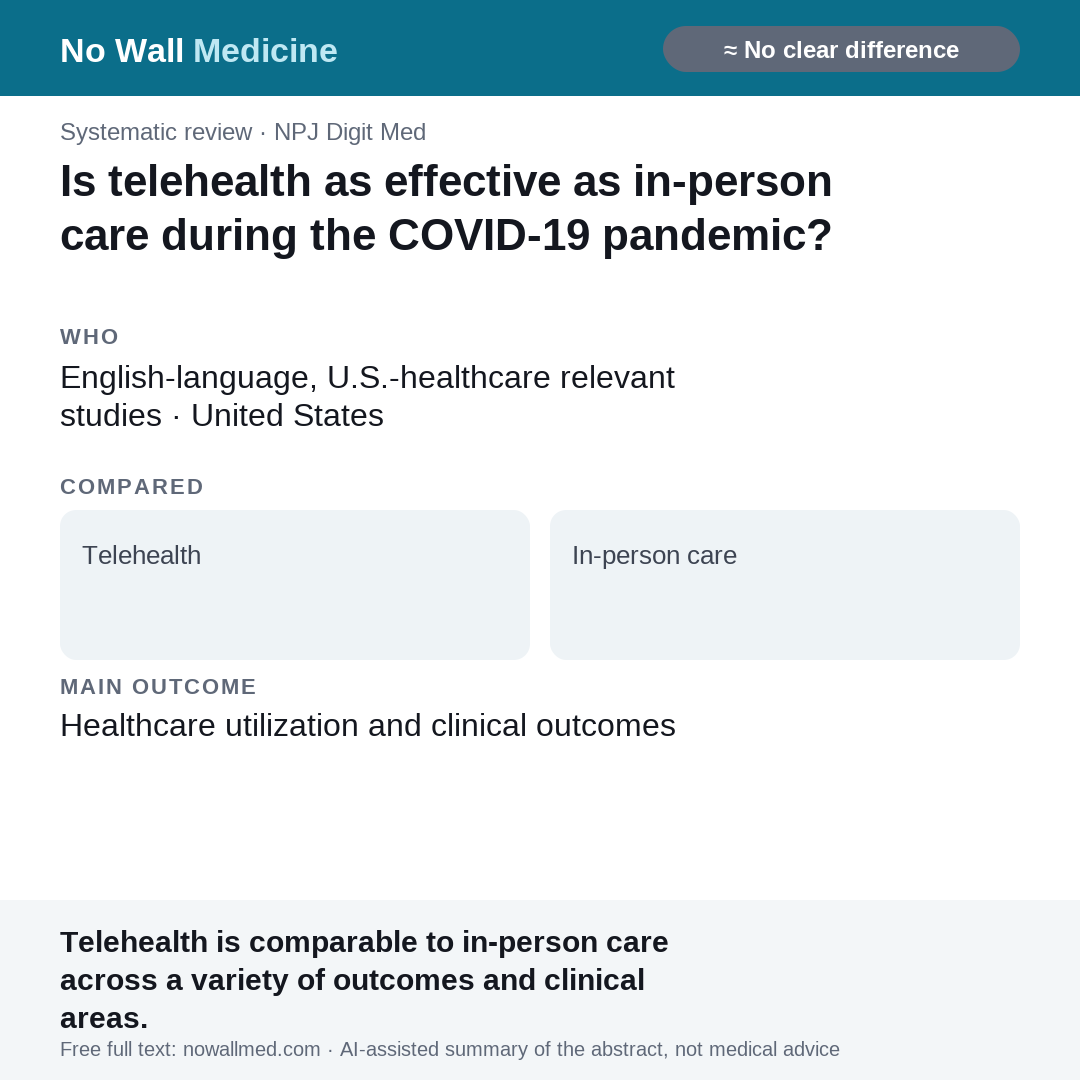
Effectiveness of telehealth versus in-person care during the COVID-19 pandemic: a systematic review
Systematic reviewNo clear difference
Is telehealth as effective as in-person care during the COVID-19 pandemic?
Who
English-language, U.S.-healthcare relevant studies · United States
Compared
Telehealth
In-person care
Main outcome
Healthcare utilization and clinical outcomes
Bottom line: Telehealth is comparable to in-person care across a variety of outcomes and clinical areas.
Limitation: Majority of studies had a serious or high risk of bias and lacked standardized outcome assessment.
NPJ Digit Med · 2024-06-15Download image
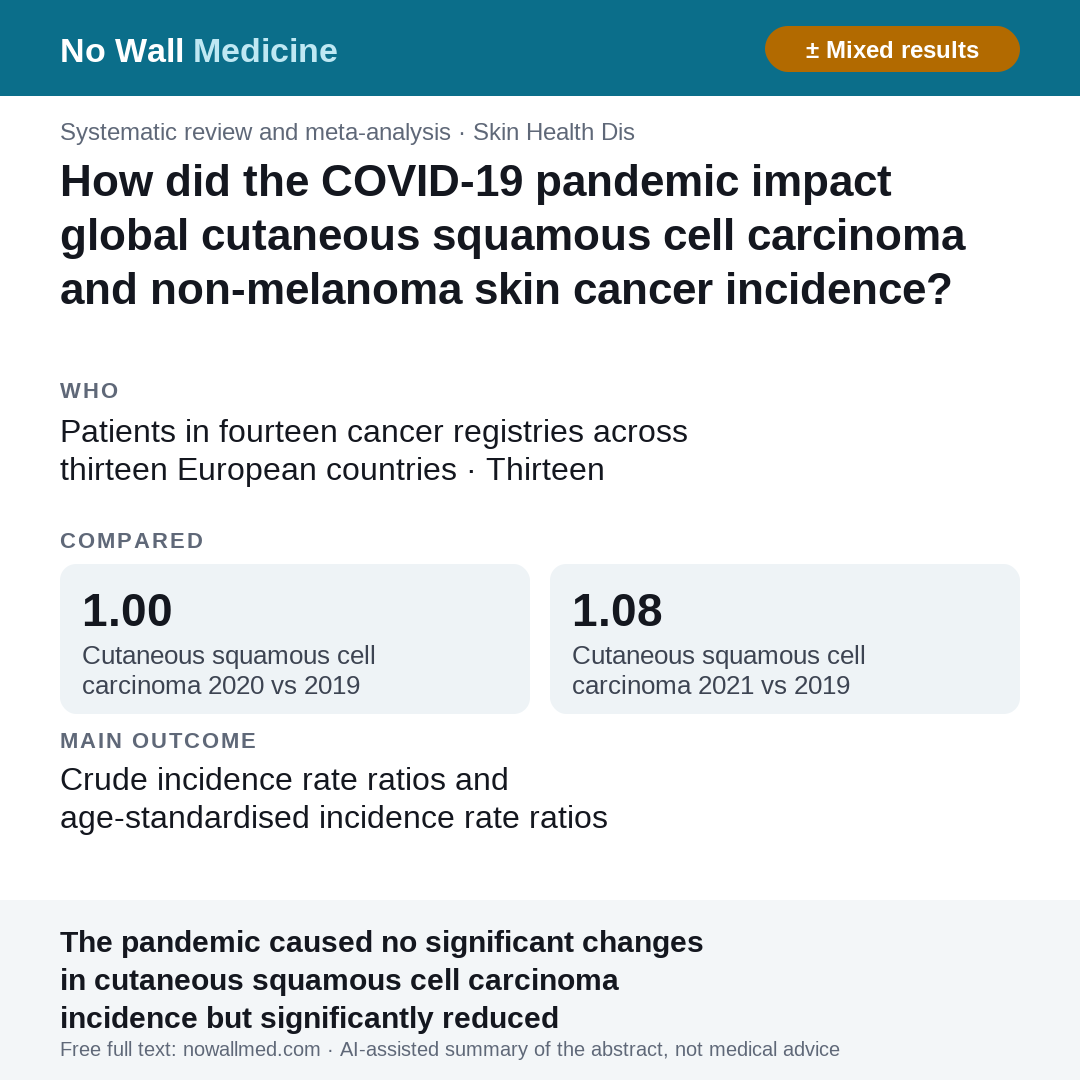
Impact of the COVID-19 pandemic on international cutaneous squamous cell carcinoma incidence: A systematic review and meta-analysis
Systematic review and meta-analysisMixed results
How did the COVID-19 pandemic impact global cutaneous squamous cell carcinoma and non-melanoma skin cancer incidence?
Who
Patients in fourteen cancer registries across thirteen European countries · Thirteen countries across Europe
Compared
1.00Cutaneous squamous cell carcinoma 2020 vs 2019 (95% confidence interval 0.94-1.06)
1.08Cutaneous squamous cell carcinoma 2021 vs 2019 (95% CI 0.98-1.19)
Main outcome
Crude incidence rate ratios and age-standardised incidence rate ratios
Result: cSCC-CIRR 1.00 (95% confidence interval 0.94-1.06)
Bottom line: The pandemic caused no significant changes in cutaneous squamous cell carcinoma incidence but significantly reduced non-melanoma skin cancer incidence.
Skin Health Dis · 2024-06-15Download image
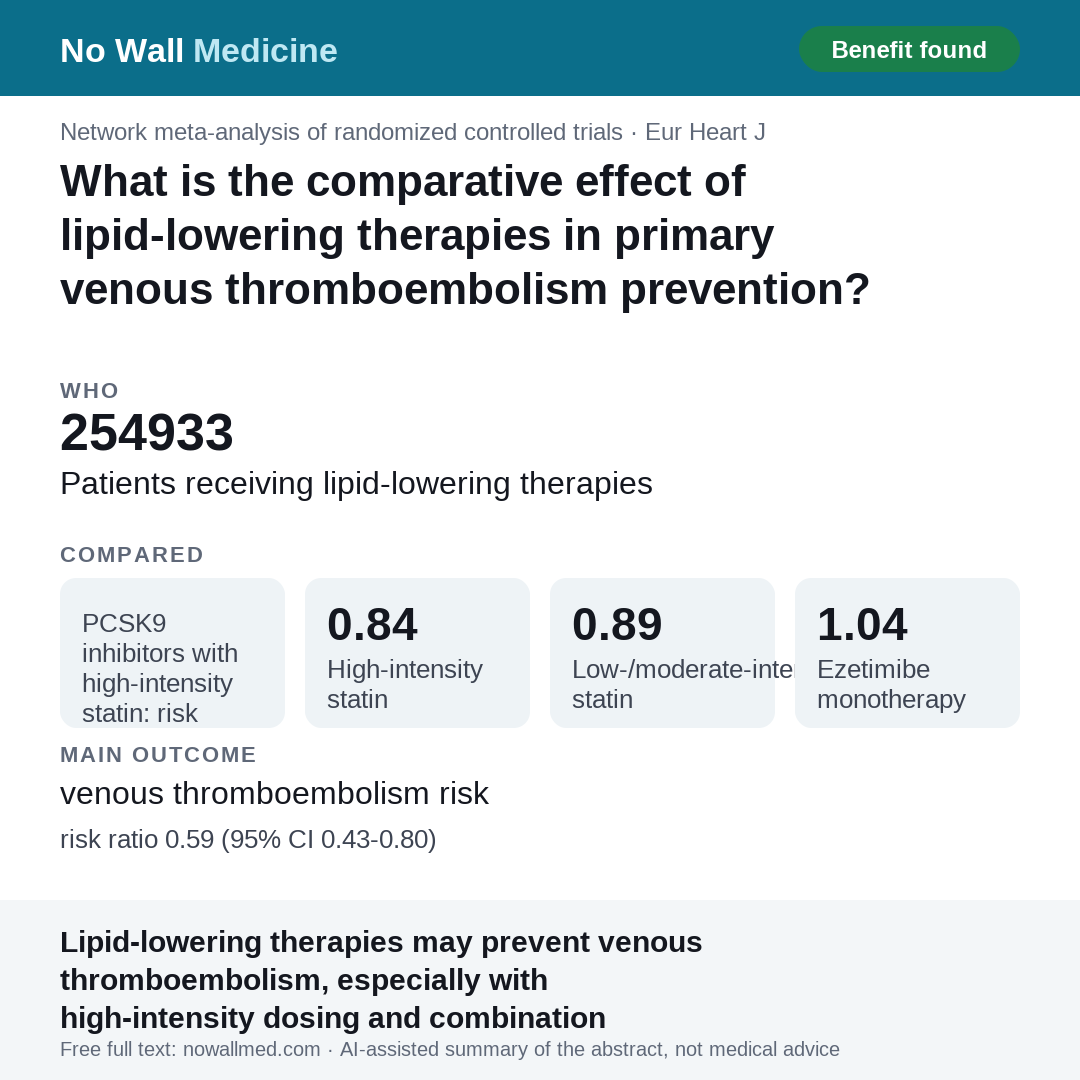
Lipid lowering for prevention of venous thromboembolism: a network meta-analysis
Network meta-analysis of randomized controlled trialsBenefit found
What is the comparative effect of lipid-lowering therapies in primary venous thromboembolism prevention?
Who
254933
Patients receiving lipid-lowering therapies
Compared
PCSK9 inhibitors with high-intensity statin: risk ratio 0.59 (95% CI 0.43-0.80)
0.84High-intensity statin monotherapy (0.70-1.02)
0.89Low-/moderate-intensity statin monotherapy (0.79-1.00)
1.04Ezetimibe monotherapy (0.83-1.30)
Main outcome
venous thromboembolism risk
Result: risk ratio 0.59 (95% CI 0.43-0.80)
Bottom line: Lipid-lowering therapies may prevent venous thromboembolism, especially with high-intensity dosing and combination therapy.
Eur Heart J · 2024-06-14Download image
Risk factors associated with the Motoric Cognitive Risk syndrome: A meta-analysis of data from a cross-national study
Meta-analysis of seven cross-national studiesMixed results
What risk factors are associated with Motoric Cognitive Risk syndrome across different income countries?
Who
20,036
Adults aged 65 years or older · United States, England, Europe, China, India, Mexico, and Brazil
Compared
High-income countries
Middle-income countries
Main outcome
Associations of various factors with prevalent Motoric Cognitive Risk syndrome
Bottom line: Risk factors for Motoric Cognitive Risk syndrome vary between high- and middle-income countries, though some factors like education are shared.
J Am Geriatr Soc · 2024-06-14Download image

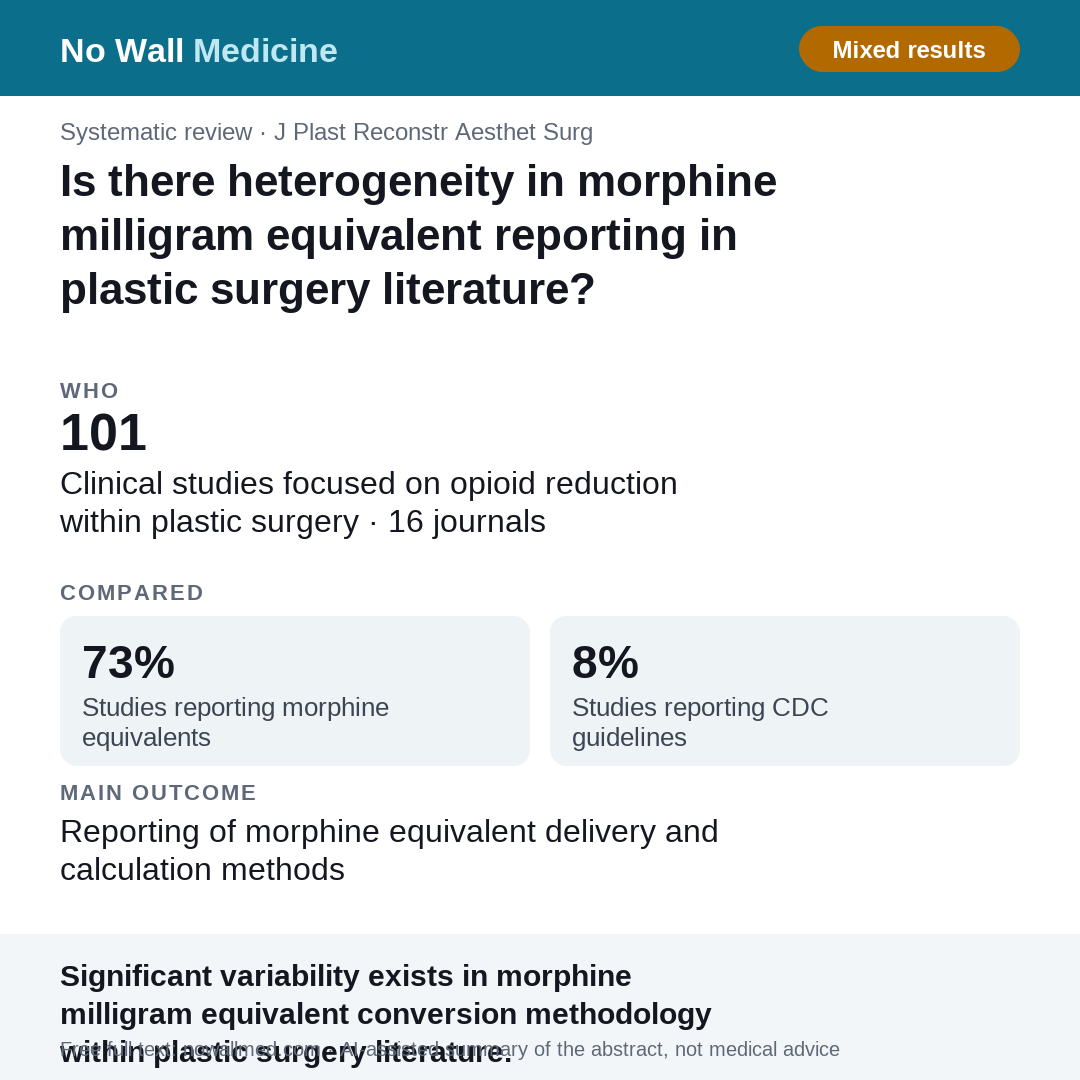
A systematic review of morphine equivalent conversions in plastic surgery: Current methods and future directions
Systematic reviewMixed results
Is there heterogeneity in morphine milligram equivalent reporting in plastic surgery literature?
Who
Clinical studies focused on opioid reduction within plastic surgery · 16 journals
Compared
73%Studies reporting morphine equivalents
8%Studies reporting CDC guidelines
Main outcome
Reporting of morphine equivalent delivery and calculation methods
Bottom line: Significant variability exists in morphine milligram equivalent conversion methodology within plastic surgery literature.
J Plast Reconstr Aesthet Surg · 2024-06-14Download image
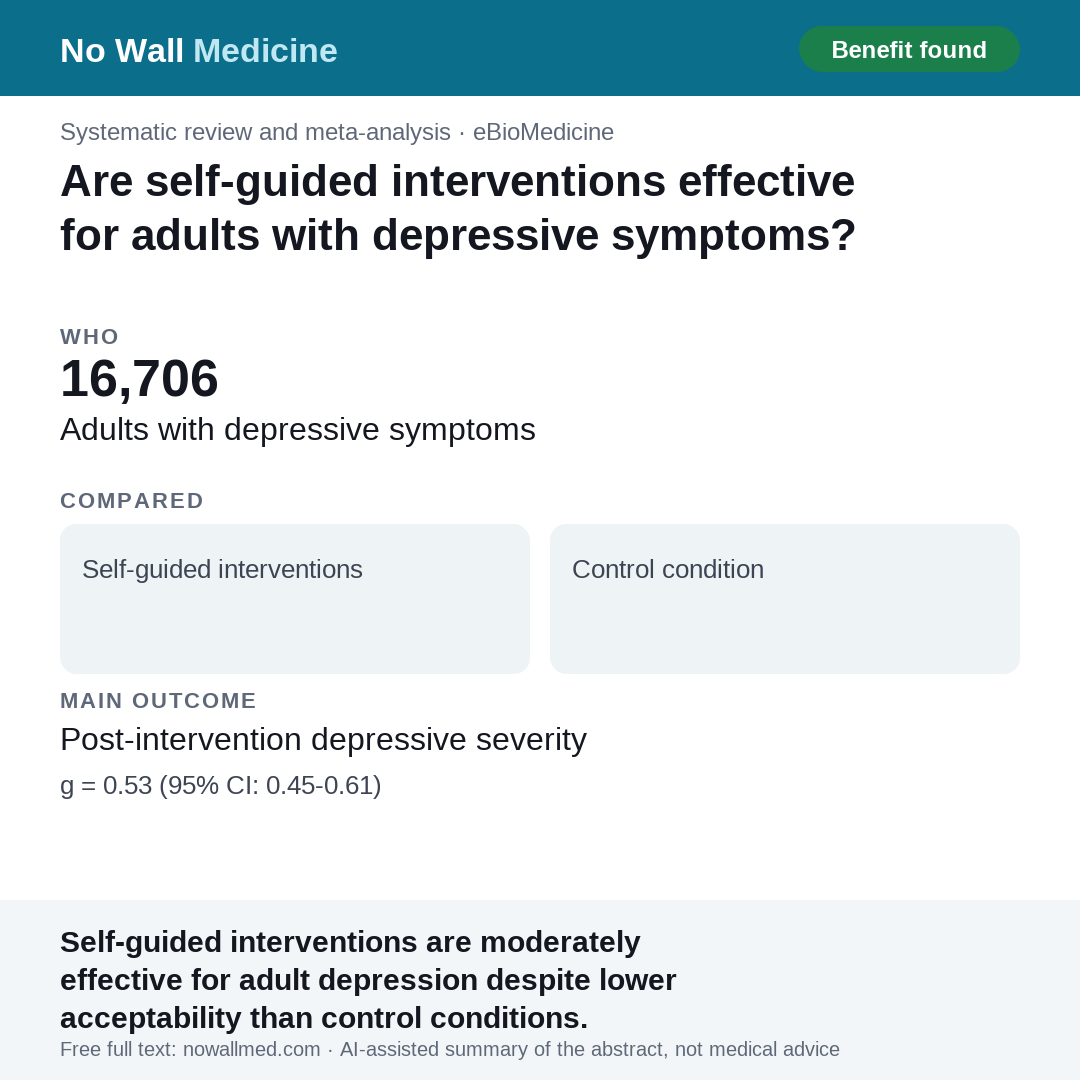
The effectiveness of self-guided interventions in adults with depressive symptoms: a systematic review and meta-analysis
Systematic review and meta-analysisBenefit, low certainty
Are self-guided interventions effective for adults with depressive symptoms?
Who
16,706
Adults with depressive symptoms
Compared
Self-guided interventions
Control condition
Main outcome
Post-intervention depressive severity
Result: g = 0.53 (95% CI: 0.45-0.61)
Bottom line: Self-guided interventions are moderately effective for adult depression despite lower acceptability than control conditions.
Limitation: Most studies showed a moderate to high risk of bias.
eBioMedicine · 2024-06-14Download image
Systematic Review and Meta-Analysis of Prehospital Machine Learning Scores as Screening Tools for Early Detection of Large Vessel Occlusion in Patients With Suspected Stroke
Systematic review and meta-analysisKey finding
How do machine learning models compare to prehospital stroke scales for large vessel occlusion detection?
Who
Patients with suspected stroke
Compared
Prehospital stroke scales: area under the curve 0.80 (95% CI 0.76 to 0.83)
Machine learning models: area under the curve 0.87 (95% CI 0.83 to 0.89)
Main outcome
Large vessel occlusion prediction accuracy
Result: area under the curve 0.87 (95% CI 0.83 to 0.89)
Bottom line: Machine learning models showed higher area under the curve for predicting large vessel occlusion than prehospital stroke scales.
Limitation: Absence of prospective external validation, limited sample sizes, and lack of real-world performance data.
J Am Heart Assoc · 2024-06-14Download image

Toxin for Treating Raynaud Conditions in Hands (The TORCH Study): A Systematic Review and Meta-analysis
Systematic review and meta-analysisBenefit found
Is botulinum toxin type A effective for treating primary and secondary Raynaud disease?
Who
Patients with primary or secondary Raynaud disease
Compared
Botulinum toxin type A intervention: 81.95% pain visual analog scale score improvement
Botulinum toxin type A intervention: 79.37% digital ulcer healing
Main outcome
Pain visual analog scale score improvement and digital ulcer healing
Result: pain improvement 81.95% (95% CI 74.12-87.81); digital ulcer healing 79.37% (95% CI 62.45-89.9)
Bottom line: Botulinum toxin type A may effectively manage primary and secondary Raynaud disease by improving pain and healing digital ulcers.
Plast Reconstr Surg Glob Open · 2024-06-14Download image

Effectiveness of home treatment in children and adolescents with psychiatric disorders-systematic review and meta-analysis
Systematic review and meta-analysisNo clear difference
Is home treatment effective compared with inpatient treatment in child and adolescent psychiatry?
Who
1795
Children and adolescents with psychiatric disorders
Compared
Home treatment
Inpatient treatment
Main outcome
Psychosocial functioning and psychopathology
Result: SMD 0.05 [-0.18; 0.30] for psychosocial functioning and SMD 0.10 [-0.17; 0.37] for psychopathology
Bottom line: Home treatment showed no evidence of being less effective than conventional inpatient treatment for children and adolescents.
Limitation: Generalisability is reduced by limitations in the existing literature.
BMC Med · 2024-06-13Download image

Measuring Health-Related Quality of Life in Amyotrophic Lateral Sclerosis: A Systematic Review and Conceptual Framework
Systematic reviewUnclear result
How to measure quality of life in ALS
Who
patients with amyotrophic lateral sclerosis
Compared
PROMs
Qualitative studies
Main outcome
health-related quality of life
Bottom line: New framework for measuring quality of life in ALS
Neurology · 2024-06-13Download image

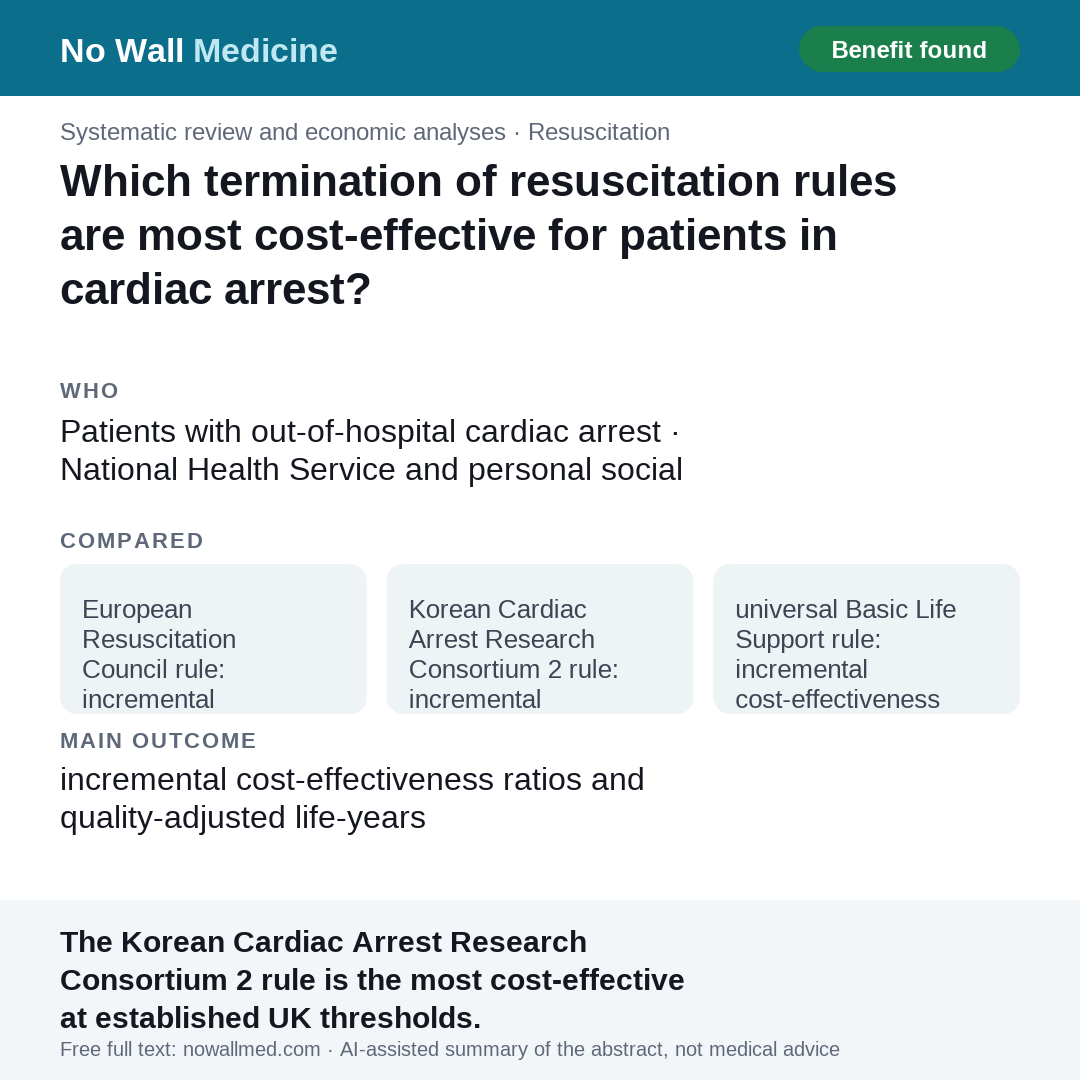
Comparative cost-effectiveness of termination of resuscitation rules for patients transported in cardiac arrest
Systematic review and economic analysesBenefit found
Which termination of resuscitation rules are most cost-effective for patients in cardiac arrest?
Who
Patients with out-of-hospital cardiac arrest · National Health Service and personal social services perspective
Compared
European Resuscitation Council rule: incremental cost-effectiveness ratio of £8,111
Korean Cardiac Arrest Research Consortium 2 rule: incremental cost-effectiveness ratio of £17,548
universal Basic Life Support rule: incremental cost-effectiveness ratio of £19,498,216
Main outcome
incremental cost-effectiveness ratios and quality-adjusted life-years
Bottom line: The Korean Cardiac Arrest Research Consortium 2 rule is the most cost-effective at established UK thresholds.
Resuscitation · 2024-06-13Download image
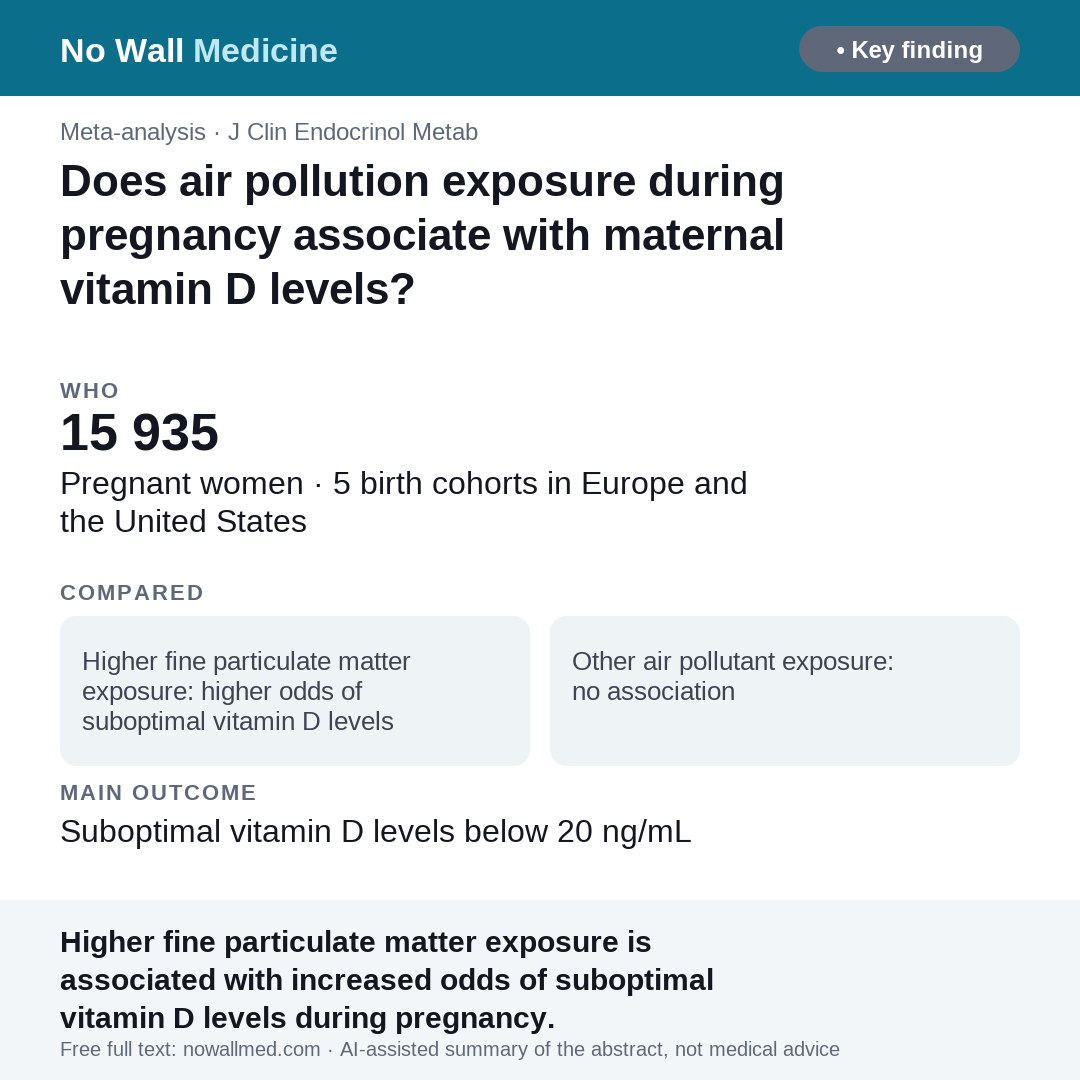
Associations of Gestational Exposure to Air Pollution With Maternal Vitamin D Levels: A Meta-Analysis
Meta-analysisKey finding
Does air pollution exposure during pregnancy associate with maternal vitamin D levels?
Who
15 935
Pregnant women · 5 birth cohorts in Europe and the United States
Compared
Higher fine particulate matter exposure: higher odds of suboptimal vitamin D levels
Other air pollutant exposure: no association
Main outcome
Suboptimal vitamin D levels below 20 ng/mL
Result: odds ratio 1.43 (95% CI: 1.02, 1.99) per 5 μg/m3 increase in PM2.5
Bottom line: Higher fine particulate matter exposure is associated with increased odds of suboptimal vitamin D levels during pregnancy.
J Clin Endocrinol Metab · 2024-06-13Download image
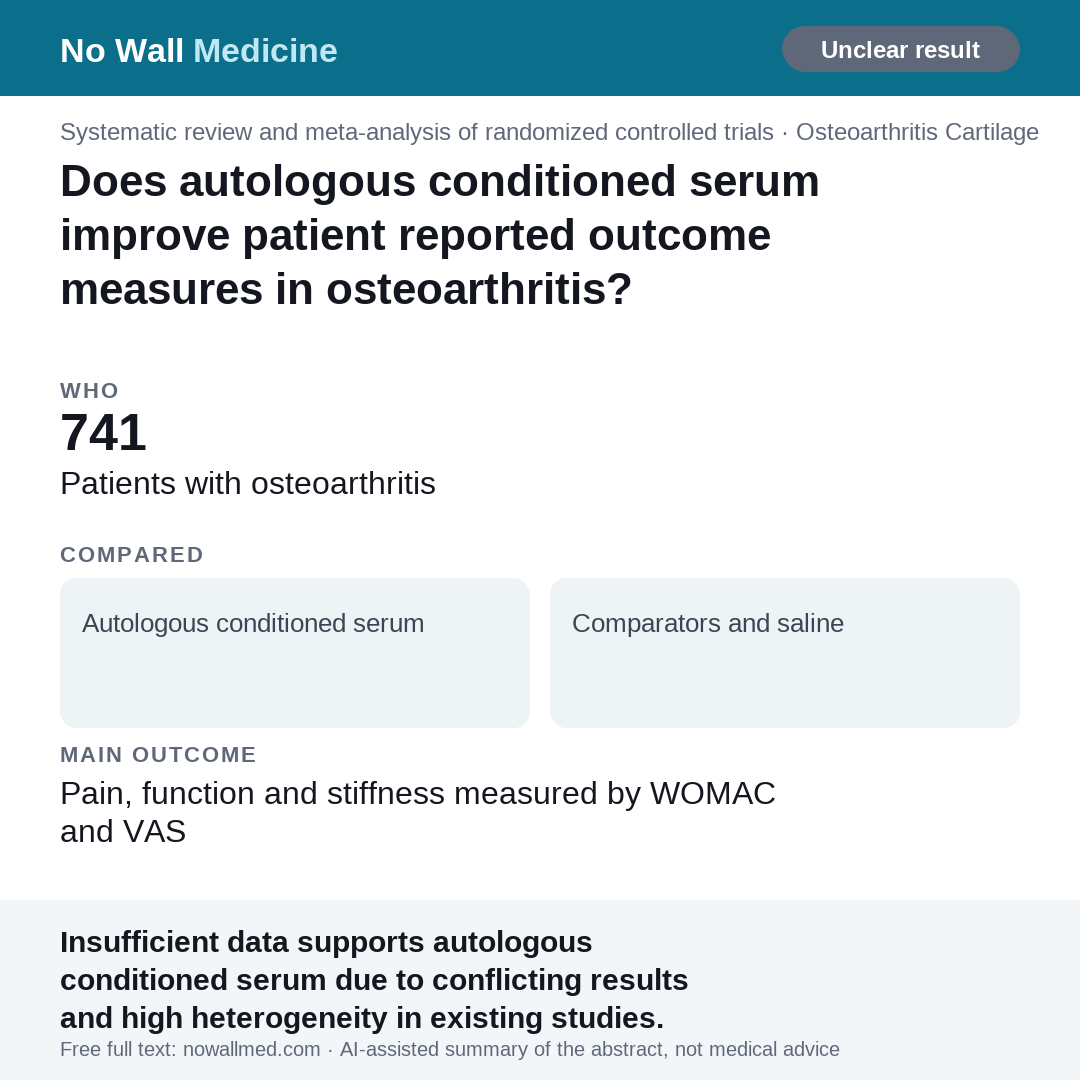
Is there a role for autologous conditioned serum injections in osteoarthritis? A systematic review and meta-analysis of randomised controlled trials
Systematic review and meta-analysis of randomized controlled trialsUnclear result
Does autologous conditioned serum improve patient reported outcome measures in osteoarthritis?
Who
741
Patients with osteoarthritis
Compared
Autologous conditioned serum
Comparators and saline
Main outcome
Pain, function and stiffness measured by WOMAC and VAS
Result: SMD -0.61 (95% CI -1.01 to -0.21) for WOMAC with all comparators
Bottom line: Insufficient data supports autologous conditioned serum due to conflicting results and high heterogeneity in existing studies.
Limitation: High heterogeneity and risk of bias in included studies.
Osteoarthritis Cartilage · 2024-06-13Download image
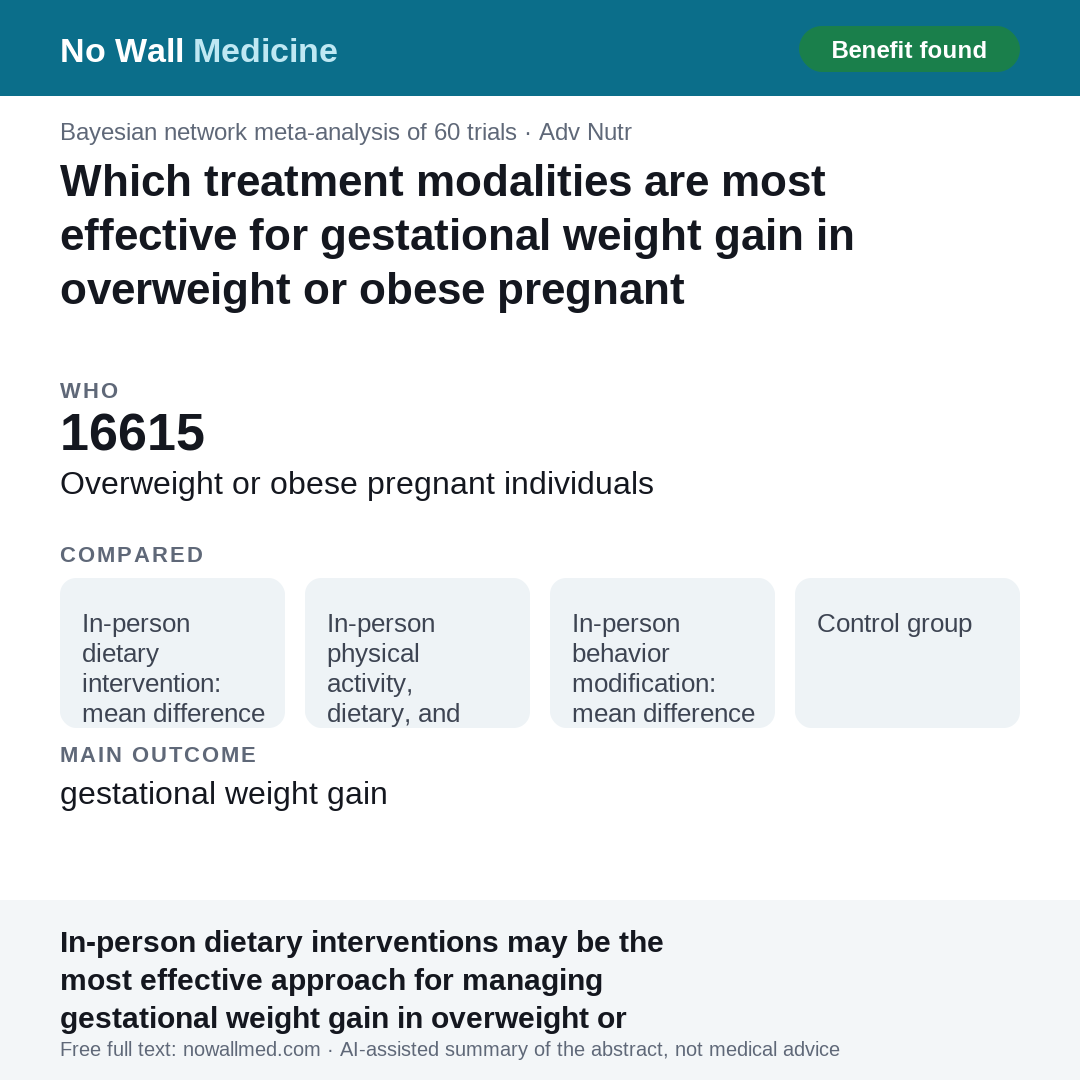
A Systematic Review and Bayesian Network Meta-Analysis Comparing In-Person, Remote, and Blended Interventions in Physical Activity, Diet, Education, and Behavioral Modification on Gestational Weight Gain among Overweight or Obese Pregnant Individuals
Bayesian network meta-analysis of 60 trialsBenefit found
Which treatment modalities are most effective for gestational weight gain in overweight or obese pregnant individuals?
Who
16615
Overweight or obese pregnant individuals
Compared
In-person dietary intervention: mean difference -1.27 (95% CI -2.23, -0.32)
In-person physical activity, dietary, and behavior modification: mean difference -0.60 (95% CI -1.19, -0.00)
In-person behavior modification: mean difference -0.34 (95% CI -0.57, -0.10)
Control group
Main outcome
gestational weight gain
Bottom line: In-person dietary interventions may be the most effective approach for managing gestational weight gain in overweight or obese pregnant women.
Limitation: Evidence of limited quality and directness, including insufficient data on physical activity components.
Adv Nutr · 2024-06-13Download image
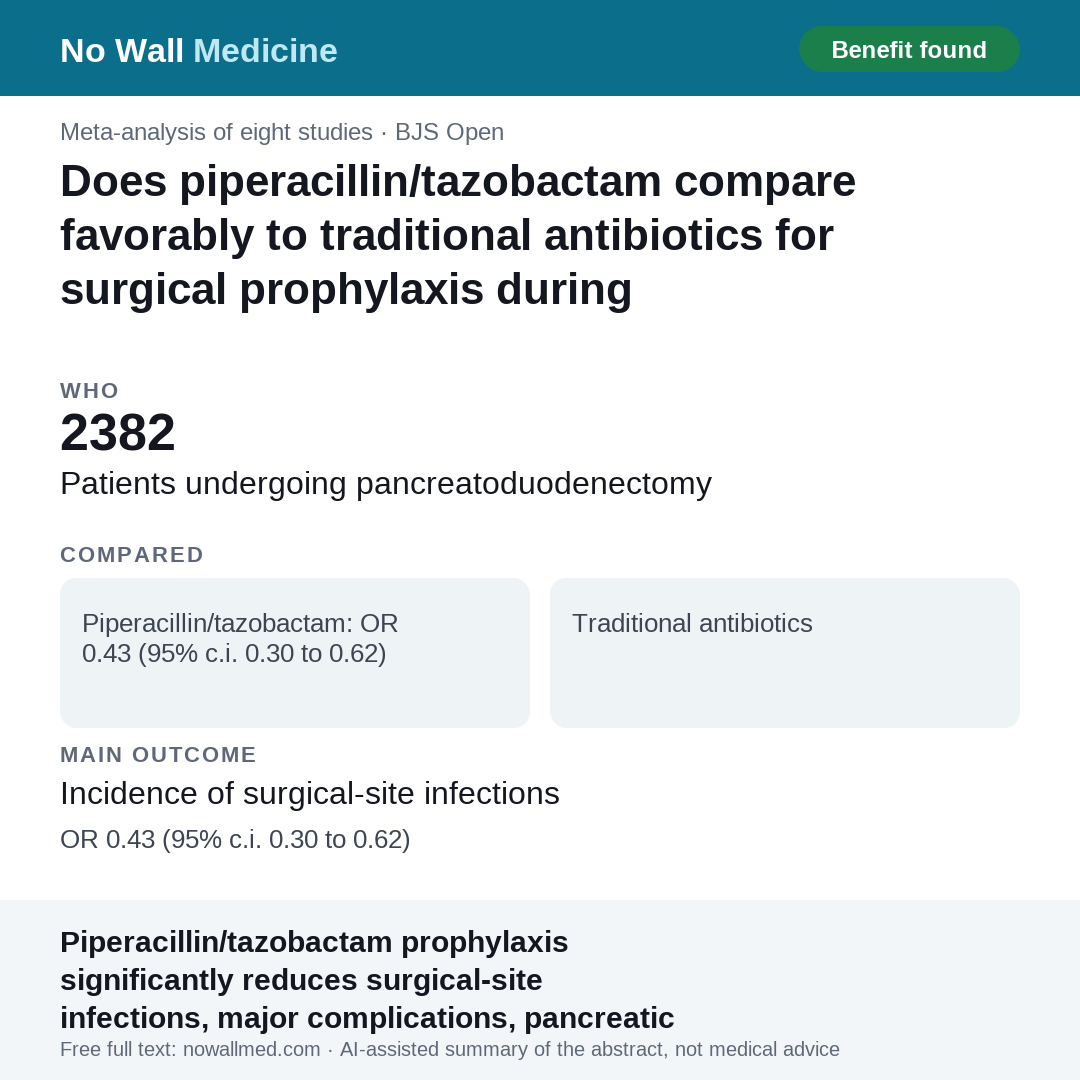
Piperacillin/tazobactam for surgical prophylaxis during pancreatoduodenectomy: meta-analysis
Meta-analysis of eight studiesBenefit found
Does piperacillin/tazobactam compare favorably to traditional antibiotics for surgical prophylaxis during pancreatoduodenectomy?
Who
2382
Patients undergoing pancreatoduodenectomy
Compared
Piperacillin/tazobactam: OR 0.43 (95% c.i. 0.30 to 0.62)
Traditional antibiotics
Main outcome
Incidence of surgical-site infections
Result: OR 0.43 (95% c.i. 0.30 to 0.62)
Bottom line: Piperacillin/tazobactam prophylaxis significantly reduces surgical-site infections, major complications, pancreatic fistulas, and mortality in pancreatoduodenectomy patients.
BJS Open · 2024-06-13Download image