Visual abstracts
New randomized trials and meta-analyses from leading journals at a glance: who was studied, what was compared, and what was found. Every paper is free to read in full.
All specialtiesCardiology 4763Oncology 4042Gastroenterology & Hepatology 1902Infectious Disease 3756Neurology 1872Psychiatry & Mental Health 2214Pulmonology 2042Critical Care 1319Endocrinology & Diabetes 2544Pediatrics 2889Surgery 2479Orthopedics & Sports Medicine 917Neurosurgery 525Cardiothoracic & Vascular Surgery 656Plastic & Reconstructive Surgery 574Nephrology 1107Rheumatology 810Hematology 1090Dermatology 611Ophthalmology 532Obstetrics & Gynecology 1645Public & Global Health 1037Radiology & Imaging 617Anesthesiology 957Urology 745ENT (Otolaryngology) 494Emergency Medicine 481Allergy & Immunology 309Geriatrics 972Family Medicine & Primary Care 533Medical Genetics & Genomics 659Pathology & Laboratory Medicine 156Physical Medicine & Rehabilitation 734Palliative Care 421Nutrition 1560Digital Health & AI 2133General Medicine 318
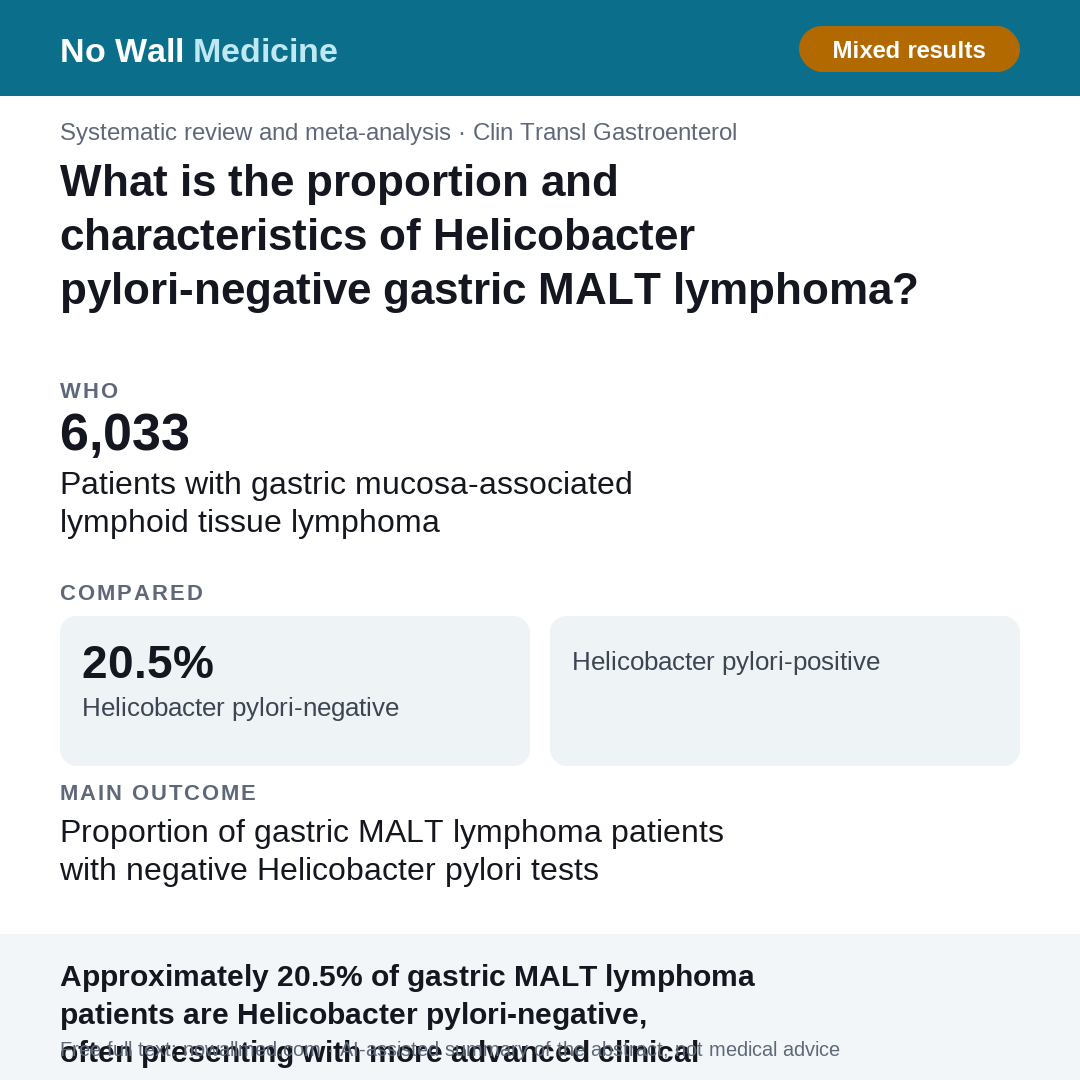
Proportion and Characteristics of Helicobacter Pylori -Negative Gastric Mucosa-Associated Lymphoid Tissue Lymphoma: A Systematic Review and Meta-Analysis
Systematic review and meta-analysisMixed results
What is the proportion and characteristics of Helicobacter pylori-negative gastric MALT lymphoma?
Who
6,033
Patients with gastric mucosa-associated lymphoid tissue lymphoma
Compared
20.5%Helicobacter pylori-negative (95% confidence interval: 17.0%-24.6%)
Helicobacter pylori-positive
Main outcome
Proportion of gastric MALT lymphoma patients with negative Helicobacter pylori tests
Bottom line: Approximately 20.5% of gastric MALT lymphoma patients are Helicobacter pylori-negative, often presenting with more advanced clinical features.
Clin Transl Gastroenterol · 2025-04-01Download image
Efficacy and safety of passive immunotherapies targeting amyloid beta in Alzheimer's disease: A systematic review and meta-analysis
Meta-analysis of 13 phase III randomized controlled trialsMixed results
Are anti-amyloid beta monoclonal antibodies effective and safe for Alzheimer's disease?
Who
18826
Patients with mild cognitive impairment or dementia due to Alzheimer's disease
Compared
Anti-amyloid beta monoclonal antibodies
Placebo
Main outcome
Cognitive performance and adverse events
Result: mean difference -0.25 (95% CI -0.38 to -0.11) for CDR-SB
Bottom line: Anti-amyloid beta monoclonal antibodies slow cognitive decline but carry risks of amyloid-related imaging abnormalities and headaches.
Limitation: Differences in trial designs introduce limitations in cross-trial comparisons.
PLOS Med · 2025-03-31Download image

Genetic and genomic insights into male reproductive tract development
Systematic review and single-cell atlas analysisUnclear result
What are the genetic and genomic insights into male reproductive tract development?
Who
Human and mouse male reproductive tract development
Compared
Human phenotype terms: 35 terms associated with 269 unique genes
Mouse phenotype terms: differences in phenotype terms and gene identity
Main outcome
Identification of genes and cell types in male reproductive tract development
Bottom line: Leydig and Sertoli cells are primary cell types expressing male reproductive tract genes during fetal development.
Fertil Steril · 2025-03-31Download image

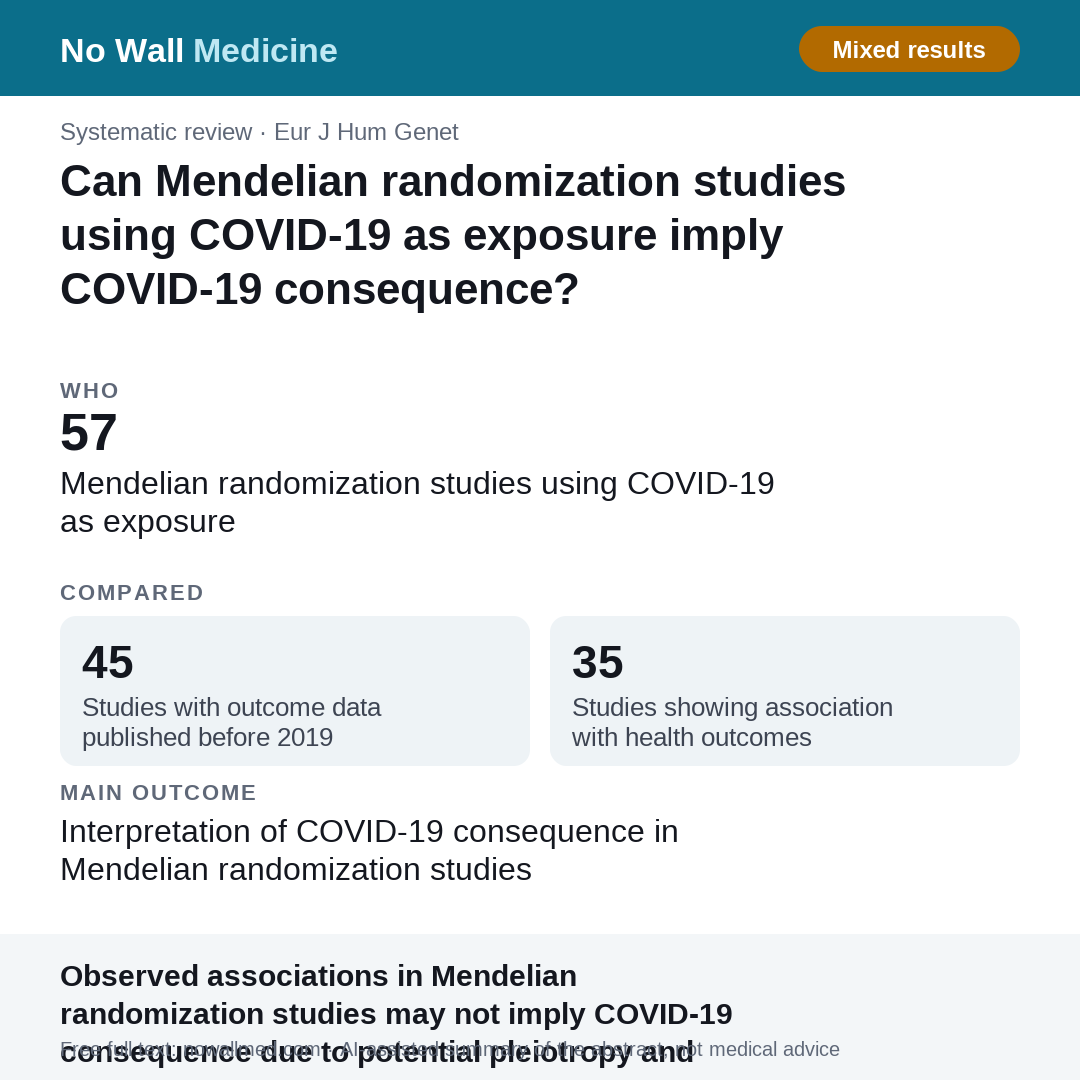
Challenges in interpreting Mendelian randomization studies with a disease as the exposure: Using COVID-19 liability studies as an exemplar
Systematic reviewMixed results
Can Mendelian randomization studies using COVID-19 as exposure imply COVID-19 consequence?
Who
Mendelian randomization studies using COVID-19 as exposure
Compared
45Studies with outcome data published before 2019
35Studies showing association with health outcomes
Main outcome
Interpretation of COVID-19 consequence in Mendelian randomization studies
Bottom line: Observed associations in Mendelian randomization studies may not imply COVID-19 consequence due to potential pleiotropy and relevance issues.
Eur J Hum Genet · 2025-03-31Download image
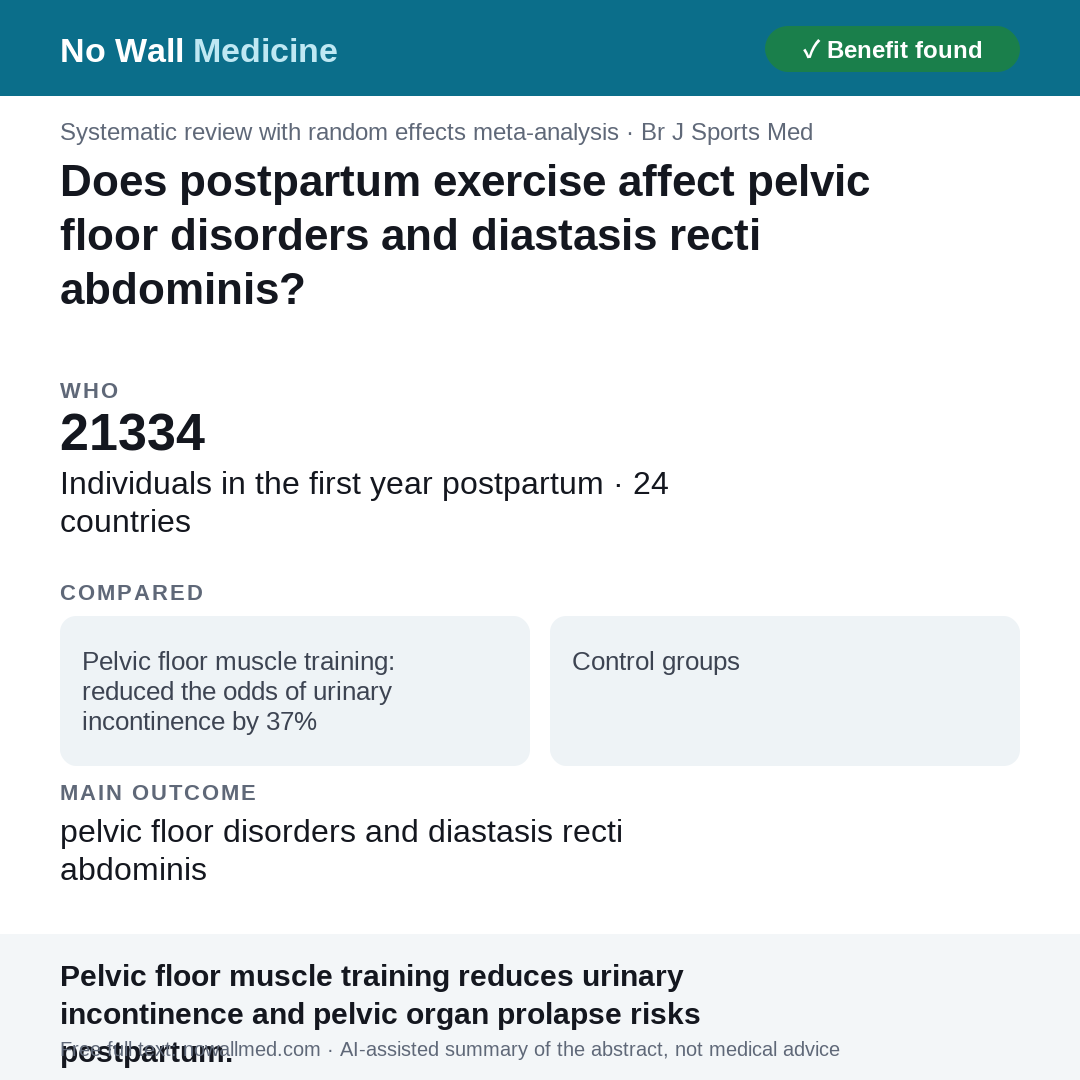
Impact of postpartum exercise on pelvic floor disorders and diastasis recti abdominis: a systematic review and meta-analysis
Systematic review with random effects meta-analysisBenefit found
Does postpartum exercise affect pelvic floor disorders and diastasis recti abdominis?
Who
21334
Individuals in the first year postpartum · 24 countries
Compared
Pelvic floor muscle training: reduced the odds of urinary incontinence by 37%
Control groups
Main outcome
pelvic floor disorders and diastasis recti abdominis
Result: OR 0.63, 95% CI 0.41 to 0.97
Bottom line: Pelvic floor muscle training reduces urinary incontinence and pelvic organ prolapse risks postpartum.
Limitation: Evidence on anal incontinence, diastasis recti abdominis, and symptom severity is limited.
Br J Sports Med · 2025-03-31Download image
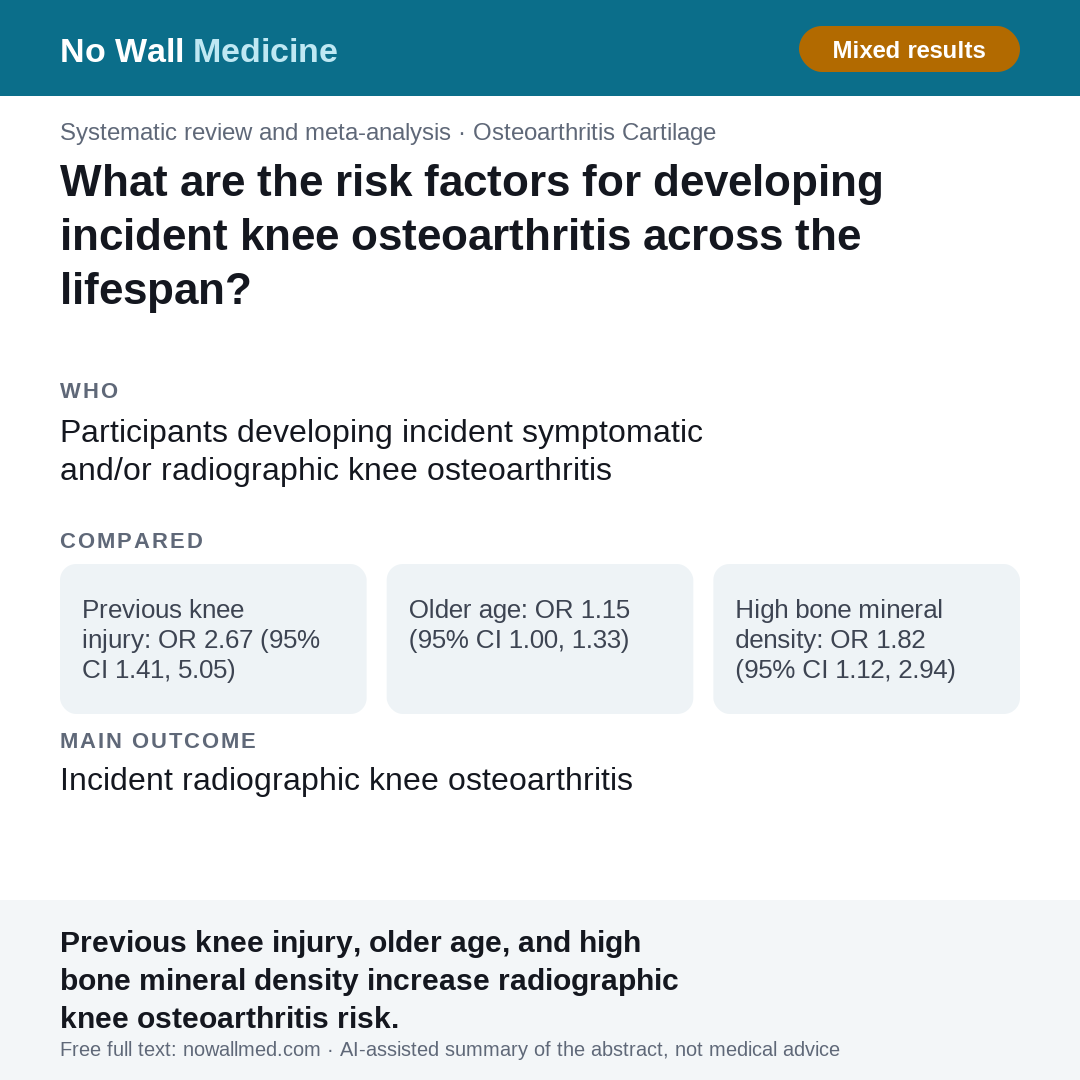
Risk factors for the development of knee osteoarthritis across the lifespan: A systematic review and meta-analysis
Systematic review and meta-analysisMixed results
What are the risk factors for developing incident knee osteoarthritis across the lifespan?
Who
Participants developing incident symptomatic and/or radiographic knee osteoarthritis
Compared
Previous knee injury: OR 2.67 (95% CI 1.41, 5.05)
Older age: OR 1.15 (95% CI 1.00, 1.33)
High bone mineral density: OR 1.82 (95% CI 1.12, 2.94)
Main outcome
Incident radiographic knee osteoarthritis
Bottom line: Previous knee injury, older age, and high bone mineral density increase radiographic knee osteoarthritis risk.
Osteoarthritis Cartilage · 2025-03-31Download image
Impact of Caregiver and Patient Age on Efficacy of Caregiver Interventions in Advanced Cancer: A Meta-Regression
Meta-regression of randomized controlled trialsMixed results
Does patient and caregiver age impact efficacy of caregiver interventions in advanced cancer?
Who
3306
Adult caregivers of adults with advanced cancer
Compared
Older mean patient age: greater impact on quality of life (P = 0.04)
Younger mean caregiver age: greater impact on depression (P = 0.02)
Larger patient-caregiver age difference: greater impact on anxiety (P = 0.01)
Main outcome
quality of life, anxiety, or depression
Bottom line: Patient and caregiver age may influence the efficacy of caregiver support interventions in advanced cancer.
J Pain Symptom Manage · 2025-03-31Download image

Genetic association studies in critically ill patients: a systematic review
Systematic reviewMixed results
What are the genetic associations in critically ill patients?
Who
Adult intensive care patients
Compared
Low risk of bias studies: Two significantly associated single nucleotide polymorphisms
High risk of bias studies: Fifty-four significant associations were replicated
Main outcome
Genetic variants associated with critical care-related traits
Bottom line: High-quality genetic research is deficient in critical care medicine, with most studies showing high risk of bias.
Limitation: 97% of the studies demonstrated some concerns or high risk of bias.
Funded by: China Scholarship Council, Instituto de Salud Carlos III, and others
eBioMedicine · 2025-03-31Download image

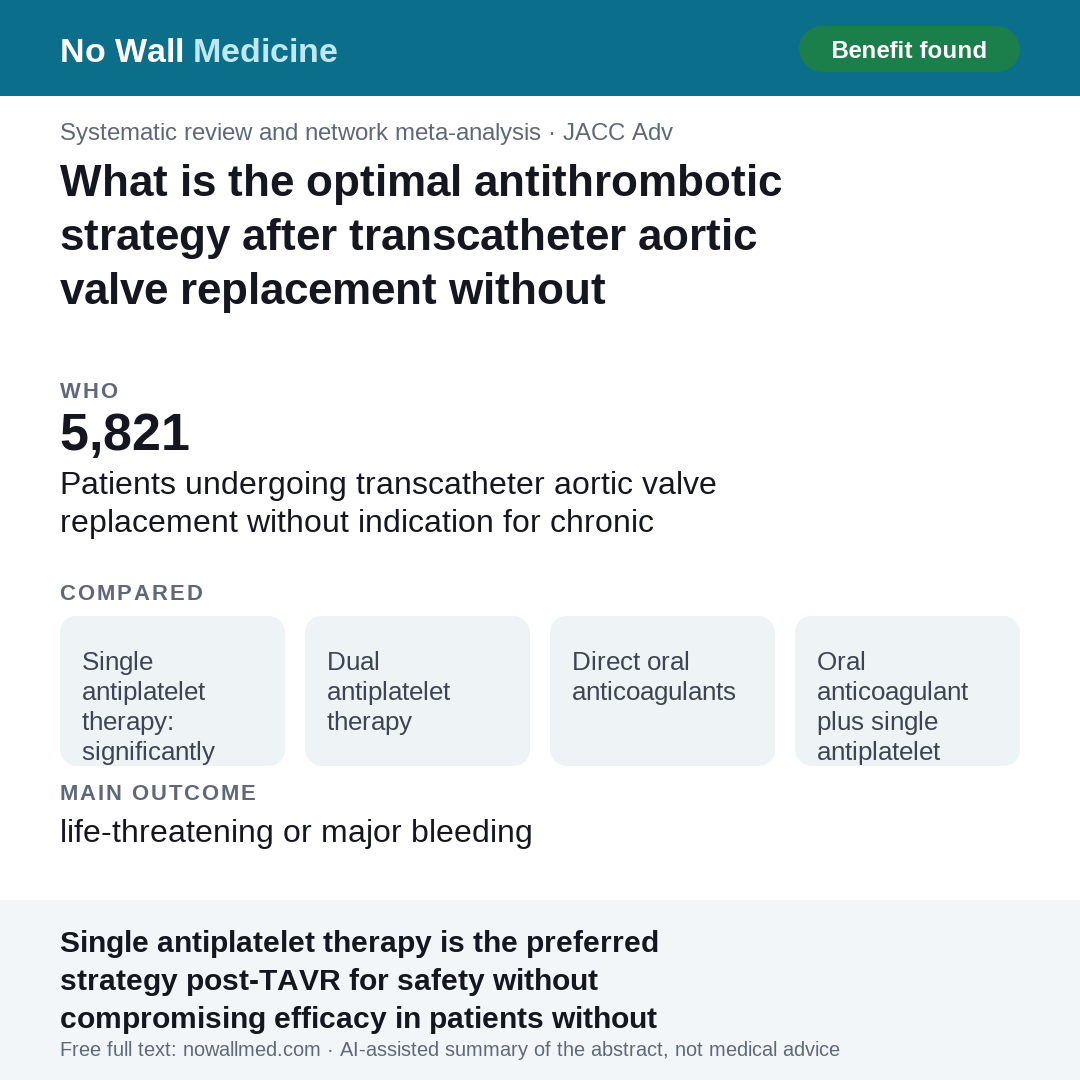
Post-Transcatheter Aortic Valve Replacement Antithrombotic Treatment in Nonindicated Patients: Updated Systematic Review and Network Meta-Analysis
Systematic review and network meta-analysisBenefit found
What is the optimal antithrombotic strategy after transcatheter aortic valve replacement without anticoagulation indication?
Who
5,821
Patients undergoing transcatheter aortic valve replacement without indication for chronic oral anticoagulation
Compared
Single antiplatelet therapy: significantly reduced the risk of life-threatening/major bleeding
Dual antiplatelet therapy
Direct oral anticoagulants
Oral anticoagulant plus single antiplatelet therapy
Main outcome
life-threatening or major bleeding
Result: OR: 0.53 (95% CI: 0.35-0.80) vs DAPT; OR: 0.52 (95% CI: 0.28-0.99) vs OAC; OR: 0.32 (95% CI: 0.13-0.76) vs OAC + SAPT
Bottom line: Single antiplatelet therapy is the preferred strategy post-TAVR for safety without compromising efficacy in patients without anticoagulation indications.
JACC Adv · 2025-03-31Download image
Immune checkpoint inhibitors use in lung transplant recipients: a case series and systematic review of literature
Case series and systematic reviewUnclear result
What are the safety and efficacy of immune checkpoint inhibitors in lung transplant recipients?
Who
Lung transplant recipients with neoplastic diseases · French and Belgian centers
Compared
First case: acute respiratory failure and death occurred
Second case: well tolerated and resulted in a partial response
Main outcome
safety and efficacy of immune checkpoint inhibitors
Bottom line: Limited cases show mixed results, necessitating multicenter randomized controlled trials to investigate safety and efficacy.
Limitation: Limited number of cases and lack of clinical trials
ESMO Open · 2025-03-31Download image

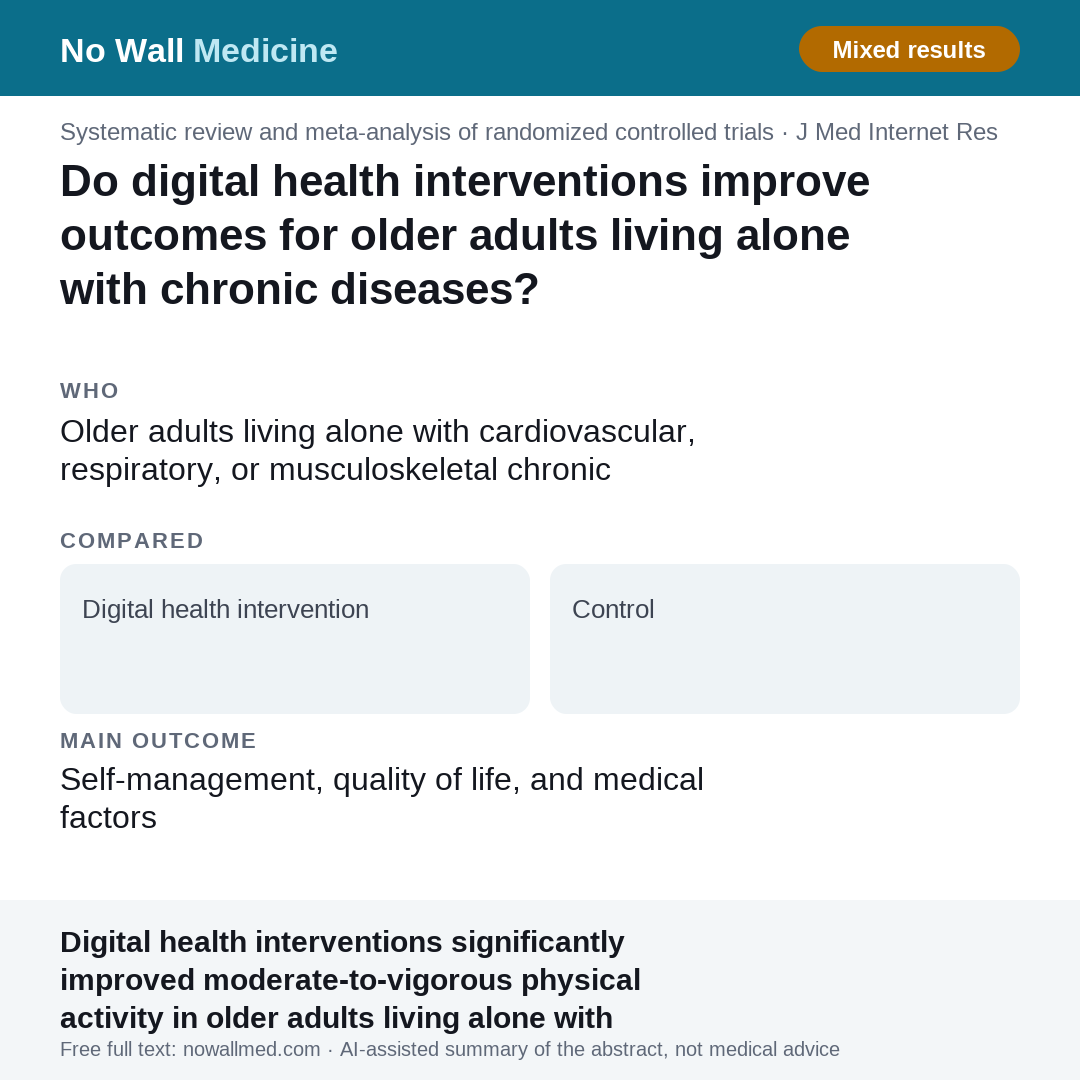
Digital Health Intervention Effect on Older Adults With Chronic Diseases Living Alone: Systematic Review and Meta-Analysis of Randomized Controlled Trials
Systematic review and meta-analysis of randomized controlled studiesMixed results
Do digital health interventions improve outcomes for older adults living alone with chronic diseases?
Who
Older adults living alone with cardiovascular, respiratory, or musculoskeletal chronic diseases
Compared
Digital health intervention
Control
Main outcome
Self-management, quality of life, and medical factors
Result: moderate-to-vigorous physical activity SMD=0.08 (95% CI not reported)
Bottom line: Digital health interventions significantly improved moderate-to-vigorous physical activity in older adults living alone with chronic diseases.
Limitation: The study suggests a need to expand digital health to combine care services for home disease management.
J Med Internet Res · 2025-03-31Download image
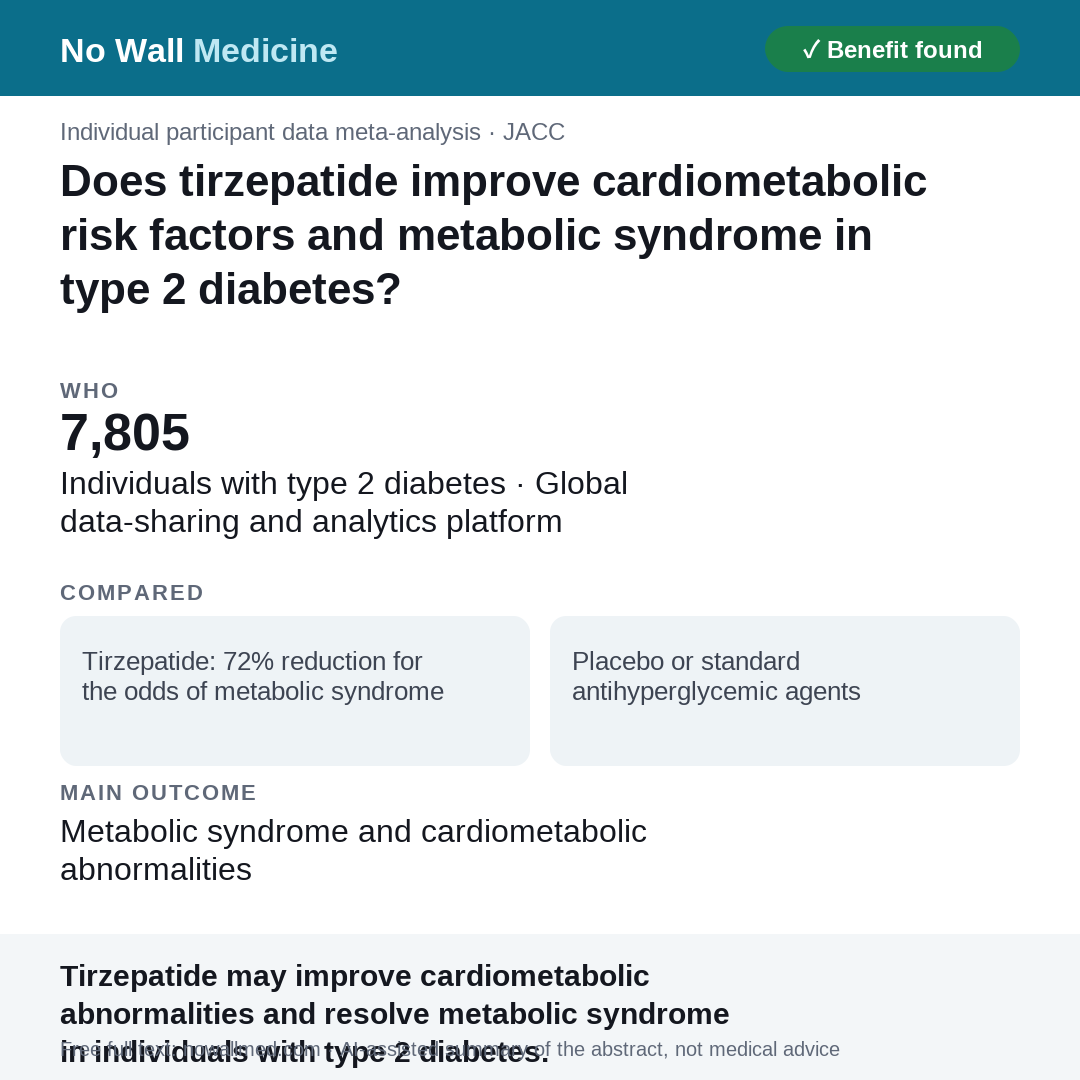
Effects of Tirzepatide in Type 2 Diabetes: Individual Variation and Relationship to Cardiometabolic Outcomes
Individual participant data meta-analysisBenefit found
Does tirzepatide improve cardiometabolic risk factors and metabolic syndrome in type 2 diabetes?
Who
7,805
Individuals with type 2 diabetes · Global data-sharing and analytics platform
Compared
Tirzepatide: 72% reduction for the odds of metabolic syndrome
Placebo or standard antihyperglycemic agents
Main outcome
Metabolic syndrome and cardiometabolic abnormalities
Result: OR 0.28 (95% CI 0.24 to 0.33) for metabolic syndrome
Bottom line: Tirzepatide may improve cardiometabolic abnormalities and resolve metabolic syndrome in individuals with type 2 diabetes.
JACC · 2025-03-30Download image
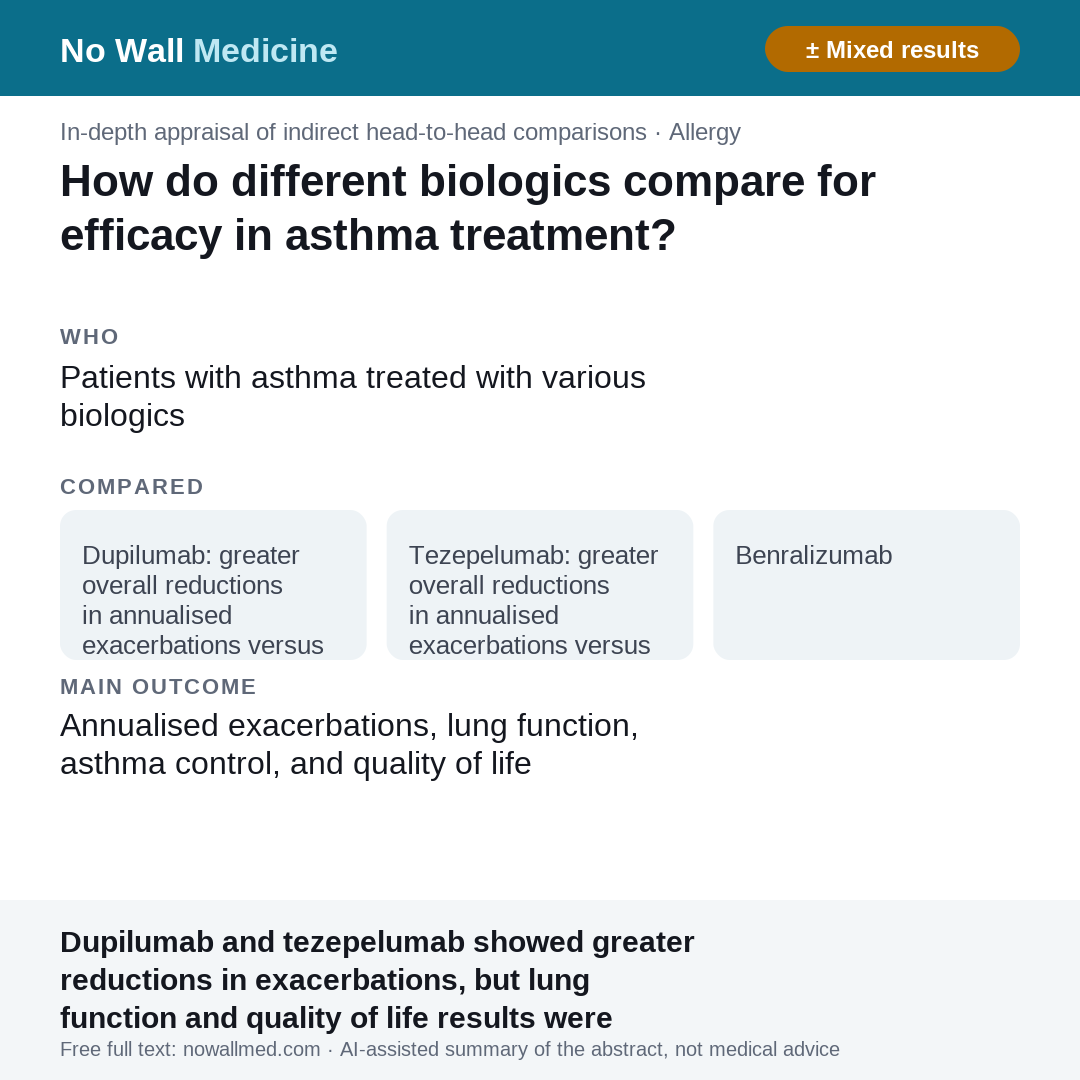
Head-To-Head Comparison of Biologic Efficacy in Asthma: What Have We Learned?
In-depth appraisal of indirect head-to-head comparisonsMixed results
How do different biologics compare for efficacy in asthma treatment?
Who
Patients with asthma treated with various biologics
Compared
Dupilumab: greater overall reductions in annualised exacerbations versus mepolizumab or benralizumab
Tezepelumab: greater overall reductions in annualised exacerbations versus benralizumab
Benralizumab
Main outcome
Annualised exacerbations, lung function, asthma control, and quality of life
Bottom line: Dupilumab and tezepelumab showed greater reductions in exacerbations, but lung function and quality of life results were mixed.
Allergy · 2025-03-29Download image
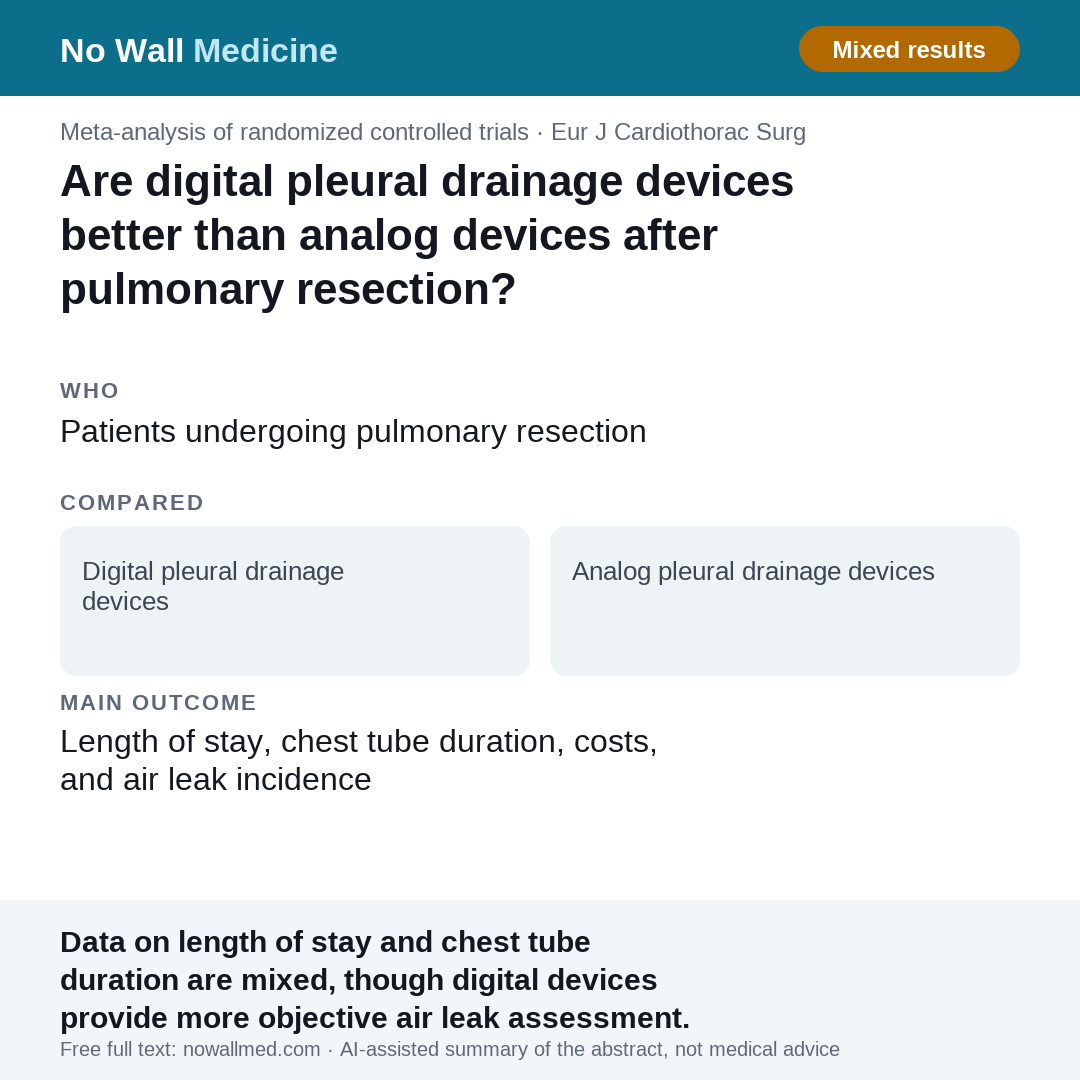
Digital pleural versus analog drainage devices for postoperative management of patients after pulmonary resection
Meta-analysis of randomized controlled trialsMixed results
Are digital pleural drainage devices better than analog devices after pulmonary resection?
Who
Patients undergoing pulmonary resection
Compared
Digital pleural drainage devices
Analog pleural drainage devices
Main outcome
Length of stay, chest tube duration, costs, and air leak incidence
Bottom line: Data on length of stay and chest tube duration are mixed, though digital devices provide more objective air leak assessment.
Eur J Cardiothorac Surg · 2025-03-29Download image
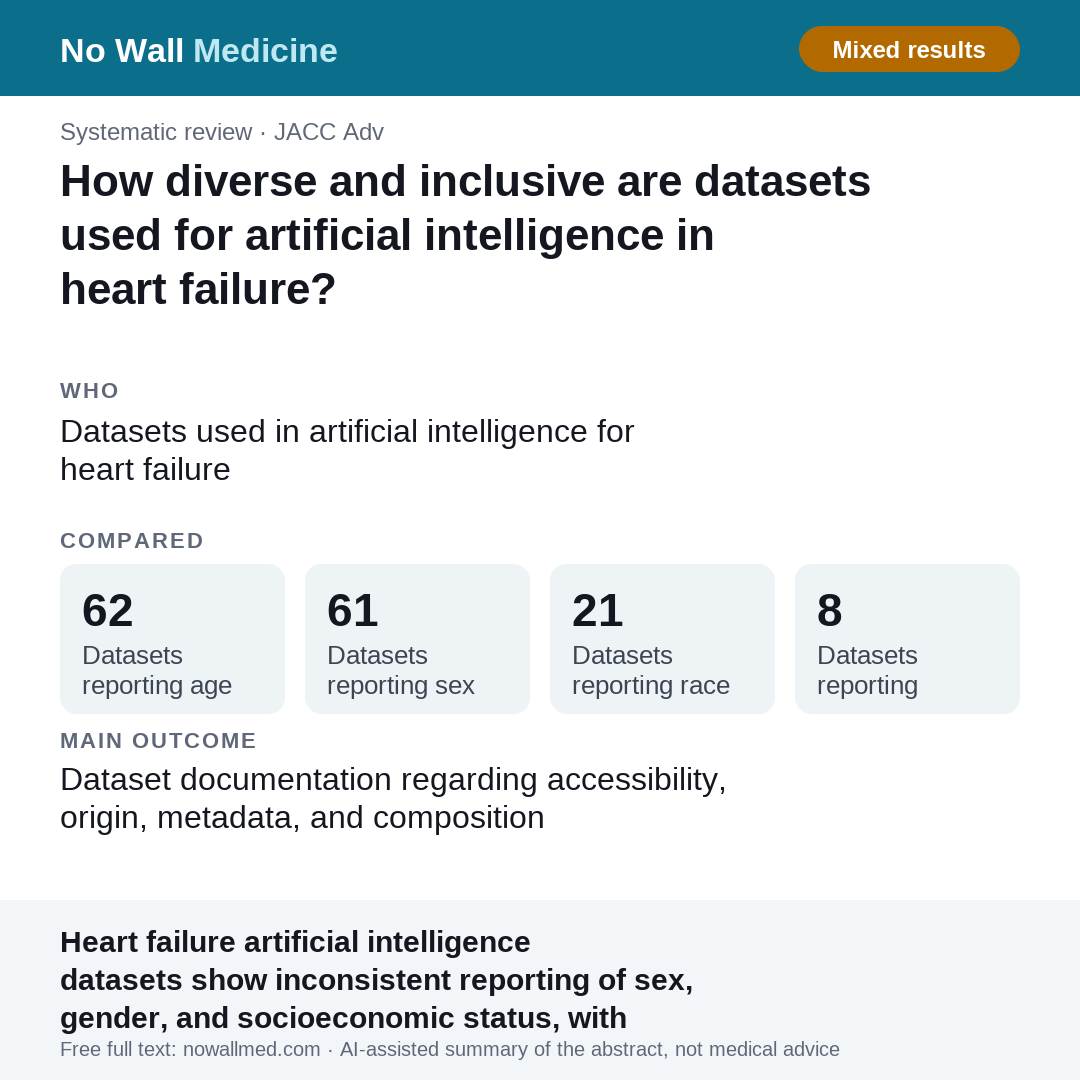
Diversity and Inclusion Within Datasets in Heart Failure: A Systematic Review
Systematic reviewMixed results
How diverse and inclusive are datasets used for artificial intelligence in heart failure?
Who
Datasets used in artificial intelligence for heart failure
Compared
62Datasets reporting age (86%)
61Datasets reporting sex or gender (85%)
21Datasets reporting race and/or ethnicity (29%)
8Datasets reporting socioeconomic status (11%)
Main outcome
Dataset documentation regarding accessibility, origin, metadata, and composition
Bottom line: Heart failure artificial intelligence datasets show inconsistent reporting of sex, gender, and socioeconomic status, with limited race and ethnicity data.
JACC Adv · 2025-03-29Download image
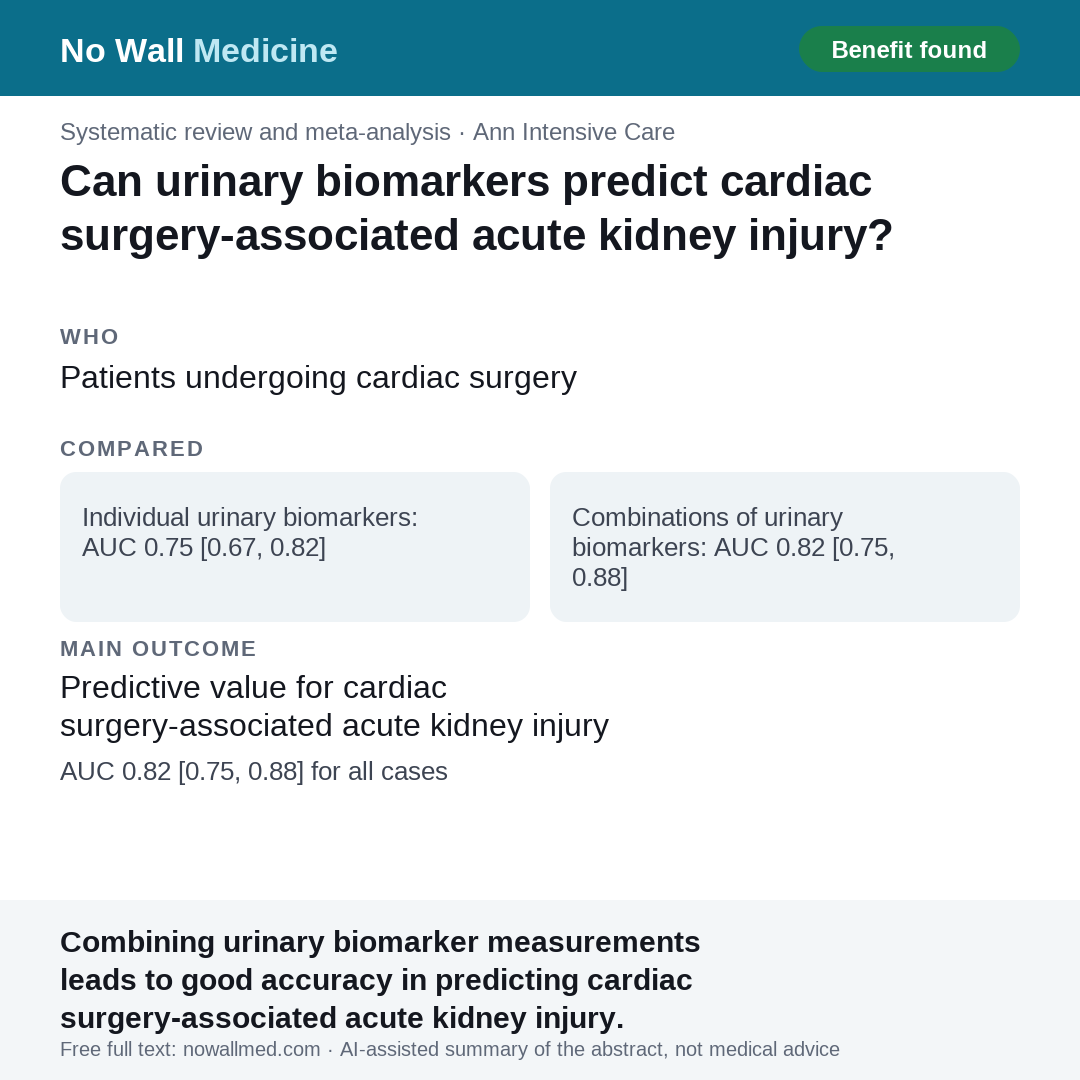
Combination of urinary biomarkers can predict cardiac surgery-associated acute kidney injury: a systematic review and meta-analysis
Systematic review and meta-analysisKey finding
Can urinary biomarkers predict cardiac surgery-associated acute kidney injury?
Who
Patients undergoing cardiac surgery
Compared
Individual urinary biomarkers: AUC 0.75 [0.67, 0.82]
Combinations of urinary biomarkers: AUC 0.82 [0.75, 0.88]
Main outcome
Predictive value for cardiac surgery-associated acute kidney injury
Result: AUC 0.82 [0.75, 0.88] for all cases
Bottom line: Combining urinary biomarker measurements leads to good accuracy in predicting cardiac surgery-associated acute kidney injury.
Ann Intensive Care · 2025-03-29Download image
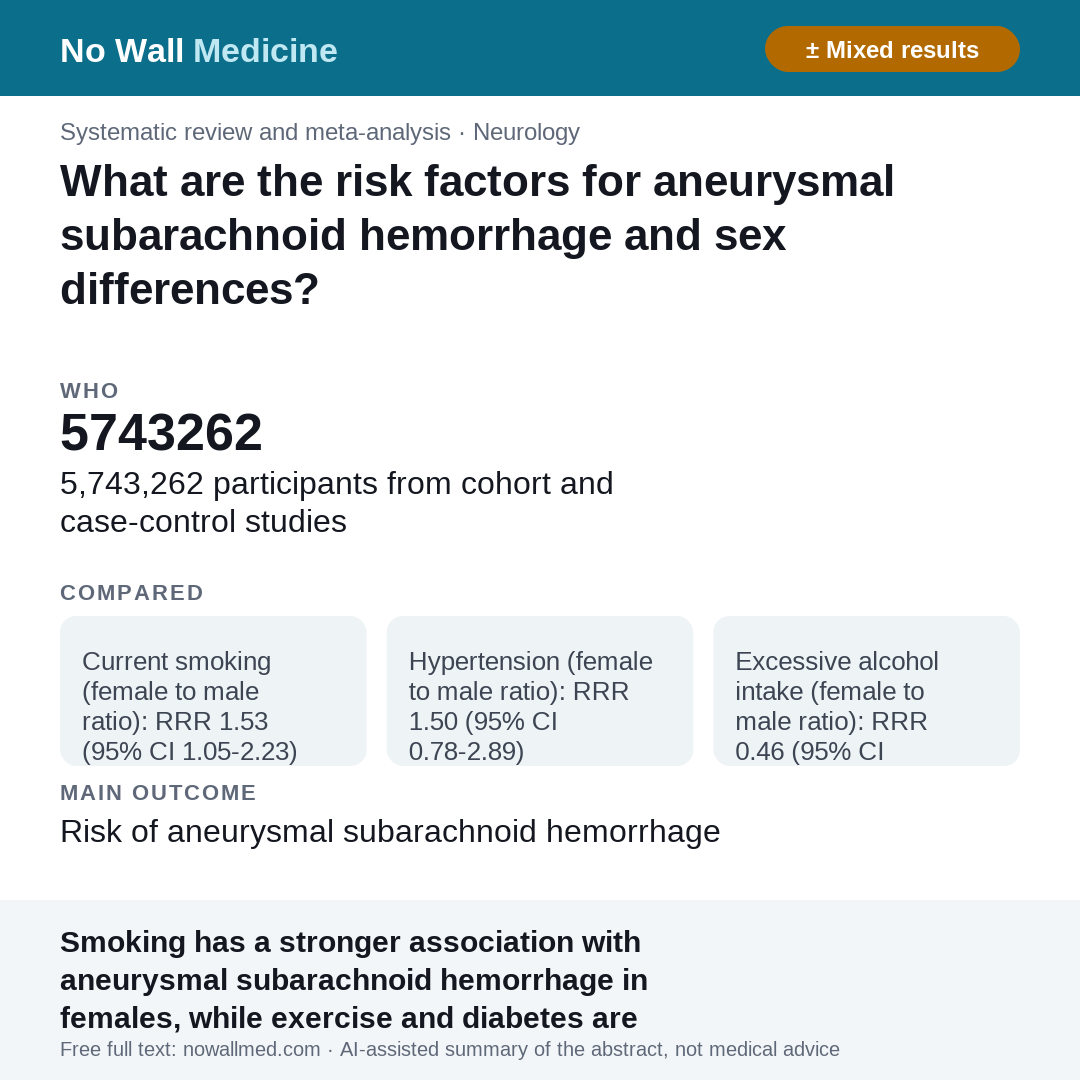
Risk Factors of Aneurysmal Subarachnoid Hemorrhage Including Analysis by Sex: A Systematic Review and Meta-Analysis
Systematic review and meta-analysisMixed results
What are the risk factors for aneurysmal subarachnoid hemorrhage and sex differences?
Who
5743262
5,743,262 participants from cohort and case-control studies
Compared
Current smoking (female to male ratio): RRR 1.53 (95% CI 1.05-2.23)
Hypertension (female to male ratio): RRR 1.50 (95% CI 0.78-2.89)
Excessive alcohol intake (female to male ratio): RRR 0.46 (95% CI 0.13-1.63)
Main outcome
Risk of aneurysmal subarachnoid hemorrhage
Bottom line: Smoking has a stronger association with aneurysmal subarachnoid hemorrhage in females, while exercise and diabetes are associated with reduced risk.
Limitation: Most studies contained potential sources of bias.
Neurology · 2025-03-28Download image
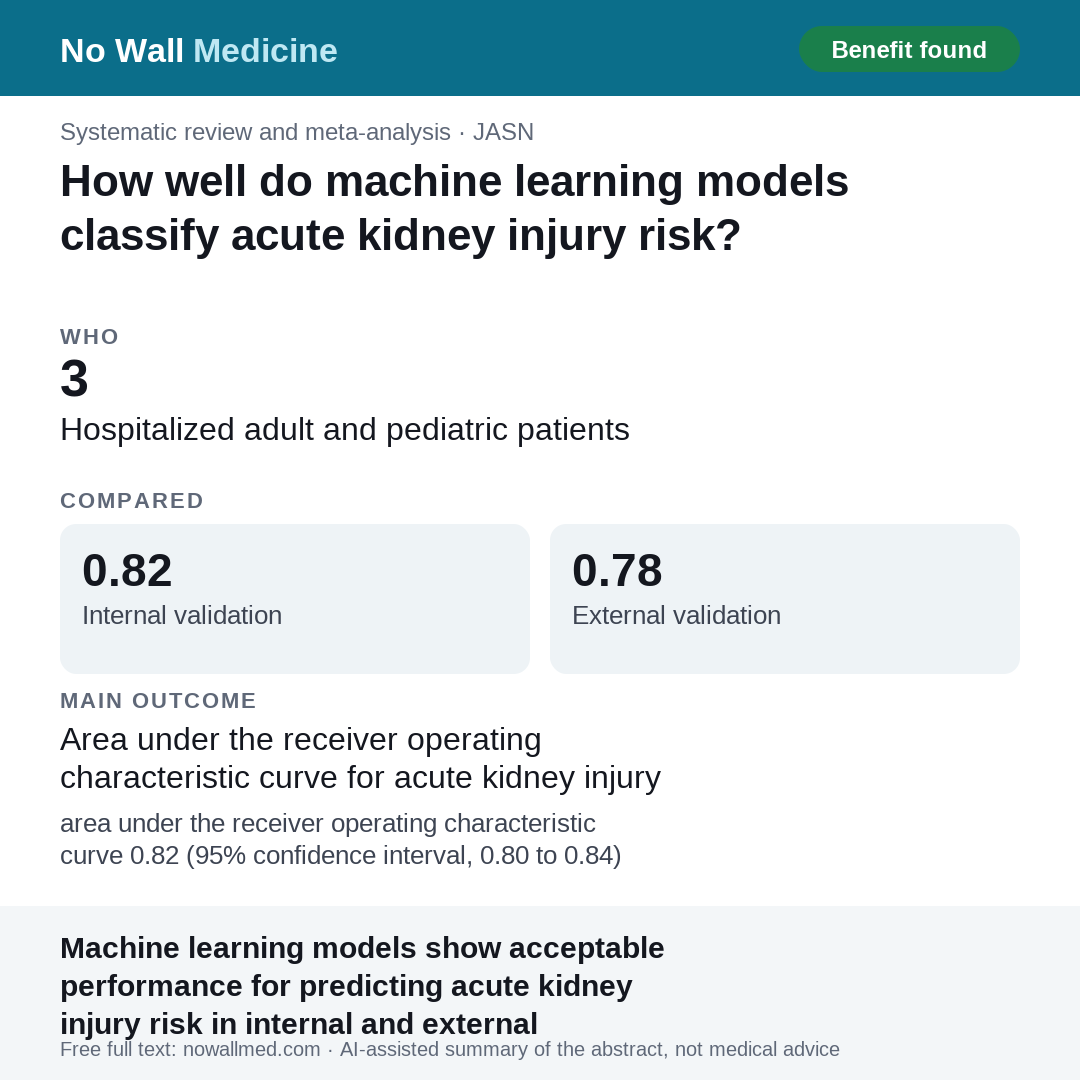
Systematic Review and Meta-Analysis of Machine Learning Models for Acute Kidney Injury Risk Classification
Systematic review and meta-analysisKey finding
How well do machine learning models classify acute kidney injury risk?
Who
3
Hospitalized adult and pediatric patients
Compared
0.82Internal validation (95% confidence interval, 0.80 to 0.84)
0.78External validation (95% confidence interval, 0.76 to 0.80)
Main outcome
Area under the receiver operating characteristic curve for acute kidney injury onset
Result: area under the receiver operating characteristic curve 0.82 (95% confidence interval, 0.80 to 0.84)
Bottom line: Machine learning models show acceptable performance for predicting acute kidney injury risk in internal and external validations.
Limitation: High heterogeneity and high risk of bias in most studies limit real-world implementation.
JASN · 2025-03-28Download image
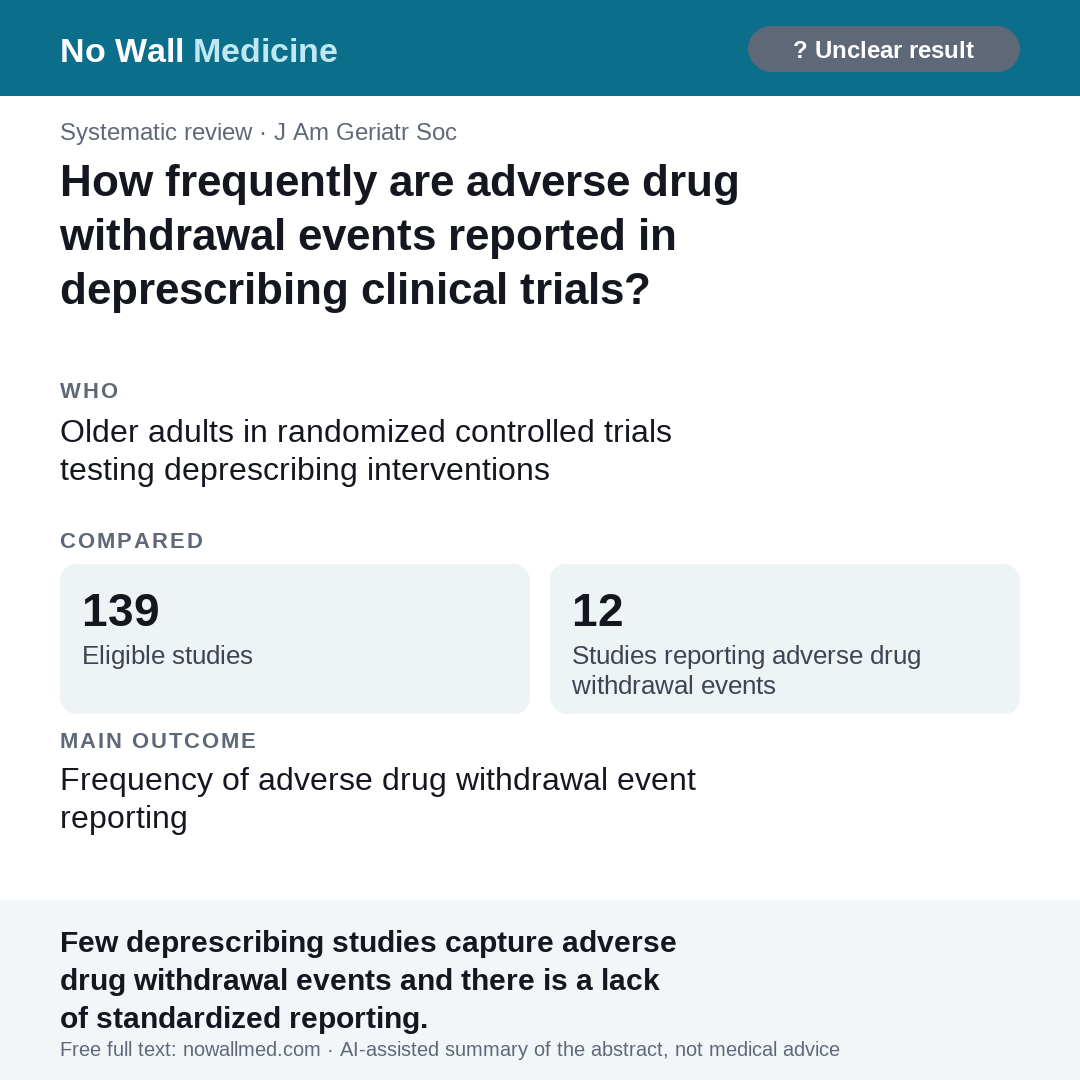
Criteria to Report Adverse Drug Withdrawal Events in Clinical Trials: A Systematic Review
Systematic reviewUnclear result
How frequently are adverse drug withdrawal events reported in deprescribing clinical trials?
Who
Older adults in randomized controlled trials testing deprescribing interventions
Compared
139Eligible studies
12Studies reporting adverse drug withdrawal events
Main outcome
Frequency of adverse drug withdrawal event reporting
Bottom line: Few deprescribing studies capture adverse drug withdrawal events and there is a lack of standardized reporting.
J Am Geriatr Soc · 2025-03-28Download image
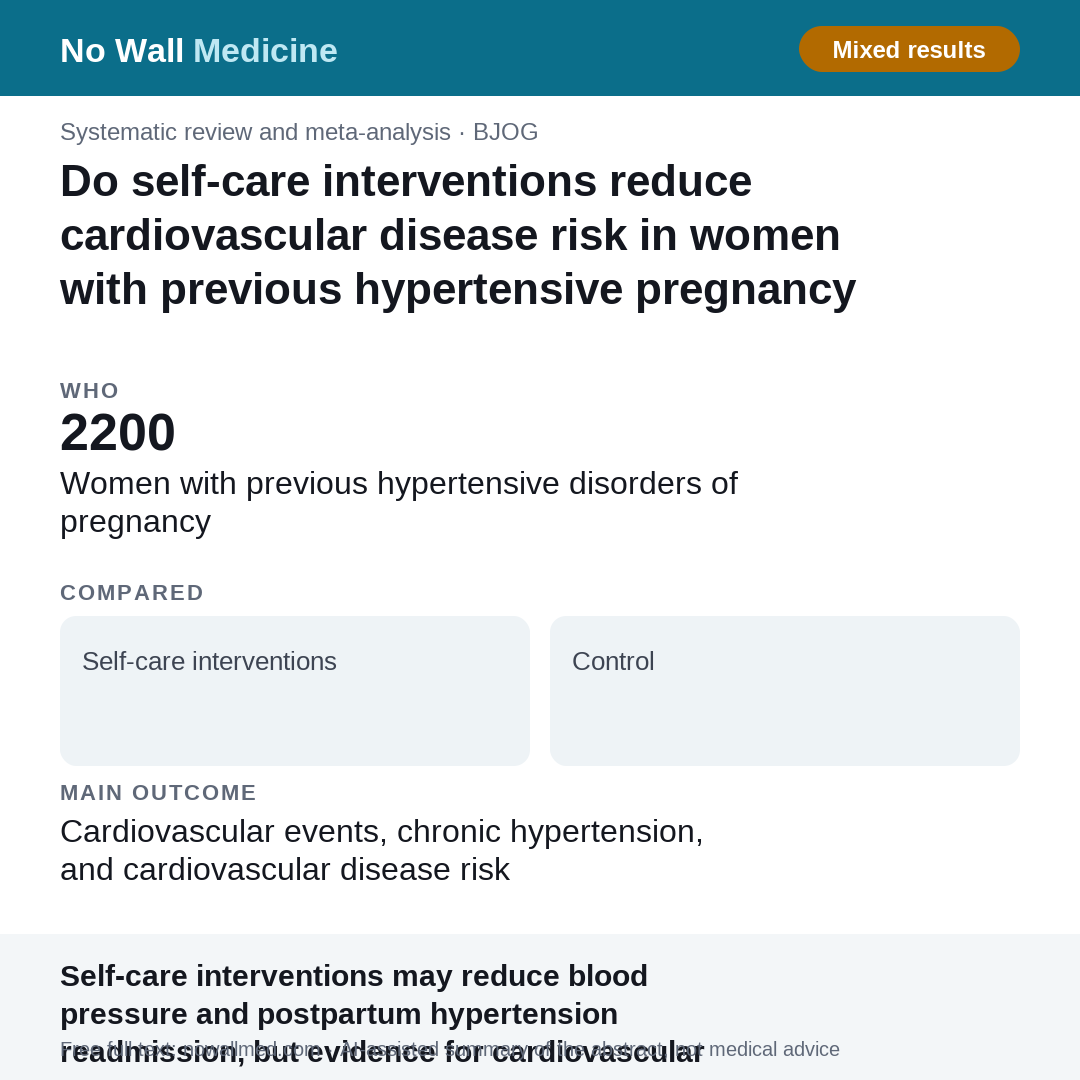
Self-Care Interventions for Preventing Cardiovascular Diseases After Hypertensive Pregnancy Disorders: A Systematic Review and Meta-Analysis
Systematic review and meta-analysisMixed results
Do self-care interventions reduce cardiovascular disease risk in women with previous hypertensive pregnancy disorders?
Who
2200
Women with previous hypertensive disorders of pregnancy
Compared
Self-care interventions
Control
Main outcome
Cardiovascular events, chronic hypertension, and cardiovascular disease risk
Result: mean difference from baseline (MD) -3.24; 95% CI -5.42, -1.06 mmHg
Bottom line: Self-care interventions may reduce blood pressure and postpartum hypertension readmission, but evidence for cardiovascular disease prevention is limited.
Limitation: Limited evidence and insufficient studies to pool results for cardiovascular events and chronic hypertension.
BJOG · 2025-03-28Download image