Visual abstracts
New randomized trials and meta-analyses from leading journals at a glance: who was studied, what was compared, and what was found. Every paper is free to read in full.
All specialtiesCardiology 4763Oncology 4042Gastroenterology & Hepatology 1902Infectious Disease 3756Neurology 1872Psychiatry & Mental Health 2214Pulmonology 2042Critical Care 1319Endocrinology & Diabetes 2544Pediatrics 2889Surgery 2479Orthopedics & Sports Medicine 917Neurosurgery 525Cardiothoracic & Vascular Surgery 656Plastic & Reconstructive Surgery 574Nephrology 1107Rheumatology 810Hematology 1090Dermatology 611Ophthalmology 532Obstetrics & Gynecology 1645Public & Global Health 1037Radiology & Imaging 617Anesthesiology 957Urology 745ENT (Otolaryngology) 494Emergency Medicine 481Allergy & Immunology 309Geriatrics 972Family Medicine & Primary Care 533Medical Genetics & Genomics 659Pathology & Laboratory Medicine 156Physical Medicine & Rehabilitation 734Palliative Care 421Nutrition 1560Digital Health & AI 2133General Medicine 318
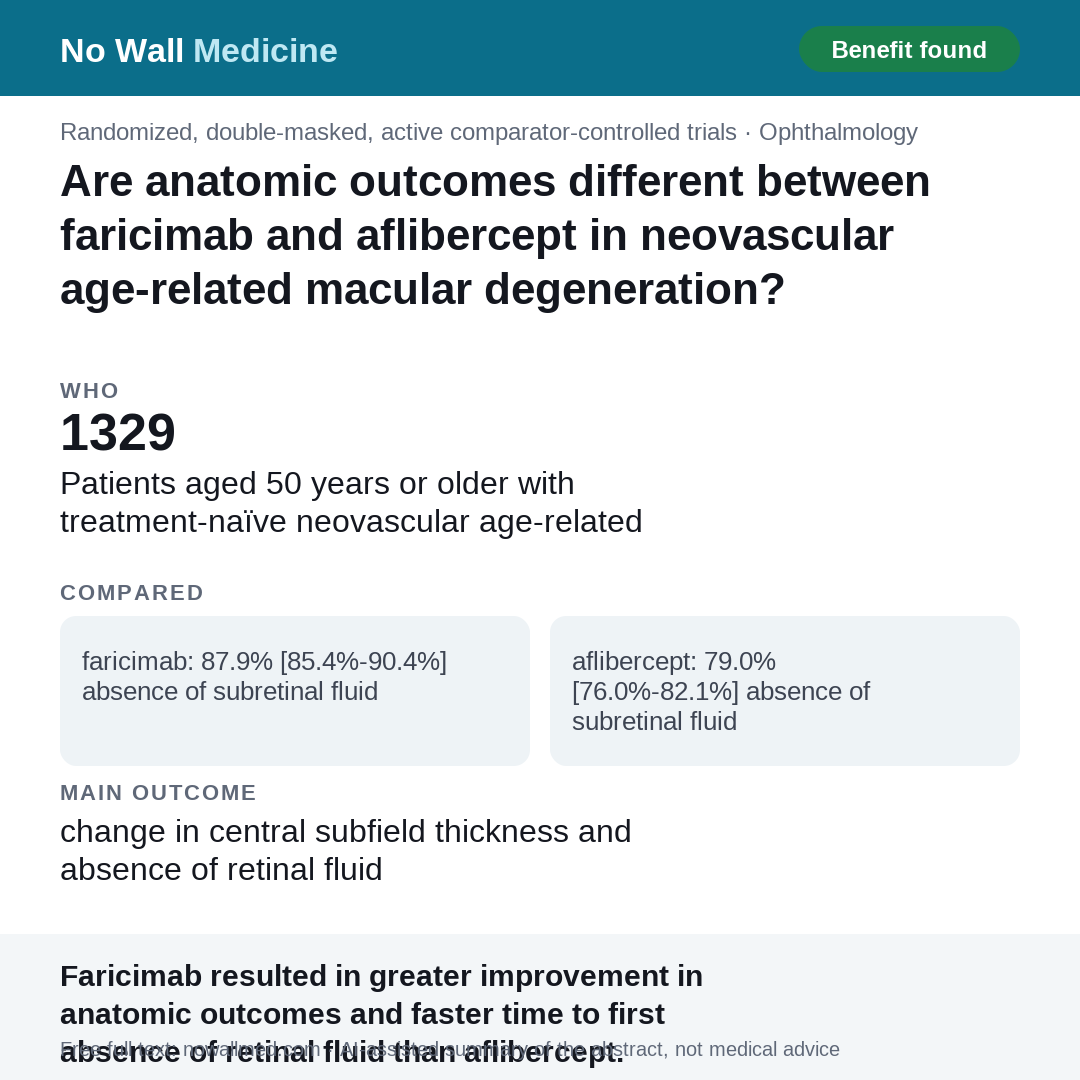
Anatomic Outcomes with Faricimab vs Aflibercept in Head-to-Head Dosing Phase of the TENAYA/LUCERNE Trials in Neovascular Age-related Macular Degeneration
Randomized, double-masked, active comparator-controlled trialsBenefit found
Are anatomic outcomes different between faricimab and aflibercept in neovascular age-related macular degeneration?
Who
1329
Patients aged 50 years or older with treatment-naïve neovascular age-related macular degeneration
Compared
faricimab: 87.9% [85.4%-90.4%] absence of subretinal fluid
aflibercept: 79.0% [76.0%-82.1%] absence of subretinal fluid
Main outcome
change in central subfield thickness and absence of retinal fluid
Bottom line: Faricimab resulted in greater improvement in anatomic outcomes and faster time to first absence of retinal fluid than aflibercept.
Ophthalmology · 2024-11-30Download image
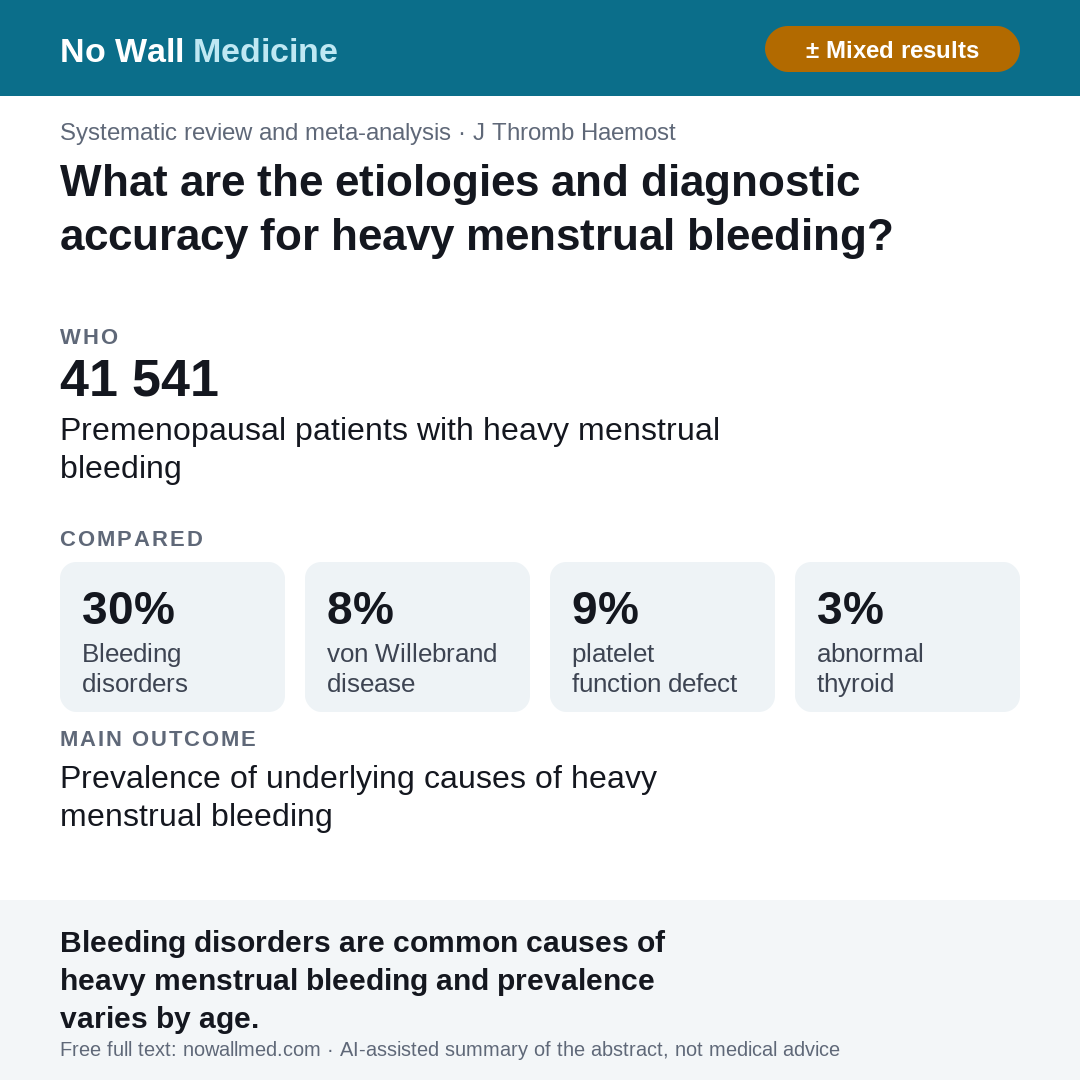
Etiology and diagnosis of heavy menstrual bleeding among adolescent and adult patients: a systematic review and meta-analysis of the literature
Systematic review and meta-analysisMixed results
What are the etiologies and diagnostic accuracy for heavy menstrual bleeding?
Who
41 541
Premenopausal patients with heavy menstrual bleeding
Compared
30%Bleeding disorders overall (95% CI, 14-46)
8%von Willebrand disease (95% CI, 7-10)
9%platelet function defect (95% CI, 7-12)
3%abnormal thyroid (95% CI, 0-6)
Main outcome
Prevalence of underlying causes of heavy menstrual bleeding
Bottom line: Bleeding disorders are common causes of heavy menstrual bleeding and prevalence varies by age.
J Thromb Haemost · 2024-11-30Download image
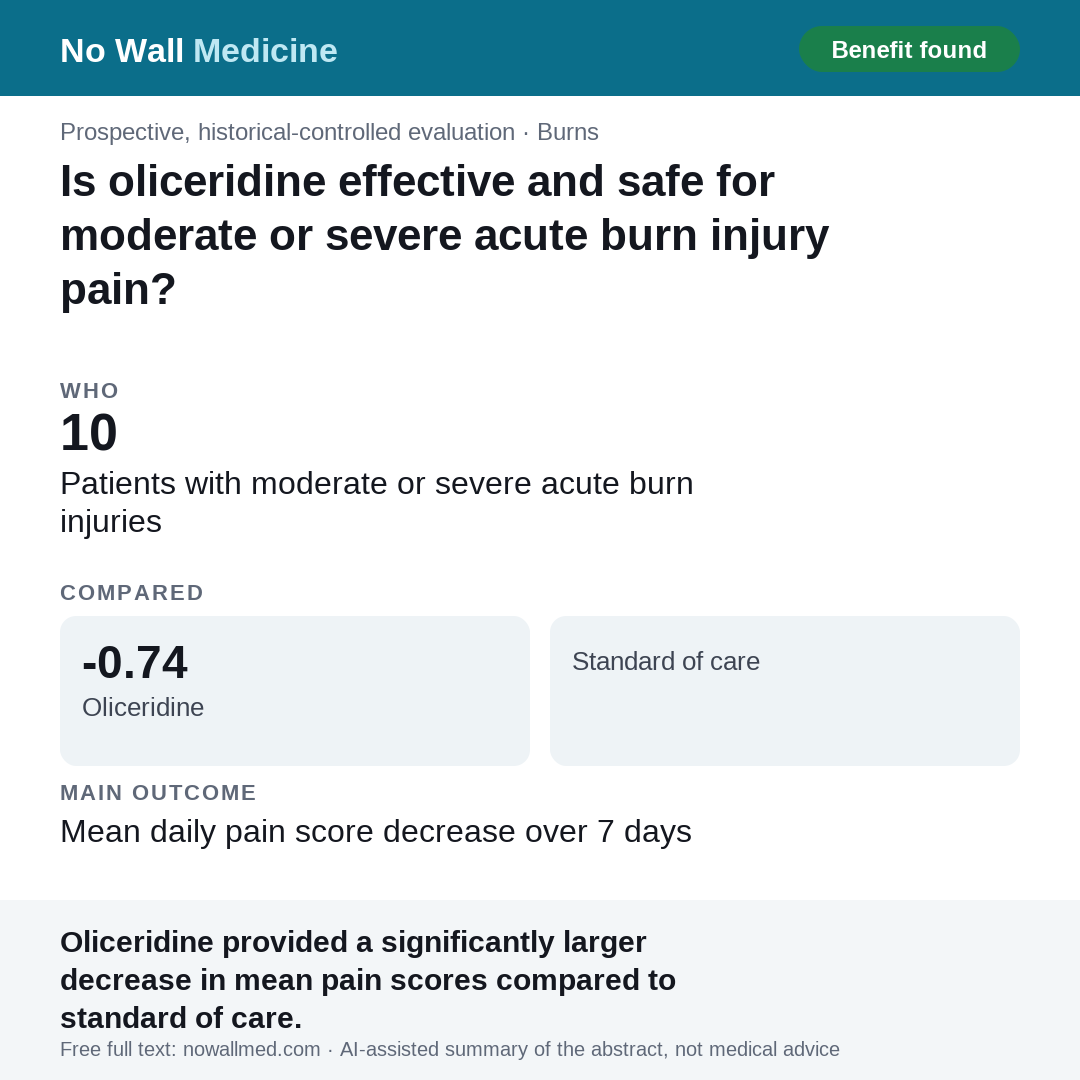
A prospective, historical-controlled evaluation of oliceridine for moderate or severe pain in patients with acute burn injuries (RELIEVE)
Prospective, historical-controlled evaluationKey finding
Is oliceridine effective and safe for moderate or severe acute burn injury pain?
Who
10
Patients with moderate or severe acute burn injuries
Compared
-0.74Oliceridine (-1.36, -0.12)
Standard of care
Main outcome
Mean daily pain score decrease over 7 days
Bottom line: Oliceridine provided a significantly larger decrease in mean pain scores compared to standard of care.
Limitation: Small sample size of ten patients and use of a historical control group.
Burns · 2024-11-30Download image
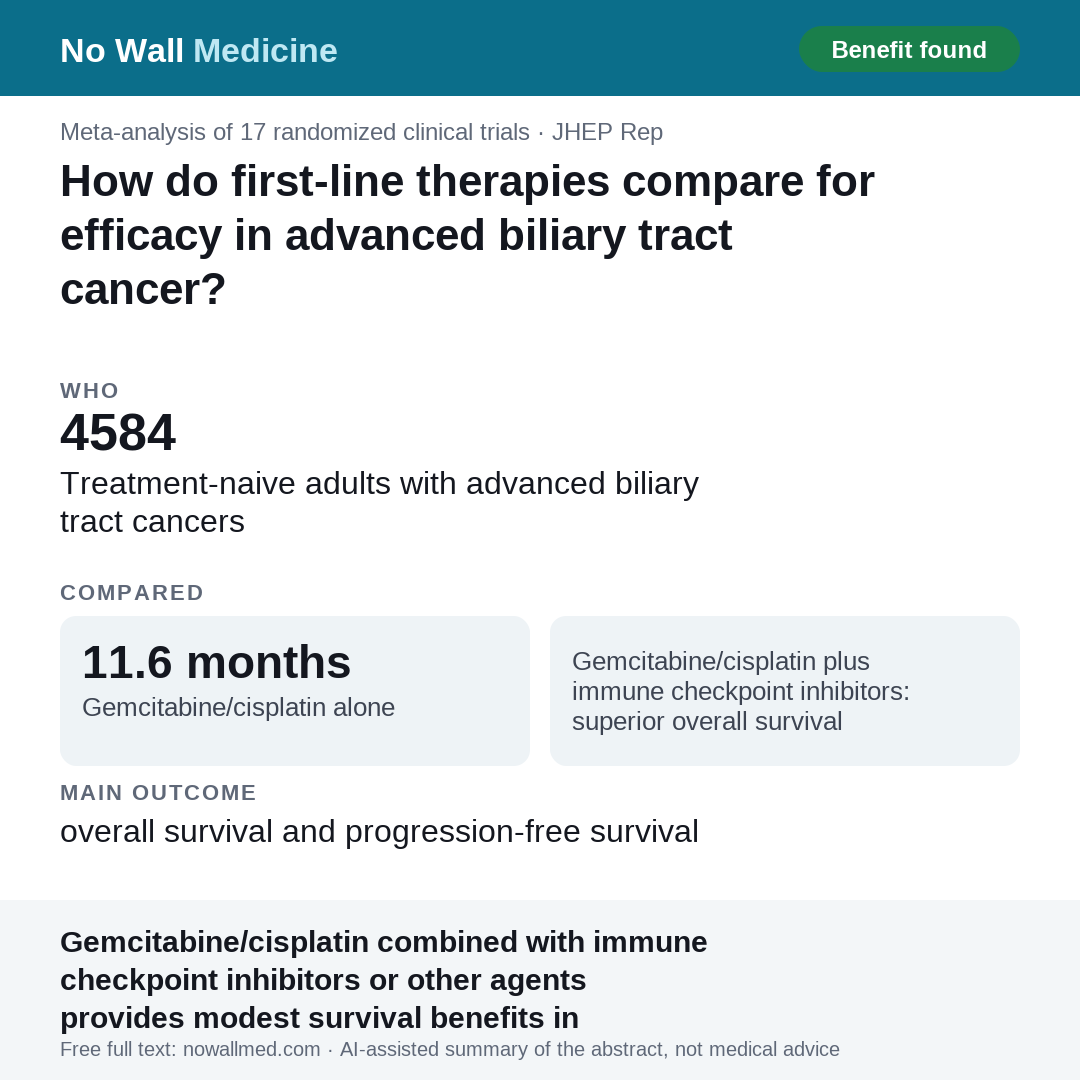
Recent advances in systemic therapy for advanced biliary tract cancer: A systematic review and meta-analysis using reconstructed RCT survival data
Meta-analysis of 17 randomized clinical trialsBenefit found
How do first-line therapies compare for efficacy in advanced biliary tract cancer?
Who
4584
Treatment-naive adults with advanced biliary tract cancers
Compared
11.6 monthsGemcitabine/cisplatin alone
Gemcitabine/cisplatin plus immune checkpoint inhibitors: superior overall survival
Main outcome
overall survival and progression-free survival
Result: hazard ratio 0.99 (95% CI 0.98-0.99) for GemCis plus pembrolizumab
Bottom line: Gemcitabine/cisplatin combined with immune checkpoint inhibitors or other agents provides modest survival benefits in advanced biliary tract cancer.
Limitation: Further improvements may require biomarker identification to optimize patient selection.
JHEP Rep · 2024-11-30Download image
Examining the effectiveness of motor imagery combined with non-invasive brain stimulation for upper limb recovery in stroke patients: a systematic review and meta-analysis of randomized clinical trials
Meta-analysis of 14 randomized clinical trialsBenefit found
Is combining motor imagery with non-invasive brain stimulation superior to either alone for stroke recovery?
Who
886
Stroke patients
Compared
Motor imagery combined with non-invasive brain stimulation
Motor imagery or non-invasive brain stimulation alone
Main outcome
Fugl-Meyer assessment of the upper extremity and modified Barthel Index
Result: MD = 5.43 (95% CI 4.34-6.53) for Fugl-Meyer assessment of the upper extremity; MD = 11.07 (95% CI 6.33-15.80) for modified Barthel Index
Bottom line: Combining motor imagery with non-invasive brain stimulation improves upper limb motor function and activities of daily living after stroke.
J Neuroeng Rehabil · 2024-11-30Download image

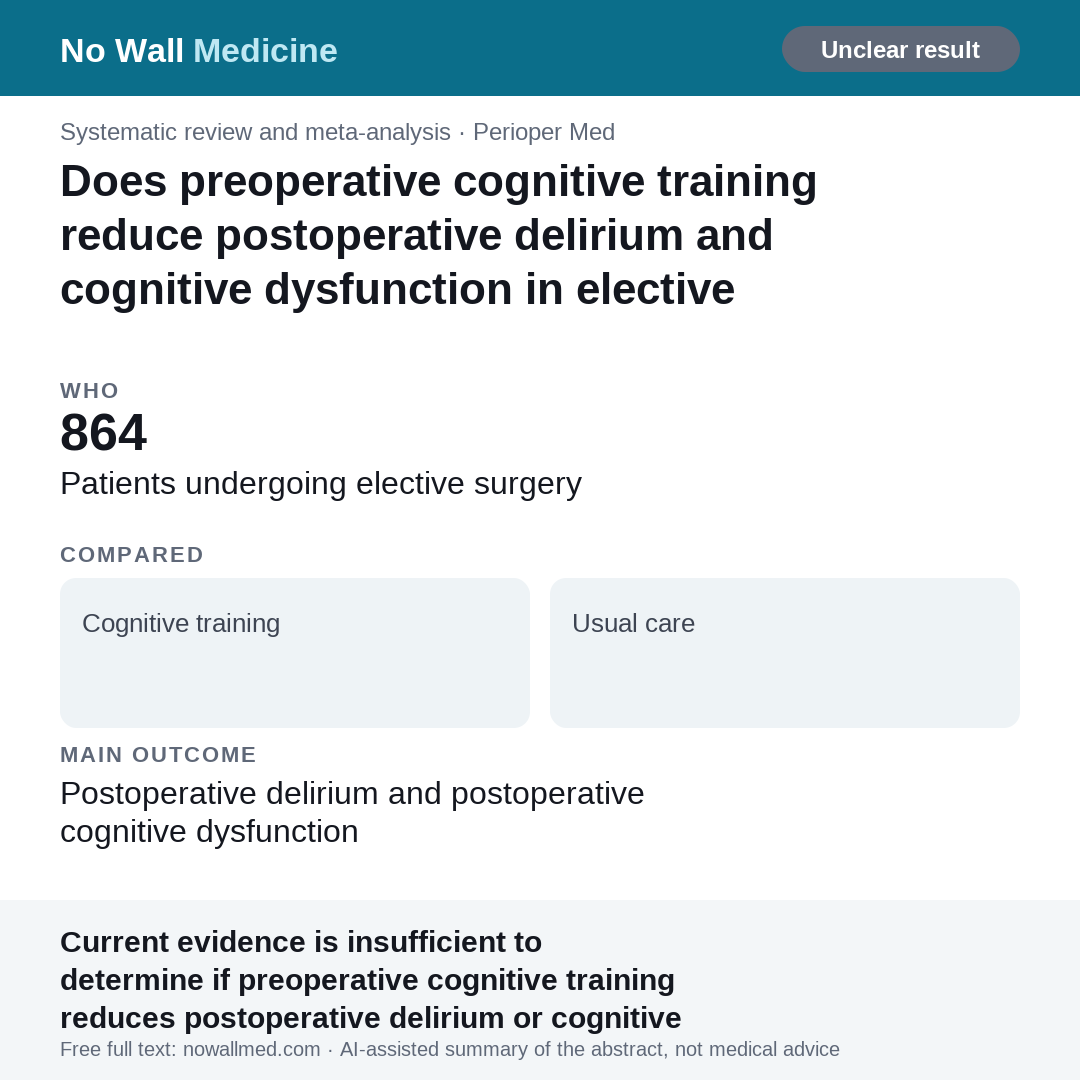
Preoperative cognitive training for the prevention of postoperative delirium and cognitive dysfunction: a systematic review and meta-analysis
Systematic review and meta-analysisUnclear result
Does preoperative cognitive training reduce postoperative delirium and cognitive dysfunction in elective surgery patients?
Who
864
Patients undergoing elective surgery
Compared
Cognitive training
Usual care
Main outcome
Postoperative delirium and postoperative cognitive dysfunction
Result: risk ratio 0.82 (95% CI 0.57-1.18) for delirium; risk ratio 0.93 (95% CI 0.58-1.49) for cognitive dysfunction
Bottom line: Current evidence is insufficient to determine if preoperative cognitive training reduces postoperative delirium or cognitive dysfunction.
Limitation: Sample sizes were insufficient to exclude effectiveness and compliance was mostly below 70%.
Perioper Med · 2024-11-30Download image
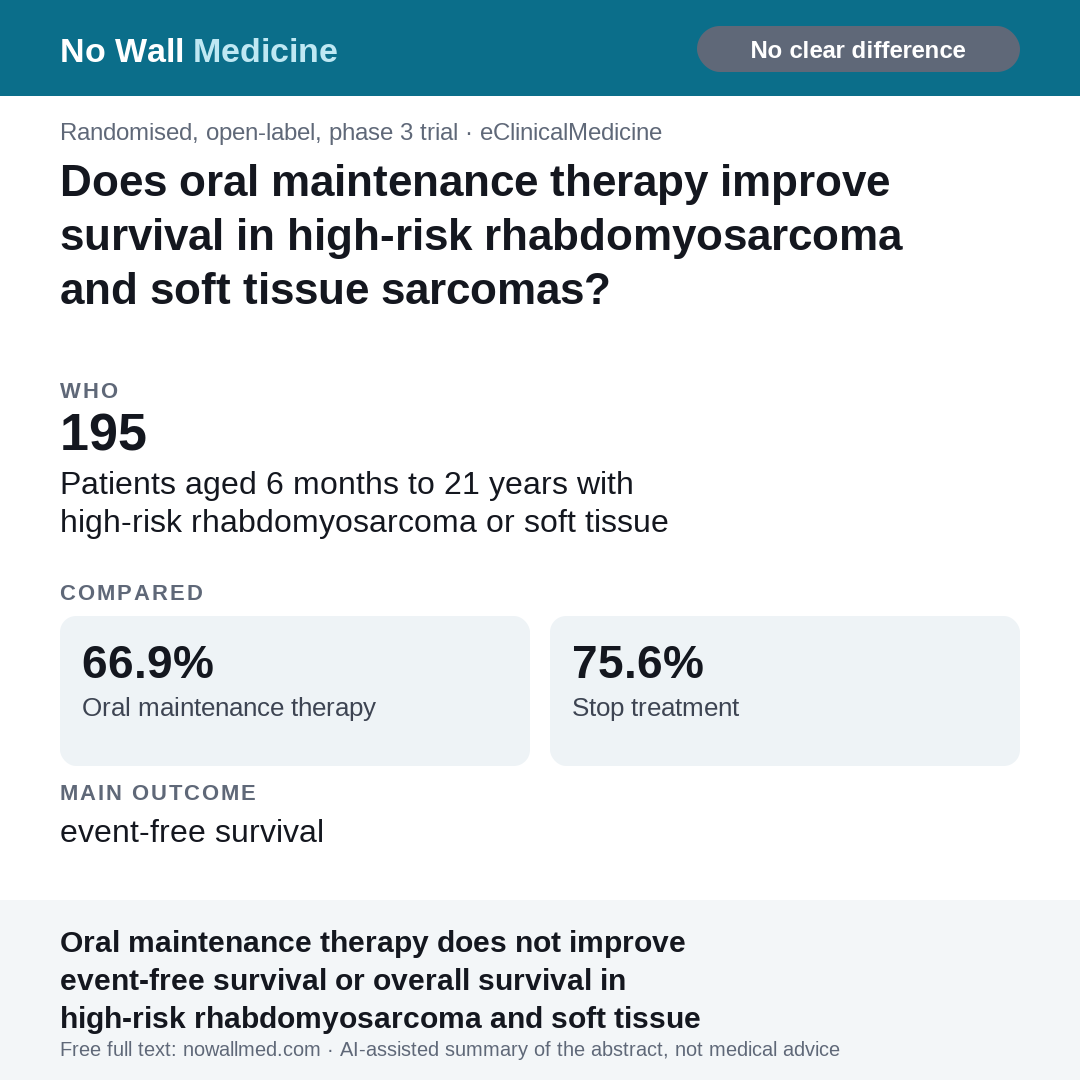
Maintenance therapy with trofosfamide, idarubicin and etoposide in patients with rhabdomyosarcoma and other high-risk soft tissue sarcomas (CWS-2007-HR): a multicentre, open-label, randomised controlled phase 3 trial
Randomised, open-label, phase 3 trialNo clear difference
Does oral maintenance therapy improve survival in high-risk rhabdomyosarcoma and soft tissue sarcomas?
Who
195
Patients aged 6 months to 21 years with high-risk rhabdomyosarcoma or soft tissue sarcomas · 87 centers in 5 countries
Compared
66.9%Oral maintenance therapy (95% CI 58.1-77.2)
75.6%Stop treatment (67.6-84.6)
Main outcome
event-free survival
Result: hazard ratio 1.62 (95% CI 0.98-2.69)
Bottom line: Oral maintenance therapy does not improve event-free survival or overall survival in high-risk rhabdomyosarcoma and soft tissue sarcomas.
Funded by: Deutsche Kinderkrebsstiftung
eClinicalMedicine · 2024-11-29Download image
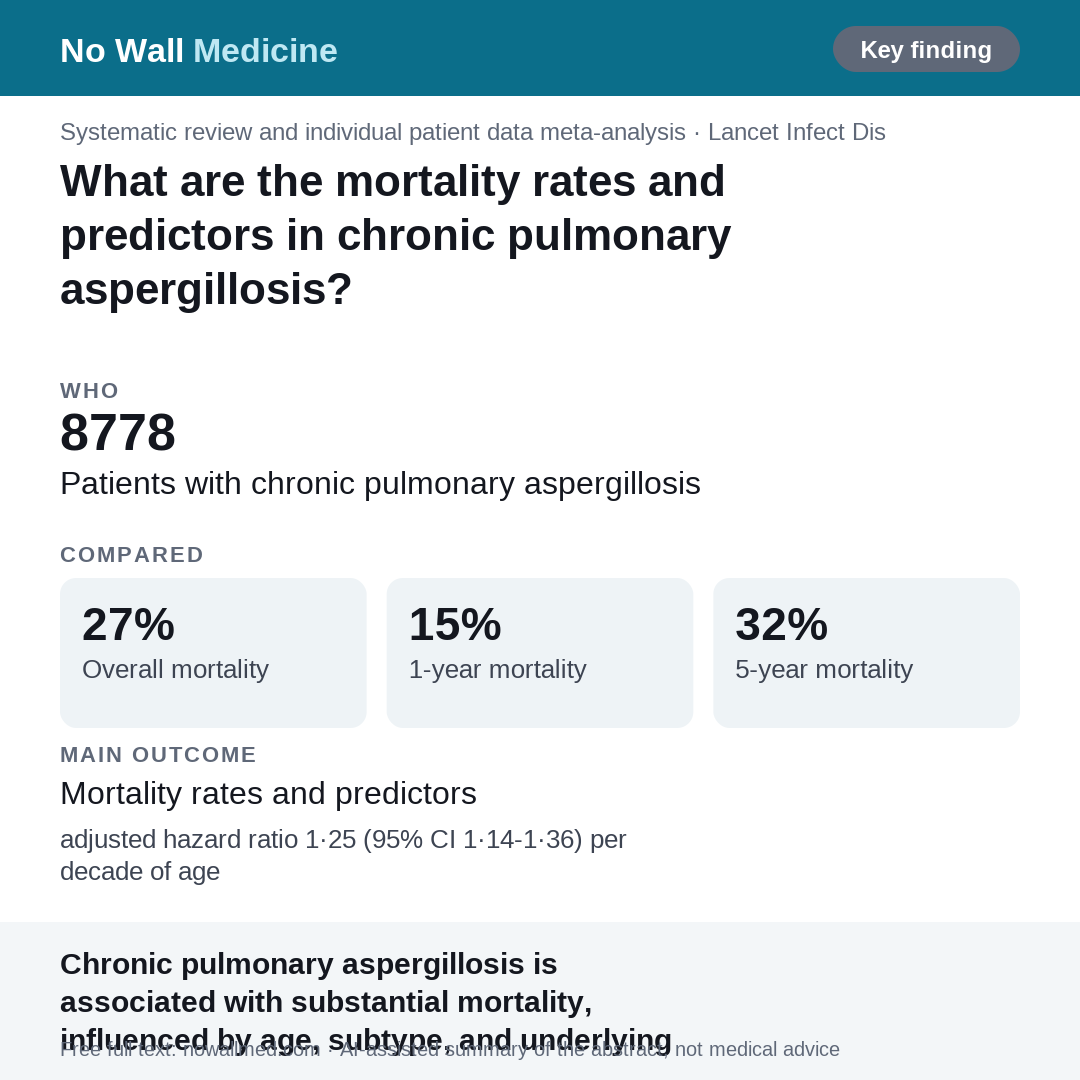
Mortality in chronic pulmonary aspergillosis: a systematic review and individual patient data meta-analysis
Systematic review and individual patient data meta-analysisKey finding
What are the mortality rates and predictors in chronic pulmonary aspergillosis?
Who
8778
Patients with chronic pulmonary aspergillosis
Compared
27%Overall mortality (95% CI 22-32)
15%1-year mortality (11-19)
32%5-year mortality (25-39)
Main outcome
Mortality rates and predictors
Result: adjusted hazard ratio 1·25 (95% CI 1·14-1·36) per decade of age
Bottom line: Chronic pulmonary aspergillosis is associated with substantial mortality, influenced by age, subtype, and underlying comorbidities.
Lancet Infect Dis · 2024-11-29Download image
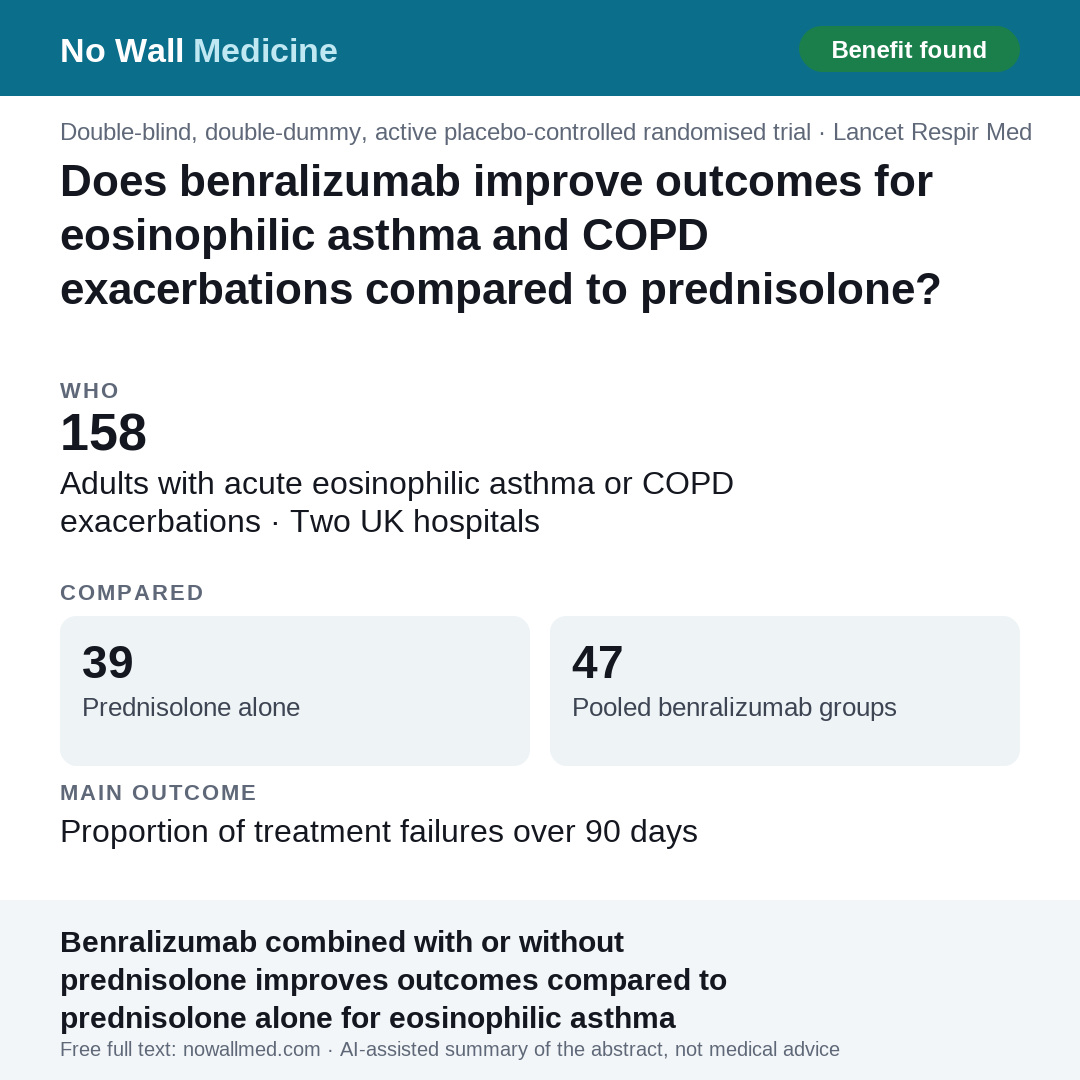
Treating eosinophilic exacerbations of asthma and COPD with benralizumab (ABRA): a double-blind, double-dummy, active placebo-controlled randomised trial
Double-blind, double-dummy, active placebo-controlled randomised trialEarly signal
Does benralizumab improve outcomes for eosinophilic asthma and COPD exacerbations compared to prednisolone?
Who
158
Adults with acute eosinophilic asthma or COPD exacerbations · Two UK hospitals
Compared
39Prednisolone alone (74%)
47Pooled benralizumab groups (45%)
Main outcome
Proportion of treatment failures over 90 days
Result: OR 0·26 (95% CI 0·13-0·56)
Bottom line: Benralizumab combined with or without prednisolone improves outcomes compared to prednisolone alone for eosinophilic asthma and COPD exacerbations.
Funded by: AstraZeneca
Lancet Respir Med · 2024-11-29Download image
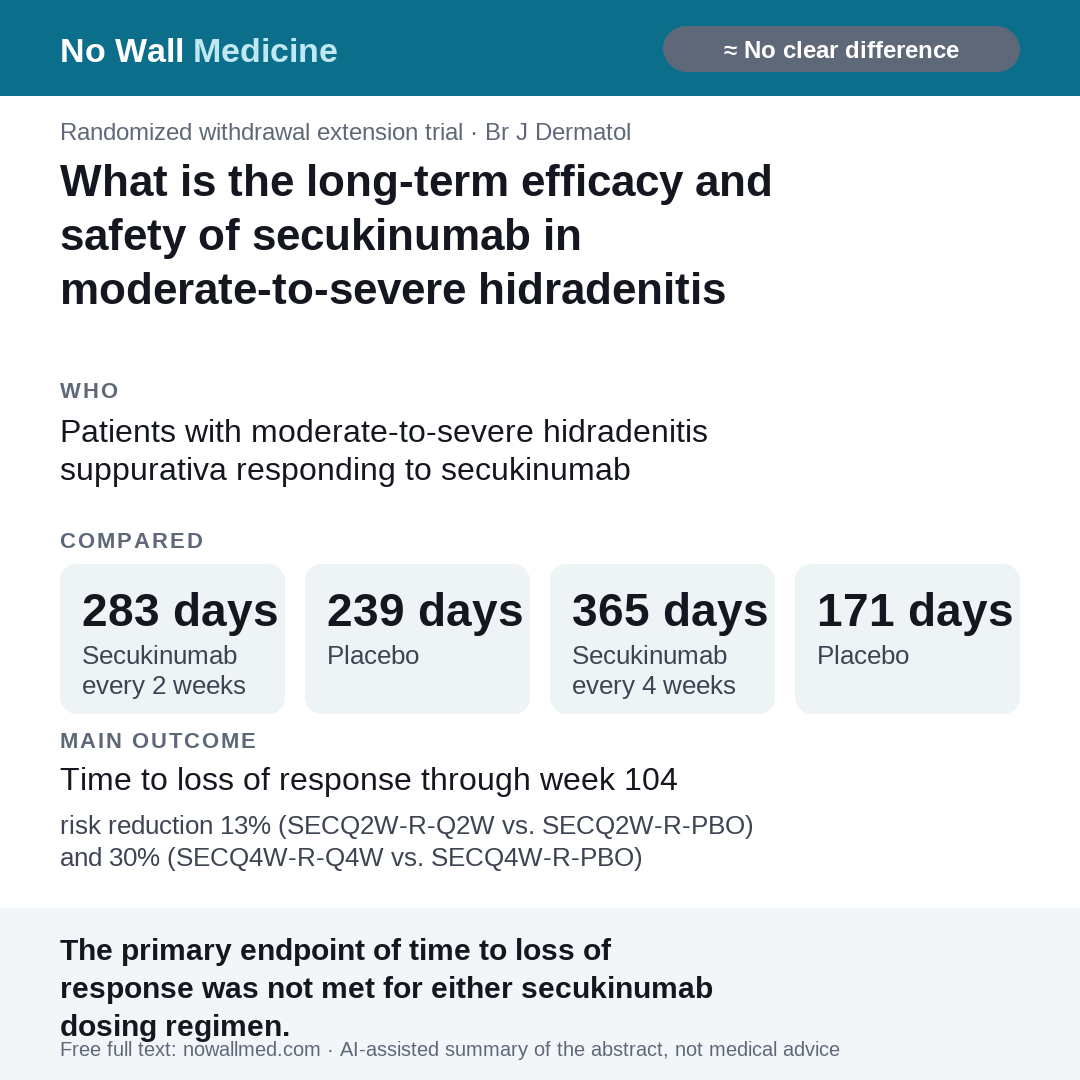
Long-term efficacy and safety of secukinumab in patients with moderate-to-severe hidradenitis suppurativa: week 104 results from the SUNSHINE and SUNRISE extension trial
Randomized withdrawal extension trialNo clear difference
What is the long-term efficacy and safety of secukinumab in moderate-to-severe hidradenitis suppurativa?
Who
Patients with moderate-to-severe hidradenitis suppurativa responding to secukinumab
Compared
283 daysSecukinumab every 2 weeks
239 daysPlacebo
365 daysSecukinumab every 4 weeks
171 daysPlacebo
Main outcome
Time to loss of response through week 104
Result: risk reduction 13% (SECQ2W-R-Q2W vs. SECQ2W-R-PBO) and 30% (SECQ4W-R-Q4W vs. SECQ4W-R-PBO)
Bottom line: The primary endpoint of time to loss of response was not met for either secukinumab dosing regimen.
Br J Dermatol · 2024-11-29Download image
Effects of psychoplastogens on blood levels of brain-derived neurotrophic factor (BDNF) in humans: a systematic review and meta-analysis
Systematic review and meta-analysisNo clear difference
Do psychoplastogens change peripheral brain-derived neurotrophic factor levels in humans?
Who
Humans exposed to psychoplastogens
Compared
Psychoplastogens
Control
Main outcome
Peripheral brain-derived neurotrophic factor levels
Result: standardized mean difference 0.024 (p = 0.64)
Bottom line: Psychoplastogens do not appear to elevate peripheral brain-derived neurotrophic factor levels in humans.
Limitation: Reliability and validity of brain-derived neurotrophic factor measurement and low variation in some moderators.
Funded by: University of Fribourg
Mol Psychiatry · 2024-11-29Download image

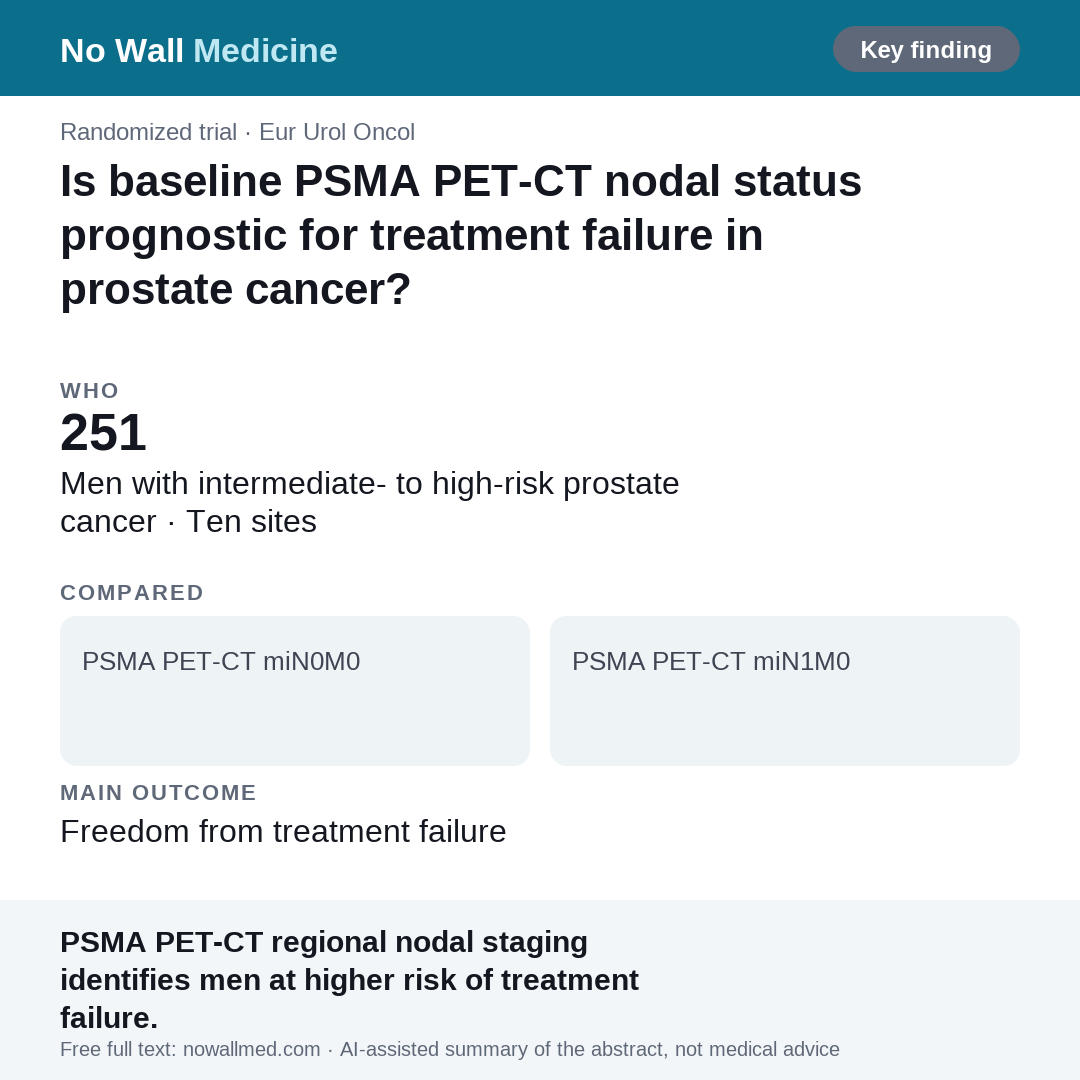
Baseline Nodal Status on 68Ga-PSMA-11 Positron Emission Tomography/Computed Tomography in Men with Intermediate- to High-risk Prostate Cancer Is Prognostic for Treatment Failure: Follow-up of the proPSMA Trial
Randomized trialKey finding
Is baseline PSMA PET-CT nodal status prognostic for treatment failure in prostate cancer?
Who
251
Men with intermediate- to high-risk prostate cancer · Ten sites
Compared
PSMA PET-CT miN0M0
PSMA PET-CT miN1M0
Main outcome
Freedom from treatment failure
Result: hazard ratio 2.1 (95% confidence interval 1.2-3.7)
Bottom line: PSMA PET-CT regional nodal staging identifies men at higher risk of treatment failure.
Eur Urol Oncol · 2024-11-29Download image
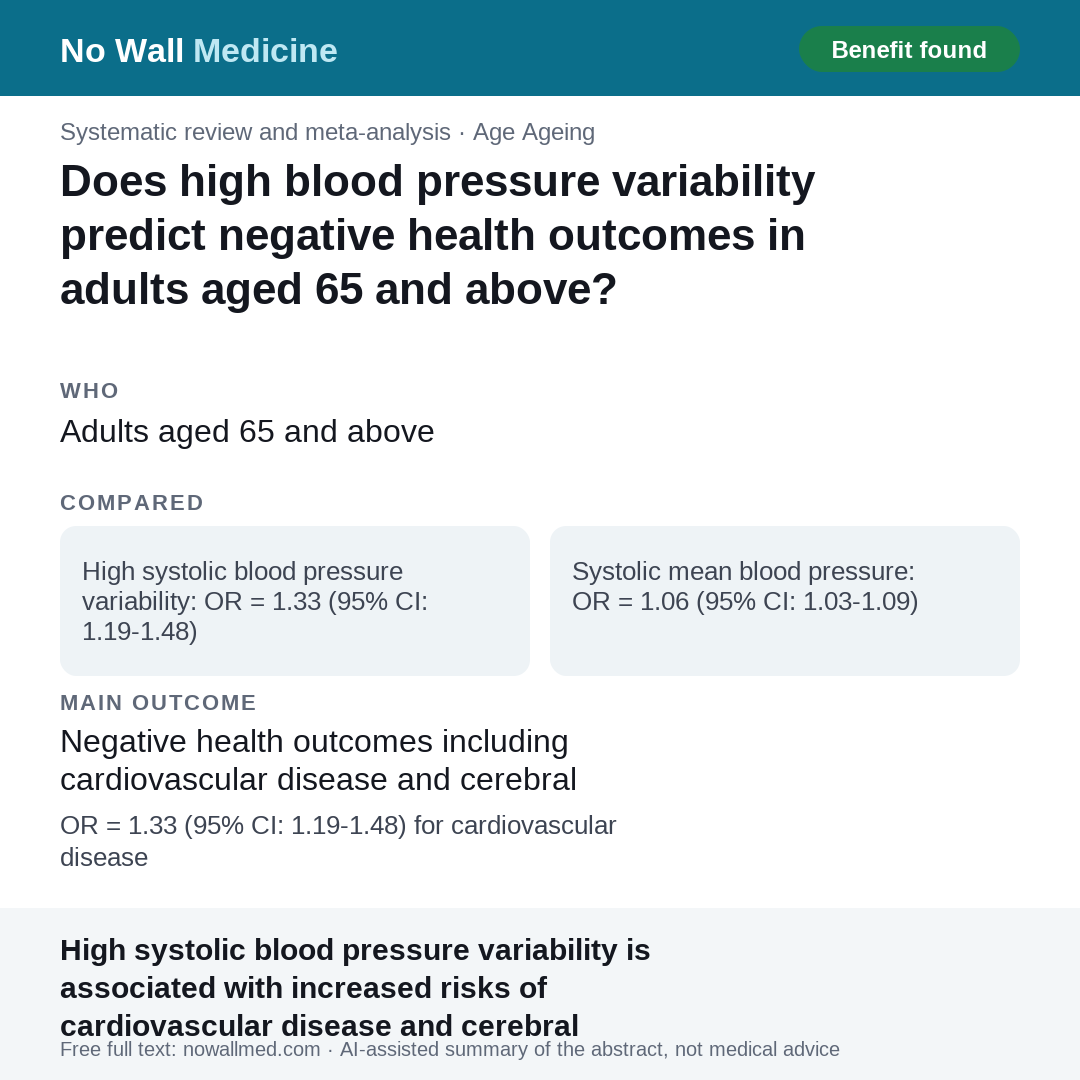
Elevated blood pressure variability is associated with an increased risk of negative health outcomes in adults aged 65 and above-a systematic review and meta-analysis
Systematic review and meta-analysisKey finding
Does high blood pressure variability predict negative health outcomes in adults aged 65 and above?
Who
Adults aged 65 and above
Compared
High systolic blood pressure variability: OR = 1.33 (95% CI: 1.19-1.48)
Systolic mean blood pressure: OR = 1.06 (95% CI: 1.03-1.09)
Main outcome
Negative health outcomes including cardiovascular disease and cerebral deterioration
Result: OR = 1.33 (95% CI: 1.19-1.48) for cardiovascular disease
Bottom line: High systolic blood pressure variability is associated with increased risks of cardiovascular disease and cerebral deterioration in older adults.
Age Ageing · 2024-11-29Download image
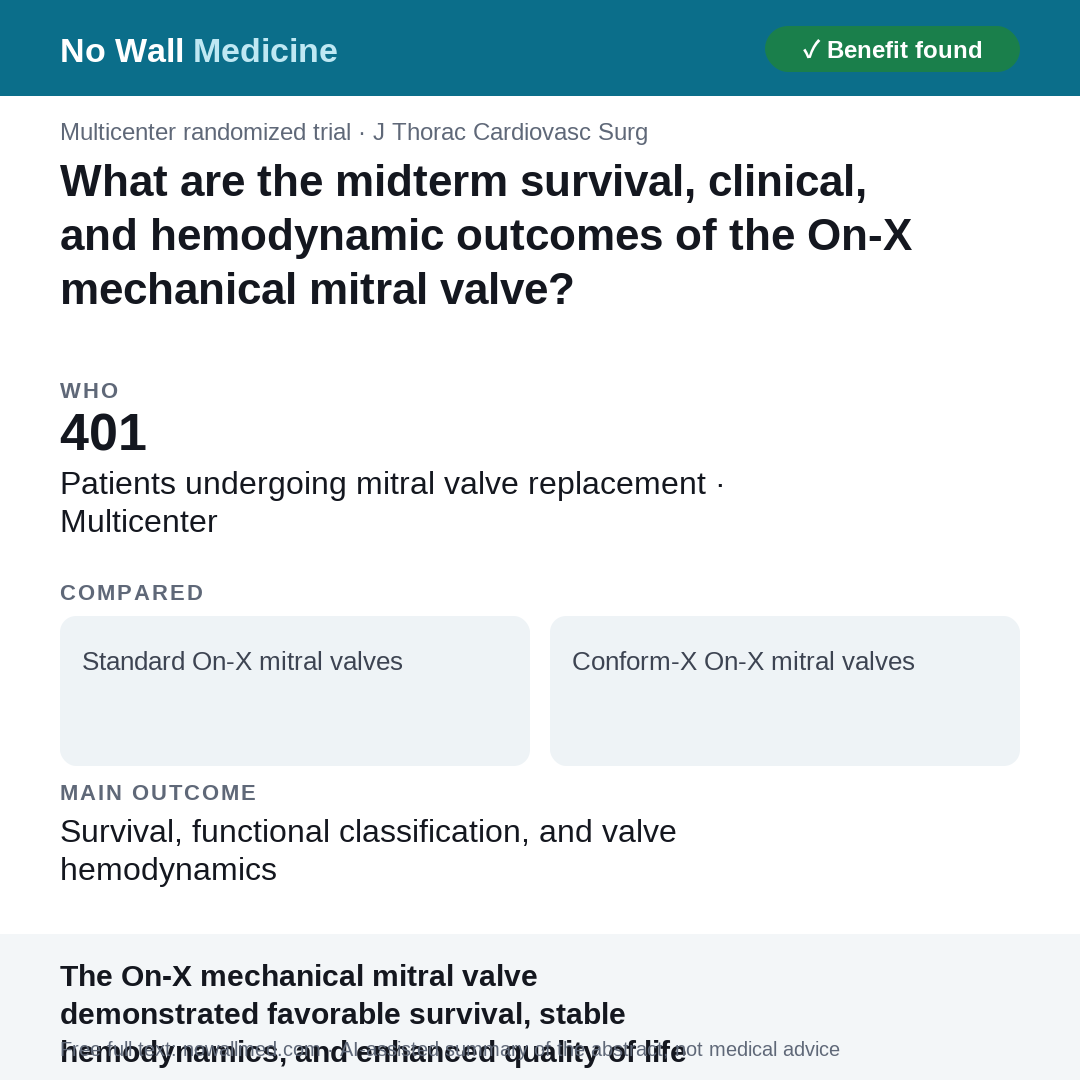
Midterm survival, clinical, and hemodynamic outcomes of a novel mechanical mitral valve prosthesis
Multicenter randomized trialBenefit found
What are the midterm survival, clinical, and hemodynamic outcomes of the On-X mechanical mitral valve?
Who
401
Patients undergoing mitral valve replacement · Multicenter
Compared
Standard On-X mitral valves
Conform-X On-X mitral valves
Main outcome
Survival, functional classification, and valve hemodynamics
Bottom line: The On-X mechanical mitral valve demonstrated favorable survival, stable hemodynamics, and enhanced quality of life up to 5 years.
J Thorac Cardiovasc Surg · 2024-11-29Download image
Comparative efficacy and acceptability of psychosocial interventions for PTSD, depression, and anxiety in asylum seekers, refugees, and other migrant populations: a systematic review and network meta-analysis of randomised controlled studies
Systematic review and network meta-analysisUnclear result
How effective and acceptable are psychosocial interventions for PTSD, depression, and anxiety in migrant populations?
Who
19230
Asylum seekers, refugees, and other migrant populations
Compared
Psychosocial interventions
Treatment as usual
Main outcome
Severity of post-traumatic stress disorder, depression, and anxiety symptoms
Bottom line: Certain interventions showed potential benefits, but low confidence and inconclusive head-to-head comparisons limit definitive conclusions.
Limitation: Low confidence in the evidence and considerable heterogeneity (I2 of >70%).
Lancet Reg Health Eur · 2024-11-29Download image

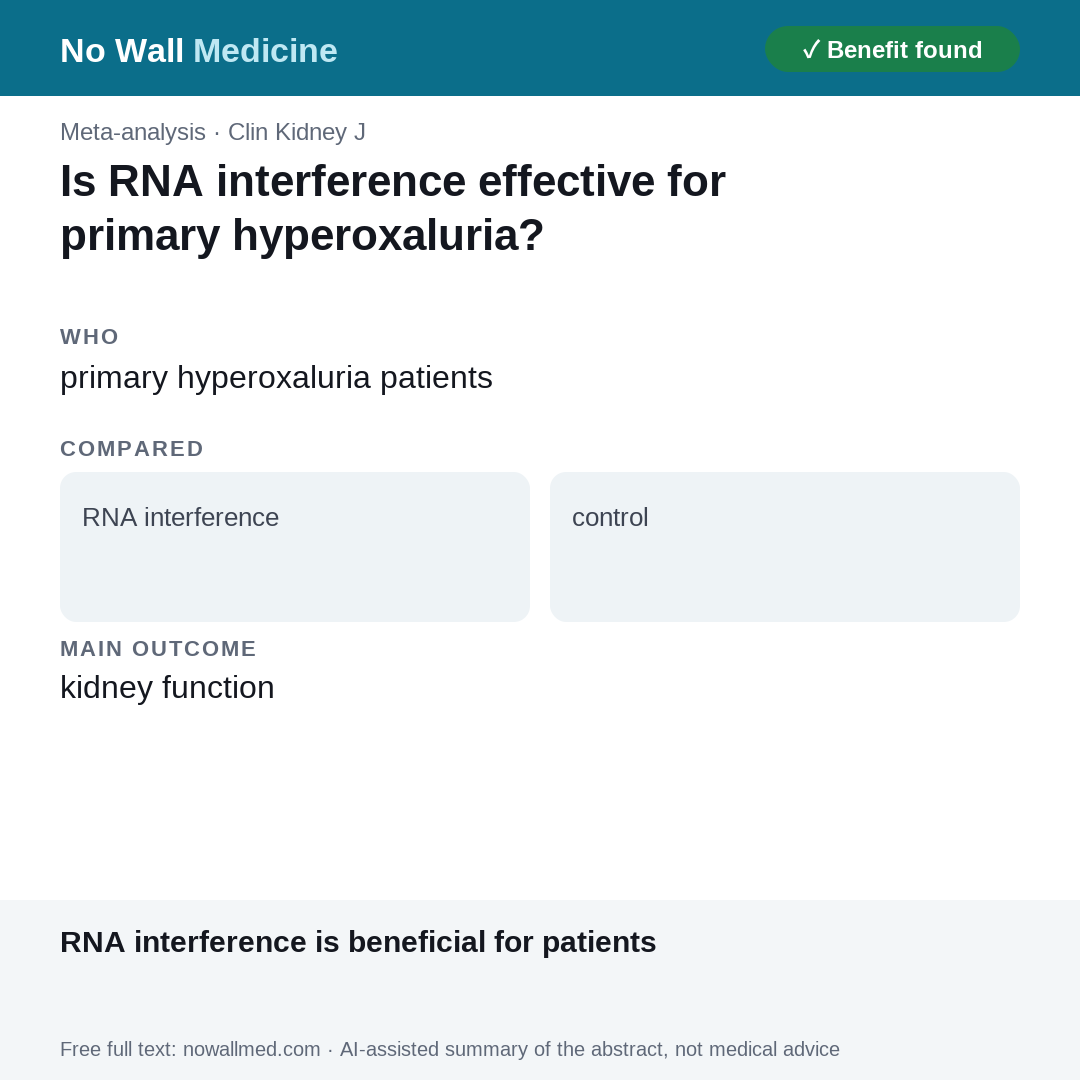
The efficacy and safety of RNA interference for the treatment of primary hyperoxaluria: a systematic review and meta-analysis
Meta-analysisBenefit found
Is RNA interference effective for primary hyperoxaluria?
Who
primary hyperoxaluria patients
Compared
RNA interference
control
Main outcome
kidney function
Bottom line: RNA interference is beneficial for patients
Clin Kidney J · 2024-11-29Download image
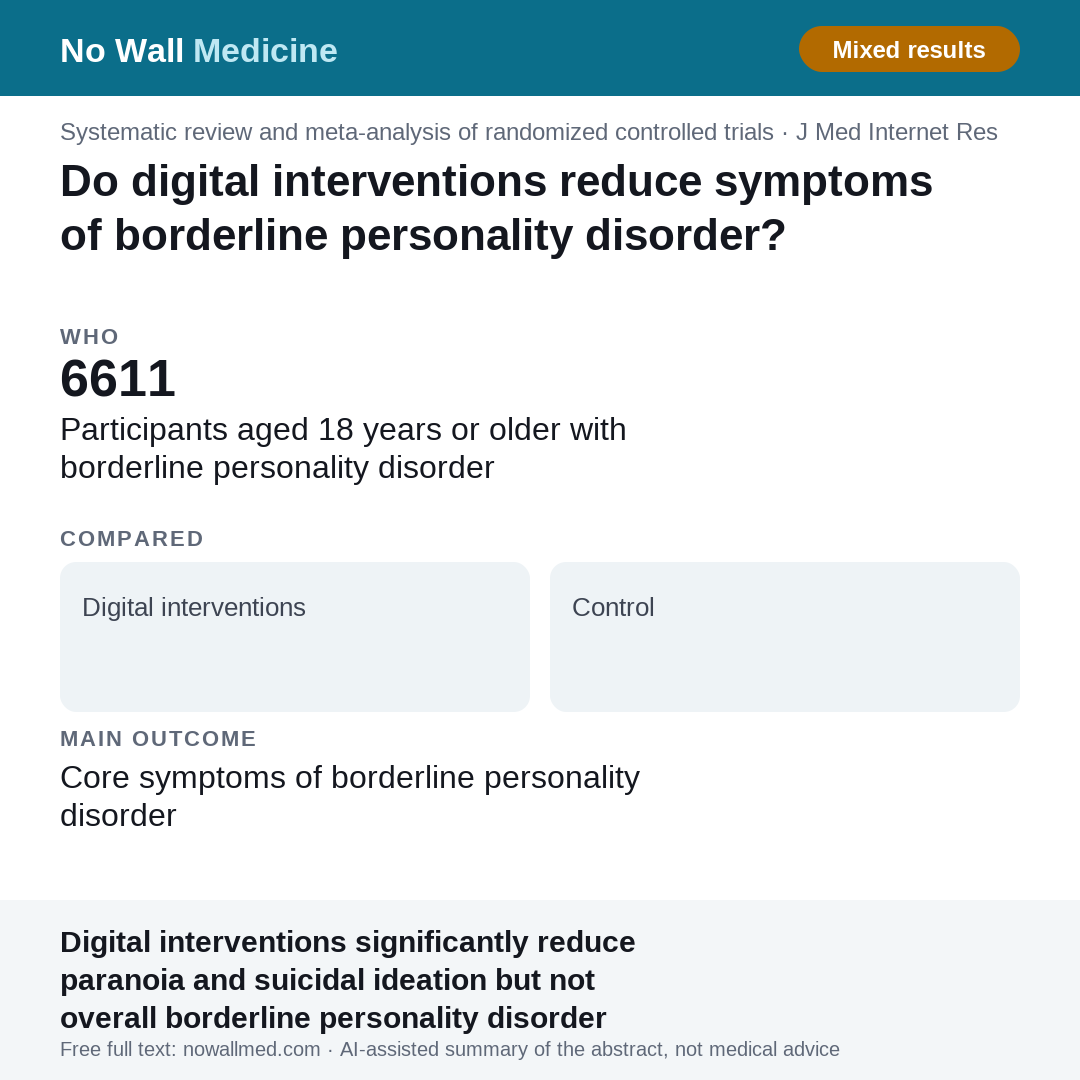
Digital Interventions for Symptoms of Borderline Personality Disorder: Systematic Review and Meta-Analysis
Systematic review and meta-analysis of randomized controlled trialsMixed results
Do digital interventions reduce symptoms of borderline personality disorder?
Who
6611
Participants aged 18 years or older with borderline personality disorder
Compared
Digital interventions
Control
Main outcome
Core symptoms of borderline personality disorder
Result: Hedges g=-0.17 (95% CI -0.42 to 0.10) for overall symptom severity
Bottom line: Digital interventions significantly reduce paranoia and suicidal ideation but not overall borderline personality disorder symptom severity.
J Med Internet Res · 2024-11-29Download image
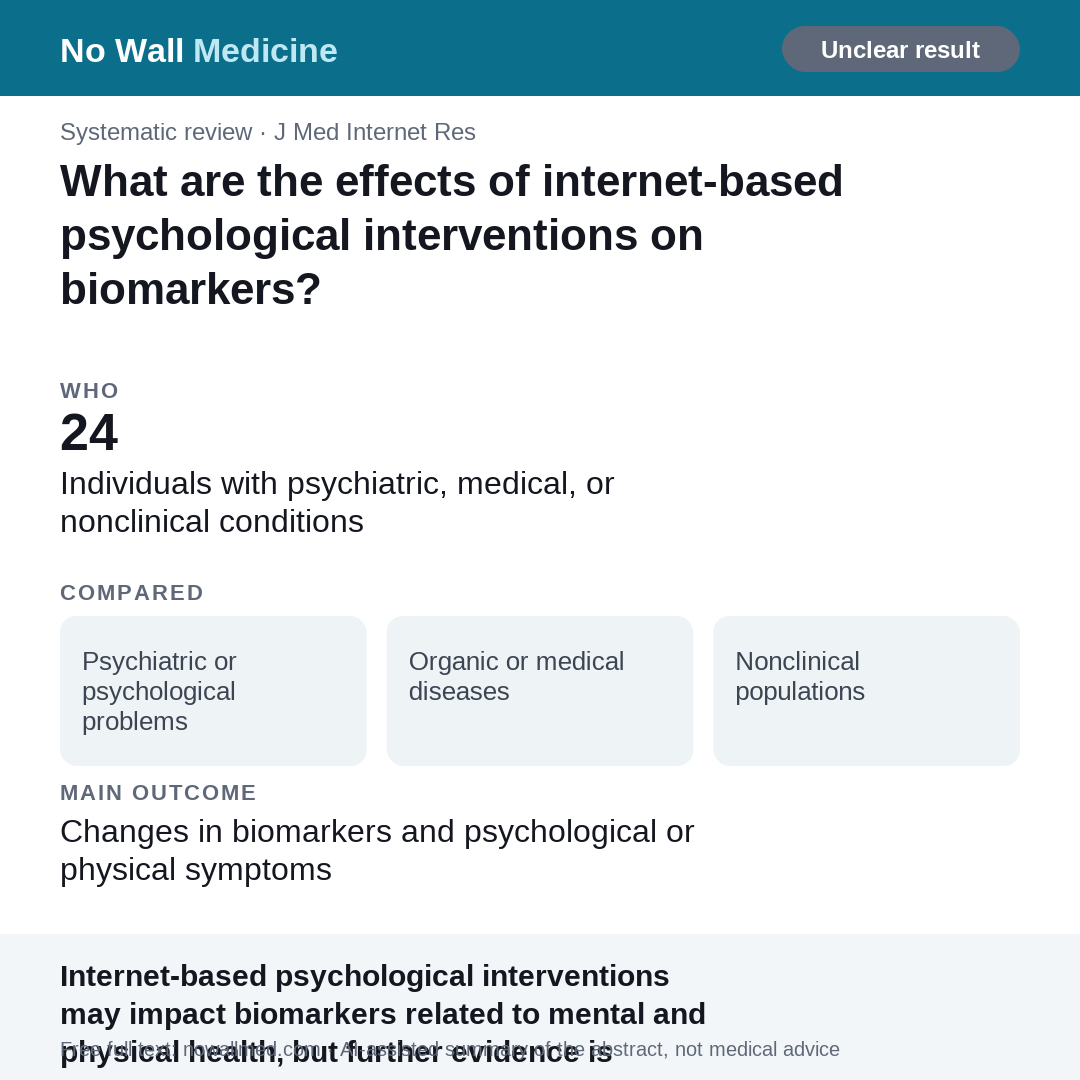
Biomarkers of Response to Internet-Based Psychological Interventions: Systematic Review
Systematic reviewUnclear result
What are the effects of internet-based psychological interventions on biomarkers?
Who
Individuals with psychiatric, medical, or nonclinical conditions
Compared
Psychiatric or psychological problems
Organic or medical diseases
Nonclinical populations
Main outcome
Changes in biomarkers and psychological or physical symptoms
Bottom line: Internet-based psychological interventions may impact biomarkers related to mental and physical health, but further evidence is required.
Limitation: further evidence is required
J Med Internet Res · 2024-11-29Download image
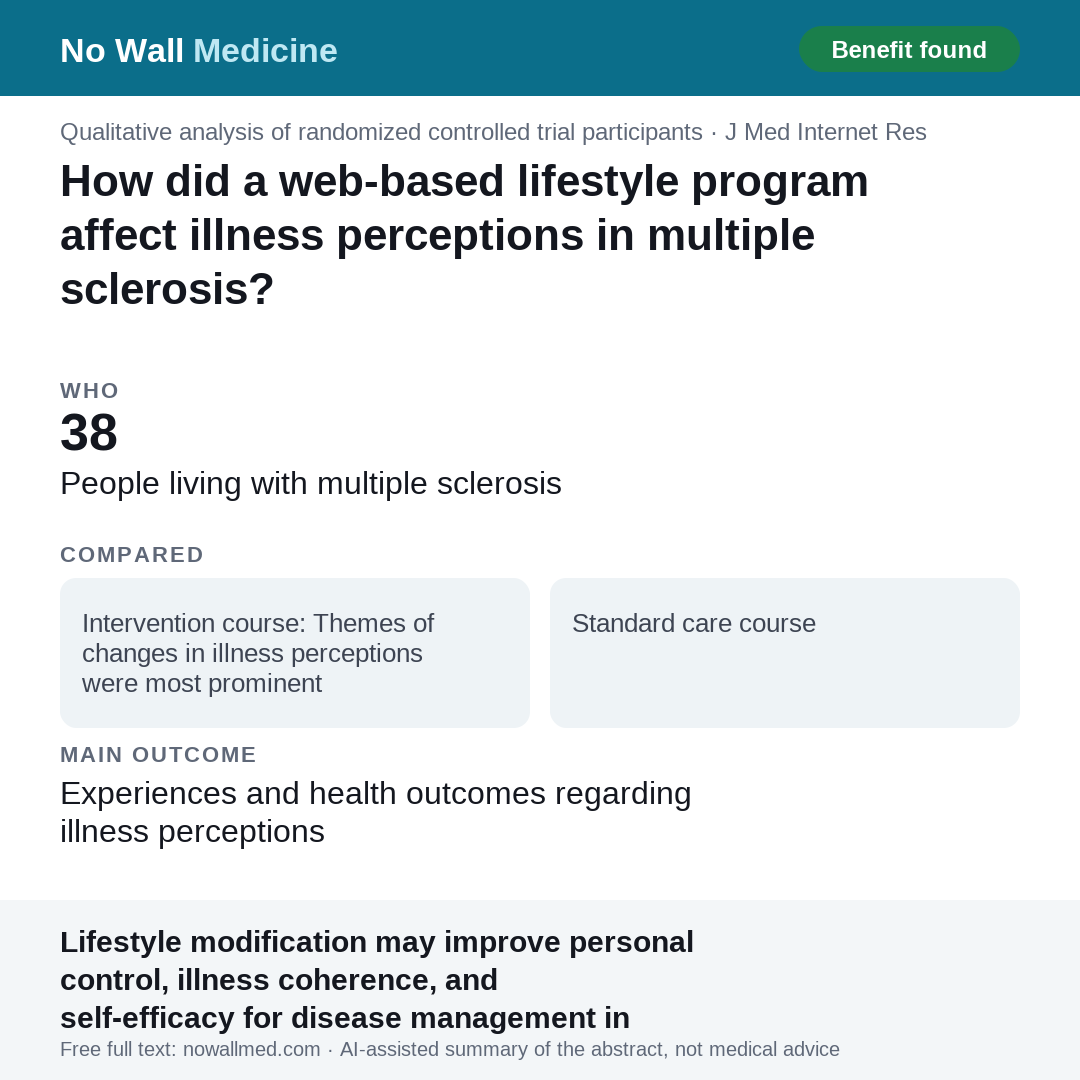
Perceptions of Illness Control, Coherence, and Self-Efficacy Following a Web-Based Lifestyle Program for Multiple Sclerosis: A Qualitative Analysis of Semistructured Interviews
Qualitative analysis of randomized controlled trial participantsBenefit found
How did a web-based lifestyle program affect illness perceptions in multiple sclerosis?
Who
38
People living with multiple sclerosis
Compared
Intervention course: Themes of changes in illness perceptions were most prominent
Standard care course
Main outcome
Experiences and health outcomes regarding illness perceptions
Bottom line: Lifestyle modification may improve personal control, illness coherence, and self-efficacy for disease management in multiple sclerosis.
J Med Internet Res · 2024-11-29Download image
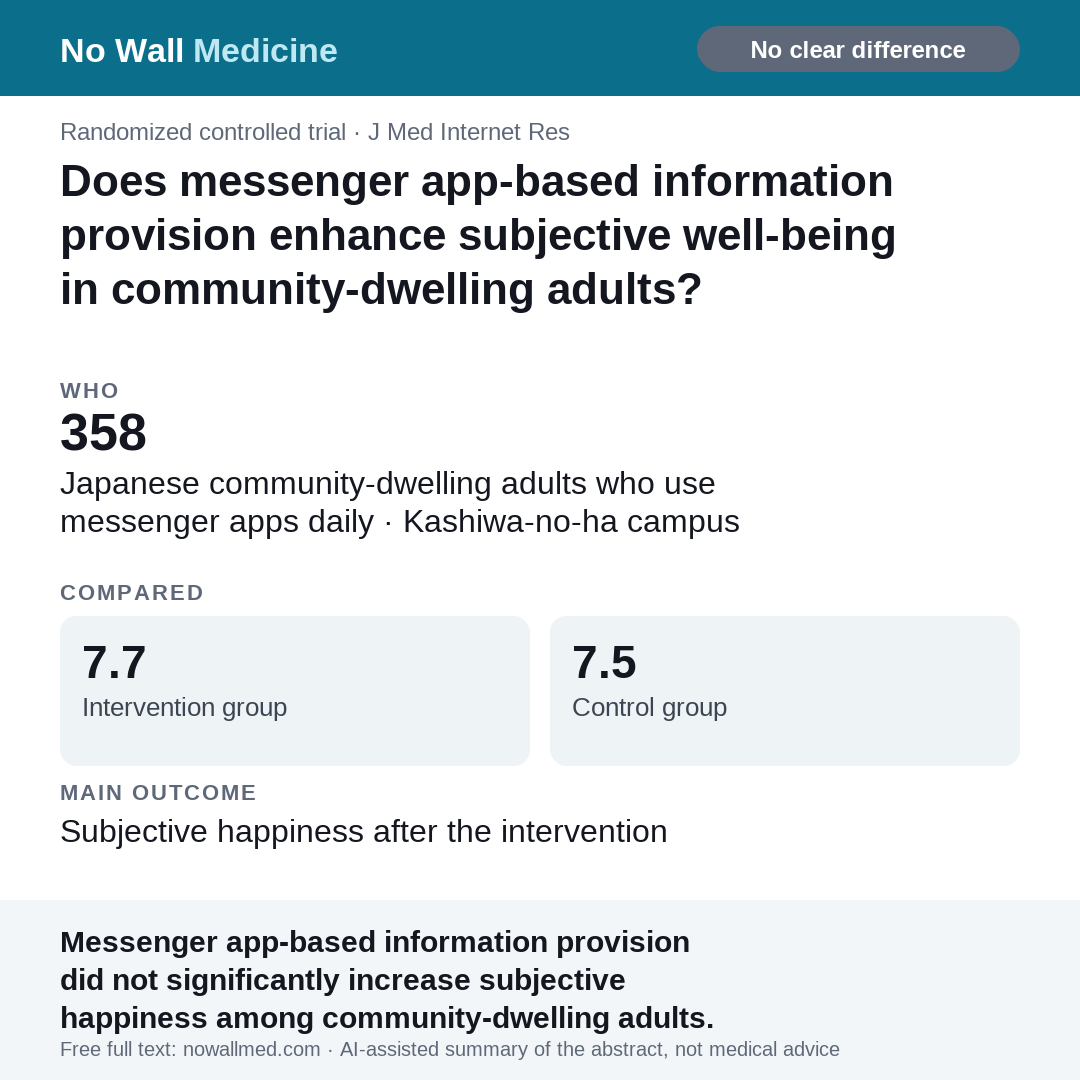
Messenger App-Based Information Provision for Promoting Social Participation to Enhance Well-Being Among Community-Dwelling Adults: Randomized Controlled Trial
Randomized controlled trialNo clear difference
Does messenger app-based information provision enhance subjective well-being in community-dwelling adults?
Who
358
Japanese community-dwelling adults who use messenger apps daily · Kashiwa-no-ha campus area, Japan
Compared
7.7Intervention group (SD 1.7)
7.5Control group (SD 2.0)
Main outcome
Subjective happiness after the intervention
Bottom line: Messenger app-based information provision did not significantly increase subjective happiness among community-dwelling adults.
J Med Internet Res · 2024-11-29Download image