Visual abstracts
New randomized trials and meta-analyses from leading journals at a glance: who was studied, what was compared, and what was found. Every paper is free to read in full.
All specialtiesCardiology 1005Oncology 906Gastroenterology & Hepatology 366Infectious Disease 689Neurology 423Psychiatry & Mental Health 530Pulmonology 440Critical Care 308Endocrinology & Diabetes 567Pediatrics 631Surgery 432Orthopedics & Sports Medicine 196Neurosurgery 147Cardiothoracic & Vascular Surgery 103Plastic & Reconstructive Surgery 164Nephrology 227Rheumatology 129Hematology 217Dermatology 93Ophthalmology 119Obstetrics & Gynecology 309Public & Global Health 189Radiology & Imaging 124Anesthesiology 180Urology 194ENT (Otolaryngology) 139Emergency Medicine 115Allergy & Immunology 68Geriatrics 198Family Medicine & Primary Care 133Medical Genetics & Genomics 105Pathology & Laboratory Medicine 31Physical Medicine & Rehabilitation 177Palliative Care 92Nutrition 260Digital Health & AI 529General Medicine 105
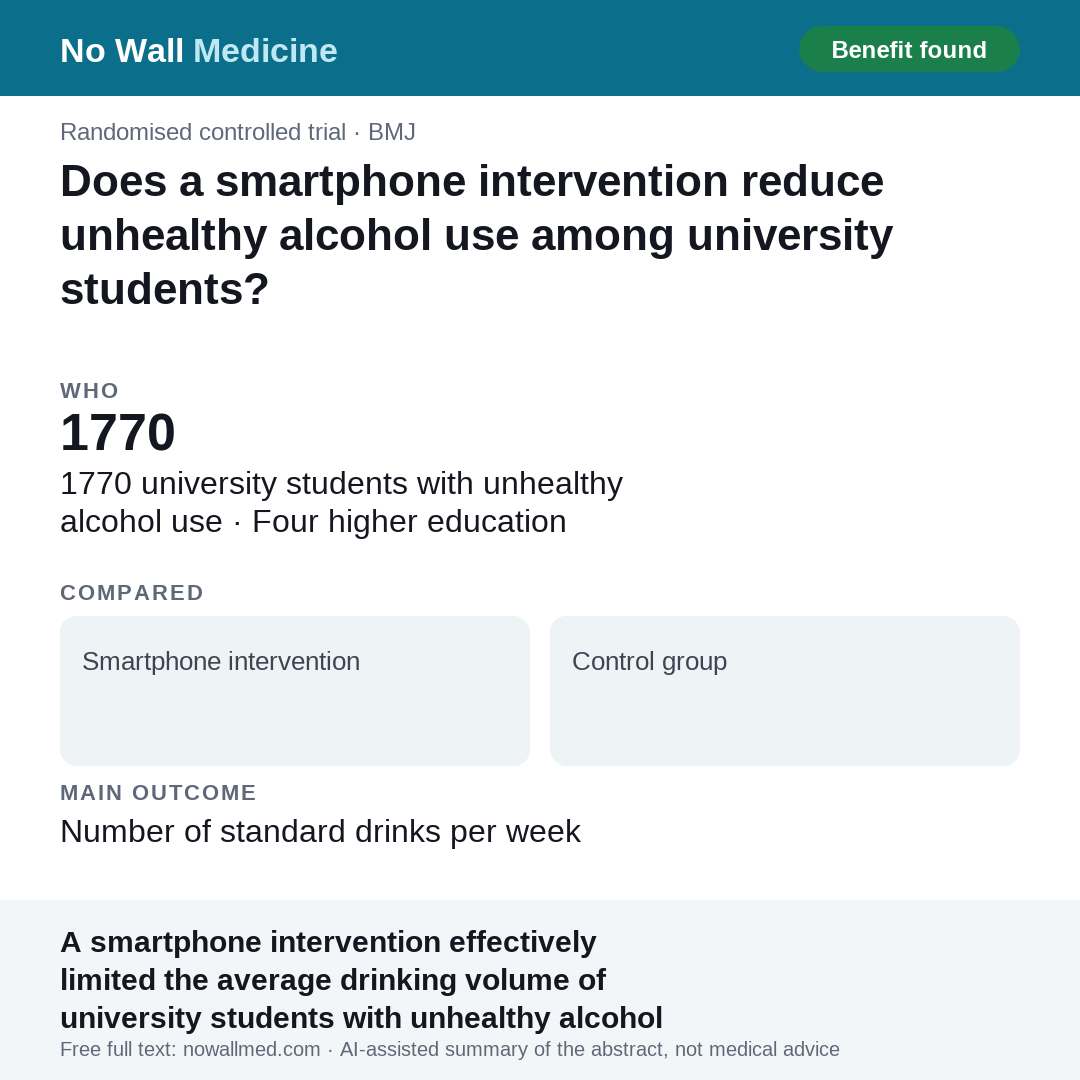
Effect of a smartphone intervention as a secondary prevention for use among university students with unhealthy alcohol use: randomised controlled trial
Randomised controlled trialBenefit found
Does a smartphone intervention reduce unhealthy alcohol use among university students?
Who
1770
1770 university students with unhealthy alcohol use · Four higher education institutions in Switzerland
Compared
Smartphone intervention
Control group
Main outcome
Number of standard drinks per week
Result: incidence rate ratio 0.90 (95% confidence interval 0.85 to 0.96)
Bottom line: A smartphone intervention effectively limited the average drinking volume of university students with unhealthy alcohol use.
BMJ · 2023-08-16Download image
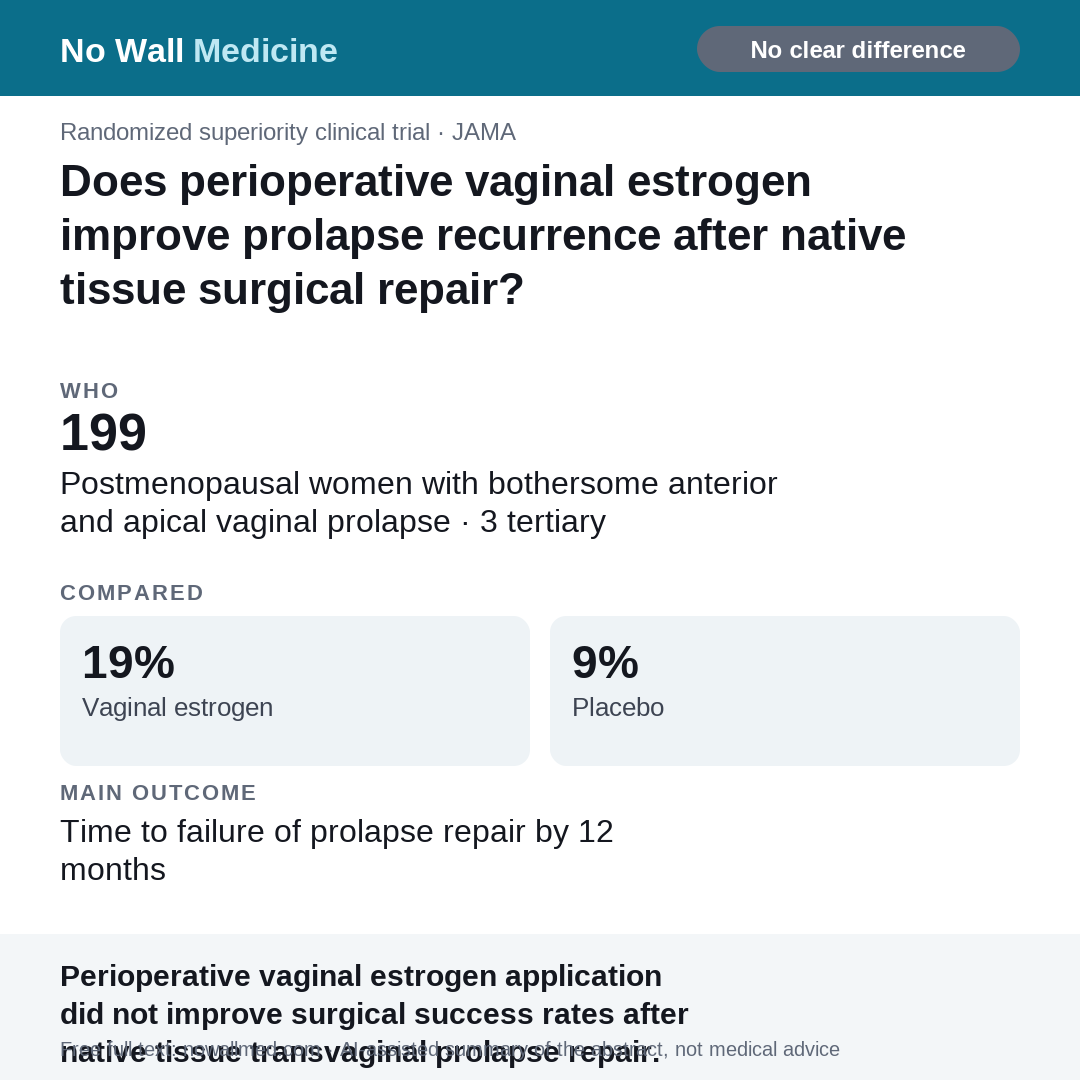
Perioperative Vaginal Estrogen as Adjunct to Native Tissue Vaginal Apical Prolapse Repair: A Randomized Clinical Trial
Randomized superiority clinical trialNo clear difference
Does perioperative vaginal estrogen improve prolapse recurrence after native tissue surgical repair?
Who
199
Postmenopausal women with bothersome anterior and apical vaginal prolapse · 3 tertiary United States clinical sites
Compared
19%Vaginal estrogen (n=20)
9%Placebo (n=10)
Main outcome
Time to failure of prolapse repair by 12 months
Result: adjusted hazard ratio 1.97 (95% CI 0.92-4.22)
Bottom line: Perioperative vaginal estrogen application did not improve surgical success rates after native tissue transvaginal prolapse repair.
JAMA · 2023-08-15Download image
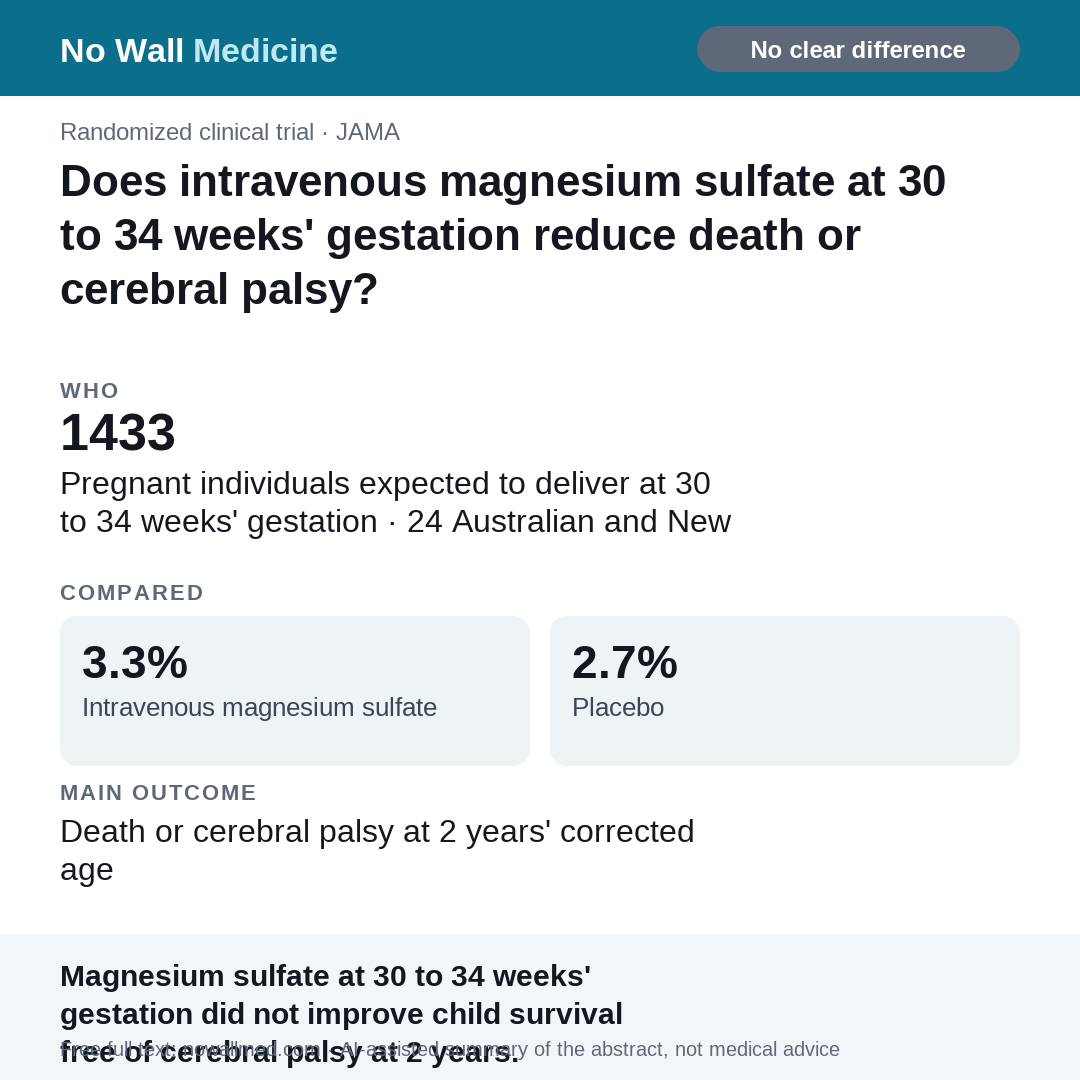
Prenatal Intravenous Magnesium at 30-34 Weeks' Gestation and Neurodevelopmental Outcomes in Offspring: The MAGENTA Randomized Clinical Trial
Randomized clinical trialNo clear difference
Does intravenous magnesium sulfate at 30 to 34 weeks' gestation reduce death or cerebral palsy?
Who
1433
Pregnant individuals expected to deliver at 30 to 34 weeks' gestation · 24 Australian and New Zealand hospitals
Compared
3.3%Intravenous magnesium sulfate (23 of 691 children)
2.7%Placebo (18 of 674 children)
Main outcome
Death or cerebral palsy at 2 years' corrected age
Result: risk difference 0.61% (95% CI -1.27% to 2.50%)
Bottom line: Magnesium sulfate at 30 to 34 weeks' gestation did not improve child survival free of cerebral palsy at 2 years.
Limitation: The study had limited power to detect small between-group differences.
JAMA · 2023-08-15Download image
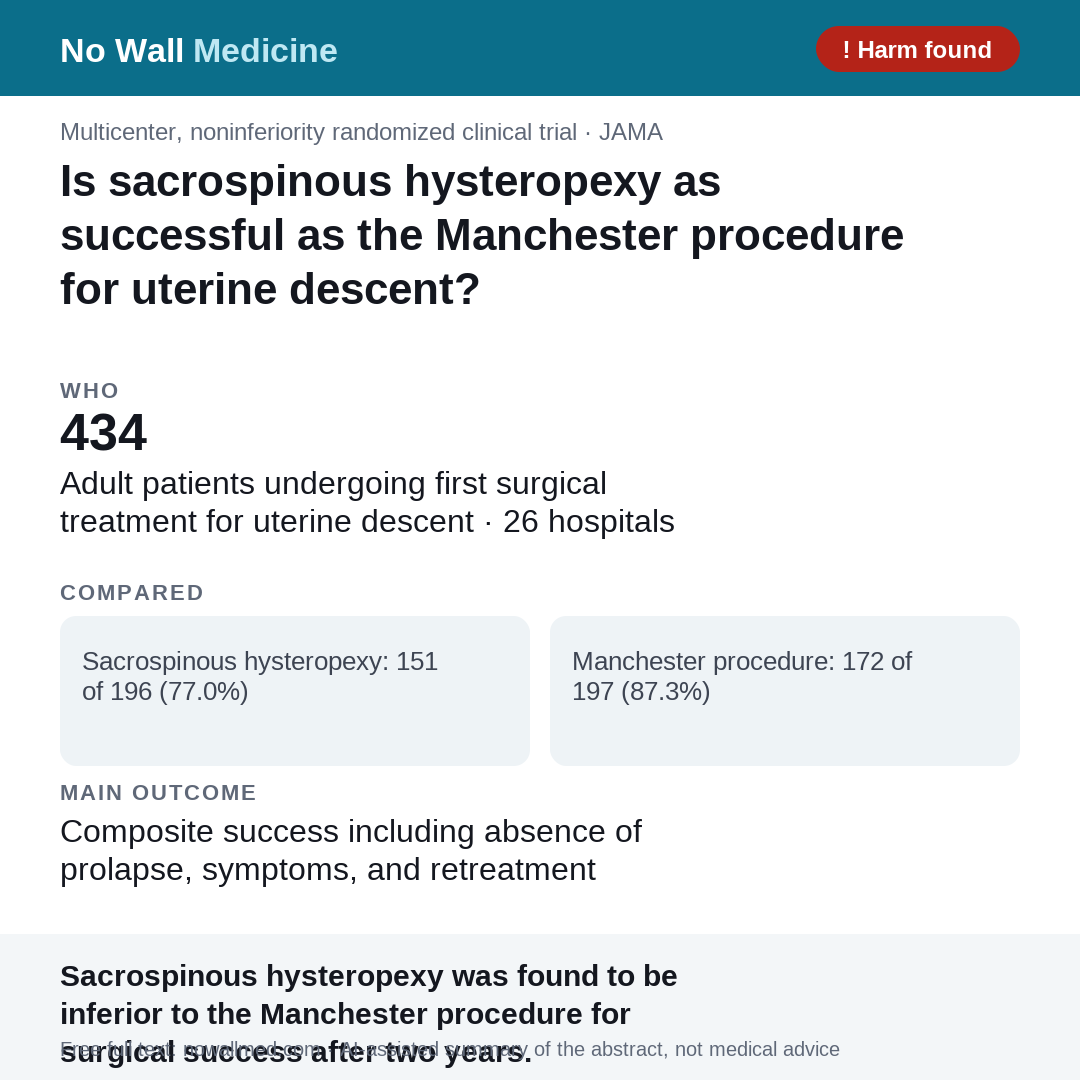
Manchester Procedure vs Sacrospinous Hysteropexy for Treatment of Uterine Descent: A Randomized Clinical Trial
Multicenter, noninferiority randomized clinical trialHarm found
Is sacrospinous hysteropexy as successful as the Manchester procedure for uterine descent?
Who
434
Adult patients undergoing first surgical treatment for uterine descent · 26 hospitals in the Netherlands
Compared
Sacrospinous hysteropexy: 151 of 196 (77.0%)
Manchester procedure: 172 of 197 (87.3%)
Main outcome
Composite success including absence of prolapse, symptoms, and retreatment
Result: risk difference, -10.3%; 95% CI, -17.8% to -2.8%
Bottom line: Sacrospinous hysteropexy was found to be inferior to the Manchester procedure for surgical success after two years.
JAMA · 2023-08-15Download image
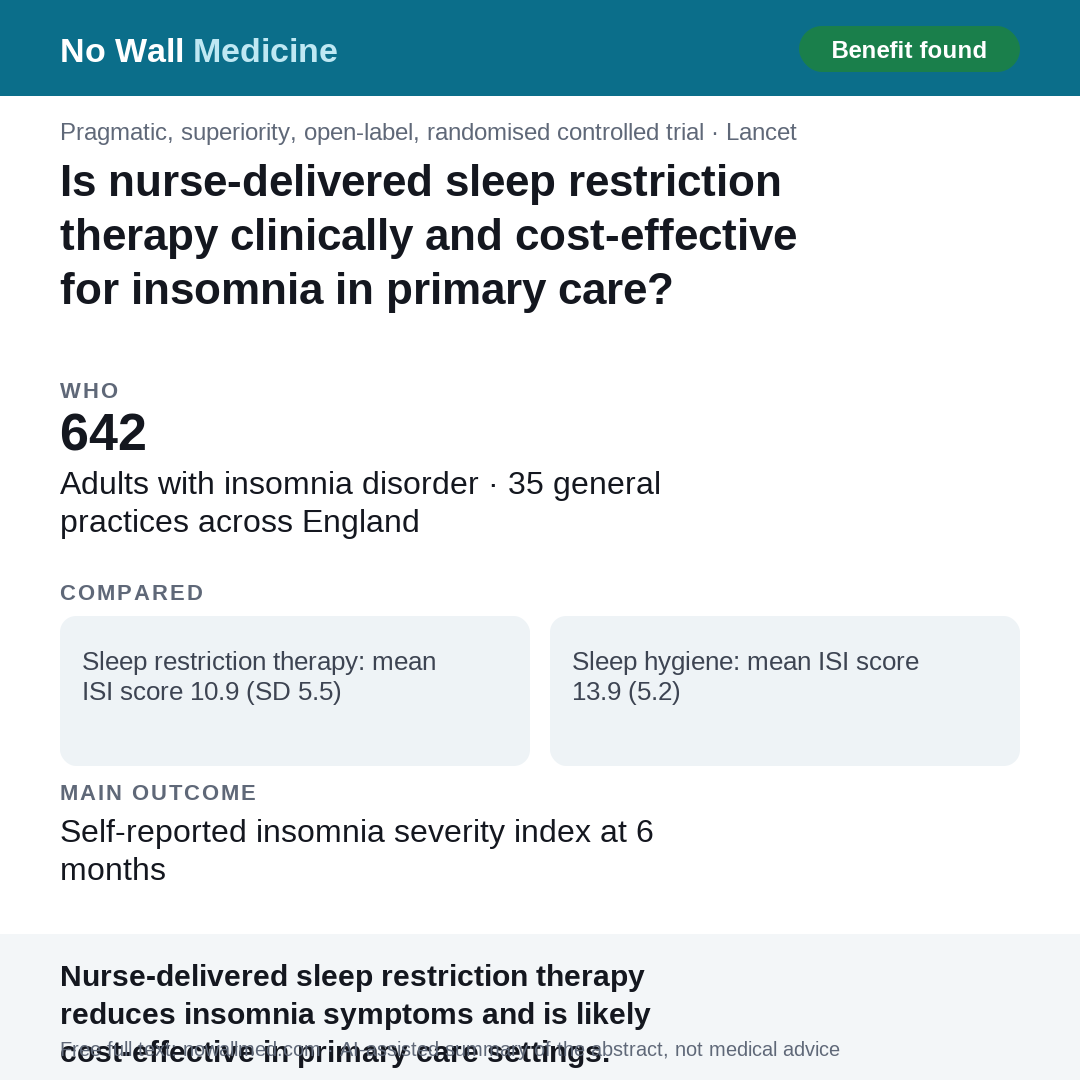
Clinical and cost-effectiveness of nurse-delivered sleep restriction therapy for insomnia in primary care (HABIT): a pragmatic, superiority, open-label, randomised controlled trial
Pragmatic, superiority, open-label, randomised controlled trialBenefit found
Is nurse-delivered sleep restriction therapy clinically and cost-effective for insomnia in primary care?
Who
642
Adults with insomnia disorder · 35 general practices across England
Compared
Sleep restriction therapy: mean ISI score 10.9 (SD 5.5)
Sleep hygiene: mean ISI score 13.9 (5.2)
Main outcome
Self-reported insomnia severity index at 6 months
Result: adjusted mean difference -3.05 (95% CI -3.83 to -2.28)
Bottom line: Nurse-delivered sleep restriction therapy reduces insomnia symptoms and is likely cost-effective in primary care settings.
Funded by: National Institute for Health and Care Research
Lancet · 2023-08-10Download image
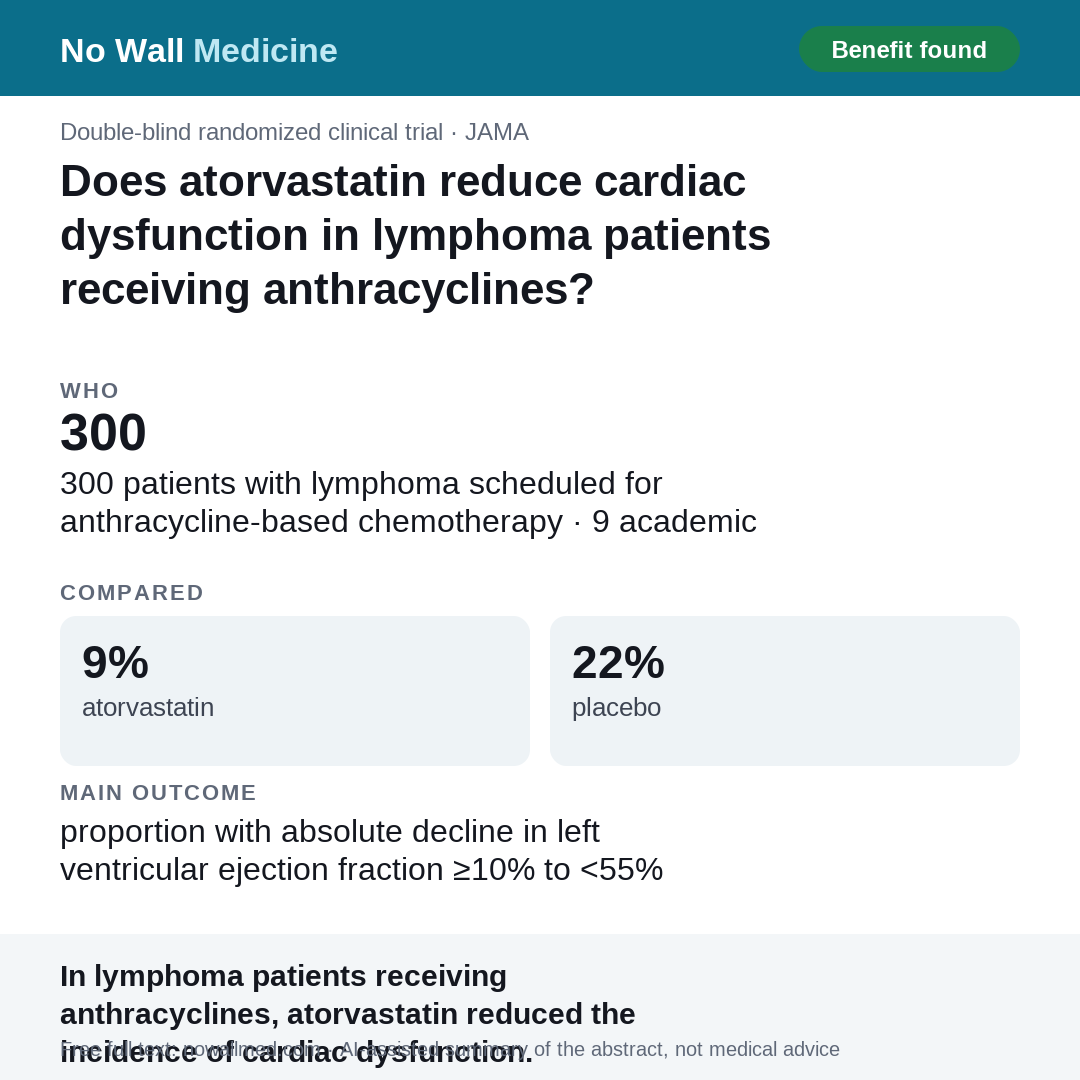
Atorvastatin for Anthracycline-Associated Cardiac Dysfunction: The STOP-CA Randomized Clinical Trial
Double-blind randomized clinical trialBenefit found
Does atorvastatin reduce cardiac dysfunction in lymphoma patients receiving anthracyclines?
Who
300
300 patients with lymphoma scheduled for anthracycline-based chemotherapy · 9 academic medical centers in the US and Canada
Compared
9%atorvastatin (13/150)
22%placebo (33/150)
Main outcome
proportion with absolute decline in left ventricular ejection fraction ≥10% to <55%
Result: odds ratio 2.9 (95% CI 1.4-6.4)
Bottom line: In lymphoma patients receiving anthracyclines, atorvastatin reduced the incidence of cardiac dysfunction.
JAMA · 2023-08-08Download image
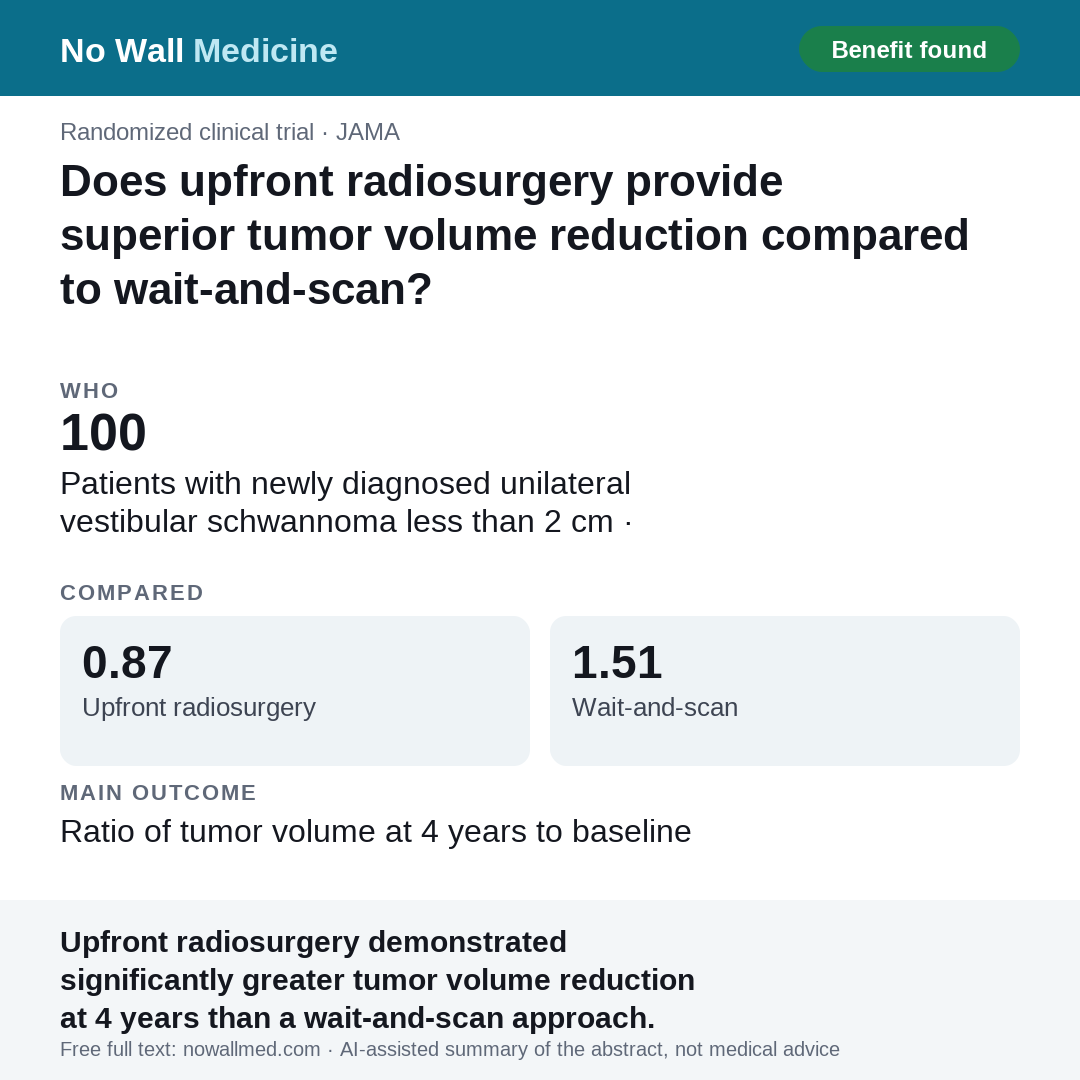
Upfront Radiosurgery vs a Wait-and-Scan Approach for Small- or Medium-Sized Vestibular Schwannoma: The V-REX Randomized Clinical Trial
Randomized clinical trialBenefit found
Does upfront radiosurgery provide superior tumor volume reduction compared to wait-and-scan?
Who
100
Patients with newly diagnosed unilateral vestibular schwannoma less than 2 cm · Norwegian National Unit for Vestibular Schwannoma
Compared
0.87Upfront radiosurgery (95% CI, 0.66-1.15)
1.51Wait-and-scan (95% CI, 1.23-1.84)
Main outcome
Ratio of tumor volume at 4 years to baseline
Result: ratio 1.73 (95% CI, 1.23-2.44)
Bottom line: Upfront radiosurgery demonstrated significantly greater tumor volume reduction at 4 years than a wait-and-scan approach.
JAMA · 2023-08-01Download image
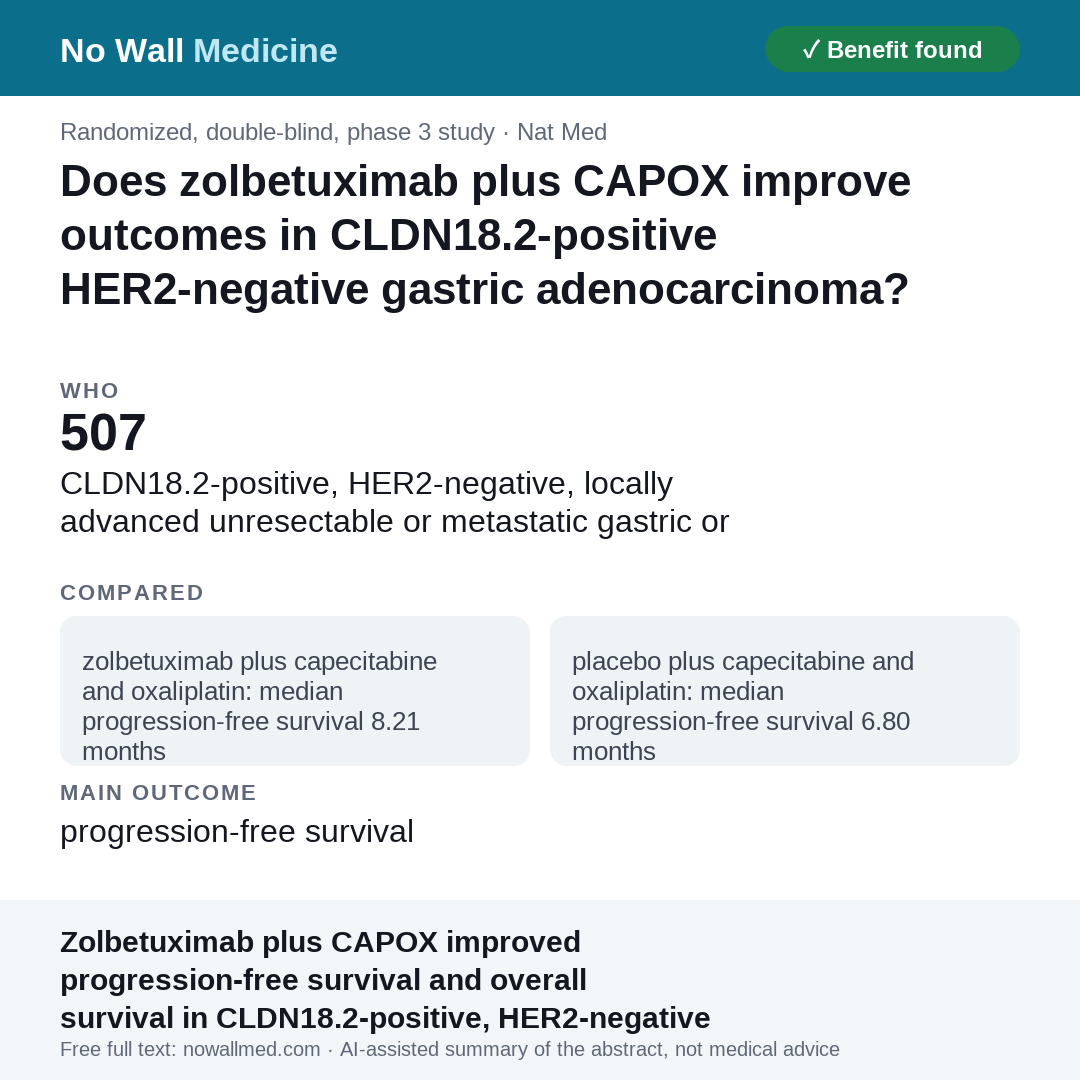
Zolbetuximab plus CAPOX in CLDN18.2-positive gastric or gastroesophageal junction adenocarcinoma: the randomized, phase 3 GLOW trial
Randomized, double-blind, phase 3 studyBenefit found
Does zolbetuximab plus CAPOX improve outcomes in CLDN18.2-positive HER2-negative gastric adenocarcinoma?
Who
507
CLDN18.2-positive, HER2-negative, locally advanced unresectable or metastatic gastric or gastroesophageal junction adenocarcinoma · global
Compared
zolbetuximab plus capecitabine and oxaliplatin: median progression-free survival 8.21 months
placebo plus capecitabine and oxaliplatin: median progression-free survival 6.80 months
Main outcome
progression-free survival
Result: hazard ratio 0.687 (95% CI 0.544-0.866)
Bottom line: Zolbetuximab plus CAPOX improved progression-free survival and overall survival in CLDN18.2-positive, HER2-negative gastric adenocarcinoma.
Nat Med · 2023-07-31Download image
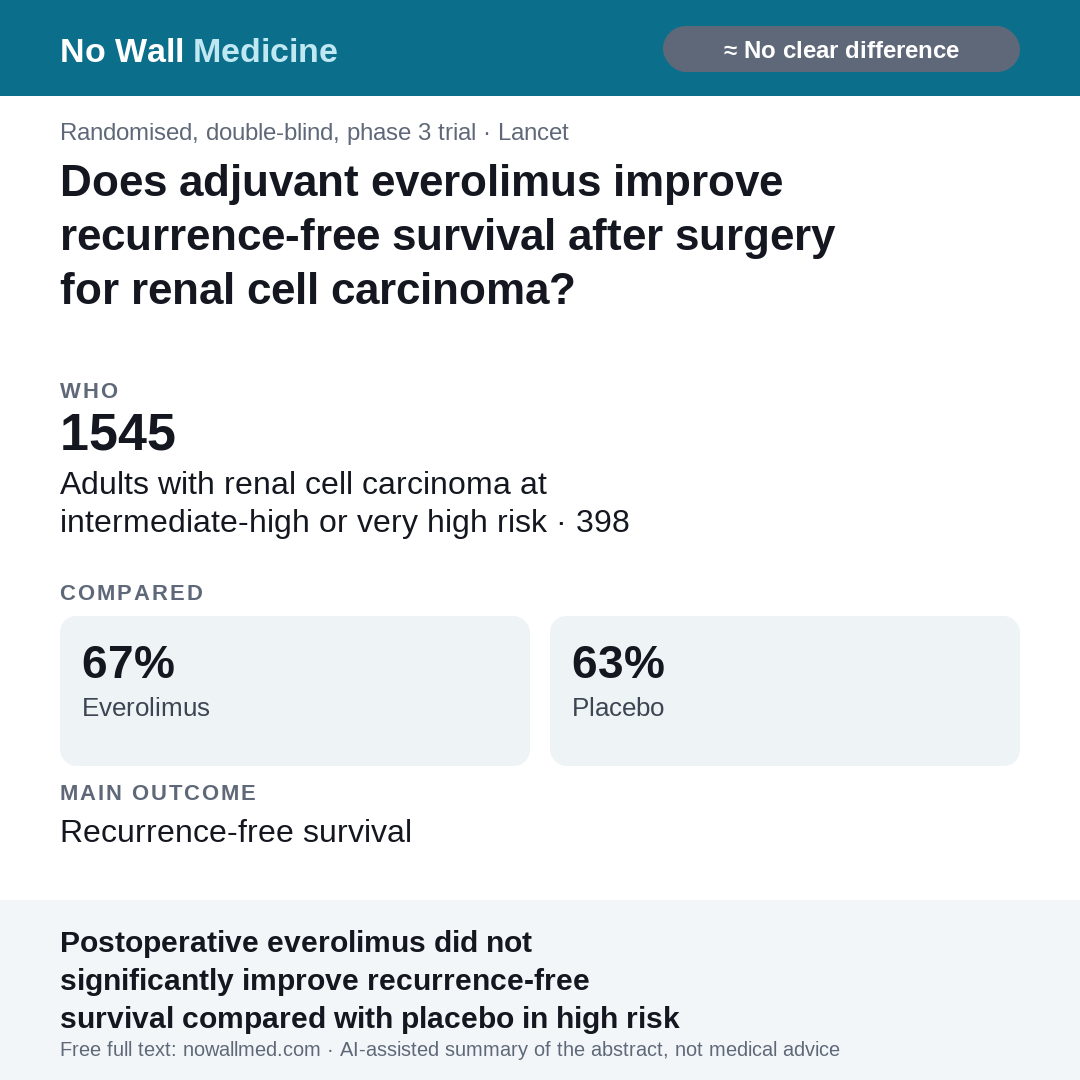
Adjuvant everolimus after surgery for renal cell carcinoma (EVEREST): a double-blind, placebo-controlled, randomised, phase 3 trial
Randomised, double-blind, phase 3 trialNo clear difference
Does adjuvant everolimus improve recurrence-free survival after surgery for renal cell carcinoma?
Who
1545
Adults with renal cell carcinoma at intermediate-high or very high risk · 398 academic and community institution centres in the USA
Compared
67%Everolimus (5-year recurrence-free survival)
63%Placebo (5-year recurrence-free survival)
Main outcome
Recurrence-free survival
Result: hazard ratio 0.85, 95% CI 0.72-1.00
Bottom line: Postoperative everolimus did not significantly improve recurrence-free survival compared with placebo in high risk renal cell carcinoma patients.
Funded by: US National Institutes of Health, National Cancer Institute, Novartis Pharmaceuticals Corporation
Lancet · 2023-07-28Download image
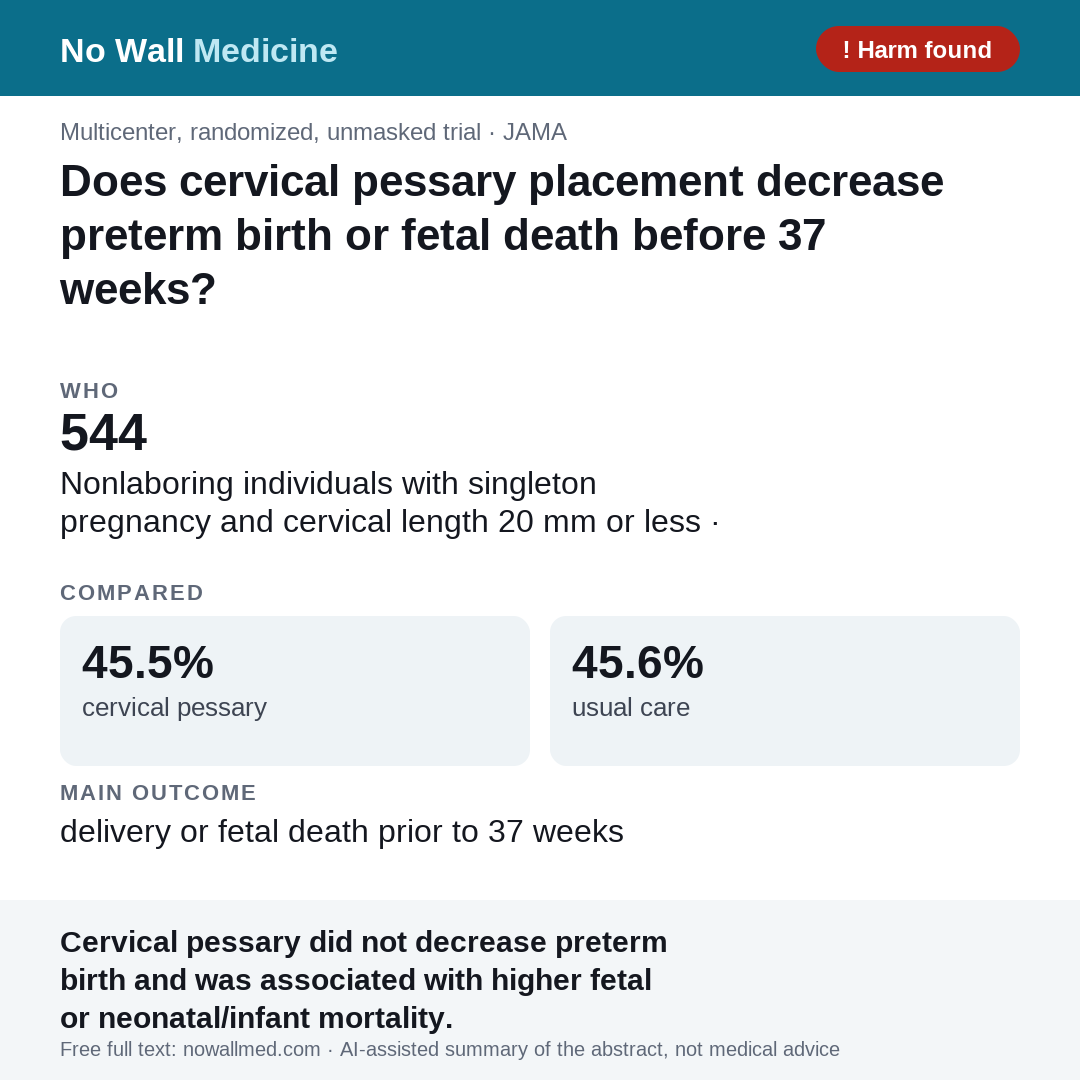
Cervical Pessary for Prevention of Preterm Birth in Individuals With a Short Cervix: The TOPS Randomized Clinical Trial
Multicenter, randomized, unmasked trialHarm found
Does cervical pessary placement decrease preterm birth or fetal death before 37 weeks?
Who
544
Nonlaboring individuals with singleton pregnancy and cervical length 20 mm or less · 12 centers in the United States
Compared
45.5%cervical pessary
45.6%usual care
Main outcome
delivery or fetal death prior to 37 weeks
Result: relative risk 1.00 (95% CI, 0.83-1.20)
Bottom line: Cervical pessary did not decrease preterm birth and was associated with higher fetal or neonatal/infant mortality.
JAMA · 2023-07-25Download image
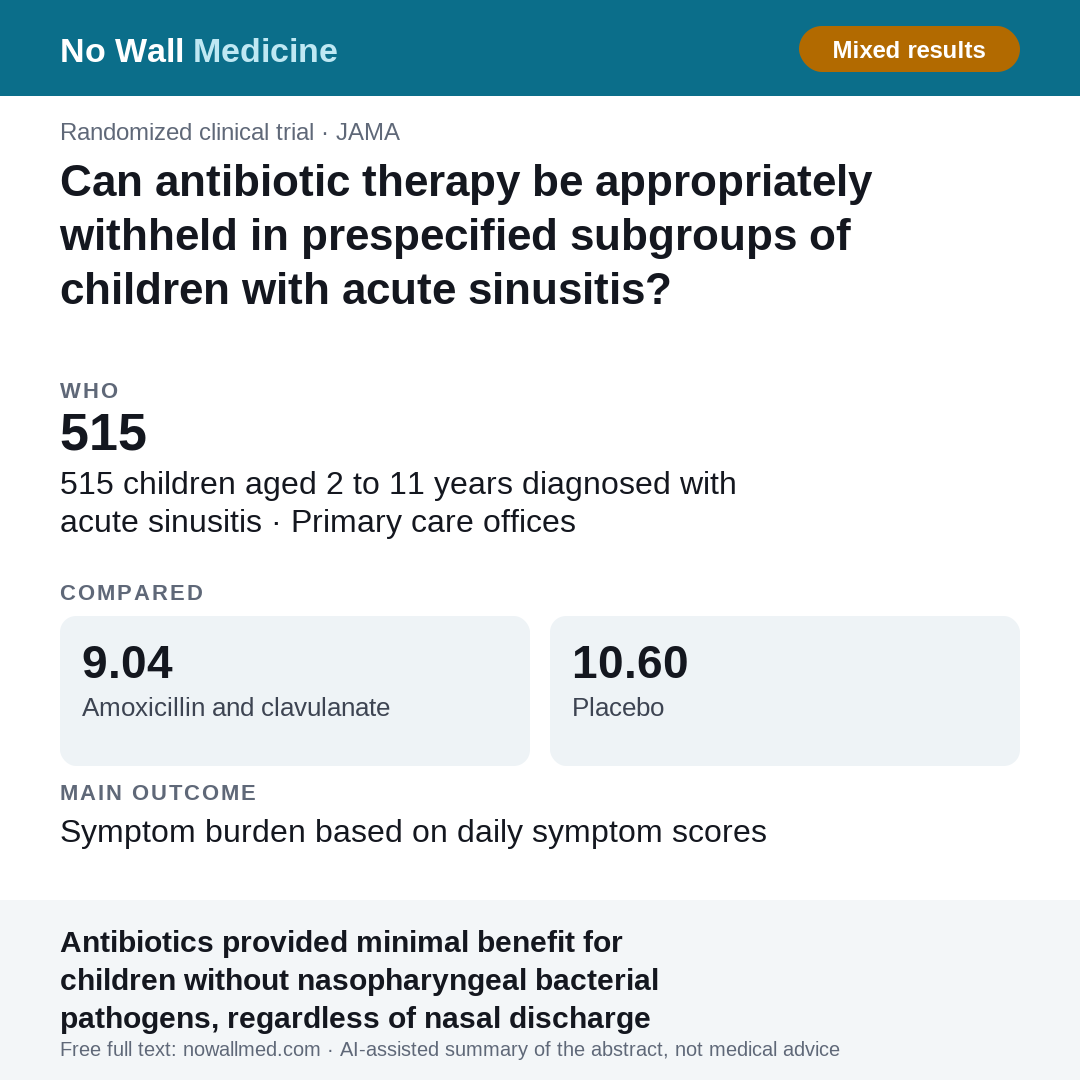
Identifying Children Likely to Benefit From Antibiotics for Acute Sinusitis: A Randomized Clinical Trial
Randomized clinical trialMixed results
Can antibiotic therapy be appropriately withheld in prespecified subgroups of children with acute sinusitis?
Who
515
515 children aged 2 to 11 years diagnosed with acute sinusitis · Primary care offices affiliated with 6 US institutions
Compared
9.04Amoxicillin and clavulanate (95% CI, 8.71 to 9.37)
10.60Placebo (95% CI, 10.27 to 10.93)
Main outcome
Symptom burden based on daily symptom scores
Result: -1.69 (95% CI, -2.07 to -1.31)
Bottom line: Antibiotics provided minimal benefit for children without nasopharyngeal bacterial pathogens, regardless of nasal discharge color.
JAMA · 2023-07-25Download image
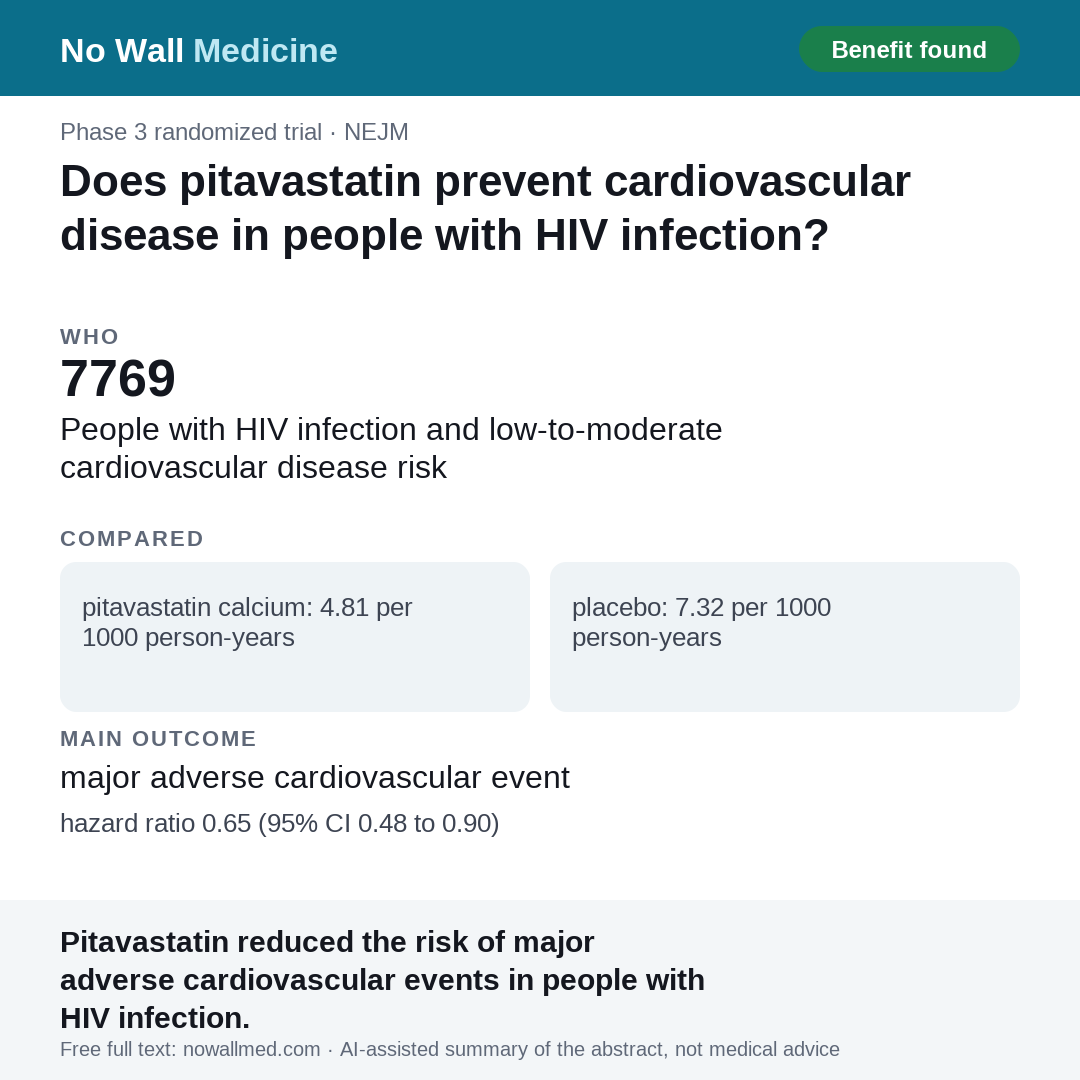
Pitavastatin to Prevent Cardiovascular Disease in HIV Infection
Phase 3 randomized trialBenefit found
Does pitavastatin prevent cardiovascular disease in people with HIV infection?
Who
7769
People with HIV infection and low-to-moderate cardiovascular disease risk
Compared
pitavastatin calcium: 4.81 per 1000 person-years
placebo: 7.32 per 1000 person-years
Main outcome
major adverse cardiovascular event
Result: hazard ratio 0.65 (95% CI 0.48 to 0.90)
Bottom line: Pitavastatin reduced the risk of major adverse cardiovascular events in people with HIV infection.
Funded by: National Institutes of Health and others
NEJM · 2023-07-23Download image
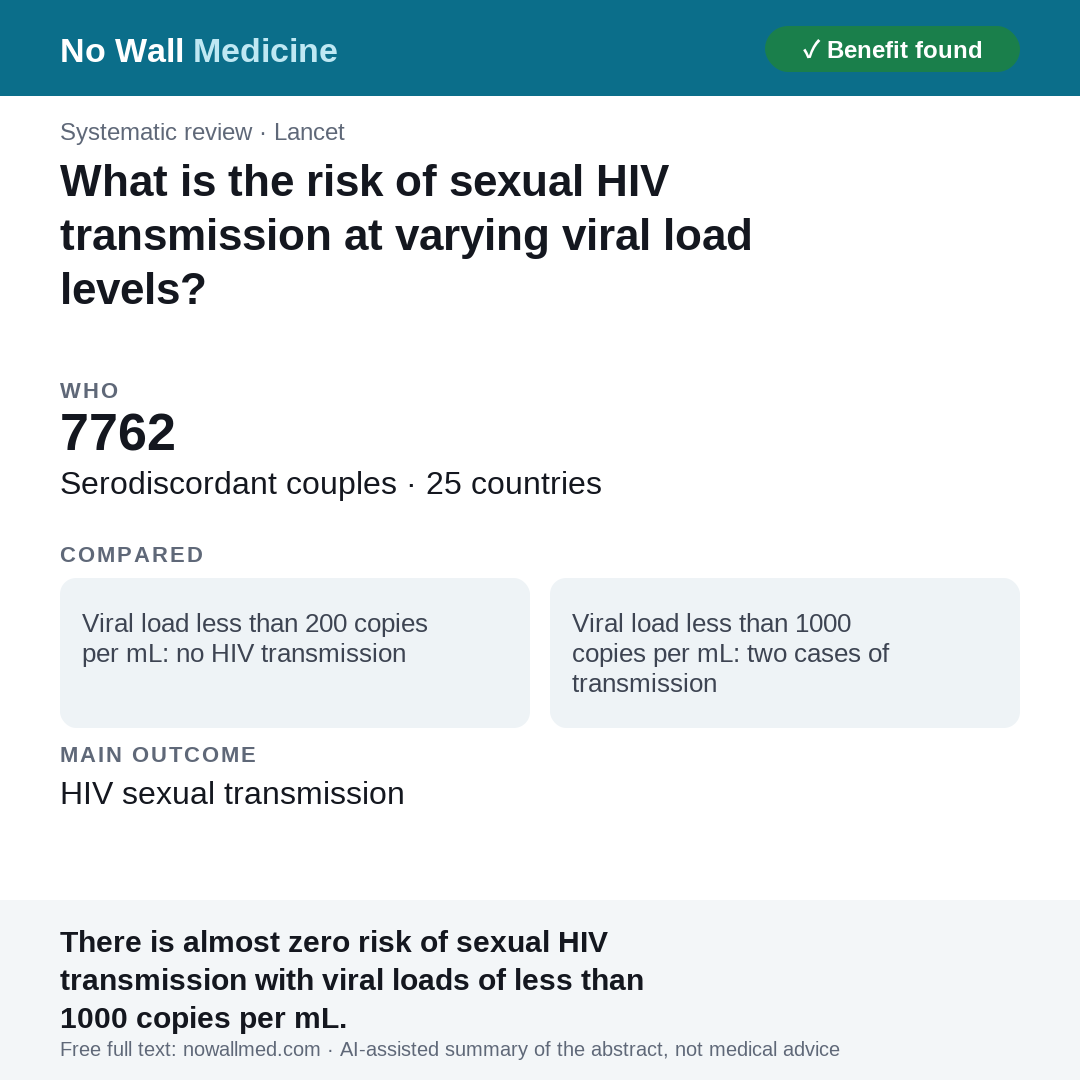
The risk of sexual transmission of HIV in individuals with low-level HIV viraemia: a systematic review
Systematic reviewBenefit found
What is the risk of sexual HIV transmission at varying viral load levels?
Who
7762
Serodiscordant couples · 25 countries
Compared
Viral load less than 200 copies per mL: no HIV transmission
Viral load less than 1000 copies per mL: two cases of transmission
Main outcome
HIV sexual transmission
Bottom line: There is almost zero risk of sexual HIV transmission with viral loads of less than 1000 copies per mL.
Limitation: Interpretation of transmission cases was complicated by long intervals between transmission and the most recent viral load result.
Funded by: Bill & Melinda Gates Foundation
Lancet · 2023-07-22Download image
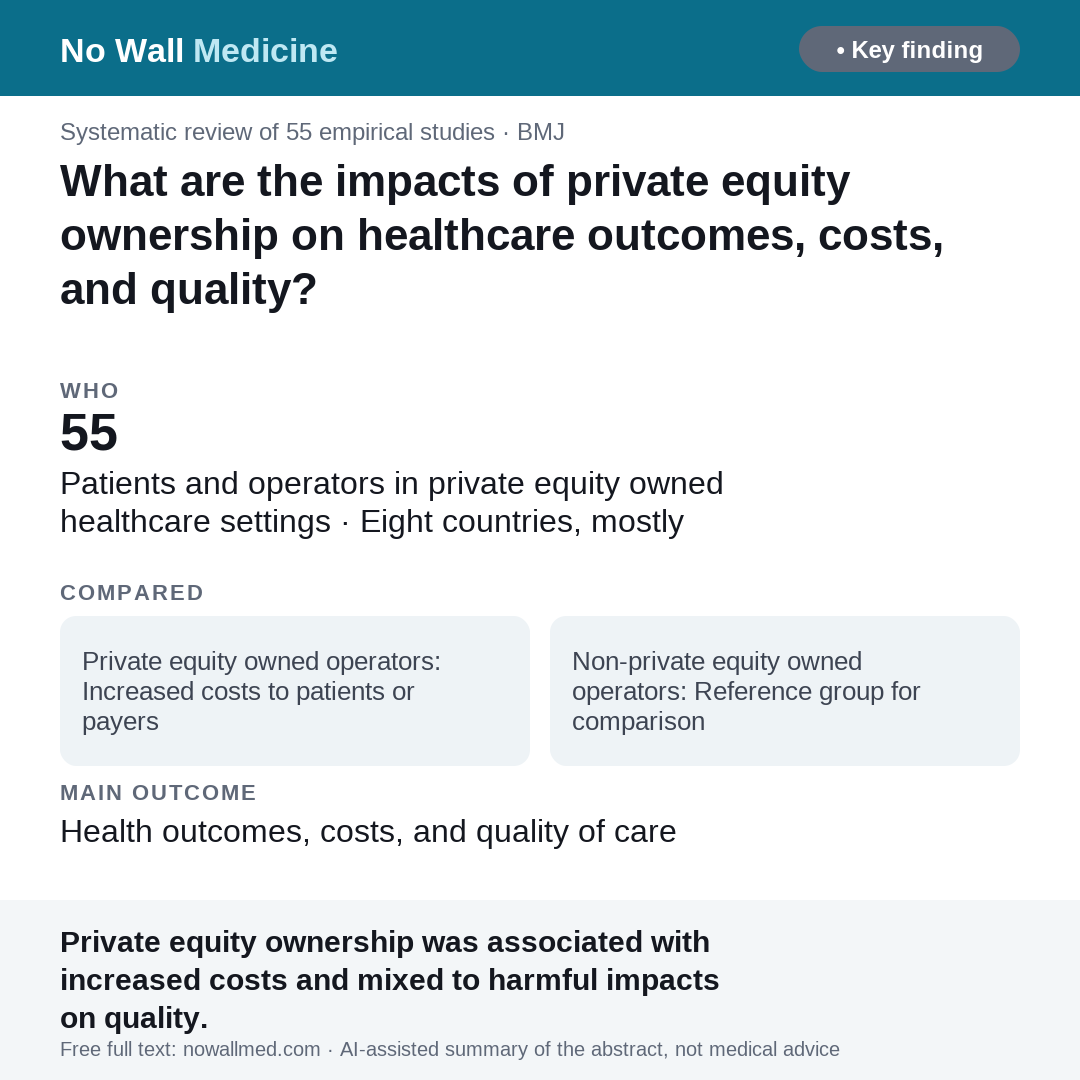
Evaluating trends in private equity ownership and impacts on health outcomes, costs, and quality: systematic review
Systematic reviewHarm found
What are the trends and impacts of private equity ownership on healthcare?
Who
55
Healthcare operators across various settings · Eight countries, mostly in the United States
Compared
Private equity ownership: increases in costs to patients or payers
Private equity ownership: mixed to harmful impacts on quality
Main outcome
Health outcomes, costs, and quality
Bottom line: Private equity ownership rapidly increased and is associated with higher costs and mixed to harmful quality impacts.
Limitation: Risk of bias and frequent geographic focus on the United States may limit international generalizability.
BMJ · 2023-07-19Download image
Trial of the MIND Diet for Prevention of Cognitive Decline in Older Persons
Randomized, controlled trialNo clear difference
Does the MIND diet prevent cognitive decline in older adults with dementia family history?
Who
604
Older adults without cognitive impairment, family history of dementia, and suboptimal diet · Two-site trial
Compared
MIND diet group: 0.205 standardized units increase
Control diet group: 0.170 standardized units increase
Main outcome
Change from baseline in global cognition score
Result: mean difference 0.035 standardized units (95% CI -0.022 to 0.092)
Bottom line: The MIND diet did not significantly improve cognitive performance compared to a control diet over three years.
Limitation: MRI outcomes were measured in a nonrandom sample of participants
Funded by: National Institute on Aging
NEJM · 2023-07-18Download image

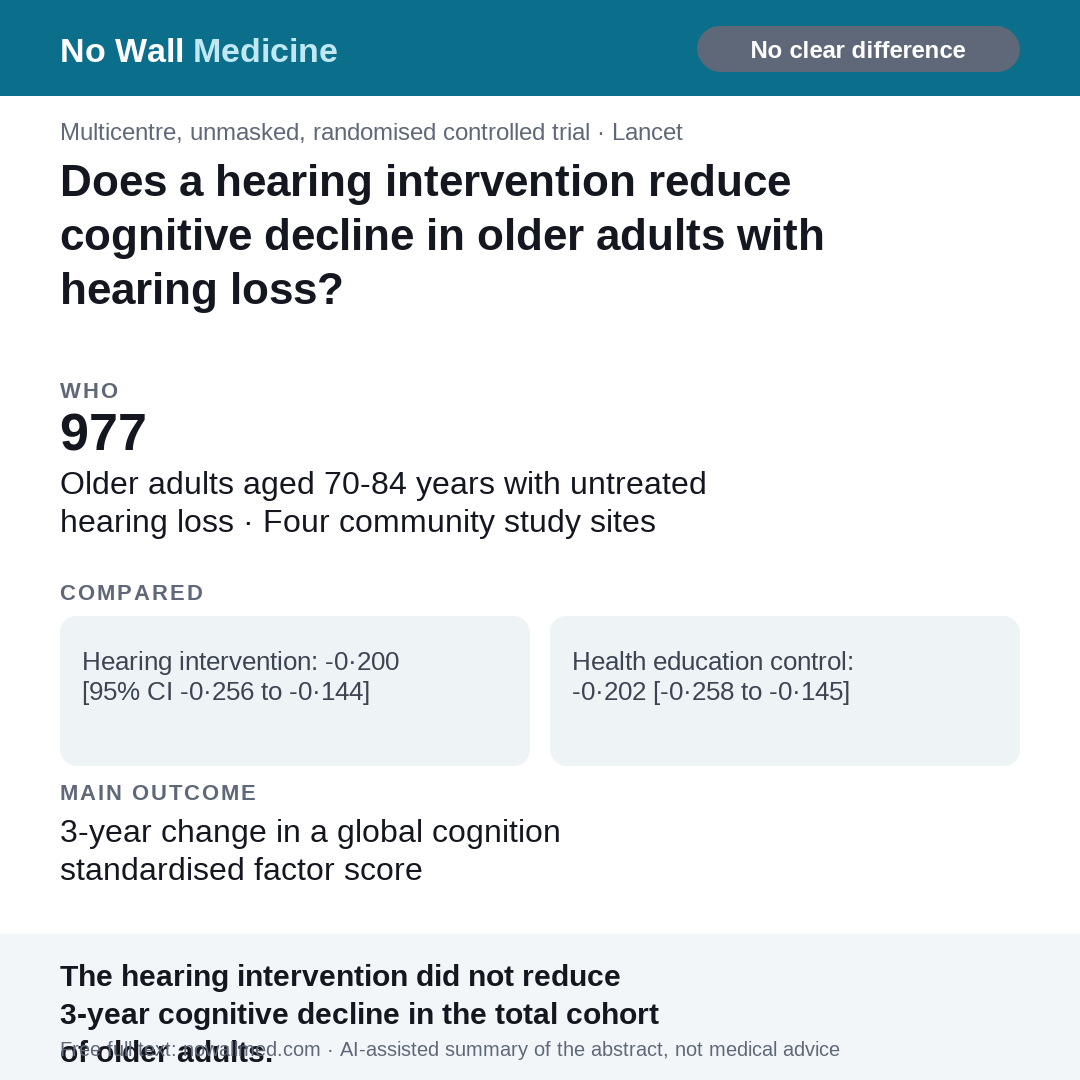
Hearing intervention versus health education control to reduce cognitive decline in older adults with hearing loss in the USA (ACHIEVE): a multicentre, randomised controlled trial
Multicentre, unmasked, randomised controlled trialNo clear difference
Does a hearing intervention reduce cognitive decline in older adults with hearing loss?
Who
977
Older adults aged 70-84 years with untreated hearing loss · Four community study sites across the USA
Compared
Hearing intervention: -0·200 [95% CI -0·256 to -0·144]
Health education control: -0·202 [-0·258 to -0·145]
Main outcome
3-year change in a global cognition standardised factor score
Result: difference 0·002 [-0·077 to 0·081]
Bottom line: The hearing intervention did not reduce 3-year cognitive decline in the total cohort of older adults.
Limitation: The effect of the hearing intervention differed between the ARIC and de novo study populations.
Funded by: US National Institutes of Health
Lancet · 2023-07-18Download image
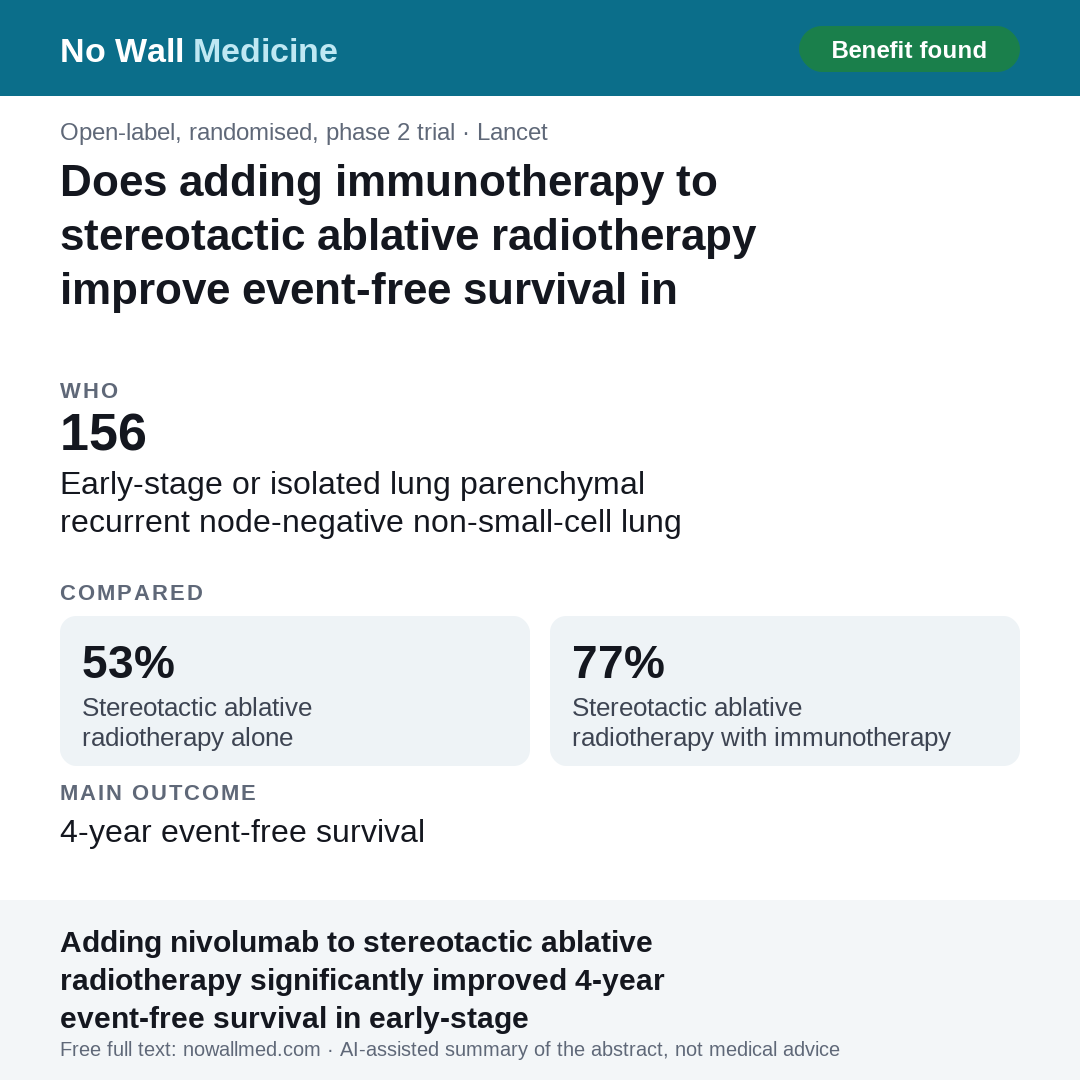
Stereotactic ablative radiotherapy with or without immunotherapy for early-stage or isolated lung parenchymal recurrent node-negative non-small-cell lung cancer: an open-label, randomised, phase 2 trial
Open-label, randomised, phase 2 trialBenefit found
Does adding immunotherapy to stereotactic ablative radiotherapy improve event-free survival in early-stage non-small-cell lung cancer?
Who
156
Early-stage or isolated lung parenchymal recurrent node-negative non-small-cell lung cancer · Three hospitals in Texas, USA
Compared
53%Stereotactic ablative radiotherapy alone (95% CI 42-67%)
77%Stereotactic ablative radiotherapy with immunotherapy (66-91%)
Main outcome
4-year event-free survival
Result: hazard ratio 0.38 (95% CI 0.19-0.75)
Bottom line: Adding nivolumab to stereotactic ablative radiotherapy significantly improved 4-year event-free survival in early-stage non-small-cell lung cancer.
Funded by: Bristol-Myers Squibb, MD Anderson Cancer Center Alliance, and National Cancer Institute
Lancet · 2023-07-18Download image
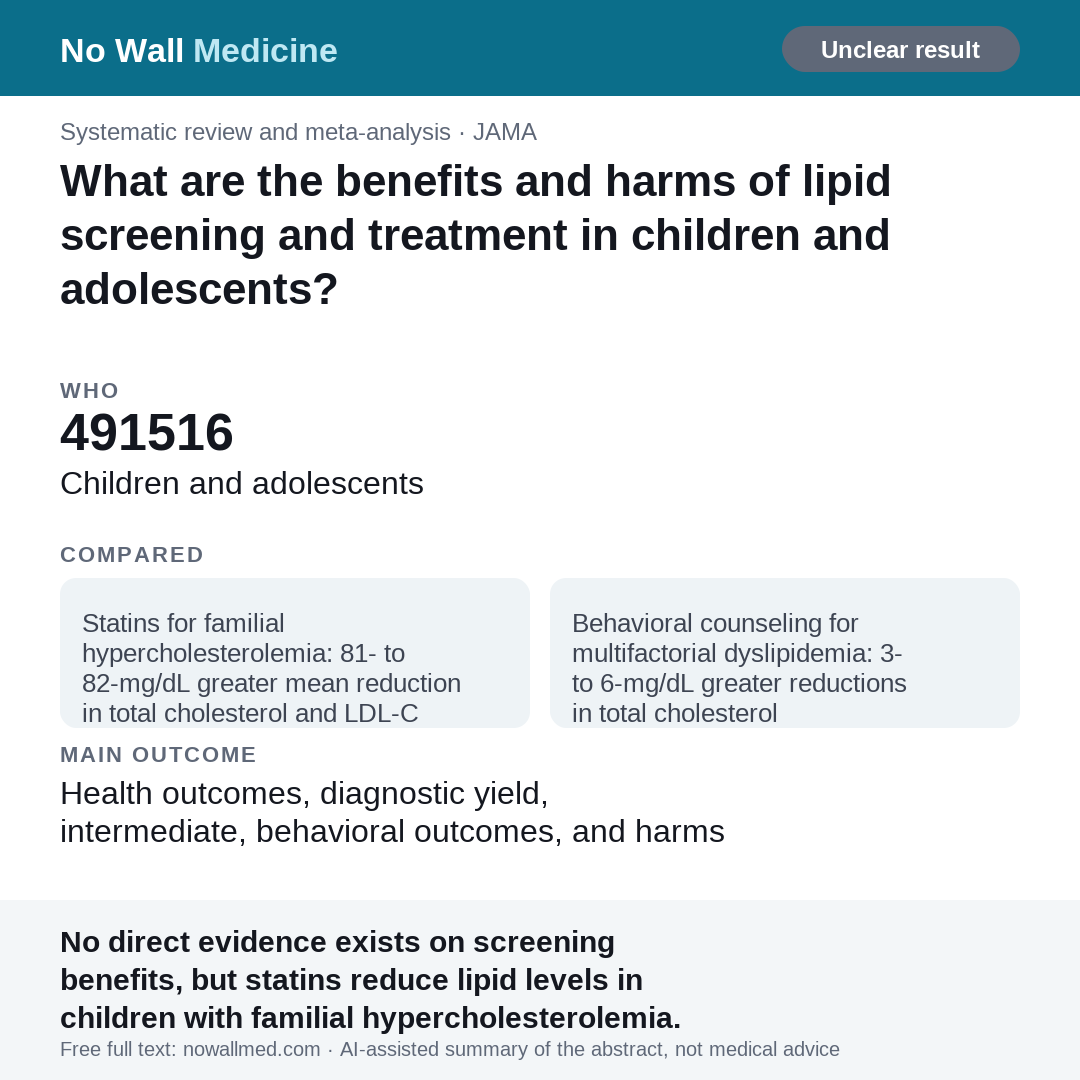
Screening for Lipid Disorders in Children and Adolescents: Updated Evidence Report and Systematic Review for the US Preventive Services Task Force
Systematic review and meta-analysisUnclear result
What are the benefits and harms of lipid screening and treatment in children and adolescents?
Who
491516
Children and adolescents
Compared
Statins for familial hypercholesterolemia: 81- to 82-mg/dL greater mean reduction in total cholesterol and LDL-C
Behavioral counseling for multifactorial dyslipidemia: 3- to 6-mg/dL greater reductions in total cholesterol
Main outcome
Health outcomes, diagnostic yield, intermediate, behavioral outcomes, and harms
Bottom line: No direct evidence exists on screening benefits, but statins reduce lipid levels in children with familial hypercholesterolemia.
JAMA · 2023-07-18Download image
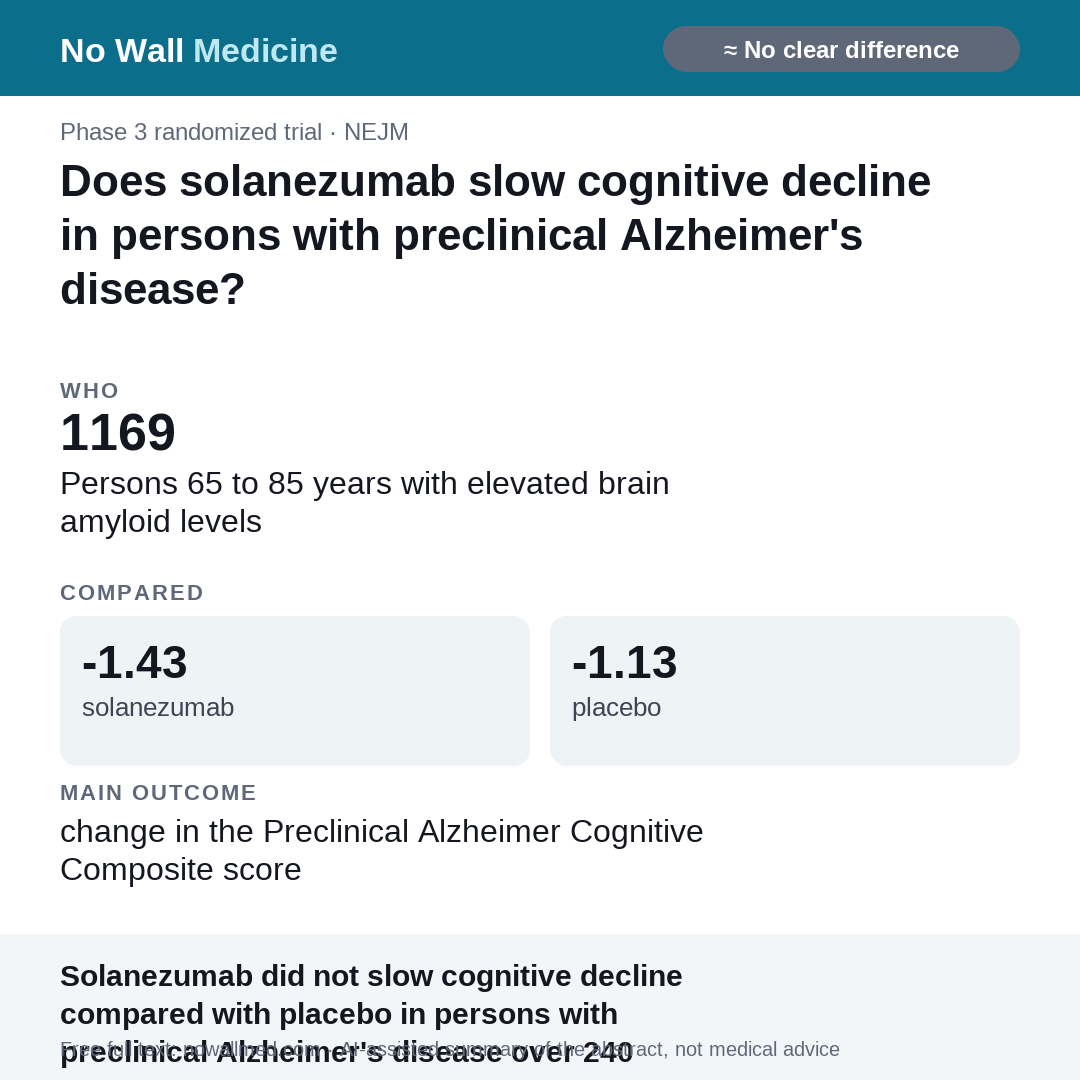
Trial of Solanezumab in Preclinical Alzheimer's Disease
Phase 3 randomized trialNo clear difference
Does solanezumab slow cognitive decline in persons with preclinical Alzheimer's disease?
Who
1169
Persons 65 to 85 years with elevated brain amyloid levels
Compared
-1.43solanezumab
-1.13placebo
Main outcome
change in the Preclinical Alzheimer Cognitive Composite score
Result: difference, -0.30 (95% confidence interval, -0.82 to 0.22)
Bottom line: Solanezumab did not slow cognitive decline compared with placebo in persons with preclinical Alzheimer's disease over 240 weeks.
Funded by: National Institute on Aging and others
NEJM · 2023-07-17Download image
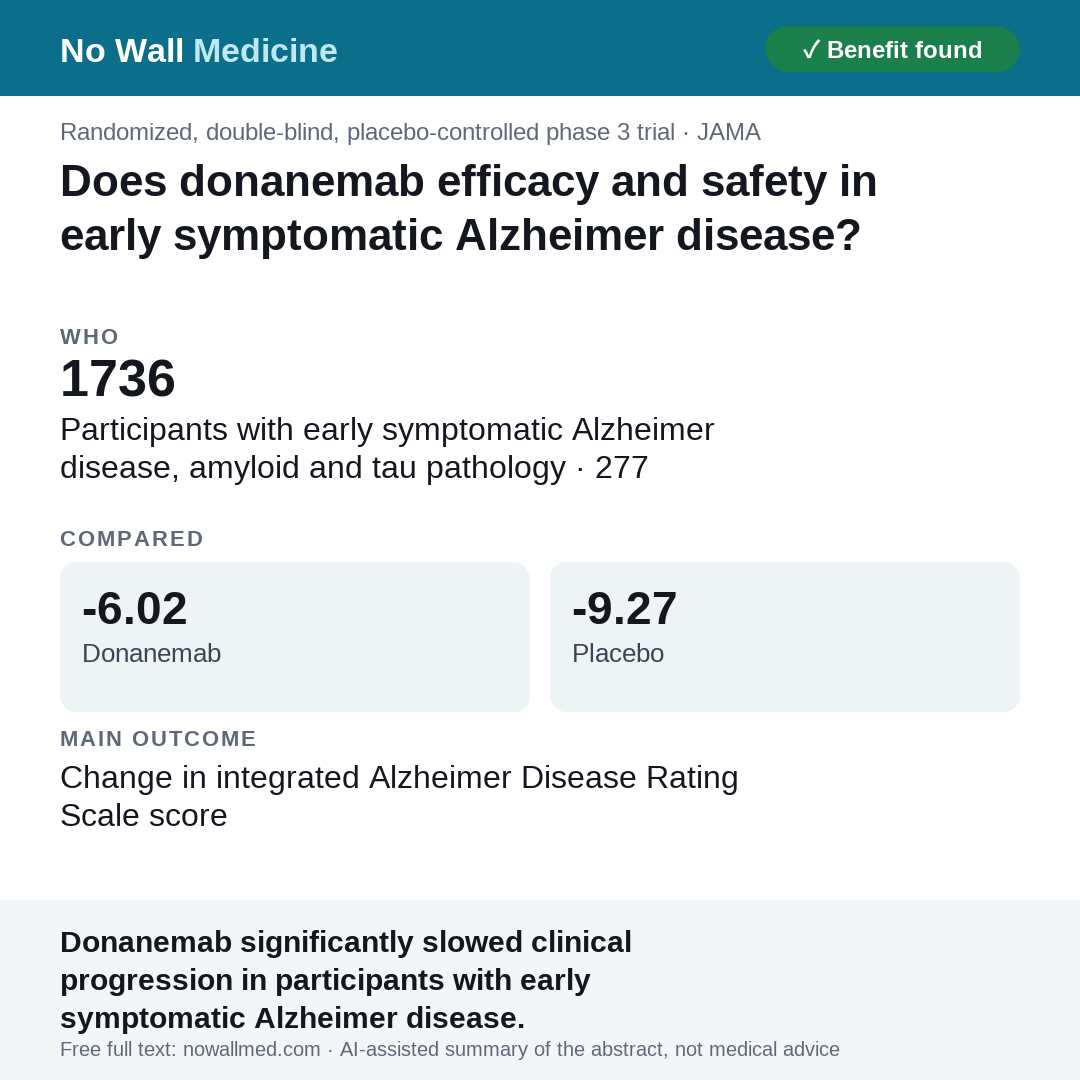
Donanemab in Early Symptomatic Alzheimer Disease: The TRAILBLAZER-ALZ 2 Randomized Clinical Trial
Randomized, double-blind, placebo-controlled phase 3 trialBenefit found
Does donanemab efficacy and safety in early symptomatic Alzheimer disease?
Who
1736
Participants with early symptomatic Alzheimer disease, amyloid and tau pathology · 277 medical research centers/hospitals in 8 countries
Compared
-6.02Donanemab (95% CI, -7.01 to -5.03)
-9.27Placebo (95% CI, -10.23 to -8.31)
Main outcome
Change in integrated Alzheimer Disease Rating Scale score
Result: difference, 3.25 (95% CI, 1.88-4.62)
Bottom line: Donanemab significantly slowed clinical progression in participants with early symptomatic Alzheimer disease.
JAMA · 2023-07-17Download image