Visual abstracts
New randomized trials and meta-analyses from leading journals at a glance: who was studied, what was compared, and what was found. Every paper is free to read in full.
All specialtiesCardiology 206Oncology 174Gastroenterology & Hepatology 100Infectious Disease 170Neurology 97Psychiatry & Mental Health 141Pulmonology 97Critical Care 55Endocrinology & Diabetes 140Pediatrics 90Surgery 67Orthopedics & Sports Medicine 40Neurosurgery 7Cardiothoracic & Vascular Surgery 21Plastic & Reconstructive Surgery 52Nephrology 41Rheumatology 40Hematology 50Dermatology 24Ophthalmology 38Obstetrics & Gynecology 54Public & Global Health 61Radiology & Imaging 17Anesthesiology 35Urology 50ENT (Otolaryngology) 27Emergency Medicine 21Allergy & Immunology 17Geriatrics 65Family Medicine & Primary Care 29Medical Genetics & Genomics 22Pathology & Laboratory Medicine 5Physical Medicine & Rehabilitation 54Palliative Care 26Nutrition 75Digital Health & AI 191General Medicine 30
Extracurricular psychiatry enrichment programmes for undergraduate medical students: systematic review
Systematic review and narrative synthesisBenefit found
Do extracurricular psychiatry enrichment programmes benefit undergraduate medical students?
Who
Undergraduate medical students · 10 countries, most commonly USA and UK
Compared
Extracurricular enrichment programmes: positive student experiences
Career intentions: 16 of 18 studies reported increased interest
Main outcome
Attitudes, career interest, and psychiatry specialty training match rates
Bottom line: Extracurricular programmes are associated with improved attitudes and increased interest in psychiatry careers among medical students.
Limitation: Small, self-selected samples with short-term follow-up and predominantly self-reported outcomes.
BJPsych Open · 2026-09-28Download image

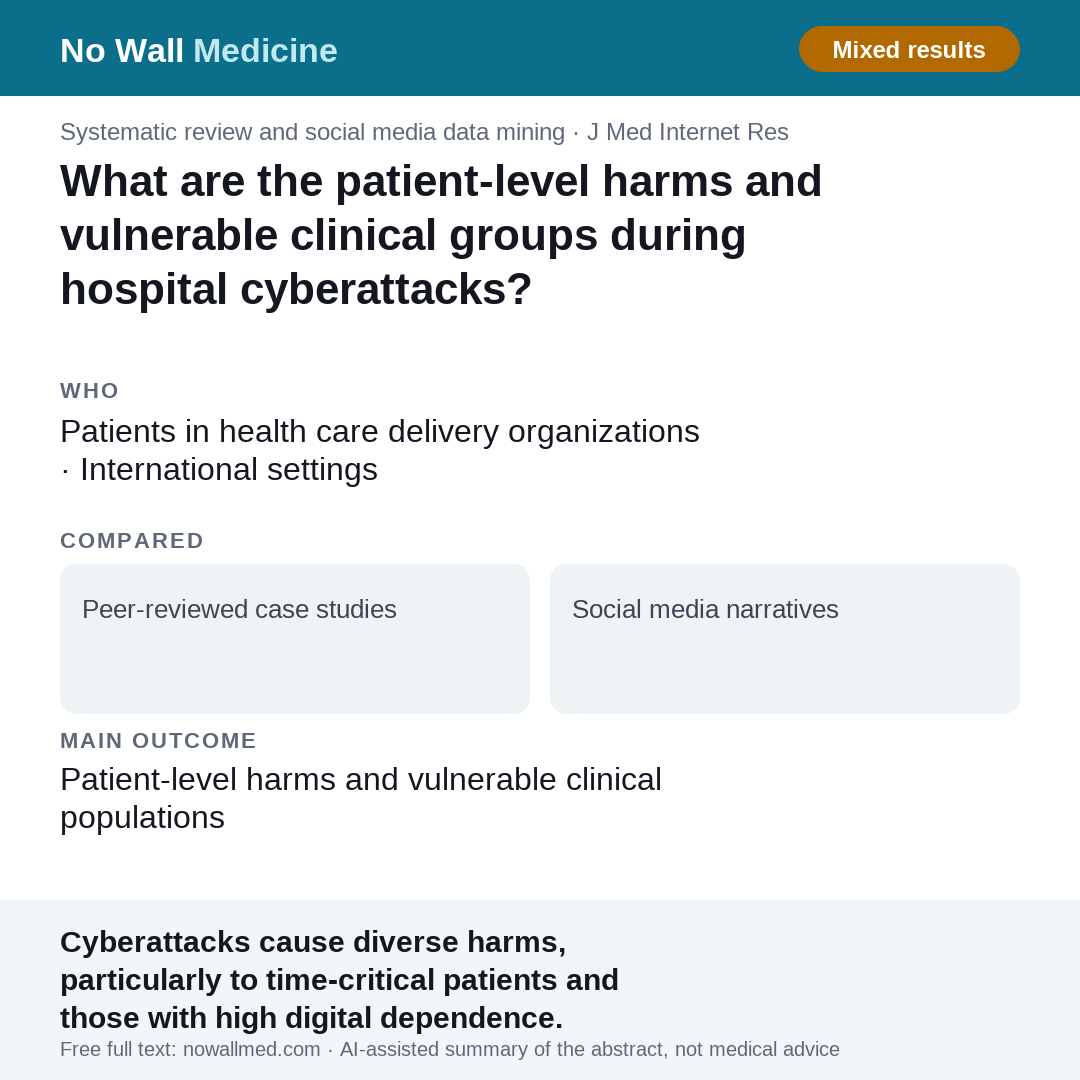
Unveiling Patient-Level Harms and At-Risk Clinical Groups During Hospital Cyberattacks: Systematic Review of Global Case Studies and Social Media Data
Systematic review and social media data miningMixed results
What are the patient-level harms and vulnerable clinical groups during hospital cyberattacks?
Who
Patients in health care delivery organizations · International settings
Compared
Peer-reviewed case studies
Social media narratives
Main outcome
Patient-level harms and vulnerable clinical populations
Bottom line: Cyberattacks cause diverse harms, particularly to time-critical patients and those with high digital dependence.
J Med Internet Res · 2026-09-28Download image
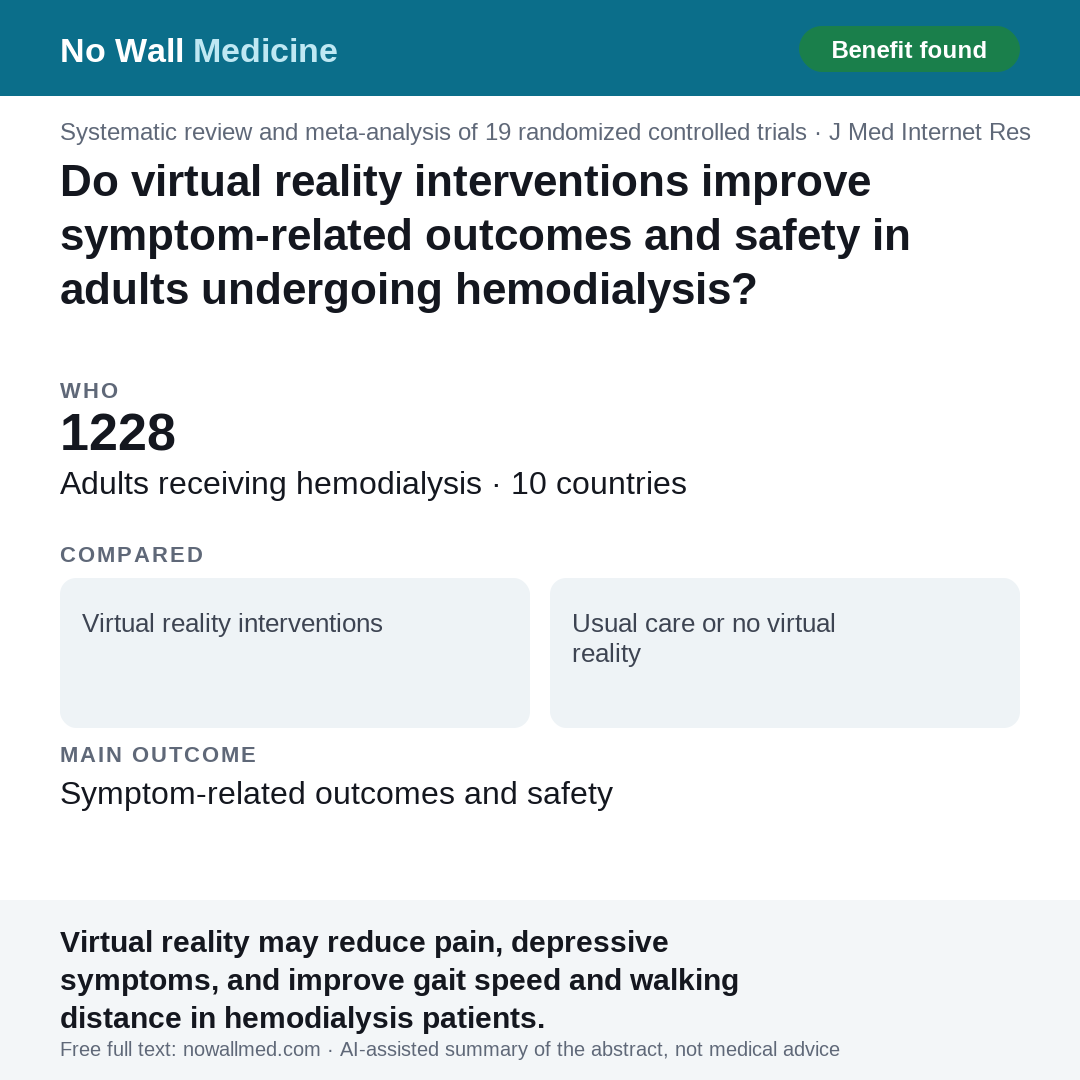
Effectiveness and Safety of Virtual Reality Interventions for Symptom Management in Adults Undergoing Hemodialysis: Systematic Review and Meta-Analysis of Randomized Controlled Trials
Systematic review and meta-analysis of randomized controlled trialsBenefit found
Do virtual reality interventions improve symptom-related outcomes and safety in adults undergoing hemodialysis?
Who
1228
Adults receiving hemodialysis · 10 countries
Compared
Virtual reality interventions
Usual care or no virtual reality
Main outcome
Pain during arteriovenous fistula cannulation
Result: mean difference -2.44 (95% CI -2.91 to -1.97)
Bottom line: Virtual reality may reduce cannulation pain, depressive symptoms, and improve physical function in adults undergoing hemodialysis.
Limitation: Safety evidence remains limited.
J Med Internet Res · 2026-09-28Download image
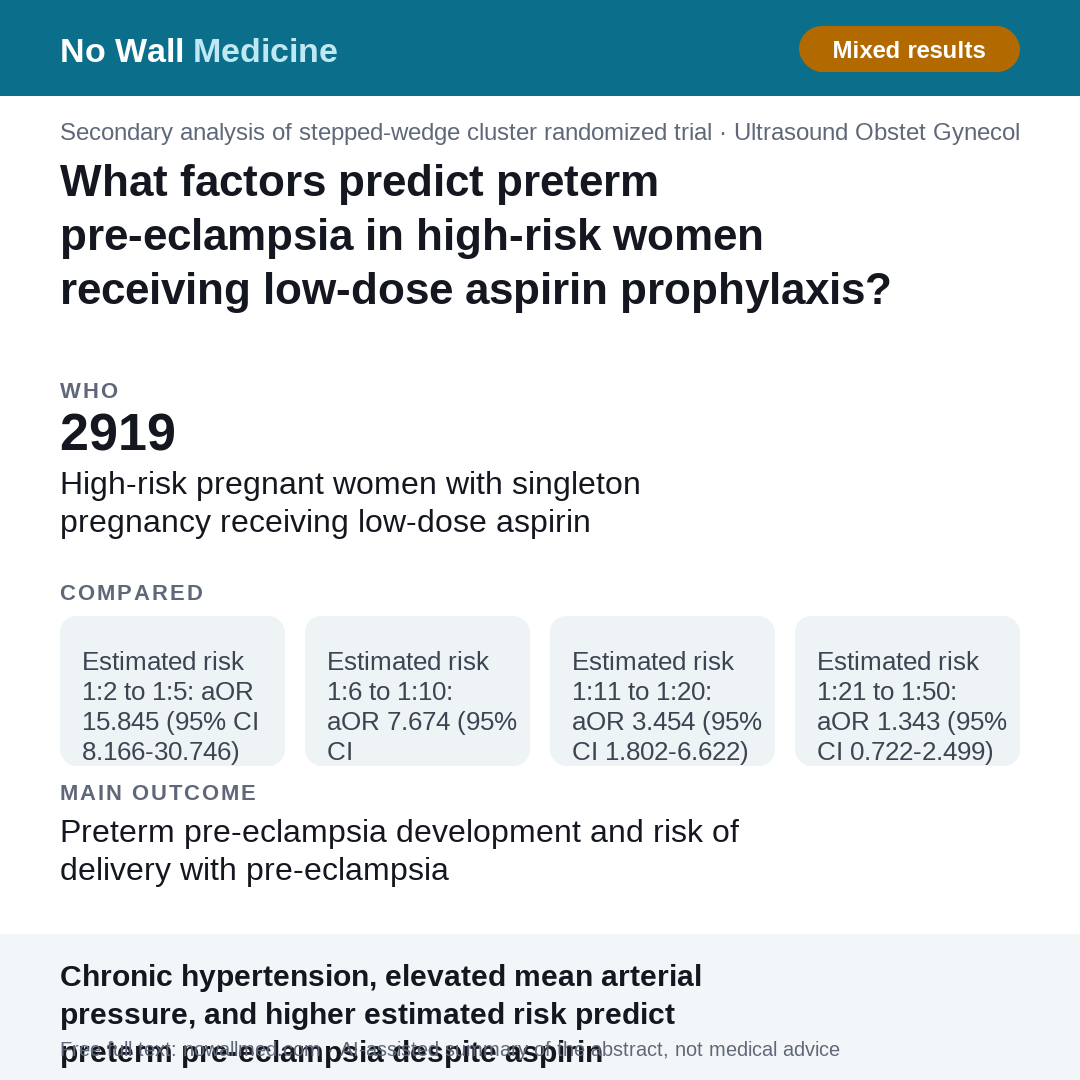
Determinants of preterm pre-eclampsia following low-dose aspirin prophylaxis: evidence from stepped-wedge cluster randomized trial in Asia
Secondary analysis of stepped-wedge cluster randomized trialMixed results
What factors predict preterm pre-eclampsia in high-risk women receiving low-dose aspirin prophylaxis?
Who
2919
High-risk pregnant women with singleton pregnancy receiving low-dose aspirin prophylaxis · 18 maternity/diagnostic units in 10 regions in Asia
Compared
Estimated risk 1:2 to 1:5: aOR 15.845 (95% CI 8.166-30.746)
Estimated risk 1:6 to 1:10: aOR 7.674 (95% CI 3.925-15.004)
Estimated risk 1:11 to 1:20: aOR 3.454 (95% CI 1.802-6.622)
Estimated risk 1:21 to 1:50: aOR 1.343 (95% CI 0.722-2.499)
Main outcome
Preterm pre-eclampsia development and risk of delivery with pre-eclampsia
Result: aOR 15.845 (95% CI 8.166-30.746) for highest risk group
Bottom line: Chronic hypertension, elevated mean arterial pressure, and higher estimated risk predict preterm pre-eclampsia despite aspirin prophylaxis.
Ultrasound Obstet Gynecol · 2026-09-27Download image
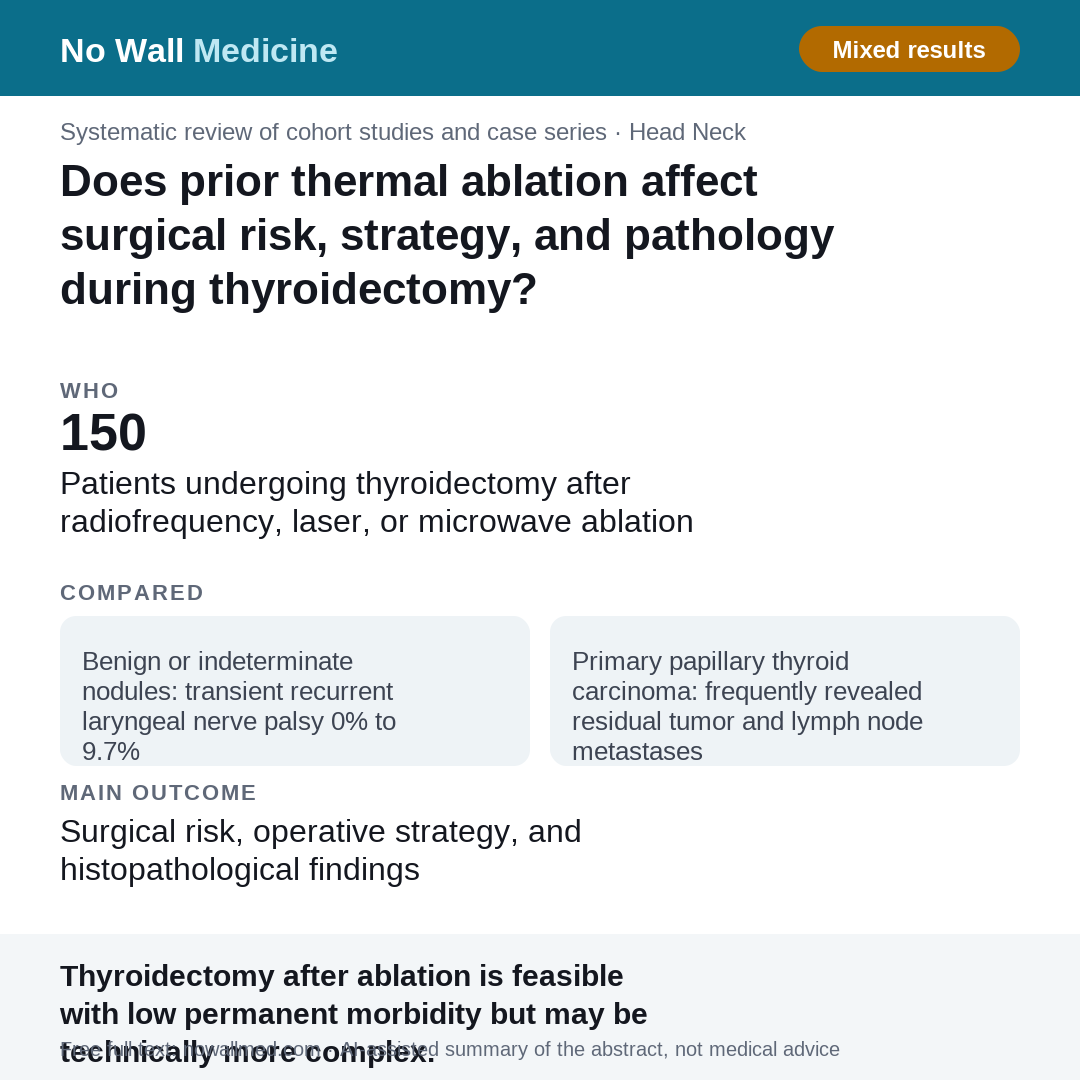
Surgery After Thermal Ablation of Thyroid Nodules: A Systematic Review of Surgical Risk, Strategy and Pathological Findings
Systematic review of cohort studies and case seriesMixed results
Does prior thermal ablation affect surgical risk, strategy, and pathology during thyroidectomy?
Who
150
Patients undergoing thyroidectomy after radiofrequency, laser, or microwave ablation
Compared
Benign or indeterminate nodules: transient recurrent laryngeal nerve palsy 0% to 9.7%
Primary papillary thyroid carcinoma: frequently revealed residual tumor and lymph node metastases
Main outcome
Surgical risk, operative strategy, and histopathological findings
Bottom line: Thyroidectomy after ablation is feasible with low permanent morbidity but may be technically more complex.
Limitation: Limited to small, heterogeneous retrospective series without defining true incremental surgical risk.
Head Neck · 2026-09-27Download image
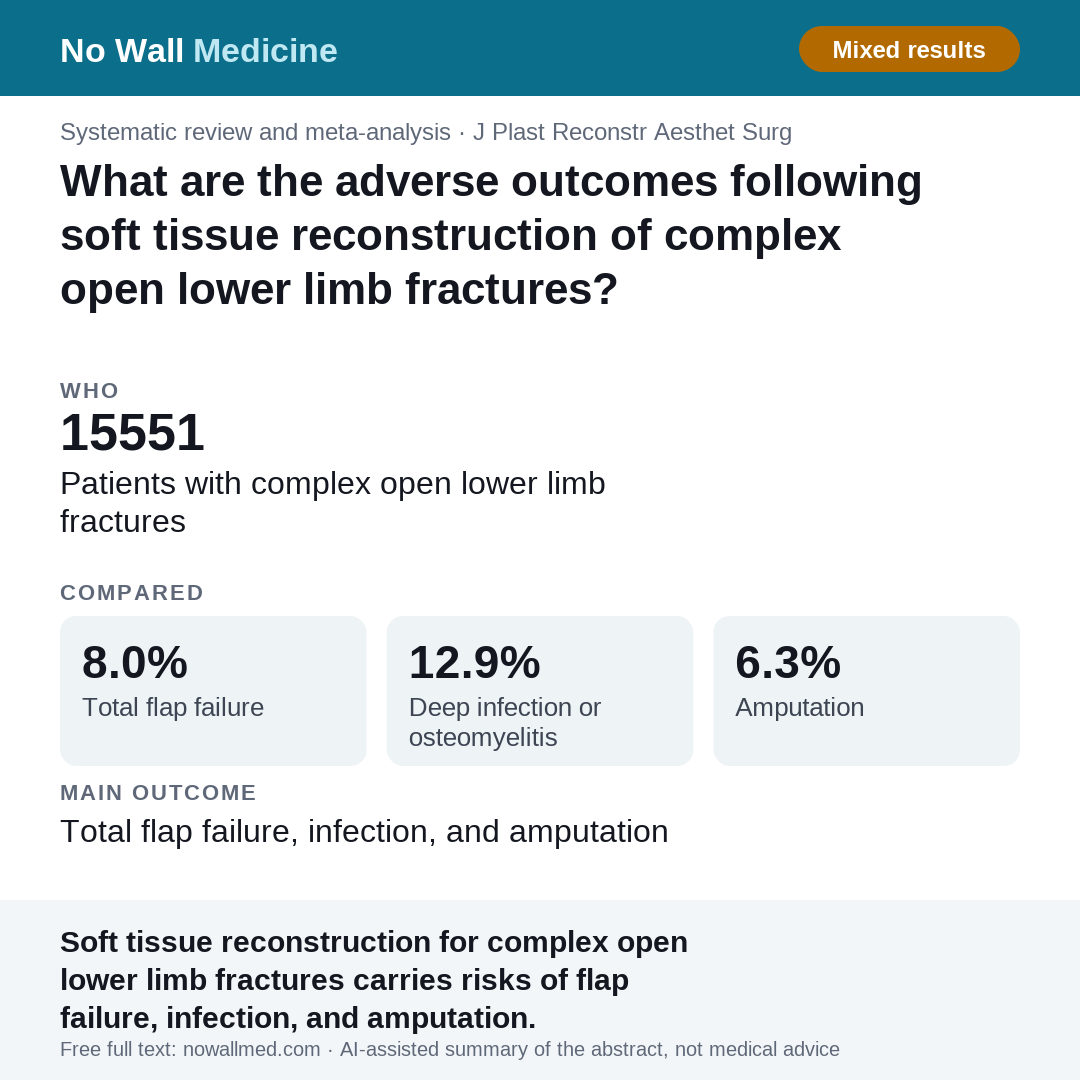
Meta-analysis of adverse outcomes following soft tissue reconstruction of complex open lower limb fractures
Systematic review and meta-analysisMixed results
What are the adverse outcomes following soft tissue reconstruction of complex open lower limb fractures?
Who
15551
Patients with complex open lower limb fractures
Compared
8.0%Total flap failure (95% CI 6.9-9.2)
12.9%Deep infection or osteomyelitis (95% CI 10.6-15.6)
6.3%Amputation (95% CI 5.2-7.6)
Main outcome
Total flap failure, infection, and amputation
Bottom line: Soft tissue reconstruction for complex open lower limb fractures carries risks of flap failure, infection, and amputation.
Limitation: Risk of bias was moderate in 64.5% of the studies.
J Plast Reconstr Aesthet Surg · 2026-09-26Download image
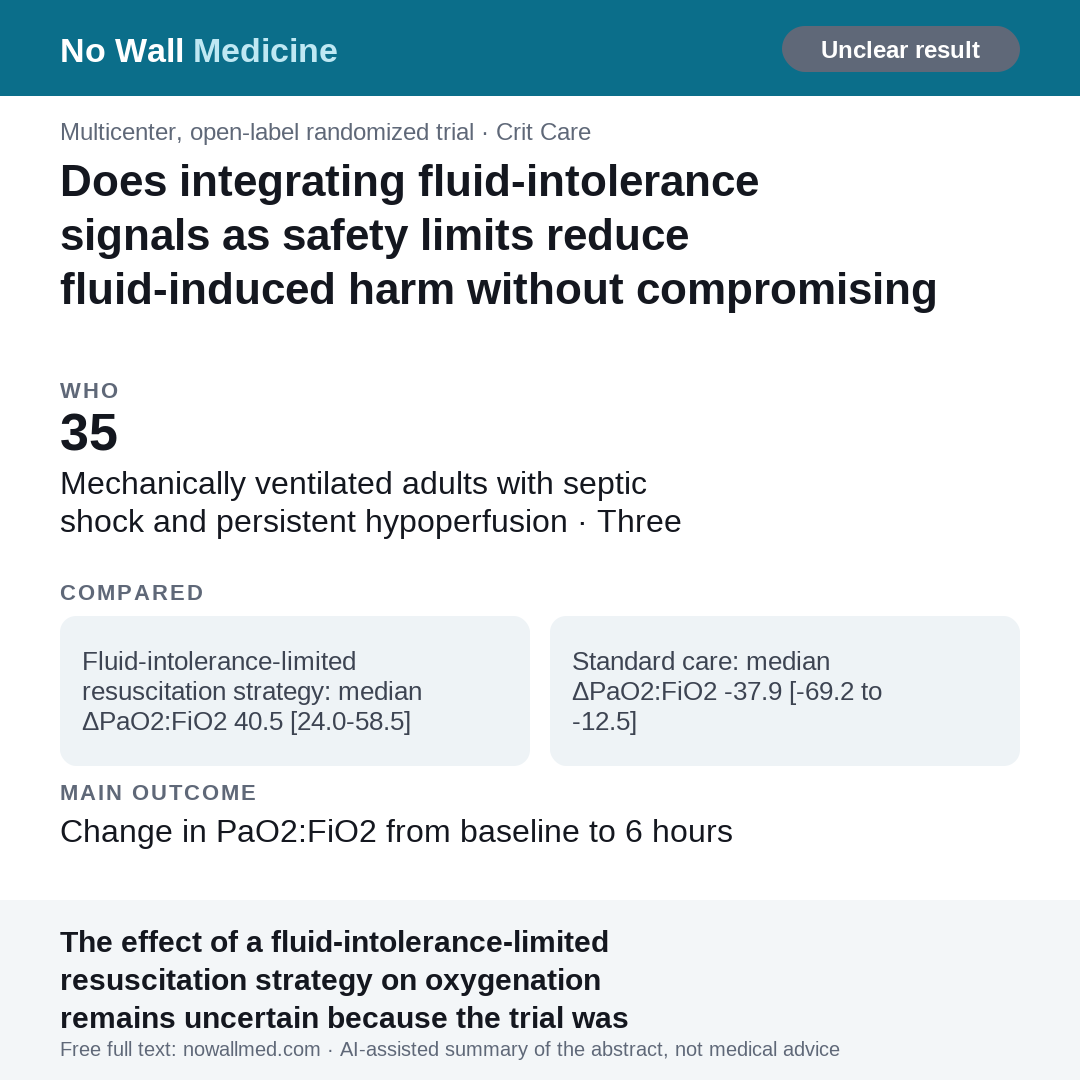
Fluid-intolerance signals as bedside safety limits during early septic shock resuscitation: a multicenter randomized trial
Multicenter, open-label randomized trialUnclear result
Does integrating fluid-intolerance signals as safety limits reduce fluid-induced harm without compromising hypoperfusion resolution?
Who
35
Mechanically ventilated adults with septic shock and persistent hypoperfusion · Three Chilean intensive care units
Compared
Fluid-intolerance-limited resuscitation strategy: median ΔPaO2:FiO2 40.5 [24.0-58.5]
Standard care: median ΔPaO2:FiO2 -37.9 [-69.2 to -12.5]
Main outcome
Change in PaO2:FiO2 from baseline to 6 hours
Bottom line: The effect of a fluid-intolerance-limited resuscitation strategy on oxygenation remains uncertain because the trial was stopped early.
Limitation: Recruitment was discontinued before the planned sample size was reached.
Crit Care · 2026-09-26Download image
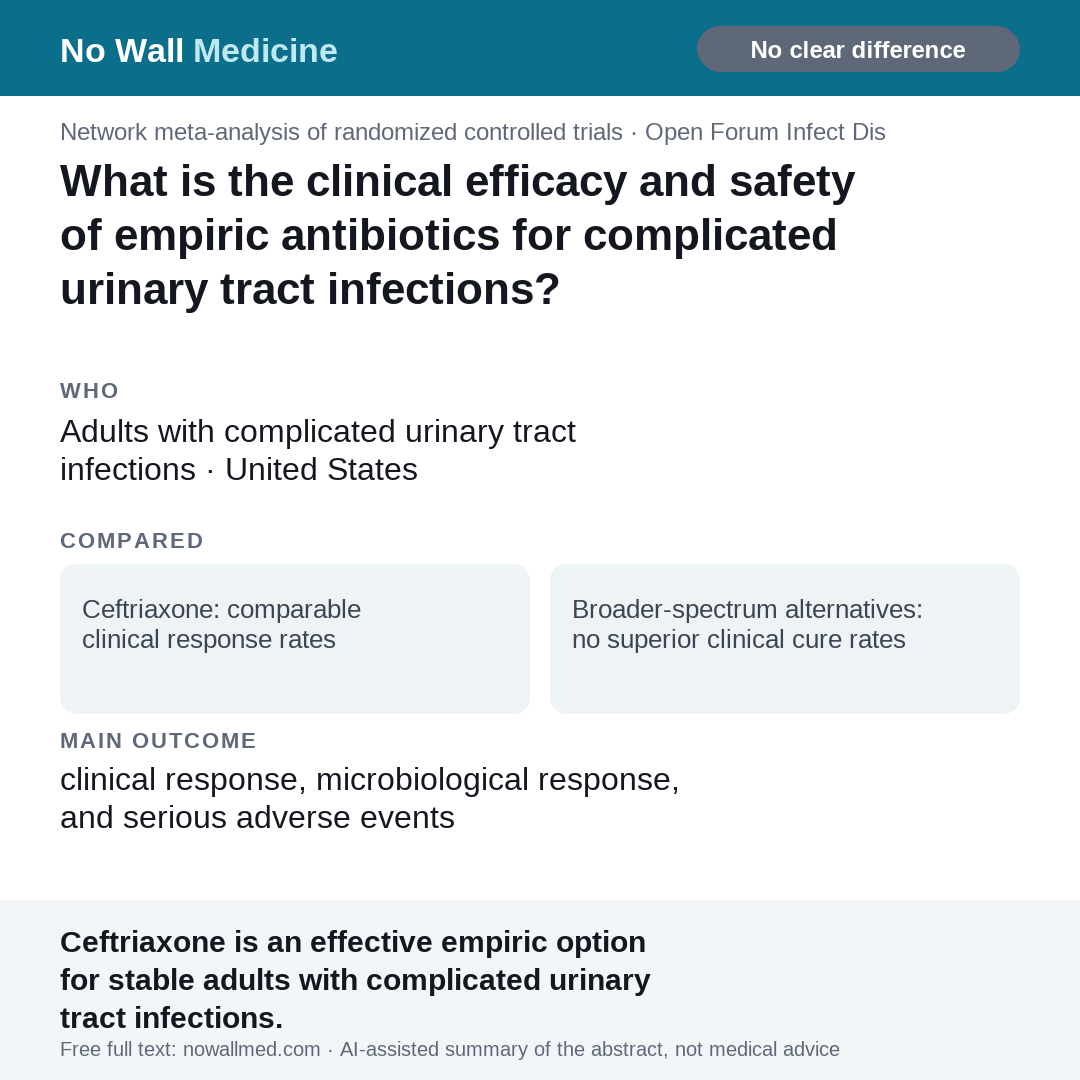
A Systematic Review and Network Meta-analysis of Empirical Antibiotics for Complicated Urinary Tract Infections
Network meta-analysis of randomized controlled trialsNo clear difference
What is the clinical efficacy and safety of empiric antibiotics for complicated urinary tract infections?
Who
Adults with complicated urinary tract infections · United States
Compared
Ceftriaxone: comparable clinical response rates
Broader-spectrum alternatives: no superior clinical cure rates
Main outcome
clinical response, microbiological response, and serious adverse events
Bottom line: Ceftriaxone is an effective empiric option for stable adults with complicated urinary tract infections.
Open Forum Infect Dis · 2026-09-26Download image
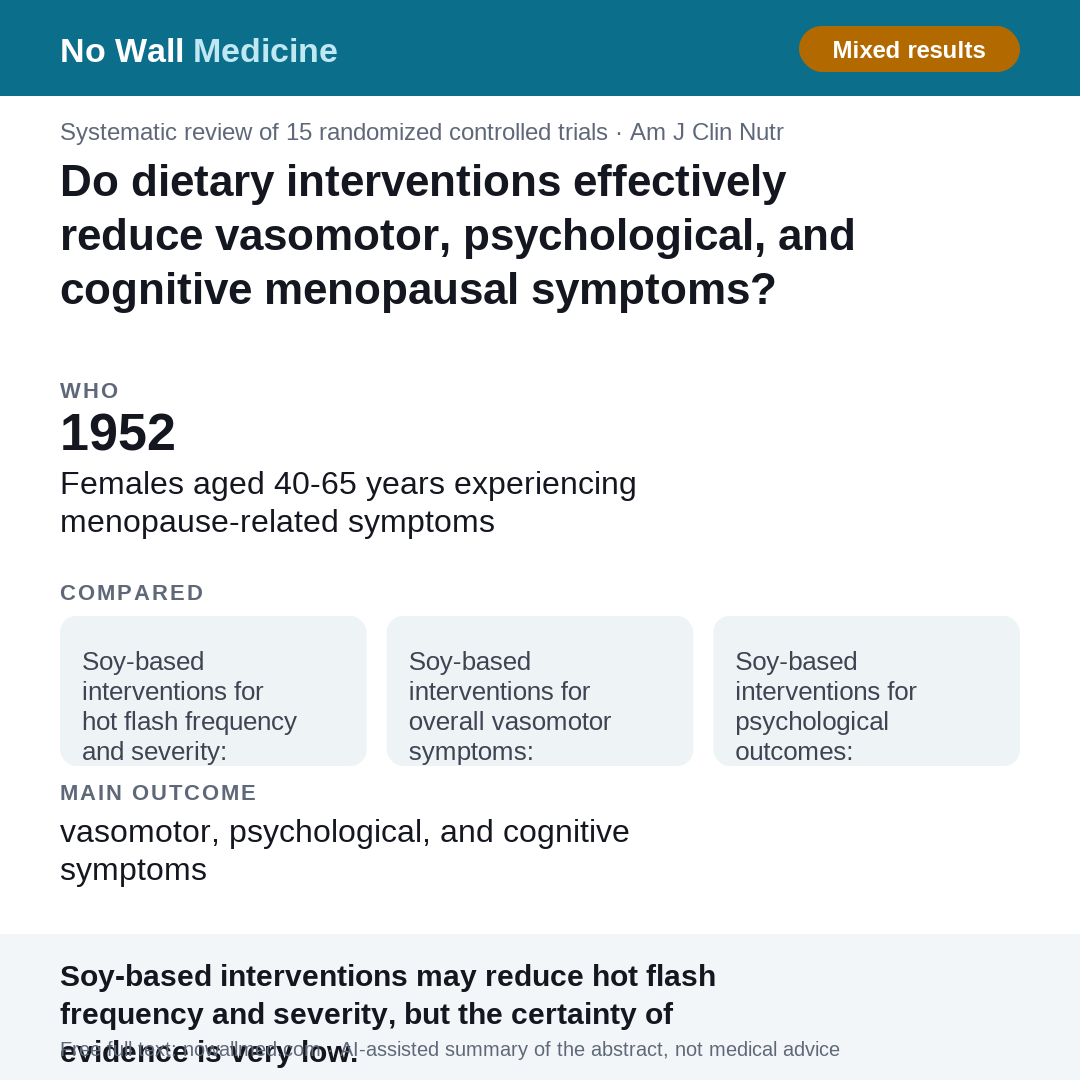
A machine learning-based ecological momentary intervention for mental health promotion in youth: a micro-randomized trial
Within-subject micro-randomized trialMixed results
Does machine learning-based assignment of intervention components improve momentary mental health outcomes in youth?
Who
49
Youth from general population and psychological counselling services
Compared
Machine learning-based assignment: B = 0.147 (95% CI 0.004 - 0.290) for momentary resilience
Random assignment
Main outcome
Momentary resilience, positive affect, and negative affect
Result: B = 0.147 (95% CI 0.004 - 0.290)
Bottom line: Machine learning-based assignment may improve momentary resilience, but showed no effect on positive or negative affect.
Transl Psychiatry · 2026-09-26Download image
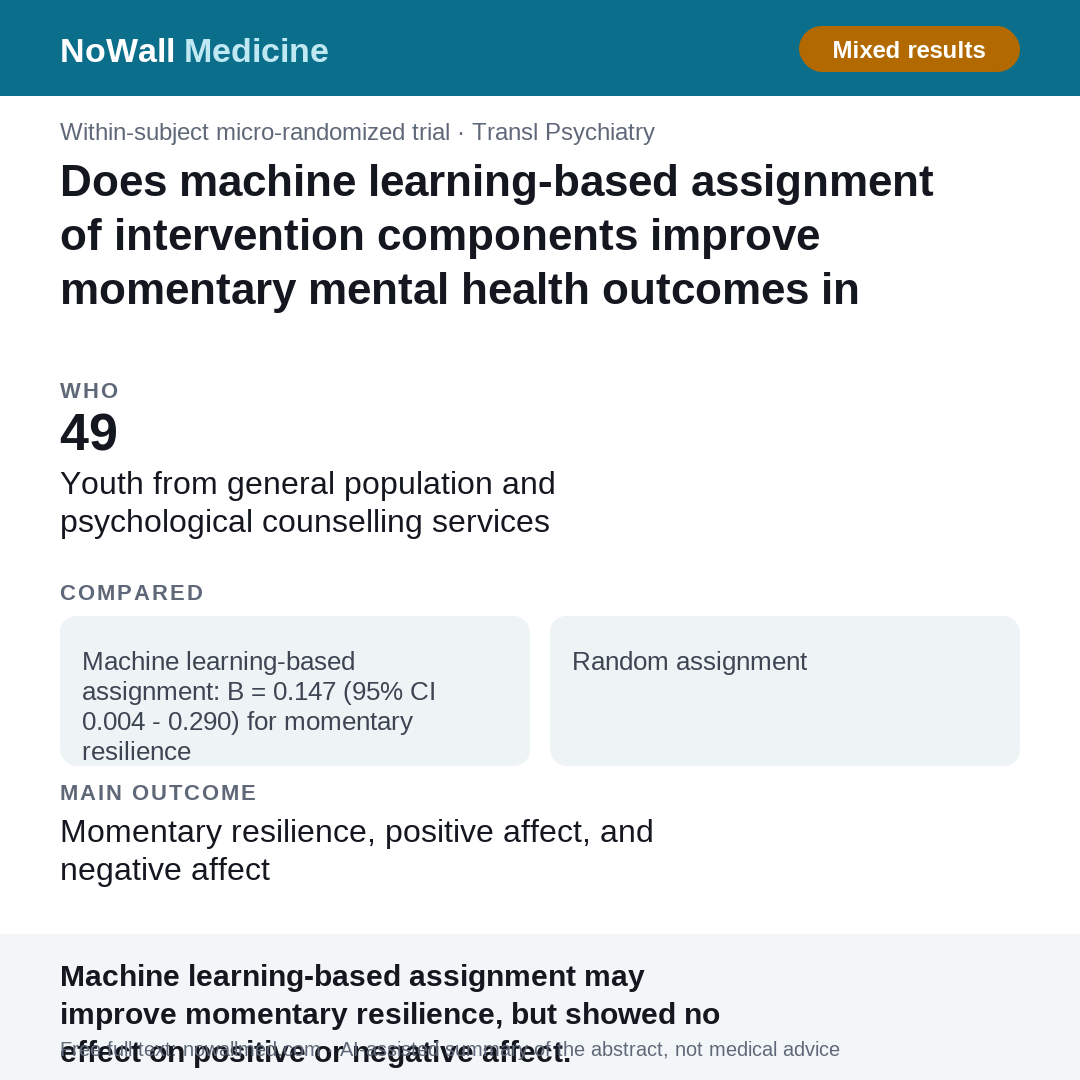
Radiotherapy versus observation following surgical resection of WHO grade 2 atypical meningioma (ROAM/EORTC-1308): an international, multicentre, open-label, phase 3, randomised controlled trial
Randomized controlled trialBenefit found
Does radiotherapy reduce recurrence after surgery
Who
157
Patients with atypical meningioma after surgery · 58 hospitals in 11 countries
Compared
14%Radiotherapy (11/78)
30%Observation (24/79)
Main outcome
Disease-free survival
Result: hazard ratio 0.51 (95% CI 0.27-0.97)
Bottom line: Radiotherapy reduces meningioma recurrence
Funded by: National Institute for Health and Care Research
Lancet · 2026-09-25Download image
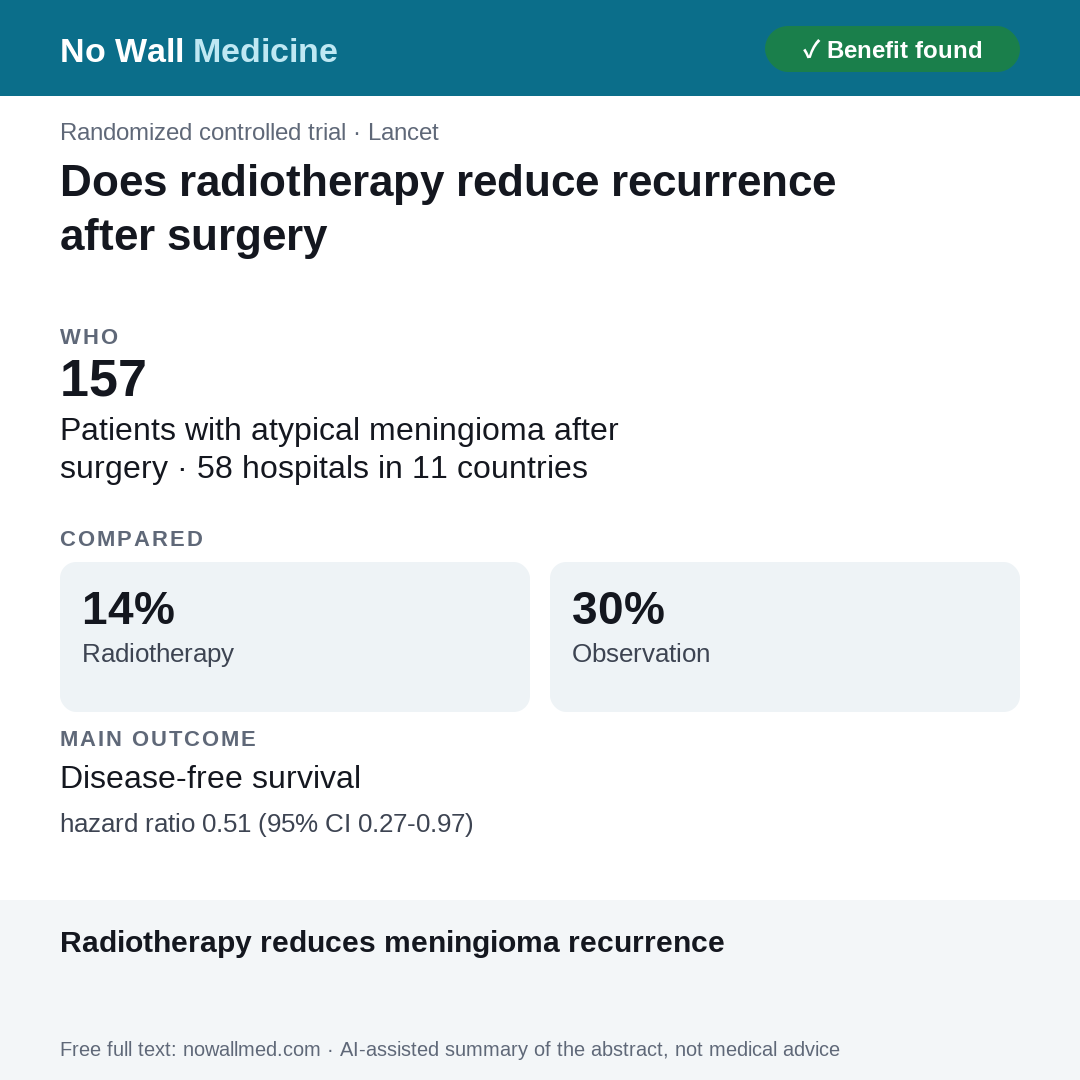
Gastric and Duodenal Cancers in Lynch Syndrome: Incidence and Endoscopic Surveillance-A Systematic Review and Meta-Analysis
Systematic review and meta-analysisMixed results
What are the cancer incidence rates and surveillance effects in Lynch syndrome?
Who
33530
Patients with genetically confirmed Lynch syndrome
Compared
Esophagogastroduodenoscopy surveillance
No surveillance
Main outcome
Gastric and duodenal cancer incidence
Result: gastric cancer risk ratio 0.31 (95% confidence interval 0.14-0.69)
Bottom line: Surveillance was associated with lower gastric cancer risk but not different duodenal cancer risk in limited observational studies.
Limitation: Current comparative evidence for esophagogastroduodenoscopy surveillance is limited and observational.
Clin Gastroenterol Hepatol · 2026-09-25Download image
Intraosseous versus intravenous access in adult out-of-hospital cardiac arrest: a Bayesian secondary analysis of the PARAMEDIC-3 randomised controlled trial
Bayesian secondary analysis of a randomized controlled trialHarm found
Is an intraosseous-first strategy more effective than intravenous-first in adult out-of-hospital cardiac arrest?
Who
6082
Adults with out-of-hospital cardiac arrest requiring vascular access
Compared
intraosseous-first strategy
intravenous-first strategy
Main outcome
30-day survival
Result: 81.6% probability that intraosseous-first was inferior
Bottom line: An intraosseous-first strategy in adult out-of-hospital cardiac arrest is more likely to be harmful than beneficial.
Limitation: The low probability of a moderate or large treatment effect suggests the overall effect is likely modest.
Resuscitation · 2026-09-25Download image

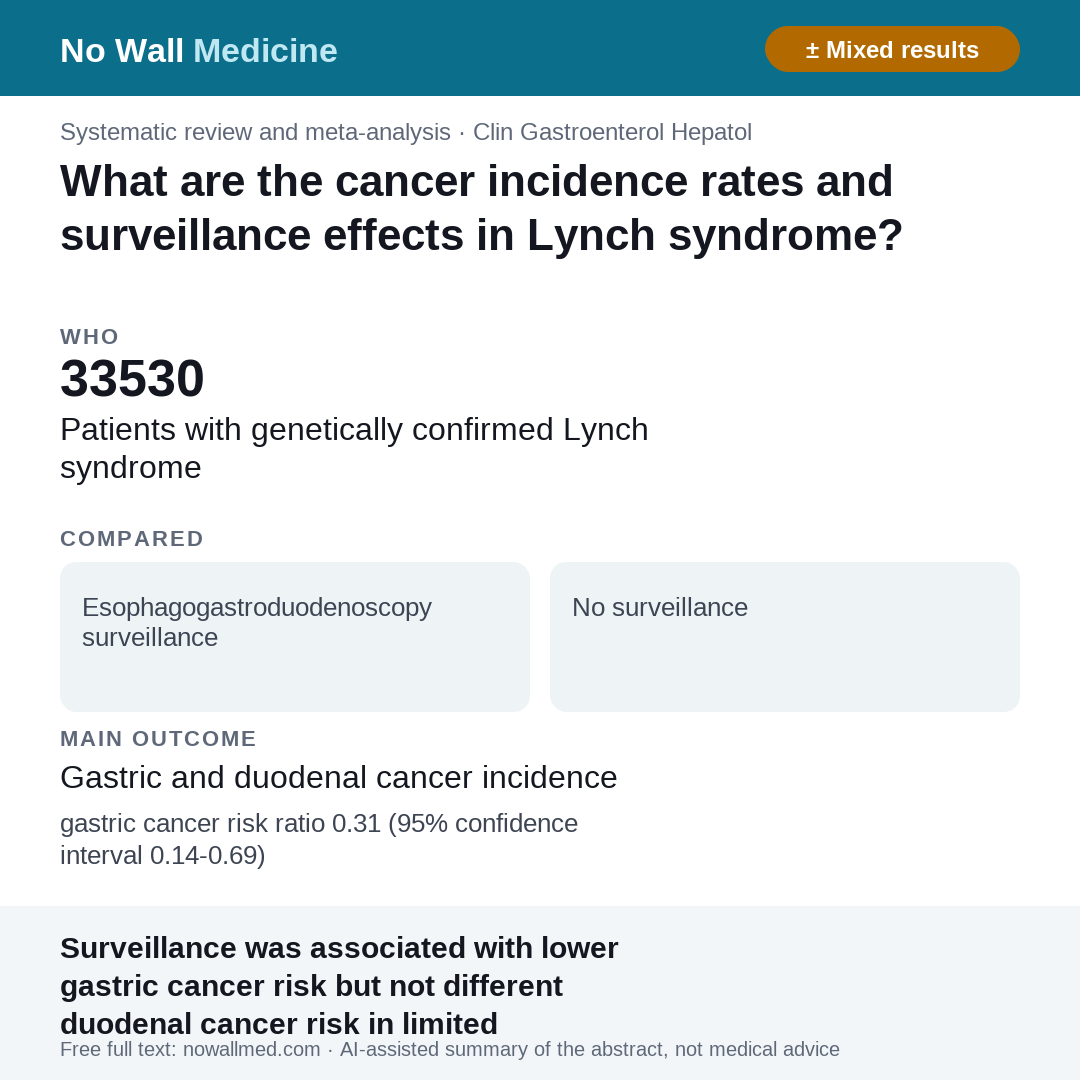
Dietary interventions for menopausal symptoms: a systematic review
Systematic review of 15 randomized controlled trialsMixed results
Do dietary interventions effectively reduce vasomotor, psychological, and cognitive menopausal symptoms?
Who
1952
Females aged 40-65 years experiencing menopause-related symptoms
Compared
Soy-based interventions for hot flash frequency and severity: standardized mean difference -0.79 (95% CI -1.34, -0.23)
Soy-based interventions for overall vasomotor symptoms: standardized mean difference -0.43 (95% CI -1.12, 0.26)
Soy-based interventions for psychological outcomes: standardized mean difference -0.21 (95% CI -0.470, 0.05)
Main outcome
vasomotor, psychological, and cognitive symptoms
Result: standardized mean difference -0.79 (95% CI -1.34, -0.23) for hot flash frequency and severity
Bottom line: Soy-based interventions may reduce hot flash frequency and severity, but the certainty of evidence is very low.
Limitation: The certainty of evidence was very low and larger, high-quality trials are required.
Am J Clin Nutr · 2026-09-25Download image
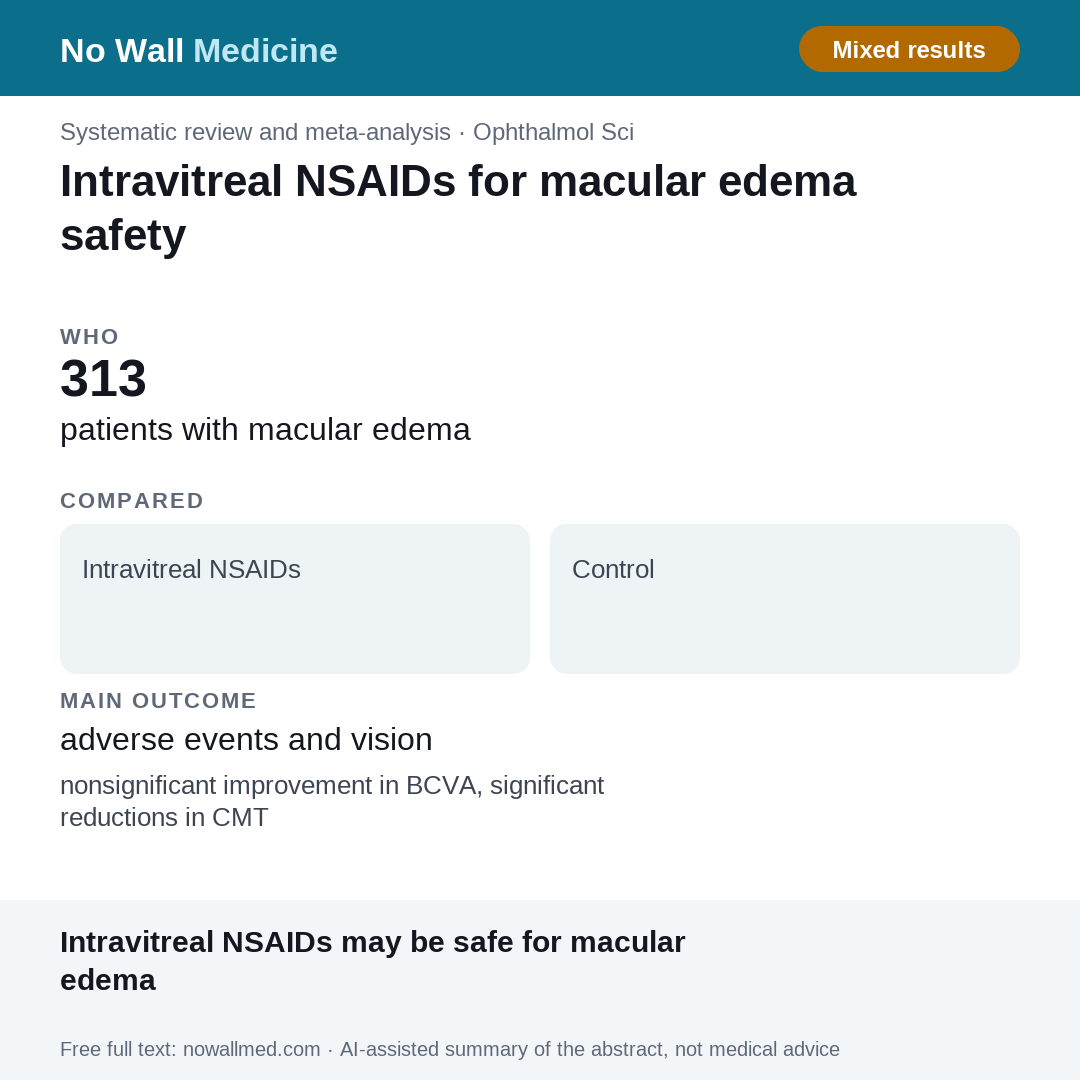
Intravitreal Diclofenac and Other Nonsteroidal Anti-Inflammatory Drugs for the Treatment of Macular Edema: A Systematic Review and Exploratory Meta-Analysis
Systematic review and meta-analysisMixed results
Intravitreal NSAIDs for macular edema safety
Who
313
patients with macular edema
Compared
Intravitreal NSAIDs
Control
Main outcome
adverse events and vision
Result: nonsignificant improvement in BCVA, significant reductions in CMT
Bottom line: Intravitreal NSAIDs may be safe for macular edema
Limitation: evidence certainty Very Low
Ophthalmol Sci · 2026-09-25Download image
Prenatal high-dose vitamin D supplementation and offspring bone mineral content and density at age 13 years: a secondary analysis of a randomised clinical trial
Double-blinded, randomized clinical trialNo clear difference
Does prenatal high-dose vitamin D supplementation affect offspring bone health at age 13 years?
Who
584
Children from the COPSAC2010 study
Compared
High-dose vitamin D: total body BMC 6.7 (-28.3:41.6)
Standard-dose vitamin D: total body BMC 6.7 (-28.3:41.6)
Main outcome
Total body bone mineral content and density at age 13 years
Bottom line: Prenatal high-dose vitamin D supplementation showed no lasting effect on offspring bone mineral content at age 13 years.
Funded by: Thrasher Research Fund Award and Kong Christian IX and Dronning Louises Jubilæumslegat
Lancet Reg Health Eur · 2026-09-25Download image

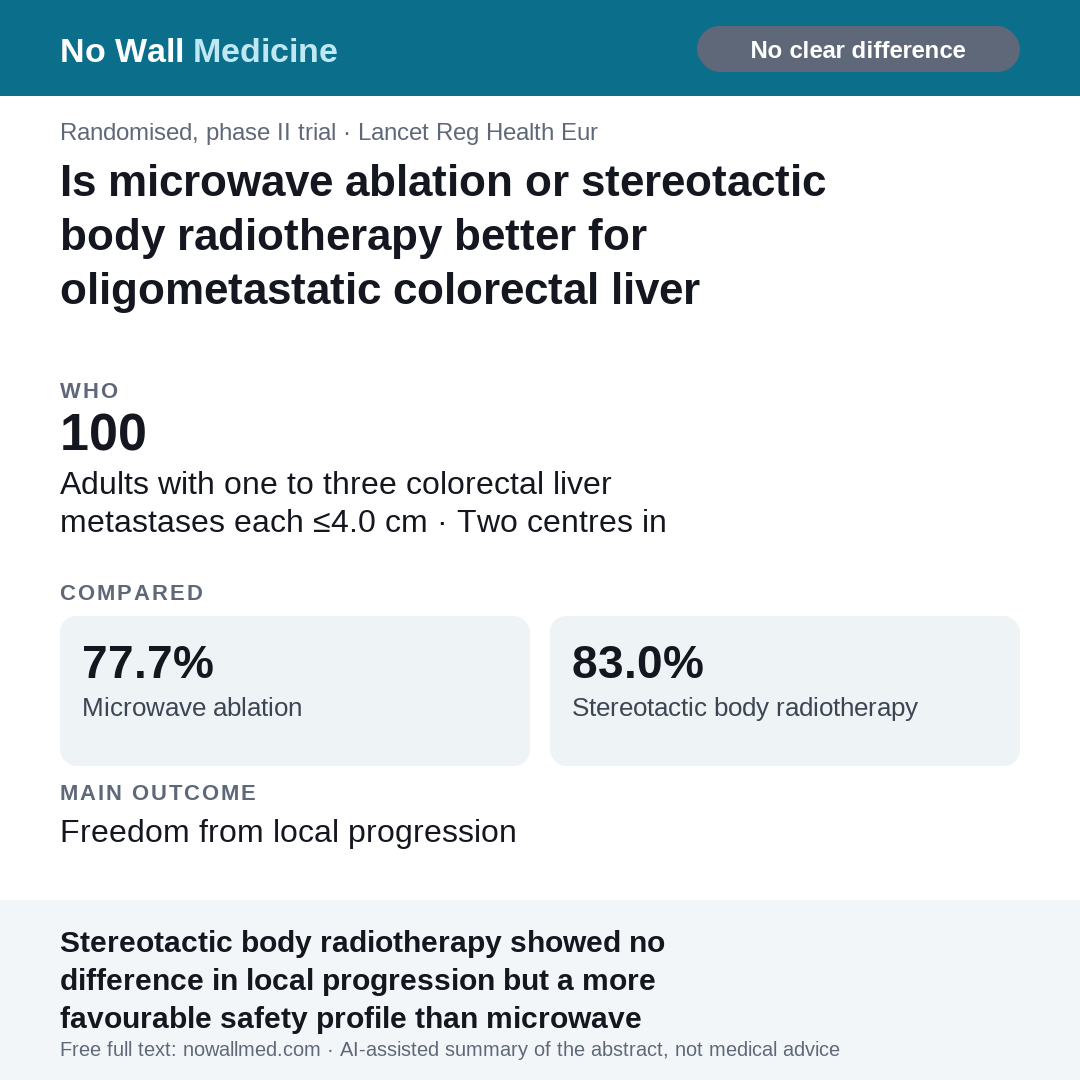
Microwave ablation versus stereotactic body radiotherapy for oligometastatic colorectal liver metastases (LAVA-CRLM): a prospective, randomised, phase II trial
Randomised, phase II trialNo clear difference
Is microwave ablation or stereotactic body radiotherapy better for oligometastatic colorectal liver metastases?
Who
100
Adults with one to three colorectal liver metastases each ≤4.0 cm · Two centres in Copenhagen, Denmark
Compared
77.7%Microwave ablation (95% CI 66.5-90.9)
83.0%Stereotactic body radiotherapy (72.3-95.4)
Main outcome
Freedom from local progression
Result: hazard ratio 0.87, 95% CI 0.43-1.74
Bottom line: Stereotactic body radiotherapy showed no difference in local progression but a more favourable safety profile than microwave ablation.
Funded by: Danish Cancer Society
Lancet Reg Health Eur · 2026-09-25Download image
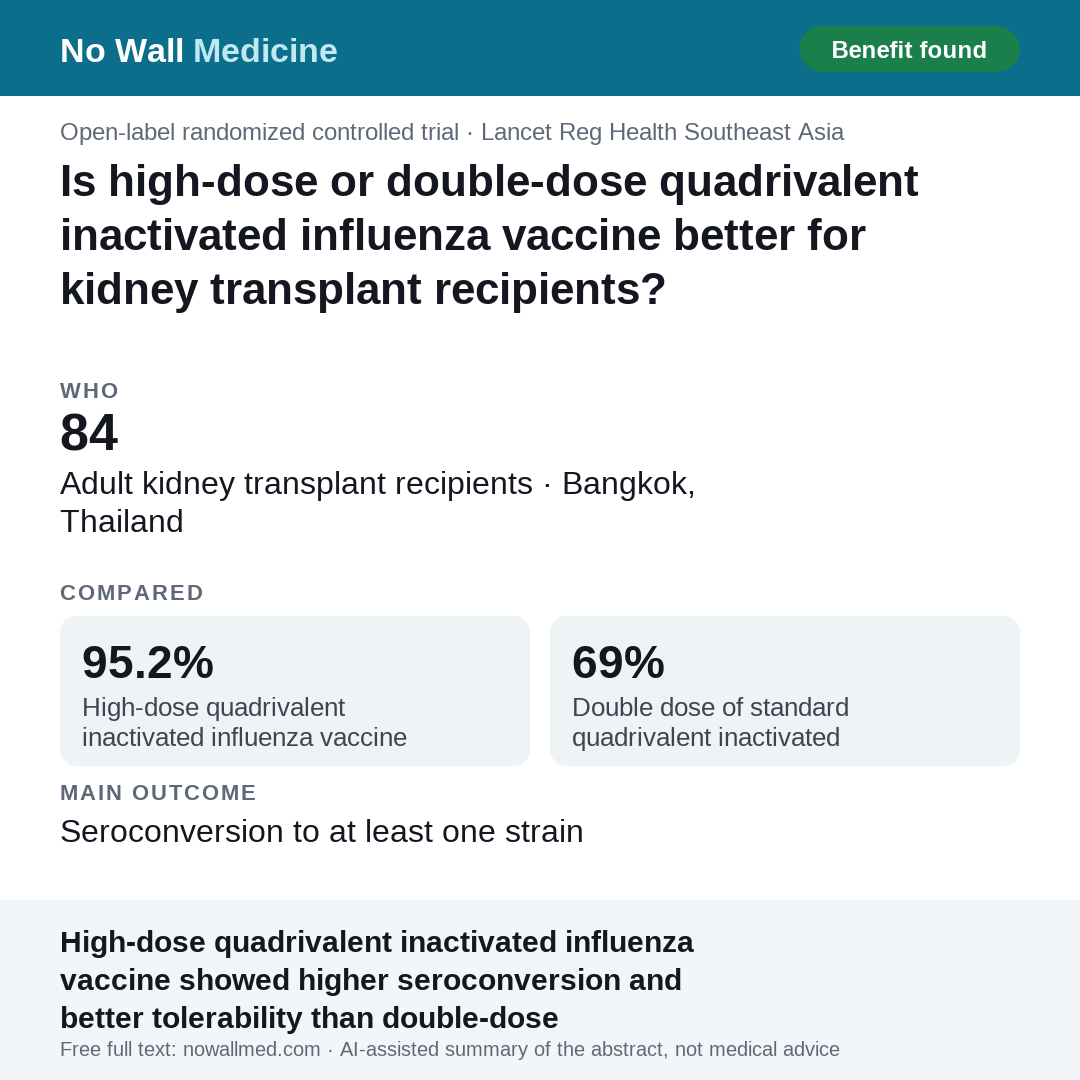
Immunogenicity and safety of high-dose versus double-dose quadrivalent inactivated influenza vaccine in adult kidney transplant recipients: a randomized controlled trial (2023)
Open-label randomized controlled trialBenefit found
Is high-dose or double-dose quadrivalent inactivated influenza vaccine better for kidney transplant recipients?
Who
84
Adult kidney transplant recipients · Bangkok, Thailand
Compared
95.2%High-dose quadrivalent inactivated influenza vaccine
69%Double dose of standard quadrivalent inactivated influenza vaccine
Main outcome
Seroconversion to at least one strain
Result: absolute difference in response rate 0.26 (95% CI, 0.12-0.40)
Bottom line: High-dose quadrivalent inactivated influenza vaccine showed higher seroconversion and better tolerability than double-dose standard vaccine.
Funded by: Faculty of Medicine Ramathibodi Hospital, Mahidol University
Lancet Reg Health Southeast Asia · 2026-09-25Download image
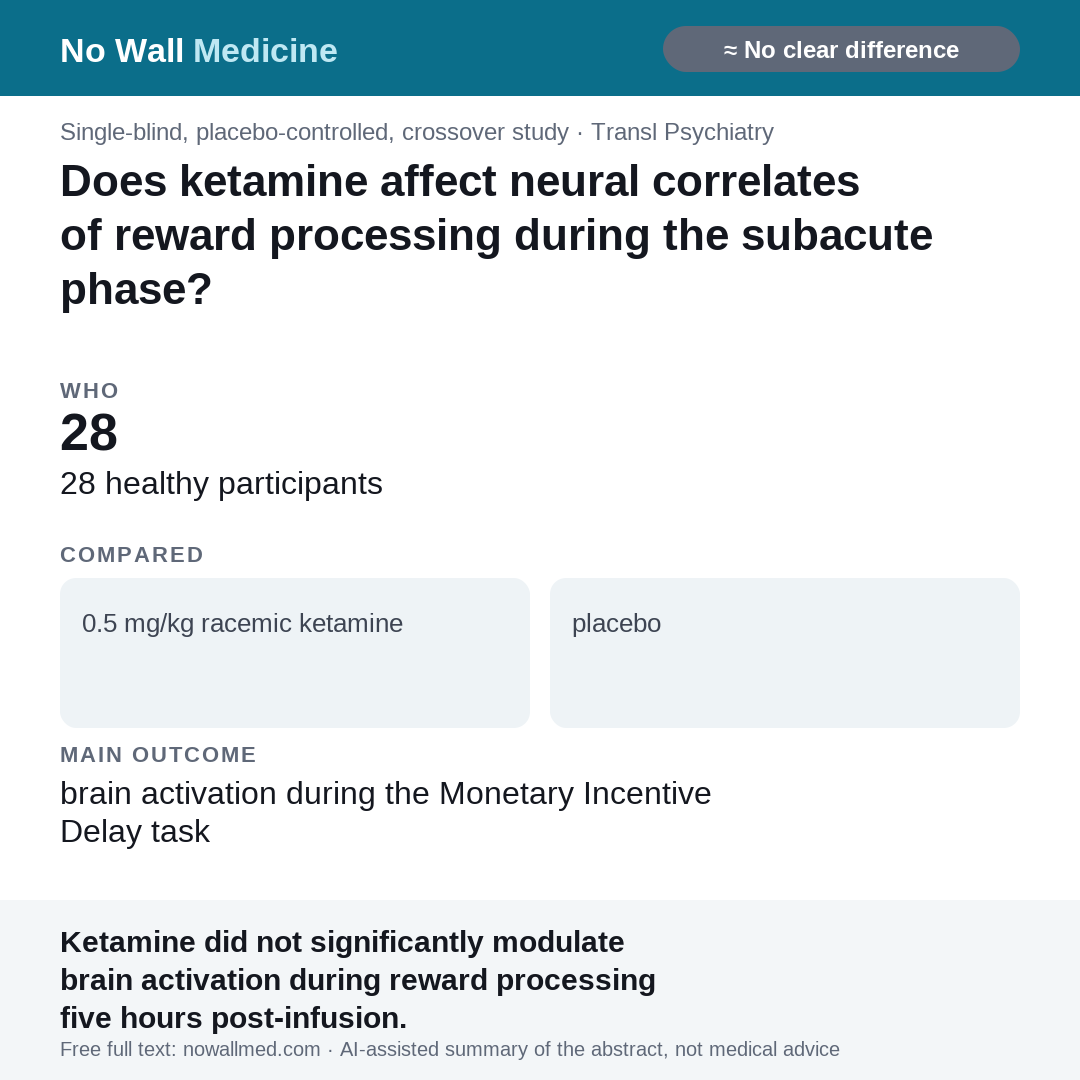
Subacute effects of ketamine on neural correlates of reward processing
Single-blind, placebo-controlled, crossover studyNo clear difference
Does ketamine affect neural correlates of reward processing during the subacute phase?
Who
28
28 healthy participants
Compared
0.5 mg/kg racemic ketamine
placebo
Main outcome
brain activation during the Monetary Incentive Delay task
Bottom line: Ketamine did not significantly modulate brain activation during reward processing five hours post-infusion.
Limitation: Absence of detectable task-evoked effects under the present methodological conditions.
Transl Psychiatry · 2026-09-25Download image
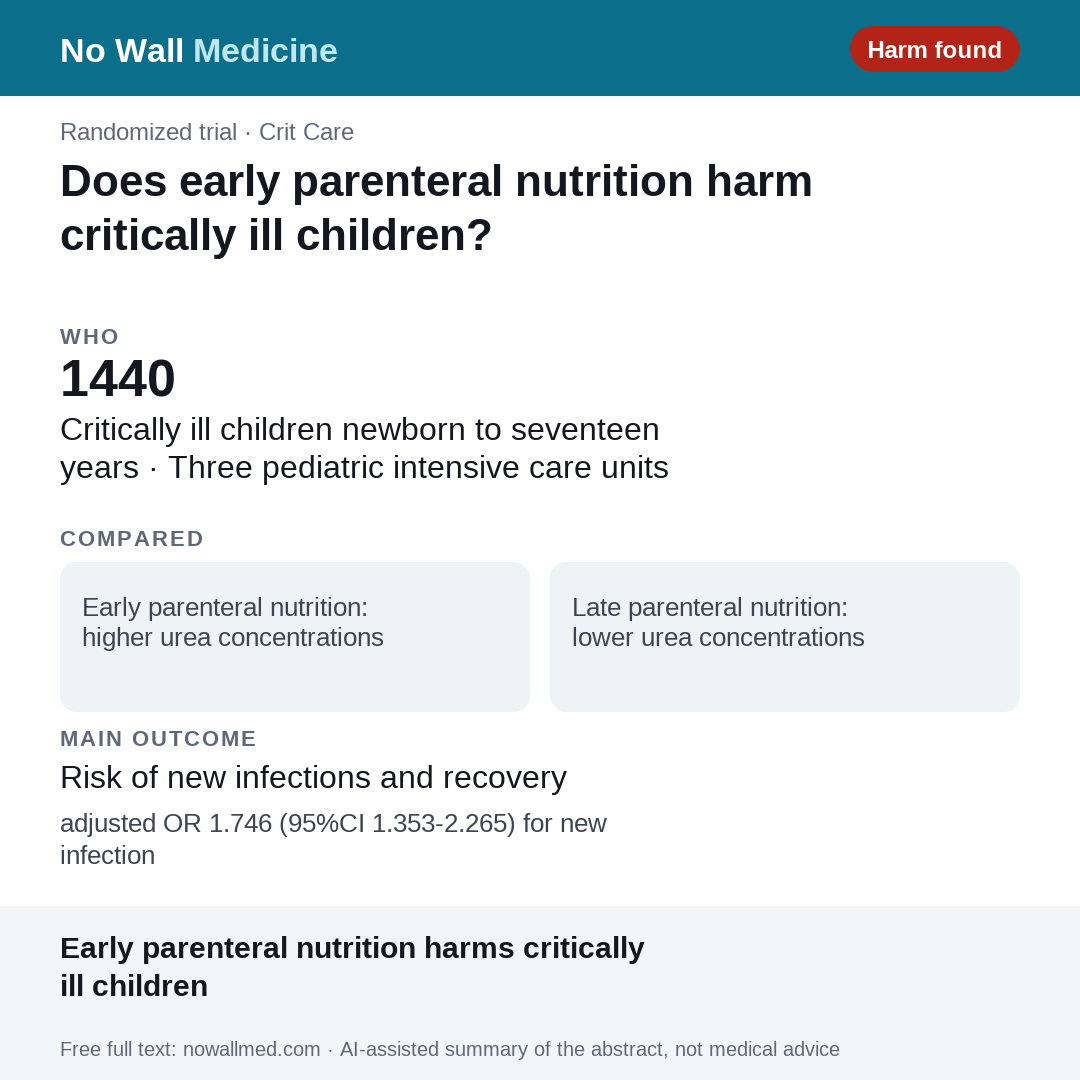
Increased ureagenesis revealing metabolic intolerance to enhanced nutrition in the PICU: a secondary analysis of the PEPaNIC RCT
Randomized trialHarm found
Does early parenteral nutrition harm critically ill children
Who
1440
Critically ill children in pediatric intensive care units · Leuven, Rotterdam, Edmonton
Compared
Early PN
Late PN
Main outcome
Risk of new infections
Result: adjusted OR 1.746 (95% CI 1.353 to 2.265)
Bottom line: Early parenteral nutrition harms critically ill children
Crit Care · 2026-09-25Download image
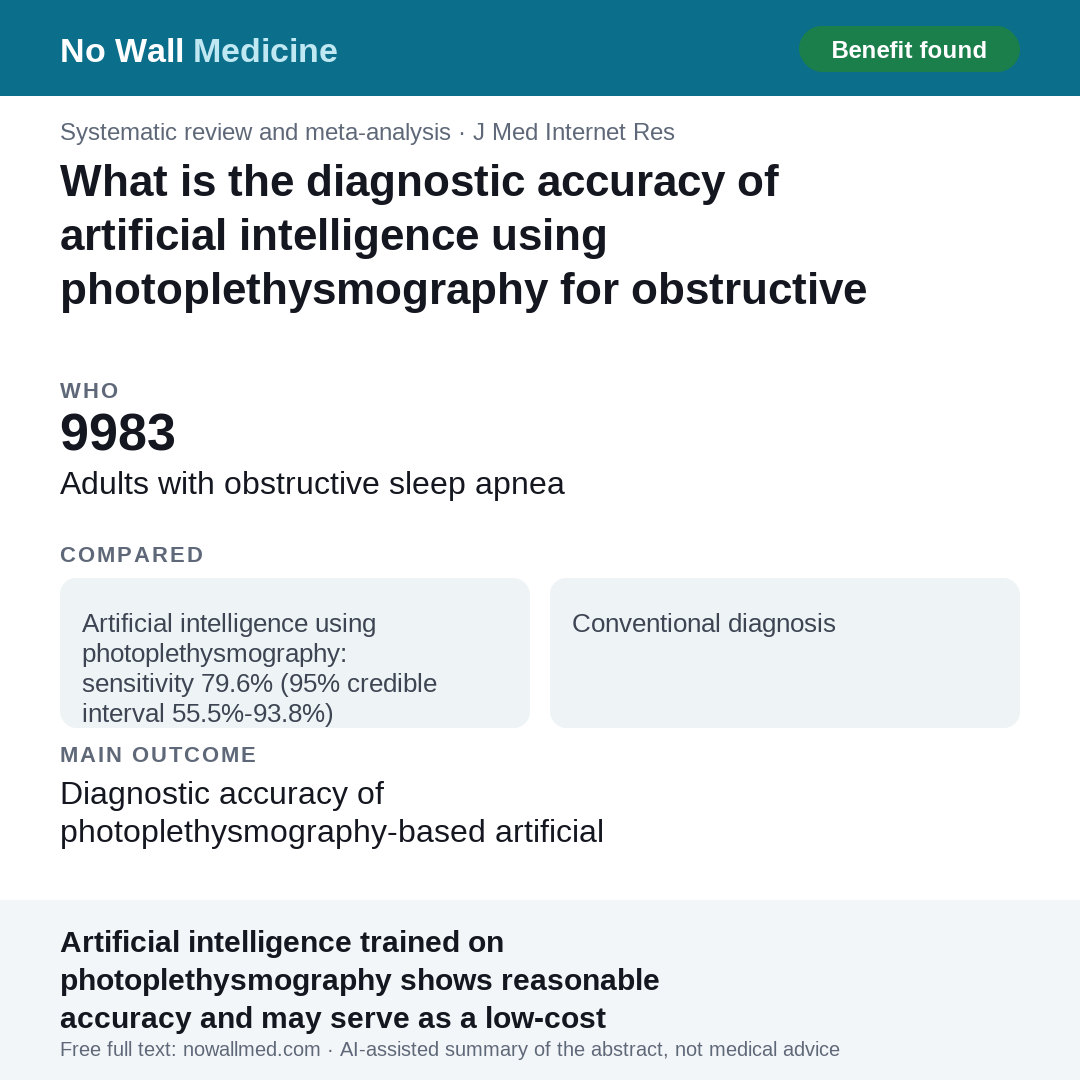
Accuracy of Artificial Intelligence in Diagnosing Obstructive Sleep Apnea Using Photoplethysmography: Systematic Review and Meta-Analysis
Systematic review and meta-analysisBenefit found
What is the diagnostic accuracy of artificial intelligence using photoplethysmography for obstructive sleep apnea?
Who
9983
Adults with obstructive sleep apnea
Compared
Artificial intelligence using photoplethysmography: sensitivity 79.6% (95% credible interval 55.5%-93.8%)
Conventional diagnosis
Main outcome
Diagnostic accuracy of photoplethysmography-based artificial intelligence models
Result: sensitivity 79.6% (95% credible interval 55.5%-93.8%) and specificity 76.5% (95% credible interval 48.2%-94.0%)
Bottom line: Artificial intelligence trained on photoplethysmography shows reasonable accuracy and may serve as a low-cost screening tool for obstructive sleep apnea.
Limitation: Small sample sizes, potential bias, underrepresentation of certain geographic regions, and influence of confounding factors.
J Med Internet Res · 2026-09-25Download image