Visual abstracts
New randomized trials and meta-analyses from leading journals at a glance: who was studied, what was compared, and what was found. Every paper is free to read in full.
All specialtiesCardiology 4763Oncology 4042Gastroenterology & Hepatology 1902Infectious Disease 3756Neurology 1872Psychiatry & Mental Health 2214Pulmonology 2042Critical Care 1319Endocrinology & Diabetes 2544Pediatrics 2889Surgery 2479Orthopedics & Sports Medicine 917Neurosurgery 525Cardiothoracic & Vascular Surgery 656Plastic & Reconstructive Surgery 574Nephrology 1107Rheumatology 810Hematology 1090Dermatology 611Ophthalmology 532Obstetrics & Gynecology 1645Public & Global Health 1037Radiology & Imaging 617Anesthesiology 957Urology 745ENT (Otolaryngology) 494Emergency Medicine 481Allergy & Immunology 309Geriatrics 972Family Medicine & Primary Care 533Medical Genetics & Genomics 659Pathology & Laboratory Medicine 156Physical Medicine & Rehabilitation 734Palliative Care 421Nutrition 1560Digital Health & AI 2133General Medicine 318
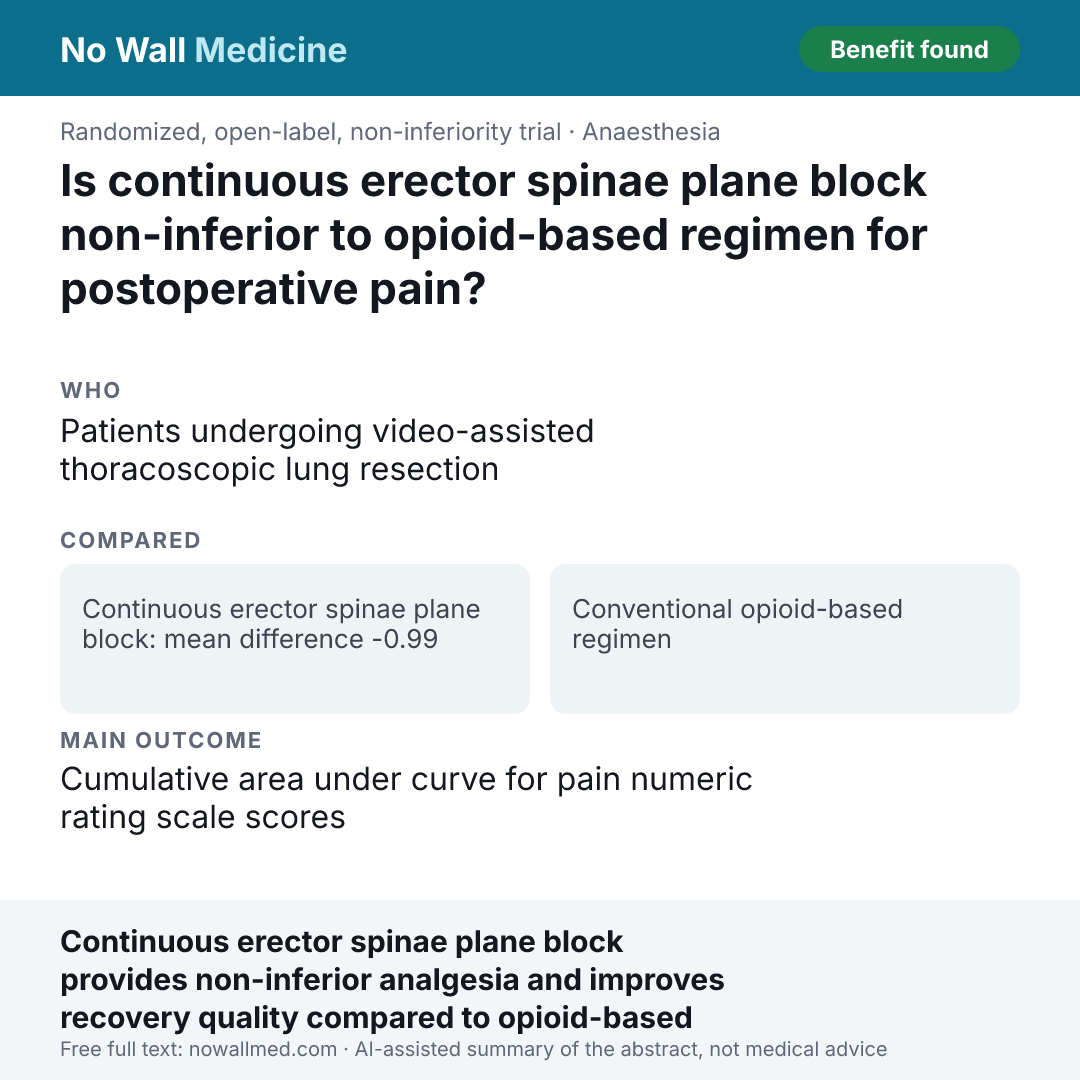
Analgesic efficacy of continuous erector spinae plane block vs. opioid-based regimen for postoperative pain management following video-assisted thoracoscopic lung resection: a prospective, randomised, open-label, non-inferiority trial
Randomized, open-label, non-inferiority trialBenefit found
Is continuous erector spinae plane block non-inferior to opioid-based regimen for postoperative pain?
Who
Patients undergoing video-assisted thoracoscopic lung resection
Compared
Continuous erector spinae plane block: mean difference -0.99
Conventional opioid-based regimen
Main outcome
Cumulative area under curve for pain numeric rating scale scores
Result: mean difference -0.99 (95%CI -11.97 to 9.98)
Bottom line: Continuous erector spinae plane block provides non-inferior analgesia and improves recovery quality compared to opioid-based regimens.
Anaesthesia · 2025-06-23 · Save PNG
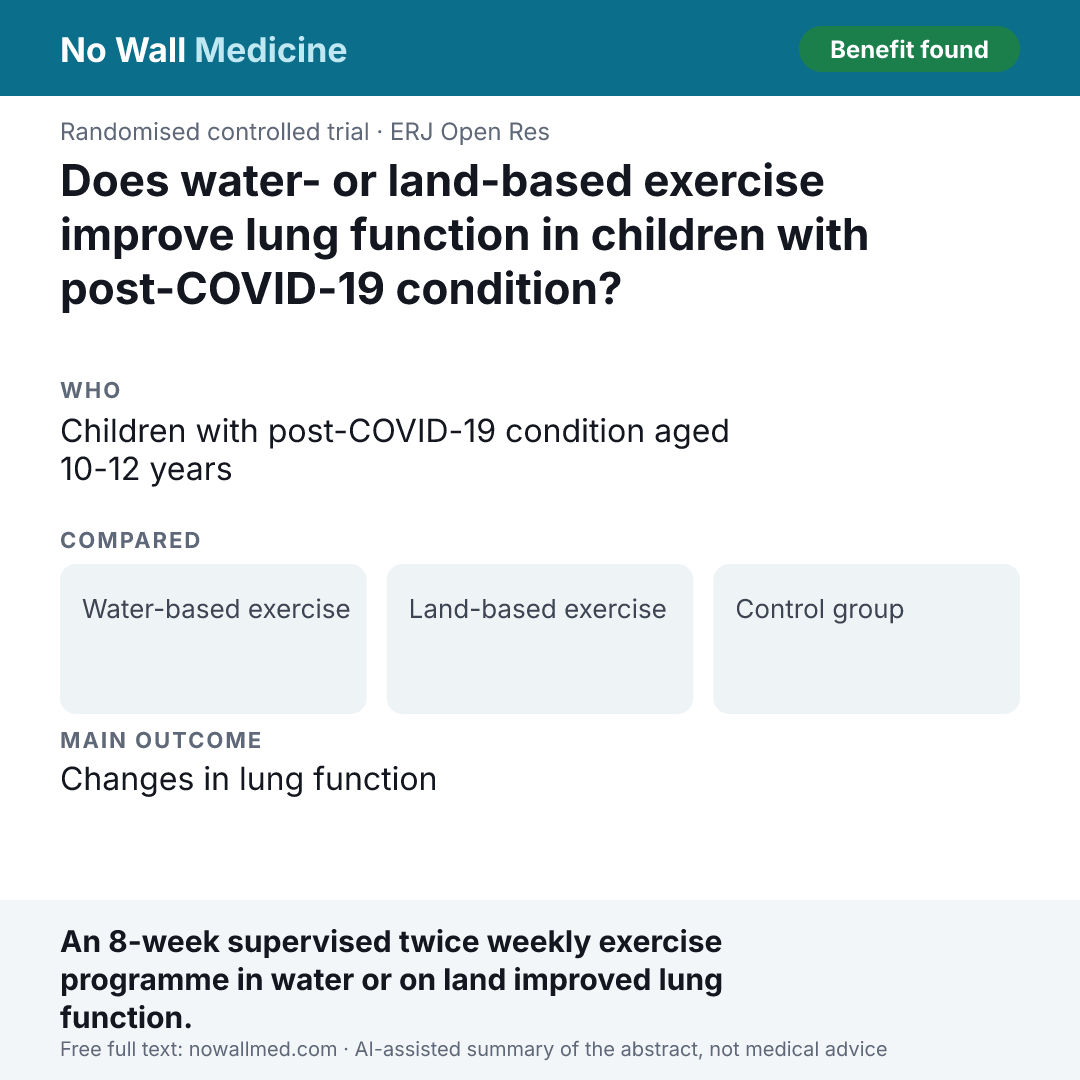
Effect of water- and land-based exercise on lung function in children with post-COVID-19 condition: secondary results from a randomised controlled trial
Randomised controlled trialBenefit found
Does water- or land-based exercise improve lung function in children with post-COVID-19 condition?
Who
Children with post-COVID-19 condition aged 10-12 years
Compared
Water-based exercise
Land-based exercise
Control group
Main outcome
Changes in lung function
Bottom line: An 8-week supervised twice weekly exercise programme in water or on land improved lung function.
ERJ Open Res · 2025-06-23 · Save PNG
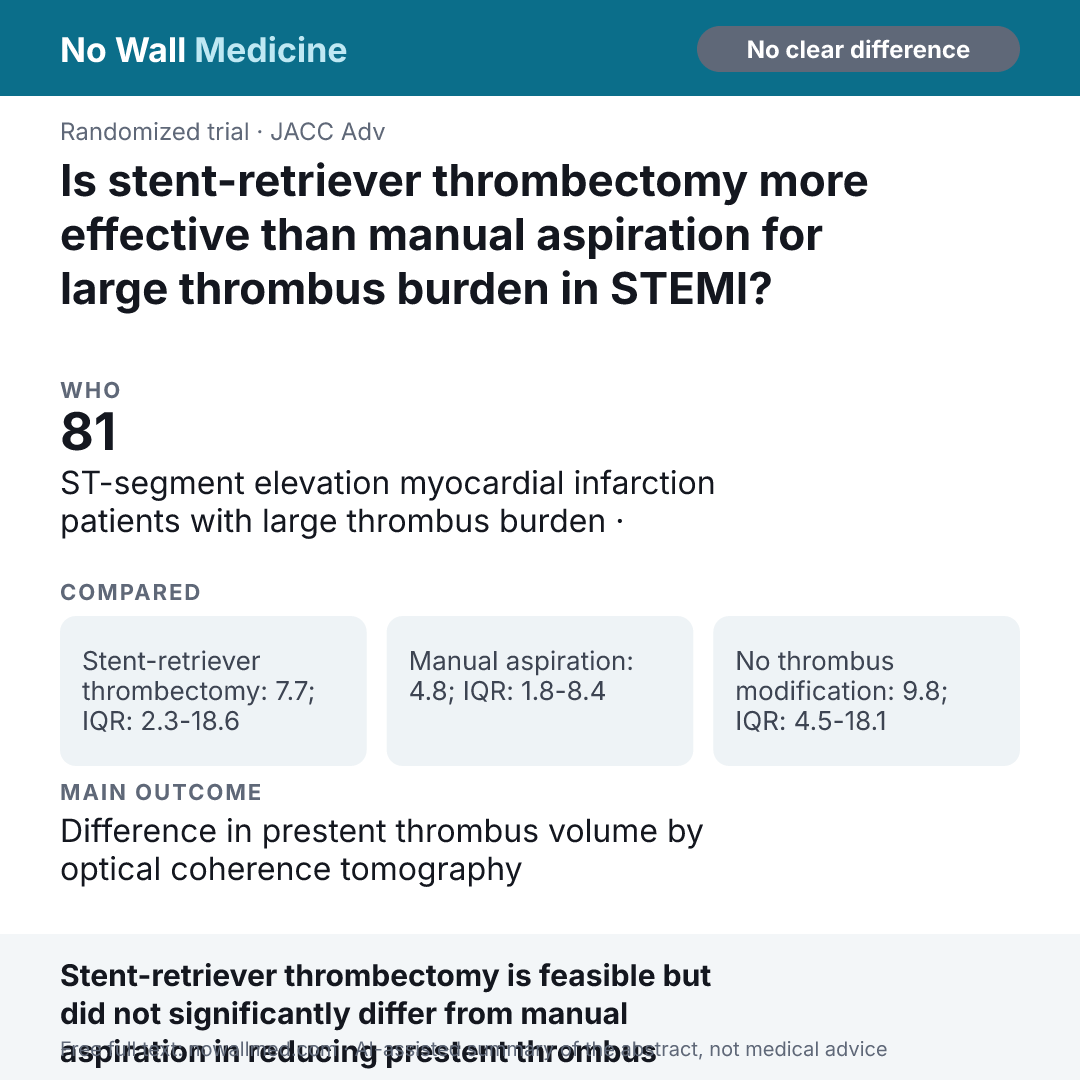
Stent-Retriever Thrombectomy in STEMI With Large Thrombus Burden: The RETRIEVE AMI Randomized Trial
Randomized trialNo clear difference
Is stent-retriever thrombectomy more effective than manual aspiration for large thrombus burden in STEMI?
Who
81
ST-segment elevation myocardial infarction patients with large thrombus burden · Single-center study
Compared
Stent-retriever thrombectomy: 7.7; IQR: 2.3-18.6
Manual aspiration: 4.8; IQR: 1.8-8.4
No thrombus modification: 9.8; IQR: 4.5-18.1
Main outcome
Difference in prestent thrombus volume by optical coherence tomography
Bottom line: Stent-retriever thrombectomy is feasible but did not significantly differ from manual aspiration in reducing prestent thrombus volume.
Limitation: Larger multicenter studies using optical coherence tomography-based criteria are needed to minimize variability.
JACC Adv · 2025-06-23 · Save PNG
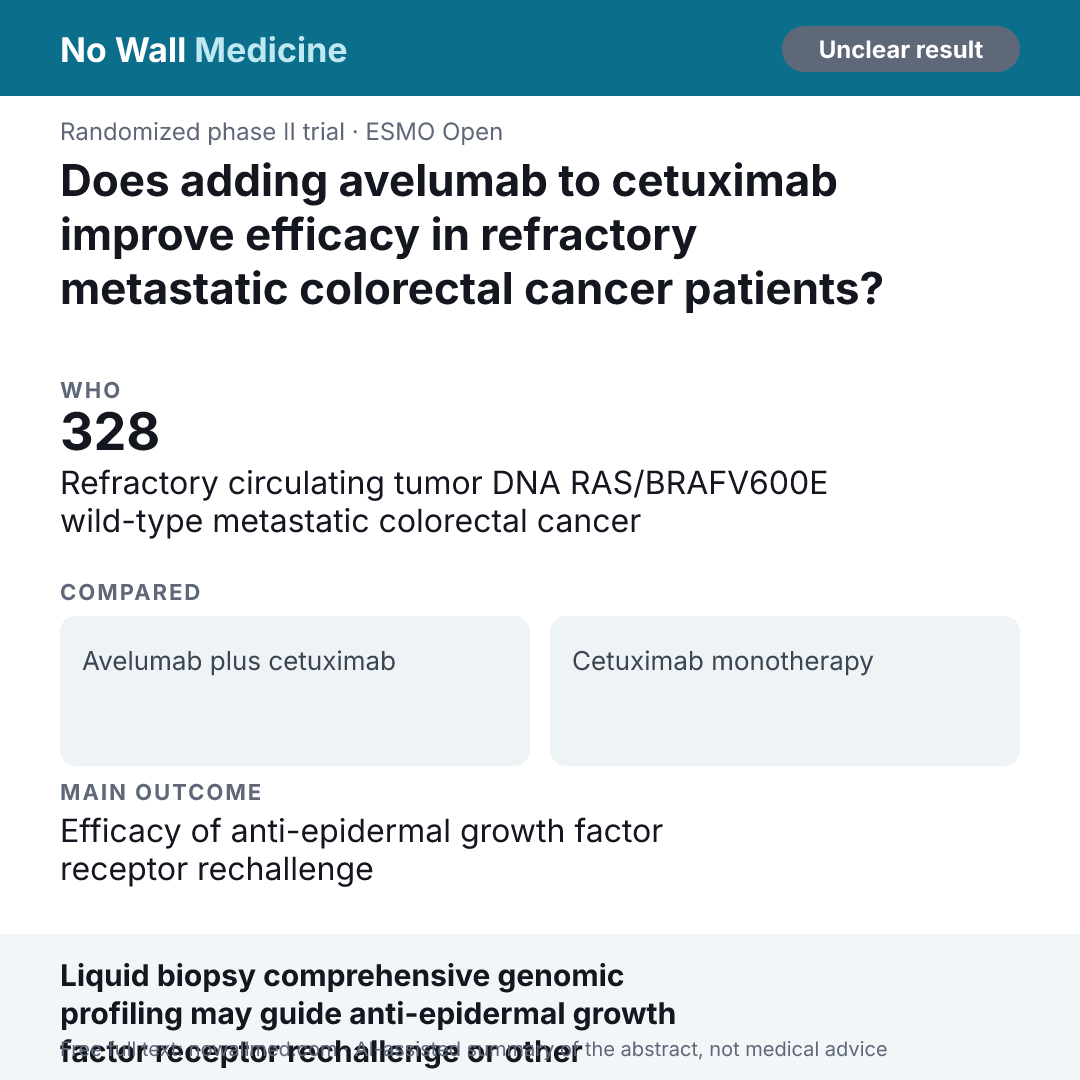
Comprehensive genomic profiling by liquid biopsy in refractory metastatic colorectal cancer patients who are candidate for anti-EGFR rechallenge therapy: findings from the CAVE-2 GOIM trial
Randomized phase II trialUnclear result
Does adding avelumab to cetuximab improve efficacy in refractory metastatic colorectal cancer patients?
Who
328
Refractory circulating tumor DNA RAS/BRAFV600E wild-type metastatic colorectal cancer patients
Compared
Avelumab plus cetuximab
Cetuximab monotherapy
Main outcome
Efficacy of anti-epidermal growth factor receptor rechallenge
Bottom line: Liquid biopsy comprehensive genomic profiling may guide anti-epidermal growth factor receptor rechallenge or other actionable therapies.
ESMO Open · 2025-06-23 · Save PNG
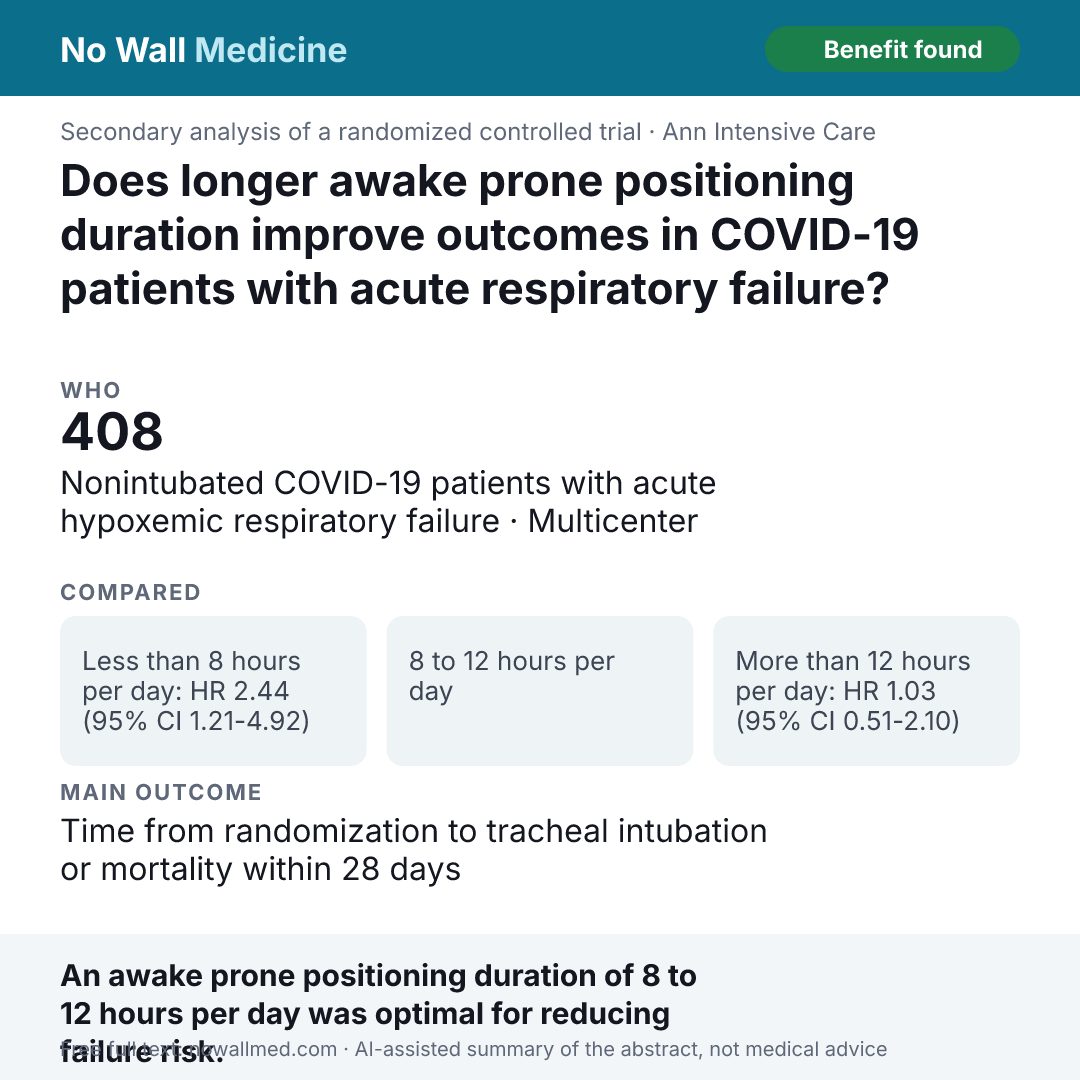
Impact of awake prone positioning duration on intubation or mortality in COVID-19 patients with acute respiratory failure: secondary analysis of a randomized clinical trial
Secondary analysis of a randomized controlled trialBenefit found
Does longer awake prone positioning duration improve outcomes in COVID-19 patients with acute respiratory failure?
Who
408
Nonintubated COVID-19 patients with acute hypoxemic respiratory failure · Multicenter
Compared
Less than 8 hours per day: HR 2.44 (95% CI 1.21-4.92)
8 to 12 hours per day
More than 12 hours per day: HR 1.03 (95% CI 0.51-2.10)
Main outcome
Time from randomization to tracheal intubation or mortality within 28 days
Result: hazard ratio 0.93 (95% CI 0.88-0.98)
Bottom line: An awake prone positioning duration of 8 to 12 hours per day was optimal for reducing failure risk.
Ann Intensive Care · 2025-06-23 · Save PNG
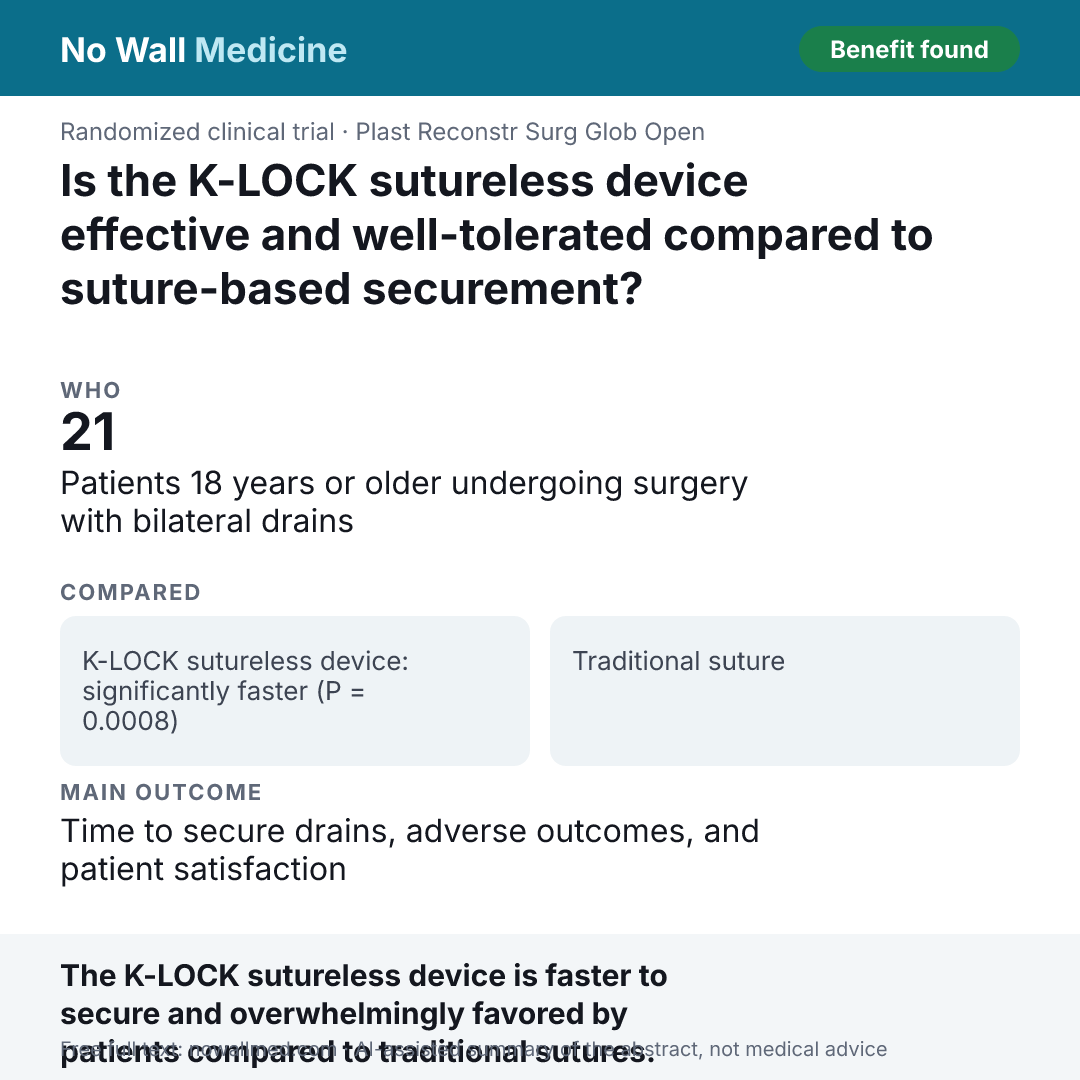
First-in-human Testing of a Novel Sutureless Drain Securement Device: A Randomized Clinical Trial
Randomized clinical trialBenefit found
Is the K-LOCK sutureless device effective and well-tolerated compared to suture-based securement?
Who
21
Patients 18 years or older undergoing surgery with bilateral drains
Compared
K-LOCK sutureless device: significantly faster (P = 0.0008)
Traditional suture
Main outcome
Time to secure drains, adverse outcomes, and patient satisfaction
Bottom line: The K-LOCK sutureless device is faster to secure and overwhelmingly favored by patients compared to traditional sutures.
Plast Reconstr Surg Glob Open · 2025-06-23 · Save PNG
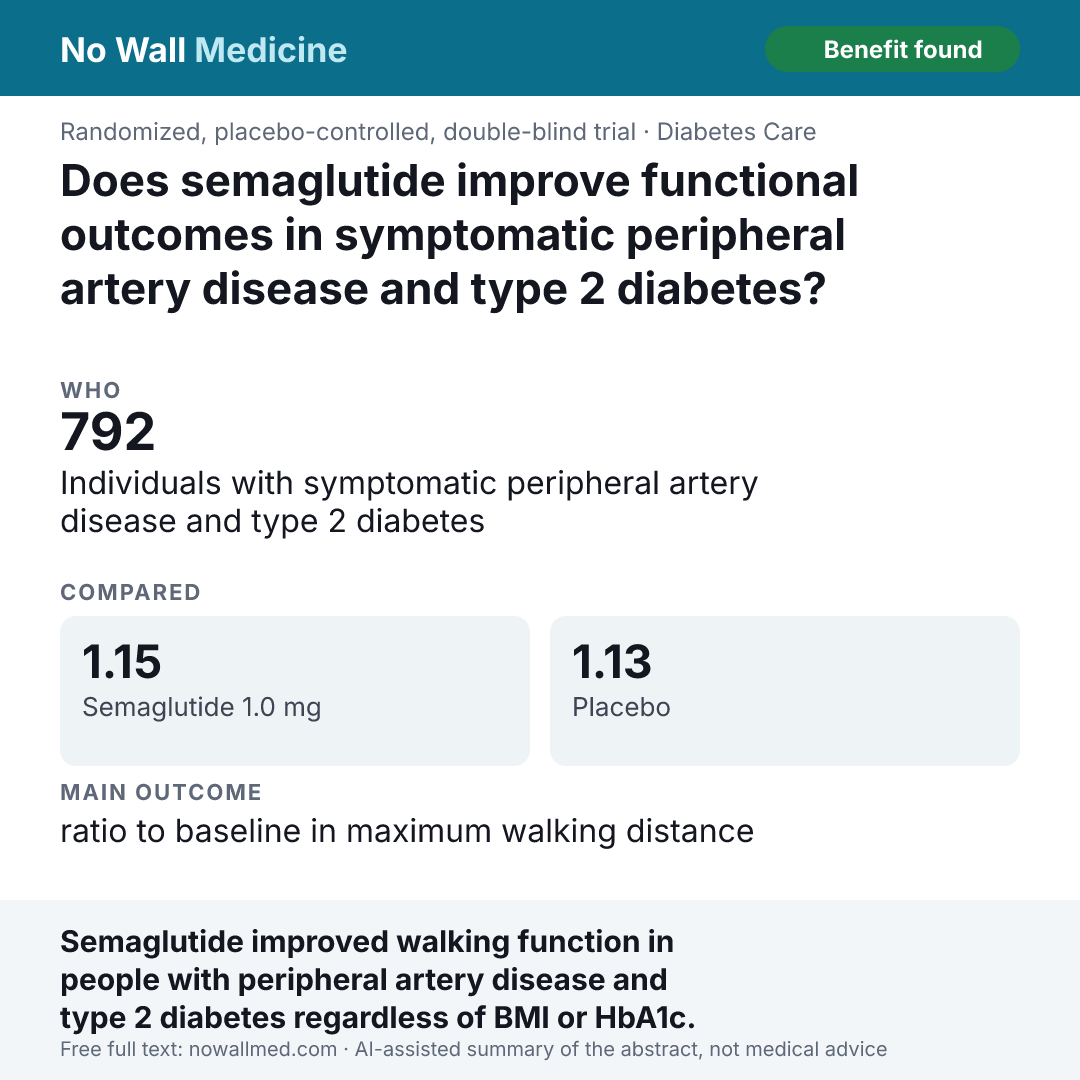
Benefit of Semaglutide in Symptomatic Peripheral Artery Disease by Baseline Type 2 Diabetes Characteristics: Insights From STRIDE, a Randomized, Placebo-Controlled, Double-Blind Trial
Randomized, placebo-controlled, double-blind trialBenefit found
Does semaglutide improve functional outcomes in symptomatic peripheral artery disease and type 2 diabetes?
Who
792
Individuals with symptomatic peripheral artery disease and type 2 diabetes
Compared
1.15Semaglutide 1.0 mg (ETR of maximum walking distance for <10 years diabetes duration)
1.13Placebo (ETR of maximum walking distance for ≥10 years diabetes duration)
Main outcome
ratio to baseline in maximum walking distance
Bottom line: Semaglutide improved walking function in people with peripheral artery disease and type 2 diabetes regardless of BMI or HbA1c.
Diabetes Care · 2025-06-21 · Save PNG
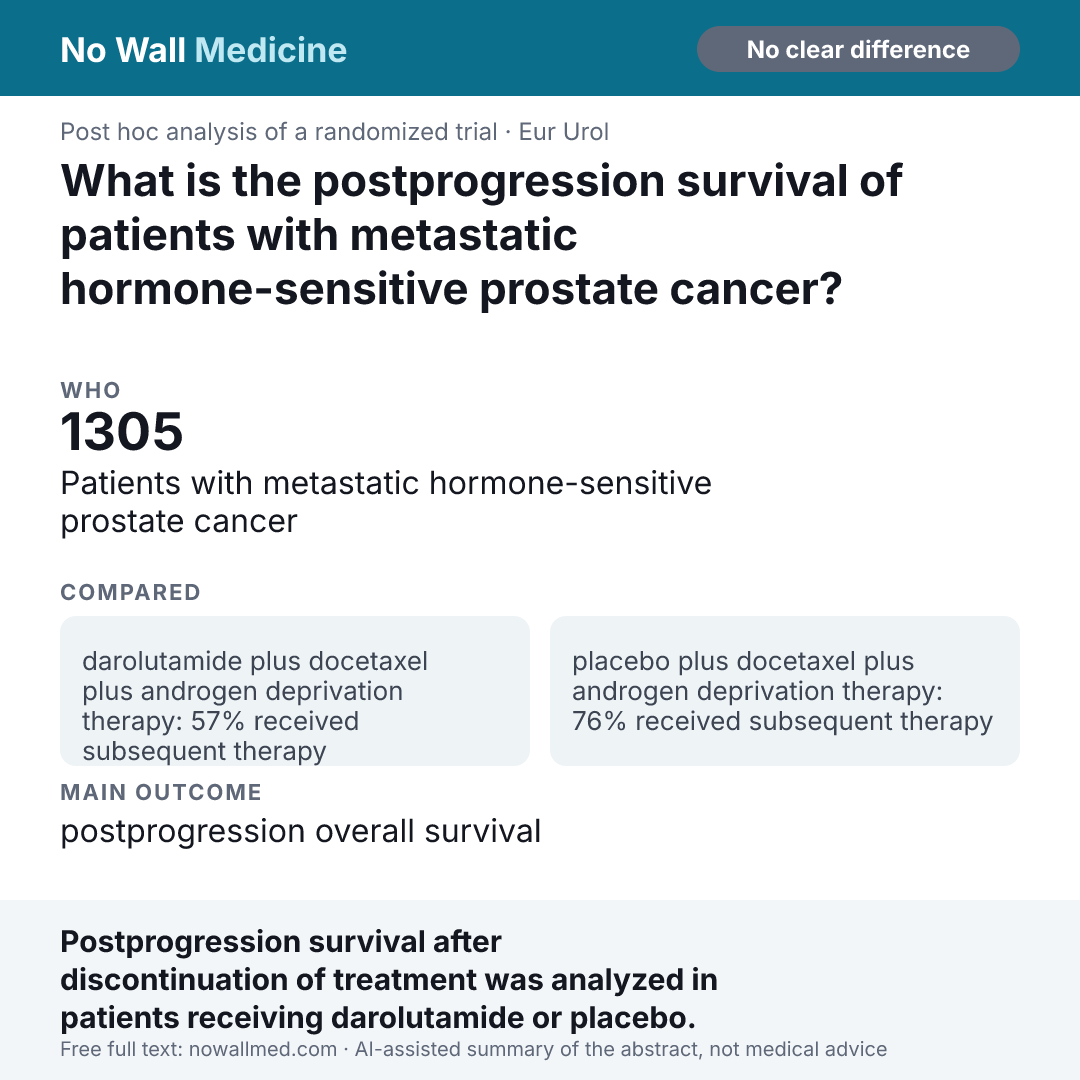
Sociodemographic, Clinical, and Psychosocial Predictors of Short- and Long-term Study Retention in the Diabetes Prevention Program (DPP) Outcomes Study (DPPOS)
Randomized trialMixed results
What predictors are associated with short- and long-term study retention in the DPP Outcomes Study?
Who
3234
Adults at high risk of type 2 diabetes
Compared
93%Retained after 3 years
75%Retained over 20 years
Main outcome
Short-term and long-term study retention
Bottom line: Retention was associated with age, psychosocial factors, body mass index, and development of type 2 diabetes.
Diabetes Care · 2025-06-21 · Save PNG
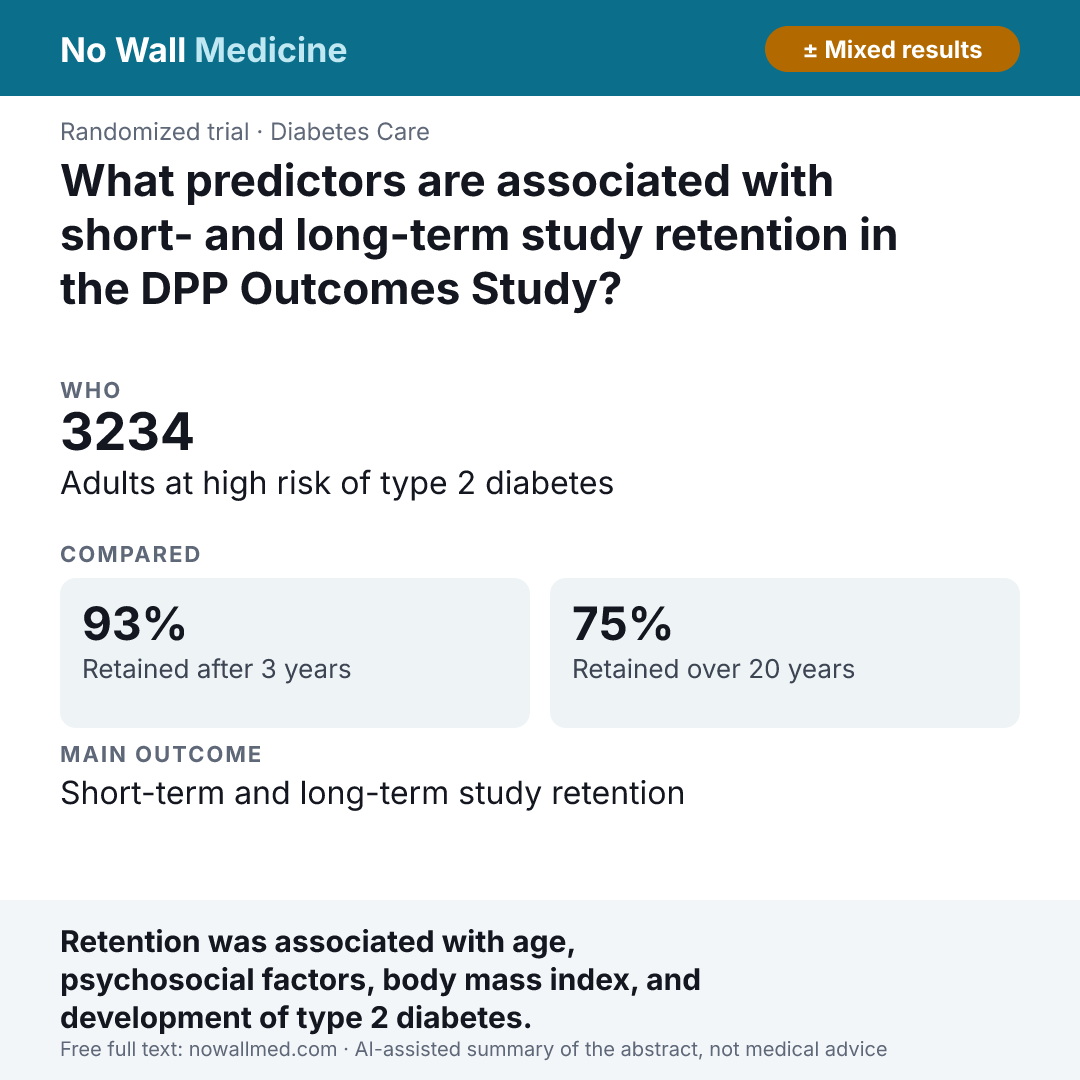
Renal resistance trajectories during hypothermic machine perfusion in kidneys donated after circulatory death: Associations with donor characteristics and posttransplant outcomes-An analysis of COMPARE trial data
Analysis of randomized trial dataNo clear difference
Does renal resistance trajectory during hypothermic machine perfusion predict posttransplant outcomes?
Who
Kidneys donated after circulatory death · Consortium for Organ Preservation in Europe
Compared
Renal resistance trajectory
Terminal renal resistance: odds ratio 1.14 (95% CI, 1.009-1.298)
Main outcome
Delayed graft function and other posttransplant outcomes
Result: odds ratio 1.14 (95% CI, 1.009-1.298)
Bottom line: Renal resistance trajectory does not predict posttransplant outcomes, so it should not be used alone for kidney discard.
Limitation: Findings call for further validation in larger, more diverse cohorts.
Am J Transplant · 2025-06-21 · Save PNG
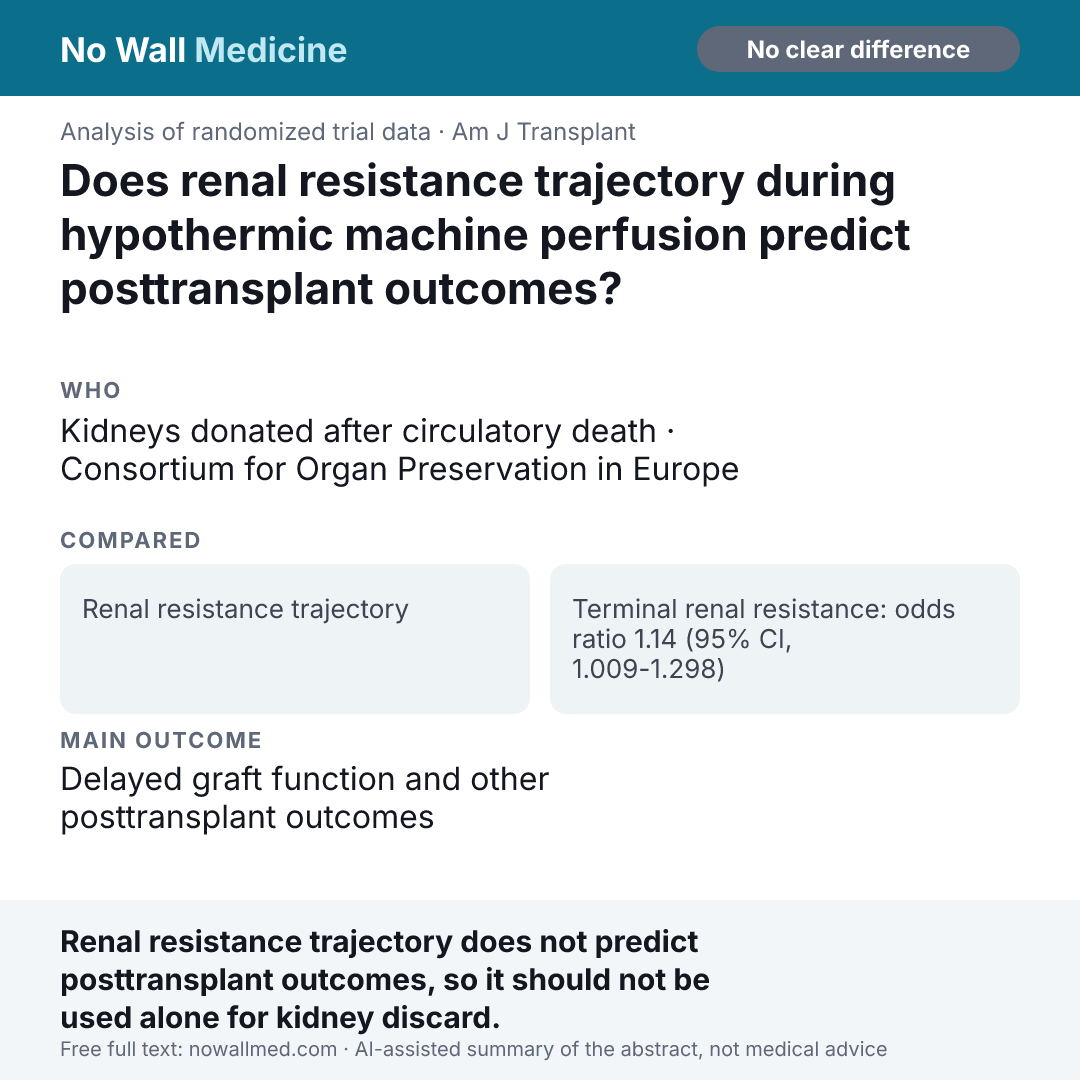
The effect of online CPR training on the knowledge and practice of the Red Crescent Student Association Volunteers during the COVID-19 pandemic: A randomized clinical trial study
Randomized controlled trialBenefit found
Does online cardiopulmonary resuscitation training improve knowledge and performance in student volunteers?
Who
70
Red Crescent Student Association Volunteers
Compared
Intervention group: knowledge 9.84 ± 1.88; practice 31.38 ± 6.98
Control group: knowledge 7.94 ± 2.17; practice 20.58 ± 7.20
Main outcome
knowledge assessment and cardiopulmonary resuscitation performance checklist
Bottom line: Online cardiopulmonary resuscitation training significantly improved knowledge and practice scores among Red Crescent Student Association Volunteers.
Resusc Plus · 2025-06-21 · Save PNG
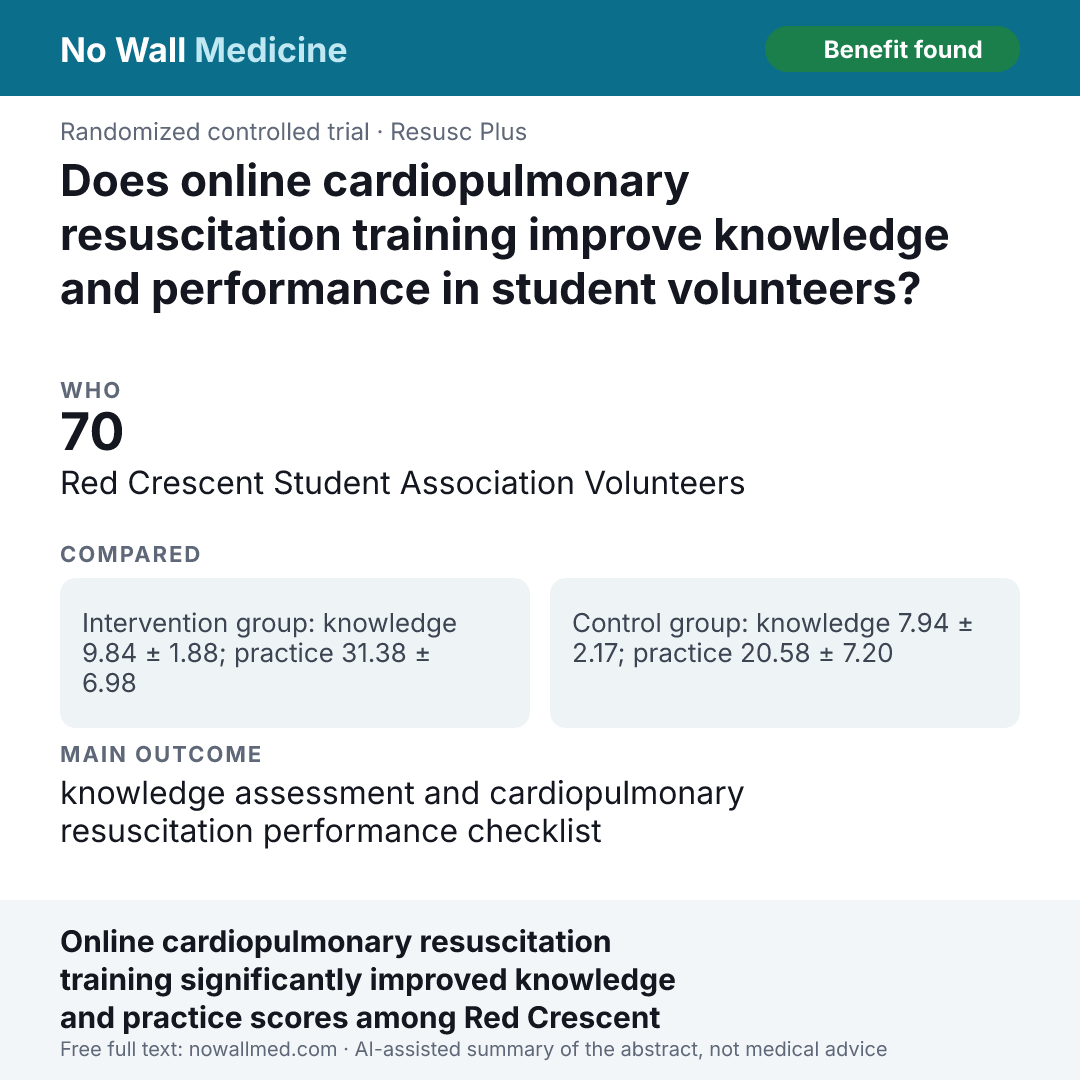
Postprogression Survival of Patients with Metastatic Hormone-sensitive Prostate Cancer who Received Darolutamide or Placebo in Combination with Docetaxel and Androgen Deprivation Therapy: Post Hoc Analysis of the Phase 3 ARASENS Trial
Post hoc analysis of a randomized trialNo clear difference
What is the postprogression survival of patients with metastatic hormone-sensitive prostate cancer?
Who
1305
Patients with metastatic hormone-sensitive prostate cancer
Compared
darolutamide plus docetaxel plus androgen deprivation therapy: 57% received subsequent therapy
placebo plus docetaxel plus androgen deprivation therapy: 76% received subsequent therapy
Main outcome
postprogression overall survival
Bottom line: Postprogression survival after discontinuation of treatment was analyzed in patients receiving darolutamide or placebo.
Limitation: The main limitation of these analyses is their post hoc nature.
Eur Urol · 2025-06-20 · Save PNG
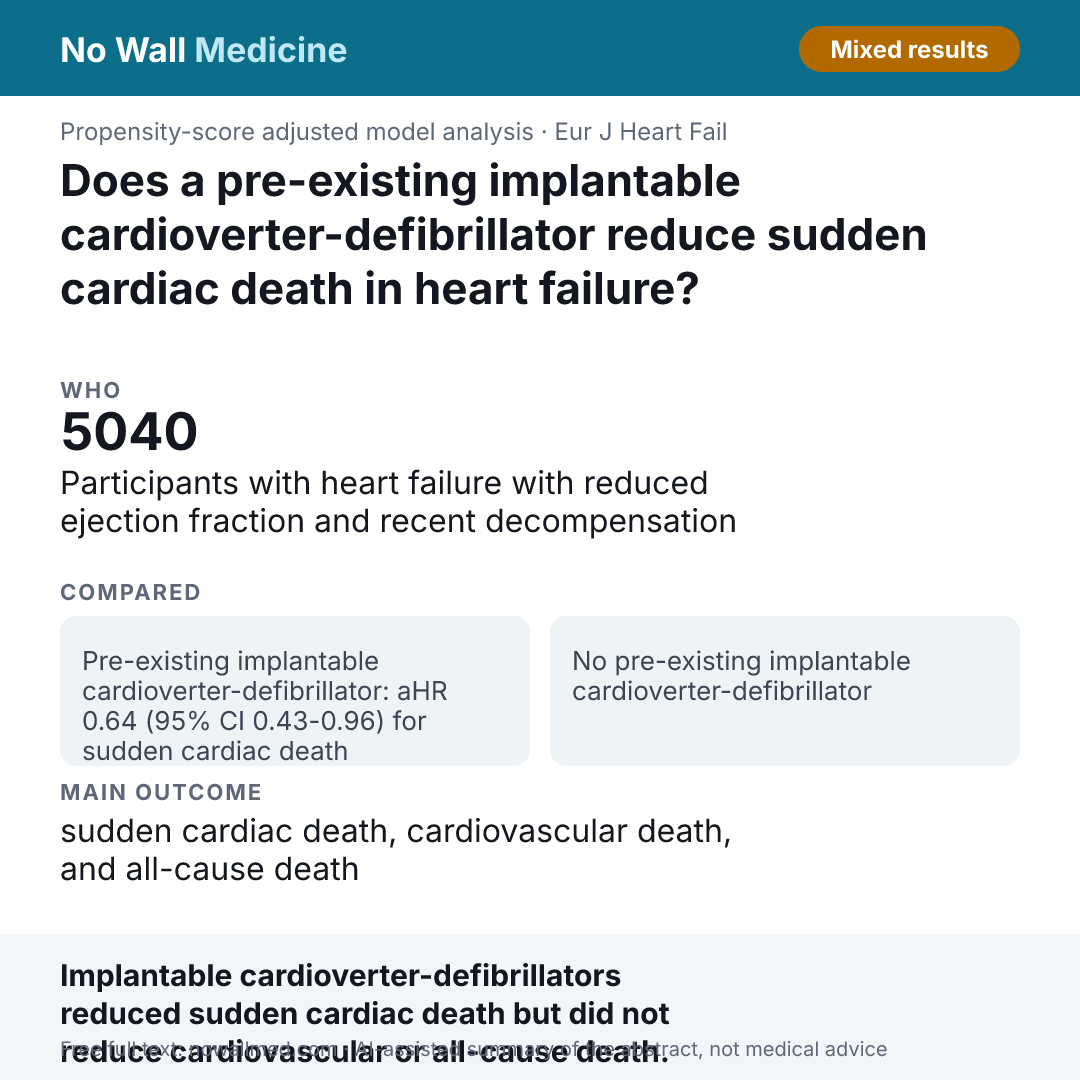
Implantable cardioverter-defibrillators in ischaemic versus non-ischaemic heart failure: Insights from the VICTORIA trial
Propensity-score adjusted model analysisMixed results
Does a pre-existing implantable cardioverter-defibrillator reduce sudden cardiac death in heart failure?
Who
5040
Participants with heart failure with reduced ejection fraction and recent decompensation
Compared
Pre-existing implantable cardioverter-defibrillator: aHR 0.64 (95% CI 0.43-0.96) for sudden cardiac death
No pre-existing implantable cardioverter-defibrillator
Main outcome
sudden cardiac death, cardiovascular death, and all-cause death
Result: adjusted hazard ratio 0.64 (95% CI 0.43-0.96) for sudden cardiac death
Bottom line: Implantable cardioverter-defibrillators reduced sudden cardiac death but did not reduce cardiovascular or all-cause death.
Limitation: Future research is required to evaluate which patients benefit from implantation.
Eur J Heart Fail · 2025-06-20 · Save PNG
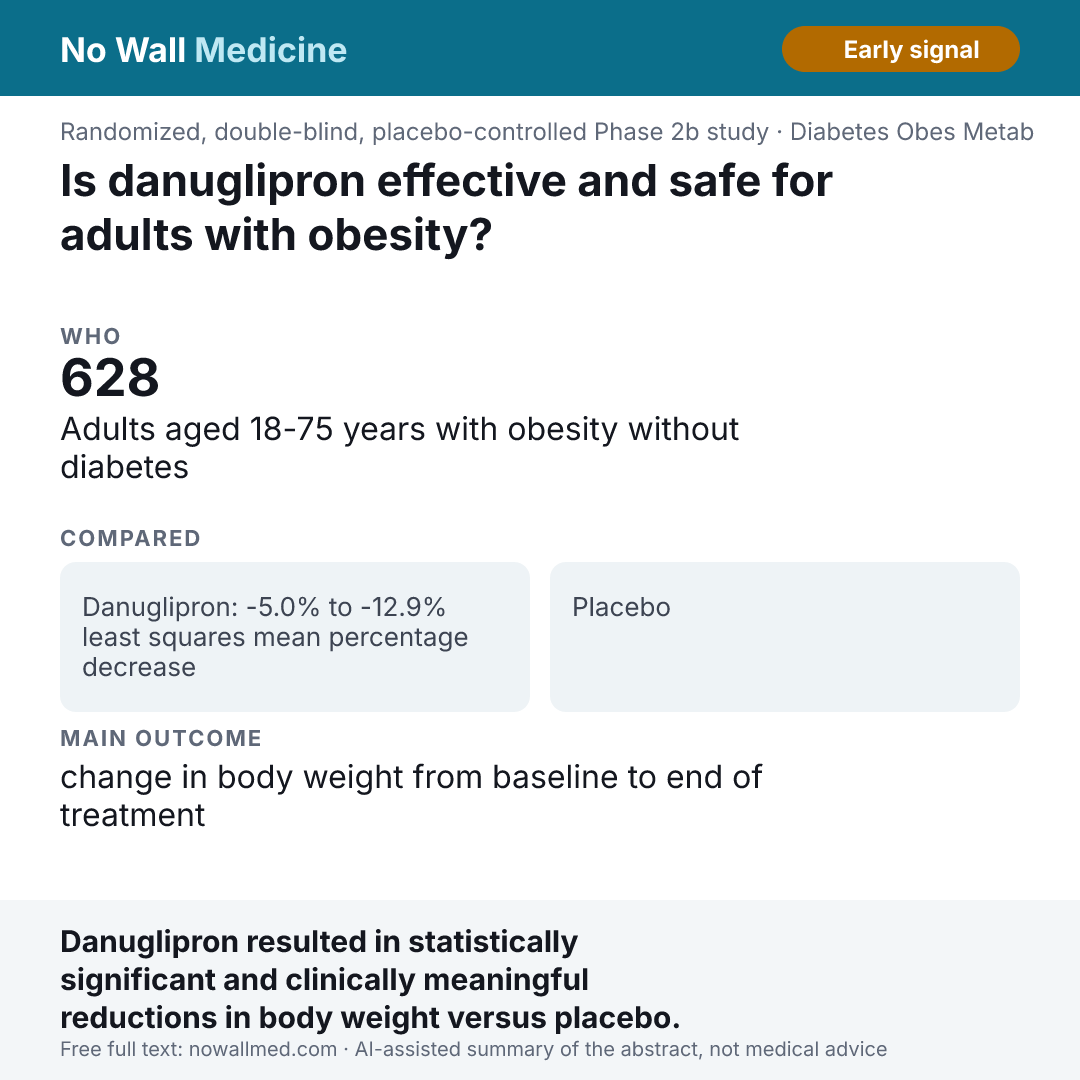
Efficacy and safety of danuglipron (PF-06882961) in adults with obesity: A randomized, placebo-controlled, dose-ranging phase 2b study
Randomized, double-blind, placebo-controlled Phase 2b studyEarly signal
Is danuglipron effective and safe for adults with obesity?
Who
628
Adults aged 18-75 years with obesity without diabetes
Compared
Danuglipron: -5.0% to -12.9% least squares mean percentage decrease
Placebo
Main outcome
change in body weight from baseline to end of treatment
Bottom line: Danuglipron resulted in statistically significant and clinically meaningful reductions in body weight versus placebo.
Diabetes Obes Metab · 2025-06-20 · Save PNG
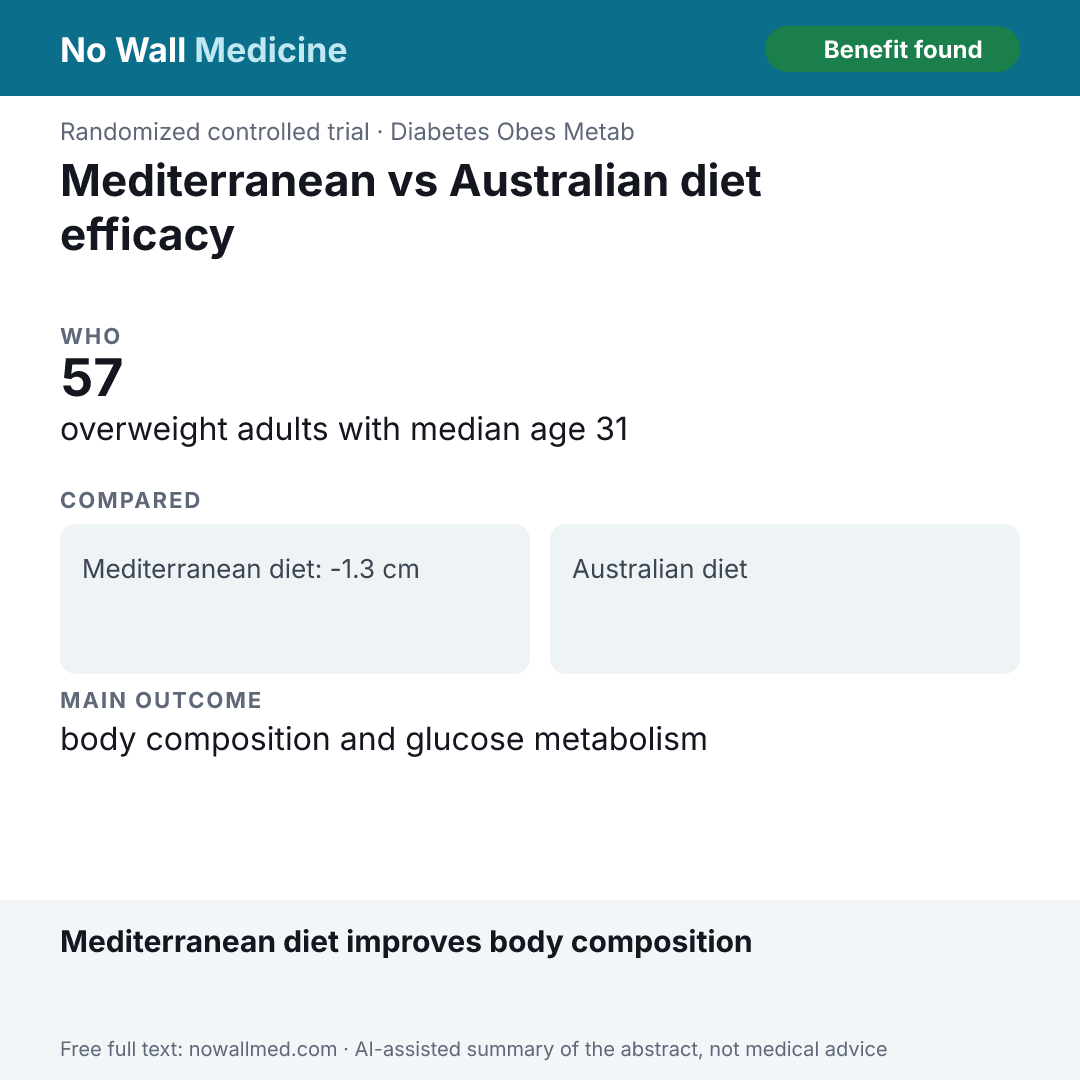
Mediterranean diet vs. the Australian guide to healthy eating (AGHE) on body composition and glucose metabolism: A randomized controlled trial
Randomized controlled trialBenefit found
Mediterranean vs Australian diet efficacy
Who
57
overweight adults with median age 31
Compared
Mediterranean diet: -1.3 cm
Australian diet
Main outcome
body composition and glucose metabolism
Bottom line: Mediterranean diet improves body composition
Limitation: small trial size
Diabetes Obes Metab · 2025-06-20 · Save PNG
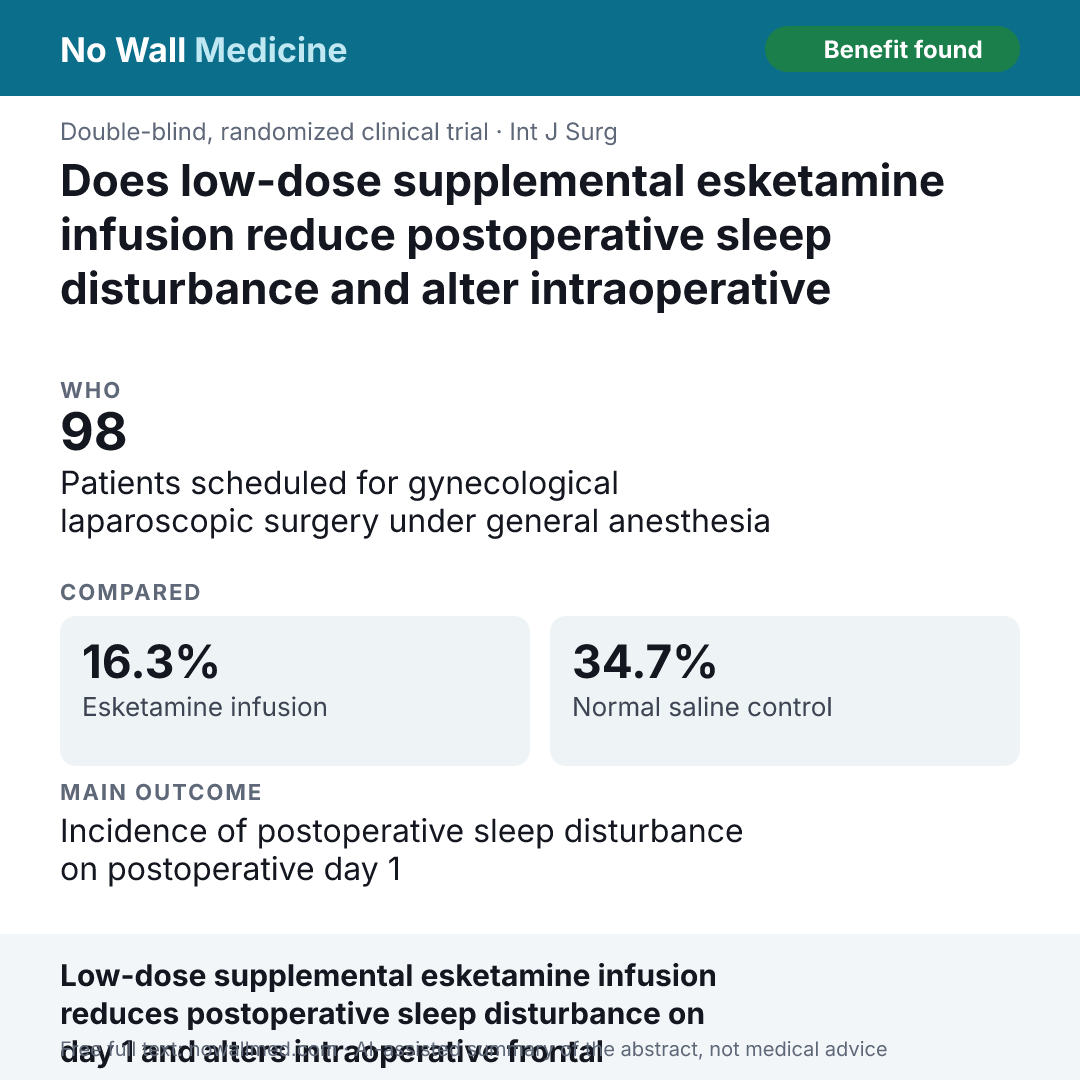
Effect of low-dose supplemental esketamine infusion on the intraoperative frontal electroencephalography dynamics and postoperative sleep disturbance during gynecological laparoscopic surgery: a double-blind, randomized clinical trial
Double-blind, randomized clinical trialBenefit found
Does low-dose supplemental esketamine infusion reduce postoperative sleep disturbance and alter intraoperative frontal electroencephalography?
Who
98
Patients scheduled for gynecological laparoscopic surgery under general anesthesia
Compared
16.3%Esketamine infusion
34.7%Normal saline control
Main outcome
Incidence of postoperative sleep disturbance on postoperative day 1
Result: relative risk 0.47 (95% CI 0.22-0.99)
Bottom line: Low-dose supplemental esketamine infusion reduces postoperative sleep disturbance on day 1 and alters intraoperative frontal electroencephalography patterns.
Int J Surg · 2025-06-20 · Save PNG
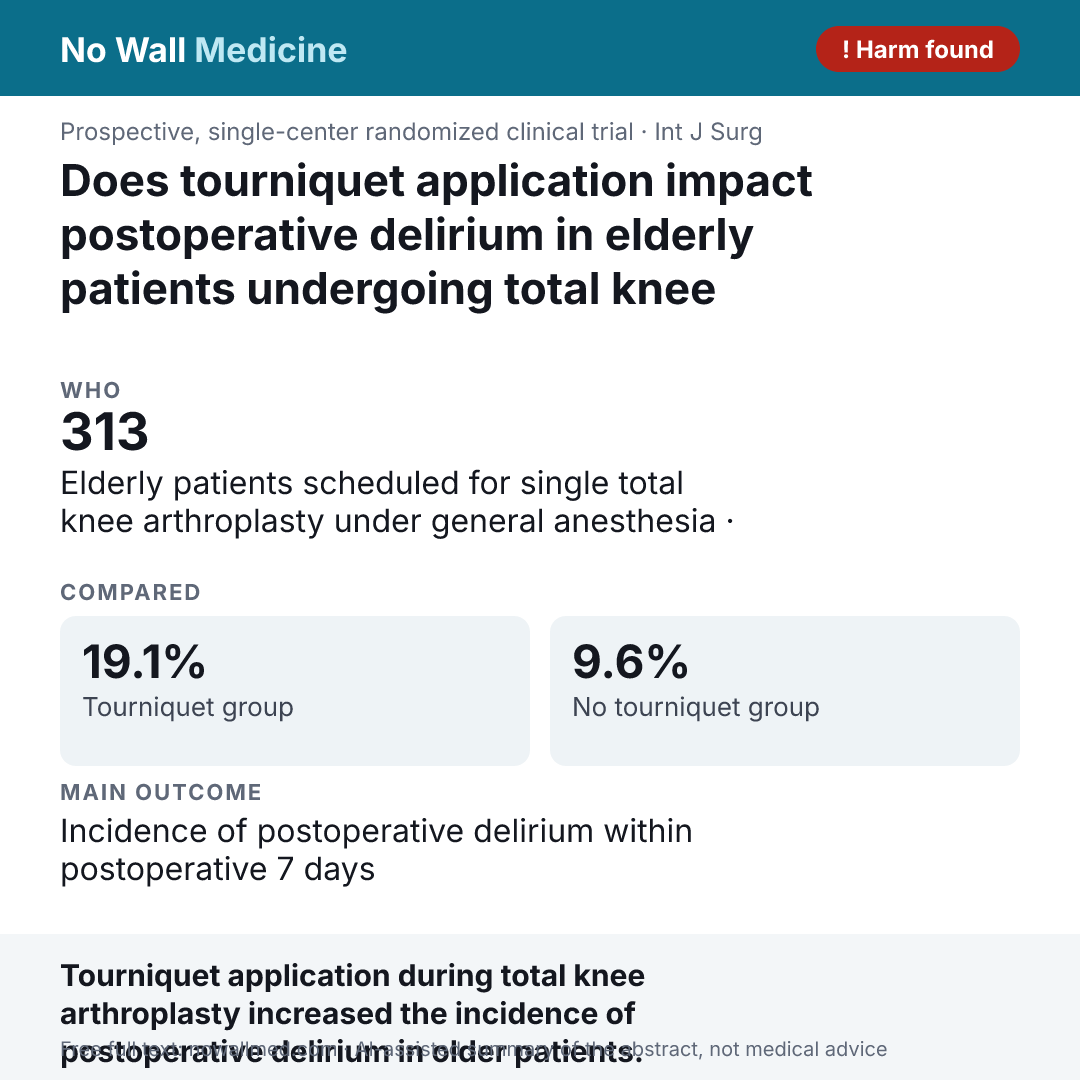
Impact of tourniquet application on postoperative delirium in elderly patients undergoing total knee arthroplasty: a randomized clinical trial
Prospective, single-center randomized clinical trialHarm found
Does tourniquet application impact postoperative delirium in elderly patients undergoing total knee arthroplasty?
Who
313
Elderly patients scheduled for single total knee arthroplasty under general anesthesia · Single-center
Compared
19.1%Tourniquet group
9.6%No tourniquet group
Main outcome
Incidence of postoperative delirium within postoperative 7 days
Result: relative risk 1.12 (95% confidence interval: 1.02-1.23)
Bottom line: Tourniquet application during total knee arthroplasty increased the incidence of postoperative delirium in older patients.
Int J Surg · 2025-06-20 · Save PNG
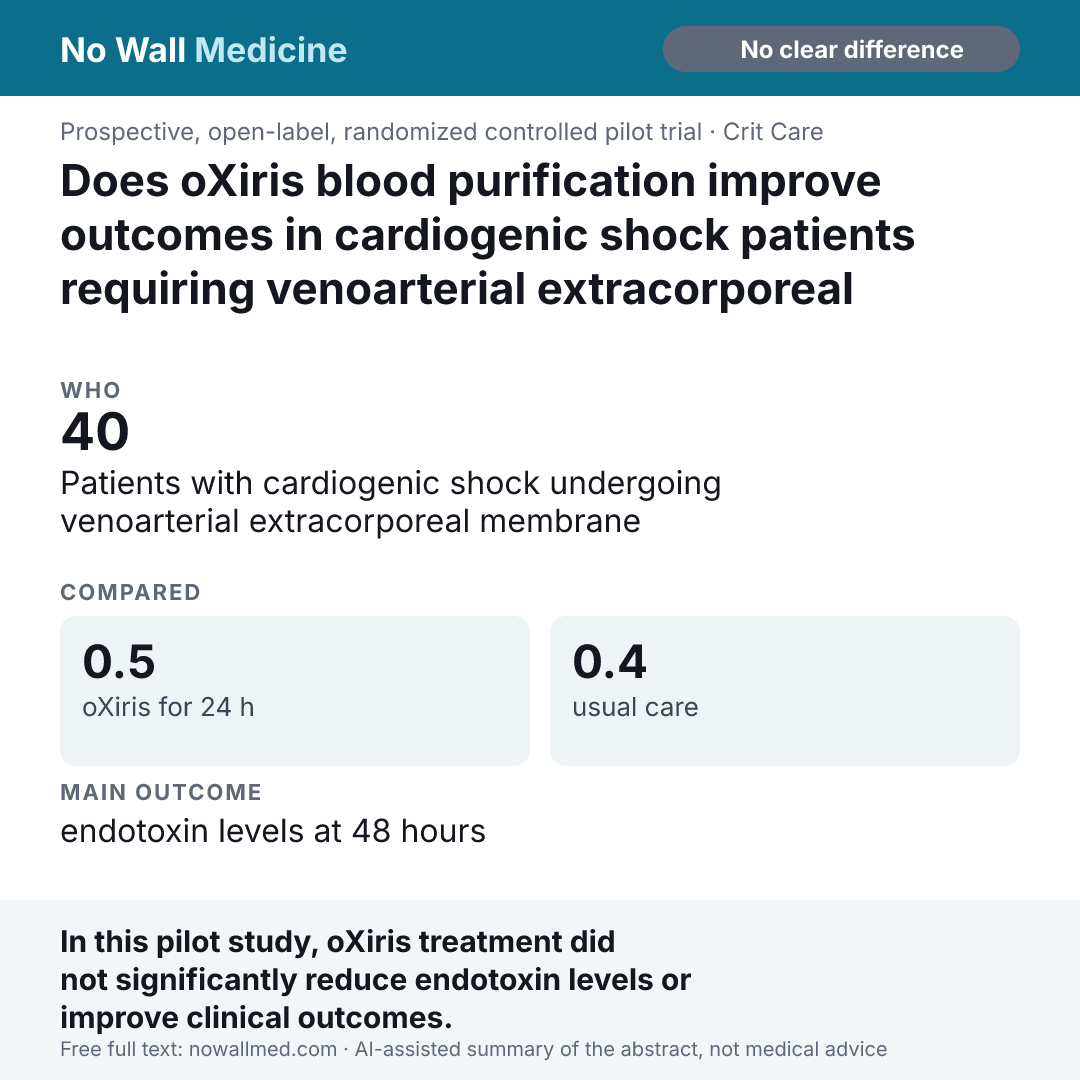
The effects of extracorporeal blood purification (oXiris®) in patients with cardiogenic shock who require VA-ECMO (CLEAN ECMO): a prospective, open-label, randomized controlled pilot study
Prospective, open-label, randomized controlled pilot trialNo clear difference
Does oXiris blood purification improve outcomes in cardiogenic shock patients requiring venoarterial extracorporeal membrane oxygenation?
Who
40
Patients with cardiogenic shock undergoing venoarterial extracorporeal membrane oxygenation · single-center
Compared
0.5oXiris for 24 h (IQR 0.4-1.0)
0.4usual care (IQR 0.2-0.5)
Main outcome
endotoxin levels at 48 hours
Bottom line: In this pilot study, oXiris treatment did not significantly reduce endotoxin levels or improve clinical outcomes.
Crit Care · 2025-06-20 · Save PNG
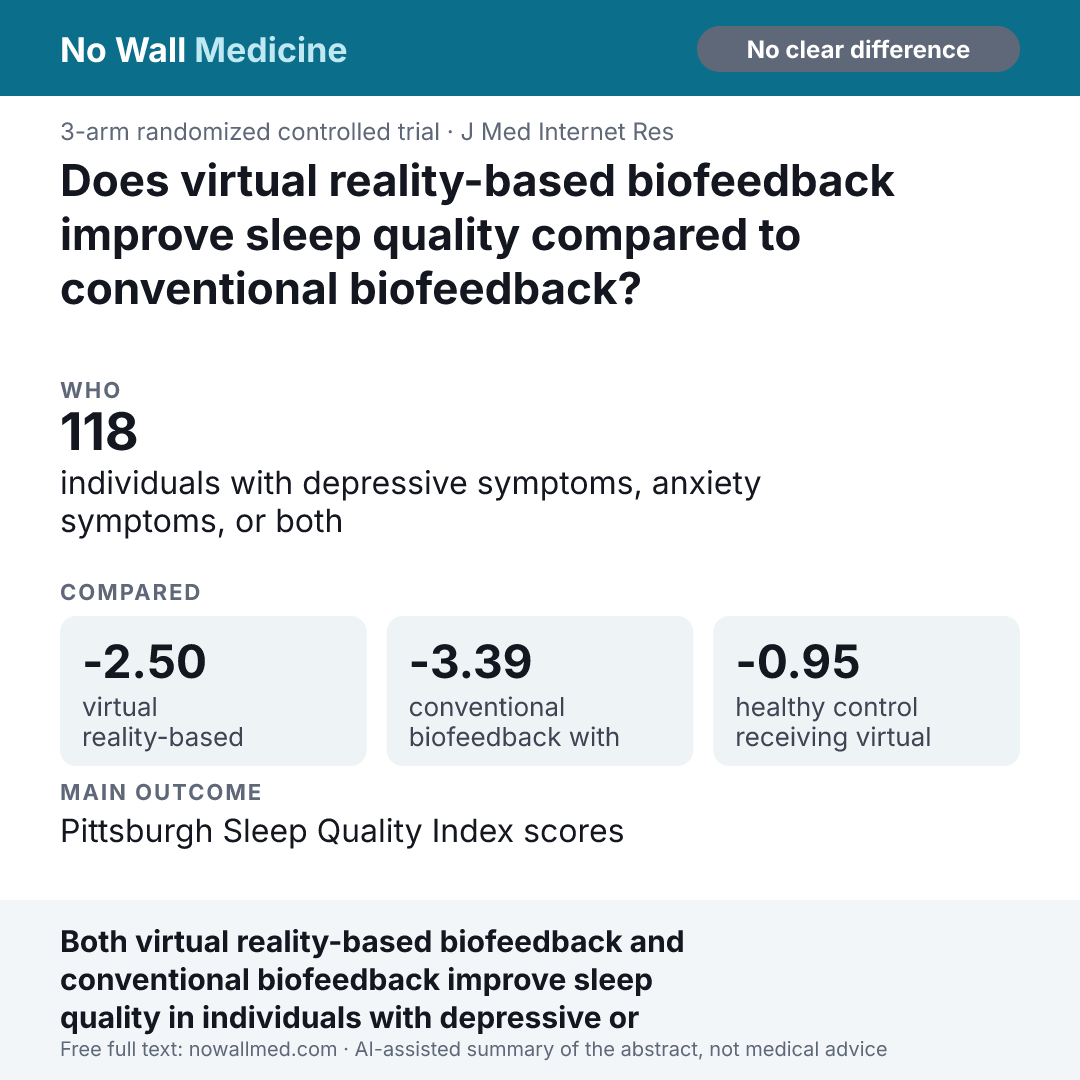
Impact of Virtual Reality-Based Biofeedback on Sleep Quality Among Individuals With Depressive Symptoms, Anxiety Symptoms, or Both: 4-Week Randomized Controlled Study
3-arm randomized controlled trialNo clear difference
Does virtual reality-based biofeedback improve sleep quality compared to conventional biofeedback?
Who
118
individuals with depressive symptoms, anxiety symptoms, or both
Compared
-2.50virtual reality-based biofeedback with depressive or anxiety symptoms (SD 2.89)
-3.39conventional biofeedback with depressive or anxiety symptoms (SD 2.80)
-0.95healthy control receiving virtual reality-based biofeedback (SD 2.09)
Main outcome
Pittsburgh Sleep Quality Index scores
Bottom line: Both virtual reality-based biofeedback and conventional biofeedback improve sleep quality in individuals with depressive or anxiety symptoms.
J Med Internet Res · 2025-06-20 · Save PNG
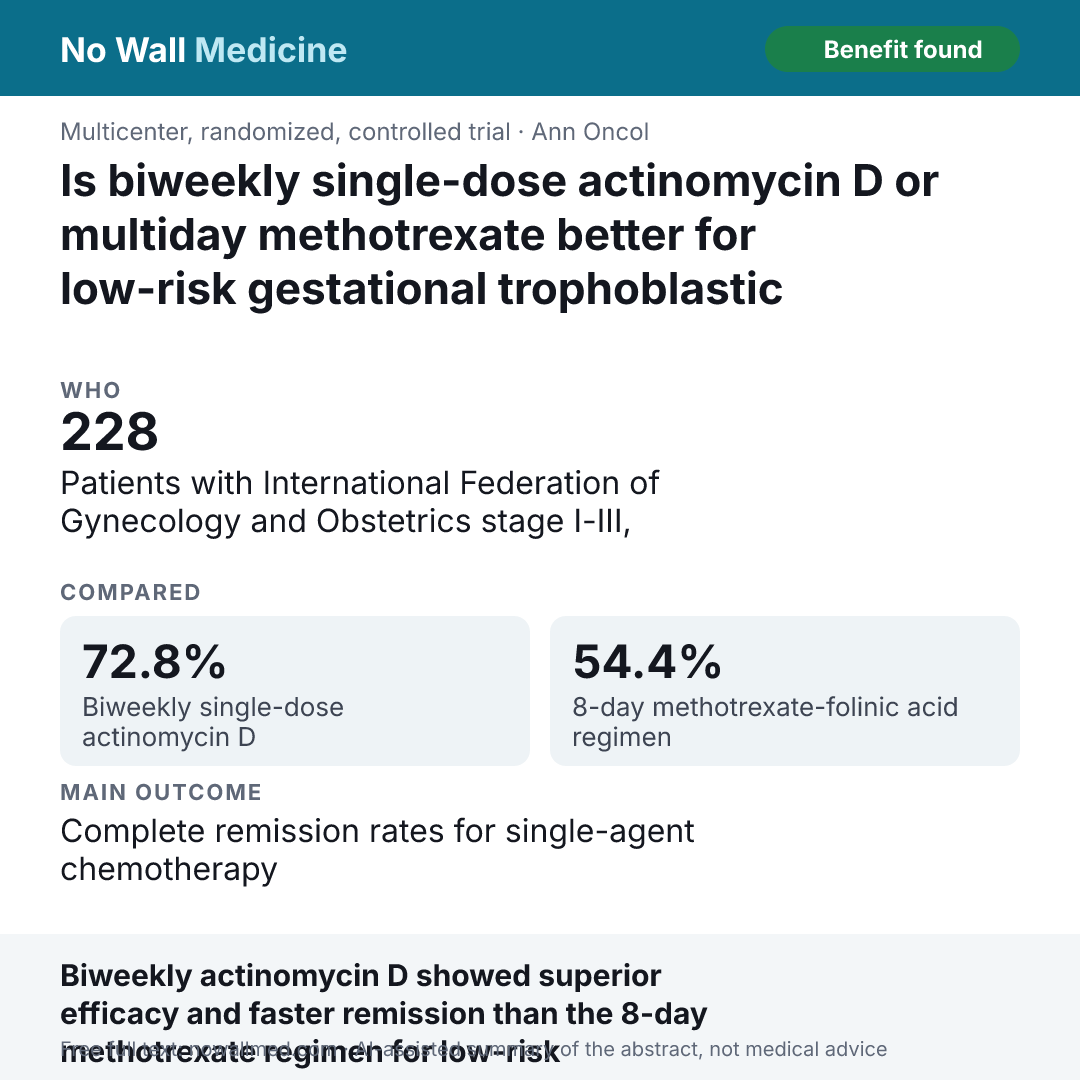
Efficacy and safety of biweekly single-dose actinomycin D versus multiday methotrexate in low-risk gestational trophoblastic neoplasia: a prospective multicenter randomized trial
Multicenter, randomized, controlled trialBenefit found
Is biweekly single-dose actinomycin D or multiday methotrexate better for low-risk gestational trophoblastic neoplasia?
Who
228
Patients with International Federation of Gynecology and Obstetrics stage I-III, low-risk gestational trophoblastic neoplasia · Eight centers in China
Compared
72.8%Biweekly single-dose actinomycin D
54.4%8-day methotrexate-folinic acid regimen
Main outcome
Complete remission rates for single-agent chemotherapy
Bottom line: Biweekly actinomycin D showed superior efficacy and faster remission than the 8-day methotrexate regimen for low-risk gestational trophoblastic neoplasia.
Ann Oncol · 2025-06-19 · Save PNG
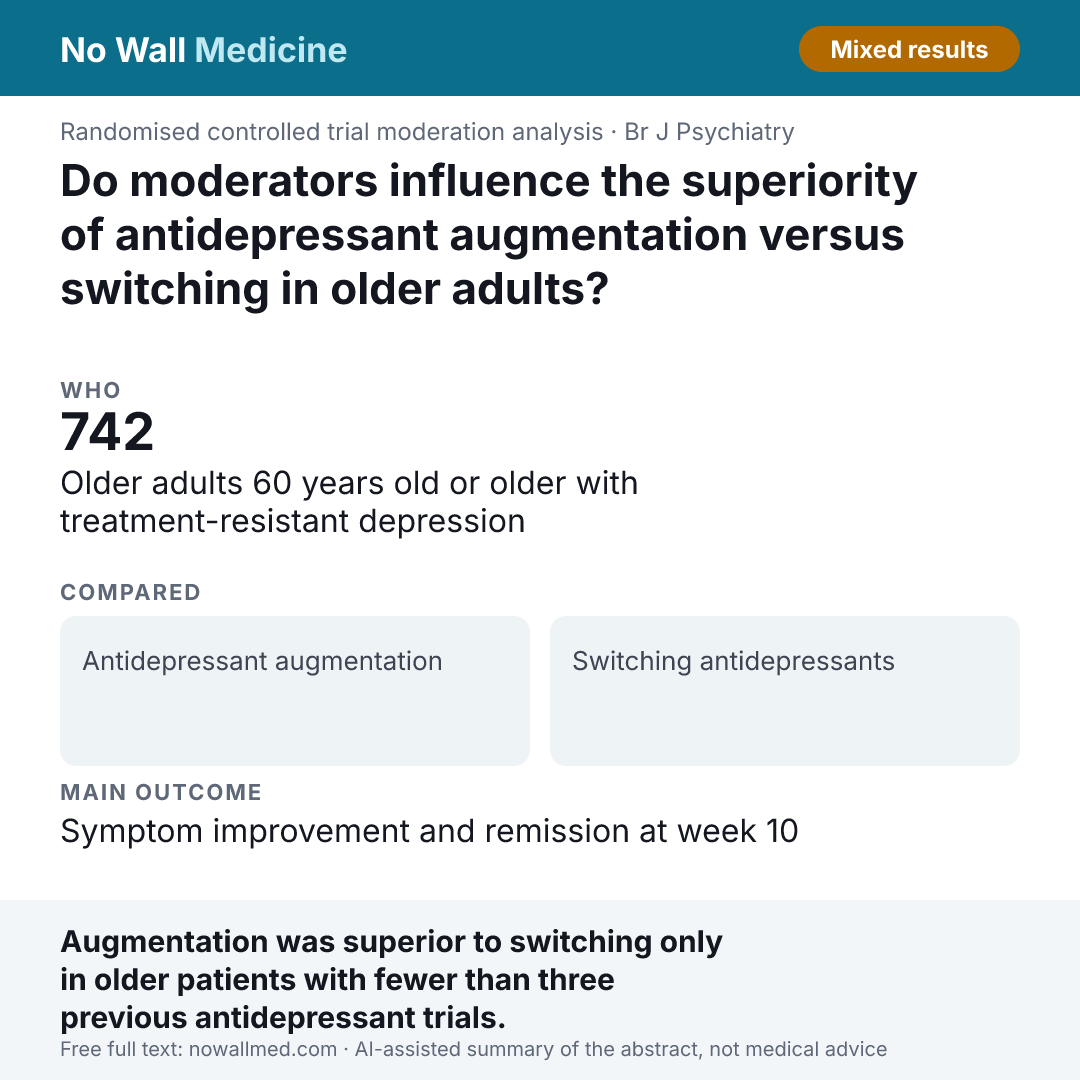
Moderators of antidepressant augmentation versus switch in the OPTIMUM randomised controlled trial
Randomised controlled trial moderation analysisMixed results
Do moderators influence the superiority of antidepressant augmentation versus switching in older adults?
Who
742
Older adults 60 years old or older with treatment-resistant depression
Compared
Antidepressant augmentation
Switching antidepressants
Main outcome
Symptom improvement and remission at week 10
Result: b = -1.6, t = -2.1, P = 0.033, 95% CI [-3.0, -0.1]
Bottom line: Augmentation was superior to switching only in older patients with fewer than three previous antidepressant trials.
Br J Psychiatry · 2025-06-19 · Save PNG