Visual abstracts
New randomized trials and meta-analyses from leading journals at a glance: who was studied, what was compared, and what was found. Every paper is free to read in full.
All specialtiesCardiology 4763Oncology 4043Gastroenterology & Hepatology 1903Infectious Disease 3756Neurology 1872Psychiatry & Mental Health 2216Pulmonology 2044Critical Care 1319Endocrinology & Diabetes 2544Pediatrics 2889Surgery 2480Orthopedics & Sports Medicine 917Neurosurgery 525Cardiothoracic & Vascular Surgery 656Plastic & Reconstructive Surgery 574Nephrology 1107Rheumatology 810Hematology 1090Dermatology 611Ophthalmology 532Obstetrics & Gynecology 1645Public & Global Health 1037Radiology & Imaging 619Anesthesiology 958Urology 745ENT (Otolaryngology) 494Emergency Medicine 481Allergy & Immunology 309Geriatrics 972Family Medicine & Primary Care 534Medical Genetics & Genomics 659Pathology & Laboratory Medicine 156Physical Medicine & Rehabilitation 734Palliative Care 421Nutrition 1560Digital Health & AI 2137General Medicine 318
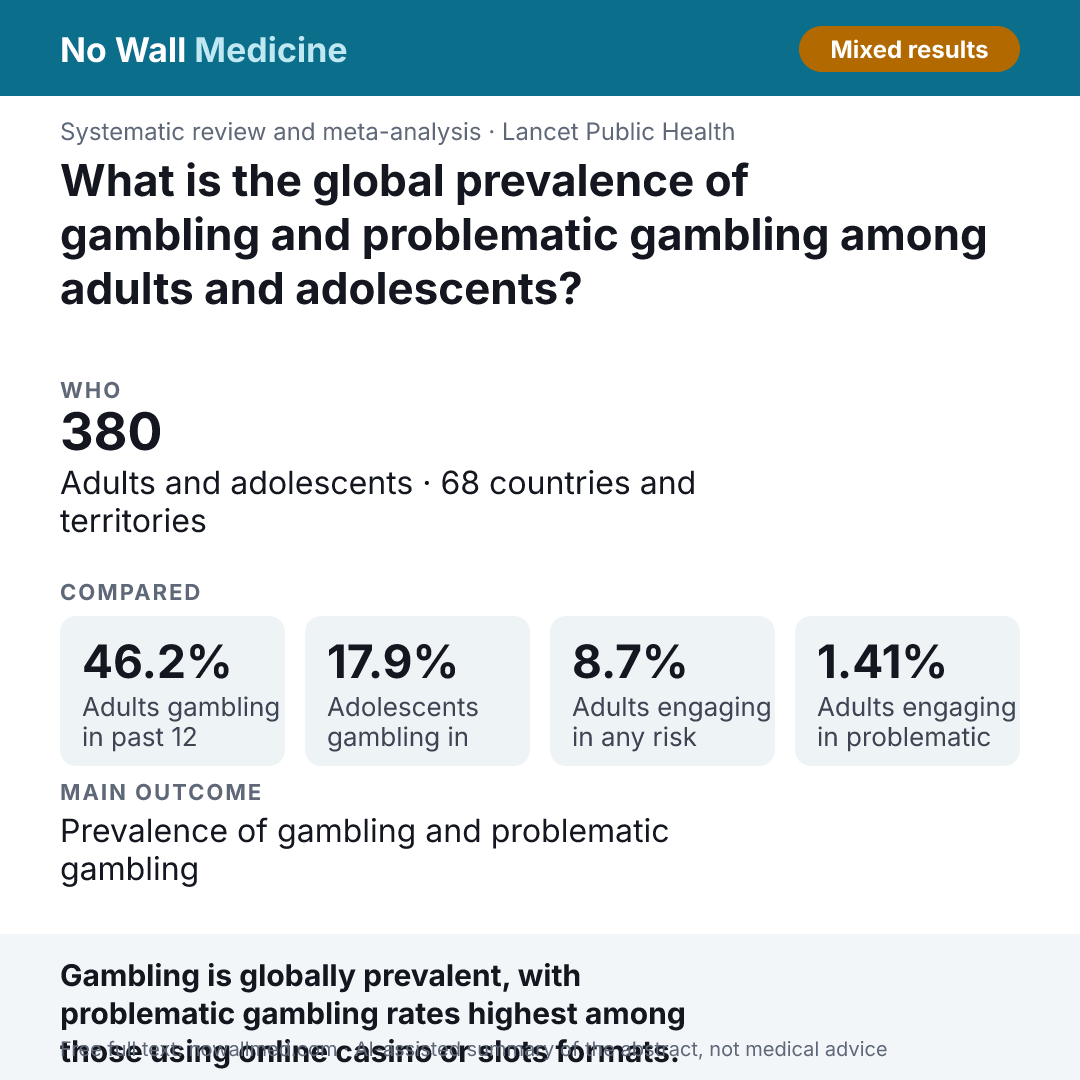
The prevalence of gambling and problematic gambling: a systematic review and meta-analysis
Systematic review and meta-analysisMixed results
What is the global prevalence of gambling and problematic gambling among adults and adolescents?
Who
380
Adults and adolescents · 68 countries and territories
Compared
46.2%Adults gambling in past 12 months (95% CI 41.7-50.8)
17.9%Adolescents gambling in past 12 months (14.8-21.2)
8.7%Adults engaging in any risk gambling (6.6-11.3)
1.41%Adults engaging in problematic gambling (1.06-1.84)
Main outcome
Prevalence of gambling and problematic gambling
Bottom line: Gambling is globally prevalent, with problematic gambling rates highest among those using online casino or slots formats.
Limitation: There were few data reported on any risk and problematic gambling among adolescent samples.
Funded by: Australian National Health and Medical Research Council
Lancet Public Health · 2024-07-15 · Save PNG
Utility of 3D-printed vascular modeling in microsurgical breast reconstruction: a systematic review
Systematic reviewBenefit found
What is the utility of 3D-printed vascular modeling in microsurgical breast reconstruction?
Who
181
Patients undergoing microsurgical breast reconstruction
Compared
3D-printed vascular modeling: reduced harvest time by up to 23 min per case
No 3D-printed vascular modeling
Main outcome
Surgical, model, or user-related outcomes
Bottom line: 3D-printed vascular models can enhance preoperative planning, intraoperative decision-making, and operative efficiency in breast reconstruction.
Limitation: Model cost, production time, and adoption were identified as barriers to use.
J Plast Reconstr Aesthet Surg · 2024-07-15 · Save PNG

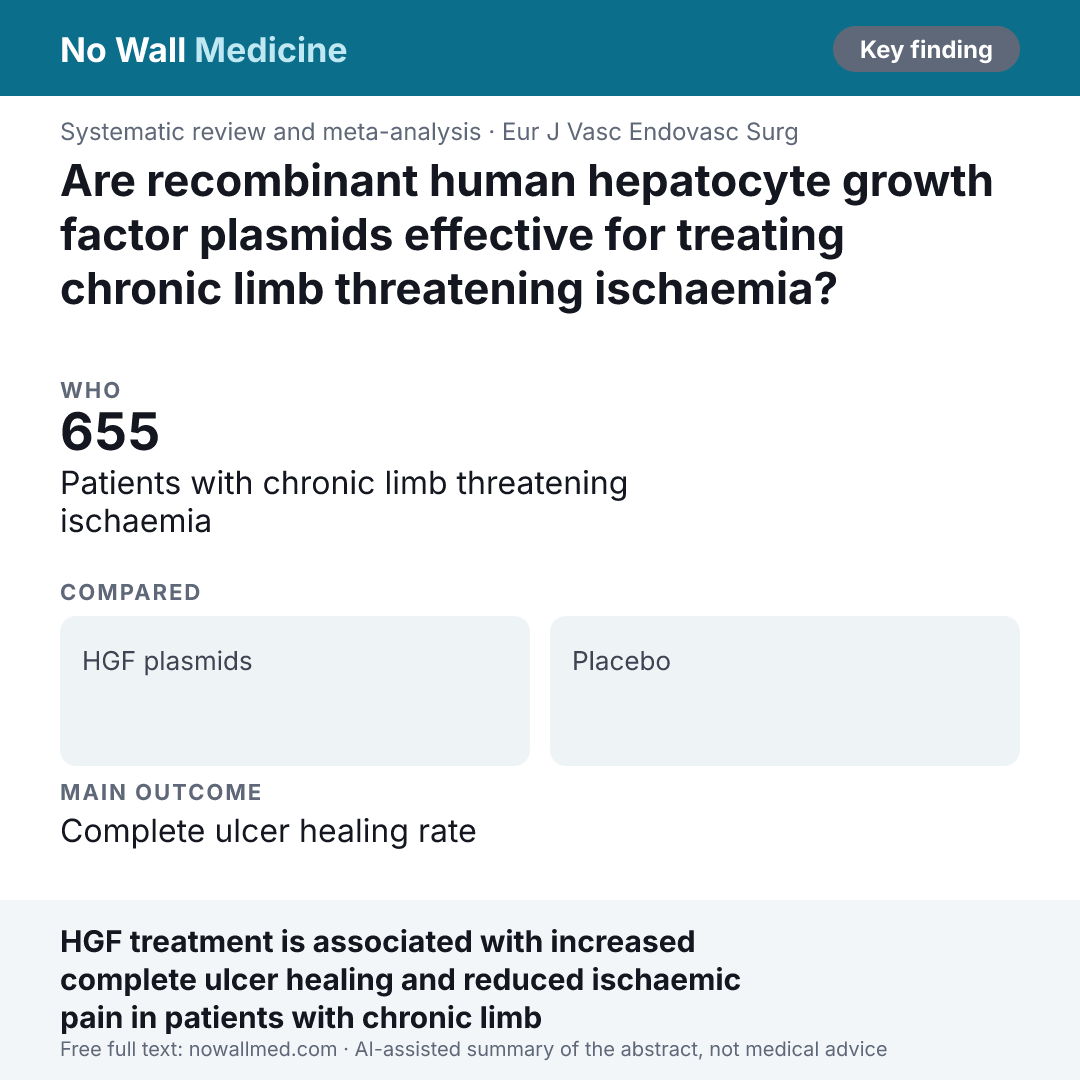
Recombinant Human Hepatocyte Growth Factor Plasmids for Treating Patients with Chronic Limb Threatening Ischaemia: A Systematic Review and Meta-analysis
Systematic review and meta-analysisKey finding
Are recombinant human hepatocyte growth factor plasmids effective for treating chronic limb threatening ischaemia?
Who
655
Patients with chronic limb threatening ischaemia
Compared
HGF plasmids
Placebo
Main outcome
Complete ulcer healing rate
Result: relative risk 1.99 (95% confidence interval 1.30 - 3.04)
Bottom line: HGF treatment is associated with increased complete ulcer healing and reduced ischaemic pain in patients with chronic limb threatening ischaemia.
Eur J Vasc Endovasc Surg · 2024-07-15 · Save PNG
Impact of the ketogenic diet as a dietary approach on cardiovascular disease risk factors: a meta-analysis of randomized clinical trials
Meta-analysis of 27 randomized controlled trialsMixed results
How does the ketogenic diet impact cardiovascular disease risk factors compared with control diets?
Who
1278
Participants in randomized controlled trials
Compared
Ketogenic diet
Control diets
Main outcome
Changes in cardiovascular disease risk factors
Result: total cholesterol mean differences: 0.36 mmol/L (95% CI: 0.15, 0.57)
Bottom line: Ketogenic diets improve triglycerides, blood pressure, weight, and glycemic control but increase total and low-density lipoprotein cholesterol.
Am J Clin Nutr · 2024-07-15 · Save PNG

Antioxidants and Fertility in Women with Ovarian Aging: A Systematic Review and Meta-Analysis
Meta-analysis of 20 randomized clinical trialsBenefit found
Do antioxidants improve fertility and safety in women with ovarian aging?
Who
2617
Women with ovarian aging
Compared
Antioxidants
Placebo or no treatment
Main outcome
Fertility, safety, oocyte number, embryo quality, and pregnancy rates
Bottom line: Antioxidant consumption is an effective and safe complementary therapy for women with ovarian aging.
Adv Nutr · 2024-07-15 · Save PNG

Decoding depression: a comprehensive multi-cohort exploration of blood DNA methylation using machine learning and deep learning approaches
Mega-analysis and meta-analysisMixed results
Can blood DNA methylation signatures accurately classify depression using machine learning?
Who
1942
Six different populations from eight separate cohorts · Six public and two domestic cohorts
Compared
Batch-level processed data: AUC 0.73 and 0.76
Harmonized data: all AUCs < 0.57
Main outcome
Depression classification performance using machine learning and deep learning
Bottom line: Machine learning performance varied significantly depending on data processing and feature selection methods used.
Limitation: Predictive power was low when using harmonized data in hold-out tests.
Transl Psychiatry · 2024-07-15 · Save PNG

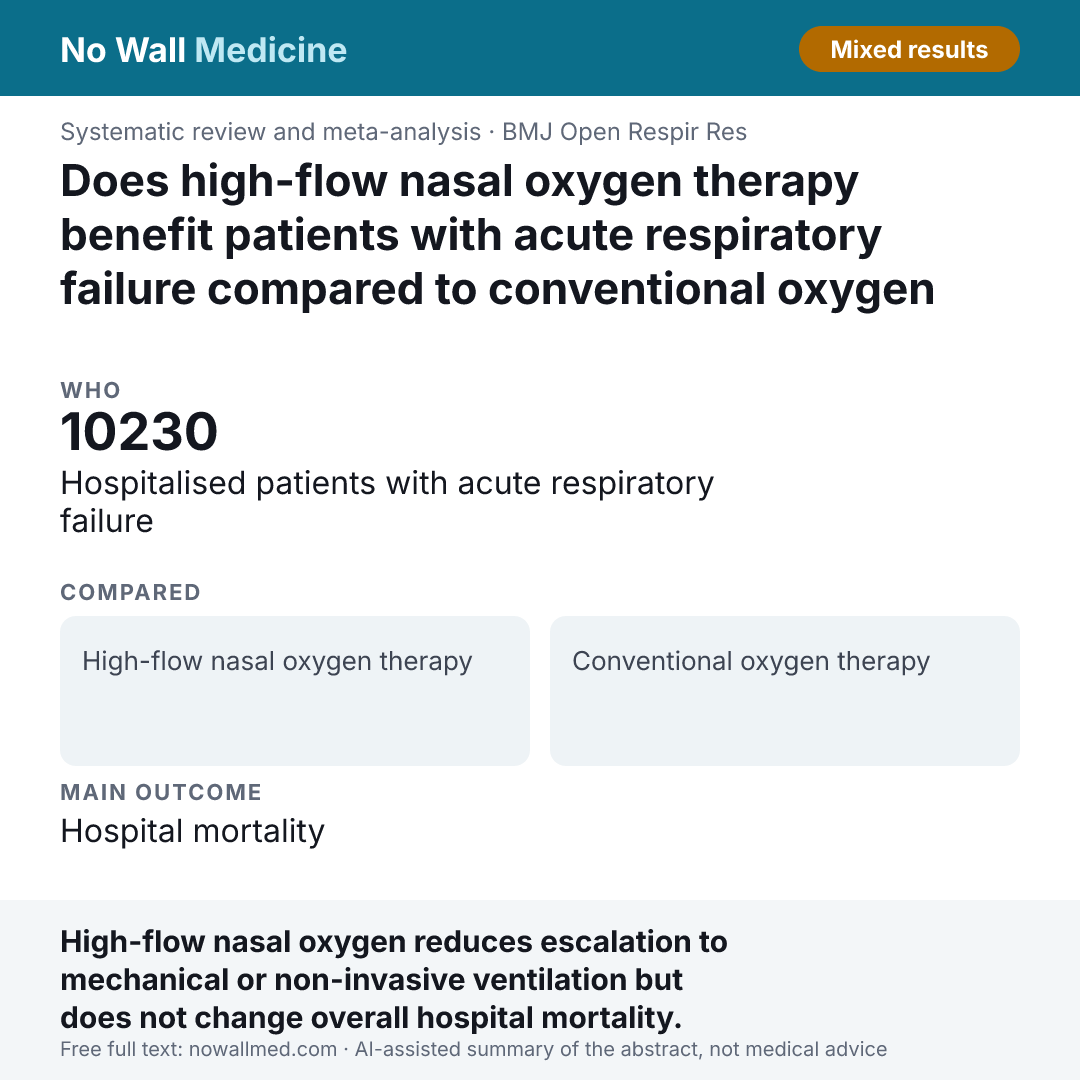
High-flow nasal oxygen therapy compared with conventional oxygen therapy in hospitalised patients with respiratory illness: a systematic review and meta-analysis
Systematic review and meta-analysisMixed results
Does high-flow nasal oxygen therapy benefit patients with acute respiratory failure compared to conventional oxygen therapy?
Who
10230
Hospitalised patients with acute respiratory failure
Compared
High-flow nasal oxygen therapy
Conventional oxygen therapy
Main outcome
Hospital mortality
Result: risk ratio 1.08 (95% CI 0.93 to 1.26)
Bottom line: High-flow nasal oxygen reduces escalation to mechanical or non-invasive ventilation but does not change overall hospital mortality.
BMJ Open Respir Res · 2024-07-15 · Save PNG
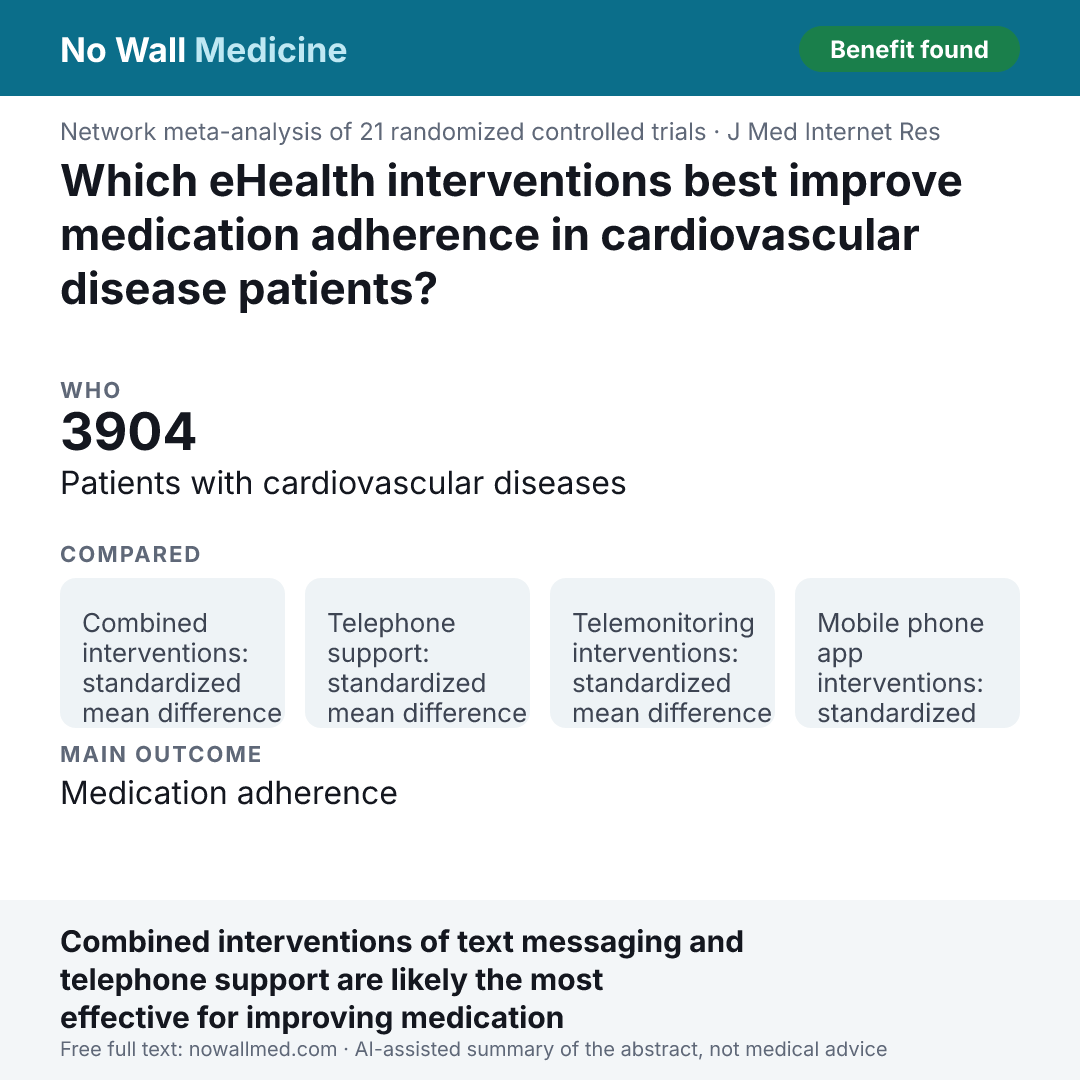
Effectiveness of eHealth Interventions in Improving Medication Adherence Among Patients With Cardiovascular Disease: Systematic Review and Meta-Analysis
Network meta-analysis of 21 randomized controlled trialsBenefit found
Which eHealth interventions best improve medication adherence in cardiovascular disease patients?
Who
3904
Patients with cardiovascular diseases
Compared
Combined interventions: standardized mean difference 0.89 (95% CI 0.22-1.57)
Telephone support: standardized mean difference 0.68 (95% CI 0.02-1.33)
Telemonitoring interventions: standardized mean difference 0.70 (95% CI 0.02-1.39)
Mobile phone app interventions: standardized mean difference 0.65 (95% CI 0.01-1.30)
Main outcome
Medication adherence
Bottom line: Combined interventions of text messaging and telephone support are likely the most effective for improving medication adherence.
Limitation: Differences in design and implementation of eHealth interventions require further large-scale, multicenter trials.
J Med Internet Res · 2024-07-15 · Save PNG
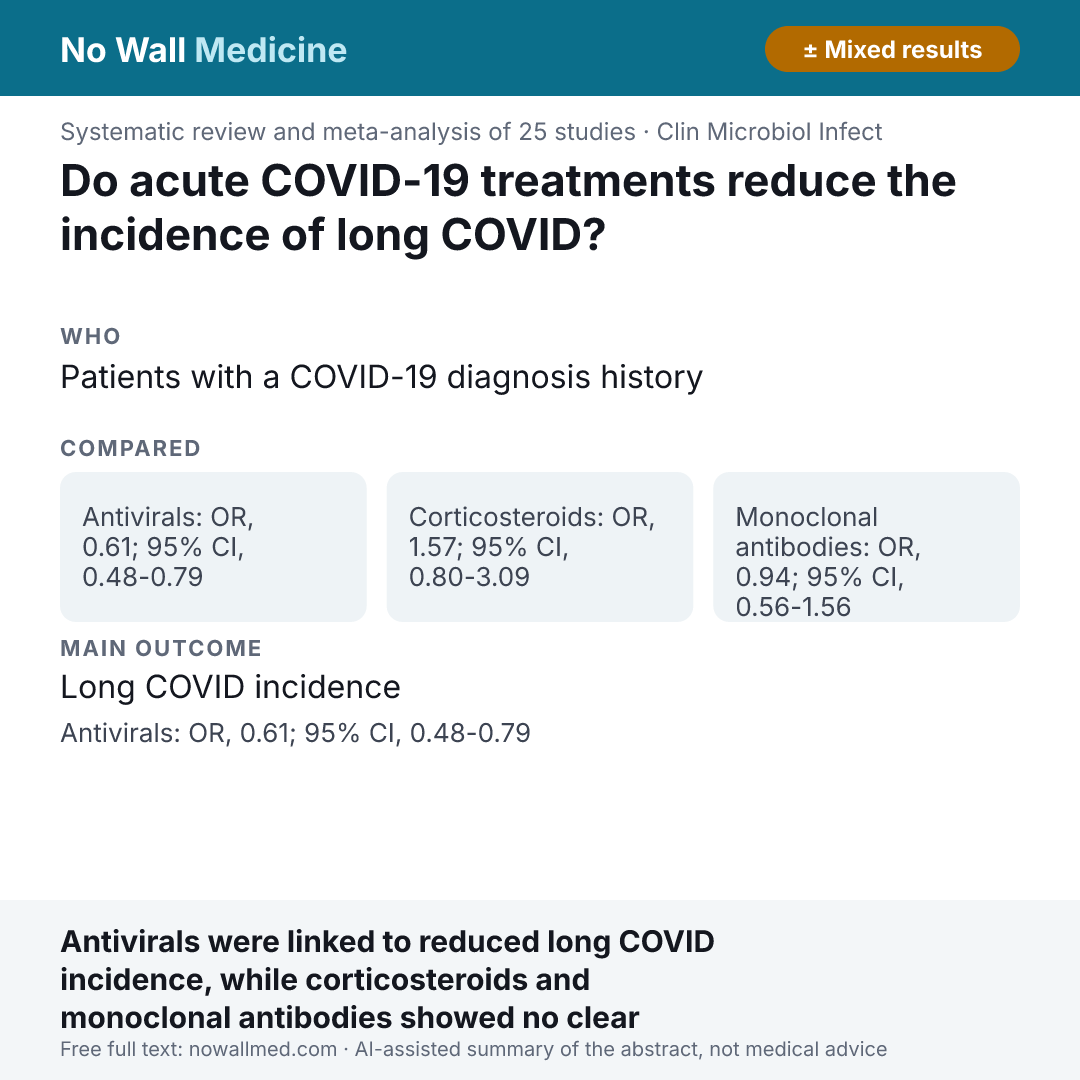
The efficacy of antivirals, corticosteroids, and monoclonal antibodies as acute COVID-19 treatments in reducing the incidence of long COVID: a systematic review and meta-analysis
Systematic review and meta-analysis of 25 studiesMixed results
Do acute COVID-19 treatments reduce the incidence of long COVID?
Who
Patients with a COVID-19 diagnosis history
Compared
Antivirals: OR, 0.61; 95% CI, 0.48-0.79
Corticosteroids: OR, 1.57; 95% CI, 0.80-3.09
Monoclonal antibodies: OR, 0.94; 95% CI, 0.56-1.56
Main outcome
Long COVID incidence
Result: Antivirals: OR, 0.61; 95% CI, 0.48-0.79
Bottom line: Antivirals were linked to reduced long COVID incidence, while corticosteroids and monoclonal antibodies showed no clear relationship.
Clin Microbiol Infect · 2024-07-14 · Save PNG
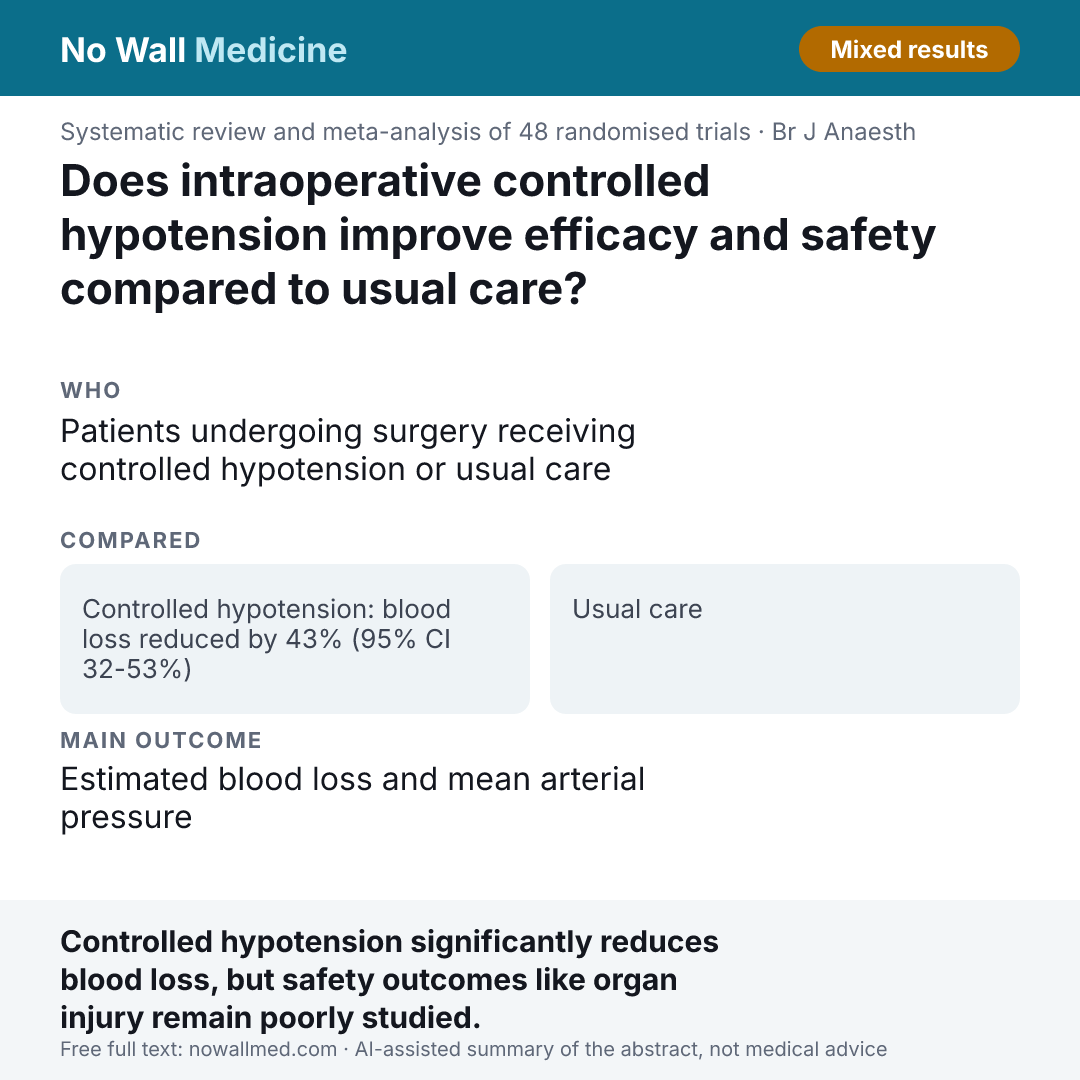
Efficacy and safety of intraoperative controlled hypotension: a systematic review and meta-analysis of randomised trials
Systematic review and meta-analysis of 48 randomised trialsMixed results
Does intraoperative controlled hypotension improve efficacy and safety compared to usual care?
Who
Patients undergoing surgery receiving controlled hypotension or usual care
Compared
Controlled hypotension: blood loss reduced by 43% (95% CI 32-53%)
Usual care
Main outcome
Estimated blood loss and mean arterial pressure
Result: blood loss was reduced by 43% (95% CI 32-53%)
Bottom line: Controlled hypotension significantly reduces blood loss, but safety outcomes like organ injury remain poorly studied.
Br J Anaesth · 2024-07-14 · Save PNG
Post-Acute Care Trends and Disparities After Joint Replacements in the United States, 1991-2018: A Systematic Review
Systematic reviewMixed results
What are the trends and disparities in post-acute care use after major joint replacement?
Who
Individuals aged 18 years or older hospitalized after major joint replacement · United States
Compared
Skilled nursing facilities or nursing homes: decreased over time
Racial and ethnic minority individuals: more frequently discharged to post-acute care institutions
White individuals
Main outcome
Post-acute care use and disparities
Bottom line: Institutional post-acute care use decreased over time, but racial and ethnic minorities experience higher discharge rates to institutions.
J Am Med Dir Assoc · 2024-07-14 · Save PNG

Magnesium and Cognitive Health in Adults: A Systematic Review and Meta-Analysis
Systematic review and meta-analysisMixed results
What is the association between magnesium and cognitive health in adults?
Who
Adults
Compared
Serum magnesium <0.75 mmol/L: pooled hazard ratio 1.43 (95% CI 1.05, 1.93)
Serum magnesium >0.95 mmol/L: pooled hazard ratio 1.30 (95% CI 1.03, 1.64)
Serum magnesium 0.85 mmol/L
Main outcome
All-cause dementia and cognitive impairment
Result: hazard ratio 1.43 (95% CI 1.05, 1.93) and 1.30 (95% CI 1.03, 1.64)
Bottom line: Serum magnesium shows a U-shaped association with dementia, suggesting an optimal concentration around 0.85 millimoles per liter.
Limitation: Insufficient evidence from randomized controlled trials and inconsistent dose-response relationships in cohort studies.
Adv Nutr · 2024-07-14 · Save PNG

Efficacy and safety of different polymyxin-containing regimens for the treatment of pneumonia caused by multidrug-resistant gram-negative bacteria: a systematic review and network meta-analysis
Systematic review and network meta-analysisBenefit found
Which polymyxin administration regimen is most effective for multidrug-resistant gram-negative bacteria pneumonia?
Who
3318
Patients with multidrug-resistant gram-negative bacteria pneumonia
Compared
Intravenous plus inhaled polymyxin
Intravenous polymyxin
Inhaled polymyxin
Main outcome
Overall mortality
Result: OR 0.67 (95% CI 0.50-0.88) for intravenous plus inhaled versus intravenous
Bottom line: Intravenous plus inhaled polymyxin may be most effective for mortality and microbial eradication in multidrug-resistant gram-negative bacteria pneumonia.
Limitation: Six studies with high risk of bias were excluded from the primary analysis.
Crit Care · 2024-07-14 · Save PNG

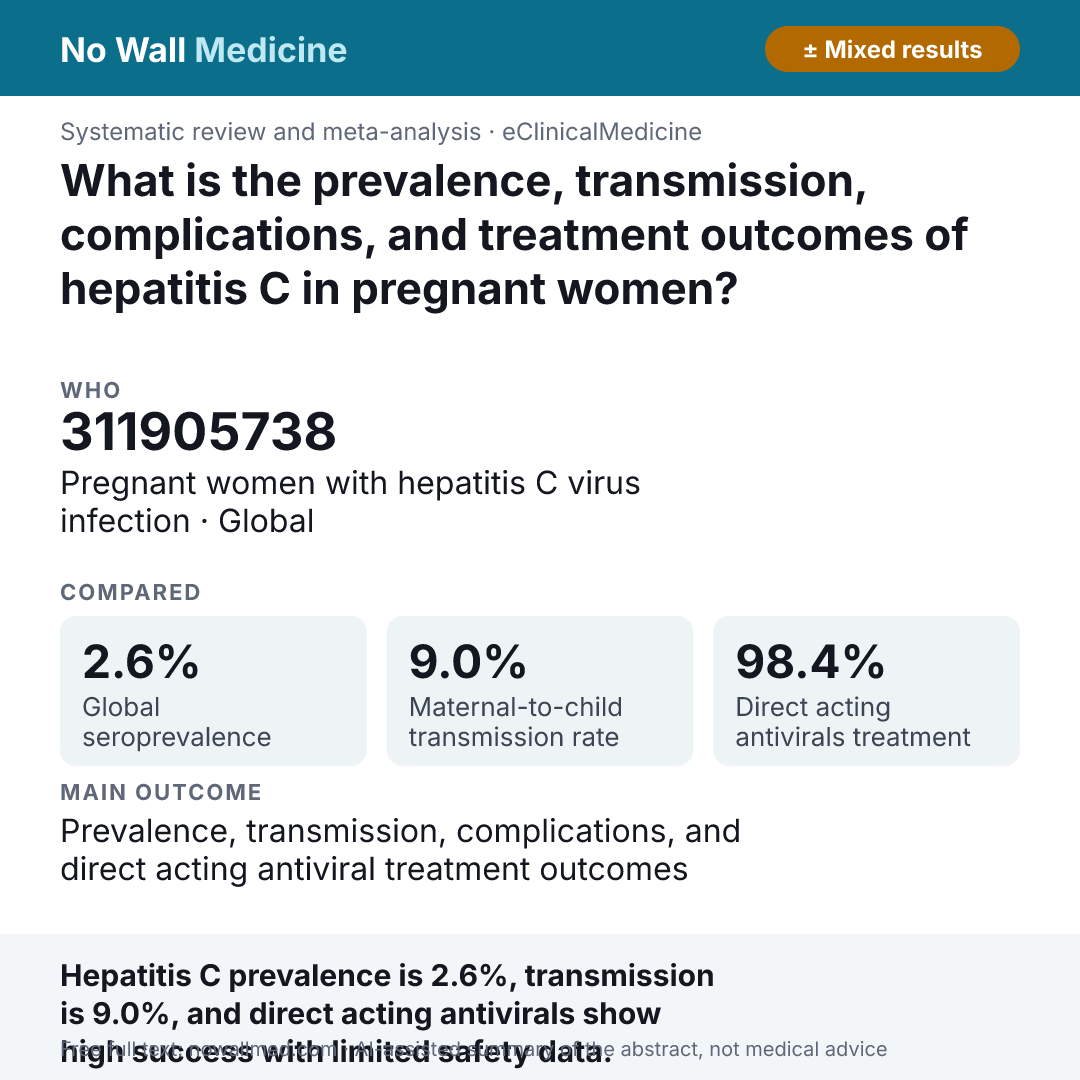
Global epidemiology, natural history, maternal-to-child transmission, and treatment with DAA of pregnant women with HCV: a systematic review and meta-analysis
Systematic review and meta-analysisMixed results
What is the prevalence, transmission, complications, and treatment outcomes of hepatitis C in pregnant women?
Who
311905738
Pregnant women with hepatitis C virus infection · Global
Compared
2.6%Global seroprevalence (95% CI: 2.0-3.2)
9.0%Maternal-to-child transmission rate (95% CI: 6.6-11.7)
98.4%Direct acting antivirals treatment (SVR12)
Main outcome
Prevalence, transmission, complications, and direct acting antiviral treatment outcomes
Bottom line: Hepatitis C prevalence is 2.6%, transmission is 9.0%, and direct acting antivirals show high success with limited safety data.
Limitation: Limited data suggest that direct acting antivirals are safe in pregnant women.
eClinicalMedicine · 2024-07-13 · Save PNG
Impact and effect of imaging referral guidelines on patients and radiology services: a systematic review
Systematic review and narrative synthesisBenefit found
What is the impact of imaging referral guidelines on patients and radiology services?
Who
Patients and radiologists · Not specified
Compared
With imaging referral guidelines: reduced patient radiation doses and waiting times
Without imaging referral guidelines
Main outcome
Outcomes for patients, radiologists, and radiology services
Bottom line: Imaging referral guidelines improve healthcare quality and outcomes while reducing radiation, waiting times, and costs.
Eur Radiol · 2024-07-13 · Save PNG

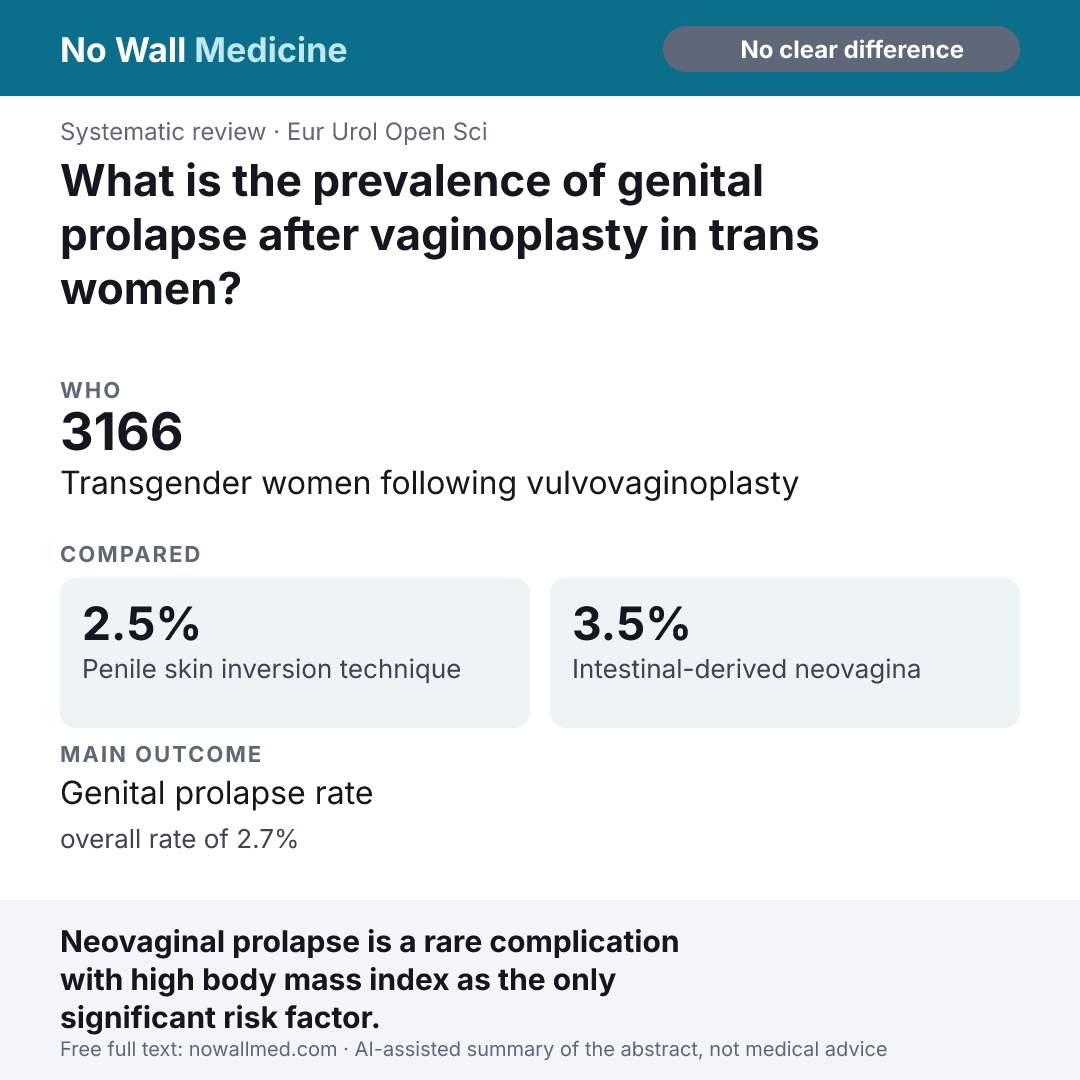
Systematic Review of Neovaginal Prolapse After Vaginoplasty in Trans Women
Systematic reviewNo clear difference
What is the prevalence of genital prolapse after vaginoplasty in trans women?
Who
3166
Transgender women following vulvovaginoplasty
Compared
2.5%Penile skin inversion technique
3.5%Intestinal-derived neovagina
Main outcome
Genital prolapse rate
Result: overall rate of 2.7%
Bottom line: Neovaginal prolapse is a rare complication with high body mass index as the only significant risk factor.
Limitation: Most studies were retrospective case series of low to intermediate quality.
Eur Urol Open Sci · 2024-07-13 · Save PNG
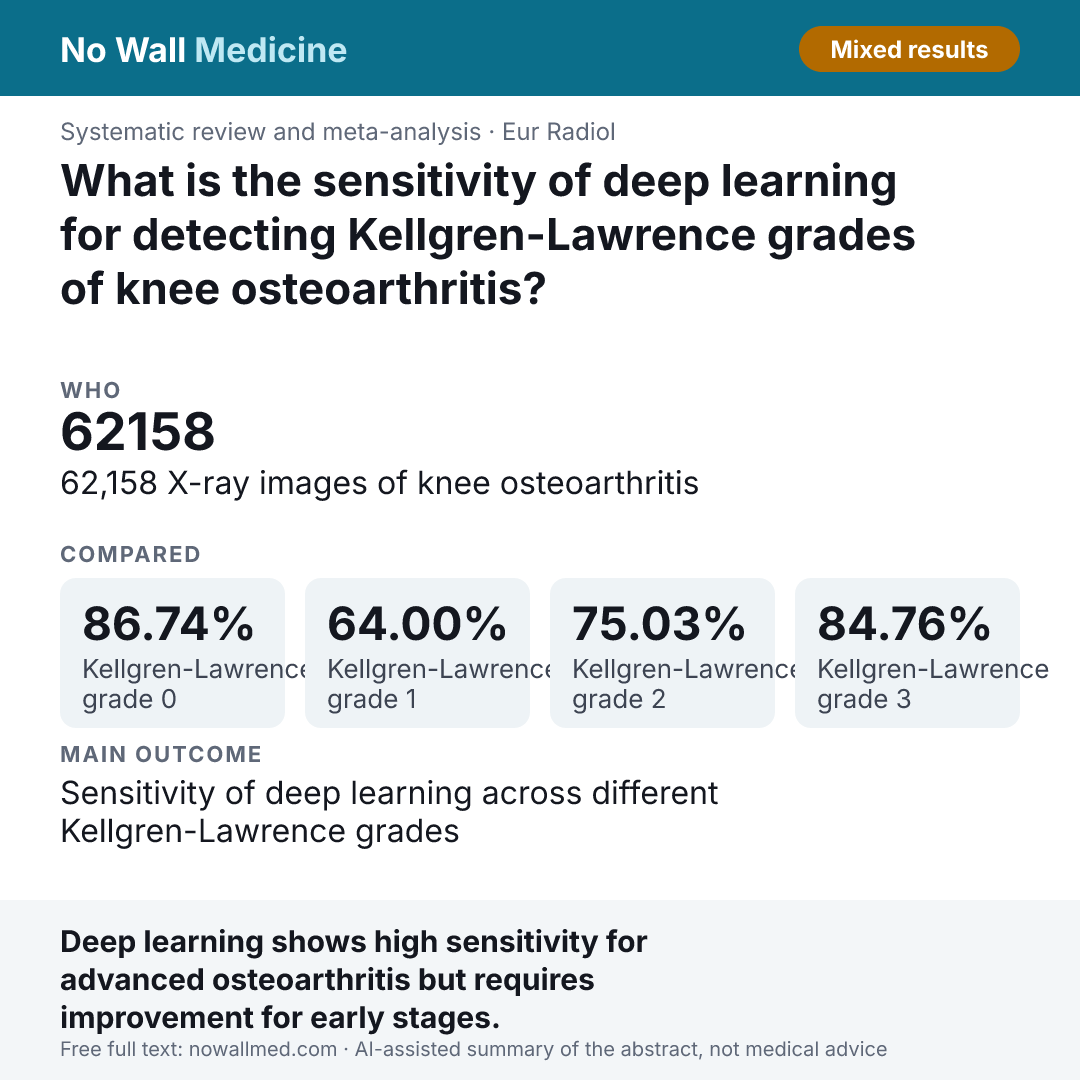
The value of deep learning-based X-ray techniques in detecting and classifying K-L grades of knee osteoarthritis: a systematic review and meta-analysis
Systematic review and meta-analysisMixed results
What is the sensitivity of deep learning for detecting Kellgren-Lawrence grades of knee osteoarthritis?
Who
62158
62,158 X-ray images of knee osteoarthritis
Compared
86.74%Kellgren-Lawrence grade 0 (95% CI: 80.01%-92.28%)
64.00%Kellgren-Lawrence grade 1 (95% CI: 51.81%-75.35%)
75.03%Kellgren-Lawrence grade 2 (95% CI: 66.00%-83.09%)
84.76%Kellgren-Lawrence grade 3 (95% CI: 78.34%-90.25%)
Main outcome
Sensitivity of deep learning across different Kellgren-Lawrence grades
Bottom line: Deep learning shows high sensitivity for advanced osteoarthritis but requires improvement for early stages.
Limitation: Requires further research and reliable data to provide specific clinical recommendations.
Eur Radiol · 2024-07-12 · Save PNG
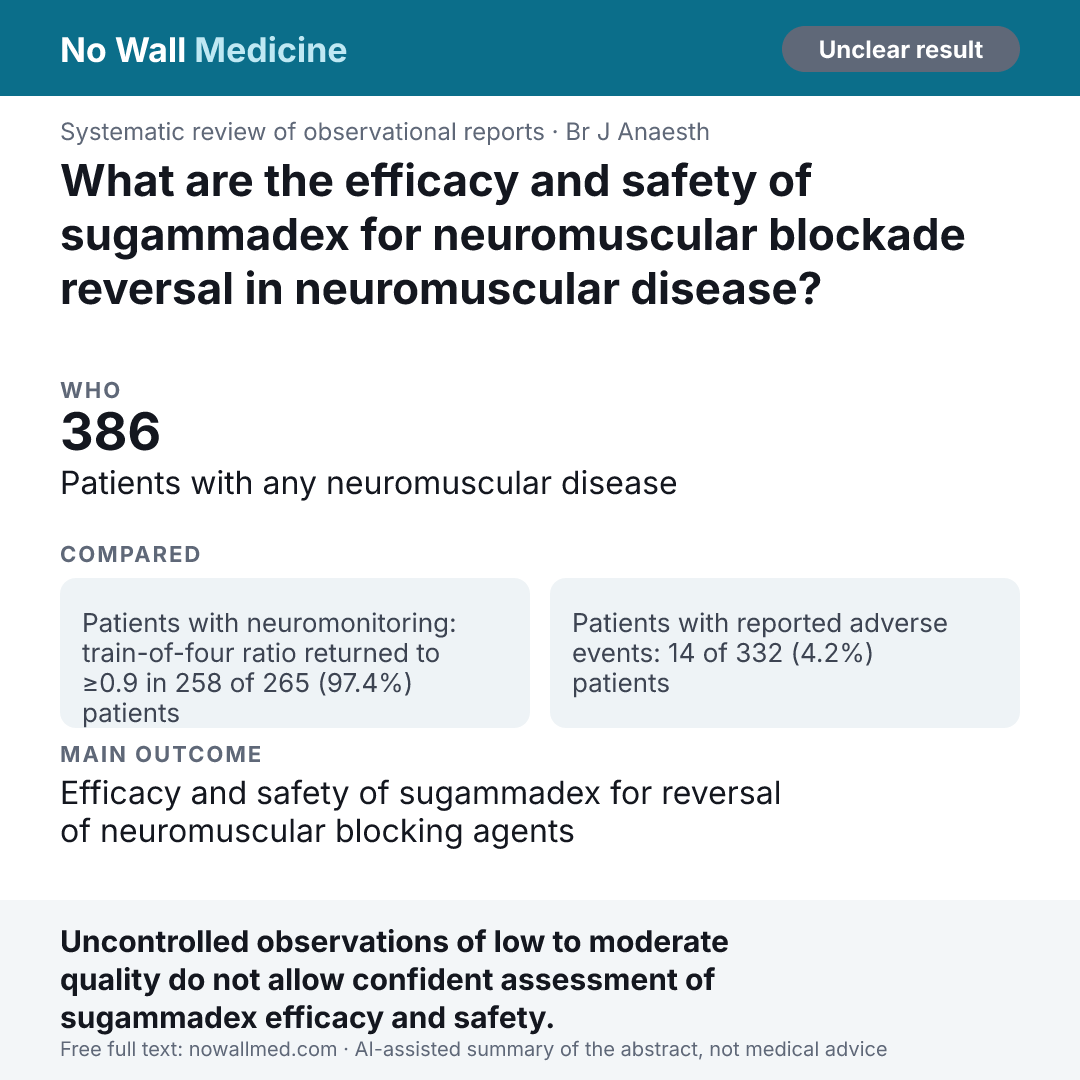
Sugammadex and neuromuscular disease: a systematic review with assessment of reporting quality and content validity
Systematic review of observational reportsUnclear result
What are the efficacy and safety of sugammadex for neuromuscular blockade reversal in neuromuscular disease?
Who
386
Patients with any neuromuscular disease
Compared
Patients with neuromonitoring: train-of-four ratio returned to ≥0.9 in 258 of 265 (97.4%) patients
Patients with reported adverse events: 14 of 332 (4.2%) patients
Main outcome
Efficacy and safety of sugammadex for reversal of neuromuscular blocking agents
Bottom line: Uncontrolled observations of low to moderate quality do not allow confident assessment of sugammadex efficacy and safety.
Br J Anaesth · 2024-07-12 · Save PNG
Percutaneous Coronary Revascularization Strategies After Myocardial Infarction: A Systematic Review and Network Meta-Analysis
Systematic review and network meta-analysisBenefit found
Does complete revascularization reduce all-cause mortality compared with culprit revascularization after myocardial infarction?
Who
16371
Patients with myocardial infarction and multivessel coronary artery disease
Compared
Complete revascularization: RR: 0.85
Culprit revascularization
Main outcome
all-cause mortality
Result: RR: 0.85 (95% CI: 0.74-0.99)
Bottom line: Complete revascularization reduces all-cause mortality in patients with myocardial infarction and multivessel coronary artery disease.
JACC · 2024-07-11 · Save PNG

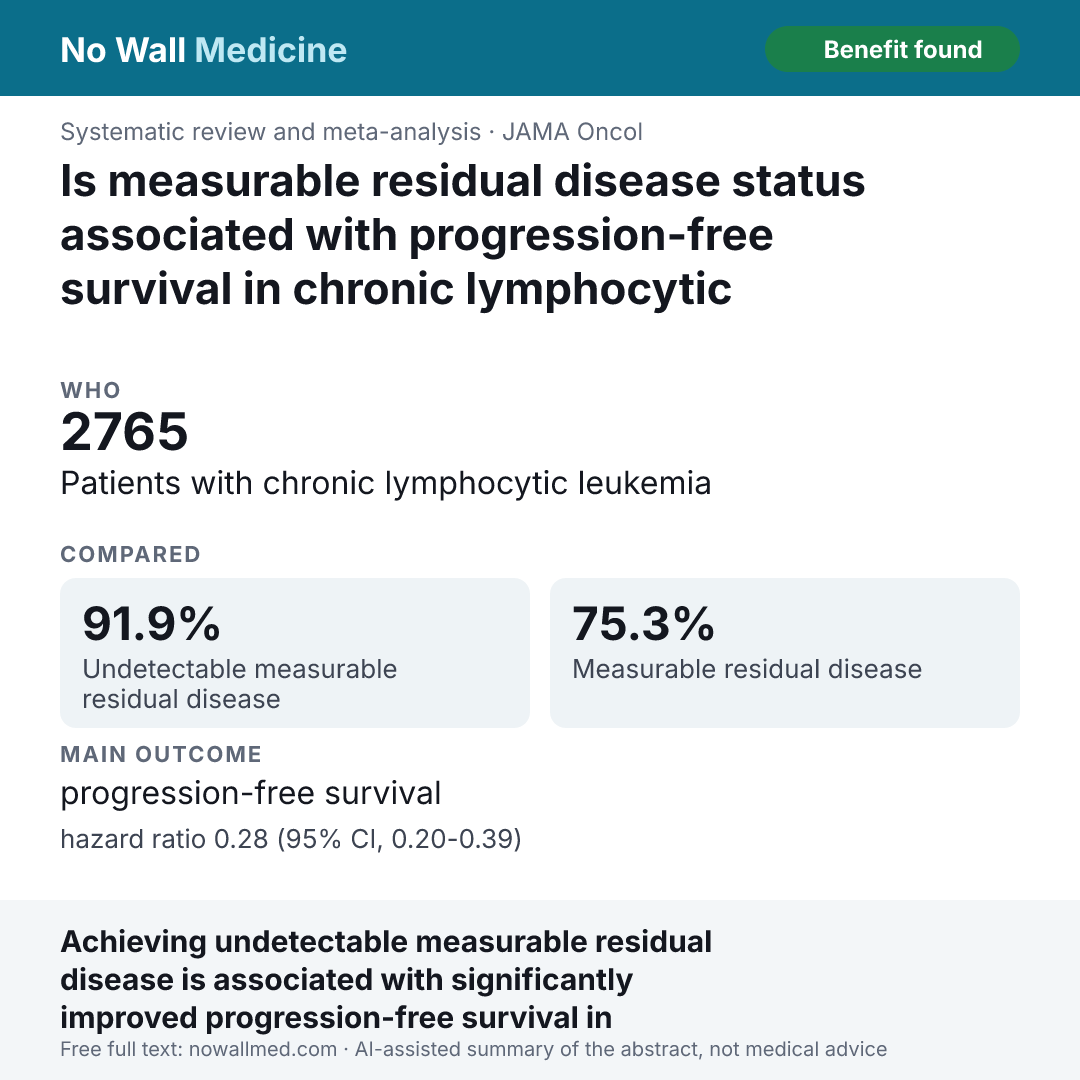
Measurable Residual Disease and Clinical Outcomes in Chronic Lymphocytic Leukemia: A Systematic Review and Meta-Analysis
Systematic review and meta-analysisBenefit found
Is measurable residual disease status associated with progression-free survival in chronic lymphocytic leukemia?
Who
2765
Patients with chronic lymphocytic leukemia
Compared
91.9%Undetectable measurable residual disease (95% CI, 88.8%-95.2%)
75.3%Measurable residual disease (95% CI, 64.7%-87.6%)
Main outcome
progression-free survival
Result: hazard ratio 0.28 (95% CI, 0.20-0.39)
Bottom line: Achieving undetectable measurable residual disease is associated with significantly improved progression-free survival in chronic lymphocytic leukemia.
JAMA Oncol · 2024-07-11 · Save PNG