Visual abstracts
New randomized trials and meta-analyses from leading journals at a glance: who was studied, what was compared, and what was found. Every paper is free to read in full.
All specialtiesCardiology 4763Oncology 4043Gastroenterology & Hepatology 1903Infectious Disease 3756Neurology 1872Psychiatry & Mental Health 2216Pulmonology 2044Critical Care 1319Endocrinology & Diabetes 2544Pediatrics 2889Surgery 2480Orthopedics & Sports Medicine 917Neurosurgery 525Cardiothoracic & Vascular Surgery 656Plastic & Reconstructive Surgery 574Nephrology 1107Rheumatology 810Hematology 1090Dermatology 611Ophthalmology 532Obstetrics & Gynecology 1645Public & Global Health 1037Radiology & Imaging 619Anesthesiology 958Urology 745ENT (Otolaryngology) 494Emergency Medicine 481Allergy & Immunology 309Geriatrics 972Family Medicine & Primary Care 534Medical Genetics & Genomics 659Pathology & Laboratory Medicine 156Physical Medicine & Rehabilitation 734Palliative Care 421Nutrition 1560Digital Health & AI 2137General Medicine 318
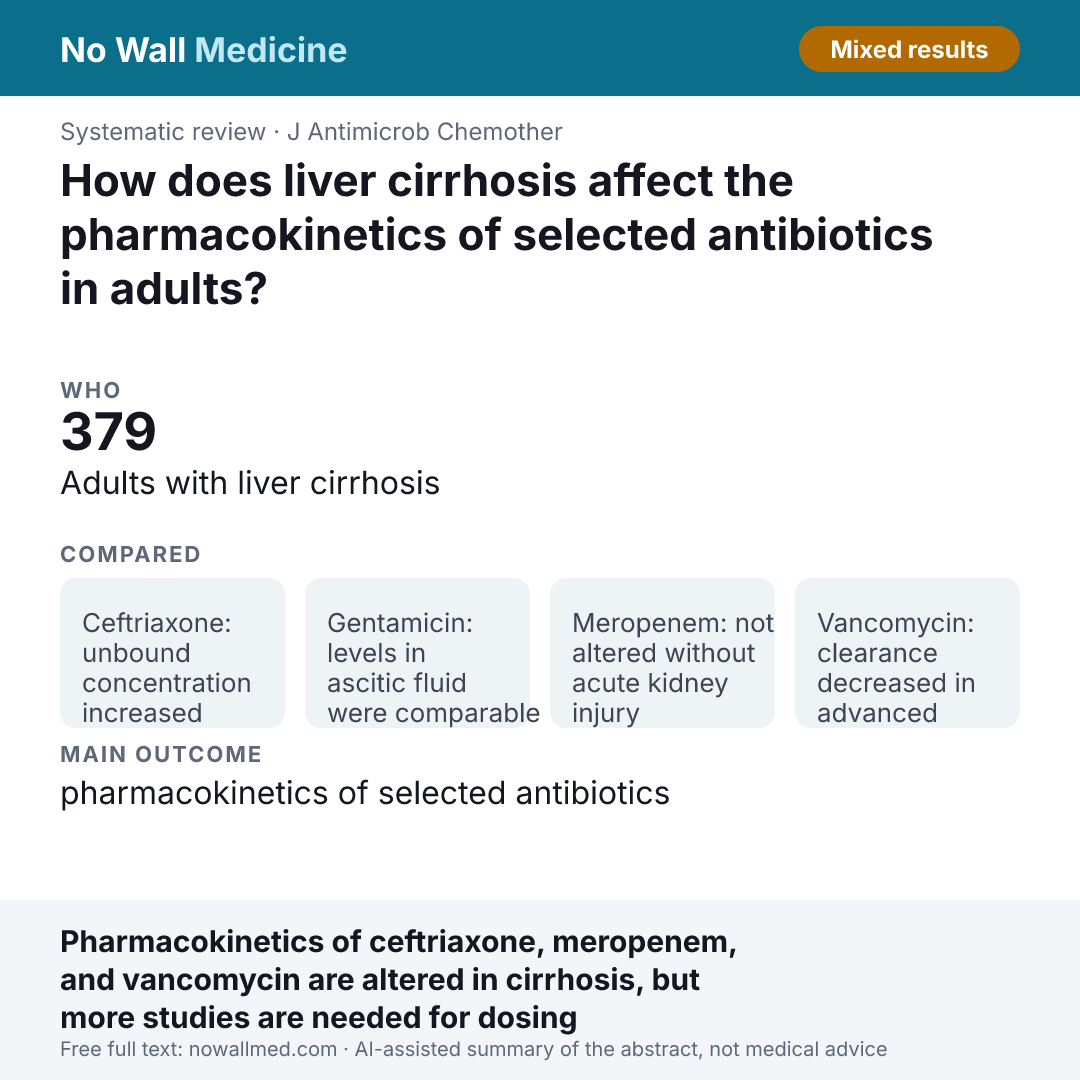
Pharmacokinetics of ceftriaxone, gentamicin, meropenem and vancomycin in liver cirrhosis: a systematic review
Systematic reviewMixed results
How does liver cirrhosis affect the pharmacokinetics of selected antibiotics in adults?
Who
379
Adults with liver cirrhosis
Compared
Ceftriaxone: unbound concentration increased
Gentamicin: levels in ascitic fluid were comparable to plasma
Meropenem: not altered without acute kidney injury
Vancomycin: clearance decreased in advanced cirrhosis
Main outcome
pharmacokinetics of selected antibiotics
Bottom line: Pharmacokinetics of ceftriaxone, meropenem, and vancomycin are altered in cirrhosis, but more studies are needed for dosing recommendations.
J Antimicrob Chemother · 2024-09-18 · Save PNG
Relationship between cumulative silica exposure and silicosis: a systematic review and dose-response meta-analysis
Systematic review and dose-response meta-analysisKey finding
Relationship between cumulative silica exposure and silicosis risk
Who
65977
Participants in cohorts with over 20 years follow-up
Compared
Miners: RR 0.23 (95% CI 0.18 to 0.29)
Non-miners: RR 0.55 (95% CI 0.36 to 0.83)
Main outcome
Silicosis risk from cumulative respirable crystalline silica exposure
Result: Miners RR 0.23 (95% CI 0.18 to 0.29); Non-miners RR 0.55 (95% CI 0.36 to 0.83)
Bottom line: Findings support reducing permissible exposure limits from 0.1 to 0.05 mg/m³, particularly among mining populations.
Thorax · 2024-09-18 · Save PNG

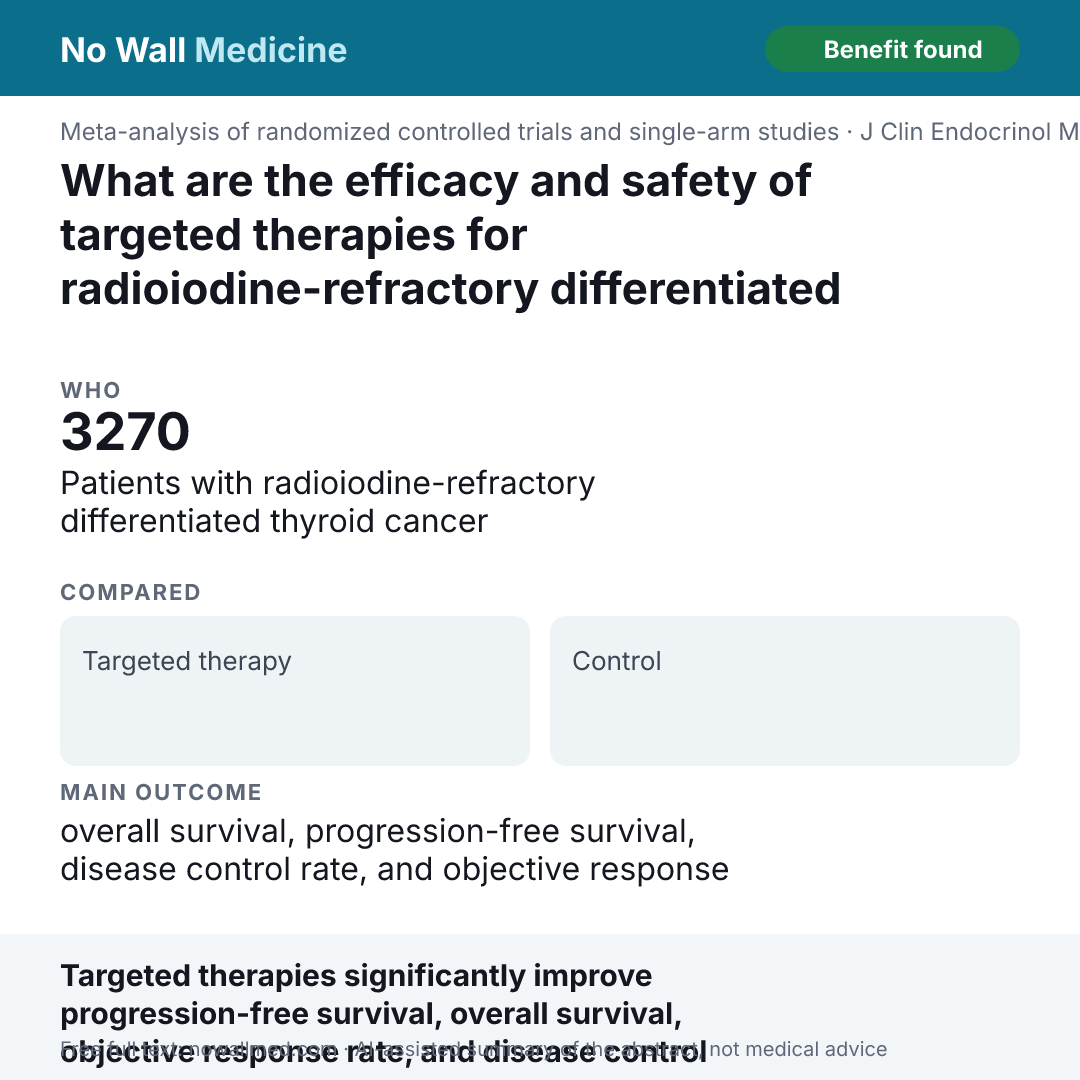
Efficacy and Safety of Targeted Therapy for Radioiodine-Refractory Differentiated Thyroid Cancer
Meta-analysis of randomized controlled trials and single-arm studiesBenefit found
What are the efficacy and safety of targeted therapies for radioiodine-refractory differentiated thyroid cancer?
Who
3270
Patients with radioiodine-refractory differentiated thyroid cancer
Compared
Targeted therapy
Control
Main outcome
overall survival, progression-free survival, disease control rate, and objective response rate
Result: hazard ratio 0.35 (95% CI 0.23-0.53) for progression-free survival and 0.53 (95% CI 0.32-0.86) for overall survival
Bottom line: Targeted therapies significantly improve progression-free survival, overall survival, objective response rate, and disease control rate in these patients.
J Clin Endocrinol Metab · 2024-09-18 · Save PNG
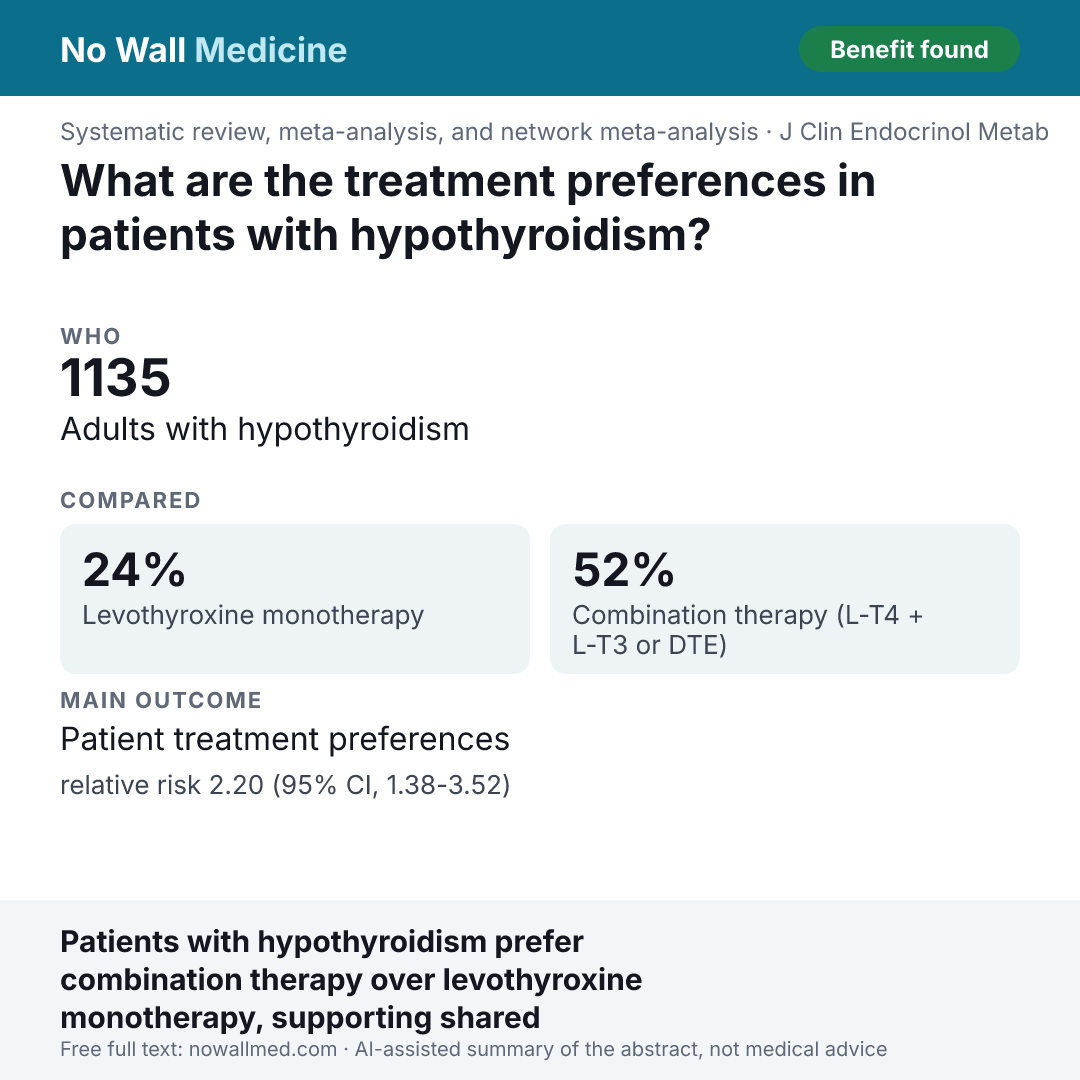
Treatment Preferences in Patients With Hypothyroidism
Systematic review, meta-analysis, and network meta-analysisBenefit found
What are the treatment preferences in patients with hypothyroidism?
Who
1135
Adults with hypothyroidism
Compared
24%Levothyroxine monotherapy
52%Combination therapy (L-T4 + L-T3 or DTE)
Main outcome
Patient treatment preferences
Result: relative risk 2.20 (95% CI, 1.38-3.52)
Bottom line: Patients with hypothyroidism prefer combination therapy over levothyroxine monotherapy, supporting shared decision-making in treatment.
J Clin Endocrinol Metab · 2024-09-18 · Save PNG
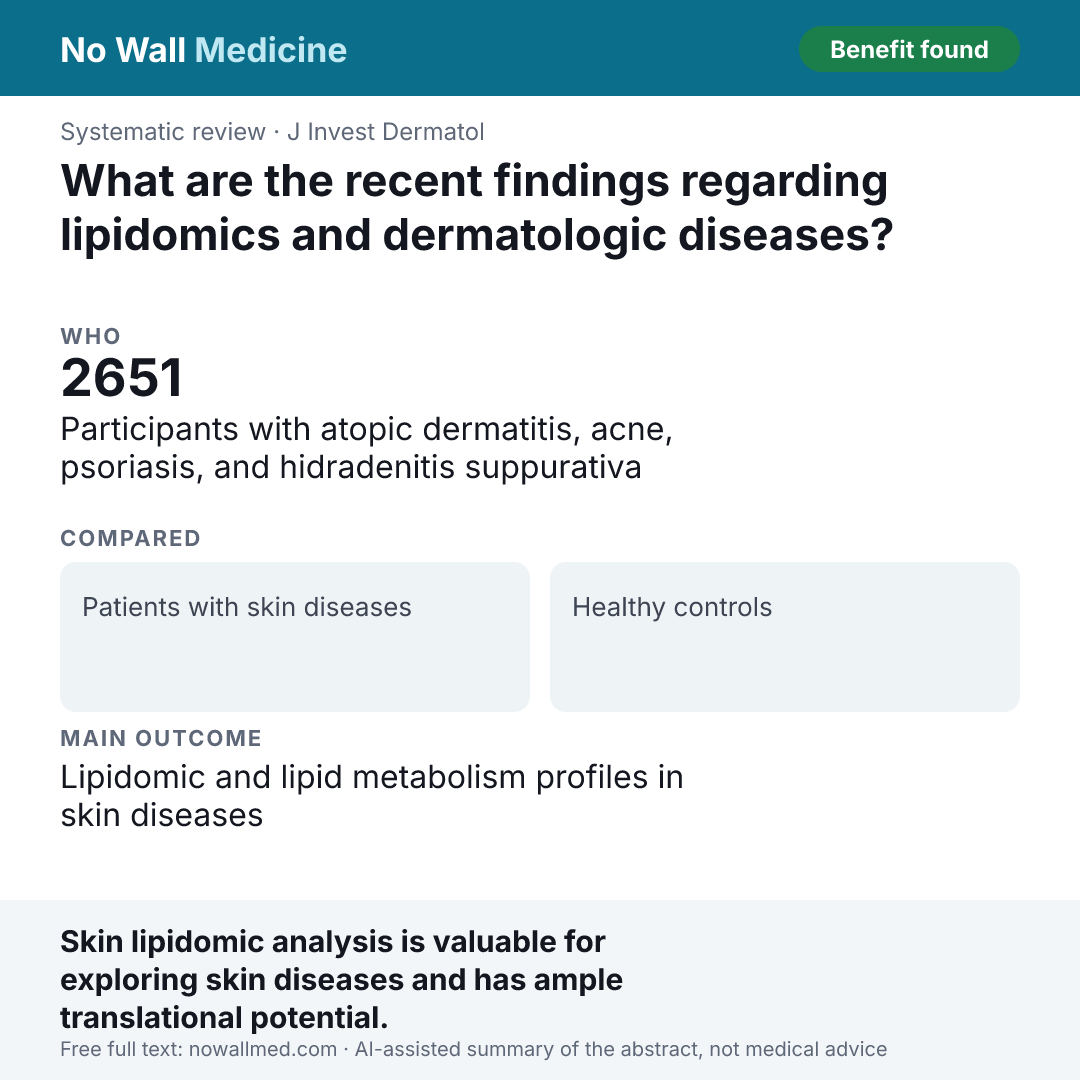
Current Insights on Lipidomics in Dermatology: A Systematic Review
Systematic reviewBenefit found
What are the recent findings regarding lipidomics and dermatologic diseases?
Who
2651
Participants with atopic dermatitis, acne, psoriasis, and hidradenitis suppurativa
Compared
Patients with skin diseases
Healthy controls
Main outcome
Lipidomic and lipid metabolism profiles in skin diseases
Bottom line: Skin lipidomic analysis is valuable for exploring skin diseases and has ample translational potential.
J Invest Dermatol · 2024-09-18 · Save PNG
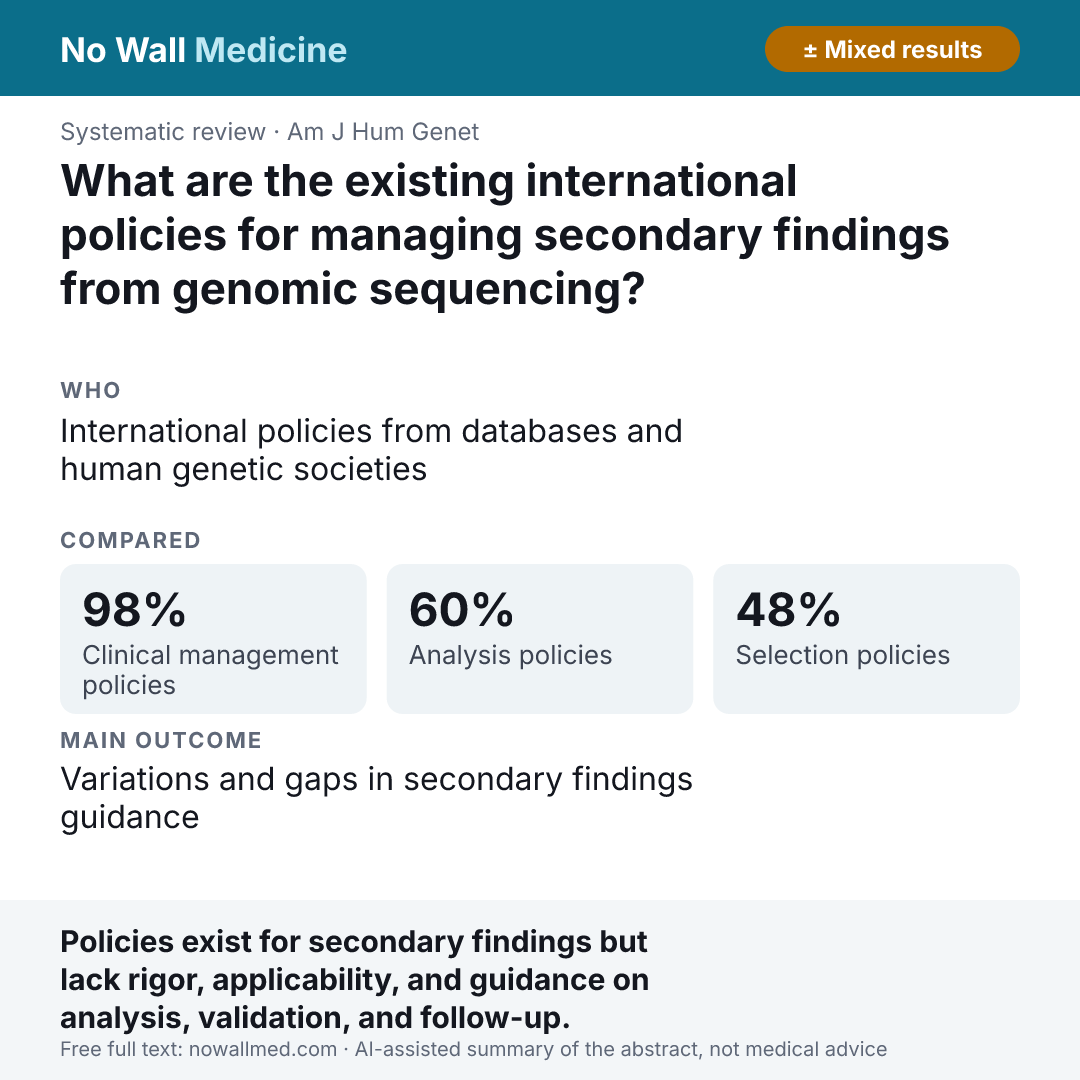
International policies guiding the selection, analysis, and clinical management of secondary findings from genomic sequencing: A systematic review
Systematic reviewMixed results
What are the existing international policies for managing secondary findings from genomic sequencing?
Who
International policies from databases and human genetic societies
Compared
98%Clinical management policies (n = 62)
60%Analysis policies (n = 38)
48%Selection policies (n = 30)
Main outcome
Variations and gaps in secondary findings guidance
Bottom line: Policies exist for secondary findings but lack rigor, applicability, and guidance on analysis, validation, and follow-up.
Limitation: Policies were limited by their rigor and applicability.
Am J Hum Genet · 2024-09-18 · Save PNG
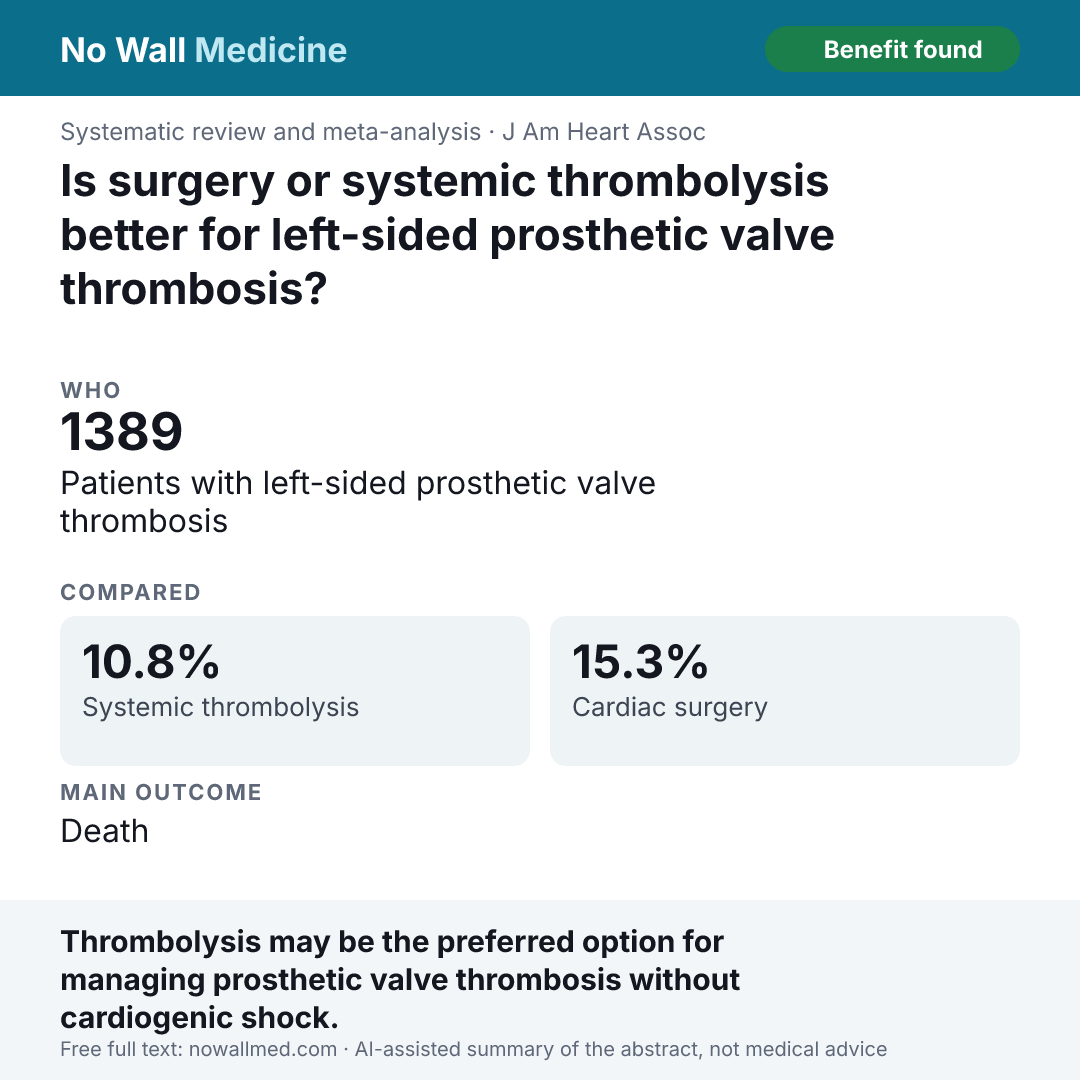
Surgery Versus Thrombolytic Therapy for the Management of Left-Sided Prosthetic Valve Thrombosis Without Hemodynamic Compromise: A Systematic Review and Meta-Analysis
Systematic review and meta-analysisBenefit found
Is surgery or systemic thrombolysis better for left-sided prosthetic valve thrombosis?
Who
1389
Patients with left-sided prosthetic valve thrombosis
Compared
10.8%Systemic thrombolysis
15.3%Cardiac surgery
Main outcome
Death
Result: risk difference 1.13 (exact CI, 0.74-1.79)
Bottom line: Thrombolysis may be the preferred option for managing prosthetic valve thrombosis without cardiogenic shock.
J Am Heart Assoc · 2024-09-18 · Save PNG
Implications of neuromuscular electrical stimulation on gait ability, balance and kinematic parameters after stroke: a systematic review and meta-analysis
Systematic review and meta-analysisBenefit found
Does neuromuscular electrical stimulation improve gait, balance, and kinematics after stroke?
Who
1711
Stroke survivors
Compared
Neuromuscular electrical stimulation
Conventional rehabilitation
Main outcome
Gait assessment through scales or quantitative parameters
Result: Six-Minute Walk Test WMD 14.83 (95% CI 13.55 to 16.11)
Bottom line: Neuromuscular electrical stimulation may improve gait speed, cadence, step length, ankle dorsiflexion, and six-minute walk test distance.
J Neuroeng Rehabil · 2024-09-18 · Save PNG

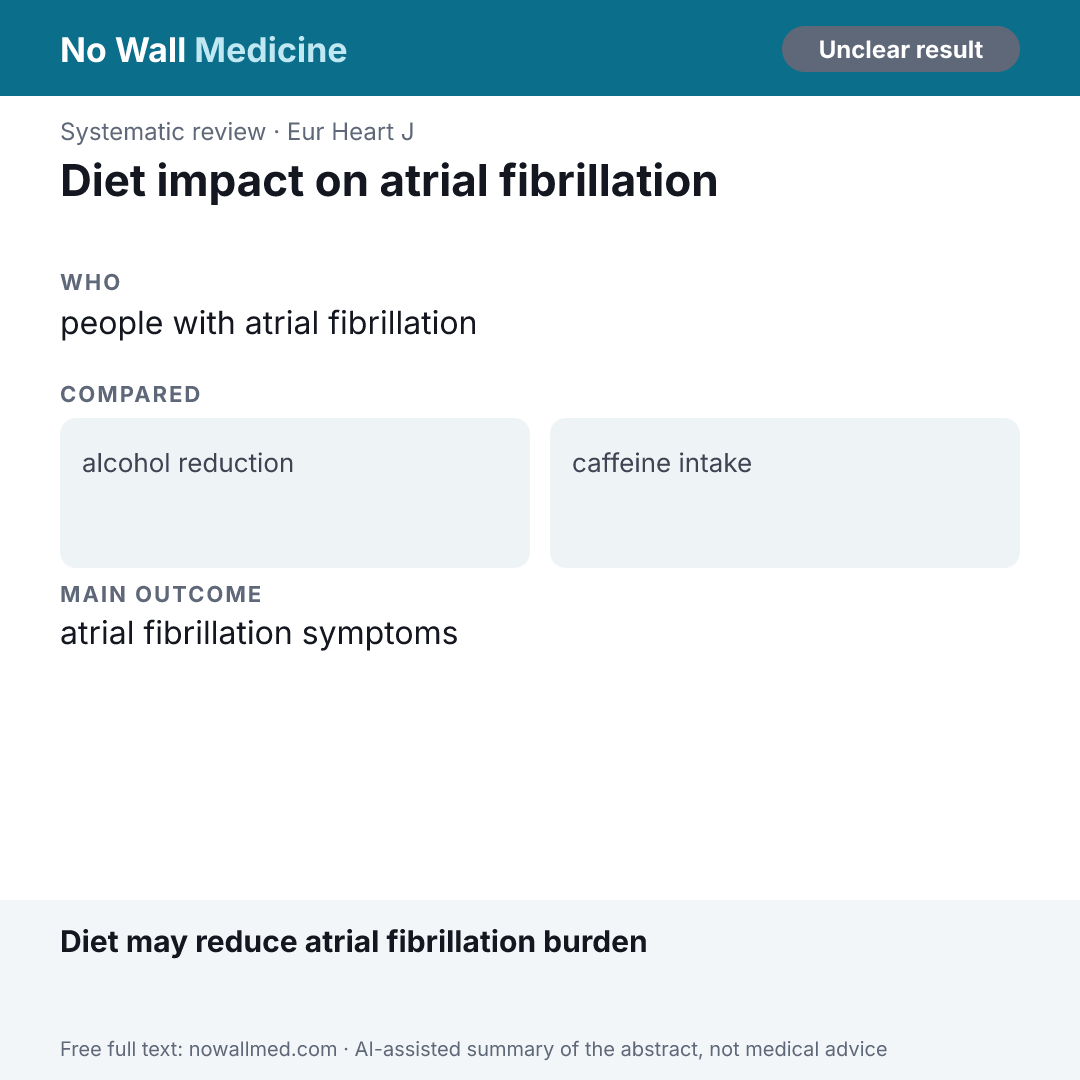
Diet and risk of atrial fibrillation: a systematic review
Systematic reviewUnclear result
Diet impact on atrial fibrillation
Who
people with atrial fibrillation
Compared
alcohol reduction
caffeine intake
Main outcome
atrial fibrillation symptoms
Bottom line: Diet may reduce atrial fibrillation burden
Eur Heart J · 2024-09-17 · Save PNG
Racial Differences in Breast Cancer Survival Between Black and White Women According to Tumor Subtype: A Systematic Review and Meta-Analysis
Systematic review and meta-analysisHarm found
Are there racial differences in breast cancer survival between Black and White women by tumor subtype?
Who
228885
Black and White female patients with breast cancer · United States
Compared
Black women: higher risk of breast cancer death for all tumor subtypes
White women
Main outcome
breast cancer-specific or overall survival
Result: RR 1.50 (95% CI 1.30 to 1.72) for hormone receptor-positive HER2-negative
Bottom line: Black women have a higher risk of breast cancer death than White women across all tumor subtypes.
J Clin Oncol · 2024-09-17 · Save PNG

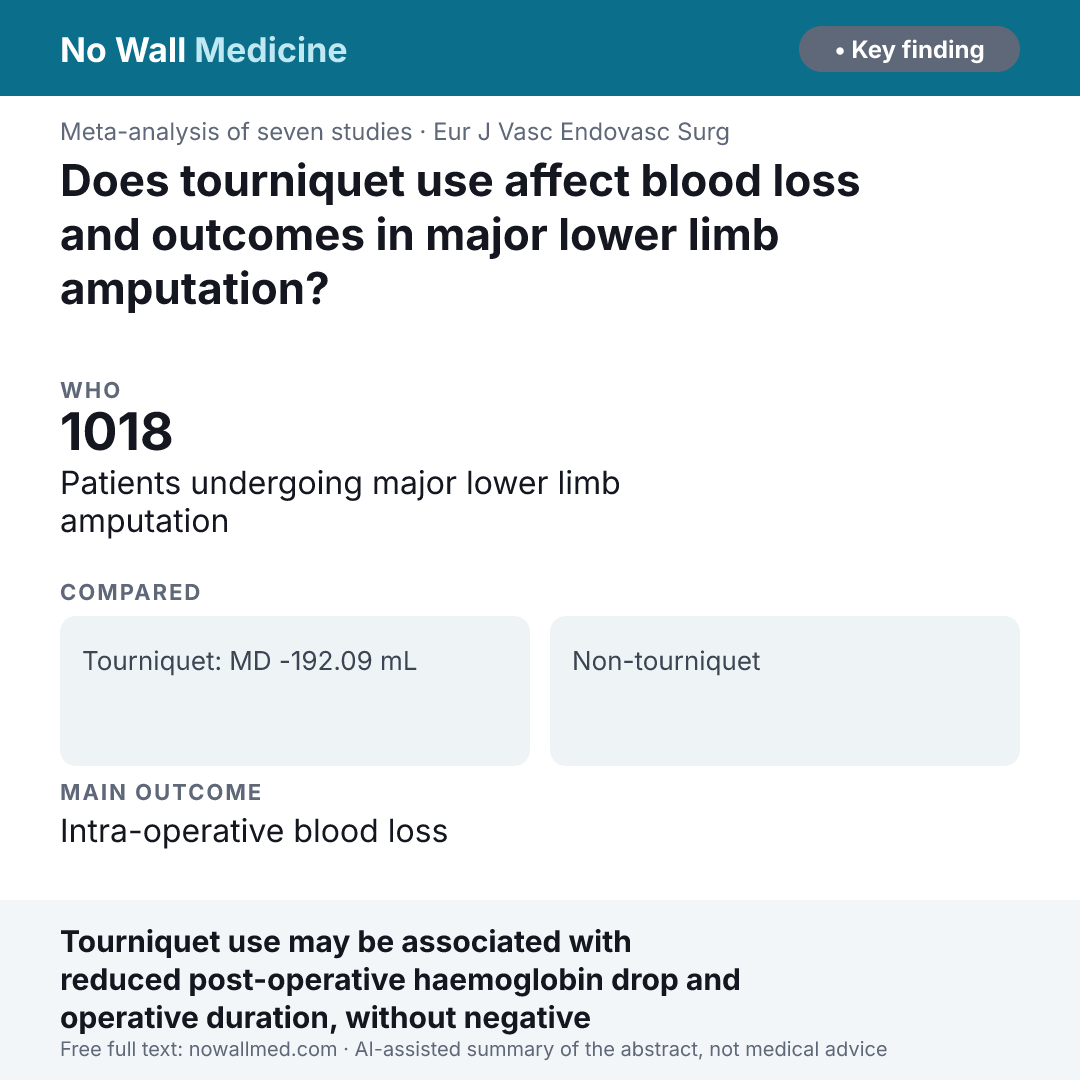
Cannabinoids Used for Medical Purposes in Children and Adolescents: A Systematic Review and Meta-Analysis
Systematic review and meta-analysis of 23 randomized clinical trialsHarm found
What is the adverse event profile of medical cannabinoids in children and adolescents?
Who
3612
Children and adolescents aged 18 years or younger
Compared
Cannabinoids
Control
Main outcome
Incidence of adverse events and serious adverse events
Result: risk ratio 1.09 (95% CI, 1.02-1.16)
Bottom line: Medical cannabinoids in children and adolescents are associated with increased risks of adverse events and serious adverse events.
JAMA Pediatr · 2024-09-17 · Save PNG
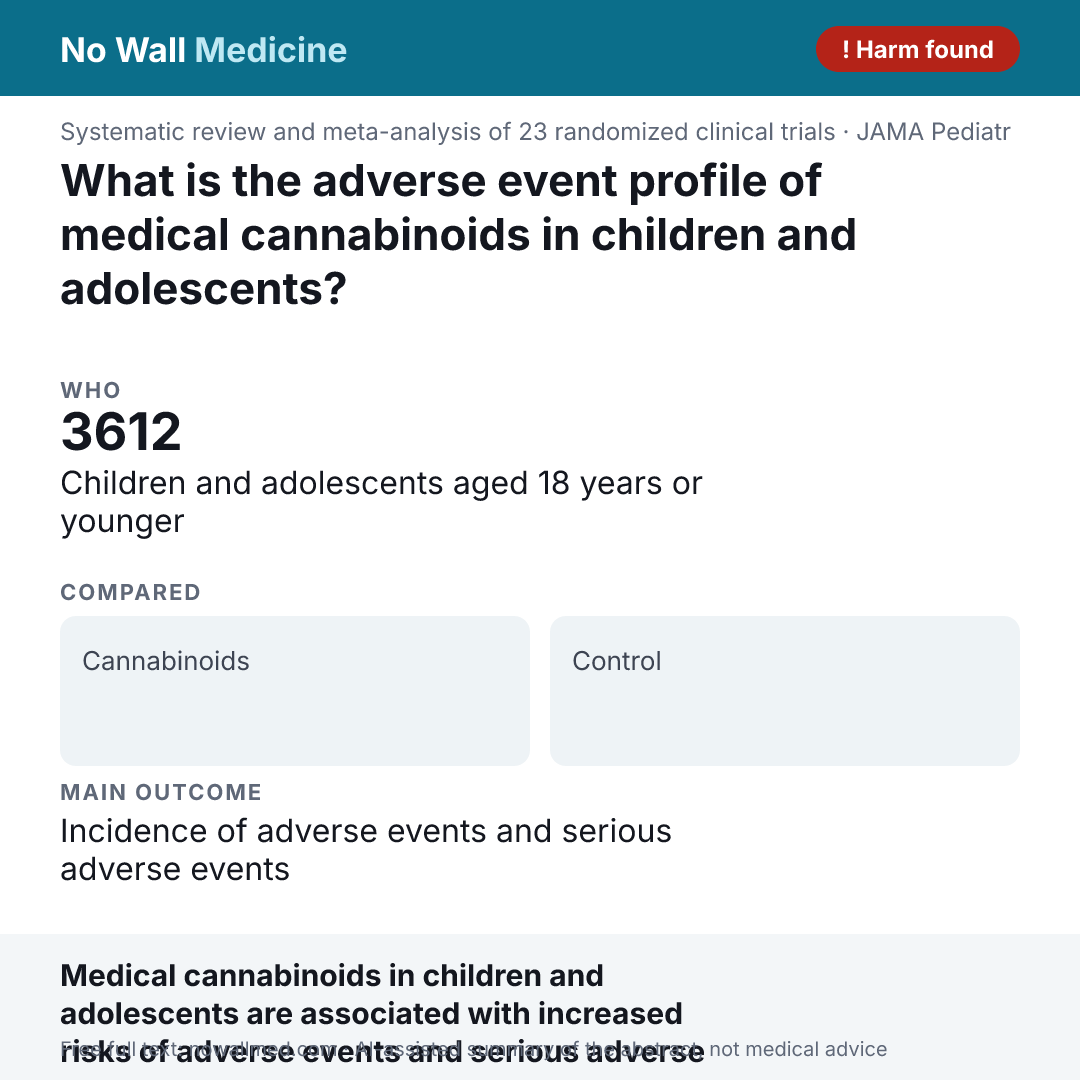
Self-management interventions for chronic widespread pain including fibromyalgia: a systematic review and qualitative evidence synthesis
Systematic reviewMixed results
Do self-management interventions help chronic pain
Who
people with chronic widespread pain
Compared
self-management
control
Main outcome
effectiveness of self-management
Bottom line: Self-management helps, but has limitations
Pain · 2024-09-17 · Save PNG
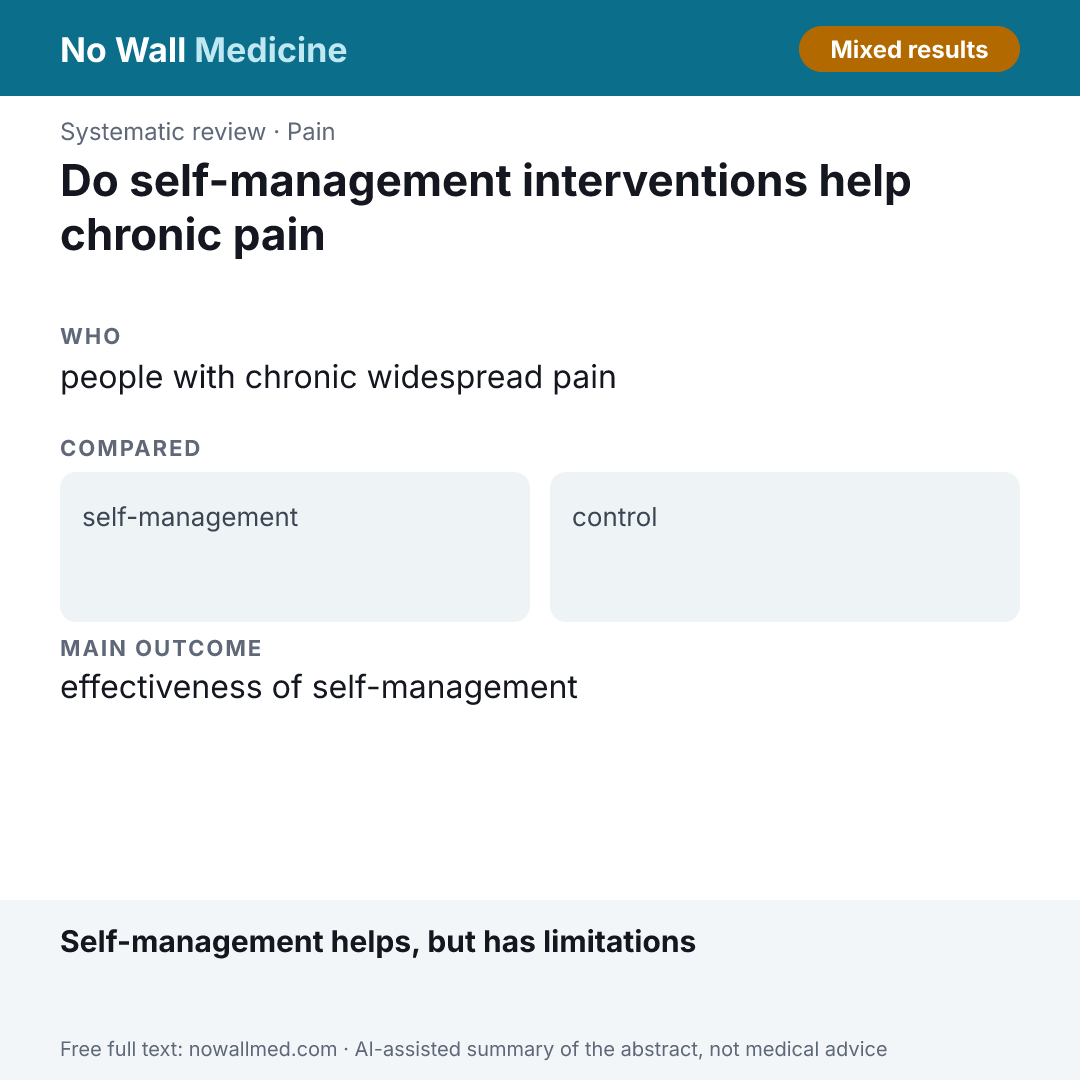
Hospital-initiated palliative care interventions for adults with frailty: findings from a systematic review and narrative synthesis
Systematic literature review and narrative synthesisUnclear result
Does hospital-initiated palliative care improve outcomes for hospitalized adults with frailty?
Who
Hospitalized adults aged 65 years or older with frailty
Compared
Specialist palliative care interventions
Non-specialist interventions
Main outcome
Symptom burden and healthcare utilisation outcomes
Bottom line: Evidence suggests potential improvements in symptom burden, but heterogeneous evidence prevented establishing conclusive effects.
Age Ageing · 2024-09-17 · Save PNG
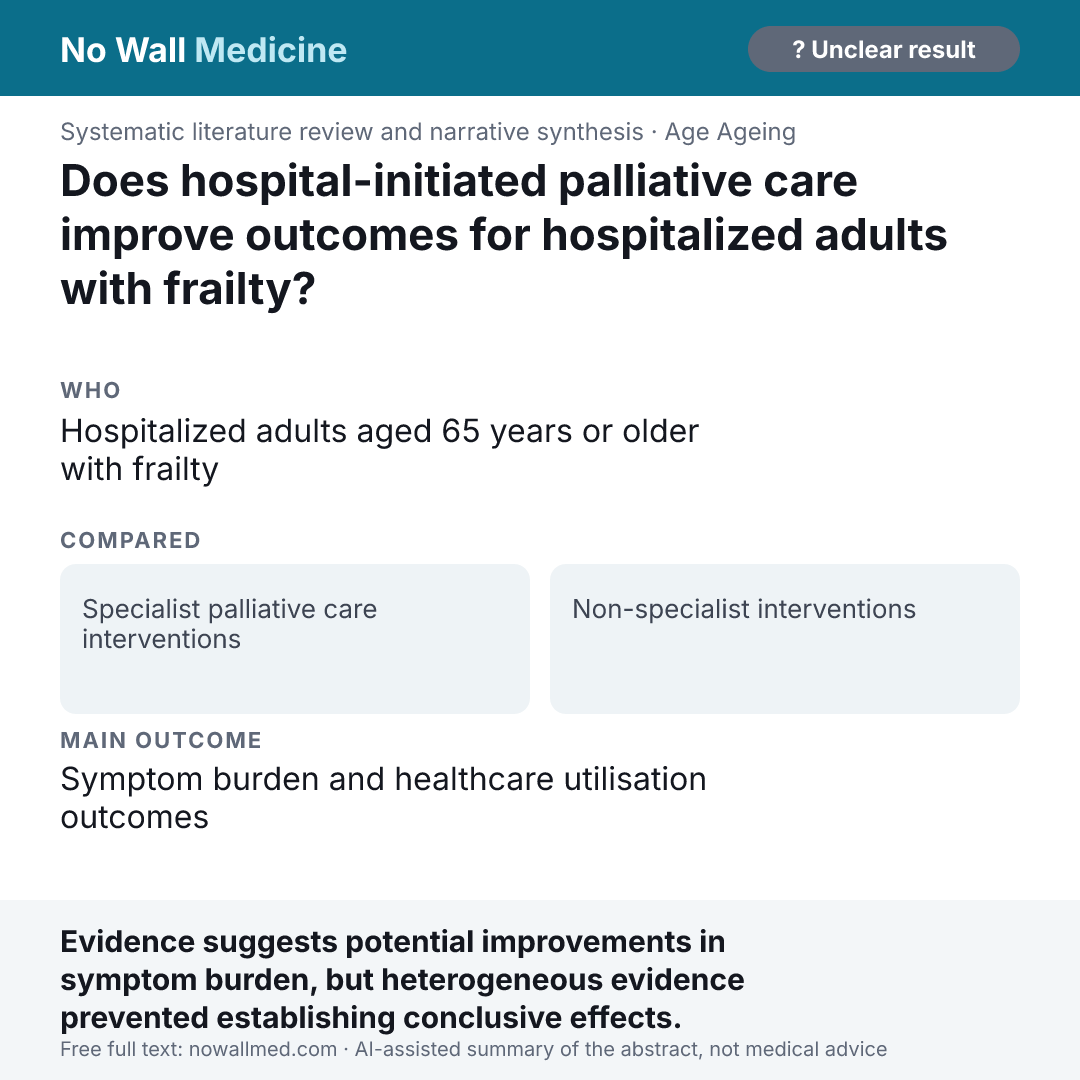
Impact of Tourniquet Use in Major Lower Limb Amputation: A Systematic Review and Meta-analysis
Meta-analysis of seven studiesKey finding
Does tourniquet use affect blood loss and outcomes in major lower limb amputation?
Who
1018
Patients undergoing major lower limb amputation
Compared
Tourniquet: MD -192.09 mL
Non-tourniquet
Main outcome
Intra-operative blood loss
Result: mean difference -192.09 mL; 95% confidence interval -291.67 - -92.52
Bottom line: Tourniquet use may be associated with reduced post-operative haemoglobin drop and operative duration, without negative consequences.
Limitation: Most data are observational and GRADE certainty was low or very low for all outcomes.
Eur J Vasc Endovasc Surg · 2024-09-17 · Save PNG
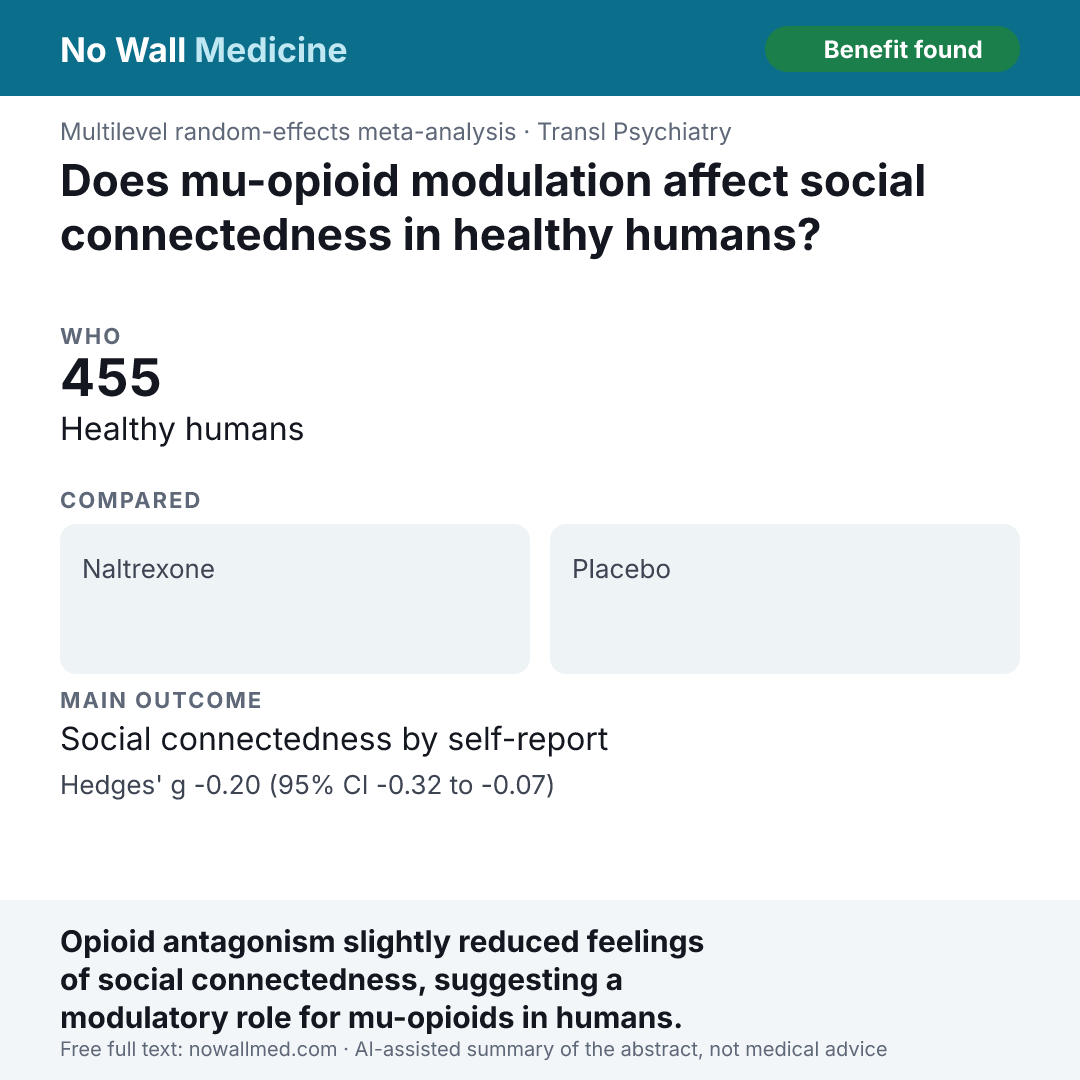
Endogenous mu-opioid modulation of social connection in humans: a systematic review and meta-analysis
Multilevel random-effects meta-analysisBenefit found
Does mu-opioid modulation affect social connectedness in healthy humans?
Who
455
Healthy humans
Compared
Naltrexone
Placebo
Main outcome
Social connectedness by self-report
Result: Hedges' g -0.20 (95% CI -0.32 to -0.07)
Bottom line: Opioid antagonism slightly reduced feelings of social connectedness, suggesting a modulatory role for mu-opioids in humans.
Limitation: Indication of bias in smaller studies and potential overestimation of the effect due to publication bias.
Transl Psychiatry · 2024-09-17 · Save PNG
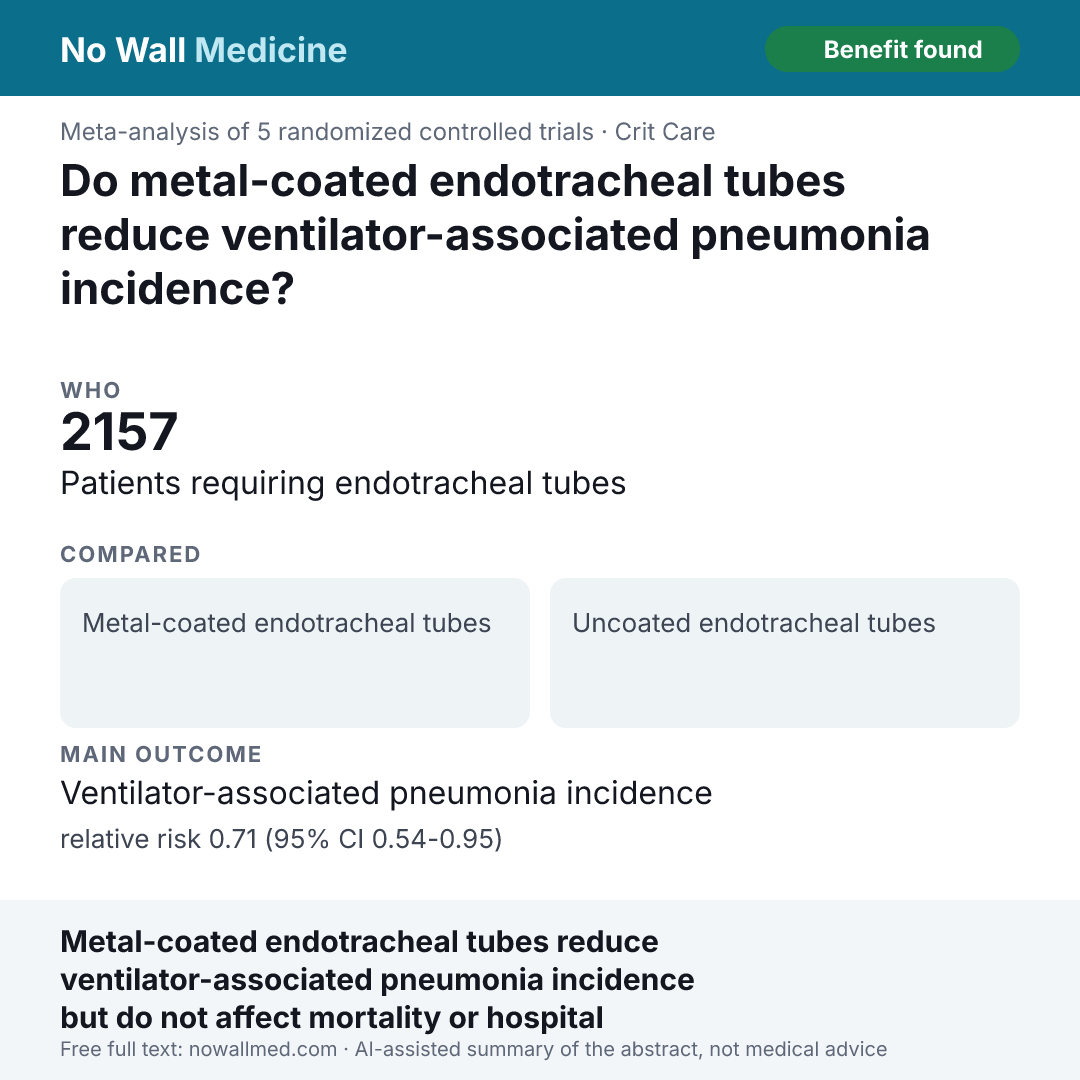
Prevention of ventilator-associated pneumonia by metal-coated endotracheal tubes: a meta-analysis
Meta-analysis of 5 randomized controlled trialsBenefit found
Do metal-coated endotracheal tubes reduce ventilator-associated pneumonia incidence?
Who
2157
Patients requiring endotracheal tubes
Compared
Metal-coated endotracheal tubes
Uncoated endotracheal tubes
Main outcome
Ventilator-associated pneumonia incidence
Result: relative risk 0.71 (95% CI 0.54-0.95)
Bottom line: Metal-coated endotracheal tubes reduce ventilator-associated pneumonia incidence but do not affect mortality or hospital stay.
Limitation: Marked heterogeneity in mechanical ventilation duration data.
Crit Care · 2024-09-17 · Save PNG
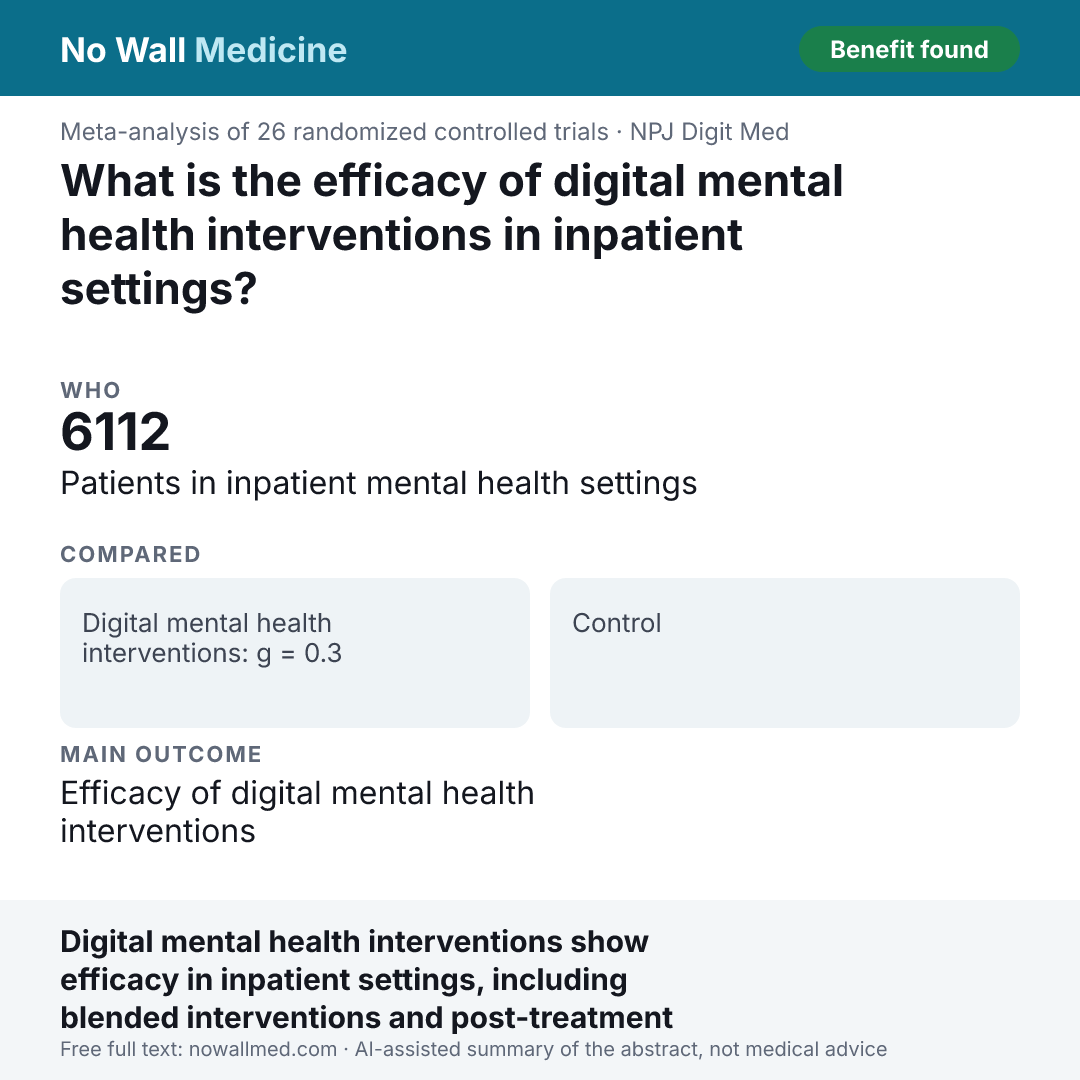
A systematic review and meta analysis on digital mental health interventions in inpatient settings
Meta-analysis of 26 randomized controlled trialsBenefit found
What is the efficacy of digital mental health interventions in inpatient settings?
Who
6112
Patients in inpatient mental health settings
Compared
Digital mental health interventions: g = 0.3
Control
Main outcome
Efficacy of digital mental health interventions
Result: g = 0.3
Bottom line: Digital mental health interventions show efficacy in inpatient settings, including blended interventions and post-treatment aftercare.
Limitation: The meta-analysis is limited by the small number of included studies.
NPJ Digit Med · 2024-09-17 · Save PNG
Risk factors for traumatic intracranial hemorrhage in mild traumatic brain injury patients at the emergency department: a systematic review and meta-analysis
Systematic review and meta-analysisMixed results
What are the risk factors for traumatic intracranial hemorrhage in mild traumatic brain injury patients?
Who
26040
Patients with mild traumatic brain injury
Compared
Skull base fracture signs: OR 11.71 (95% CI 5.51-24.86)
Glasgow Coma Scale less than 15: OR 4.69 (95% CI 2.76-7.98)
Loss of consciousness: OR 2.57 (95% CI 1.83-3.61)
Post-traumatic amnesia: OR 2.13 (95% CI 1.27-3.57)
Main outcome
traumatic intracranial hemorrhage on computed tomography
Bottom line: Several factors predict traumatic intracranial hemorrhage, but some current guideline elements like anticoagulant use were not predictive.
Limitation: There were multiple sources of heterogeneity across studies.
Scand J Trauma Resusc Emerg Med · 2024-09-17 · Save PNG

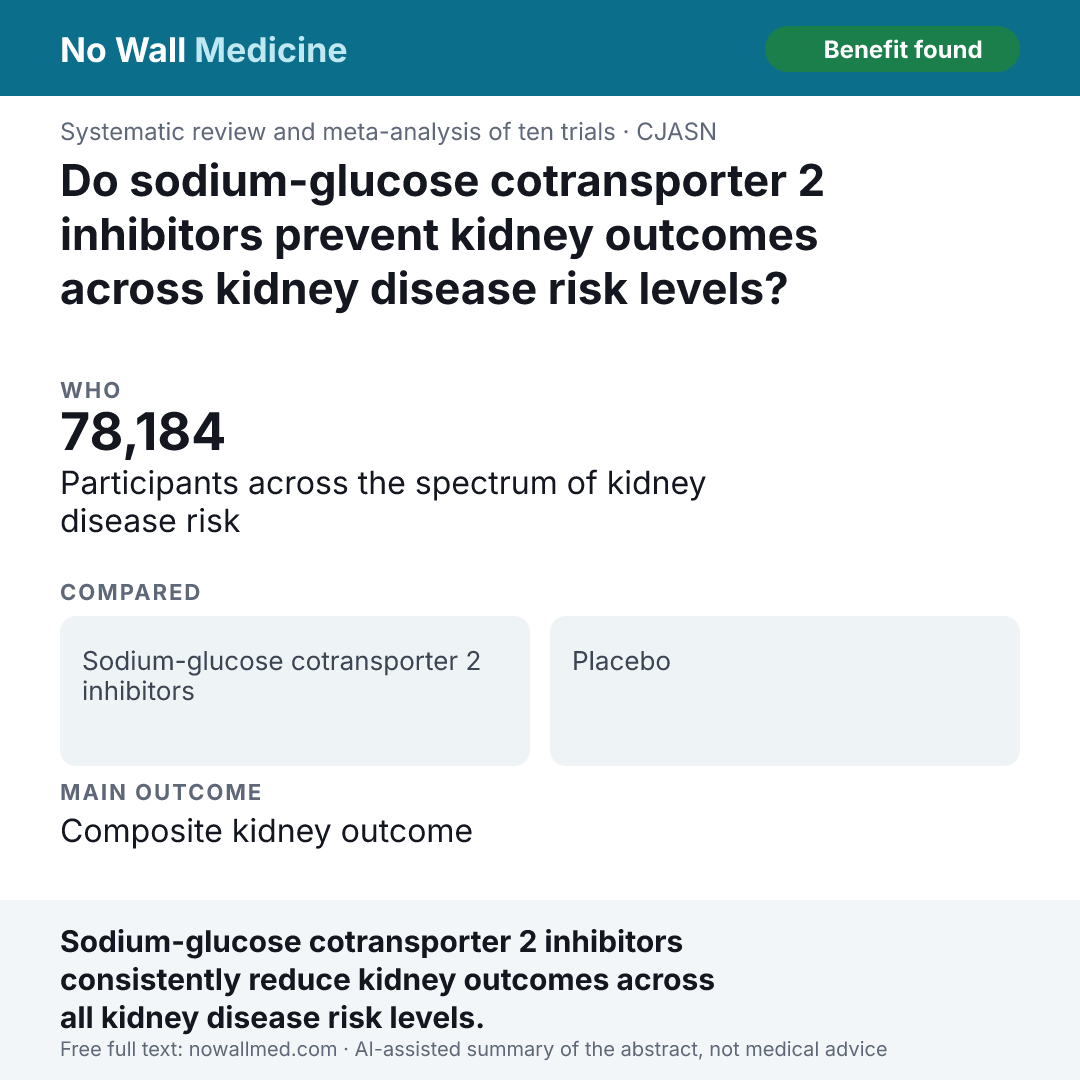
Sodium-Glucose Cotransporter 2 Inhibitors and Kidney Outcomes across the Spectrum of Kidney Disease: A Systematic Review and Meta-Analysis
Systematic review and meta-analysis of ten trialsBenefit found
Do sodium-glucose cotransporter 2 inhibitors prevent kidney outcomes across kidney disease risk levels?
Who
78,184
Participants across the spectrum of kidney disease risk
Compared
Sodium-glucose cotransporter 2 inhibitors
Placebo
Main outcome
Composite kidney outcome
Result: hazard ratio 0.48 to 0.62 (95% CI not pooled for all)
Bottom line: Sodium-glucose cotransporter 2 inhibitors consistently reduce kidney outcomes across all kidney disease risk levels.
Limitation: Lack of standardization of composite outcomes.
CJASN · 2024-09-16 · Save PNG
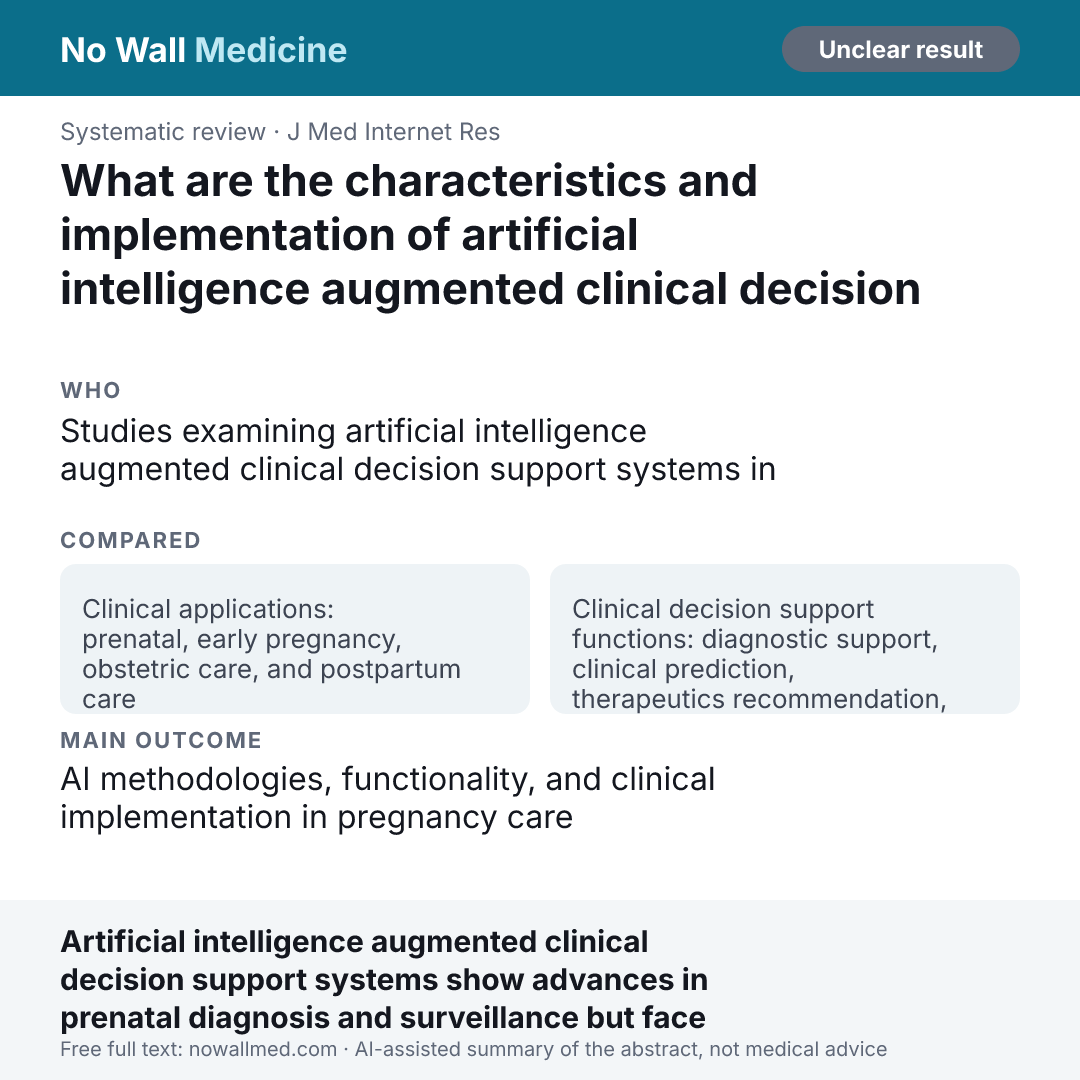
Artificial Intelligence-Augmented Clinical Decision Support Systems for Pregnancy Care: Systematic Review
Systematic reviewUnclear result
What are the characteristics and implementation of artificial intelligence augmented clinical decision support systems in pregnancy care?
Who
Studies examining artificial intelligence augmented clinical decision support systems in pregnancy care
Compared
Clinical applications: prenatal, early pregnancy, obstetric care, and postpartum care
Clinical decision support functions: diagnostic support, clinical prediction, therapeutics recommendation, and knowledge base
Main outcome
AI methodologies, functionality, and clinical implementation in pregnancy care
Bottom line: Artificial intelligence augmented clinical decision support systems show advances in prenatal diagnosis and surveillance but face implementation and bias challenges.
Limitation: Gaps include lack of observational data on outcomes, scarcity of bias identification, and limited external validity.
J Med Internet Res · 2024-09-16 · Save PNG