Visual abstracts
New randomized trials and meta-analyses from leading journals at a glance: who was studied, what was compared, and what was found. Every paper is free to read in full.
All specialtiesCardiology 4765Oncology 4048Gastroenterology & Hepatology 1906Infectious Disease 3759Neurology 1874Psychiatry & Mental Health 2217Pulmonology 2046Critical Care 1323Endocrinology & Diabetes 2545Pediatrics 2891Surgery 2482Orthopedics & Sports Medicine 917Neurosurgery 526Cardiothoracic & Vascular Surgery 657Plastic & Reconstructive Surgery 574Nephrology 1108Rheumatology 810Hematology 1090Dermatology 611Ophthalmology 532Obstetrics & Gynecology 1646Public & Global Health 1037Radiology & Imaging 620Anesthesiology 958Urology 745ENT (Otolaryngology) 494Emergency Medicine 481Allergy & Immunology 309Geriatrics 973Family Medicine & Primary Care 534Medical Genetics & Genomics 659Pathology & Laboratory Medicine 156Physical Medicine & Rehabilitation 736Palliative Care 421Nutrition 1561Digital Health & AI 2136General Medicine 316
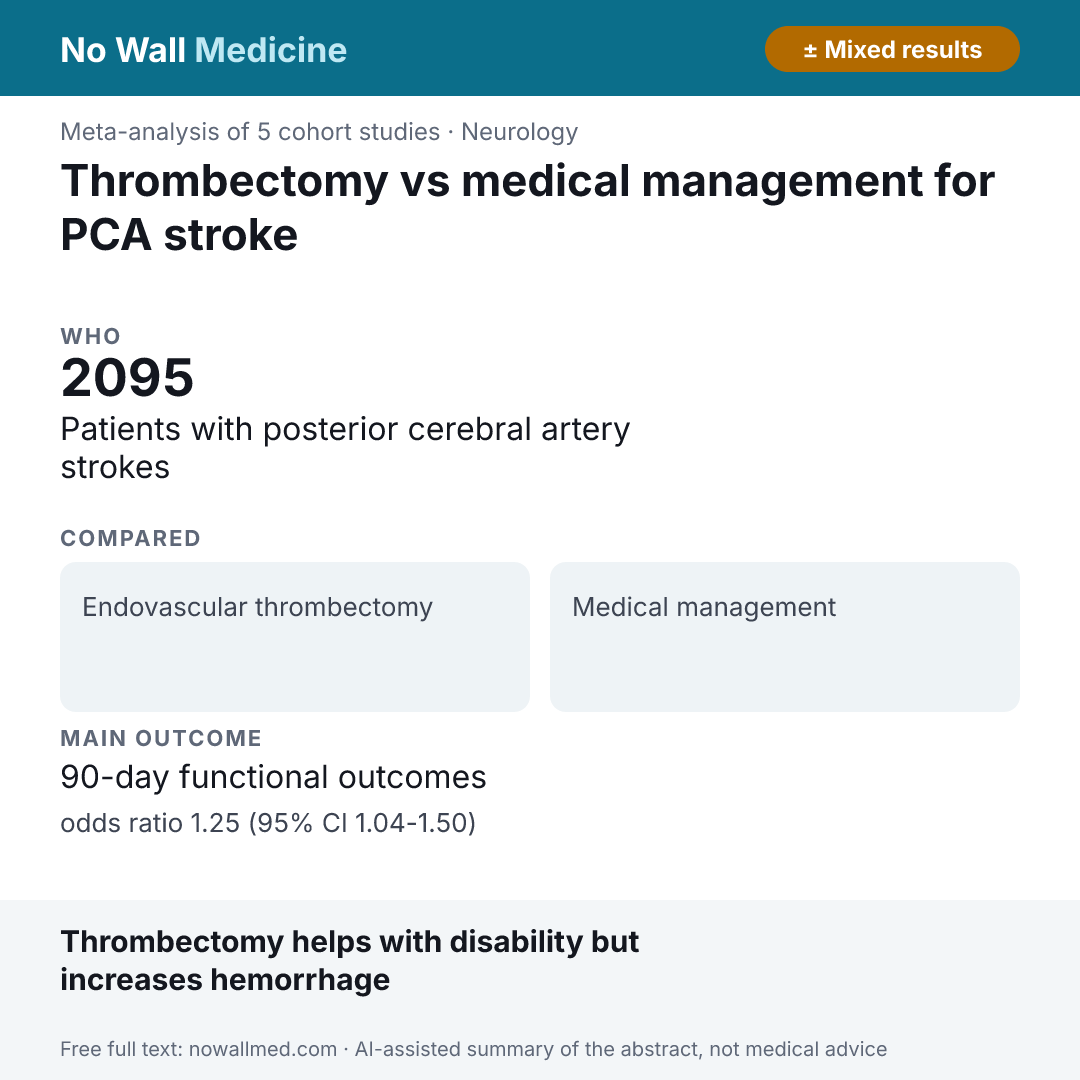
Thrombectomy vs Medical Management for Posterior Cerebral Artery Stroke: Systematic Review, Meta-Analysis, and Real-World Data
Meta-analysis of 5 cohort studiesMixed results
Thrombectomy vs medical management for PCA stroke
Who
2095
Patients with posterior cerebral artery strokes
Compared
Endovascular thrombectomy
Medical management
Main outcome
90-day functional outcomes
Result: odds ratio 1.25 (95% CI 1.04-1.50)
Bottom line: Thrombectomy helps with disability but increases hemorrhage
Neurology · 2024-04-16 · Save PNG
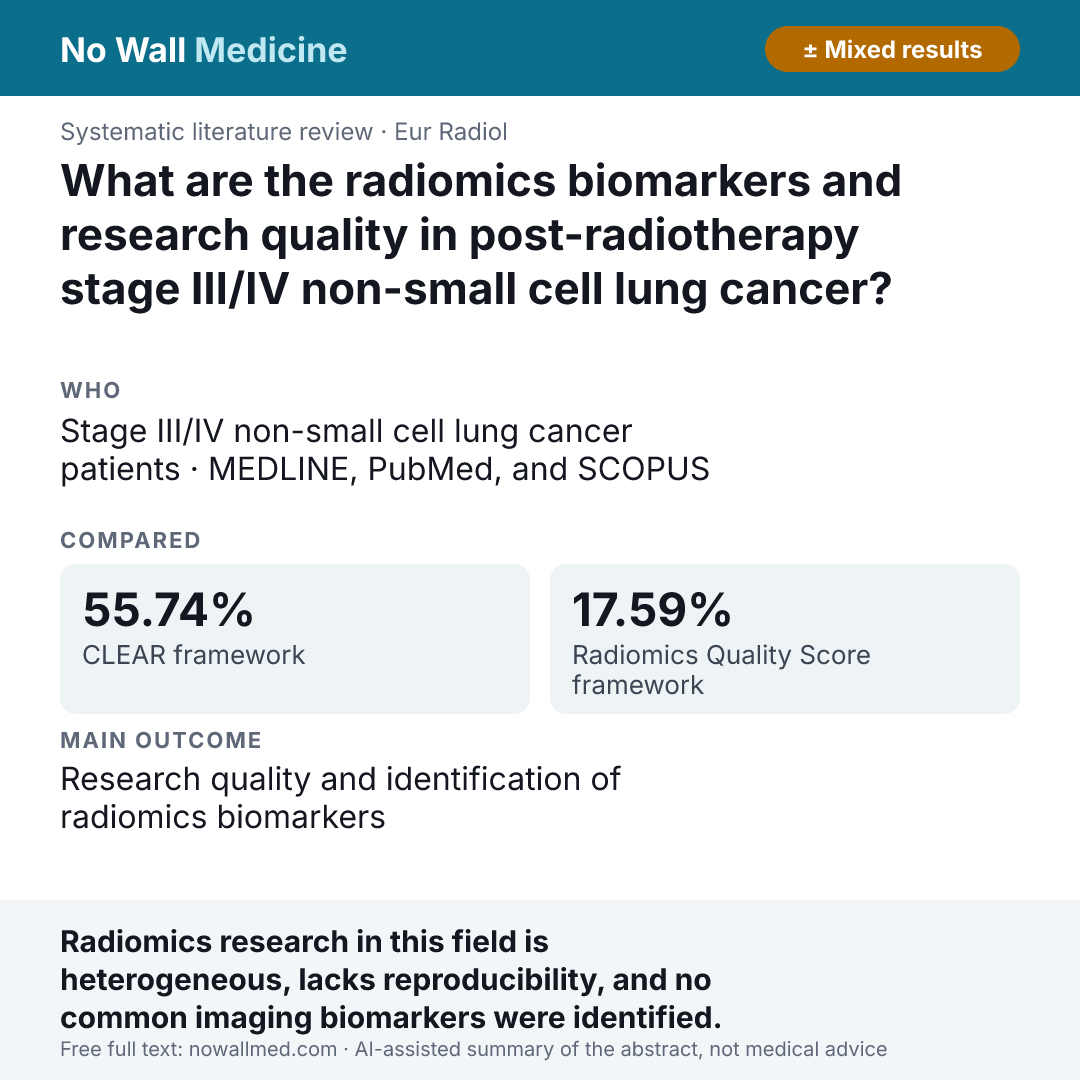
Post-radiotherapy stage III/IV non-small cell lung cancer radiomics research: a systematic review and comparison of CLEAR and RQS frameworks
Systematic literature reviewMixed results
What are the radiomics biomarkers and research quality in post-radiotherapy stage III/IV non-small cell lung cancer?
Who
Stage III/IV non-small cell lung cancer patients · MEDLINE, PubMed, and SCOPUS
Compared
55.74%CLEAR framework (32.33/58 points)
17.59%Radiomics Quality Score framework (6.3/36 points)
Main outcome
Research quality and identification of radiomics biomarkers
Bottom line: Radiomics research in this field is heterogeneous, lacks reproducibility, and no common imaging biomarkers were identified.
Limitation: Small cohort sizes, nonvalidated studies, and missing technical parameters were identified as barriers to reproducibility.
Eur Radiol · 2024-04-16 · Save PNG
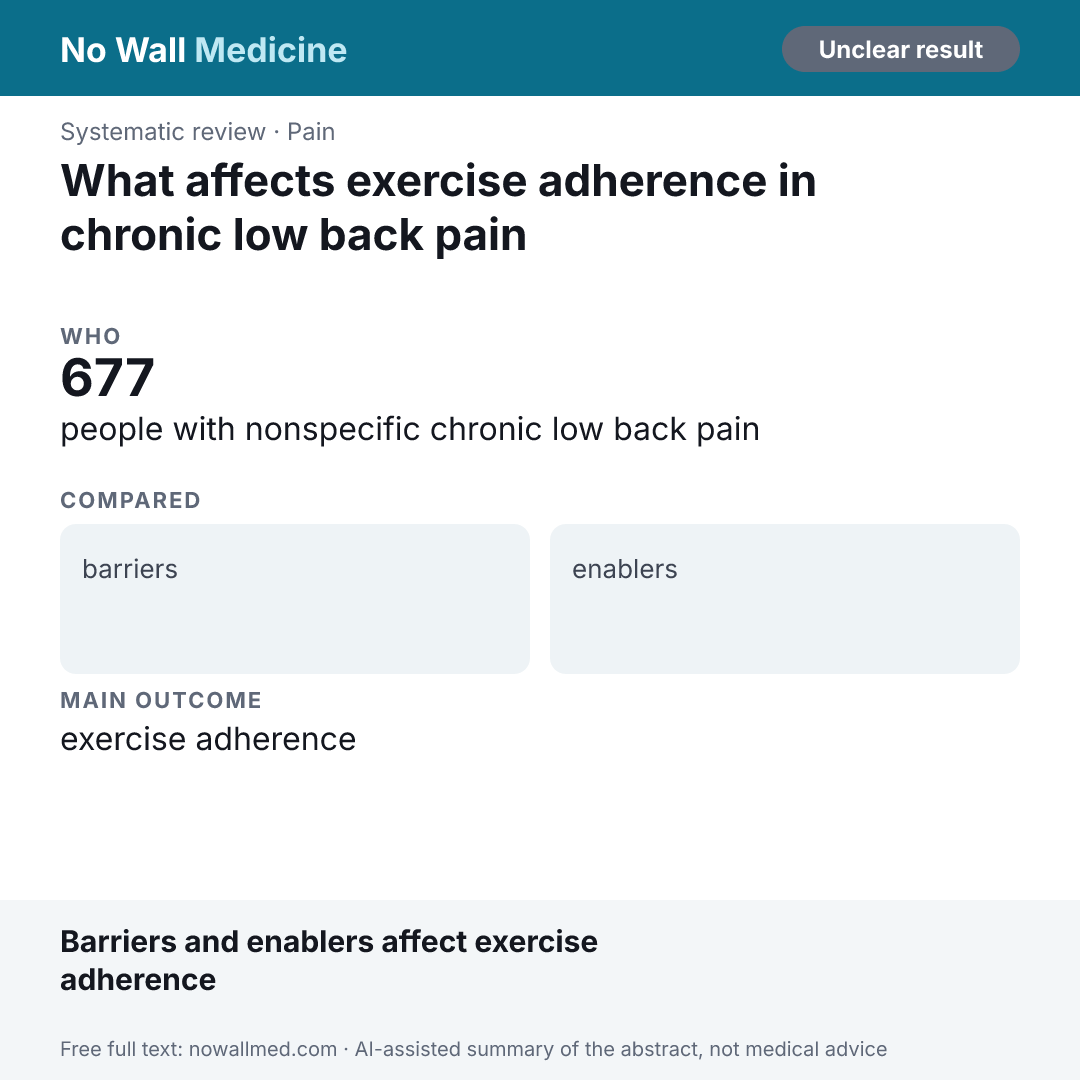
Barriers and enablers to exercise adherence in people with nonspecific chronic low back pain: a systematic review of qualitative evidence
Systematic reviewUnclear result
What affects exercise adherence in chronic low back pain
Who
677
people with nonspecific chronic low back pain
Compared
barriers
enablers
Main outcome
exercise adherence
Bottom line: Barriers and enablers affect exercise adherence
Pain · 2024-04-16 · Save PNG
Systematic review and meta-analysis of cerebrospinal fluid drain-related mortality and morbidity after fenestrated-branched endovascular aortic repair
Systematic review and meta-analysisKey finding
What are the mortality and morbidity rates of cerebrospinal fluid drainage in F/B-EVAR patients?
Who
1079
Patients undergoing fenestrated and branched endovascular aortic repair · Six single-center studies
Compared
Cerebrospinal fluid drainage: mortality rate 1.4% (95% CI: 0.0-4.8)
Cerebrospinal fluid drainage: overall morbidity rate 25.6% (95% CI: 13.6-39.7)
Main outcome
Cerebrospinal fluid drainage-related mortality and morbidity
Result: mortality rate 1.4% (95% CI: 0.0-4.8); morbidity rate 25.6% (95% CI: 13.6-39.7)
Bottom line: Cerebrospinal fluid drainage in fenestrated and branched endovascular aortic repair is associated with notable mortality and substantial morbidity.
Limitation: High to moderate risk of bias in included retrospective, observational studies.
J Vasc Surg · 2024-04-16 · Save PNG

Medical and interventional outcome of dissection of the cervical arteries: Systematic review and meta-analysis
Systematic review and meta-analysisNo clear difference
What are the medical and interventional outcomes of cervical artery dissection treatments?
Who
4104
Patients with cervical artery dissections
Compared
Antiplatelet therapy
Oral anticoagulant therapy
Main outcome
Stroke and stroke/death/bleeding
Result: odds ratio 1.25 (95% CI 0.19-8.18)
Bottom line: Antiplatelet and oral anticoagulant therapies show similar efficacy in reducing stroke recurrence after cervical artery dissection.
Limitation: Overall risk of bias was considered serious and few prospective studies are available.
J Vasc Surg · 2024-04-16 · Save PNG
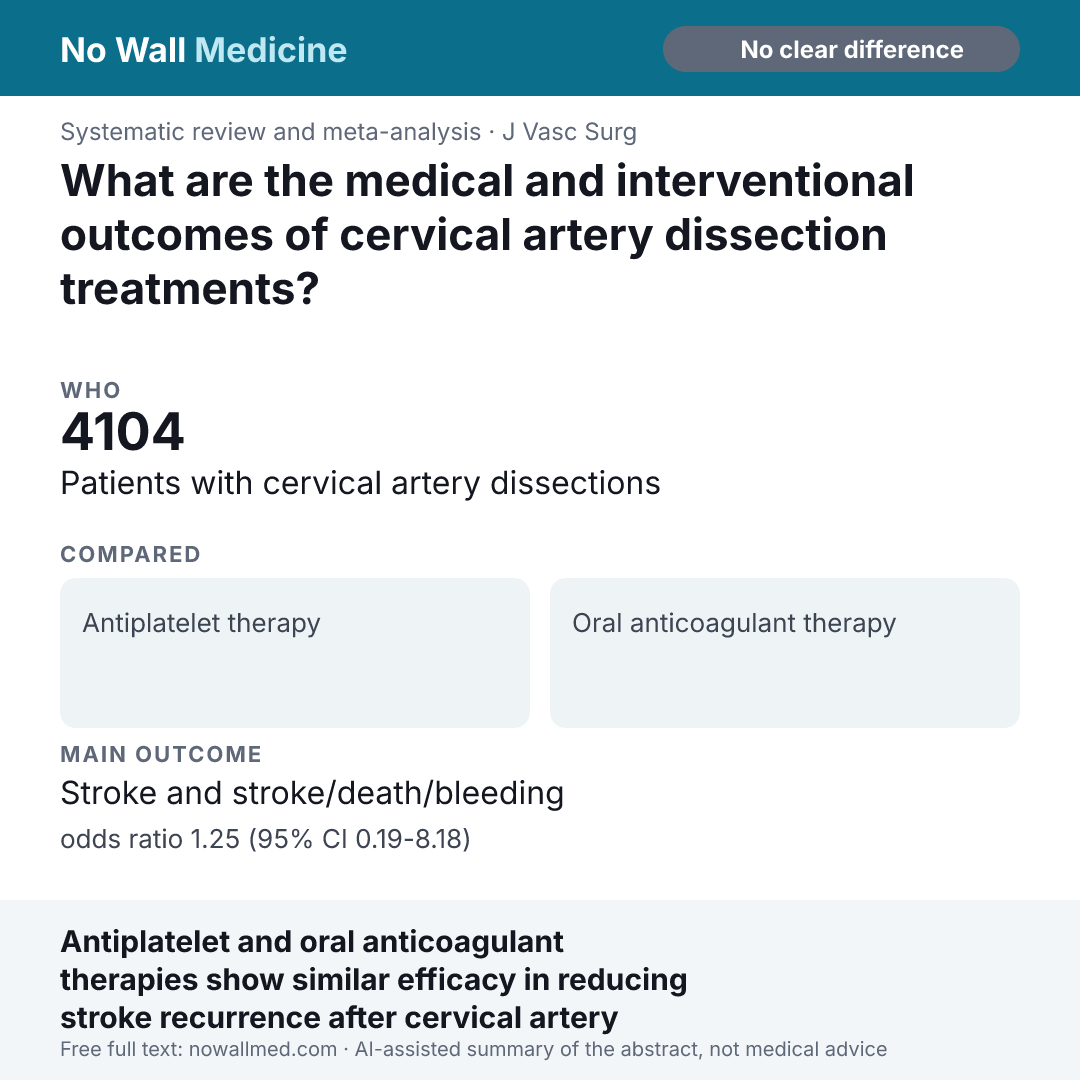
Impact of ambient air pollution on colorectal cancer risk and survival: insights from a prospective cohort and epigenetic Mendelian randomization study
Prospective cohort study and meta-analysisKey finding
Does ambient air pollution impact colorectal cancer risk and survival?
Who
428632
Participants free of baseline colorectal cancer in the UK Biobank · UK Biobank
Compared
Higher Air Pollutants Exposure Score: HR, 1.03, 95% CI = 1.01-1.06
Higher Air Pollutants Exposure Score (survival): HR, 1.13, 95% CI = 1.03-1.23
Main outcome
Colorectal cancer incidence and survival
Result: RR, 1.42, 95% CI = 1.12-1.79
Bottom line: Higher air pollution exposure is associated with increased colorectal cancer risk and poorer survival, potentially mediated by epigenetic modifications.
eBioMedicine · 2024-04-16 · Save PNG
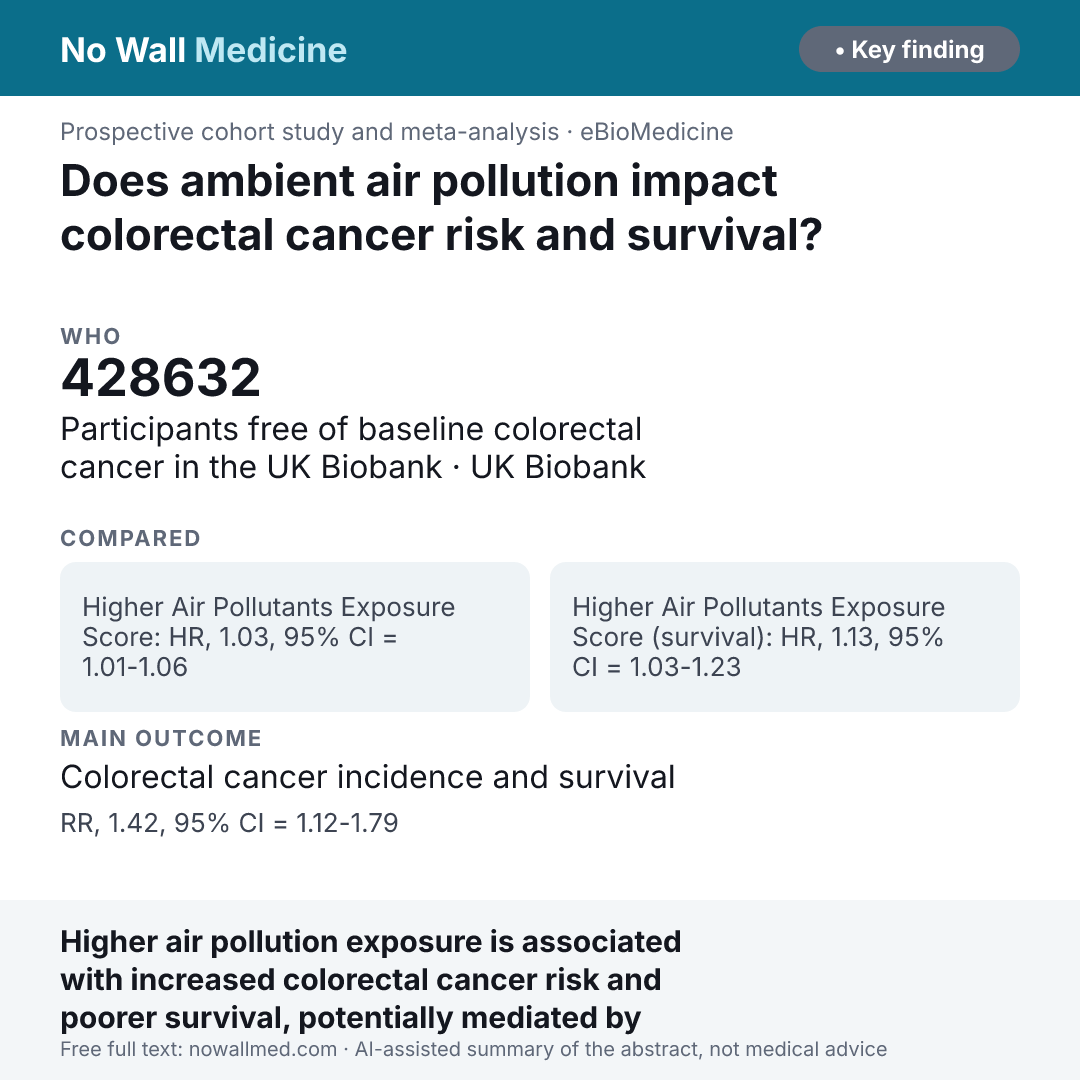
Impact of attaining aggressive vs. conservative PK/PD target on the clinical efficacy of beta-lactams for the treatment of Gram-negative infections in the critically ill patients: a systematic review and meta-analysis
Systematic review and meta-analysisBenefit found
Does attaining aggressive versus conservative beta-lactam PK/PD targets impact clinical efficacy?
Who
4833
Critically ill patients with Gram-negative infections
Compared
2193Aggressive PK/PD target
2640Conservative PK/PD target
Main outcome
Clinical cure rate
Result: odds ratio 1.69 (95% CI 1.15-2.49)
Bottom line: Attaining aggressive beta-lactam PK/PD targets is significantly associated with higher clinical cure rates in critically ill patients.
Limitation: The risk of bias was moderate in 19 studies and severe in 2 studies.
Crit Care · 2024-04-16 · Save PNG
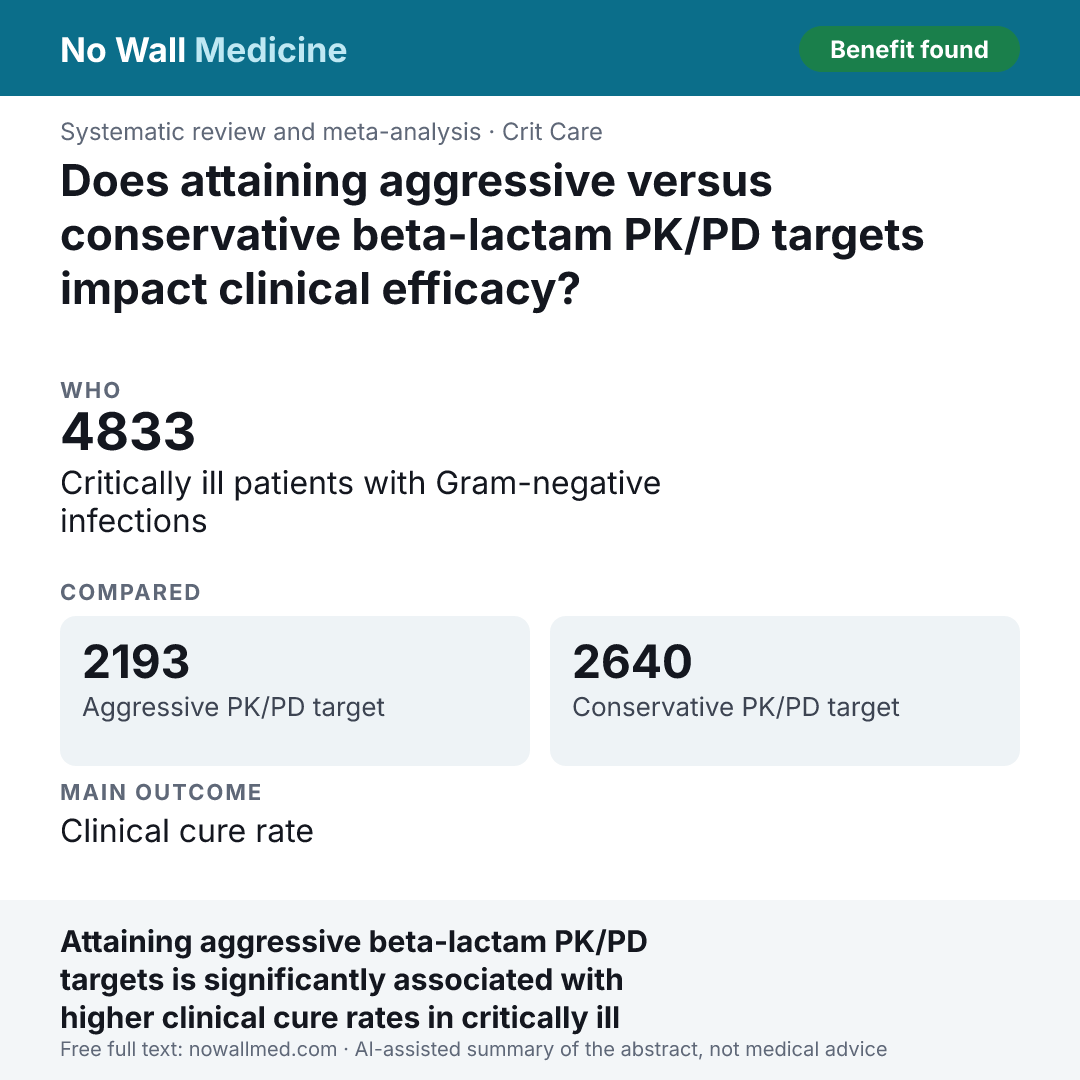
Systematic review of the effects of patient errors using inhaled delivery systems on clinical outcomes in COPD
Systematic review of cohort and case-control studiesMixed results
What is the relationship between inhaler errors and clinical outcomes in COPD?
Who
6487
Patients with chronic obstructive pulmonary disease
Compared
Lower error rates: better FEV1, symptoms, health status and fewer exacerbations
Higher error rates
Main outcome
forced expiratory volume in 1 second, dyspnoea, health status and exacerbations
Bottom line: Weak evidence suggests lower inhaler error rates are associated with better clinical outcomes in COPD patients.
Limitation: Most studies were low quality and confounded by the absence of adherence data.
BMJ Open Respir Res · 2024-04-16 · Save PNG
Validity and reliability of outcome measures to assess dysfunctional breathing: a systematic review
Systematic reviewMixed results
What are the psychometric properties of outcome measures assessing dysfunctional breathing in adults?
Who
Adults with dysfunctional breathing
Compared
Nijmegen Questionnaire: sufficient ratings for content validity, internal consistency, reliability and construct validity
All other outcome measures: did not report characteristics of content validity in the patients' group
Main outcome
Psychometric properties of dysfunctional breathing outcome measures
Bottom line: The Nijmegen Questionnaire is the only measure with sufficient validity and reliability for assessing dysfunctional breathing.
Limitation: Further evaluation of the psychometric properties is needed for the remaining outcome measures.
BMJ Open Respir Res · 2024-04-16 · Save PNG

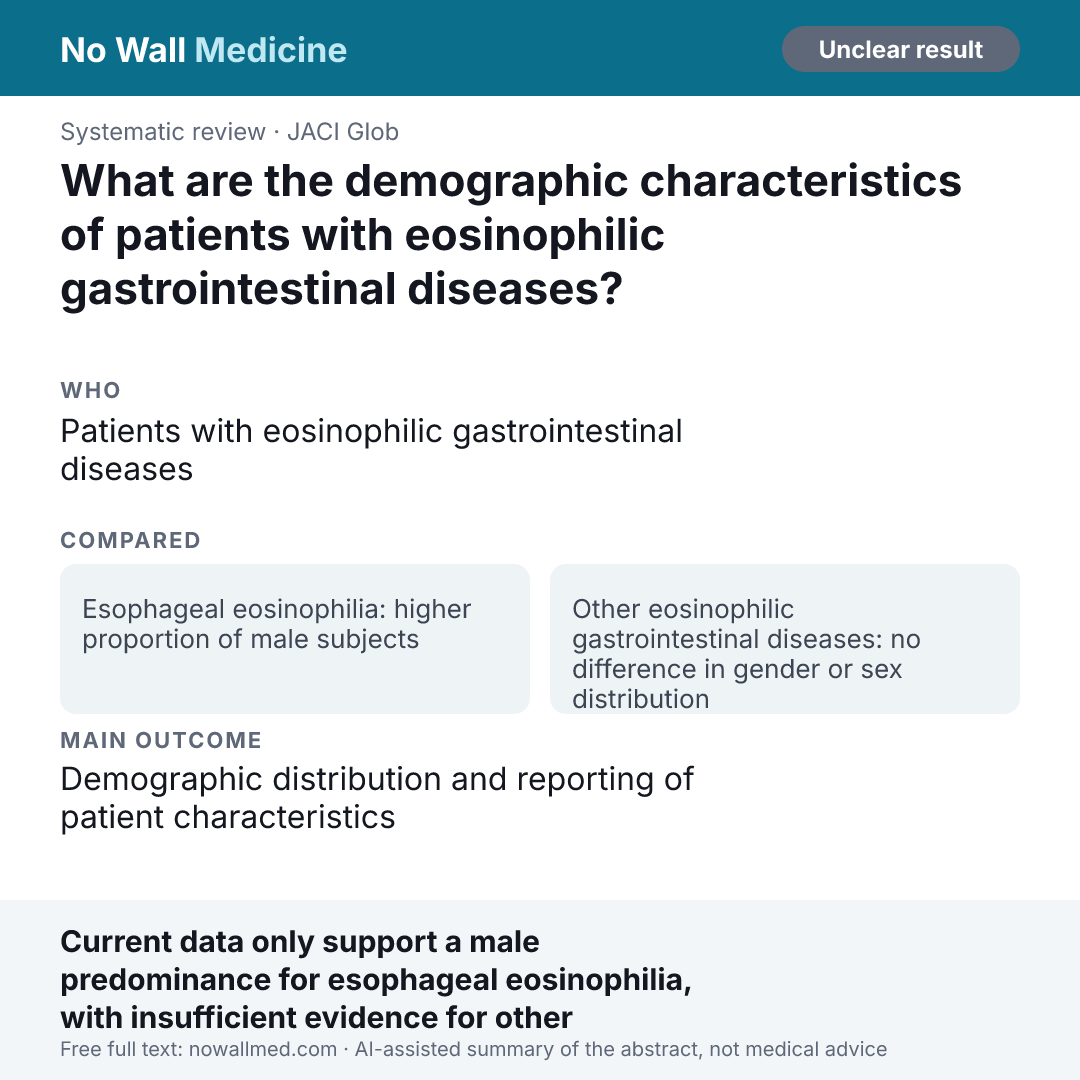
Challenging assumptions about the demographics of eosinophilic gastrointestinal diseases: A systematic review
Systematic reviewUnclear result
What are the demographic characteristics of patients with eosinophilic gastrointestinal diseases?
Who
Patients with eosinophilic gastrointestinal diseases
Compared
Esophageal eosinophilia: higher proportion of male subjects
Other eosinophilic gastrointestinal diseases: no difference in gender or sex distribution
Main outcome
Demographic distribution and reporting of patient characteristics
Bottom line: Current data only support a male predominance for esophageal eosinophilia, with insufficient evidence for other demographic enrichments.
Limitation: Demographics were rarely described and reporting of race and ethnicity was inconsistent with guidelines.
JACI Glob · 2024-04-16 · Save PNG
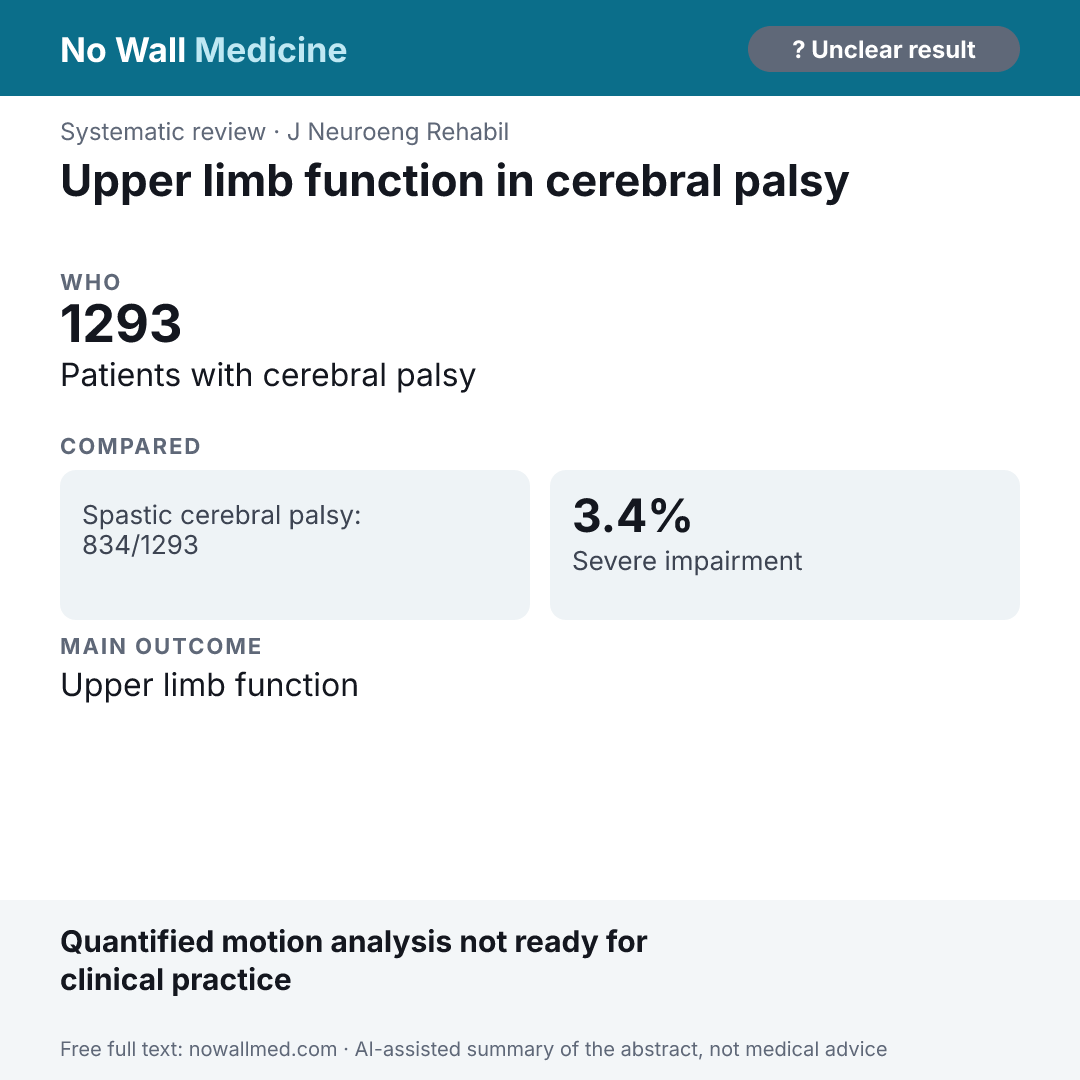
A systematic review of instrumented assessments for upper limb function in cerebral palsy: current limitations and future directions
Systematic reviewUnclear result
Upper limb function in cerebral palsy
Who
1293
Patients with cerebral palsy
Compared
Spastic cerebral palsy: 834/1293
3.4%Severe impairment
Main outcome
Upper limb function
Bottom line: Quantified motion analysis not ready for clinical practice
Limitation: Lack of standardization and costly equipment
J Neuroeng Rehabil · 2024-04-16 · Save PNG
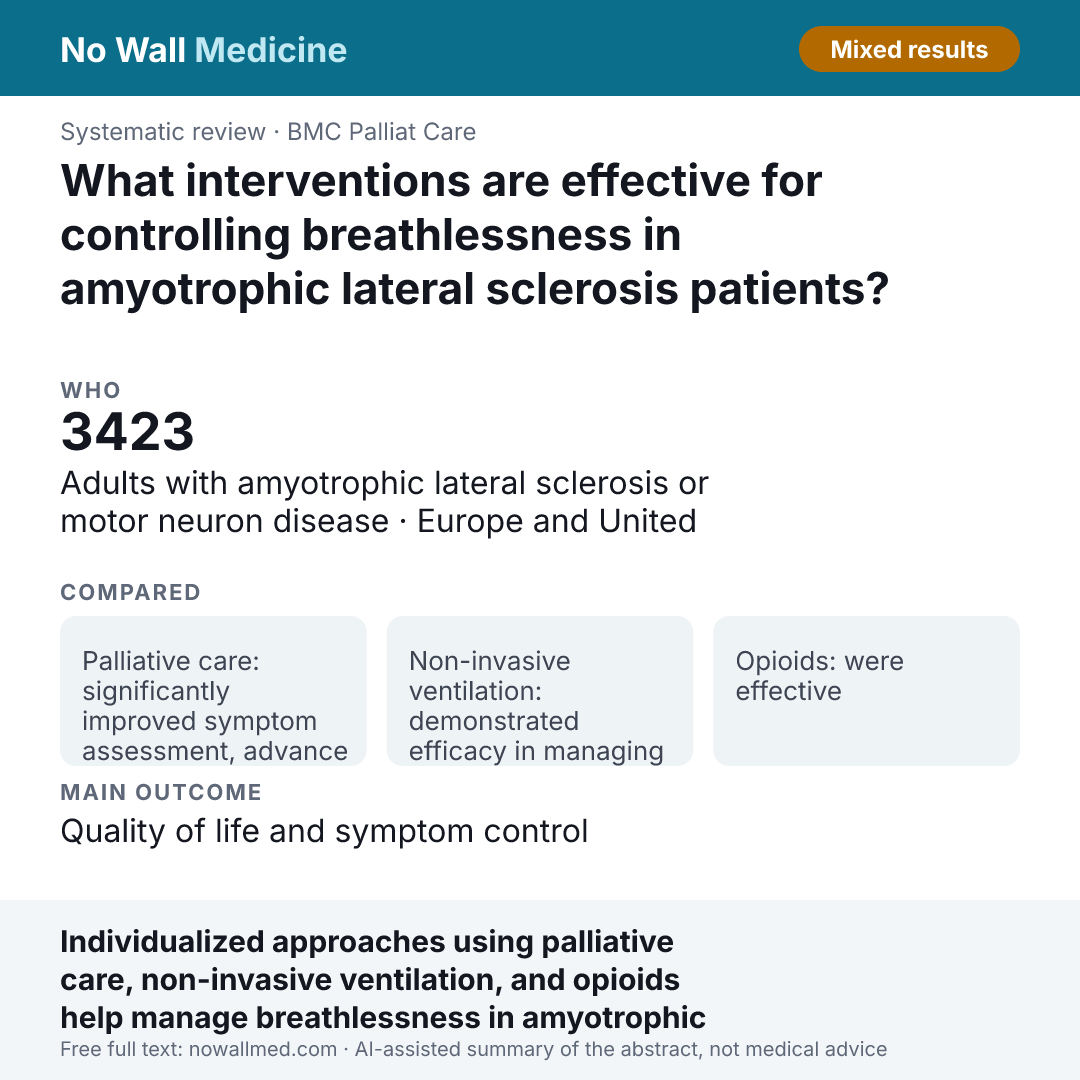
Optimizing breathlessness management in amyotrophic lateral sclerosis: insights from a comprehensive systematic review
Systematic reviewMixed results
What interventions are effective for controlling breathlessness in amyotrophic lateral sclerosis patients?
Who
3423
Adults with amyotrophic lateral sclerosis or motor neuron disease · Europe and United States of America
Compared
Palliative care: significantly improved symptom assessment, advance care planning, and goals of care
Non-invasive ventilation: demonstrated efficacy in managing breathlessness
Opioids: were effective
Main outcome
Quality of life and symptom control
Bottom line: Individualized approaches using palliative care, non-invasive ventilation, and opioids help manage breathlessness in amyotrophic lateral sclerosis.
Limitation: Further research, especially amyotrophic lateral sclerosis-specific self-management studies, is warranted.
BMC Palliat Care · 2024-04-16 · Save PNG
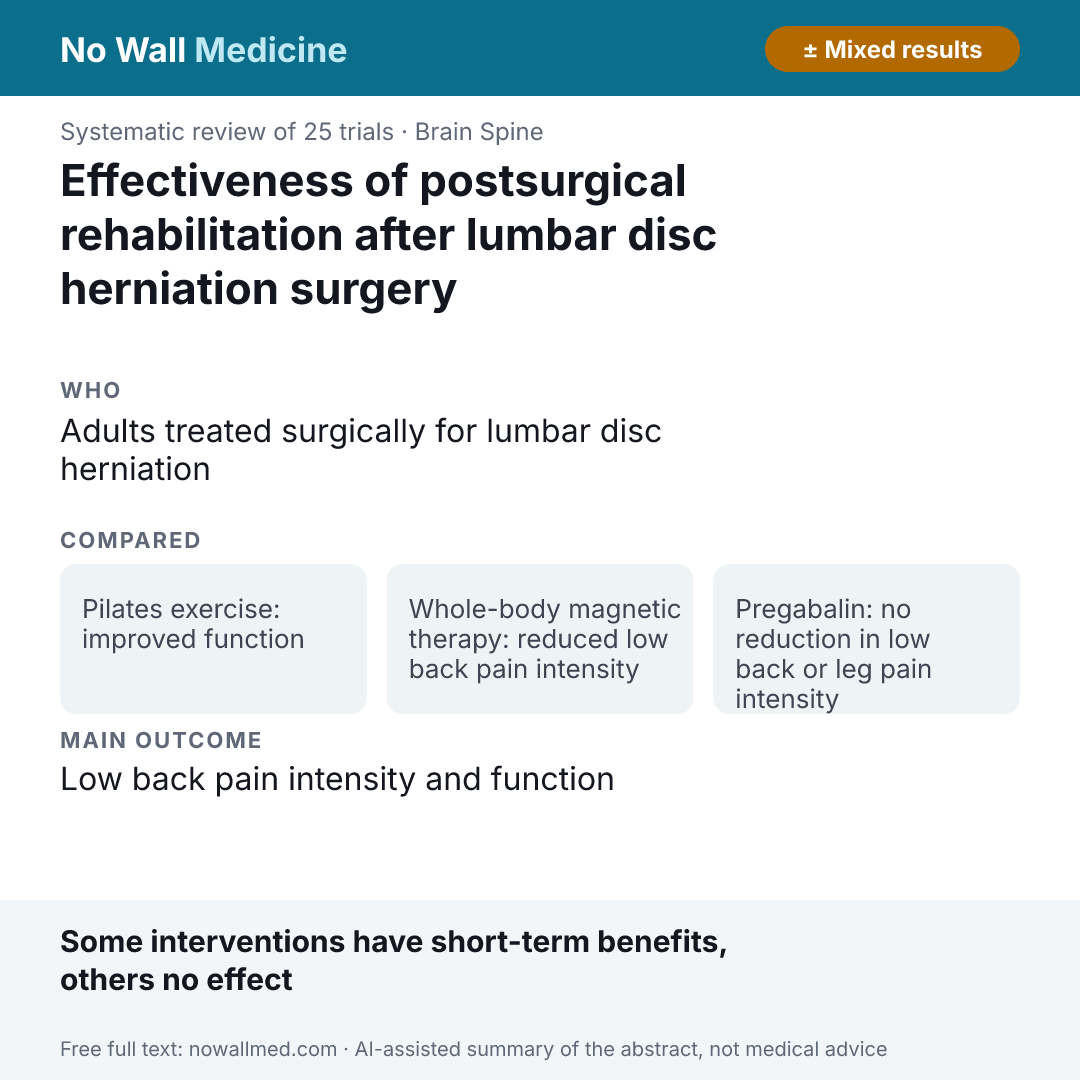
Effectiveness of postsurgical rehabilitation following lumbar disc herniation surgery: A systematic review
Systematic review of 25 trialsMixed results
Effectiveness of postsurgical rehabilitation after lumbar disc herniation surgery
Who
Adults treated surgically for lumbar disc herniation
Compared
Pilates exercise: improved function
Whole-body magnetic therapy: reduced low back pain intensity
Pregabalin: no reduction in low back or leg pain intensity
Main outcome
Low back pain intensity and function
Bottom line: Some interventions have short-term benefits, others no effect
Brain Spine · 2024-04-16 · Save PNG
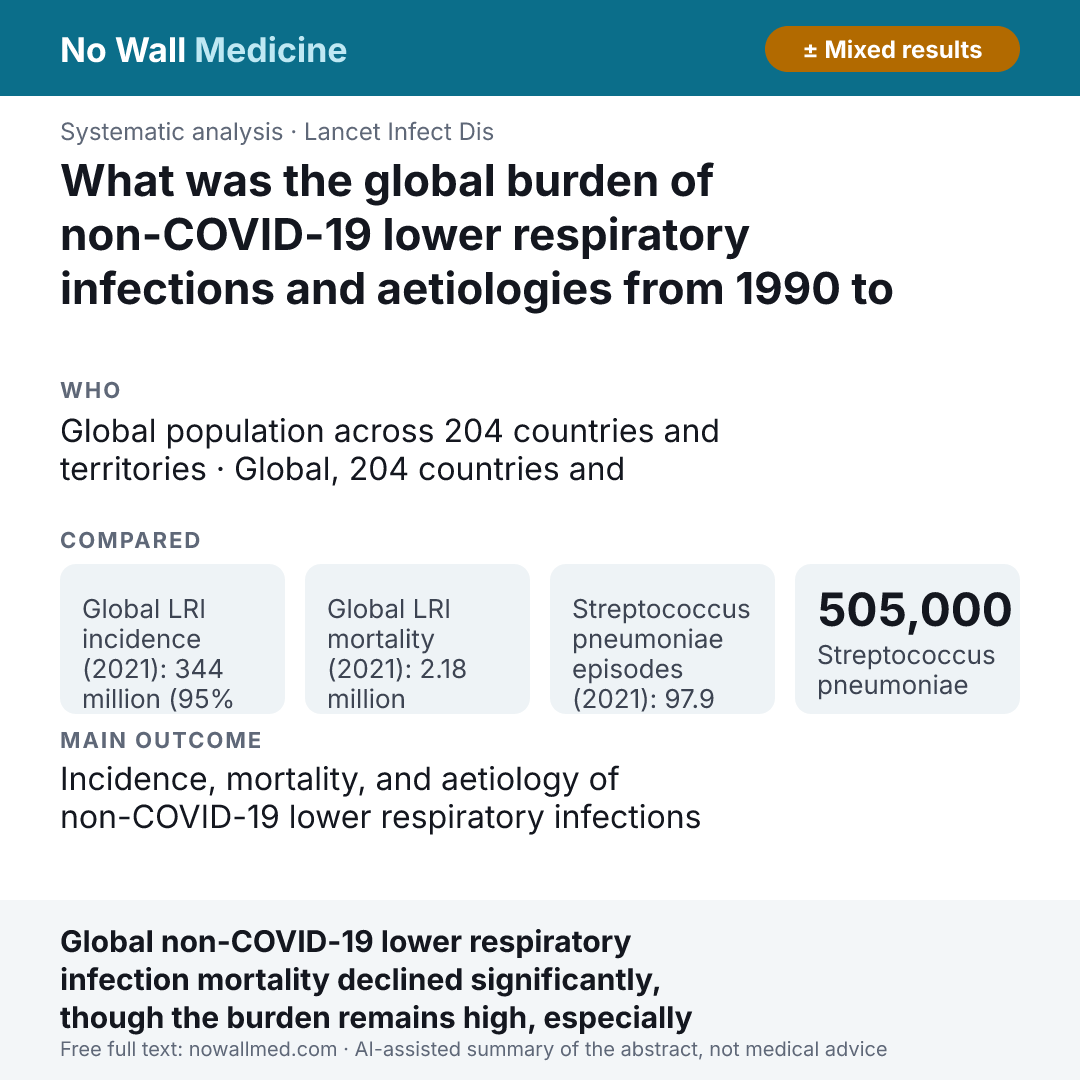
Global, regional, and national incidence and mortality burden of non-COVID-19 lower respiratory infections and aetiologies, 1990-2021: a systematic analysis from the Global Burden of Disease Study 2021
Systematic analysisMixed results
What was the global burden of non-COVID-19 lower respiratory infections and aetiologies from 1990 to 2021?
Who
Global population across 204 countries and territories · Global, 204 countries and territories
Compared
Global LRI incidence (2021): 344 million (95% uncertainty interval 325-364)
Global LRI mortality (2021): 2.18 million (1.98-2.36)
Streptococcus pneumoniae episodes (2021): 97.9 million (92.1-104.0)
505,000Streptococcus pneumoniae deaths (2021) (454,000-555,000)
Main outcome
Incidence, mortality, and aetiology of non-COVID-19 lower respiratory infections
Bottom line: Global non-COVID-19 lower respiratory infection mortality declined significantly, though the burden remains high, especially in low-income countries.
Lancet Infect Dis · 2024-04-15 · Save PNG
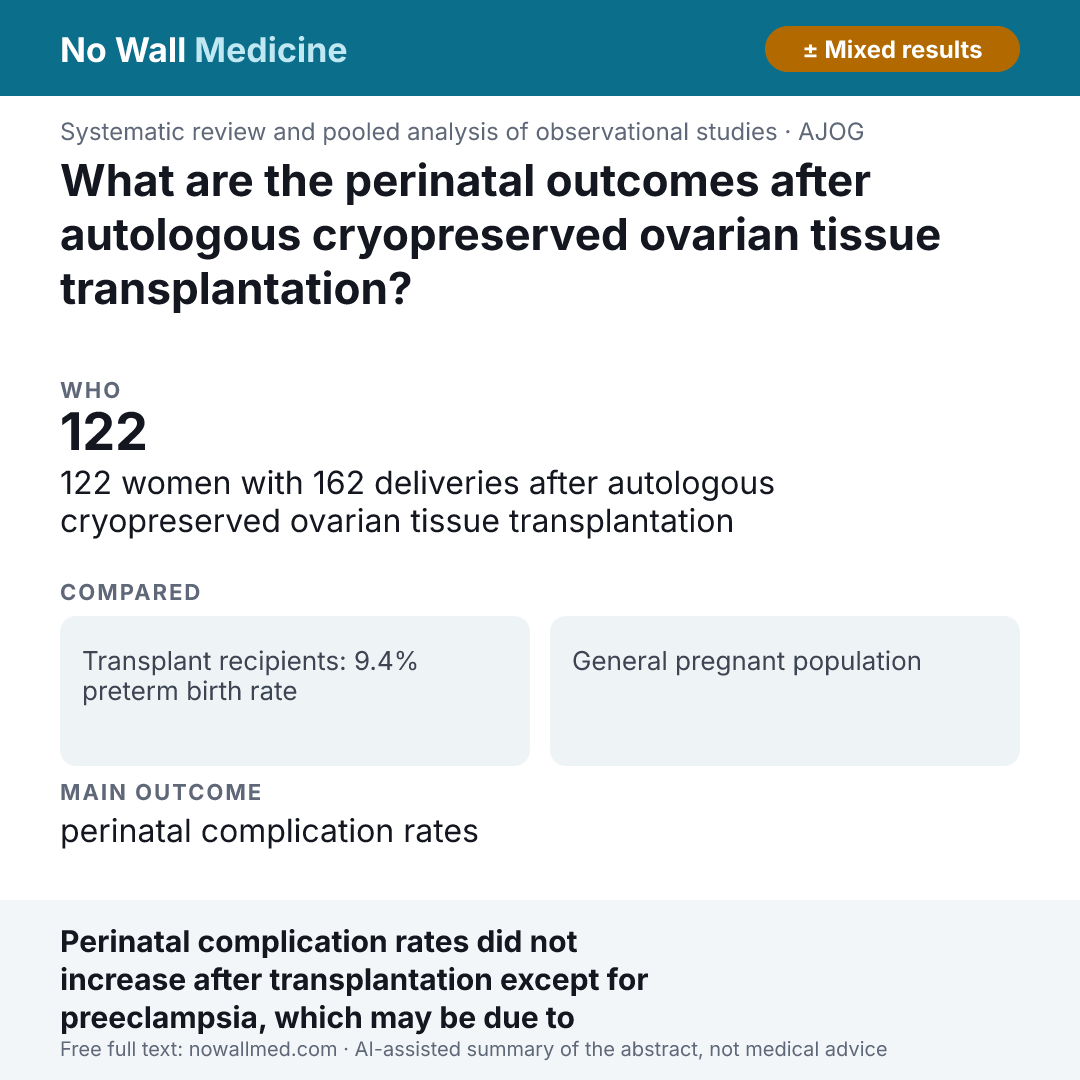
Perinatal outcomes of pregnancies following autologous cryopreserved ovarian tissue transplantation: a systematic review with pooled analysis
Systematic review and pooled analysis of observational studiesMixed results
What are the perinatal outcomes after autologous cryopreserved ovarian tissue transplantation?
Who
122
122 women with 162 deliveries after autologous cryopreserved ovarian tissue transplantation
Compared
Transplant recipients: 9.4% preterm birth rate
General pregnant population
Main outcome
perinatal complication rates
Bottom line: Perinatal complication rates did not increase after transplantation except for preeclampsia, which may be due to chemotherapy or medical conditions.
Limitation: Low certainty evidence from observational studies
AJOG · 2024-04-15 · Save PNG
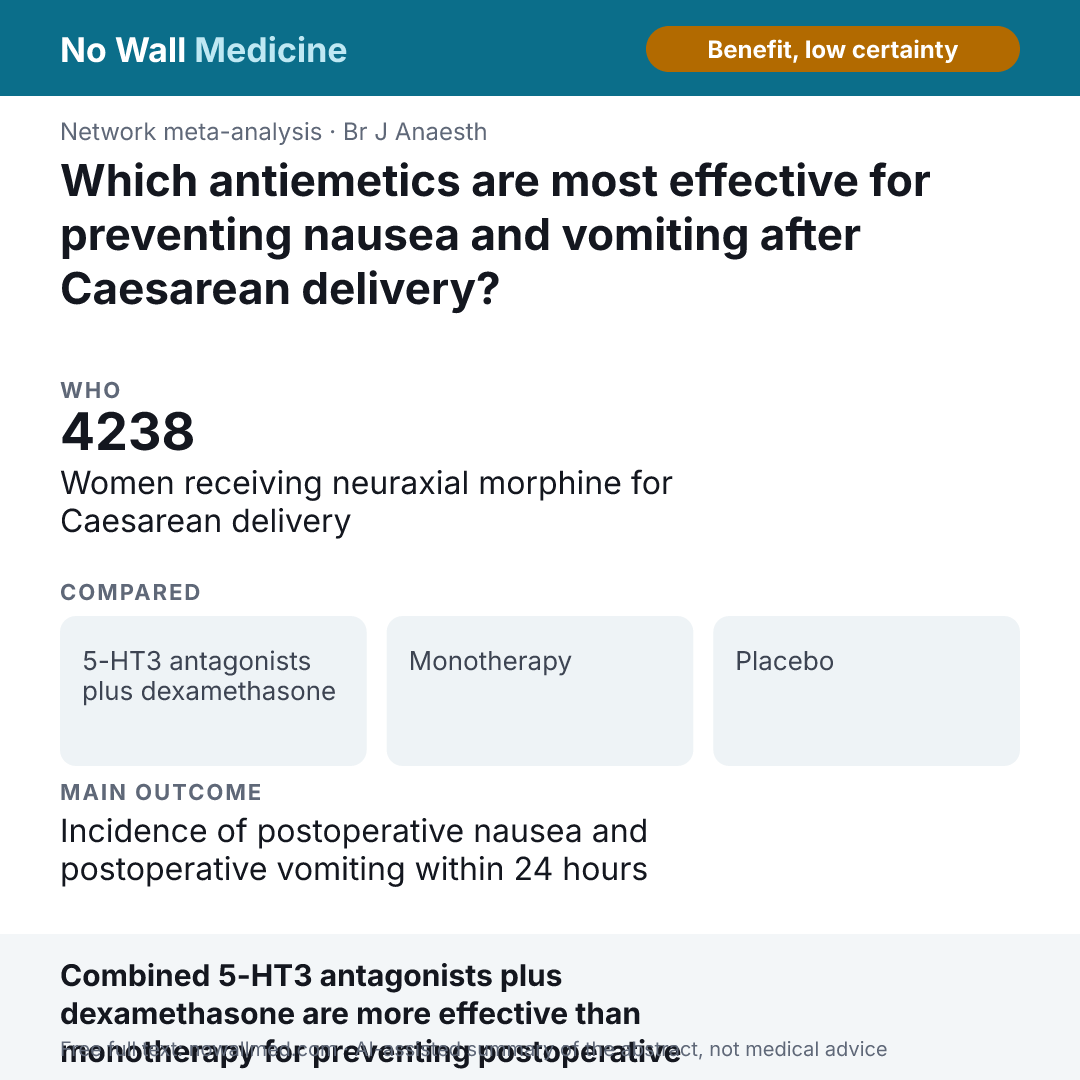
Commonly used antiemetics for prophylaxis of postoperative nausea and vomiting after Caesarean delivery with neuraxial morphine: a network meta-analysis
Network meta-analysisBenefit, low certainty
Which antiemetics are most effective for preventing nausea and vomiting after Caesarean delivery?
Who
4238
Women receiving neuraxial morphine for Caesarean delivery
Compared
5-HT3 antagonists plus dexamethasone
Monotherapy
Placebo
Main outcome
Incidence of postoperative nausea and postoperative vomiting within 24 hours
Bottom line: Combined 5-HT3 antagonists plus dexamethasone are more effective than monotherapy for preventing postoperative nausea and vomiting.
Limitation: Most included studies had some concerns or high risk of bias and low certainty of evidence.
Br J Anaesth · 2024-04-15 · Save PNG
Predicting the need for subclavian artery revascularization in thoracic endovascular aortic repair: A systematic review and meta-analysis
Meta-analysis of 76 studiesMixed results
Is left subclavian artery revascularization effective in thoracic endovascular aortic repair?
Who
Patients undergoing thoracic endovascular aortic repair
Compared
Revascularization
Non-revascularization
Main outcome
Stroke, spinal cord ischemia, arm ischemia, and mortality
Result: OR 0.67 (95% CI 0.45-0.98) for stroke
Bottom line: Revascularization reduces stroke, spinal cord ischemia, and arm ischemia risks but increases reintervention risk and does not impact mortality.
J Vasc Surg · 2024-04-15 · Save PNG

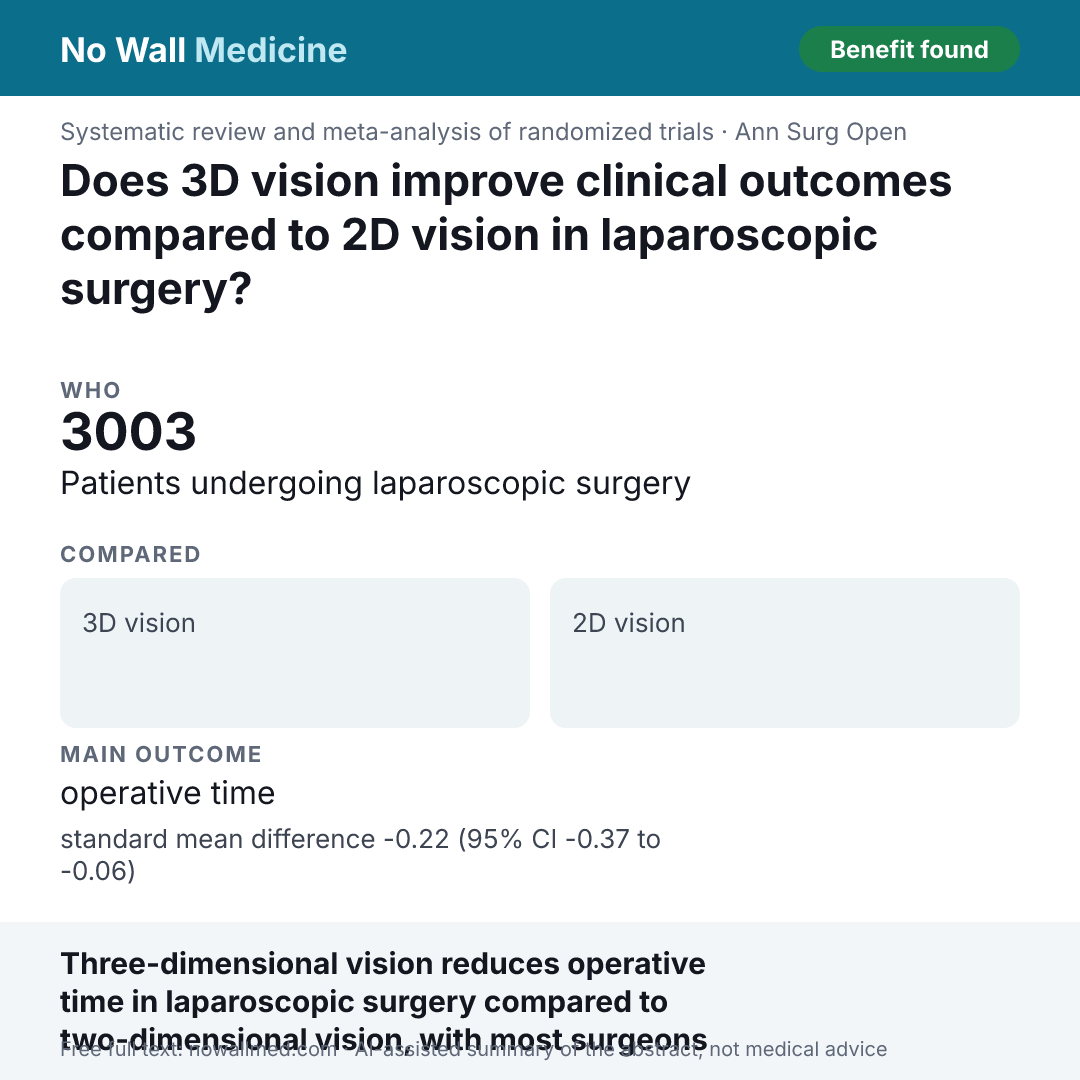
Surgeon Preference and Clinical Outcome of 3D Vision Compared to 2D Vision in Laparoscopic Surgery: Systematic Review and Meta-Analysis of Randomized Trials
Systematic review and meta-analysis of randomized trialsBenefit found
Does 3D vision improve clinical outcomes compared to 2D vision in laparoscopic surgery?
Who
3003
Patients undergoing laparoscopic surgery
Compared
3D vision
2D vision
Main outcome
operative time
Result: standard mean difference -0.22 (95% CI -0.37 to -0.06)
Bottom line: Three-dimensional vision reduces operative time in laparoscopic surgery compared to two-dimensional vision, with most surgeons preferring 3D.
Ann Surg Open · 2024-04-15 · Save PNG
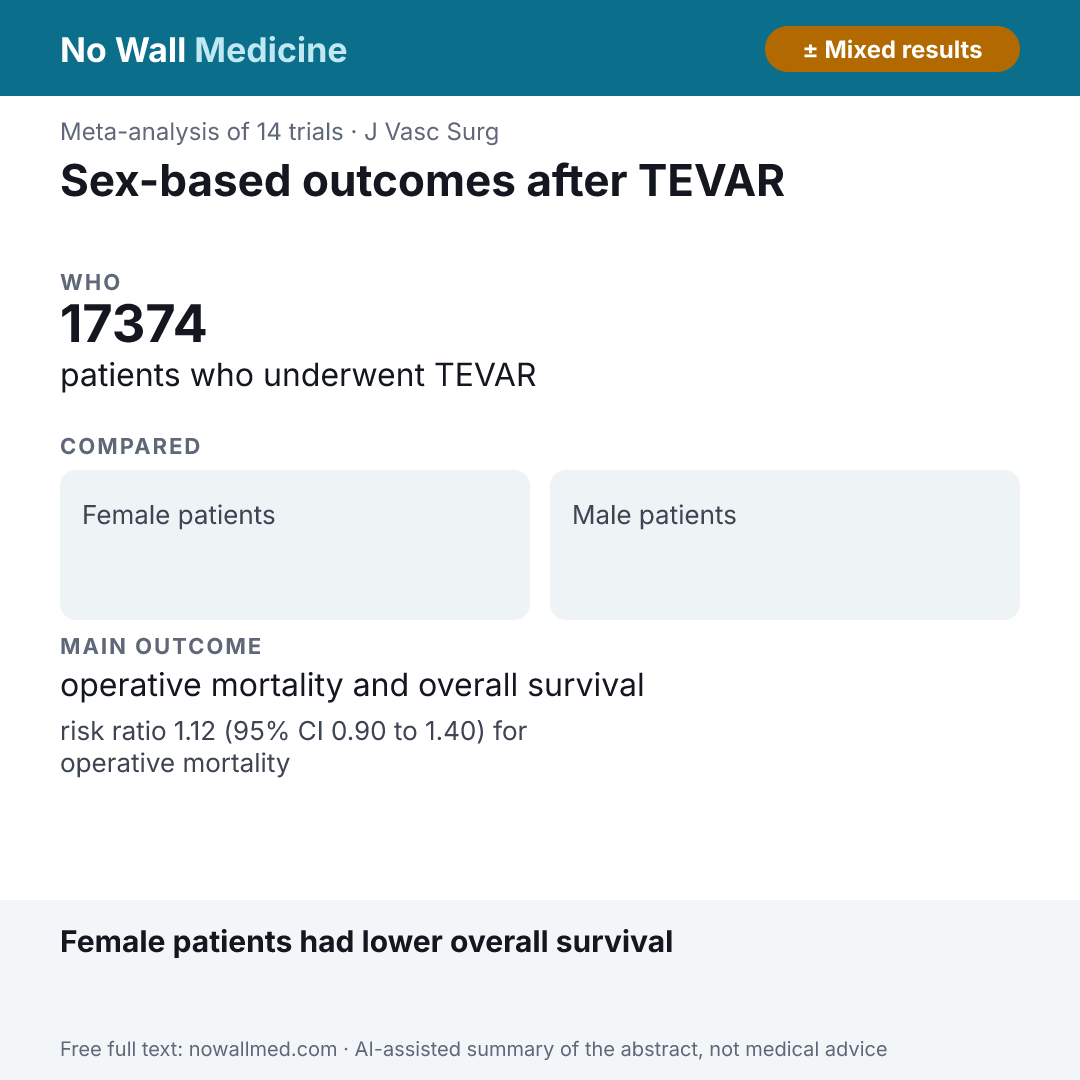
Sex-based outcomes after thoracic endovascular aortic repair: A systematic review and meta-analysis
Meta-analysis of 14 trialsMixed results
Sex-based outcomes after TEVAR
Who
17374
patients who underwent TEVAR
Compared
Female patients
Male patients
Main outcome
operative mortality and overall survival
Result: risk ratio 1.12 (95% CI 0.90 to 1.40) for operative mortality
Bottom line: Female patients had lower overall survival
J Vasc Surg · 2024-04-14 · Save PNG
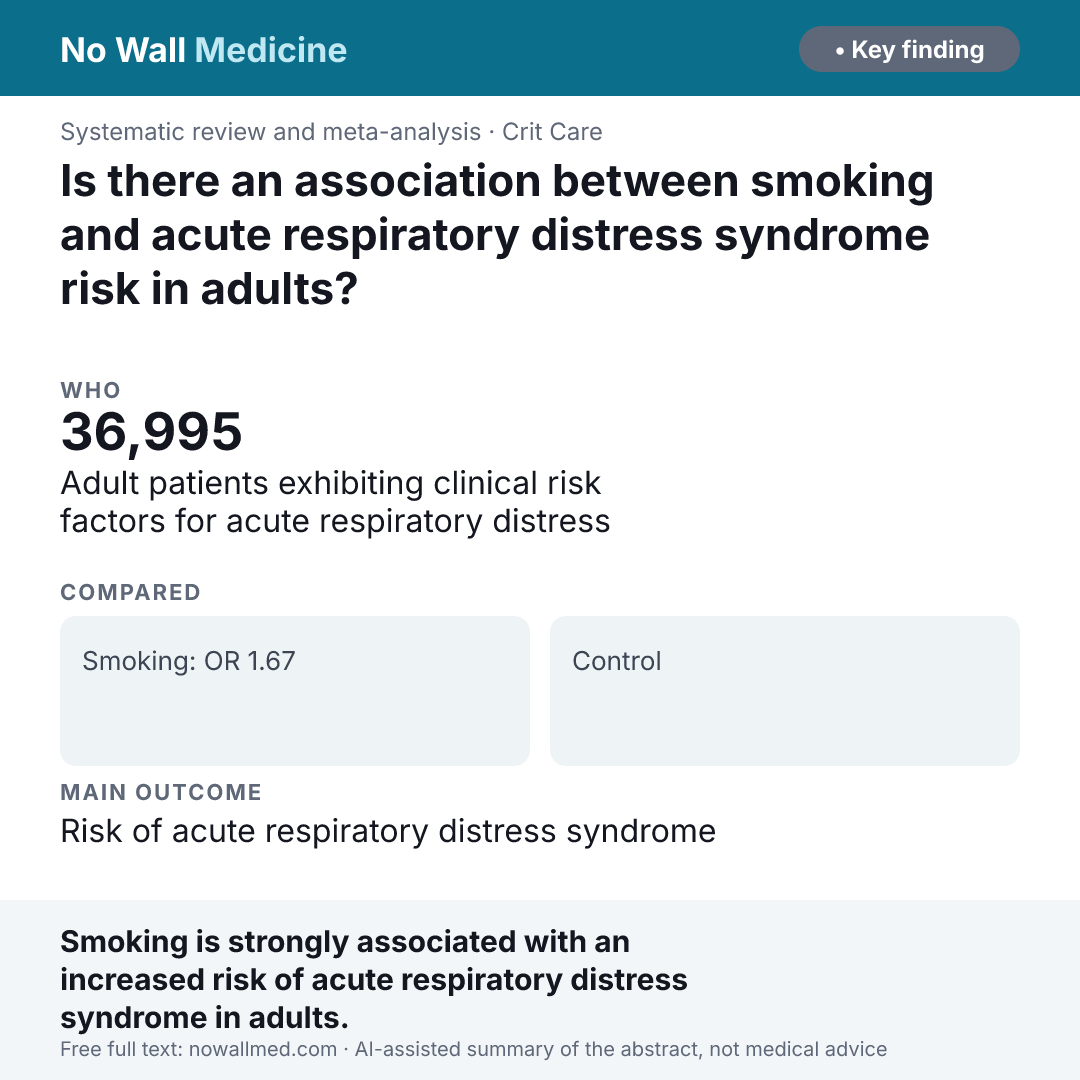
Smoking on the risk of acute respiratory distress syndrome: a systematic review and meta-analysis
Systematic review and meta-analysisKey finding
Is there an association between smoking and acute respiratory distress syndrome risk in adults?
Who
36,995
Adult patients exhibiting clinical risk factors for acute respiratory distress syndrome
Compared
Smoking: OR 1.67
Control
Main outcome
Risk of acute respiratory distress syndrome
Result: odds ratio 1.67 (95% CI 1.33-2.08)
Bottom line: Smoking is strongly associated with an increased risk of acute respiratory distress syndrome in adults.
Crit Care · 2024-04-14 · Save PNG