Visual abstracts
New randomized trials and meta-analyses from leading journals at a glance: who was studied, what was compared, and what was found. Every paper is free to read in full.
All specialtiesCardiology 4763Oncology 4043Gastroenterology & Hepatology 1903Infectious Disease 3756Neurology 1872Psychiatry & Mental Health 2216Pulmonology 2044Critical Care 1319Endocrinology & Diabetes 2544Pediatrics 2889Surgery 2480Orthopedics & Sports Medicine 917Neurosurgery 525Cardiothoracic & Vascular Surgery 656Plastic & Reconstructive Surgery 574Nephrology 1107Rheumatology 810Hematology 1090Dermatology 611Ophthalmology 532Obstetrics & Gynecology 1645Public & Global Health 1037Radiology & Imaging 619Anesthesiology 958Urology 745ENT (Otolaryngology) 494Emergency Medicine 481Allergy & Immunology 309Geriatrics 972Family Medicine & Primary Care 534Medical Genetics & Genomics 659Pathology & Laboratory Medicine 156Physical Medicine & Rehabilitation 734Palliative Care 421Nutrition 1560Digital Health & AI 2137General Medicine 318
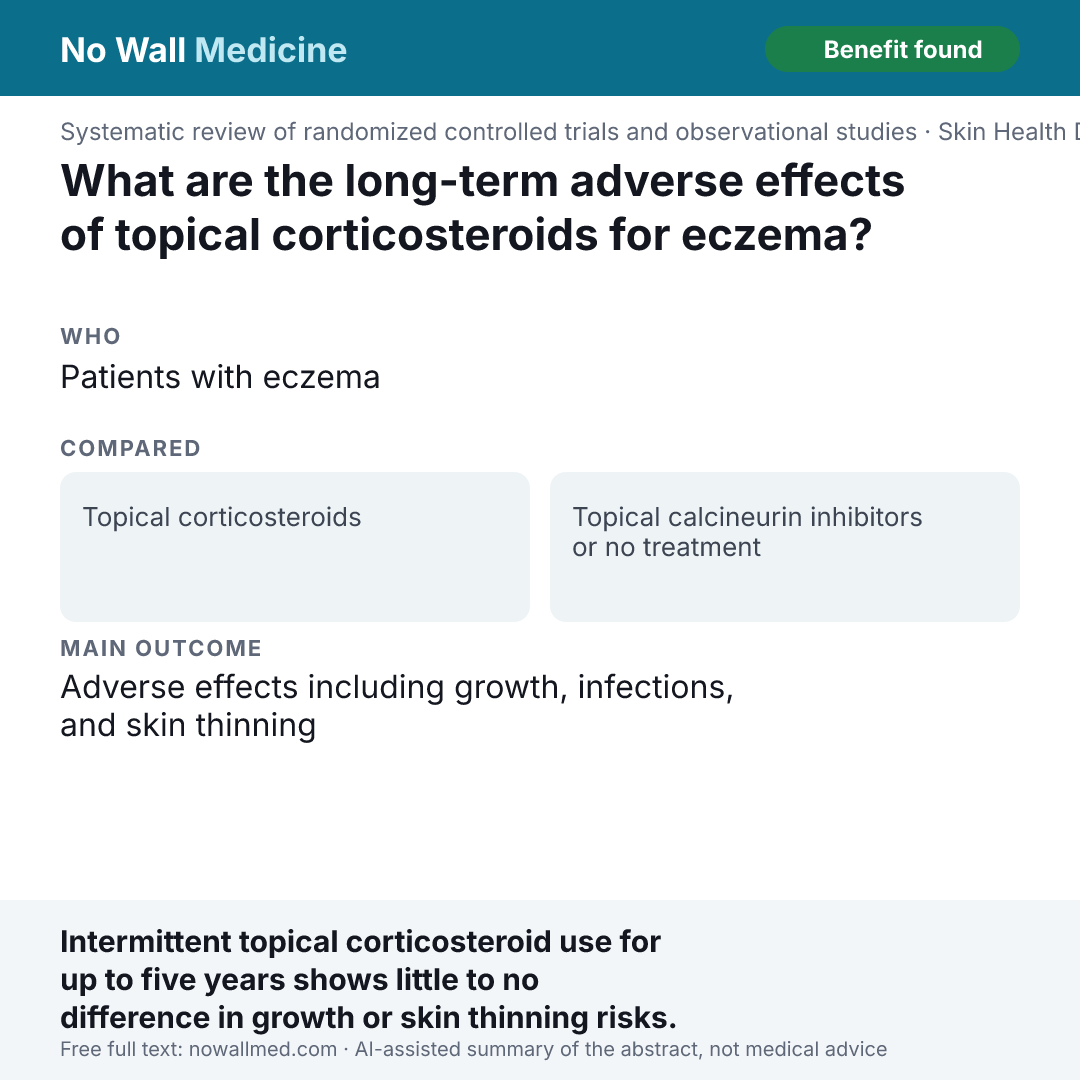
The long-term safety of topical corticosteroids in atopic dermatitis: A systematic review
Systematic review of randomized controlled trials and observational studiesBenefit found
What are the long-term adverse effects of topical corticosteroids for eczema?
Who
Patients with eczema
Compared
Topical corticosteroids
Topical calcineurin inhibitors or no treatment
Main outcome
Adverse effects including growth, infections, and skin thinning
Bottom line: Intermittent topical corticosteroid use for up to five years shows little to no difference in growth or skin thinning risks.
Skin Health Dis · 2023-08-16 · Save PNG
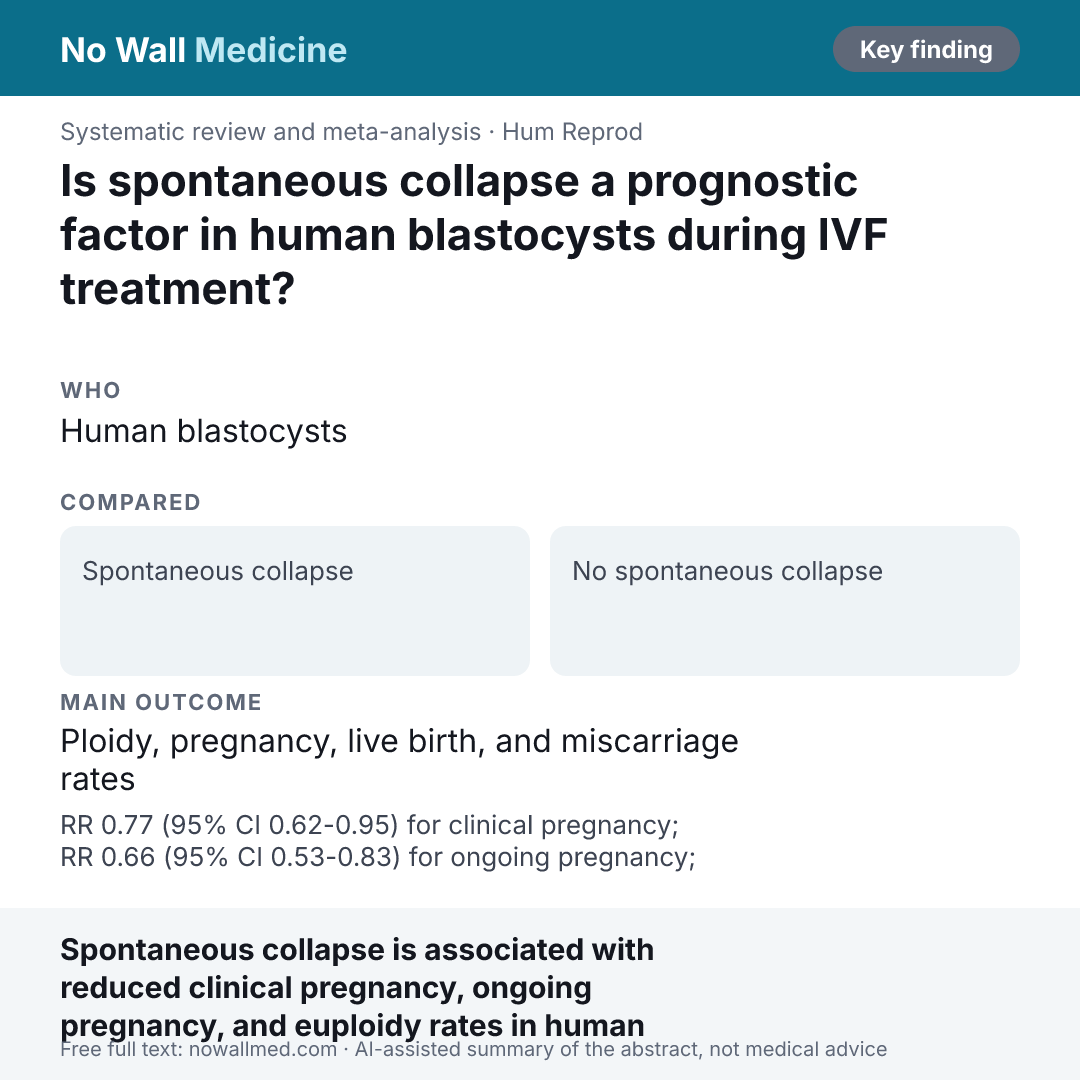
Spontaneous collapse as a prognostic marker for human blastocysts: a systematic review and meta-analysis
Systematic review and meta-analysisKey finding
Is spontaneous collapse a prognostic factor in human blastocysts during IVF treatment?
Who
Human blastocysts
Compared
Spontaneous collapse
No spontaneous collapse
Main outcome
Ploidy, pregnancy, live birth, and miscarriage rates
Result: RR 0.77 (95% CI 0.62-0.95) for clinical pregnancy; RR 0.66 (95% CI 0.53-0.83) for ongoing pregnancy; RR 0.70 (95% CI 0.59-0.83) for euploidy
Bottom line: Spontaneous collapse is associated with reduced clinical pregnancy, ongoing pregnancy, and euploidy rates in human blastocysts.
Limitation: All studies were retrospective with varying heterogeneity and potential confounding factors.
Hum Reprod · 2023-08-15 · Save PNG
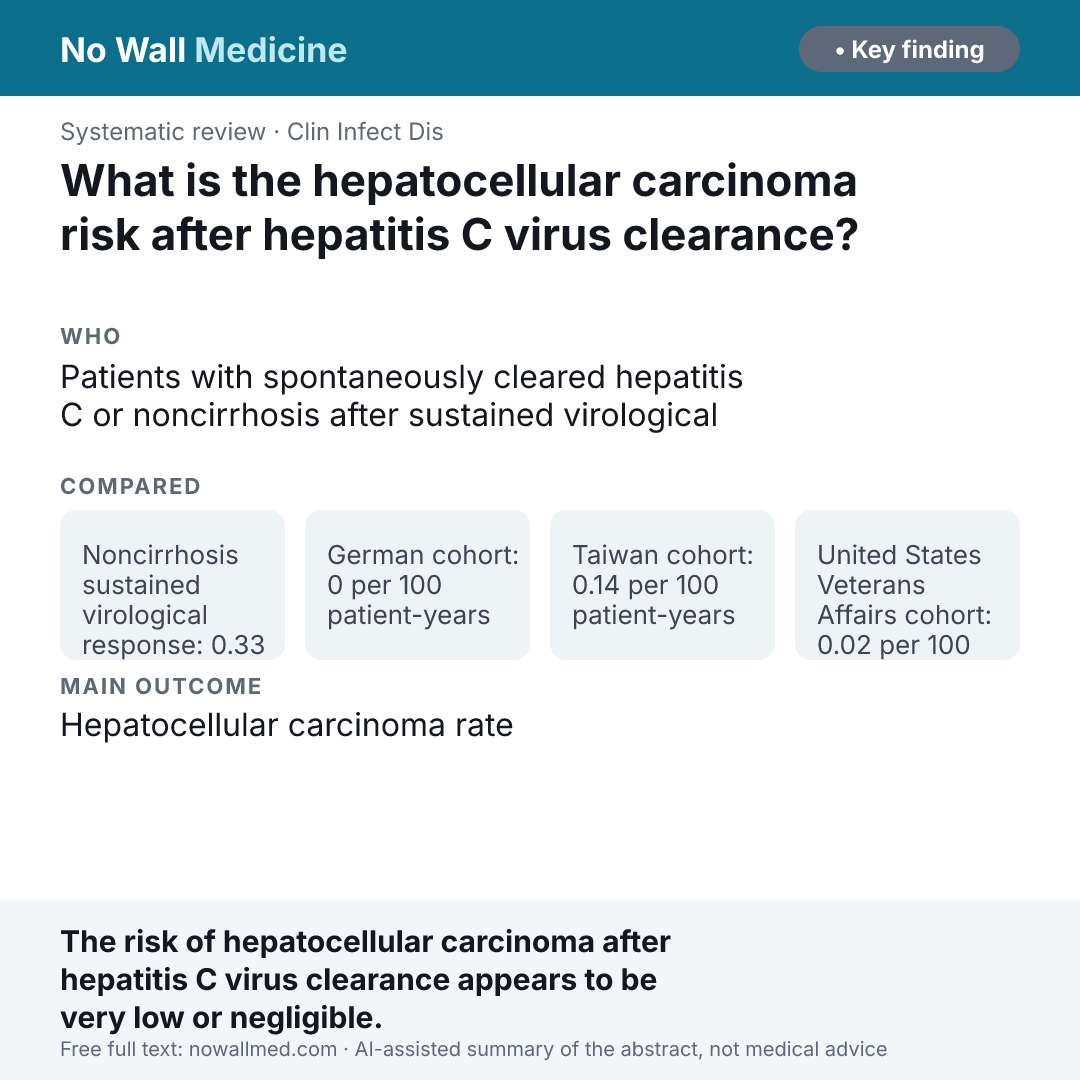
Risk of Hepatocellular Carcinoma After Spontaneous Clearance of Hepatitis C Virus and in Noncirrhosis Chronic Hepatitis C Patients With Sustained Virological Response: A Systematic Review
Systematic reviewKey finding
What is the hepatocellular carcinoma risk after hepatitis C virus clearance?
Who
Patients with spontaneously cleared hepatitis C or noncirrhosis after sustained virological response · Germany, Taiwan, and United States
Compared
Noncirrhosis sustained virological response: 0.33 per 100 patient-years
German cohort: 0 per 100 patient-years
Taiwan cohort: 0.14 per 100 patient-years
United States Veterans Affairs cohort: 0.02 per 100 patient-years
Main outcome
Hepatocellular carcinoma rate
Bottom line: The risk of hepatocellular carcinoma after hepatitis C virus clearance appears to be very low or negligible.
Limitation: Past hepatitis B virus exposure was not accounted for and potential confounding in Veterans Affairs patients.
Clin Infect Dis · 2023-08-14 · Save PNG
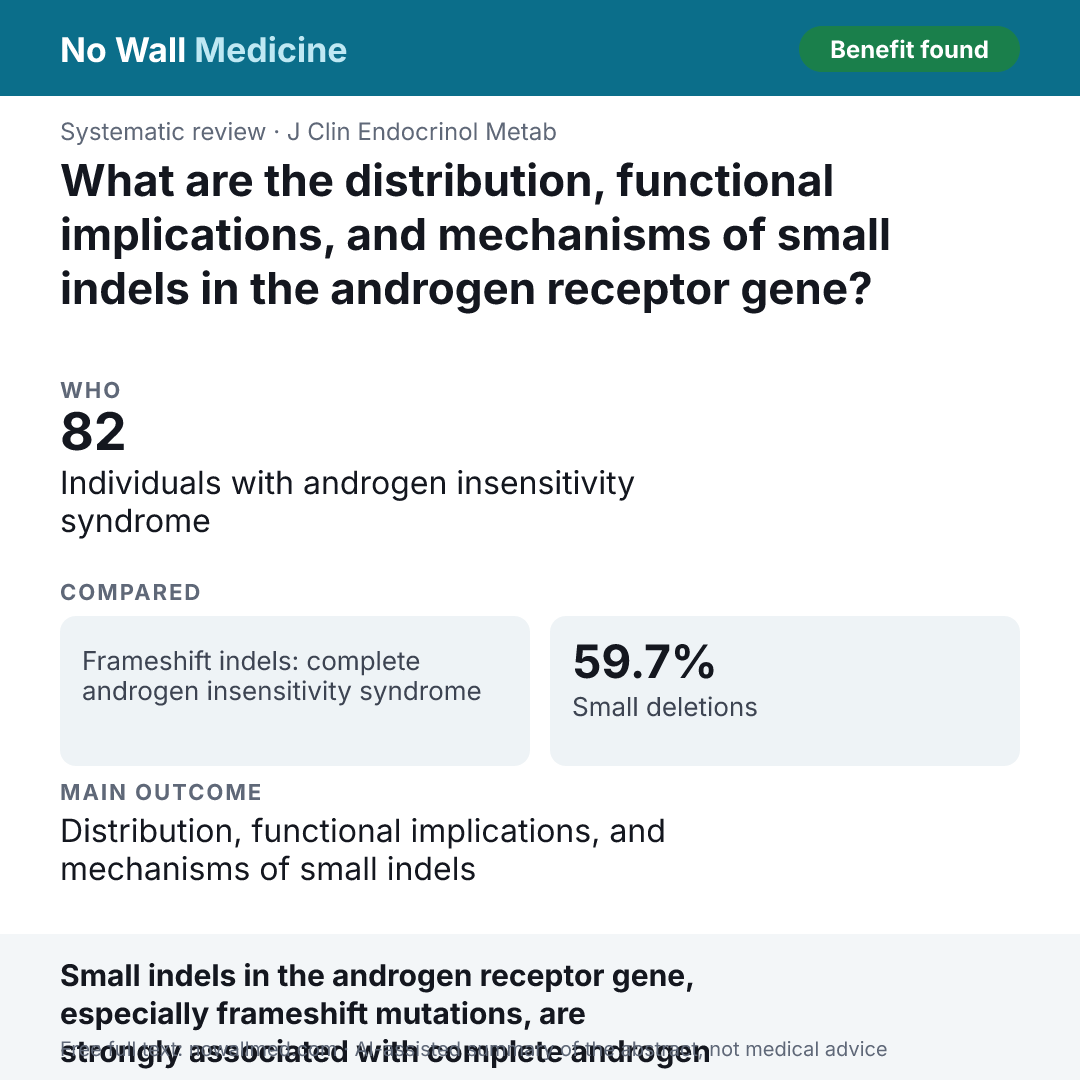
Small Indels in the Androgen Receptor Gene: Phenotype Implications and Mechanisms of Mutagenesis
Systematic reviewBenefit found
What are the distribution, functional implications, and mechanisms of small indels in the androgen receptor gene?
Who
82
Individuals with androgen insensitivity syndrome
Compared
Frameshift indels: complete androgen insensitivity syndrome
59.7%Small deletions
Main outcome
Distribution, functional implications, and mechanisms of small indels
Bottom line: Small indels in the androgen receptor gene, especially frameshift mutations, are strongly associated with complete androgen insensitivity syndrome.
J Clin Endocrinol Metab · 2023-08-13 · Save PNG
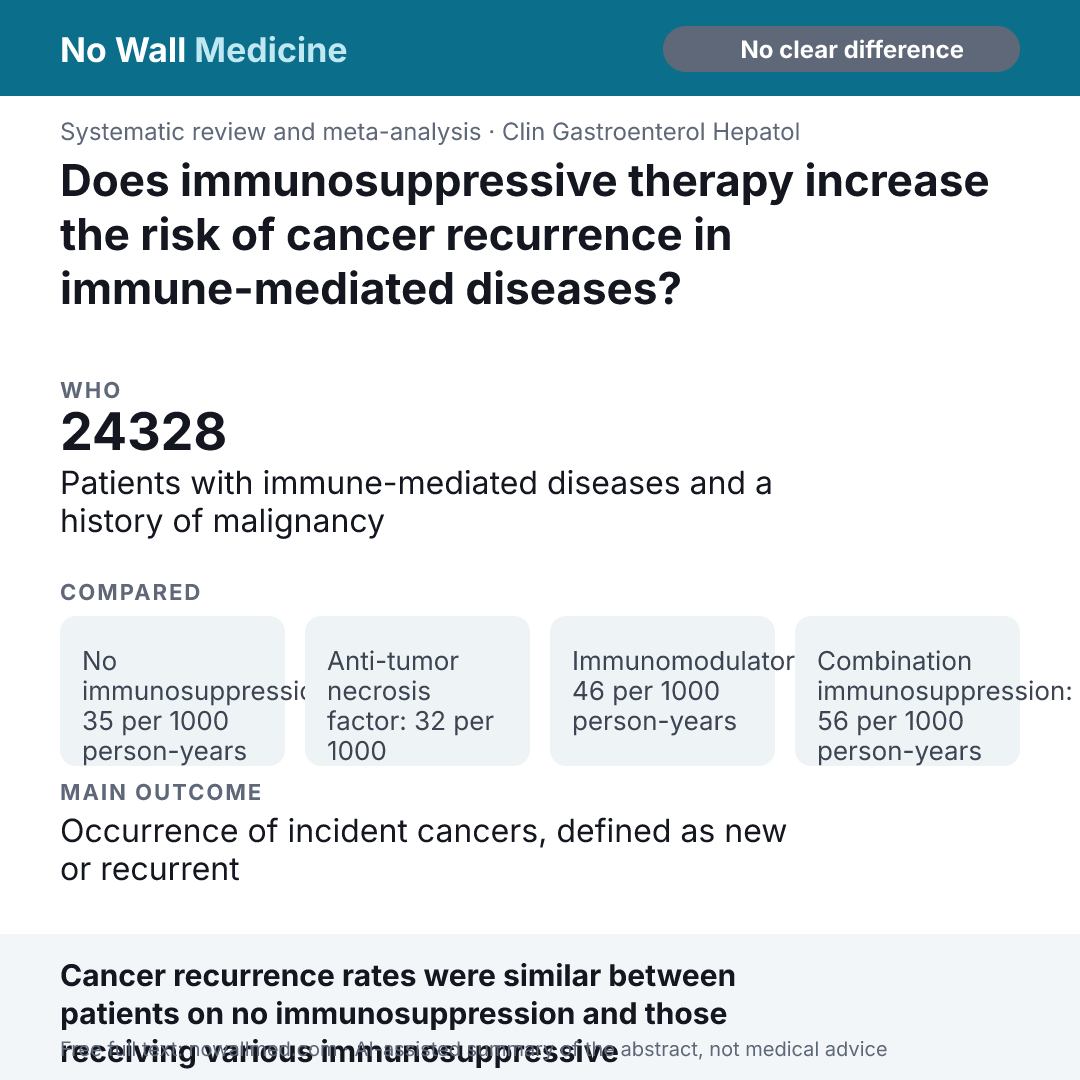
Risk of Cancer Recurrence in Patients With Immune-Mediated Diseases With Use of Immunosuppressive Therapies: An Updated Systematic Review and Meta-Analysis
Systematic review and meta-analysisNo clear difference
Does immunosuppressive therapy increase the risk of cancer recurrence in immune-mediated diseases?
Who
24328
Patients with immune-mediated diseases and a history of malignancy
Compared
No immunosuppression: 35 per 1000 person-years
Anti-tumor necrosis factor: 32 per 1000 person-years
Immunomodulators: 46 per 1000 person-years
Combination immunosuppression: 56 per 1000 person-years
Main outcome
Occurrence of incident cancers, defined as new or recurrent
Bottom line: Cancer recurrence rates were similar between patients on no immunosuppression and those receiving various immunosuppressive treatments.
Limitation: There were no studies on Janus kinase inhibitors.
Clin Gastroenterol Hepatol · 2023-08-12 · Save PNG
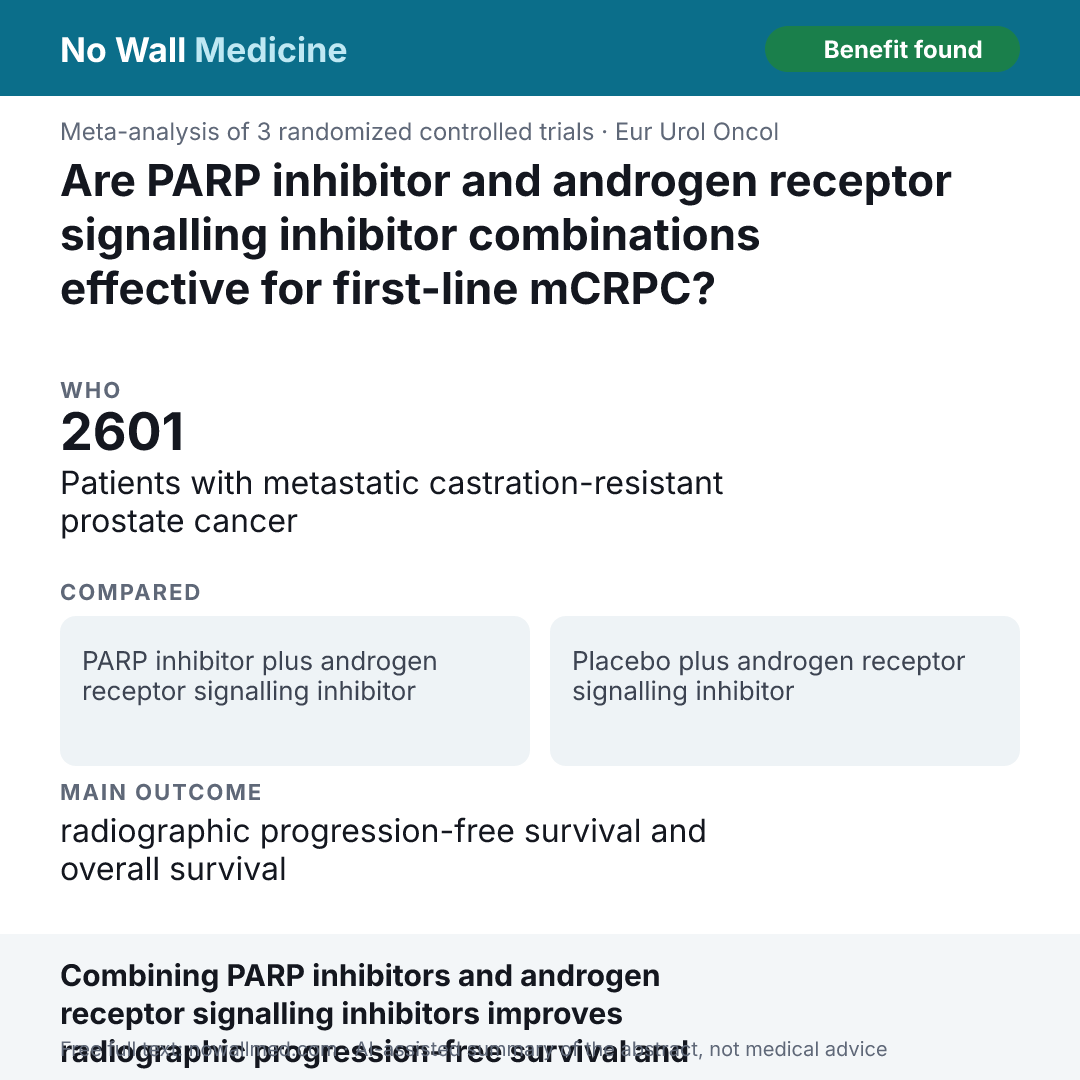
Combining PARP Inhibitors and Androgen Receptor Signalling Inhibitors in Metastatic Prostate Cancer: A Quantitative Synthesis and Meta-analysis
Meta-analysis of 3 randomized controlled trialsBenefit found
Are PARP inhibitor and androgen receptor signalling inhibitor combinations effective for first-line mCRPC?
Who
2601
Patients with metastatic castration-resistant prostate cancer
Compared
PARP inhibitor plus androgen receptor signalling inhibitor
Placebo plus androgen receptor signalling inhibitor
Main outcome
radiographic progression-free survival and overall survival
Result: hazard ratio 0.62 (95% confidence interval 0.53-0.72) for radiographic progression-free survival
Bottom line: Combining PARP inhibitors and androgen receptor signalling inhibitors improves radiographic progression-free survival and overall survival in metastatic castration-resistant prostate cancer.
Limitation: Combinations might be less clinically relevant in homologous recombination repair-proficient cancers.
Eur Urol Oncol · 2023-08-12 · Save PNG
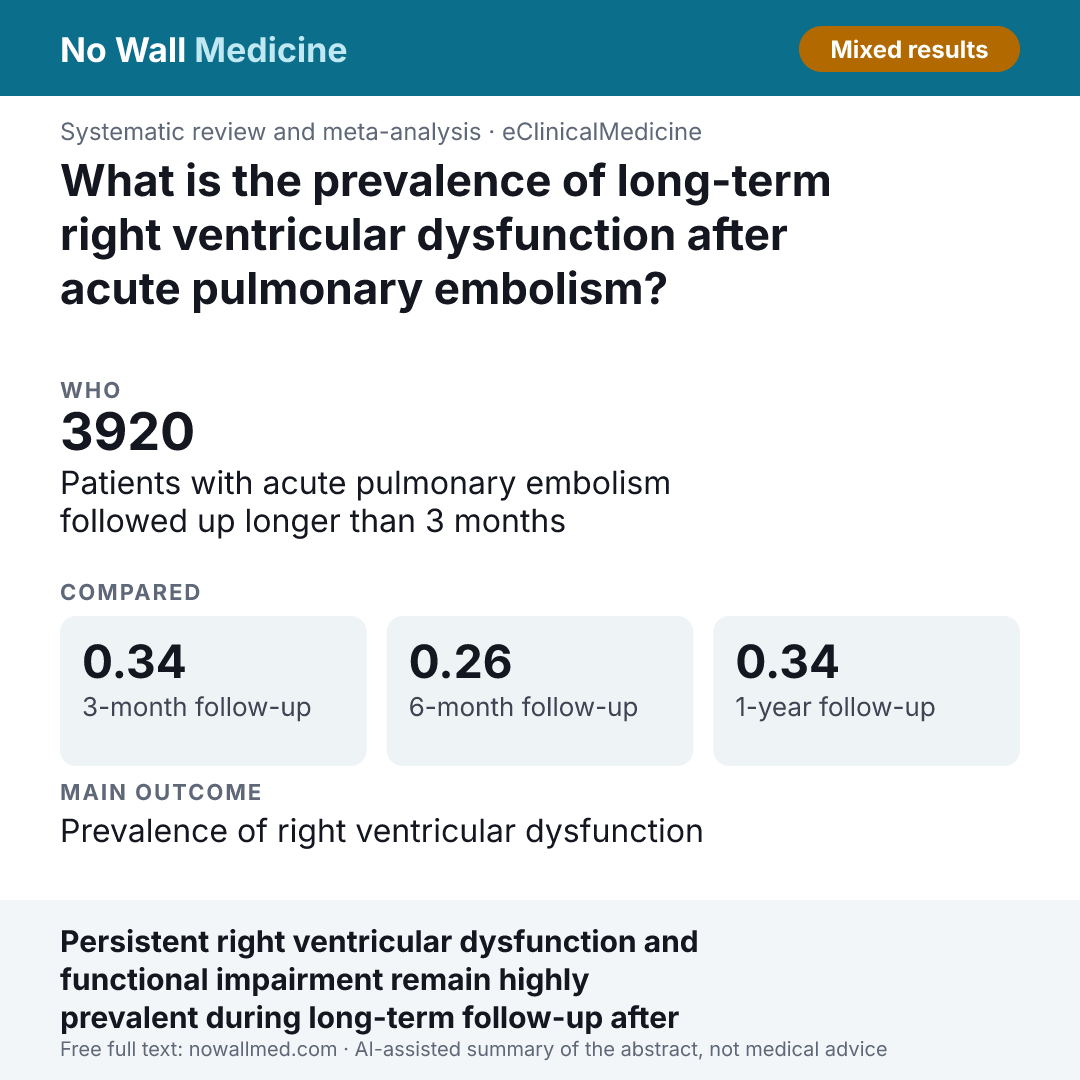
Prevalence of long-term right ventricular dysfunction after acute pulmonary embolism: a systematic review and meta-analysis
Systematic review and meta-analysisMixed results
What is the prevalence of long-term right ventricular dysfunction after acute pulmonary embolism?
Who
3920
Patients with acute pulmonary embolism followed up longer than 3 months
Compared
0.343-month follow-up (95% CI 0.21-0.48)
0.266-month follow-up (95% CI 0.17-0.36)
0.341-year follow-up (95% CI 0.19-0.48)
Main outcome
Prevalence of right ventricular dysfunction
Bottom line: Persistent right ventricular dysfunction and functional impairment remain highly prevalent during long-term follow-up after acute pulmonary embolism.
Limitation: High heterogeneity from varied study designs, inclusion criteria and definition of right ventricular dysfunction.
Funded by: CAMS Innovation Fund, National Key Research and Development Program of China
eClinicalMedicine · 2023-08-11 · Save PNG
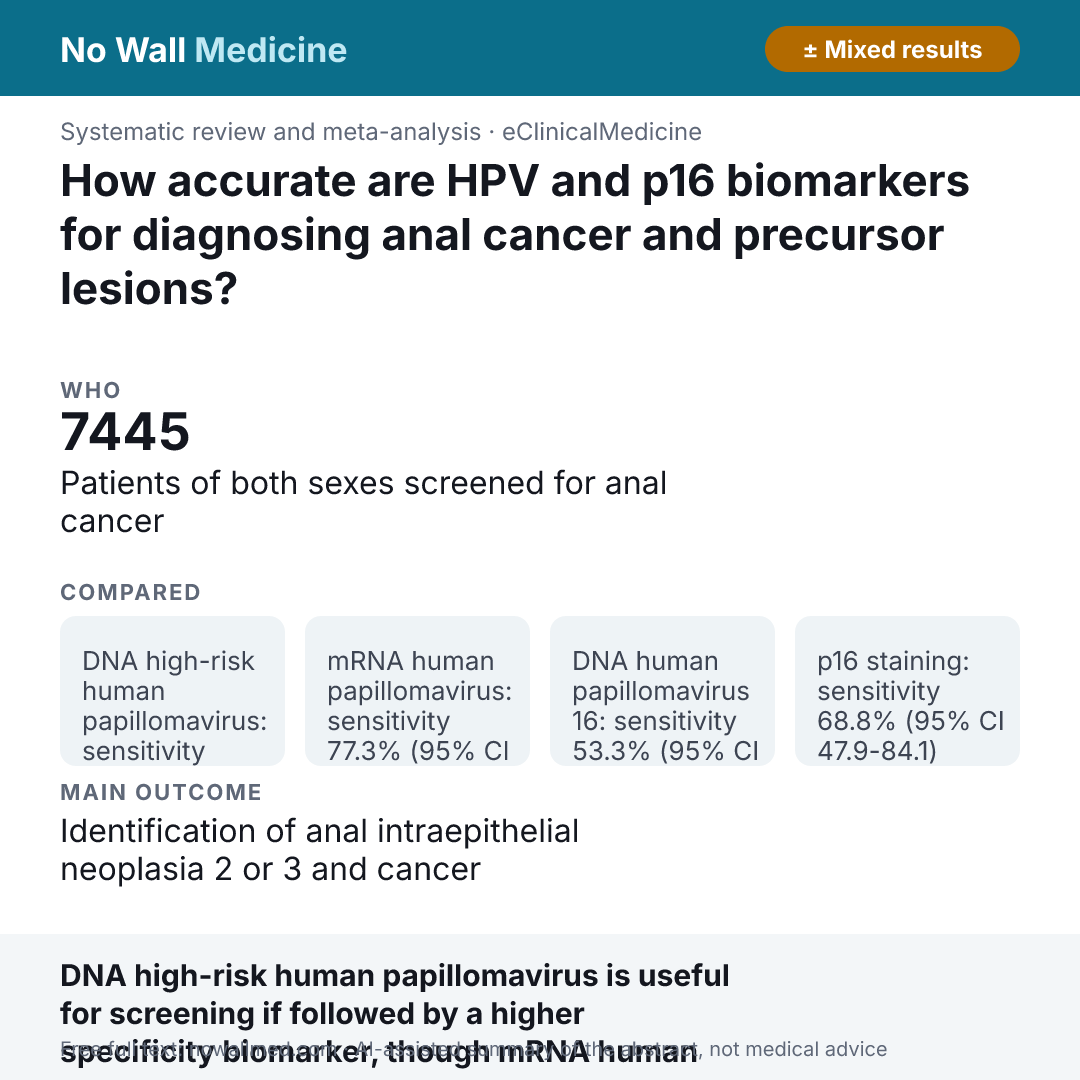
DNA high-risk HPV, mRNA HPV and P16 tests for diagnosis of anal cancer and precursor lesions: a systematic review and meta-analysis
Systematic review and meta-analysisMixed results
How accurate are HPV and p16 biomarkers for diagnosing anal cancer and precursor lesions?
Who
7445
Patients of both sexes screened for anal cancer
Compared
DNA high-risk human papillomavirus: sensitivity 92.4% (95% CI 84.2-96.5)
mRNA human papillomavirus: sensitivity 77.3% (95% CI 73.2%-80.9%)
DNA human papillomavirus 16: sensitivity 53.3% (95% CI 35.4-70.3)
p16 staining: sensitivity 68.8% (95% CI 47.9-84.1)
Main outcome
Identification of anal intraepithelial neoplasia 2 or 3 and cancer
Bottom line: DNA high-risk human papillomavirus is useful for screening if followed by a higher specificity biomarker, though mRNA human papillomavirus performed better alone.
eClinicalMedicine · 2023-08-11 · Save PNG
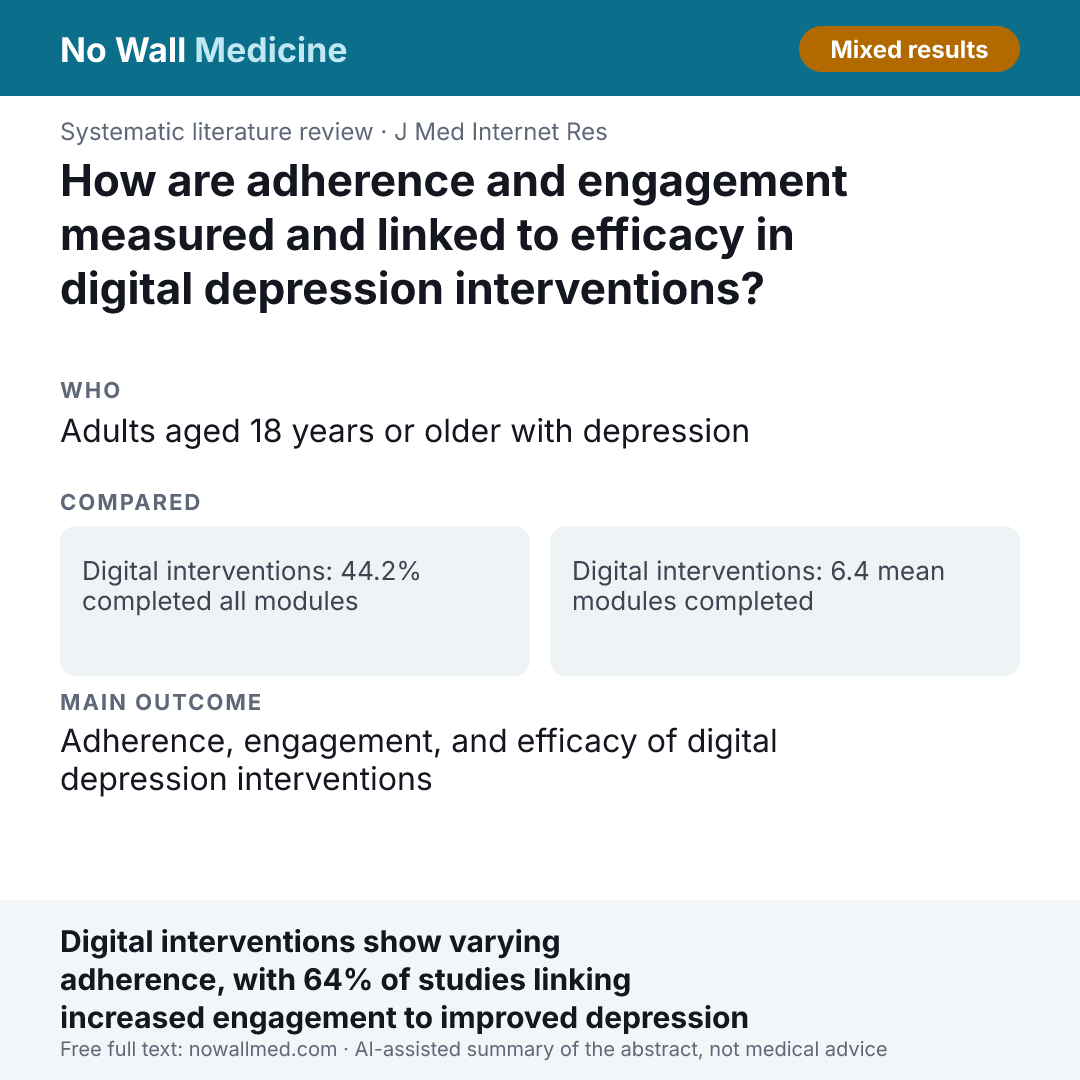
Assessing Patient Adherence to and Engagement With Digital Interventions for Depression in Clinical Trials: Systematic Literature Review
Systematic literature reviewMixed results
How are adherence and engagement measured and linked to efficacy in digital depression interventions?
Who
Adults aged 18 years or older with depression
Compared
Digital interventions: 44.2% completed all modules
Digital interventions: 6.4 mean modules completed
Main outcome
Adherence, engagement, and efficacy of digital depression interventions
Bottom line: Digital interventions show varying adherence, with 64% of studies linking increased engagement to improved depression outcomes.
Limitation: Publication bias may overstate engagement and efficacy, and low participant diversity reduces generalizability.
Funded by: Otsuka Pharmaceutical Development & Commercialization, Inc
J Med Internet Res · 2023-08-11 · Save PNG
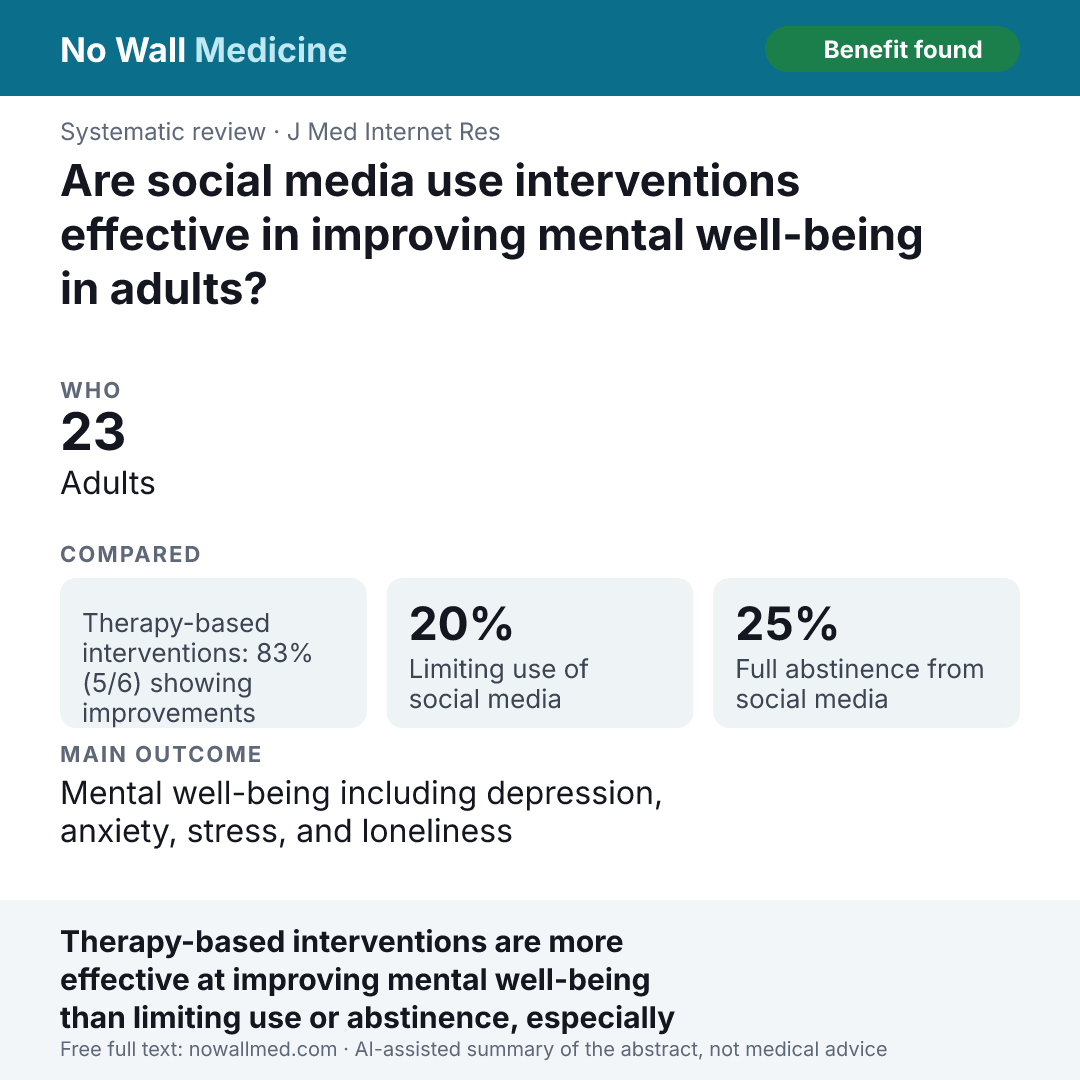
The Impact of Social Media Use Interventions on Mental Well-Being: Systematic Review
Systematic reviewBenefit found
Are social media use interventions effective in improving mental well-being in adults?
Who
23
Adults
Compared
Therapy-based interventions: 83% (5/6) showing improvements
20%Limiting use of social media (1/5)
25%Full abstinence from social media (3/12)
Main outcome
Mental well-being including depression, anxiety, stress, and loneliness
Bottom line: Therapy-based interventions are more effective at improving mental well-being than limiting use or abstinence, especially for depression.
Limitation: Most studies used convenience sampling of university students and had poor quality.
J Med Internet Res · 2023-08-11 · Save PNG
Perspectives of healthcare professionals and older patients on shared decision-making for treatment escalation planning in the acute hospital setting: a systematic review and qualitative thematic synthesis
Systematic review and qualitative thematic synthesisMixed results
What are the perspectives of healthcare professionals and older patients on shared decision-making for treatment escalation planning?
Who
Healthcare professionals and older patients in acute hospital settings · European and North American settings
Compared
Clinicians: treatment escalation is a medical decision
Older patients: interactions with doctors are important but communication is not always easy
Main outcome
Perspectives on shared decision-making for treatment escalation planning
Bottom line: Treatment escalation decisions are clinician-dominated, though communication challenges and complex patient-clinician interactions exist in acute settings.
Funded by: HCA International and the NIHR Imperial Biomedical Research Centre
eClinicalMedicine · 2023-08-10 · Save PNG

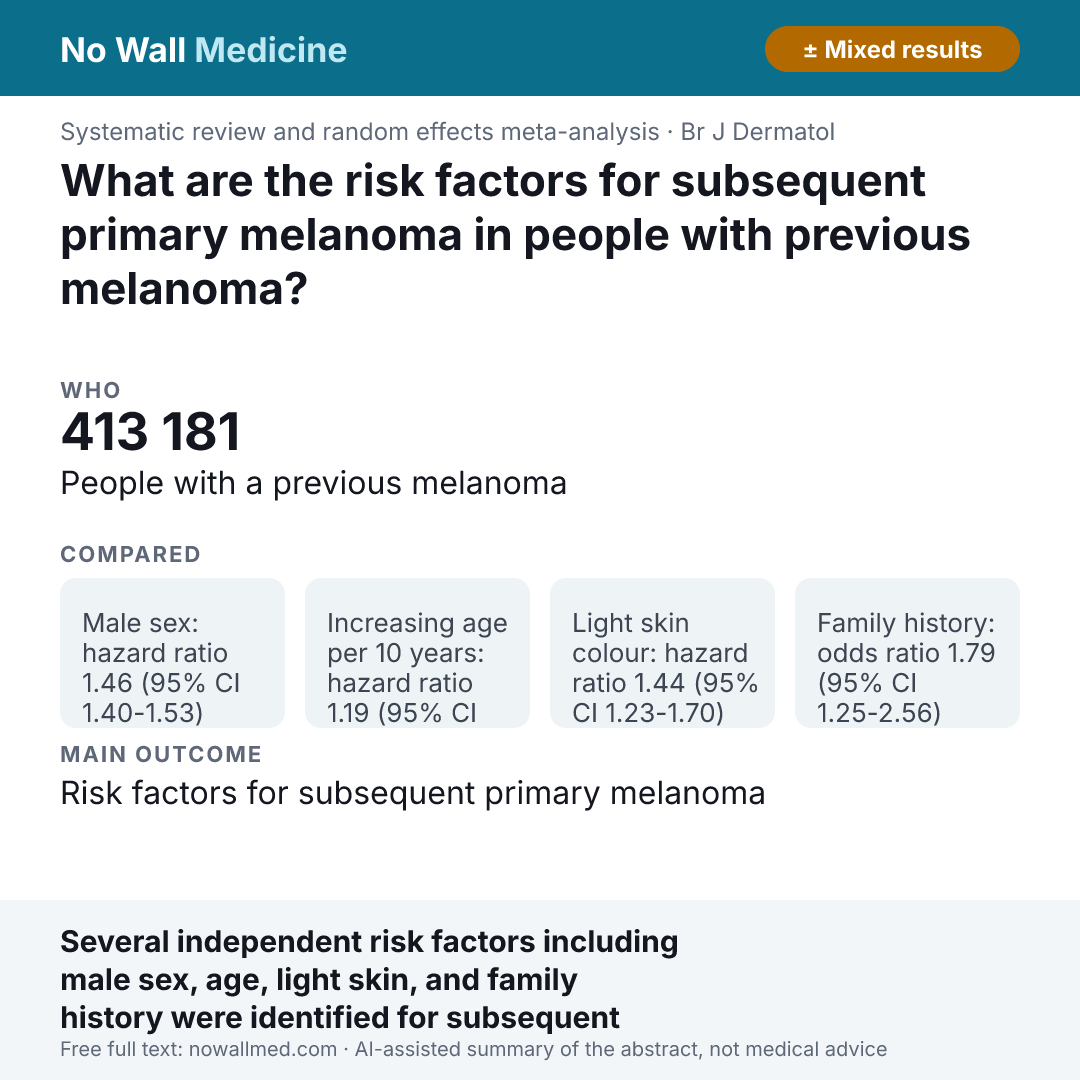
Risk factors for subsequent primary melanoma in patients with previous melanoma: a systematic review and meta-analysis
Systematic review and random effects meta-analysisMixed results
What are the risk factors for subsequent primary melanoma in people with previous melanoma?
Who
413 181
People with a previous melanoma
Compared
Male sex: hazard ratio 1.46 (95% CI 1.40-1.53)
Increasing age per 10 years: hazard ratio 1.19 (95% CI 1.14-1.24)
Light skin colour: hazard ratio 1.44 (95% CI 1.23-1.70)
Family history: odds ratio 1.79 (95% CI 1.25-2.56)
Main outcome
Risk factors for subsequent primary melanoma
Bottom line: Several independent risk factors including male sex, age, light skin, and family history were identified for subsequent melanoma.
Br J Dermatol · 2023-08-10 · Save PNG
A meta-analysis and systematic review of single vs. multimodal neuroimaging techniques in the classification of psychosis
Systematic meta-analysisNo clear difference
Are single or multimodal neuroimaging techniques more effective for classifying psychosis?
Who
People with schizophrenia spectrum disorders and healthy controls
Compared
All neuroimaging modalities: OR 2.64 (95%CI 2.33 to 2.95)
Multimodal vs unimodal approaches: no significant differences
Main outcome
Machine learning classification of schizophrenia spectrum disorders
Result: OR 2.64 (95%CI 2.33 to 2.95)
Bottom line: All neuroimaging modalities reliably differentiate psychosis, but multimodal approaches show no significant advantage over unimodal techniques.
Limitation: Large amounts of heterogeneity and significant signs of bias in funnel plots and Egger's tests.
Mol Psychiatry · 2023-08-10 · Save PNG

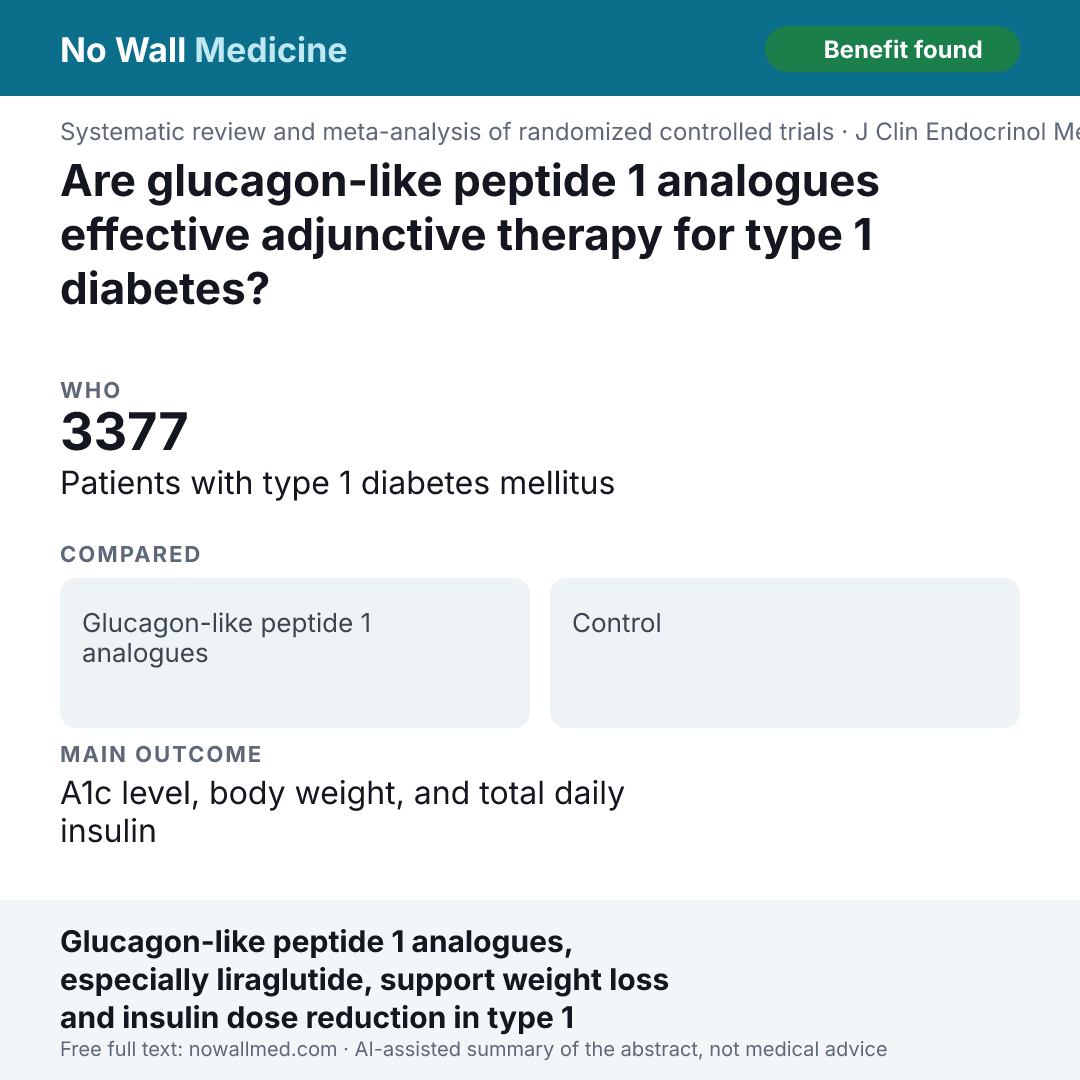
Glucagon-Like Peptide 1 Analogues as Adjunctive Therapy for Patients With Type 1 Diabetes: An Updated Systematic Review and Meta-analysis
Systematic review and meta-analysis of randomized controlled trialsBenefit found
Are glucagon-like peptide 1 analogues effective adjunctive therapy for type 1 diabetes?
Who
3377
Patients with type 1 diabetes mellitus
Compared
Glucagon-like peptide 1 analogues
Control
Main outcome
A1c level, body weight, and total daily insulin
Bottom line: Glucagon-like peptide 1 analogues, especially liraglutide, support weight loss and insulin dose reduction in type 1 diabetes.
Limitation: Exenatide studies had higher risk of bias and sparse safety data.
J Clin Endocrinol Metab · 2023-08-10 · Save PNG
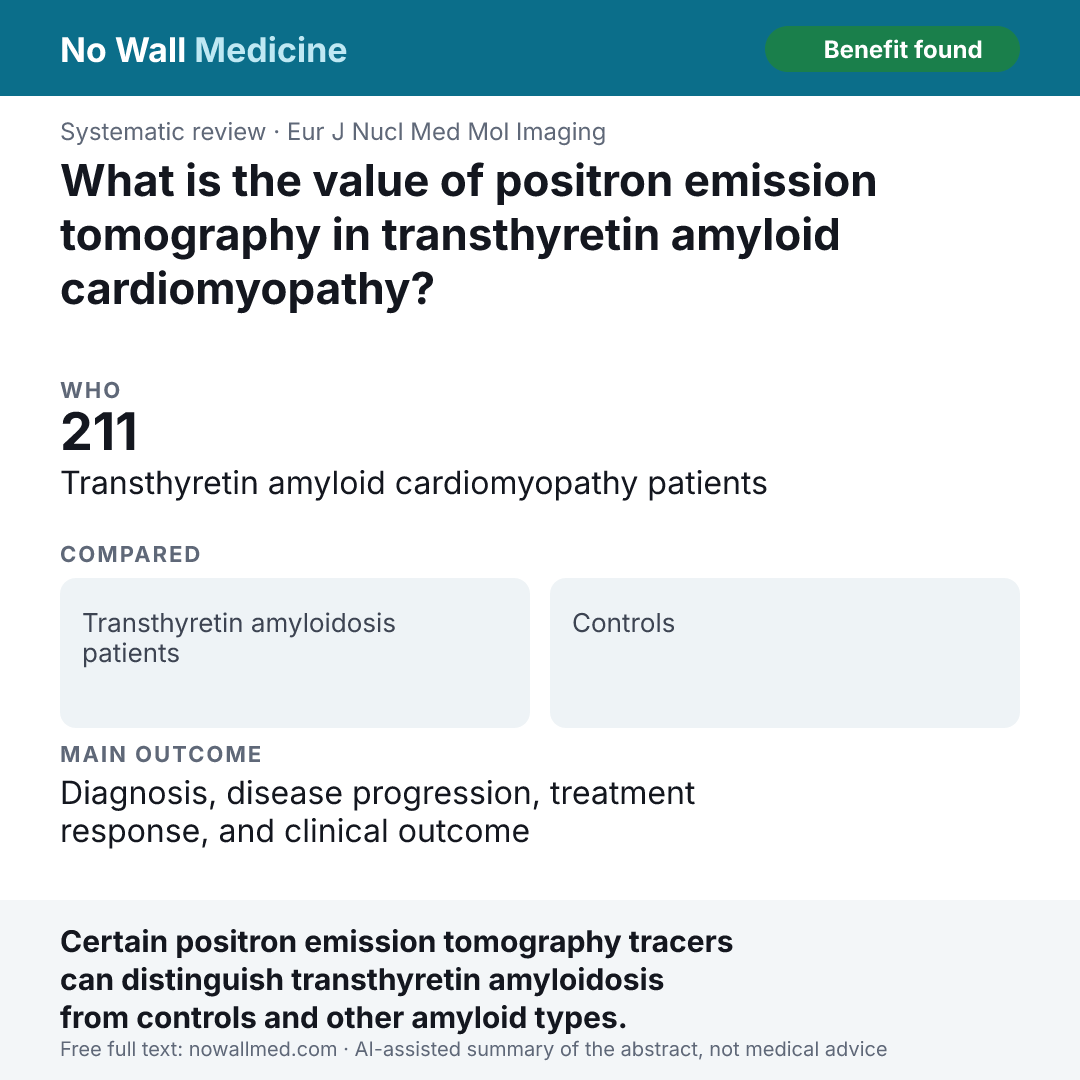
Positron emission tomography in the diagnosis and follow-up of transthyretin amyloid cardiomyopathy patients: A systematic review
Systematic reviewBenefit found
What is the value of positron emission tomography in transthyretin amyloid cardiomyopathy?
Who
211
Transthyretin amyloid cardiomyopathy patients
Compared
Transthyretin amyloidosis patients
Controls
Main outcome
Diagnosis, disease progression, treatment response, and clinical outcome
Bottom line: Certain positron emission tomography tracers can distinguish transthyretin amyloidosis from controls and other amyloid types.
Limitation: No studies on the use of positron emission tomography in follow-up were found.
Eur J Nucl Med Mol Imaging · 2023-08-10 · Save PNG
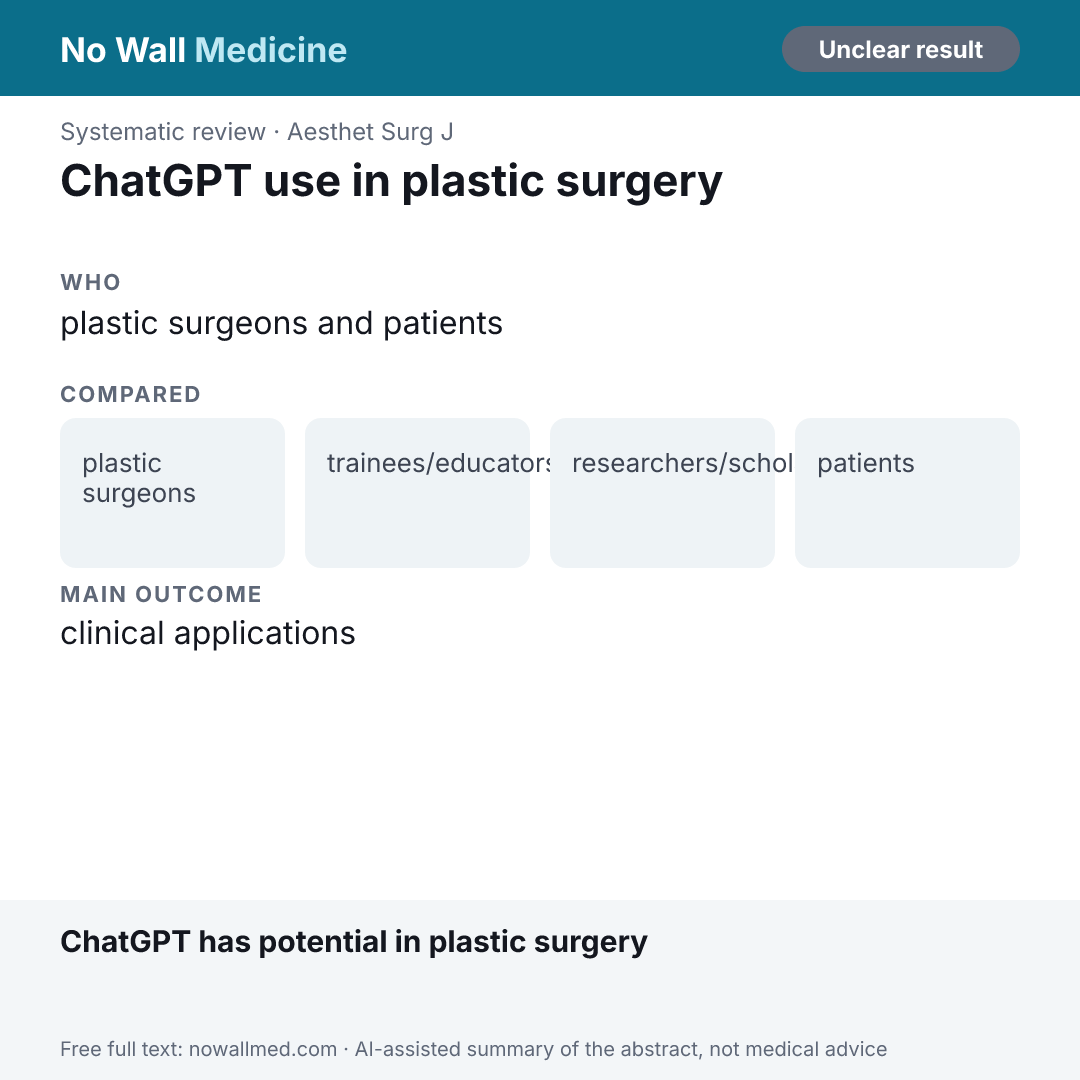
Large Language Models and Artificial Intelligence: A Primer for Plastic Surgeons on the Demonstrated and Potential Applications, Promises, and Limitations of ChatGPT
Systematic reviewUnclear result
ChatGPT use in plastic surgery
Who
plastic surgeons and patients
Compared
plastic surgeons
trainees/educators
researchers/scholars
patients
Main outcome
clinical applications
Bottom line: ChatGPT has potential in plastic surgery
Limitation: training data and ethical considerations
Aesthet Surg J · 2023-08-10 · Save PNG
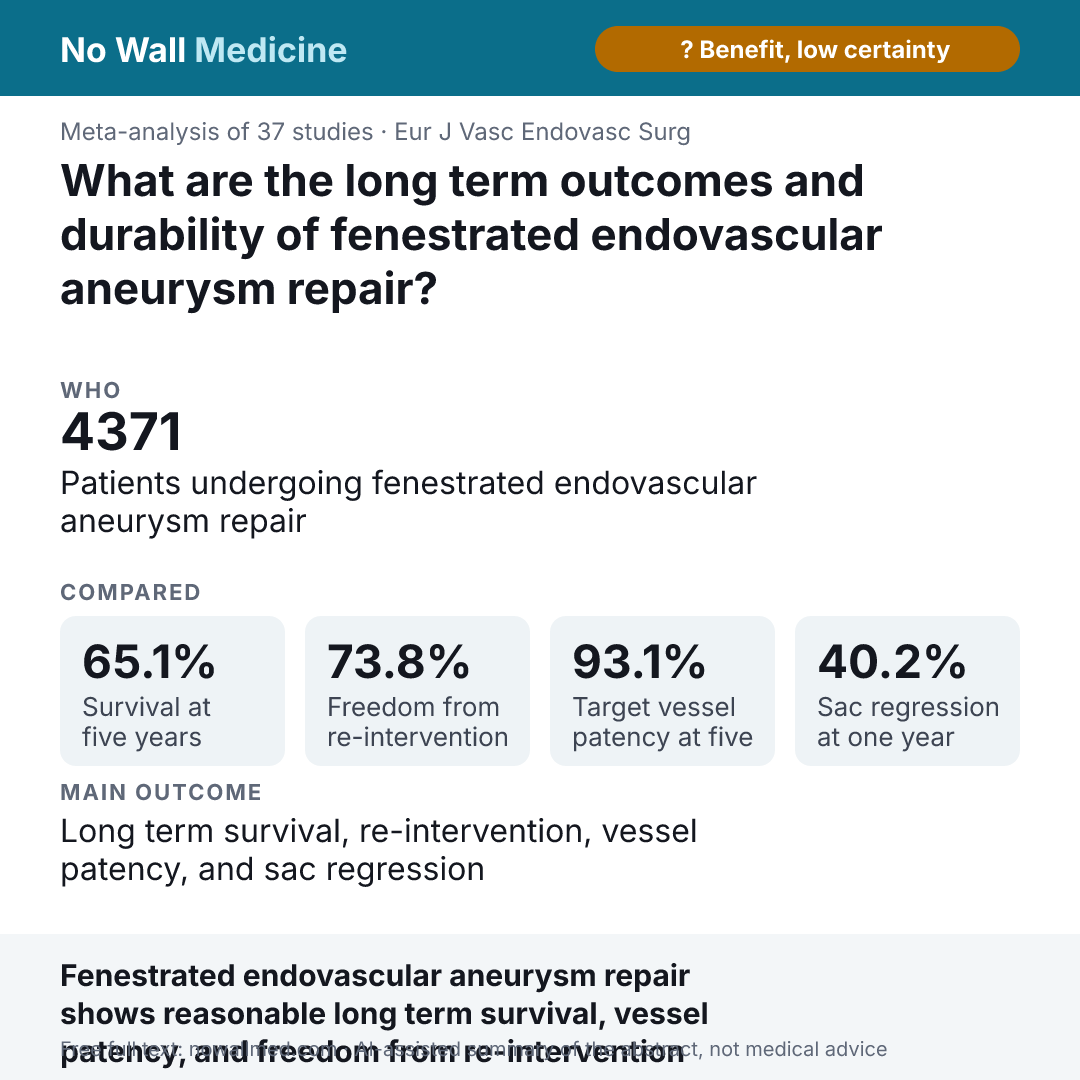
Long Term Outcomes and Durability of Fenestrated Endovascular Aneurysm Repair: A Meta-analysis of Time to Event Data
Meta-analysis of 37 studiesBenefit, low certainty
What are the long term outcomes and durability of fenestrated endovascular aneurysm repair?
Who
4371
Patients undergoing fenestrated endovascular aneurysm repair
Compared
65.1%Survival at five years (95% CI 60.9 - 69.1)
73.8%Freedom from re-intervention at five years (95% CI 67.1 - 79.6)
93.1%Target vessel patency at five years (95% CI 89.3 - 96.0)
40.2%Sac regression at one year (95% CI 28.9 - 52.7)
Main outcome
Long term survival, re-intervention, vessel patency, and sac regression
Bottom line: Fenestrated endovascular aneurysm repair shows reasonable long term survival, vessel patency, and freedom from re-intervention outcomes.
Limitation: Beyond five years there is a lack of data in the literature.
Eur J Vasc Endovasc Surg · 2023-08-10 · Save PNG
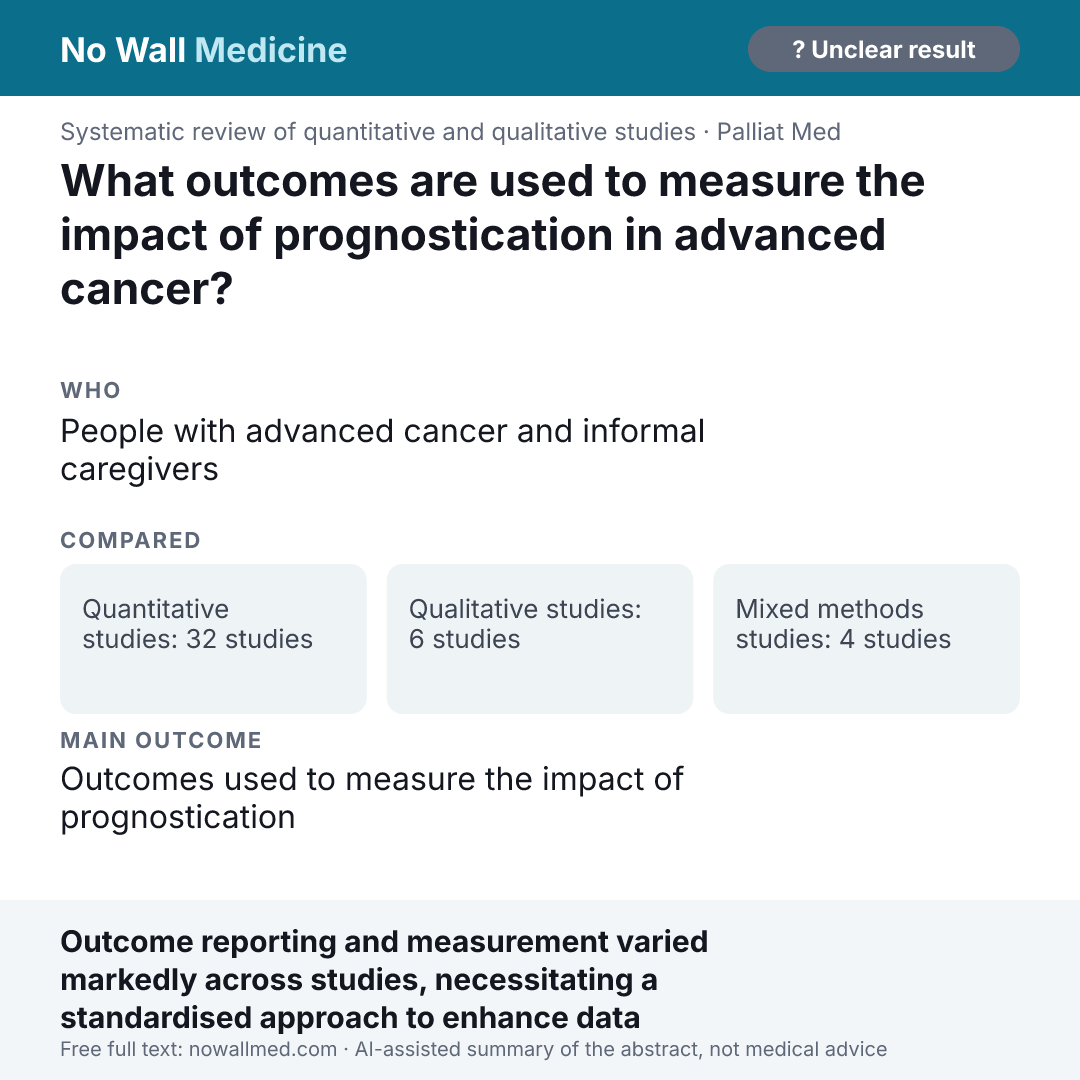
What outcomes do studies use to measure the impact of prognostication on people with advanced cancer? Findings from a systematic review of quantitative and qualitative studies
Systematic review of quantitative and qualitative studiesUnclear result
What outcomes are used to measure the impact of prognostication in advanced cancer?
Who
People with advanced cancer and informal caregivers
Compared
Quantitative studies: 32 studies
Qualitative studies: 6 studies
Mixed methods studies: 4 studies
Main outcome
Outcomes used to measure the impact of prognostication
Bottom line: Outcome reporting and measurement varied markedly across studies, necessitating a standardised approach to enhance data synthesis.
Palliat Med · 2023-08-10 · Save PNG
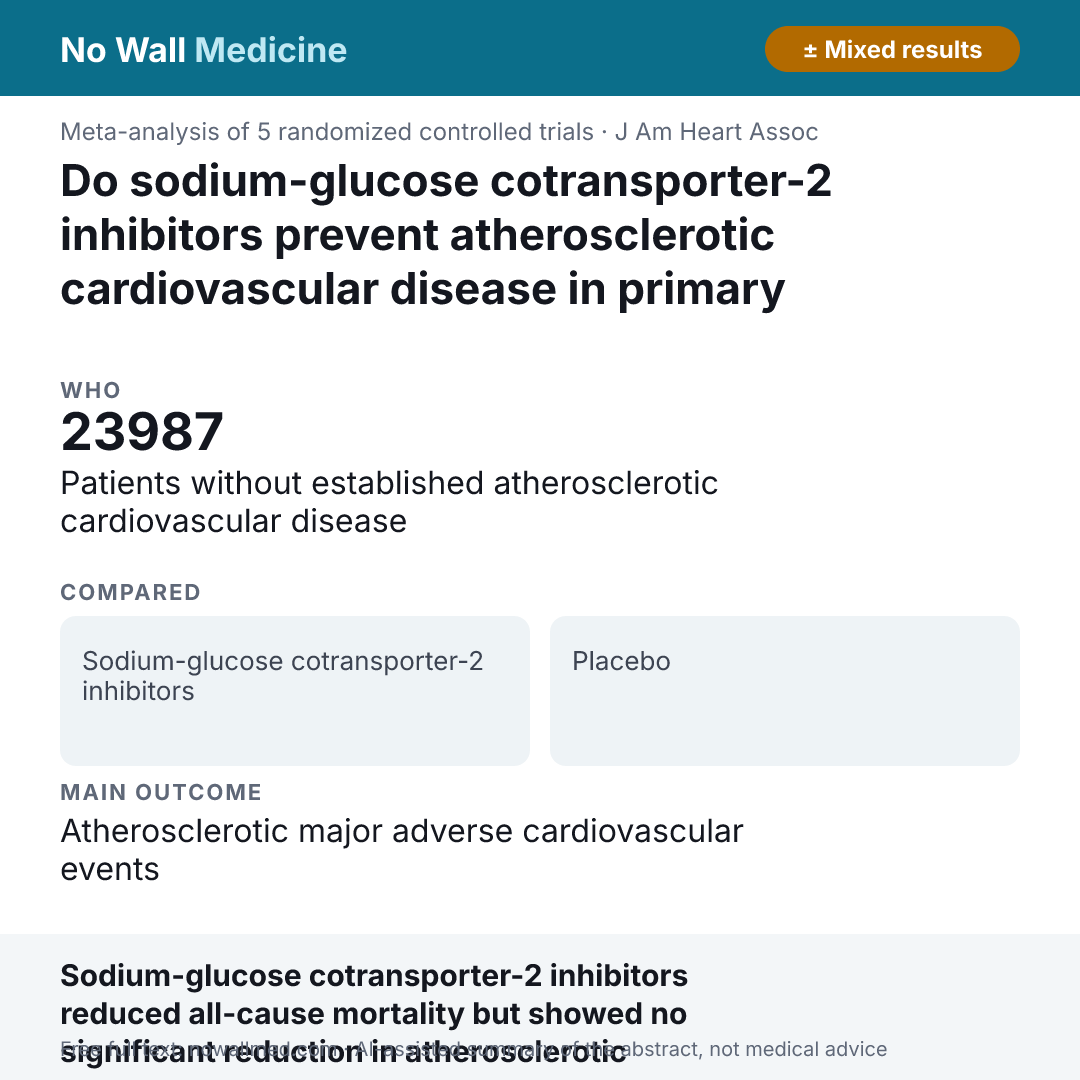
Sodium-Glucose Cotransporter-2 Inhibitors and Primary Prevention of Atherosclerotic Cardiovascular Disease: A Meta-Analysis of Randomized Trials and Systematic Review
Meta-analysis of 5 randomized controlled trialsMixed results
Do sodium-glucose cotransporter-2 inhibitors prevent atherosclerotic cardiovascular disease in primary prevention?
Who
23987
Patients without established atherosclerotic cardiovascular disease
Compared
Sodium-glucose cotransporter-2 inhibitors
Placebo
Main outcome
Atherosclerotic major adverse cardiovascular events
Result: relative risk 0.85 (95% CI 0.71-1.01)
Bottom line: Sodium-glucose cotransporter-2 inhibitors reduced all-cause mortality but showed no significant reduction in atherosclerotic major adverse cardiovascular events overall.
J Am Heart Assoc · 2023-08-10 · Save PNG
Effect of intra-knee injection of autologous adipose stem cells or mesenchymal vascular components on short-term outcomes in patients with knee osteoarthritis: an updated meta-analysis of randomized controlled trials
Meta-analysis of seven randomized controlled trialsBenefit found
Do autologous adipose stem cells or stromal vascular fraction improve knee osteoarthritis outcomes?
Who
Patients with knee osteoarthritis
Compared
Adipose stem cells or stromal vascular fraction
Placebo or hyaluronic acid
Main outcome
Pain relief, function, and cartilage condition
Bottom line: Single or multiple injections of autologous adipose stem cells or stromal vascular fraction improve pain, function, and cartilage.
Arthritis Res Ther · 2023-08-10 · Save PNG