Visual abstracts
New randomized trials and meta-analyses from leading journals at a glance: who was studied, what was compared, and what was found. Every paper is free to read in full.
All specialtiesCardiology 4763Oncology 4043Gastroenterology & Hepatology 1903Infectious Disease 3756Neurology 1872Psychiatry & Mental Health 2216Pulmonology 2044Critical Care 1319Endocrinology & Diabetes 2544Pediatrics 2889Surgery 2480Orthopedics & Sports Medicine 917Neurosurgery 525Cardiothoracic & Vascular Surgery 656Plastic & Reconstructive Surgery 574Nephrology 1107Rheumatology 810Hematology 1090Dermatology 611Ophthalmology 532Obstetrics & Gynecology 1645Public & Global Health 1037Radiology & Imaging 619Anesthesiology 958Urology 745ENT (Otolaryngology) 494Emergency Medicine 481Allergy & Immunology 309Geriatrics 972Family Medicine & Primary Care 534Medical Genetics & Genomics 659Pathology & Laboratory Medicine 156Physical Medicine & Rehabilitation 734Palliative Care 421Nutrition 1560Digital Health & AI 2137General Medicine 318
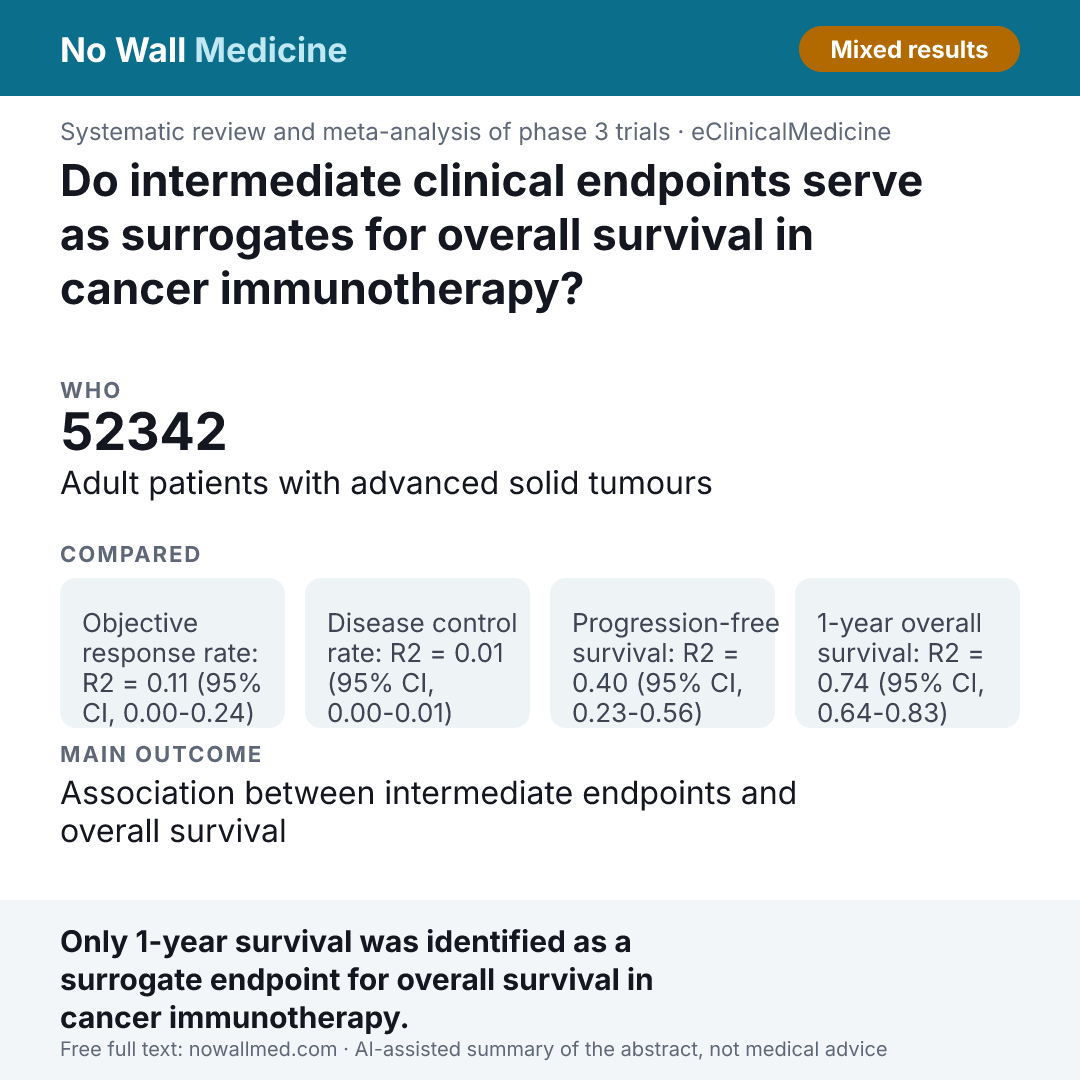
Intermediate endpoints as surrogates for outcomes in cancer immunotherapy: a systematic review and meta-analysis of phase 3 trials
Systematic review and meta-analysis of phase 3 trialsMixed results
Do intermediate clinical endpoints serve as surrogates for overall survival in cancer immunotherapy?
Who
52342
Adult patients with advanced solid tumours
Compared
Objective response rate: R2 = 0.11 (95% CI, 0.00-0.24)
Disease control rate: R2 = 0.01 (95% CI, 0.00-0.01)
Progression-free survival: R2 = 0.40 (95% CI, 0.23-0.56)
1-year overall survival: R2 = 0.74 (95% CI, 0.64-0.83)
Main outcome
Association between intermediate endpoints and overall survival
Result: R2 = 0.74 (95% CI, 0.64-0.83) for 1-year survival
Bottom line: Only 1-year survival was identified as a surrogate endpoint for overall survival in cancer immunotherapy.
Limitation: Ongoing investigations are needed to identify more robust potential surrogate markers.
eClinicalMedicine · 2023-08-09 · Save PNG
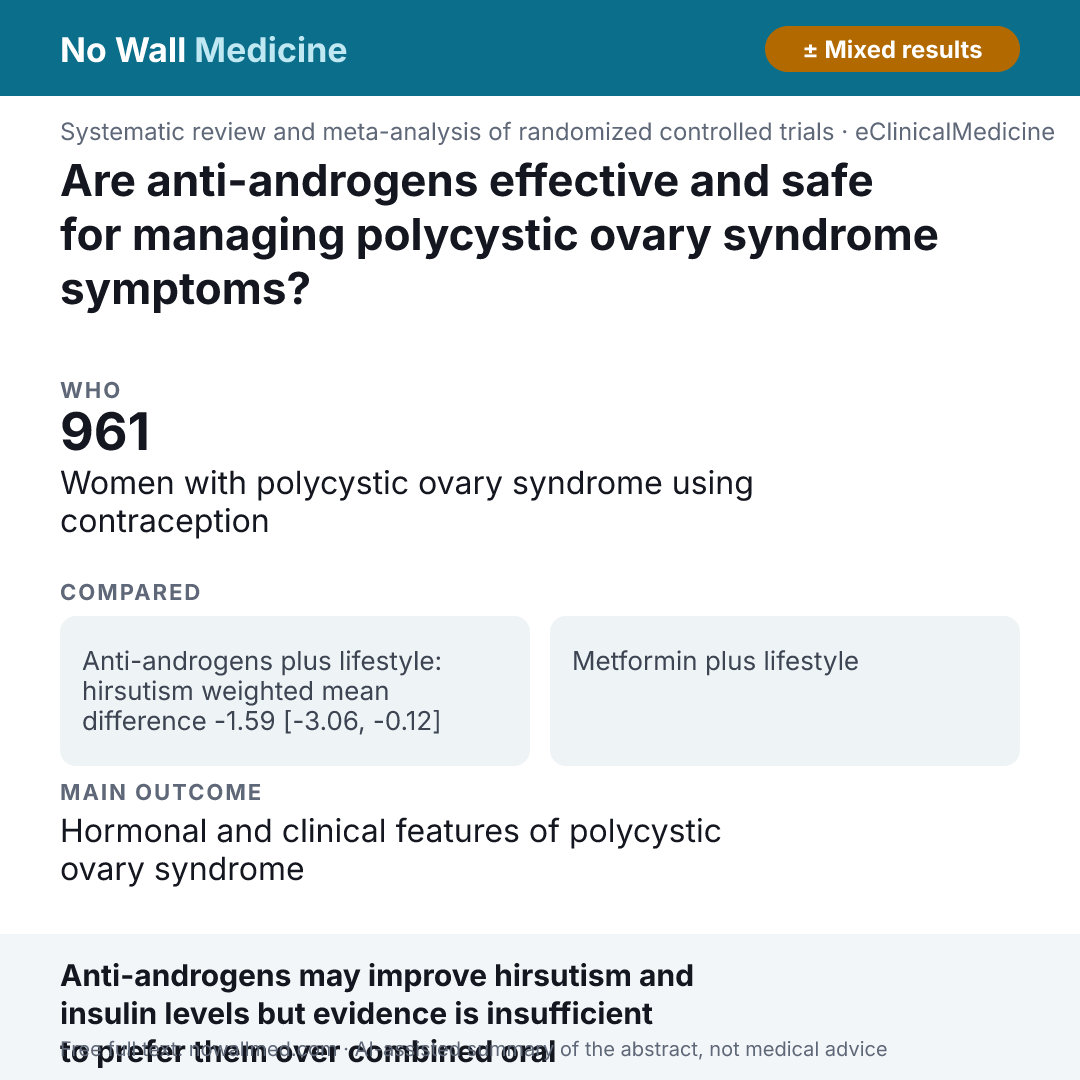
Efficacy and safety of anti-androgens in the management of polycystic ovary syndrome: a systematic review and meta-analysis of randomised controlled trials
Systematic review and meta-analysis of randomized controlled trialsMixed results
Are anti-androgens effective and safe for managing polycystic ovary syndrome symptoms?
Who
961
Women with polycystic ovary syndrome using contraception
Compared
Anti-androgens plus lifestyle: hirsutism weighted mean difference -1.59 [-3.06, -0.12]
Metformin plus lifestyle
Main outcome
Hormonal and clinical features of polycystic ovary syndrome
Result: weighted mean difference -1.59 (95% CI -3.06 to -0.12) for hirsutism
Bottom line: Anti-androgens may improve hirsutism and insulin levels but evidence is insufficient to prefer them over combined oral contraceptive pills.
Limitation: Seven studies had a high risk of bias, nine moderate and four low.
Funded by: National Health and Medical Research Council of Australia Monash University
eClinicalMedicine · 2023-08-09 · Save PNG
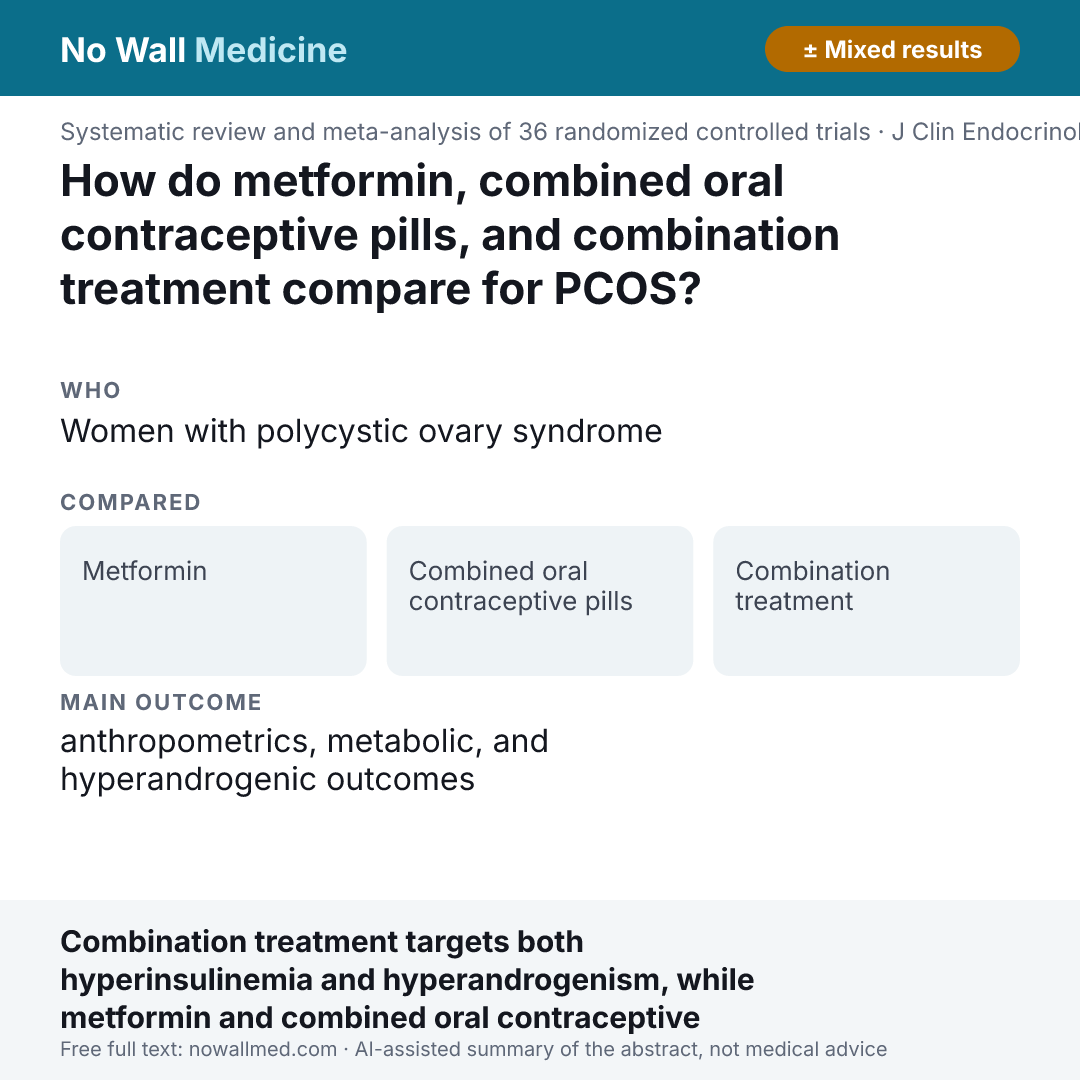
Metformin and Combined Oral Contraceptive Pills in the Management of Polycystic Ovary Syndrome: A Systematic Review and Meta-analysis
Systematic review and meta-analysis of 36 randomized controlled trialsMixed results
How do metformin, combined oral contraceptive pills, and combination treatment compare for PCOS?
Who
Women with polycystic ovary syndrome
Compared
Metformin
Combined oral contraceptive pills
Combination treatment
Main outcome
anthropometrics, metabolic, and hyperandrogenic outcomes
Bottom line: Combination treatment targets both hyperinsulinemia and hyperandrogenism, while metformin and combined oral contraceptive pills have different biochemical benefits.
J Clin Endocrinol Metab · 2023-08-09 · Save PNG
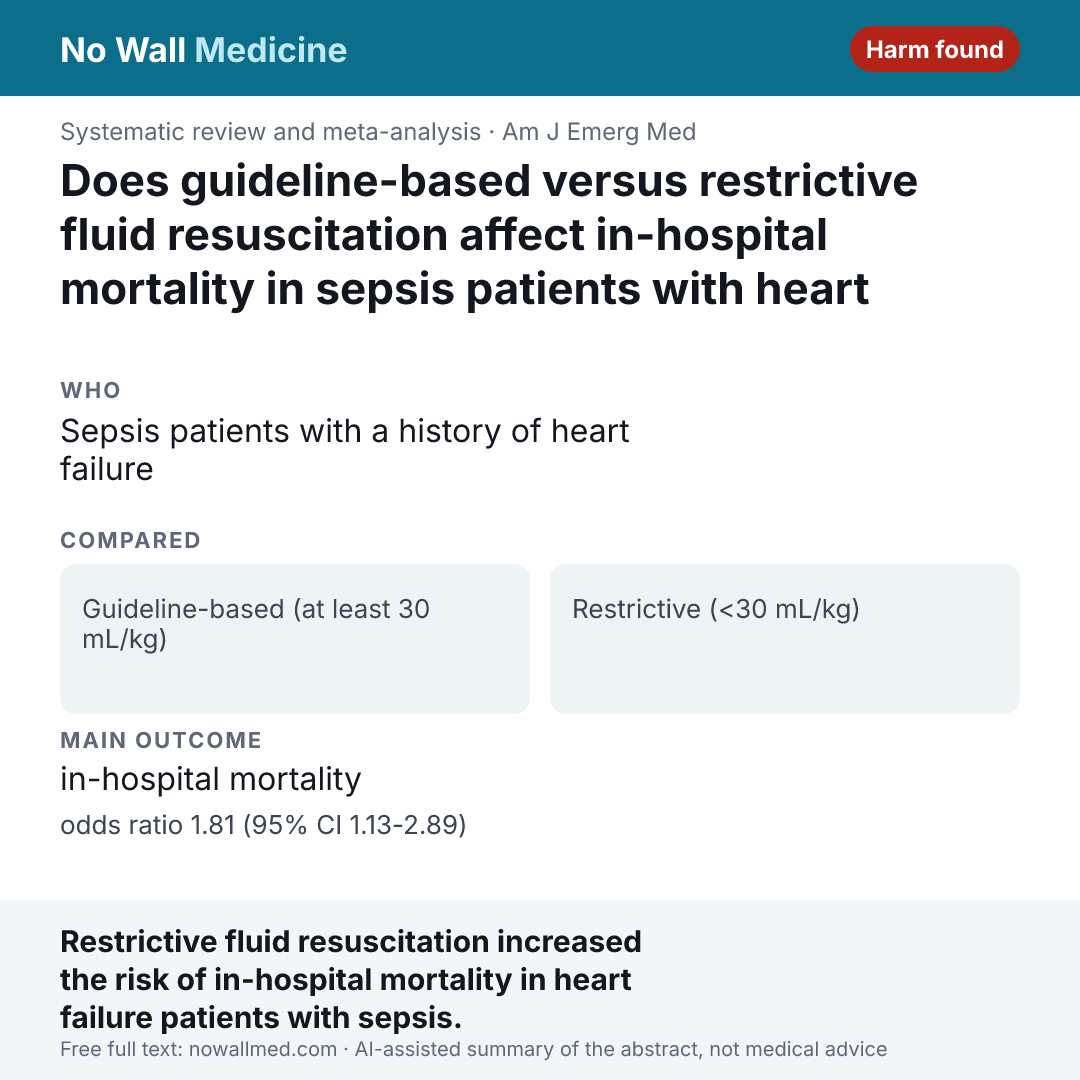
Guideline-based and restricted fluid resuscitation strategy in sepsis patients with heart failure: A systematic review and meta-analysis
Systematic review and meta-analysisHarm found
Does guideline-based versus restrictive fluid resuscitation affect in-hospital mortality in sepsis patients with heart failure?
Who
Sepsis patients with a history of heart failure
Compared
Guideline-based (at least 30 mL/kg)
Restrictive (<30 mL/kg)
Main outcome
in-hospital mortality
Result: odds ratio 1.81 (95% CI 1.13-2.89)
Bottom line: Restrictive fluid resuscitation increased the risk of in-hospital mortality in heart failure patients with sepsis.
Limitation: More rigorous research is required to determine the optimal fluid resuscitation strategy.
Am J Emerg Med · 2023-08-09 · Save PNG
Safety of Supplementation of Omega-3 Polyunsaturated Fatty Acids: A Systematic Review and Meta-Analysis of Randomized Controlled Trials
Systematic review and meta-analysis of randomized controlled trialsMixed results
Are omega-3 polyunsaturated fatty acids safe and tolerable in human subjects?
Who
Human subjects receiving omega-3 polyunsaturated fatty acids
Compared
omega-3 polyunsaturated fatty acids: higher odds of diarrhea, dysgeusia, and bleeding tendency
placebo or standard treatment
Main outcome
adverse effects related to omega-3 polyunsaturated fatty acid prescription
Result: diarrhea OR 1.257, dysgeusia OR 3.478, bleeding tendency OR 1.260
Bottom line: Omega-3 supplementation increases odds of diarrhea, dysgeusia, and bleeding but decreases back pain, with no serious adverse events reported.
Adv Nutr · 2023-08-09 · Save PNG

Delabeling, safety, and impact of β-lactam allergy testing: A systematic review
Systematic reviewBenefit found
What is the effectiveness, safety, and impact of beta-lactam allergy testing and delabeling?
Who
98,316
Individuals undergoing beta-lactam allergy testing and delabeling
Compared
Provocation testing: 95.6% delabeled
No skin testing before challenge: 15.9% anaphylaxis
Skin testing before challenge: 2.7% anaphylaxis
Main outcome
Delabeling success, safety, and adherence to prescribing recommendations
Bottom line: Penicillin allergy testing is safe and effective for delabeling most individuals, though adherence to new prescribing habits varies.
JACI Glob · 2023-08-09 · Save PNG

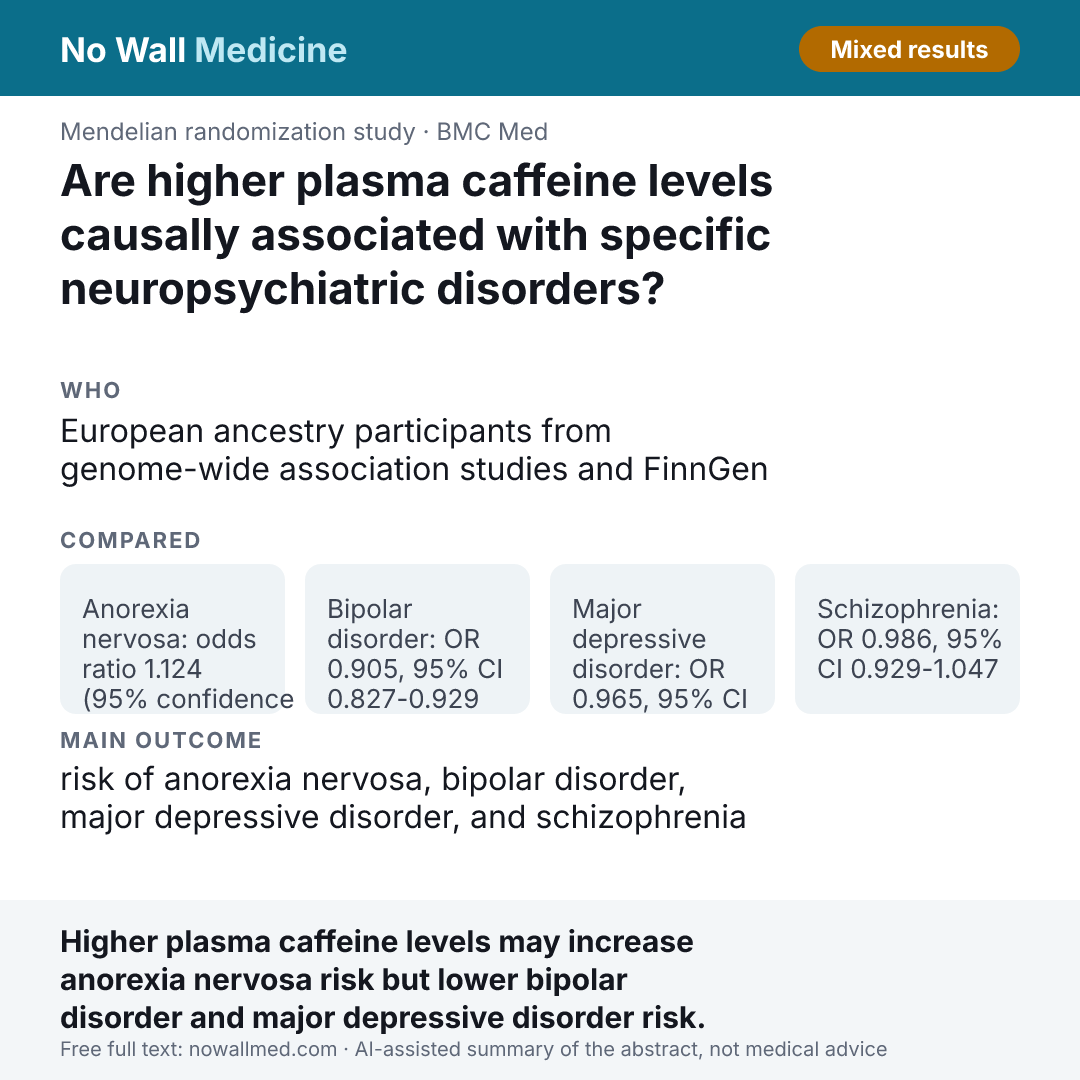
Appraising the causal relationship between plasma caffeine levels and neuropsychiatric disorders through Mendelian randomization
Mendelian randomization studyMixed results
Are higher plasma caffeine levels causally associated with specific neuropsychiatric disorders?
Who
European ancestry participants from genome-wide association studies and FinnGen
Compared
Anorexia nervosa: odds ratio 1.124 (95% confidence interval 1.024-1.238)
Bipolar disorder: OR 0.905, 95% CI 0.827-0.929
Major depressive disorder: OR 0.965, 95% CI 0.937-0.995
Schizophrenia: OR 0.986, 95% CI 0.929-1.047
Main outcome
risk of anorexia nervosa, bipolar disorder, major depressive disorder, and schizophrenia
Bottom line: Higher plasma caffeine levels may increase anorexia nervosa risk but lower bipolar disorder and major depressive disorder risk.
BMC Med · 2023-08-08 · Save PNG
Systematic Reviews and Meta-analyses of the Procedure-specific Risks of Thrombosis and Bleeding in General Abdominal, Colorectal, Upper Gastrointestinal, and Hepatopancreatobiliary Surgery
Meta-analysis of 285 observational studiesMixed results
What are the procedure-specific risks of venous thromboembolism and major bleeding after abdominal surgery?
Who
8,048,635
Patients undergoing abdominal, colorectal, upper gastrointestinal, and hepatopancreatobiliary surgery
Compared
General abdominal surgery: median <0.1% to 3.7%
Colorectal surgery: 0.3% to 10.0%
Upper gastrointestinal/hepatopancreatobiliary surgery: 0.2% to 6.8%
Main outcome
Symptomatic venous thromboembolism and major bleeding at 4 weeks
Bottom line: Risks vary by procedure, meaning thromboprophylaxis benefit depends on individual procedure-specific risks and patient preferences.
Ann Surg · 2023-08-08 · Save PNG

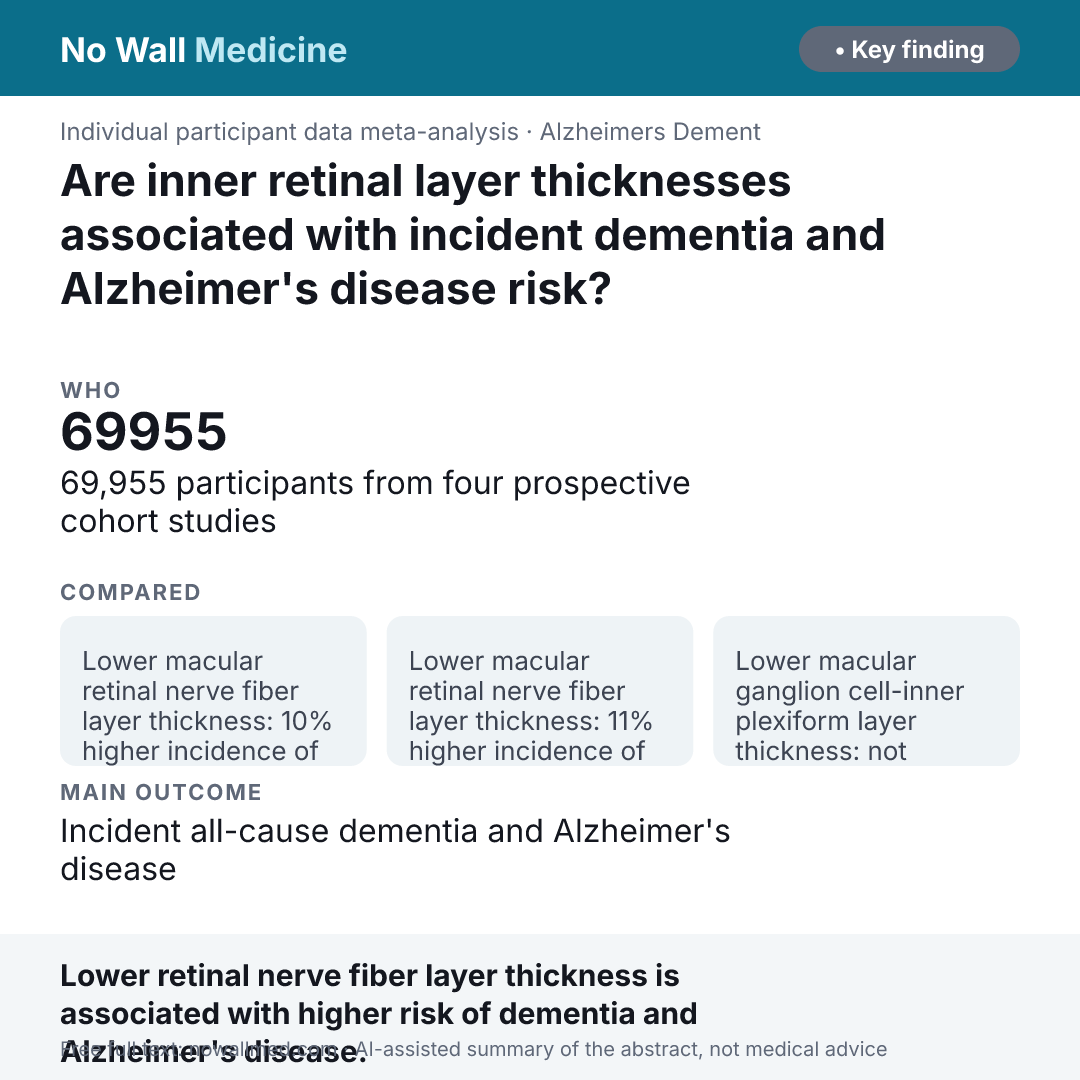
Associations of inner retinal layers with risk of incident dementia: An individual participant data analysis of four prospective cohort studies
Individual participant data meta-analysisKey finding
Are inner retinal layer thicknesses associated with incident dementia and Alzheimer's disease risk?
Who
69955
69,955 participants from four prospective cohort studies
Compared
Lower macular retinal nerve fiber layer thickness: 10% higher incidence of all-cause dementia
Lower macular retinal nerve fiber layer thickness: 11% higher incidence of Alzheimer's disease
Lower macular ganglion cell-inner plexiform layer thickness: not significantly associated
Main outcome
Incident all-cause dementia and Alzheimer's disease
Bottom line: Lower retinal nerve fiber layer thickness is associated with higher risk of dementia and Alzheimer's disease.
Alzheimers Dement · 2023-08-08 · Save PNG
The Weight-loss Effect of GLP-1RAs Glucagon-Like Peptide-1 Receptor Agonists in Non-diabetic Individuals with Overweight or Obesity: A Systematic Review with Meta-Analysis and Trial Sequential Analysis of Randomized Controlled Trials
Systematic review and meta-analysisBenefit found
What are the weight-loss effects of glucagon-like peptide-1 receptor agonists in non-diabetic individuals?
Who
15135
Patients with overweight or obesity without diabetes
Compared
Glucagon-like peptide-1 receptor agonists: MD -5.319 kg
Controls
Main outcome
Body weight, body mass index, waist circumference, waist-to-hip ratio, total body fat
Result: MD -5.319 kg (95% CI: -6.465, -4.174)
Bottom line: Glucagon-like peptide-1 receptor agonists provide conclusive evidence for weight loss in patients with overweight or obesity without diabetes.
Am J Clin Nutr · 2023-08-08 · Save PNG

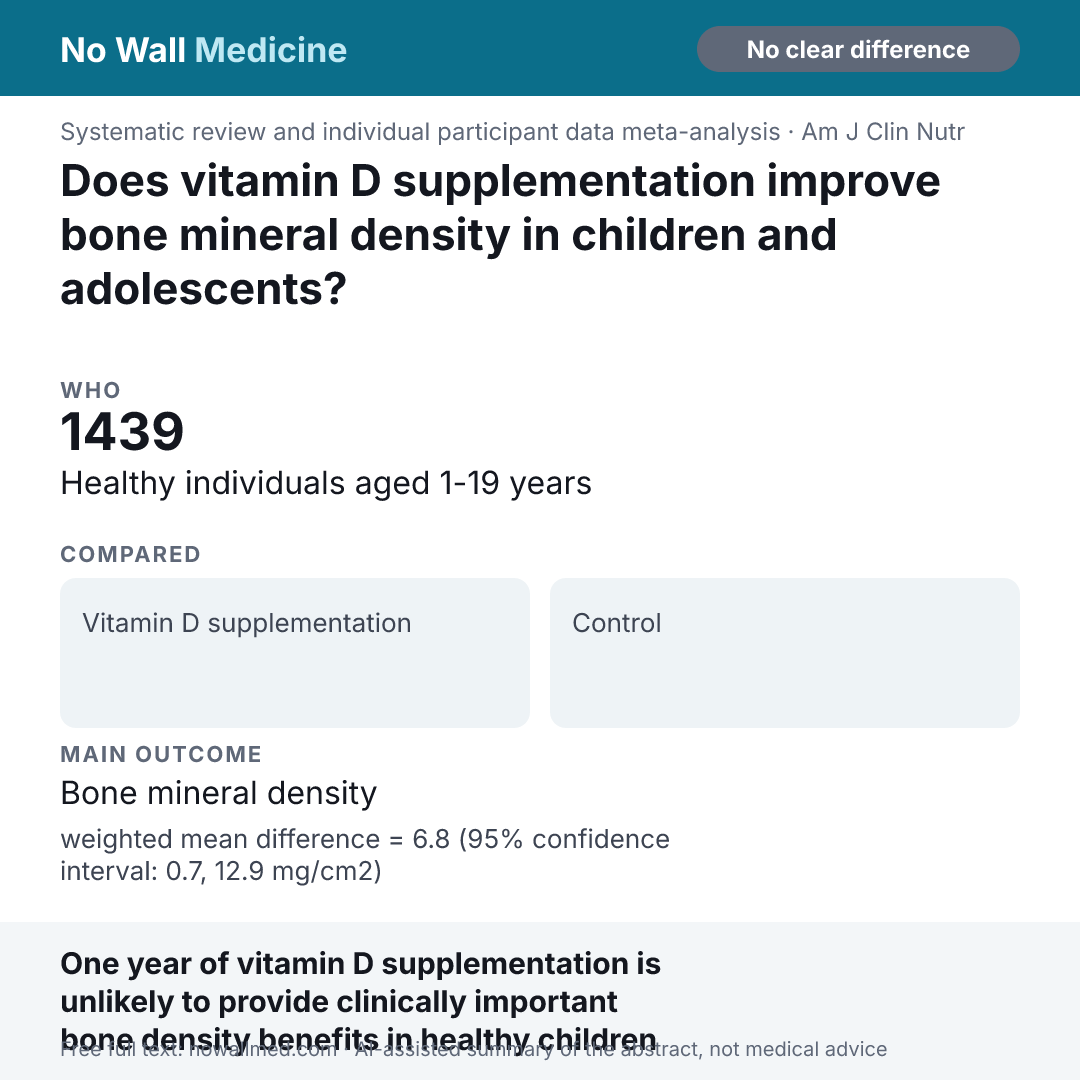
Vitamin D supplementation for improving bone density in vitamin D-deficient children and adolescents: systematic review and individual participant data meta-analysis of randomized controlled trials
Systematic review and individual participant data meta-analysisNo clear difference
Does vitamin D supplementation improve bone mineral density in children and adolescents?
Who
1439
Healthy individuals aged 1-19 years
Compared
Vitamin D supplementation
Control
Main outcome
Bone mineral density
Result: weighted mean difference = 6.8 (95% confidence interval: 0.7, 12.9 mg/cm2)
Bottom line: One year of vitamin D supplementation is unlikely to provide clinically important bone density benefits in healthy children and adolescents.
Limitation: Findings are mostly generalizable to White postpubertal girls and may not apply to symptomatic vitamin D deficiency.
Am J Clin Nutr · 2023-08-08 · Save PNG
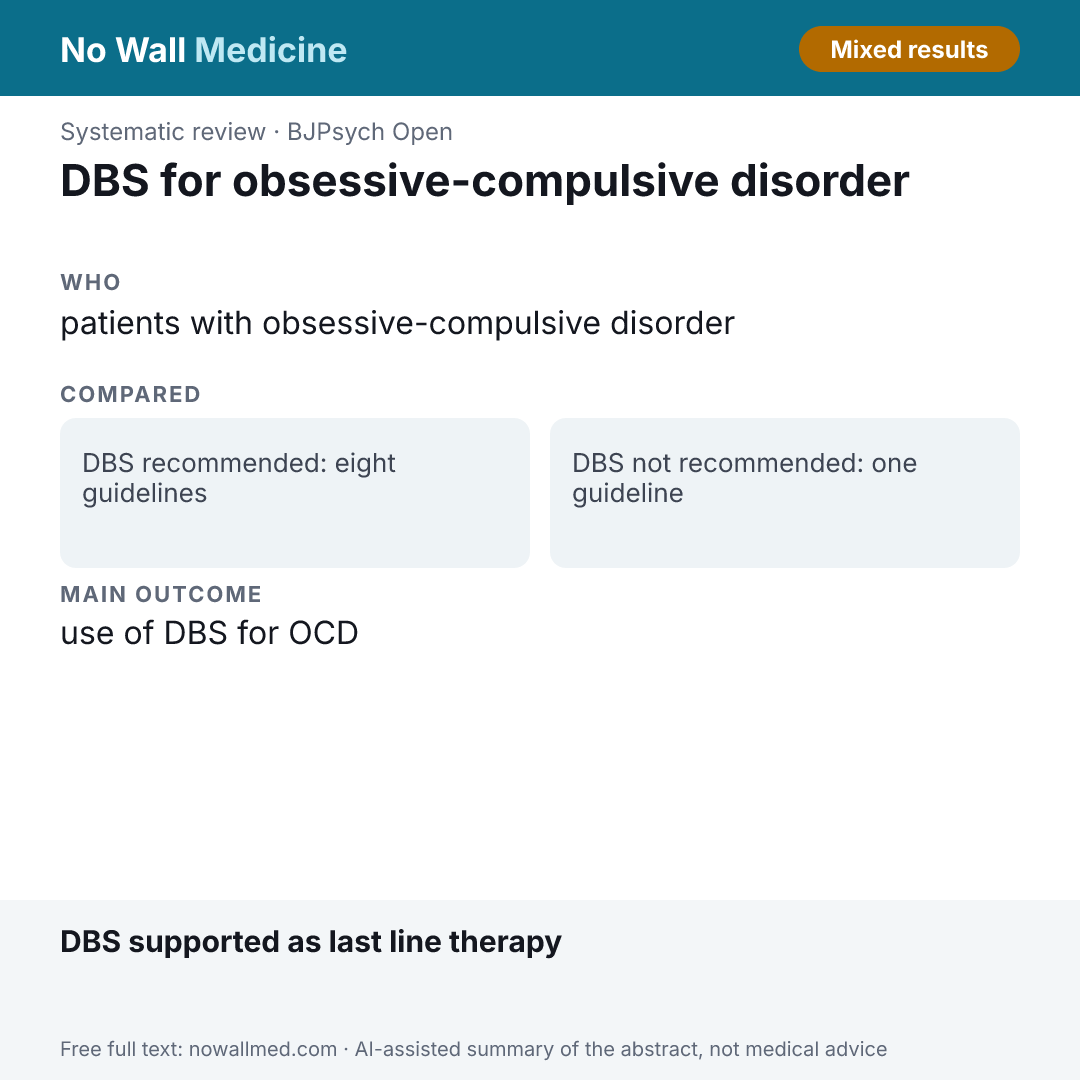
Clinical practice guidelines on the use of deep brain stimulation for the treatment of obsessive-compulsive disorder: systematic review
Systematic reviewMixed results
DBS for obsessive-compulsive disorder
Who
patients with obsessive-compulsive disorder
Compared
DBS recommended: eight guidelines
DBS not recommended: one guideline
Main outcome
use of DBS for OCD
Bottom line: DBS supported as last line therapy
Limitation: limited evidence base
BJPsych Open · 2023-08-08 · Save PNG
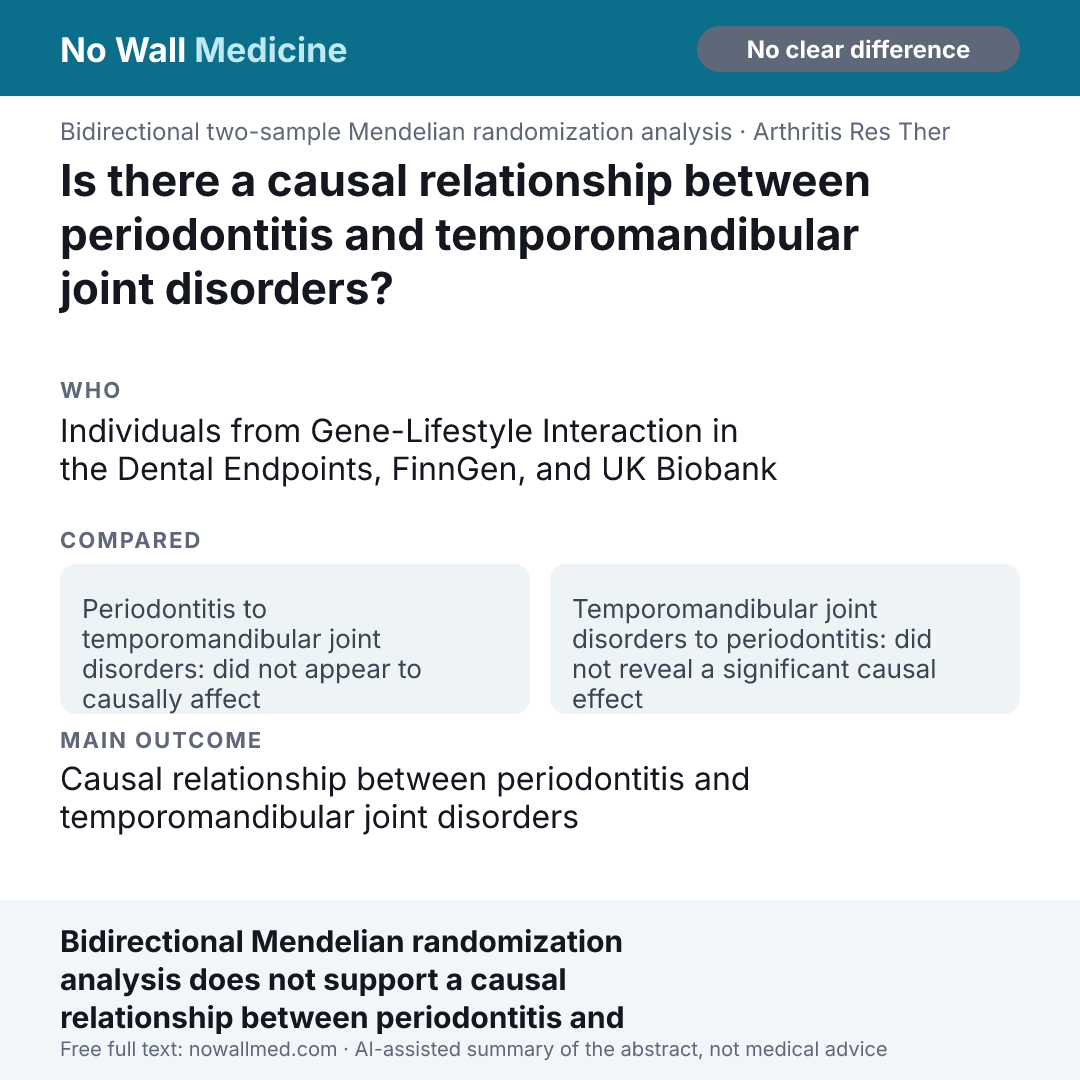
Association between periodontitis and temporomandibular joint disorders
Bidirectional two-sample Mendelian randomization analysisNo clear difference
Is there a causal relationship between periodontitis and temporomandibular joint disorders?
Who
Individuals from Gene-Lifestyle Interaction in the Dental Endpoints, FinnGen, and UK Biobank
Compared
Periodontitis to temporomandibular joint disorders: did not appear to causally affect
Temporomandibular joint disorders to periodontitis: did not reveal a significant causal effect
Main outcome
Causal relationship between periodontitis and temporomandibular joint disorders
Bottom line: Bidirectional Mendelian randomization analysis does not support a causal relationship between periodontitis and temporomandibular joint disorders.
Arthritis Res Ther · 2023-08-08 · Save PNG
Cluster Headache Genomewide Association Study and Meta-Analysis Identifies Eight Loci and Implicates Smoking as Causal Risk Factor
Genomewide association study meta-analysisKey finding
What are the genetic risk variants and biological insights for cluster headache?
Who
4,777 cases and 21,729 controls · 10 European and 1 East Asian cohorts
Compared
Cases
Controls
Main outcome
Identification of genetic risk variants and biological insights
Bottom line: Meta-analysis identified eight loci and indicated that cigarette smoking is a causal risk factor for cluster headache.
Ann Neurol · 2023-08-07 · Save PNG

Temperature control after adult cardiac arrest: An updated systematic review and meta-analysis
Systematic review and meta-analysisNo clear difference
Does temperature control at 32-34 °C improve outcomes in adult cardiac arrest patients?
Who
Adult patients with cardiac arrest
Compared
Target 32-34 °C
Normothermia or 36 °C
Main outcome
Survival and favorable neurological outcome at 90-180 days
Result: risk ratio 1.06 (95%CI: 0.91, 1.23) for survival; risk ratio 1.27 (95%CI: 0.89, 1.81) for neurological outcome
Bottom line: Temperature control at 32-34 °C showed no benefit for survival or neurological outcomes compared to normothermia or 36 °C.
Limitation: Low certainty evidence and knowledge gaps exist regarding temperature targets, rewarming rates, and fever control.
Resuscitation · 2023-08-07 · Save PNG

Effects of interventions on depression and anxiety in older people with physical health problems in the criminal justice system: a systematic review
Systematic reviewUnclear result
Interventions for depression and anxiety
Who
Older people in criminal justice system · Prisons
Compared
Interventions
No intervention
Main outcome
Depression and anxiety
Bottom line: No targeted interventions found
Lancet Healthy Longev · 2023-08-06 · Save PNG

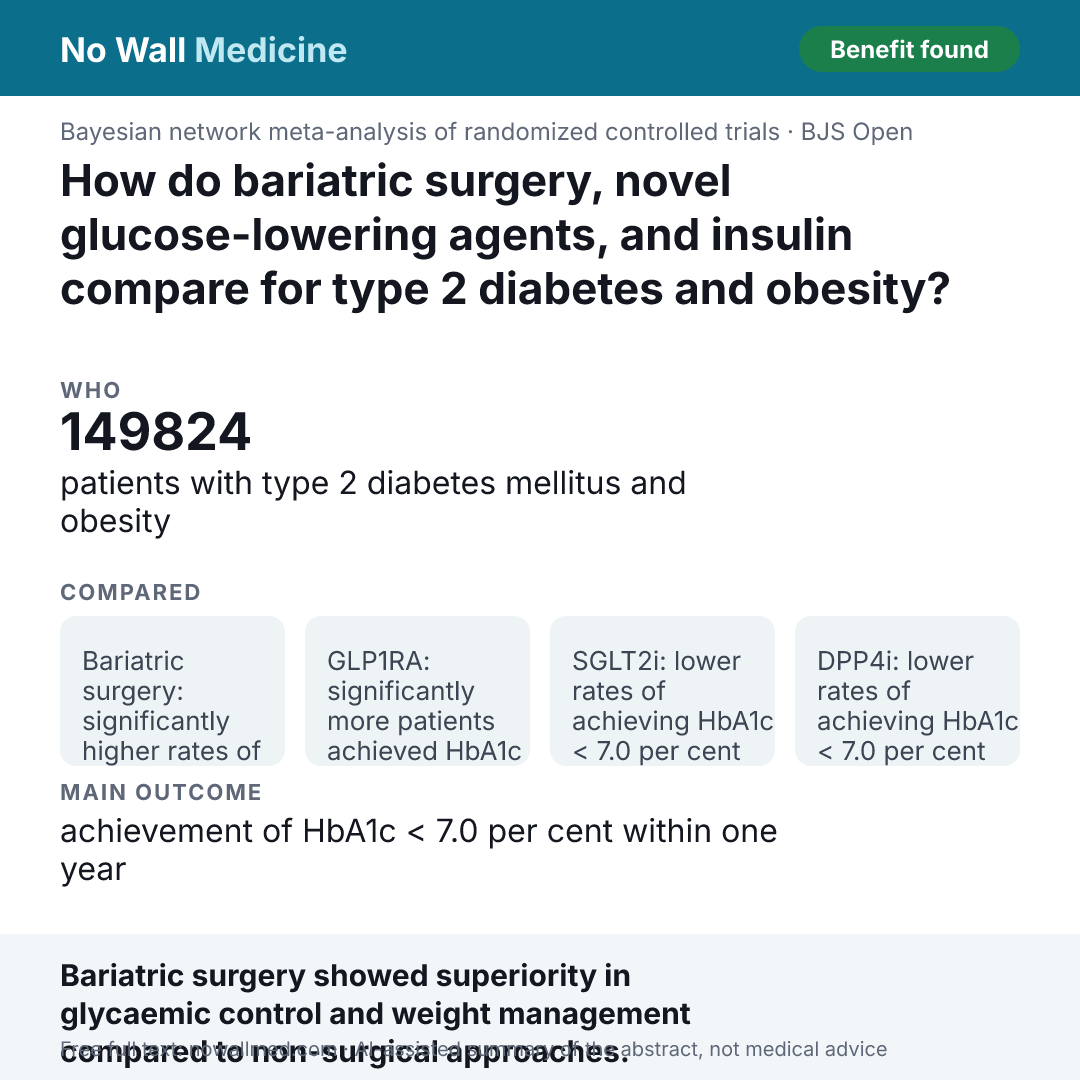
Bariatric surgery, novel glucose-lowering agents, and insulin for type 2 diabetes and obesity: Bayesian network meta-analysis of randomized controlled trials
Bayesian network meta-analysis of randomized controlled trialsBenefit found
How do bariatric surgery, novel glucose-lowering agents, and insulin compare for type 2 diabetes and obesity?
Who
149824
patients with type 2 diabetes mellitus and obesity
Compared
Bariatric surgery: significantly higher rates of achieving HbA1c < 7.0 per cent
GLP1RA: significantly more patients achieved HbA1c < 7.0 per cent
SGLT2i: lower rates of achieving HbA1c < 7.0 per cent
DPP4i: lower rates of achieving HbA1c < 7.0 per cent
Main outcome
achievement of HbA1c < 7.0 per cent within one year
Bottom line: Bariatric surgery showed superiority in glycaemic control and weight management compared to non-surgical approaches.
BJS Open · 2023-08-06 · Save PNG
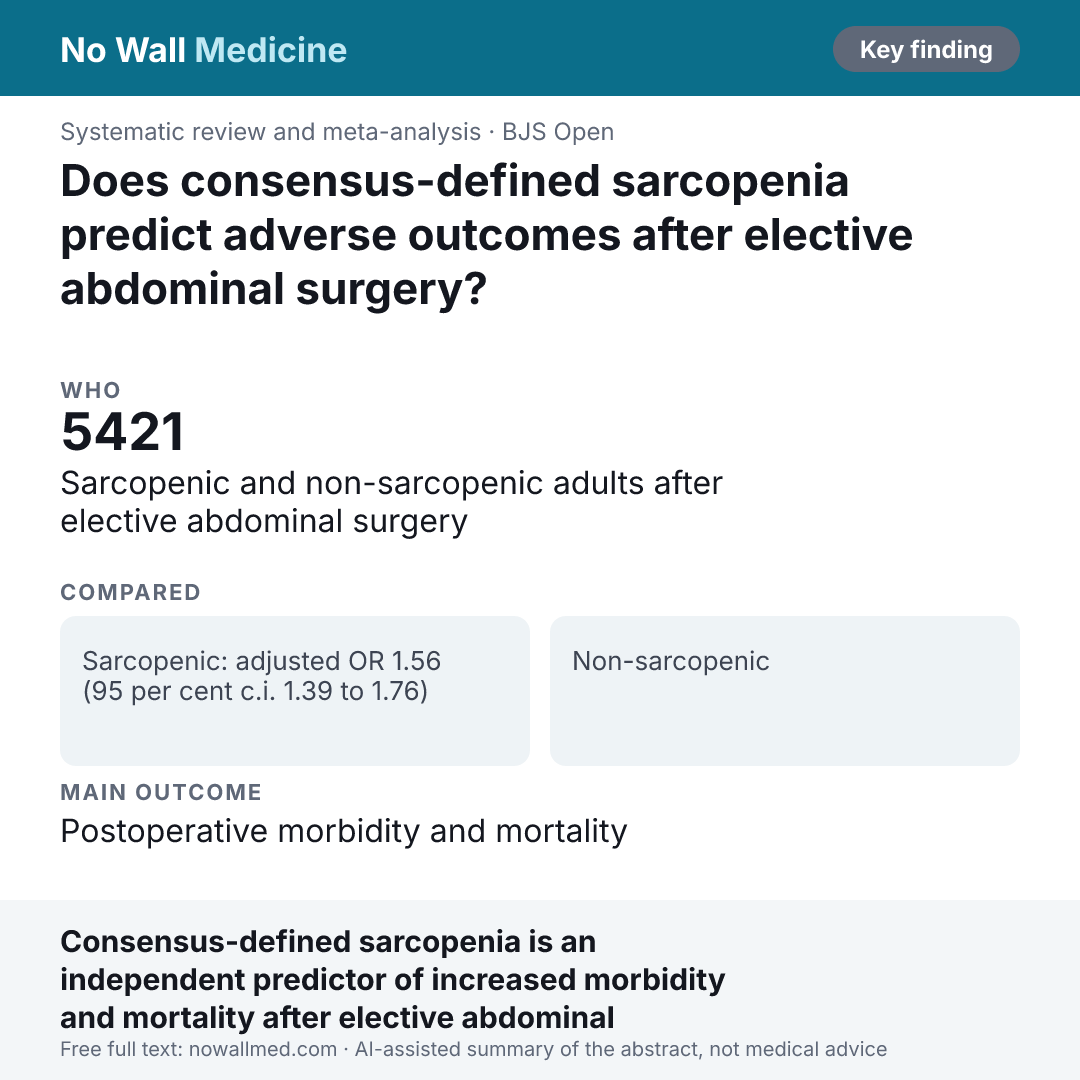
Consensus-defined sarcopenia predicts adverse outcomes after elective abdominal surgery: meta-analysis
Systematic review and meta-analysisKey finding
Does consensus-defined sarcopenia predict adverse outcomes after elective abdominal surgery?
Who
5421
Sarcopenic and non-sarcopenic adults after elective abdominal surgery
Compared
Sarcopenic: adjusted OR 1.56 (95 per cent c.i. 1.39 to 1.76)
Non-sarcopenic
Main outcome
Postoperative morbidity and mortality
Result: adjusted OR 1.56 (95 per cent c.i. 1.39 to 1.76)
Bottom line: Consensus-defined sarcopenia is an independent predictor of increased morbidity and mortality after elective abdominal surgery.
BJS Open · 2023-08-06 · Save PNG
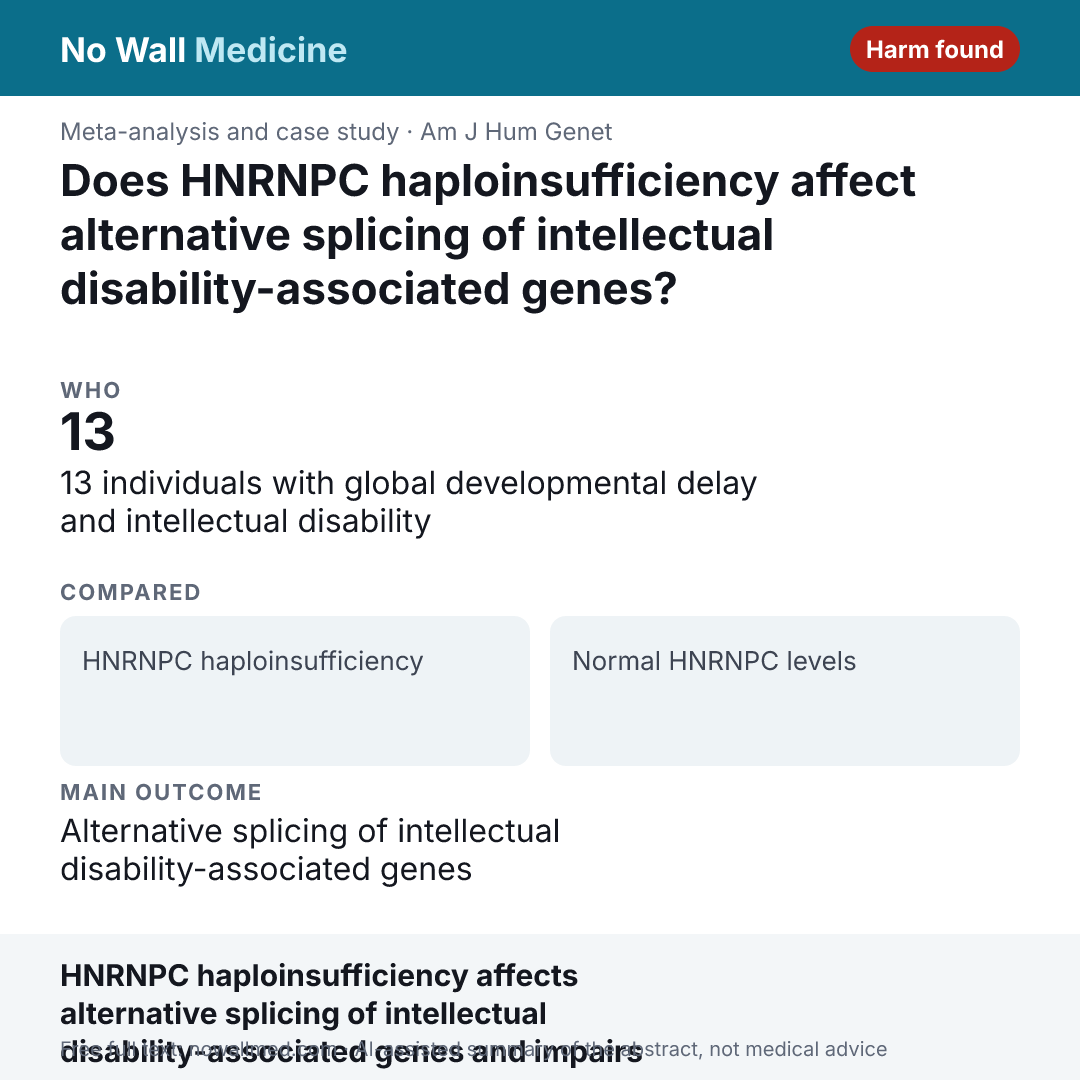
HNRNPC haploinsufficiency affects alternative splicing of intellectual disability-associated genes and causes a neurodevelopmental disorder
Meta-analysis and case studyHarm found
Does HNRNPC haploinsufficiency affect alternative splicing of intellectual disability-associated genes?
Who
13
13 individuals with global developmental delay and intellectual disability
Compared
HNRNPC haploinsufficiency
Normal HNRNPC levels
Main outcome
Alternative splicing of intellectual disability-associated genes
Bottom line: HNRNPC haploinsufficiency affects alternative splicing of intellectual disability-associated genes and impairs neuronal function.
Am J Hum Genet · 2023-08-05 · Save PNG
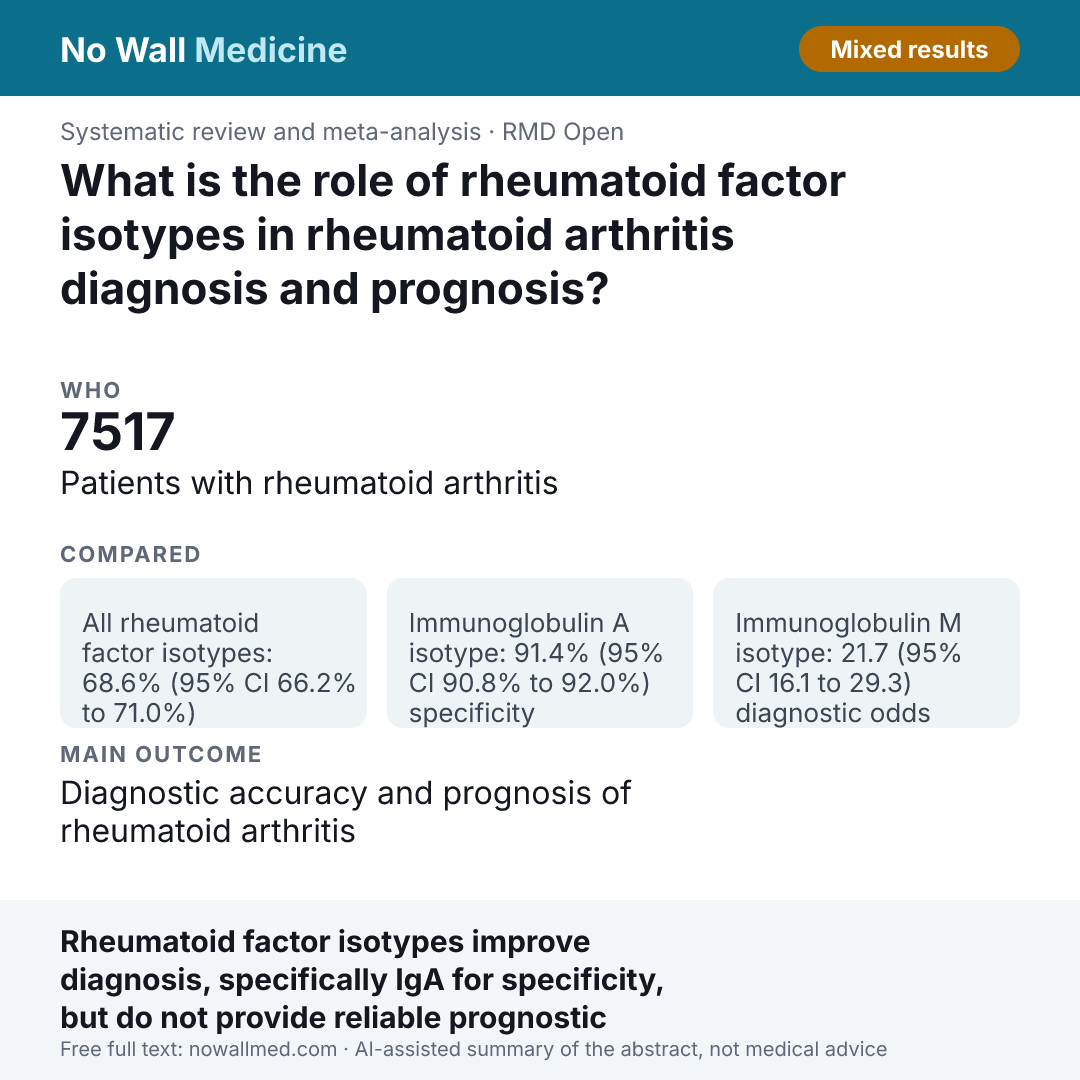
Rheumatoid factor isotypes in rheumatoid arthritis diagnosis and prognosis: a systematic review and meta-analysis
Systematic review and meta-analysisMixed results
What is the role of rheumatoid factor isotypes in rheumatoid arthritis diagnosis and prognosis?
Who
7517
Patients with rheumatoid arthritis
Compared
All rheumatoid factor isotypes: 68.6% (95% CI 66.2% to 71.0%) sensitivity
Immunoglobulin A isotype: 91.4% (95% CI 90.8% to 92.0%) specificity
Immunoglobulin M isotype: 21.7 (95% CI 16.1 to 29.3) diagnostic odds ratio
Main outcome
Diagnostic accuracy and prognosis of rheumatoid arthritis
Bottom line: Rheumatoid factor isotypes improve diagnosis, specifically IgA for specificity, but do not provide reliable prognostic information.
Limitation: Data for prognostic information are limited and heterogeneous.
RMD Open · 2023-08-05 · Save PNG