Visual abstracts
New randomized trials and meta-analyses from leading journals at a glance: who was studied, what was compared, and what was found. Every paper is free to read in full.
All specialtiesCardiology 4763Oncology 4042Gastroenterology & Hepatology 1902Infectious Disease 3756Neurology 1872Psychiatry & Mental Health 2214Pulmonology 2042Critical Care 1319Endocrinology & Diabetes 2544Pediatrics 2889Surgery 2479Orthopedics & Sports Medicine 917Neurosurgery 525Cardiothoracic & Vascular Surgery 656Plastic & Reconstructive Surgery 574Nephrology 1107Rheumatology 810Hematology 1090Dermatology 611Ophthalmology 532Obstetrics & Gynecology 1645Public & Global Health 1037Radiology & Imaging 617Anesthesiology 957Urology 745ENT (Otolaryngology) 494Emergency Medicine 481Allergy & Immunology 309Geriatrics 972Family Medicine & Primary Care 533Medical Genetics & Genomics 659Pathology & Laboratory Medicine 156Physical Medicine & Rehabilitation 734Palliative Care 421Nutrition 1560Digital Health & AI 2133General Medicine 318
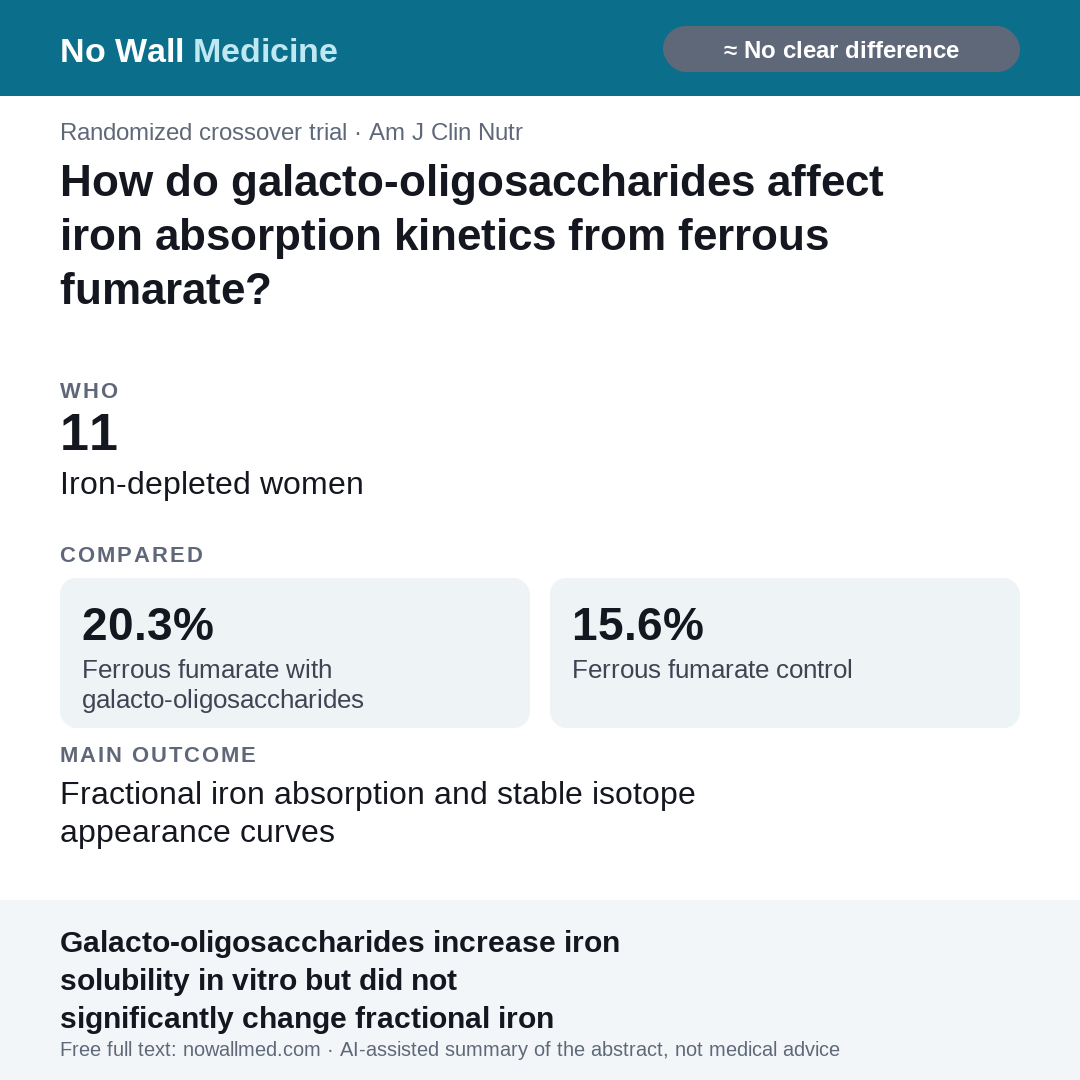
Kinetics of iron absorption from ferrous fumarate with and without galacto-oligosaccharides determined from stable isotope appearance curves in women
Randomized crossover trialNo clear difference
How do galacto-oligosaccharides affect iron absorption kinetics from ferrous fumarate?
Who
11
Iron-depleted women
Compared
20.3%Ferrous fumarate with galacto-oligosaccharides (8.6%-38.7%)
15.6%Ferrous fumarate control (10.6%-24.8%)
Main outcome
Fractional iron absorption and stable isotope appearance curves
Bottom line: Galacto-oligosaccharides increase iron solubility in vitro but did not significantly change fractional iron absorption in vivo.
Am J Clin Nutr · 2021-11-03Download image
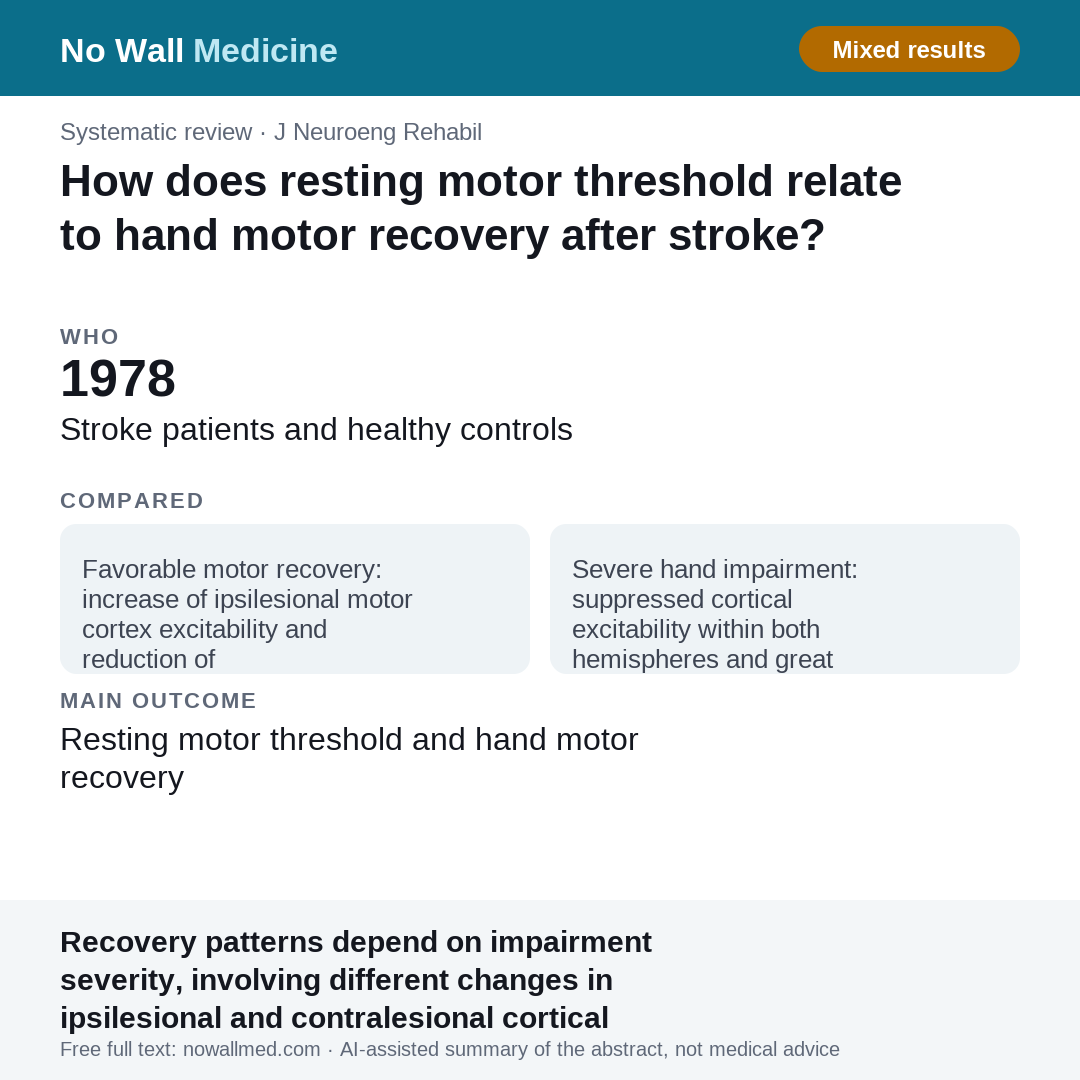
Resting motor threshold in the course of hand motor recovery after stroke: a systematic review
Systematic reviewMixed results
How does resting motor threshold relate to hand motor recovery after stroke?
Who
1978
Stroke patients and healthy controls
Compared
Favorable motor recovery: increase of ipsilesional motor cortex excitability and reduction of between-hemispheric imbalance
Severe hand impairment: suppressed cortical excitability within both hemispheres and great between-hemispheric imbalance
Main outcome
Resting motor threshold and hand motor recovery
Bottom line: Recovery patterns depend on impairment severity, involving different changes in ipsilesional and contralesional cortical excitability.
J Neuroeng Rehabil · 2021-11-03Download image
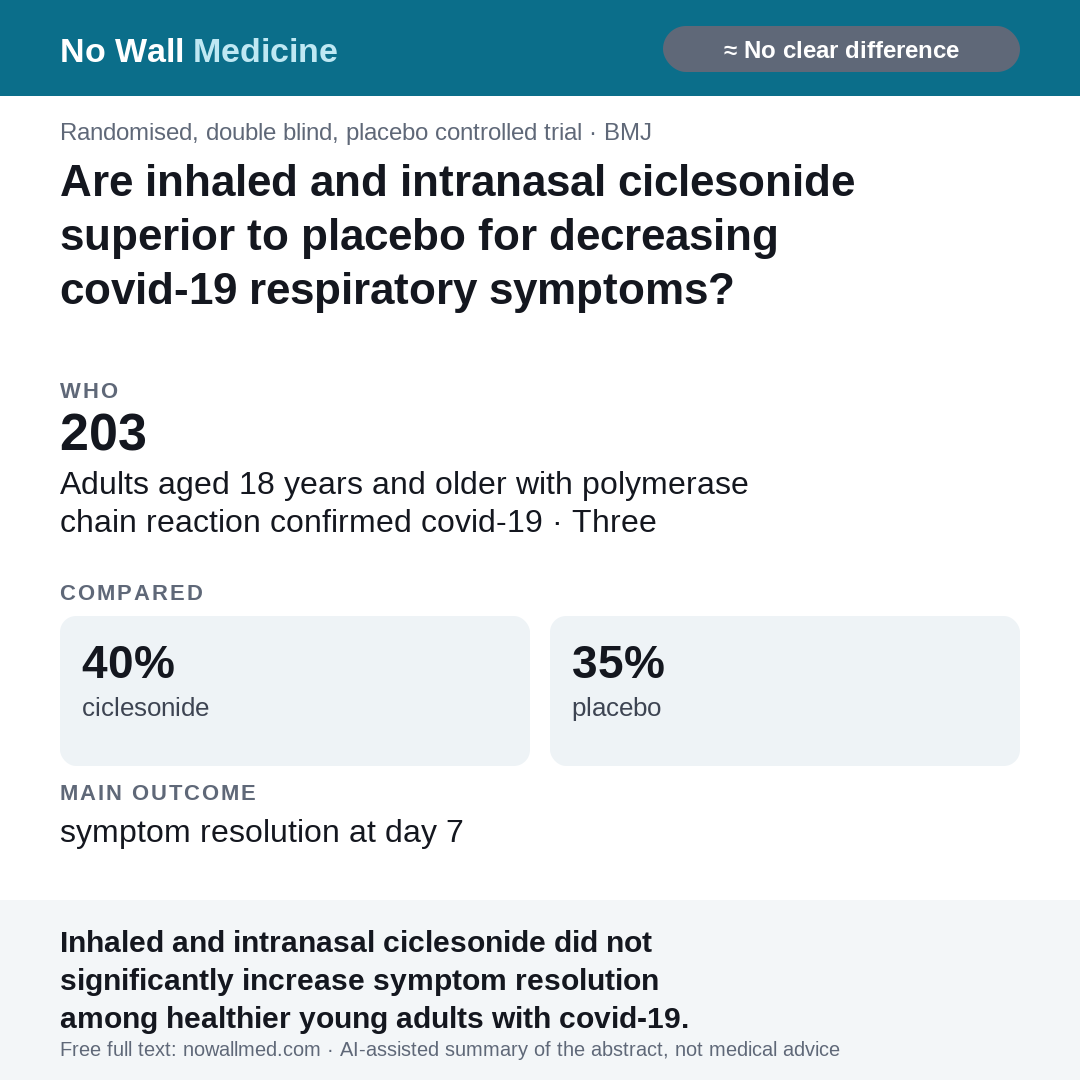
Inhaled and intranasal ciclesonide for the treatment of covid-19 in adult outpatients: CONTAIN phase II randomised controlled trial
Randomised, double blind, placebo controlled trialNo clear difference
Are inhaled and intranasal ciclesonide superior to placebo for decreasing covid-19 respiratory symptoms?
Who
203
Adults aged 18 years and older with polymerase chain reaction confirmed covid-19 · Three Canadian provinces
Compared
40%ciclesonide (42/105)
35%placebo (34/98)
Main outcome
symptom resolution at day 7
Result: absolute adjusted risk difference 5.5% (95% confidence interval -7.8% to 18.8%)
Bottom line: Inhaled and intranasal ciclesonide did not significantly increase symptom resolution among healthier young adults with covid-19.
Limitation: Trial was stopped early and mainly included younger adults without comorbidities.
BMJ · 2021-11-02Download image
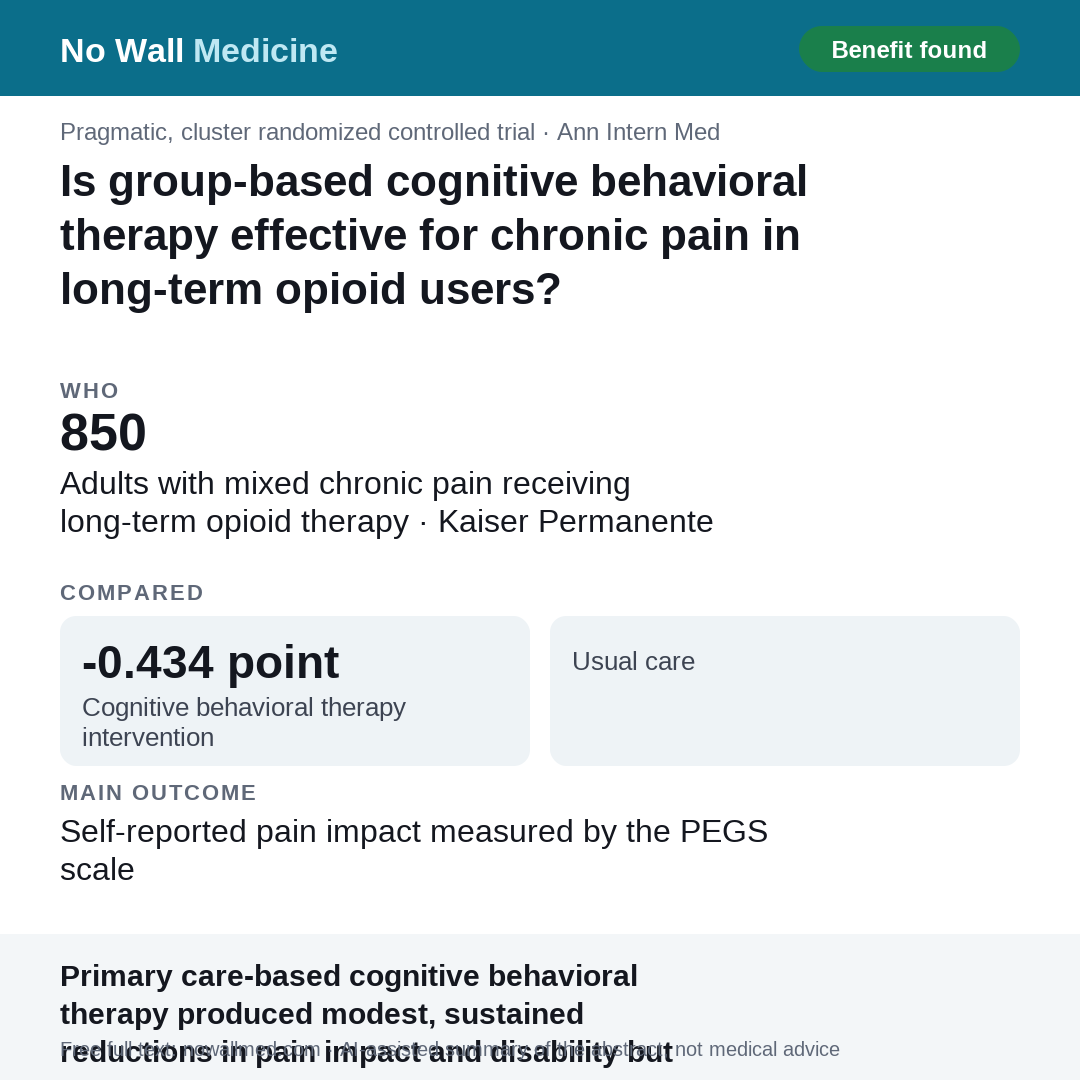
A Primary Care-Based Cognitive Behavioral Therapy Intervention for Long-Term Opioid Users With Chronic Pain : A Randomized Pragmatic Trial
Pragmatic, cluster randomized controlled trialBenefit found
Is group-based cognitive behavioral therapy effective for chronic pain in long-term opioid users?
Who
850
Adults with mixed chronic pain receiving long-term opioid therapy · Kaiser Permanente health care systems in three US regions
Compared
-0.434 pointCognitive behavioral therapy intervention (95% CI, -0.690 to -0.178 point)
Usual care
Main outcome
Self-reported pain impact measured by the PEGS scale
Result: -0.434 point (95% CI, -0.690 to -0.178 point)
Bottom line: Primary care-based cognitive behavioral therapy produced modest, sustained reductions in pain impact and disability but did not reduce opioid use.
Limitation: Inclusion of only insured patients in large integrated health care systems limited generalizability.
Funded by: National Institutes of Health
Ann Intern Med · 2021-11-02Download image
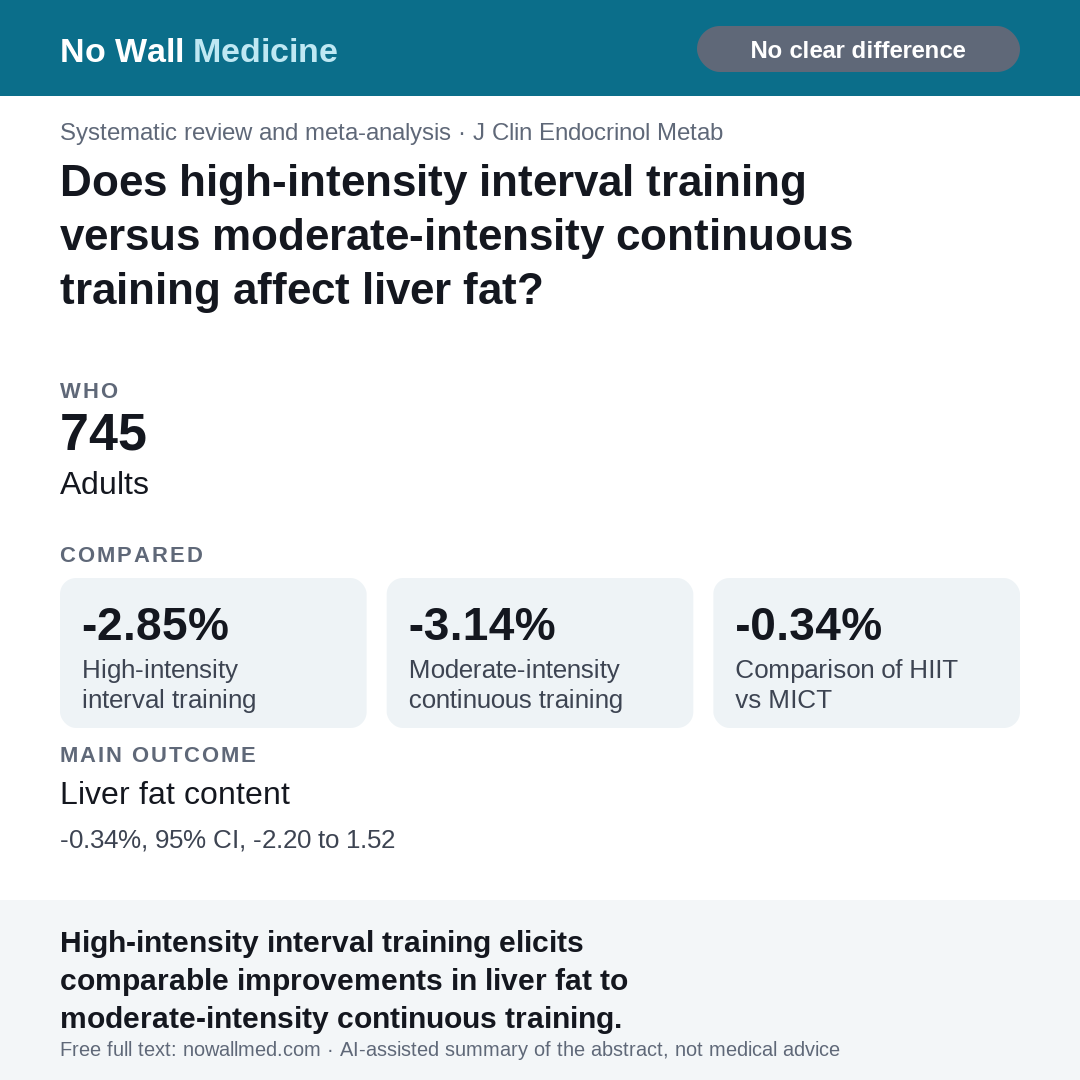
The Effect of High-intensity Interval Training vs Moderate-intensity Continuous Training on Liver Fat: A Systematic Review and Meta-Analysis
Systematic review and meta-analysisNo clear difference
Does high-intensity interval training versus moderate-intensity continuous training affect liver fat?
Who
745
Adults
Compared
-2.85%High-intensity interval training
-3.14%Moderate-intensity continuous training
-0.34%Comparison of HIIT vs MICT
Main outcome
Liver fat content
Result: -0.34%, 95% CI, -2.20 to 1.52
Bottom line: High-intensity interval training elicits comparable improvements in liver fat to moderate-intensity continuous training.
J Clin Endocrinol Metab · 2021-11-02Download image
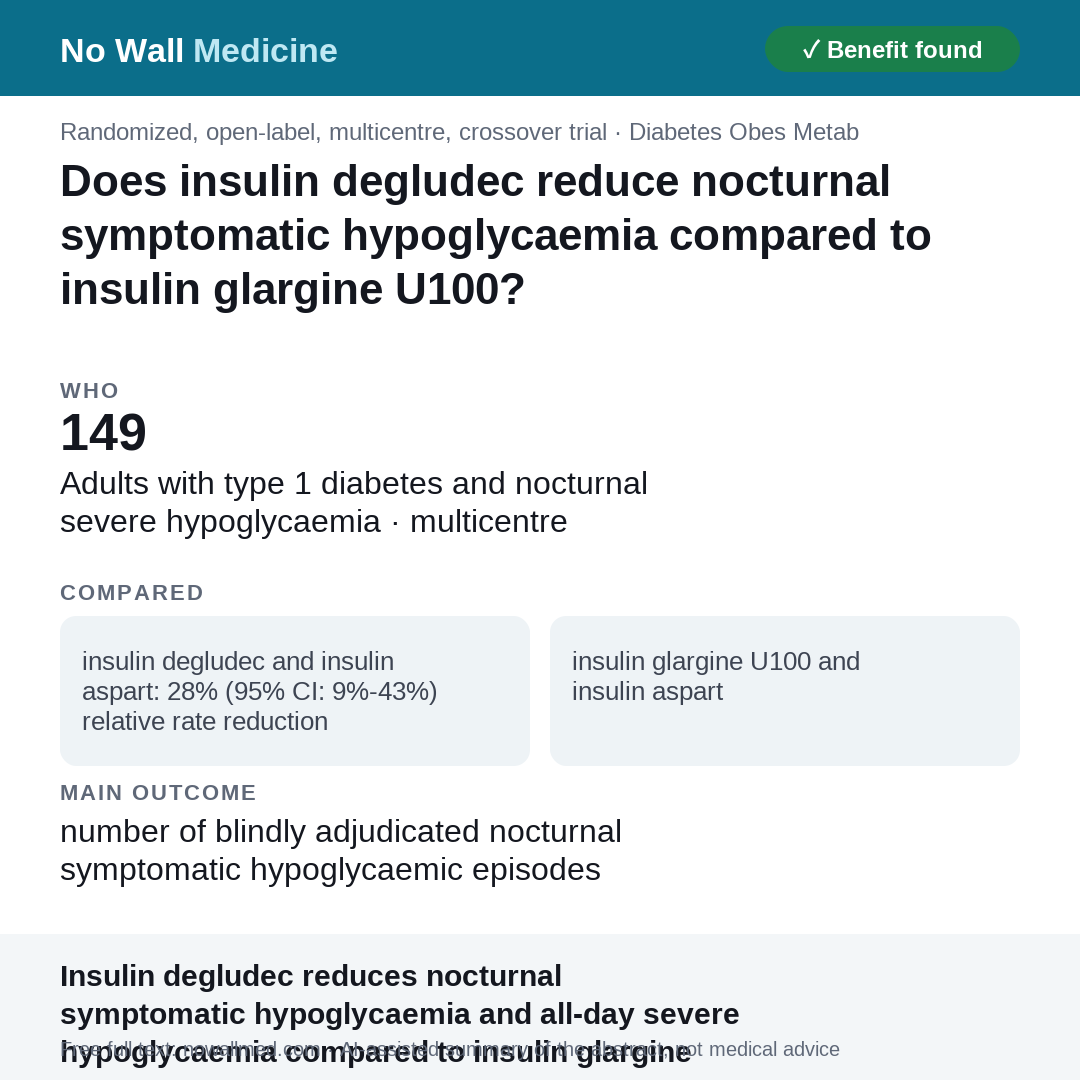
Comparison of treatment with insulin degludec and glargine U100 in patients with type 1 diabetes prone to nocturnal severe hypoglycaemia: The HypoDeg randomized, controlled, open-label, crossover trial
Randomized, open-label, multicentre, crossover trialBenefit found
Does insulin degludec reduce nocturnal symptomatic hypoglycaemia compared to insulin glargine U100?
Who
149
Adults with type 1 diabetes and nocturnal severe hypoglycaemia · multicentre
Compared
insulin degludec and insulin aspart: 28% (95% CI: 9%-43%) relative rate reduction
insulin glargine U100 and insulin aspart
Main outcome
number of blindly adjudicated nocturnal symptomatic hypoglycaemic episodes
Result: 28% (95% CI: 9%-43%) relative rate reduction
Bottom line: Insulin degludec reduces nocturnal symptomatic hypoglycaemia and all-day severe hypoglycaemia compared to insulin glargine U100.
Diabetes Obes Metab · 2021-11-02Download image
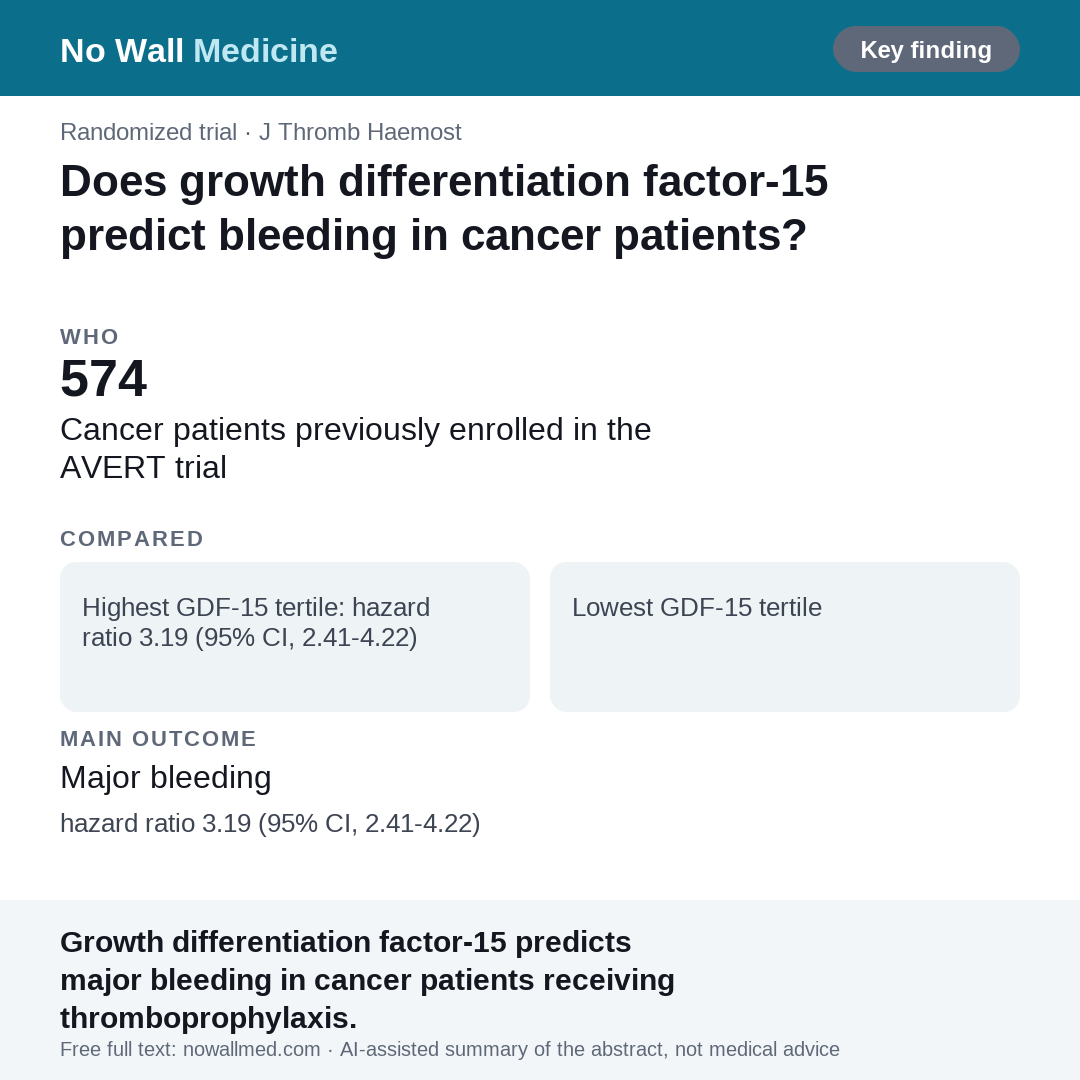
Growth differentiation factor-15 for prediction of bleeding in cancer patients
Randomized trialKey finding
Does growth differentiation factor-15 predict bleeding in cancer patients?
Who
574
Cancer patients previously enrolled in the AVERT trial
Compared
Highest GDF-15 tertile: hazard ratio 3.19 (95% CI, 2.41-4.22)
Lowest GDF-15 tertile
Main outcome
Major bleeding
Result: hazard ratio 3.19 (95% CI, 2.41-4.22)
Bottom line: Growth differentiation factor-15 predicts major bleeding in cancer patients receiving thromboprophylaxis.
J Thromb Haemost · 2021-11-02Download image
Core Outcome Measures for Perioperative and Anaesthetic Care (COMPAC): a modified Delphi process to develop a core outcome set for trials in perioperative care and anaesthesia
Modified Delphi processUnclear result
Core outcomes for perioperative care
Who
patients carers researchers clinicians
Compared
Patients
Clinicians
Main outcome
core outcome set
Bottom line: Core outcome set for perioperative care developed
Br J Anaesth · 2021-11-02Download image
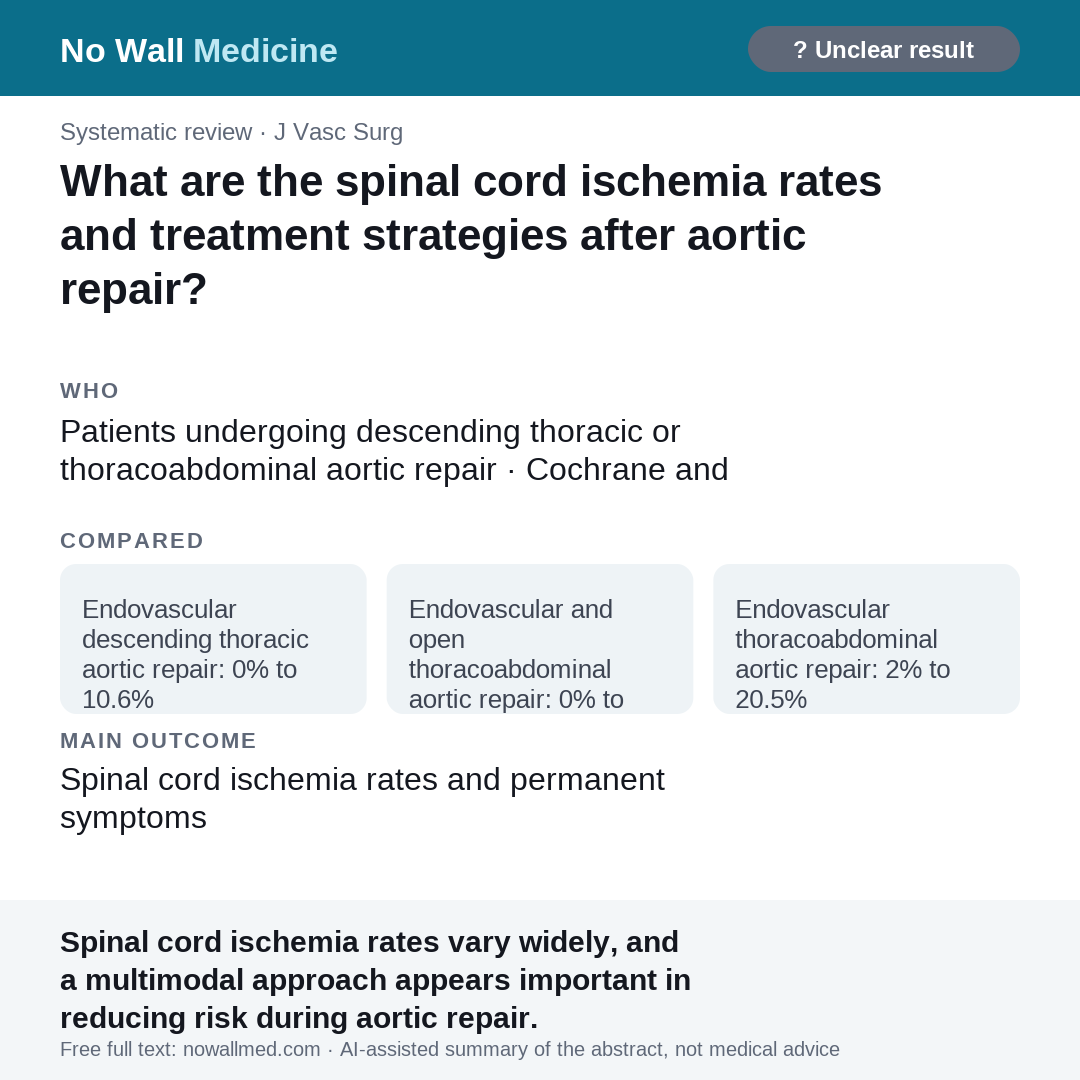
A systematic review of spinal cord ischemia prevention and management after open and endovascular aortic repair
Systematic reviewUnclear result
What are the spinal cord ischemia rates and treatment strategies after aortic repair?
Who
Patients undergoing descending thoracic or thoracoabdominal aortic repair · Cochrane and PubMed databases
Compared
Endovascular descending thoracic aortic repair: 0% to 10.6%
Endovascular and open thoracoabdominal aortic repair: 0% to 35%
Endovascular thoracoabdominal aortic repair: 2% to 20.5%
Main outcome
Spinal cord ischemia rates and permanent symptoms
Bottom line: Spinal cord ischemia rates vary widely, and a multimodal approach appears important in reducing risk during aortic repair.
Limitation: Studies were limited to those with at least 40 patients or specific information.
J Vasc Surg · 2021-11-02Download image
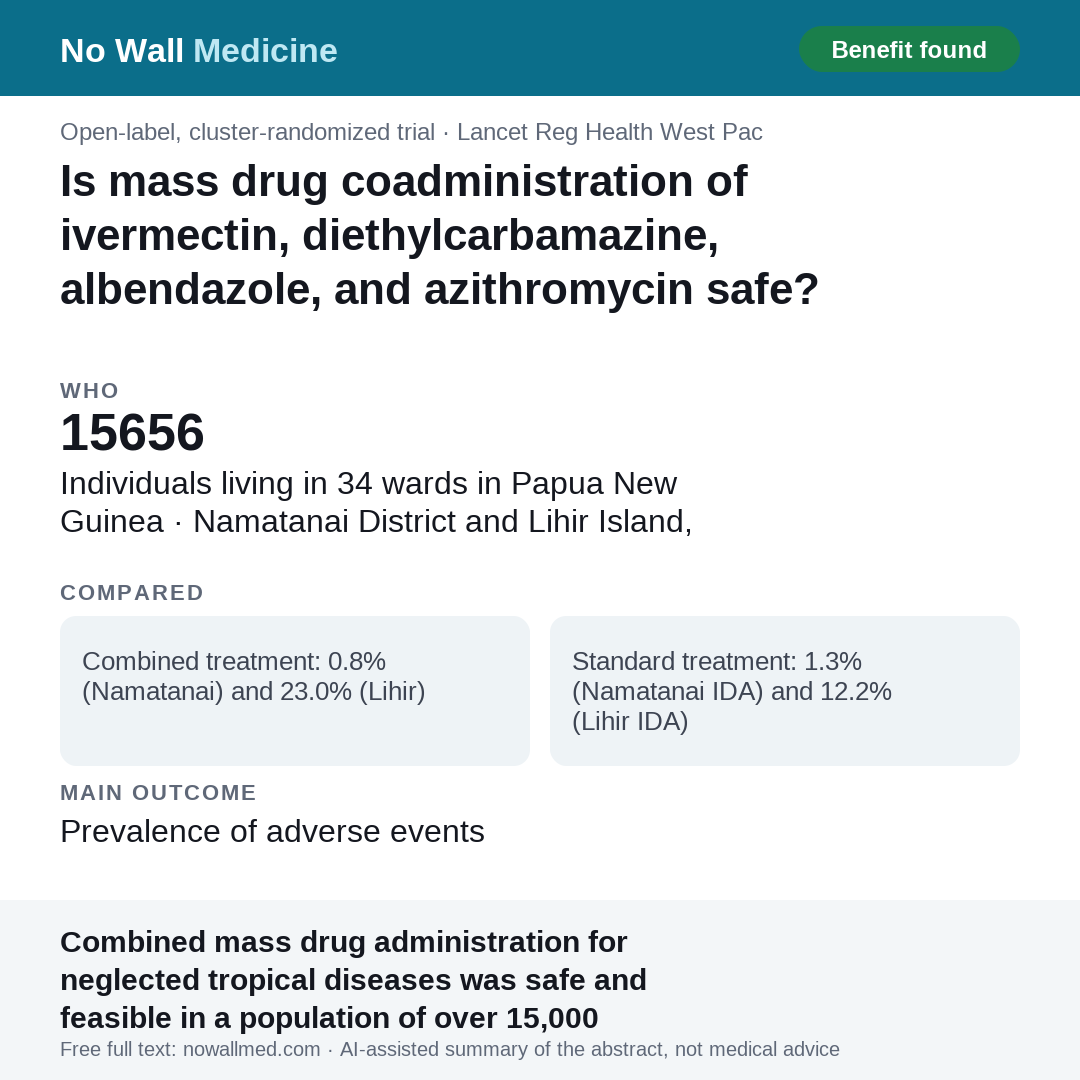
Safety of mass drug coadministration with ivermectin, diethylcarbamazine, albendazole, and azithromycin for the integrated treatment of neglected tropical diseases: a cluster randomized community trial
Open-label, cluster-randomized trialBenefit found
Is mass drug coadministration of ivermectin, diethylcarbamazine, albendazole, and azithromycin safe?
Who
15656
Individuals living in 34 wards in Papua New Guinea · Namatanai District and Lihir Island, Papua New Guinea
Compared
Combined treatment: 0.8% (Namatanai) and 23.0% (Lihir)
Standard treatment: 1.3% (Namatanai IDA) and 12.2% (Lihir IDA)
Main outcome
Prevalence of adverse events
Bottom line: Combined mass drug administration for neglected tropical diseases was safe and feasible in a population of over 15,000 people.
Lancet Reg Health West Pac · 2021-11-02Download image
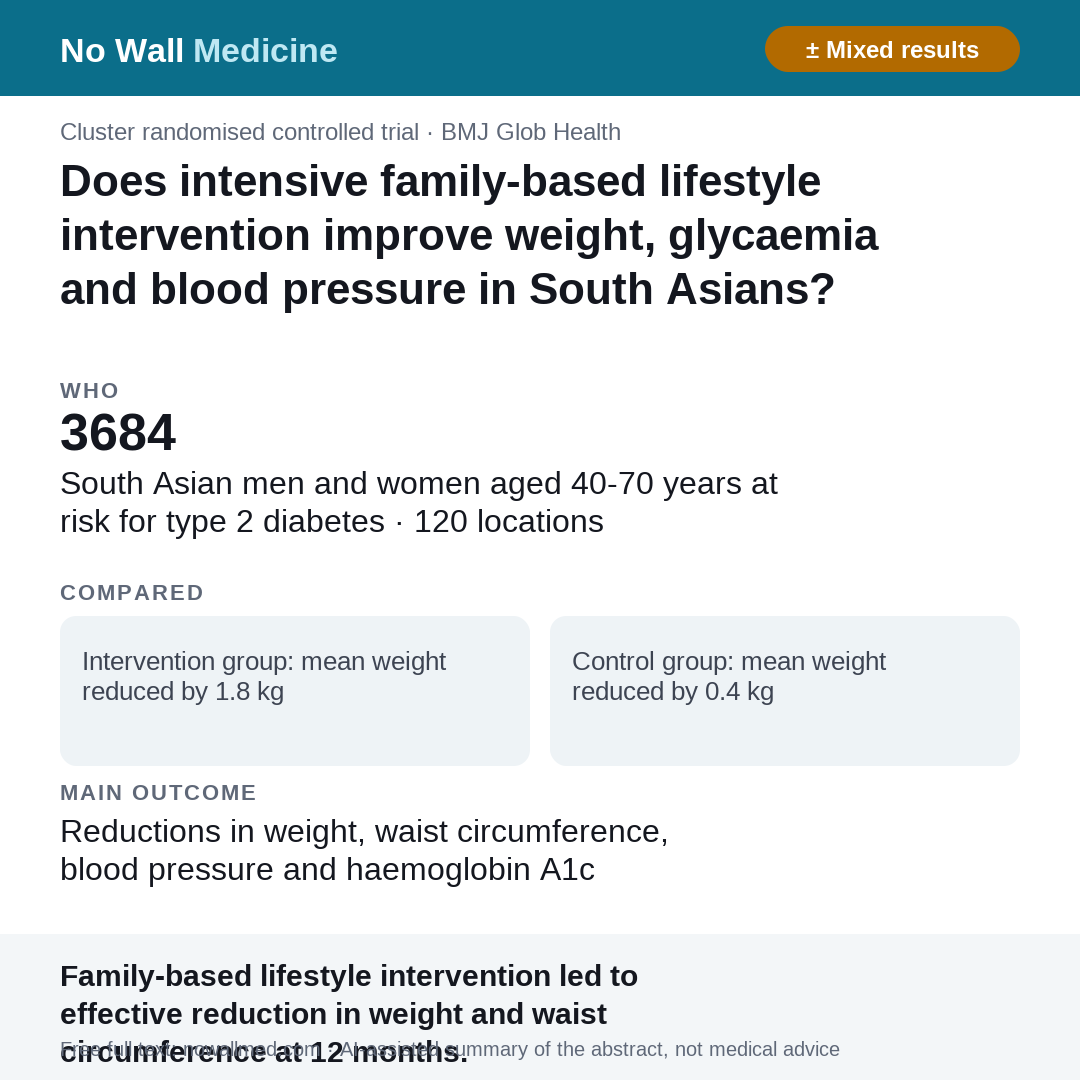
Effects of a lifestyle intervention programme after 1 year of follow-up among South Asians at high risk of type 2 diabetes: a cluster randomised controlled trial
Cluster randomised controlled trialMixed results
Does intensive family-based lifestyle intervention improve weight, glycaemia and blood pressure in South Asians?
Who
3684
South Asian men and women aged 40-70 years at risk for type 2 diabetes · 120 locations across India, Pakistan, Sri Lanka and the UK
Compared
Intervention group: mean weight reduced by 1.8 kg
Control group: mean weight reduced by 0.4 kg
Main outcome
Reductions in weight, waist circumference, blood pressure and haemoglobin A1c
Result: adjusted mean difference -1.10 kg (95% CI -1.70 to -1.06)
Bottom line: Family-based lifestyle intervention led to effective reduction in weight and waist circumference at 12 months.
BMJ Glob Health · 2021-11-02Download image
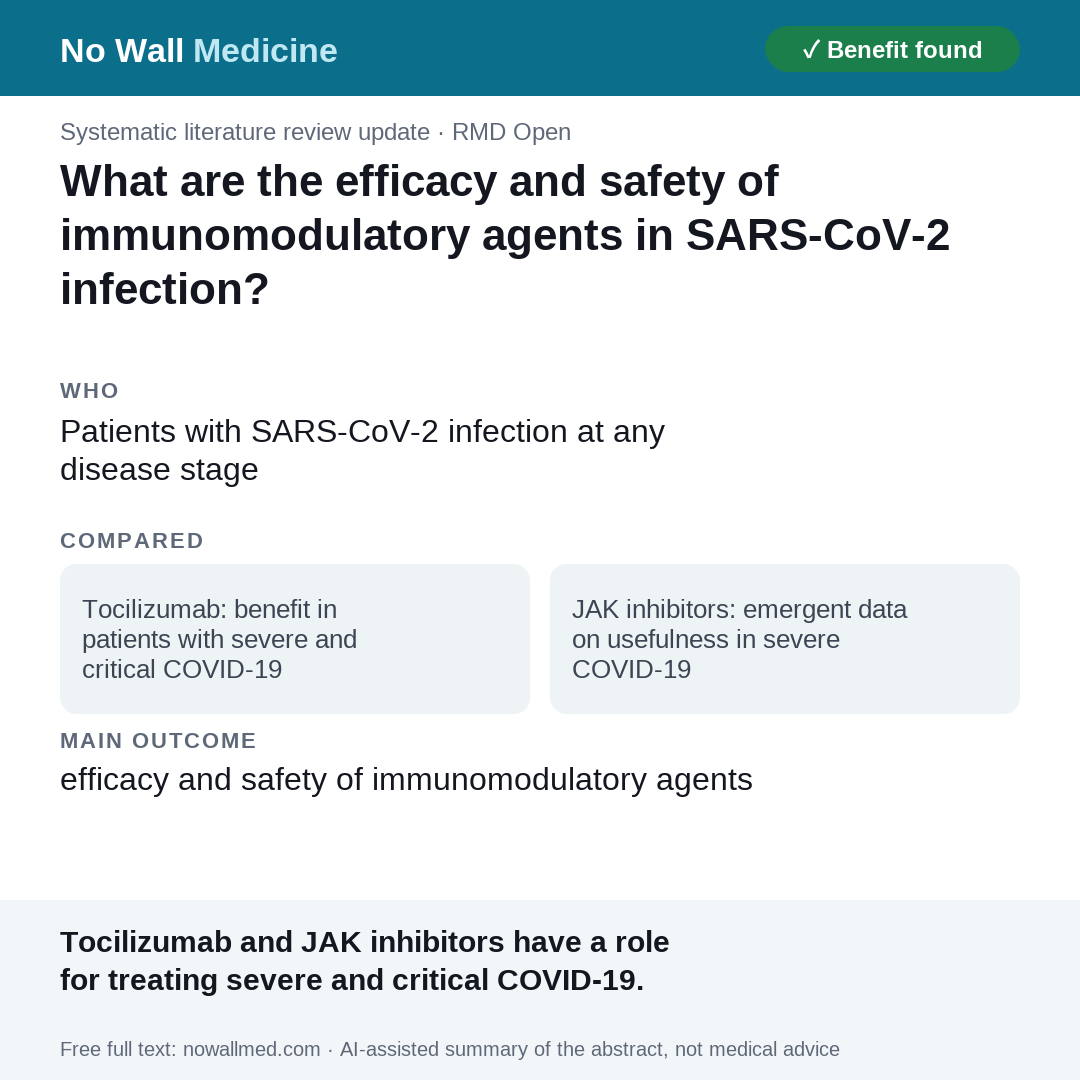
Immunomodulatory therapies for the treatment of SARS-CoV-2 infection: an update of the systematic literature review to inform EULAR points to consider
Systematic literature review updateBenefit found
What are the efficacy and safety of immunomodulatory agents in SARS-CoV-2 infection?
Who
Patients with SARS-CoV-2 infection at any disease stage
Compared
Tocilizumab: benefit in patients with severe and critical COVID-19
JAK inhibitors: emergent data on usefulness in severe COVID-19
Main outcome
efficacy and safety of immunomodulatory agents
Bottom line: Tocilizumab and JAK inhibitors have a role for treating severe and critical COVID-19.
Limitation: Studies were mainly at high or unclear risk of bias.
RMD Open · 2021-11-02Download image
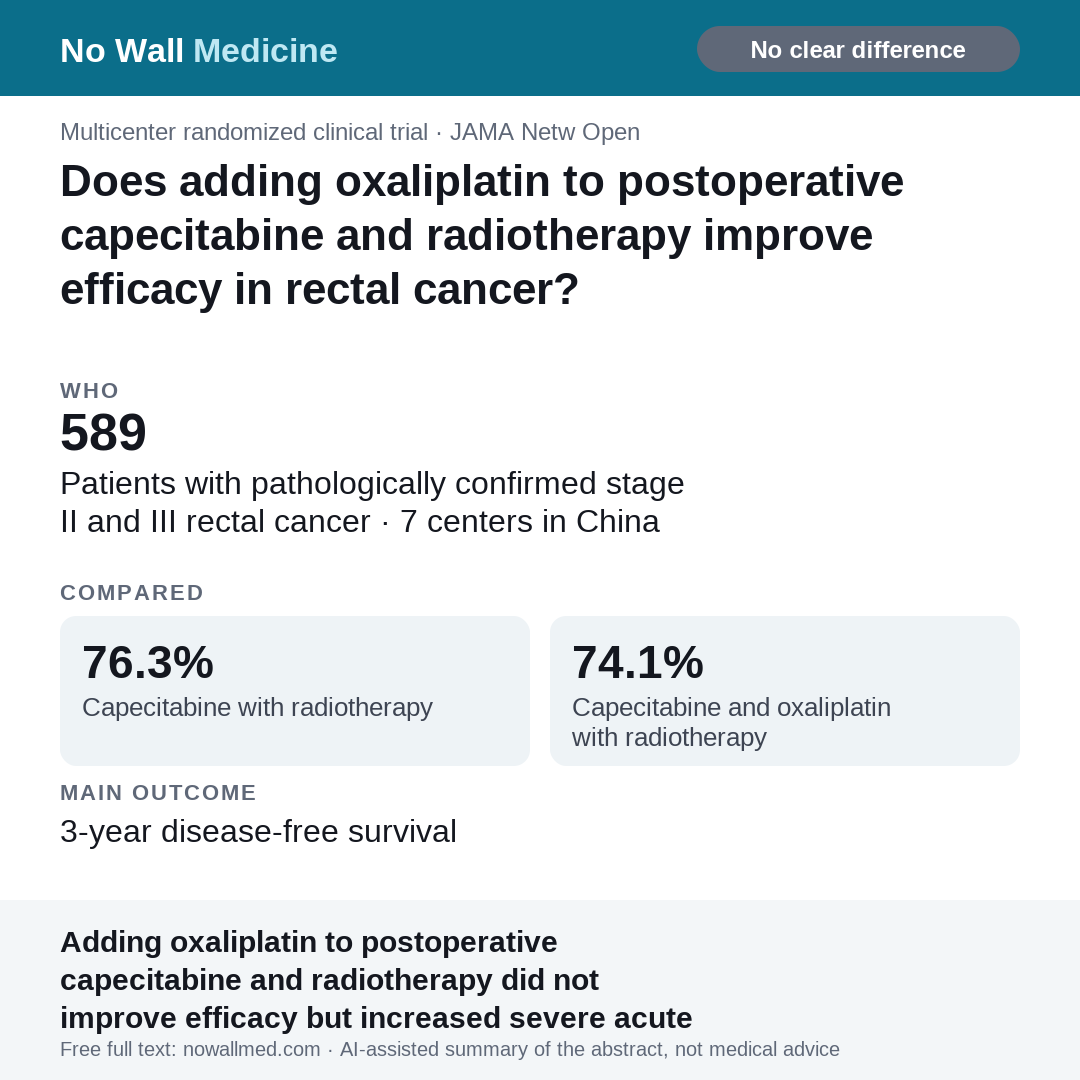
Postoperative Chemoradiotherapy With Capecitabine and Oxaliplatin vs Capecitabine for Stage II to III Rectal Cancer: A Randomized Clinical Trial
Multicenter randomized clinical trialNo clear difference
Does adding oxaliplatin to postoperative capecitabine and radiotherapy improve efficacy in rectal cancer?
Who
589
Patients with pathologically confirmed stage II and III rectal cancer · 7 centers in China
Compared
76.3%Capecitabine with radiotherapy
74.1%Capecitabine and oxaliplatin with radiotherapy
Main outcome
3-year disease-free survival
Result: hazard ratio 1.07 (95% CI 0.79-1.44)
Bottom line: Adding oxaliplatin to postoperative capecitabine and radiotherapy did not improve efficacy but increased severe acute toxic effects.
JAMA Netw Open · 2021-11-01Download image
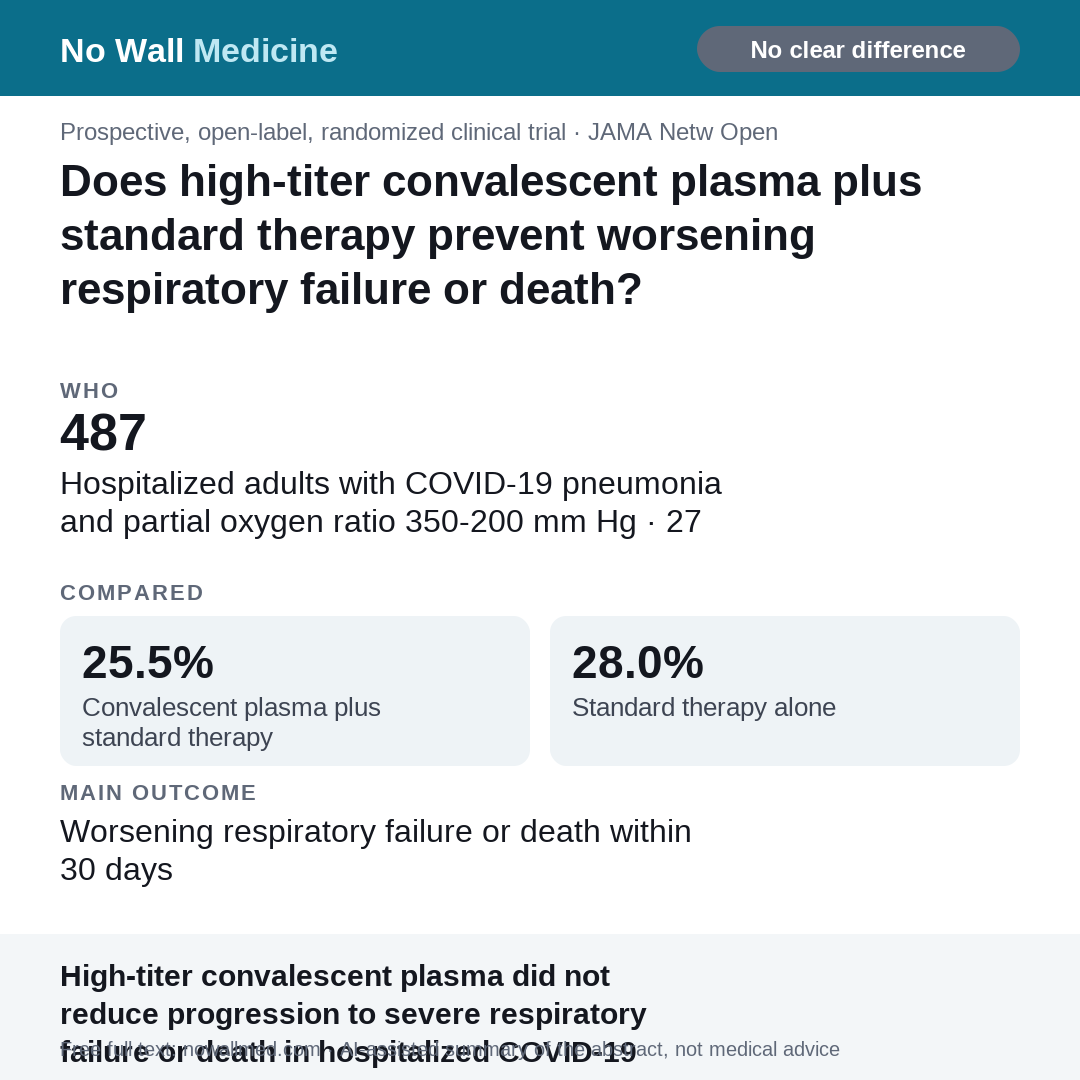
Effect of High-Titer Convalescent Plasma on Progression to Severe Respiratory Failure or Death in Hospitalized Patients With COVID-19 Pneumonia: A Randomized Clinical Trial
Prospective, open-label, randomized clinical trialNo clear difference
Does high-titer convalescent plasma plus standard therapy prevent worsening respiratory failure or death?
Who
487
Hospitalized adults with COVID-19 pneumonia and partial oxygen ratio 350-200 mm Hg · 27 clinical sites in Italy
Compared
25.5%Convalescent plasma plus standard therapy (59/231)
28.0%Standard therapy alone (67/239)
Main outcome
Worsening respiratory failure or death within 30 days
Result: odds ratio 0.88 (95% CI 0.59-1.33)
Bottom line: High-titer convalescent plasma did not reduce progression to severe respiratory failure or death in hospitalized COVID-19 patients.
JAMA Netw Open · 2021-11-01Download image
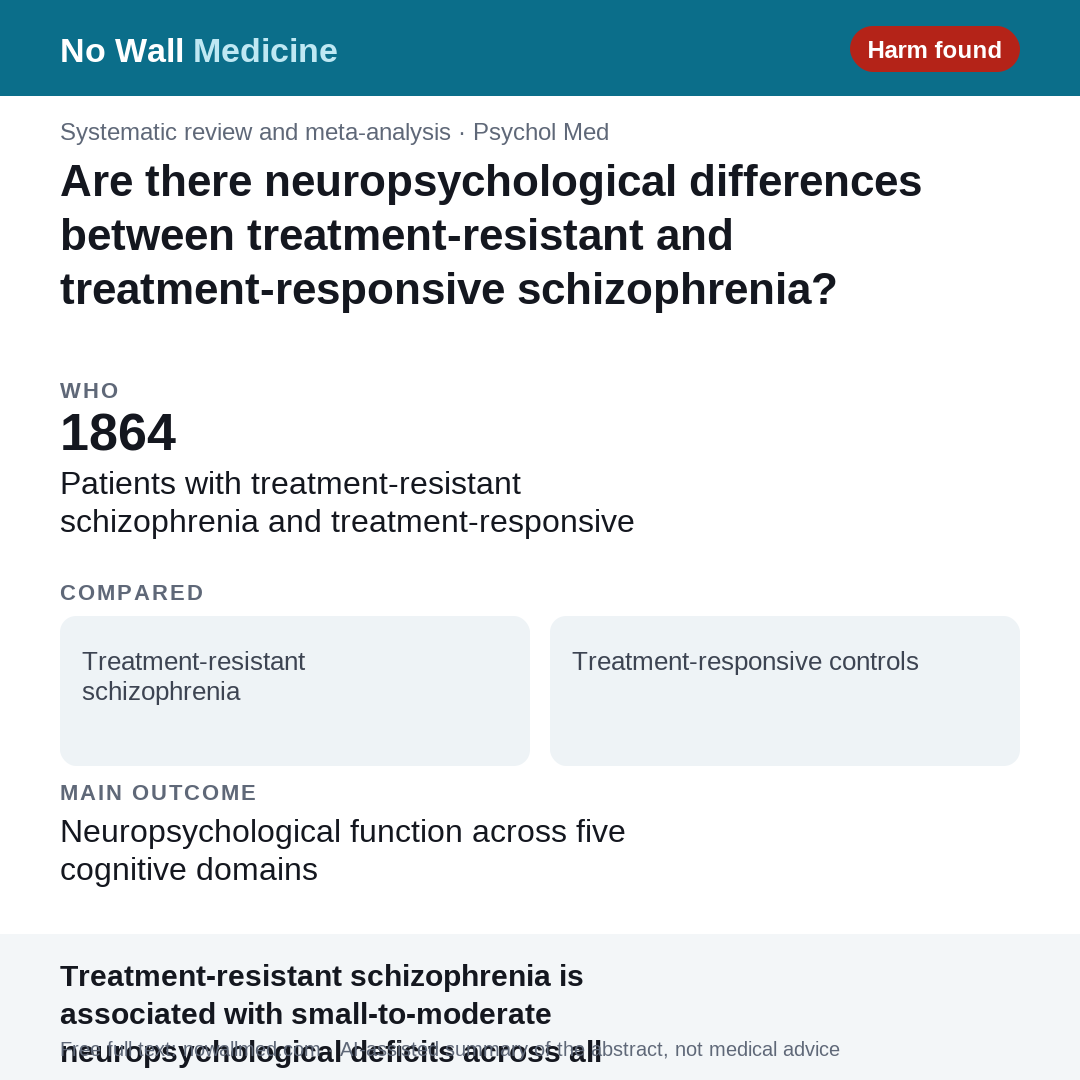
Neuropsychological differences between treatment-resistant and treatment-responsive schizophrenia: a meta-analysis
Systematic review and meta-analysisHarm found
Are there neuropsychological differences between treatment-resistant and treatment-responsive schizophrenia?
Who
1864
Patients with treatment-resistant schizophrenia and treatment-responsive controls
Compared
Treatment-resistant schizophrenia
Treatment-responsive controls
Main outcome
Neuropsychological function across five cognitive domains
Result: dl = -0.53; 95% confidence interval (CI) -0.29 to -0.76
Bottom line: Treatment-resistant schizophrenia is associated with small-to-moderate neuropsychological deficits across all measured cognitive domains.
Limitation: Methodological limitations in this emergent field of research have obscured neuropsychological discriminability.
Psychol Med · 2021-11-01Download image
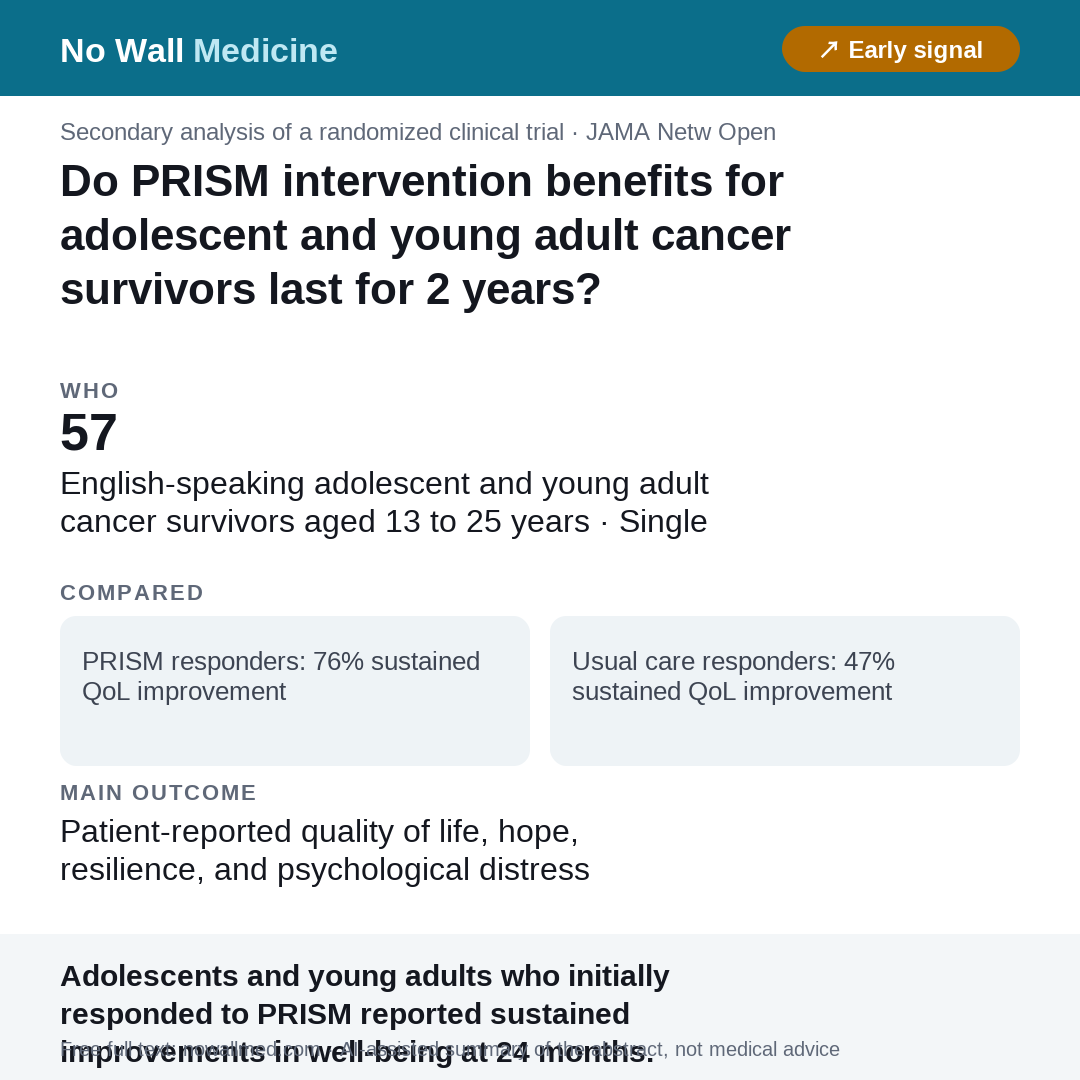
Assessment of the Promoting Resilience in Stress Management Intervention for Adolescent and Young Adult Survivors of Cancer at 2 Years: Secondary Analysis of a Randomized Clinical Trial
Secondary analysis of a randomized clinical trialEarly signal
Do PRISM intervention benefits for adolescent and young adult cancer survivors last for 2 years?
Who
57
English-speaking adolescent and young adult cancer survivors aged 13 to 25 years · Single quaternary children's hospital in the US
Compared
PRISM responders: 76% sustained QoL improvement
Usual care responders: 47% sustained QoL improvement
Main outcome
Patient-reported quality of life, hope, resilience, and psychological distress
Result: QoL 24 months: 76% vs 47%; hope 24 months: 58% vs 43%
Bottom line: Adolescents and young adults who initially responded to PRISM reported sustained improvements in well-being at 24 months.
JAMA Netw Open · 2021-11-01Download image
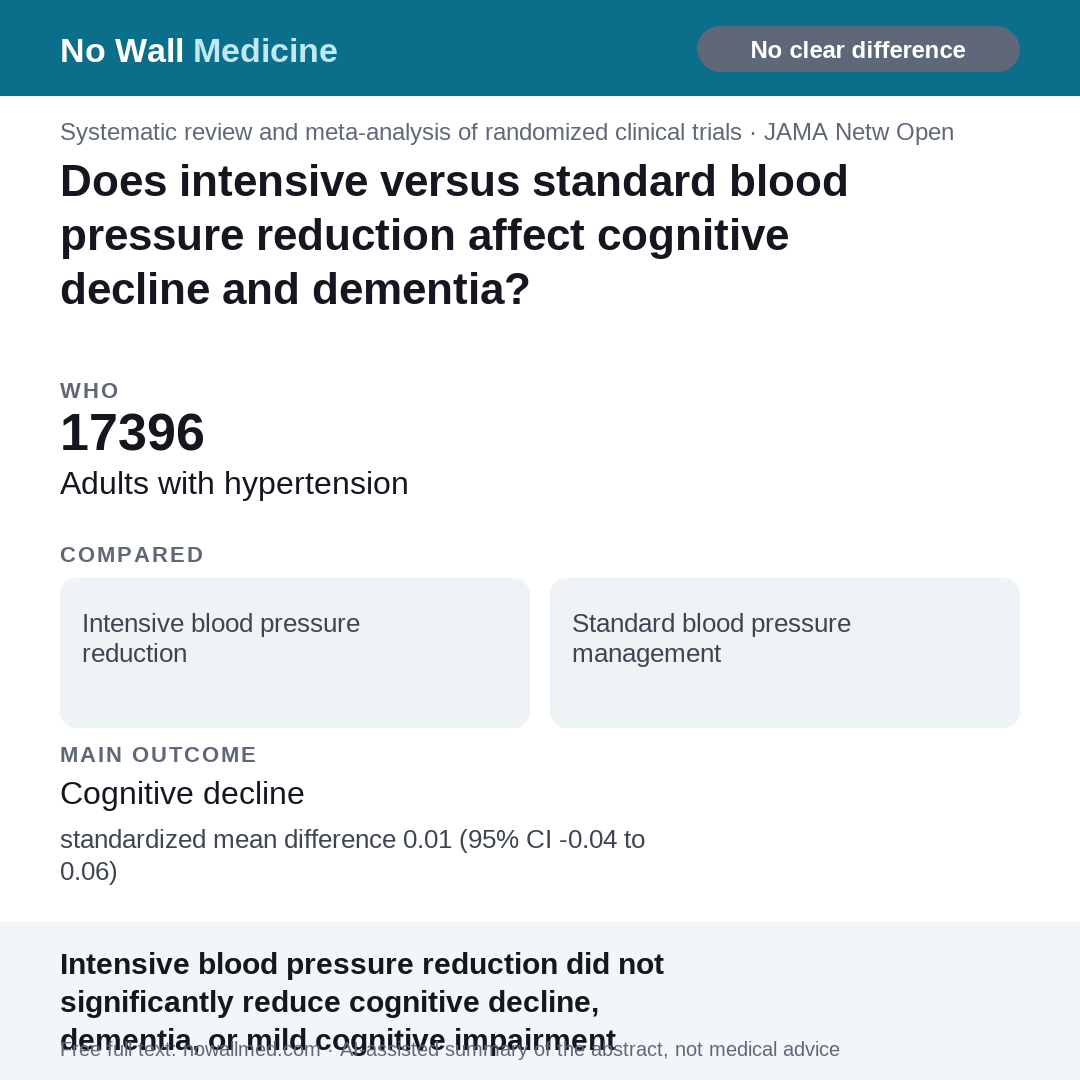
Evaluation of Intensive vs Standard Blood Pressure Reduction and Association With Cognitive Decline and Dementia: A Systematic Review and Meta-analysis
Systematic review and meta-analysis of randomized clinical trialsNo clear difference
Does intensive versus standard blood pressure reduction affect cognitive decline and dementia?
Who
17396
Adults with hypertension
Compared
Intensive blood pressure reduction
Standard blood pressure management
Main outcome
Cognitive decline
Result: standardized mean difference 0.01 (95% CI -0.04 to 0.06)
Bottom line: Intensive blood pressure reduction did not significantly reduce cognitive decline, dementia, or mild cognitive impairment compared to standard management.
Limitation: Limited sample size, risk of bias in trials, and observed statistical heterogeneity.
JAMA Netw Open · 2021-11-01Download image
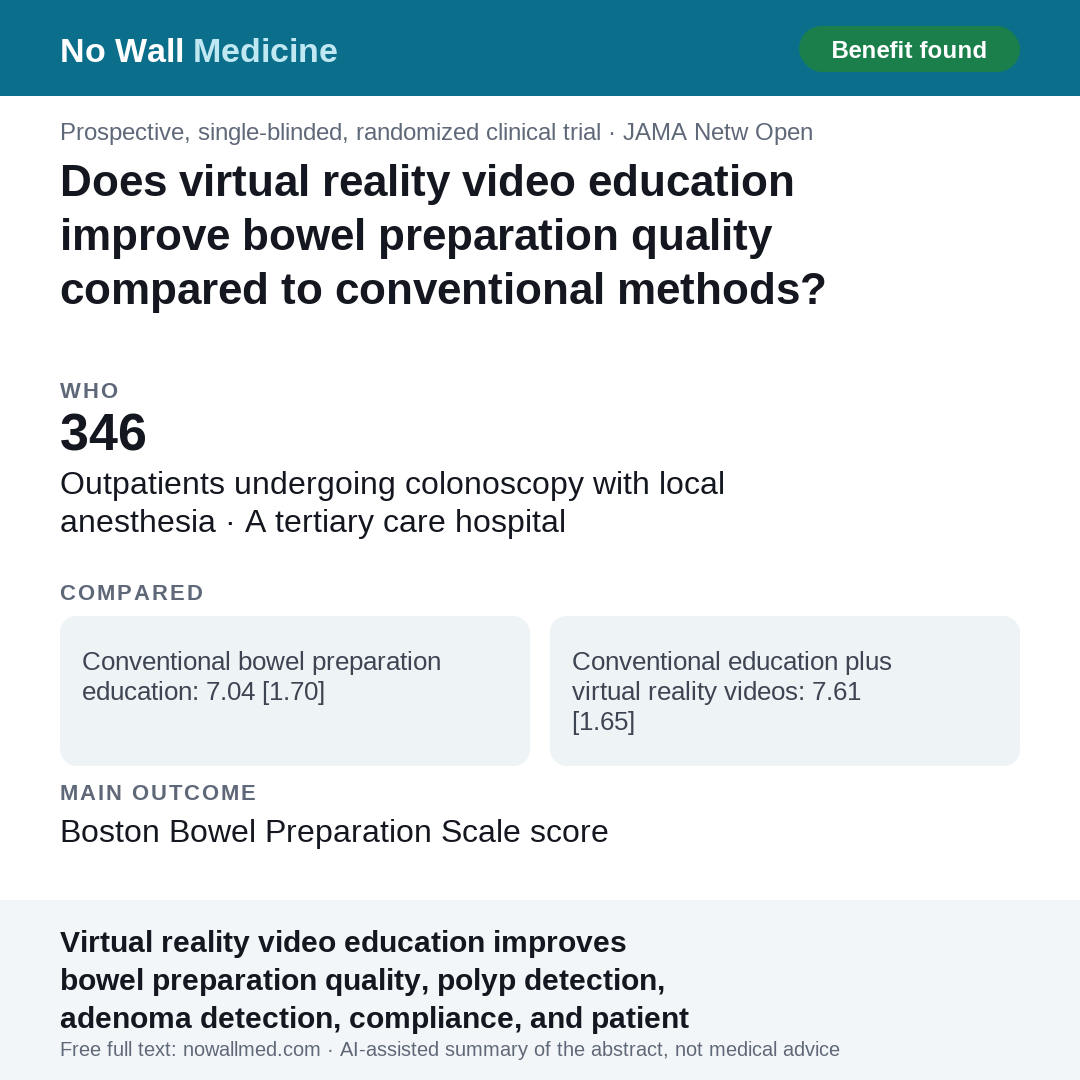
Educating Outpatients for Bowel Preparation Before Colonoscopy Using Conventional Methods vs Virtual Reality Videos Plus Conventional Methods: A Randomized Clinical Trial
Prospective, single-blinded, randomized clinical trialBenefit found
Does virtual reality video education improve bowel preparation quality compared to conventional methods?
Who
346
Outpatients undergoing colonoscopy with local anesthesia · A tertiary care hospital
Compared
Conventional bowel preparation education: 7.04 [1.70]
Conventional education plus virtual reality videos: 7.61 [1.65]
Main outcome
Boston Bowel Preparation Scale score
Bottom line: Virtual reality video education improves bowel preparation quality, polyp detection, adenoma detection, compliance, and patient satisfaction.
JAMA Netw Open · 2021-11-01Download image
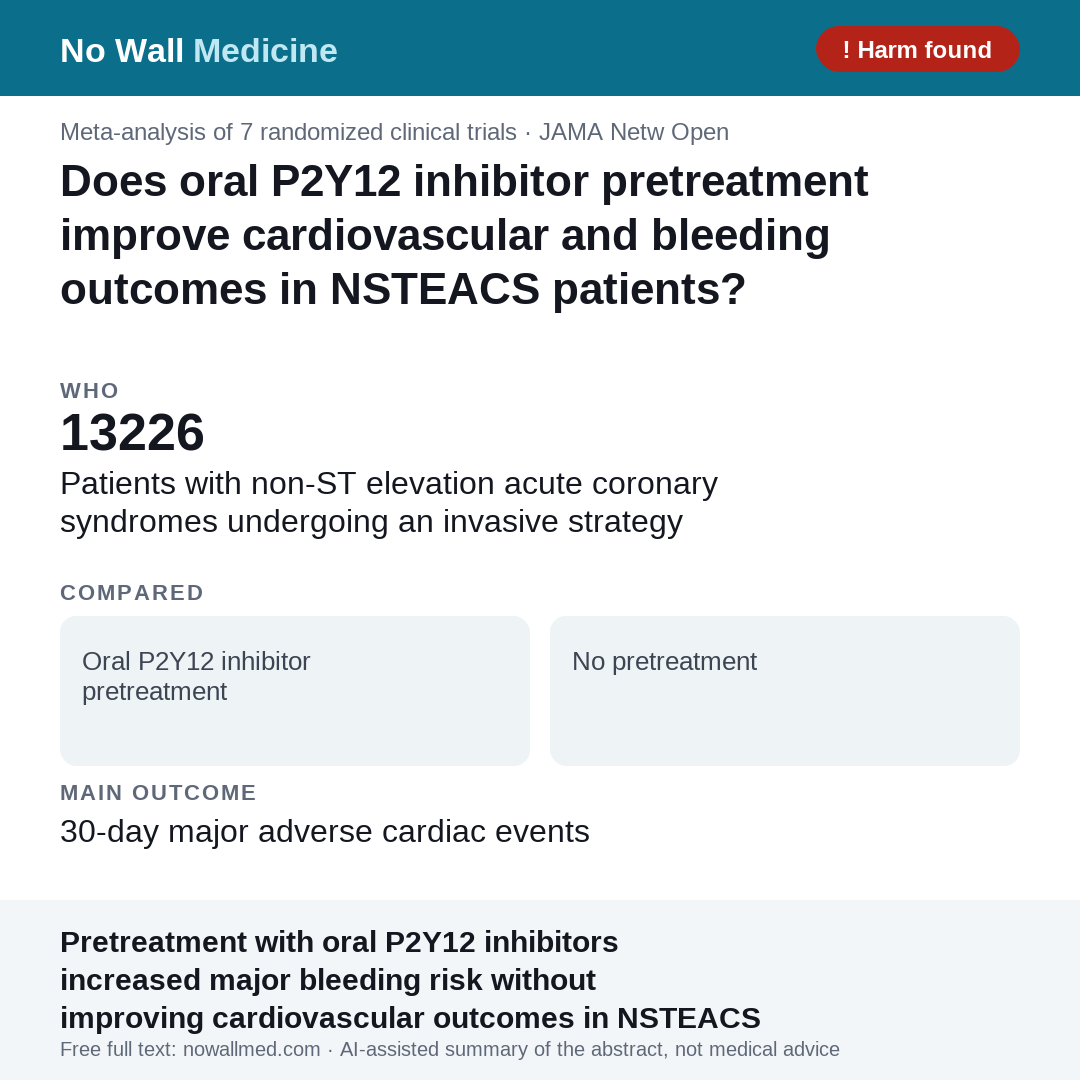
Assessment of Pretreatment With Oral P2Y12 Inhibitors and Cardiovascular and Bleeding Outcomes in Patients With Non-ST Elevation Acute Coronary Syndromes: A Systematic Review and Meta-analysis
Meta-analysis of 7 randomized clinical trialsHarm found
Does oral P2Y12 inhibitor pretreatment improve cardiovascular and bleeding outcomes in NSTEACS patients?
Who
13226
Patients with non-ST elevation acute coronary syndromes undergoing an invasive strategy
Compared
Oral P2Y12 inhibitor pretreatment
No pretreatment
Main outcome
30-day major adverse cardiac events
Result: odds ratio 0.95 (95% CI, 0.78-1.15)
Bottom line: Pretreatment with oral P2Y12 inhibitors increased major bleeding risk without improving cardiovascular outcomes in NSTEACS patients.
JAMA Netw Open · 2021-11-01Download image
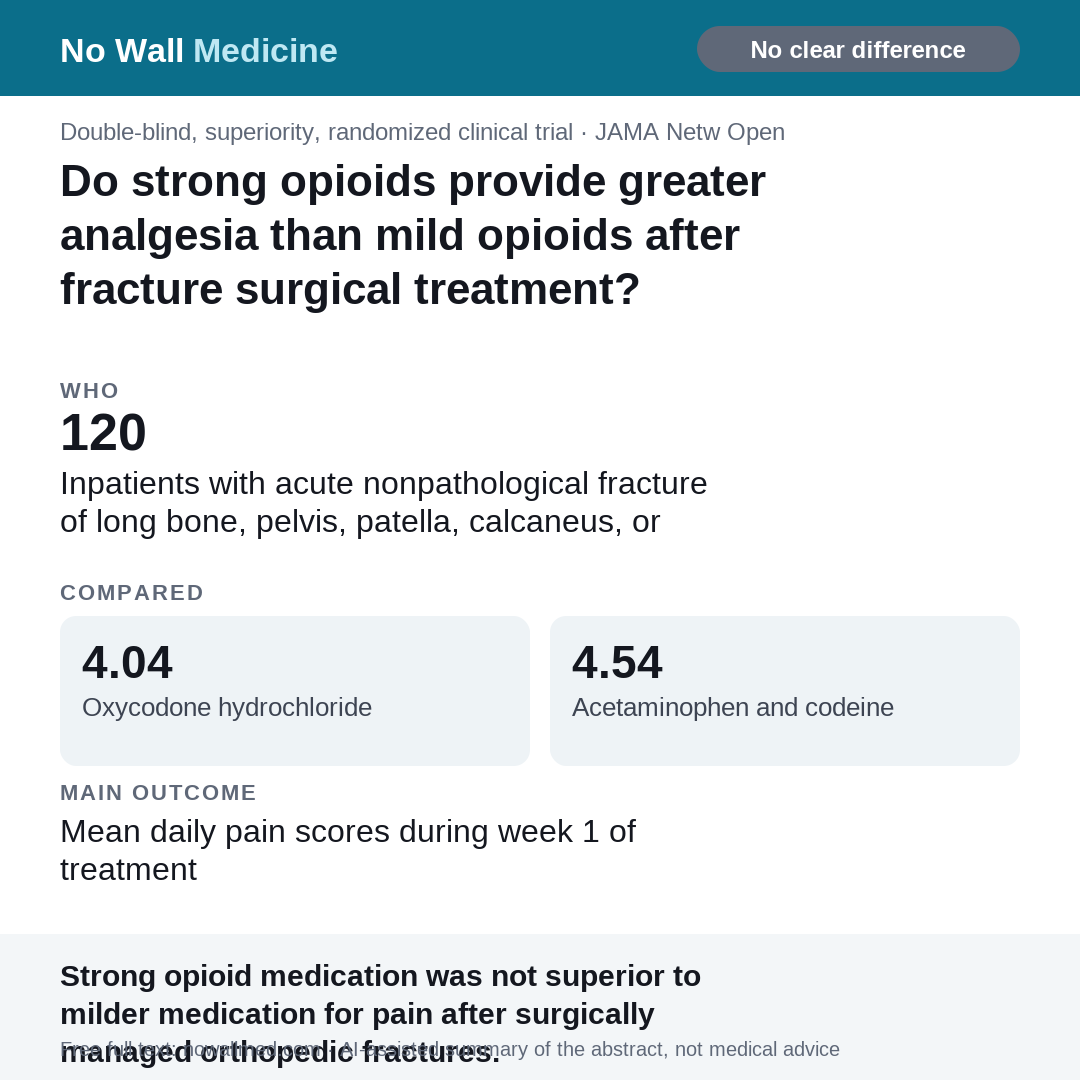
Effectiveness of Oxycodone Hydrochloride (Strong Opioid) vs Combination Acetaminophen and Codeine (Mild Opioid) for Subacute Pain After Fractures Managed Surgically: A Randomized Clinical Trial
Double-blind, superiority, randomized clinical trialNo clear difference
Do strong opioids provide greater analgesia than mild opioids after fracture surgical treatment?
Who
120
Inpatients with acute nonpathological fracture of long bone, pelvis, patella, calcaneus, or talus · Single-center, major trauma hospital in Sydney, Australia
Compared
4.04Oxycodone hydrochloride (95% CI, 3.67 to 4.41)
4.54Acetaminophen and codeine (95% CI, 4.17 to 4.90)
Main outcome
Mean daily pain scores during week 1 of treatment
Result: -0.50 (95% CI, -1.11 to 0.12)
Bottom line: Strong opioid medication was not superior to milder medication for pain after surgically managed orthopedic fractures.
JAMA Netw Open · 2021-11-01Download image