Visual abstracts
New randomized trials and meta-analyses from leading journals at a glance: who was studied, what was compared, and what was found. Every paper is free to read in full.
All specialtiesCardiology 322Oncology 242Gastroenterology & Hepatology 139Infectious Disease 250Neurology 146Psychiatry & Mental Health 213Pulmonology 144Critical Care 96Endocrinology & Diabetes 191Pediatrics 143Surgery 95Orthopedics & Sports Medicine 64Neurosurgery 18Cardiothoracic & Vascular Surgery 34Plastic & Reconstructive Surgery 64Nephrology 64Rheumatology 64Hematology 75Dermatology 32Ophthalmology 56Obstetrics & Gynecology 93Public & Global Health 96Radiology & Imaging 26Anesthesiology 55Urology 74ENT (Otolaryngology) 40Emergency Medicine 30Allergy & Immunology 31Geriatrics 91Family Medicine & Primary Care 49Medical Genetics & Genomics 29Pathology & Laboratory Medicine 5Physical Medicine & Rehabilitation 81Palliative Care 47Nutrition 111Digital Health & AI 273General Medicine 41
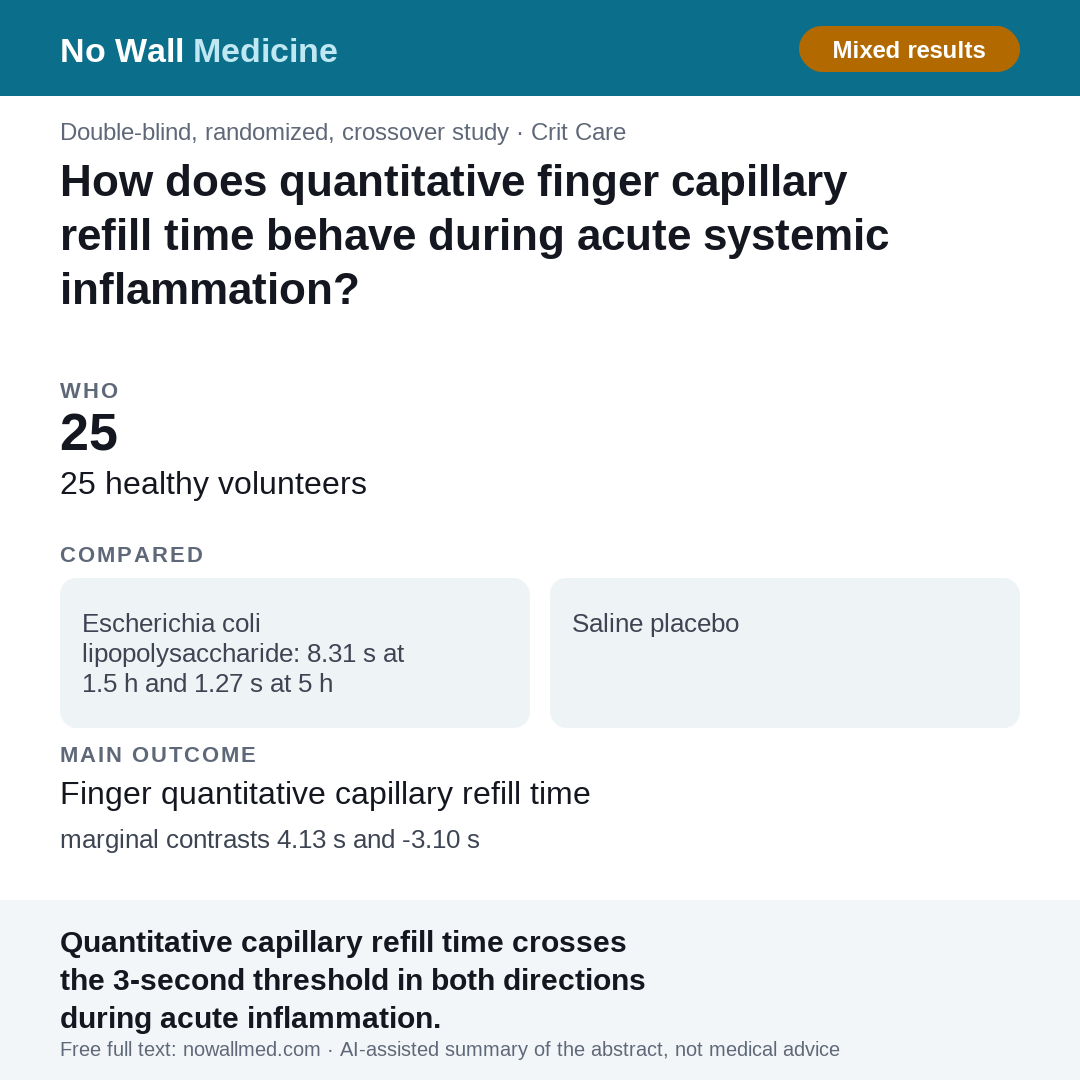
Physiological limits of capillary refill time: a human endotoxemia study
Double-blind, randomized, crossover studyMixed results
How does quantitative finger capillary refill time behave during acute inflammation?
Who
25
25 healthy volunteers
Compared
Escherichia coli lipopolysaccharide: 8.31 s at 1.5 h and 1.27 s at 5 h
Saline placebo
Main outcome
Quantitative finger capillary refill time
Result: marginal contrasts 4.13 s and -3.10 s (p < 0.0001)
Bottom line: Capillary refill time crosses the 3-second threshold in both directions during acute inflammation, making fixed thresholds unreliable.
Limitation: Findings in healthy participants are not directly generalizable to septic shock.
Crit Care · 2026-08-31Download image
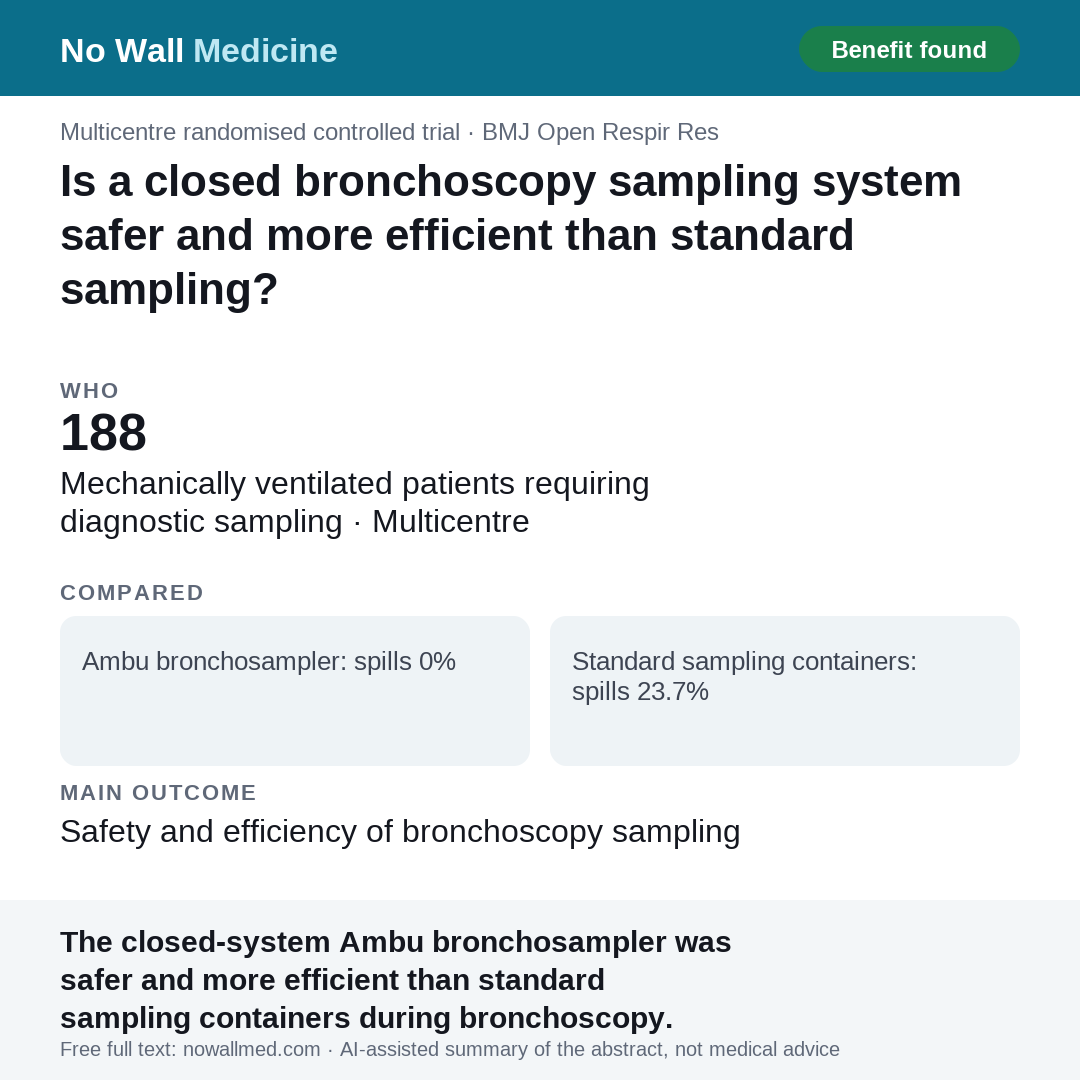
Randomised controlled trial to assess the safety and efficiency of a self-contained sampling device/disposable bronchoscope system versus usual sampling procedure (RASECAL)
Multicentre randomised controlled trialBenefit found
Is a closed bronchoscopy sampling system safer and more efficient than standard sampling?
Who
188
Mechanically ventilated patients requiring diagnostic sampling · Multicentre
Compared
Ambu bronchosampler: spills 0%
Standard sampling containers: spills 23.7%
Main outcome
Safety and efficiency of bronchoscopy sampling
Bottom line: The closed-system Ambu bronchosampler was safer and more efficient than standard sampling containers during bronchoscopy.
BMJ Open Respir Res · 2026-08-31Download image
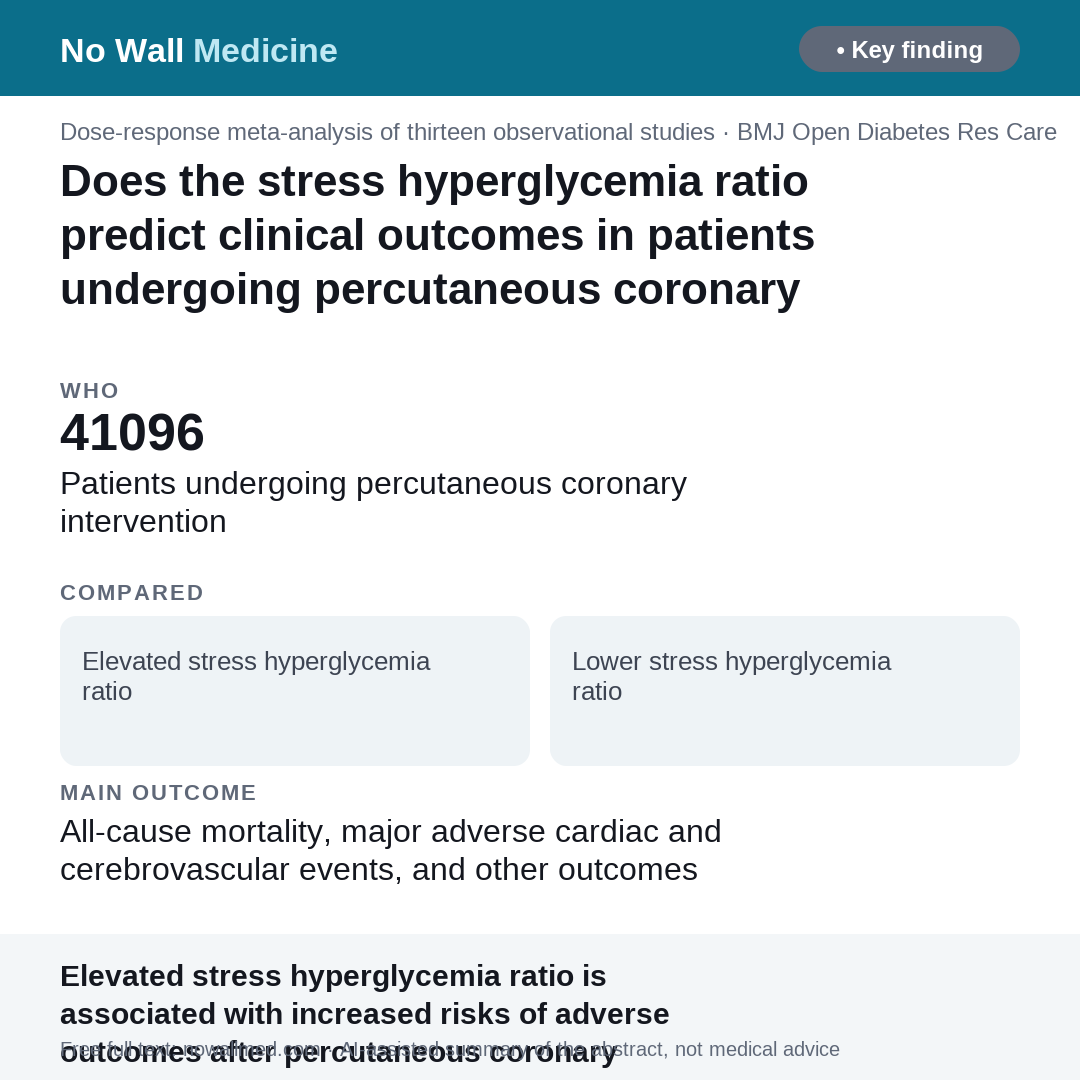
Prognostic significance of stress hyperglycemia ratio in patients undergoing percutaneous coronary intervention: a dose-response meta-analysis
Dose-response meta-analysis of thirteen observational studiesHarm found
Does the stress hyperglycemia ratio predict clinical outcomes in patients undergoing percutaneous coronary intervention?
Who
41096
Patients undergoing percutaneous coronary intervention
Compared
Elevated stress hyperglycemia ratio
Lower stress hyperglycemia ratio
Main outcome
All-cause mortality, major adverse cardiac and cerebrovascular events, and other outcomes
Bottom line: Elevated stress hyperglycemia ratio is associated with increased risks of adverse outcomes after percutaneous coronary intervention.
Limitation: Most studies were observational, definitions varied, and residual confounding cannot be excluded.
BMJ Open Diabetes Res Care · 2026-08-31Download image
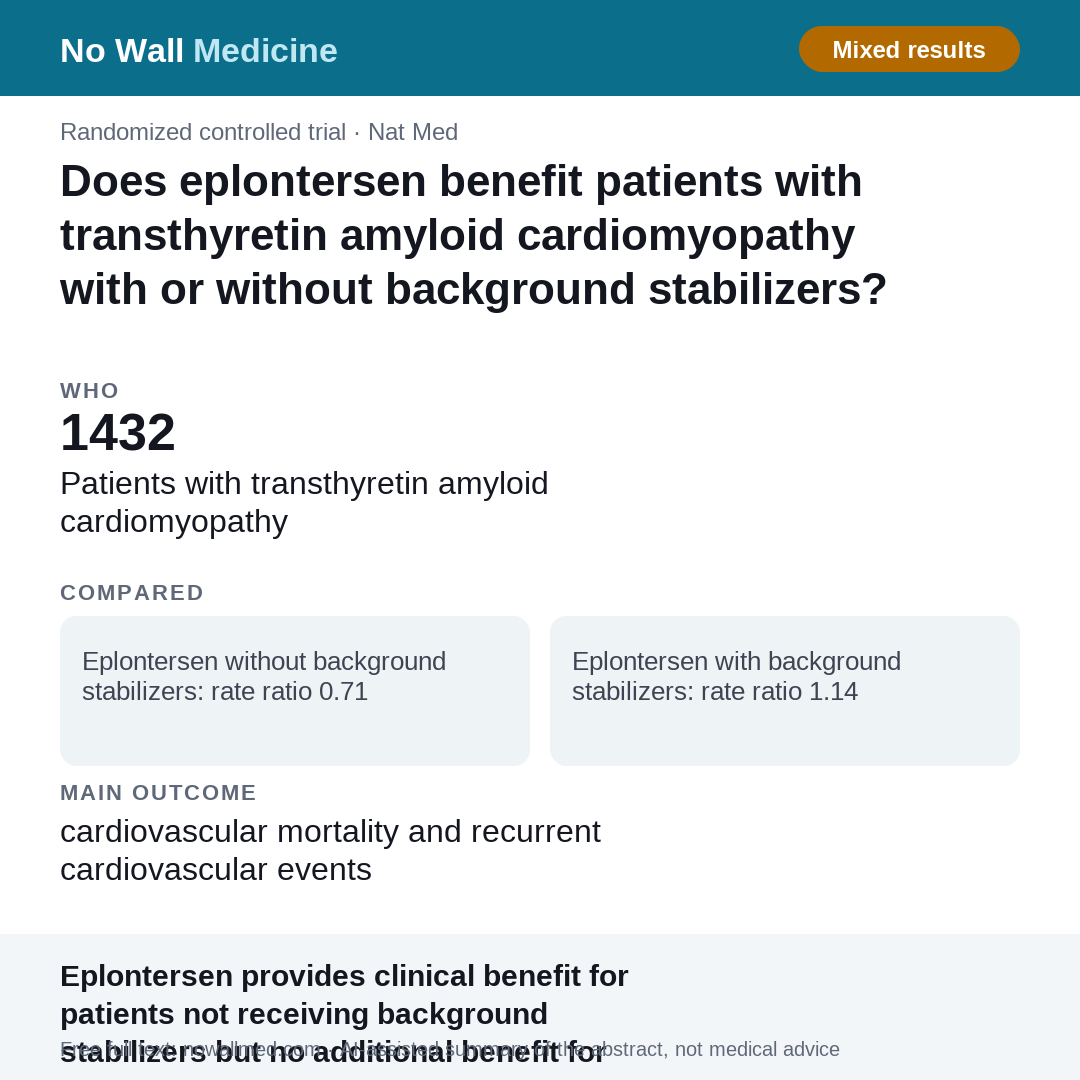
Eplontersen with and without background transthyretin stabilizers in transthyretin amyloid cardiomyopathy: secondary analysis of a phase 3, randomized controlled trial
Randomized controlled trialMixed results
Does eplontersen benefit patients with transthyretin amyloid cardiomyopathy with or without background stabilizers?
Who
1432
Patients with transthyretin amyloid cardiomyopathy
Compared
Eplontersen without background stabilizers: rate ratio 0.71
Eplontersen with background stabilizers: rate ratio 1.14
Main outcome
cardiovascular mortality and recurrent cardiovascular events
Result: rate ratio 0.71 (95% CI 0.54 to 0.93) for those not on stabilizers
Bottom line: Eplontersen provides clinical benefit for patients not receiving background stabilizers but no additional benefit for those already on stabilizers.
Nat Med · 2026-08-30Download image
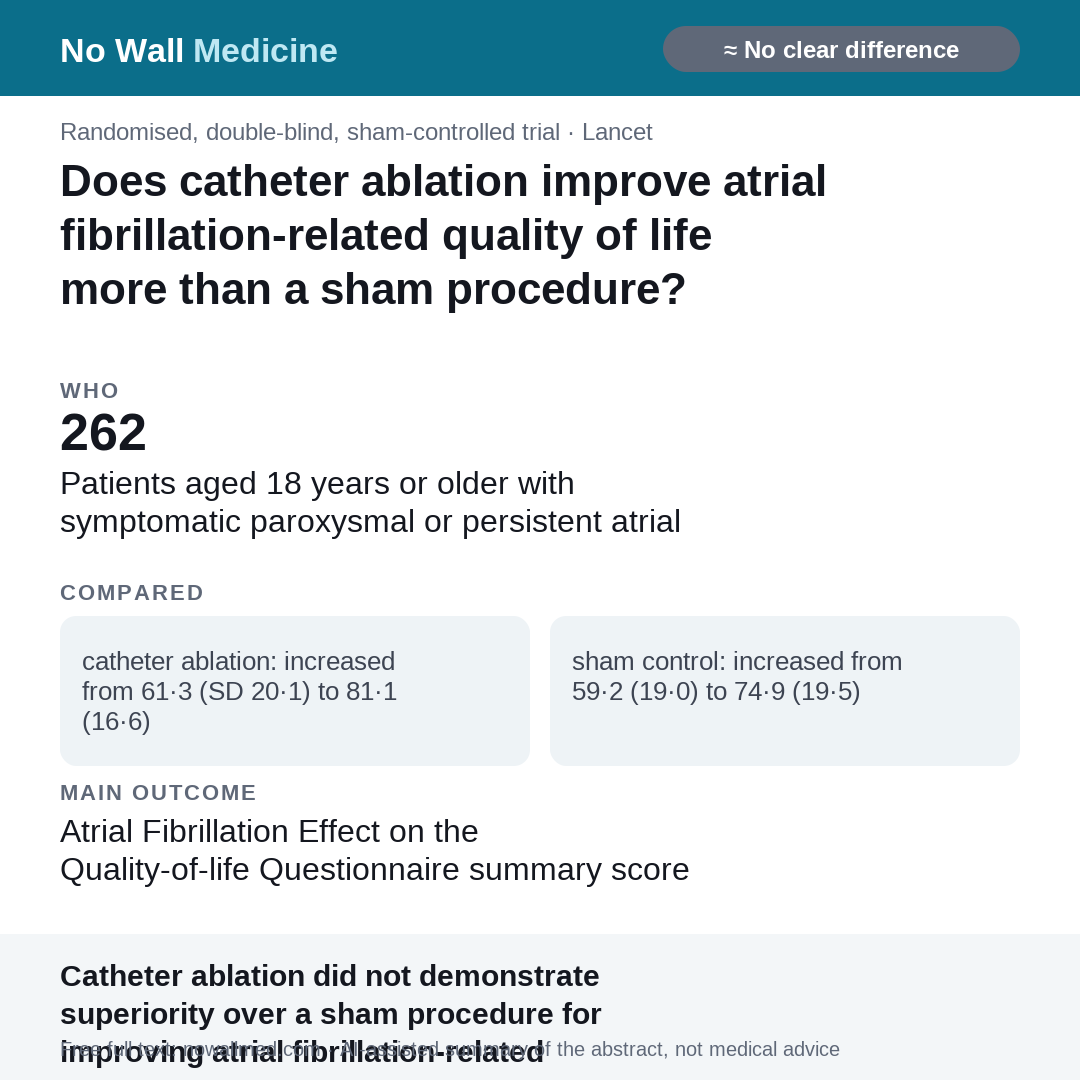
Catheter ablation for symptomatic atrial fibrillation (PVI-SHAM-AF): a randomised, double-blind, sham-controlled, multicentre trial
Randomised, double-blind, sham-controlled trialNo clear difference
Does catheter ablation improve atrial fibrillation-related quality of life more than a sham procedure?
Who
262
Patients aged 18 years or older with symptomatic paroxysmal or persistent atrial fibrillation · Nine study sites in Germany and Poland
Compared
catheter ablation: increased from 61·3 (SD 20·1) to 81·1 (16·6)
sham control: increased from 59·2 (19·0) to 74·9 (19·5)
Main outcome
Atrial Fibrillation Effect on the Quality-of-life Questionnaire summary score
Result: Hodges-Lehmann estimate 2·6 (95% CI -2·7 to 8·0)
Bottom line: Catheter ablation did not demonstrate superiority over a sham procedure for improving atrial fibrillation-related quality of life at 6 months.
Funded by: Helios Gesundheit (Förderung Leipziger Herzmedizin)
Lancet · 2026-08-30Download image
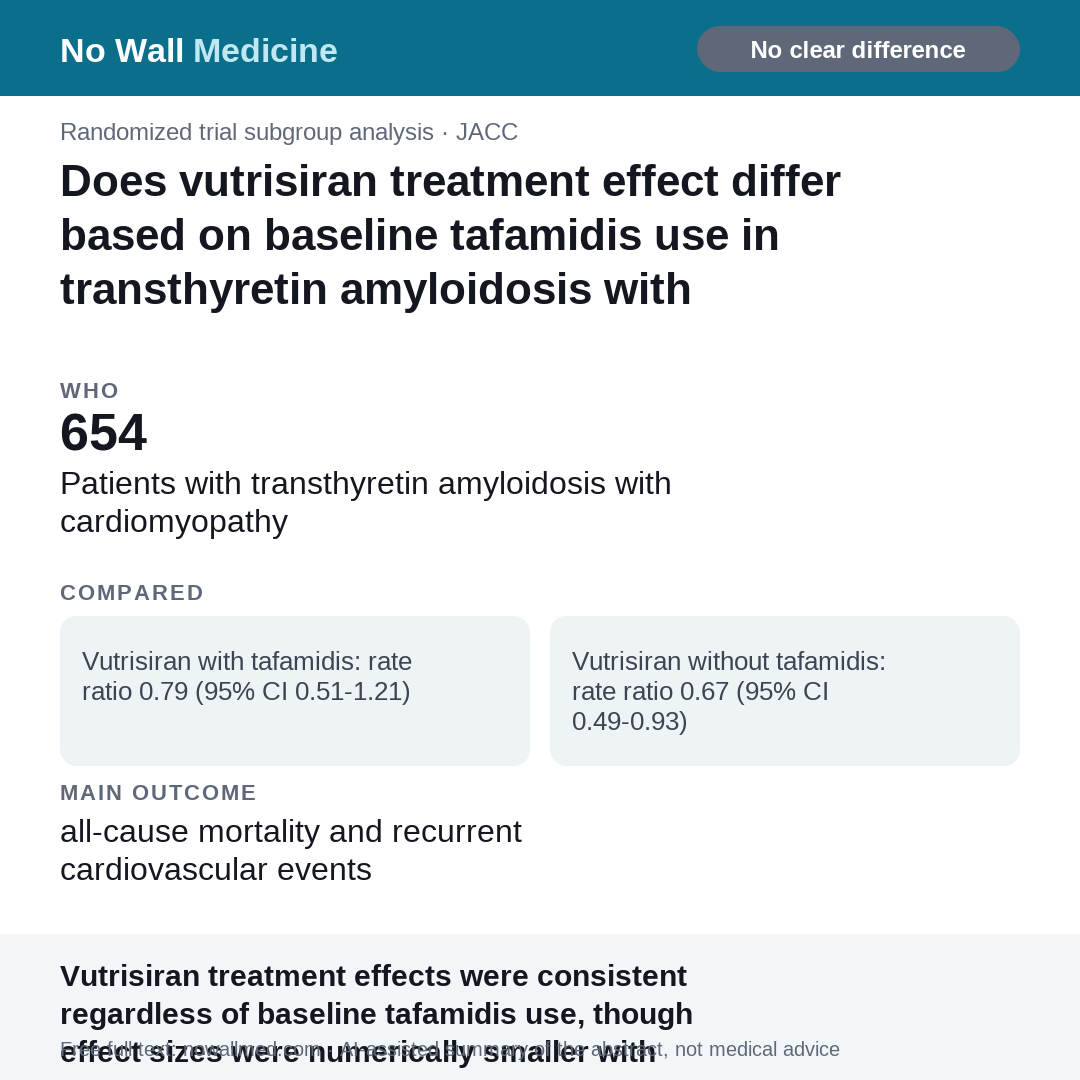
Effect of Vutrisiran According to Baseline Tafamidis Use in Transthyretin Amyloidosis With Cardiomyopathy: Insights From HELIOS-B
Randomized trial subgroup analysisNo clear difference
Does vutrisiran treatment effect differ based on baseline tafamidis use in transthyretin amyloidosis with cardiomyopathy?
Who
654
Patients with transthyretin amyloidosis with cardiomyopathy
Compared
Vutrisiran with tafamidis: rate ratio 0.79 (95% CI 0.51-1.21)
Vutrisiran without tafamidis: rate ratio 0.67 (95% CI 0.49-0.93)
Main outcome
all-cause mortality and recurrent cardiovascular events
Result: rate ratio 0.79 (95% CI 0.51-1.21) with tafamidis vs 0.67 (95% CI 0.49-0.93) without
Bottom line: Vutrisiran treatment effects were consistent regardless of baseline tafamidis use, though effect sizes were numerically smaller with tafamidis.
Limitation: The study highlights the need for future prospective studies examining combination therapy.
JACC · 2026-08-30Download image
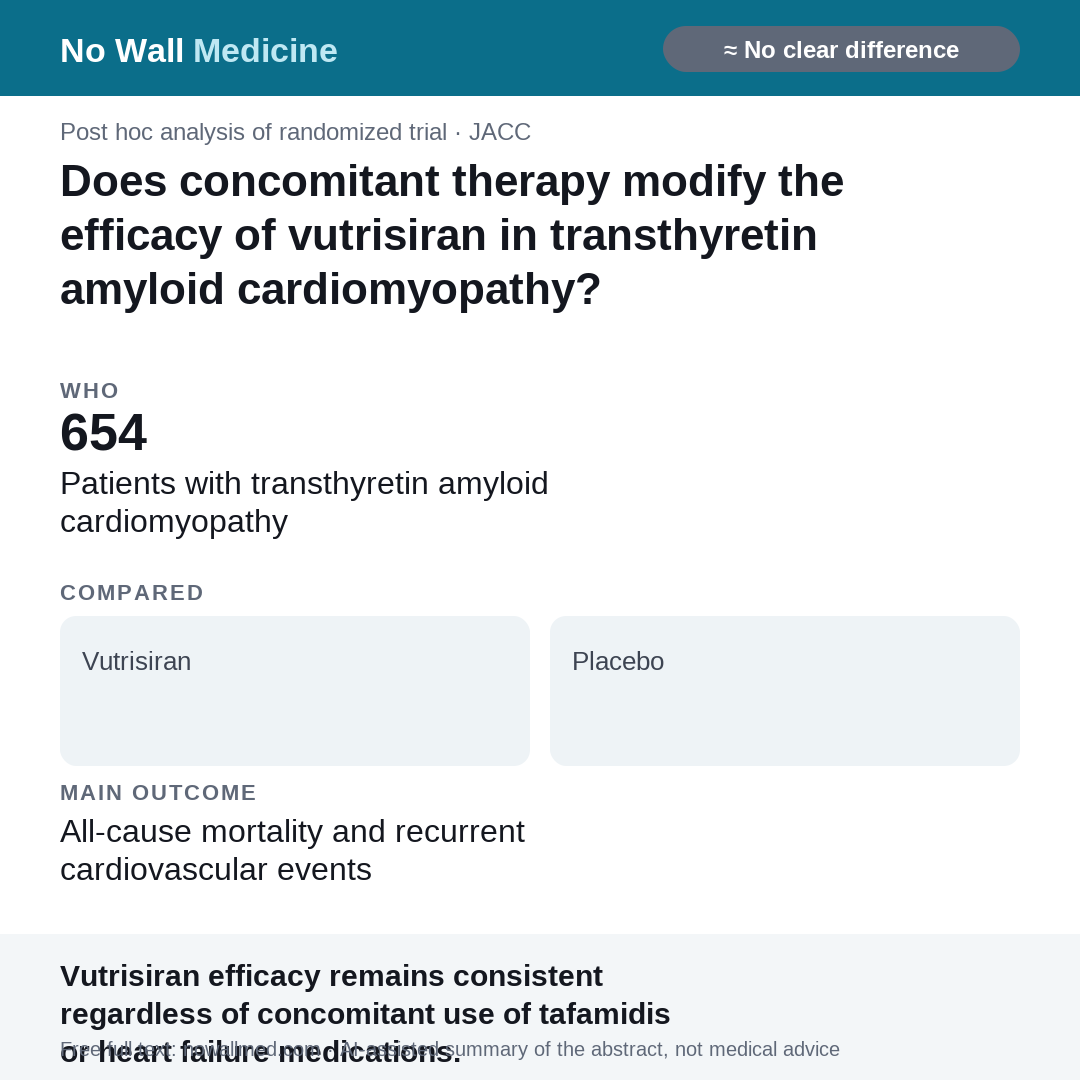
Influence of Disease-Modifying Therapy on the Efficacy of Vutrisiran in Transthyretin Cardiac Amyloidosis
Post hoc analysis of randomized trialNo clear difference
Does concomitant therapy modify the efficacy of vutrisiran in transthyretin amyloid cardiomyopathy?
Who
654
Patients with transthyretin amyloid cardiomyopathy
Compared
Vutrisiran
Placebo
Main outcome
All-cause mortality and recurrent cardiovascular events
Bottom line: Vutrisiran efficacy remains consistent regardless of concomitant use of tafamidis or heart failure medications.
JACC · 2026-08-30Download image
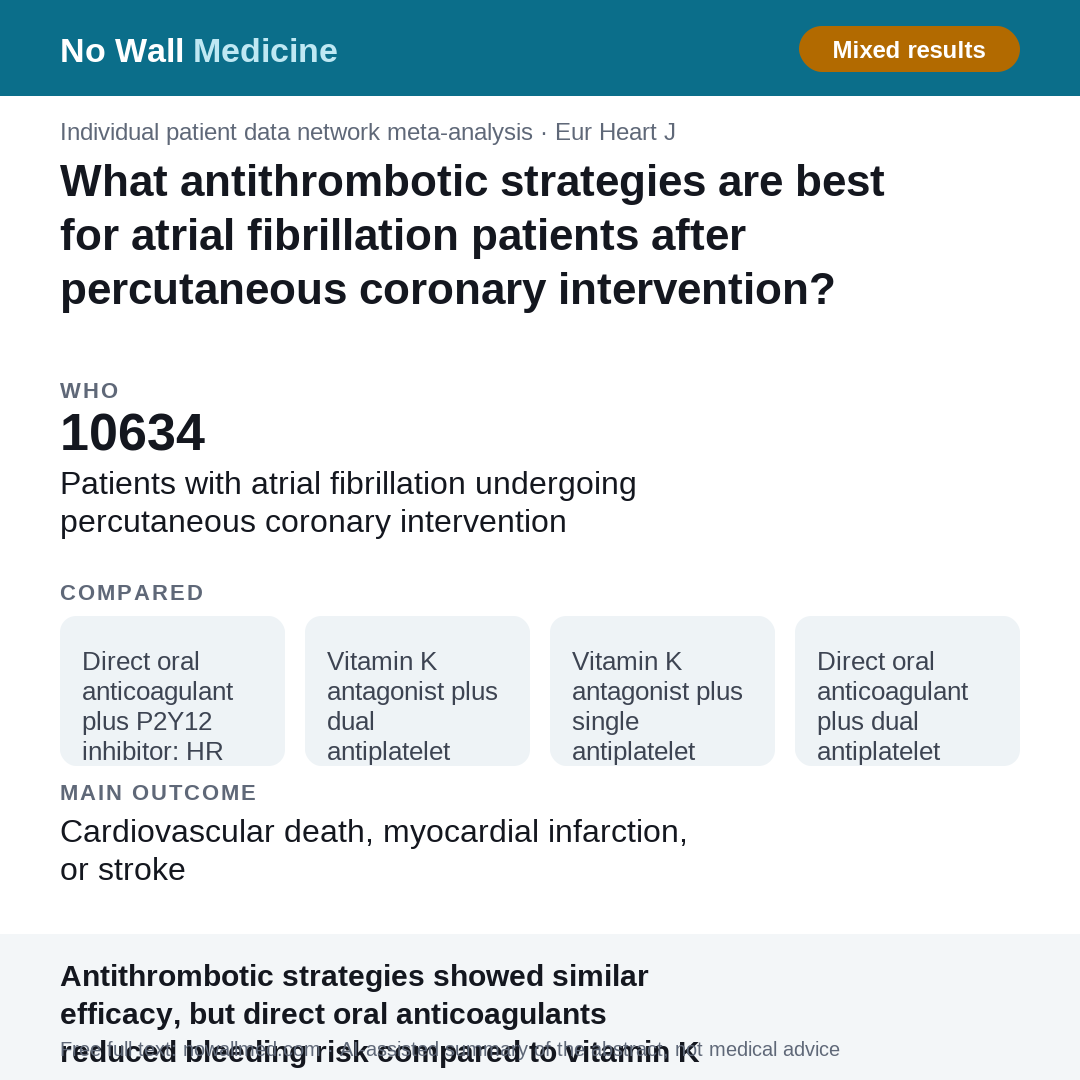
Antithrombotic therapy after percutaneous coronary intervention in patients with atrial fibrillation: an individual patient data network meta-analysis
Individual patient data network meta-analysisMixed results
What antithrombotic strategies are best for atrial fibrillation patients after percutaneous coronary intervention?
Who
10634
Patients with atrial fibrillation undergoing percutaneous coronary intervention
Compared
Direct oral anticoagulant plus P2Y12 inhibitor: HR 1.16 (95%CI 0.97-1.41)
Vitamin K antagonist plus dual antiplatelet therapy: Reference
Vitamin K antagonist plus single antiplatelet therapy: HR 1.14 (95%CI 0.85-1.54)
Direct oral anticoagulant plus dual antiplatelet therapy: HR 0.99 (95%CI 0.75-1.30)
Main outcome
Cardiovascular death, myocardial infarction, or stroke
Result: HR 1.16 (95%CI 0.97-1.41)
Bottom line: Antithrombotic strategies showed similar efficacy, but direct oral anticoagulants reduced bleeding risk compared to vitamin K antagonists.
Limitation: A modest increase in risk with single compared with dual antiplatelet therapy cannot be excluded.
Eur Heart J · 2026-08-30Download image
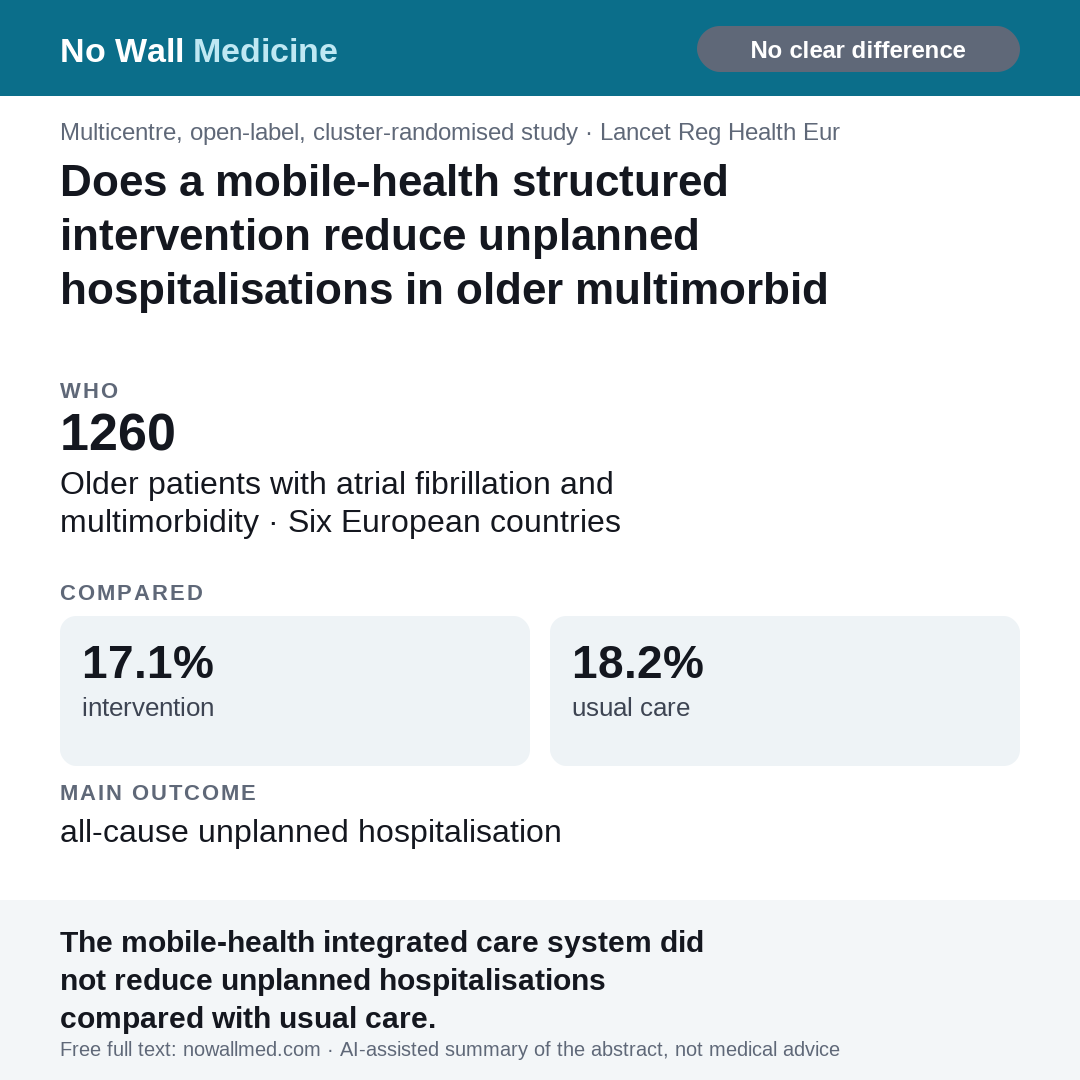
Integrated care management and comprehensive geriatric assessment using a mHealth-based approach in older multimorbid patients with atrial fibrillation: the AFFIRMO cluster-randomised trial
Multicentre, open-label, cluster-randomised studyNo clear difference
Does a mobile-health structured intervention reduce unplanned hospitalisations in older multimorbid atrial fibrillation patients?
Who
1260
Older patients with atrial fibrillation and multimorbidity · Six European countries
Compared
17.1%intervention (108/634)
18.2%usual care (114/626)
Main outcome
all-cause unplanned hospitalisation
Result: adjusted OR 0.95 (95% CI 0.61-1.49)
Bottom line: The mobile-health integrated care system did not reduce unplanned hospitalisations compared with usual care.
Funded by: European Union's Horizon 2020 Research and Innovation Program
Lancet Reg Health Eur · 2026-08-30Download image
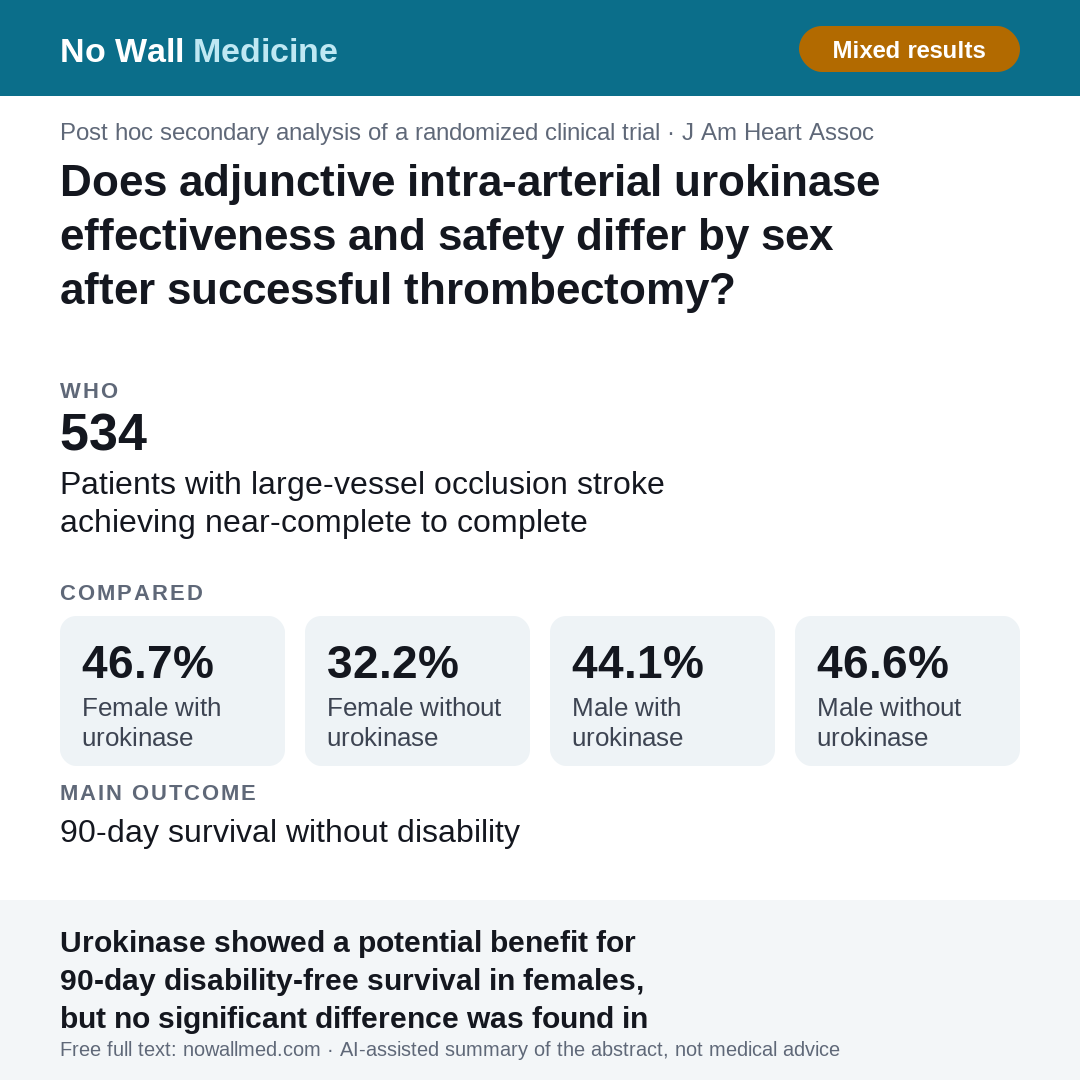
Sex Differences in Treatment Effect of Adjunctive Intra-Arterial Urokinase After Successful Thrombectomy: A Post Hoc Secondary Analysis of the POST-UK Randomized Clinical Trial
Post hoc secondary analysis of a randomized clinical trialMixed results
Does adjunctive intra-arterial urokinase effectiveness and safety differ by sex after successful thrombectomy?
Who
534
Patients with large-vessel occlusion stroke achieving near-complete to complete reperfusion · Multicenter
Compared
46.7%Female with urokinase
32.2%Female without urokinase
44.1%Male with urokinase
46.6%Male without urokinase
Main outcome
90-day survival without disability
Result: adjusted risk ratio 1.47 (95% CI 1.07-2.02) in females
Bottom line: Urokinase showed a potential benefit for 90-day disability-free survival in females, but no significant difference was found in males.
J Am Heart Assoc · 2026-08-30Download image
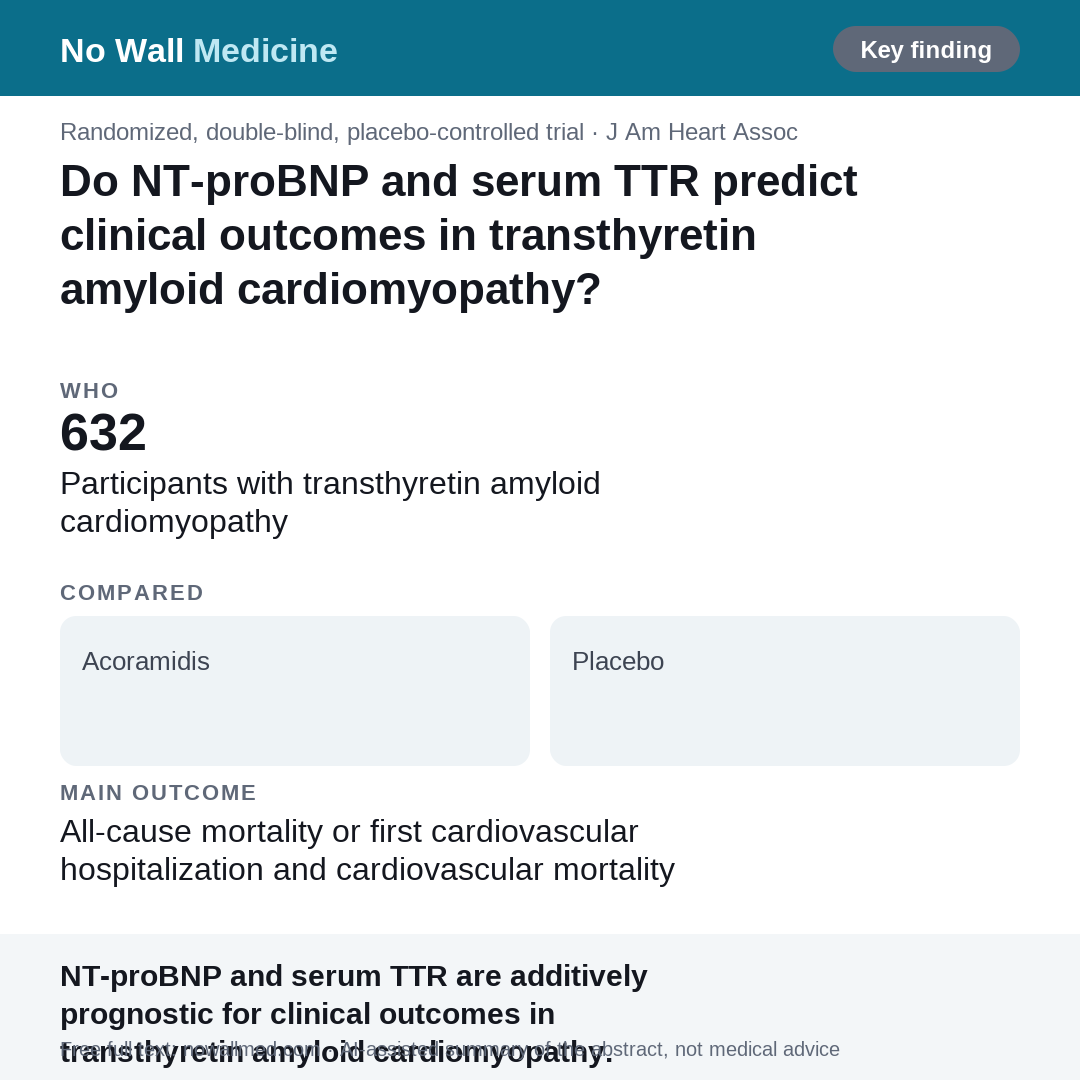
Natriuretic Peptide and Transthyretin and Their Relationship With Clinical Outcomes: Results From ATTRIBUTE-CM, a Randomized Controlled Trial
Randomized, double-blind, placebo-controlled trialBenefit found
Do NT-proBNP and serum TTR predict clinical outcomes in transthyretin amyloid cardiomyopathy?
Who
632
Participants with transthyretin amyloid cardiomyopathy
Compared
Acoramidis
Placebo
Main outcome
All-cause mortality or first cardiovascular hospitalization and cardiovascular mortality or first cardiovascular hospitalization
Bottom line: NT-proBNP and serum TTR are additively prognostic for clinical outcomes in transthyretin amyloid cardiomyopathy.
J Am Heart Assoc · 2026-08-30Download image
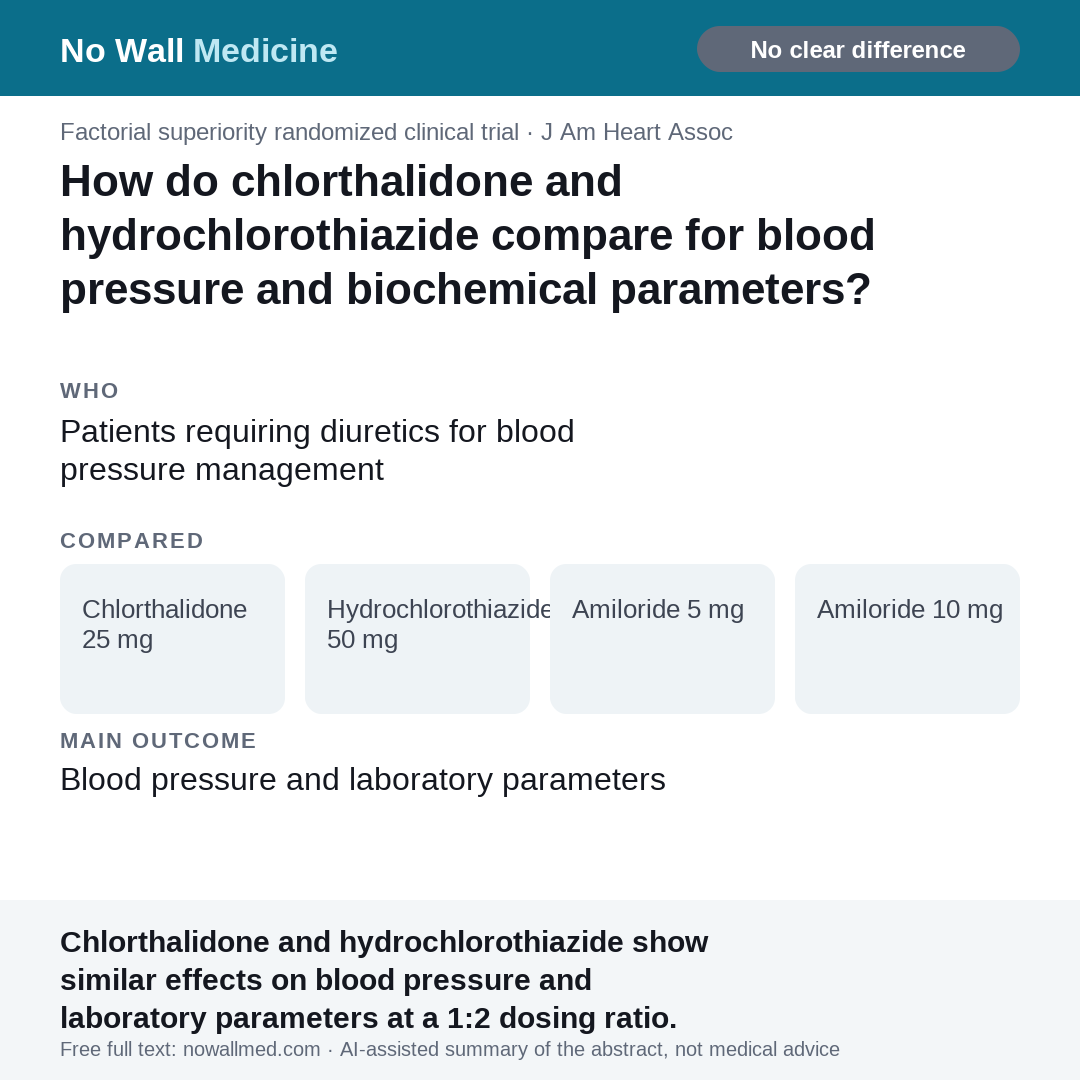
Comparative Effectiveness of Chlorthalidone Versus Hydrochlorothiazide and Dose-Response of Amiloride on Blood Pressure and Biochemical Parameters
Factorial superiority randomized clinical trialNo clear difference
How do chlorthalidone and hydrochlorothiazide compare for blood pressure and biochemical parameters?
Who
Patients requiring diuretics for blood pressure management
Compared
Chlorthalidone 25 mg
Hydrochlorothiazide 50 mg
Amiloride 5 mg
Amiloride 10 mg
Main outcome
Blood pressure and laboratory parameters
Bottom line: Chlorthalidone and hydrochlorothiazide show similar effects on blood pressure and laboratory parameters at a 1:2 dosing ratio.
J Am Heart Assoc · 2026-08-30Download image
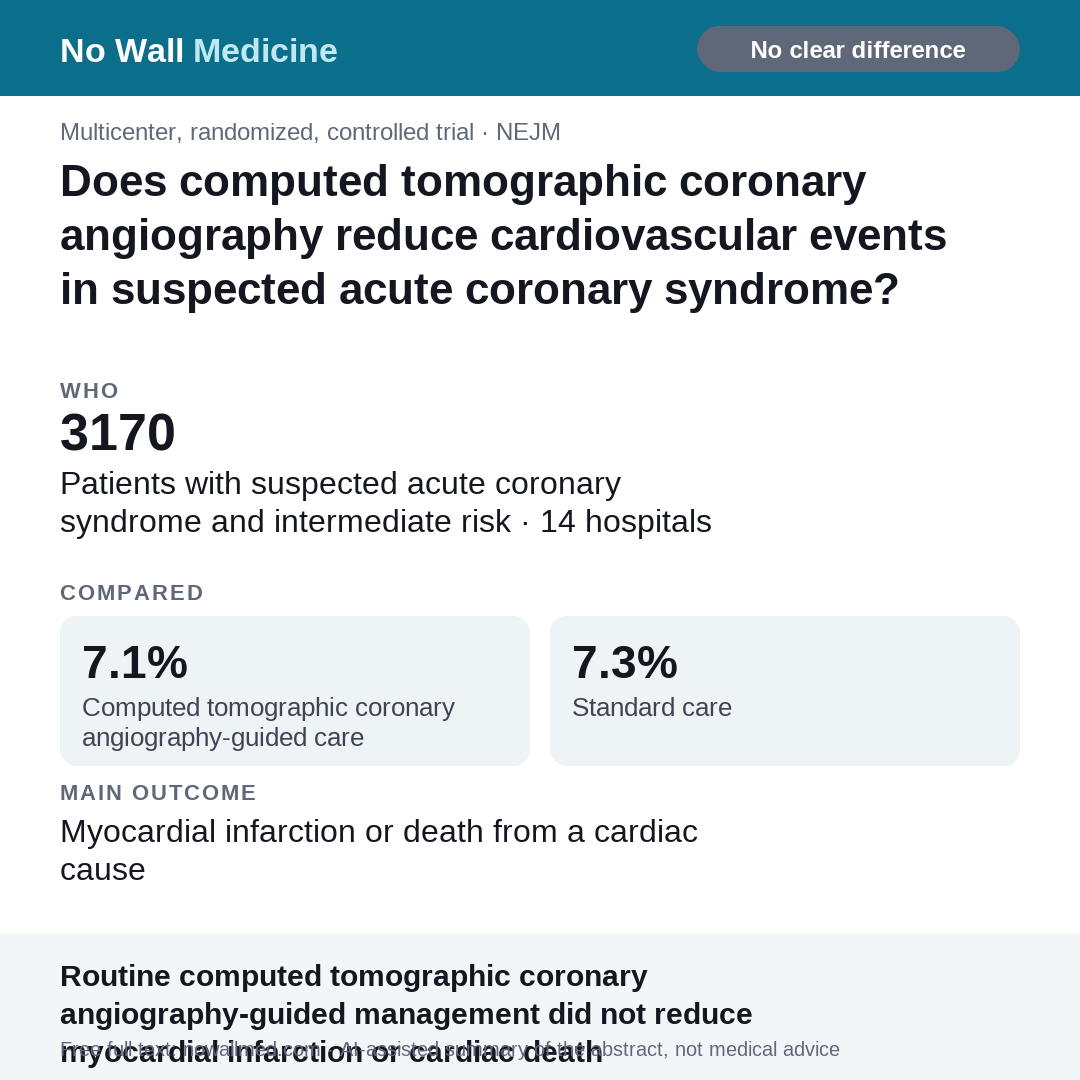
Targeted Use of Computed Tomographic Coronary Angiography in Acute Chest Pain
Multicenter, randomized, controlled trialNo clear difference
Does computed tomographic coronary angiography reduce cardiovascular events in suspected acute coronary syndrome?
Who
3170
Patients with suspected acute coronary syndrome and intermediate risk · 14 hospitals across the United Kingdom
Compared
7.1%Computed tomographic coronary angiography-guided care
7.3%Standard care
Main outcome
Myocardial infarction or death from a cardiac cause
Result: adjusted hazard ratio 0.95 (95% CI 0.73 to 1.23)
Bottom line: Routine computed tomographic coronary angiography-guided management did not reduce myocardial infarction or cardiac death compared to standard care.
Funded by: British Heart Foundation
NEJM · 2026-08-29Download image
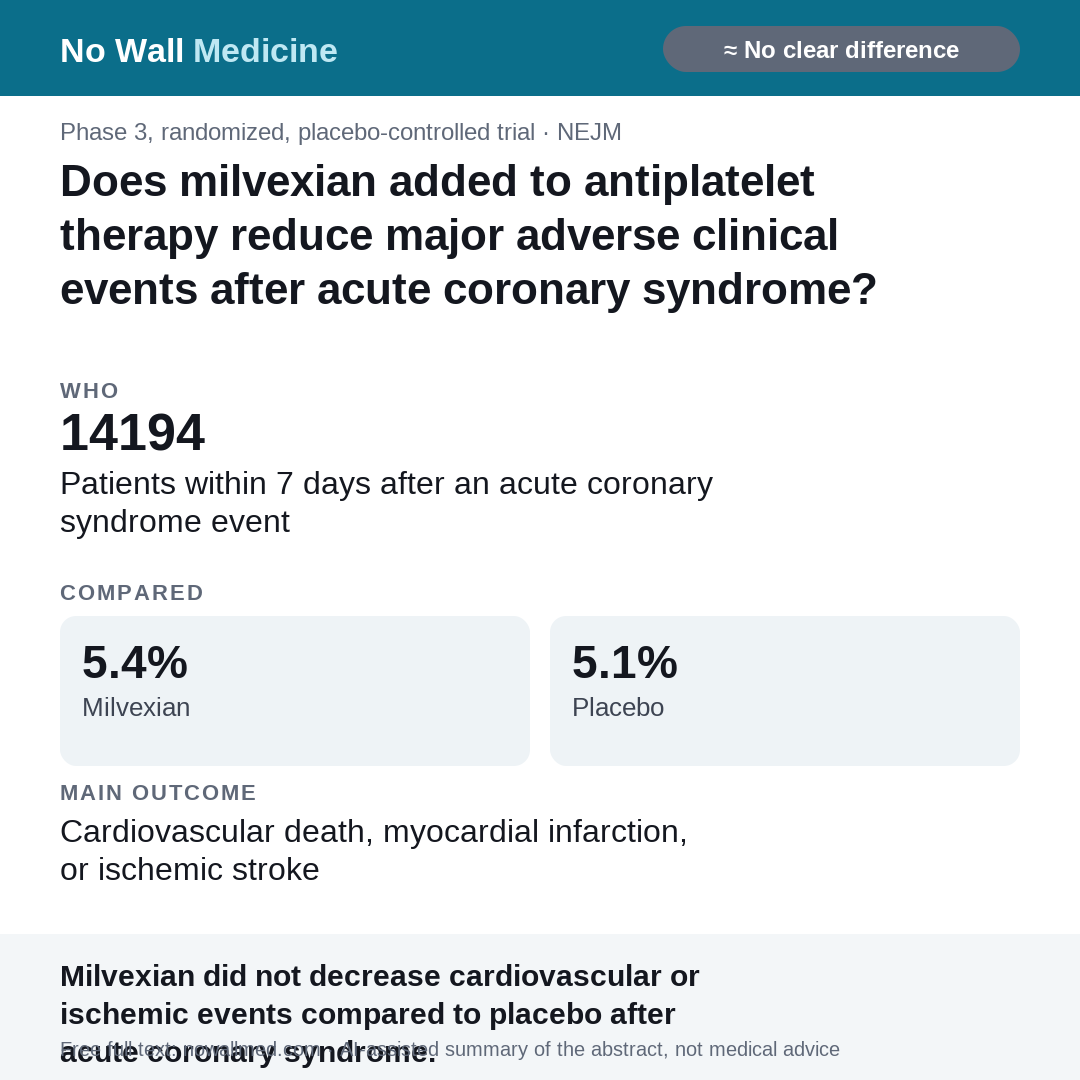
Milvexian with Antiplatelet Therapy after Acute Coronary Syndrome Event
Phase 3, randomized, placebo-controlled trialNo clear difference
Does milvexian added to antiplatelet therapy reduce major adverse clinical events after acute coronary syndrome?
Who
14194
Patients within 7 days after an acute coronary syndrome event
Compared
5.4%Milvexian
5.1%Placebo
Main outcome
Cardiovascular death, myocardial infarction, or ischemic stroke
Result: hazard ratio 1.05 (95% confidence interval 0.91 to 1.21)
Bottom line: Milvexian did not decrease cardiovascular or ischemic events compared to placebo after acute coronary syndrome.
Funded by: Janssen Research and Development and Bristol Myers Squibb
NEJM · 2026-08-29Download image
Dual antithrombotic therapy using potent antiplatelet inhibitors in atrial fibrillation and acute coronary syndrome: a randomized controlled trial
Open-label, randomized controlled trialHarm found
Is a 1-month regimen of direct oral anticoagulant plus potent P2Y12 inhibitor better than clopidogrel?
Who
602
Patients with atrial fibrillation and acute coronary syndrome
Compared
Direct oral anticoagulant plus potent P2Y12 inhibitor
Direct oral anticoagulant plus clopidogrel and in-hospital aspirin
Main outcome
Recurrent ischemic events, death, and major bleeding
Bottom line: Potent P2Y12 inhibitors with direct oral anticoagulants increased bleeding without reducing ischemic complications.
Limitation: The study was prematurely terminated after enrolling 602 of 1,474 expected patients.
Nat Med · 2026-08-29Download image

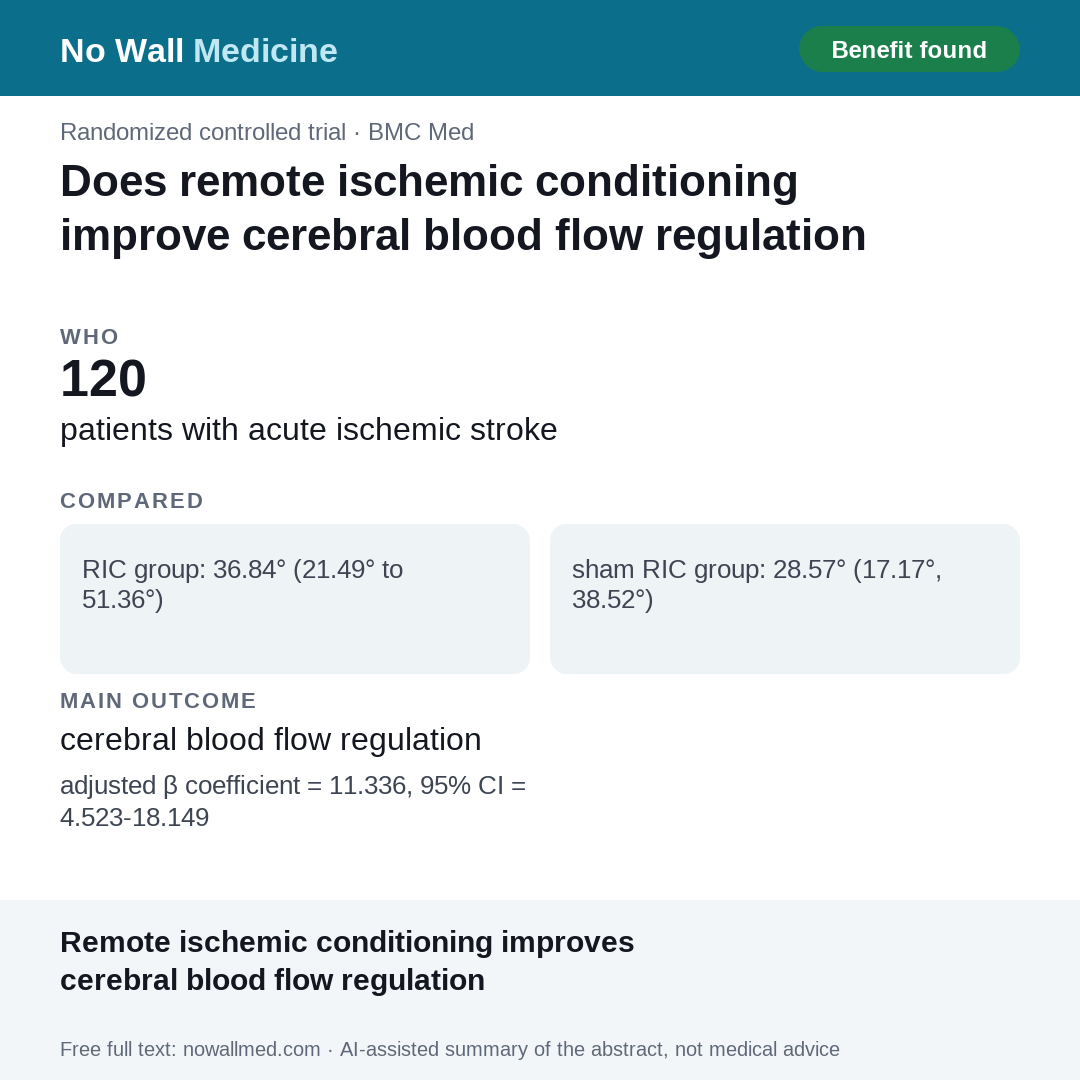
Effect of remote ischemic conditioning on cerebral blood flow regulation in patients with ischemic stroke: a randomized, controlled trial
Randomized controlled trialBenefit found
Does remote ischemic conditioning improve cerebral blood flow regulation
Who
120
patients with acute ischemic stroke
Compared
RIC group: 36.84° (21.49° to 51.36°)
sham RIC group: 28.57° (17.17°, 38.52°)
Main outcome
cerebral blood flow regulation
Result: adjusted β coefficient = 11.336, 95% CI = 4.523-18.149
Bottom line: Remote ischemic conditioning improves cerebral blood flow regulation
BMC Med · 2026-08-29Download image
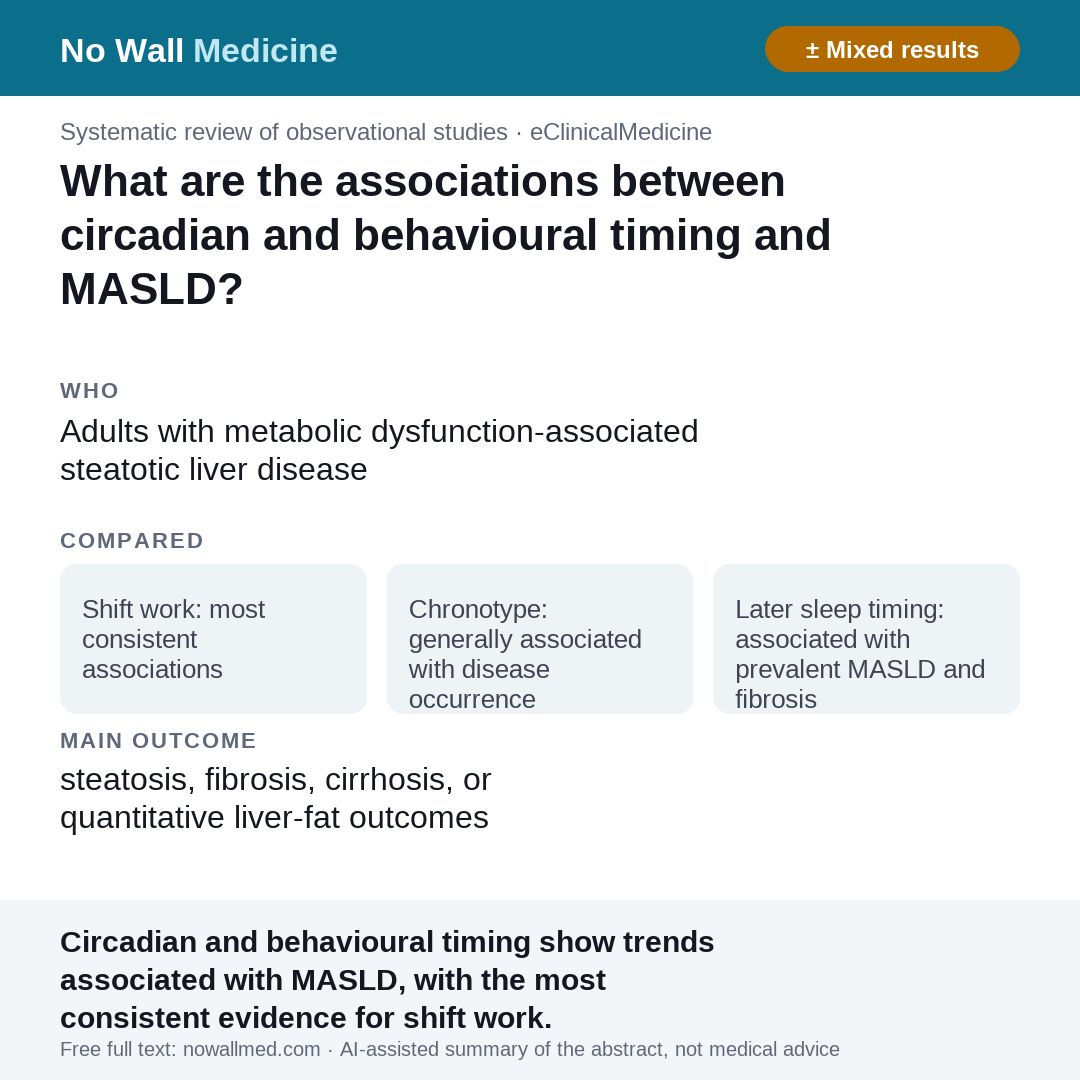
Circadian and behavioral timing in MASLD: a systematic review of human observational studies
Systematic review of observational studiesMixed results
What are the associations between circadian and behavioural timing and MASLD?
Who
Adults with metabolic dysfunction-associated steatotic liver disease
Compared
Shift work: most consistent associations
Chronotype: generally associated with disease occurrence
Later sleep timing: associated with prevalent MASLD and fibrosis
Main outcome
steatosis, fibrosis, cirrhosis, or quantitative liver-fat outcomes
Bottom line: Circadian and behavioural timing show trends associated with MASLD, with the most consistent evidence for shift work.
Limitation: Residual confounding, cross-sectional designs, self-reported exposures, heterogeneous outcomes, and reverse causality.
eClinicalMedicine · 2026-08-29Download image
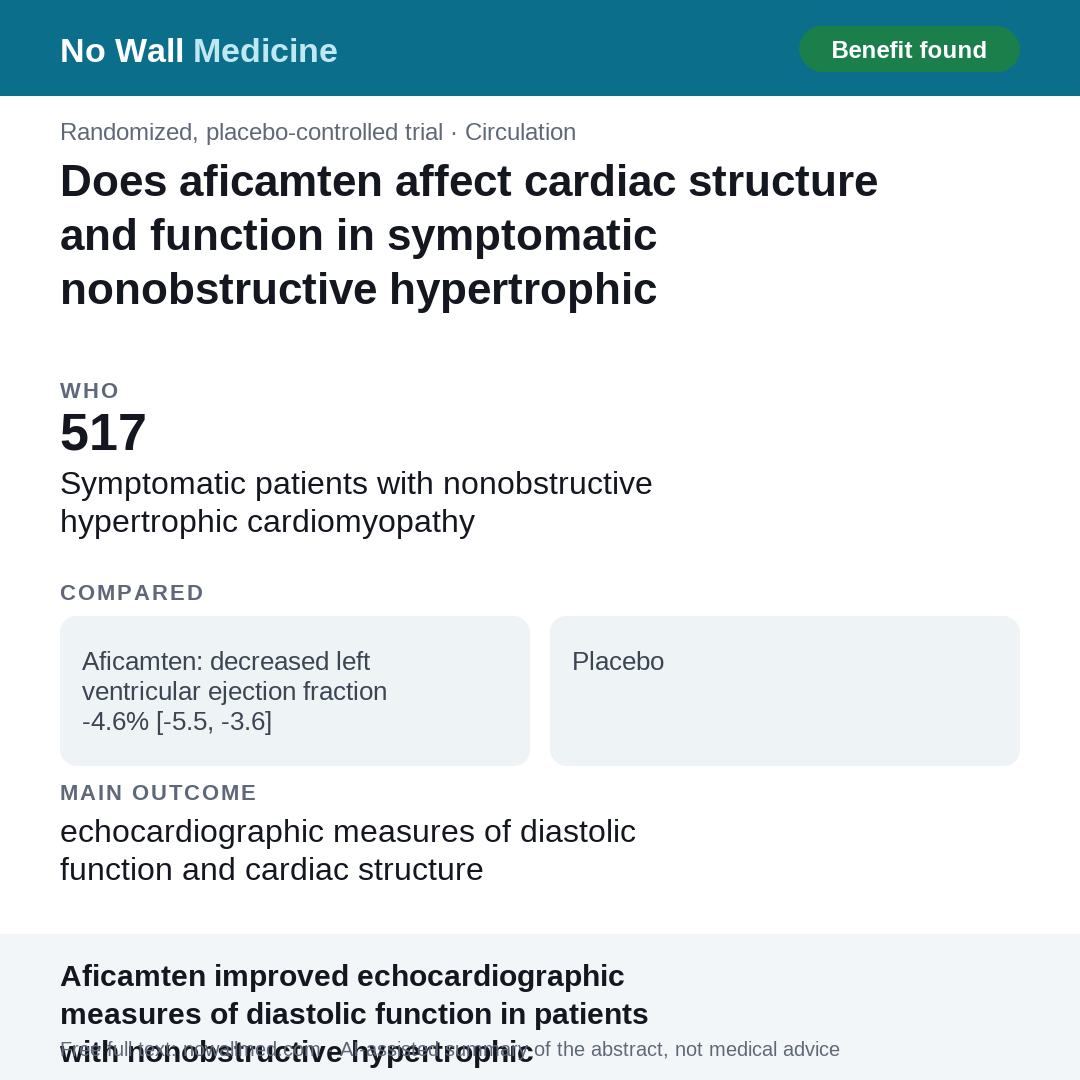
Effect of Aficamten on Cardiac Structure and Function in Patients With Symptomatic Nonobstructive Hypertrophic Cardiomyopathy
Randomized, placebo-controlled trialBenefit found
Does aficamten affect cardiac structure and function in symptomatic nonobstructive hypertrophic cardiomyopathy?
Who
517
Symptomatic patients with nonobstructive hypertrophic cardiomyopathy
Compared
Aficamten: decreased left ventricular ejection fraction -4.6% [-5.5, -3.6]
Placebo
Main outcome
echocardiographic measures of diastolic function and cardiac structure
Bottom line: Aficamten improved echocardiographic measures of diastolic function in patients with nonobstructive hypertrophic cardiomyopathy.
Circulation · 2026-08-29Download image
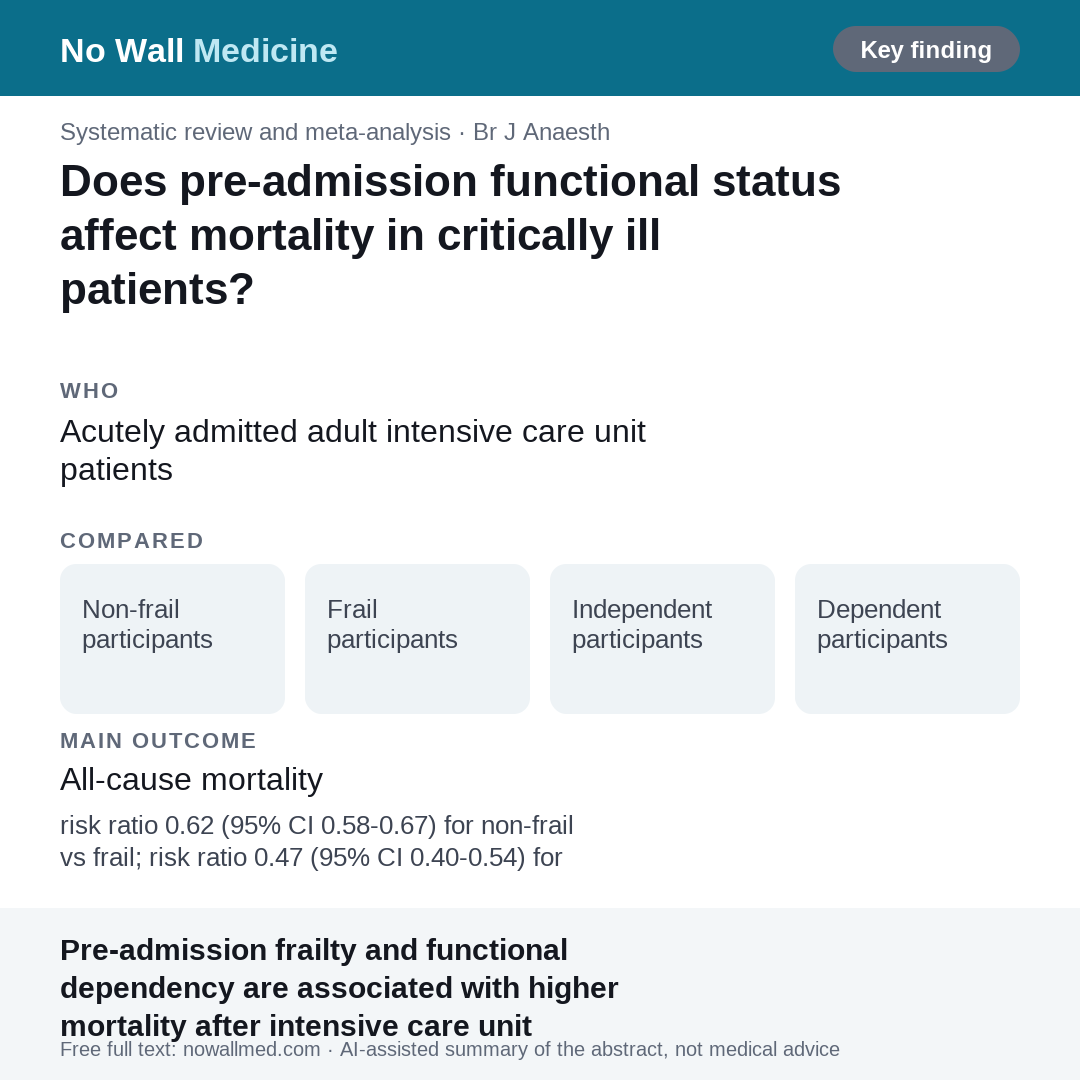
Impact of pre-admission functional status on intensive care patient outcomes: a systematic review and meta-analysis
Systematic review and meta-analysisHarm found
Does pre-admission functional status affect mortality in critically ill patients?
Who
Acutely admitted adult intensive care unit patients
Compared
Non-frail participants
Frail participants
Independent participants
Dependent participants
Main outcome
All-cause mortality
Result: risk ratio 0.62 (95% CI 0.58-0.67) for non-frail vs frail; risk ratio 0.47 (95% CI 0.40-0.54) for independent vs dependent
Bottom line: Pre-admission frailty and functional dependency are associated with higher mortality after intensive care unit admission.
Limitation: Substantial statistical and clinical heterogeneity and very low certainty of evidence.
Br J Anaesth · 2026-08-29Download image
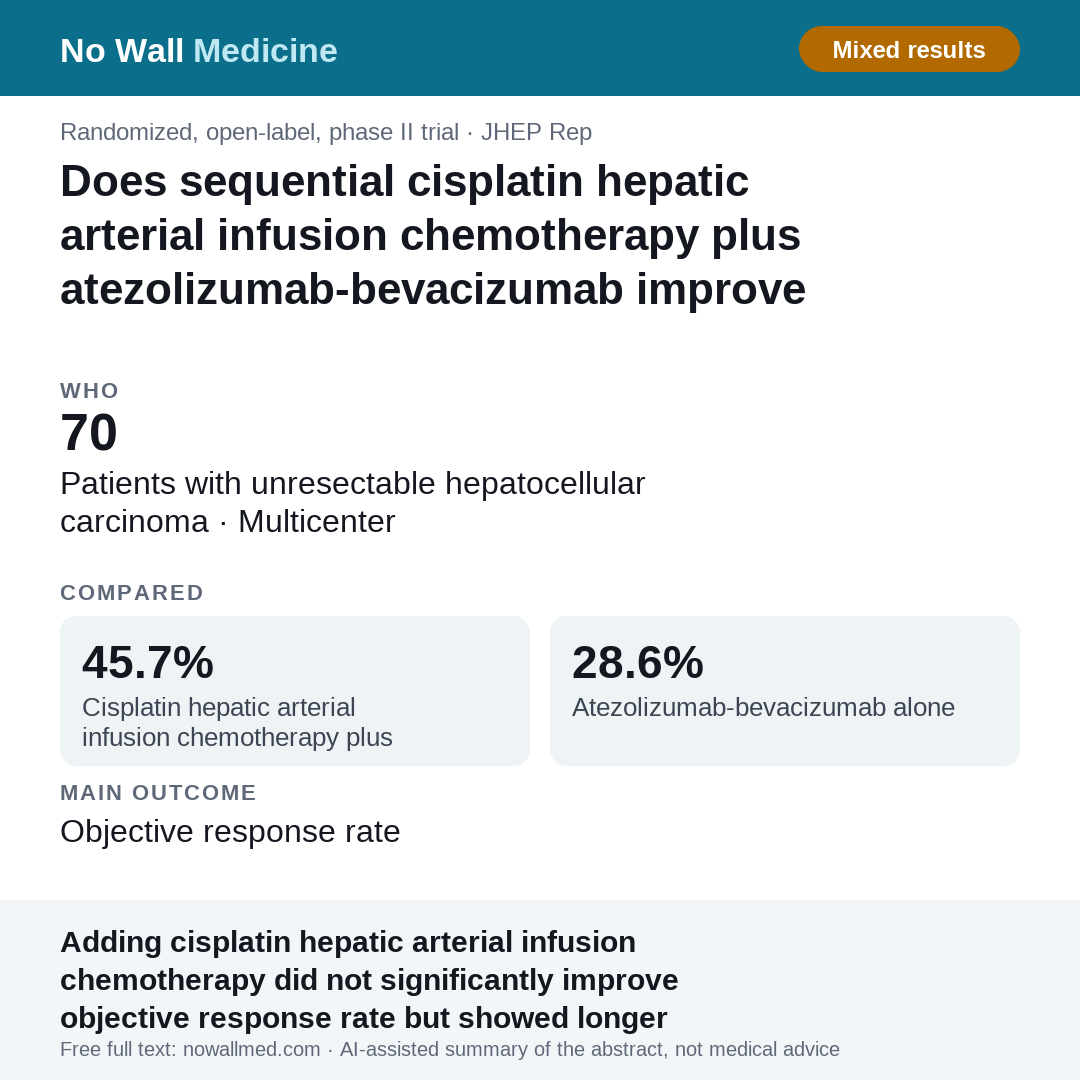
Atezolizumab-bevacizumab with or without cisplatin-based HAIC for unresectable HCC: A randomized phase II trial
Randomized, open-label, phase II trialMixed results
Does sequential cisplatin hepatic arterial infusion chemotherapy plus atezolizumab-bevacizumab improve outcomes in unresectable hepatocellular carcinoma?
Who
70
Patients with unresectable hepatocellular carcinoma · Multicenter
Compared
45.7%Cisplatin hepatic arterial infusion chemotherapy plus atezolizumab-bevacizumab
28.6%Atezolizumab-bevacizumab alone
Main outcome
Objective response rate
Result: hazard ratio 0.53 (p = 0.036) for progression-free survival
Bottom line: Adding cisplatin hepatic arterial infusion chemotherapy did not significantly improve objective response rate but showed longer progression-free survival.
Limitation: The primary endpoint of objective response rate was not met.
JHEP Rep · 2026-08-29Download image