Visual abstracts
New randomized trials and meta-analyses from leading journals at a glance: who was studied, what was compared, and what was found. Every paper is free to read in full.
All specialtiesCardiology 4763Oncology 4042Gastroenterology & Hepatology 1902Infectious Disease 3756Neurology 1872Psychiatry & Mental Health 2214Pulmonology 2042Critical Care 1319Endocrinology & Diabetes 2544Pediatrics 2889Surgery 2479Orthopedics & Sports Medicine 917Neurosurgery 525Cardiothoracic & Vascular Surgery 656Plastic & Reconstructive Surgery 574Nephrology 1107Rheumatology 810Hematology 1090Dermatology 611Ophthalmology 532Obstetrics & Gynecology 1645Public & Global Health 1037Radiology & Imaging 617Anesthesiology 957Urology 745ENT (Otolaryngology) 494Emergency Medicine 481Allergy & Immunology 309Geriatrics 972Family Medicine & Primary Care 533Medical Genetics & Genomics 659Pathology & Laboratory Medicine 156Physical Medicine & Rehabilitation 734Palliative Care 421Nutrition 1560Digital Health & AI 2133General Medicine 318
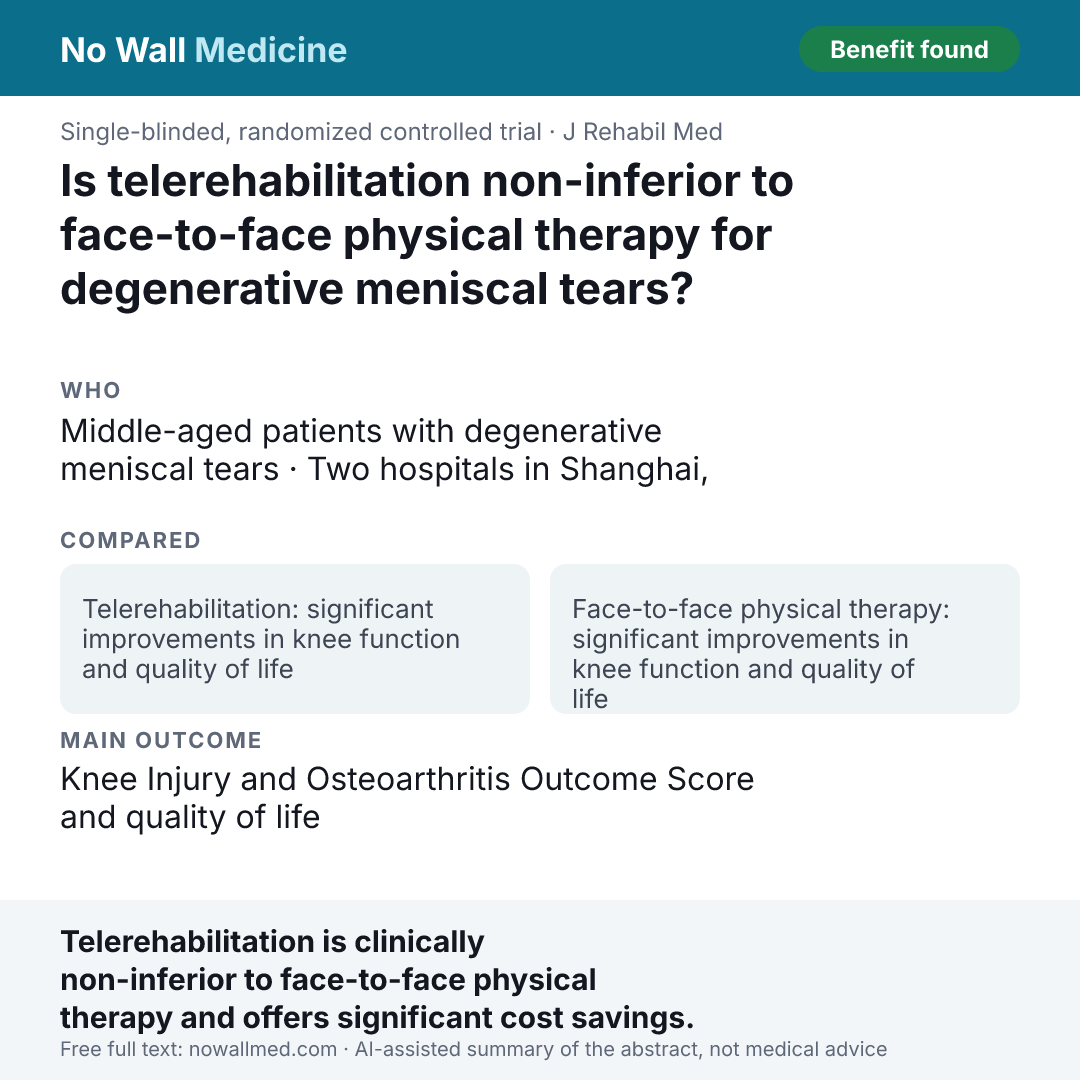
Telerehabilitation versus face-to-face physical therapy for middle-aged patients with degenerative meniscal tear in China: a non-inferiority randomized controlled trial
Single-blinded, randomized controlled trialBenefit found
Is telerehabilitation non-inferior to face-to-face physical therapy for degenerative meniscal tears?
Who
Middle-aged patients with degenerative meniscal tears · Two hospitals in Shanghai, China
Compared
Telerehabilitation: significant improvements in knee function and quality of life
Face-to-face physical therapy: significant improvements in knee function and quality of life
Main outcome
Knee Injury and Osteoarthritis Outcome Score and quality of life
Bottom line: Telerehabilitation is clinically non-inferior to face-to-face physical therapy and offers significant cost savings.
J Rehabil Med · 2025-08-21 · Save PNG
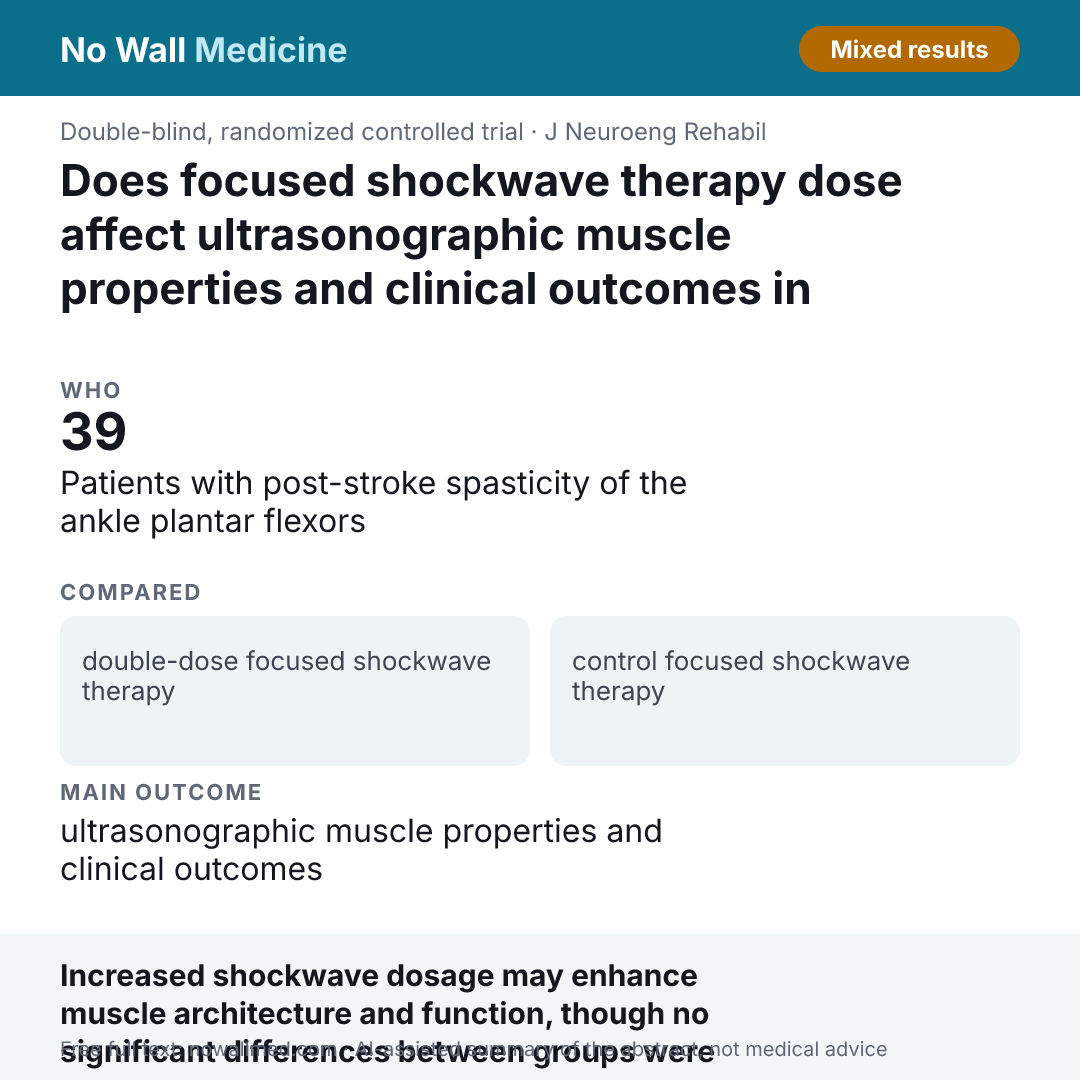
Dose-response effectiveness of focused shockwave therapy on ultrasonographic muscular properties in patients with stroke exhibiting ankle spasticity
Double-blind, randomized controlled trialMixed results
Does focused shockwave therapy dose affect ultrasonographic muscle properties and clinical outcomes in stroke patients?
Who
39
Patients with post-stroke spasticity of the ankle plantar flexors
Compared
double-dose focused shockwave therapy
control focused shockwave therapy
Main outcome
ultrasonographic muscle properties and clinical outcomes
Bottom line: Increased shockwave dosage may enhance muscle architecture and function, though no significant differences between groups were found.
Limitation: This was a post hoc analysis, so results should be interpreted conservatively.
J Neuroeng Rehabil · 2025-08-21 · Save PNG
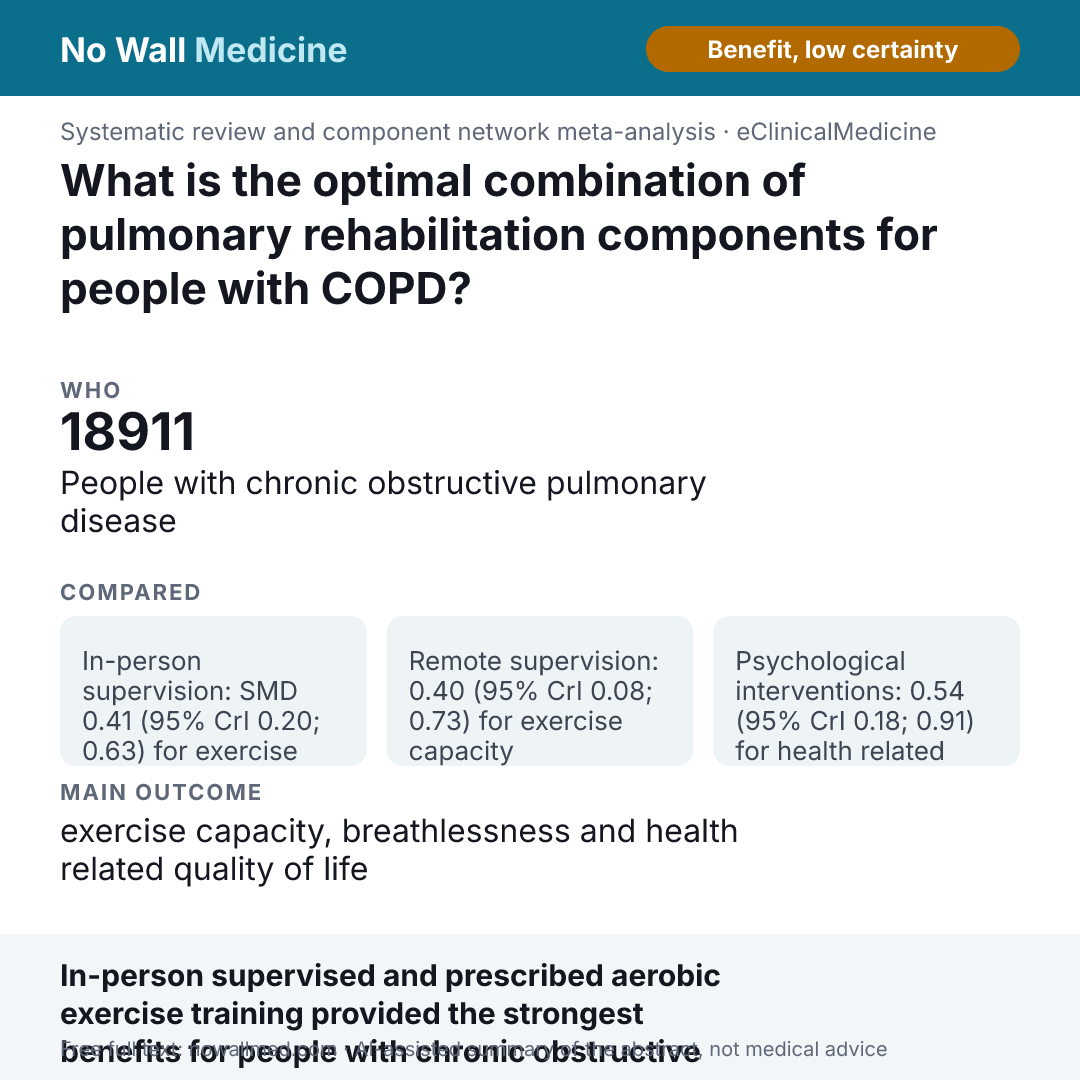
Impact of pulmonary rehabilitation programme design on effectiveness in COPD: a systematic review and component network meta-analysis
Systematic review and component network meta-analysisBenefit, low certainty
What is the optimal combination of pulmonary rehabilitation components for people with COPD?
Who
18911
People with chronic obstructive pulmonary disease
Compared
In-person supervision: SMD 0.41 (95% CrI 0.20; 0.63) for exercise capacity
Remote supervision: 0.40 (95% CrI 0.08; 0.73) for exercise capacity
Psychological interventions: 0.54 (95% CrI 0.18; 0.91) for health related quality of life
Main outcome
exercise capacity, breathlessness and health related quality of life
Bottom line: In-person supervised and prescribed aerobic exercise training provided the strongest benefits for people with chronic obstructive pulmonary disease.
Limitation: High risk of bias in 59% to 63% of studies for the main outcomes.
Funded by: National Institute for Health and Care Research
eClinicalMedicine · 2025-08-20 · Save PNG
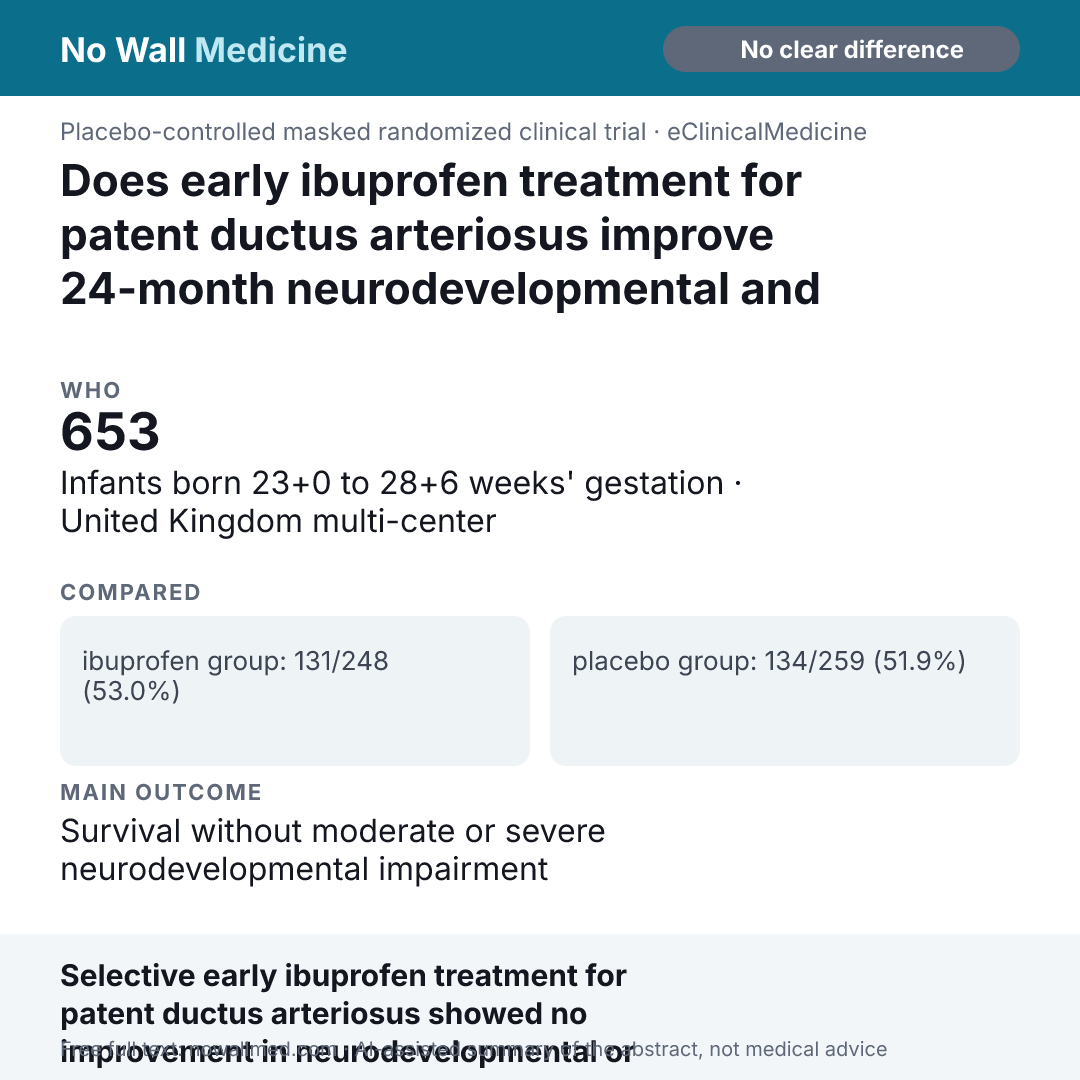
Two-year outcomes after selective early treatment of patent ductus arteriosus with ibuprofen in preterm babies: follow-up of Baby-OSCAR-a randomised controlled trial
Placebo-controlled masked randomized clinical trialNo clear difference
Does early ibuprofen treatment for patent ductus arteriosus improve 24-month neurodevelopmental and respiratory outcomes?
Who
653
Infants born 23+0 to 28+6 weeks' gestation · United Kingdom multi-center
Compared
ibuprofen group: 131/248 (53.0%)
placebo group: 134/259 (51.9%)
Main outcome
Survival without moderate or severe neurodevelopmental impairment
Result: adjusted risk ratio 1.01 (95% confidence interval 0.86-1.18)
Bottom line: Selective early ibuprofen treatment for patent ductus arteriosus showed no improvement in neurodevelopmental or respiratory outcomes at 24 months.
Funded by: National Institute for Health Research Health Technology Assessment Programme
eClinicalMedicine · 2025-08-20 · Save PNG
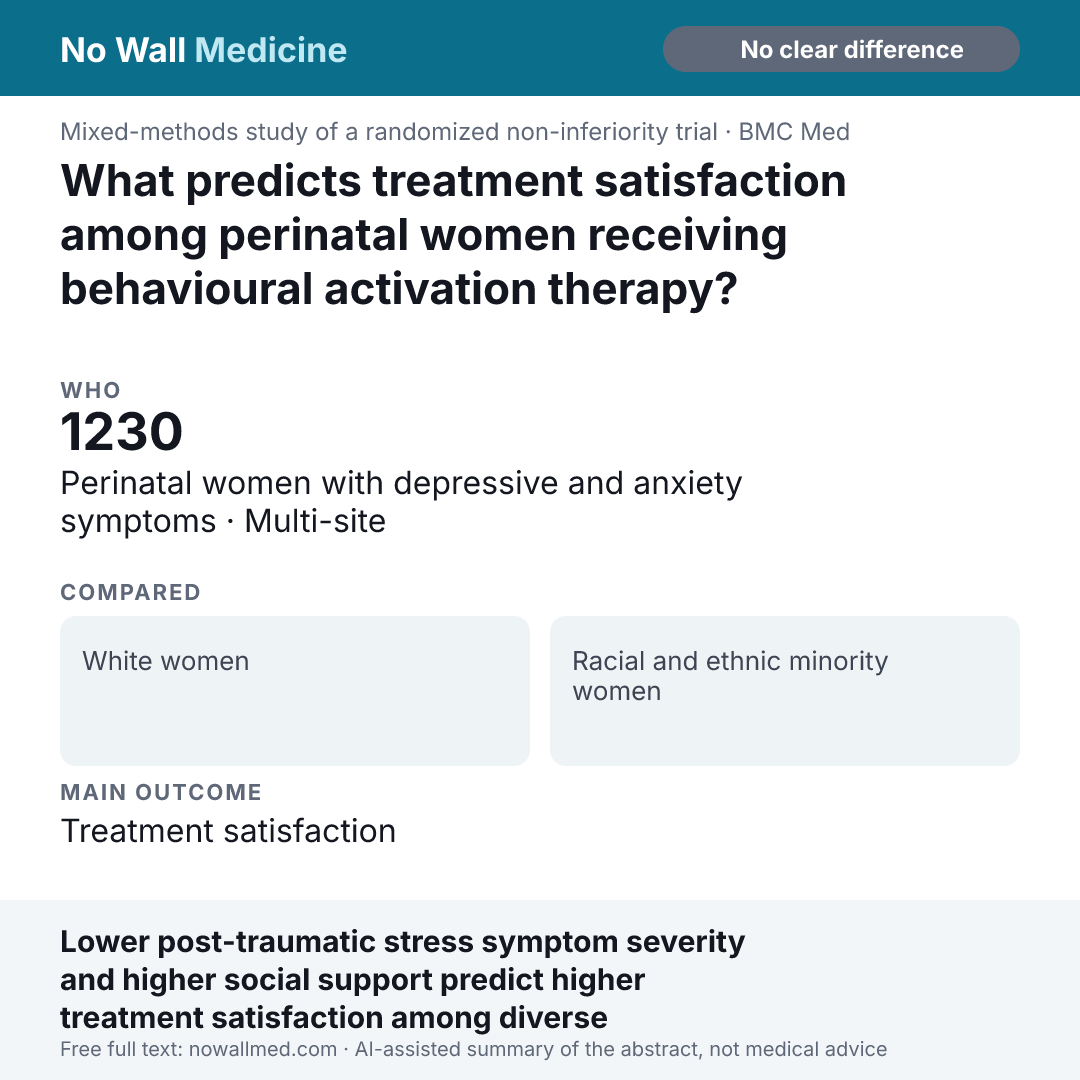
Bridges to treatment satisfaction: the roles of trauma, social support, race and ethnicity among perinatal women receiving behavioural activation therapy
Mixed-methods study of a randomized non-inferiority trialNo clear difference
What predicts treatment satisfaction among perinatal women receiving behavioural activation therapy?
Who
1230
Perinatal women with depressive and anxiety symptoms · Multi-site
Compared
White women
Racial and ethnic minority women
Main outcome
Treatment satisfaction
Bottom line: Lower post-traumatic stress symptom severity and higher social support predict higher treatment satisfaction among diverse perinatal women.
BMC Med · 2025-08-20 · Save PNG
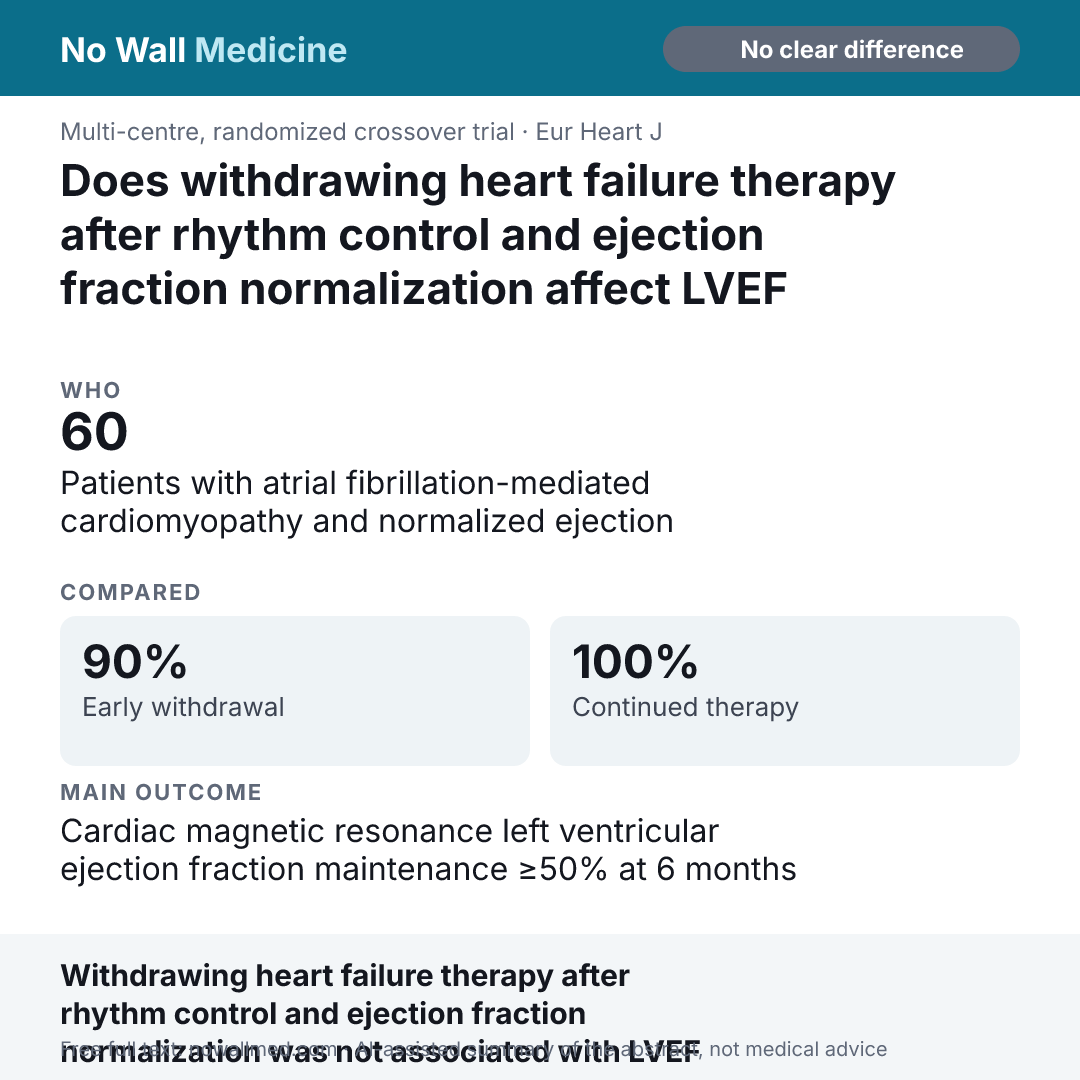
Withdrawal of heart failure therapy after atrial fibrillation rhythm control with ejection fraction normalization: the WITHDRAW-AF trial
Multi-centre, randomized crossover trialNo clear difference
Does withdrawing heart failure therapy after rhythm control and ejection fraction normalization affect LVEF maintenance?
Who
60
Patients with atrial fibrillation-mediated cardiomyopathy and normalized ejection fraction · Multi-centre
Compared
90%Early withdrawal
100%Continued therapy
Main outcome
Cardiac magnetic resonance left ventricular ejection fraction maintenance ≥50% at 6 months
Result: odds ratio 1.18 (95% CI 0.27-2.82)
Bottom line: Withdrawing heart failure therapy after rhythm control and ejection fraction normalization was not associated with LVEF decline.
Eur Heart J · 2025-08-20 · Save PNG
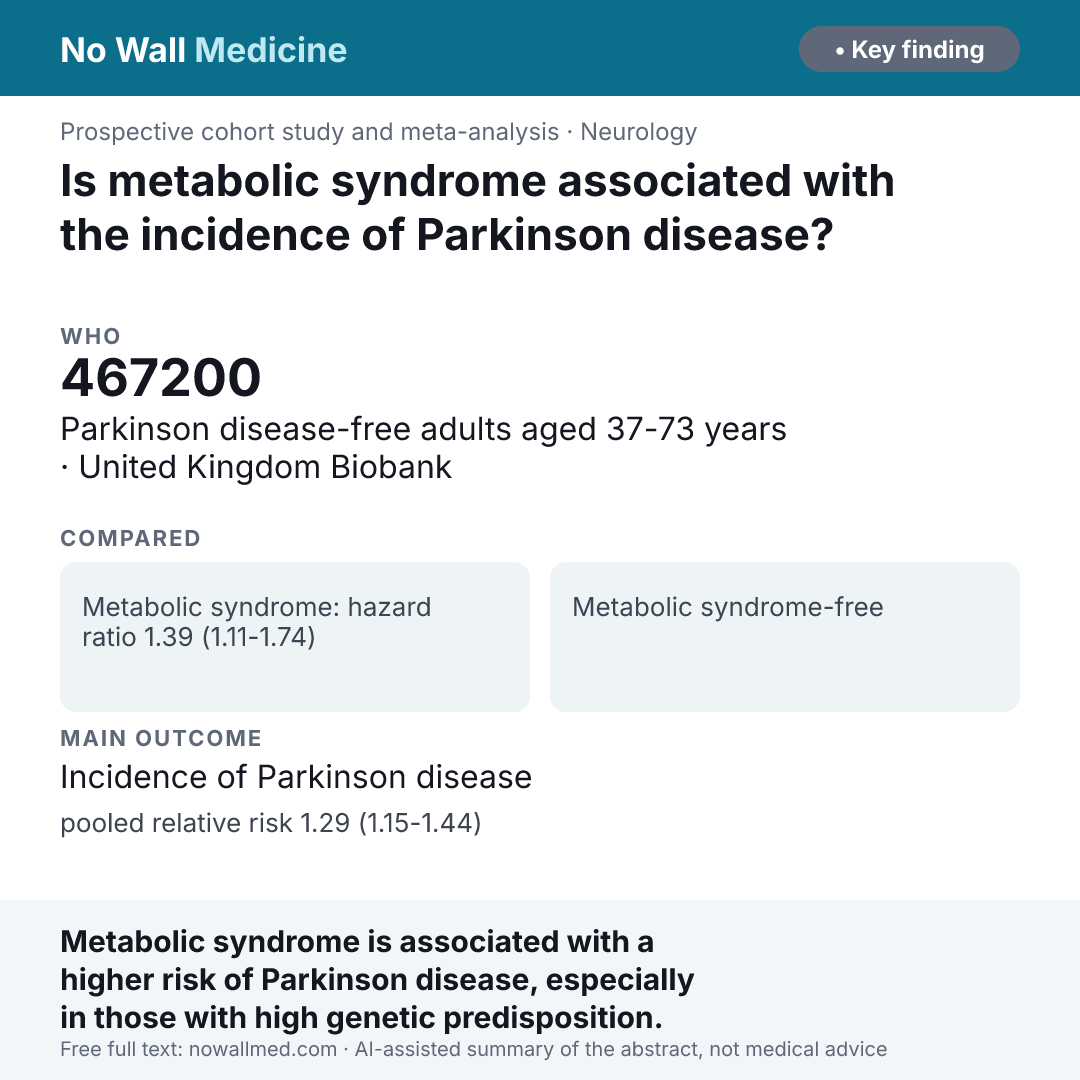
Metabolic Syndrome and Incidence of Parkinson Disease: A Community-Based Longitudinal Study and Meta-Analysis
Prospective cohort study and meta-analysisKey finding
Is metabolic syndrome associated with the incidence of Parkinson disease?
Who
467200
Parkinson disease-free adults aged 37-73 years · United Kingdom Biobank
Compared
Metabolic syndrome: hazard ratio 1.39 (1.11-1.74)
Metabolic syndrome-free
Main outcome
Incidence of Parkinson disease
Result: pooled relative risk 1.29 (1.15-1.44)
Bottom line: Metabolic syndrome is associated with a higher risk of Parkinson disease, especially in those with high genetic predisposition.
Neurology · 2025-08-20 · Save PNG
Collaborative Care for Opioid Use Disorder in Primary Care: A Hybrid Type 2 Cluster Randomized Clinical Trial
Randomized cluster trialBenefit found
Collaborative care for opioid use disorder effective
Who
254
Patients with opioid use disorder and mental health symptoms · 24 US primary care clinics
Compared
Control: decrease in opioid use
Intervention: greater decrease in opioid use
Main outcome
Opioid use and mental health
Result: adjusted ratio of odds ratio, 0.10 (95% CI 0.03 to 0.38)
Bottom line: Collaborative care reduces opioid use
JAMA Psychiatry · 2025-08-20 · Save PNG
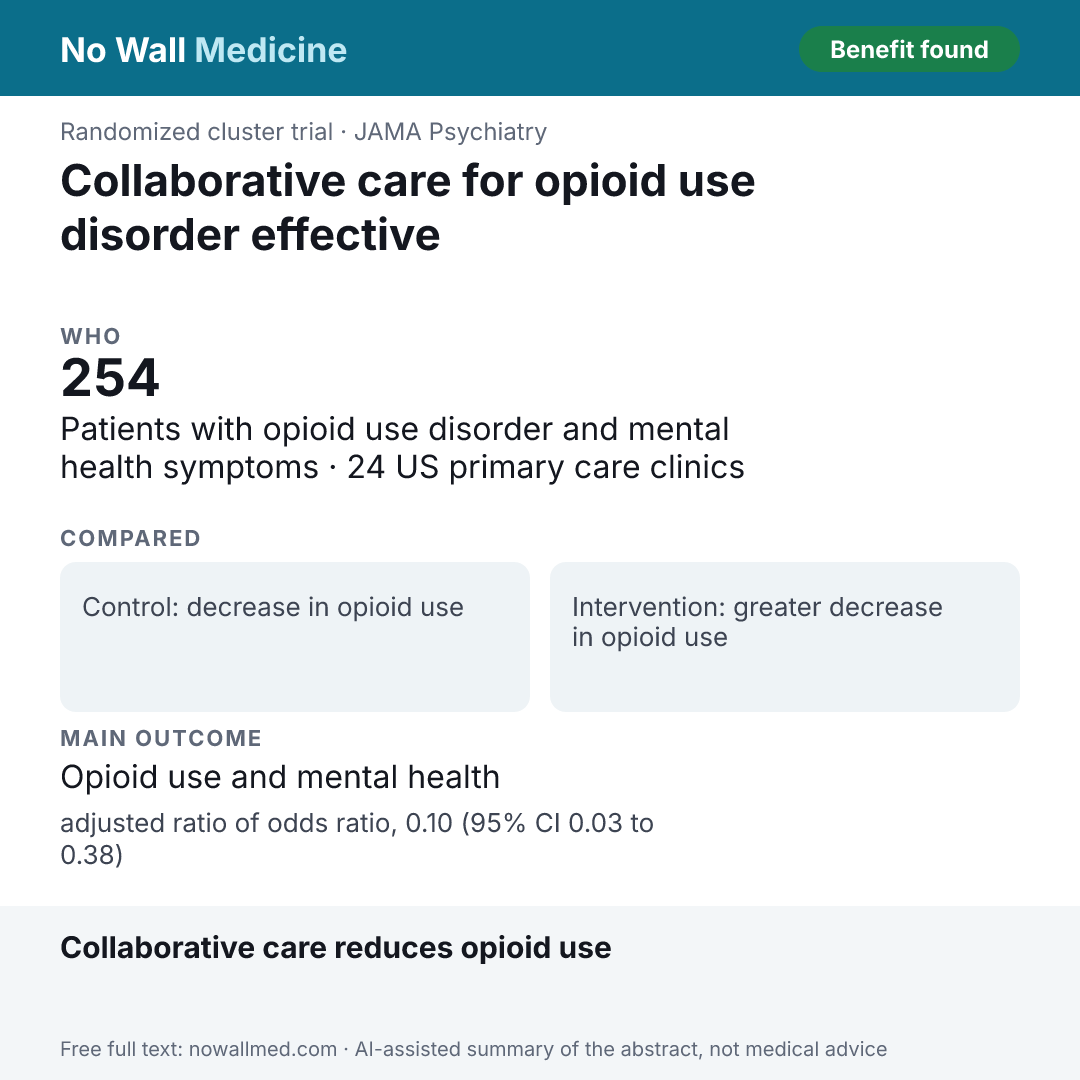
Low-Dose Glucagon to Prevent and Treat Exercise-Associated Hypoglycemia in Individuals With Type 1 Diabetes: A Systematic Review and Meta-analysis
Systematic review and meta-analysisBenefit found
Does low-dose glucagon prevent and treat exercise-induced hypoglycemia in type 1 diabetes?
Who
248
Adolescents and adults with type 1 diabetes
Compared
Low-dose glucagon
Nonglucagon treatments
Main outcome
Hypoglycemia risk and time below range
Result: risk ratio 0.54 (95% CI 0.35, 0.84)
Bottom line: Low-dose glucagon reduces exercise-induced hypoglycemia and time below range in individuals with type 1 diabetes.
Limitation: The included studies were few and heterogeneous.
Diabetes Care · 2025-08-20 · Save PNG
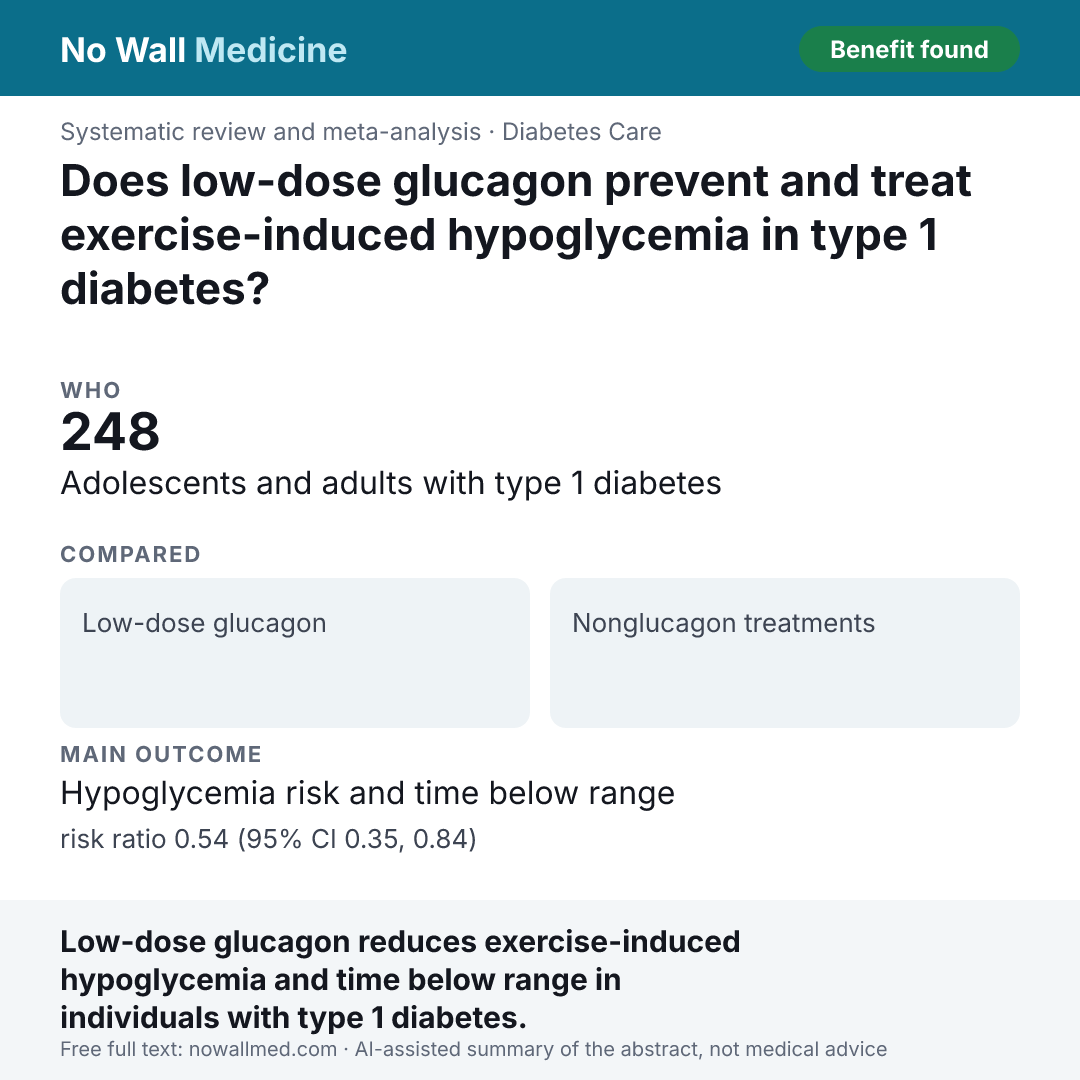
Long-Term Effect of Cocoa Extract Supplementation on Incident Hypertension
Double-blind, placebo-controlled randomized clinical trialNo clear difference
Does long-term cocoa extract supplementation reduce the risk of incident hypertension?
Who
21442
Women aged 65 years or older and men aged 60 years or older
Compared
Cocoa extract: 7.1 per 100 person-years
Placebo: 7.4 per 100 person-years
Main outcome
Incident hypertension
Result: hazard ratio 0.96 (95% CI 0.88-1.05)
Bottom line: Long-term cocoa extract supplementation did not reduce the overall risk of incident hypertension in older adults.
Hypertension · 2025-08-20 · Save PNG
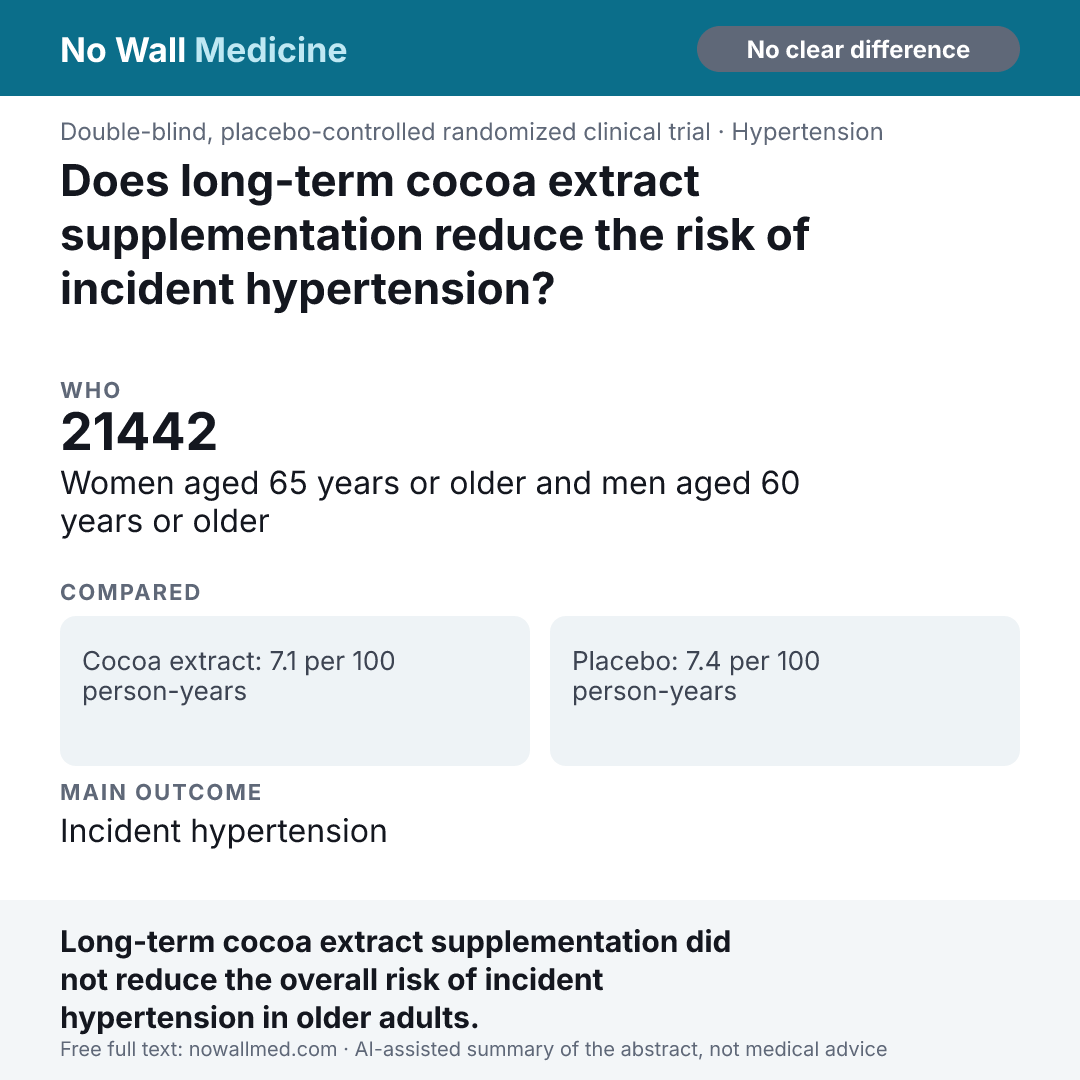
The Impact of Concordance between Liquid and Tissue Biopsy for Actionable Mutations: Insights from the ROME Trial
Phase II multicenter randomized trialMixed results
Does concordance between liquid and tissue biopsy impact outcomes in advanced solid tumors?
Who
400
Patients with advanced solid tumors · multicenter
Compared
tailored therapy: median overall survival 11.05 months
standard-of-care: median overall survival 7.70 months
Main outcome
overall survival and progression-free survival
Result: hazard ratio 0.74 (95% confidence interval, 0.51-1.07)
Bottom line: Tailored therapy improved survival, but benefits were less pronounced in patients with discordant biopsy results.
Clin Cancer Res · 2025-08-20 · Save PNG
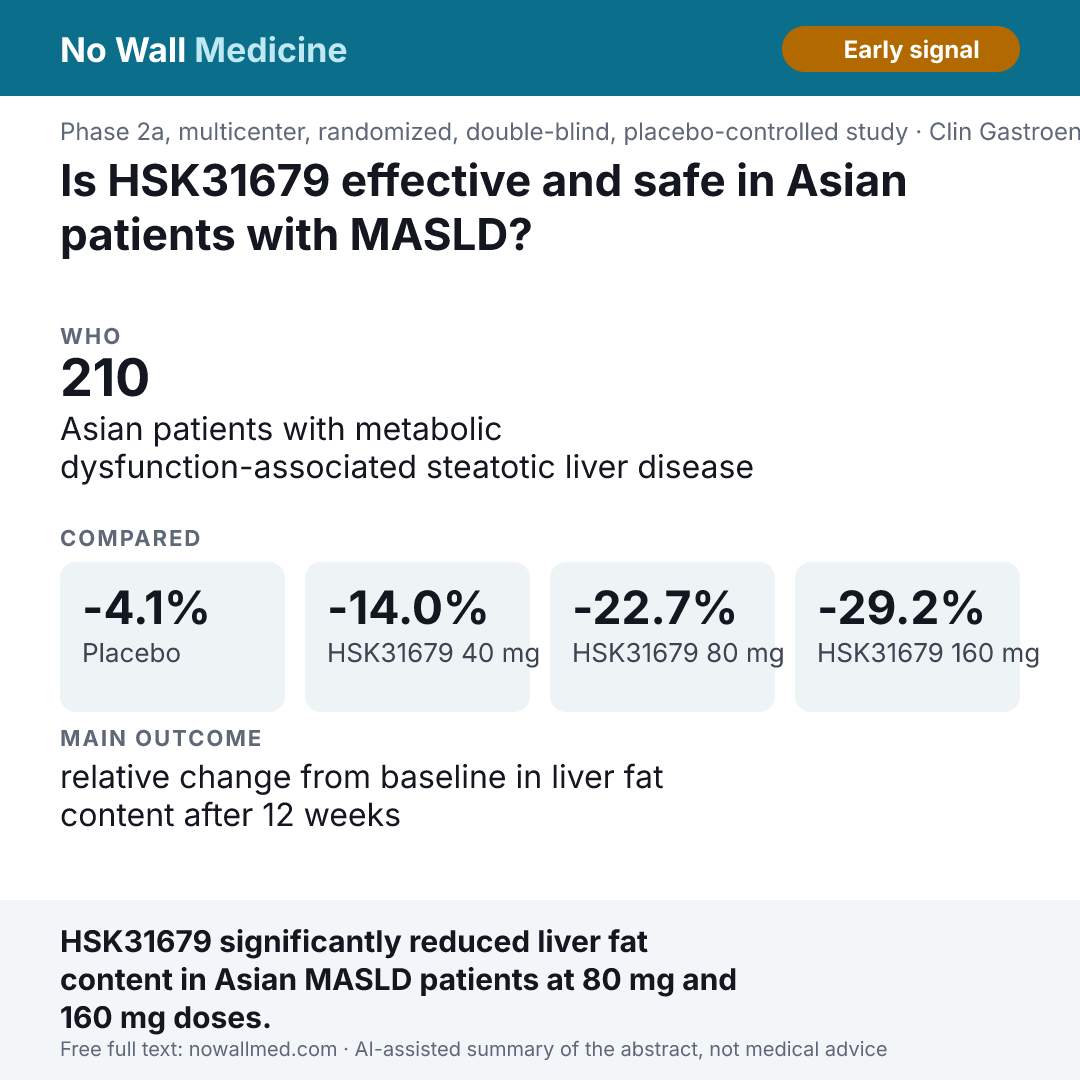
Efficacy and Safety of HSK31679 in Asian Patients With MASLD: A Randomized Controlled Trial
Phase 2a, multicenter, randomized, double-blind, placebo-controlled studyEarly signal
Is HSK31679 effective and safe in Asian patients with MASLD?
Who
210
Asian patients with metabolic dysfunction-associated steatotic liver disease · 26 centers in China
Compared
-4.1%Placebo
-14.0%HSK31679 40 mg
-22.7%HSK31679 80 mg
-29.2%HSK31679 160 mg
Main outcome
relative change from baseline in liver fat content after 12 weeks
Bottom line: HSK31679 significantly reduced liver fat content in Asian MASLD patients at 80 mg and 160 mg doses.
Clin Gastroenterol Hepatol · 2025-08-20 · Save PNG
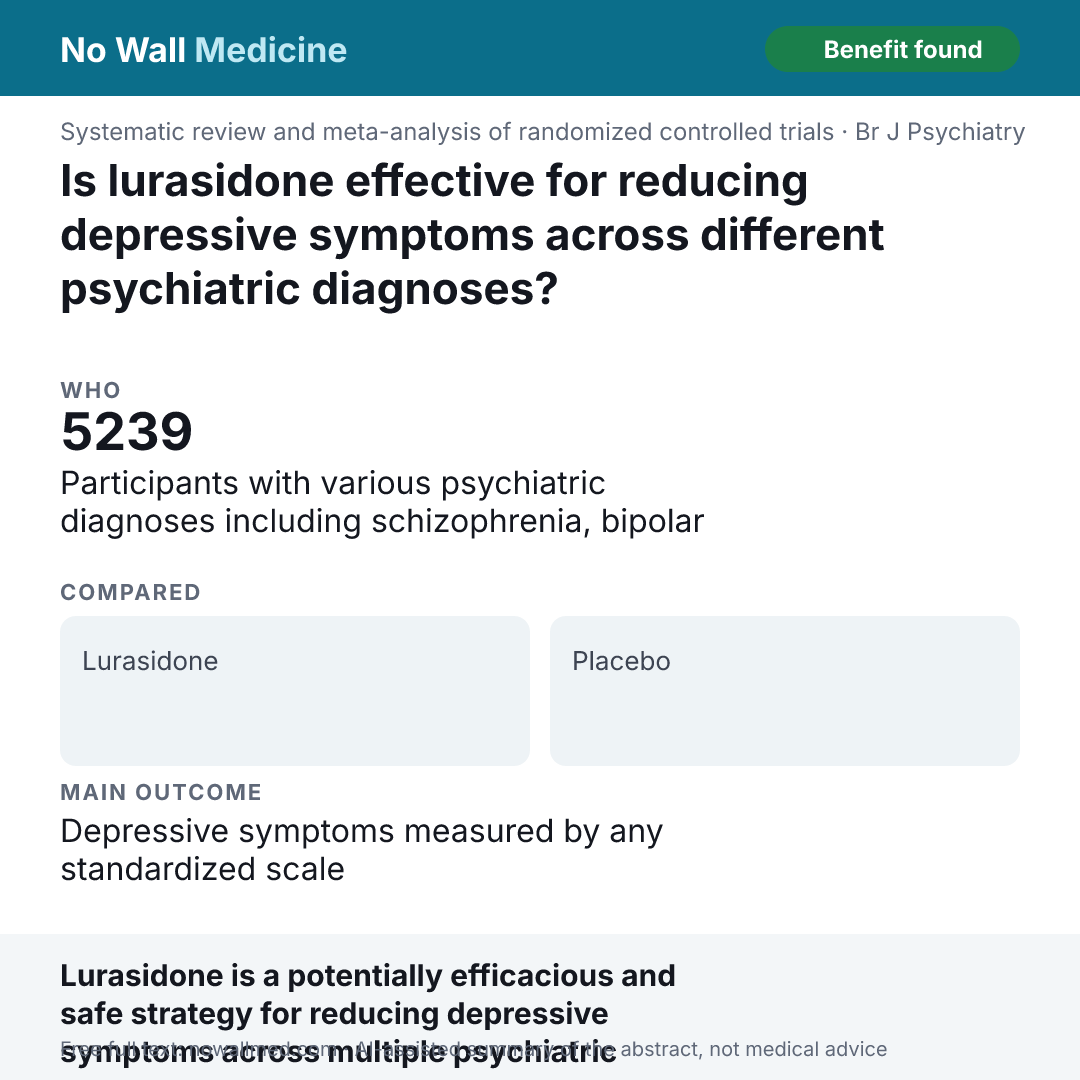
Transdiagnostic efficacy of lurasidone on depressive symptoms: systematic review and meta-analysis of randomised controlled trials
Systematic review and meta-analysis of randomized controlled trialsBenefit found
Is lurasidone effective for reducing depressive symptoms across different psychiatric diagnoses?
Who
5239
Participants with various psychiatric diagnoses including schizophrenia, bipolar disorder, and major depressive disorder
Compared
Lurasidone
Placebo
Main outcome
Depressive symptoms measured by any standardized scale
Result: standardized mean difference -0.26 (95% CI -0.37 to -0.15)
Bottom line: Lurasidone is a potentially efficacious and safe strategy for reducing depressive symptoms across multiple psychiatric diagnoses.
Limitation: High risk of bias in several studies and high heterogeneity in findings.
Br J Psychiatry · 2025-08-20 · Save PNG
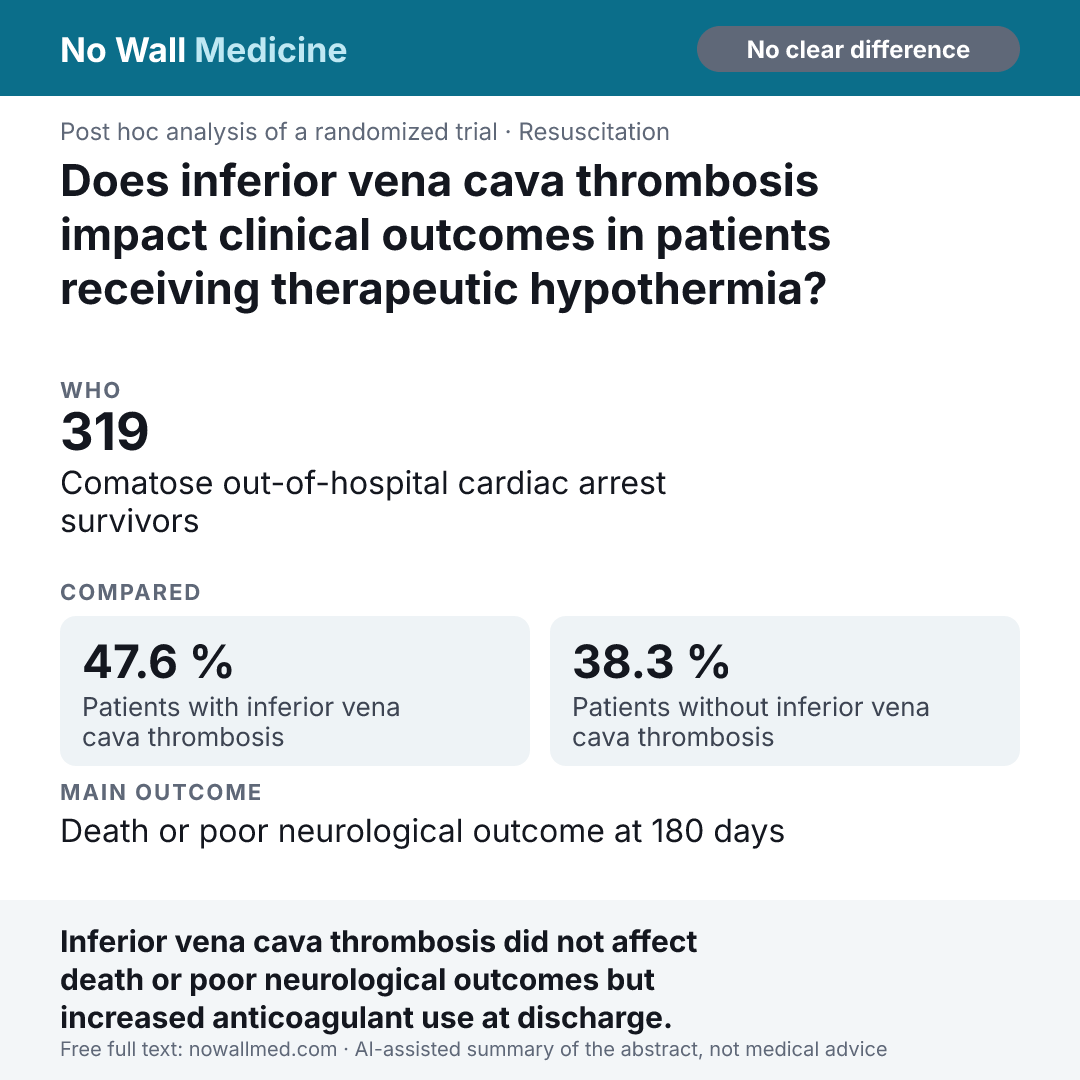
Inferior vena cava thrombosis associated with endovascular cooling catheters: impact on clinical outcomes
Post hoc analysis of a randomized trialNo clear difference
Does inferior vena cava thrombosis impact clinical outcomes in patients receiving therapeutic hypothermia?
Who
319
Comatose out-of-hospital cardiac arrest survivors
Compared
47.6 %Patients with inferior vena cava thrombosis
38.3 %Patients without inferior vena cava thrombosis
Main outcome
Death or poor neurological outcome at 180 days
Bottom line: Inferior vena cava thrombosis did not affect death or poor neurological outcomes but increased anticoagulant use at discharge.
Resuscitation · 2025-08-20 · Save PNG
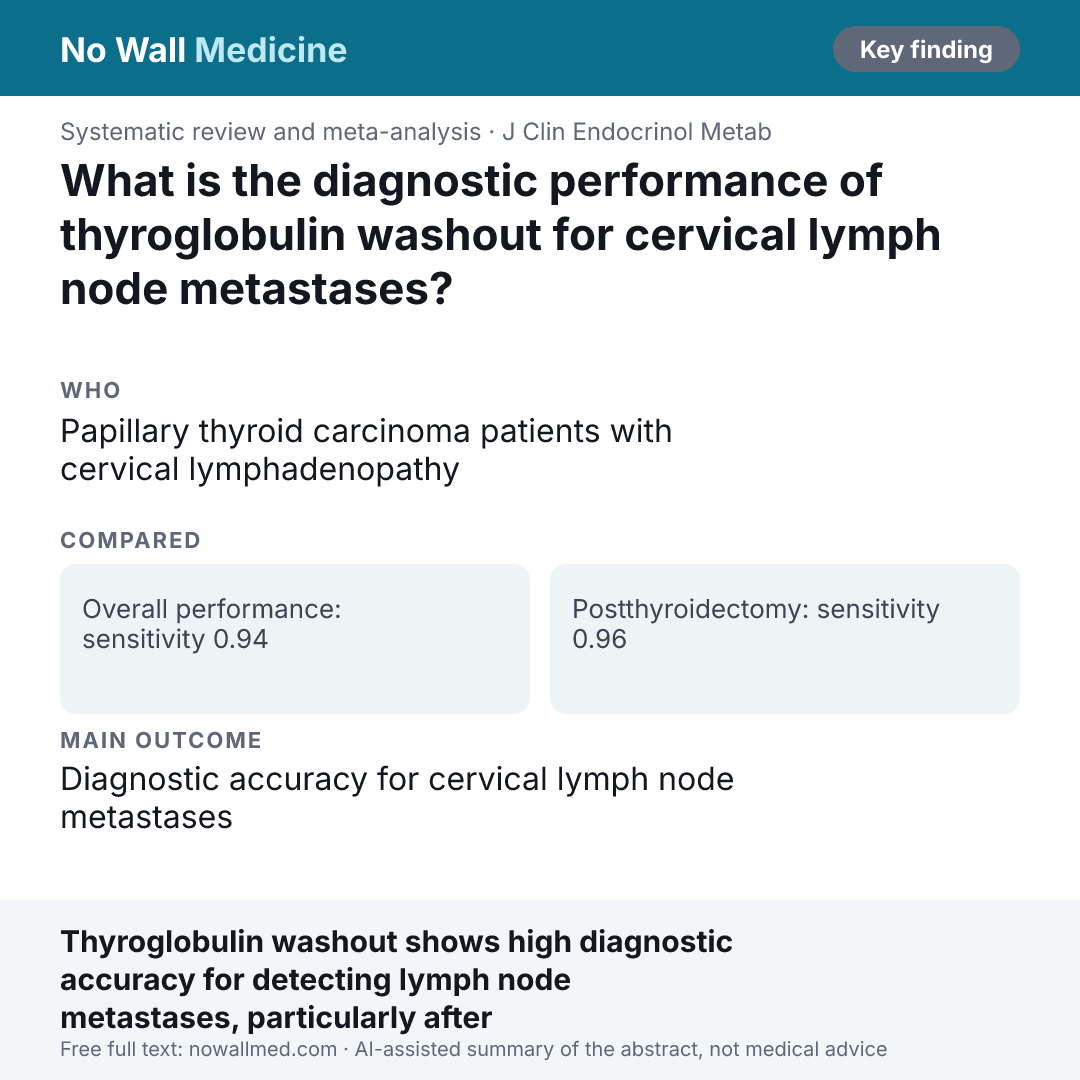
Diagnostic Efficiency of Thyroglobulin in Lymph Node Fine-needle Aspiration Washout: A Systematic Review and Meta-analysis
Systematic review and meta-analysisKey finding
What is the diagnostic performance of thyroglobulin washout for cervical lymph node metastases?
Who
Papillary thyroid carcinoma patients with cervical lymphadenopathy
Compared
Overall performance: sensitivity 0.94
Postthyroidectomy: sensitivity 0.96
Main outcome
Diagnostic accuracy for cervical lymph node metastases
Result: area under curve 0.98 (95% CI 0.96-0.99)
Bottom line: Thyroglobulin washout shows high diagnostic accuracy for detecting lymph node metastases, particularly after thyroidectomy.
J Clin Endocrinol Metab · 2025-08-20 · Save PNG
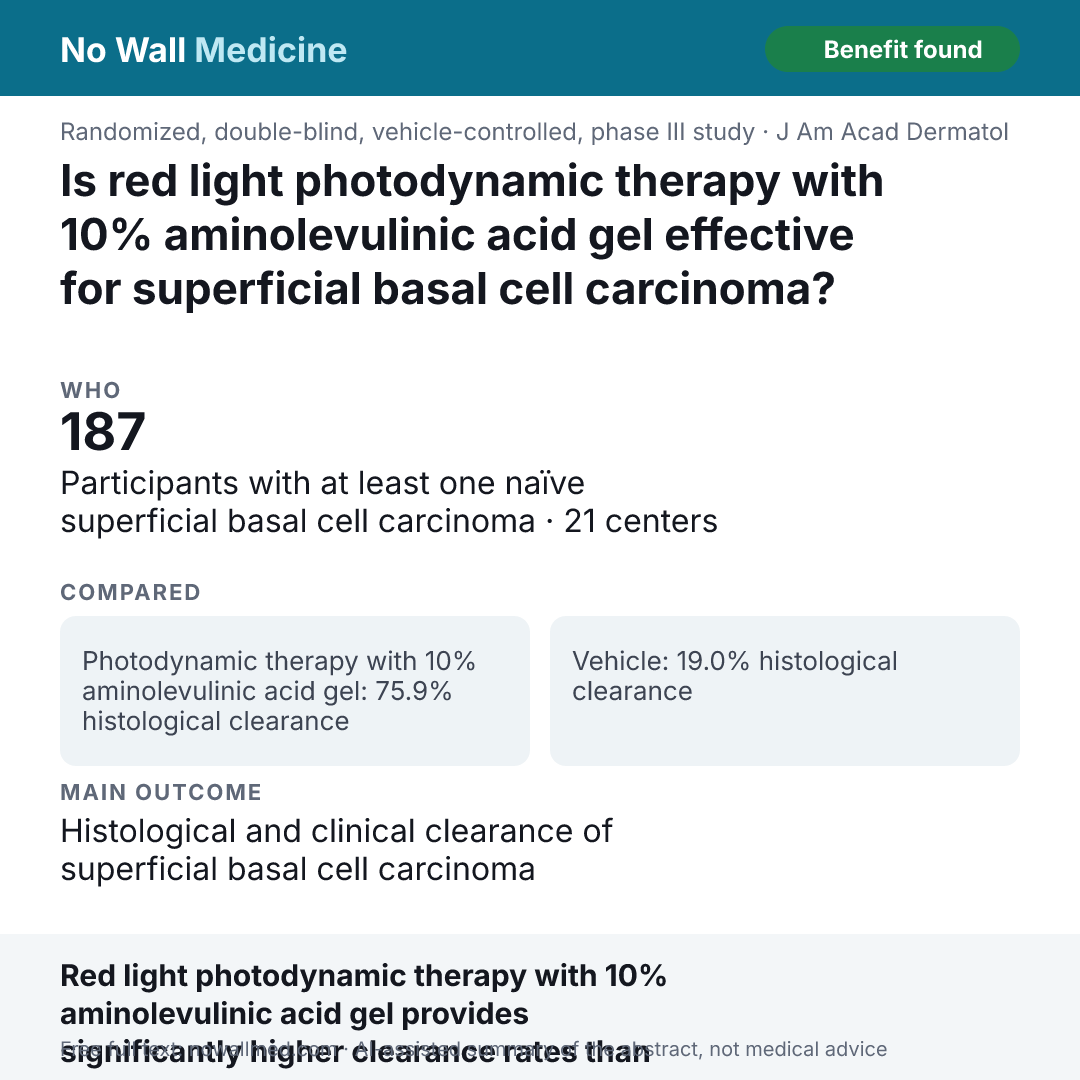
Red light photodynamic therapy with 10% aminolevulinic acid gel showed efficacy for treatment of superficial basal cell carcinoma in a randomized, vehicle controlled, double-blind, multicenter phase III study
Randomized, double-blind, vehicle-controlled, phase III studyBenefit found
Is red light photodynamic therapy with 10% aminolevulinic acid gel effective for superficial basal cell carcinoma?
Who
187
Participants with at least one naïve superficial basal cell carcinoma · 21 centers in the United States
Compared
Photodynamic therapy with 10% aminolevulinic acid gel: 75.9% histological clearance
Vehicle: 19.0% histological clearance
Main outcome
Histological and clinical clearance of superficial basal cell carcinoma
Bottom line: Red light photodynamic therapy with 10% aminolevulinic acid gel provides significantly higher clearance rates than vehicle.
Limitation: Few participants with lesions on face or scalp; 60-month follow-up is ongoing.
J Am Acad Dermatol · 2025-08-20 · Save PNG
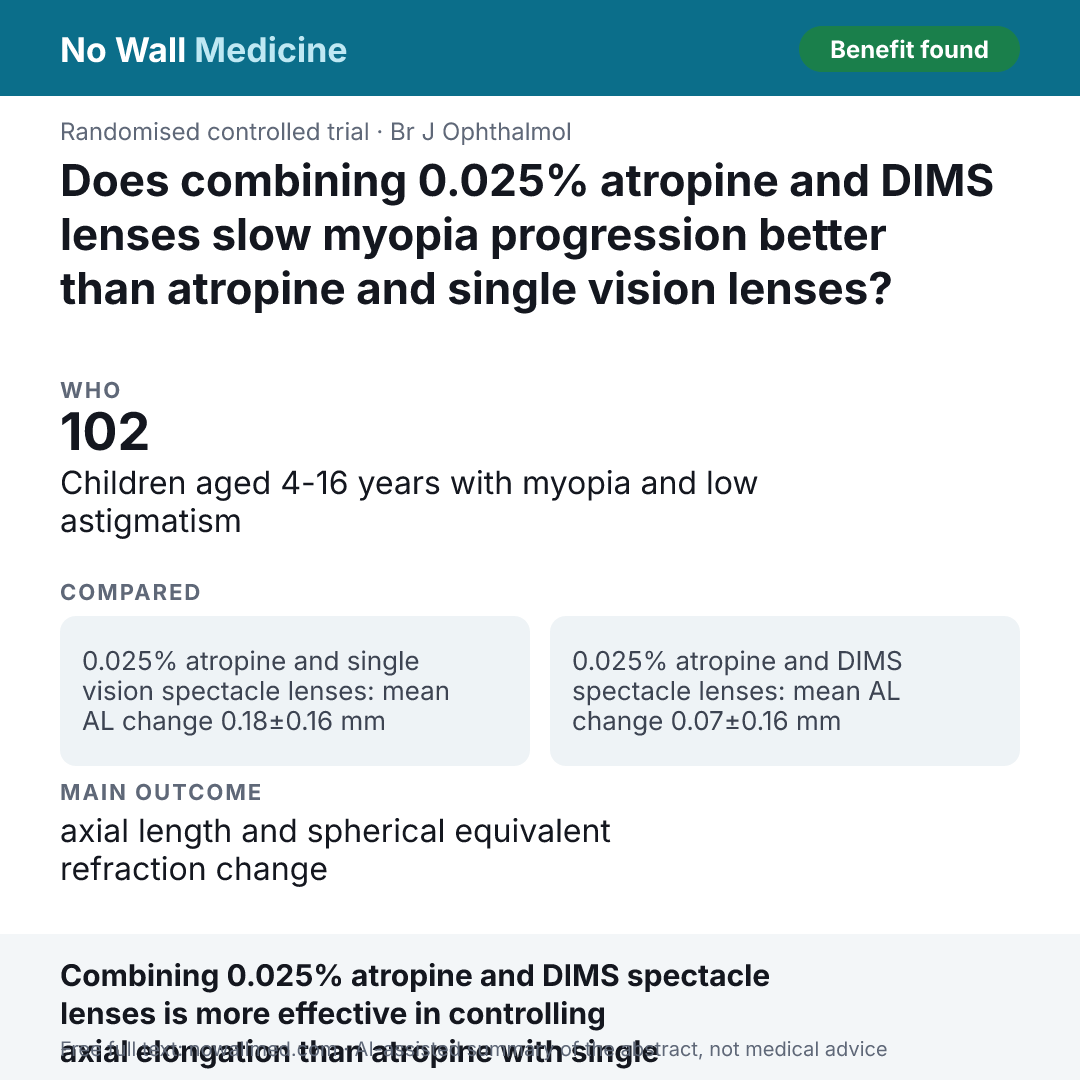
Atropine and Spectacle lens Combination Treatment (ASPECT): 12-month results of a randomised controlled trial for myopia control using a combination of Defocus Incorporated Multiple Segments (DIMS) lenses and 0.025% atropine
Randomised controlled trialBenefit found
Does combining 0.025% atropine and DIMS lenses slow myopia progression better than atropine and single vision lenses?
Who
102
Children aged 4-16 years with myopia and low astigmatism
Compared
0.025% atropine and single vision spectacle lenses: mean AL change 0.18±0.16 mm
0.025% atropine and DIMS spectacle lenses: mean AL change 0.07±0.16 mm
Main outcome
axial length and spherical equivalent refraction change
Result: mean difference 0.11, 95% CI 0.05 to 0.17
Bottom line: Combining 0.025% atropine and DIMS spectacle lenses is more effective in controlling axial elongation than atropine with single vision lenses.
Br J Ophthalmol · 2025-08-20 · Save PNG
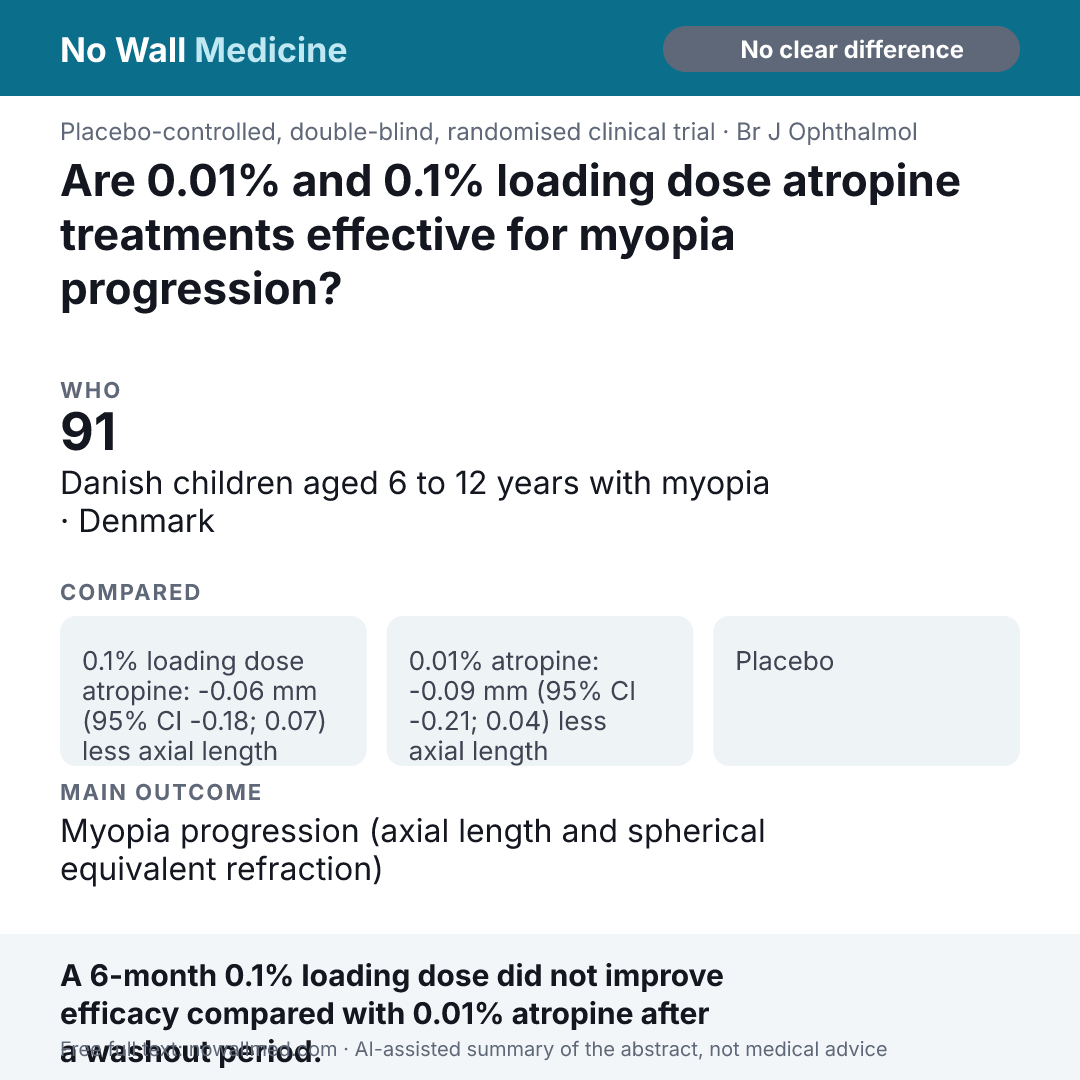
3-year results of 0.01% and 0.1% loading dose atropine treatment including washout in Danish children with myopia: a placebo-controlled, randomised clinical trial
Placebo-controlled, double-blind, randomised clinical trialNo clear difference
Are 0.01% and 0.1% loading dose atropine treatments effective for myopia progression?
Who
91
Danish children aged 6 to 12 years with myopia · Denmark
Compared
0.1% loading dose atropine: -0.06 mm (95% CI -0.18; 0.07) less axial length
0.01% atropine: -0.09 mm (95% CI -0.21; 0.04) less axial length
Placebo
Main outcome
Myopia progression (axial length and spherical equivalent refraction)
Bottom line: A 6-month 0.1% loading dose did not improve efficacy compared with 0.01% atropine after a washout period.
Br J Ophthalmol · 2025-08-20 · Save PNG
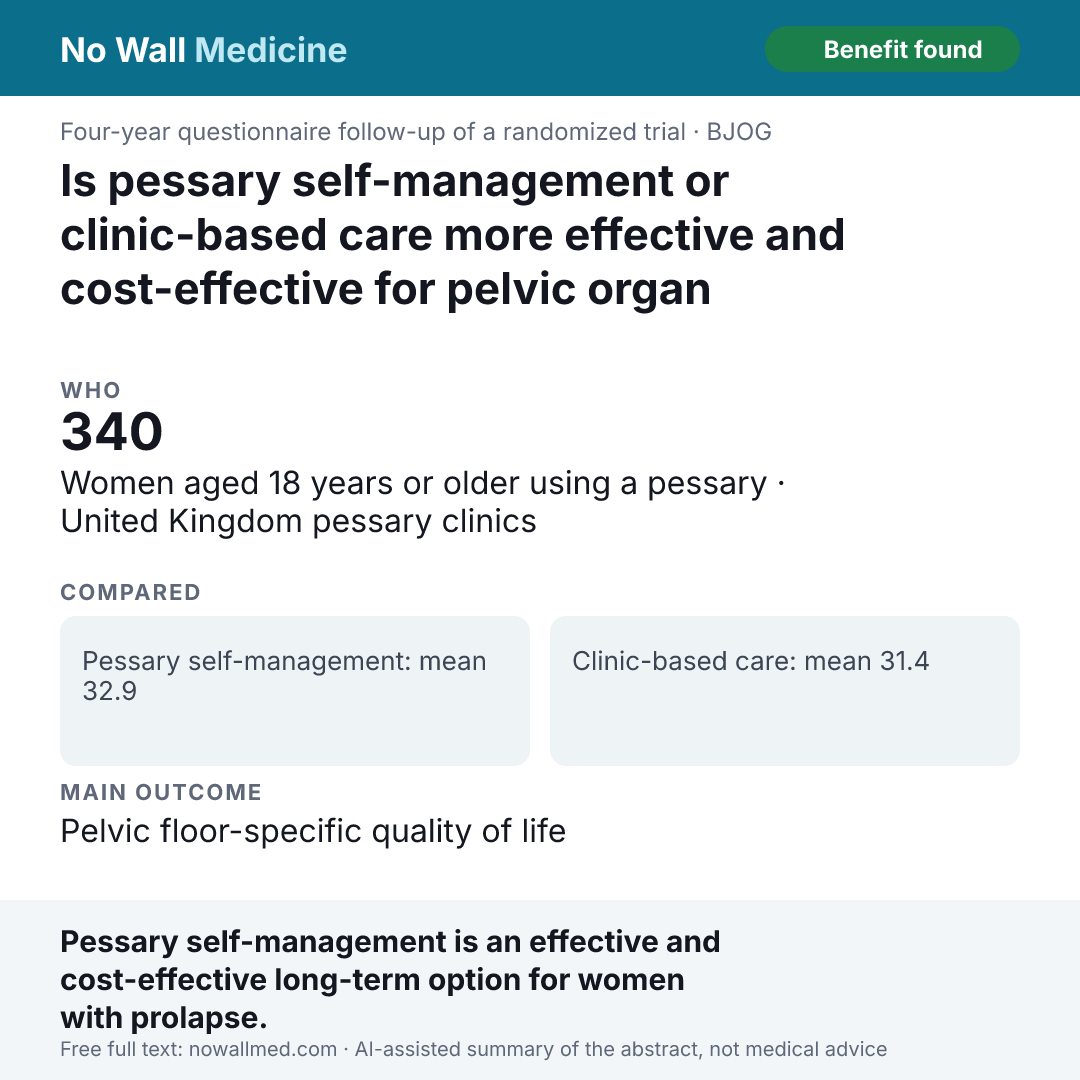
Four Year Clinical and Cost Effectiveness of Vaginal Pessary Self-Management Versus Clinic-Based Care for Pelvic Organ Prolapse (TOPSY): Long Term Follow-Up of a Randomised Controlled Superiority Trial
Four-year questionnaire follow-up of a randomized trialBenefit found
Is pessary self-management or clinic-based care more effective and cost-effective for pelvic organ prolapse?
Who
340
Women aged 18 years or older using a pessary · United Kingdom pessary clinics
Compared
Pessary self-management: mean 32.9
Clinic-based care: mean 31.4
Main outcome
Pelvic floor-specific quality of life
Result: adjusted mean difference 4.86, 95% CI -6.41 to 16.12
Bottom line: Pessary self-management is an effective and cost-effective long-term option for women with prolapse.
Limitation: Participants were invited to opt into a 4-year follow-up.
BJOG · 2025-08-20 · Save PNG
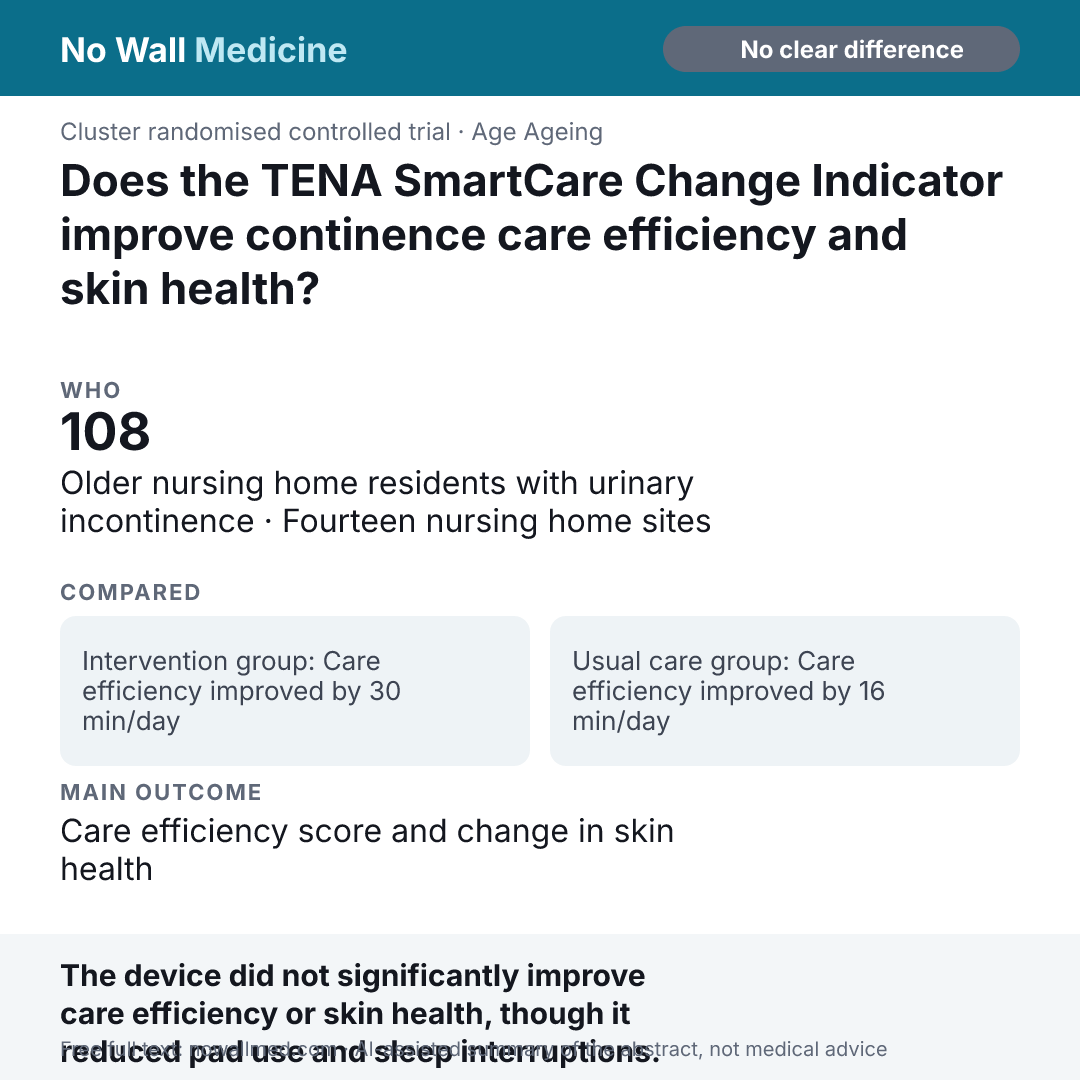
A post-market, cluster randomised controlled trial of the effect of the TENA SmartCare Change Indicator on continence care efficiency and skin health in nursing homes
Cluster randomised controlled trialNo clear difference
Does the TENA SmartCare Change Indicator improve continence care efficiency and skin health?
Who
108
Older nursing home residents with urinary incontinence · Fourteen nursing home sites
Compared
Intervention group: Care efficiency improved by 30 min/day
Usual care group: Care efficiency improved by 16 min/day
Main outcome
Care efficiency score and change in skin health
Bottom line: The device did not significantly improve care efficiency or skin health, though it reduced pad use and sleep interruptions.
Age Ageing · 2025-08-20 · Save PNG