Visual abstracts
New randomized trials and meta-analyses from leading journals at a glance: who was studied, what was compared, and what was found. Every paper is free to read in full.
All specialtiesCardiology 331Oncology 257Gastroenterology & Hepatology 143Infectious Disease 259Neurology 149Psychiatry & Mental Health 219Pulmonology 152Critical Care 102Endocrinology & Diabetes 199Pediatrics 149Surgery 98Orthopedics & Sports Medicine 66Neurosurgery 19Cardiothoracic & Vascular Surgery 35Plastic & Reconstructive Surgery 67Nephrology 67Rheumatology 66Hematology 78Dermatology 32Ophthalmology 56Obstetrics & Gynecology 94Public & Global Health 98Radiology & Imaging 27Anesthesiology 59Urology 75ENT (Otolaryngology) 42Emergency Medicine 31Allergy & Immunology 33Geriatrics 92Family Medicine & Primary Care 50Medical Genetics & Genomics 30Pathology & Laboratory Medicine 5Physical Medicine & Rehabilitation 84Palliative Care 50Nutrition 113Digital Health & AI 284General Medicine 41
Efficacy and Safety of Nerve Wrapping in Recurrent Upper-extremity Compressive Neuropathies: A Systematic Review
Systematic reviewBenefit found
Is nerve wrapping effective and safe for recurrent upper-extremity compressive neuropathies?
Who
302
Adults undergoing revision surgery with nerve wrapping
Compared
Patients receiving nerve wrapping: pain improved (visual analog scale, 6.2-2.0)
Patients receiving nerve wrapping: grip strength increased (from 43.3% to 77.0%)
Patients receiving nerve wrapping: Quick Disabilities of the Arm, Shoulder, and Hand scores decreased (from 59.9 to 28.0)
Main outcome
pain, sensory and motor recovery, functional scores, complications, recurrence, and satisfaction
Bottom line: Nerve wrapping is a safe and beneficial adjunct for revision surgery in recurrent upper-extremity compressive neuropathies.
Plast Reconstr Surg Glob Open · 2026-08-26Download image

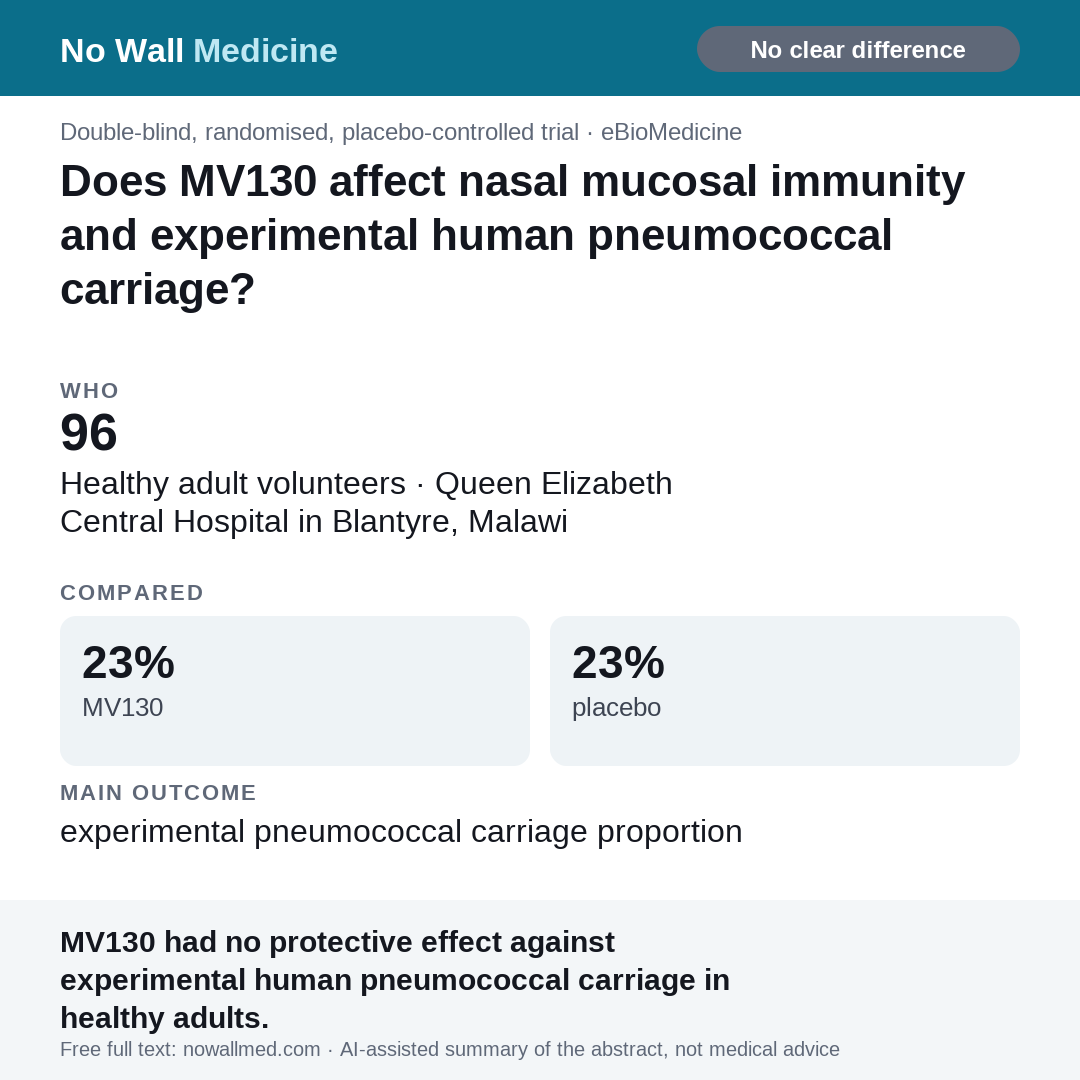
Whole cell inactivated poly-bacterial preparation MV130 effect on nasal mucosal immunity and experimental human pneumococcal carriage: double-blind randomised controlled trial with controlled human infection model
Double-blind, randomised, placebo-controlled trialNo clear difference
Does MV130 affect nasal mucosal immunity and experimental human pneumococcal carriage?
Who
96
Healthy adult volunteers · Queen Elizabeth Central Hospital in Blantyre, Malawi
Compared
23%MV130 (12/52)
23%placebo (10/44)
Main outcome
experimental pneumococcal carriage proportion
Result: unadjusted risk ratio 1.02 (CI 0.49-2.12)
Bottom line: MV130 had no protective effect against experimental human pneumococcal carriage in healthy adults.
Funded by: Wellcome Trust
eBioMedicine · 2026-08-26Download image
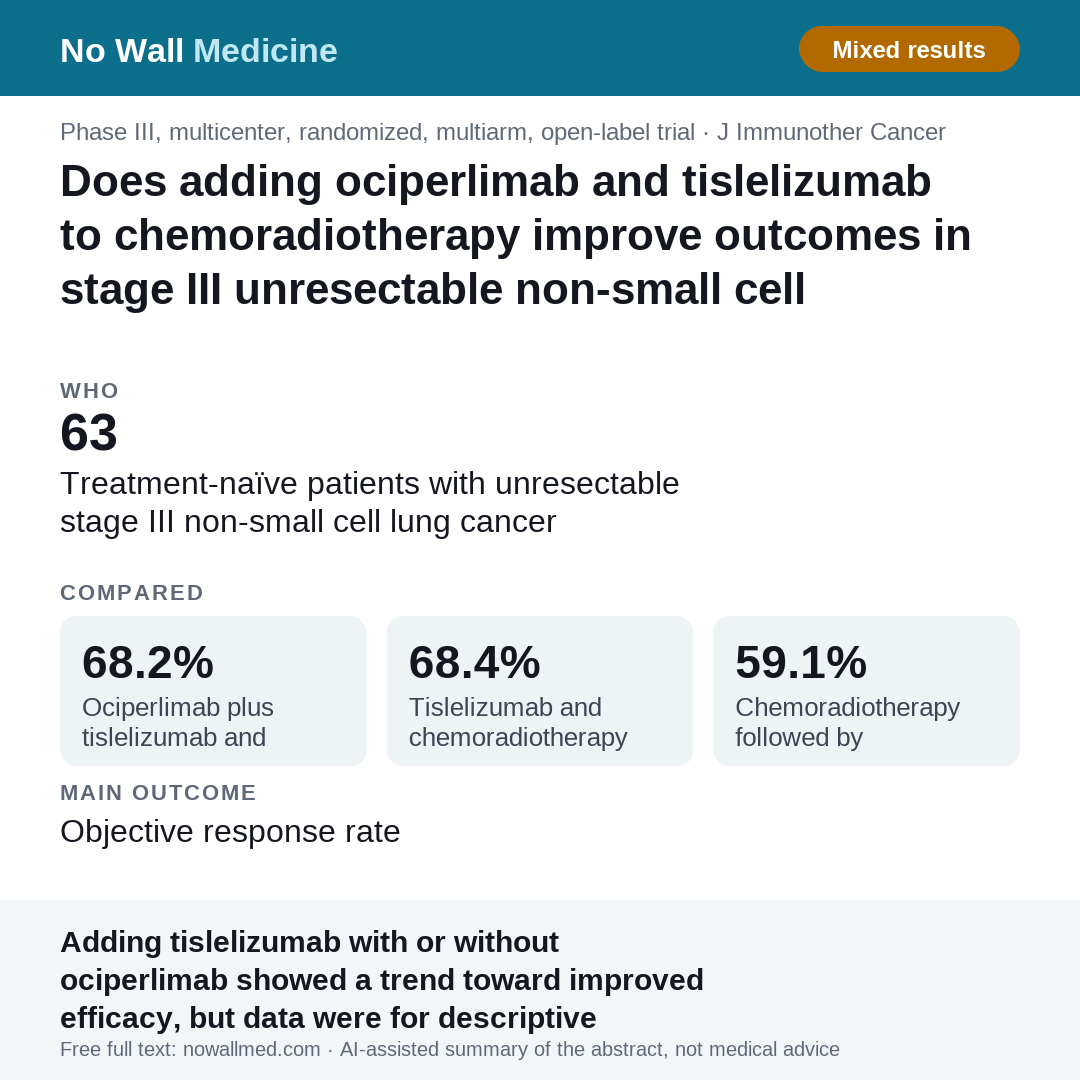
AdvanTIG-301: a phase III study of ociperlimab plus tislelizumab and concurrent chemoradiotherapy in stage III unresectable non-small cell lung cancer
Phase III, multicenter, randomized, multiarm, open-label trialMixed results
Does adding ociperlimab and tislelizumab to chemoradiotherapy improve outcomes in stage III unresectable non-small cell lung cancer?
Who
63
Treatment-naïve patients with unresectable stage III non-small cell lung cancer
Compared
68.2%Ociperlimab plus tislelizumab and chemoradiotherapy (45.1%-86.1%)
68.4%Tislelizumab and chemoradiotherapy (43.4%-87.4%)
59.1%Chemoradiotherapy followed by durvalumab (36.4%-79.3%)
Main outcome
Objective response rate
Bottom line: Adding tislelizumab with or without ociperlimab showed a trend toward improved efficacy, but data were for descriptive purposes only.
Limitation: Early trial termination
J Immunother Cancer · 2026-08-26Download image
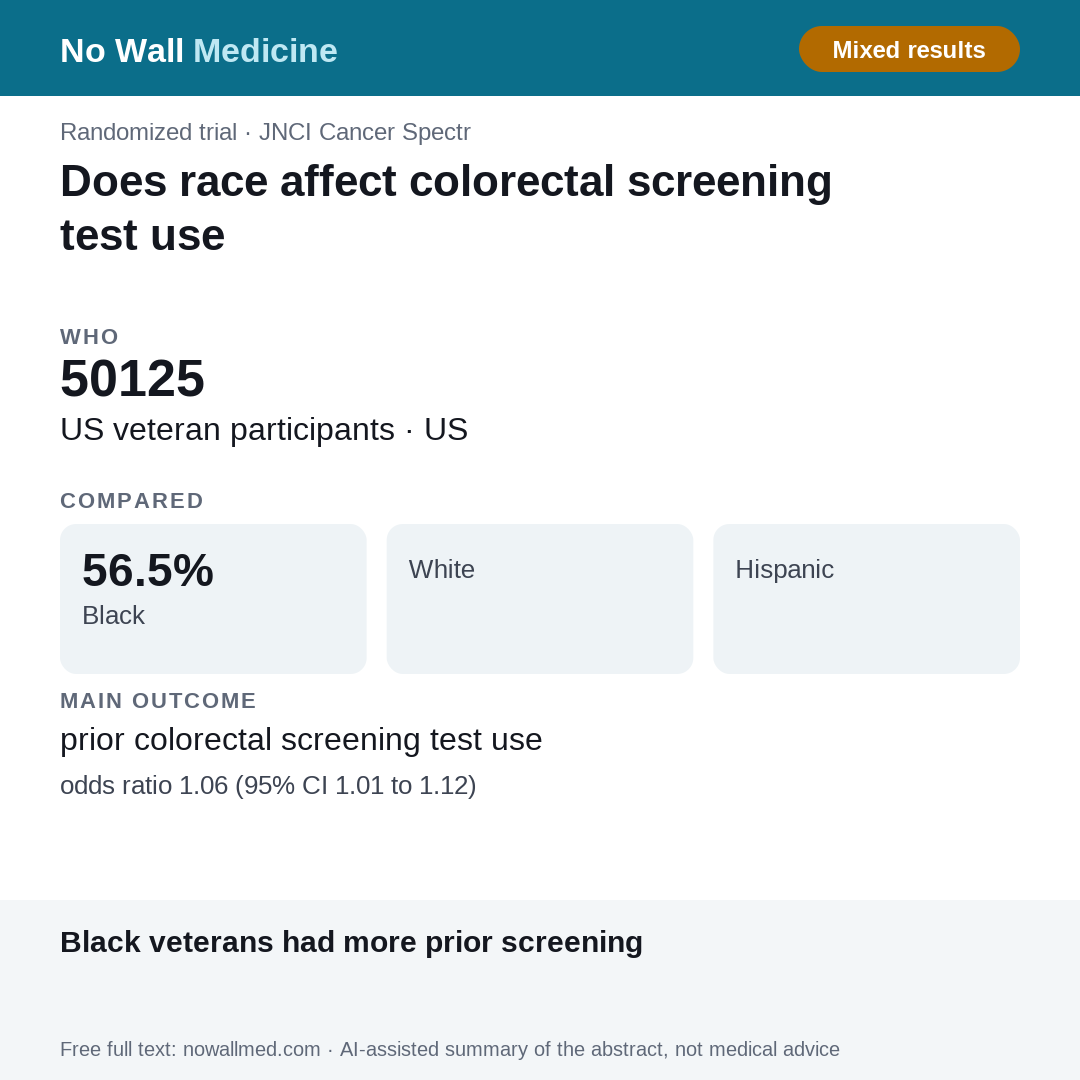
Race, ethnicity, and prior colorectal screening test use in CONFIRM colonoscopy vs fecal immunochemical testing trial participants
Randomized trialMixed results
Does race affect colorectal screening test use
Who
50125
US veteran participants · US
Compared
56.5%Black
White
Hispanic
Main outcome
prior colorectal screening test use
Result: odds ratio 1.06 (95% CI 1.01 to 1.12)
Bottom line: Black veterans had more prior screening
JNCI Cancer Spectr · 2026-08-26Download image
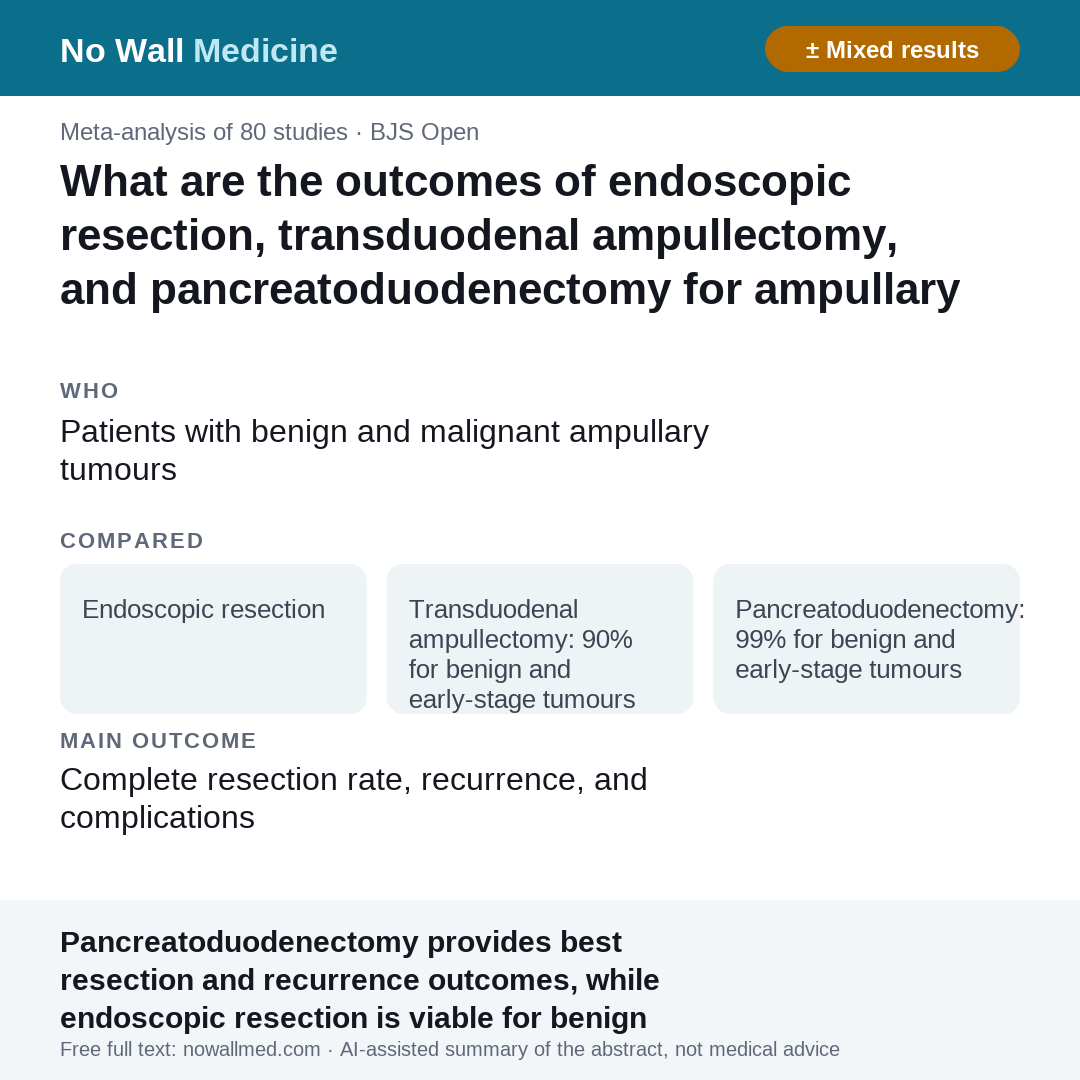
Therapeutic strategies and outcomes in the management of ampullary tumours: meta-analysis
Meta-analysis of 80 studiesMixed results
What are the outcomes of endoscopic resection, transduodenal ampullectomy, and pancreatoduodenectomy for ampullary tumours?
Who
80
Patients with benign and malignant ampullary tumours
Compared
Endoscopic resection
Transduodenal ampullectomy: 90% for benign and early-stage tumours
Pancreatoduodenectomy: 99% for benign and early-stage tumours
Main outcome
Complete resection rate, recurrence, and complications
Bottom line: Pancreatoduodenectomy provides best resection and recurrence outcomes, while endoscopic resection is viable for benign tumours.
Limitation: Further prospective research is needed to optimize preoperative diagnostics to distinguish benign from malignant tumours.
BJS Open · 2026-08-26Download image
AI-Based Approaches to Refugee Mental Health Care: Systematic Integrative Review
Systematic integrative reviewUnclear result
How is artificial intelligence used in refugee mental health research and care?
Who
23
Refugee and forcibly displaced populations
Compared
Detection, Prediction, and Classification: 15/23 (65.2%)
Intervention and Clinical Support: 4/23 (17.4%)
Information Synthesis: 5/23 (21.7%)
Main outcome
Functional categories of artificial intelligence applications in refugee mental health
Bottom line: Artificial intelligence in refugee mental health focuses on detection, intervention, and information synthesis, though biases and access barriers remain.
Limitation: Potential biases, lack of contextual understanding, and structural barriers in technology access.
J Med Internet Res · 2026-08-26Download image

Improvement of Clinical Practice Guideline Appraisal by Human Experts and AI Agents by Using Structured Guidance: Systematic Review, Meta-Analysis, and Validation Study
Systematic review, meta-analysis, and validation studyBenefit found
Does structured guidance improve agreement between human experts and AI agents in guideline appraisal?
Who
227
227 rehabilitation clinical practice guidelines
Compared
AI agents without structured guidance: ICC=0.608-0.629
AI agents with structured guidance: DeepSeek-R1 0.709 and o1-mini 0.687
Main outcome
Agreement between human experts and AI agents
Bottom line: Structured guidance improves agreement between human experts and AI agents for clinical practice guideline appraisal.
J Med Internet Res · 2026-08-26Download image

Safety and immunogenicity of GBS6 in pregnant women living with and without HIV and their infants in Uganda (PREPARE WP4): a double-blind, randomised, placebo-controlled, phase 2 clinical trial
Double-blind, randomised, placebo-controlled, phase 2 clinical trialBenefit found
Is GBS6 vaccine safe and immunogenic in pregnant women with or without HIV?
Who
300
Pregnant women aged 18-40 years living with or without HIV · Five antenatal care facilities in Kampala, Uganda
Compared
GBS6 vaccine: 86 serious adverse events recorded
Placebo: 86 serious adverse events recorded
Main outcome
Maternal and infant safety, reactogenicity, and immunogenicity
Bottom line: GBS6 vaccine was safe and induced maternal antibodies in pregnant women living with or without HIV.
Lancet Infect Dis · 2026-08-25Download image

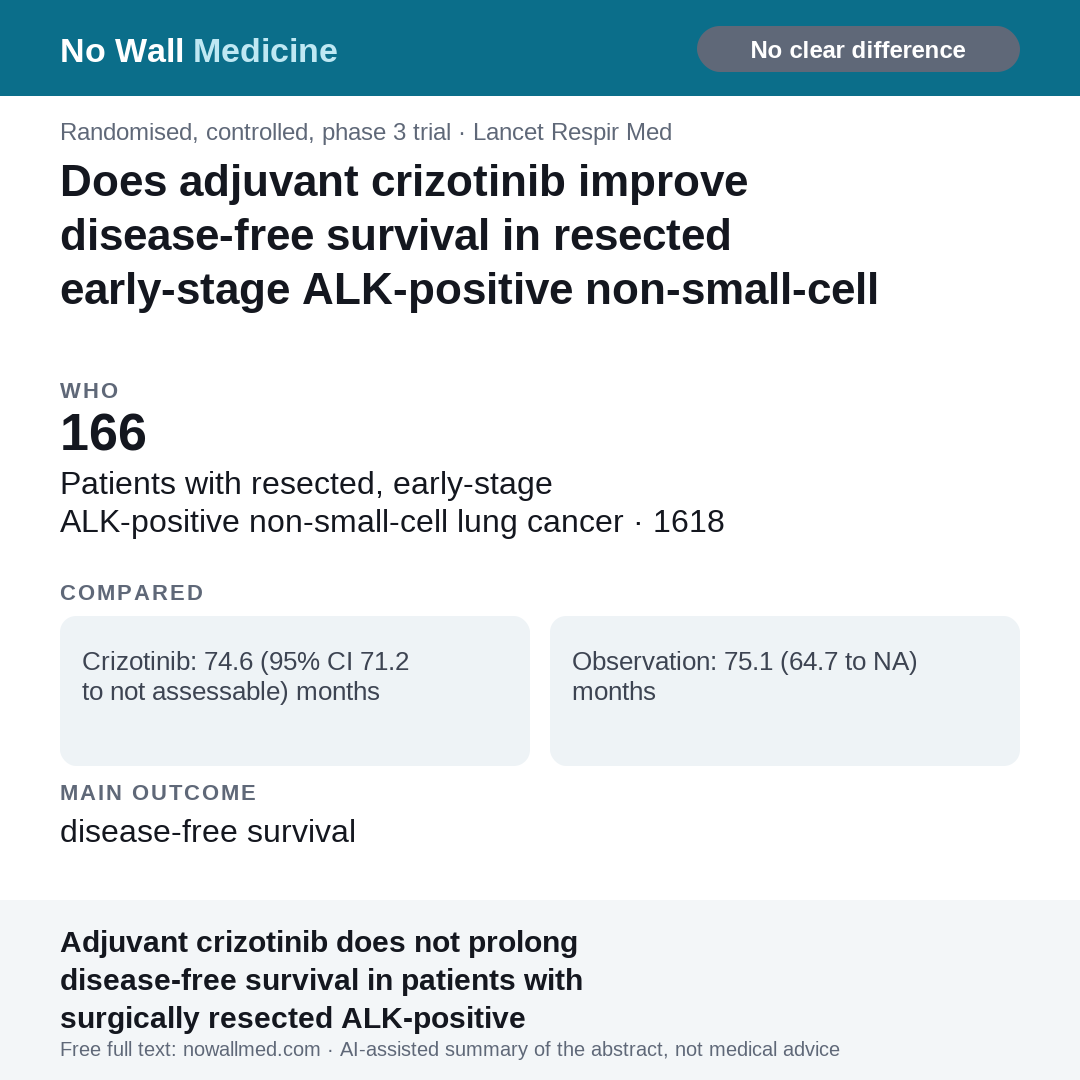
Crizotinib versus observation or placebo for surgically resected early-stage ALK-positive non-small-cell lung cancer (Eastern Cooperative Oncology Group-American College of Radiology Imaging Network E4512): a phase 3 trial
Randomised, controlled, phase 3 trialNo clear difference
Does adjuvant crizotinib improve disease-free survival in resected early-stage ALK-positive non-small-cell lung cancer?
Who
166
Patients with resected, early-stage ALK-positive non-small-cell lung cancer · 1618 sites across the USA, Guam, and Puerto Rico
Compared
Crizotinib: 74.6 (95% CI 71.2 to not assessable) months
Observation: 75.1 (64.7 to NA) months
Main outcome
disease-free survival
Result: hazard ratio 1.08 (95% CI 0.61 to 1.90)
Bottom line: Adjuvant crizotinib does not prolong disease-free survival in patients with surgically resected ALK-positive non-small-cell lung cancer.
Funded by: National Cancer Institute of the US National Institutes of Health
Lancet Respir Med · 2026-08-25Download image
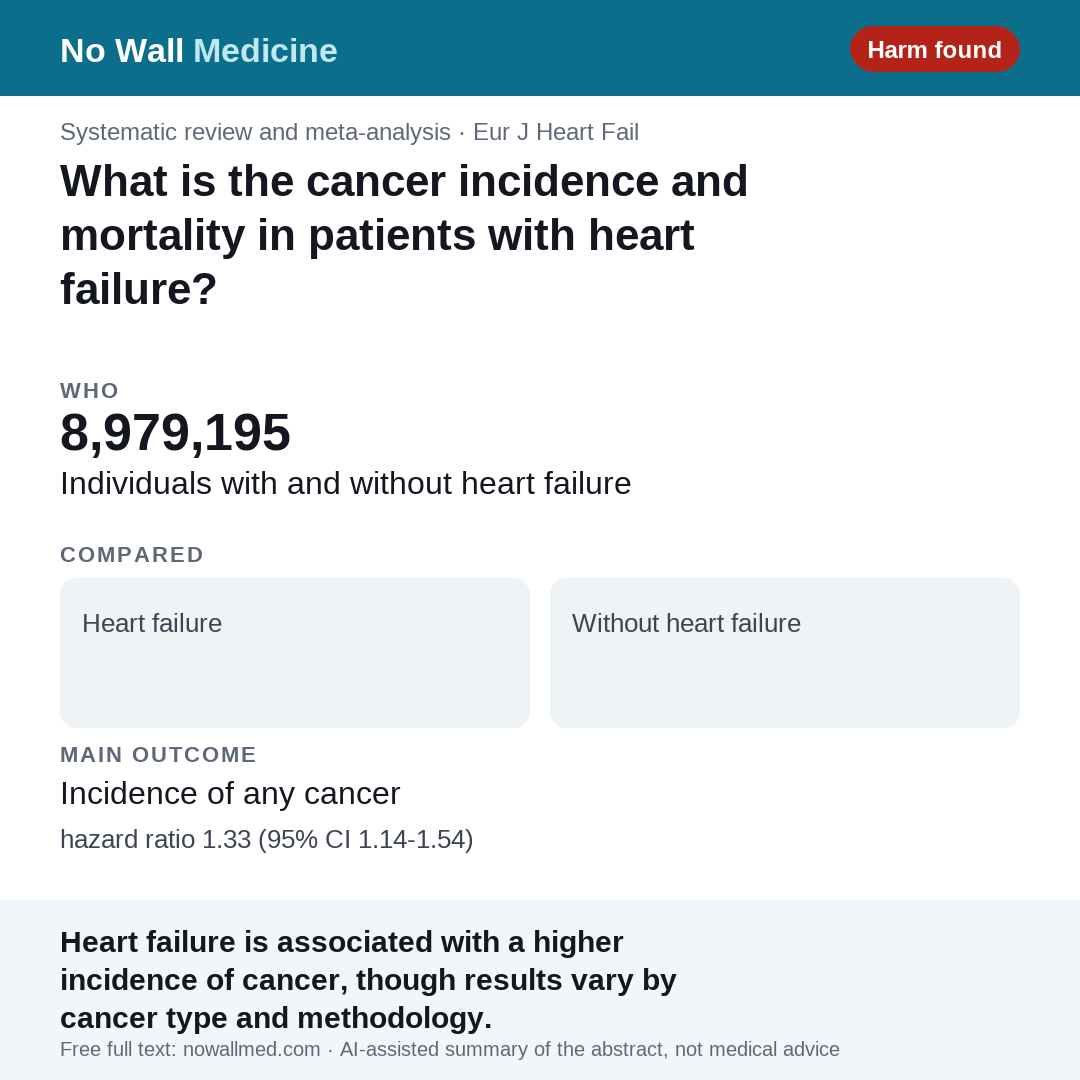
Heart Failure and Cancer: Incidence and Mortality Patterns, A Systematic Review and Meta-analysis
Systematic review and meta-analysisHarm found
What is the cancer incidence and mortality in patients with heart failure?
Who
8,979,195
Individuals with and without heart failure
Compared
Heart failure
Without heart failure
Main outcome
Incidence of any cancer
Result: hazard ratio 1.33 (95% CI 1.14-1.54)
Bottom line: Heart failure is associated with a higher incidence of cancer, though results vary by cancer type and methodology.
Limitation: Substantial heterogeneity and mortality data were sparse and heterogeneous.
Eur J Heart Fail · 2026-08-25Download image
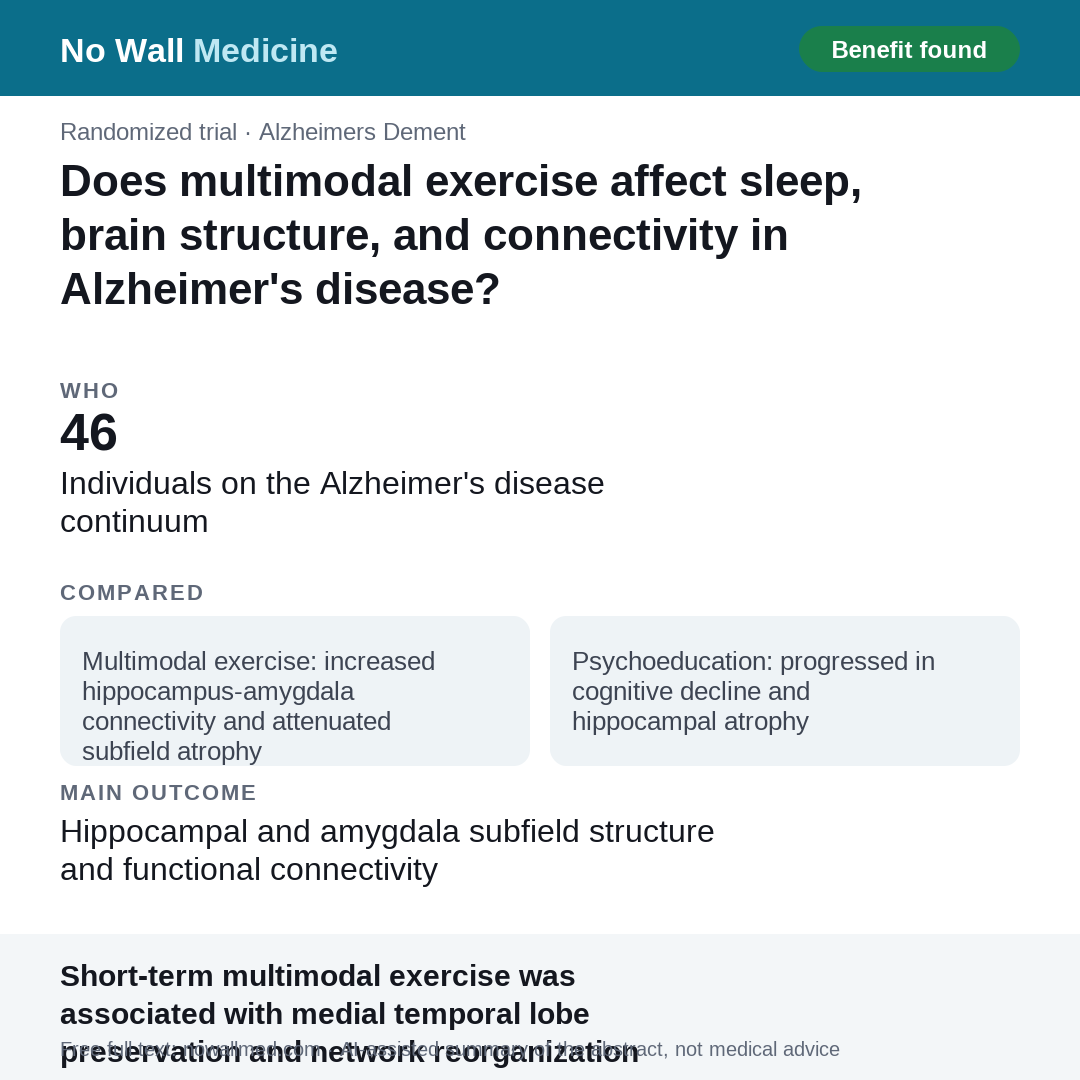
Longitudinal effects of physical activity on sleep in association with hippocampal-amygdala subfield structure and functional connectivity in Alzheimer's disease
Randomized trialBenefit found
Does multimodal exercise affect sleep, brain structure, and connectivity in Alzheimer's disease?
Who
46
Individuals on the Alzheimer's disease continuum
Compared
Multimodal exercise: increased hippocampus-amygdala connectivity and attenuated subfield atrophy
Psychoeducation: progressed in cognitive decline and hippocampal atrophy
Main outcome
Hippocampal and amygdala subfield structure and functional connectivity
Bottom line: Short-term multimodal exercise was associated with medial temporal lobe preservation and network reorganization linked to sleep.
Alzheimers Dement · 2026-08-25Download image
The role of antifactor Xa monitoring in the dosing and administration of low-molecular-weight heparins in pregnancy: a systematic review and meta-analysis
Meta-analysis of 94 studiesUnclear result
LMWH dosing in pregnancy safety
Who
5007
pregnant women with mechanical heart valves or at risk of venous thromboembolism
Compared
Fixed dose
Weight-based dose
Anti-Xa-monitored dose
Main outcome
thromboembolic complications and major bleeding
Bottom line: LMWH dosing methods have overlapping event rates
Limitation: small sample sizes and low certainty of evidence
J Thromb Haemost · 2026-08-25Download image

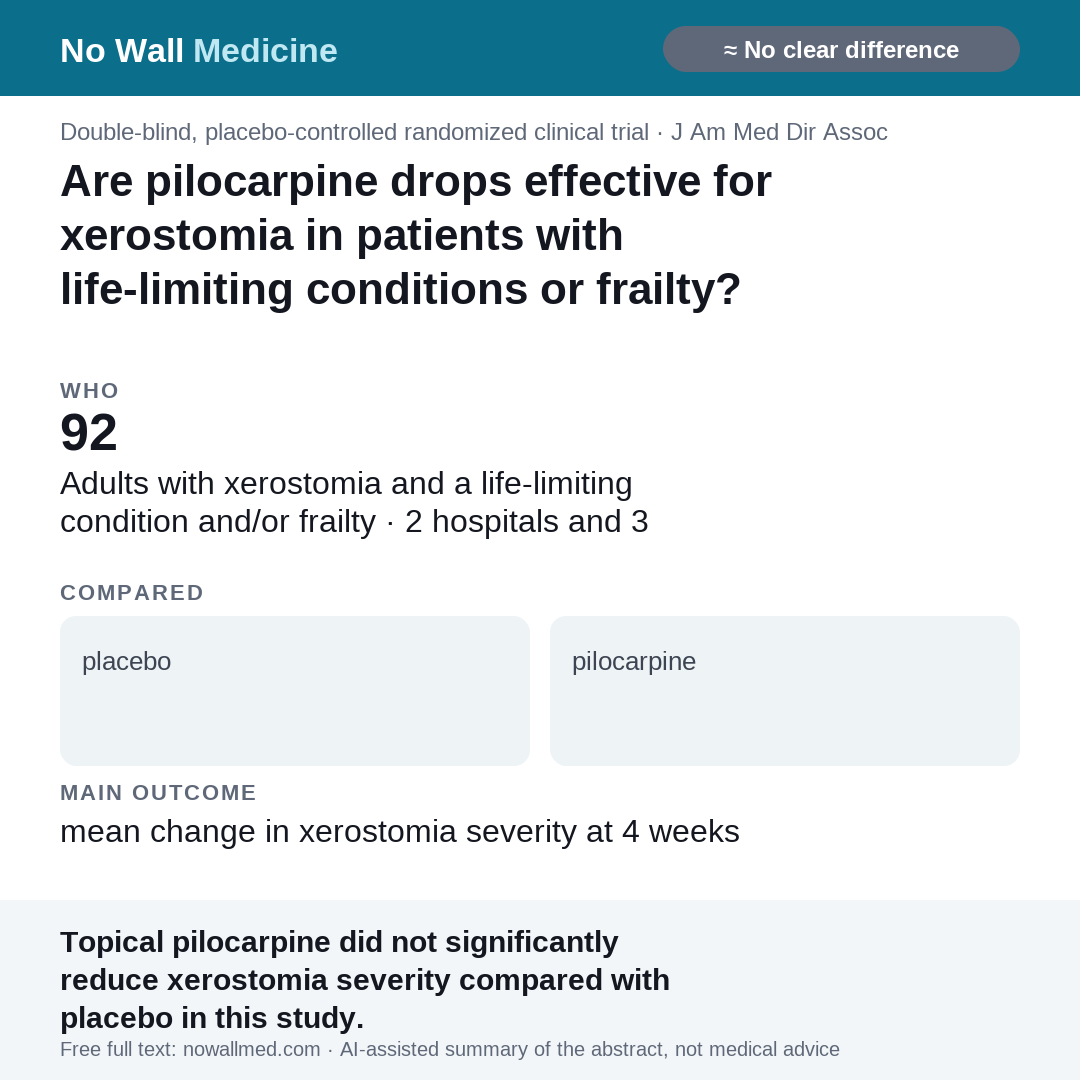
Pilocarpine Drops for Xerostomia in Patients With a Life-Limiting Condition or Frailty: A Double-Blind Placebo-Controlled Randomized Clinical Trial
Double-blind, placebo-controlled randomized clinical trialNo clear difference
Are pilocarpine drops effective for xerostomia in patients with life-limiting conditions or frailty?
Who
92
Adults with xerostomia and a life-limiting condition and/or frailty · 2 hospitals and 3 nursing homes in the Netherlands
Compared
placebo
pilocarpine
Main outcome
mean change in xerostomia severity at 4 weeks
Result: adjusted β = -0.37; (95% CI, -1.31 to 0.58)
Bottom line: Topical pilocarpine did not significantly reduce xerostomia severity compared with placebo in this study.
Limitation: The current study was underpowered.
J Am Med Dir Assoc · 2026-08-25Download image
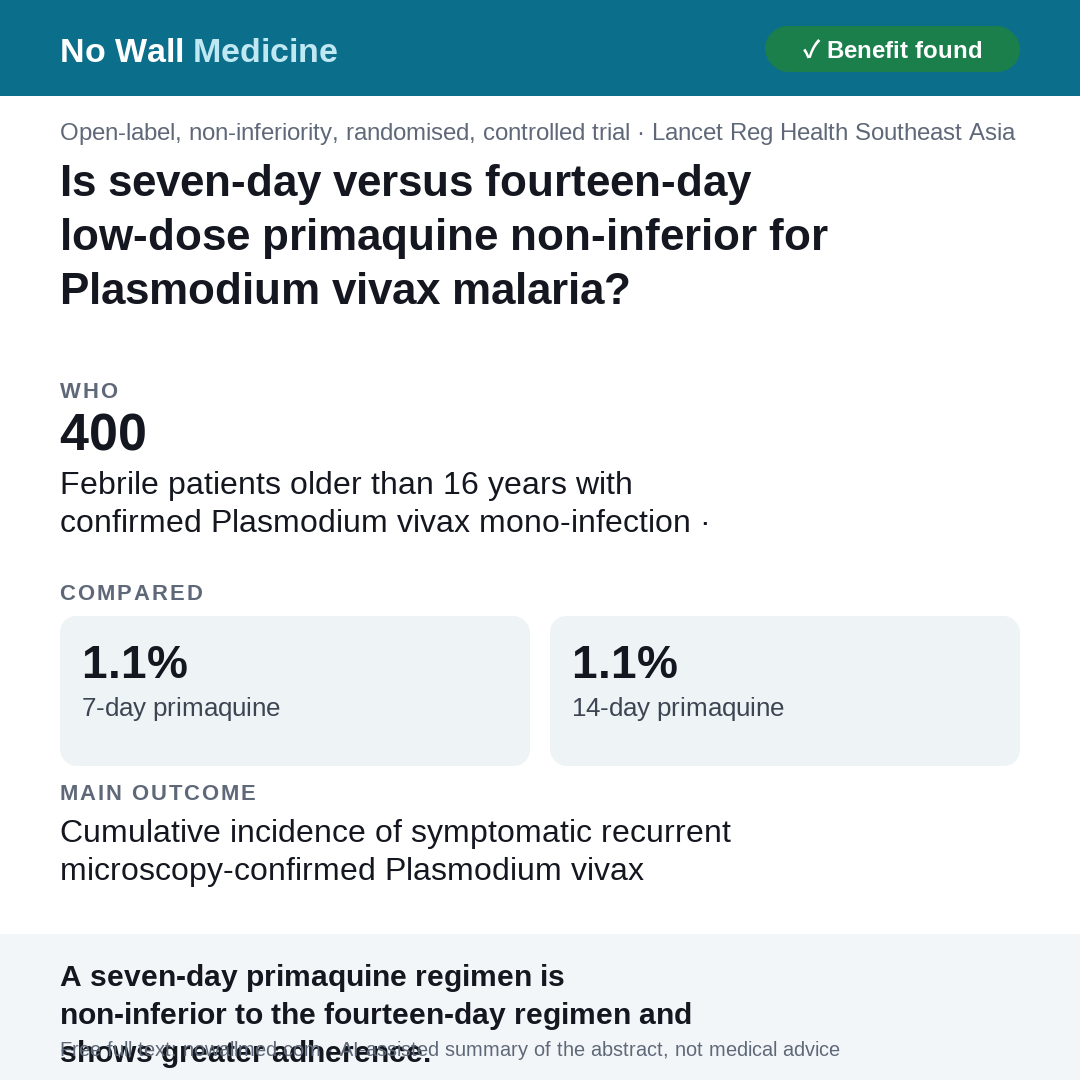
Seven-day versus fourteen-day low-dose primaquine for Plasmodium vivax malaria in India: an open-label, non-inferiority, randomised, controlled trial
Open-label, non-inferiority, randomised, controlled trialBenefit found
Is seven-day versus fourteen-day low-dose primaquine non-inferior for Plasmodium vivax malaria?
Who
400
Febrile patients older than 16 years with confirmed Plasmodium vivax mono-infection · Two sites in India
Compared
1.1%7-day primaquine (95% CI 0.0-4.1)
1.1%14-day primaquine (95% CI 0.0-4.4)
Main outcome
Cumulative incidence of symptomatic recurrent microscopy-confirmed Plasmodium vivax parasitaemia
Bottom line: A seven-day primaquine regimen is non-inferior to the fourteen-day regimen and shows greater adherence.
Limitation: The overall number of recurrences was lower than anticipated, limiting the precision of the estimates.
Funded by: Infectious Diseases Data Observatory and Bill & Melinda Gates Foundation
Lancet Reg Health Southeast Asia · 2026-08-25Download image
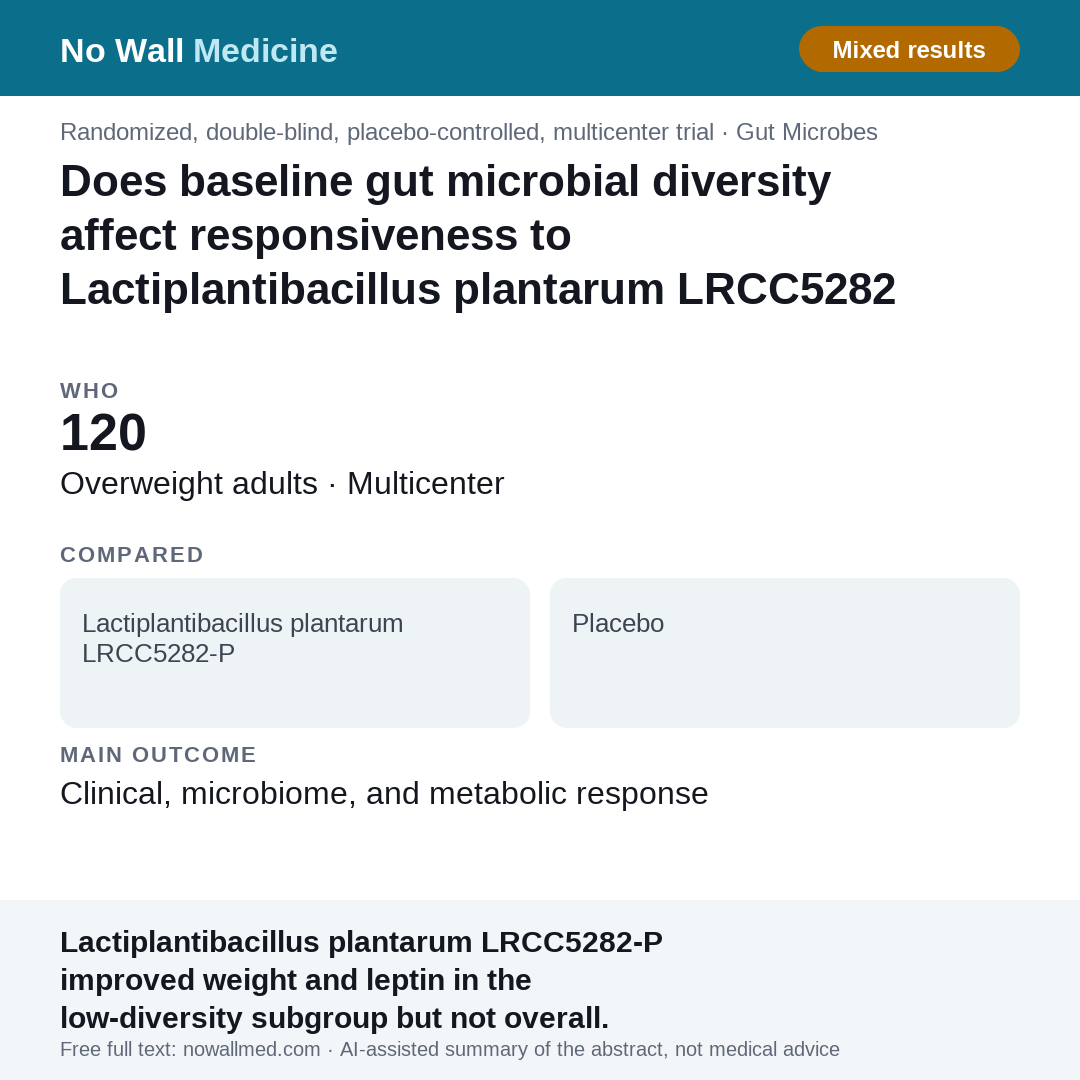
Gut microbial diversity at baseline conditions the clinical, microbiome, and metabolic response to paraprobiotic Lactiplantibacillus plantarum LRCC5282 in overweight adults
Randomized, double-blind, placebo-controlled, multicenter trialMixed results
Does baseline gut microbial diversity affect responsiveness to Lactiplantibacillus plantarum LRCC5282 in overweight adults?
Who
120
Overweight adults · Multicenter
Compared
Lactiplantibacillus plantarum LRCC5282-P
Placebo
Main outcome
Clinical, microbiome, and metabolic response
Bottom line: Lactiplantibacillus plantarum LRCC5282-P improved weight and leptin in the low-diversity subgroup but not overall.
Limitation: Further studies are warranted to elucidate the biological pathways underlying this responsiveness.
Gut Microbes · 2026-08-25Download image
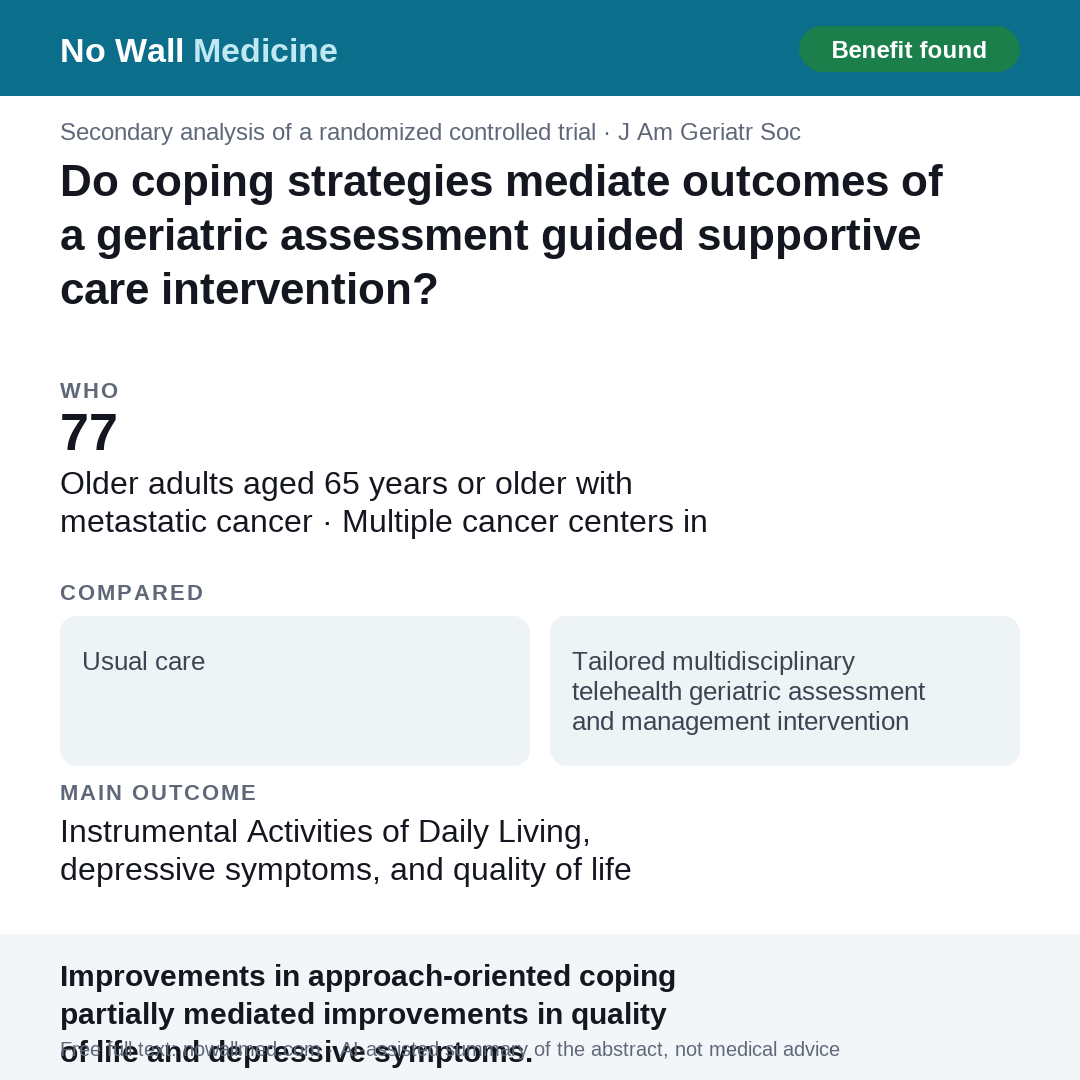
Mechanisms of Benefit in Geriatric Assessment (GA): Approach-Oriented Coping Mediates Outcomes of a GA-Guided Supportive Care Intervention (GAIN-S)
Secondary analysis of a randomized controlled trialBenefit found
Do coping strategies mediate outcomes of a geriatric assessment guided supportive care intervention?
Who
77
Older adults aged 65 years or older with metastatic cancer · Multiple cancer centers in Brazil
Compared
Usual care
Tailored multidisciplinary telehealth geriatric assessment and management intervention
Main outcome
Instrumental Activities of Daily Living, depressive symptoms, and quality of life
Bottom line: Improvements in approach-oriented coping partially mediated improvements in quality of life and depressive symptoms.
J Am Geriatr Soc · 2026-08-24Download image
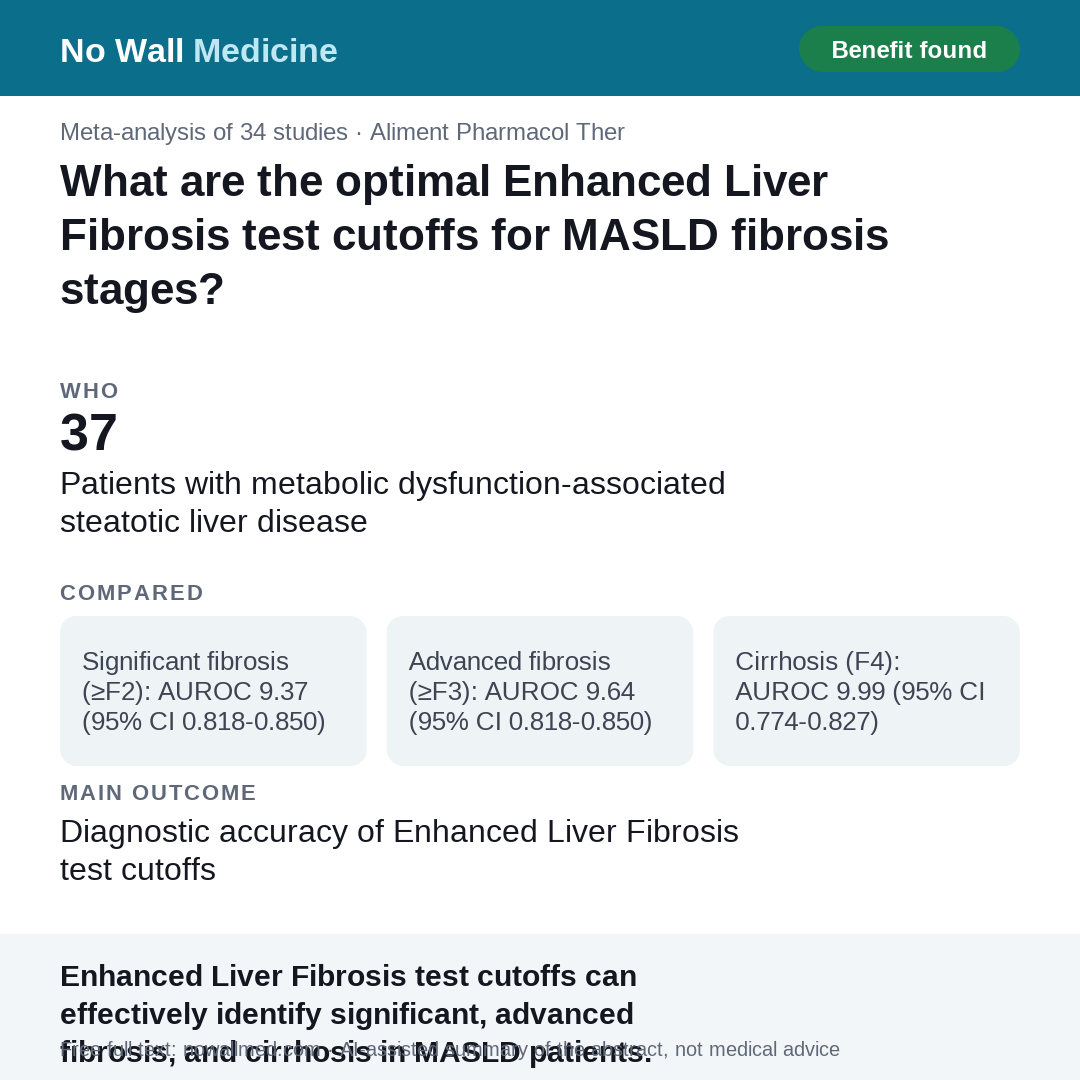
Meta-Analysis: Enhanced Liver Fibrosis (ELF) Test for Identifying Significant Fibrosis, Advanced Fibrosis, and Cirrhosis in Patients With Metabolic Dysfunction-Associated Steatotic Liver Disease
Meta-analysis of 34 studiesBenefit found
What are the optimal Enhanced Liver Fibrosis test cutoffs for MASLD fibrosis stages?
Who
37
Patients with metabolic dysfunction-associated steatotic liver disease
Compared
Significant fibrosis (F2): AUROC 9.37 (95% CI 0.818 [0.781-0.850])
Advanced fibrosis (F3): AUROC 9.64 (95% CI 0.818 [0.782-0.850])
Cirrhosis (F4): AUROC 9.99 (95% CI 0.774 [0.711-0.827])
Main outcome
Diagnostic accuracy of Enhanced Liver Fibrosis test cutoffs
Bottom line: Enhanced Liver Fibrosis test cutoffs can identify significant, advanced fibrosis, and cirrhosis in MASLD patients.
Aliment Pharmacol Ther · 2026-08-24Download image
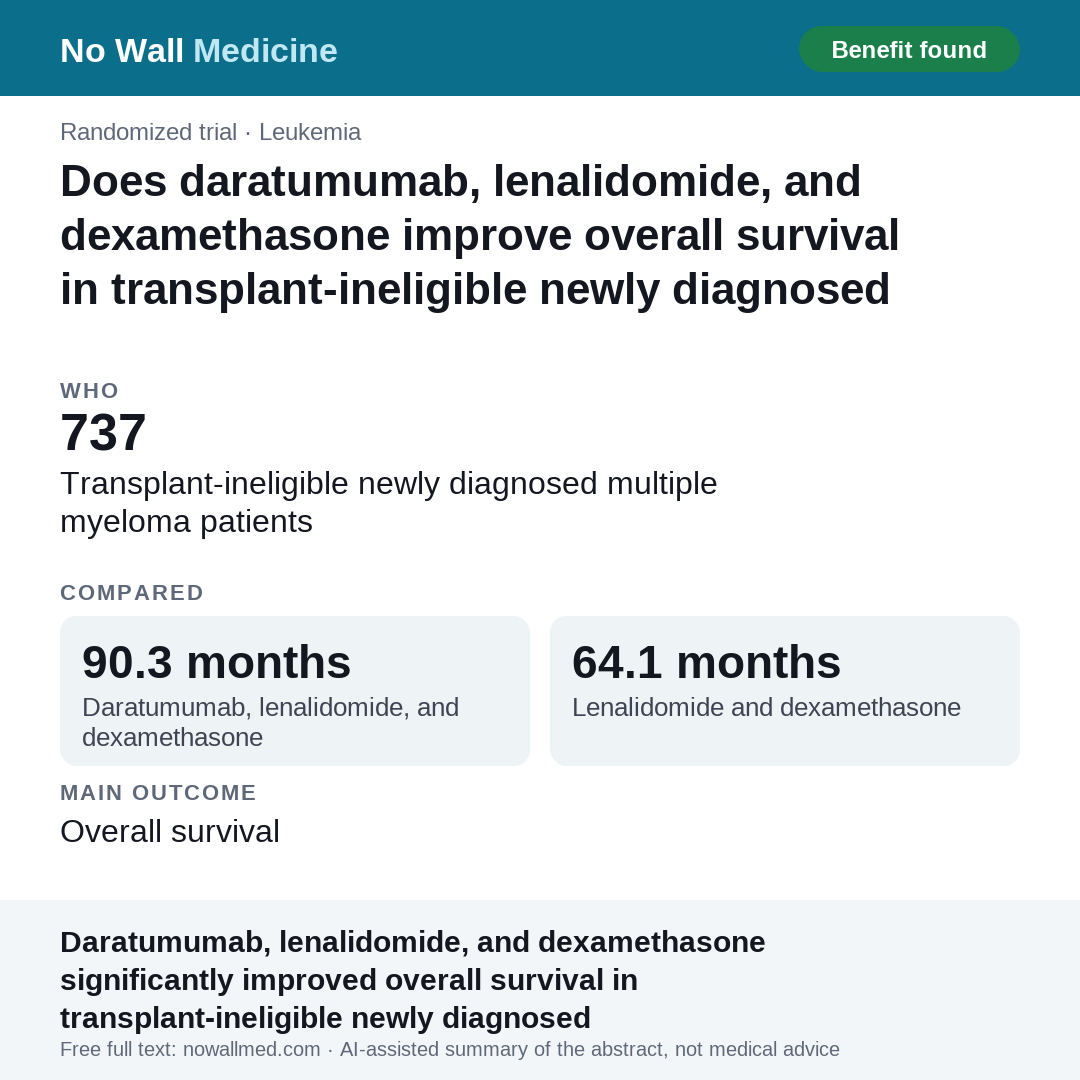
Daratumumab, lenalidomide, and dexamethasone in transplant-ineligible newly diagnosed multiple myeloma: MAIA final survival analysis
Randomized trialBenefit found
Does daratumumab, lenalidomide, and dexamethasone improve overall survival in transplant-ineligible newly diagnosed multiple myeloma?
Who
737
Transplant-ineligible newly diagnosed multiple myeloma patients
Compared
90.3 monthsDaratumumab, lenalidomide, and dexamethasone
64.1 monthsLenalidomide and dexamethasone
Main outcome
Overall survival
Result: hazard ratio 0.67 (95% CI 0.55-0.82)
Bottom line: Daratumumab, lenalidomide, and dexamethasone significantly improved overall survival in transplant-ineligible newly diagnosed multiple myeloma.
Leukemia · 2026-08-24Download image
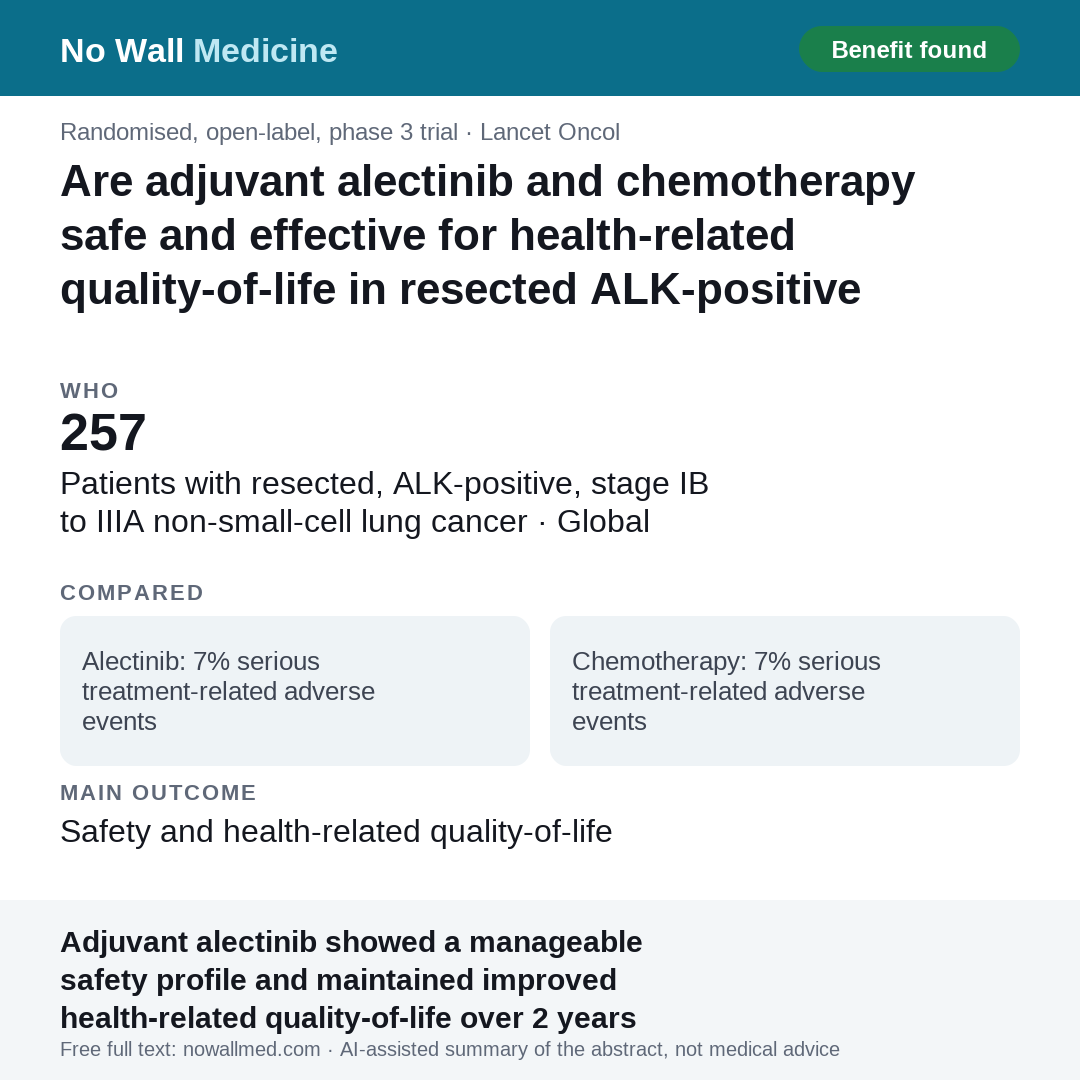
Adjuvant alectinib versus chemotherapy in resected ALK-positive non-small-cell lung cancer (ALINA): health-related quality-of-life and safety outcomes from a randomised, open-label, phase 3 trial
Randomised, open-label, phase 3 trialBenefit found
Are adjuvant alectinib and chemotherapy safe and effective for health-related quality-of-life in resected ALK-positive NSCLC?
Who
257
Patients with resected, ALK-positive, stage IB to IIIA non-small-cell lung cancer · Global
Compared
Alectinib: 7% serious treatment-related adverse events
Chemotherapy: 7% serious treatment-related adverse events
Main outcome
Safety and health-related quality-of-life
Bottom line: Adjuvant alectinib showed a manageable safety profile and maintained improved health-related quality-of-life over 2 years of treatment.
Funded by: F Hoffmann-La Roche
Lancet Oncol · 2026-08-24Download image
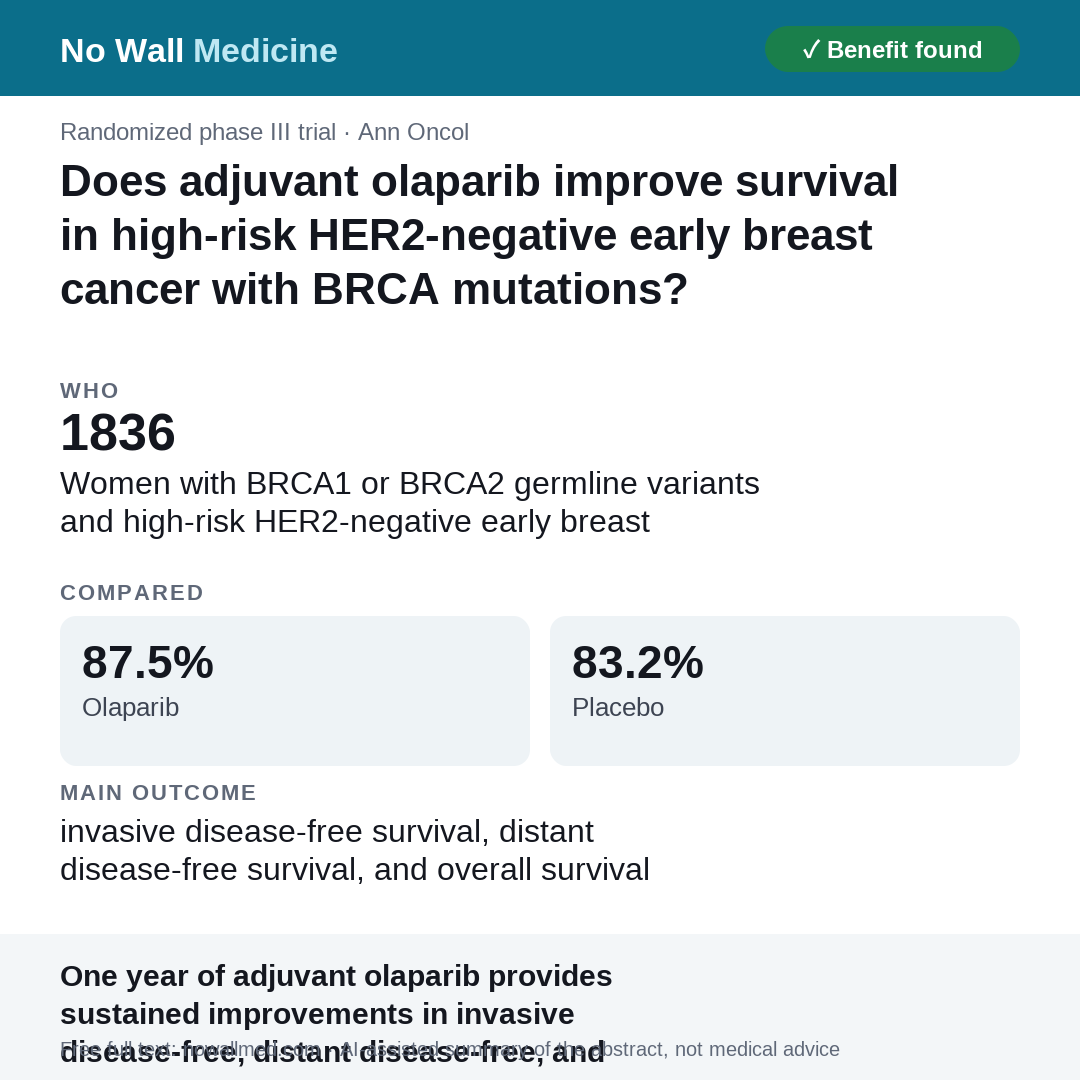
Sustained benefit of adjuvant olaparib in women with germline BRCA1- and BRCA2-associated high-risk HER2-negative early breast cancer: updated results from the OlympiA phase III trial
Randomized phase III trialBenefit found
Does adjuvant olaparib improve survival in high-risk HER2-negative early breast cancer with BRCA mutations?
Who
1836
Women with BRCA1 or BRCA2 germline variants and high-risk HER2-negative early breast cancer
Compared
87.5%Olaparib
83.2%Placebo
Main outcome
invasive disease-free survival, distant disease-free survival, and overall survival
Result: hazard ratio 0.72 (95% CI 0.56-0.93) for overall survival
Bottom line: One year of adjuvant olaparib provides sustained improvements in invasive disease-free, distant disease-free, and overall survival.
Ann Oncol · 2026-08-24Download image