Visual abstracts
New randomized trials and meta-analyses from leading journals at a glance: who was studied, what was compared, and what was found. Every paper is free to read in full.
All specialtiesCardiology 4763Oncology 4042Gastroenterology & Hepatology 1902Infectious Disease 3756Neurology 1872Psychiatry & Mental Health 2214Pulmonology 2042Critical Care 1319Endocrinology & Diabetes 2544Pediatrics 2889Surgery 2479Orthopedics & Sports Medicine 917Neurosurgery 525Cardiothoracic & Vascular Surgery 656Plastic & Reconstructive Surgery 574Nephrology 1107Rheumatology 810Hematology 1090Dermatology 611Ophthalmology 532Obstetrics & Gynecology 1645Public & Global Health 1037Radiology & Imaging 617Anesthesiology 957Urology 745ENT (Otolaryngology) 494Emergency Medicine 481Allergy & Immunology 309Geriatrics 972Family Medicine & Primary Care 533Medical Genetics & Genomics 659Pathology & Laboratory Medicine 156Physical Medicine & Rehabilitation 734Palliative Care 421Nutrition 1560Digital Health & AI 2133General Medicine 318
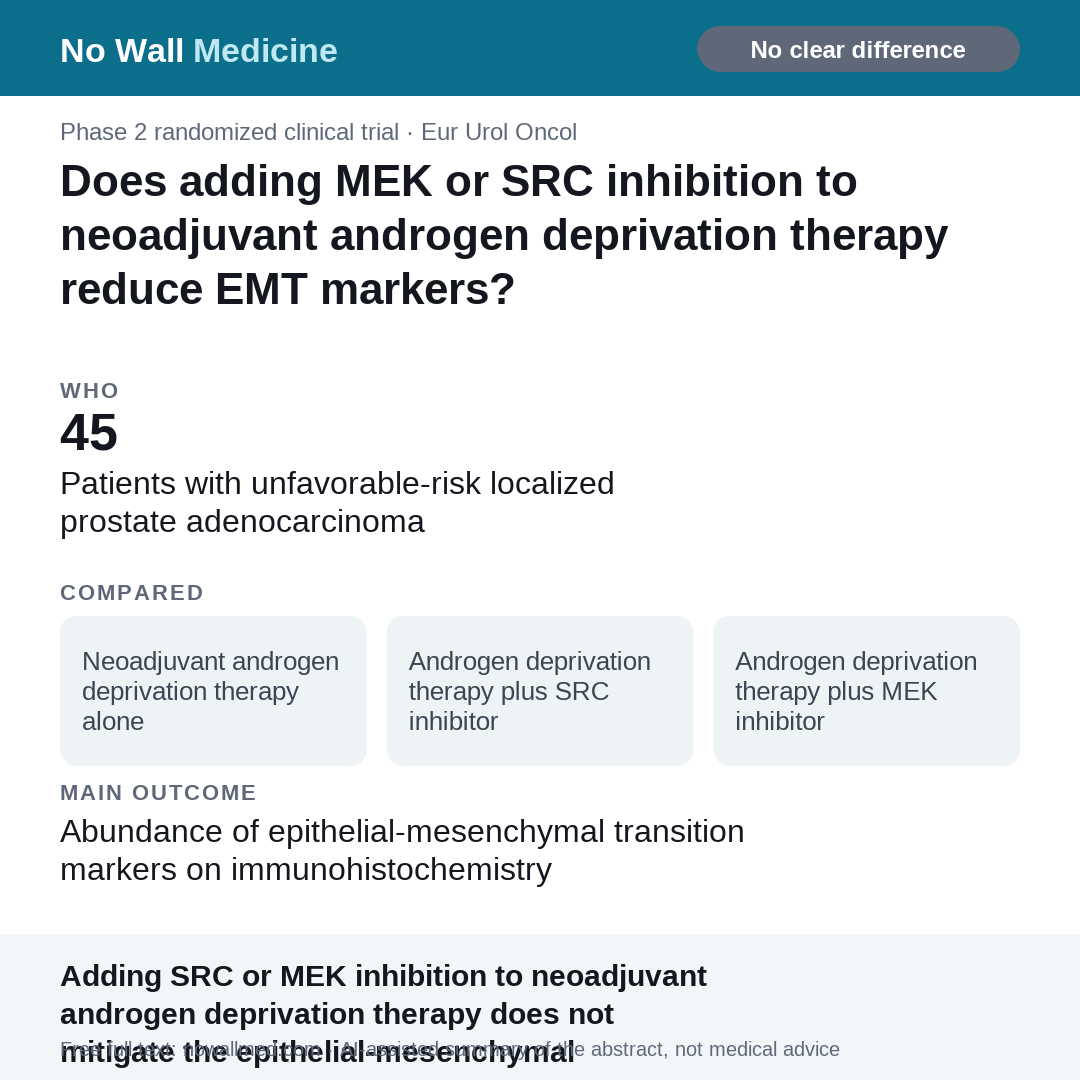
Neoadjuvant Antiandrogen Therapy With or Without MEK or SRC Inhibition for Unfavorable-risk Prostate Cancer: A Phase 2 Randomized Clinical Trial
Phase 2 randomized clinical trialNo clear difference
Does adding MEK or SRC inhibition to neoadjuvant androgen deprivation therapy reduce EMT markers?
Who
45
Patients with unfavorable-risk localized prostate adenocarcinoma
Compared
Neoadjuvant androgen deprivation therapy alone
Androgen deprivation therapy plus SRC inhibitor
Androgen deprivation therapy plus MEK inhibitor
Main outcome
Abundance of epithelial-mesenchymal transition markers on immunohistochemistry
Bottom line: Adding SRC or MEK inhibition to neoadjuvant androgen deprivation therapy does not mitigate the epithelial-mesenchymal transition response.
Eur Urol Oncol · 2025-11-08Download image
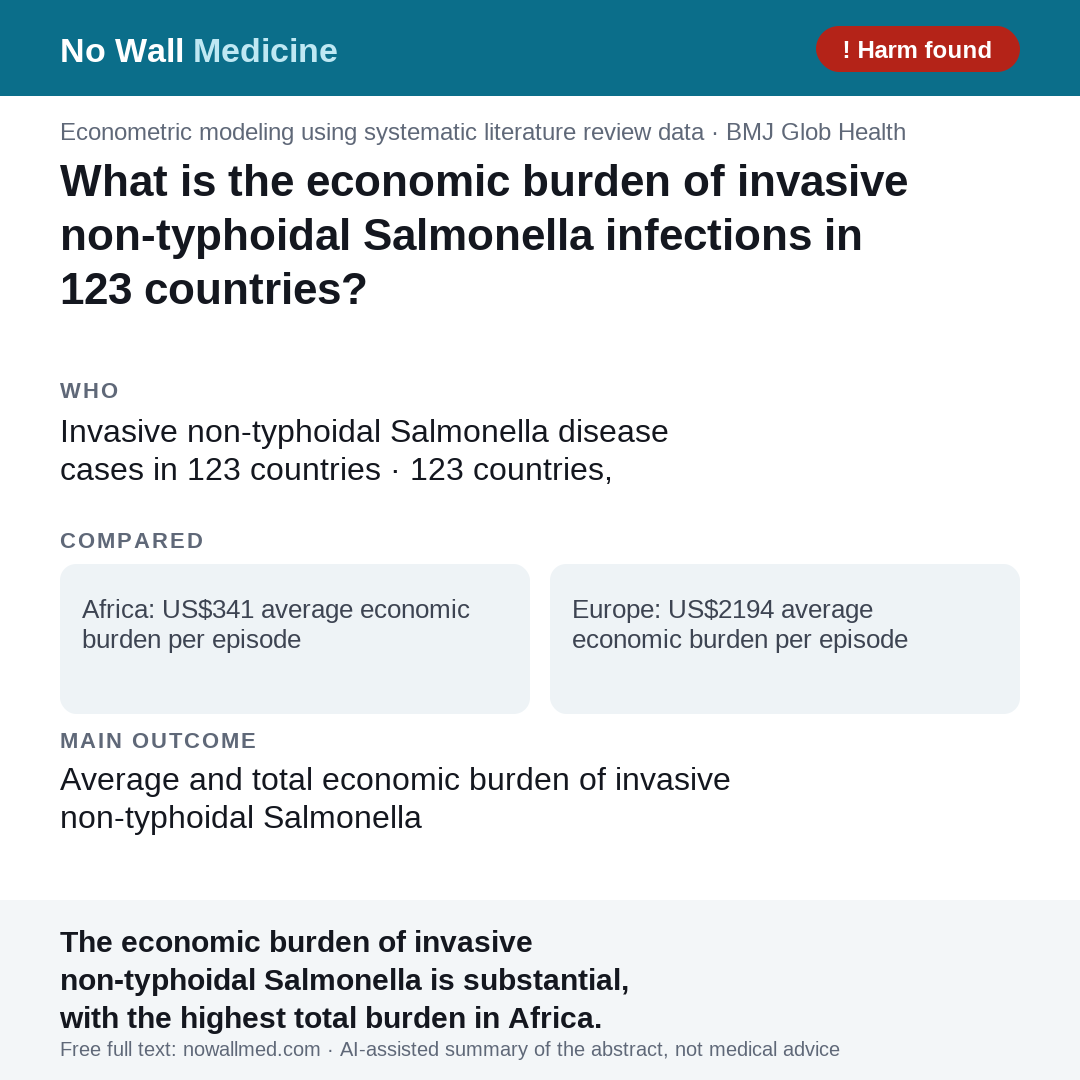
Estimating the economic burden of invasive non-typhoidal Salmonella infections in low- and middle-income countries
Econometric modeling using systematic literature review dataHarm found
What is the economic burden of invasive non-typhoidal Salmonella infections in 123 countries?
Who
Invasive non-typhoidal Salmonella disease cases in 123 countries · 123 countries, including sub-Saharan Africa and Europe
Compared
Africa: US$341 average economic burden per episode
Europe: US$2194 average economic burden per episode
Main outcome
Average and total economic burden of invasive non-typhoidal Salmonella
Bottom line: The economic burden of invasive non-typhoidal Salmonella is substantial, with the highest total burden in Africa.
Limitation: Scarcity of field-based invasive non-typhoidal Salmonella disease economic burden estimates
BMJ Glob Health · 2025-11-08Download image
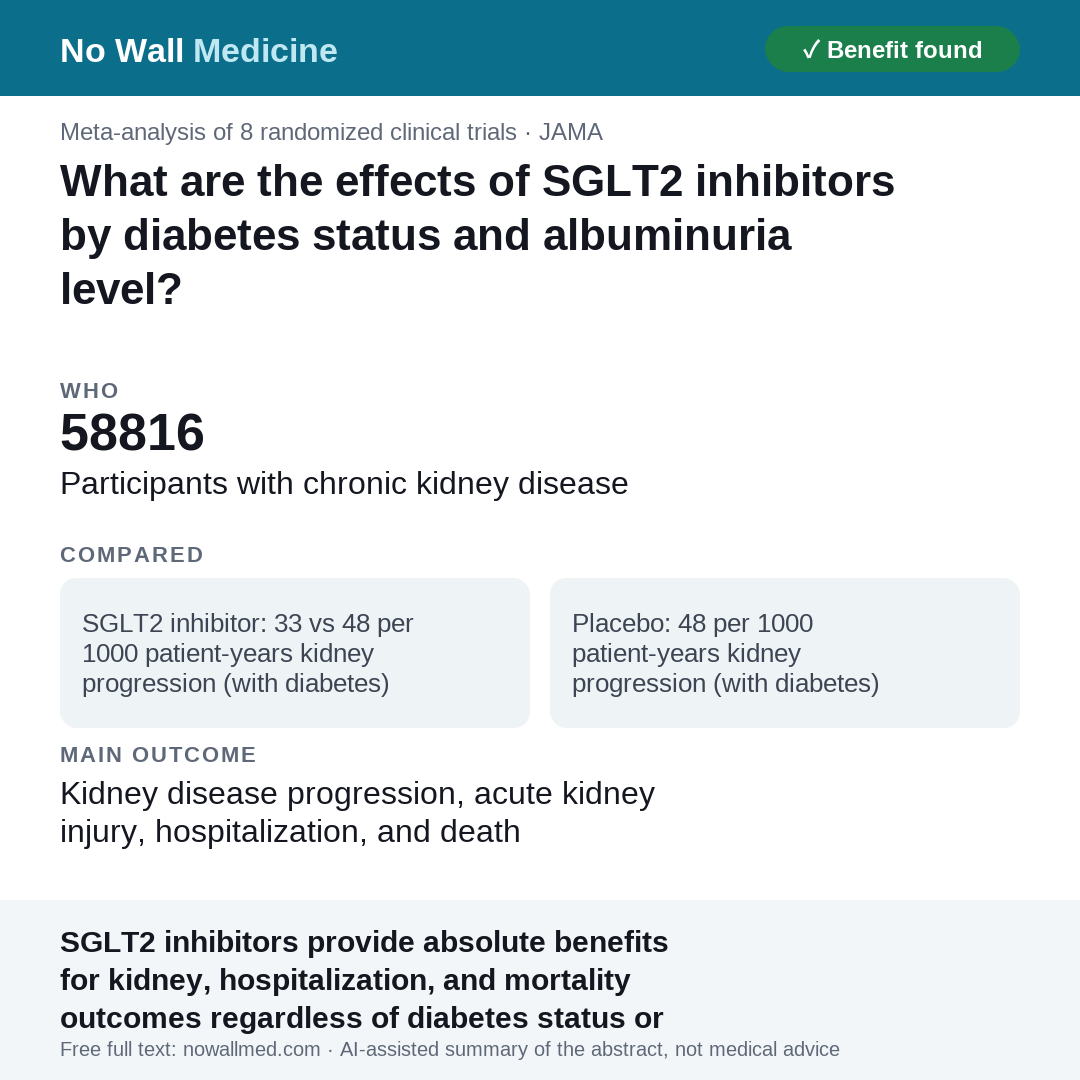
Effects of Sodium Glucose Cotransporter 2 Inhibitors by Diabetes Status and Level of Albuminuria: A Meta-Analysis
Meta-analysis of 8 randomized clinical trialsBenefit found
What are the effects of SGLT2 inhibitors by diabetes status and albuminuria level?
Who
58816
Participants with chronic kidney disease
Compared
SGLT2 inhibitor: 33 vs 48 per 1000 patient-years kidney progression (with diabetes)
Placebo: 48 per 1000 patient-years kidney progression (with diabetes)
Main outcome
Kidney disease progression, acute kidney injury, hospitalization, and death
Result: hazard ratio 0.65 (95% CI, 0.60-0.70) in those with diabetes
Bottom line: SGLT2 inhibitors provide absolute benefits for kidney, hospitalization, and mortality outcomes regardless of diabetes status or albuminuria levels.
JAMA · 2025-11-07Download image
A Conservative Dialysis Strategy and Kidney Function Recovery in Dialysis-Requiring Acute Kidney Injury: The Liberation From Acute Dialysis (LIBERATE-D) Randomized Clinical Trial
Multicenter, unblinded, randomized superiority trialMixed results
Does a conservative dialysis strategy improve kidney function recovery in acute kidney injury?
Who
220
Patients with dialysis-requiring acute kidney injury and baseline glomerular filtration rate >15 mL/min/1.73 m2 · 4 clinical sites in the United States
Compared
64%Conservative dialysis strategy
50%Conventional dialysis group
Main outcome
Unadjusted kidney function recovery at hospital discharge
Result: unadjusted odds ratio, 1.76 (95% CI, 1.02-3.03)
Bottom line: A conservative dialysis strategy showed higher unadjusted rates of kidney function recovery but results were uncertain after adjustment.
JAMA · 2025-11-07Download image
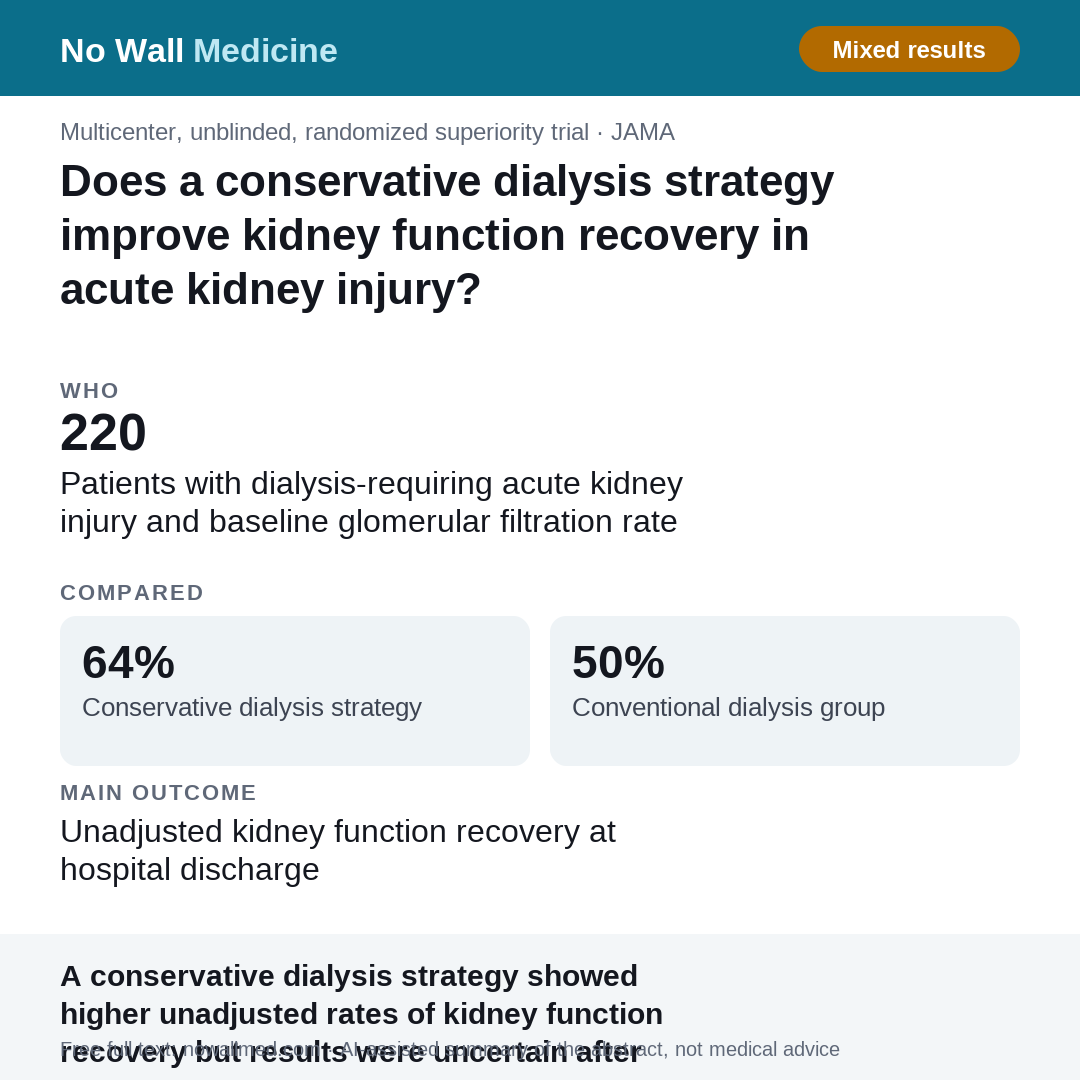
A barrier-forming gel for oral mucositis in head and neck cancers patients undergoing radiotherapy: randomized, controlled, multicenter trial
Randomized, multicenter, controlled trialBenefit found
Does Episil gel affect oral mucositis and nutritional status in head and neck cancer patients?
Who
200
Head and neck cancer patients receiving radiotherapy · 7 medical centers in China
Compared
Control group: 14/100 (14%)
Episil group: 4/100 (4%)
Main outcome
Incidence of Grade III/IV oral mucositis
Result: 4% vs. 14% (P = 0.024)
Bottom line: Episil gel delayed advanced oral mucositis, improved pain relief, nutritional status, and quality of life.
Funded by: Jilin Province Health Science And Technology ability improvement program
eClinicalMedicine · 2025-11-07Download image
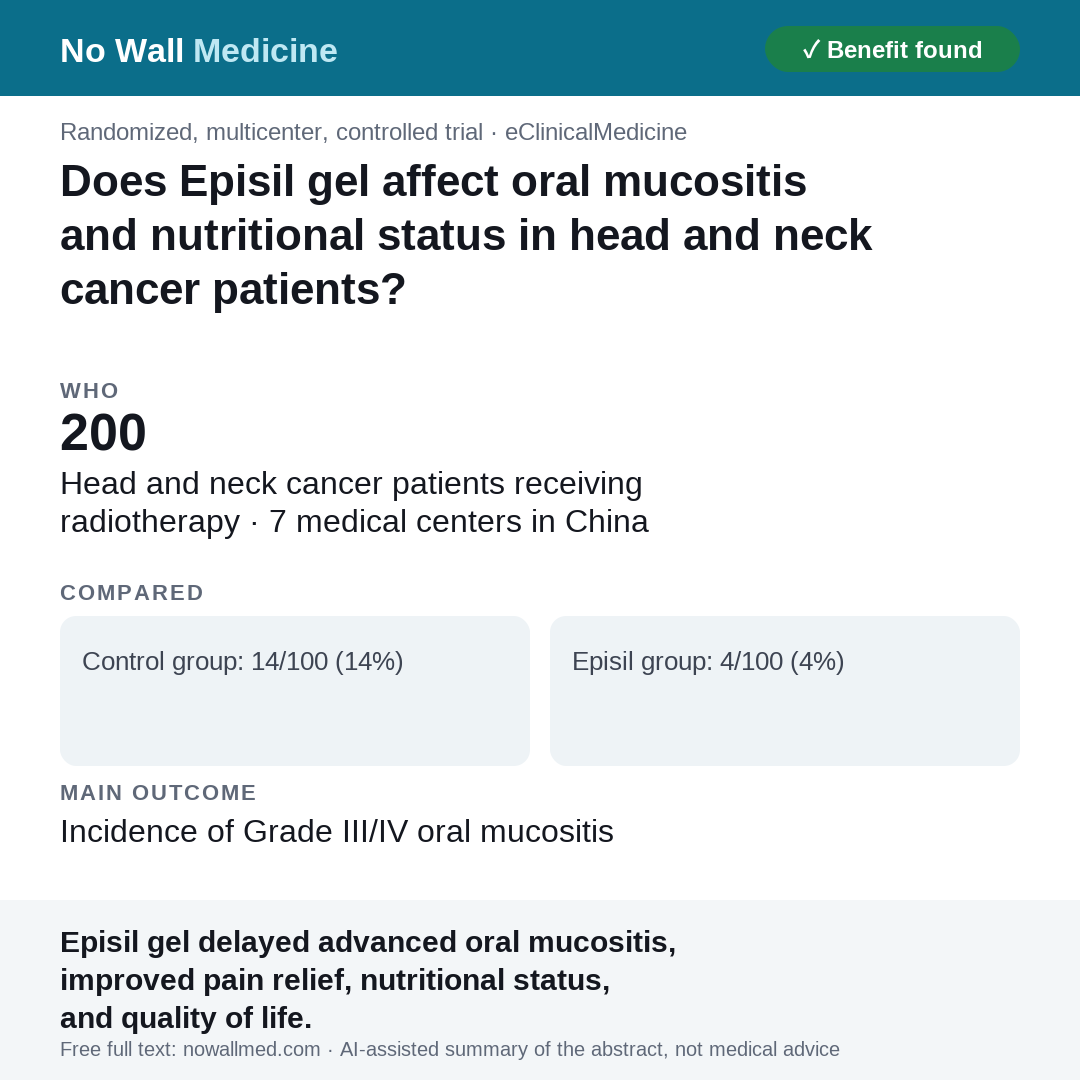
Opening the black box: defining true-negative outcomes in esophageal cancer screening - a population-based study
Population-based study from a randomized controlled trialMixed results
How do risk levels of severe dysplasia and above differ between ND-LULs and normal-stained epithelium?
Who
Participants with non-dysplastic Lugol's unstained lesions and normal-stained epithelium · Community-based
Compared
Non-dysplastic Lugol's unstained lesions: adjusted IRR 3.16 (95% CI: 2.02-4.76)
Normal-stained epithelium: adjusted IRR 0.52 (95% CI: 0.37-0.72)
Main outcome
Cumulative incidence of severe dysplasia and above lesions
Result: adjusted IRR 3.16 (95% CI: 2.02-4.76) for ND-LULs; adjusted IRR 0.52 (95% CI: 0.37-0.72) for normal-stained
Bottom line: Normal-stained individuals are genuinely screening-negative, while non-dysplastic Lugol's unstained lesions require more frequent re-screening.
BMC Med · 2025-11-07Download image
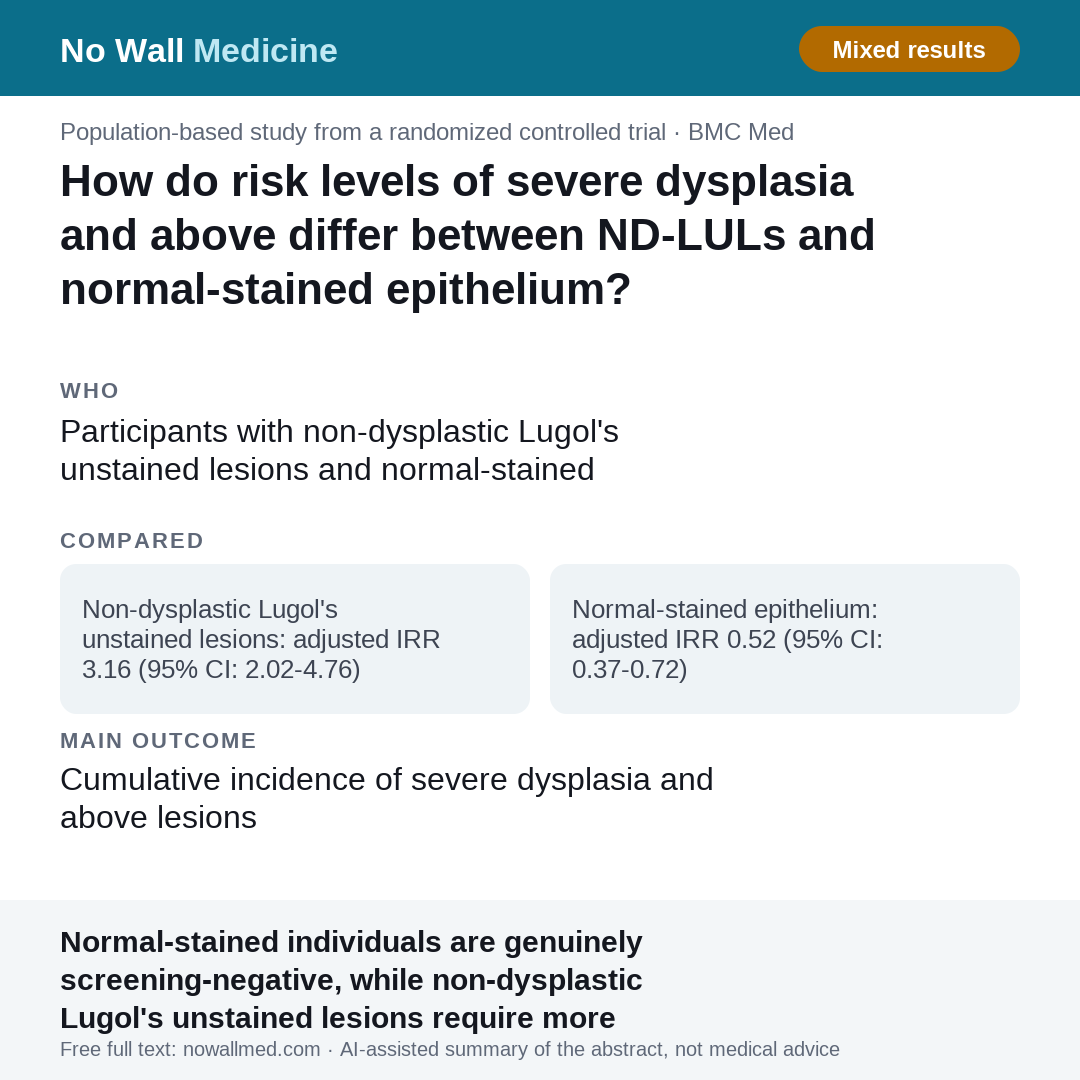
Gaps in the detection of drug-drug interactions between antipsychotic and cardiometabolic medications: a multisource analysis
Systematic review and disproportionality analysisHarm found
How well do online checkers identify drug-drug interactions between antipsychotics and cardiometabolic medications?
Who
Antipsychotic and cardiometabolic medication users · Canada and United States databases
Compared
Identified drug-drug interactions: 1776 unique potential drug-drug interactions
45.4%Interactions not flagged by checkers
Main outcome
Detection of drug-drug interactions by online checkers
Bottom line: Many potential drug-drug interactions between antipsychotics and cardiometabolic medications are not captured by commonly used online checkers.
BMC Med · 2025-11-07Download image
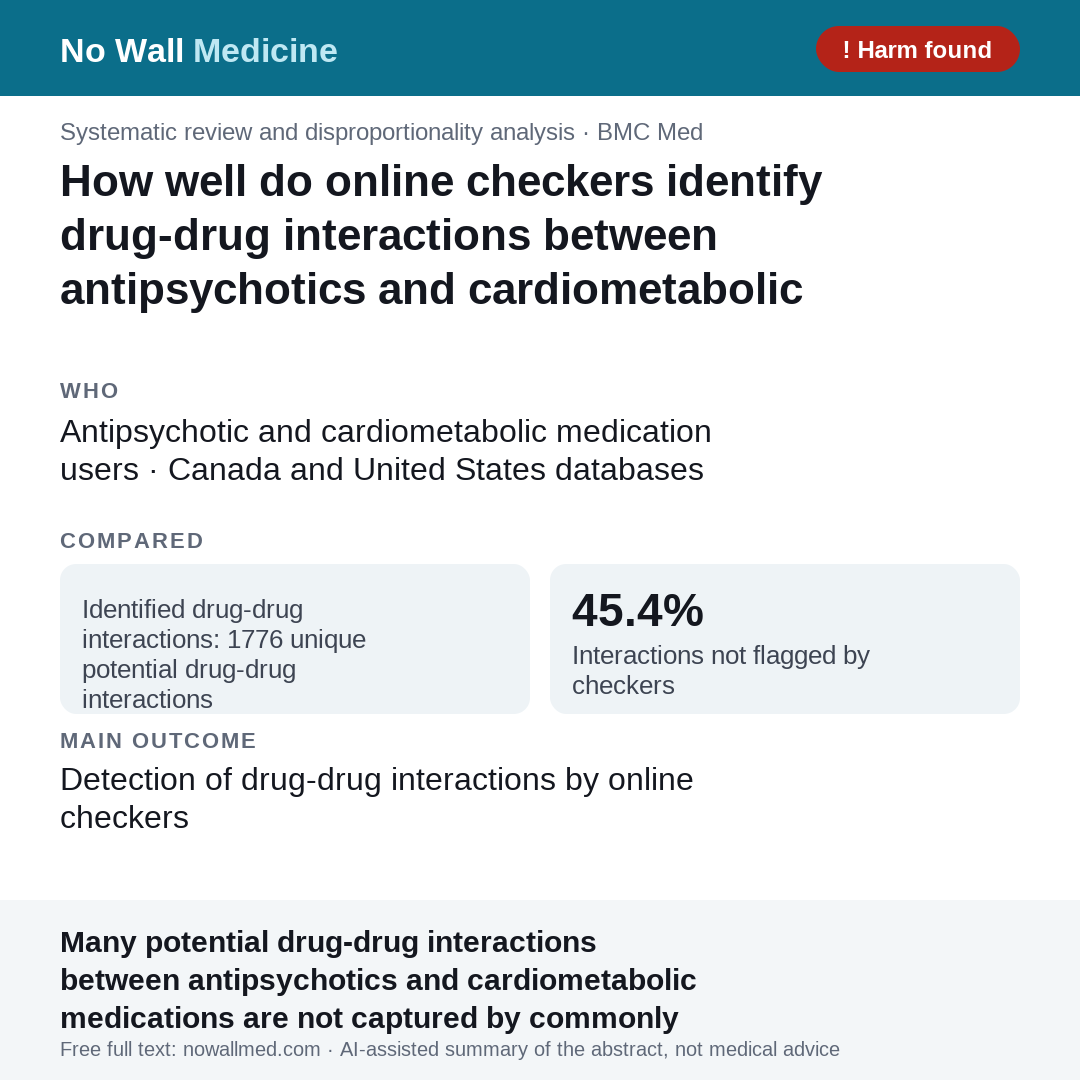
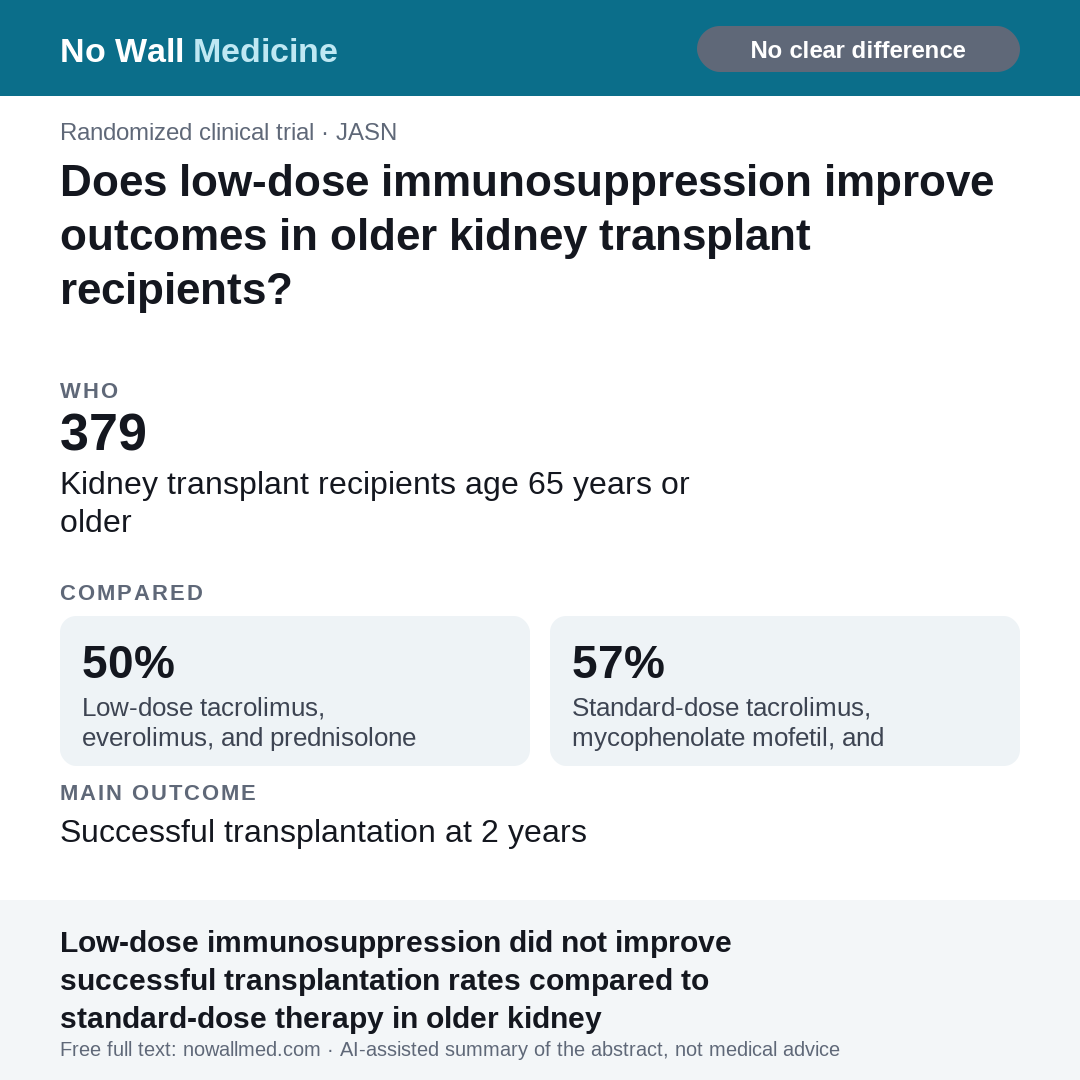
Immunosuppression in Older Kidney Transplant Recipients: A Randomized Controlled Trial
Randomized clinical trialNo clear difference
Does low-dose immunosuppression improve outcomes in older kidney transplant recipients?
Who
379
Kidney transplant recipients age 65 years or older
Compared
50%Low-dose tacrolimus, everolimus, and prednisolone
57%Standard-dose tacrolimus, mycophenolate mofetil, and prednisolone
Main outcome
Successful transplantation at 2 years
Result: difference 7% (95% confidence interval, -17 to 3)
Bottom line: Low-dose immunosuppression did not improve successful transplantation rates compared to standard-dose therapy in older kidney transplant recipients.
JASN · 2025-11-07Download image
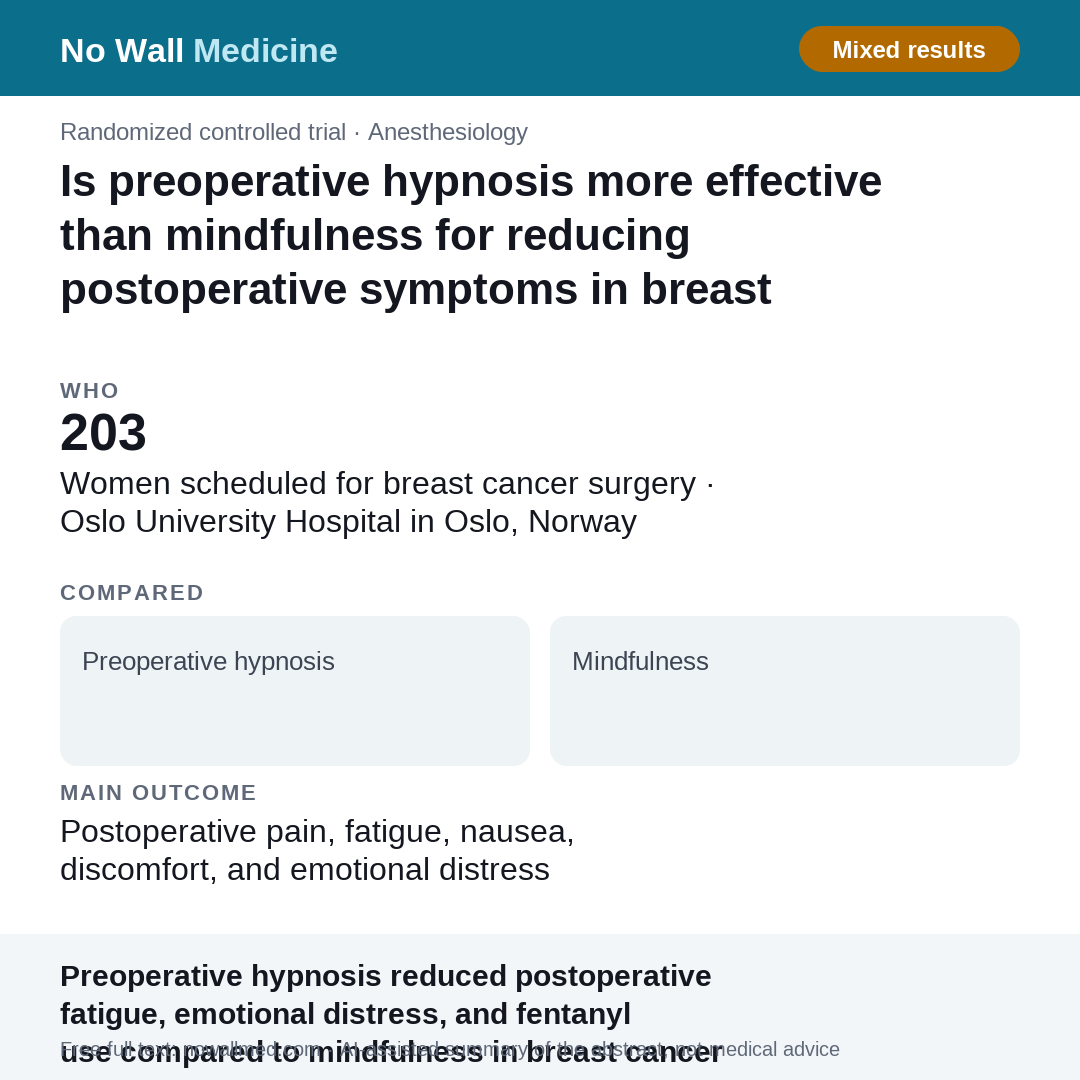
Preoperative Hypnosis versus Mindfulness for Reducing Postoperative Symptoms in Breast Surgery: A Randomized Clinical Trial
Randomized controlled trialMixed results
Is preoperative hypnosis more effective than mindfulness for reducing postoperative symptoms in breast surgery?
Who
203
Women scheduled for breast cancer surgery · Oslo University Hospital in Oslo, Norway
Compared
Preoperative hypnosis
Mindfulness
Main outcome
Postoperative pain, fatigue, nausea, discomfort, and emotional distress
Bottom line: Preoperative hypnosis reduced postoperative fatigue, emotional distress, and fentanyl use compared to mindfulness in breast cancer surgery patients.
Anesthesiology · 2025-11-07Download image
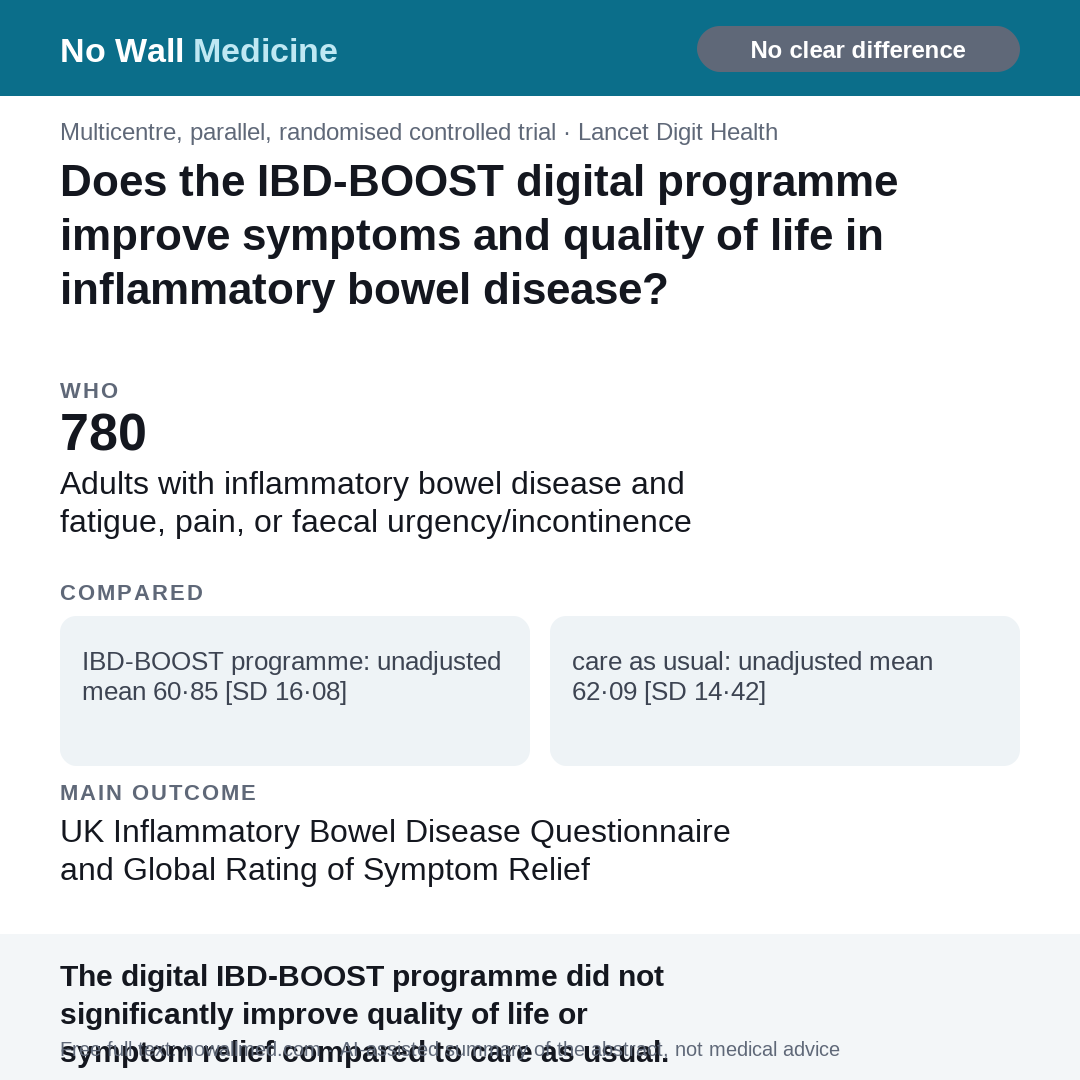
Digital cognitive behavioural self-management programme for fatigue, pain, and faecal incontinence in inflammatory bowel disease (IBD-BOOST): a multicentre, parallel, randomised controlled trial
Multicentre, parallel, randomised controlled trialNo clear difference
Does the IBD-BOOST digital programme improve symptoms and quality of life in inflammatory bowel disease?
Who
780
Adults with inflammatory bowel disease and fatigue, pain, or faecal urgency/incontinence · Online in the United Kingdom
Compared
IBD-BOOST programme: unadjusted mean 60·85 [SD 16·08]
care as usual: unadjusted mean 62·09 [SD 14·42]
Main outcome
UK Inflammatory Bowel Disease Questionnaire and Global Rating of Symptom Relief
Result: adjusted mean difference -1·67 (95% CI -4·13 to 0·80)
Bottom line: The digital IBD-BOOST programme did not significantly improve quality of life or symptom relief compared to care as usual.
Funded by: UK National Institute for Health and Care Research
Lancet Digit Health · 2025-11-07Download image
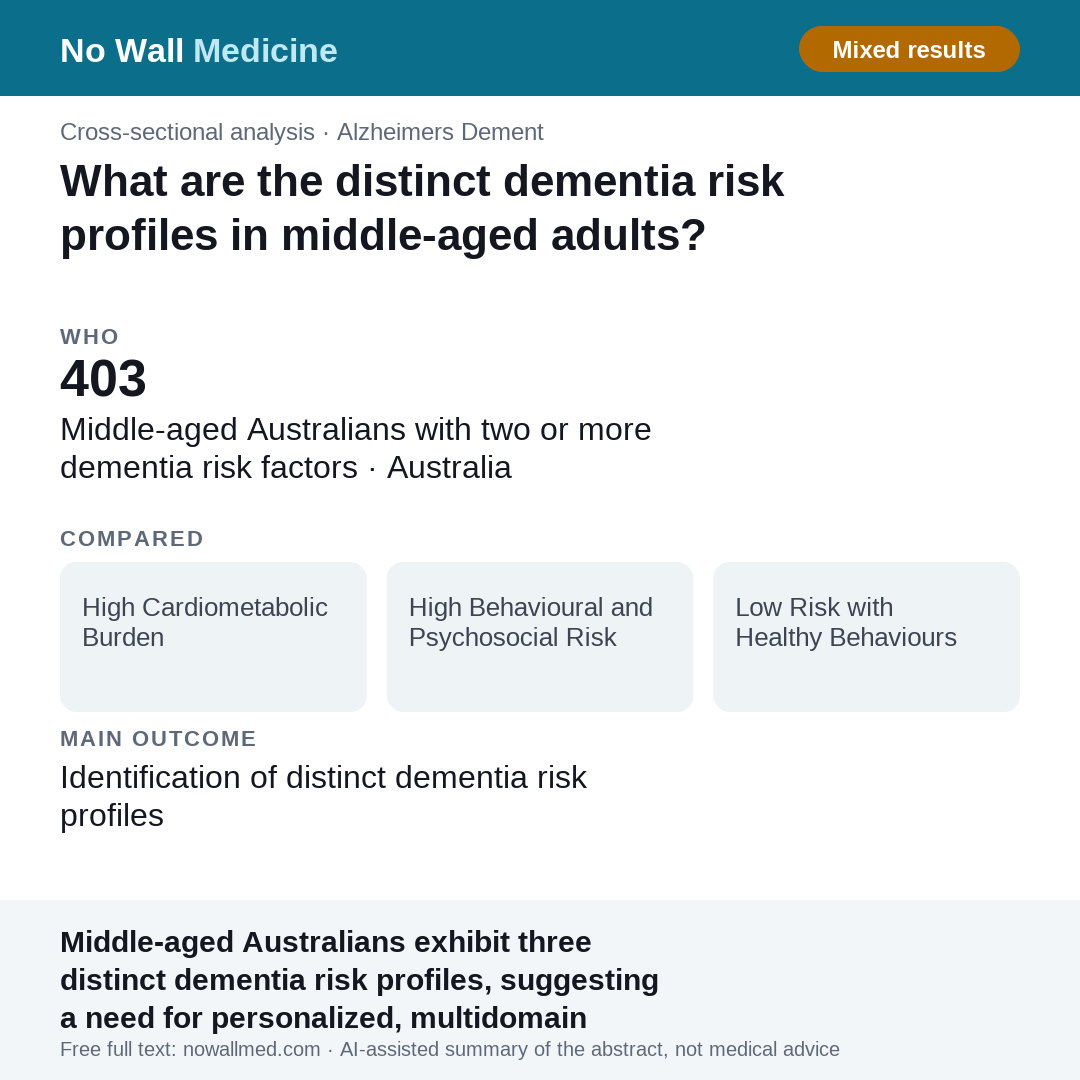
Identifying dementia risk profiles for targeted interventions: A latent class analysis of at-risk middle-aged Australians
Cross-sectional analysisMixed results
What are the distinct dementia risk profiles in middle-aged adults?
Who
403
Middle-aged Australians with two or more dementia risk factors · Australia
Compared
High Cardiometabolic Burden
High Behavioural and Psychosocial Risk
Low Risk with Healthy Behaviours
Main outcome
Identification of distinct dementia risk profiles
Bottom line: Middle-aged Australians exhibit three distinct dementia risk profiles, suggesting a need for personalized, multidomain prevention strategies.
Alzheimers Dement · 2025-11-07Download image
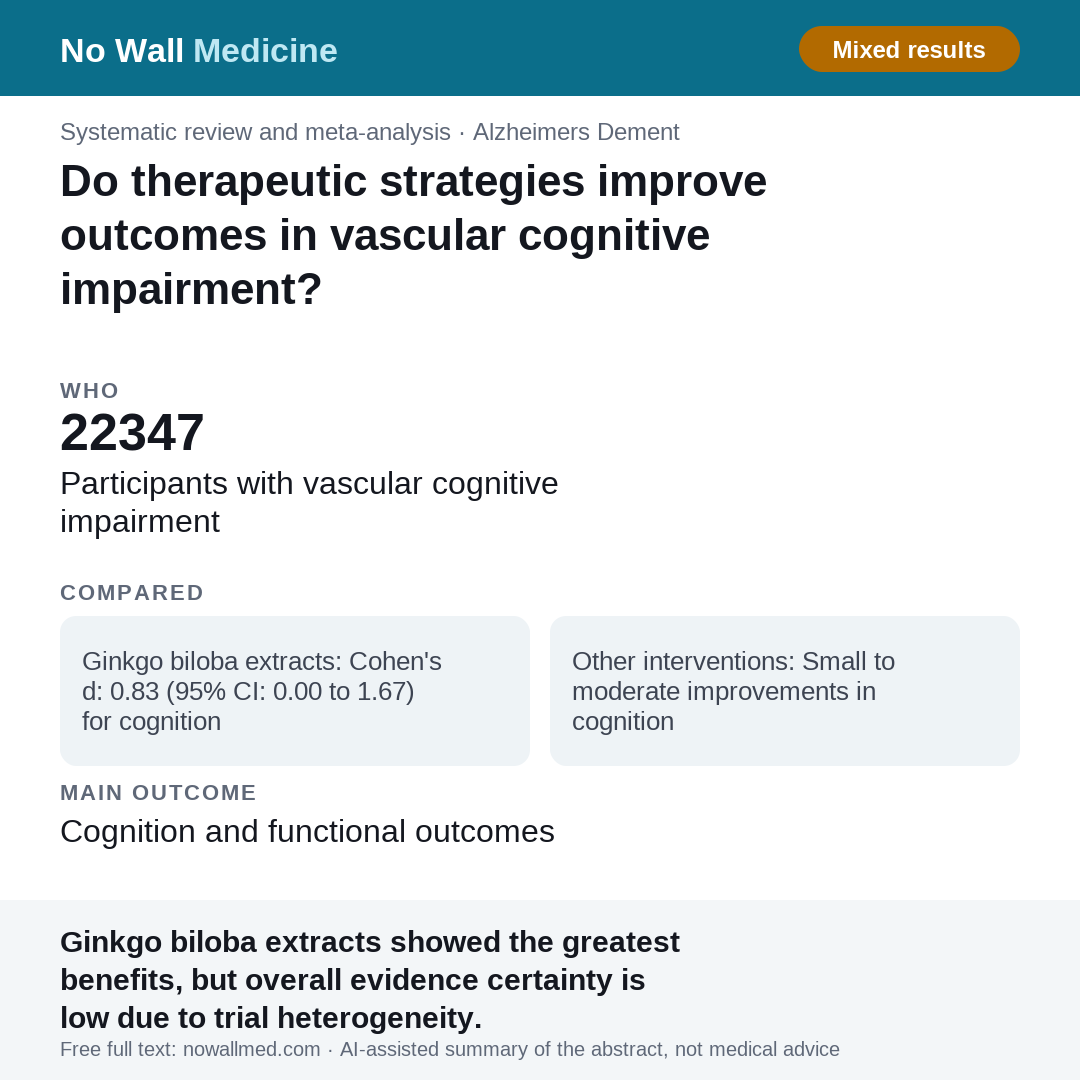
Therapeutic strategies in vascular cognitive impairment: A systematic review and meta-analysis
Systematic review and meta-analysisMixed results
Do therapeutic strategies improve outcomes in vascular cognitive impairment?
Who
22347
Participants with vascular cognitive impairment
Compared
Ginkgo biloba extracts: Cohen's d: 0.83 (95% CI: 0.00 to 1.67) for cognition
Other interventions: Small to moderate improvements in cognition
Main outcome
Cognition and functional outcomes
Bottom line: Ginkgo biloba extracts showed the greatest benefits, but overall evidence certainty is low due to trial heterogeneity.
Alzheimers Dement · 2025-11-07Download image
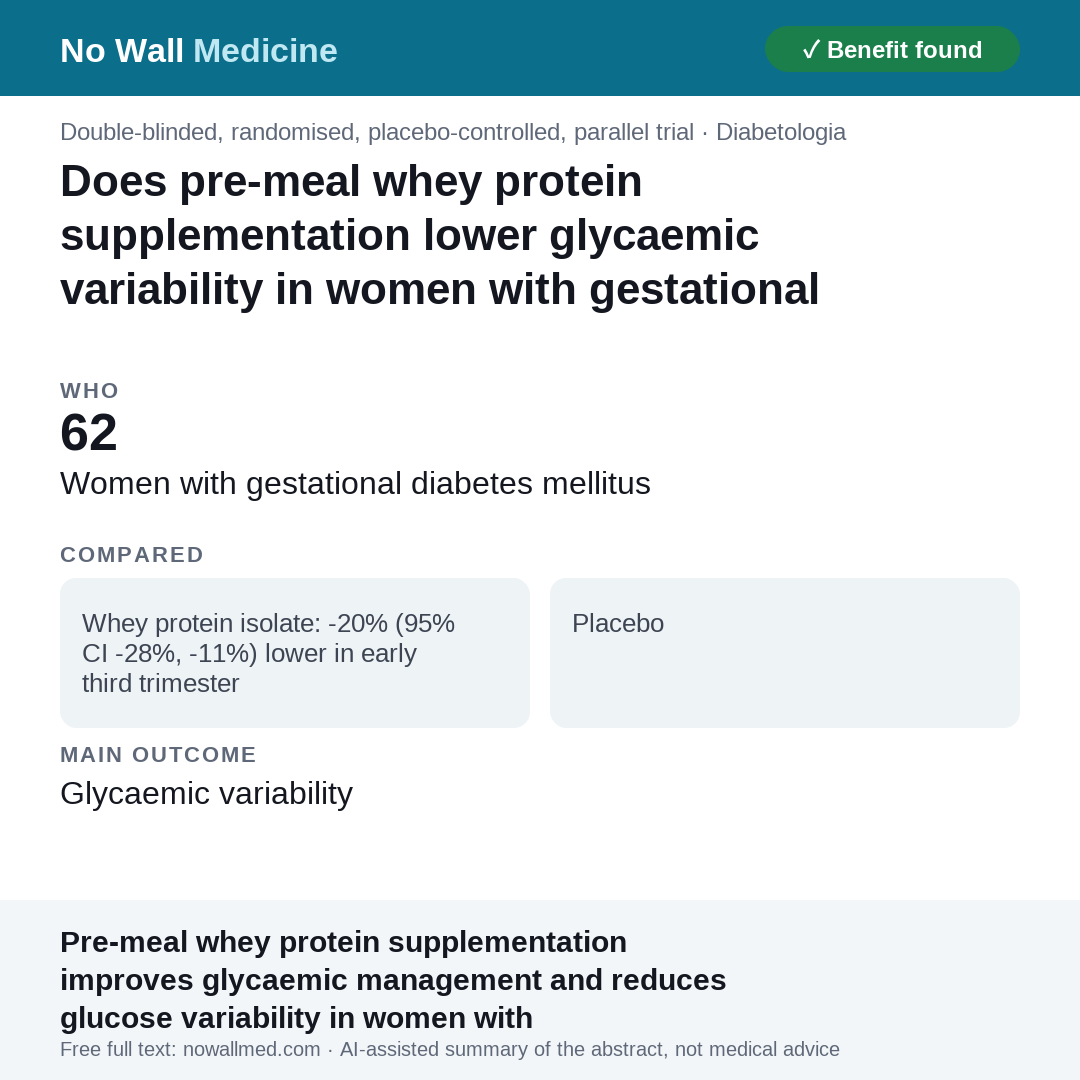
Once-daily supplementation with pre-meal whey protein lowers breakfast postprandial glucose levels in women with GDM throughout the third trimester: a randomised, controlled, clinical trial
Double-blinded, randomised, placebo-controlled, parallel trialBenefit found
Does pre-meal whey protein supplementation lower glycaemic variability in women with gestational diabetes mellitus?
Who
62
Women with gestational diabetes mellitus
Compared
Whey protein isolate: -20% (95% CI -28%, -11%) lower in early third trimester
Placebo
Main outcome
Glycaemic variability
Bottom line: Pre-meal whey protein supplementation improves glycaemic management and reduces glucose variability in women with gestational diabetes mellitus.
Funded by: Aarhus University and Arla Foods Ingredients Group P/S
Diabetologia · 2025-11-07Download image
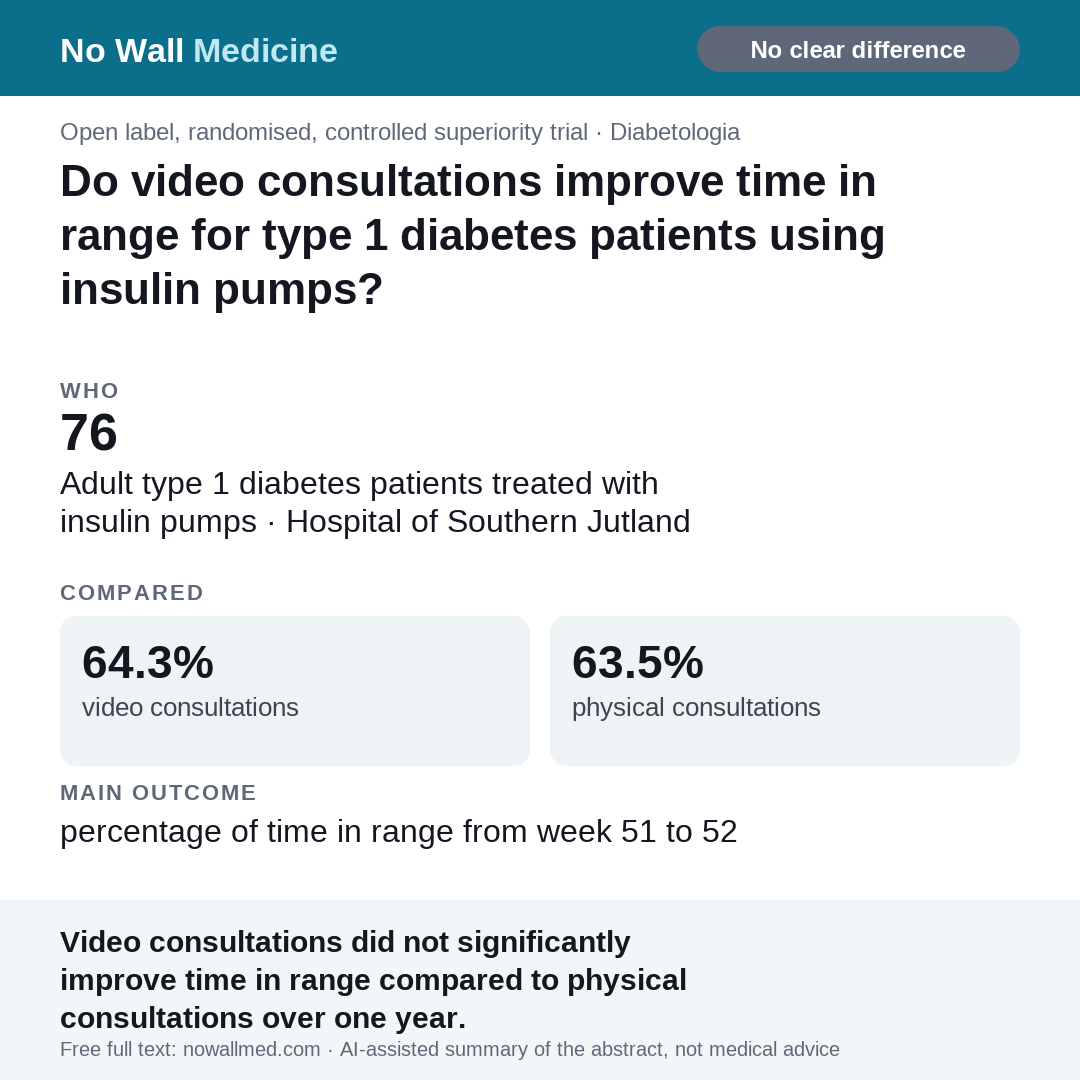
Effectiveness of video consultations in type 1 diabetes patients treated with insulin pumps in the outpatient clinic: a randomised controlled trial
Open label, randomised, controlled superiority trialNo clear difference
Do video consultations improve time in range for type 1 diabetes patients using insulin pumps?
Who
76
Adult type 1 diabetes patients treated with insulin pumps · Hospital of Southern Jutland
Compared
64.3%video consultations
63.5%physical consultations
Main outcome
percentage of time in range from week 51 to 52
Result: 0.8 percentage points (95% CI -5.3, 6.9; p=0.25)
Bottom line: Video consultations did not significantly improve time in range compared to physical consultations over one year.
Limitation: This was an open-label trial where neither participants nor healthcare professionals were blinded.
Funded by: Knud and Edith Eriksens Mindefond and Oak Foundation
Diabetologia · 2025-11-07Download image
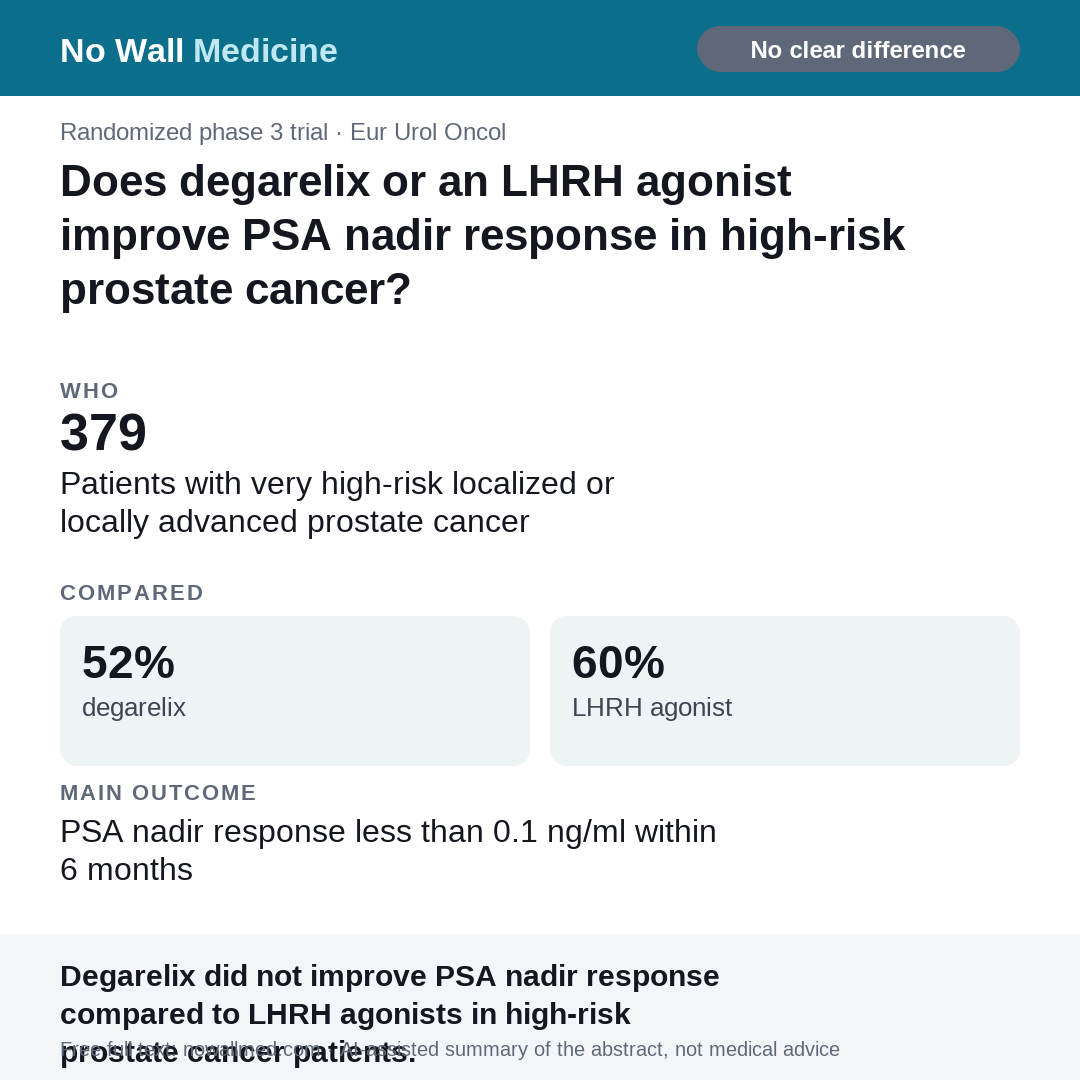
Radiotherapy plus Long-term Adjuvant Androgen Deprivation with a Luteinizing Hormone-releasing Hormone Antagonist Versus Agonist in Patients with Very High-risk Localized or Locally Advanced Prostate Cancer: The EORTC GUCG-1414 Phase 3 Randomized Trial
Randomized phase 3 trialNo clear difference
Does degarelix or an LHRH agonist improve PSA nadir response in high-risk prostate cancer?
Who
379
Patients with very high-risk localized or locally advanced prostate cancer
Compared
52%degarelix
60%LHRH agonist
Main outcome
PSA nadir response less than 0.1 ng/ml within 6 months
Result: odds ratio 0.73 (95% CI 0.43-1.22)
Bottom line: Degarelix did not improve PSA nadir response compared to LHRH agonists in high-risk prostate cancer patients.
Limitation: Early closure and insufficient power to assess progression-free survival.
Eur Urol Oncol · 2025-11-07Download image
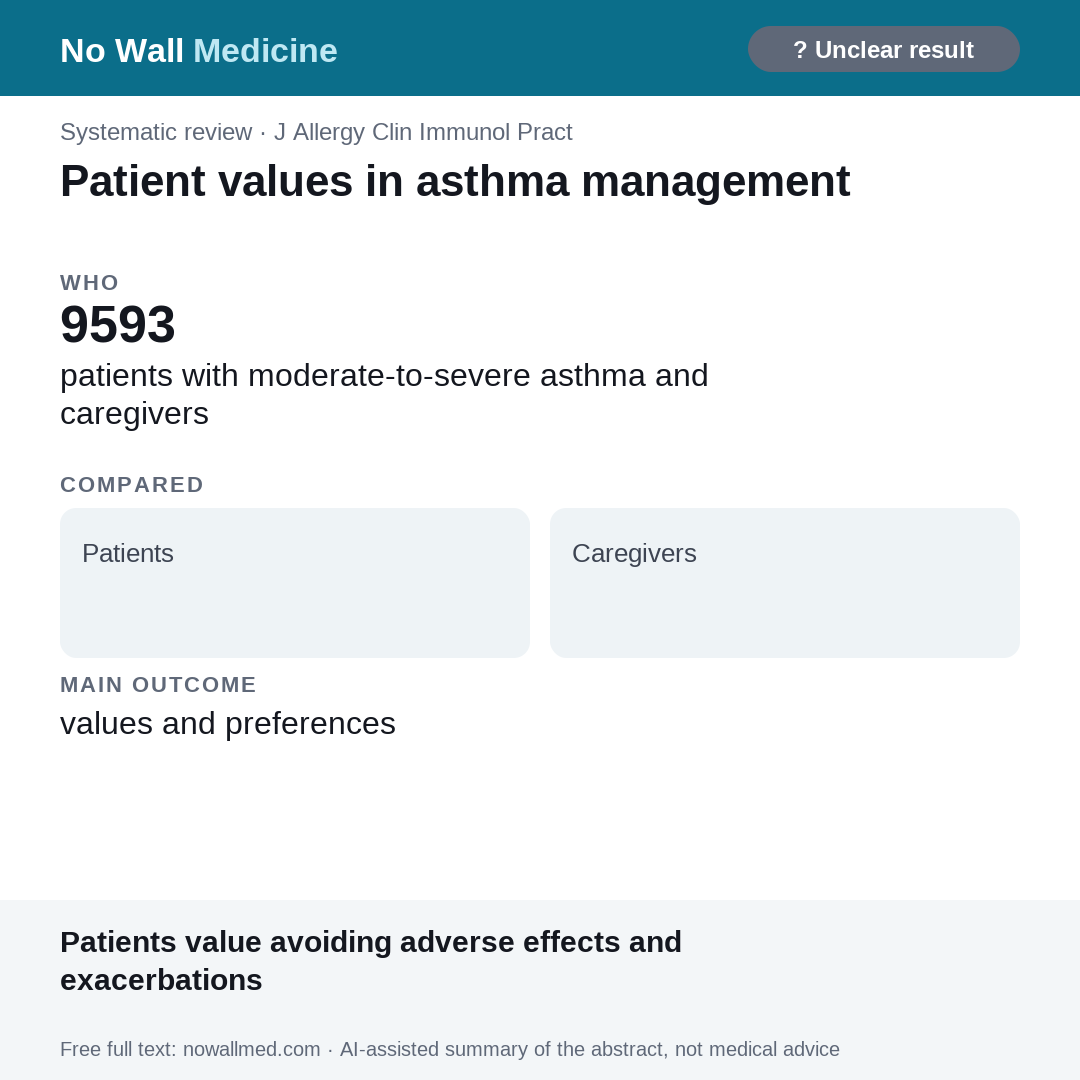
Values and Preferences of Patients and Caregivers Regarding the Management of Moderate-to-Severe Asthma: A Systematic Review and Qualitative Evidence Synthesis
Systematic reviewUnclear result
Patient values in asthma management
Who
9593
patients with moderate-to-severe asthma and caregivers
Compared
Patients
Caregivers
Main outcome
values and preferences
Bottom line: Patients value avoiding adverse effects and exacerbations
J Allergy Clin Immunol Pract · 2025-11-07Download image
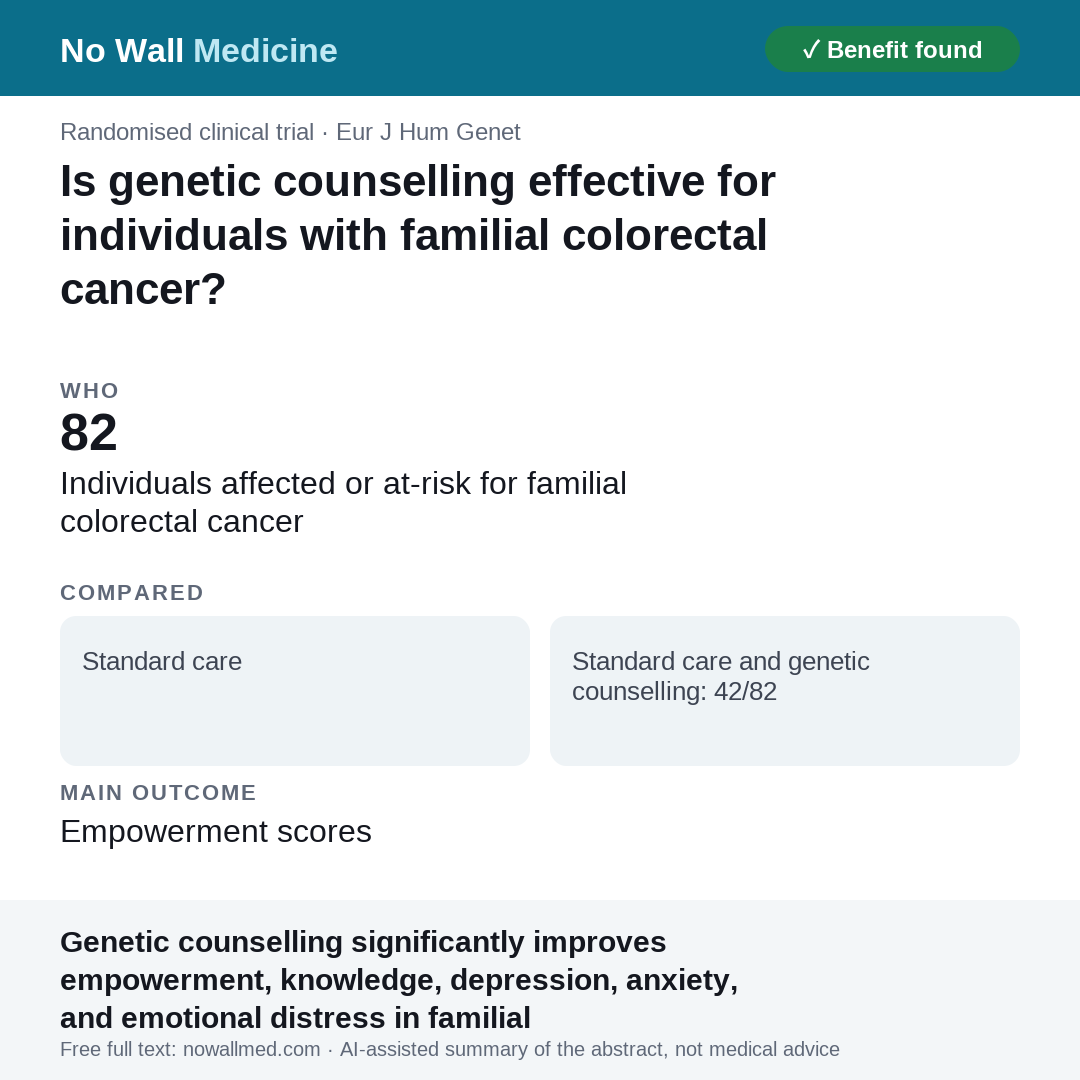
The efficacy of genetic counselling for familial colorectal cancer. A randomised clinical trial
Randomised clinical trialBenefit found
Is genetic counselling effective for individuals with familial colorectal cancer?
Who
82
Individuals affected or at-risk for familial colorectal cancer
Compared
Standard care
Standard care and genetic counselling: 42/82
Main outcome
Empowerment scores
Result: d = 0.71
Bottom line: Genetic counselling significantly improves empowerment, knowledge, depression, anxiety, and emotional distress in familial colorectal cancer patients.
Eur J Hum Genet · 2025-11-07Download image
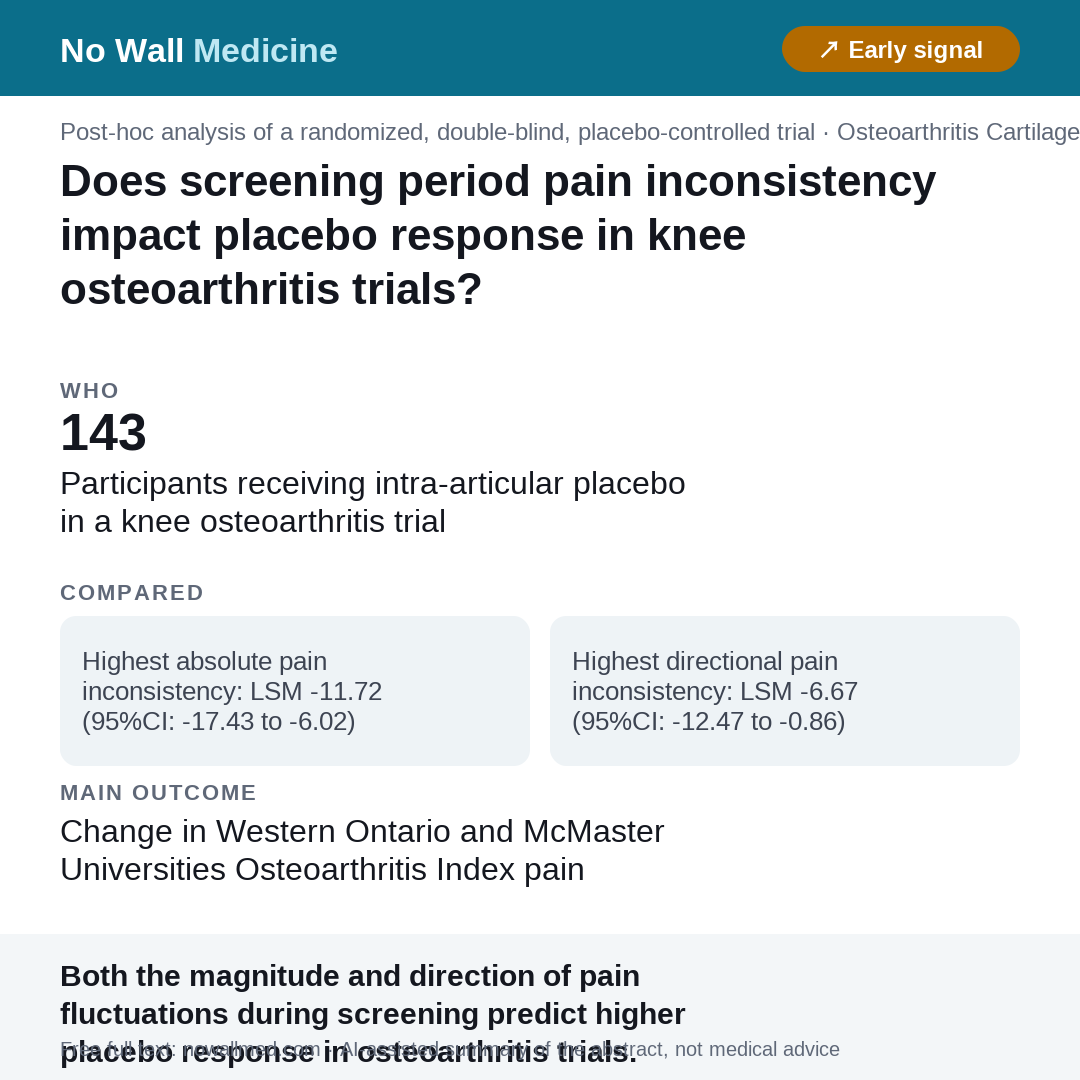
The impact of screening period pain inconsistency on placebo response in intra-articular knee osteoarthritis trials
Post-hoc analysis of a randomized, double-blind, placebo-controlled trialEarly signal
Does screening period pain inconsistency impact placebo response in knee osteoarthritis trials?
Who
143
Participants receiving intra-articular placebo in a knee osteoarthritis trial
Compared
Highest absolute pain inconsistency: LSM -11.72 (95%CI: -17.43 to -6.02)
Highest directional pain inconsistency: LSM -6.67 (95%CI: -12.47 to -0.86)
Main outcome
Change in Western Ontario and McMaster Universities Osteoarthritis Index pain
Bottom line: Both the magnitude and direction of pain fluctuations during screening predict higher placebo response in osteoarthritis trials.
Limitation: This was a post-hoc analysis of a single Phase 2b trial.
Osteoarthritis Cartilage · 2025-11-07Download image
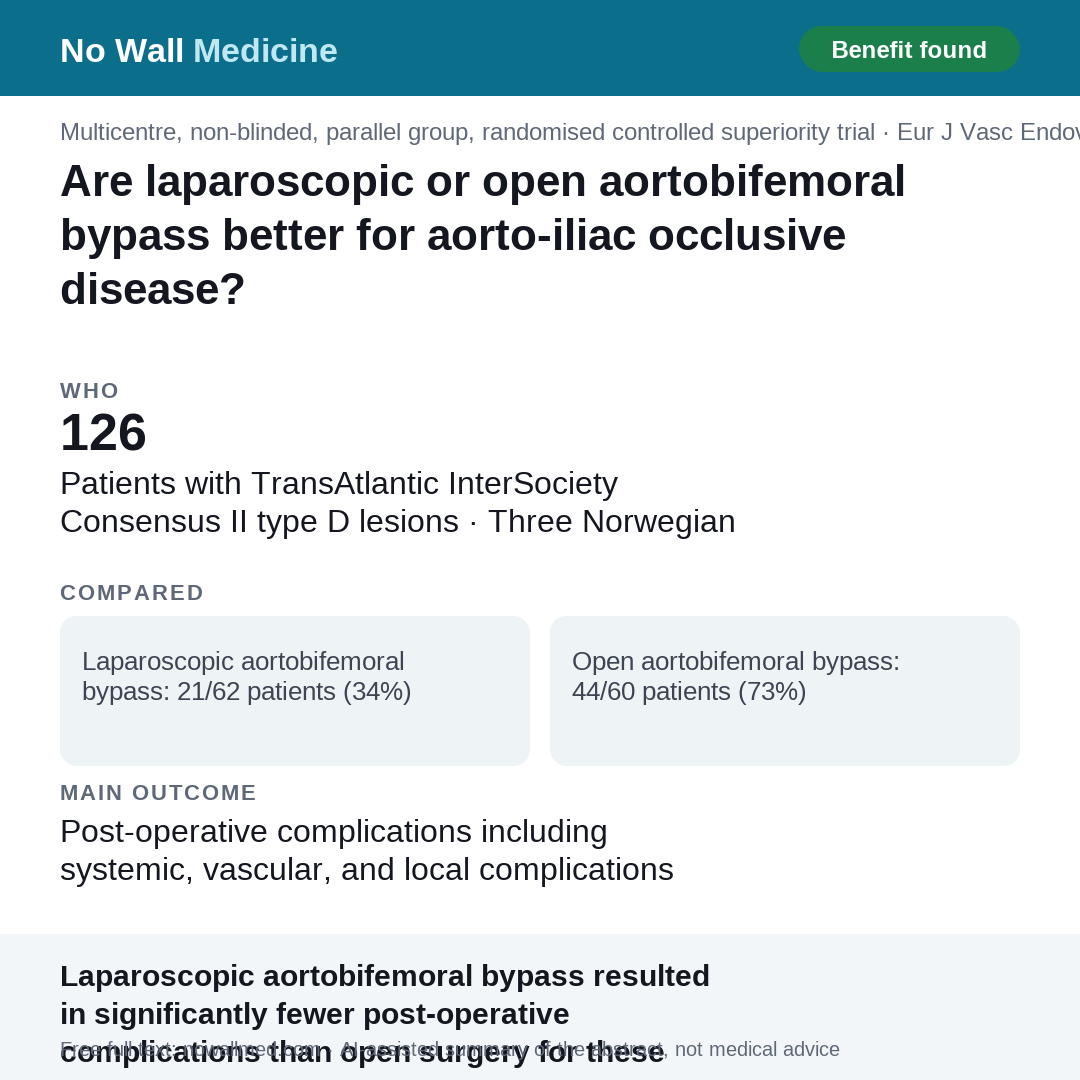
Editor's Choice - Norwegian Randomised Trial of Laparoscopic versus Open Aortobifemoral Bypass: The Norwegian Laparoscopic Aortic Surgery Trial (NLAST)
Multicentre, non-blinded, parallel group, randomised controlled superiority trialBenefit found
Are laparoscopic or open aortobifemoral bypass better for aorto-iliac occlusive disease?
Who
126
Patients with TransAtlantic InterSociety Consensus II type D lesions · Three Norwegian public hospitals
Compared
Laparoscopic aortobifemoral bypass: 21/62 patients (34%)
Open aortobifemoral bypass: 44/60 patients (73%)
Main outcome
Post-operative complications including systemic, vascular, and local complications
Result: difference -40 percentage points, 95% confidence interval -54 to -22
Bottom line: Laparoscopic aortobifemoral bypass resulted in significantly fewer post-operative complications than open surgery for these patients.
Funded by: Oslo University Hospital
Eur J Vasc Endovasc Surg · 2025-11-07Download image
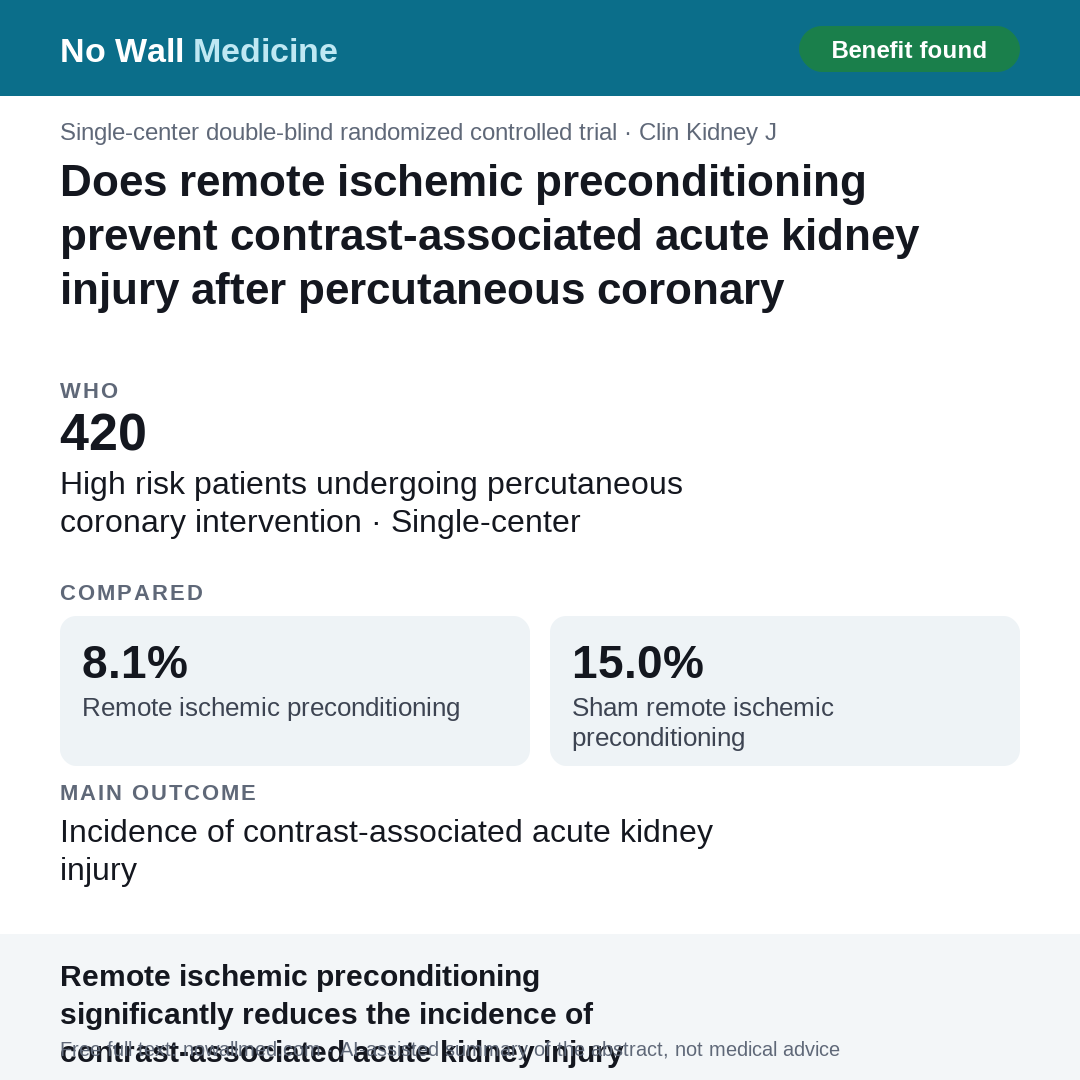
Remote ischemic preconditioning for prevention of contrast-associated acute kidney injury following percutaneous coronary intervention: a randomized controlled trial
Single-center double-blind randomized controlled trialBenefit found
Does remote ischemic preconditioning prevent contrast-associated acute kidney injury after percutaneous coronary intervention?
Who
420
High risk patients undergoing percutaneous coronary intervention · Single-center
Compared
8.1%Remote ischemic preconditioning
15.0%Sham remote ischemic preconditioning
Main outcome
Incidence of contrast-associated acute kidney injury
Result: risk ratio 0.54 (95% CI 0.31-0.94)
Bottom line: Remote ischemic preconditioning significantly reduces the incidence of contrast-associated acute kidney injury after percutaneous coronary intervention.
Clin Kidney J · 2025-11-07Download image