Visual abstracts
New randomized trials and meta-analyses from leading journals at a glance: who was studied, what was compared, and what was found. Every paper is free to read in full.
All specialtiesCardiology 4877Oncology 4138Gastroenterology & Hepatology 1942Infectious Disease 3837Neurology 1905Psychiatry & Mental Health 2273Pulmonology 2143Critical Care 1365Endocrinology & Diabetes 2580Pediatrics 2980Surgery 2559Orthopedics & Sports Medicine 931Neurosurgery 537Cardiothoracic & Vascular Surgery 674Plastic & Reconstructive Surgery 591Nephrology 1133Rheumatology 823Hematology 1109Dermatology 621Ophthalmology 543Obstetrics & Gynecology 1686Public & Global Health 1058Radiology & Imaging 648Anesthesiology 986Urology 764ENT (Otolaryngology) 503Emergency Medicine 511Allergy & Immunology 313Geriatrics 981Family Medicine & Primary Care 562Medical Genetics & Genomics 676Pathology & Laboratory Medicine 159Physical Medicine & Rehabilitation 757Palliative Care 444Nutrition 1588Digital Health & AI 2201General Medicine 321
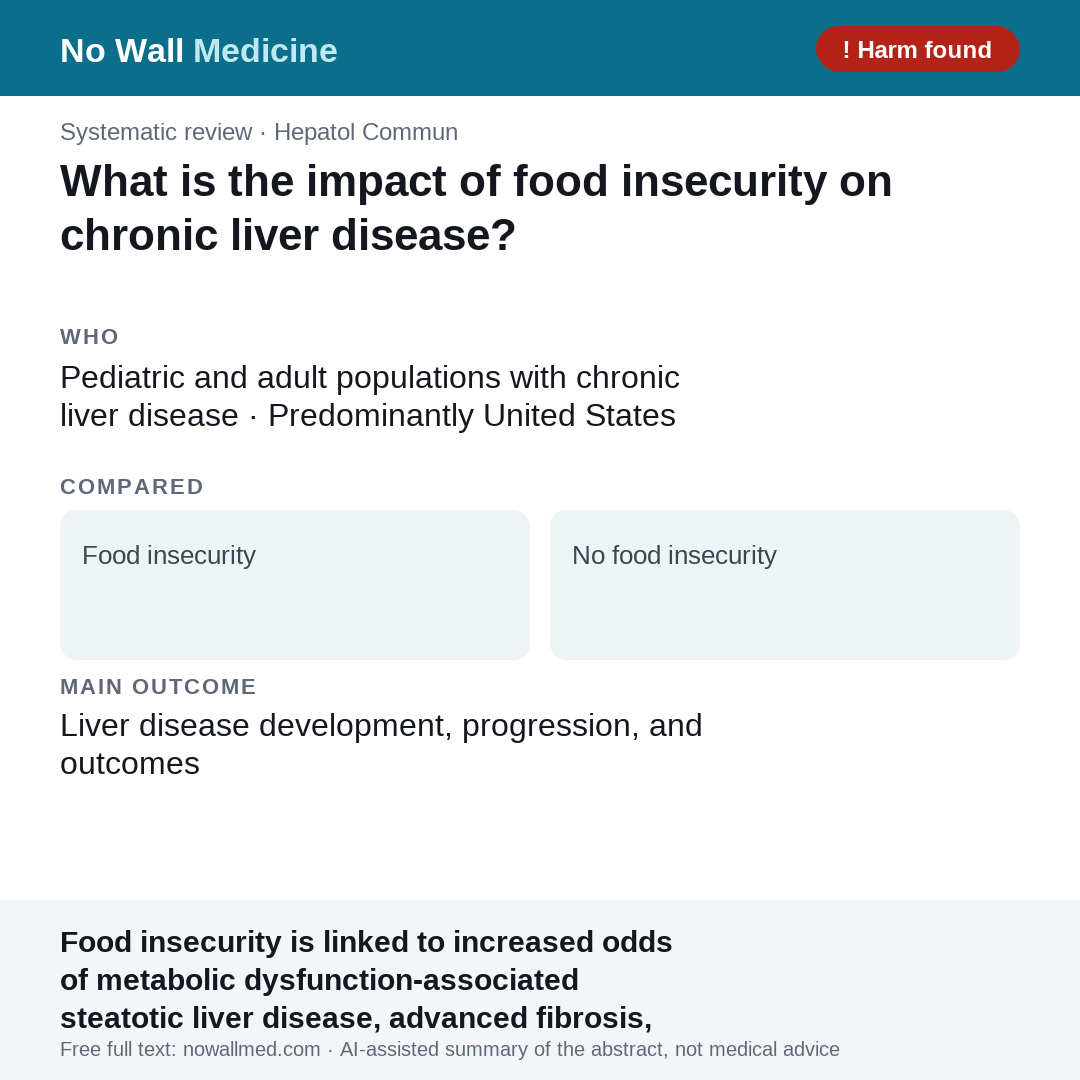
The impact of food insecurity on chronic liver disease: A systematic review of the literature
Systematic reviewHarm found
What is the impact of food insecurity on chronic liver disease?
Who
Pediatric and adult populations with chronic liver disease · Predominantly United States
Compared
Food insecurity
No food insecurity
Main outcome
Liver disease development, progression, and outcomes
Bottom line: Food insecurity is linked to increased odds of metabolic dysfunction-associated steatotic liver disease, advanced fibrosis, and mortality.
Hepatol Commun · 2025-10-21Download image
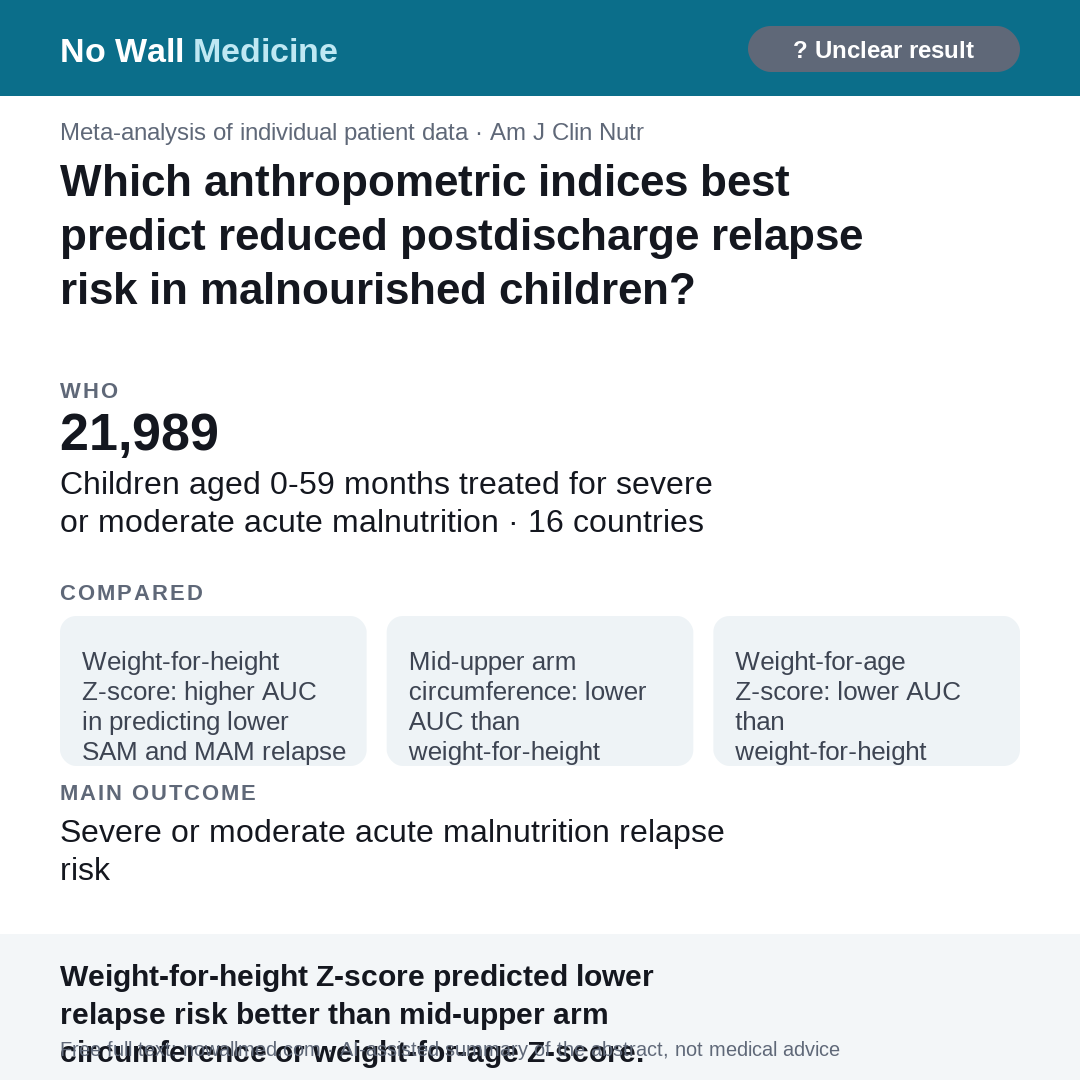
Optimal anthropometric discharge criteria from treatment of wasting: meta-analysis of individual patient data from 34 studies
Meta-analysis of individual patient dataUnclear result
Which anthropometric indices best predict reduced postdischarge relapse risk in malnourished children?
Who
21,989
Children aged 0-59 months treated for severe or moderate acute malnutrition · 16 countries
Compared
Weight-for-height Z-score: higher AUC in predicting lower SAM and MAM relapse risk
Mid-upper arm circumference: lower AUC than weight-for-height Z-score
Weight-for-age Z-score: lower AUC than weight-for-height Z-score
Main outcome
Severe or moderate acute malnutrition relapse risk
Bottom line: Weight-for-height Z-score predicted lower relapse risk better than mid-upper arm circumference or weight-for-age Z-score.
Am J Clin Nutr · 2025-10-20Download image
Effect of a portable therapeutic baby nest designed for neonates on physiological parameters, comfort and pain levels during venous blood sampling: a randomised controlled trial
Randomized controlled trialBenefit found
Does a portable therapeutic baby nest improve physiological stability and comfort during venous blood sampling?
Who
80
Term neonates · Turkey
Compared
Portable therapeutic baby nest: lower heart and respiratory rates, higher oxygen saturation and lower NIPS and COMFORTneo scores
Standard stretcher
Main outcome
Physiological parameters, comfort and pain levels during venous blood sampling
Bottom line: The portable therapeutic baby nest improved physiological stability, comfort, and pain outcomes during venous sampling in neonates.
Emerg Med J · 2025-10-20Download image

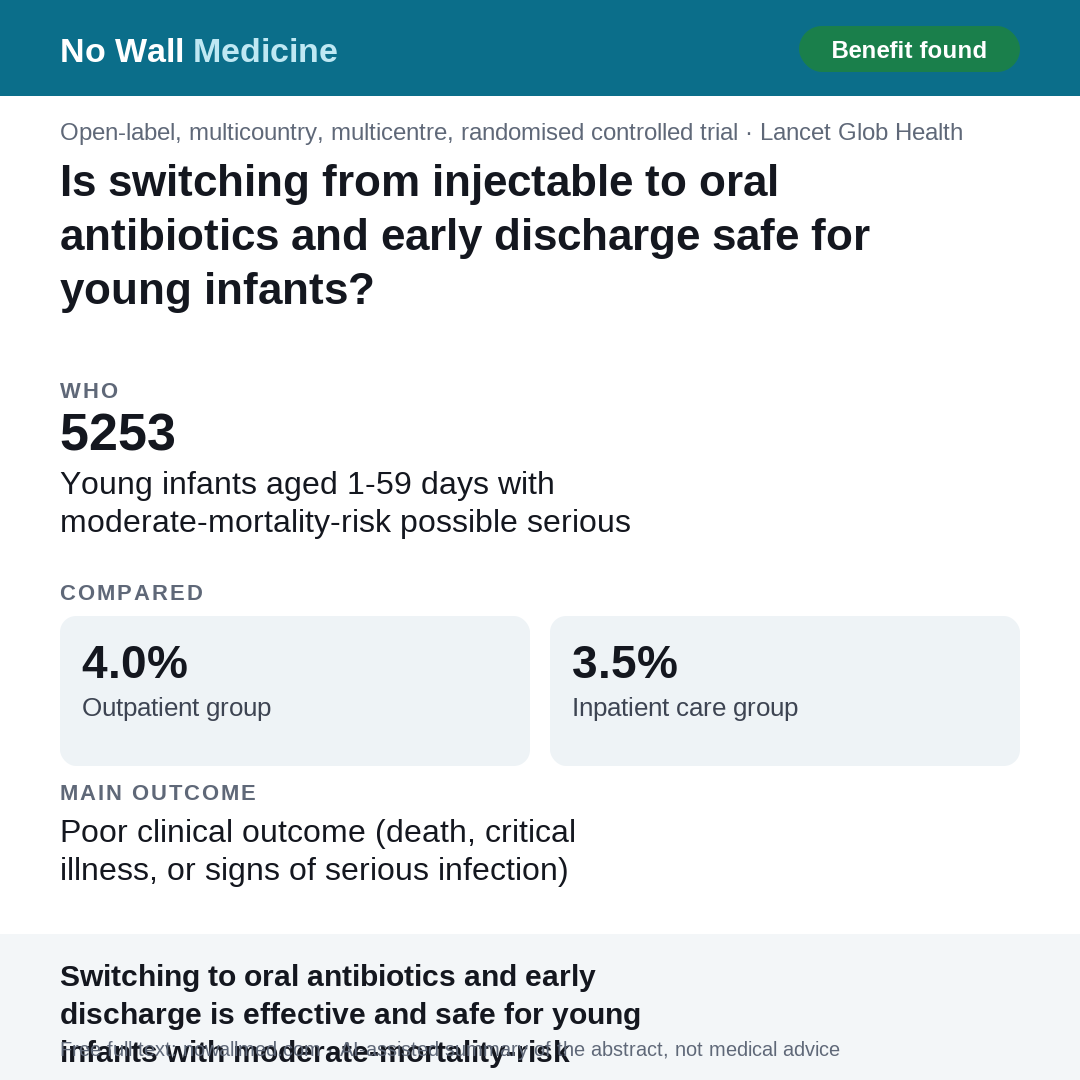
Switching antibiotic therapy from injectable to oral to optimise the duration of inpatient care for young infants presenting with moderate-mortality-risk signs of possible serious bacterial infection: an open-label, multicountry, randomised controlled trial
Open-label, multicountry, multicentre, randomised controlled trialBenefit found
Is switching from injectable to oral antibiotics and early discharge safe for young infants?
Who
5253
Young infants aged 1-59 days with moderate-mortality-risk possible serious bacterial infection signs · Bangladesh, Ethiopia, India, Nigeria, Pakistan, and Tanzania
Compared
4.0%Outpatient group (105 of 2616)
3.5%Inpatient care group (90 of 2603)
Main outcome
Poor clinical outcome (death, critical illness, or signs of serious infection)
Result: risk difference 0.0056 (95% CI -0.0047 to 0.0158)
Bottom line: Switching to oral antibiotics and early discharge is effective and safe for young infants with moderate-mortality-risk possible serious bacterial infection.
Funded by: Gates Foundation
Lancet Glob Health · 2025-10-19Download image
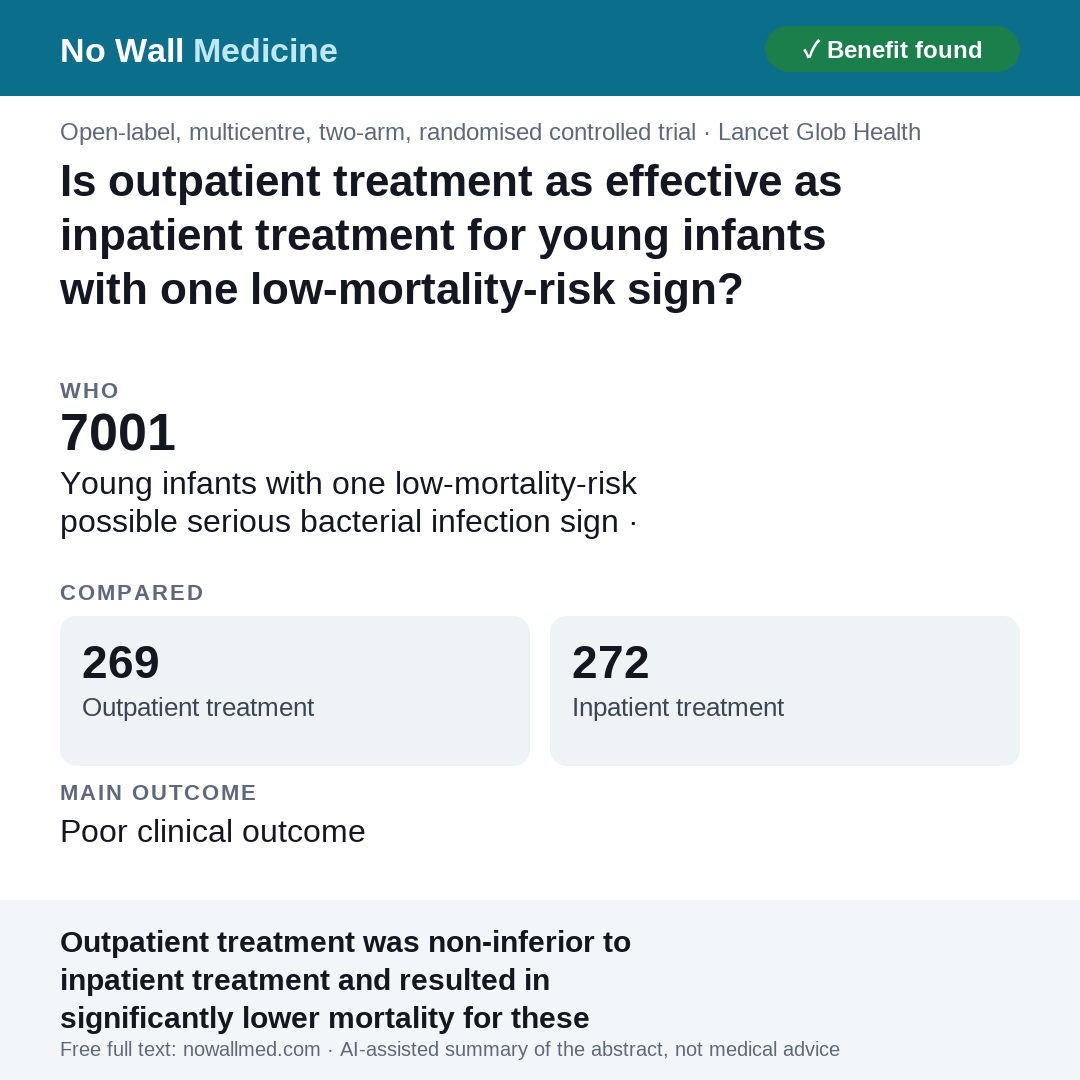
Inpatient versus outpatient management of young infants with a single low-mortality-risk sign of possible serious bacterial infection in sub-Saharan Africa and south Asia: an open-label, multicentre, two-arm, randomised controlled trial
Open-label, multicentre, two-arm, randomised controlled trialBenefit found
Is outpatient treatment as effective as inpatient treatment for young infants with one low-mortality-risk sign?
Who
7001
Young infants with one low-mortality-risk possible serious bacterial infection sign · Seven sites in Bangladesh, Ethiopia, India, Nigeria, Pakistan, and Tanzania
Compared
269Outpatient treatment (7·7%)
272Inpatient treatment (7·8%)
Main outcome
Poor clinical outcome
Result: risk difference -0·0009 (95% CI -0·0134 to 0·0116)
Bottom line: Outpatient treatment was non-inferior to inpatient treatment and resulted in significantly lower mortality for these infants.
Funded by: Bill and Melinda Gates Foundation
Lancet Glob Health · 2025-10-19Download image
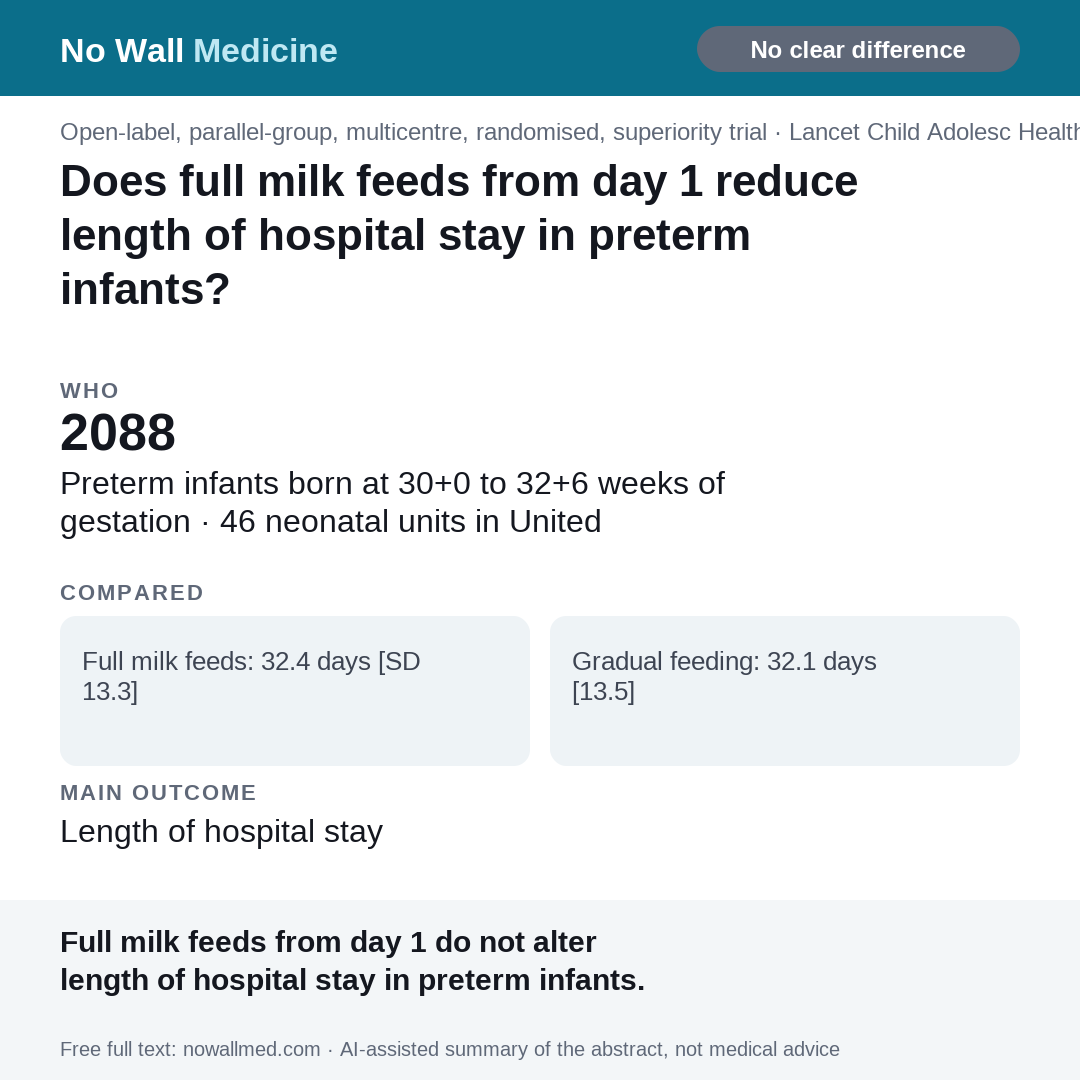
Full exclusively enteral fluids from day 1 versus gradual feeding in preterm infants (FEED1): a open-label, parallel-group, multicentre, randomised, superiority trial
Open-label, parallel-group, multicentre, randomised, superiority trialNo clear difference
Does full milk feeds from day 1 reduce length of hospital stay in preterm infants?
Who
2088
Preterm infants born at 30+0 to 32+6 weeks of gestation · 46 neonatal units in United Kingdom hospitals
Compared
Full milk feeds: 32.4 days [SD 13.3]
Gradual feeding: 32.1 days [13.5]
Main outcome
Length of hospital stay
Result: adjusted difference between means -0.02 days (95% CI -1.07 to 1.03)
Bottom line: Full milk feeds from day 1 do not alter length of hospital stay in preterm infants.
Funded by: UK National Institute of Health and Care Research
Lancet Child Adolesc Health · 2025-10-17Download image
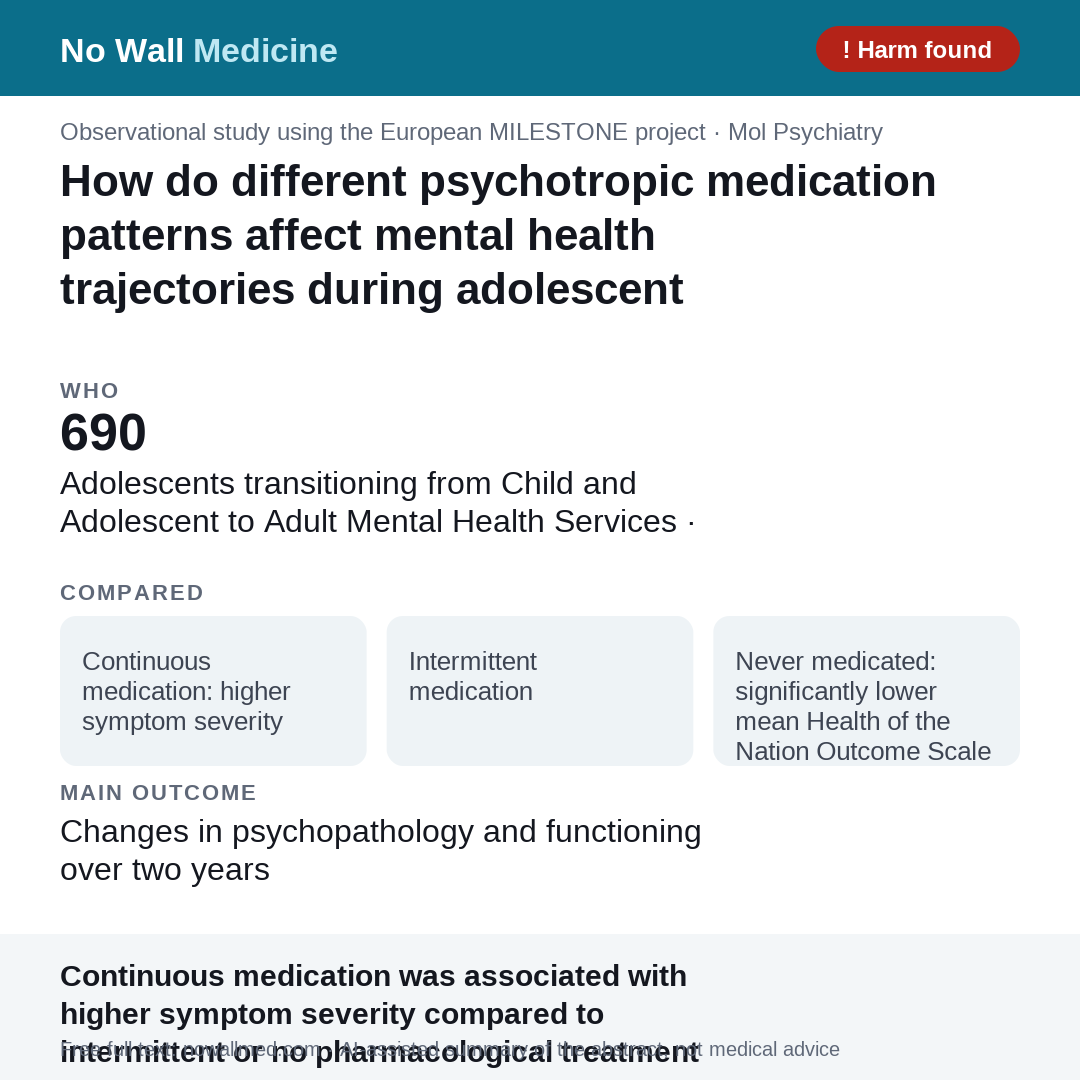
Mental health trajectories of adolescents treated with psychotropic medications: insights from the european milestone study
Observational study using the European MILESTONE projectHarm found
How do different psychotropic medication patterns affect mental health trajectories during adolescent transition?
Who
690
Adolescents transitioning from Child and Adolescent to Adult Mental Health Services · European sites
Compared
Continuous medication: higher symptom severity
Intermittent medication
Never medicated: significantly lower mean Health of the Nation Outcome Scale for Child and Adolescents ratings
Main outcome
Changes in psychopathology and functioning over two years
Bottom line: Continuous medication was associated with higher symptom severity compared to intermittent or no pharmacological treatment during transition.
Mol Psychiatry · 2025-10-17Download image
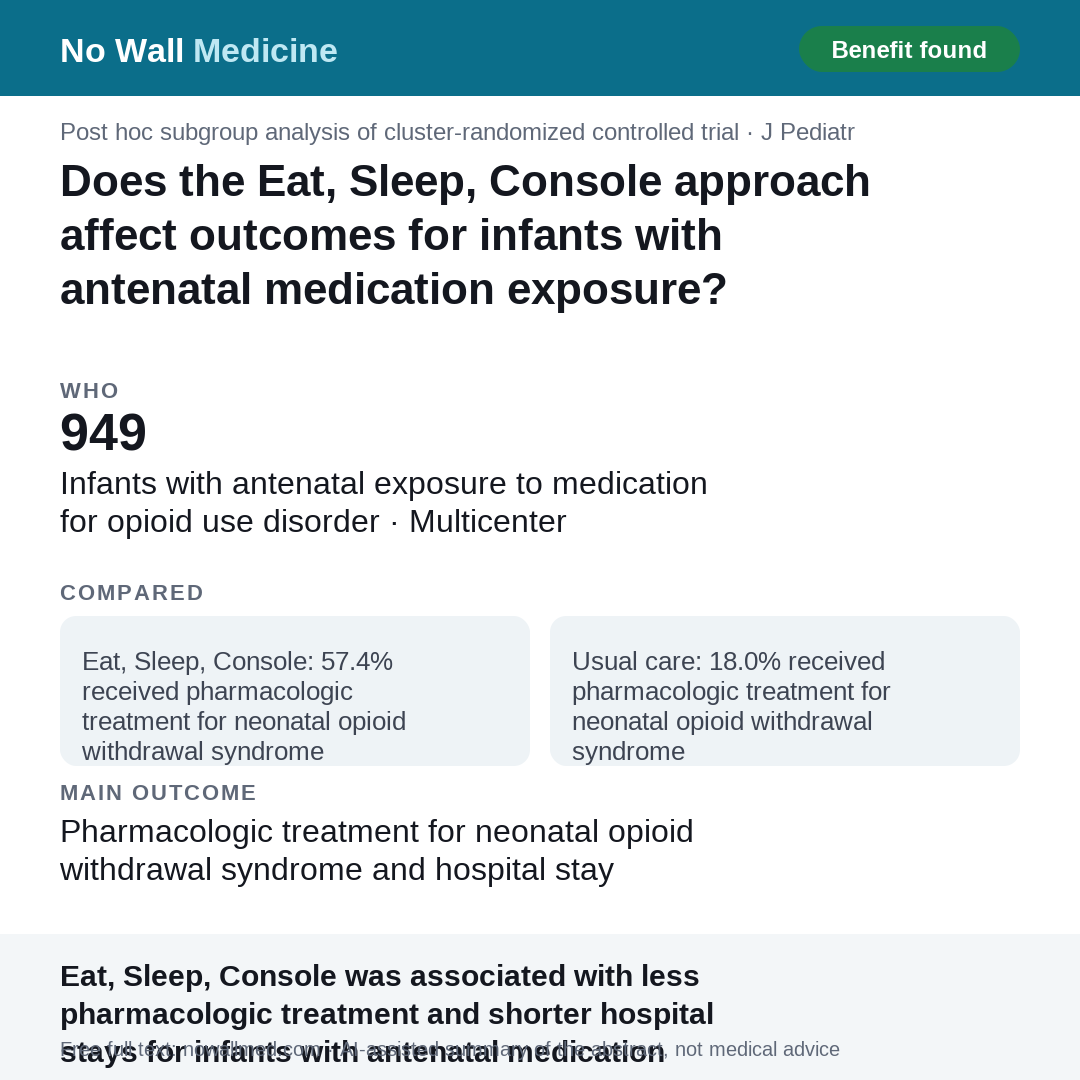
Antenatal Exposure to Medication for Opioid Use Disorder and Infant Outcomes in the Eat, Sleep, Console for Neonatal Opioid Withdrawal Randomized Controlled Trial
Post hoc subgroup analysis of cluster-randomized controlled trialBenefit found
Does the Eat, Sleep, Console approach affect outcomes for infants with antenatal medication exposure?
Who
949
Infants with antenatal exposure to medication for opioid use disorder · Multicenter
Compared
Eat, Sleep, Console: 57.4% received pharmacologic treatment for neonatal opioid withdrawal syndrome
Usual care: 18.0% received pharmacologic treatment for neonatal opioid withdrawal syndrome
Main outcome
Pharmacologic treatment for neonatal opioid withdrawal syndrome and hospital stay
Result: absolute difference 39.4%; 95% CI: 30.6-48.2
Bottom line: Eat, Sleep, Console was associated with less pharmacologic treatment and shorter hospital stays for infants with antenatal medication exposure.
J Pediatr · 2025-10-17Download image
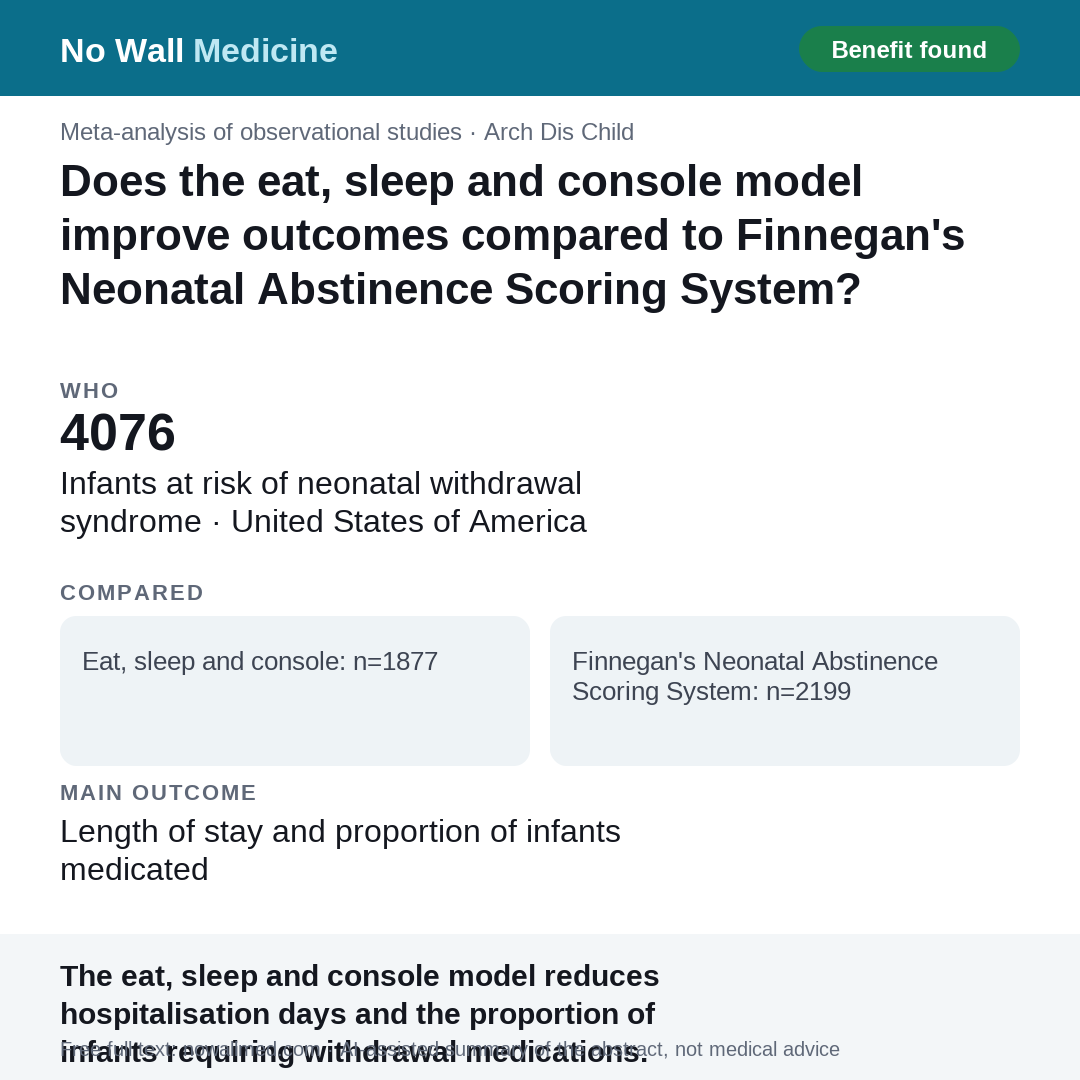
Eat, sleep and console model of care for managing infants with neonatal abstinence syndrome: a meta-analysis of observational studies
Meta-analysis of observational studiesBenefit found
Does the eat, sleep and console model improve outcomes compared to Finnegan's Neonatal Abstinence Scoring System?
Who
4076
Infants at risk of neonatal withdrawal syndrome · United States of America
Compared
Eat, sleep and console: n=1877
Finnegan's Neonatal Abstinence Scoring System: n=2199
Main outcome
Length of stay and proportion of infants medicated
Result: OR 0.36, 95% CI 0.22 to 0.60
Bottom line: The eat, sleep and console model reduces hospitalisation days and the proportion of infants requiring withdrawal medications.
Arch Dis Child · 2025-10-17Download image
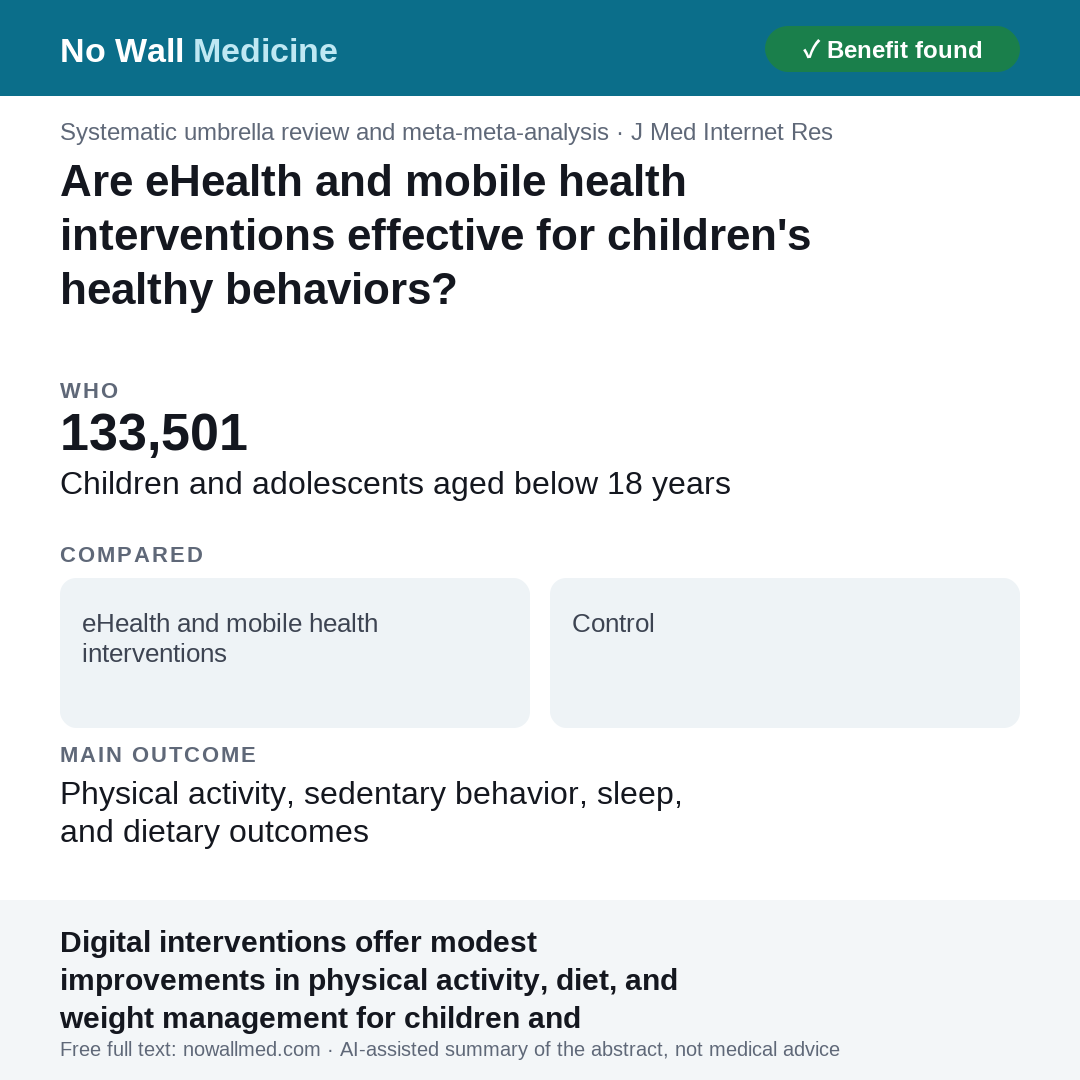
Lifestyle eHealth and mHealth Interventions for Children and Adolescents: Systematic Umbrella Review and Meta-Meta-Analysis
Systematic umbrella review and meta-meta-analysisBenefit found
Are eHealth and mobile health interventions effective for children's healthy behaviors?
Who
133,501
Children and adolescents aged below 18 years
Compared
eHealth and mobile health interventions
Control
Main outcome
Physical activity, sedentary behavior, sleep, and dietary outcomes
Result: SMD 0.18 (95% CI 0.09-0.27) for moderate to vigorous physical activity
Bottom line: Digital interventions offer modest improvements in physical activity, diet, and weight management for children and adolescents.
J Med Internet Res · 2025-10-17Download image
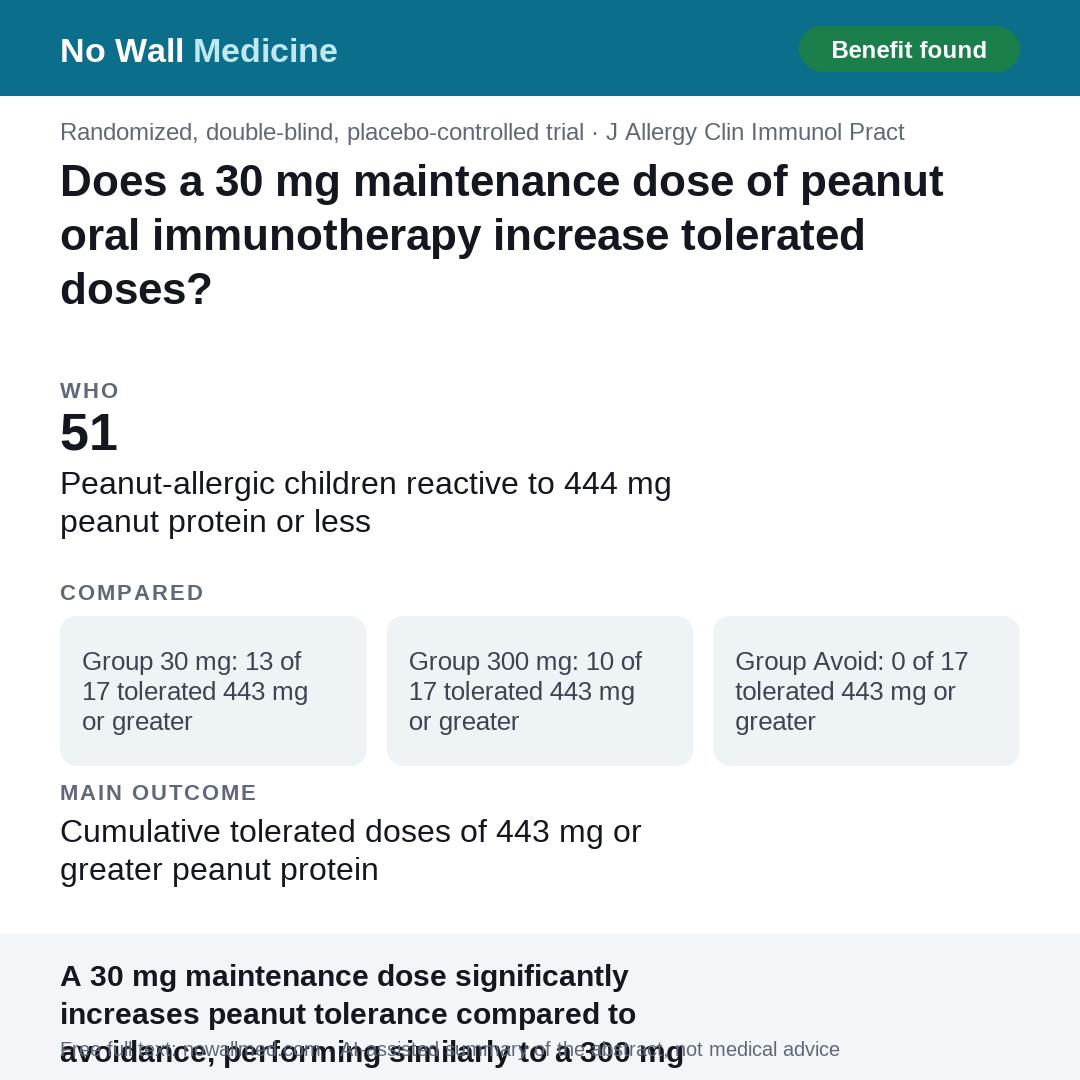
Peanut Oral Immunotherapy Using 30 and 300 mg Maintenance Doses
Randomized, double-blind, placebo-controlled trialBenefit found
Does a 30 mg maintenance dose of peanut oral immunotherapy increase tolerated doses?
Who
51
Peanut-allergic children reactive to 444 mg peanut protein or less
Compared
Group 30 mg: 13 of 17 tolerated 443 mg or greater
Group 300 mg: 10 of 17 tolerated 443 mg or greater
Group Avoid: 0 of 17 tolerated 443 mg or greater
Main outcome
Cumulative tolerated doses of 443 mg or greater peanut protein
Bottom line: A 30 mg maintenance dose significantly increases peanut tolerance compared to avoidance, performing similarly to a 300 mg dose.
J Allergy Clin Immunol Pract · 2025-10-16Download image
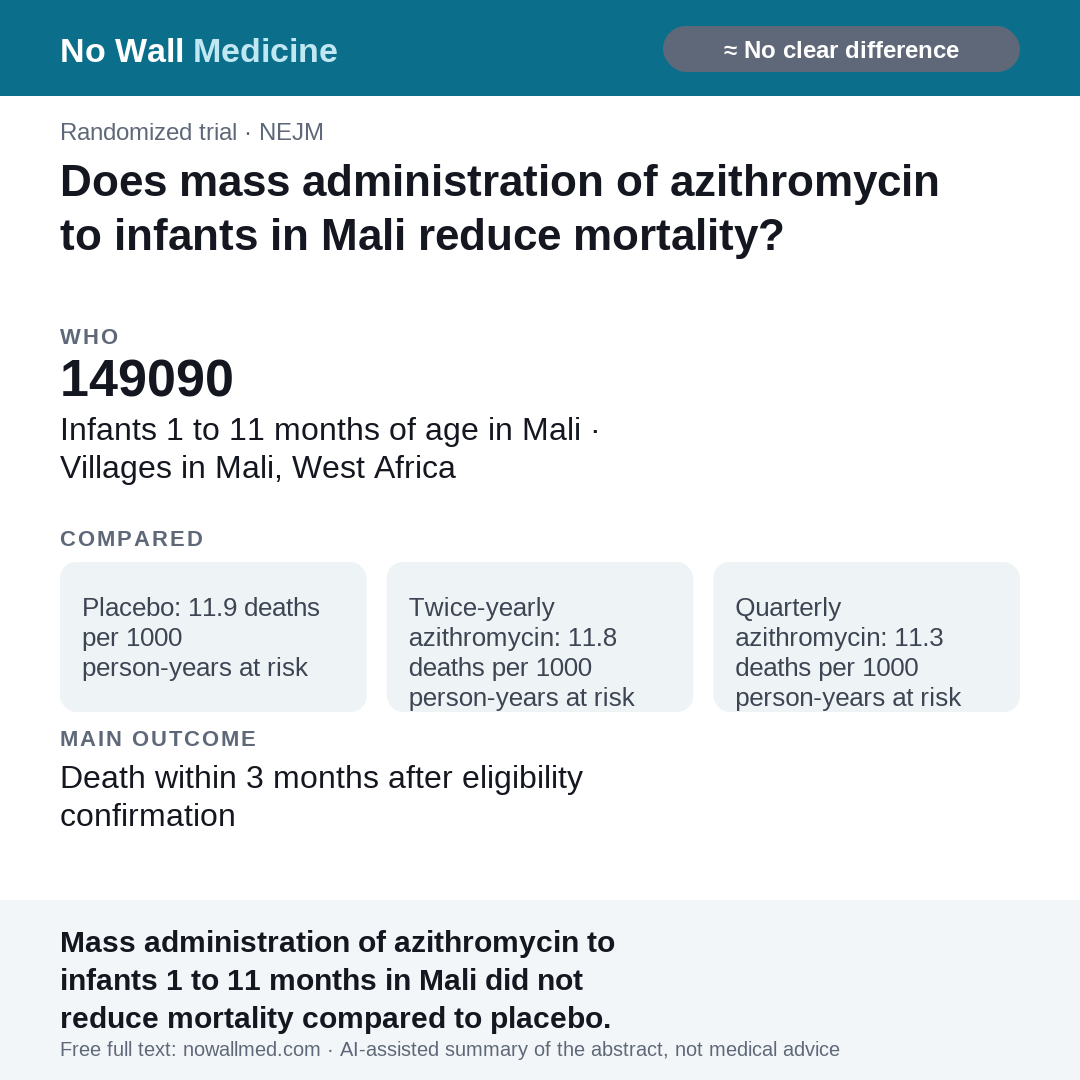
Mass Administration of Azithromycin to Infants in Mali to Reduce Mortality
Randomized trialNo clear difference
Does mass administration of azithromycin to infants in Mali reduce mortality?
Who
149090
Infants 1 to 11 months of age in Mali · Villages in Mali, West Africa
Compared
Placebo: 11.9 deaths per 1000 person-years at risk
Twice-yearly azithromycin: 11.8 deaths per 1000 person-years at risk
Quarterly azithromycin: 11.3 deaths per 1000 person-years at risk
Main outcome
Death within 3 months after eligibility confirmation
Result: incidence rate ratio 1.00 (95% CI 0.83 to 1.19) and 0.93 (95% CI 0.75 to 1.15)
Bottom line: Mass administration of azithromycin to infants 1 to 11 months in Mali did not reduce mortality compared to placebo.
Funded by: Gates Foundation
NEJM · 2025-10-15Download image
Ruxolitinib Versus Best Available Therapy in Patients With Steroid-Refractory Acute Graft-Versus-Host Disease: Final Analysis From the Randomized Phase III REACH2 Trial
Randomized trialBenefit found
Ruxolitinib vs best therapy for graft disease
Who
Patients with steroid-refractory acute graft-versus-host disease
Compared
Ruxolitinib
Best Available Therapy
Main outcome
Overall survival and failure-free survival
Result: hazard ratio null, median failure-free survival 4.86 v 1.02 months
Bottom line: Ruxolitinib improves survival over best therapy
J Clin Oncol · 2025-10-15Download image

Subthalamic deep brain stimulation in isolated generalised or segmental dystonia (RELAX Study): a multicentre, randomised, double-blind, controlled trial
Multicentre, randomised, double-blind, controlled trialBenefit found
Is subthalamic nucleus deep brain stimulation effective for isolated generalised or segmental dystonia?
Who
67
Patients aged 6-60 years with genetic or idiopathic isolated generalised or segmental dystonia · Seven hospitals in China
Compared
Subthalamic nucleus neurostimulation: significant improvement (p<0.001)
Subthalamic nucleus sham stimulation
Main outcome
Burke-Fahn-Marsden Dystonia Rating Scale movement score
Bottom line: Subthalamic nucleus deep brain stimulation is a safe and effective treatment for isolated generalised or segmental dystonia.
J Neurol Neurosurg Psychiatry · 2025-10-15Download image

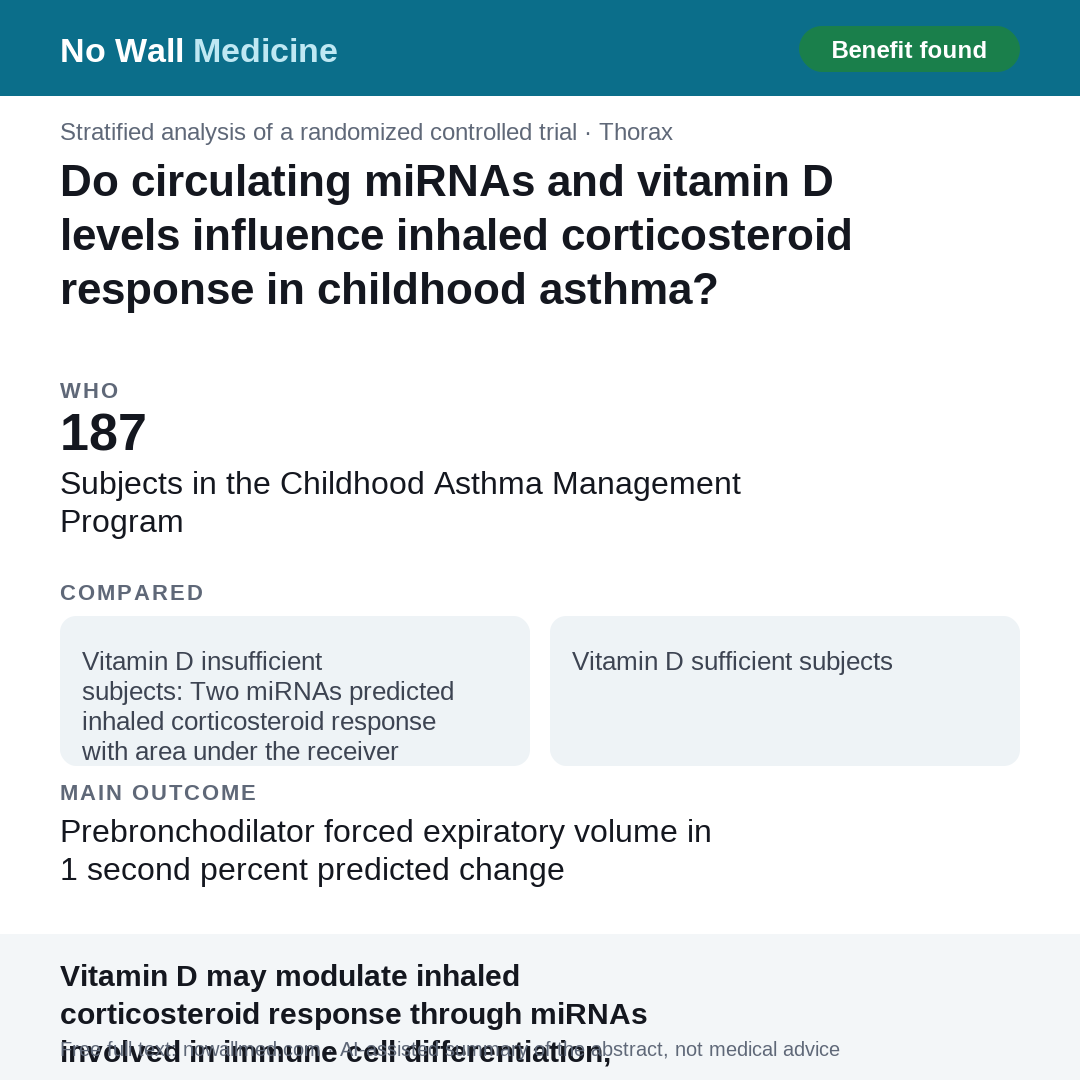
Circulating miRNAs and childhood asthma ICS response: a stratified analysis in the intervention arm of an RCT with vitamin D effect modification
Stratified analysis of a randomized controlled trialBenefit found
Do circulating miRNAs and vitamin D levels influence inhaled corticosteroid response in childhood asthma?
Who
187
Subjects in the Childhood Asthma Management Program
Compared
Vitamin D insufficient subjects: Two miRNAs predicted inhaled corticosteroid response with area under the receiver operating characteristic curve of 0.86
Vitamin D sufficient subjects
Main outcome
Prebronchodilator forced expiratory volume in 1 second percent predicted change
Bottom line: Vitamin D may modulate inhaled corticosteroid response through miRNAs involved in immune cell differentiation, especially in vitamin D insufficient individuals.
Thorax · 2025-10-15Download image
Intramuscular epinephrine in cardiac arrest: A systematic review
Systematic reviewBenefit found
Is intramuscular epinephrine better than intravenous or intraosseous epinephrine in cardiac arrest?
Who
Children, adults, and animals with cardiac arrest
Compared
Intramuscular epinephrine: survival 11.0 %
Intravenous or intraosseous epinephrine: survival 7.0 %
Main outcome
survival and neurologically favourable survival
Result: aOR 1.73, 95 % CI 1.10-2.71
Bottom line: One human study suggested intramuscular epinephrine improved survival compared to intravenous or intraosseous administration.
Limitation: Low certainty of evidence and moderate risk of bias across included studies.
Resusc Plus · 2025-10-15Download image

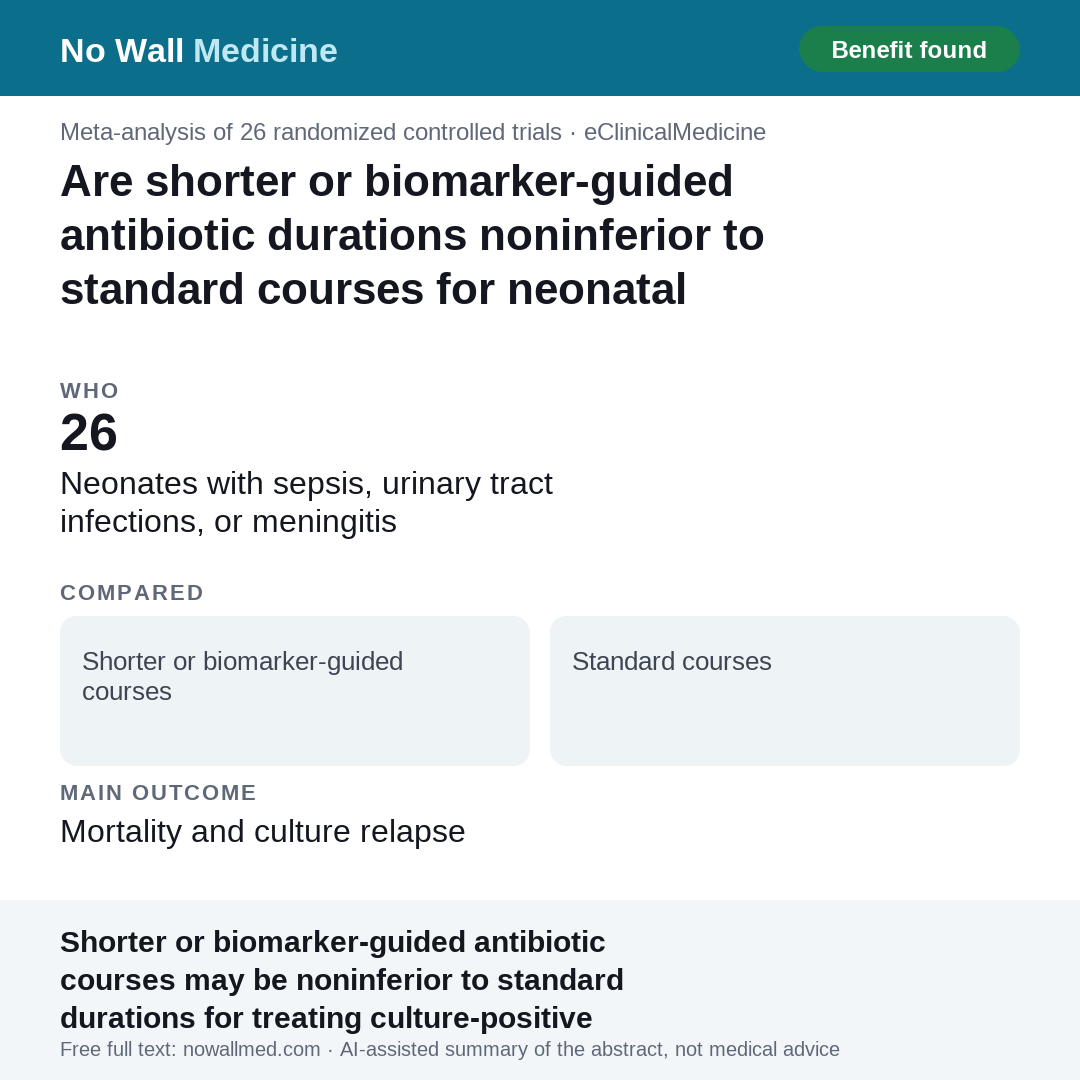
Shorter or biomarker-guided antibiotic durations for common serious neonatal infections: a collection of non-inferiority meta-analyses
Meta-analysis of 26 randomized controlled trialsBenefit found
Are shorter or biomarker-guided antibiotic durations noninferior to standard courses for neonatal infections?
Who
26
Neonates with sepsis, urinary tract infections, or meningitis
Compared
Shorter or biomarker-guided courses
Standard courses
Main outcome
Mortality and culture relapse
Bottom line: Shorter or biomarker-guided antibiotic courses may be noninferior to standard durations for treating culture-positive neonatal sepsis.
Limitation: Low to very low certainty of evidence across most outcomes.
eClinicalMedicine · 2025-10-14Download image
Characterizing Differences in Polysomnography Data for Children With Robin Sequence Undergoing Conservative and Surgical Management
Meta-analysis of 45 studiesBenefit found
What are the polysomnography findings in infants with Robin sequence?
Who
1881
Infants with Robin sequence
Compared
Mandibular distraction osteogenesis: AHI improvement 24.52/h (CI 21.4-27.7)
Tongue-lip adhesion: AHI improvement 25.38/h (CI 1.4-49.3)
Conservative management: Baseline AHI 19.92/h (CI 15.6-24.2)
Main outcome
Apnea-hypopnea index and oxygen saturation
Bottom line: Polysomnography findings improved significantly following mandibular distraction osteogenesis and tongue-lip adhesion in infants with Robin sequence.
Otolaryngol Head Neck Surg · 2025-10-14Download image

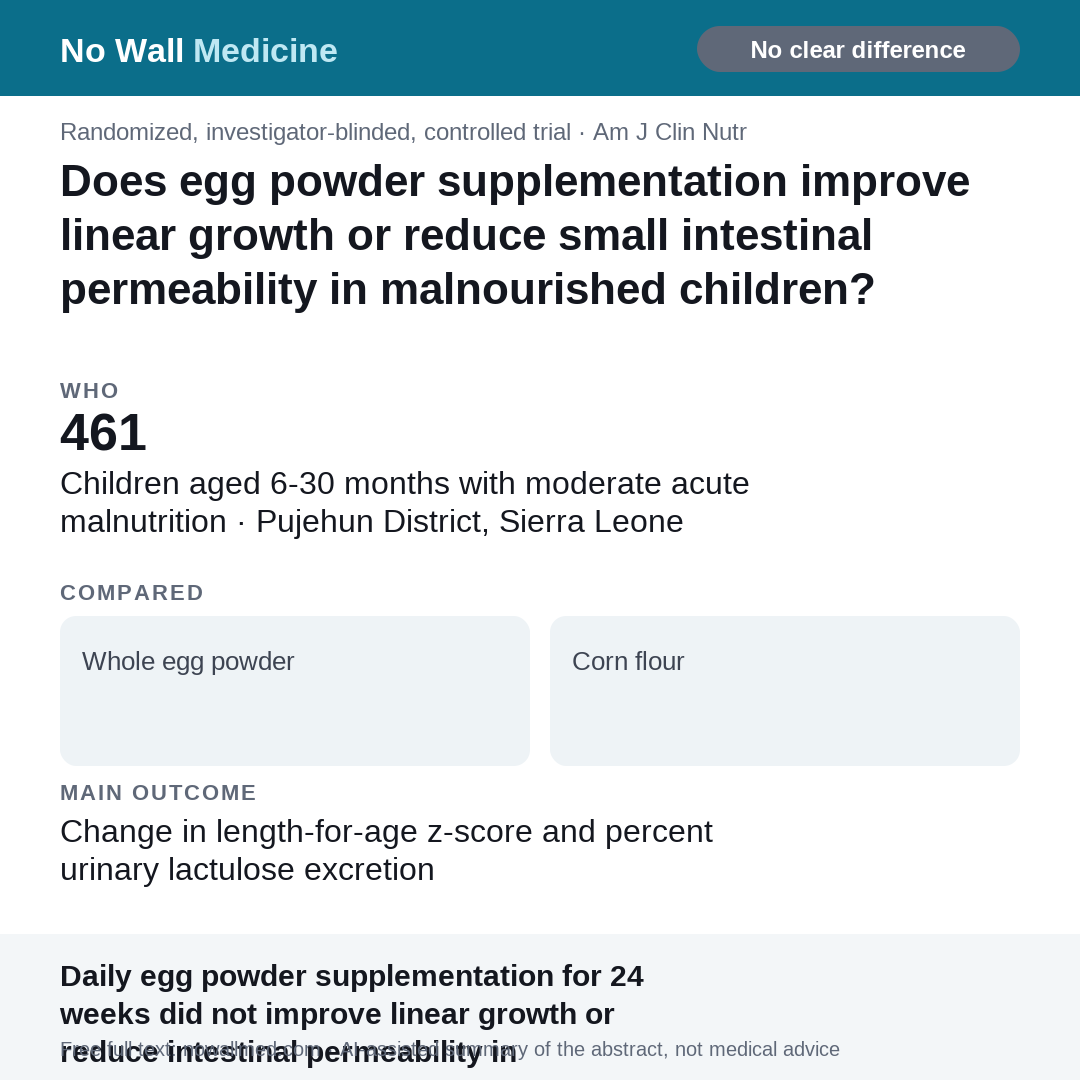
Egg supplementation for 24 weeks does not improve linear growth or reduce small intestinal permeability in Sierra Leonean children with moderate wasting: a randomized, blinded, controlled trial
Randomized, investigator-blinded, controlled trialNo clear difference
Does egg powder supplementation improve linear growth or reduce small intestinal permeability in malnourished children?
Who
461
Children aged 6-30 months with moderate acute malnutrition · Pujehun District, Sierra Leone
Compared
Whole egg powder
Corn flour
Main outcome
Change in length-for-age z-score and percent urinary lactulose excretion
Result: difference = 0.08; 95% CI: -0.05, 0.21
Bottom line: Daily egg powder supplementation for 24 weeks did not improve linear growth or reduce intestinal permeability in malnourished children.
Am J Clin Nutr · 2025-10-14Download image
Global childhood diarrhoea prevalence and its determinants: a systematic meta-analytic assessment, 1985-2024
Systematic review and random-effects meta-analysisBenefit found
What is the global childhood diarrhoea prevalence and its determinants from 1985 to 2024?
Who
Children under five years of age · Global
Compared
14.4%Global pooled mean prevalence (95% CI: 13.8-15.0%)
22.3%Prevalence in 1985-1989
10.9%Prevalence in 2020-2024
Main outcome
Global childhood diarrhoea prevalence
Bottom line: Global childhood diarrhoea prevalence declined from 22.3% to 10.9% between 1985 and 2024.
Funded by: Weill Cornell Medicine-Qatar
eBioMedicine · 2025-10-14Download image