Visual abstracts
New randomized trials and meta-analyses from leading journals at a glance: who was studied, what was compared, and what was found. Every paper is free to read in full.
All specialtiesCardiology 4763Oncology 4042Gastroenterology & Hepatology 1902Infectious Disease 3756Neurology 1872Psychiatry & Mental Health 2214Pulmonology 2042Critical Care 1319Endocrinology & Diabetes 2544Pediatrics 2889Surgery 2479Orthopedics & Sports Medicine 917Neurosurgery 525Cardiothoracic & Vascular Surgery 656Plastic & Reconstructive Surgery 574Nephrology 1107Rheumatology 810Hematology 1090Dermatology 611Ophthalmology 532Obstetrics & Gynecology 1645Public & Global Health 1037Radiology & Imaging 617Anesthesiology 957Urology 745ENT (Otolaryngology) 494Emergency Medicine 481Allergy & Immunology 309Geriatrics 972Family Medicine & Primary Care 533Medical Genetics & Genomics 659Pathology & Laboratory Medicine 156Physical Medicine & Rehabilitation 734Palliative Care 421Nutrition 1560Digital Health & AI 2133General Medicine 318
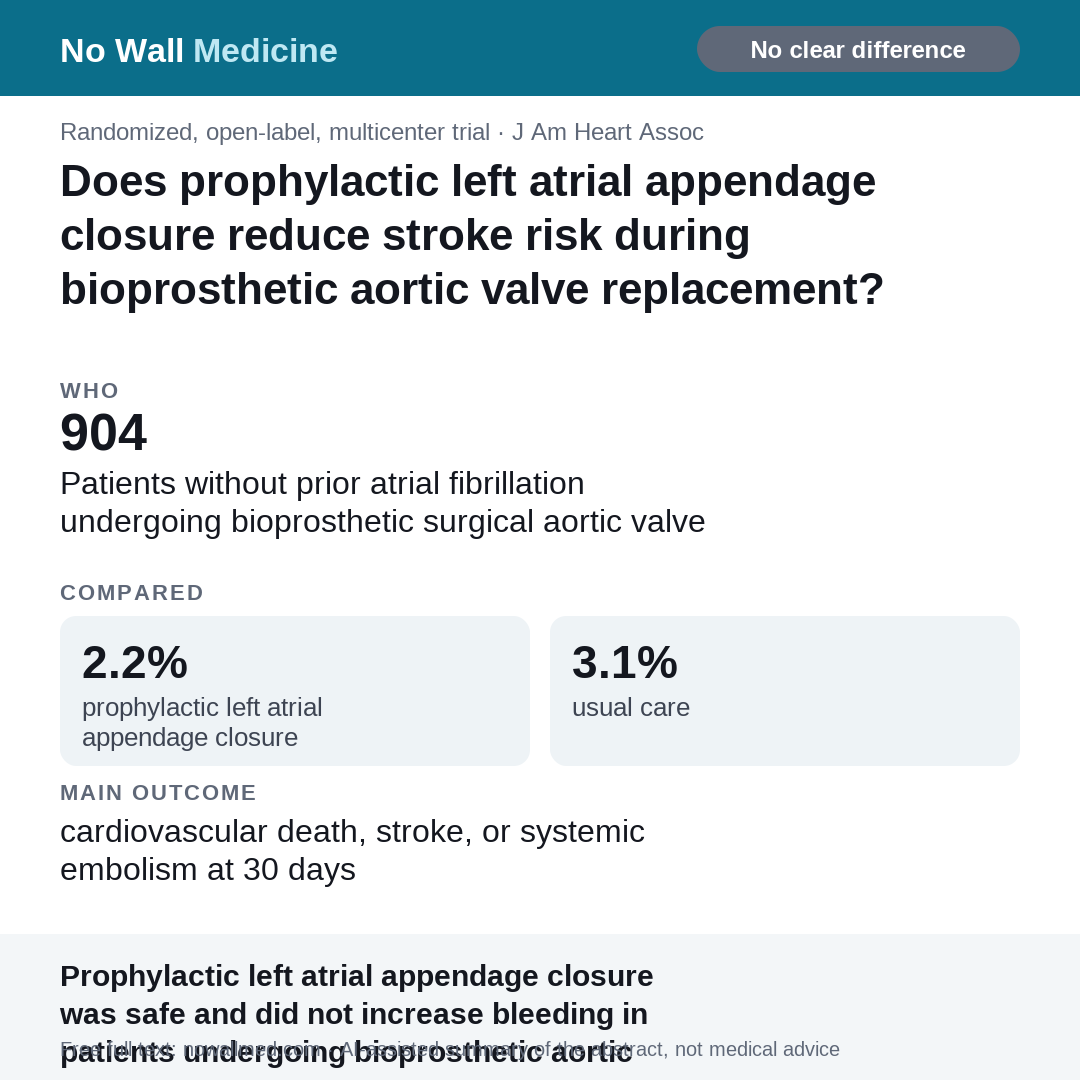
Prophylactic Surgical Left Atrial Appendage Closure in Bioprosthetic Aortic Valve Replacement: Short-Term Outcomes of Randomized Controlled LAA-CLOSURE Trial
Randomized, open-label, multicenter trialNo clear difference
Does prophylactic left atrial appendage closure reduce stroke risk during bioprosthetic aortic valve replacement?
Who
904
Patients without prior atrial fibrillation undergoing bioprosthetic surgical aortic valve replacement · multicenter
Compared
2.2%prophylactic left atrial appendage closure (10/434)
3.1%usual care (14/452)
Main outcome
cardiovascular death, stroke, or systemic embolism at 30 days
Result: hazard ratio 0.29 (95% CI 0.080-1.0) between 7 and 30 days
Bottom line: Prophylactic left atrial appendage closure was safe and did not increase bleeding in patients undergoing bioprosthetic aortic valve replacement.
Limitation: the treatment effect changed direction at approximately 7 days
J Am Heart Assoc · 2026-08-20Download image
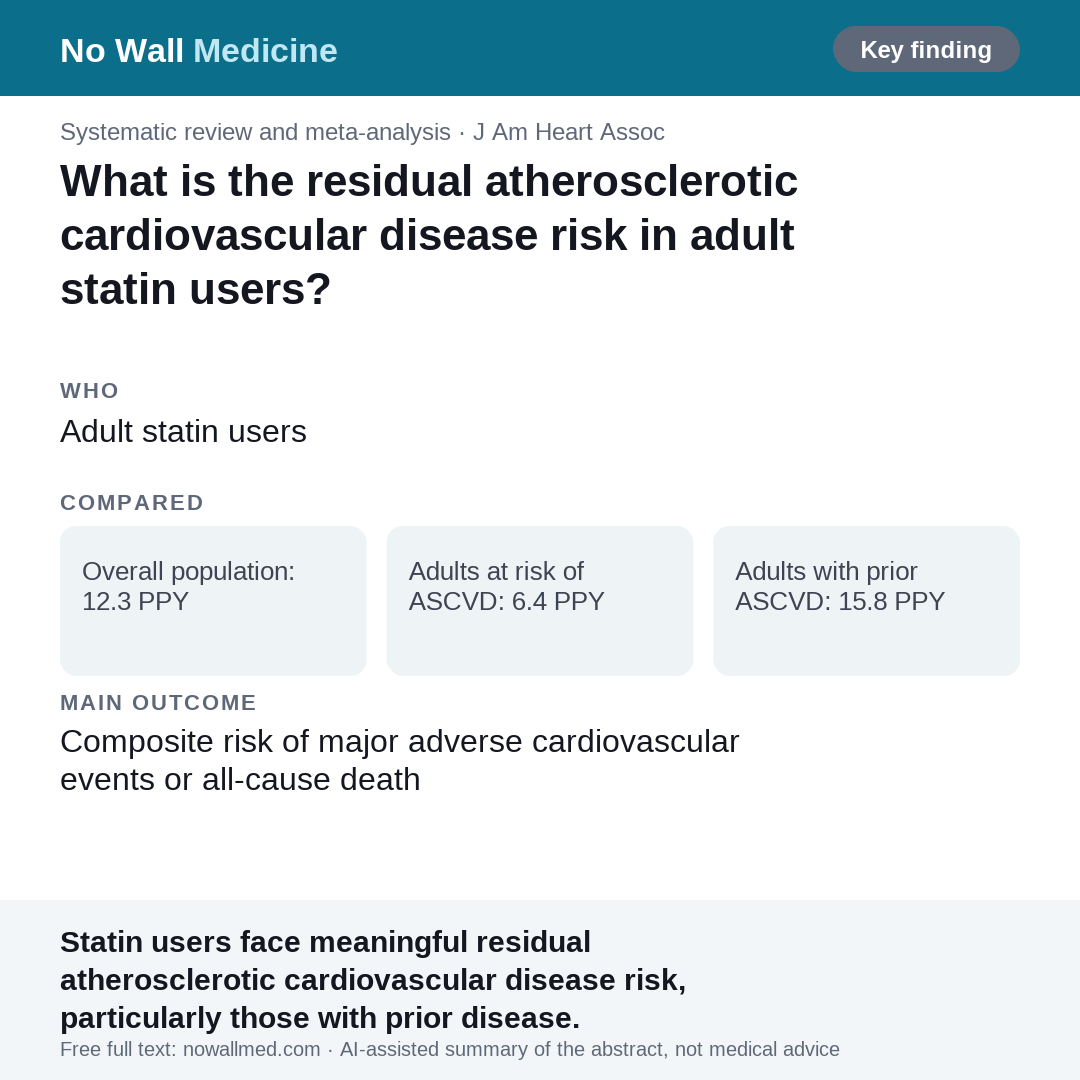
Residual Atherosclerotic Cardiovascular Disease Risk in Statin Users: A Systematic Review and Meta-Analysis
Systematic review and meta-analysisKey finding
What is the residual atherosclerotic cardiovascular disease risk in adult statin users?
Who
Adult statin users
Compared
Overall population: 12.3 PPY
Adults at risk of ASCVD: 6.4 PPY
Adults with prior ASCVD: 15.8 PPY
Main outcome
Composite risk of major adverse cardiovascular events or all-cause death
Bottom line: Statin users face meaningful residual atherosclerotic cardiovascular disease risk, particularly those with prior disease.
Limitation: substantial between-study variability
J Am Heart Assoc · 2026-08-20Download image
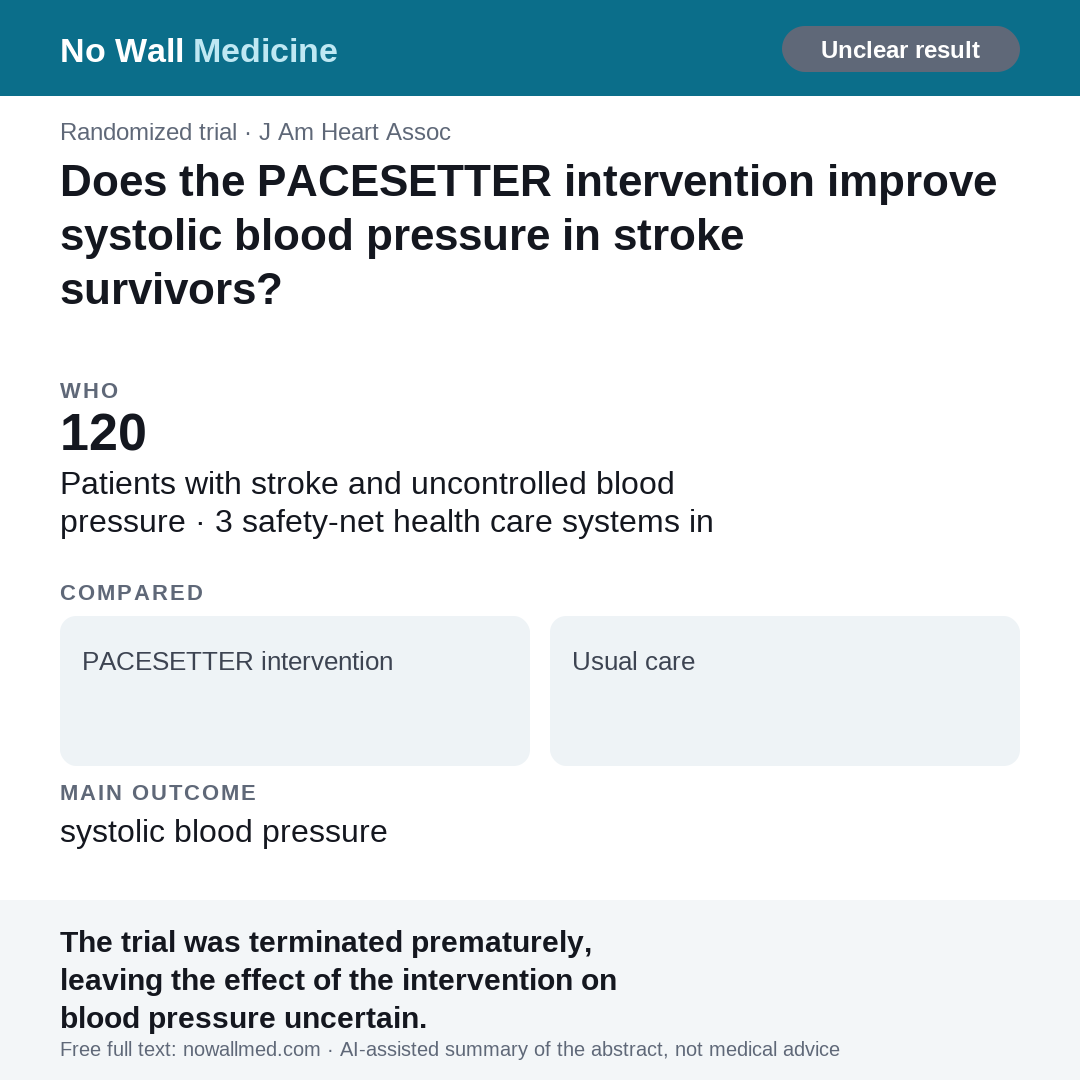
Program to Avoid Cerebrovascular Events Through Systematic Electronic Tracking and Tailoring of an Eminent Risk Factor: A Randomized Trial
Randomized trialNo clear difference
Does the PACESETTER intervention improve systolic blood pressure control at 12 months?
Who
120
Patients with stroke and uncontrolled blood pressure · 3 safety-net health care systems in South Carolina
Compared
50%PACESETTER intervention
47.2%Usual care
Main outcome
systolic blood pressure <130 mm Hg at 12 months
Bottom line: The PACESETTER intervention showed no significant difference in blood pressure control at 12 months compared to usual care.
J Am Heart Assoc · 2026-08-20Download image
Systematic Review on Noncomputed Tomography-Based Technologies for Prehospital Stroke Diagnosis
Systematic reviewUnclear result
What are the current noncomputed tomography-based technologies for prehospital stroke diagnosis?
Who
Patients requiring prehospital stroke diagnosis
Compared
Individual technologies
Combined modalities
Main outcome
Prehospital stroke diagnosis and differentiation of stroke types
Bottom line: No single noncomputed tomography technology can currently differentiate between ischemic and hemorrhagic stroke effectively.
Limitation: No single technology provides capabilities similar to computed tomography for stroke differentiation.
J Am Heart Assoc · 2026-08-20Download image

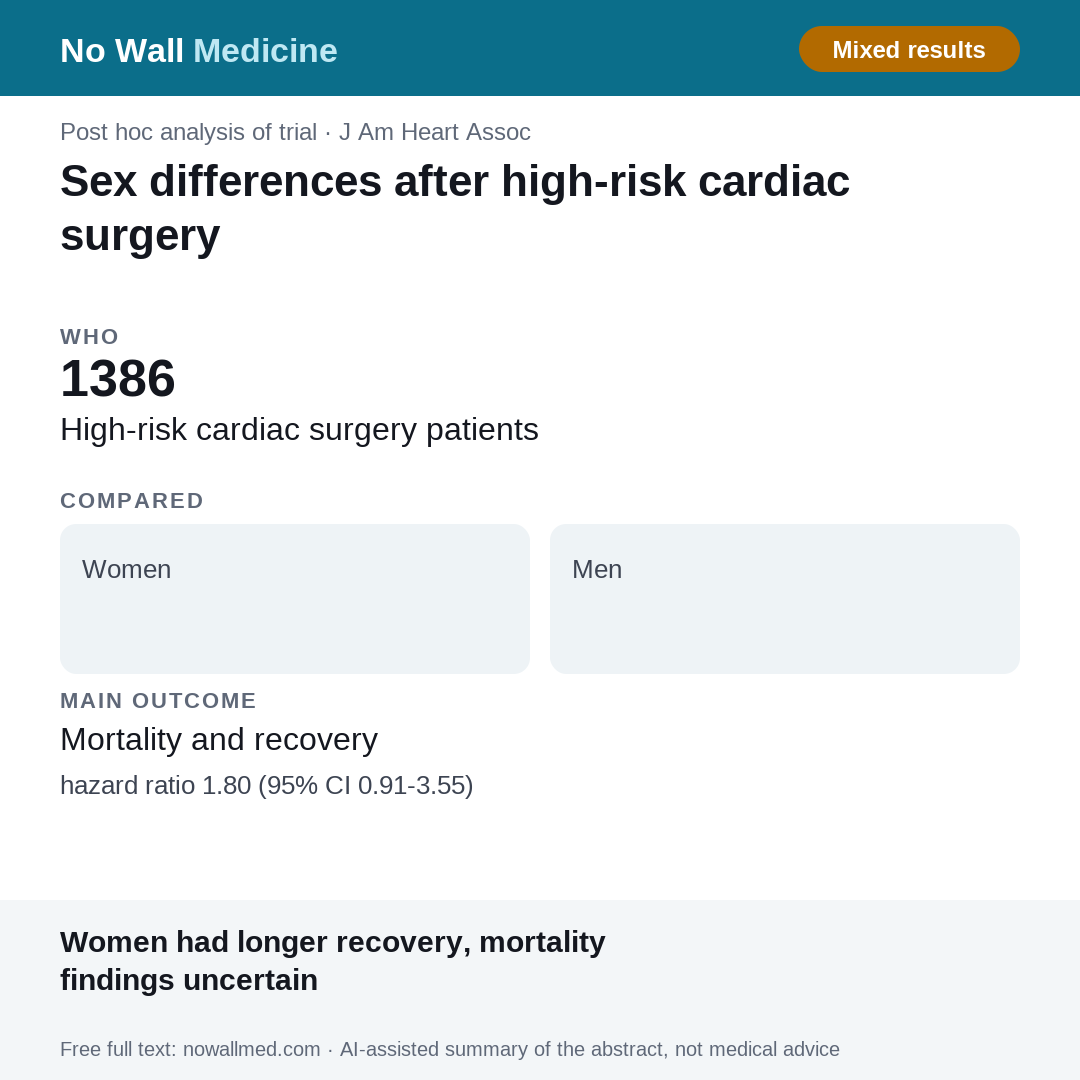
Sex Differences in Postoperative Recovery and Mortality After High-Risk Cardiac Surgery: A Propensity Score-Matched Post Hoc Analysis of the SUSTAIN-CSX Trial
Post hoc analysis of trialMixed results
Sex differences after high-risk cardiac surgery
Who
1386
High-risk cardiac surgery patients
Compared
Women
Men
Main outcome
Mortality and recovery
Result: hazard ratio 1.80 (95% CI 0.91-3.55)
Bottom line: Women had longer recovery, mortality findings uncertain
J Am Heart Assoc · 2026-08-20Download image
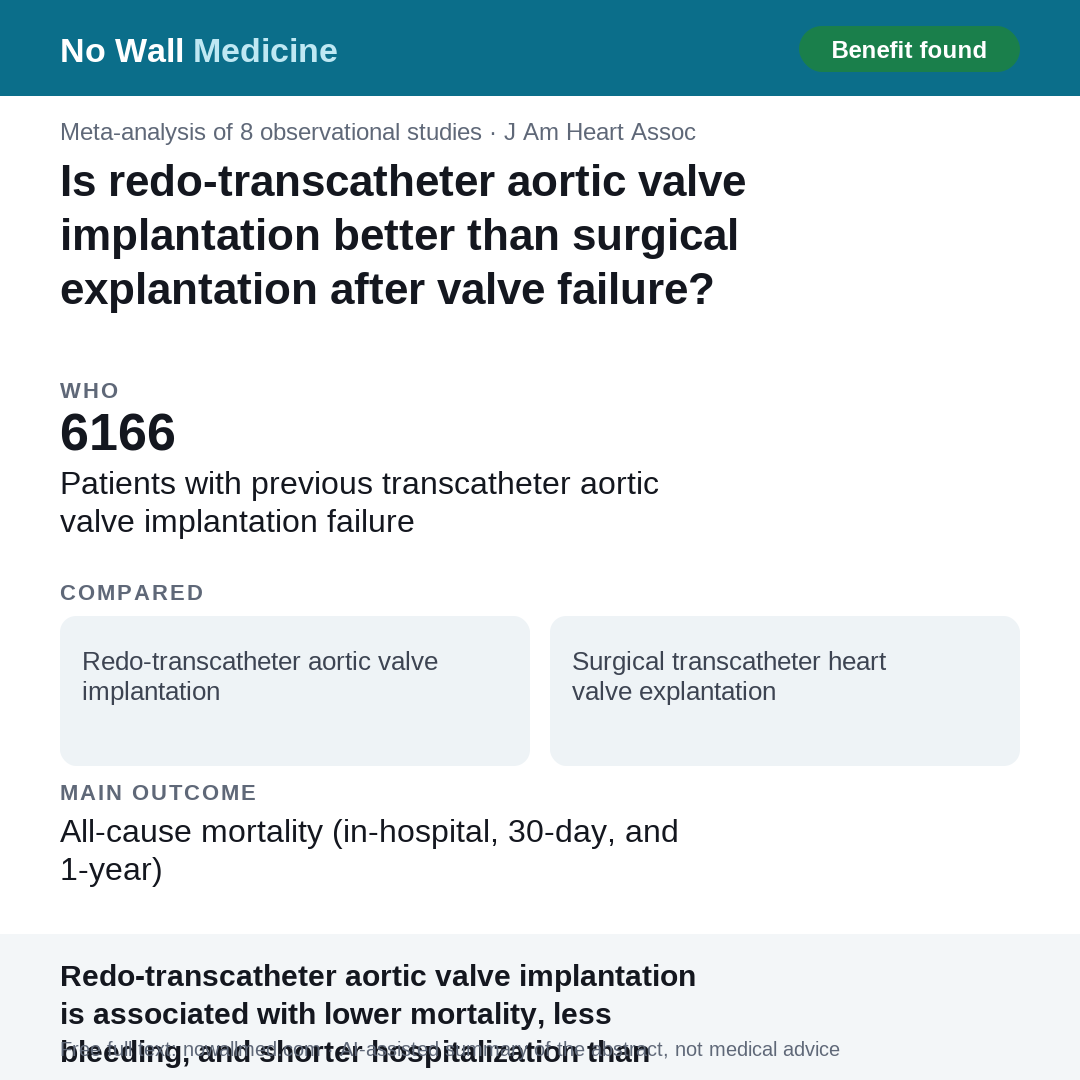
Redo-Transcatheter Aortic Valve Implantation Versus Surgical Explantation in Patients With Previous Transcatheter Aortic Valve Implantation: A Systematic Review and Meta-Analysis
Meta-analysis of 8 observational studiesBenefit found
Is redo-transcatheter aortic valve implantation better than surgical explantation after valve failure?
Who
6166
Patients with previous transcatheter aortic valve implantation failure
Compared
Redo-transcatheter aortic valve implantation
Surgical transcatheter heart valve explantation
Main outcome
All-cause mortality (in-hospital, 30-day, and 1-year)
Result: 1-year mortality odds ratio 0.70 (95% CI 0.62-0.80)
Bottom line: Redo-transcatheter aortic valve implantation is associated with lower mortality, less bleeding, and shorter hospitalization than surgical explantation.
J Am Heart Assoc · 2026-08-20Download image
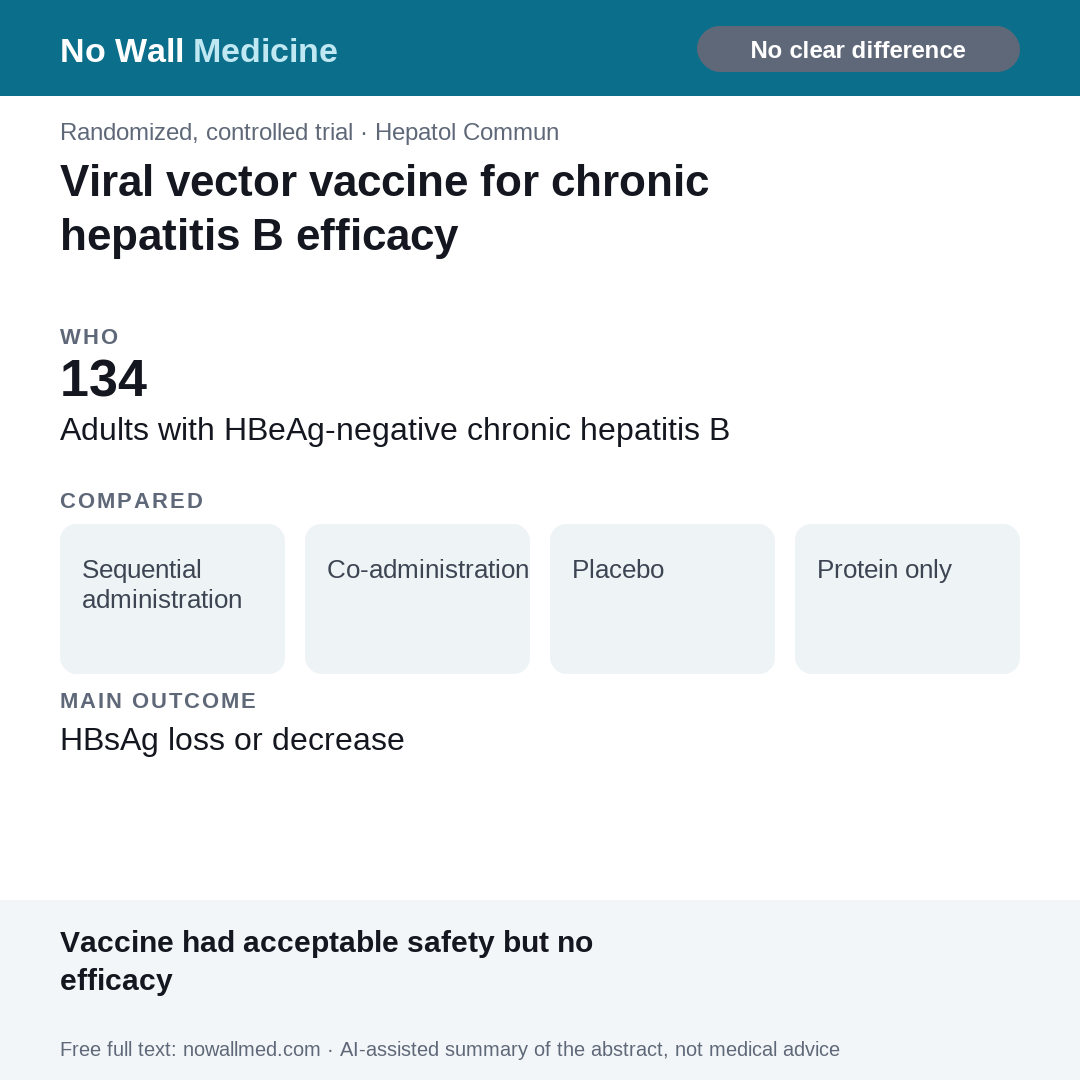
A randomized trial of viral vector and adjuvanted protein HBV therapeutic vaccine in people with chronic hepatitis B on nucleos(t)ide analogs
Randomized, controlled trialNo clear difference
Viral vector vaccine for chronic hepatitis B efficacy
Who
134
Adults with HBeAg-negative chronic hepatitis B
Compared
Sequential administration
Co-administration
Placebo
Protein only
Main outcome
HBsAg loss or decrease
Bottom line: Vaccine had acceptable safety but no efficacy
Hepatol Commun · 2026-08-20Download image
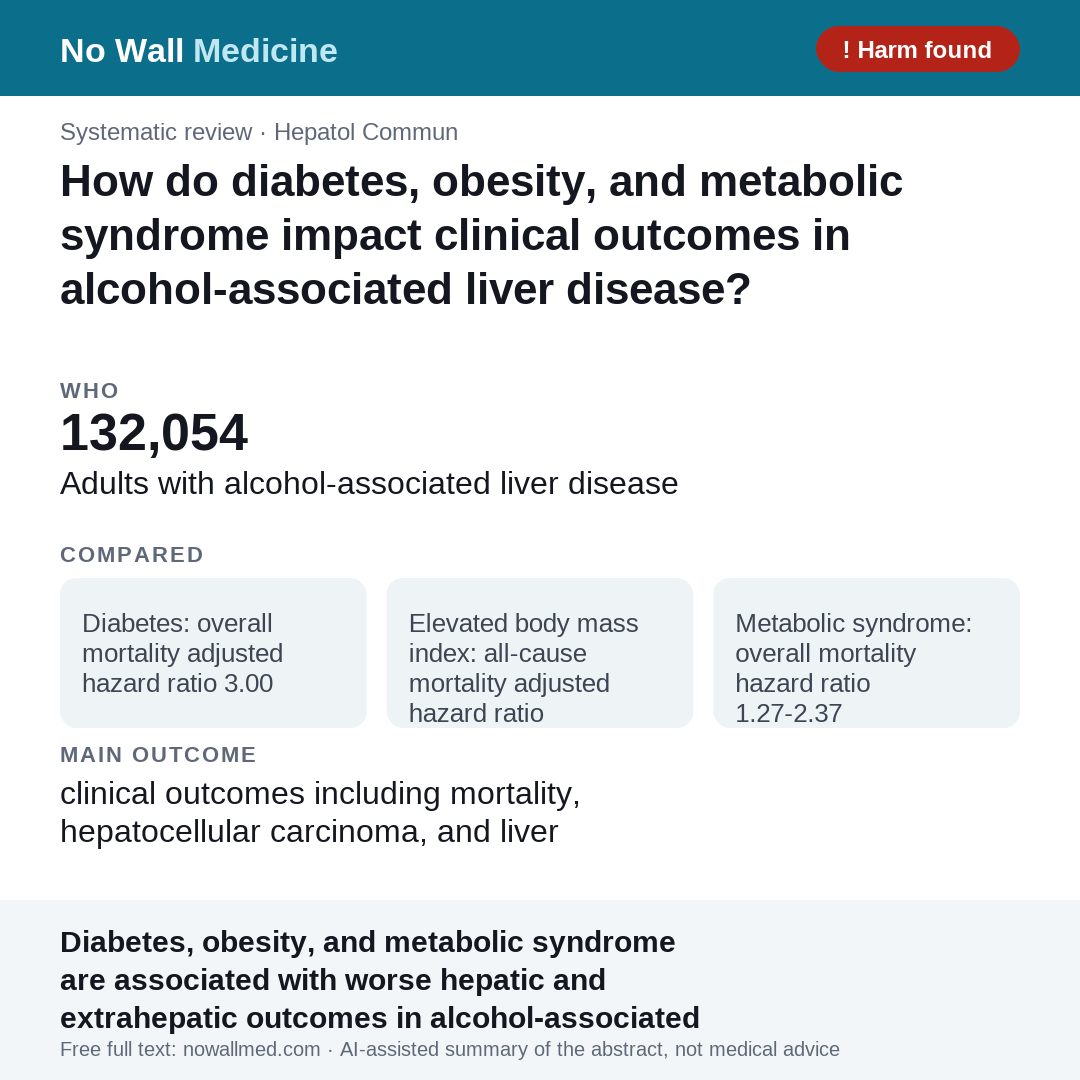
Effects of diabetes, obesity, and metabolic syndrome on alcohol-associated liver disease: A systematic review
Systematic reviewHarm found
How do diabetes, obesity, and metabolic syndrome impact clinical outcomes in alcohol-associated liver disease?
Who
132,054
Adults with alcohol-associated liver disease
Compared
Diabetes: overall mortality adjusted hazard ratio 3.00
Elevated body mass index: all-cause mortality adjusted hazard ratio 1.16-1.58
Metabolic syndrome: overall mortality hazard ratio 1.27-2.37
Main outcome
clinical outcomes including mortality, hepatocellular carcinoma, and liver transplantation
Bottom line: Diabetes, obesity, and metabolic syndrome are associated with worse hepatic and extrahepatic outcomes in alcohol-associated liver disease.
Hepatol Commun · 2026-08-20Download image
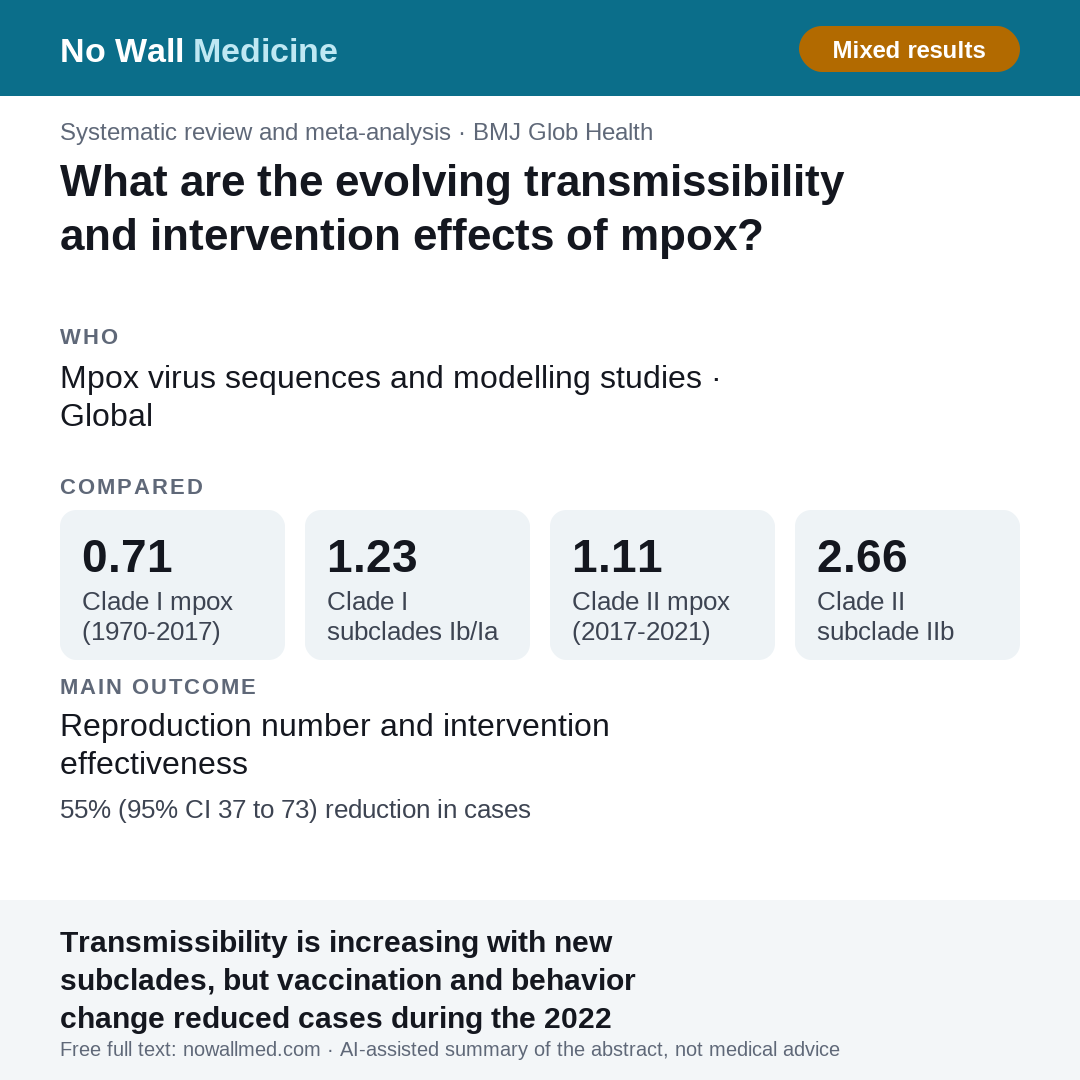
Dynamics of global mpox epidemics, 1970-2025: a systematic review and meta-analysis of evolving transmissibility and intervention effects
Systematic review and meta-analysisMixed results
What are the evolving transmissibility and intervention effects of mpox?
Who
Mpox virus sequences and modelling studies · Global
Compared
0.71Clade I mpox (1970-2017) (95% CI 0.26 to 1.17)
1.23Clade I subclades Ib/Ia (after 2023) (1.12-1.33)
1.11Clade II mpox (2017-2021) (0.90-1.32)
2.66Clade II subclade IIb (2022-2023) (2.31-3.00)
Main outcome
Reproduction number and intervention effectiveness
Result: 55% (95% CI 37 to 73) reduction in cases
Bottom line: Transmissibility is increasing with new subclades, but vaccination and behavior change reduced cases during the 2022 outbreak.
Limitation: Effect sizes varied across settings according to behavior change and vaccine rollout timing.
BMJ Glob Health · 2026-08-20Download image
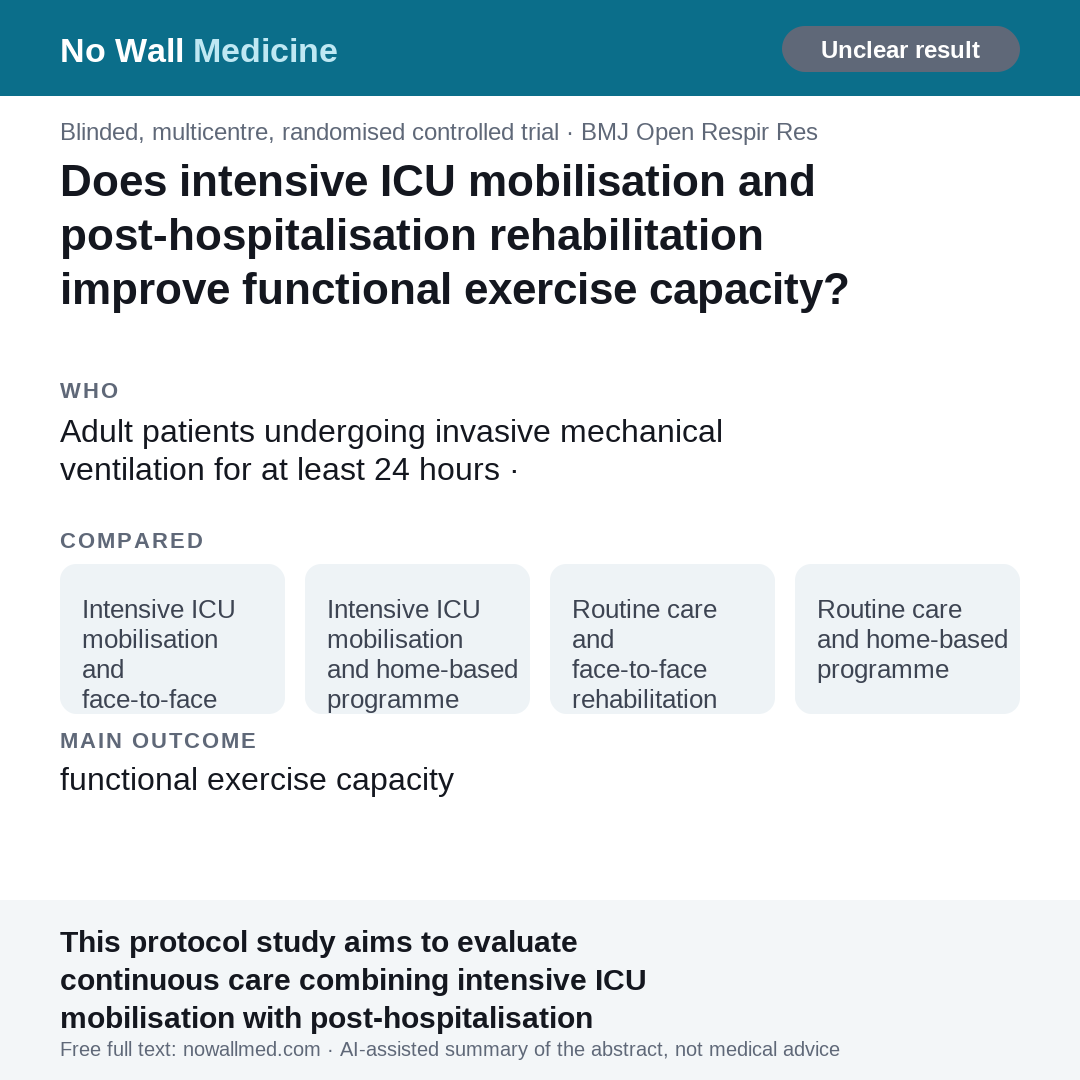
A protocol for the rehabilitation of patients undergoing mechanical ventilation from the ICU to the post-hospital phase: the MOVE-ICUtoHOME, a multicentre randomised controlled trial
Blinded, multicentre, randomised controlled trialUnclear result
Does intensive ICU mobilisation and post-hospitalisation rehabilitation improve functional exercise capacity?
Who
Adult patients undergoing invasive mechanical ventilation for at least 24 hours · Multicentre
Compared
Intensive ICU mobilisation and face-to-face rehabilitation
Intensive ICU mobilisation and home-based programme
Routine care and face-to-face rehabilitation
Routine care and home-based programme
Main outcome
functional exercise capacity
Bottom line: This protocol study aims to evaluate continuous care combining intensive ICU mobilisation with post-hospitalisation rehabilitation.
BMJ Open Respir Res · 2026-08-20Download image
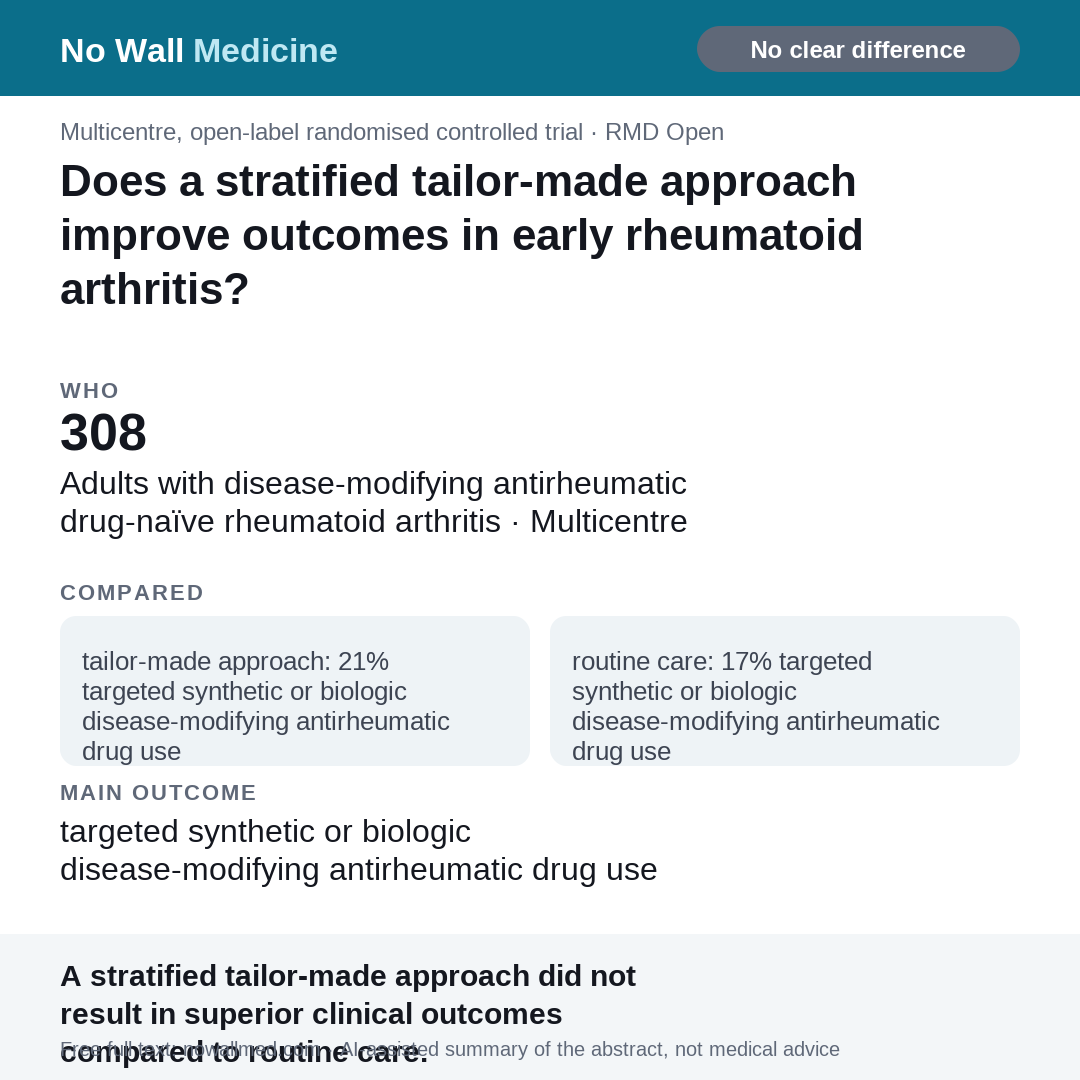
Exploring possibilities towards PeRsonalIsed MEdicine in Rheumatoid Arthritis (PRIMERA): tailored modifications to standard treat-to-target management-a multicentre, randomised, open-label trial
Multicentre, open-label randomised controlled trialNo clear difference
Does a stratified tailor-made approach improve outcomes in early rheumatoid arthritis?
Who
308
Adults with disease-modifying antirheumatic drug-naïve rheumatoid arthritis · Multicentre
Compared
tailor-made approach: 21% targeted synthetic or biologic disease-modifying antirheumatic drug use
routine care: 17% targeted synthetic or biologic disease-modifying antirheumatic drug use
Main outcome
targeted synthetic or biologic disease-modifying antirheumatic drug use
Bottom line: A stratified tailor-made approach did not result in superior clinical outcomes compared to routine care.
RMD Open · 2026-08-20Download image
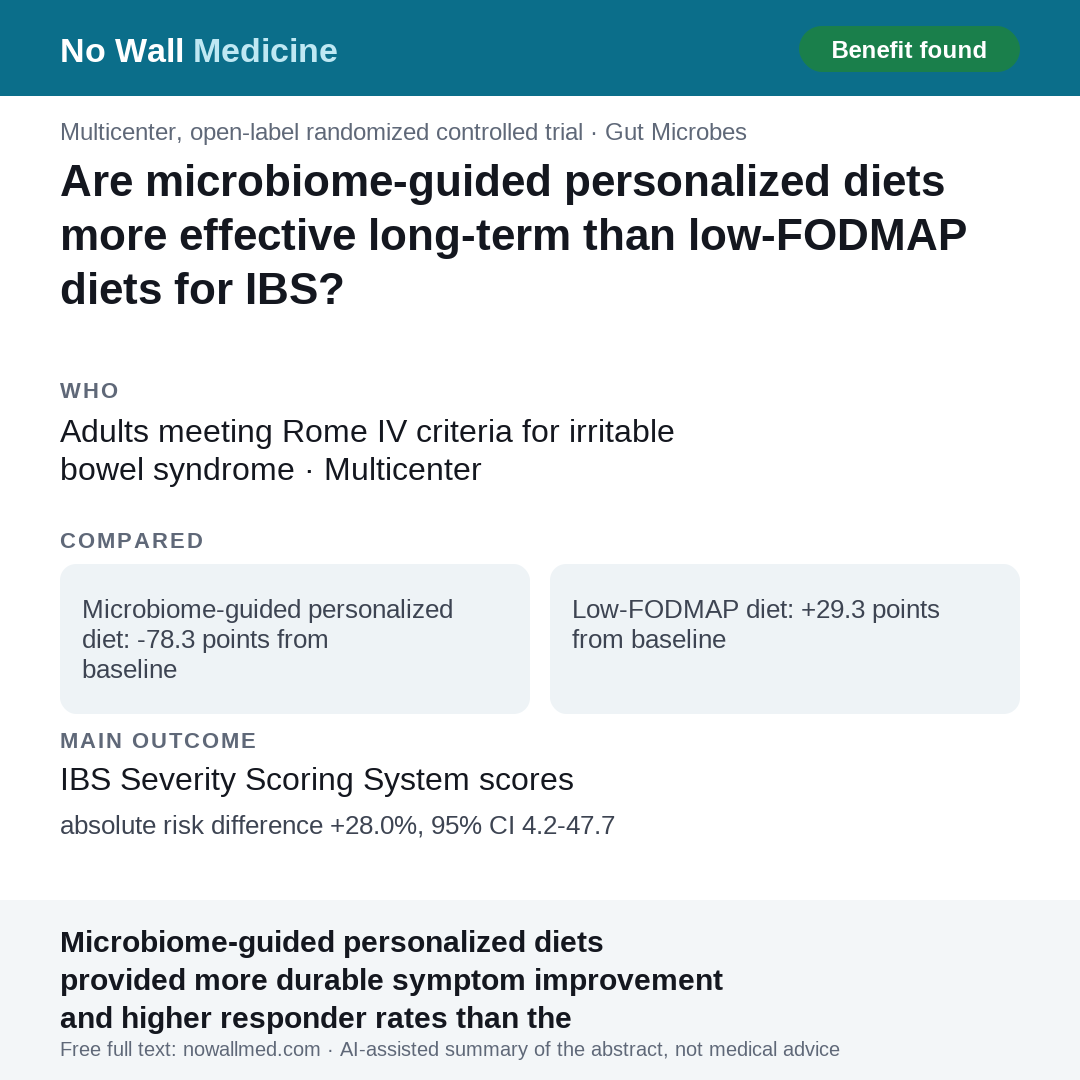
Long-term microbiome and clinical effects of a microbiome-guided personalized diet versus low-FODMAP diet in irritable bowel syndrome: A 12-month follow-up randomized controlled trial
Multicenter, open-label randomized controlled trialBenefit found
Are microbiome-guided personalized diets more effective long-term than low-FODMAP diets for IBS?
Who
Adults meeting Rome IV criteria for irritable bowel syndrome · Multicenter
Compared
Microbiome-guided personalized diet: -78.3 points from baseline
Low-FODMAP diet: +29.3 points from baseline
Main outcome
IBS Severity Scoring System scores
Result: absolute risk difference +28.0%, 95% CI 4.2-47.7
Bottom line: Microbiome-guided personalized diets provided more durable symptom improvement and higher responder rates than the low-FODMAP diet at 12 months.
Gut Microbes · 2026-08-20Download image
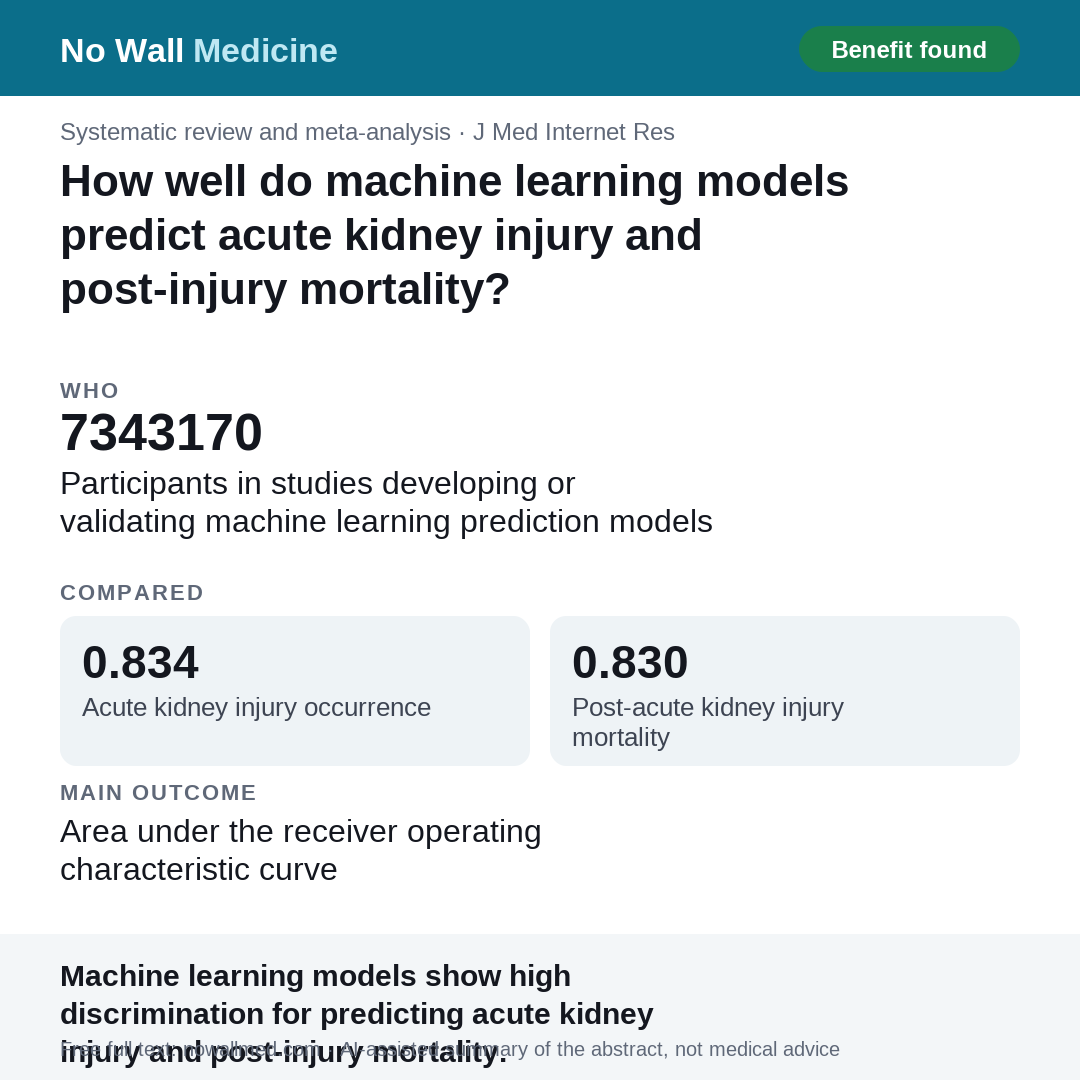
AI Models for Predicting Acute Kidney Injury (AKI) and Post-AKI Mortality: Systematic Review and Meta-Analysis
Systematic review and meta-analysisKey finding
How well do machine learning models predict acute kidney injury and post-injury mortality?
Who
7343170
Participants in studies developing or validating machine learning prediction models
Compared
0.834Acute kidney injury occurrence (95% CI 0.821-0.846)
0.830Post-acute kidney injury mortality (95% CI 0.807-0.851)
Main outcome
Area under the receiver operating characteristic curve
Bottom line: Machine learning models show high discrimination for predicting acute kidney injury and post-injury mortality.
Limitation: High heterogeneity, limited external or prospective validation, and inconsistent reporting of calibration and clinical utility.
J Med Internet Res · 2026-08-20Download image
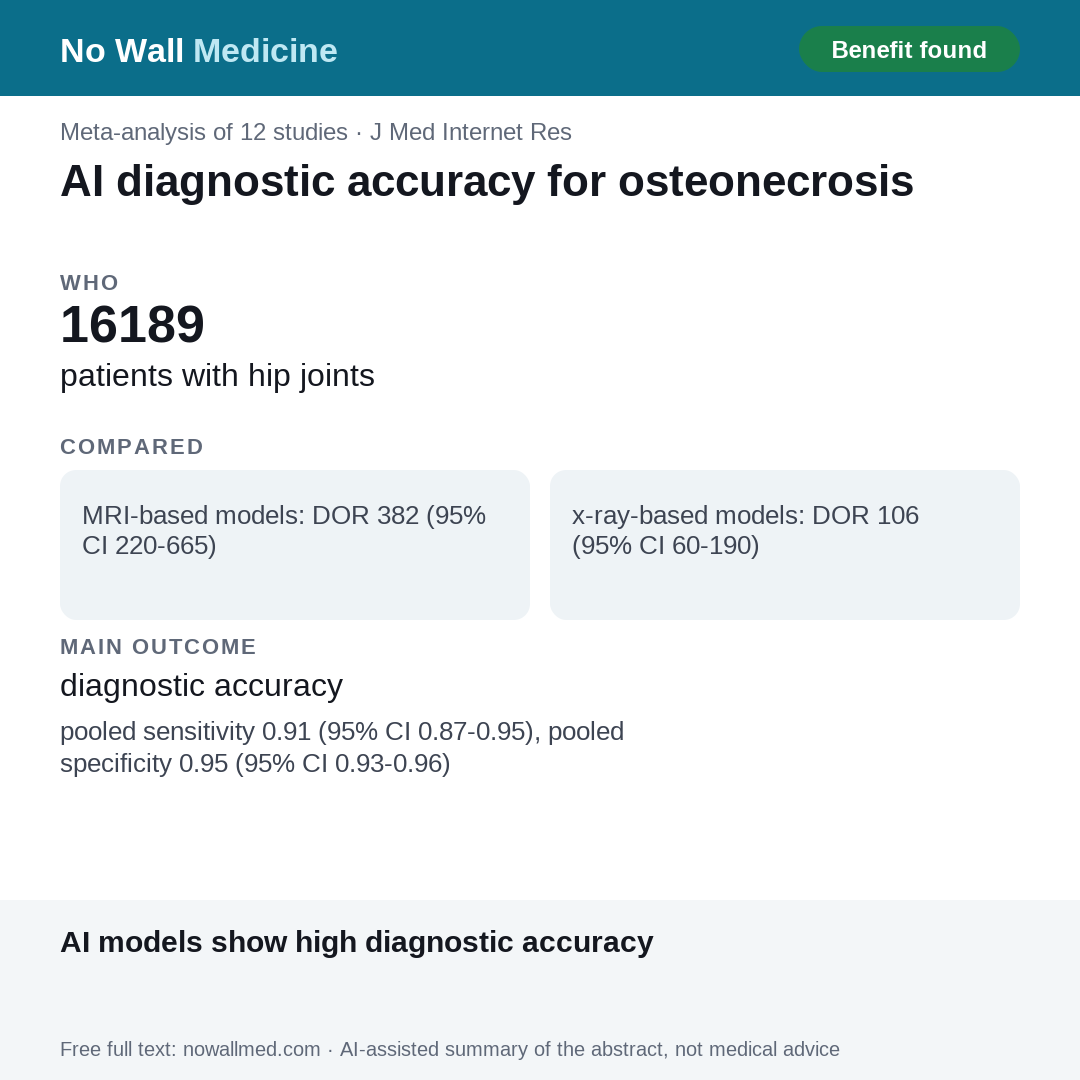
Diagnostic Accuracy of Medical Imaging-Based Artificial Intelligence for Osteonecrosis of the Femoral Head: Systematic Review and Meta-Analysis
Meta-analysis of 12 studiesKey finding
AI diagnostic accuracy for osteonecrosis
Who
16189
patients with hip joints
Compared
MRI-based models: DOR 382 (95% CI 220-665)
x-ray-based models: DOR 106 (95% CI 60-190)
Main outcome
diagnostic accuracy
Result: pooled sensitivity 0.91 (95% CI 0.87-0.95), pooled specificity 0.95 (95% CI 0.93-0.96)
Bottom line: AI models show high diagnostic accuracy
Limitation: limited studies and retrospective designs
J Med Internet Res · 2026-08-20Download image
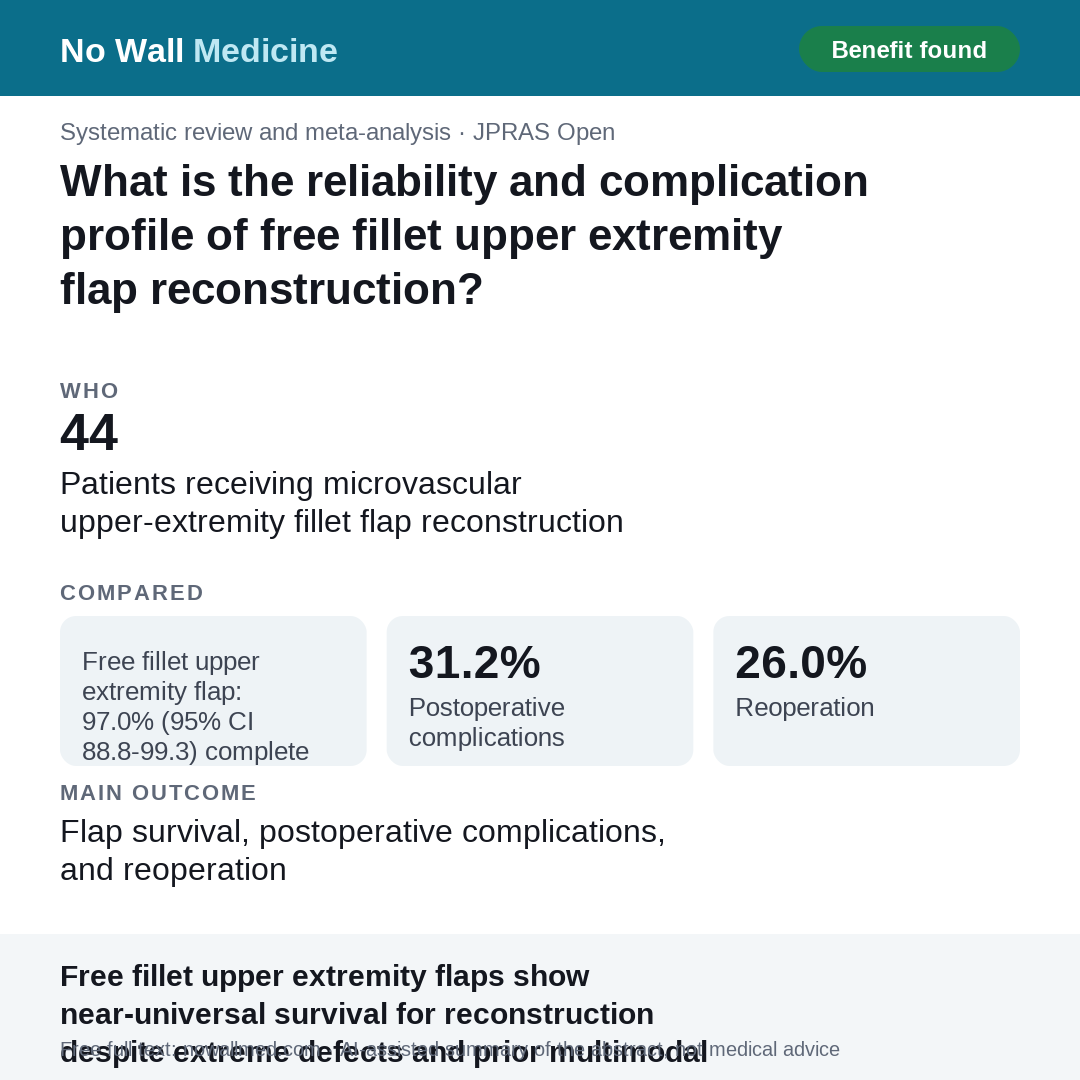
Free fillet upper extremity flap reconstruction after forequarter amputation: A systematic review and meta-analysis
Systematic review and meta-analysisBenefit found
What is the reliability and complication profile of free fillet upper extremity flap reconstruction?
Who
44
Patients receiving microvascular upper-extremity fillet flap reconstruction
Compared
Free fillet upper extremity flap: 97.0% (95% CI 88.8-99.3) complete flap survival
31.2%Postoperative complications (95% CI 18.7-47.3)
26.0%Reoperation (95% CI 14.6-42.0)
Main outcome
Flap survival, postoperative complications, and reoperation
Bottom line: Free fillet upper extremity flaps show near-universal survival for reconstruction despite extreme defects and prior multimodal therapy.
Limitation: Substantial heterogeneity and limited evidence from small series and case reports.
JPRAS Open · 2026-08-20Download image
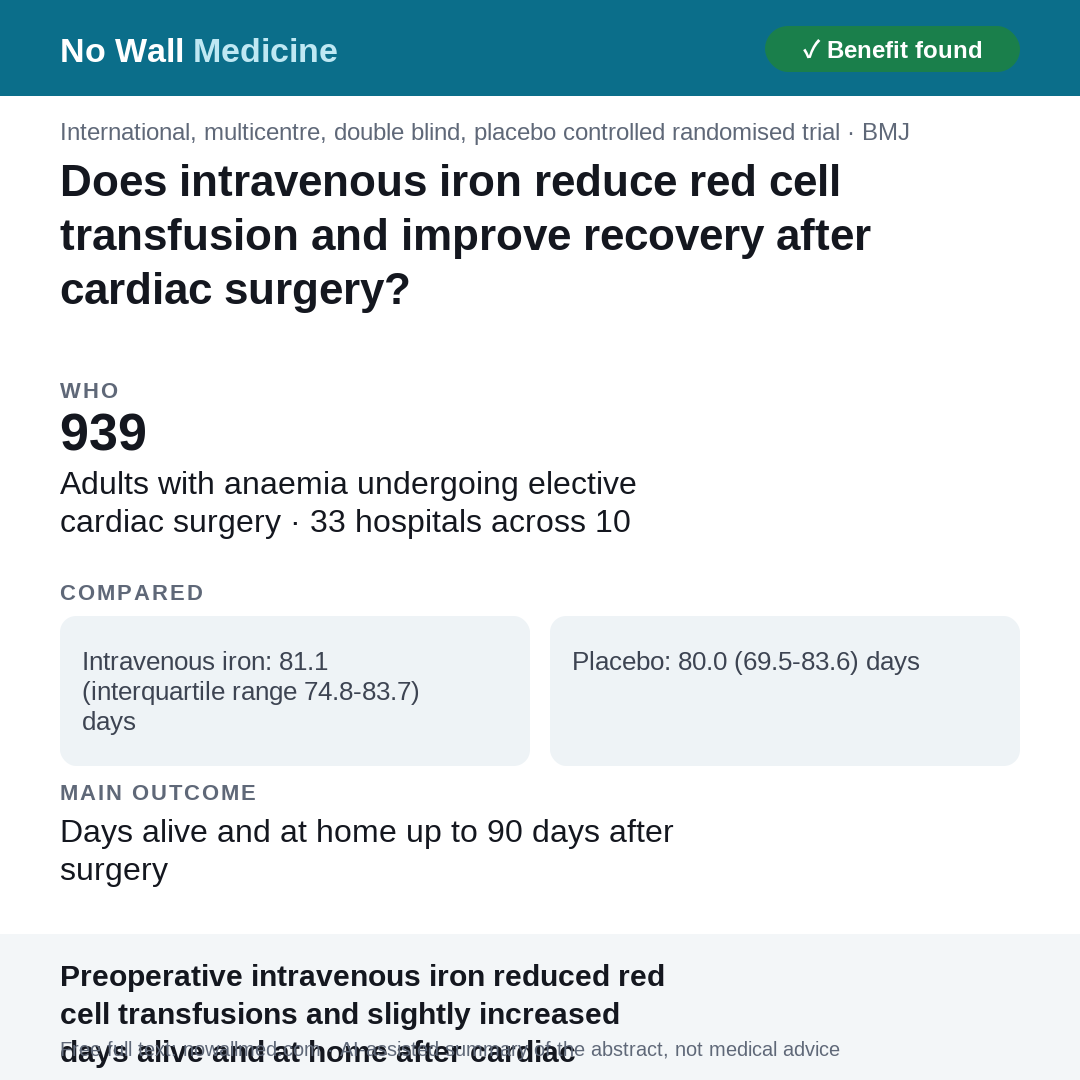
Intravenous iron to treat anaemia before cardiac surgery (ITACS): international, double blind, placebo controlled randomised trial
International, multicentre, double blind, placebo controlled randomised trialBenefit found
Does intravenous iron reduce red cell transfusion and improve recovery after cardiac surgery?
Who
939
Adults with anaemia undergoing elective cardiac surgery · 33 hospitals across 10 countries
Compared
Intravenous iron: 81.1 (interquartile range 74.8-83.7) days
Placebo: 80.0 (69.5-83.6) days
Main outcome
Days alive and at home up to 90 days after surgery
Result: adjusted median difference 1.0 day, 95.4% confidence interval 0.0 to 2.1 days
Bottom line: Preoperative intravenous iron reduced red cell transfusions and slightly increased days alive and at home after cardiac surgery.
BMJ · 2026-08-19Download image
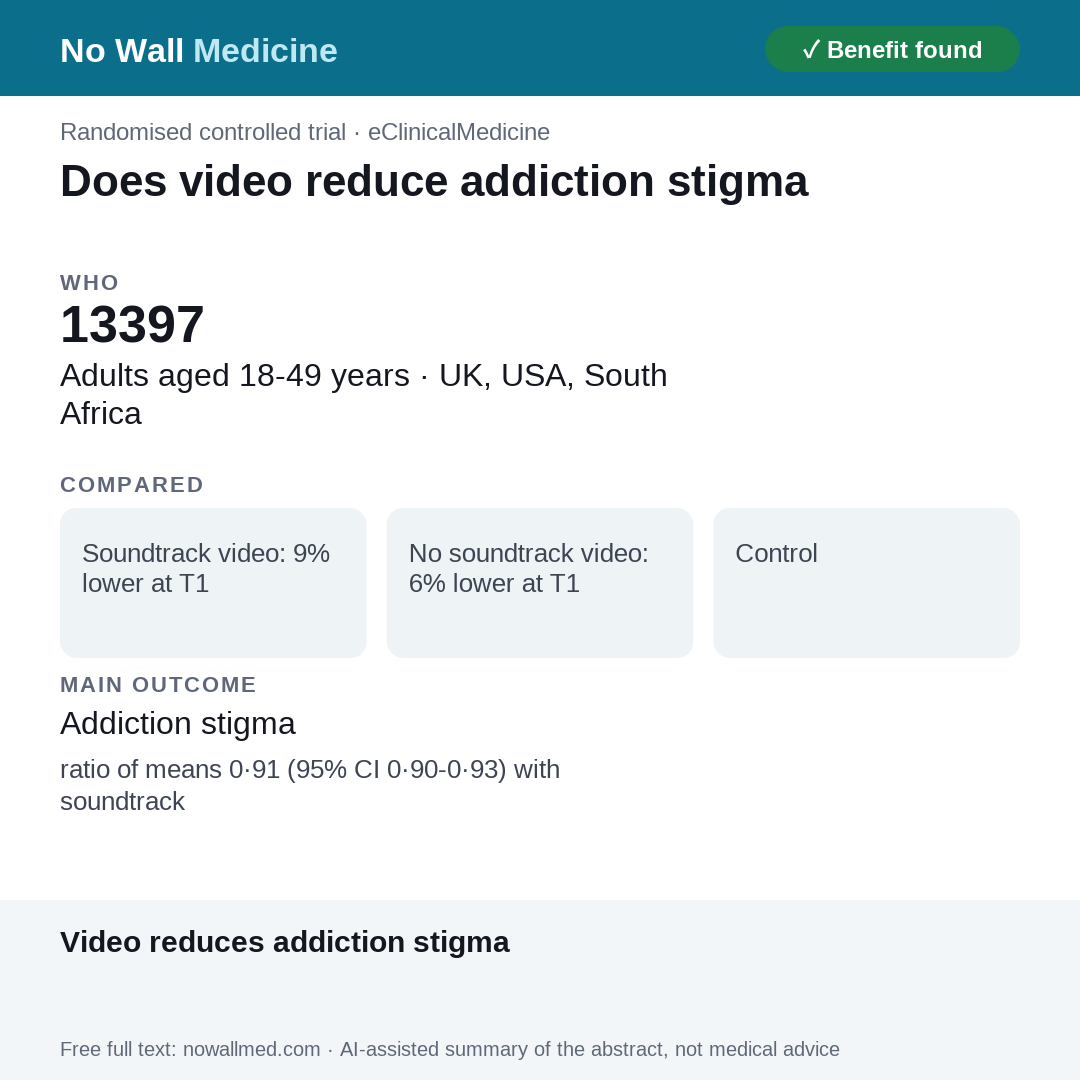
Short, animated storytelling social contact videos reduce addiction stigma in the UK, USA, and South Africa: a randomised controlled trial of 13,397 participants
Randomised controlled trialBenefit found
Does video reduce addiction stigma
Who
13397
Adults aged 18-49 years · UK, USA, South Africa
Compared
Soundtrack video: 9% lower at T1
No soundtrack video: 6% lower at T1
Control
Main outcome
Addiction stigma
Result: ratio of means 0·91 (95% CI 0·90-0·93) with soundtrack
Bottom line: Video reduces addiction stigma
Funded by: Heidelberg Institute for Global Health
eClinicalMedicine · 2026-08-19Download image
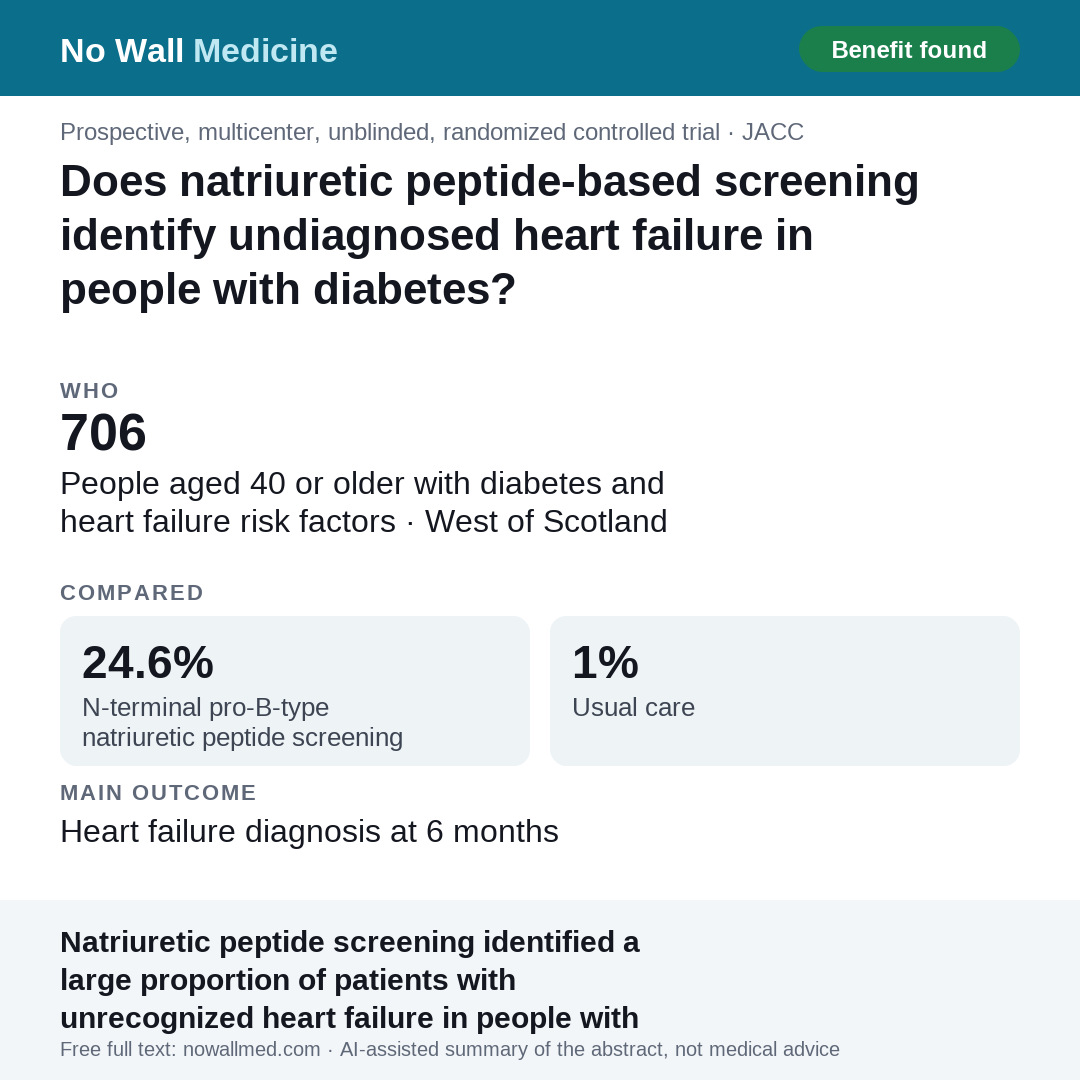
Targeted Assessment in High-Risk Patients With Diabetes to Identify Undiagnosed Heart Failure (TARTAN-HF)
Prospective, multicenter, unblinded, randomized controlled trialBenefit found
Does natriuretic peptide-based screening identify undiagnosed heart failure in people with diabetes?
Who
706
People aged 40 or older with diabetes and heart failure risk factors · West of Scotland
Compared
24.6%N-terminal pro-B-type natriuretic peptide screening
1%Usual care
Main outcome
Heart failure diagnosis at 6 months
Result: OR: 58 (95% CI: 14-236)
Bottom line: Natriuretic peptide screening identified a large proportion of patients with unrecognized heart failure in people with diabetes.
JACC · 2026-08-19Download image
Epidemiological impact of a dual-action insecticidal coating applied to Aedes aegypti breeding sites on dengue transmission in Colombia: a cluster-randomised trial
Cluster-randomised trialBenefit found
Does a dual-action insecticidal coating on water containers reduce dengue transmission?
Who
20 community clusters in metropolitan Cúcuta, Colombia · Metropolitan Cúcuta, Colombia
Compared
Intervention: 337·1 cases per 100 000 population
Control: 528·5 cases per 100 000 population
Main outcome
Change in annual dengue incidence
Result: incidence rate ratio 0·55 (95% CI 0·45-0·68)
Bottom line: A dual-action insecticidal coating on water containers reduced dengue incidence and Aedes aegypti infestation in Colombia.
Lancet Infect Dis · 2026-08-19Download image

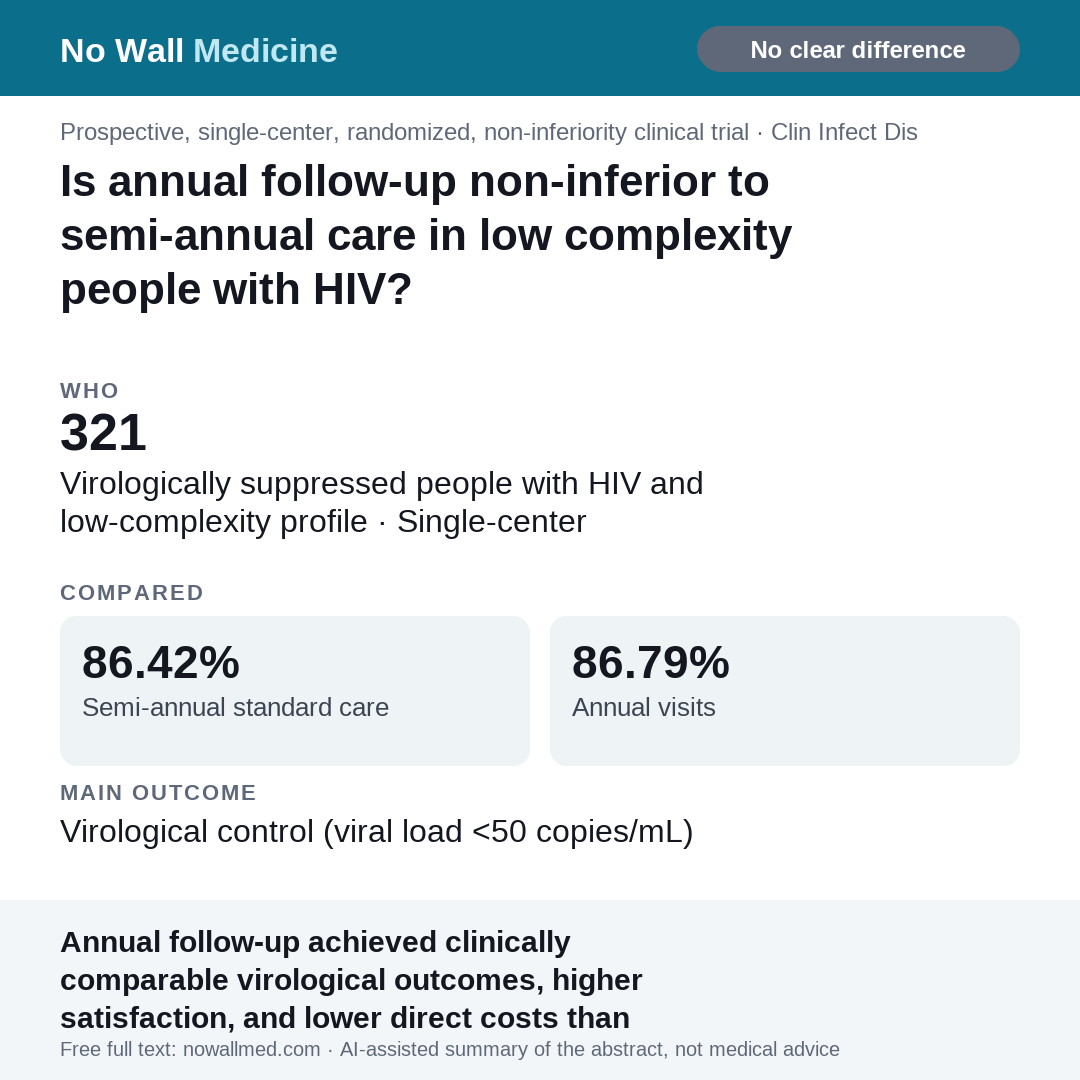
Annual vs semi-annual follow-up in low complexity virologically suppressed people with HIV: a randomized interventional trial
Prospective, single-center, randomized, non-inferiority clinical trialNo clear difference
Is annual follow-up non-inferior to semi-annual care in low complexity people with HIV?
Who
321
Virologically suppressed people with HIV and low-complexity profile · Single-center
Compared
86.42%Semi-annual standard care (ITT)
86.79%Annual visits (ITT)
Main outcome
Virological control (viral load <50 copies/mL)
Bottom line: Annual follow-up achieved clinically comparable virological outcomes, higher satisfaction, and lower direct costs than semi-annual care.
Clin Infect Dis · 2026-08-19Download image