Visual abstracts
New randomized trials and meta-analyses from leading journals at a glance: who was studied, what was compared, and what was found. Every paper is free to read in full.
All specialtiesCardiology 1866Oncology 1600Gastroenterology & Hepatology 706Infectious Disease 1185Neurology 772Psychiatry & Mental Health 914Pulmonology 799Critical Care 542Endocrinology & Diabetes 1008Pediatrics 1109Surgery 944Orthopedics & Sports Medicine 348Neurosurgery 233Cardiothoracic & Vascular Surgery 205Plastic & Reconstructive Surgery 288Nephrology 382Rheumatology 261Hematology 404Dermatology 203Ophthalmology 222Obstetrics & Gynecology 611Public & Global Health 361Radiology & Imaging 255Anesthesiology 372Urology 319ENT (Otolaryngology) 249Emergency Medicine 211Allergy & Immunology 121Geriatrics 400Family Medicine & Primary Care 222Medical Genetics & Genomics 204Pathology & Laboratory Medicine 57Physical Medicine & Rehabilitation 327Palliative Care 168Nutrition 501Digital Health & AI 991General Medicine 144
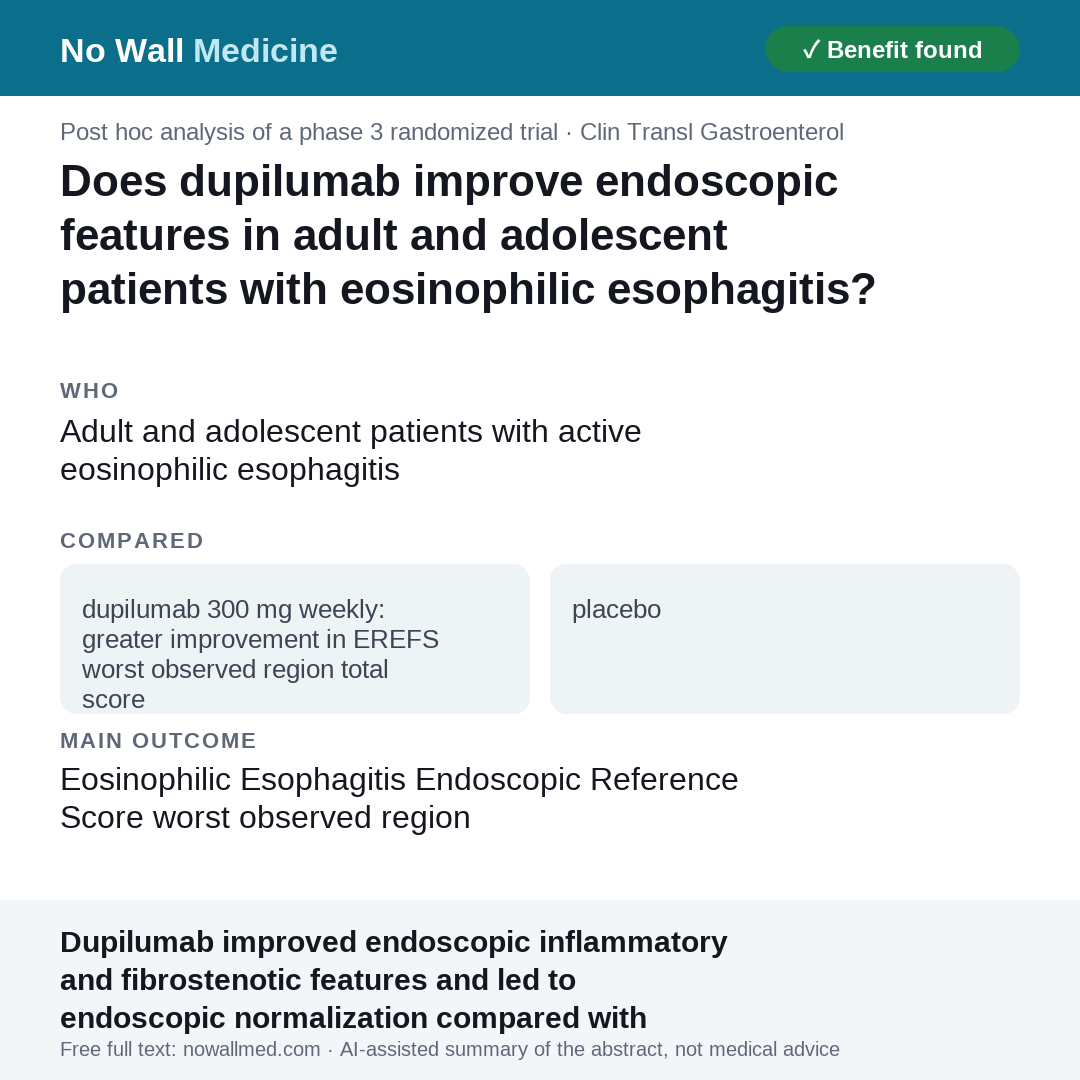
Dupilumab Improves Endoscopic Features in Adult and Adolescent Patients with Eosinophilic Esophagitis: Post Hoc Analysis of LIBERTY EoE TREET Study
Post hoc analysis of a phase 3 randomized trialBenefit found
Does dupilumab improve endoscopic features in adult and adolescent patients with eosinophilic esophagitis?
Who
Adult and adolescent patients with active eosinophilic esophagitis
Compared
dupilumab 300 mg weekly: greater improvement in EREFS worst observed region total score
placebo
Main outcome
Eosinophilic Esophagitis Endoscopic Reference Score worst observed region
Result: least squares mean difference -2.17 (95% CI -2.59 to -1.75)
Bottom line: Dupilumab improved endoscopic inflammatory and fibrostenotic features and led to endoscopic normalization compared with placebo.
Clin Transl Gastroenterol · 2026-08-27Download image
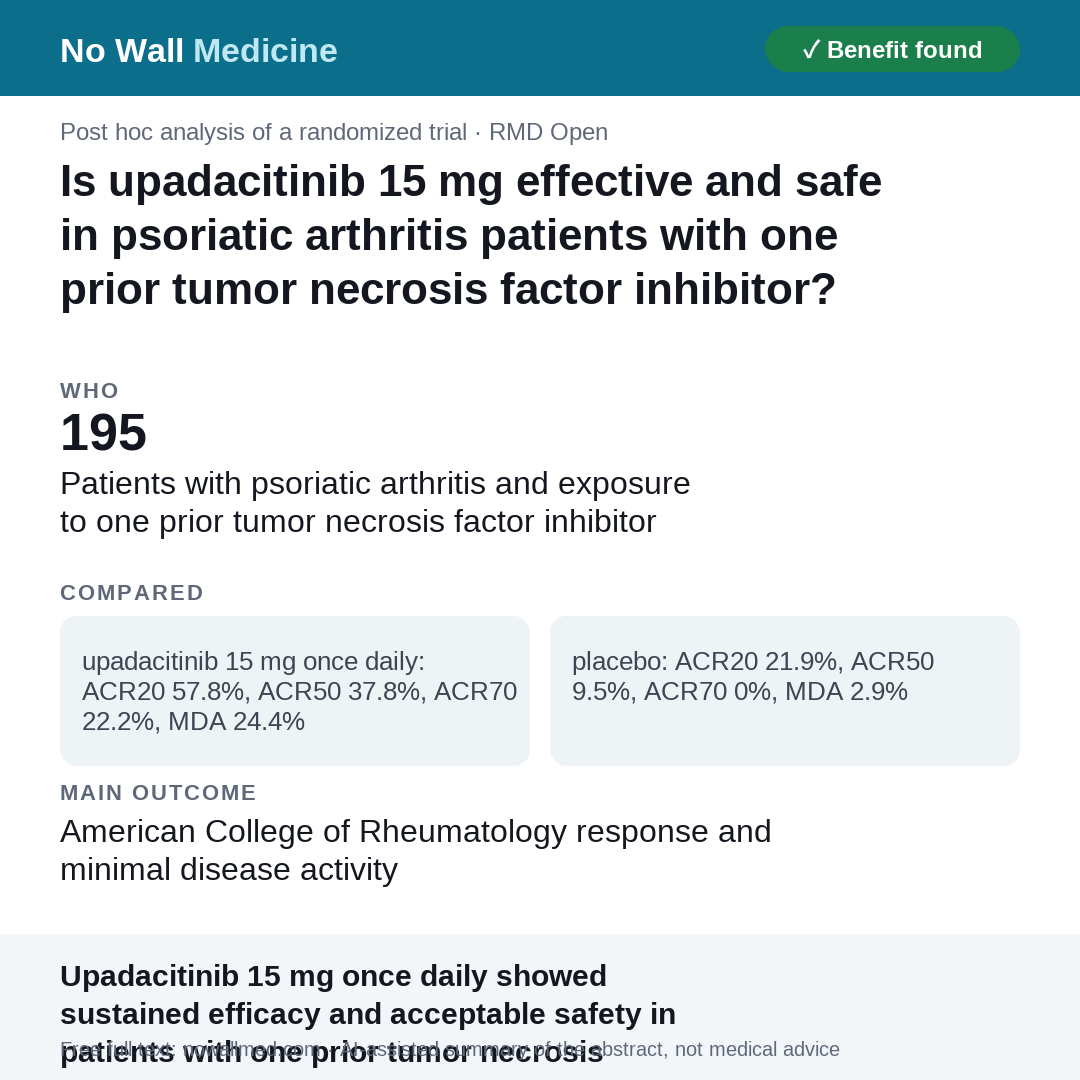
Efficacy and safety of upadacitinib in patients with psoriatic arthritis and exposure to one anti-TNF: post hoc analysis of SELECT-PsA 2
Post hoc analysis of a randomized trialBenefit found
Is upadacitinib 15 mg effective and safe in psoriatic arthritis patients with one prior tumor necrosis factor inhibitor?
Who
195
Patients with psoriatic arthritis and exposure to one prior tumor necrosis factor inhibitor
Compared
upadacitinib 15 mg once daily: ACR20 57.8%, ACR50 37.8%, ACR70 22.2%, MDA 24.4%
placebo: ACR20 21.9%, ACR50 9.5%, ACR70 0%, MDA 2.9%
Main outcome
American College of Rheumatology response and minimal disease activity
Bottom line: Upadacitinib 15 mg once daily showed sustained efficacy and acceptable safety in patients with one prior tumor necrosis factor inhibitor.
RMD Open · 2026-08-27Download image
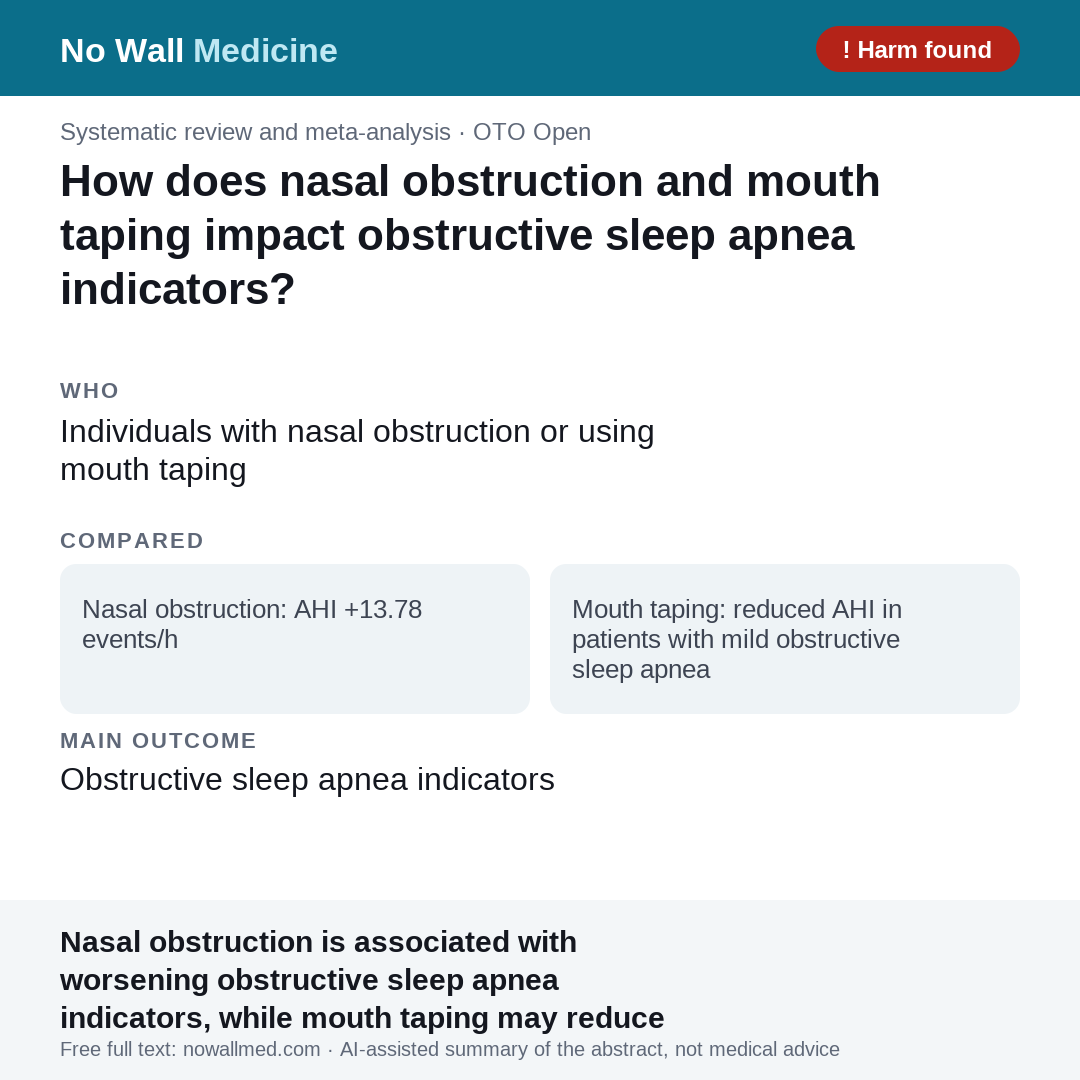
Impact of Nasal Obstruction and Mouth Taping on Sleep Apnea Indicators: Systematic Review and Meta-Analysis
Systematic review and meta-analysisHarm found
How does nasal obstruction and mouth taping impact obstructive sleep apnea indicators?
Who
Individuals with nasal obstruction or using mouth taping
Compared
Nasal obstruction: AHI +13.78 events/h
Mouth taping: reduced AHI in patients with mild obstructive sleep apnea
Main outcome
Obstructive sleep apnea indicators
Bottom line: Nasal obstruction is associated with worsening obstructive sleep apnea indicators, while mouth taping may reduce apnea in mild cases.
Limitation: The heterogeneity among studies limits the generalizability of these data.
OTO Open · 2026-08-27Download image
A multi-faceted hospital-based intervention for intrapartum care in sub-Saharan Africa: a stepped-wedge cluster-randomized trial
Stepped-wedge cluster-randomized trialBenefit found
Does the multi-faceted ALERT intervention reduce early perinatal mortality and morbidity?
Who
134,630
Women and neonates in sub-Saharan African hospitals · 16 hospitals in Benin, Malawi, Tanzania and Uganda
Compared
Intervention
Control
Main outcome
Early perinatal mortality (fresh stillbirth and 24h neonatal mortality)
Result: adjusted odds ratio 0.78 (95% confidence interval 0.65-0.94)
Bottom line: The multi-faceted ALERT intervention was associated with 22% lower odds of early perinatal mortality.
Limitation: The study only included 16 hospitals.
Nat Med · 2026-08-26Download image

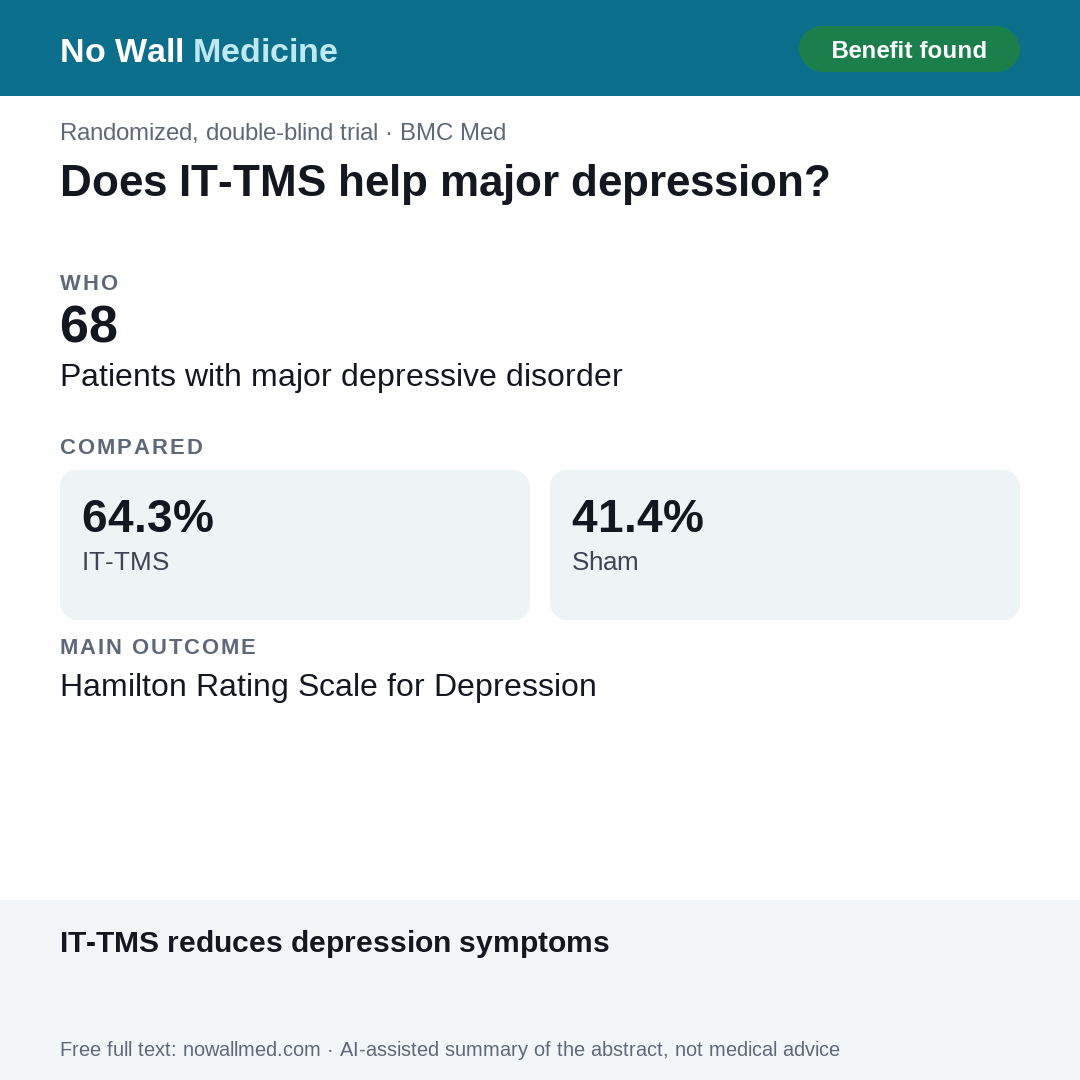
Safety and efficacy of individualized target transcranial magnetic stimulation for major depressive disorder based on DLPFC-pgACC functional connectivity: a randomized, sham-controlled clinical trial
Randomized, double-blind trialBenefit found
Does IT-TMS help major depression?
Who
68
Patients with major depressive disorder
Compared
64.3%IT-TMS (95% CI: 55.9-72.7)
41.4%Sham (95% CI: 33.9-48.8)
Main outcome
Hamilton Rating Scale for Depression
Bottom line: IT-TMS reduces depression symptoms
BMC Med · 2026-08-26Download image
Secondary prevention of cancer therapy-induced thrombocytopenia with hetrombopag in breast cancer: a multicenter, randomized, exploratory phase II trial
Multicenter, randomized, exploratory phase II trialBenefit found
Is hetrombopag effective for managing and preventing cancer therapy-induced thrombocytopenia in breast cancer?
Who
66
Breast cancer patients with platelet counts < 50 × 10⁹/L · Multicenter
Compared
87.9%hetrombopag (29/33)
81.8%subcutaneous recombinant human thrombopoietin (27/33)
Main outcome
Response rate during the thrombocytopenia treatment phase
Bottom line: Hetrombopag is a promising and well-tolerated strategy for managing cancer therapy-induced thrombocytopenia in breast cancer patients.
BMC Med · 2026-08-26Download image

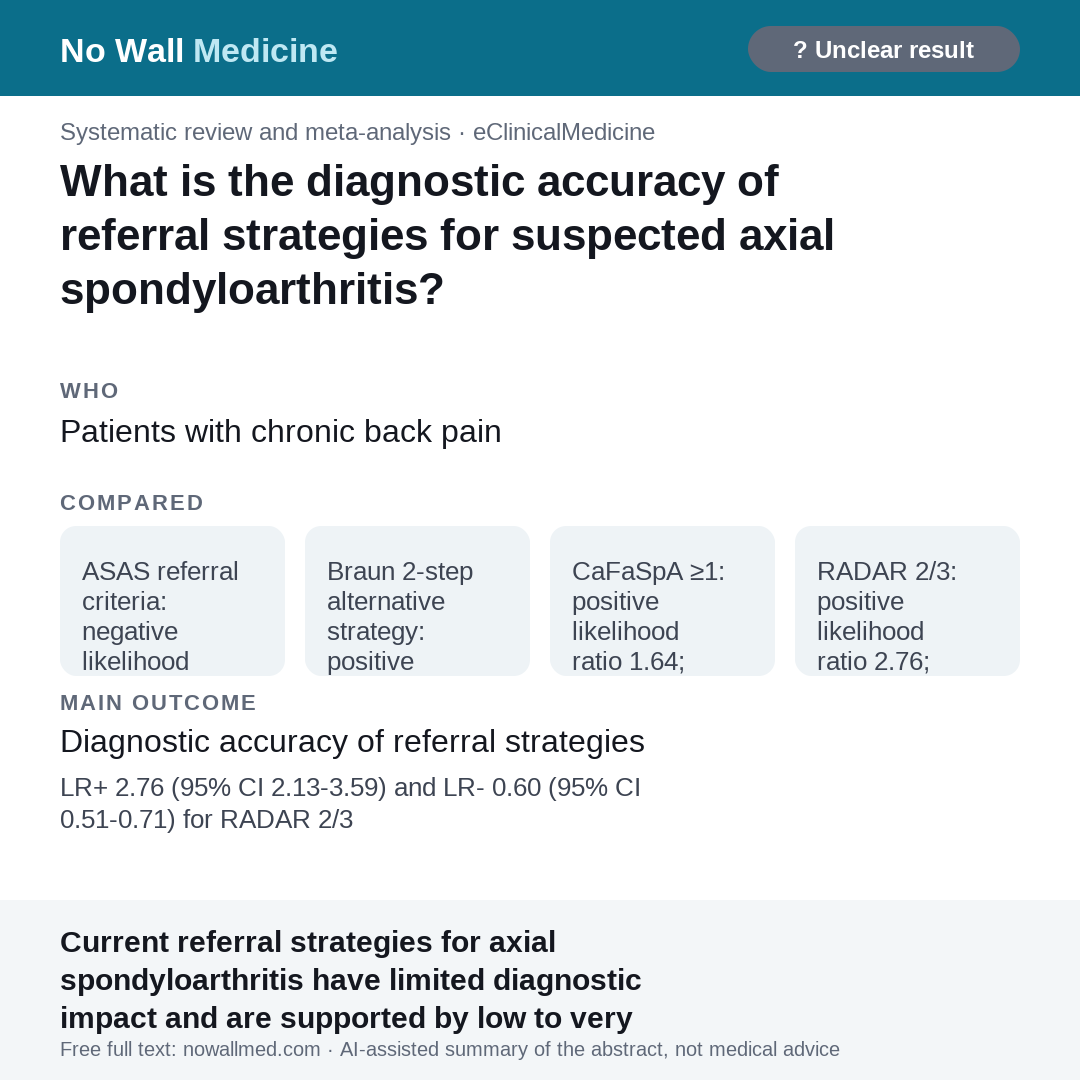
Performance of referral strategies for patients with suspected axial spondyloarthritis: a systematic review with meta-analysis
Systematic review and meta-analysisUnclear result
What is the diagnostic accuracy of referral strategies for suspected axial spondyloarthritis?
Who
Patients with chronic back pain
Compared
ASAS referral criteria: negative likelihood ratio 0.18
Braun 2-step alternative strategy: positive likelihood ratio 2.02; negative likelihood ratio 0.38
CaFaSpA ≥1: positive likelihood ratio 1.64; negative likelihood ratio 0.43
RADAR 2/3: positive likelihood ratio 2.76; negative likelihood ratio 0.60
Main outcome
Diagnostic accuracy of referral strategies
Result: LR+ 2.76 (95% CI 2.13-3.59) and LR- 0.60 (95% CI 0.51-0.71) for RADAR 2/3
Bottom line: Current referral strategies for axial spondyloarthritis have limited diagnostic impact and are supported by low to very low-certainty evidence.
Limitation: Risk of bias was high across all strategies, resulting in low to very low certainty of evidence.
eClinicalMedicine · 2026-08-26Download image
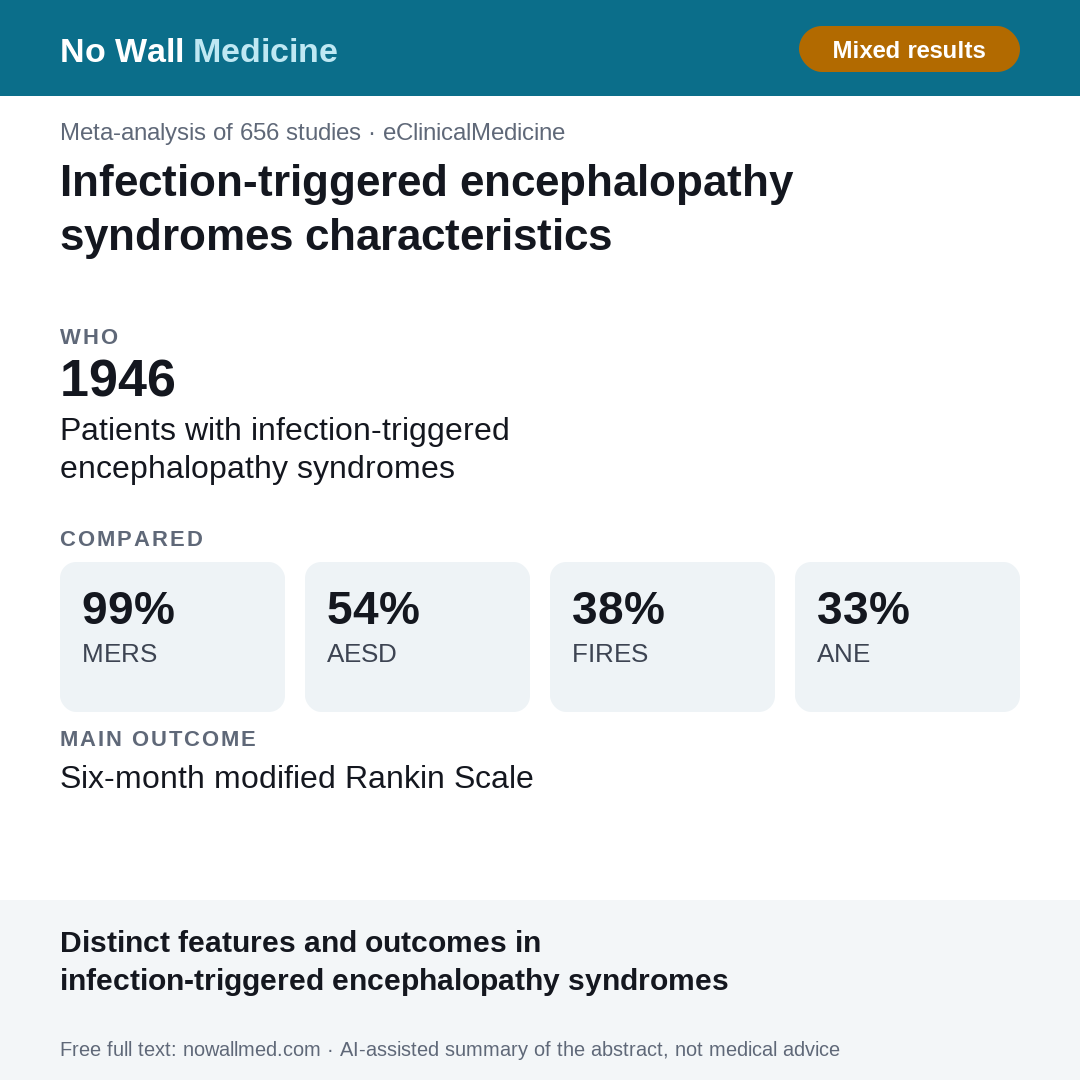
Infection-triggered encephalopathy syndromes: a meta-analysis of clinical characteristics and outcomes in 1946 cases
Meta-analysis of 656 studiesMixed results
Infection-triggered encephalopathy syndromes characteristics
Who
1946
Patients with infection-triggered encephalopathy syndromes
Compared
99%MERS (95% CI 97-100; 323/326)
54%AESD (95% CI 44-64; 50/93)
38%FIRES (95% CI 33-44; 120/314)
33%ANE (95% CI 27-38; 88/269)
Main outcome
Six-month modified Rankin Scale
Bottom line: Distinct features and outcomes in infection-triggered encephalopathy syndromes
Funded by: No funding received
eClinicalMedicine · 2026-08-26Download image
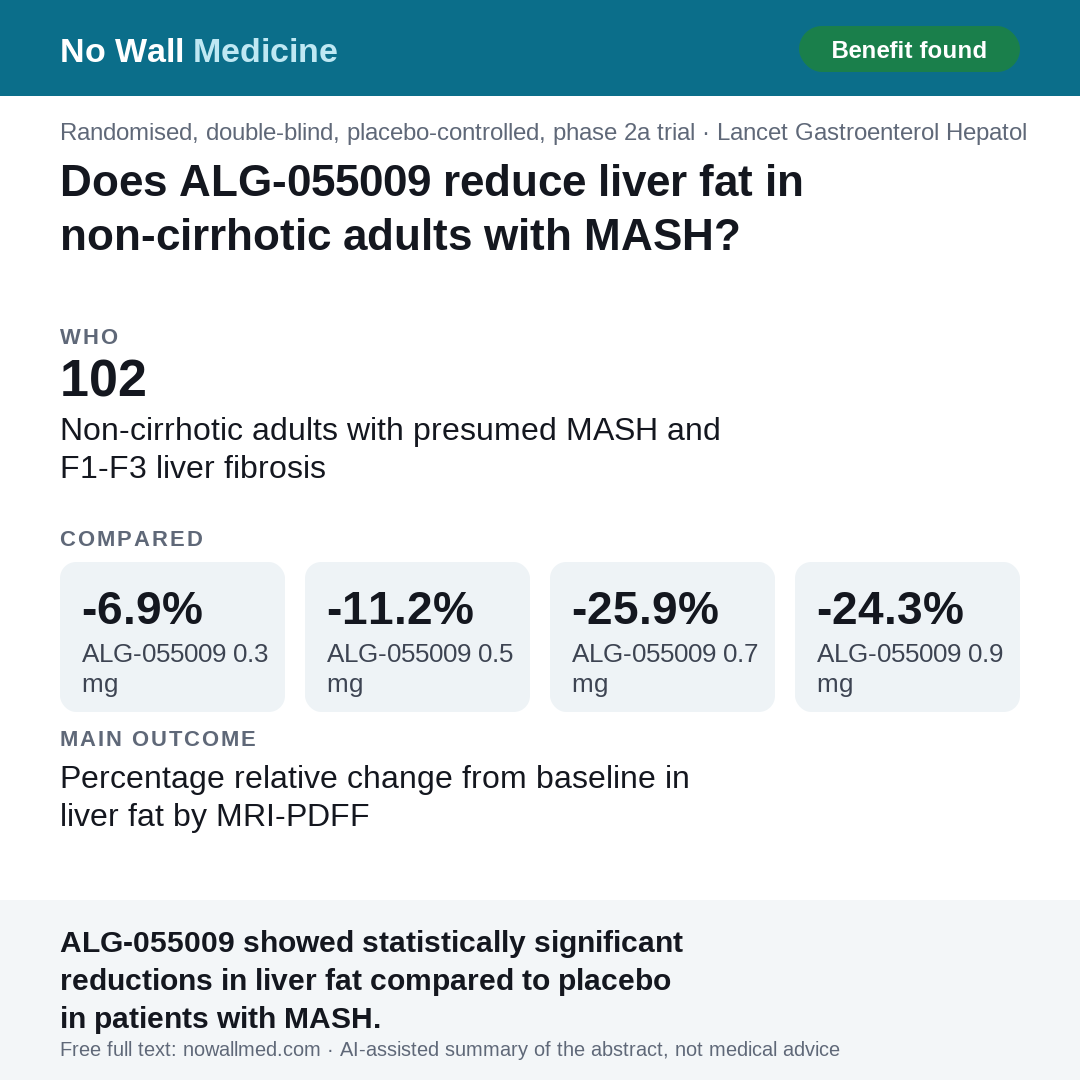
ALG-055009 in non-cirrhotic adults with metabolic dysfunction-associated steatohepatitis (HERALD): a randomised, double-blind, placebo-controlled, phase 2a trial
Randomised, double-blind, placebo-controlled, phase 2a trialBenefit found
Does ALG-055009 reduce liver fat in non-cirrhotic adults with MASH?
Who
102
Non-cirrhotic adults with presumed MASH and F1-F3 liver fibrosis
Compared
-6.9%ALG-055009 0.3 mg
-11.2%ALG-055009 0.5 mg
-25.9%ALG-055009 0.7 mg
-24.3%ALG-055009 0.9 mg
Main outcome
Percentage relative change from baseline in liver fat by MRI-proton density fat fraction
Bottom line: ALG-055009 significantly reduced liver fat in patients with MASH, particularly at the 0.7 mg and 0.9 mg doses.
Funded by: Aligos Therapeutics
Lancet Gastroenterol Hepatol · 2026-08-26Download image
Open Dialogue versus treatment as usual for adults presenting in crisis to mental health services in England (the ODDESSI Trial): a multisite cluster-randomised trial
Multicentre, parallel two-arm, cluster-randomised, controlled superiority trialNo clear difference
Is Open Dialogue more effective than treatment as usual for adults in mental health crisis?
Who
494
Adults aged 18 years or older presenting in crisis to mental health services · Five National Health Service trusts in London and South England
Compared
Open Dialogue
Treatment as usual
Main outcome
Time in days to first relapse following initial recovery
Result: marginal hazard ratio 0·95 (95% CI 0·67-1·32)
Bottom line: Open Dialogue showed no significant difference in time to relapse compared to treatment as usual for adults in crisis.
Lancet Psychiatry · 2026-08-26Download image

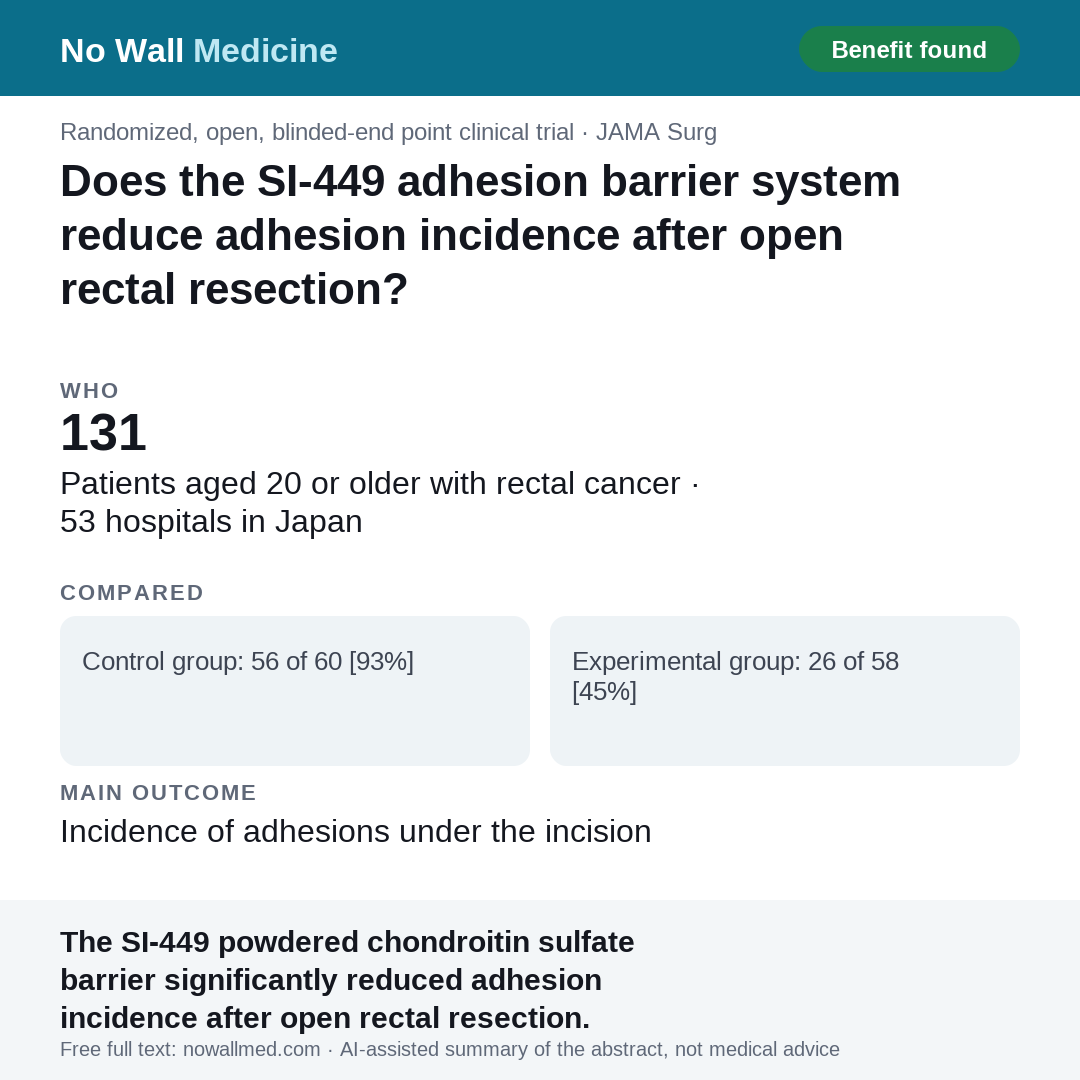
Cross-Linked Chondroitin Sulfate Adhesion Barrier System in Open Rectal Resection: A Randomized Clinical Trial
Randomized, open, blinded-end point clinical trialBenefit found
Does the SI-449 adhesion barrier system reduce adhesion incidence after open rectal resection?
Who
131
Patients aged 20 or older with rectal cancer · 53 hospitals in Japan
Compared
Control group: 56 of 60 [93%]
Experimental group: 26 of 58 [45%]
Main outcome
Incidence of adhesions under the incision
Bottom line: The SI-449 powdered chondroitin sulfate barrier significantly reduced adhesion incidence after open rectal resection.
JAMA Surg · 2026-08-26Download image
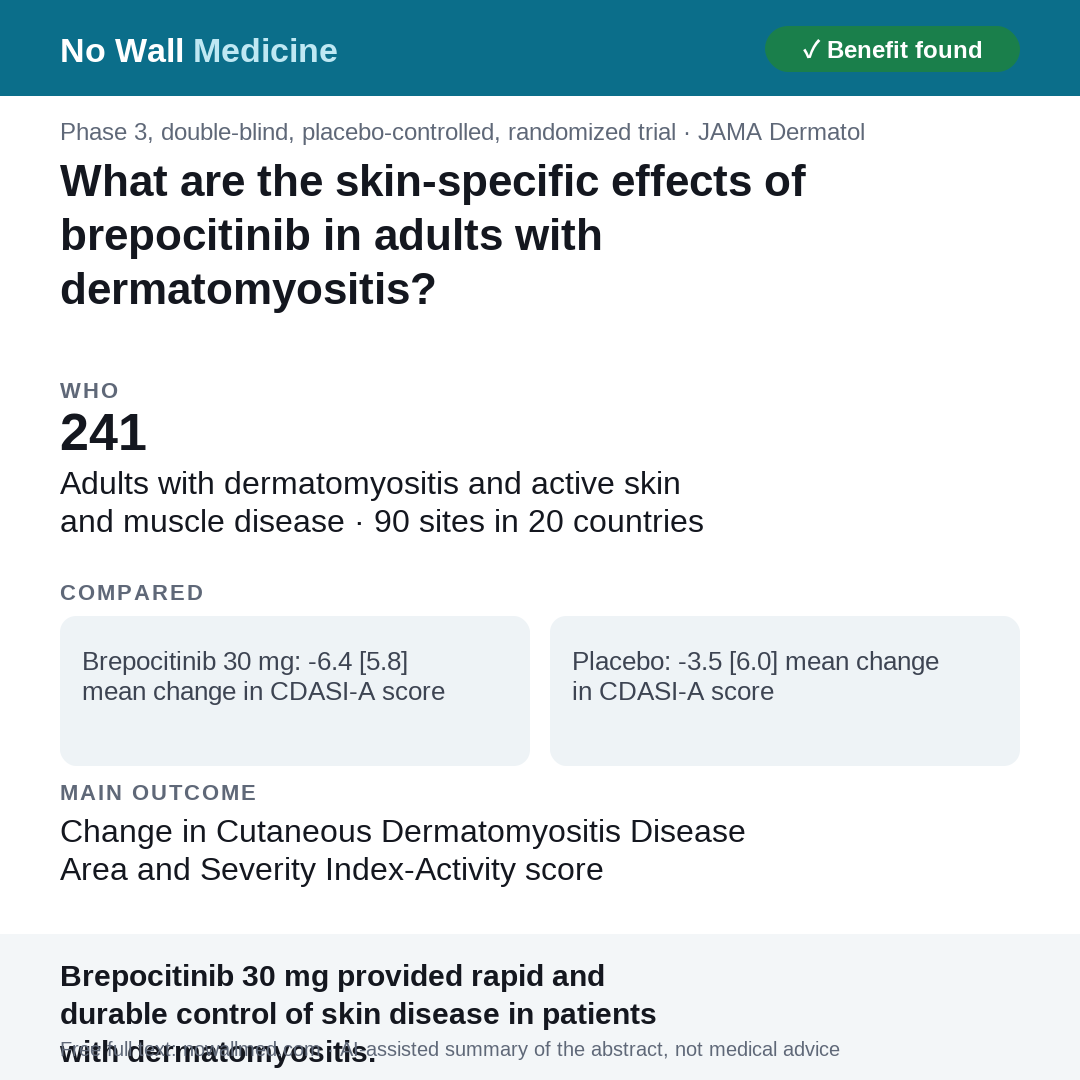
Skin-Specific Outcomes of Brepocitinib in Patients With Dermatomyositis: Secondary Analysis of a Phase 3 Randomized Clinical Trial
Phase 3, double-blind, placebo-controlled, randomized trialBenefit found
What are the skin-specific effects of brepocitinib in adults with dermatomyositis?
Who
241
Adults with dermatomyositis and active skin and muscle disease · 90 sites in 20 countries
Compared
Brepocitinib 30 mg: -6.4 [5.8] mean change in CDASI-A score
Placebo: -3.5 [6.0] mean change in CDASI-A score
Main outcome
Change in Cutaneous Dermatomyositis Disease Area and Severity Index-Activity score
Result: difference, -3.0; 95% CI, -4.6 to -1.4
Bottom line: Brepocitinib 30 mg provided rapid and durable control of skin disease in patients with dermatomyositis.
JAMA Dermatol · 2026-08-26Download image
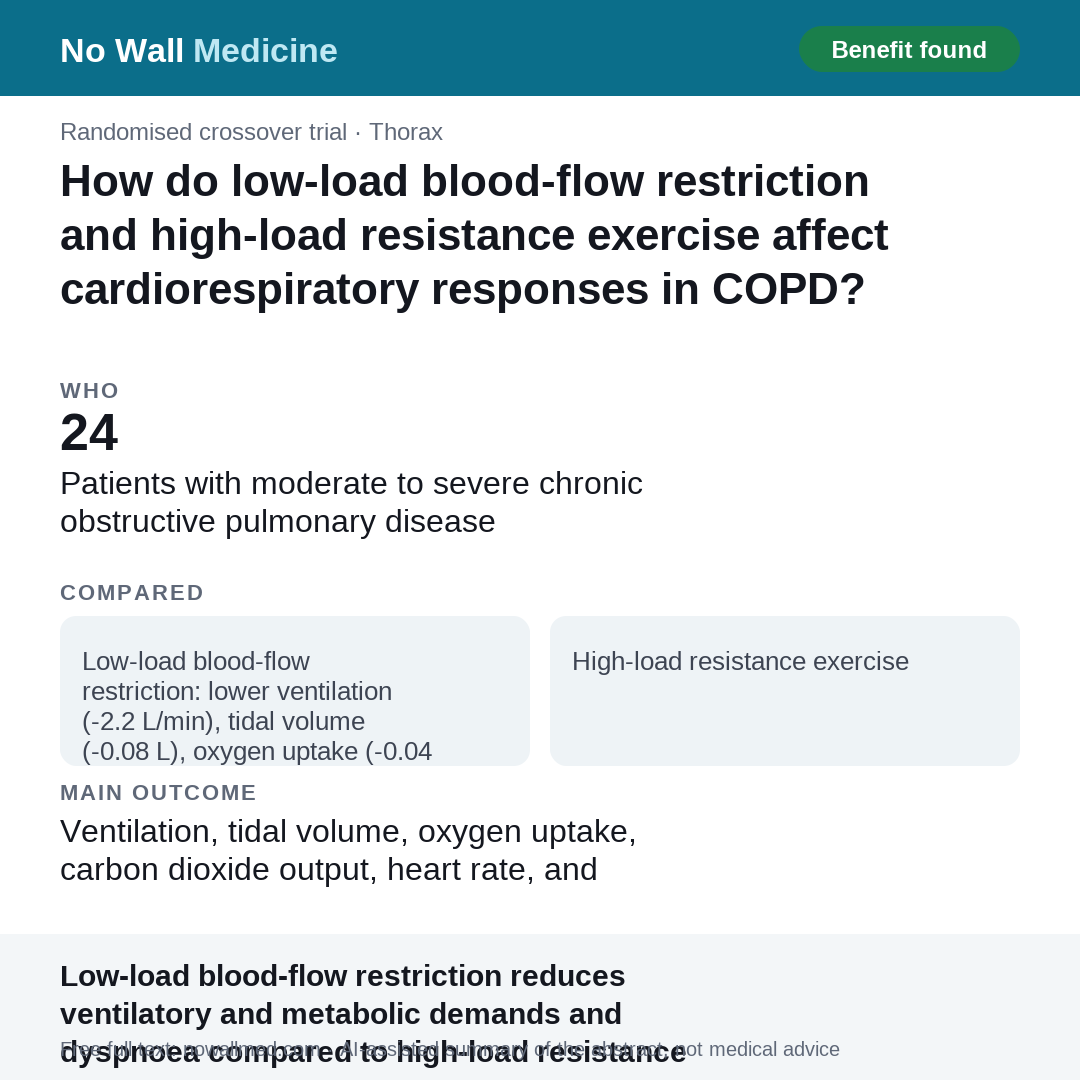
Acute cardiorespiratory responses to low-load blood-flow restriction vs high-load resistance exercise in COPD: a randomised crossover trial
Randomised crossover trialBenefit found
How do low-load blood-flow restriction and high-load resistance exercise affect cardiorespiratory responses in COPD?
Who
24
Patients with moderate to severe chronic obstructive pulmonary disease
Compared
Low-load blood-flow restriction: lower ventilation (-2.2 L/min), tidal volume (-0.08 L), oxygen uptake (-0.04 L/min), carbon dioxide output (-0.07 L/min), lower dyspnoea (RPE -0.7), higher leg effort (RPE +0.7)
High-load resistance exercise
Main outcome
Ventilation, tidal volume, oxygen uptake, carbon dioxide output, heart rate, and perceived exertion
Bottom line: Low-load blood-flow restriction reduces ventilatory and metabolic demands and dyspnoea compared to high-load resistance exercise in COPD.
Thorax · 2026-08-26Download image
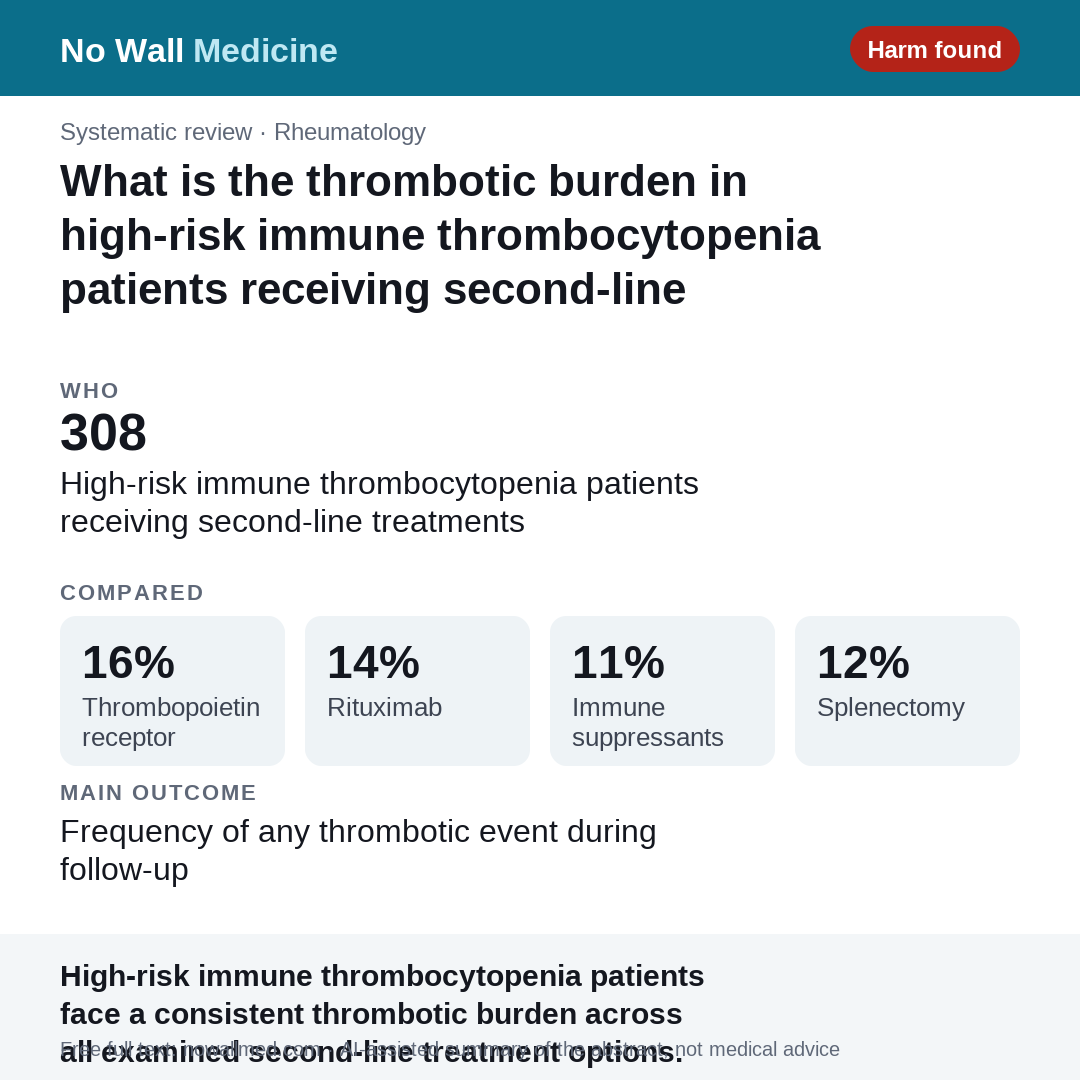
The thrombotic burden of high-risk immune thrombocytopenia patients receiving second-line treatments: a systematic review
Systematic reviewHarm found
What is the thrombotic burden in high-risk immune thrombocytopenia patients receiving second-line treatments?
Who
308
High-risk immune thrombocytopenia patients receiving second-line treatments
Compared
16%Thrombopoietin receptor agonists (95% CI 11-22)
14%Rituximab (95% CI 3-35)
11%Immune suppressants (95% CI 2-28)
12%Splenectomy (95% CI 4-24)
Main outcome
Frequency of any thrombotic event during follow-up
Result: 10% (95% CI 5-19)
Bottom line: High-risk immune thrombocytopenia patients face a consistent thrombotic burden across all examined second-line treatment options.
Rheumatology · 2026-08-26Download image
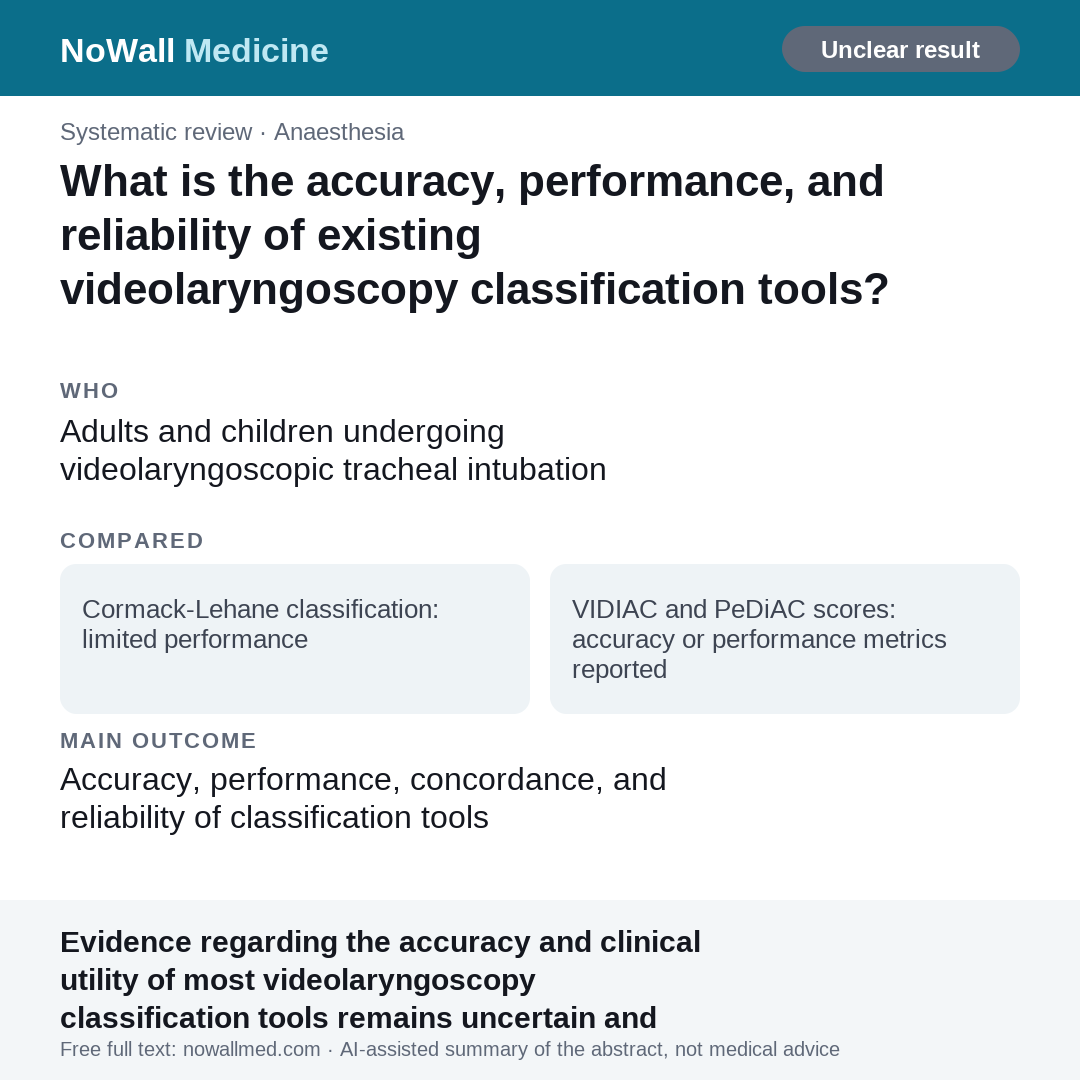
Classification of videolaryngoscopy: a systematic review
Systematic reviewUnclear result
What is the accuracy, performance, and reliability of existing videolaryngoscopy classification tools?
Who
Adults and children undergoing videolaryngoscopic tracheal intubation
Compared
Cormack-Lehane classification: limited performance
VIDIAC and PeDiAC scores: accuracy or performance metrics reported
Main outcome
Accuracy, performance, concordance, and reliability of classification tools
Bottom line: Evidence regarding the accuracy and clinical utility of most videolaryngoscopy classification tools remains uncertain and limited.
Limitation: High risk of bias regarding reference standard, flow, timing, and substantial applicability concerns.
Anaesthesia · 2026-08-26Download image
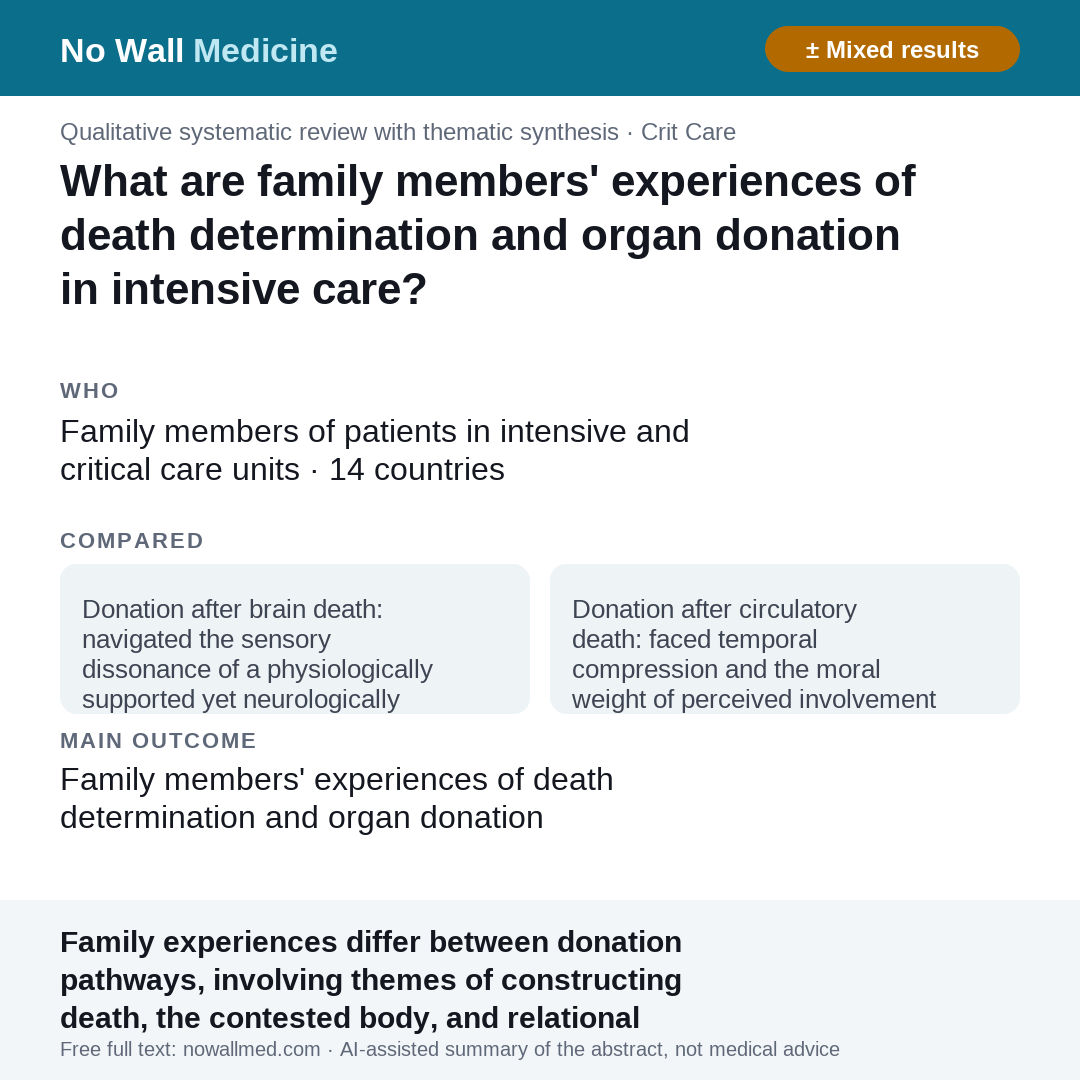
Family members' experiences of death and organ donation in intensive and critical care units: a qualitative systematic review with thematic synthesis
Qualitative systematic review with thematic synthesisMixed results
What are family members' experiences of death determination and organ donation in intensive care?
Who
Family members of patients in intensive and critical care units · 14 countries
Compared
Donation after brain death: navigated the sensory dissonance of a physiologically supported yet neurologically dead loved one
Donation after circulatory death: faced temporal compression and the moral weight of perceived involvement
Main outcome
Family members' experiences of death determination and organ donation
Bottom line: Family experiences differ between donation pathways, involving themes of constructing death, the contested body, and relational meaning-making.
Crit Care · 2026-08-26Download image
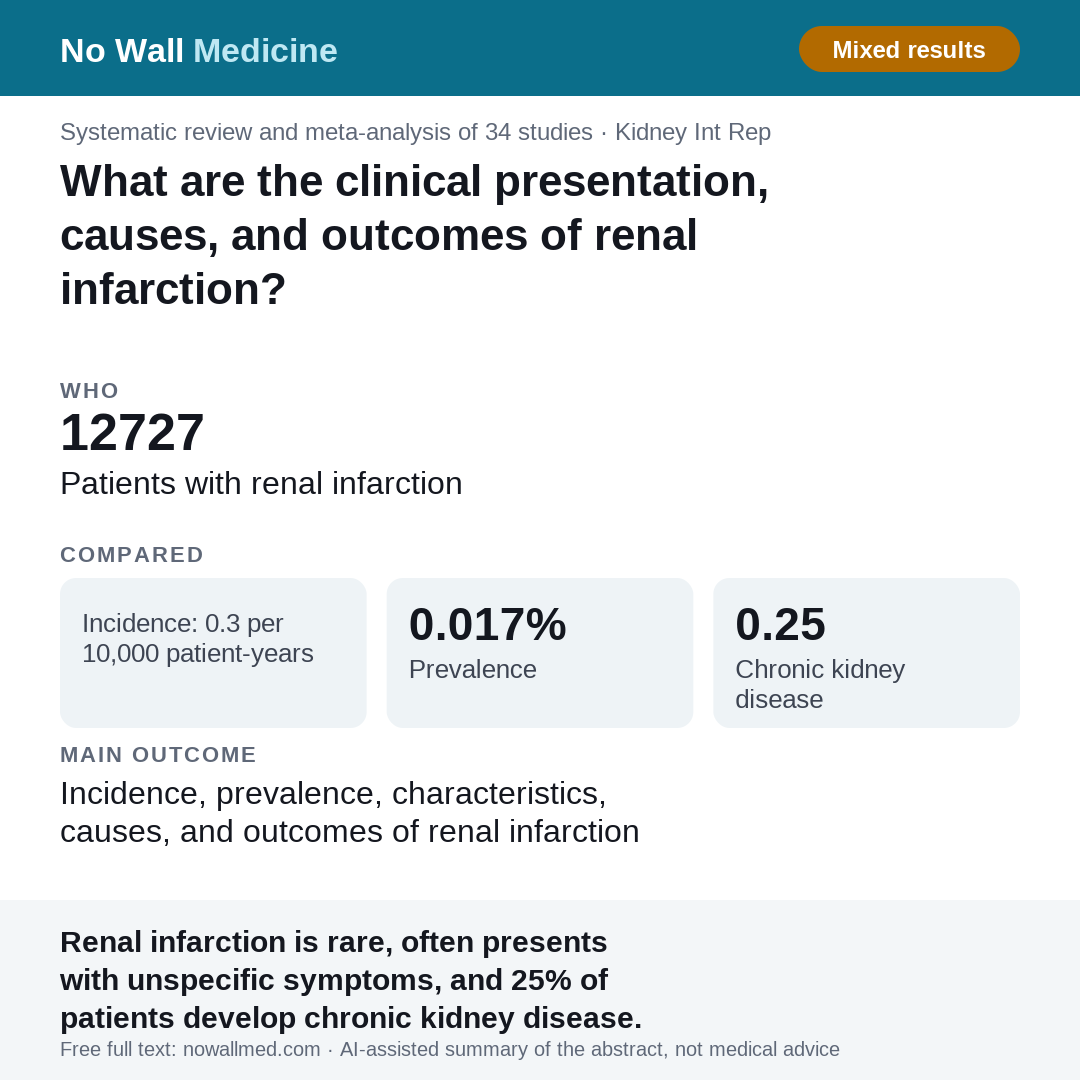
Systematic Review of Renal Infarction Clinical Presentation, Causes, and Outcomes
Systematic review and meta-analysis of 34 studiesMixed results
What are the clinical presentation, causes, and outcomes of renal infarction?
Who
12727
Patients with renal infarction
Compared
Incidence: 0.3 per 10,000 patient-years
0.017%Prevalence
0.25Chronic kidney disease
Main outcome
Incidence, prevalence, characteristics, causes, and outcomes of renal infarction
Bottom line: Renal infarction is rare, often presents with unspecific symptoms, and 25% of patients develop chronic kidney disease.
Kidney Int Rep · 2026-08-26Download image
Efficacy and Safety of Nerve Wrapping in Recurrent Upper-extremity Compressive Neuropathies: A Systematic Review
Systematic reviewBenefit found
Is nerve wrapping effective and safe for recurrent upper-extremity compressive neuropathies?
Who
302
Adults undergoing revision surgery with nerve wrapping
Compared
Patients receiving nerve wrapping: pain improved (visual analog scale, 6.2-2.0)
Patients receiving nerve wrapping: grip strength increased (from 43.3% to 77.0%)
Patients receiving nerve wrapping: Quick Disabilities of the Arm, Shoulder, and Hand scores decreased (from 59.9 to 28.0)
Main outcome
pain, sensory and motor recovery, functional scores, complications, recurrence, and satisfaction
Bottom line: Nerve wrapping is a safe and beneficial adjunct for revision surgery in recurrent upper-extremity compressive neuropathies.
Plast Reconstr Surg Glob Open · 2026-08-26Download image

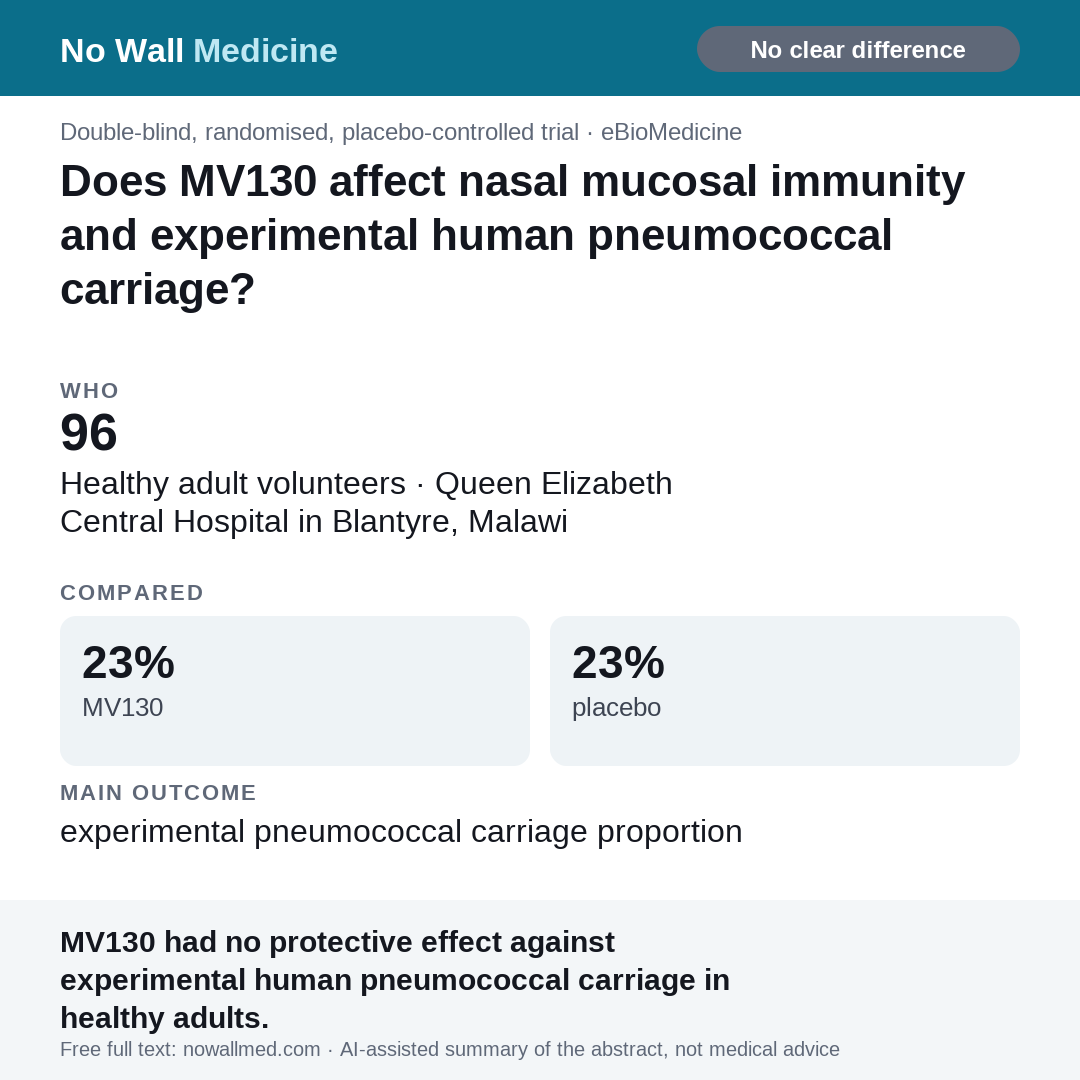
Whole cell inactivated poly-bacterial preparation MV130 effect on nasal mucosal immunity and experimental human pneumococcal carriage: double-blind randomised controlled trial with controlled human infection model
Double-blind, randomised, placebo-controlled trialNo clear difference
Does MV130 affect nasal mucosal immunity and experimental human pneumococcal carriage?
Who
96
Healthy adult volunteers · Queen Elizabeth Central Hospital in Blantyre, Malawi
Compared
23%MV130 (12/52)
23%placebo (10/44)
Main outcome
experimental pneumococcal carriage proportion
Result: unadjusted risk ratio 1.02 (CI 0.49-2.12)
Bottom line: MV130 had no protective effect against experimental human pneumococcal carriage in healthy adults.
Funded by: Wellcome Trust
eBioMedicine · 2026-08-26Download image
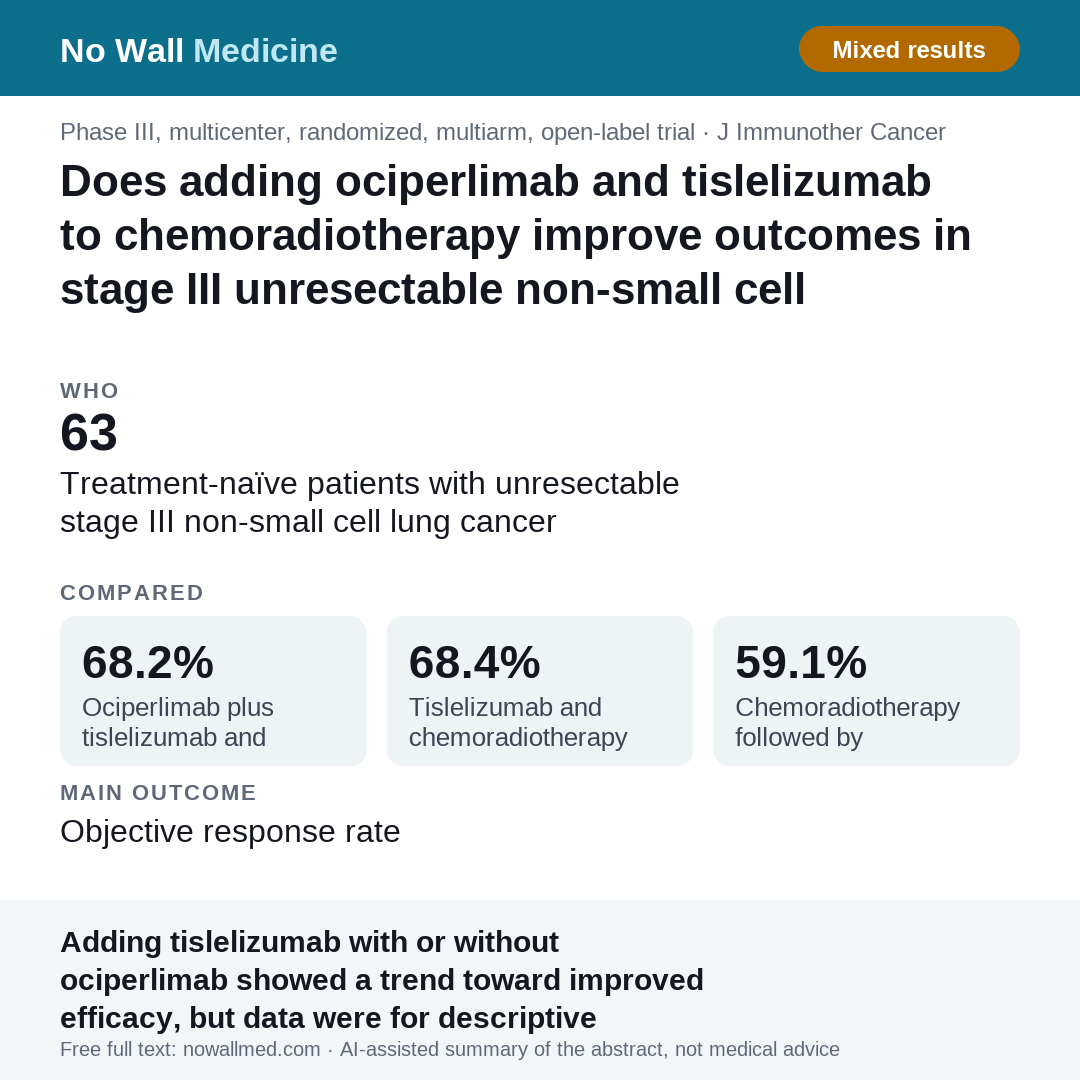
AdvanTIG-301: a phase III study of ociperlimab plus tislelizumab and concurrent chemoradiotherapy in stage III unresectable non-small cell lung cancer
Phase III, multicenter, randomized, multiarm, open-label trialMixed results
Does adding ociperlimab and tislelizumab to chemoradiotherapy improve outcomes in stage III unresectable non-small cell lung cancer?
Who
63
Treatment-naïve patients with unresectable stage III non-small cell lung cancer
Compared
68.2%Ociperlimab plus tislelizumab and chemoradiotherapy (45.1%-86.1%)
68.4%Tislelizumab and chemoradiotherapy (43.4%-87.4%)
59.1%Chemoradiotherapy followed by durvalumab (36.4%-79.3%)
Main outcome
Objective response rate
Bottom line: Adding tislelizumab with or without ociperlimab showed a trend toward improved efficacy, but data were for descriptive purposes only.
Limitation: Early trial termination
J Immunother Cancer · 2026-08-26Download image