Visual abstracts
New randomized trials and meta-analyses from leading journals at a glance: who was studied, what was compared, and what was found. Every paper is free to read in full.
All specialtiesCardiology 2031Oncology 1758Gastroenterology & Hepatology 770Infectious Disease 1292Neurology 838Psychiatry & Mental Health 1002Pulmonology 872Critical Care 579Endocrinology & Diabetes 1089Pediatrics 1206Surgery 1033Orthopedics & Sports Medicine 380Neurosurgery 254Cardiothoracic & Vascular Surgery 219Plastic & Reconstructive Surgery 312Nephrology 428Rheumatology 287Hematology 448Dermatology 233Ophthalmology 235Obstetrics & Gynecology 669Public & Global Health 391Radiology & Imaging 282Anesthesiology 408Urology 361ENT (Otolaryngology) 271Emergency Medicine 225Allergy & Immunology 129Geriatrics 437Family Medicine & Primary Care 239Medical Genetics & Genomics 221Pathology & Laboratory Medicine 67Physical Medicine & Rehabilitation 359Palliative Care 176Nutrition 558Digital Health & AI 1062General Medicine 155
Safety and Immunogenicity of an rVSV Lassa Fever Vaccine Candidate
Phase 1, double-blind trialBenefit found
What are the safety and immunogenicity of the rVSV Lassa Fever vaccine candidate?
Who
114
Healthy adults aged 18 to 50 years · United States and Liberia
Compared
rVSVΔG-LASV-GPC vaccine: No serious vaccine-related adverse events
Placebo
Main outcome
Incidence of solicited and unsolicited adverse events
Bottom line: The vaccine candidate was safe and induced robust long-lasting immune responses in healthy adults.
Funded by: Coalition for Epidemic Preparedness Innovations and National Institute of Allergy and Infectious Diseases
NEJM · 2025-11-05Download image

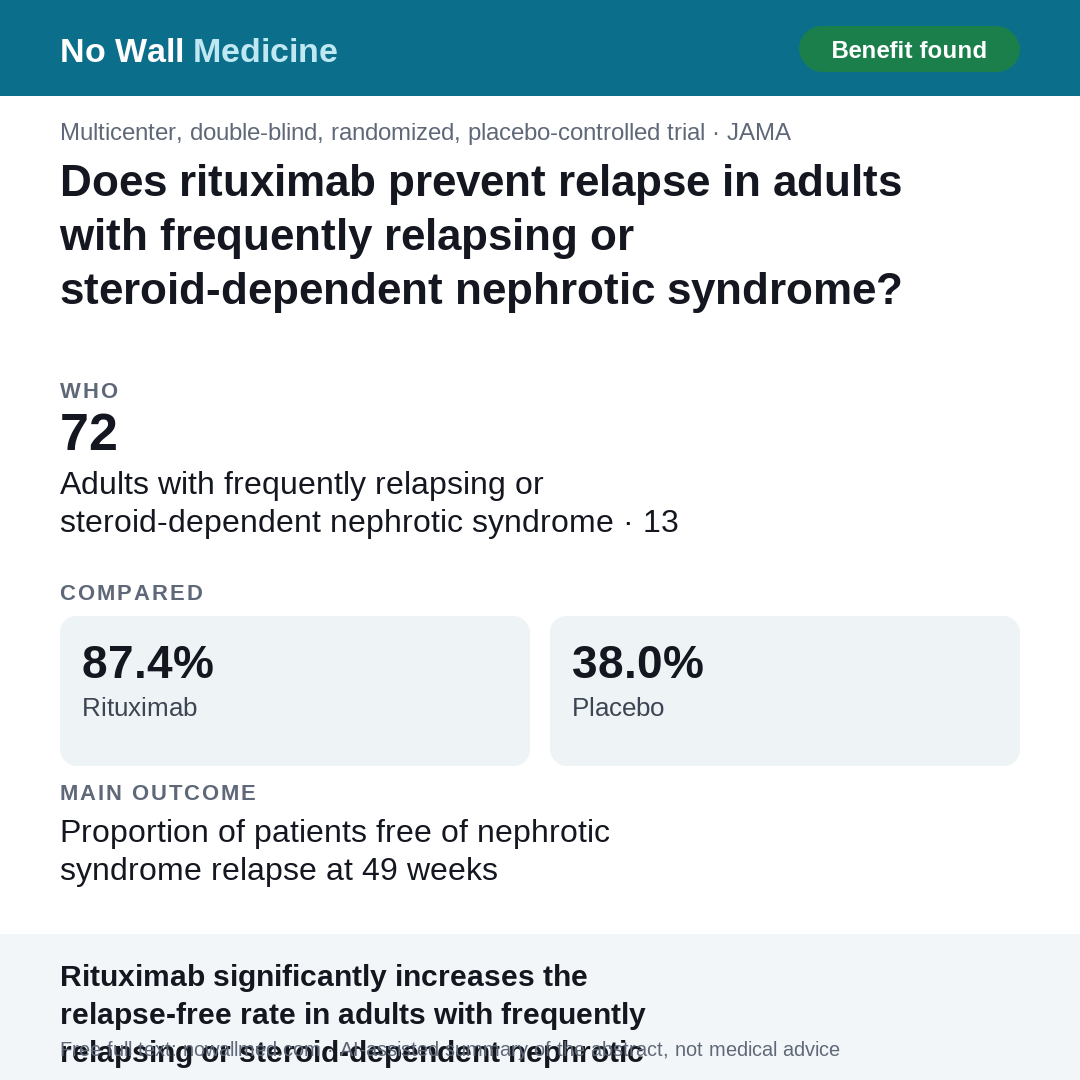
Rituximab for Relapsing Nephrotic Syndrome in Adults: A Randomized Clinical Trial
Multicenter, double-blind, randomized, placebo-controlled trialBenefit found
Does rituximab prevent relapse in adults with frequently relapsing or steroid-dependent nephrotic syndrome?
Who
72
Adults with frequently relapsing or steroid-dependent nephrotic syndrome · 13 centers in Japan
Compared
87.4%Rituximab (95% CI, 69.8%-95.1%)
38.0%Placebo (95% CI, 22.1%-53.8%)
Main outcome
Proportion of patients free of nephrotic syndrome relapse at 49 weeks
Result: hazard ratio 0.16 (95% CI, 0.05-0.46)
Bottom line: Rituximab significantly increases the relapse-free rate in adults with frequently relapsing or steroid-dependent nephrotic syndrome.
JAMA · 2025-11-05Download image
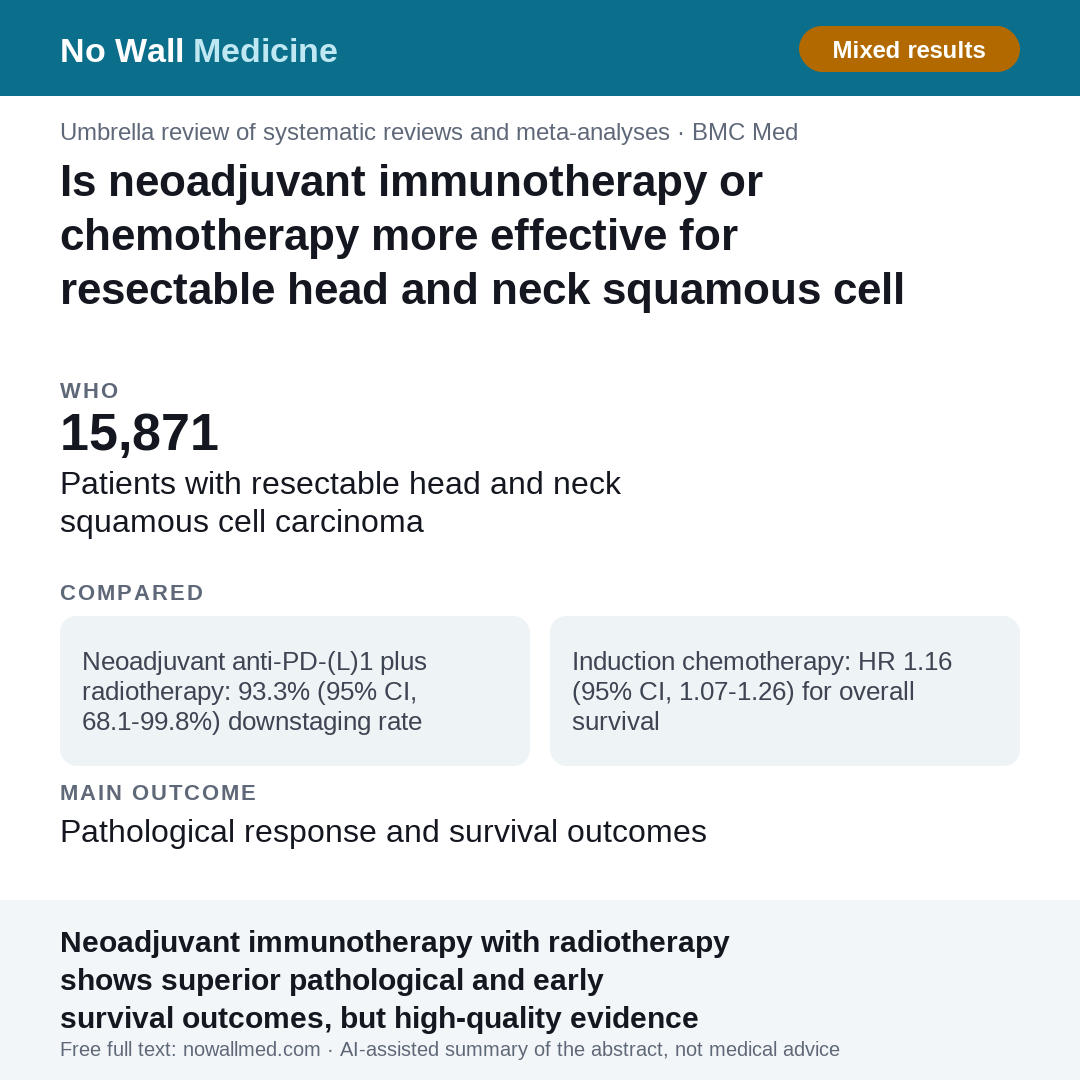
Comparative efficacy and safety of neoadjuvant immunotherapy vs chemotherapy in resectable head and neck squamous cell carcinoma: an umbrella review of randomized controlled trials and single-arm studies
Umbrella review of systematic reviews and meta-analysesMixed results
Is neoadjuvant immunotherapy or chemotherapy more effective for resectable head and neck squamous cell carcinoma?
Who
15,871
Patients with resectable head and neck squamous cell carcinoma
Compared
Neoadjuvant anti-PD-(L)1 plus radiotherapy: 93.3% (95% CI, 68.1-99.8%) downstaging rate
Induction chemotherapy: HR 1.16 (95% CI, 1.07-1.26) for overall survival
Main outcome
Pathological response and survival outcomes
Bottom line: Neoadjuvant immunotherapy with radiotherapy shows superior pathological and early survival outcomes, but high-quality evidence is lacking.
Limitation: Lack of high-quality evidence regarding this treatment limits definitive conclusions.
BMC Med · 2025-11-05Download image
The influence of fetal sex on maternal blood pressure in pregnancy
Meta-analysis of five cohortsBenefit found
Does fetal sex influence maternal blood pressure during pregnancy?
Who
109,842
Mother-child pairs
Compared
Male fetus: mean difference 0.35 mmHg [95% CI: 0.15-0.55] (systolic)
Female fetus
Main outcome
Maternal systolic and diastolic blood pressure
Result: mean difference 0.35 mmHg [95% CI: 0.15-0.55] (systolic)
Bottom line: Male fetal sex is associated with slightly higher maternal blood pressure, independent of birth weight.
BMC Med · 2025-11-05Download image

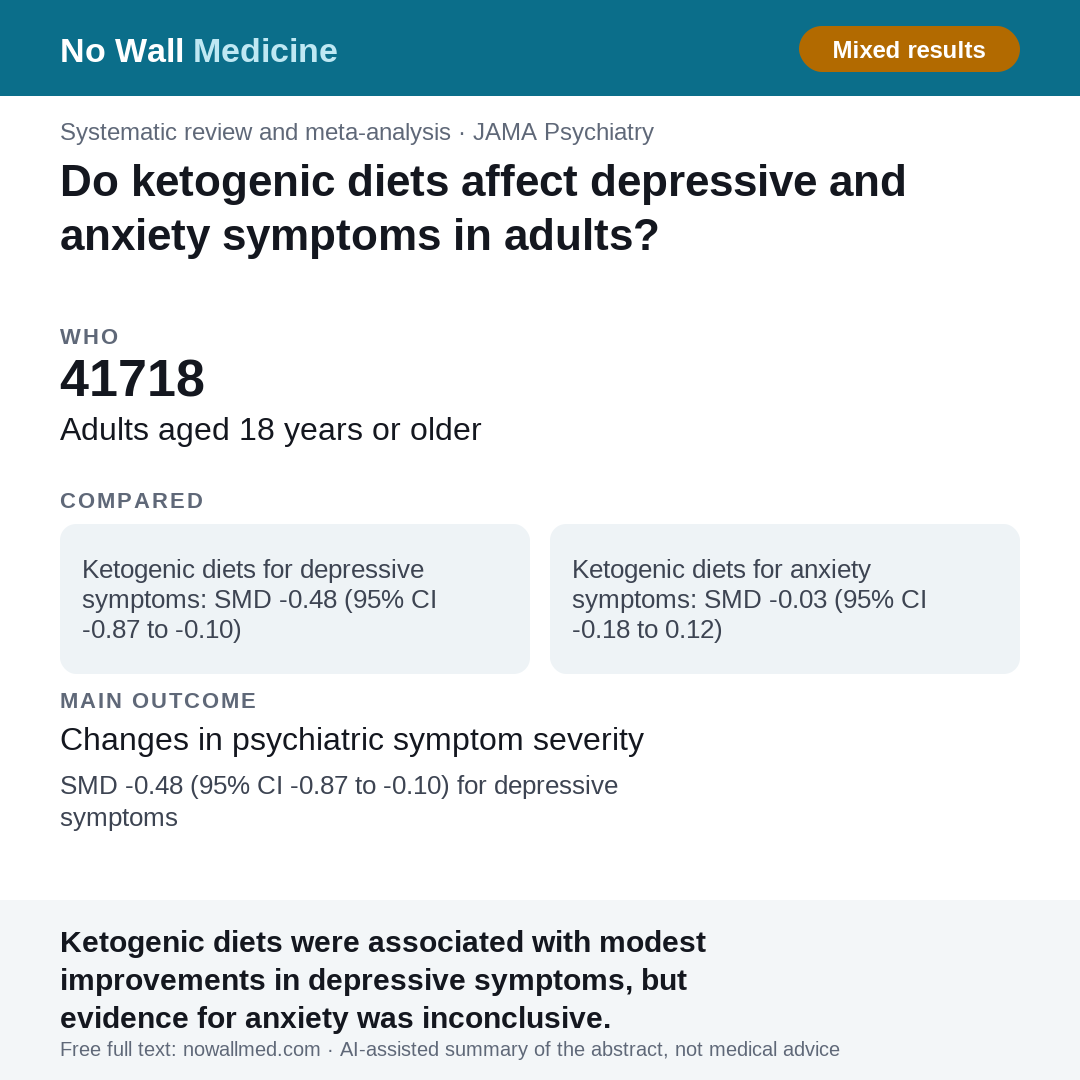
Ketogenic Diets and Depression and Anxiety: A Systematic Review and Meta-Analysis
Systematic review and meta-analysisMixed results
Do ketogenic diets affect depressive and anxiety symptoms in adults?
Who
41718
Adults aged 18 years or older
Compared
Ketogenic diets for depressive symptoms: SMD -0.48 (95% CI -0.87 to -0.10)
Ketogenic diets for anxiety symptoms: SMD -0.03 (95% CI -0.18 to 0.12)
Main outcome
Changes in psychiatric symptom severity
Result: SMD -0.48 (95% CI -0.87 to -0.10) for depressive symptoms
Bottom line: Ketogenic diets were associated with modest improvements in depressive symptoms, but evidence for anxiety was inconclusive.
Limitation: Heterogeneity, comparators, and short follow-up.
JAMA Psychiatry · 2025-11-05Download image
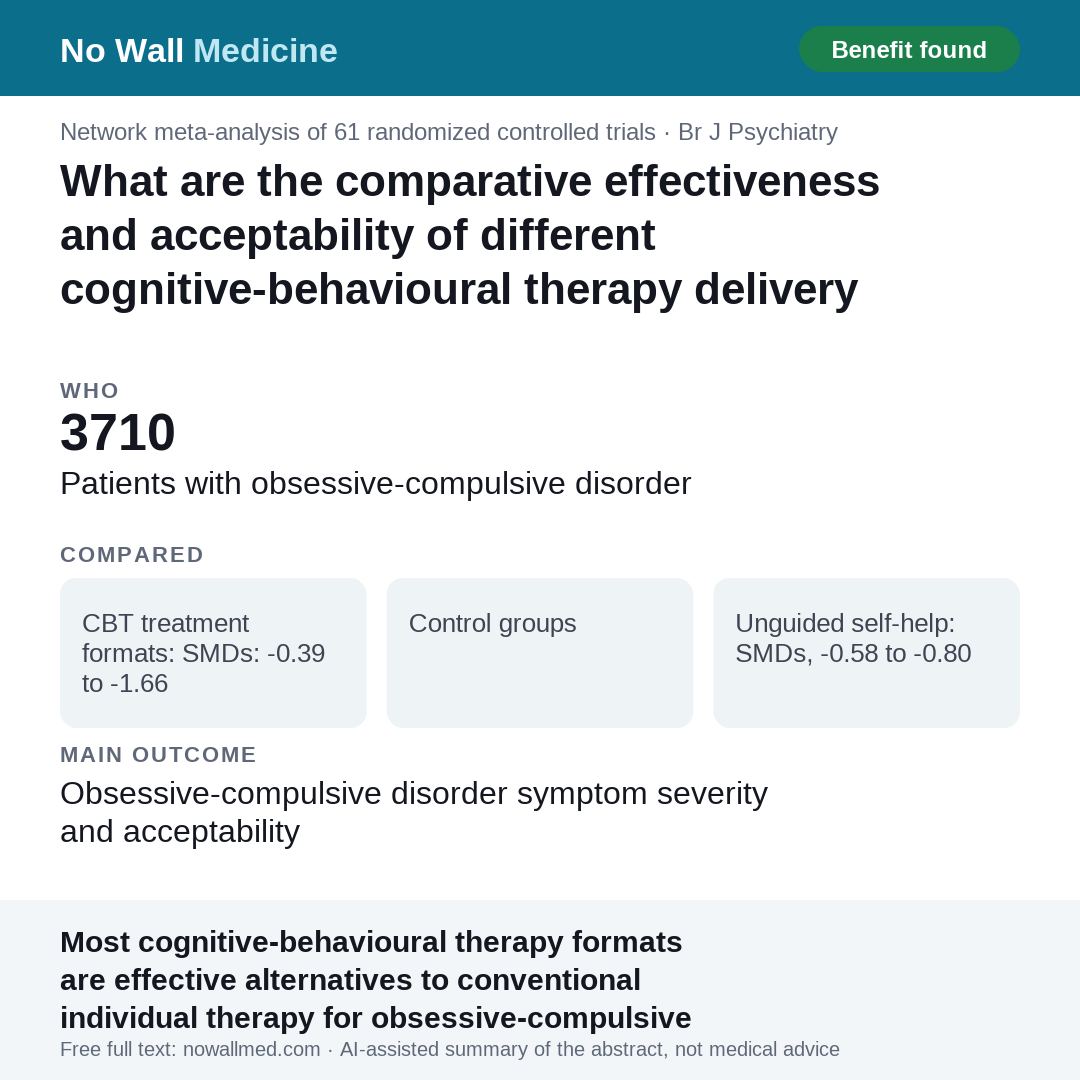
Effectiveness and acceptability of cognitive-behavioural therapy delivery formats for obsessive-compulsive disorder: network meta-analysis
Network meta-analysis of 61 randomized controlled trialsBenefit found
What are the comparative effectiveness and acceptability of different cognitive-behavioural therapy delivery formats for obsessive-compulsive disorder?
Who
3710
Patients with obsessive-compulsive disorder
Compared
CBT treatment formats: SMDs: -0.39 to -1.66
Control groups
Unguided self-help: SMDs, -0.58 to -0.80
Main outcome
Obsessive-compulsive disorder symptom severity and acceptability
Bottom line: Most cognitive-behavioural therapy formats are effective alternatives to conventional individual therapy for obsessive-compulsive disorder.
Br J Psychiatry · 2025-11-05Download image
Domain-specific cognitive function in euthymic bipolar disorder: a systematic review and meta-analysis
Meta-analysis of 75 studiesHarm found
Cognitive function in euthymic bipolar disorder
Who
4404
euthymic bipolar disorder and healthy controls
Compared
Bipolar Disorder
Healthy Controls
Main outcome
cognitive function
Result: Hedge's g = -0.58 (95%CI: -0.79, -0.37)
Bottom line: Euthymic bipolar disorder impairs cognitive function
Limitation: substantial variance unexplained
Psychol Med · 2025-11-05Download image

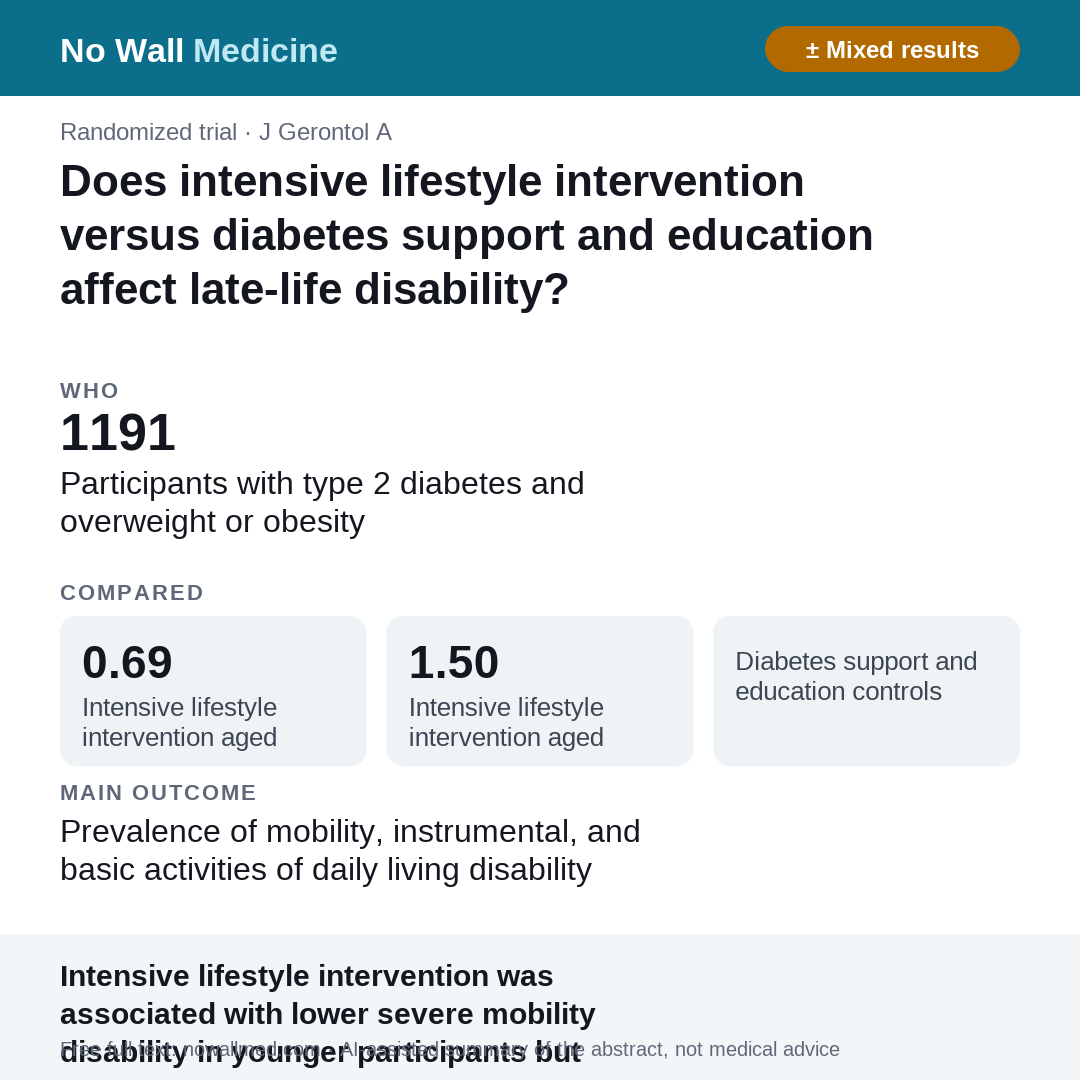
Late-life disability following the action for health in diabetes (Look AHEAD) trial
Randomized trialMixed results
Does intensive lifestyle intervention versus diabetes support and education affect late-life disability?
Who
1191
Participants with type 2 diabetes and overweight or obesity
Compared
0.69Intensive lifestyle intervention aged <70 years (95% CI 0.48-0.99)
1.50Intensive lifestyle intervention aged ≥70 years (95% CI 1.02-2.20)
Diabetes support and education controls
Main outcome
Prevalence of mobility, instrumental, and basic activities of daily living disability
Result: OR 1.50 (95% CI 1.02-2.20) for age ≥70; 0.69 (95% CI 0.48-0.99) for age <70
Bottom line: Intensive lifestyle intervention was associated with lower severe mobility disability in younger participants but higher risk in those aged 70 or older.
J Gerontol A · 2025-11-05Download image
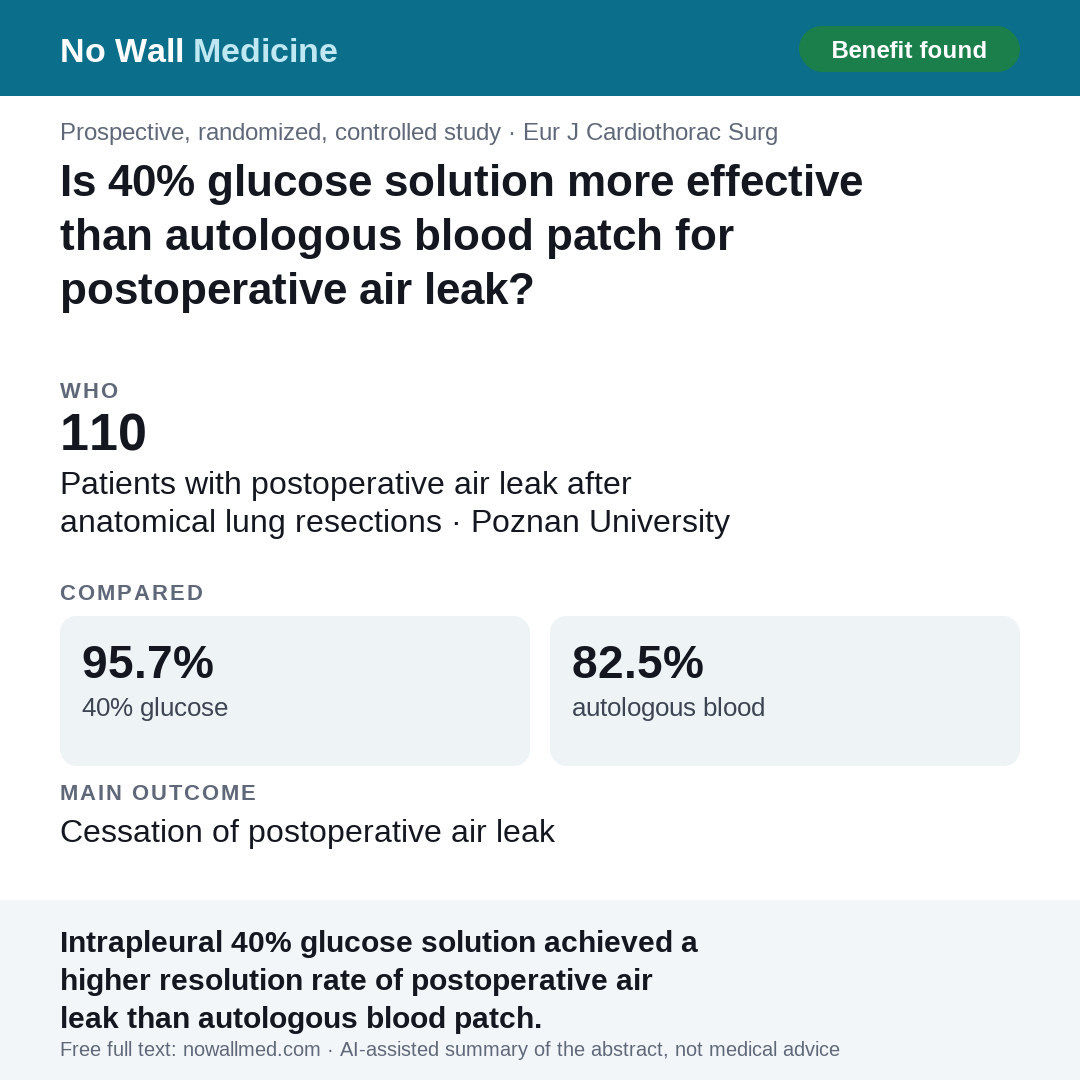
Comparison of 40% Glucose Solution and Autologous Blood Patch Pleurodesis for the Treatment of Postoperative Air Leak After Lung Resections: A Prospective Randomized Controlled Study
Prospective, randomized, controlled studyBenefit found
Is 40% glucose solution more effective than autologous blood patch for postoperative air leak?
Who
110
Patients with postoperative air leak after anatomical lung resections · Poznan University of Medical Sciences
Compared
95.7%40% glucose
82.5%autologous blood
Main outcome
Cessation of postoperative air leak
Result: 95.7% vs 82.5% (95% CI: 2.2% to 24.2%)
Bottom line: Intrapleural 40% glucose solution achieved a higher resolution rate of postoperative air leak than autologous blood patch.
Eur J Cardiothorac Surg · 2025-11-05Download image
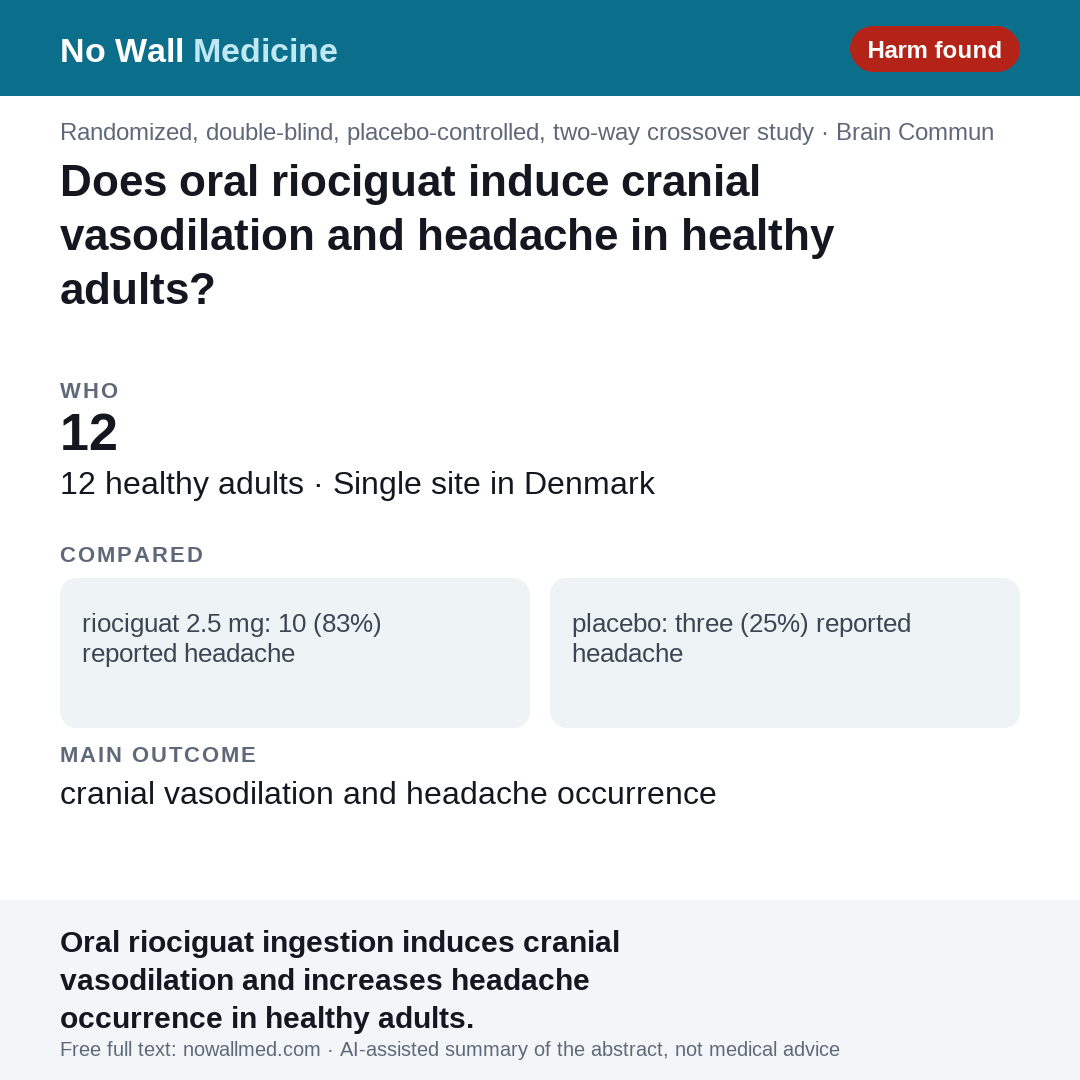
Soluble guanylate cyclase induces cranial vasodilation and headache in adults: a randomized trial
Randomized, double-blind, placebo-controlled, two-way crossover studyHarm found
Does oral riociguat induce cranial vasodilation and headache in healthy adults?
Who
12
12 healthy adults · Single site in Denmark
Compared
riociguat 2.5 mg: 10 (83%) reported headache
placebo: three (25%) reported headache
Main outcome
cranial vasodilation and headache occurrence
Bottom line: Oral riociguat ingestion induces cranial vasodilation and increases headache occurrence in healthy adults.
Limitation: Further research is warranted to delineate nitric oxide-dependent versus nitric oxide-independent activation.
Brain Commun · 2025-11-05Download image
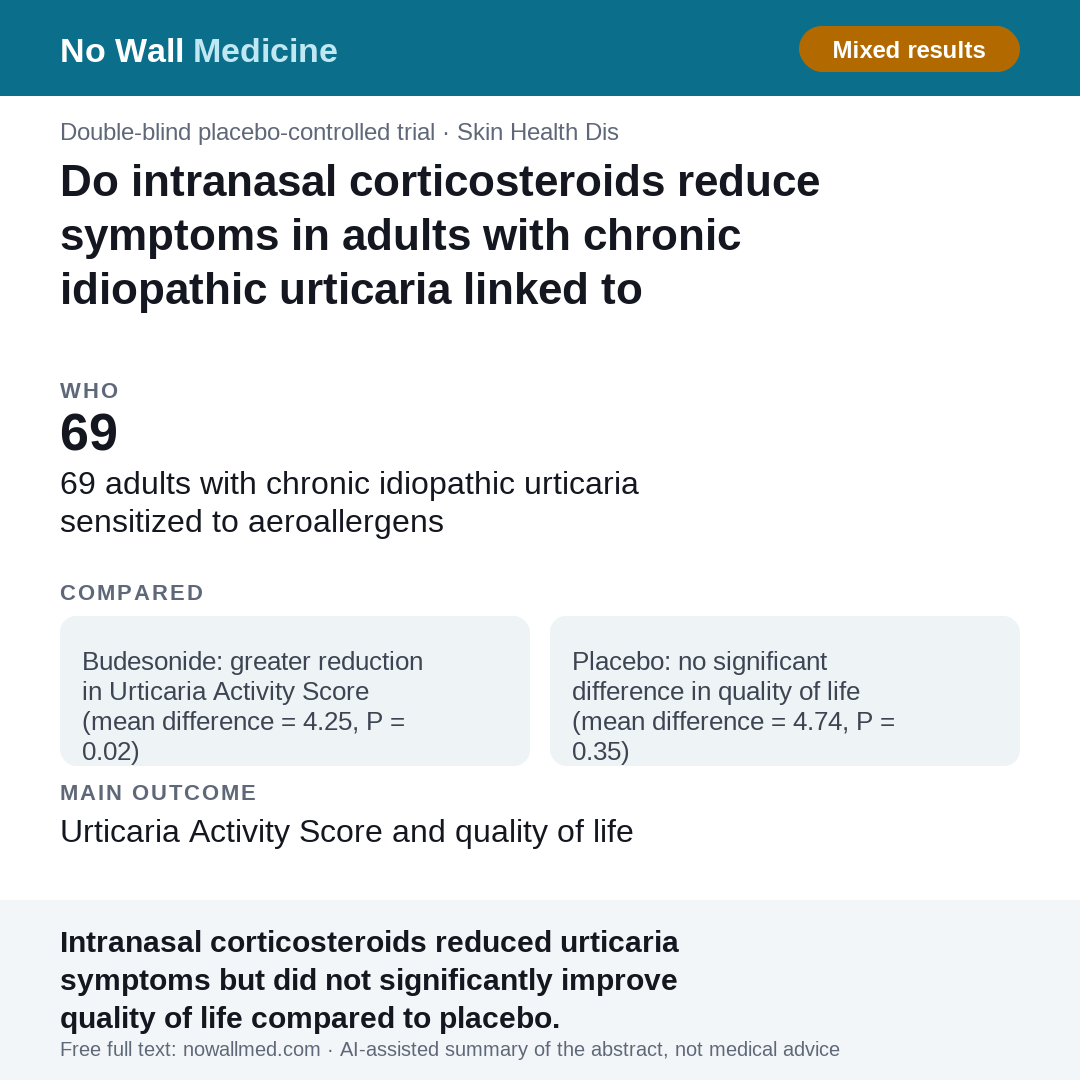
Intranasal corticosteroids: a promising new approach for adults with chronic idiopathic urticaria linked to aeroallergens - a double-blind randomized clinical trial
Double-blind placebo-controlled trialMixed results
Do intranasal corticosteroids reduce symptoms in adults with chronic idiopathic urticaria linked to aeroallergens?
Who
69
69 adults with chronic idiopathic urticaria sensitized to aeroallergens
Compared
Budesonide: greater reduction in Urticaria Activity Score (mean difference = 4.25, P = 0.02)
Placebo: no significant difference in quality of life (mean difference = 4.74, P = 0.35)
Main outcome
Urticaria Activity Score and quality of life
Bottom line: Intranasal corticosteroids reduced urticaria symptoms but did not significantly improve quality of life compared to placebo.
Limitation: The results suggest a potential placebo effect.
Skin Health Dis · 2025-11-05Download image
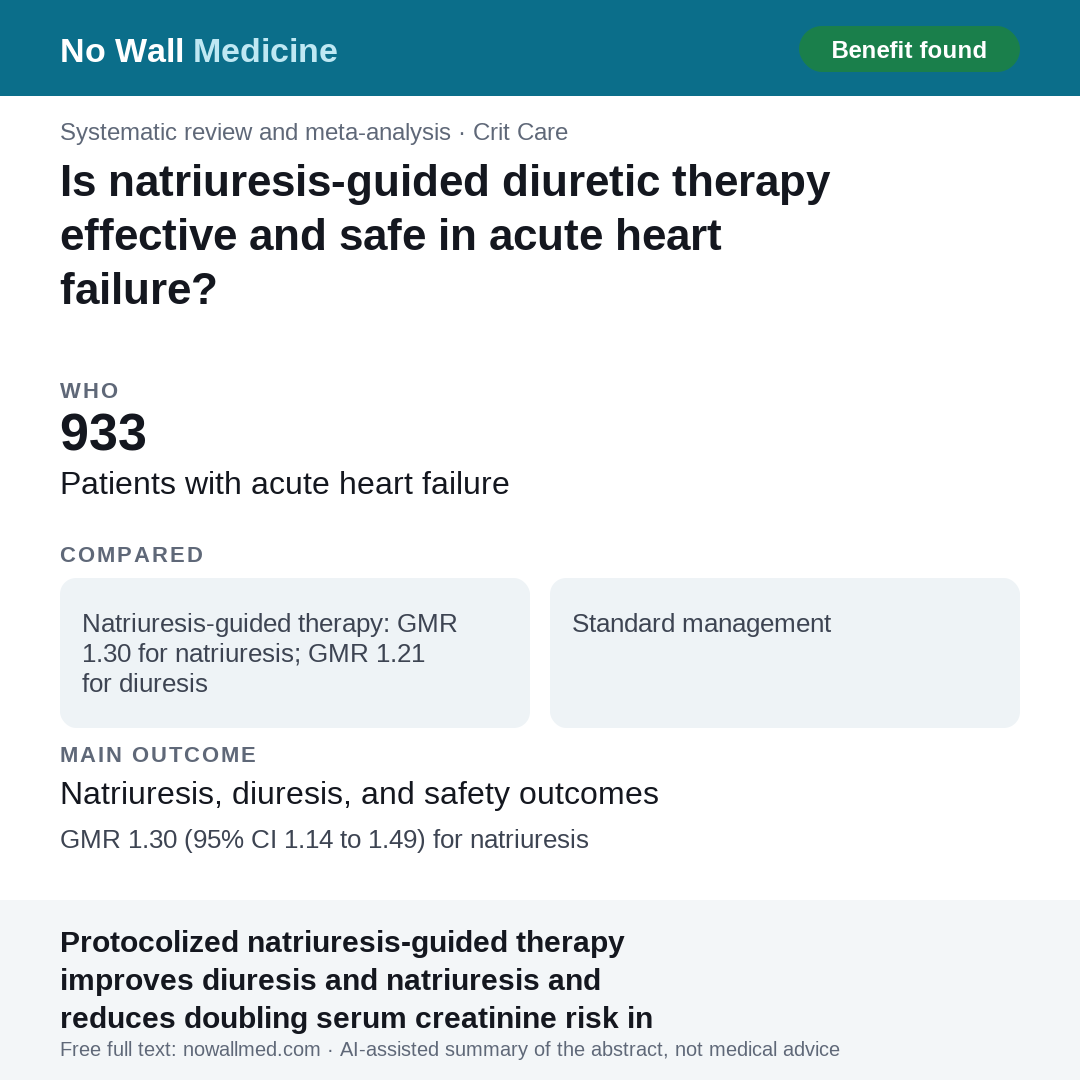
Protocolized natriuresis-guided diuretic therapy in acute heart failure: a systematic review and meta-analysis
Systematic review and meta-analysisBenefit found
Is natriuresis-guided diuretic therapy effective and safe in acute heart failure?
Who
933
Patients with acute heart failure
Compared
Natriuresis-guided therapy: GMR 1.30 for natriuresis; GMR 1.21 for diuresis
Standard management
Main outcome
Natriuresis, diuresis, and safety outcomes
Result: GMR 1.30 (95% CI 1.14 to 1.49) for natriuresis
Bottom line: Protocolized natriuresis-guided therapy improves diuresis and natriuresis and reduces doubling serum creatinine risk in acute heart failure.
Limitation: Further large randomized controlled trials are needed to evaluate clinical endpoints in diverse settings.
Crit Care · 2025-11-05Download image
Impact of external drainage of the main pancreatic duct and common bile duct on postoperative pancreatic fistula following pancreatoduodenectomy: protocol for a multicentre randomized clinical trial
Multicentre randomized clinical superiority studyUnclear result
Does external drainage of the pancreatic and bile ducts reduce postoperative pancreatic fistula?
Who
322
Patients at intermediate or high risk of postoperative pancreatic fistula · Six pancreatic centres
Compared
External drainage
Internal drainage
Main outcome
Incidence of clinically relevant postoperative pancreatic fistula Grade B/C
Bottom line: This protocol study aims to compare external versus internal drainage for pancreaticoduodenectomy patients.
BJS Open · 2025-11-05Download image

Long-term effects of Hirschsprung disease in adults: meta-analysis and patient-level regression study
Systematic review and patient-level regression studyHarm found
What are the long-term functional and quality of life outcomes in adults with Hirschsprung disease?
Who
Adults aged 16 years or older with Hirschsprung disease
Compared
Hirschsprung disease: constipation odds ratio 9.27 (95% c.i. 4.78 to 18.06)
Healthy controls
Main outcome
Bowel, urological, sexual functional outcomes, fertility and quality of life
Result: constipation odds ratio 9.27 (95% c.i. 4.78 to 18.06)
Bottom line: Adults with Hirschsprung disease face higher constipation, soiling, and lower quality of life compared to healthy controls.
BJS Open · 2025-11-05Download image

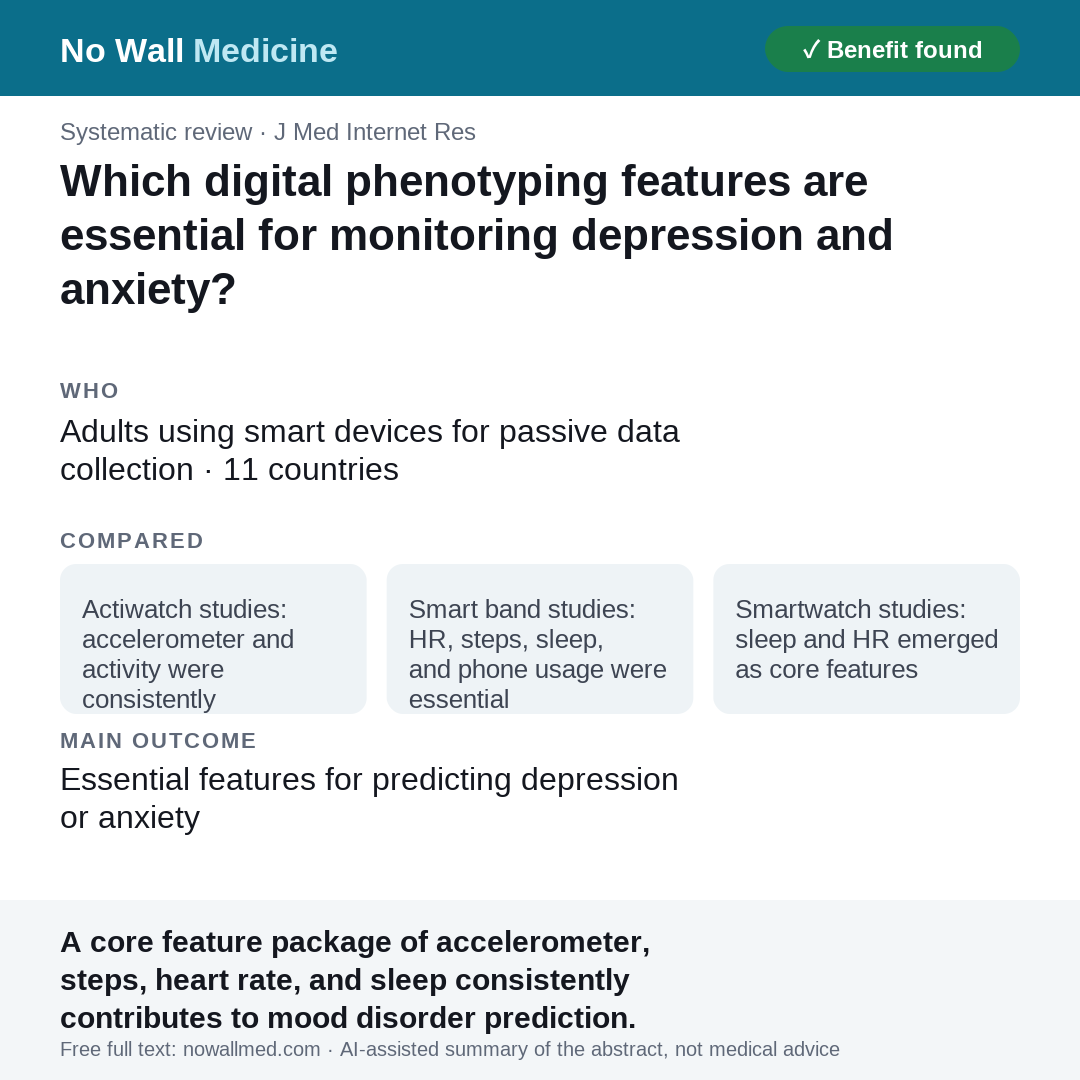
Key Features of Digital Phenotyping for Monitoring Mental Disorders: Systematic Review
Systematic reviewBenefit found
Which digital phenotyping features are essential for monitoring depression and anxiety?
Who
22
Adults using smart devices for passive data collection · 11 countries
Compared
Actiwatch studies: accelerometer and activity were consistently important
Smart band studies: HR, steps, sleep, and phone usage were essential
Smartwatch studies: sleep and HR emerged as core features
Main outcome
Essential features for predicting depression or anxiety
Bottom line: A core feature package of accelerometer, steps, heart rate, and sleep consistently contributes to mood disorder prediction.
Limitation: Need for improved data accessibility and standardized reporting frameworks to enhance comparability.
J Med Internet Res · 2025-11-05Download image
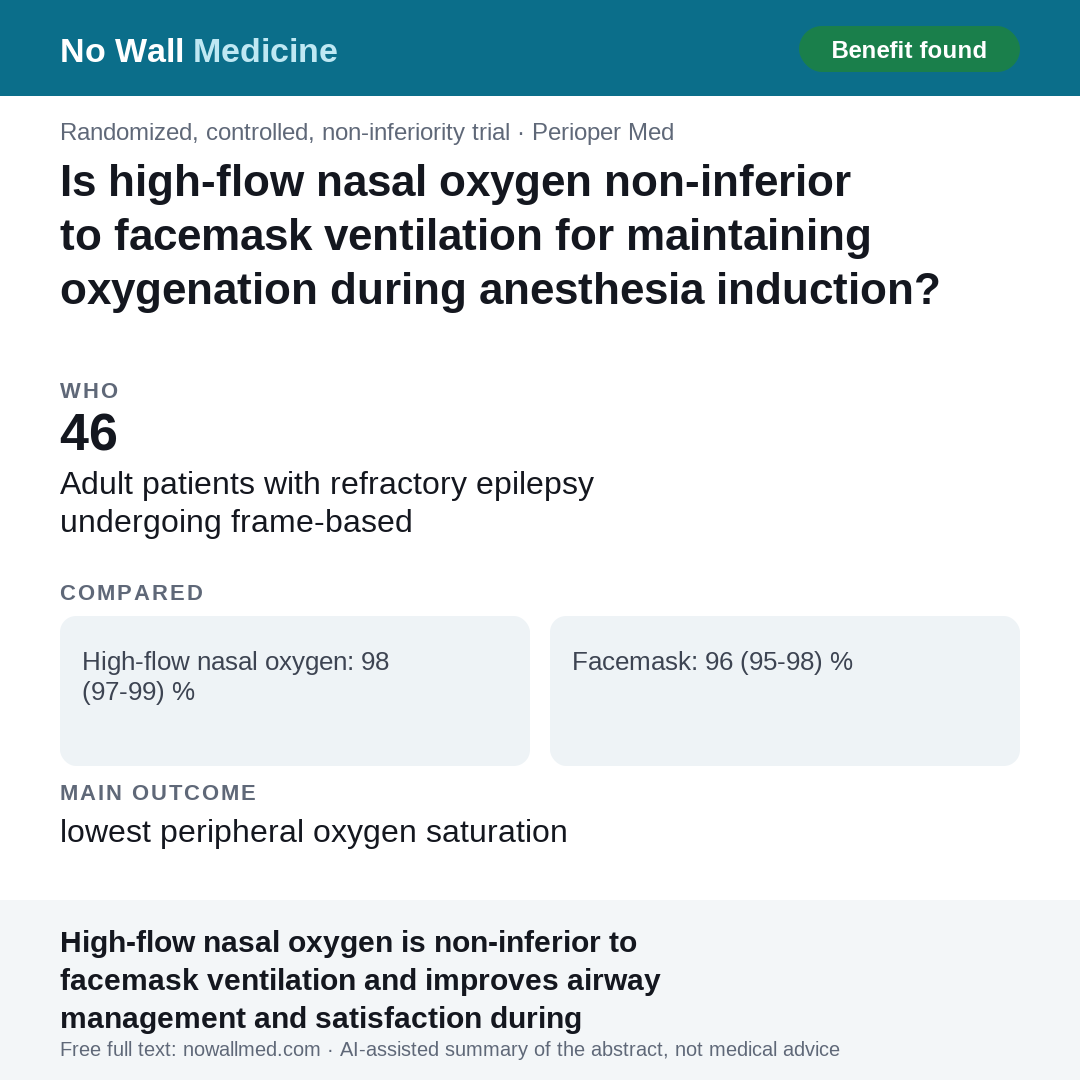
Application of high-flow nasal oxygen during anesthesia induction for frame-based stereoelectroencephalography: a randomized controlled non-inferiority trial
Randomized, controlled, non-inferiority trialBenefit found
Is high-flow nasal oxygen non-inferior to facemask ventilation for maintaining oxygenation during anesthesia induction?
Who
46
Adult patients with refractory epilepsy undergoing frame-based stereoelectroencephalography
Compared
High-flow nasal oxygen: 98 (97-99) %
Facemask: 96 (95-98) %
Main outcome
lowest peripheral oxygen saturation
Result: median difference of 1% (95% confidence interval 0-2%)
Bottom line: High-flow nasal oxygen is non-inferior to facemask ventilation and improves airway management and satisfaction during anesthesia induction.
Perioper Med · 2025-11-05Download image
Cabotegravir and rilpivirine for treatment of HIV infection in Africa: week 96 results from the phase 3b randomized, open-label, noninferiority CARES trial
Randomized, open-label phase 3b trialBenefit found
Is long-acting injectable therapy noninferior to oral therapy for HIV in African adults?
Who
512
African adults with HIV-1 stable on first-line oral therapy · Multicenter
Compared
long-acting group: 247/255 (97%)
oral therapy group: 250/257 (97%)
Main outcome
viral load <50 copies ml-1
Result: difference -0.4% (95% confidence interval -3.1% to 2.0%)
Bottom line: Long-acting cabotegravir and rilpivirine injections are noninferior to oral therapy for HIV treatment in African populations.
Nat Med · 2025-11-04Download image

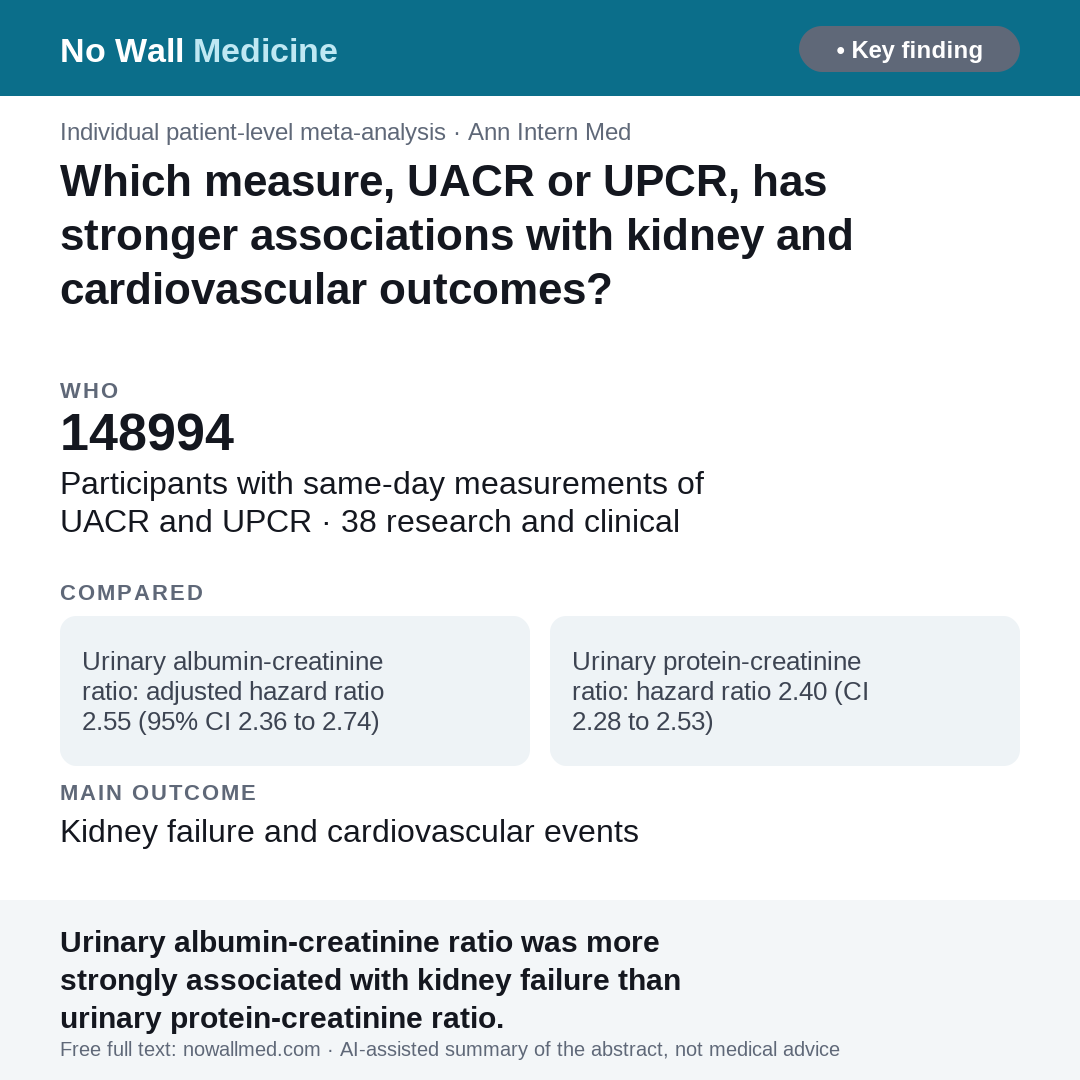
Proteinuria or Albuminuria as Markers of Kidney and Cardiovascular Disease Risk : An Individual Patient-Level Meta-analysis
Individual patient-level meta-analysisBenefit found
Which measure, UACR or UPCR, has stronger associations with kidney and cardiovascular outcomes?
Who
148994
Participants with same-day measurements of UACR and UPCR · 38 research and clinical cohorts
Compared
Urinary albumin-creatinine ratio: adjusted hazard ratio 2.55 (95% CI 2.36 to 2.74)
Urinary protein-creatinine ratio: hazard ratio 2.40 (CI 2.28 to 2.53)
Main outcome
Kidney failure and cardiovascular events
Result: adjusted hazard ratio 2.55 (95% CI 2.36 to 2.74) vs 2.40 (CI 2.28 to 2.53)
Bottom line: Urinary albumin-creatinine ratio was more strongly associated with kidney failure than urinary protein-creatinine ratio.
Limitation: Assessment of UACR and UPCR in spot urine samples.
Funded by: National Kidney Foundation and National Institute of Diabetes and Digestive and Kidney Diseases
Ann Intern Med · 2025-11-04Download image
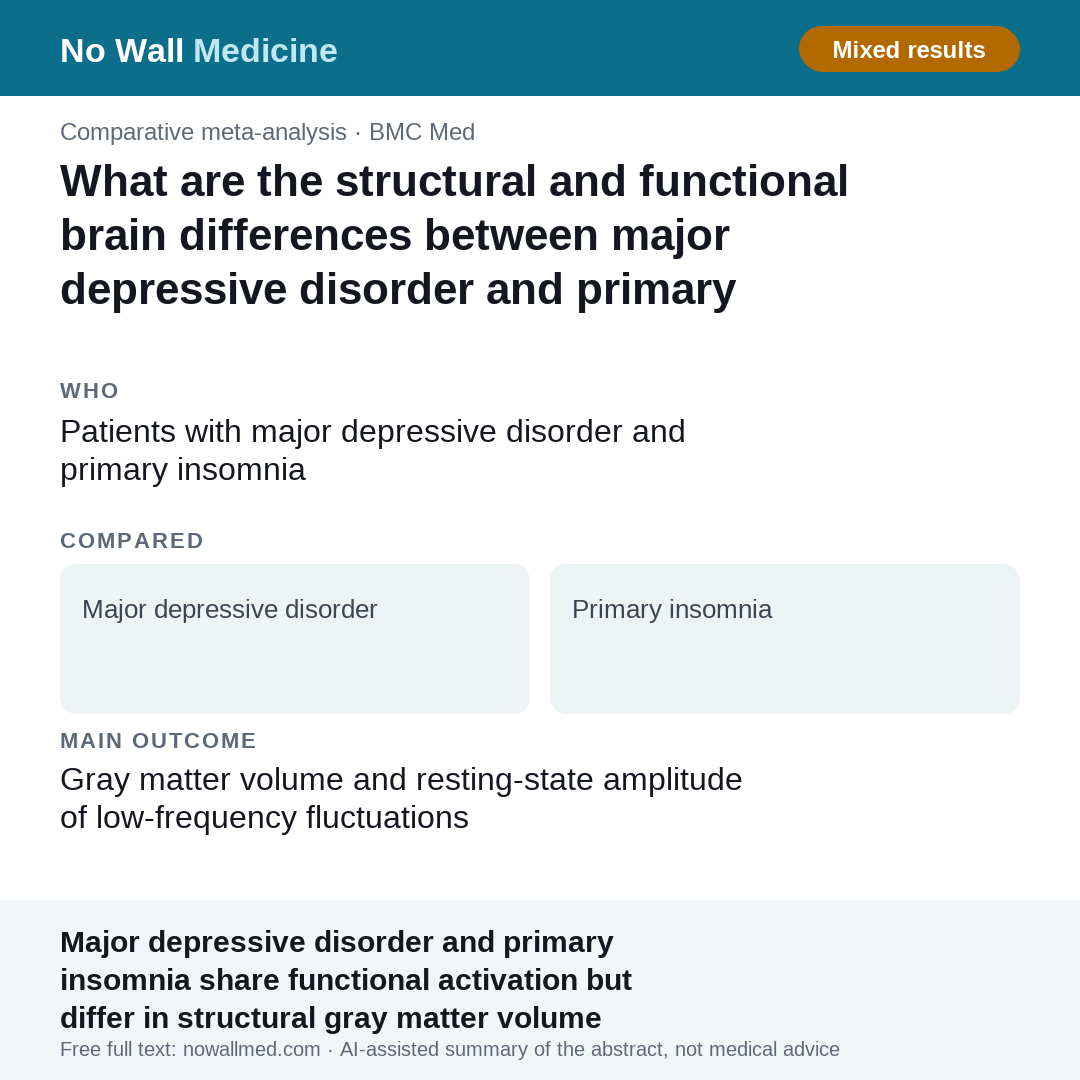
Structural rather than functional brain alterations that characterize the differences between major depressive disorder and primary insomnia: a comparative meta-analysis
Comparative meta-analysisMixed results
What are the structural and functional brain differences between major depressive disorder and primary insomnia?
Who
Patients with major depressive disorder and primary insomnia
Compared
Major depressive disorder
Primary insomnia
Main outcome
Gray matter volume and resting-state amplitude of low-frequency fluctuations
Bottom line: Major depressive disorder and primary insomnia share functional activation but differ in structural gray matter volume patterns.
BMC Med · 2025-11-04Download image
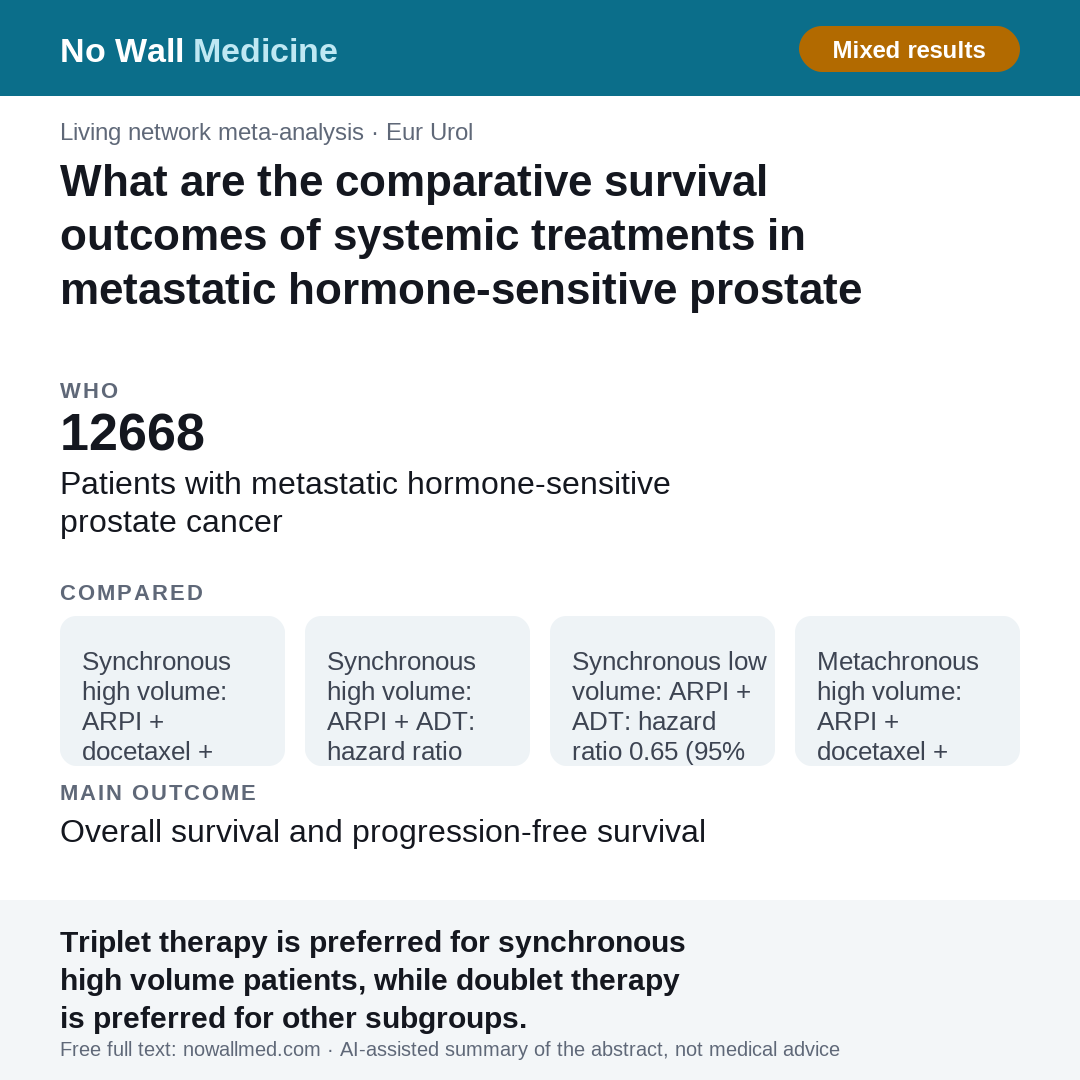
Comparative Survival in Metastatic Hormone-sensitive Prostate Cancer by Volume of Disease and Timing of Metastasis: A Living Network Meta-analysis
Living network meta-analysisMixed results
What are the comparative survival outcomes of systemic treatments in metastatic hormone-sensitive prostate cancer subgroups?
Who
12668
Patients with metastatic hormone-sensitive prostate cancer
Compared
Synchronous high volume: ARPI + docetaxel + ADT: hazard ratio 0.72 (95% CI 0.62-0.83) vs docetaxel + ADT
Synchronous high volume: ARPI + ADT: hazard ratio 0.71 (95% CI 0.53-0.97) vs docetaxel + ADT
Synchronous low volume: ARPI + ADT: hazard ratio 0.65 (95% CI 0.52-0.80) vs ADT alone
Metachronous high volume: ARPI + docetaxel + ADT: hazard ratio 0.89 (95% CI 0.43-1.85) vs ARPI + ADT
Main outcome
Overall survival and progression-free survival
Bottom line: Triplet therapy is preferred for synchronous high volume patients, while doublet therapy is preferred for other subgroups.
Limitation: Inability to account for patient- and cancer-related factors influencing physician decisions to offer docetaxel.
Eur Urol · 2025-11-04Download image