Visual abstracts
New randomized trials and meta-analyses from leading journals at a glance: who was studied, what was compared, and what was found. Every paper is free to read in full.
All specialtiesCardiology 4877Oncology 4138Gastroenterology & Hepatology 1942Infectious Disease 3837Neurology 1905Psychiatry & Mental Health 2273Pulmonology 2143Critical Care 1365Endocrinology & Diabetes 2580Pediatrics 2980Surgery 2559Orthopedics & Sports Medicine 931Neurosurgery 537Cardiothoracic & Vascular Surgery 674Plastic & Reconstructive Surgery 591Nephrology 1133Rheumatology 823Hematology 1109Dermatology 621Ophthalmology 543Obstetrics & Gynecology 1686Public & Global Health 1058Radiology & Imaging 648Anesthesiology 986Urology 764ENT (Otolaryngology) 503Emergency Medicine 511Allergy & Immunology 313Geriatrics 981Family Medicine & Primary Care 562Medical Genetics & Genomics 676Pathology & Laboratory Medicine 159Physical Medicine & Rehabilitation 757Palliative Care 444Nutrition 1588Digital Health & AI 2201General Medicine 321
Trends Over Time in Cognitive Outcomes of Children Born Very Preterm: A Systematic Review and Meta-Analysis
Systematic review and meta-analysisHarm found
Are there trends over time in cognitive outcomes of children born very preterm?
Who
25746
Children born very preterm or at term
Compared
Very preterm born: SMD -0.88 (95% CI, -0.97 to -0.79)
Term born
Main outcome
Intelligence quotient scores
Result: standardized mean difference -0.88 (95% CI, -0.97 to -0.79)
Bottom line: Children born very preterm had significantly lower intelligence quotient scores than term-born children, with no improvement observed over four decades.
JAMA Pediatr · 2025-07-28Download image

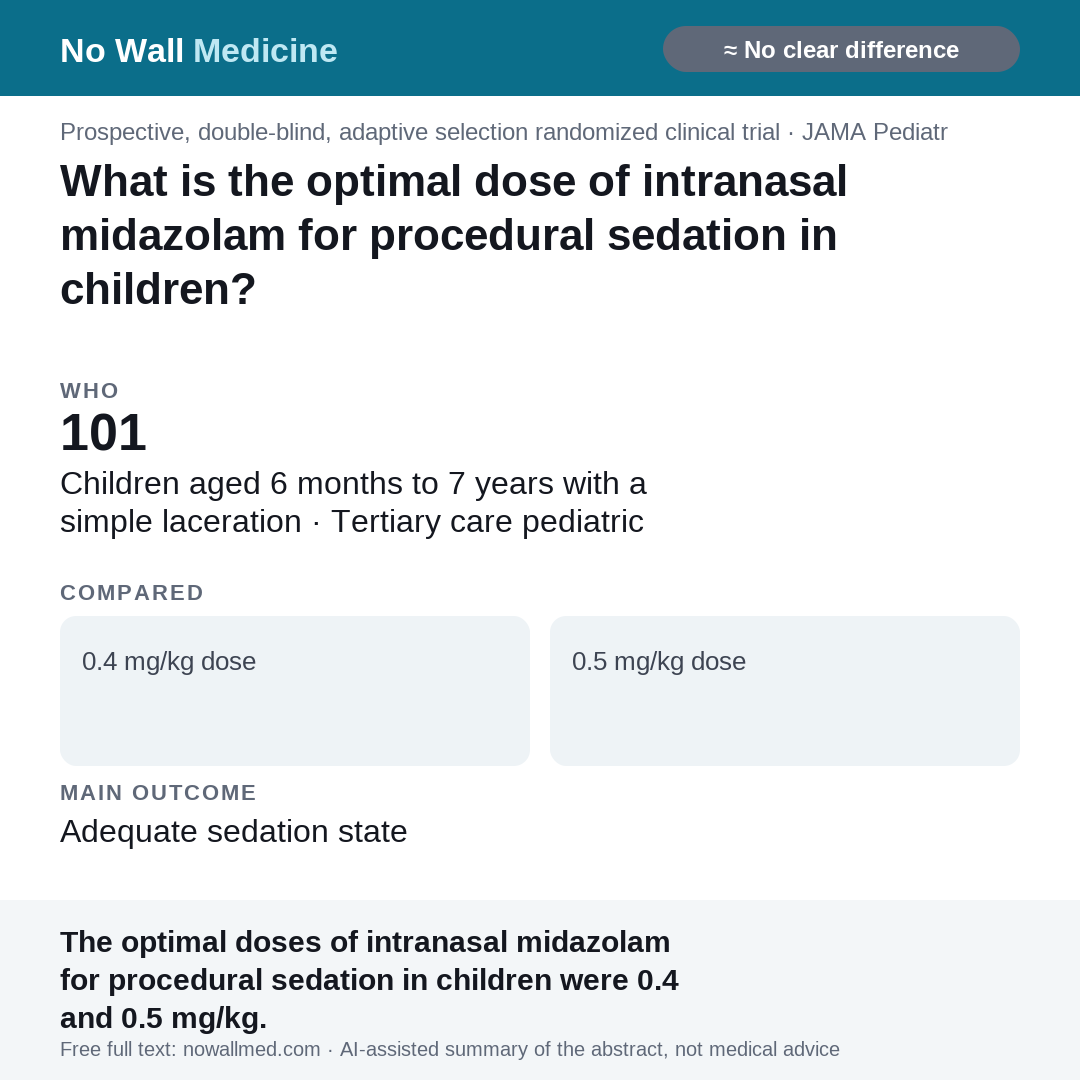
Optimal Dose of Intranasal Midazolam for Procedural Sedation in Children: A Randomized Clinical Trial
Prospective, double-blind, adaptive selection randomized clinical trialNo clear difference
What is the optimal dose of intranasal midazolam for procedural sedation in children?
Who
101
Children aged 6 months to 7 years with a simple laceration · Tertiary care pediatric emergency department
Compared
0.4 mg/kg dose
0.5 mg/kg dose
Main outcome
Adequate sedation state
Bottom line: The optimal doses of intranasal midazolam for procedural sedation in children were 0.4 and 0.5 mg/kg.
JAMA Pediatr · 2025-07-28Download image
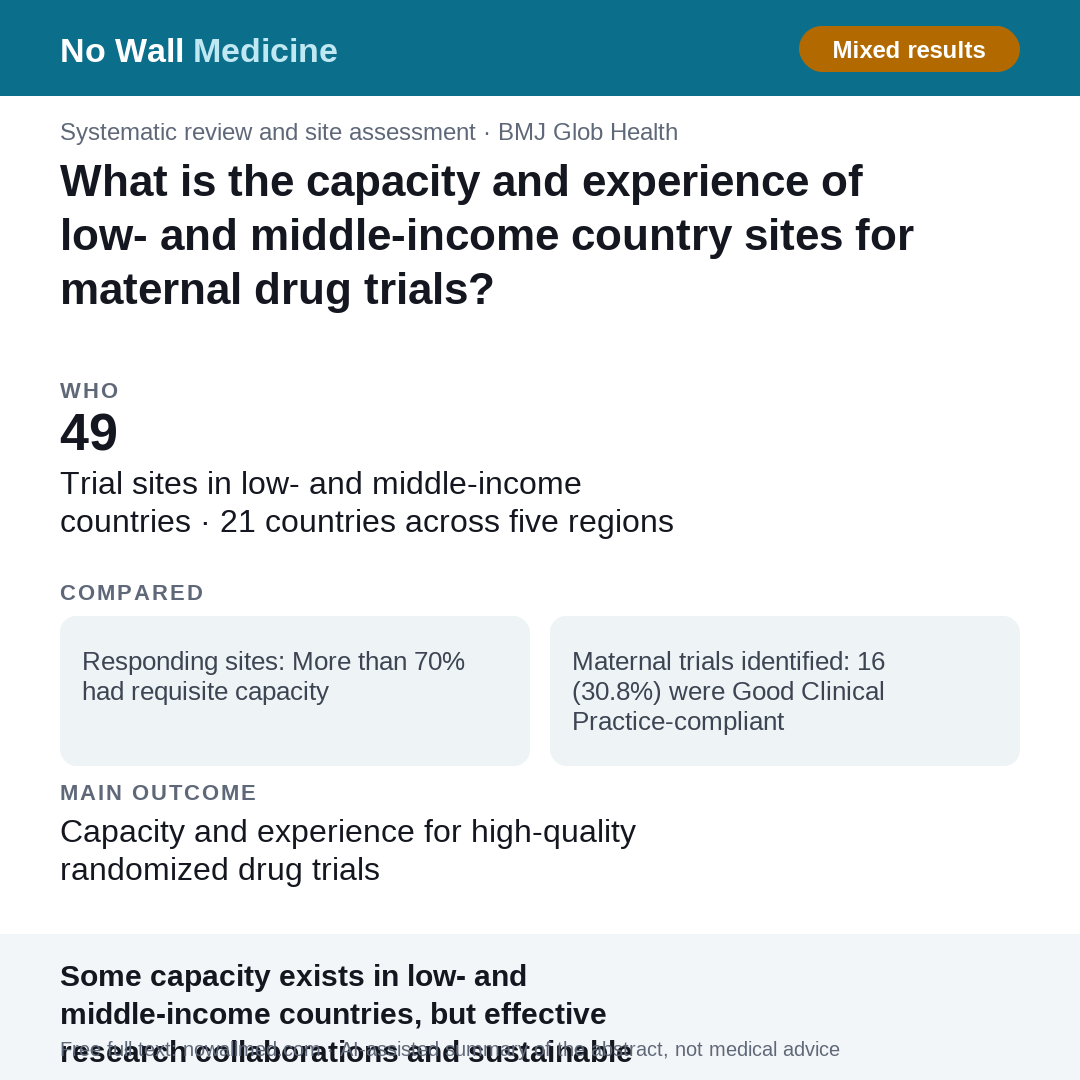
Identifying and assessing the capacity and experience of trial sites in low- and middle-income countries for high-quality randomised drug trials in maternal and perinatal health
Systematic review and site assessmentMixed results
What is the capacity and experience of low- and middle-income country sites for maternal drug trials?
Who
49
Trial sites in low- and middle-income countries · 21 countries across five regions
Compared
Responding sites: More than 70% had requisite capacity
Maternal trials identified: 16 (30.8%) were Good Clinical Practice-compliant
Main outcome
Capacity and experience for high-quality randomized drug trials
Bottom line: Some capacity exists in low- and middle-income countries, but effective research collaborations and sustainable networks are needed.
BMJ Glob Health · 2025-07-27Download image
Stigma measurement in health: a systematic review
Systematic reviewUnclear result
How is stigma defined and measured in health contexts?
Who
2267
Studies on stigma measurement in health · 101 countries
Compared
396Development focused tools (15.2%)
2369Applied tools (91.0%)
Main outcome
Definitions, measurement, psychometrics, and interventions of stigma
Bottom line: There is a lack of consensus on stigma definitions and a need for standardized, context-sensitive measurement tools.
Limitation: Lack of consensus on definitions, limited pediatric research, and insufficient attention to structural drivers.
Funded by: St. Jude Children's Research Hospital, National Cancer Institute, ALSA, Siteman Cancer Center
eClinicalMedicine · 2025-07-24Download image

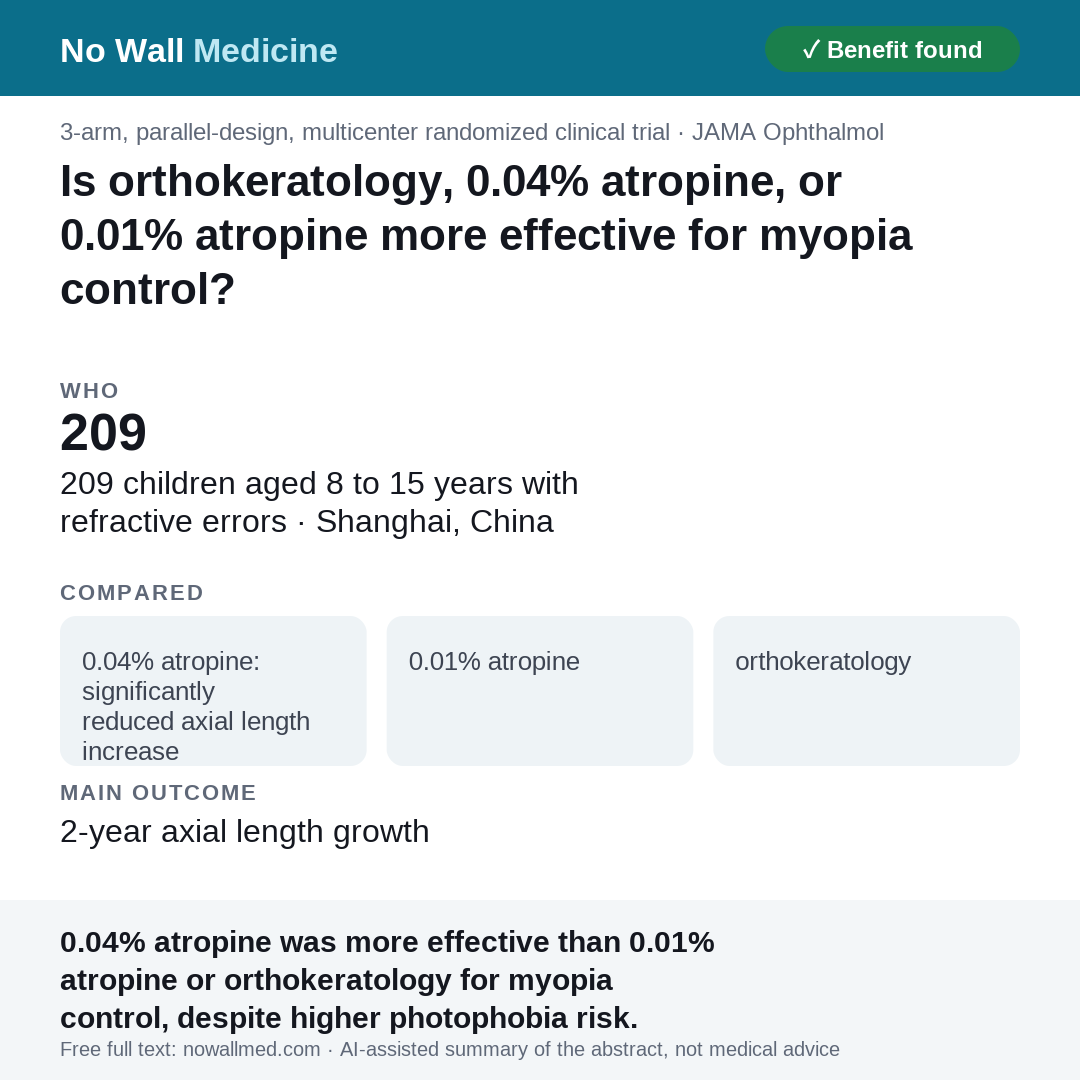
Orthokeratology, 0.04% Atropine, and 0.01% Atropine for Myopia Control: A Randomized Clinical Trial
3-arm, parallel-design, multicenter randomized clinical trialBenefit found
Is orthokeratology, 0.04% atropine, or 0.01% atropine more effective for myopia control?
Who
209
209 children aged 8 to 15 years with refractive errors · Shanghai, China
Compared
0.04% atropine: significantly reduced axial length increase
0.01% atropine
orthokeratology
Main outcome
2-year axial length growth
Result: difference 0.18 mm (95% CI, 0.11-0.26) between 0.04% and 0.01% atropine
Bottom line: 0.04% atropine was more effective than 0.01% atropine or orthokeratology for myopia control, despite higher photophobia risk.
JAMA Ophthalmol · 2025-07-24Download image
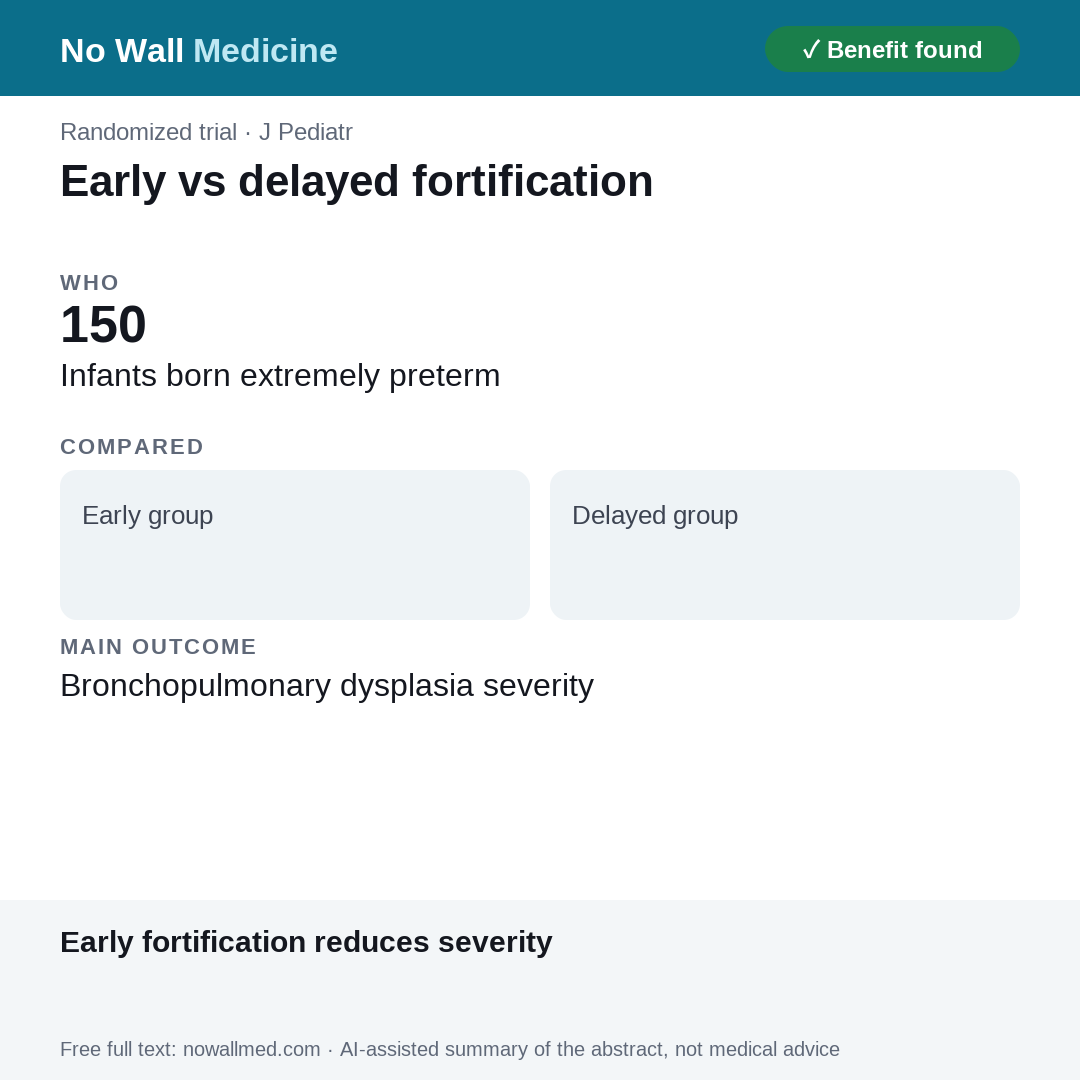
Severity of Bronchopulmonary Dysplasia in Infants Born Extremely Preterm and Randomized to Early Human Milk Fortification with a Donor Milk-Derived Fortifier for 2 Weeks
Randomized trialBenefit found
Early vs delayed fortification
Who
150
Infants born extremely preterm
Compared
Early group
Delayed group
Main outcome
Bronchopulmonary dysplasia severity
Bottom line: Early fortification reduces severity
J Pediatr · 2025-07-24Download image
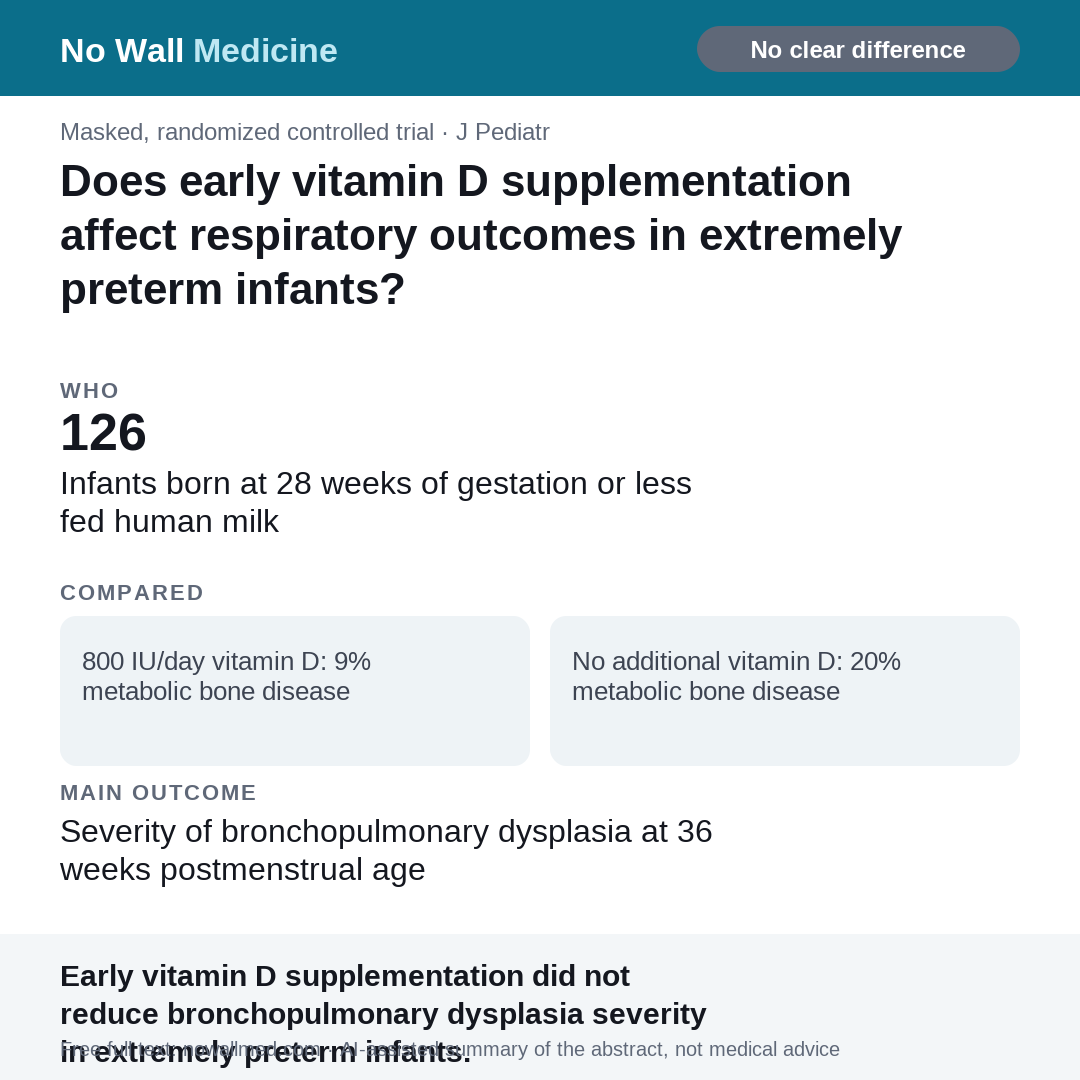
Early Vitamin D Supplementation in Infants Born Extremely Preterm and Fed Human Milk: A Randomized Controlled Trial
Masked, randomized controlled trialNo clear difference
Does early vitamin D supplementation affect respiratory outcomes in extremely preterm infants?
Who
126
Infants born at 28 weeks of gestation or less fed human milk
Compared
800 IU/day vitamin D: 9% metabolic bone disease
No additional vitamin D: 20% metabolic bone disease
Main outcome
Severity of bronchopulmonary dysplasia at 36 weeks postmenstrual age
Result: relative risk 0.43 (95% CI 0.16, 1.15)
Bottom line: Early vitamin D supplementation did not reduce bronchopulmonary dysplasia severity in extremely preterm infants.
J Pediatr · 2025-07-24Download image
The Oral Health Disparity Among Refugee Children: A Systematic Review
Systematic reviewHarm found
What are the oral health problems among refugee children in developed nations?
Who
30
Refugee children resettled in developed nations · Developed nations
Compared
Refugee children: 78% with dental caries
Age-and sex-matched children
Main outcome
Oral health status and dental caries prevalence
Bottom line: Refugee children face higher risks of oral disease than nonrefugee immigrant and native-born populations.
Limitation: Lack of standardized or comprehensive measures of oral health.
Laryngoscope Investig Otolaryngol · 2025-07-24Download image

Estimating the annual number of hepatitis C virus infections through vertical transmission at country, regional, and global levels: a data synthesis study
Data synthesis studyUnclear result
What is the annual number of vertical hepatitis C virus infections globally?
Who
Children born to women with hepatitis C virus infection · Global, regional, and country levels
Compared
Annual global vertical hepatitis C infections: 73 862 (95% UI 69 808-78 279)
Children alive with hepatitis C at 5 years: 23 120 (20 596-25 813)
Main outcome
Annual number of vertical hepatitis C virus infections
Bottom line: An estimated 73 862 vertical hepatitis C infections occur annually, with 23 120 children remaining infected at age 5.
Limitation: Data on the safety of hepatitis C treatments in pregnant women are required.
Lancet Gastroenterol Hepatol · 2025-07-23Download image

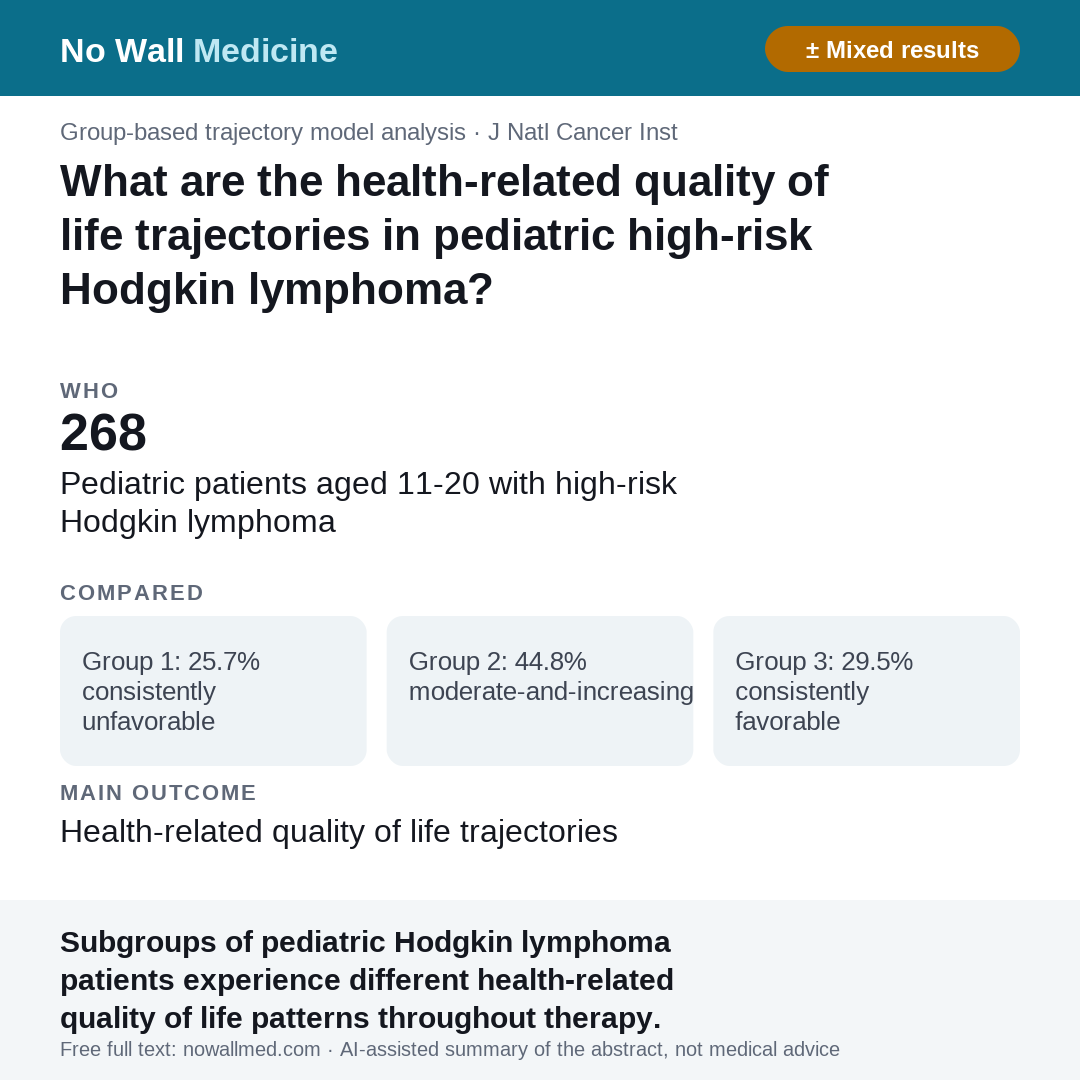
Emollients to Prevent Pediatric Eczema: A Randomized Clinical Trial
Randomized, decentralized pragmatic clinical trialBenefit found
Does daily emollient application in infants reduce atopic dermatitis incidence by 24 months?
Who
1247
Infant-parent dyads not selected for risk · 25 community-based pediatric and family medicine clinics
Compared
36.1%Daily moisturizer group
43.0%Control group
Main outcome
Physician-diagnosed atopic dermatitis by age 24 months
Result: relative risk 0.84 (95% CI, 0.73-0.97)
Bottom line: Daily emollient application starting before 9 weeks of age reduces atopic dermatitis incidence in infants by 24 months.
JAMA Dermatol · 2025-07-23Download image
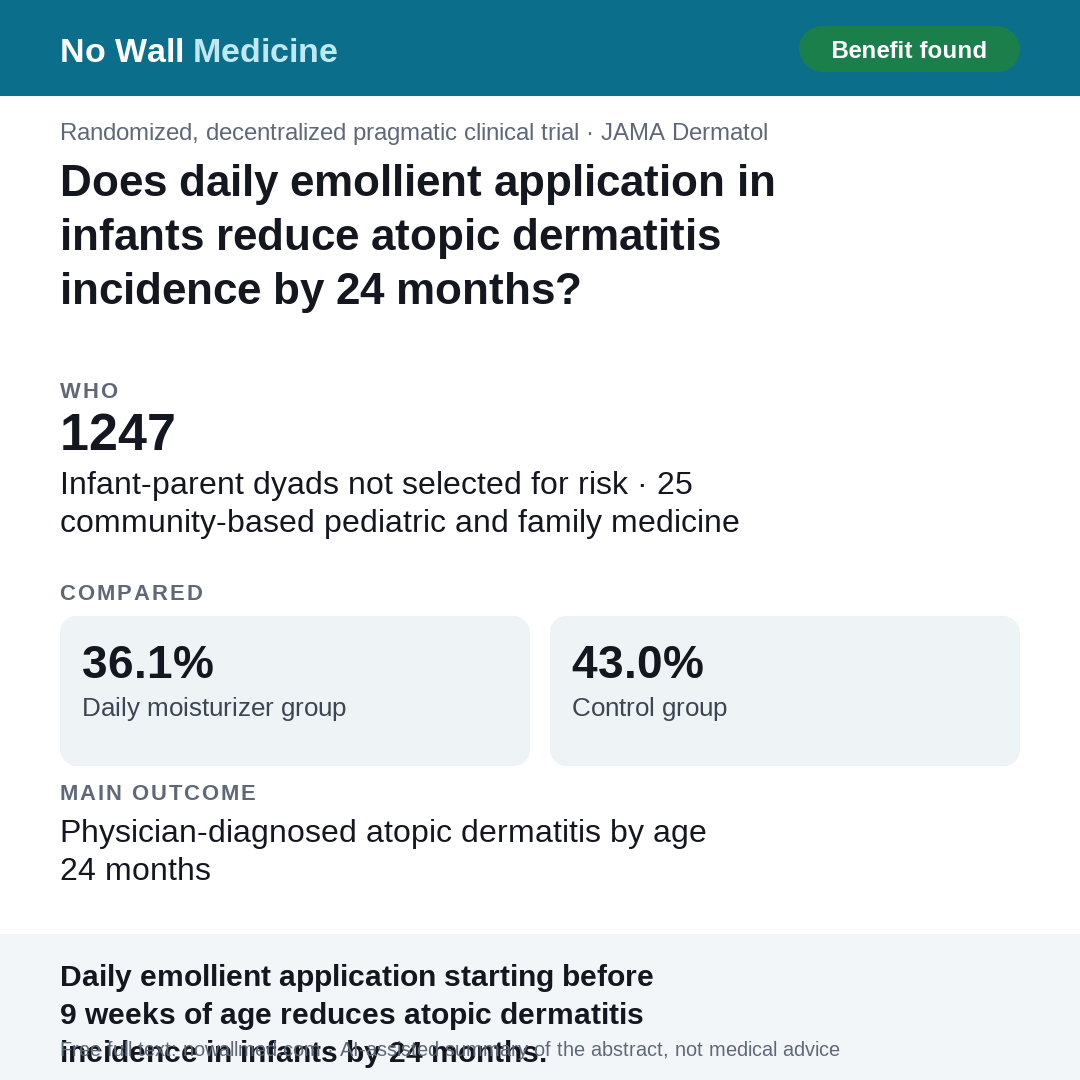
Comparative effectiveness of diverse strategies for the prevention or treatment of epidural-related maternal fever: a systematic review and network meta-analysis of randomized controlled trials
Network meta-analysis of randomized controlled trialsBenefit found
Which interventions are most effective for preventing or treating epidural-related maternal fever?
Who
8235
Laboring women experiencing epidural-related maternal fever
Compared
Preventive interventions: odds ratios 0.29-0.64
Conventional epidural analgesia: odds ratios 2.01-5.28
Main outcome
incidence of epidural-related maternal fever
Bottom line: Electroacupuncture, magnetic bead auricular point therapy, and prophylactic steroids are the most effective interventions for preventing epidural-related maternal fever.
AJOG · 2025-07-23Download image
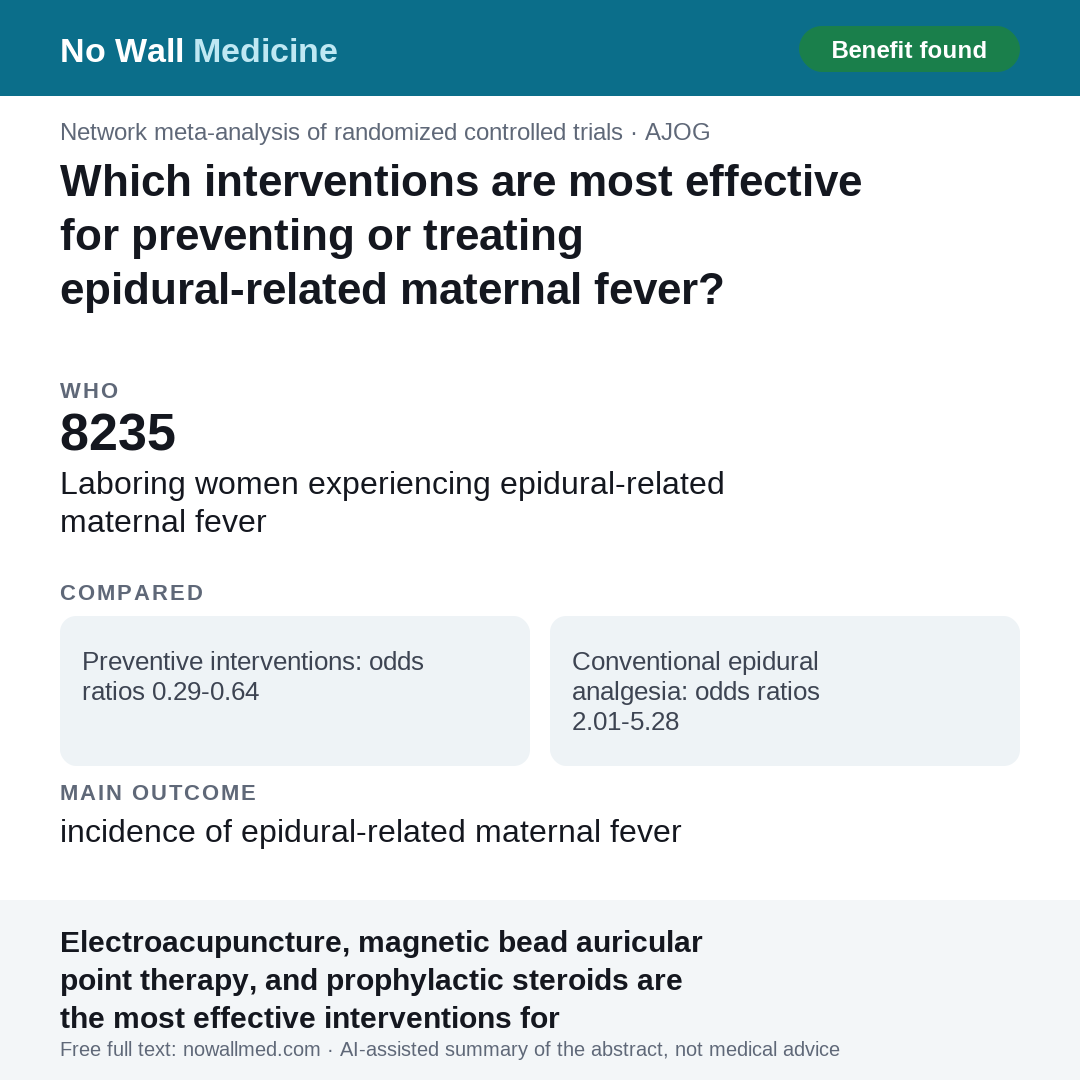
Group-based trajectories of health-related quality of life among pediatric patients with high-risk Hodgkin lymphoma
Group-based trajectory model analysisMixed results
What are the health-related quality of life trajectories in pediatric high-risk Hodgkin lymphoma?
Who
268
Pediatric patients aged 11-20 with high-risk Hodgkin lymphoma
Compared
Group 1: 25.7% consistently unfavorable
Group 2: 44.8% moderate-and-increasing
Group 3: 29.5% consistently favorable
Main outcome
Health-related quality of life trajectories
Bottom line: Subgroups of pediatric Hodgkin lymphoma patients experience different health-related quality of life patterns throughout therapy.
J Natl Cancer Inst · 2025-07-23Download image
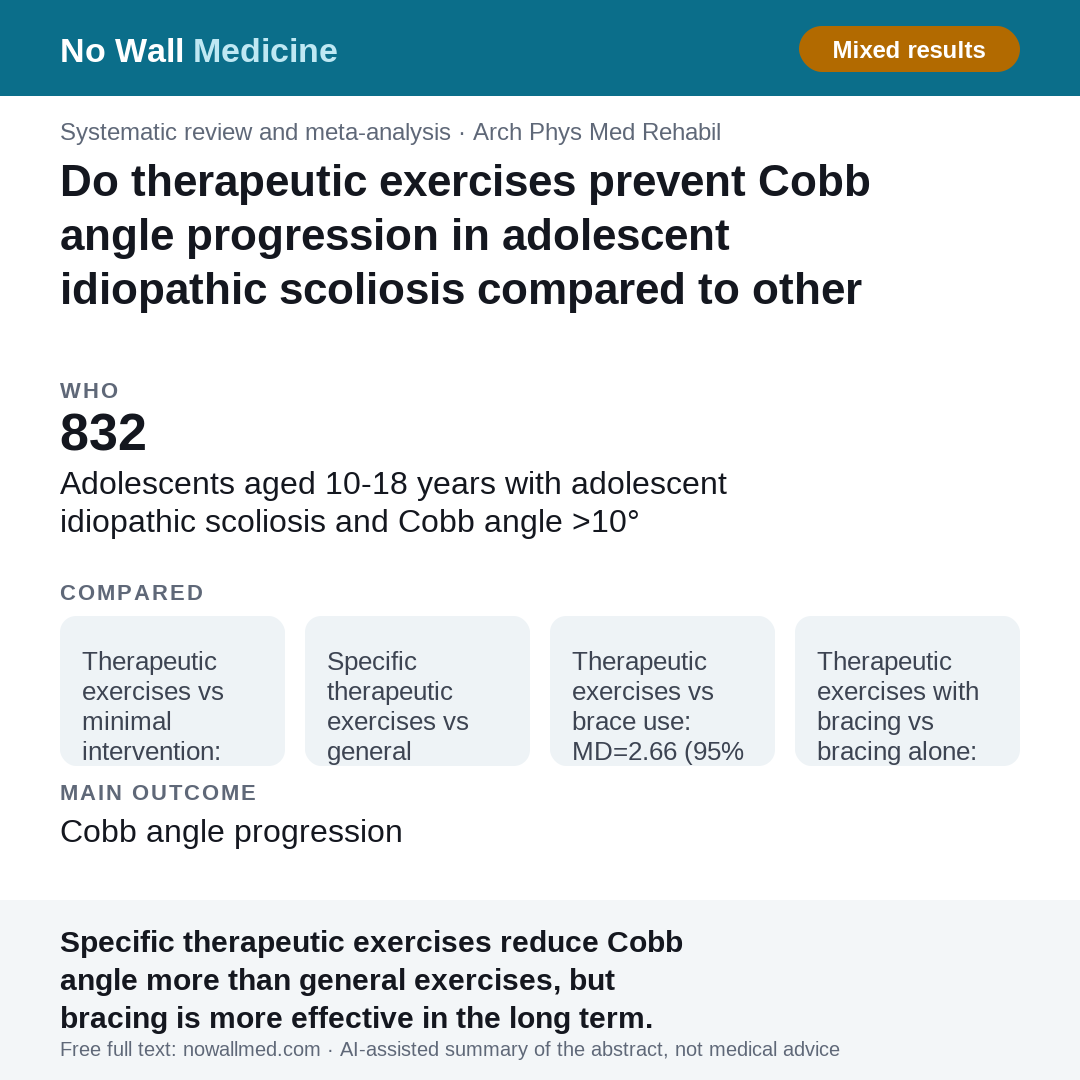
Impact of Therapeutic Exercises Versus General Conservative Modalities and Brace on the Progression of Adolescent Idiopathic Scoliosis: Systematic Review and Meta-analysis
Systematic review and meta-analysisMixed results
Do therapeutic exercises prevent Cobb angle progression in adolescent idiopathic scoliosis compared to other treatments?
Who
832
Adolescents aged 10-18 years with adolescent idiopathic scoliosis and Cobb angle >10°
Compared
Therapeutic exercises vs minimal intervention: mean difference -1.33 (95% CI -4.87 to 2.22)
Specific therapeutic exercises vs general exercises: MD=-6.00 (95% CI, -6.88 to -5.12) long term
Therapeutic exercises vs brace use: MD=2.66 (95% CI, 0.18-5.14) long term
Therapeutic exercises with bracing vs bracing alone: MD=2.25 (95% CI, -3.86 to -0.63) short term
Main outcome
Cobb angle progression
Bottom line: Specific therapeutic exercises reduce Cobb angle more than general exercises, but bracing is more effective in the long term.
Limitation: Further high-quality trials are needed to establish optimal treatment protocols.
Arch Phys Med Rehabil · 2025-07-23Download image
Understanding the Variability of Peanut-Oral Immunotherapy Responses by Multi-Omics Profiling of Immune Cells
Placebo-controlled trial with multi-omics profilingMixed results
What molecular drivers determine responsiveness to peanut oral immunotherapy in allergic children?
Who
Peanut-allergic children undergoing oral immunotherapy
Compared
Complete responders: tolerating 4500 mg of peanut protein
Incomplete responders: tolerated ≤ 1000 mg of peanut protein
Main outcome
Peanut oral immunotherapy responsiveness and molecular profiles
Bottom line: Multi-omics profiling identifies gastrointestinal immune mechanisms and molecular biomarkers that differentiate peanut oral immunotherapy responders from non-responders.
Allergy · 2025-07-22Download image

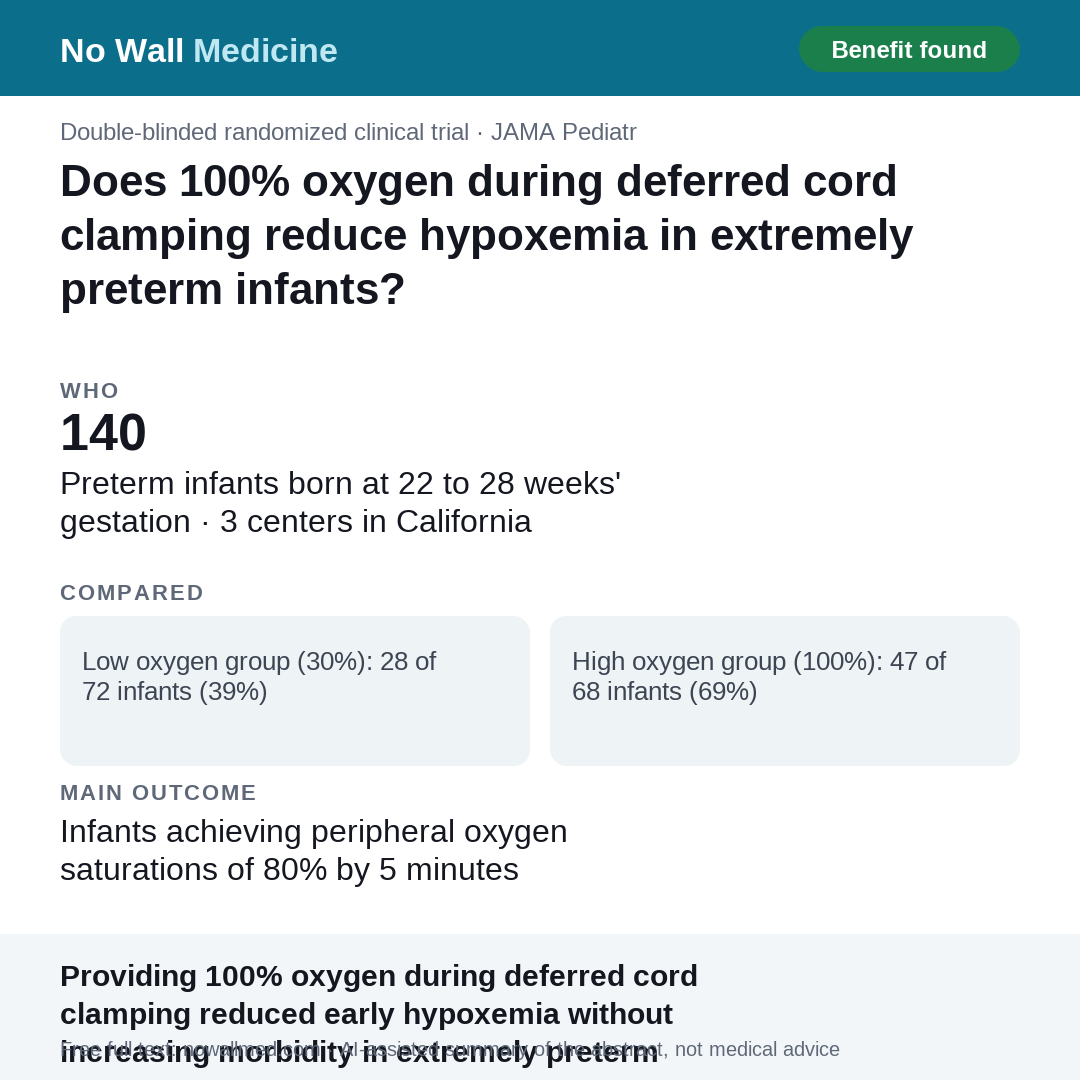
Deferred Cord Clamping With High Oxygen in Extremely Preterm Infants: A Randomized Clinical Trial
Double-blinded randomized clinical trialBenefit found
Does 100% oxygen during deferred cord clamping reduce hypoxemia in extremely preterm infants?
Who
140
Preterm infants born at 22 to 28 weeks' gestation · 3 centers in California
Compared
Low oxygen group (30%): 28 of 72 infants (39%)
High oxygen group (100%): 47 of 68 infants (69%)
Main outcome
Infants achieving peripheral oxygen saturations of 80% by 5 minutes
Result: adjusted odds ratio 3.74 (95% CI 1.80-7.79)
Bottom line: Providing 100% oxygen during deferred cord clamping reduced early hypoxemia without increasing morbidity in extremely preterm infants.
Limitation: A large randomized clinical trial is needed to determine long-term survival and morbidities.
JAMA Pediatr · 2025-07-21Download image
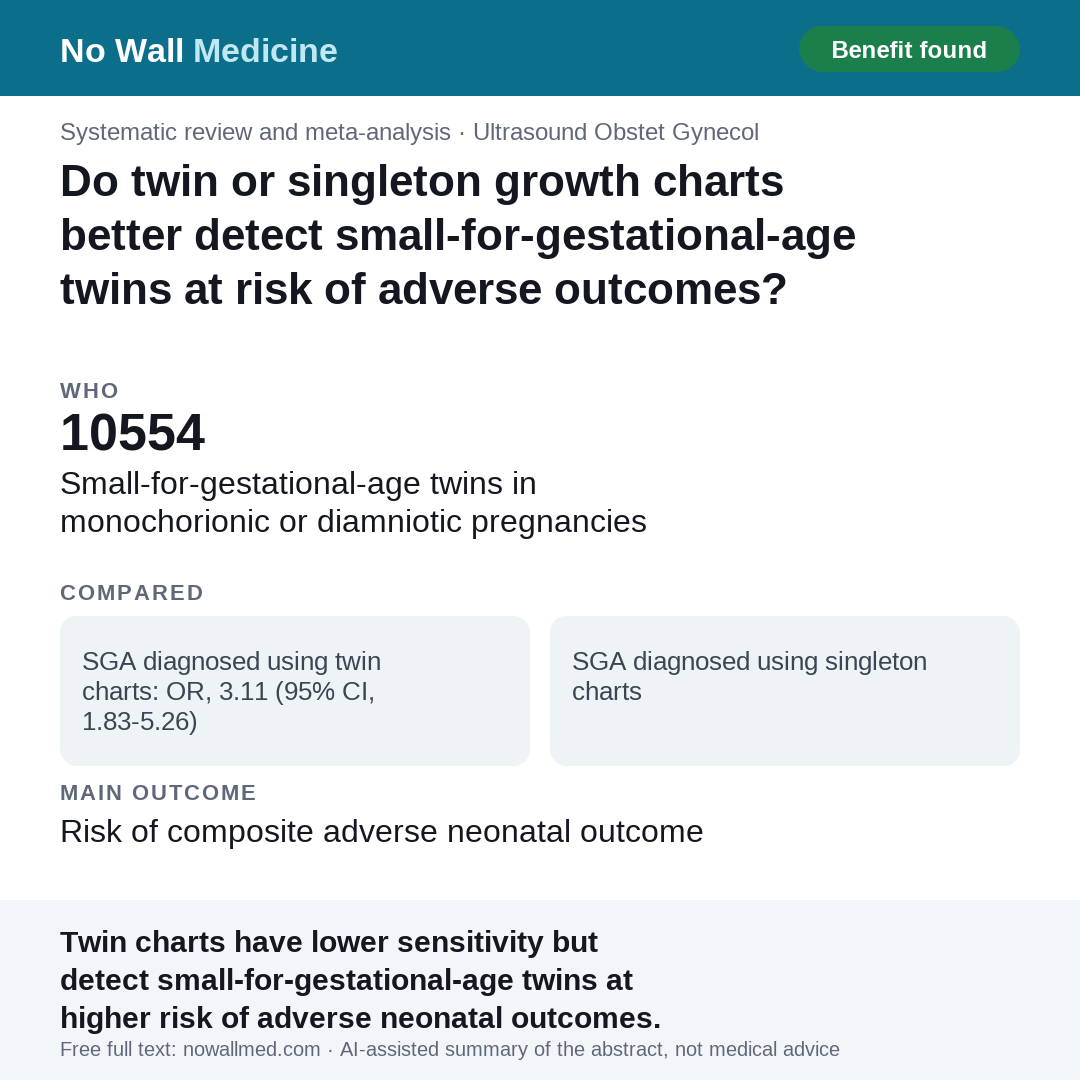
Adverse neonatal outcomes in small-for-gestational age twins identified using twin vs singleton growth charts: systematic review and meta-analysis
Systematic review and meta-analysisBenefit found
Do twin or singleton growth charts better detect small-for-gestational-age twins at risk of adverse outcomes?
Who
10554
Small-for-gestational-age twins in monochorionic or diamniotic pregnancies
Compared
SGA diagnosed using twin charts: OR, 3.11 (95% CI, 1.83-5.26)
SGA diagnosed using singleton charts
Main outcome
Risk of composite adverse neonatal outcome
Result: OR, 3.11 (95% CI, 1.83-5.26)
Bottom line: Twin charts have lower sensitivity but detect small-for-gestational-age twins at higher risk of adverse neonatal outcomes.
Ultrasound Obstet Gynecol · 2025-07-21Download image
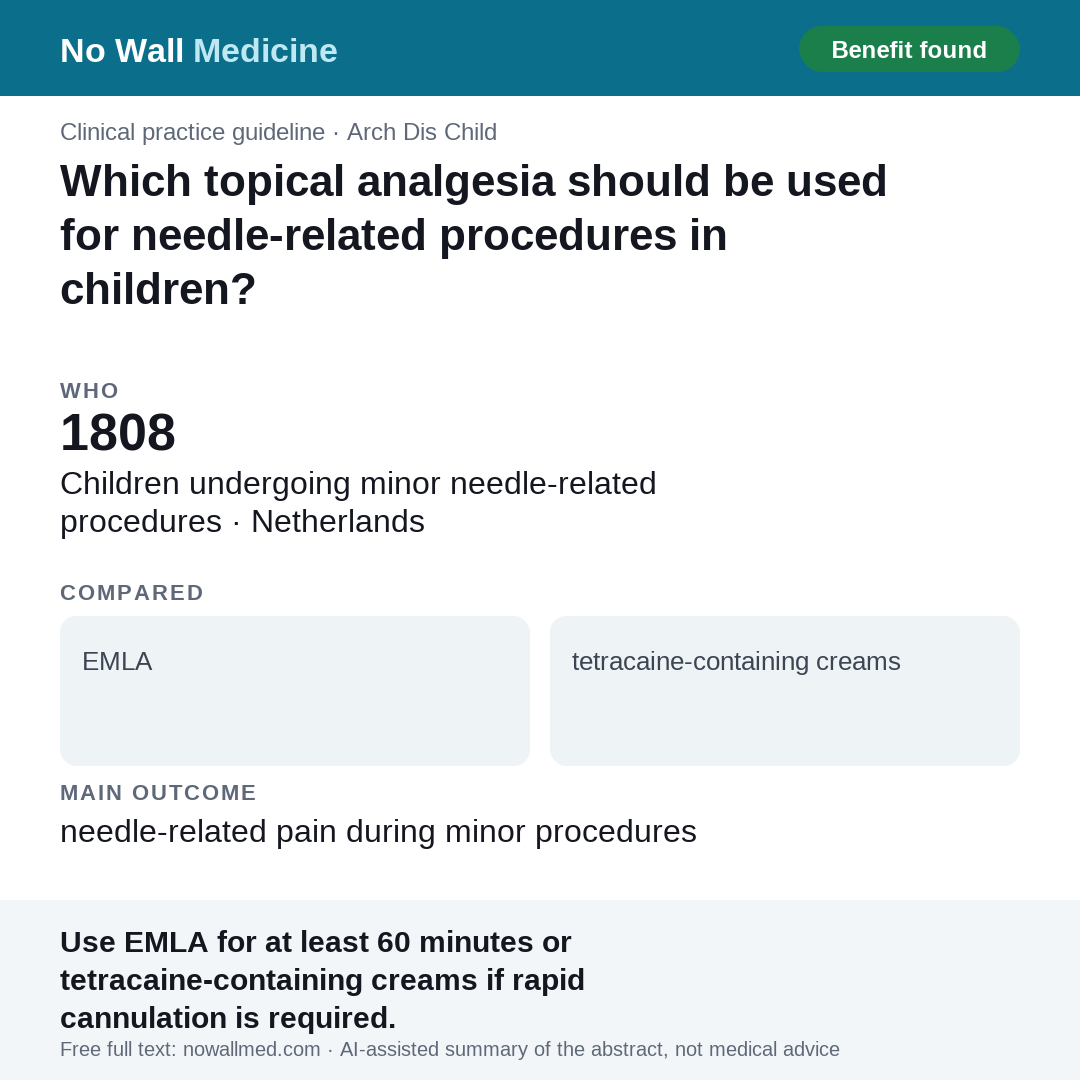
Topical analgesia during needle-related procedures in children: a clinical practice guideline
Clinical practice guidelineBenefit found
Which topical analgesia should be used for needle-related procedures in children?
Who
1808
Children undergoing minor needle-related procedures · Netherlands
Compared
EMLA
tetracaine-containing creams
Main outcome
needle-related pain during minor procedures
Bottom line: Use EMLA for at least 60 minutes or tetracaine-containing creams if rapid cannulation is required.
Limitation: very low-quality evidence
Arch Dis Child · 2025-07-18Download image
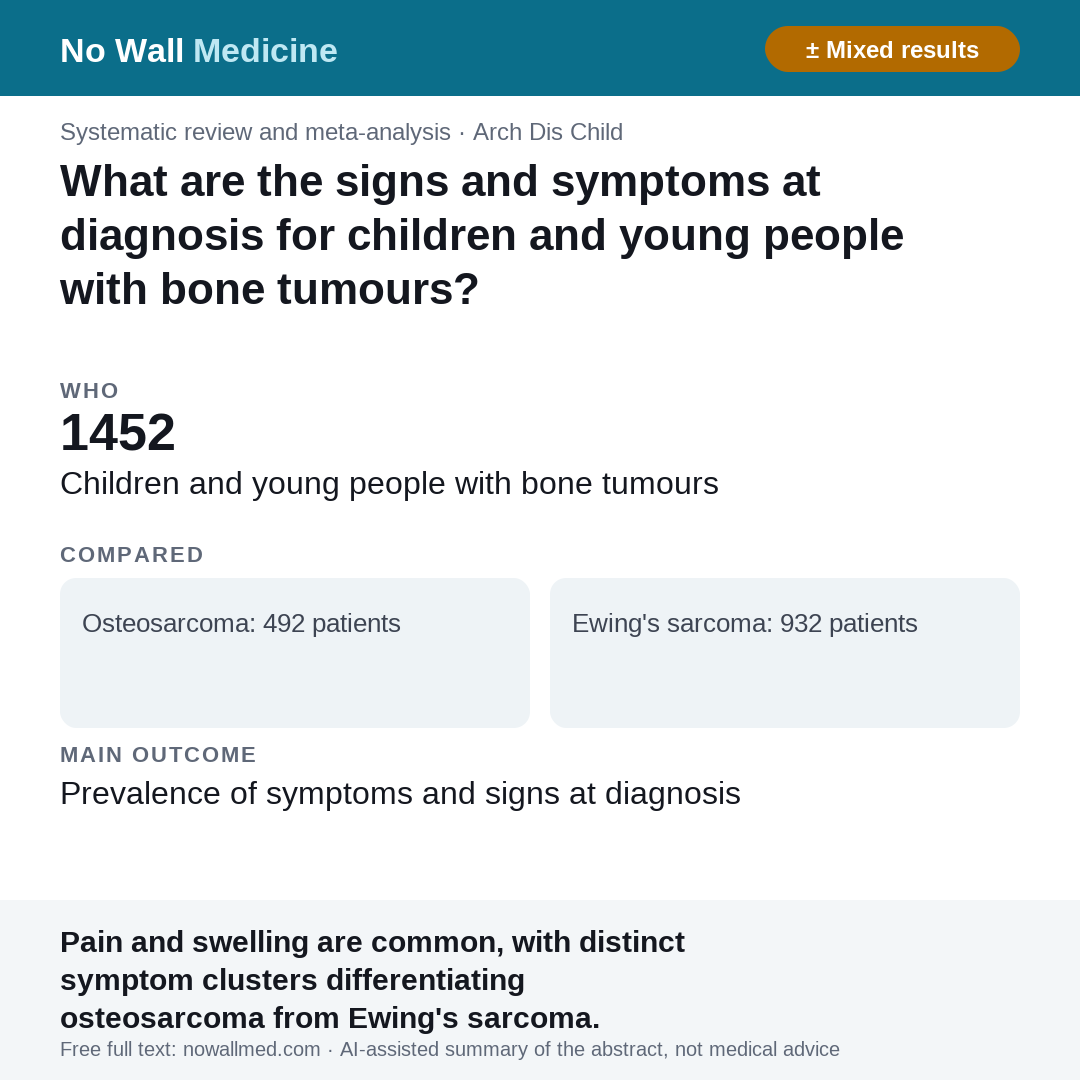
Clinical presentation of bone tumours in children and young people: a systematic review and meta-analysis
Systematic review and meta-analysisMixed results
What are the signs and symptoms at diagnosis for children and young people with bone tumours?
Who
1452
Children and young people with bone tumours
Compared
Osteosarcoma: 492 patients
Ewing's sarcoma: 932 patients
Main outcome
Prevalence of symptoms and signs at diagnosis
Bottom line: Pain and swelling are common, with distinct symptom clusters differentiating osteosarcoma from Ewing's sarcoma.
Arch Dis Child · 2025-07-18Download image
Neurodevelopmental Outcomes in Early Adolescence: The Pediatric Heart Network's Single Ventricle Reconstruction Trial
Randomized trial evaluationHarm found
What are the neurodevelopmental outcomes in early adolescence for hypoplastic left heart syndrome survivors?
Who
200
Transplant-free survivors of staged single ventricle surgical palliation
Compared
SVRIII participants: Full-scale intelligence quotient 88±18
Normative population
Main outcome
Neurodevelopmental domains including cognition, academics, learning, memory, and attention
Bottom line: Adolescent survivors show concerning neurodevelopmental impairments across all domains, significantly associated with socioeconomic factors.
Circulation · 2025-07-17Download image

Transabdominal vs transvaginal cervical cerclage in the prevention of preterm birth: a systematic review and meta-analysis
Meta-analysis of 12 studiesBenefit found
Does transabdominal cerclage compare to transvaginal cerclage for preterm birth prevention?
Who
975
Women at risk for preterm birth
Compared
Transabdominal cerclage
Transvaginal cerclage
Main outcome
Perinatal mortality and preterm birth
Result: risk ratio 0.36 (95% CI 0.14-0.95) for perinatal mortality
Bottom line: Transabdominal cerclage may reduce perinatal mortality and preterm birth rates compared to transvaginal cerclage in women at risk.
Limitation: Low confidence due to the presence of considerable heterogeneity and observational studies.
AJOG · 2025-07-17Download image